
Spotted in Our Local Marina: The Magnificent 90-Metre Superyacht NORN, €250,000,000 Price Tag
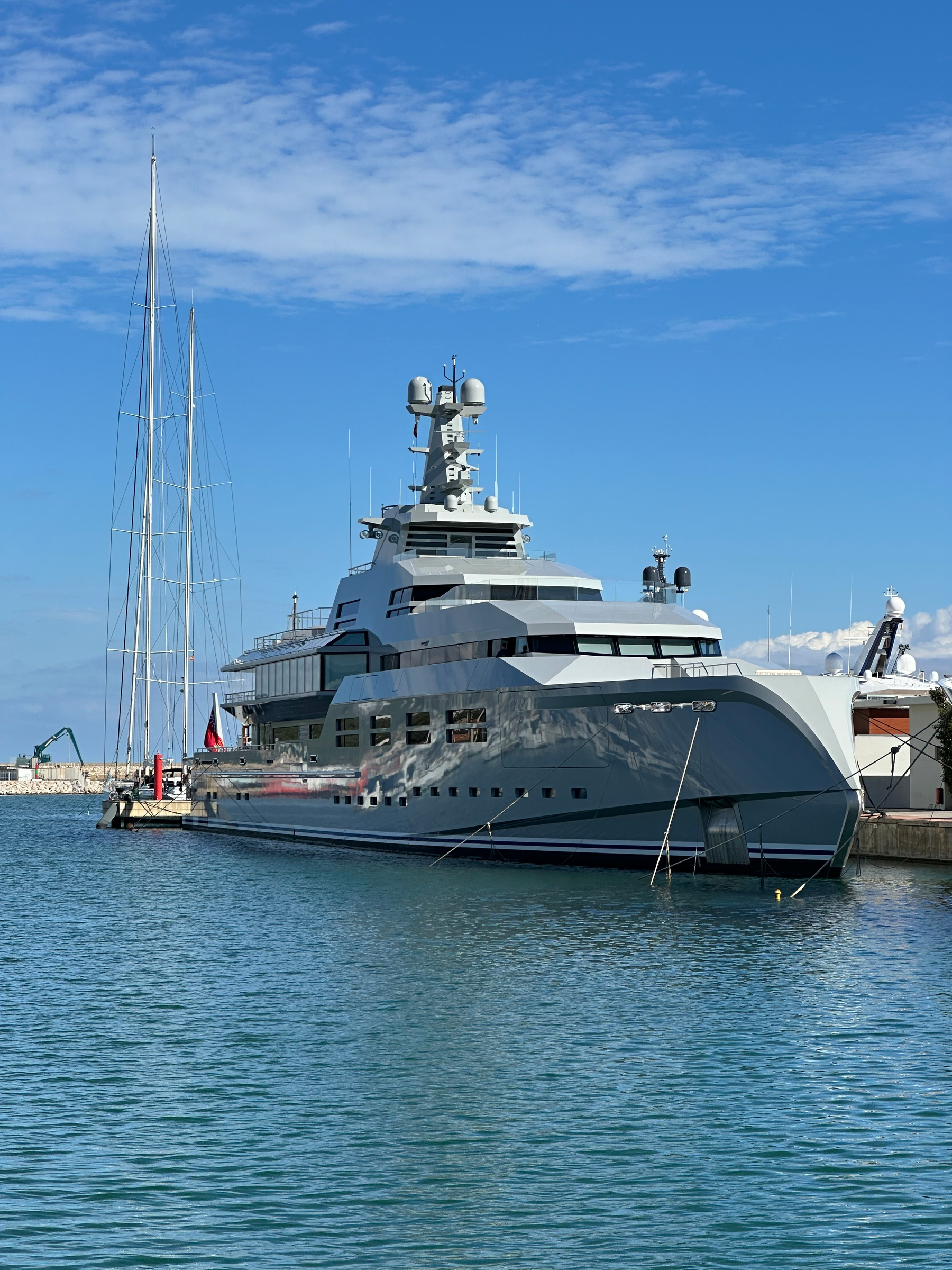
There are some boats you simply cannot walk past without stopping to admire them. Today, while visiting our local marina, I spotted M/Y NORN, a spectacular 90-metre superyacht built by the renowned German shipyard Lürssen. With her striking, military-inspired exterior and impressive scale, she is the kind of vessel that instantly transforms an ordinary marina visit into something memorable.
Delivered in 2023, NORN measures approximately 295 feet in length and was designed by renowned yacht designer Espen Øino, with interiors by Dölker + Voges. She can accommodate up to 16 guests in eight cabins, supported by a crew of 20. This is far more than a yacht; it is a floating world of luxury, engineering and extraordinary design.
According to the yacht’s published specifications, NORN can reach a top speed of around 20 knots, with a cruising range of approximately 4,000 nautical miles. Her clean lines and powerful profile give her a distinctive presence, setting her apart even among the impressive vessels that regularly visit Mediterranean marinas.
Seeing a superyacht of this scale up close is a reminder of just how fascinating the world of luxury boating can be. Photographs can capture her dimensions, but standing beside her offers a completely different perspective on the craftsmanship and engineering involved.
#NORN #Superyacht #LuxuryYachts #LurssenYachts #YachtSpotting #MediterraneanMarina #LuxuryLifestyle #YachtLife #EspenOeino #SuperyachtPhotography #MaritimeLifestyle #TravelDiscoveries
Wilanów Palace, Where Poland’s Royal Past Still Lives

The first thing I noticed when I entered the grounds of Wilanów Palace was how quickly Warsaw seemed to disappear. Just beyond the gates was the modern capital—busy streets, traffic, apartment buildings, and the restless rhythm of contemporary life—but inside the palace grounds, everything felt slower. Long avenues, carefully shaped gardens, sculptures, fountains, and the ochre-and-white palace façade created the strange sensation that I had stepped through a doorway into another Poland.
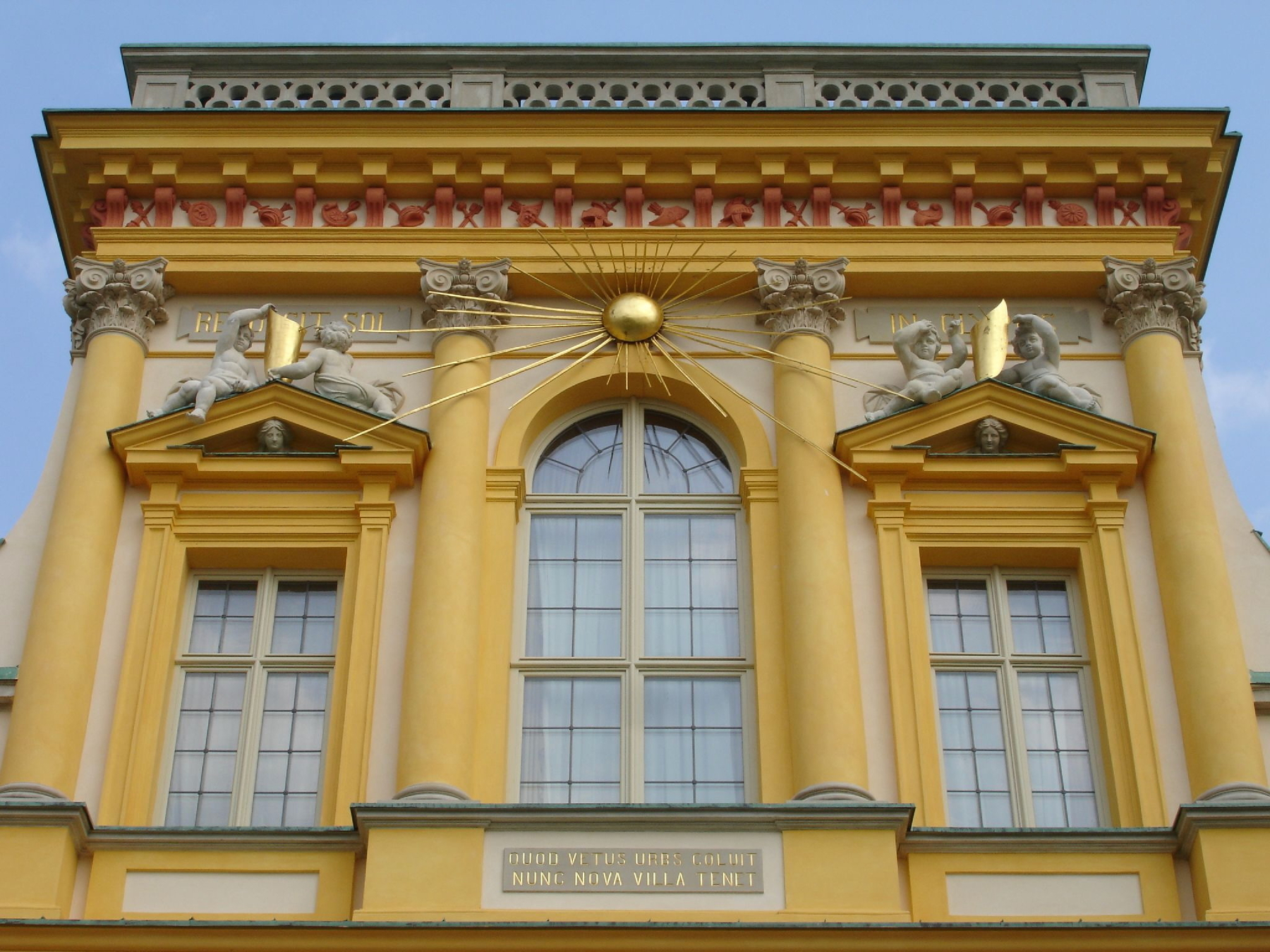
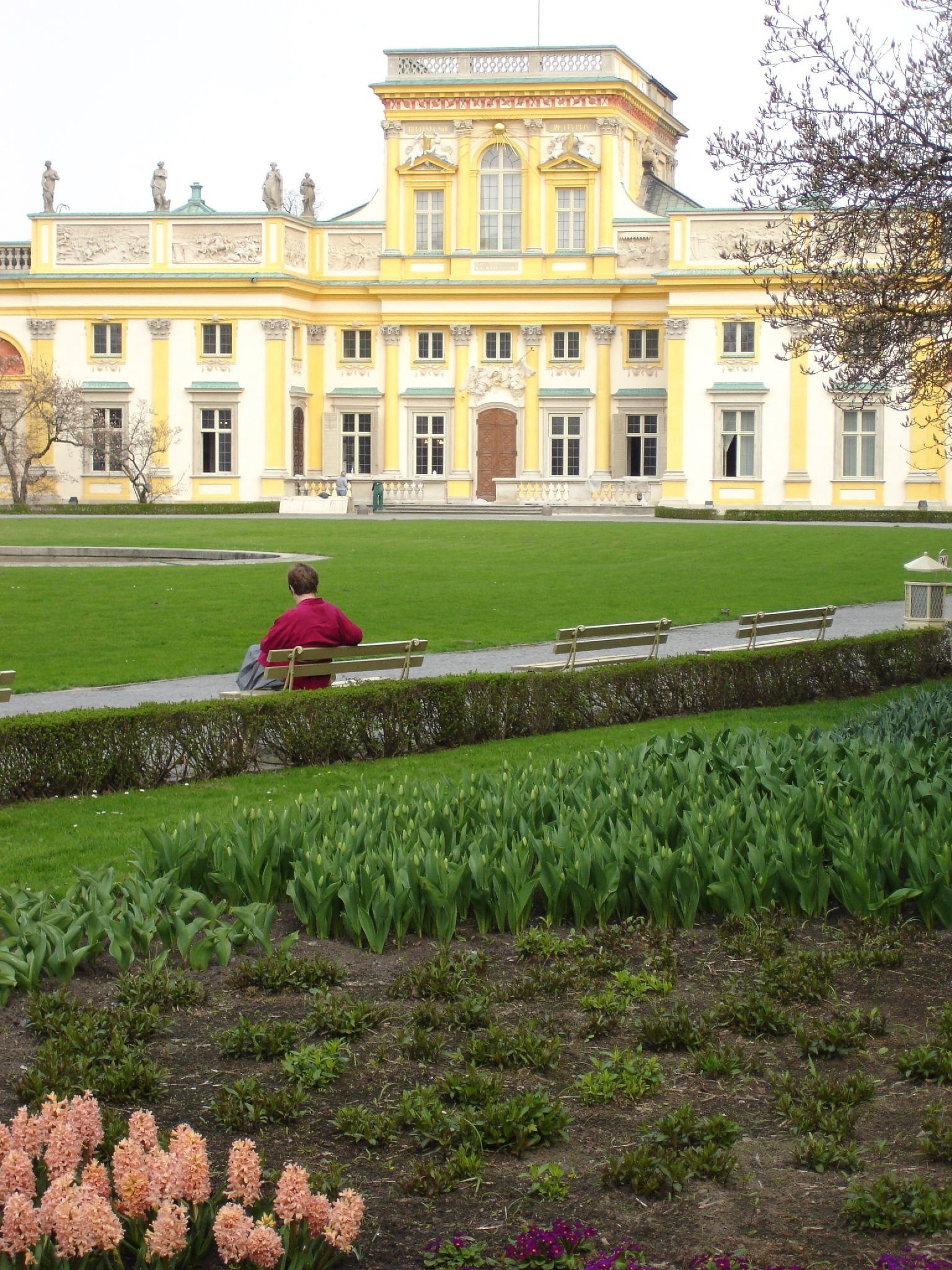
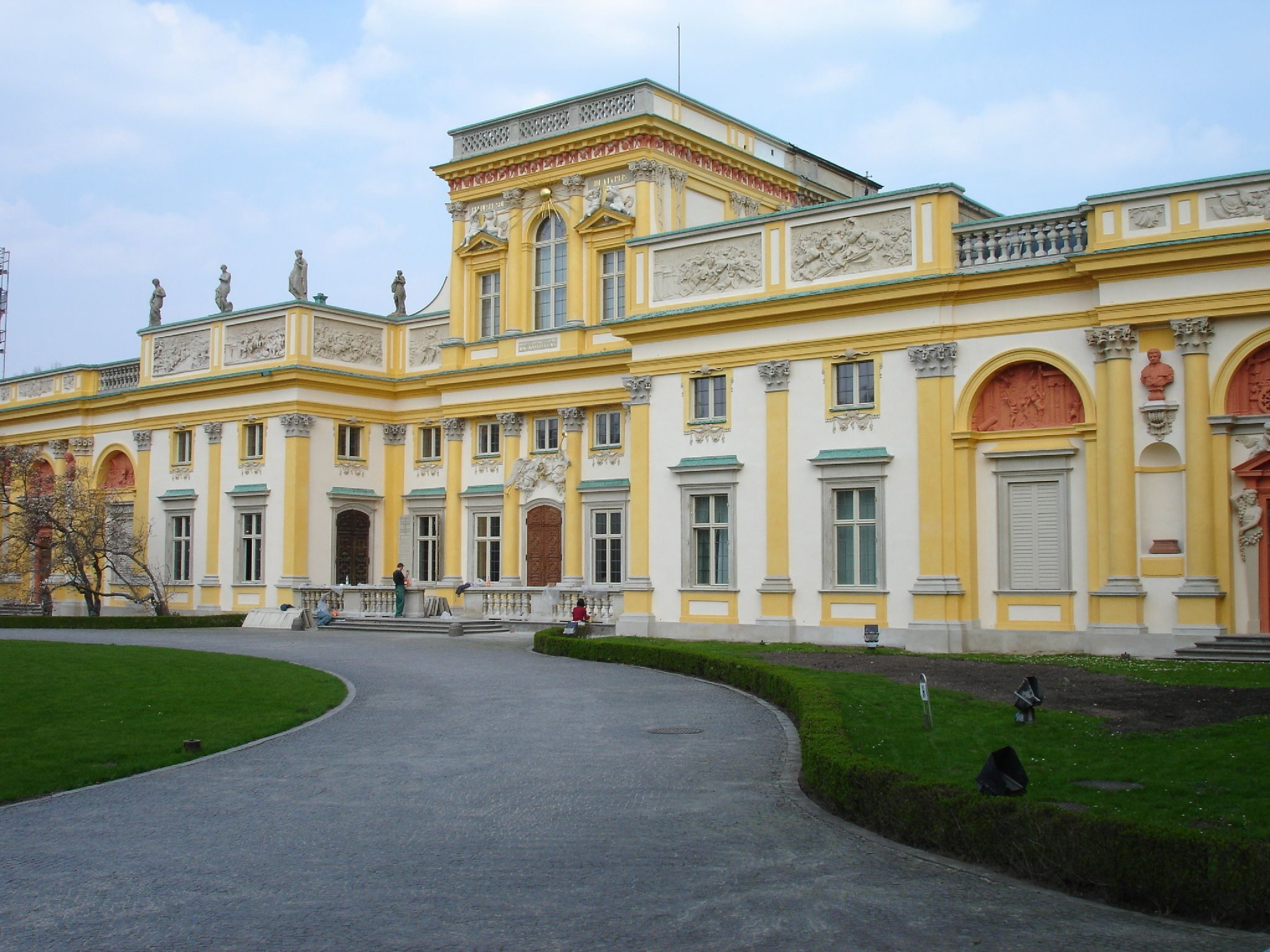
Wilanów Palace is one of those places where the history is impossible to separate from the architecture. Built in the late seventeenth century, it was created as the suburban royal residence of King Jan III Sobieski, the Polish monarch best remembered internationally for his victory over the Ottoman forces at the Battle of Vienna in 1683. Yet before I knew anything about the palace’s details, what struck me was its scale. It wasn’t designed simply as a comfortable country house. It was meant to make a statement.
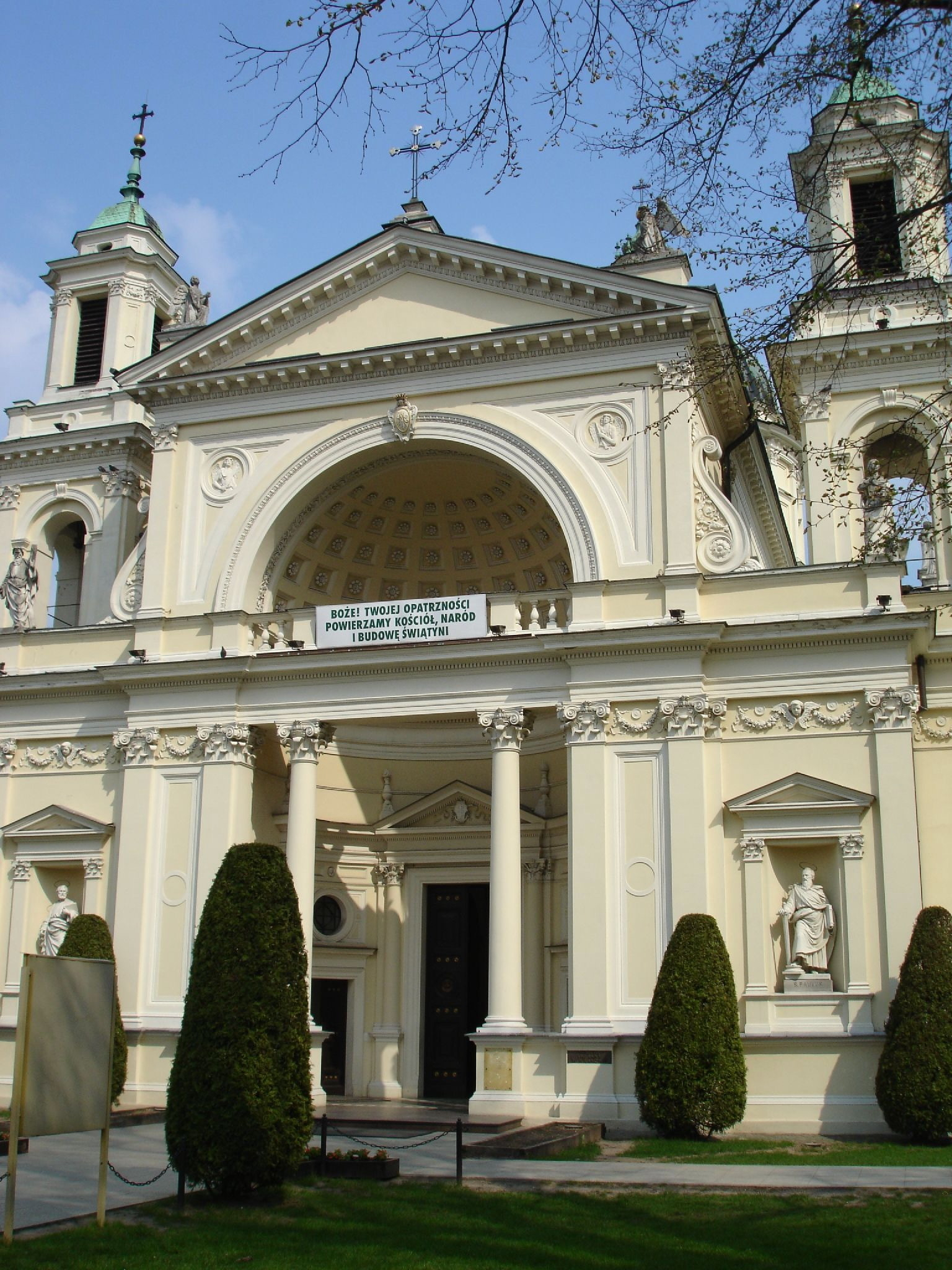
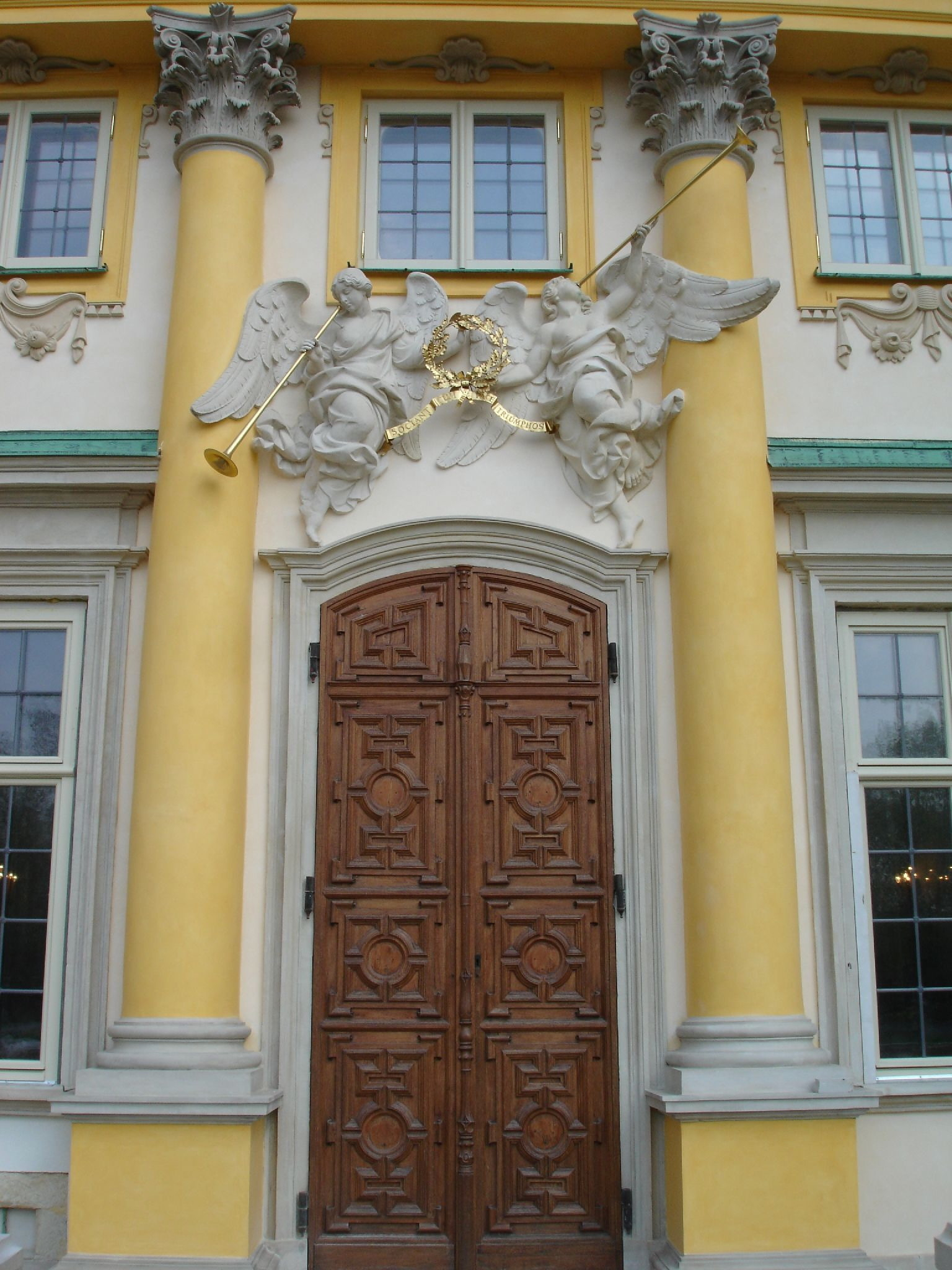
The palace began as a royal summer residence and was developed under Sobieski and his wife, Queen Maria Kazimiera, known as Marysieńka. The couple played an important role in shaping the residence, and the palace became known as Villa Nova—the “new villa”—which eventually evolved into the Polish name Wilanów. Its architect, Augustyn Wincenty Locci, created a residence that combined elements of the Italian villa, French palace, and Polish manor house. The result is wonderfully unusual: unmistakably Baroque, yet adapted to Polish traditions and the landscape.
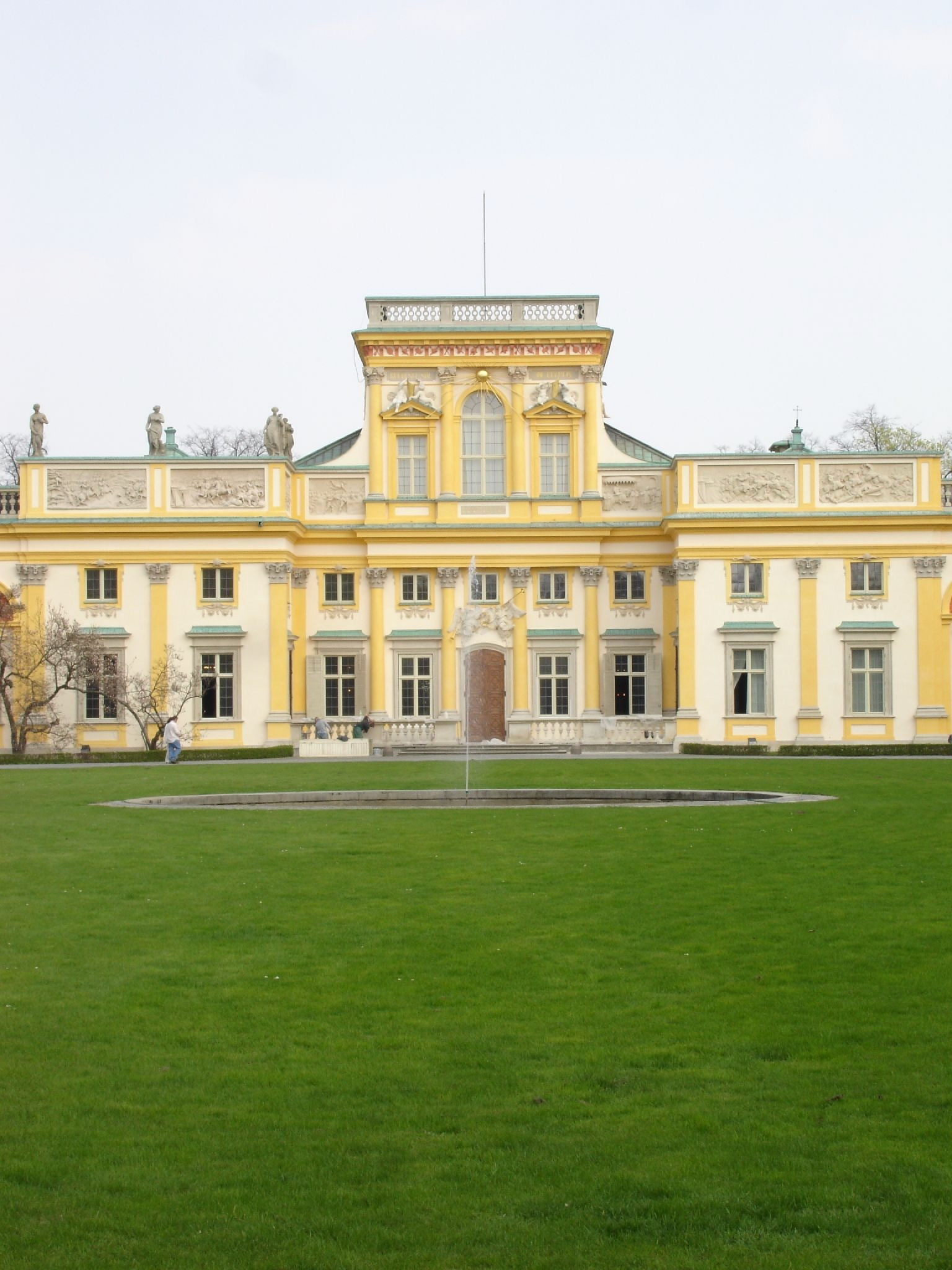

Walking toward the main façade, I began noticing how much symbolism was built into the palace itself. Sculptures, reliefs, inscriptions, and decorative details celebrate military achievement, royal authority, mythology, and the natural world. This wasn’t decoration for decoration’s sake. In the seventeenth century, architecture could function almost like political storytelling, and Wilanów was filled with visual reminders of the king’s achievements and ideals.


Inside, that storytelling continues. The royal apartments, ceremonial rooms, portraits, paintings, furniture, and decorative arts create a portrait not just of one king but of an entire aristocratic culture. I found myself imagining the palace when it was alive with visitors—courtiers arriving in elaborate clothing, musicians performing, servants moving quietly through the corridors, and guests gathering for dinners and celebrations.
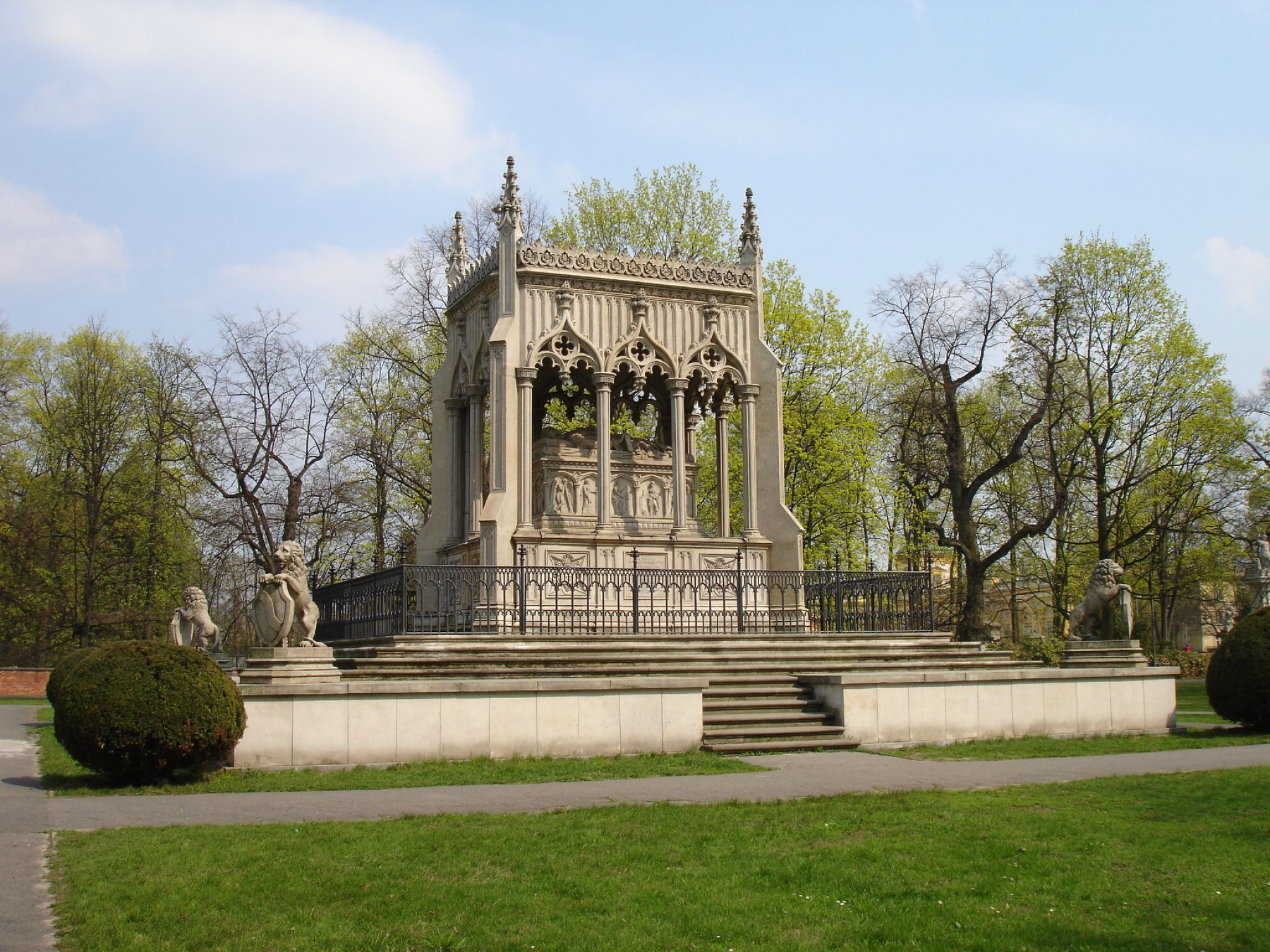
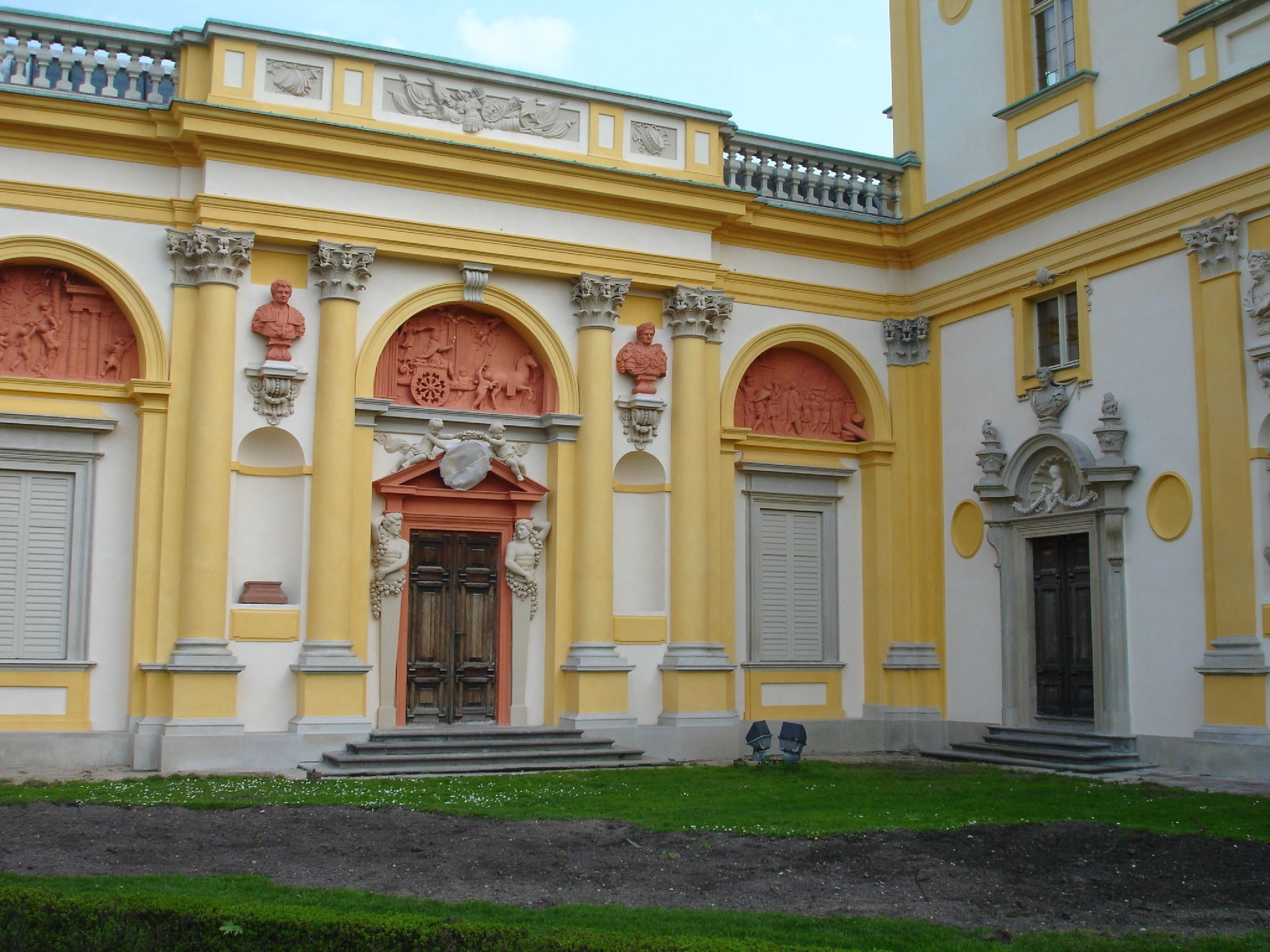
One of the most fascinating things about Wilanów is that the palace remained in private aristocratic hands after the death of Jan III Sobieski. Over the following centuries, it passed through several powerful Polish families, including the Czartoryski, Lubomirski, Potocki, and Branicki families. Each generation left something behind, adding another layer to the building’s extraordinary mixture of art, architecture, and history.
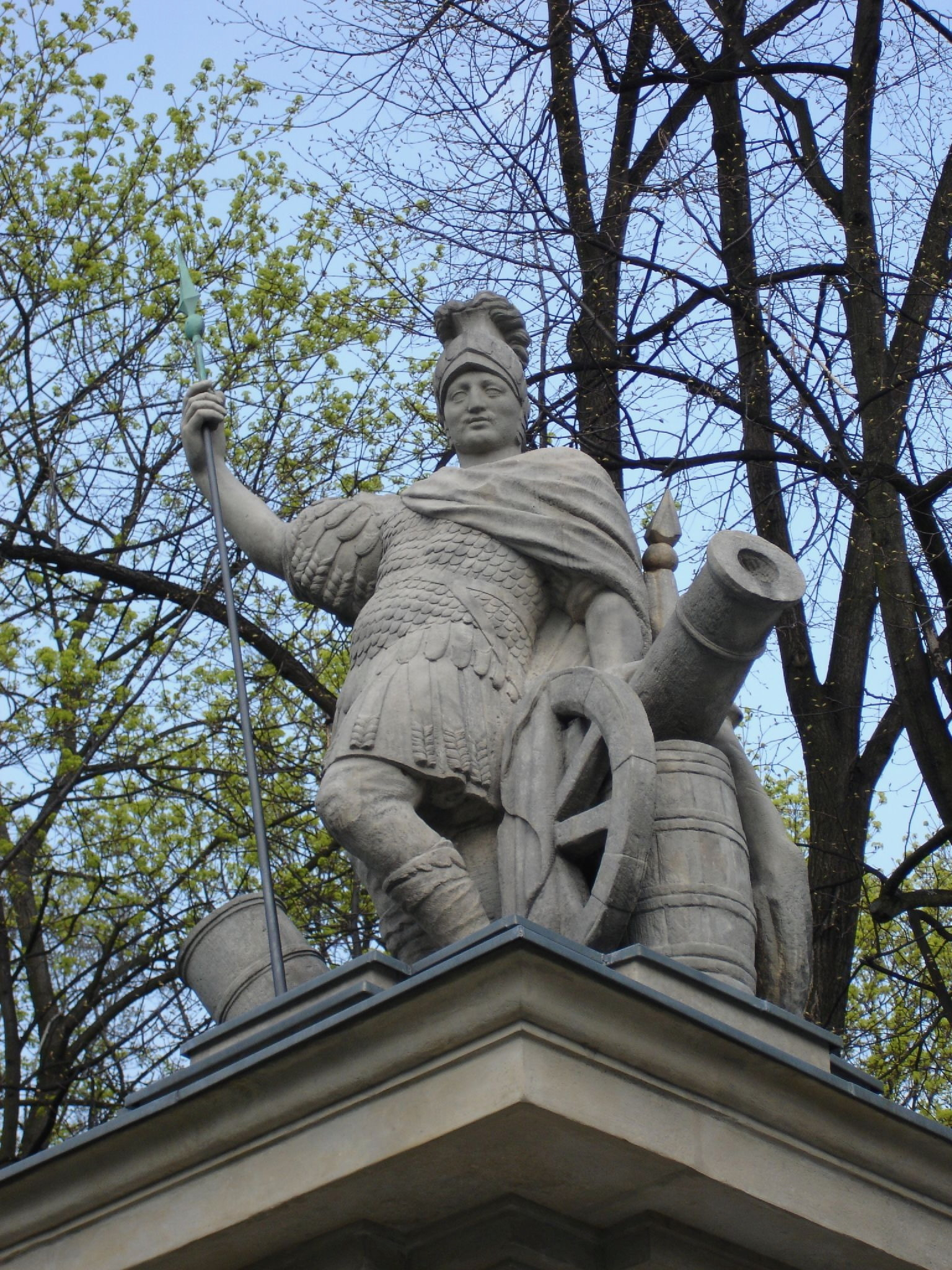
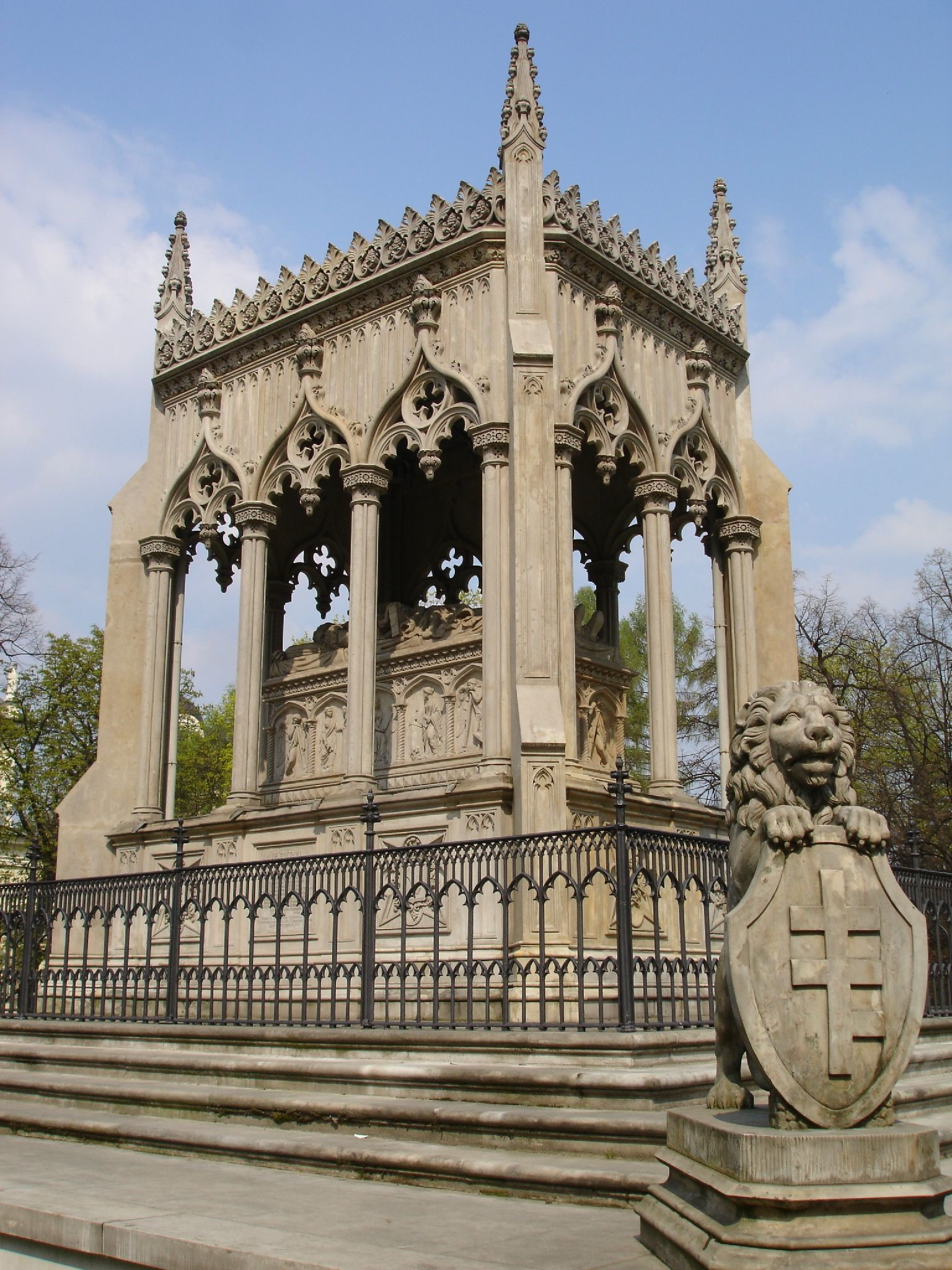
The palace also survived one of the most difficult periods in Polish history. Poland disappeared from the map of Europe at the end of the eighteenth century after the partitions carried out by Russia, Prussia, and Austria. Warsaw and its aristocratic estates subsequently existed through periods of political upheaval, foreign rule, uprisings, and war. Wilanów was not isolated from those events. Its owners changed, its collections evolved, and the palace’s role shifted as Poland itself struggled to preserve its identity.

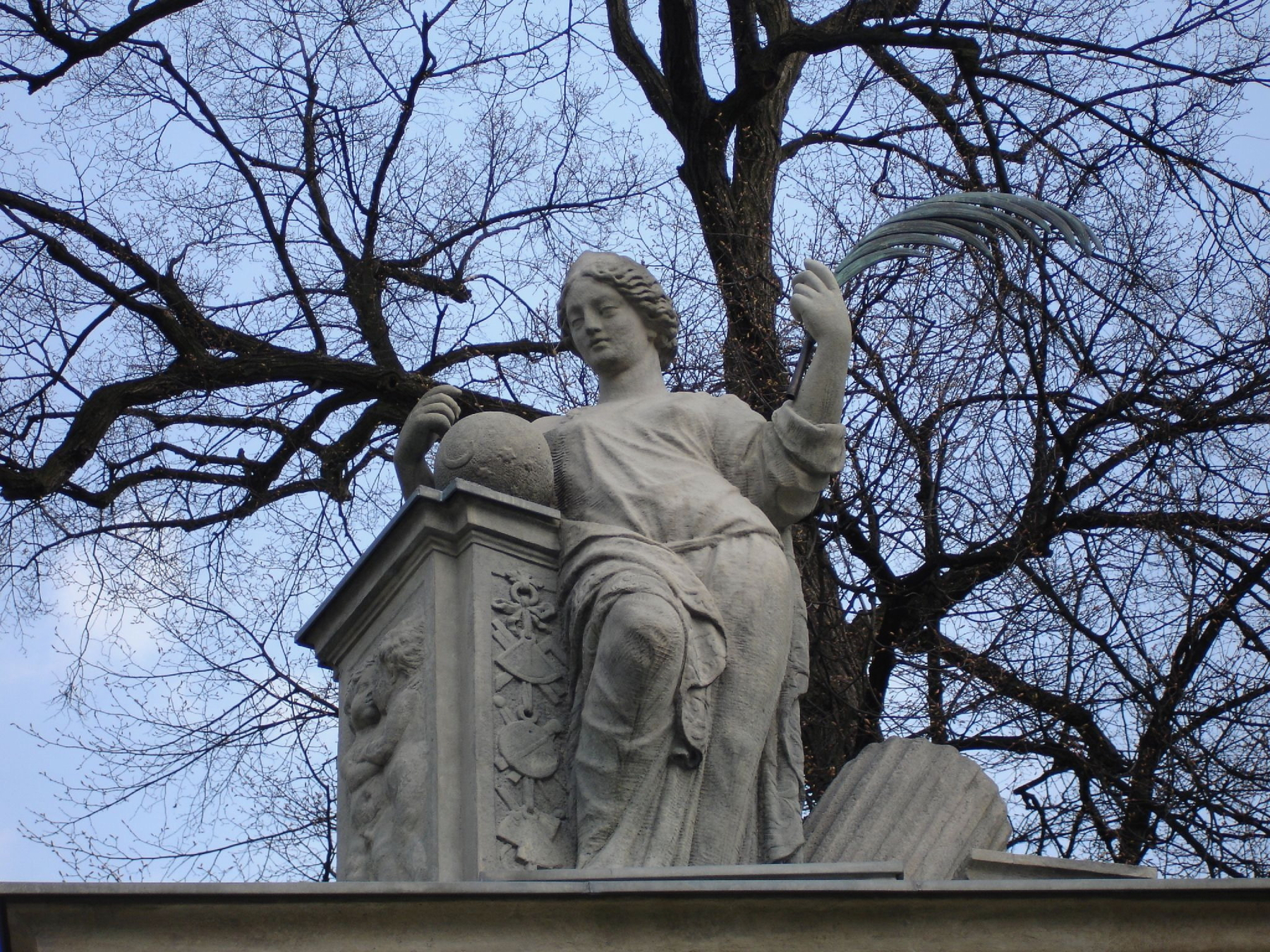
That history gives Wilanów a significance beyond its beauty. Poland spent more than a century without an independent state, yet places such as this helped preserve memories of Polish kings, culture, art, language, and national history. The palace became something more than an aristocratic residence. It became part of the country’s cultural memory.
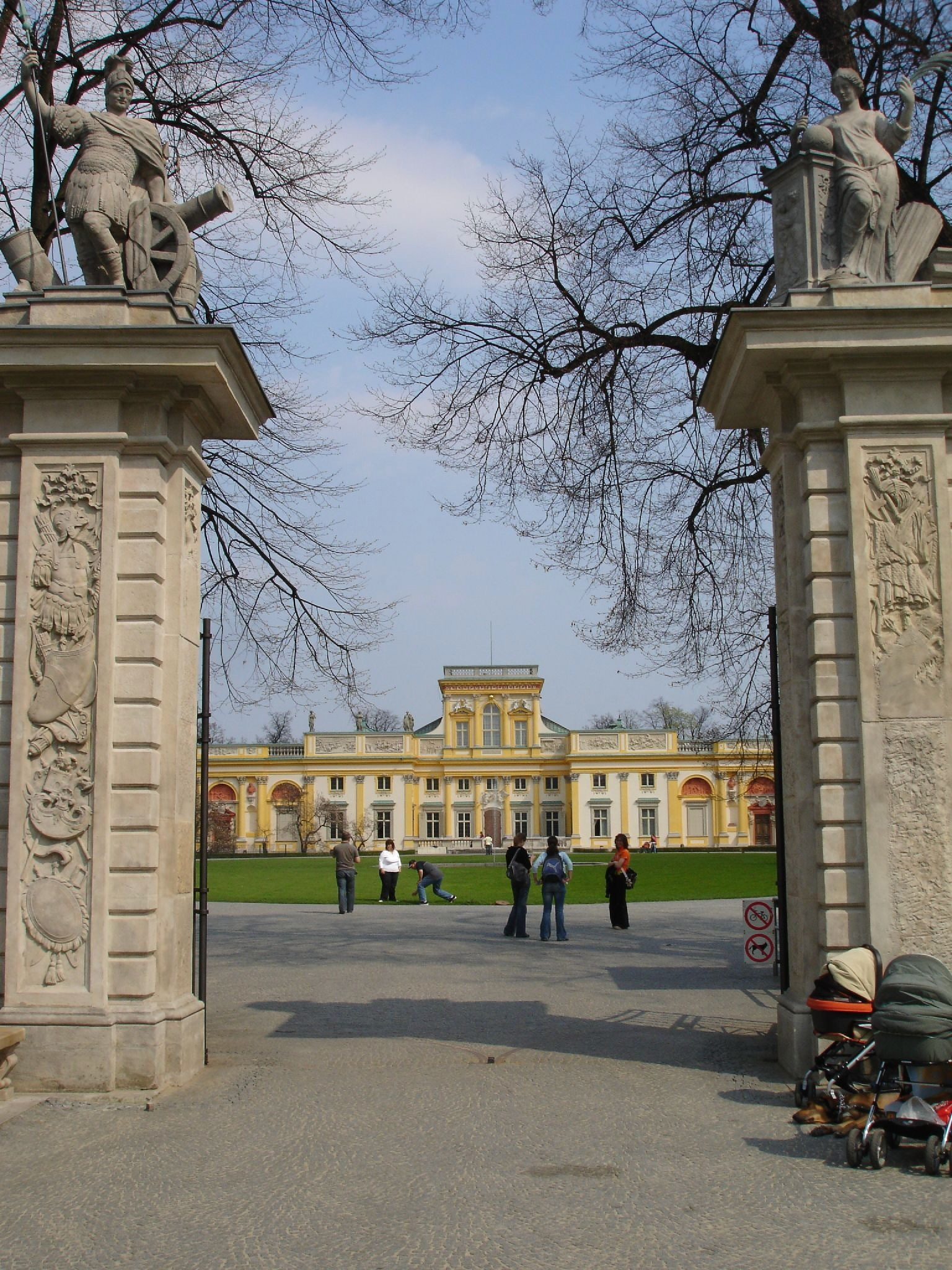

The gardens were just as captivating as the palace itself. Walking outside, I moved from the formal geometry of the Baroque garden toward more natural areas surrounding the historic estate. The design reflects changing ideas about landscape and taste over the centuries, with terraces, sculptures, ornamental plantings, water, and carefully framed views. From different points in the garden, the palace seems to change character—as though the building itself were part of the landscape rather than simply sitting within it.
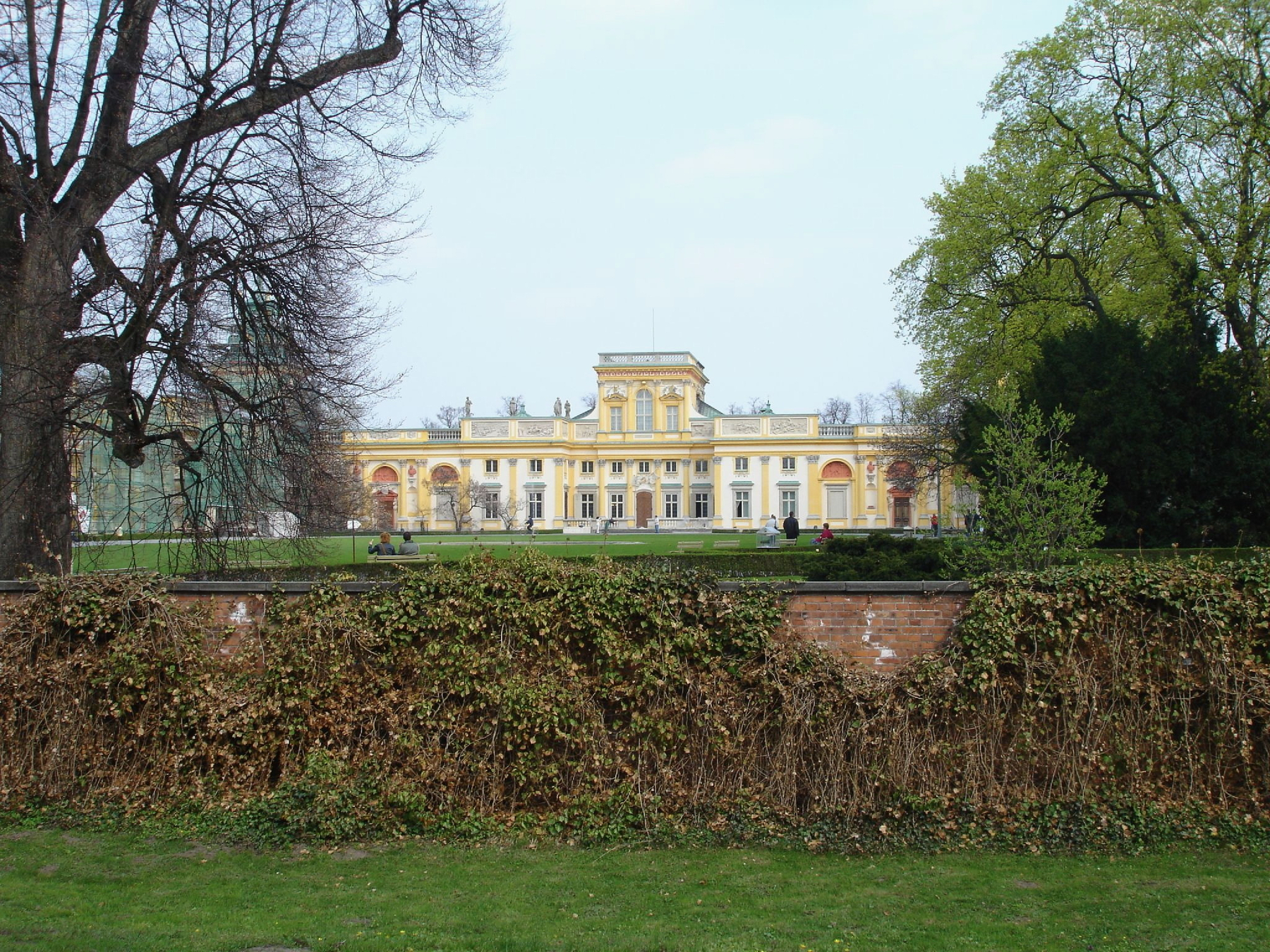

I particularly enjoyed the contrast between the palace’s formal architecture and the quietness of the surrounding grounds. It is easy to imagine why a royal family would have chosen this location as an escape from the center of Warsaw. The gardens provided space for walking, conversation, entertainment, and contemplation. Even today, they offer a welcome pause from the intensity of the city.
The art collection makes the experience even richer. Wilanów houses paintings, portraits, sculptures, decorative objects, furniture, ceramics, and other historical treasures. Among the most important works are portraits associated with the Sobieski family and the Polish aristocracy. Looking at these paintings, I was reminded that portraits from this period were rarely simple records of appearance. Clothing, posture, objects, colors, and backgrounds were carefully chosen to communicate wealth, power, lineage, education, or political importance.

Another detail that stayed with me was the palace’s mixture of European influences. Wilanów reflects the cosmopolitan world of the Polish-Lithuanian Commonwealth, a vast political and cultural realm where influences from Italy, France, the Netherlands, Central Europe, and the East could meet. The palace is therefore not simply “Polish Baroque.” It is evidence of how connected the Polish aristocracy was to wider European culture.
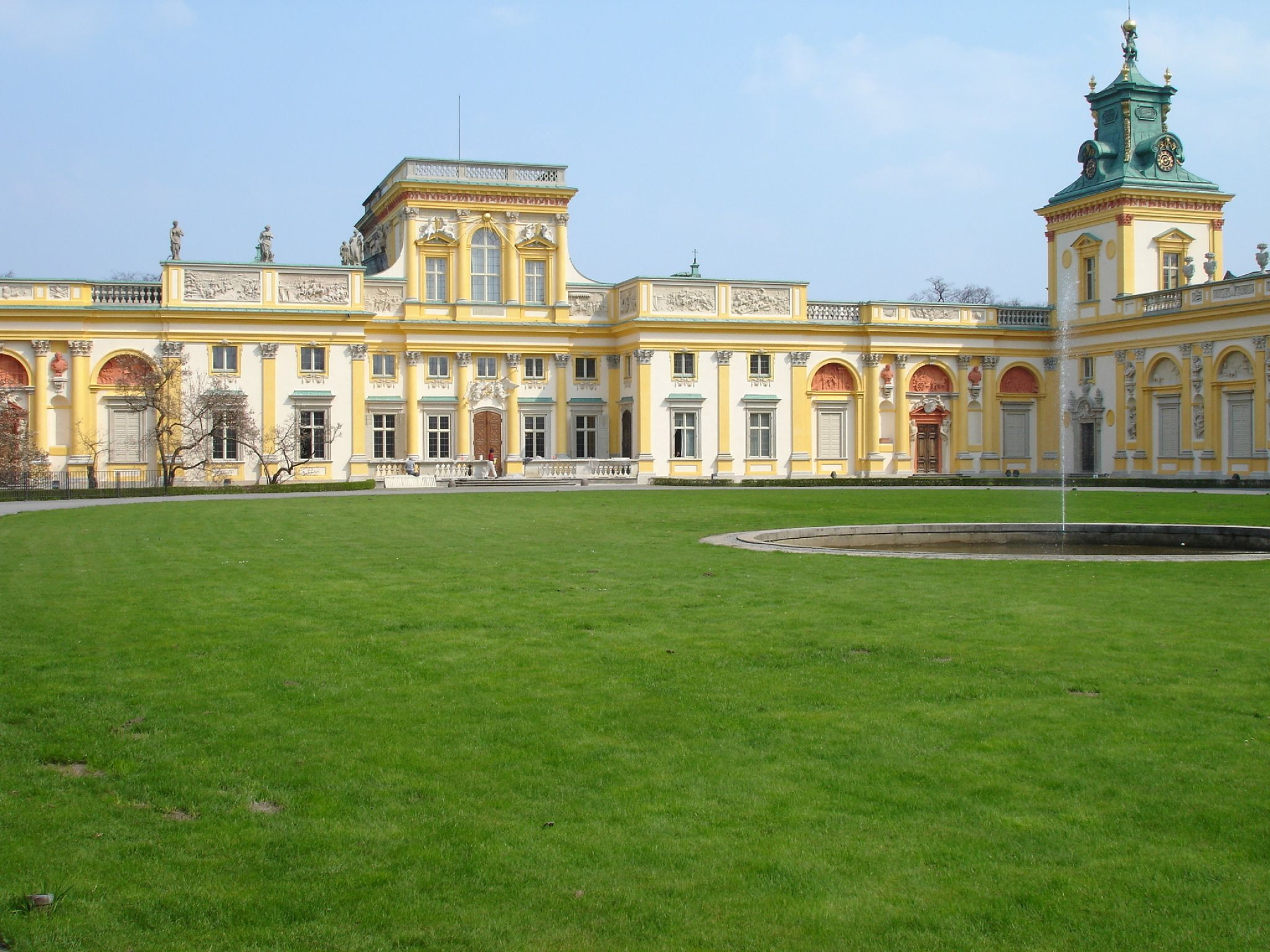
Perhaps the most moving part of the visit, however, was thinking about what happened to Warsaw during the Second World War. Much of the city was devastated, and countless cultural treasures were lost. Wilanów survived comparatively well, although its collections suffered losses and the palace was looted during the war. Afterward, the painstaking work of conservation and reconstruction became part of the much larger effort to restore Poland’s cultural heritage.
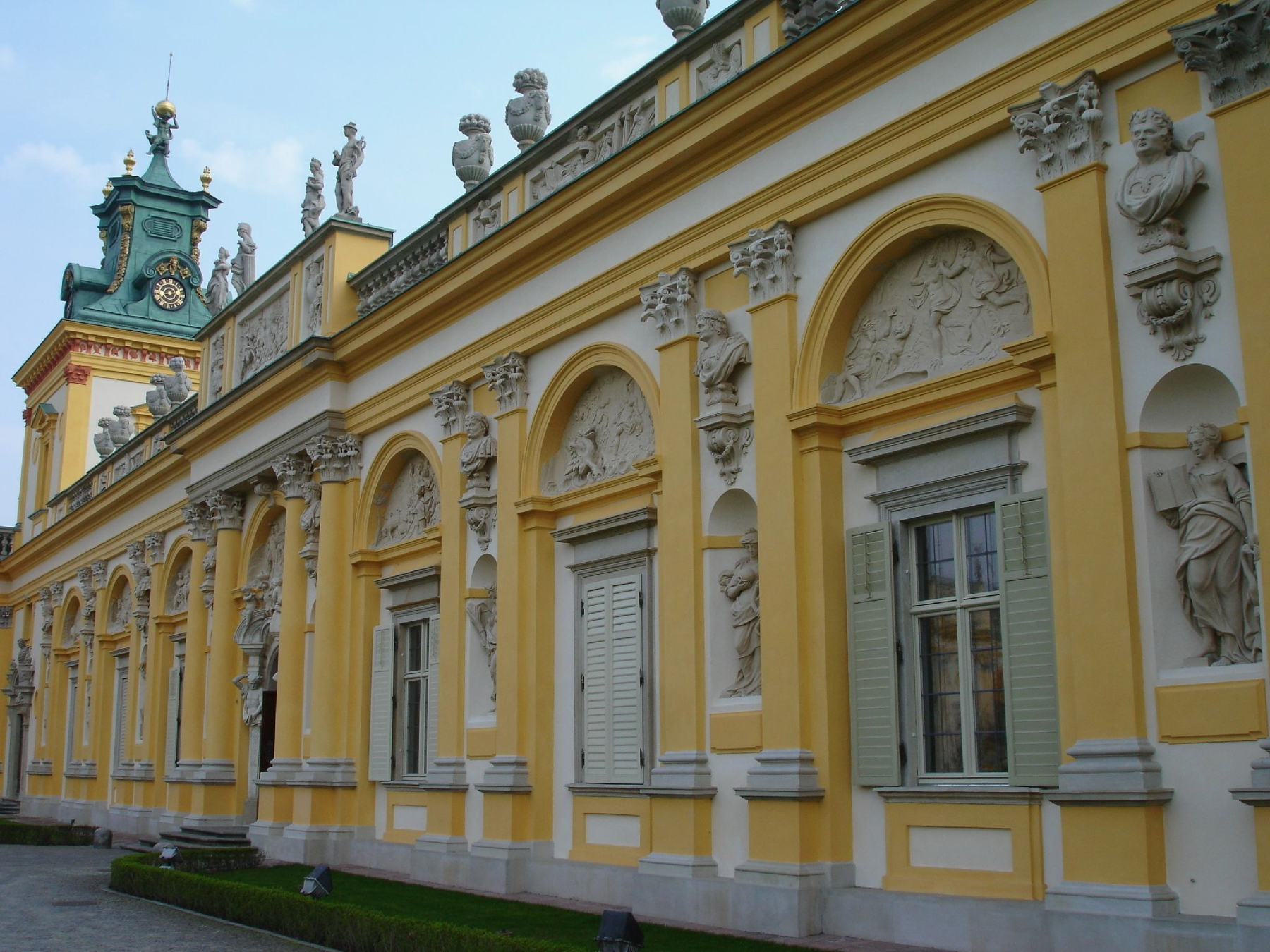
That survival gives the palace a different emotional weight. When I looked at its walls and decorative details, I wasn’t simply looking at seventeenth-century craftsmanship. I was looking at something that had survived partitions, political upheaval, two world wars, occupation, and the destruction of much of the surrounding city.

There is also something wonderfully intimate about Wilanów compared with some of Europe’s enormous royal palaces. It certainly possesses grandeur, but it doesn’t feel overwhelming in the way Versailles or some of the great imperial residences can. Instead, it retains something of the character of a country residence—a place where royalty could step away from the formal machinery of the court.
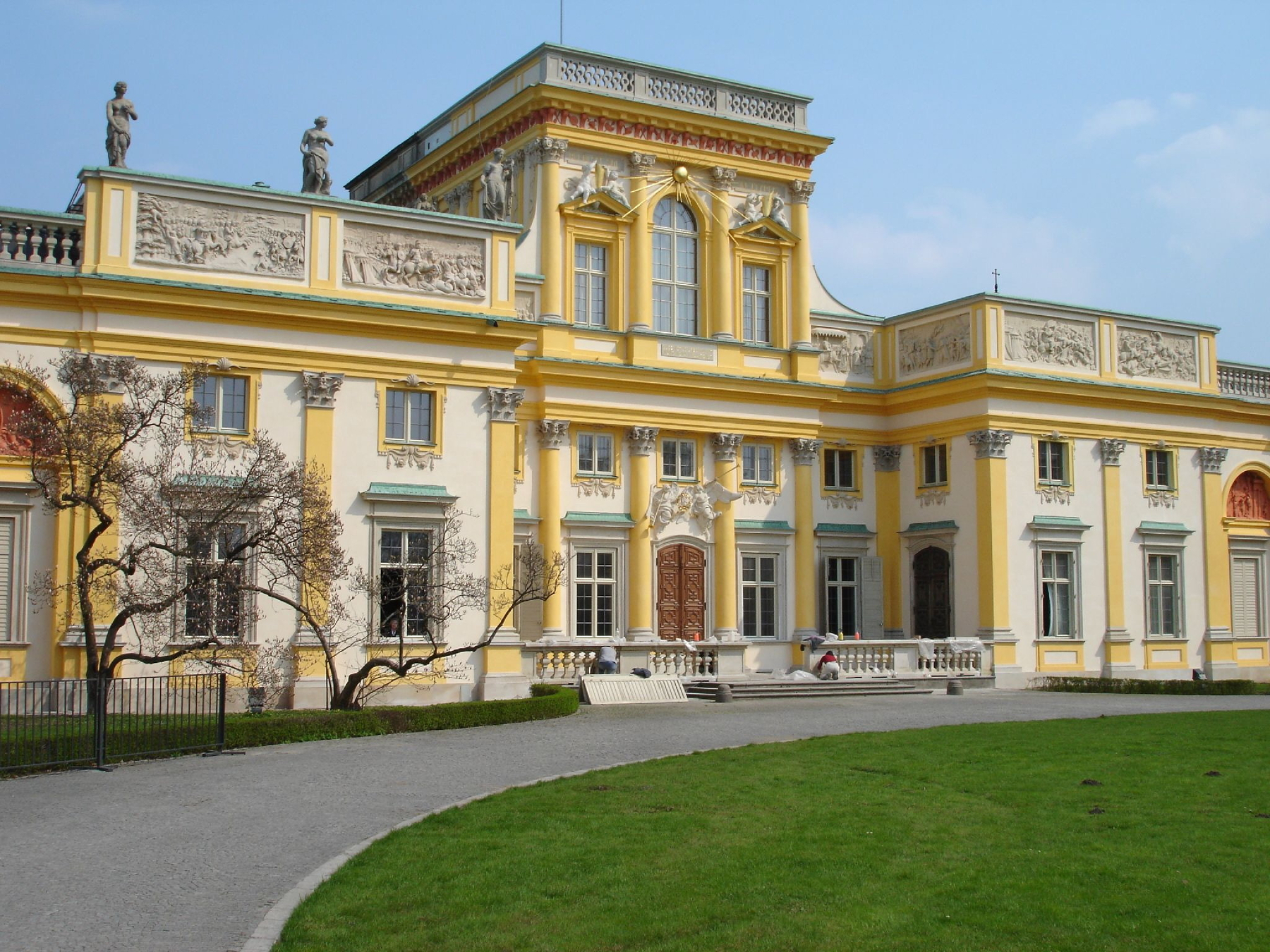
By late afternoon, the light had begun to soften across the gardens. The palace façade took on a warmer color, and the surrounding trees became silhouettes against the fading sky. I wandered without much of a plan, occasionally stopping to look back at the building from another angle. After spending hours surrounded by history, I found myself reluctant to leave.

What I appreciated most about Wilanów was that its beauty never felt disconnected from the difficult story of Poland. The palace represents wealth, royal ambition, artistic achievement, and European sophistication—but it also represents survival. Its continued existence is a reminder of how much cultural memory can endure even when a country itself is subjected to extraordinary upheaval. As I finally walked toward the entrance, Warsaw slowly returned around me. Cars moved along the streets, people hurried past, and the modern city reclaimed my attention. Yet Wilanów remained behind me like a beautifully preserved fragment of another era.

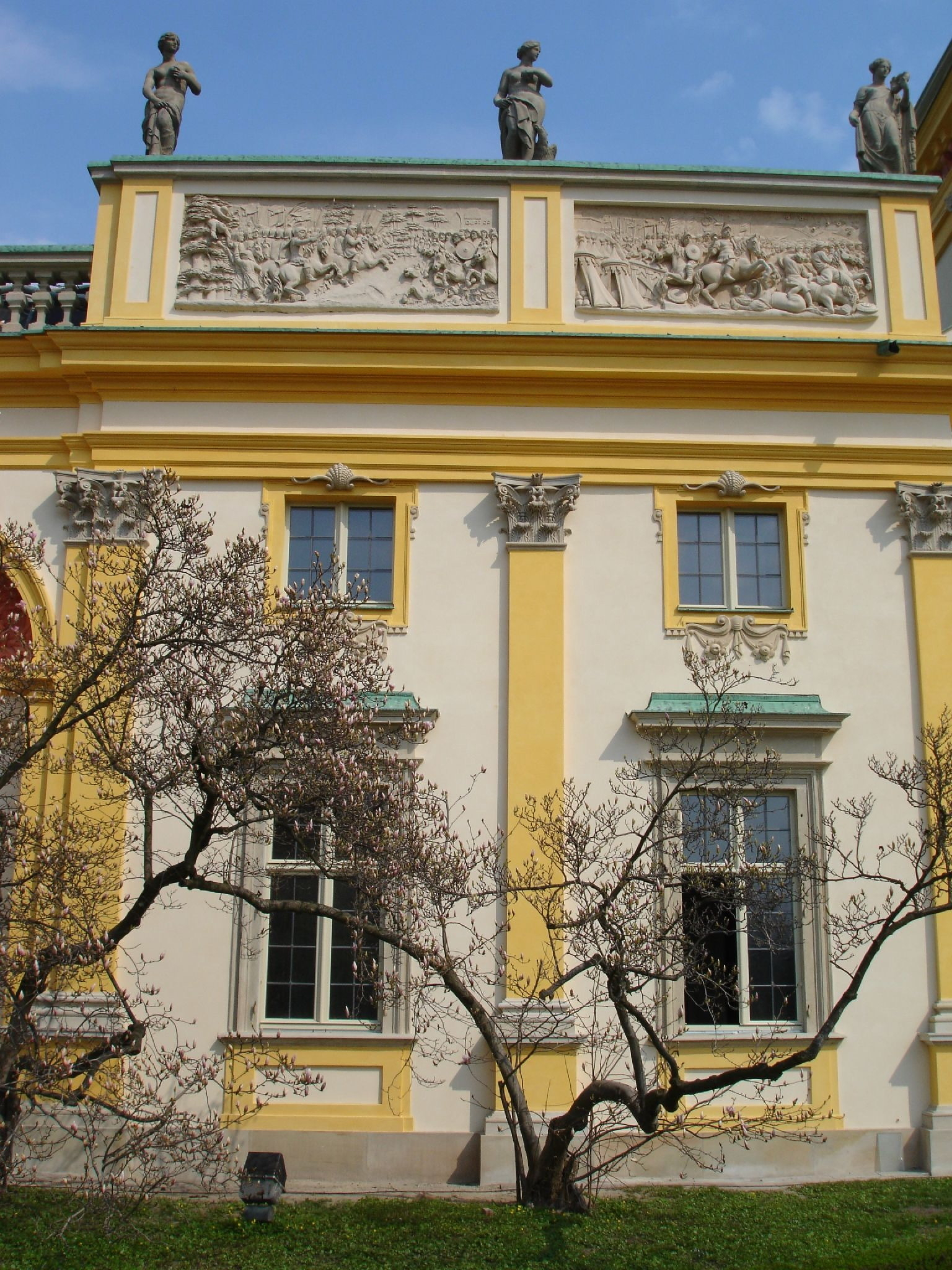
I came expecting to see a palace. I left feeling that I had visited a chapter of Polish history. Wilanów is beautiful, certainly—but its real power lies in what that beauty has survived. Kings have come and gone, borders have changed, empires have risen and disappeared, and Warsaw has repeatedly rebuilt itself. Through it all, this extraordinary palace has continued to tell its story. And perhaps that is the greatest allure of Wilanów: it doesn’t simply preserve the past. It reminds us that the past is still very much alive.
#Photography #Photos #Photoblog #Blog #WilanowPalace #PalaceOfWilanow #WarsawPoland #WarsawTravel #Warsaw #PolandTravel #KingJanIIISobieski #PolishRoyalHistory #PolishBaroque #BaroqueArchitecture #WilanowGardens #WarsawAttractions #PolishHistory #PolishPalaces #HistoricWarsaw #VisitWarsaw #TravelPoland #PolandPhotography #WarsawPhotography #EuropeanHistory
Where Japan’s Fiery Mountain Meets the Sea, Sakurajima -Living in the Shadow of Fire
As I leaned against the rail of the ferry, the steady vibration of the engine beneath my feet seemed to become part of the rhythm of the journey. A salty breeze swept across Kagoshima Bay, carrying the scent of the sea as the boat moved steadily toward the enormous silhouette ahead. Sakurajima was already dominating the horizon, rising from the water like something ancient that had been waiting there long before people arrived. I had come expecting a volcano. What I found was something much more fascinating: an entire landscape, culture, and way of life shaped by one. From the ferry, Sakurajima looked almost impossibly close to Kagoshima. Its slopes rise dramatically from the surrounding bay, with the highest peak reaching about 1,117 meters above sea level. Smoke and steam often drift from the summit area, sometimes forming a plume that catches the light, sometimes barely noticeable against the clouds. There is something strangely reassuring about seeing it from the water. It is beautiful, almost serene—but you never completely forget that this mountain is active.
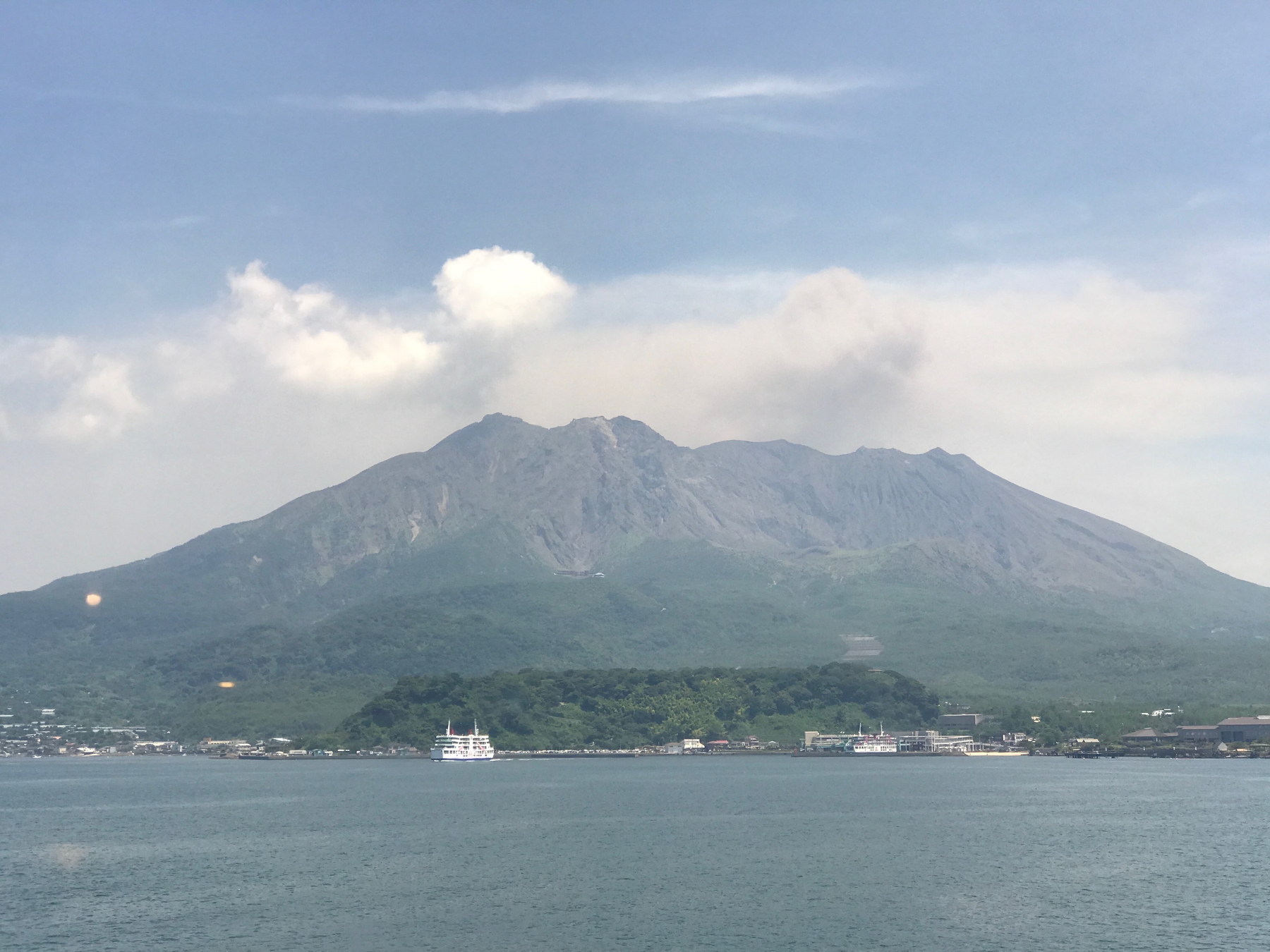
The name Sakurajima translates roughly as “Cherry Blossom Island,” although there is an irony in the name when you see the landscape for the first time. This is not a soft, idyllic island of flowering trees and gentle hills. It is a rugged volcanic world of black rock, steep slopes, mineral-rich soil, steaming vents, and enormous geological forces. Yet the contrast is part of its character. Beauty and danger have existed side by side here for centuries. What makes Sakurajima particularly remarkable is that it wasn’t always connected to the mainland. The volcano was historically an island in Kagoshima Bay, but that changed dramatically during the 1914 Taishō eruption, one of Japan’s most significant volcanic eruptions of the twentieth century. Lava poured from the volcano for weeks, eventually filling the channel between Sakurajima and the Ōsumi Peninsula. The eruption effectively transformed the island into a peninsula.
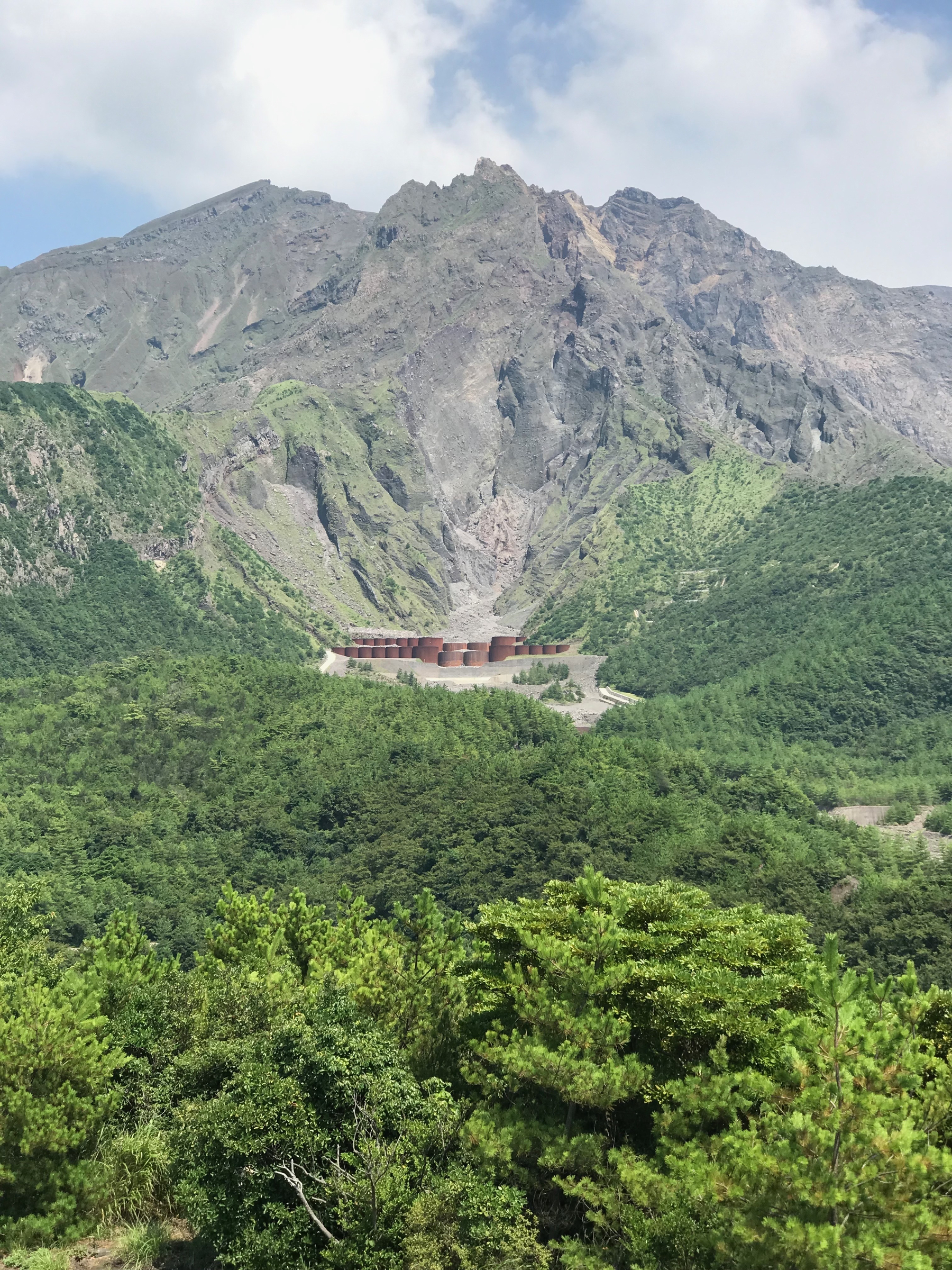
Standing there, I found myself thinking about how extraordinary that must have been to witness. A landscape that seems permanent can suddenly become something entirely different. Mountains can grow, coastlines can move, and islands can become connected to continents. Sakurajima makes geological time feel surprisingly immediate. The volcano’s activity is part of the everyday reality of the region. Sakurajima remains one of Japan’s most active volcanoes, and small eruptions and ash emissions are not unusual. From Kagoshima City, residents can sometimes see volcanic plumes rising above the bay. When ash falls over the city, people simply deal with it. Special volcanic-ash bags are provided for collecting the material, and residents are accustomed to cleaning ash from cars, streets, balconies, and rooftops. I was fascinated by the local expression “Sakurajima snow.” Volcanic ash falling from the sky may sound romantic when given a poetic name, but living with it is another matter entirely. It is one of those details that reveals how deeply the volcano has become woven into everyday life. For visitors, ash can feel like an extraordinary curiosity. For residents, it is simply another part of living here.

And yet the volcanic soil also gives something back. Sakurajima is famous for its unusually large agricultural produce, particularly Sakurajima daikon, a giant Japanese radish that can grow to extraordinary proportions. There is something almost humorous about the idea of producing enormous vegetables beneath an active volcano, but it also demonstrates the complicated relationship between destruction and renewal. Volcanic landscapes can be harsh, yet the minerals released by volcanic activity can eventually contribute to fertile soils. As I explored the island, the landscape seemed to change constantly. Dark volcanic rocks contrasted with patches of vegetation, while steam rose from areas where heat still lingered beneath the surface. The smell of sulfur occasionally became noticeable, a reminder that this was not simply a scenic mountain but an active geological system. One of the most memorable things about Sakurajima is how close you can get to the volcanic landscape without forgetting its power. Roads circle portions of the peninsula, viewpoints offer dramatic perspectives toward the summit and across Kagoshima Bay, and trails lead visitors through landscapes created by earlier eruptions. At places such as the Kurokami Shrine, the evidence of past eruptions becomes particularly striking. The shrine’s torii gate was almost completely buried by volcanic ash during the 1914 eruption, leaving only the upper portion visible.
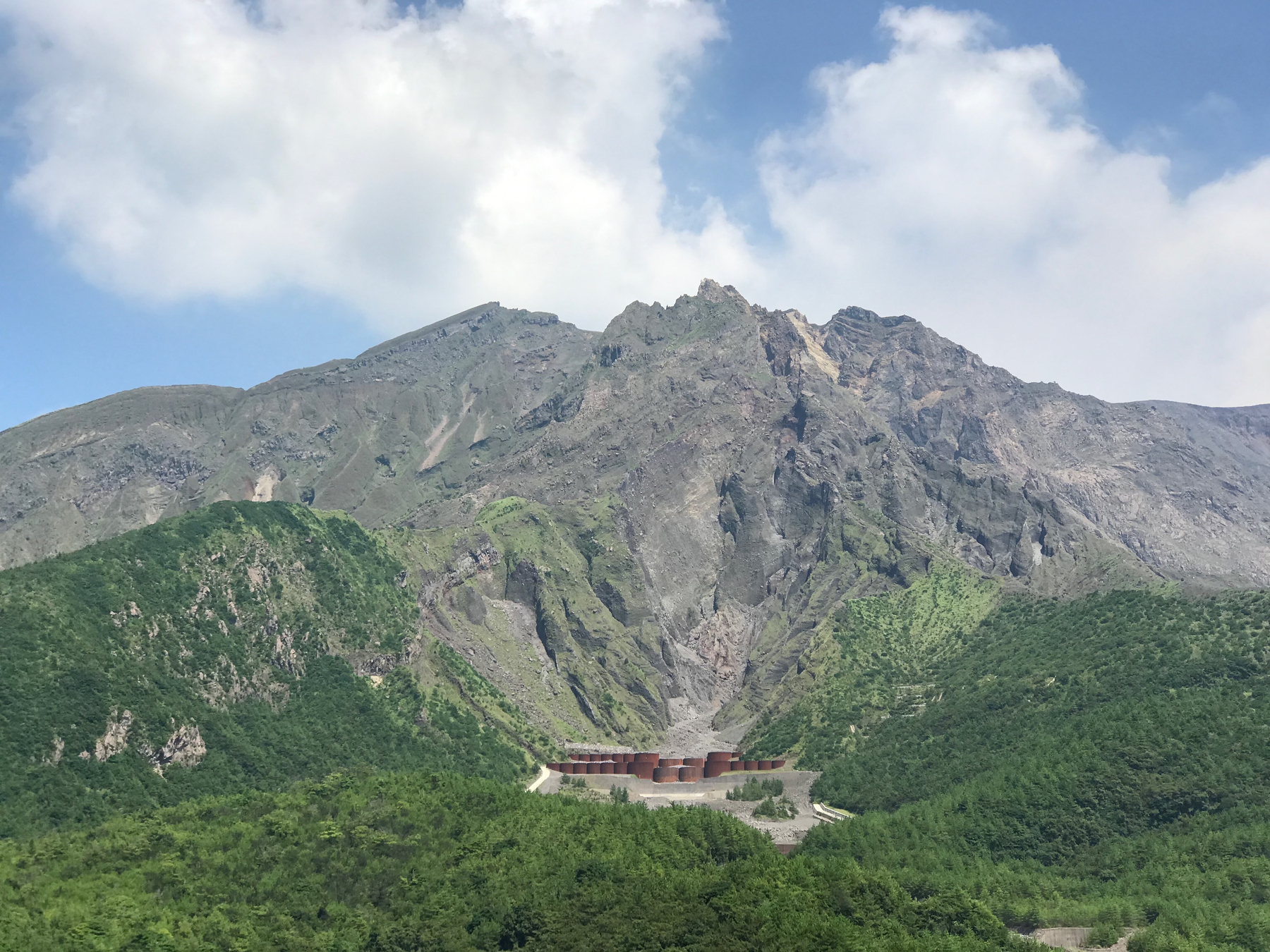
That partially buried torii became, for me, one of the most powerful symbols of Sakurajima. It is easy to think of nature as something permanent when looking at an old shrine or historic structure. But here, the volcano literally changed the scale of the landscape around it. Human history continued, but the mountain had written its own chapter directly over the top of it. Sakurajima also changed the way I thought about the word “danger.” In many places, danger is something we try to eliminate from everyday life. Here, it has been incorporated into the community. Monitoring systems track earthquakes, volcanic activity, deformation, and other signs of change. Evacuation routes and shelters exist throughout the area, and residents grow up understanding what it means to live near an active volcano. That doesn’t mean people live in constant fear. What struck me most, in fact, was how ordinary life continues beneath the mountain. Ferries cross the bay. Cars move along the roads. Farms produce crops. Children go to school. People work, shop, eat, and go about their daily routines while an active volcano dominates the skyline. There is a remarkable resilience in that normality. As afternoon faded, I found myself looking back toward Kagoshima. The bay had become calmer, reflecting the changing colors of the sky. Sakurajima stood behind me like a giant sentry, its upper slopes catching the last light. The occasional plume of smoke made the mountain appear almost alive, as if it were quietly breathing.
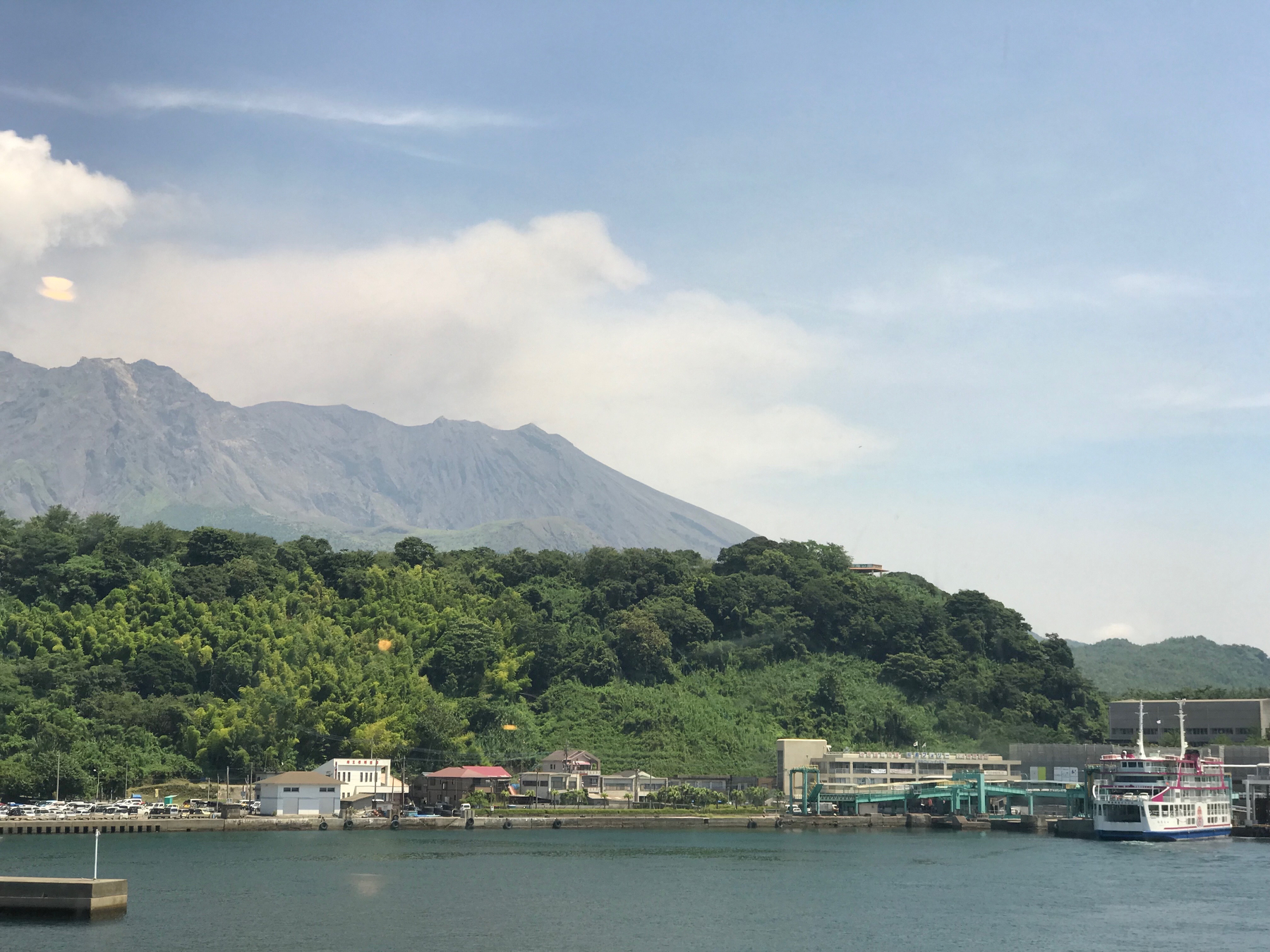
The ferry ride back gave me a different perspective. From the water, Kagoshima and Sakurajima seemed inseparable. The city exists because of the bay, and the bay is defined by the volcanoes that surround it. Sakurajima isn’t simply a landmark that happens to be near Kagoshima. It is part of the city’s identity, its landscape, its agriculture, its history, and even its daily vocabulary. What stayed with me most was not the spectacle of an eruption or some dramatic volcanic event. It was the quieter lesson of the place. Sakurajima reminded me that humans don’t always conquer nature, control it, or overcome it. Sometimes we simply learn how to live alongside it.
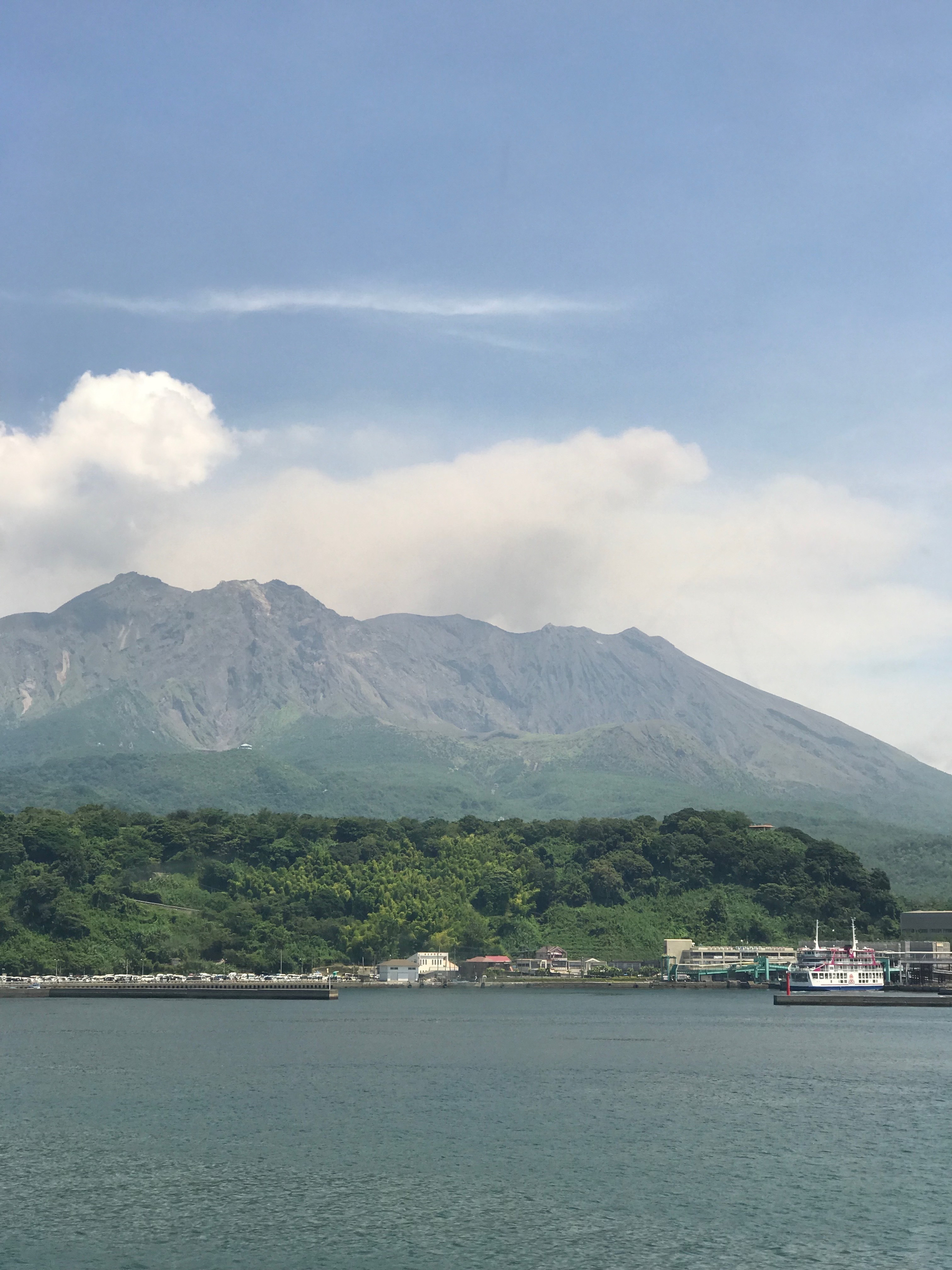
Standing beneath that enormous mountain, I felt a mixture of awe and humility. The volcano was older than every road, shrine, building, and story surrounding it, and it would almost certainly outlast them all. Yet people continue to build their lives here, adapting rather than surrendering. As the final light disappeared over Kagoshima Bay, Sakurajima faded into the evening darkness. I knew I was leaving with more than photographs. I was leaving with a different understanding of resilience—one shaped not by defeating nature, but by respecting its power, adapting to its unpredictability, and finding beauty even in the shadow of fire.
#Photography #Photos #Blog #Photoblog #Sakurajima #volcano #Kagoshima #Japan #Kagoshima #Bay #Japantravel #ActivevolcanoJapan #Sakurajimaferry #Sakurajimaeruption #1914Sakurajimaeruption #Kyushutravel #volcanicJapan #Sakurajimadaikon #Kagoshimatravel #Japanadventure #Japanphotography