
A Love Letter to Grand Central
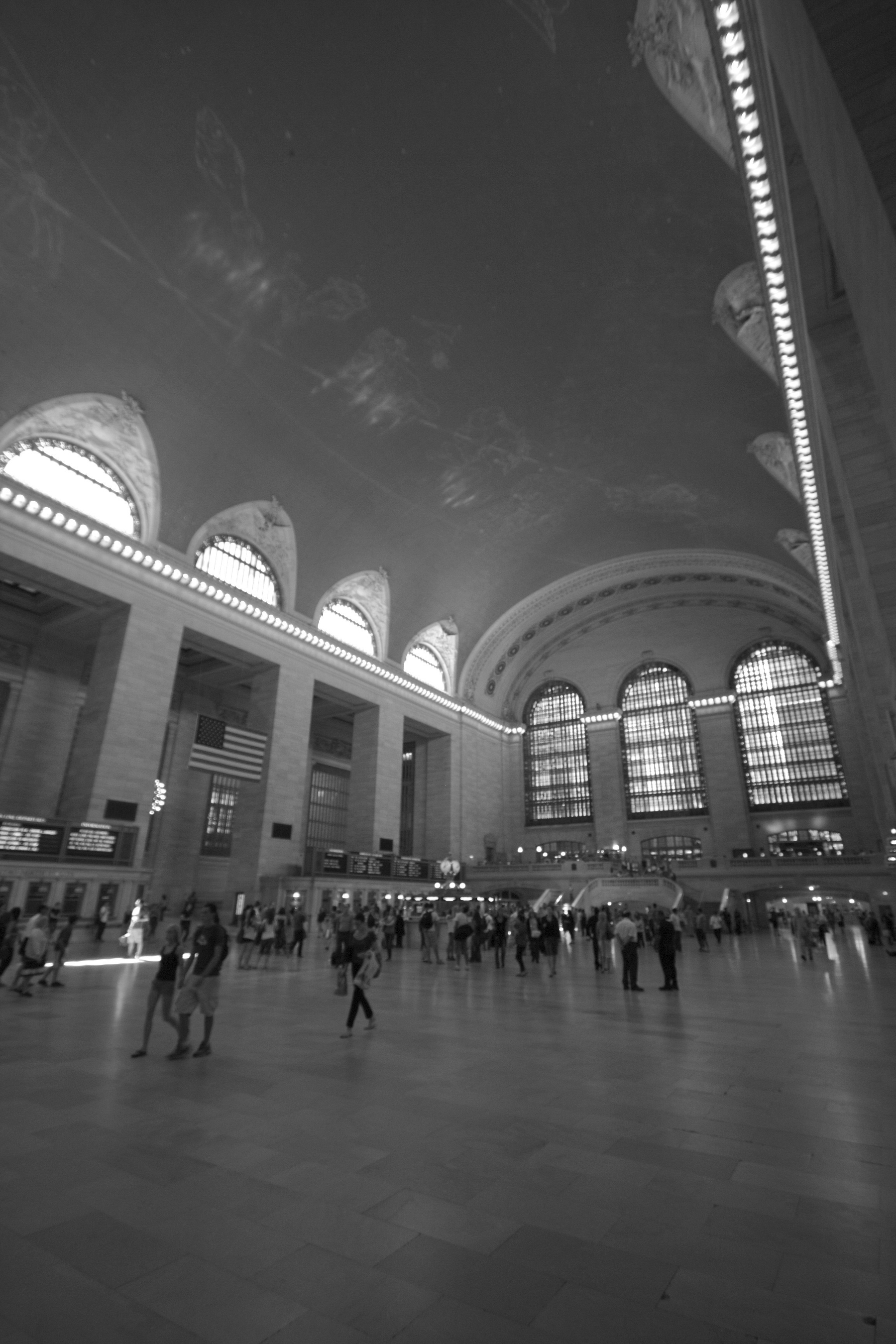
Grand Central Terminal has never felt like just a train station to me. The moment I step into its enormous Main Concourse, I feel surrounded by the energy of New York itself. People hurry toward trains, tourists pause beneath the famous clock, and commuters move through the crowds with practised confidence. Above it all, the magnificent Beaux-Arts architecture—arched windows, marble staircases, chandeliers, and soaring columns—creates an atmosphere that feels more like a grand civic palace than a transportation hub. Opened in 1913, Grand Central has spent more than a century watching New York change around it.
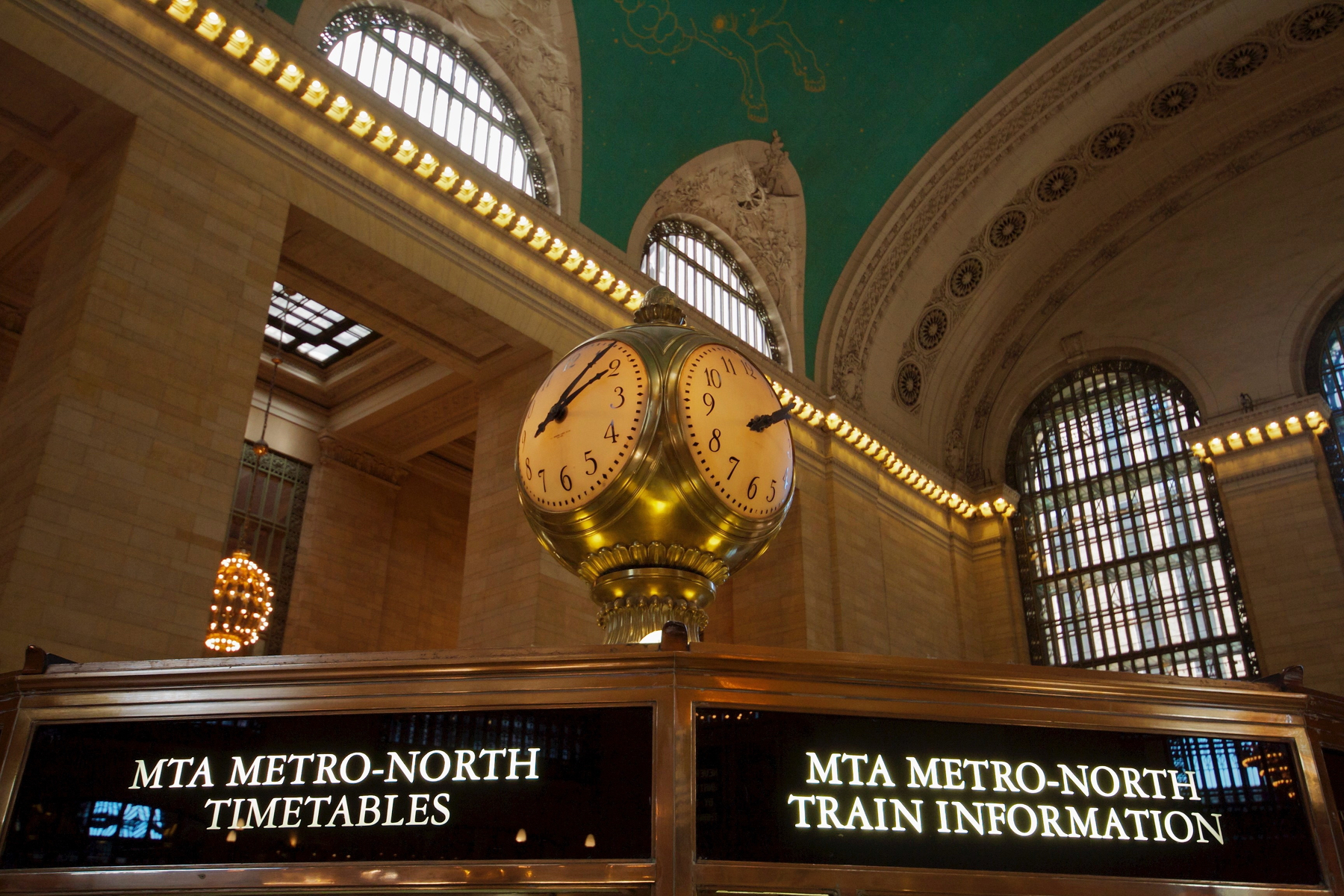
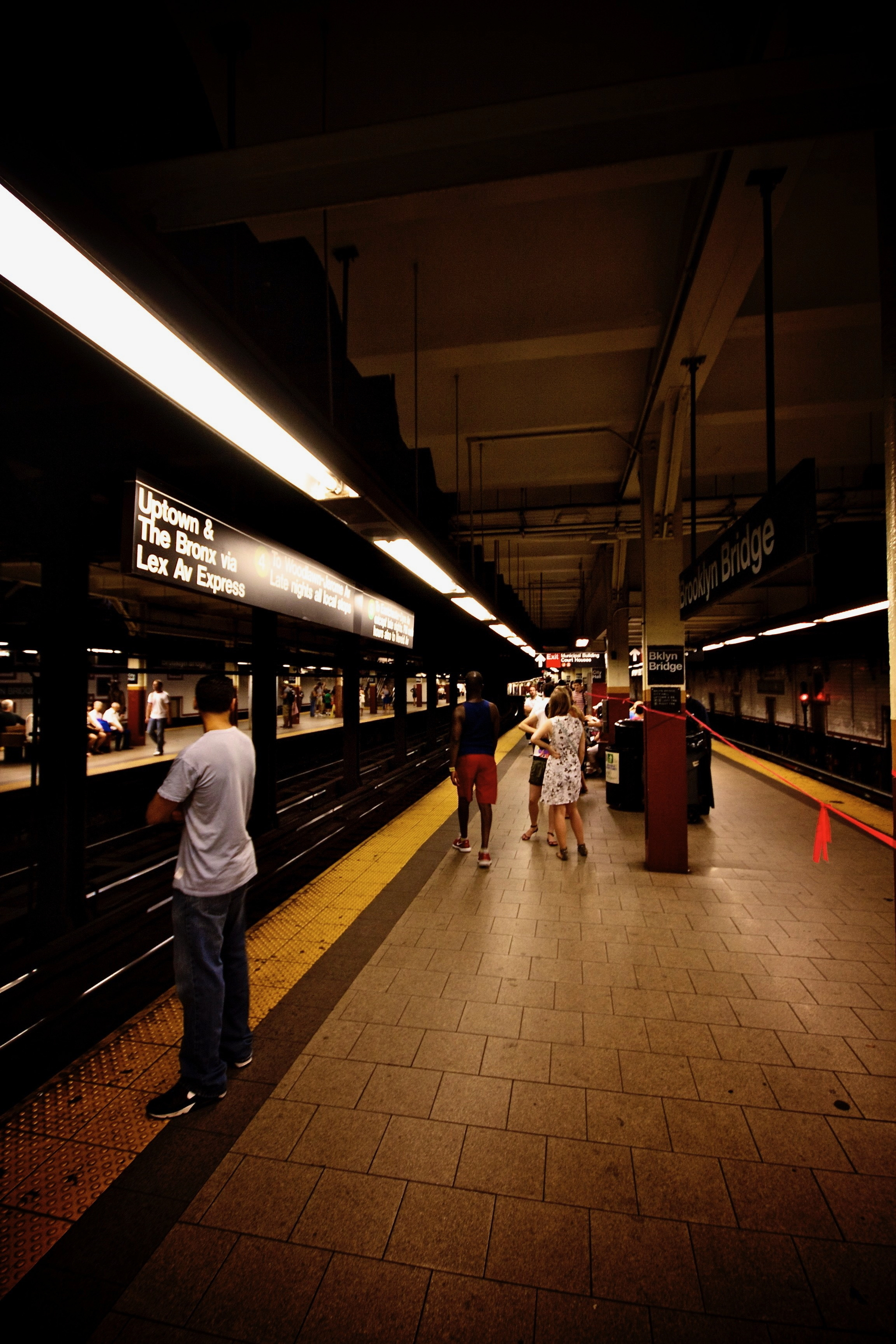

Standing in the Main Concourse, I often find myself imagining the generations who have passed through these doors. Soldiers leaving for war, families arriving in the city, couples meeting beneath the clock, workers rushing to offices, and travelers beginning journeys whose destinations may have changed their lives. Grand Central has witnessed countless reunions and farewells, but most of the stories have never been recorded. That is what makes the terminal feel so human to me: behind every hurried footstep is a story.
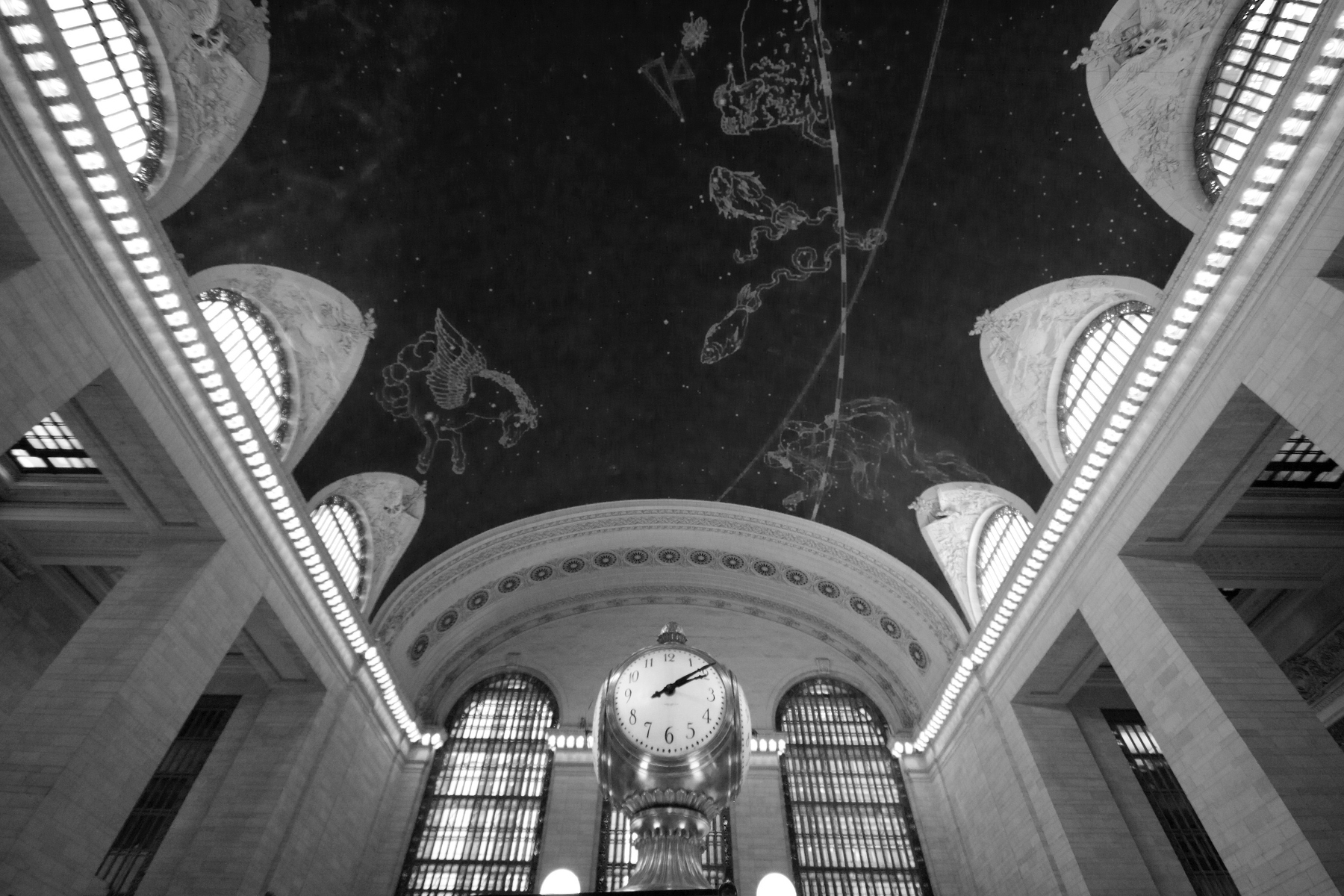
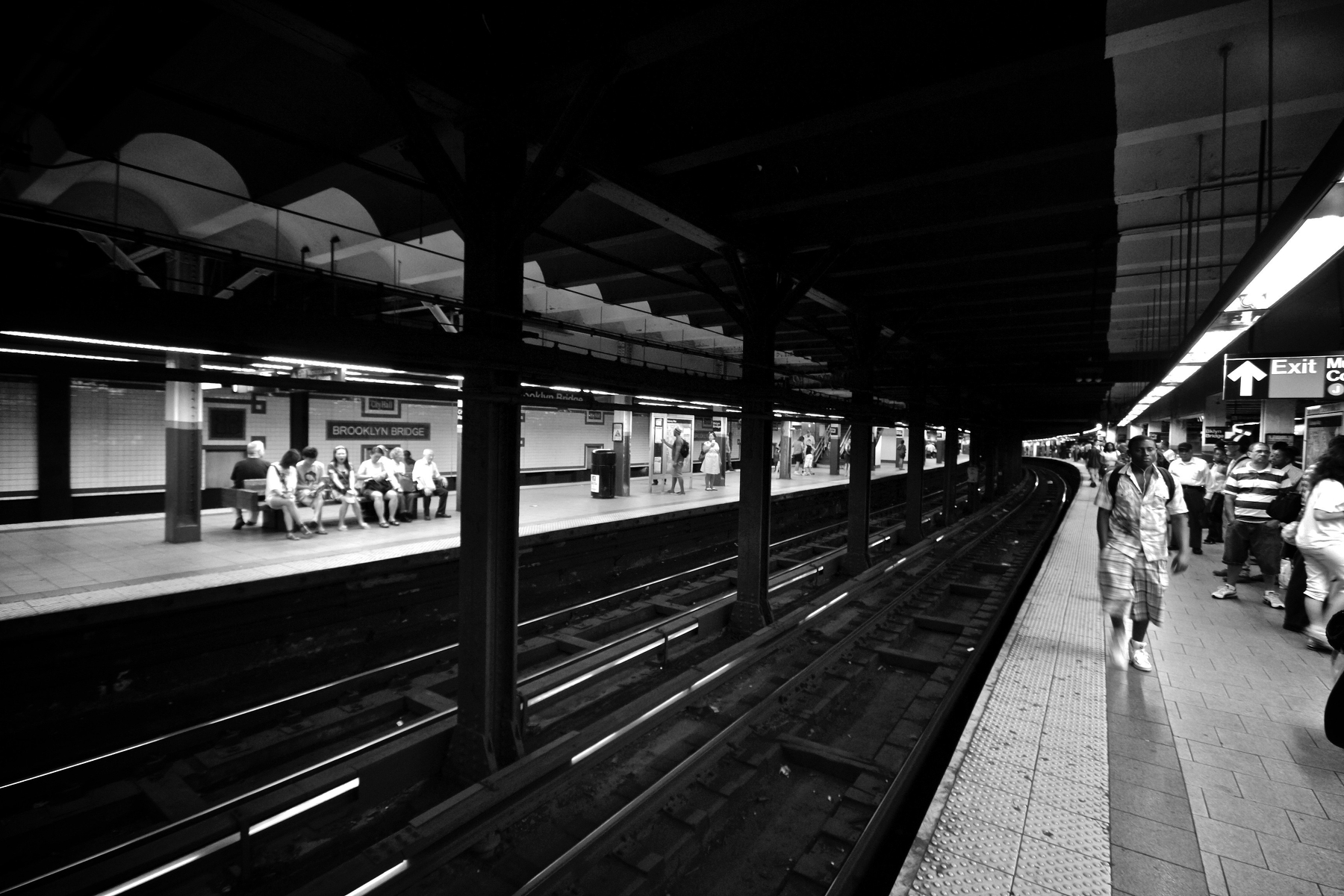
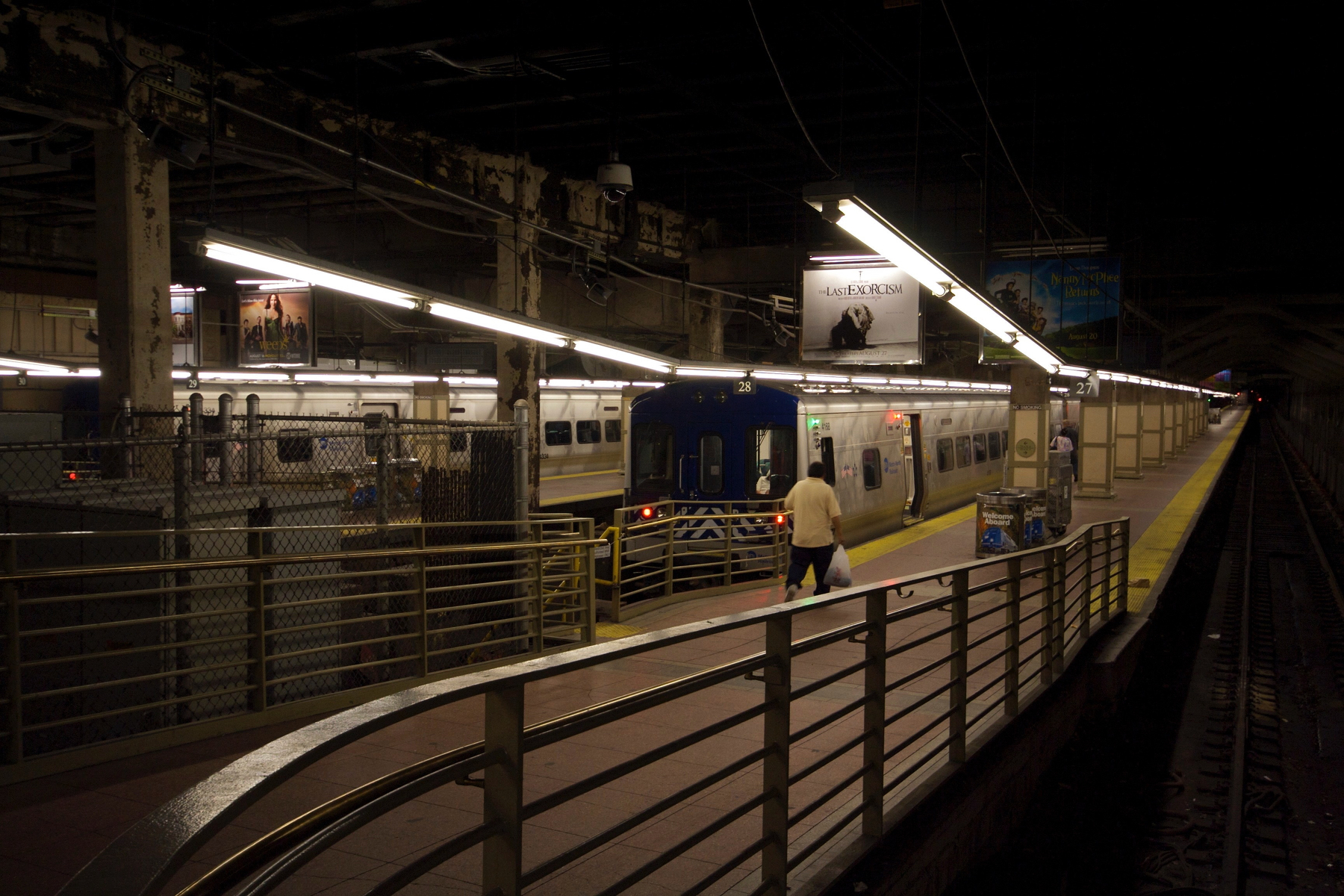
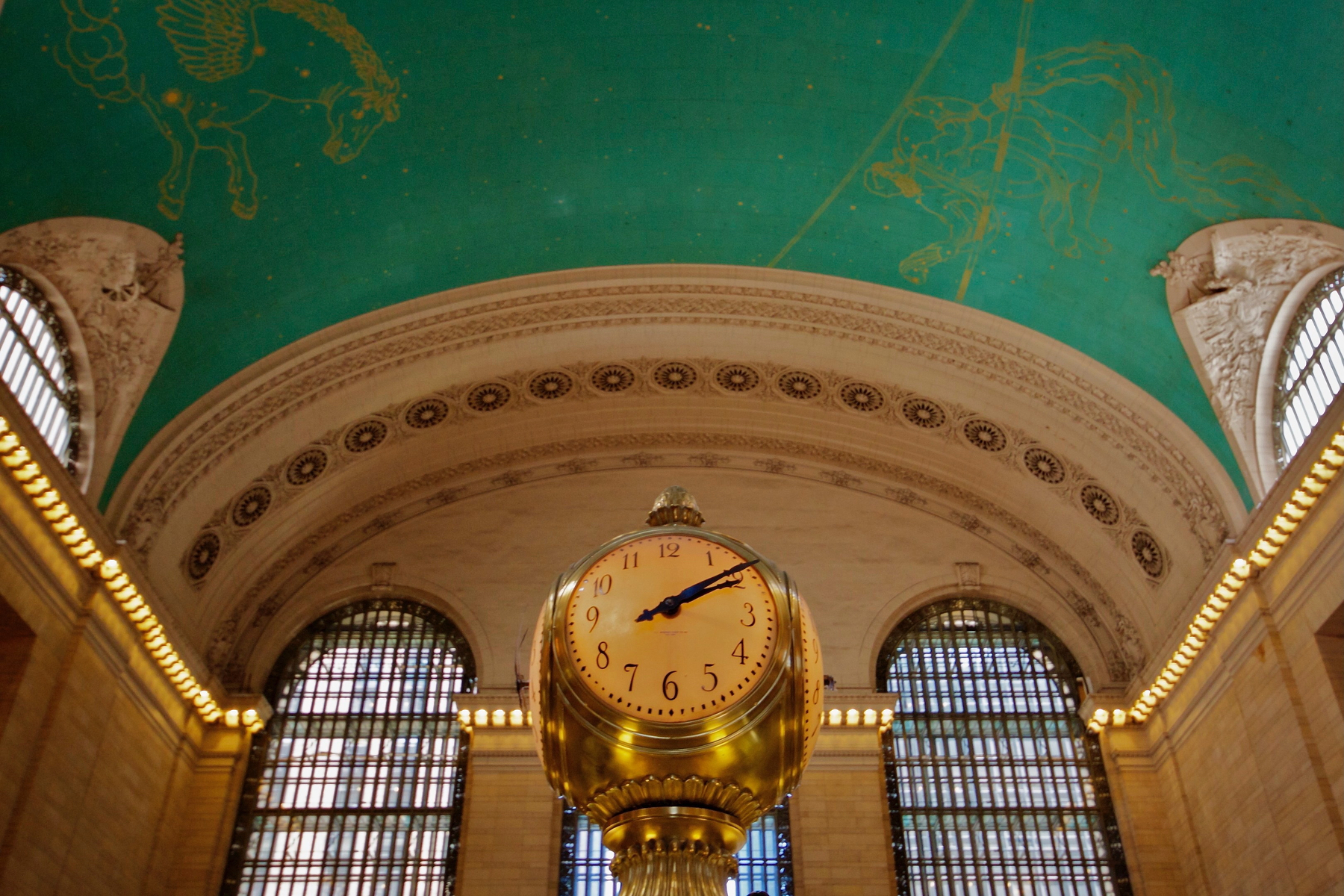
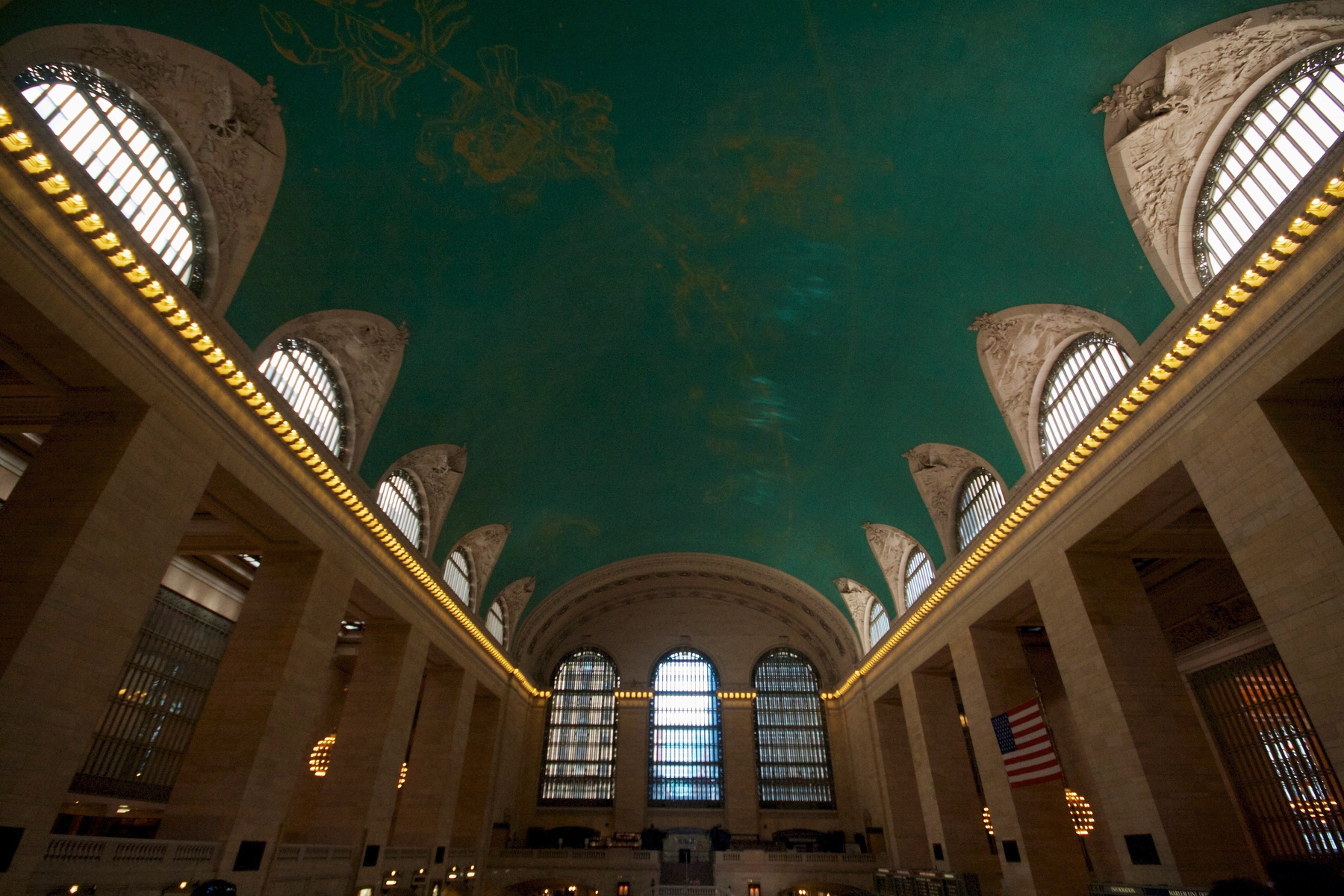
Then I look up, and the entire experience changes. The famous celestial ceiling stretches above the concourse in deep blue-green, decorated with constellations and zodiac figures. Designed by the artist Paul César Helleu with astronomical guidance, it transforms the ceiling into an enormous representation of the night sky. There is something wonderfully theatrical about standing beneath it, surrounded by the noise of Manhattan while seemingly looking into the heavens. The ceiling has even accumulated its own legends, including stories about inaccuracies in the constellation placement and a small dark patch created during restoration.
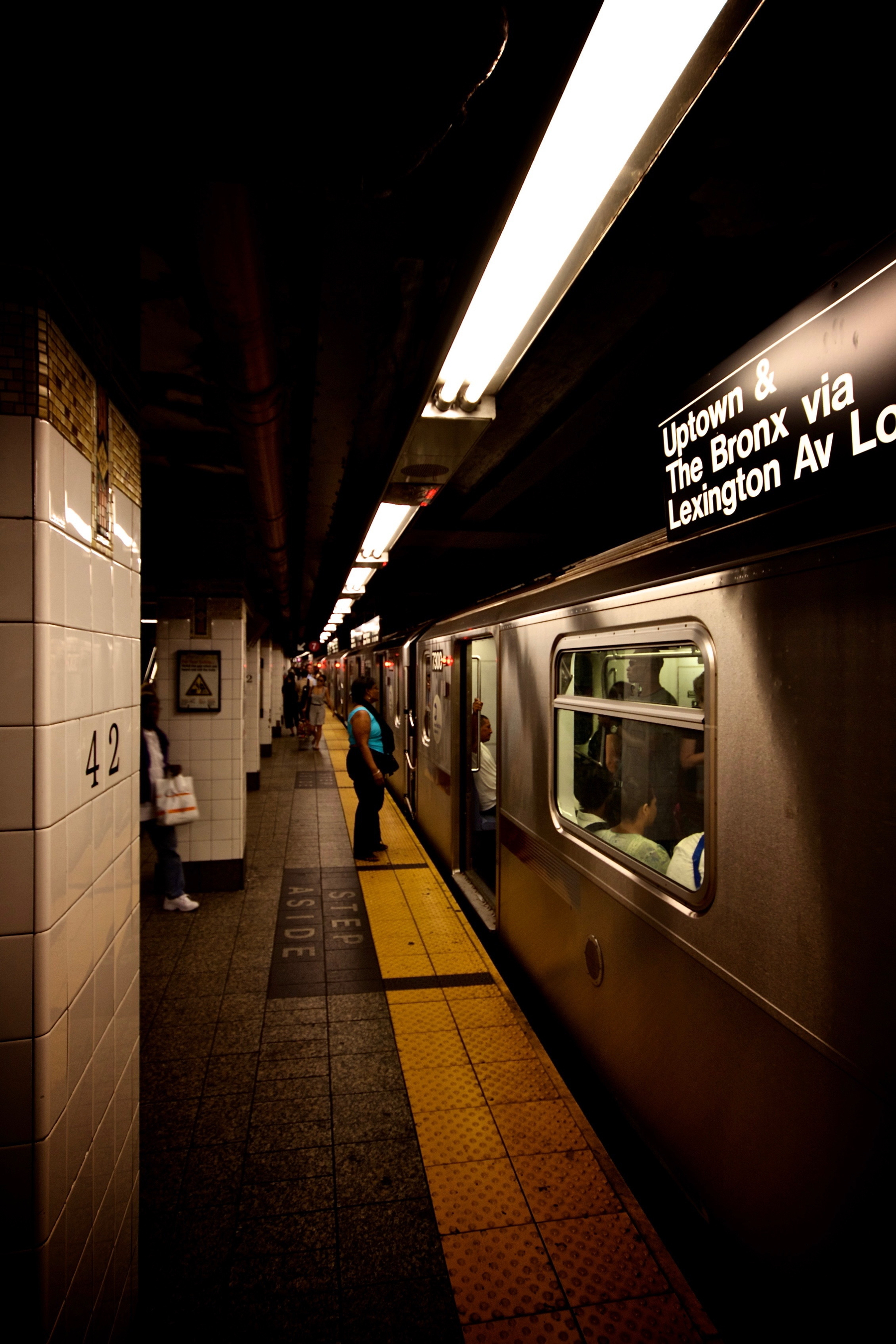

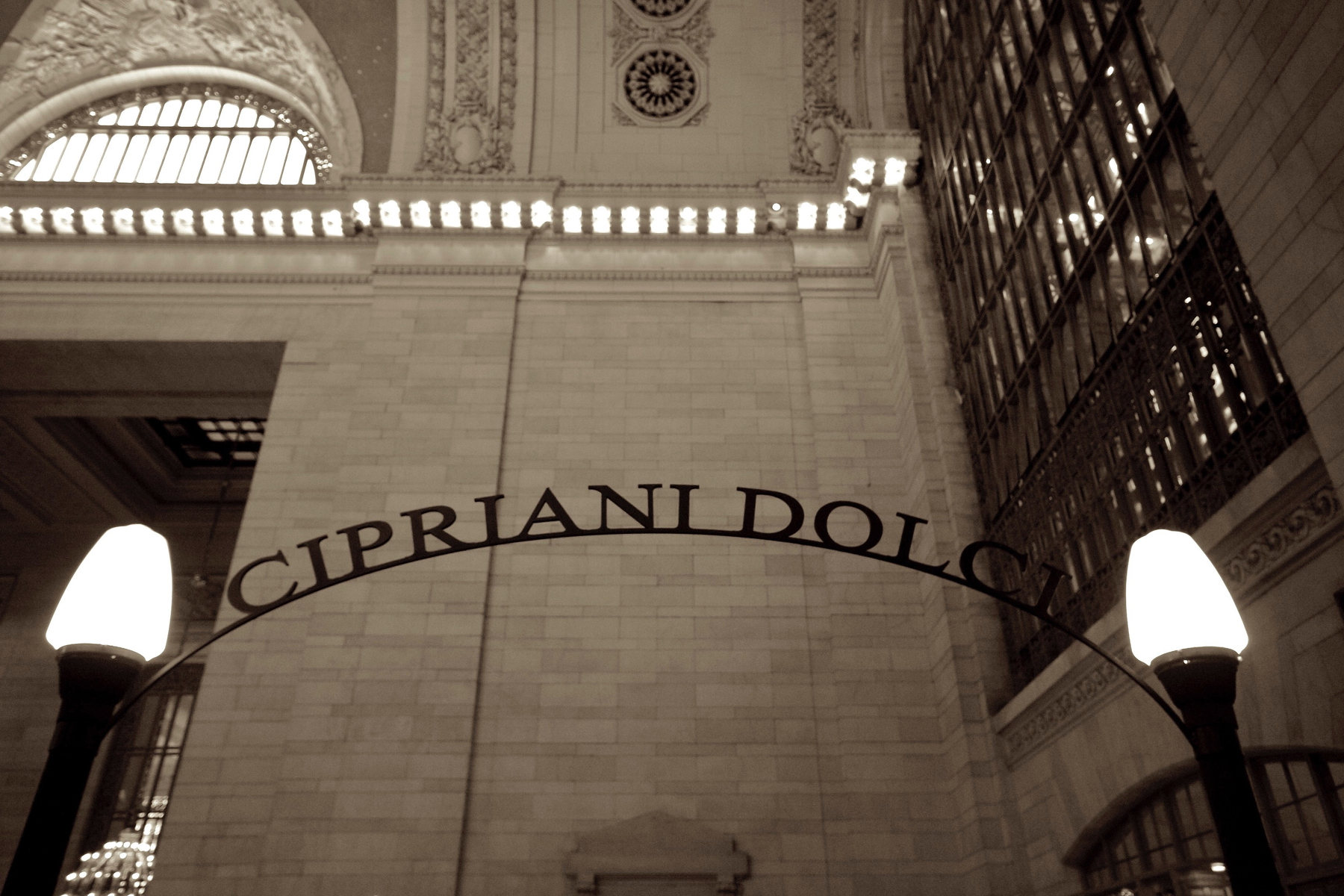
Grand Central is also full of delightful surprises. Near the Oyster Bar, the Whispering Gallery allows voices to travel around the curved ceramic arches, letting two people whisper to each other from opposite corners. In the Main Concourse, the famous four-faced opalescent clock has become one of New York’s most recognisable meeting places. Nearby, Vanderbilt Hall provides another glimpse of the terminal’s grandeur, its enormous space now used for exhibitions, markets, performances, and special events. The more carefully I look, the more details I discover.
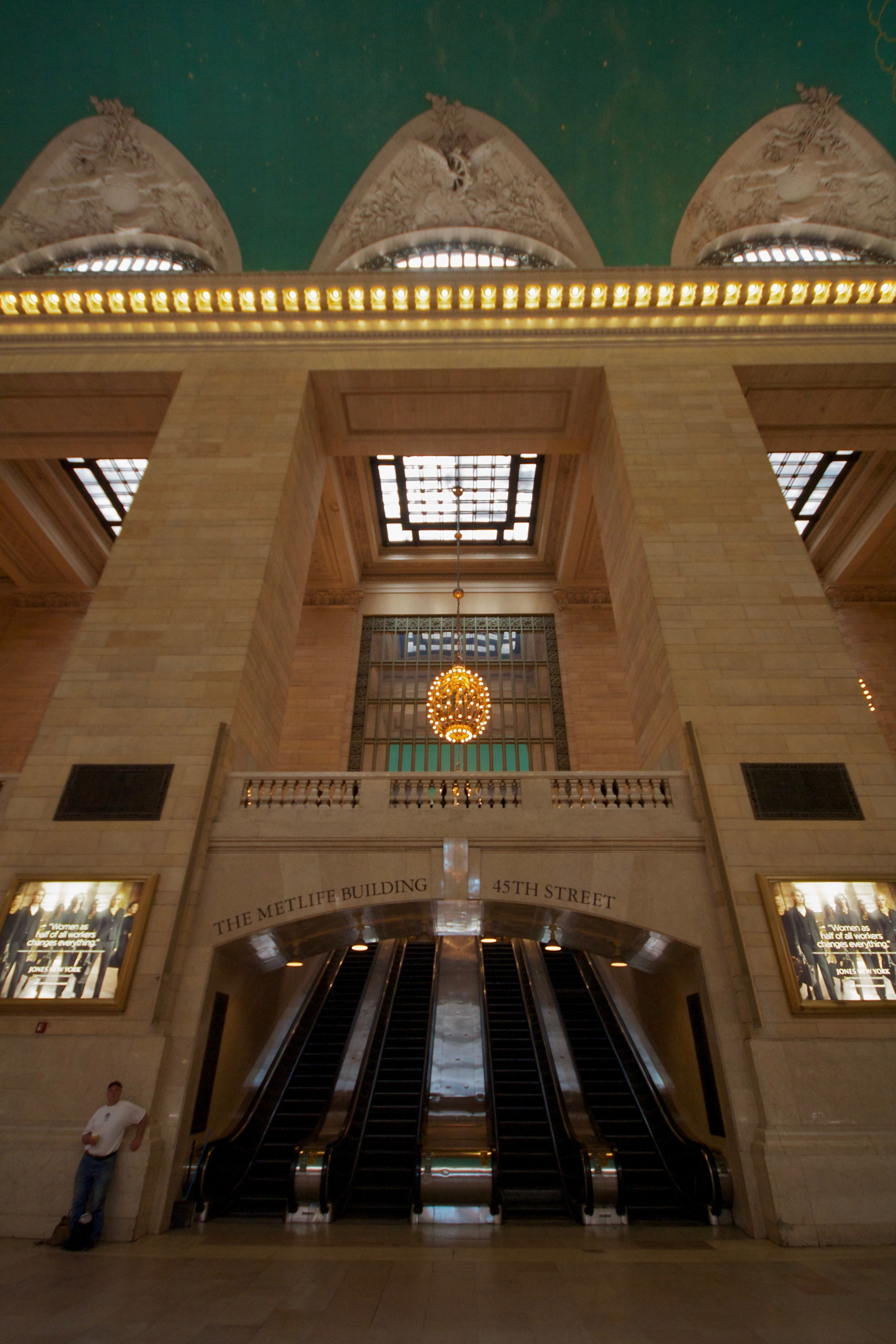
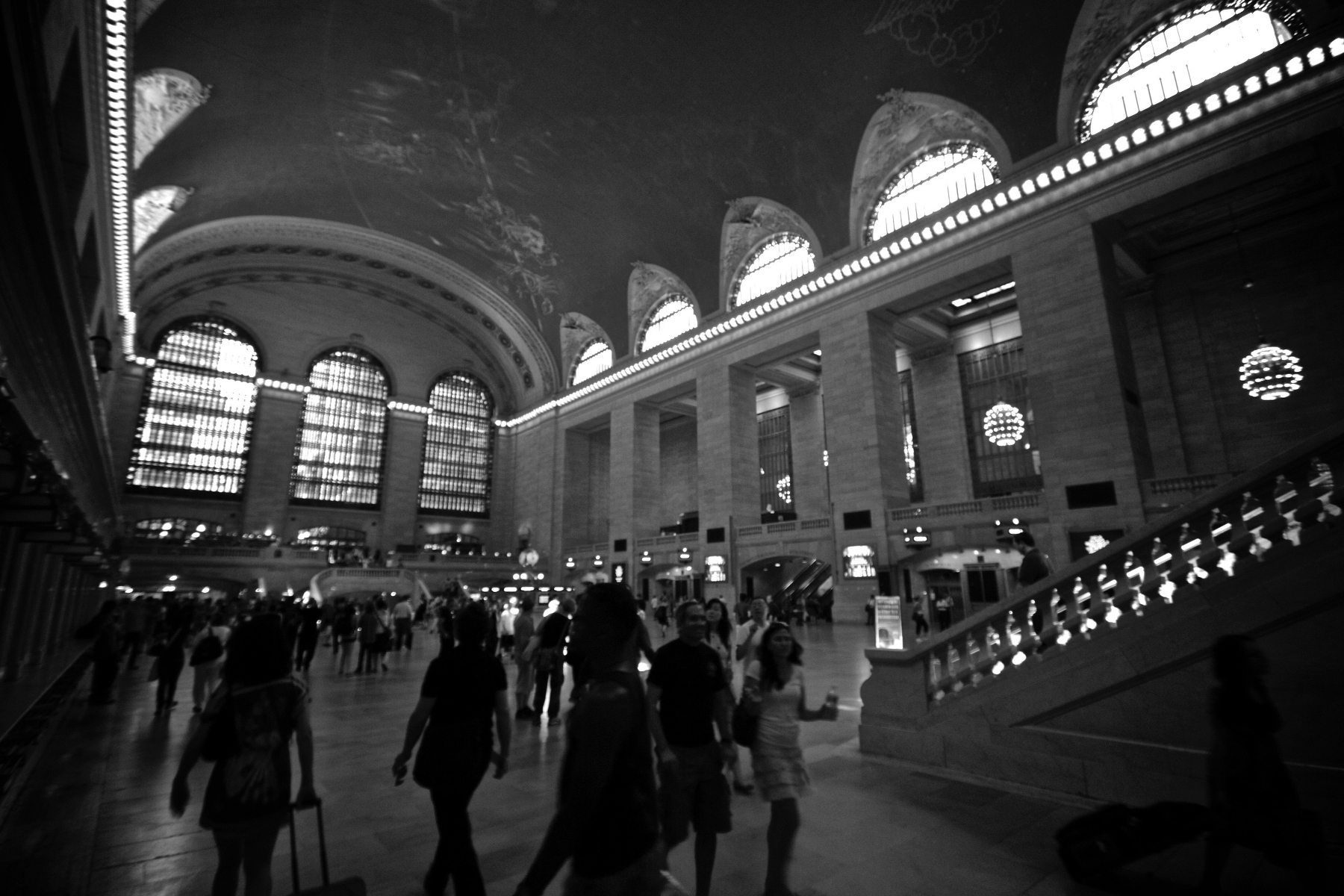
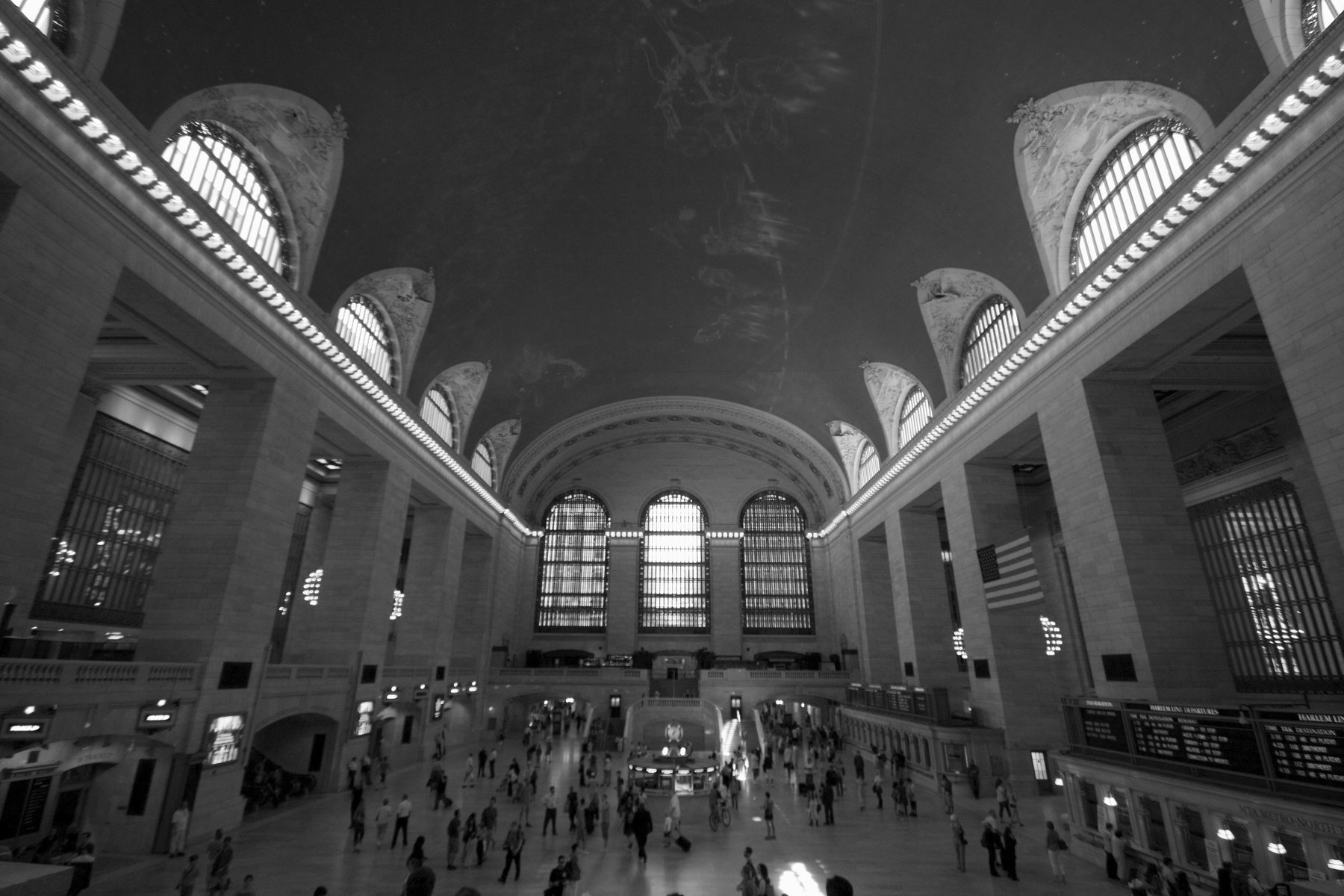
What makes Grand Central’s story even more remarkable is that this extraordinary building almost disappeared. During the twentieth century, modernisation threatened many historic structures across New York, and Grand Central was considered by some to be an outdated obstacle to progress. The demolition of Pennsylvania Station in the 1960s became a powerful warning. Preservationists, including Jacqueline Kennedy Onassis, helped rally public support to protect Grand Central, which was designated a New York City landmark in 1967. Today, it is difficult to imagine Midtown without it.
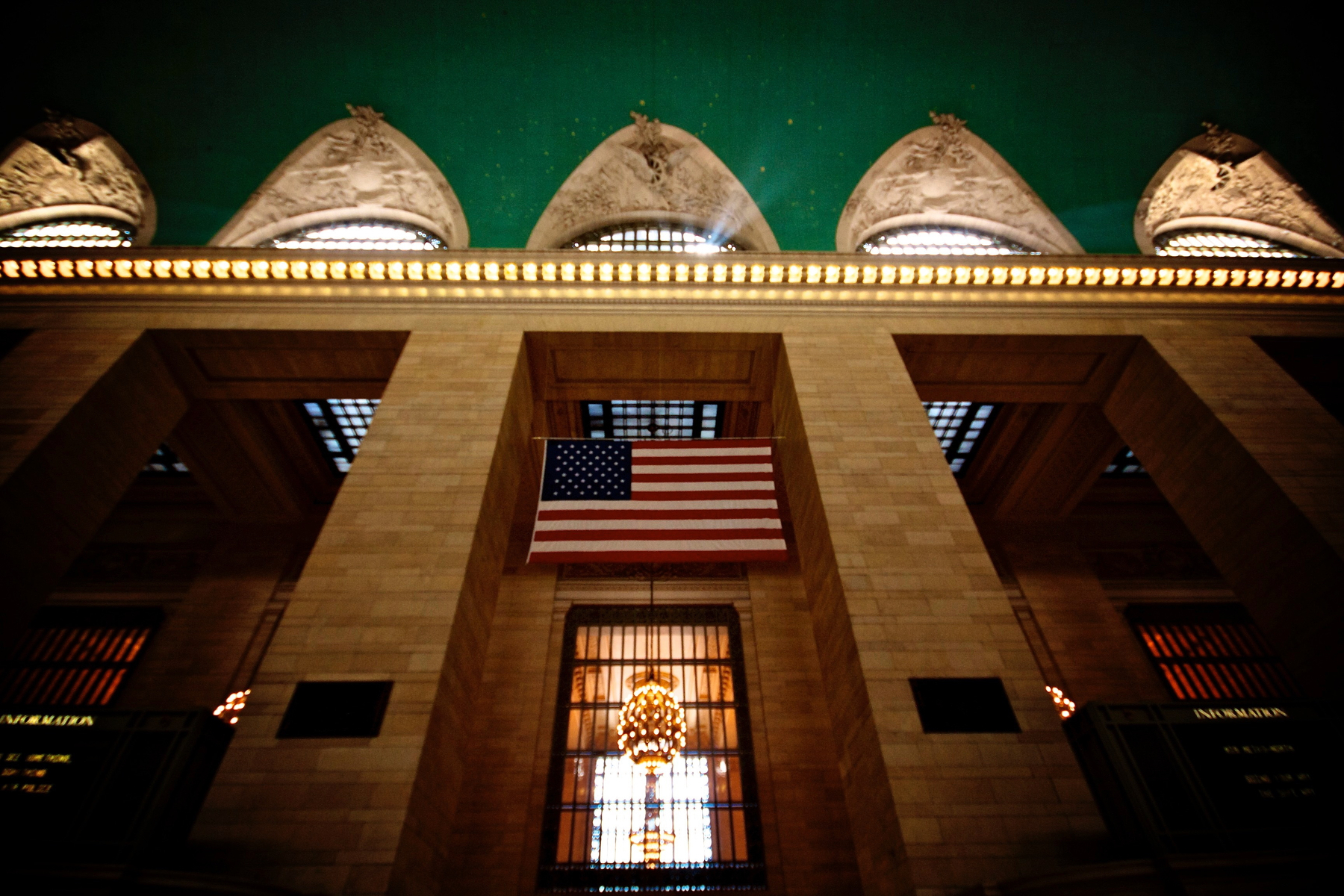

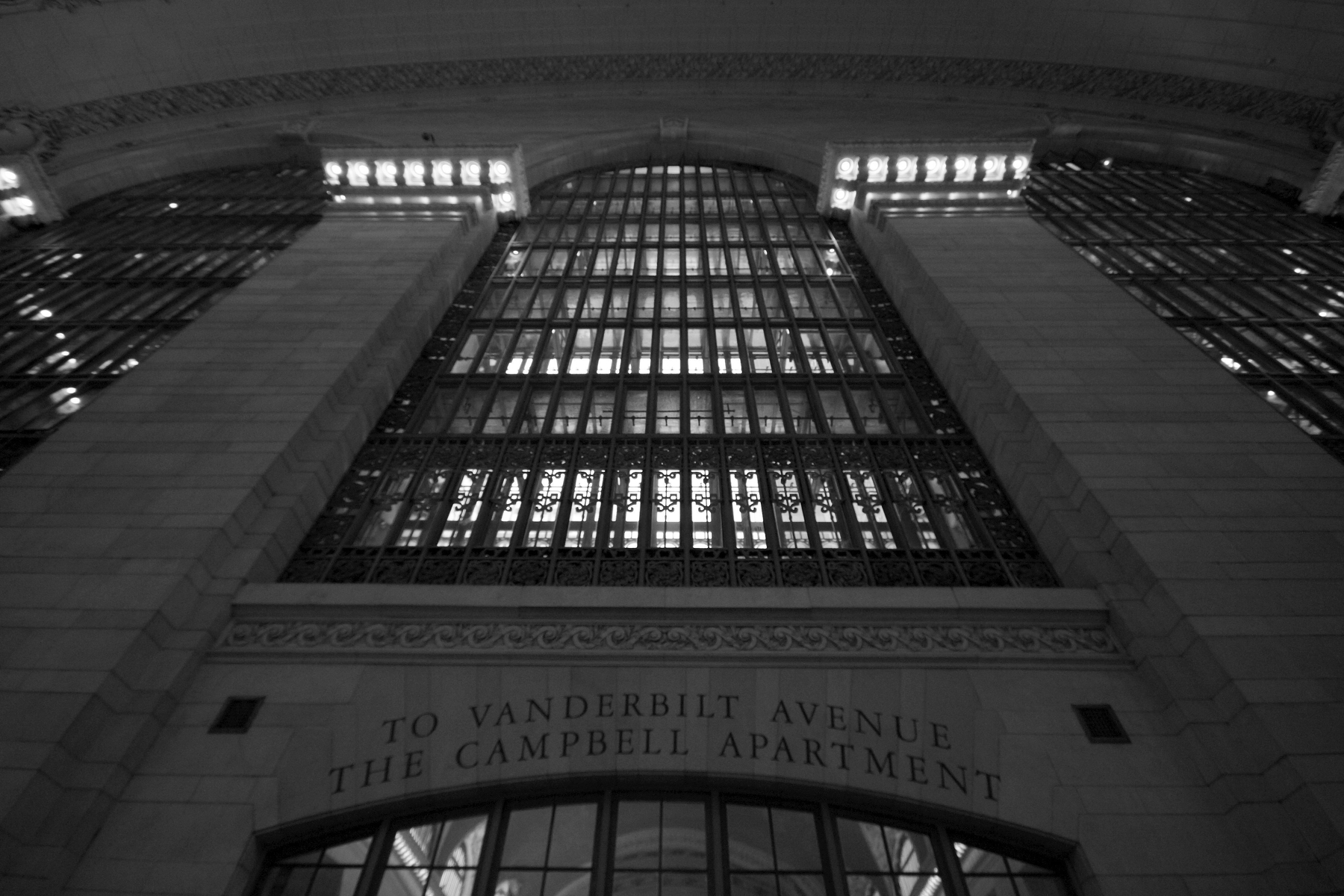
The terminal also has its share of fascinating spaces and legends. Hidden above the main concourse are areas that have served different purposes over the years, including a former tennis club. Beneath the nearby Waldorf Astoria lies Track 61, a private underground platform that has become associated with President Franklin D. Roosevelt and other famous visitors. Some stories surrounding the platform have undoubtedly grown with the telling, but that mixture of history and New York folklore is part of Grand Central’s charm. There always seems to be another story hiding somewhere behind a door or beneath the floor.


Yet for me, the most fascinating thing about Grand Central isn’t any single secret. It is the building’s relationship with movement. Everything here was designed around people arriving, departing, meeting, separating, and moving forward. The enormous Main Concourse almost becomes a stage, with thousands of unscripted performances taking place every day. I can stand still for a few minutes and simply watch—a traveller checking a departure board, someone waiting anxiously beneath the clock, a family embracing after a long journey—and suddenly the architecture becomes secondary to the people inside it.


When I eventually step back onto the streets of Midtown Manhattan, the contrast is always striking. Outside, New York is loud, fast, crowded, and constantly changing. Inside Grand Central, however, time seems to operate differently. More than a century of history remains embedded in its marble, clocks, murals, staircases, and corridors. The terminal has survived changing technologies, changing tastes, economic upheaval, and the constant pressure to replace the old with something new.


That is why Grand Central feels like much more than a railway terminal to me. It is a living piece of New York—a place where architecture and humanity collide every minute of every day. I leave knowing that the people I watched will continue their journeys, the trains will keep arriving, and tomorrow another generation will walk beneath that extraordinary ceiling. Grand Central doesn’t simply preserve New York’s past. It continues to create New York’s history, one arrival, one departure, and one human story at a time.



#Photography #Photos #Photoblog #Blog #GrandCentralTerminal #GrandCentral #NewYorkCity #NYCTravel #NewYorkTravel #GrandCentralStation #Manhattan #BeauxArtsArchitecture #NewYorkHistory #NYCHistory #GrandCentralSecrets #WhisperingGallery #CelestialCeiling #VanderbiltHall #NewYorkArchitecture #NYCLandmarks #TravelNewYork #NewYorkPhotography #ThingsToDoInNYC #ExploreNewYork




Discovering One of Japan’s Oldest Buddhist Temples Shitennō-ji
As I walked through the gates of Shitennō-ji in Osaka, I felt as though I had crossed an invisible boundary between modern Japan and something much older. Outside, Osaka was doing what Osaka does best—moving quickly, noisily, and confidently. Inside the temple grounds, however, the atmosphere changed almost immediately. The sounds of the city seemed to recede, replaced by the quiet rhythm of footsteps across the grounds, the scent of incense, and the towering silhouette of the pagoda above me. Shitennō-ji occupies a remarkable place in Japanese history. Traditionally founded in 593 CE by Prince Shōtoku, it is regarded as one of Japan’s oldest Buddhist temples and is closely associated with the early establishment of Buddhism in the country. Prince Shōtoku became one of the most important early supporters of Buddhism in Japan, and the temple was part of his vision for a society influenced by Buddhist principles. What makes the story particularly fascinating is that Buddhism was still relatively new to Japan when Shitennō-ji was established. The religion had arrived from the Asian mainland through Korea, bringing with it not only new spiritual ideas but also new approaches to art, architecture, writing, government, medicine, and education. Shitennō-ji therefore represents much more than a place of worship. It stands at an important crossroads in the development of Japanese civilisation.
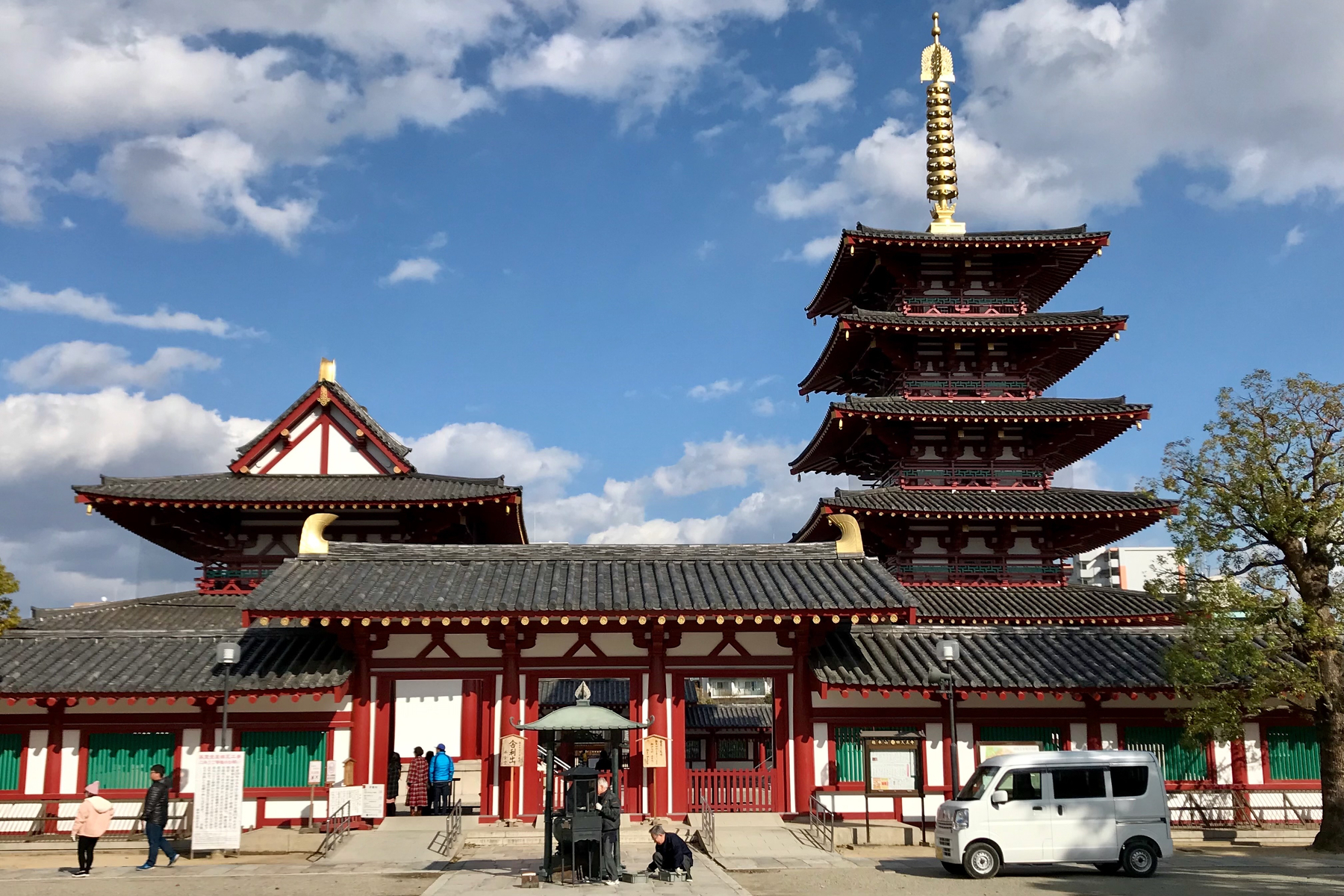
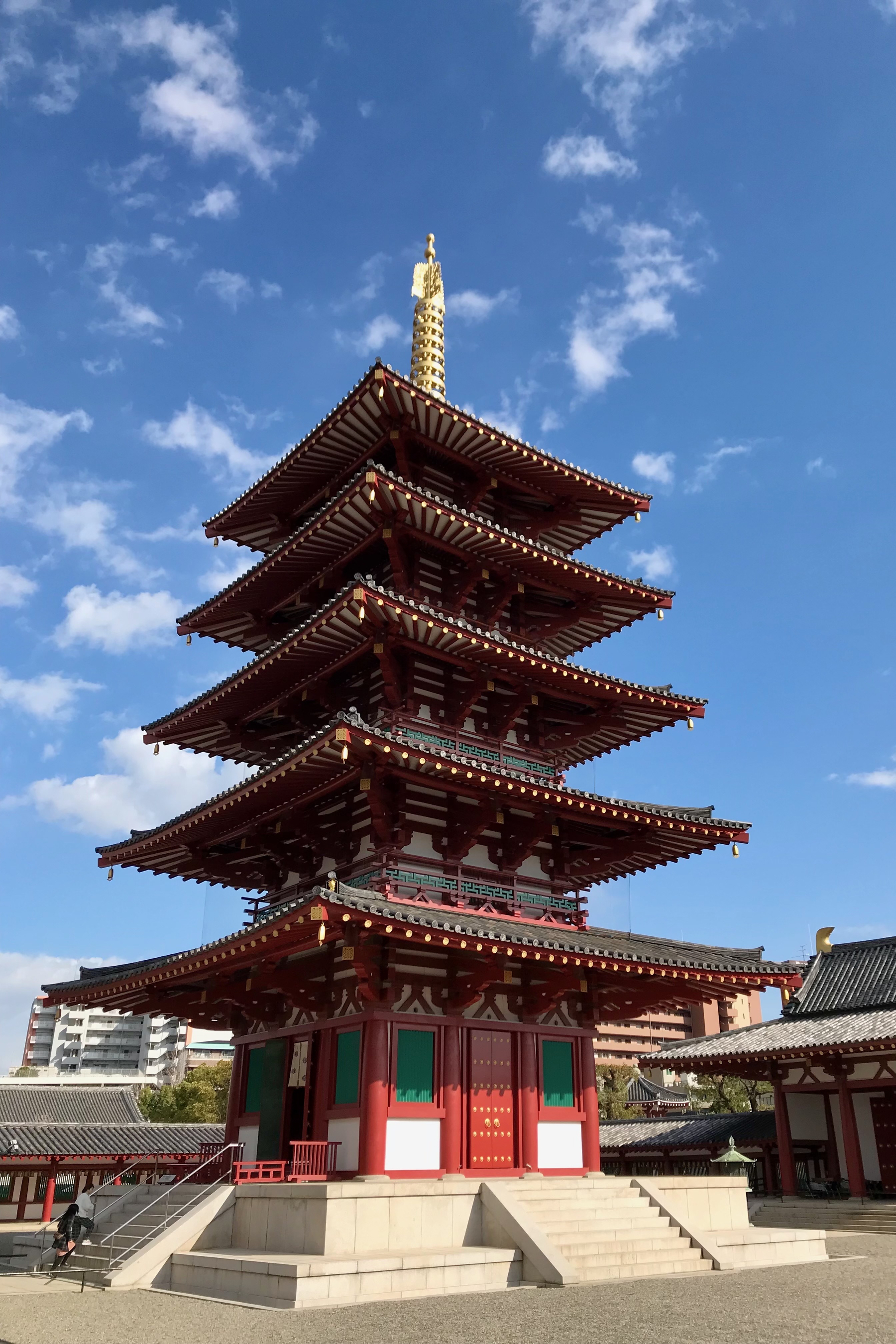
The temple’s name refers to the Shitennō—the Four Heavenly Kings, Buddhist guardian deities who protect the four directions. Their presence reflects one of the central ideas behind the temple: protection, both spiritual and physical. As I moved deeper into the complex, I began to appreciate how architecture and religious symbolism work together here. Gates, halls, courtyards, statues, and the pagoda aren’t simply beautiful structures. They are part of a much larger spiritual vocabulary. One of the most striking sights was the five-story pagoda rising above the temple grounds. Its vertical form seemed almost to pull the eye upward, contrasting beautifully with the horizontal lines of the surrounding buildings. Pagodas developed from the Buddhist stupa tradition and came to symbolize Buddhist teachings and the sacred presence of relics. Standing beneath this one, I could understand why these structures have become such powerful symbols of Japanese temple architecture.
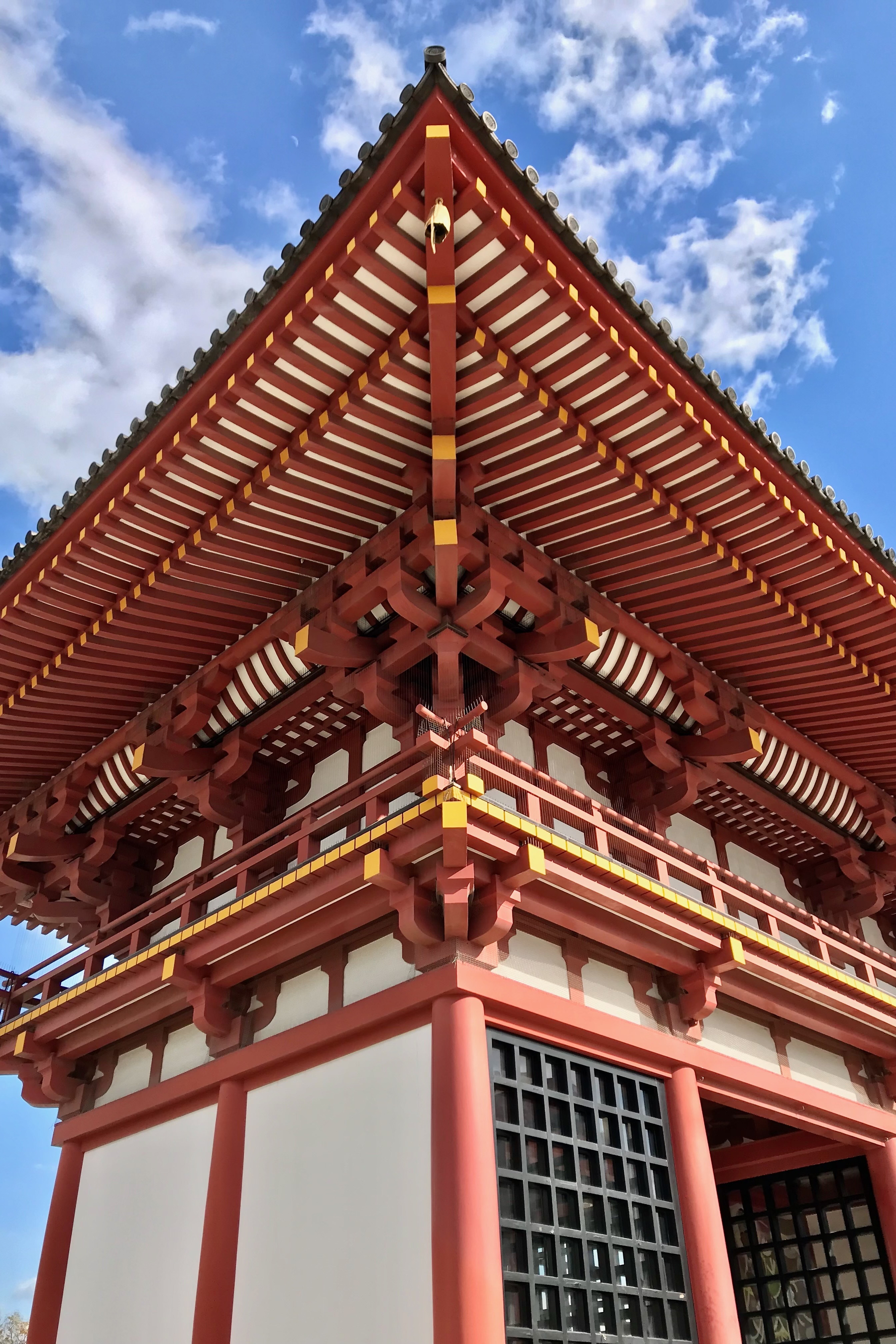
Shitennō-ji is especially interesting because its buildings have not simply survived unchanged for more than fourteen centuries. The temple has been repeatedly damaged and rebuilt. Fires, wars, natural disasters, and the passage of time have all taken their toll. Much of what visitors see today is the result of later reconstruction, particularly twentieth-century rebuilding. At first, that realisation might make a place seem less “ancient.” For me, it had the opposite effect. Shitennō-ji’s history became more meaningful precisely because the temple’s survival depended on people repeatedly deciding that it was worth rebuilding. The physical structures changed, but the tradition continued.
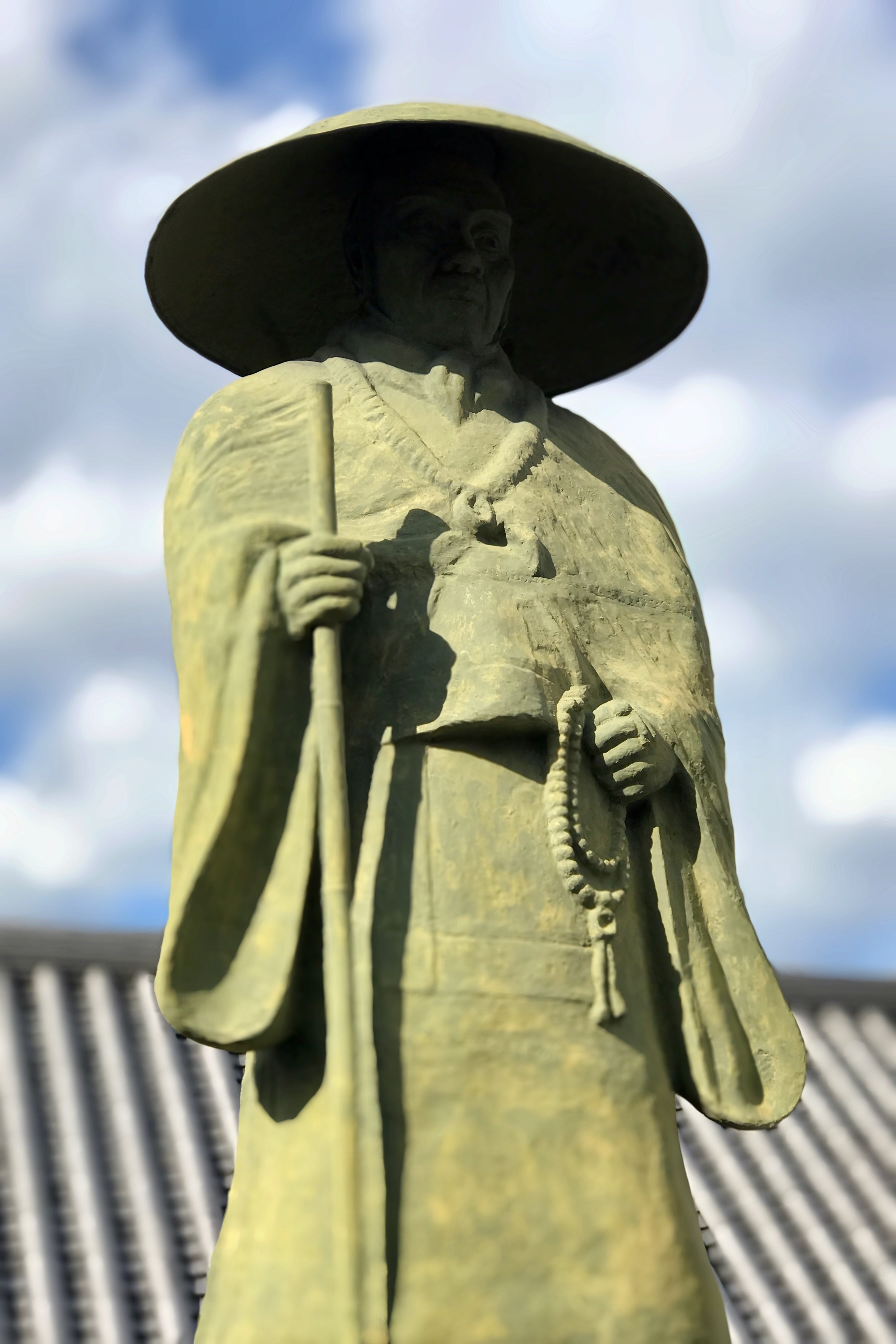
The present layout preserves the basic arrangement associated with the temple’s traditional design, with a central complex organized around the pagoda, Main Hall, and surrounding structures. The reconstruction sought to preserve the character of the historic temple rather than simply create something modern. Walking through the grounds, I found myself thinking less about whether a particular roof tile was original and more about the continuity of the place itself. Inside the Kondō, or Main Hall, the atmosphere became quieter still. Buddhist imagery filled the space with an entirely different sense of time. Among the temple’s important traditions is its connection with Prince Shōtoku, who became revered as a Buddhist figure after his death. His association with Kannon, the bodhisattva of compassion, is an important part of the temple’s spiritual identity.
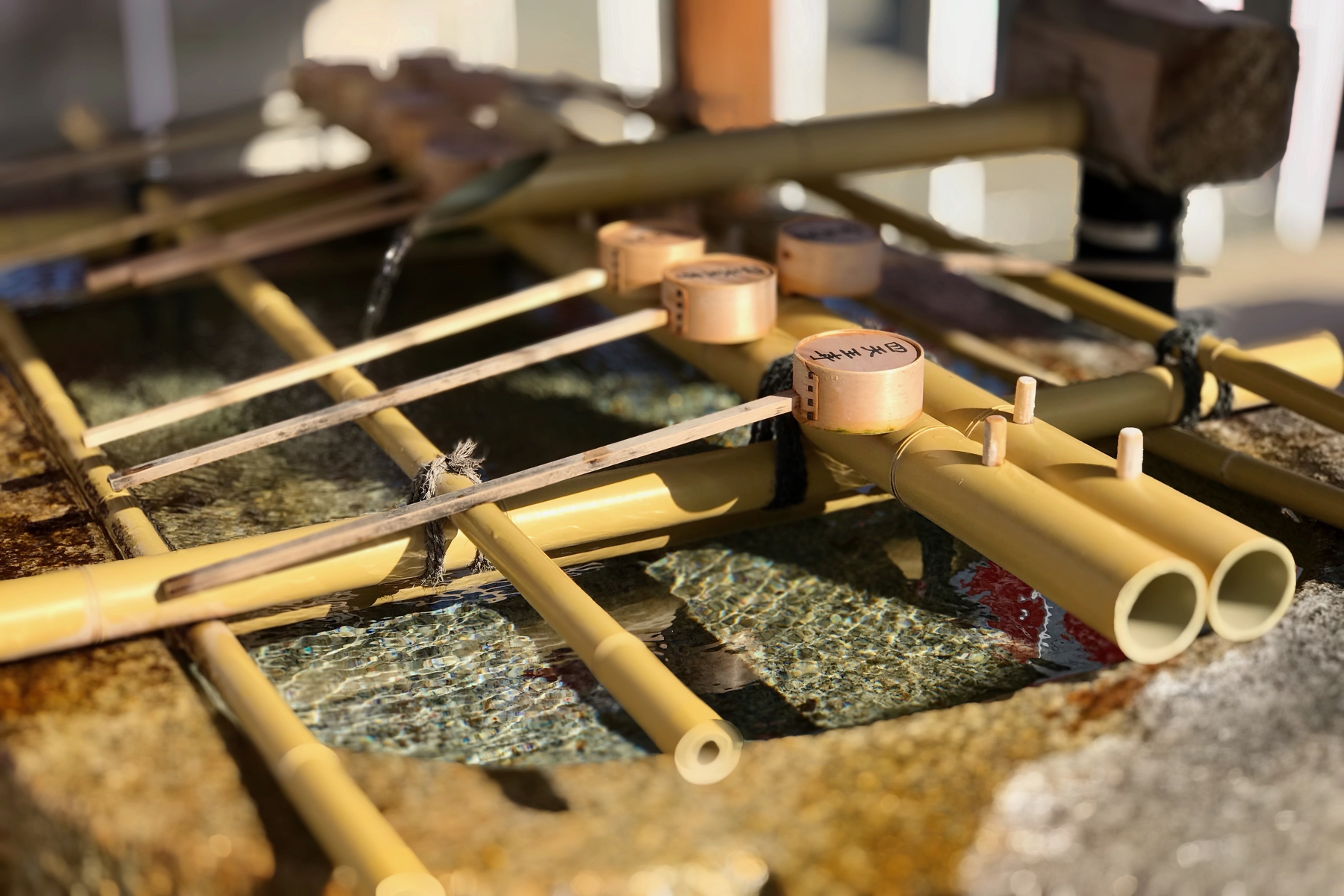
I was also drawn toward the Gokuraku-jōdo Garden, whose name refers to the Pure Land, or Western Paradise, associated with Amida Buddha. The garden was designed to evoke this Buddhist vision of paradise, transforming landscape into a form of spiritual expression. Ponds, rocks, vegetation, bridges, and carefully composed views encouraged a slower pace of movement. After the density of Osaka’s streets, the garden felt wonderfully removed from the city. I walked along the paths without any particular destination, watching reflections move across the water and listening to the subtle sounds around me. It reminded me that Japanese gardens are often less about creating a place to look at than creating a place in which to experience a particular state of mind.
Another part of Shitennō-ji that intrigued me was its collection of cultural treasures. The temple’s Treasure House contains religious artworks, paintings, calligraphy, manuscripts, sculptures, and other historical objects, displayed through changing exhibitions. These collections provide another perspective on the temple because they reveal the intellectual and artistic world that developed around Buddhist institutions over the centuries. The temple has also remained connected to Osaka’s community rather than existing solely as a historical monument. Religious ceremonies, memorial observances, markets, and traditional events continue to take place here. One particularly well-known event is the monthly Shitennō-ji flea market, held on the 21st and 22nd of each month, when the grounds take on an entirely different atmosphere.
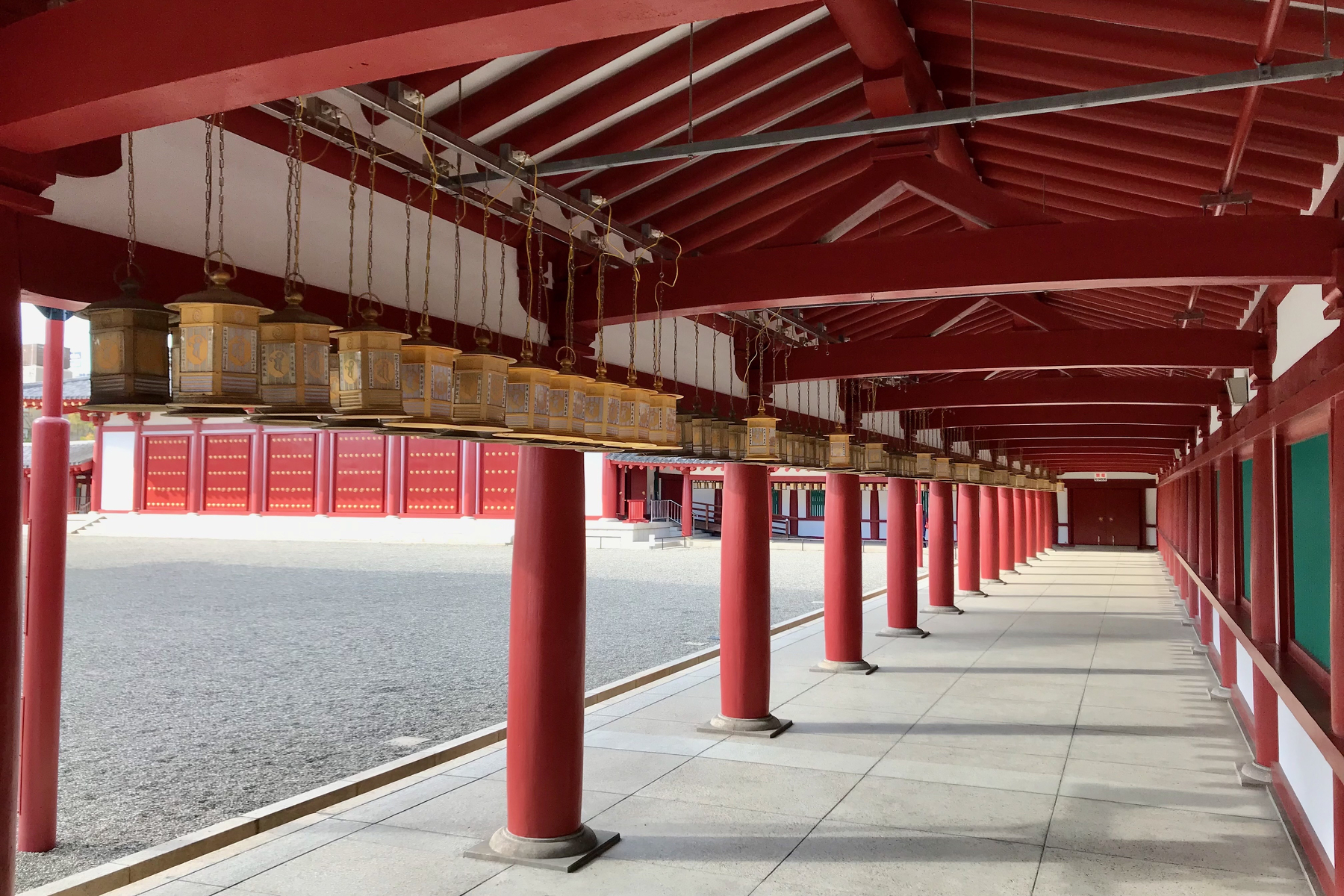
That mixture of sacred tradition and everyday life is one of the things I found most appealing. A temple can be ancient without becoming frozen in time. At Shitennō-ji, history isn’t locked behind glass. It continues through ceremonies, visitors, vendors, worshippers, festivals, and the ordinary routines of people who still regard the temple as part of their community. As I wandered back toward the main gate, I thought about the extraordinary number of generations that had passed through this same space. Sixteen centuries of Japanese history have unfolded since the temple’s traditional foundation. Dynasties and political systems changed. Cities expanded. Wars were fought. Japan modernised. Osaka became one of the world’s great metropolitan centres. And yet this sacred site remained.

Perhaps that is what impressed me most about Shitennō-ji. Its greatest story isn’t simply the year 593, Prince Shōtoku, or the age of its architecture. It is the story of continuity. The temple has been destroyed and rebuilt, but not forgotten. Its buildings have changed, but its religious traditions have endured. The city surrounding it has transformed almost beyond recognition, yet people continue to cross its gates seeking worship, reflection, history, or simply a moment of quiet. When I finally stepped back onto the streets of Osaka, the contrast was almost startling. Trains were moving, traffic filled the roads, signs flashed above shops, and people hurried toward their next destination. But I carried a different sense of time with me. Shitennō-ji had reminded me that Japan’s history isn’t always found in distant mountain temples or isolated historic towns. Sometimes it is standing right in the middle of a modern city, quietly surviving generation after generation.
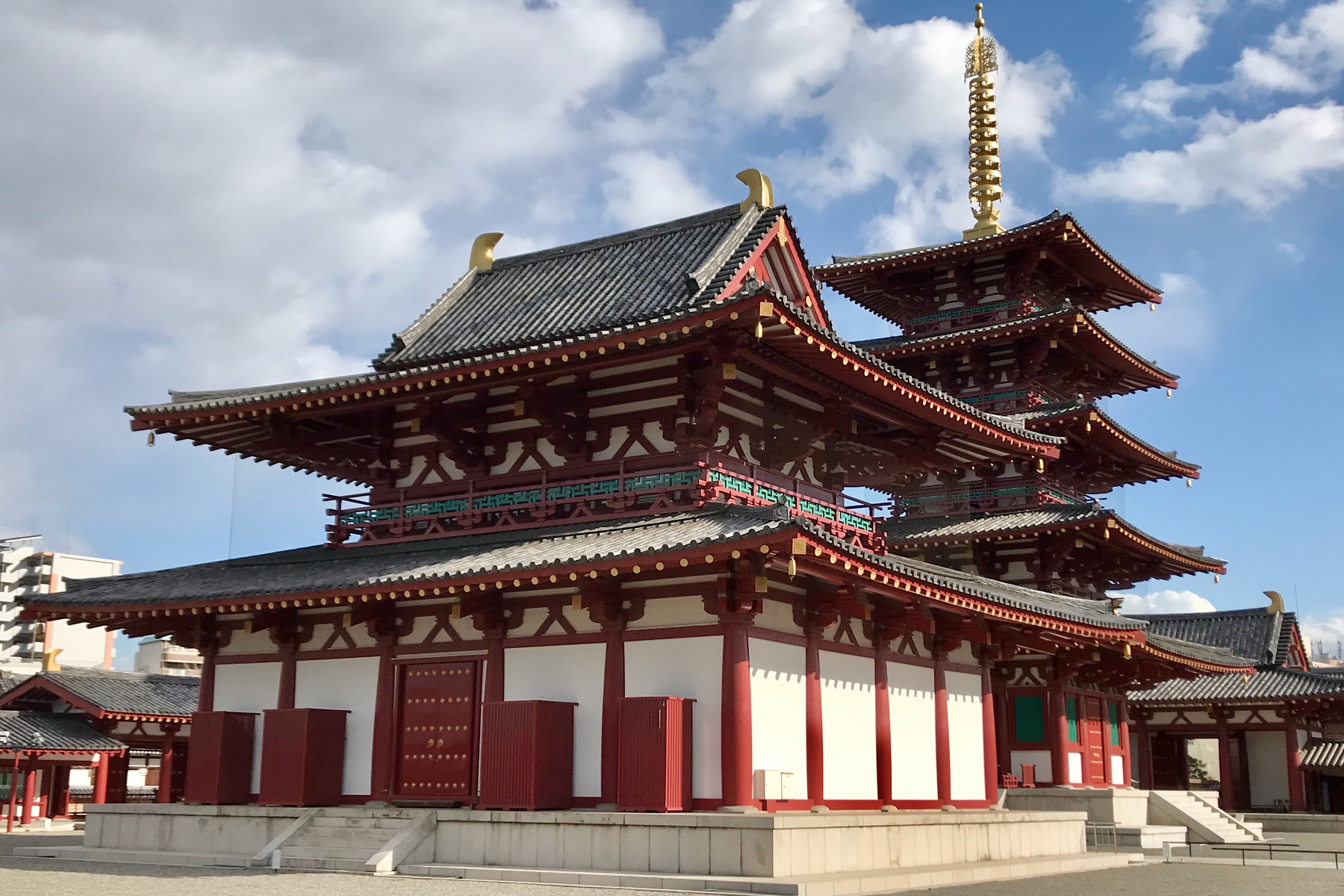
For me, visiting Shitennō-ji became more than a stop at an old temple. It was a glimpse into the moment when Buddhism began taking root in Japan, a lesson in the resilience of cultural traditions, and an opportunity to experience a quieter side of Osaka. As I looked back one final time at the pagoda rising above the temple roofs, I realized that its survival was perhaps the most beautiful part of its story. Buildings can burn. Wood can decay. Roofs can collapse. Cities can change. But traditions, when people continue to believe in them, can endure. And that is the true legacy of Shitennō-ji.
#Photography #Photos #Photoblog #Blog #Shitennoji #ShitennojiTemple #OsakaJapan #OsakaTravel #JapanTravel #JapaneseTemples #BuddhismInJapan #PrinceShotoku #JapaneseHistory #JapanCulture #BuddhistArchitecture #OsakaTemples #GokurakuJodoGarden #JapaneseGardens #FiveStoryPagoda #FourHeavenlyKings #AncientJapan #VisitOsaka #JapanPhotography #TravelJapan