
Wilanów Palace, Where Poland’s Royal Past Still Lives

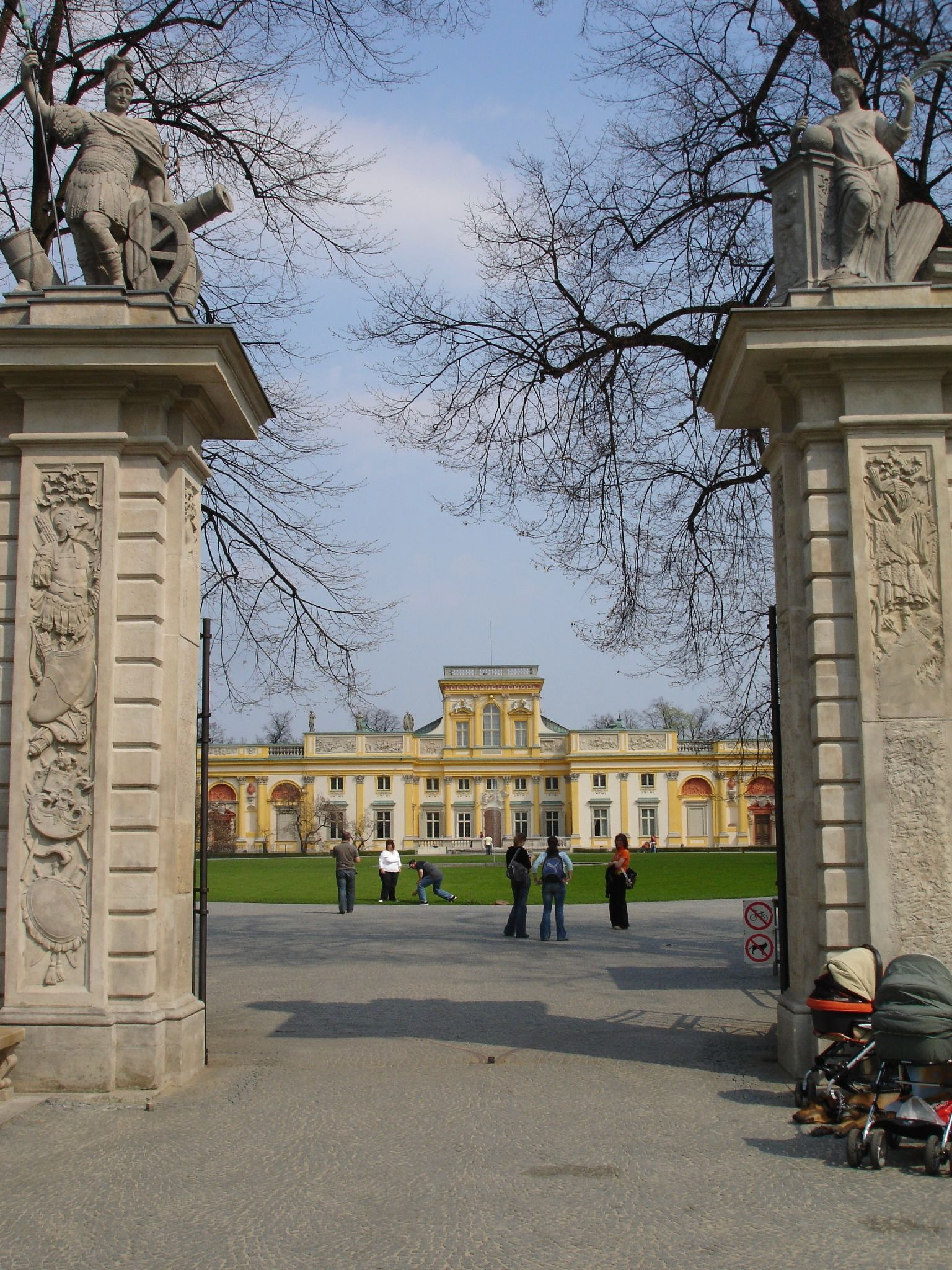
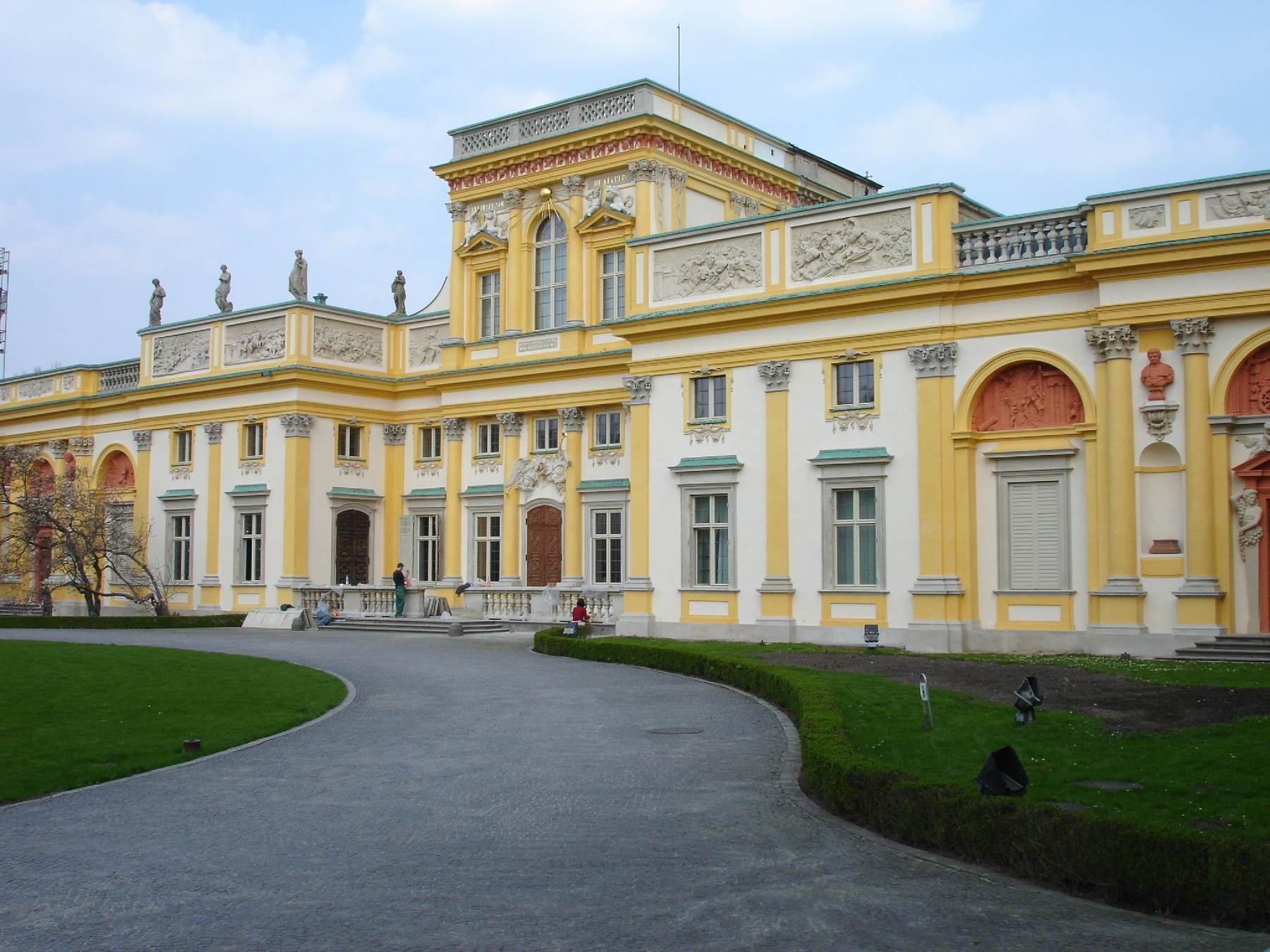
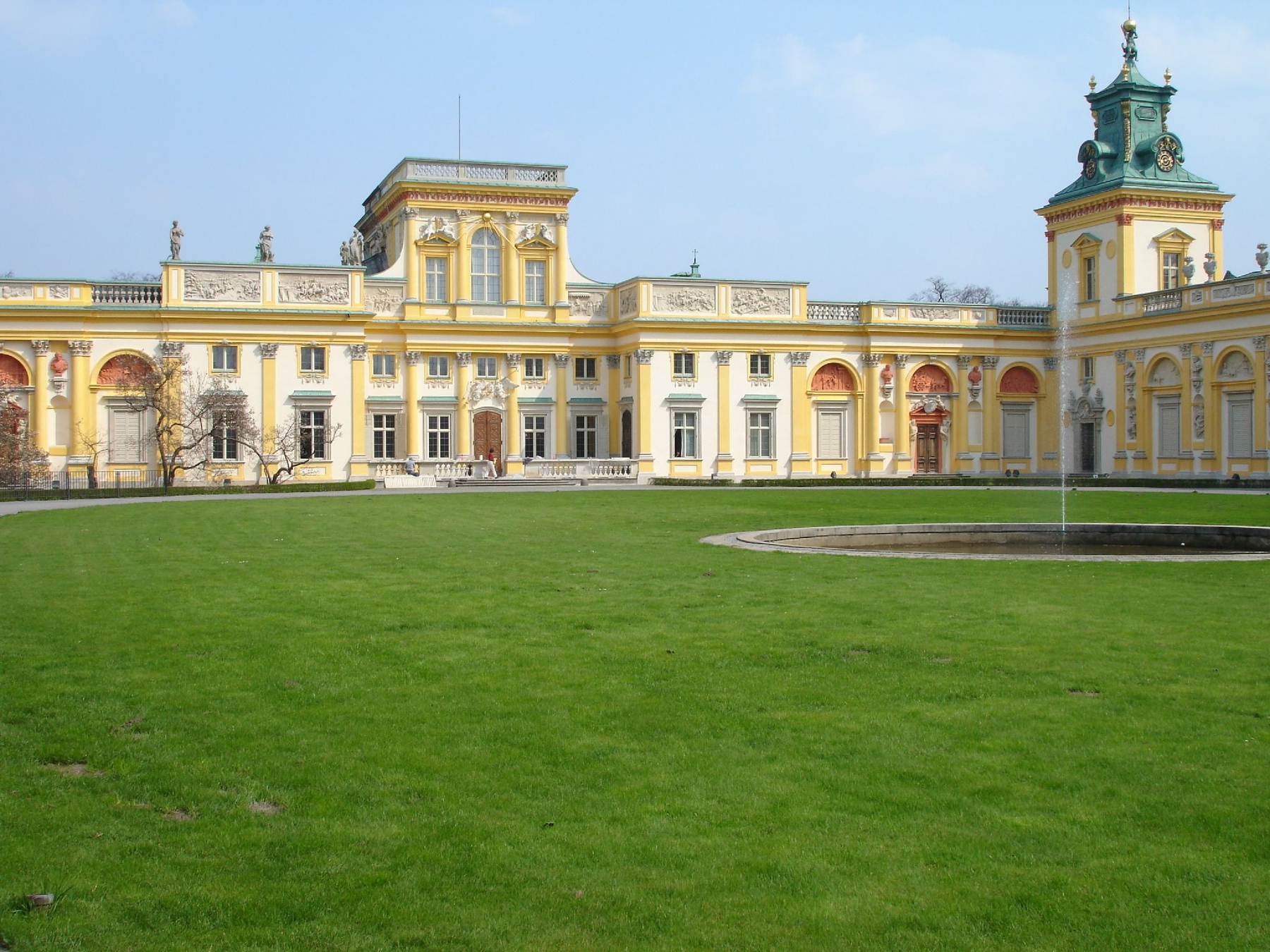
The first thing I noticed when I entered the grounds of Wilanów Palace was how quickly Warsaw seemed to disappear. Just beyond the gates was the modern capital—busy streets, traffic, apartment buildings, and the restless rhythm of contemporary life—but inside the palace grounds, everything felt slower. Long avenues, carefully shaped gardens, sculptures, fountains, and the ochre-and-white palace façade created the strange sensation that I had stepped through a doorway into another Poland.
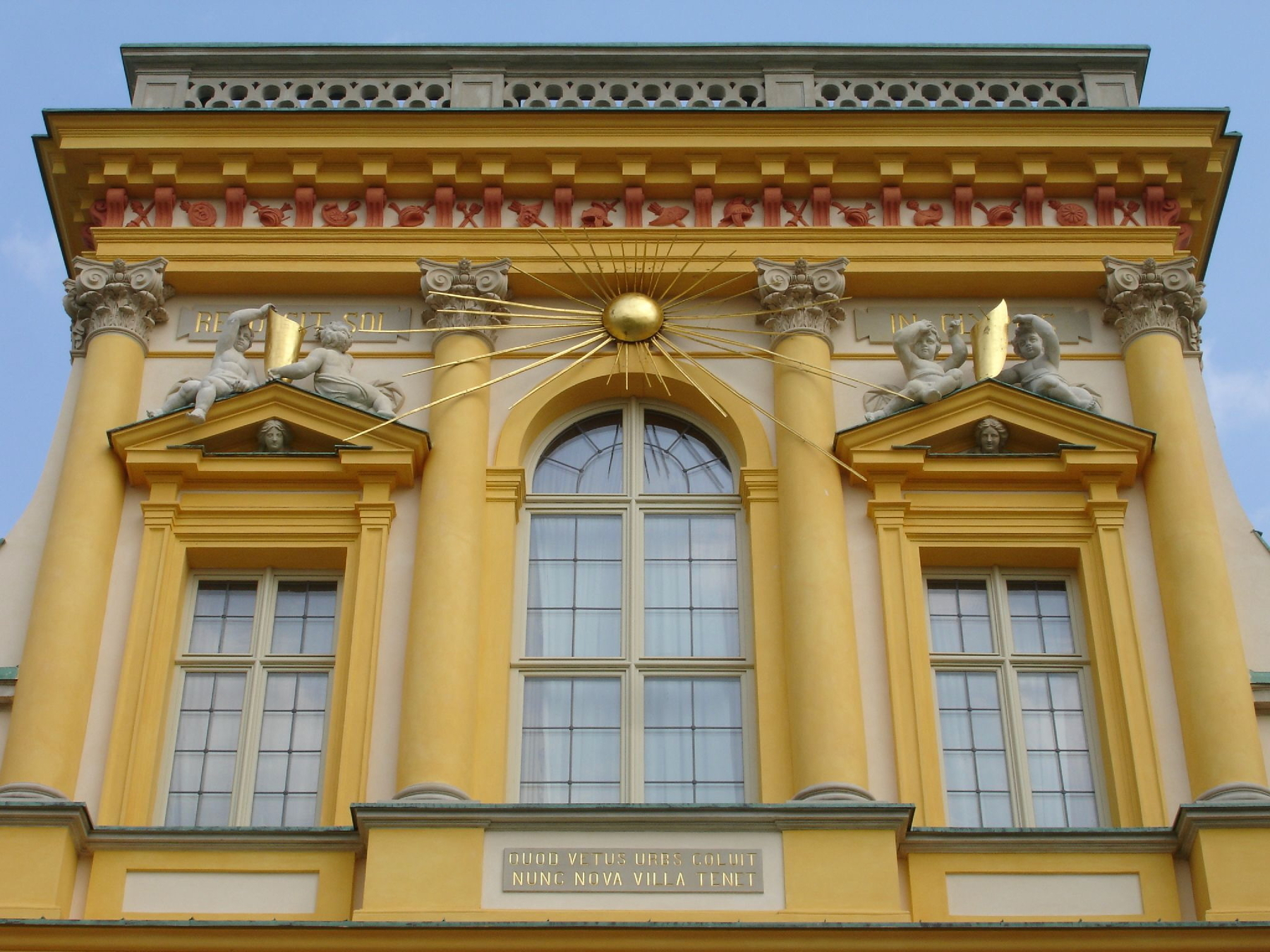
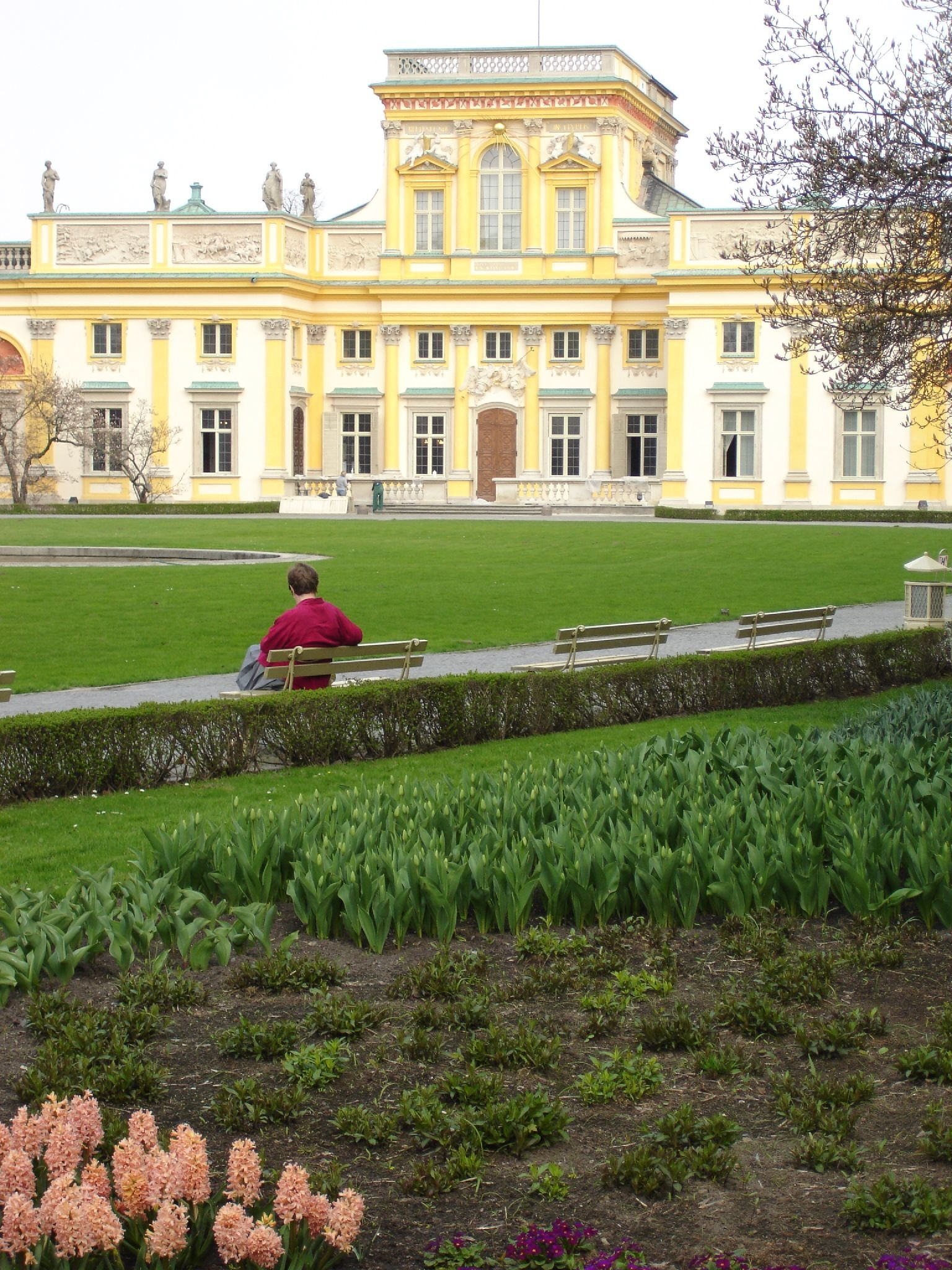
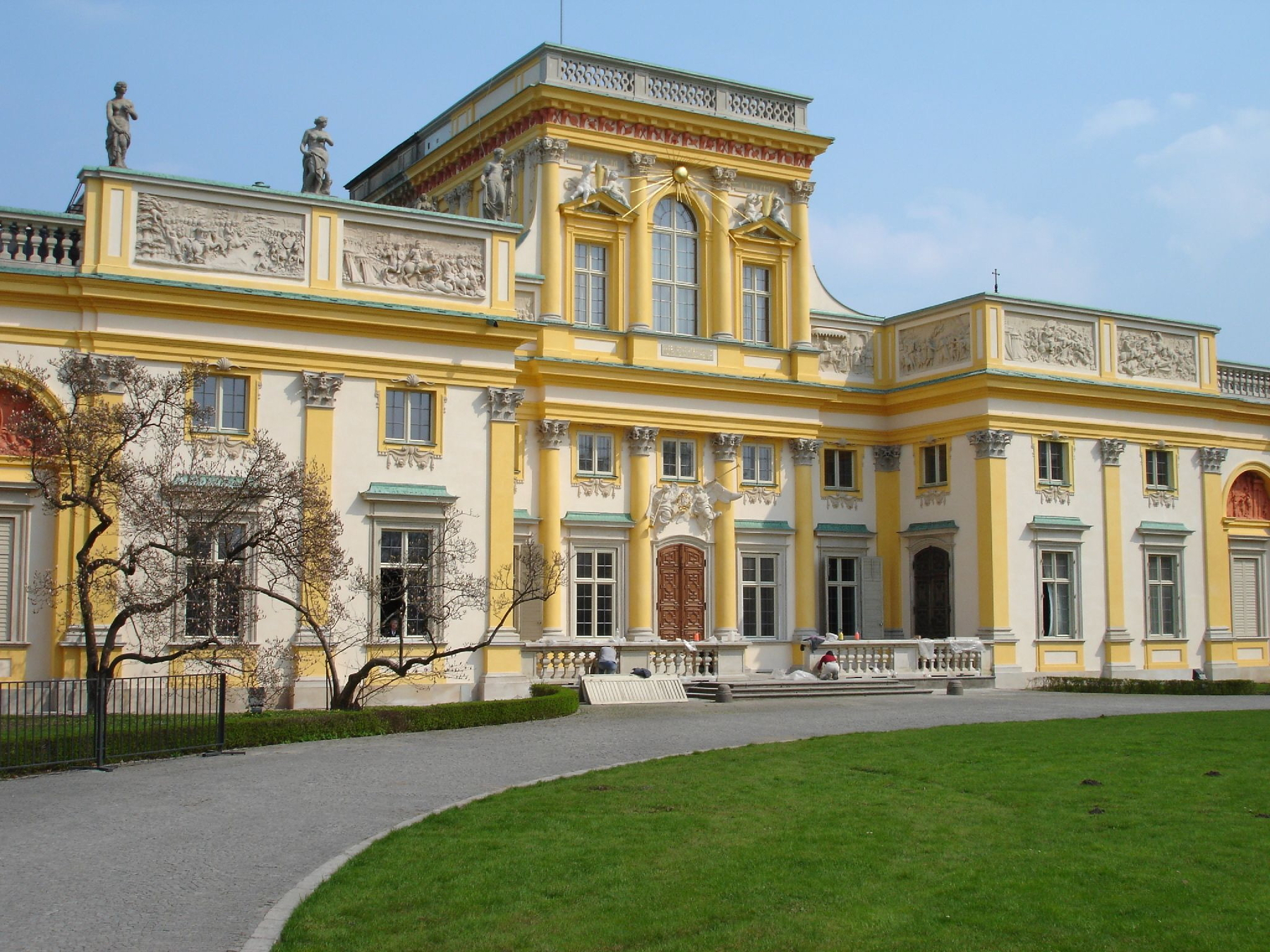
Wilanów Palace is one of those places where the history is impossible to separate from the architecture. Built in the late seventeenth century, it was created as the suburban royal residence of King Jan III Sobieski, the Polish monarch best remembered internationally for his victory over the Ottoman forces at the Battle of Vienna in 1683. Yet before I knew anything about the palace’s details, what struck me was its scale. It wasn’t designed simply as a comfortable country house. It was meant to make a statement.
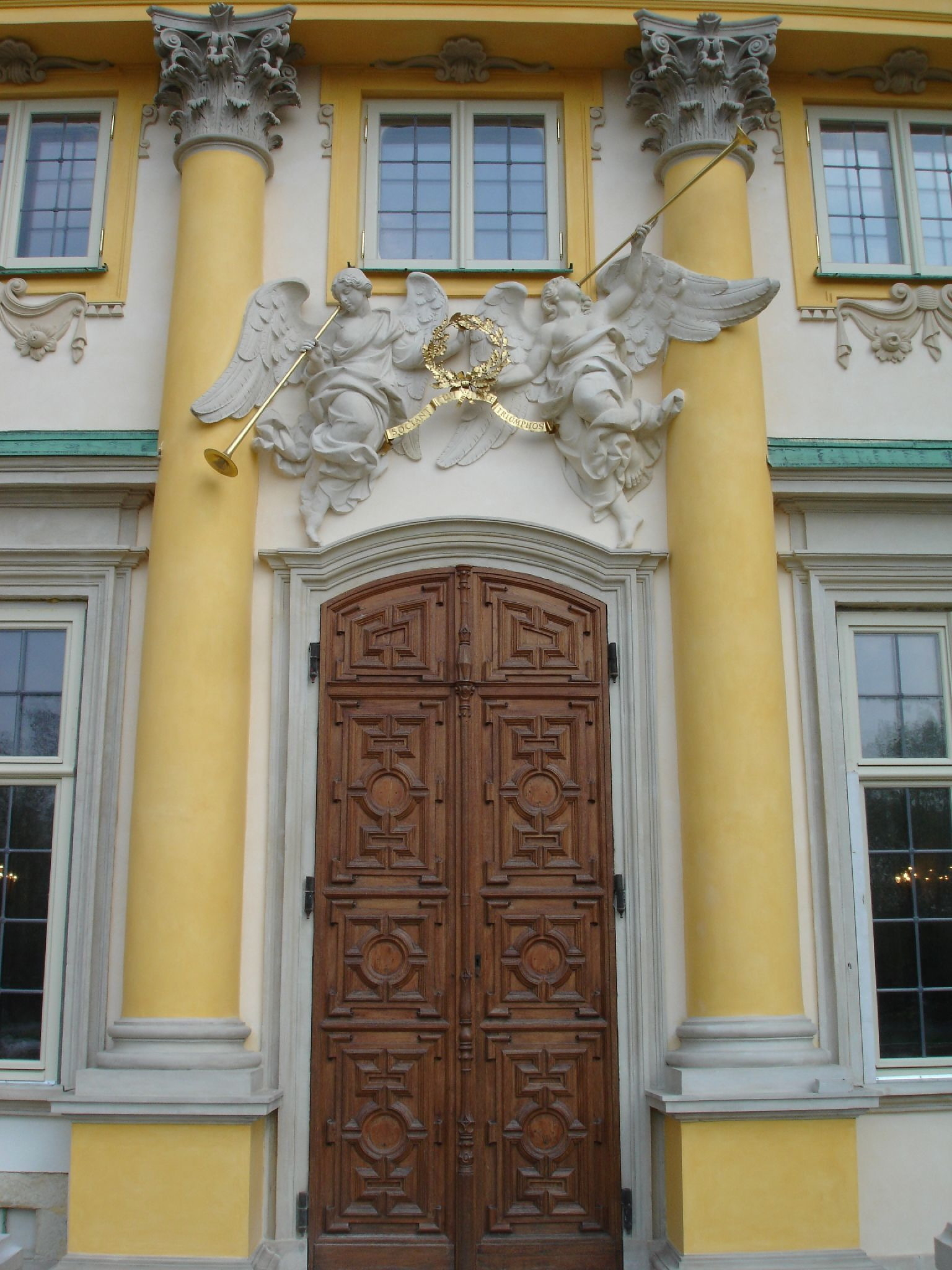
The palace began as a royal summer residence and was developed under Sobieski and his wife, Queen Maria Kazimiera, known as Marysieńka. The couple played an important role in shaping the residence, and the palace became known as Villa Nova—the “new villa”—which eventually evolved into the Polish name Wilanów. Its architect, Augustyn Wincenty Locci, created a residence that combined elements of the Italian villa, French palace, and Polish manor house. The result is wonderfully unusual: unmistakably Baroque, yet adapted to Polish traditions and the landscape.
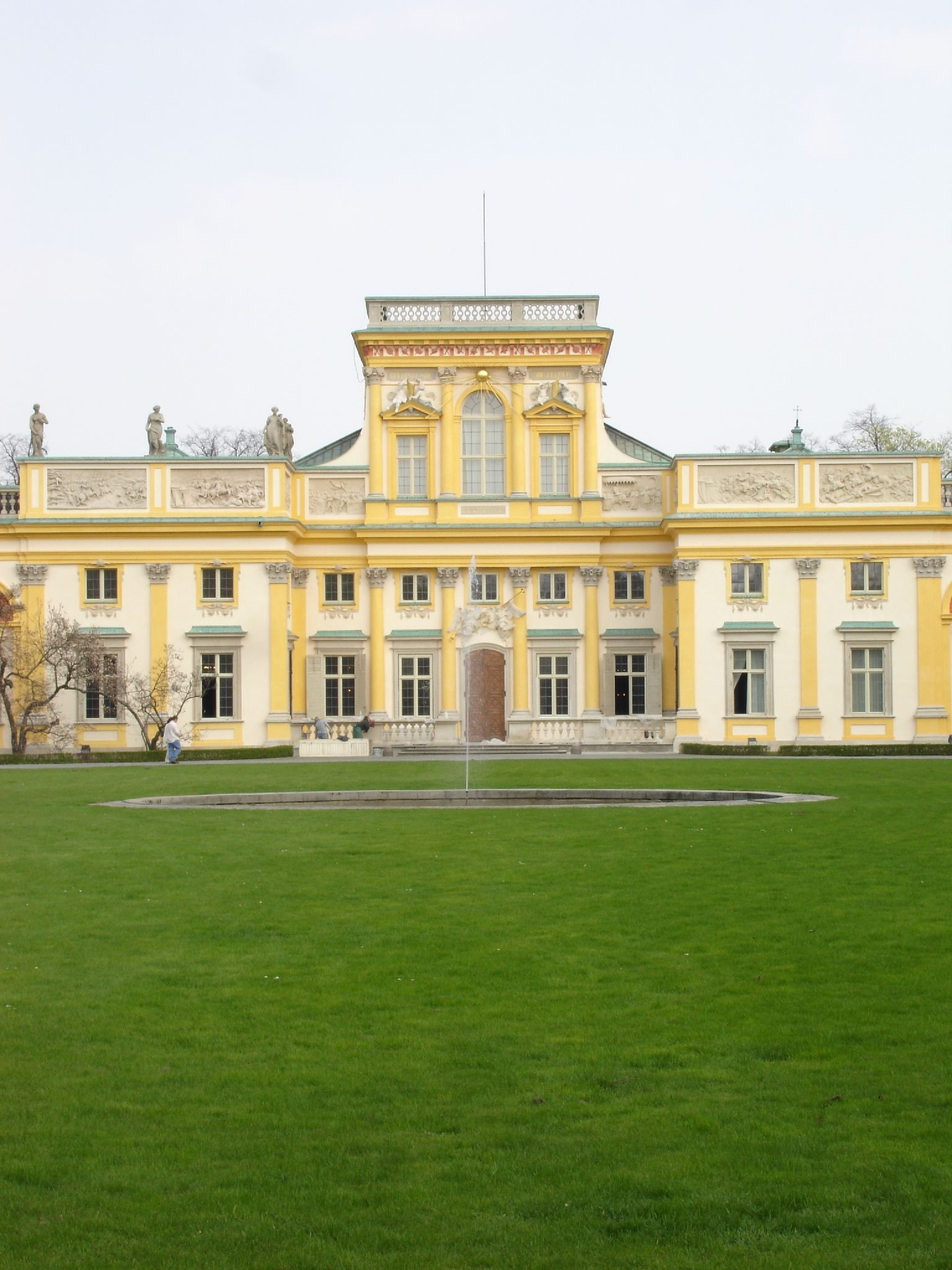

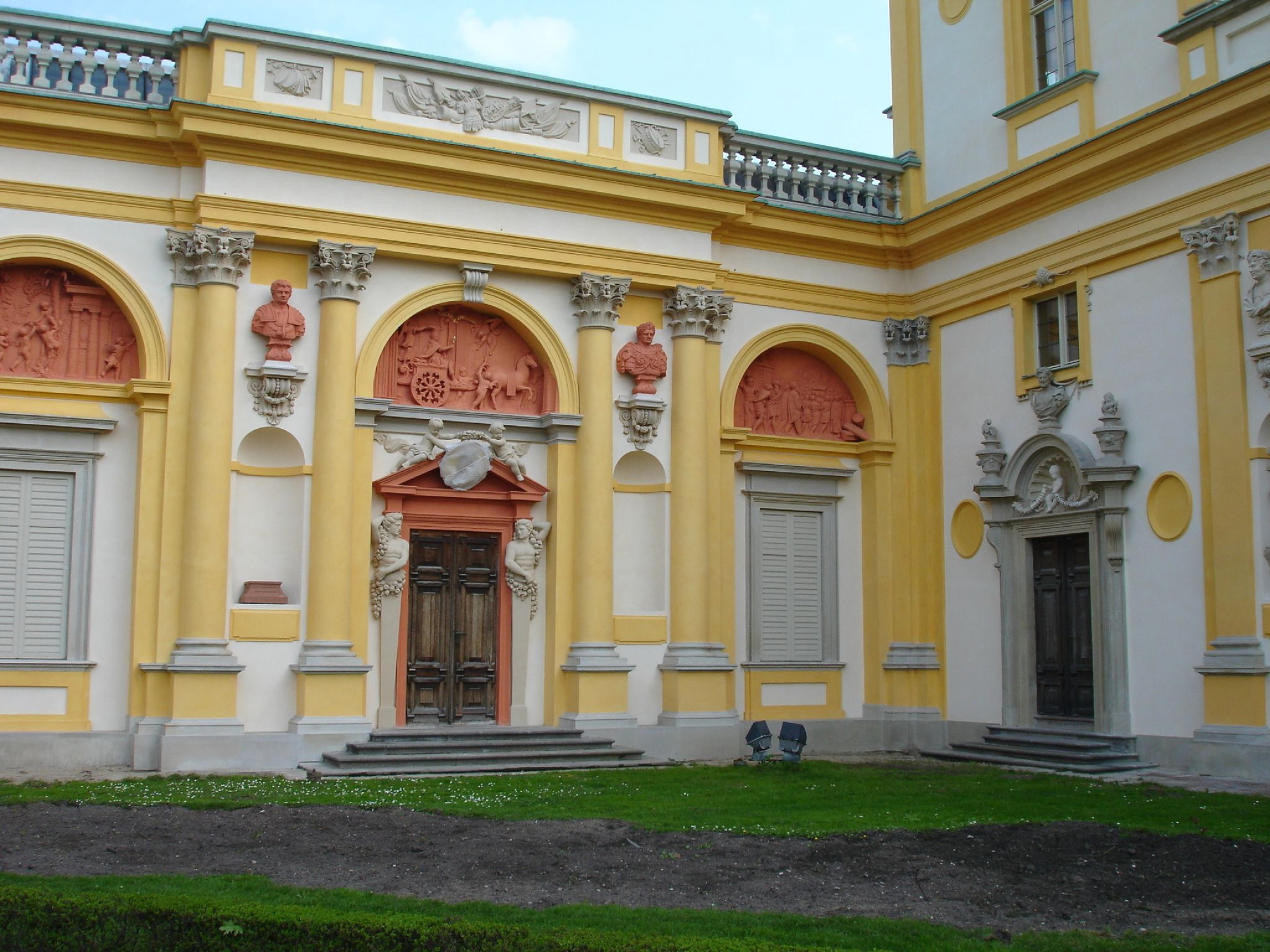
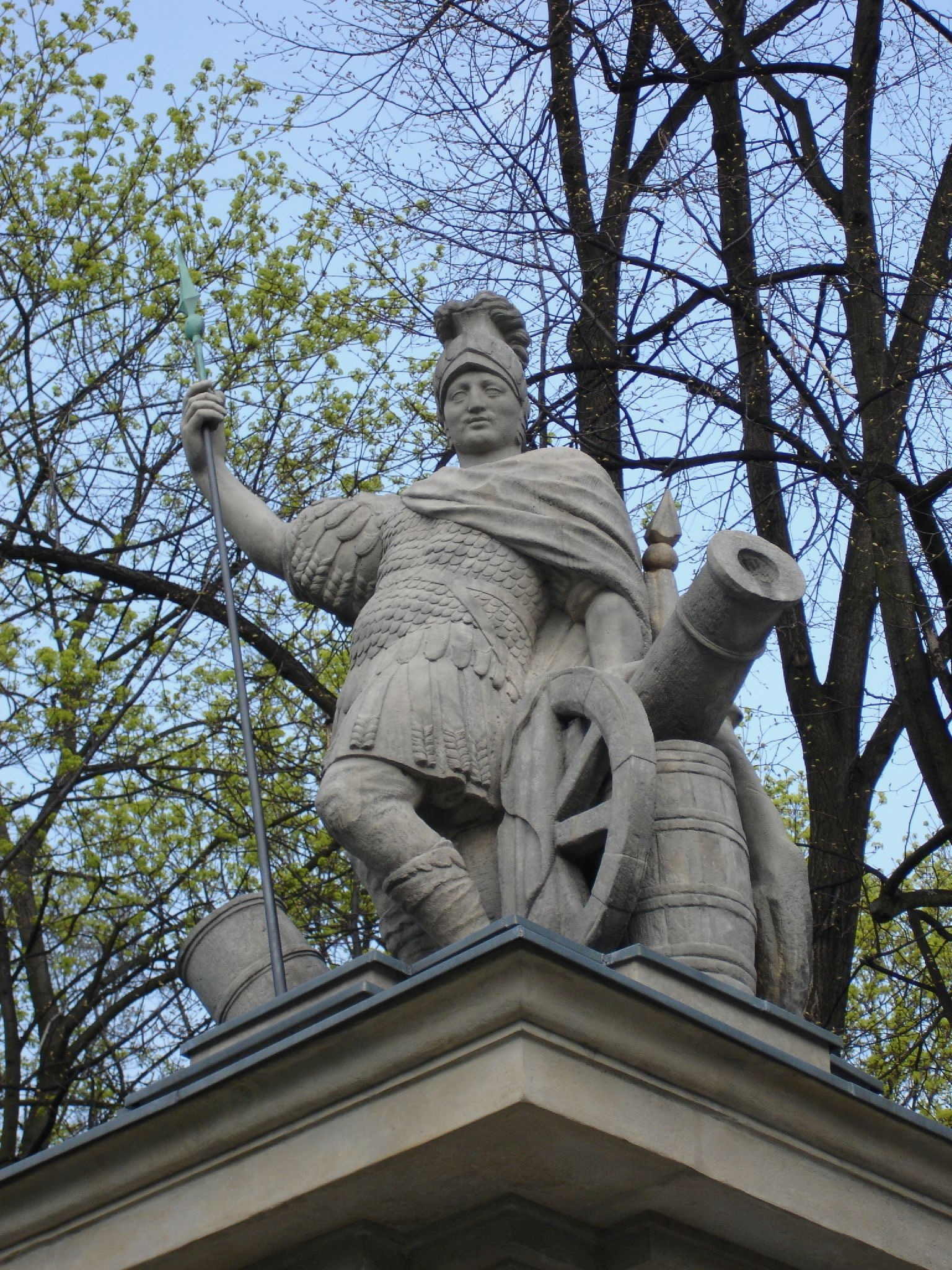
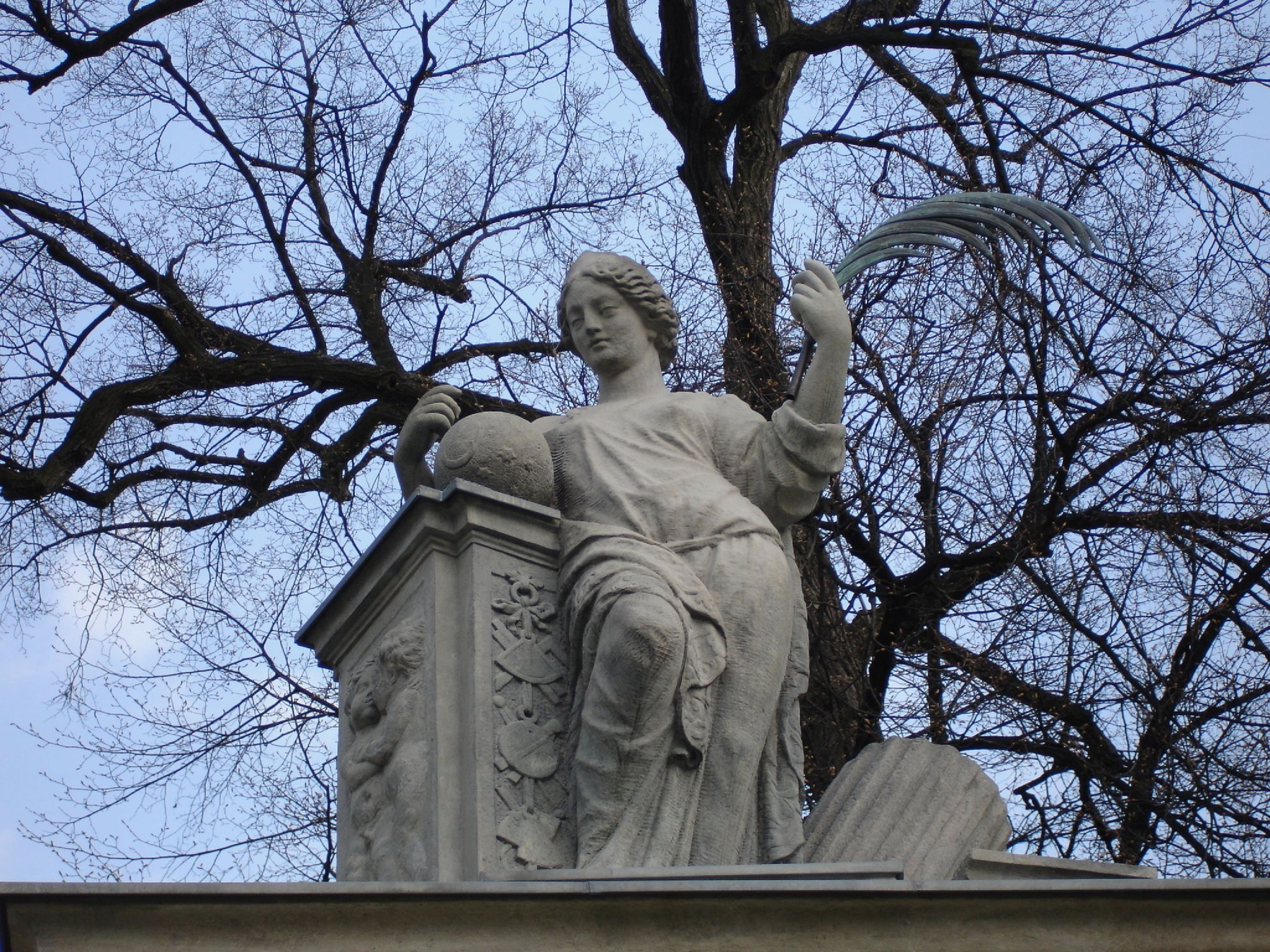
Walking toward the main façade, I began noticing how much symbolism was built into the palace itself. Sculptures, reliefs, inscriptions, and decorative details celebrate military achievement, royal authority, mythology, and the natural world. This wasn’t decoration for decoration’s sake. In the seventeenth century, architecture could function almost like political storytelling, and Wilanów was filled with visual reminders of the king’s achievements and ideals.


Inside, that storytelling continues. The royal apartments, ceremonial rooms, portraits, paintings, furniture, and decorative arts create a portrait not just of one king but of an entire aristocratic culture. I found myself imagining the palace when it was alive with visitors—courtiers arriving in elaborate clothing, musicians performing, servants moving quietly through the corridors, and guests gathering for dinners and celebrations.
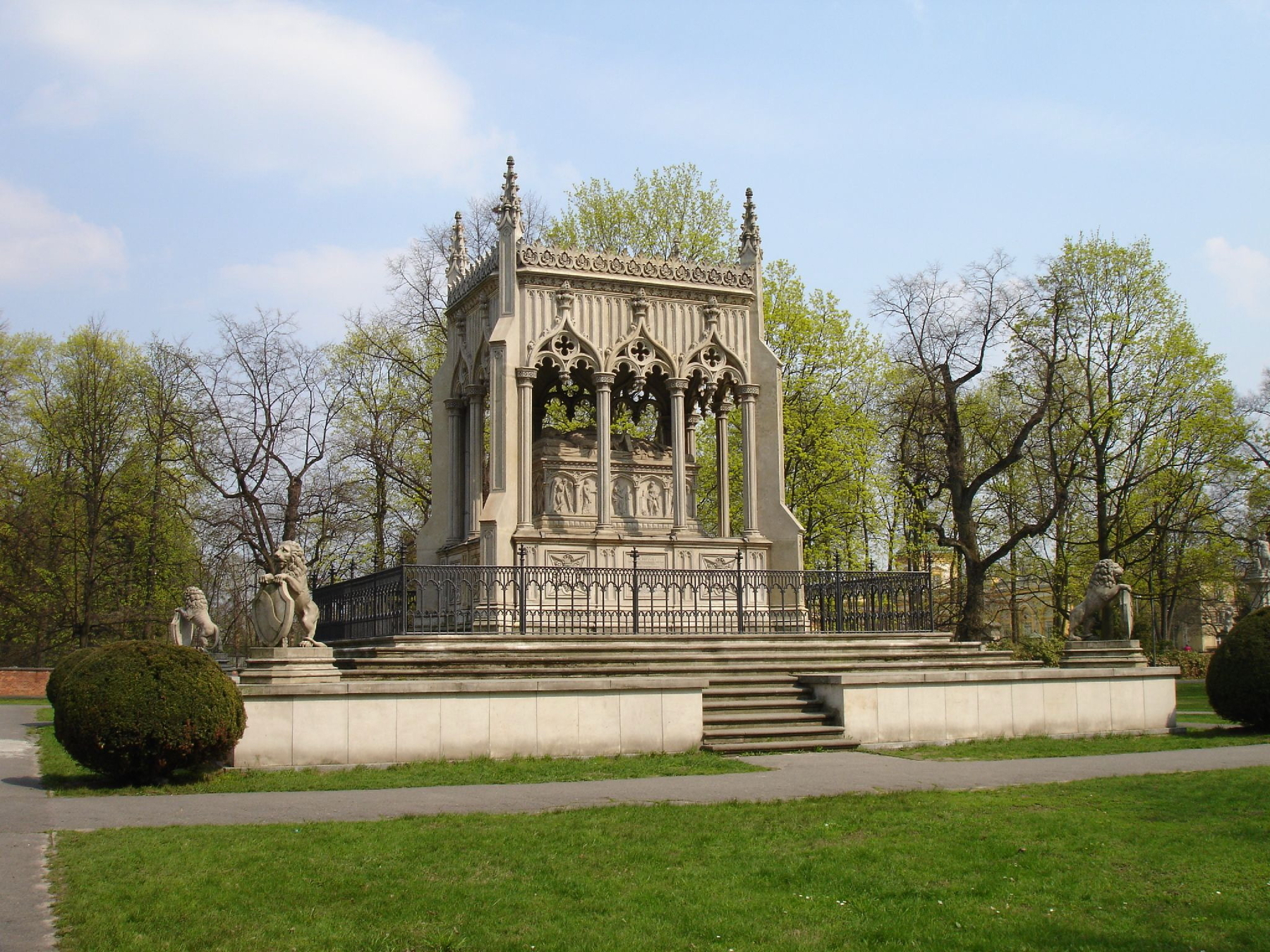
One of the most fascinating things about Wilanów is that the palace remained in private aristocratic hands after the death of Jan III Sobieski. Over the following centuries, it passed through several powerful Polish families, including the Czartoryski, Lubomirski, Potocki, and Branicki families. Each generation left something behind, adding another layer to the building’s extraordinary mixture of art, architecture, and history.
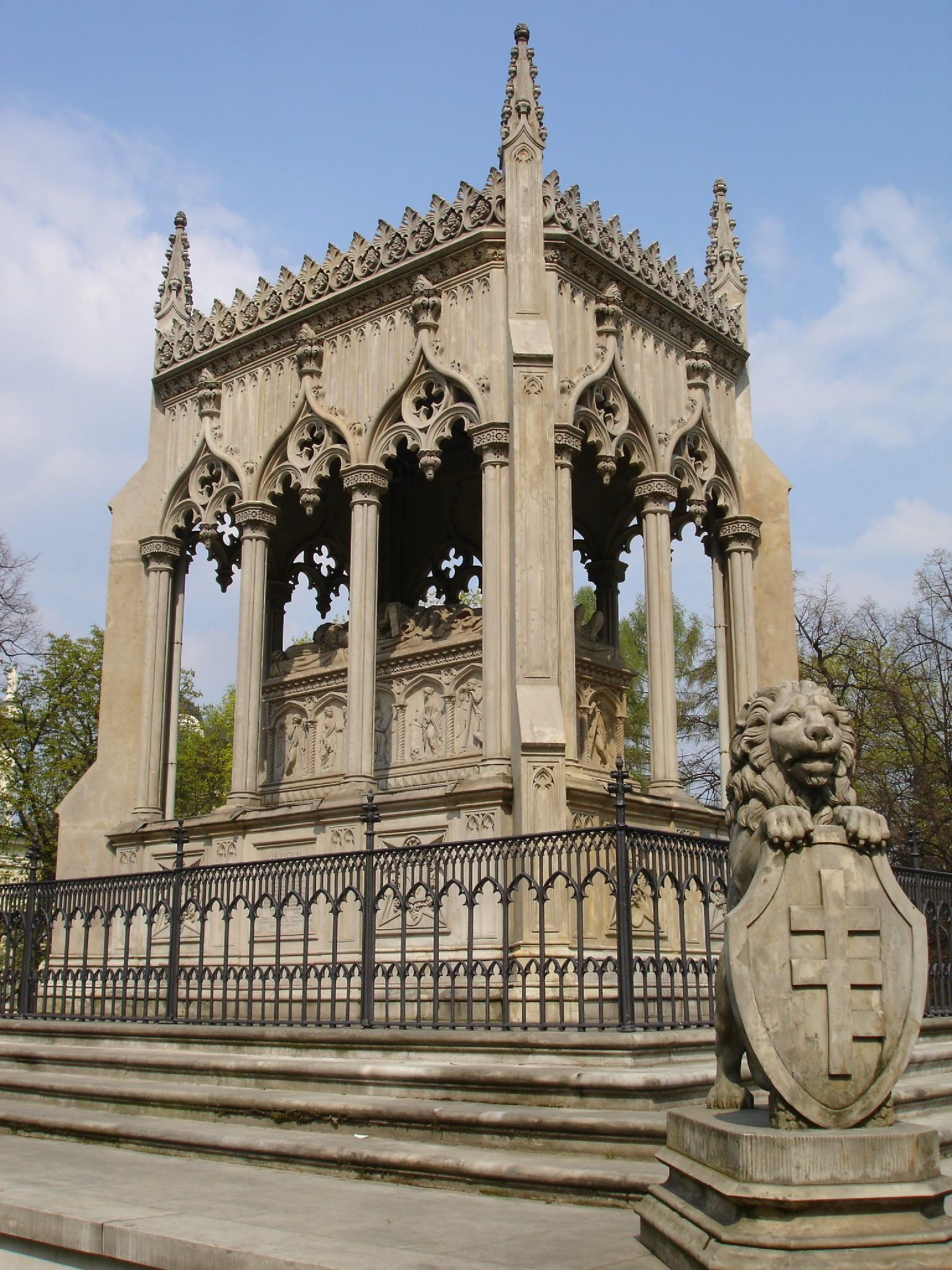
The palace also survived one of the most difficult periods in Polish history. Poland disappeared from the map of Europe at the end of the eighteenth century after the partitions carried out by Russia, Prussia, and Austria. Warsaw and its aristocratic estates subsequently existed through periods of political upheaval, foreign rule, uprisings, and war. Wilanów was not isolated from those events. Its owners changed, its collections evolved, and the palace’s role shifted as Poland itself struggled to preserve its identity.

That history gives Wilanów a significance beyond its beauty. Poland spent more than a century without an independent state, yet places such as this helped preserve memories of Polish kings, culture, art, language, and national history. The palace became something more than an aristocratic residence. It became part of the country’s cultural memory.

The gardens were just as captivating as the palace itself. Walking outside, I moved from the formal geometry of the Baroque garden toward more natural areas surrounding the historic estate. The design reflects changing ideas about landscape and taste over the centuries, with terraces, sculptures, ornamental plantings, water, and carefully framed views. From different points in the garden, the palace seems to change character—as though the building itself were part of the landscape rather than simply sitting within it.
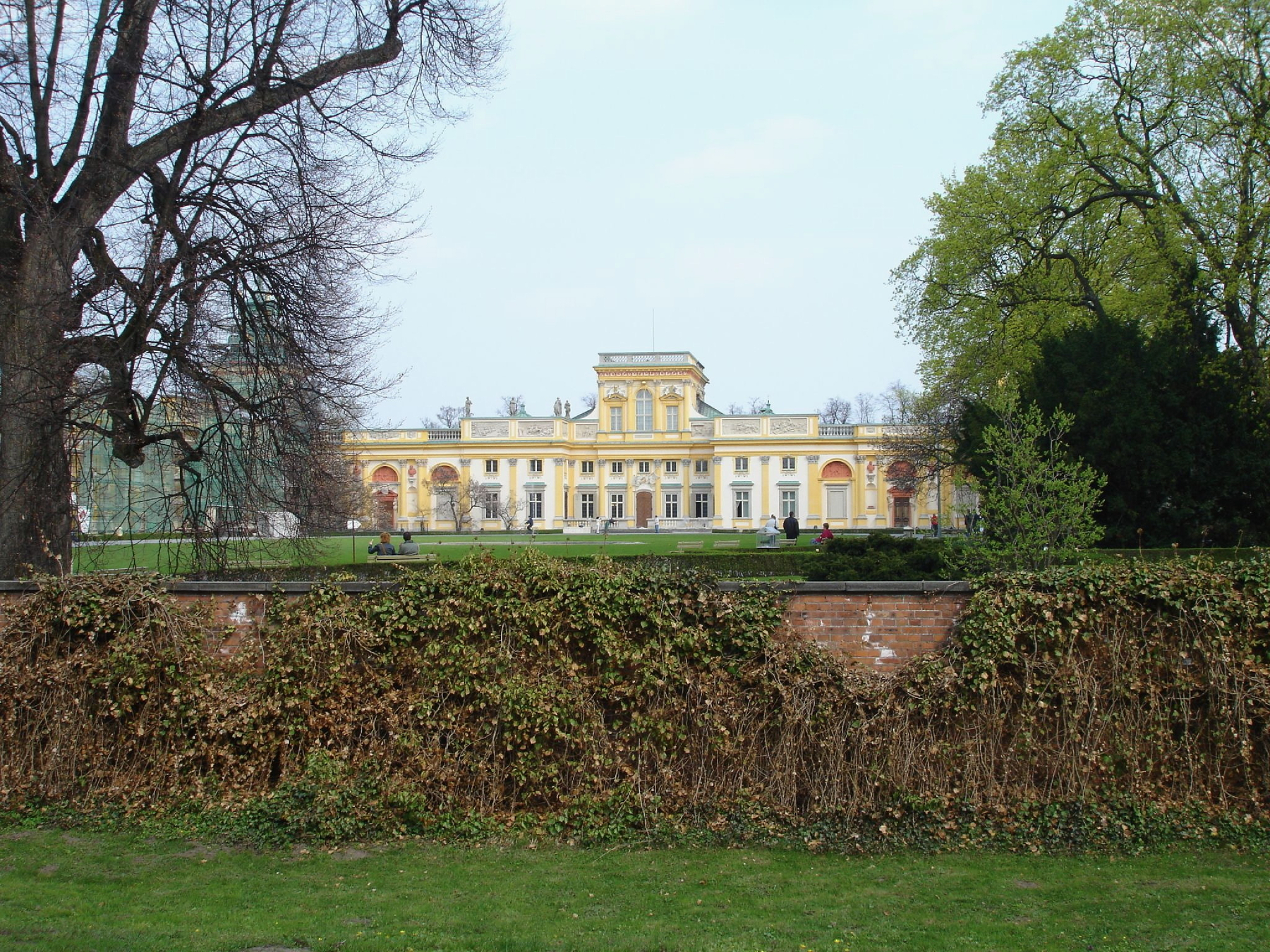

I particularly enjoyed the contrast between the palace’s formal architecture and the quietness of the surrounding grounds. It is easy to imagine why a royal family would have chosen this location as an escape from the center of Warsaw. The gardens provided space for walking, conversation, entertainment, and contemplation. Even today, they offer a welcome pause from the intensity of the city.
The art collection makes the experience even richer. Wilanów houses paintings, portraits, sculptures, decorative objects, furniture, ceramics, and other historical treasures. Among the most important works are portraits associated with the Sobieski family and the Polish aristocracy. Looking at these paintings, I was reminded that portraits from this period were rarely simple records of appearance. Clothing, posture, objects, colors, and backgrounds were carefully chosen to communicate wealth, power, lineage, education, or political importance.

Another detail that stayed with me was the palace’s mixture of European influences. Wilanów reflects the cosmopolitan world of the Polish-Lithuanian Commonwealth, a vast political and cultural realm where influences from Italy, France, the Netherlands, Central Europe, and the East could meet. The palace is therefore not simply “Polish Baroque.” It is evidence of how connected the Polish aristocracy was to wider European culture.
Perhaps the most moving part of the visit, however, was thinking about what happened to Warsaw during the Second World War. Much of the city was devastated, and countless cultural treasures were lost. Wilanów survived comparatively well, although its collections suffered losses and the palace was looted during the war. Afterward, the painstaking work of conservation and reconstruction became part of the much larger effort to restore Poland’s cultural heritage.
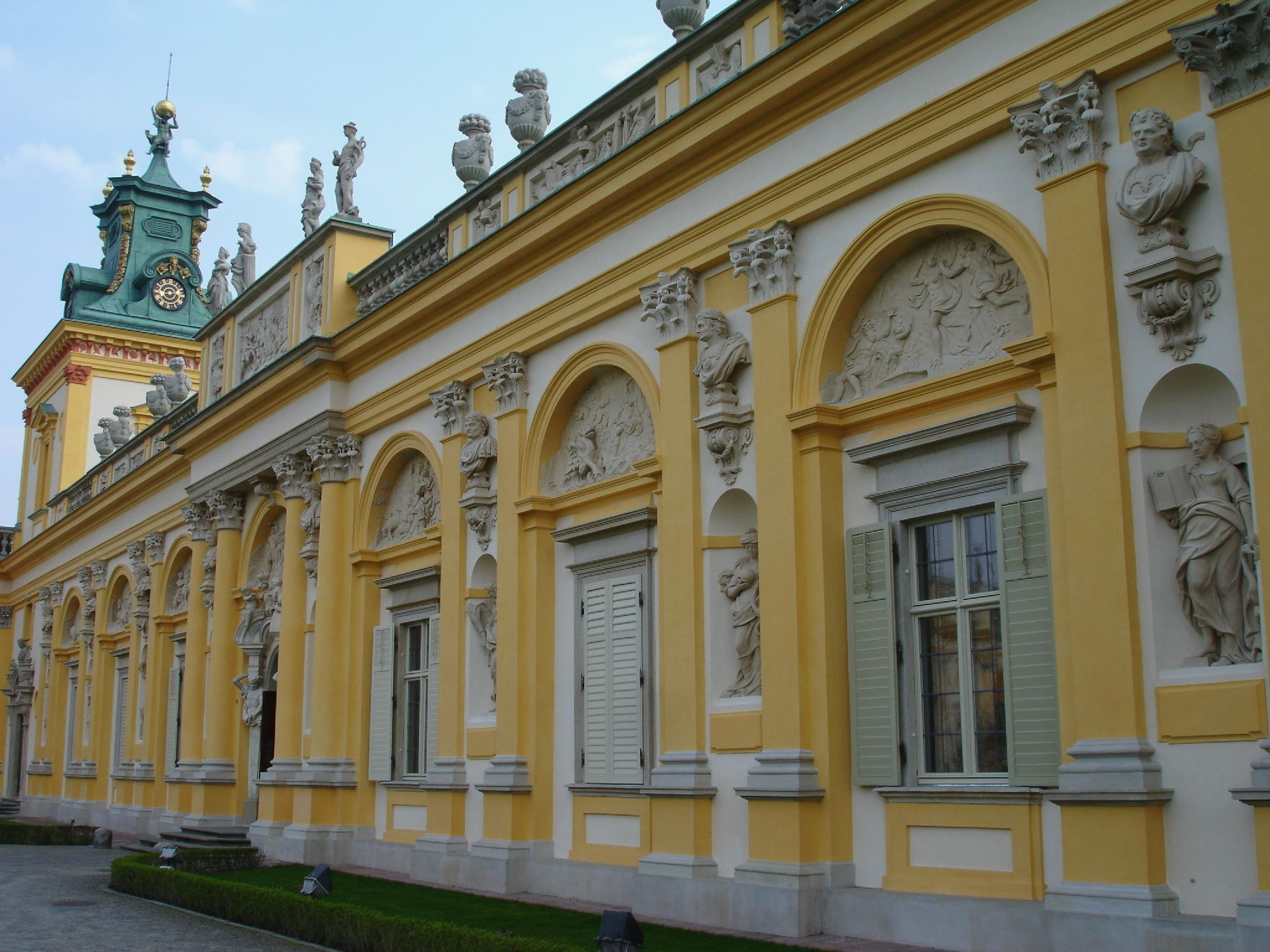
That survival gives the palace a different emotional weight. When I looked at its walls and decorative details, I wasn’t simply looking at seventeenth-century craftsmanship. I was looking at something that had survived partitions, political upheaval, two world wars, occupation, and the destruction of much of the surrounding city.

There is also something wonderfully intimate about Wilanów compared with some of Europe’s enormous royal palaces. It certainly possesses grandeur, but it doesn’t feel overwhelming in the way Versailles or some of the great imperial residences can. Instead, it retains something of the character of a country residence—a place where royalty could step away from the formal machinery of the court.
By late afternoon, the light had begun to soften across the gardens. The palace façade took on a warmer color, and the surrounding trees became silhouettes against the fading sky. I wandered without much of a plan, occasionally stopping to look back at the building from another angle. After spending hours surrounded by history, I found myself reluctant to leave.

What I appreciated most about Wilanów was that its beauty never felt disconnected from the difficult story of Poland. The palace represents wealth, royal ambition, artistic achievement, and European sophistication—but it also represents survival. Its continued existence is a reminder of how much cultural memory can endure even when a country itself is subjected to extraordinary upheaval. As I finally walked toward the entrance, Warsaw slowly returned around me. Cars moved along the streets, people hurried past, and the modern city reclaimed my attention. Yet Wilanów remained behind me like a beautifully preserved fragment of another era.

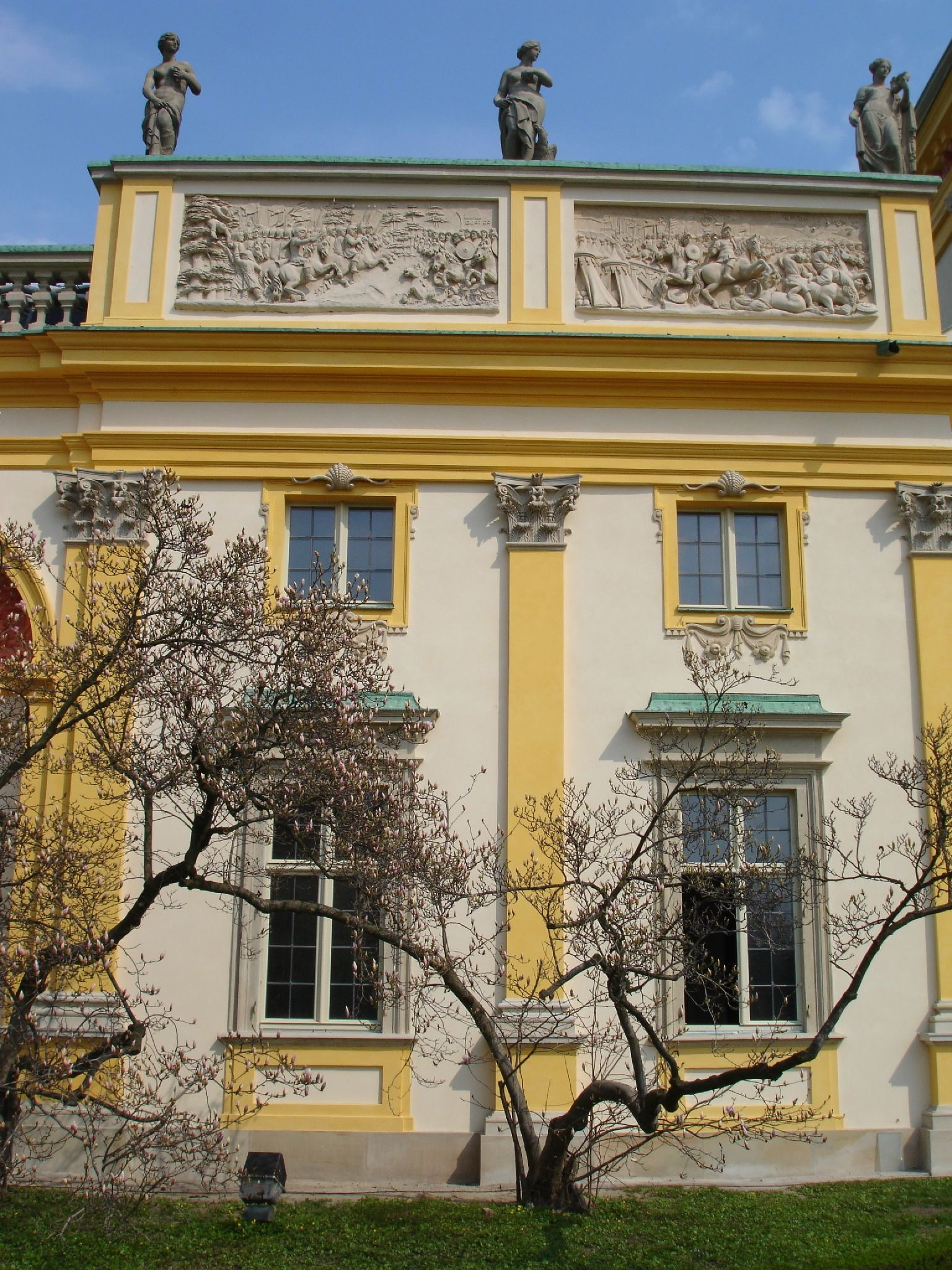
I came expecting to see a palace. I left feeling that I had visited a chapter of Polish history. Wilanów is beautiful, certainly—but its real power lies in what that beauty has survived. Kings have come and gone, borders have changed, empires have risen and disappeared, and Warsaw has repeatedly rebuilt itself. Through it all, this extraordinary palace has continued to tell its story. And perhaps that is the greatest allure of Wilanów: it doesn’t simply preserve the past. It reminds us that the past is still very much alive.
#Photography #Photos #Photoblog #Blog #WilanowPalace #PalaceOfWilanow #WarsawPoland #WarsawTravel #Warsaw #PolandTravel #KingJanIIISobieski #PolishRoyalHistory #PolishBaroque #BaroqueArchitecture #WilanowGardens #WarsawAttractions #PolishHistory #PolishPalaces #HistoricWarsaw #VisitWarsaw #TravelPoland #PolandPhotography #WarsawPhotography #EuropeanHistory