
Bali Scuba Diving Guide - Exploring Tulamben, USAT Liberty and Rich Balinese Culture
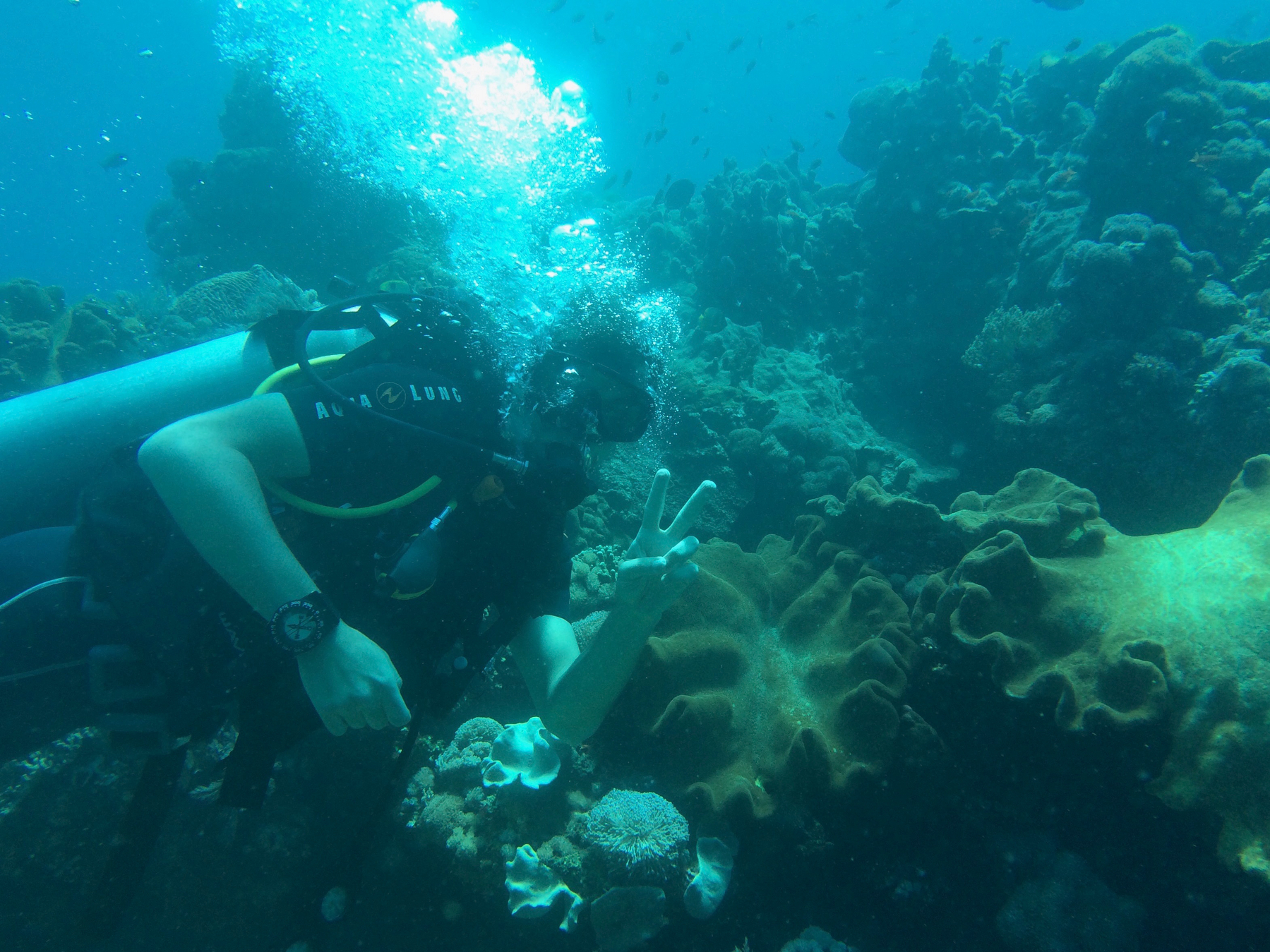
Sun-kissed beaches and lush rice terraces are usually what draw travellers to Bali, but a completely different world waits beneath the waves. Having spent a couple of months soaking up the island culture, I found myself drawn to the legendary dive sites of the north coast.
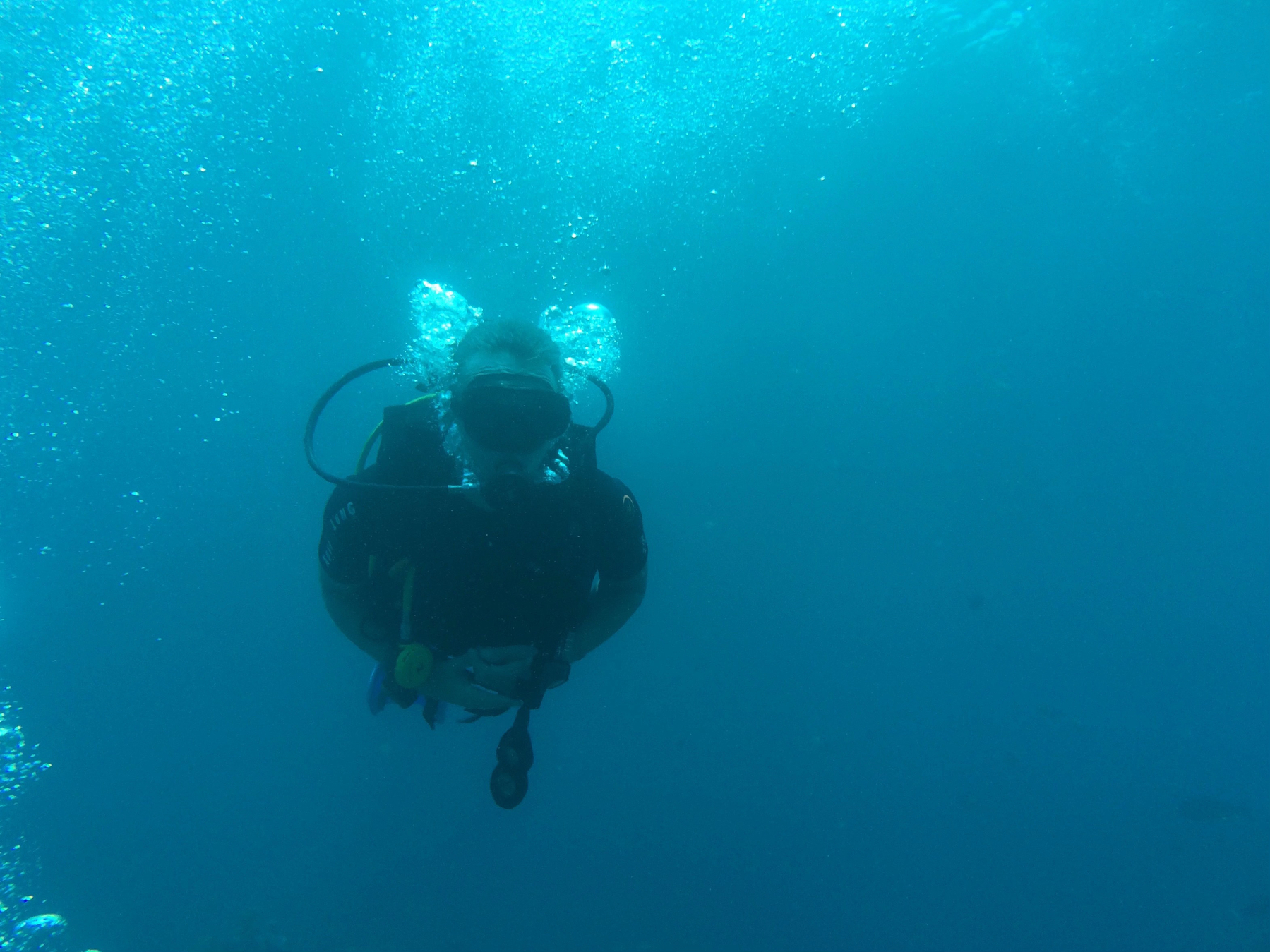
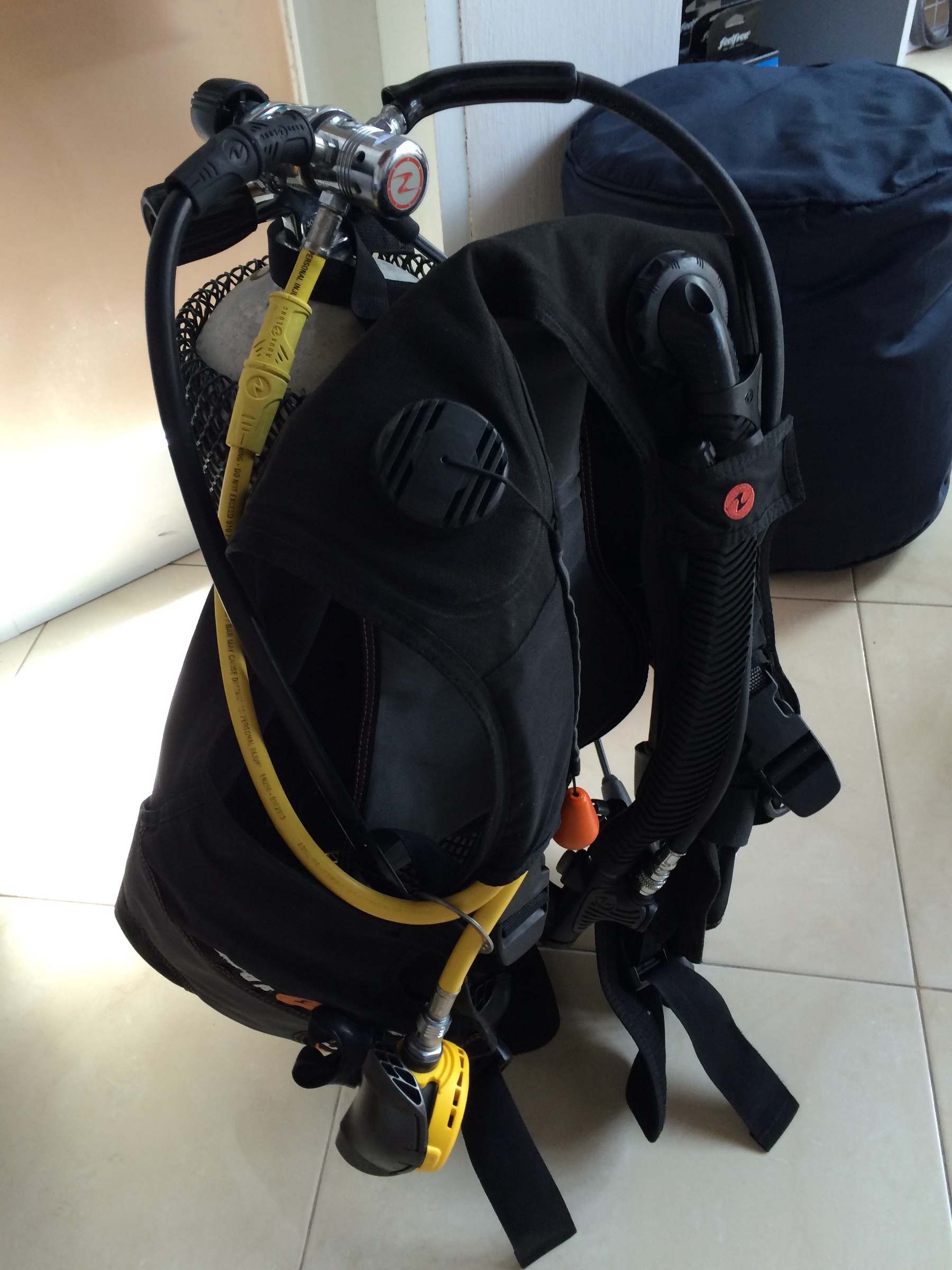
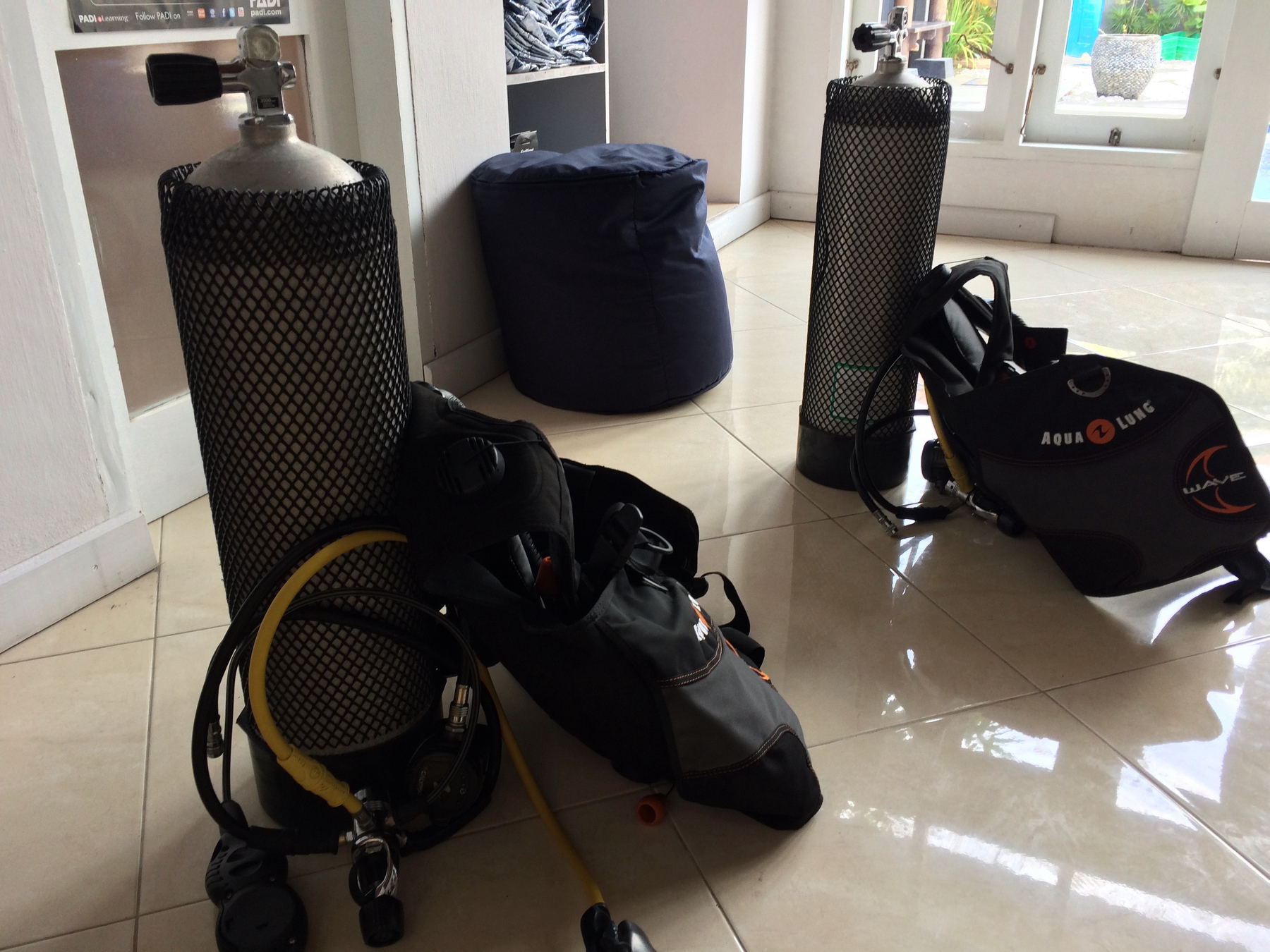
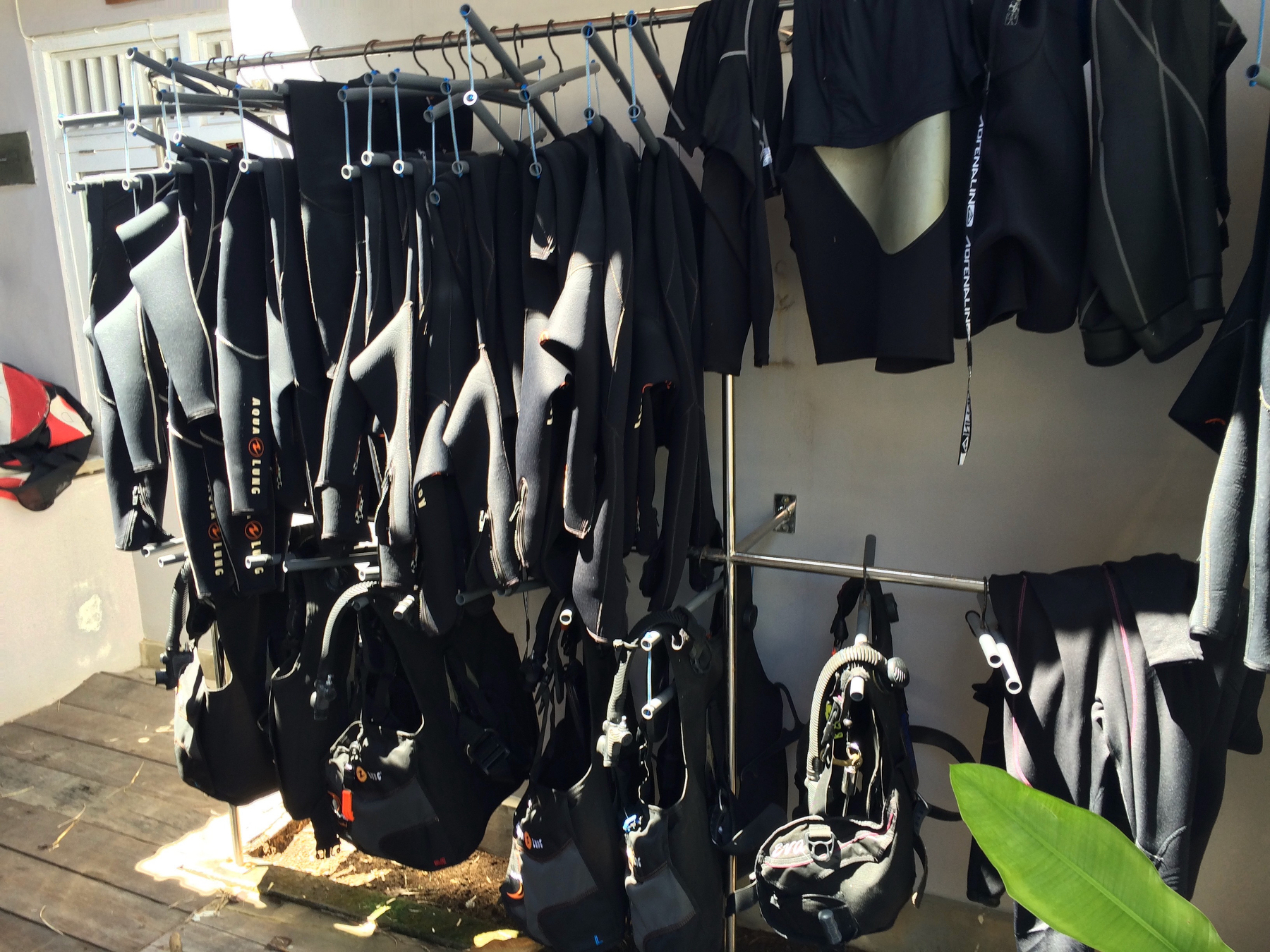
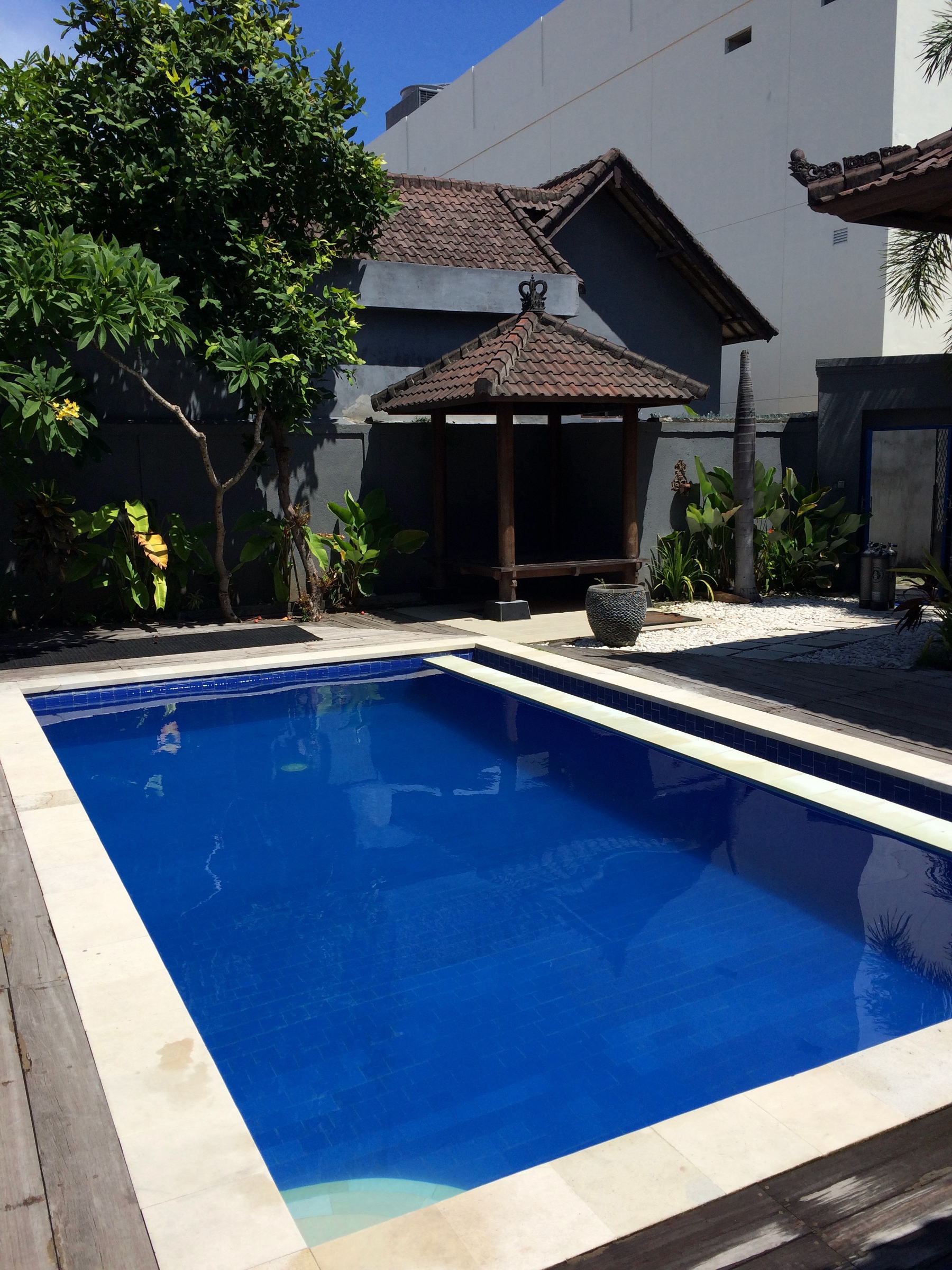
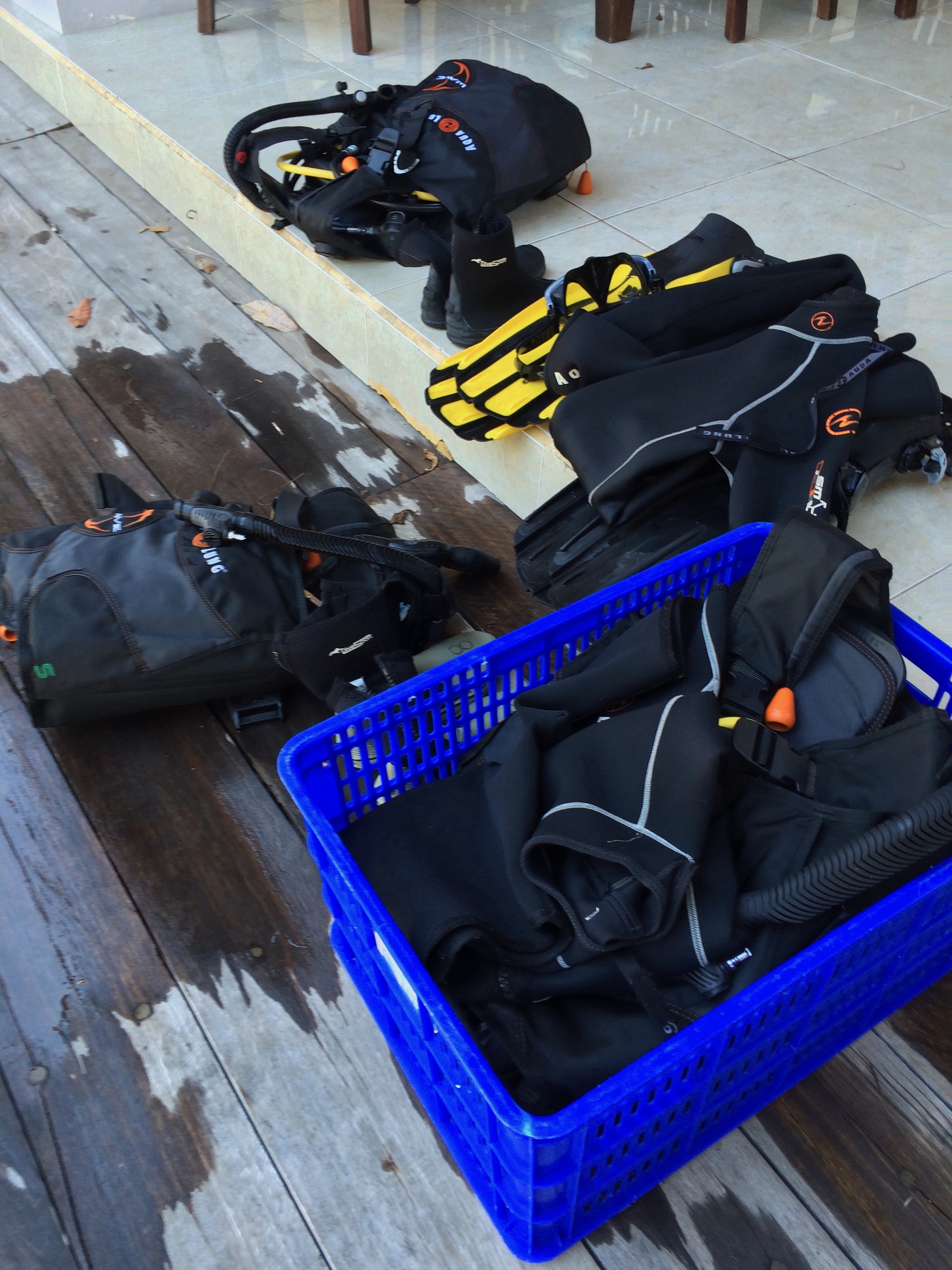
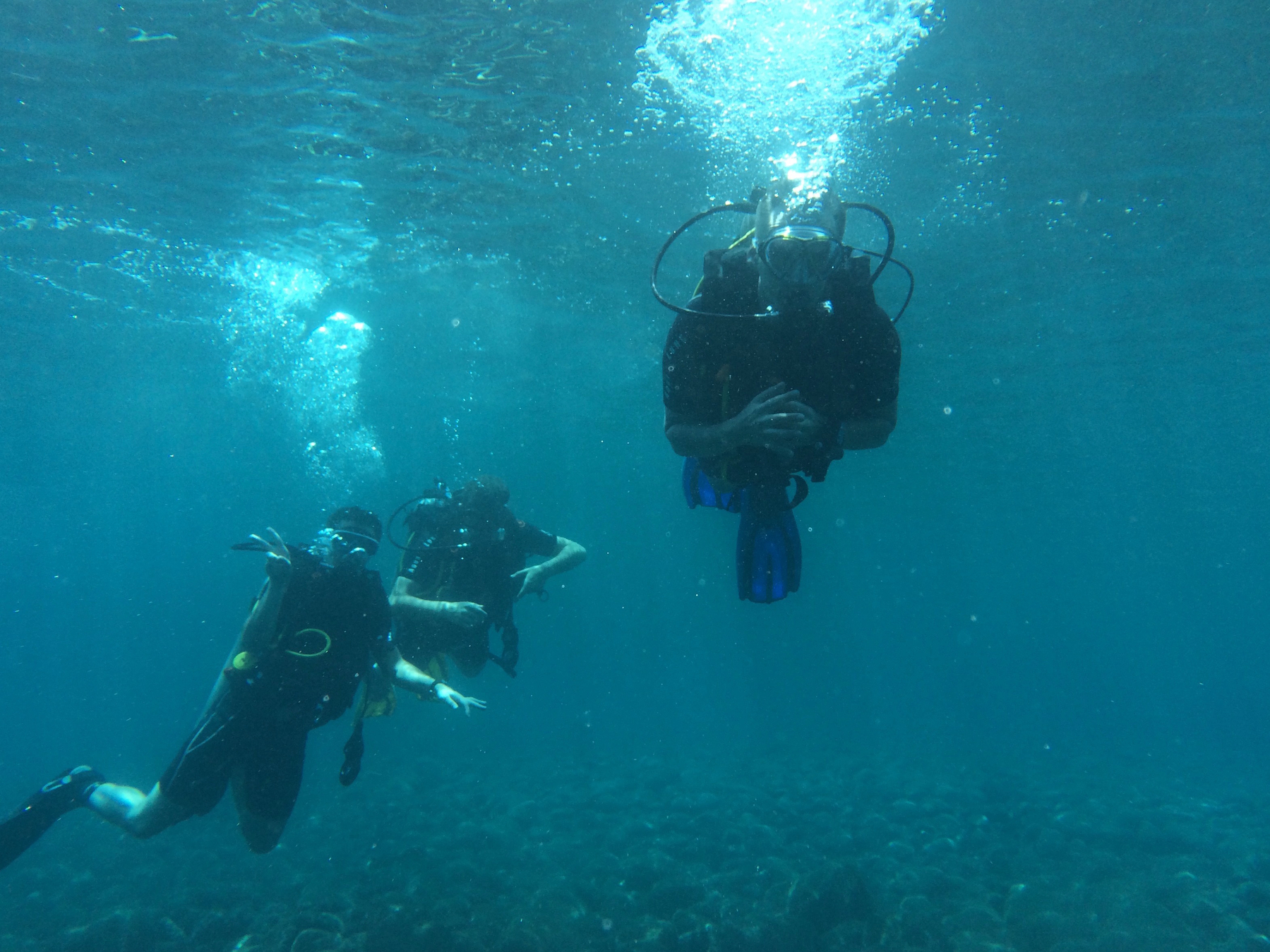
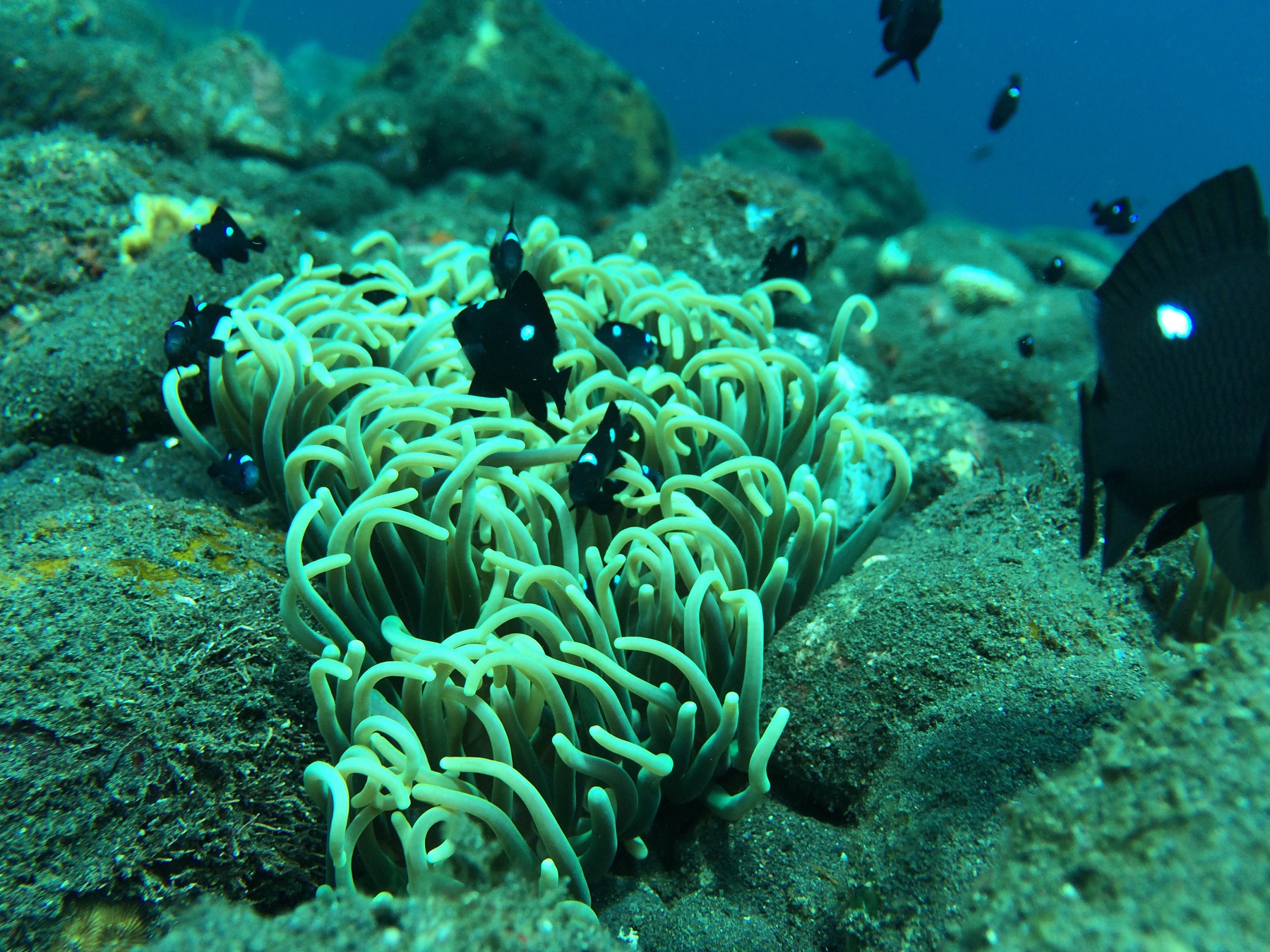
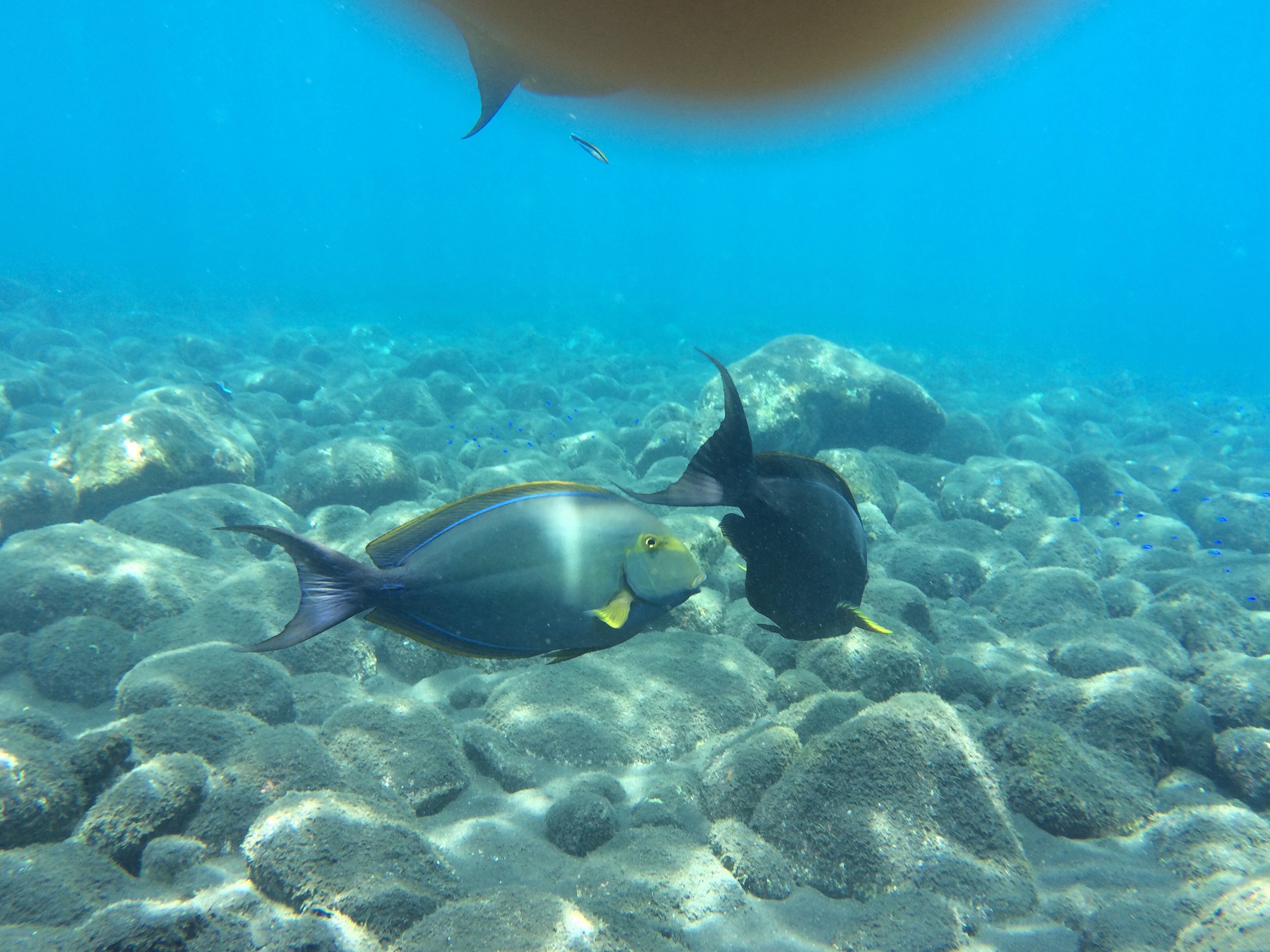
I set off for Tulamben, eager to explore the famous underwater realm where marine life and human history collide.
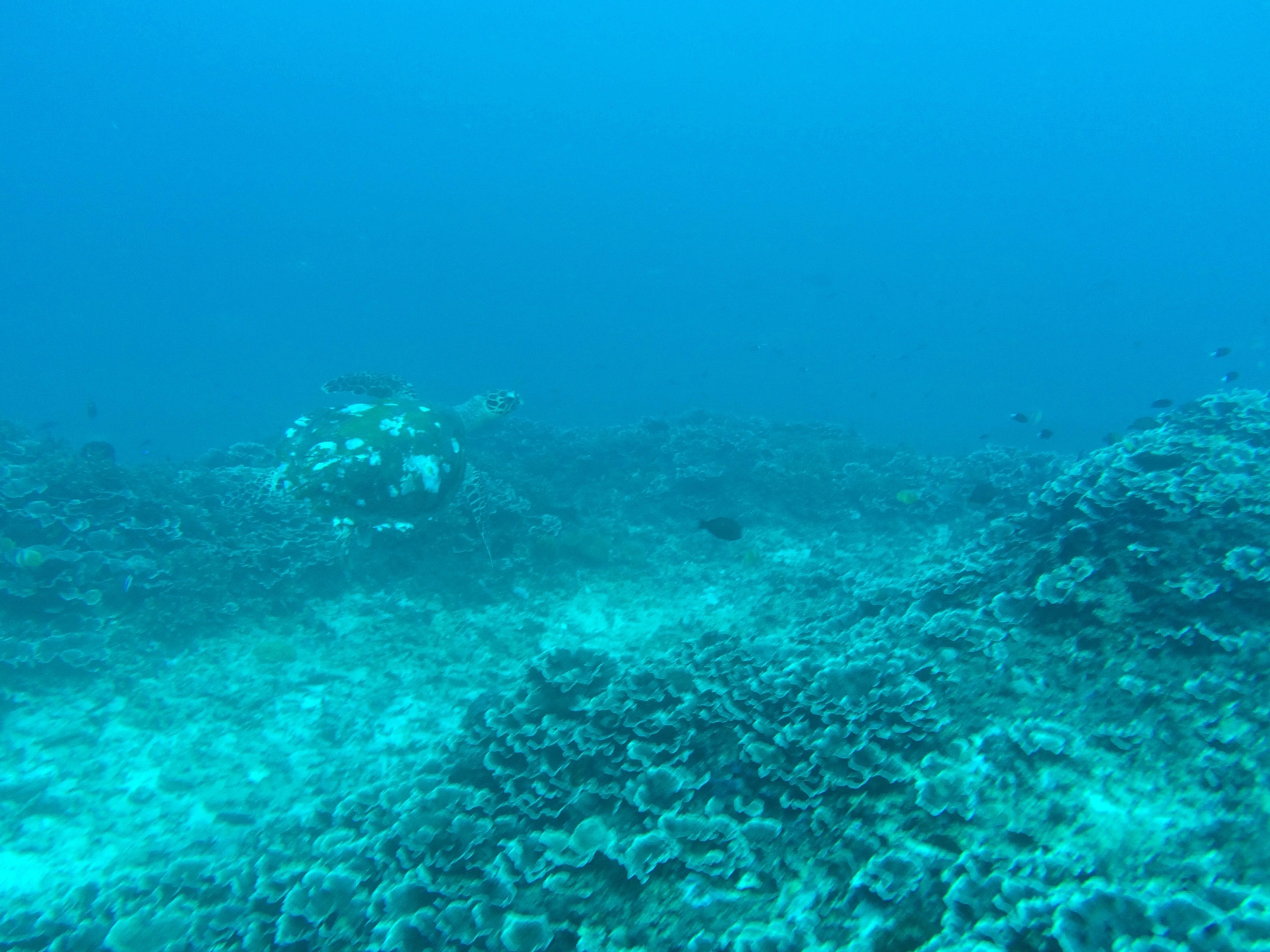
Descending into the clear blue water, I caught my breath as a massive manta ray glided past. These ocean giants sail through the currents with weightless elegance, making you feel tiny and utterly humbled. Yet the true highlight of Tulamben rests just off the stony shore—the USAT Liberty.


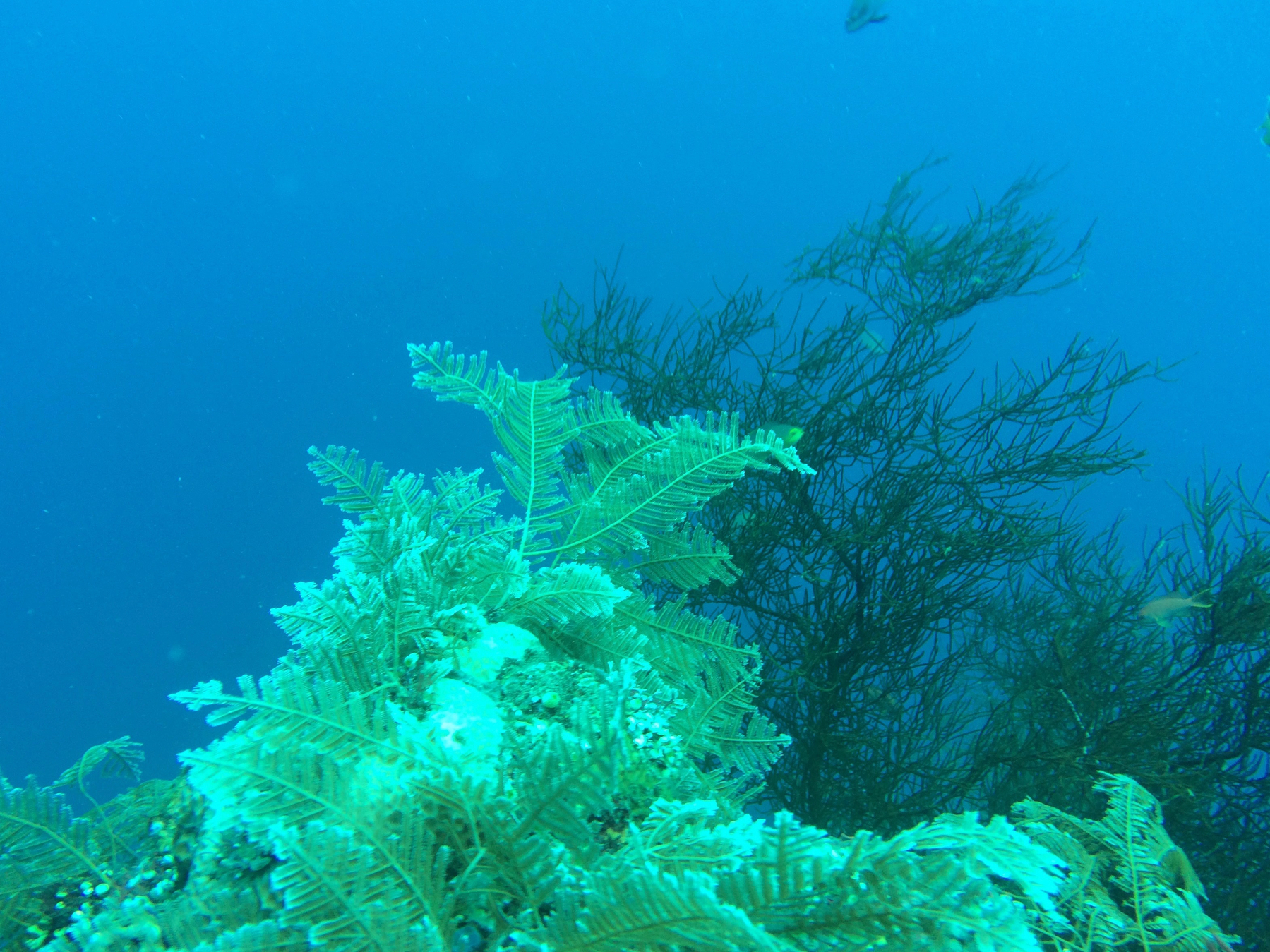
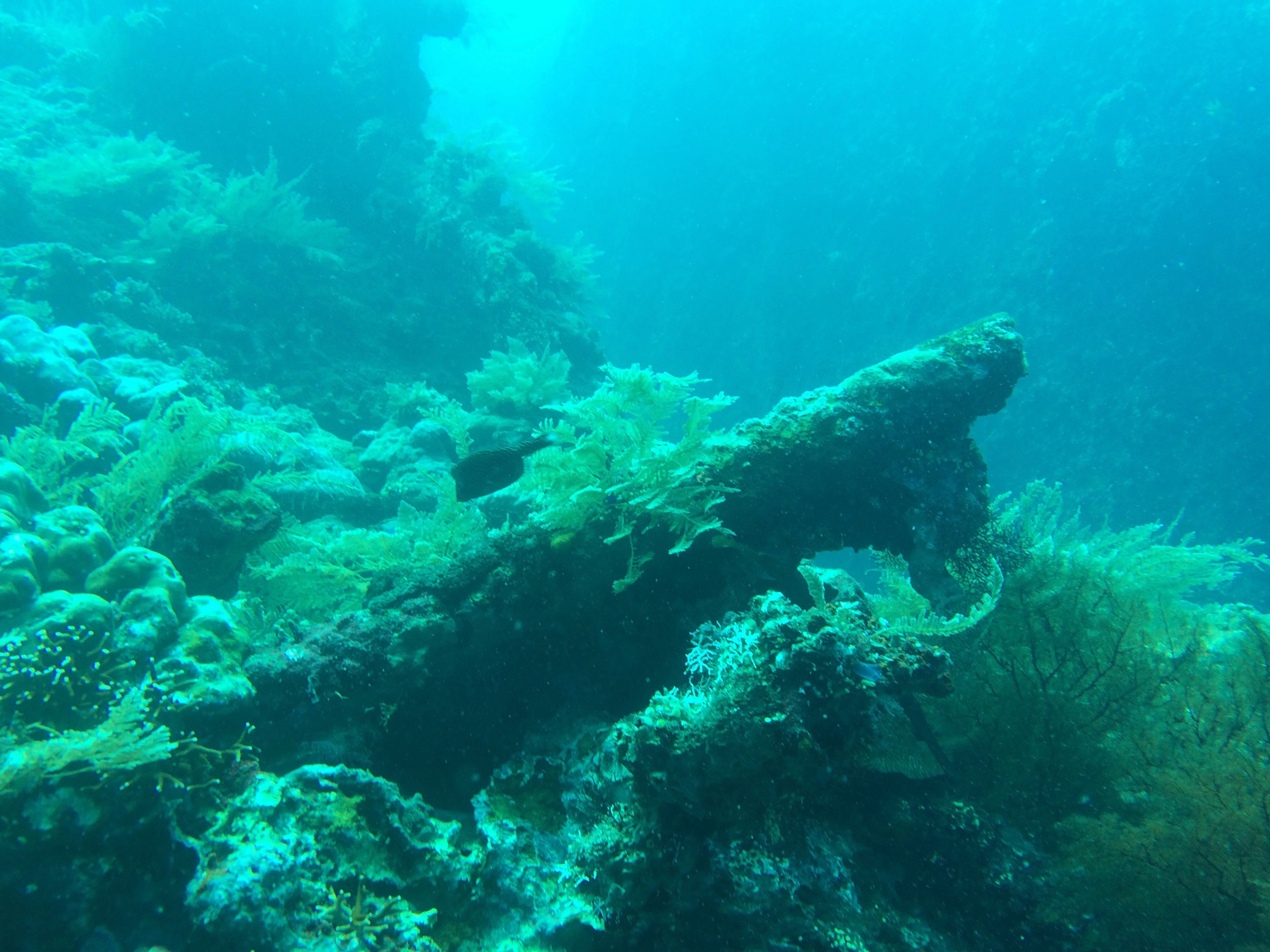
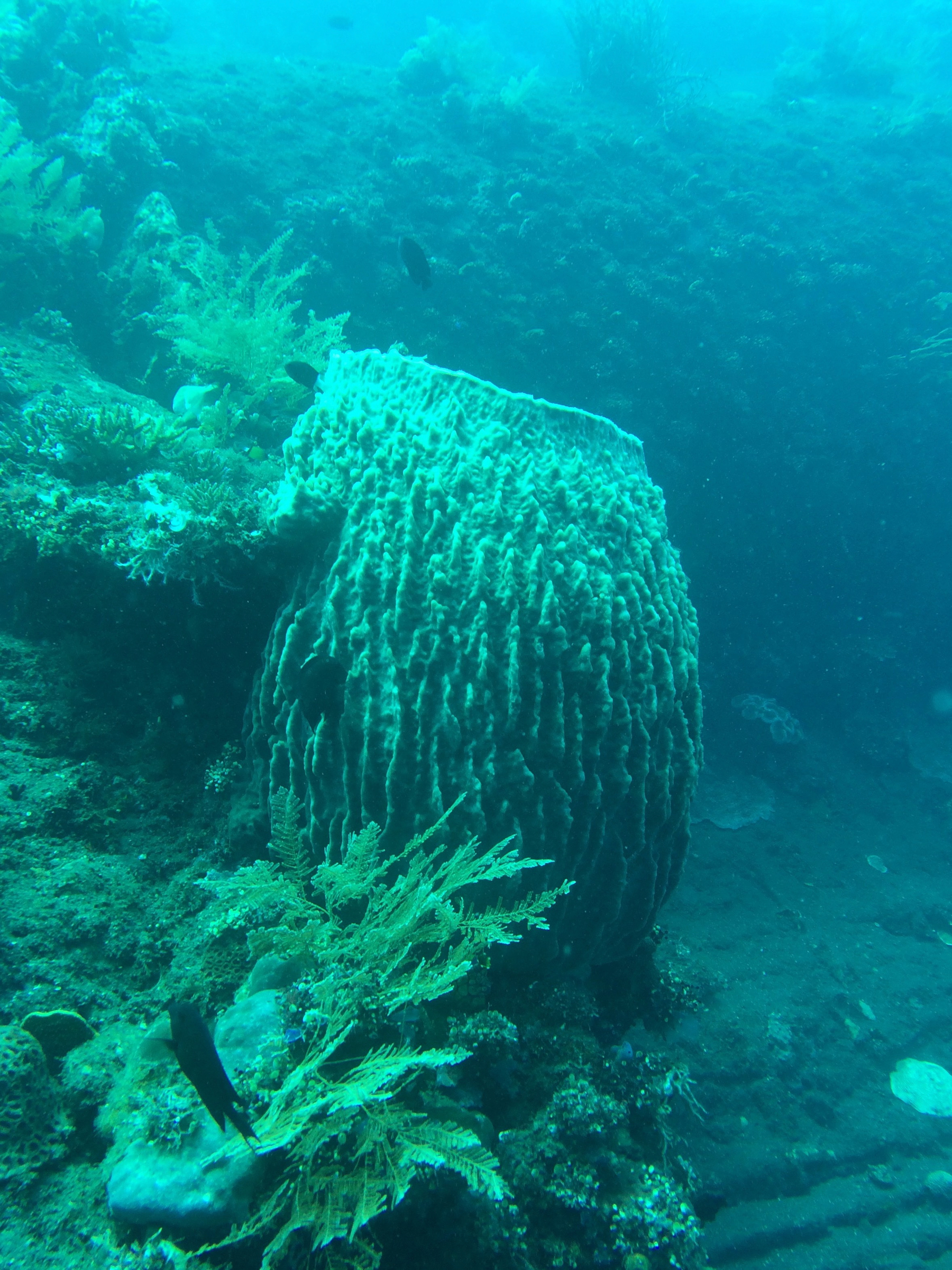
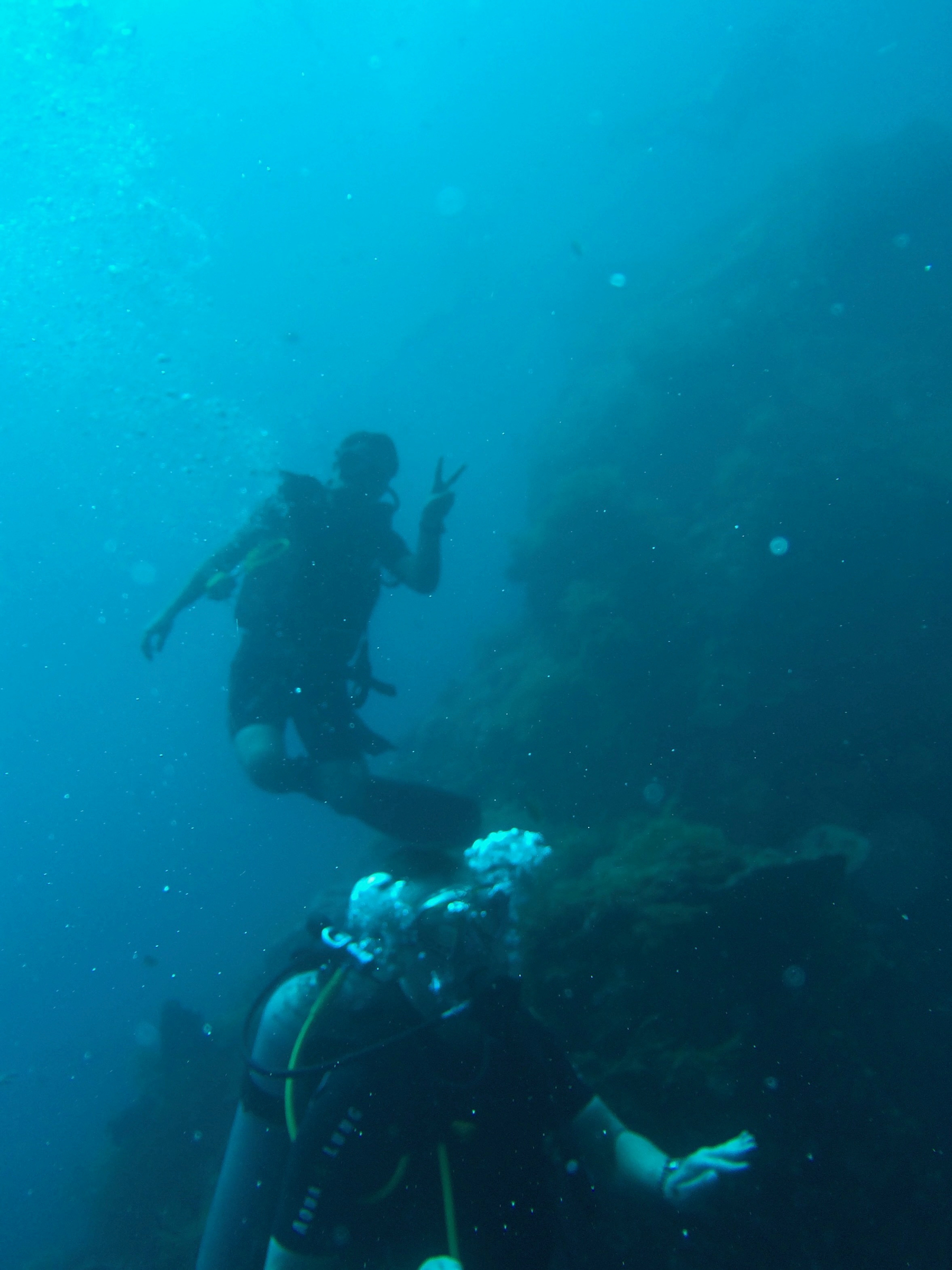
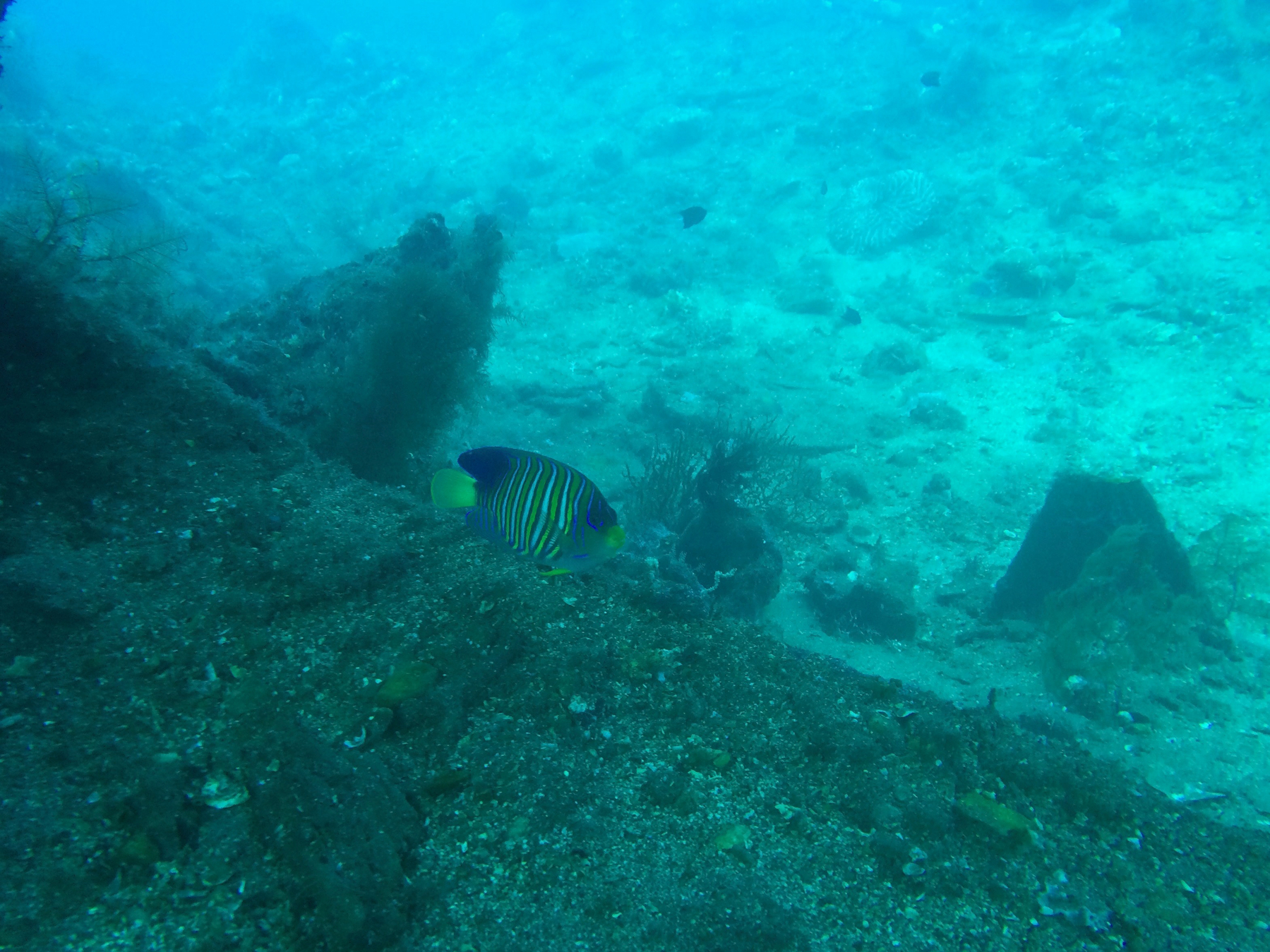
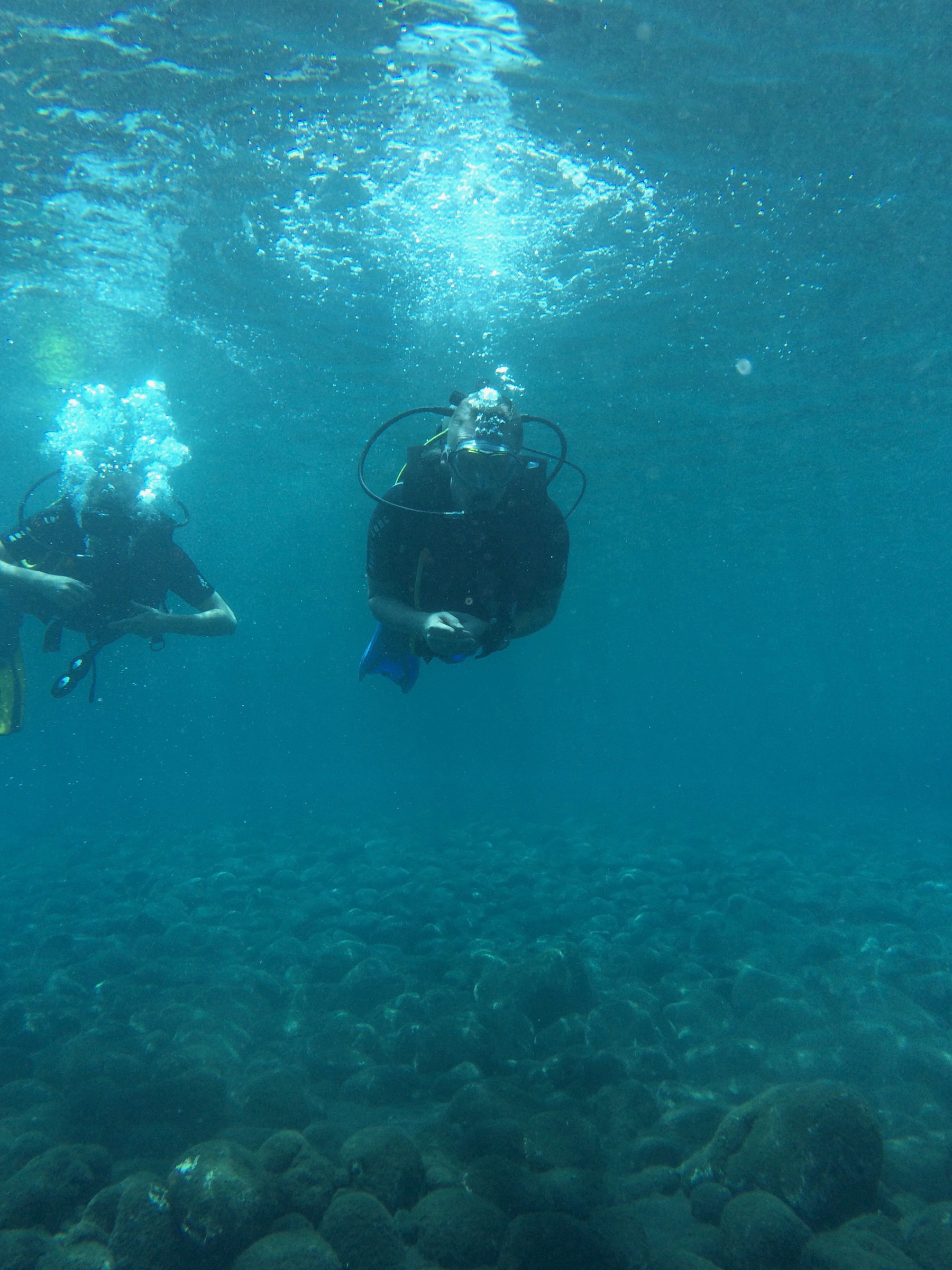
The story of the USAT Liberty is a fascinating slice of history. Originally an American cargo ship during World War II, she was torpedoed by a Japanese submarine in 1942 while carrying railway ties and rubber through the Lombok Strait. Damaged but operational, two Allied destroyers towed her toward Singaraja, but she took on too much water and was beached on the black shores of Tulamben. The ship sat rusted on the coast for over two decades until 1963, when Mount Agung erupted violently. Tremors and rivers of volcanic debris pushed the giant hull off the beach and into the ocean, sending her down to her final resting place just below the surface.
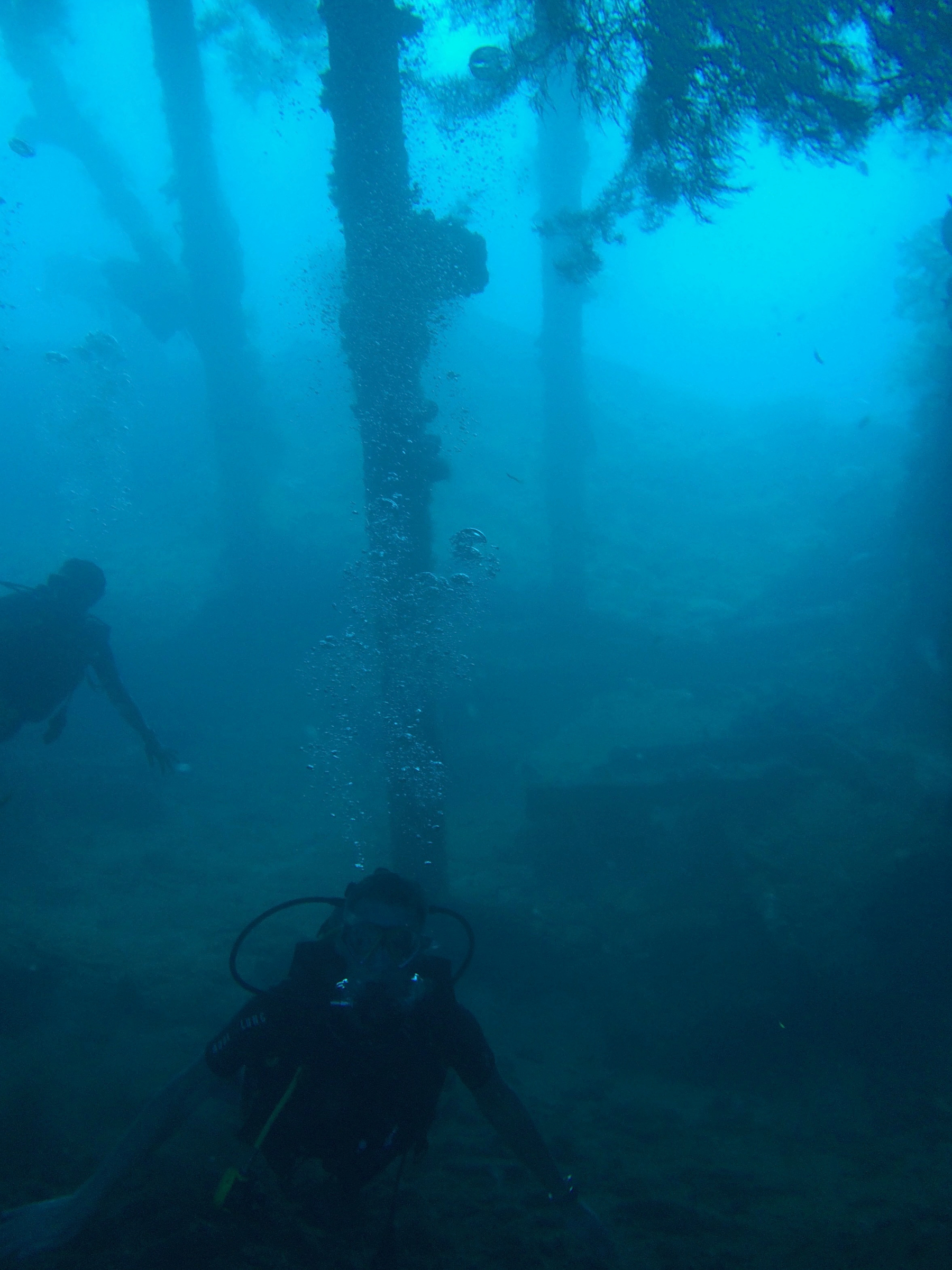
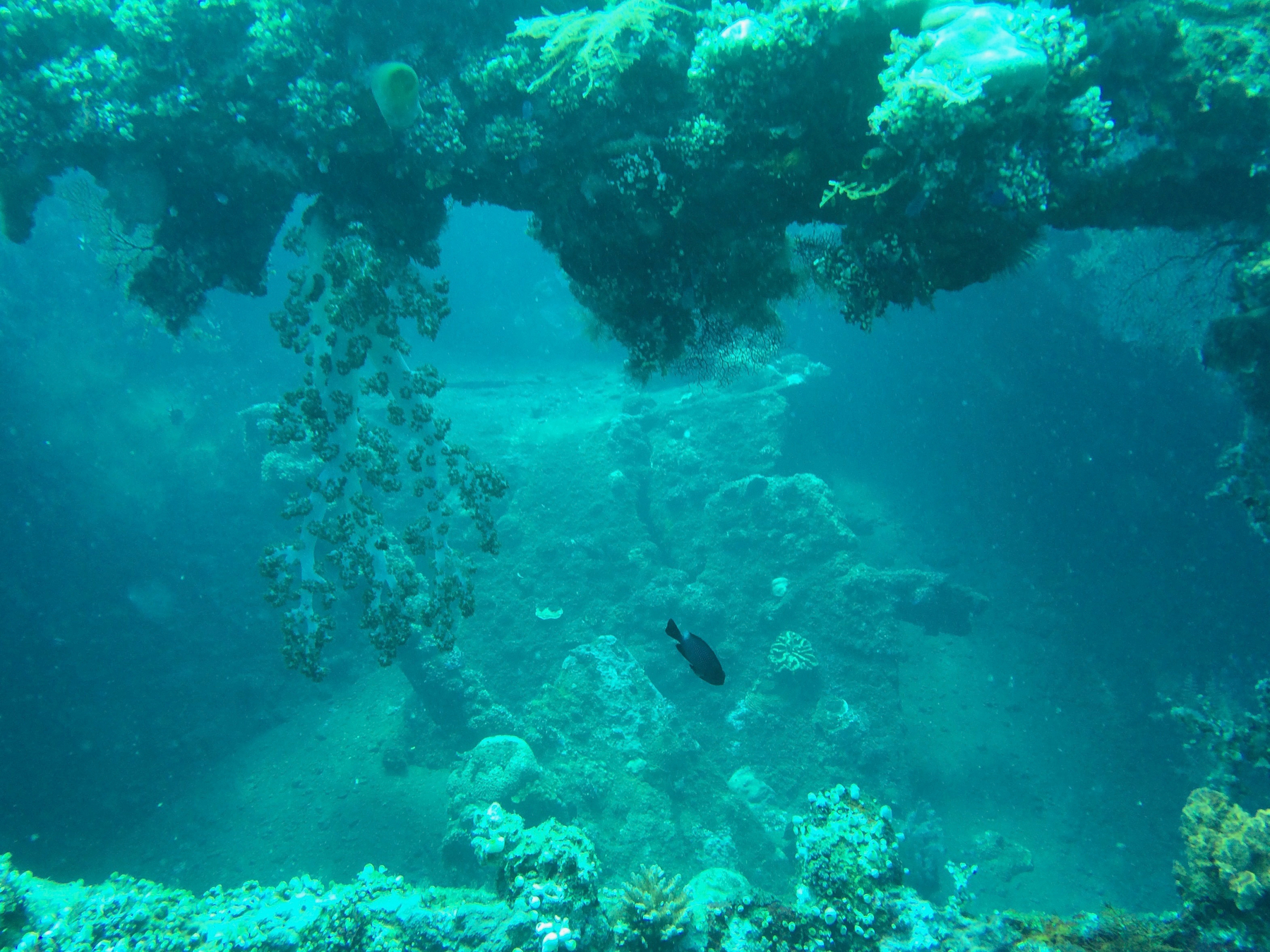
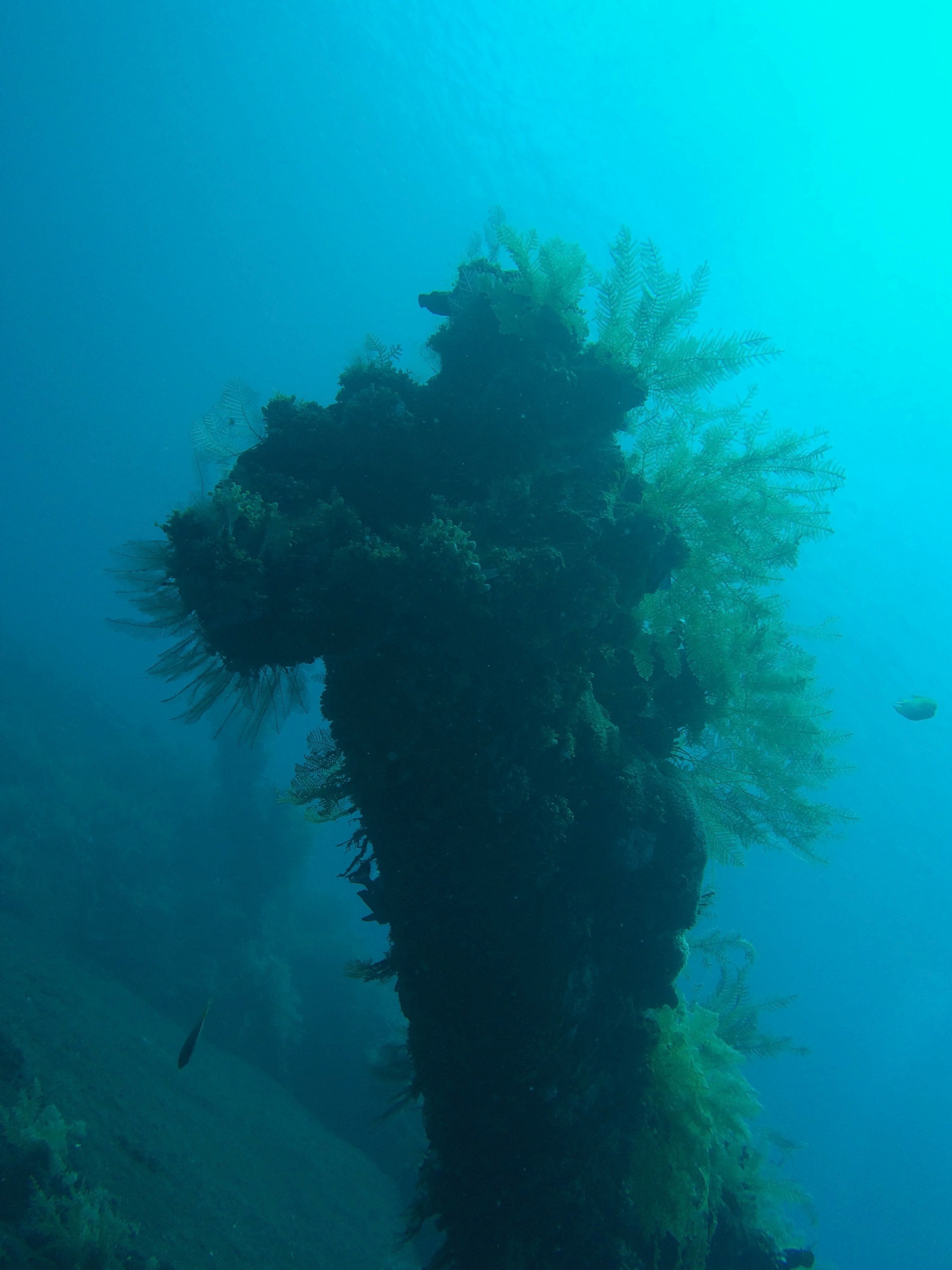
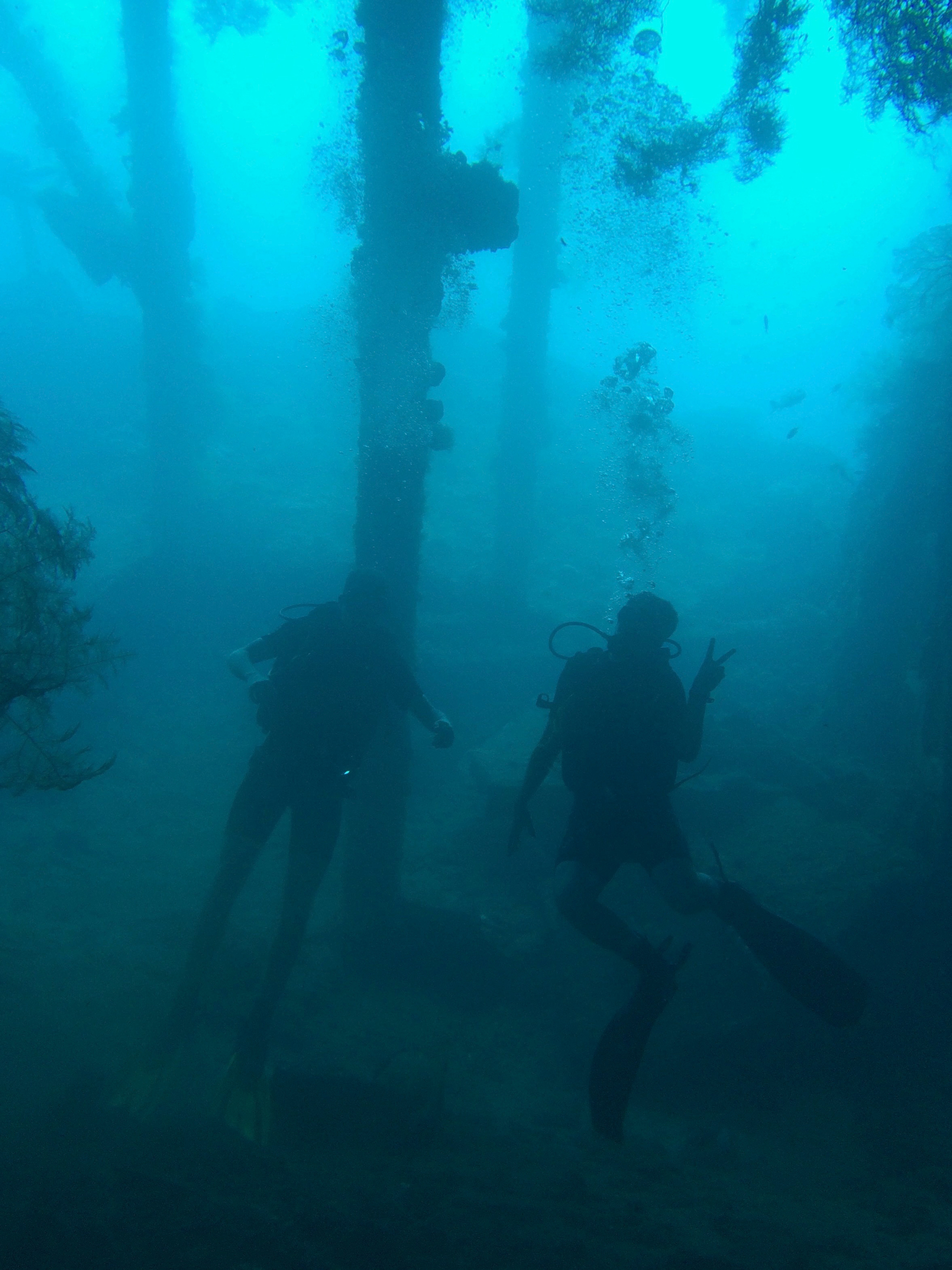
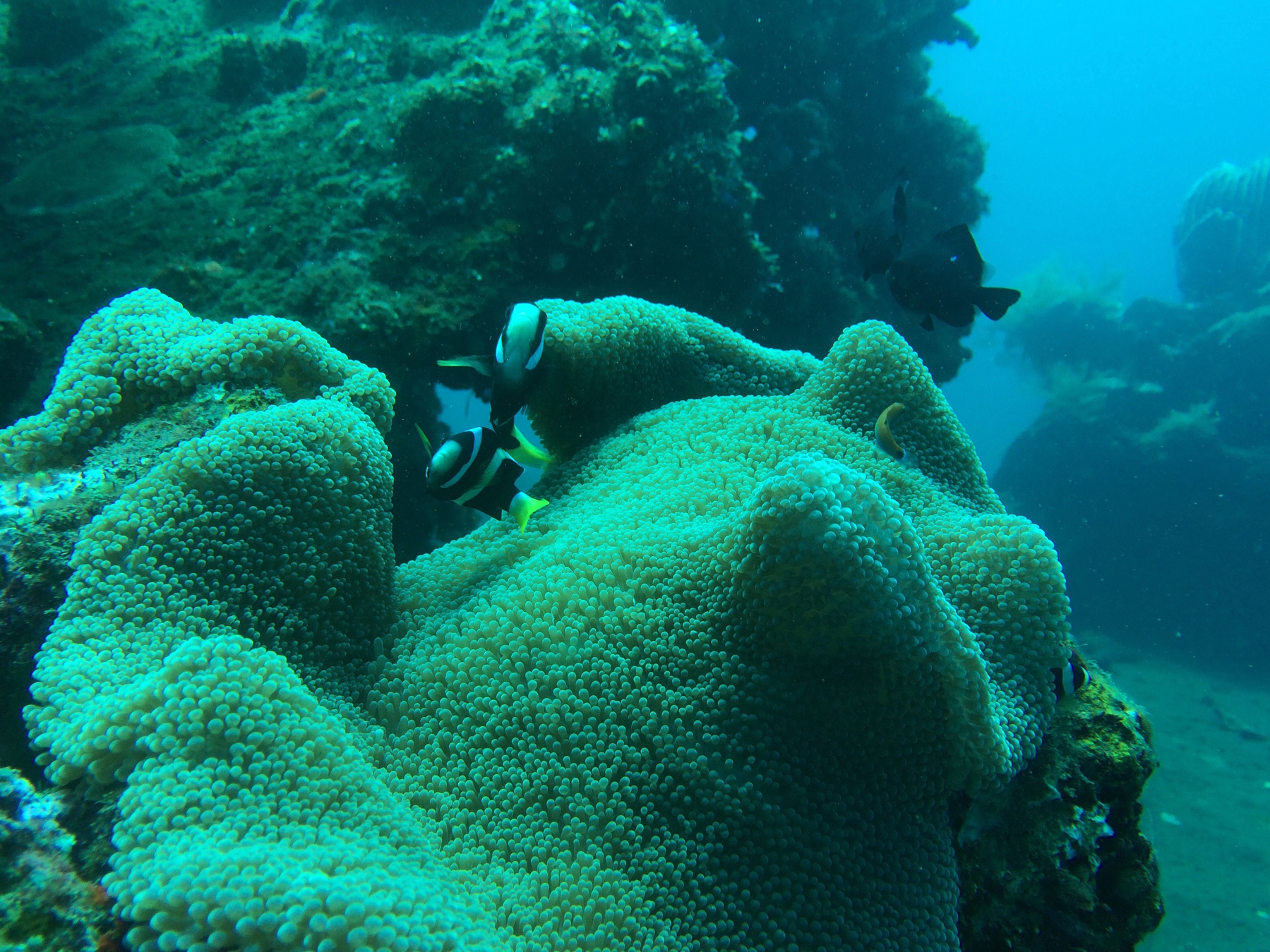


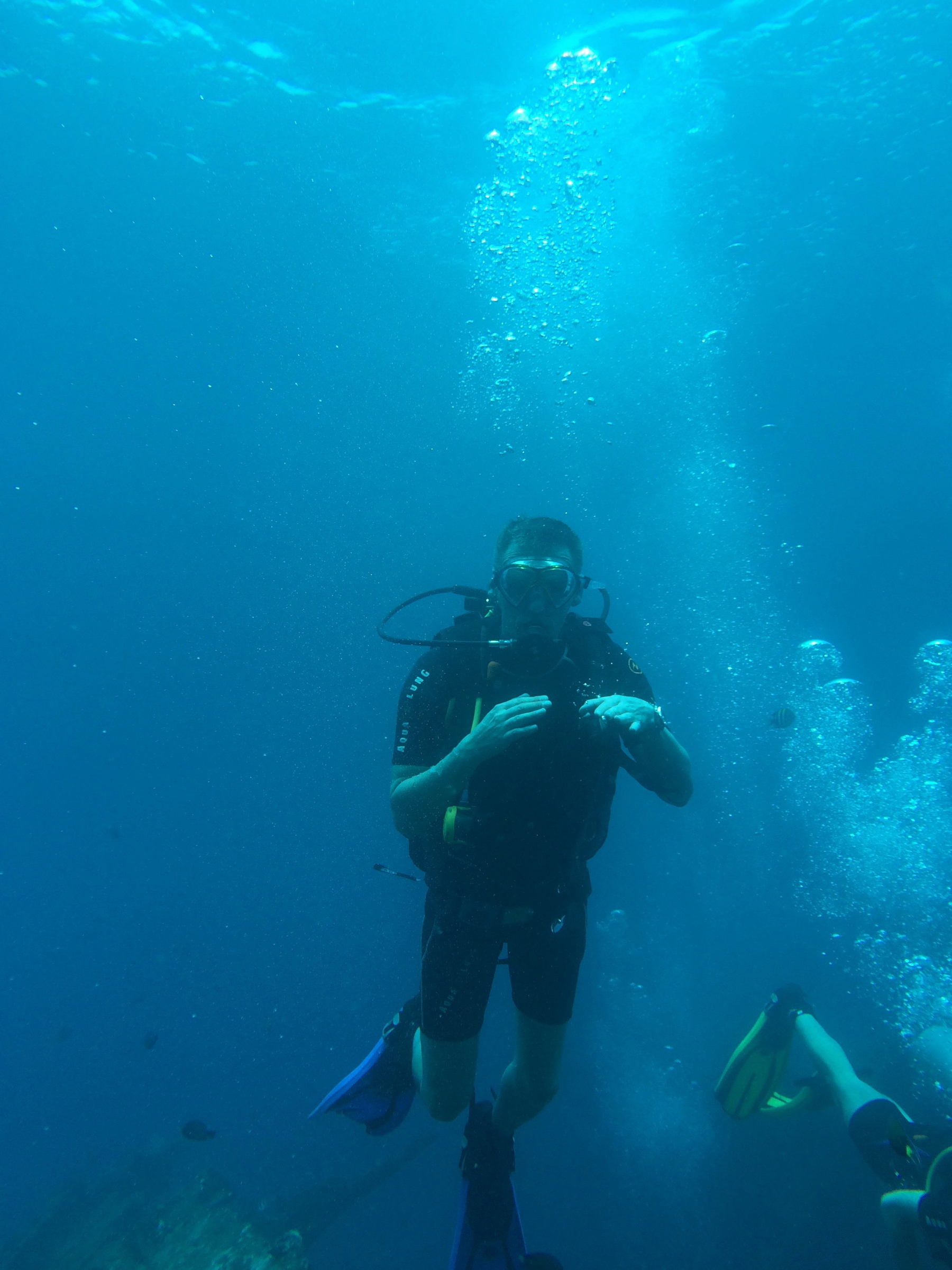
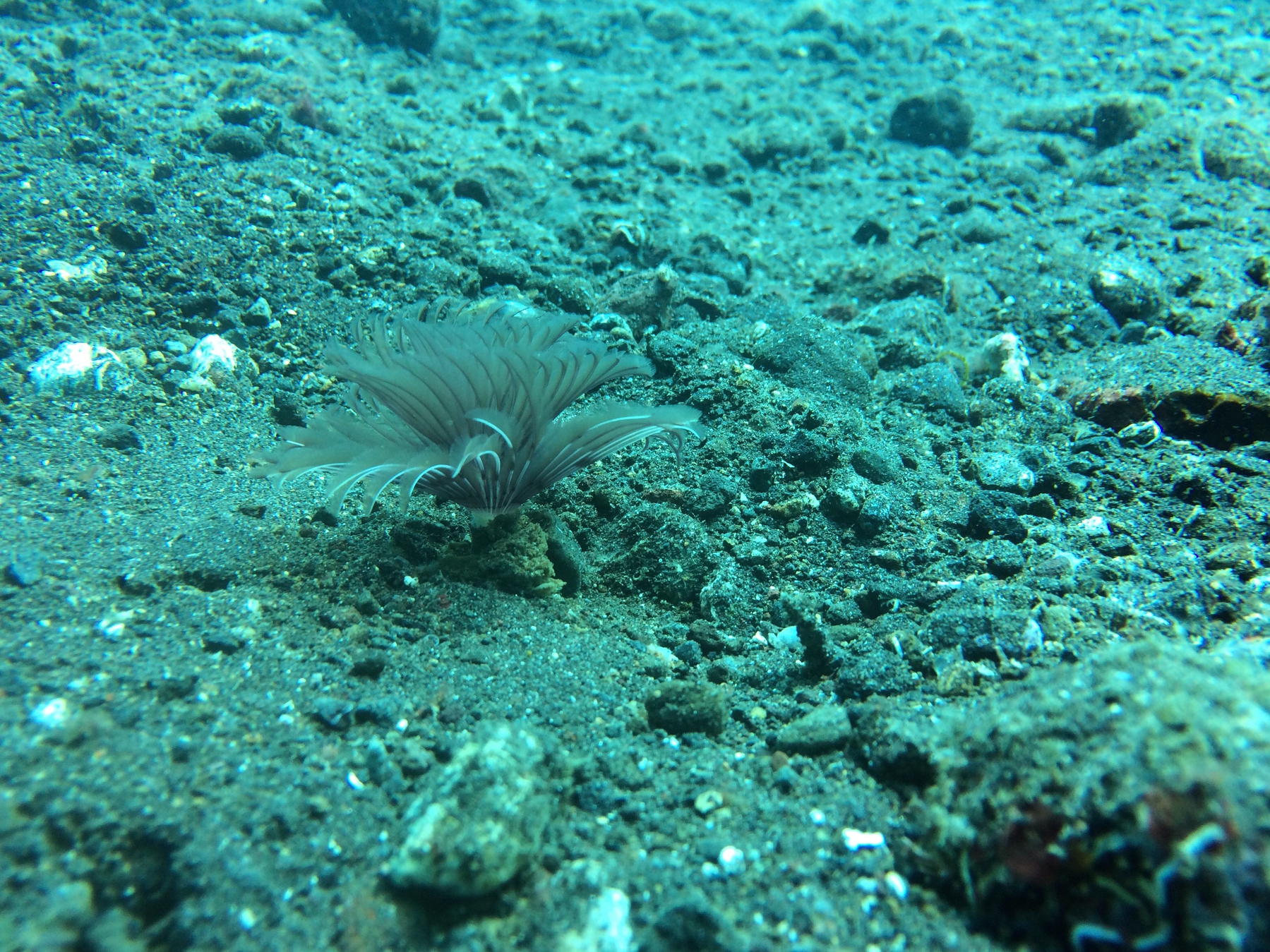
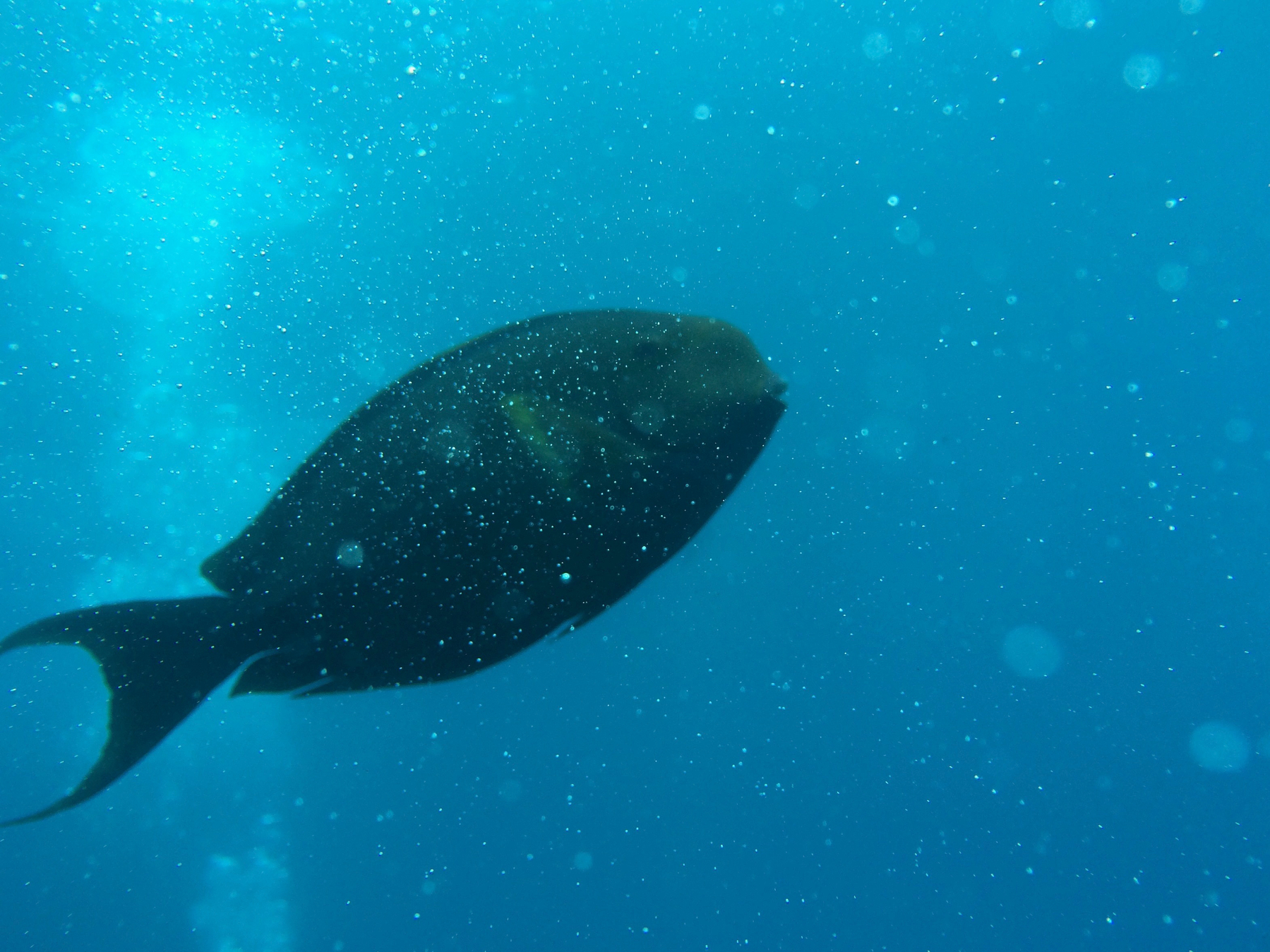
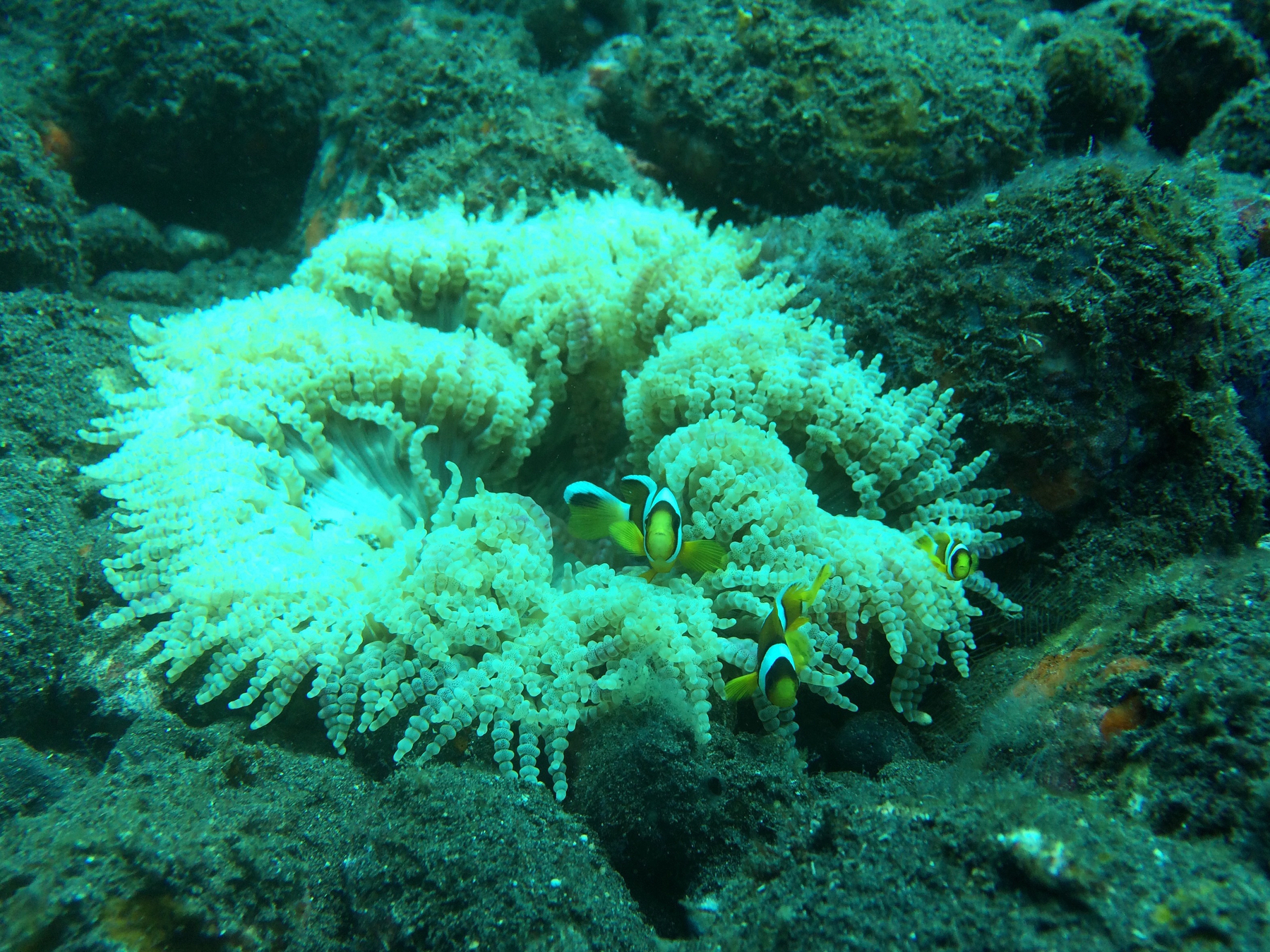
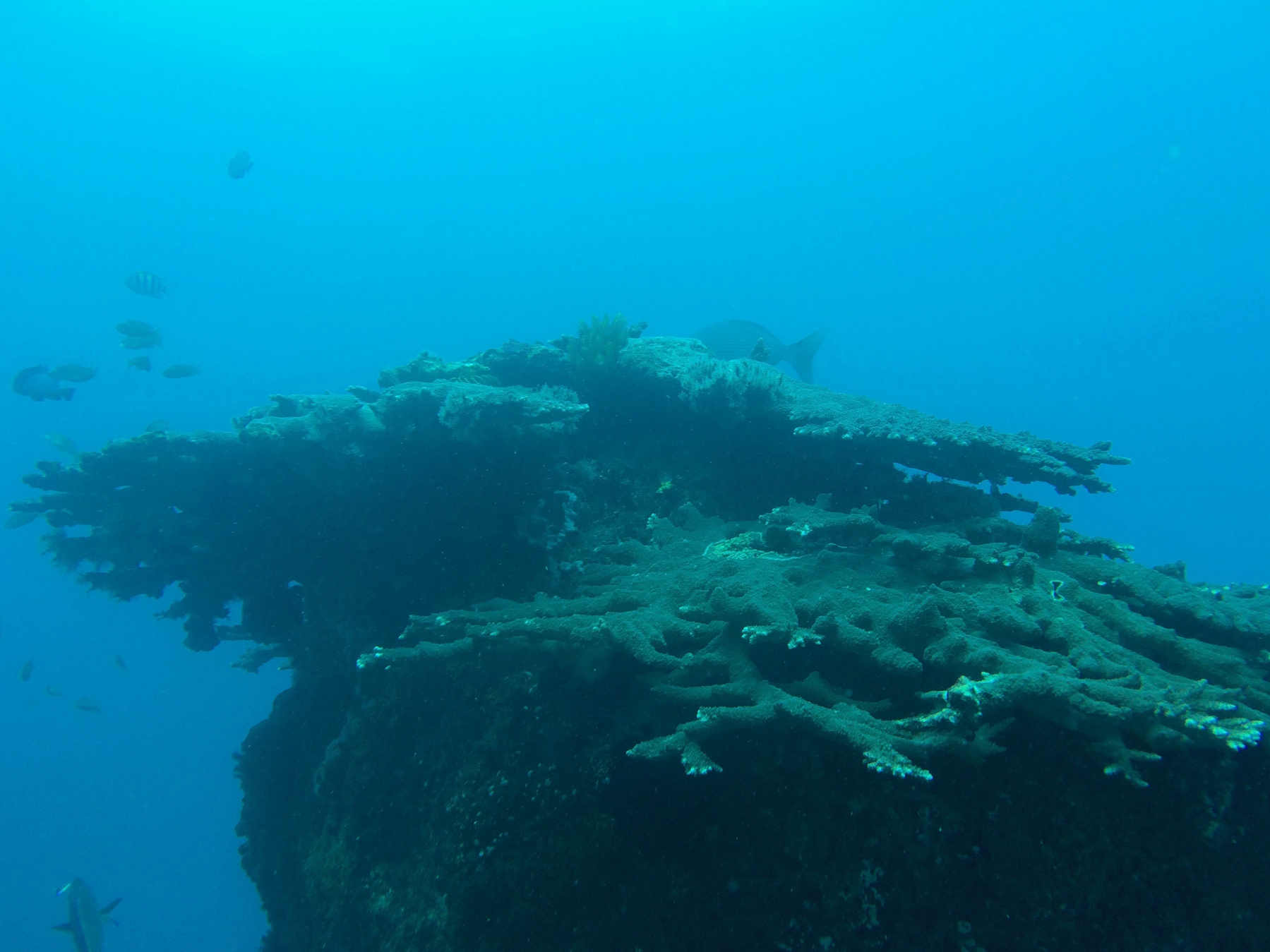
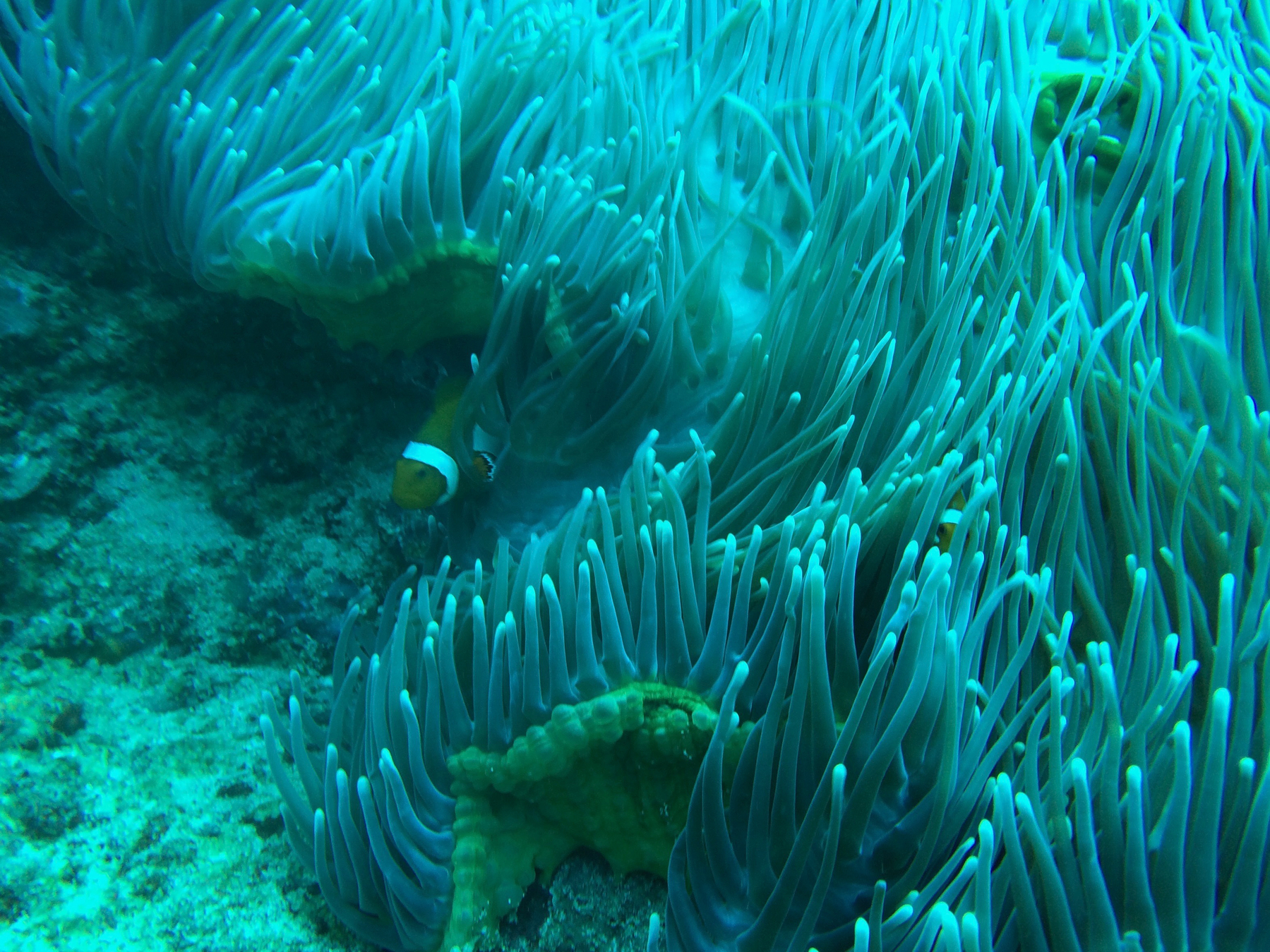
Today, nature has completely reclaimed the iron structure. Soft corals flourish over the steel plates, transforming a relic of war into a thriving sanctuary for sea turtles, schooling parrotfish, and lurking reef sharks. Navigating through the shadows of the wreck with my camera, I tried to capture the surreal beauty of marine life living within man-made history. Balancing the shifting currents while framing a shot takes patience, but the memory of the light filtering through the submerged frame is unforgettable.

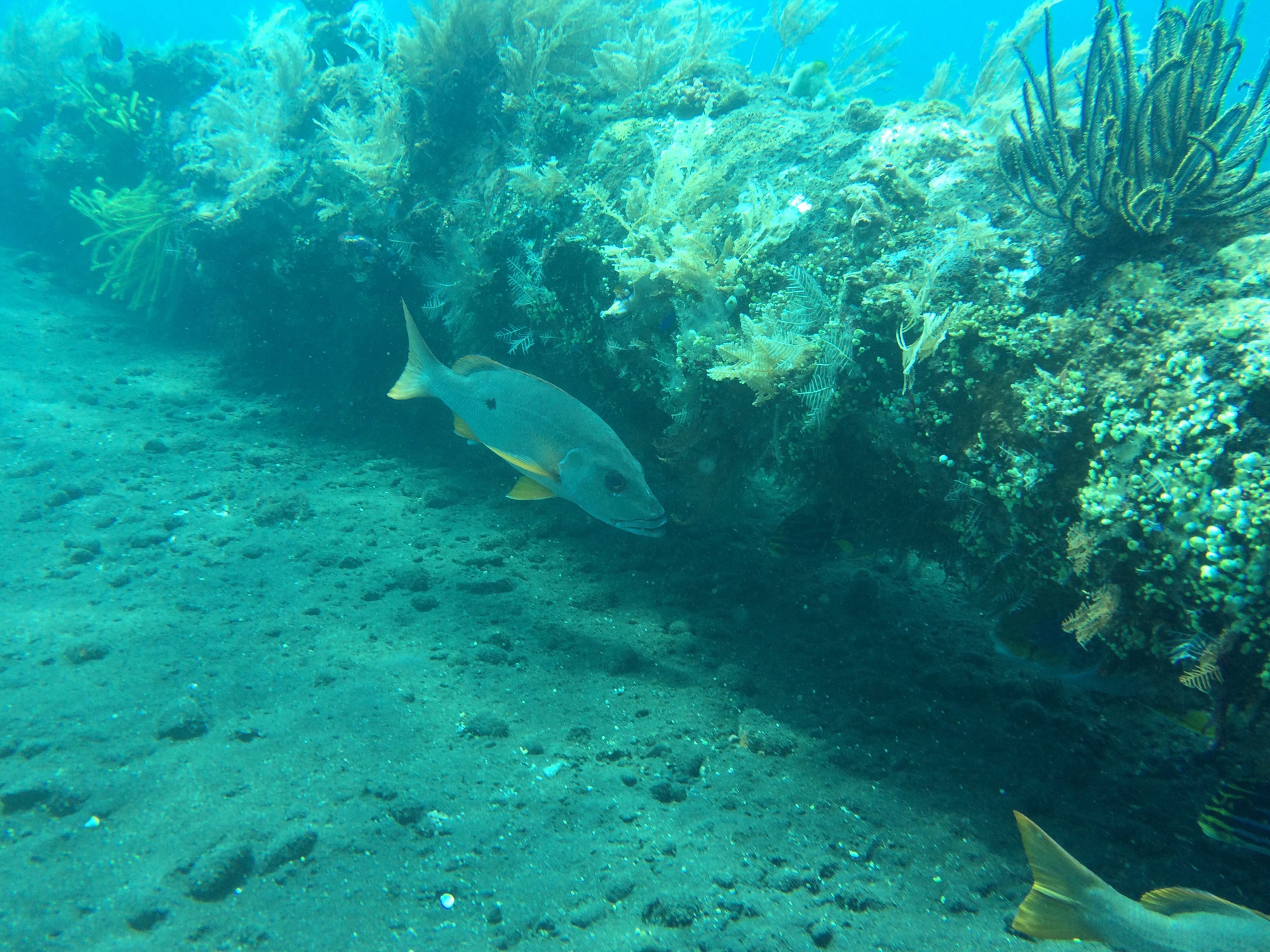
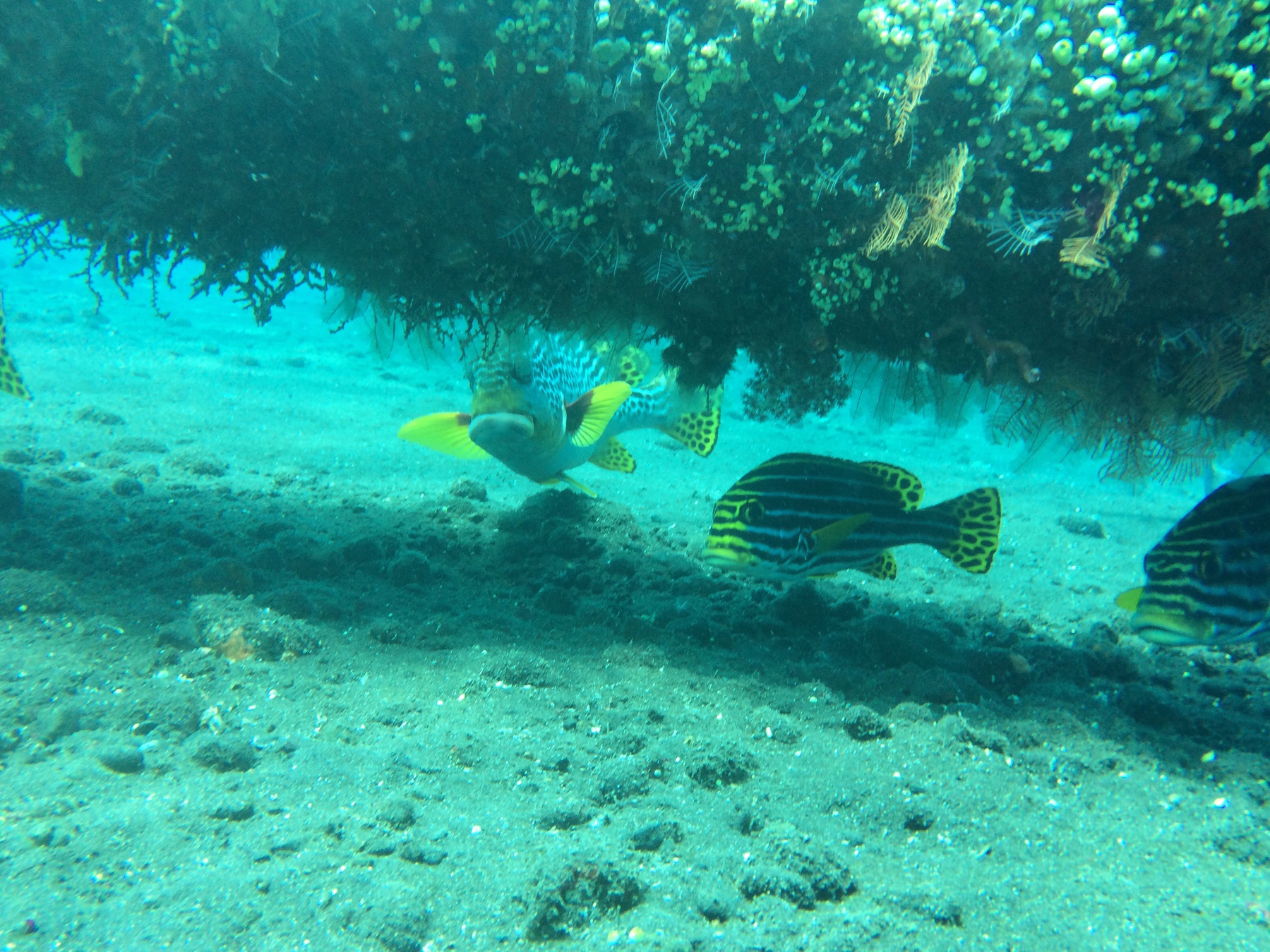

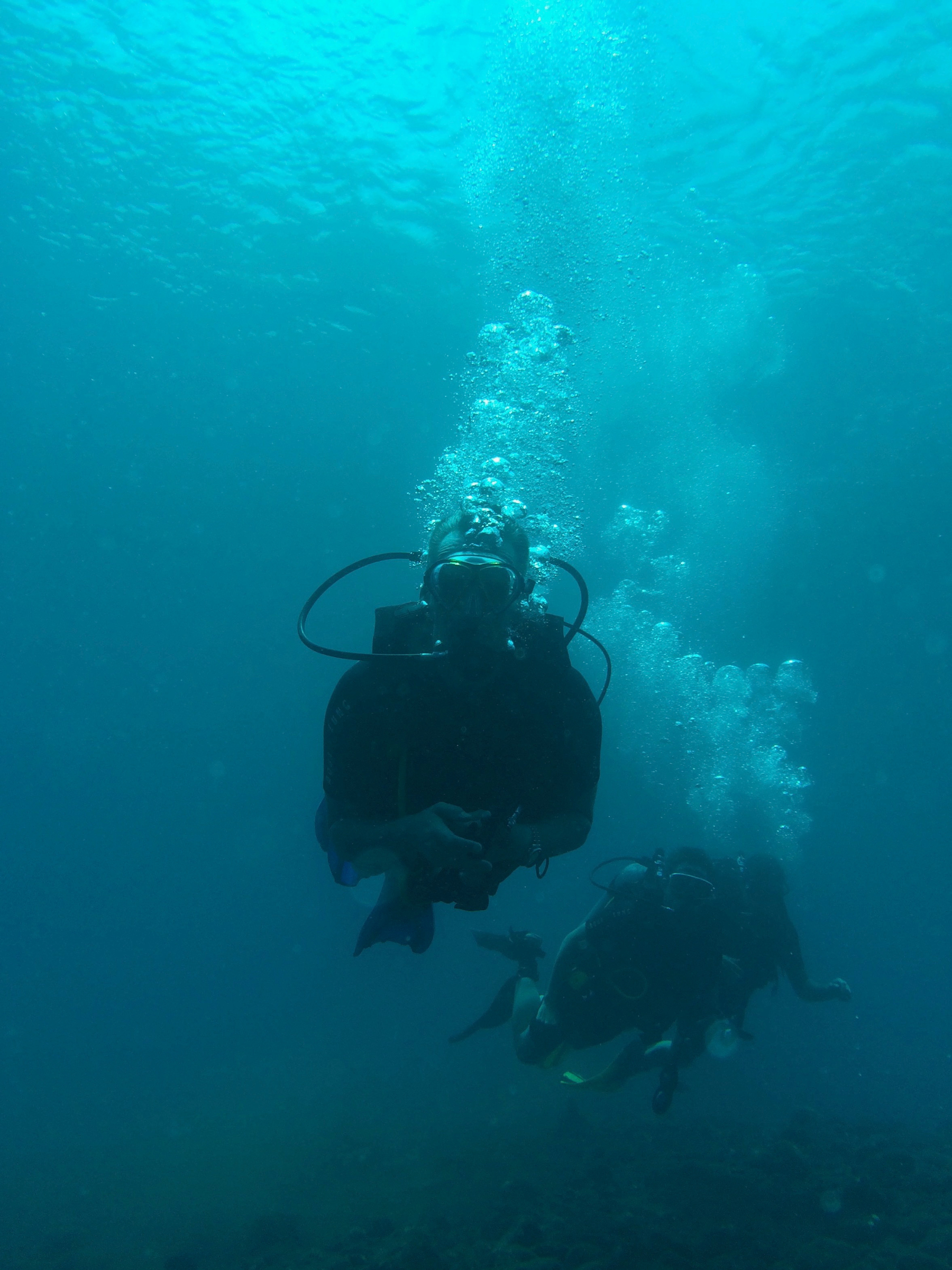
Safety is top-notch with local dive masters, who know every hidden nook of the reef and ensure seamless entry even for beginners. Beyond the diving, living in Bali fosters a deep appreciation for its rich heritage, where ancient traditions shape every daily detail.


#Photography #Asia #Bali #ScubaDiving #Tulamben #USATLiberty #ShipwreckDiving #TravelBali #OceanExploration #MantaRay #MarineLife #UnderwaterPhotography #SubakSystem #BalineseCulture #IndonesiaTravel #CoralReef #TravelEssay #Travelblog #Travel #Blog #Photoblog
Bringing the Magic of Victoria Harbour Home: Hong Kong Vintage Travel Poster
There is something undeniably magnetic about Hong Kong. It’s a city where ultra-modern skyscrapers push into the clouds while historic traditions and classic icons pulse right along the waterfront. If you have ever stood on the promenade and watched the iconic green-and-white Star Ferry cut across Victoria Harbour at sunset, you know the exact feeling of timeless wonder this city inspires.
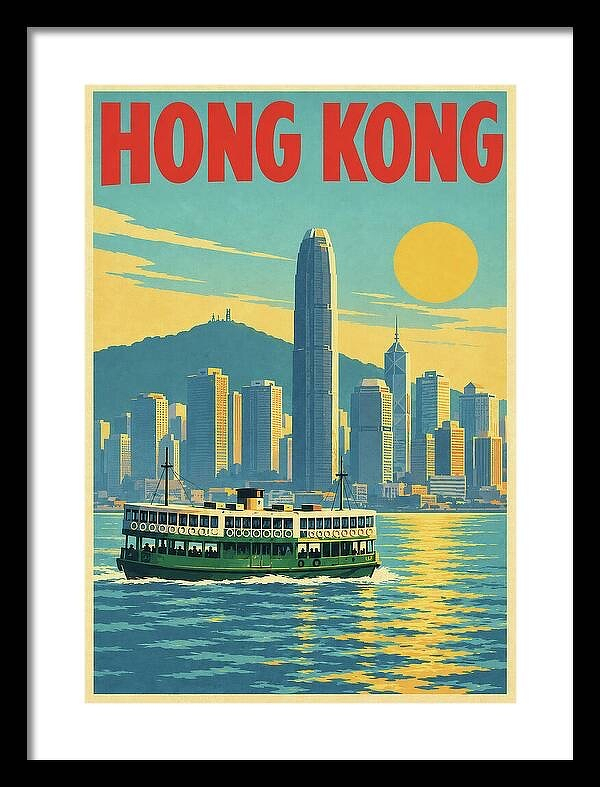
That nostalgic magic is precisely what inspired my latest artwork: a retro-styled travel poster that captures the golden era of global adventure, combined with the unmistakable modern silhouette of Hong Kong.
A Tribute to a Timeless Skyline
Designed in a classic mid-century travel poster aesthetic, this piece focuses on the details that make Hong Kong legendary. In the foreground, the beloved Star Ferry navigates the sparkling waters, golden sunlight reflecting off the gentle ripples of the harbour. Behind it rises the striking architecture of the city's financial district—anchored by the towering Two International Finance Centre—all set against the lush, dramatic backdrop of Victoria Peak.
The colour palette leans heavily into rich turquoise, warm golden yellows, and a bold pop of retro red in the header. It is designed not just to be a picture on a wall, but an escape—a window looking out onto one of the most dynamic skylines in the world, bathed in perpetual golden hour.
Where to Display It
Whether you are looking to add a touch of worldly sophistication to your living room, bring an inspiring anchor piece to your home office, or give the ultimate gift to a travel lover, this print bridges vintage charm with modern interior style. It pairs wonderfully with minimalist frames, warm wood tones, or gallery walls dedicated to global wanderlust.
Bring It Home
Ready to add a piece of the Pearl of the Orient to your space? You can order this print in a variety of custom formats to fit your decor style—including museum-quality canvas prints, classic framed prints, acrylic, wood, or even as everyday lifestyle products like throw pillows and tote bags.
Click here to view sizes, framing options, and order your Hong Kong vintage travel poster today!
#HongKong #Vintage #Travel #Poster #StarFerry #VictoriaHarbour #HongKongSkyline #RetroTravelArt #AsiaTravelPoster #VictoriaPeak #ChinaArchitecture #VintagePoster #RetroArt #CitySkyline #TravelIllustration #FinancialCenter #OrientalArt #NostalgicArt #WallArt #HomeDecor #LivingRoomDecor #OfficeArt #TravelGift #ClassicPoster #NauticalArt #UrbanLandscape #ScenicView #SunsetArt #RetroTravel #TurquoiseAndGold #Iconic #Architecture #TravelDesign #MidCenturyModern #AsianCityscape #HarbourView #VintagePosterArt #RetroIllustration #TravelInspiration #WanderlustDecor #CityscapeArt #RetroDesign #ClassicTravel #HongKongArt #TravelPosterArt #RetroVibes #DestinationArt #GlobalTravel #InteriorStyling #WallDecorGoals #ArtForLivingRoom #CollectibleArt
Experiencing Mardi Gras in New Orleans: History, Magic, and 24-Hour Revelry
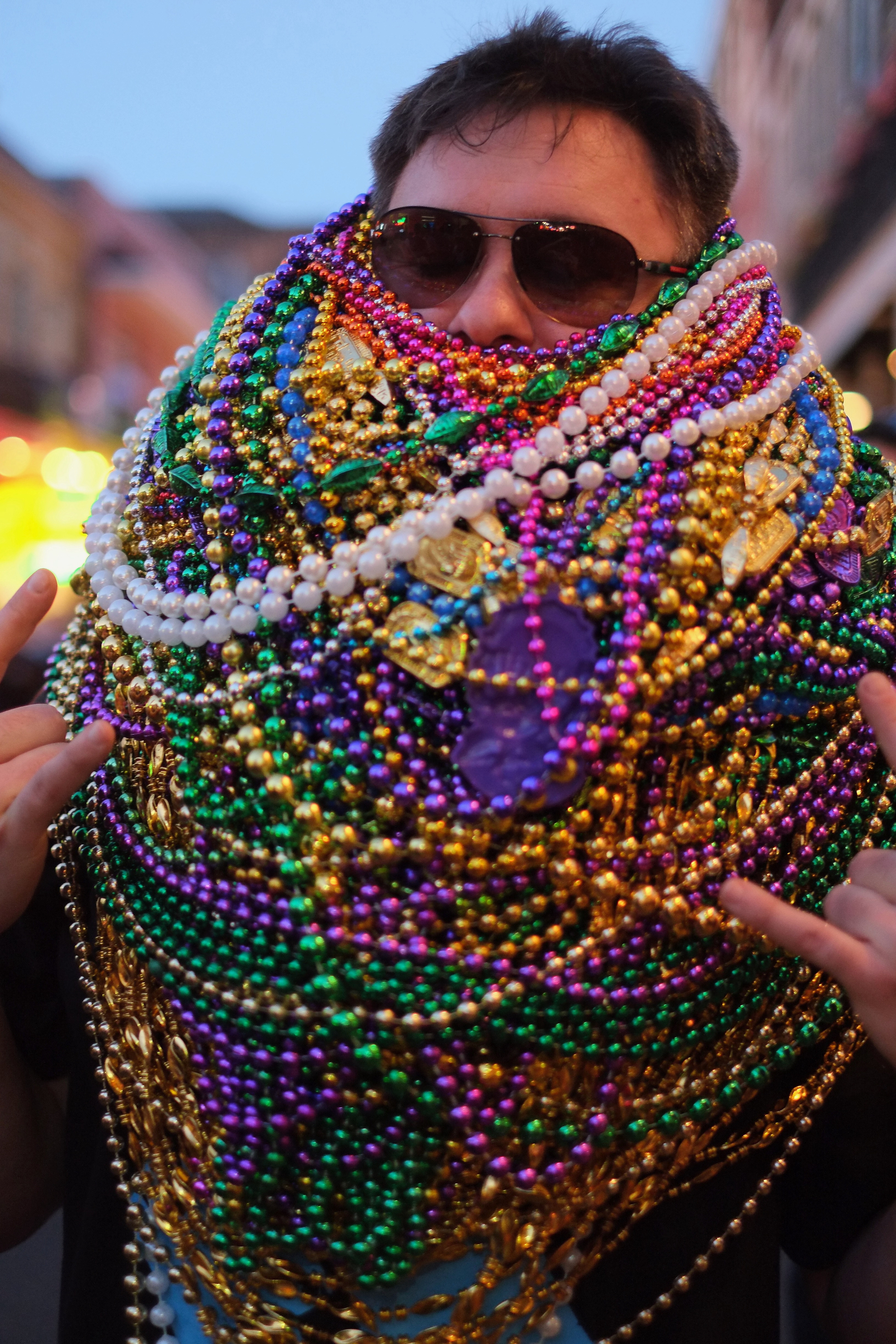
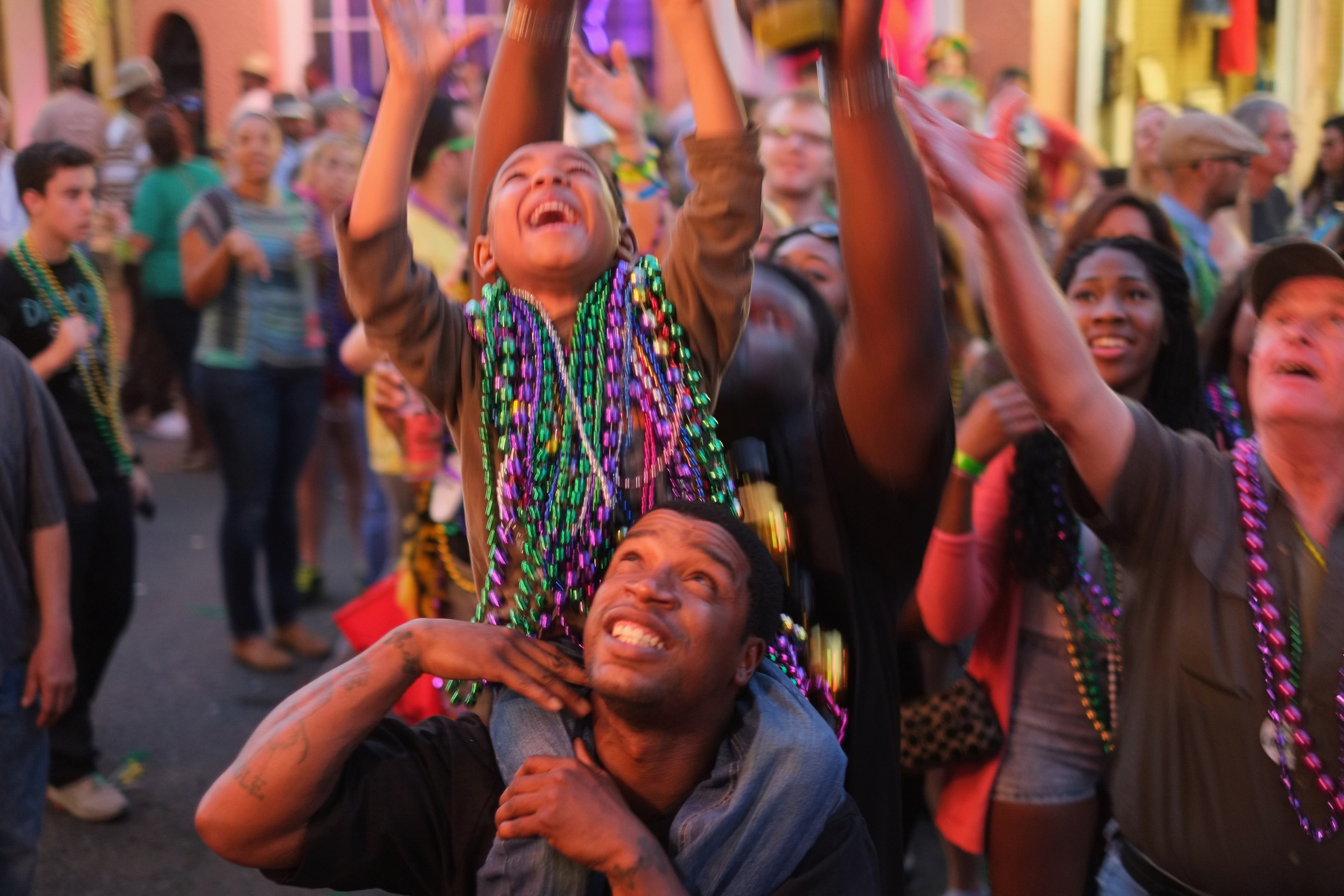
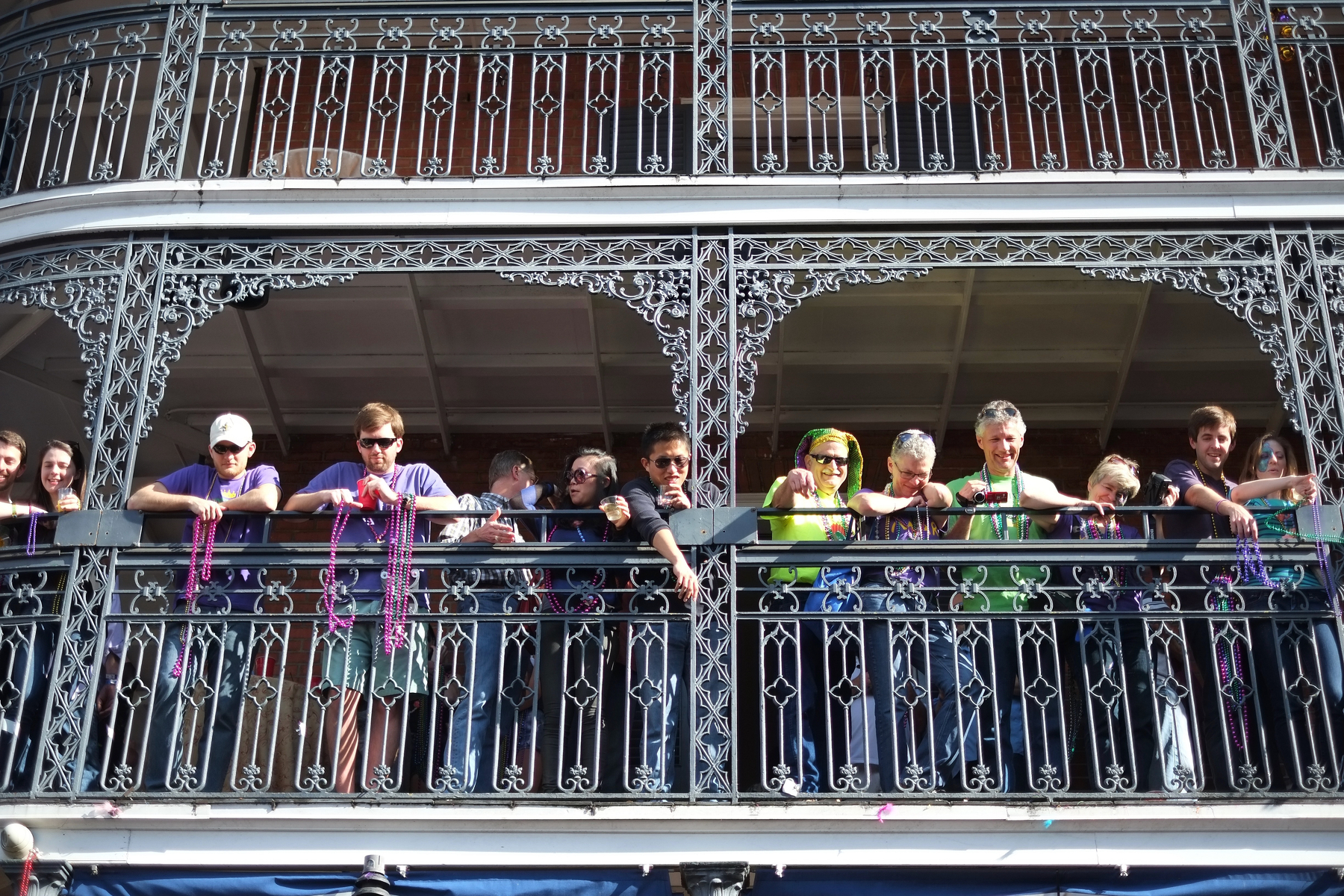
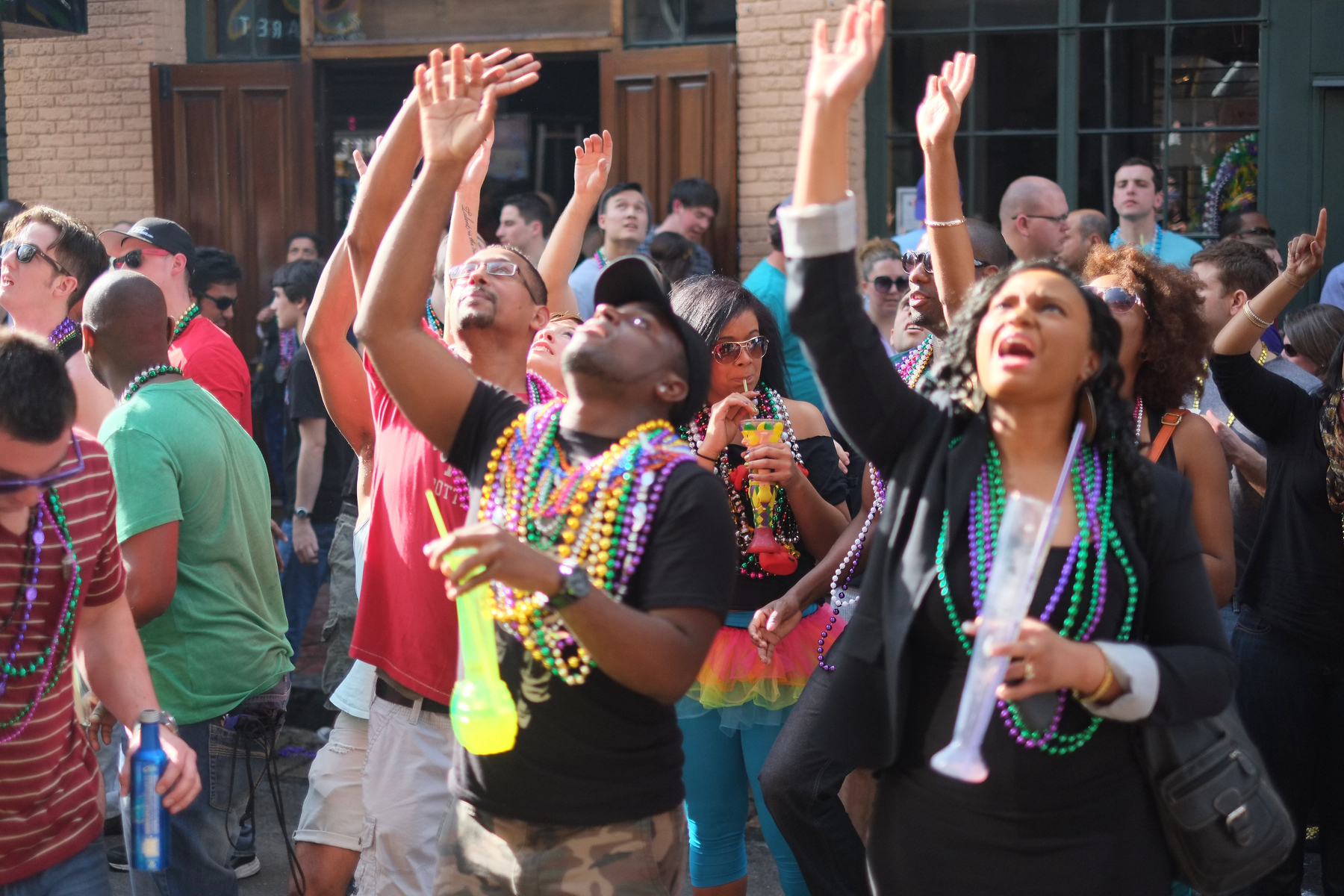
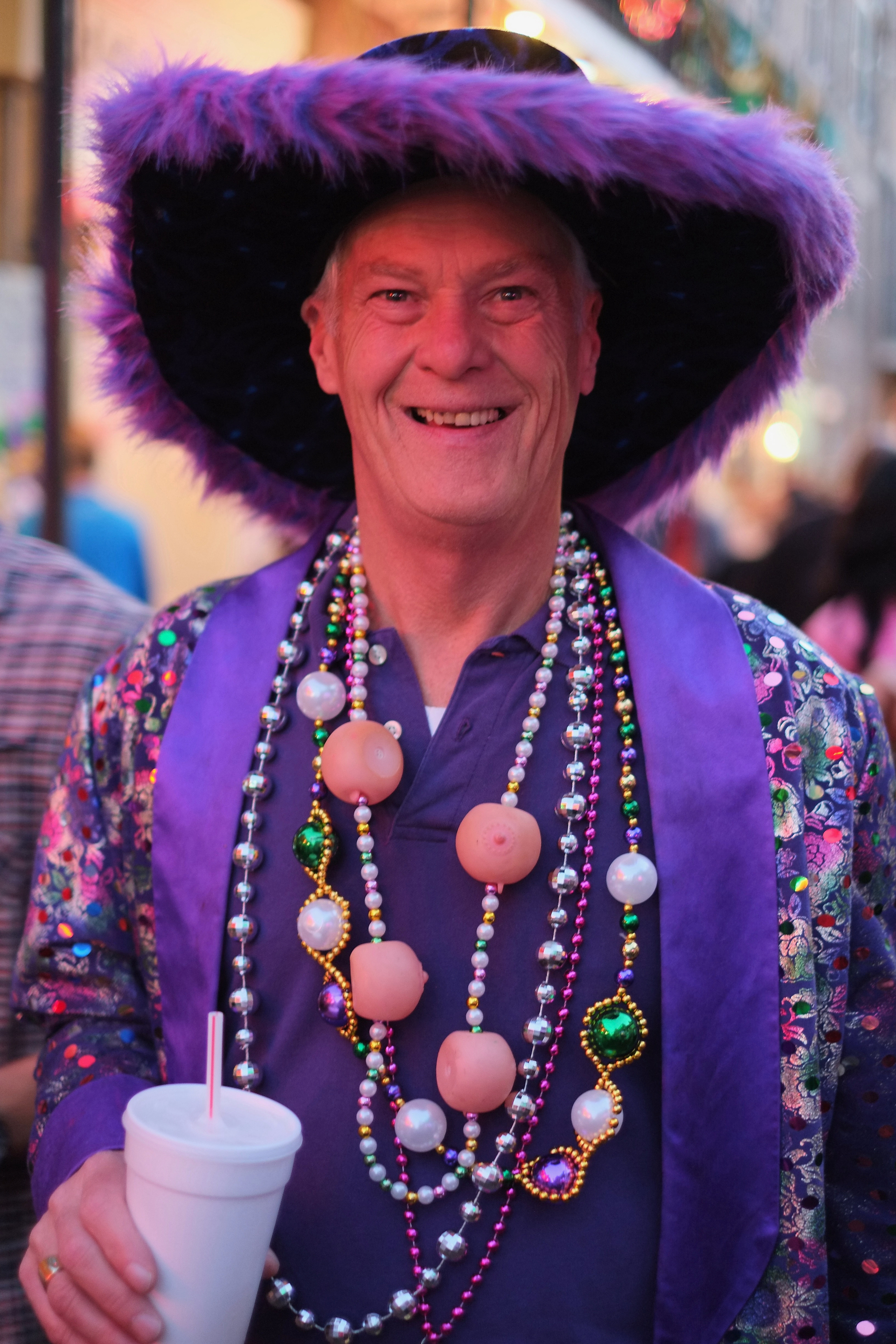
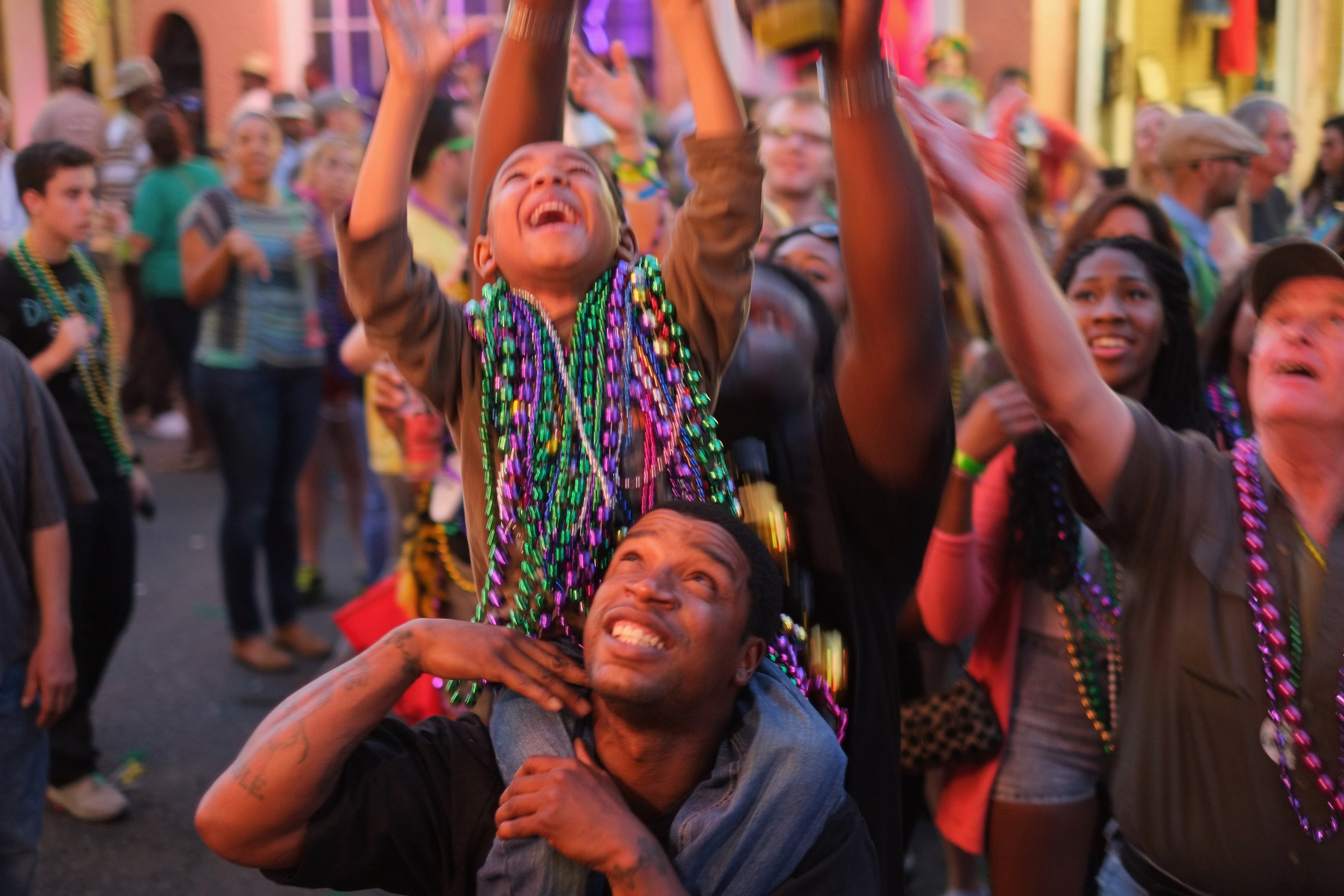
The sensory overload hits before you even turn onto Bourbon Street. It starts as a low vibration in the pavement, building into a symphony of brass horns, joyous shouting, and the constant clatter of plastic beads cascading onto cobblestones. Standing in the heart of New Orleans during Mardi Gras feels less like attending a festival and more like stepping inside a living, breathing kaleidoscope.
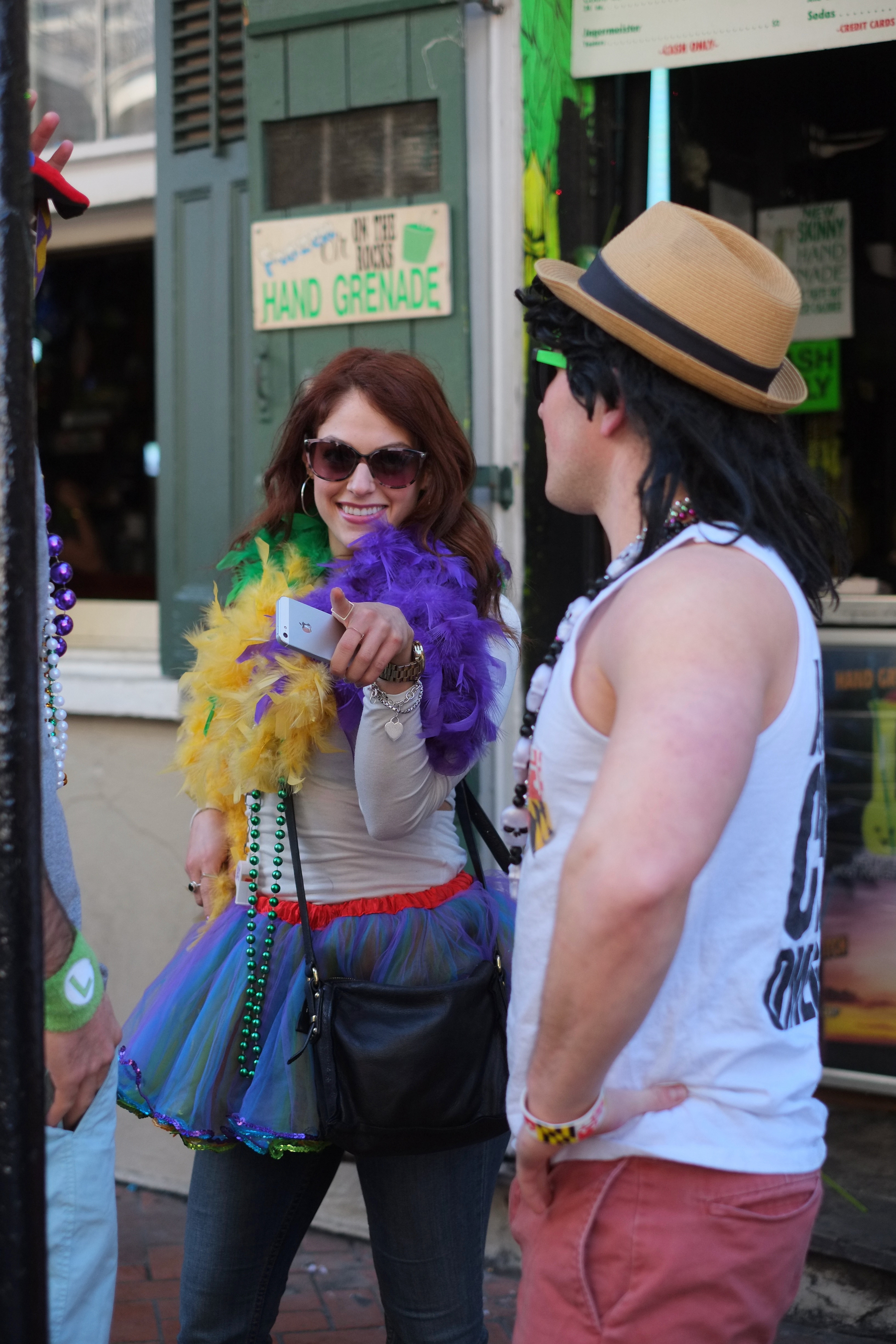
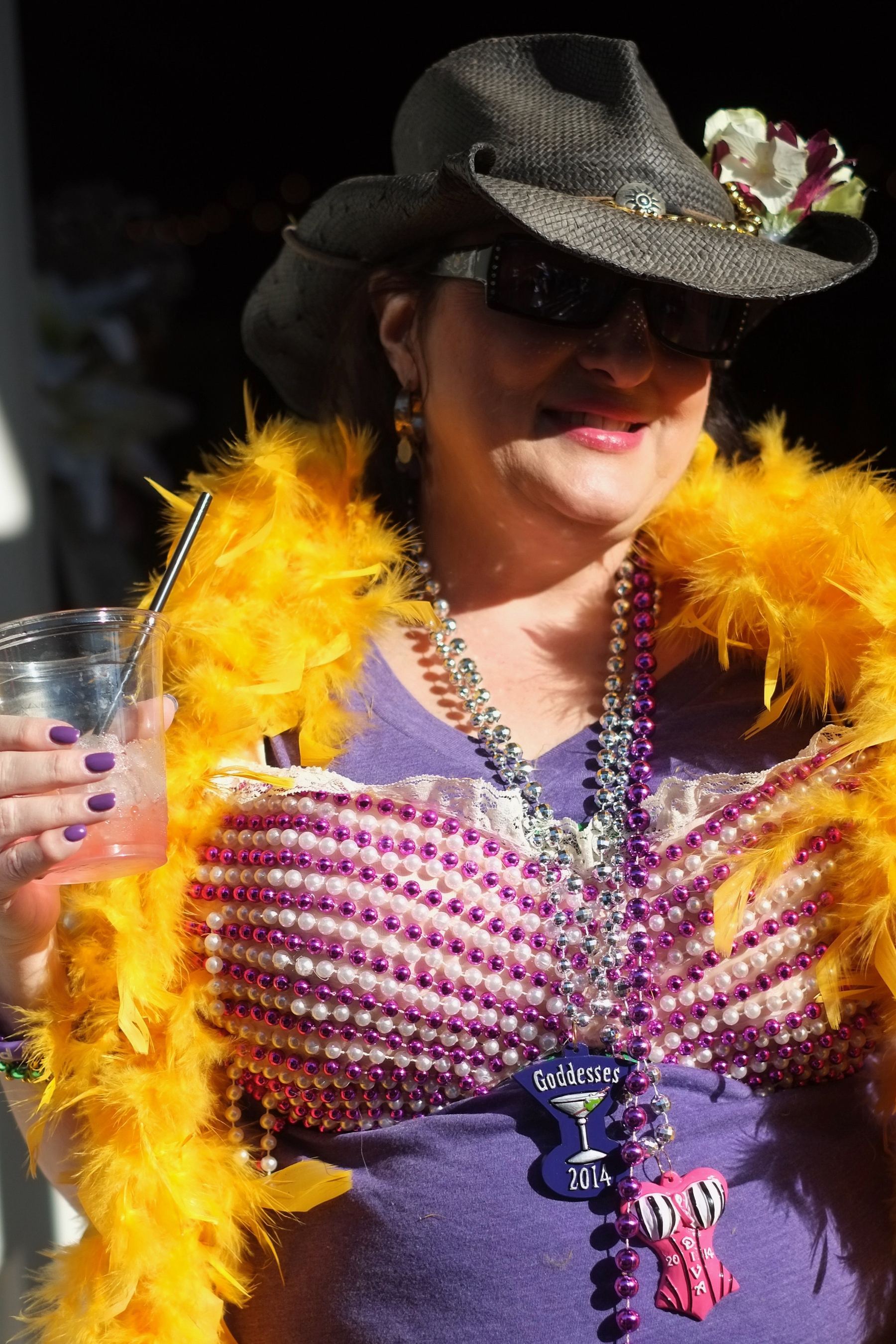
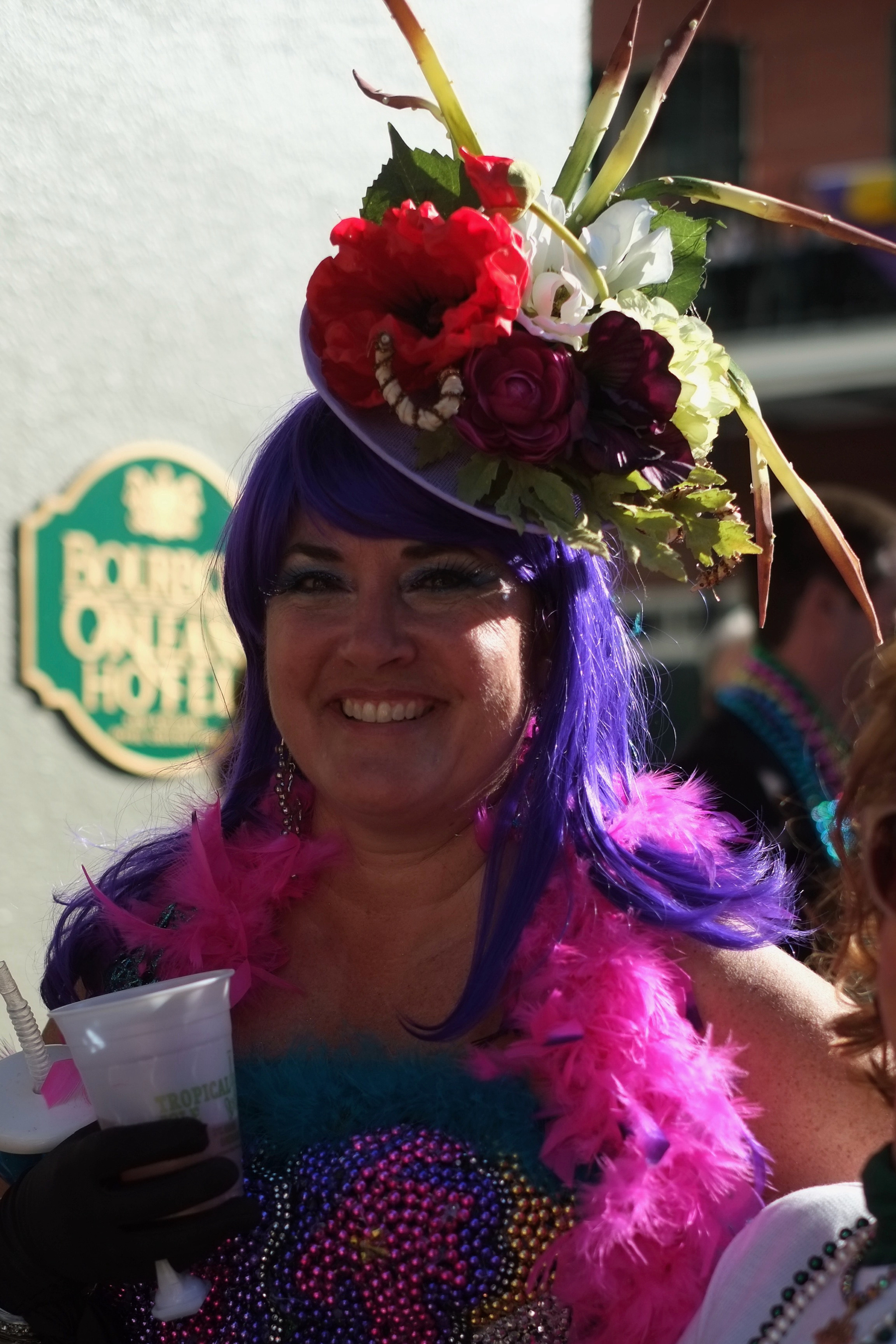
Paying for a hotel room during peak Fat Tuesday festivities requires a deep breath and a willingness to ignore your bank account. Yet the moment you step outside into the electric air, every spent dollar vanishes from mind. The city sheds its quiet routines and transforms into a twenty-four-hour celebration where time loses all meaning.
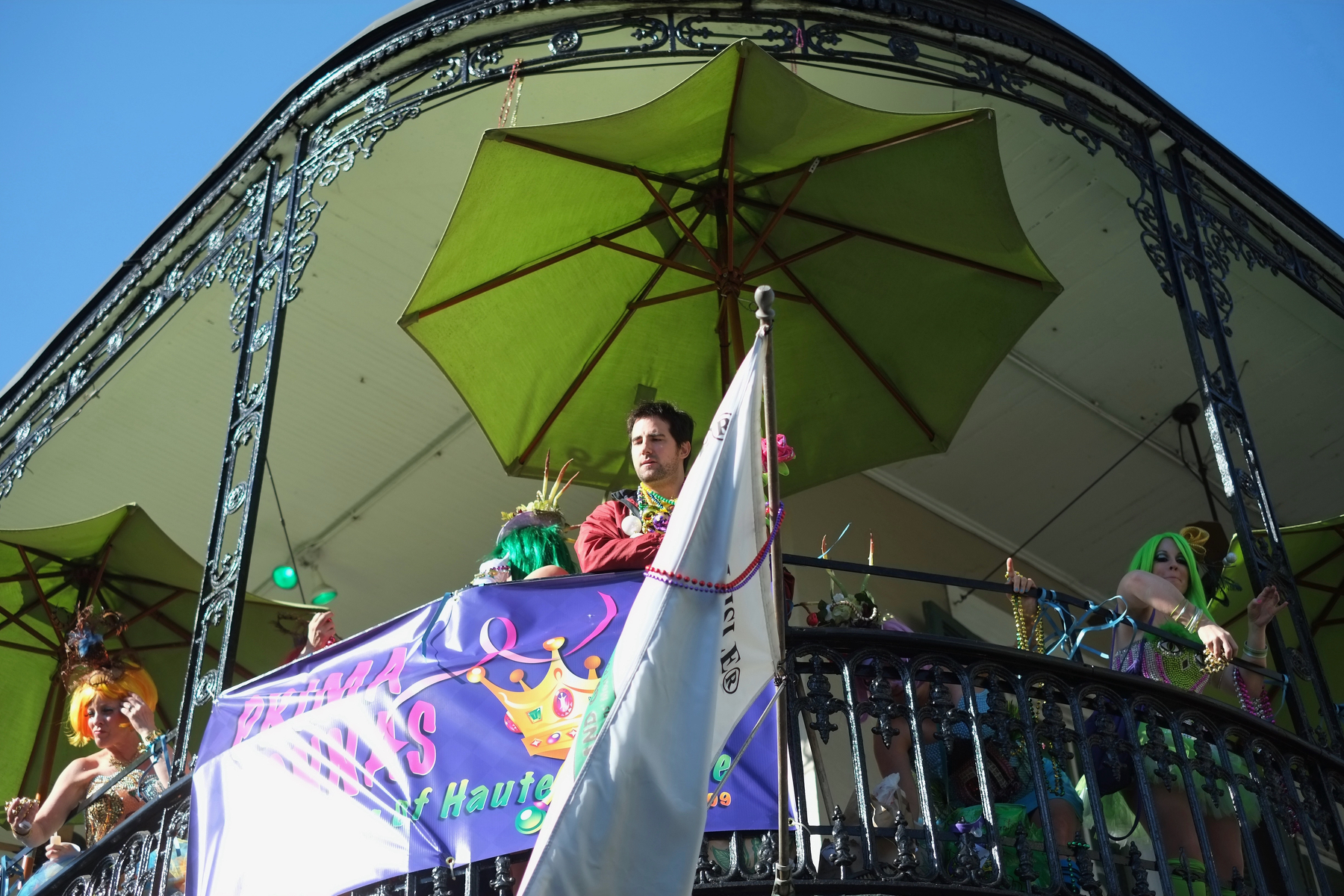
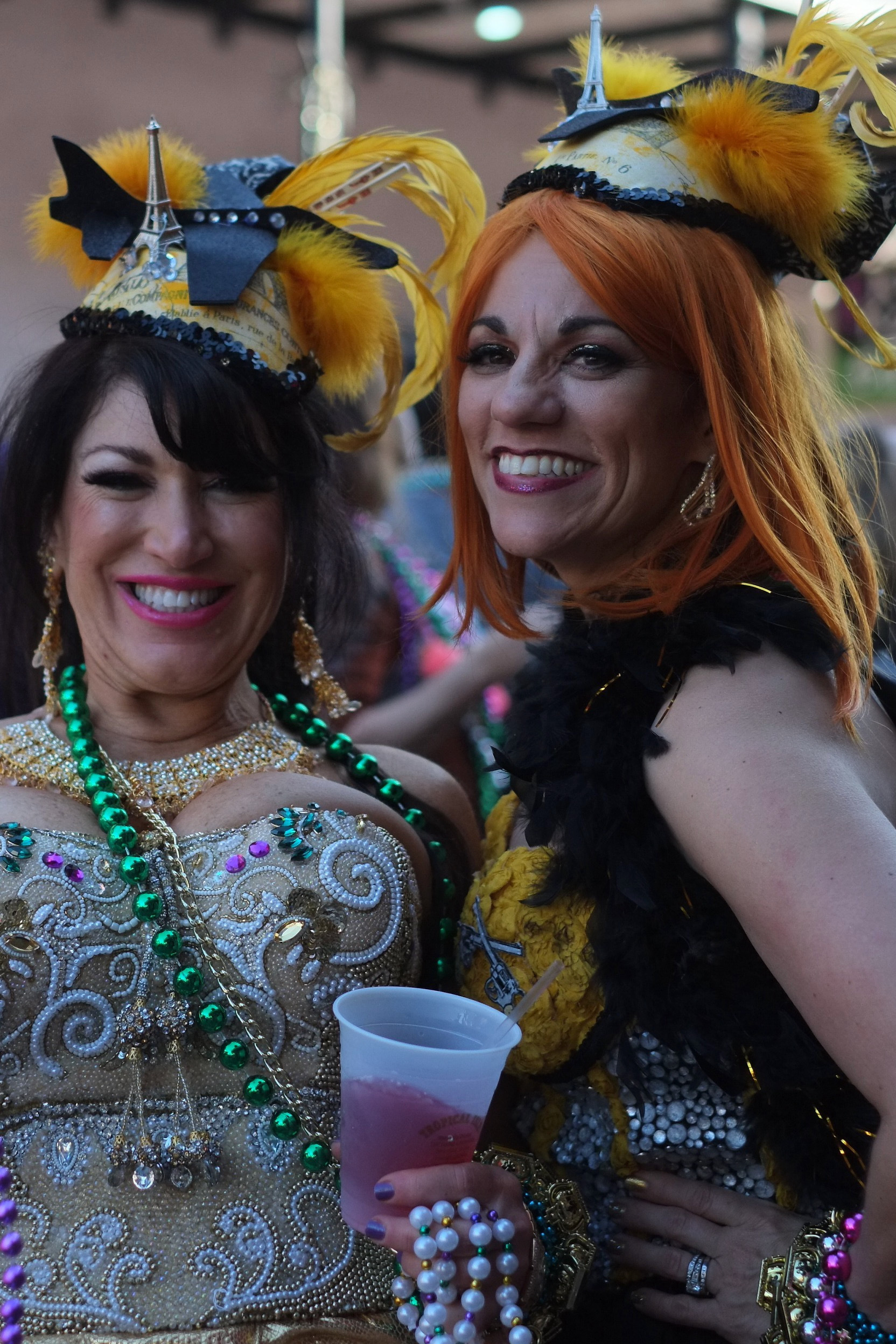
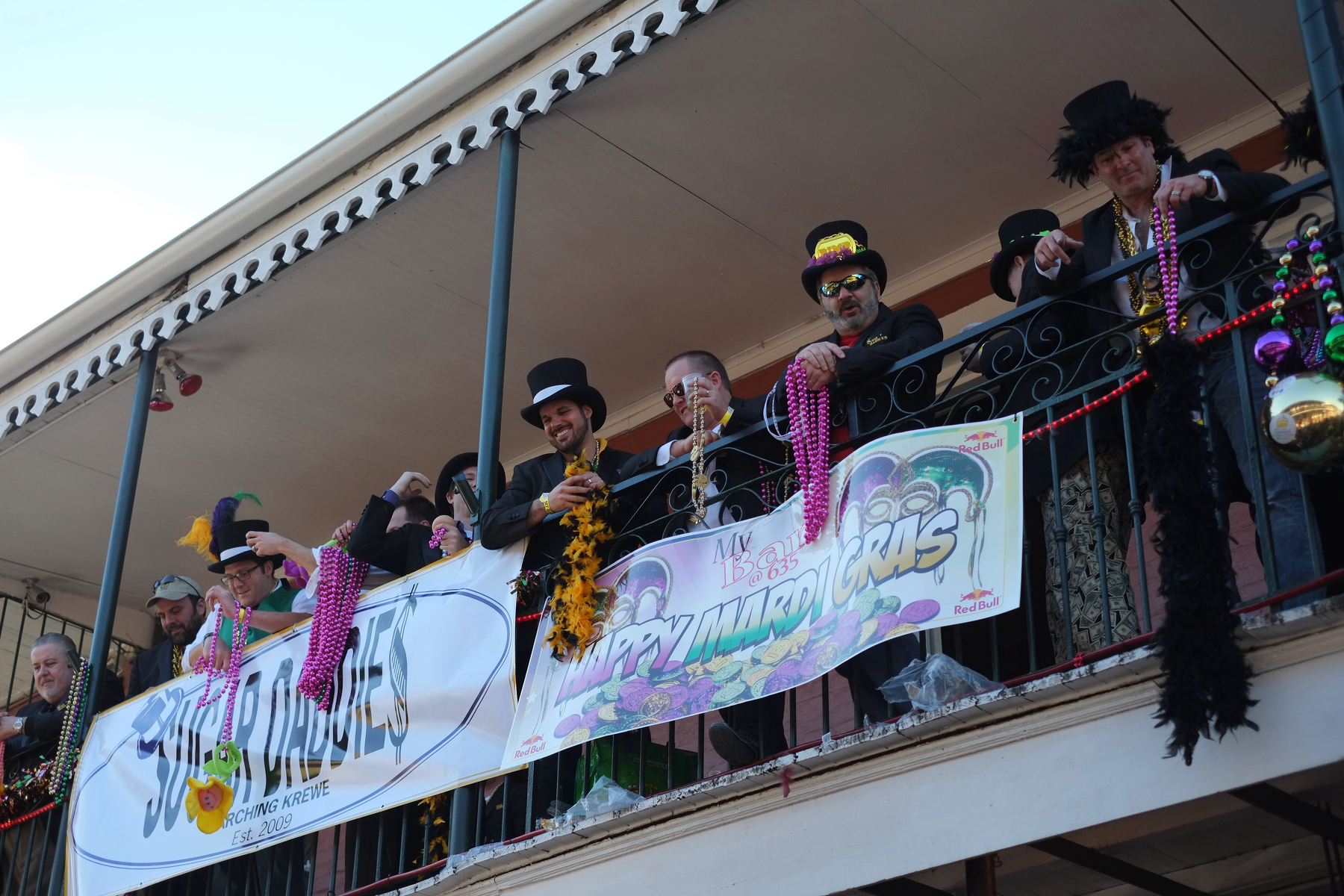
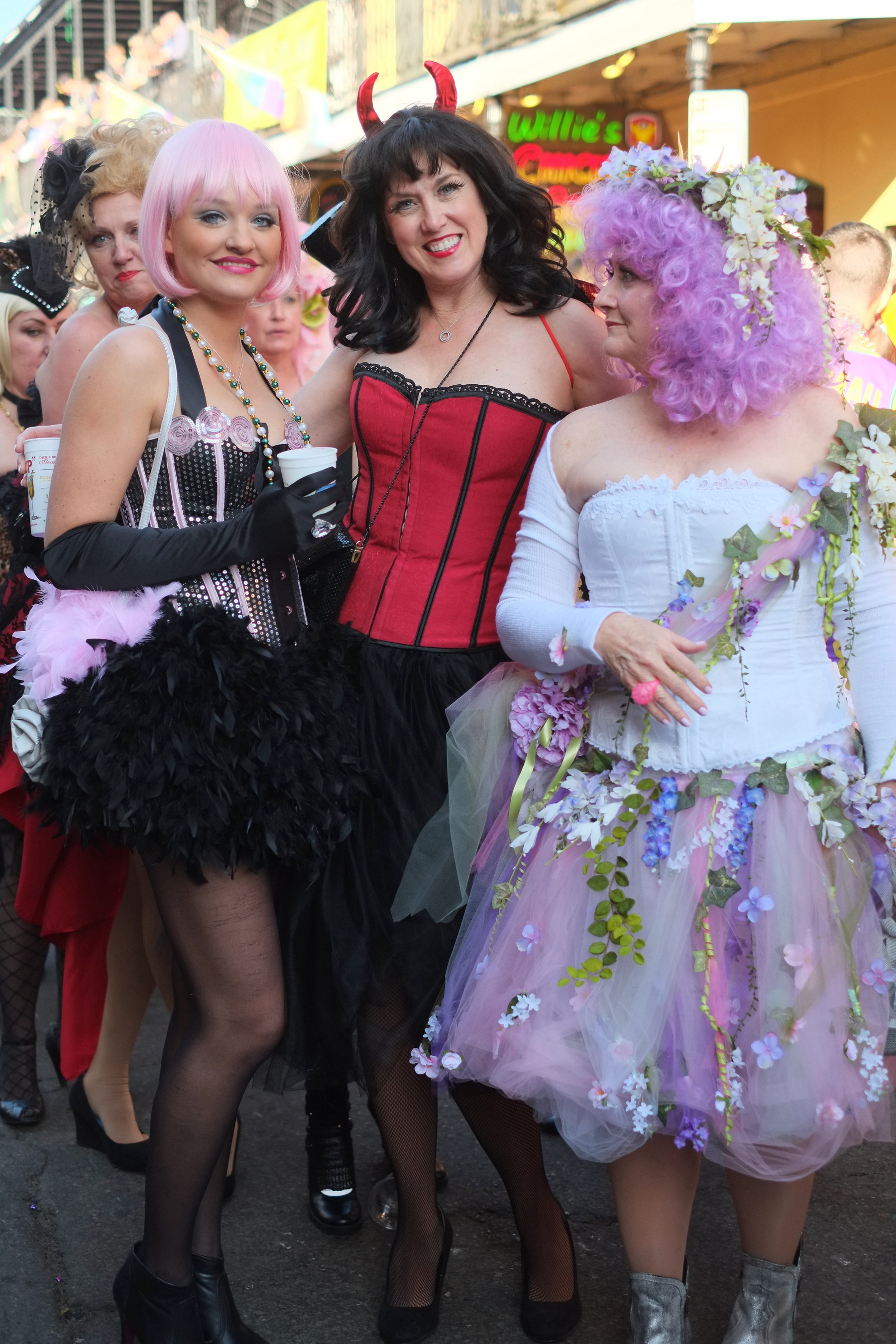
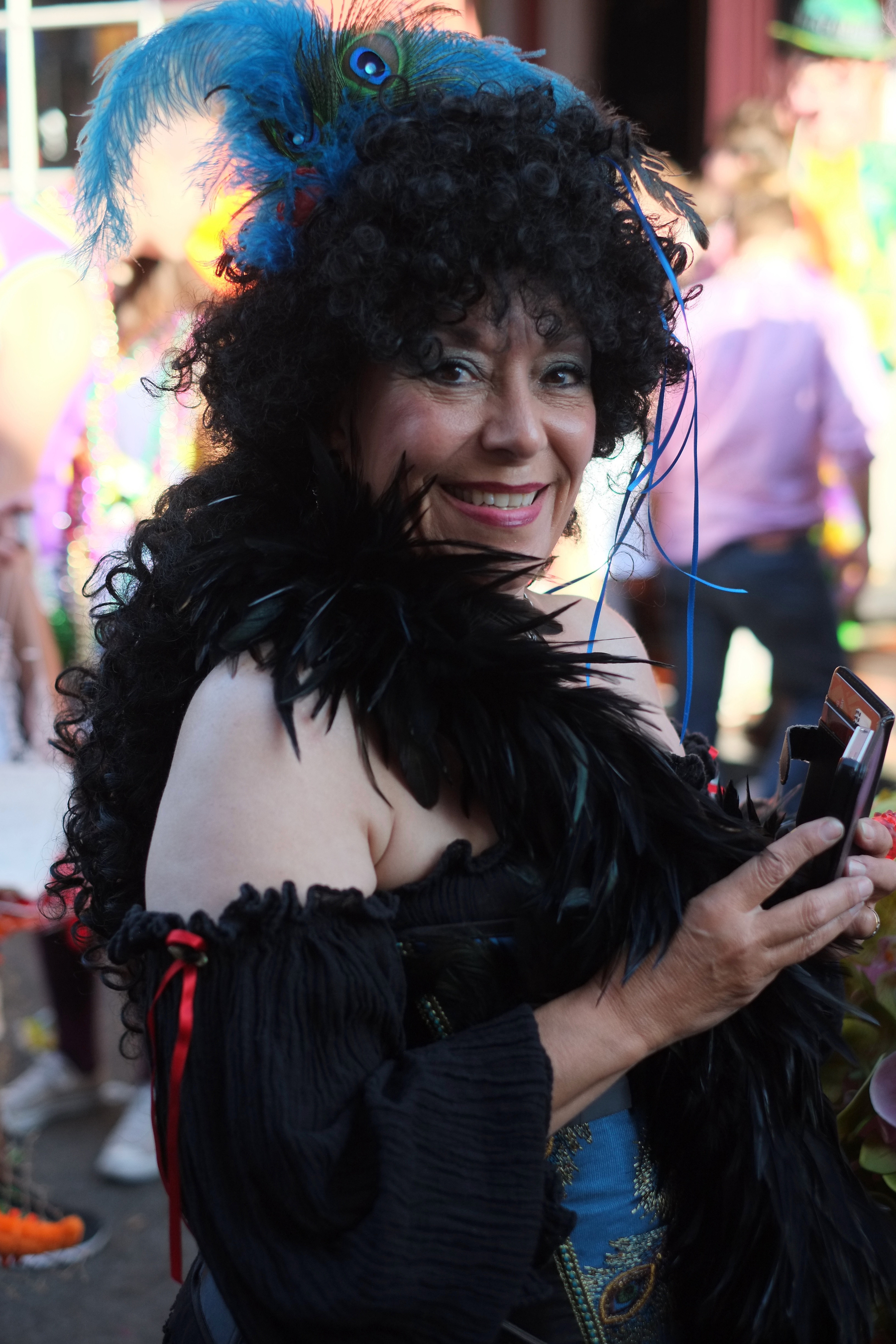
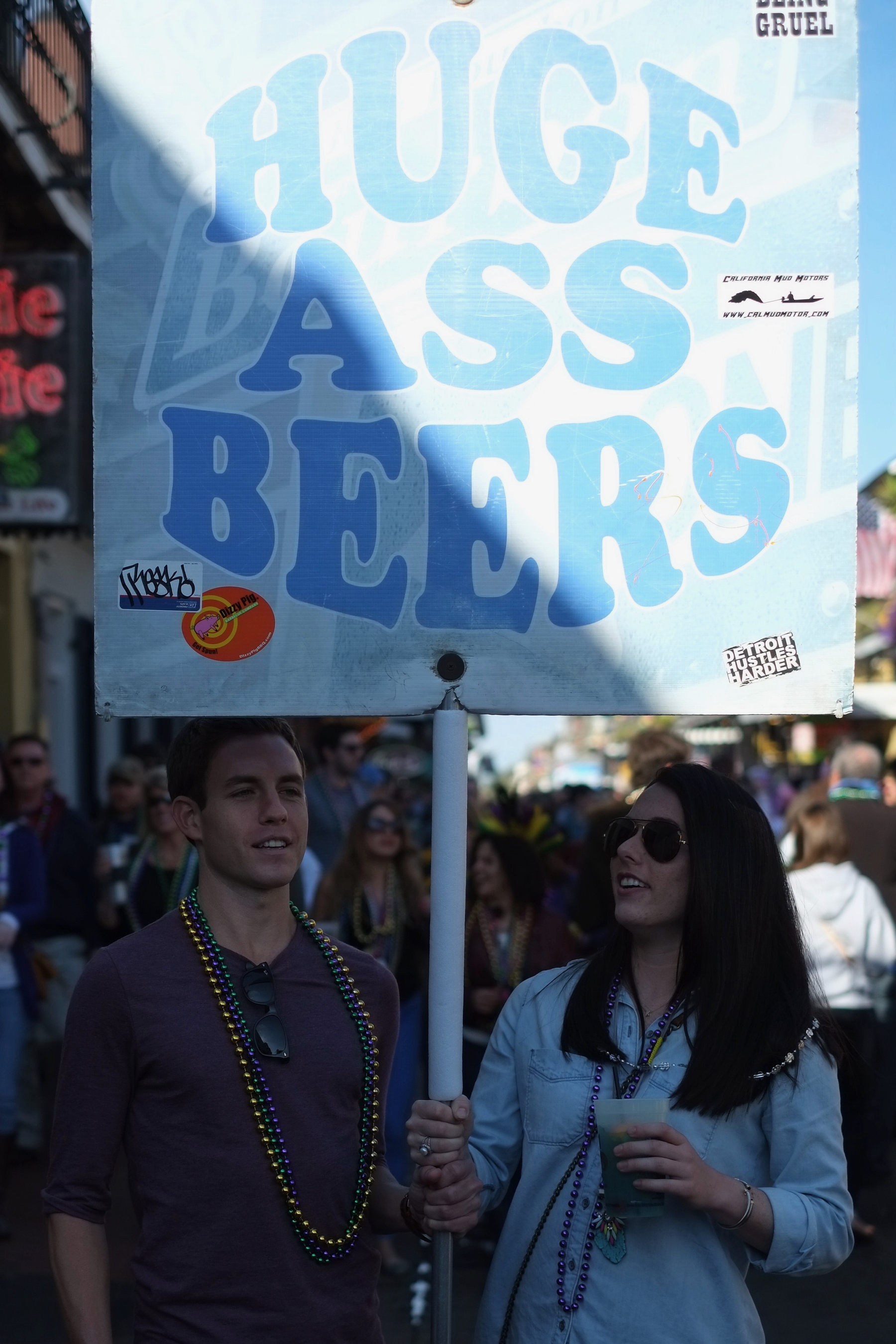
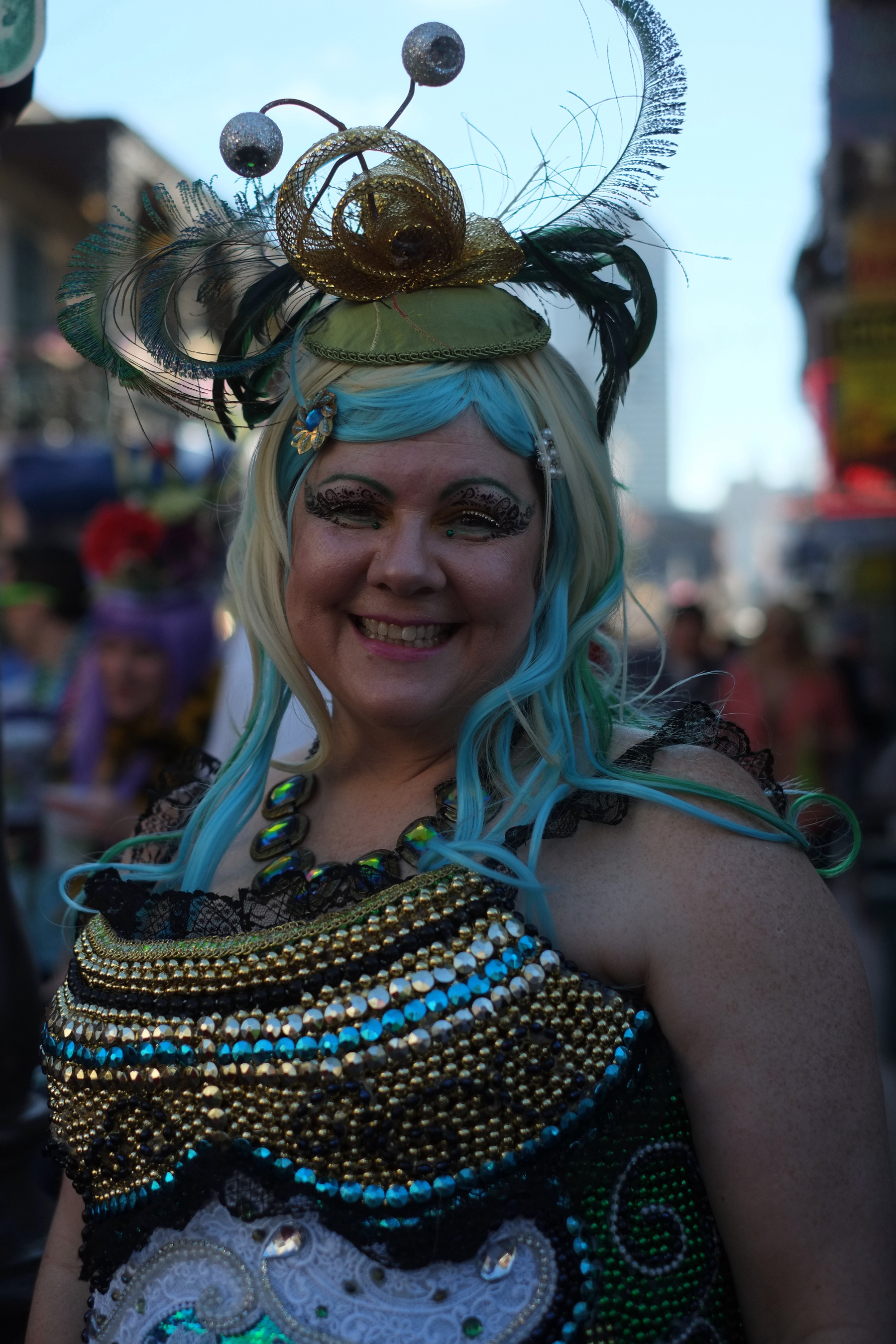
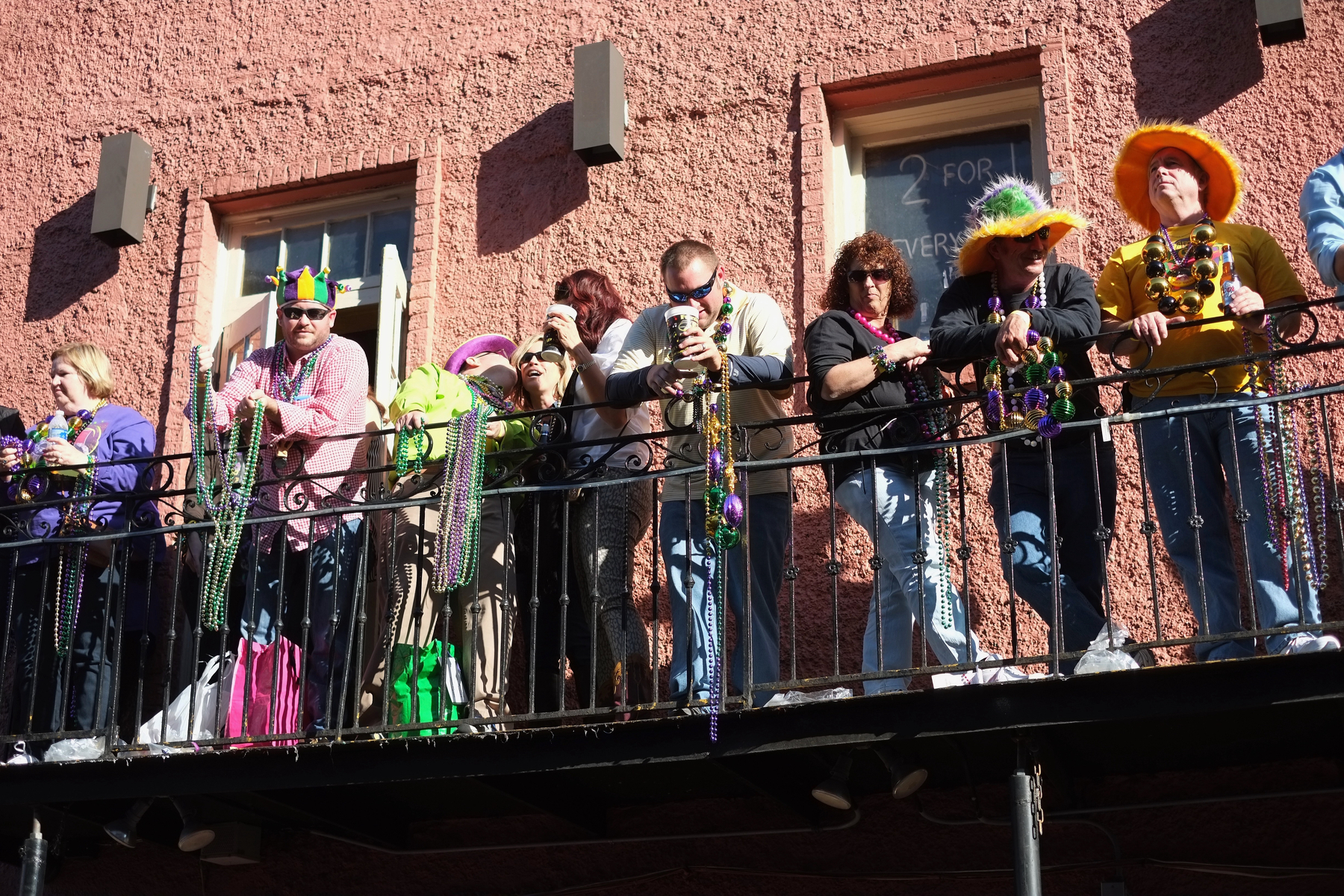
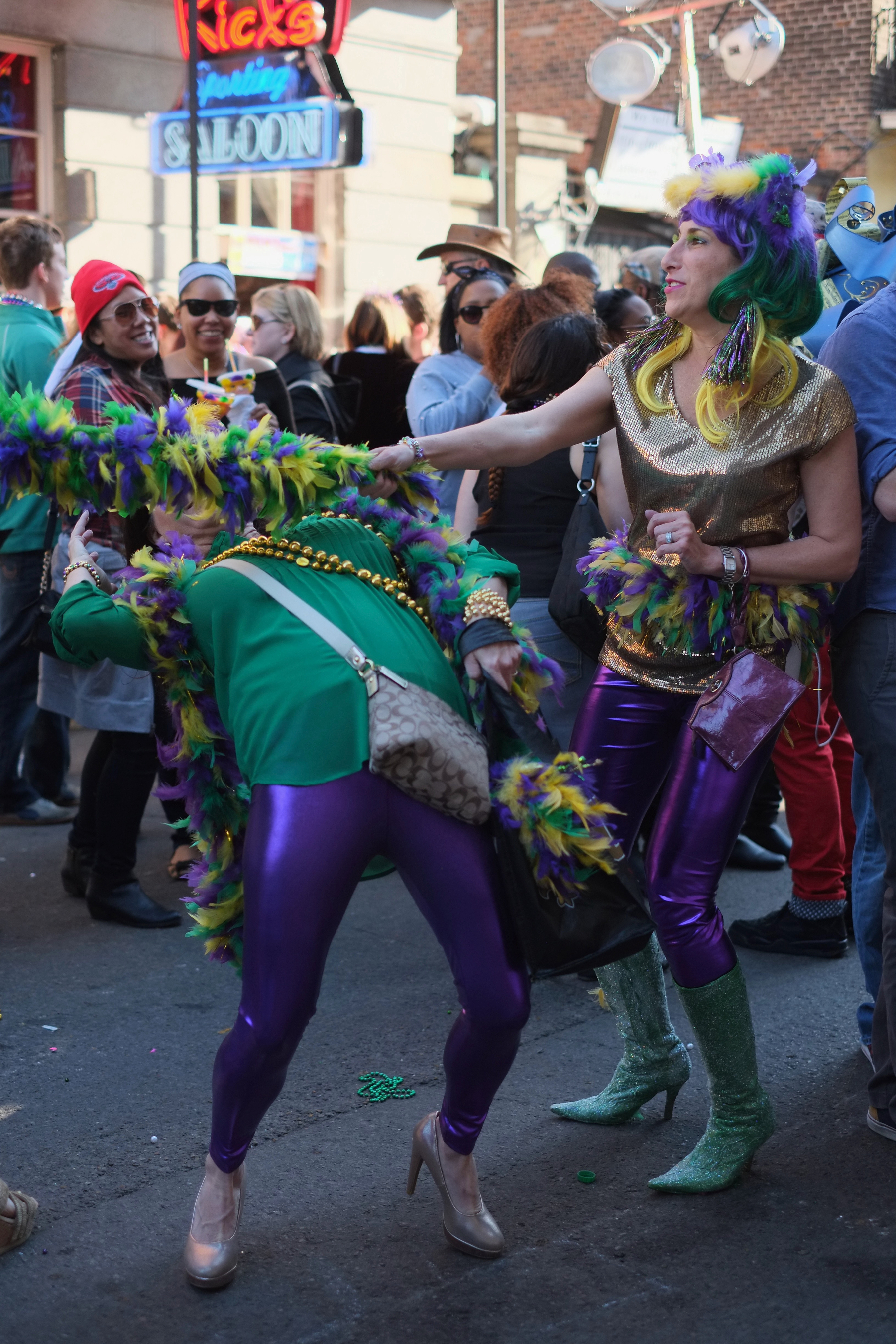
The origins of this glorious chaos stretch back to the early eighteenth century when French colonists brought medieval European Carnival traditions to the Gulf Coast. The phrase Mardi Gras translates literally to Fat Tuesday, marking the final day of culinary indulgence before Ash Wednesday and the solemn fasting season of Lent. What began as private masquerade balls evolved over centuries into a massive public spectacle. Mobile, Alabama, actually hosted the Gulf Coast's first formal Mardi Gras, but New Orleans perfected the art form, infusing it with African, Caribbean, and European influences.
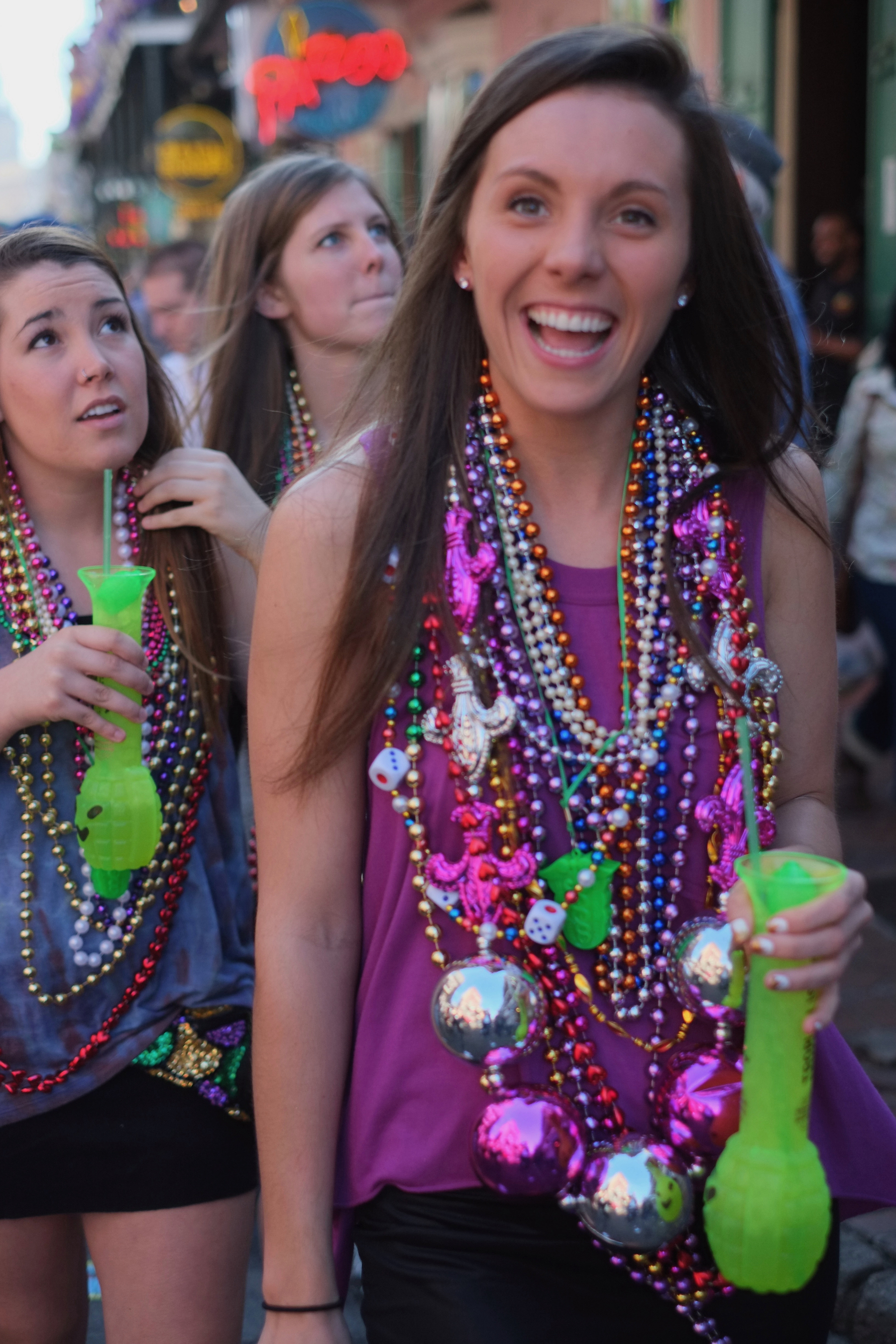
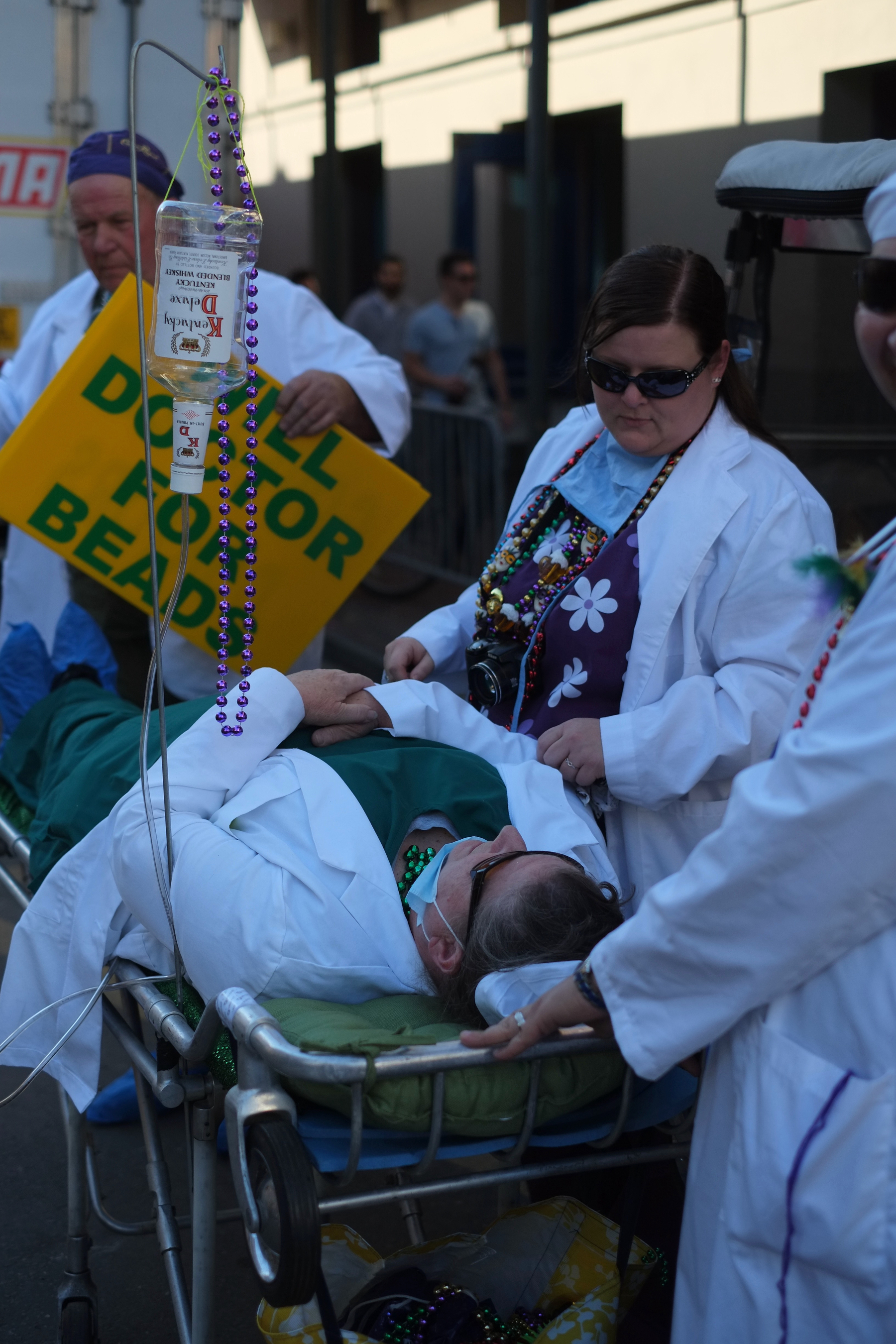
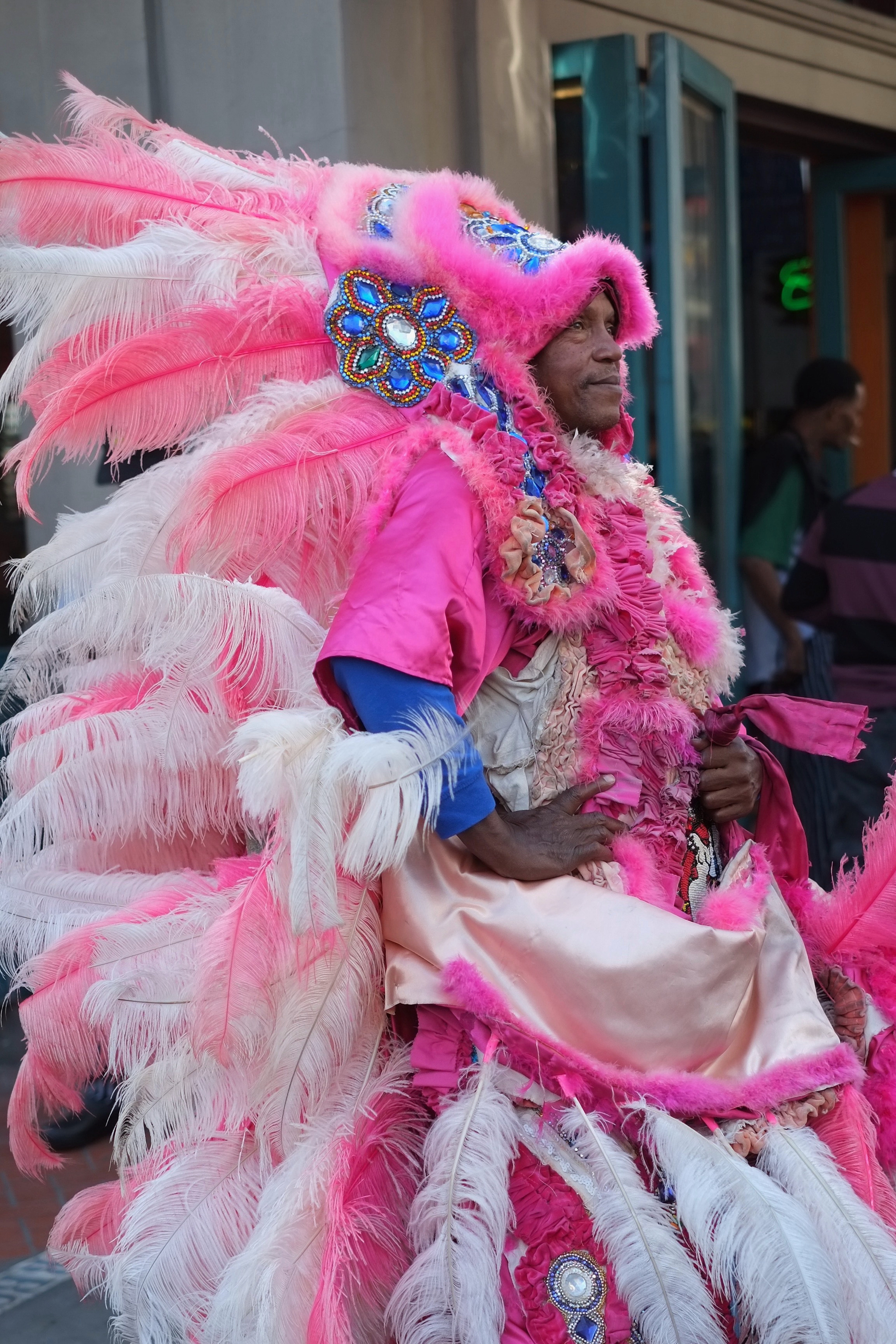
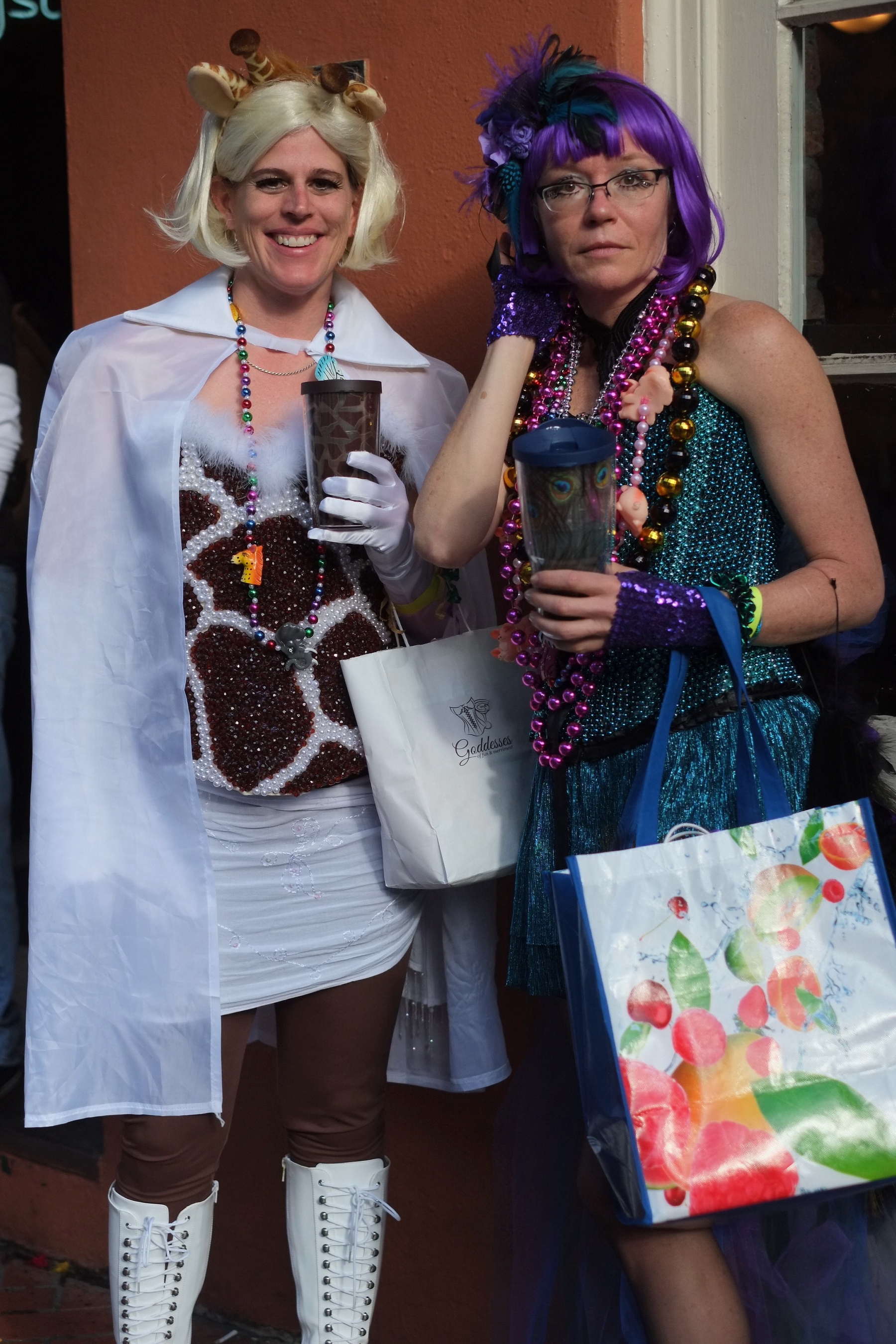
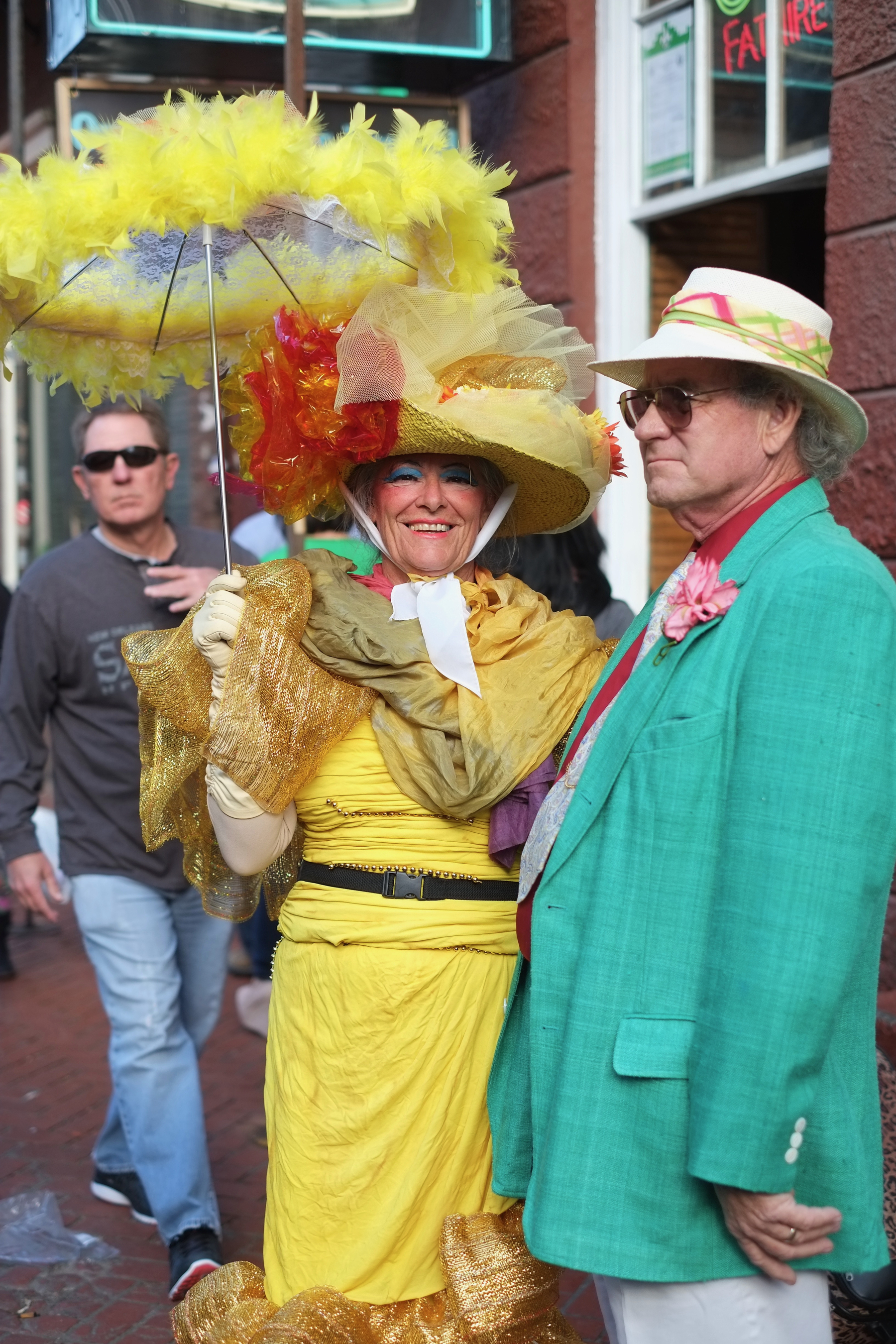
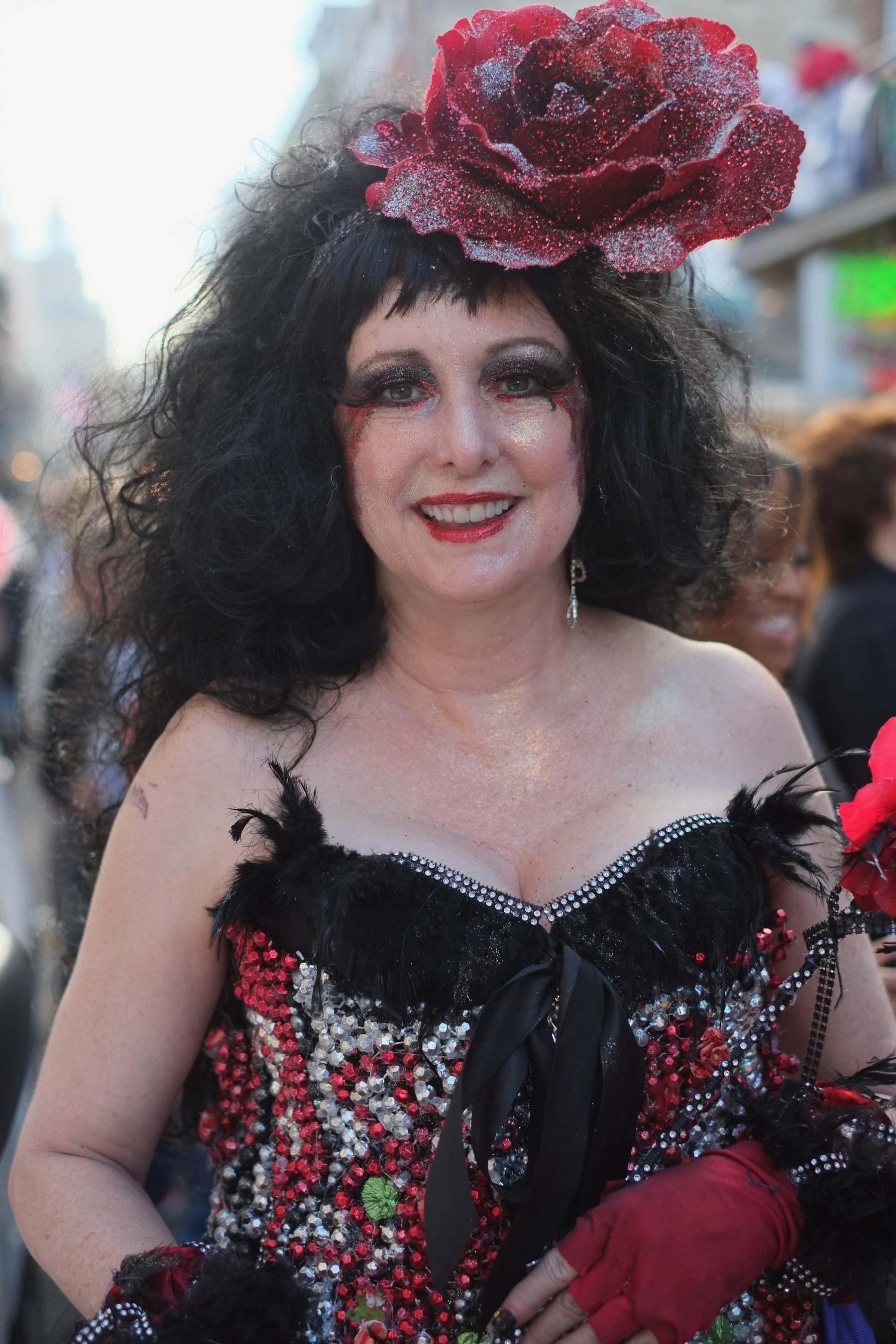
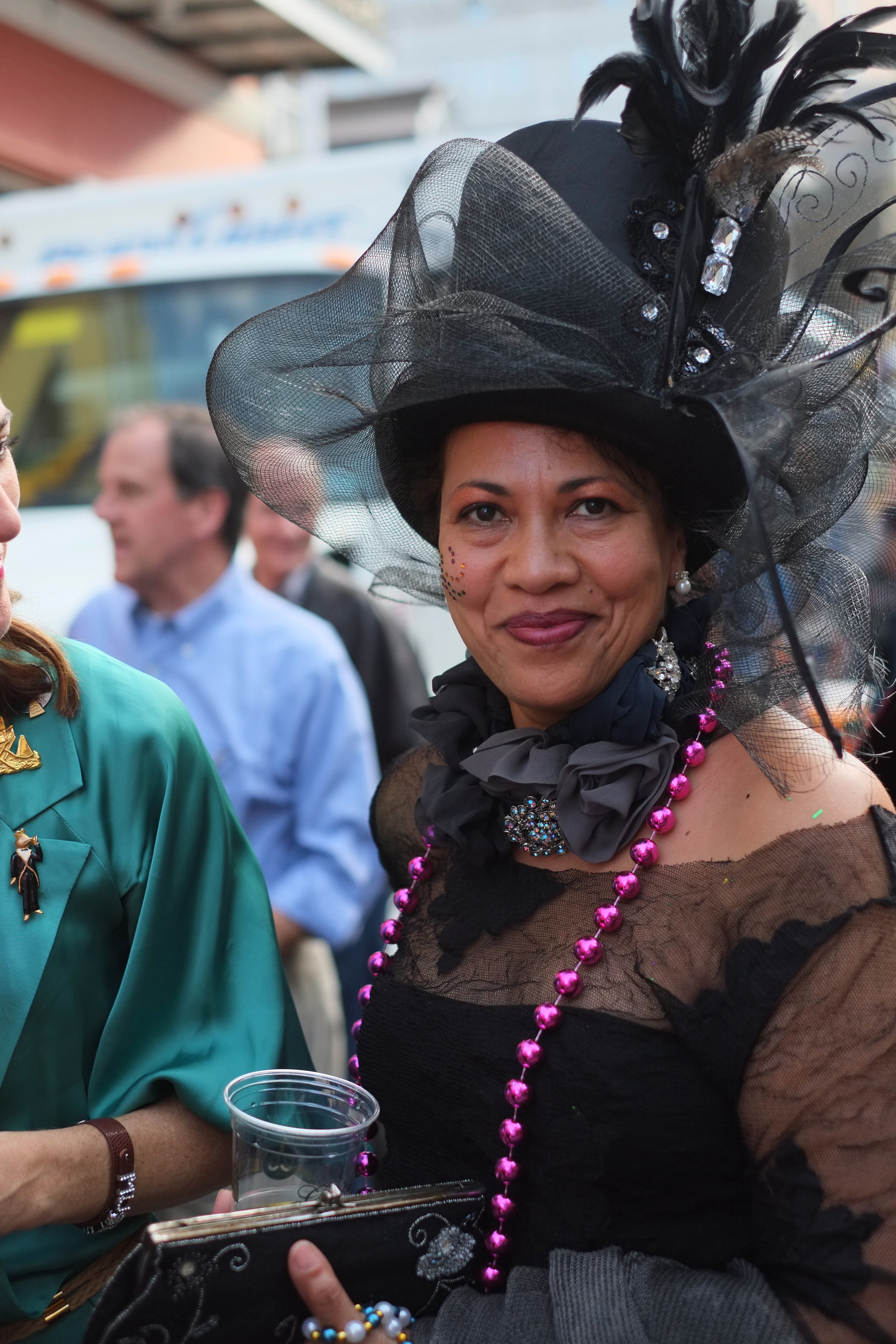
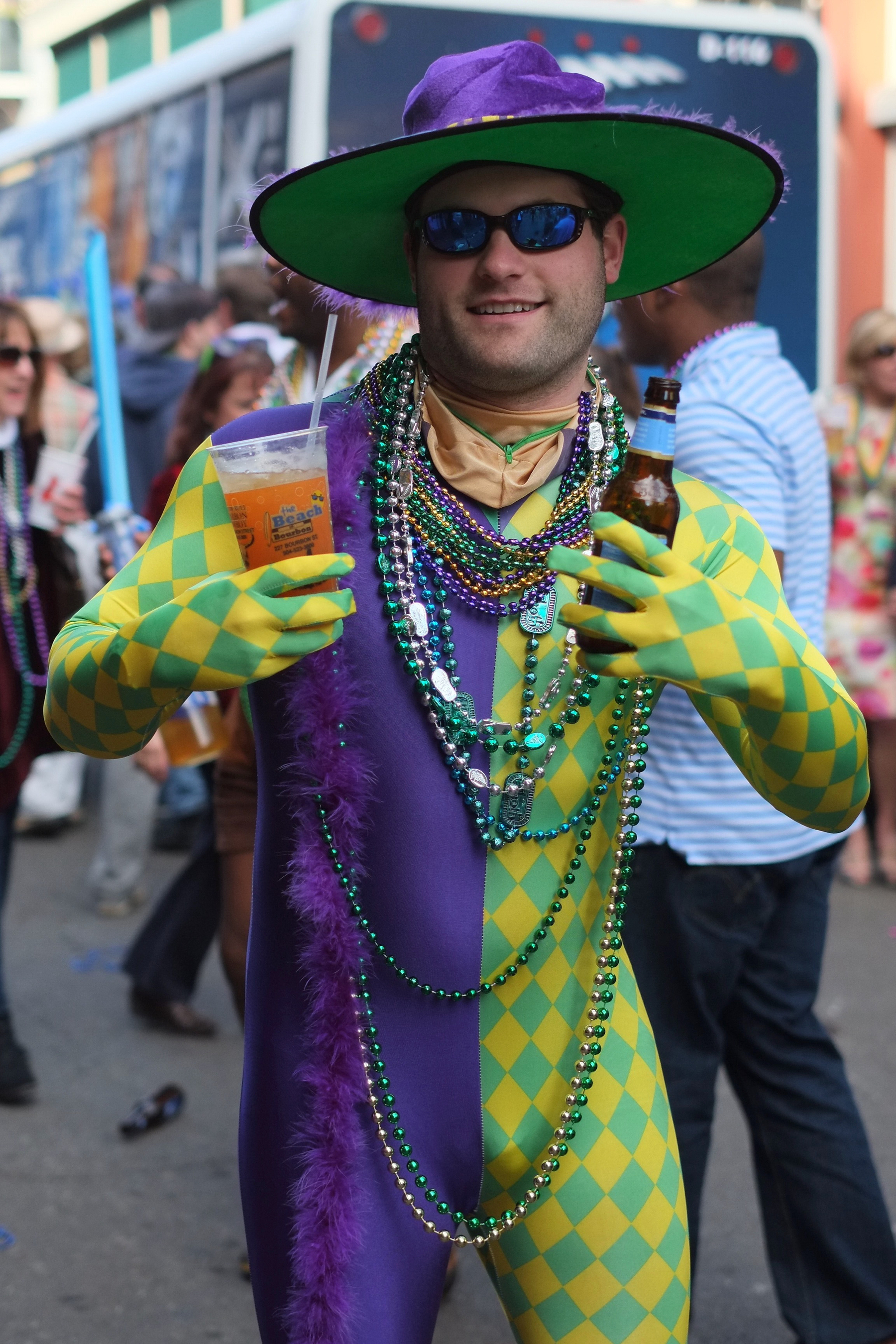
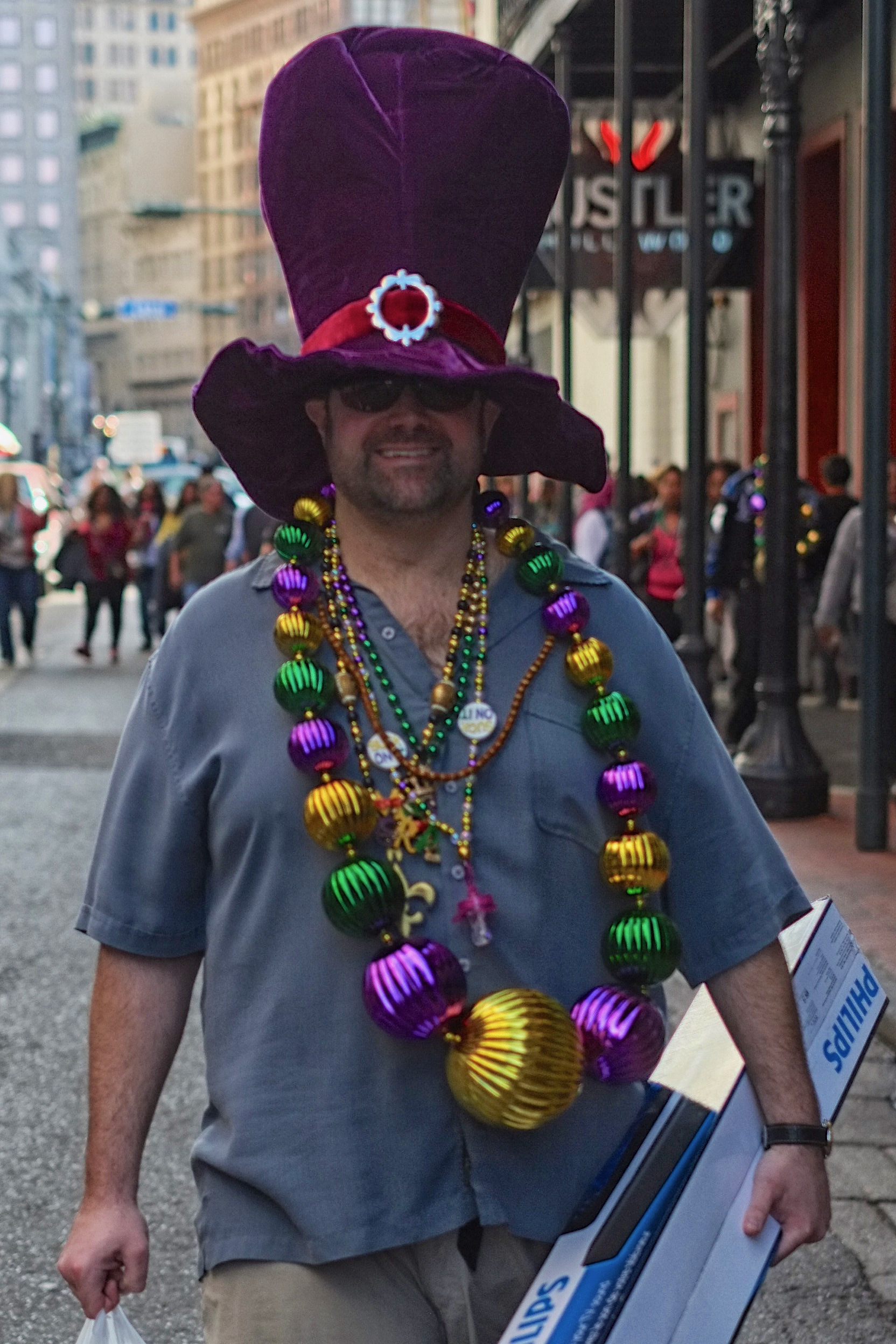
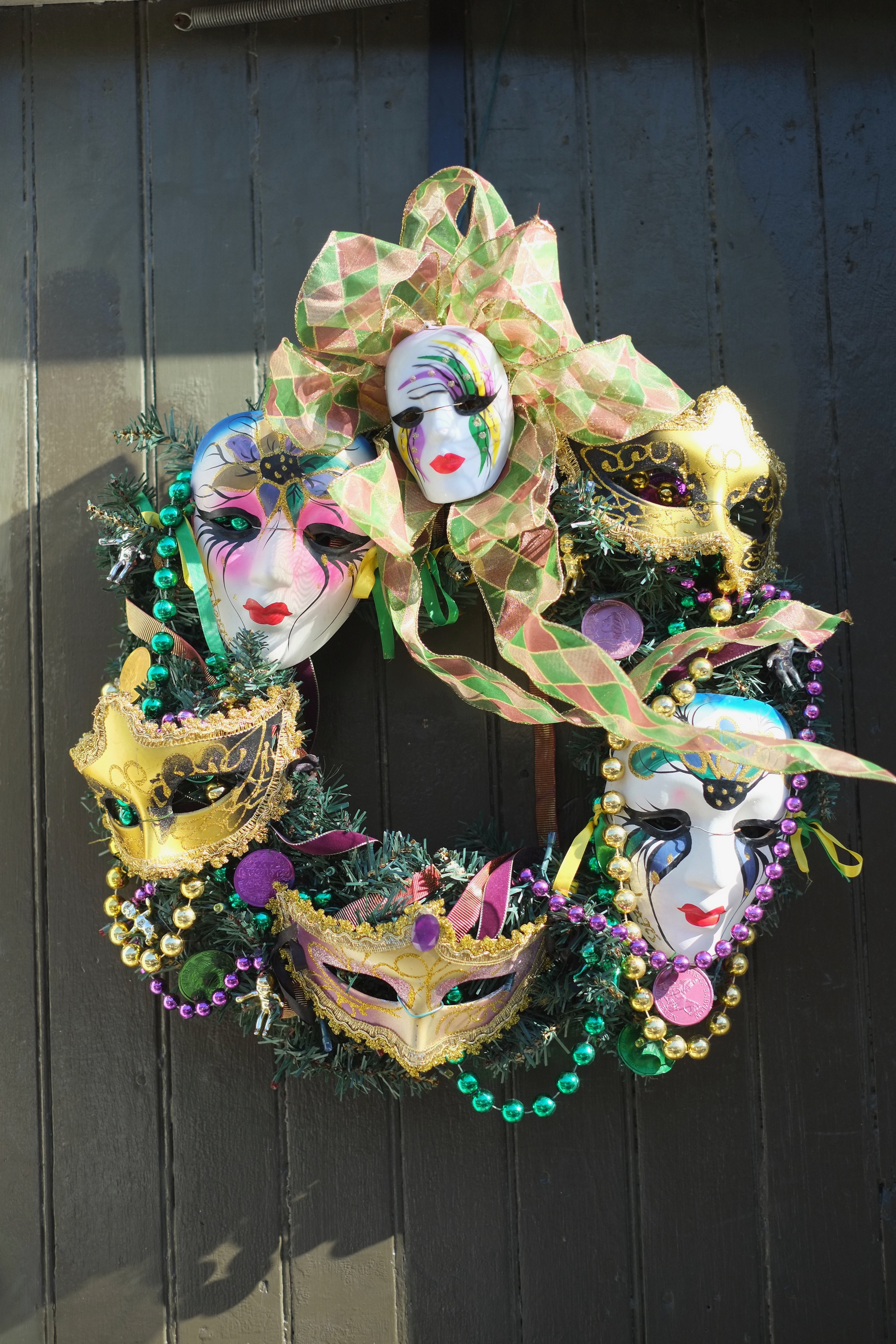
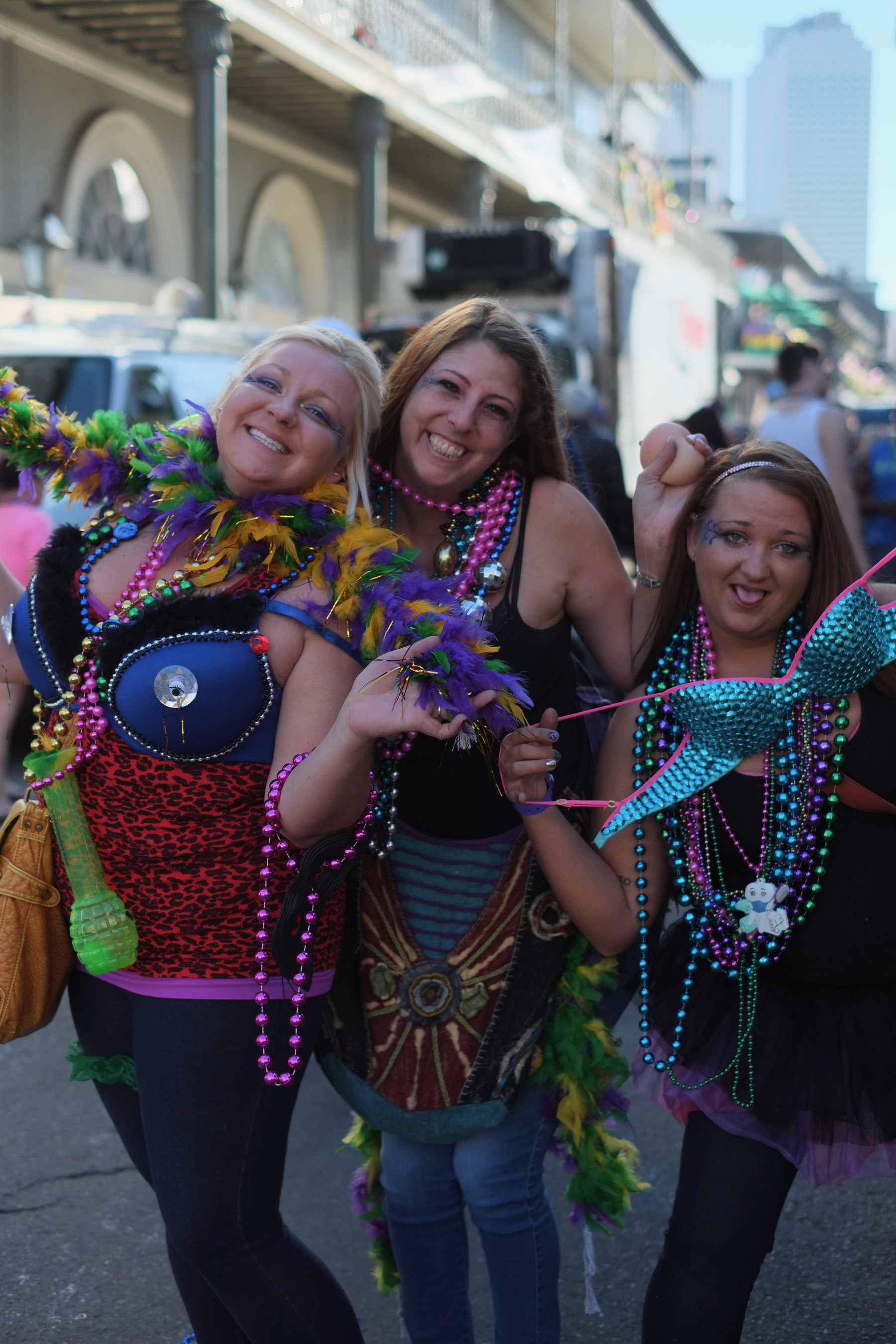
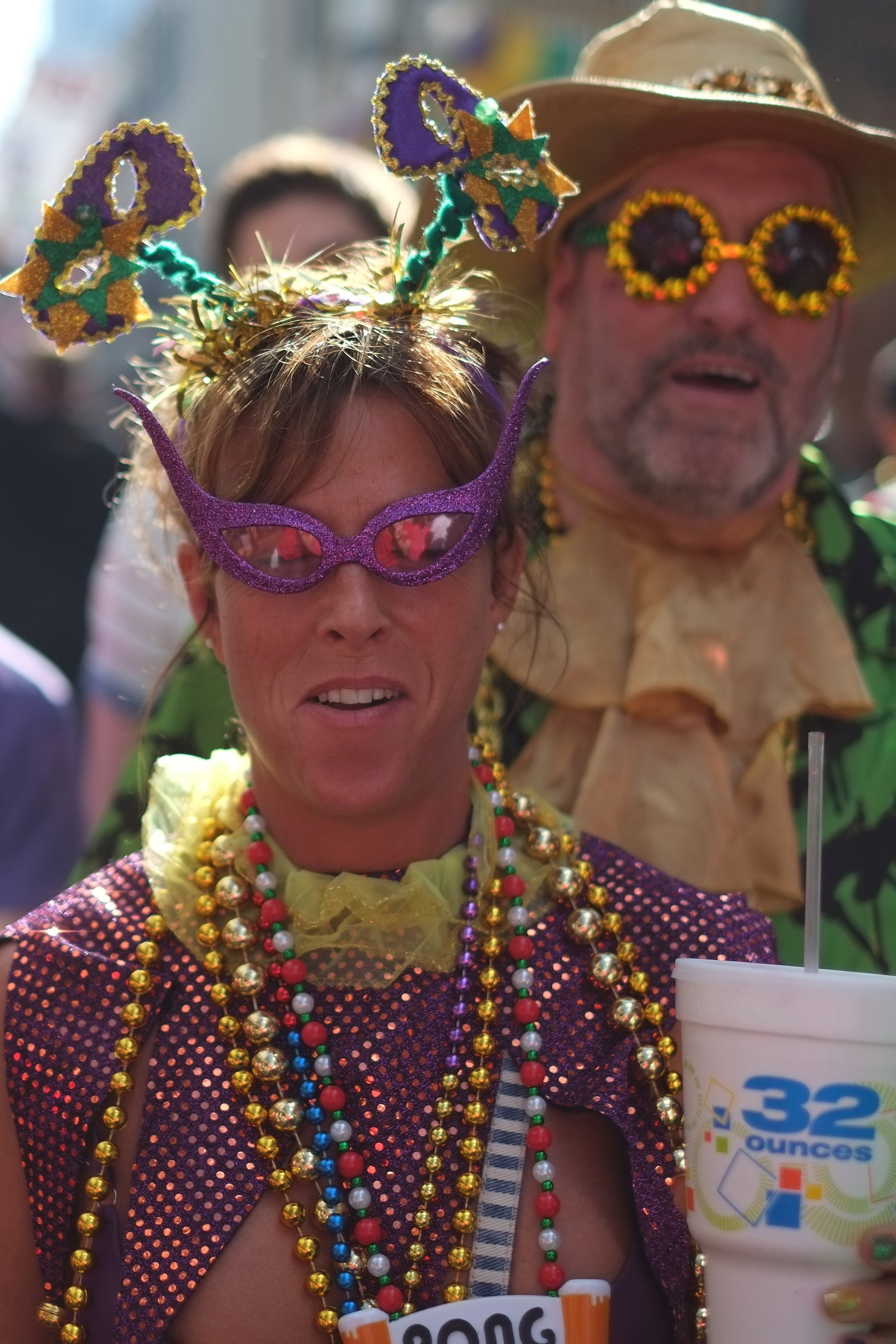
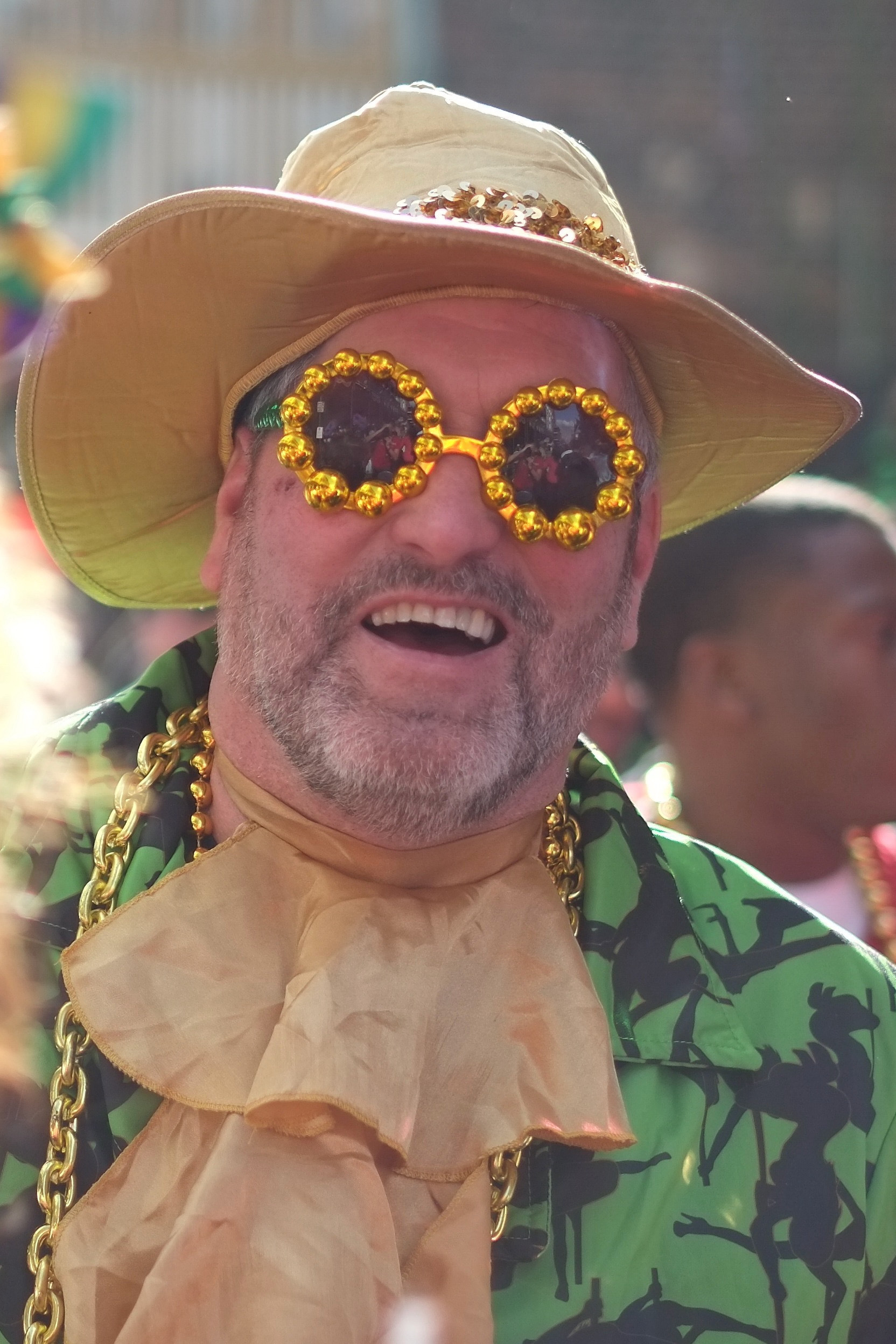
Walking through the French Quarter by day, I kept my camera glued to my eye. The street-level portraits were magnetic. Masked revellers moved through the historic streets in elaborate feathered headpieces and shimmering sequined coats. The tradition of wearing masks carries deep historic roots, originally designed to dissolve social barriers so rich elites, working-class labourers, and enslaved people could mingle anonymously without societal judgment. Today that spirit of radical inclusivity endures. Everyone becomes an equal participant in the theatre of the streets.
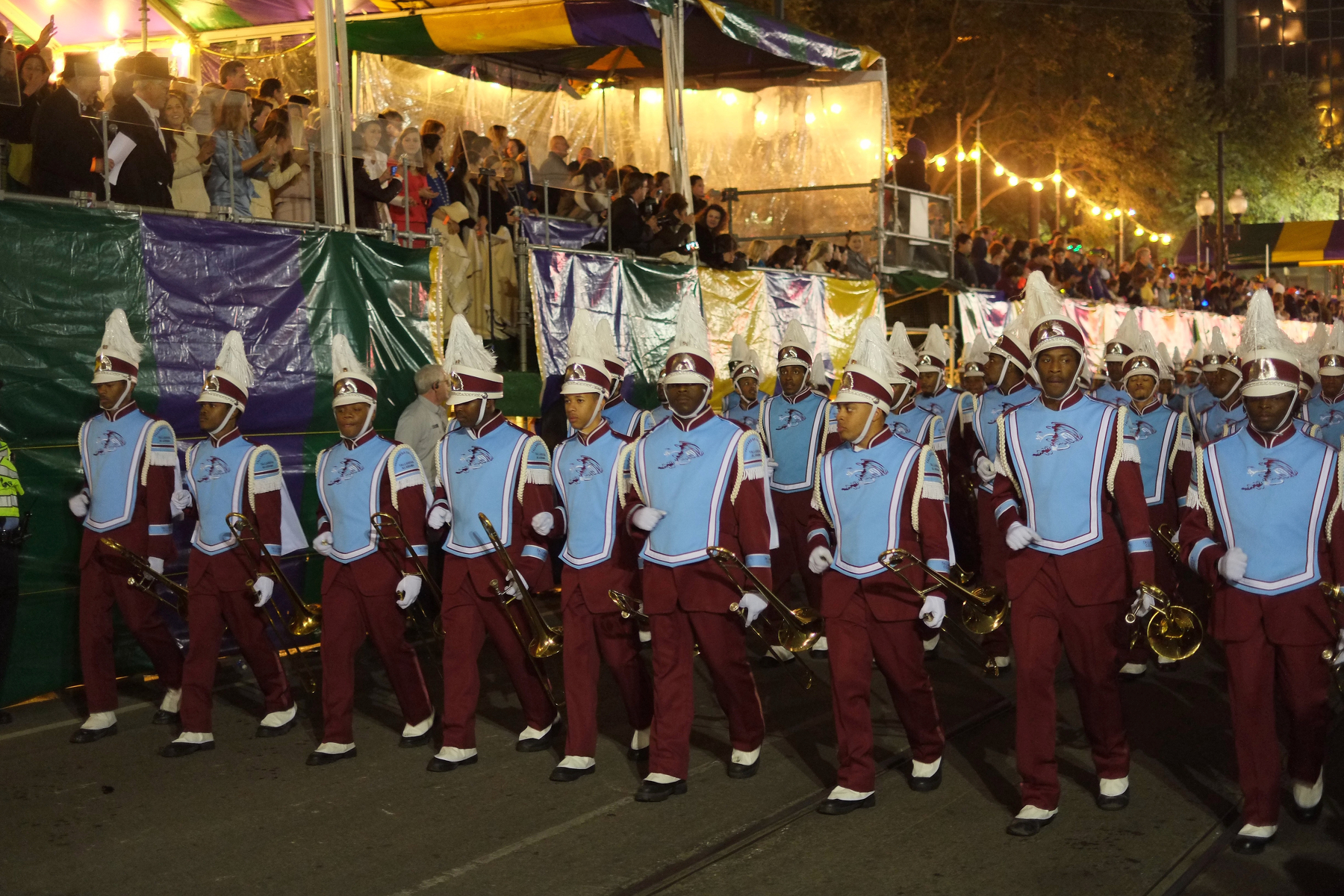
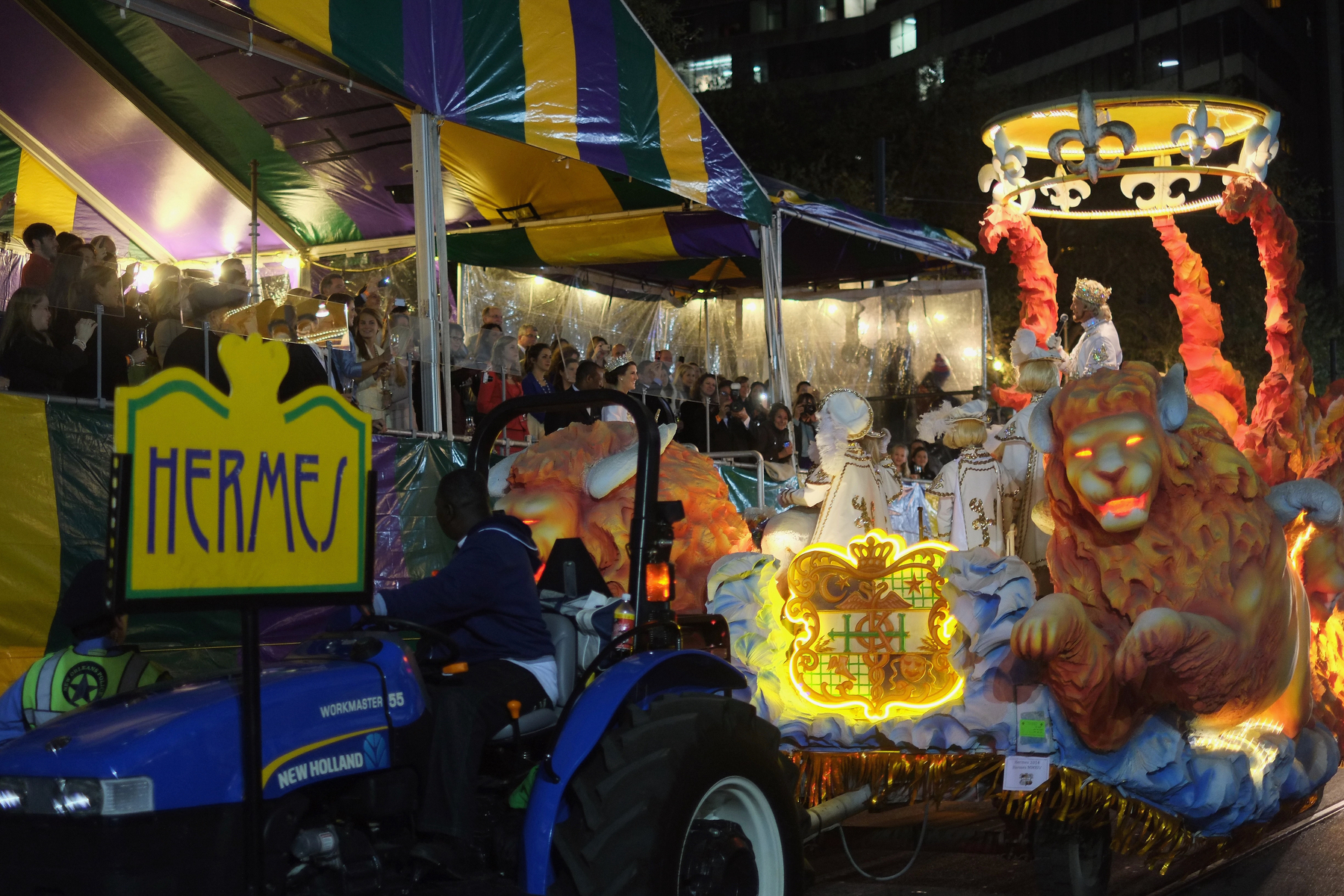
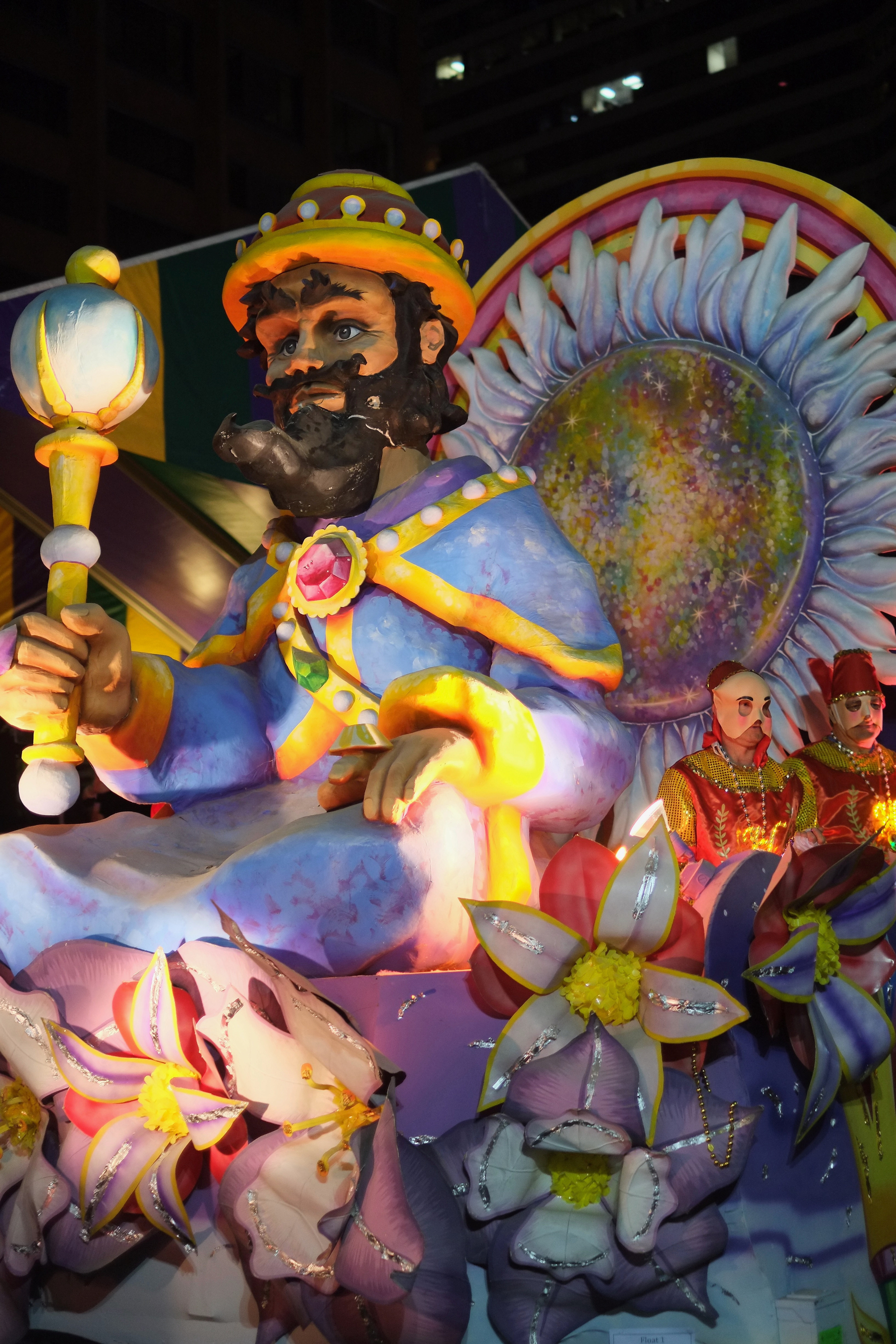
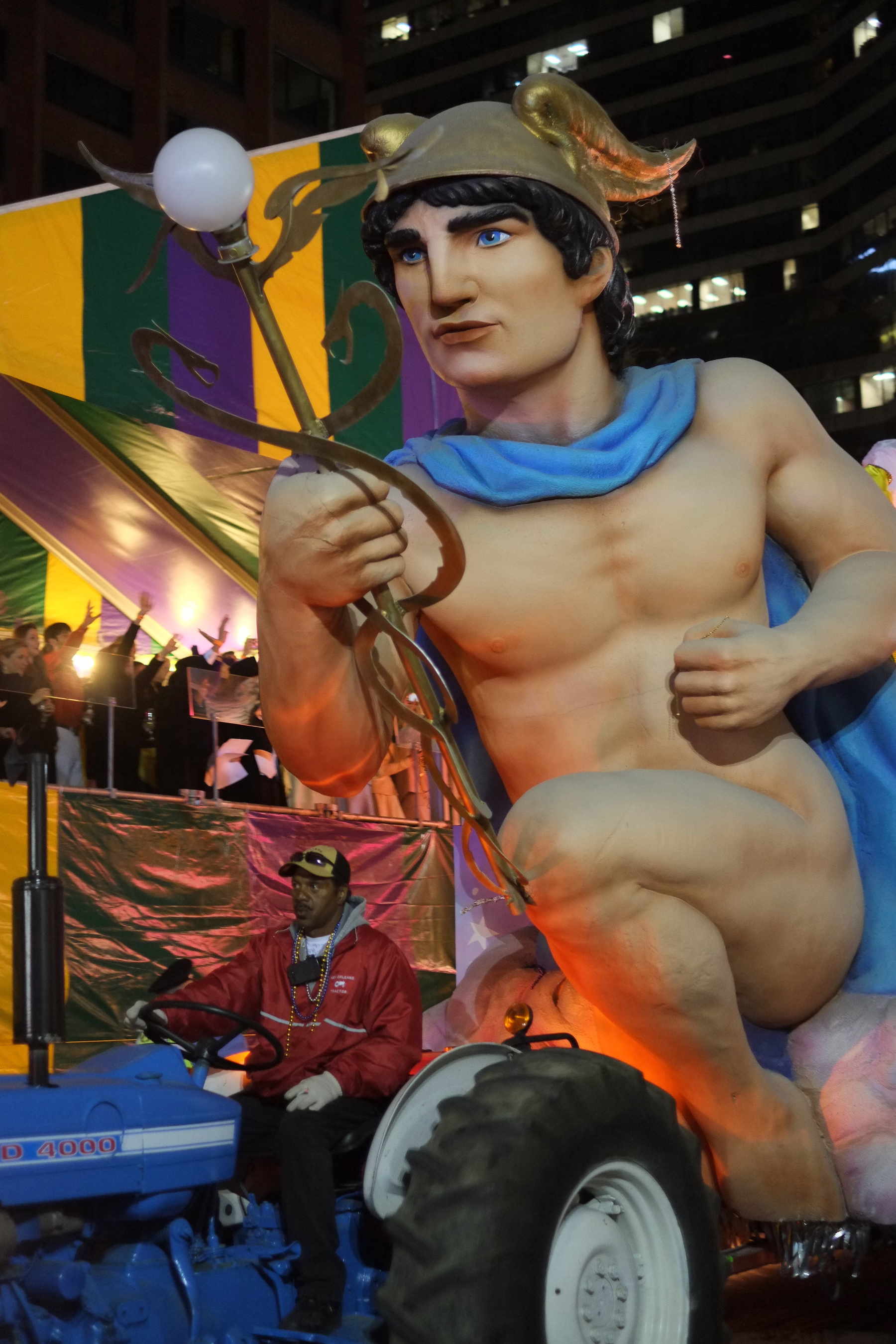
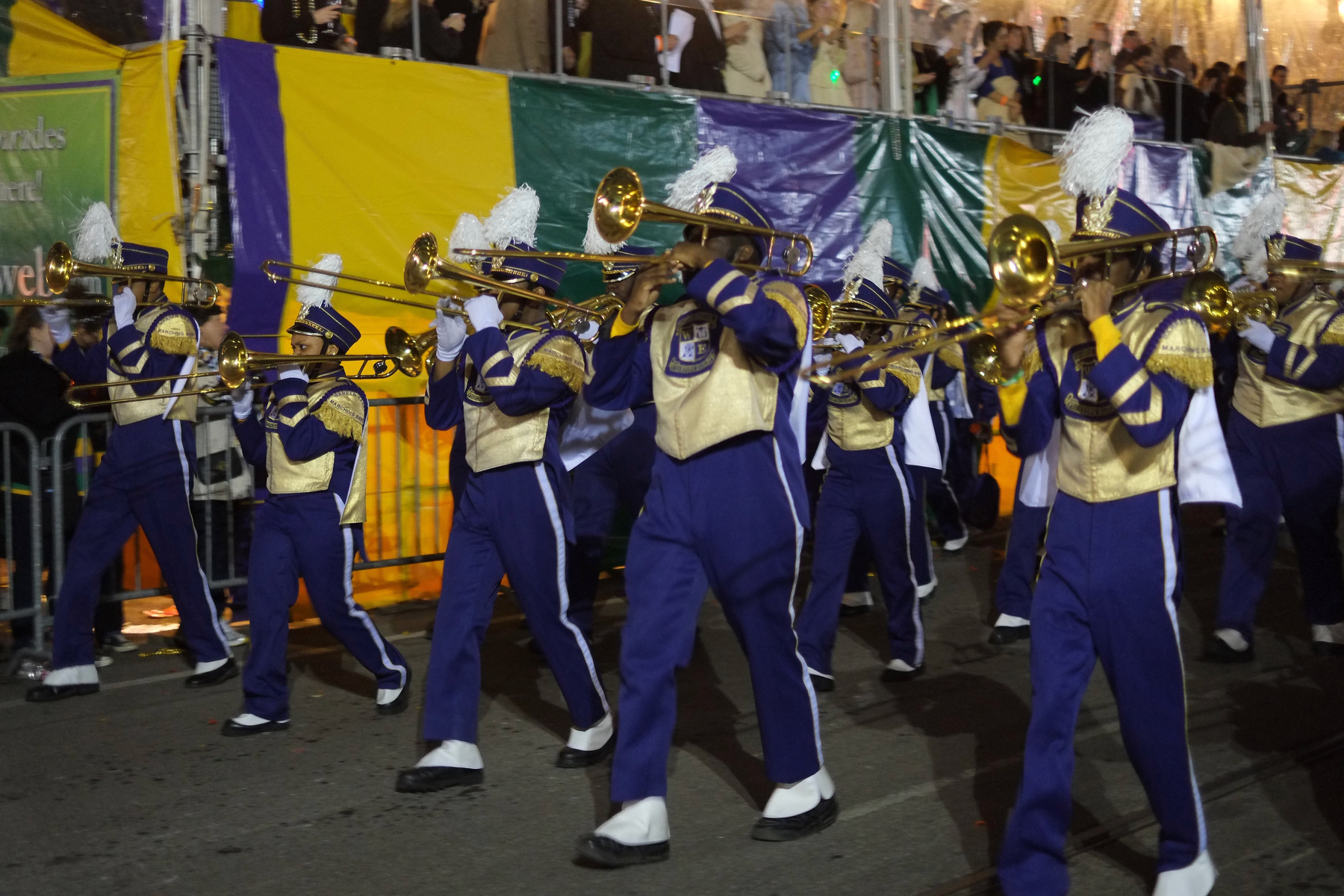
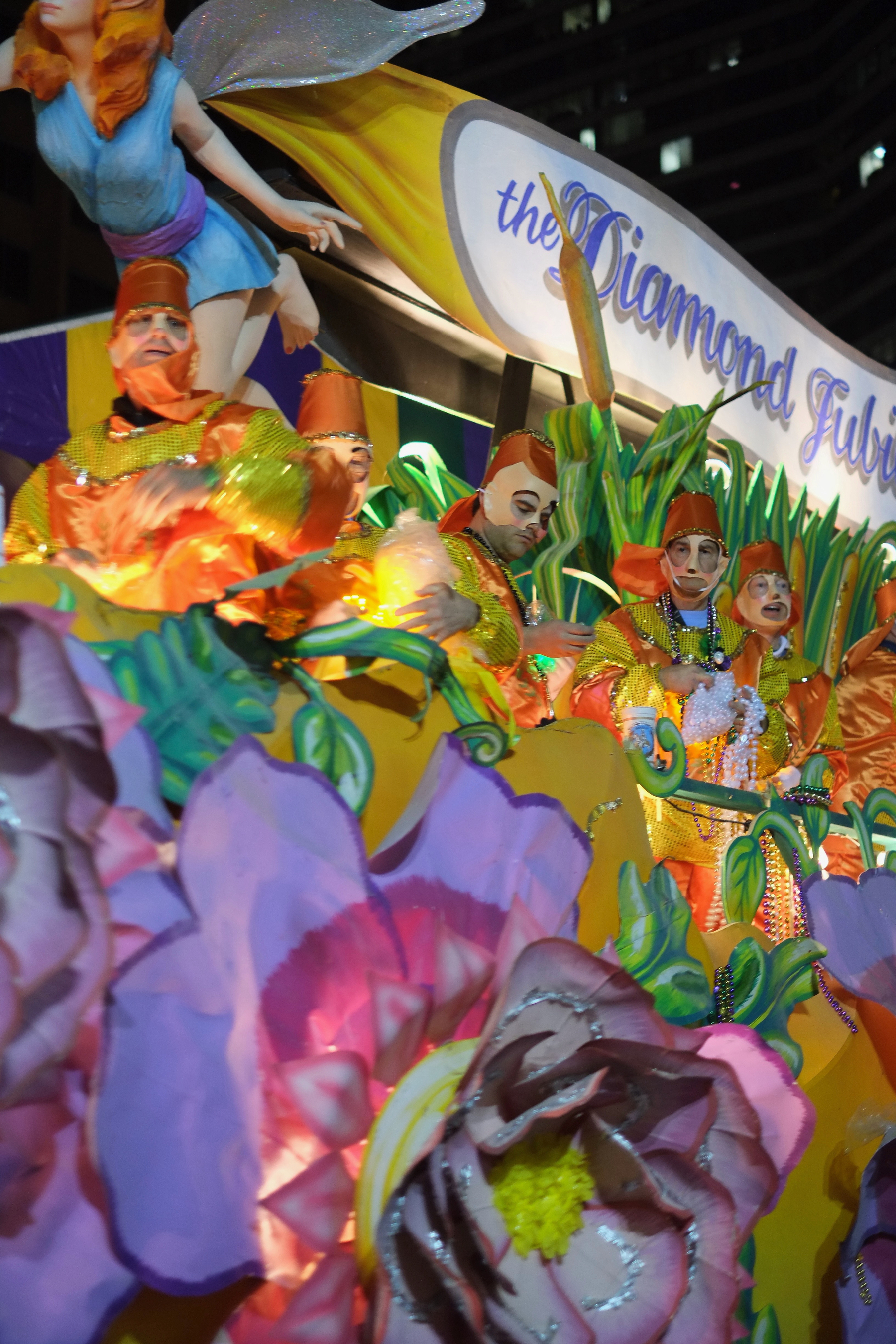
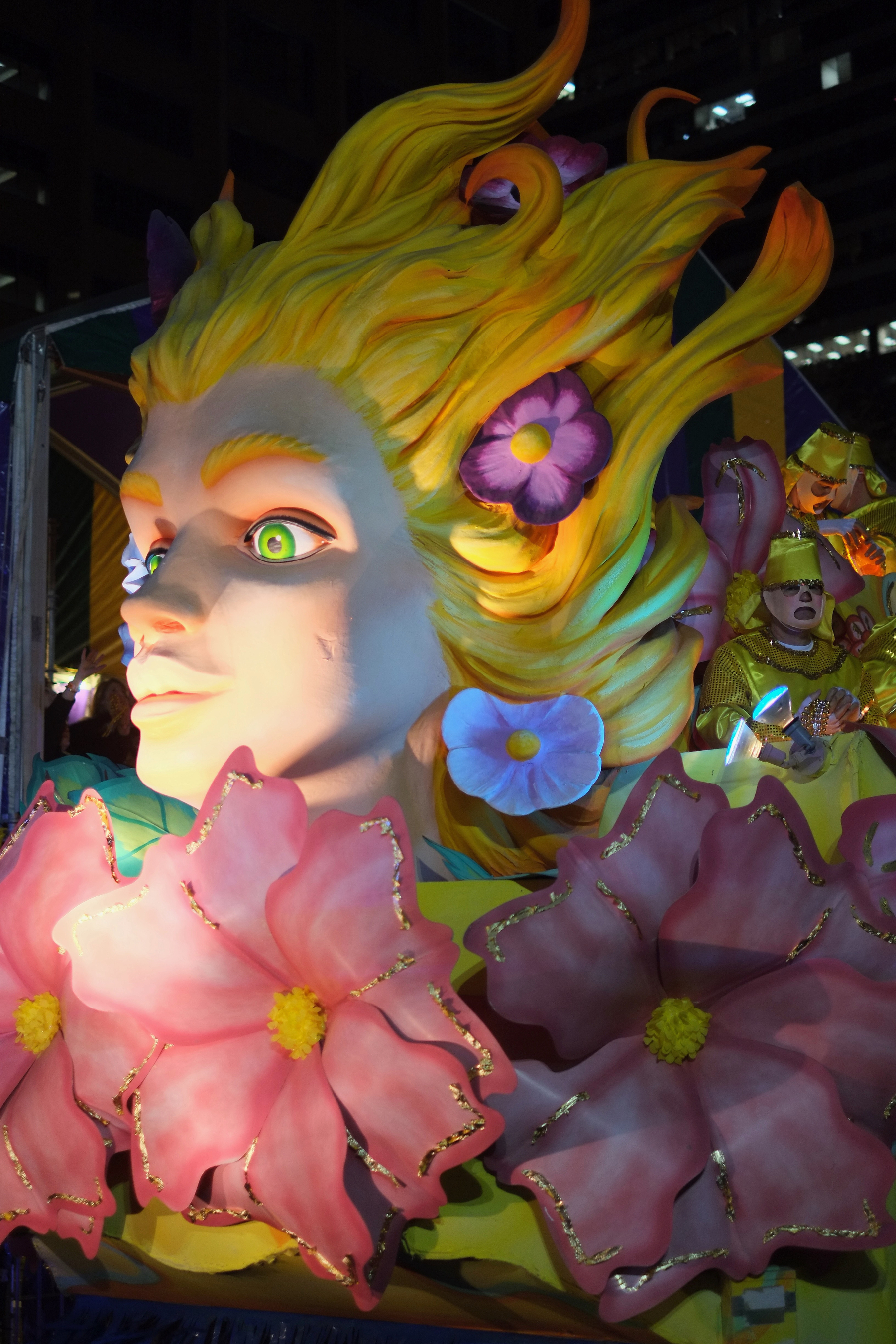
Between photographing costumes, I devoured the city's incredible culinary heritage. New Orleans cuisine tells the story of its complex past through flavour. I sampled rich bowls of dark roux gumbo and spicy jambalaya before tracking down a slice of traditional king cake. This sweet pastry, braided and dusted with purple, green and gold sugar representing justice, faith, and power, hides a tiny plastic baby inside. Finding the baby in your slice crowns you king or queen for the day and obliges you to bring the next cake.
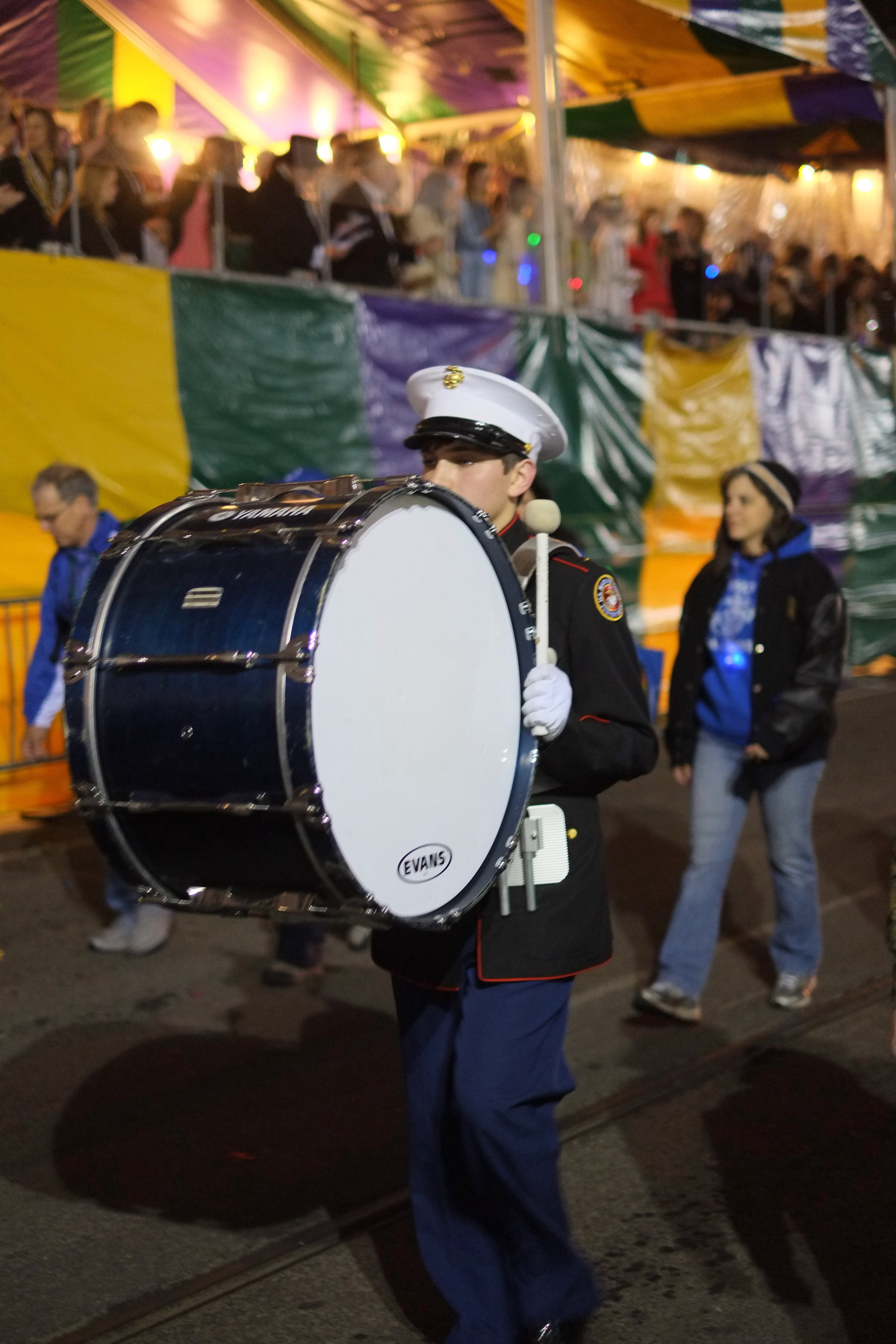
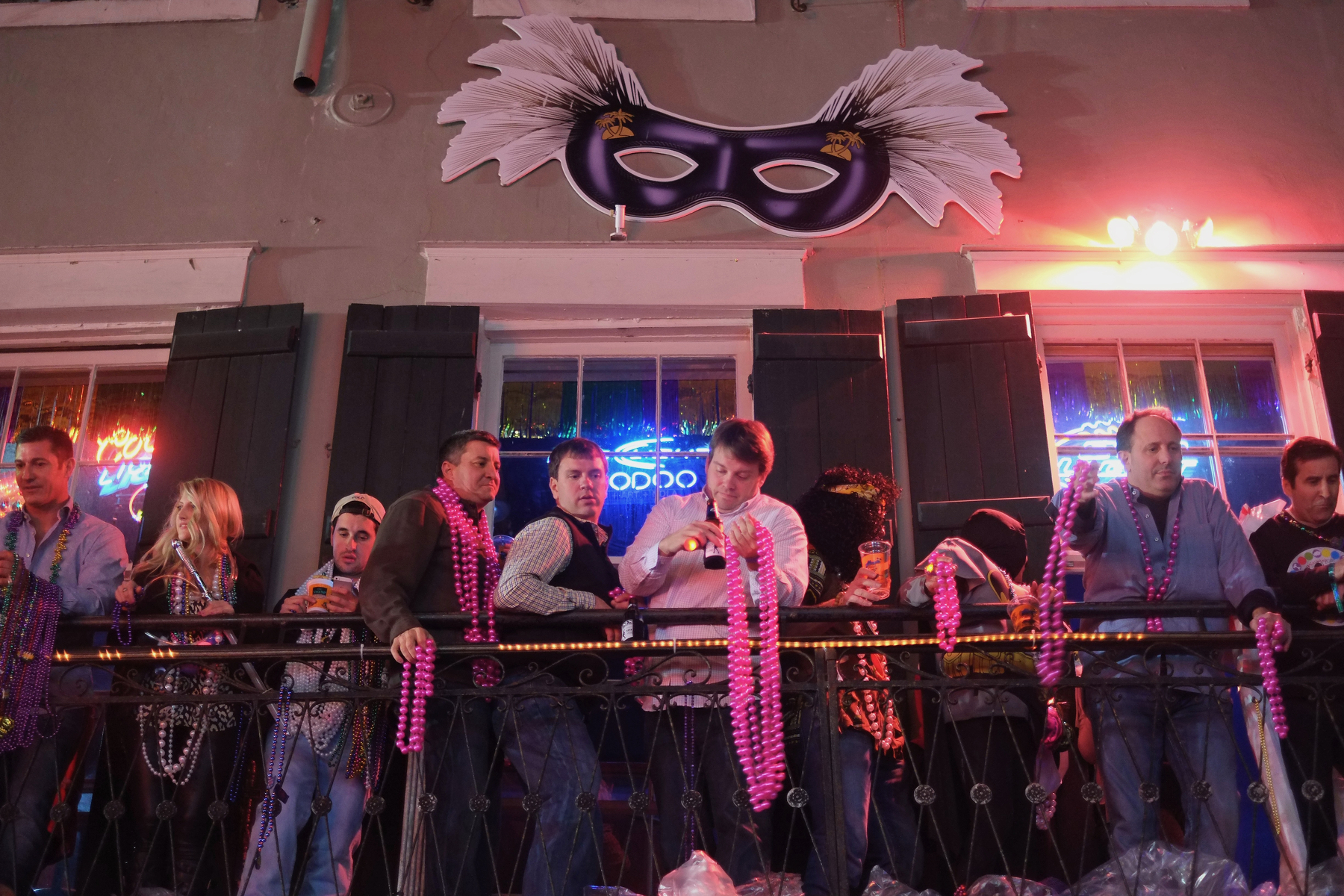
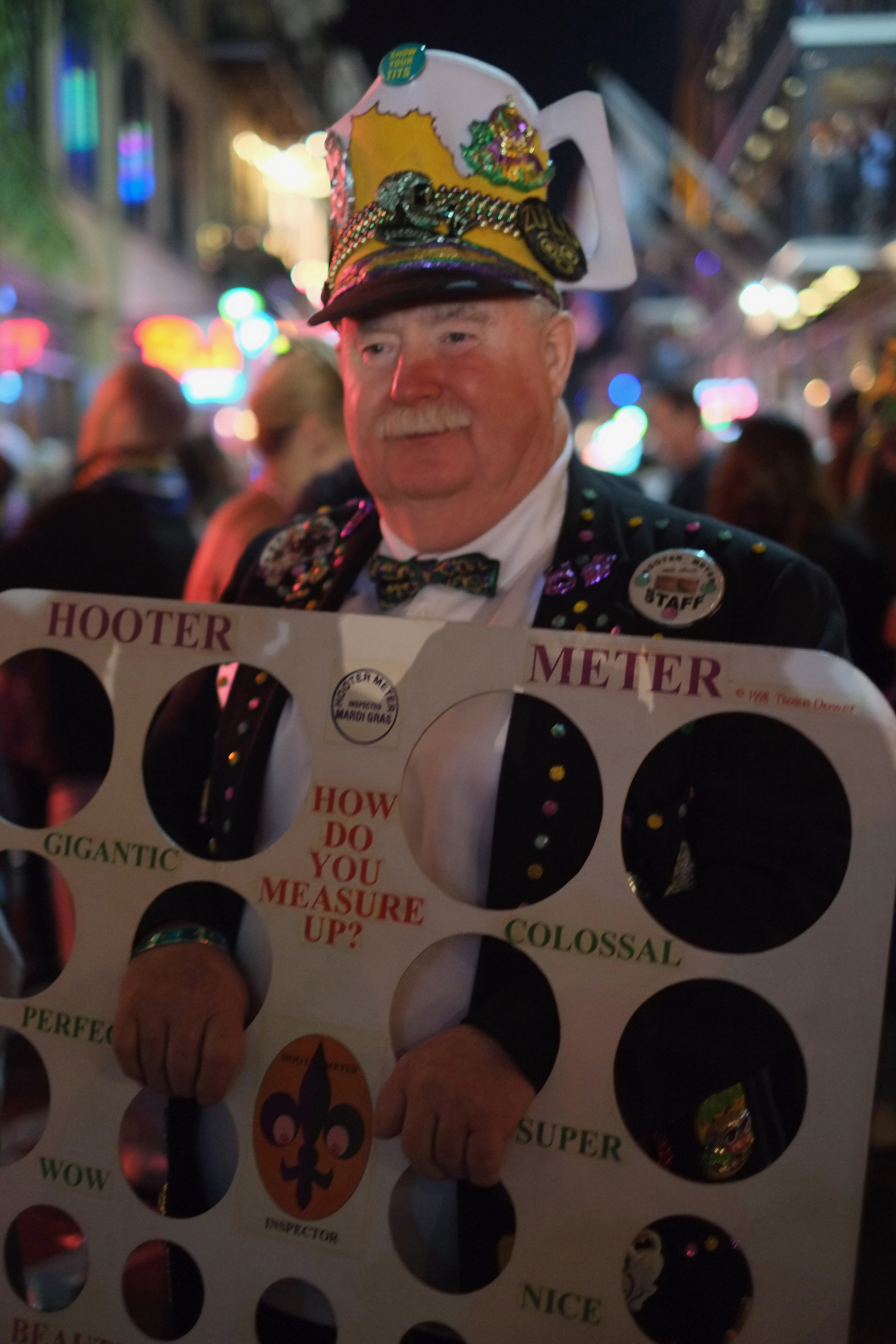
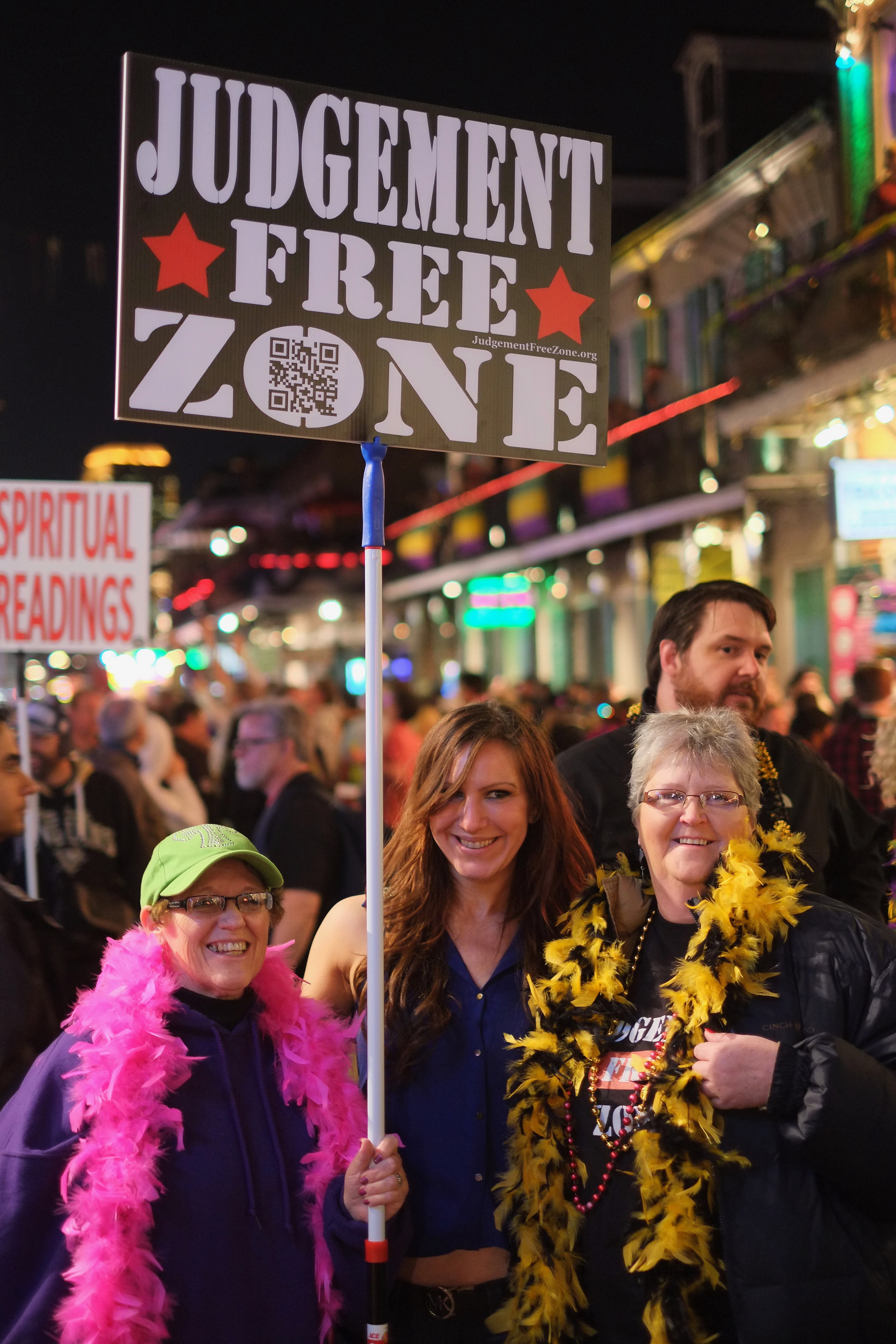
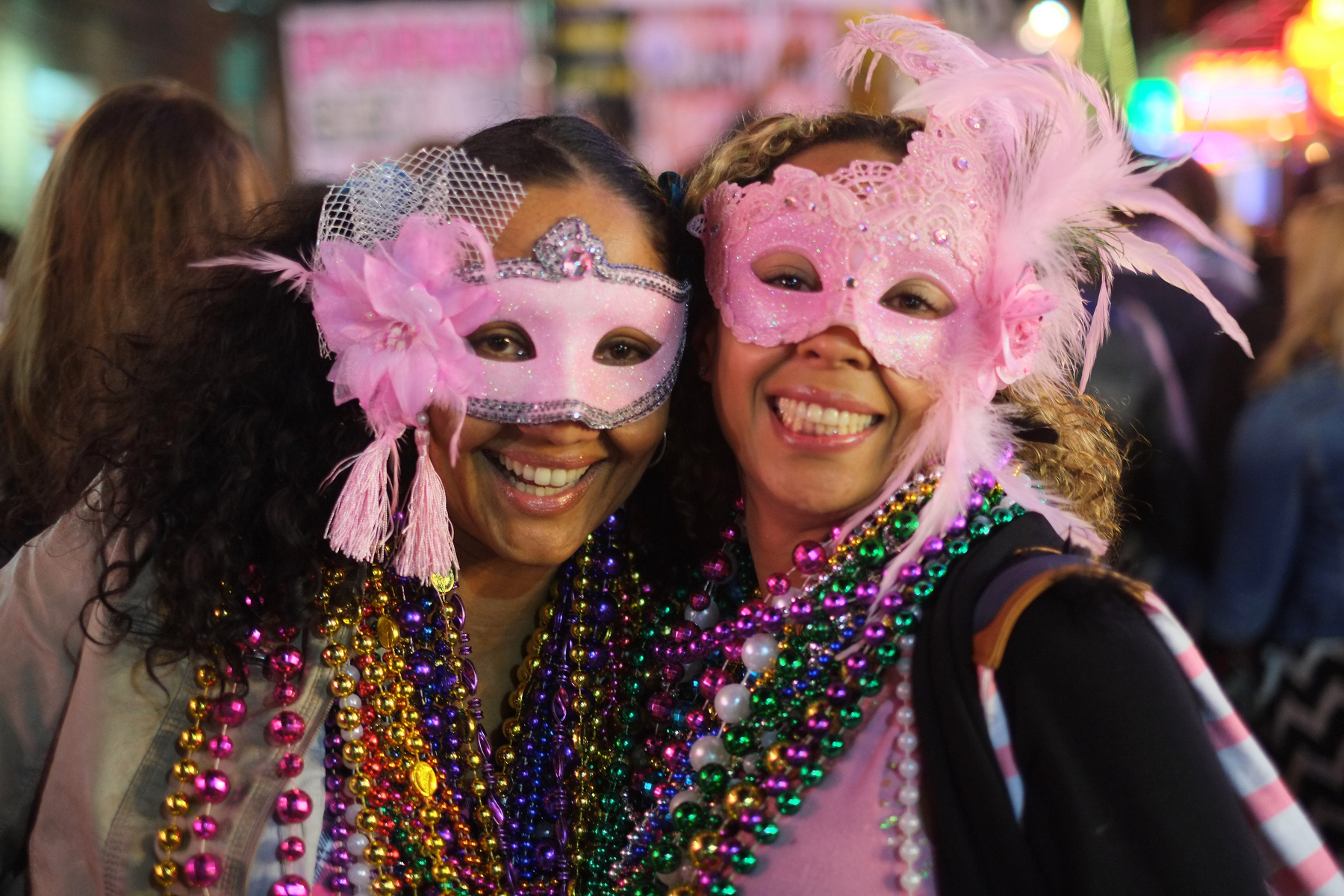
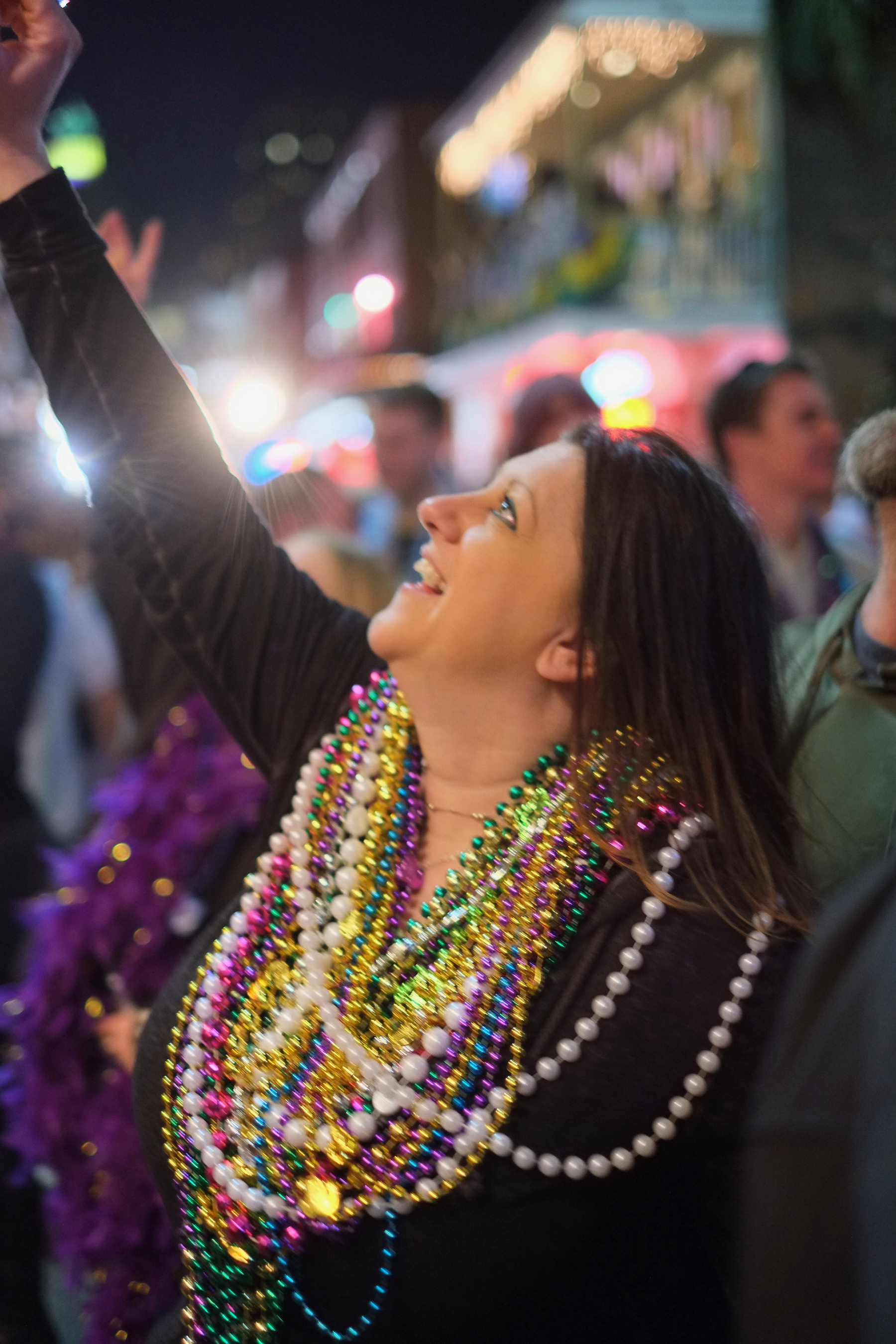
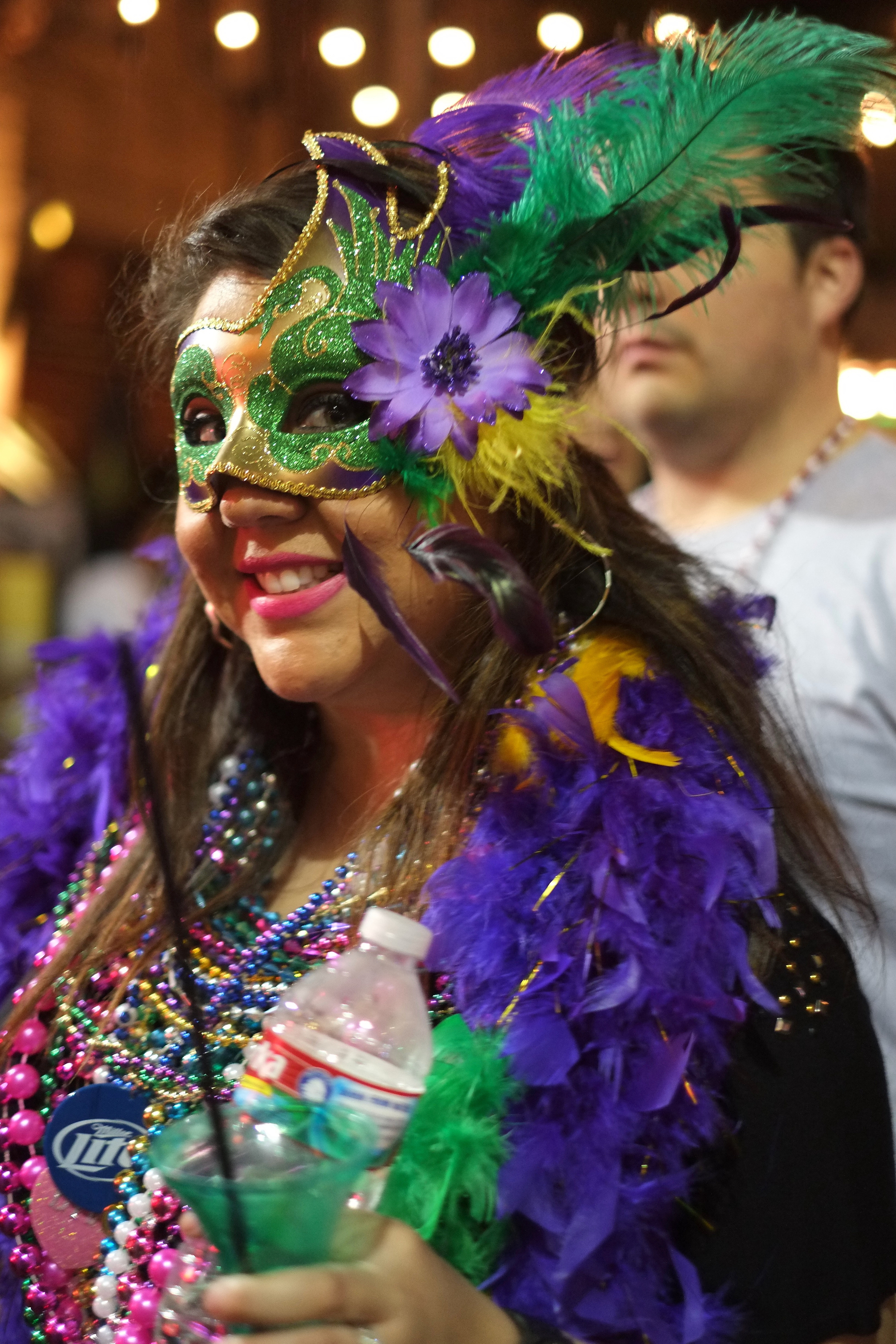
As afternoon turned to dusk, the legendary parades took over. Massive floats built by local Krewes, secret social organisations with decades of lineage, rolled through the crowd like floating theatre stages. Riders showered the eager crowds below with plastic doubloons, hand-decorated coconuts, and endless strands of beads.
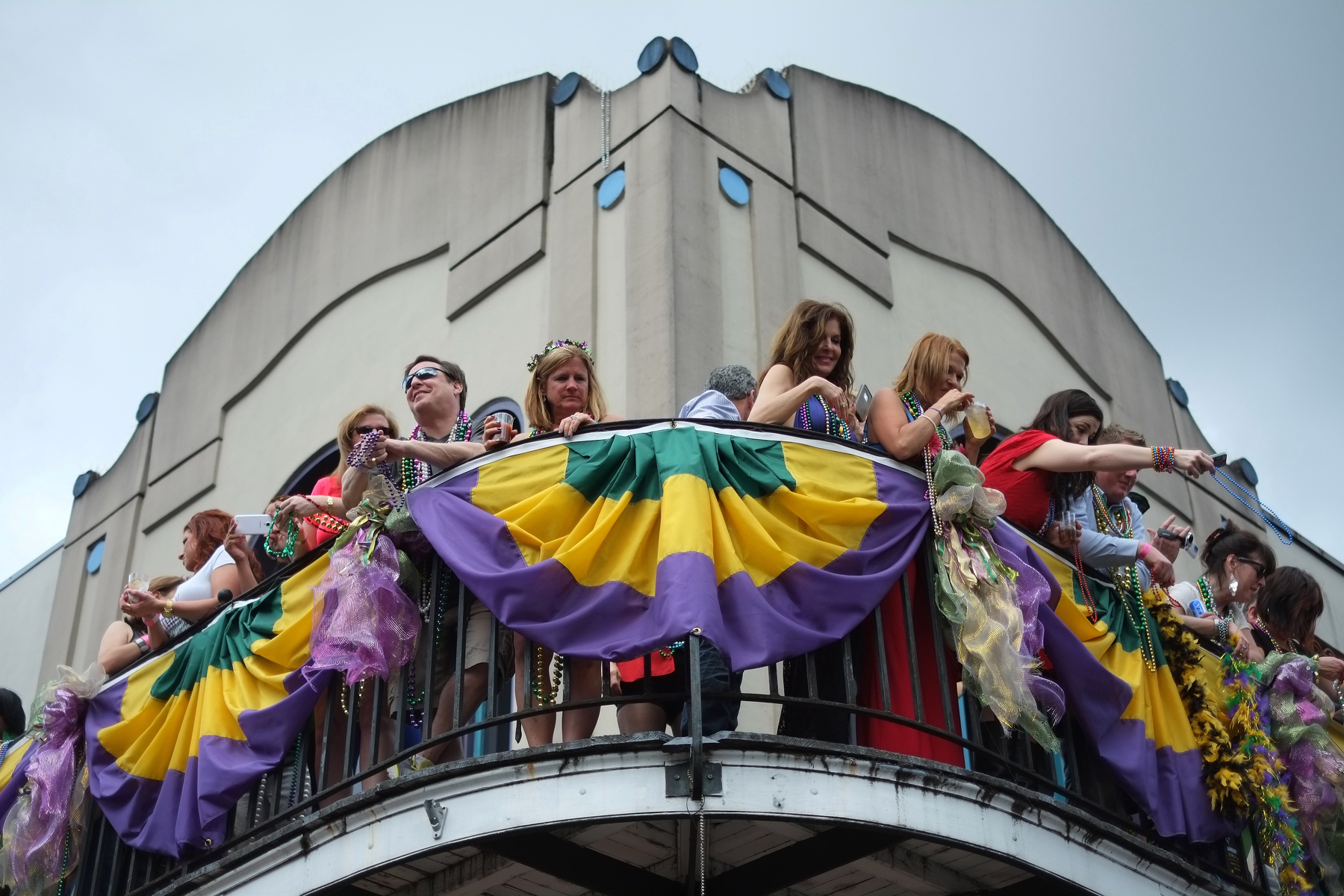
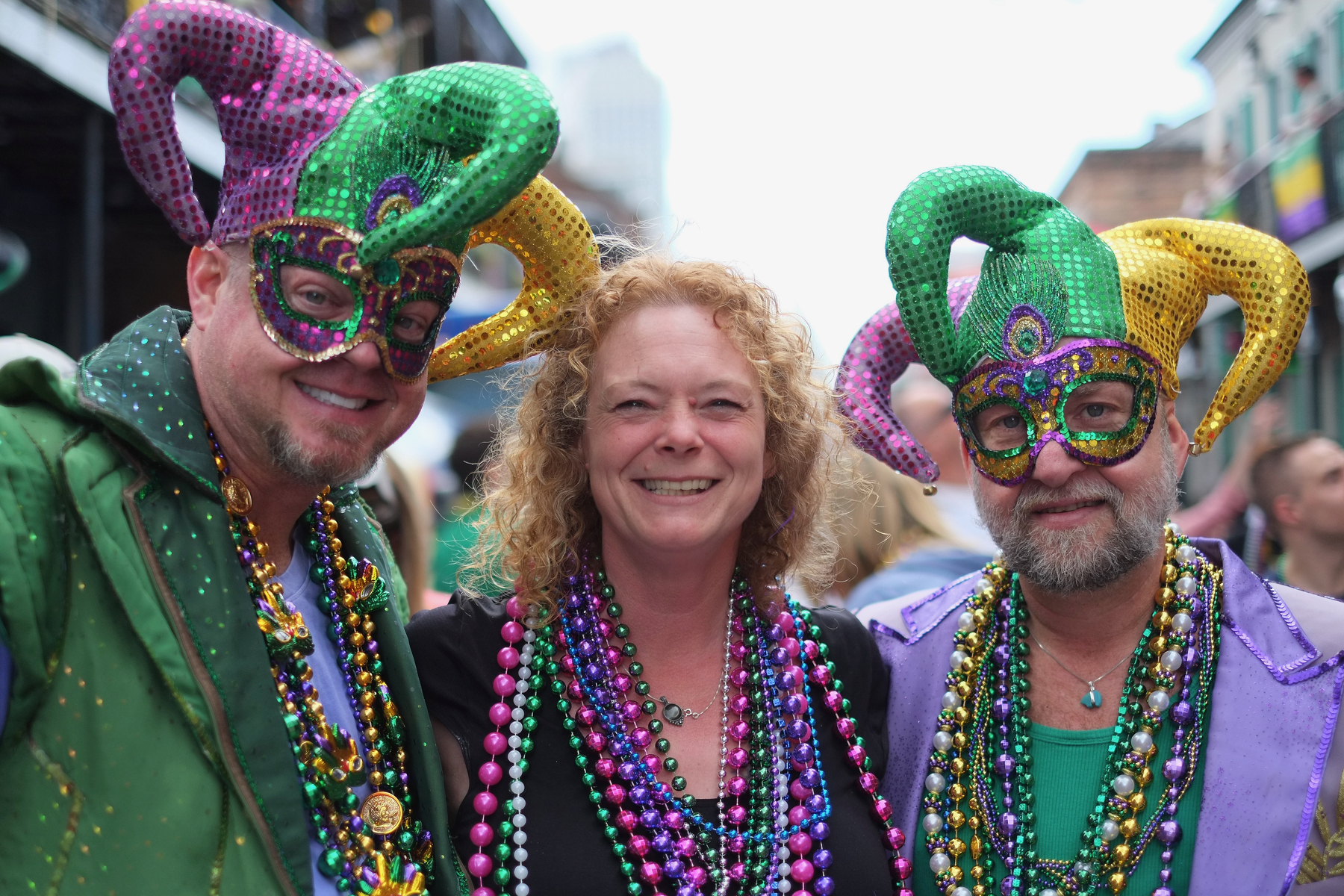
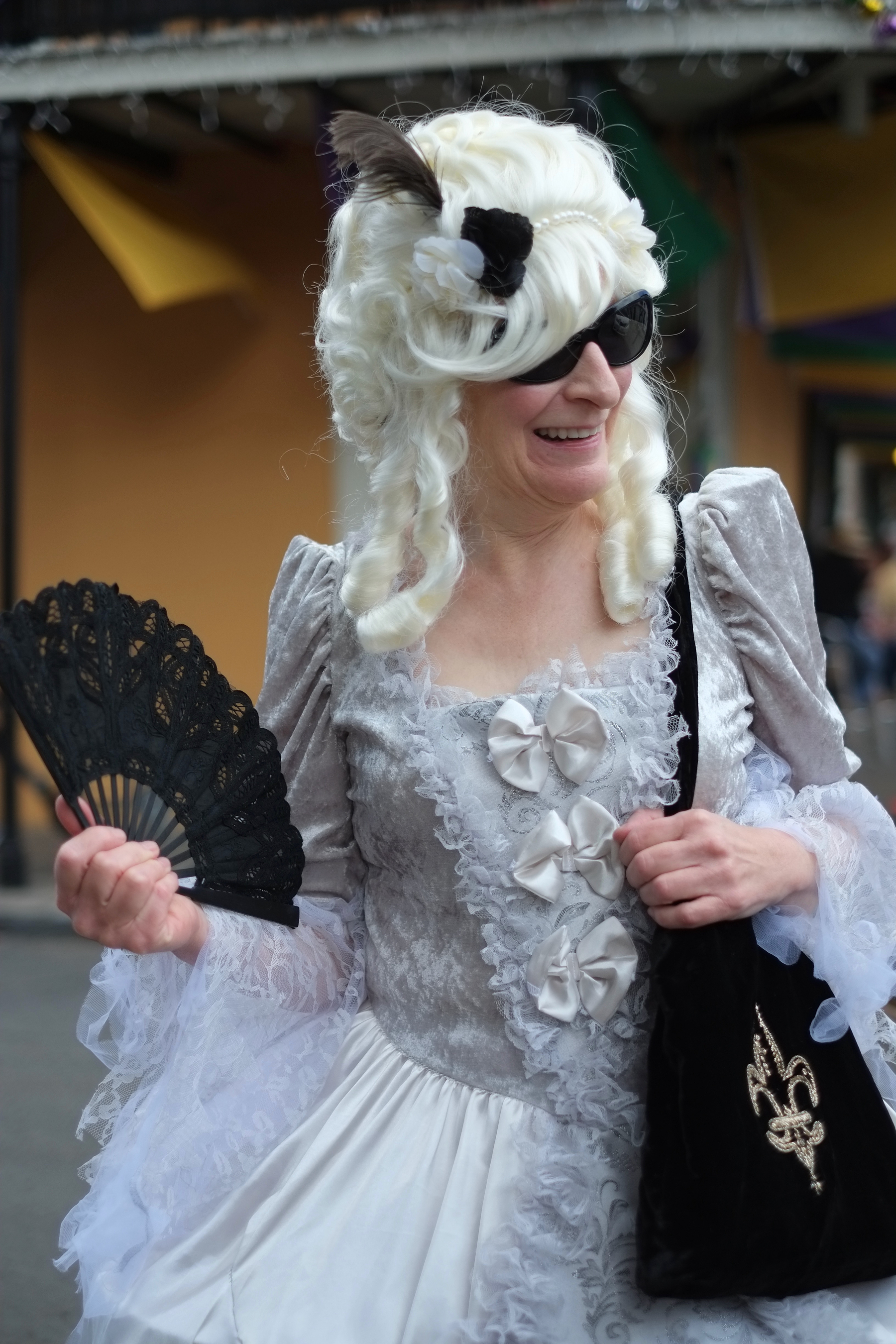
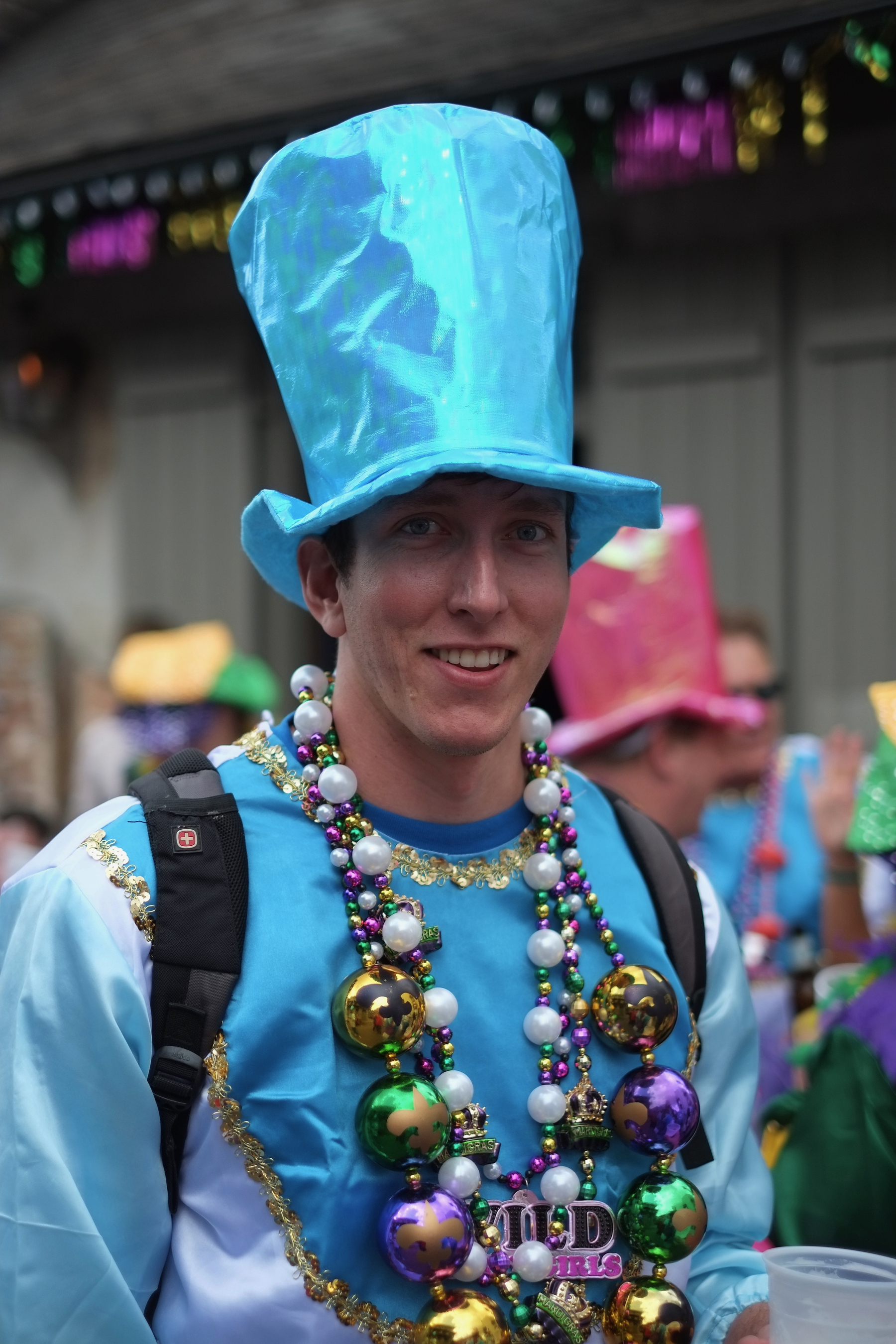
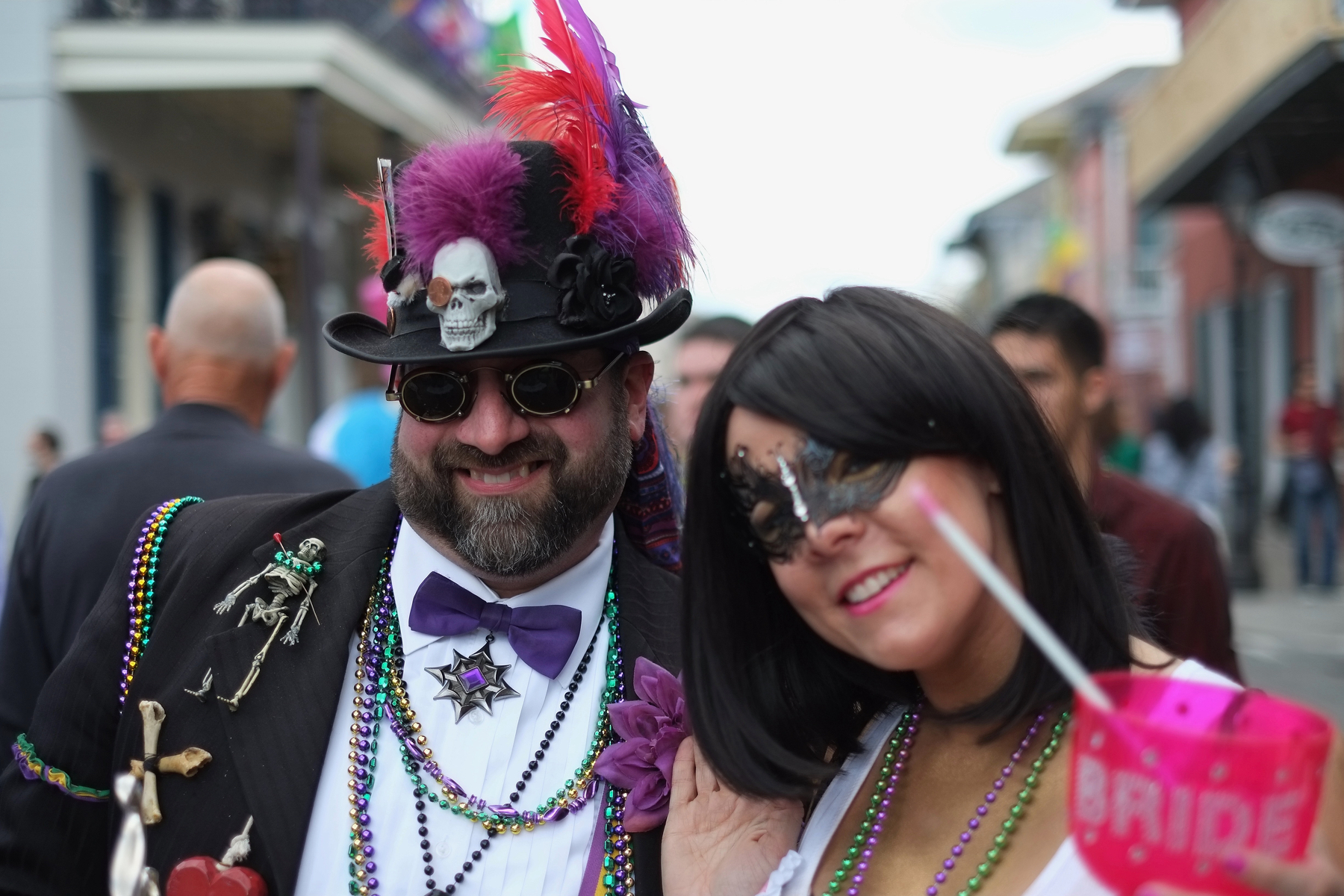
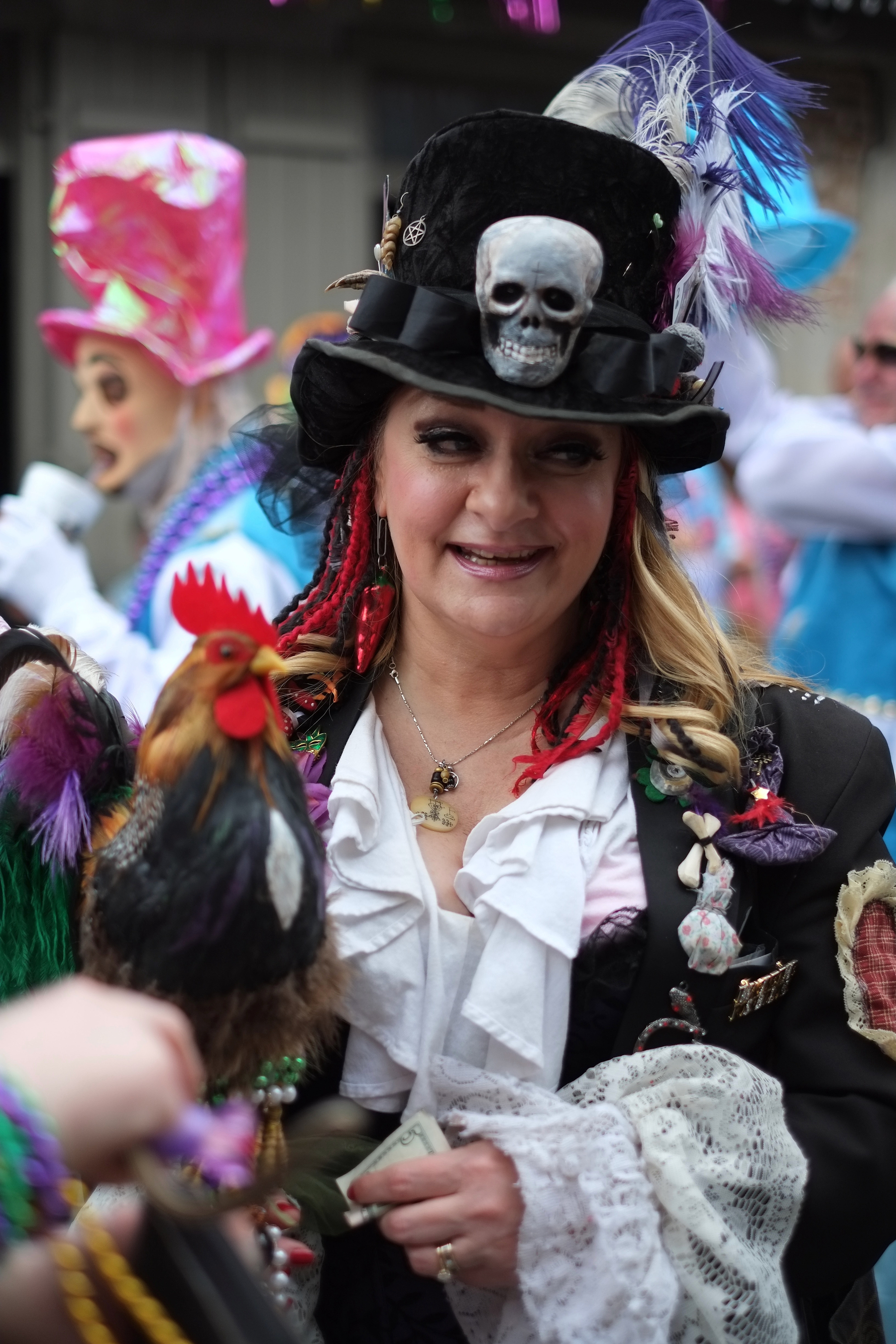
When darkness fell completely, the atmosphere shifted into something wilder and untamed. The brass bands played louder, the crowds pressed closer, and the night took on a thrilling life of its own.
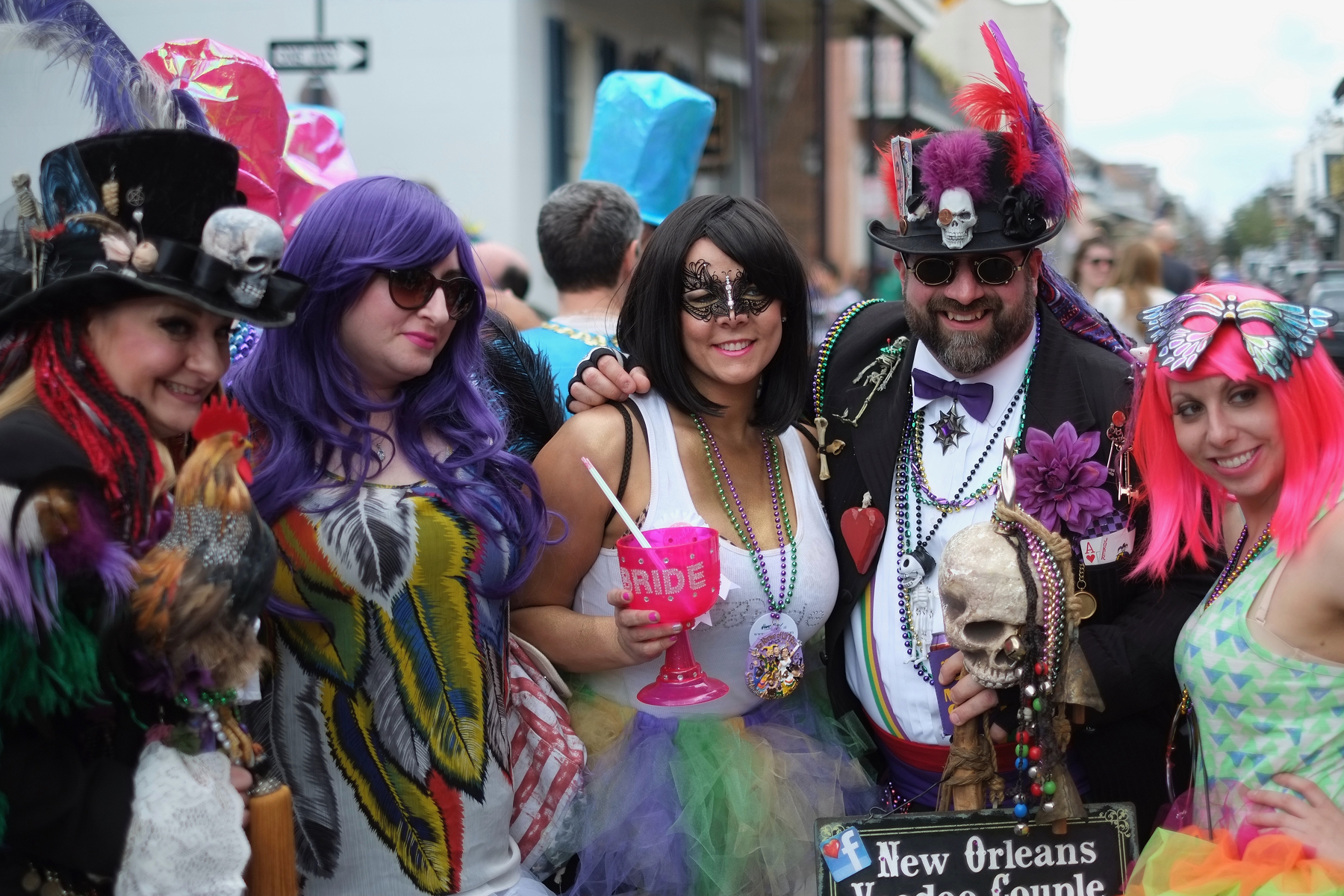
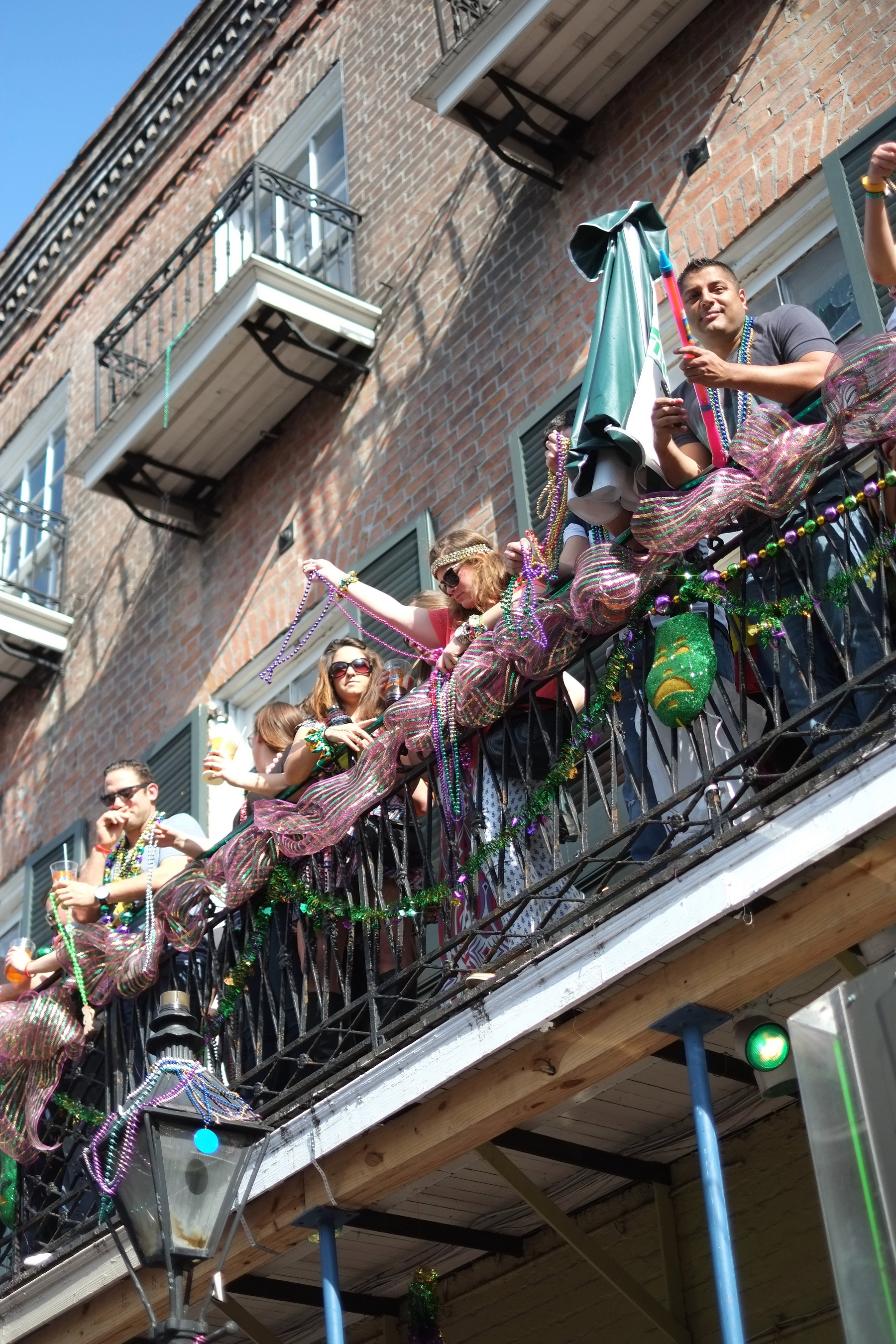
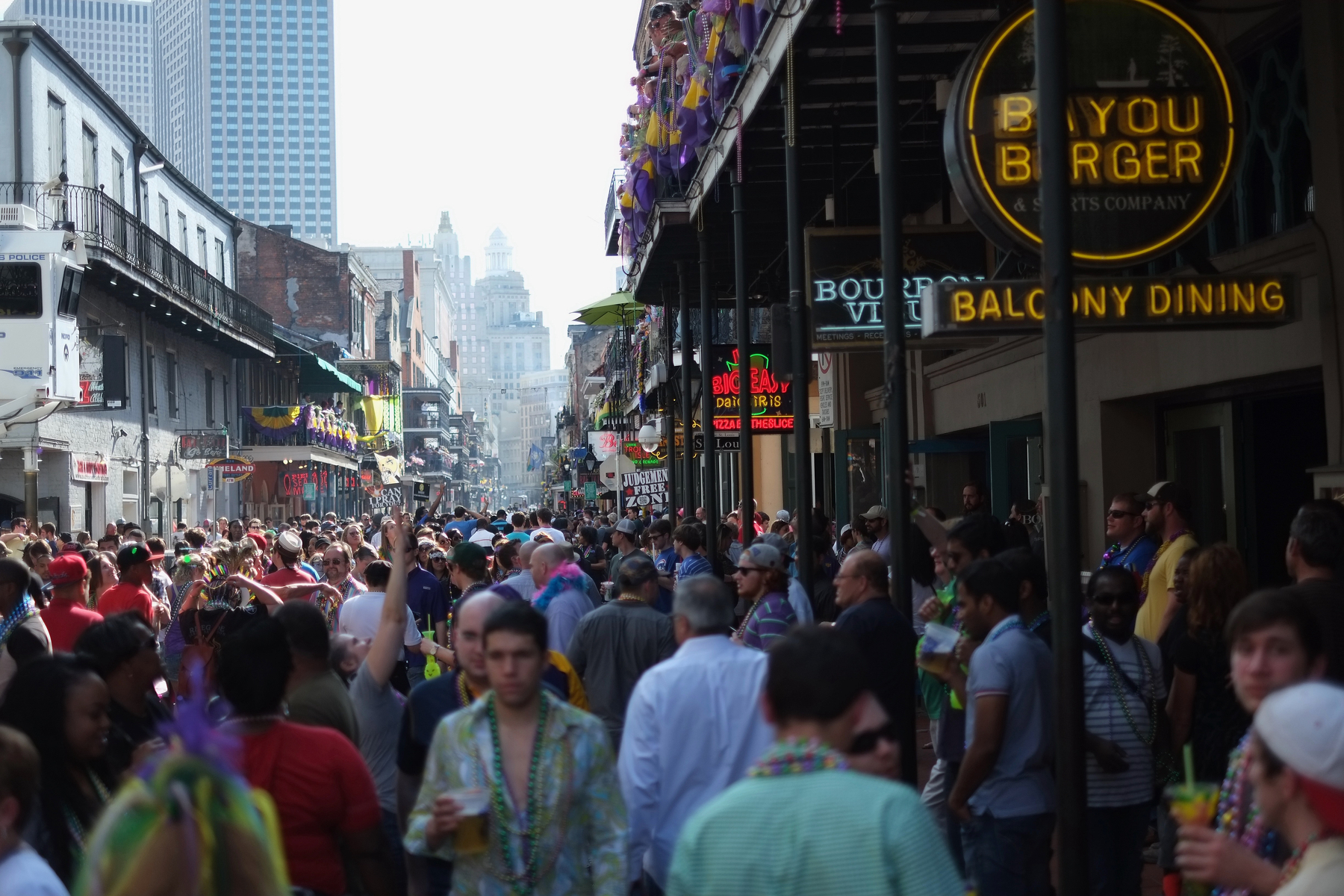
Beyond the glittering surface of the parade routes lies a city deeply rooted in fascinating history. Built upon low-lying swamplands near the mouth of the Mississippi, New Orleans sits below sea level, necessitating famous above-ground tombs that resemble miniature stone cities. It is the birthplace of American jazz, home to the oldest continuously operating streetcar line in the world since 1835, and the site where the first American opera was staged in 1796. Even the local cuisine carries historic weight, like the classic po-boy sandwich, created in 1929 to feed striking streetcar conductors for free. Leaving New Orleans after Fat Tuesday feels like waking up from a vivid dream. The music lingers in your ears long after the plane departs, and the memory of that unapologetic, timeless joy stays with you forever.
#MardiGras #NewOrleans #NOLA #FrenchQuarter #Carnival #FatTuesday #VisitNOLA #TravelPhotography #Culture #History #StreetPhotography #Photography #BourbonStreet #KingCake #TravelEssay #USATravel #Carnival #USA #US