The Timeless Art of Catalan Ceramic House Sign
Strolling through the villages and coastal towns of Catalunya Espana, one detail consistently captures the eye: the hand painted ceramic nameplates affixed to house entrances. These traditional tiles, known locally as rajoles de mostra or azulejos, do far more than simply mark an address. They tell a story about the land, the culture, and the architectural character of the home.
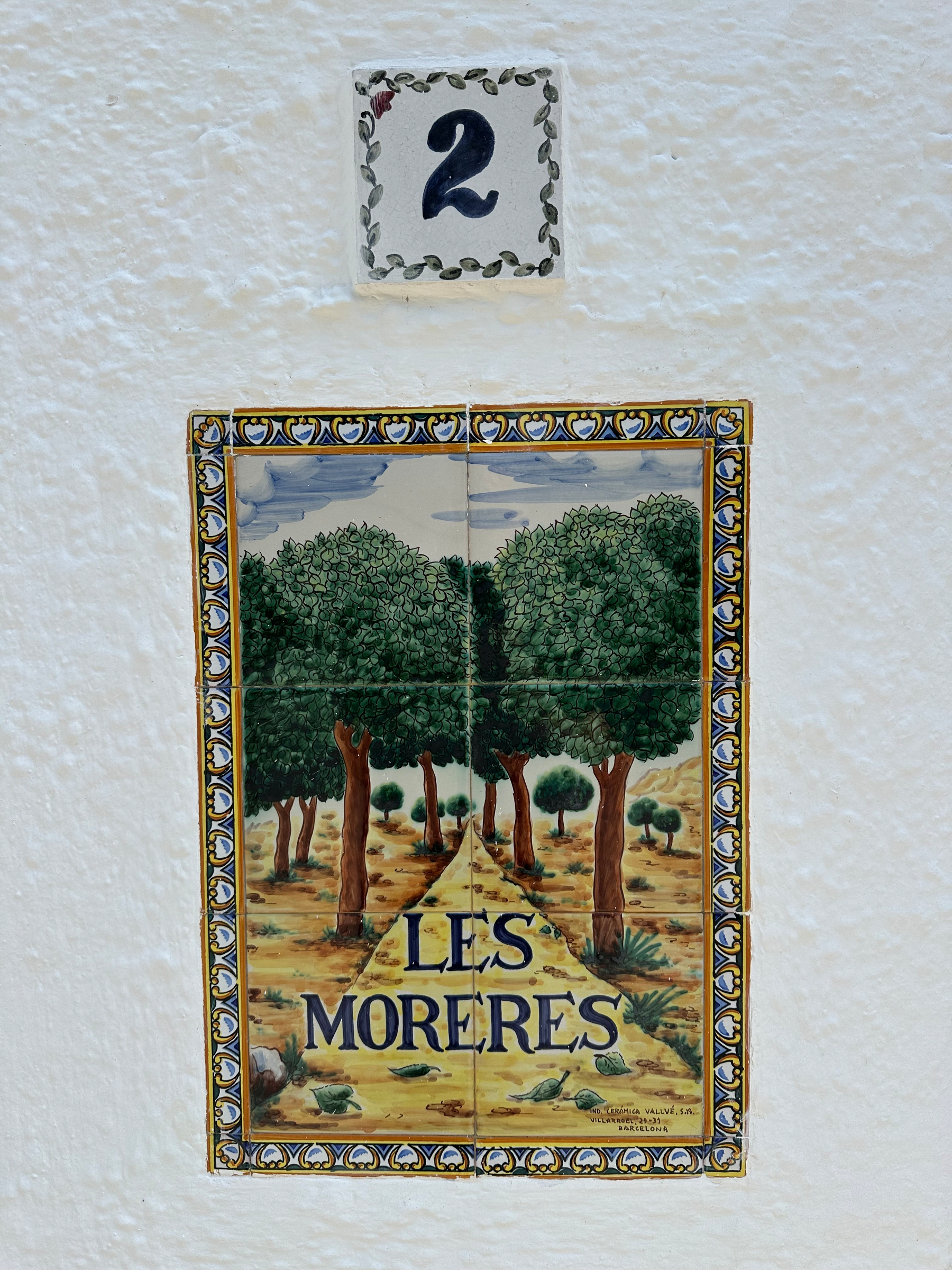
A beautiful example is the entrance plate for Les Moreres, which translates from Catalan to “The Mulberry Trees.” Paired with a simple numbered tile above, the panel features a detailed landscape depicting a sunlit path lined with leafy mulberry trees.
Homes in Spain are frequently named after native flora, surrounding terrain, or family heritage. Visualizing Les Moreres through custom artwork gives the property a distinctive personality. Ceramic art is deeply rooted in Catalan history, with local artisans painting and glazing each panel by hand to preserve centuries-old decorative techniques. Furthermore, fired ceramic glazes naturally resist intense Mediterranean sun, salty coastal air, and rain, allowing the vivid blues, greens, and terracottas to remain vibrant for generations.
These charming tile panels serve as a living bridge between historic craftsmanship and modern residential architecture across Catalunya.
#Catalan #Catalunya #Spain #CeramicArt #CatalanCulture #Azulejos #SpanishArchitecture #LesMoreres #HandPaintedTiles #TravelSpain #HistoricCrafts
Stepping Inside the World of Bowie: A Groundbreaking Immersive Experience
Imagine stepping right inside rock history. David Bowie’s official tour photographer, Denis O’Regan—who captured the Starman more than any other photographer—has taken his massive archive of over 10,000 images and transformed it into a jaw-dropping immersive experience.
Titled Bowie: Unseen | Unheard, the spatial-sound documentary features 800 of O’Regan’s photographs (many never seen before) spanning over two decades of Bowie’s career. Instead of a traditional gallery wall, the project uses cutting-edge L-Acoustics spatial audio technology, multi-screens, and hidden speakers to blend Bowie’s tracks with O’Regan’s personal commentary.
The result? Visitors don’t just look at photos—they feel the electric anticipation backstage, the roar of the arena, and the intimate, unrepeatable moments of a true chameleon of pop culture. Fully supported by the Bowie estate, it’s a fittingly futuristic tribute to an artist who always lived on the cutting edge of technology and style.
Read more about this incredible multi-sensory journey over at PetaPixel!
#DavidBowie #MusicPhotography #ImmersiveArt #DenisORegan #RockHistory #VisualArts #Photography #Music
A Forest of Stone: Light, History, and Motherhood at La Sagrada Familia
Stepping into Barcelona always felt like entering a living gallery, yet every past visit found me standing outside La Sagrada Familia, watching the endless queues wrap around the block and choosing to walk away. This trip was different. I was traveling with my mother, who was seeing the city for the first time. Her eagerness to witness Antoni Gaudí's original vision in person was infectious, so I booked our tickets online weeks in advance for a late morning entrance.
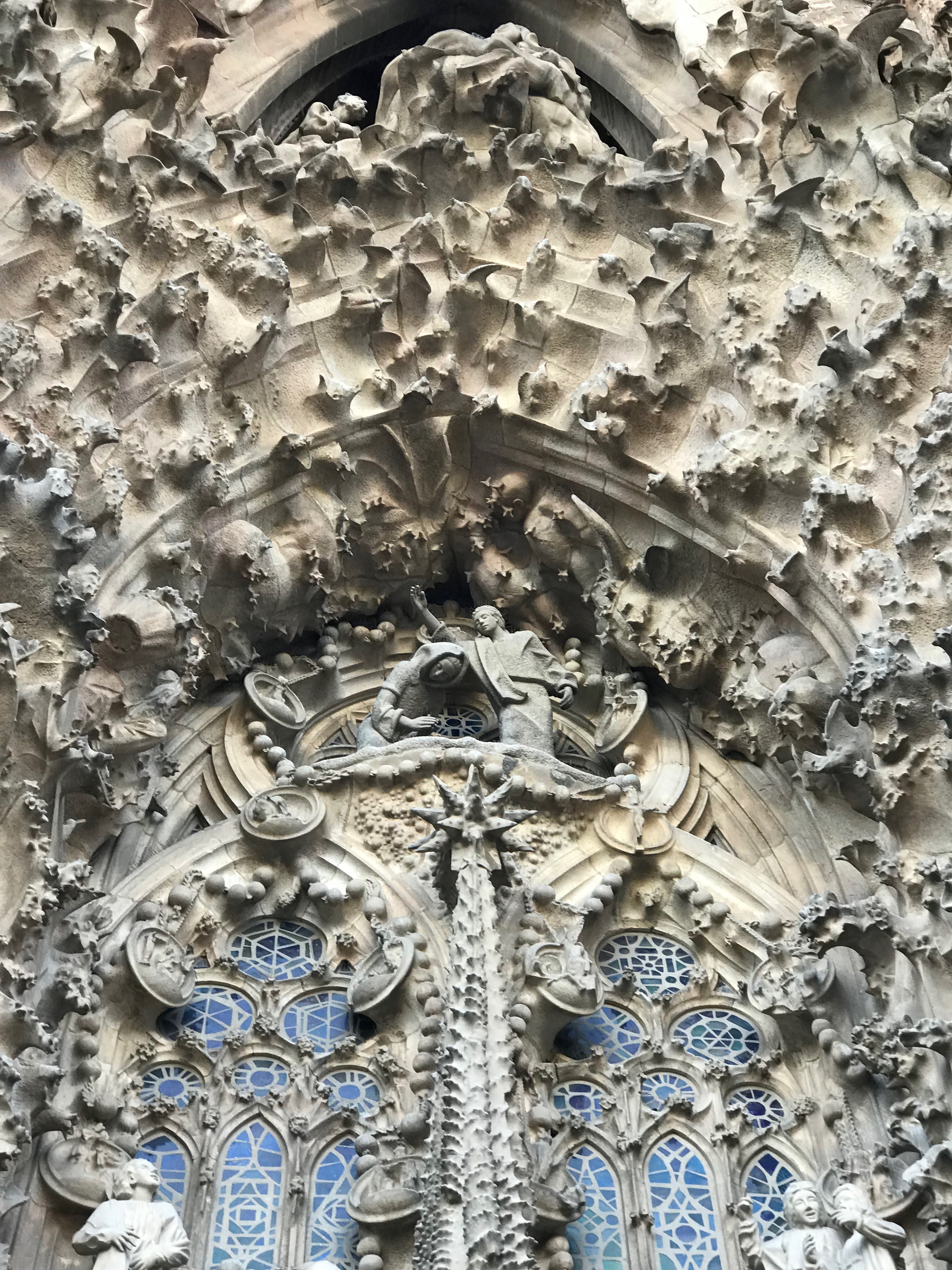
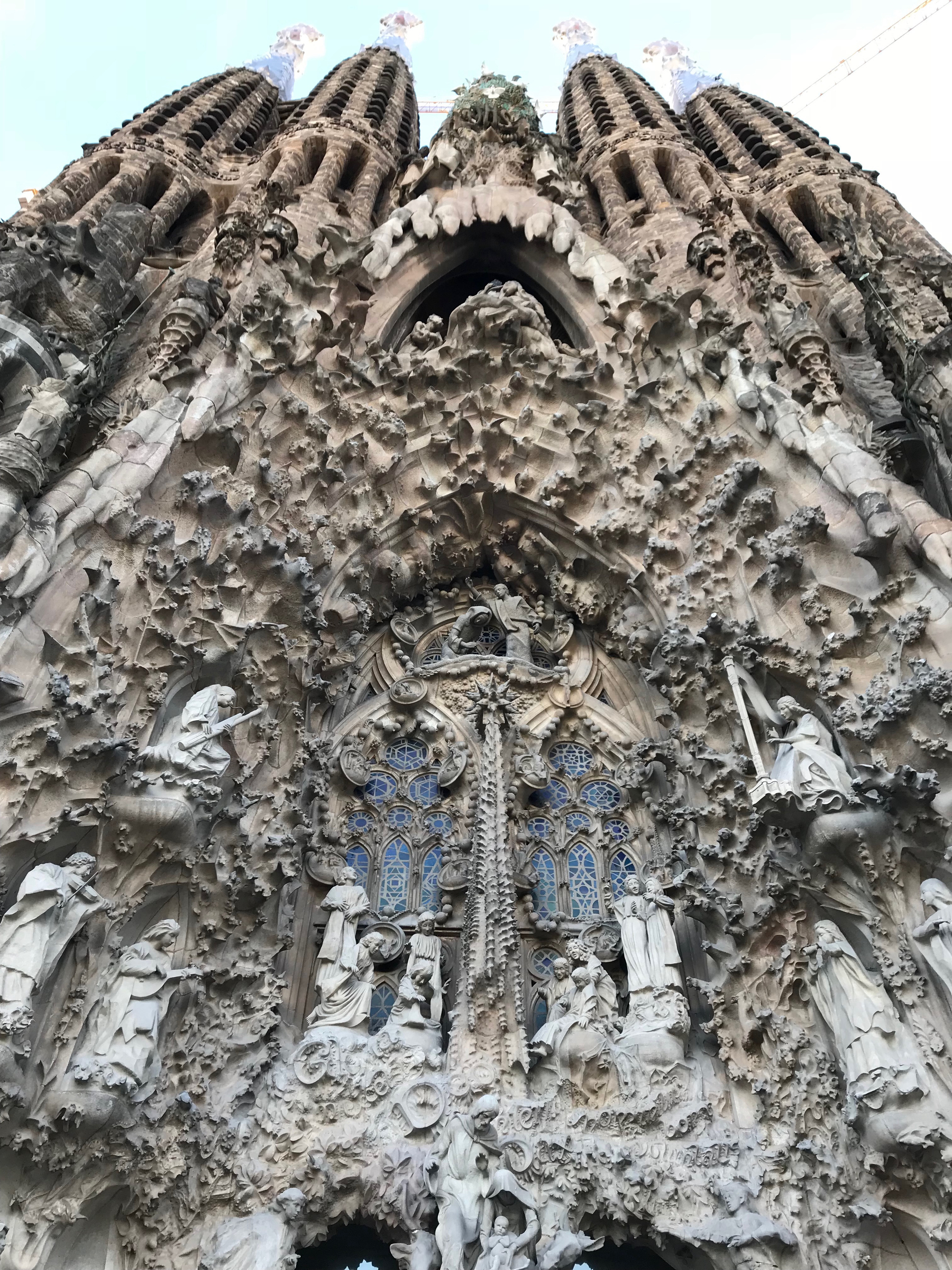
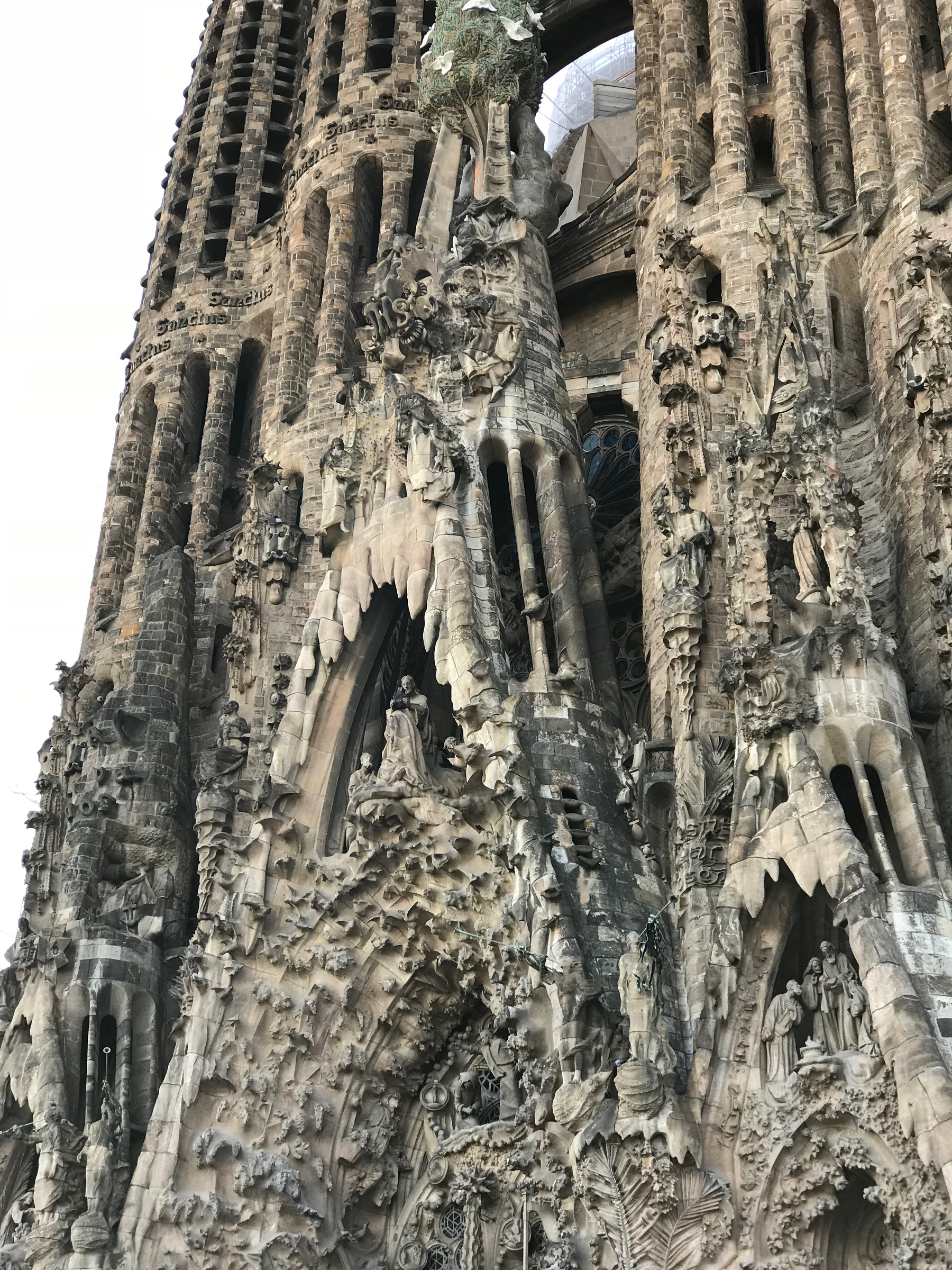
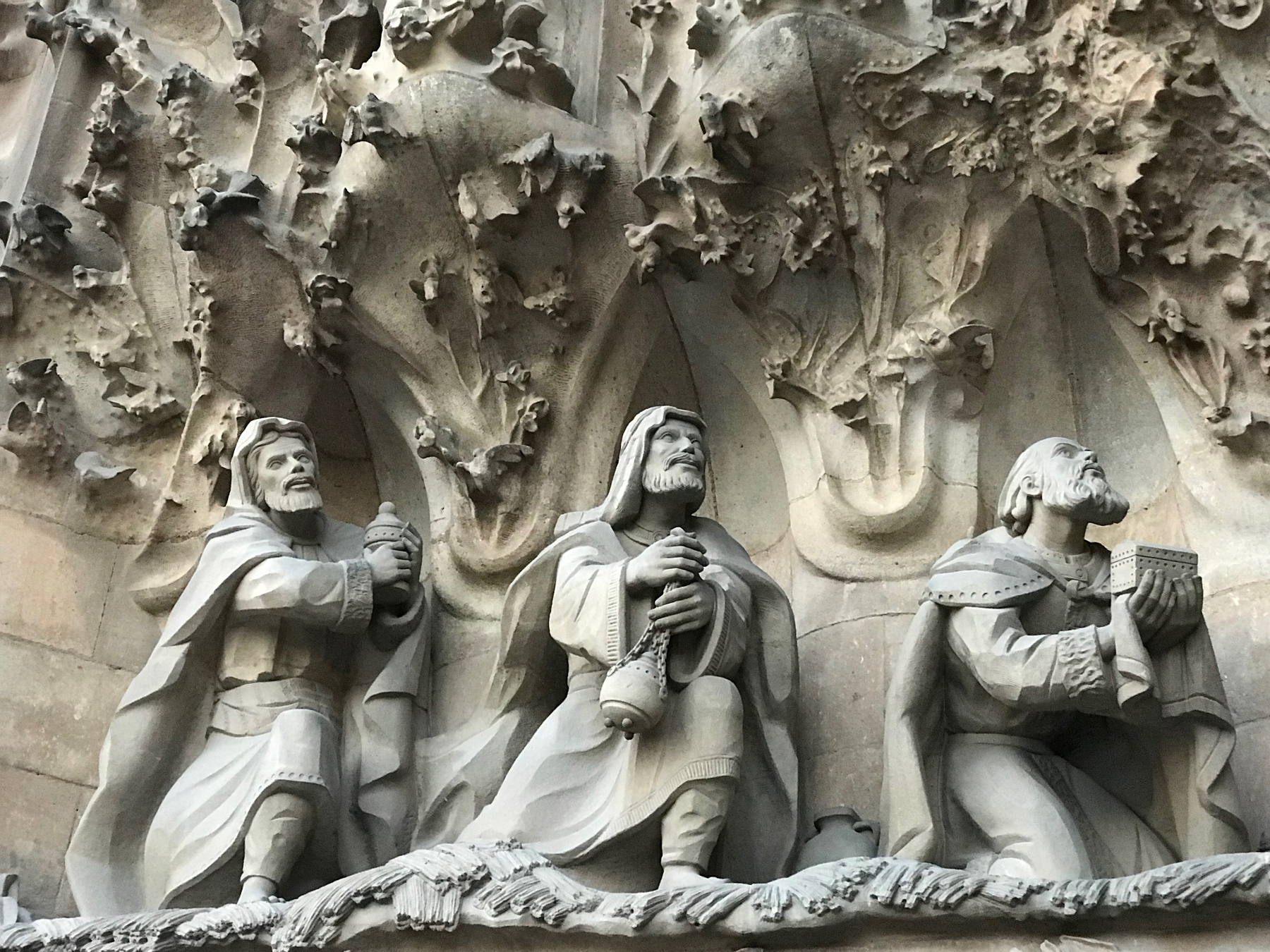
When Antoni Gaudí assumed control of the project in 1883, taking over from the original architect Francesc de Paula del Villar, he transformed a standard neo-Gothic church design into something radically organic. Gaudí poured forty-two years of his life into this sanctuary, knowing he would never see it completed. He famously noted that his client was in no hurry, referring to God. Walking up to the soaring Nativity Facade with my mother, his patient vision became instantly real. The facade is a dense tapestry of stone, depicting the birth of Christ with sculptured flora, fauna, and human figures that look almost alive.
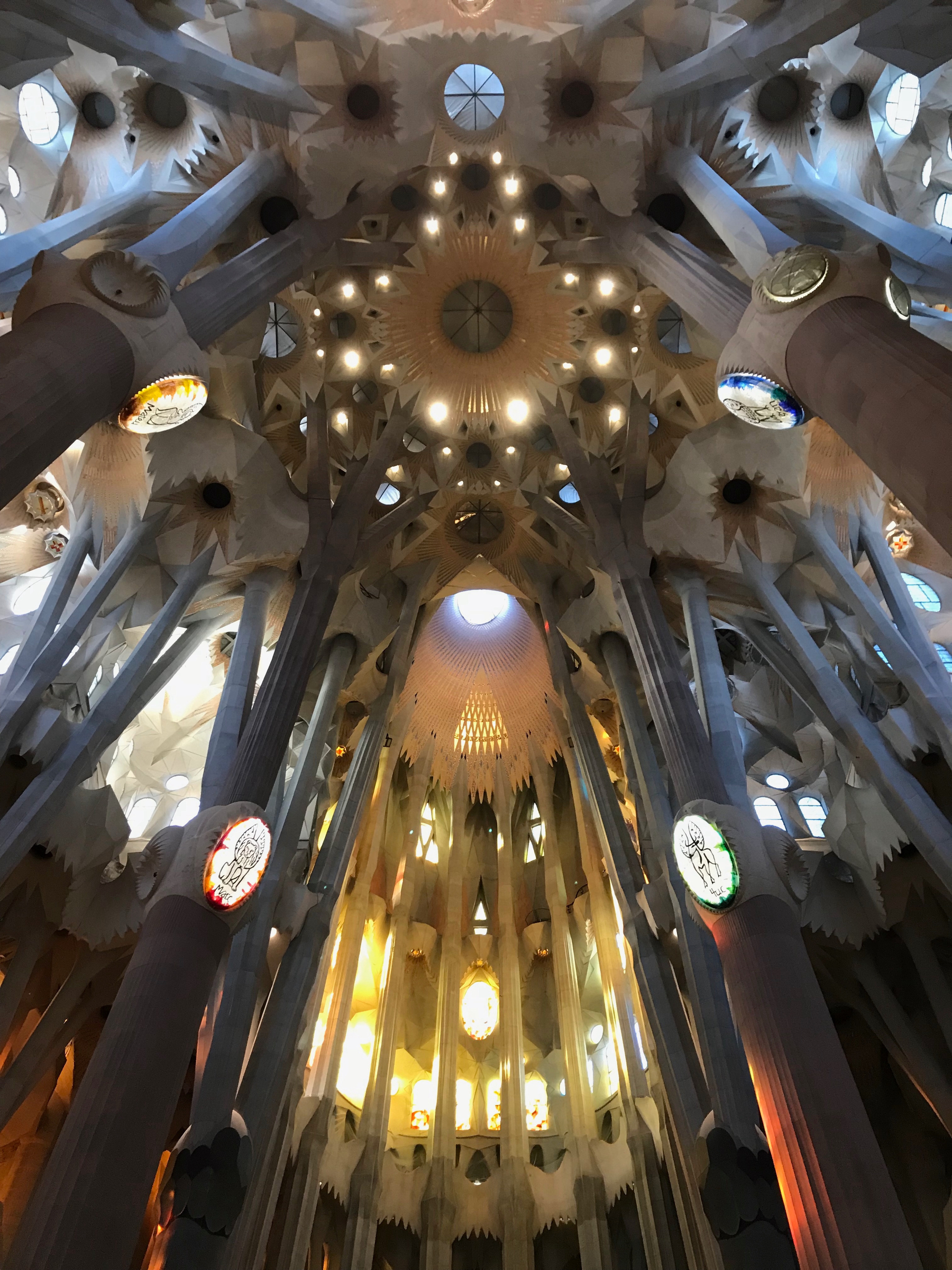
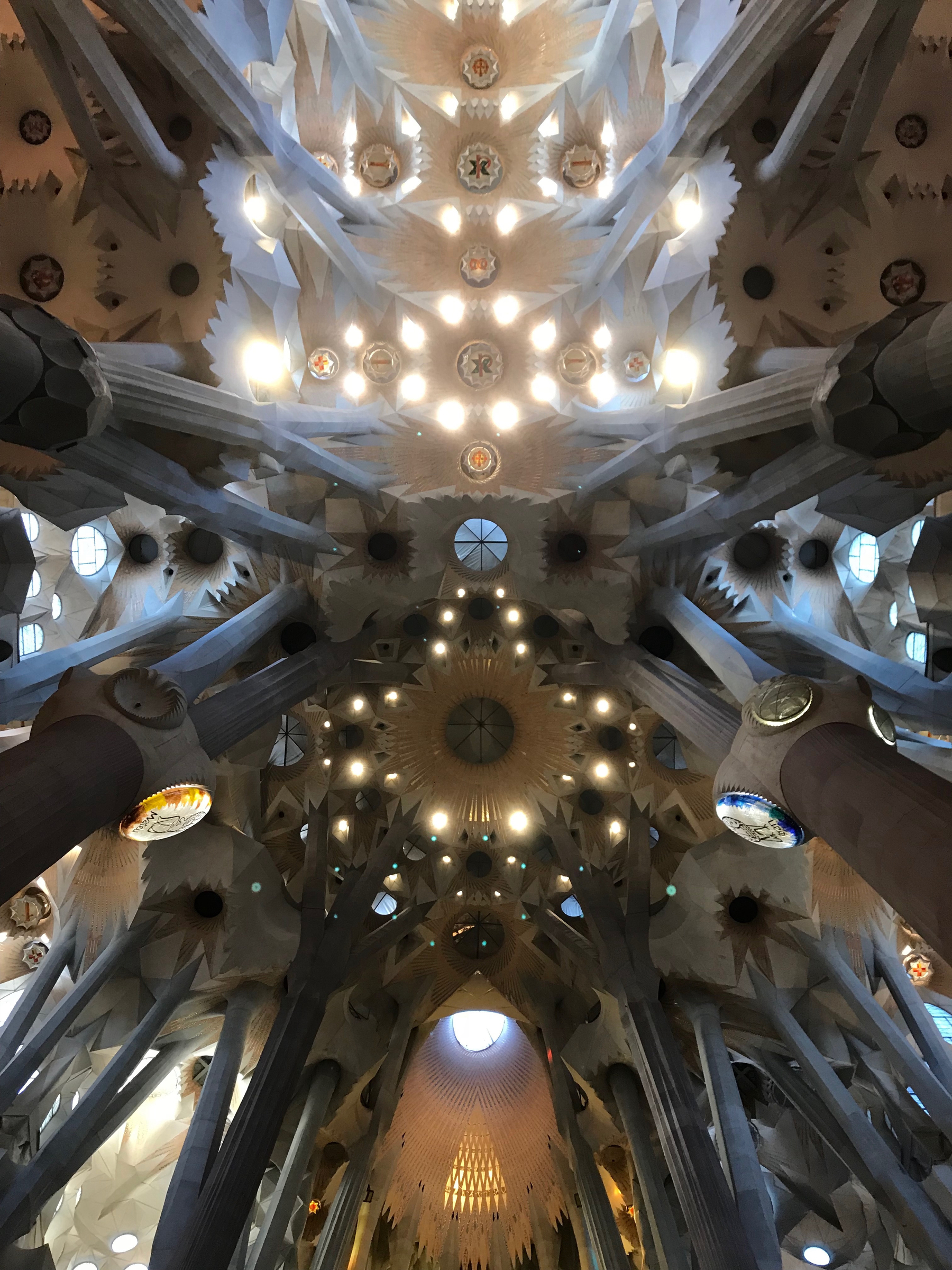
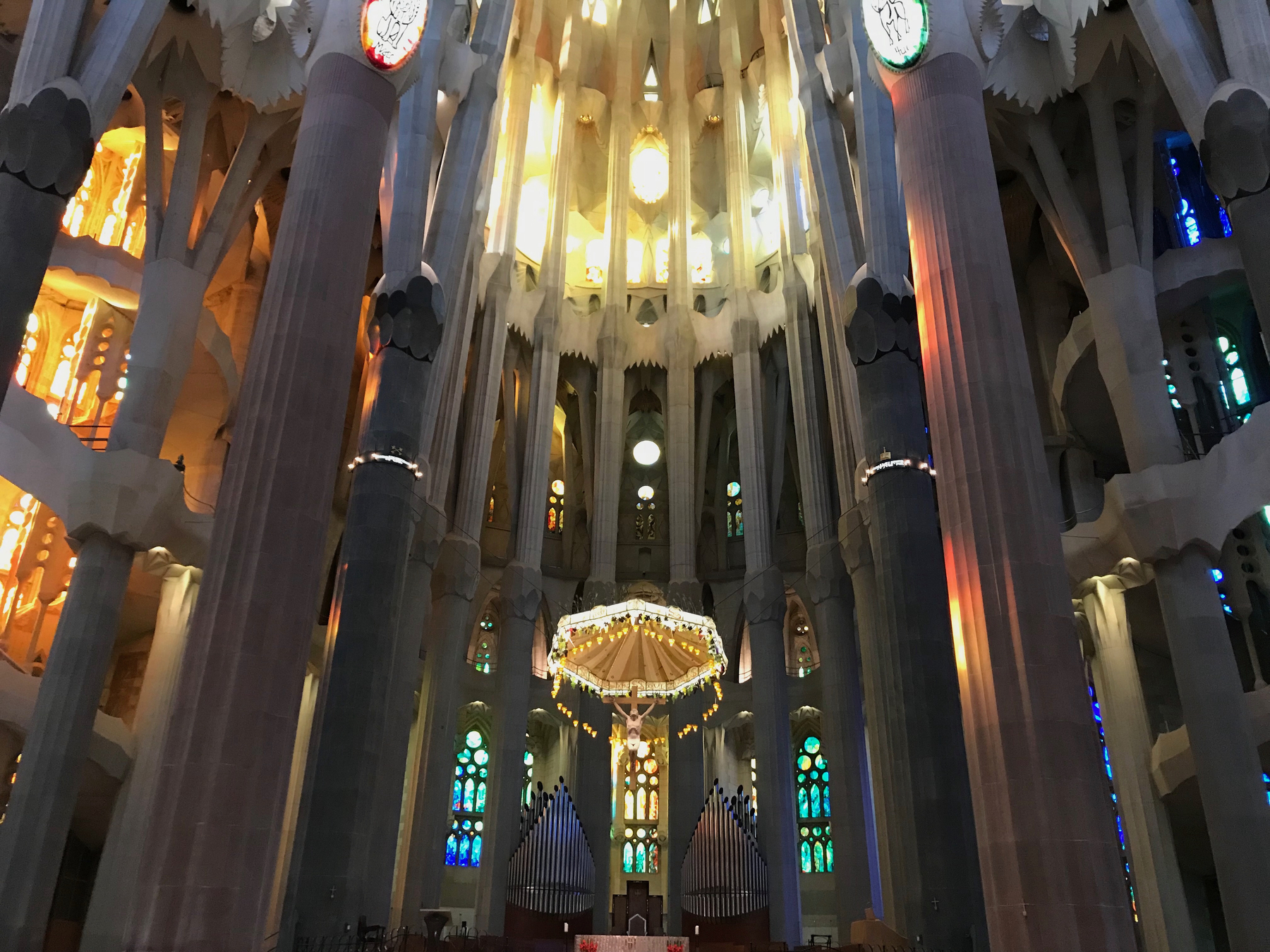
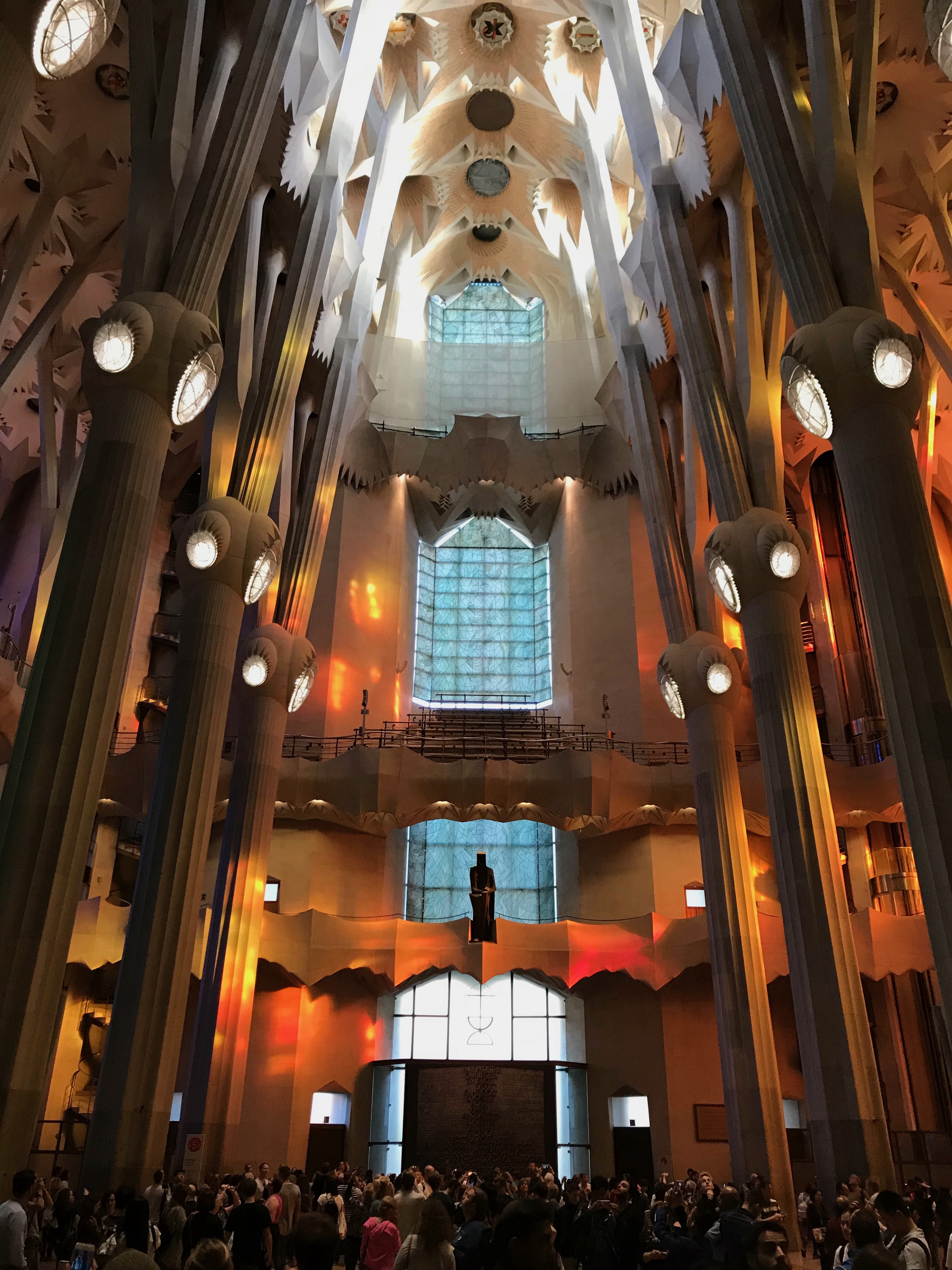
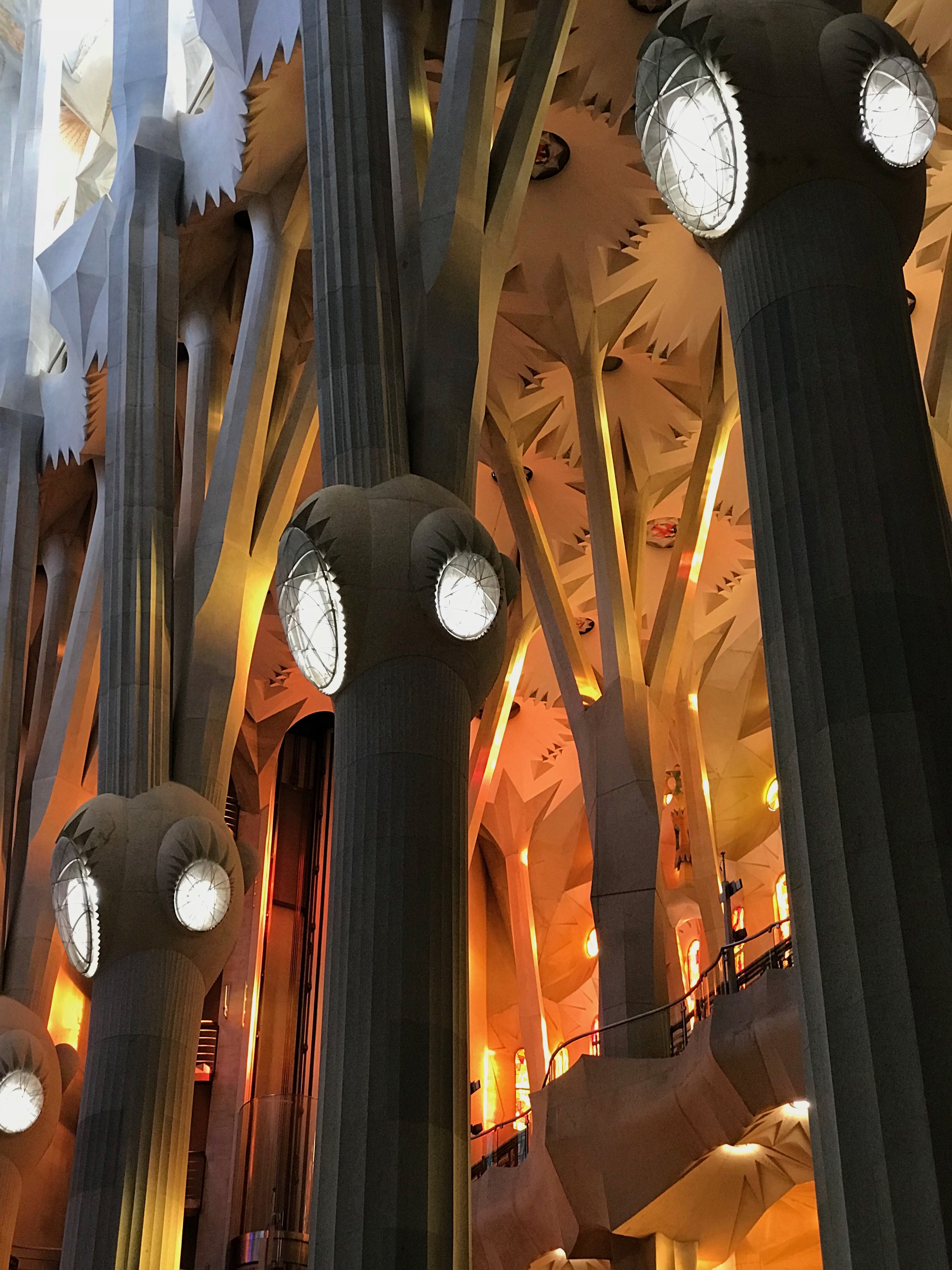
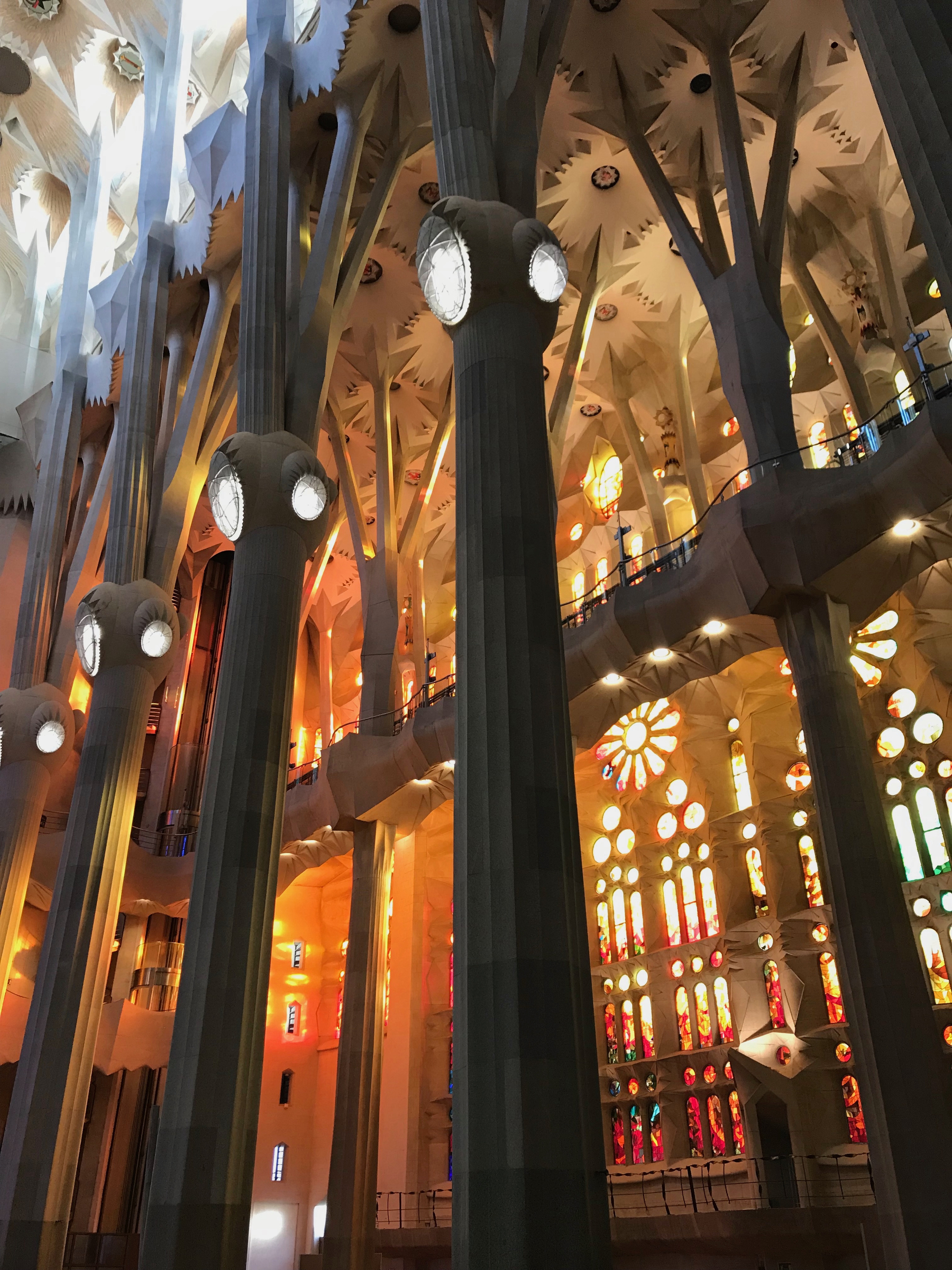
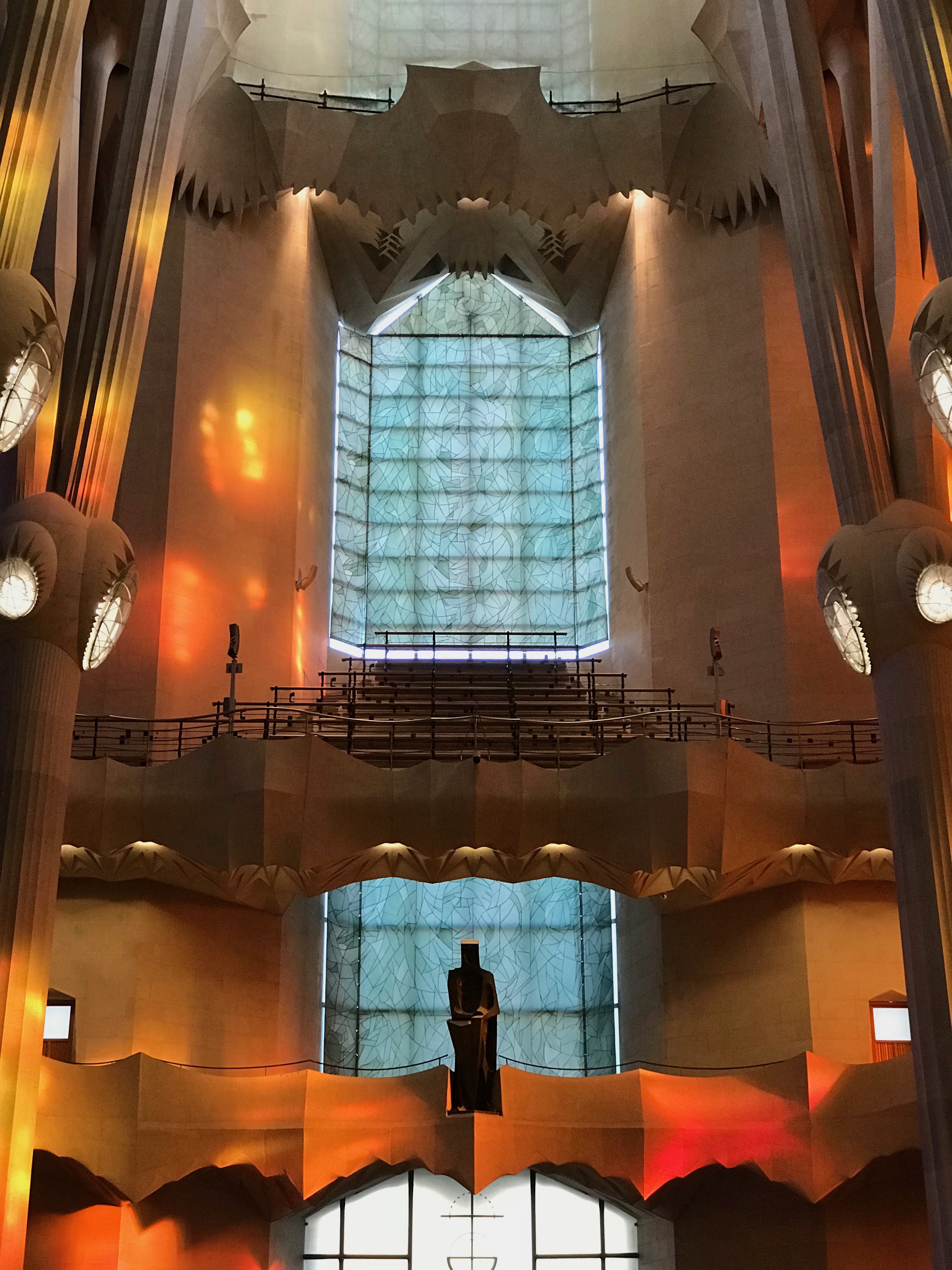
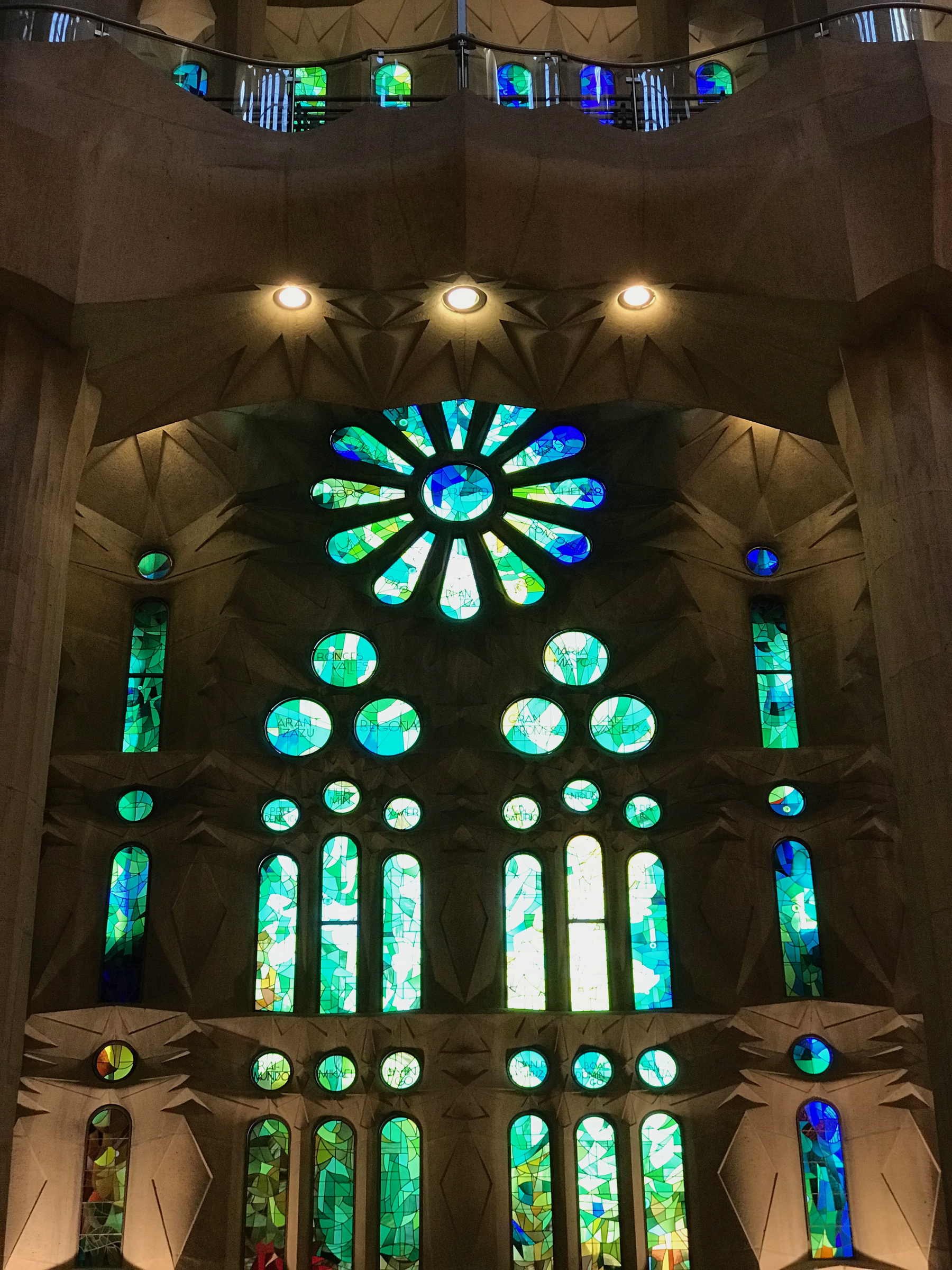
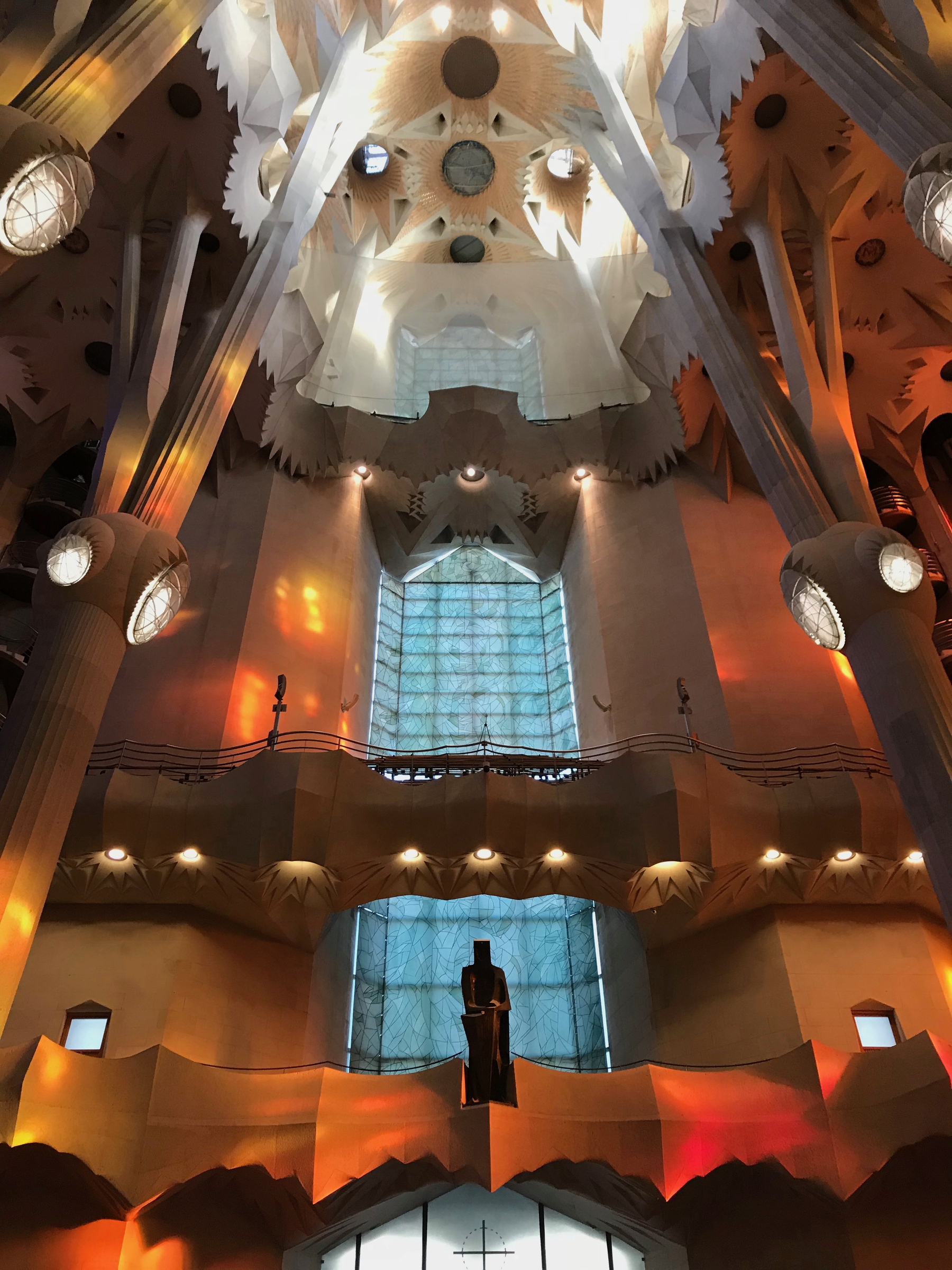
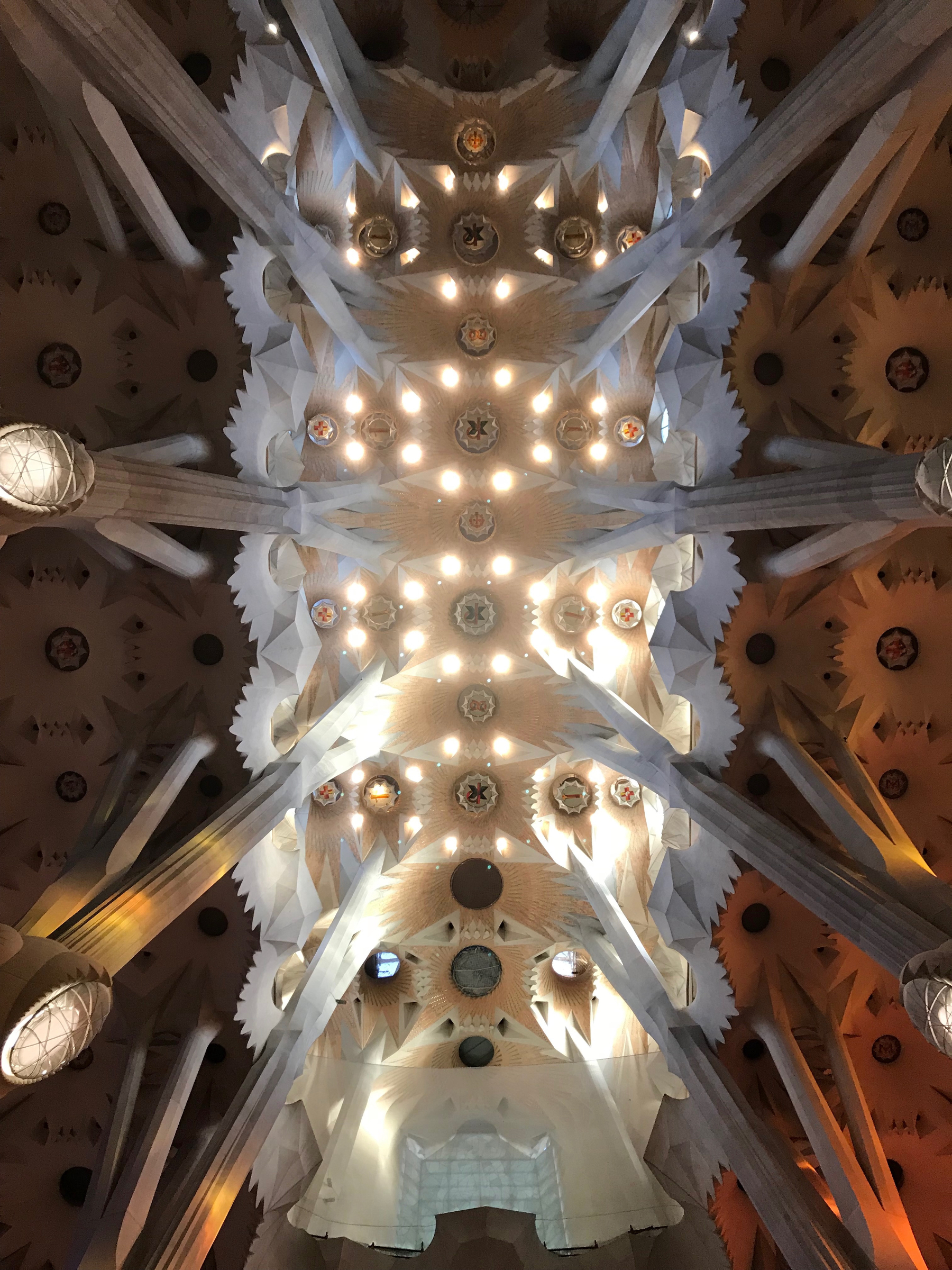
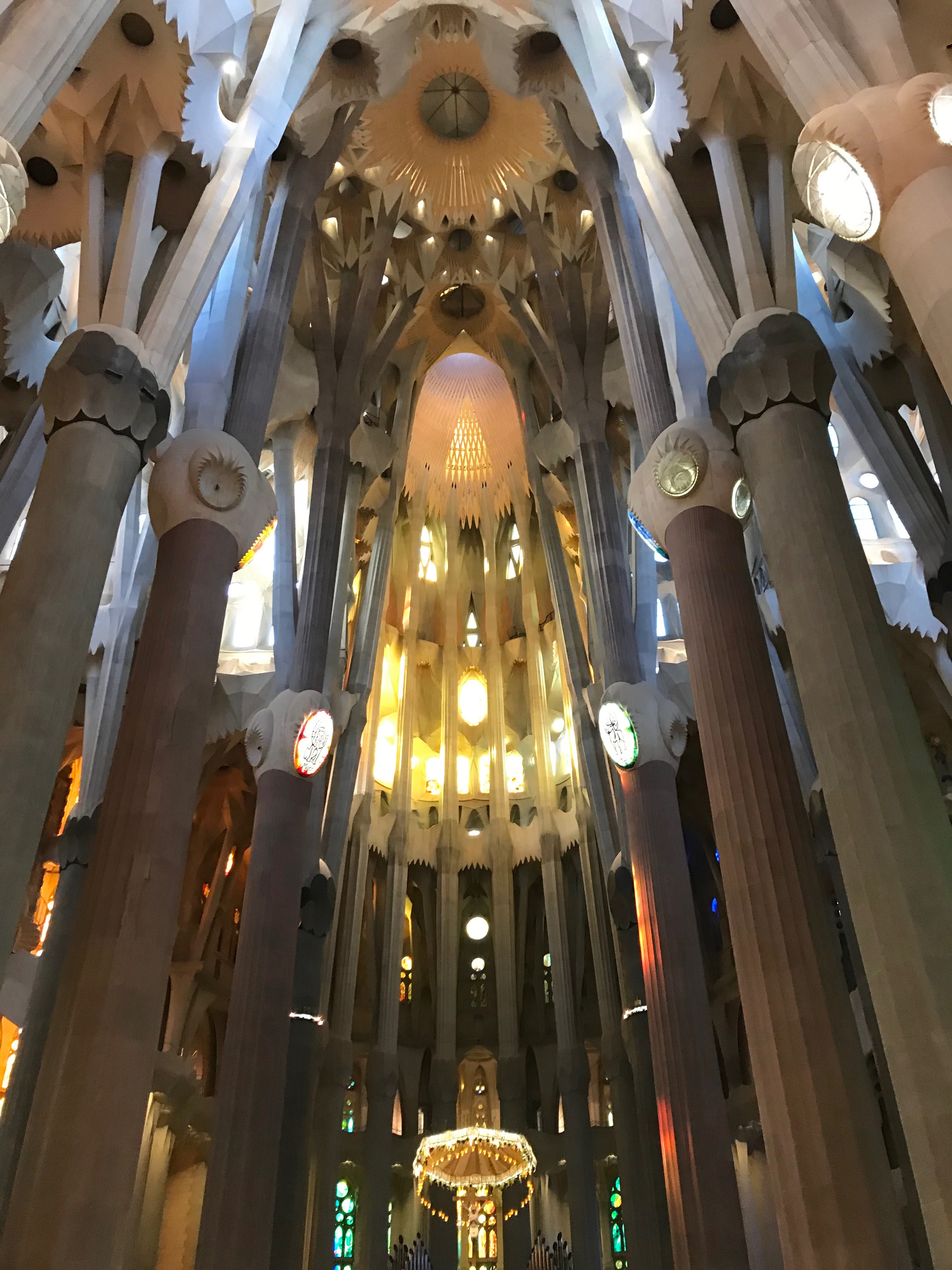
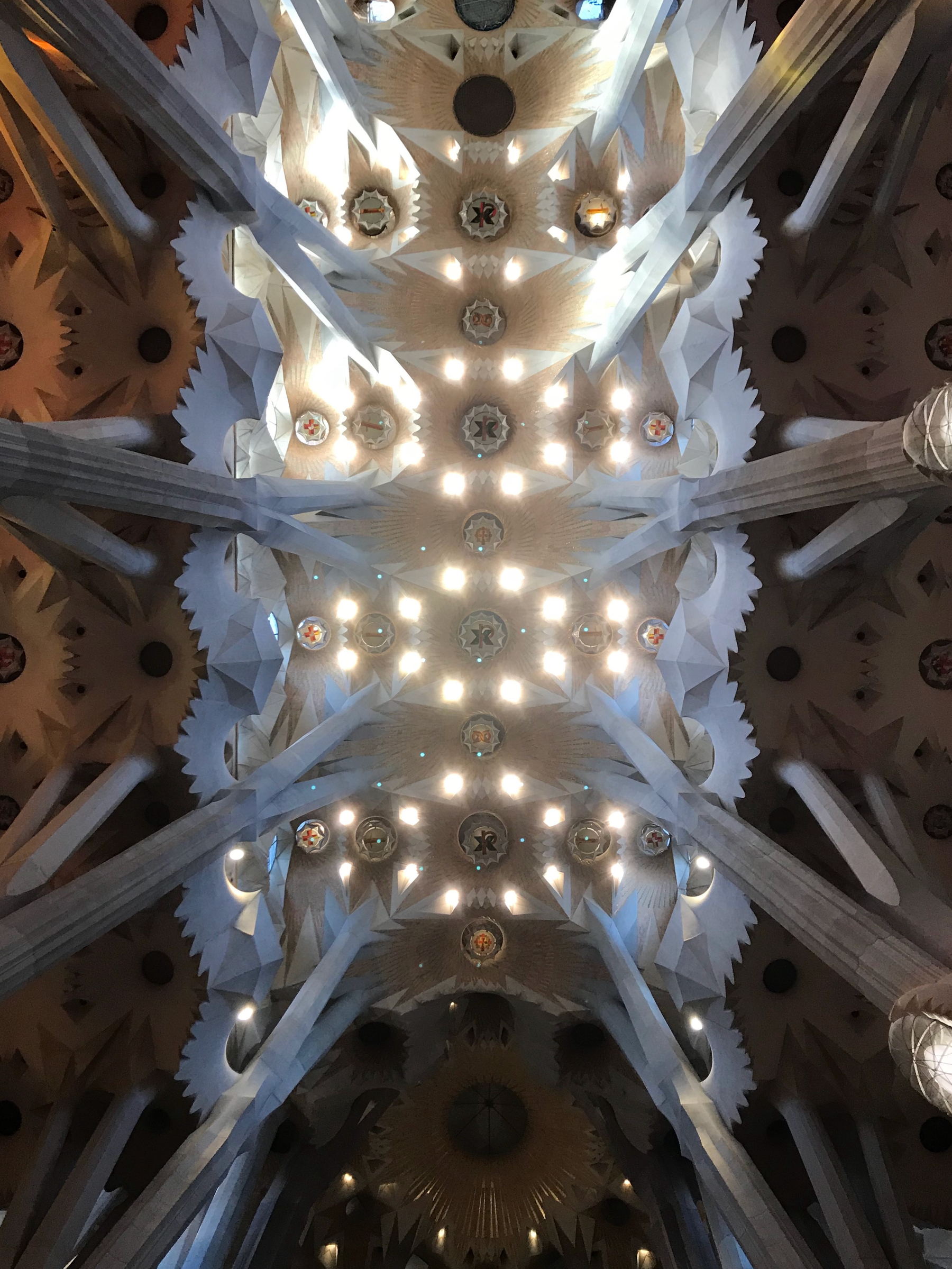
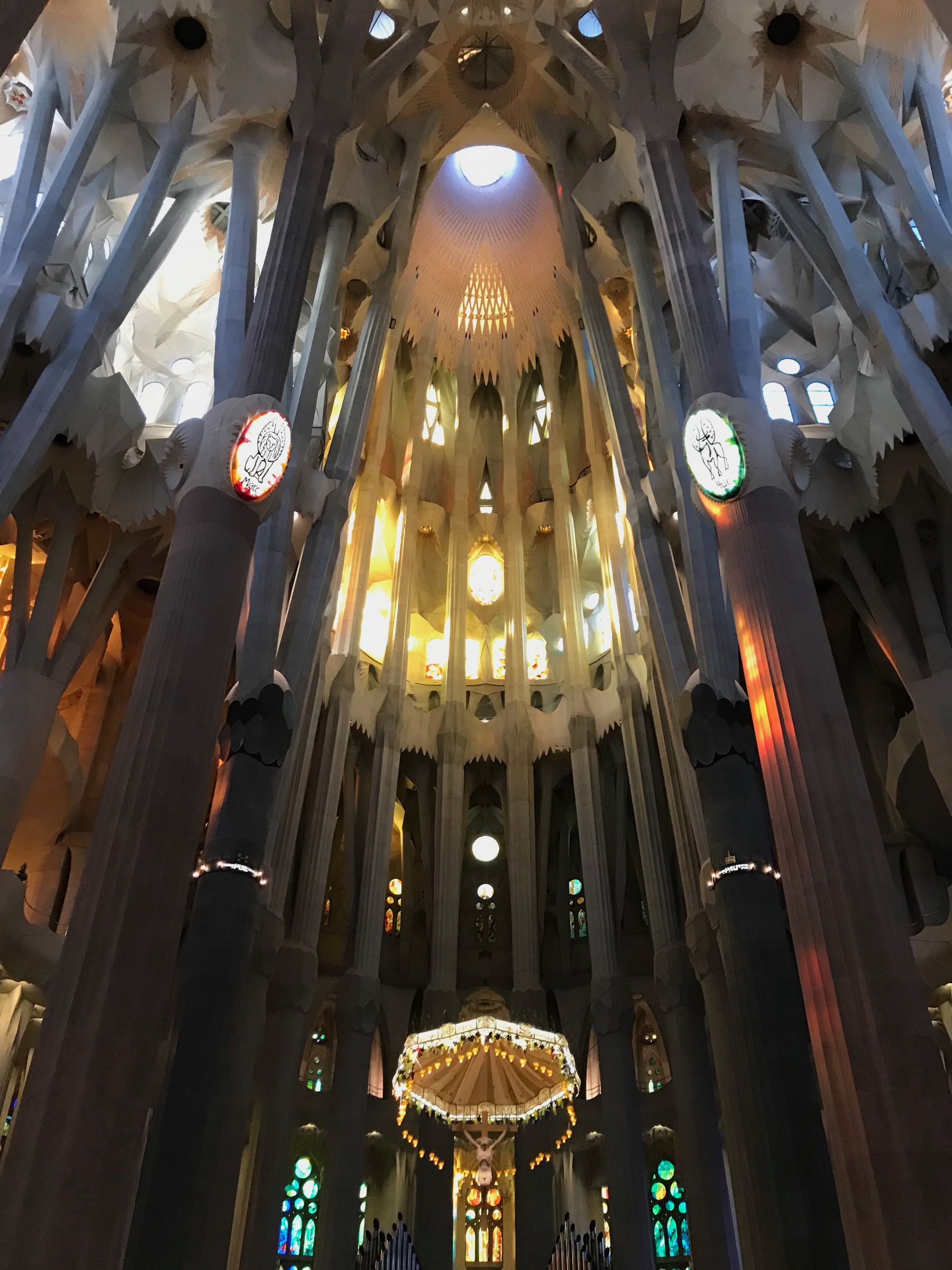
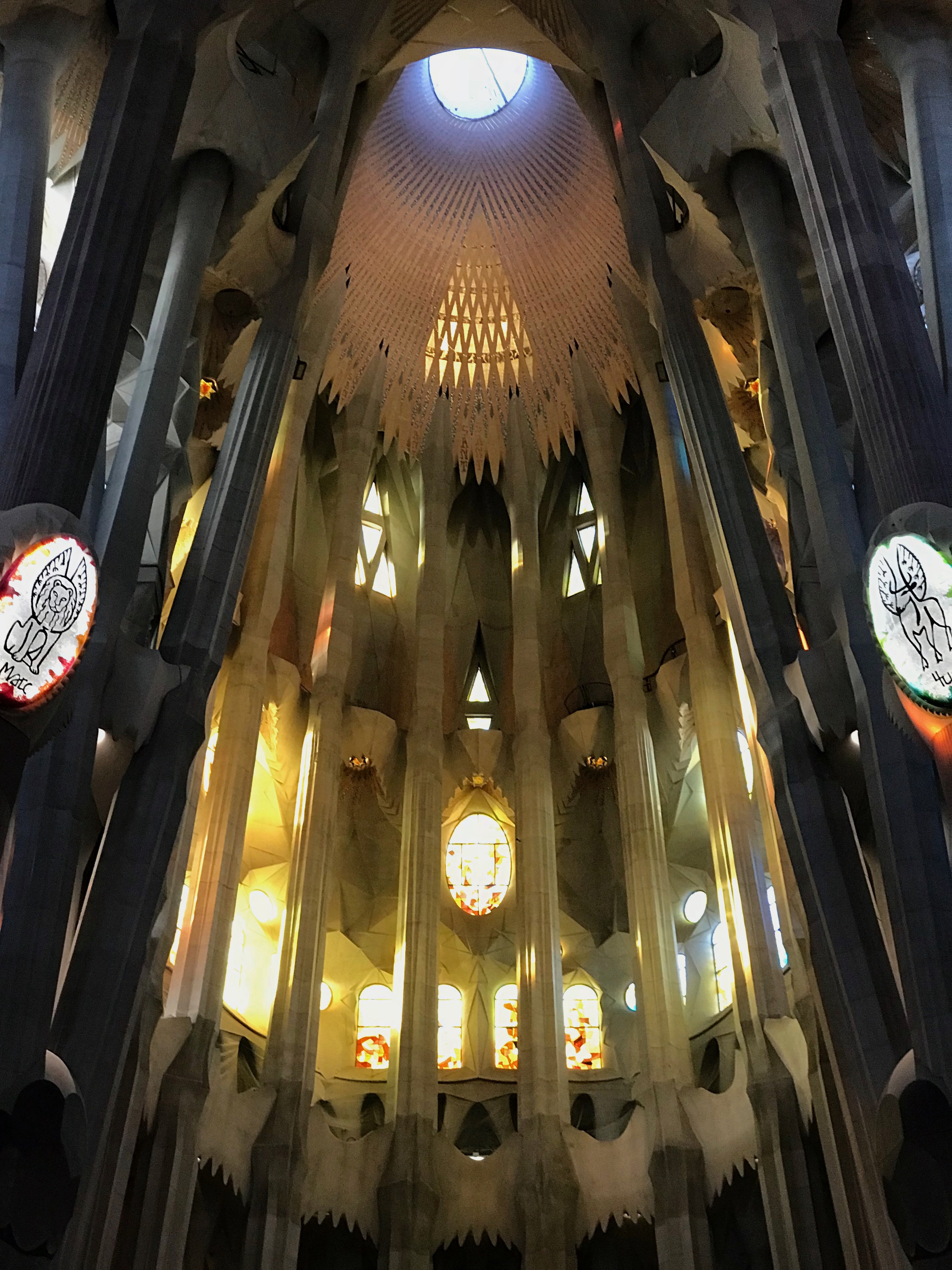
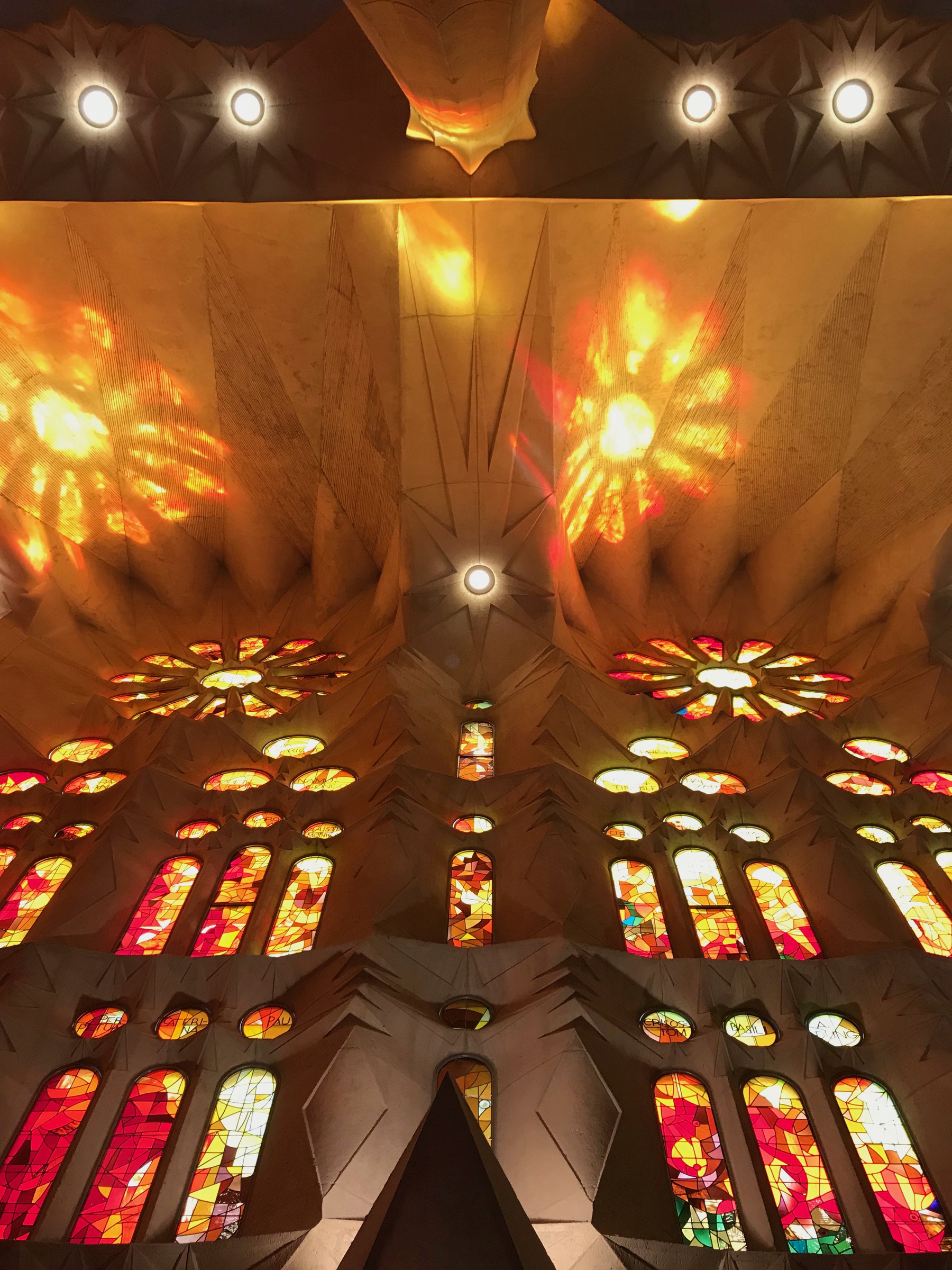
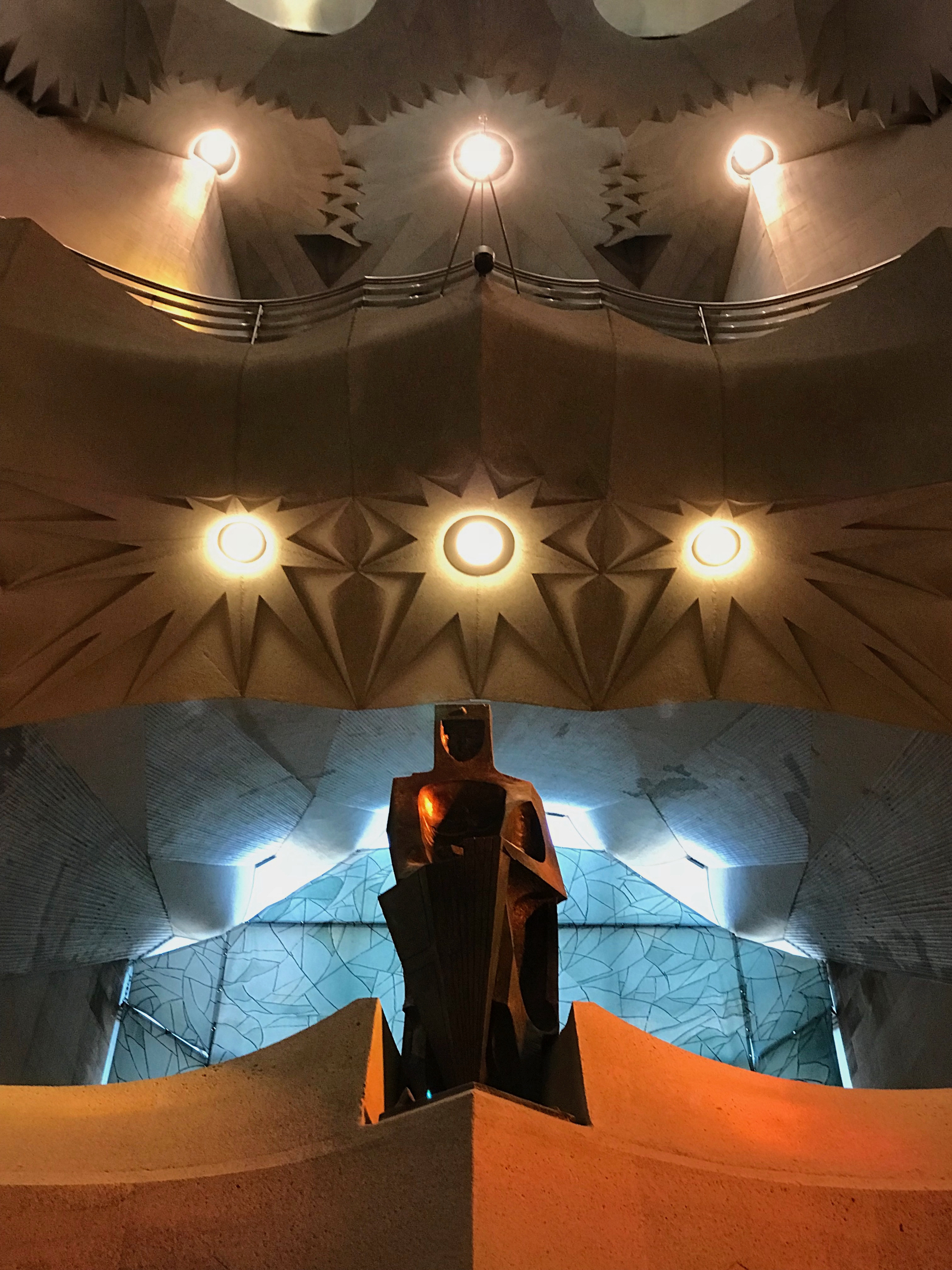
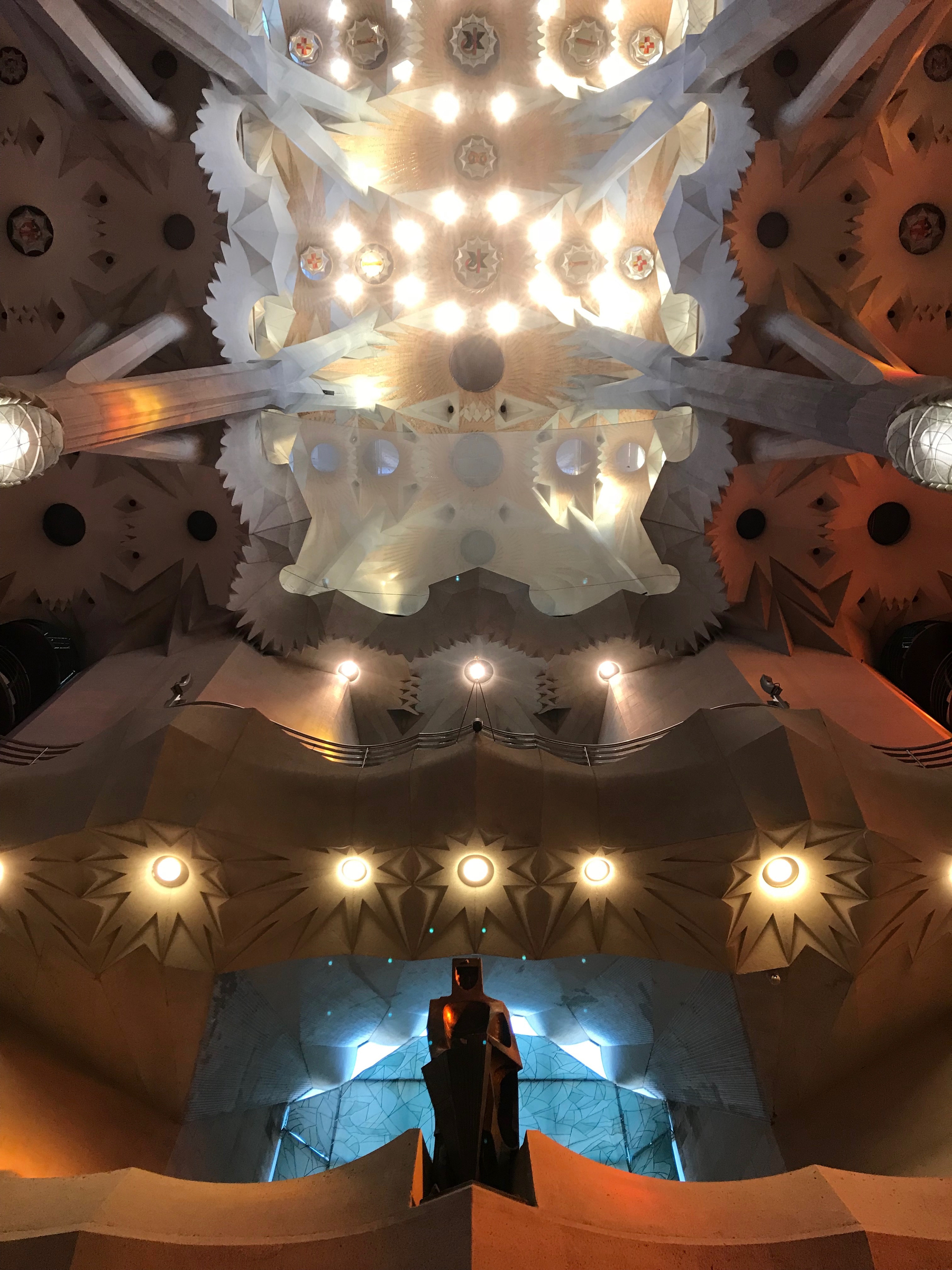
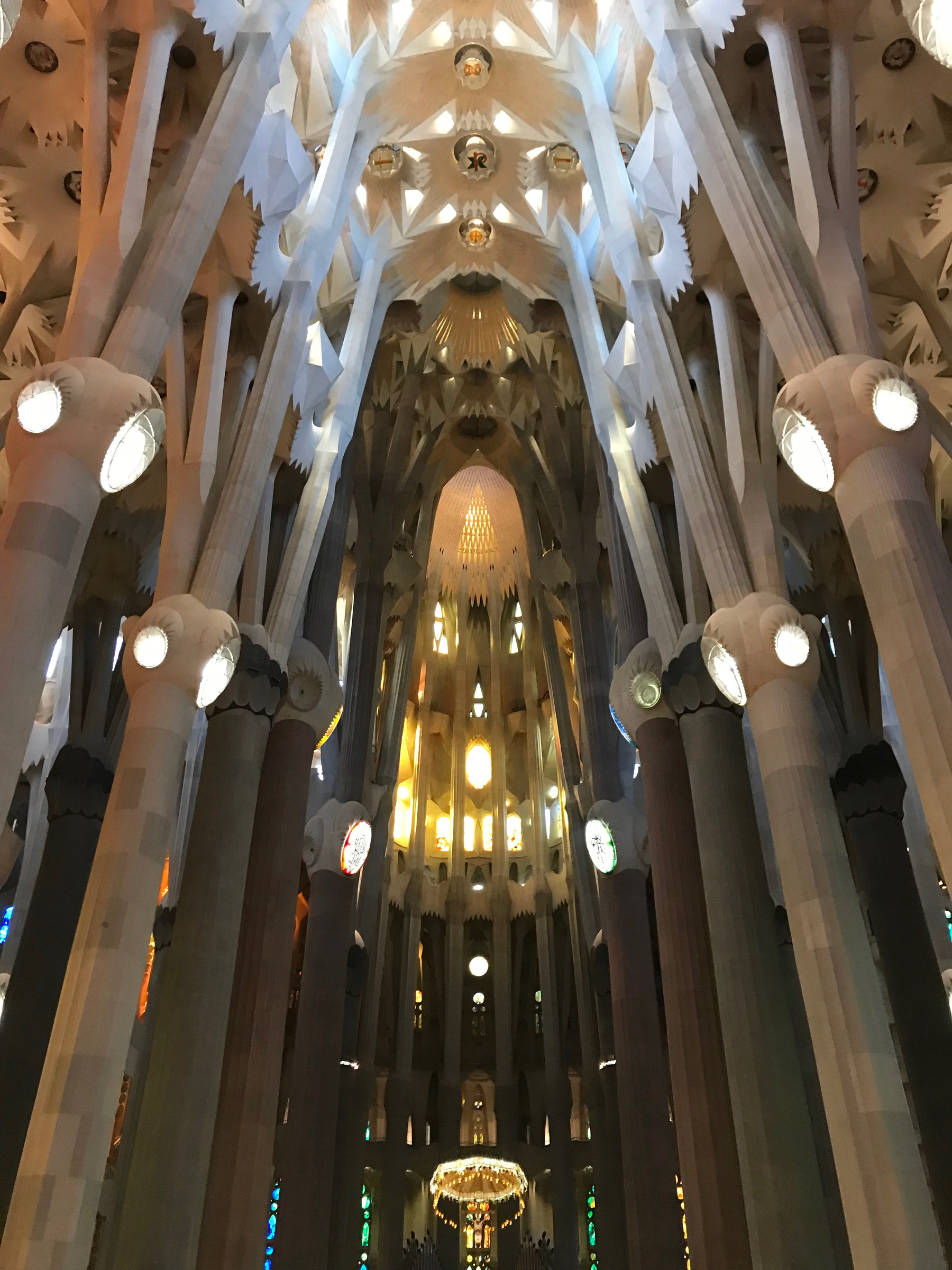
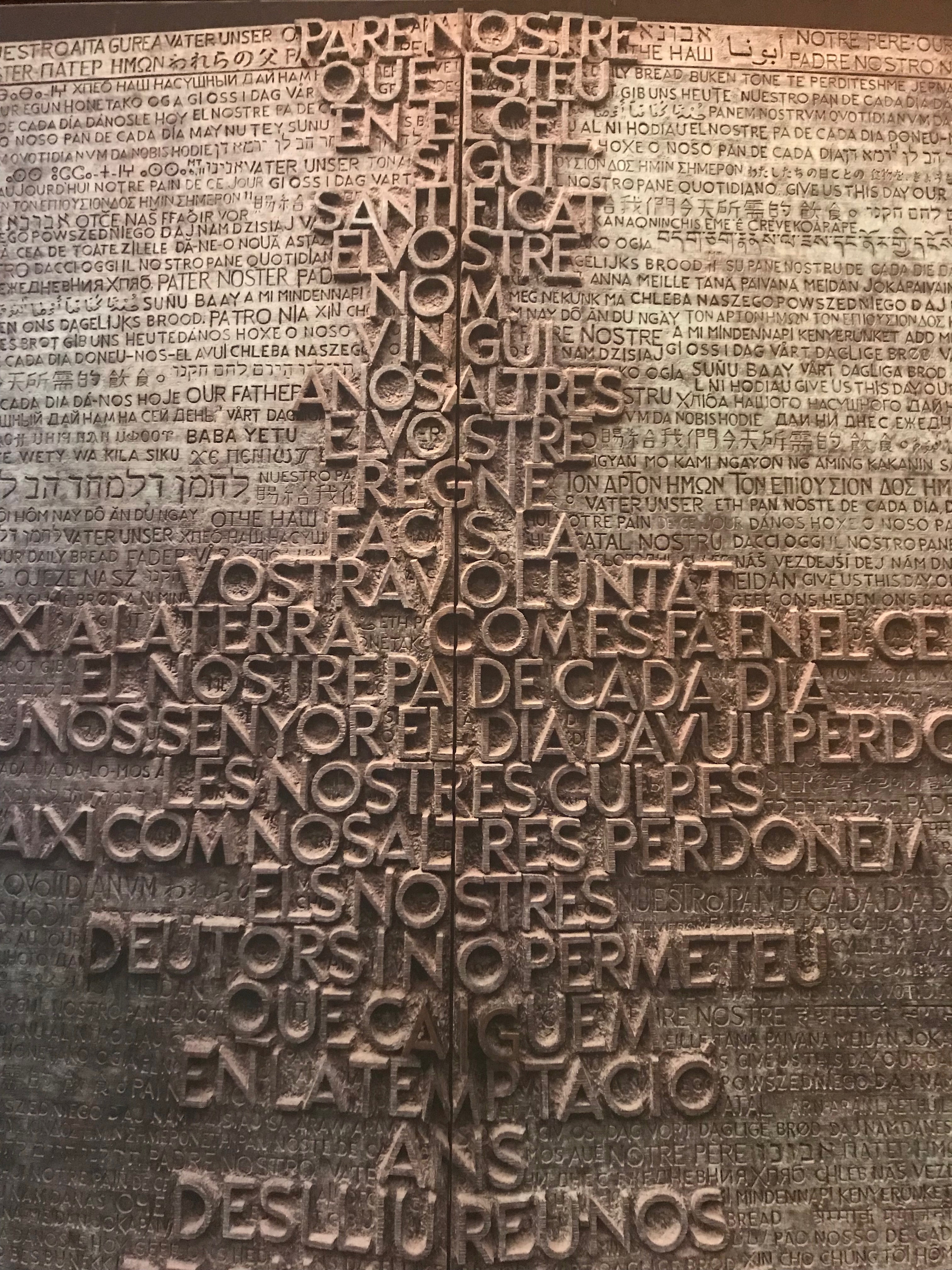
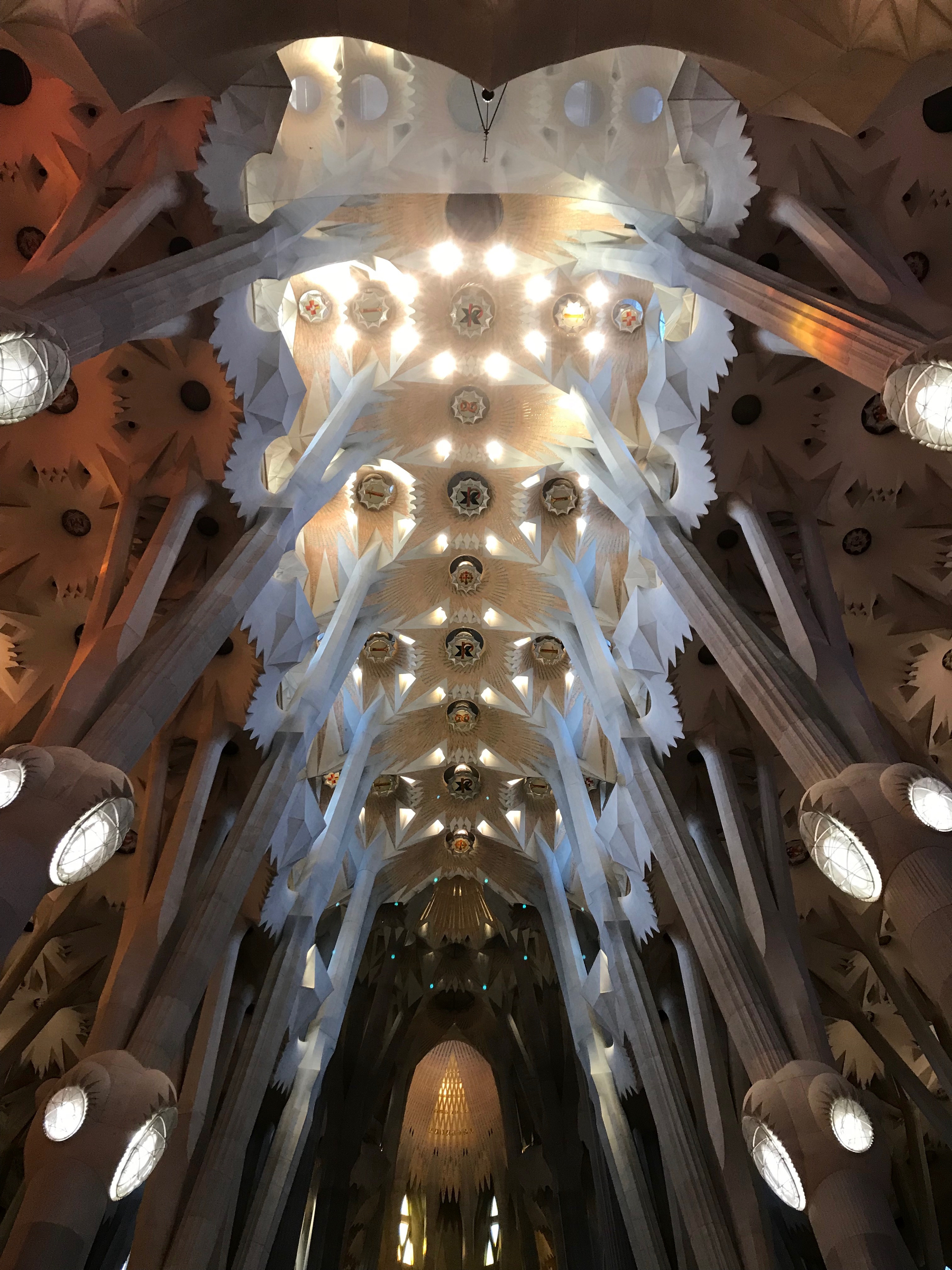
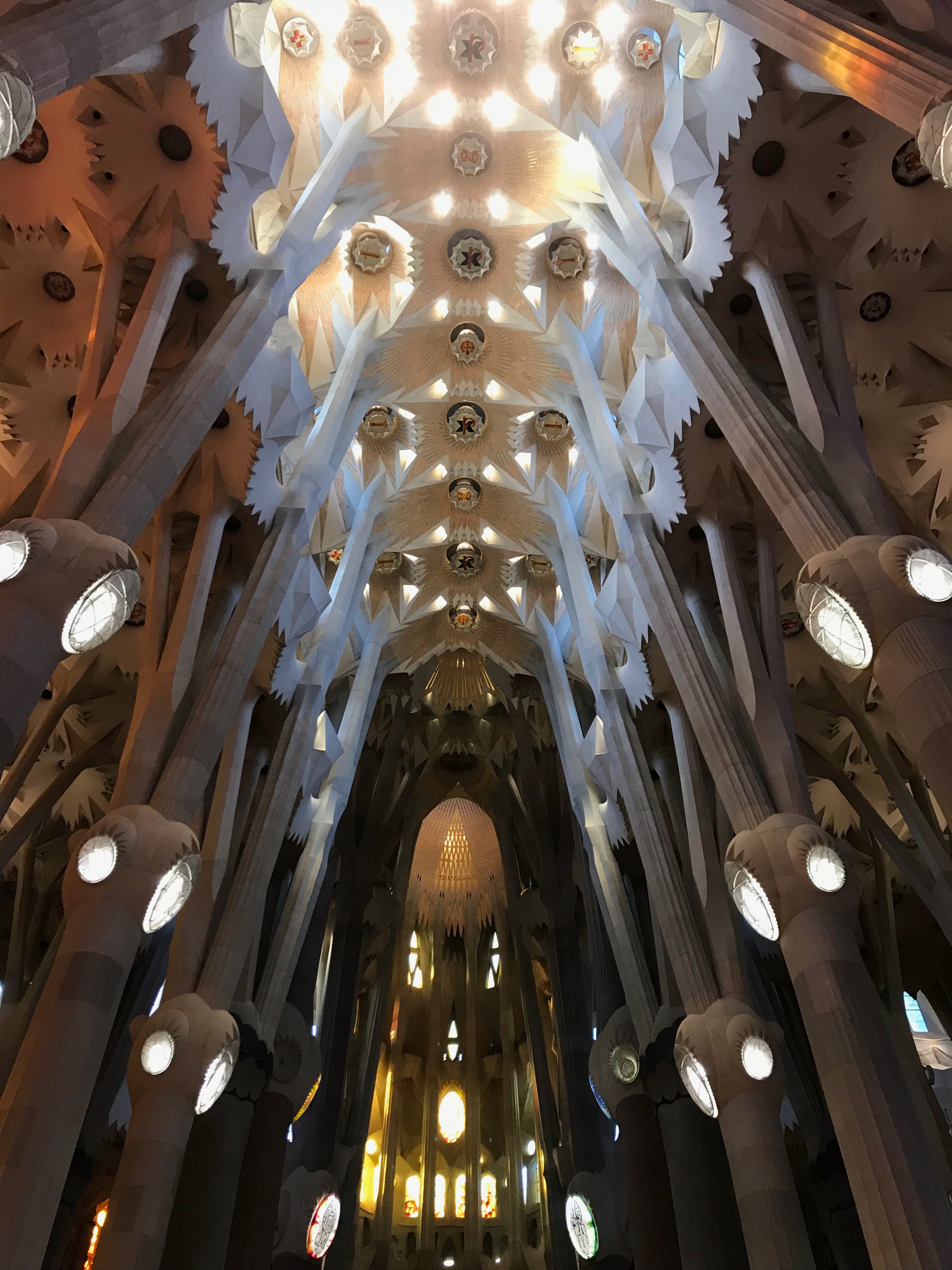
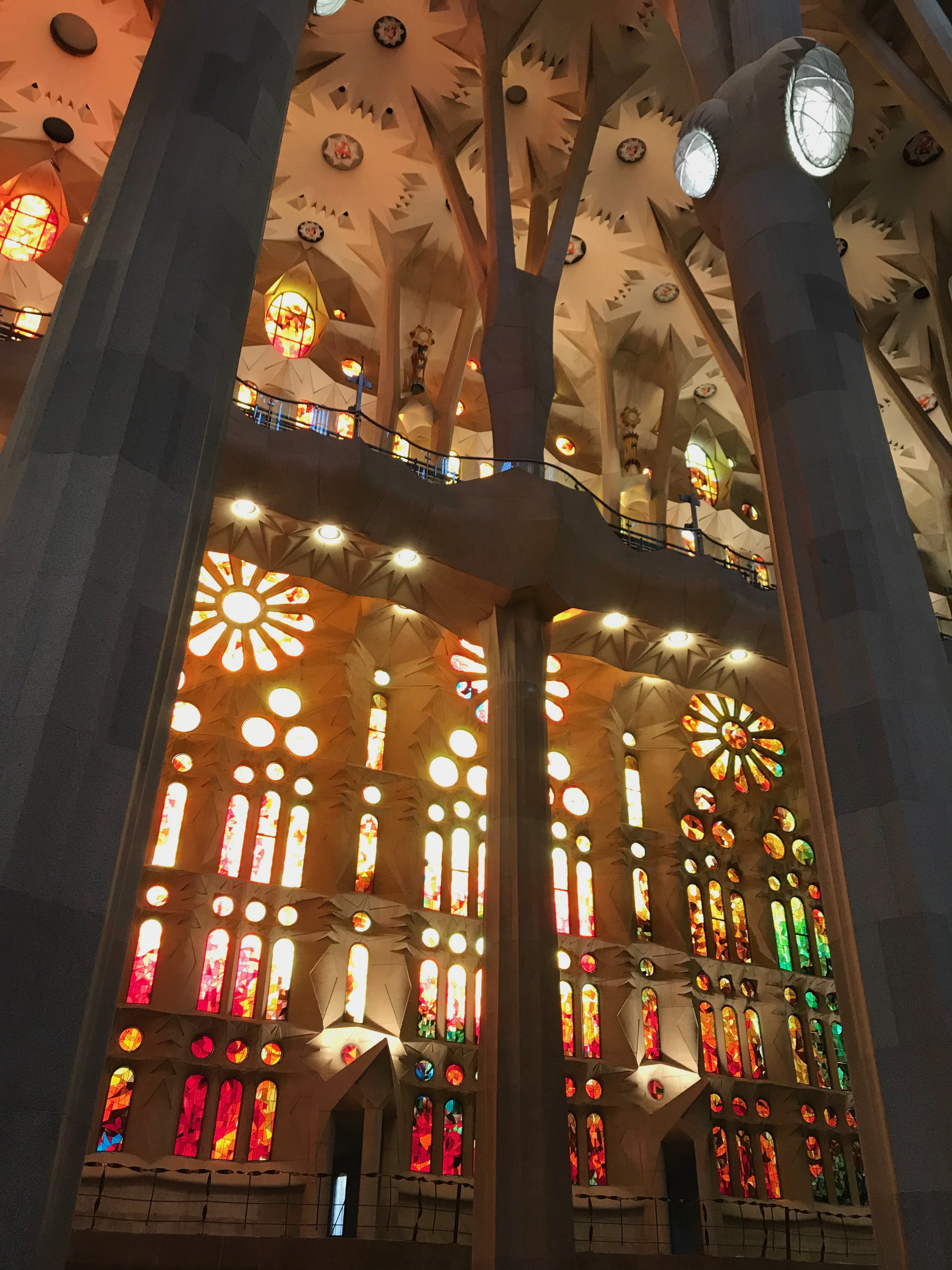
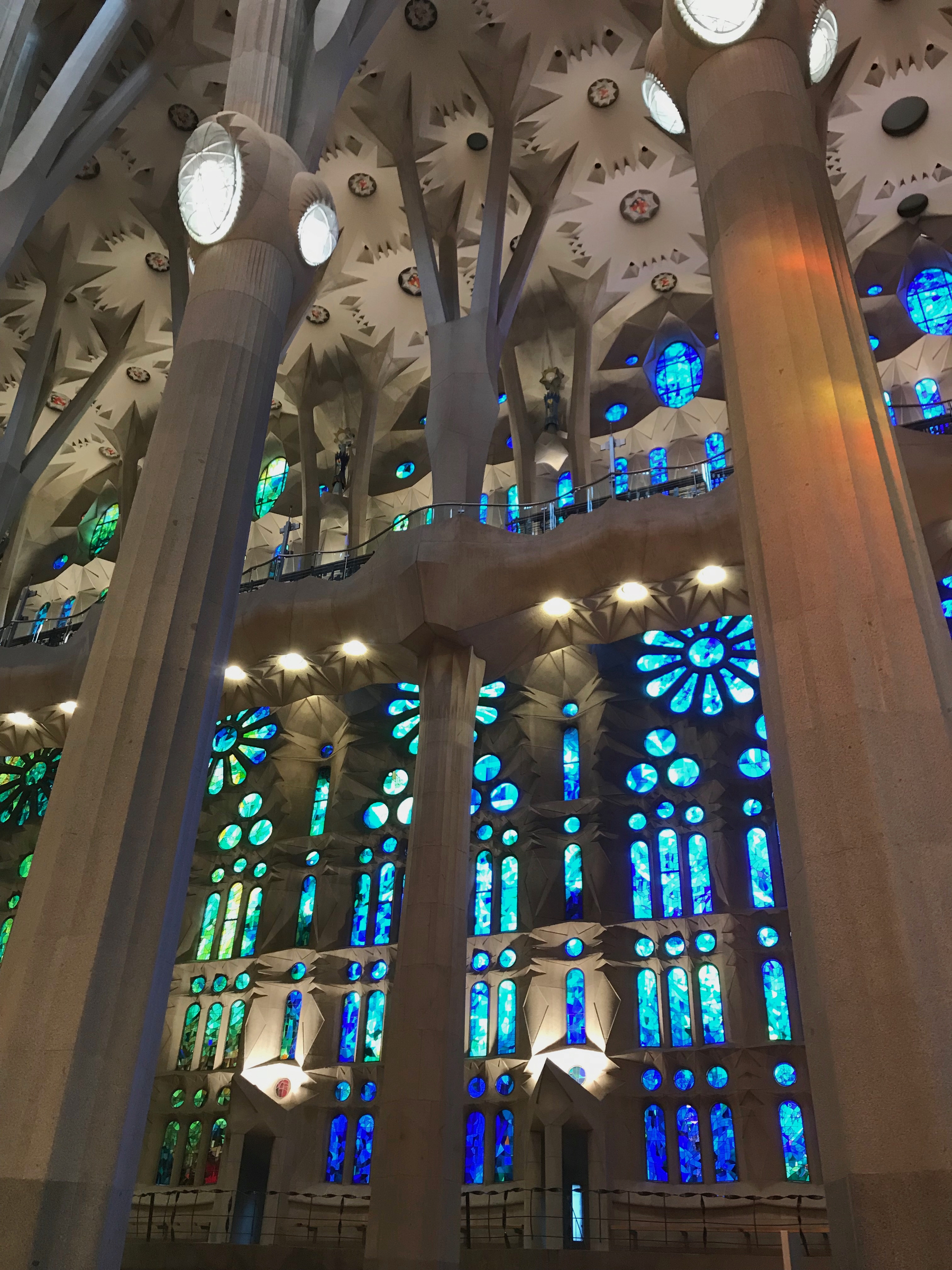
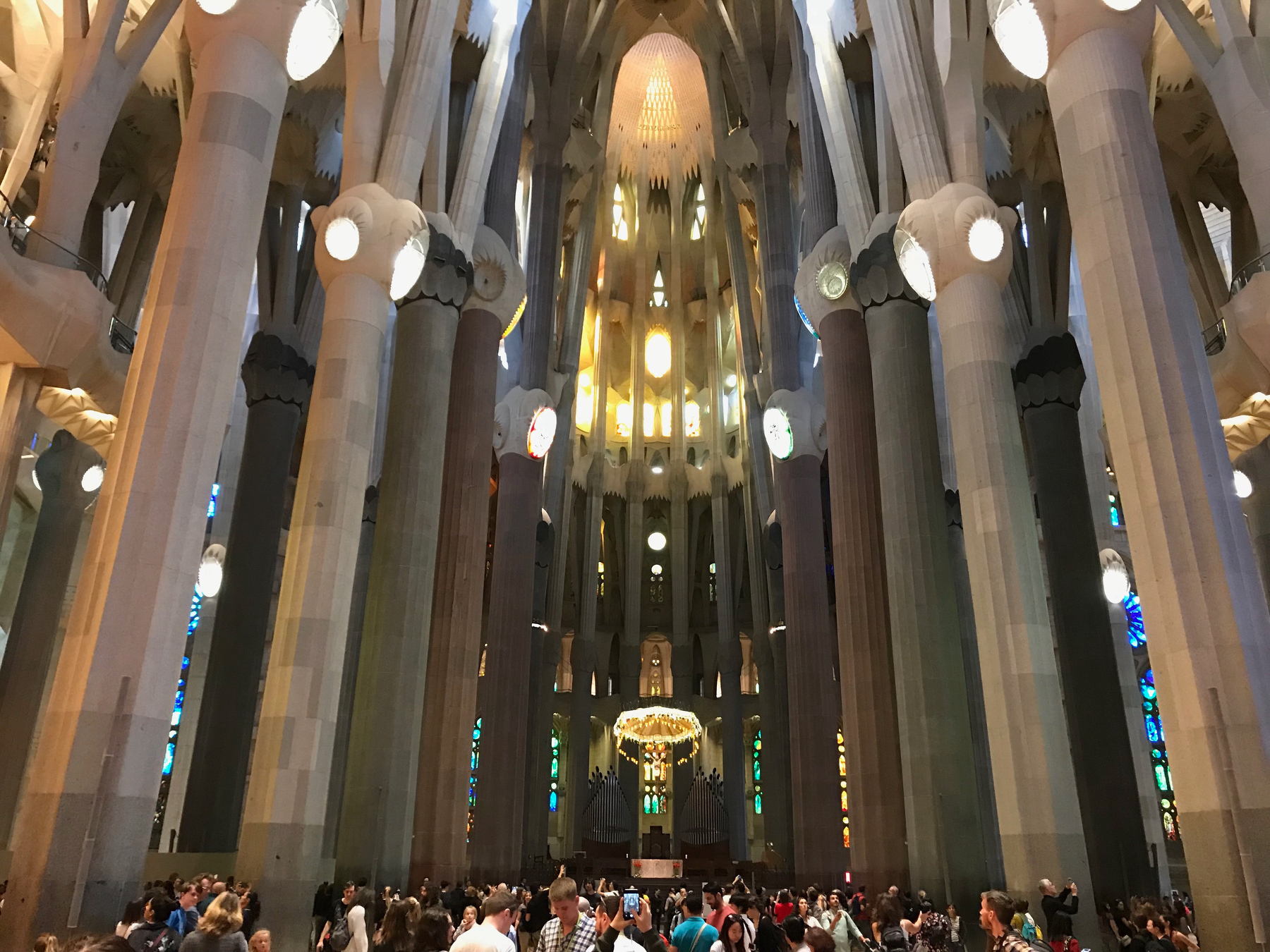
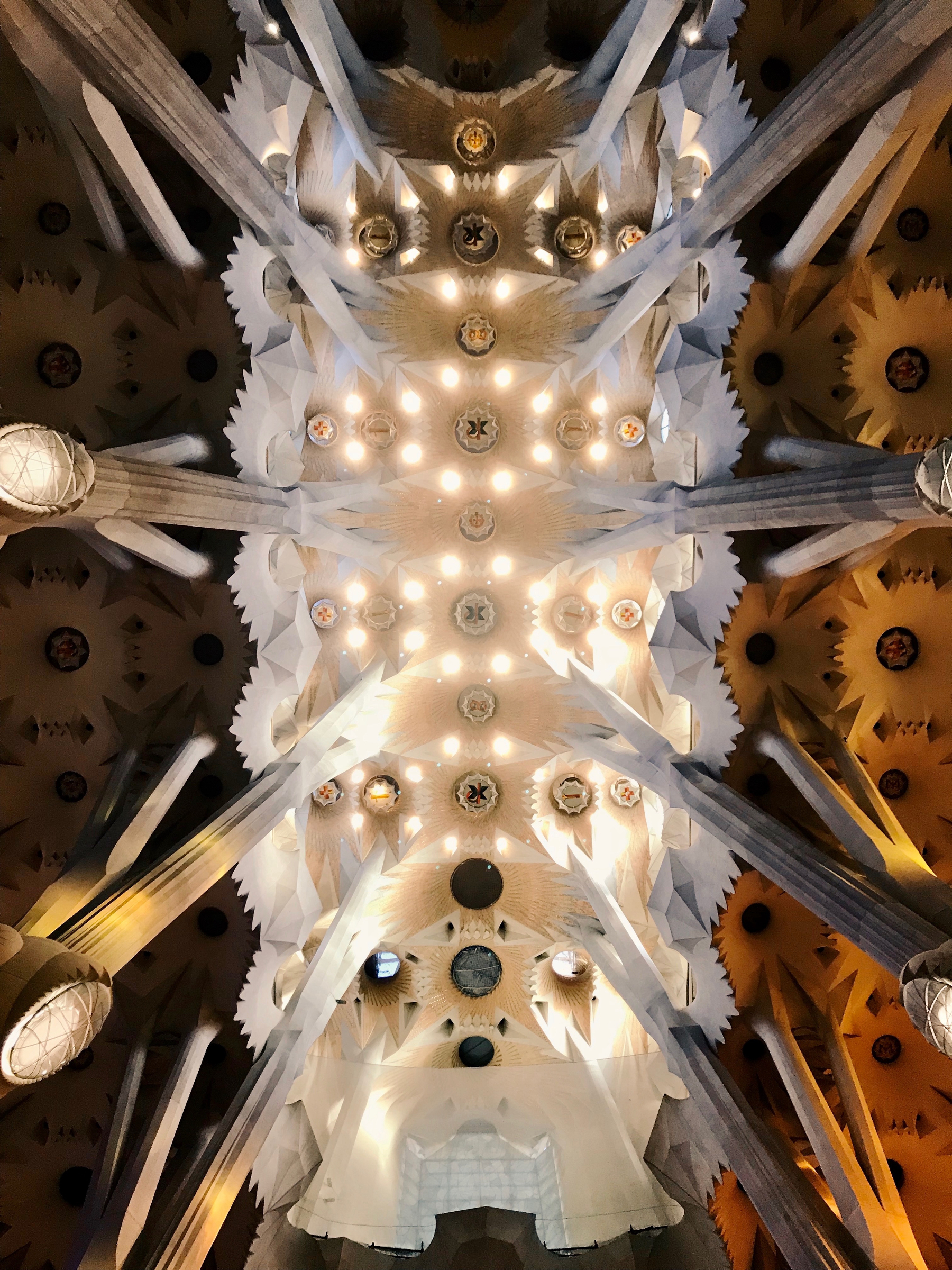
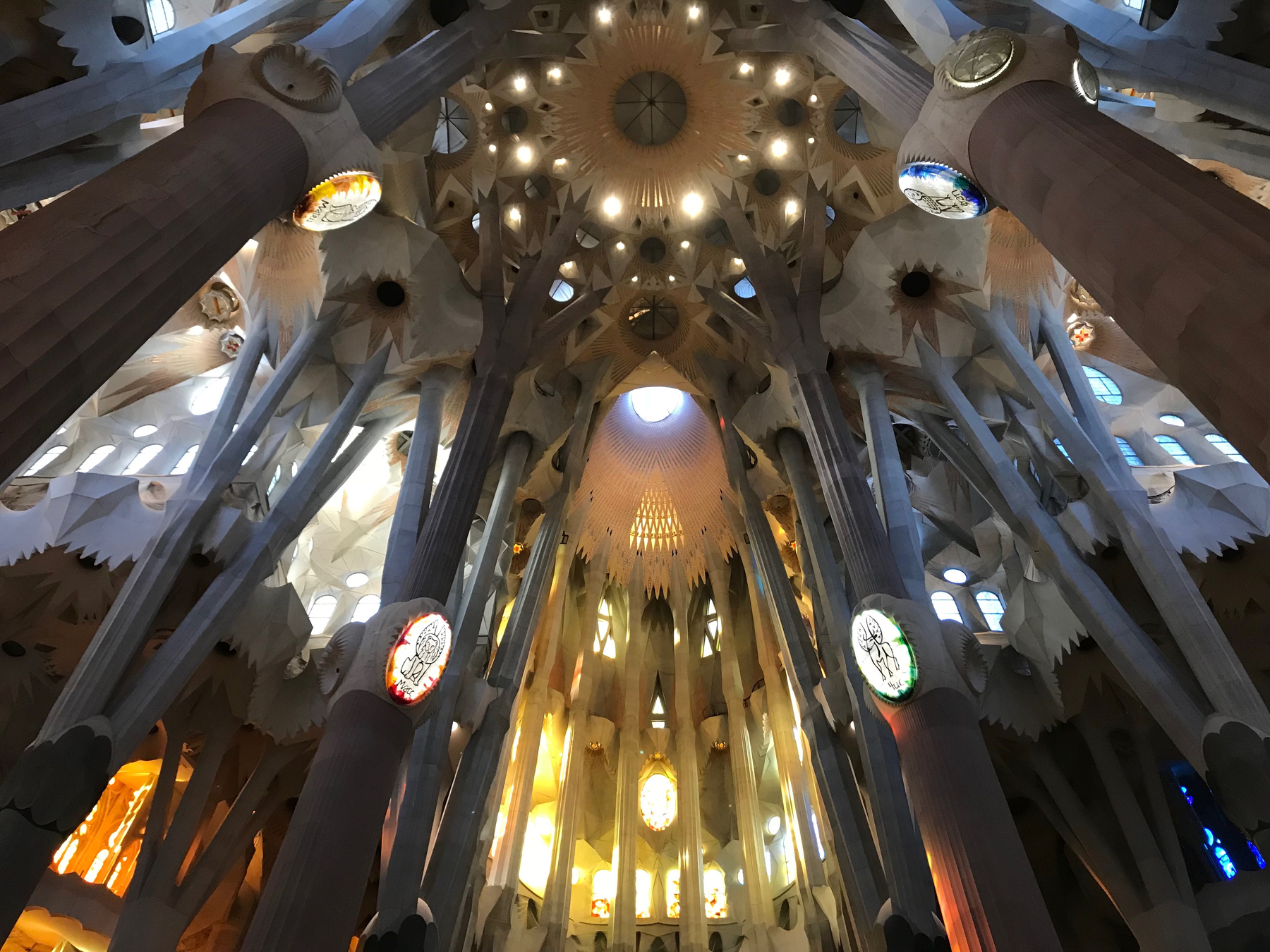
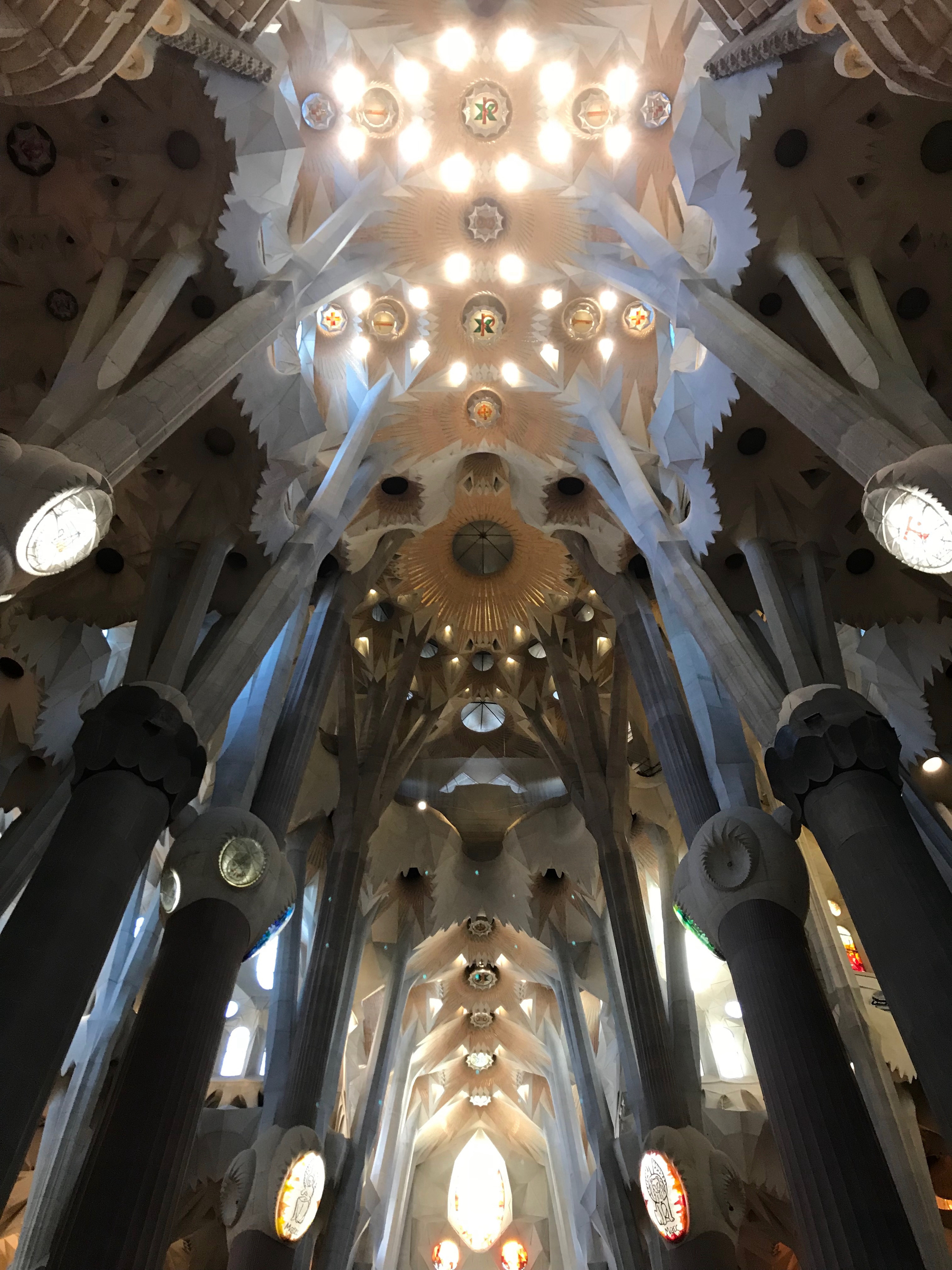
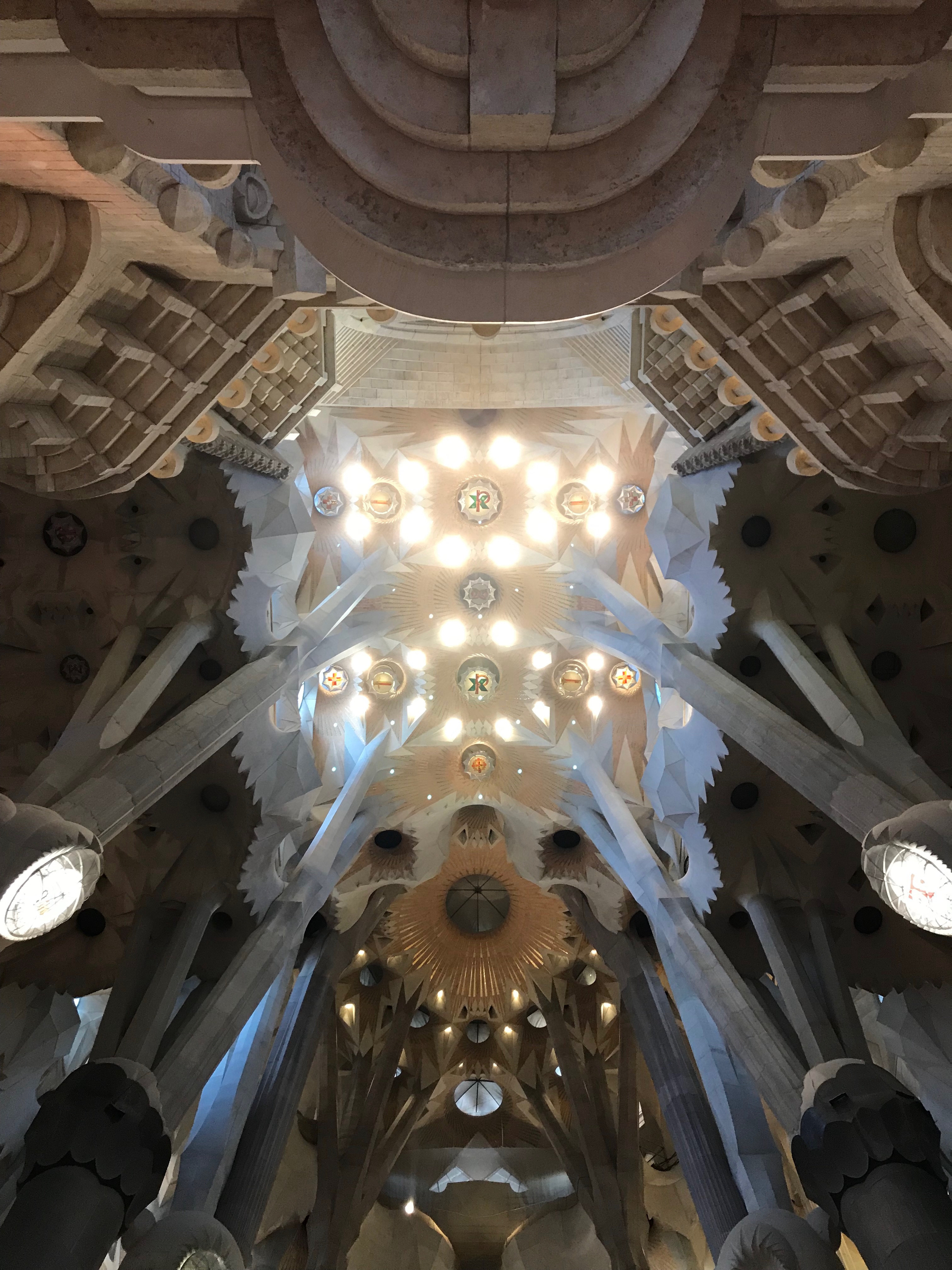
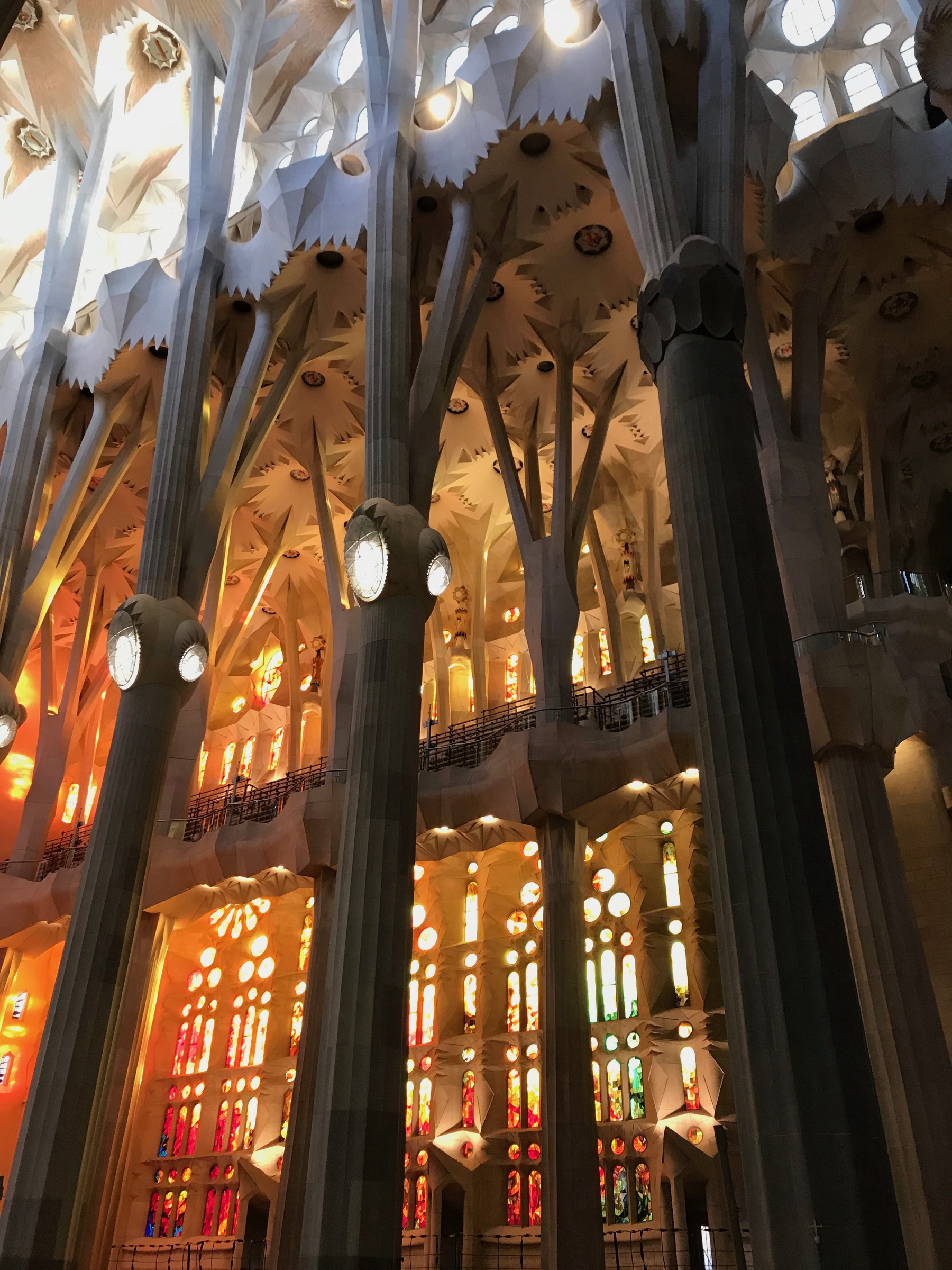
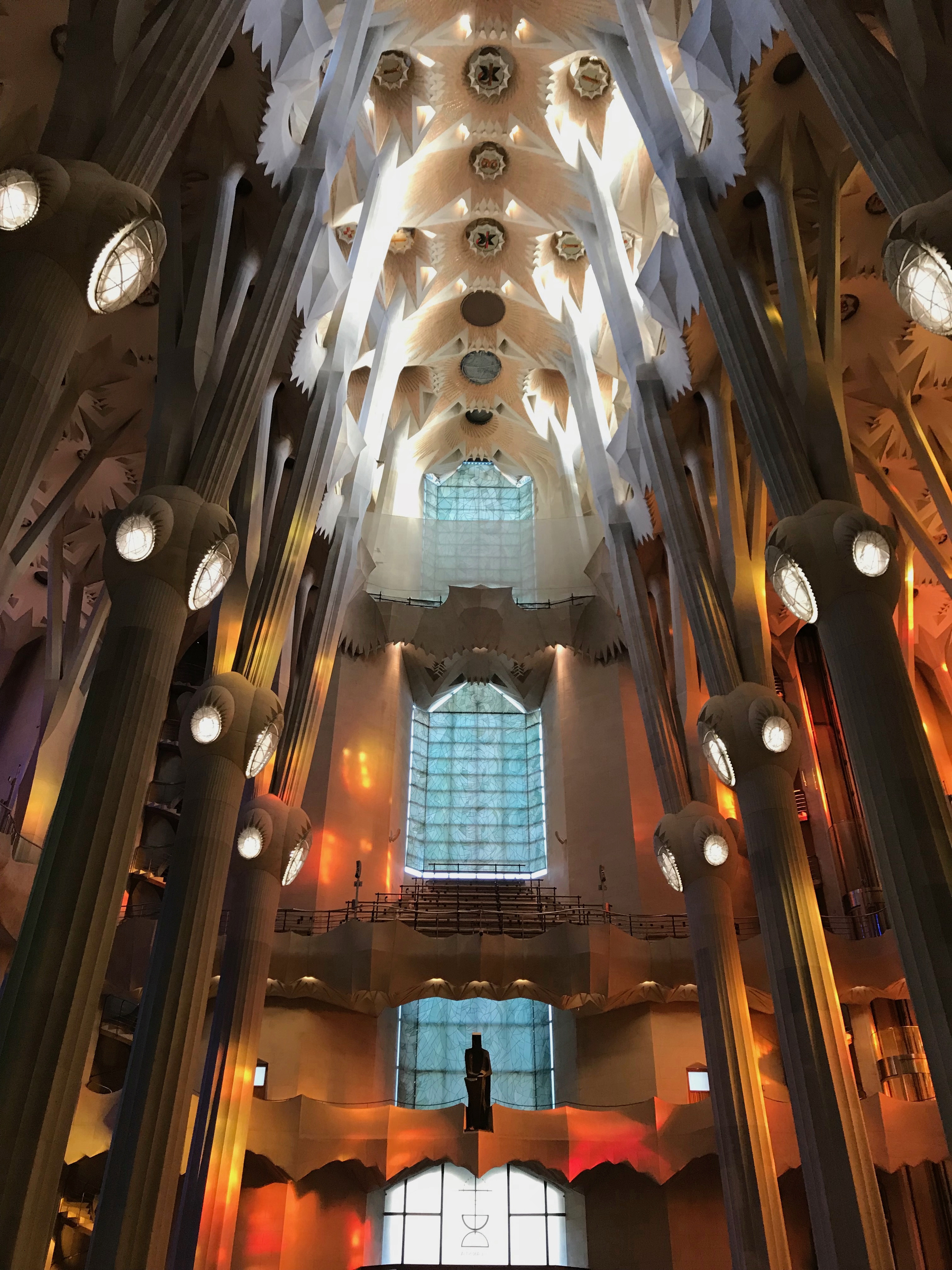
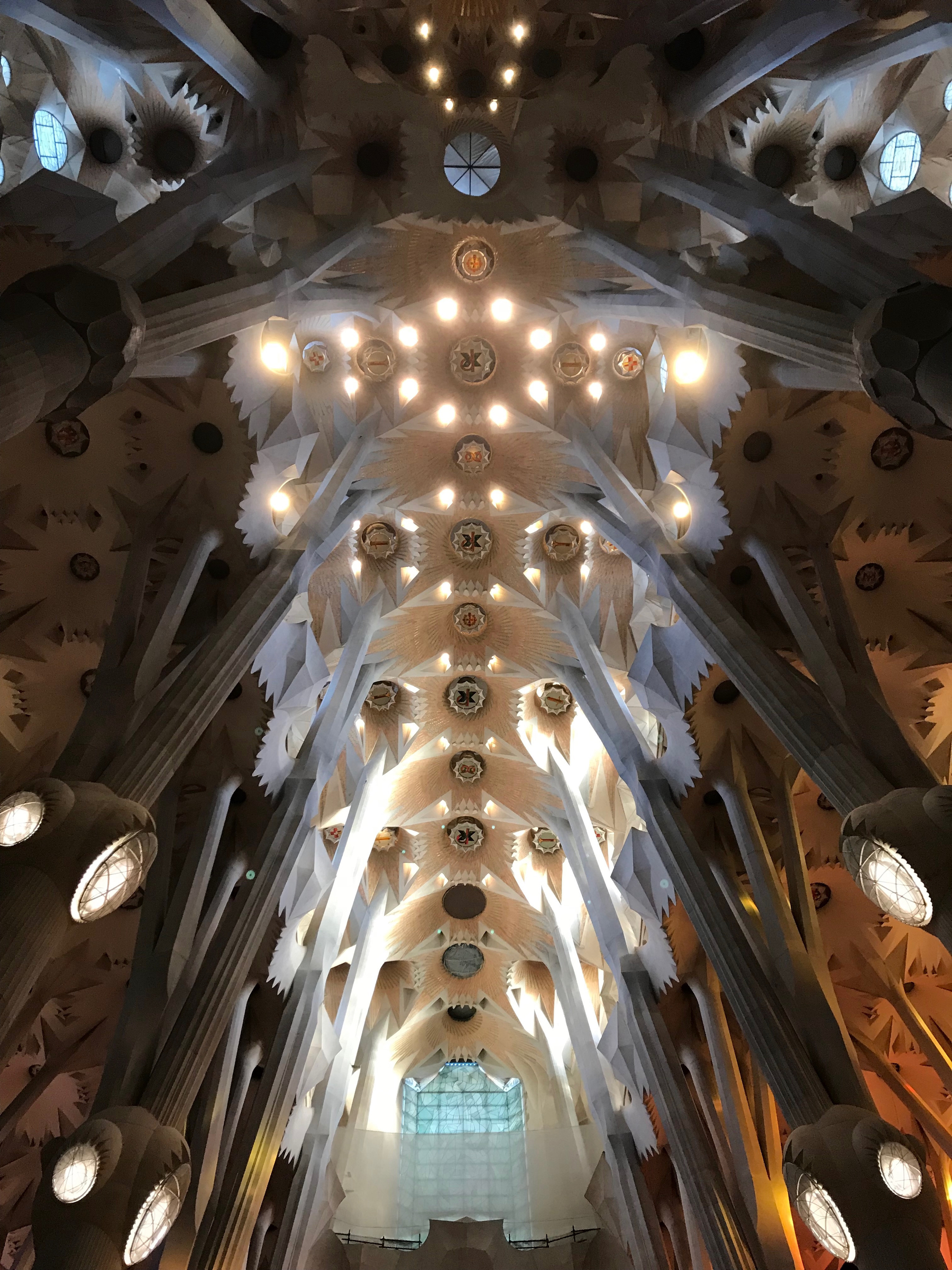
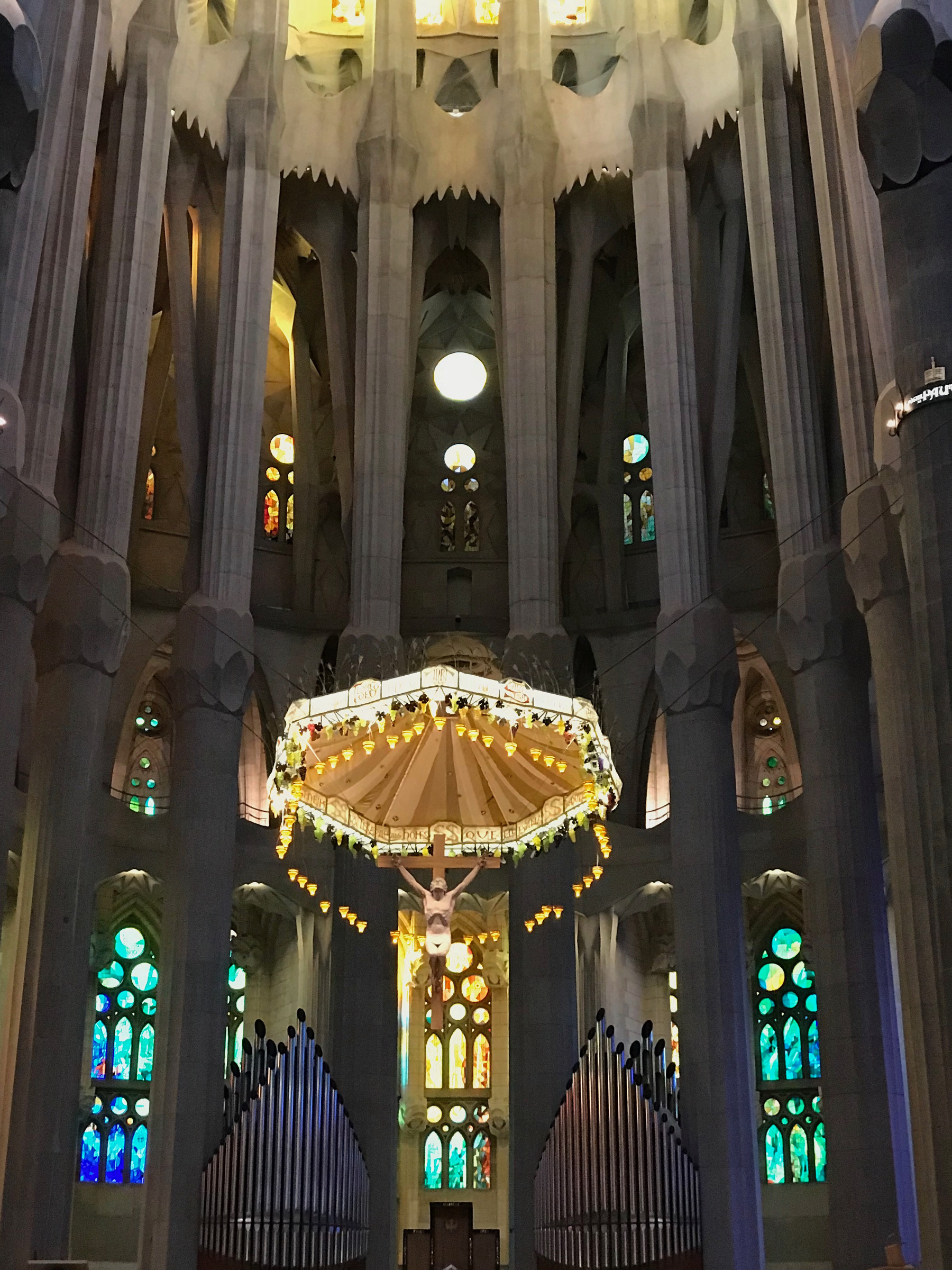
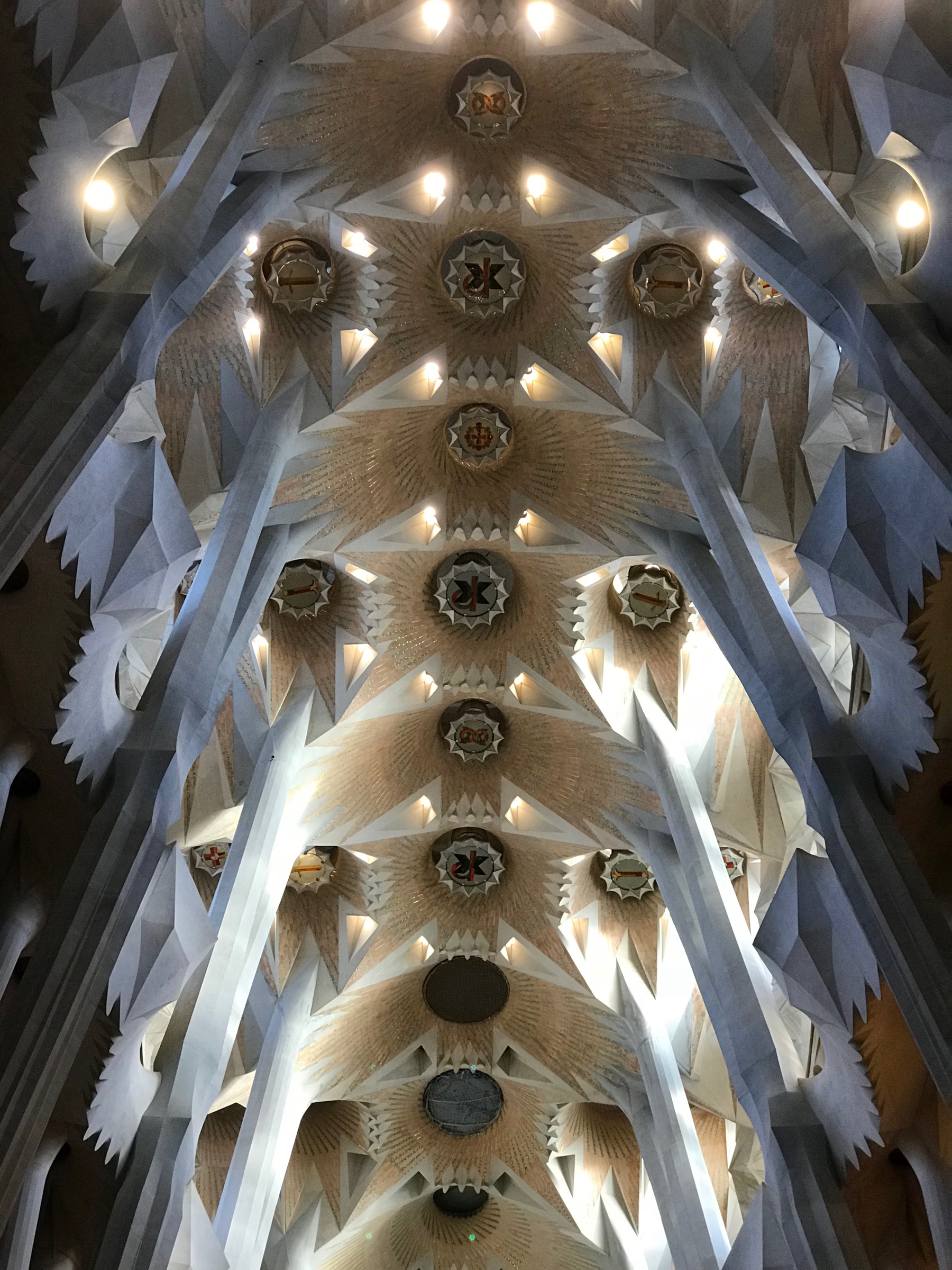
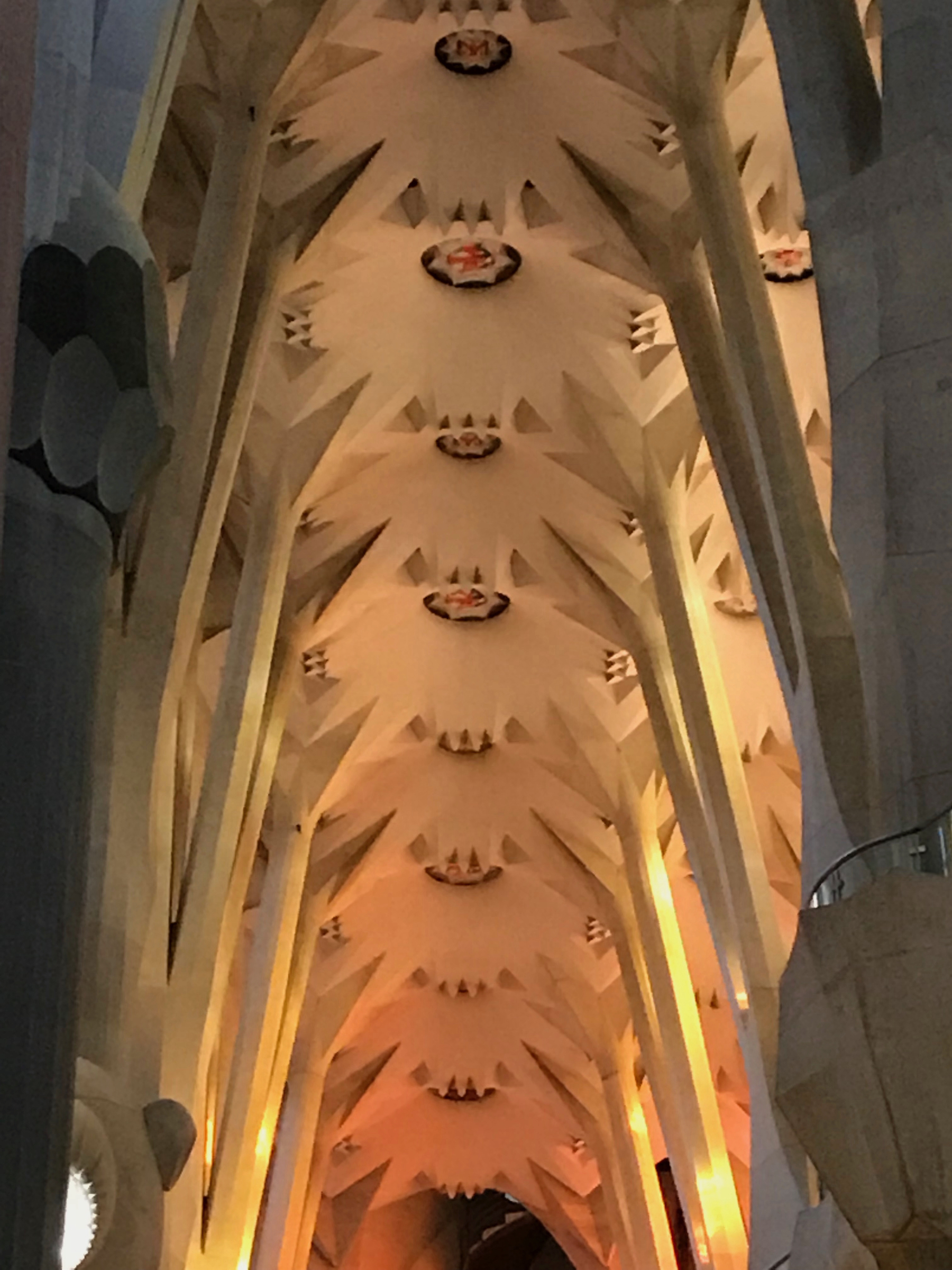
Passing through the heavy doors shifted our perspective completely. Inside, the nave stretches upward into a towering forest of stone. Gaudí rejected traditional straight buttresses, choosing instead to design branching columns that mimic real trees, spreading out at the top to support the weight of the vault. Sunlight flooded through the stained glass windows, splashing fiery reds and orange tones on the eastern walls and cool blues and greens across the west. The sheer scale of engineering and artistic genius left us both silent. Sharing that quiet awe with my mother made the experience deeply meaningful.
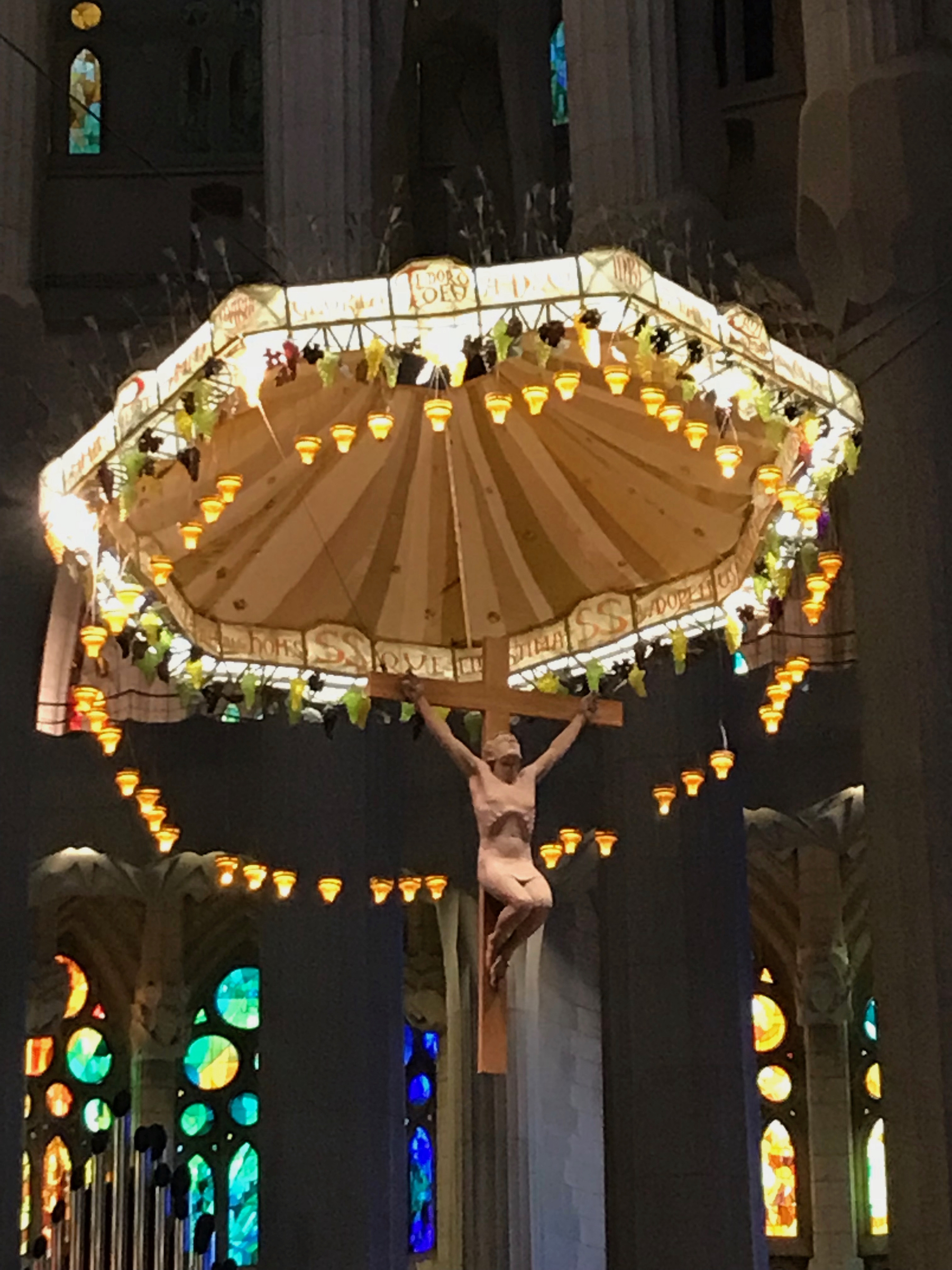
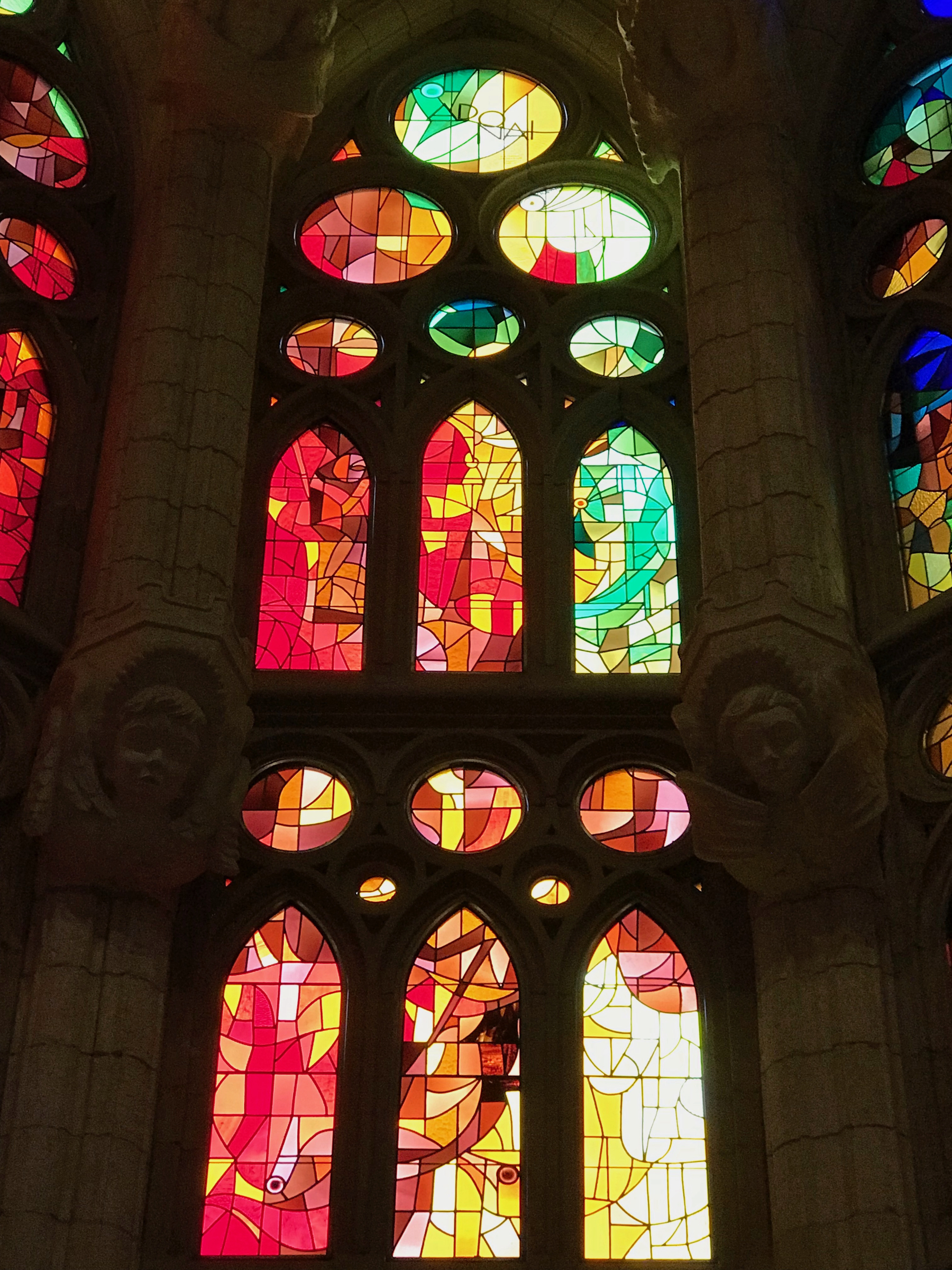
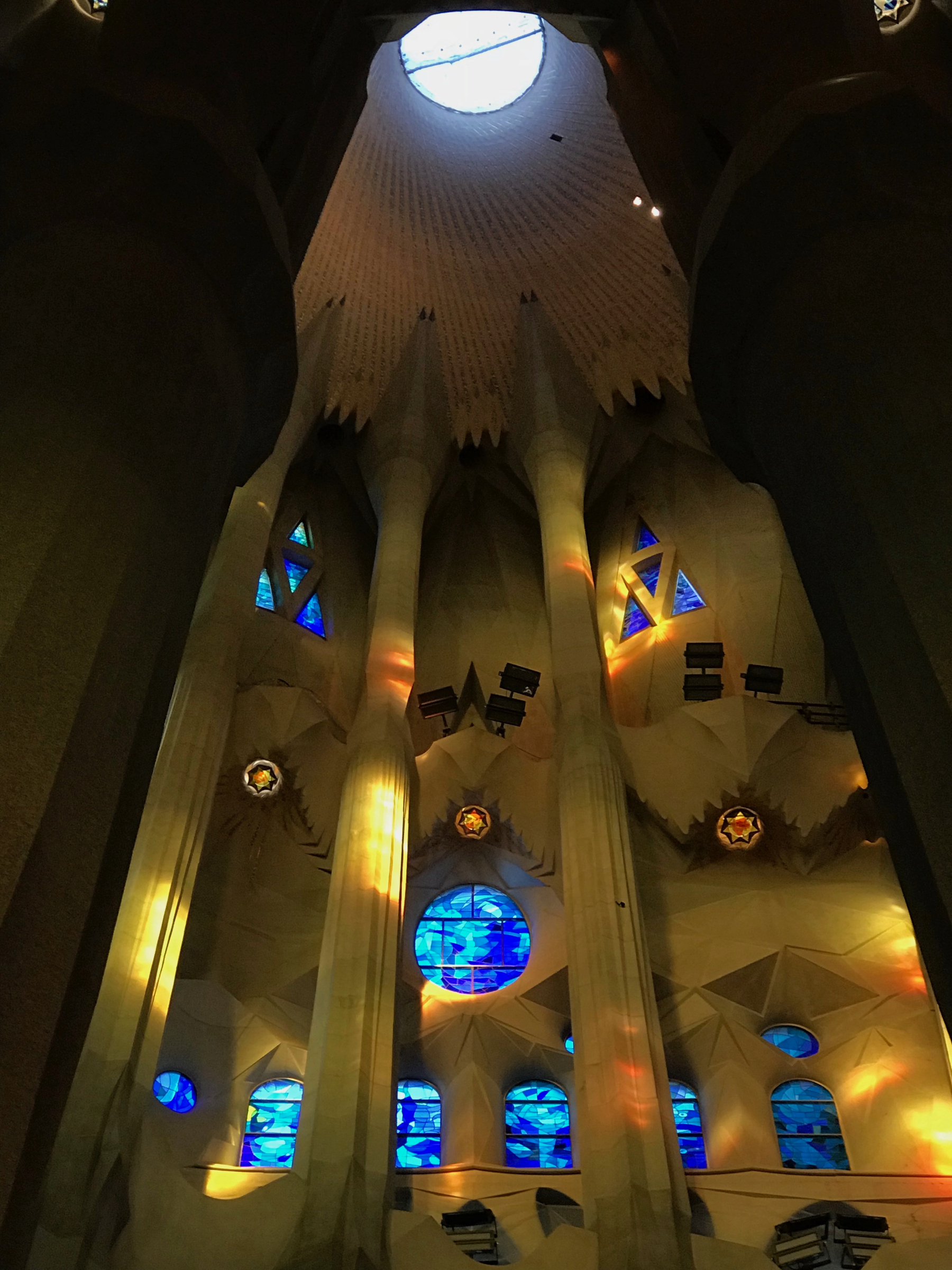
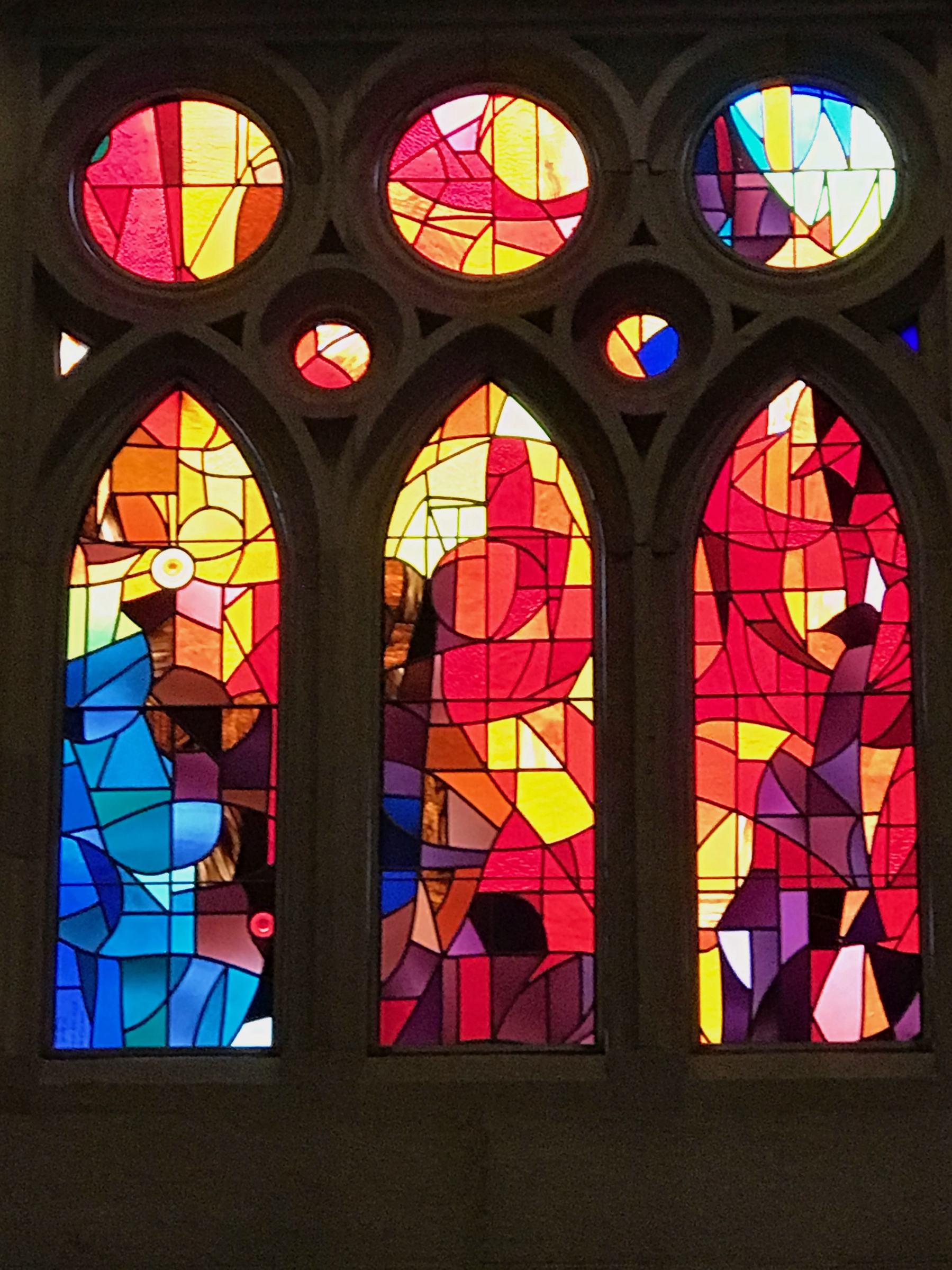
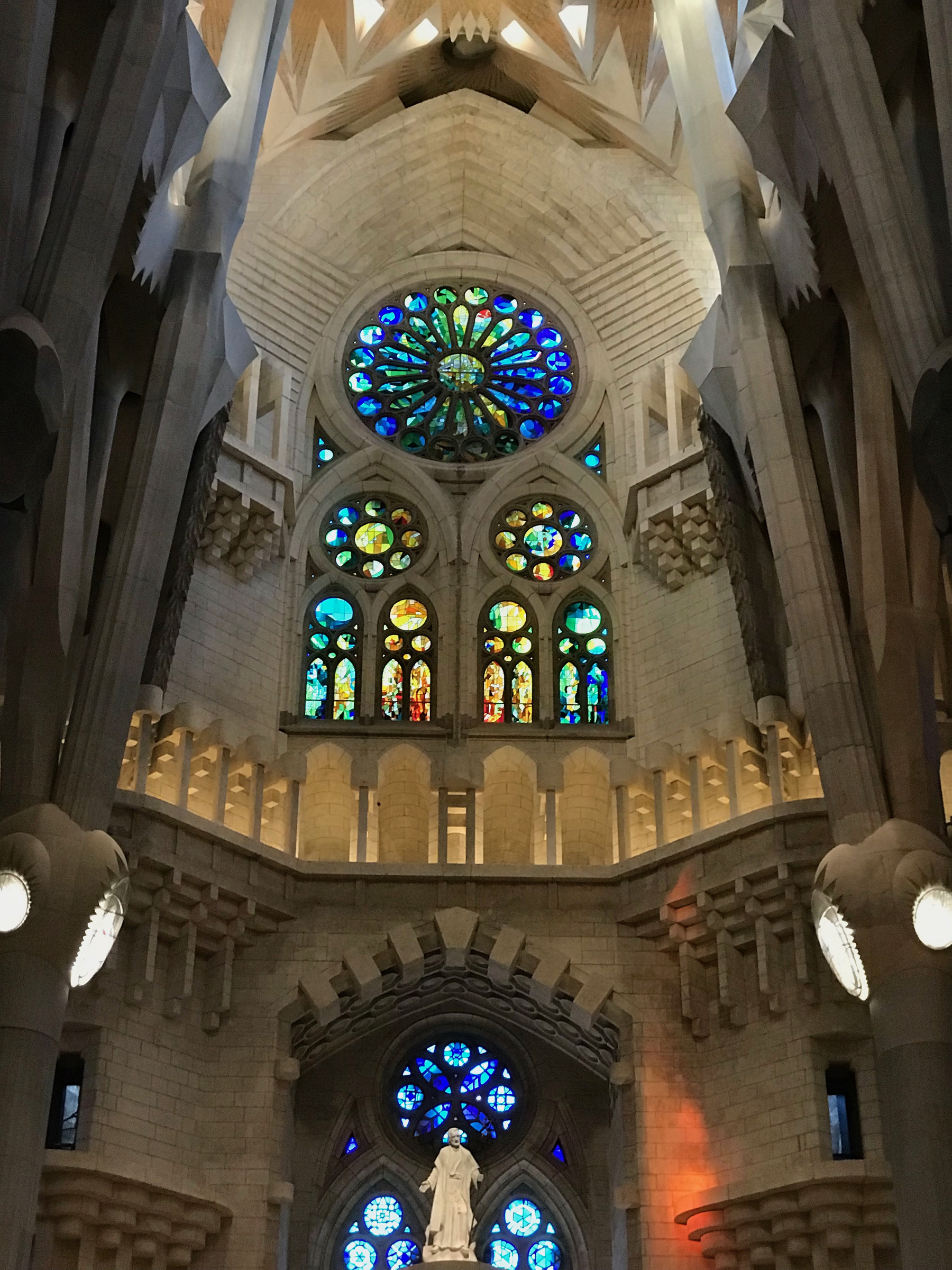
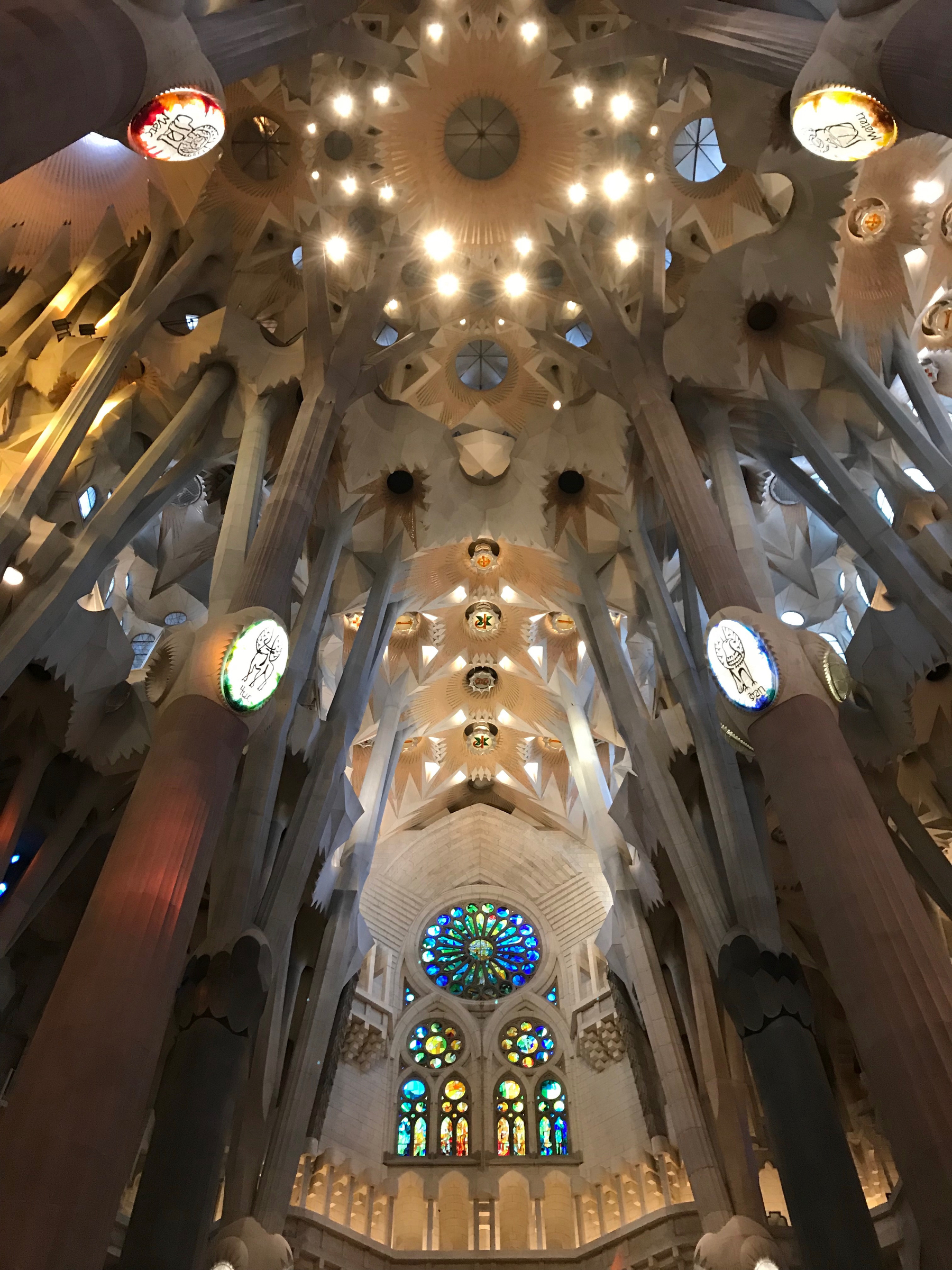
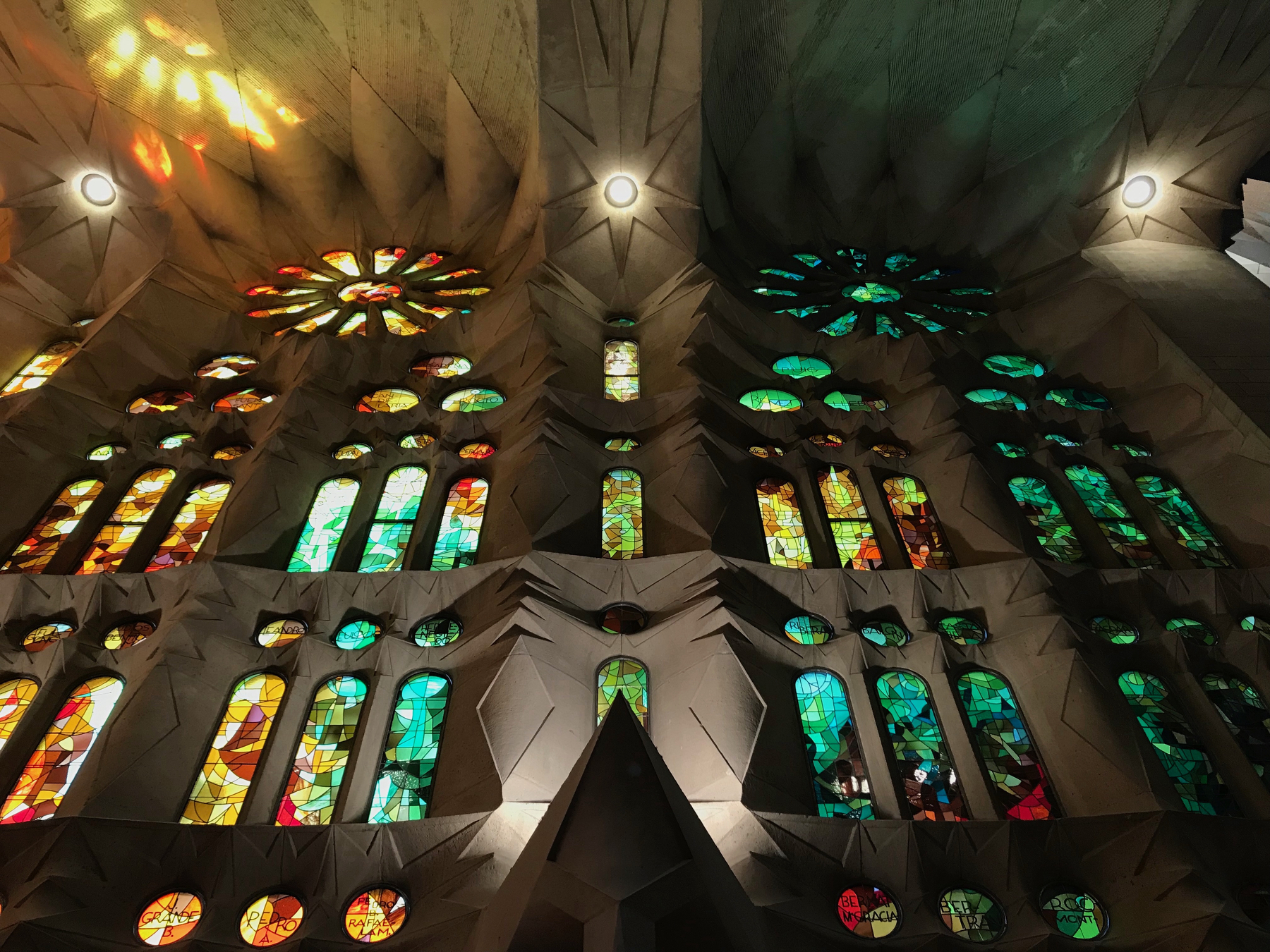
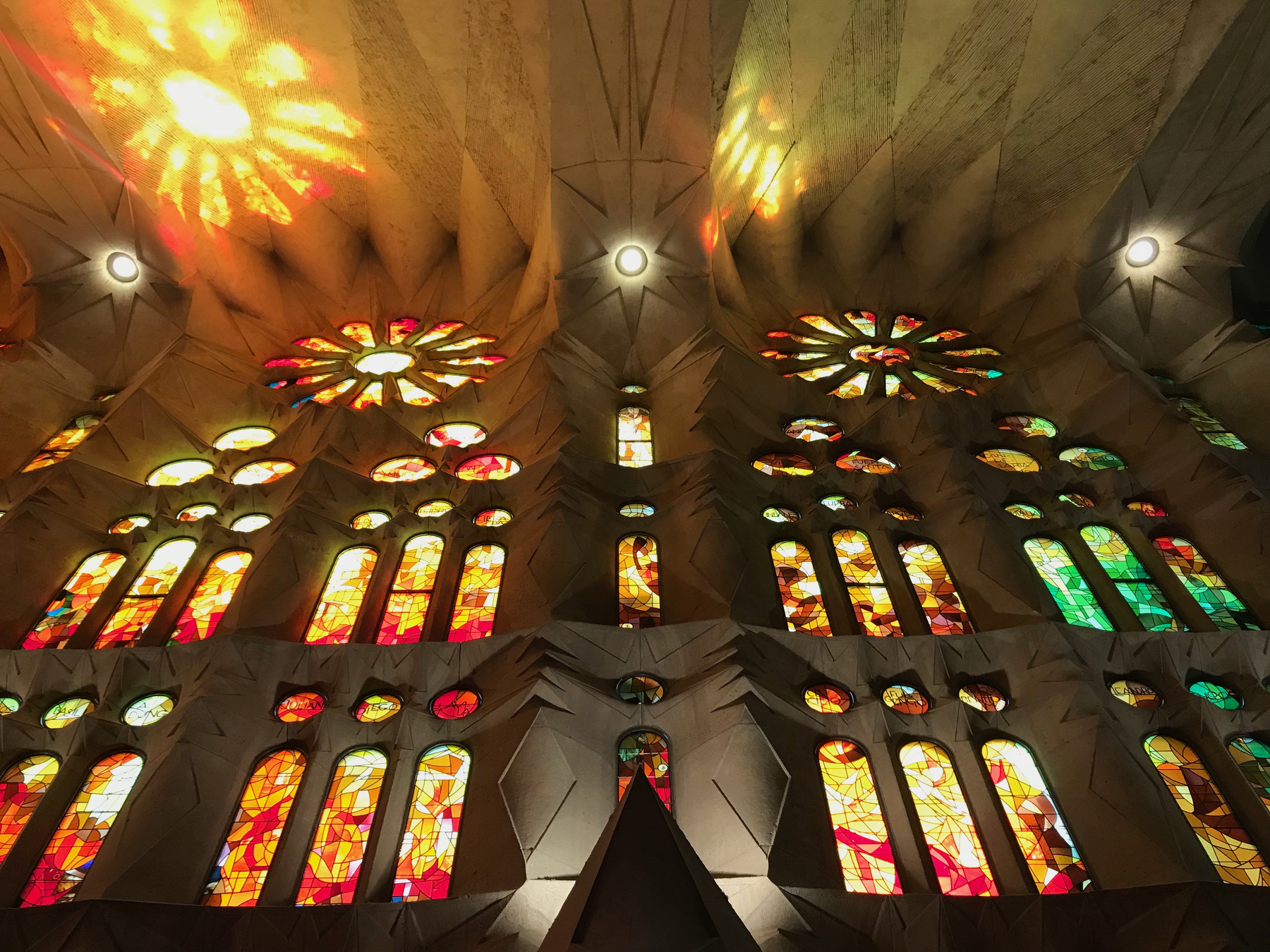
Standing together beneath the central canopy, surrounded by history that has been actively unfolding since construction began in 1882, felt like stepping outside of time. Traveling together often brings these unexpected moments of wonder that linger long after the journey ends.