
Experiencing Mardi Gras in New Orleans: History, Magic, and 24-Hour Revelry
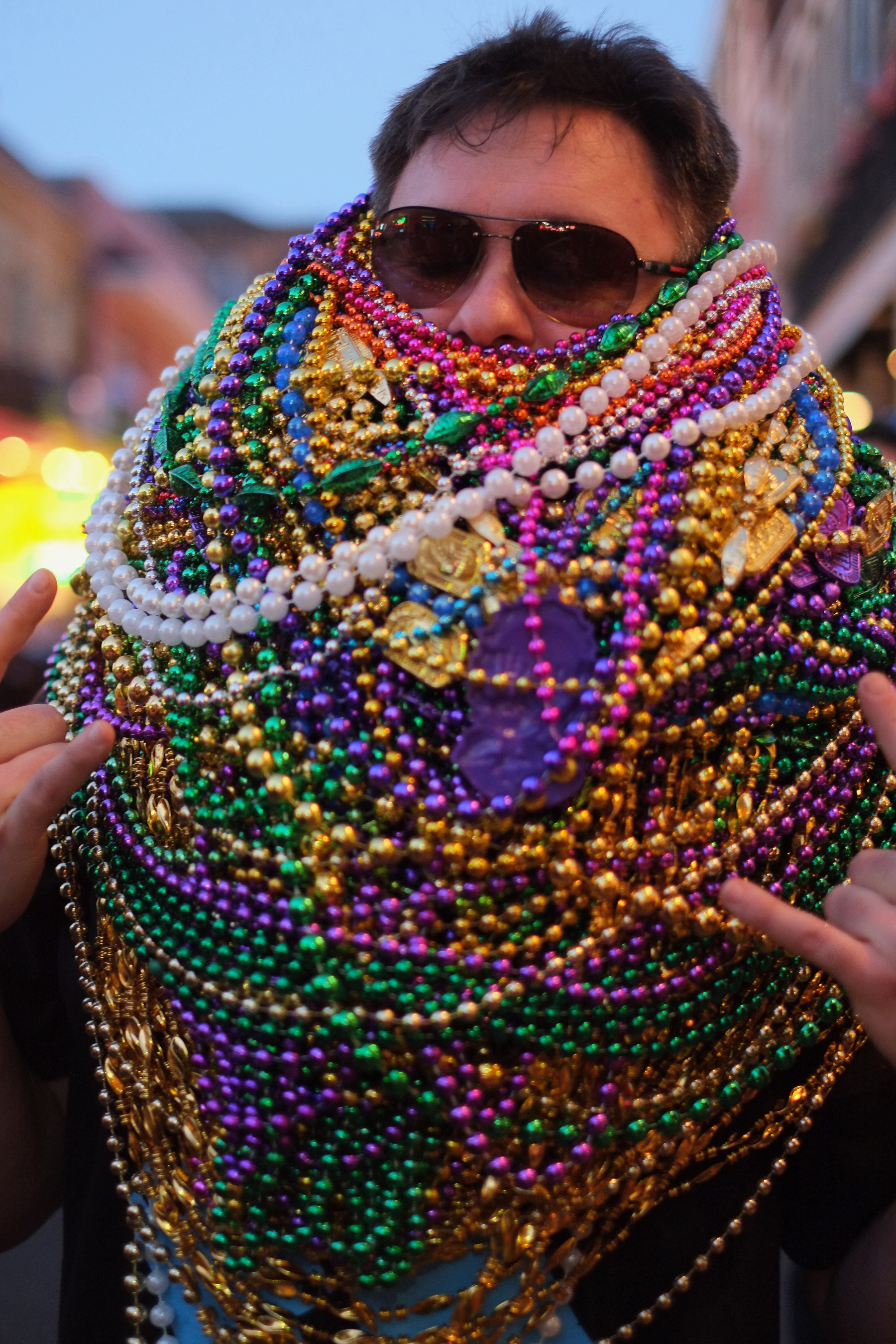
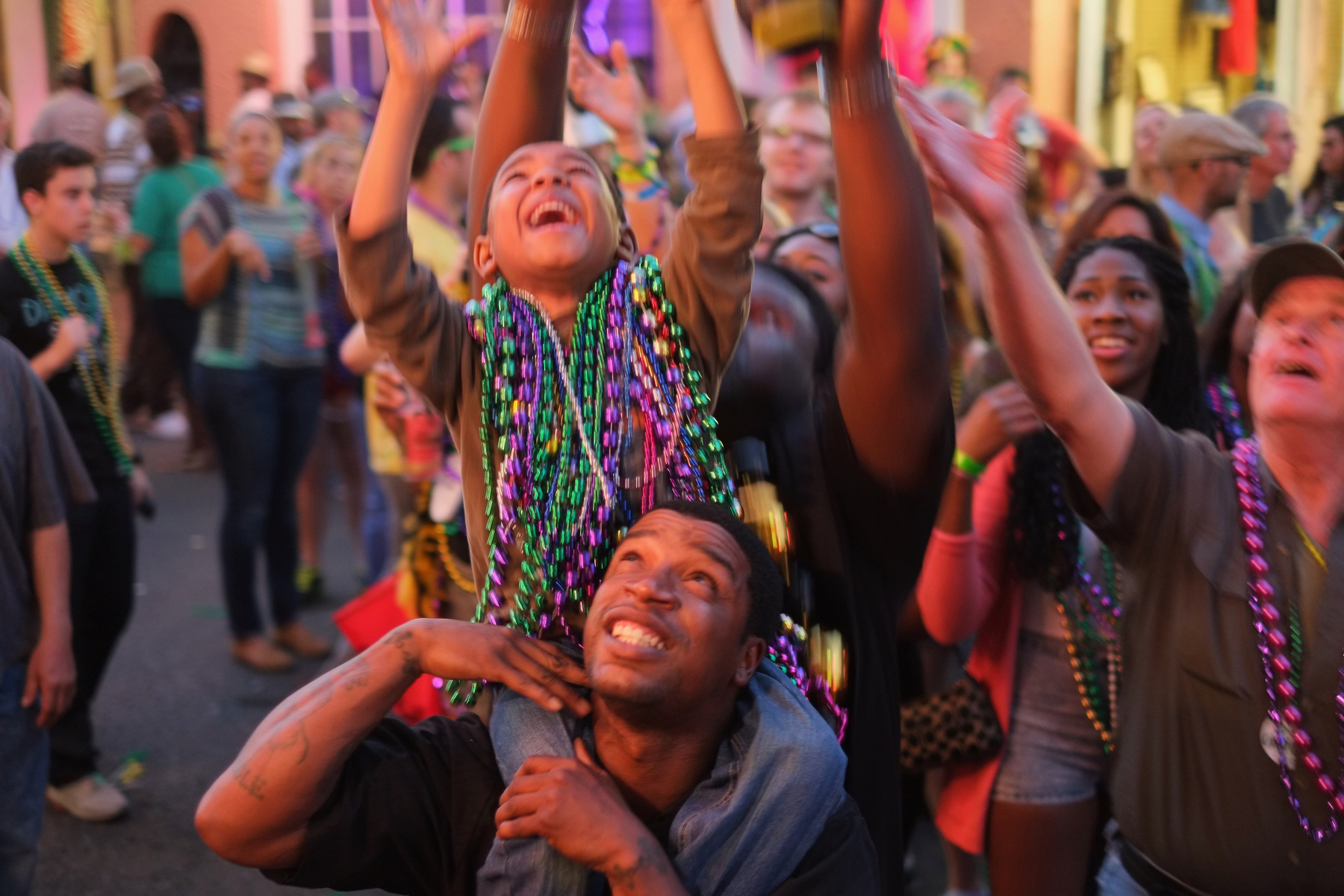
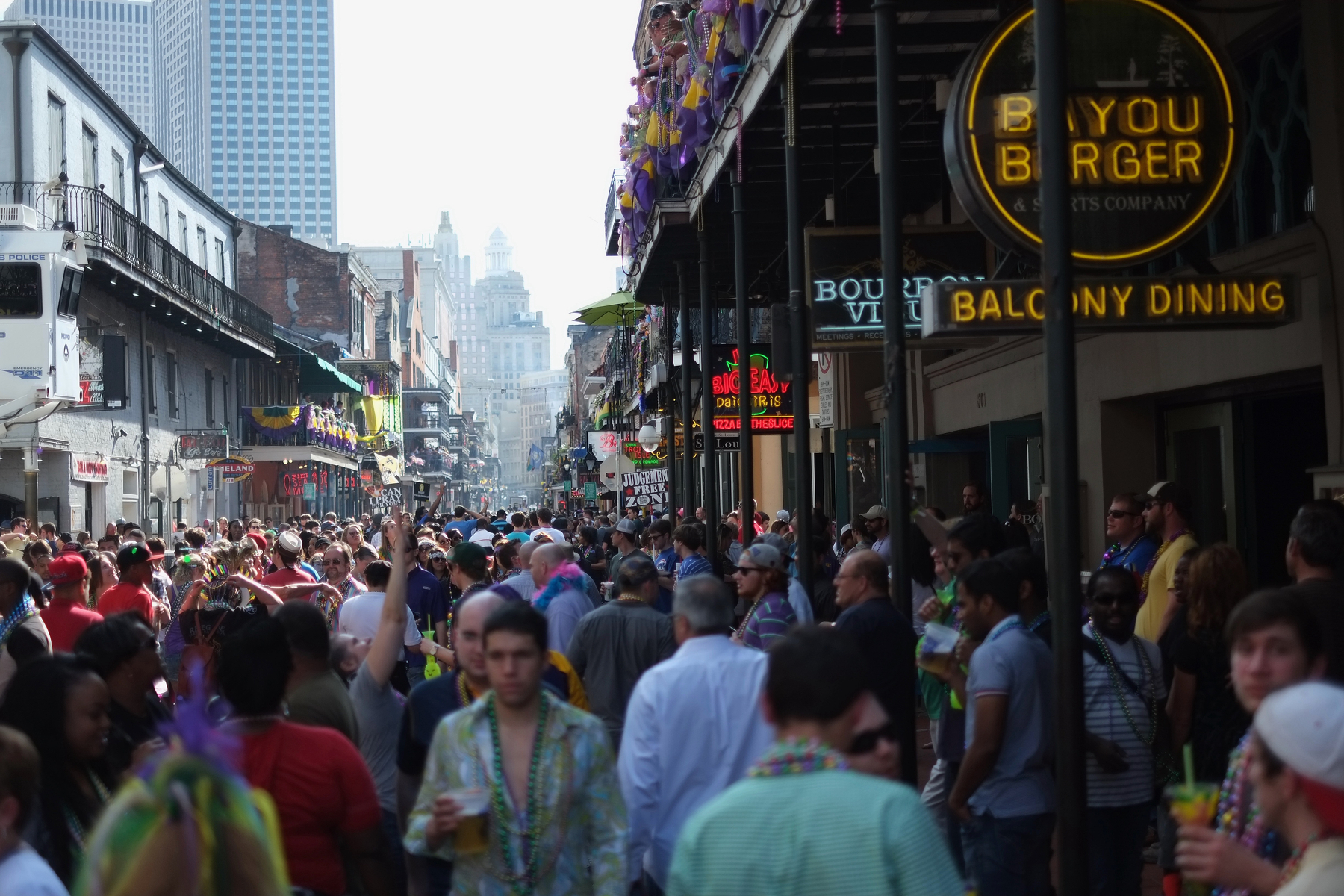
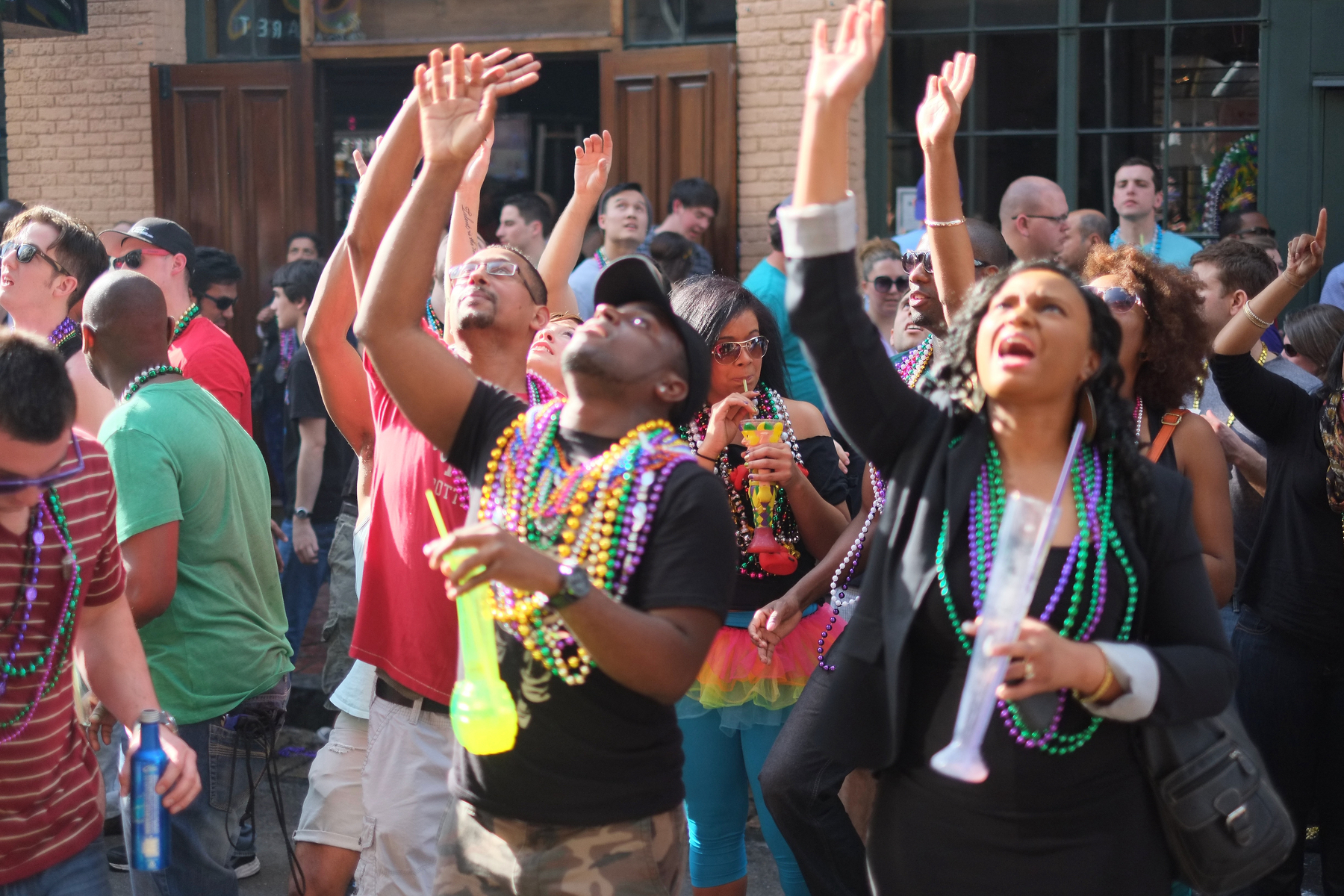
The sensory overload hits before you even turn onto Bourbon Street. It starts as a low vibration in the pavement, building into a symphony of brass horns, joyous shouting, and the constant clatter of plastic beads cascading onto cobblestones. Standing in the heart of New Orleans during Mardi Gras feels less like attending a festival and more like stepping inside a living, breathing kaleidoscope.
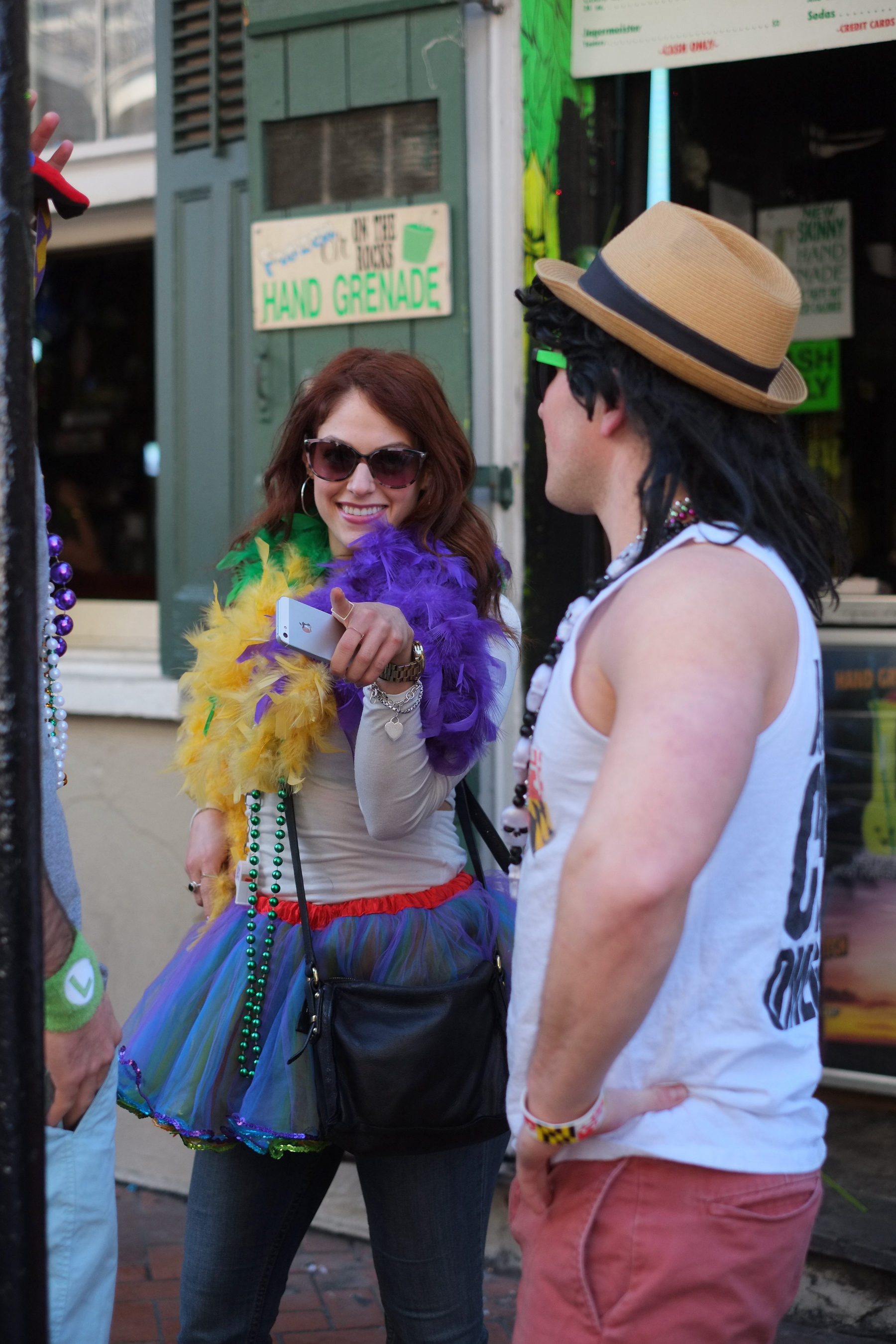
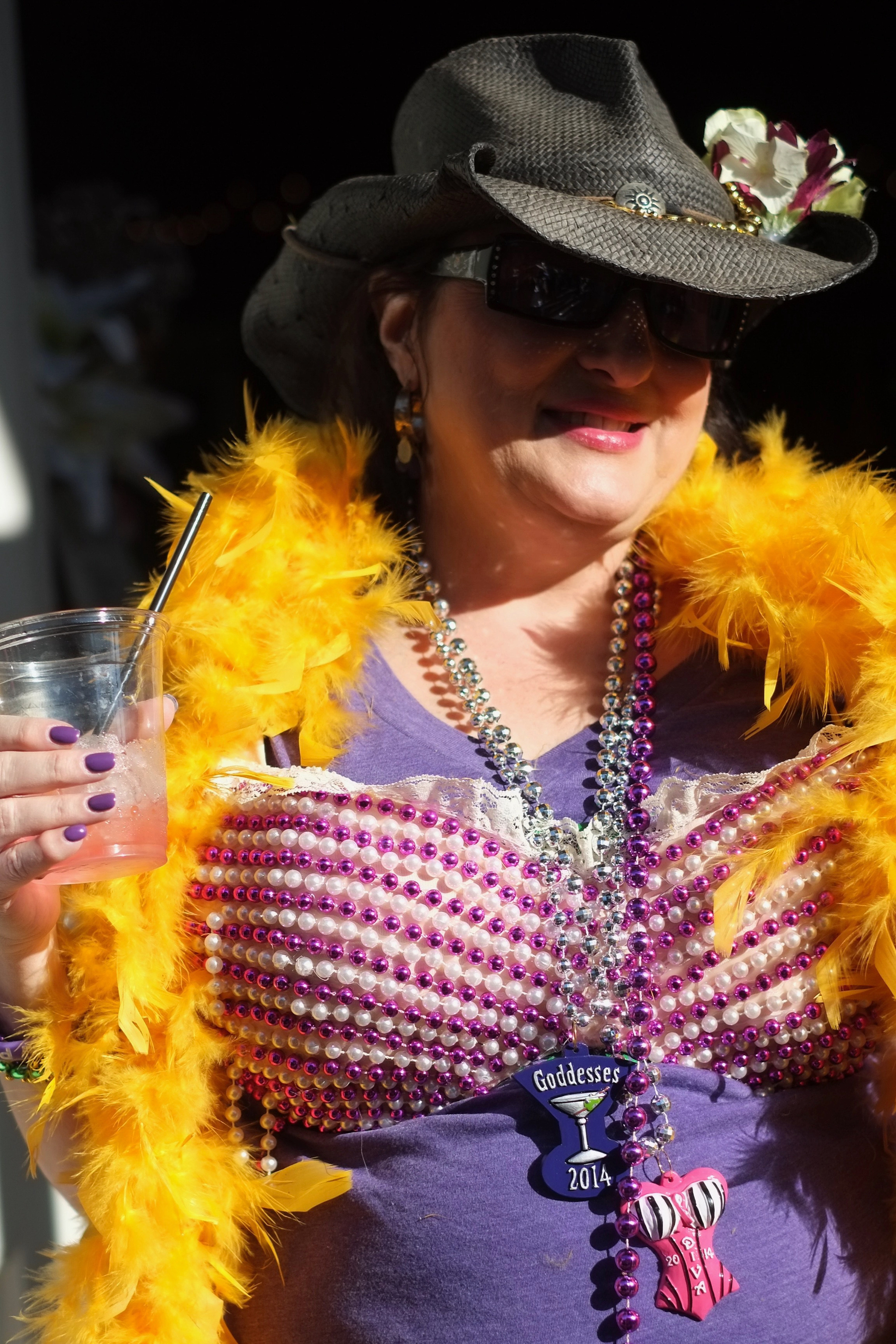
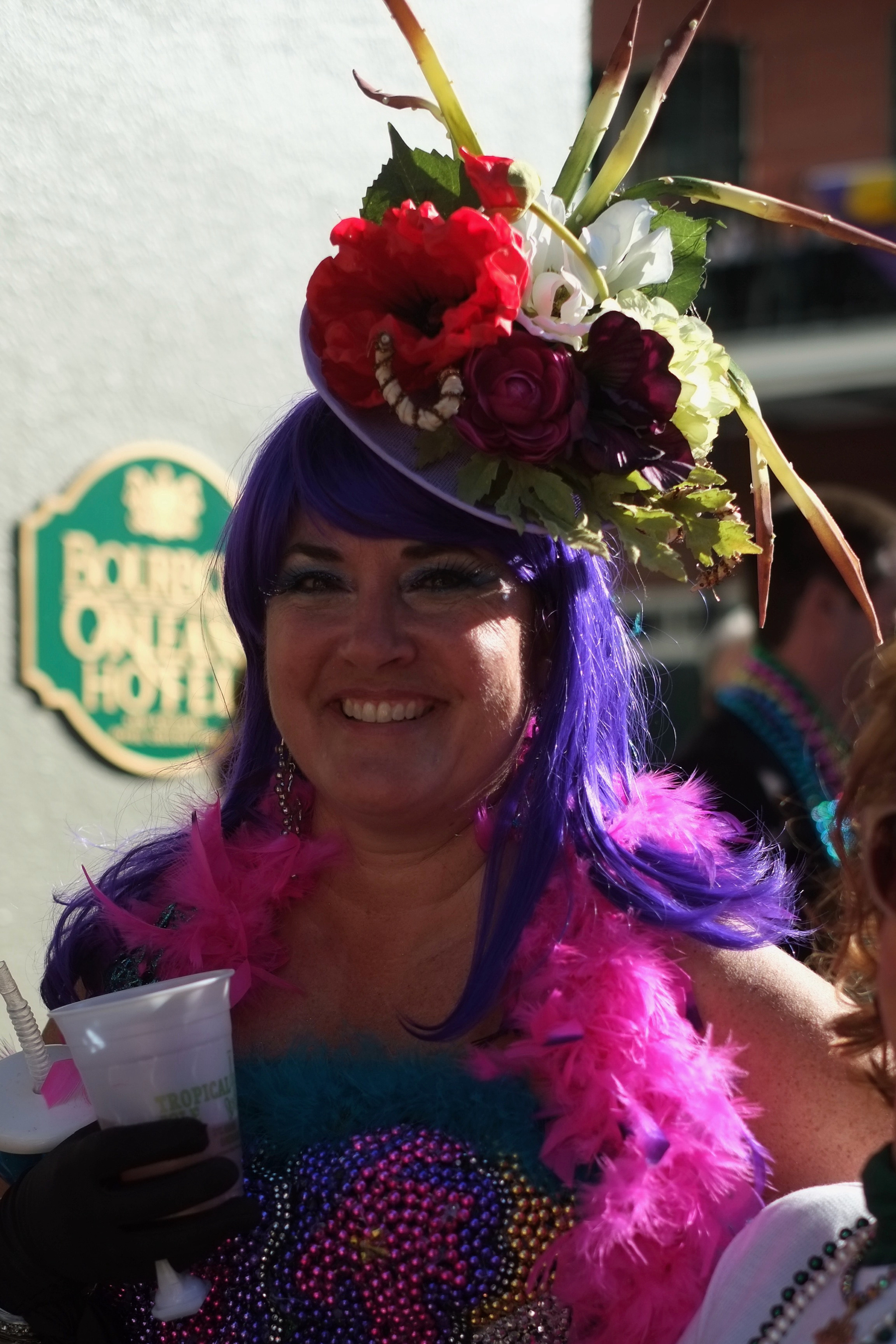
Paying for a hotel room during peak Fat Tuesday festivities requires a deep breath and a willingness to ignore your bank account. Yet the moment you step outside into the electric air, every spent dollar vanishes from mind. The city sheds its quiet routines and transforms into a twenty-four-hour celebration where time loses all meaning.
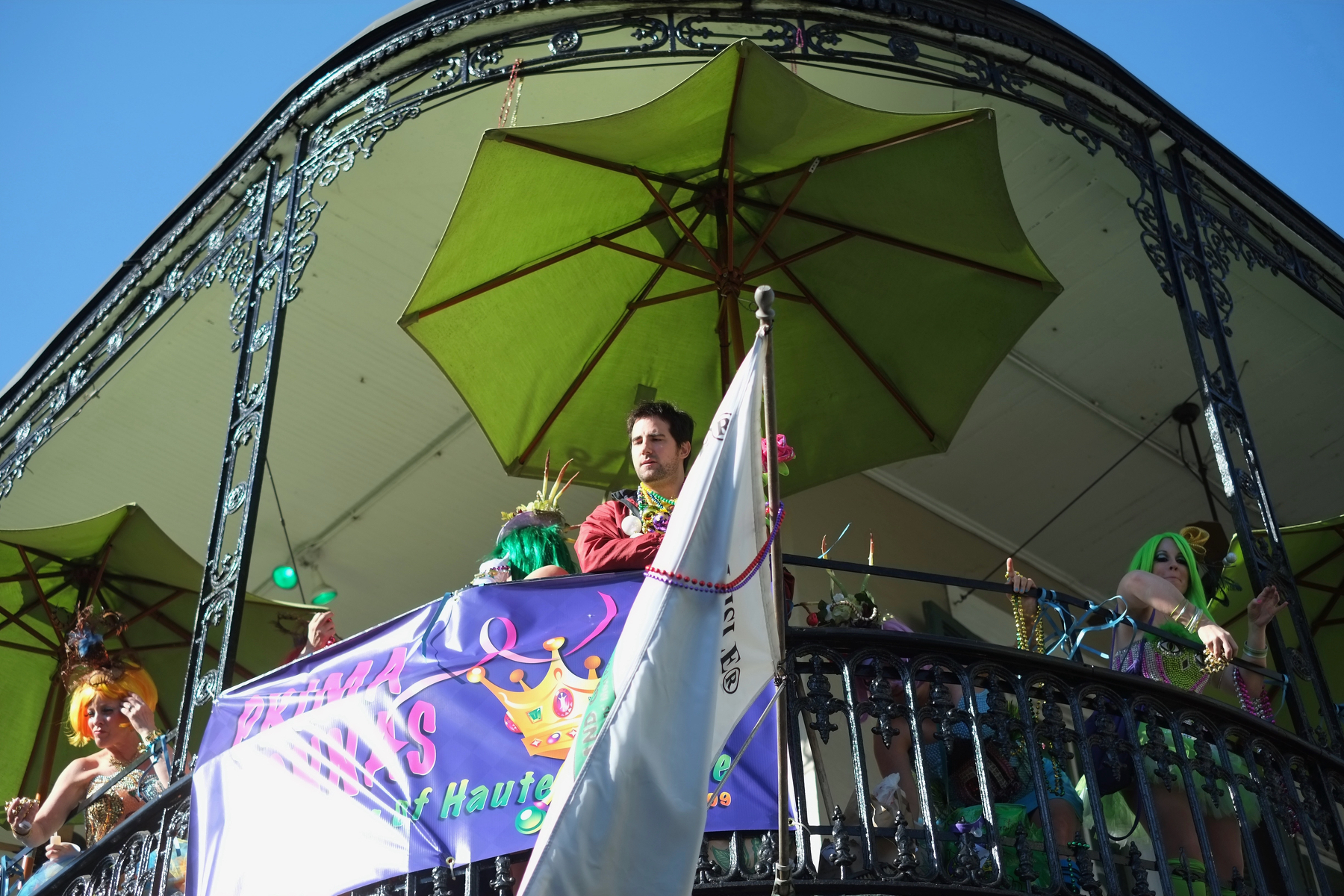
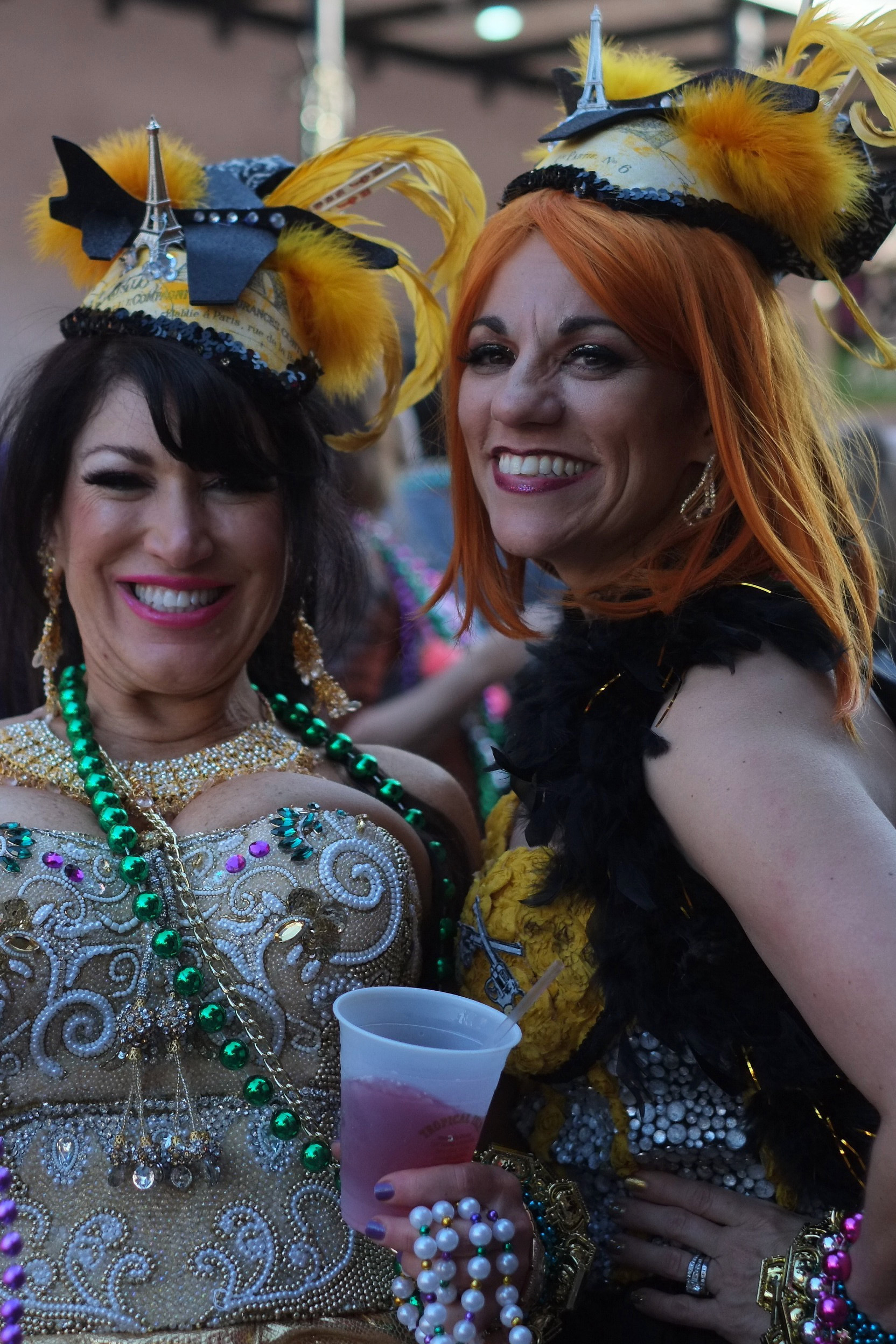
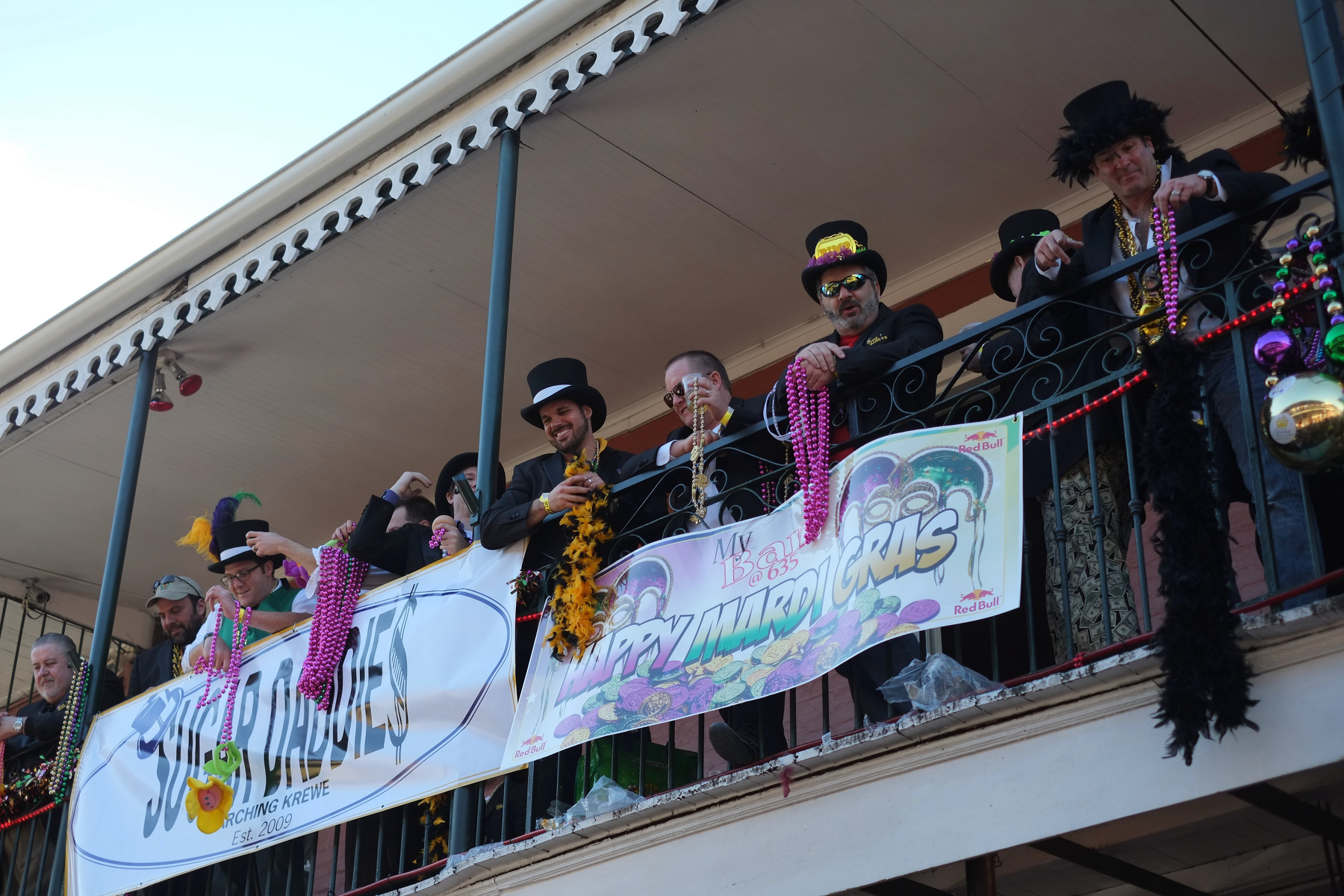
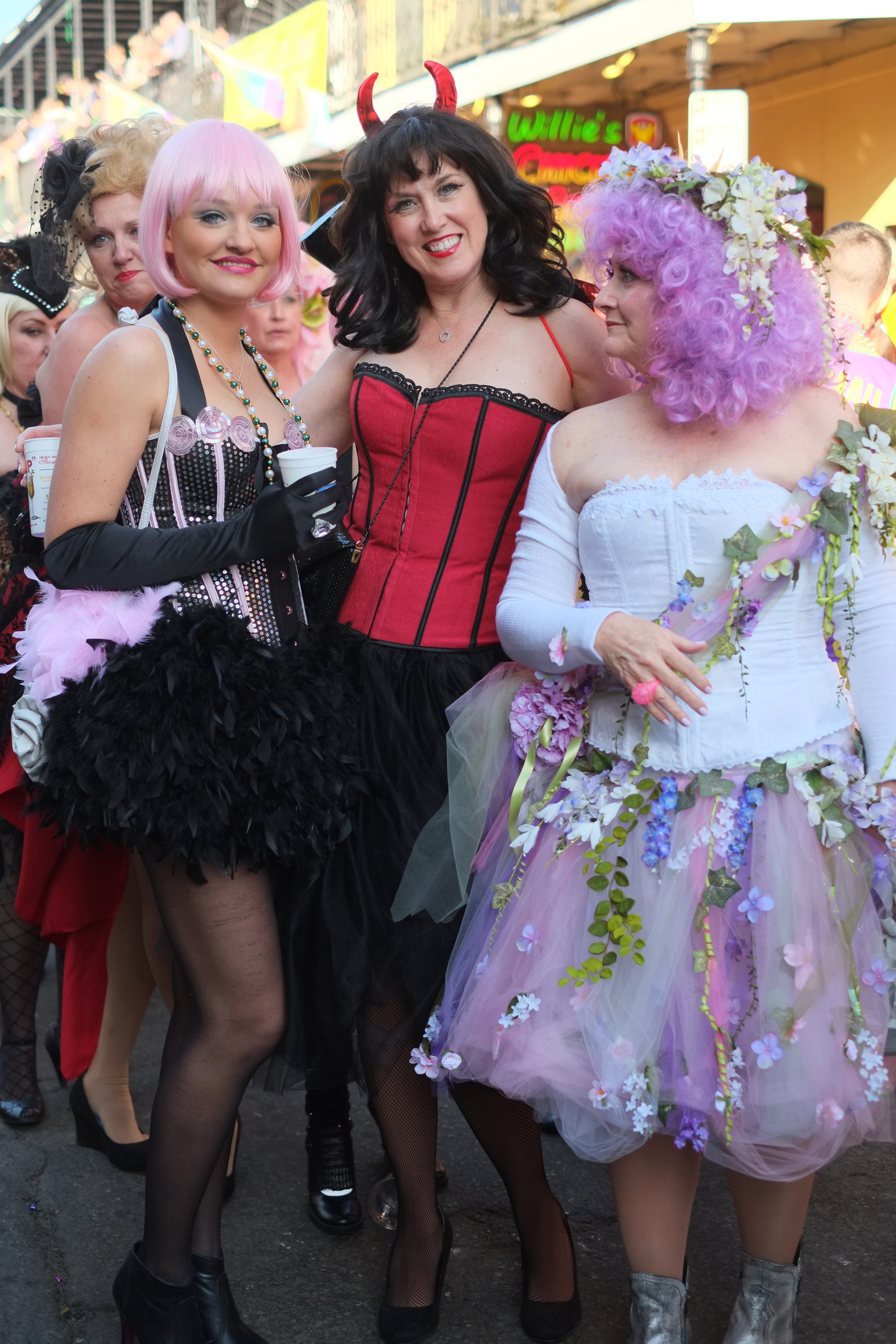
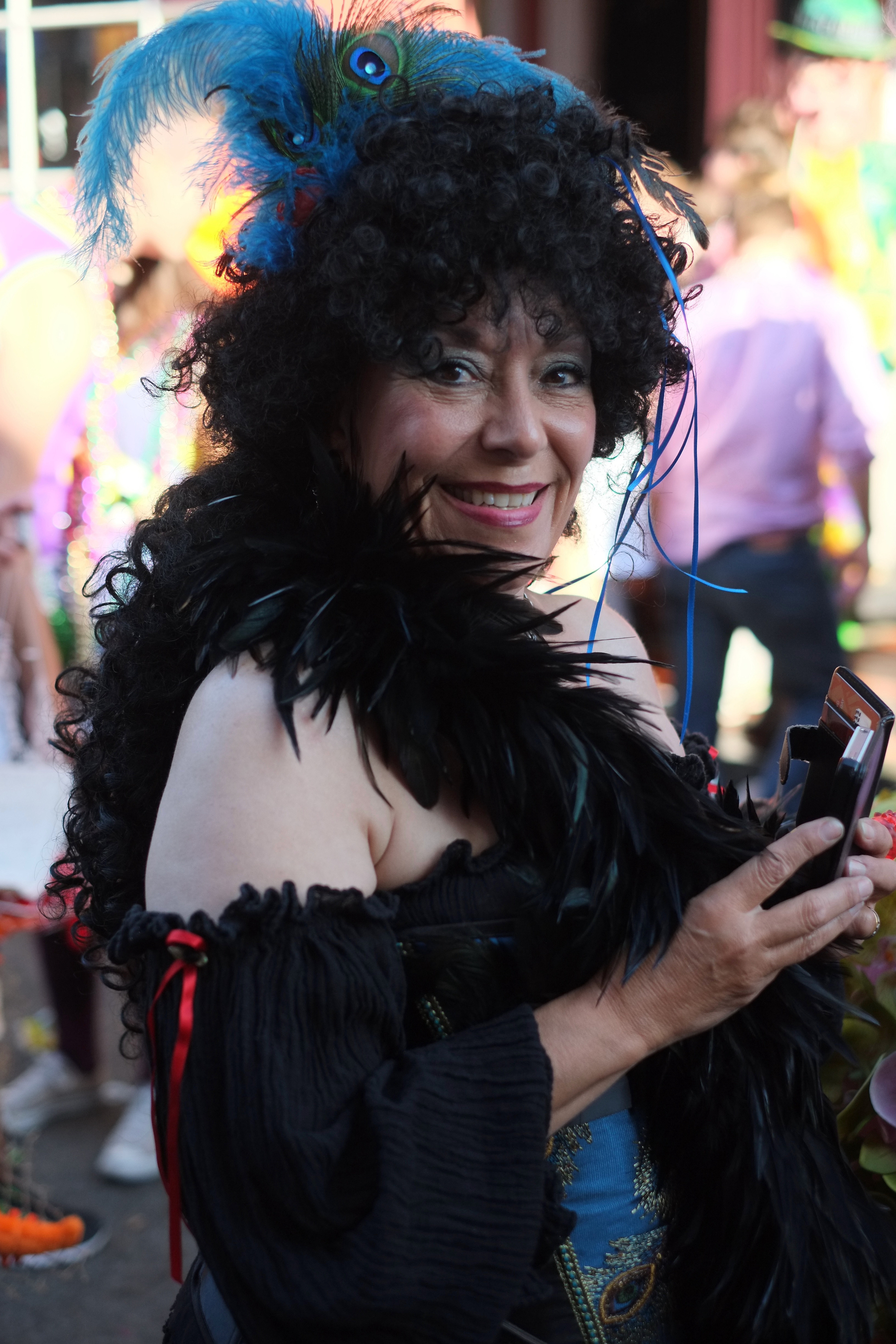
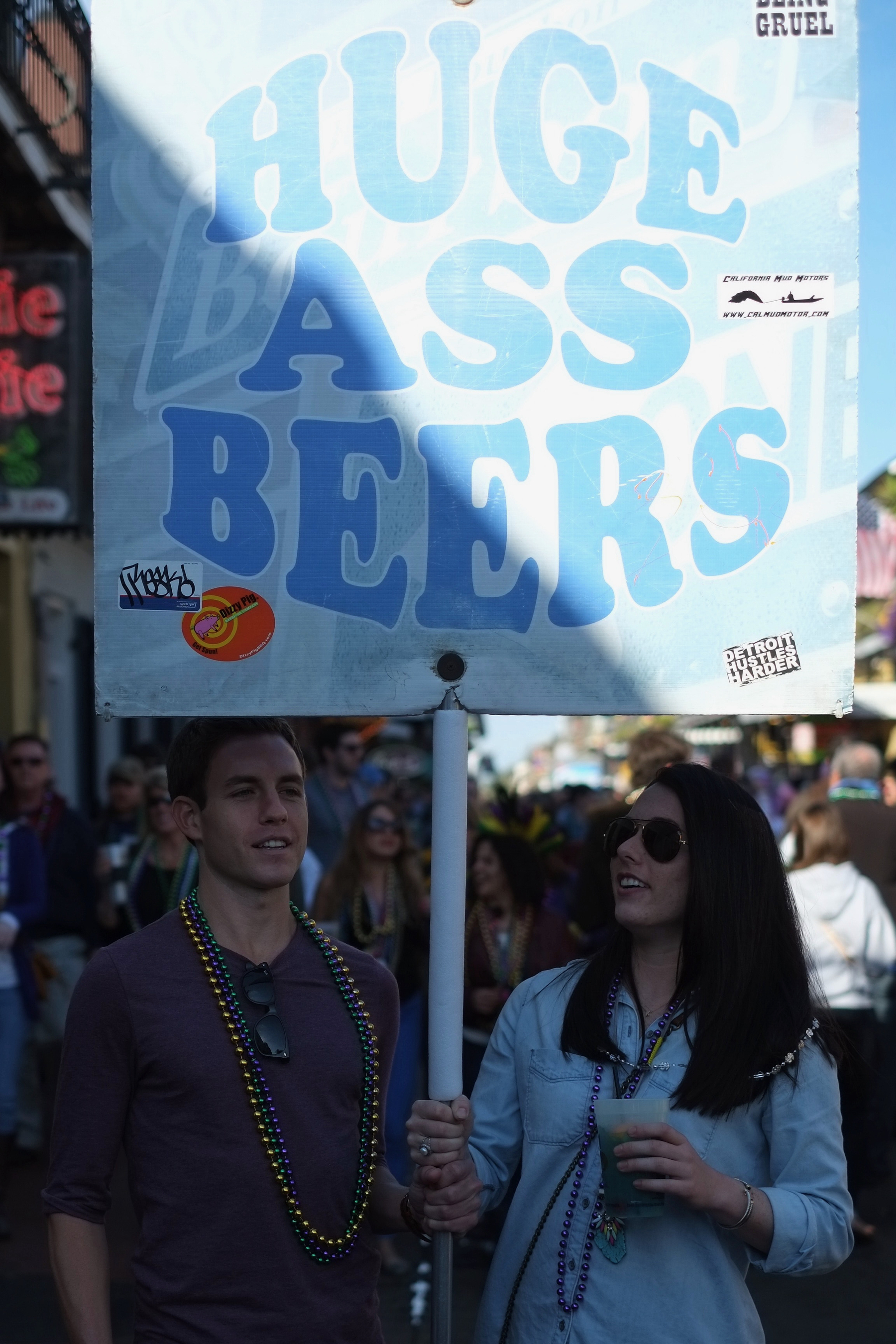
The origins of this glorious chaos stretch back to the early eighteenth century when French colonists brought medieval European Carnival traditions to the Gulf Coast. The phrase Mardi Gras translates literally to Fat Tuesday, marking the final day of culinary indulgence before Ash Wednesday and the solemn fasting season of Lent. What began as private masquerade balls evolved over centuries into a massive public spectacle. Mobile, Alabama, actually hosted the Gulf Coast's first formal Mardi Gras, but New Orleans perfected the art form, infusing it with African, Caribbean, and European influences.
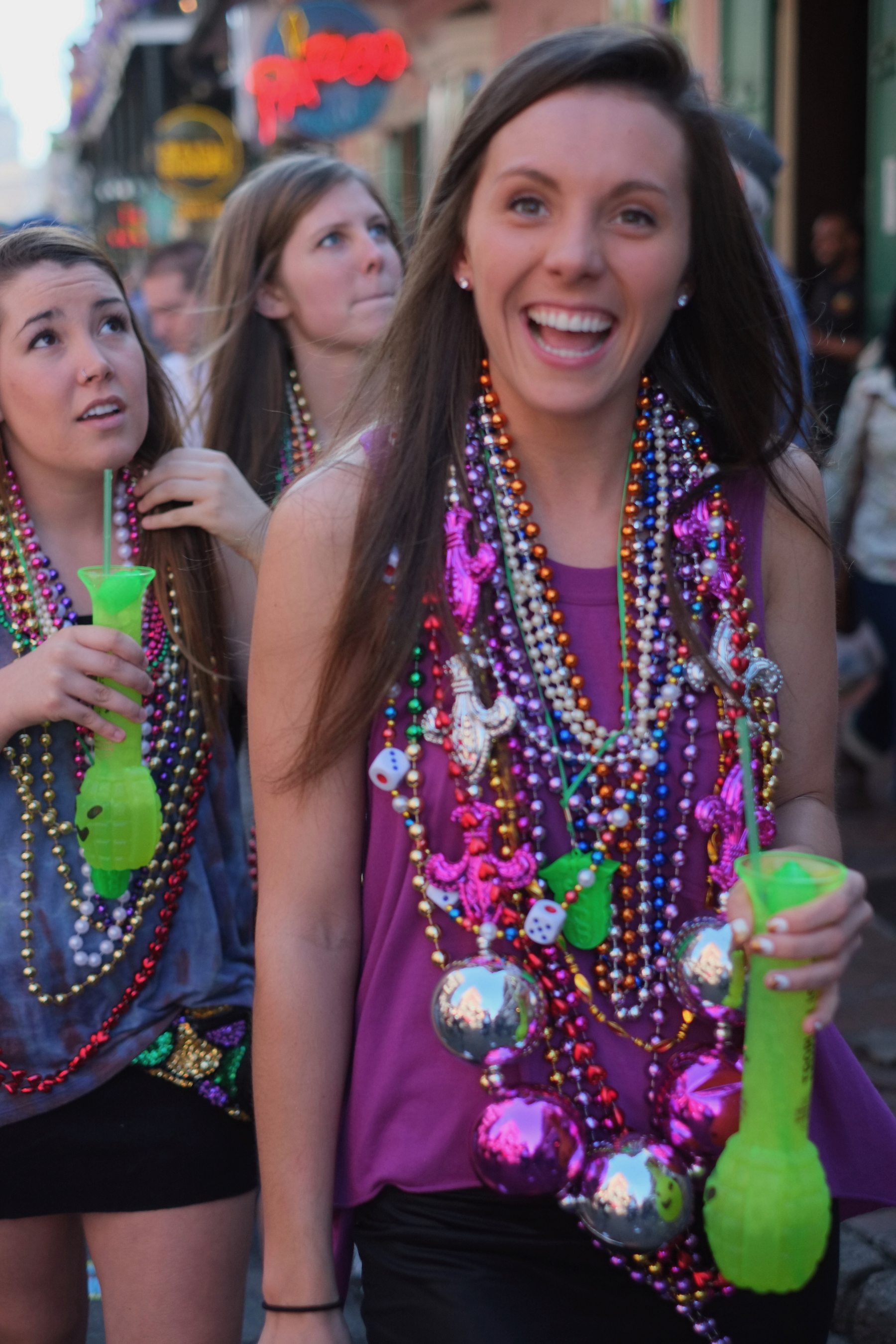
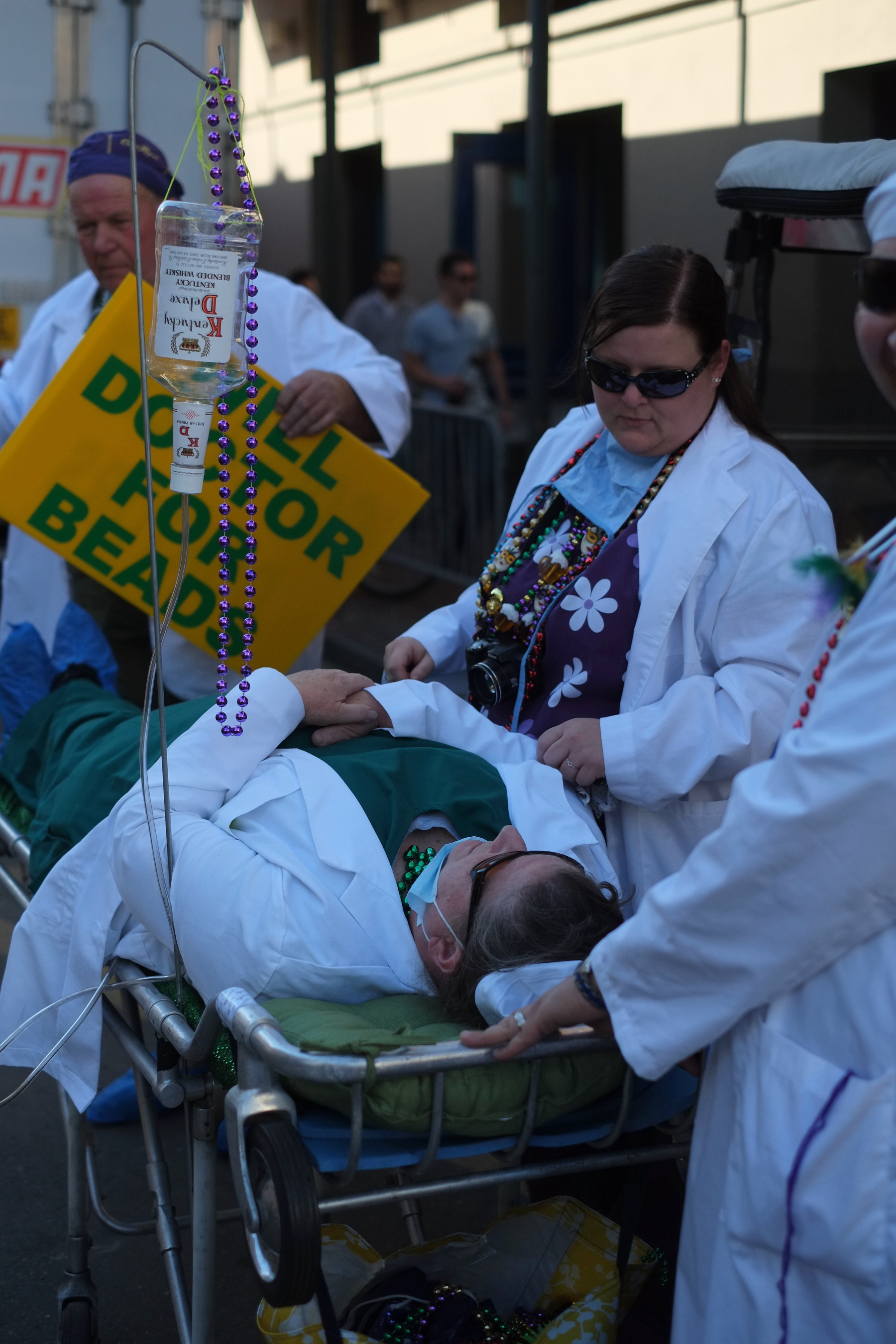
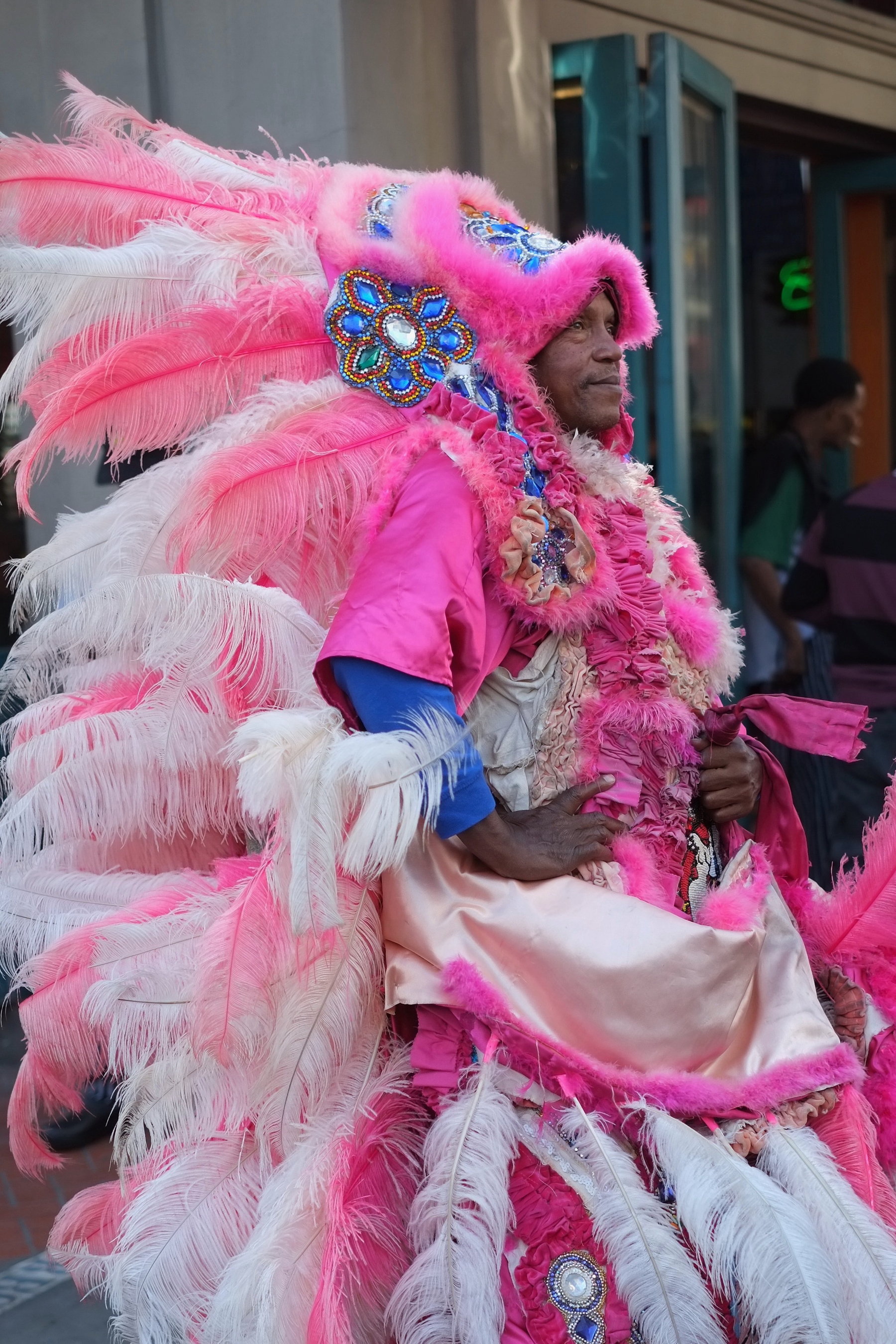
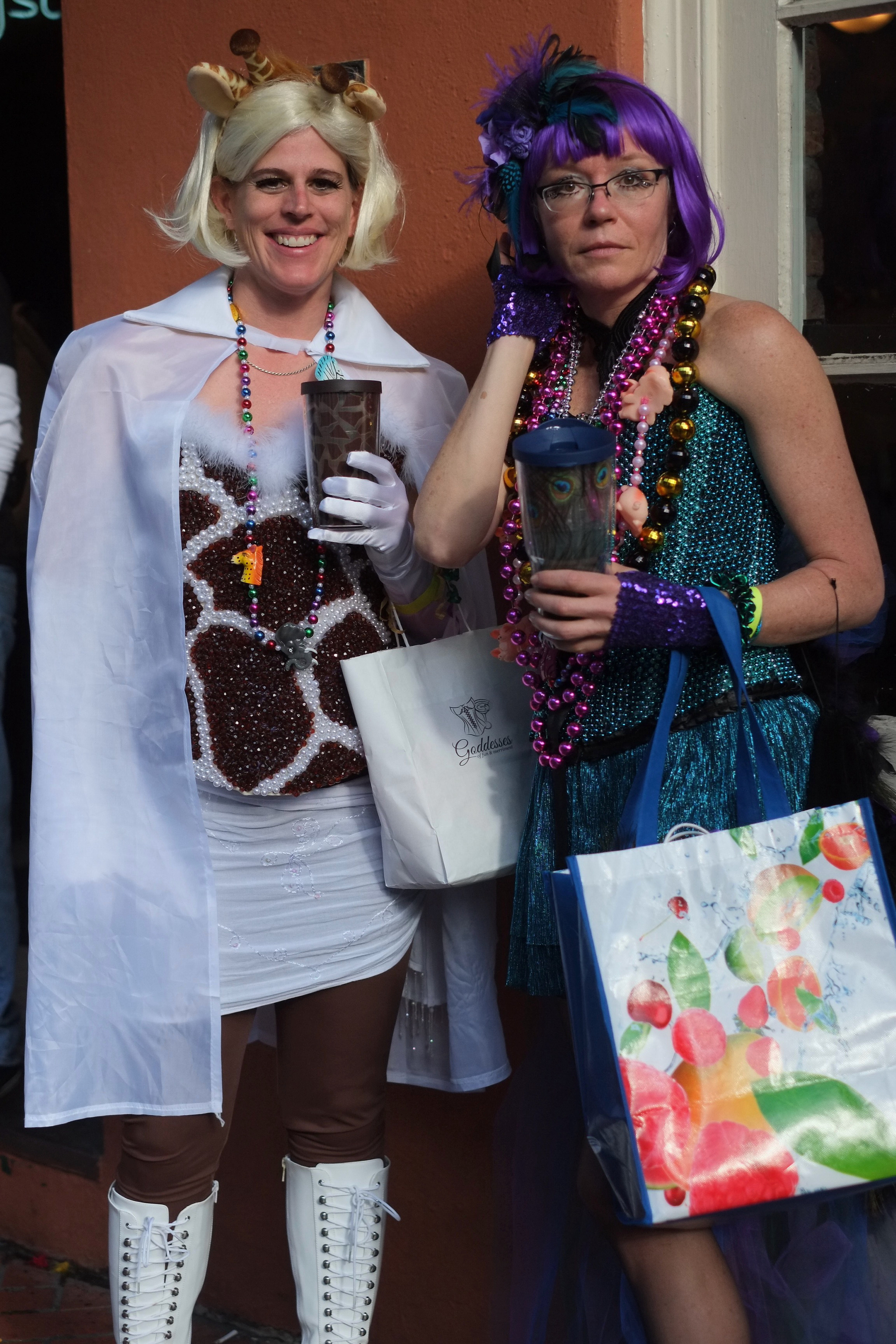
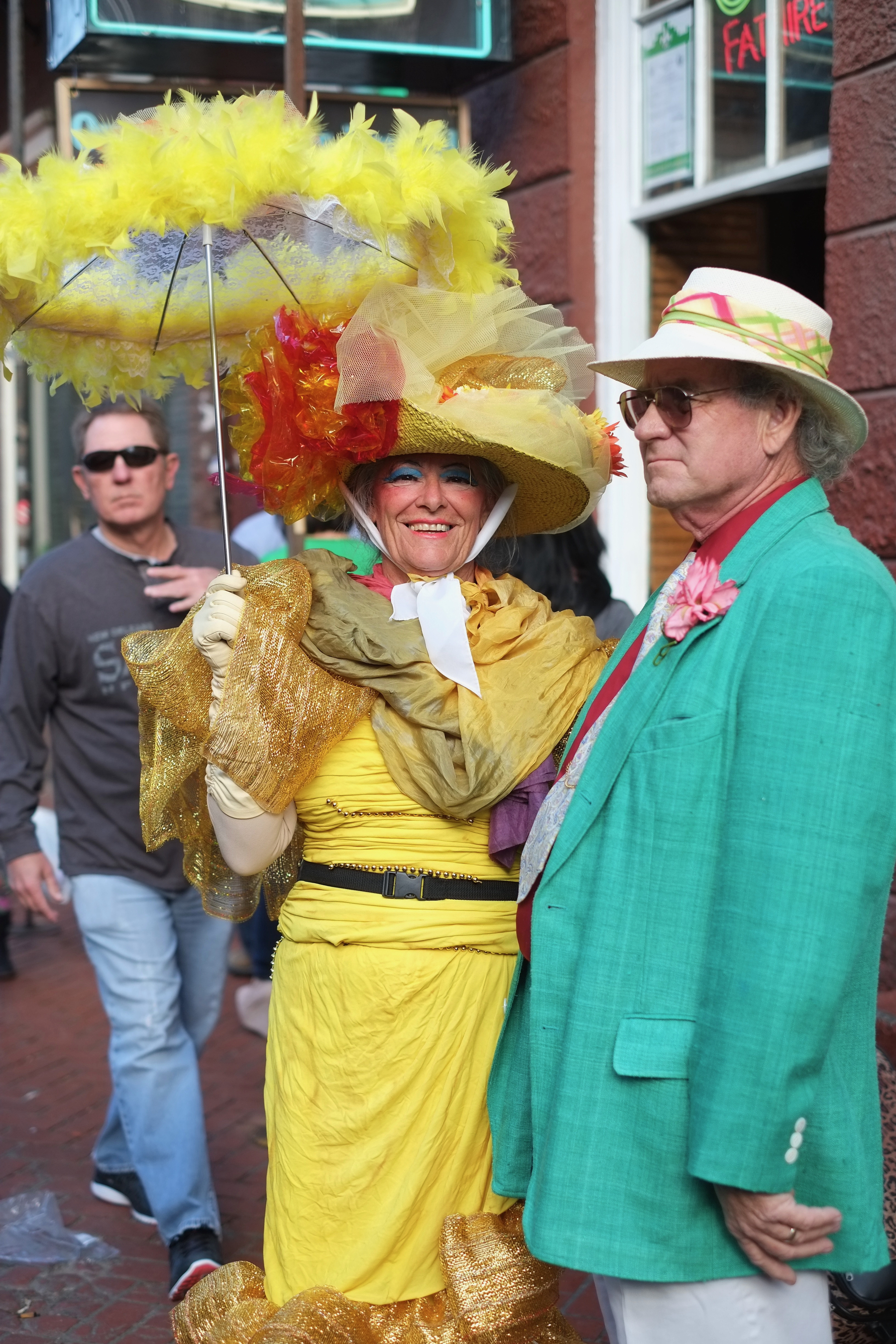
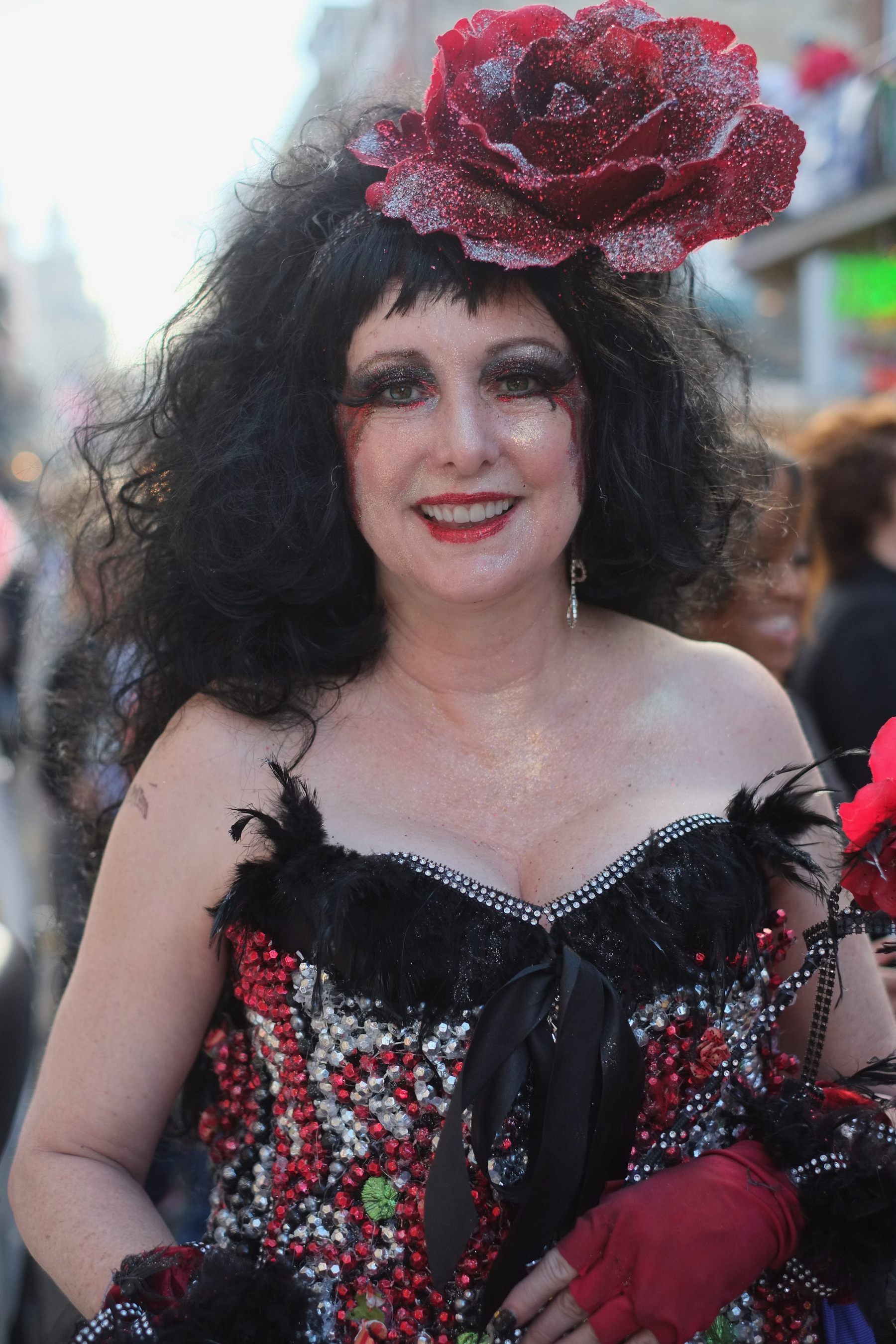
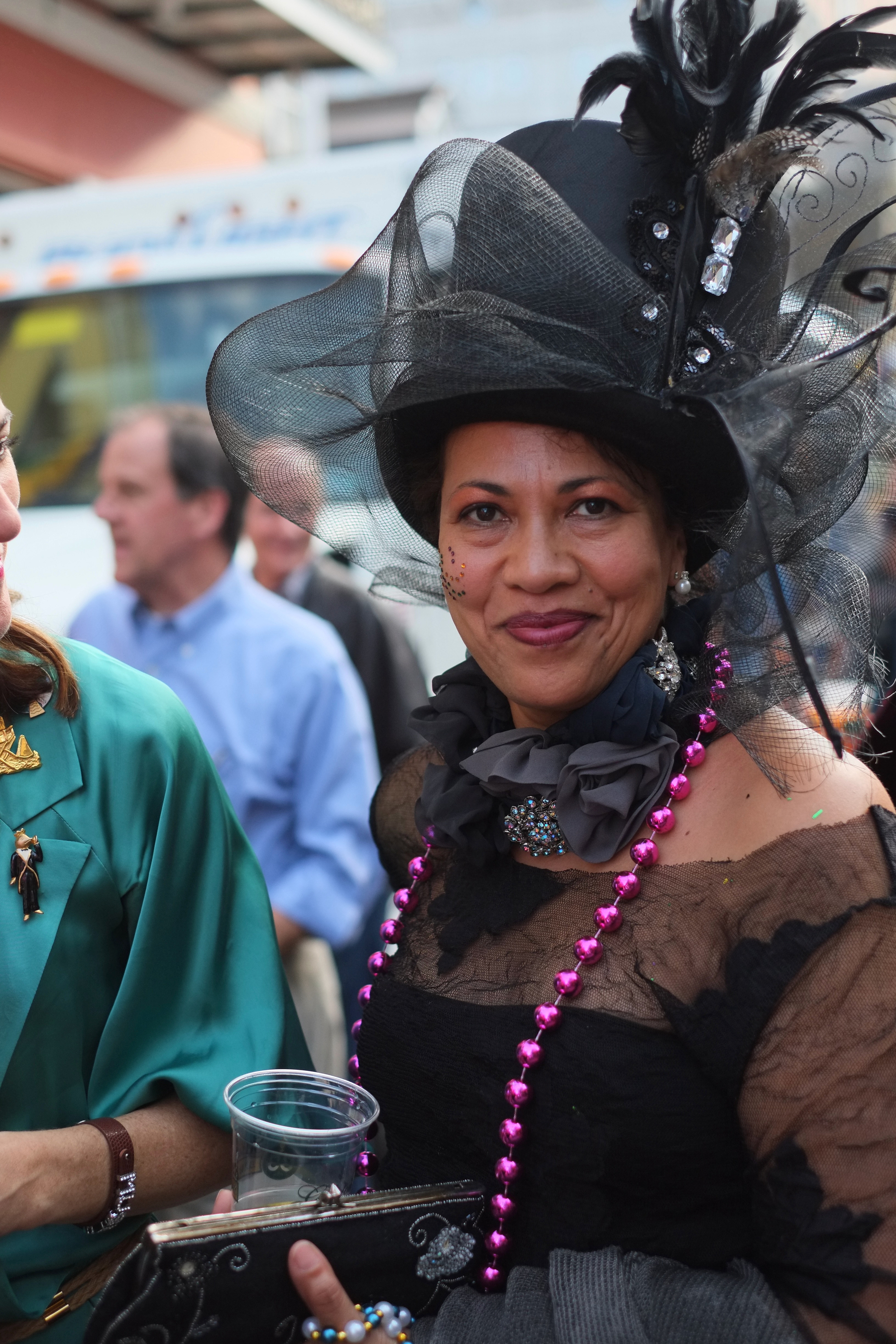
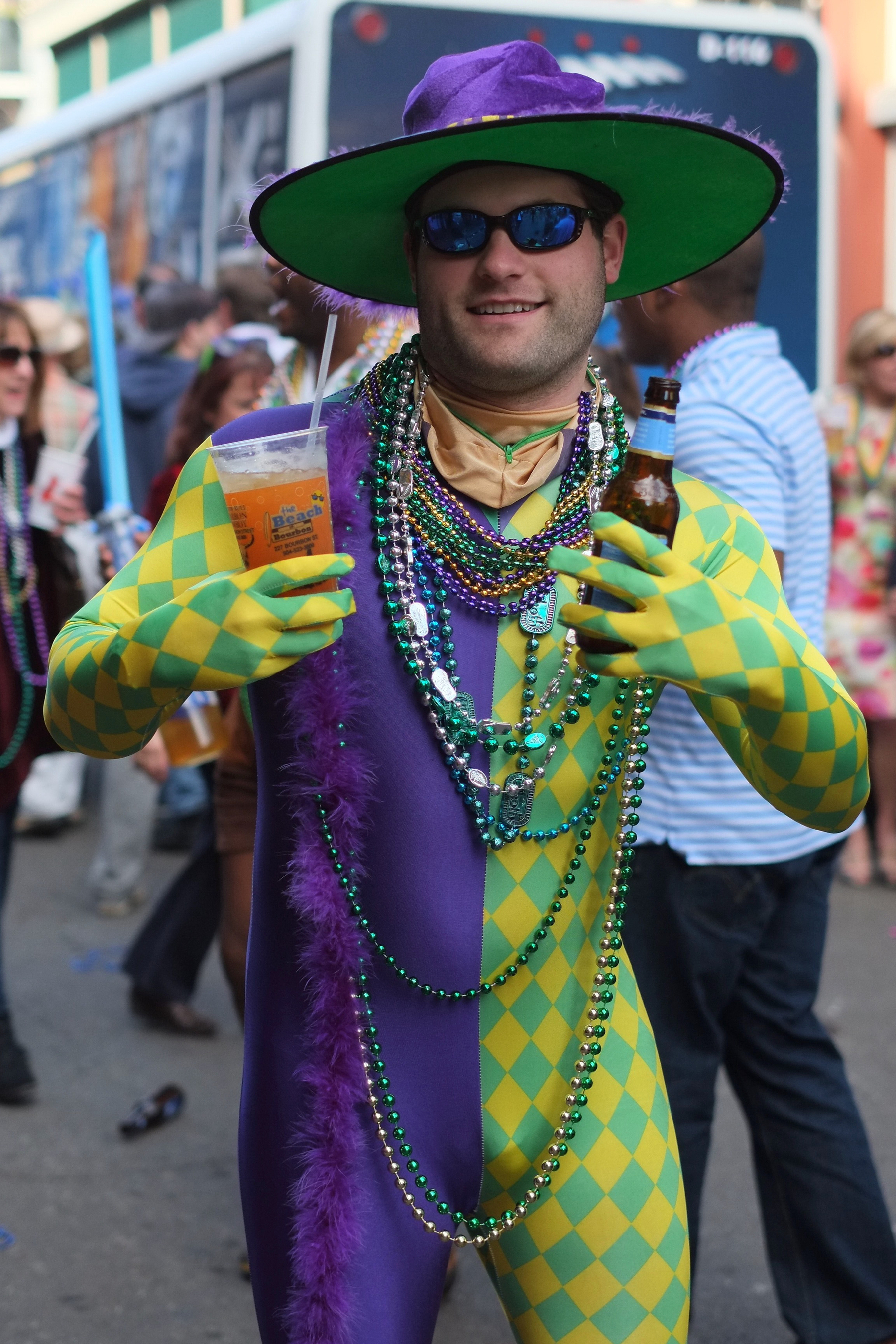
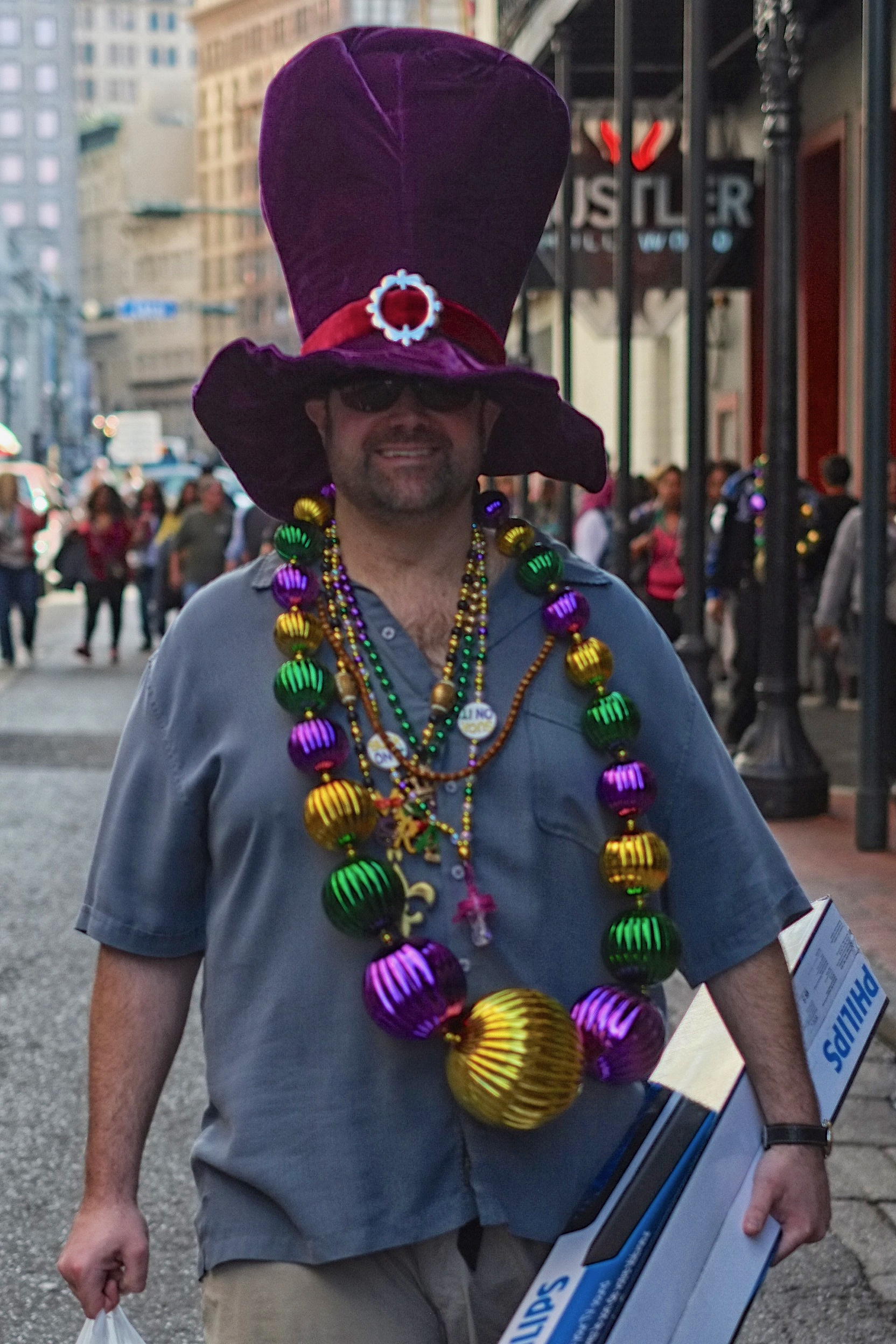
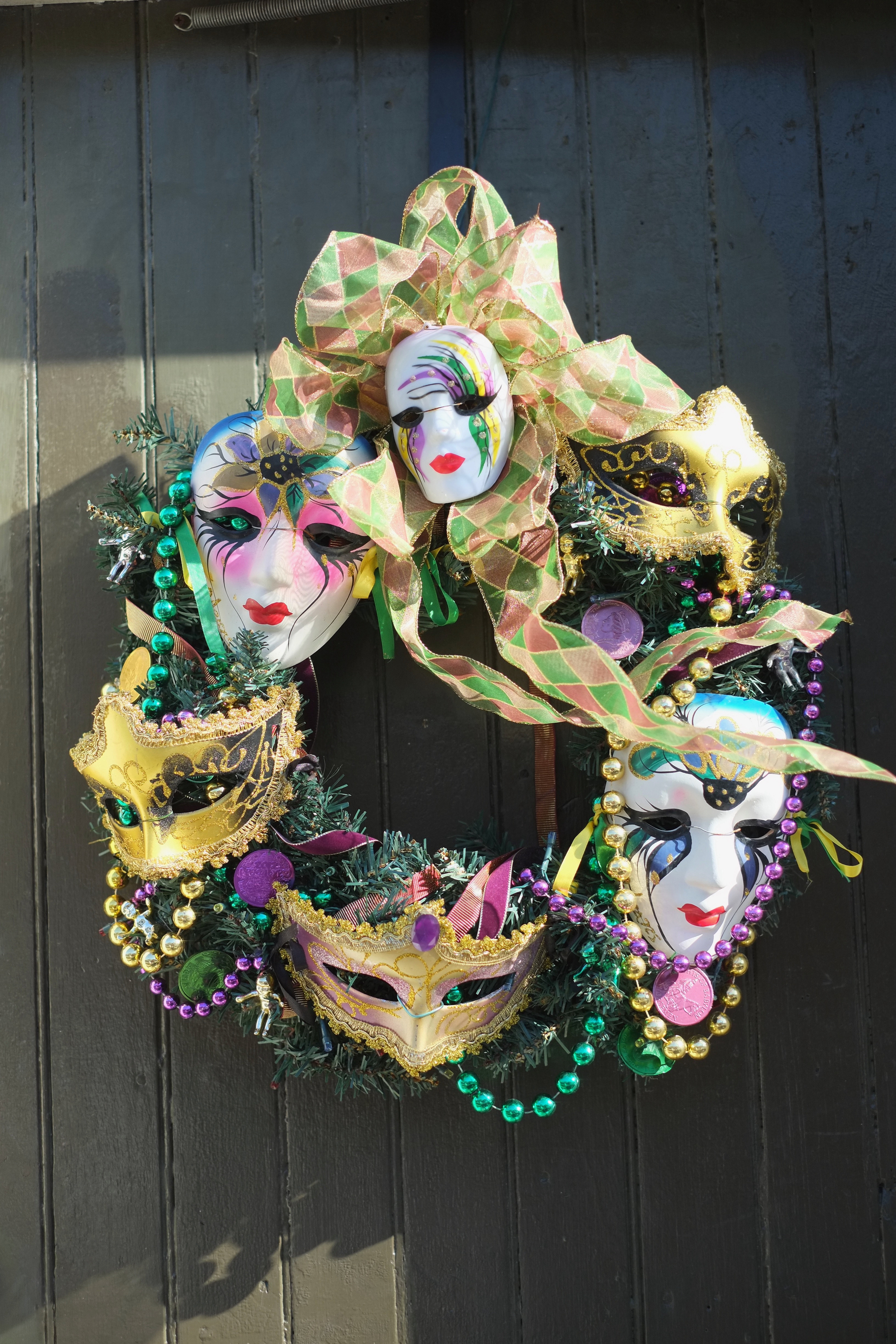
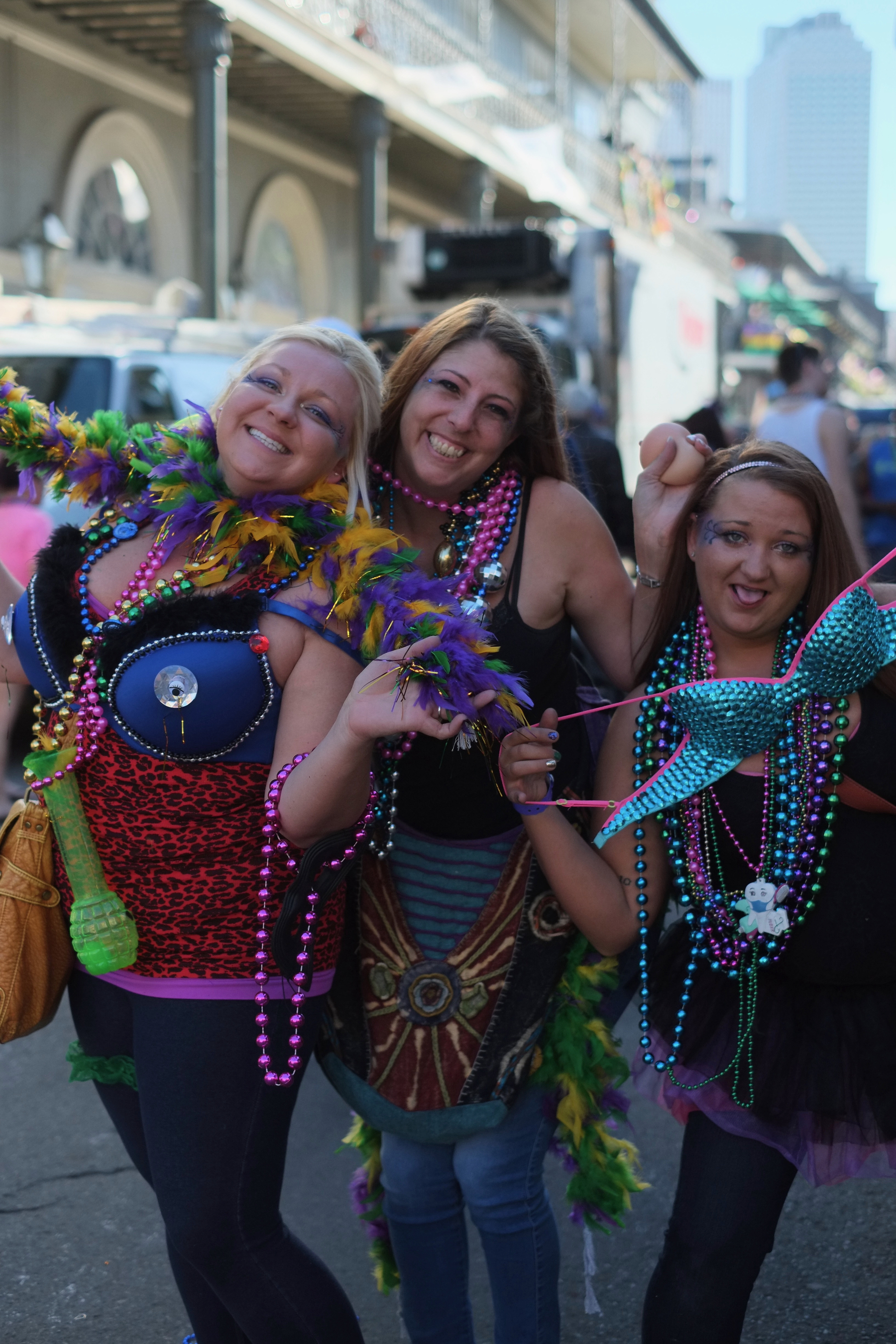
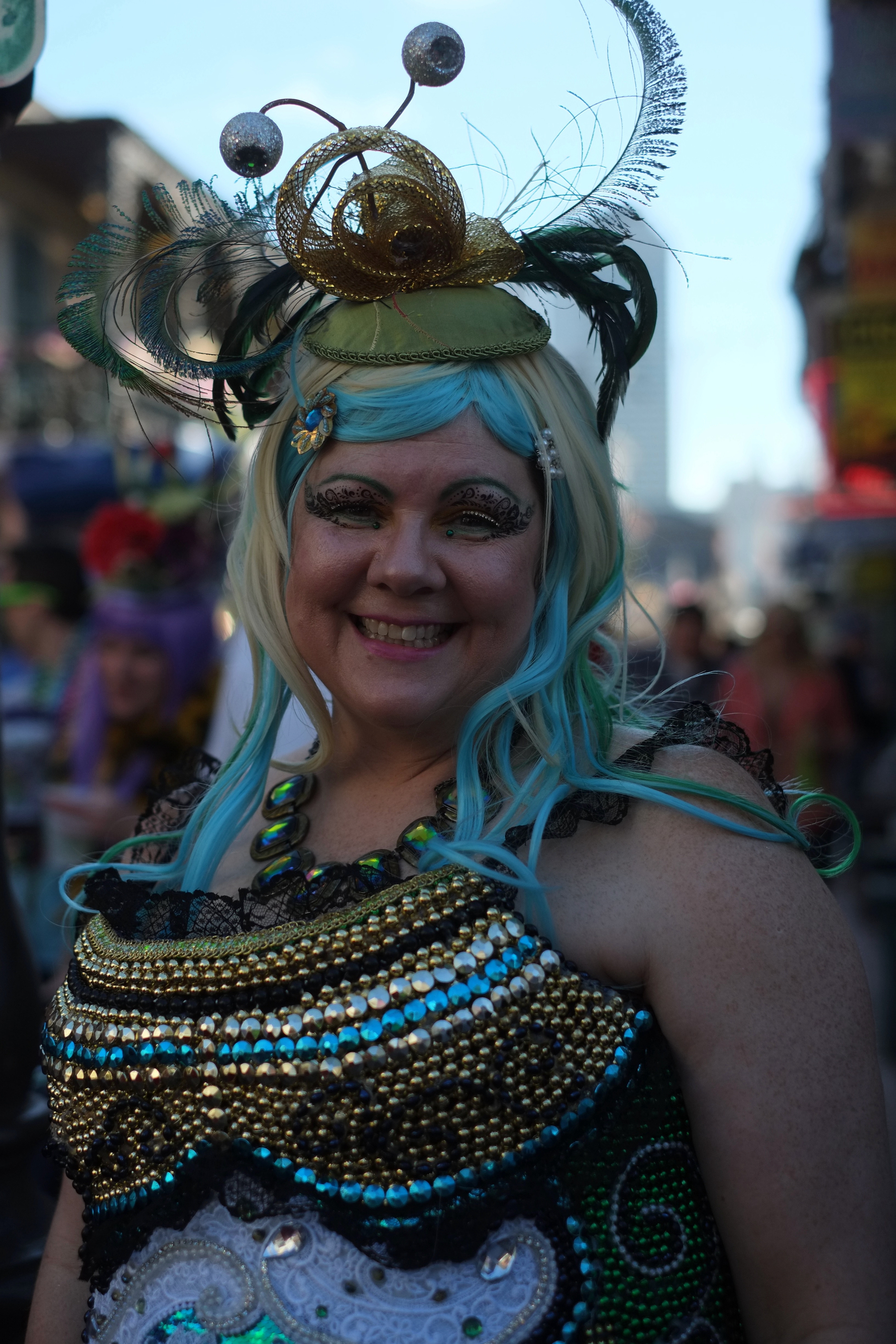
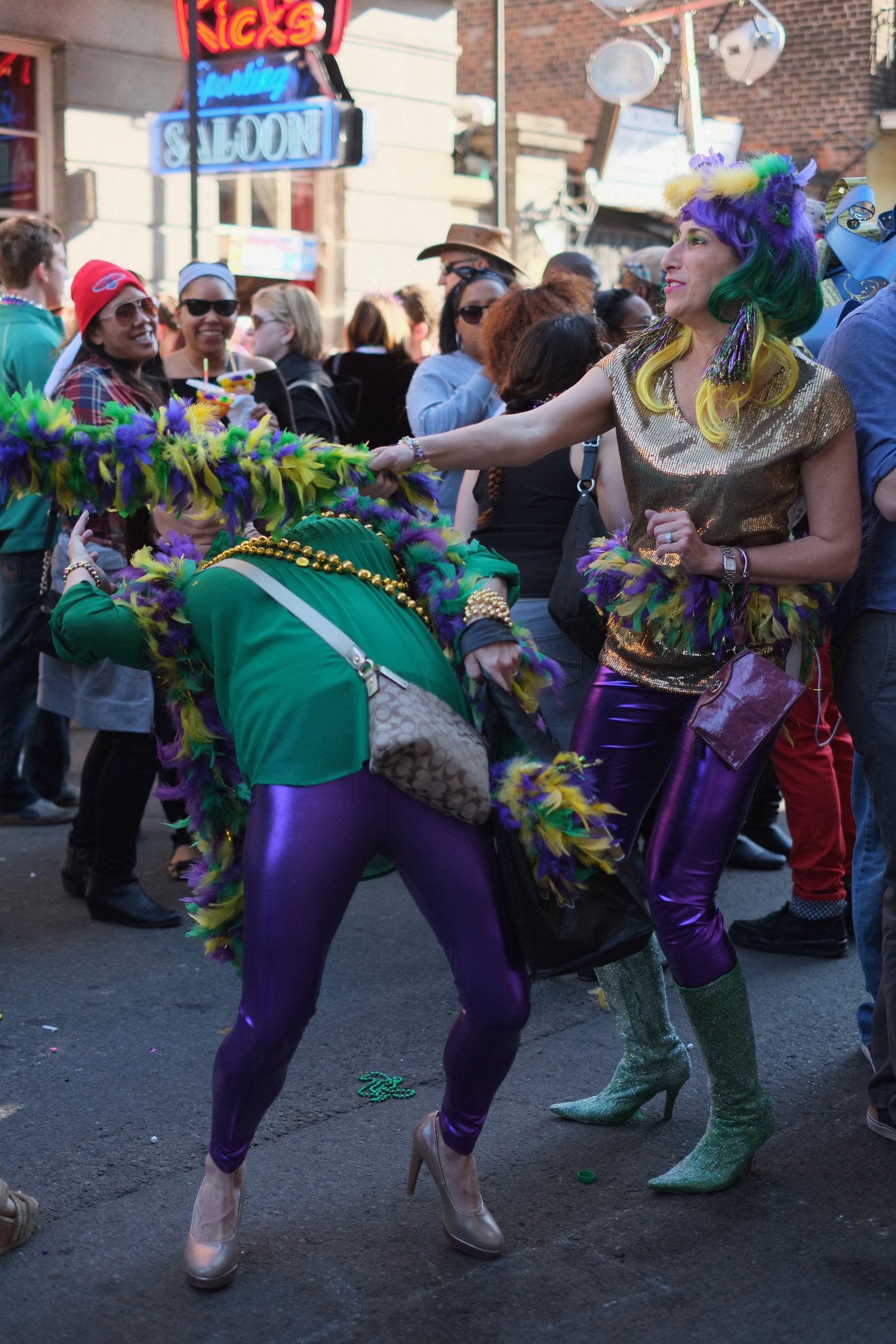
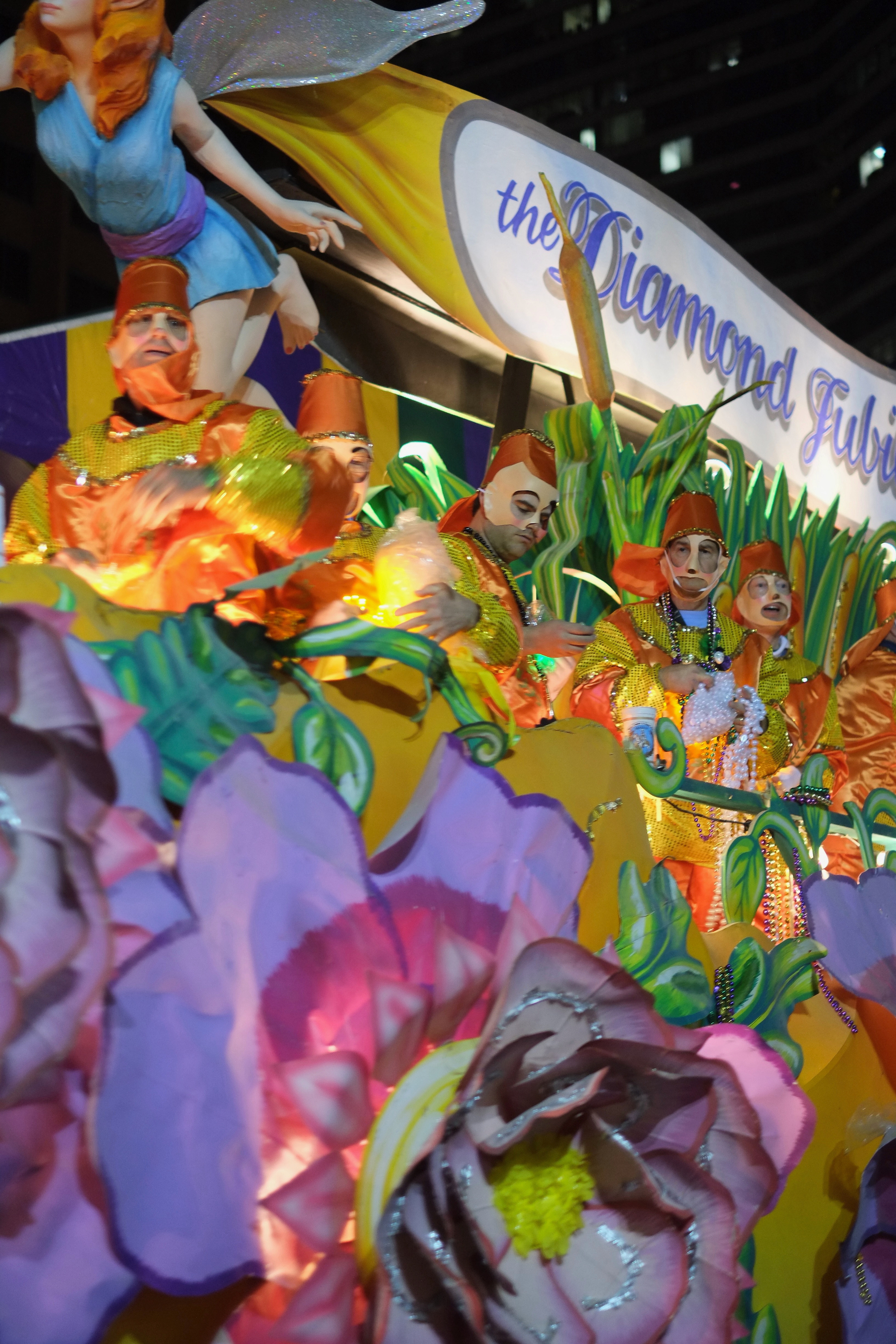
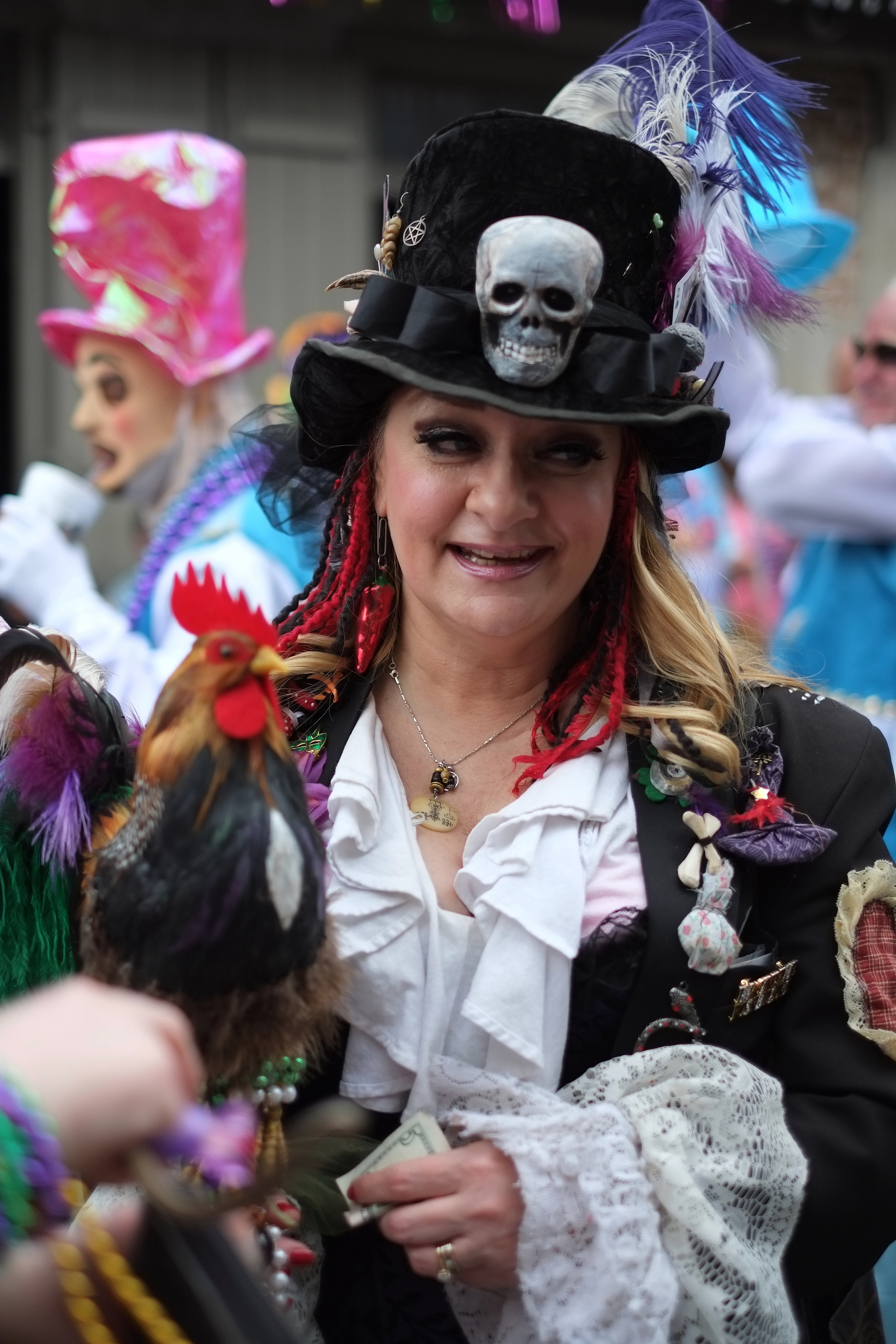
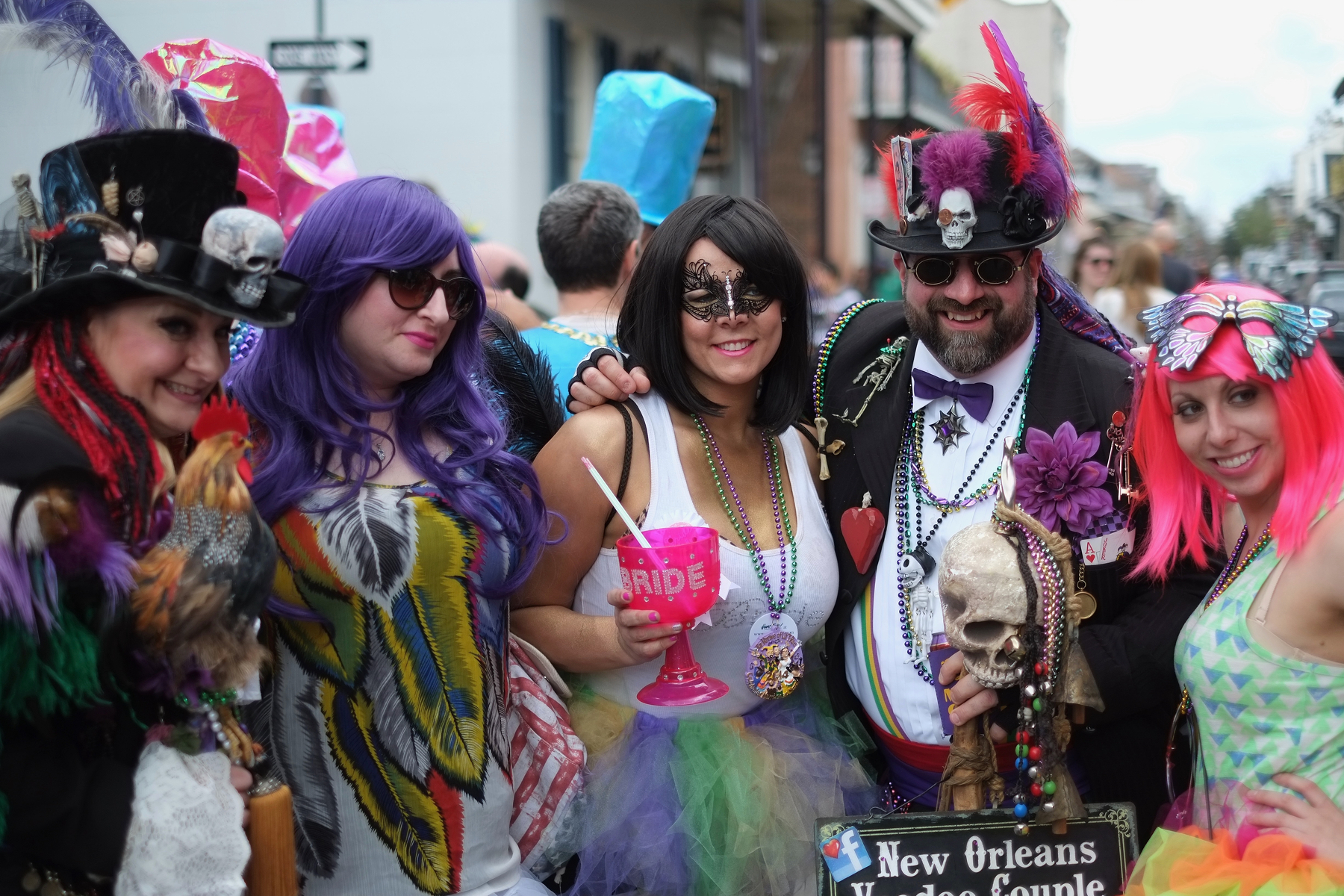
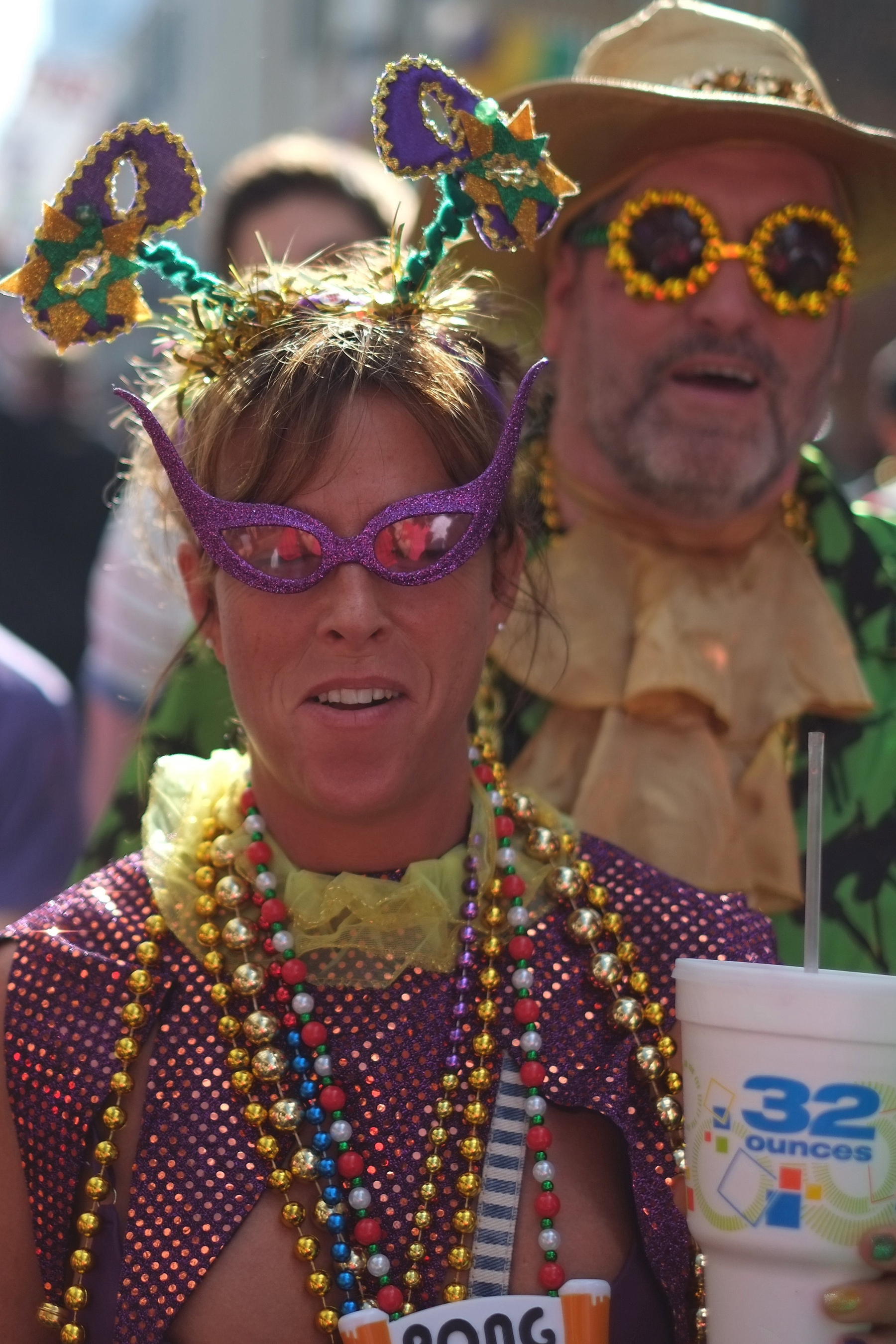
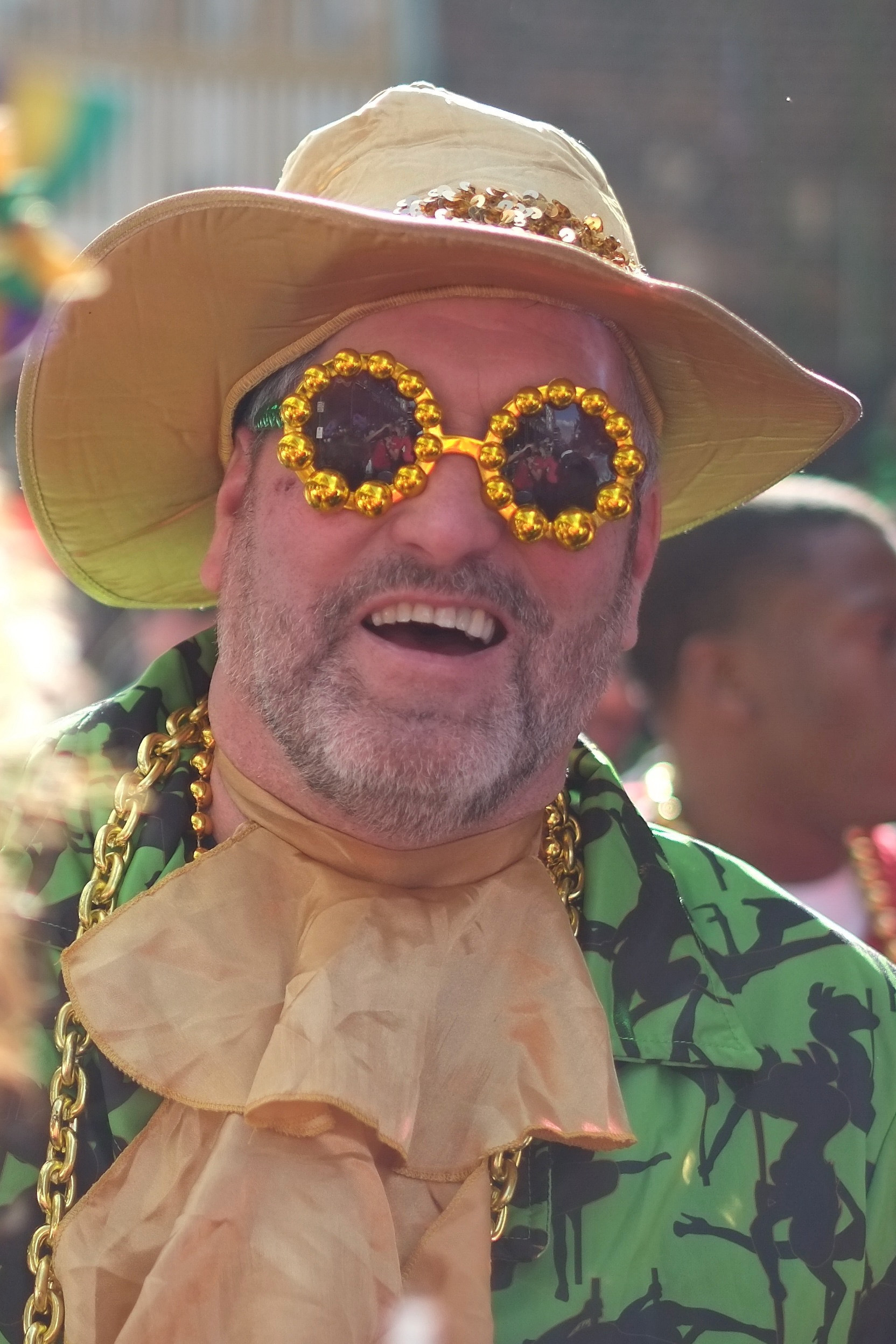
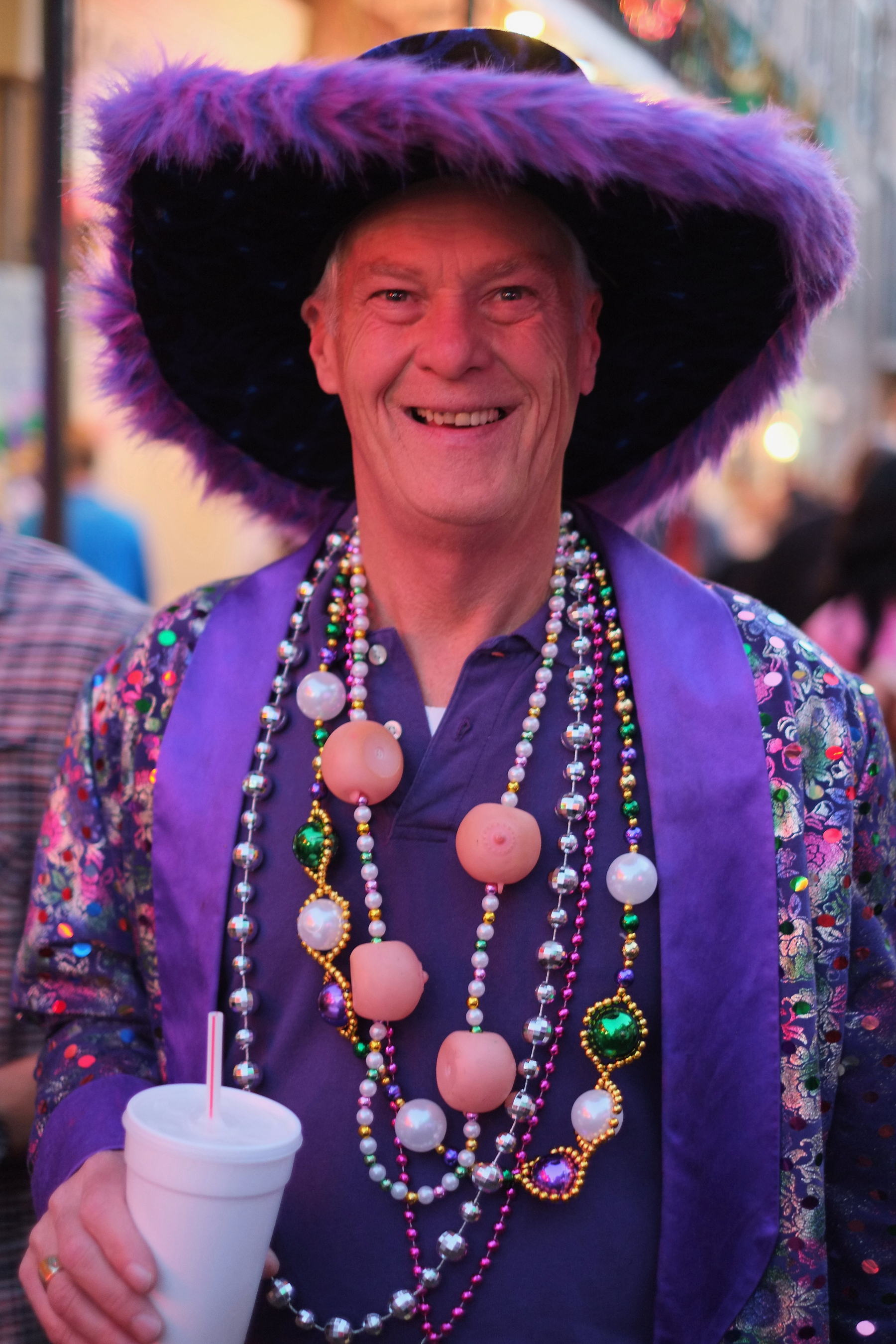
Walking through the French Quarter by day, I kept my camera glued to my eye. The street-level portraits were magnetic. Masked revellers moved through the historic streets in elaborate feathered headpieces and shimmering sequined coats. The tradition of wearing masks carries deep historic roots, originally designed to dissolve social barriers so rich elites, working-class labourers, and enslaved people could mingle anonymously without societal judgment. Today that spirit of radical inclusivity endures. Everyone becomes an equal participant in the theatre of the streets.
Between photographing costumes, I devoured the city's incredible culinary heritage. New Orleans cuisine tells the story of its complex past through flavour. I sampled rich bowls of dark roux gumbo and spicy jambalaya before tracking down a slice of traditional king cake. This sweet pastry, braided and dusted with purple, green and gold sugar representing justice, faith, and power, hides a tiny plastic baby inside. Finding the baby in your slice crowns you king or queen for the day and obliges you to bring the next cake.
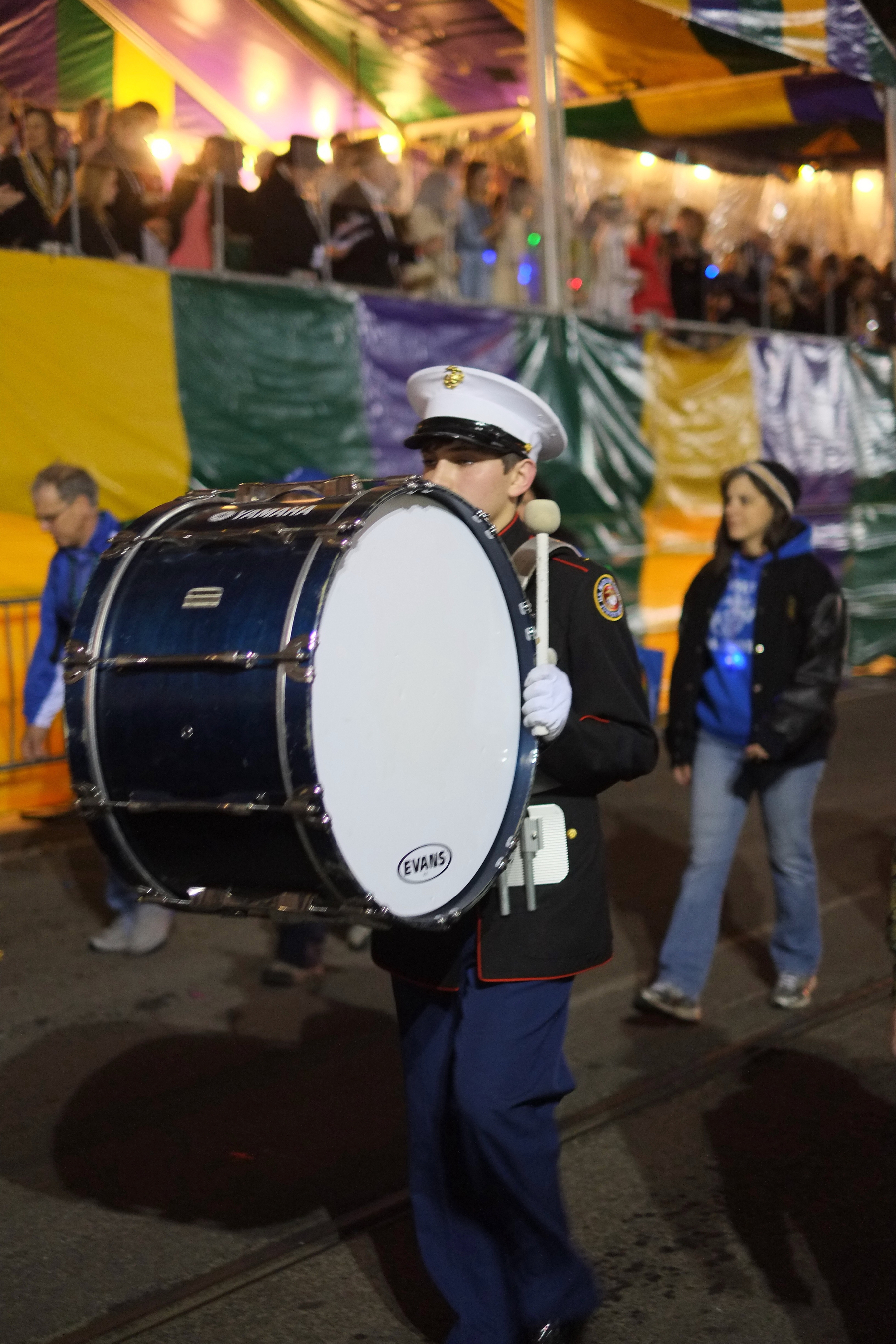
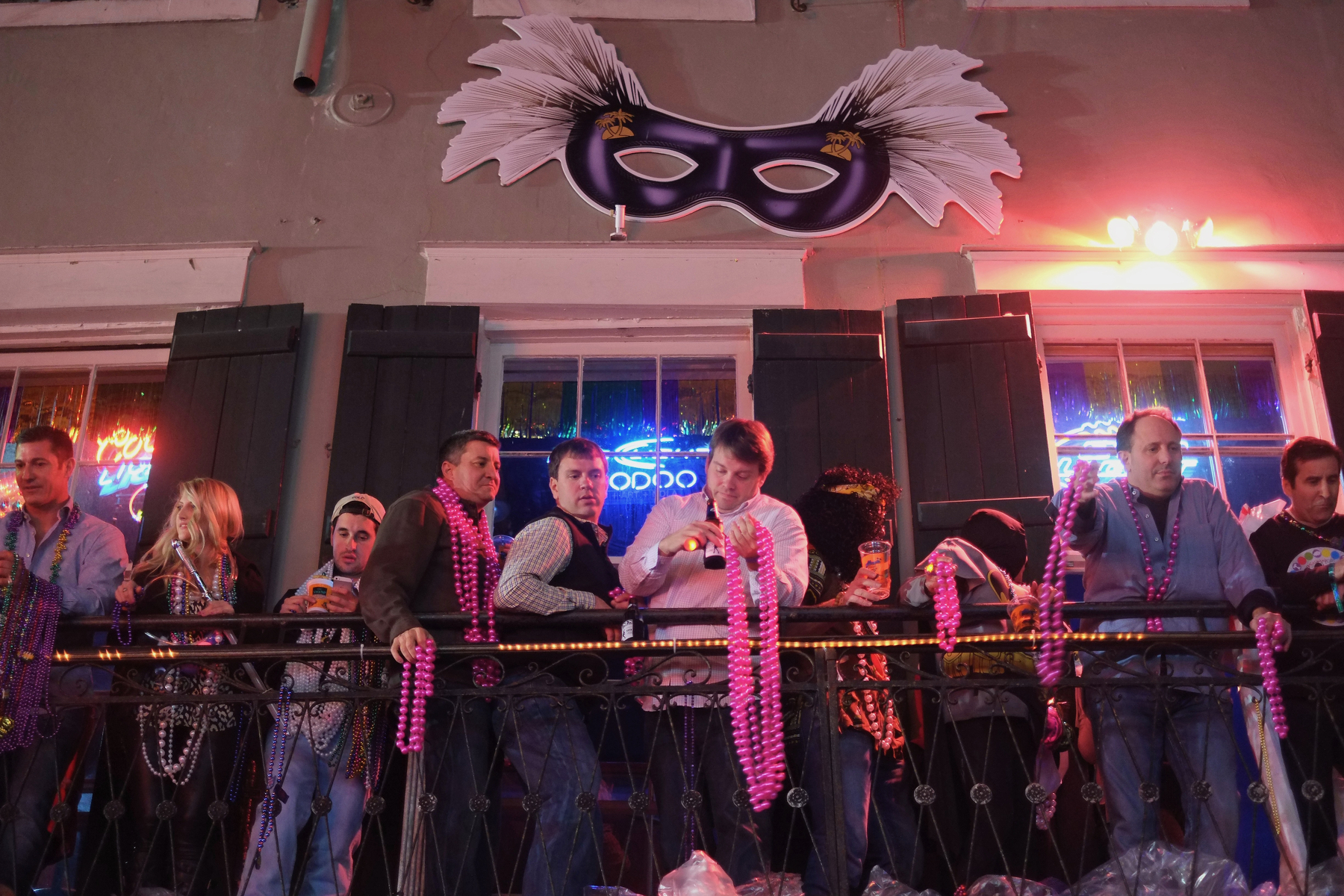
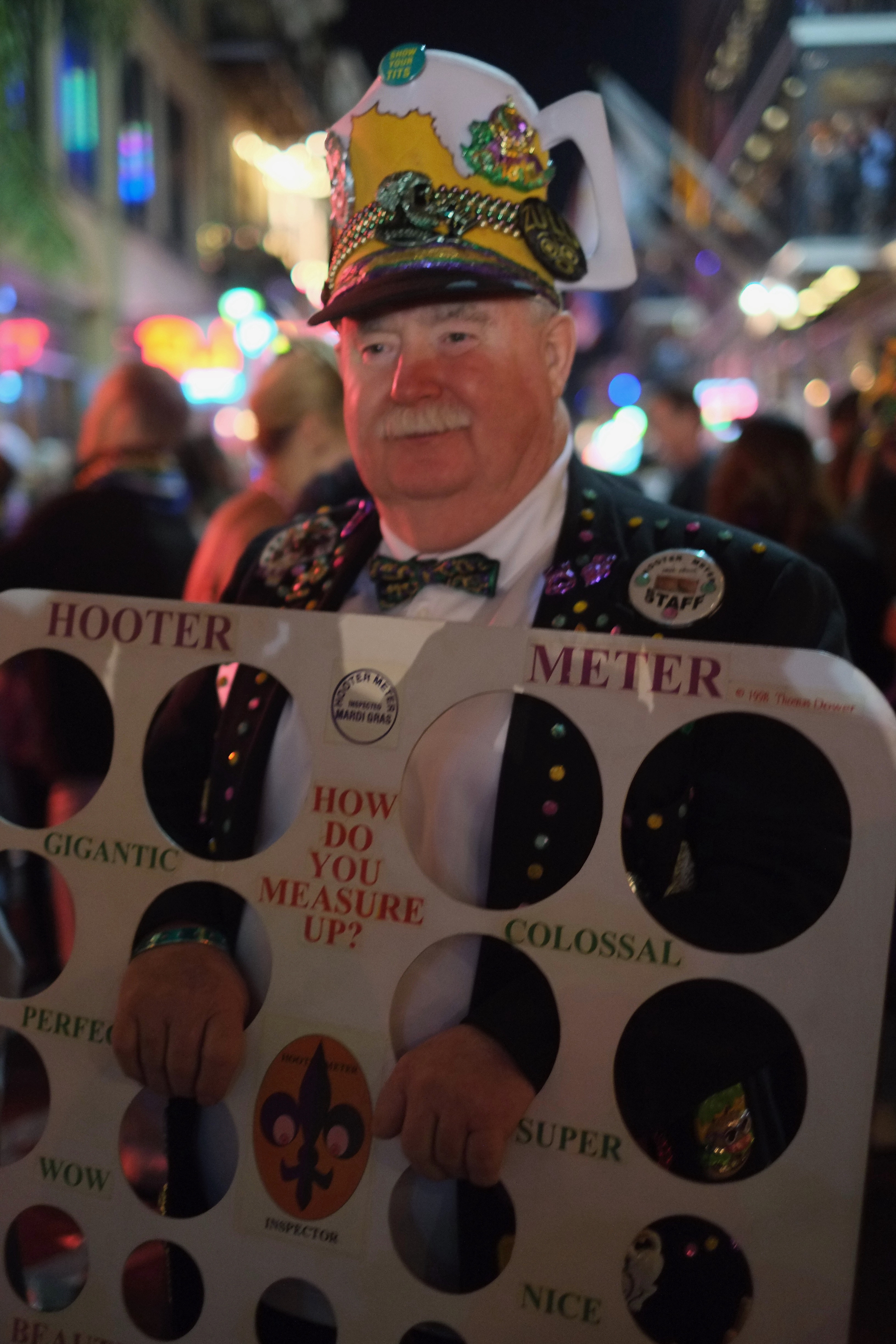
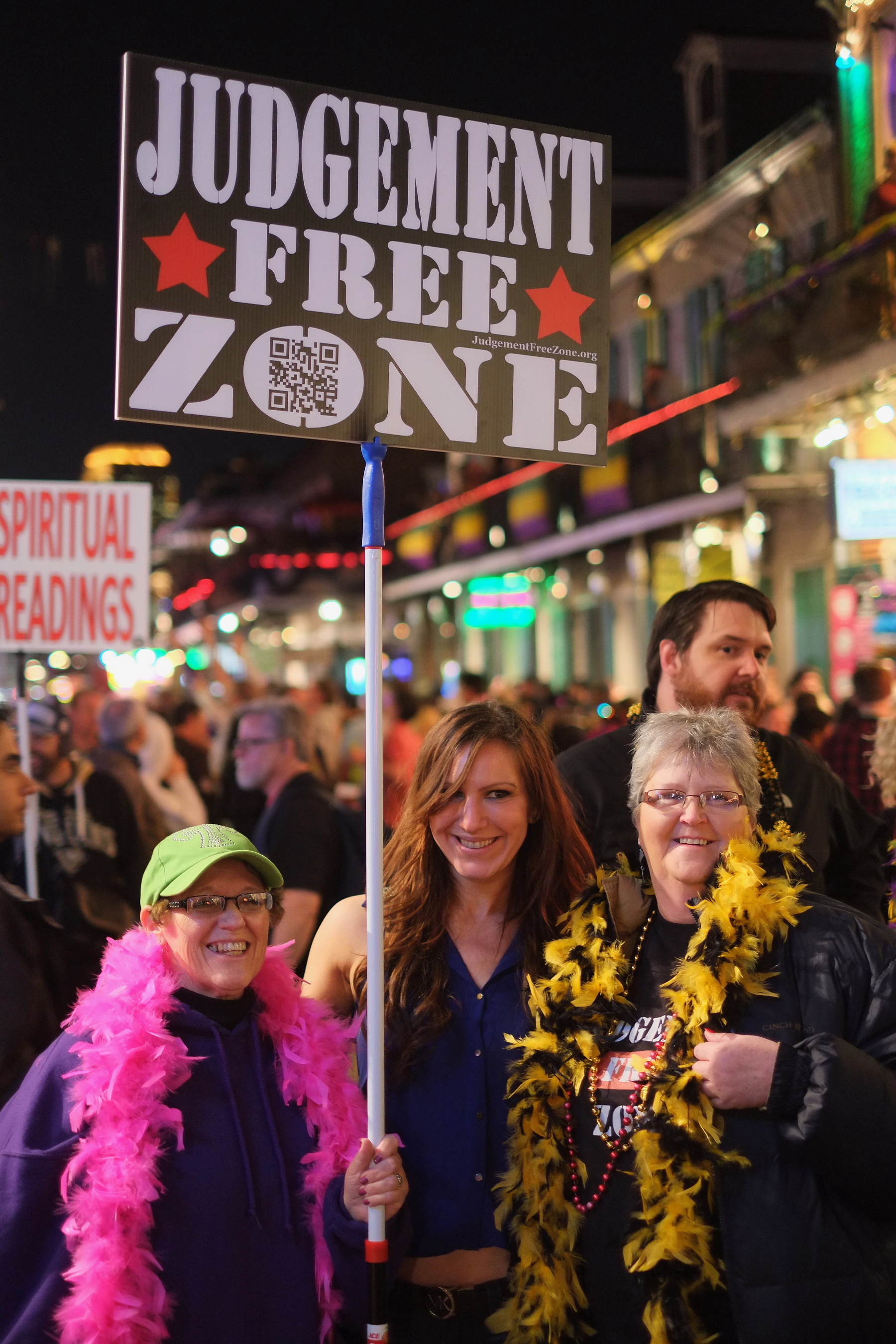
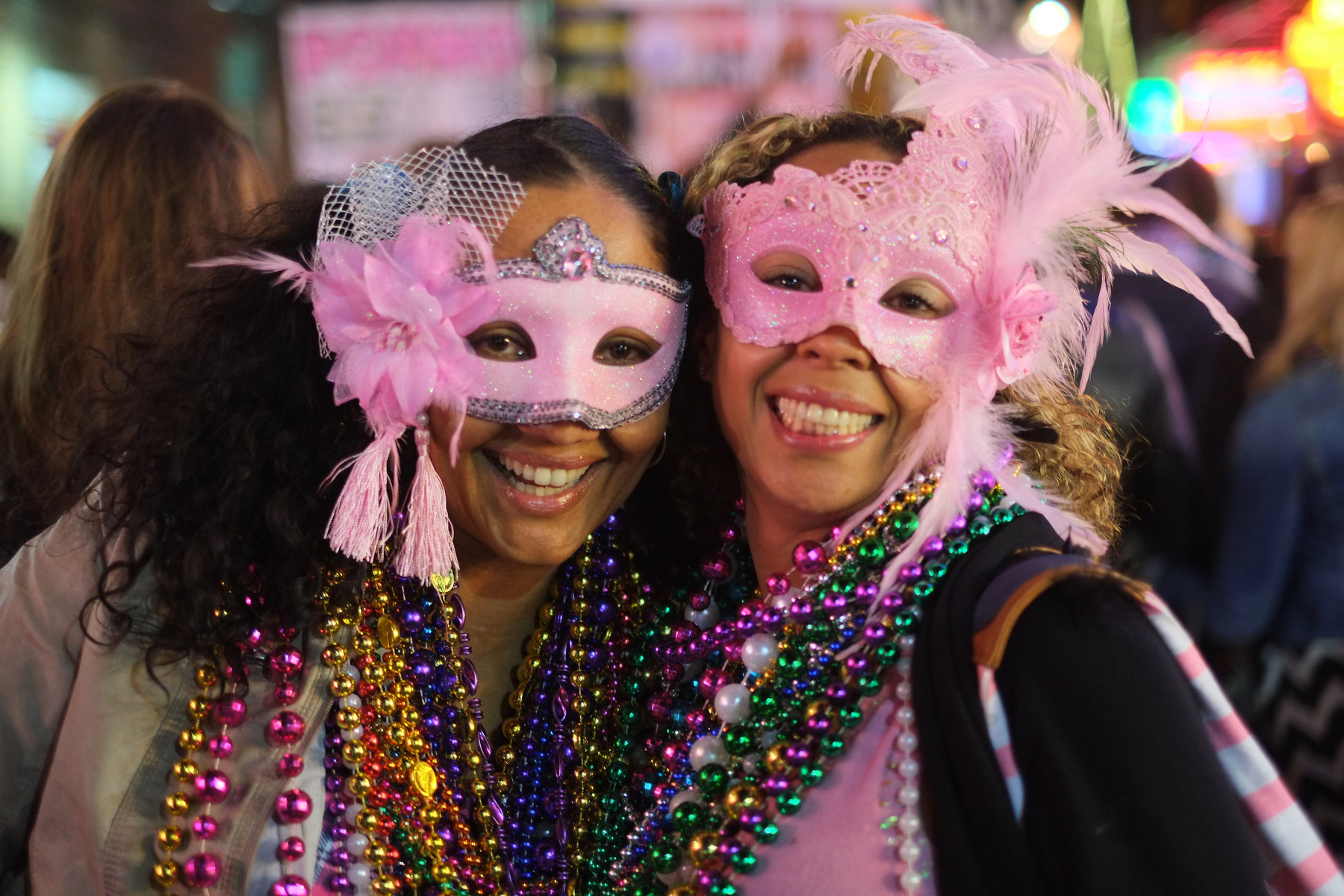
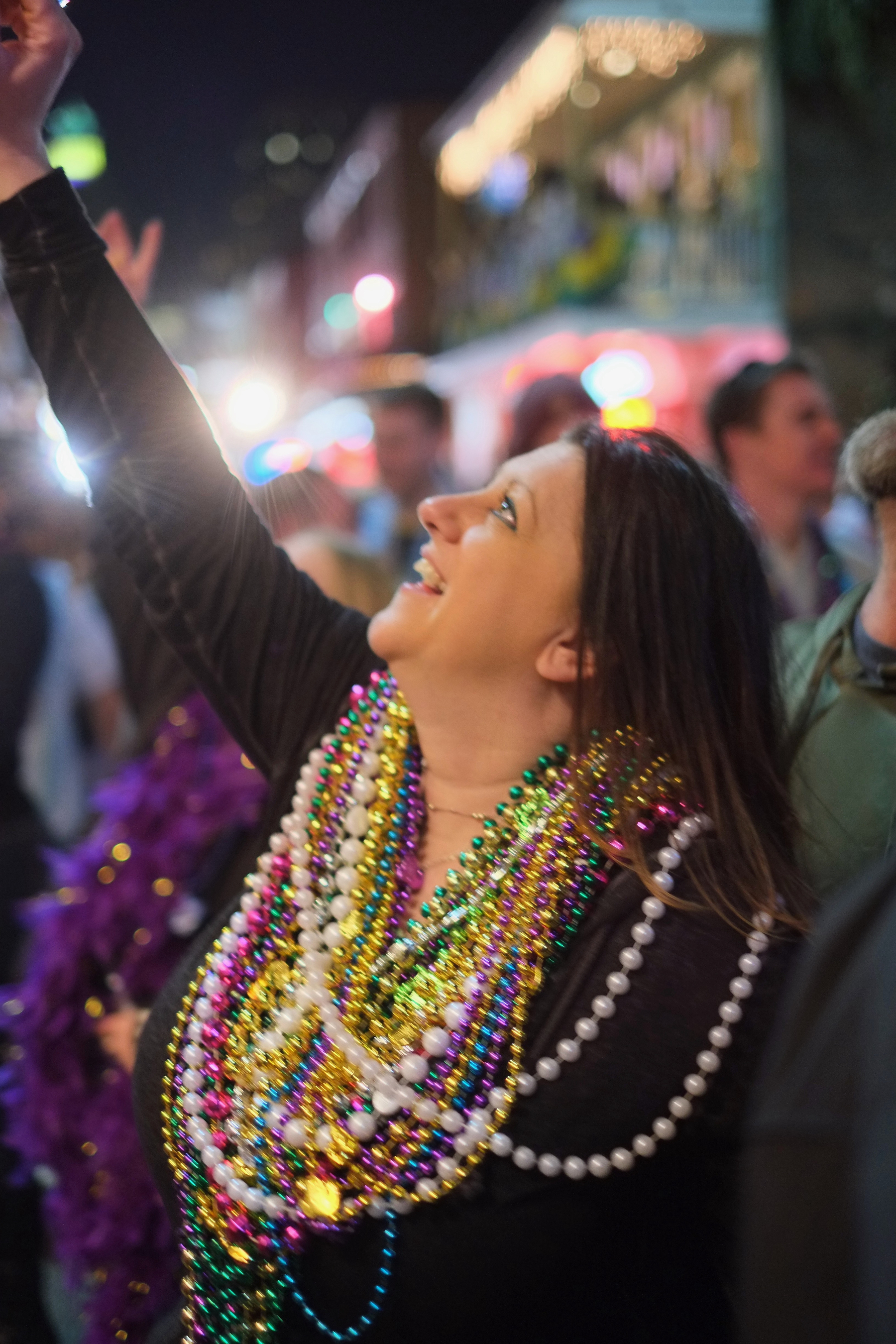
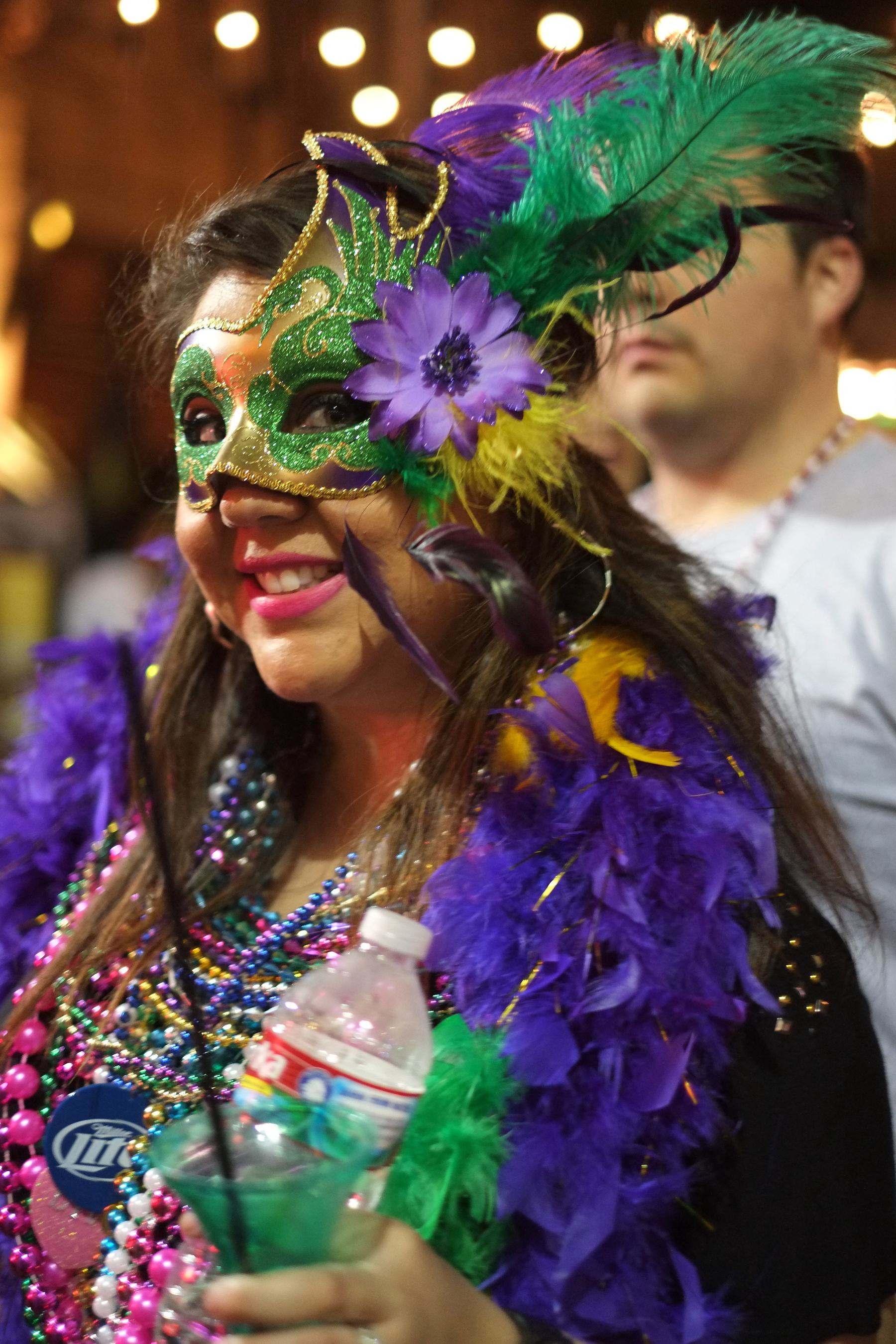
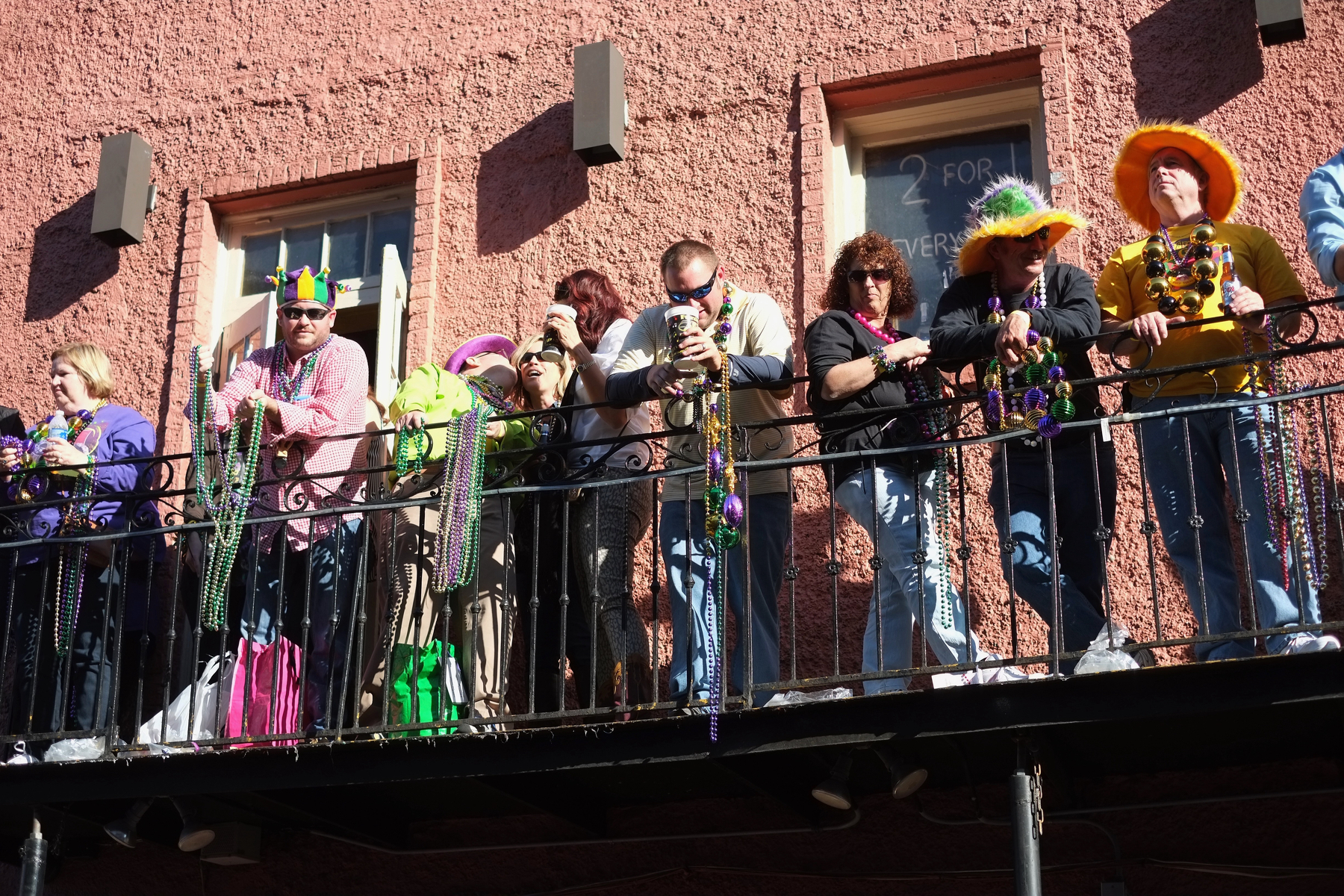
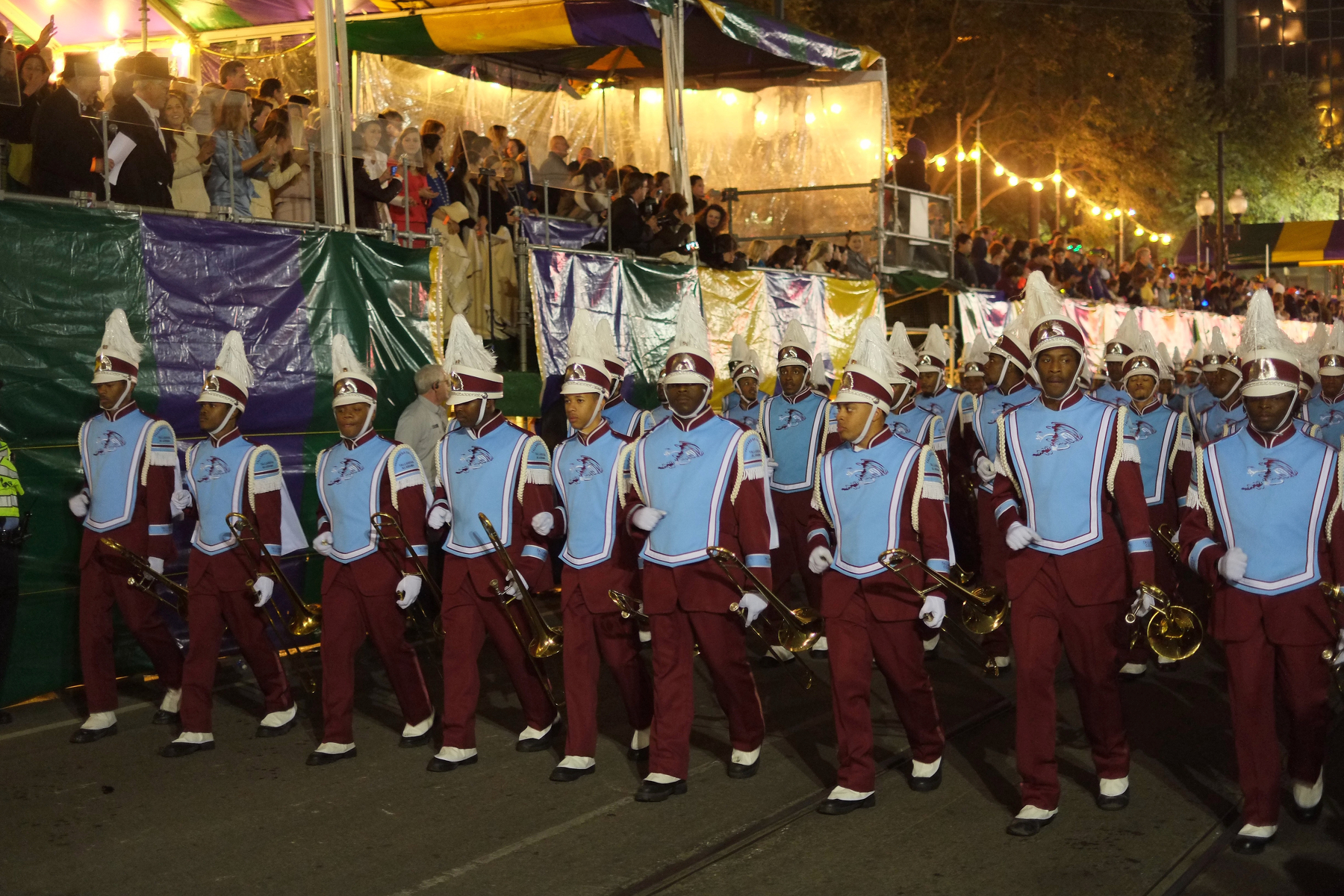
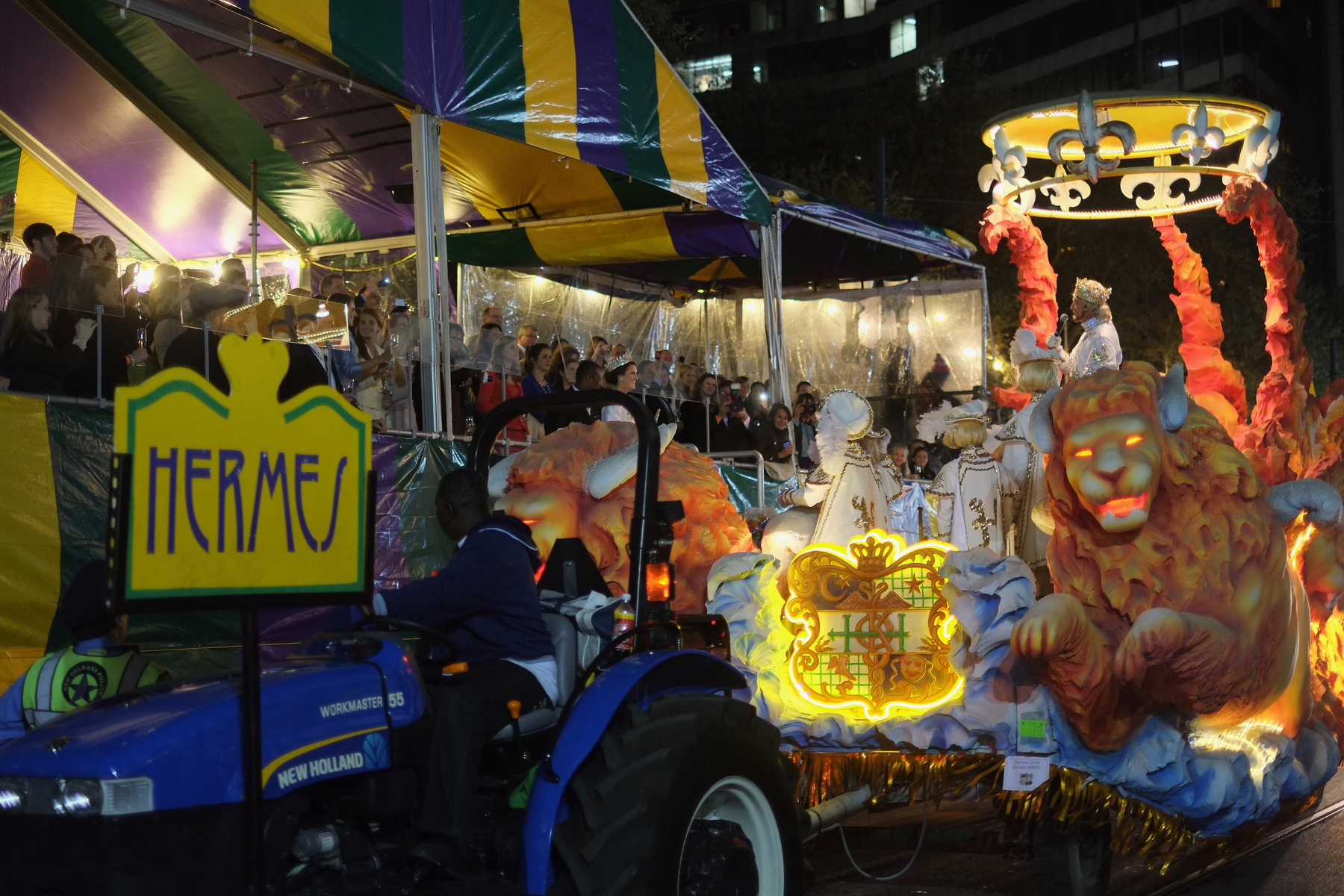
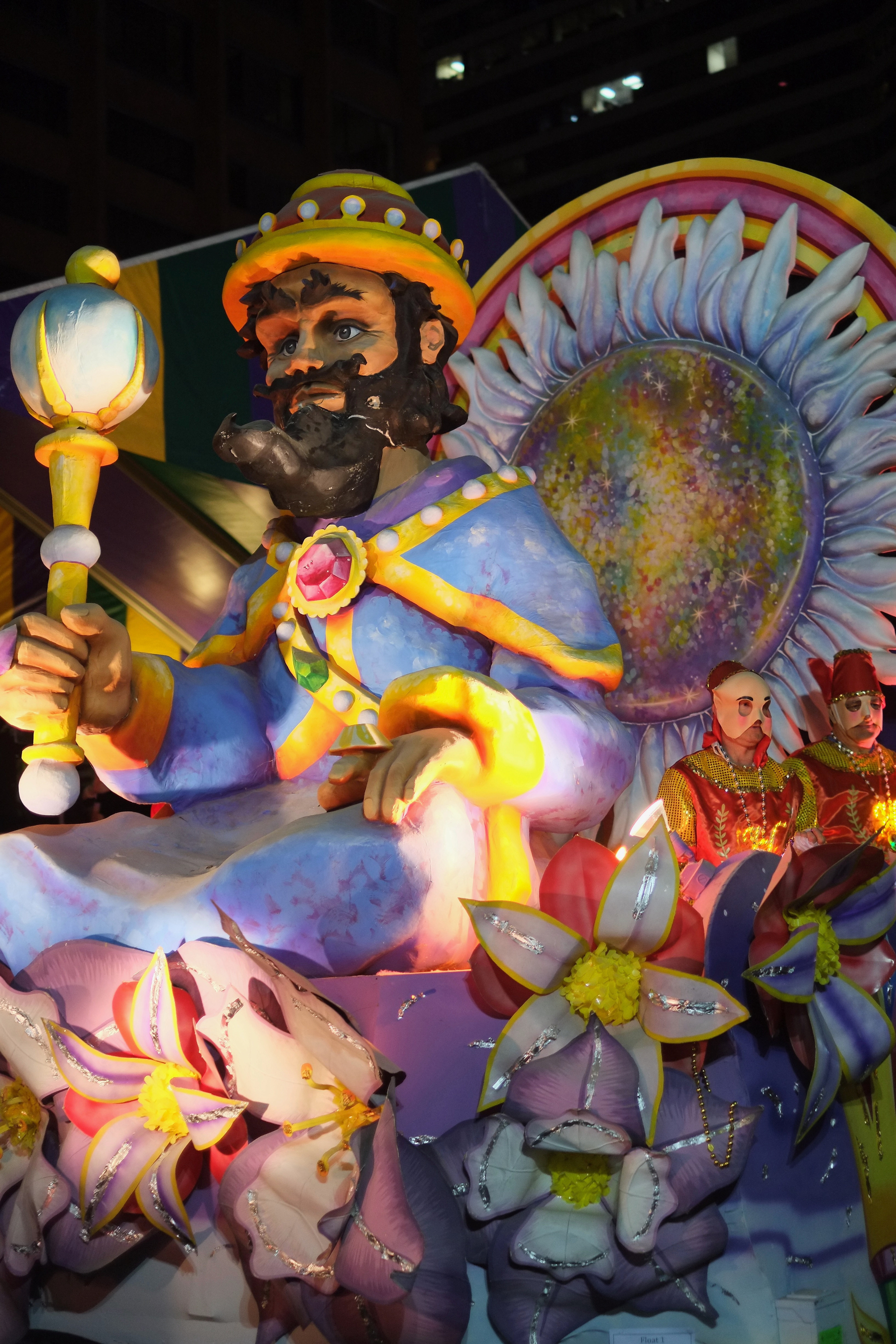
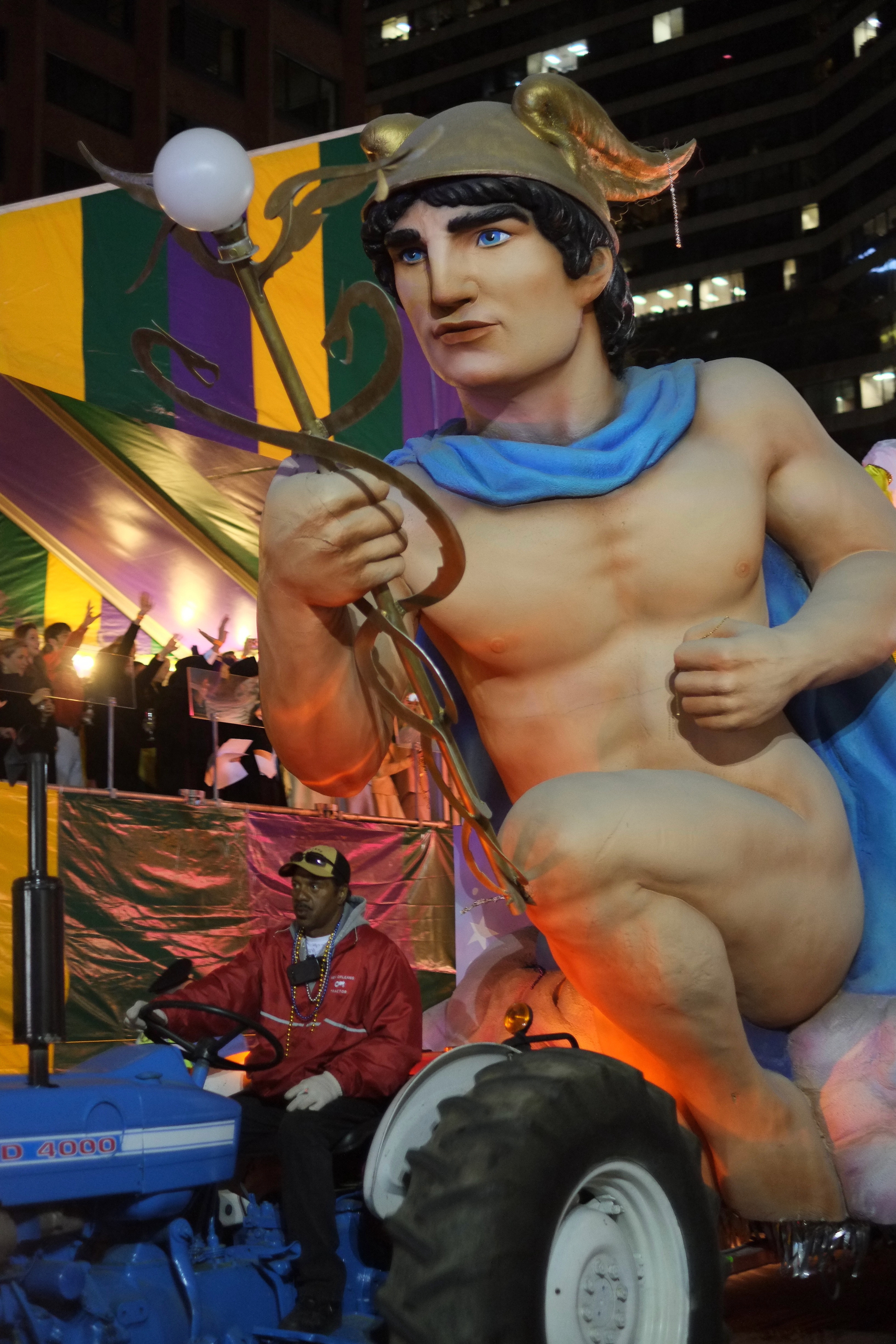
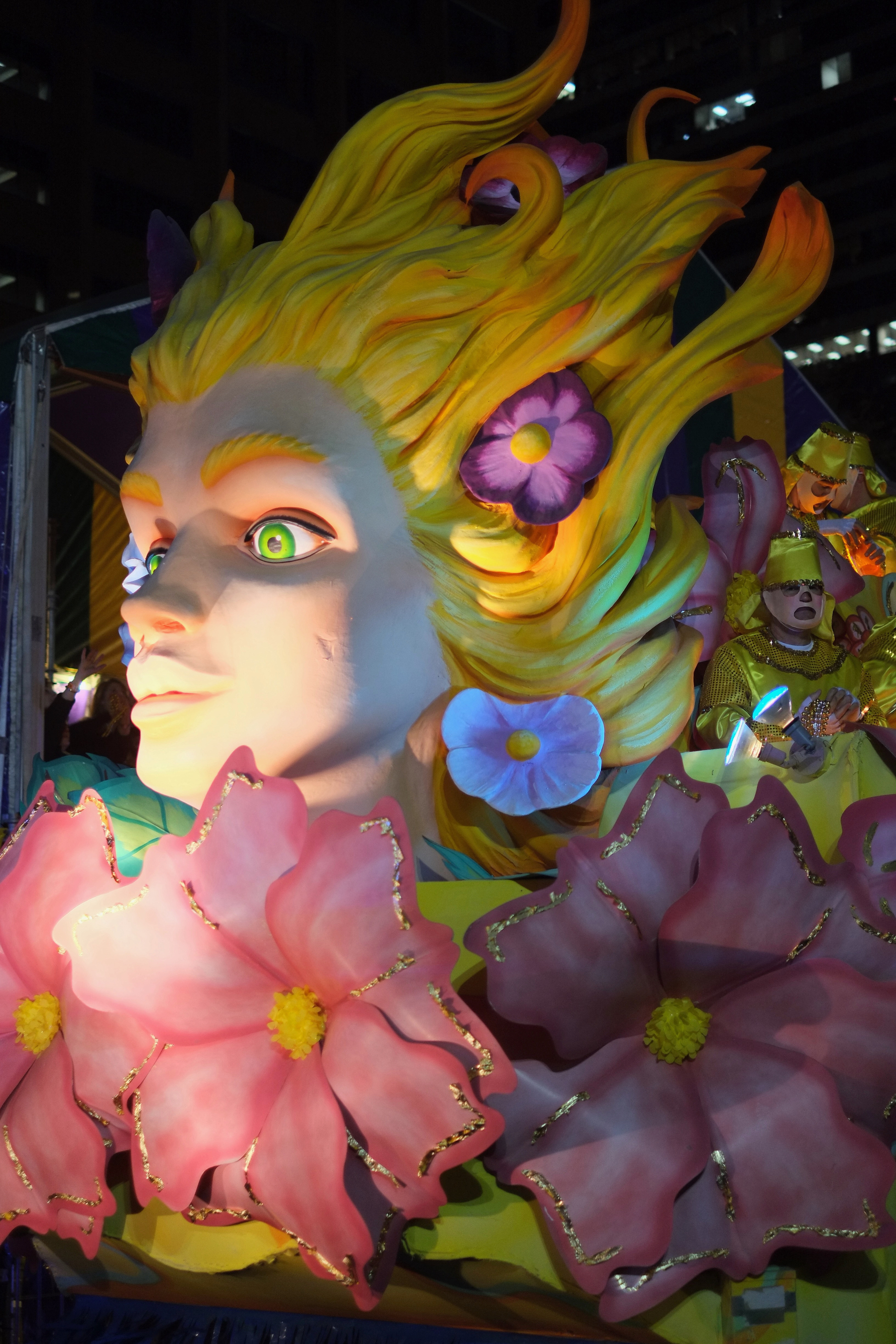
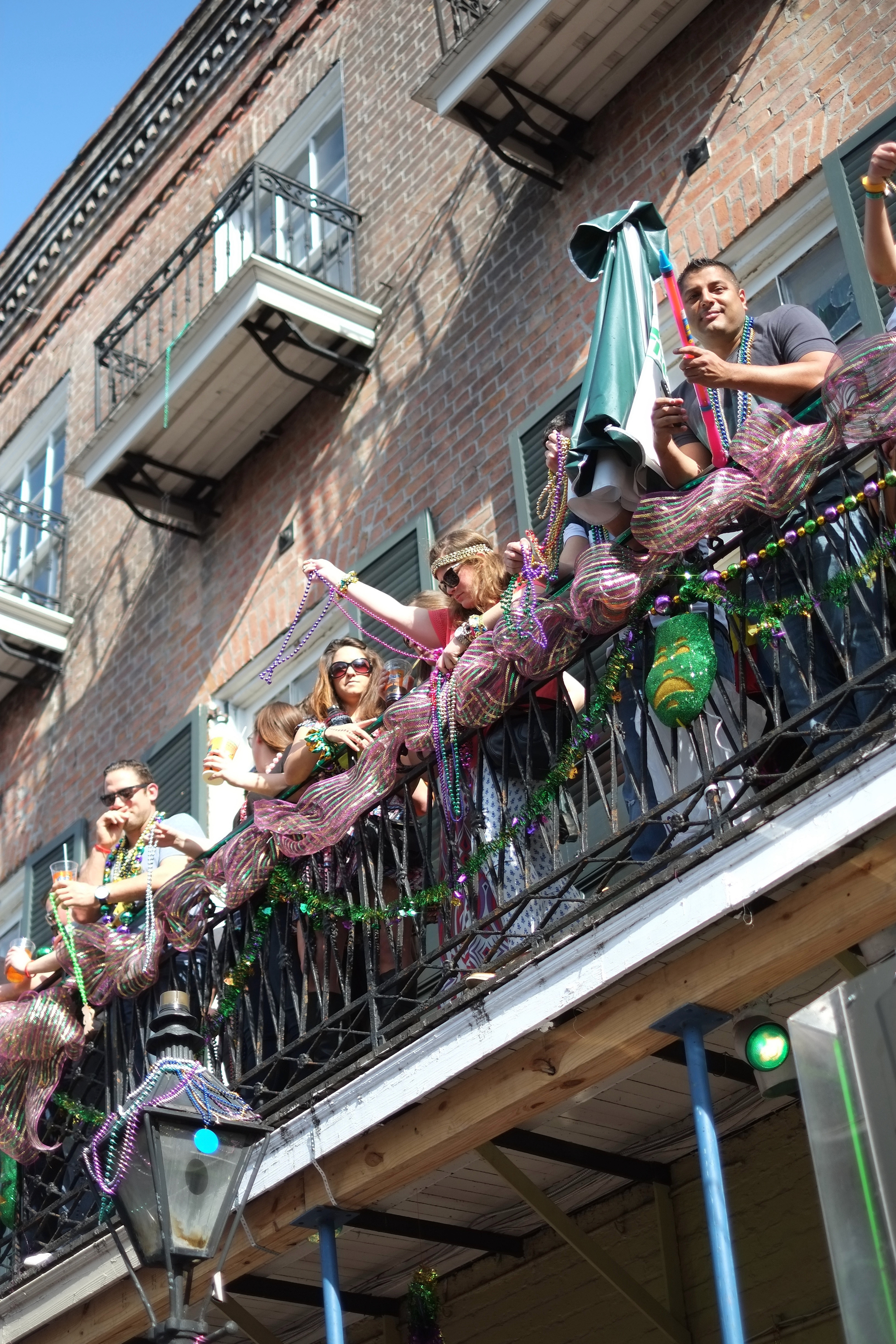
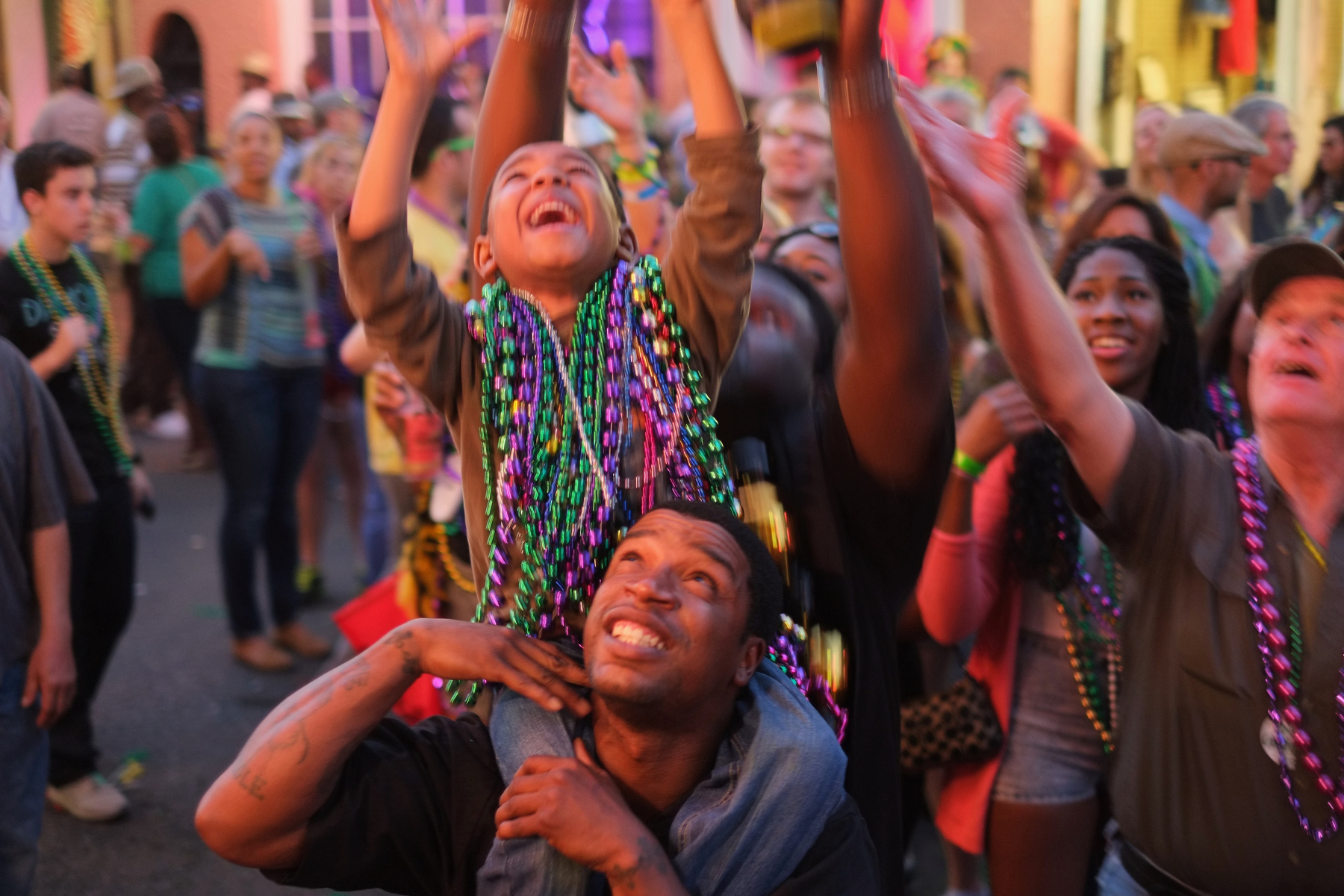
As afternoon turned to dusk, the legendary parades took over. Massive floats built by local Krewes, secret social organisations with decades of lineage, rolled through the crowd like floating theatre stages. Riders showered the eager crowds below with plastic doubloons, hand-decorated coconuts, and endless strands of beads.
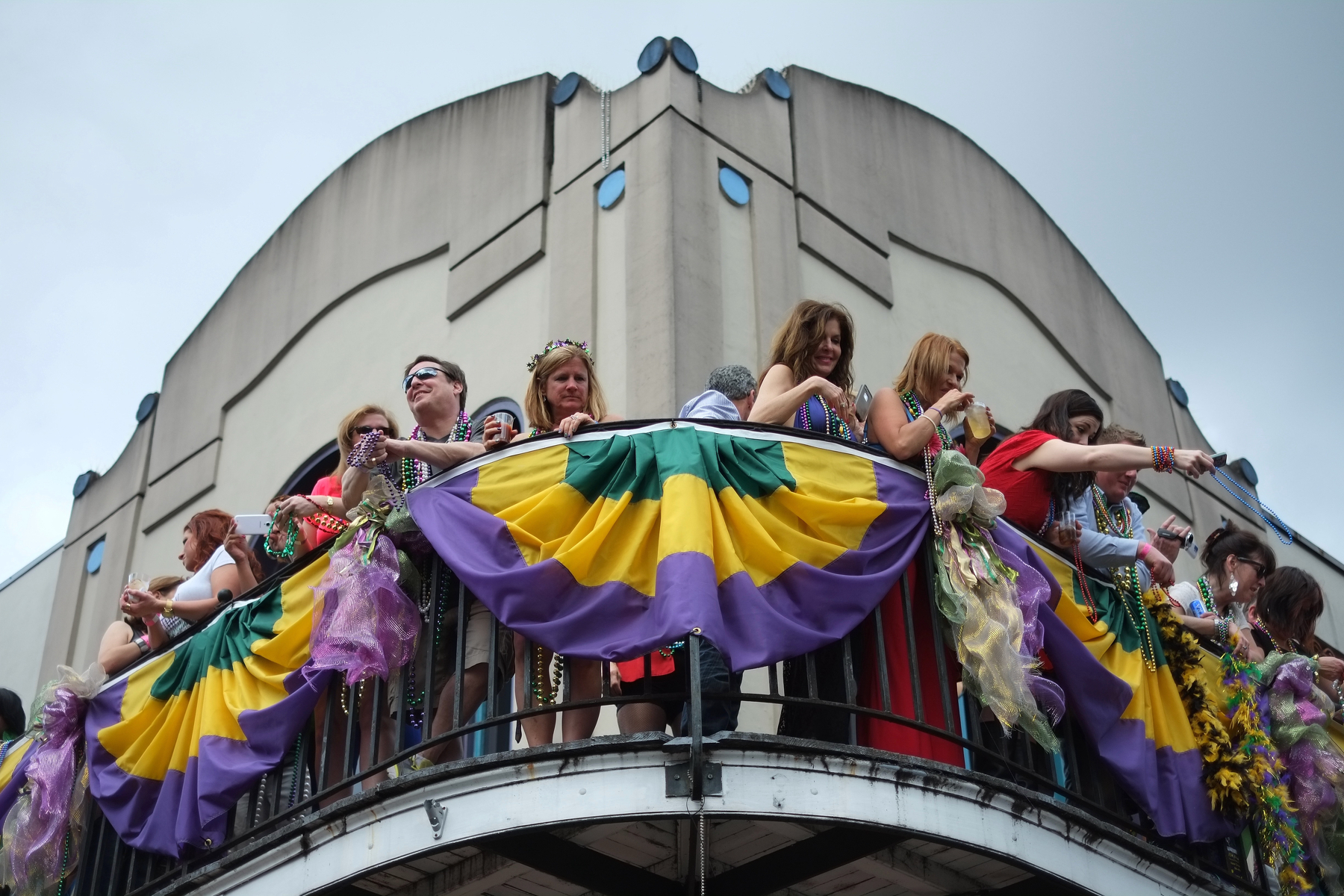
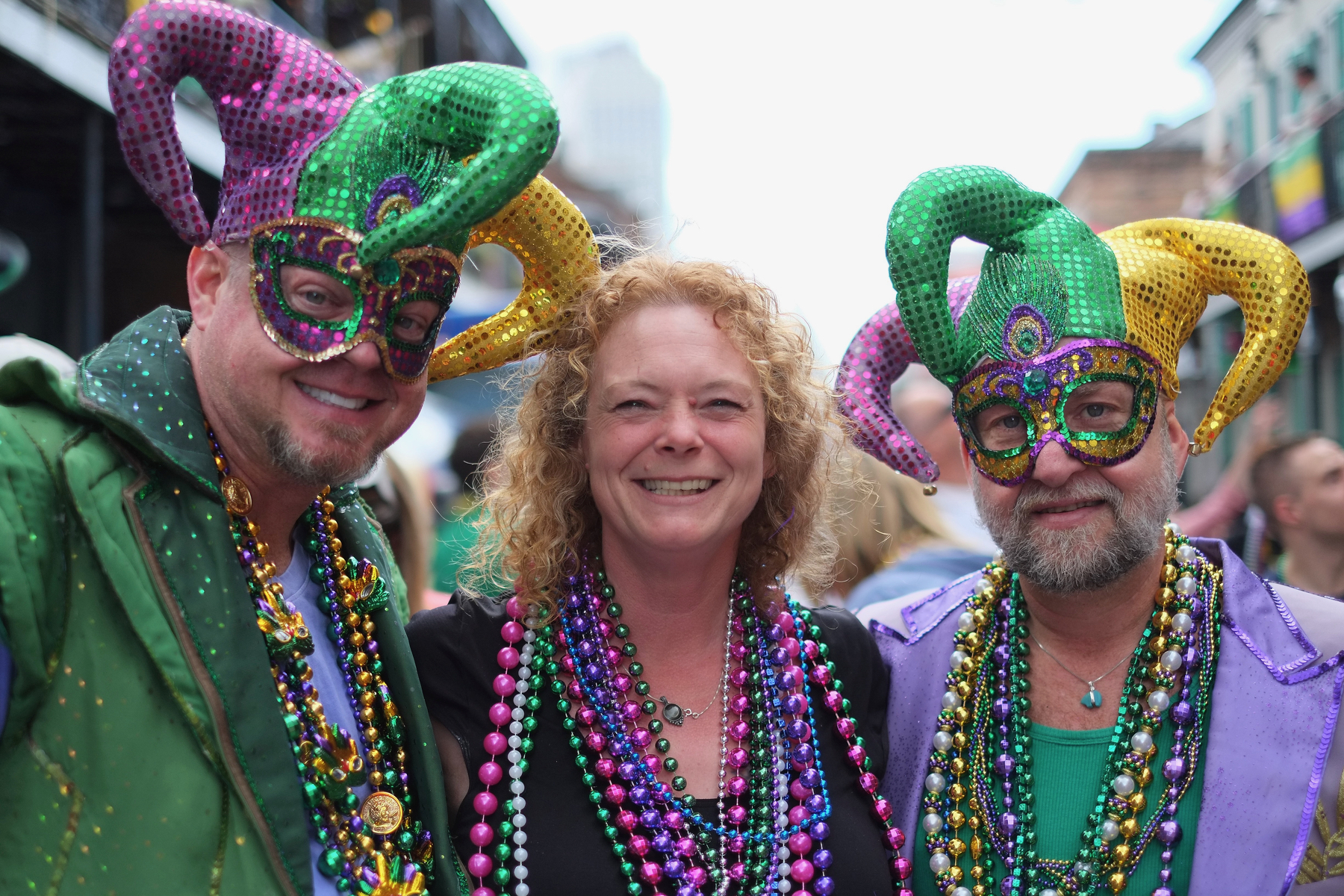
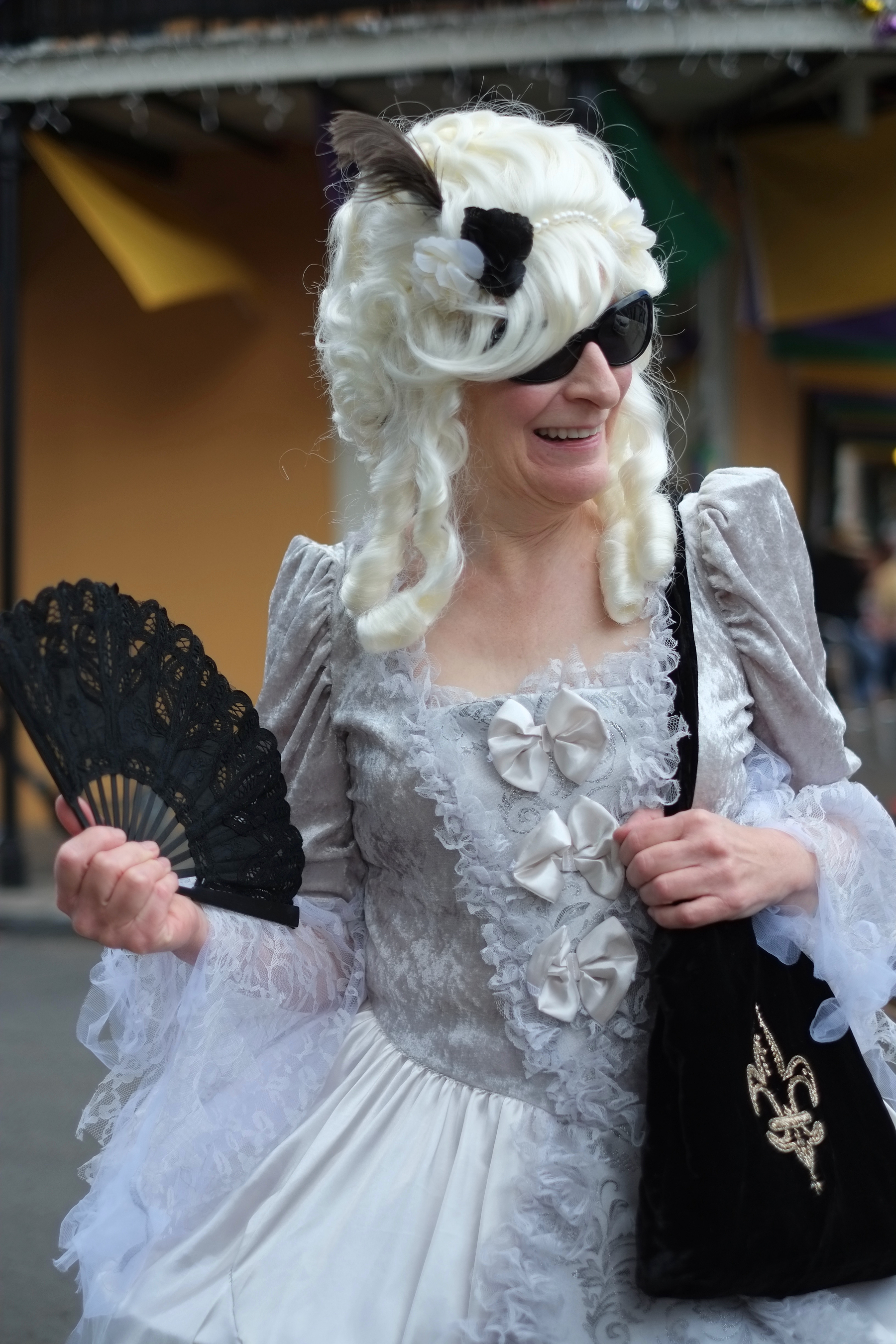
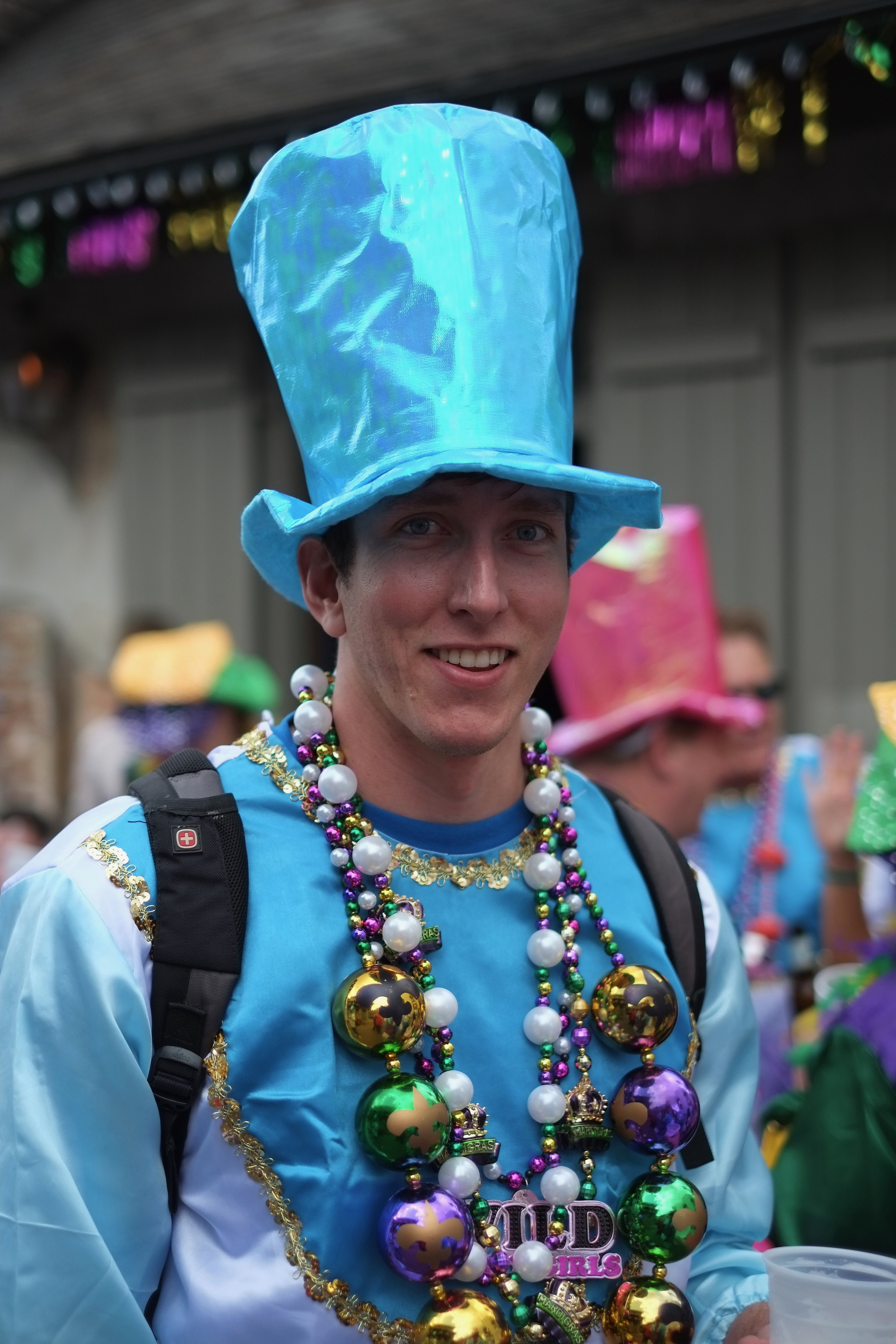
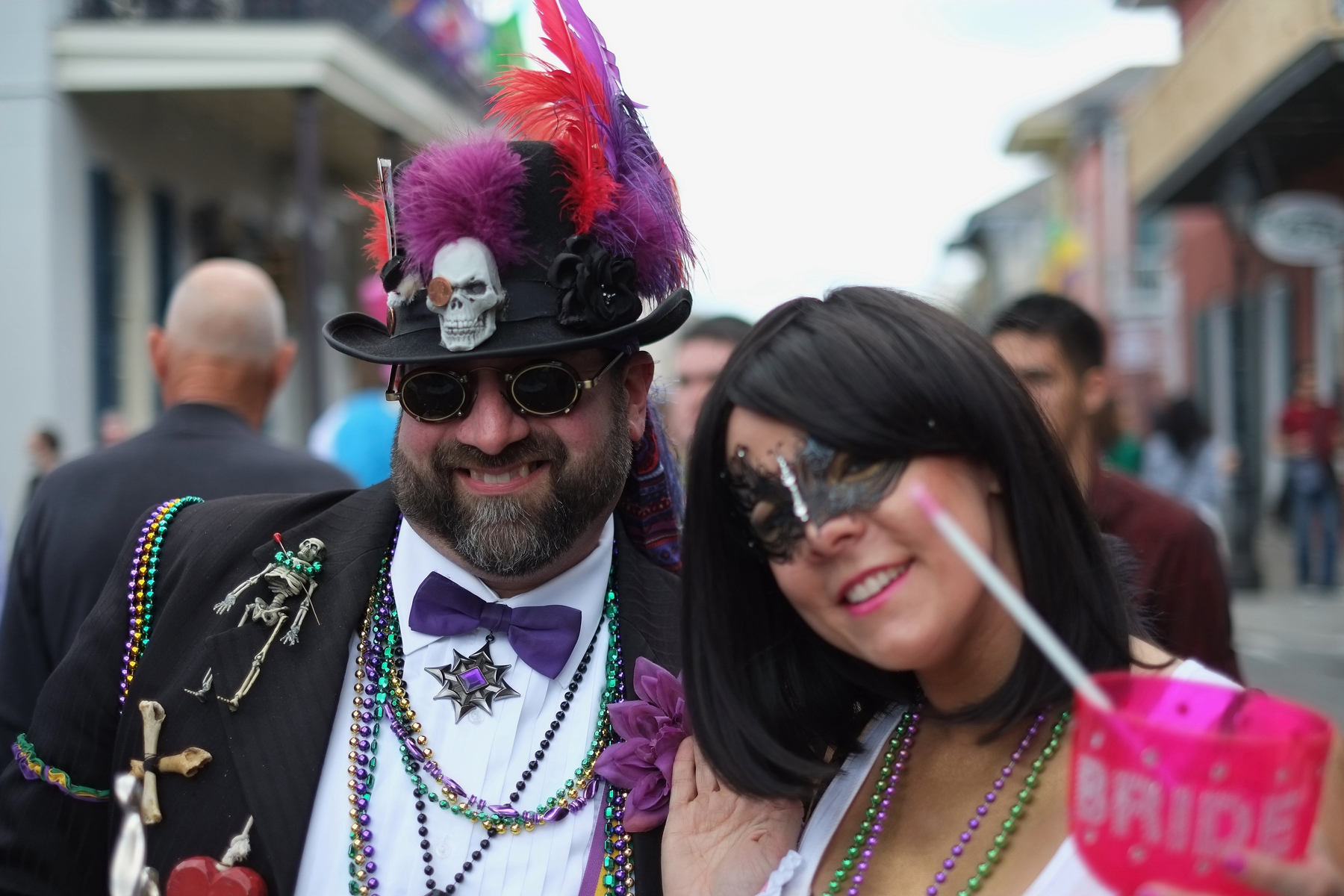
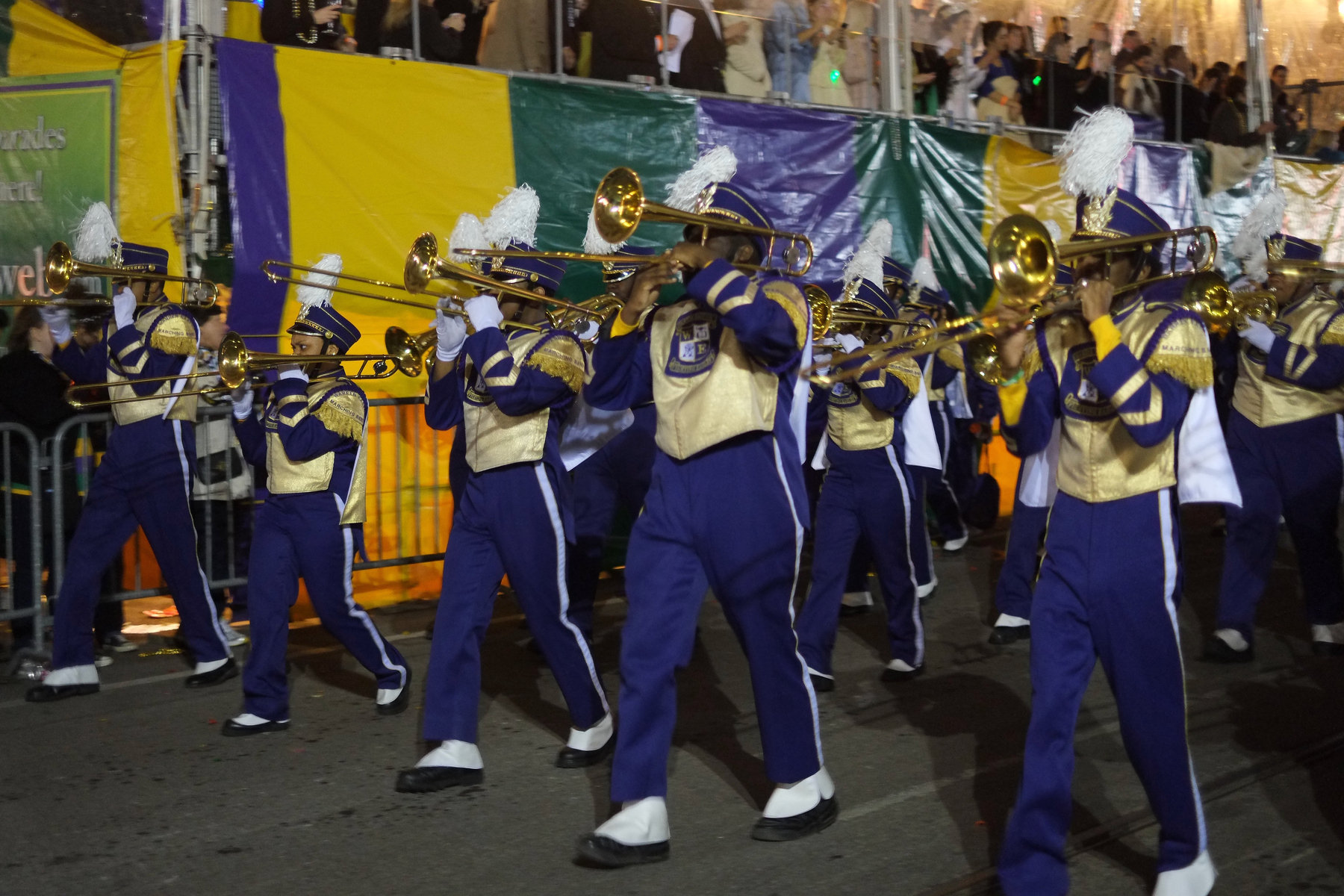
When darkness fell completely, the atmosphere shifted into something wilder and untamed. The brass bands played louder, the crowds pressed closer, and the night took on a thrilling life of its own.
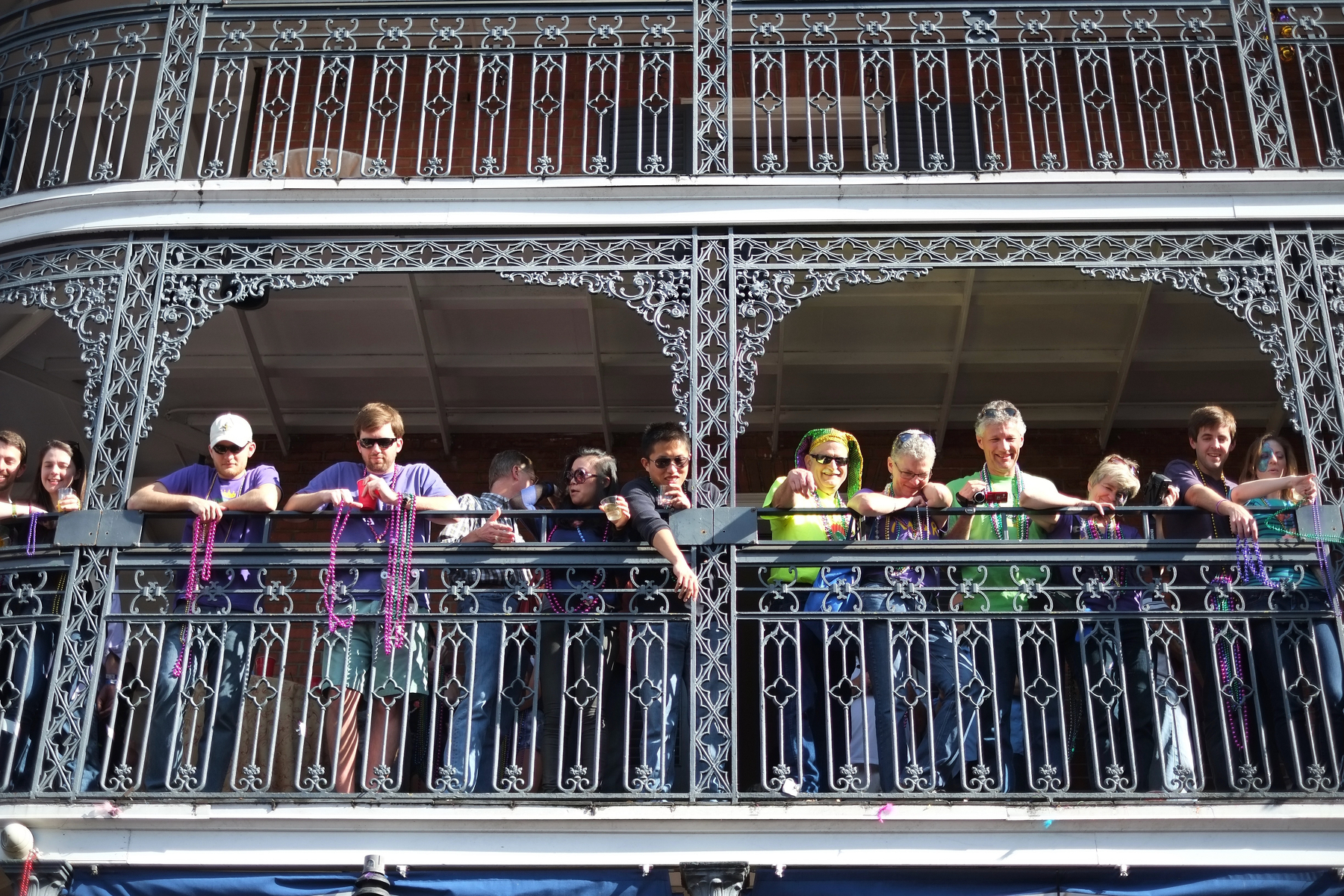
Beyond the glittering surface of the parade routes lies a city deeply rooted in fascinating history. Built upon low-lying swamplands near the mouth of the Mississippi, New Orleans sits below sea level, necessitating famous above-ground tombs that resemble miniature stone cities. It is the birthplace of American jazz, home to the oldest continuously operating streetcar line in the world since 1835, and the site where the first American opera was staged in 1796. Even the local cuisine carries historic weight, like the classic po-boy sandwich, created in 1929 to feed striking streetcar conductors for free. Leaving New Orleans after Fat Tuesday feels like waking up from a vivid dream. The music lingers in your ears long after the plane departs, and the memory of that unapologetic, timeless joy stays with you forever.
#MardiGras #NewOrleans #NOLA #FrenchQuarter #Carnival #FatTuesday #VisitNOLA #TravelPhotography #Culture #History #StreetPhotography #Photography #BourbonStreet #KingCake #TravelEssay #USATravel #Carnival #USA #US