
La Boca, Buenos Aires: Where Tango, History and Colour Collide
Ah, Buenos Aires! A city of grand avenues, passionate tango, and a history shaped by people who arrived from across the world. During my visit, I decided to explore La Boca, the colourful neighbourhood beside the Riachuelo River. I boarded a bus from Puerto Madero, leaving behind the modern waterfront and heading towards a very different side of the city. With my camera ready and curiosity leading the way, I was off to discover the birthplace of tango.
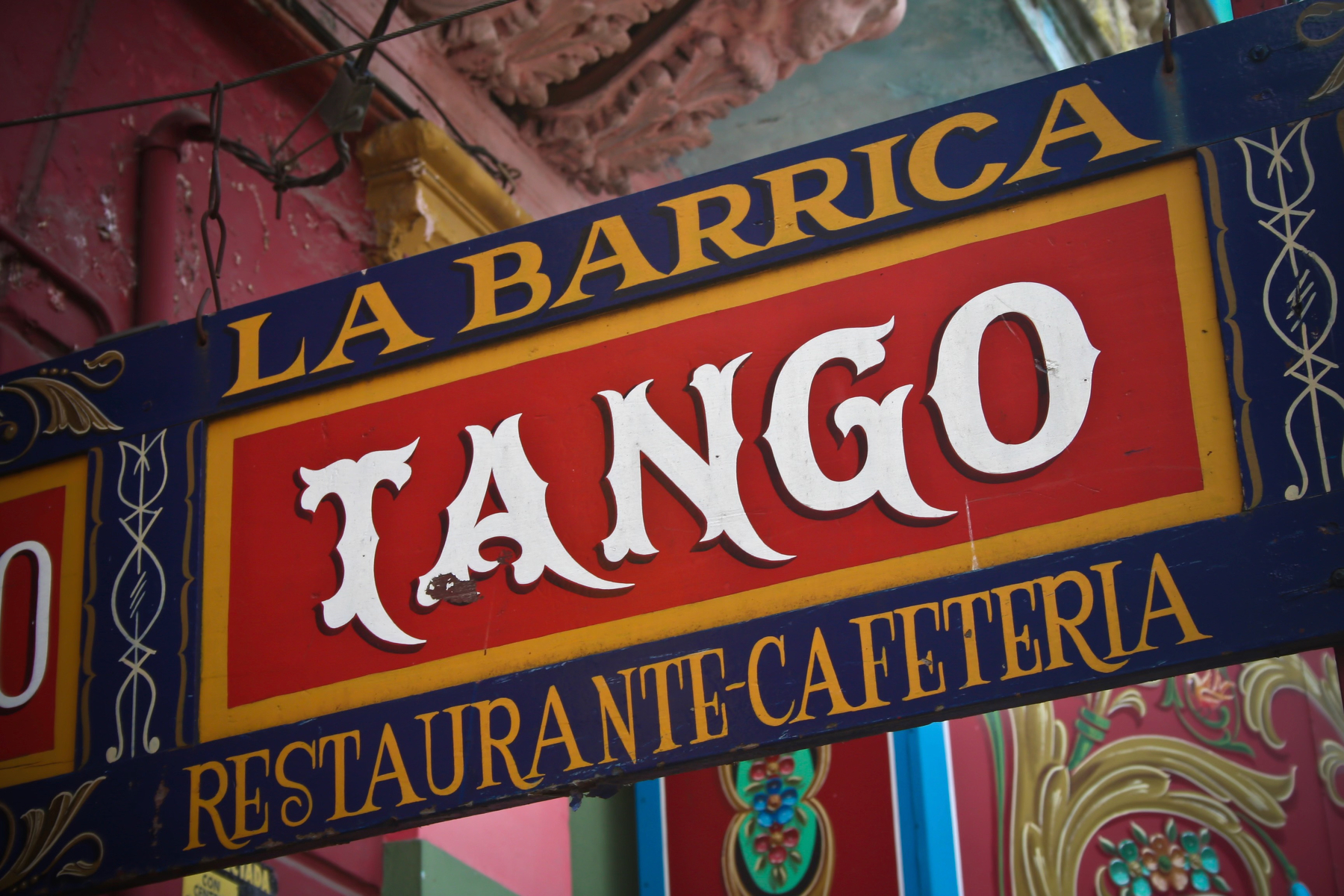
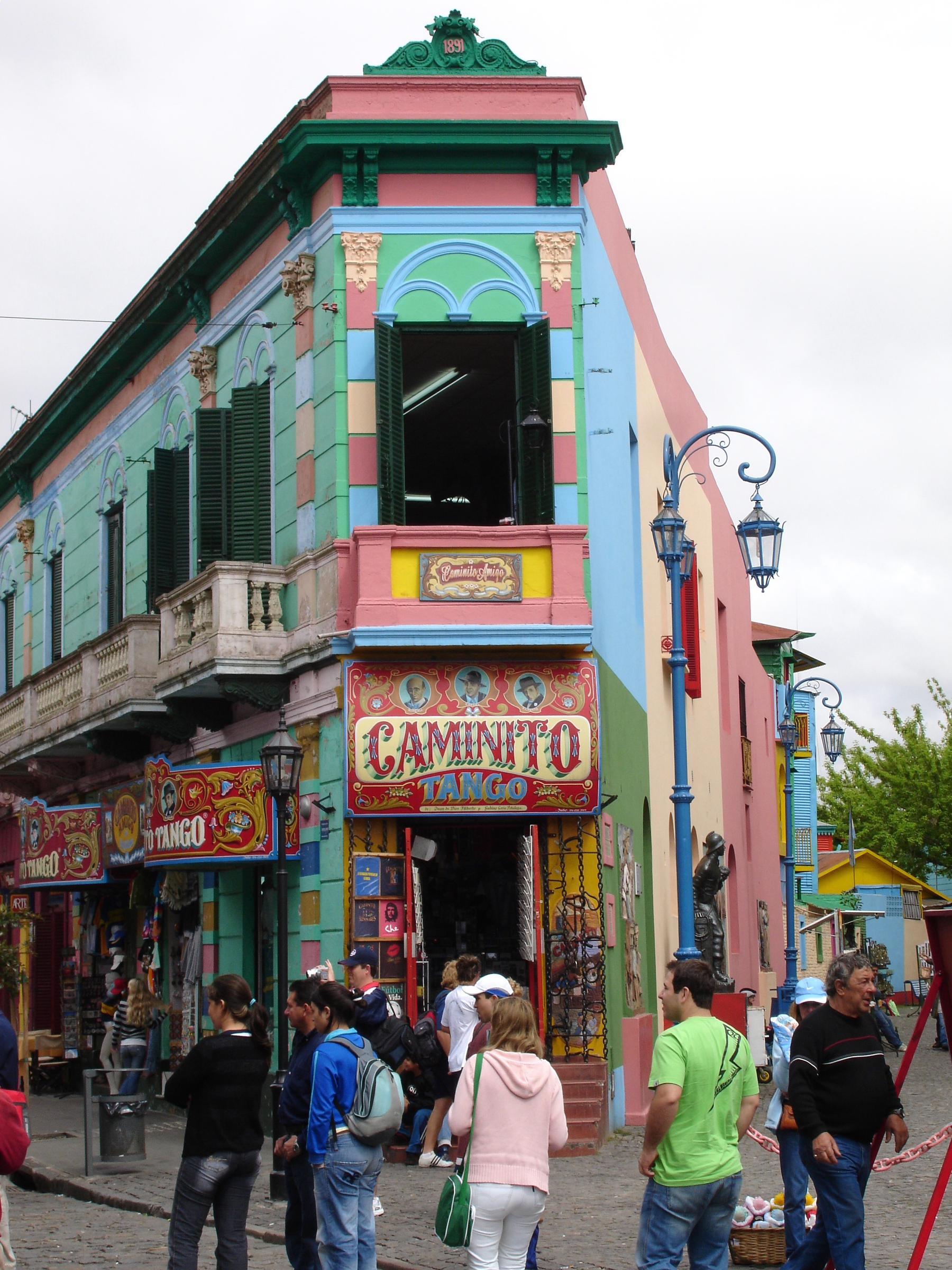


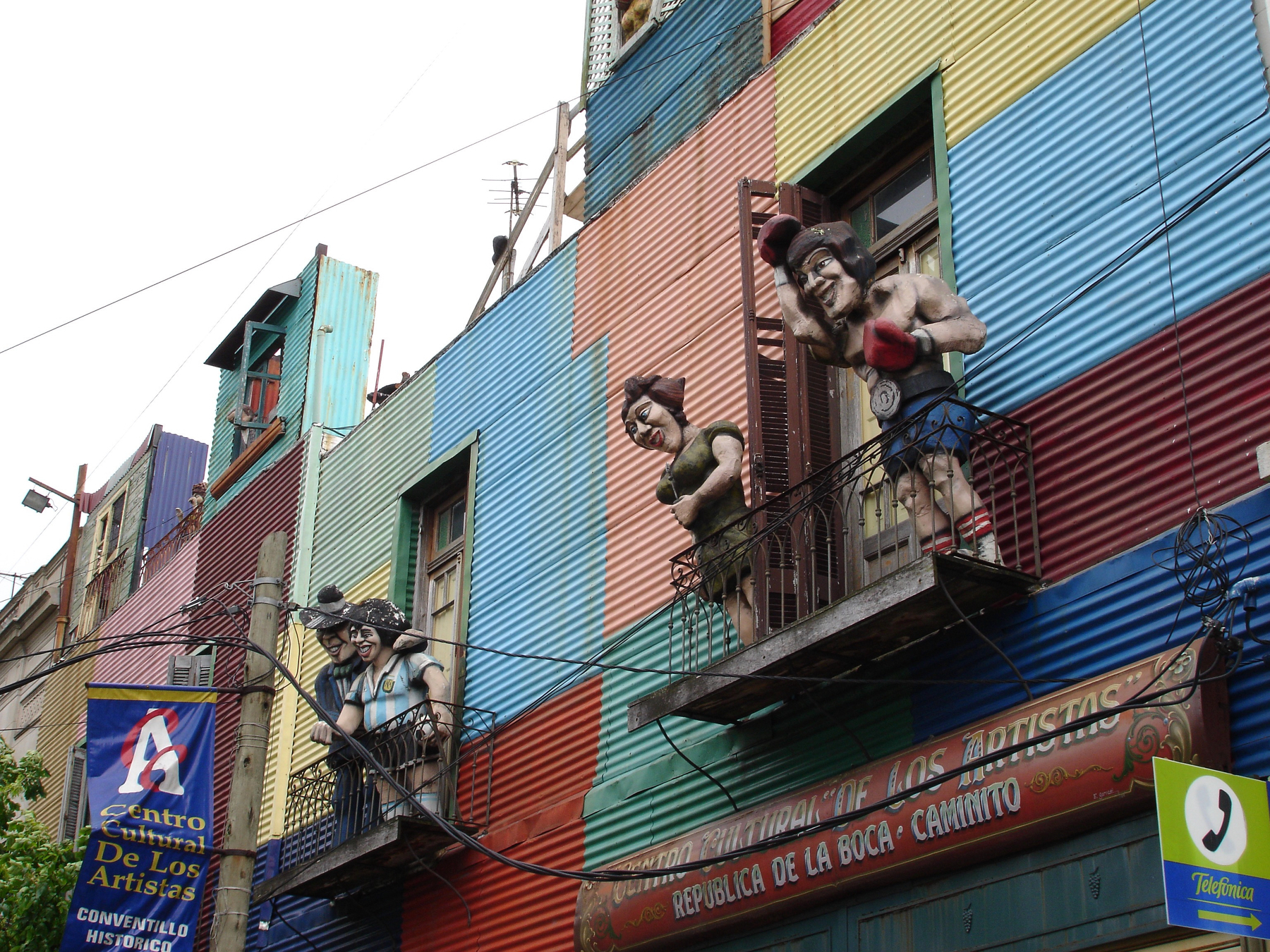
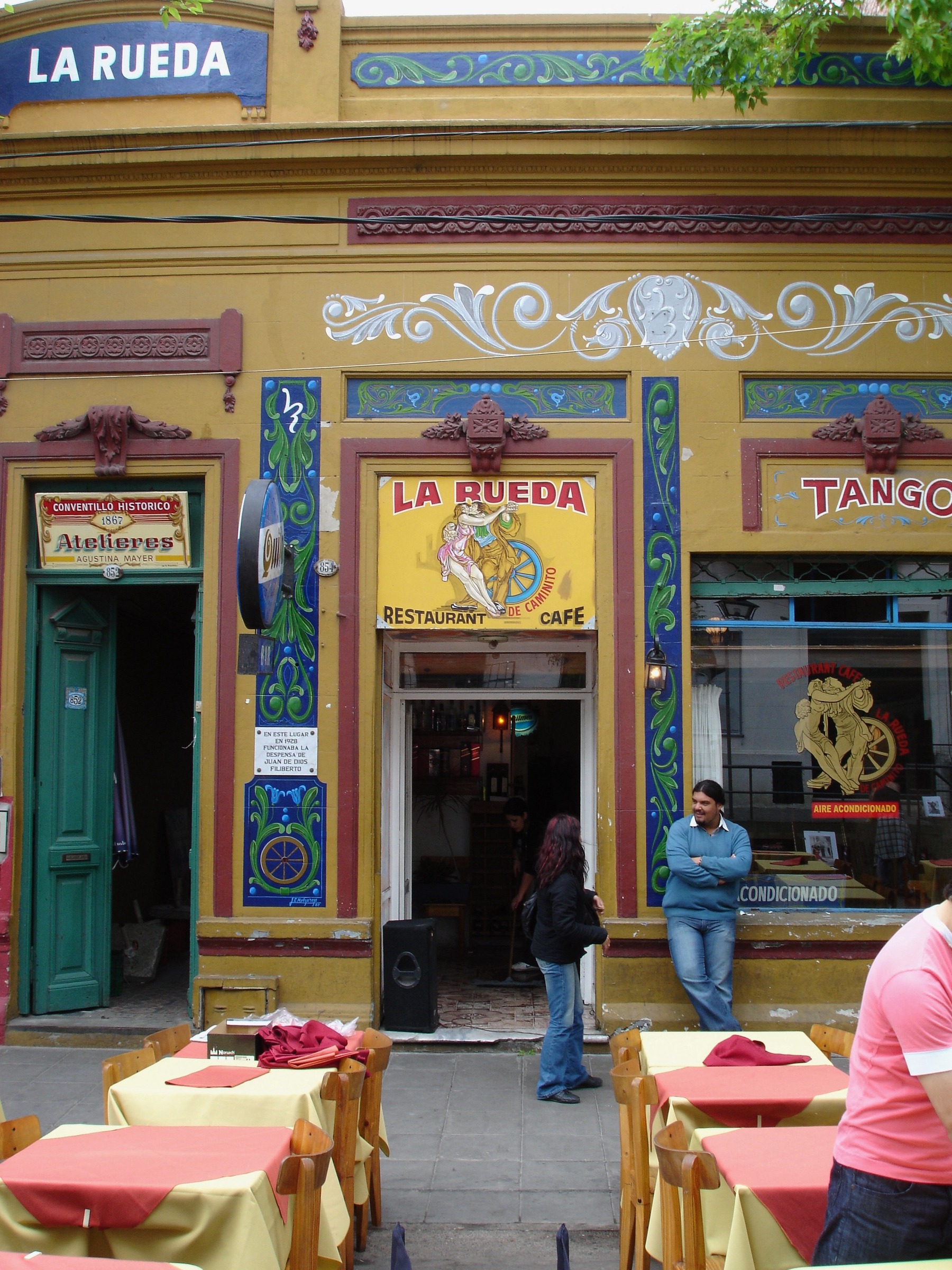

La Boca grew around the port during the nineteenth century, attracting Italian, Spanish, and other European immigrants searching for a better life. Many settled in crowded communal houses known as conventillos, where families from different backgrounds lived side by side. Life was often difficult, but these communities created a distinctive culture of music, food, and shared traditions. The neighbourhood’s colourful buildings have an equally practical history: residents often used leftover paint from the nearby shipyards, combining whatever colours they could find.
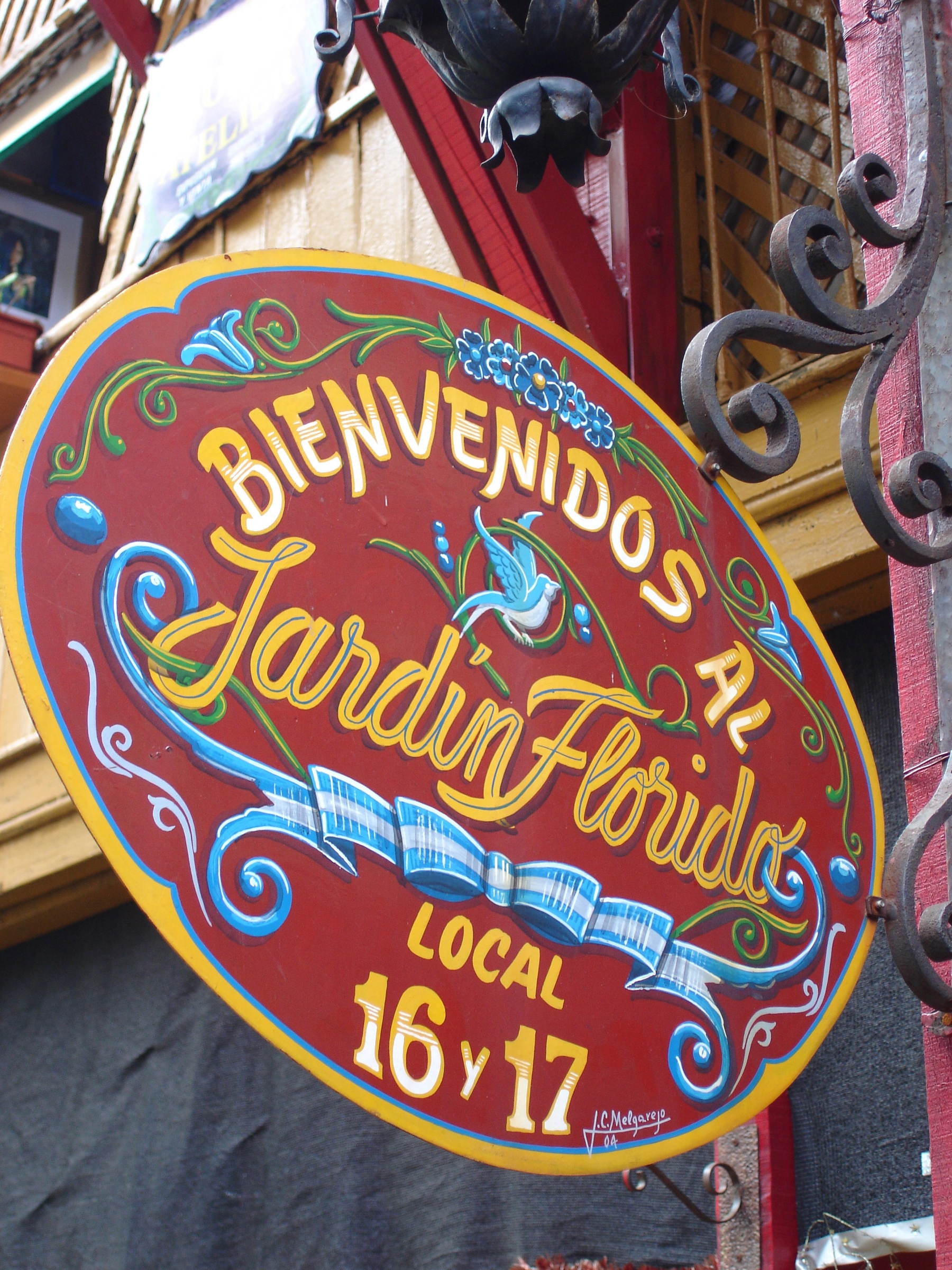
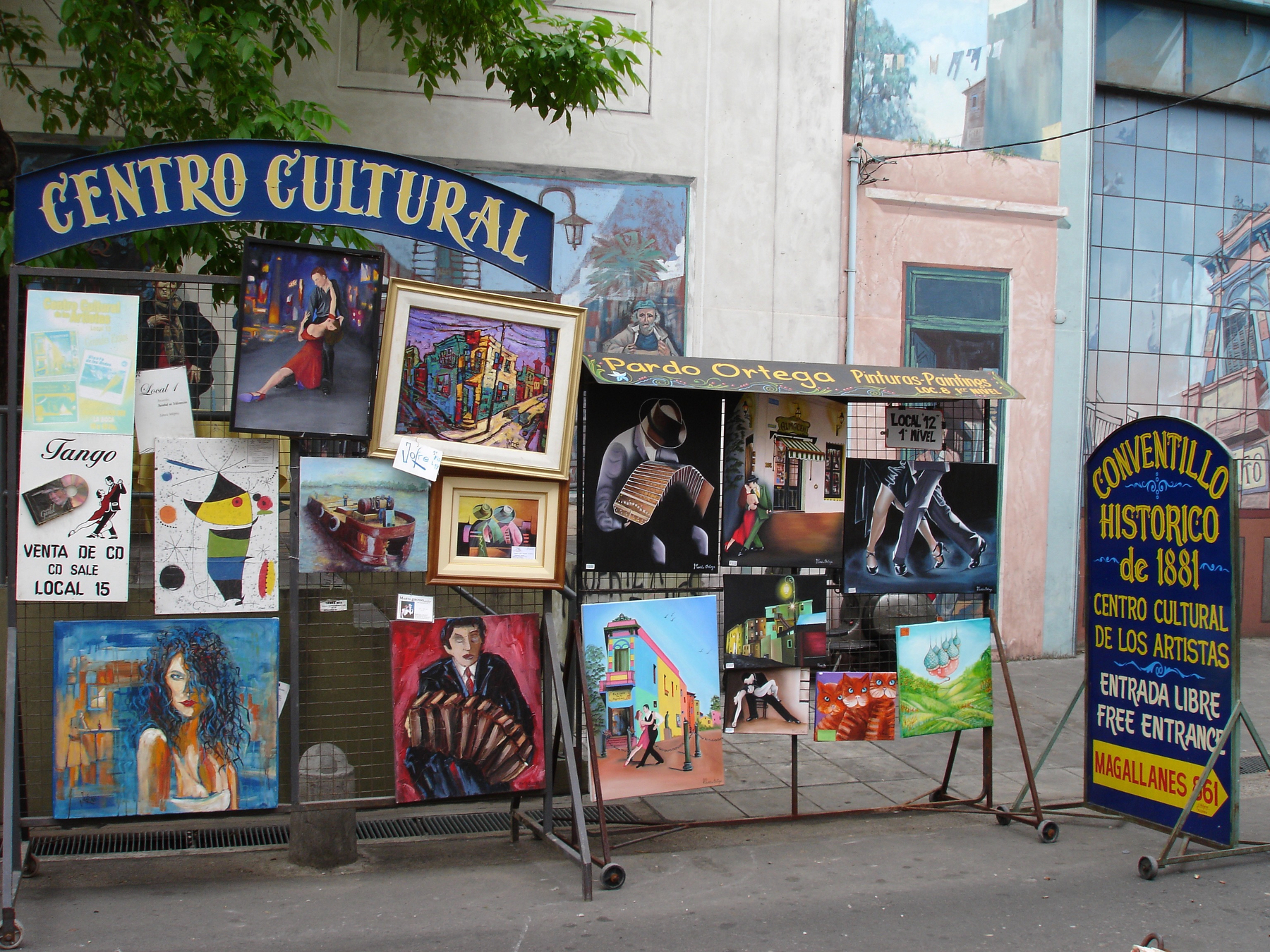

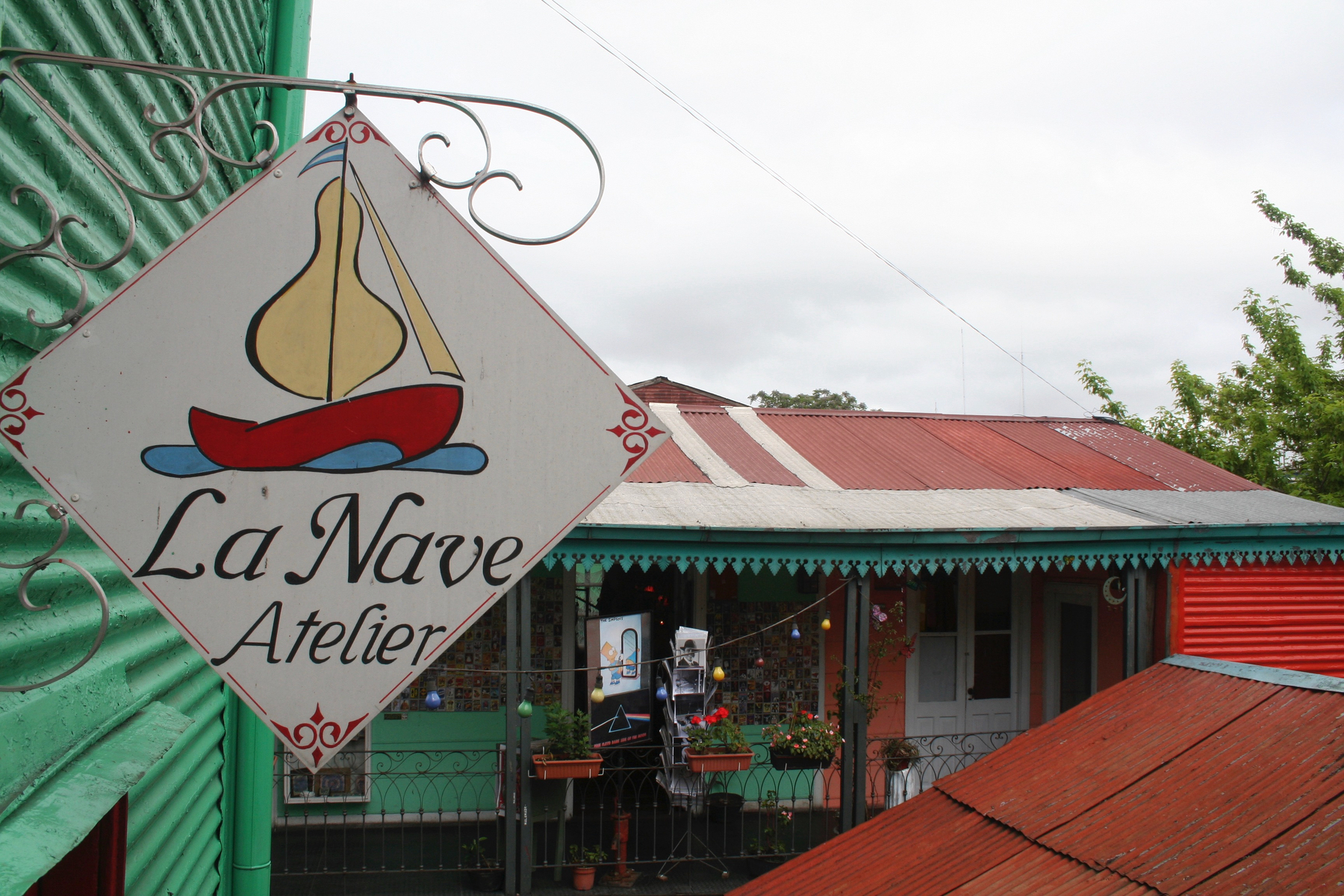
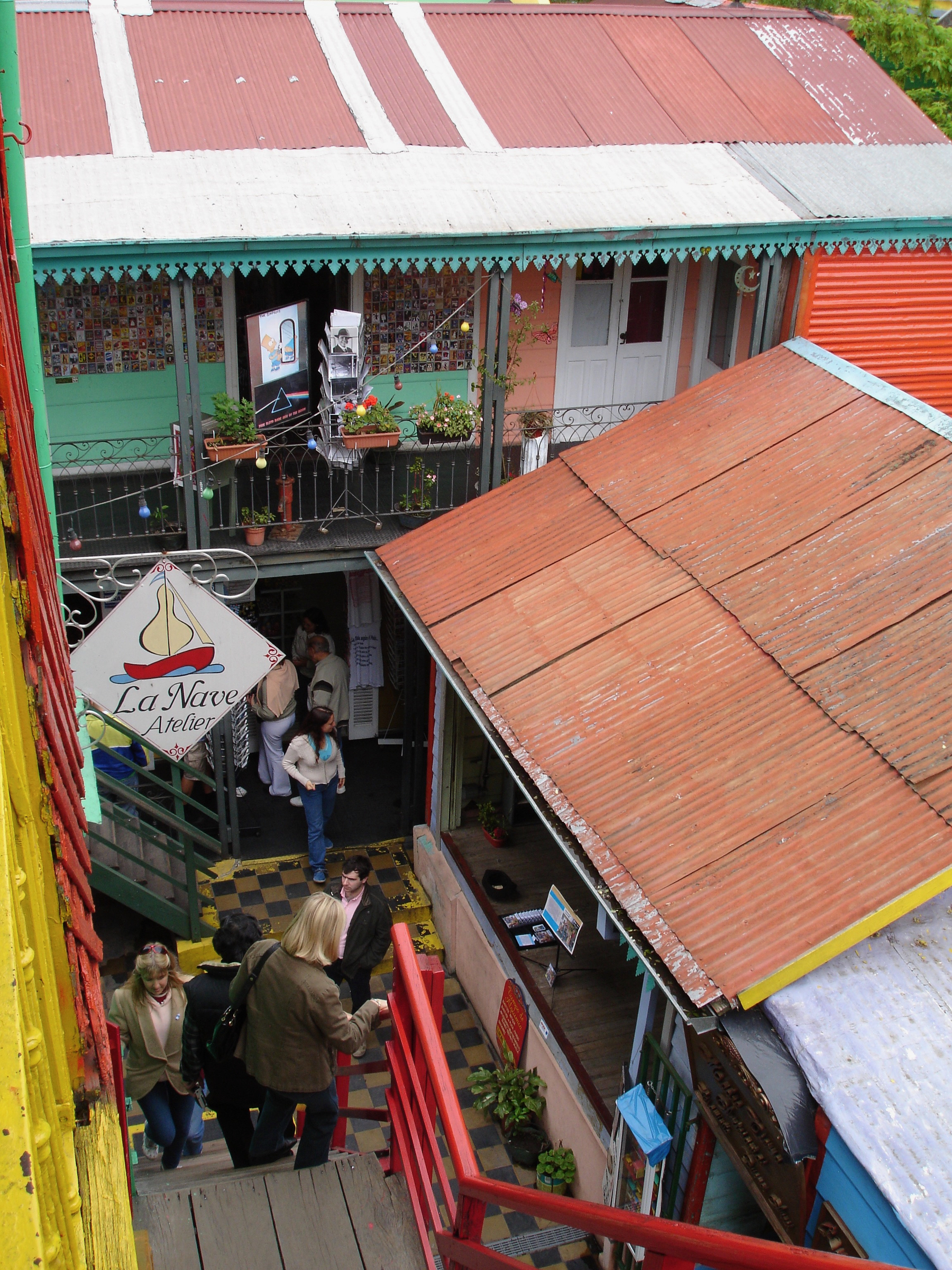

My first stop was El Caminito, the famous pedestrian street that has become a symbol of Buenos Aires. Its brightly painted facades, balconies, and street art made it almost impossible to put my camera away. Yet behind the cheerful colours is a story of hardship and creativity. The street’s modern identity was shaped by local artist Benito Quinquela Martín, who helped transform the area into an open-air cultural space in the 1950s. His vision turned a neglected part of the neighbourhood into one of Argentina’s most recognisable streets.
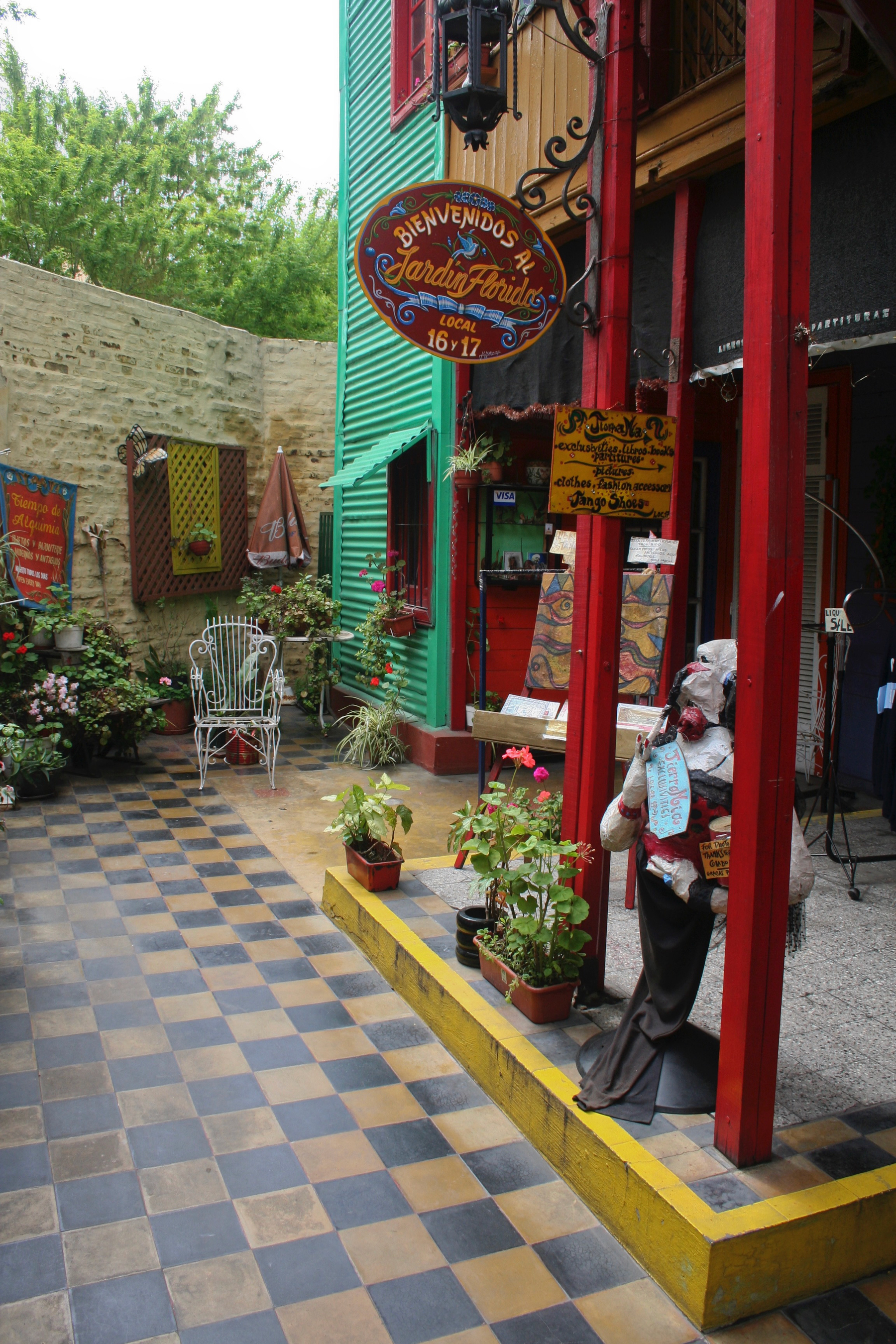
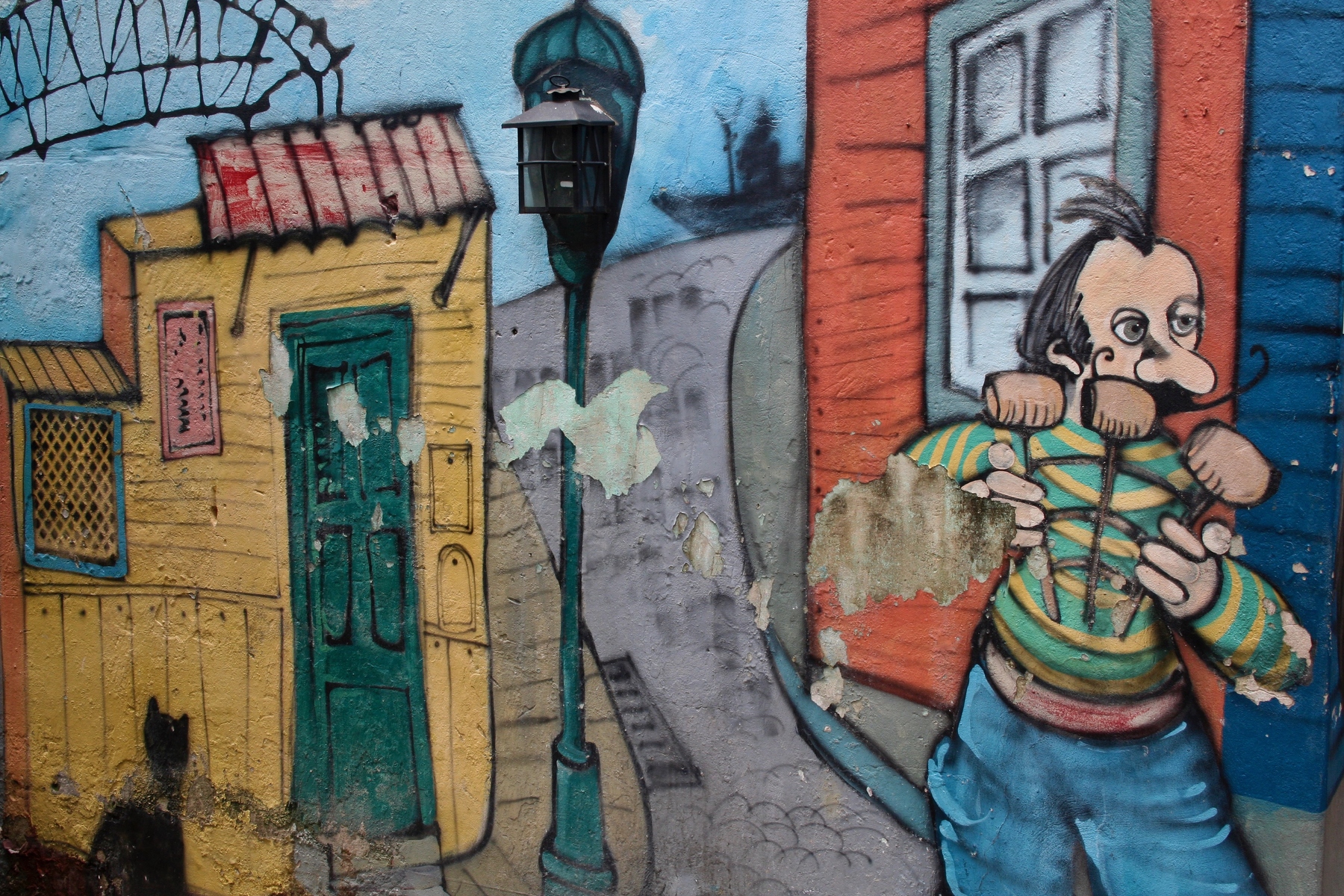
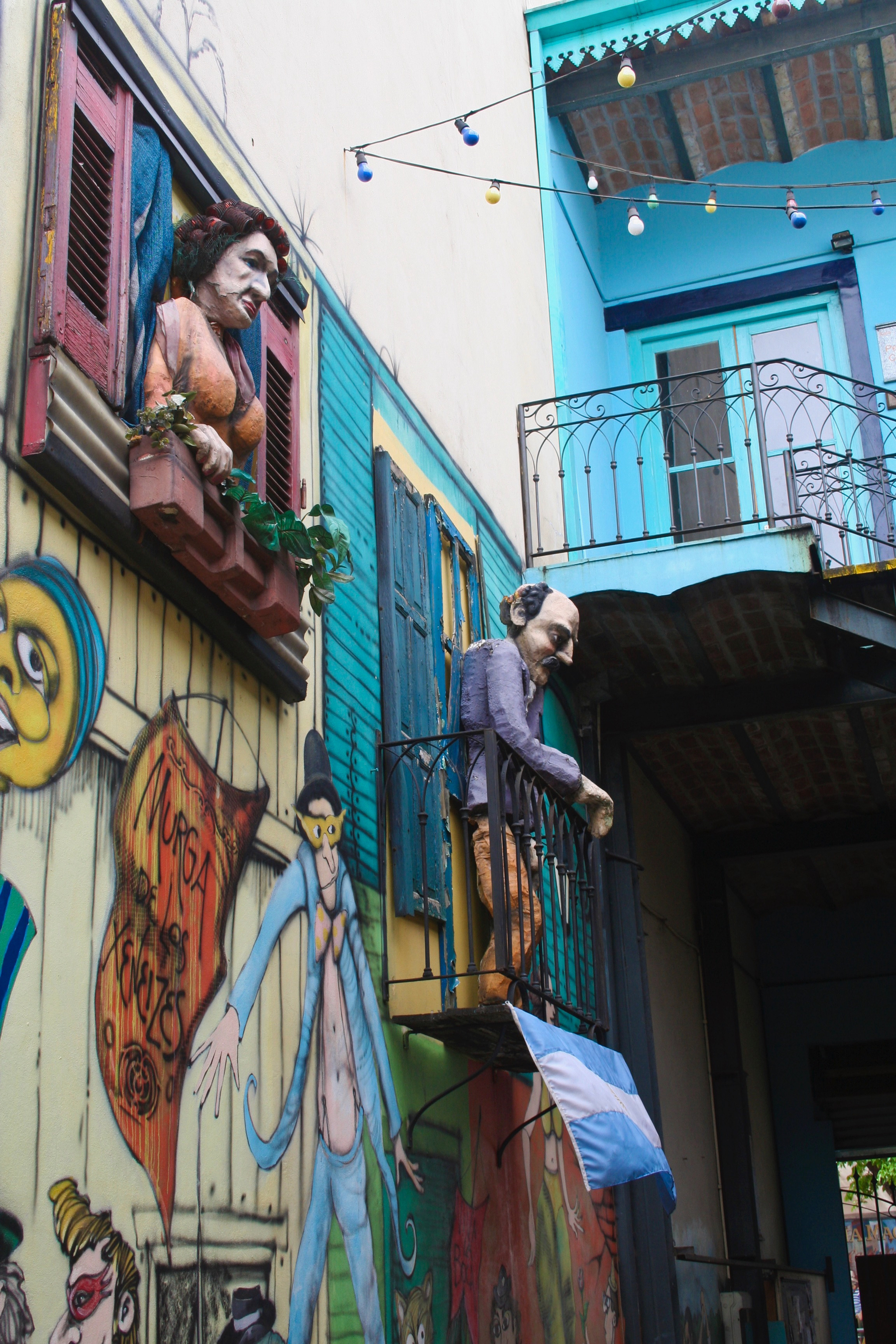
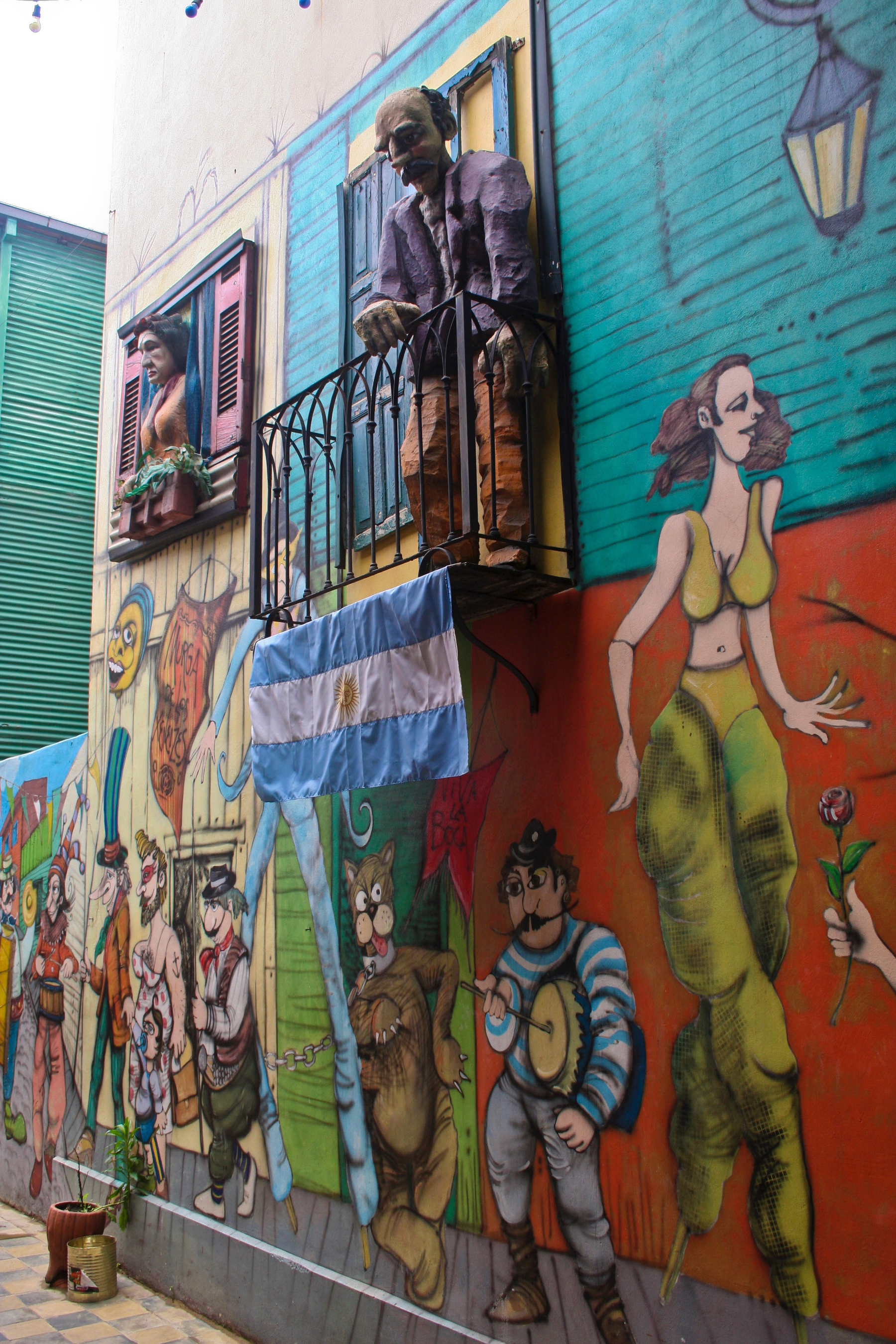

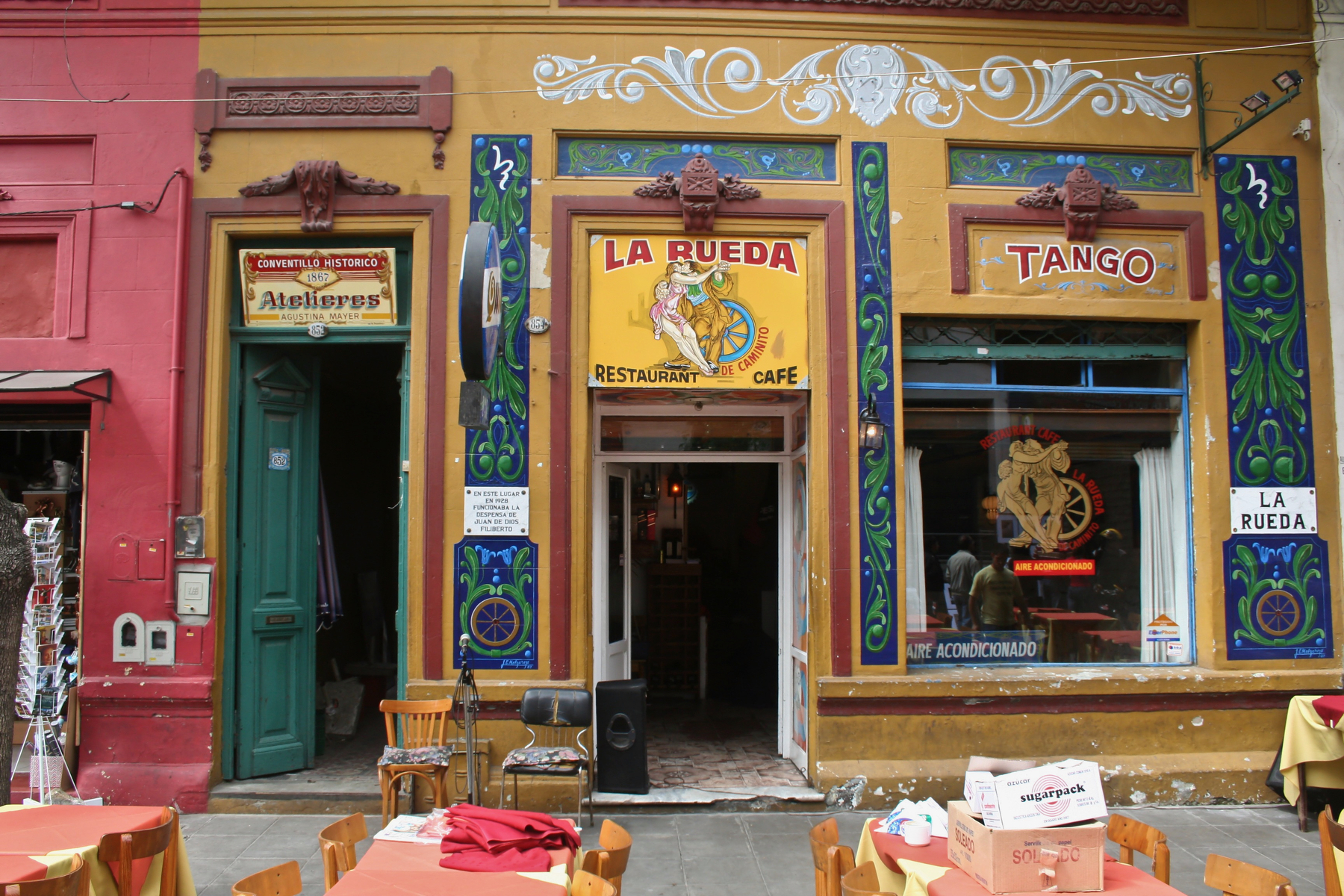

Of course, no visit to El Caminito would be complete without encountering tango. Couples danced in the open air, moving with a mixture of elegance, intensity, and unmistakable Argentine passion. Tango emerged from the working-class districts of Buenos Aires and Montevideo, influenced by African rhythms, European music, and the lives of immigrants. Once associated with the port and the poorer neighbourhoods, it eventually travelled to Paris and beyond, becoming an international sensation. Watching it performed in La Boca, I could not help thinking about how extraordinary it is that a dance born among ordinary people became a symbol of an entire country.

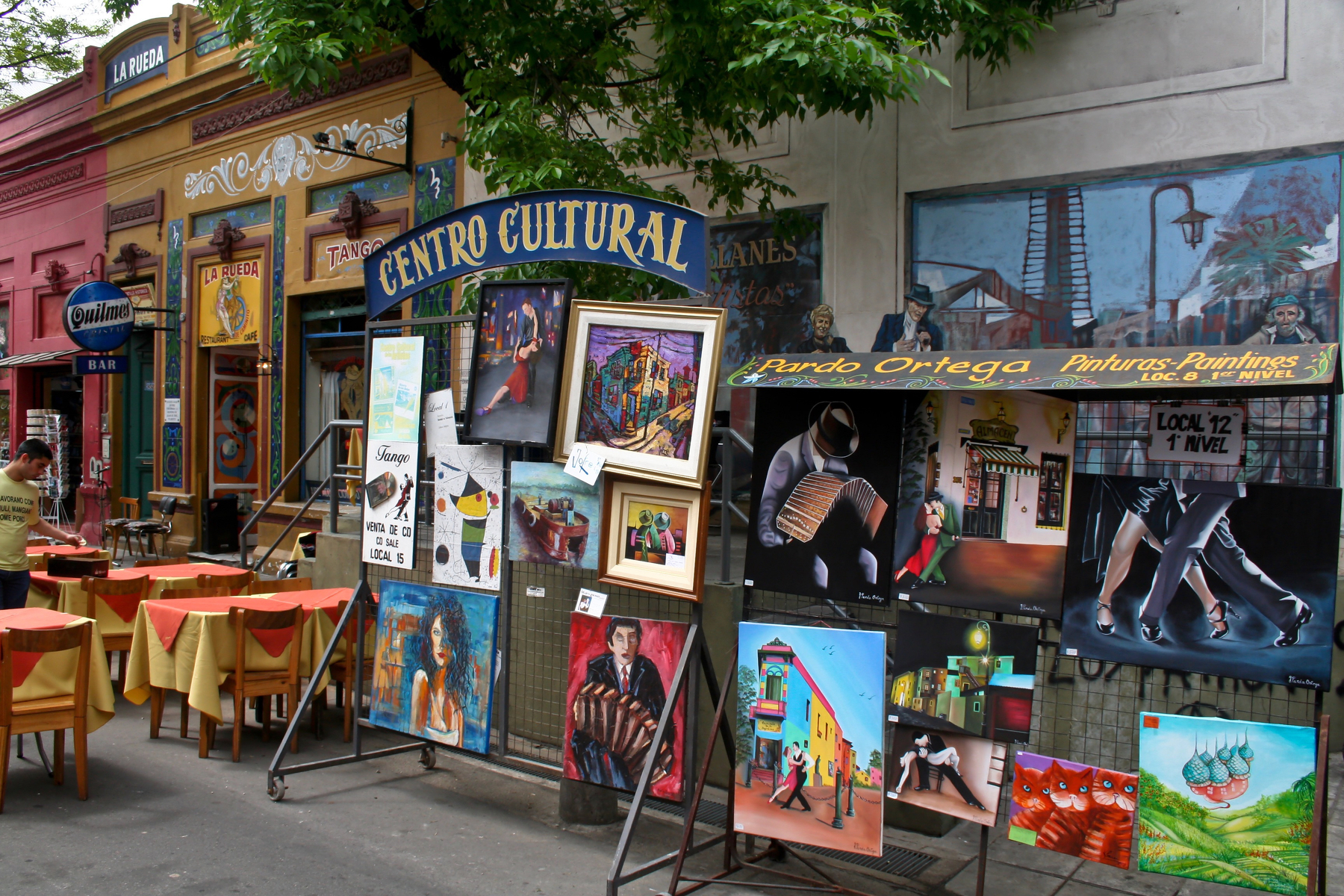

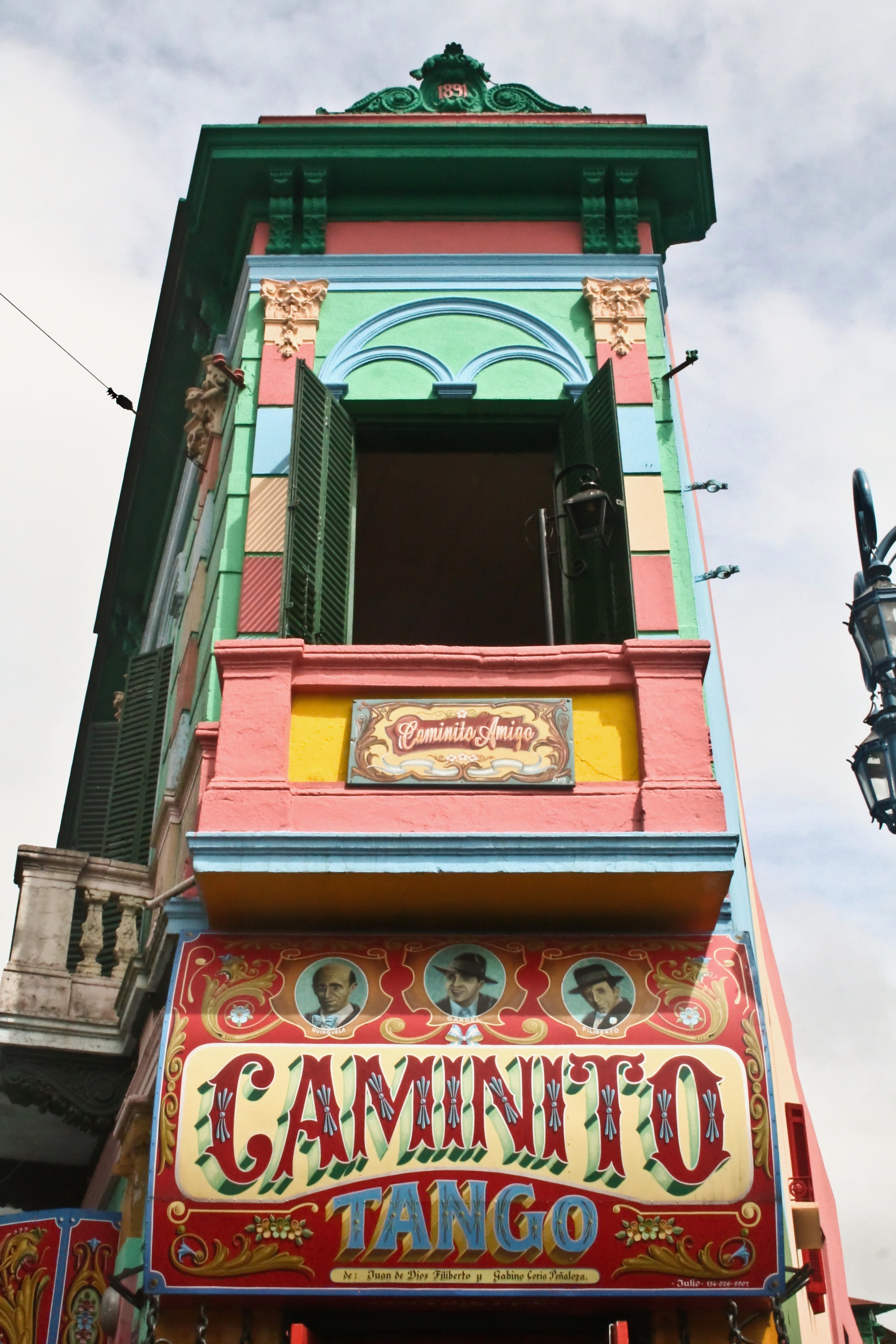
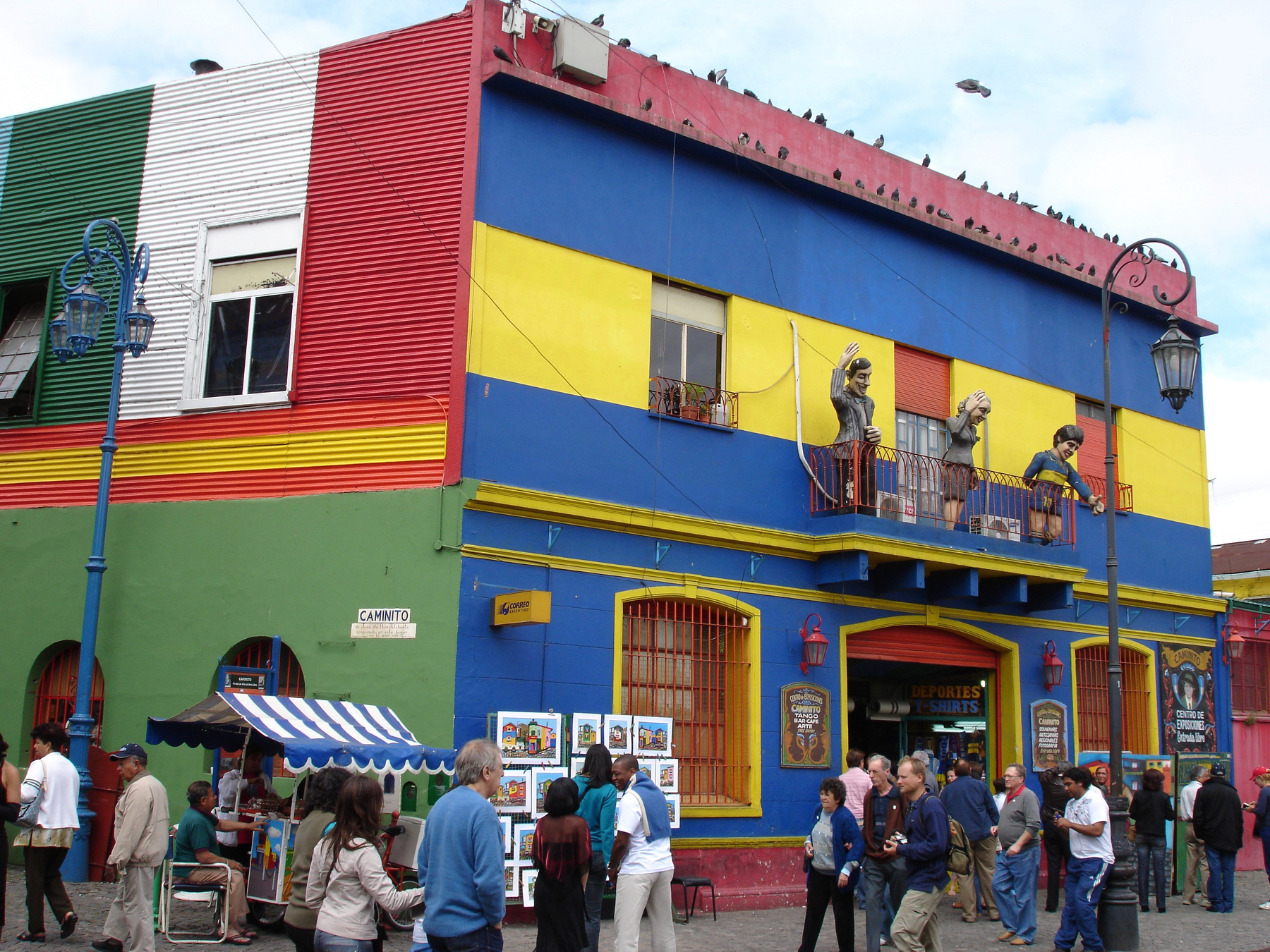
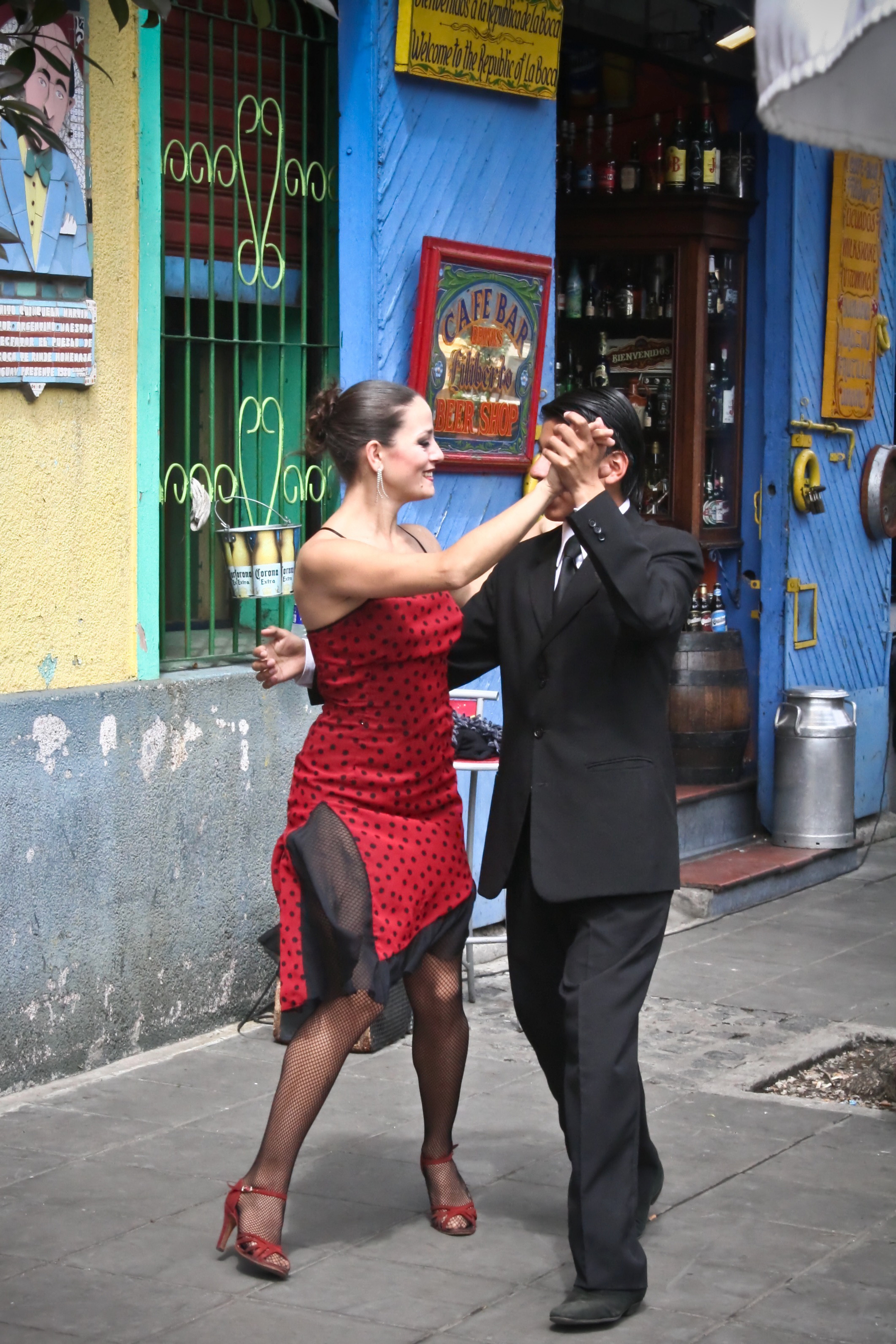
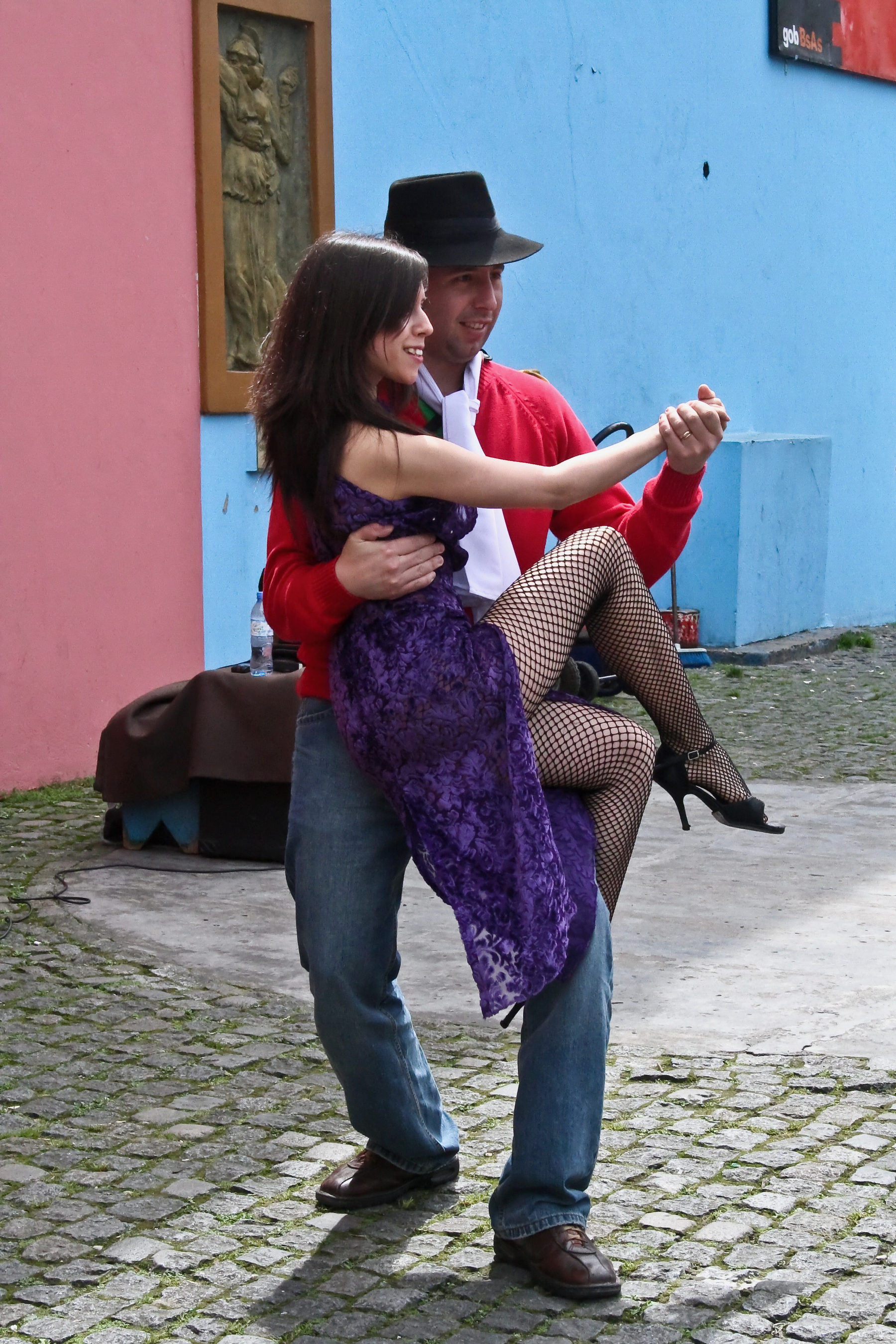
As I continued exploring, I found that La Boca was more than its famous postcard views. The neighbourhood has faced poverty and economic difficulties, and its reputation for crime means visitors should remain aware of their surroundings. But there is also a strong sense of community and identity here. Football plays an enormous role, with Boca Juniors and its iconic La Bombonera stadium representing the pride and passion of the neighbourhood. Even for someone more interested in architecture and photography than football, the connection between the club and local identity is impossible to miss.
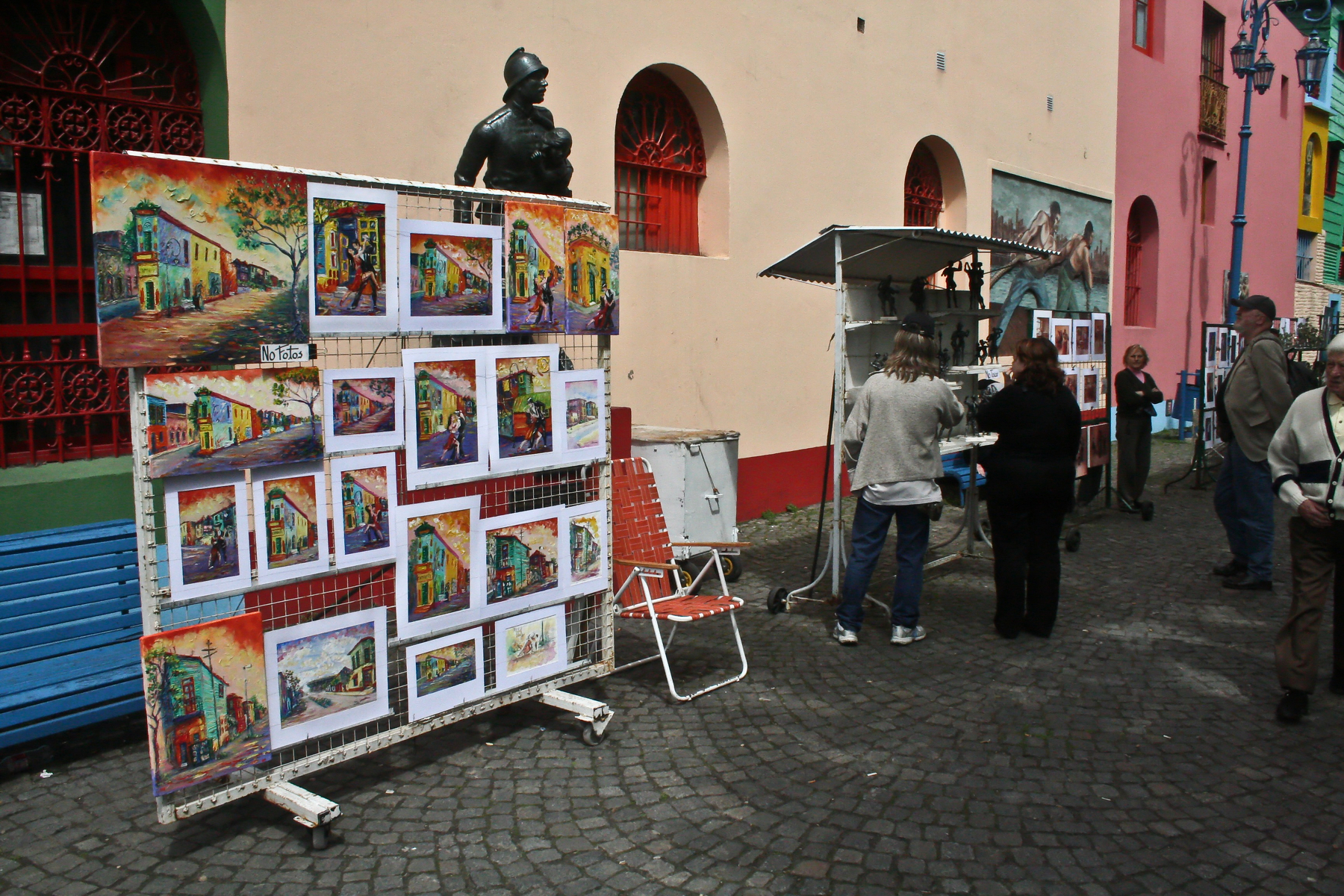
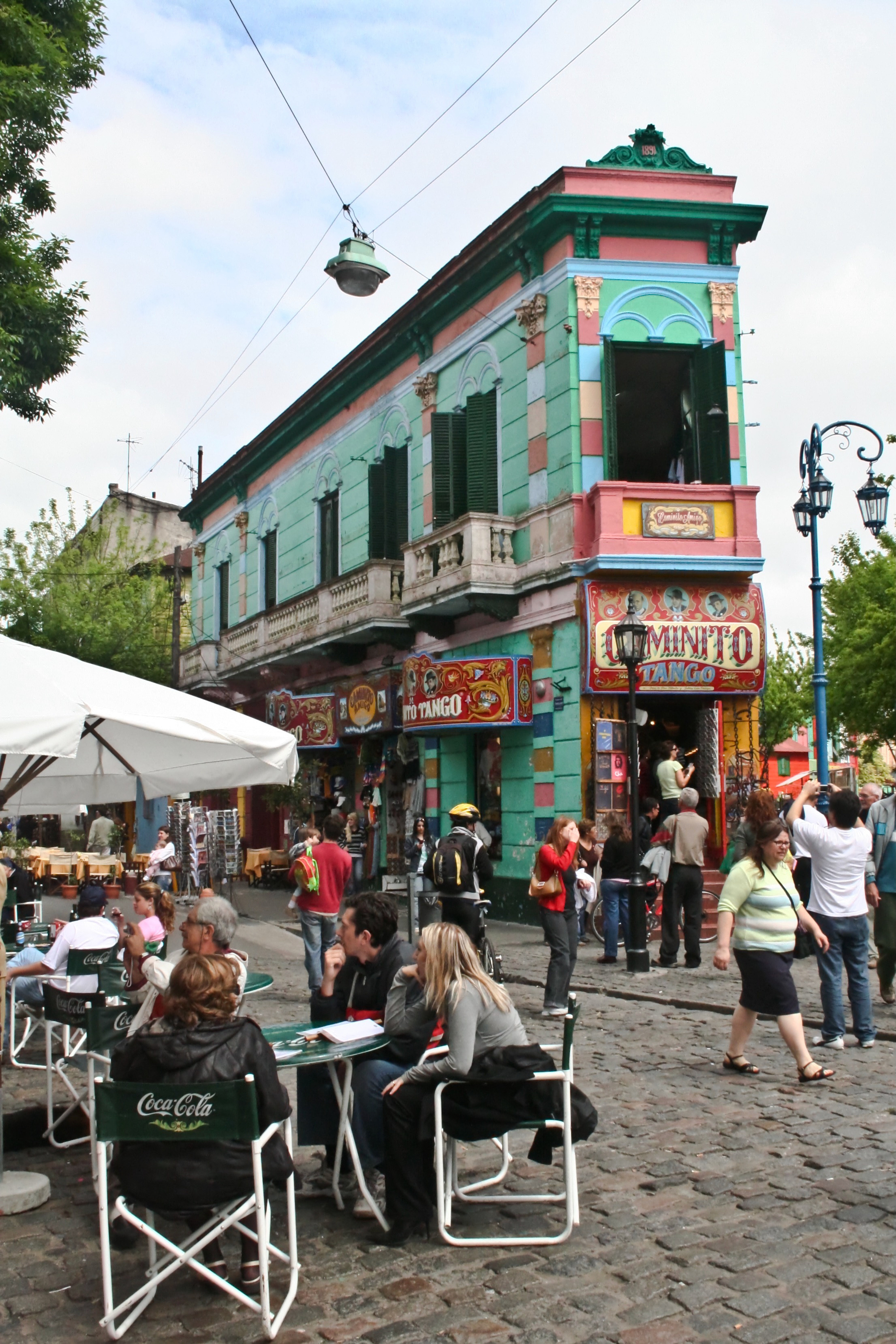

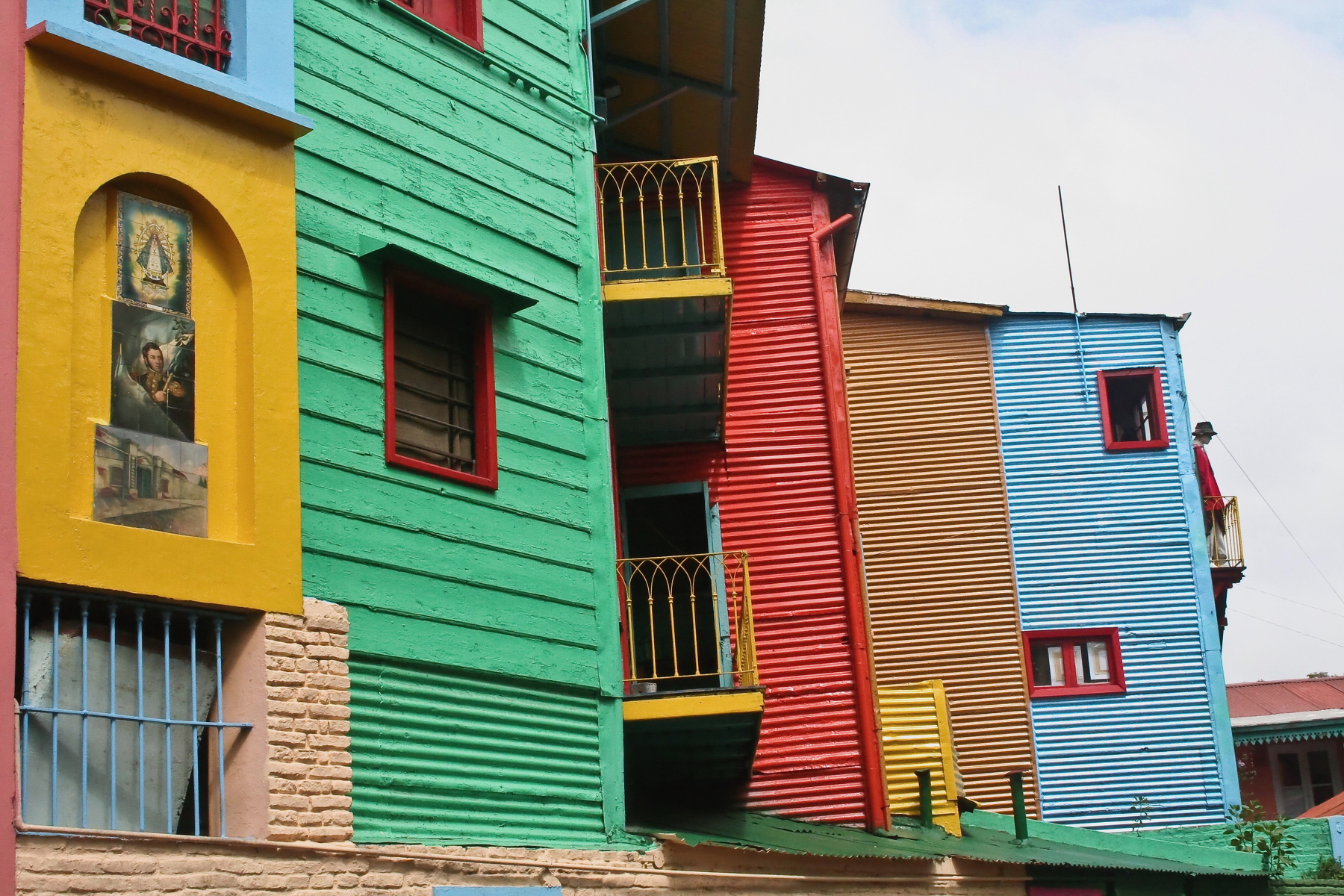
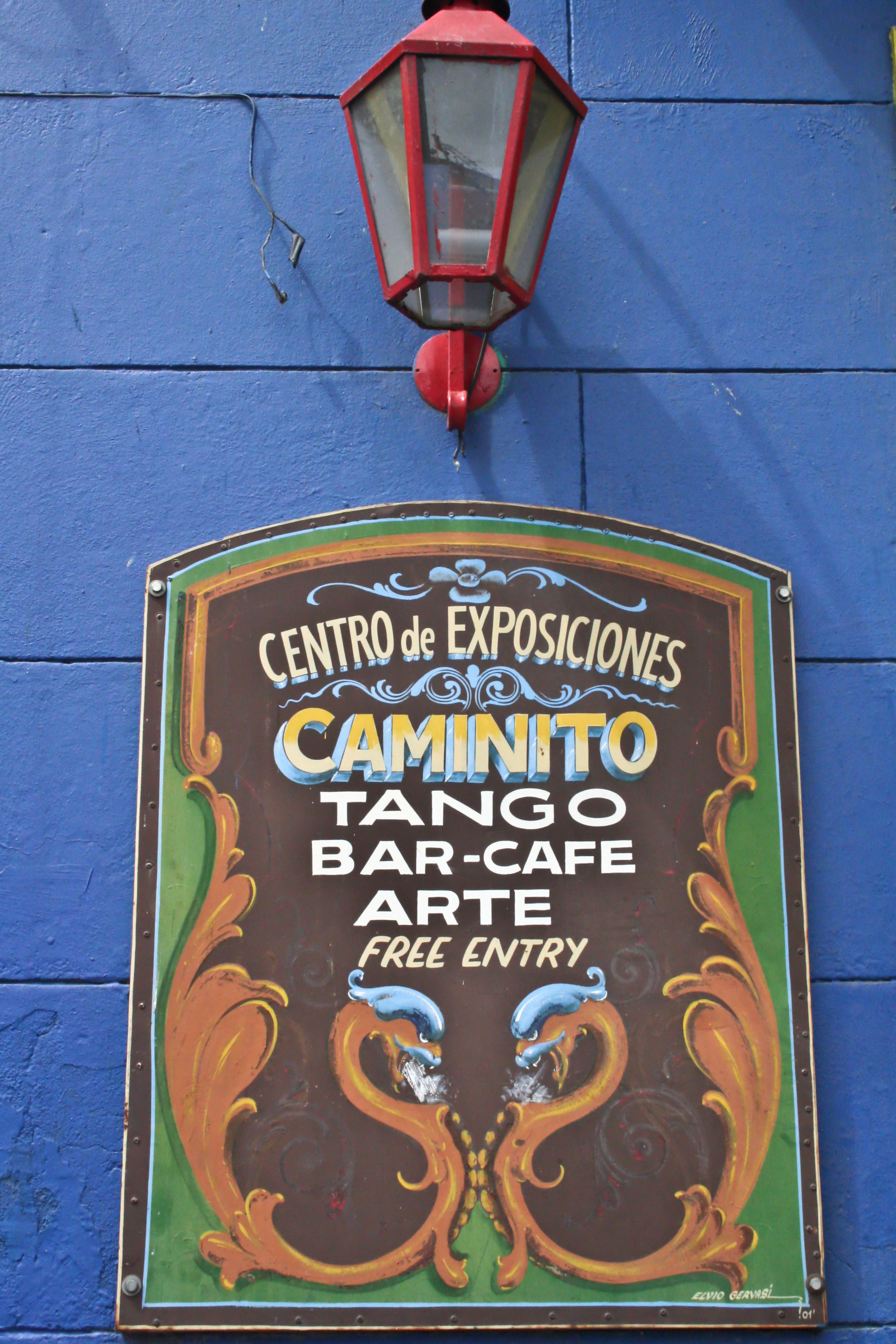
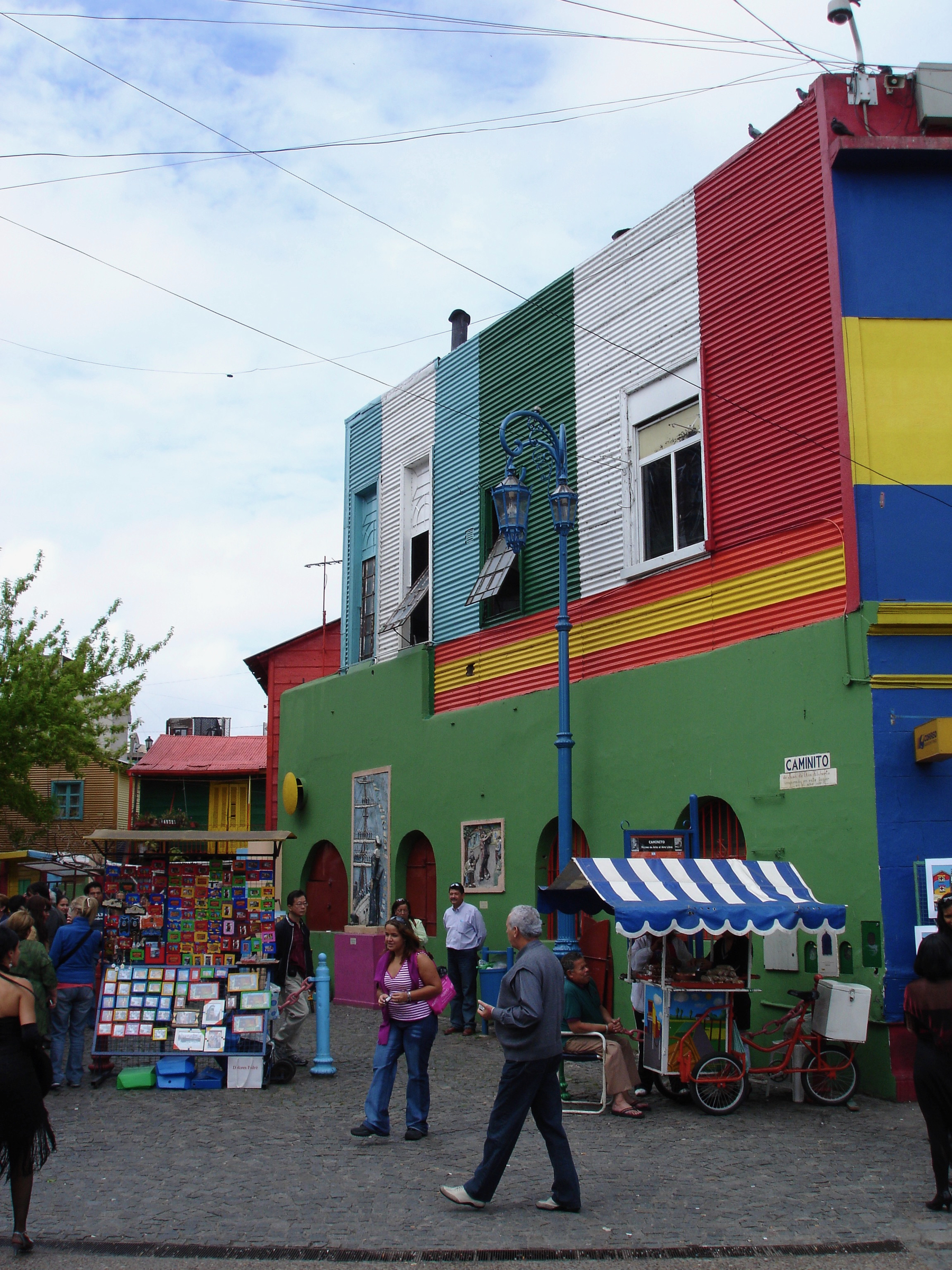

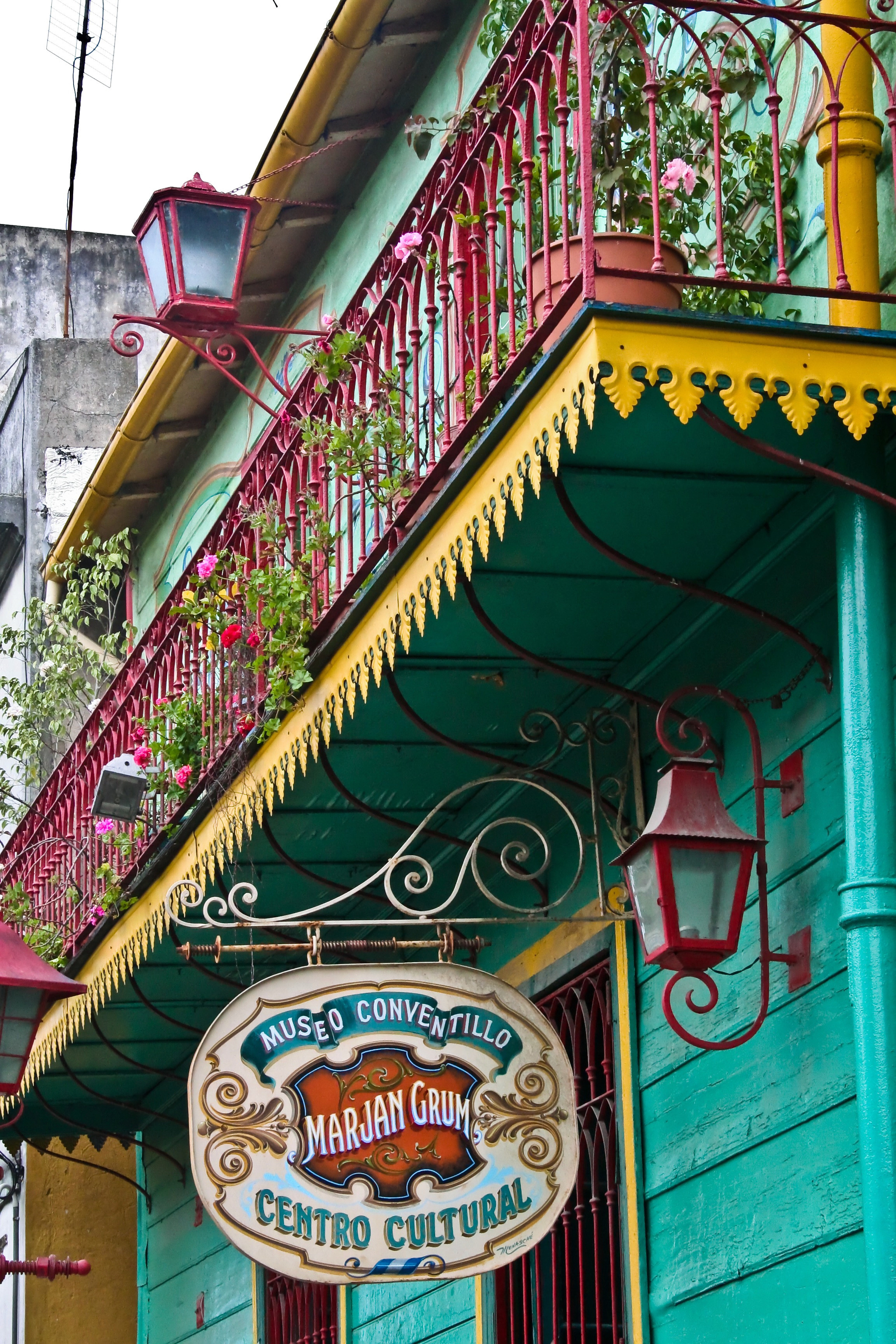


What I enjoyed most was photographing the details: the peeling paint, the old balconies, the colourful shopfronts, and the way sunlight transformed the facades. La Boca is visually spectacular, but understanding its history made the experience richer. A blue wall is no longer just a blue wall when you know it may have been painted with leftover shipyard paint. A tango performance becomes more meaningful when you realise it grew from the lives of immigrants, workers, and people far from home.
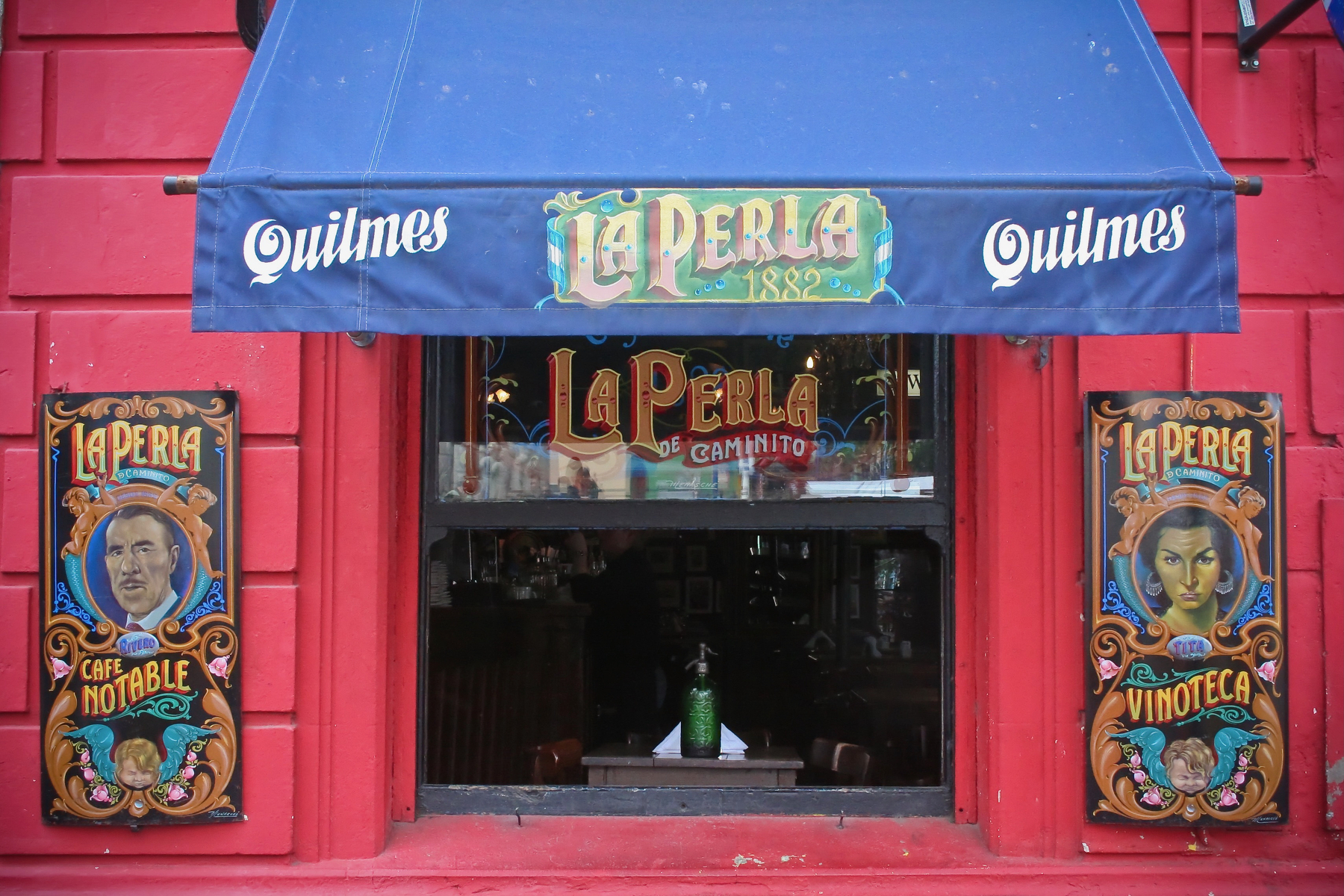

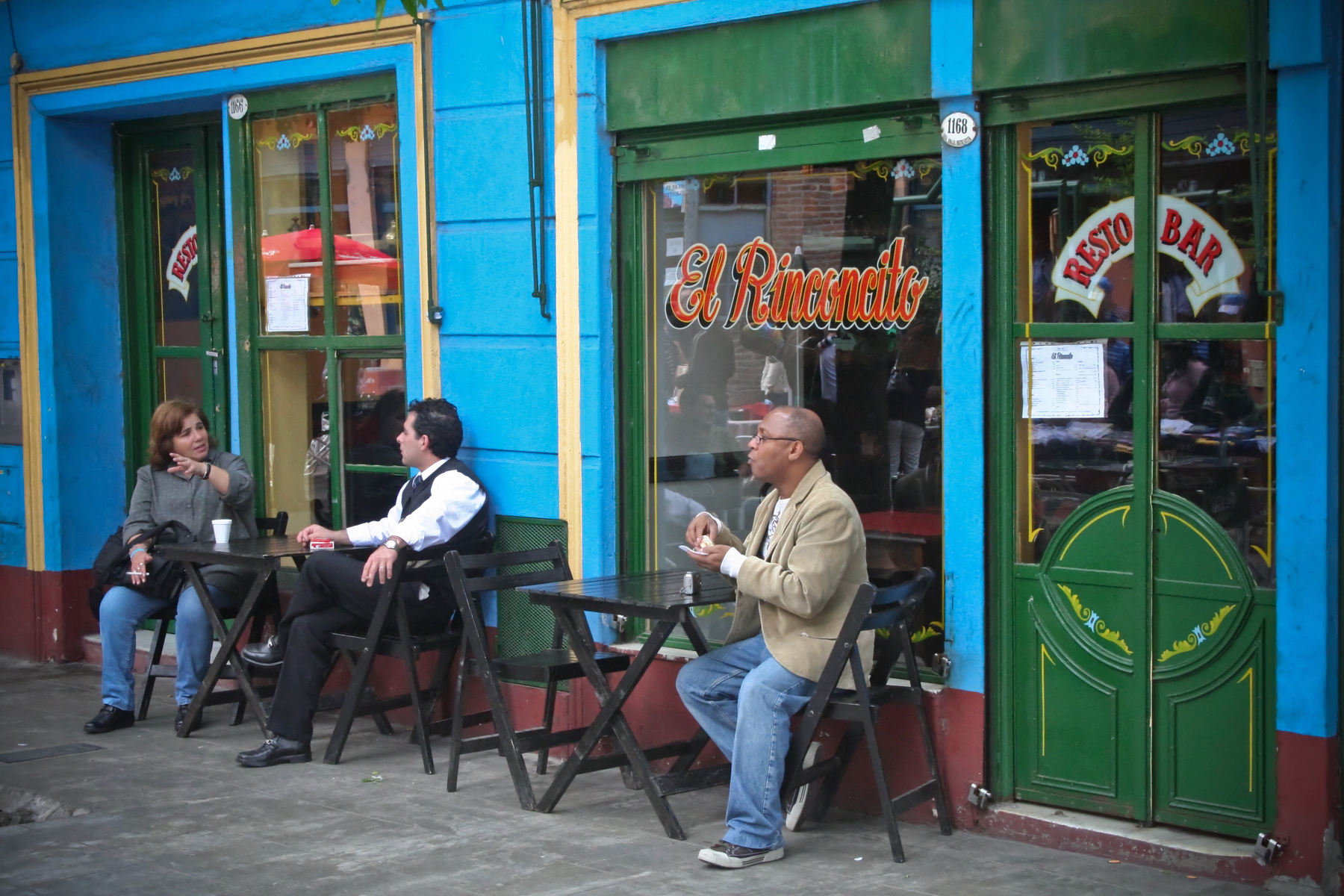


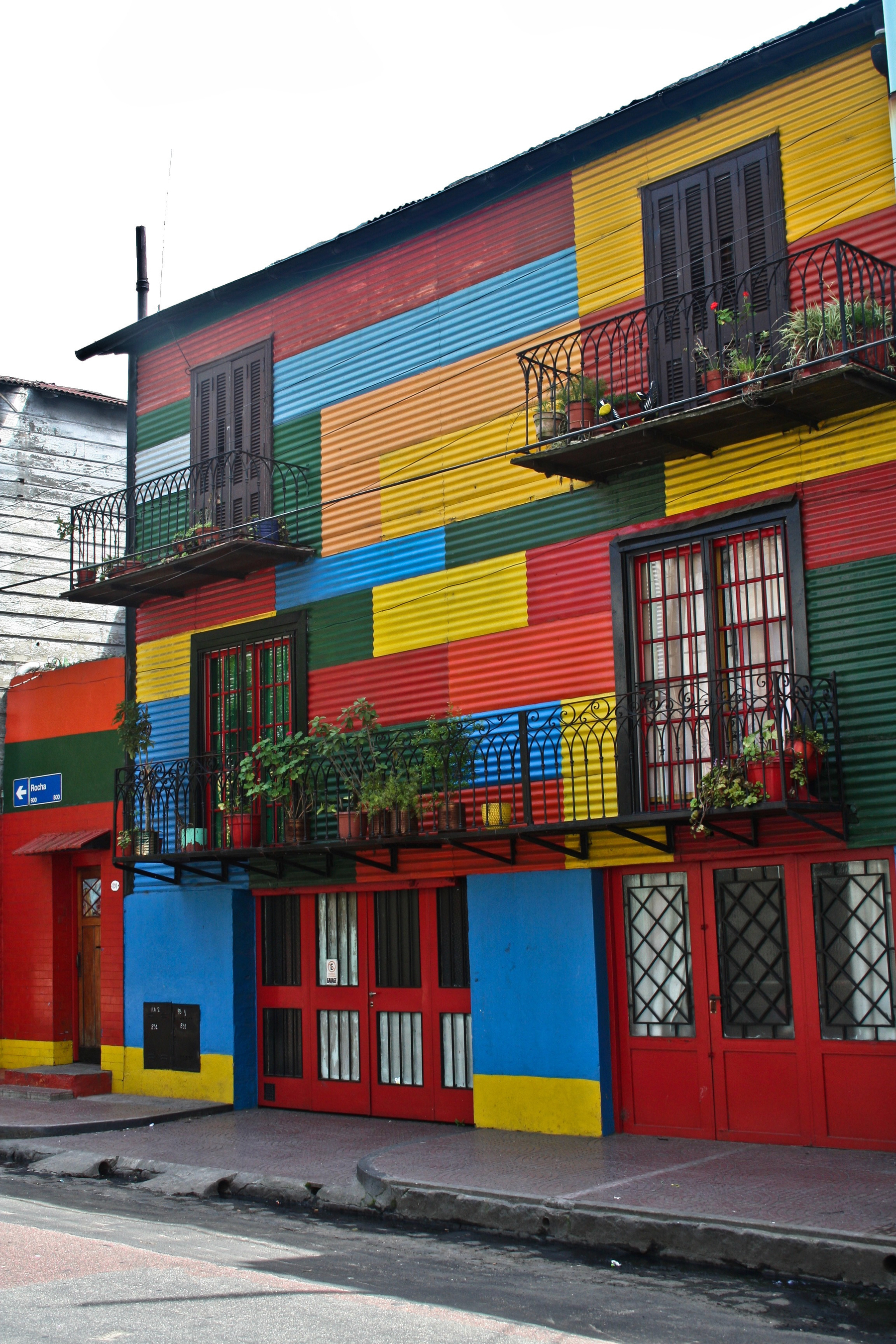


By the time I left, I felt I had discovered something more interesting than a colourful tourist attraction. La Boca is a neighbourhood where immigration, art, music, and football have combined to create a powerful cultural identity. It is not perfect, and it should not be romanticised, but its history and character make it one of the most fascinating places to explore in Buenos Aires.
If you are visiting Argentina’s capital, I recommend spending part of a day in La Boca and El Caminito. Go during daylight, take your time, enjoy the artwork and tango, and look beyond the obvious photographs. My images from this visit are personal photographs, so please respect copyright and do not reproduce them without permission. And if you would like to experience more of Buenos Aires through my camera, I have also created a silent photo slideshow capturing the atmosphere of this remarkable city.
Sapporo TV Tower: A Bird’s-Eye View of Hokkaido’s Capital
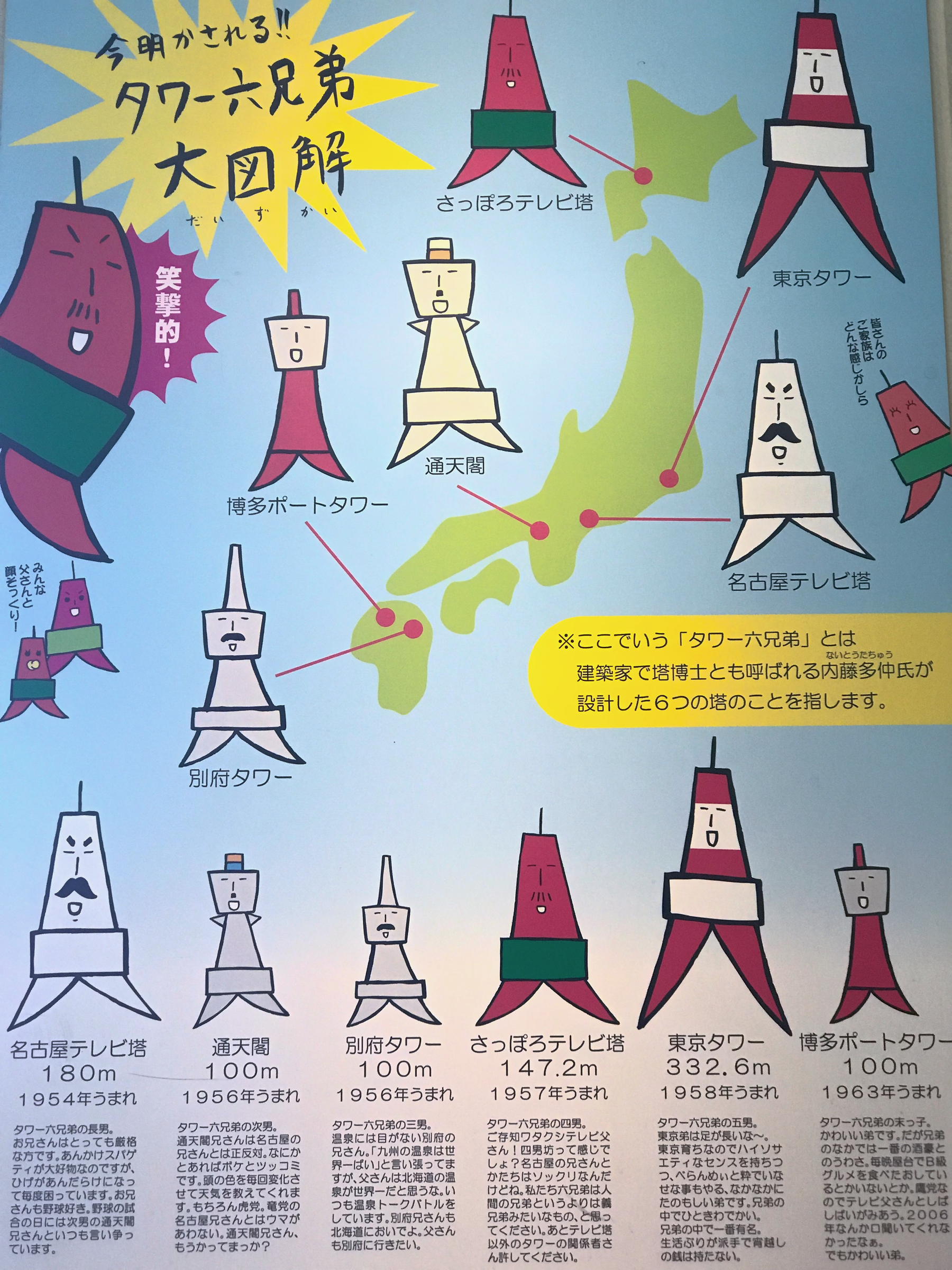
There are some cities that make more sense when you see them from above, and Sapporo is definitely one of them. Spread across the broad landscape of Hokkaido, Japan’s northern capital has an almost geometric quality, with wide avenues, carefully planned streets, expansive parks, and mountains forming a dramatic backdrop. Standing at the eastern end of Odori Park, the Sapporo TV Tower offers one of the best opportunities to take all of this in at once. Rising 147.2 meters above the ground, this distinctive steel landmark has been part of Sapporo’s skyline since 1957, when the city was emerging from the difficult years following the Second World War and beginning its transformation into the modern metropolis we see today. More than six decades later, the tower remains one of Sapporo’s most recognizable symbols, combining practical engineering, mid-century architecture, and an observation deck that provides an entirely different perspective on the city.
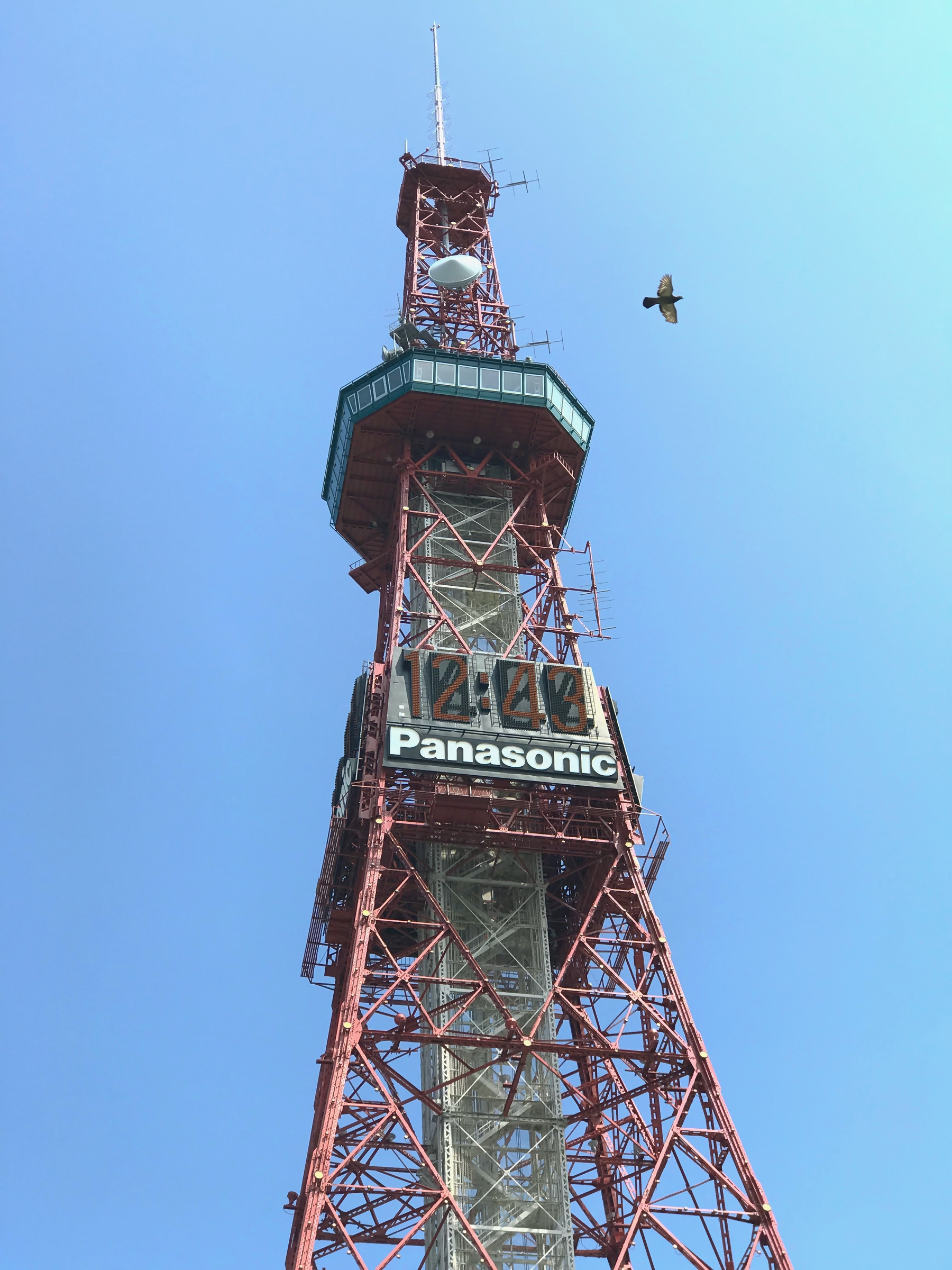
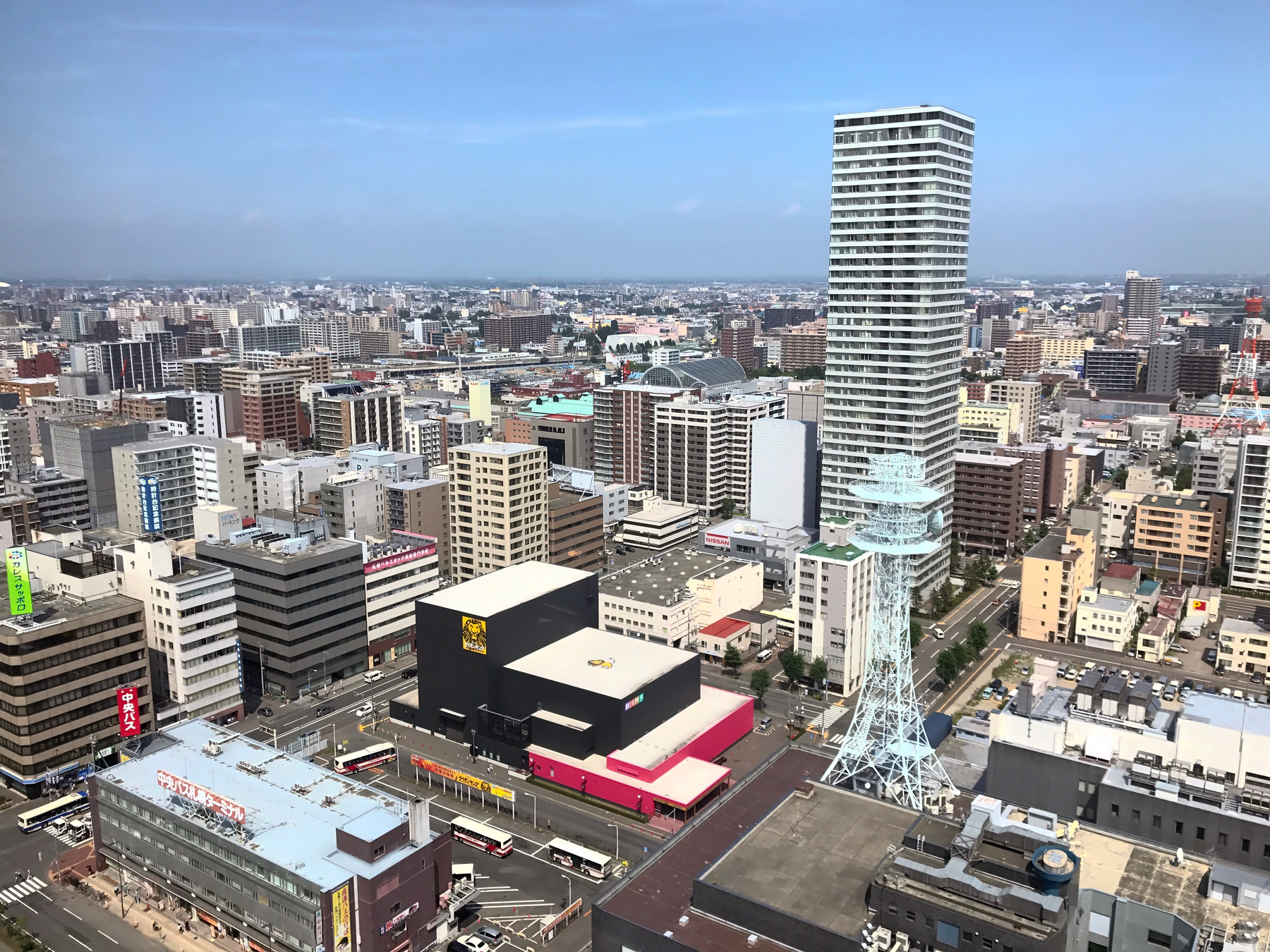
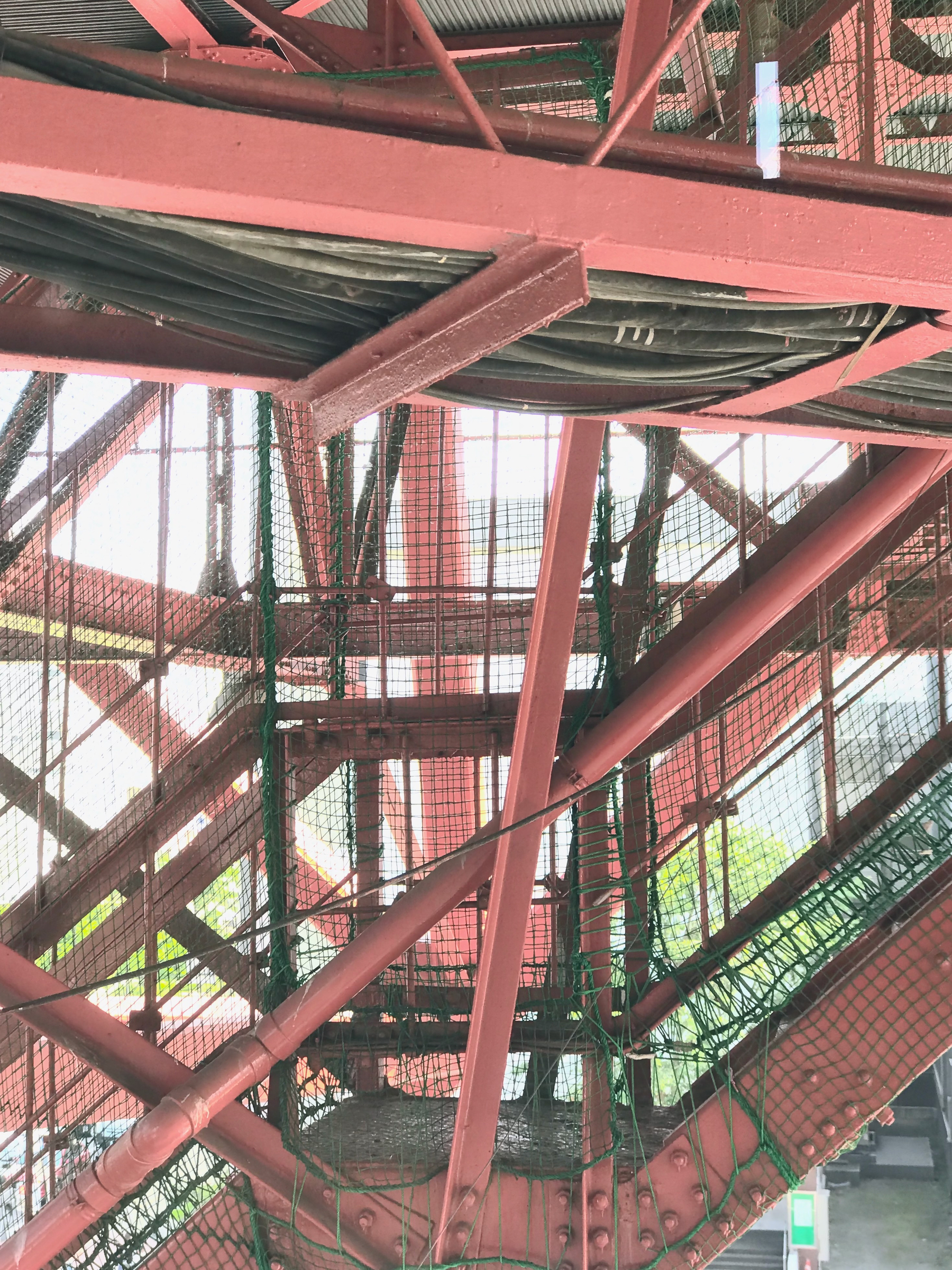
The Sapporo TV Tower was completed in 1957 as part of the city’s post-war development and was designed by Naito Tachu, an architect who would go on to become closely associated with Japan’s great broadcasting towers. Its steel lattice structure gives it a distinctive appearance, and comparisons with Paris’s Eiffel Tower are understandable, although its design was actually influenced by the Berlin Radio Tower. The tower was built to serve a practical broadcasting purpose, but it quickly became something more: a landmark that represented Sapporo’s ambitions and its emergence as a modern city. Its location at the eastern end of Odori Park was particularly significant because the park itself forms one of the defining features of central Sapporo, stretching across the city as a long green corridor. From street level, the tower is an impressive sight, but it is only when you ride the elevator toward the observation deck that its real character begins to reveal itself.
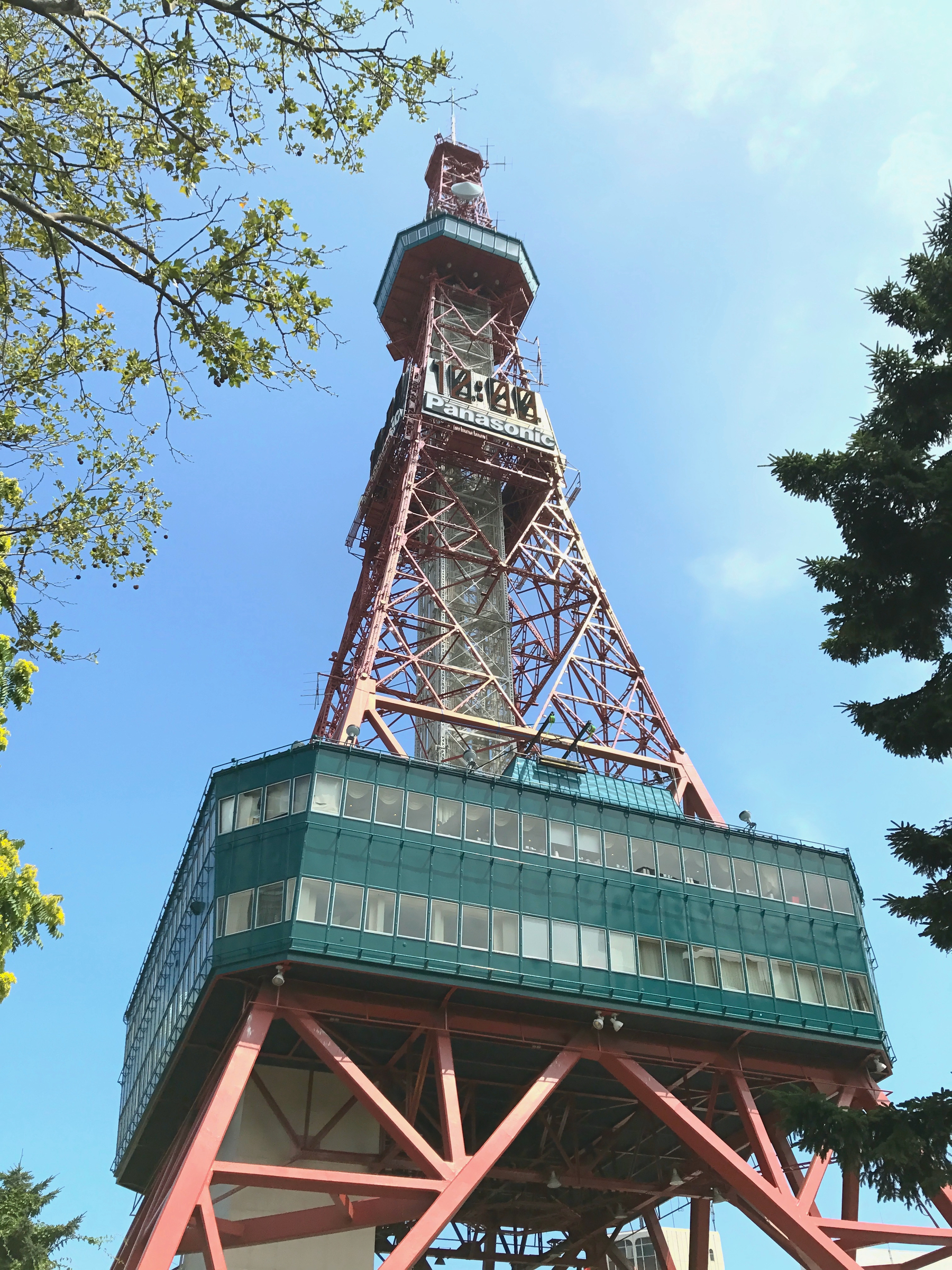
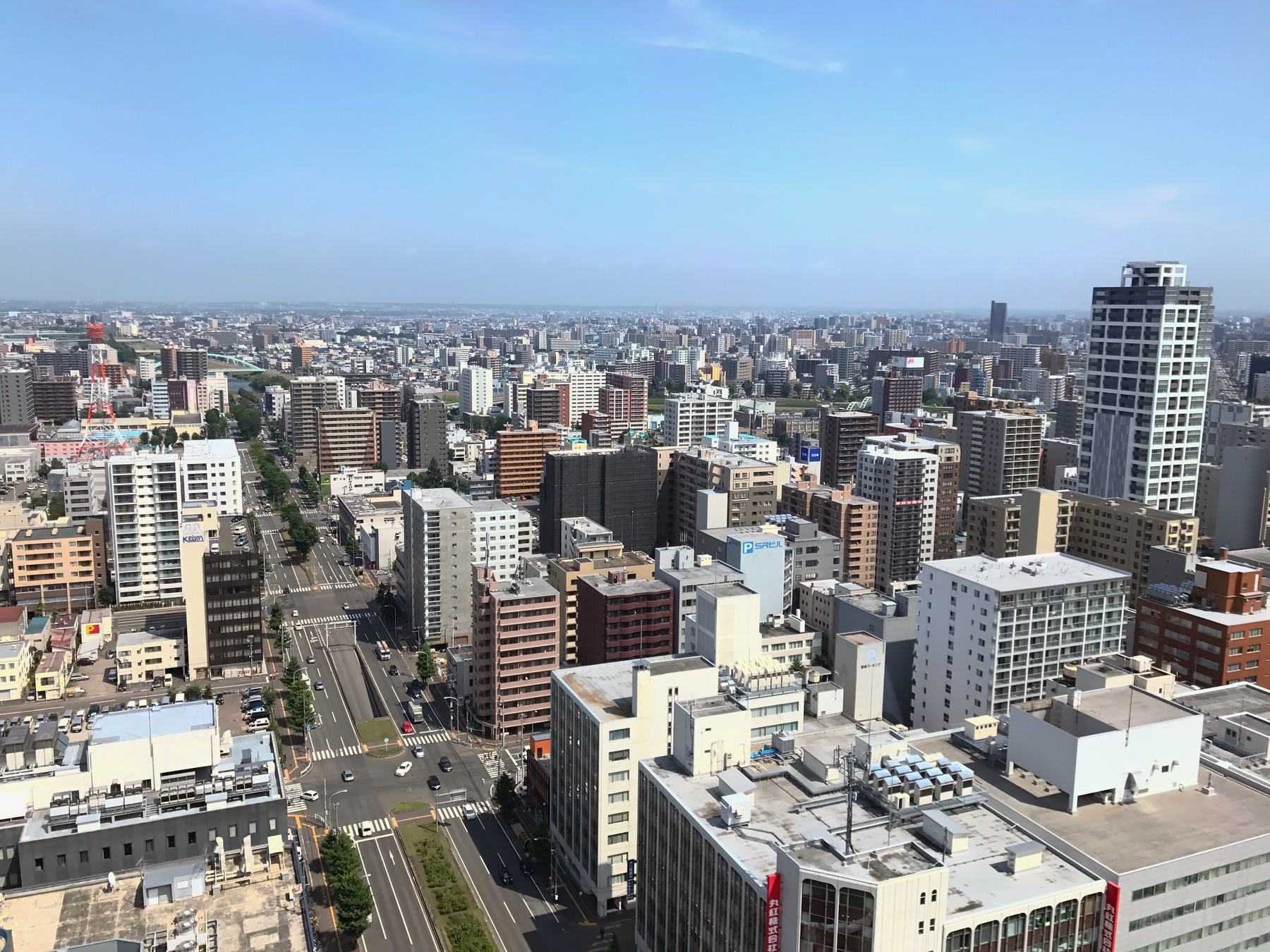
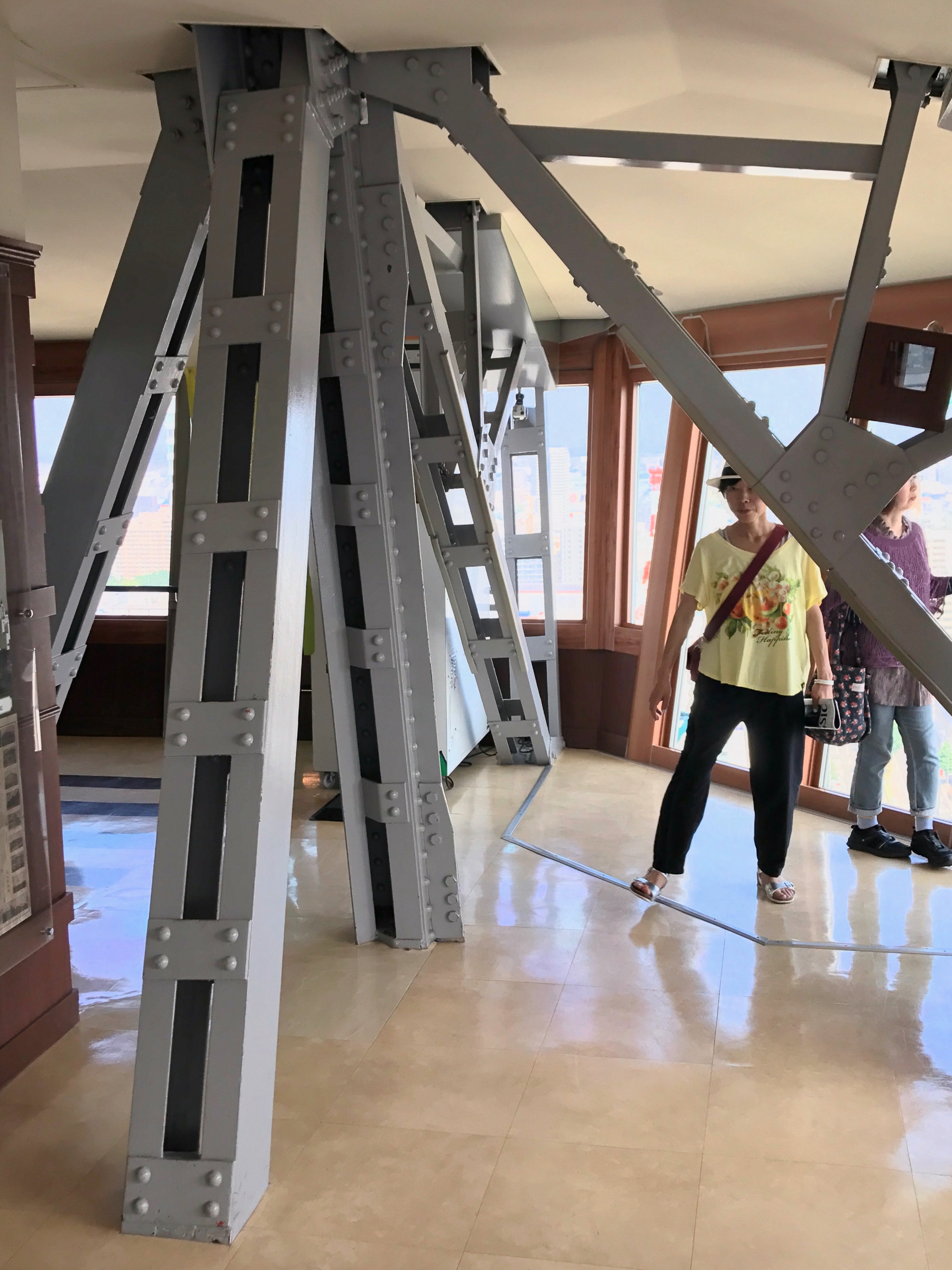
The observation deck sits approximately 90 meters above the ground, and stepping out onto it changes the way Sapporo looks completely. From this height, the city’s broad layout becomes immediately apparent, with streets extending in remarkably orderly patterns and buildings spreading outward toward the horizon. Looking across Odori Park, I can see why this part of Sapporo has remained such an important public space. During the warmer months, the park provides a long stretch of greenery through the center of the city, while during winter it becomes the setting for some of Sapporo’s most famous celebrations. Beyond the city, the mountains create a dramatic natural boundary, particularly toward the west, where the Ishikari Mountains rise in the distance. It is this combination of urban planning and surrounding wilderness that makes the view so compelling. Sapporo feels like a modern Japanese metropolis, but the mountains are always there to remind you that Hokkaido’s enormous natural landscape begins just beyond the city.
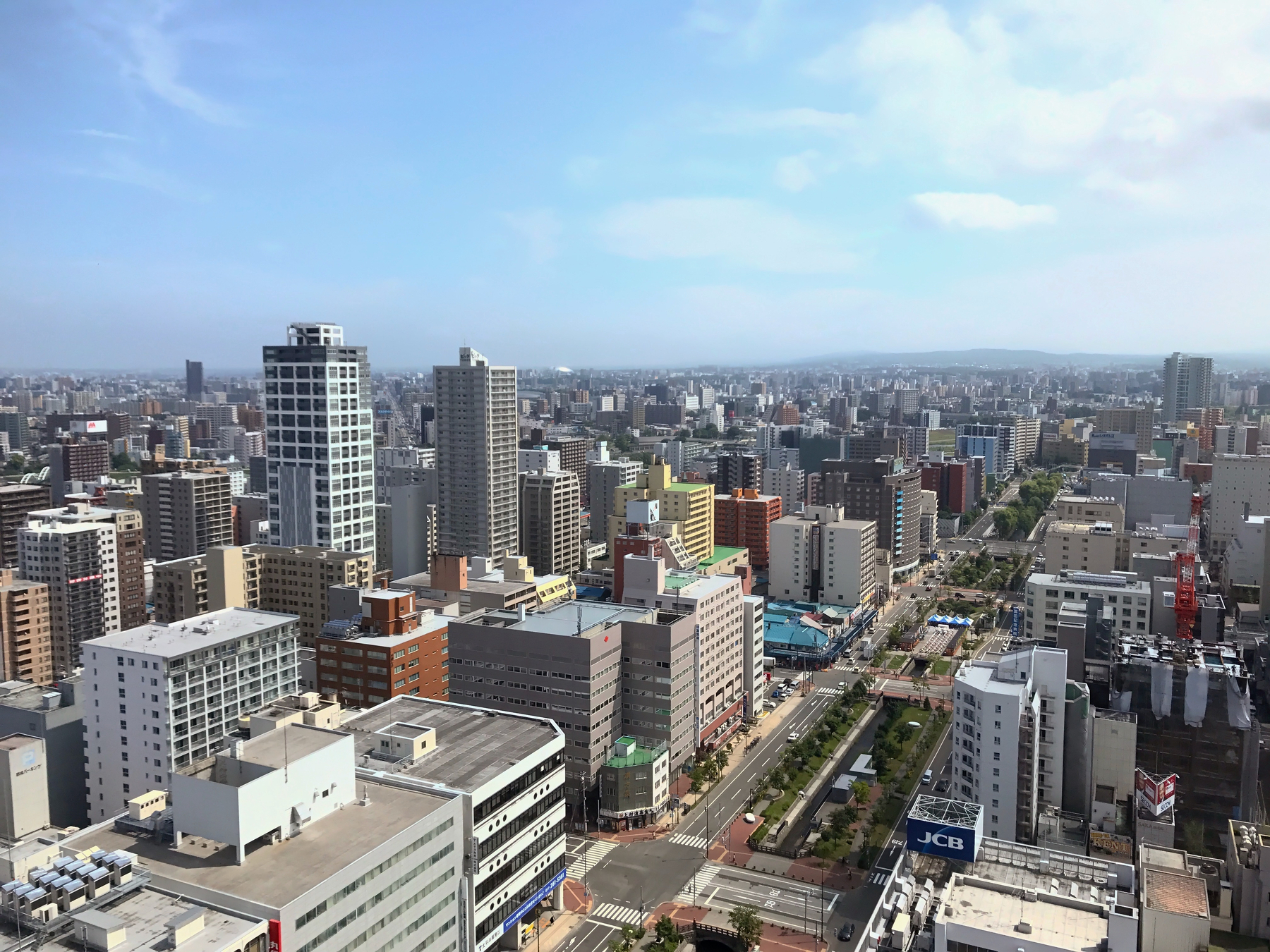
The view becomes even more atmospheric toward evening. As daylight begins to disappear, the streets below gradually illuminate, creating a network of glowing avenues beneath the observation deck. Buildings that seemed ordinary during the day take on a completely different character at night, while the surrounding mountains fade into the darkness. The tower itself is also illuminated on special occasions and during seasonal celebrations, adding another layer to the experience. Winter can be particularly magical, when snow covers the city and the shorter days mean that Sapporo spends much of the afternoon transitioning toward darkness. From above, the snow, lights, park, and surrounding buildings create a scene that feels almost cinematic.
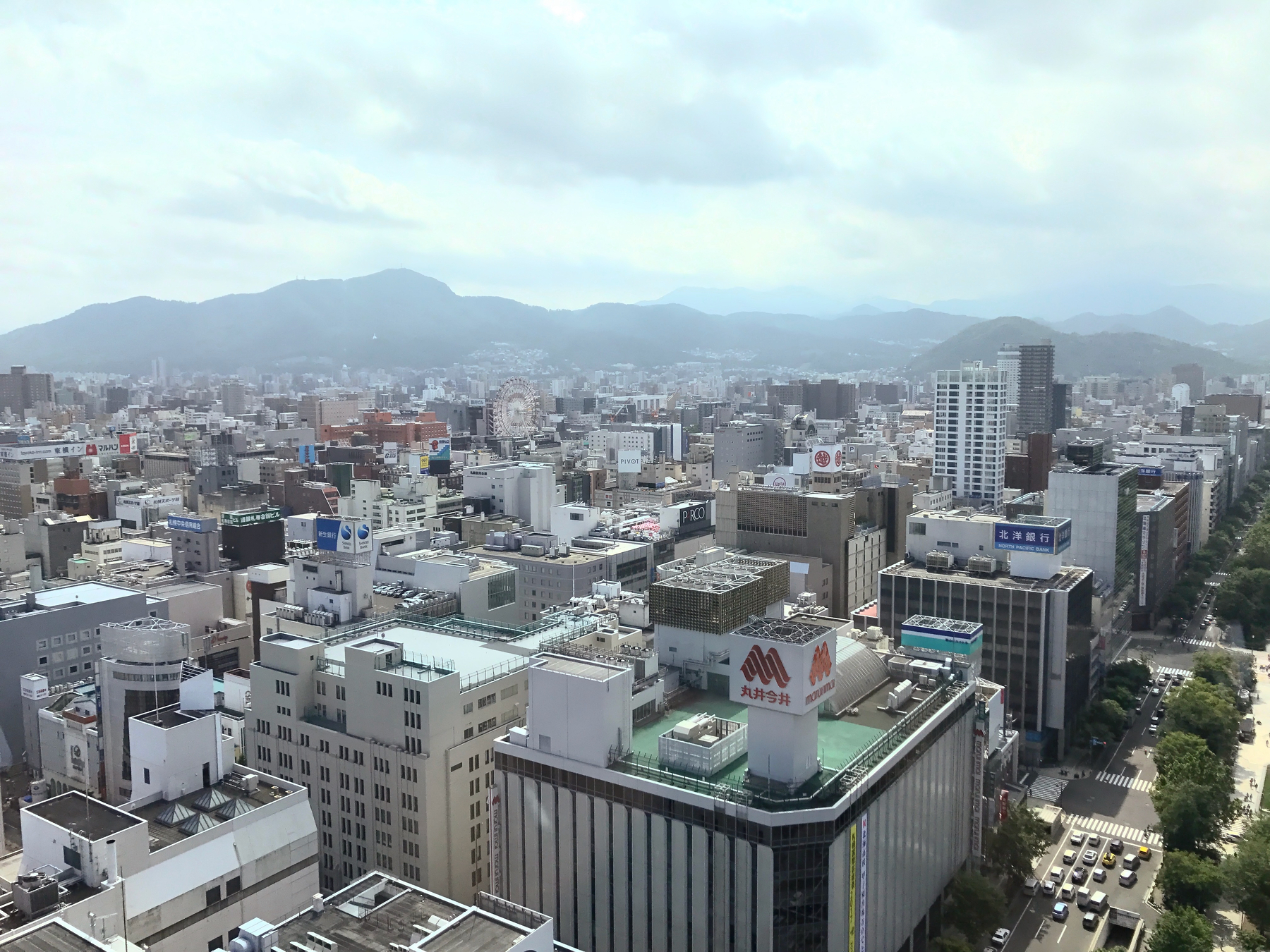
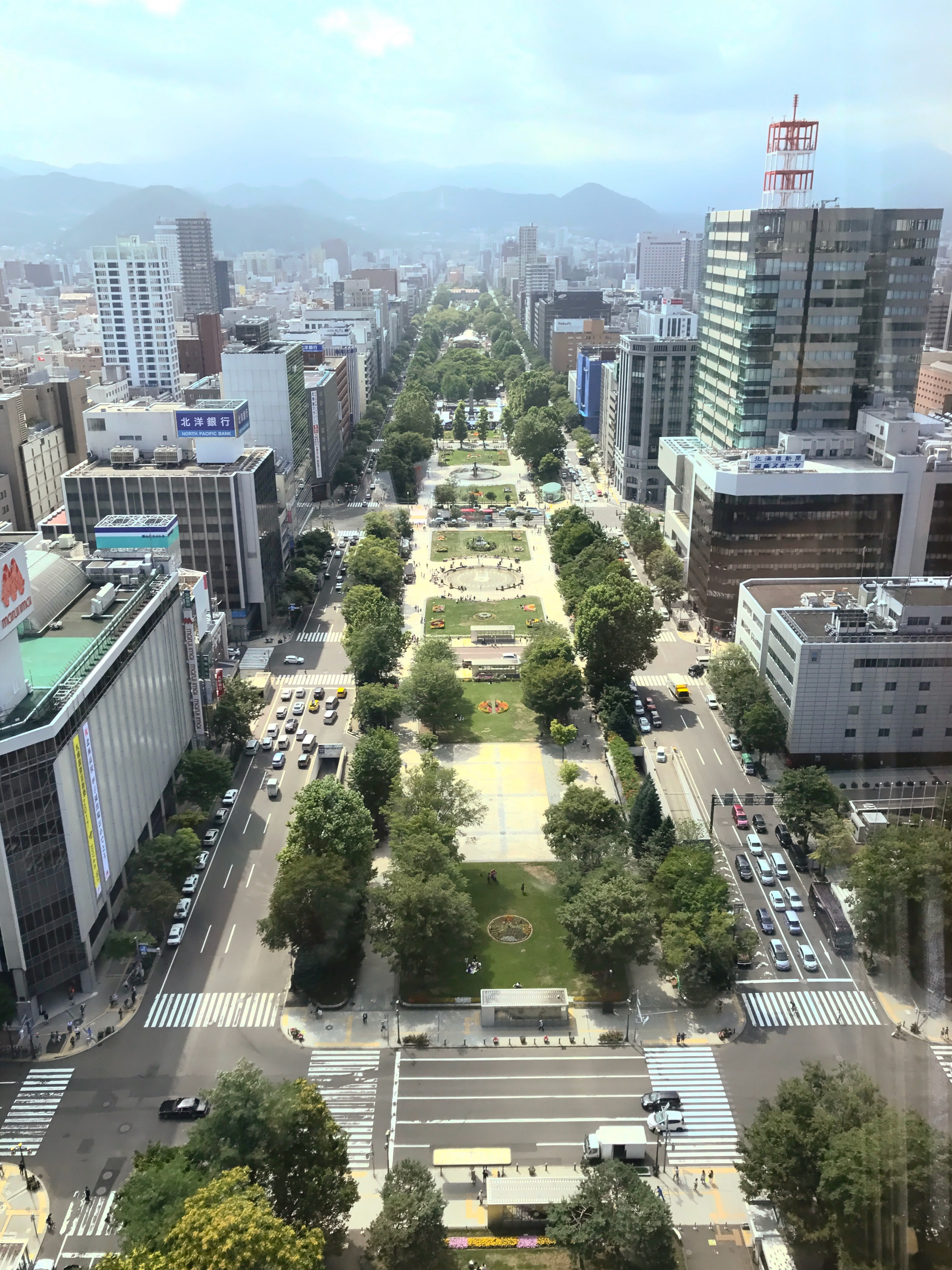
Like many famous landmarks, the Sapporo TV Tower has a significance that goes beyond the visitors who come to photograph it. For generations of residents, it has been a familiar part of everyday life and an obvious meeting point in the heart of the city. Its position beside Odori Park also places it directly in the middle of some of Sapporo’s most important public events, most famously the Sapporo Snow Festival. When the park is transformed each winter by enormous snow and ice sculptures, the tower provides an entirely different perspective on the spectacle. Looking down from above, the crowds, illuminated sculptures, snow-covered streets, and surrounding buildings become part of one enormous urban scene. The tower has also become associated with celebrations, seasonal lighting displays, and countless personal memories, which is perhaps the clearest sign that it has moved beyond being simply a piece of infrastructure and has become part of Sapporo’s identity.

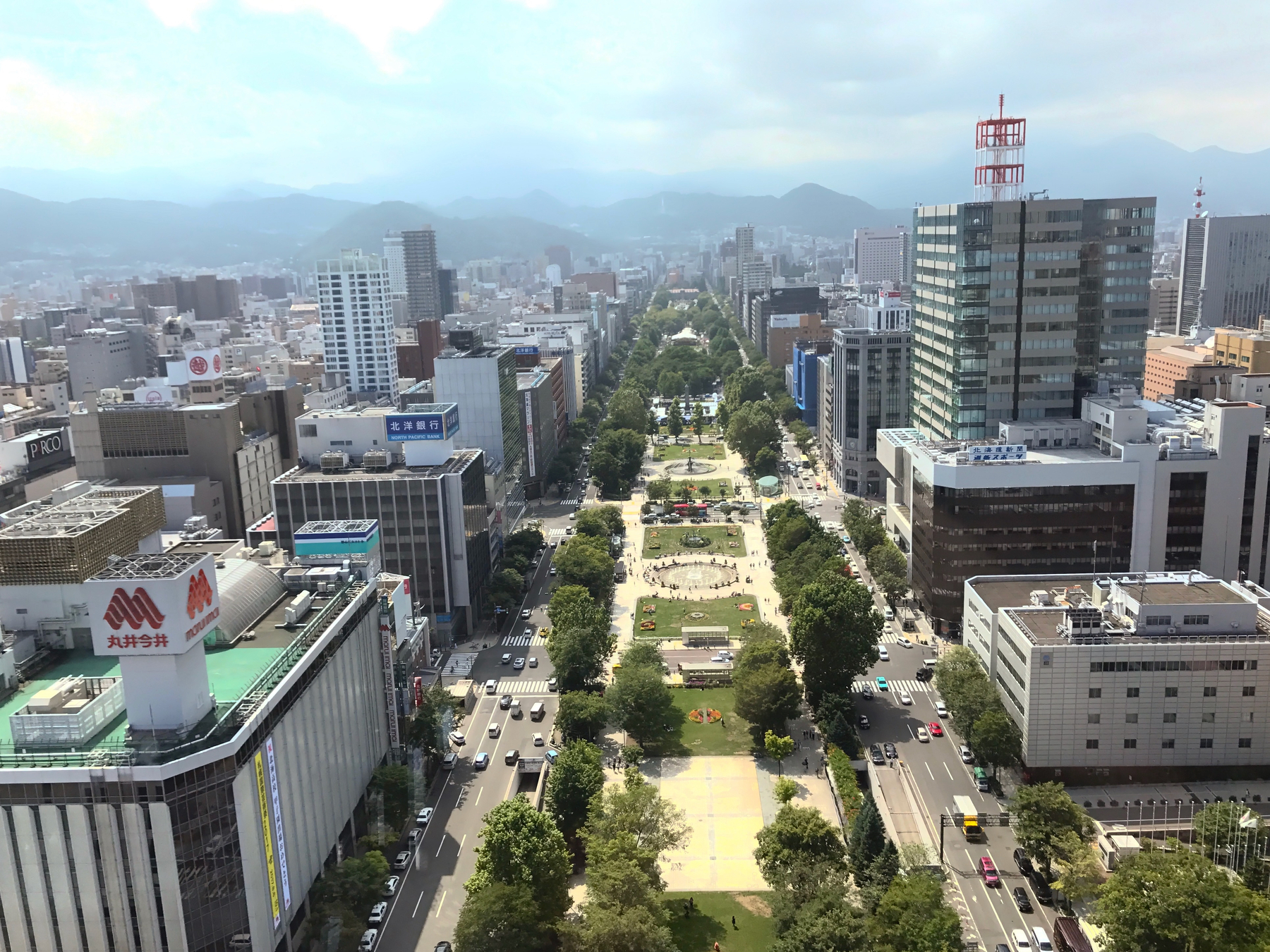
The role of the Sapporo TV Tower has changed considerably since it opened. Originally constructed as a broadcasting facility, its most important function for visitors today is the observation experience, while its history and architecture have become attractions in their own right. Over the decades, the tower has received improvements and modernization, including updated lighting technology that allows it to take on different appearances during special events. Yet despite these changes, it has retained the distinctive silhouette that has made it so recognizable. Something is appealing about seeing a structure that has remained part of the city for more than sixty years while everything around it has continued to evolve. From the observation deck, that evolution is visible everywhere: older buildings sit alongside modern developments, traffic moves through streets that were planned decades ago, and Odori Park continues to provide an open center within the increasingly modern city.
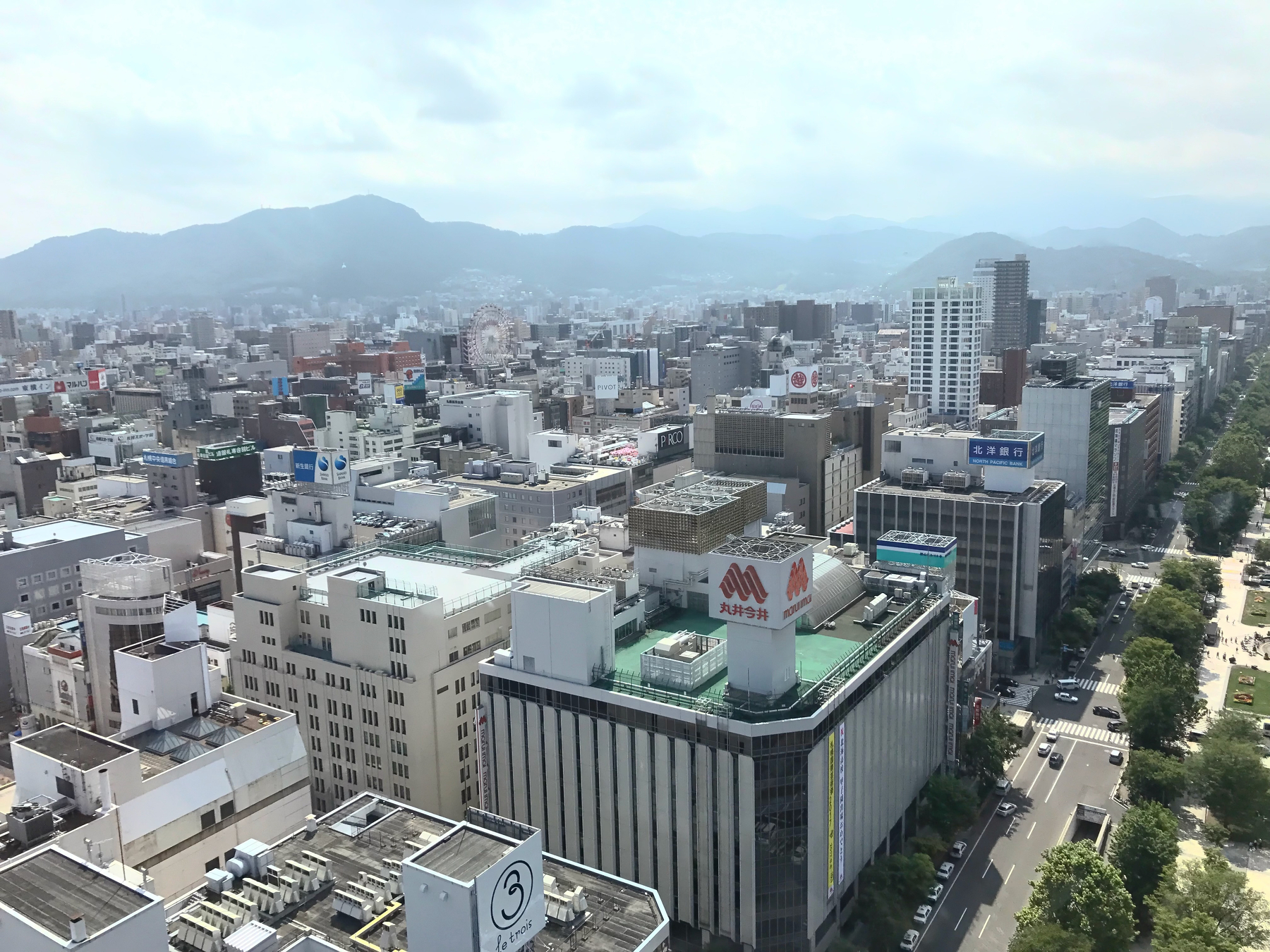
What I like most about the Sapporo TV Tower is that its appeal is remarkably simple. You go up, look out, and suddenly the city makes more sense. The tower does not need an elaborate attraction built around it because the view is the attraction. From above, Sapporo reveals a balance that is easy to miss when walking through its streets. It is a large, modern city, yet it feels spacious rather than overwhelming. It has a carefully organised urban landscape, but nature is never far away. Odori Park cuts through the centre, the mountains frame the horizon, and the changing seasons continually transform the view. Summer brings greenery, autumn adds colour, and winter covers the city in snow, creating an entirely different landscape. Even the same view can feel completely different depending on the time of day and weather.
The Sapporo TV Tower may not be the tallest or most technologically spectacular observation tower in Japan, but that is not really the point. Its appeal comes from its relationship with the city beneath it. Standing at the observation deck, you are not simply looking down at Sapporo; you are seeing how the city was planned, how it has grown, and how closely its urban identity remains connected to the landscape of Hokkaido. Whether you visit during the bright days of summer, the colorful transition of autumn, or the snowy atmosphere of winter, the tower offers a perspective that is difficult to appreciate from street level. For me, that is what makes it worth the visit. Sometimes the best way to understand a city is simply to step above it, slow down for a moment, and look at the whole picture.
#Photography #Photoblog #Photos #Sapporo #TVTower #SapporoJapan #Hokkaido #Travel #Japan #Travelblog #ObservationDeck #OdoriPark #Japanese #Architecture #TravelGuide #Essay