
Sapporo TV Tower: A Bird’s-Eye View of Hokkaido’s Capital
There are some cities that make more sense when you see them from above, and Sapporo is definitely one of them. Spread across the broad landscape of Hokkaido, Japan’s northern capital has an almost geometric quality, with wide avenues, carefully planned streets, expansive parks, and mountains forming a dramatic backdrop. Standing at the eastern end of Odori Park, the Sapporo TV Tower offers one of the best opportunities to take all of this in at once. Rising 147.2 meters above the ground, this distinctive steel landmark has been part of Sapporo’s skyline since 1957, when the city was emerging from the difficult years following the Second World War and beginning its transformation into the modern metropolis we see today. More than six decades later, the tower remains one of Sapporo’s most recognizable symbols, combining practical engineering, mid-century architecture, and an observation deck that provides an entirely different perspective on the city.
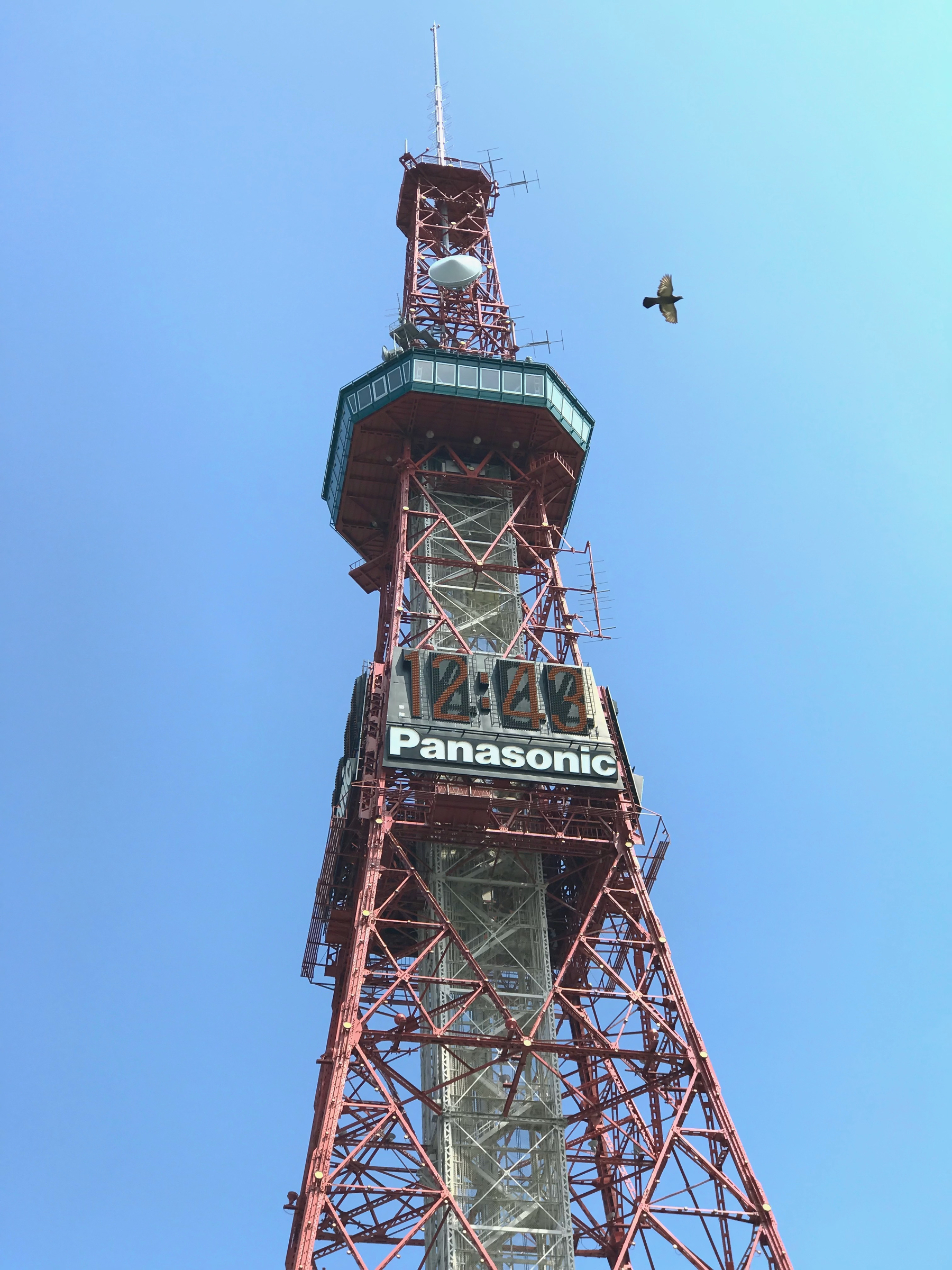
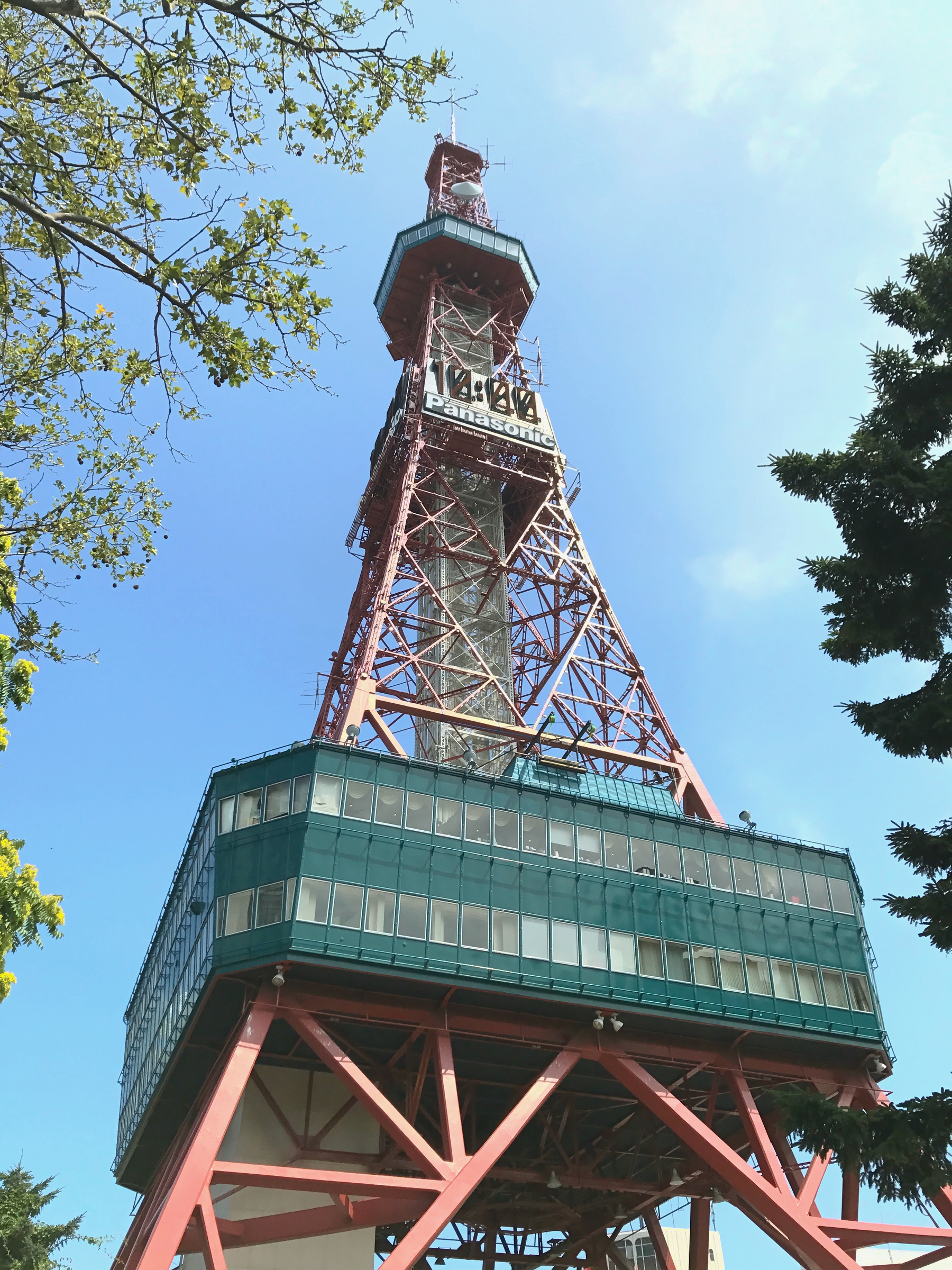
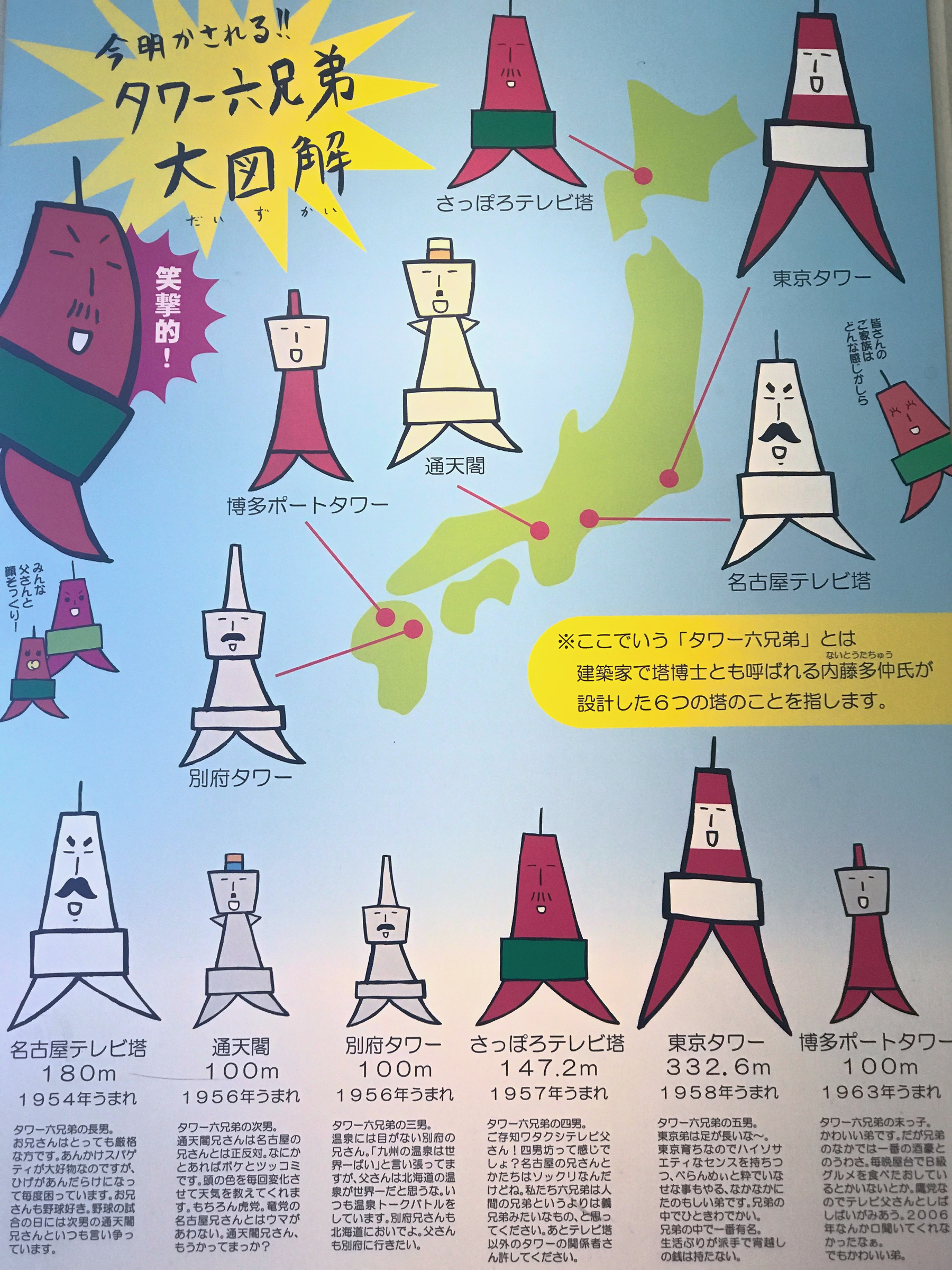
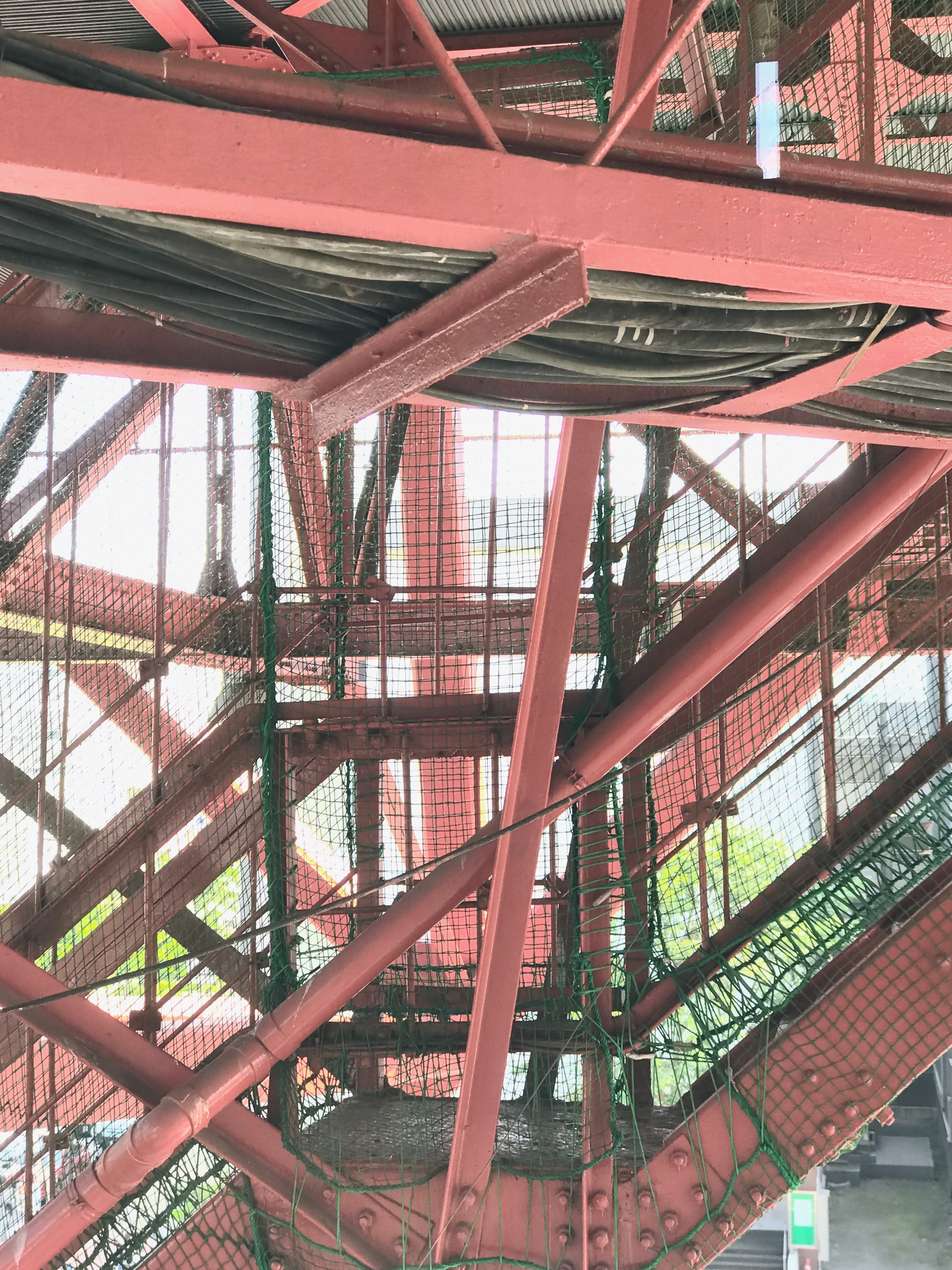
The Sapporo TV Tower was completed in 1957 as part of the city’s post-war development and was designed by Naito Tachu, an architect who would go on to become closely associated with Japan’s great broadcasting towers. Its steel lattice structure gives it a distinctive appearance, and comparisons with Paris’s Eiffel Tower are understandable, although its design was actually influenced by the Berlin Radio Tower. The tower was built to serve a practical broadcasting purpose, but it quickly became something more: a landmark that represented Sapporo’s ambitions and its emergence as a modern city. Its location at the eastern end of Odori Park was particularly significant because the park itself forms one of the defining features of central Sapporo, stretching across the city as a long green corridor. From street level, the tower is an impressive sight, but it is only when you ride the elevator toward the observation deck that its real character begins to reveal itself.
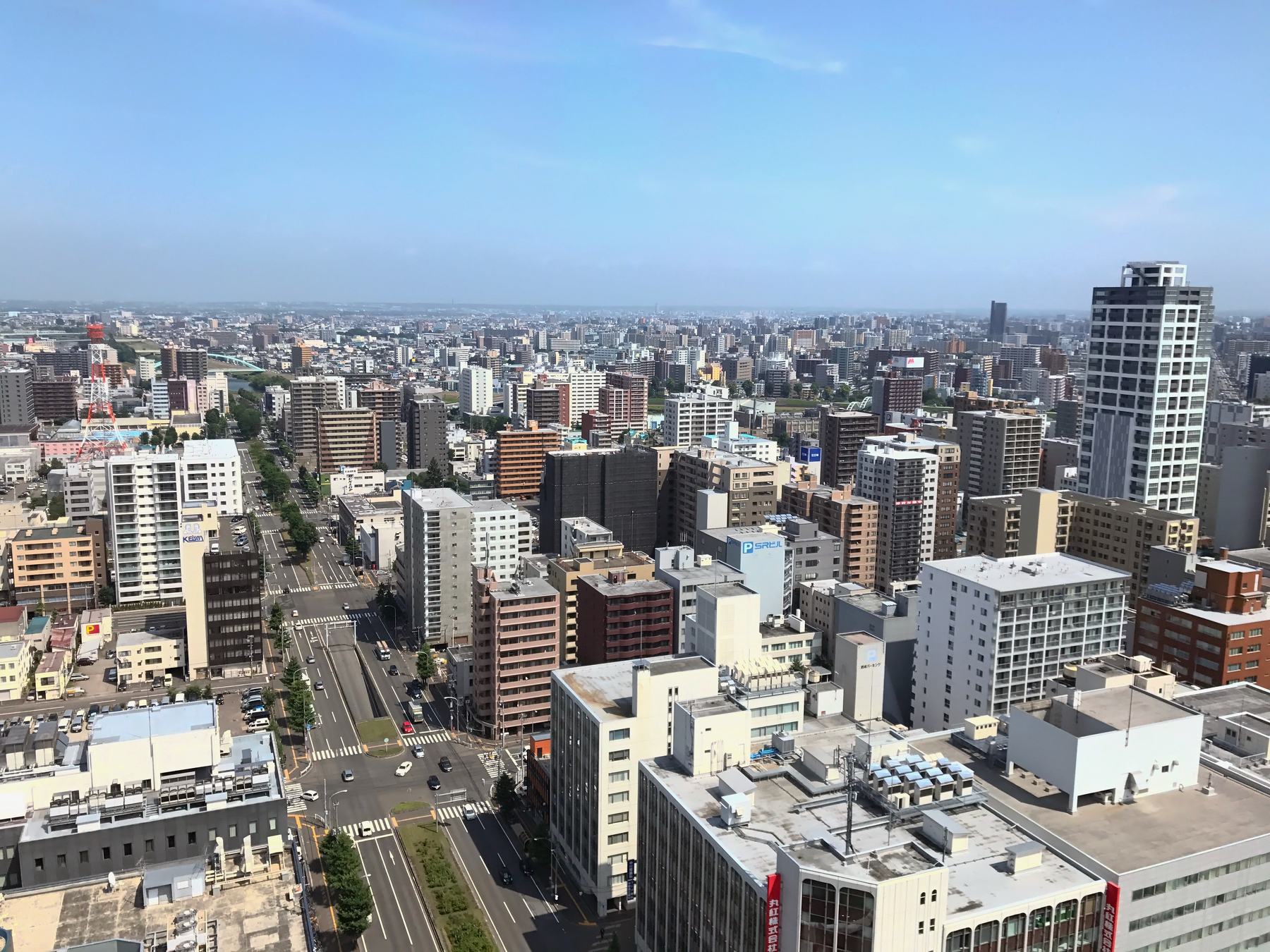
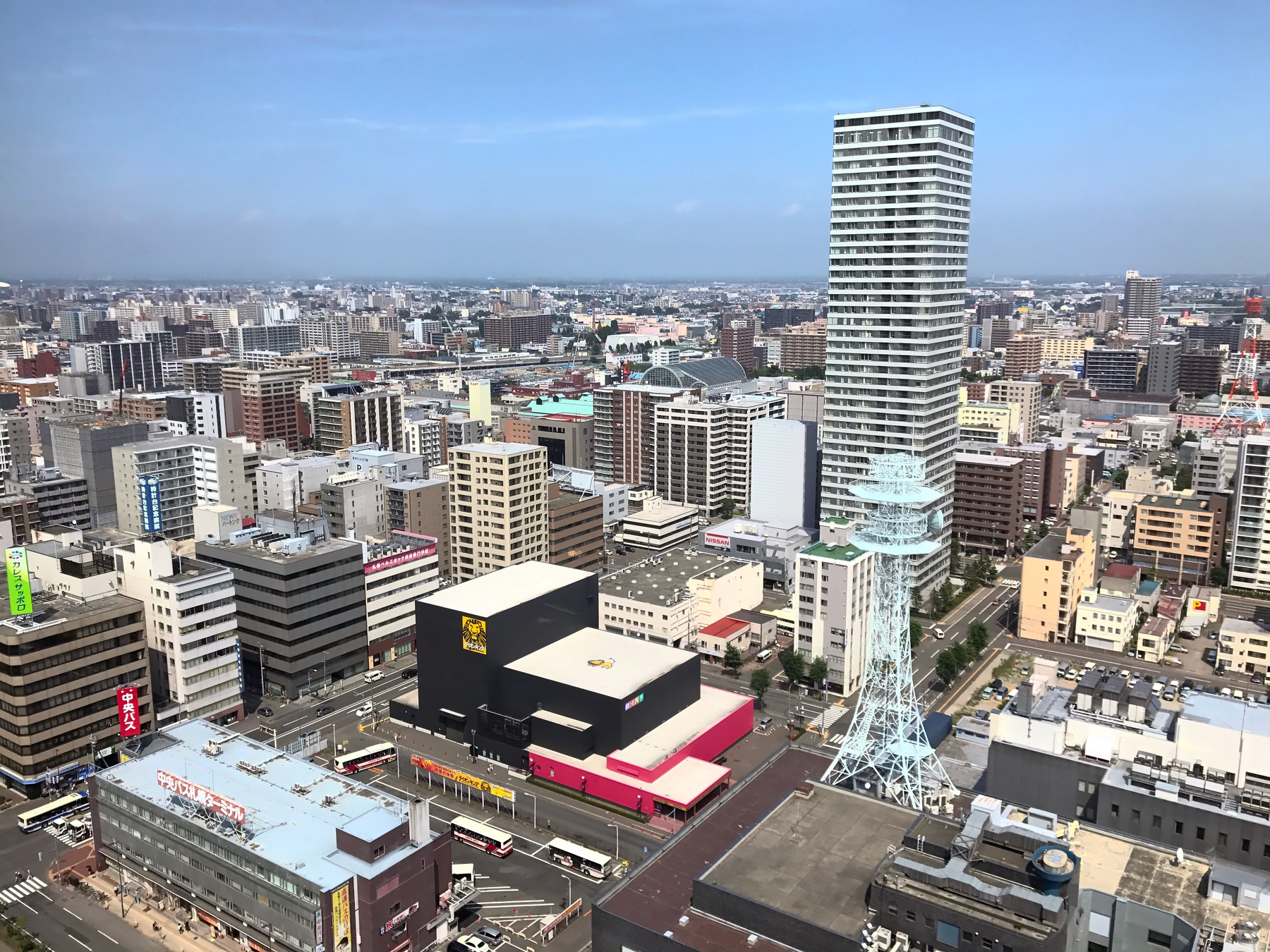
The observation deck sits approximately 90 meters above the ground, and stepping out onto it changes the way Sapporo looks completely. From this height, the city’s broad layout becomes immediately apparent, with streets extending in remarkably orderly patterns and buildings spreading outward toward the horizon. Looking across Odori Park, I can see why this part of Sapporo has remained such an important public space. During the warmer months, the park provides a long stretch of greenery through the center of the city, while during winter it becomes the setting for some of Sapporo’s most famous celebrations. Beyond the city, the mountains create a dramatic natural boundary, particularly toward the west, where the Ishikari Mountains rise in the distance. It is this combination of urban planning and surrounding wilderness that makes the view so compelling. Sapporo feels like a modern Japanese metropolis, but the mountains are always there to remind you that Hokkaido’s enormous natural landscape begins just beyond the city.
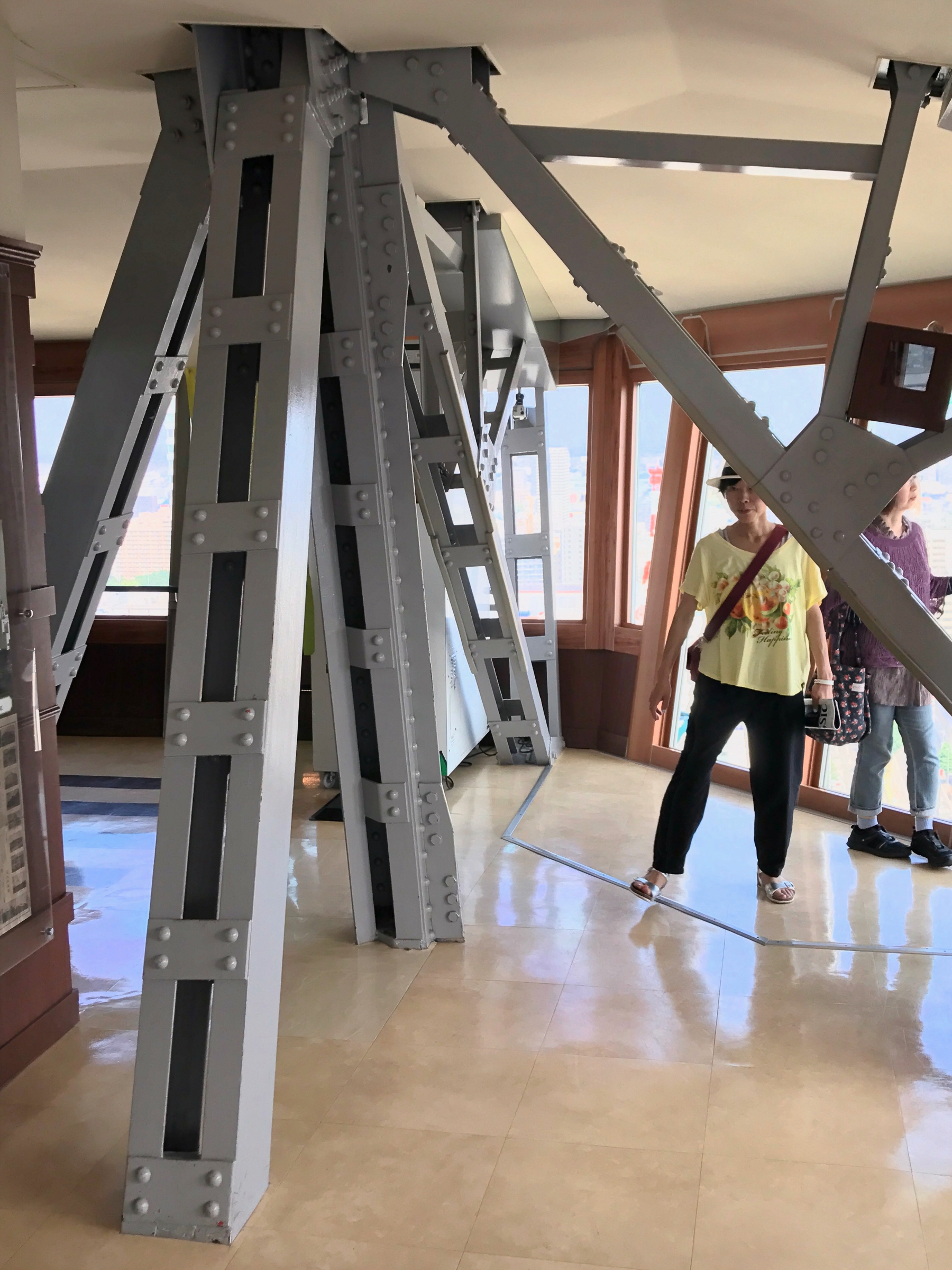
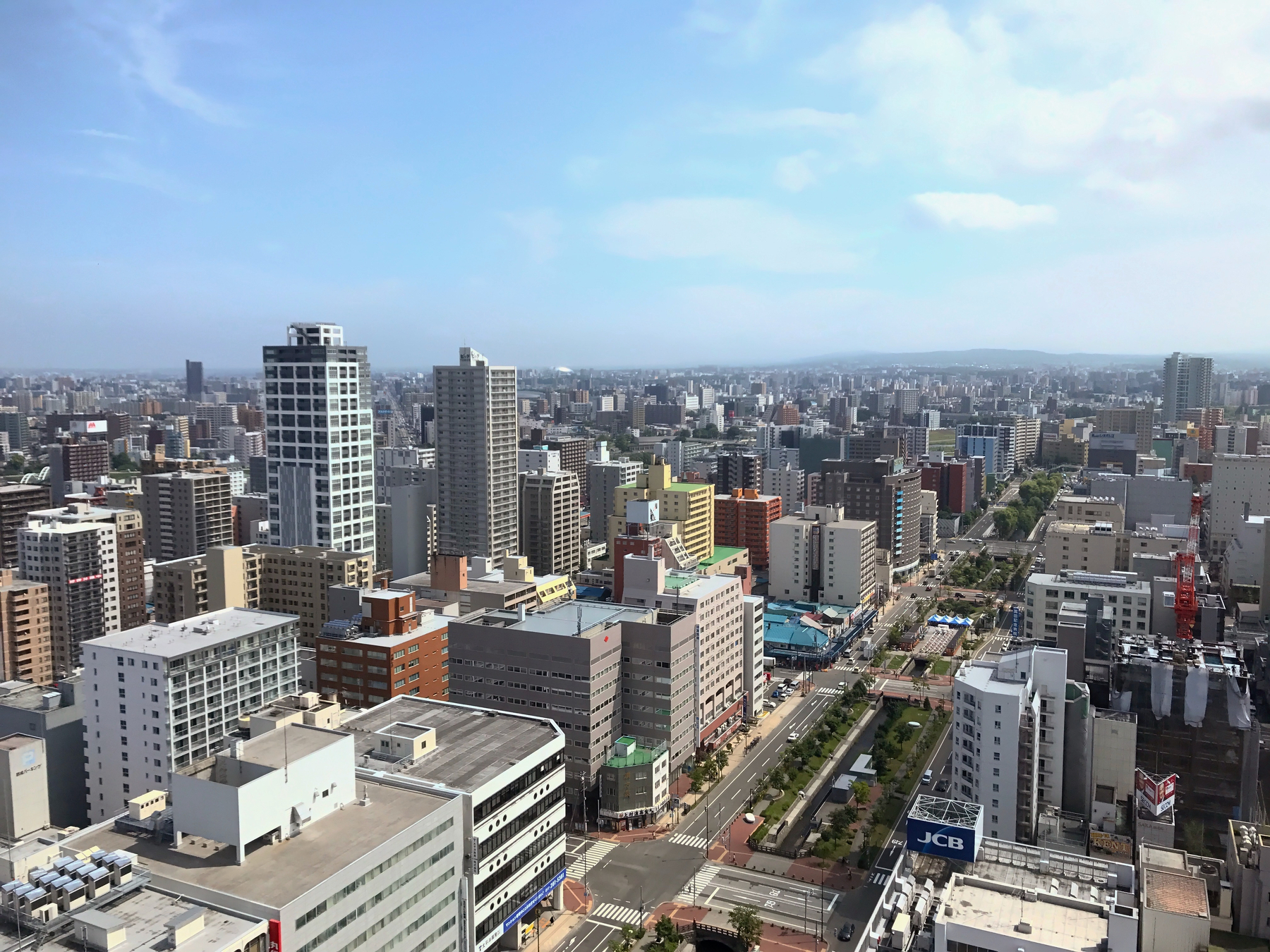
The view becomes even more atmospheric toward evening. As daylight begins to disappear, the streets below gradually illuminate, creating a network of glowing avenues beneath the observation deck. Buildings that seemed ordinary during the day take on a completely different character at night, while the surrounding mountains fade into the darkness. The tower itself is also illuminated on special occasions and during seasonal celebrations, adding another layer to the experience. Winter can be particularly magical, when snow covers the city and the shorter days mean that Sapporo spends much of the afternoon transitioning toward darkness. From above, the snow, lights, park, and surrounding buildings create a scene that feels almost cinematic.
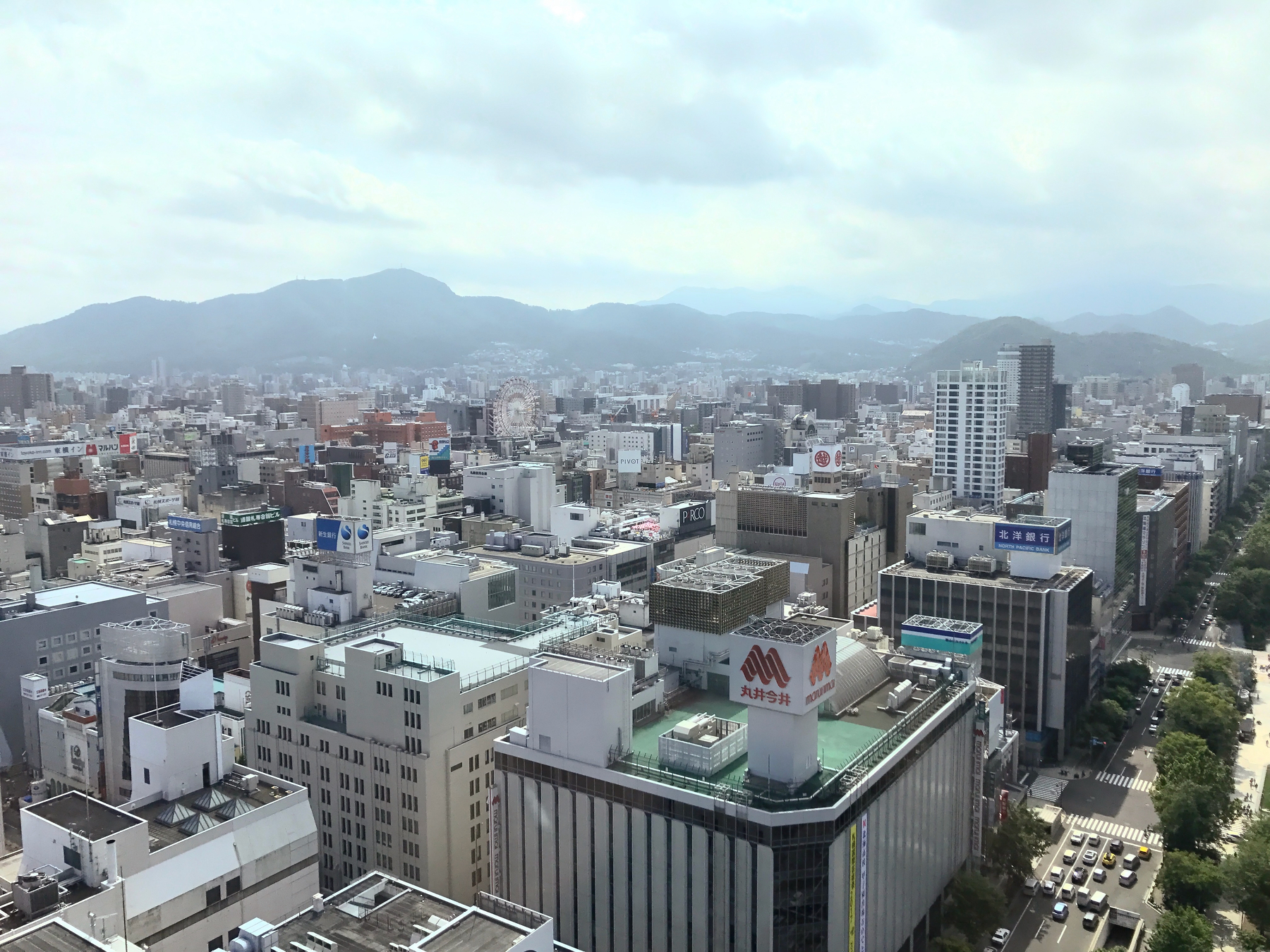
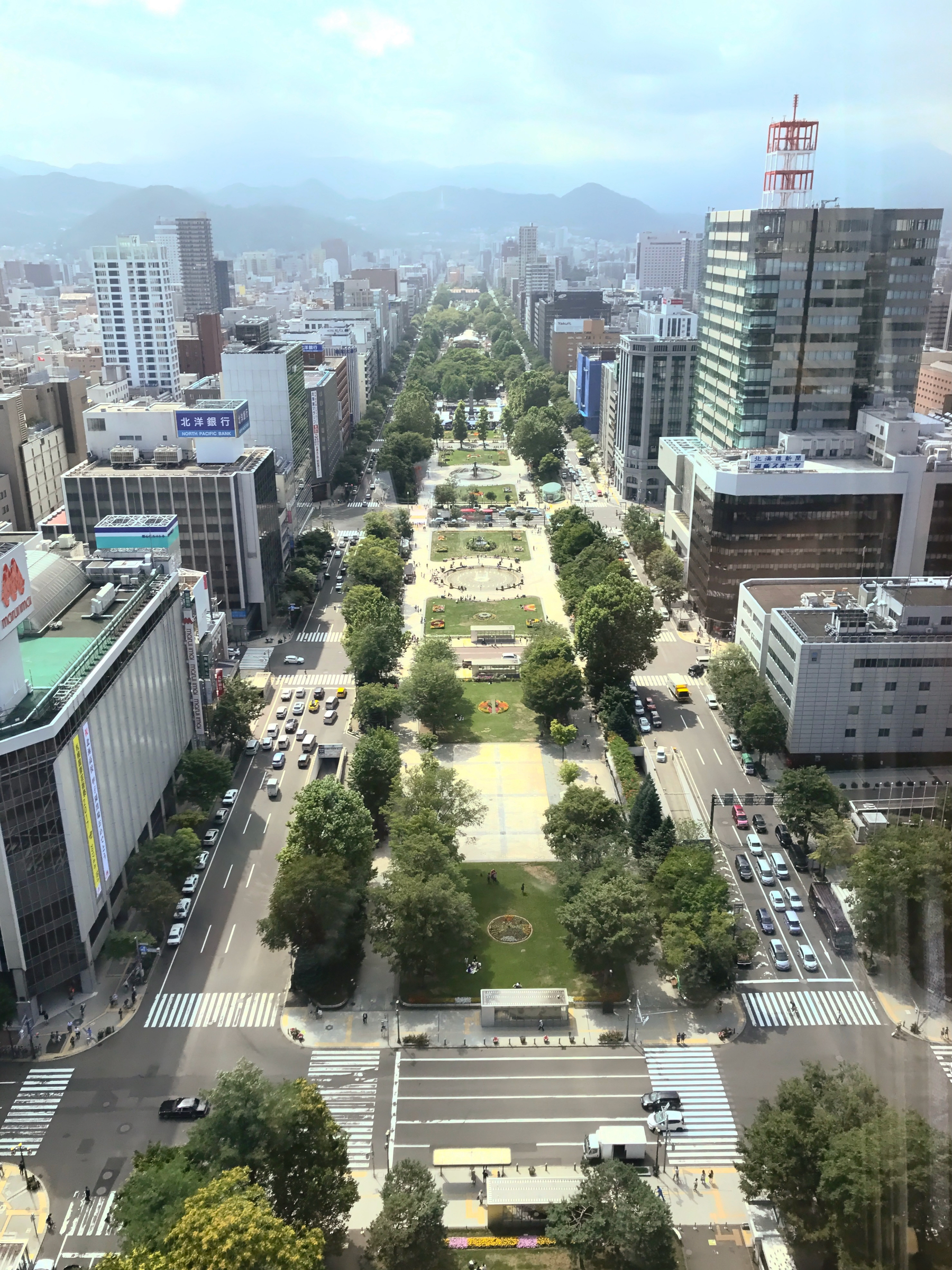
Like many famous landmarks, the Sapporo TV Tower has a significance that goes beyond the visitors who come to photograph it. For generations of residents, it has been a familiar part of everyday life and an obvious meeting point in the heart of the city. Its position beside Odori Park also places it directly in the middle of some of Sapporo’s most important public events, most famously the Sapporo Snow Festival. When the park is transformed each winter by enormous snow and ice sculptures, the tower provides an entirely different perspective on the spectacle. Looking down from above, the crowds, illuminated sculptures, snow-covered streets, and surrounding buildings become part of one enormous urban scene. The tower has also become associated with celebrations, seasonal lighting displays, and countless personal memories, which is perhaps the clearest sign that it has moved beyond being simply a piece of infrastructure and has become part of Sapporo’s identity.

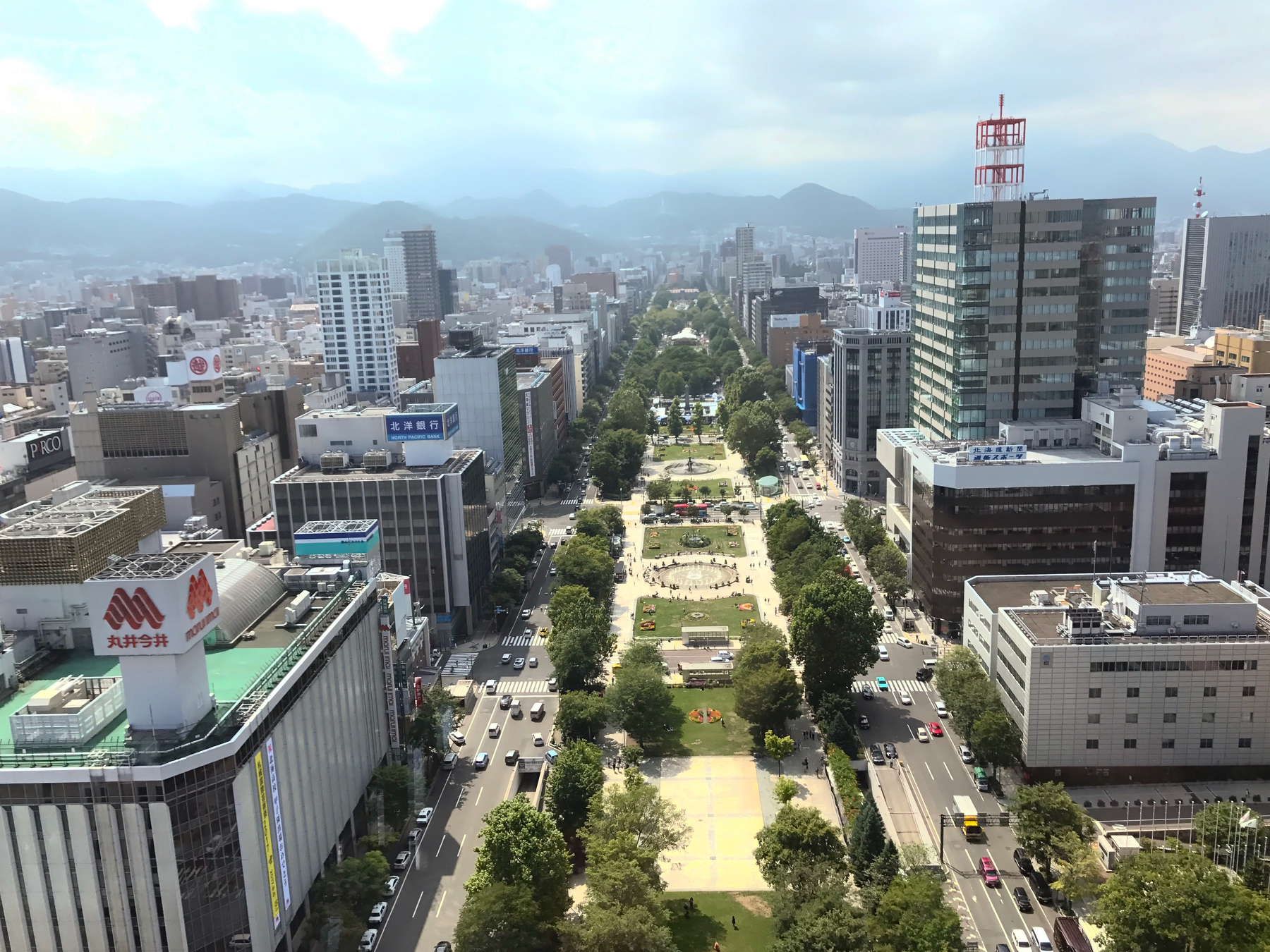
The role of the Sapporo TV Tower has changed considerably since it opened. Originally constructed as a broadcasting facility, its most important function for visitors today is the observation experience, while its history and architecture have become attractions in their own right. Over the decades, the tower has received improvements and modernization, including updated lighting technology that allows it to take on different appearances during special events. Yet despite these changes, it has retained the distinctive silhouette that has made it so recognizable. Something is appealing about seeing a structure that has remained part of the city for more than sixty years while everything around it has continued to evolve. From the observation deck, that evolution is visible everywhere: older buildings sit alongside modern developments, traffic moves through streets that were planned decades ago, and Odori Park continues to provide an open center within the increasingly modern city.
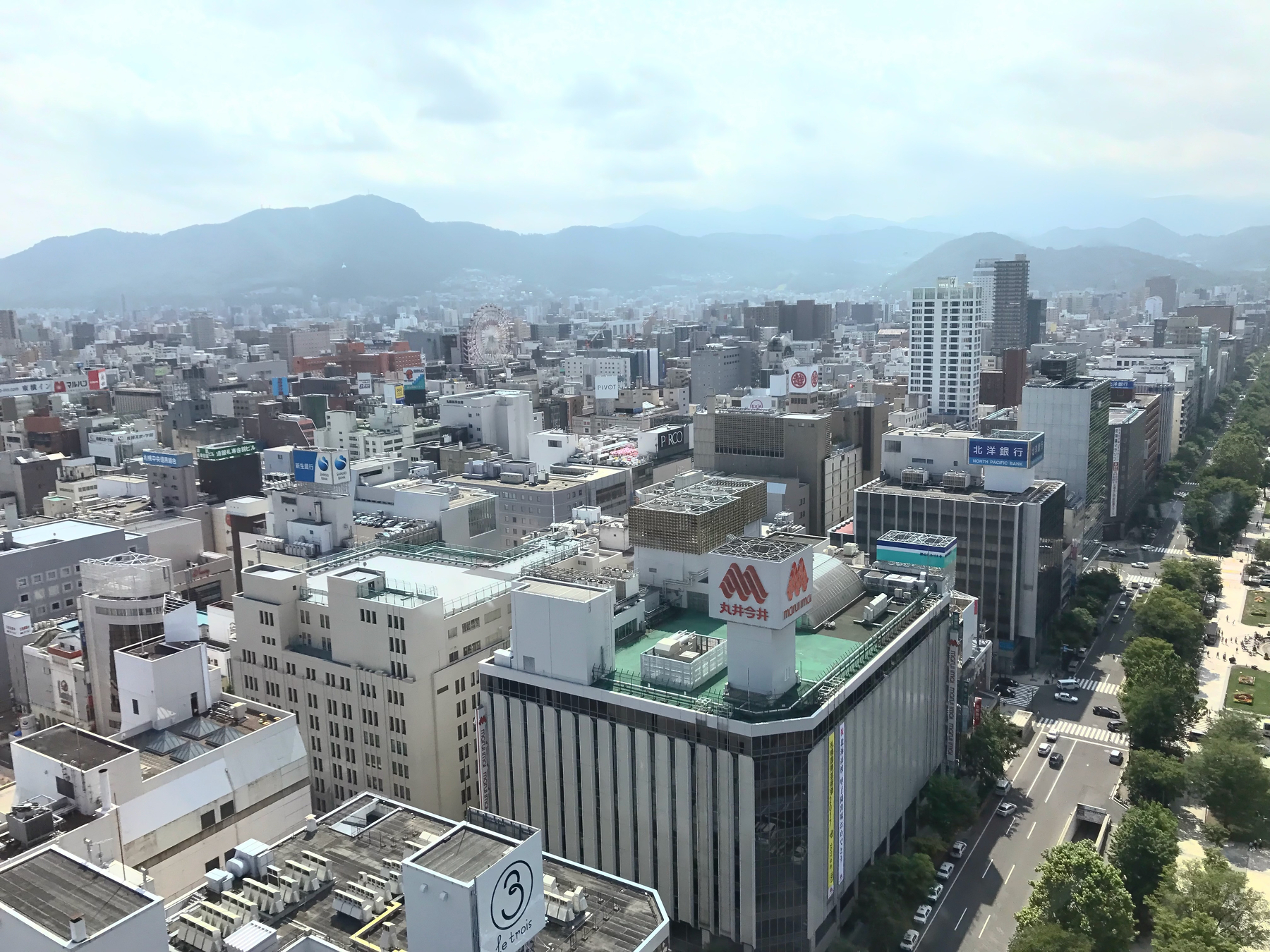
What I like most about the Sapporo TV Tower is that its appeal is remarkably simple. You go up, look out, and suddenly the city makes more sense. The tower does not need an elaborate attraction built around it because the view is the attraction. From above, Sapporo reveals a balance that is easy to miss when walking through its streets. It is a large, modern city, yet it feels spacious rather than overwhelming. It has a carefully organised urban landscape, but nature is never far away. Odori Park cuts through the centre, the mountains frame the horizon, and the changing seasons continually transform the view. Summer brings greenery, autumn adds colour, and winter covers the city in snow, creating an entirely different landscape. Even the same view can feel completely different depending on the time of day and weather.
The Sapporo TV Tower may not be the tallest or most technologically spectacular observation tower in Japan, but that is not really the point. Its appeal comes from its relationship with the city beneath it. Standing at the observation deck, you are not simply looking down at Sapporo; you are seeing how the city was planned, how it has grown, and how closely its urban identity remains connected to the landscape of Hokkaido. Whether you visit during the bright days of summer, the colorful transition of autumn, or the snowy atmosphere of winter, the tower offers a perspective that is difficult to appreciate from street level. For me, that is what makes it worth the visit. Sometimes the best way to understand a city is simply to step above it, slow down for a moment, and look at the whole picture.
#Photography #Photoblog #Photos #Sapporo #TVTower #SapporoJapan #Hokkaido #Travel #Japan #Travelblog #ObservationDeck #OdoriPark #Japanese #Architecture #TravelGuide #Essay