
La Boca, Buenos Aires: Where Tango, History and Colour Collide
Ah, Buenos Aires! A city of grand avenues, passionate tango, and a history shaped by people who arrived from across the world. During my visit, I decided to explore La Boca, the colourful neighbourhood beside the Riachuelo River. I boarded a bus from Puerto Madero, leaving behind the modern waterfront and heading towards a very different side of the city. With my camera ready and curiosity leading the way, I was off to discover the birthplace of tango.
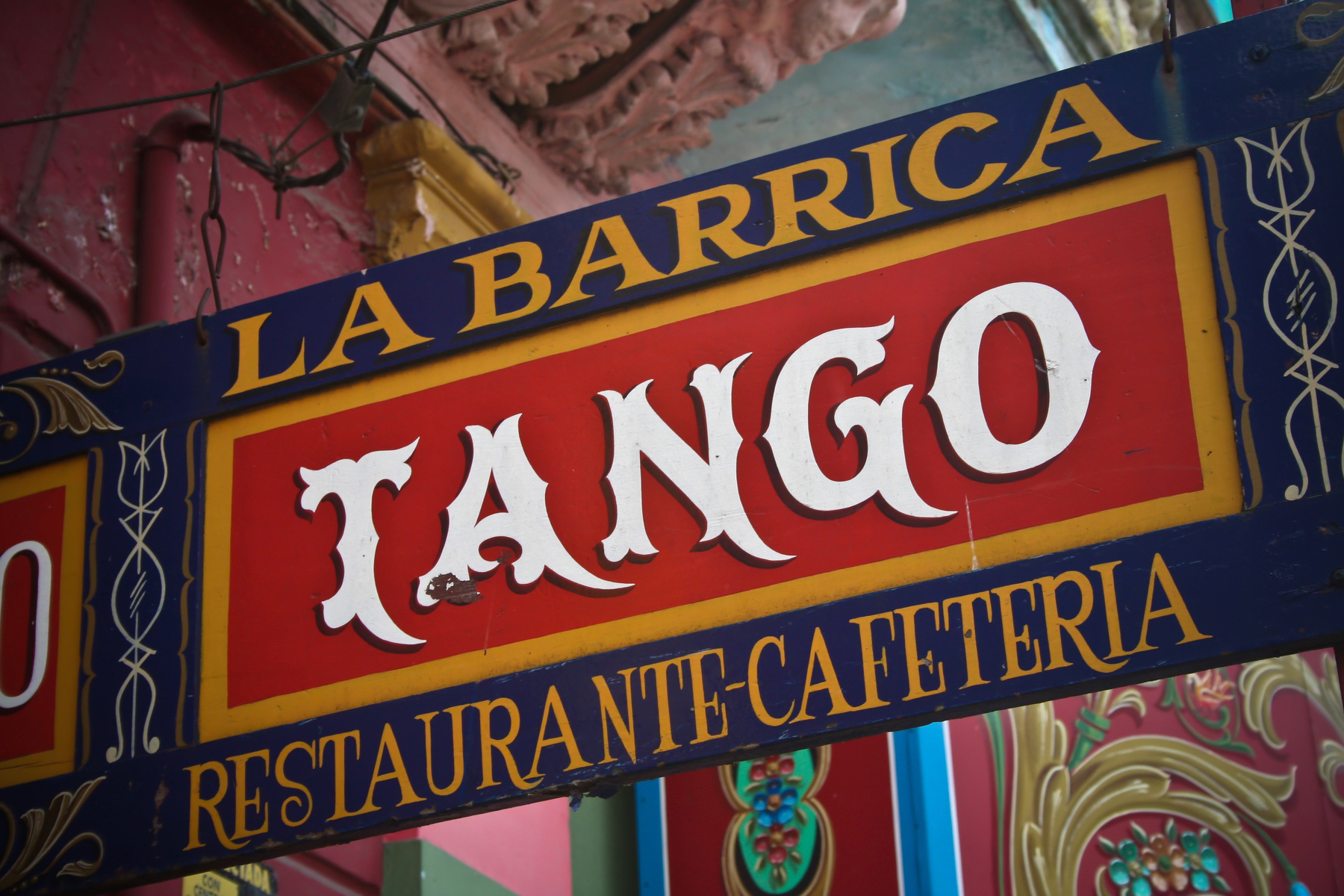
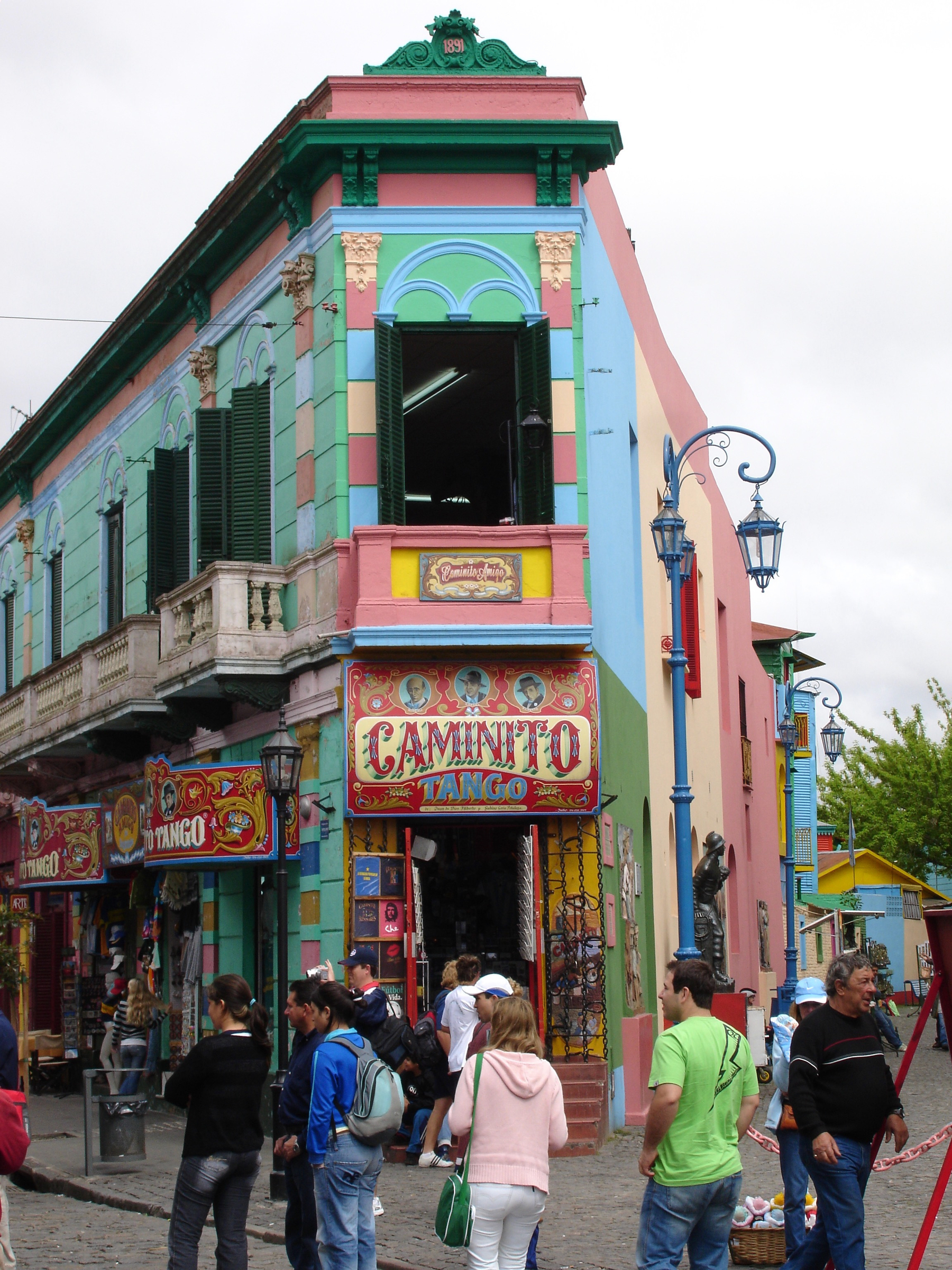


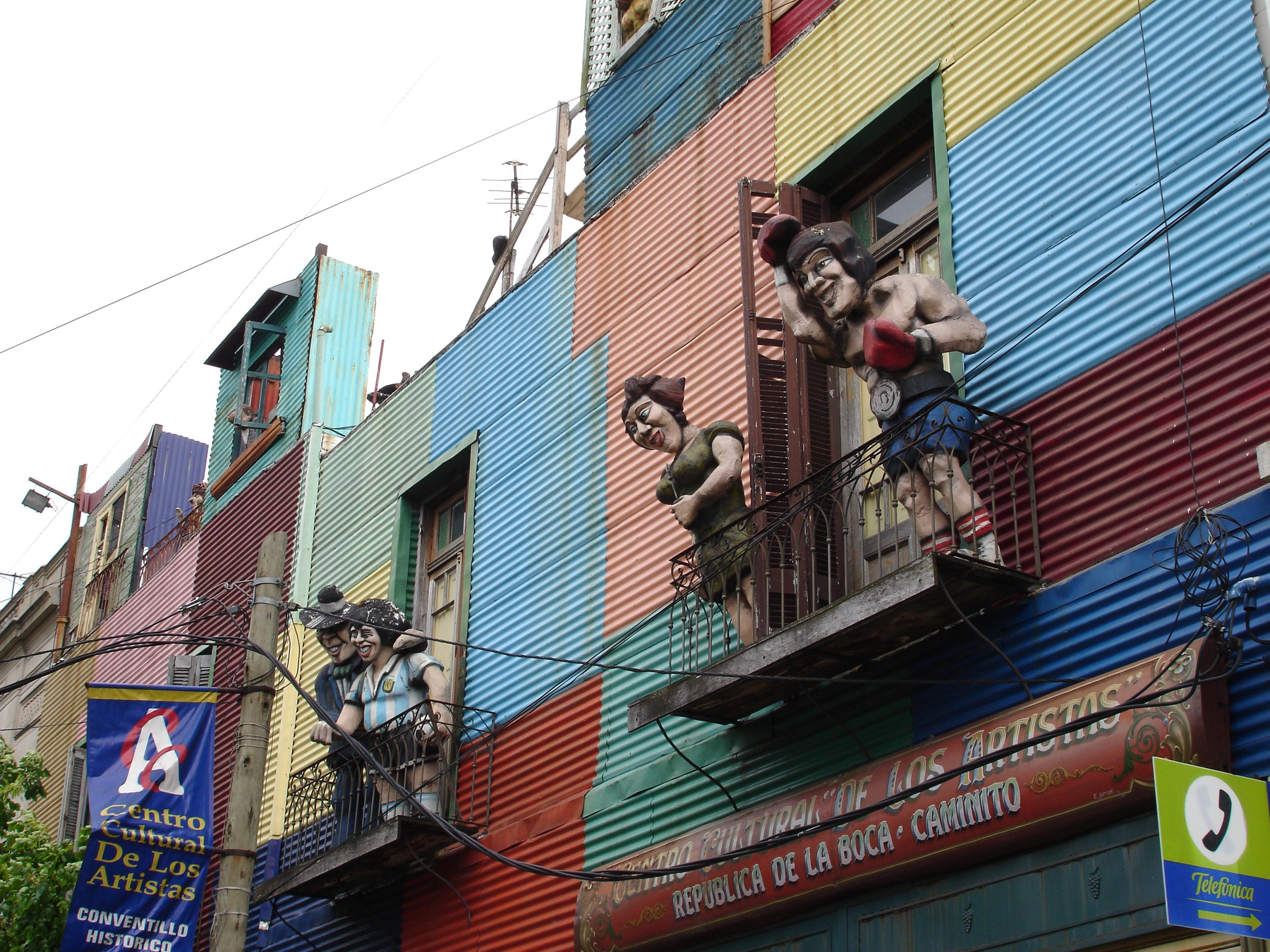
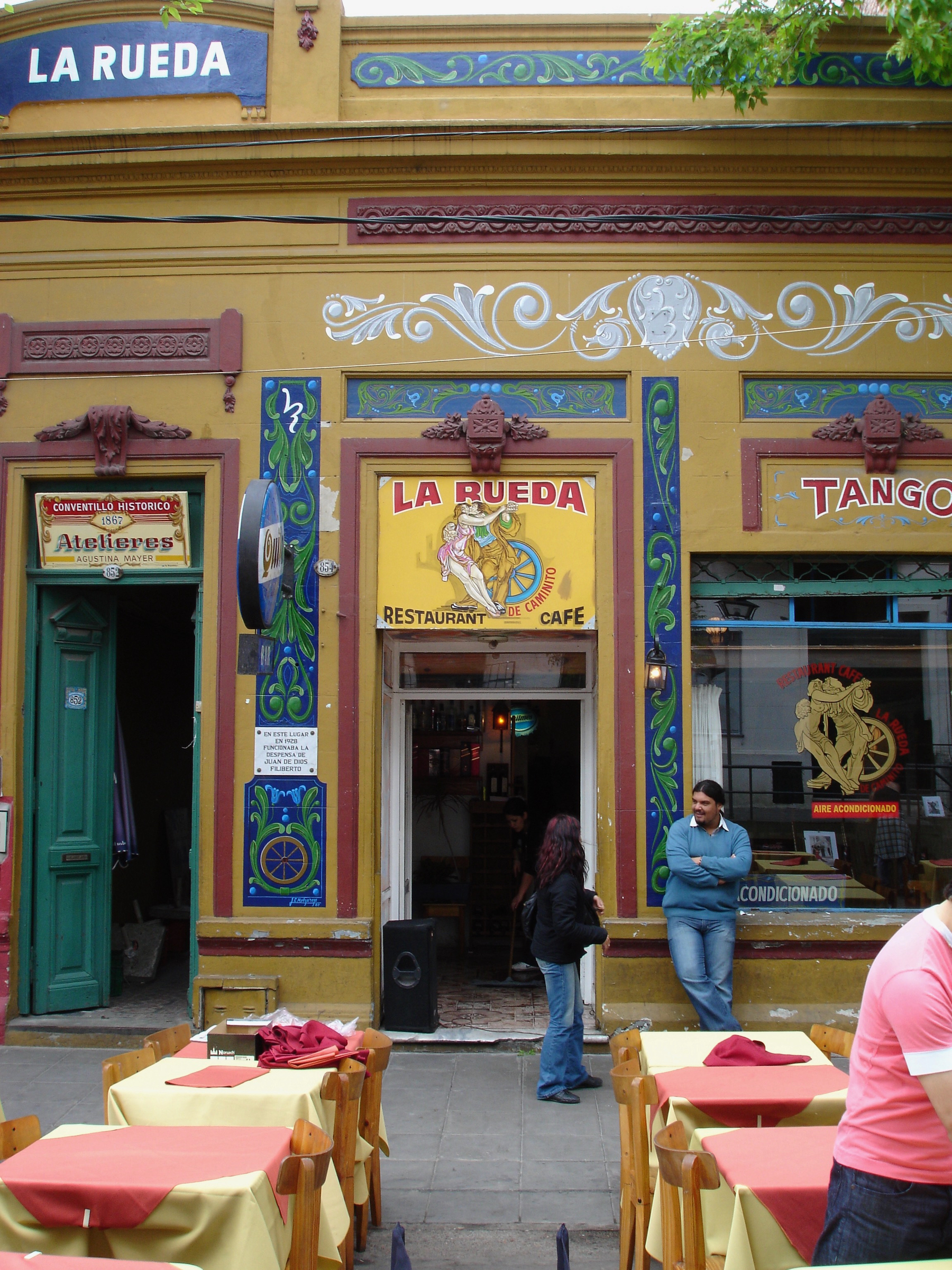

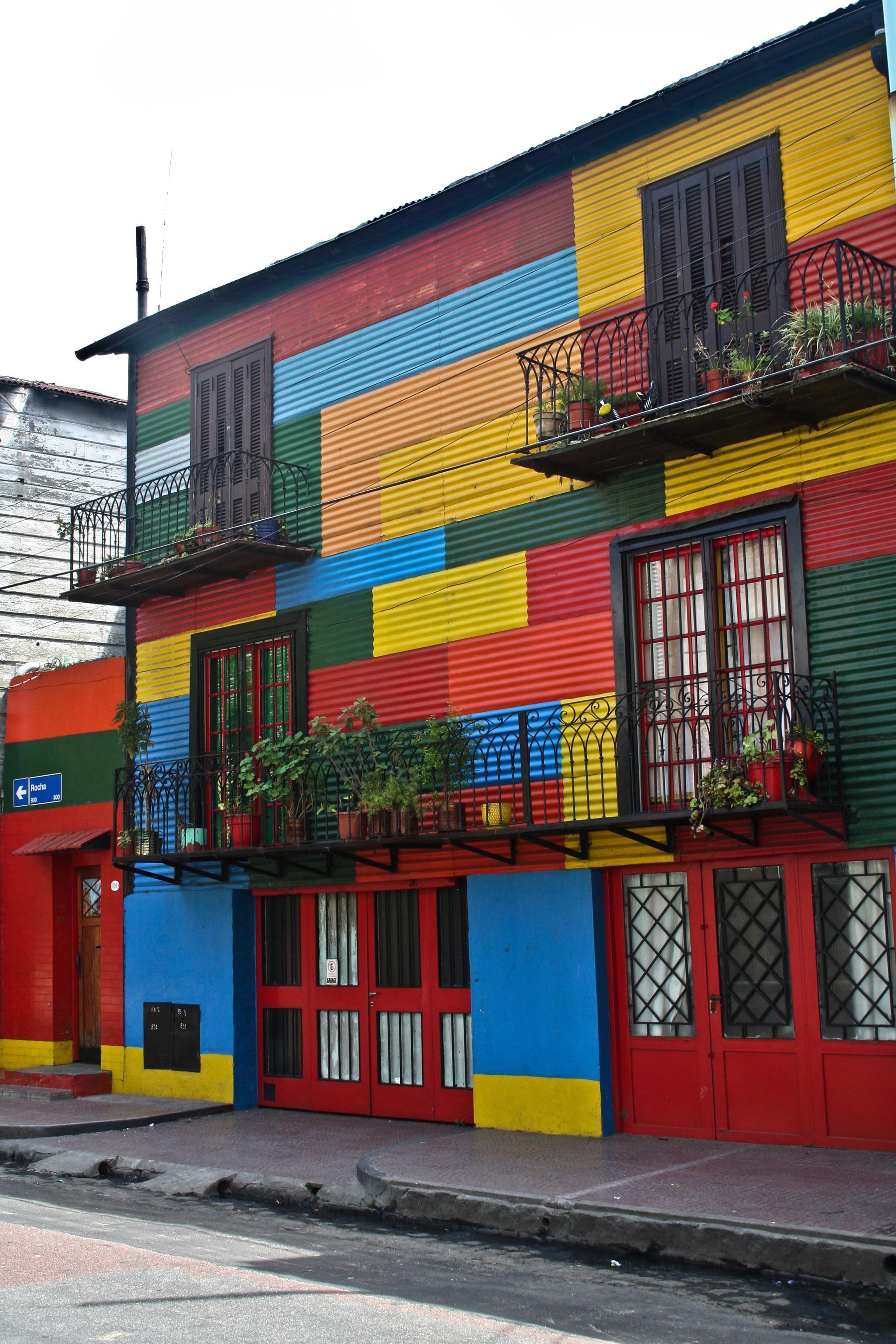
La Boca grew around the port during the nineteenth century, attracting Italian, Spanish, and other European immigrants searching for a better life. Many settled in crowded communal houses known as conventillos, where families from different backgrounds lived side by side. Life was often difficult, but these communities created a distinctive culture of music, food, and shared traditions. The neighbourhood’s colourful buildings have an equally practical history: residents often used leftover paint from the nearby shipyards, combining whatever colours they could find.
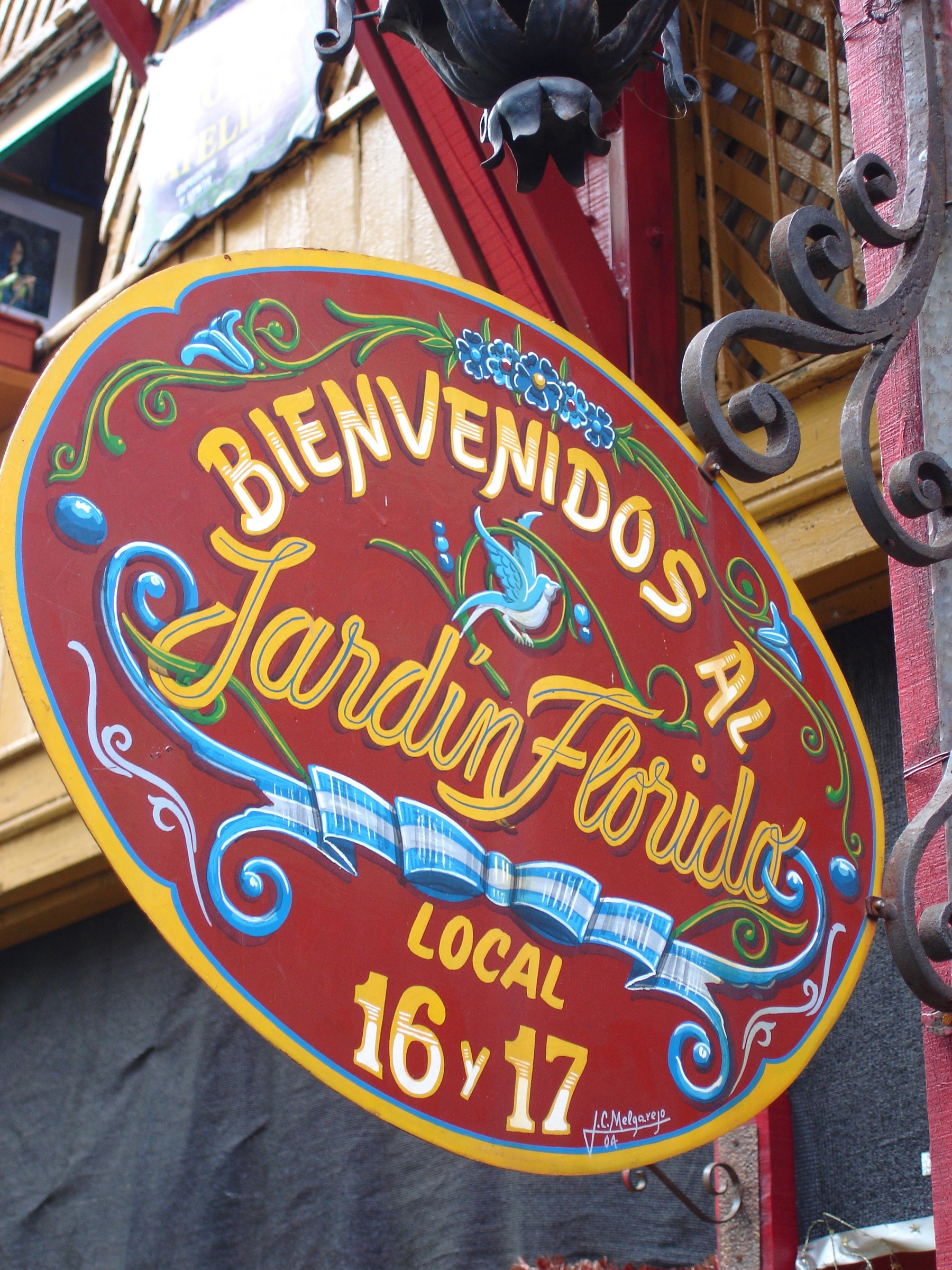
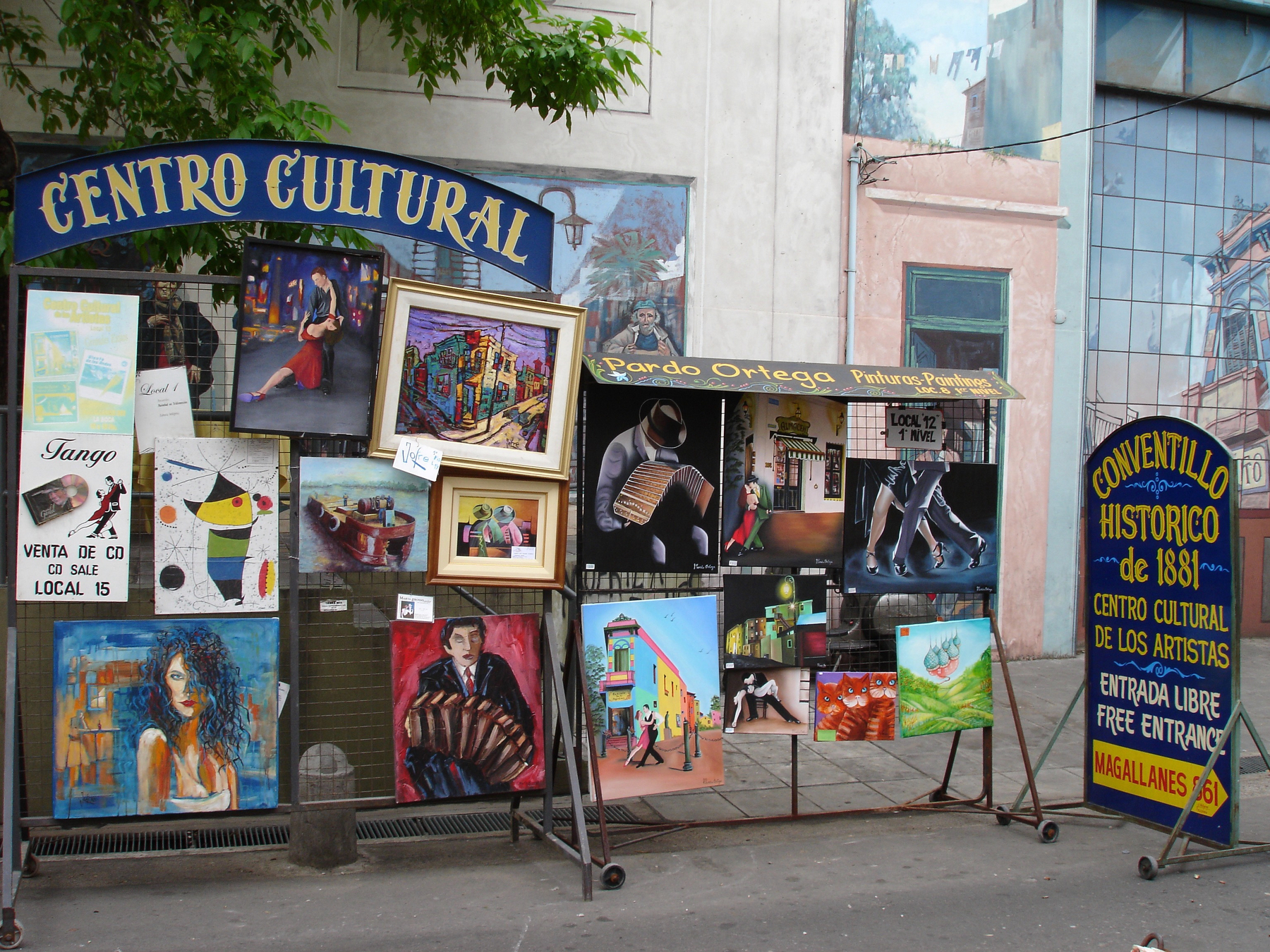

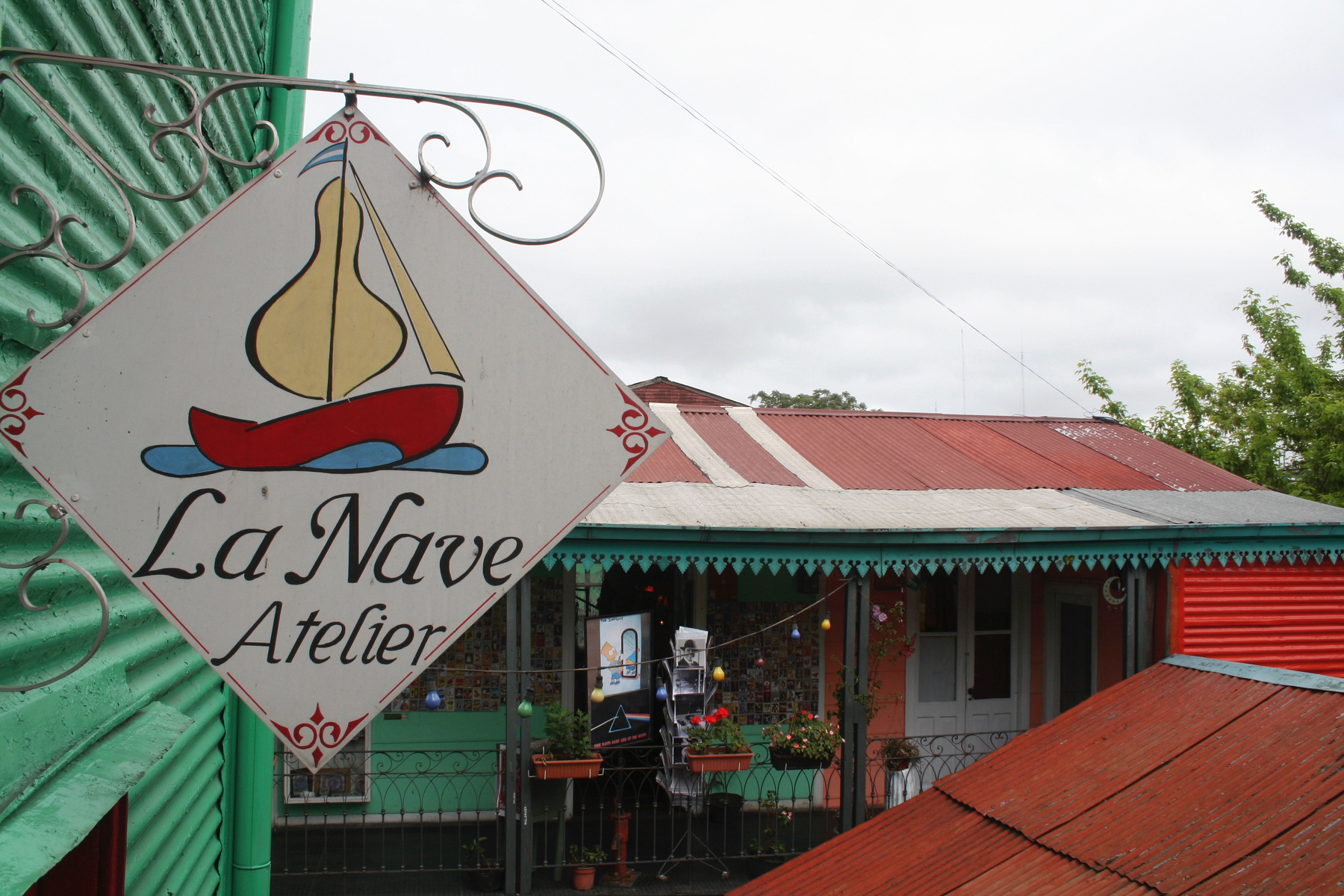
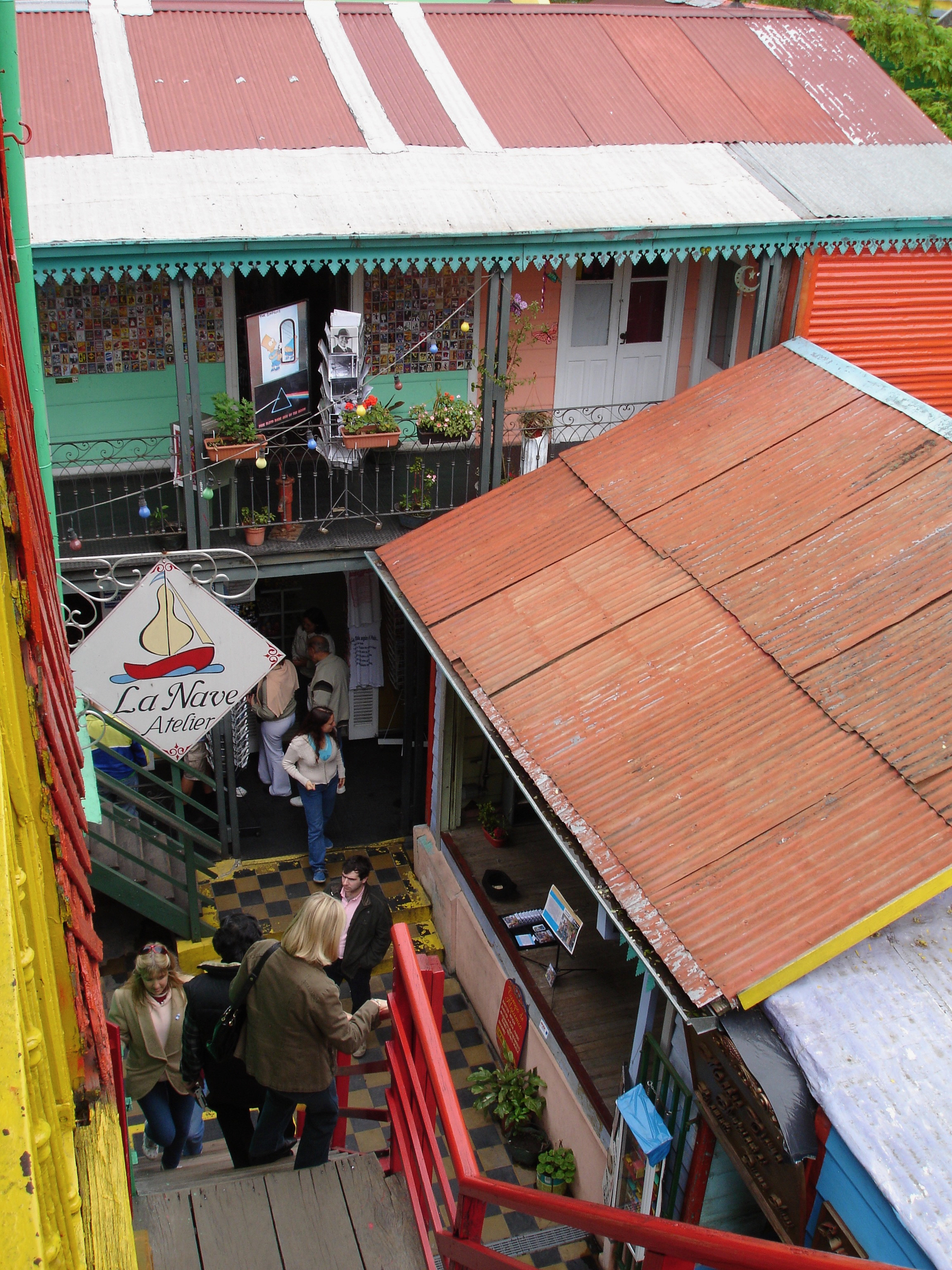

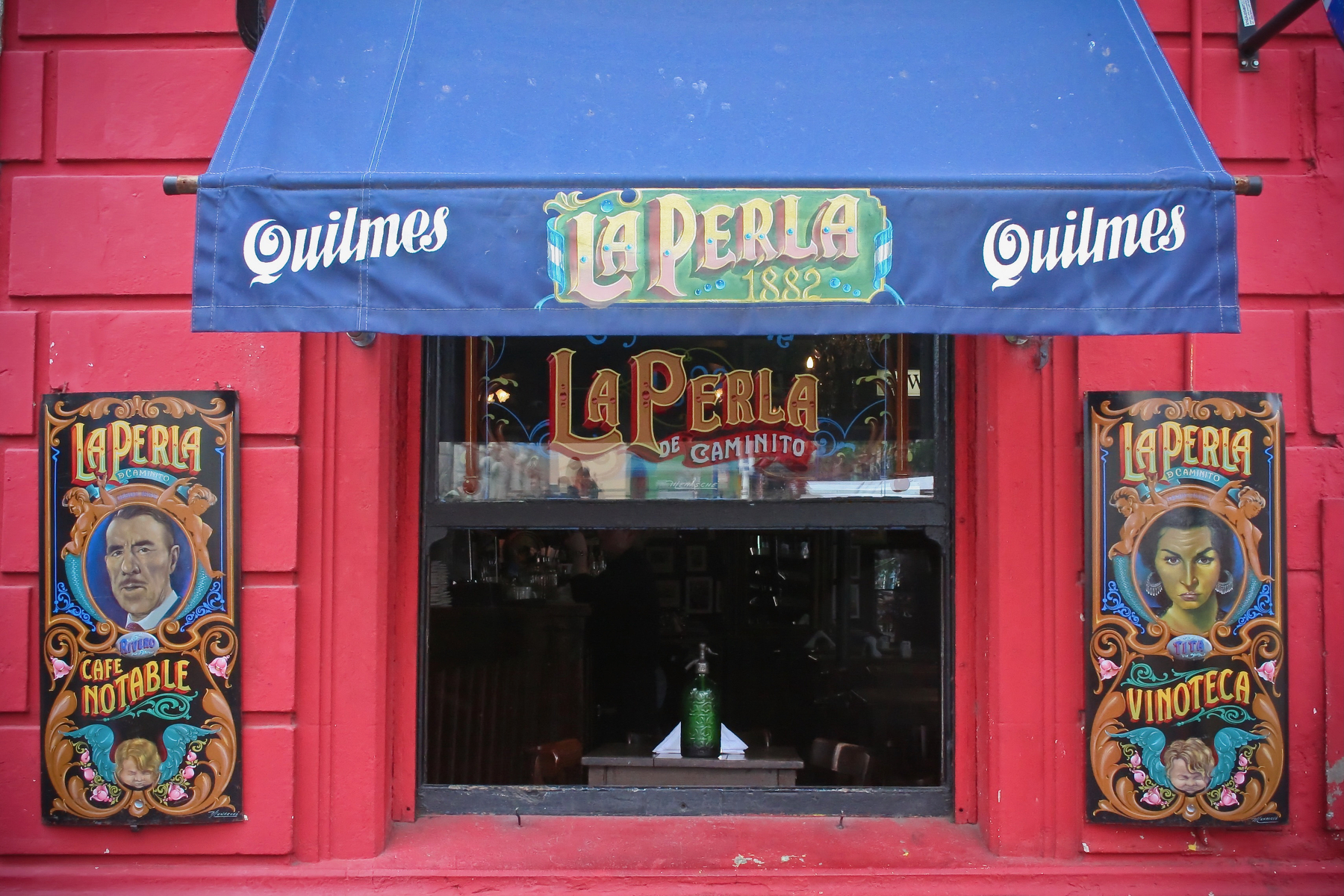
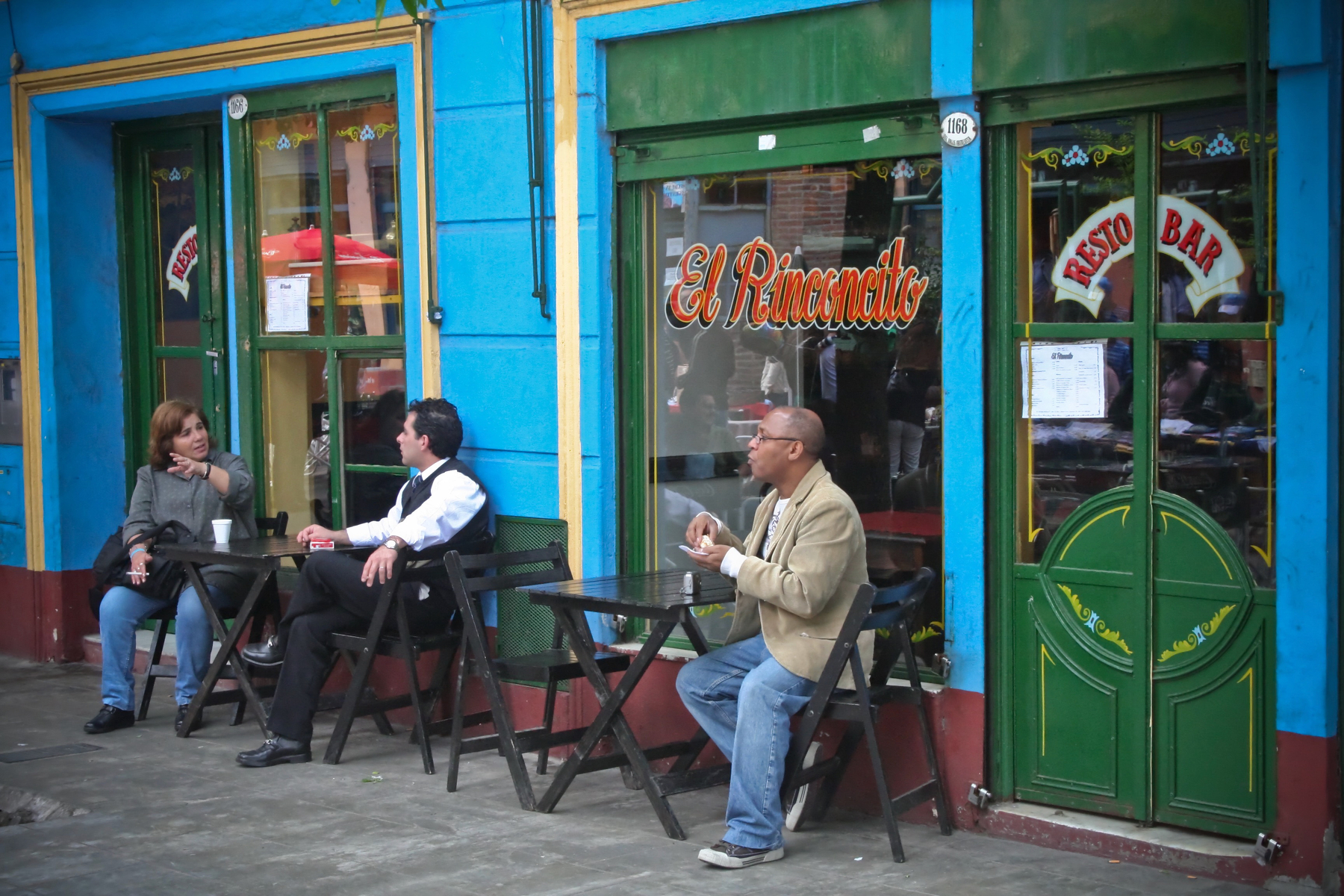
My first stop was El Caminito, the famous pedestrian street that has become a symbol of Buenos Aires. Its brightly painted facades, balconies, and street art made it almost impossible to put my camera away. Yet behind the cheerful colours is a story of hardship and creativity. The street’s modern identity was shaped by local artist Benito Quinquela Martín, who helped transform the area into an open-air cultural space in the 1950s. His vision turned a neglected part of the neighbourhood into one of Argentina’s most recognisable streets.
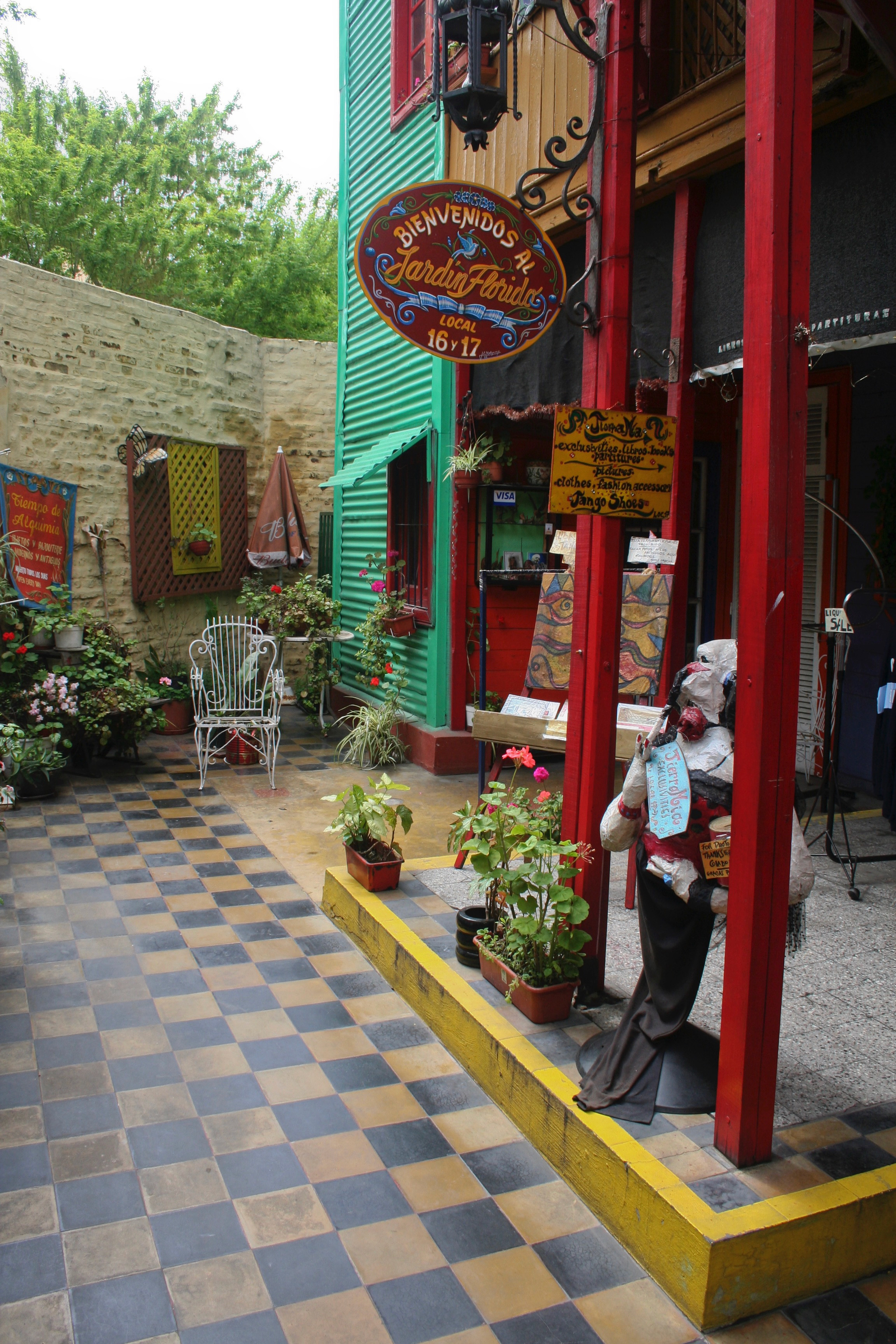
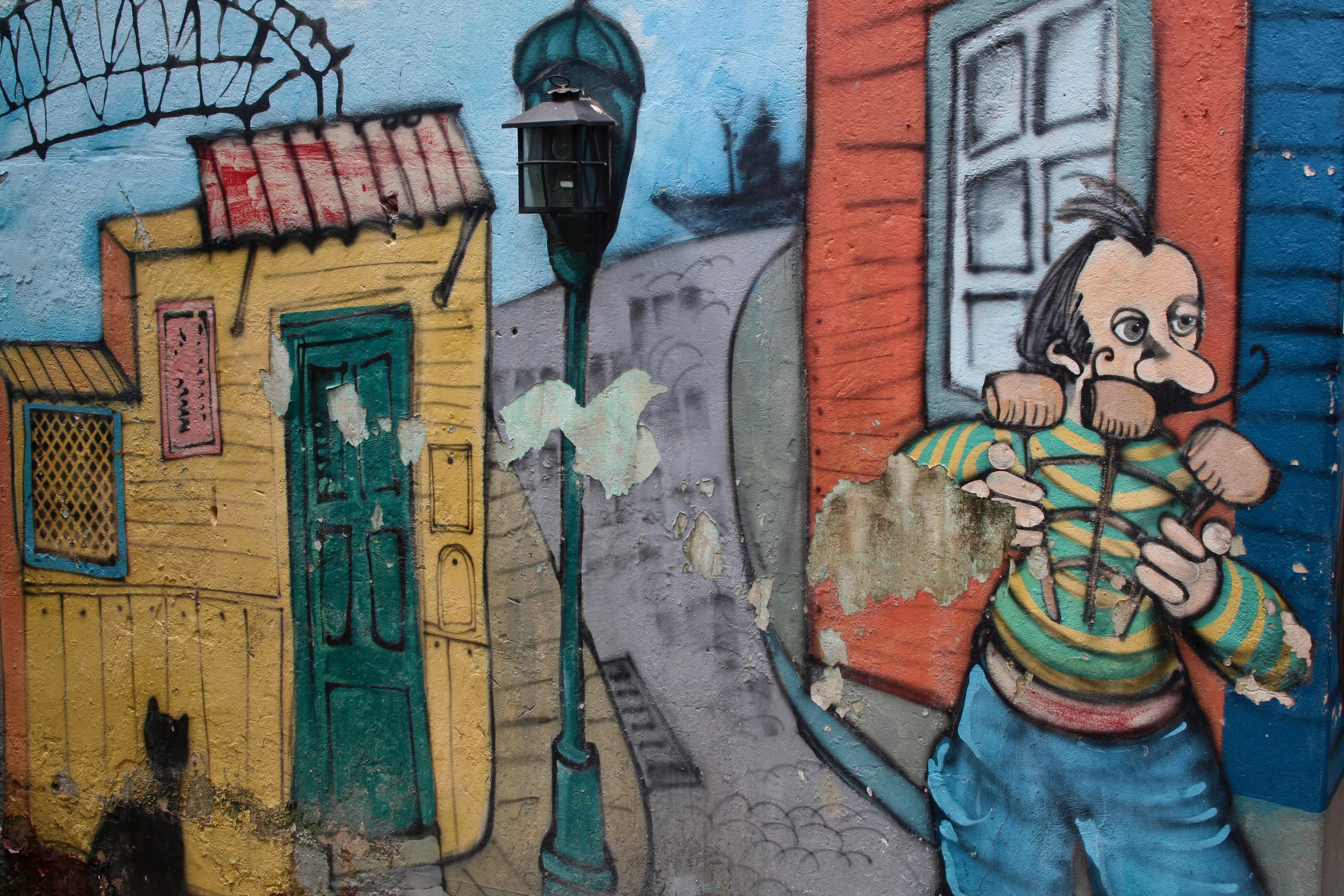
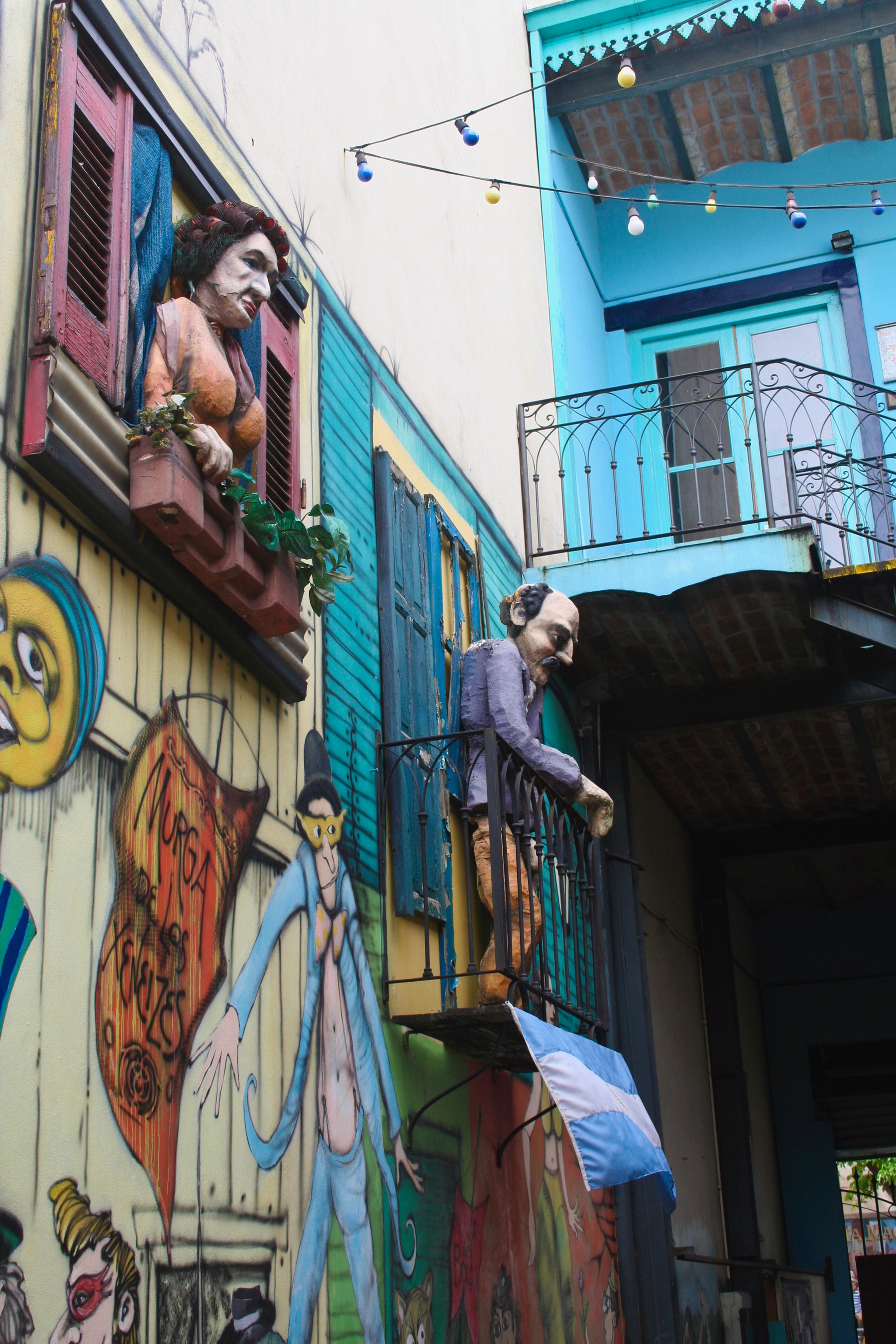
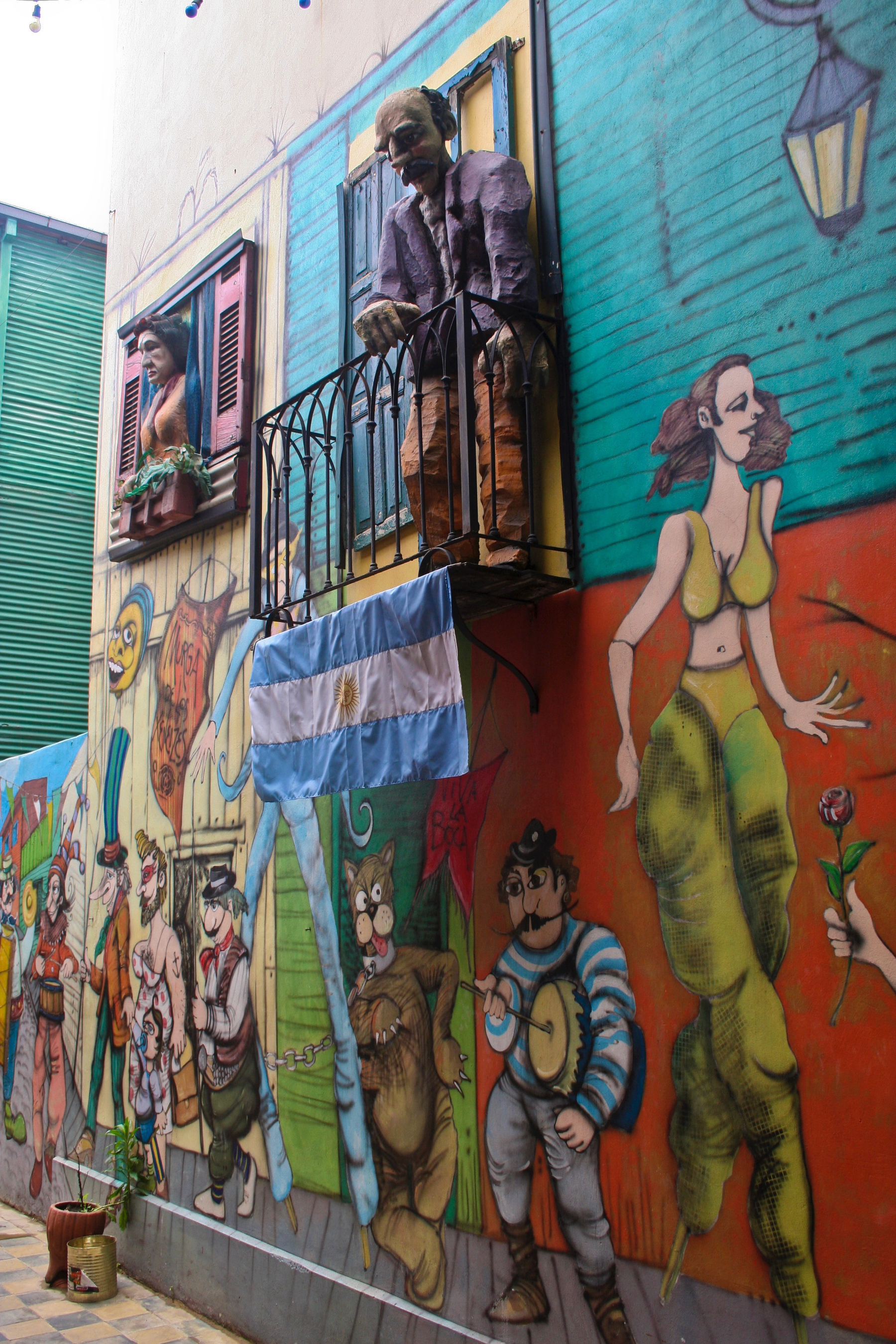

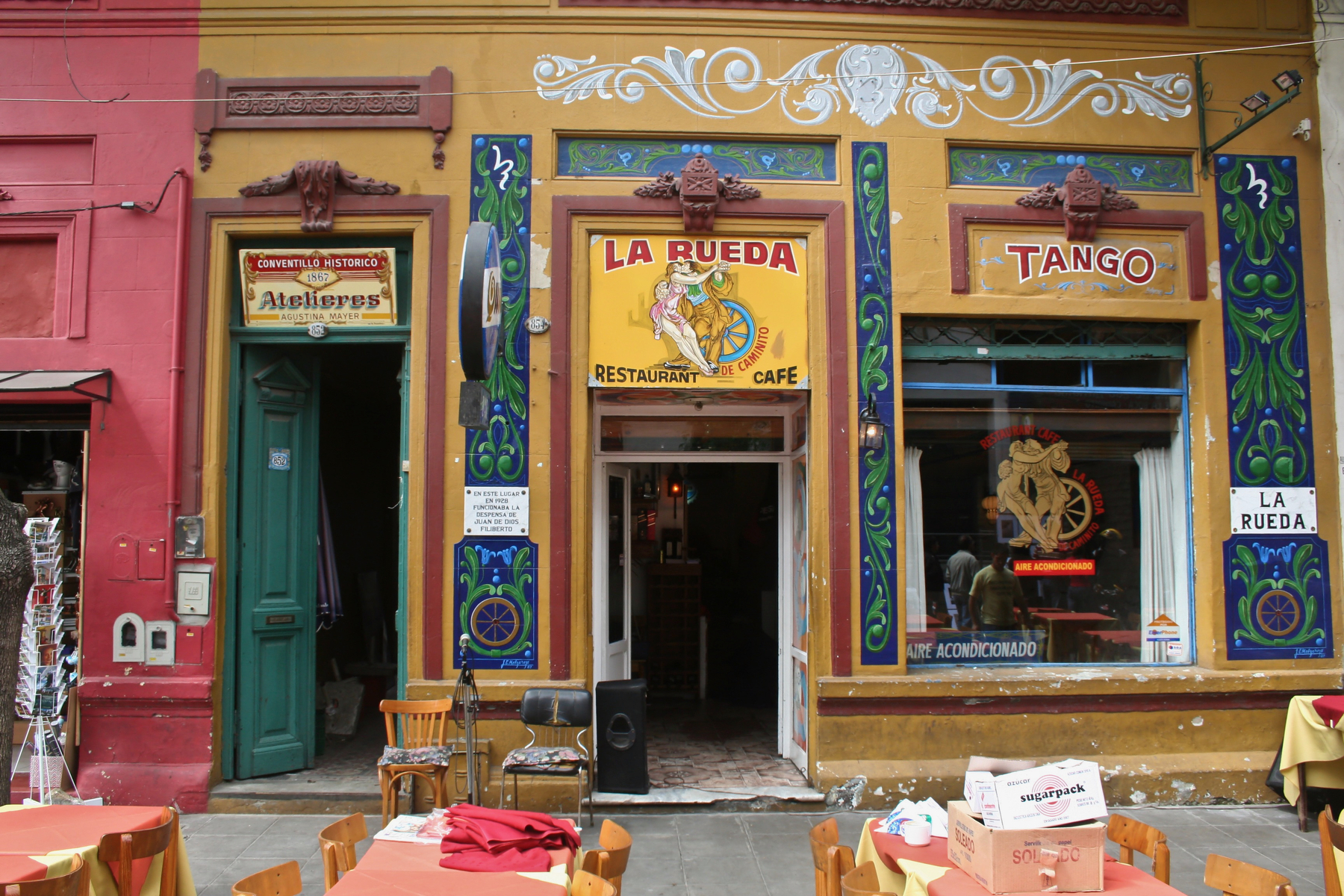

Of course, no visit to El Caminito would be complete without encountering tango. Couples danced in the open air, moving with a mixture of elegance, intensity, and unmistakable Argentine passion. Tango emerged from the working-class districts of Buenos Aires and Montevideo, influenced by African rhythms, European music, and the lives of immigrants. Once associated with the port and the poorer neighbourhoods, it eventually travelled to Paris and beyond, becoming an international sensation. Watching it performed in La Boca, I could not help thinking about how extraordinary it is that a dance born among ordinary people became a symbol of an entire country.

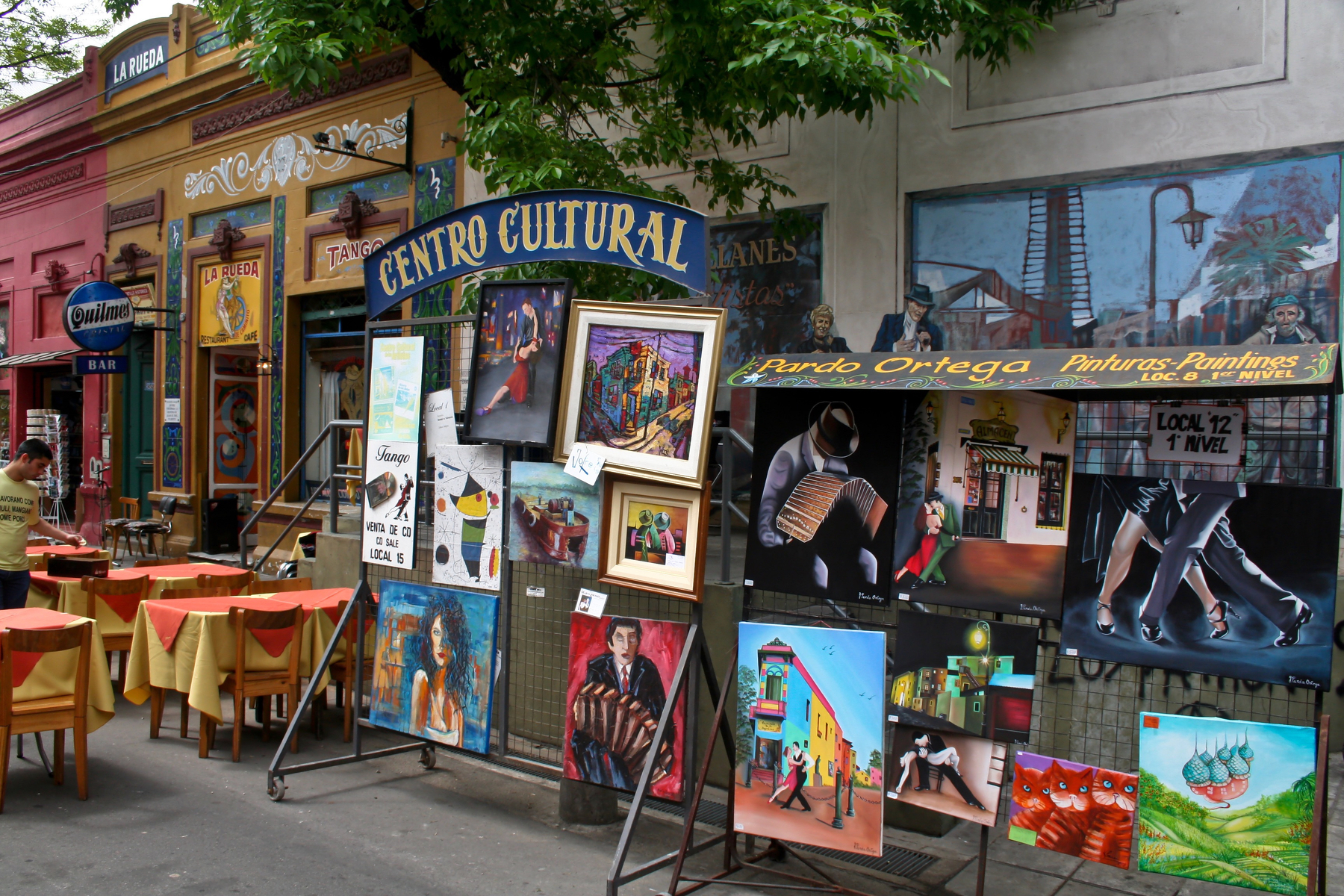

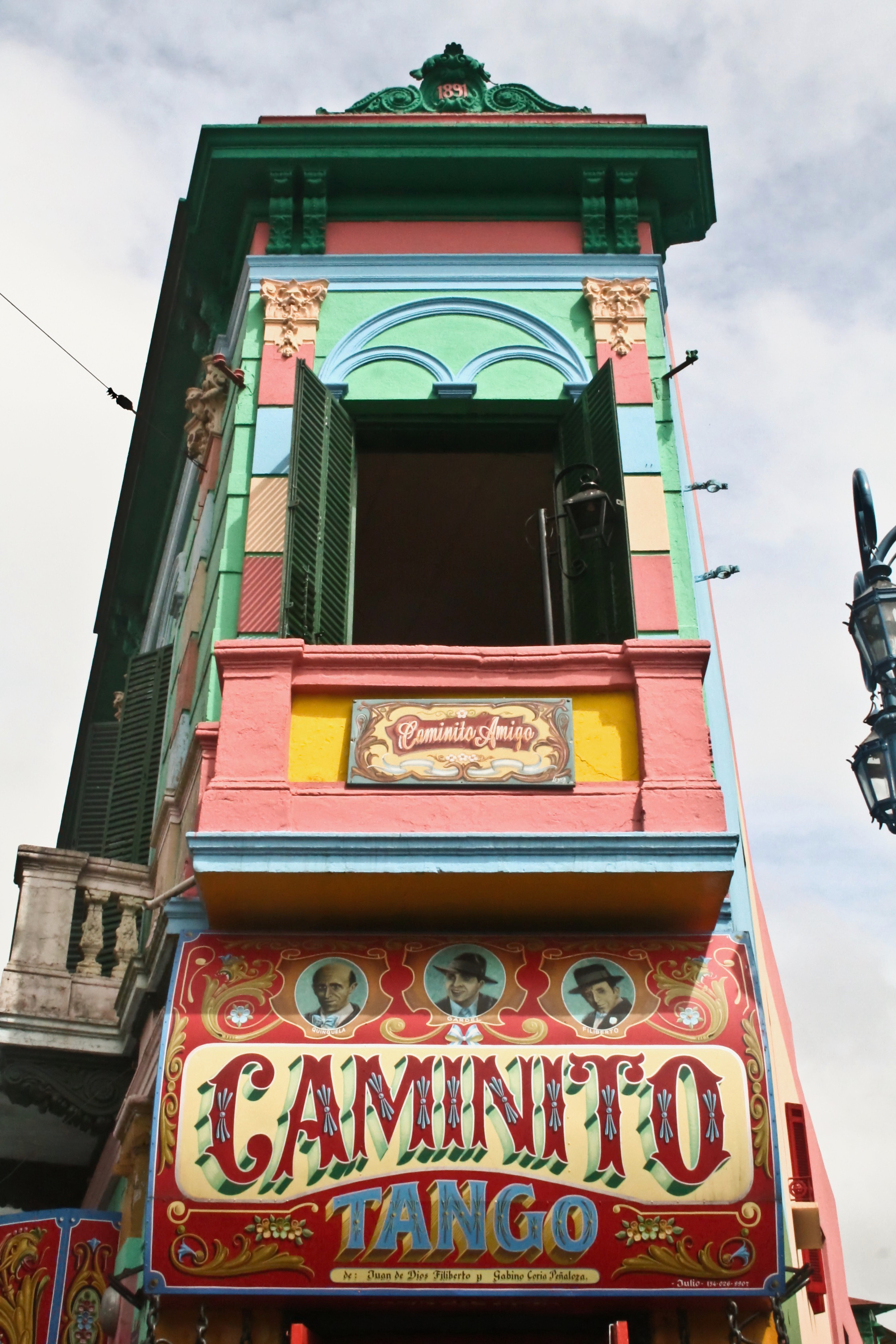
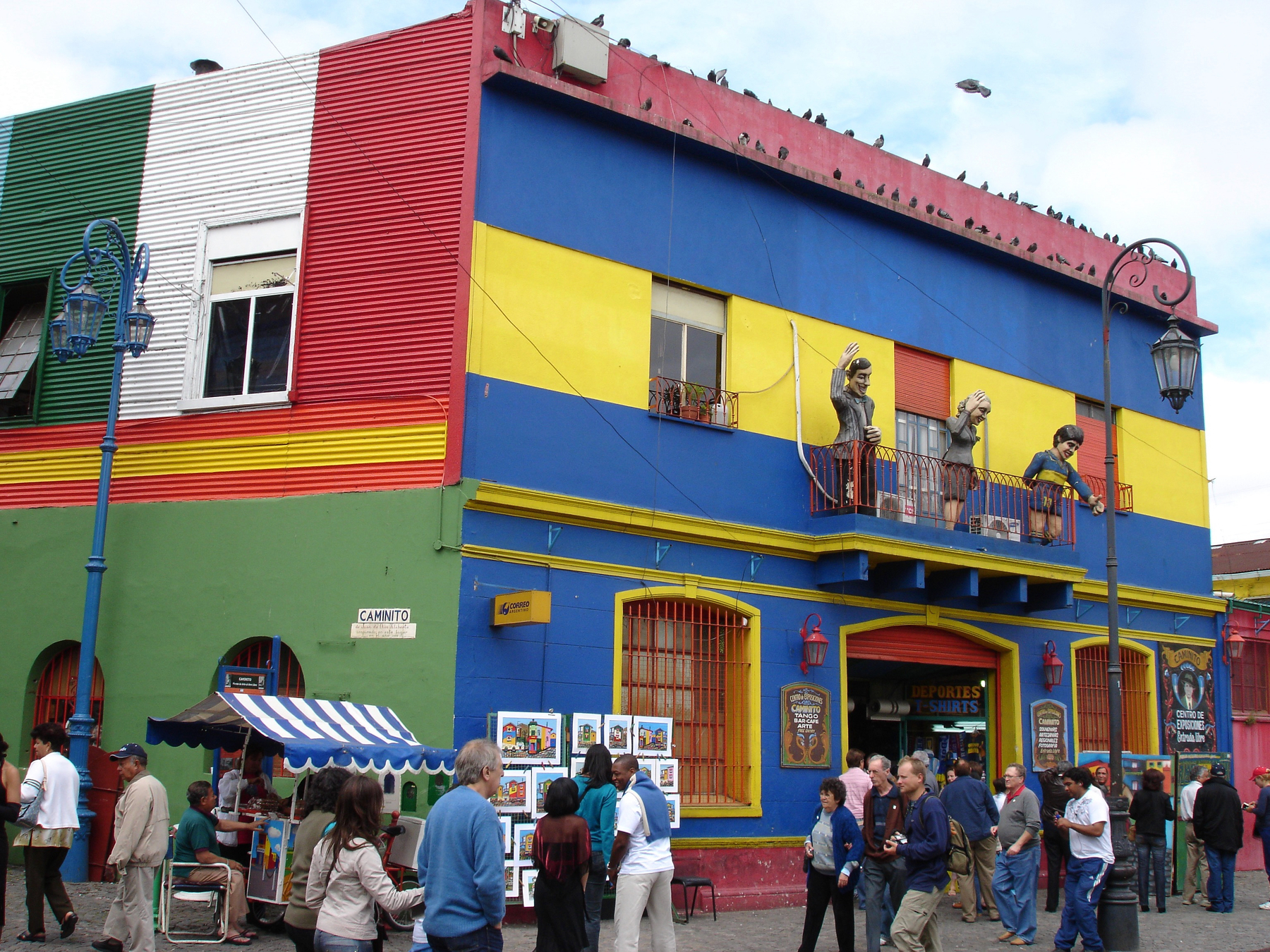
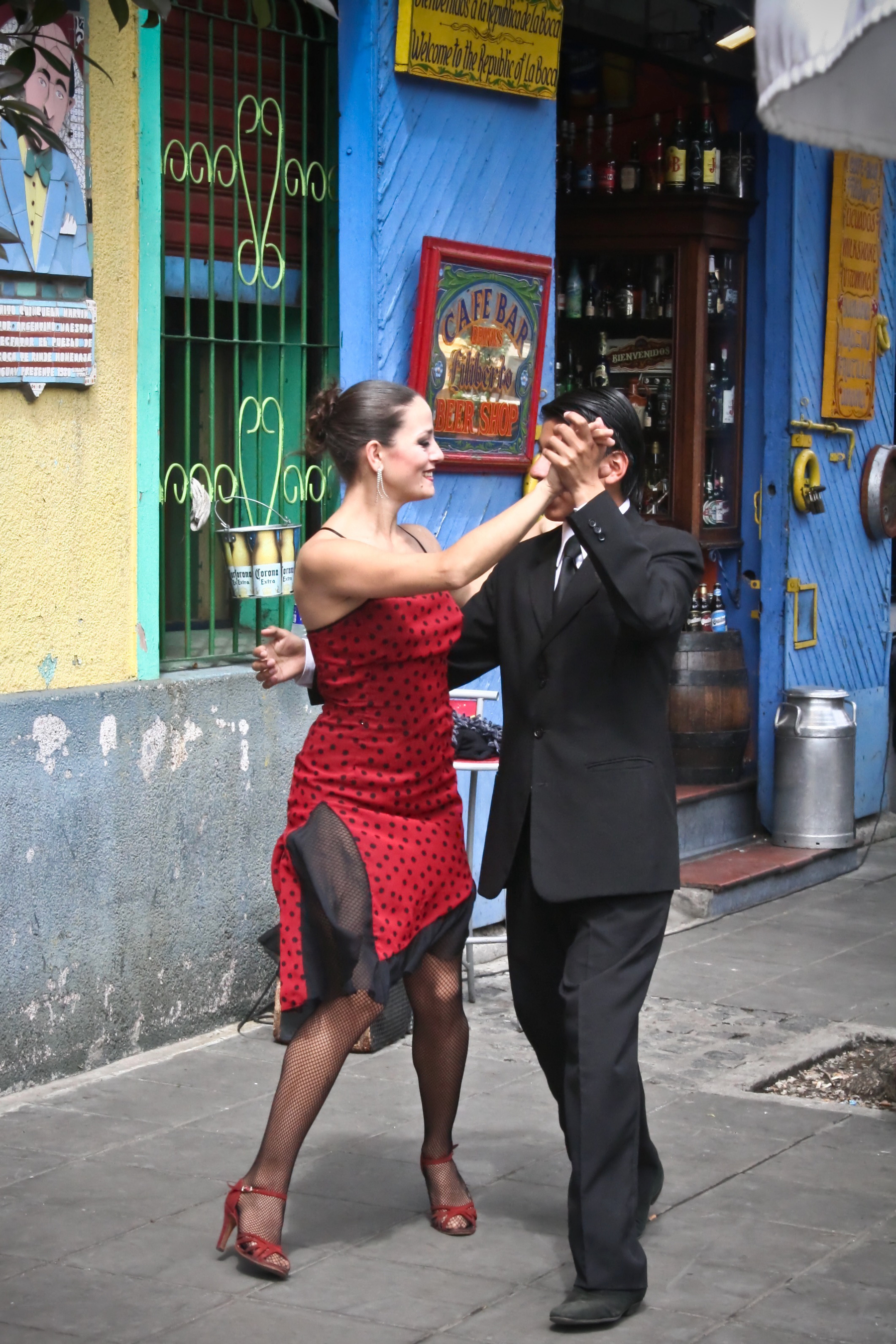
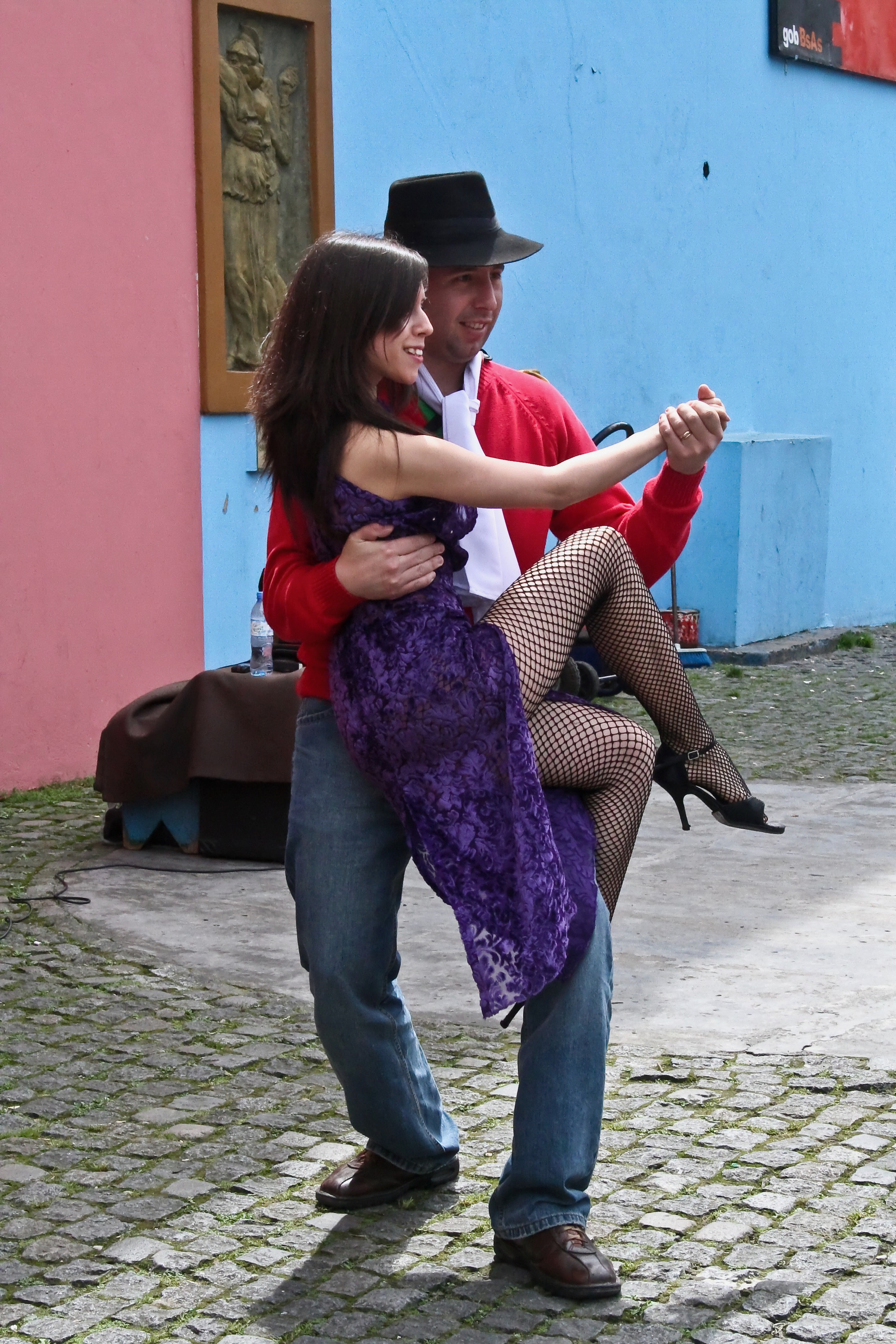
As I continued exploring, I found that La Boca was more than its famous postcard views. The neighbourhood has faced poverty and economic difficulties, and its reputation for crime means visitors should remain aware of their surroundings. But there is also a strong sense of community and identity here. Football plays an enormous role, with Boca Juniors and its iconic La Bombonera stadium representing the pride and passion of the neighbourhood. Even for someone more interested in architecture and photography than football, the connection between the club and local identity is impossible to miss.
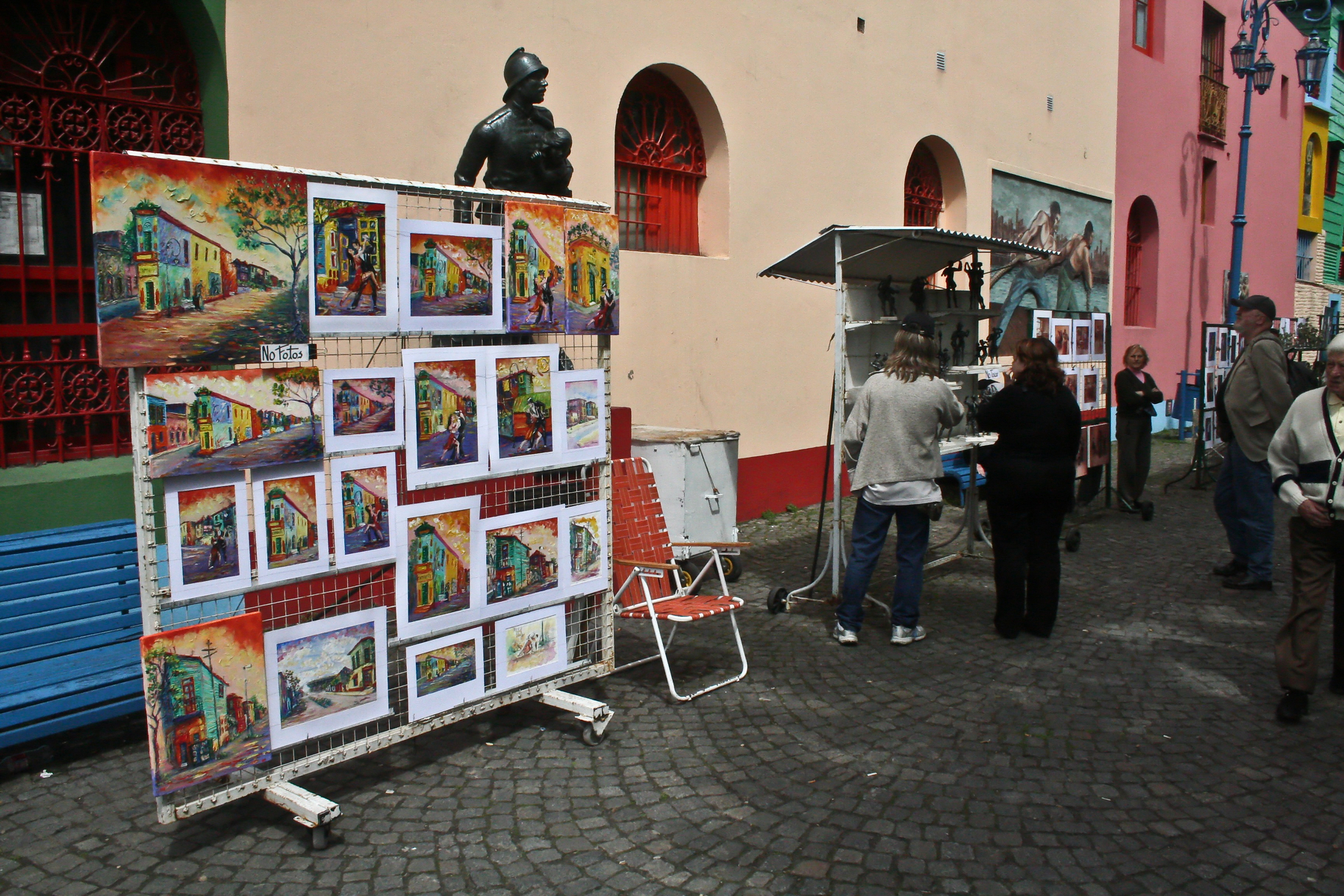
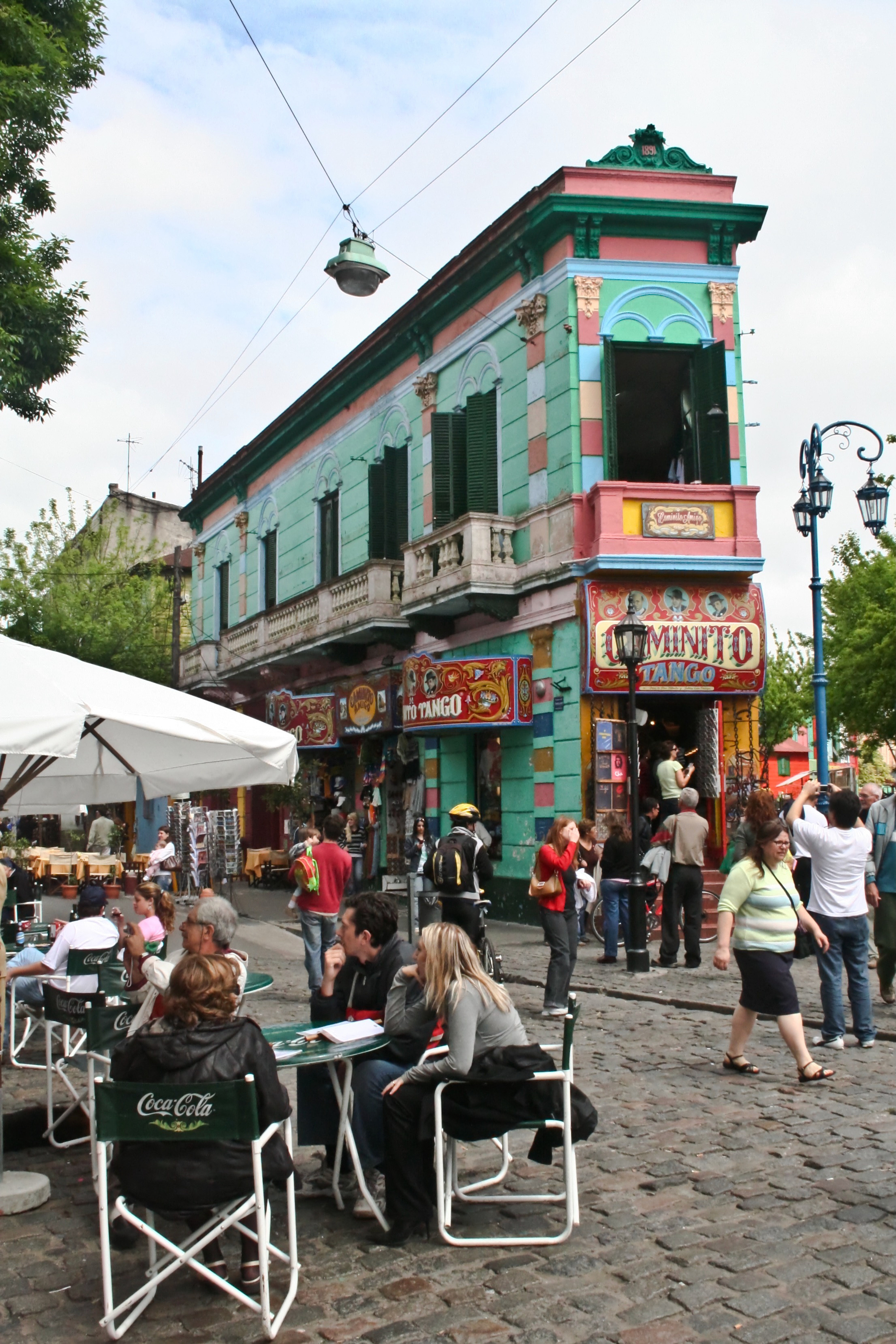

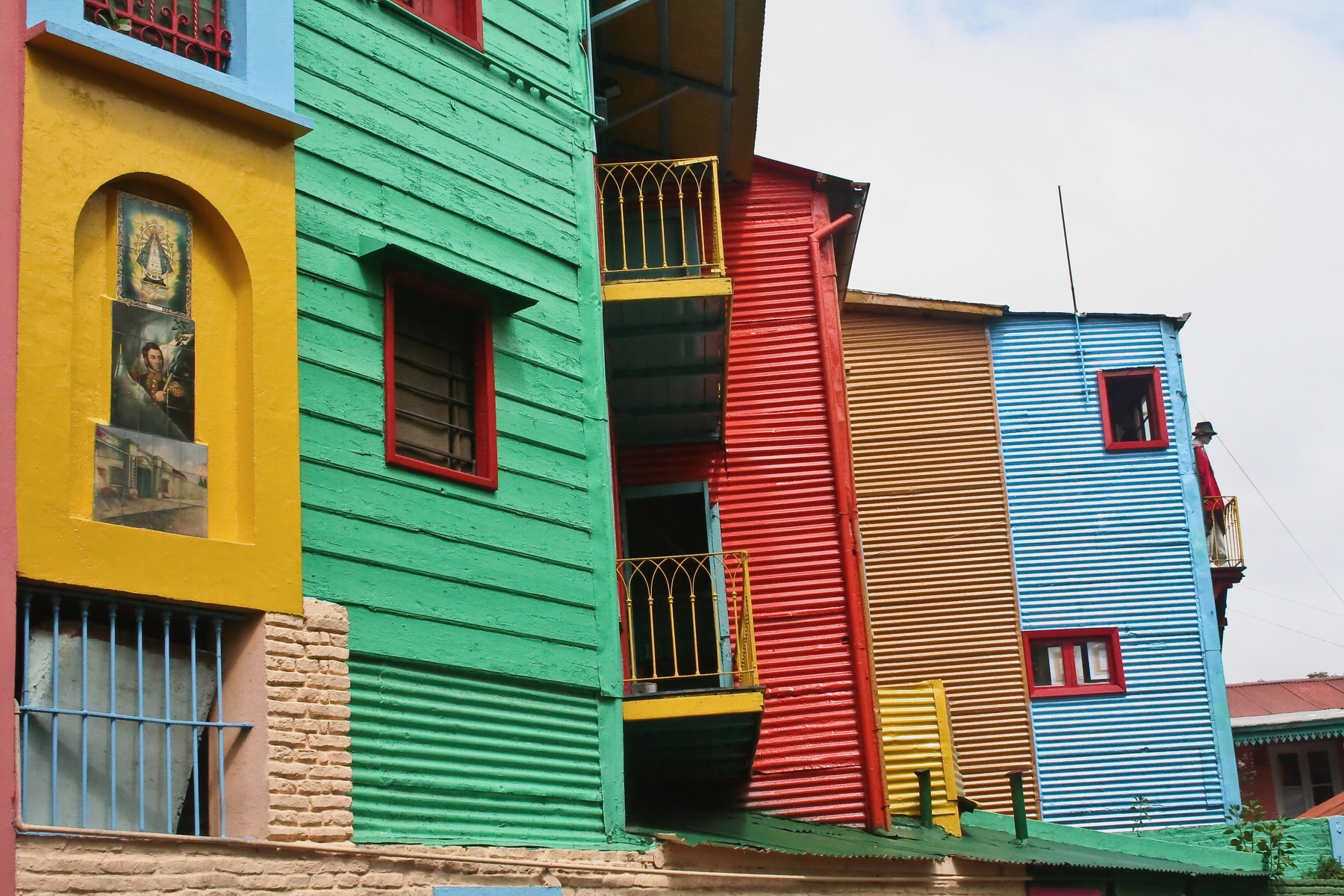
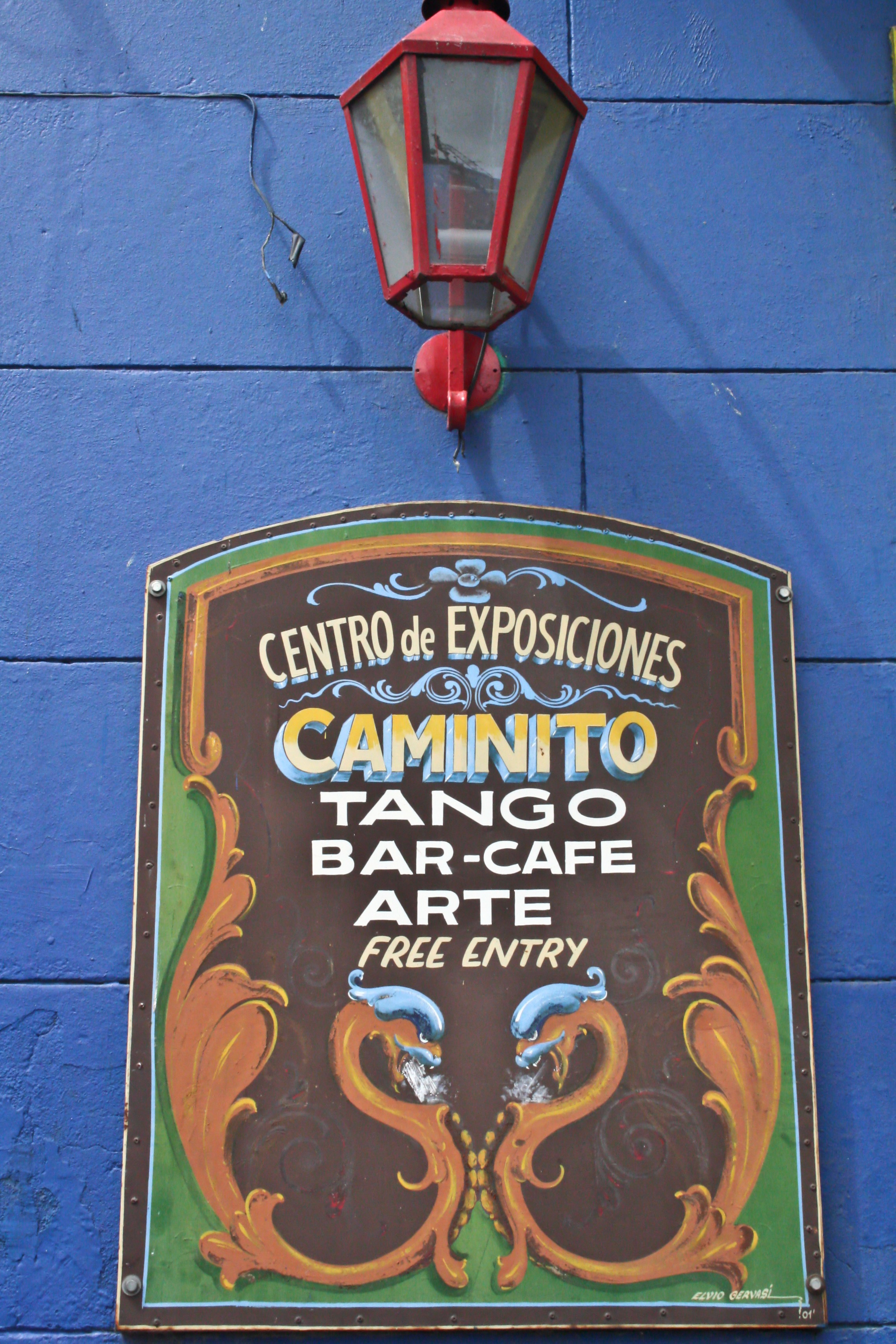
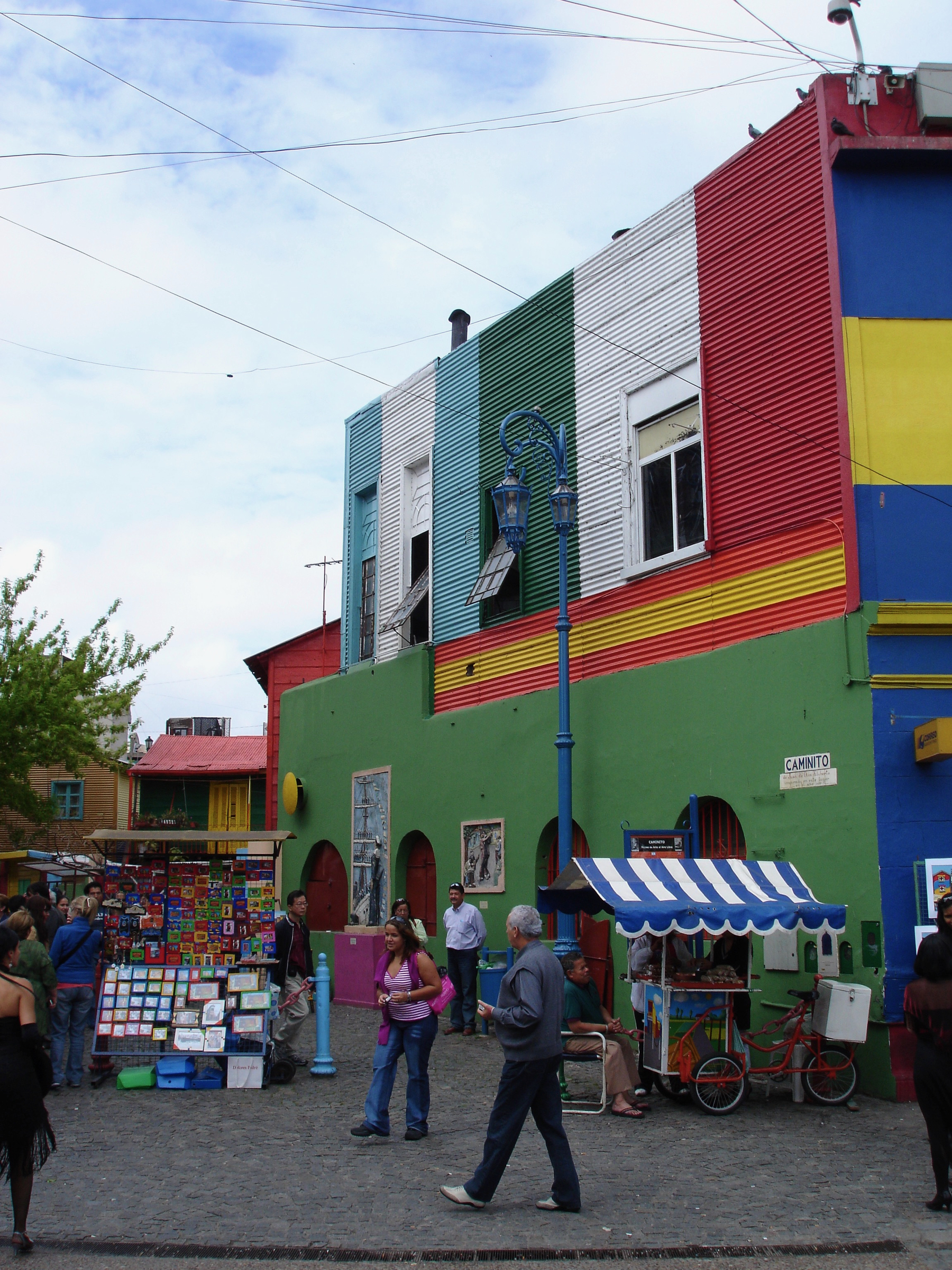

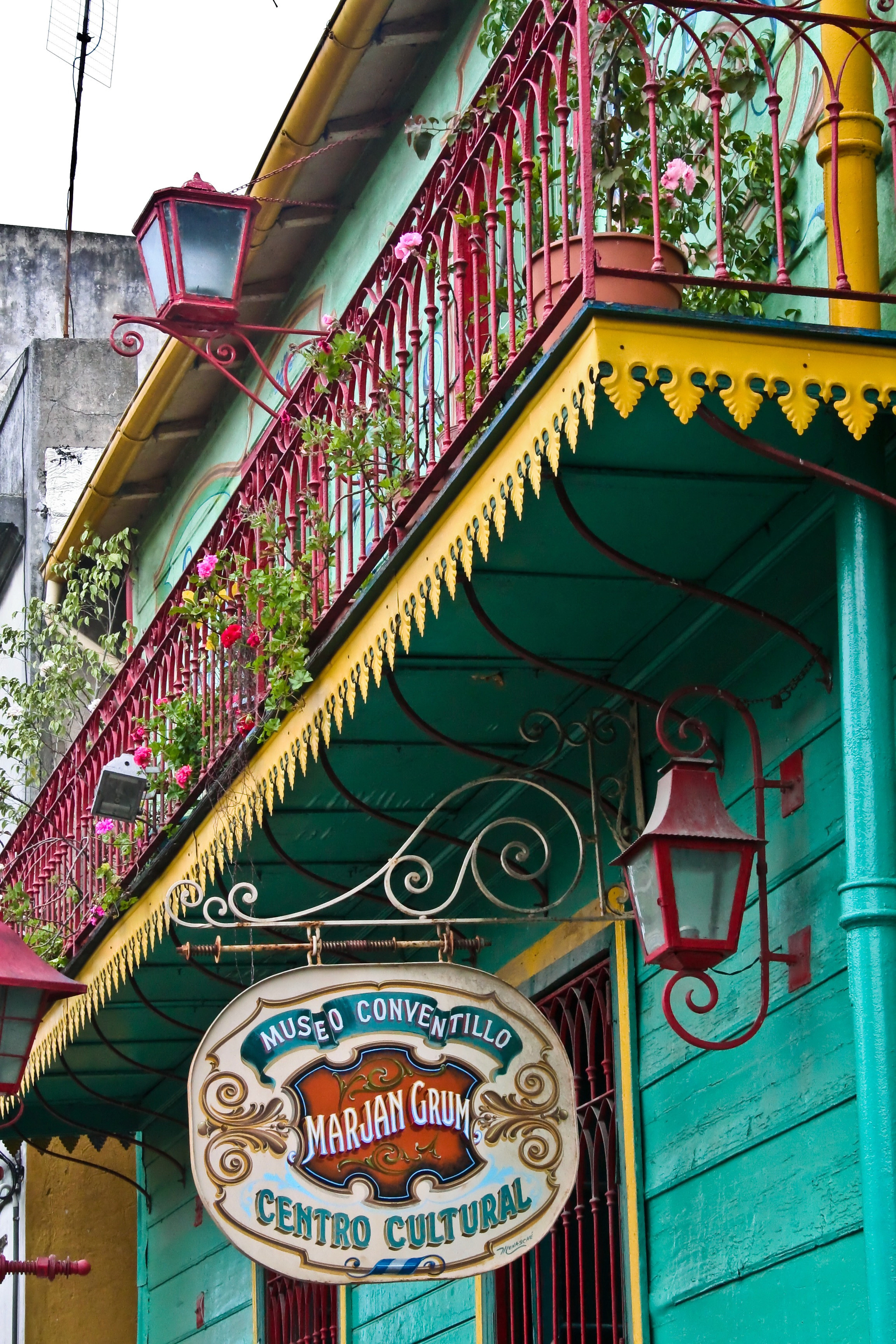


What I enjoyed most was photographing the details: the peeling paint, the old balconies, the colourful shopfronts, and the way sunlight transformed the facades. La Boca is visually spectacular, but understanding its history made the experience richer. A blue wall is no longer just a blue wall when you know it may have been painted with leftover shipyard paint. A tango performance becomes more meaningful when you realise it grew from the lives of immigrants, workers, and people far from home.





By the time I left, I felt I had discovered something more interesting than a colourful tourist attraction. La Boca is a neighbourhood where immigration, art, music, and football have combined to create a powerful cultural identity. It is not perfect, and it should not be romanticised, but its history and character make it one of the most fascinating places to explore in Buenos Aires.
If you are visiting Argentina’s capital, I recommend spending part of a day in La Boca and El Caminito. Go during daylight, take your time, enjoy the artwork and tango, and look beyond the obvious photographs. My images from this visit are personal photographs, so please respect copyright and do not reproduce them without permission. And if you would like to experience more of Buenos Aires through my camera, I have also created a silent photo slideshow capturing the atmosphere of this remarkable city.