
Kazimierz Dolny: A Riverside Journey Through Poland’s Artistic Soul
There are places that seem to exist slightly outside the modern world, where the pace of life slows and history feels close enough to touch. Kazimierz Dolny is one of those places. Nestled along the Vistula River in eastern Poland, this charming town combines Renaissance architecture, a remarkable artistic heritage, and rolling countryside in a way that makes it difficult not to fall in love with it. As I wandered its cobblestone streets, I found myself imagining the merchants, painters, and travellers who had walked these same paths centuries before me.
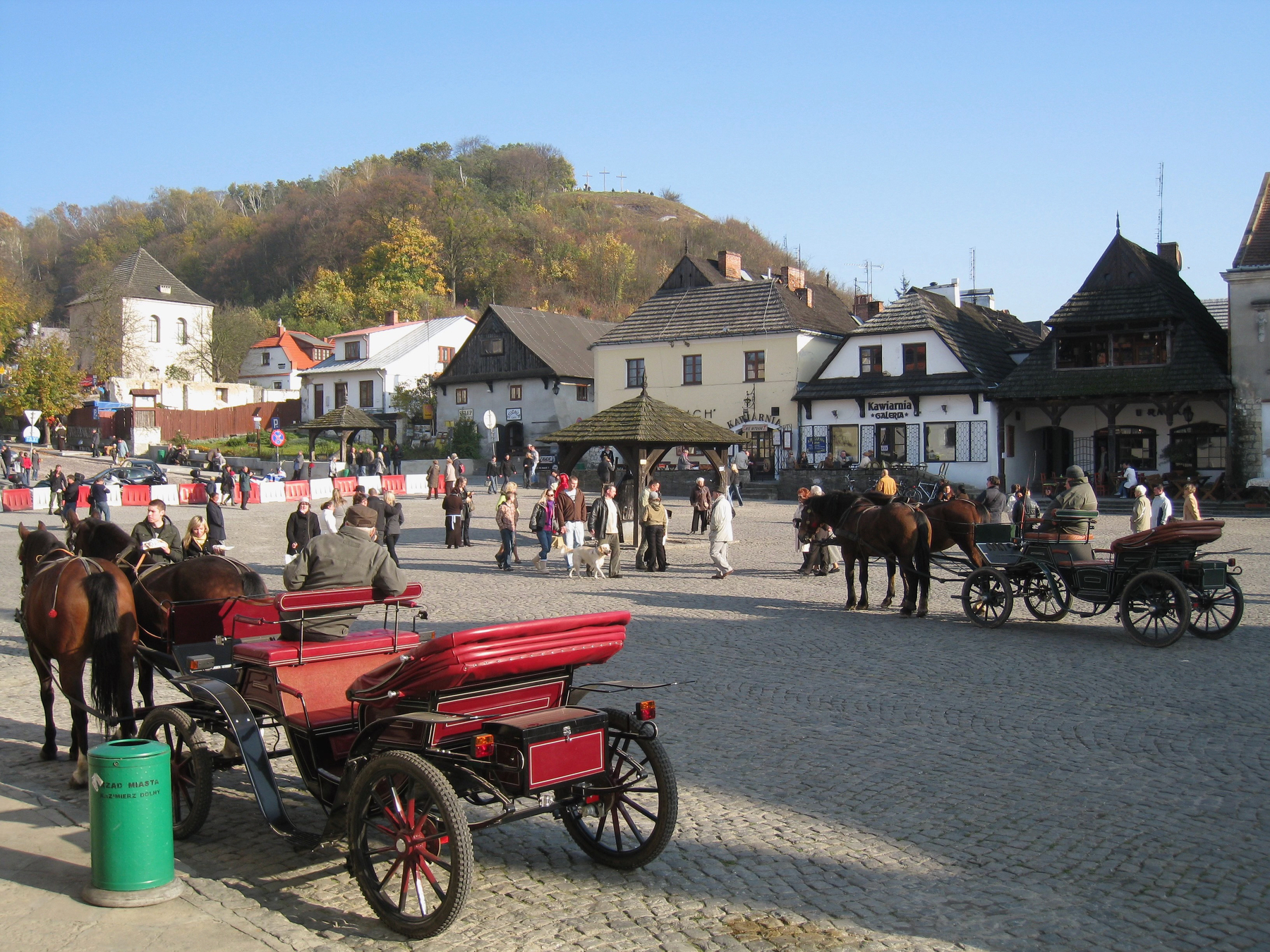
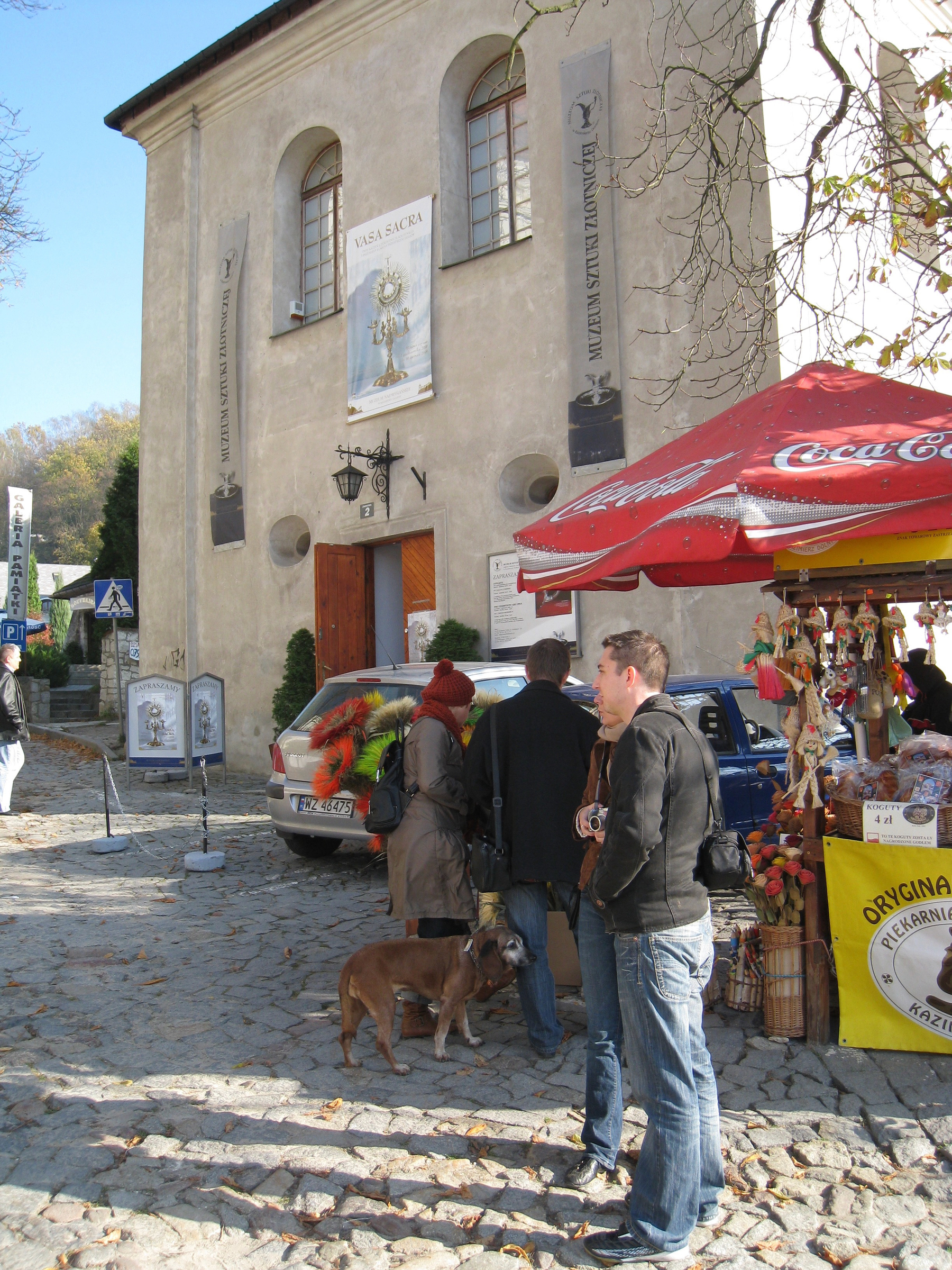
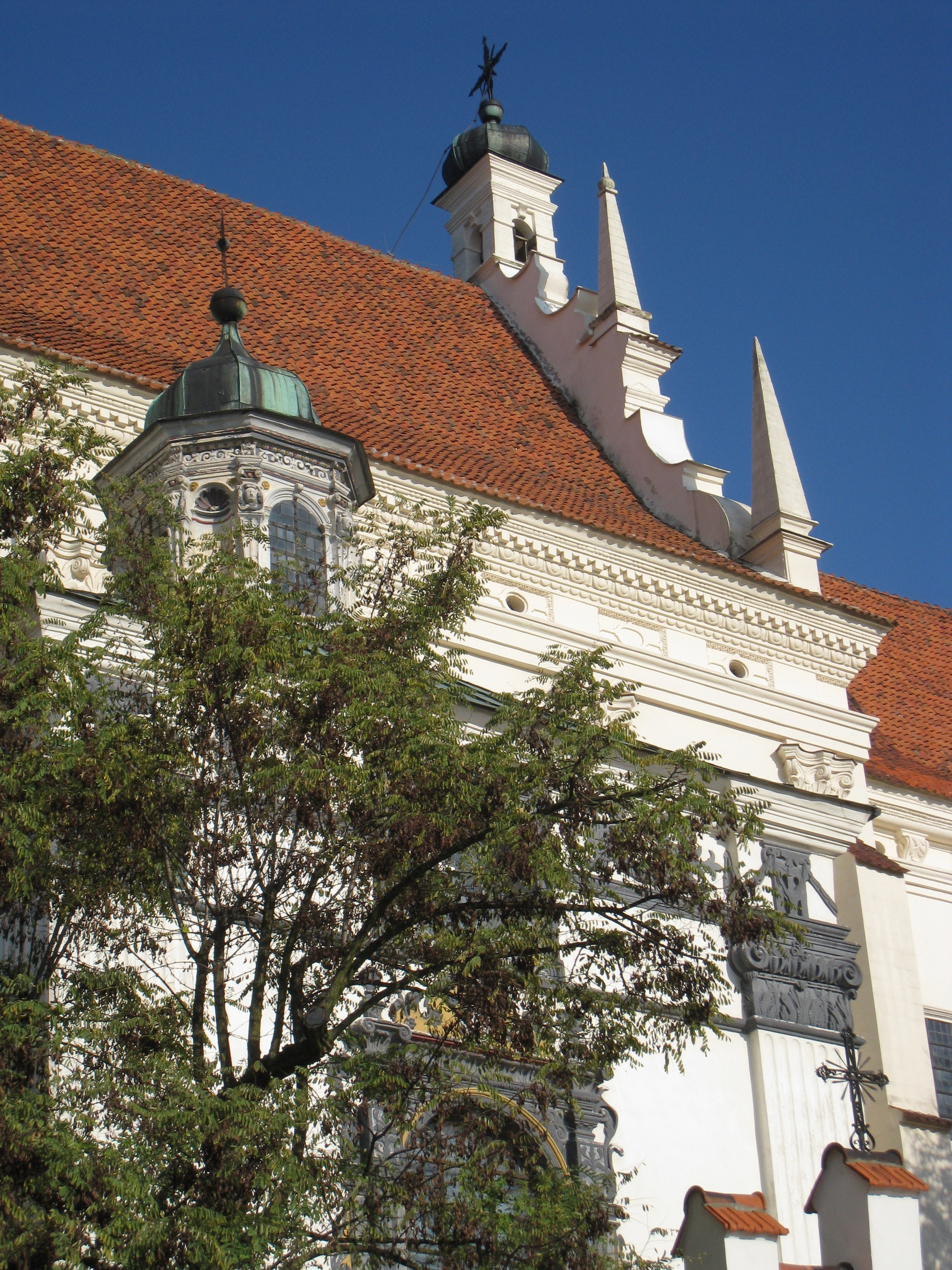
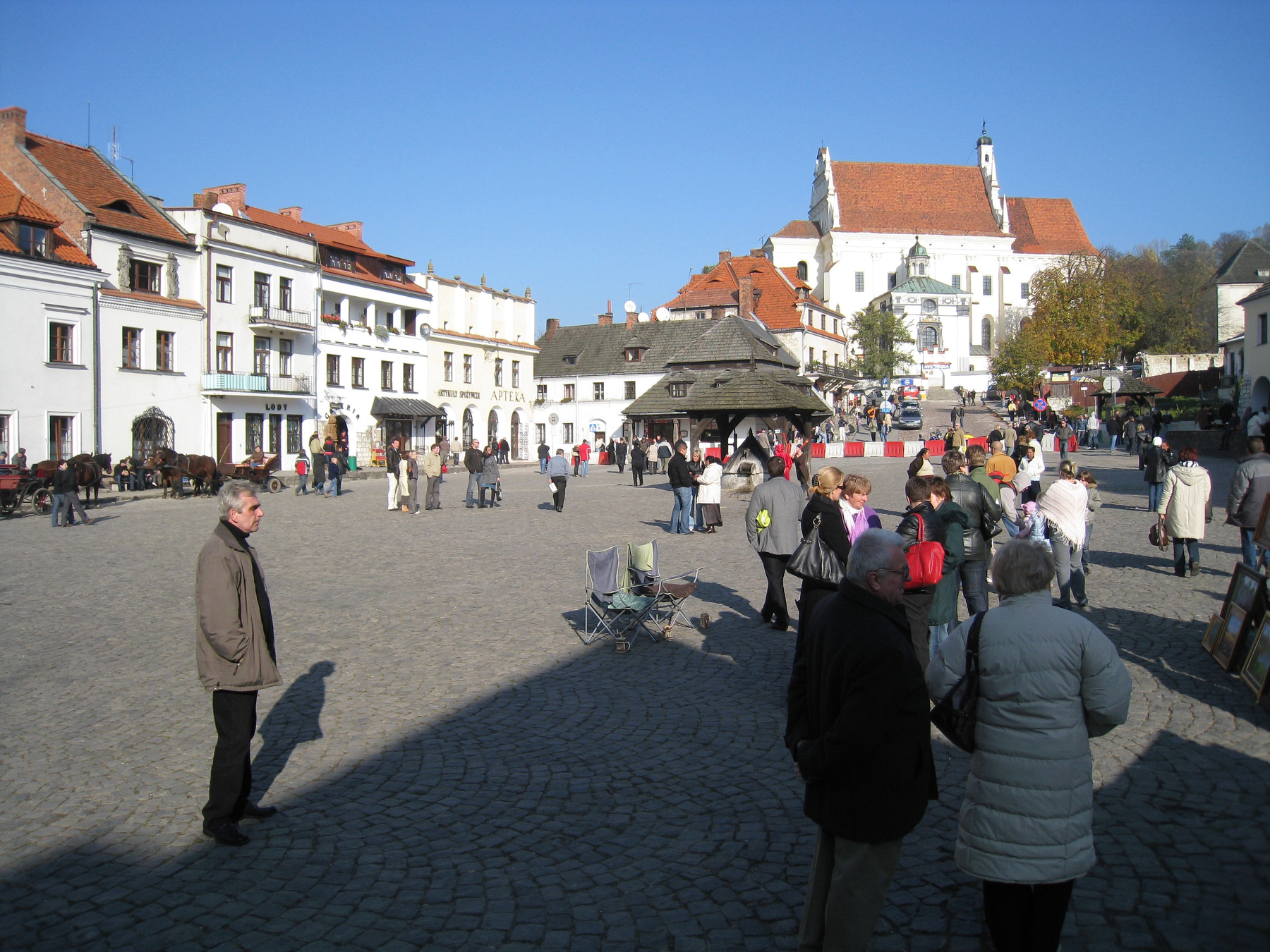
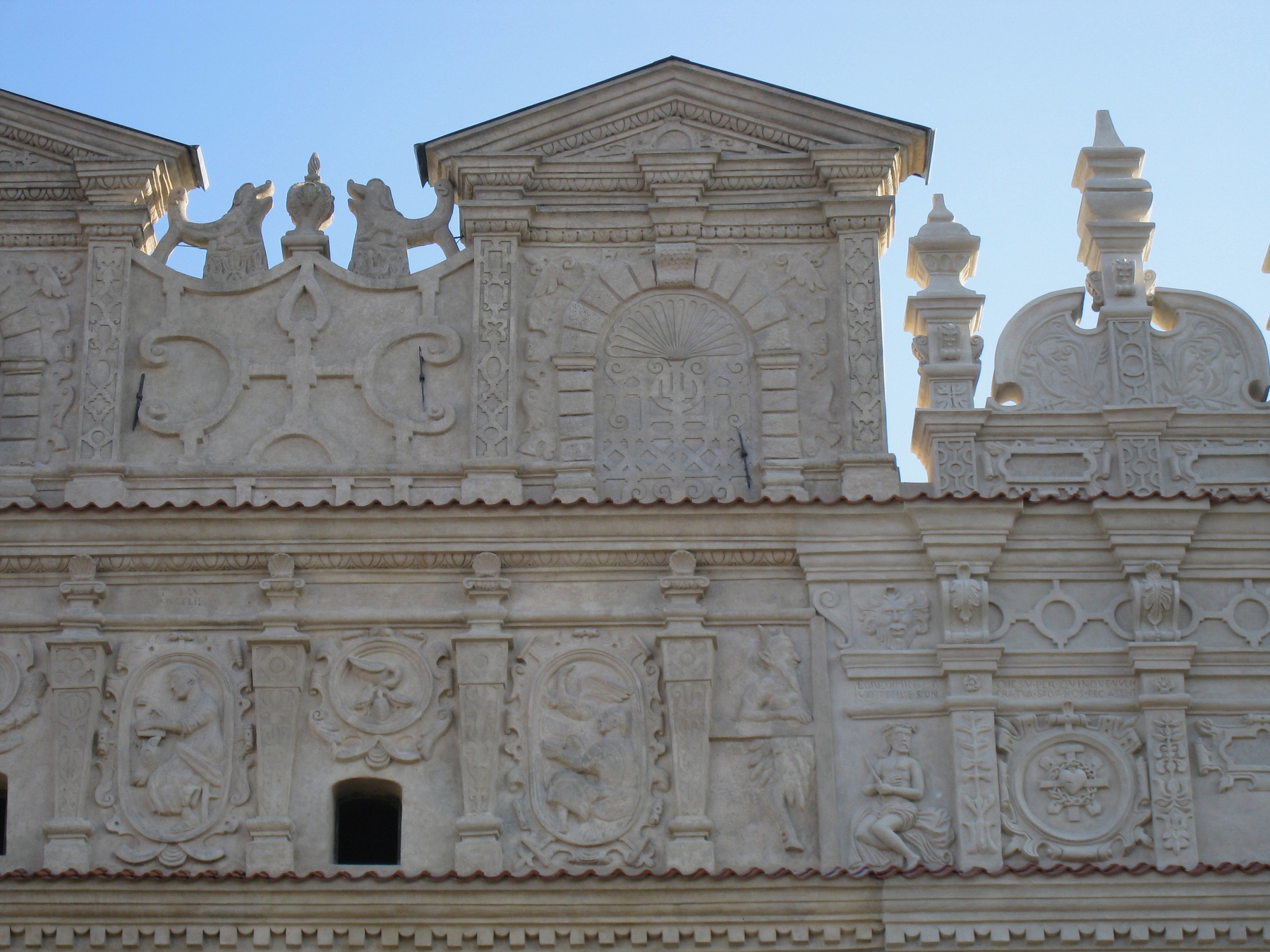
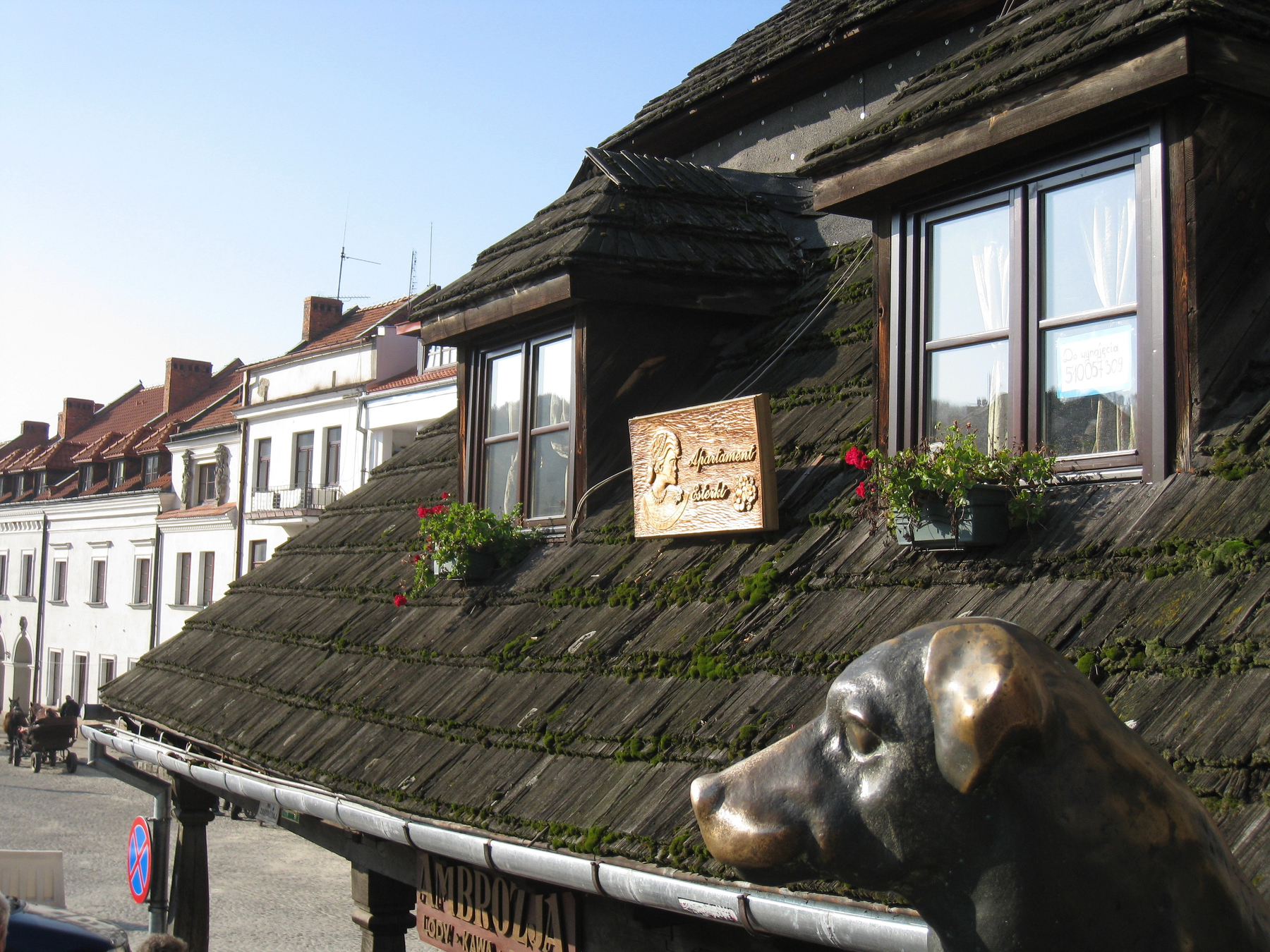
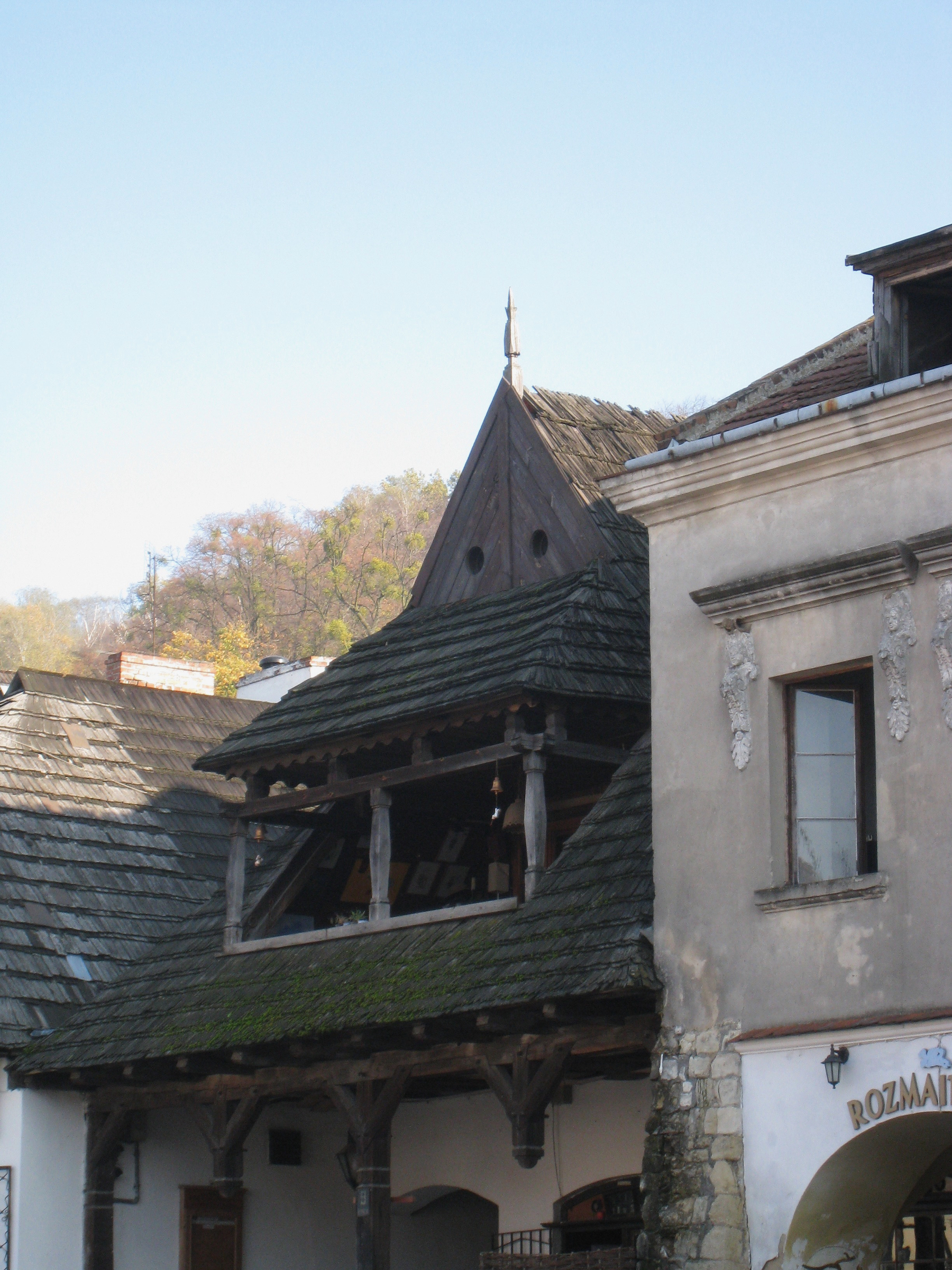
Kazimierz Dolny’s story reaches back to the Middle Ages, but its golden age came during the Renaissance, when the Vistula was one of Poland’s most important trading routes. Grain and other goods travelled along the river towards Gdańsk, helping the town develop into a prosperous commercial centre. Wealthy merchants built impressive houses around the Market Square, many decorated with elaborate stonework and Renaissance details. Today, these historic facades give the square its distinctive character, while the old Town Hall and surrounding cafés create a setting that feels both lively and wonderfully timeless.
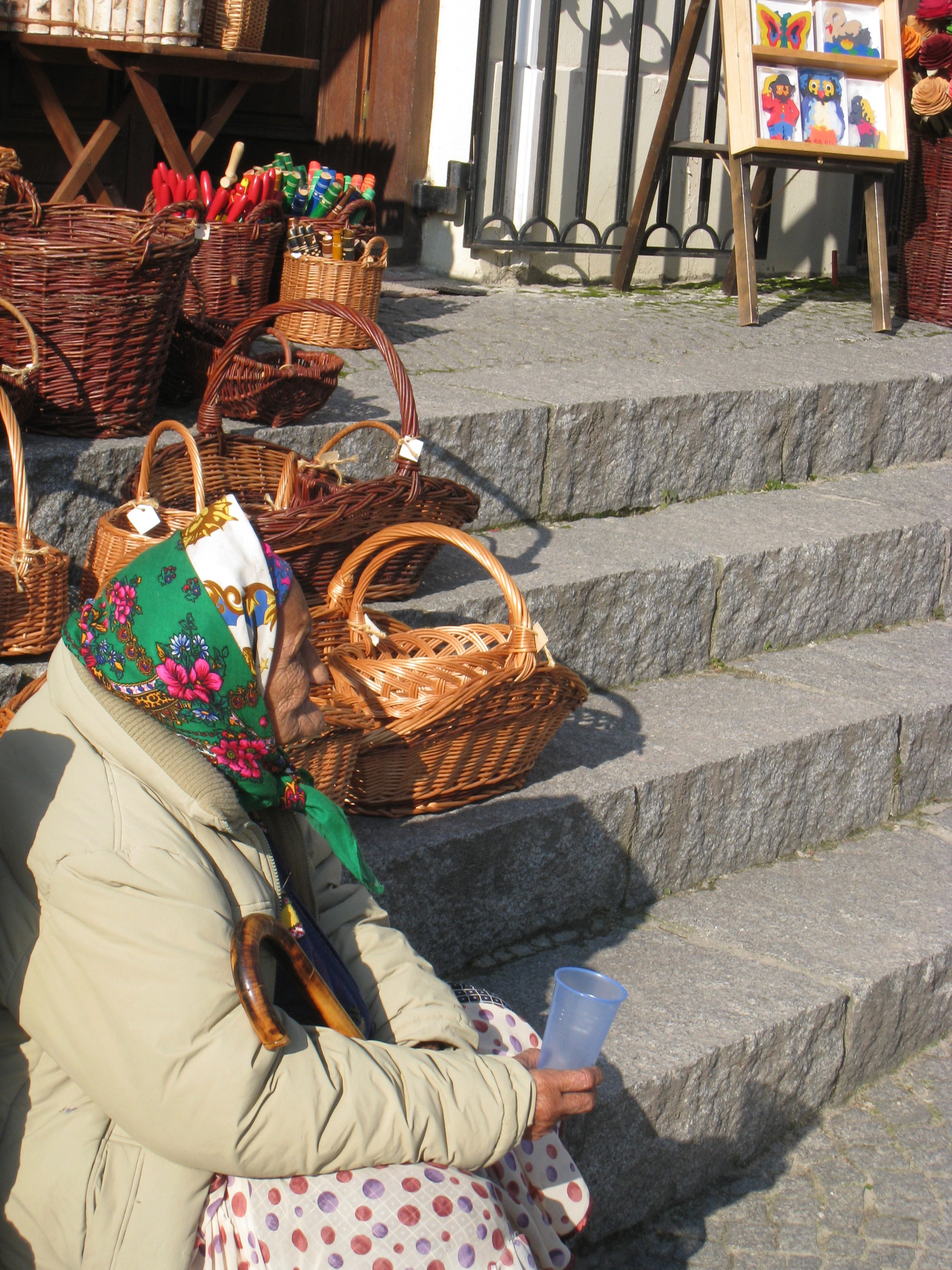
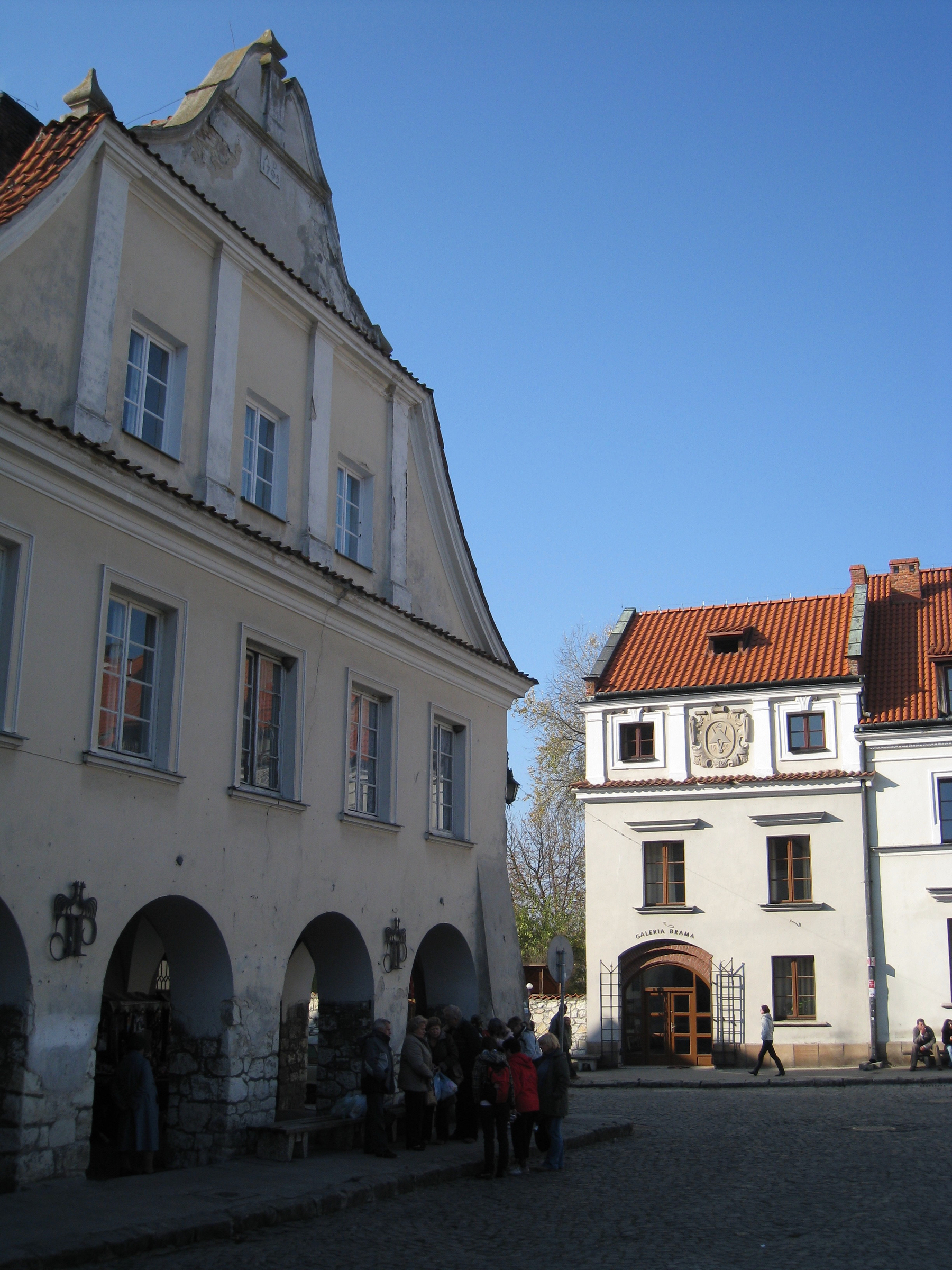
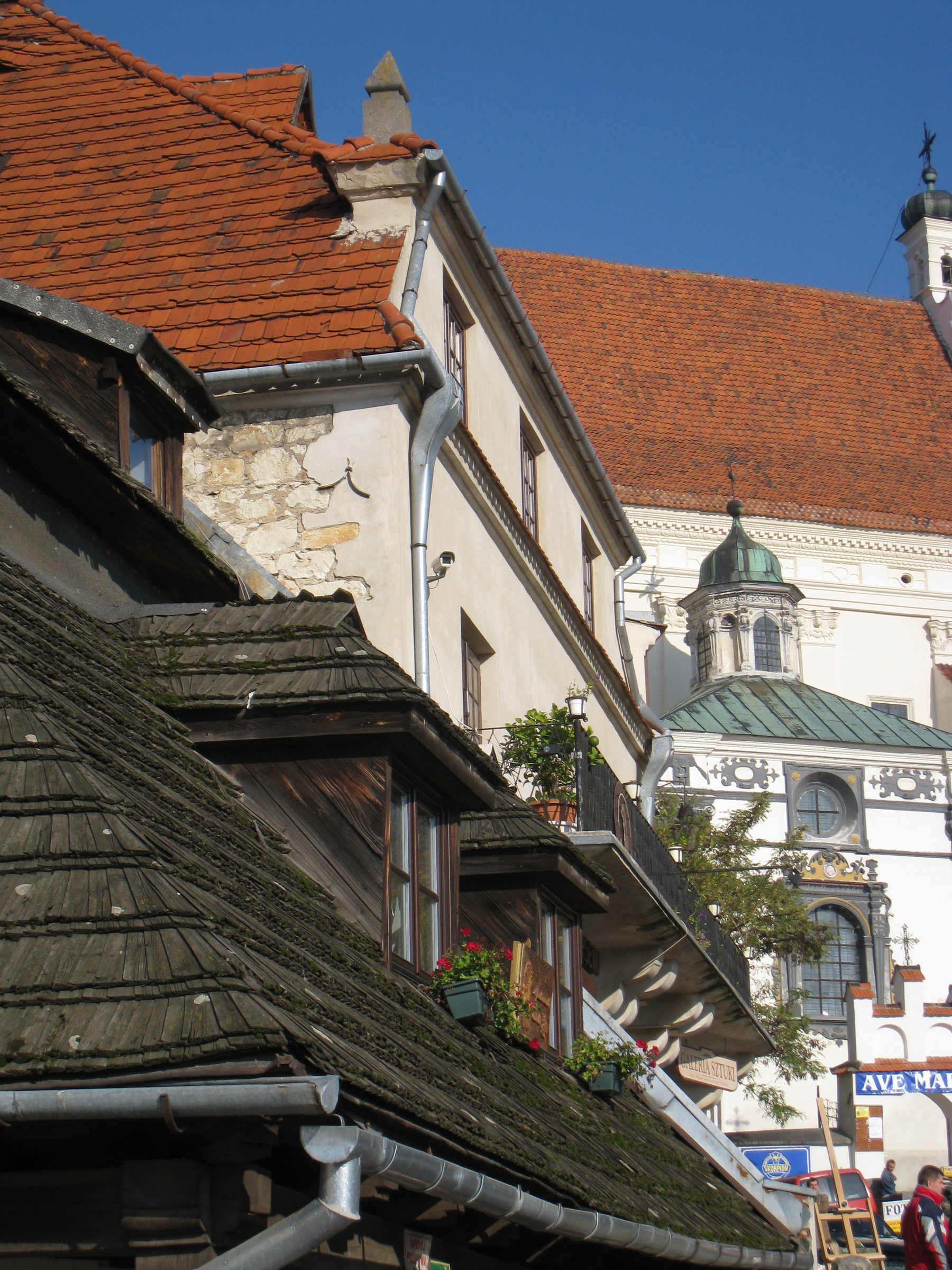
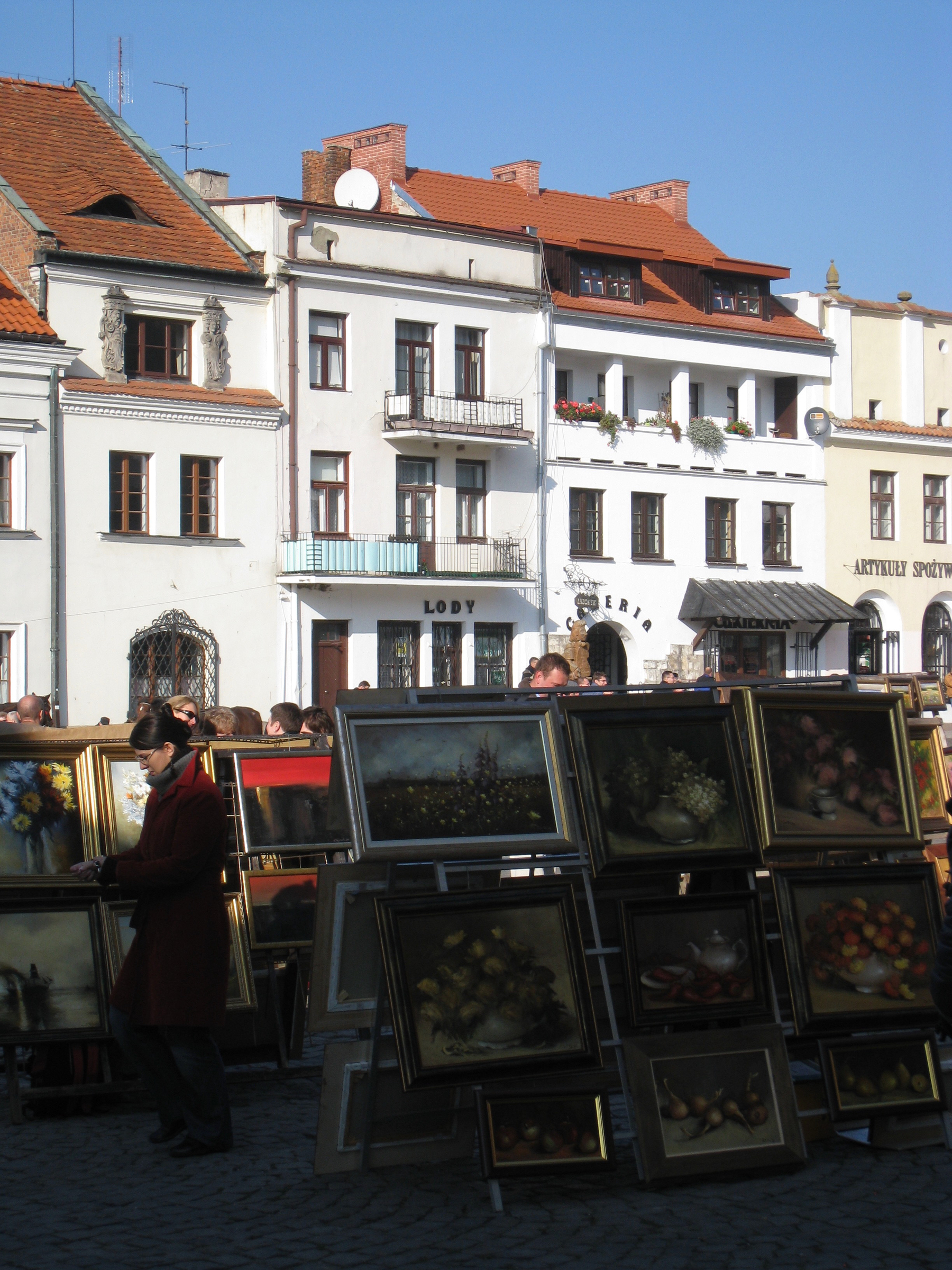
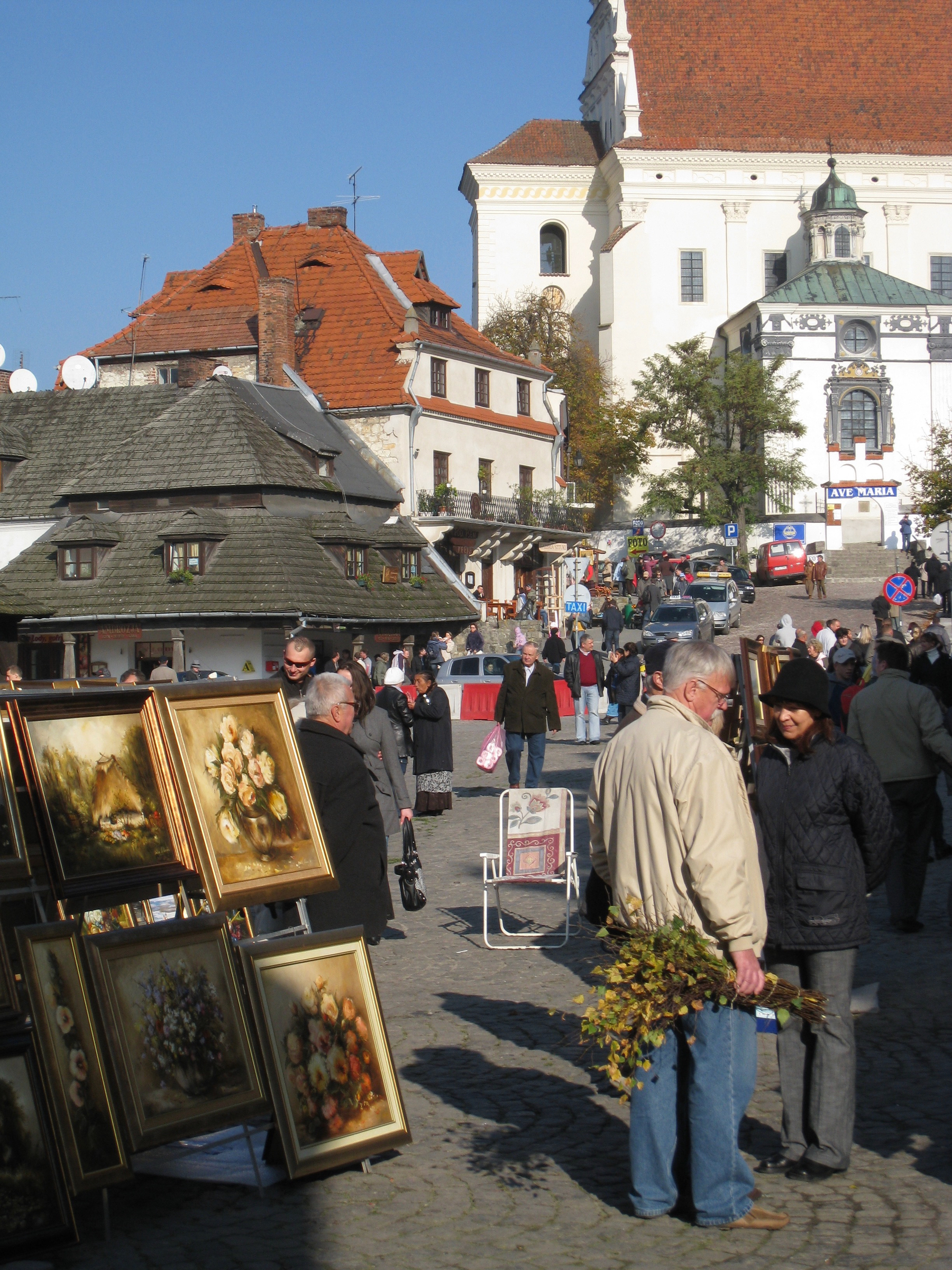
The Market Square is the natural starting point for exploring Kazimierz Dolny. From here, narrow streets lead towards churches, galleries, and the river, with something interesting appearing around almost every corner. I particularly enjoyed looking at the details of the old merchant houses, where decorative facades reveal the wealth and ambition of the town’s past. Kazimierz Dolny is not a place that needs grand monuments to impress visitors; its beauty lies in the way the historic buildings, intimate streets, and surrounding landscape fit together.
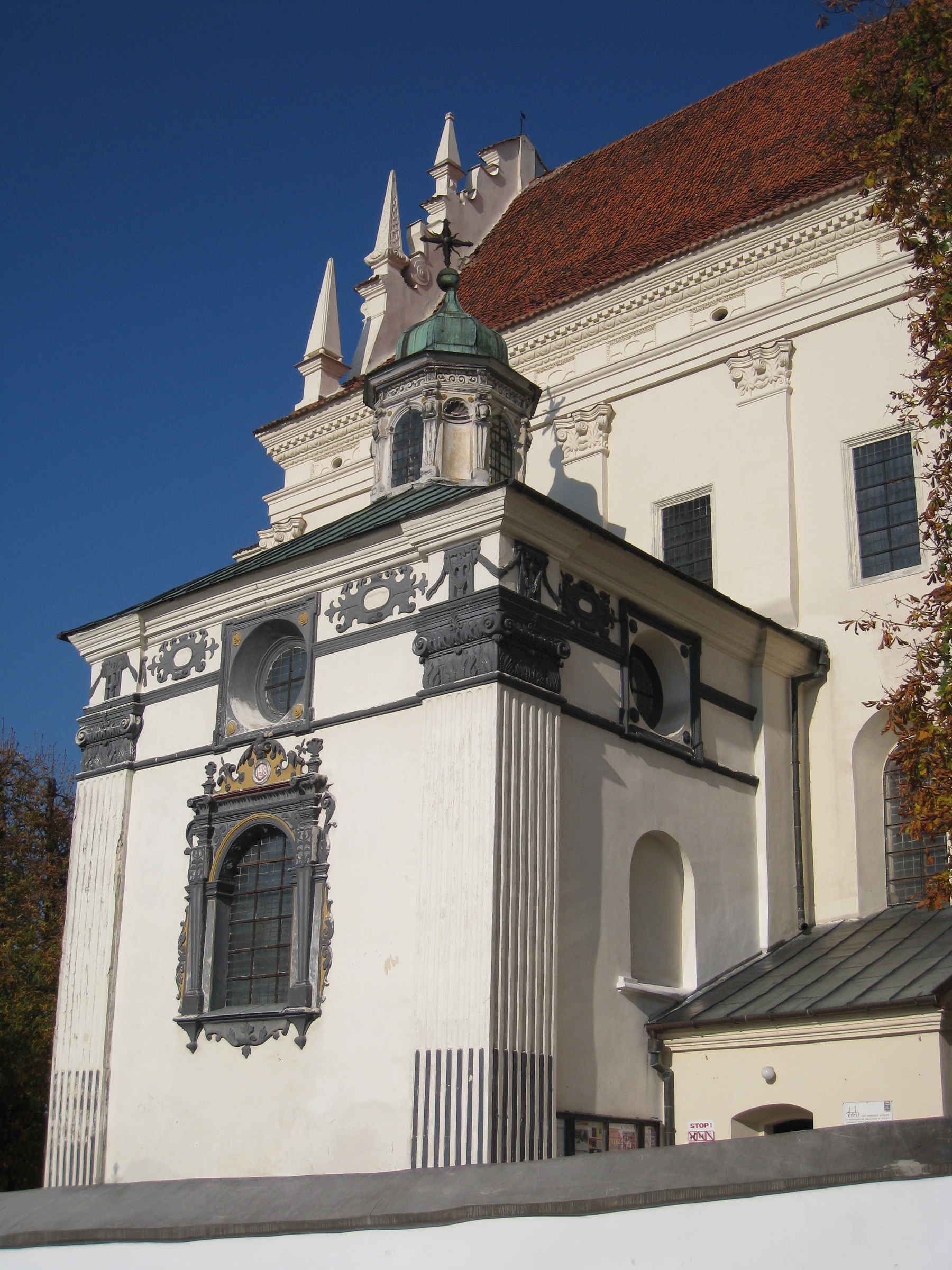
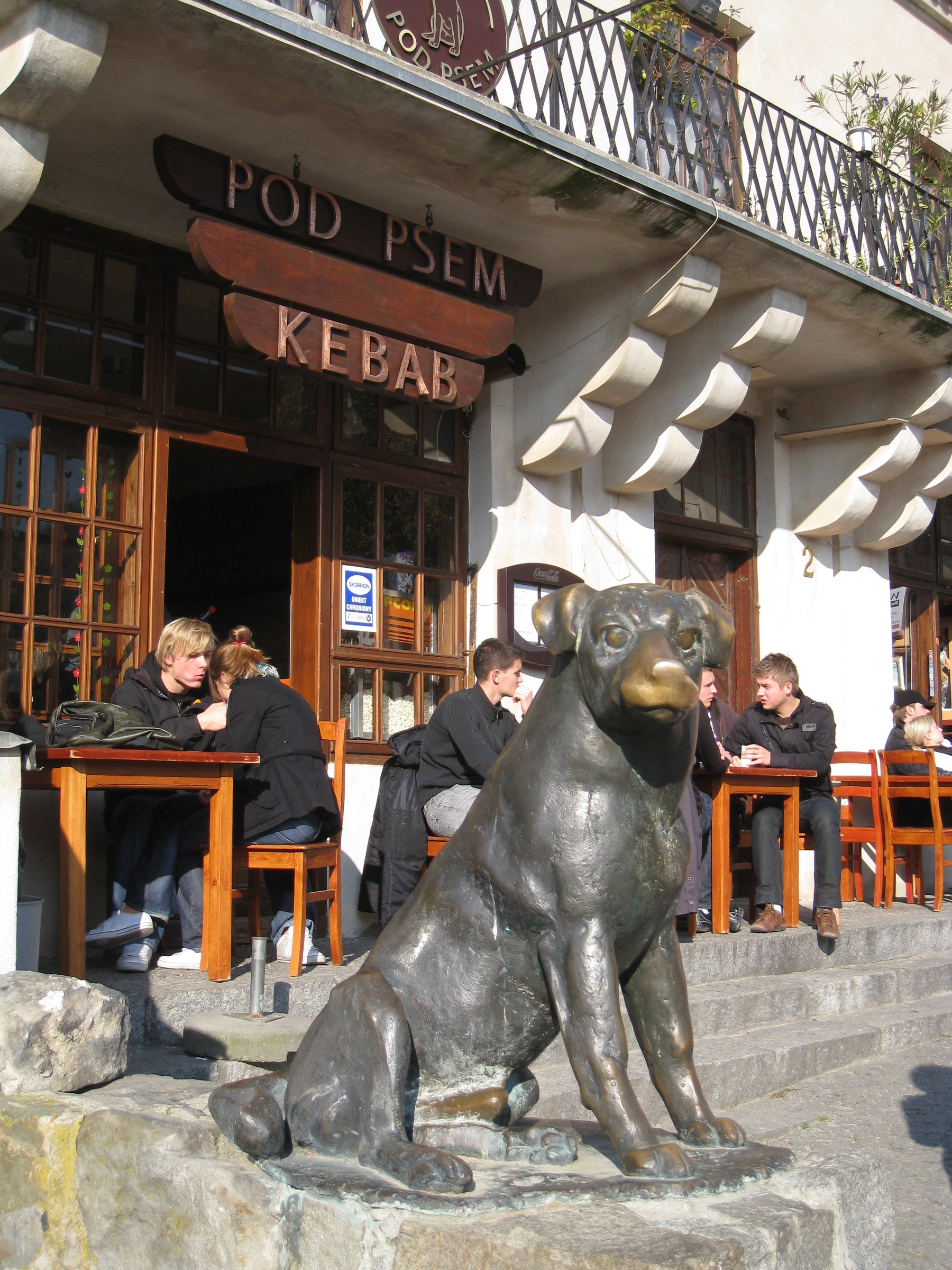
For generations, artists have been drawn to this riverside town, and it is easy to understand why. The combination of the Vistula, the historic architecture, and the soft countryside light creates an atmosphere that seems almost designed for painting. During the early twentieth century, Kazimierz Dolny became an important centre for Polish artists, attracting painters, writers, and other creative figures. The artistic tradition continues today, with galleries and studios scattered throughout the town. Walking through them, I found myself appreciating how the place has preserved its creative character without losing its connection to everyday life.
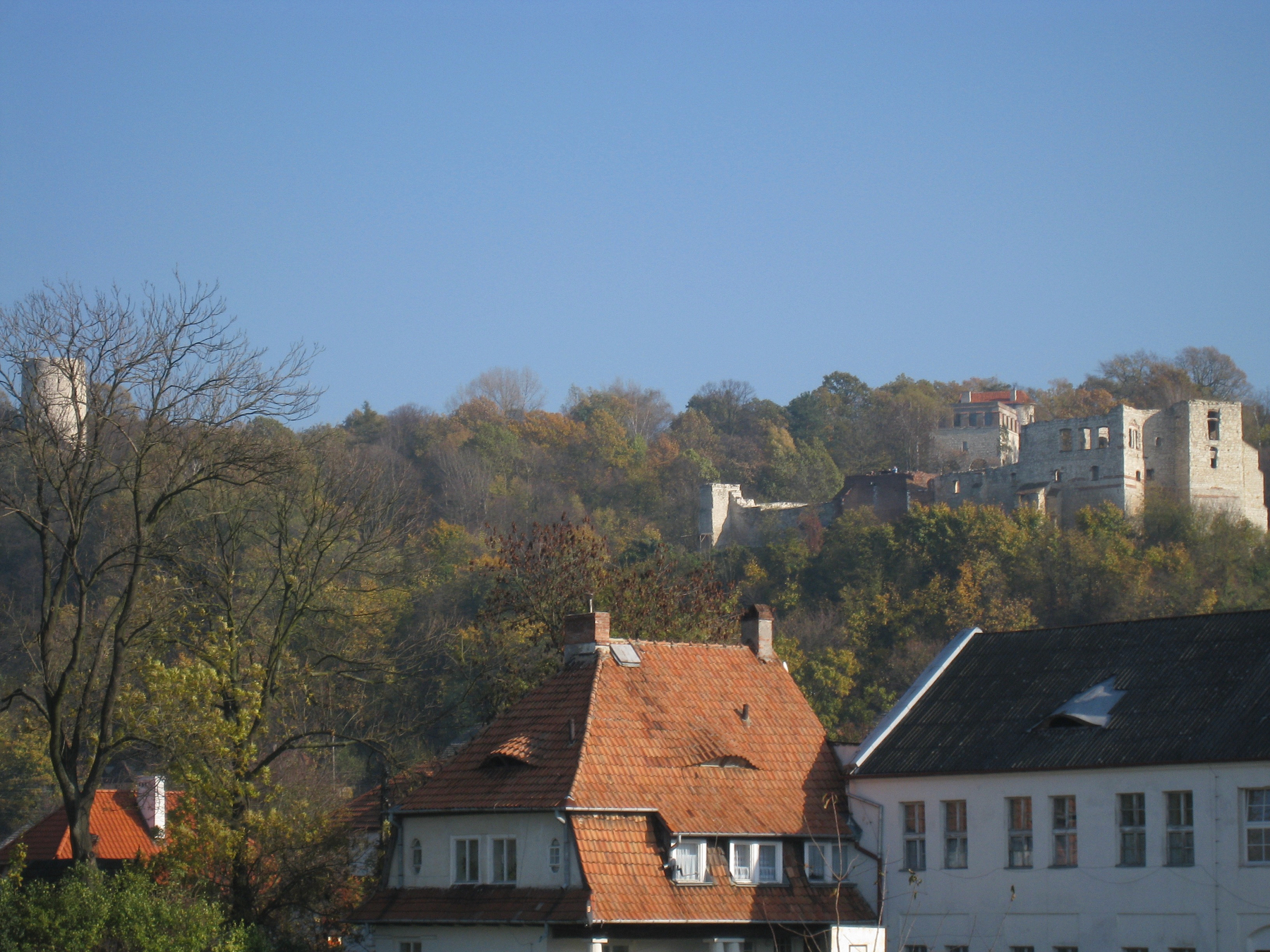
Beyond the architecture, the surrounding landscape offers another reason to visit. The Kazimierz Landscape Park protects forests, ravines, and the unusual loess hills that give the area much of its character. These deep, winding ravines were formed by erosion and create some of the most atmospheric walking routes in the region. For a broader view, Three Crosses Hill offers a rewarding climb above the town. From the top, the Vistula and surrounding countryside stretch into the distance, providing a wonderful reminder that Kazimierz Dolny is as much a destination for nature lovers as it is for history enthusiasts.
The town’s history also contains darker chapters. During the Second World War, Kazimierz Dolny suffered destruction and persecution, including the murder of much of its Jewish population. Before the war, Jewish residents had played an important role in the town’s commercial and cultural life. Today, memorials and surviving traces of that heritage remind visitors that the picturesque streets conceal stories of loss as well as prosperity. For me, acknowledging these histories adds depth to the experience and makes the town’s beauty feel more meaningful.
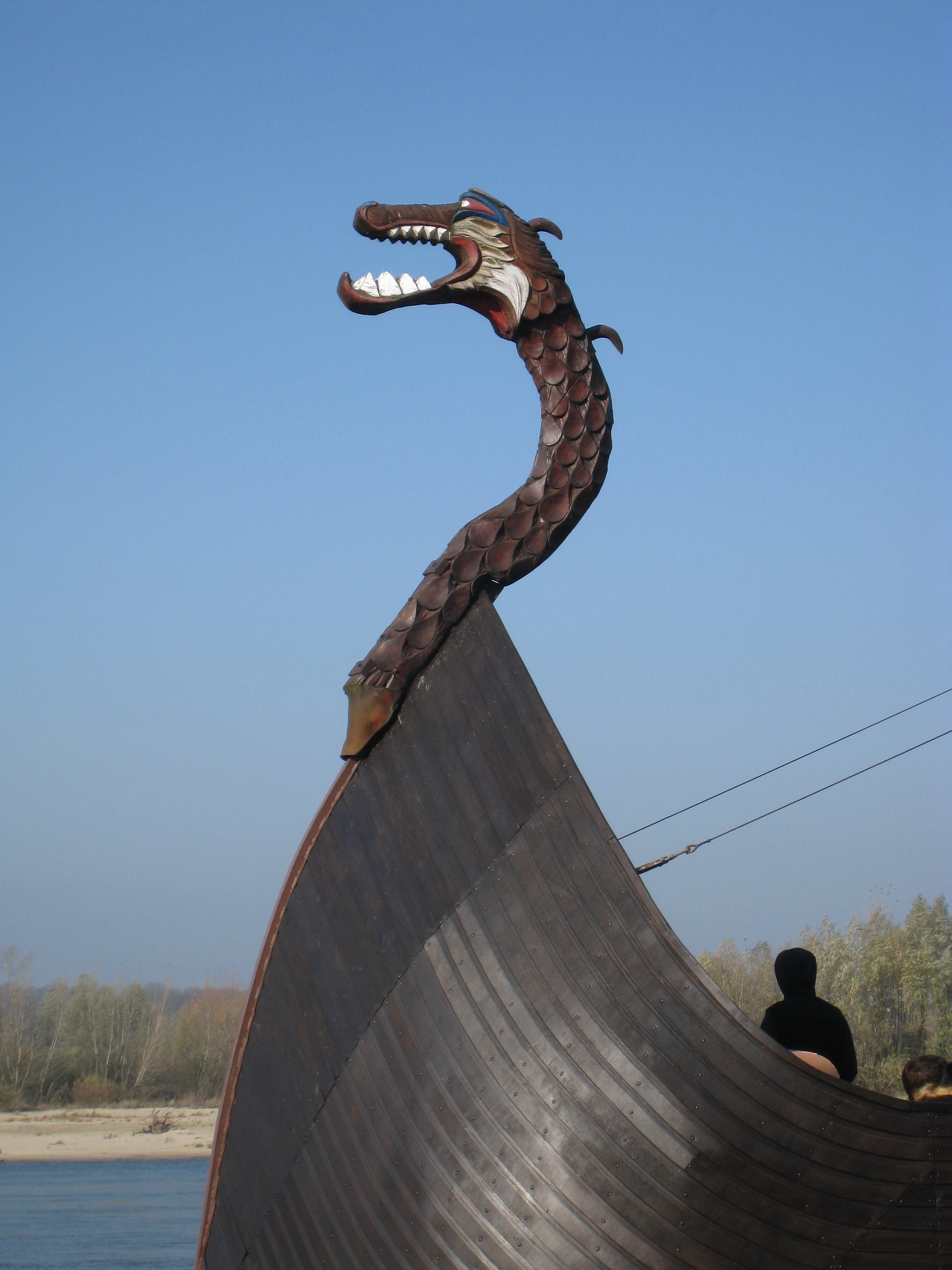
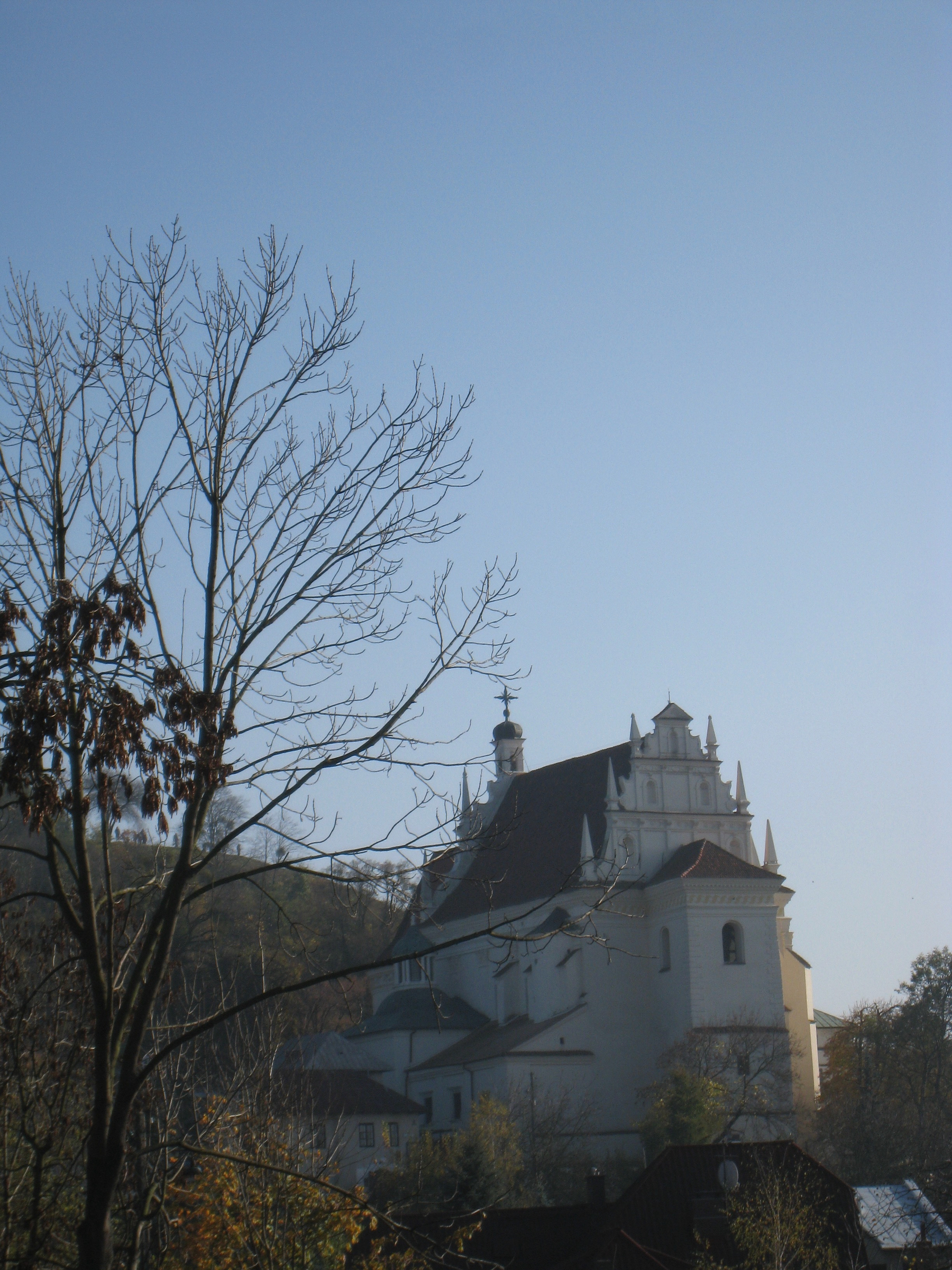
What I enjoyed most about Kazimierz Dolny was the opportunity to slow down. There was no need to rush from one attraction to another. I could spend time photographing an old doorway, watching the river, exploring a small gallery, or simply sitting in the Market Square with a coffee. The town rewards curiosity, and every walk seems to reveal another detail worth noticing.
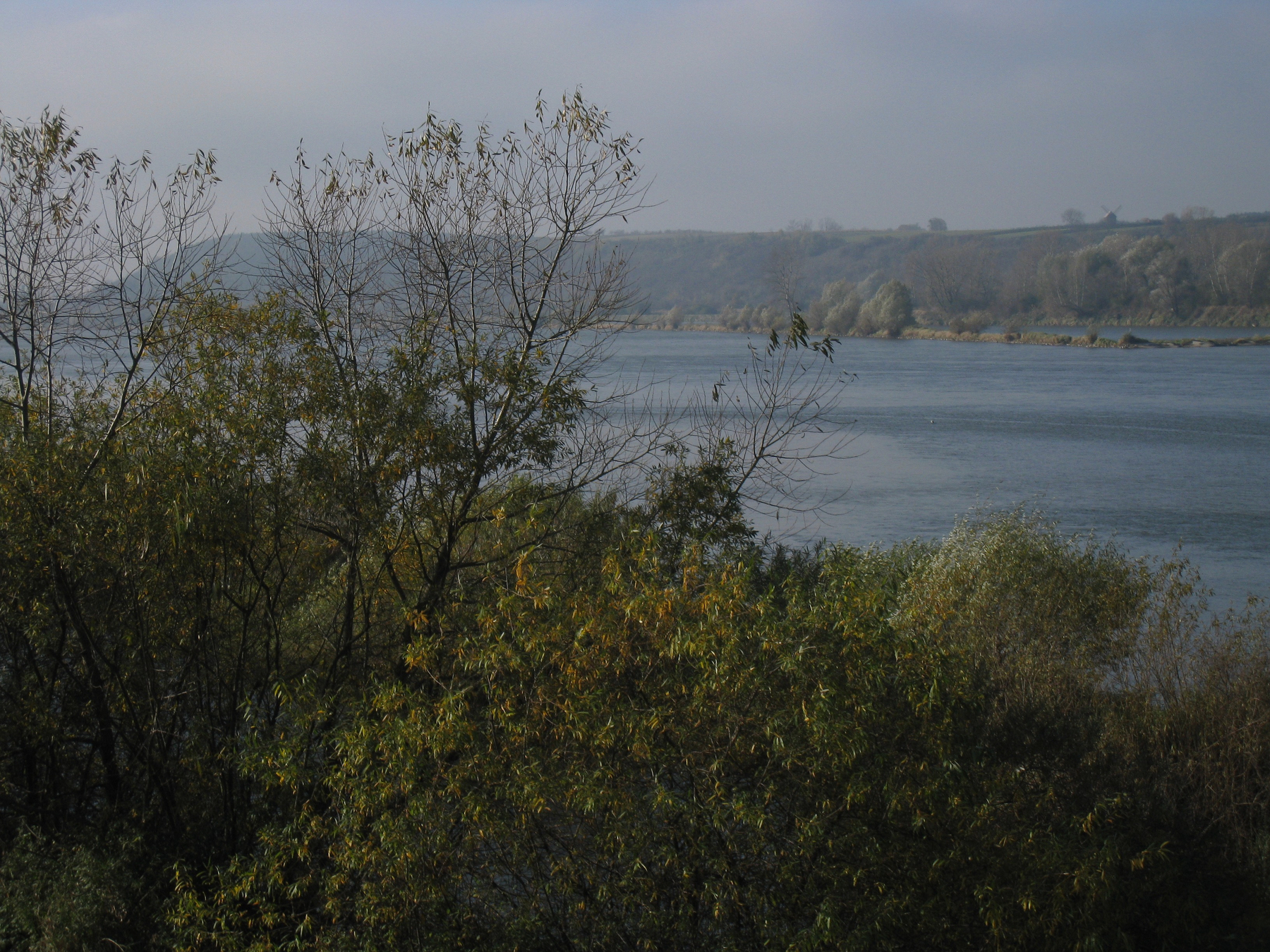
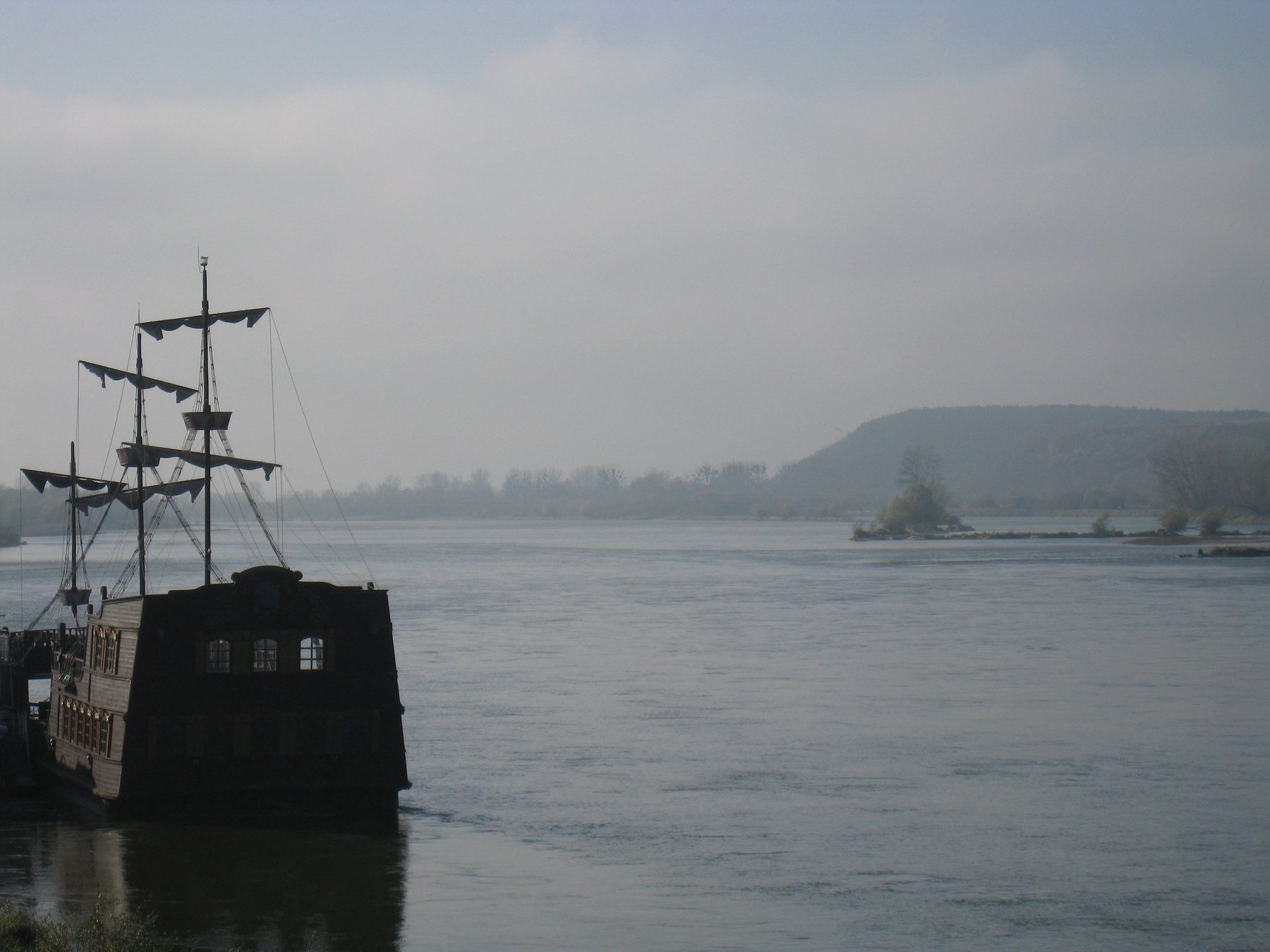
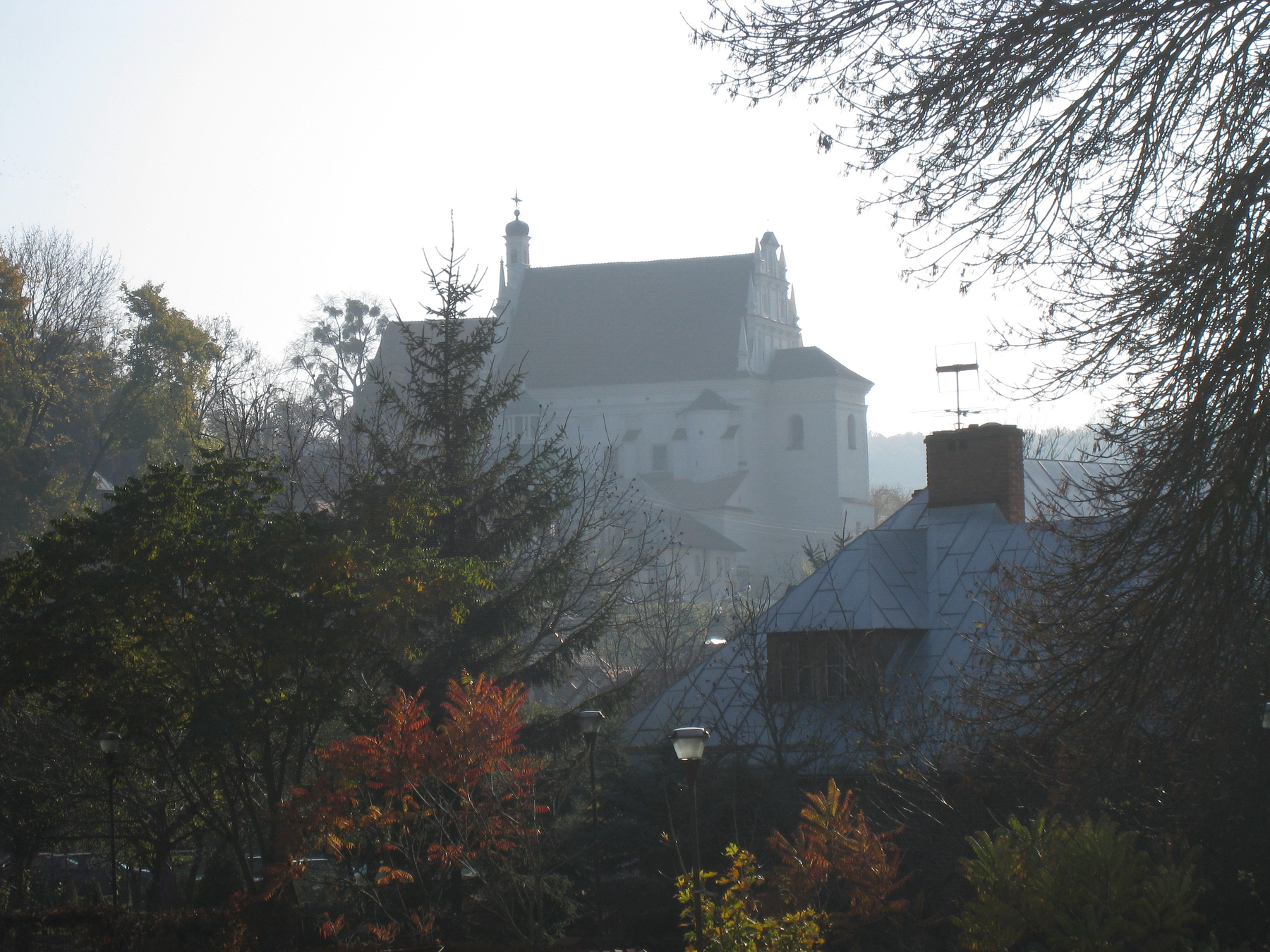
As the afternoon light softened over the Vistula, Kazimierz Dolny took on an almost dreamlike quality. The historic buildings glowed in the fading sun, the river moved quietly beyond the town, and the surrounding hills seemed to draw everything into a peaceful landscape. It was easy to understand why artists had been coming here for generations.
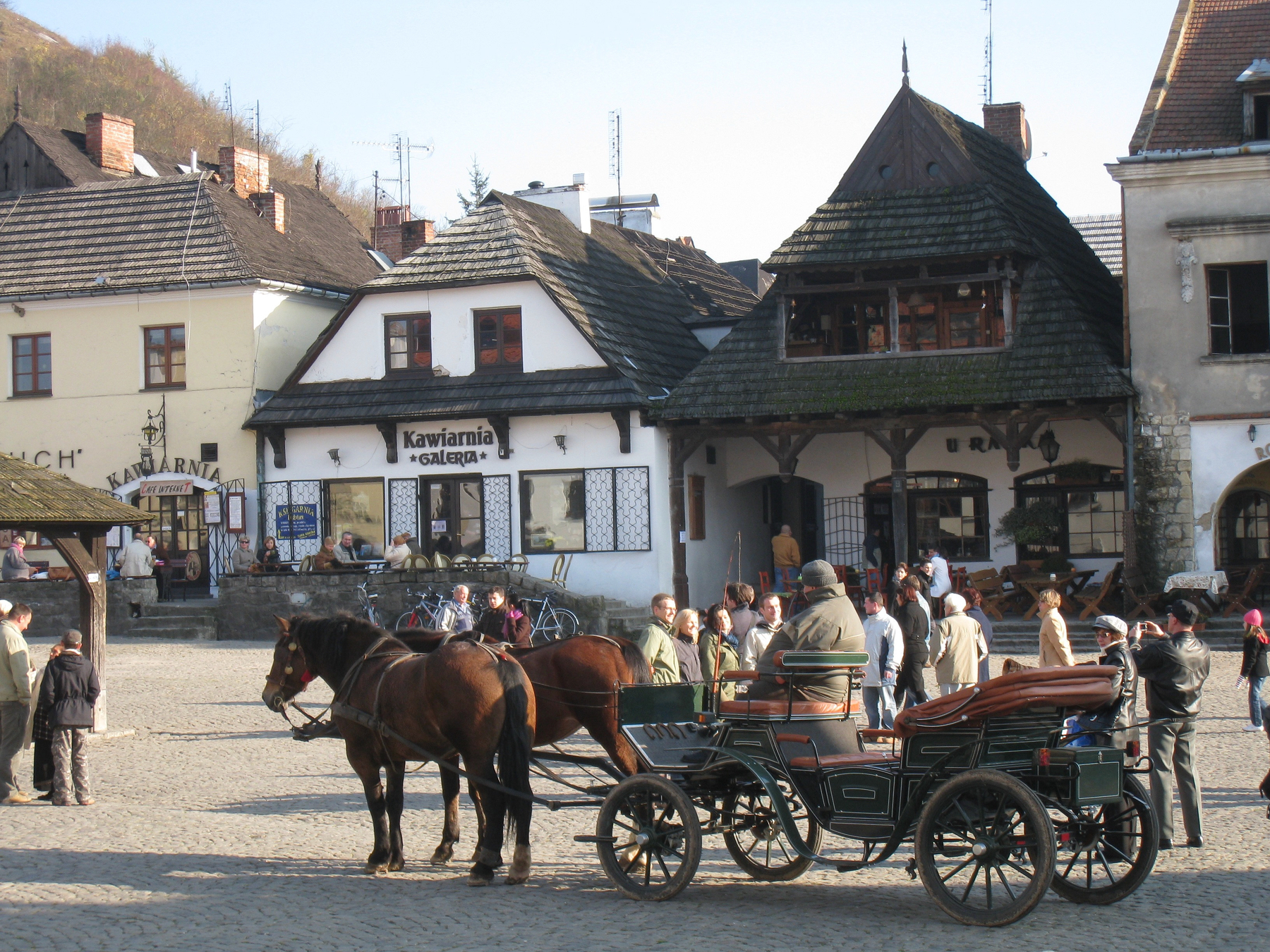
Kazimierz Dolny is a place where Poland’s commercial history, artistic traditions, and natural beauty come together in a remarkably intimate setting. It is not simply a pretty town to photograph, although there is plenty to photograph. It is a place to explore slowly, to appreciate the stories behind the architecture, and to enjoy the feeling of being somewhere with a strong sense of identity. If you are looking for a destination that combines history, art, and the outdoors, Kazimierz Dolny deserves a place on your travel list. Whether you visit for a day or stay longer, the town has a way of lingering in your memory long after you have left.
#Photography #Photoblog #Blog #KazimierzDolny #KazimierzDolnyPoland #PolandTravel #PolandHistory #VistulaRiver #RenaissanceArchitecture #PolishRenaissance #KazimierzLandscapePark #ThreeCrossesHill #PolishArt #TravelPhotography #TravelEssay #HistoricTowns #PolandHiddenGems #ExplorePoland #CulturalTravel #NatureAndHistory #WeekendInPoland #Poland #TravelGuide #VisitKazimierzDolny
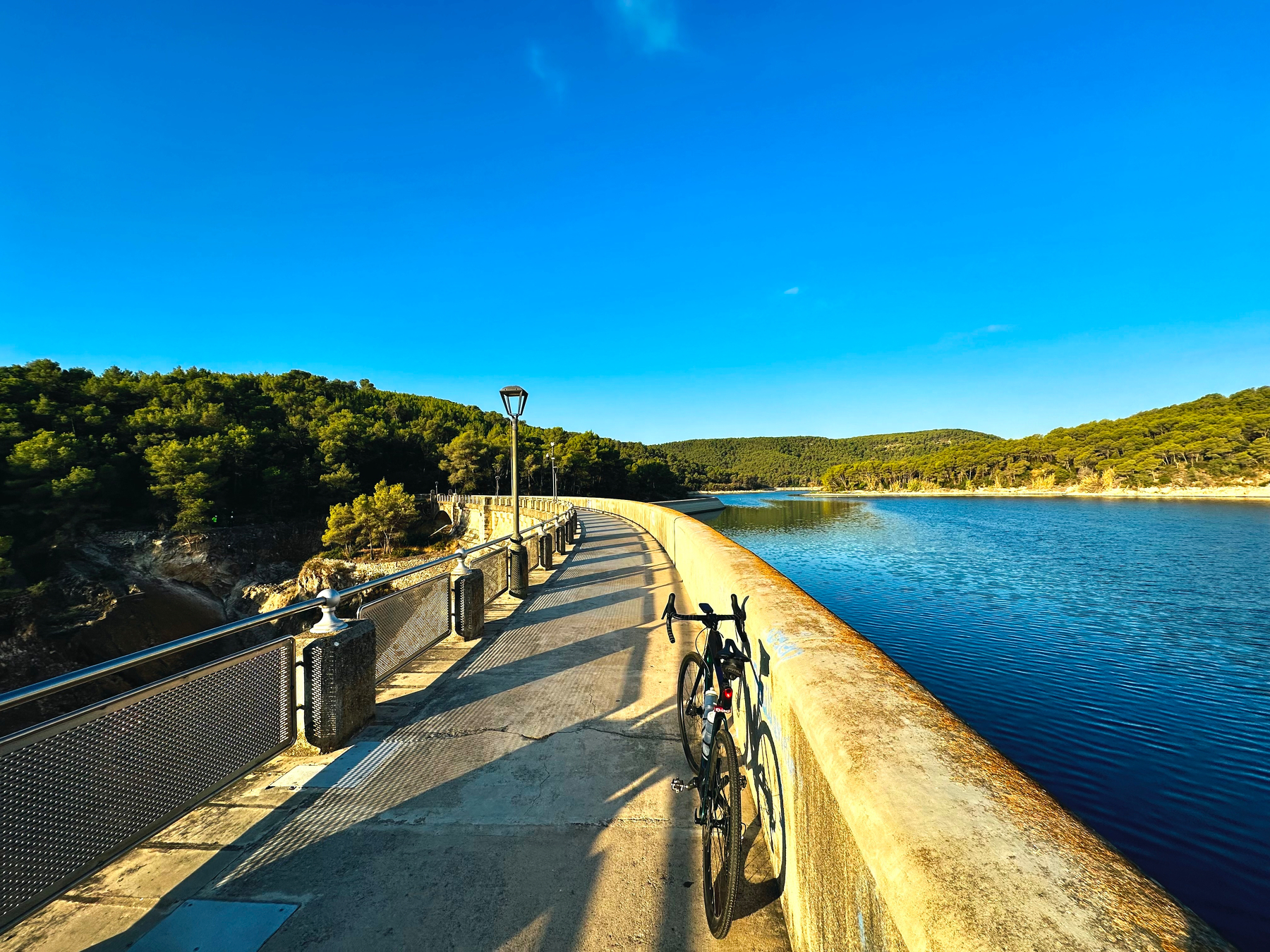
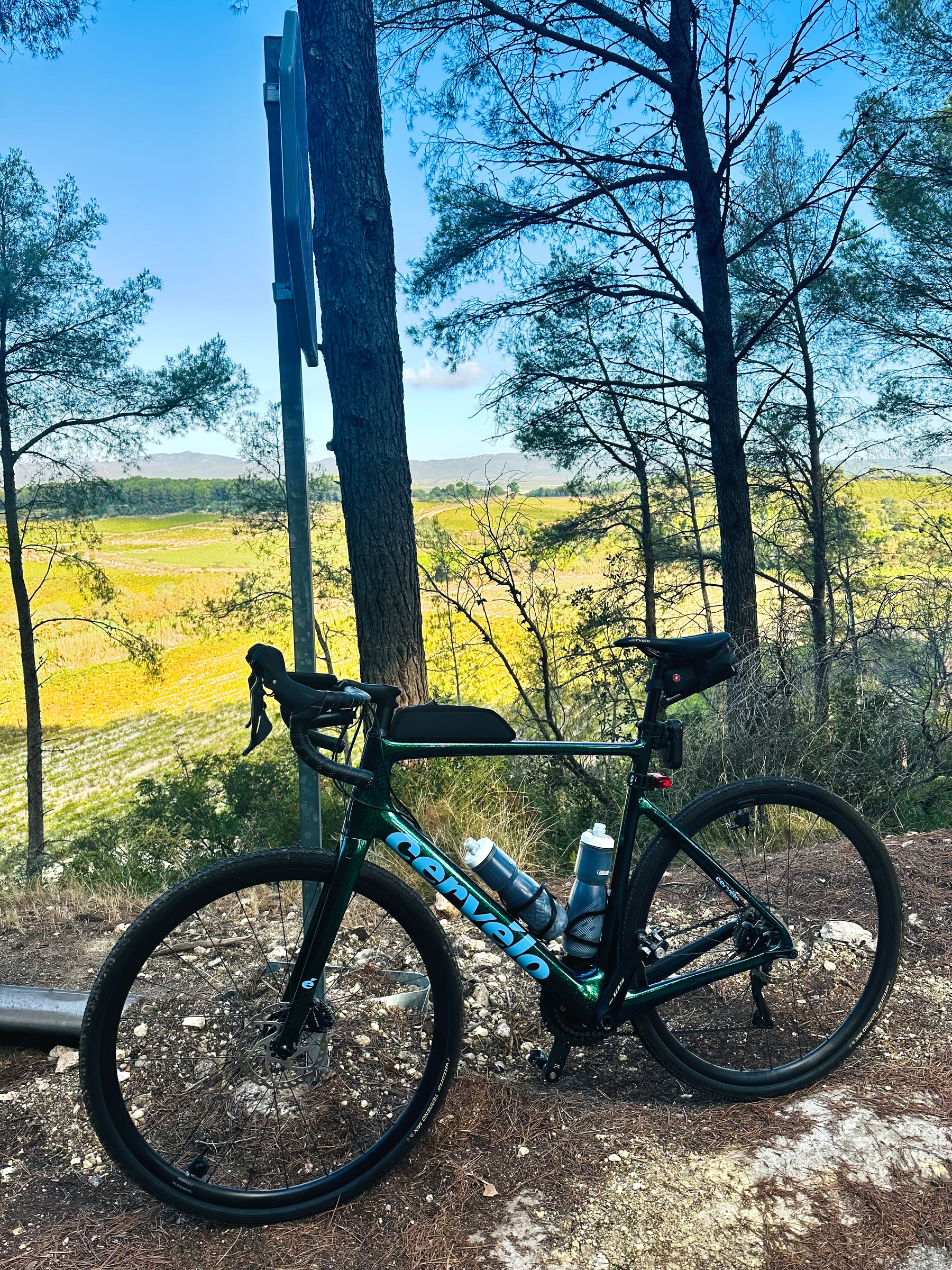
Early Morning Ride 50km Road Cycling
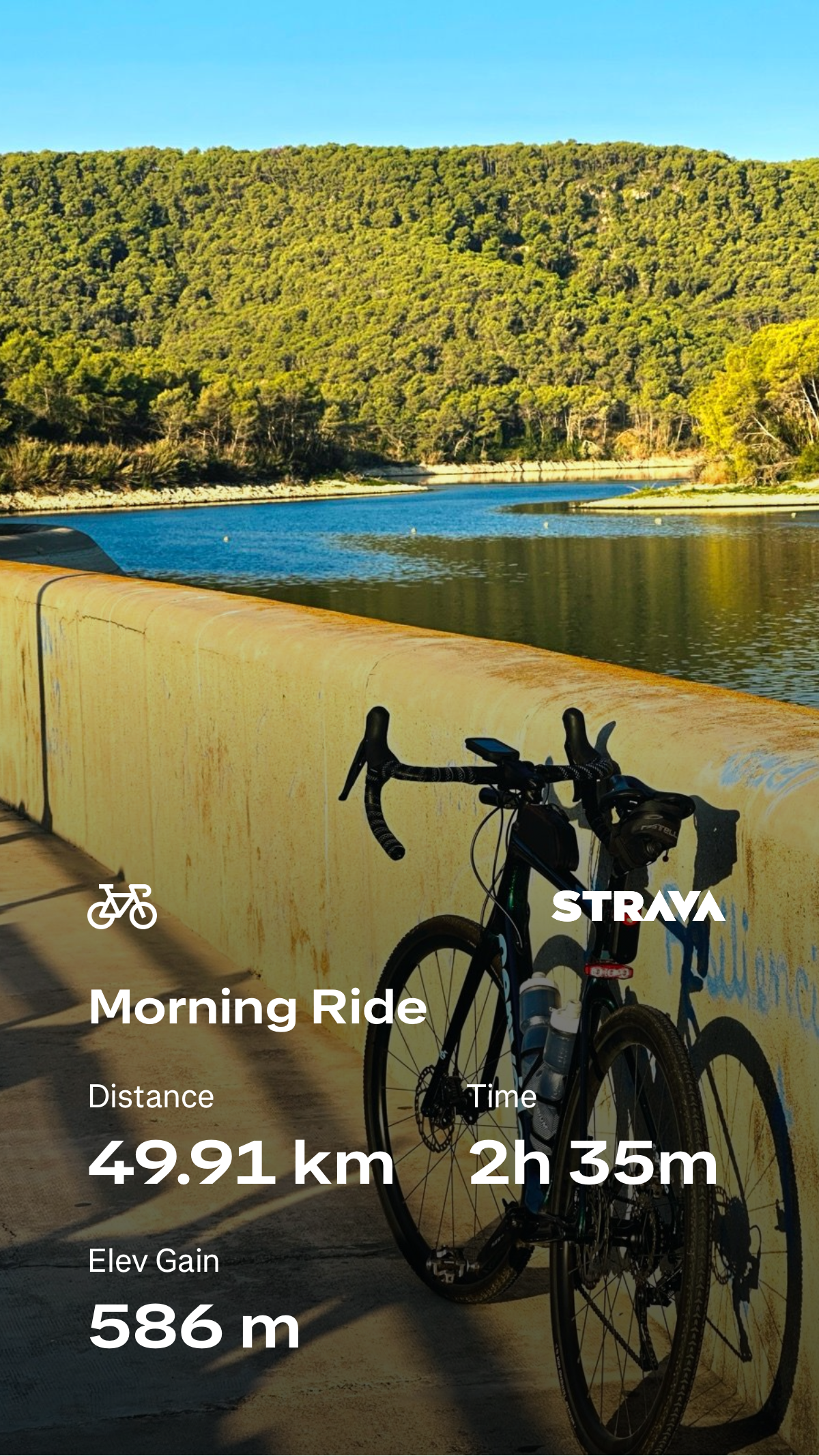
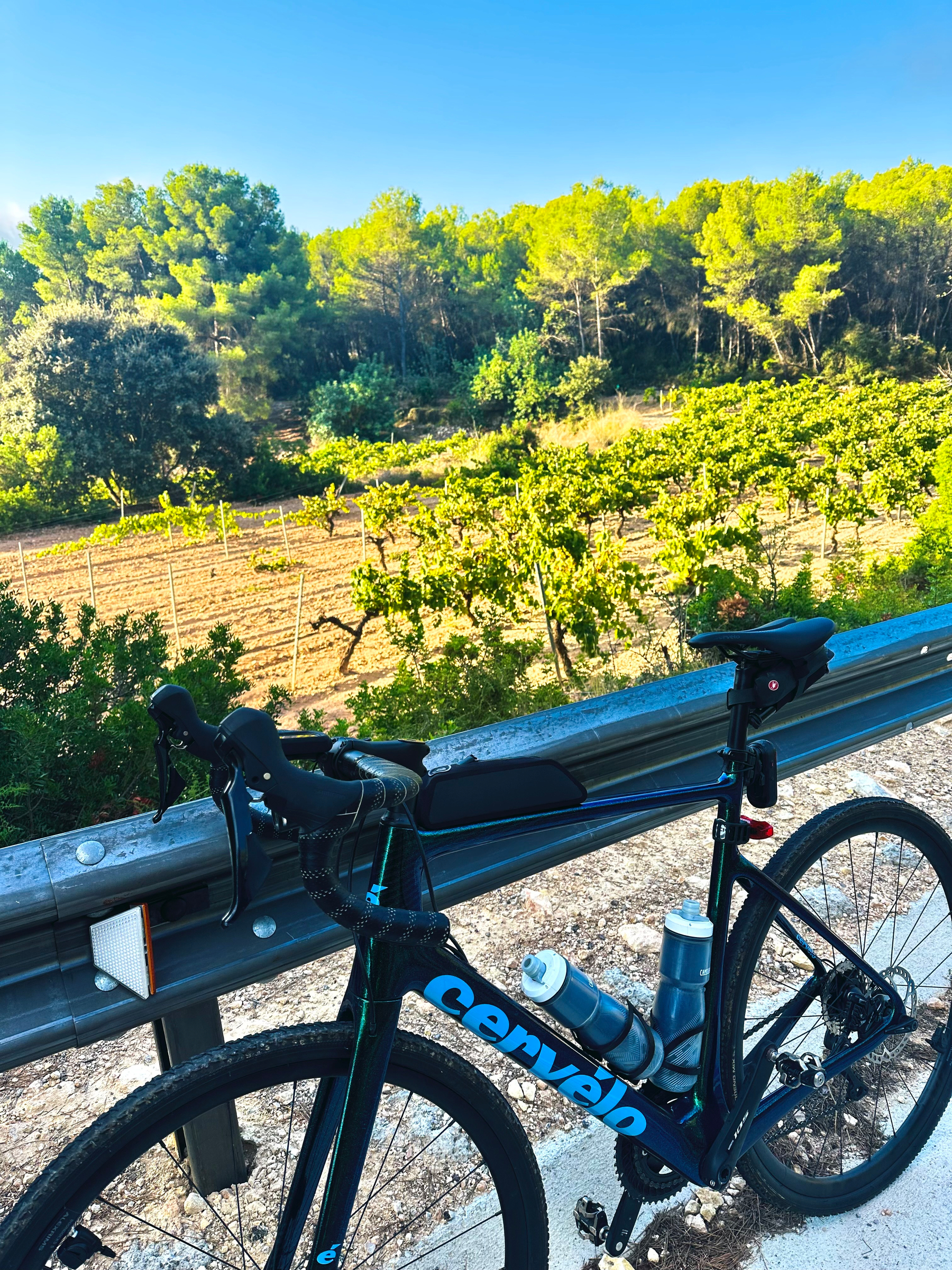
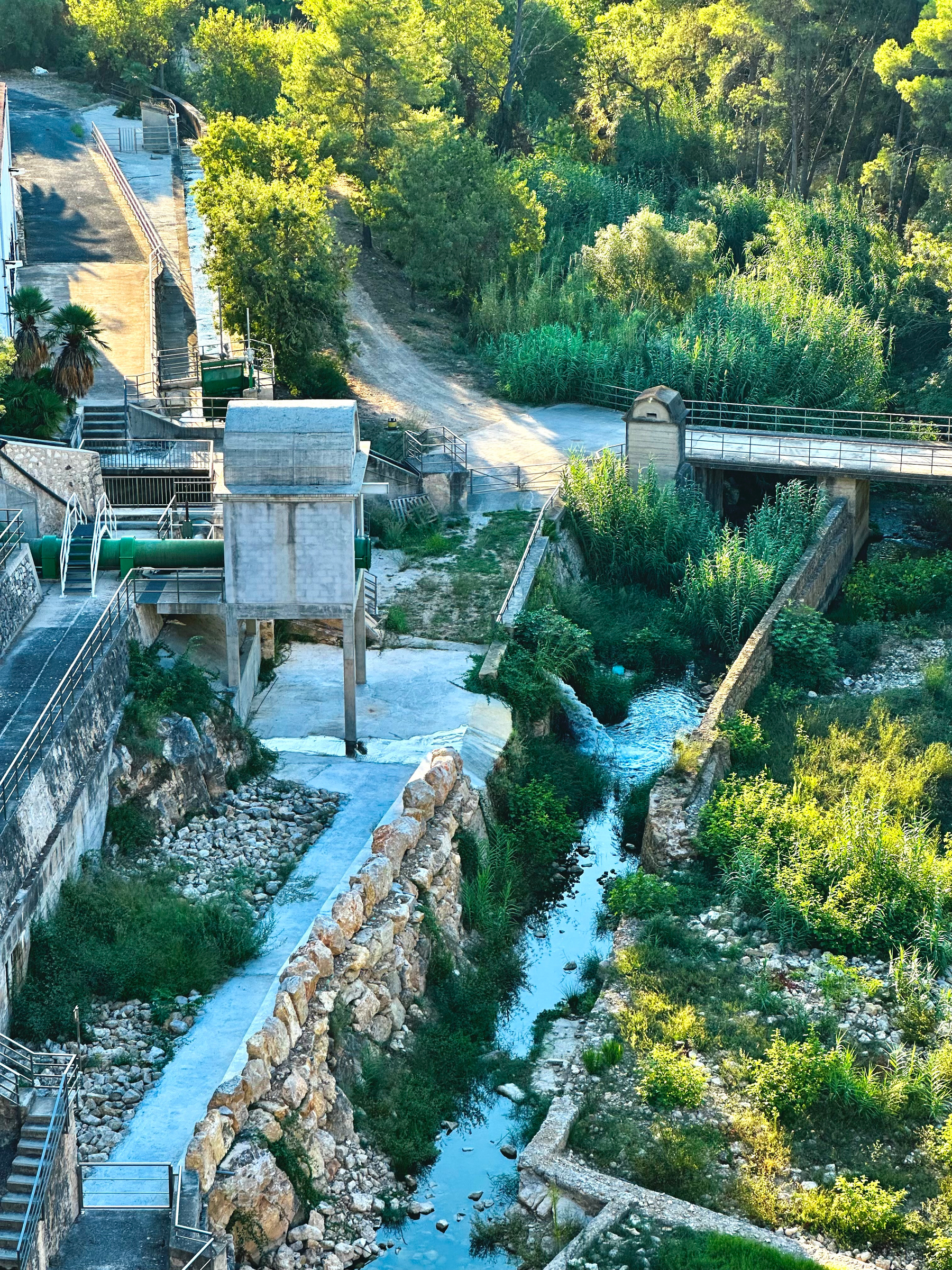
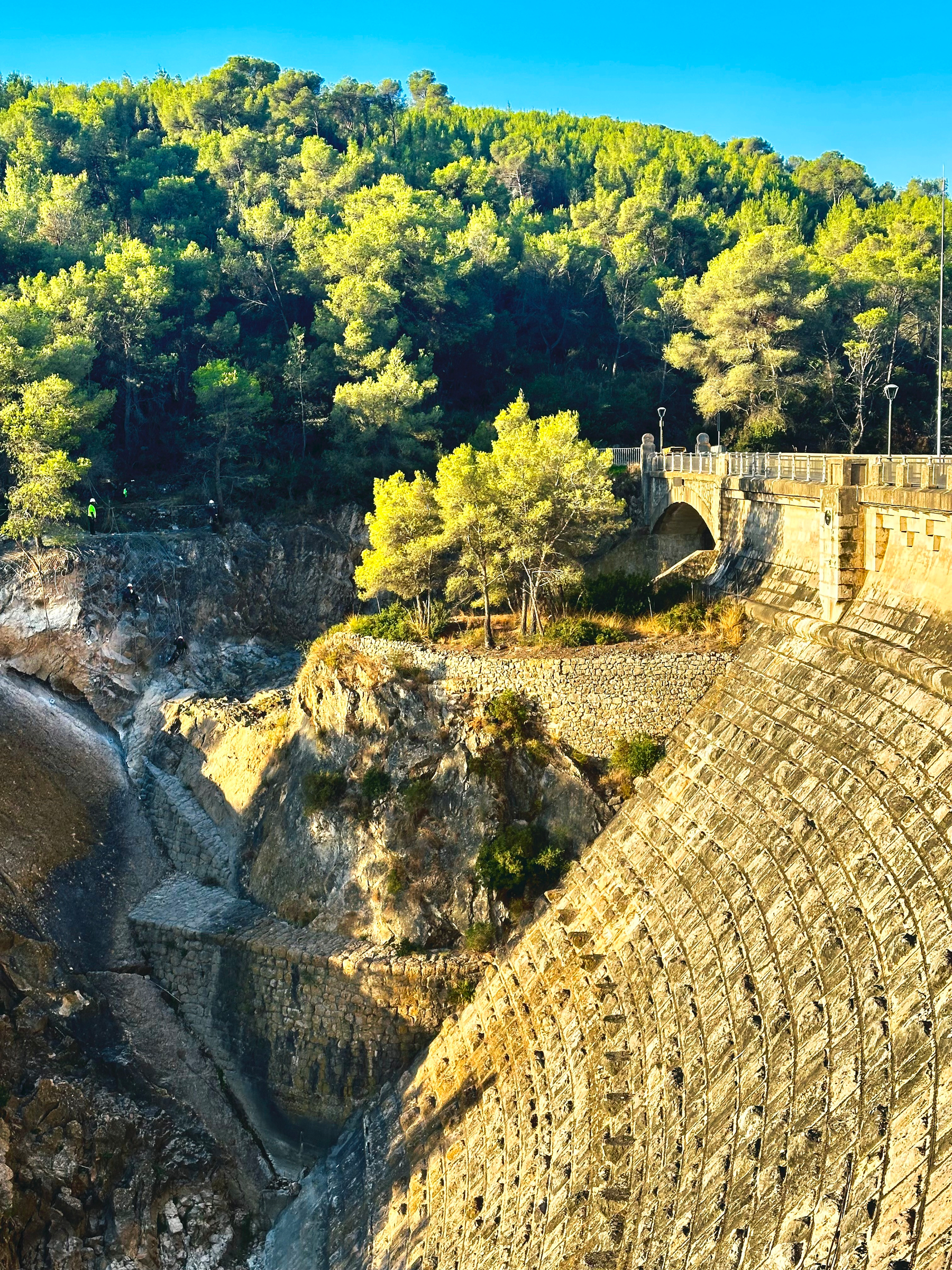
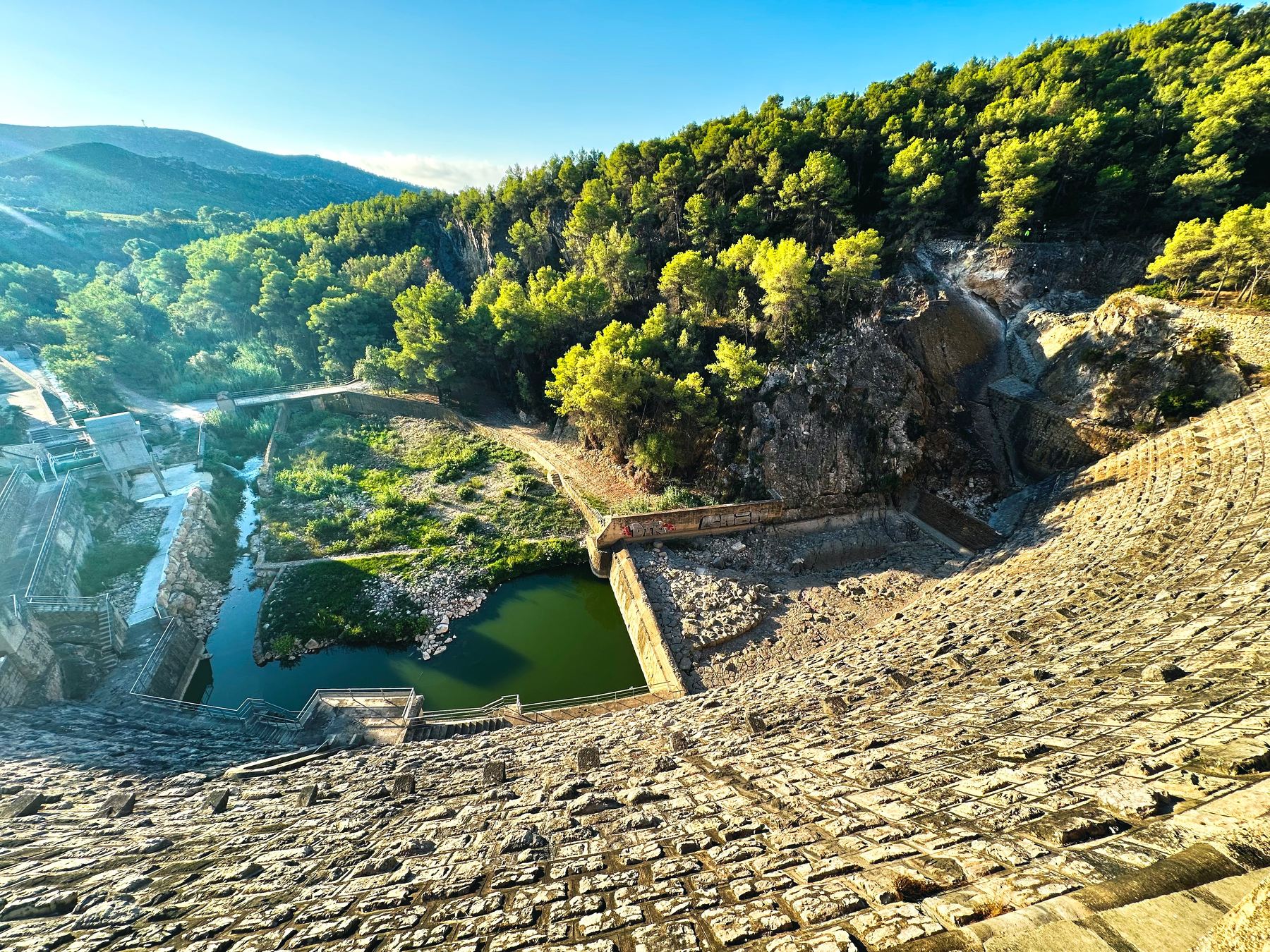
Crisp morning air and quiet roads made today’s 50km ride pure bliss. Pedaling out early meant beating the traffic, catching the first soft sunlight across the hills, and finding that perfect cadence where the miles just glide by.
There is nothing quite like the rhythm of a fast road ride to clear the mind. Two hours of pure focus, sweeping through smooth tarmac curves, tackling a few solid climbs, and pushing the pace on the flats.
#roadcycling #cycling #50km #morningride #cyclinglife #fromwhereiride #outsideisfree #lifebehindbars #stravacycling #roadbike #catalan #catalunya #espana #strava #garmin
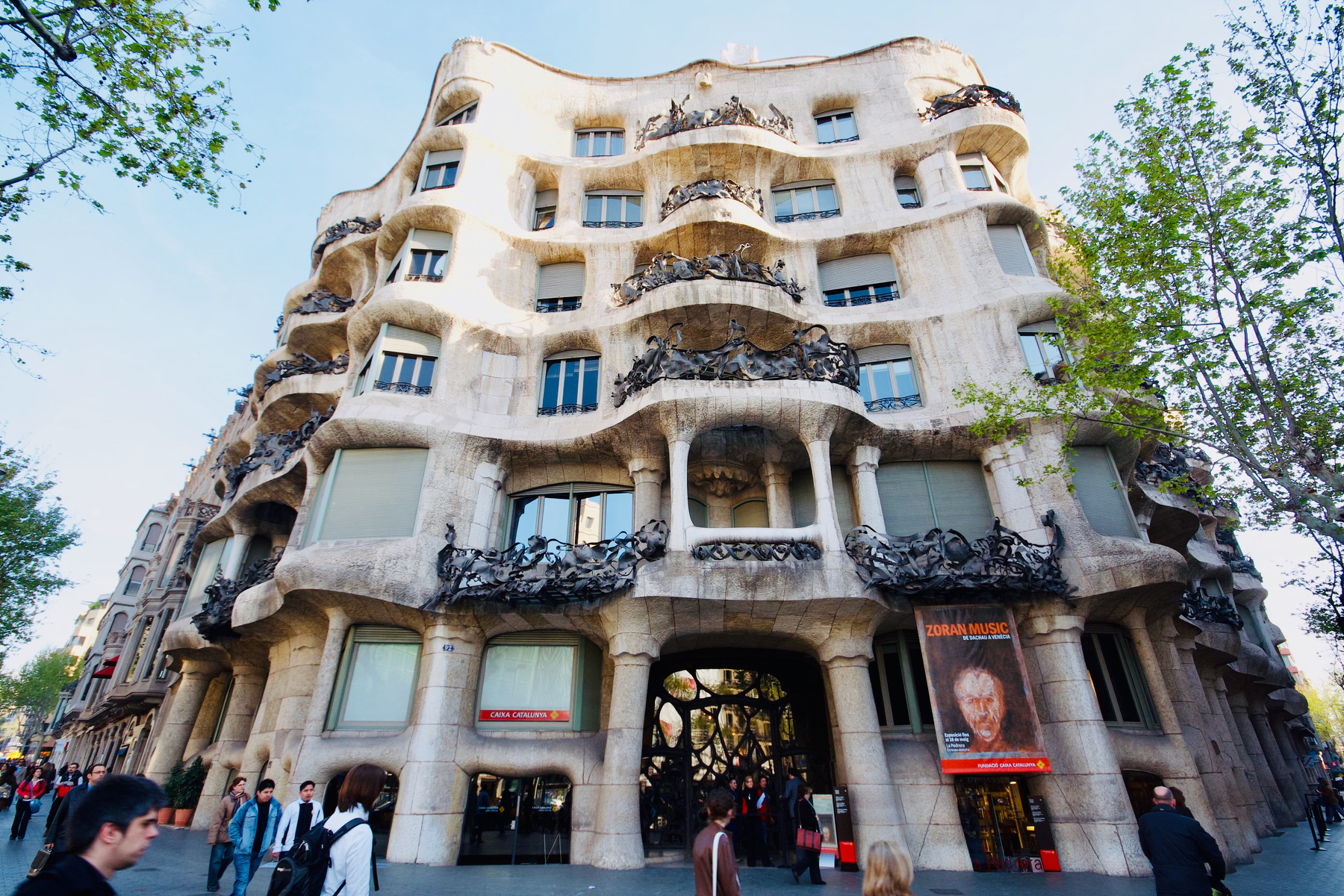
La Pedrera, Barcelona - Inside Gaudí’s Extraordinary World of Stone and Imagination
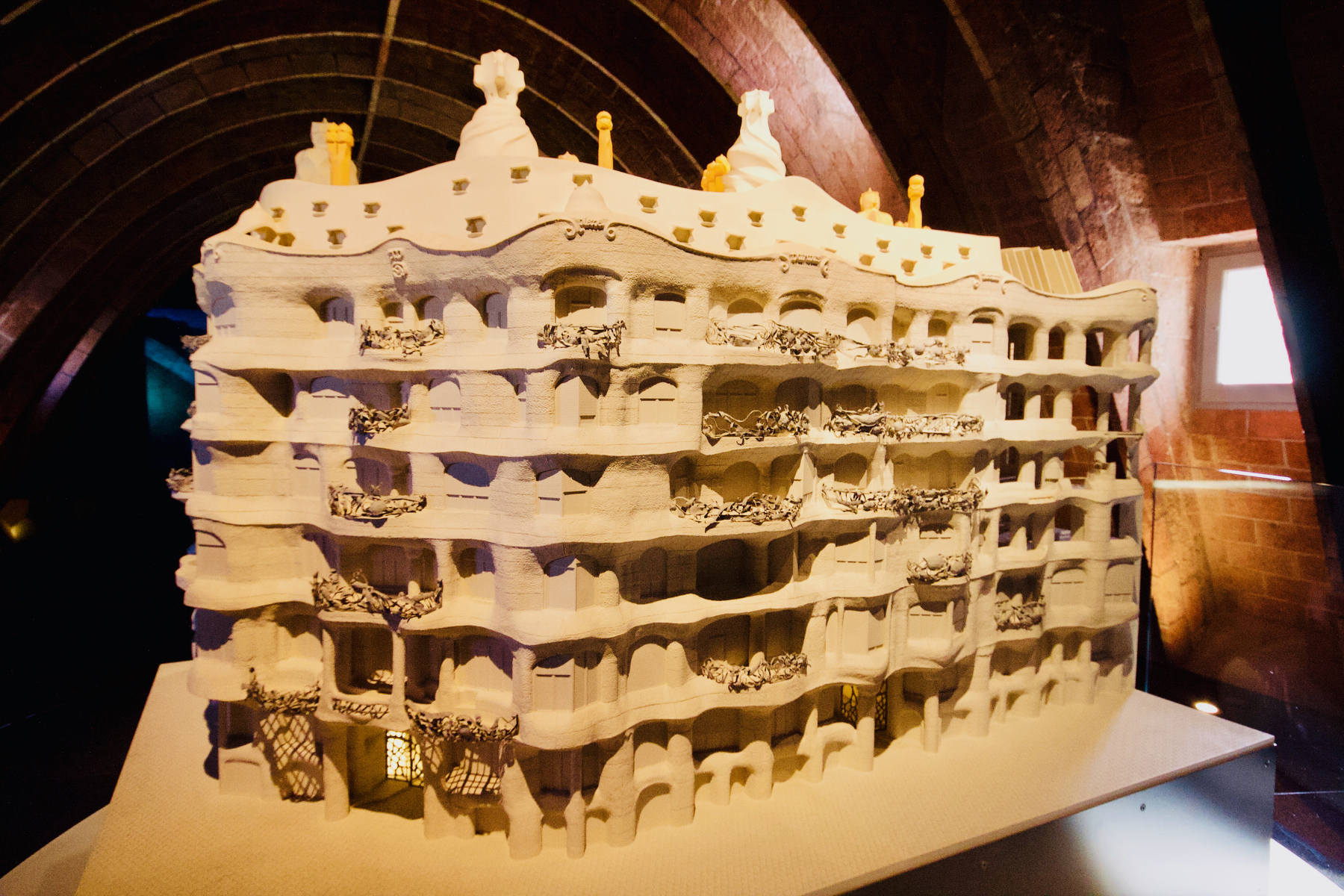
Barcelona has no shortage of extraordinary architecture, but few buildings have ever made me look twice quite like La Pedrera-Casa Milà. Rising above Passeig de Gràcia, its undulating stone facade seems to move with the city, as though a wave has been frozen in the middle of Barcelona. Designed by Antoni Gaudí between 1906 and 1912, this remarkable building was created as a private residence and investment property for Pere Milà and his wife, Roser Segimon. Yet what Gaudí produced was far more than an apartment building. It was an architectural experiment that challenged almost everything people expected a building to be.
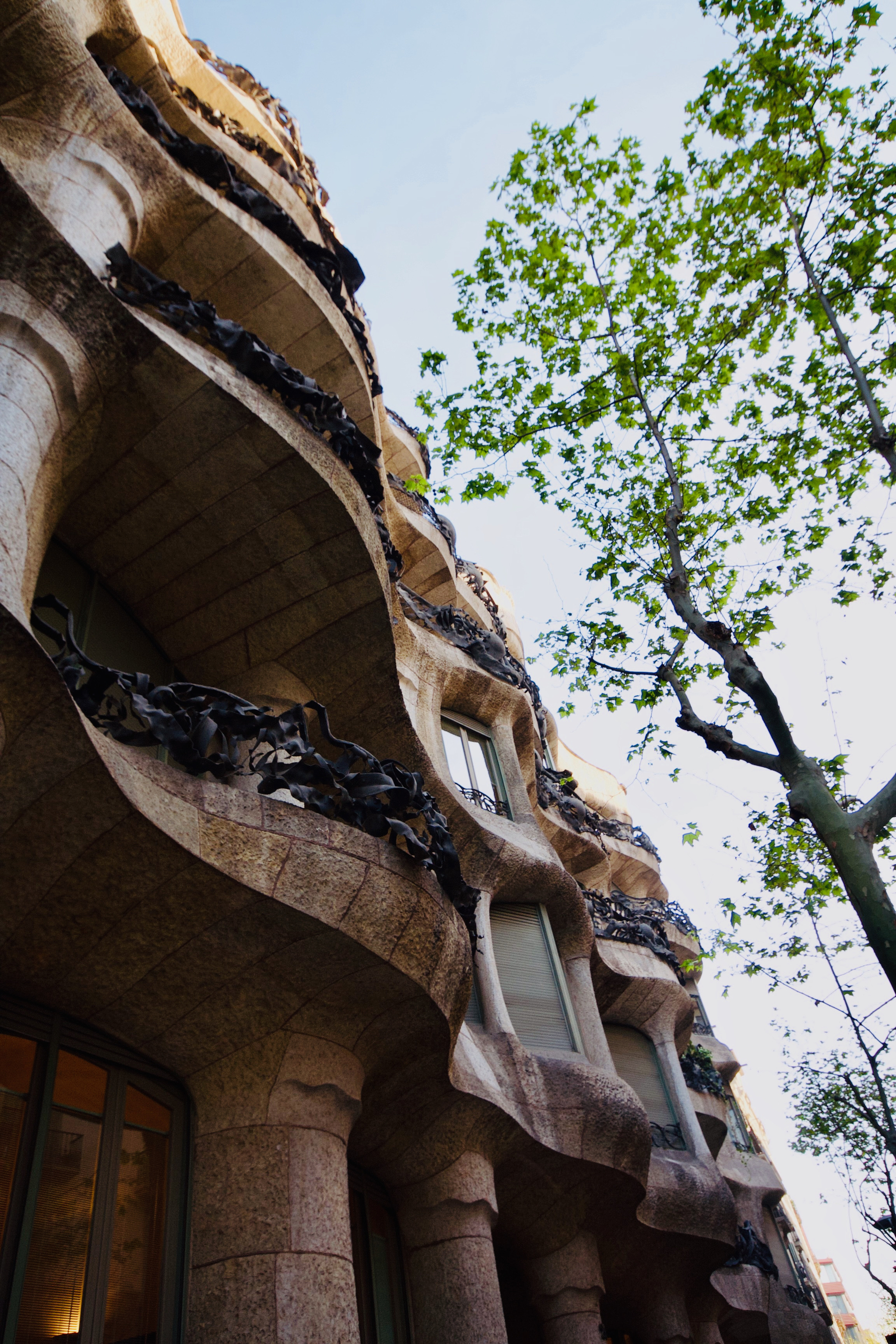
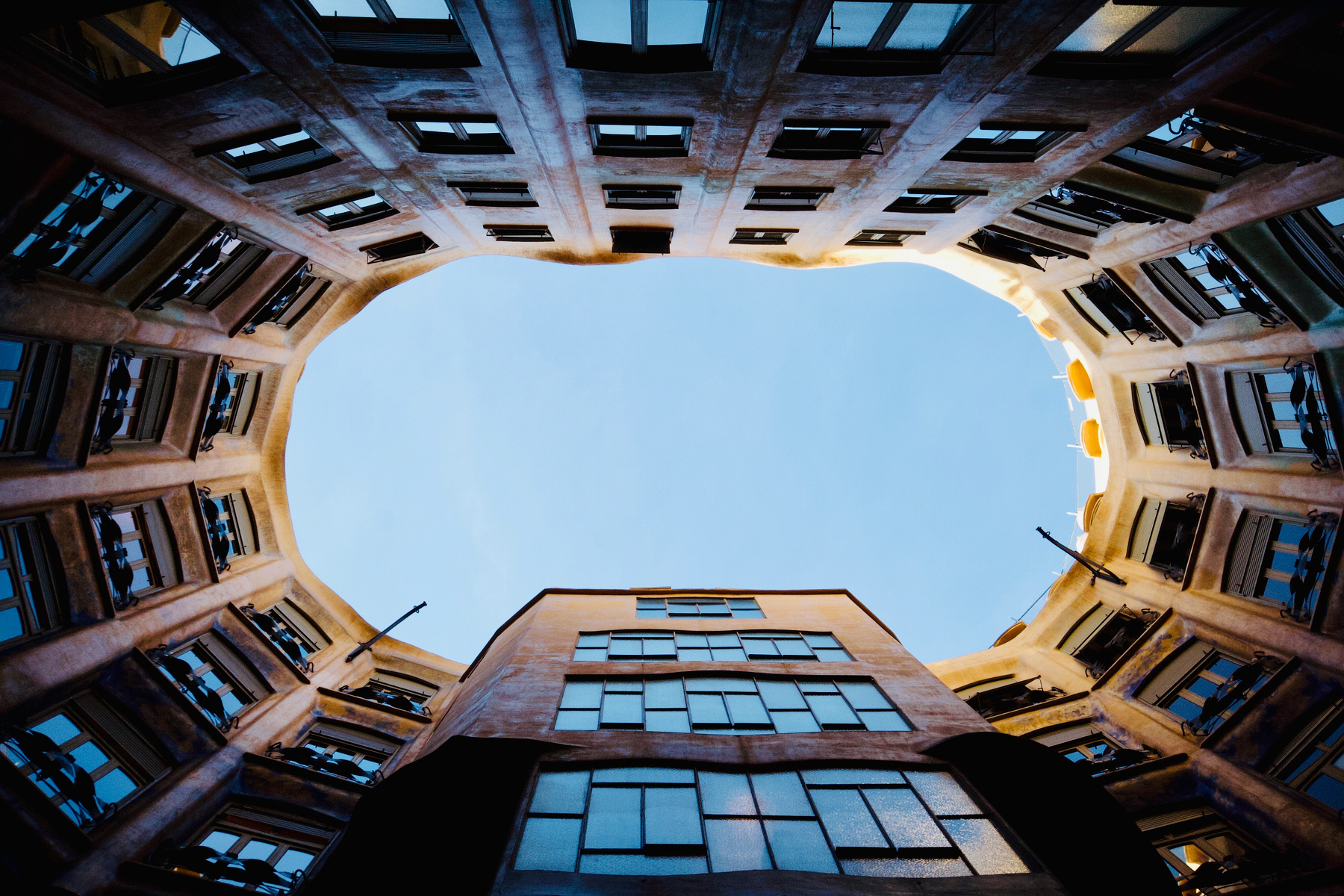
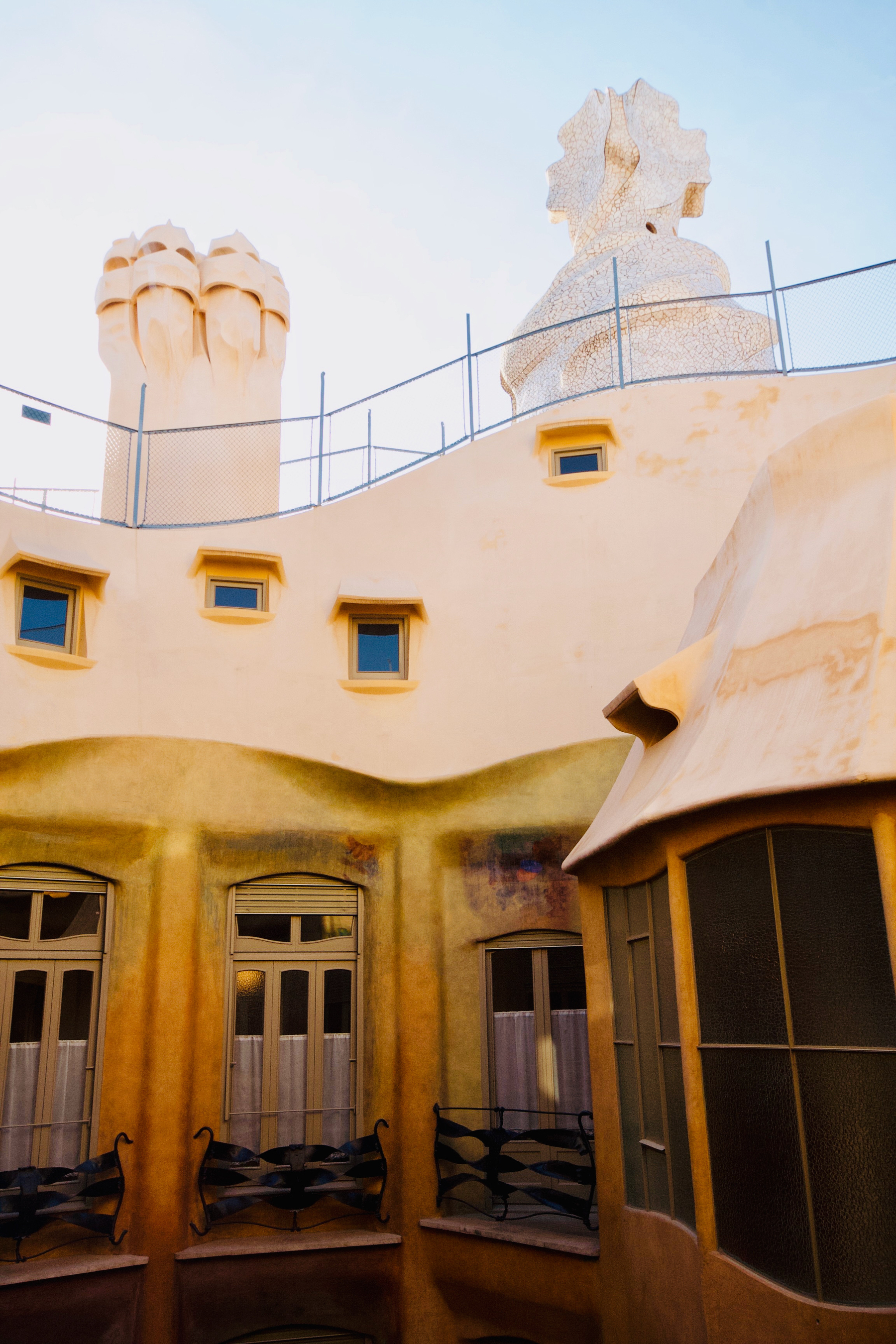
Stepping inside, I found myself drawn immediately into the building’s unusual world of curves, light, and organic forms. The entrance courtyards rise through the structure like enormous stone wells, allowing sunlight and fresh air to reach the apartments. Gaudí understood that a building should not simply shelter its occupants; it should also improve the experience of living. His designs were inspired by nature, but he was equally interested in solving practical problems. At La Pedrera, there are no rigidly conventional corners in the main spaces, and the flowing layouts create a sense of movement that feels surprisingly modern.
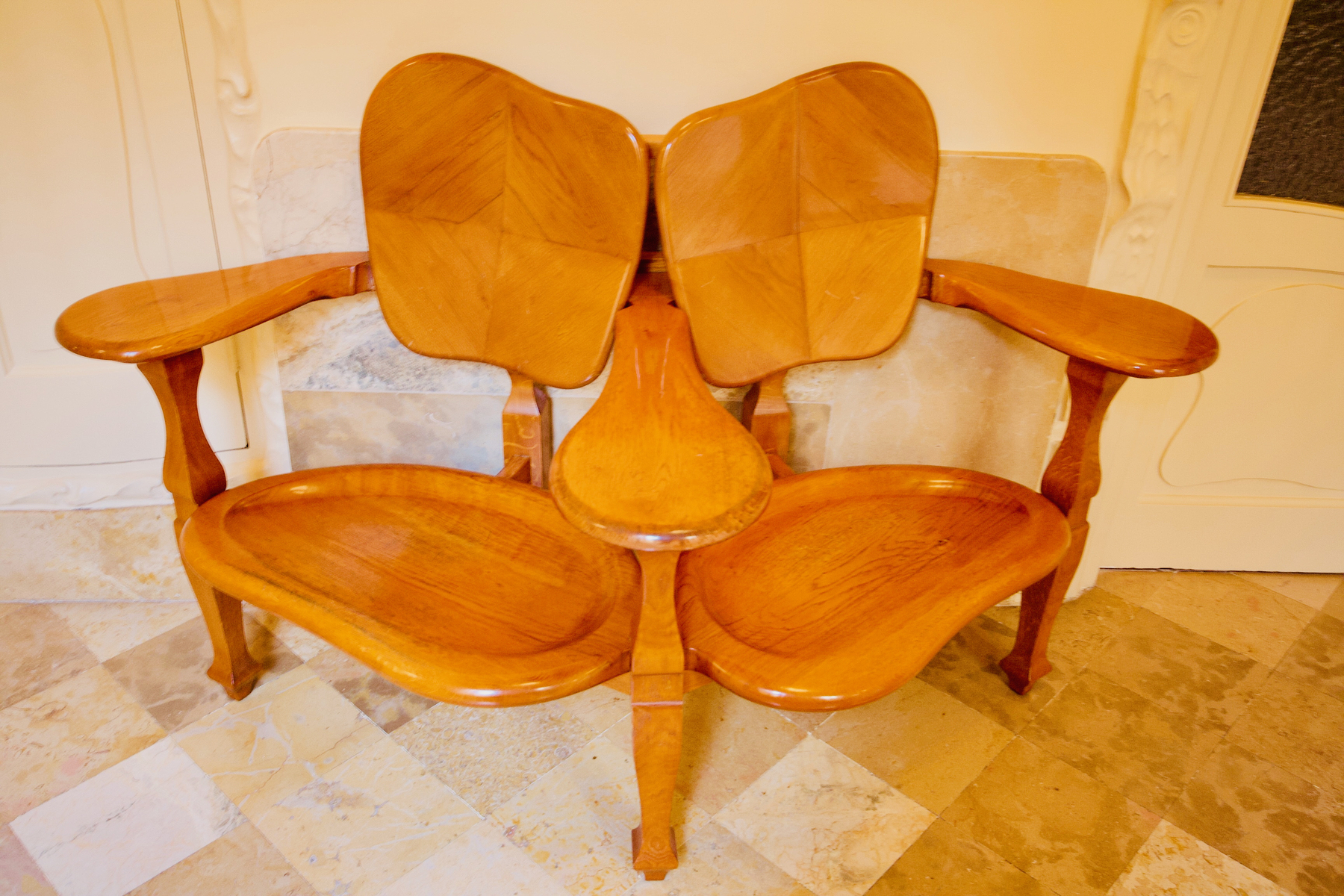
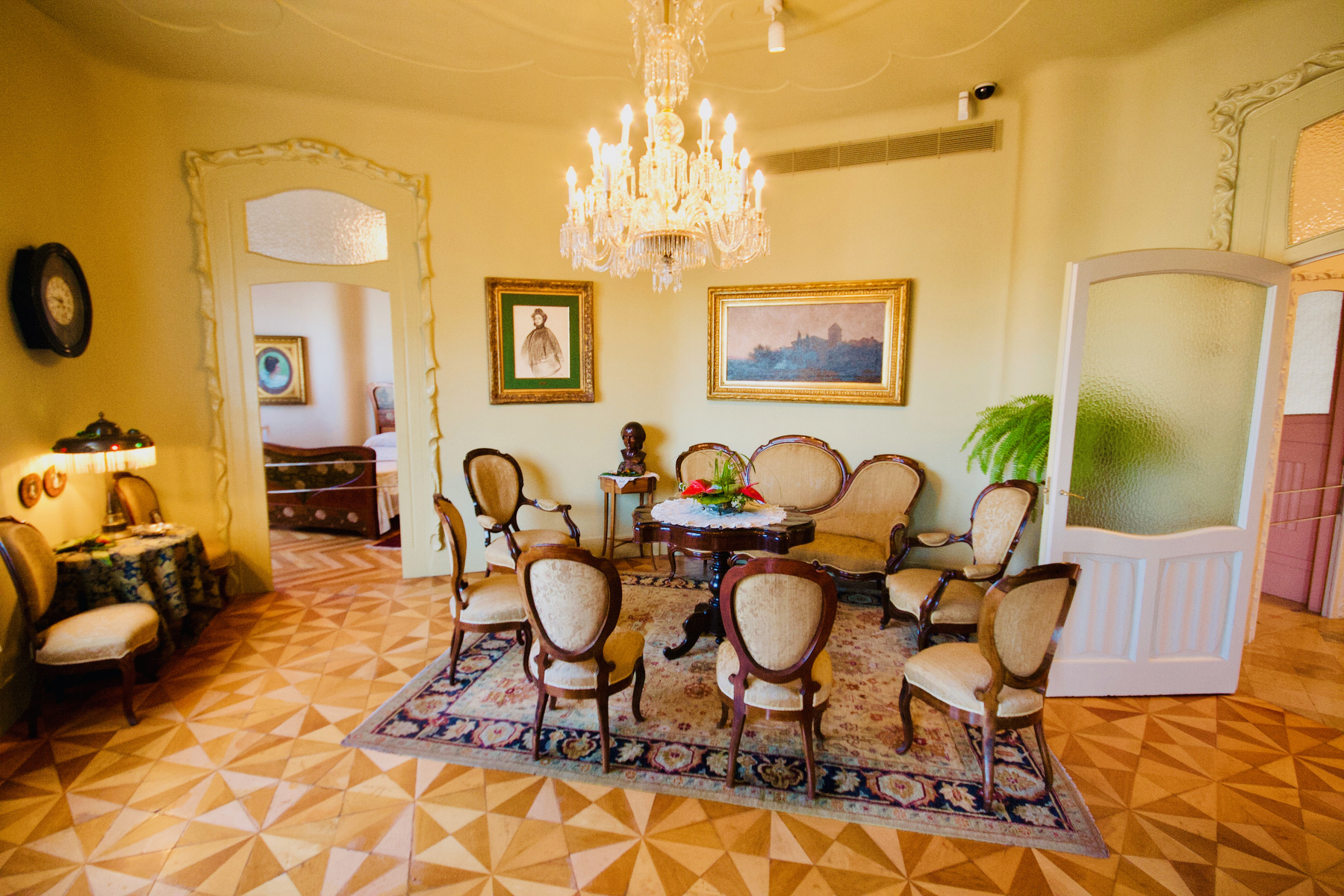
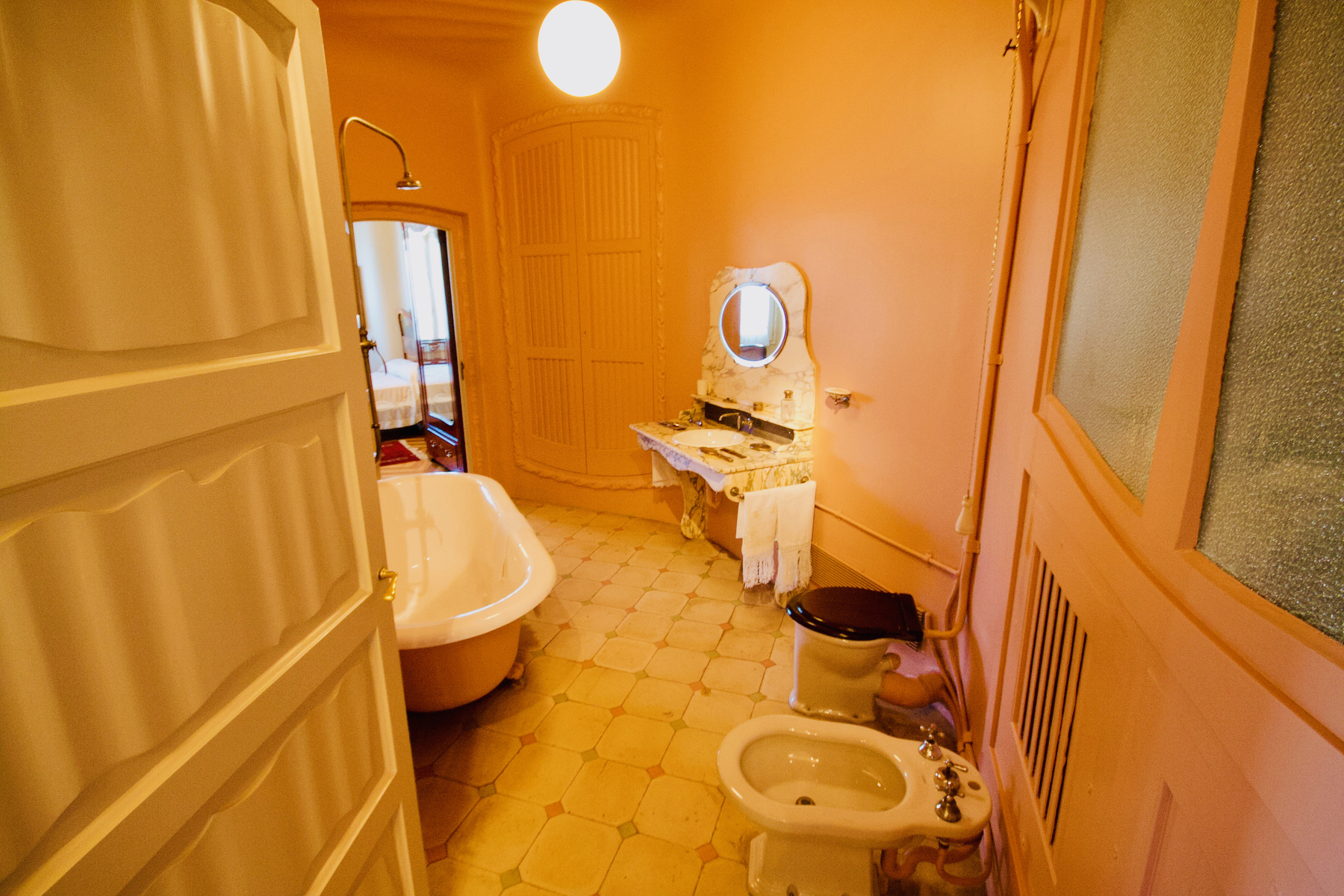
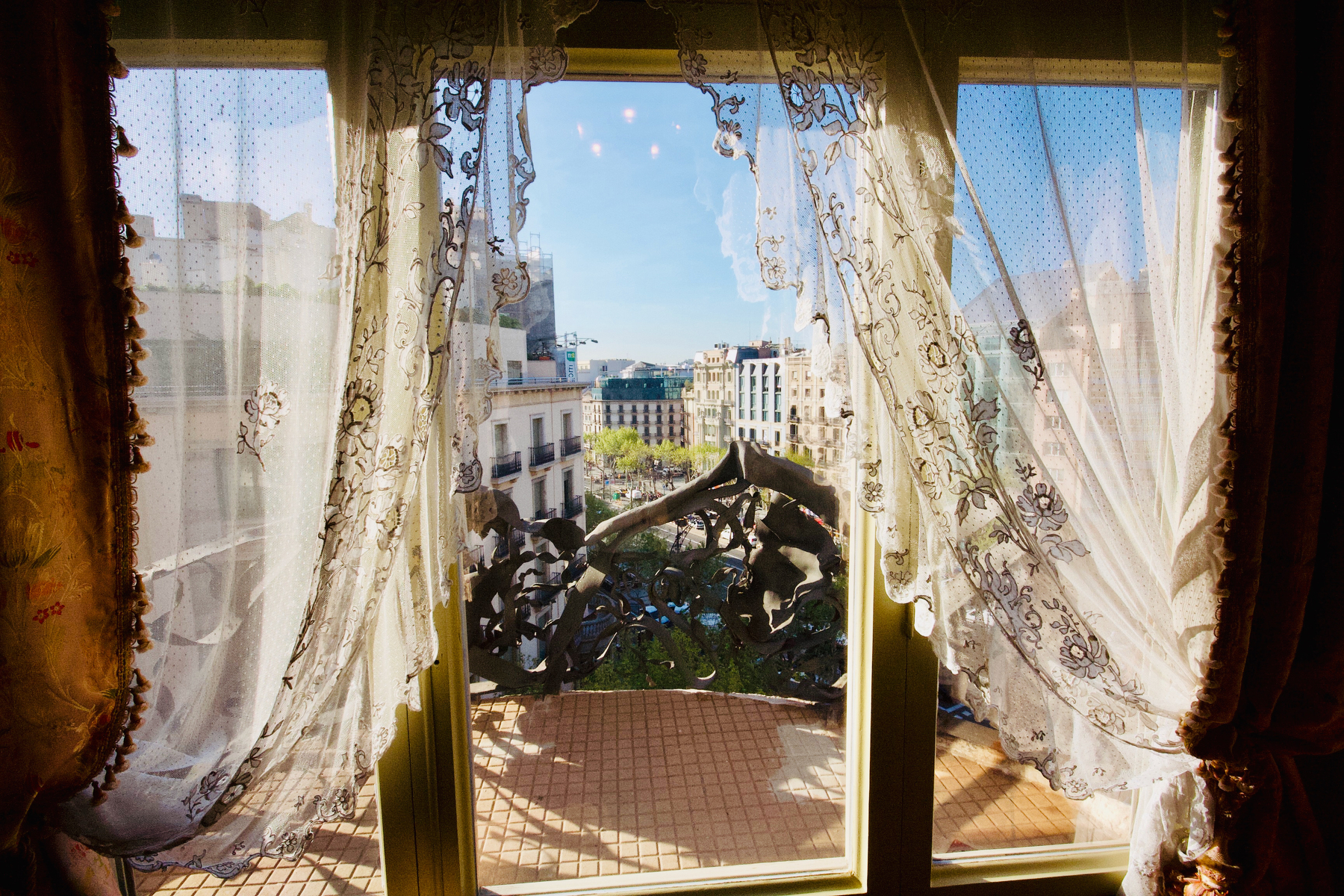
The apartment interiors reveal another side of Gaudí’s genius. The ceilings, doorways, and decorative details seem to grow naturally from the structure, while the large windows connect the rooms with the streets of Barcelona below. I was particularly fascinated by the way the building combines elegance with functionality. Storage, ventilation, and natural light were carefully considered, yet none of these practical concerns came at the expense of beauty. Gaudí’s approach was revolutionary for its time: architecture was not merely about constructing walls and rooms, but about creating an environment in which every detail contributed to the whole.
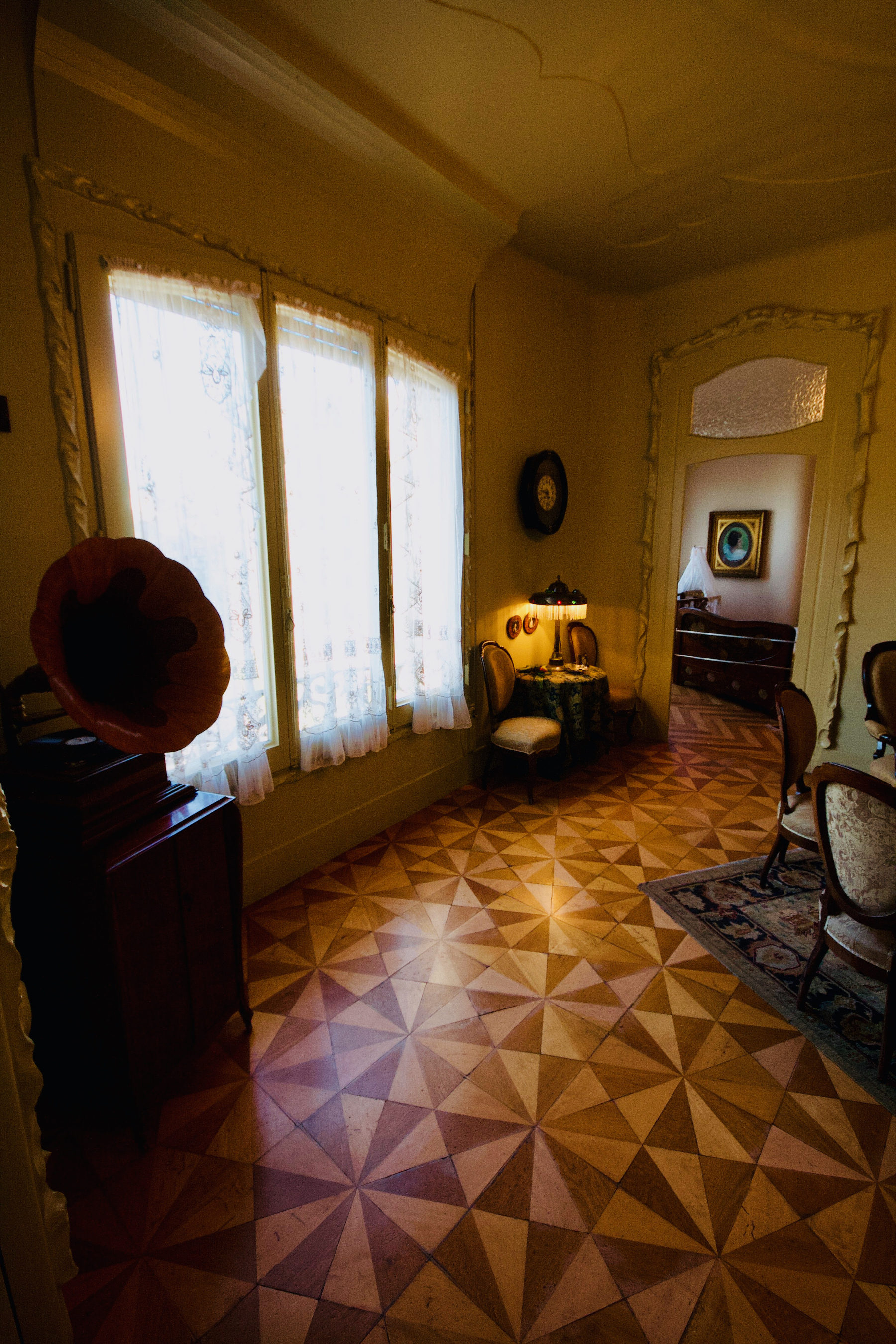
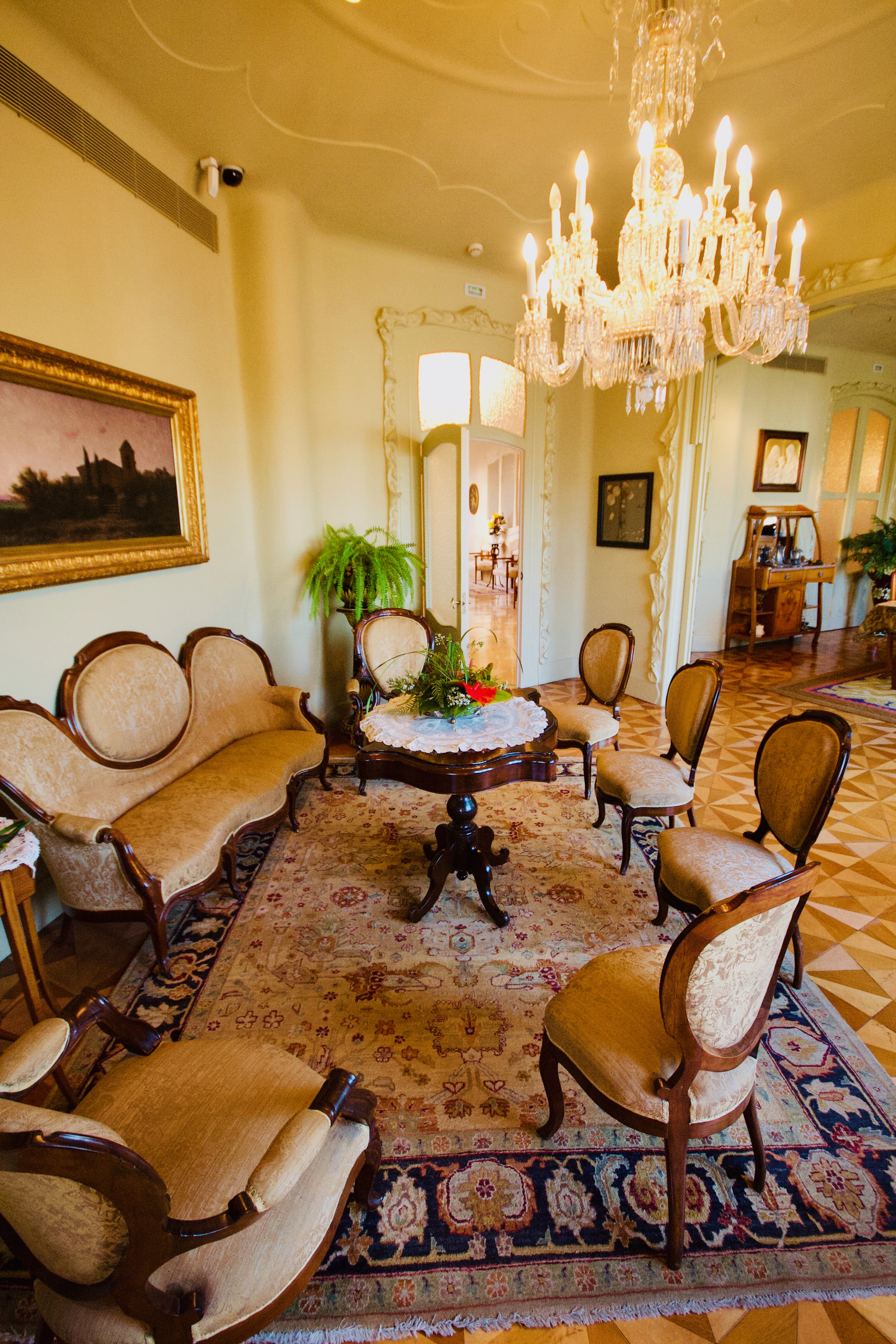
La Pedrera’s history is as fascinating as its appearance. When construction began, Gaudí was already an established architect, known for his distinctive interpretation of Catalan Modernisme. The building’s unusual facade, however, attracted criticism from some of Barcelona’s residents, who considered it strange and even ugly. Its nickname, La Pedrera, meaning “the stone quarry,” reflected that reaction. But the building was also admired for its daring design, and over time it became one of the defining works of Gaudí’s career. Today, it is recognised as part of the UNESCO World Heritage Site known as the Works of Antoni Gaudí.
The rooftop was the part of La Pedrera I had been most eager to see, and it did not disappoint. Here, Gaudí’s imagination seems to escape the limits of ordinary architecture. Sculptural chimneys and ventilation towers rise from the roof like strange guardians, their shapes both functional and theatrical. Some resemble medieval knights, while others appear almost abstract, as if they belong to a different world. Walking among them, with Barcelona stretching out in every direction, I felt that the rooftop was less a conventional architectural space than a landscape of stone.
What makes the rooftop particularly remarkable is that its surreal appearance serves a practical purpose. The chimneys and ventilation structures were designed to improve the building’s airflow and functionality. Gaudí transformed these necessary elements into sculptural forms, proving that useful architecture does not have to be dull. It is one of the clearest examples of his ability to combine engineering and imagination, creating something that works beautifully while also looking extraordinary.
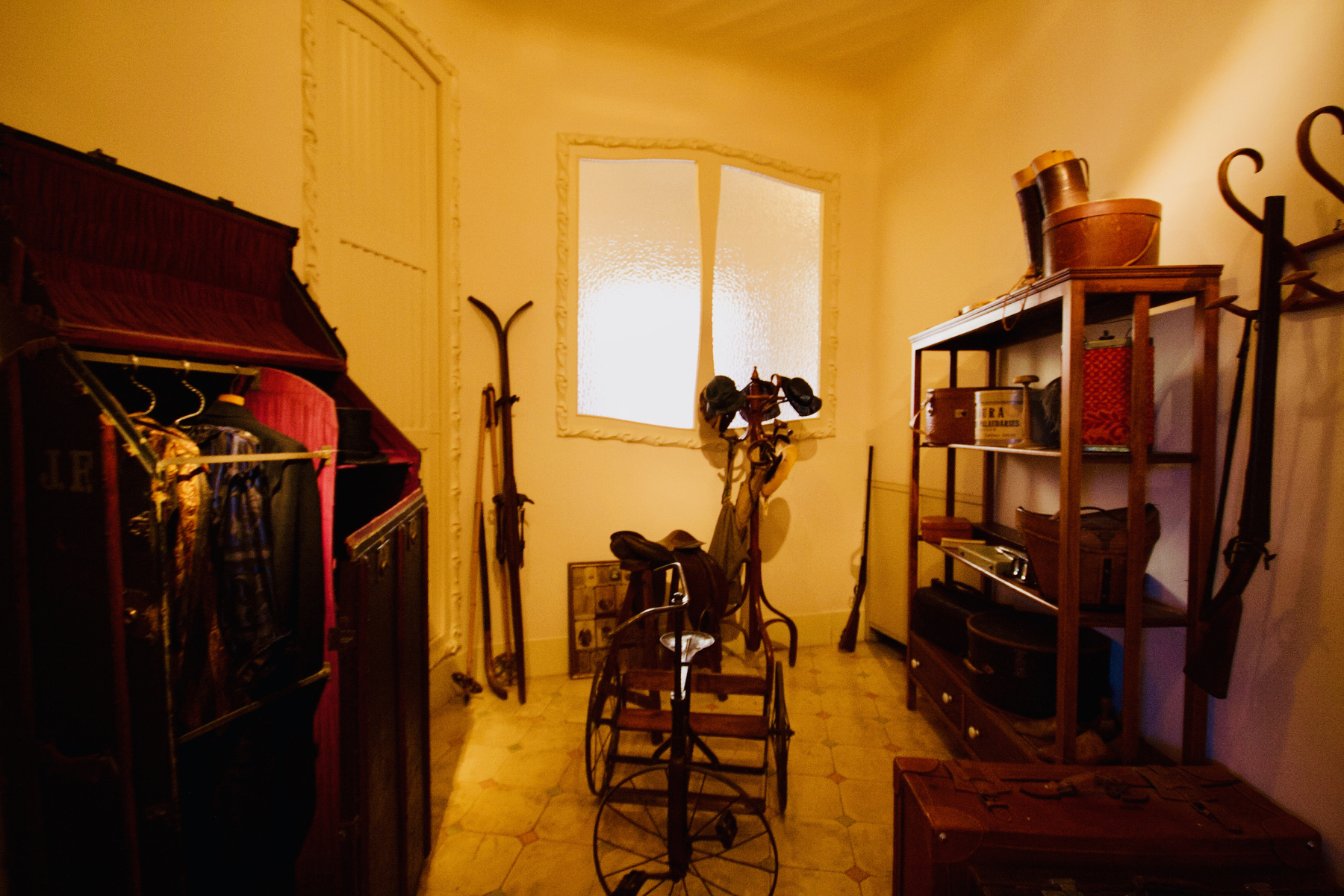
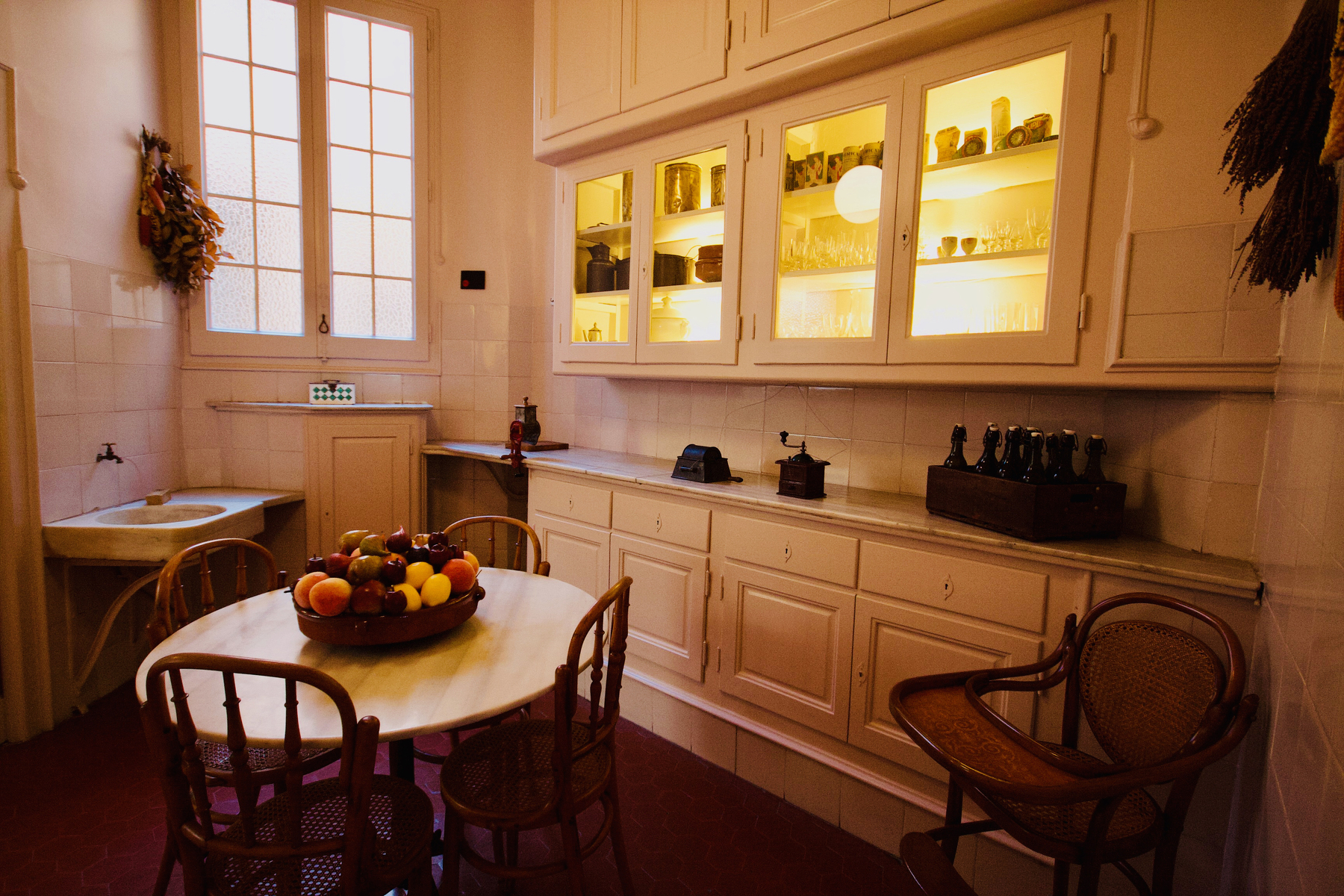
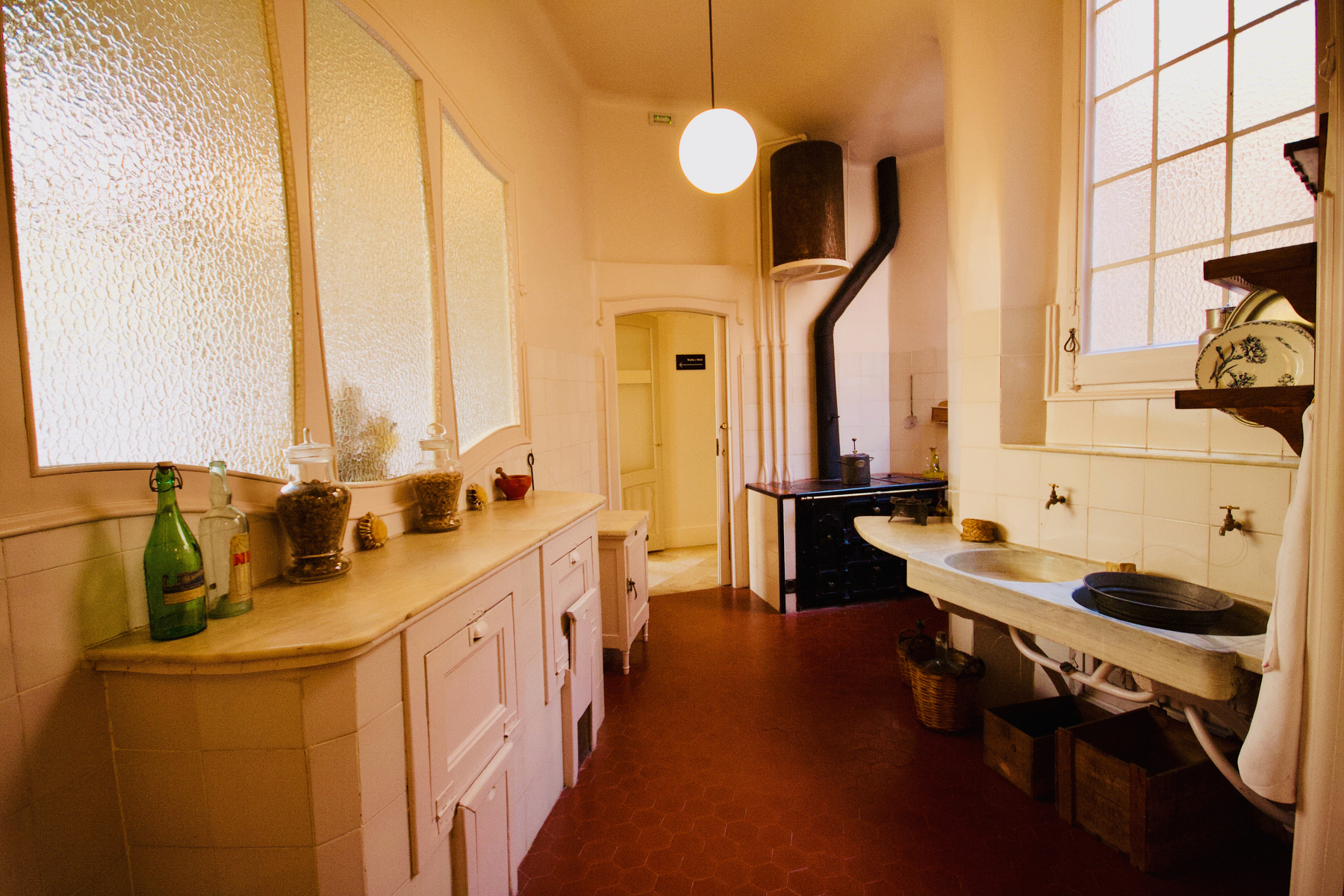
Inside the building, I continued discovering details that rewarded a slower pace. The winding staircases, decorative ironwork, and unusual shapes create a feeling of constant movement. Gaudí’s fascination with the natural world is everywhere, from the curves of the stone to the patterns and textures used throughout the interiors. Rather than copying nature literally, he translated its principles into architecture: balance, growth, movement, and the relationship between light and shadow.
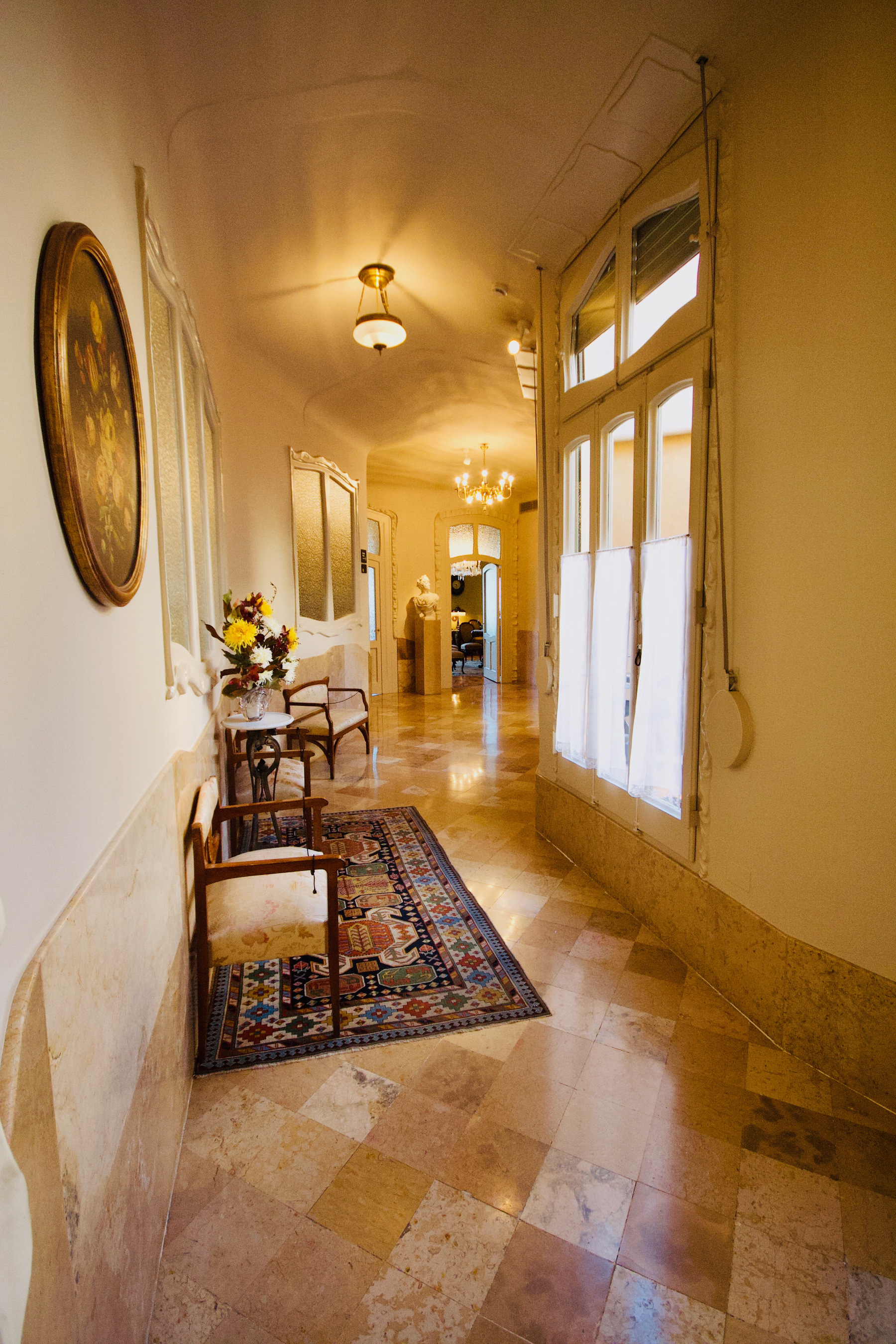
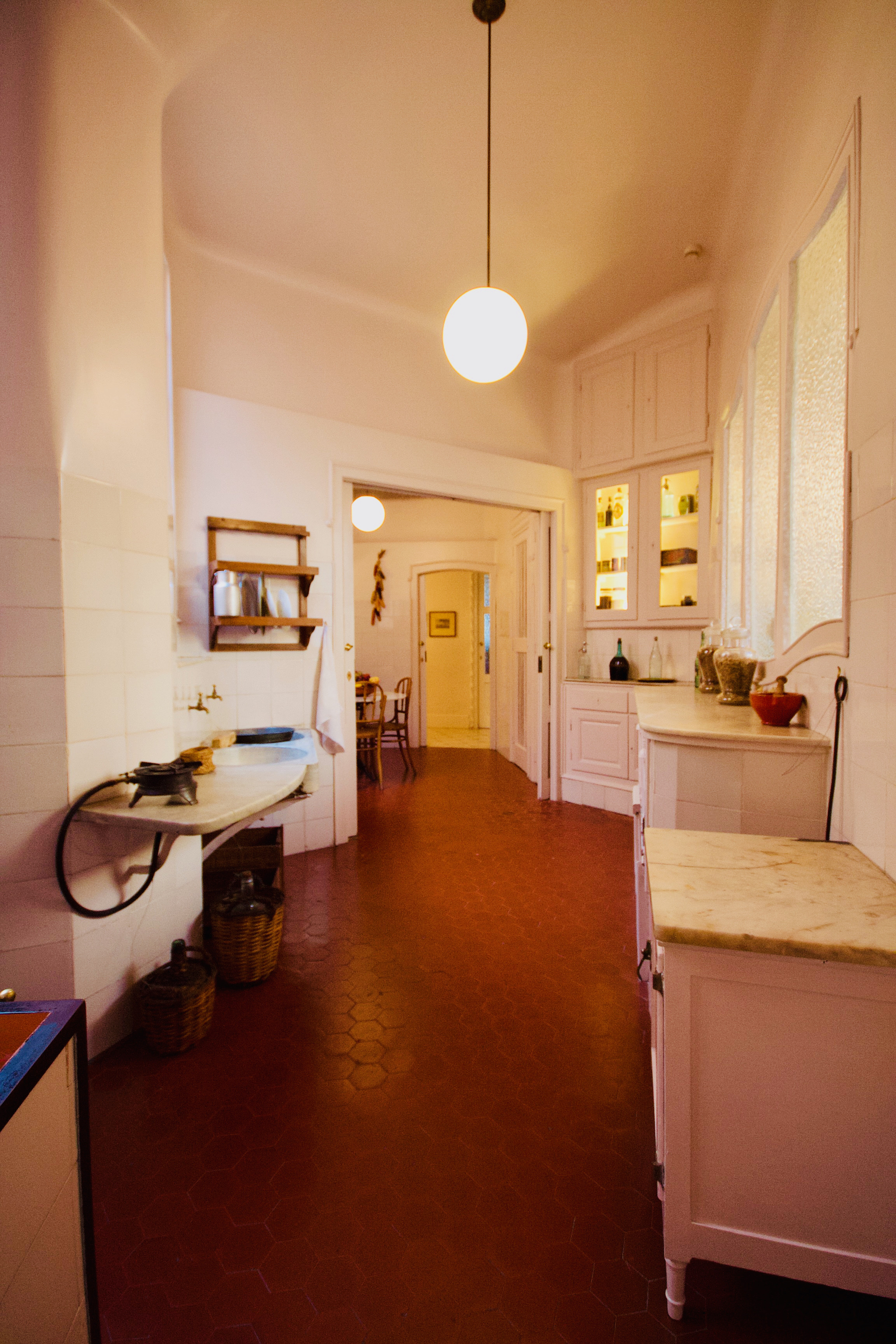
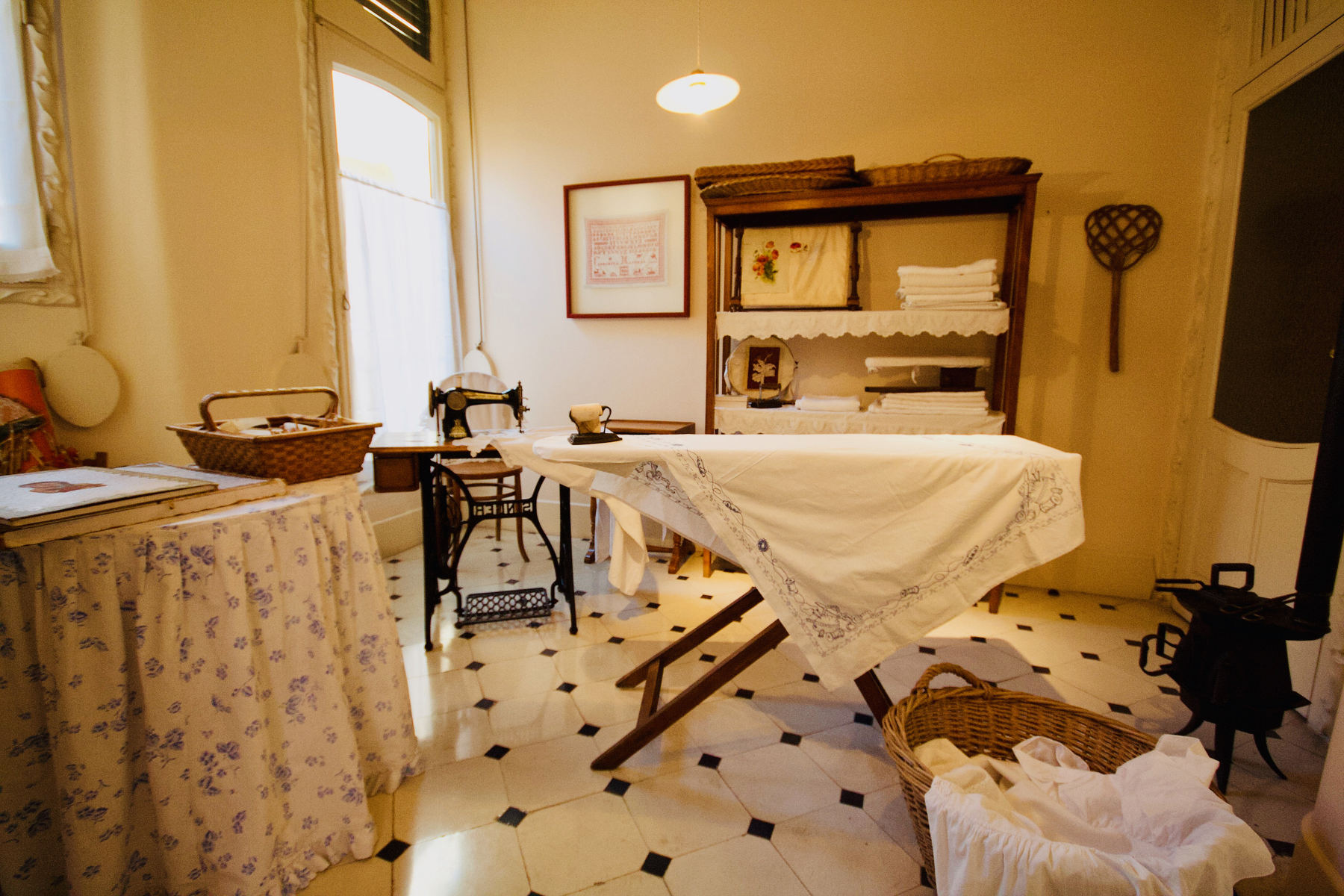
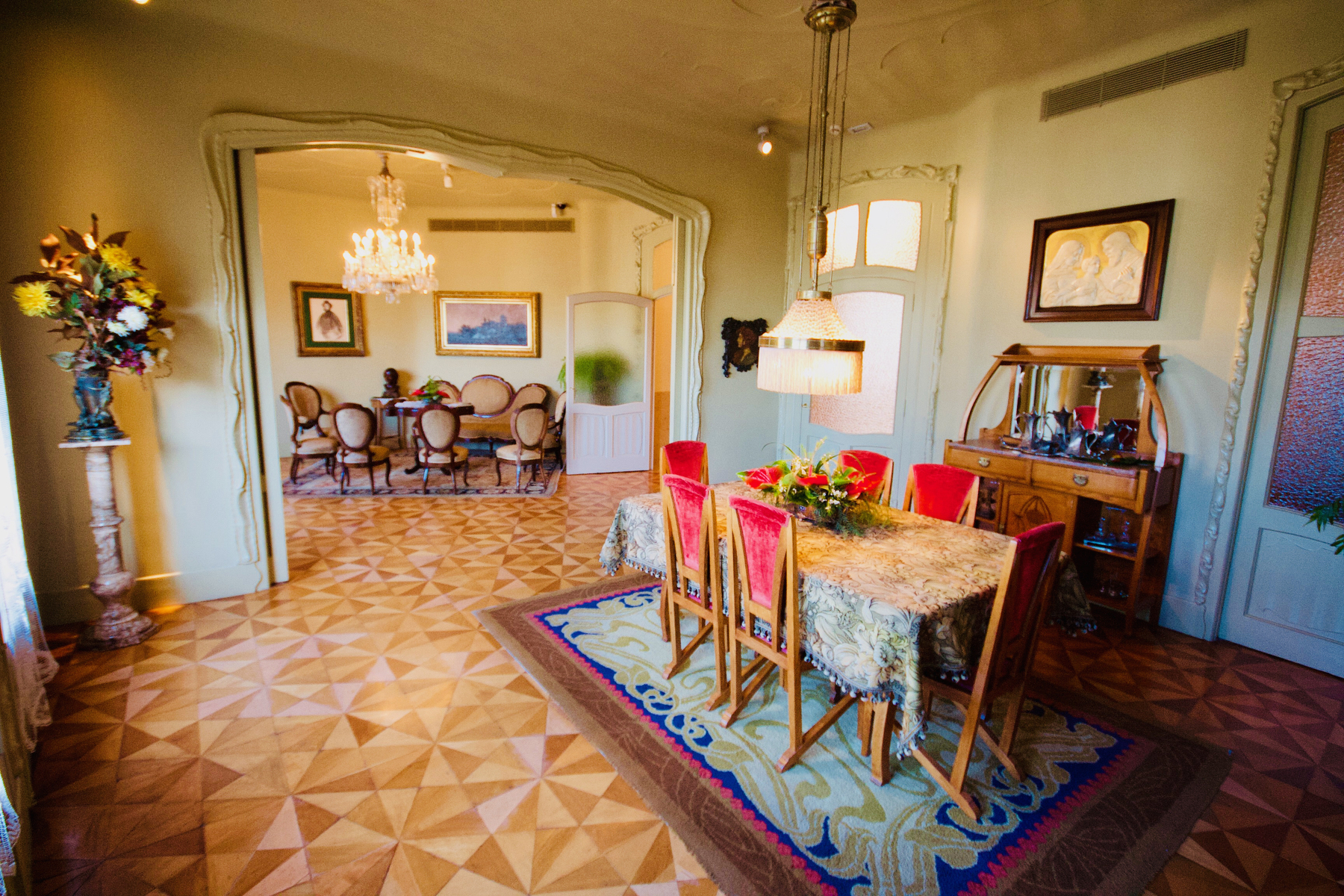
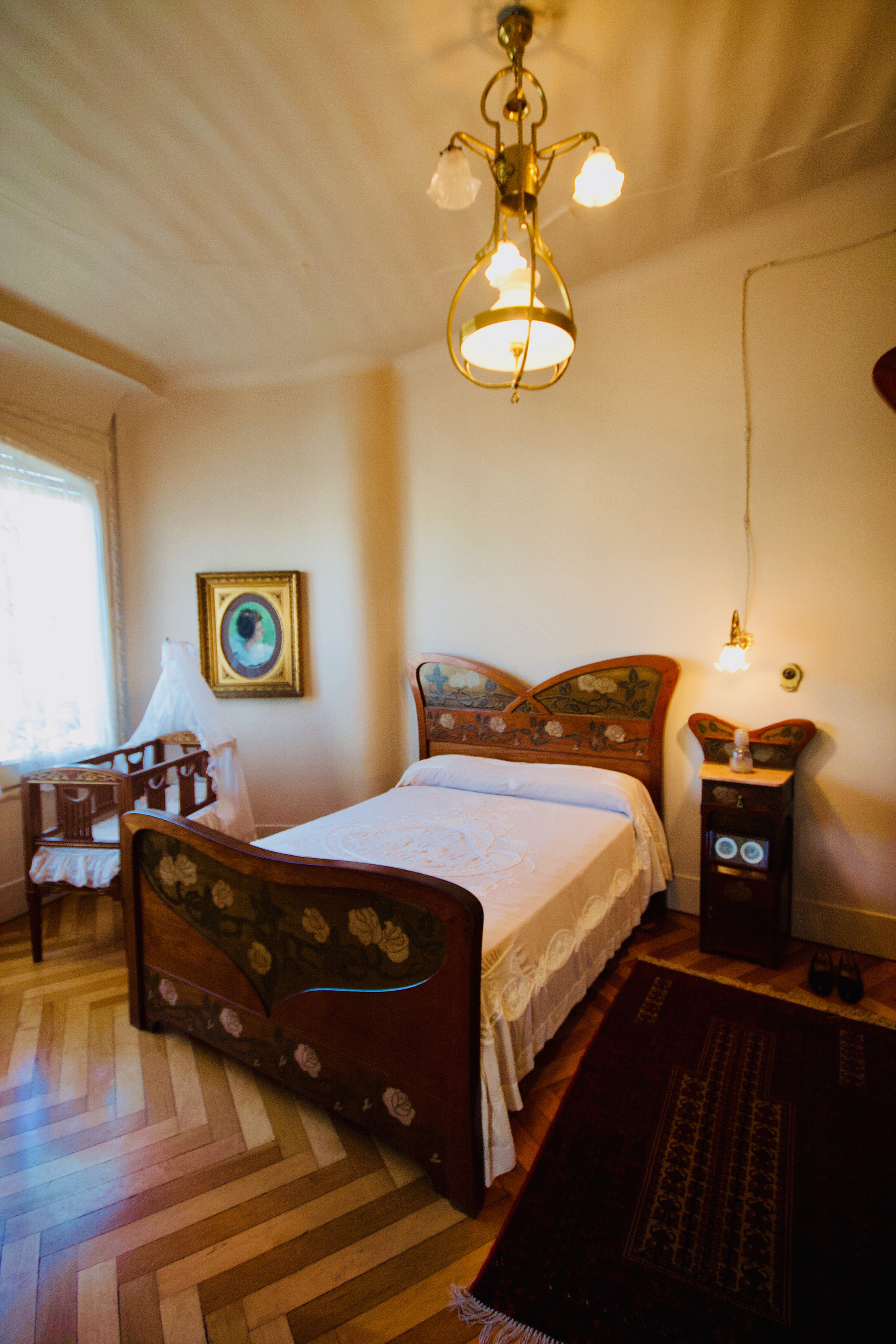
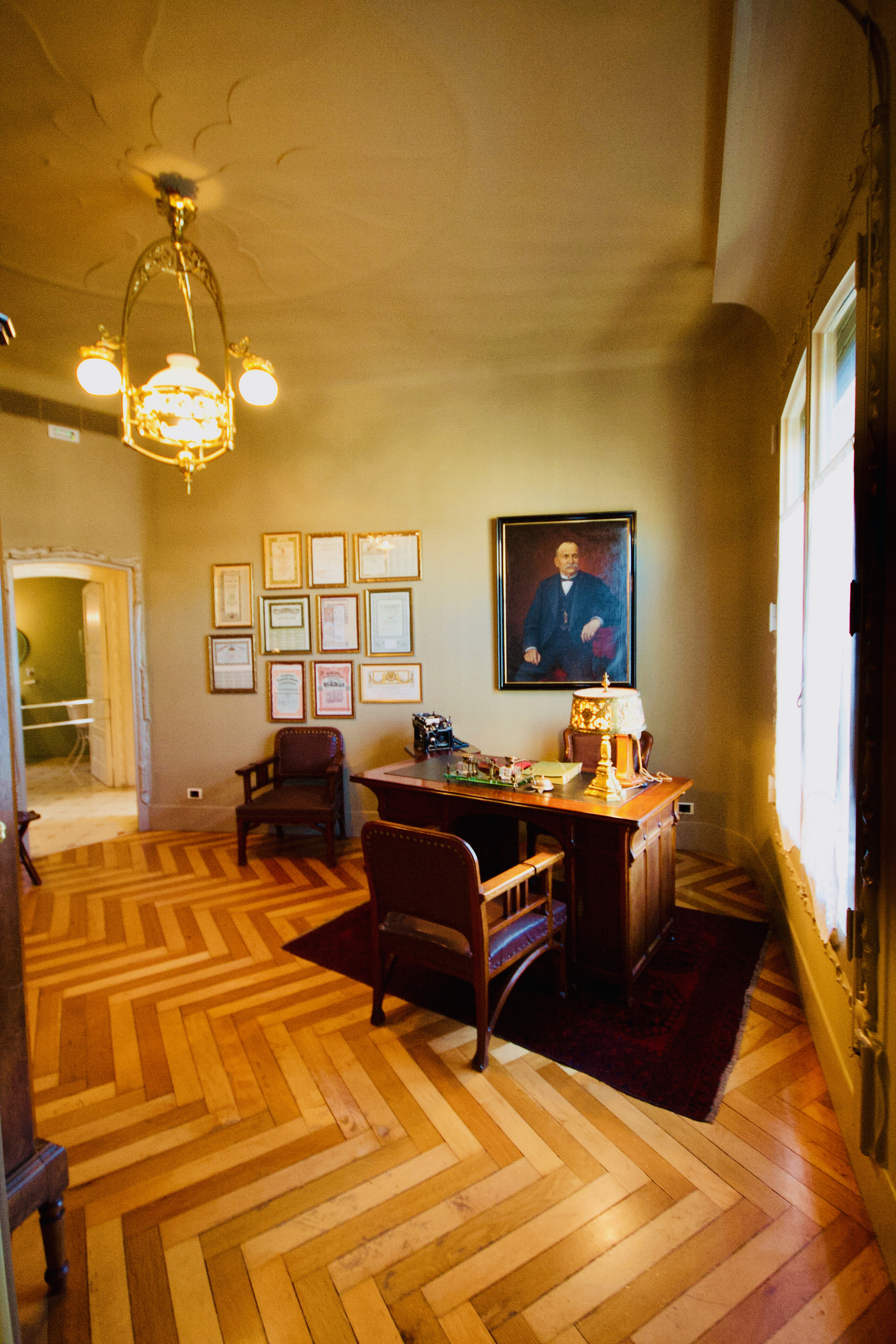
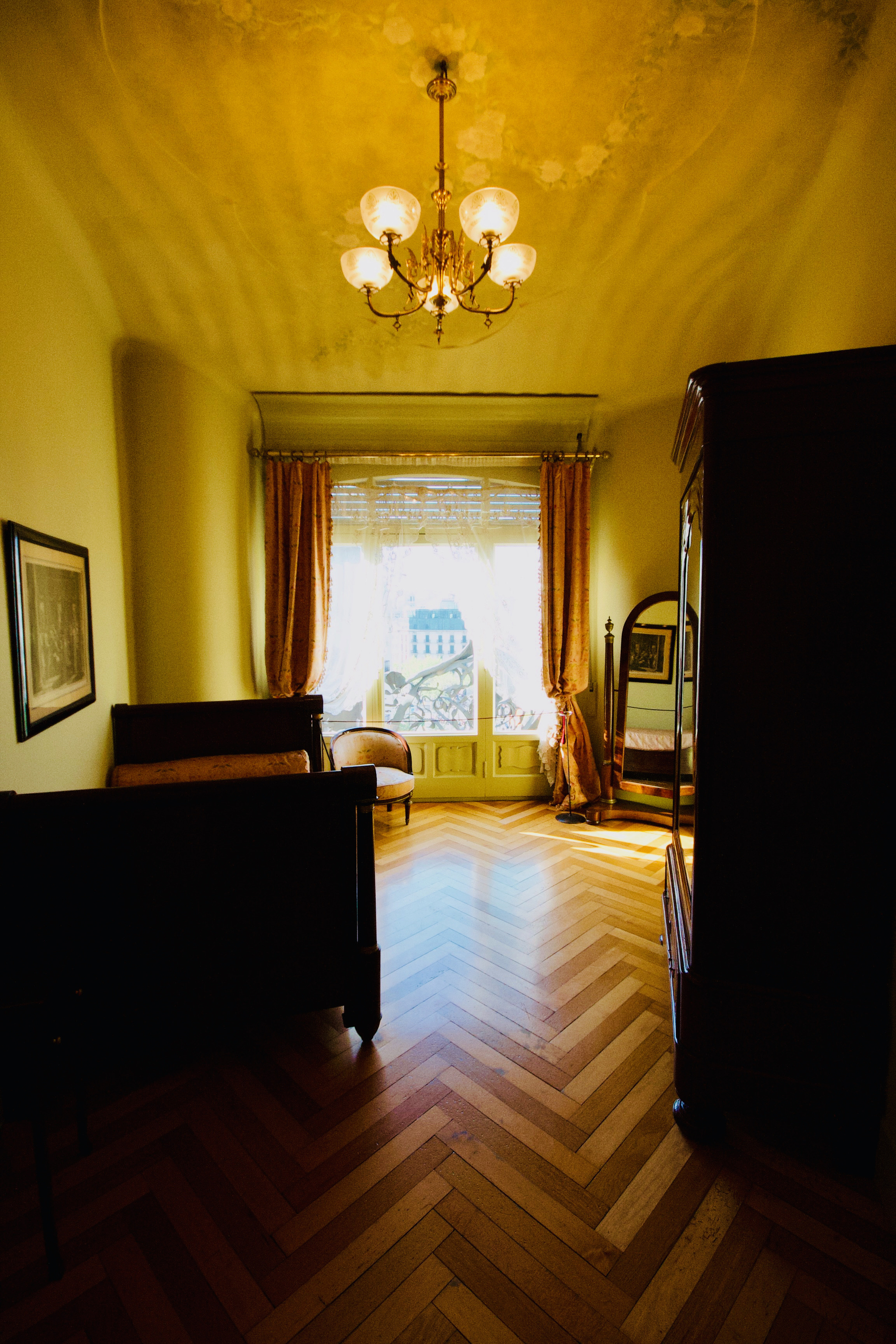
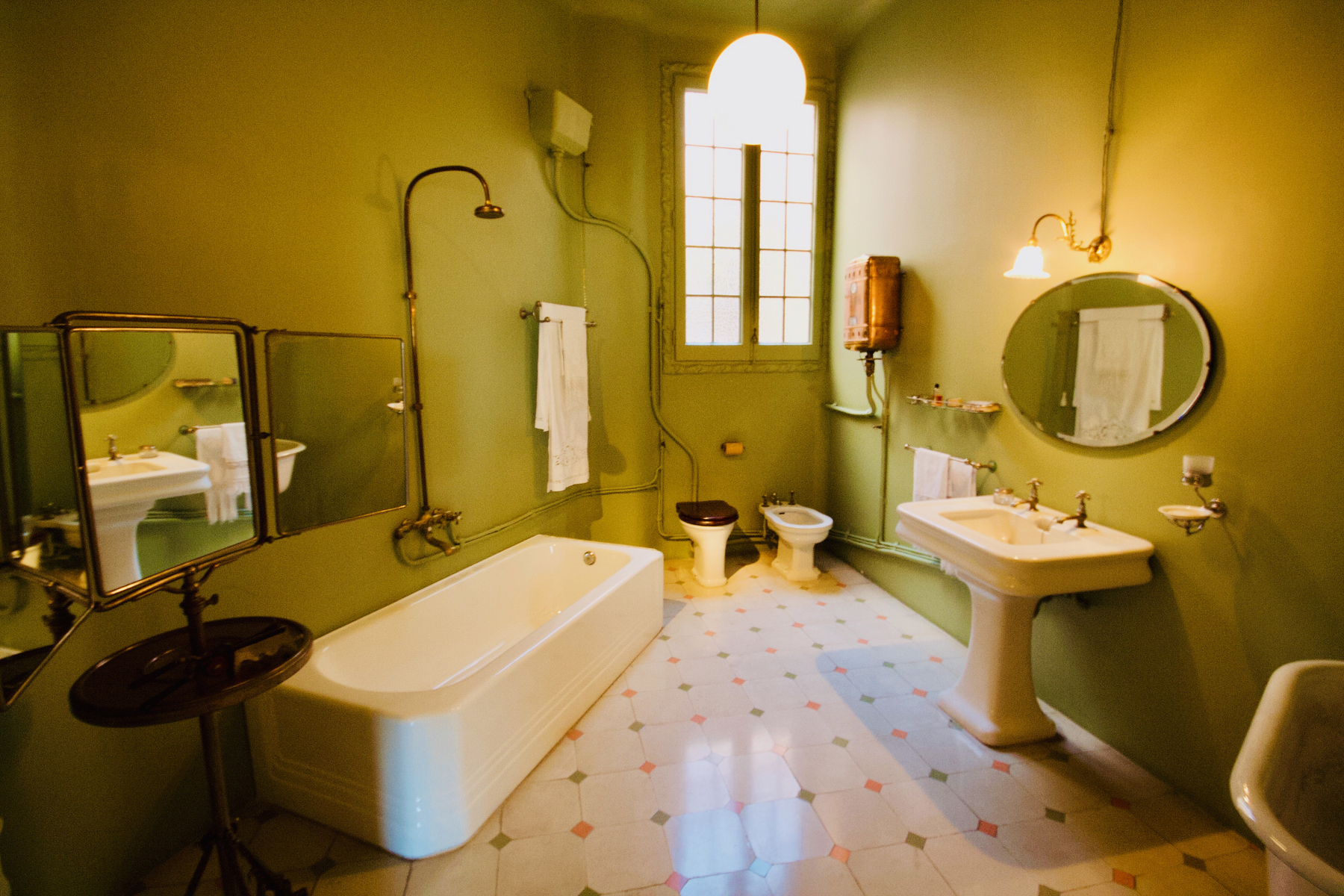
La Pedrera also offers a glimpse into the lives of the people who once lived there. The Milà family’s apartment has been restored to show how an early twentieth-century bourgeois home might have looked, with period furniture, domestic objects, and carefully designed rooms. It is easy to focus on the building’s theatrical exterior, but these interiors remind us that Gaudí was designing a place for everyday life. The contrast between the ordinary routines of residents and the extraordinary architecture around them is part of what makes the building so interesting.
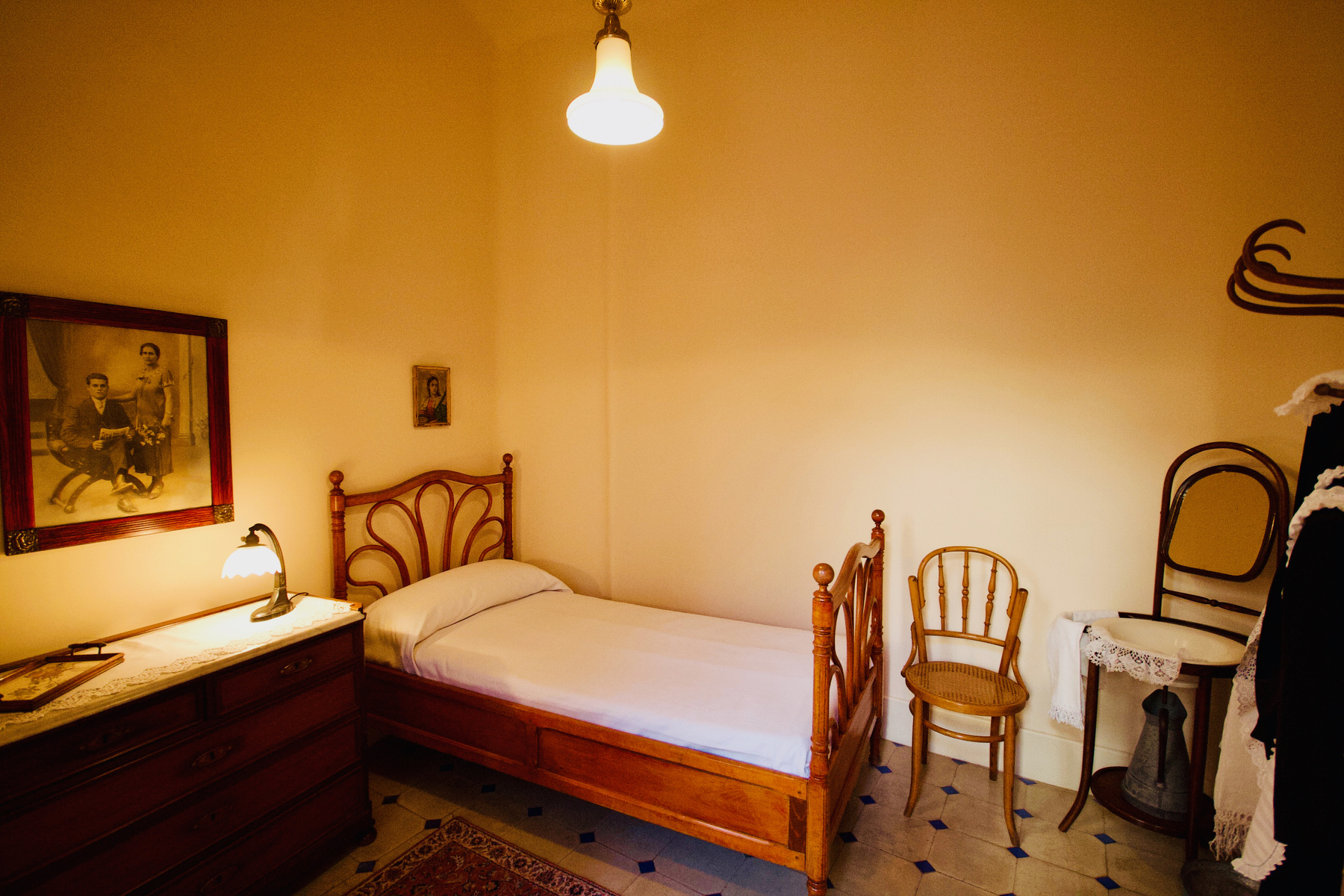
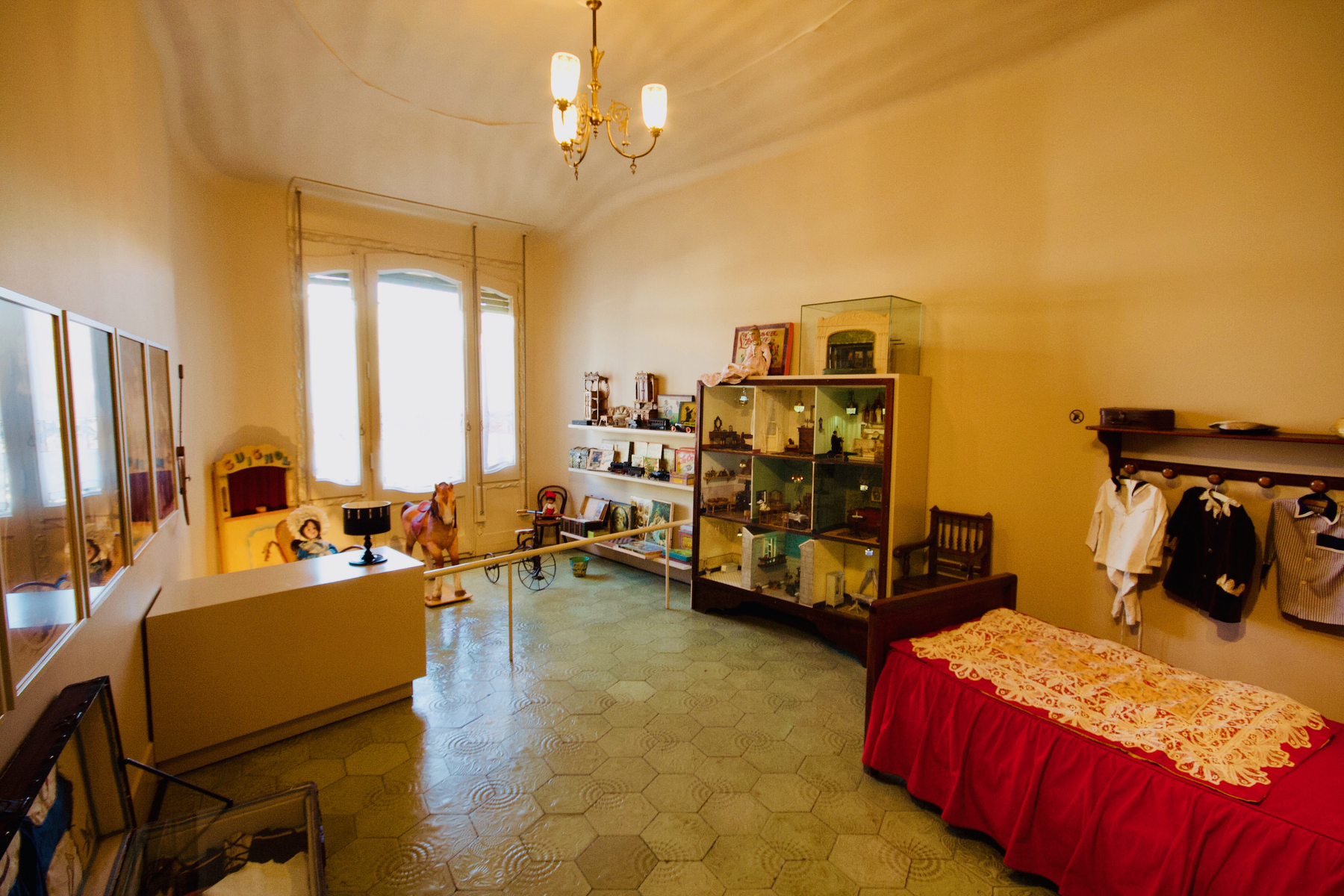
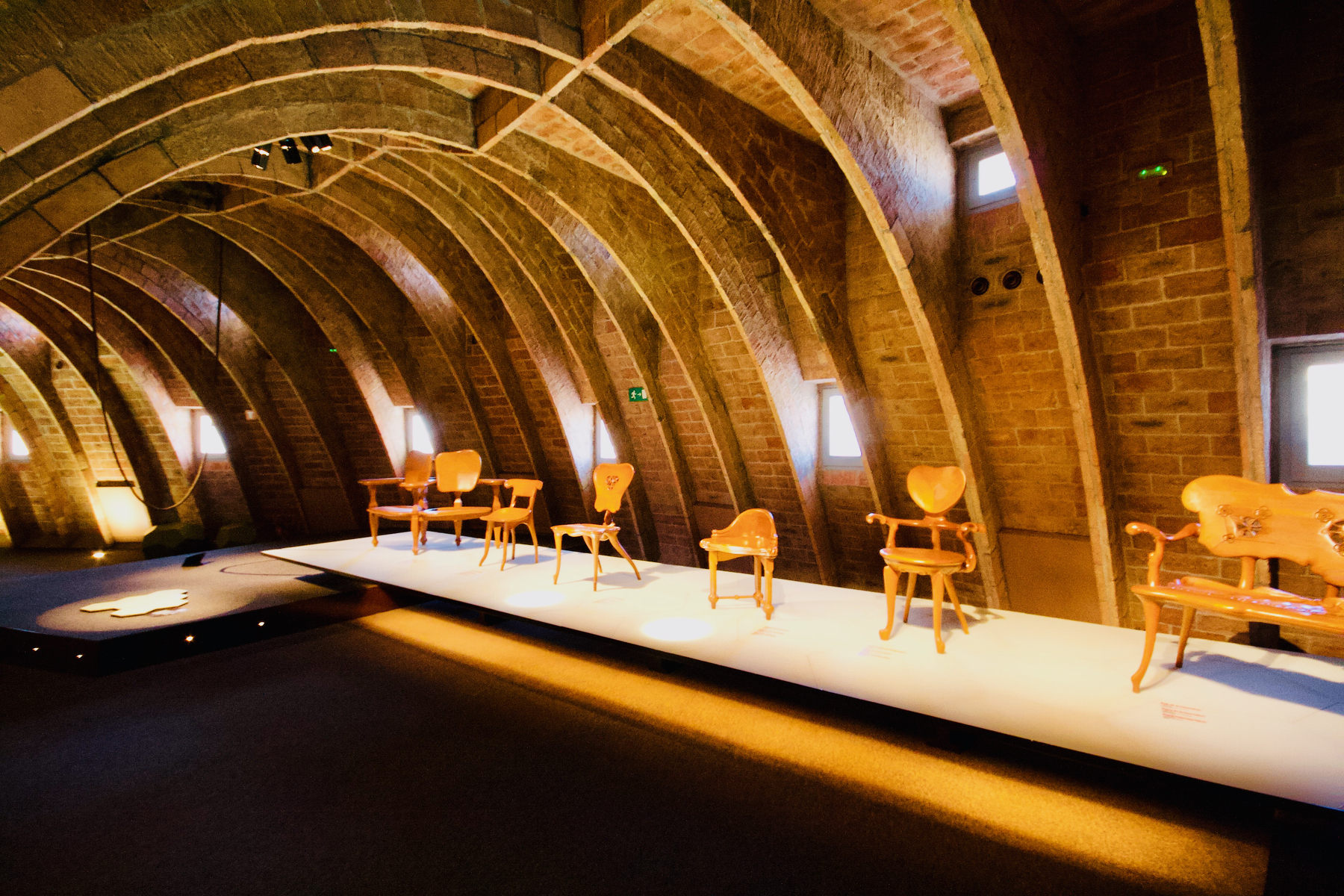
By the time I finished exploring La Pedrera, I felt I had experienced something much more profound than a visit to a famous landmark. Gaudí created a building that challenges the way we think about architecture, blending art, engineering, and nature into a single living composition. Every curve, opening, and sculptural detail seems to ask the same question: why should a building be ordinary when it can be extraordinary?
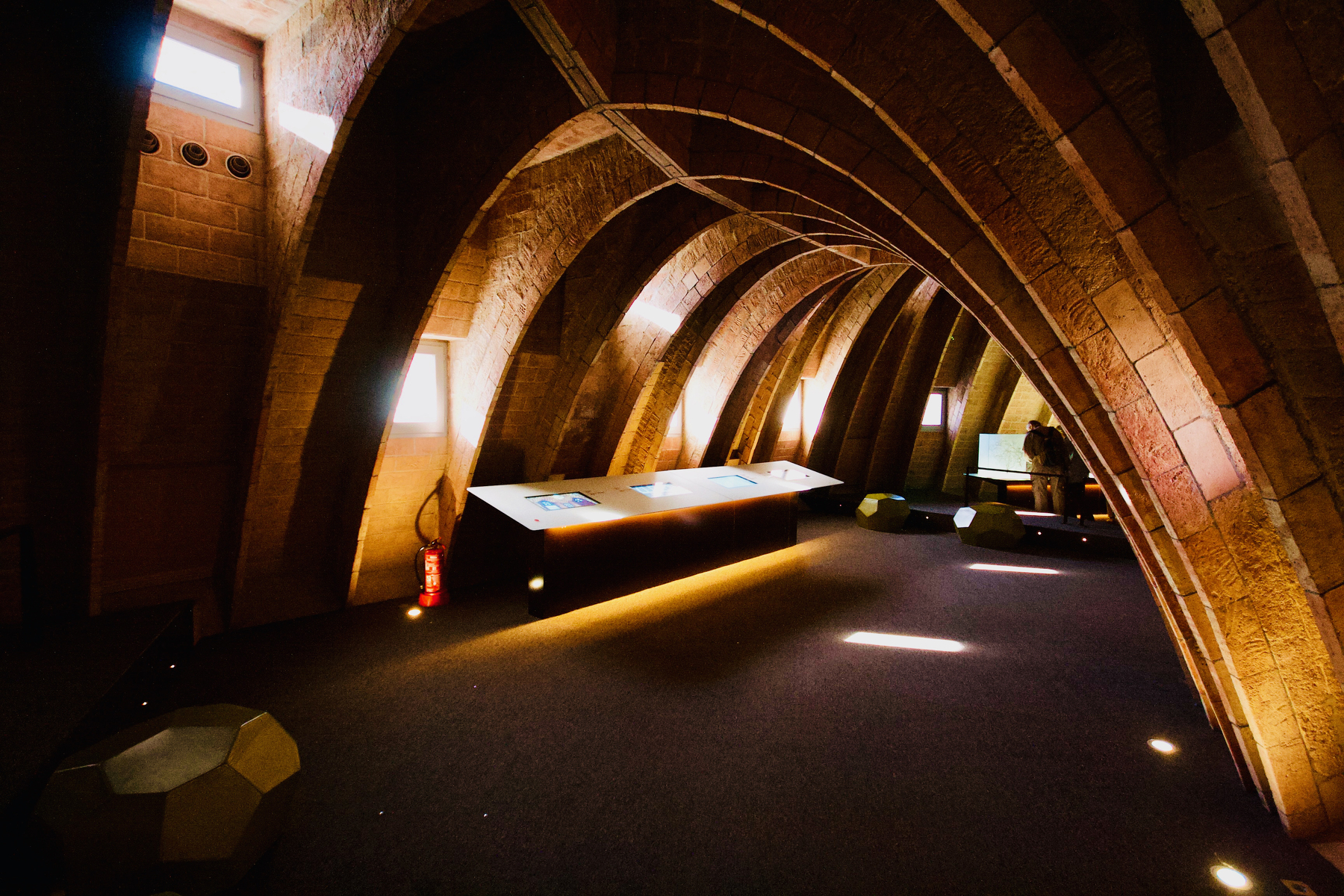
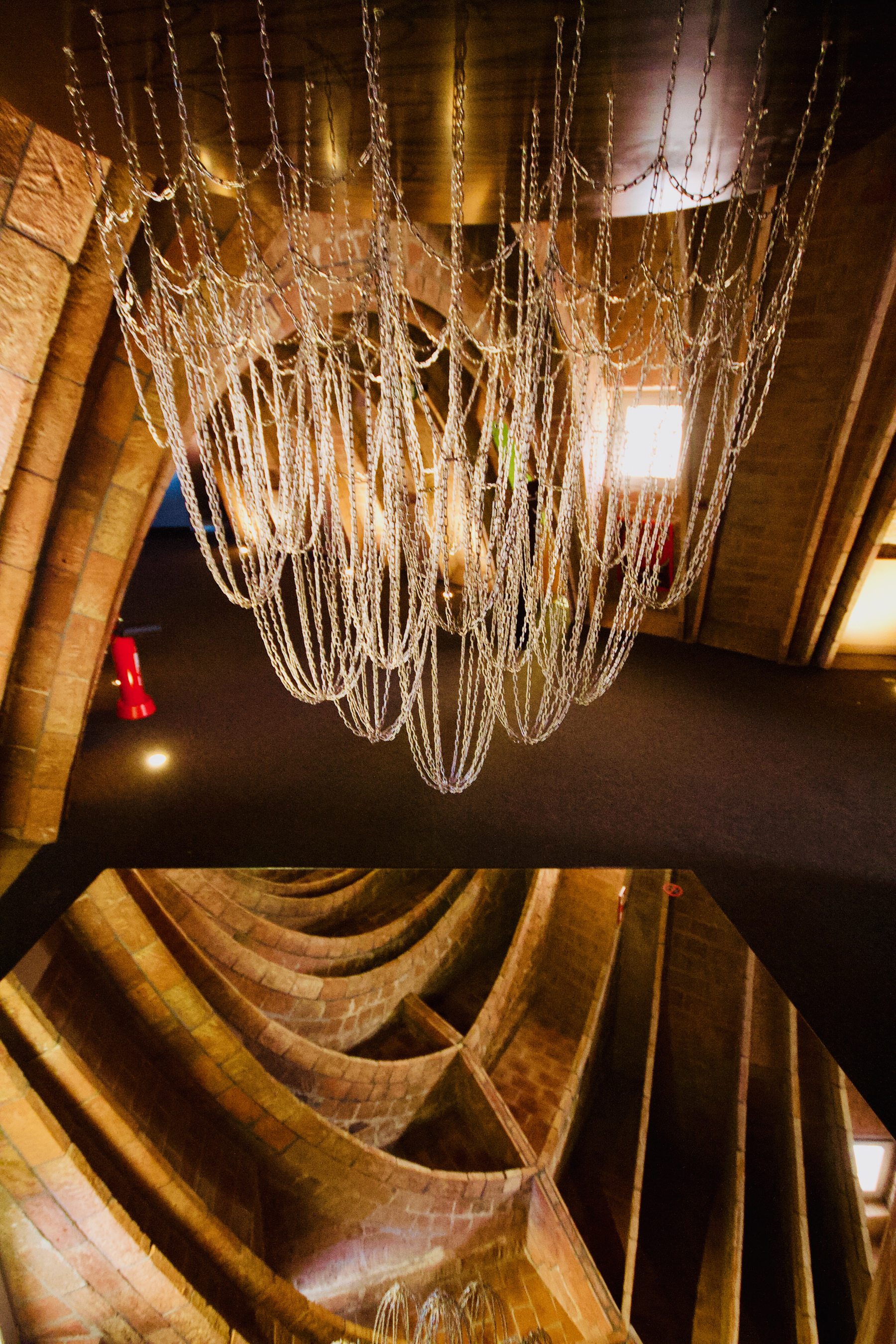
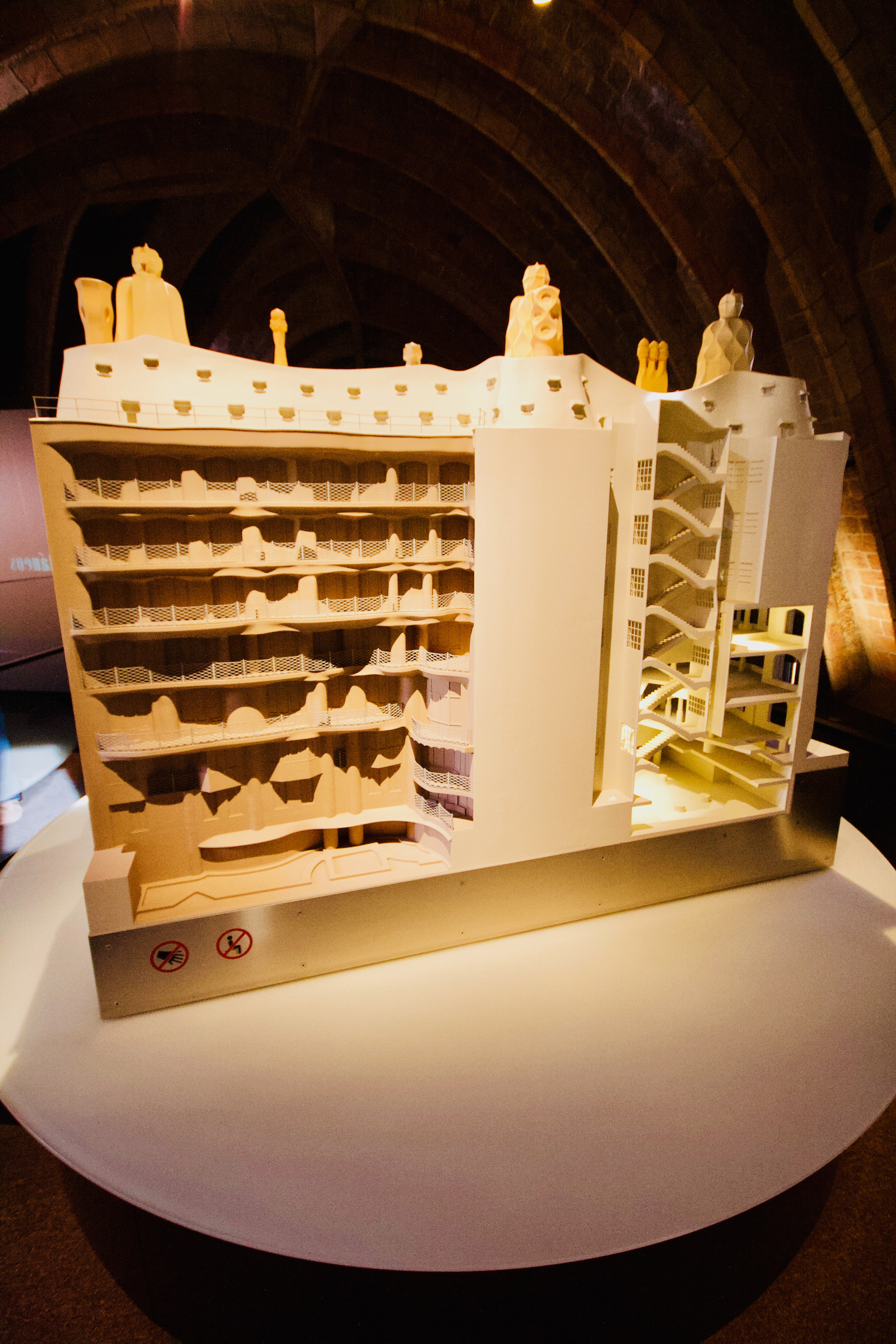
If you are visiting Barcelona, La Pedrera deserves a place on your itinerary. Take your time, explore the courtyards and interiors, and make sure you reach the rooftop. It is one of those rare places where the building itself becomes the experience, and where the genius of its creator continues to surprise visitors more than a century after the first stone was laid.
#Photography #Photoblog #Blog #LaPedrera #CasaMila #AntoniGaudi #GaudiArchitecture #Barcelona #BarcelonaTravel #BarcelonaArchitecture #Catalan #Modernisme #ModernistArchitecture #BCN #Landmarks #UNESCO #World #Heritage #PasseigDeGracia #GaudiBarcelona #TravelEssay #TravelPhotography #BarcelonaGuide #Architecture #History