
Kazimierz Dolny: A Riverside Journey Through Poland’s Artistic Soul
There are places that seem to exist slightly outside the modern world, where the pace of life slows and history feels close enough to touch. Kazimierz Dolny is one of those places. Nestled along the Vistula River in eastern Poland, this charming town combines Renaissance architecture, a remarkable artistic heritage, and rolling countryside in a way that makes it difficult not to fall in love with it. As I wandered its cobblestone streets, I found myself imagining the merchants, painters, and travellers who had walked these same paths centuries before me.
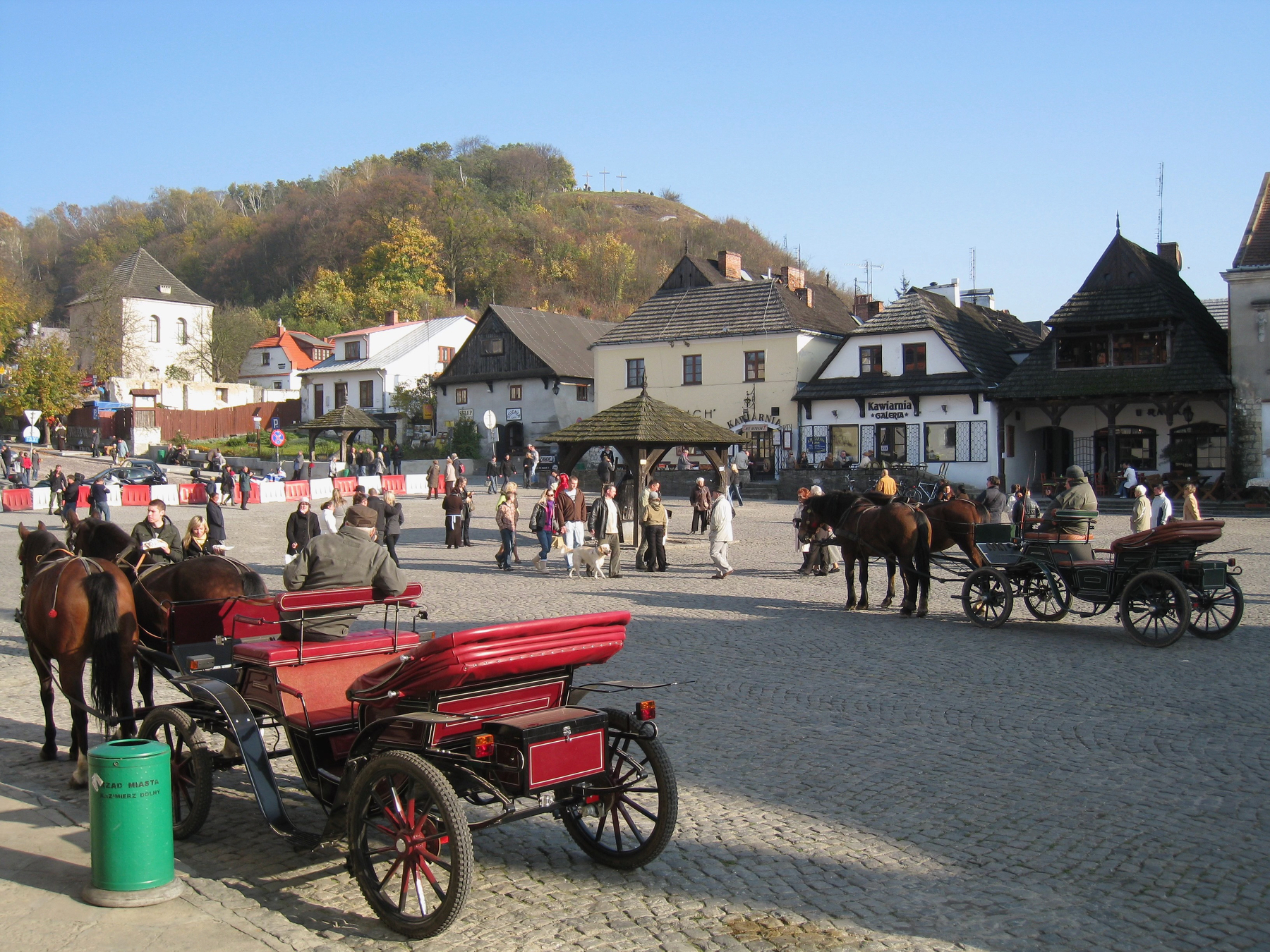
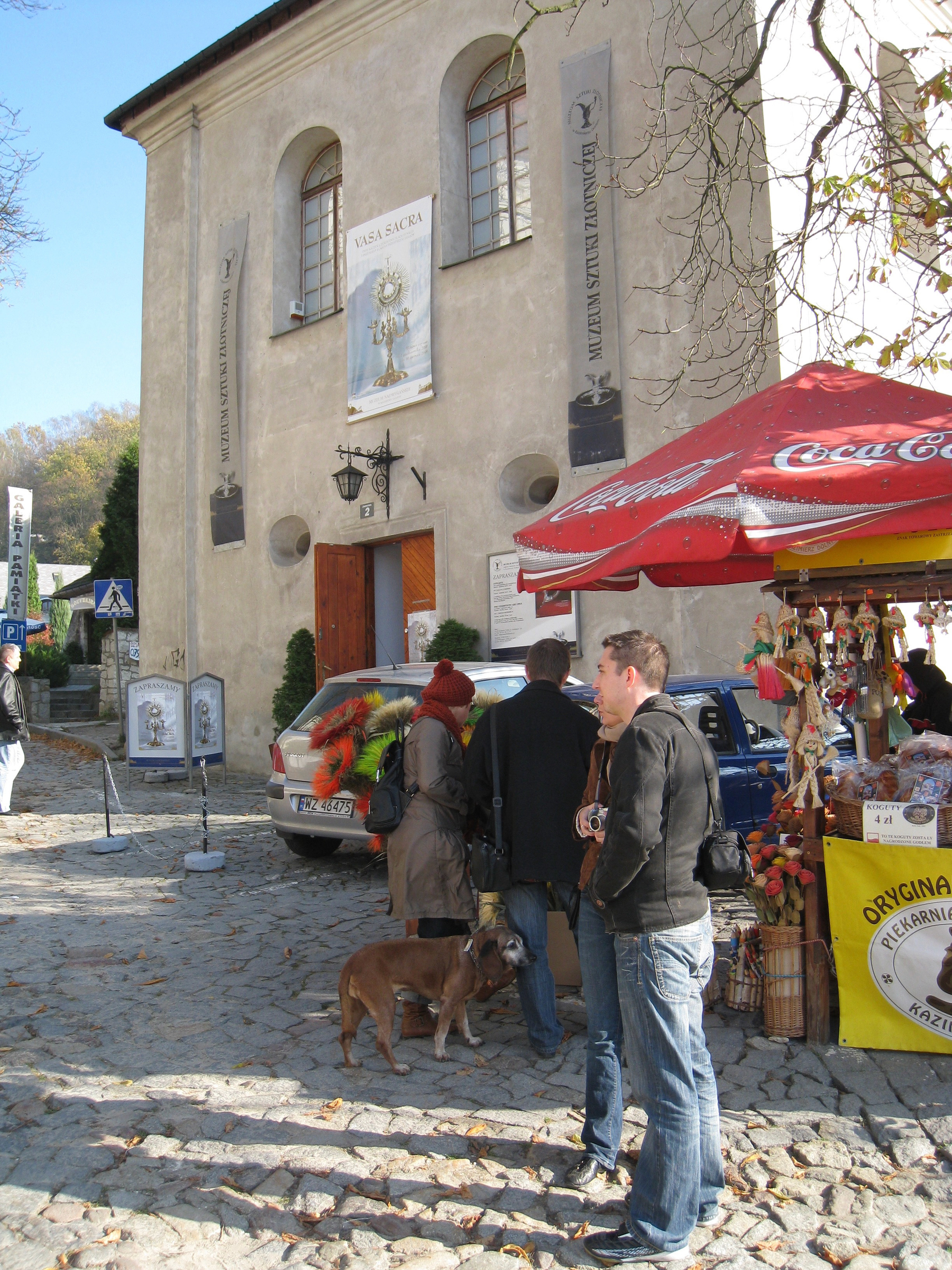
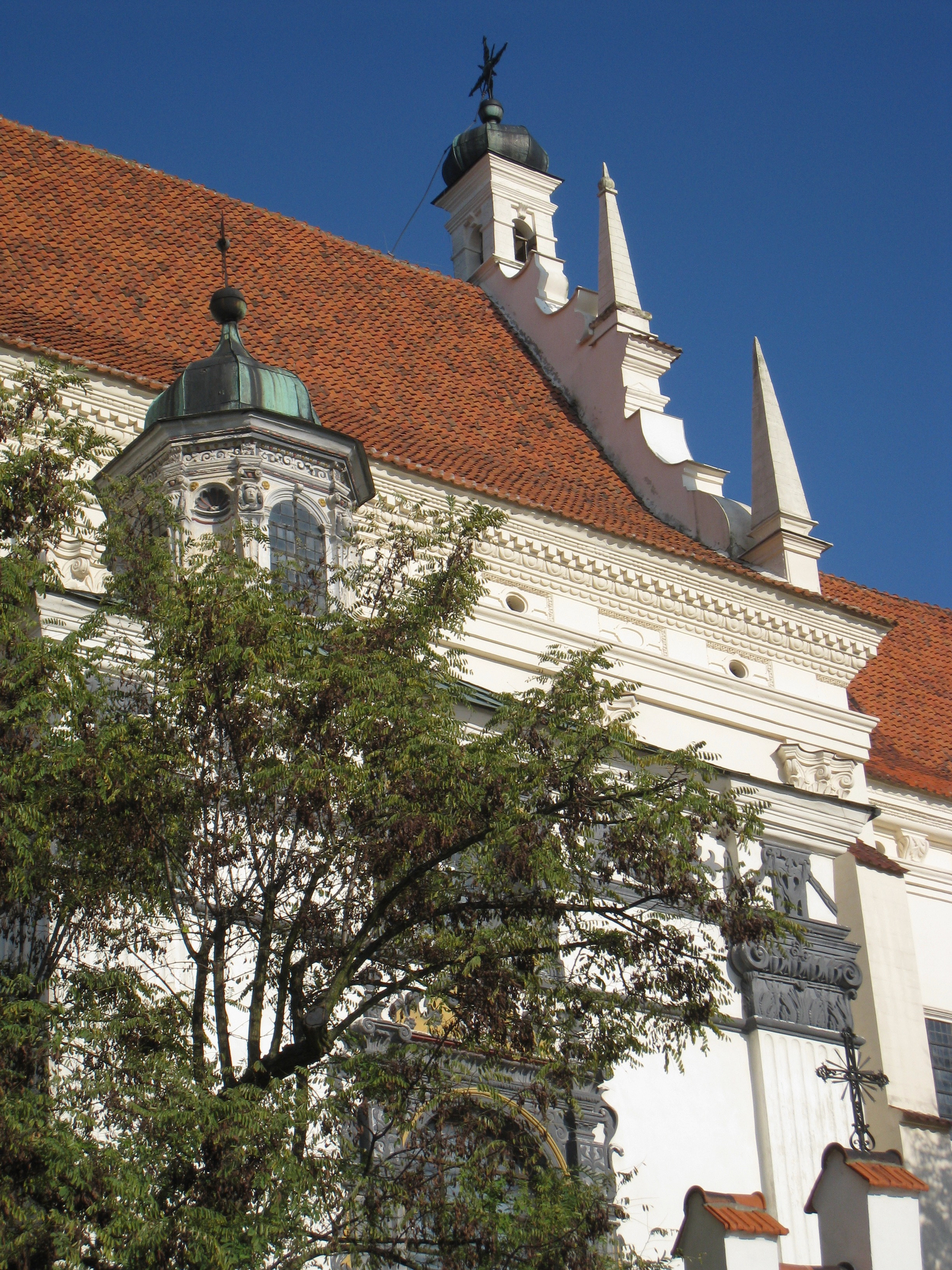
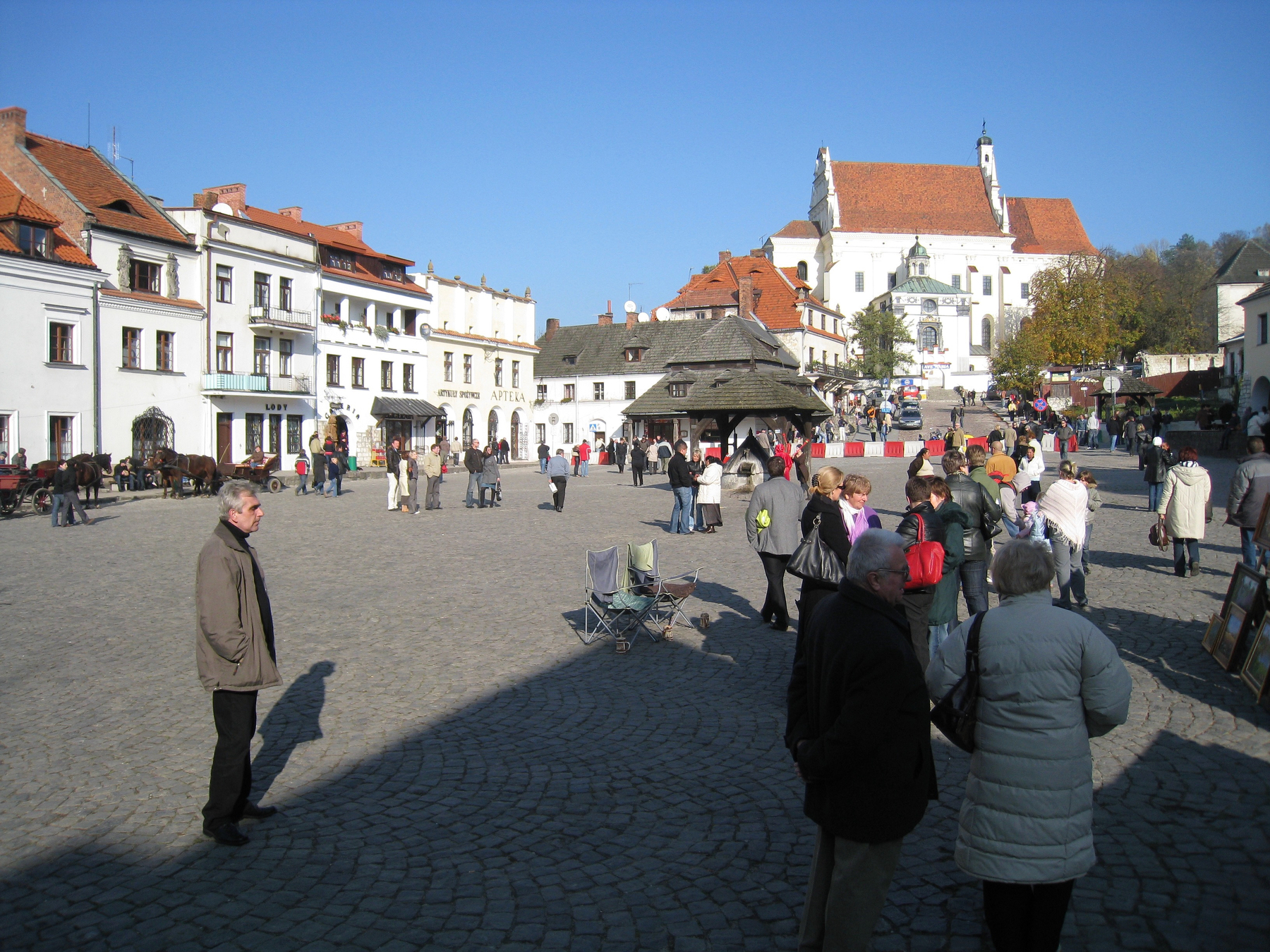
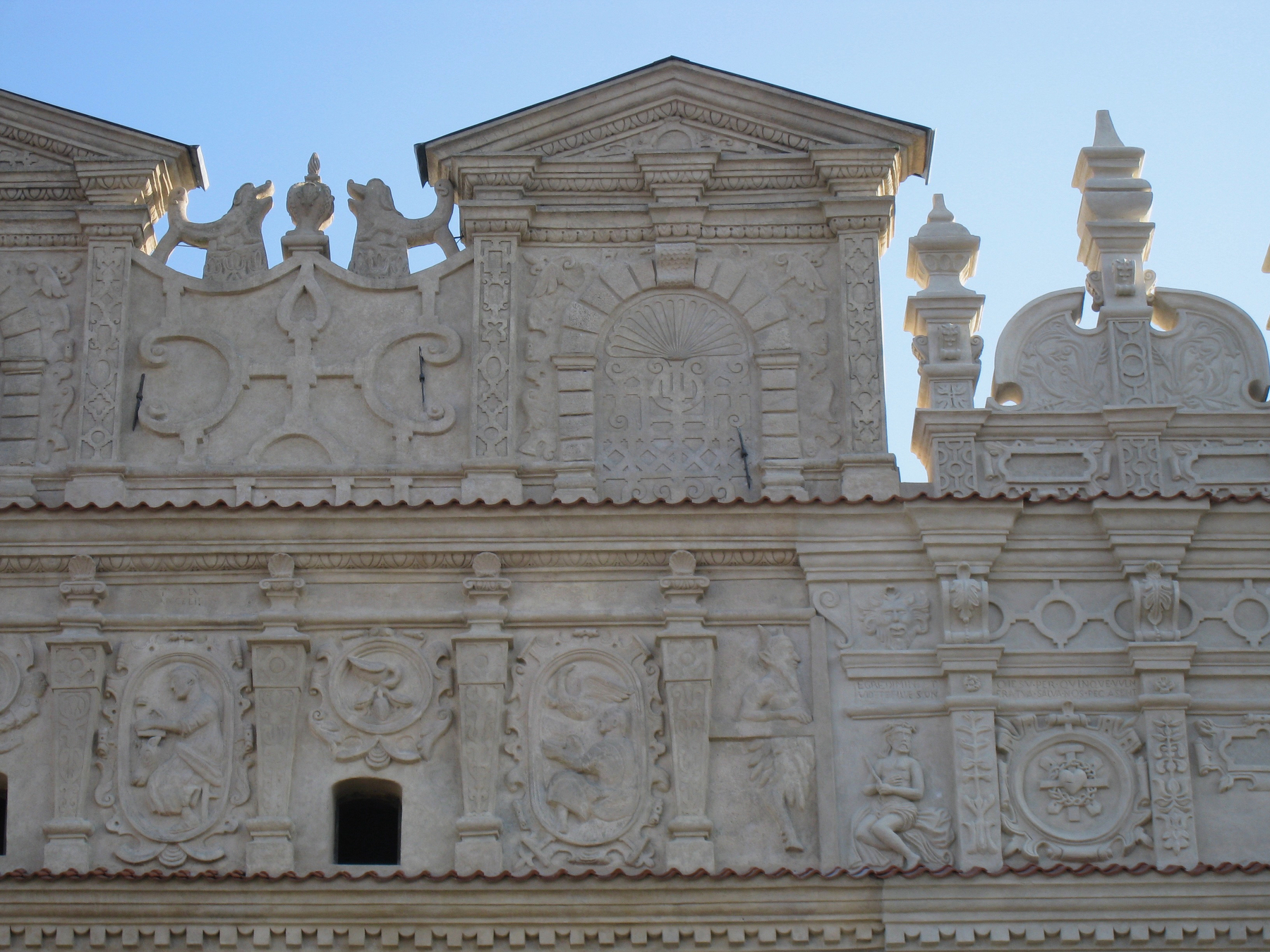
Kazimierz Dolny’s story reaches back to the Middle Ages, but its golden age came during the Renaissance, when the Vistula was one of Poland’s most important trading routes. Grain and other goods travelled along the river towards Gdańsk, helping the town develop into a prosperous commercial centre. Wealthy merchants built impressive houses around the Market Square, many decorated with elaborate stonework and Renaissance details. Today, these historic facades give the square its distinctive character, while the old Town Hall and surrounding cafés create a setting that feels both lively and wonderfully timeless.
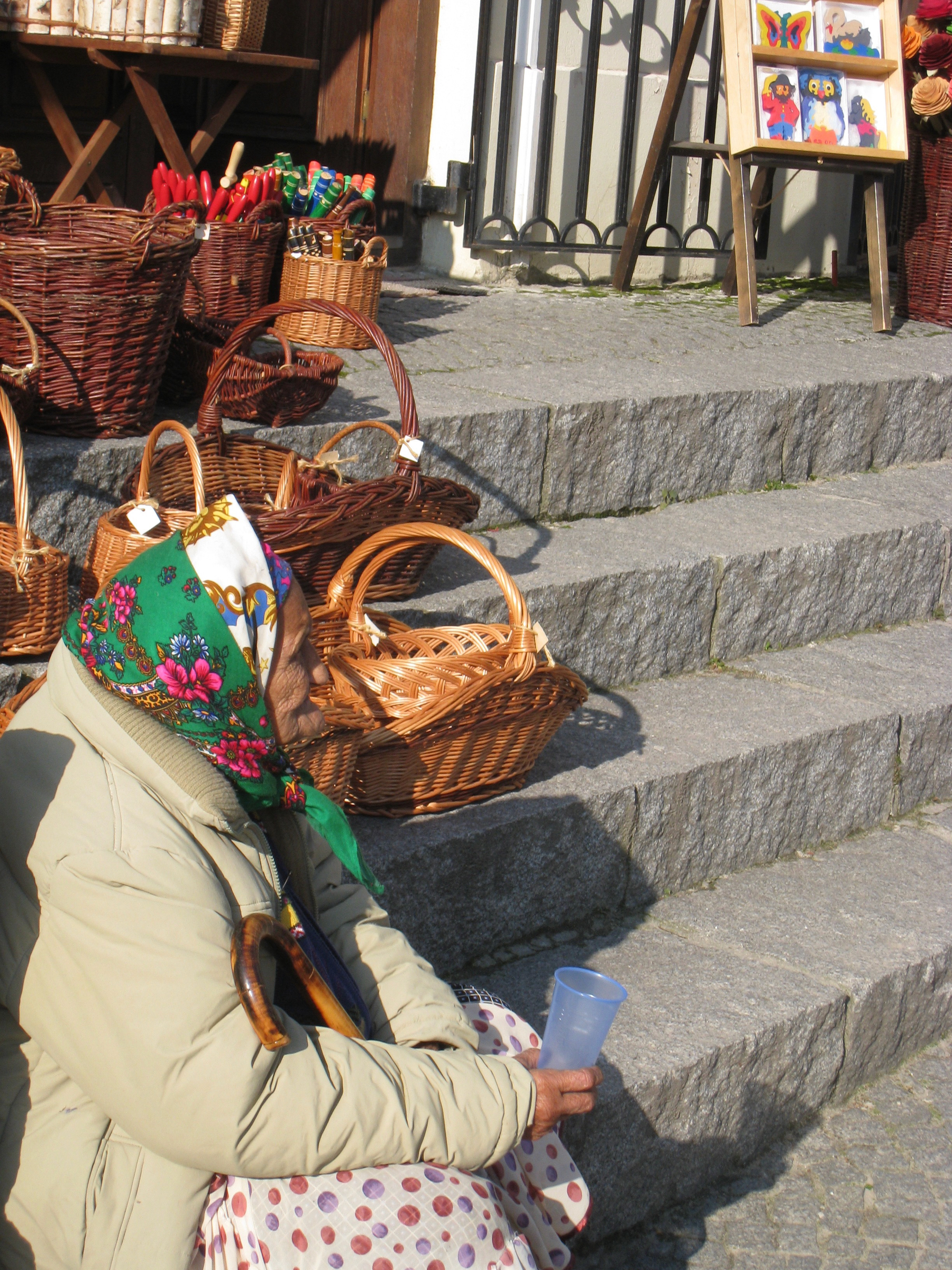
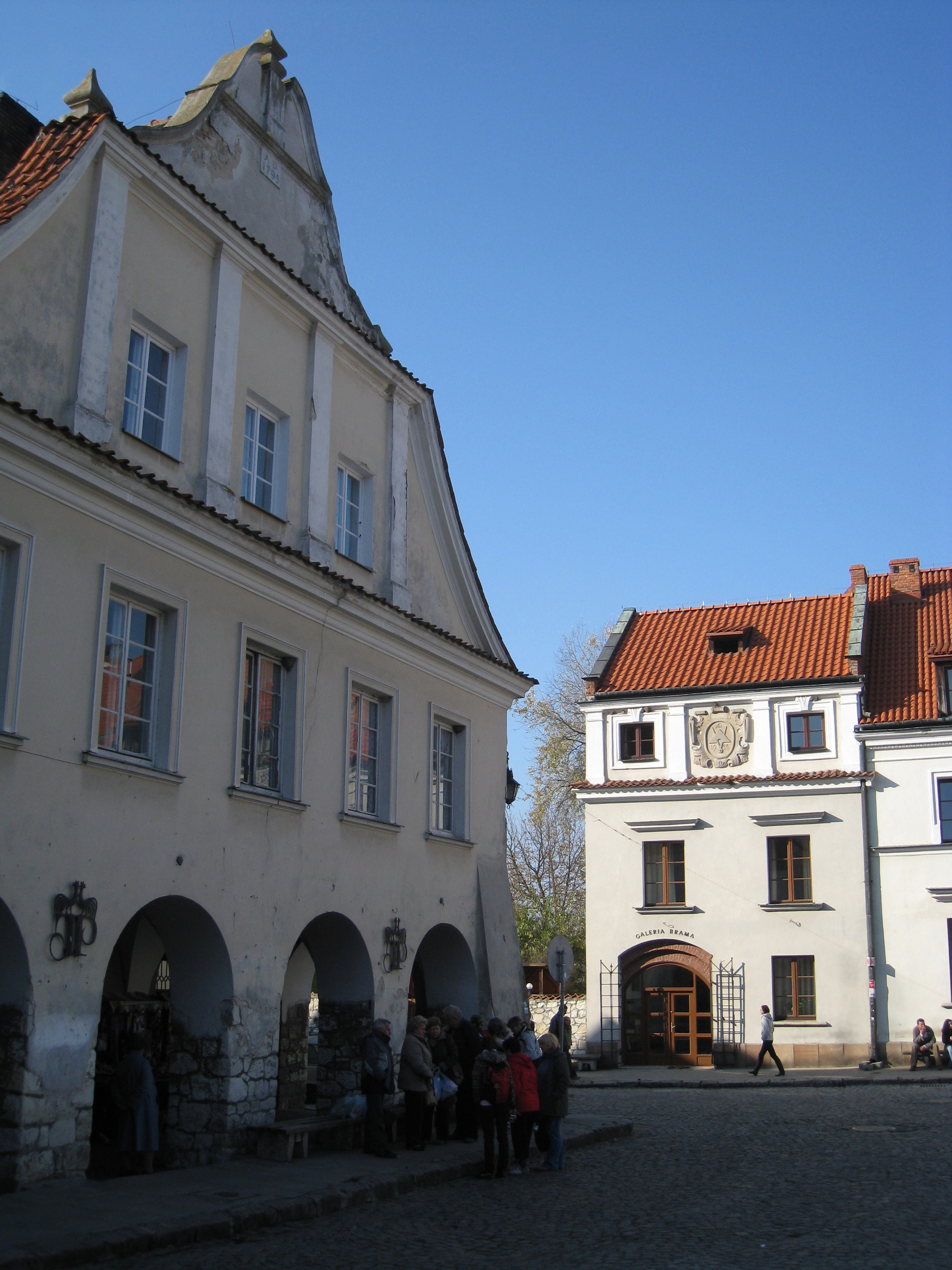
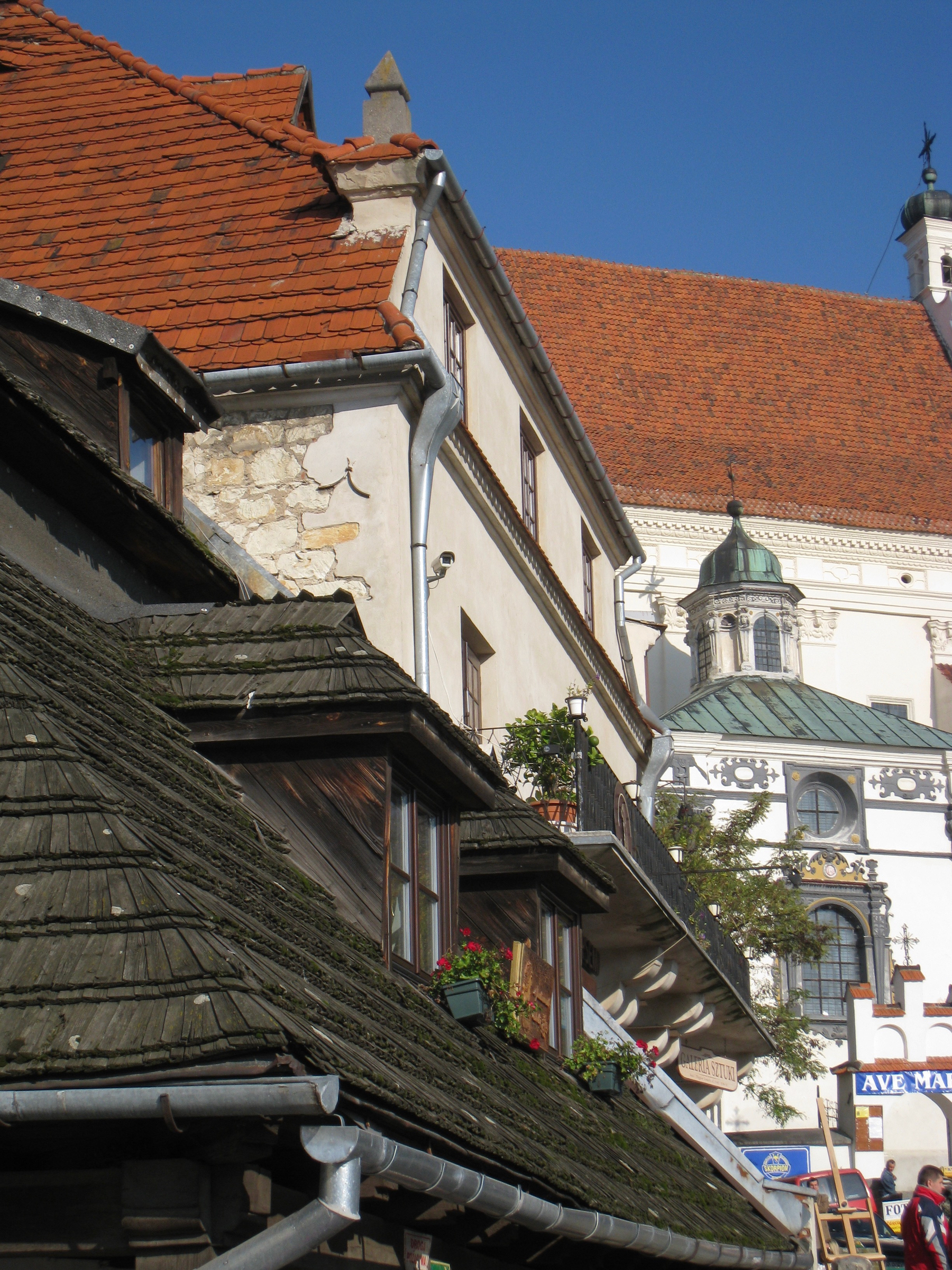
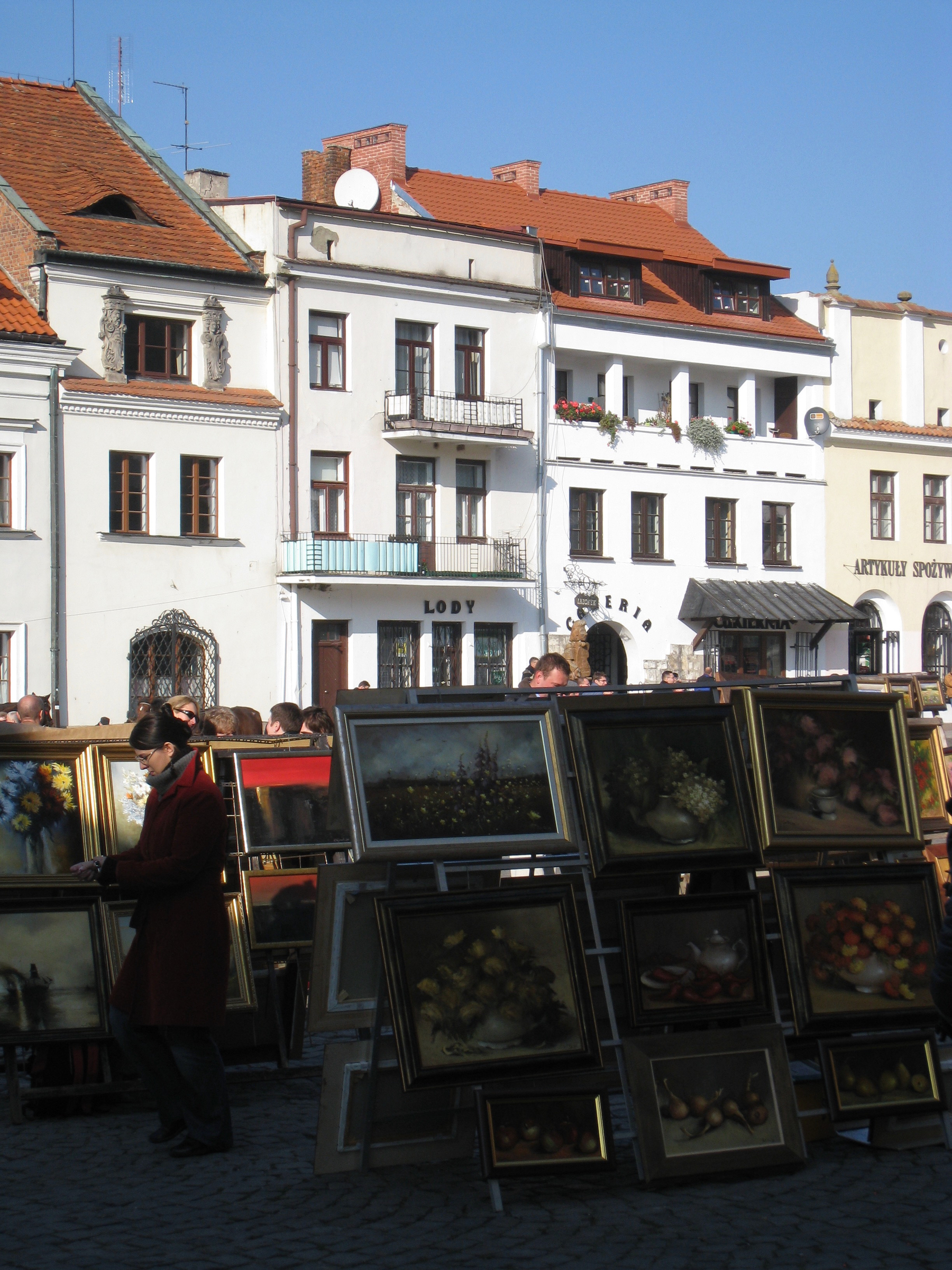
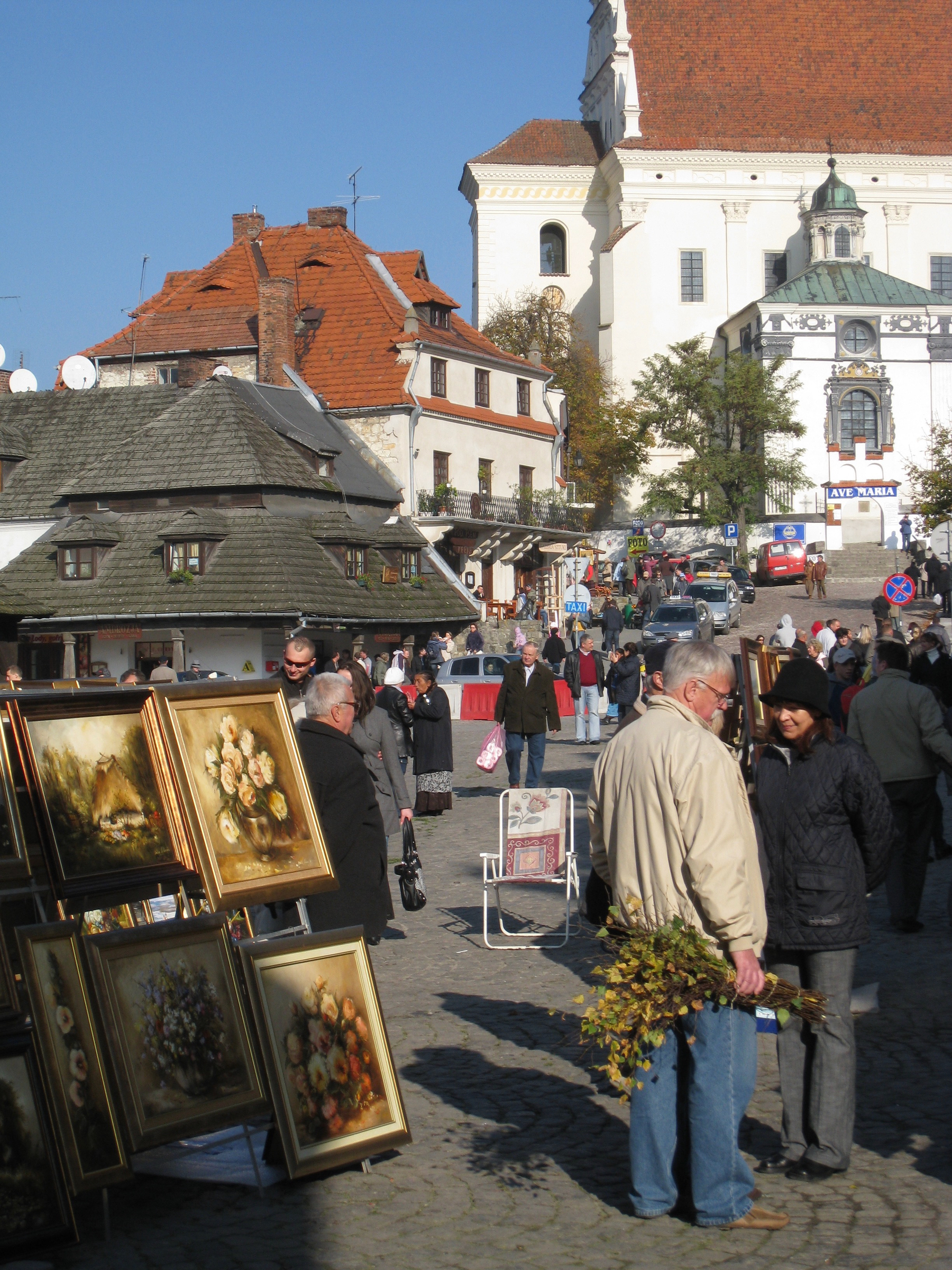
The Market Square is the natural starting point for exploring Kazimierz Dolny. From here, narrow streets lead towards churches, galleries, and the river, with something interesting appearing around almost every corner. I particularly enjoyed looking at the details of the old merchant houses, where decorative facades reveal the wealth and ambition of the town’s past. Kazimierz Dolny is not a place that needs grand monuments to impress visitors; its beauty lies in the way the historic buildings, intimate streets, and surrounding landscape fit together.
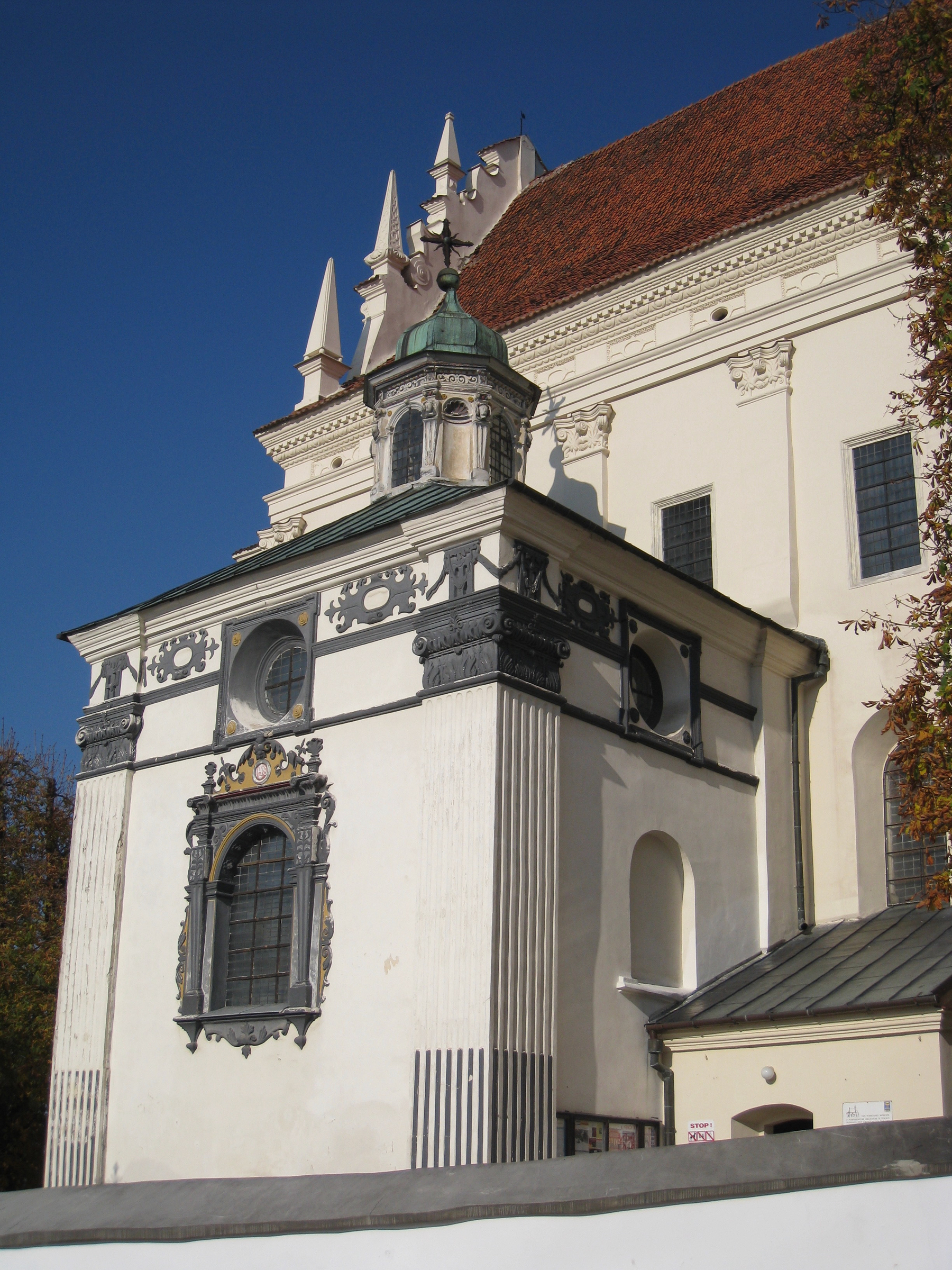
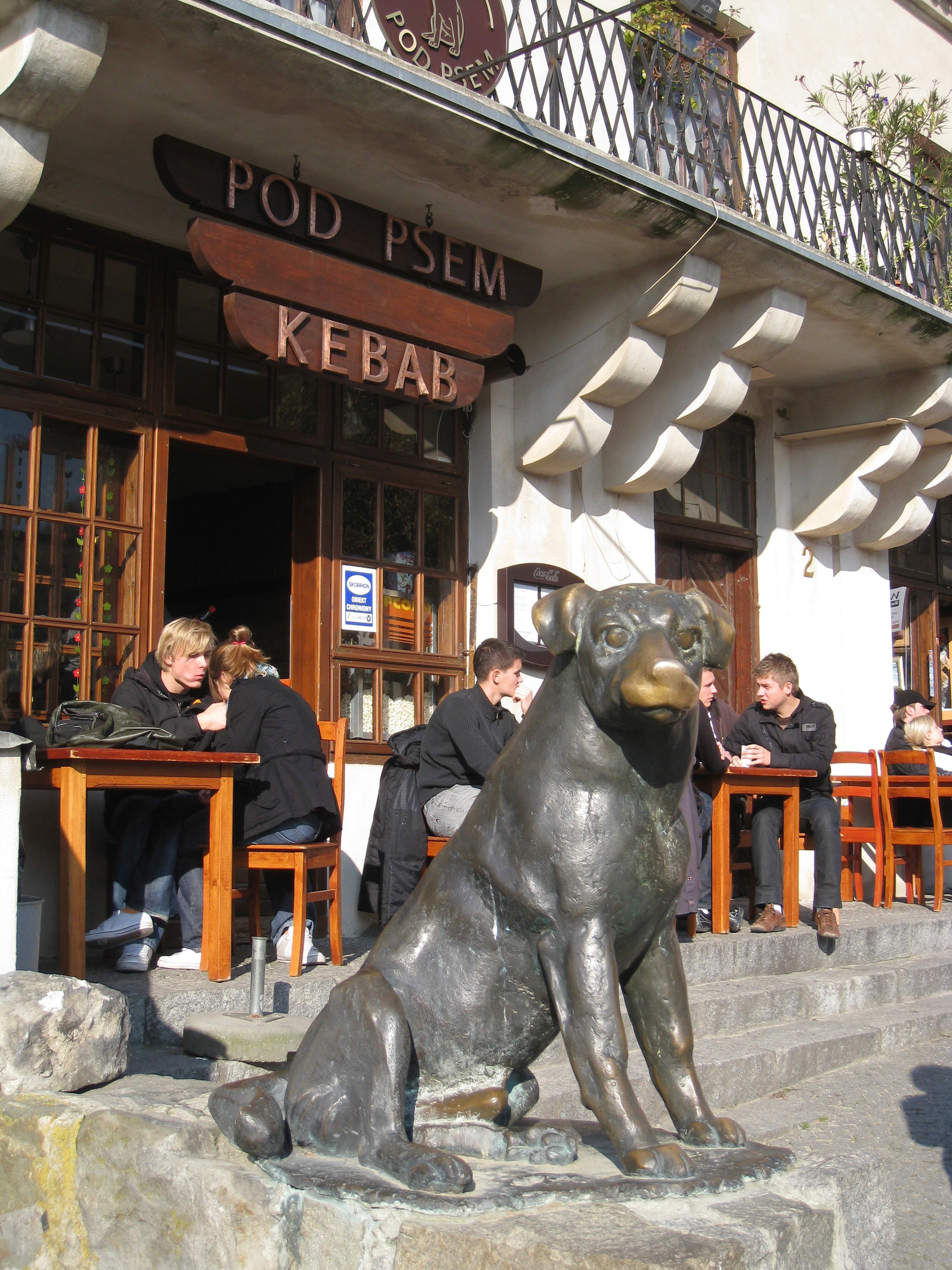
For generations, artists have been drawn to this riverside town, and it is easy to understand why. The combination of the Vistula, the historic architecture, and the soft countryside light creates an atmosphere that seems almost designed for painting. During the early twentieth century, Kazimierz Dolny became an important centre for Polish artists, attracting painters, writers, and other creative figures. The artistic tradition continues today, with galleries and studios scattered throughout the town. Walking through them, I found myself appreciating how the place has preserved its creative character without losing its connection to everyday life.
Beyond the architecture, the surrounding landscape offers another reason to visit. The Kazimierz Landscape Park protects forests, ravines, and the unusual loess hills that give the area much of its character. These deep, winding ravines were formed by erosion and create some of the most atmospheric walking routes in the region. For a broader view, Three Crosses Hill offers a rewarding climb above the town. From the top, the Vistula and surrounding countryside stretch into the distance, providing a wonderful reminder that Kazimierz Dolny is as much a destination for nature lovers as it is for history enthusiasts.
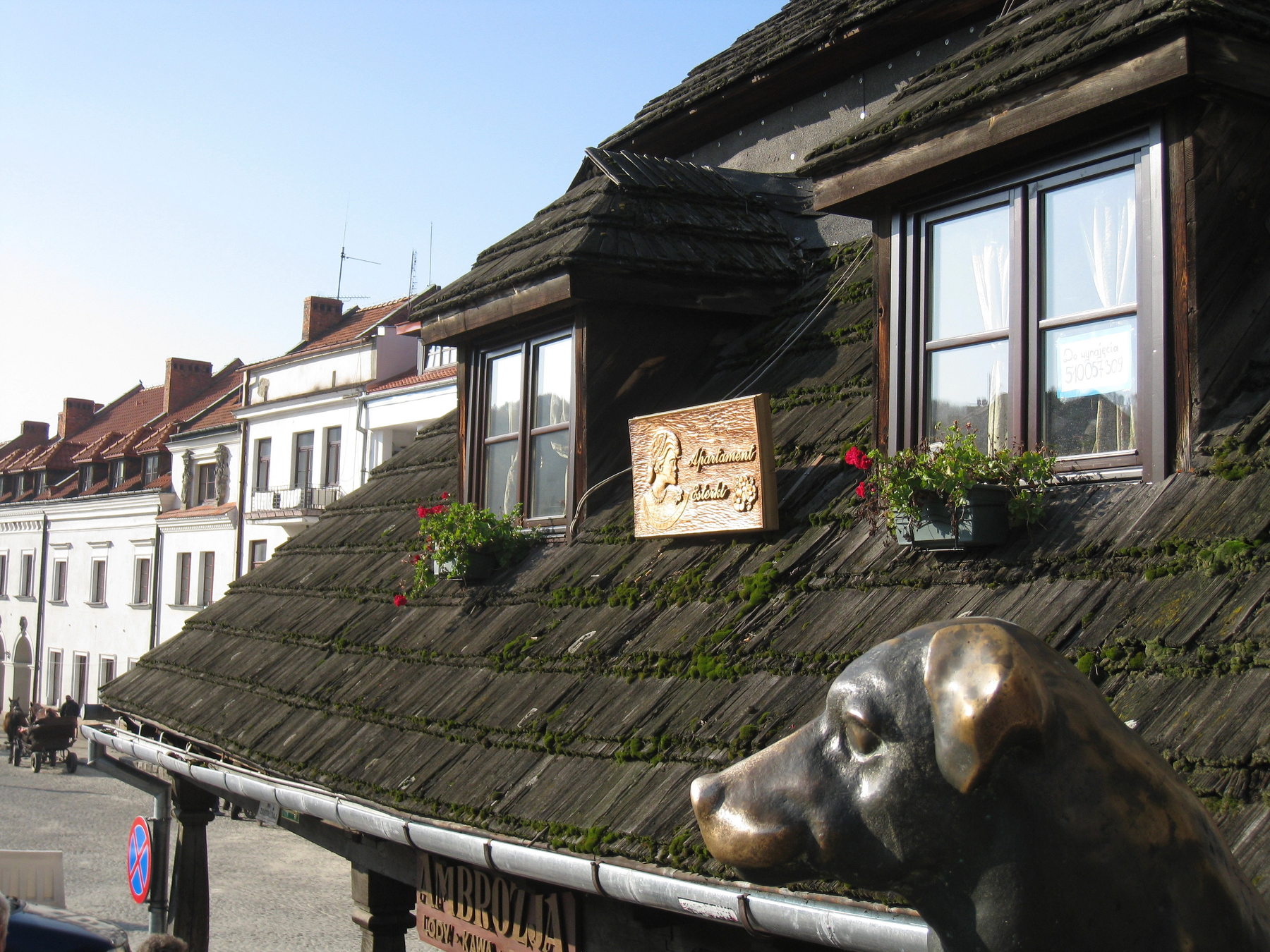
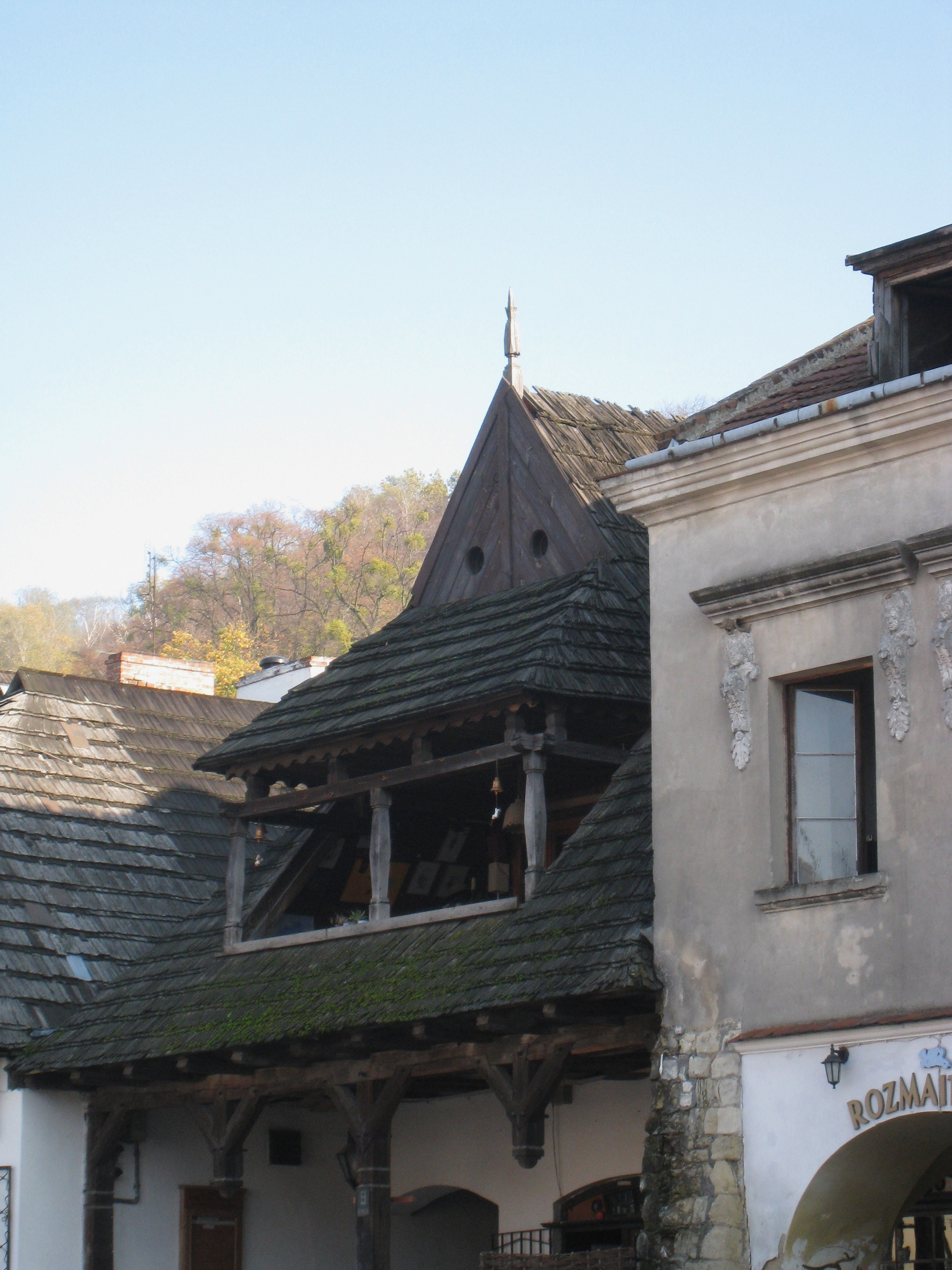
The town’s history also contains darker chapters. During the Second World War, Kazimierz Dolny suffered destruction and persecution, including the murder of much of its Jewish population. Before the war, Jewish residents had played an important role in the town’s commercial and cultural life. Today, memorials and surviving traces of that heritage remind visitors that the picturesque streets conceal stories of loss as well as prosperity. For me, acknowledging these histories adds depth to the experience and makes the town’s beauty feel more meaningful.
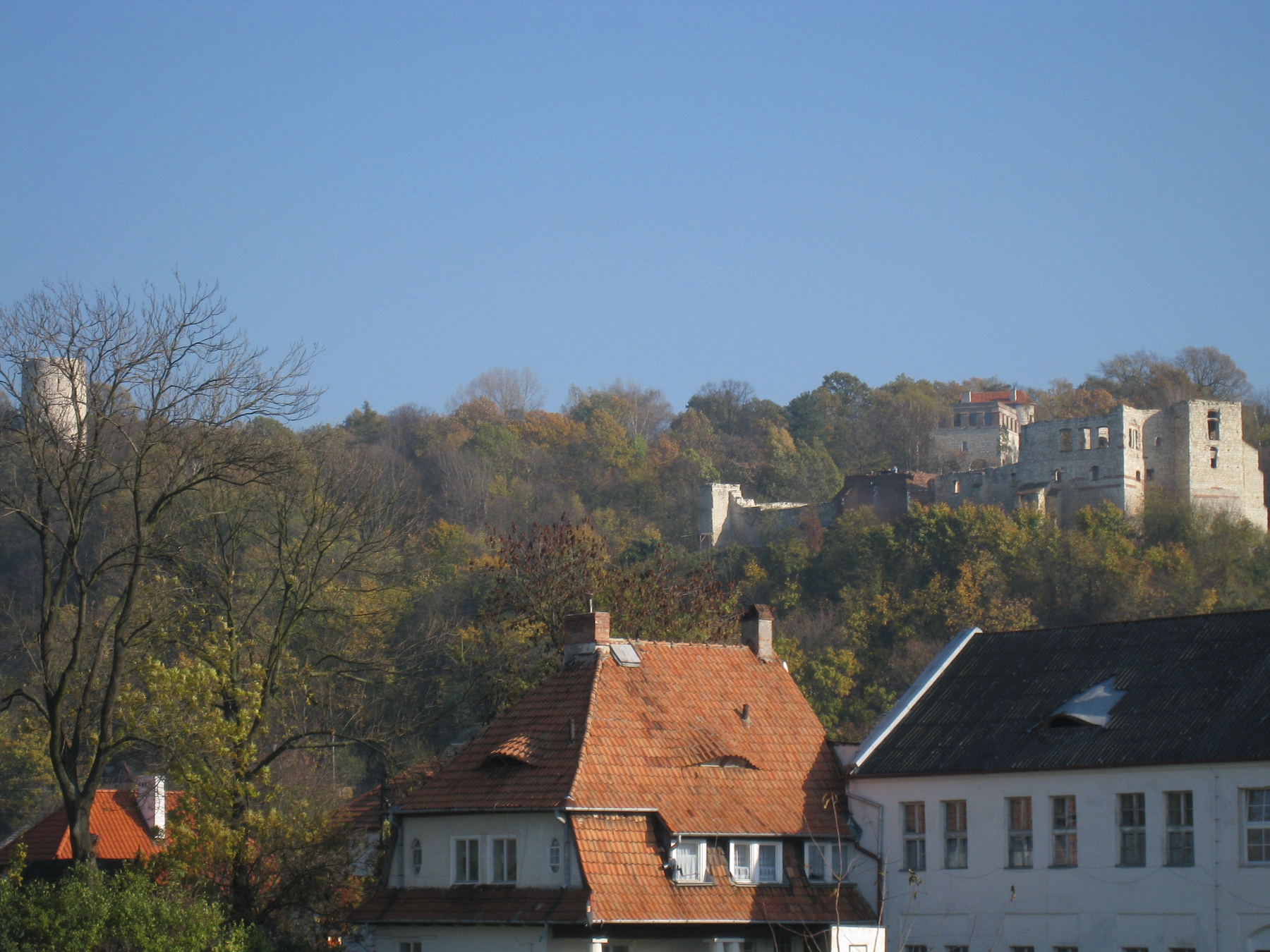
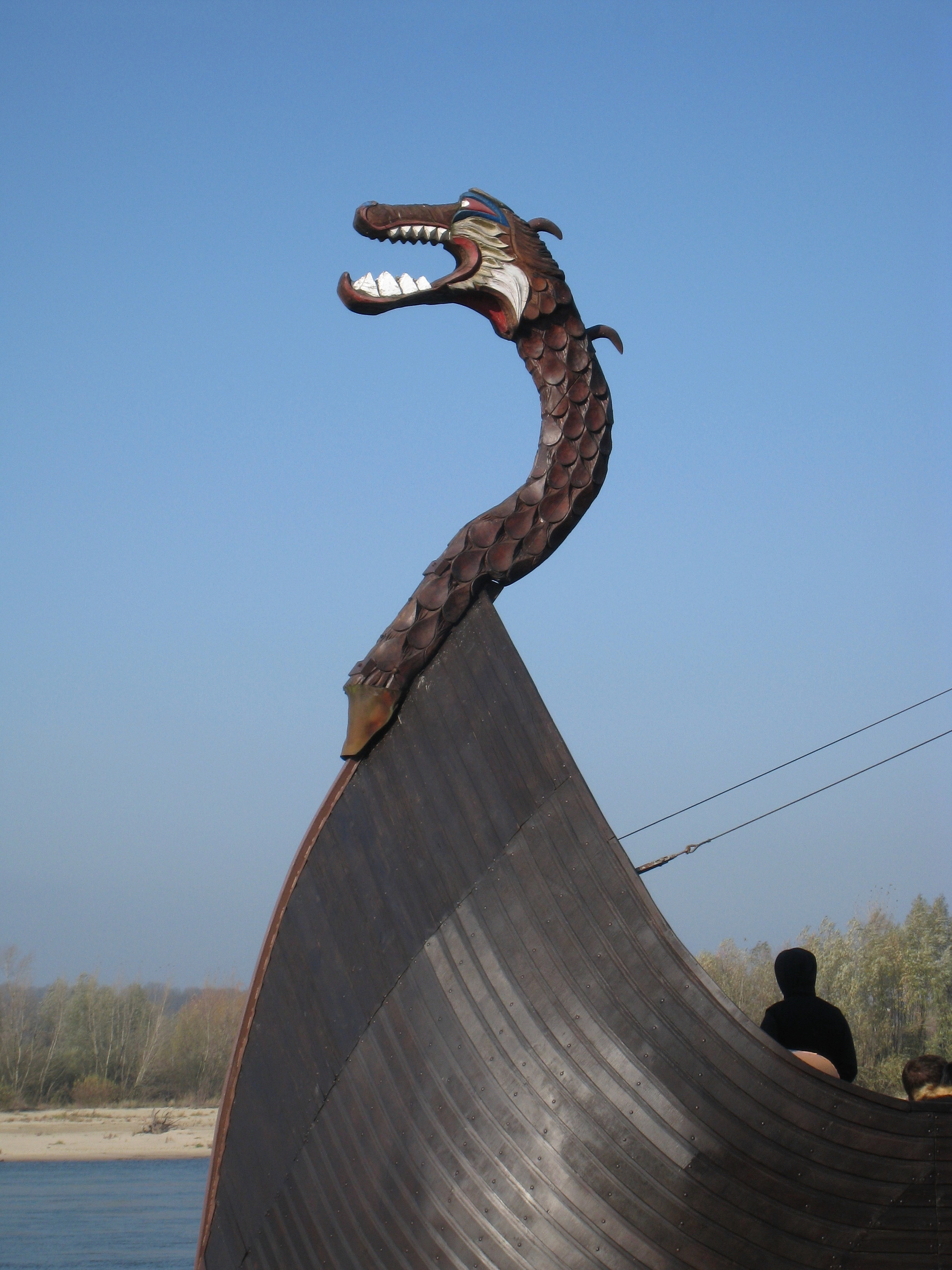
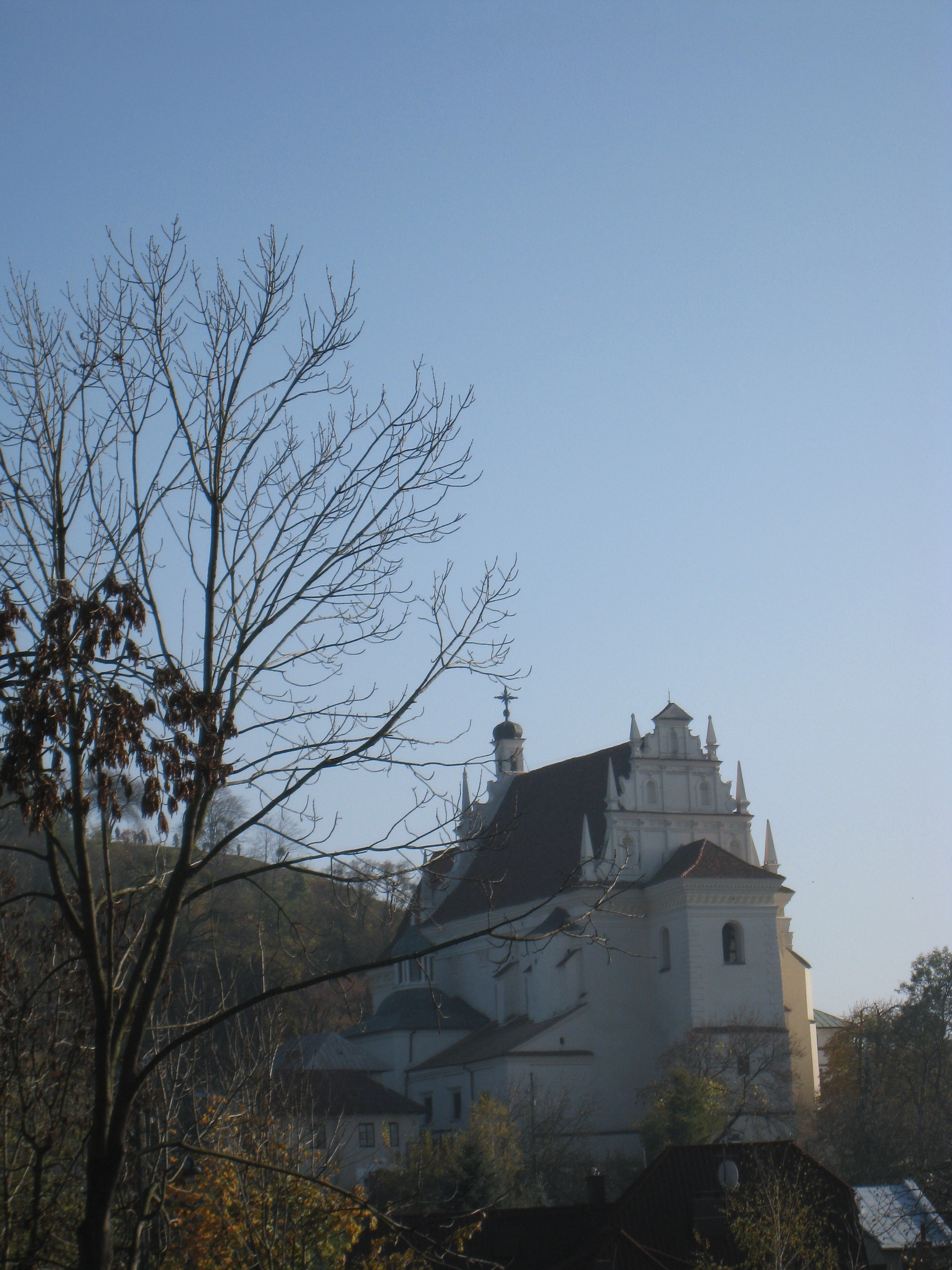
What I enjoyed most about Kazimierz Dolny was the opportunity to slow down. There was no need to rush from one attraction to another. I could spend time photographing an old doorway, watching the river, exploring a small gallery, or simply sitting in the Market Square with a coffee. The town rewards curiosity, and every walk seems to reveal another detail worth noticing.
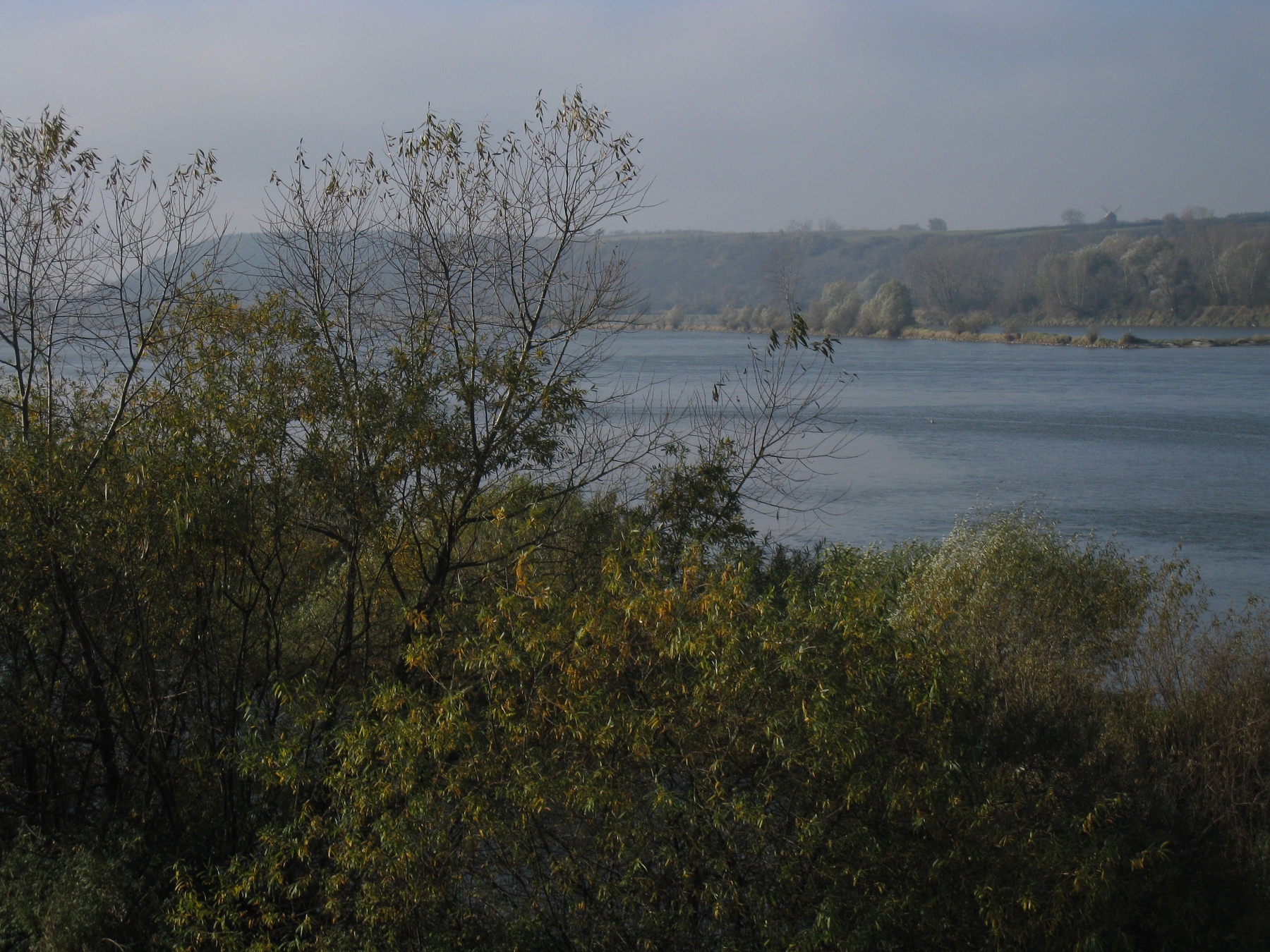
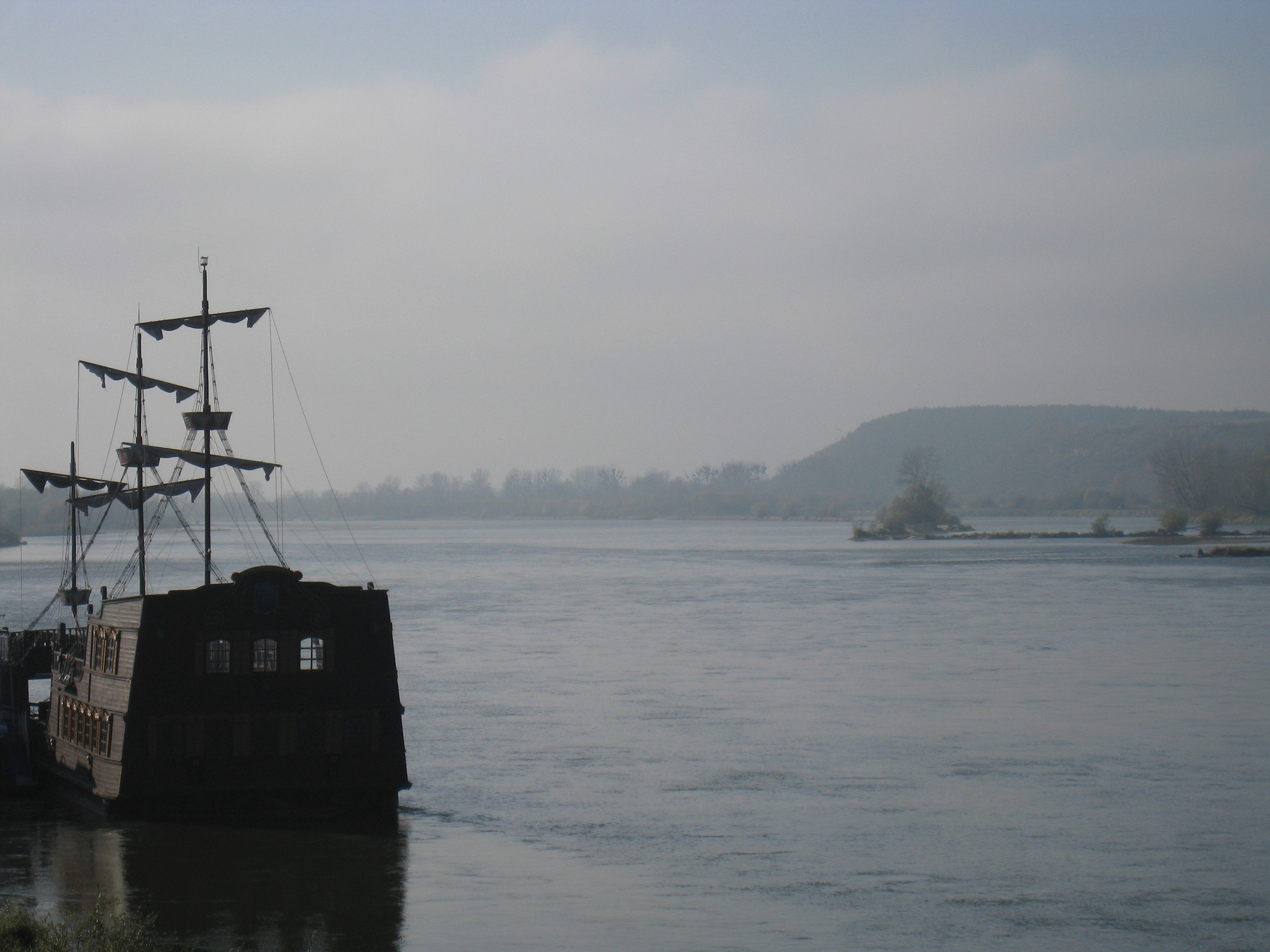
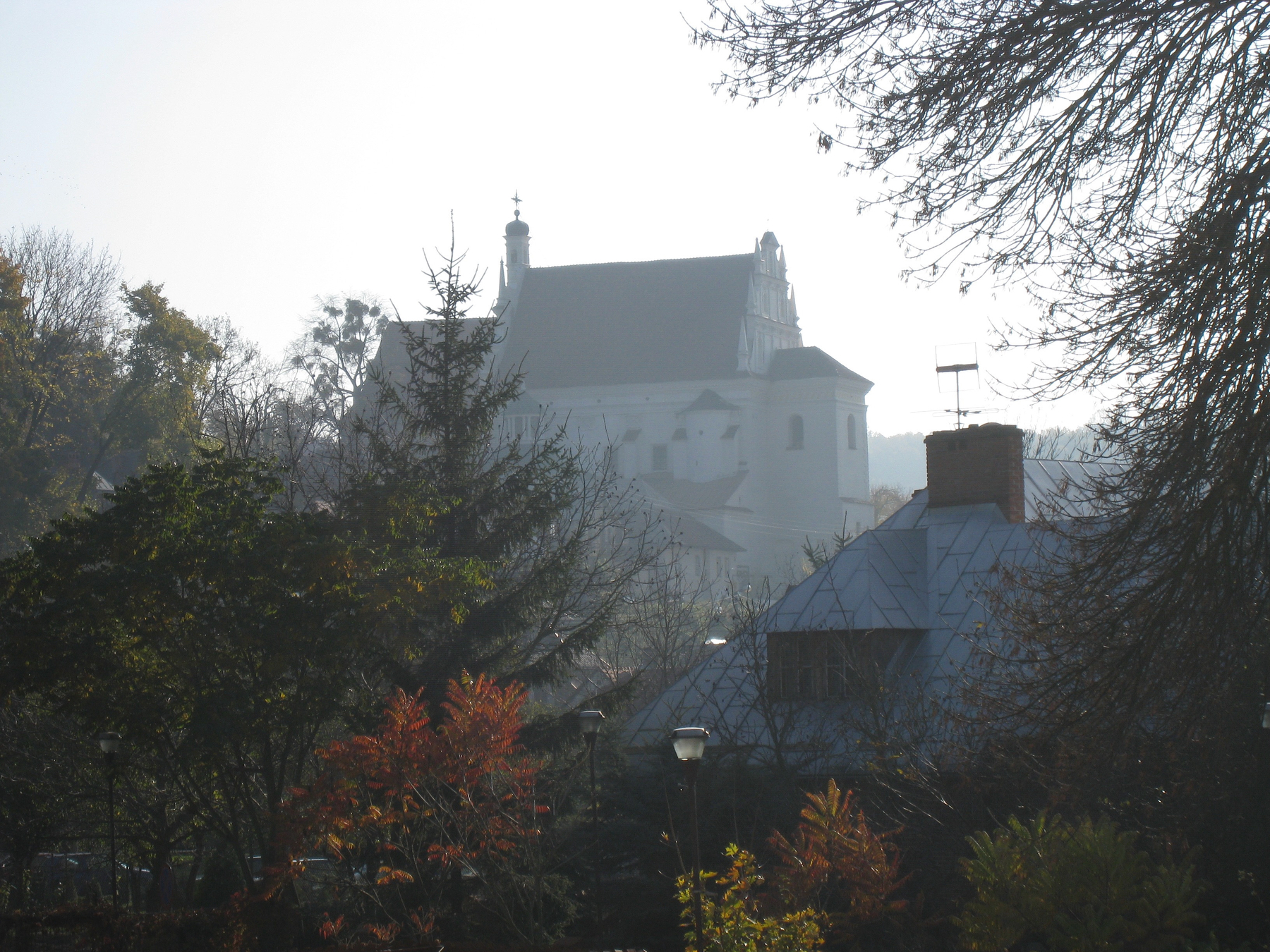
As the afternoon light softened over the Vistula, Kazimierz Dolny took on an almost dreamlike quality. The historic buildings glowed in the fading sun, the river moved quietly beyond the town, and the surrounding hills seemed to draw everything into a peaceful landscape. It was easy to understand why artists had been coming here for generations.
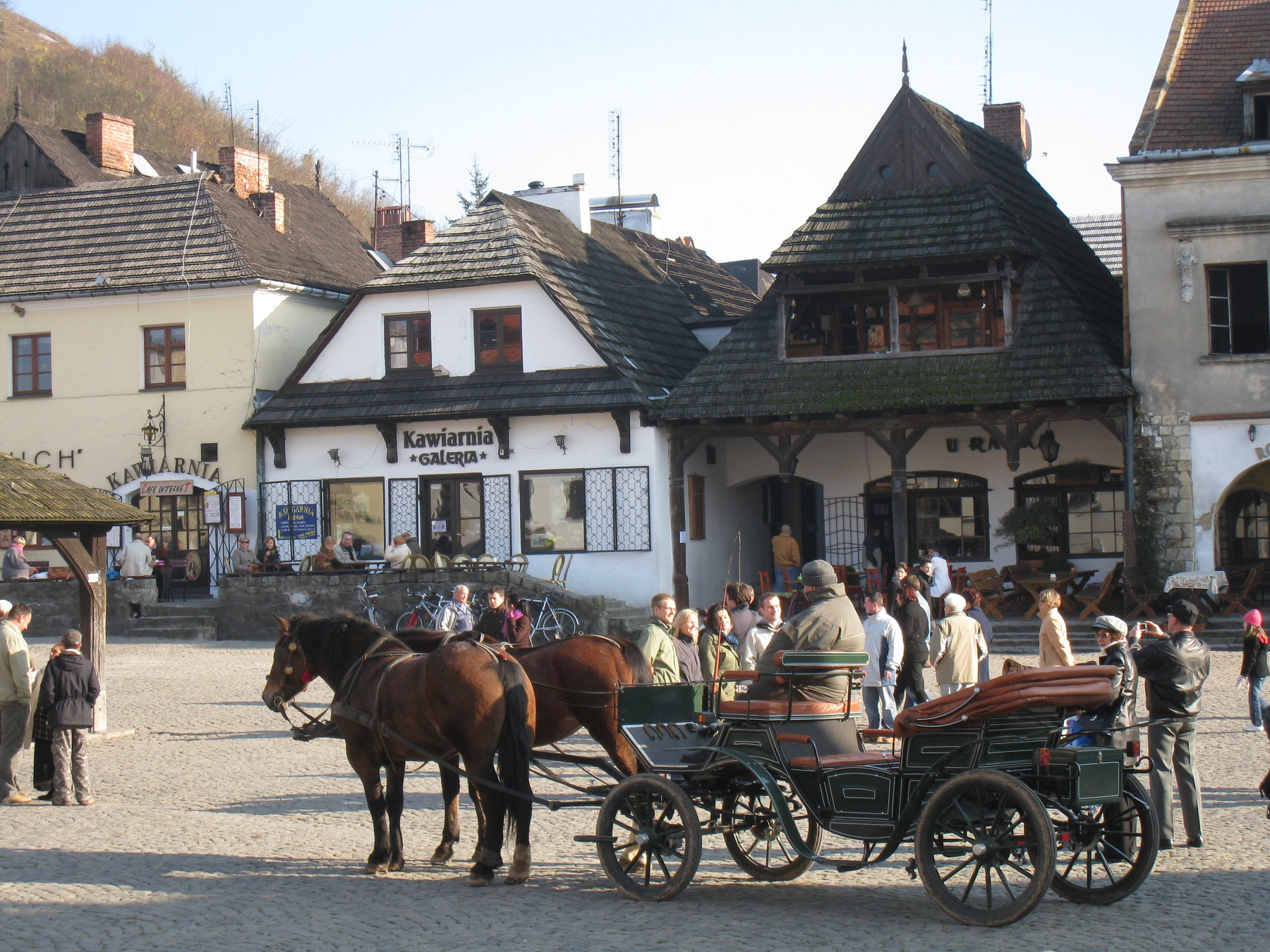
Kazimierz Dolny is a place where Poland’s commercial history, artistic traditions, and natural beauty come together in a remarkably intimate setting. It is not simply a pretty town to photograph, although there is plenty to photograph. It is a place to explore slowly, to appreciate the stories behind the architecture, and to enjoy the feeling of being somewhere with a strong sense of identity. If you are looking for a destination that combines history, art, and the outdoors, Kazimierz Dolny deserves a place on your travel list. Whether you visit for a day or stay longer, the town has a way of lingering in your memory long after you have left.
#Photography #Photoblog #Blog #KazimierzDolny #KazimierzDolnyPoland #PolandTravel #PolandHistory #VistulaRiver #RenaissanceArchitecture #PolishRenaissance #KazimierzLandscapePark #ThreeCrossesHill #PolishArt #TravelPhotography #TravelEssay #HistoricTowns #PolandHiddenGems #ExplorePoland #CulturalTravel #NatureAndHistory #WeekendInPoland #Poland #TravelGuide #VisitKazimierzDolny