
The Argentine National Congress, Where History Meets Democracy
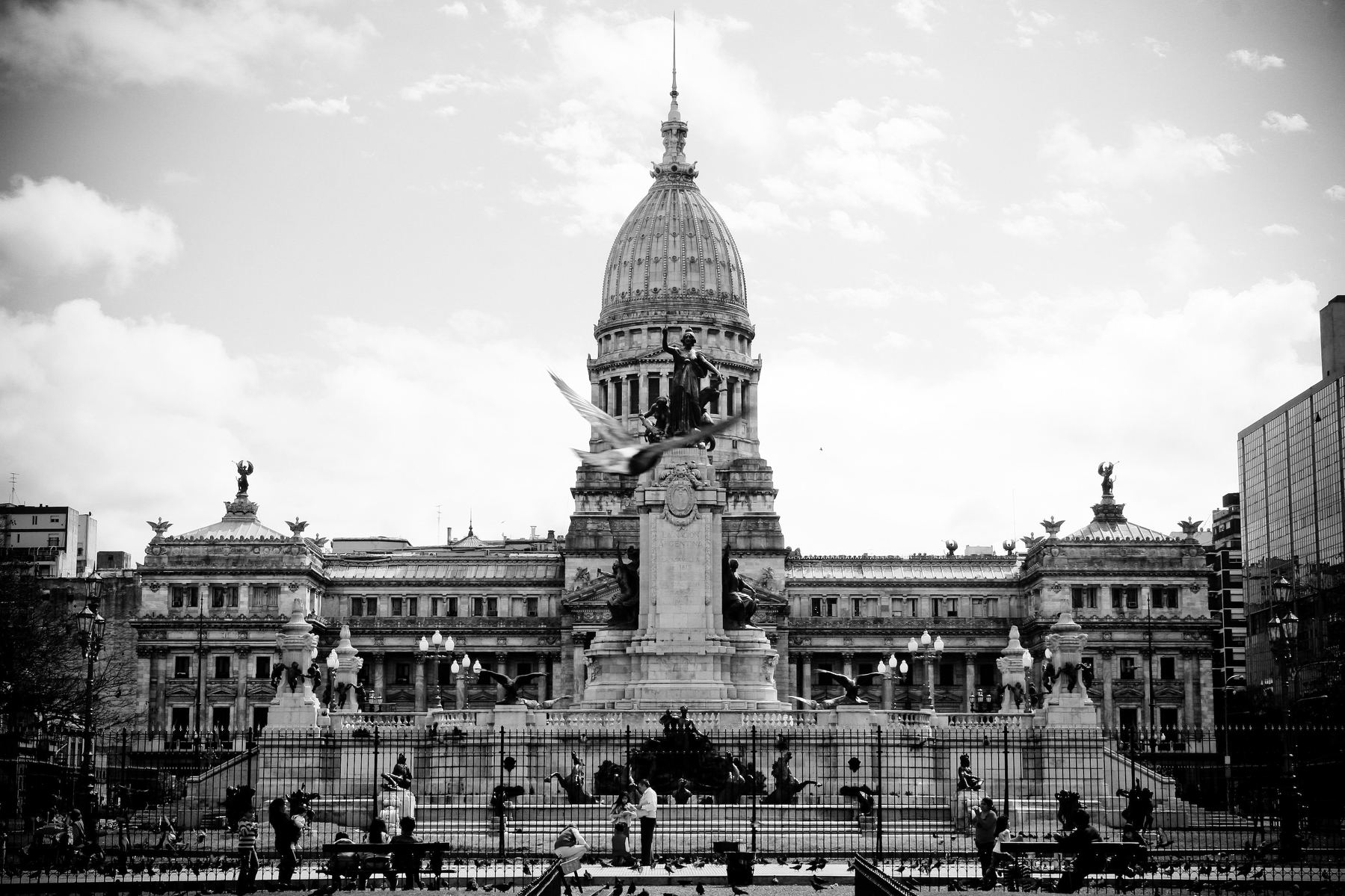
Standing before the Argentine National Congress in Buenos Aires, I found myself looking at far more than an impressive government building. The immense palace seemed to occupy its corner of the city with the confidence of another era, surrounded by broad avenues, traffic, pedestrians, and the restless energy of Argentina’s capital. Yet beneath all that modern movement was a structure designed to represent something enduring: the nation’s political institutions and the ideals of representative government.
The first thing that captures your attention is the sheer scale. Designed in the Beaux-Arts and Neoclassical traditions, the Palace of the Argentine National Congress was conceived at a time when Buenos Aires was transforming rapidly. Argentina was becoming increasingly prosperous and cosmopolitan, and its leaders wanted a monumental capital that could stand alongside the great political and cultural centres of Europe. The building became part of that ambitious transformation.
The architect behind the original project was Vittorio Meano, an Italian architect who also worked on the Teatro Colón. Meano was deeply influenced by European monumental architecture, and his vision for Congress was unmistakably grand. Construction began in 1898, although he would not live to see the building completed. Meano was murdered in 1904, just two years before the Congress building was inaugurated. His work therefore became part of his legacy in Buenos Aires long after his death.

When the building was finally inaugurated in 1906, Argentina was entering an important period of its history. The country had experienced enormous economic growth and large-scale European immigration during the late nineteenth and early twentieth centuries. Buenos Aires was expanding rapidly, and monumental public buildings were being constructed as expressions of national ambition. Congress was intended to embody that confidence in Argentina’s future.
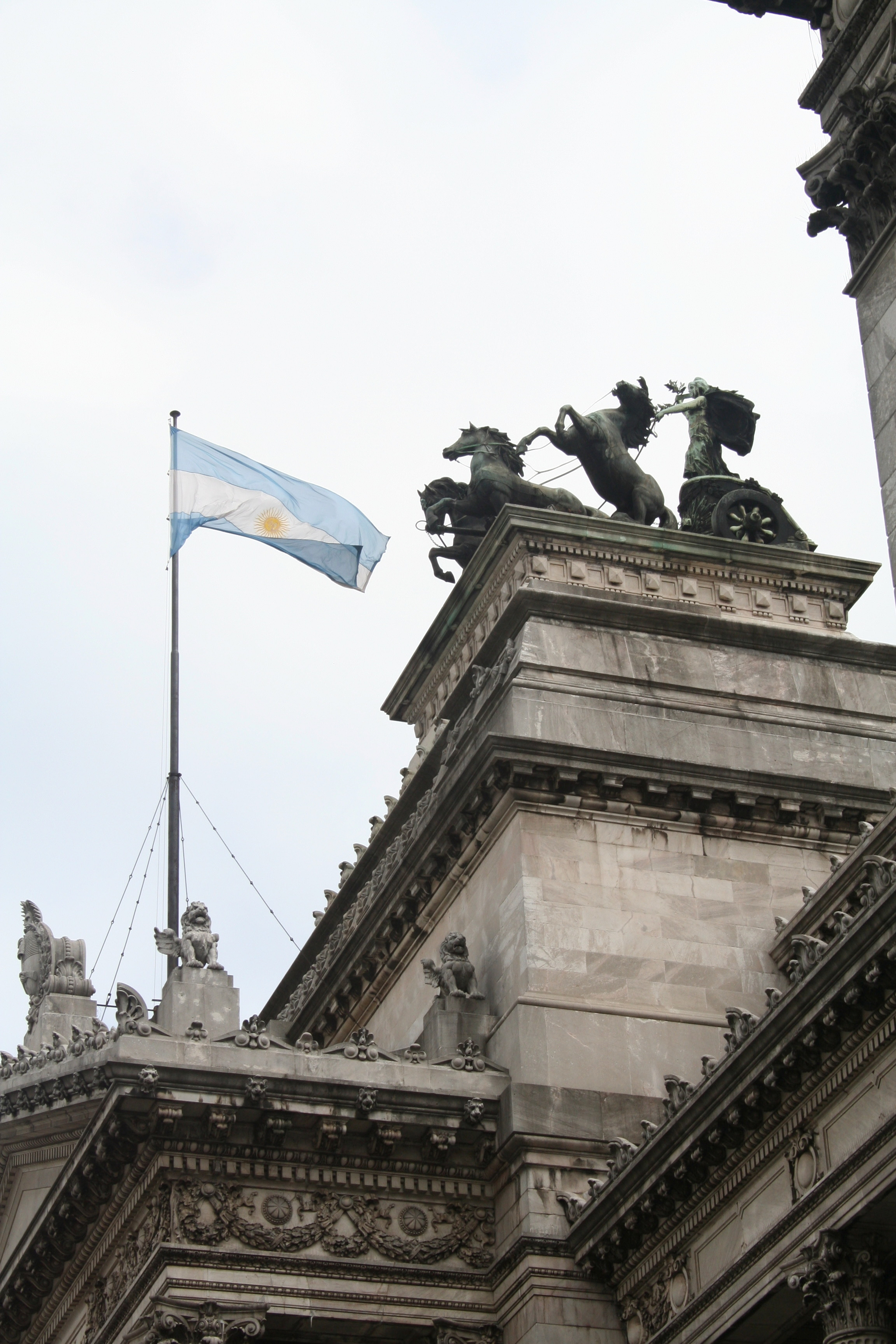
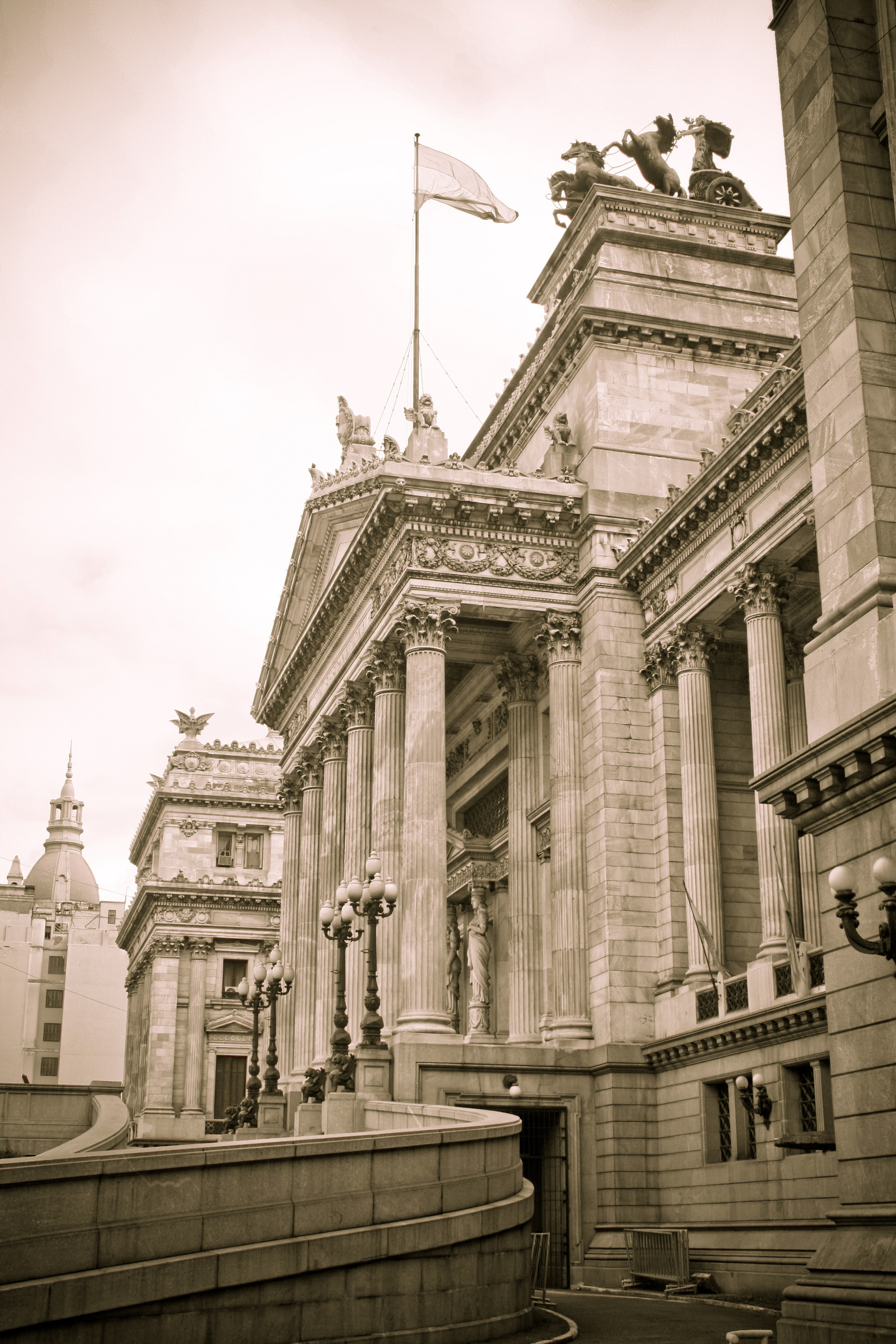
As I walked around the enormous façade, I found myself paying attention to the details rather than simply admiring the scale. Corinthian columns, sculptural ornamentation, arches, balustrades, allegorical figures, and elaborate stonework cover the exterior. This was architecture intended to communicate importance. Nothing about the building was meant to feel modest.
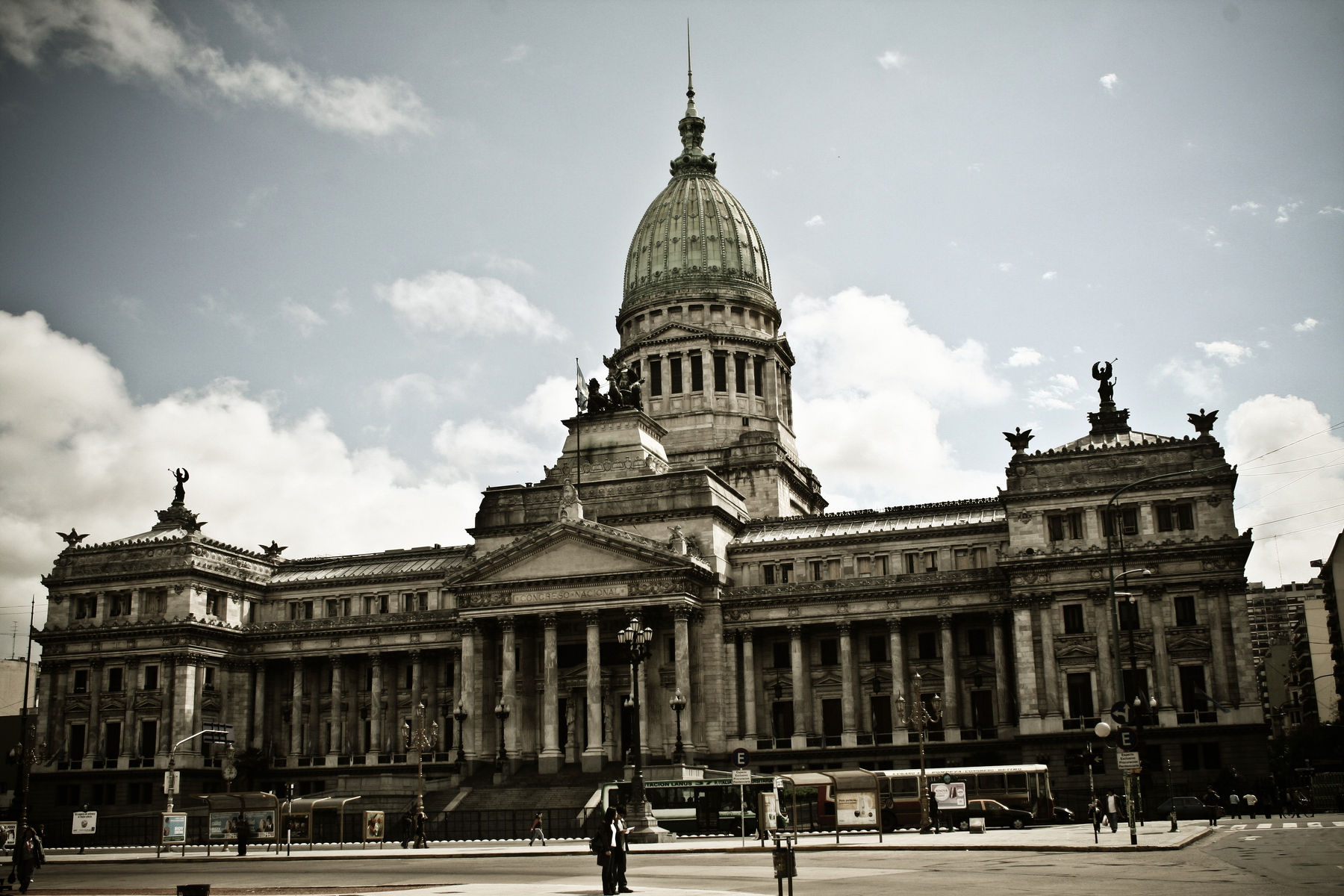
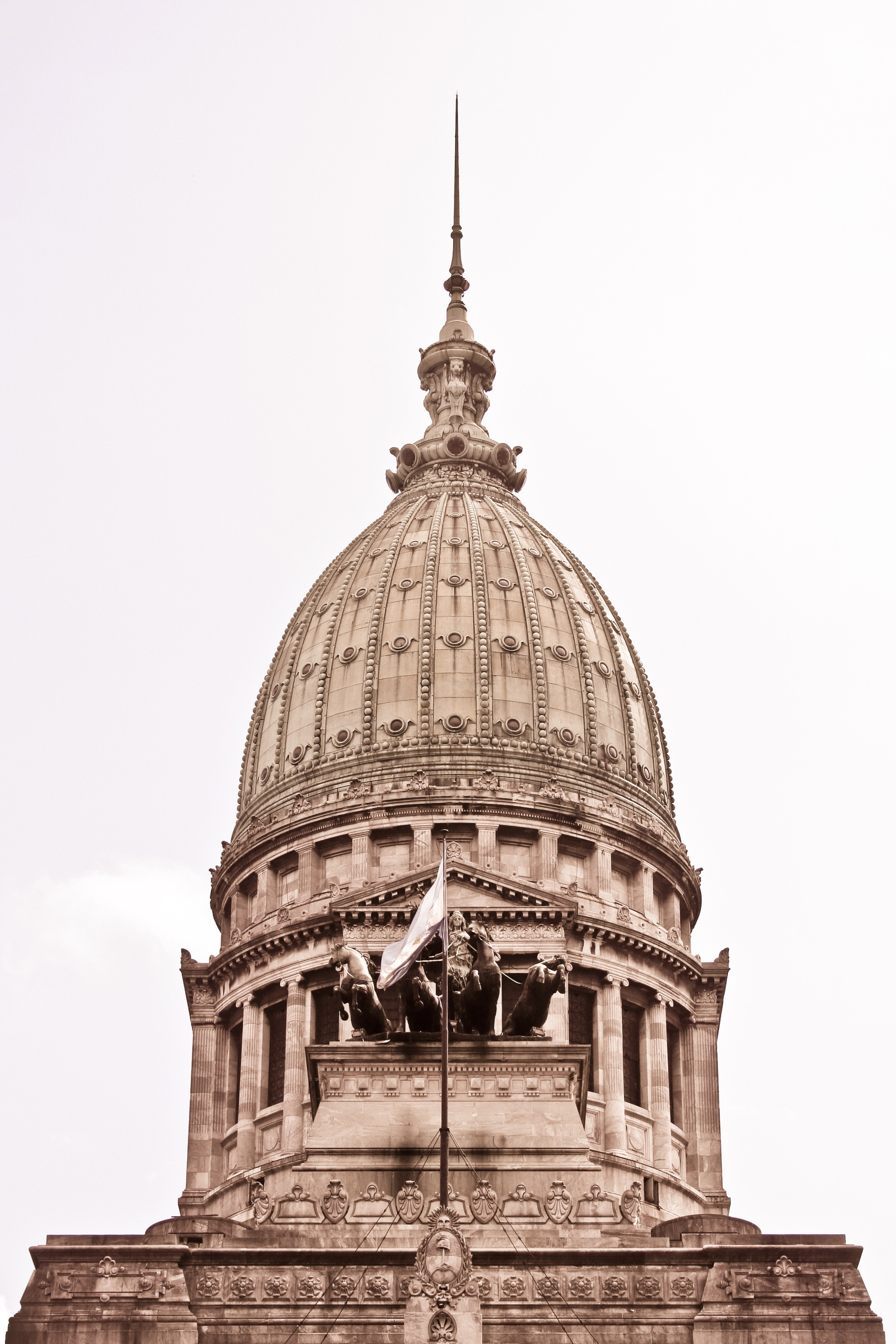
At the centre rises the enormous dome, one of the most recognisable features of Buenos Aires’ skyline. Its greenish copper surface rises dramatically above the surrounding architecture, while the structure beneath it gives the palace a sense of vertical momentum. The dome was designed not simply as decoration but as the visual climax of the building, drawing the eye upward from the massive base toward the sky.
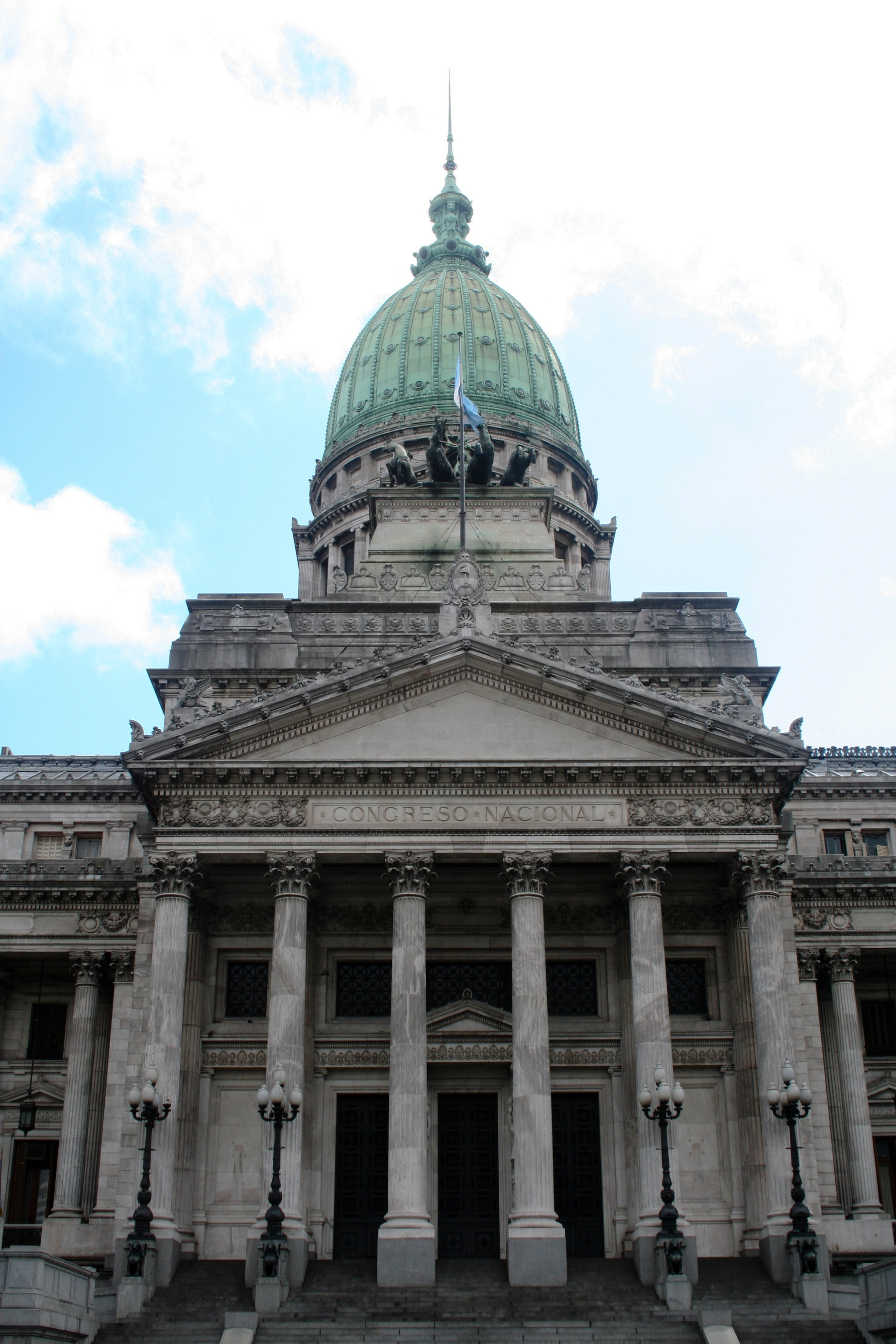
The dome also reflects an architectural language common to major government buildings of the period. Across the world, domes and monumental columns were used to suggest permanence, stability, and institutional authority. In Buenos Aires, however, those European influences became part of a distinctly Argentine urban landscape. The result is a building that feels simultaneously European and unmistakably porteño.
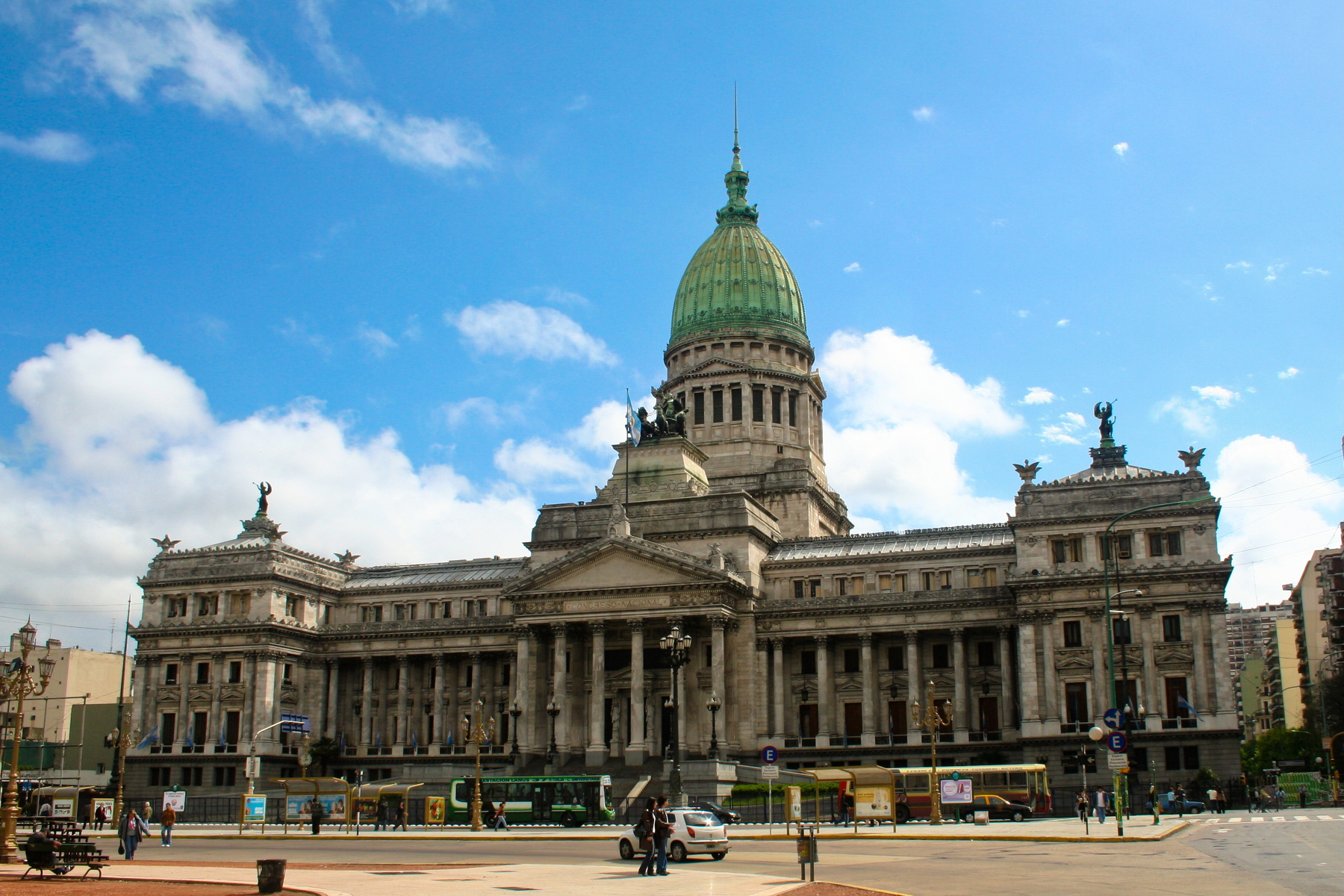
The area surrounding Congress has its own political history. The palace stands at the western end of Avenida de Mayo, one of Buenos Aires’ great historic avenues, creating an impressive visual axis toward the Casa Rosada. Walking between these two centres of government offers a fascinating glimpse into how the city physically expresses its political life. The distance between them is more than urban geography; it connects Argentina’s legislative and executive institutions.

Inside the building, the scale becomes even more impressive. The National Congress is divided into two chambers: the Chamber of Deputies and the Senate. Argentina’s bicameral legislature reflects the federal structure of the country, with the Senate representing the provinces and the Chamber of Deputies representing the population. The institution itself has roots going back to the nineteenth-century constitutional framework that shaped modern Argentina.
Argentina’s Constitution was adopted in 1853, although its political development did not end there. The country experienced periods of political instability, military intervention, constitutional reform, and democratic change throughout the nineteenth and twentieth centuries. The Congress building therefore witnessed an extraordinarily complicated national story. Its walls have seen governments rise and fall, legislation debated, crises unfold, and Argentina repeatedly struggle with the question of how its political institutions should function.

One of the most fascinating aspects of the building is therefore the contrast between its symbolic appearance and the complicated history that took place around it. Monumental architecture can make political ideals appear permanent and uncomplicated. Argentina’s history reminds us that democracy is neither automatic nor static. Institutions can survive difficult periods, but they depend on people, laws, civic participation, and political processes.

The building’s sculptures and ornamentation reinforce this idea of national identity. Allegorical figures and historical references appear throughout the architecture, turning the palace into something resembling a giant stone textbook. Even when you don’t recognize every figure or symbol, the intention is clear: the building was designed to connect the institutions of the present with Argentina’s intellectual and political heritage.

Among the historical figures associated with Argentina’s national story are Juan Bautista Alberdi and Domingo Faustino Sarmiento. Alberdi was one of the country’s most influential political thinkers and wrote Bases y puntos de partida, a work that strongly influenced the drafting of the Constitution. Sarmiento, meanwhile, served as president, educator, writer, and advocate for public education. Their legacies represent two very different but interconnected dimensions of Argentina’s nineteenth-century nation-building.
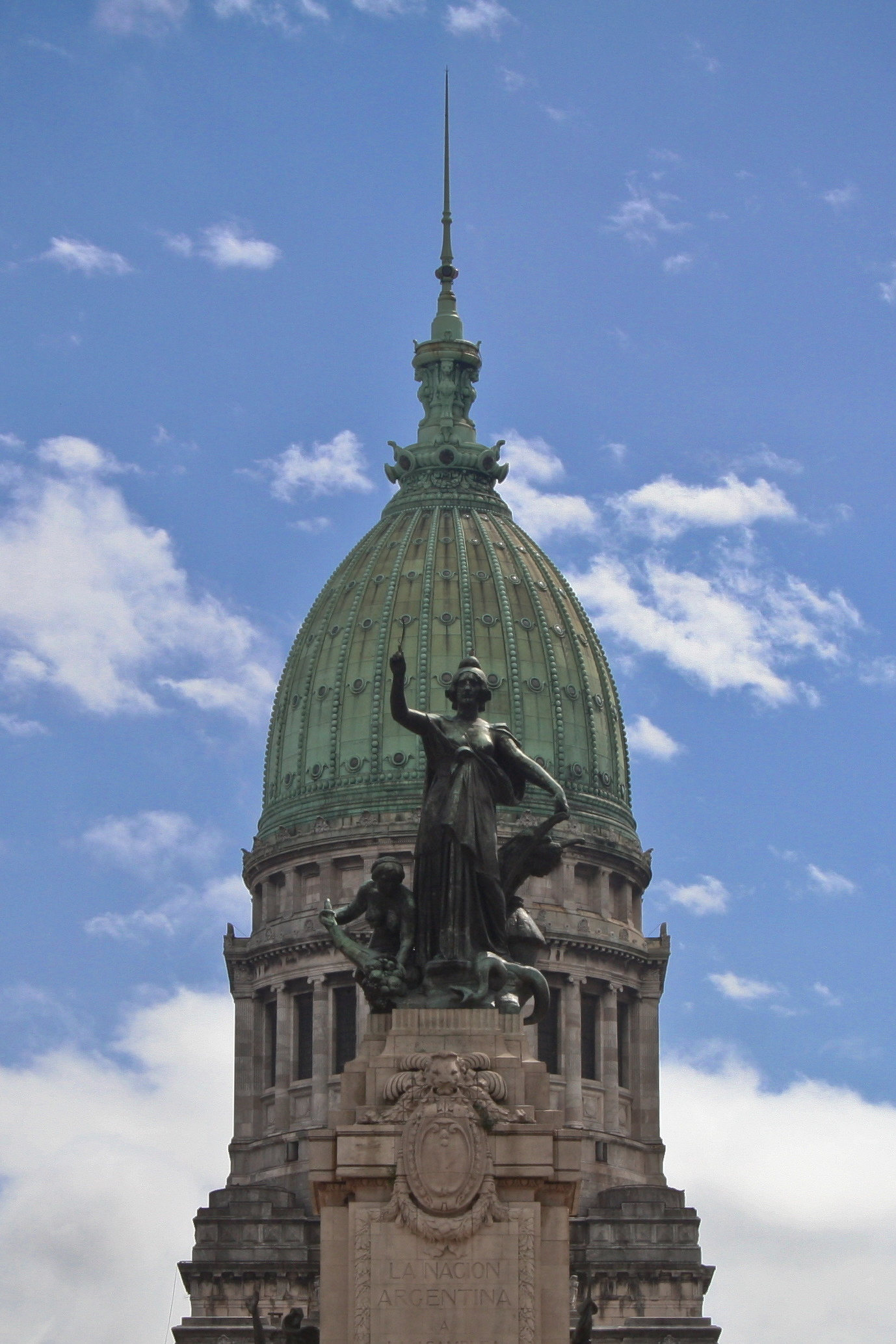
The Congress complex has also undergone numerous changes and restorations over the decades. Buildings of this scale require constant maintenance, particularly in a city exposed to pollution, weather, and the wear of more than a century. Preserving such a structure is not simply about protecting beautiful architecture. It also means preserving a physical connection to the political history of the country.
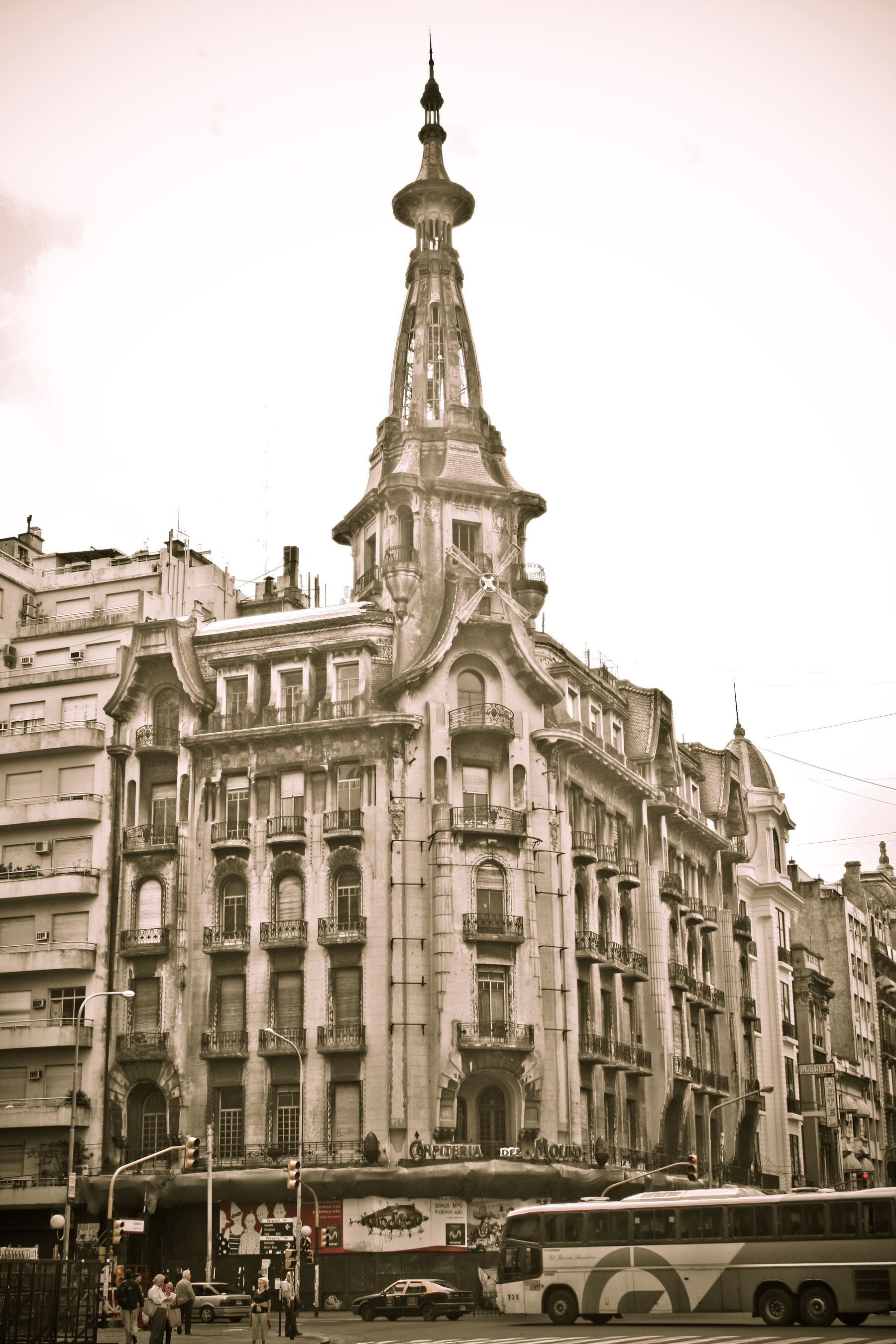
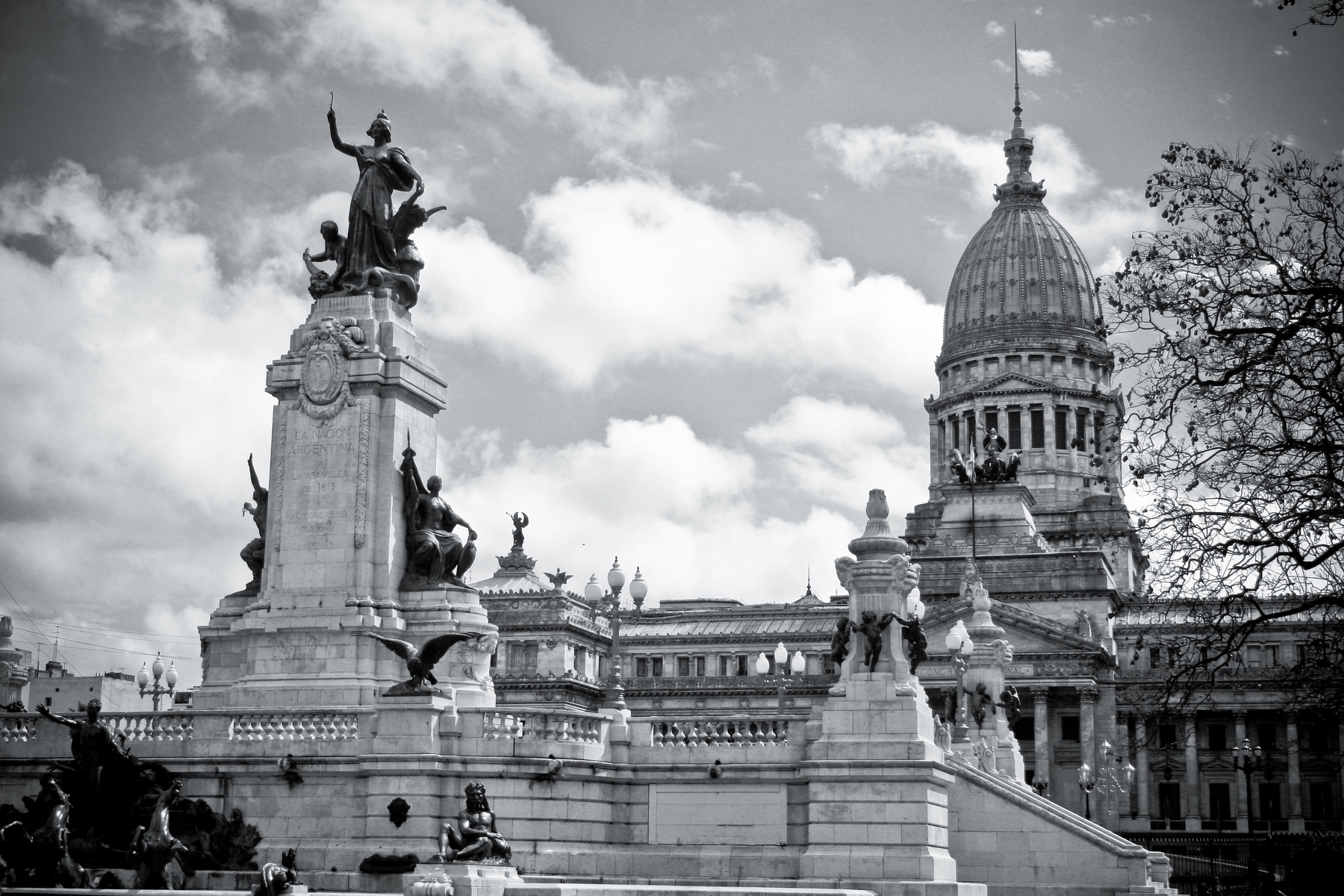
Standing in the surrounding plaza, I noticed another interesting feature: the Monumento a los Dos Congresos, which commemorates the Constituent Congress of 1816 and the constitutional process that followed. The monument helps connect the modern Congress building with the earlier history of Argentine independence and nation-building. It is another reminder that the political story represented here stretches far beyond the building itself.

And then there is the location. Buenos Aires has always been a city of dramatic contrasts, and Congress fits perfectly into that character. Elegant historic buildings stand alongside modern towers; cafés and bookstores occupy streets filled with commuters; political demonstrations can appear alongside ordinary city life. Around Congress, national politics is not confined to the interior of a government chamber. It spills naturally into the streets and public spaces of the capital.

As afternoon turned toward evening, the changing light gave the stone façade an entirely different character. The details that had seemed almost overwhelming in the harsh daylight became softer, and the dome appeared to glow above the city. I stood for a while simply watching Buenos Aires move around it—buses passing, pedestrians crossing, conversations unfolding—and thought about how many generations had witnessed essentially the same scene.
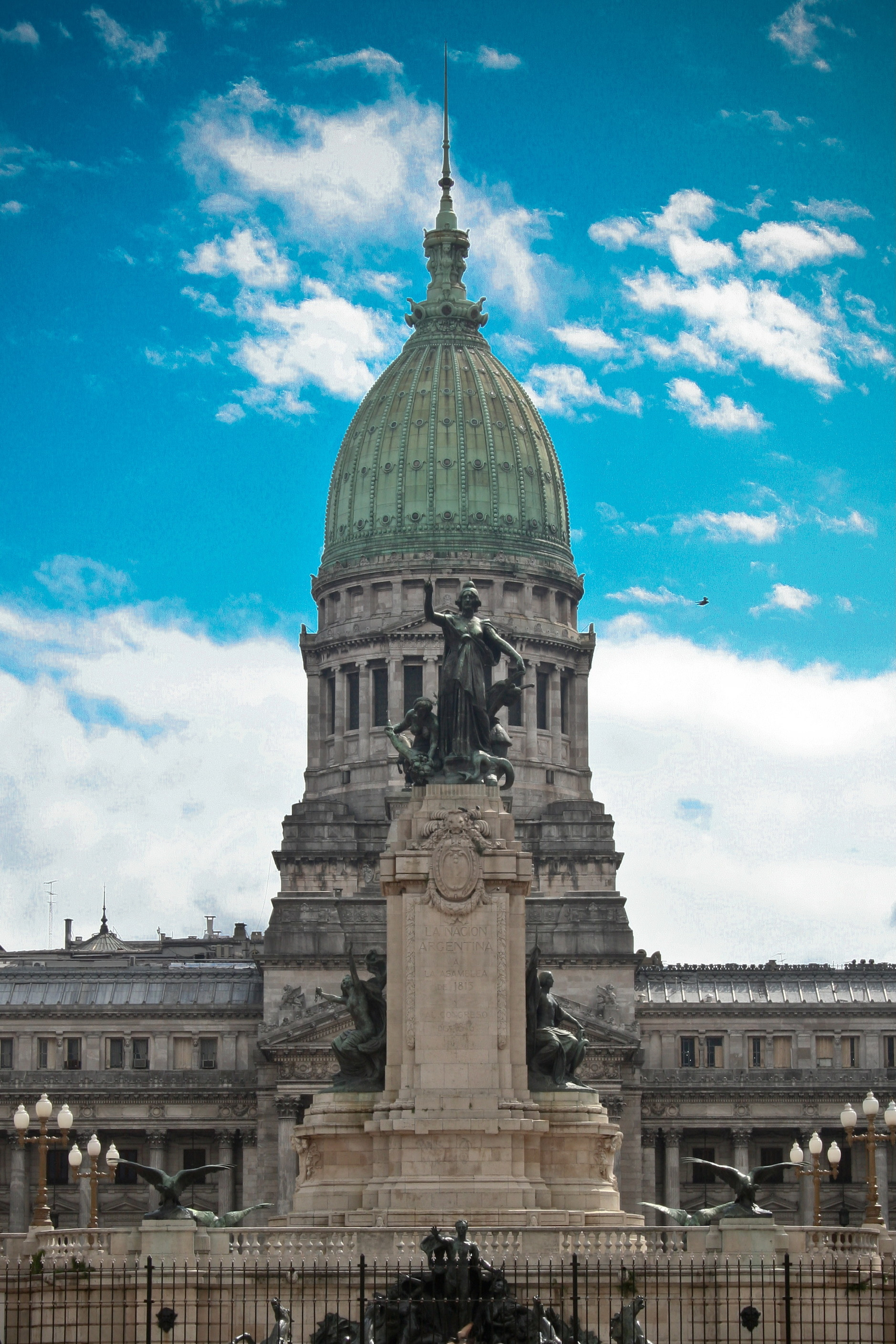
What stayed with me was not simply the grandeur of the architecture but the complicated story it represents. The Argentine National Congress is a monument, a workplace, a political institution, and a witness to more than a century of national history. Its architecture speaks of ambition and permanence, while its history reveals that nations and political systems are constantly evolving.
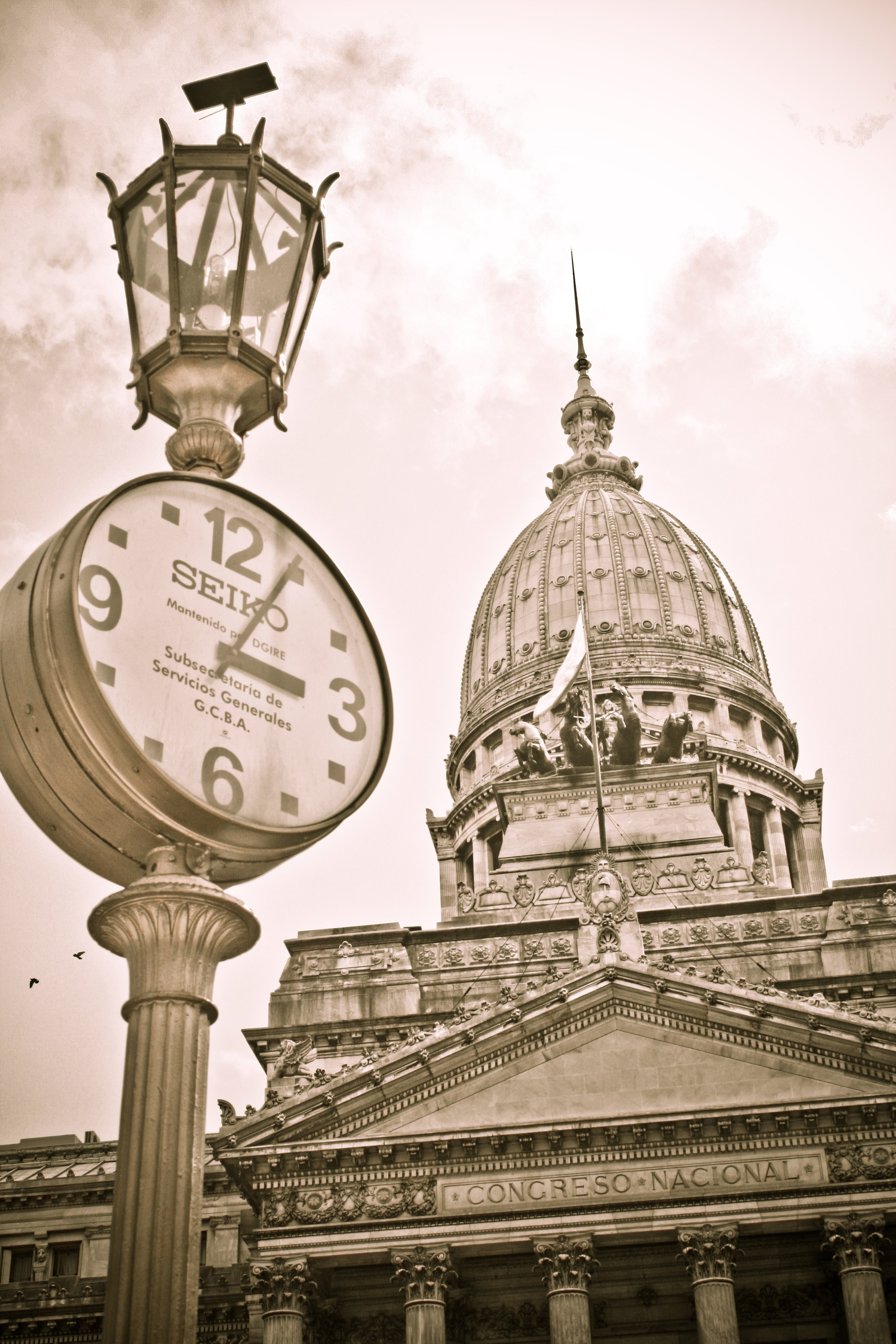
Walking away, I realized that the Palace of the Argentine National Congress is best understood not as a frozen monument to the past, but as part of Buenos Aires’ continuing story. Its columns, sculptures, chambers, and enormous dome provide a physical setting for Argentina’s political life, while the streets surrounding it continue to change with the city. For a traveller interested in history, architecture, or the story of Buenos Aires itself, few places offer such a powerful intersection of stone, politics, ambition, and time.
#Photography #Photos #Photoblog #Blog #ArgentineNationalCongress #BuenosAires #Argentina #BuenosAiresTravel #ArgentinaTravel #ArgentineHistory #CongressPalace #PalacioDelCongreso #VittorioMeano #BuenosAiresArchitecture #NeoclassicalArchitecture #BeauxArtsArchitecture #AvenidaDeMayo #ArgentinePolitics #ArgentineConstitution #JuanBautistaAlberdi #DomingoFaustinoSarmiento #BuenosAiresHistory #SouthAmericaTravel #TravelEssay #TravelPhotography #HistoricArchitecture #LatinAmerica
Paris Day 2 – Notre-Dame Cathedral to the Mona Lisa & The Louvre
My second day in Paris was all about walking through history, art, and some of the city’s most unforgettable landmarks.
I began the day at Notre-Dame Cathedral, one of Paris’s most iconic symbols. Standing in front of this extraordinary Gothic masterpiece is an experience in itself. From there, I continued wandering through the streets of central Paris, taking in the architecture, bridges, river views, and the atmosphere that makes the city so endlessly fascinating.
Eventually, the walk led me to the Louvre, one of the world’s greatest museums. Of course, no visit would be complete without seeing the Mona Lisa. While the painting itself is surprisingly small, the crowds gathered around it make the experience almost as memorable as the artwork.
But the Louvre is so much more than one famous painting. Its enormous galleries, historic interiors, sculptures, paintings, and architectural details could easily occupy several days. Even a short visit gives you a sense of just how extraordinary this place really is.
In this new video, I take you along for Paris Day 2, from Notre-Dame to the Mona Lisa and through the unforgettable surroundings of the Louvre.
If you enjoy walking through cities, discovering history, architecture, and great works of art along the way, I hope you’ll join me for the journey.
#Paris #ParisTravel #VisitParis #ParisFrance #NotreDame #NotreDameCathedral #Louvre #LouvreMuseum #MonaLisa #LeonardoDaVinci #ParisWalkingTour #ParisVlog #ParisDay2 #TravelVlog #TravelEssayist #FranceTravel #EuropeanTravel #Paris2026 #TravelPhotography #ParisArchitecture #ParisHistory #ArtAndCulture #TravelEurope #ExploreParis
Wat Phra That Doi Suthep - Following the Sacred Trail Above Chiang Mai
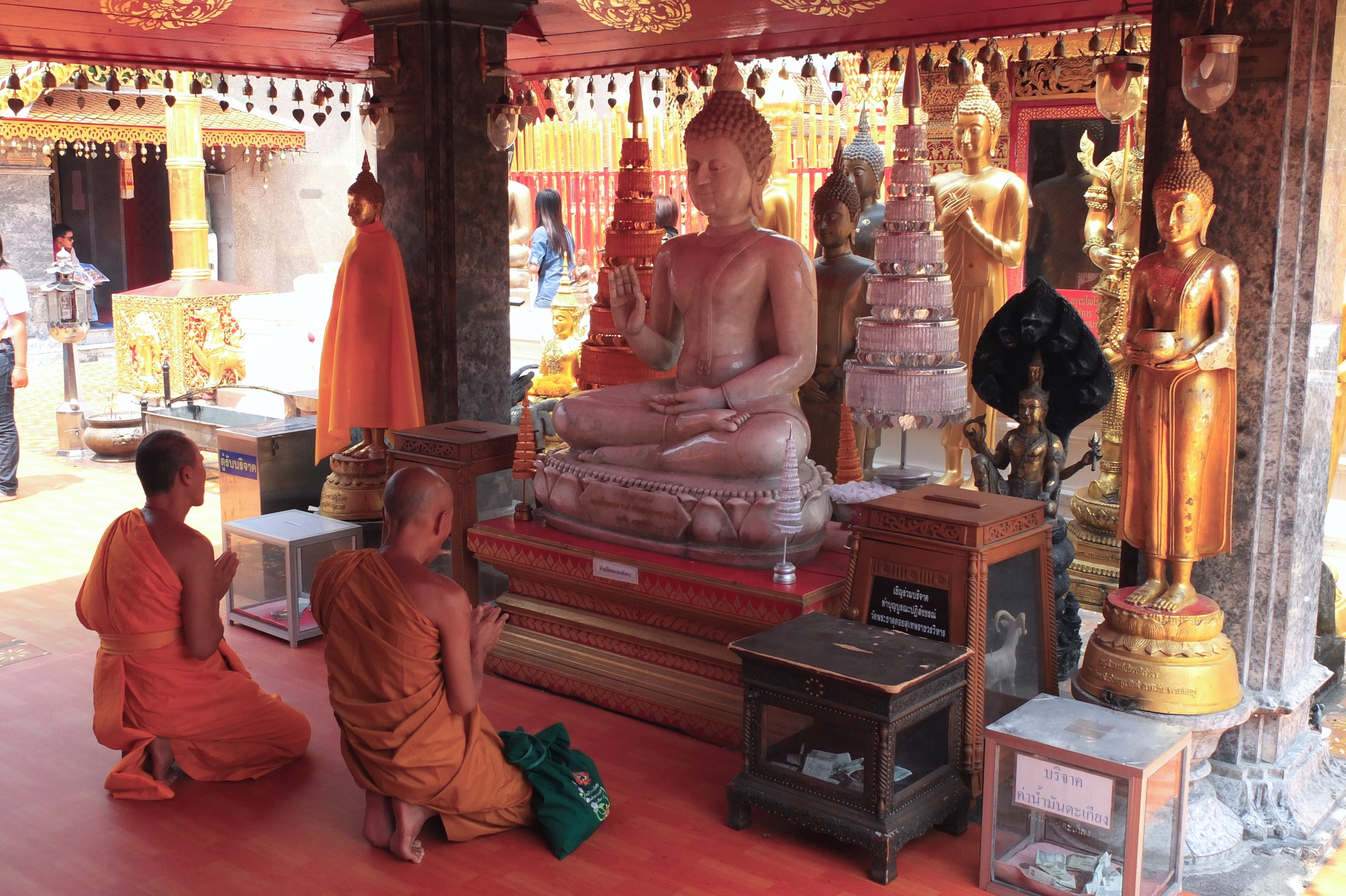
The road from Chiang Mai toward Doi Suthep winds steadily upward, leaving behind the noise of the city and climbing into the forests of northern Thailand. As I travelled higher, the air seemed cooler and the landscape increasingly green. Somewhere above the rooftops and traffic, hidden among the trees, was one of Chiang Mai’s most important landmarks: Wat Phra That Doi Suthep. I had come expecting a beautiful temple. What I found was something deeper—a place where history, Buddhist devotion, royal tradition, legend, and the mountain landscape have been intertwined for more than six centuries.
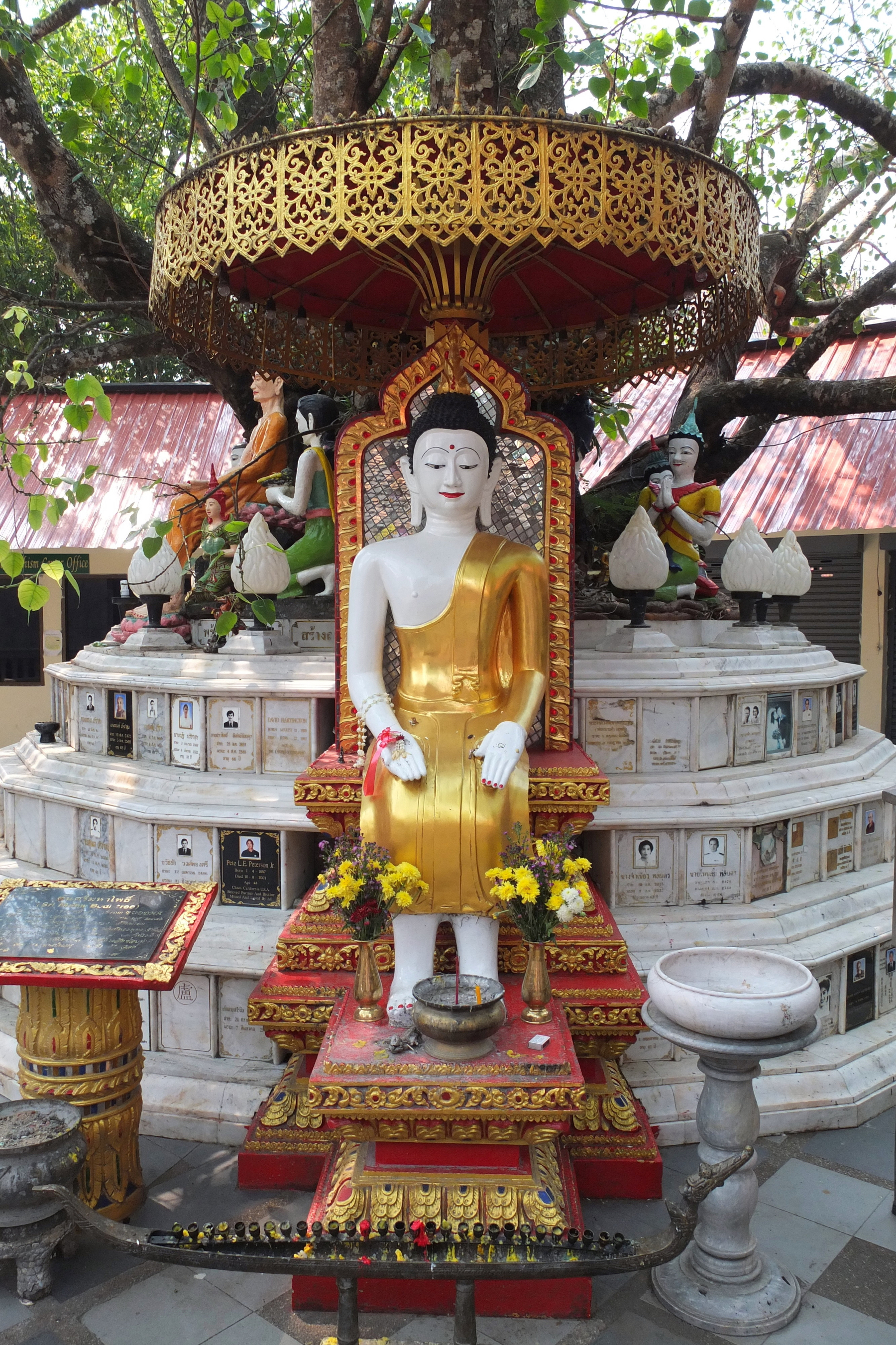
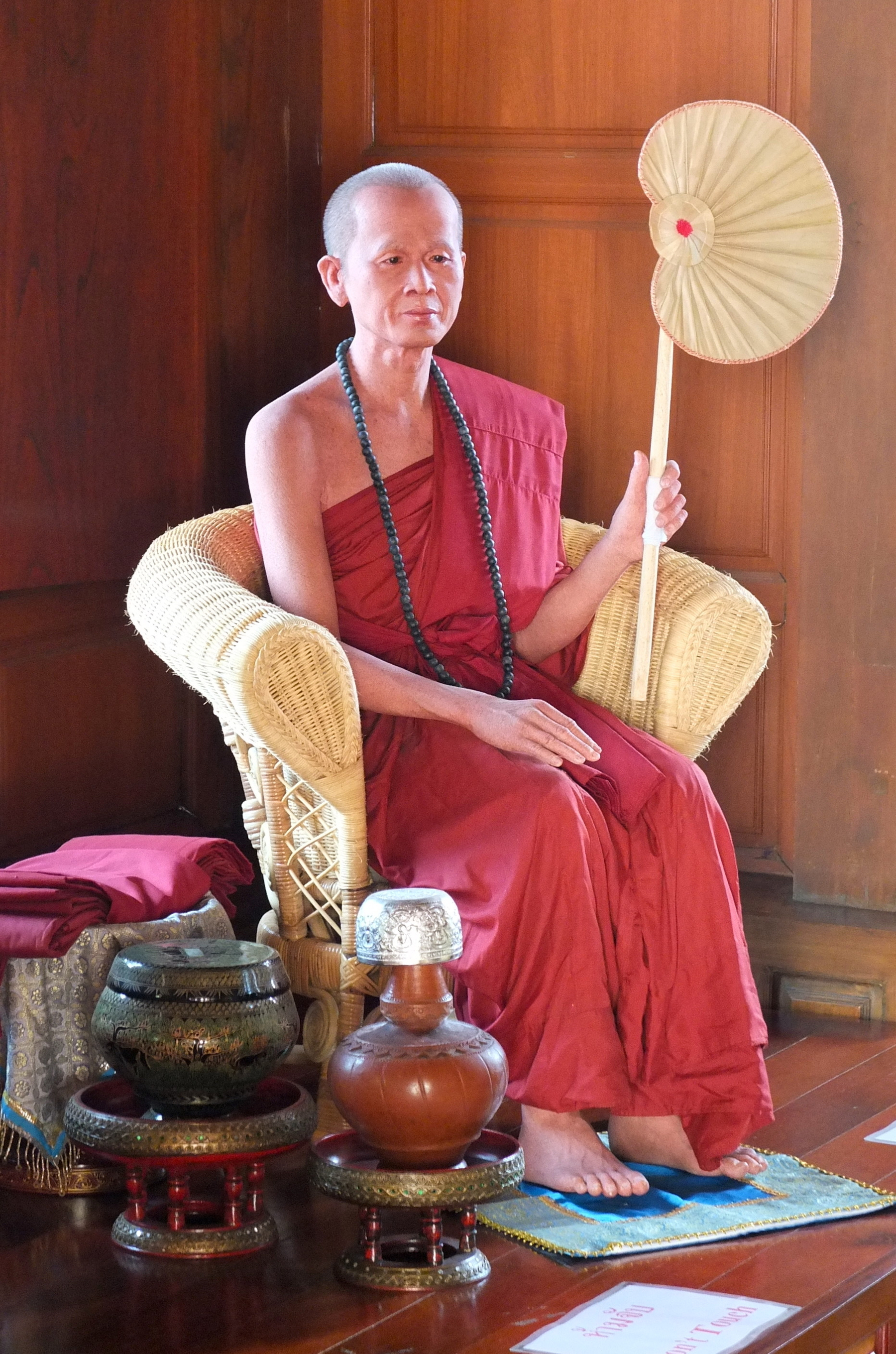
The temple’s story begins in the fourteenth century, during the era of the Lanna Kingdom. Chiang Mai had been founded in 1296 by King Mangrai and had developed into the political and cultural centre of a powerful northern Thai kingdom. Buddhism was already deeply established in Lanna society, and temples were not simply places of worship. They were centres of learning, art, community life, and royal patronage. Doi Suthep would eventually become home to one of the kingdom’s most sacred religious sites.
The most famous story surrounding the temple concerns a monk named Sumanathera and a sacred relic believed to be part of the Buddha’s shoulder bone. According to tradition, Sumanathera received the relic and brought it to the Lanna kingdom. The story says that the relic miraculously divided into two pieces, one remaining at Wat Suan Dok in Chiang Mai and the other becoming associated with Doi Suthep. Whether understood as history, religious tradition, or legend, the story became fundamental to the temple’s identity.

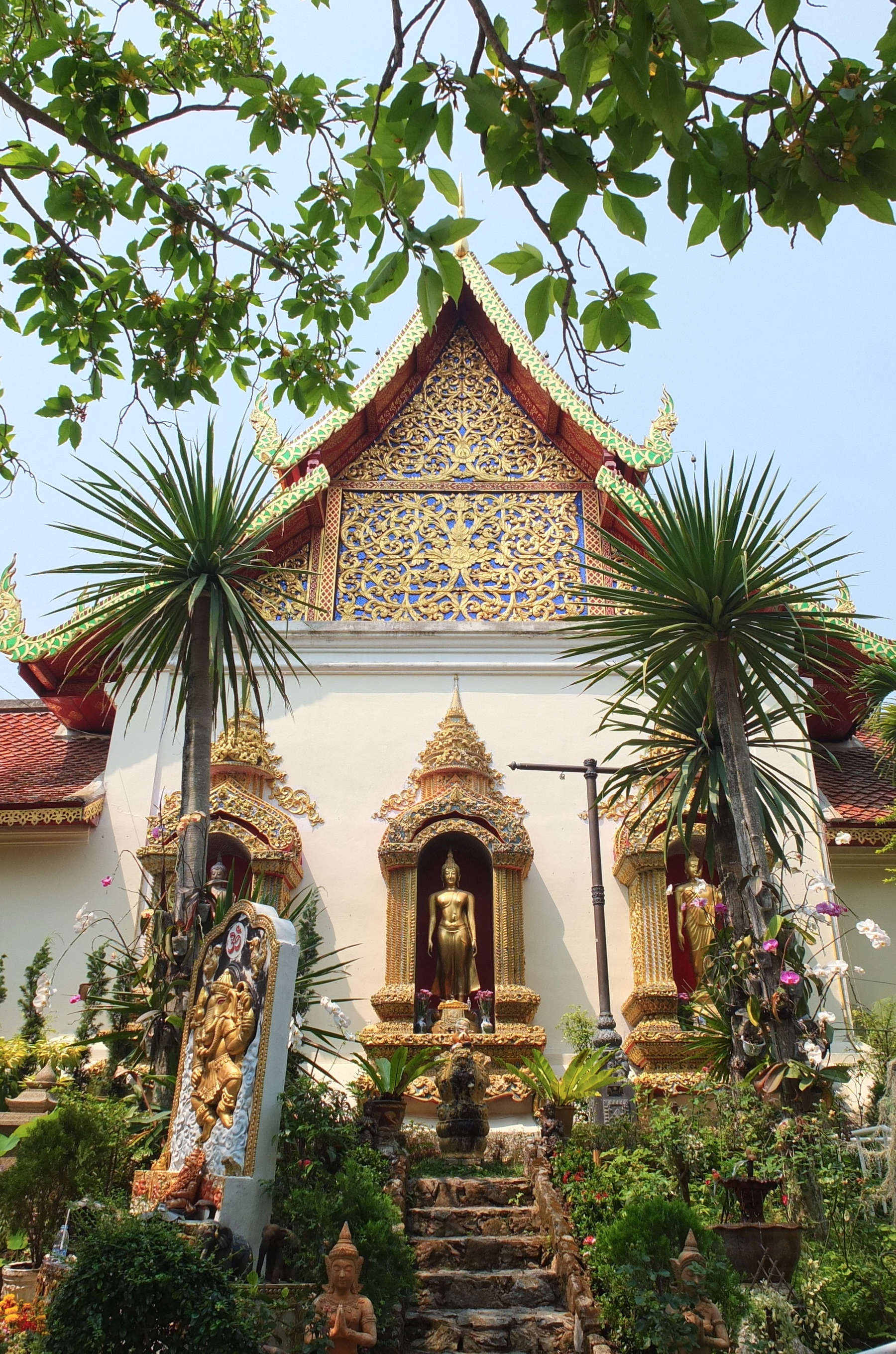
According to the legend, the second relic was placed on the back of a white elephant. The animal was released and began climbing the mountain. Rather than following a predetermined route, it supposedly wandered upward until reaching the summit of Doi Suthep. There, it trumpeted three times, circled the spot, and died. King Kuena, the fourteenth-century Lanna ruler, interpreted the event as a divine sign and ordered a temple constructed at the location. From this extraordinary legend came the sacred foundation of Wat Phra That Doi Suthep.
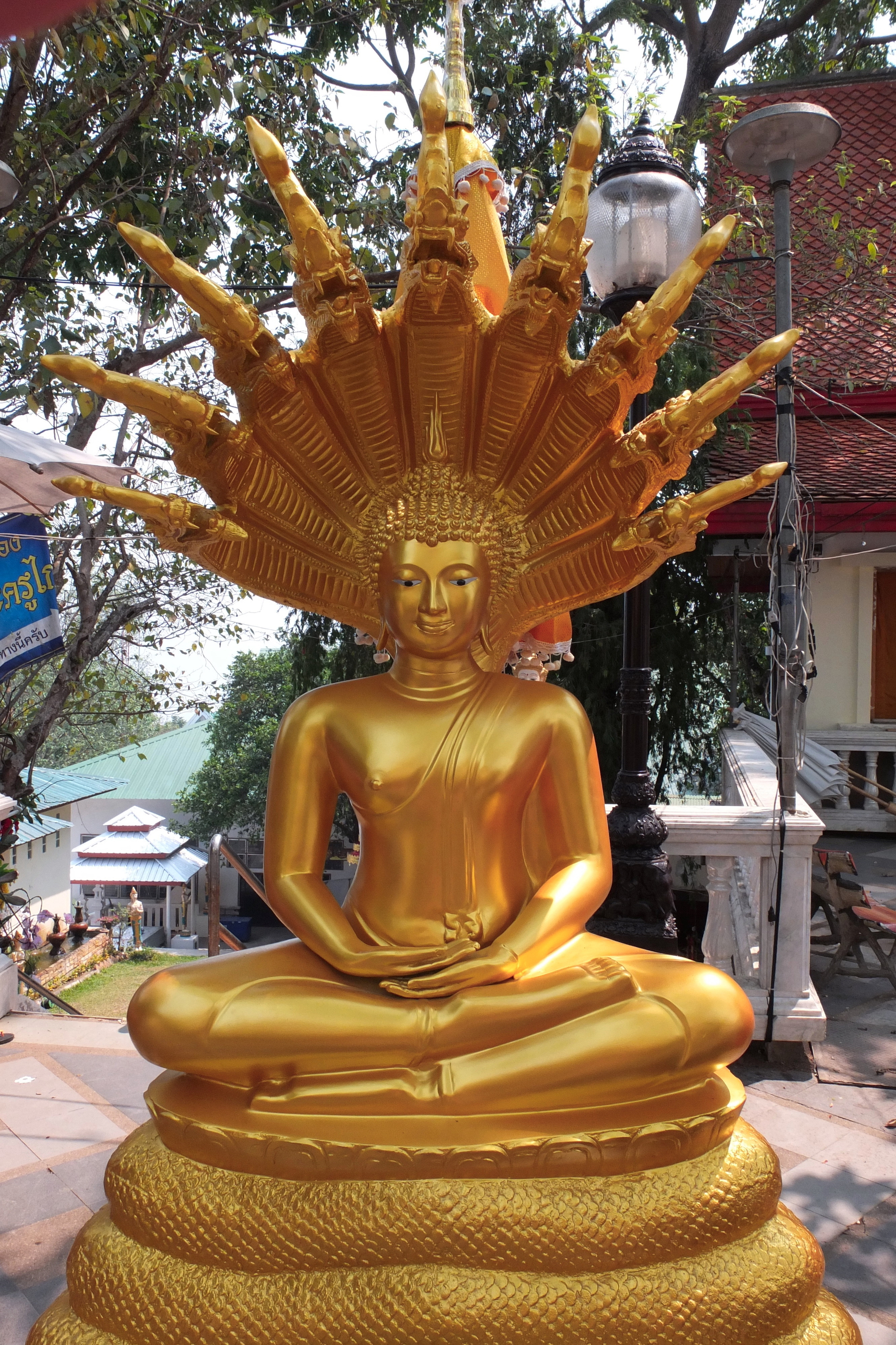
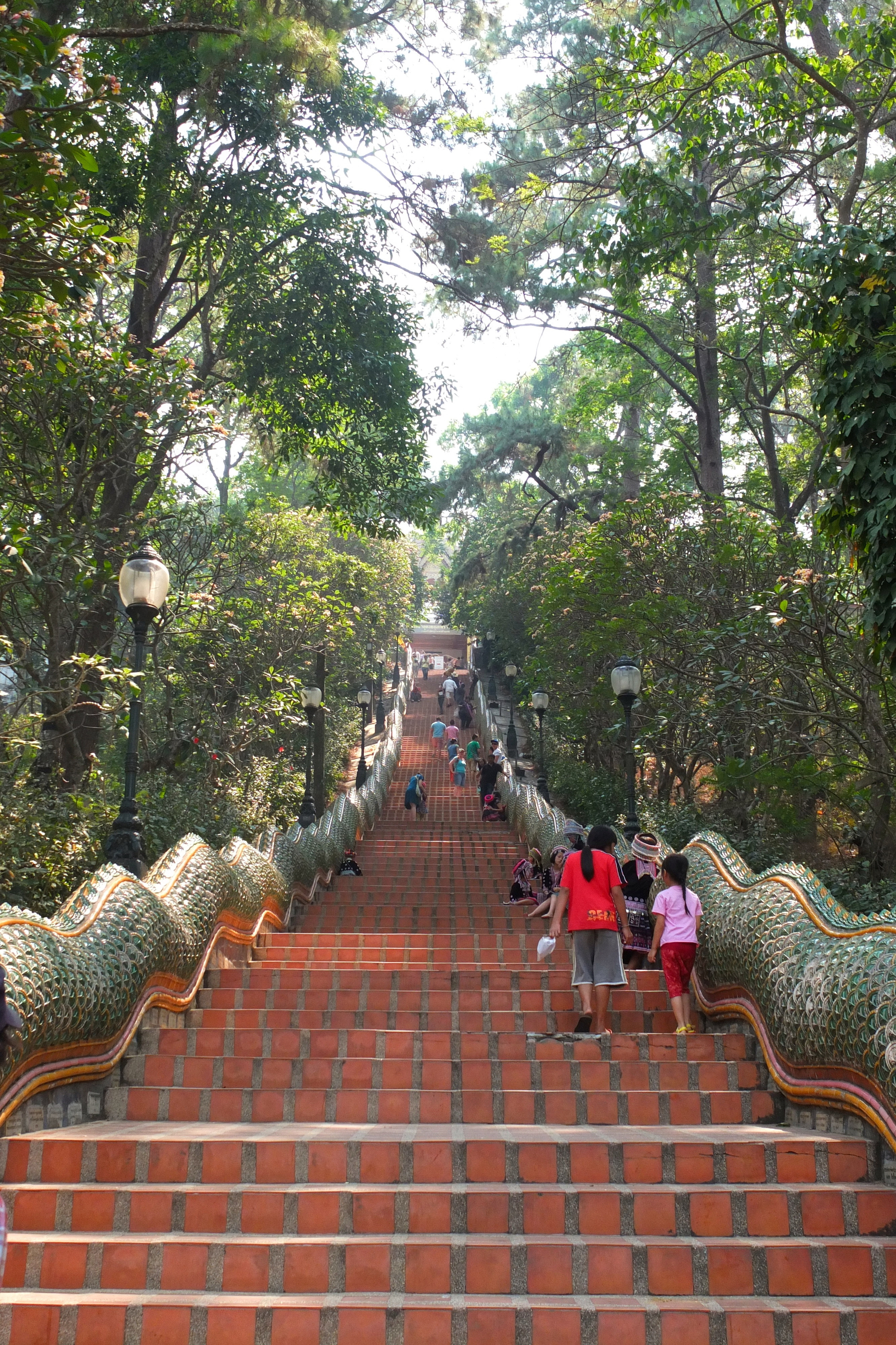
Today, the mountain journey still feels like part of the pilgrimage. The modern road makes reaching the temple considerably easier than it would have been for earlier generations, but eventually I arrived at the famous Naga staircase. The long flight of steps is guarded by enormous serpent figures, their bodies stretching alongside the staircase. In Buddhist and Southeast Asian mythology, the Naga is a powerful serpent associated with water, protection, and the supernatural world. Here, the creatures seem to guide visitors from the ordinary world toward the sacred temple above.

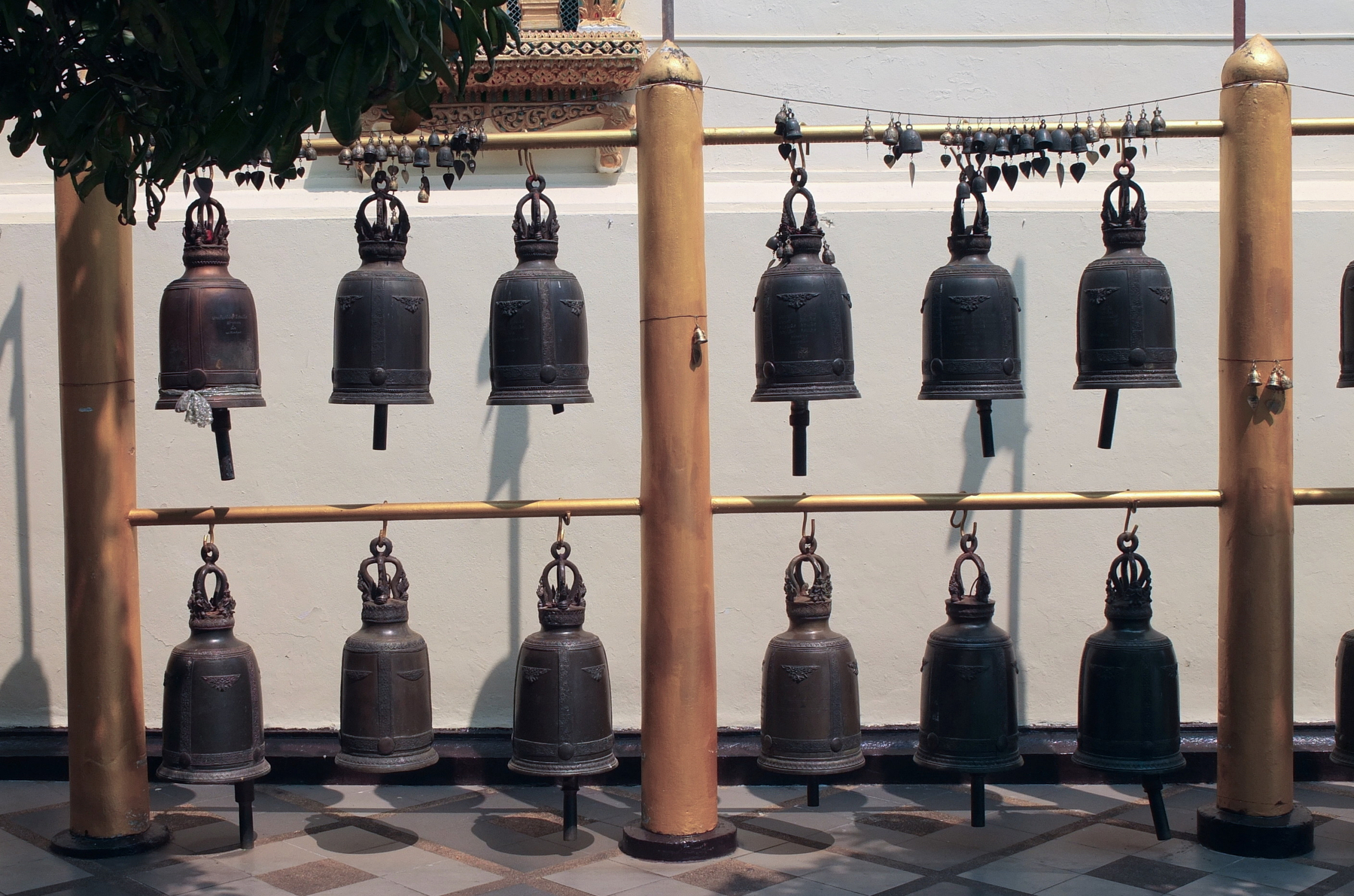
There are 306 steps in the staircase, and climbing them gives the arrival a sense of ceremony that a simple entrance could never provide. With every step, the sounds of the world below seemed to fade. The intricate scales of the Naga figures caught the light, while the surrounding forest provided a vivid green backdrop. I began thinking about the generations of pilgrims who had climbed these same steps—or followed earlier routes up the mountain—long before modern roads and tourist buses existed.
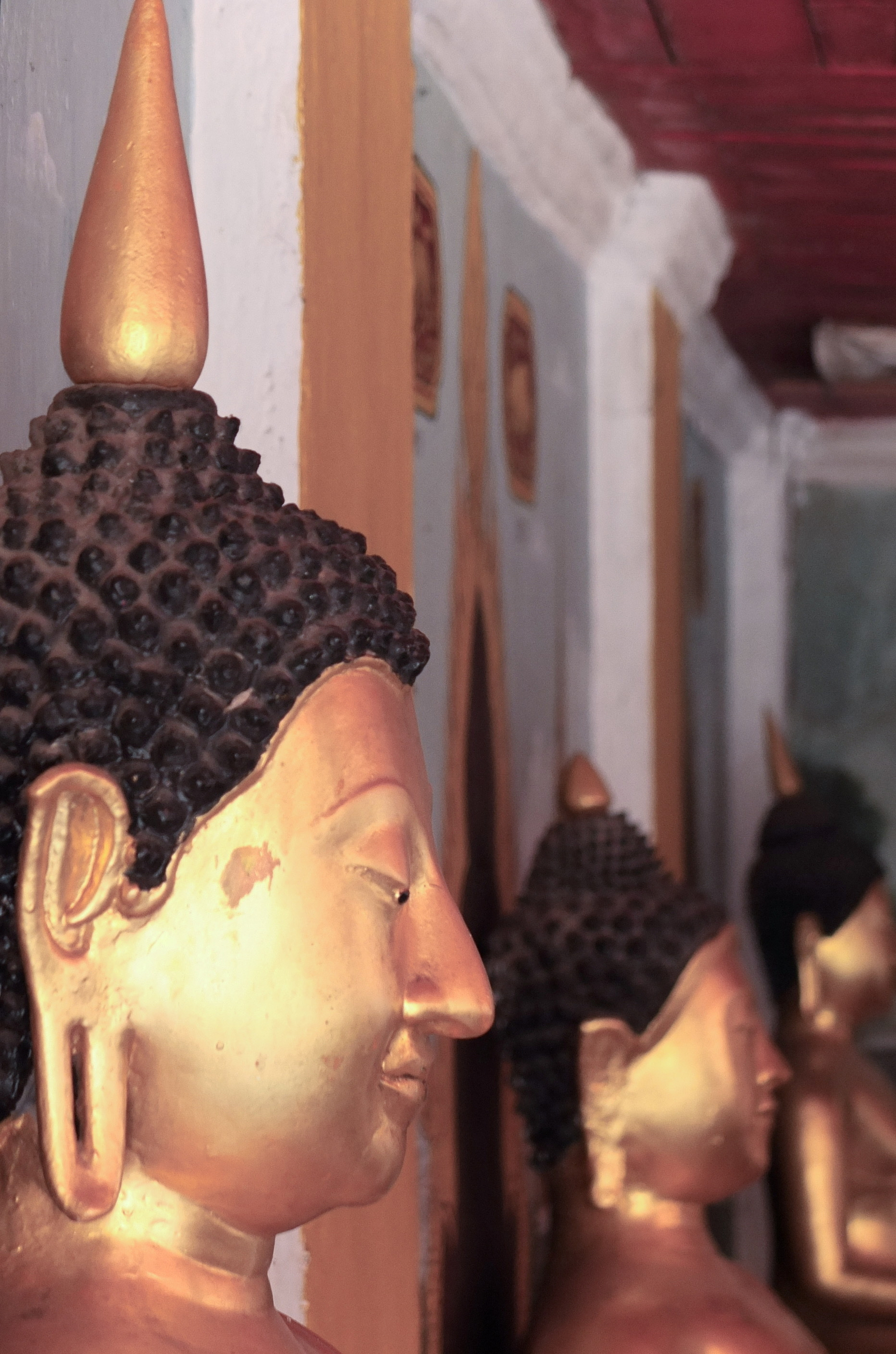
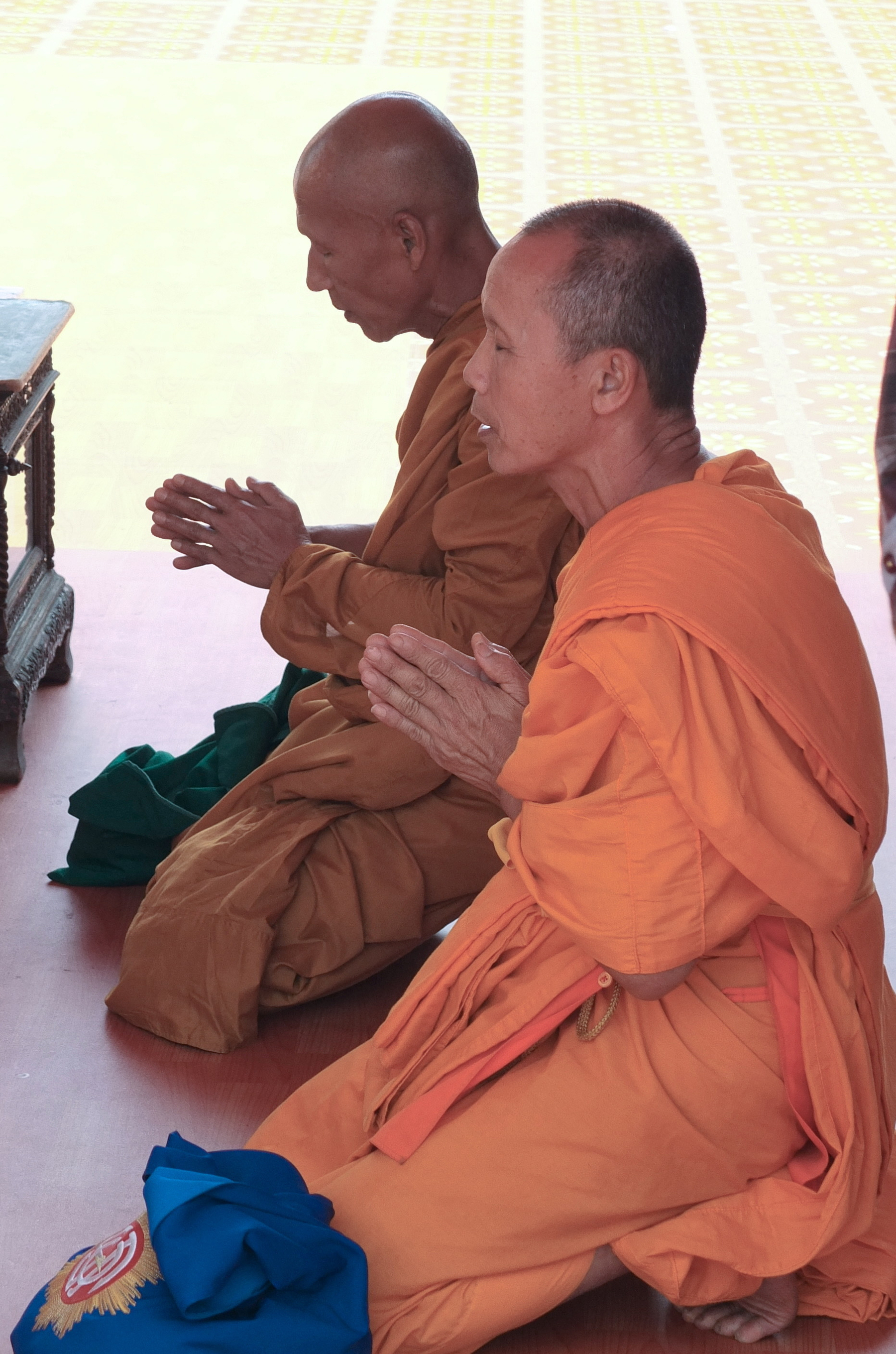
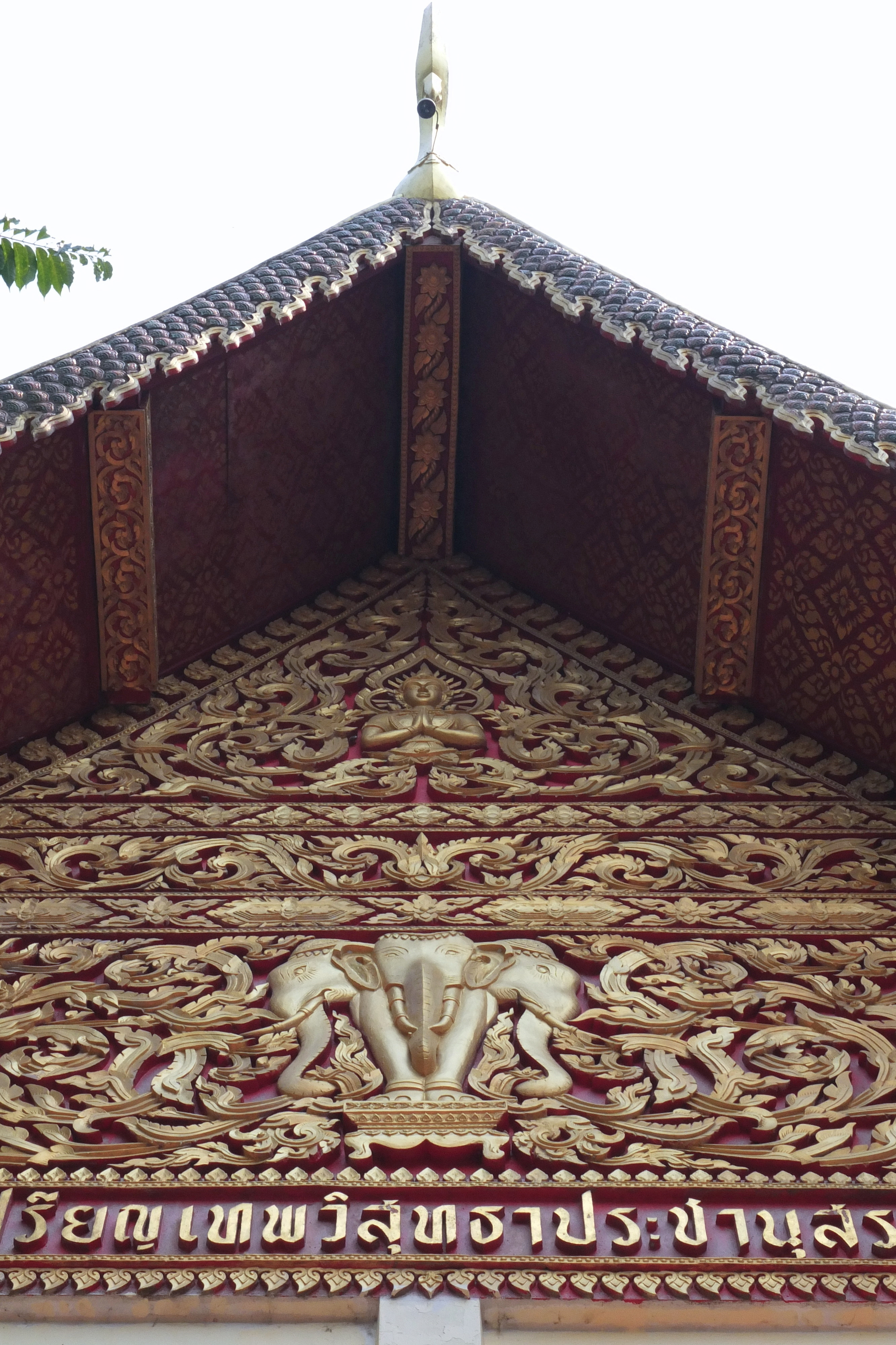
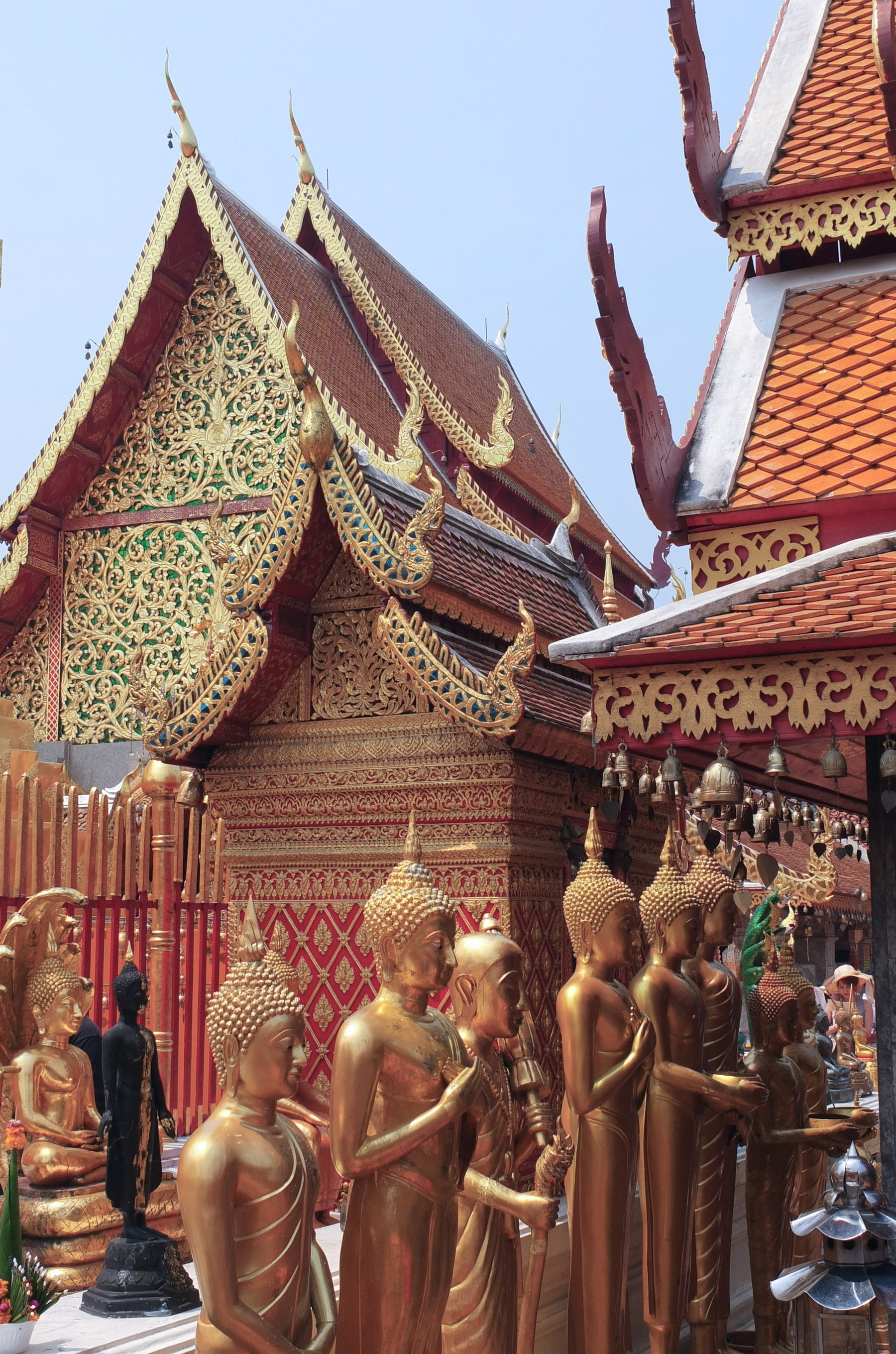
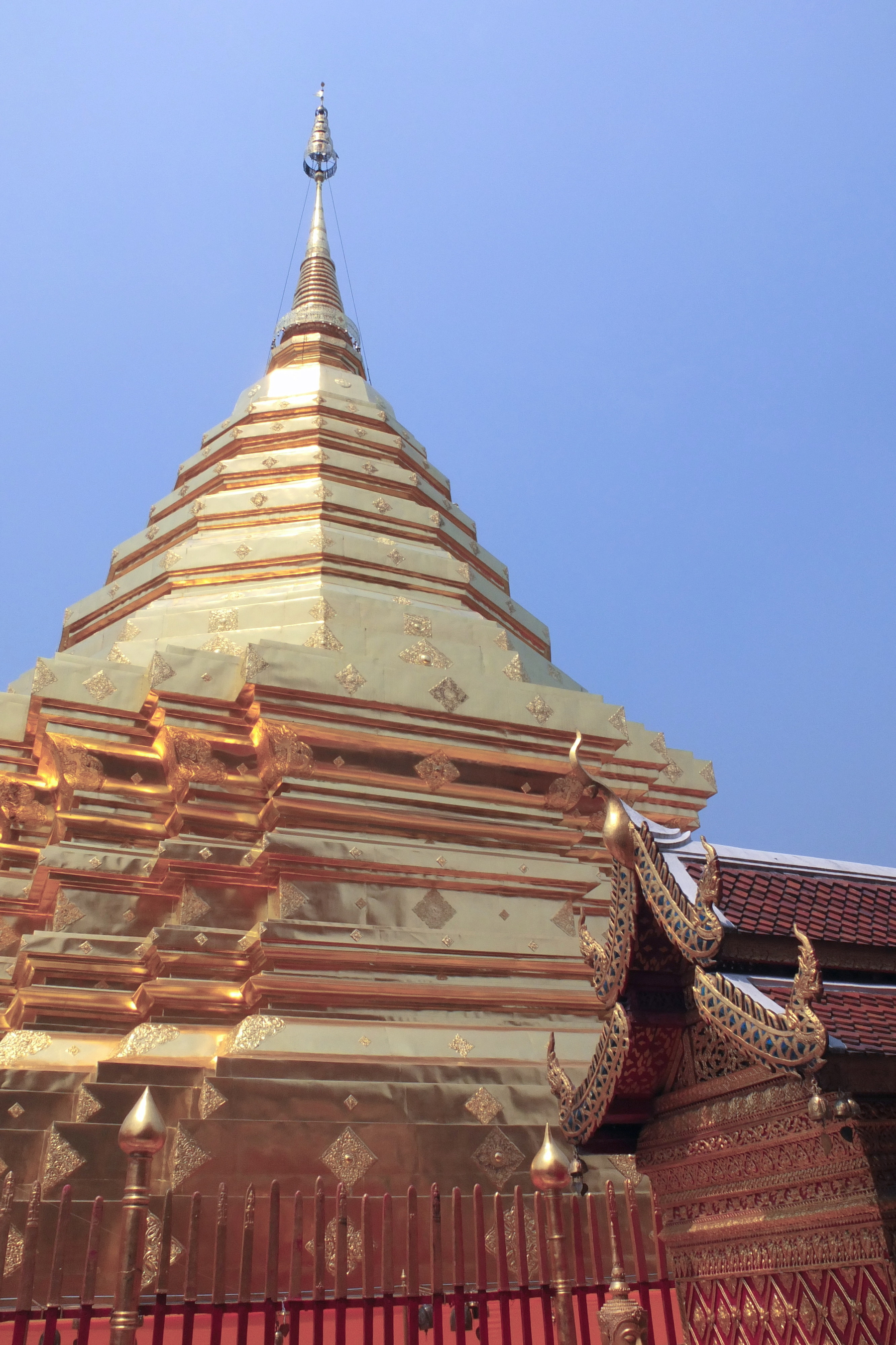
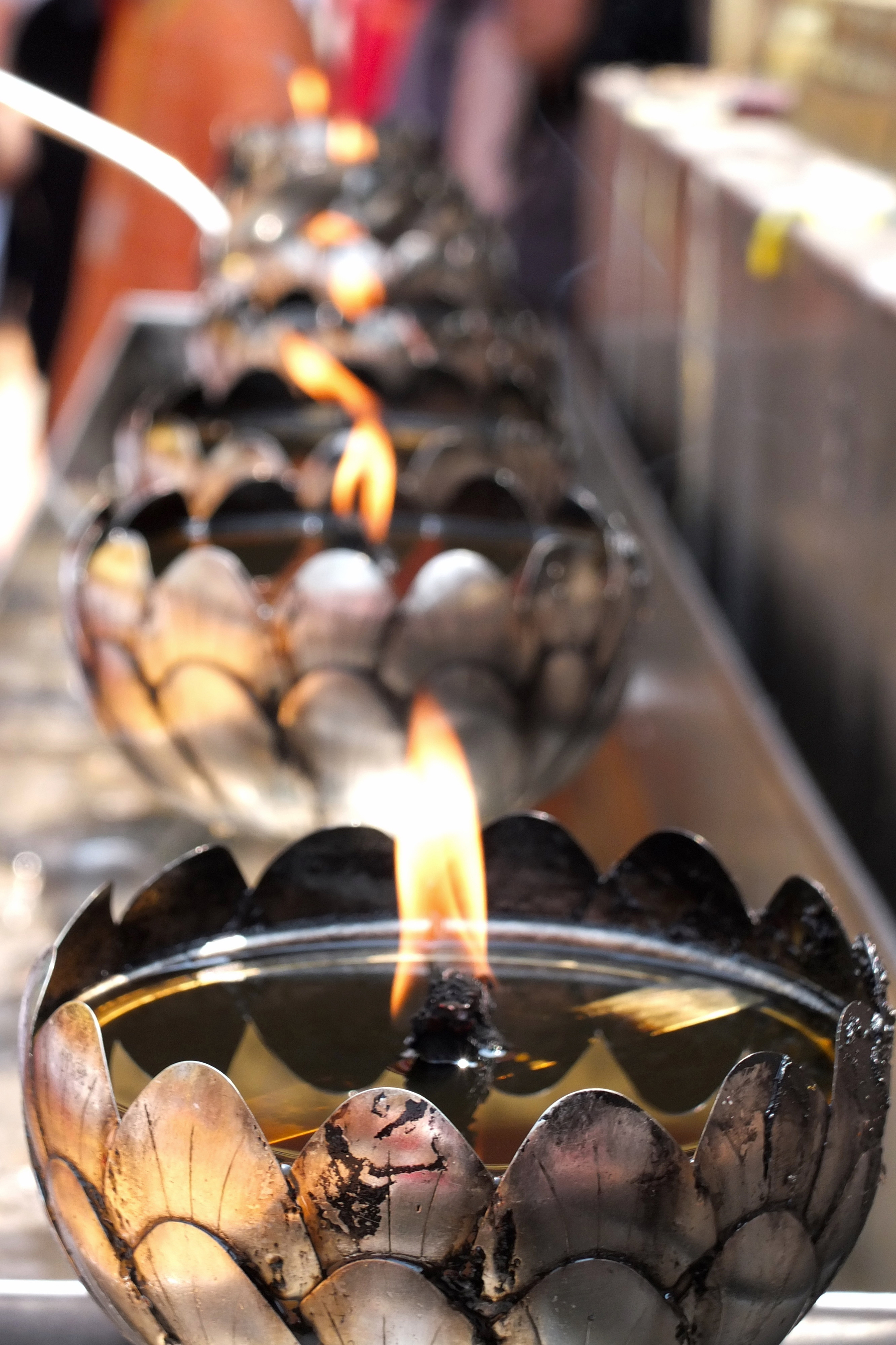
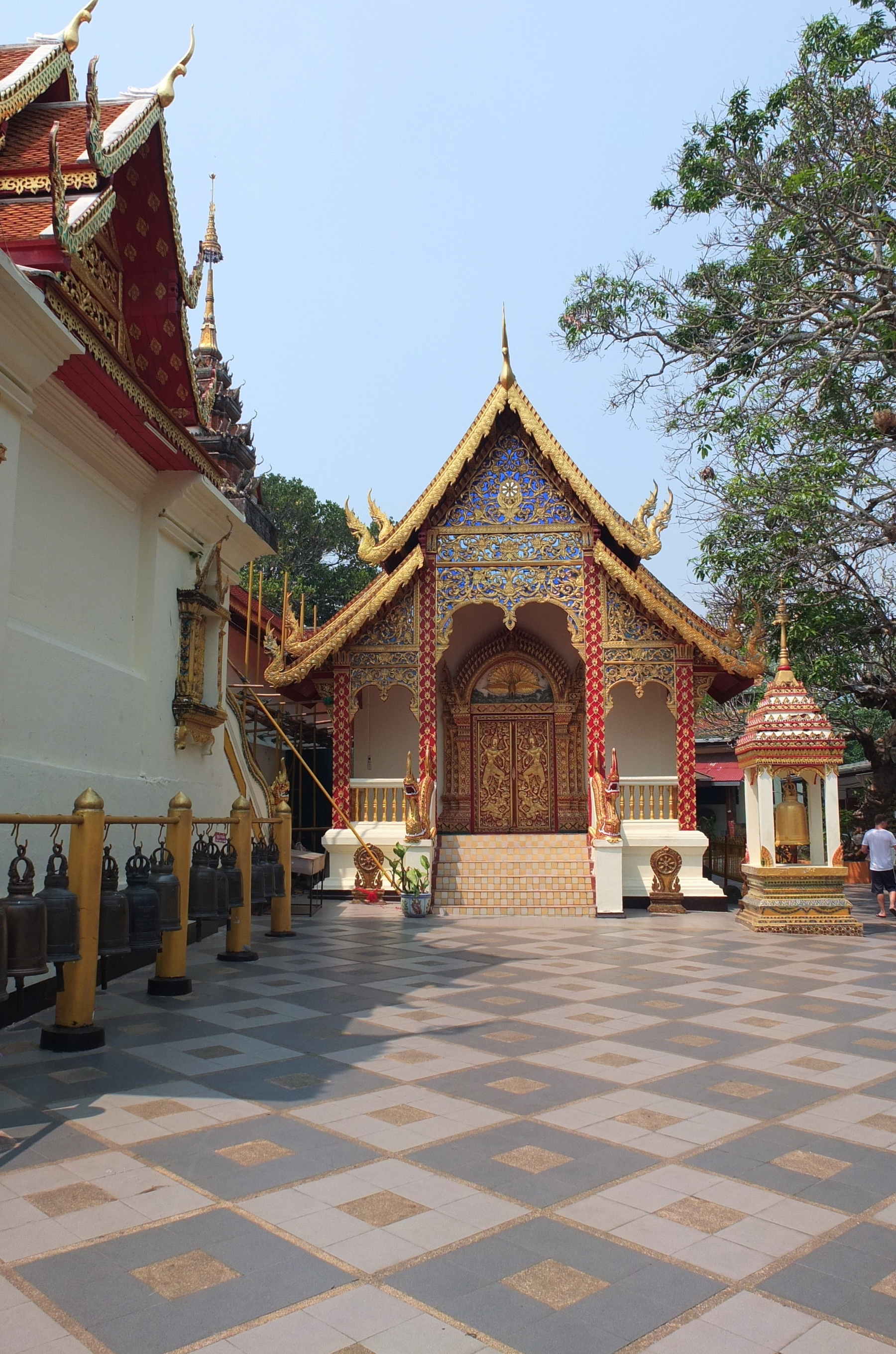
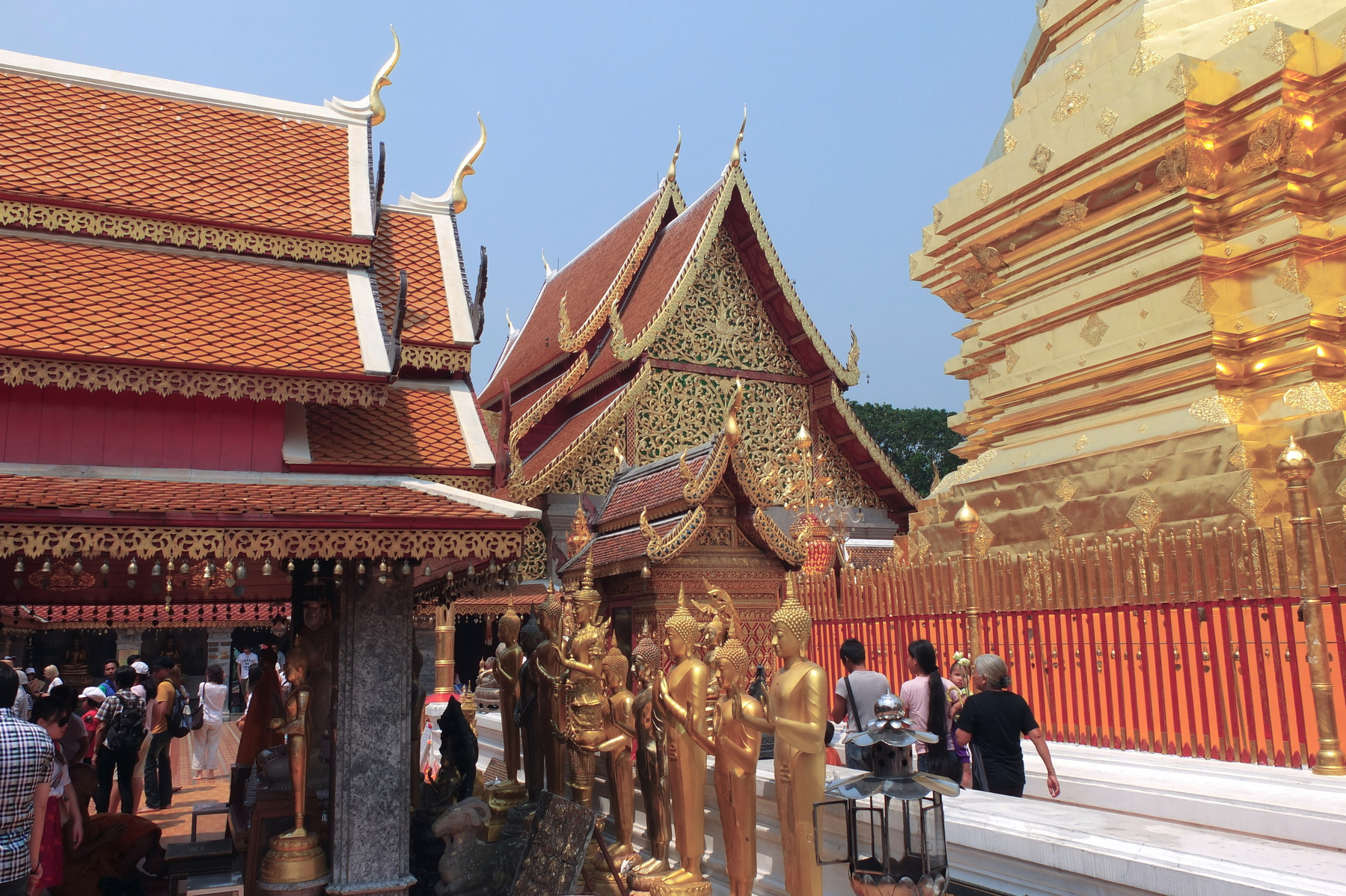
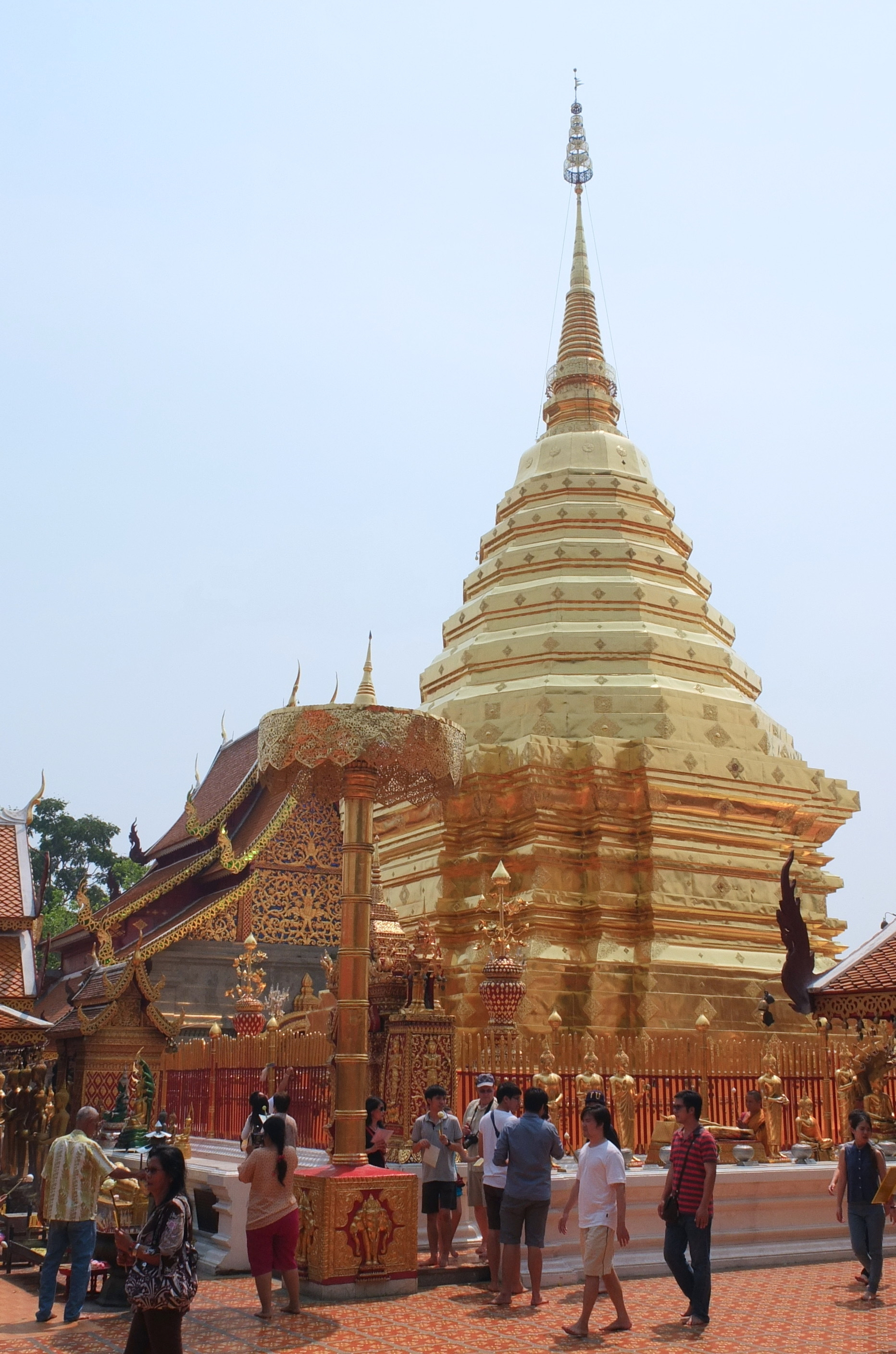
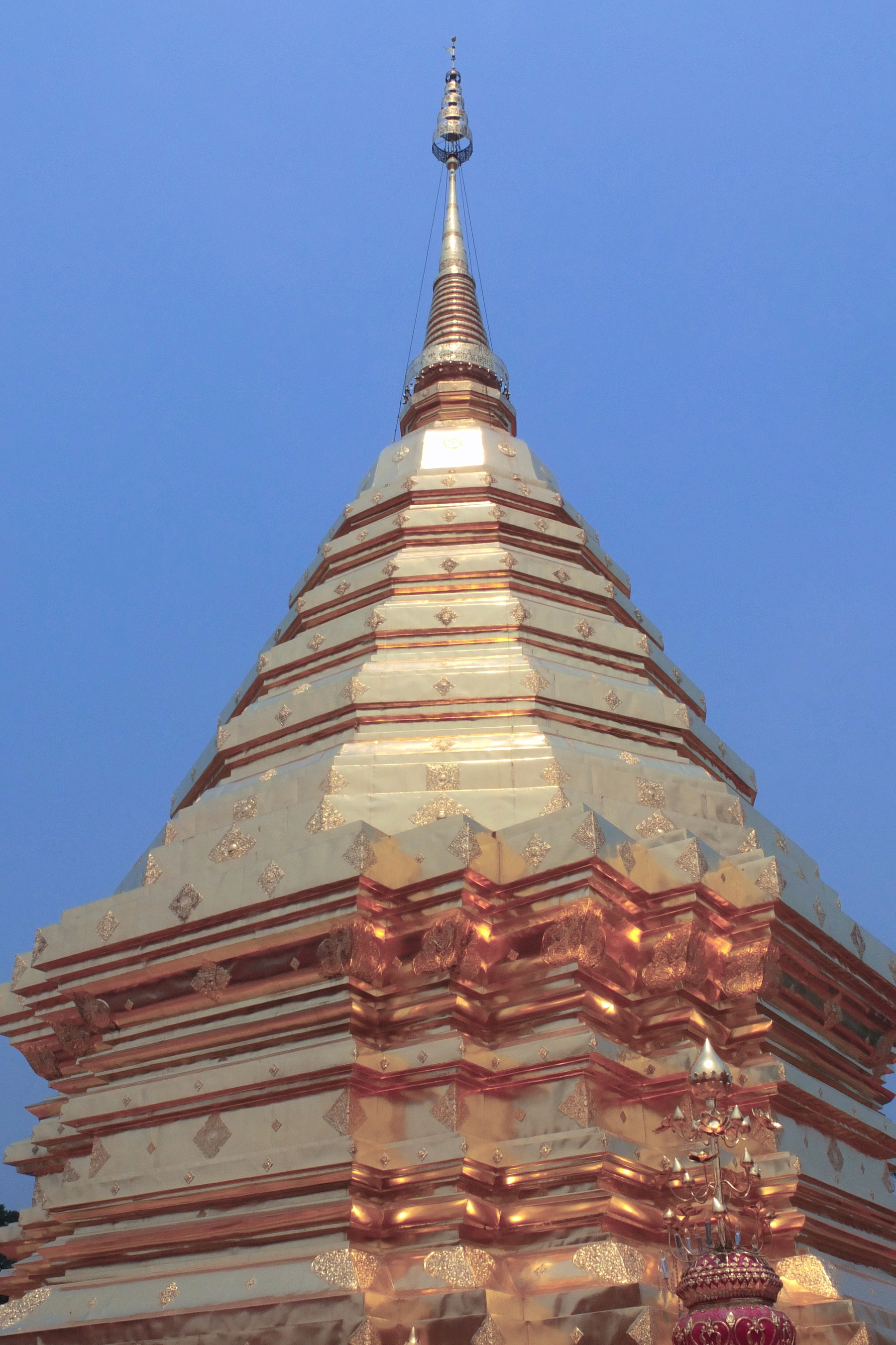
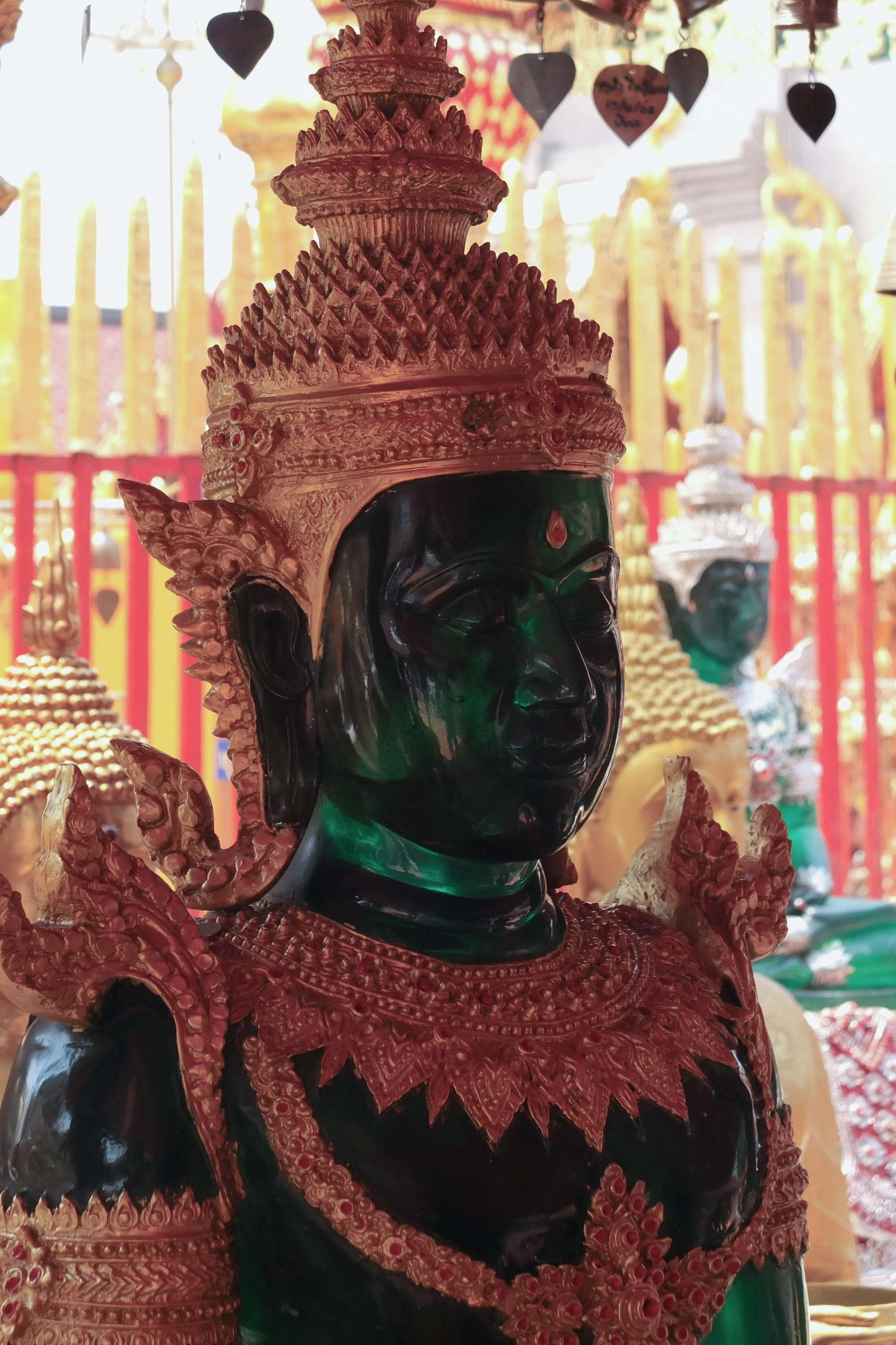
At the top, the atmosphere changes completely. The golden chedi immediately commands attention, rising above the temple complex and catching the sunlight. This is the spiritual centre of Wat Phra That Doi Suthep, and according to tradition it houses the sacred Buddha relic. Devotees walk around the chedi, make offerings, light incense, and pray. For visitors, it can be tempting to focus on the extraordinary architecture, but watching the worshippers makes it clear that this isn’t simply an ancient monument. It remains a functioning religious sanctuary.
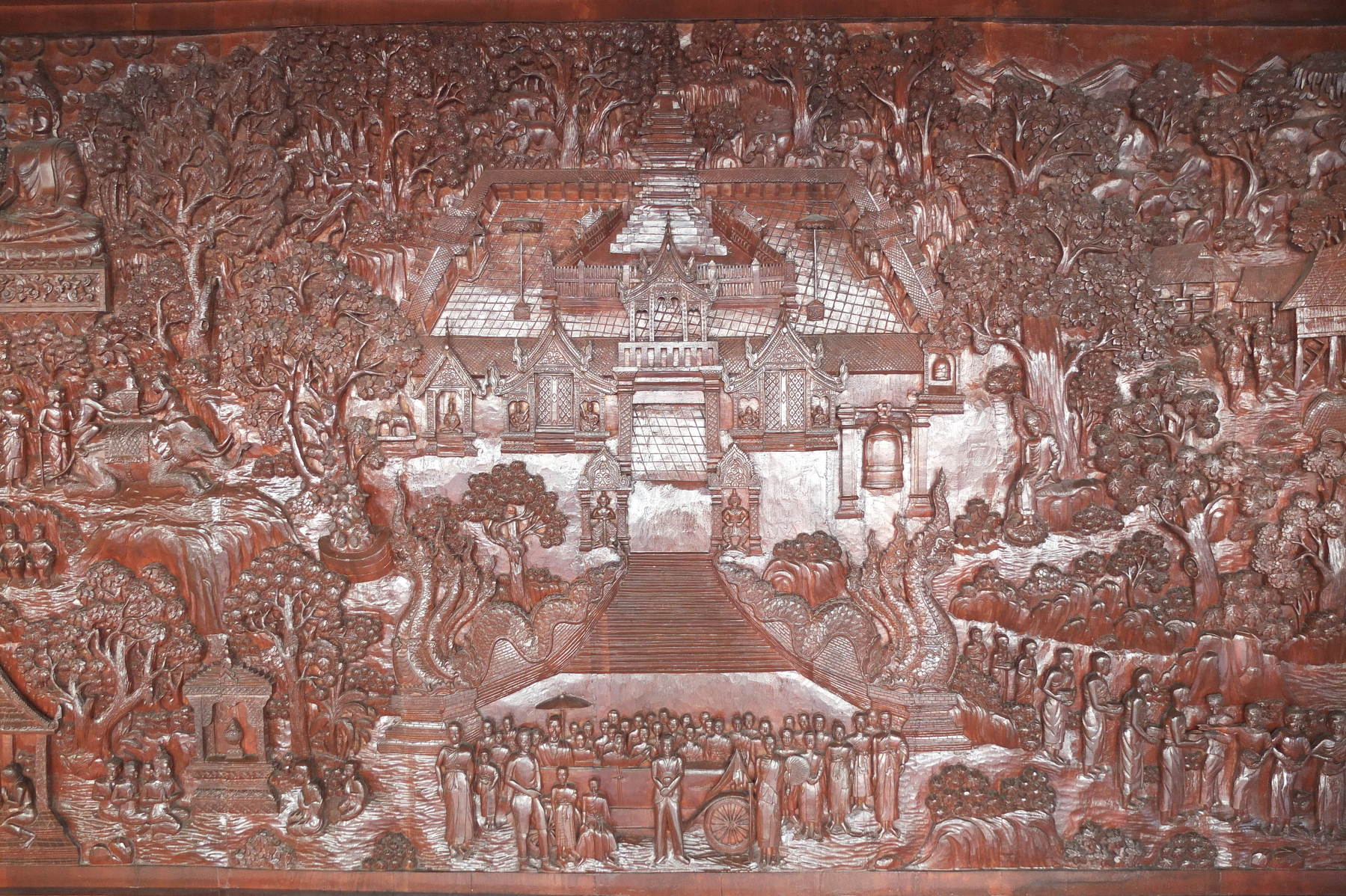

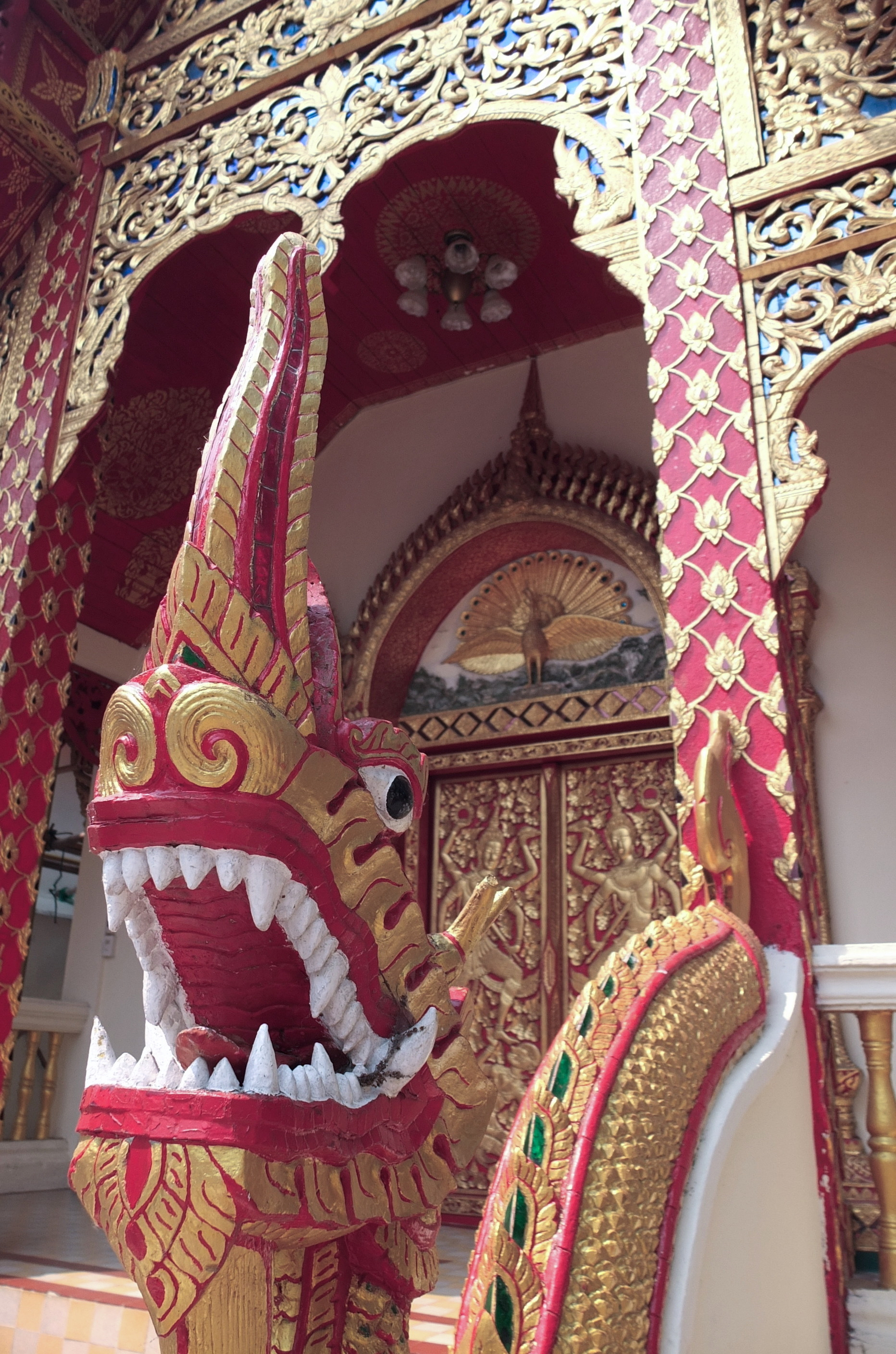
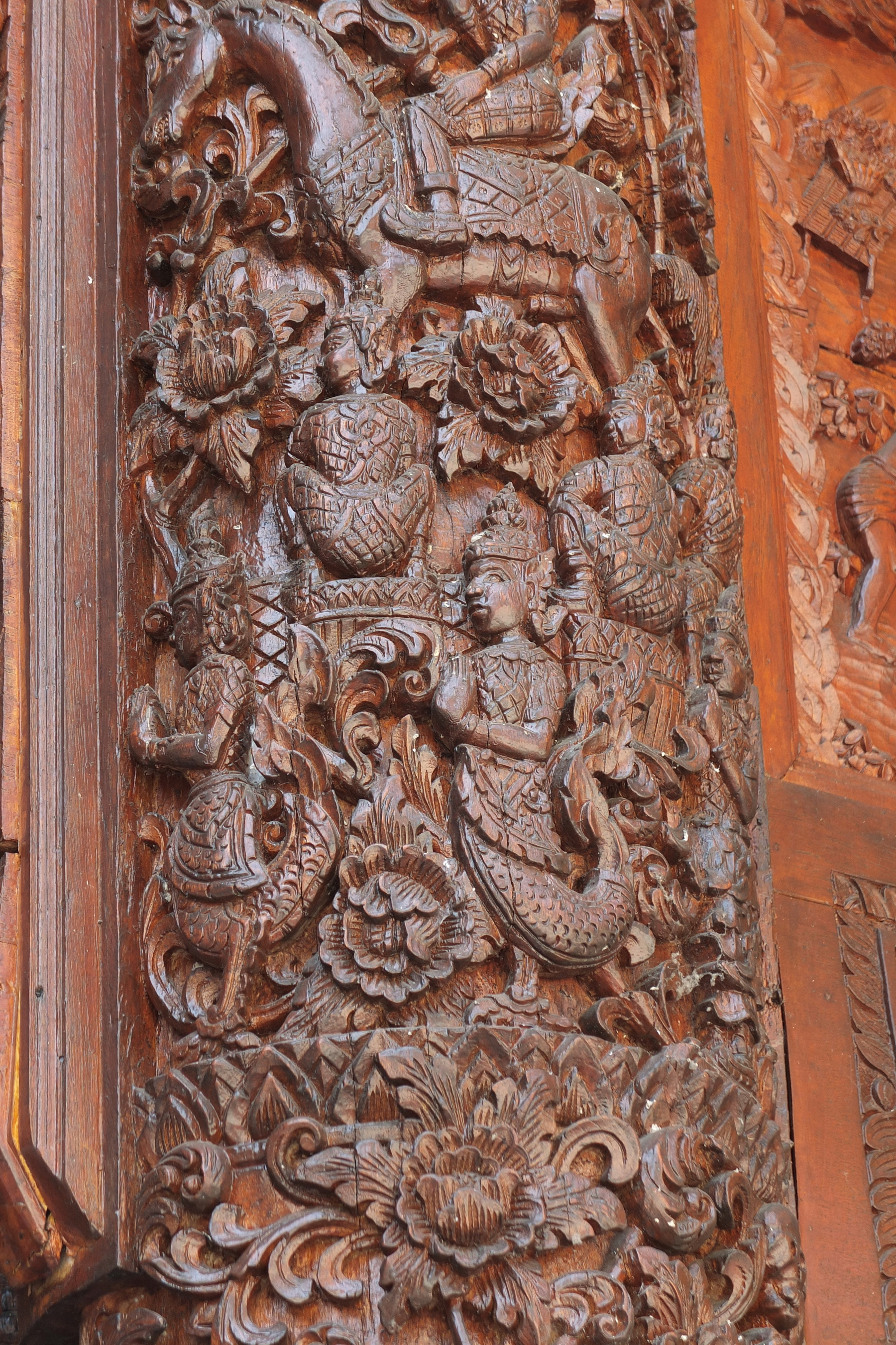
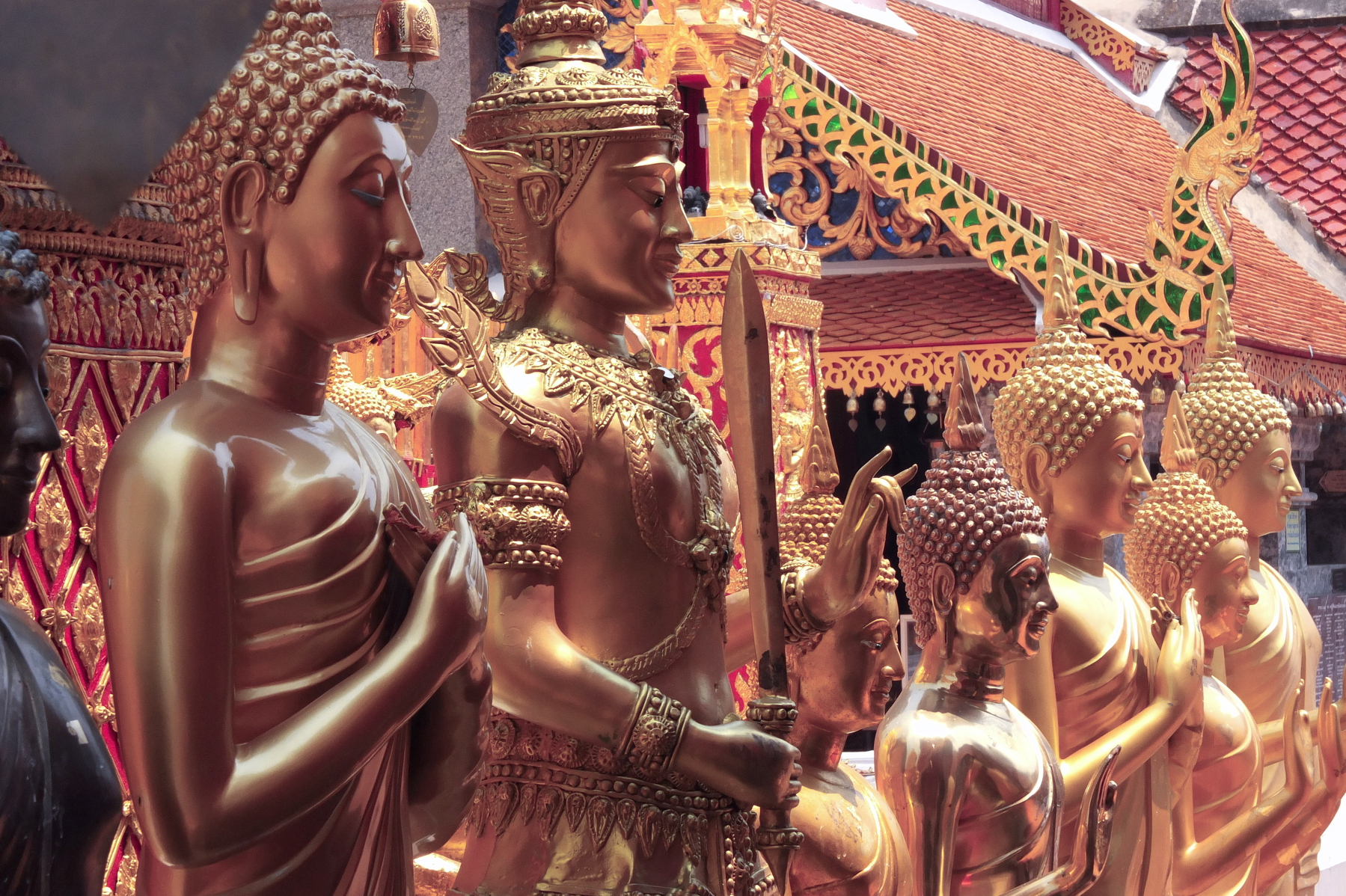
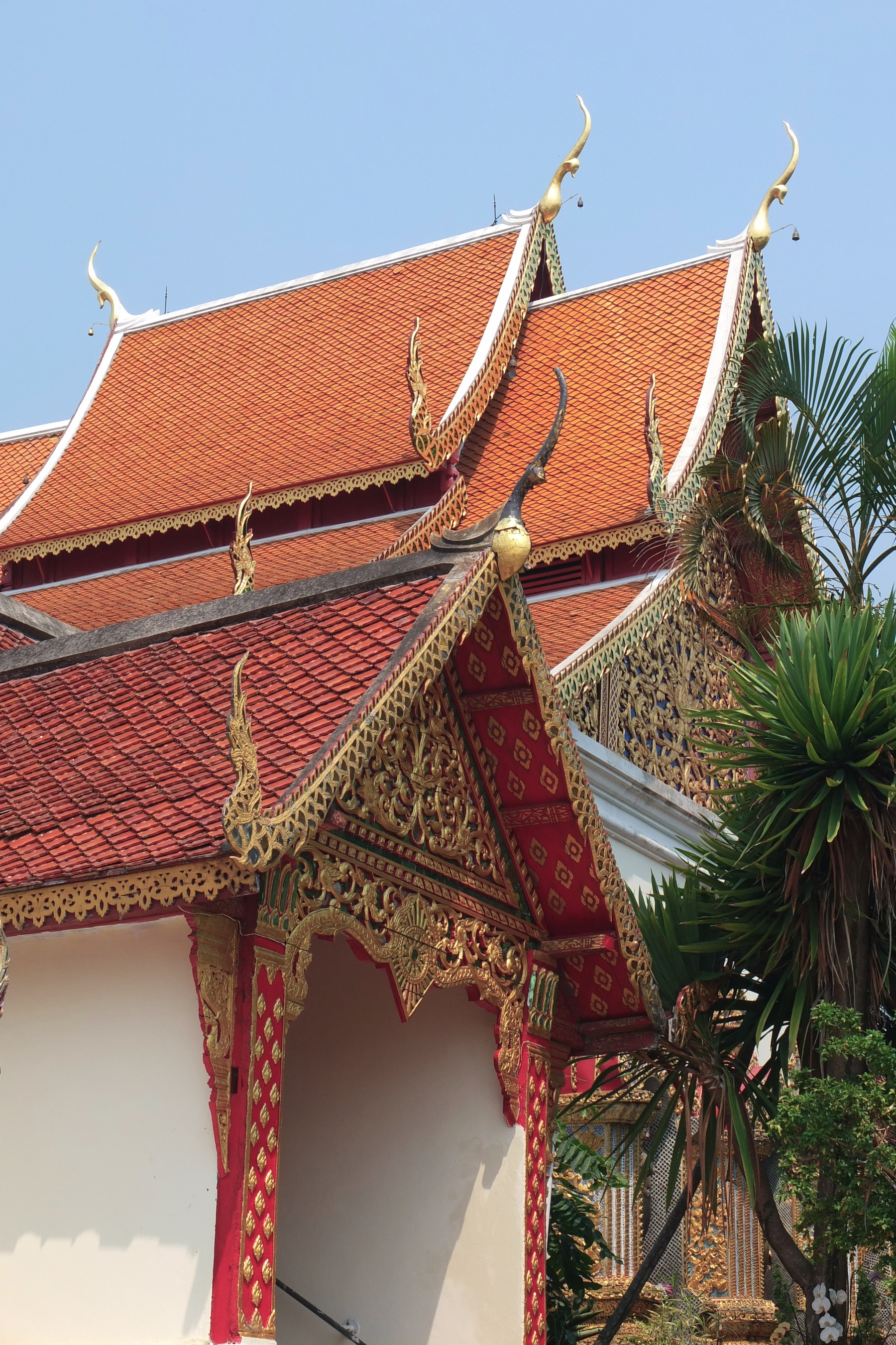
The gold-covered chedi is surrounded by an intricate collection of Lanna architectural details. Roofs overlap in elegant layers, wooden elements are richly decorated, and mythical creatures appear throughout the complex. The craftsmanship is particularly striking because northern Thailand developed its own artistic traditions distinct from those of central Thailand. Lanna architecture often feels more intimate and ornate, with elaborate woodwork and distinctive roof forms that reflect the cultural history of the region.
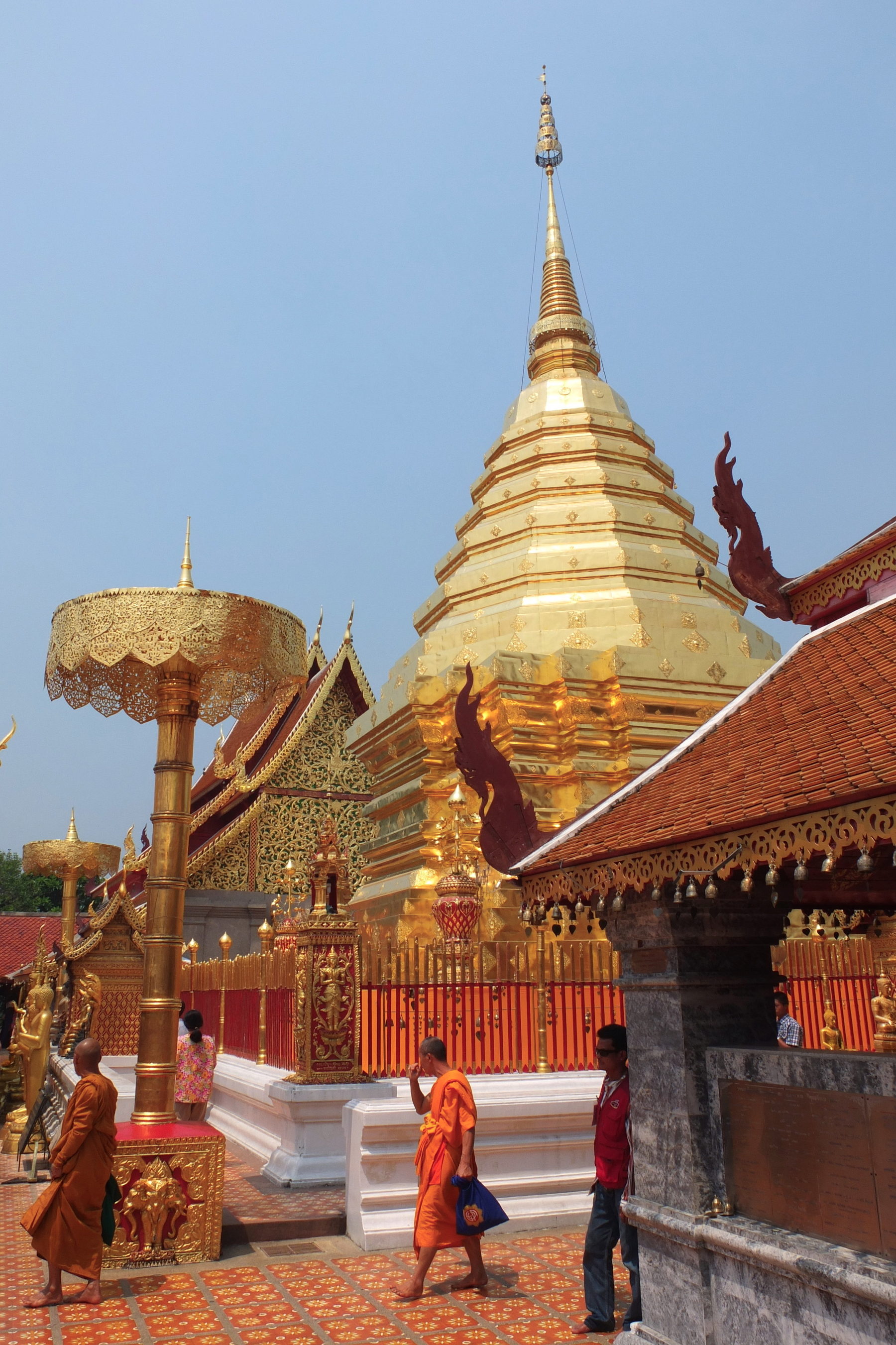

Doi Suthep itself is also important. The mountain rises within the Doi Suthep-Pui area, a landscape of forests, waterfalls, wildlife, and steep mountain terrain overlooking Chiang Mai. The temple therefore occupies an unusual position: it is simultaneously a major religious destination and part of a much larger natural environment. From the temple terraces, the relationship between mountain and city becomes immediately obvious.
Looking down toward Chiang Mai, I could see the city spreading across the valley below. On a clear day, the view can extend surprisingly far, and the contrast is extraordinary. Down there is modern Chiang Mai, with roads, hotels, markets, universities, and thousands of daily lives. Up here, the rhythm is slower. Bells, chanting, incense, prayer, and the rustling of trees seem to replace the sounds of traffic.
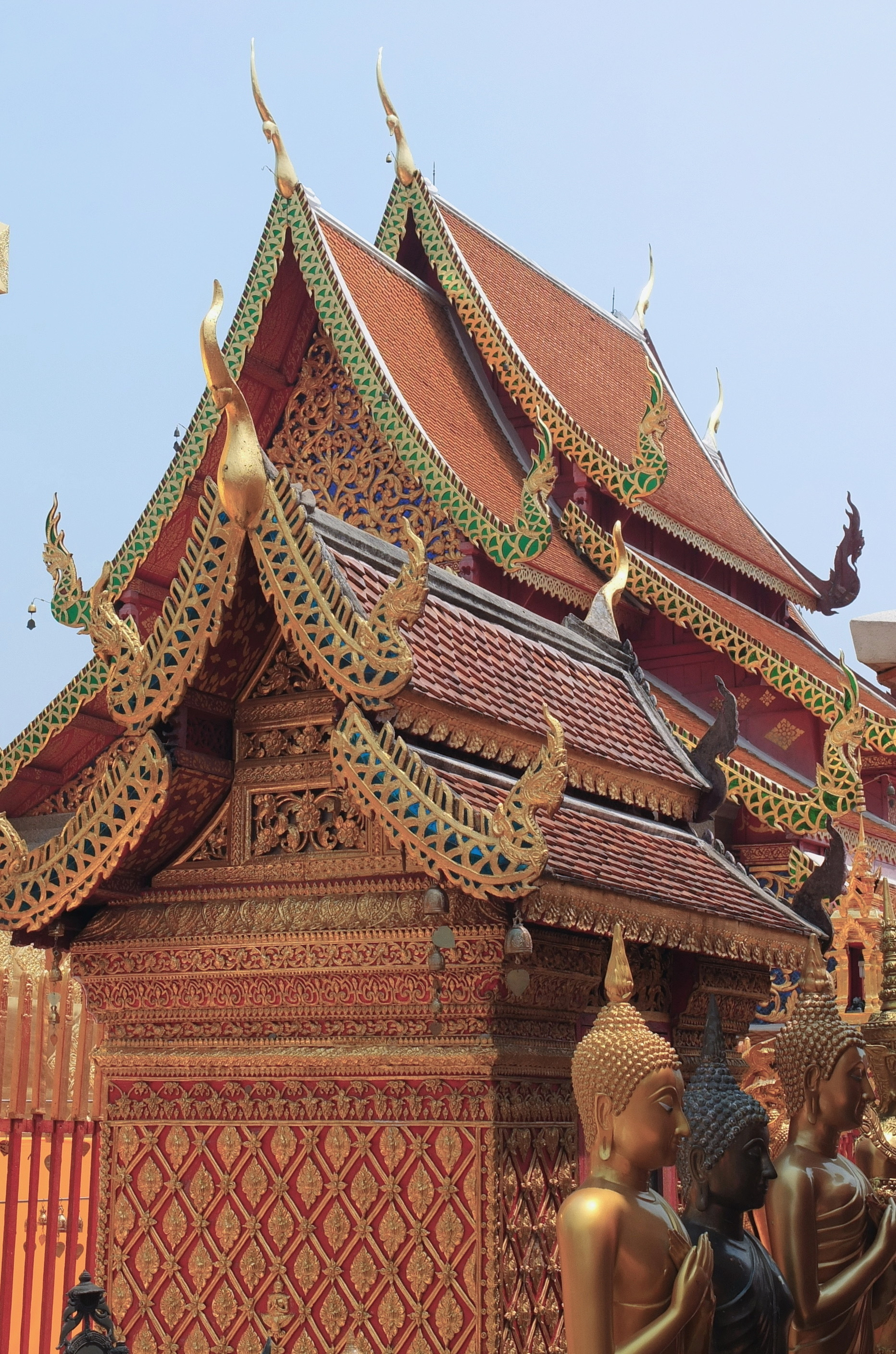

The temple’s location was never simply a matter of scenery. Mountains have long held spiritual importance throughout Southeast Asia, and Doi Suthep was already regarded as a significant sacred landscape before the present temple complex developed. The mountain was associated with local spiritual traditions, including beliefs surrounding guardian spirits. Buddhism did not simply erase those traditions; throughout northern Thailand, Buddhist practices often developed alongside older local beliefs.

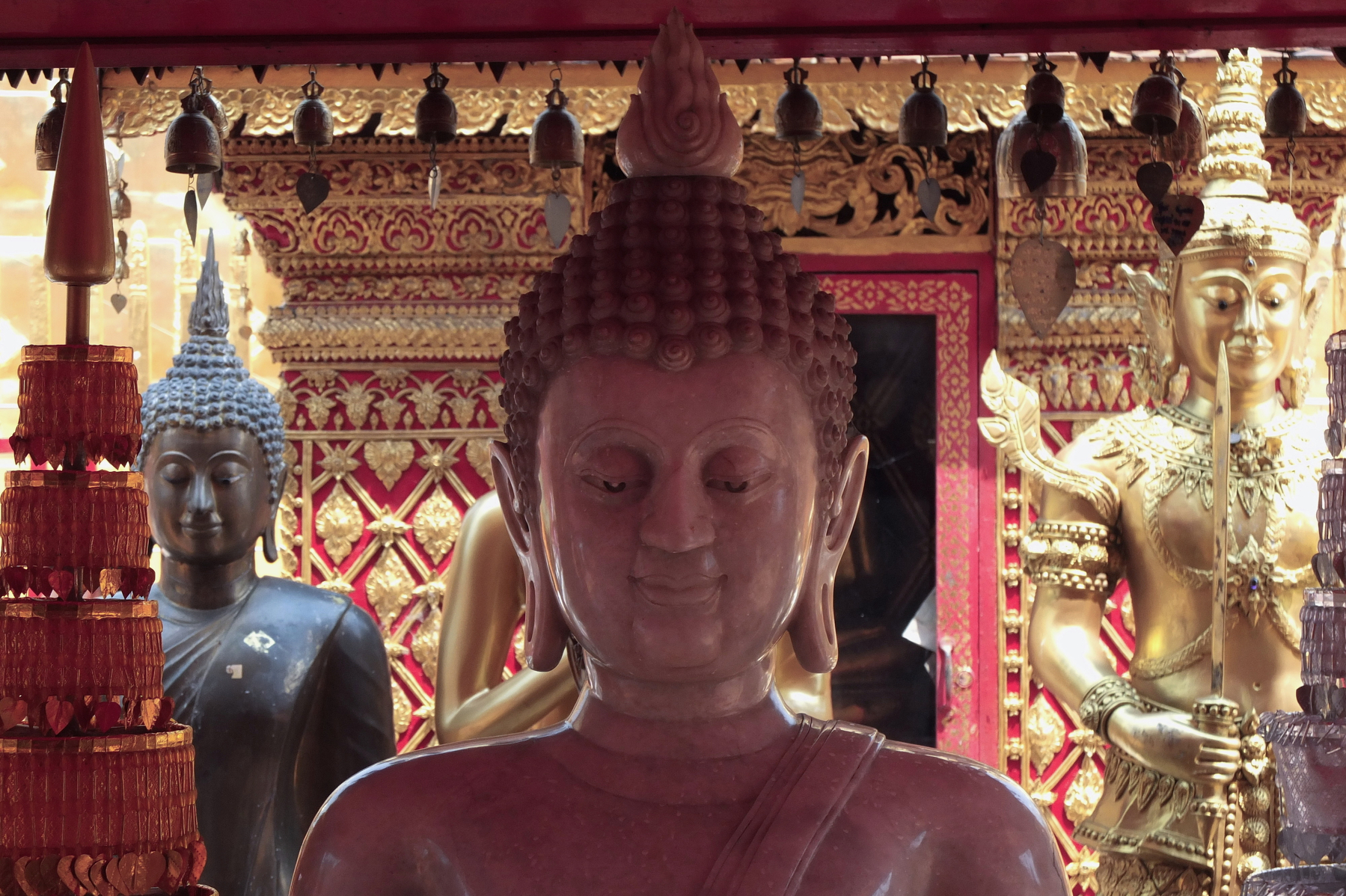
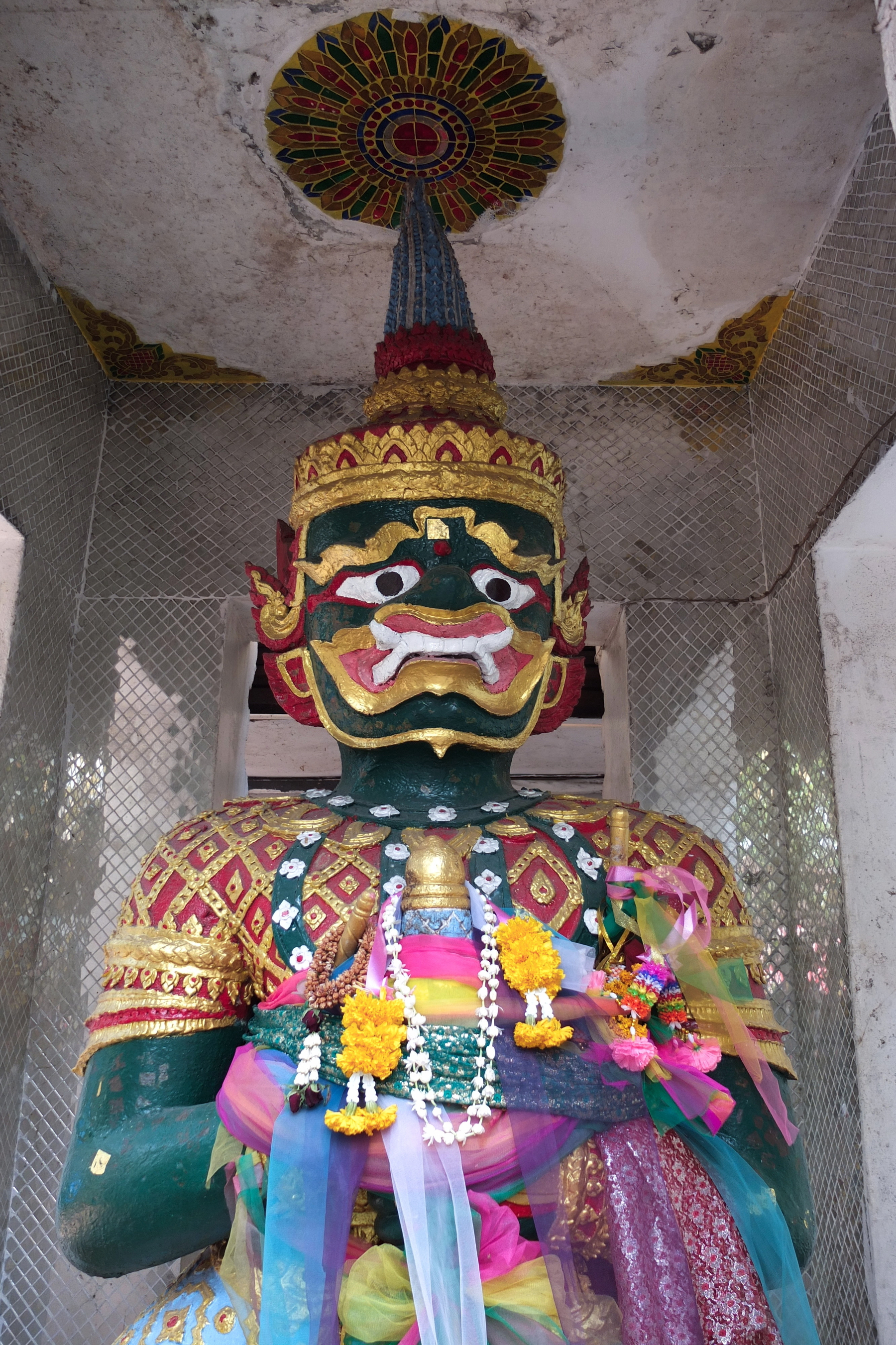
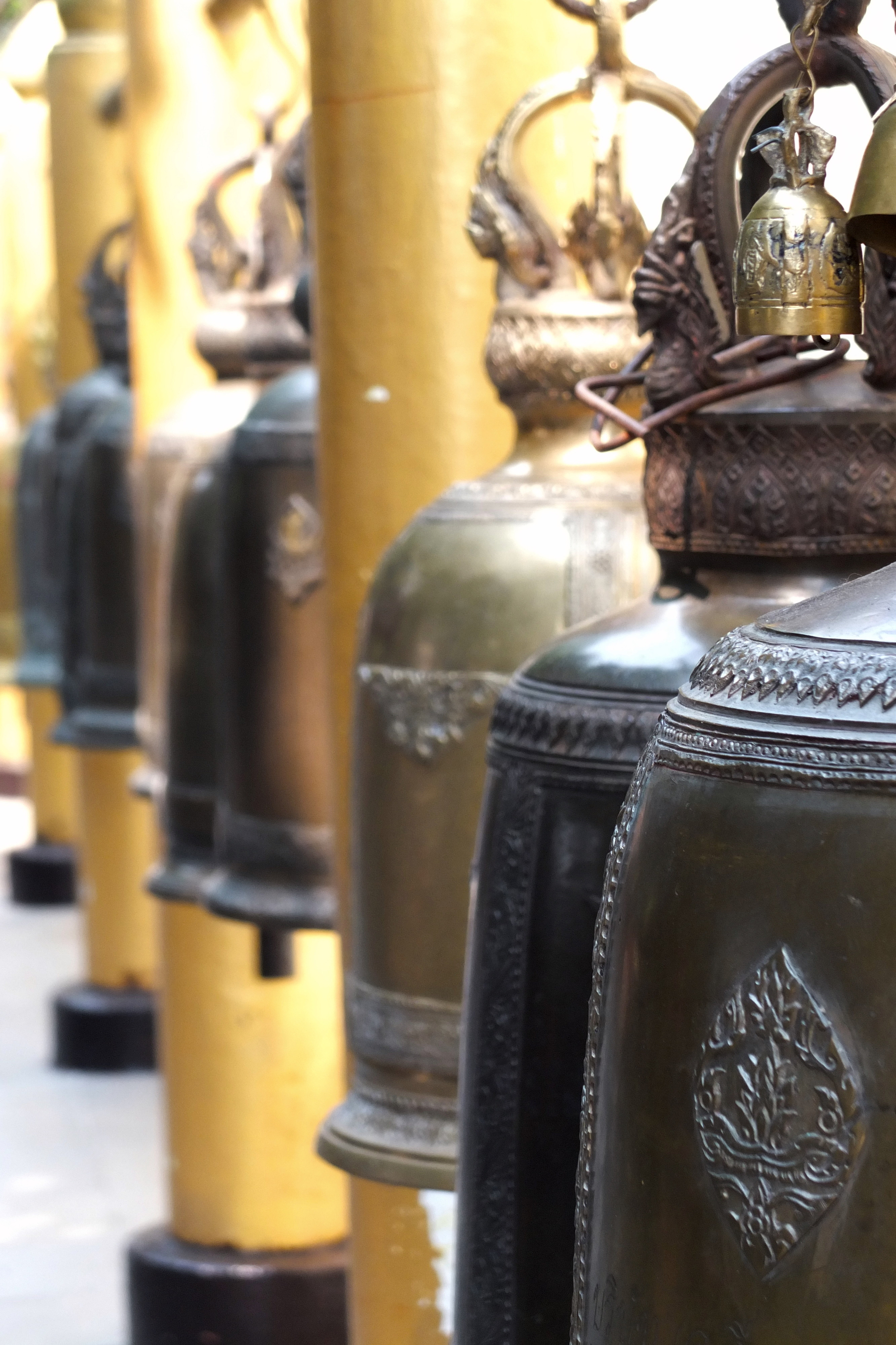
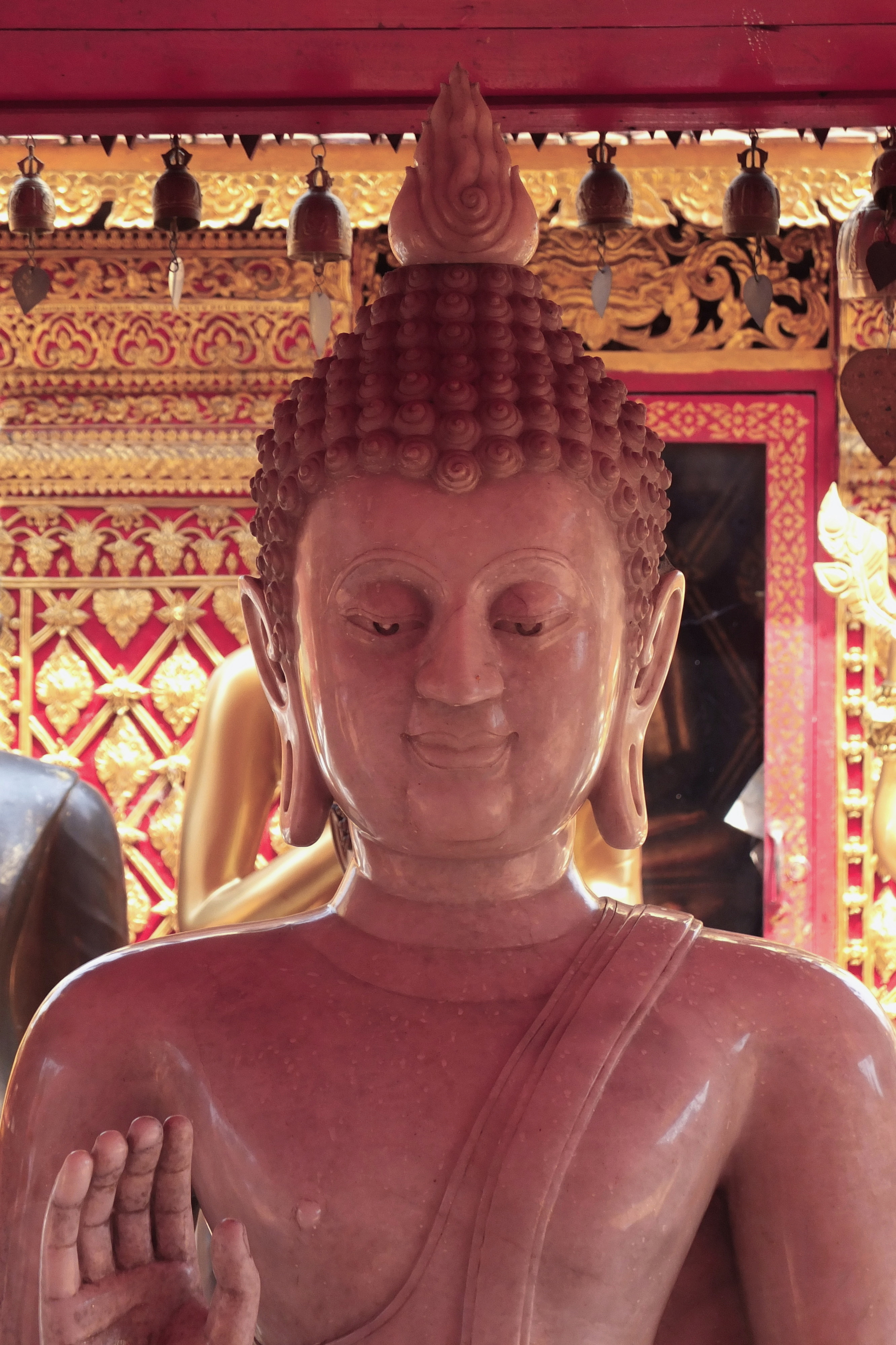
That blending of traditions is visible throughout the temple. Buddhist imagery exists alongside Naga figures, guardian creatures, bells, sacred trees, and other symbols that belong to the wider spiritual landscape of northern Thailand. It creates an environment where religion feels connected to the surrounding forest and mountain rather than separated from it.
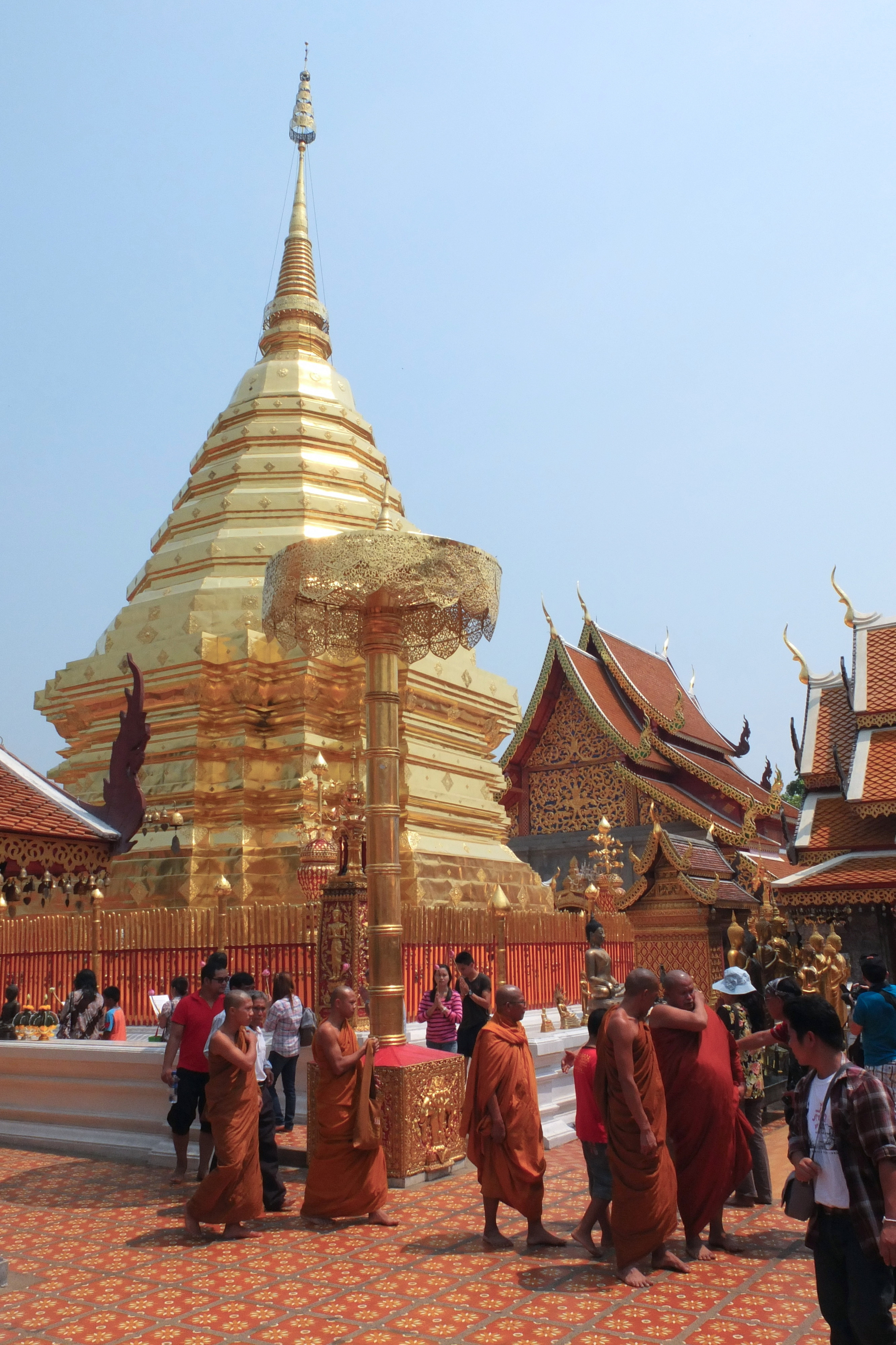
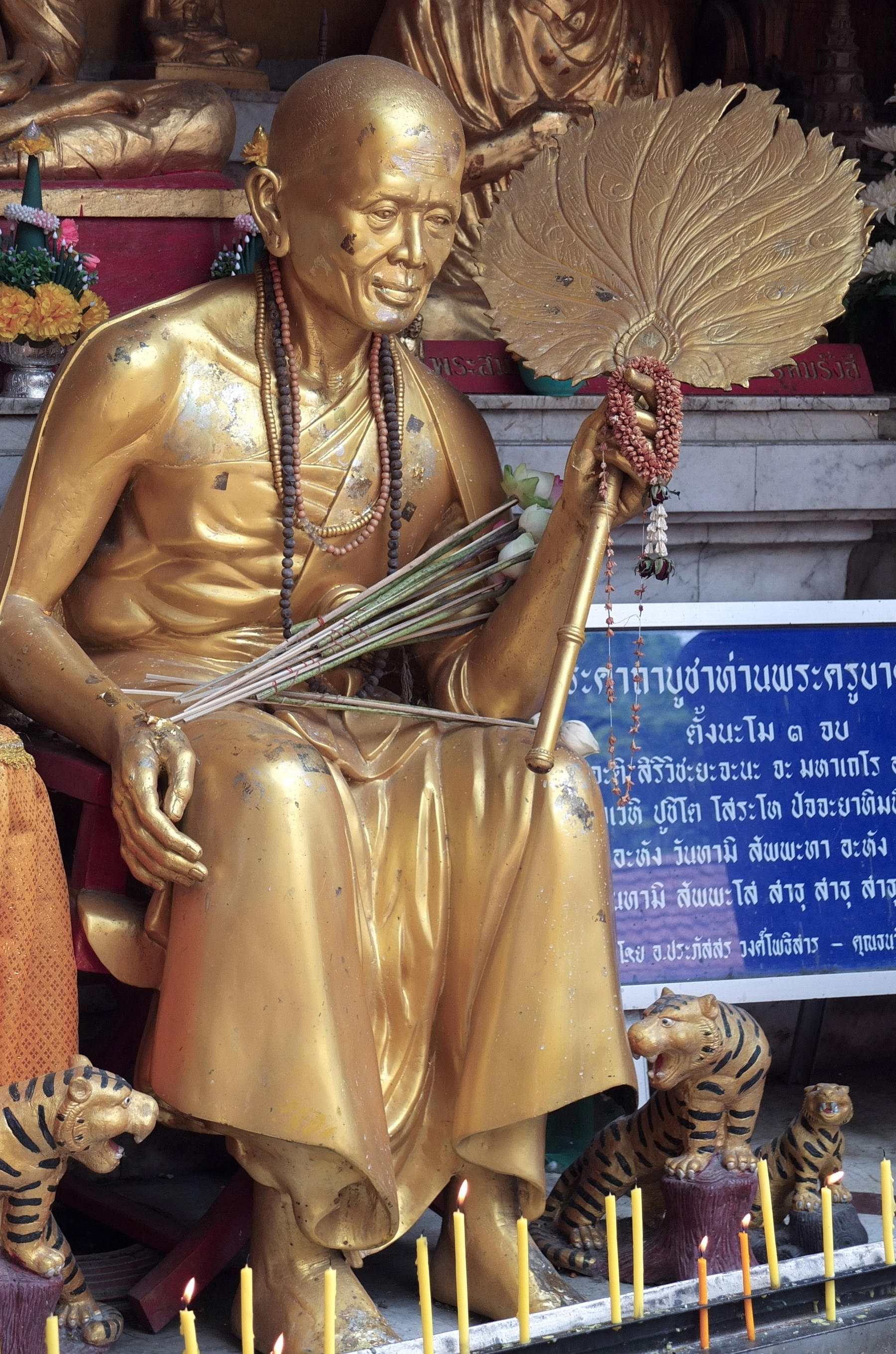

As I wandered through the complex, I noticed that the temple tells its story through much more than written history. Statues, murals, carvings, bells, shrines, and offerings all contribute to the experience. Some details are immediately recognizable; others require patience to understand. I found myself slowing down, looking more carefully, and noticing small details that would have been easy to miss while simply searching for the next photograph.
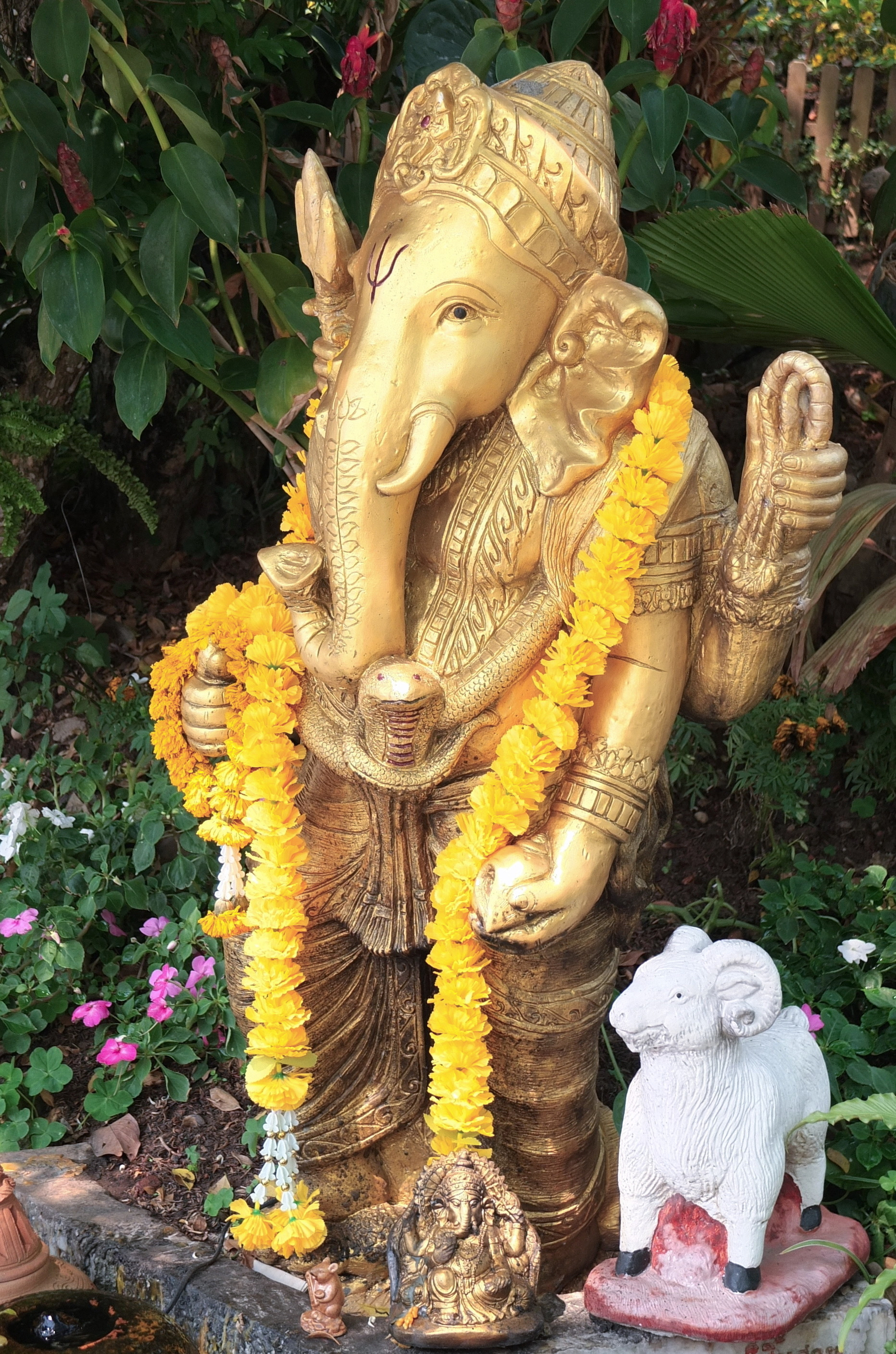
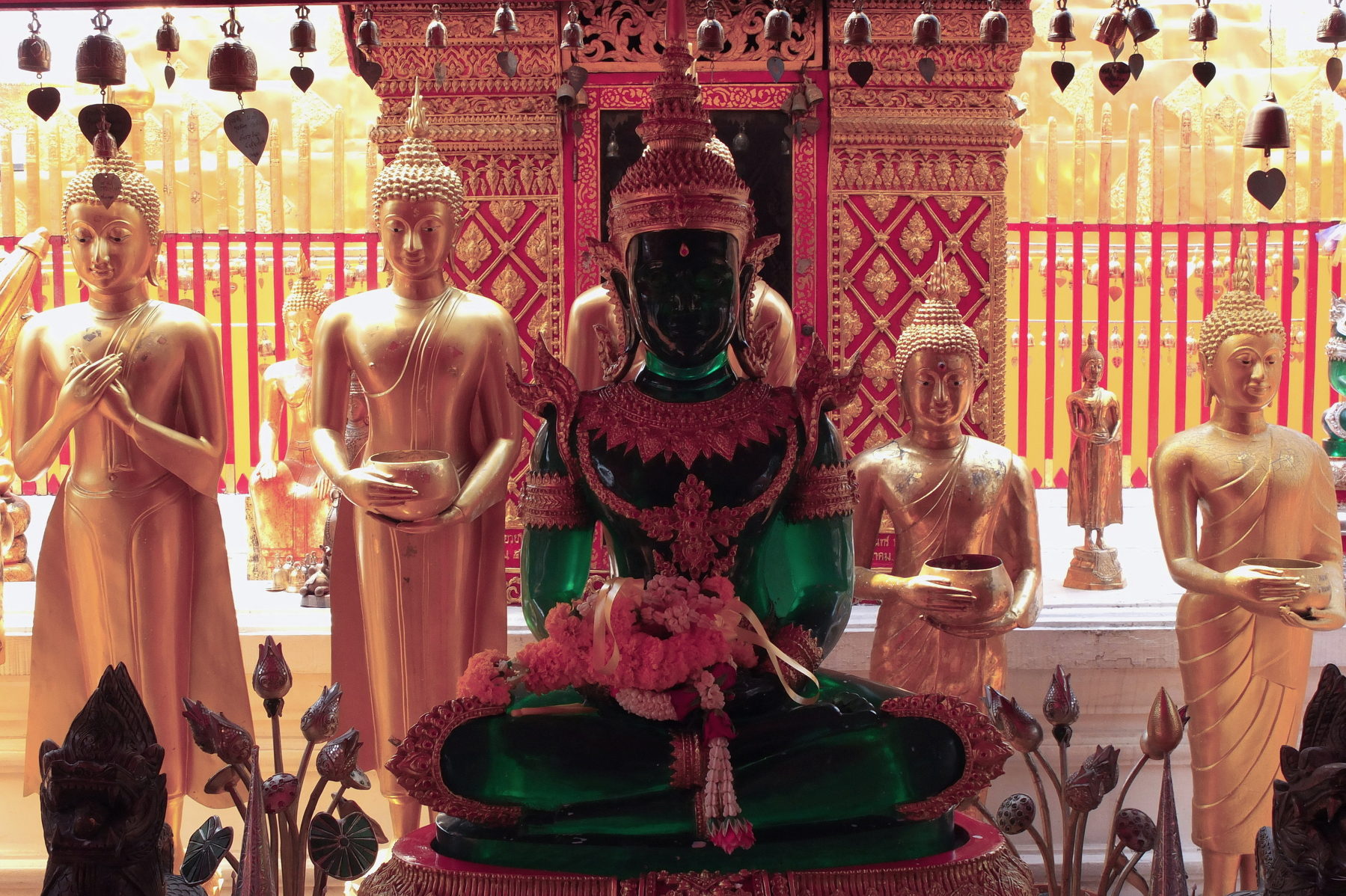
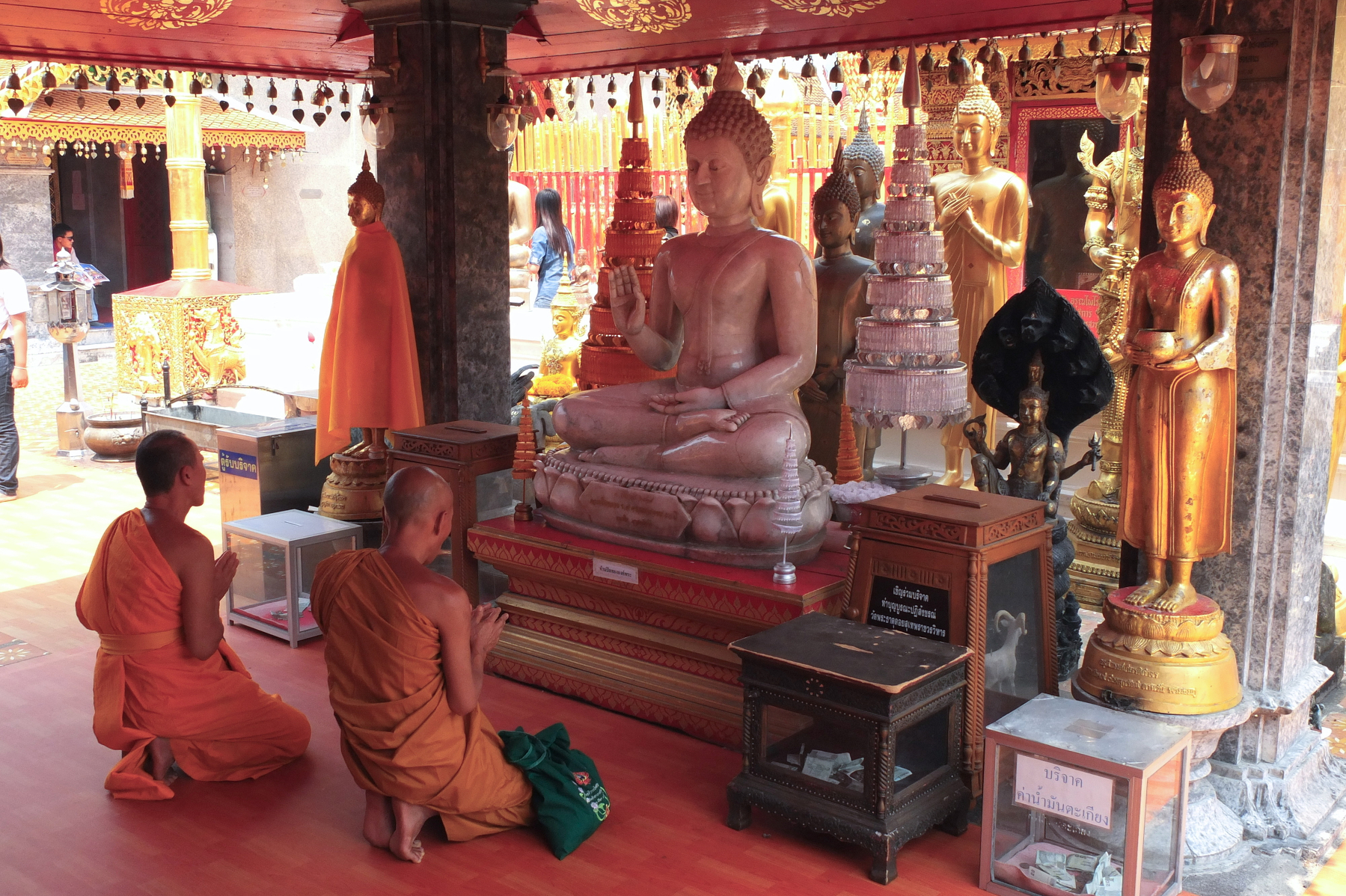
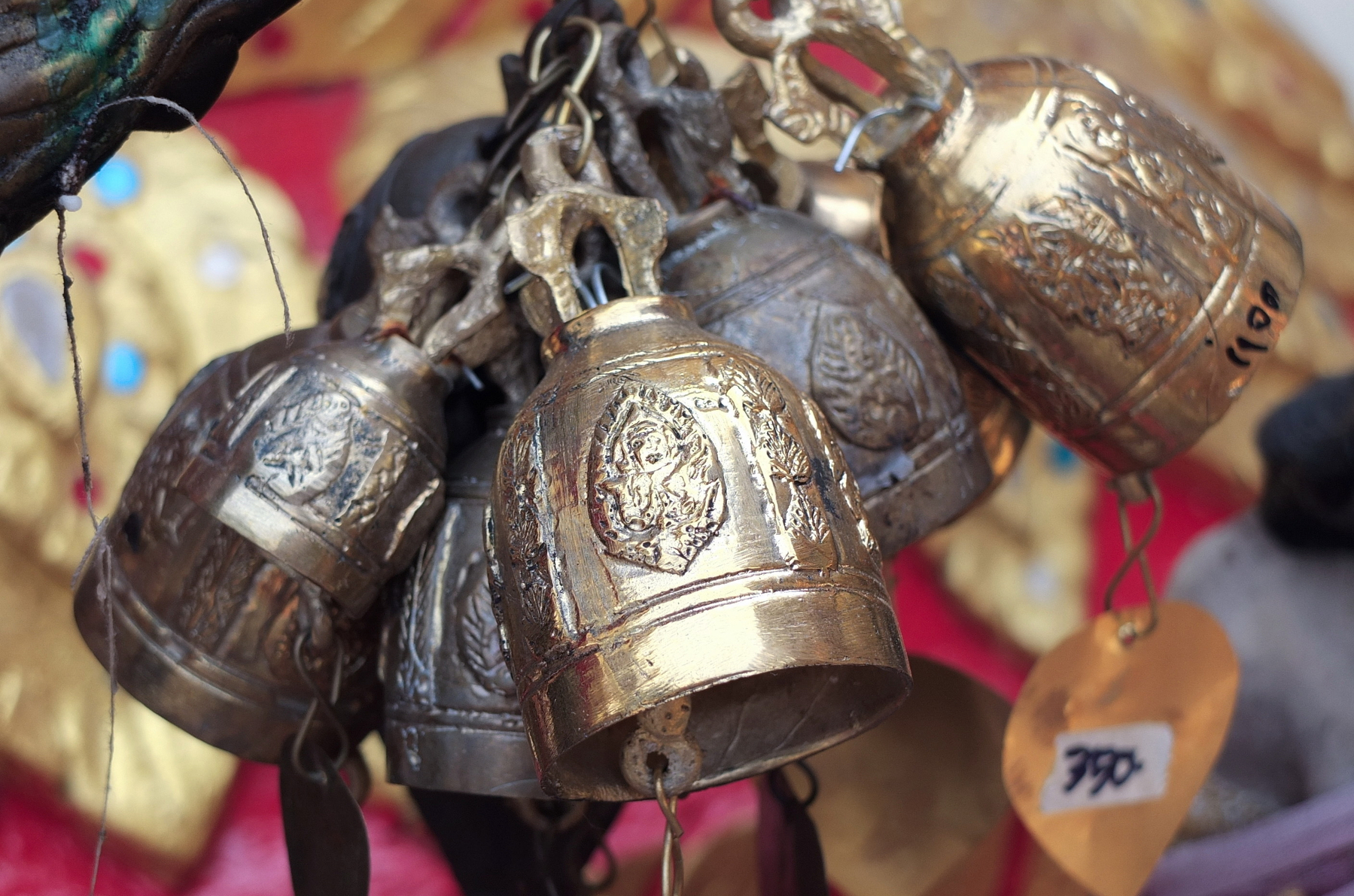
One of the most memorable sensations was the sound. Bells moved gently in the mountain air, monks and worshippers moved through the courtyards, and occasional chants echoed through the complex. Combined with the scent of incense and the brilliant gold of the chedi, the experience became almost overwhelming in the best possible way. It reminded me that temples are not merely things to look at. They are places designed to engage the senses.
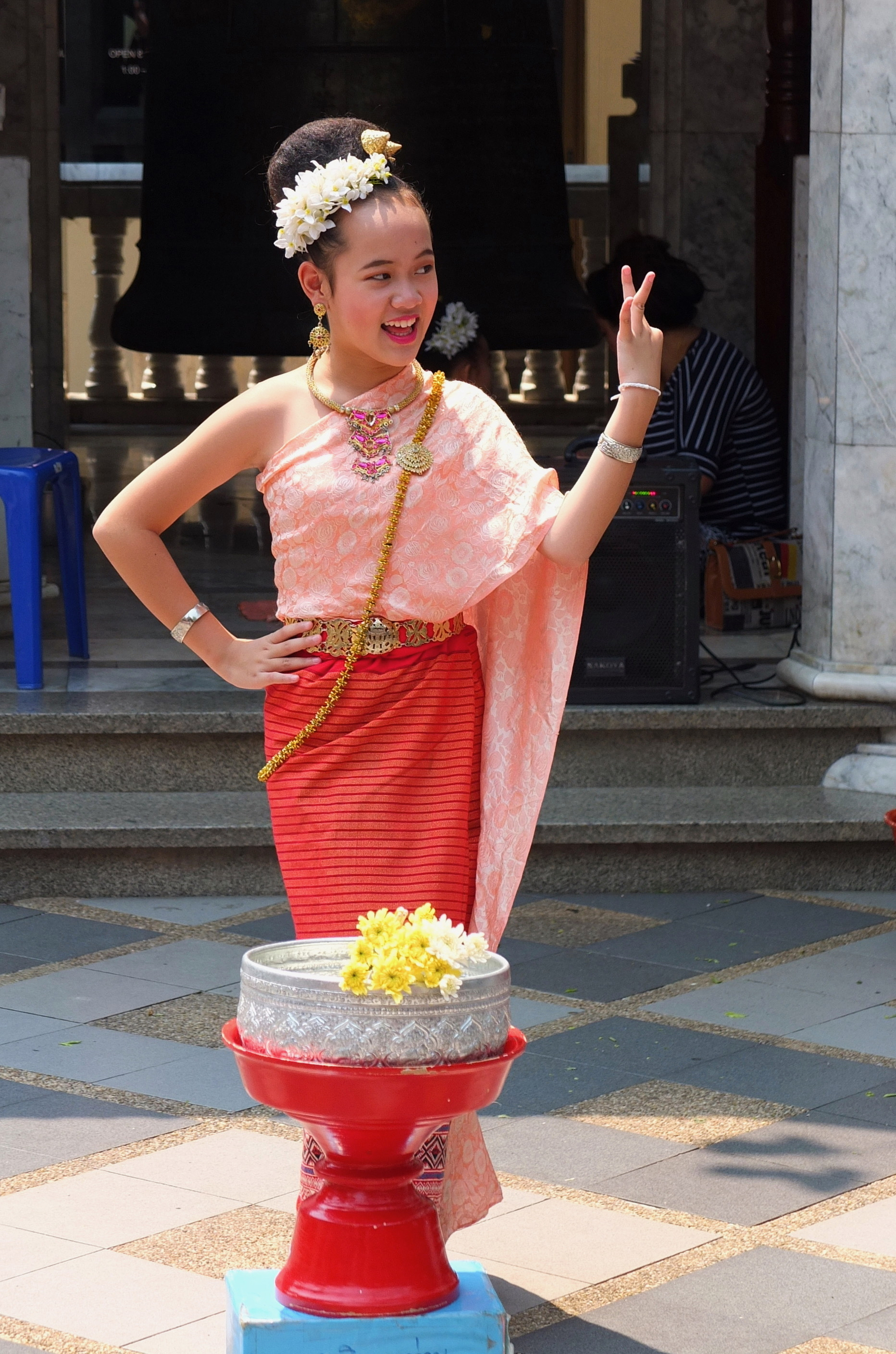
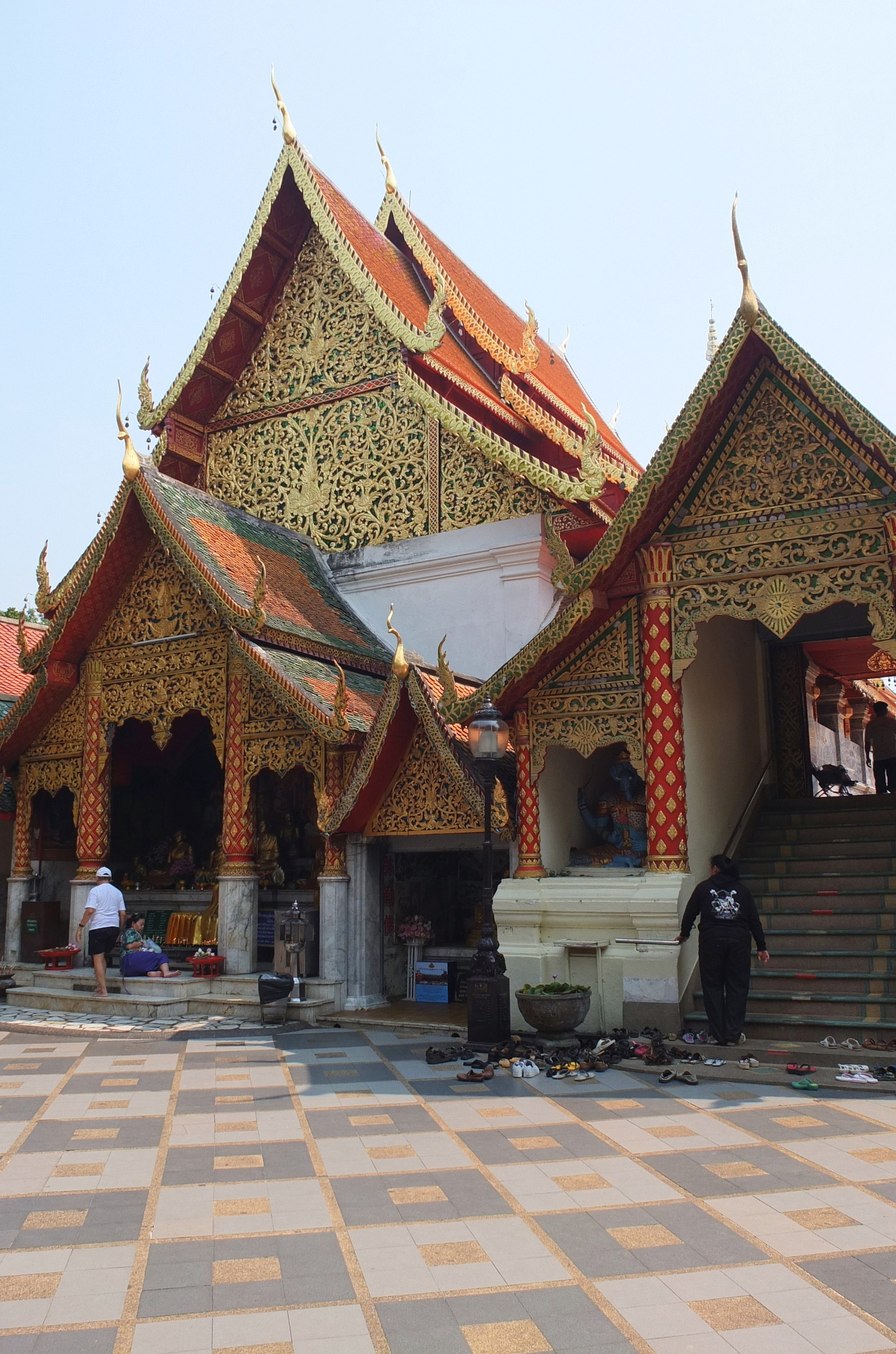
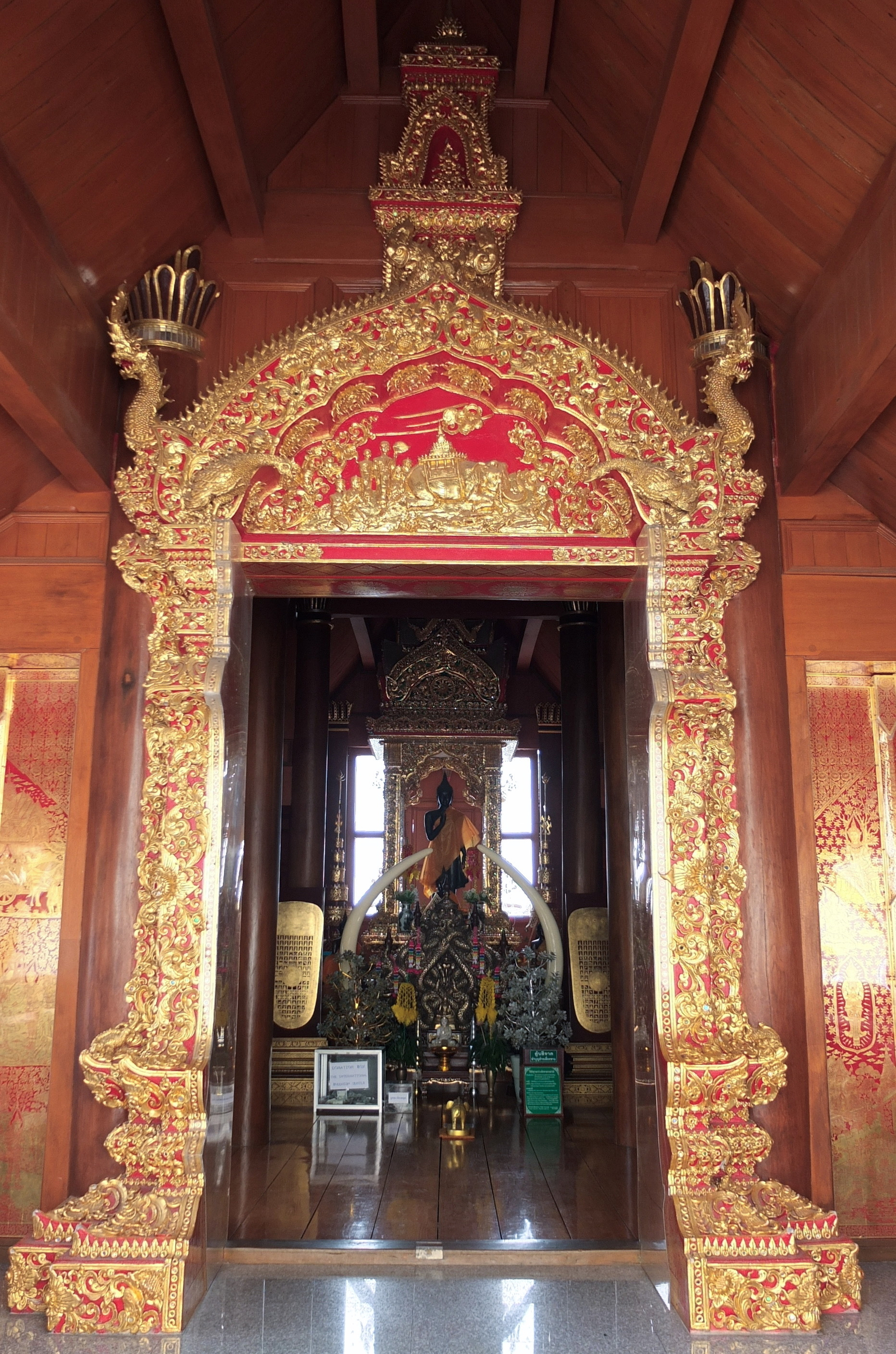
Wat Phra That Doi Suthep has also played an important role in Chiang Mai’s identity. The temple became one of the city’s most recognizable symbols, and visiting it has become almost a rite of passage for travellers arriving in northern Thailand. Yet its popularity doesn’t diminish its significance. It remains an active place of pilgrimage, particularly during important Buddhist festivals when large numbers of devotees make the journey up the mountain.
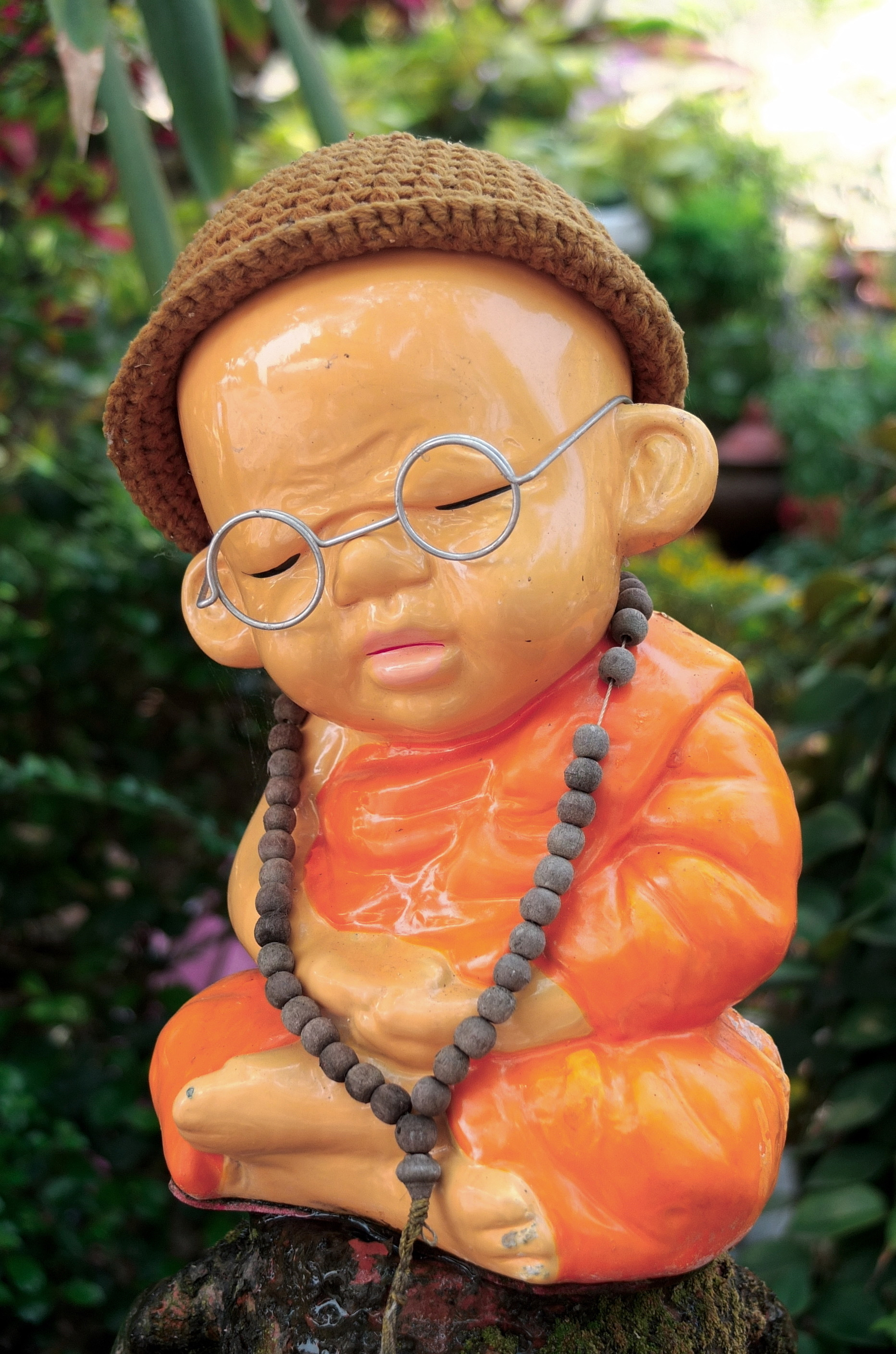

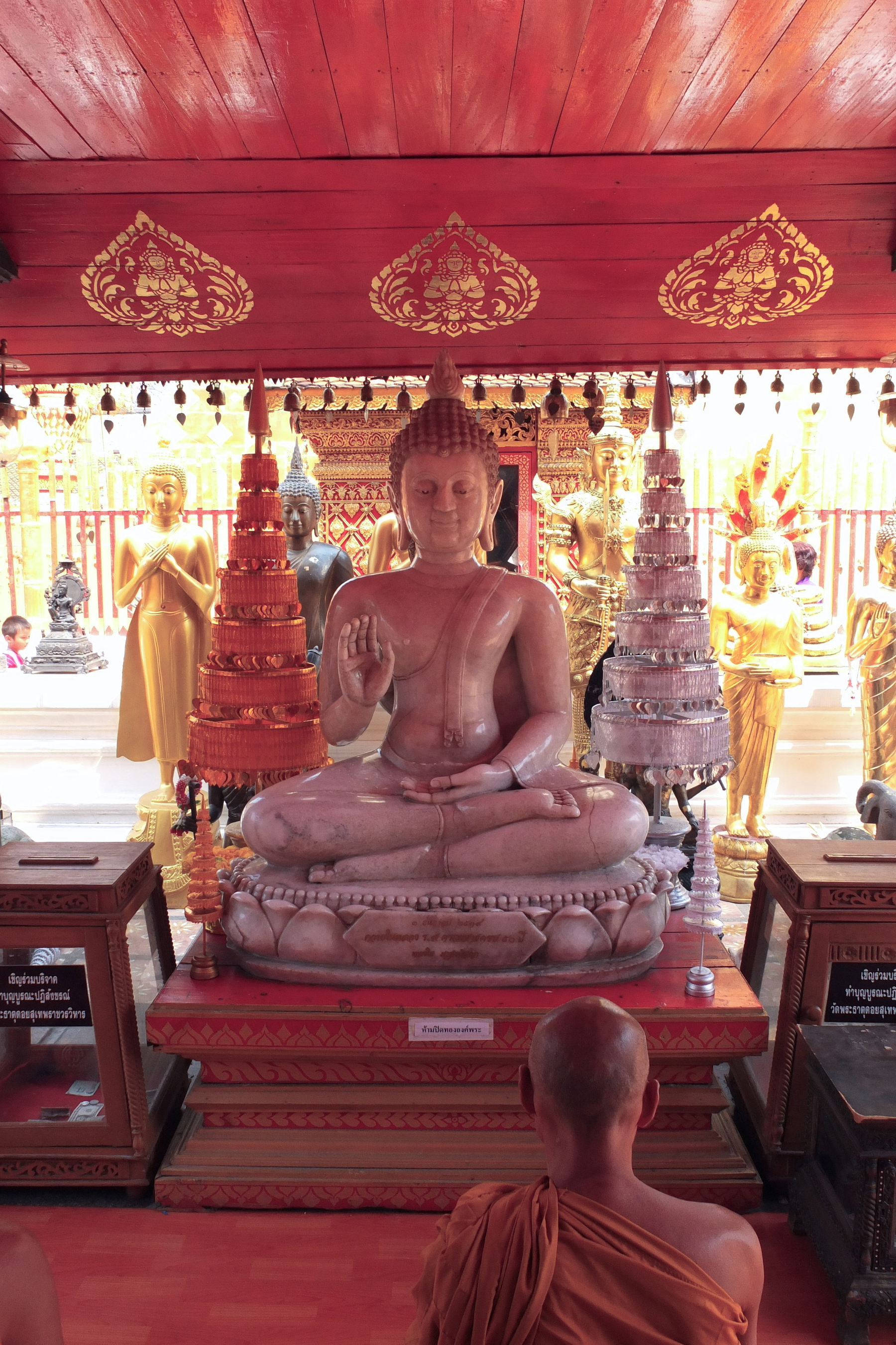
Perhaps the most atmospheric time to visit is when the crowds begin to thin and the light starts changing. As afternoon slipped toward evening, the gold surfaces became warmer and the mountains beyond Chiang Mai gradually faded into shades of blue and purple. The temple seemed quieter than it had earlier in the day. Looking across the valley, I could understand why this particular mountain became associated with something sacred.
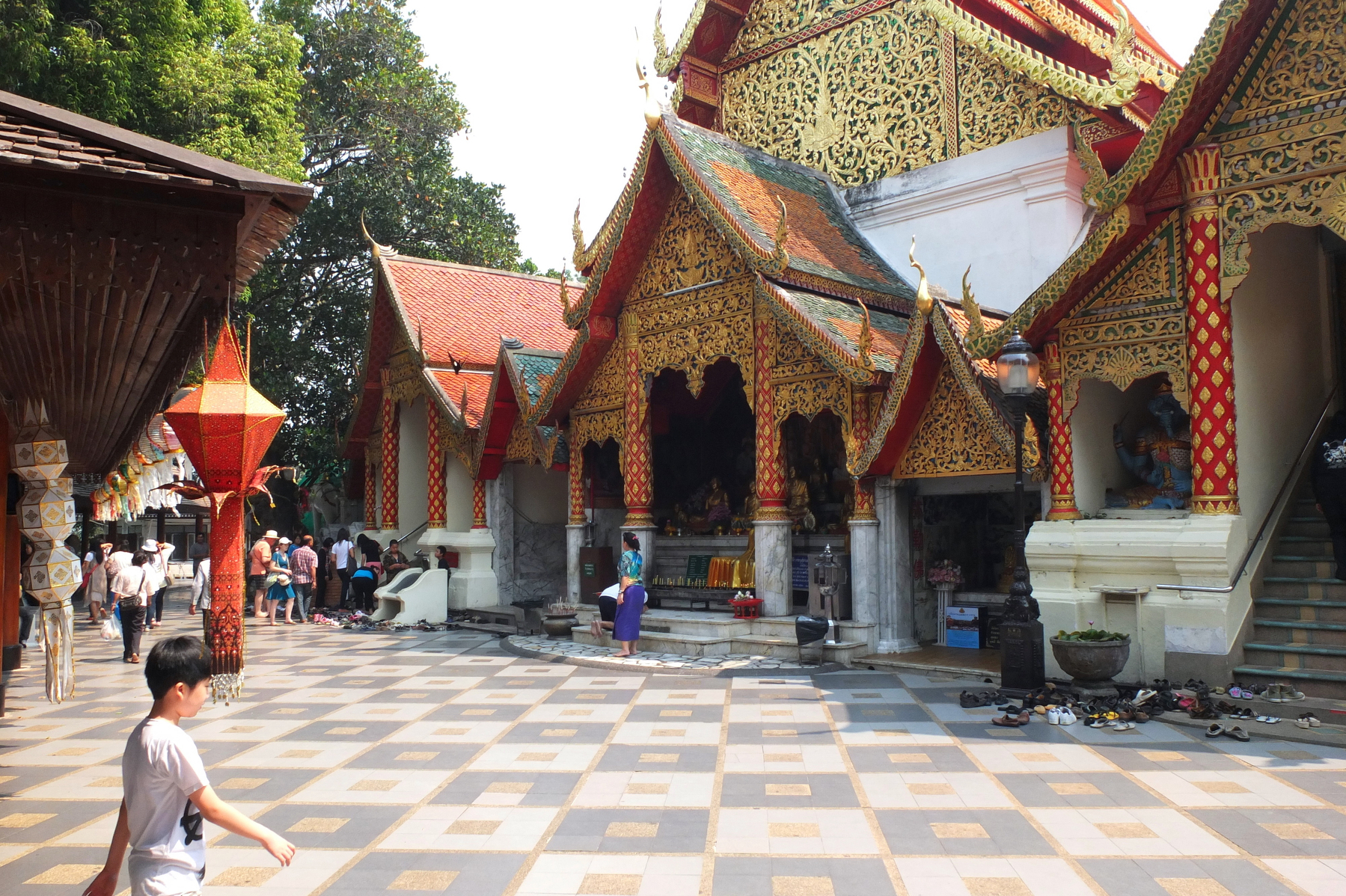
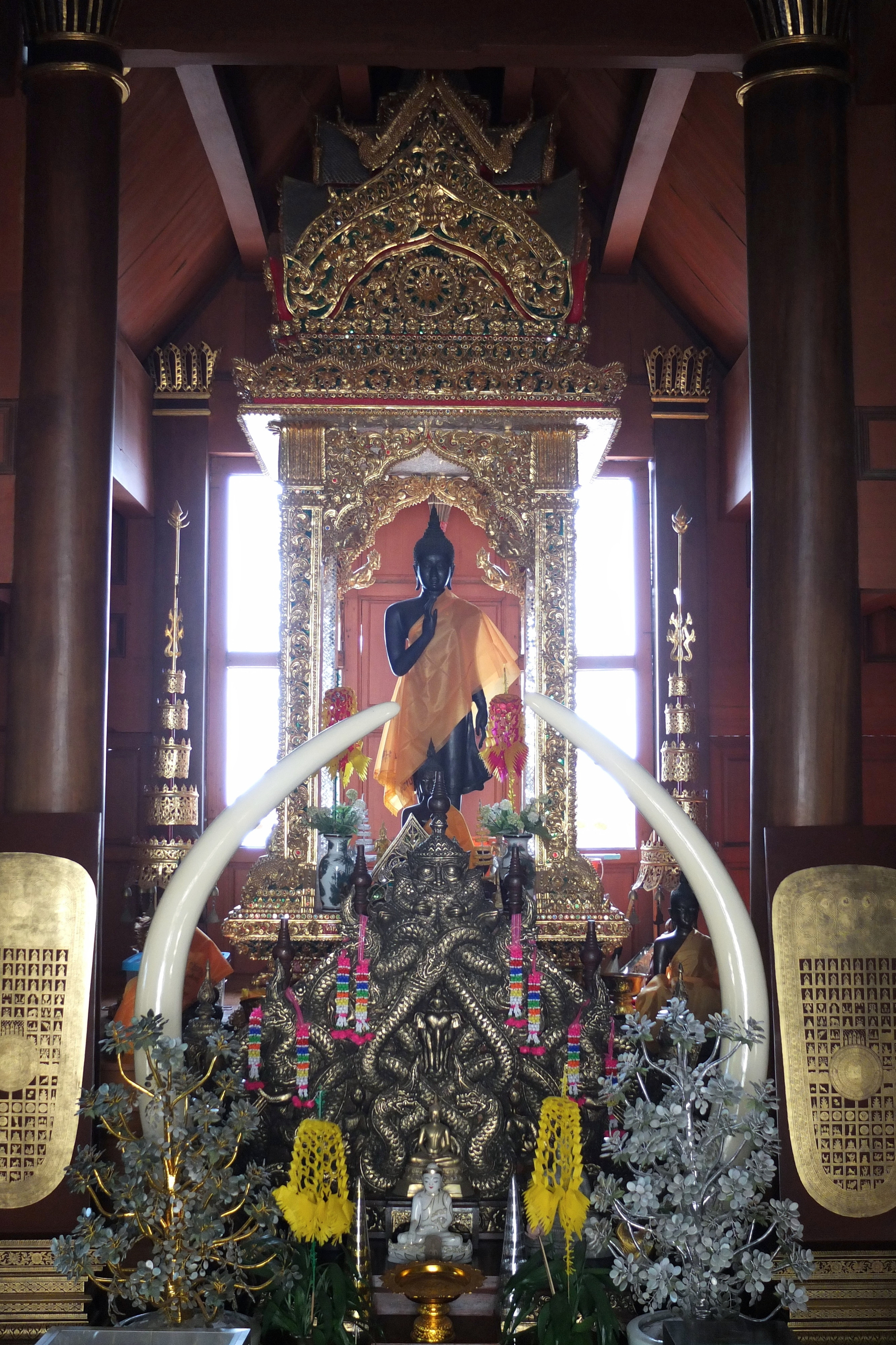

Eventually, I began the journey back down the staircase. The descent was physically easier, but I found myself taking my time. Looking back toward the temple, I thought about the strange mixture of history and legend that makes Doi Suthep so compelling. We may never be able to separate every historical detail from the stories passed down through generations, but perhaps that isn’t the point. The legends themselves have become part of the history of the place.
Wat Phra That Doi Suthep stayed with me because it feels like more than a monument above Chiang Mai. It is a living connection between Lanna history, Buddhist devotion, local traditions, royal patronage, art, architecture, and the natural landscape of northern Thailand. Whether you arrive as a pilgrim, a traveller, a photographer, or simply someone curious about another culture, the journey up Doi Suthep offers something difficult to capture in a photograph. You don’t simply arrive at the temple. You climb into its story—and for a little while, become part of the long procession of people who have followed that sacred mountain trail before you.
#Photography #Photos #Blog #Photoblog #WatPhraThatDoiSuthep #DoiSuthep #ChiangMai #Thailand #NorthernThailand #ThailandTravel #ChiangMaiTravel #LannaKingdom #ThaiHistory #BuddhistTemple #BuddhistThailand #ThaiArchitecture #LannaArchitecture #NagaStaircase #DoiSuthepTemple #BuddhistCulture #ThailandPhotography #ChiangMaiPhotography #TravelEssay #TravelPhotography #SacredPlaces #SoutheastAsia #TempleTravel Catalan Catalunya Espana