
Wat Phra That Doi Suthep - Following the Sacred Trail Above Chiang Mai
The road from Chiang Mai toward Doi Suthep winds steadily upward, leaving behind the noise of the city and climbing into the forests of northern Thailand. As I travelled higher, the air seemed cooler and the landscape increasingly green. Somewhere above the rooftops and traffic, hidden among the trees, was one of Chiang Mai’s most important landmarks: Wat Phra That Doi Suthep. I had come expecting a beautiful temple. What I found was something deeper—a place where history, Buddhist devotion, royal tradition, legend, and the mountain landscape have been intertwined for more than six centuries.
The temple’s story begins in the fourteenth century, during the era of the Lanna Kingdom. Chiang Mai had been founded in 1296 by King Mangrai and had developed into the political and cultural centre of a powerful northern Thai kingdom. Buddhism was already deeply established in Lanna society, and temples were not simply places of worship. They were centres of learning, art, community life, and royal patronage. Doi Suthep would eventually become home to one of the kingdom’s most sacred religious sites.
The most famous story surrounding the temple concerns a monk named Sumanathera and a sacred relic believed to be part of the Buddha’s shoulder bone. According to tradition, Sumanathera received the relic and brought it to the Lanna kingdom. The story says that the relic miraculously divided into two pieces, one remaining at Wat Suan Dok in Chiang Mai and the other becoming associated with Doi Suthep. Whether understood as history, religious tradition, or legend, the story became fundamental to the temple’s identity.

According to the legend, the second relic was placed on the back of a white elephant. The animal was released and began climbing the mountain. Rather than following a predetermined route, it supposedly wandered upward until reaching the summit of Doi Suthep. There, it trumpeted three times, circled the spot, and died. King Kuena, the fourteenth-century Lanna ruler, interpreted the event as a divine sign and ordered a temple constructed at the location. From this extraordinary legend came the sacred foundation of Wat Phra That Doi Suthep.
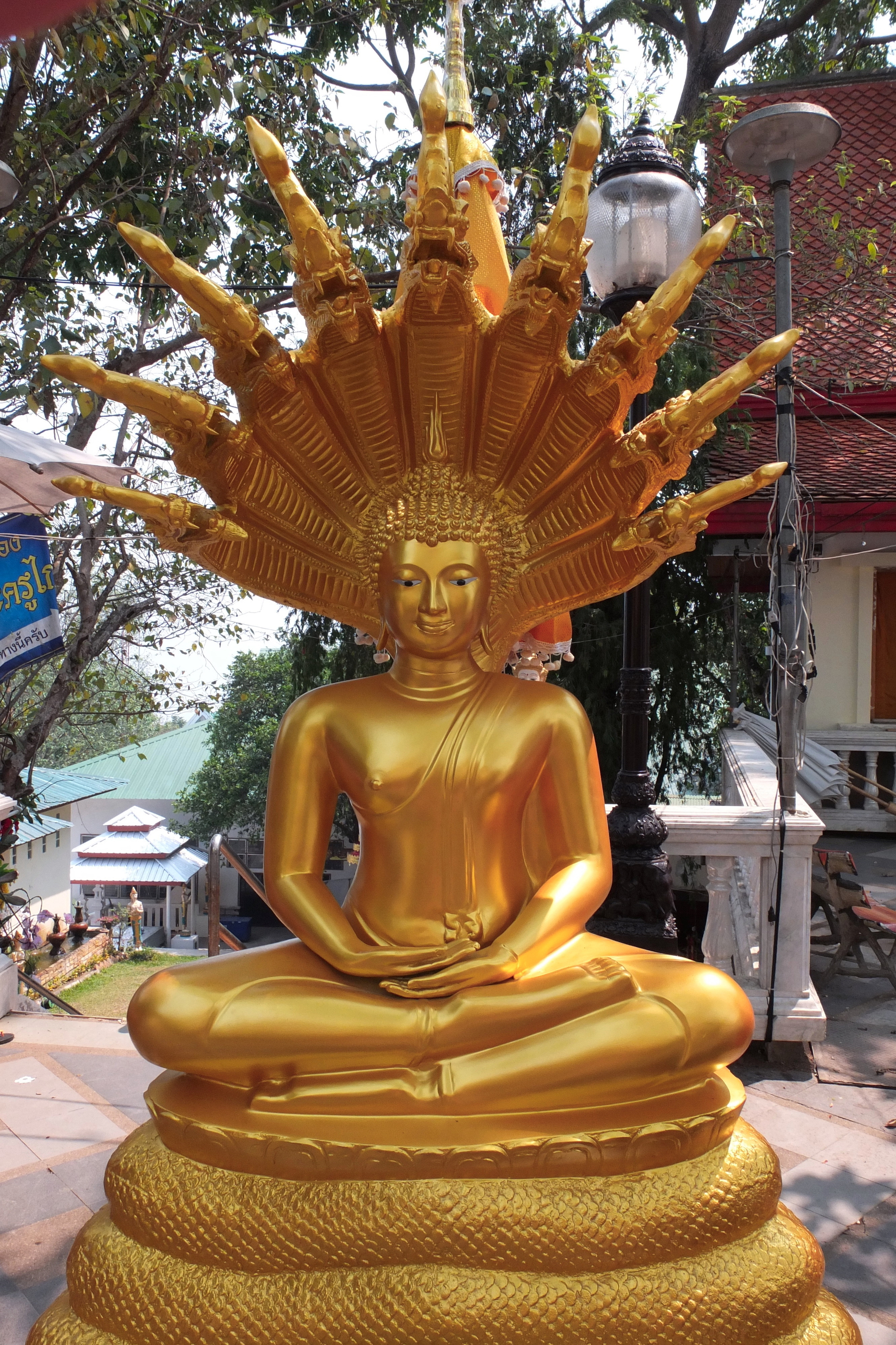
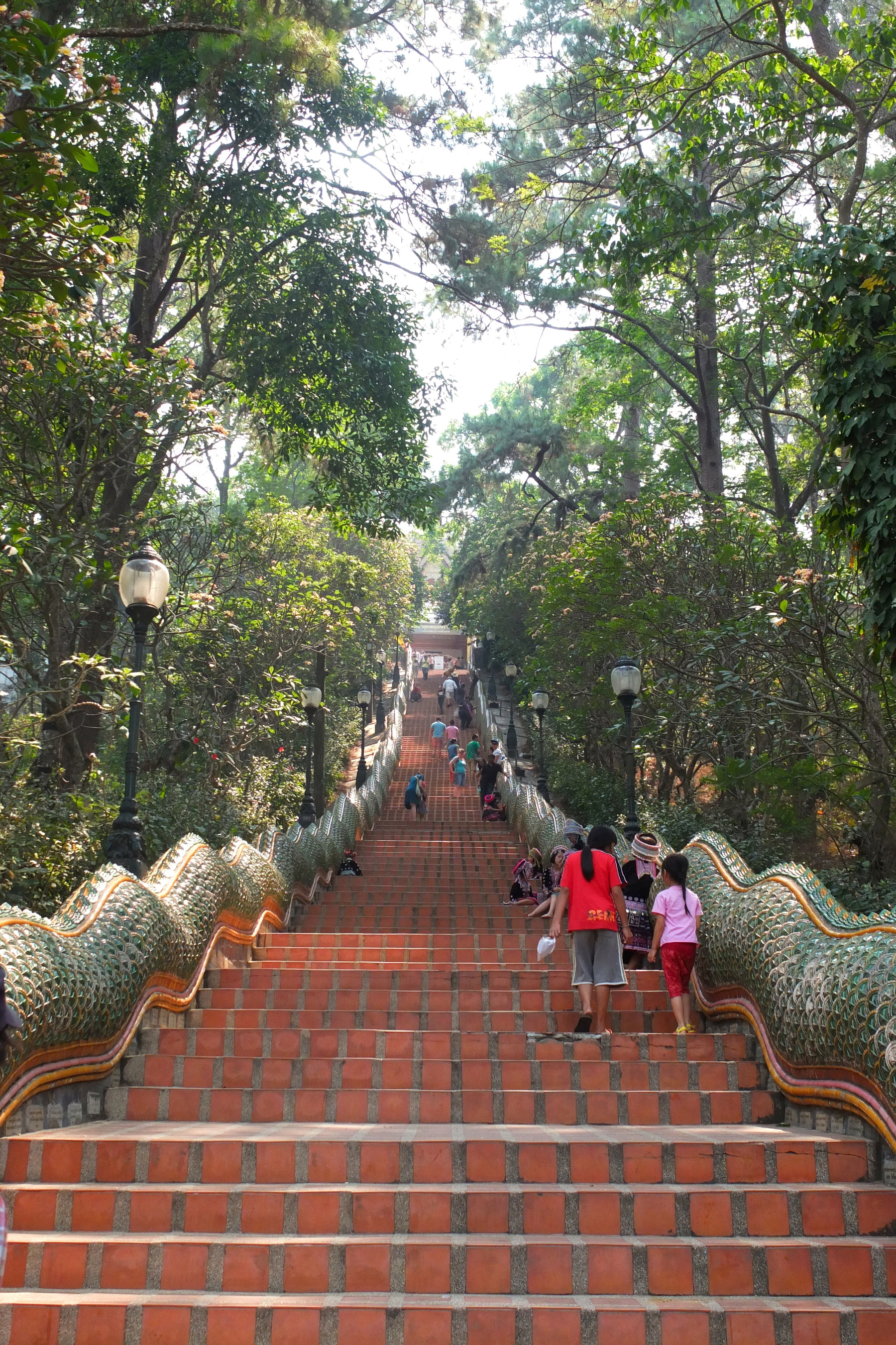
Today, the mountain journey still feels like part of the pilgrimage. The modern road makes reaching the temple considerably easier than it would have been for earlier generations, but eventually I arrived at the famous Naga staircase. The long flight of steps is guarded by enormous serpent figures, their bodies stretching alongside the staircase. In Buddhist and Southeast Asian mythology, the Naga is a powerful serpent associated with water, protection, and the supernatural world. Here, the creatures seem to guide visitors from the ordinary world toward the sacred temple above.

There are 306 steps in the staircase, and climbing them gives the arrival a sense of ceremony that a simple entrance could never provide. With every step, the sounds of the world below seemed to fade. The intricate scales of the Naga figures caught the light, while the surrounding forest provided a vivid green backdrop. I began thinking about the generations of pilgrims who had climbed these same steps—or followed earlier routes up the mountain—long before modern roads and tourist buses existed.
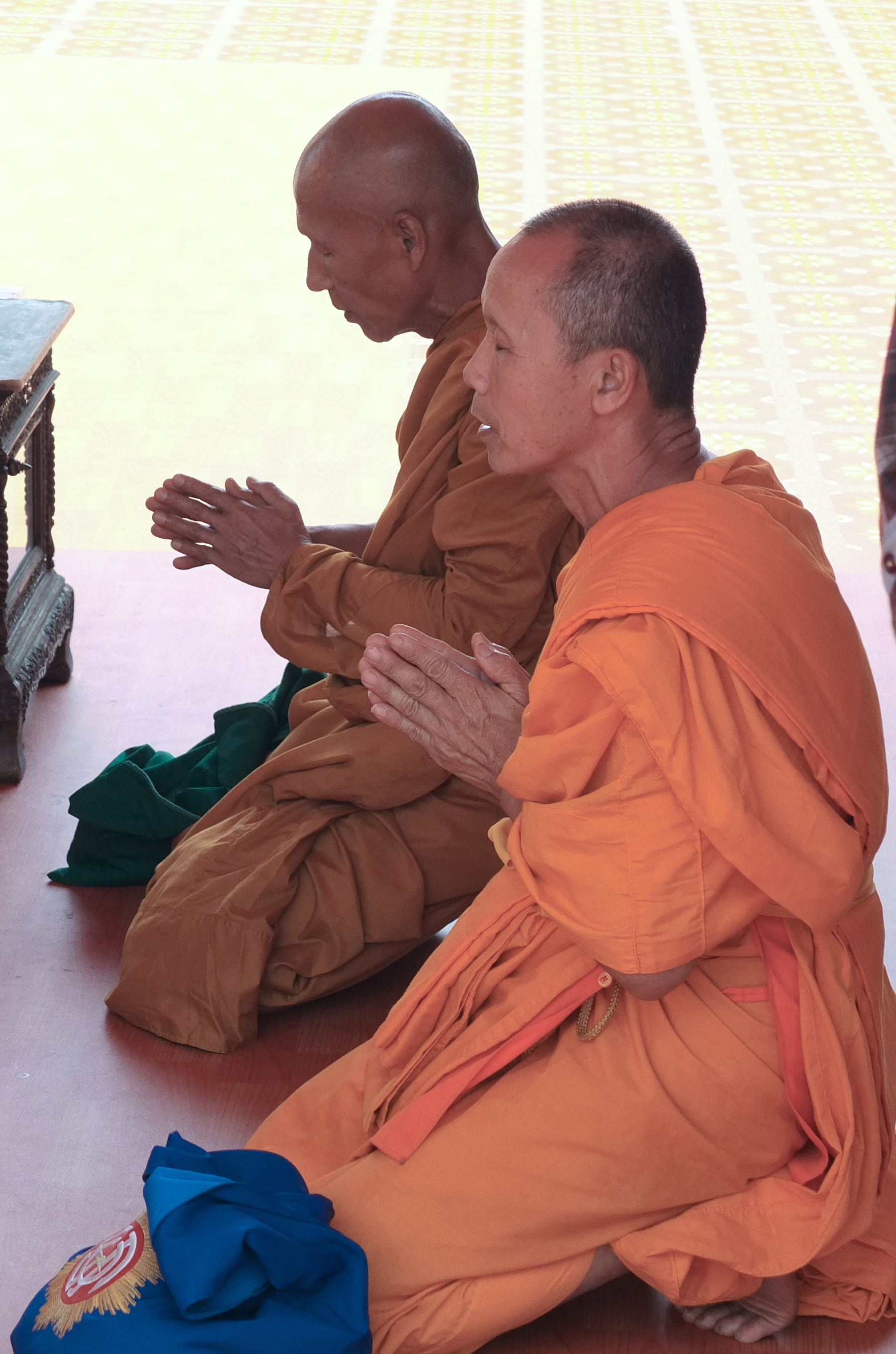
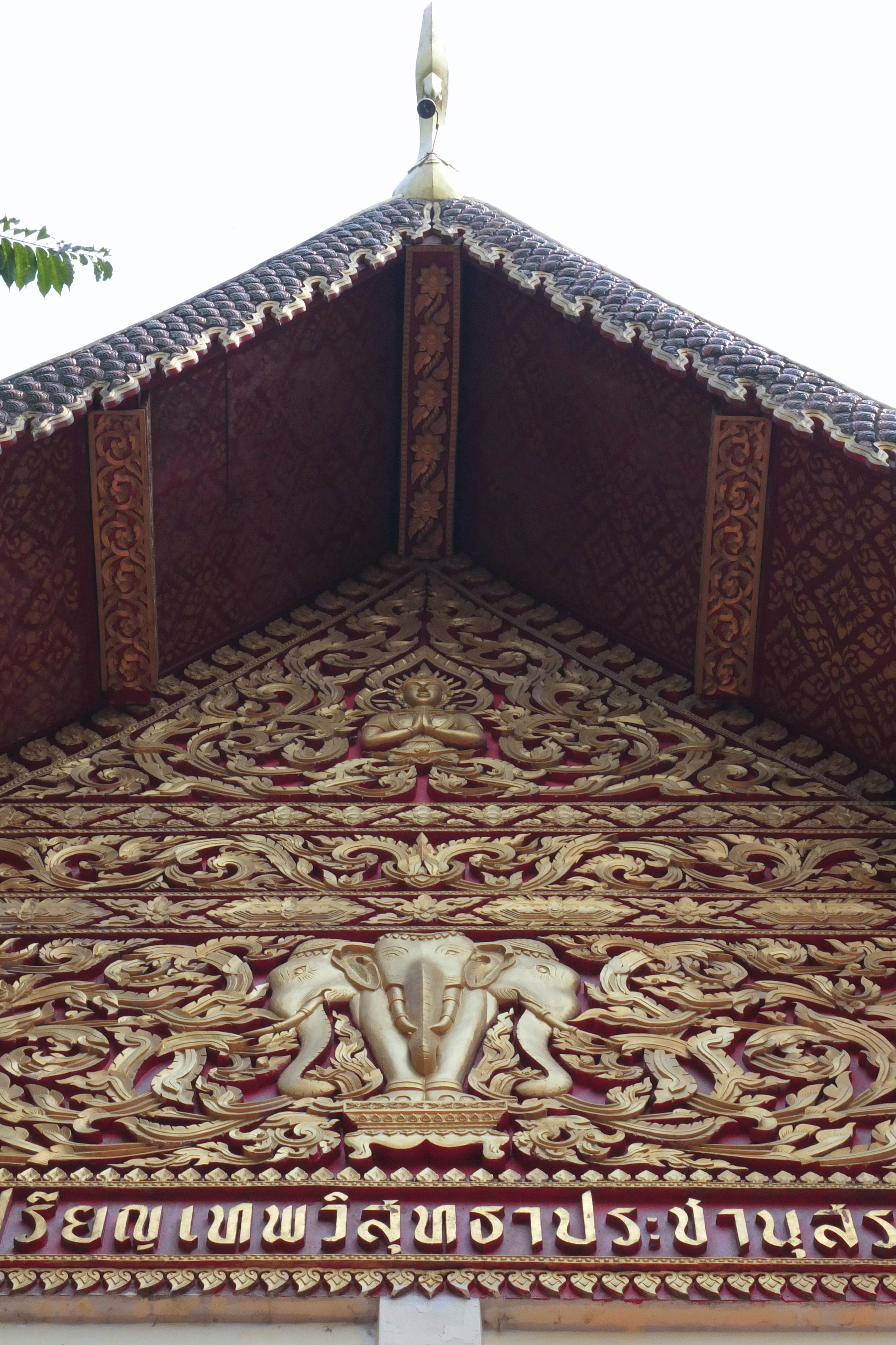
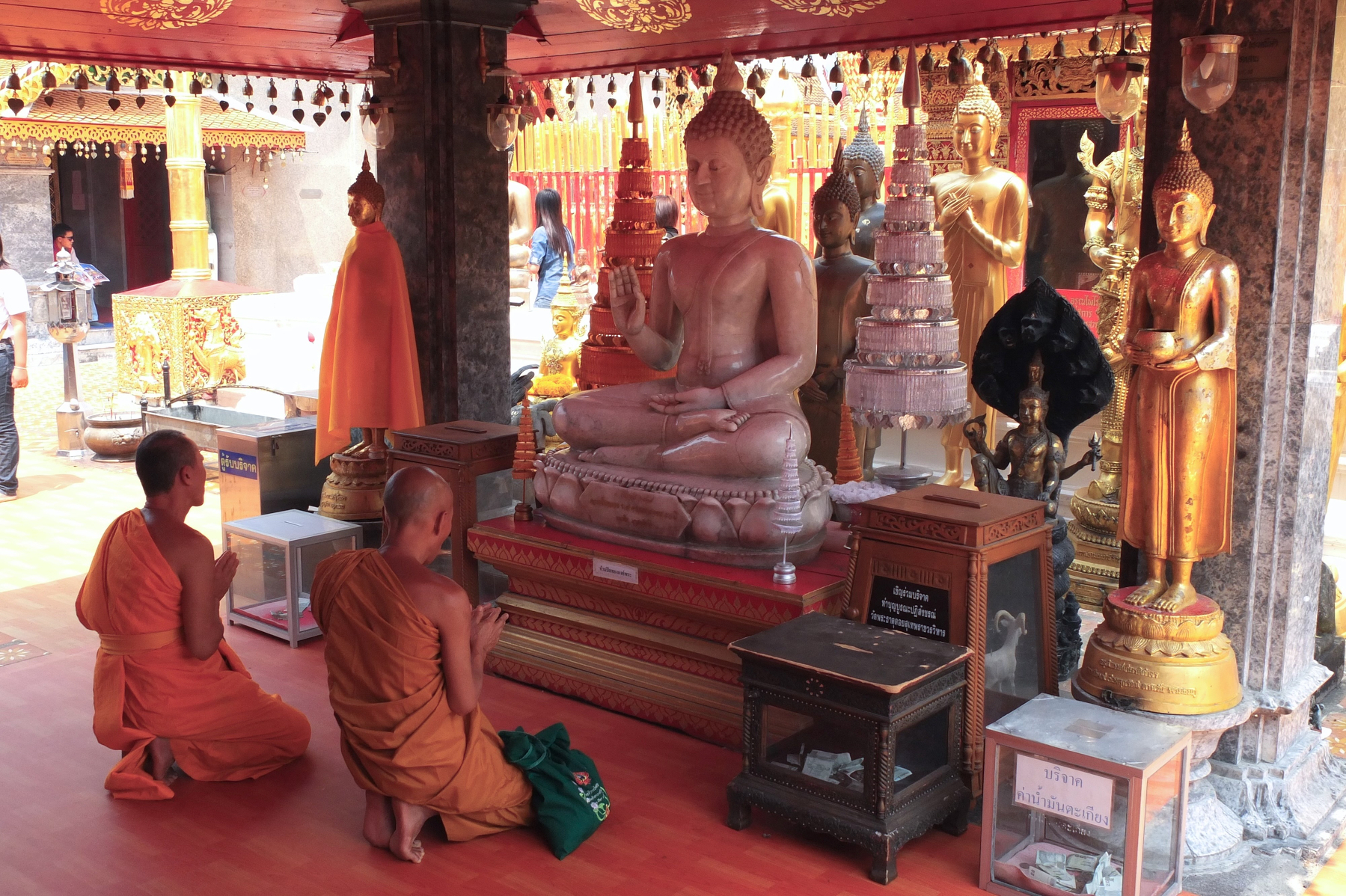
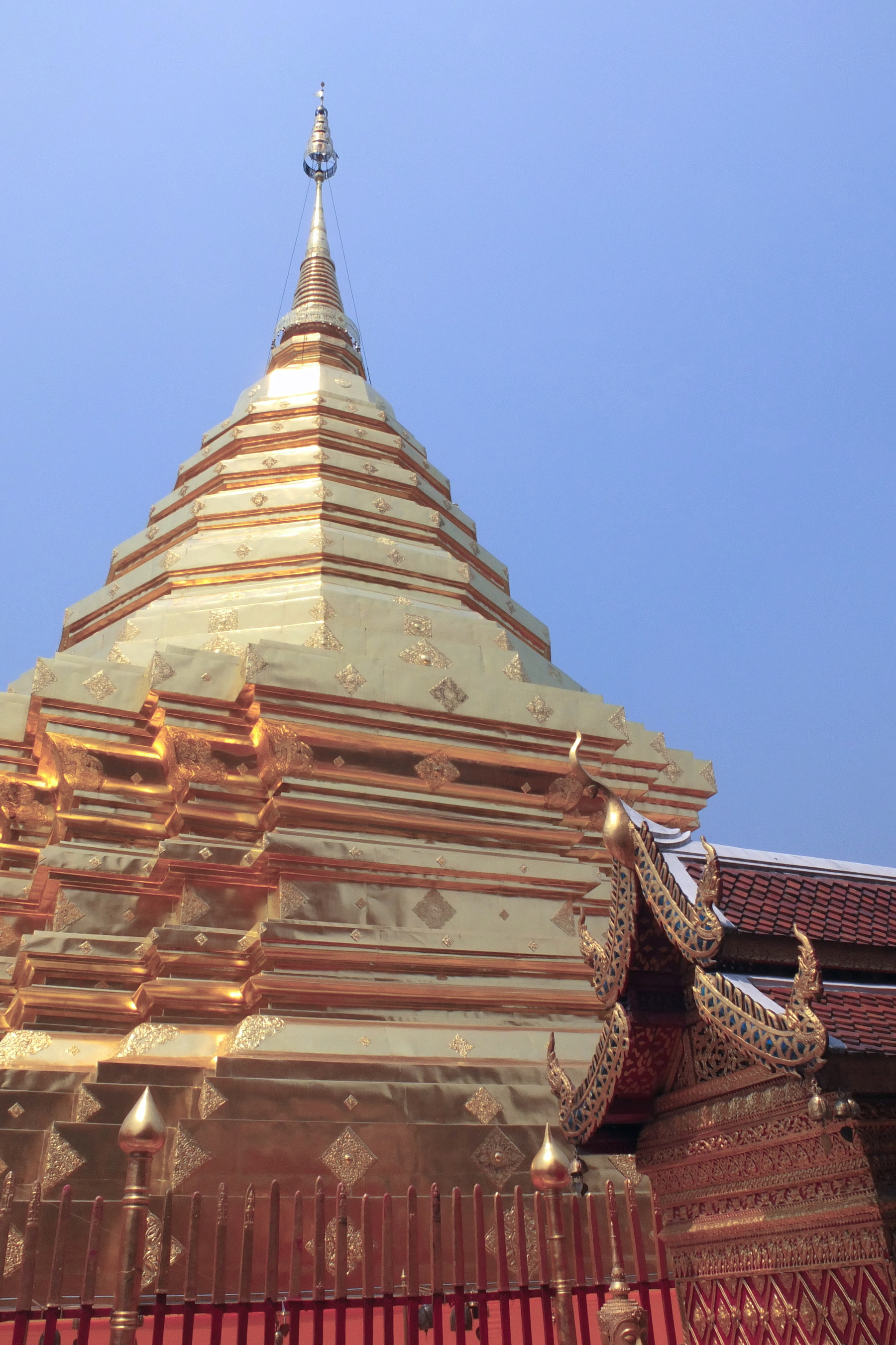
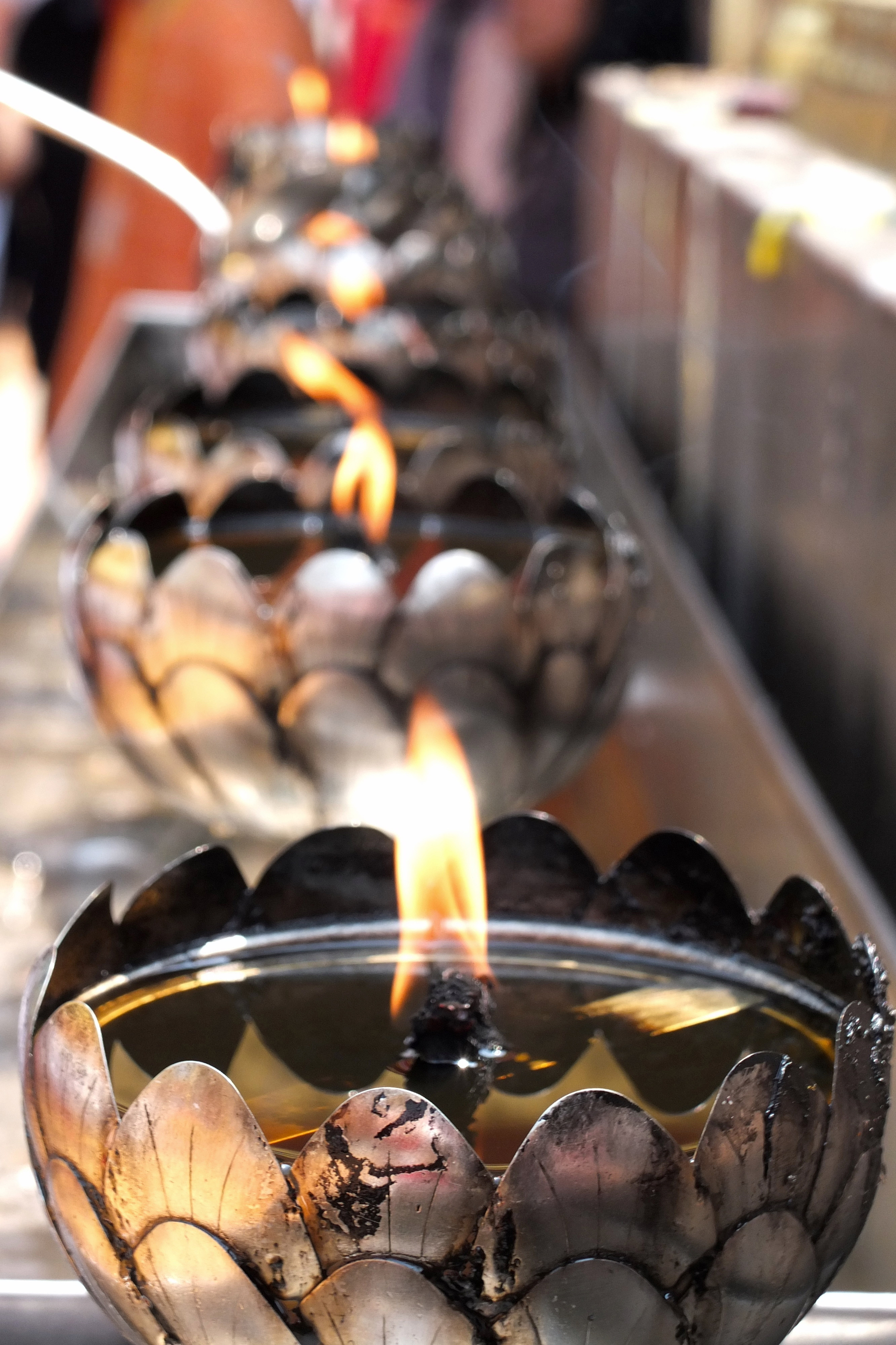
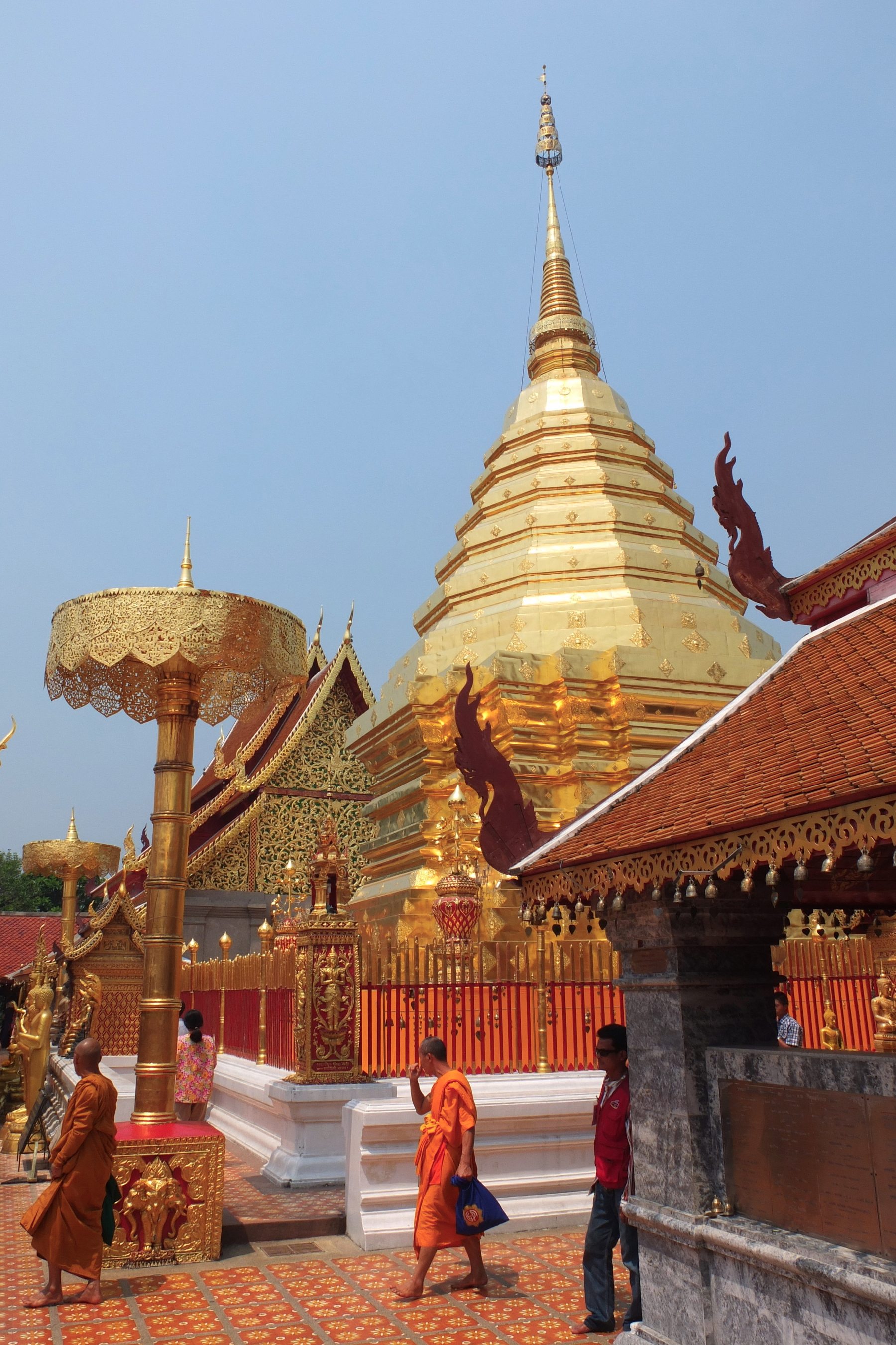
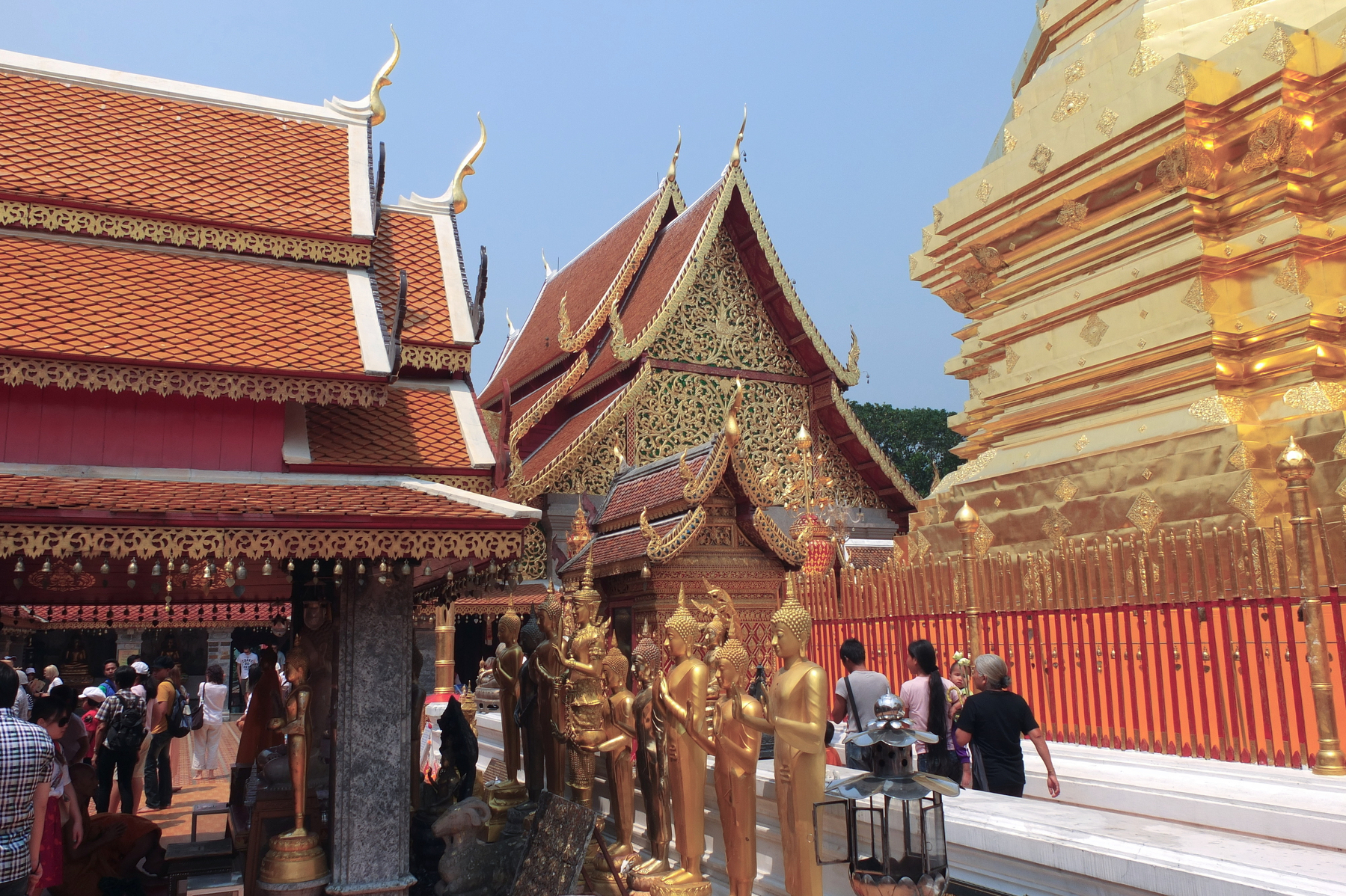
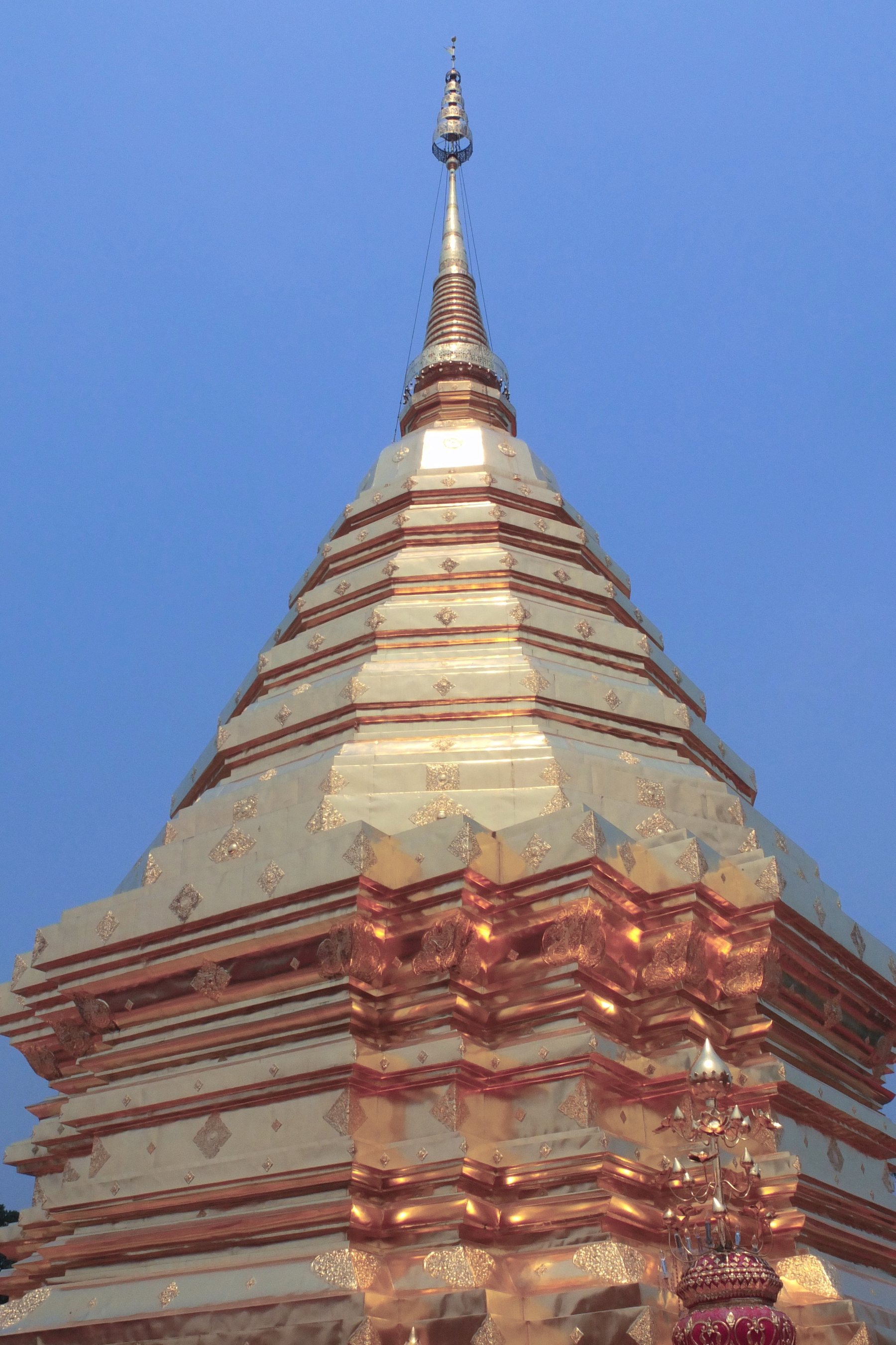
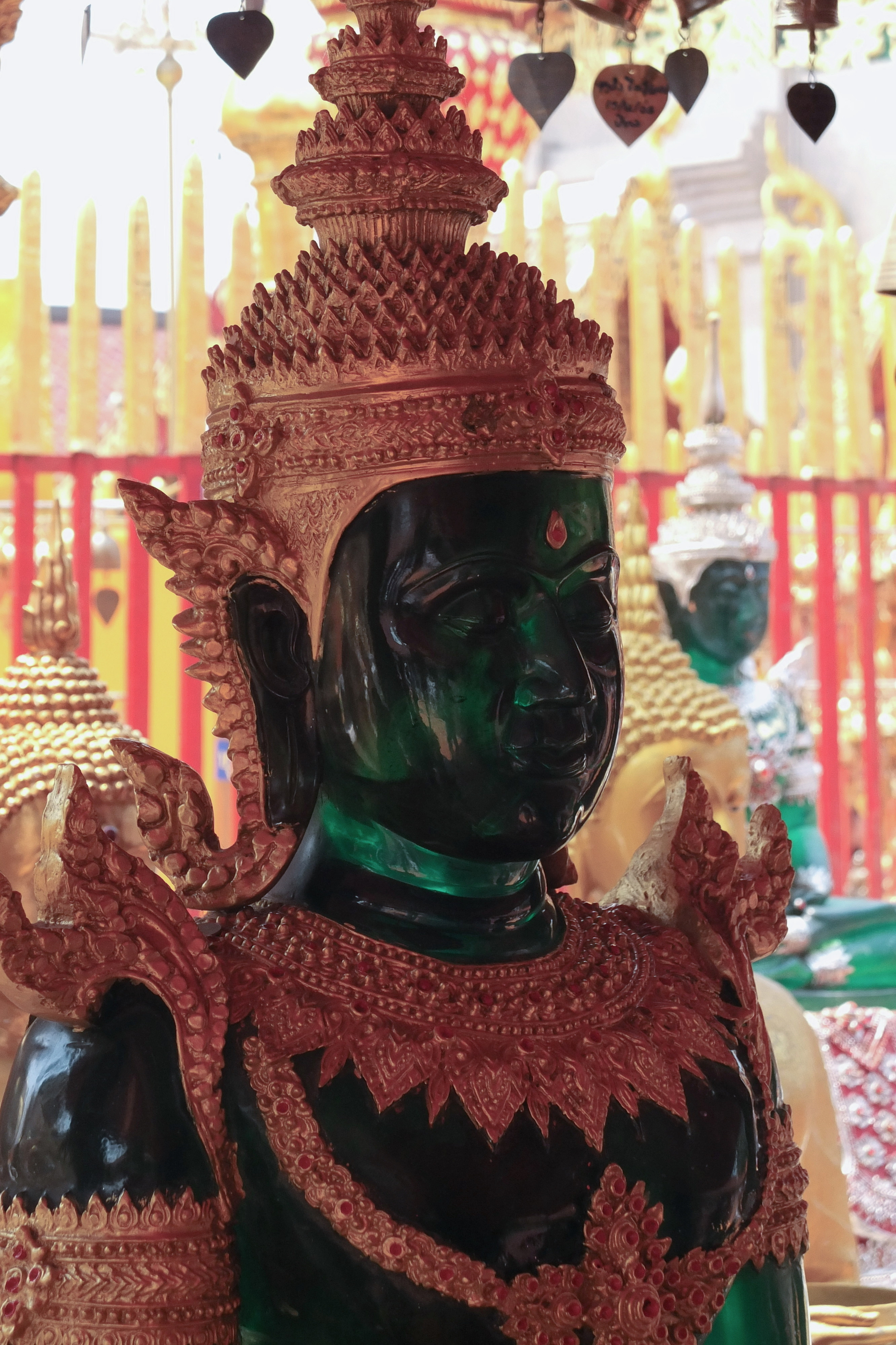
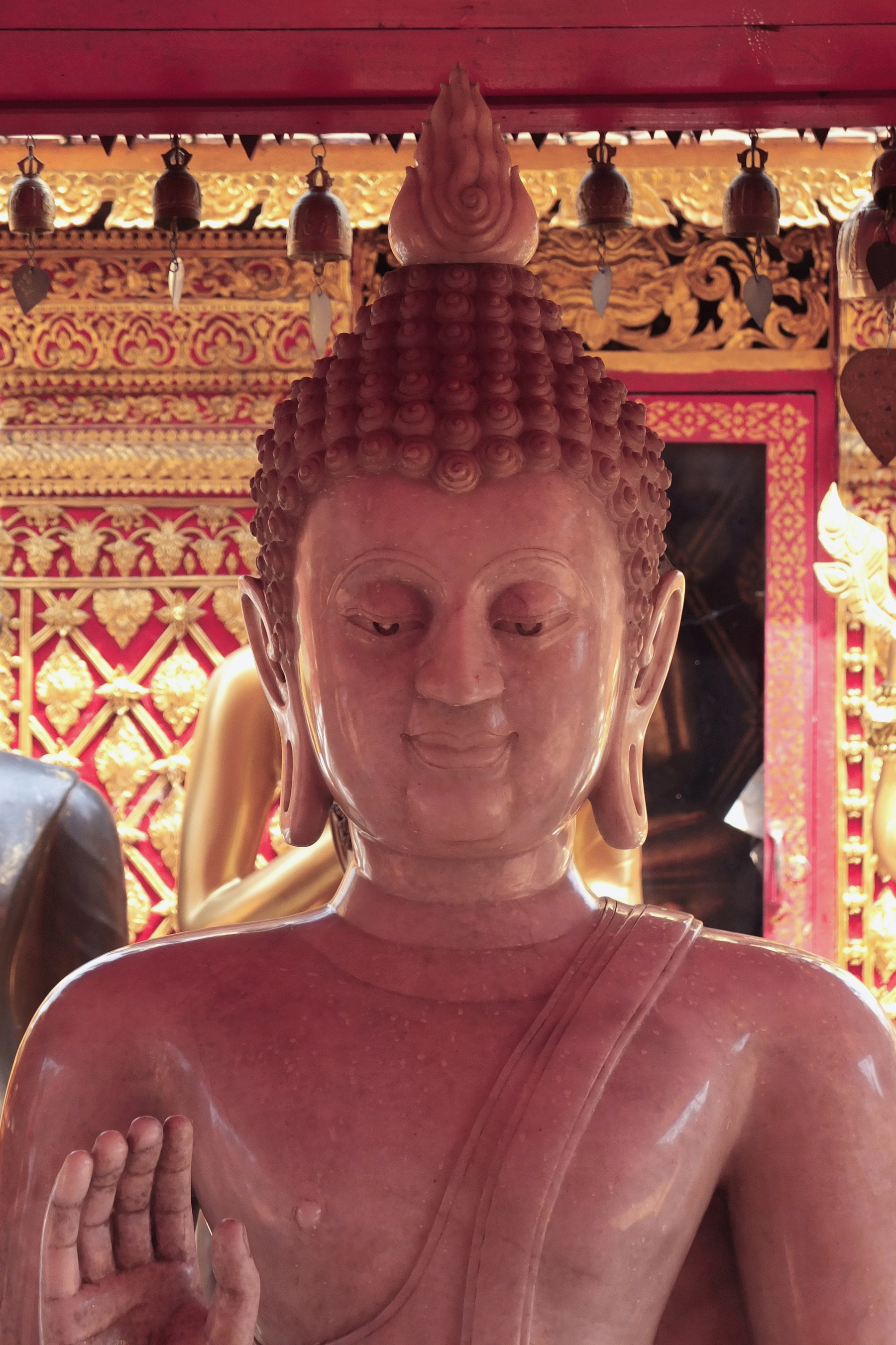
At the top, the atmosphere changes completely. The golden chedi immediately commands attention, rising above the temple complex and catching the sunlight. This is the spiritual centre of Wat Phra That Doi Suthep, and according to tradition it houses the sacred Buddha relic. Devotees walk around the chedi, make offerings, light incense, and pray. For visitors, it can be tempting to focus on the extraordinary architecture, but watching the worshippers makes it clear that this isn’t simply an ancient monument. It remains a functioning religious sanctuary.
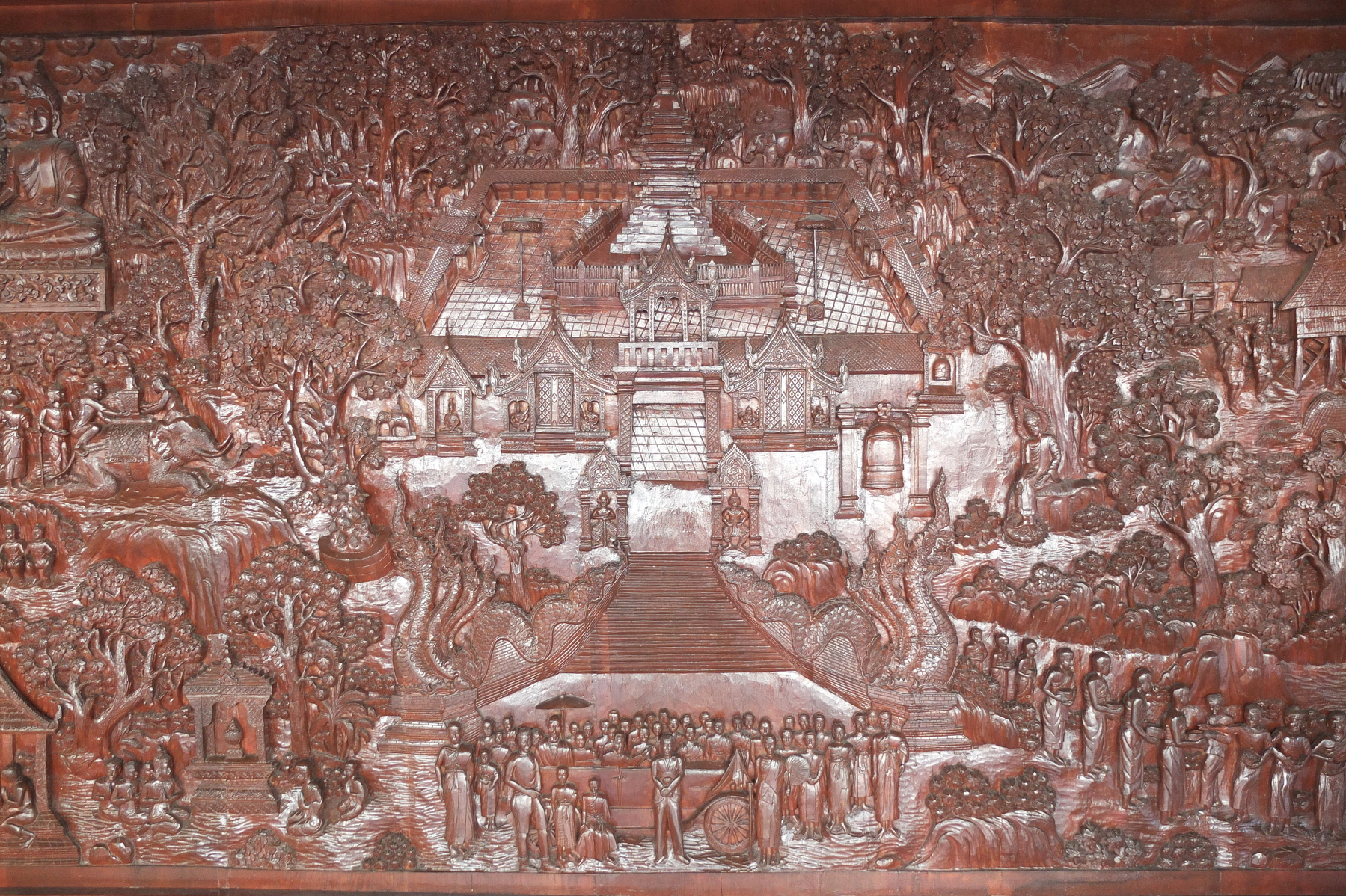

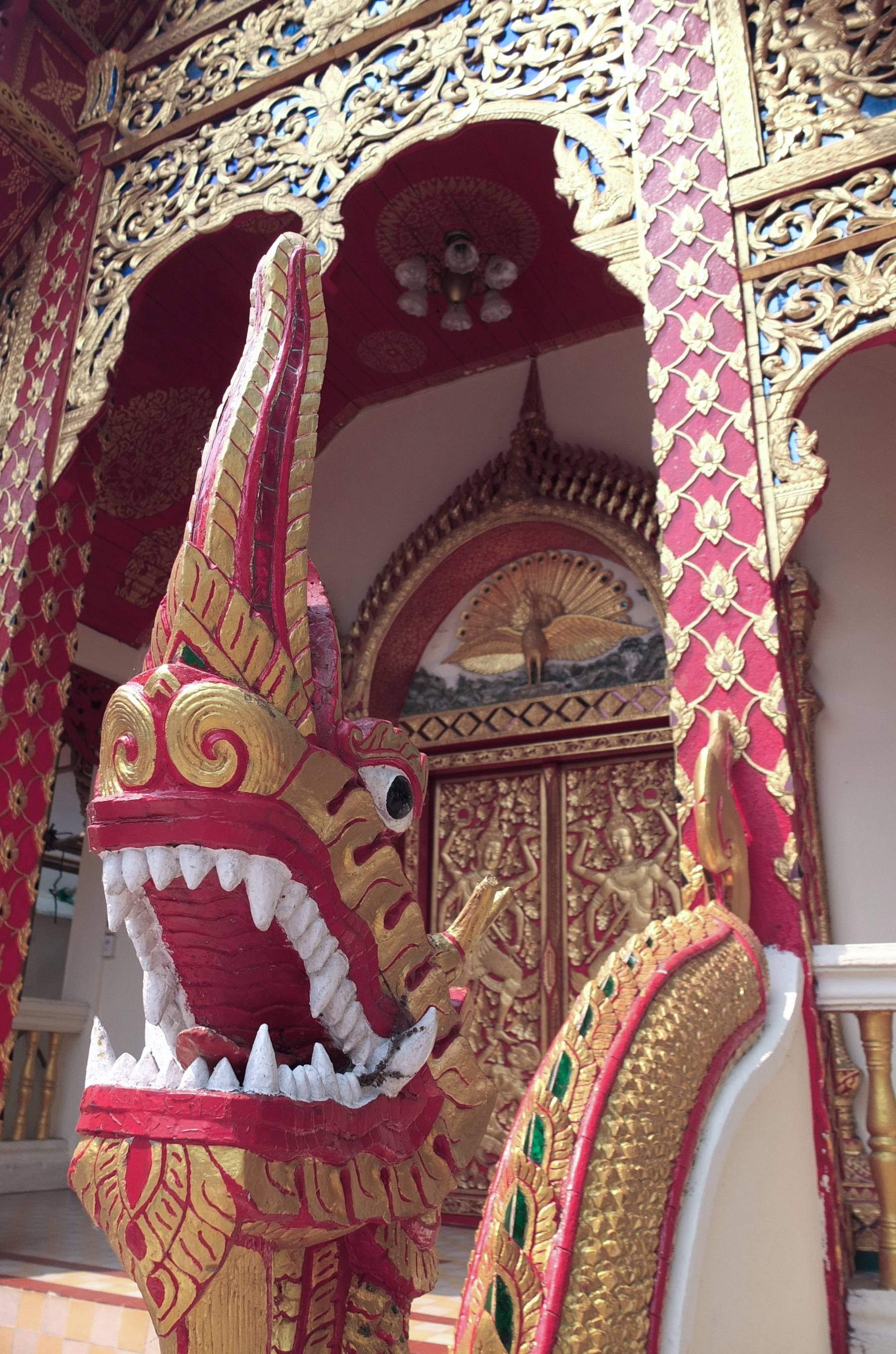
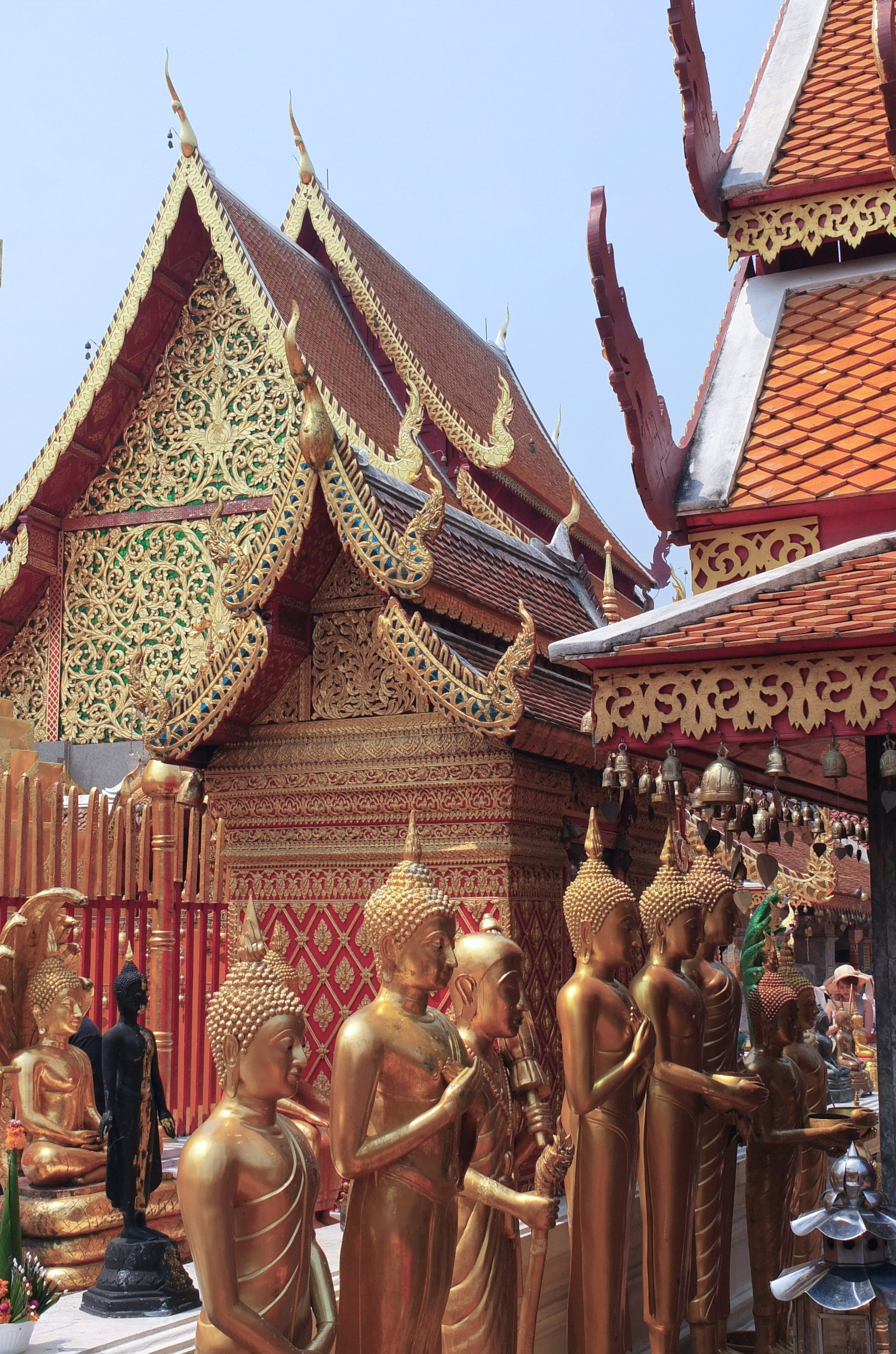
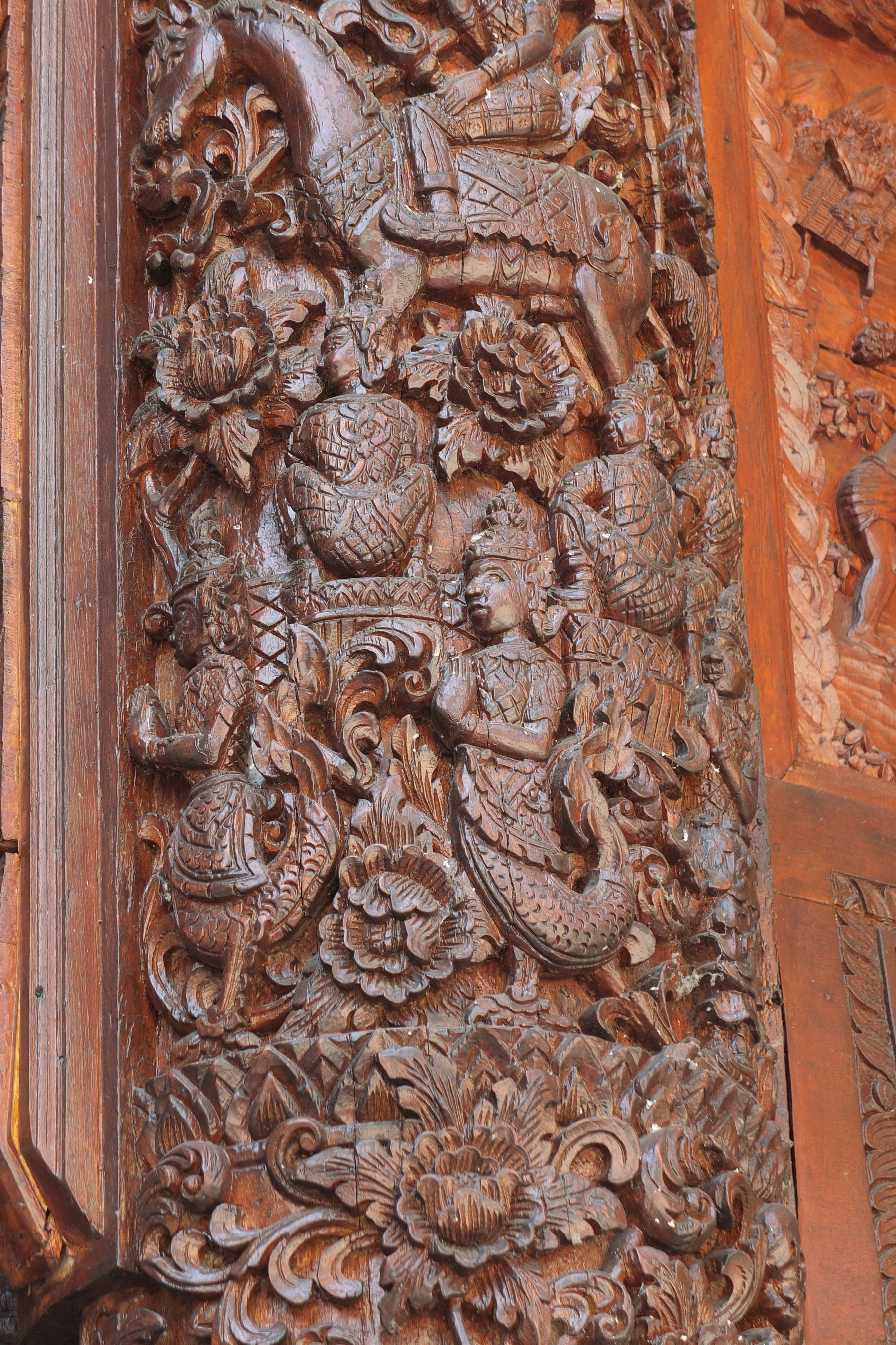
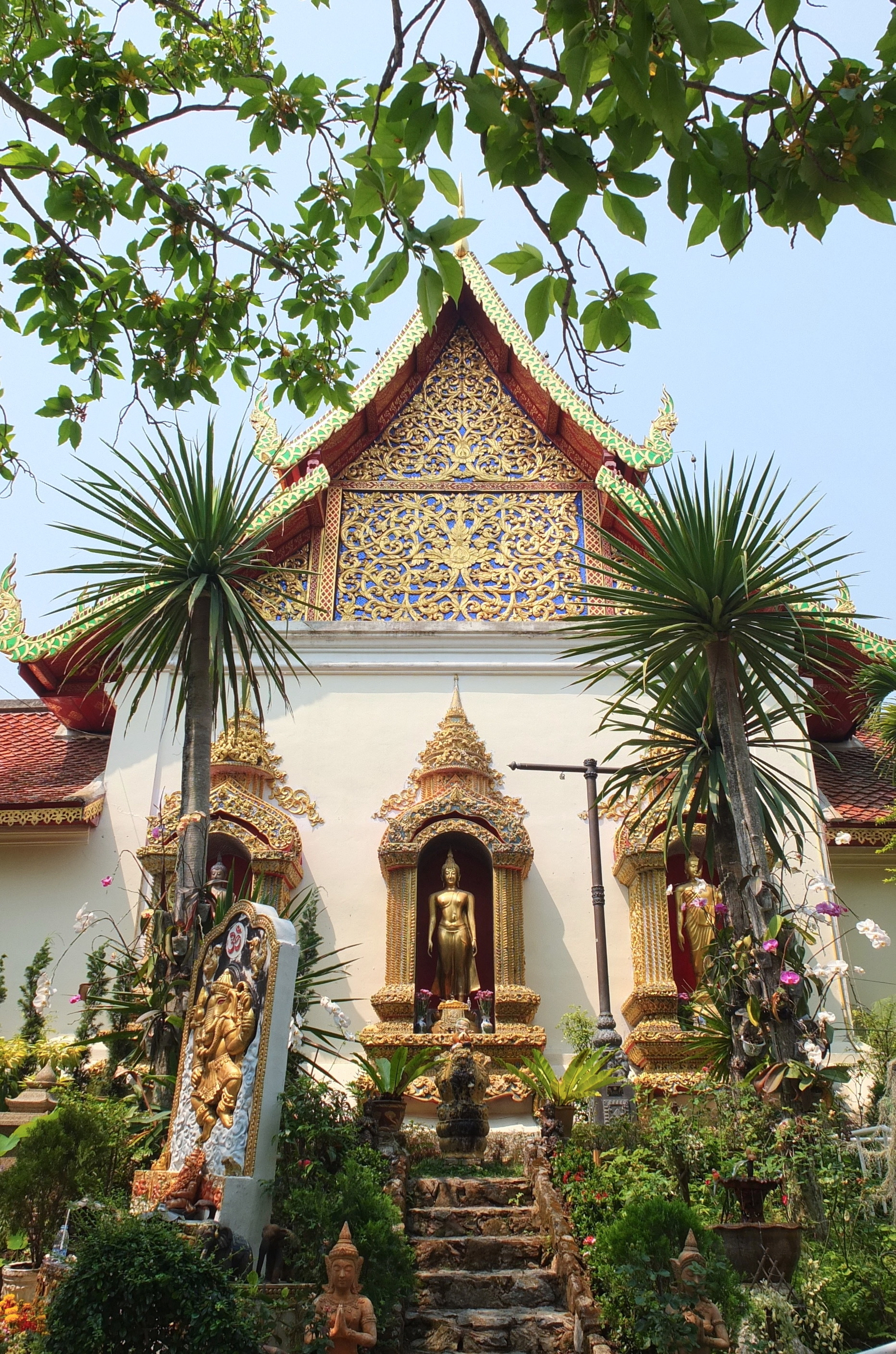
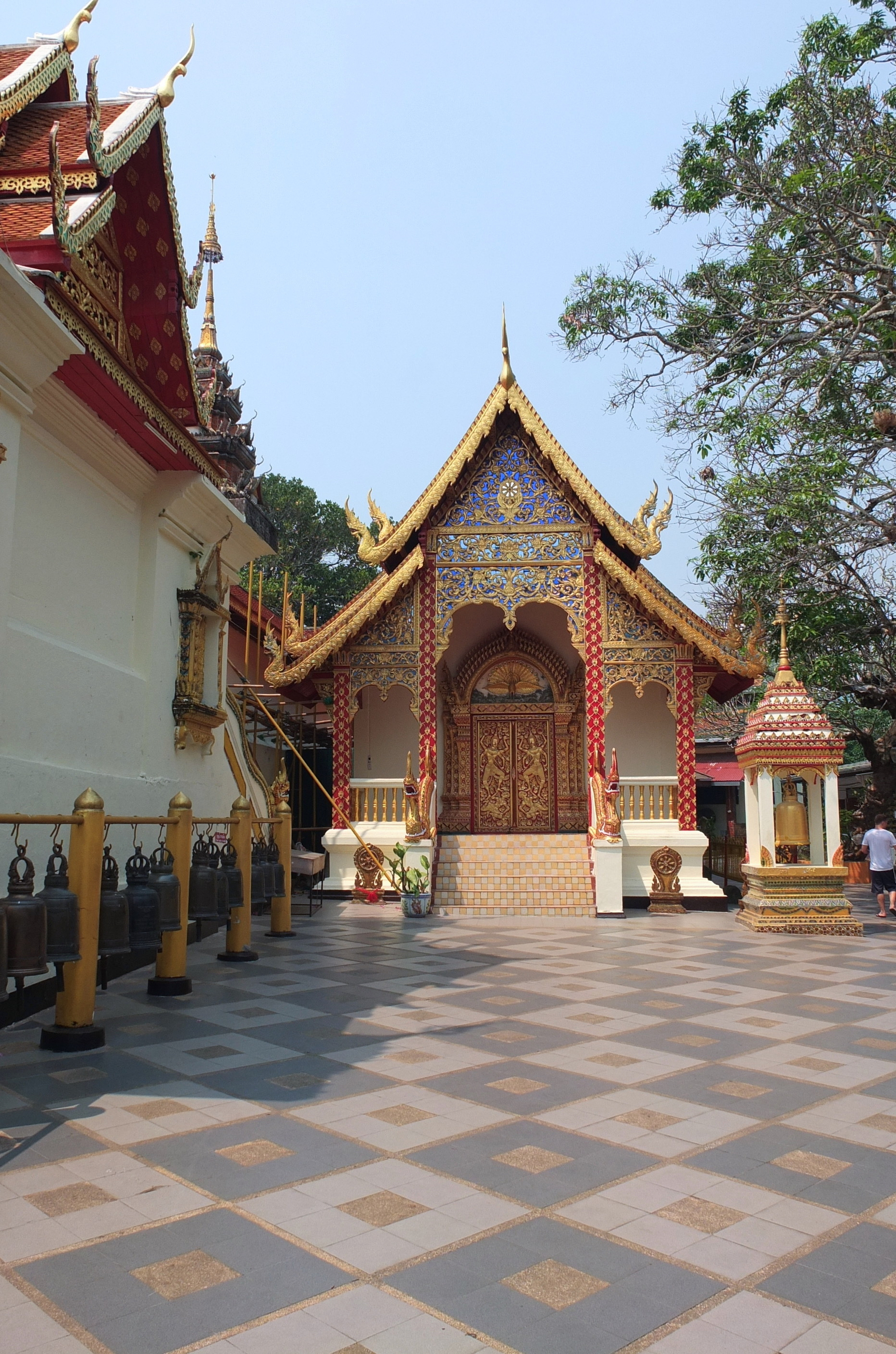
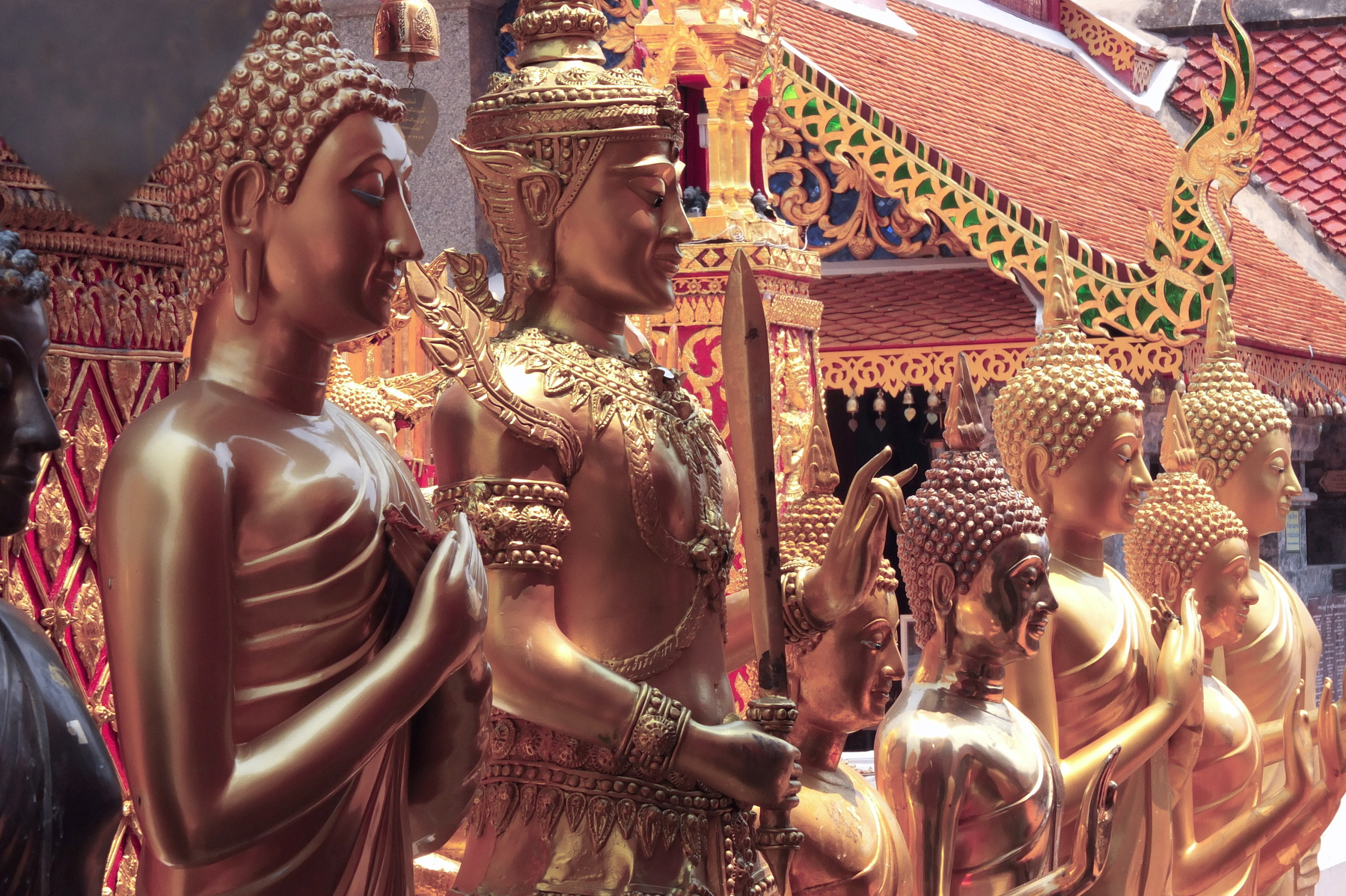
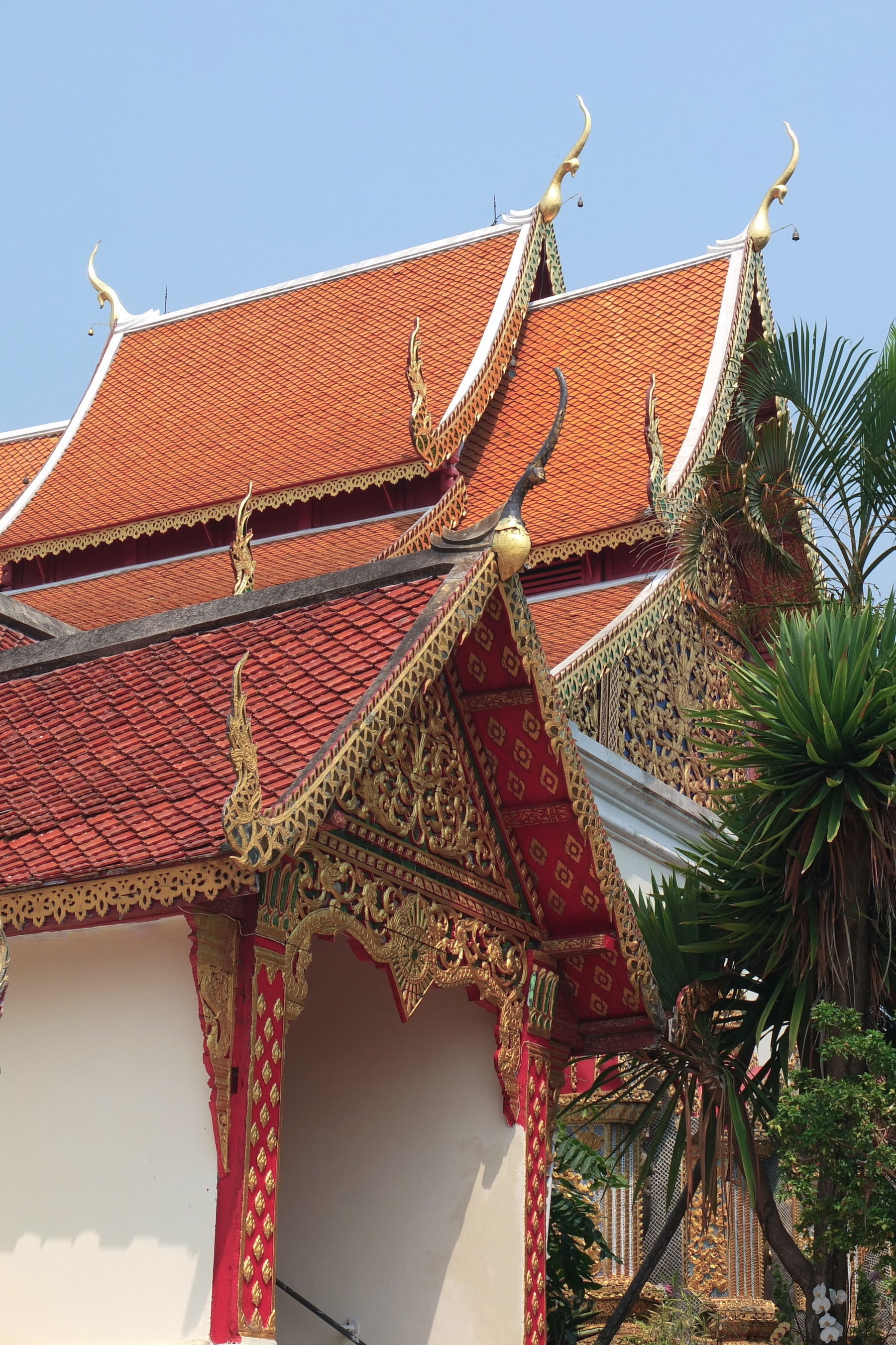
The gold-covered chedi is surrounded by an intricate collection of Lanna architectural details. Roofs overlap in elegant layers, wooden elements are richly decorated, and mythical creatures appear throughout the complex. The craftsmanship is particularly striking because northern Thailand developed its own artistic traditions distinct from those of central Thailand. Lanna architecture often feels more intimate and ornate, with elaborate woodwork and distinctive roof forms that reflect the cultural history of the region.

Doi Suthep itself is also important. The mountain rises within the Doi Suthep-Pui area, a landscape of forests, waterfalls, wildlife, and steep mountain terrain overlooking Chiang Mai. The temple therefore occupies an unusual position: it is simultaneously a major religious destination and part of a much larger natural environment. From the temple terraces, the relationship between mountain and city becomes immediately obvious.
Looking down toward Chiang Mai, I could see the city spreading across the valley below. On a clear day, the view can extend surprisingly far, and the contrast is extraordinary. Down there is modern Chiang Mai, with roads, hotels, markets, universities, and thousands of daily lives. Up here, the rhythm is slower. Bells, chanting, incense, prayer, and the rustling of trees seem to replace the sounds of traffic.
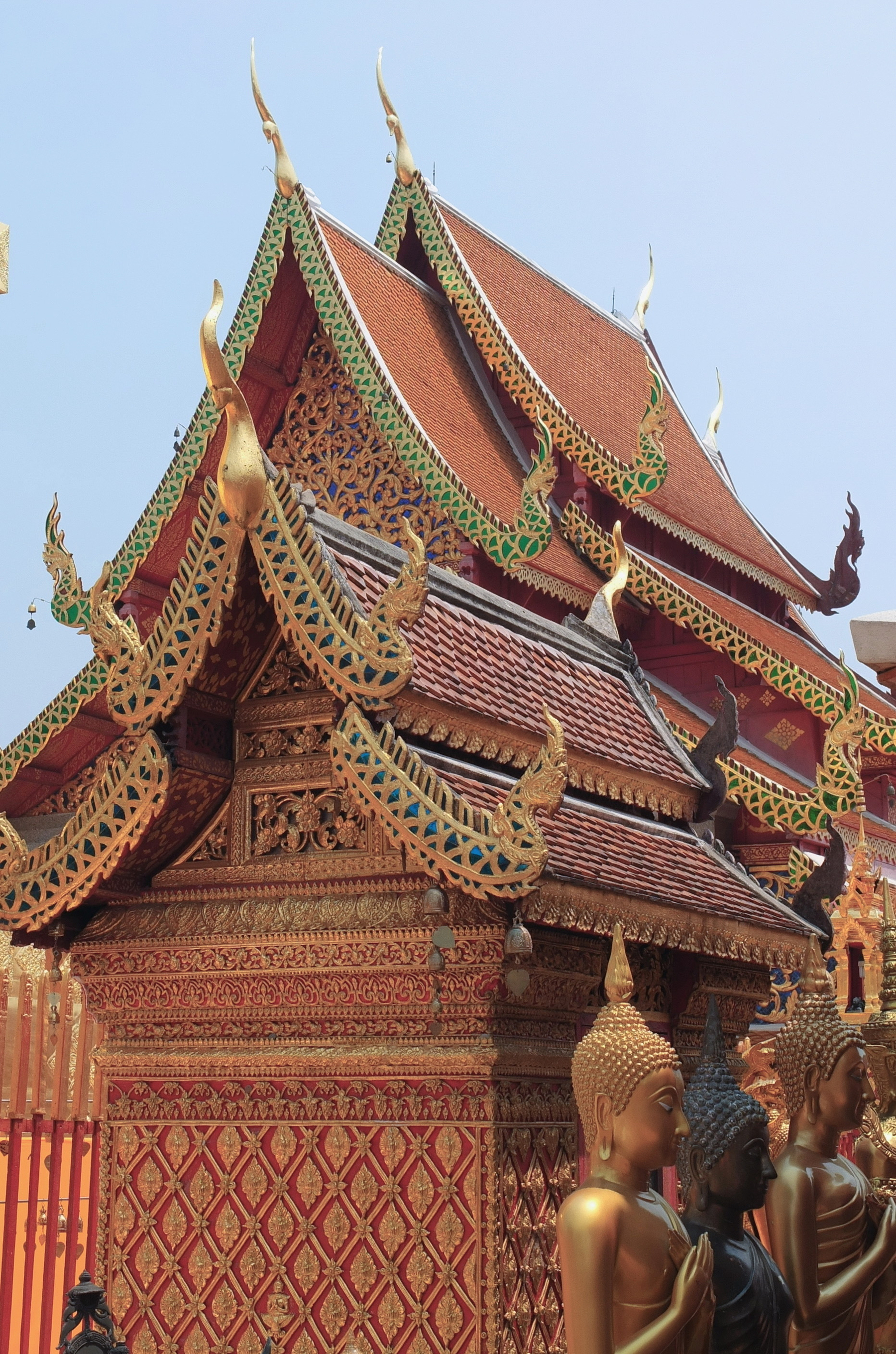

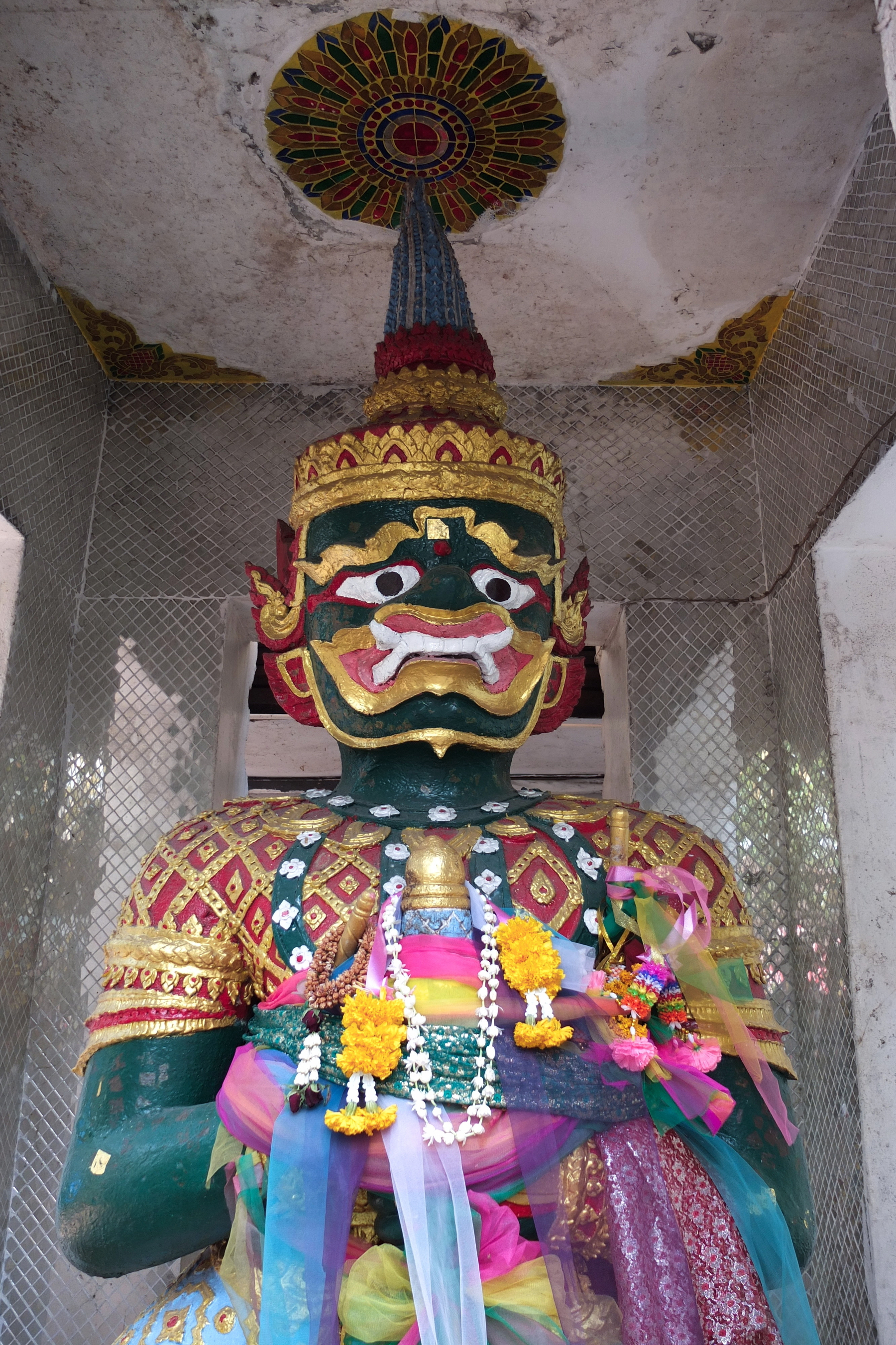
The temple’s location was never simply a matter of scenery. Mountains have long held spiritual importance throughout Southeast Asia, and Doi Suthep was already regarded as a significant sacred landscape before the present temple complex developed. The mountain was associated with local spiritual traditions, including beliefs surrounding guardian spirits. Buddhism did not simply erase those traditions; throughout northern Thailand, Buddhist practices often developed alongside older local beliefs.

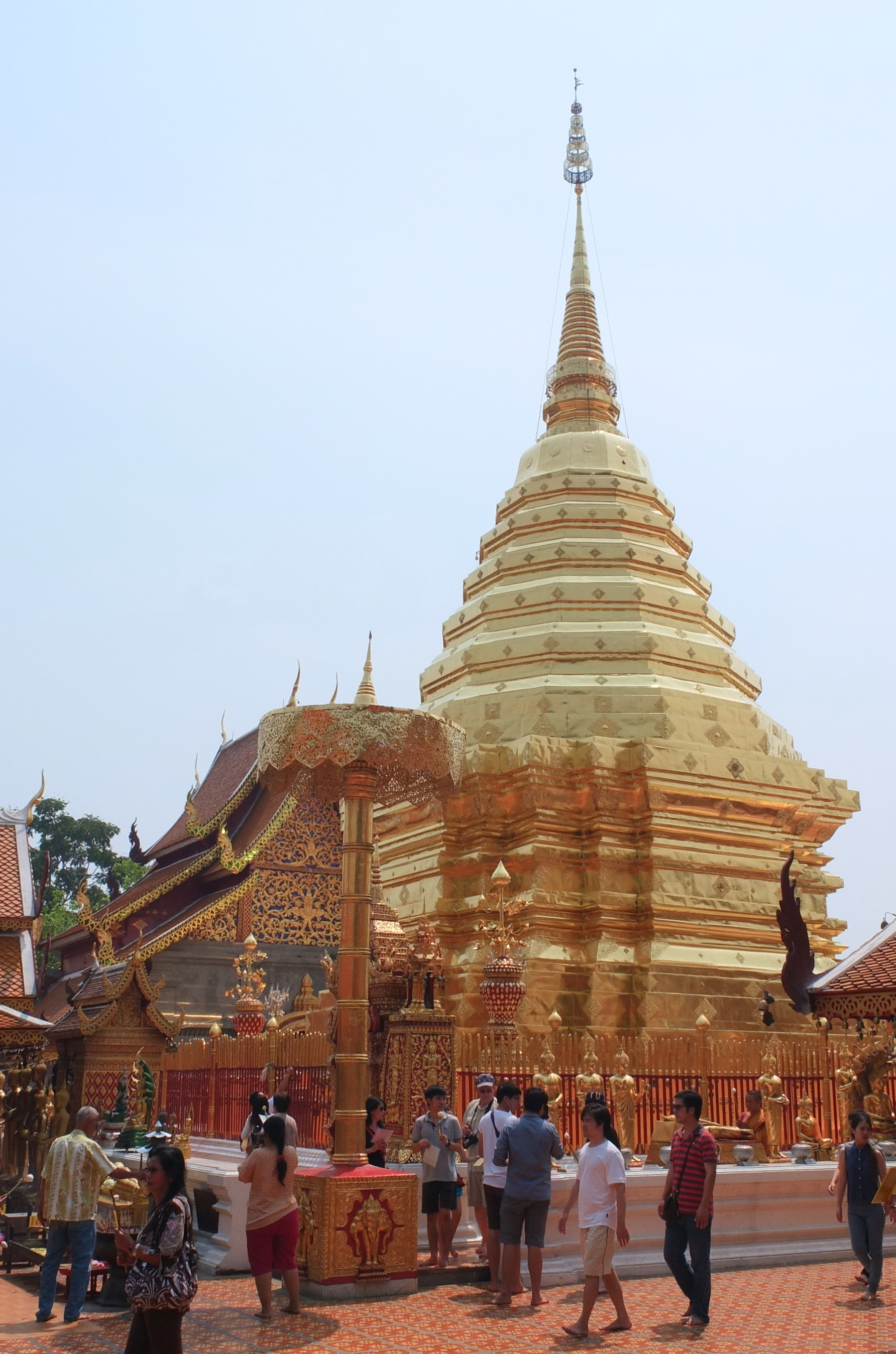
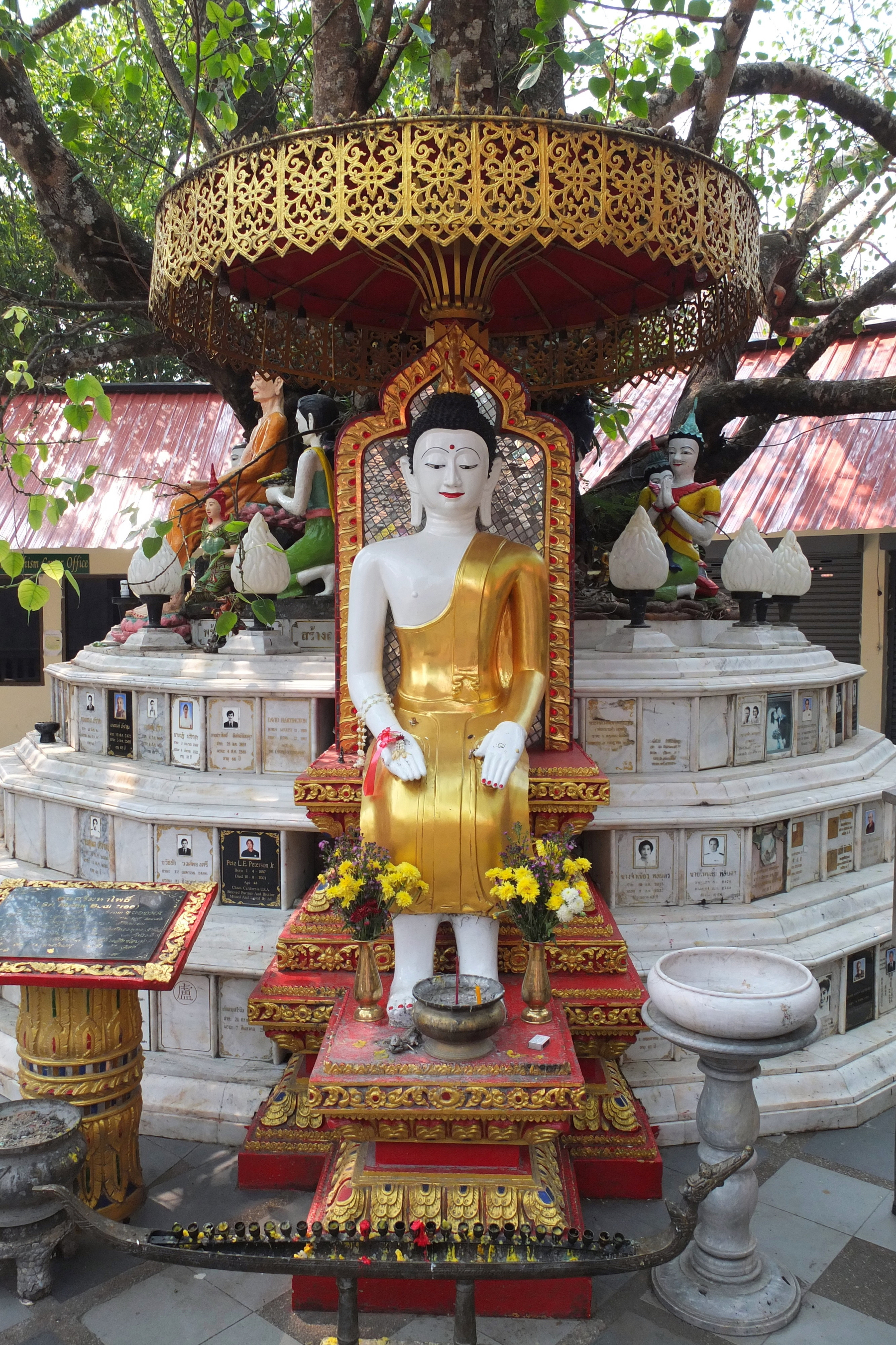
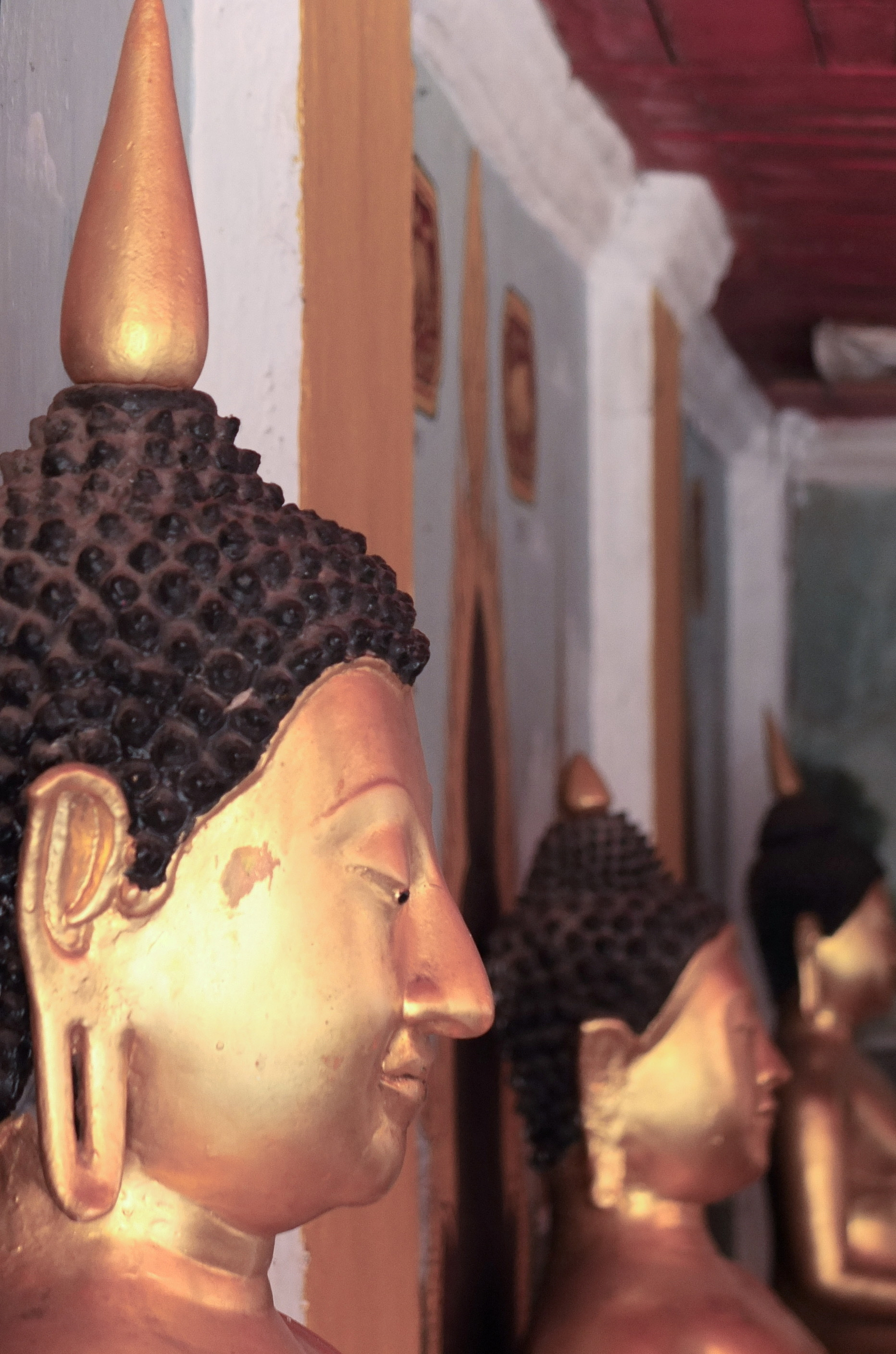
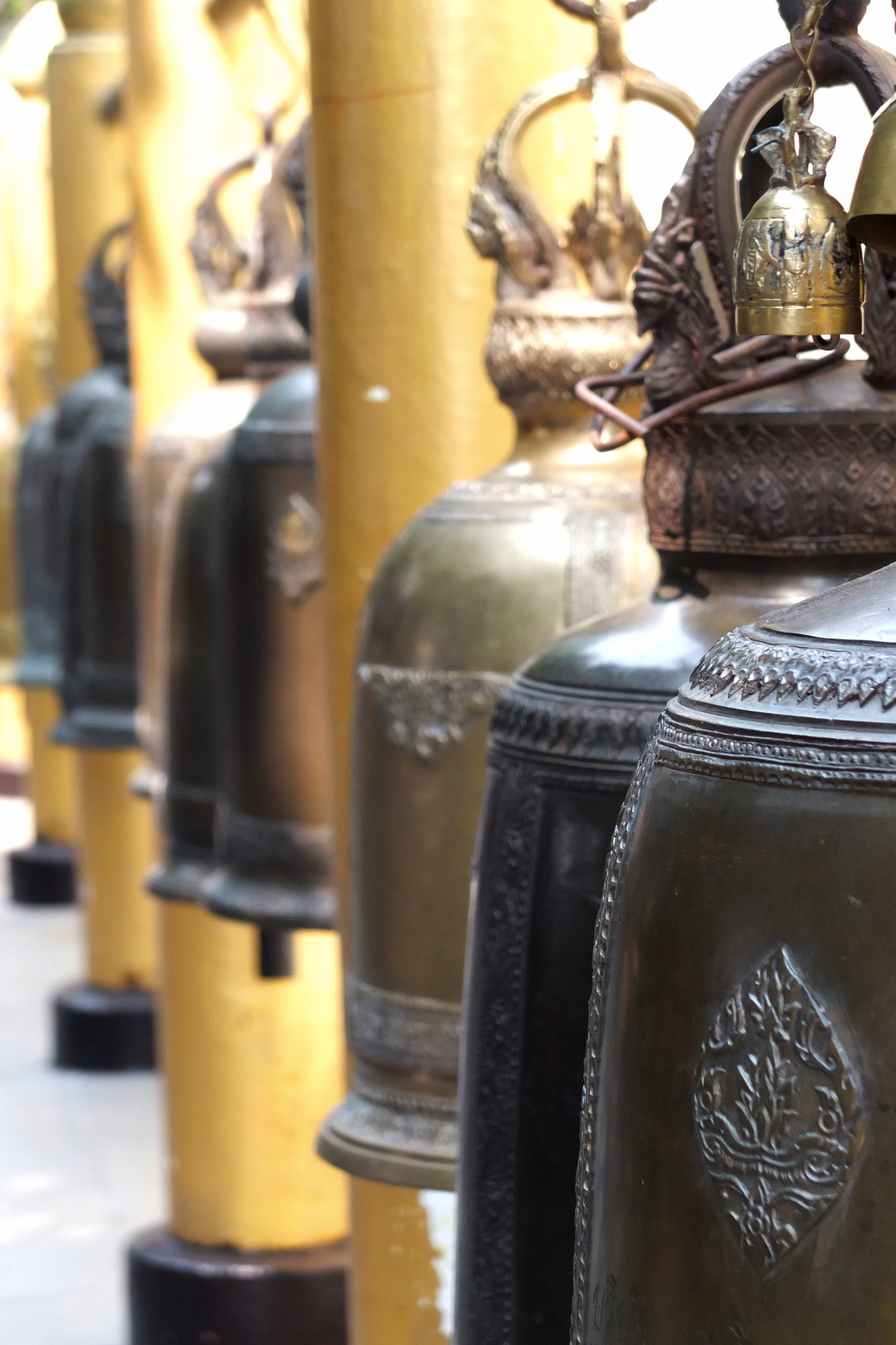
That blending of traditions is visible throughout the temple. Buddhist imagery exists alongside Naga figures, guardian creatures, bells, sacred trees, and other symbols that belong to the wider spiritual landscape of northern Thailand. It creates an environment where religion feels connected to the surrounding forest and mountain rather than separated from it.
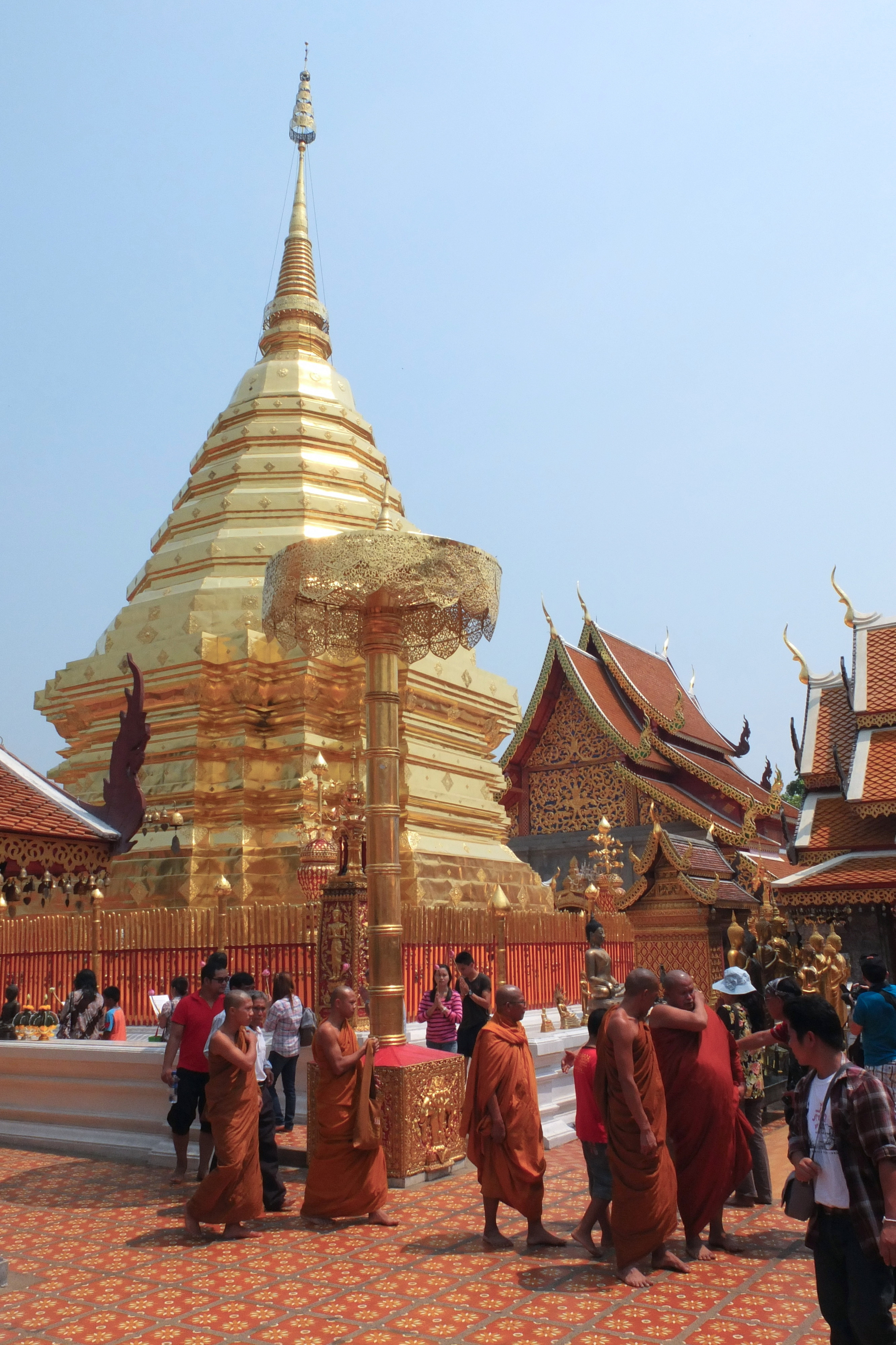
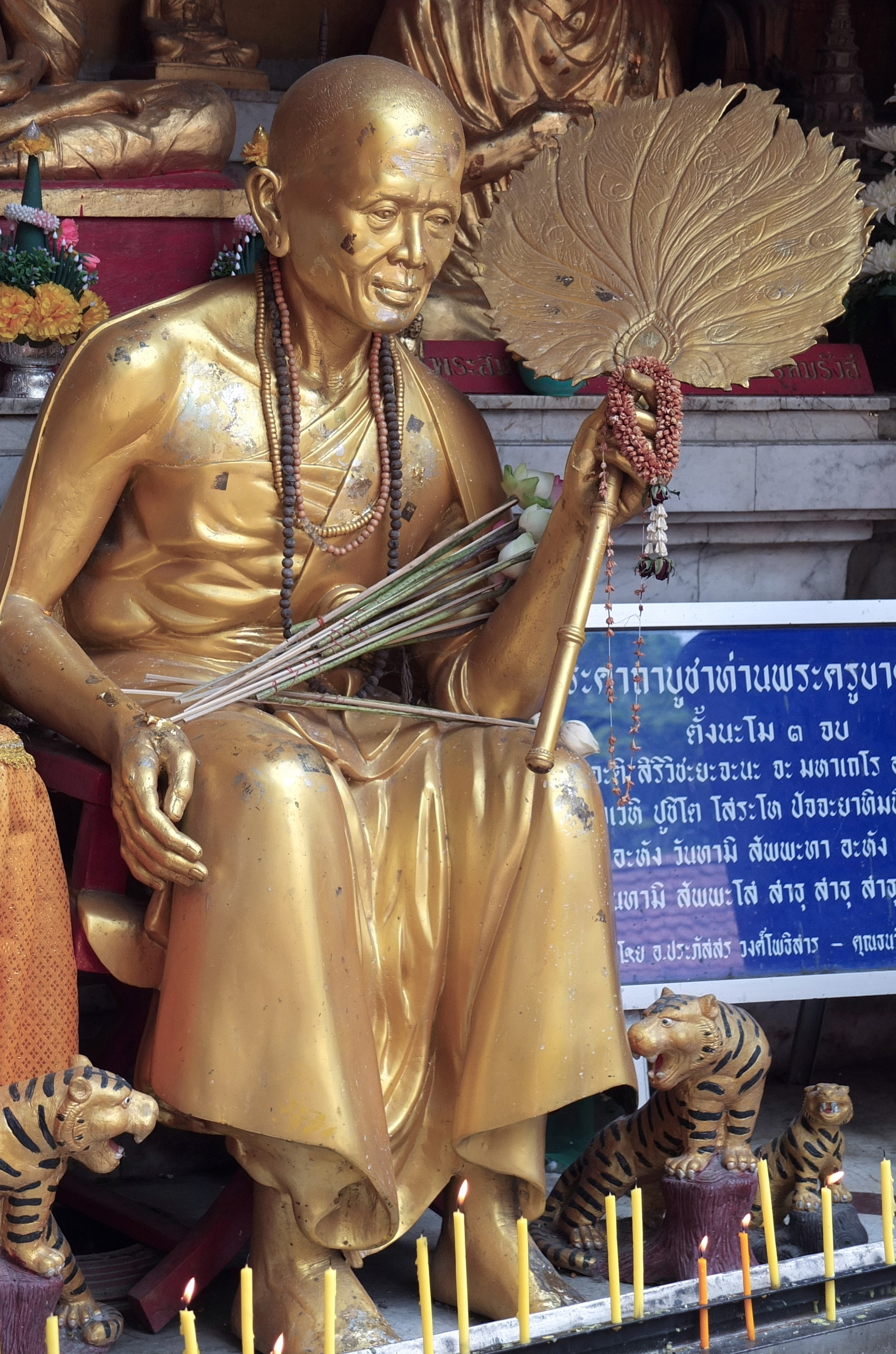

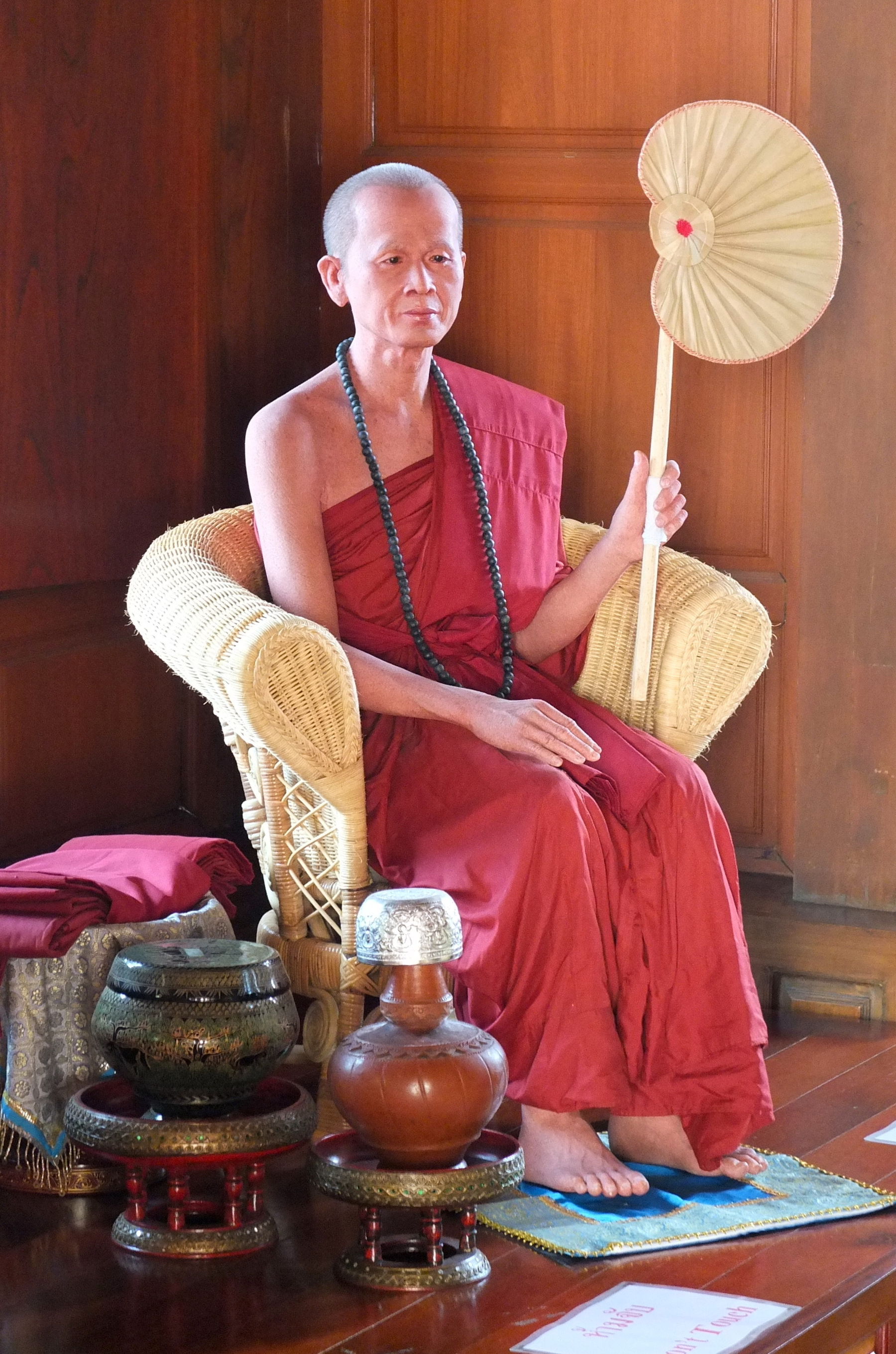
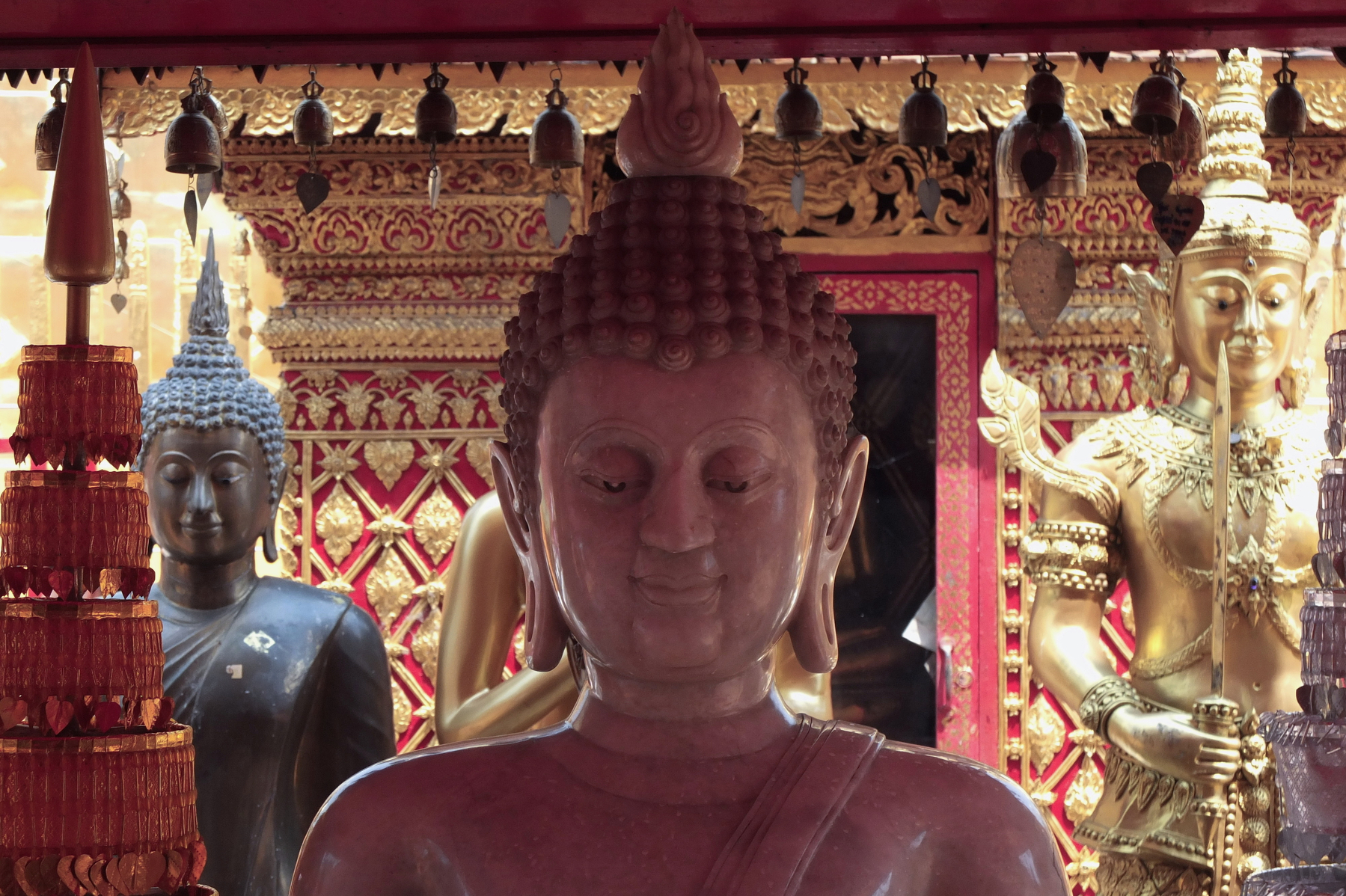
As I wandered through the complex, I noticed that the temple tells its story through much more than written history. Statues, murals, carvings, bells, shrines, and offerings all contribute to the experience. Some details are immediately recognizable; others require patience to understand. I found myself slowing down, looking more carefully, and noticing small details that would have been easy to miss while simply searching for the next photograph.
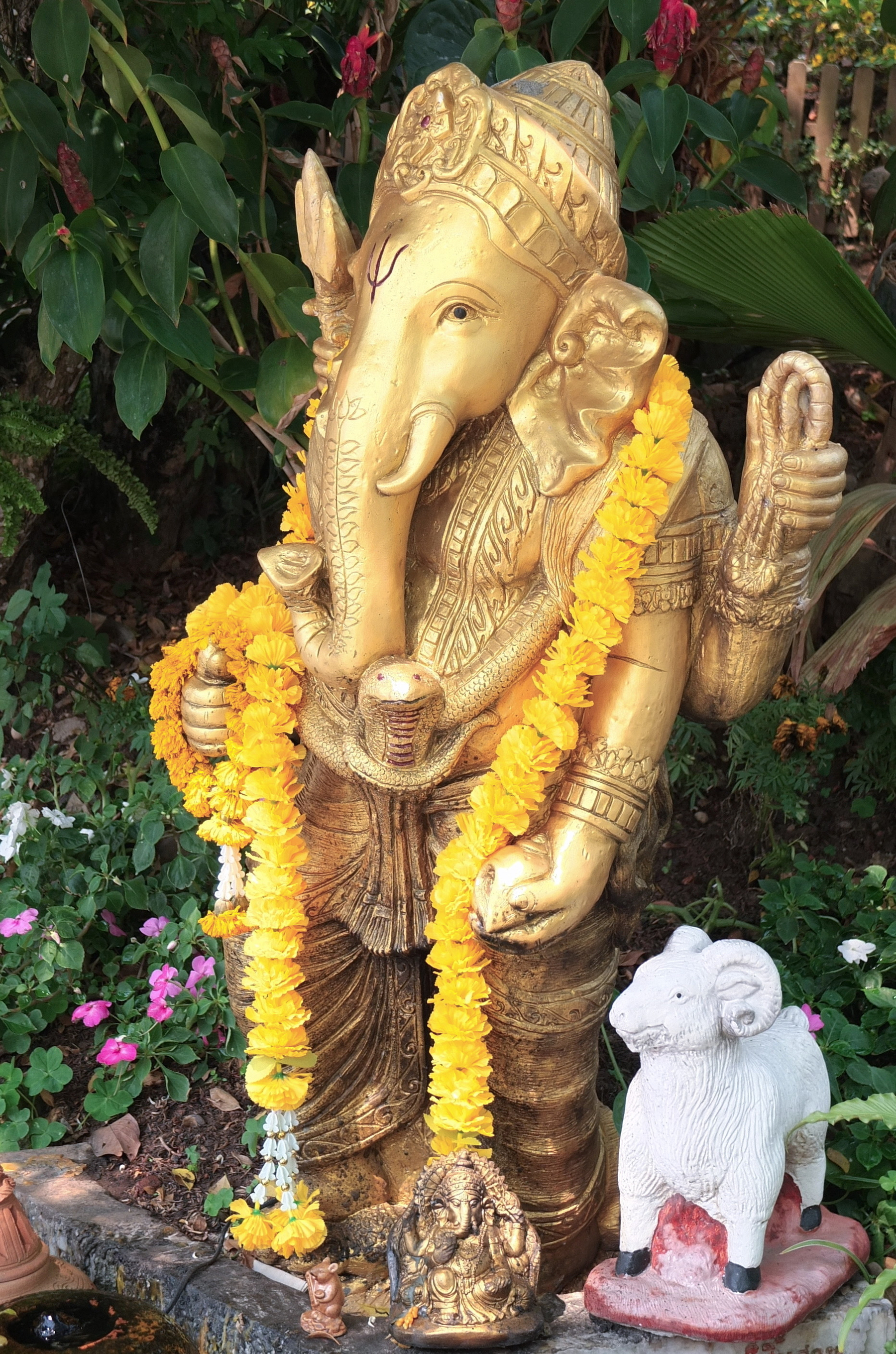
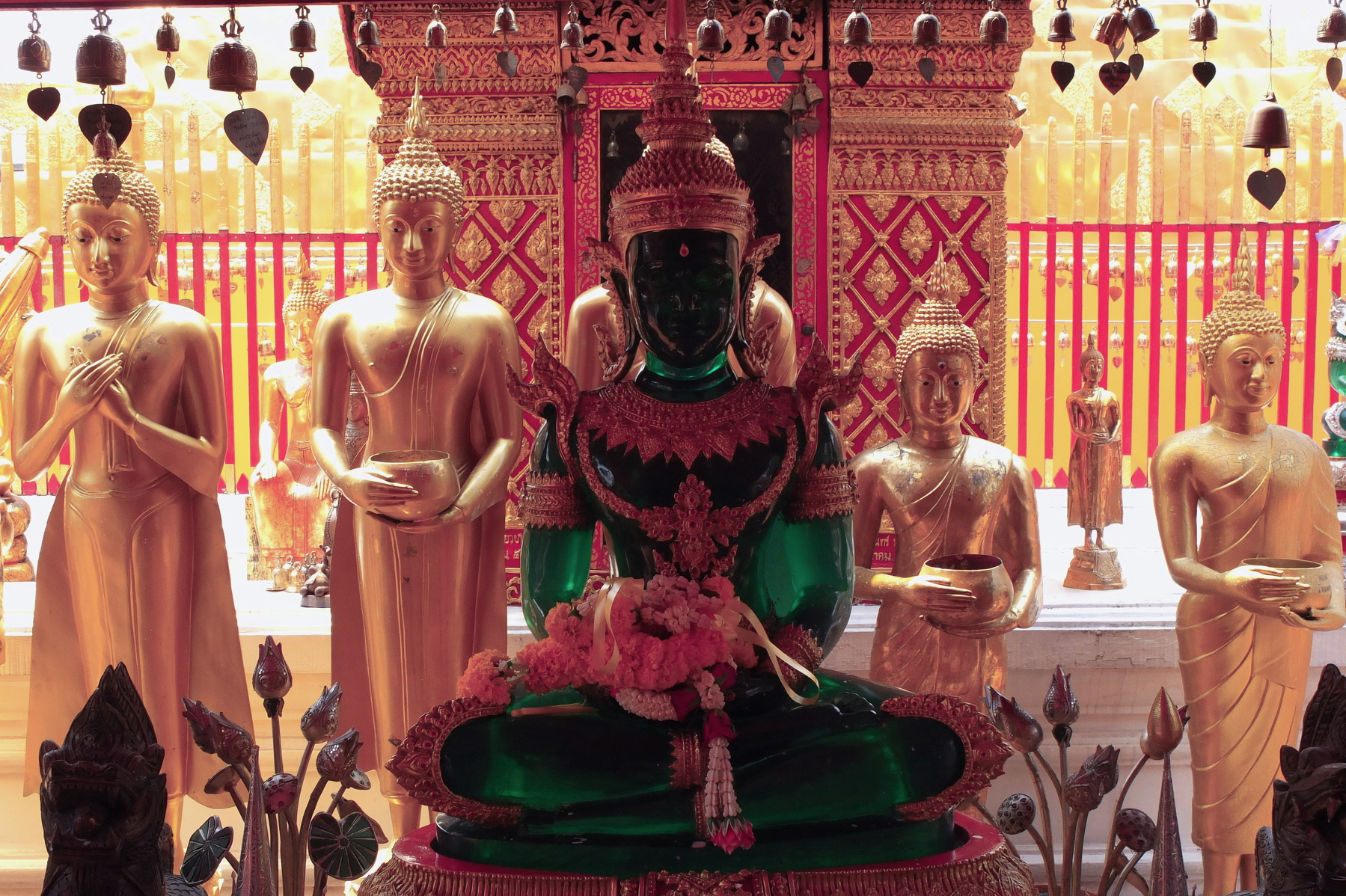
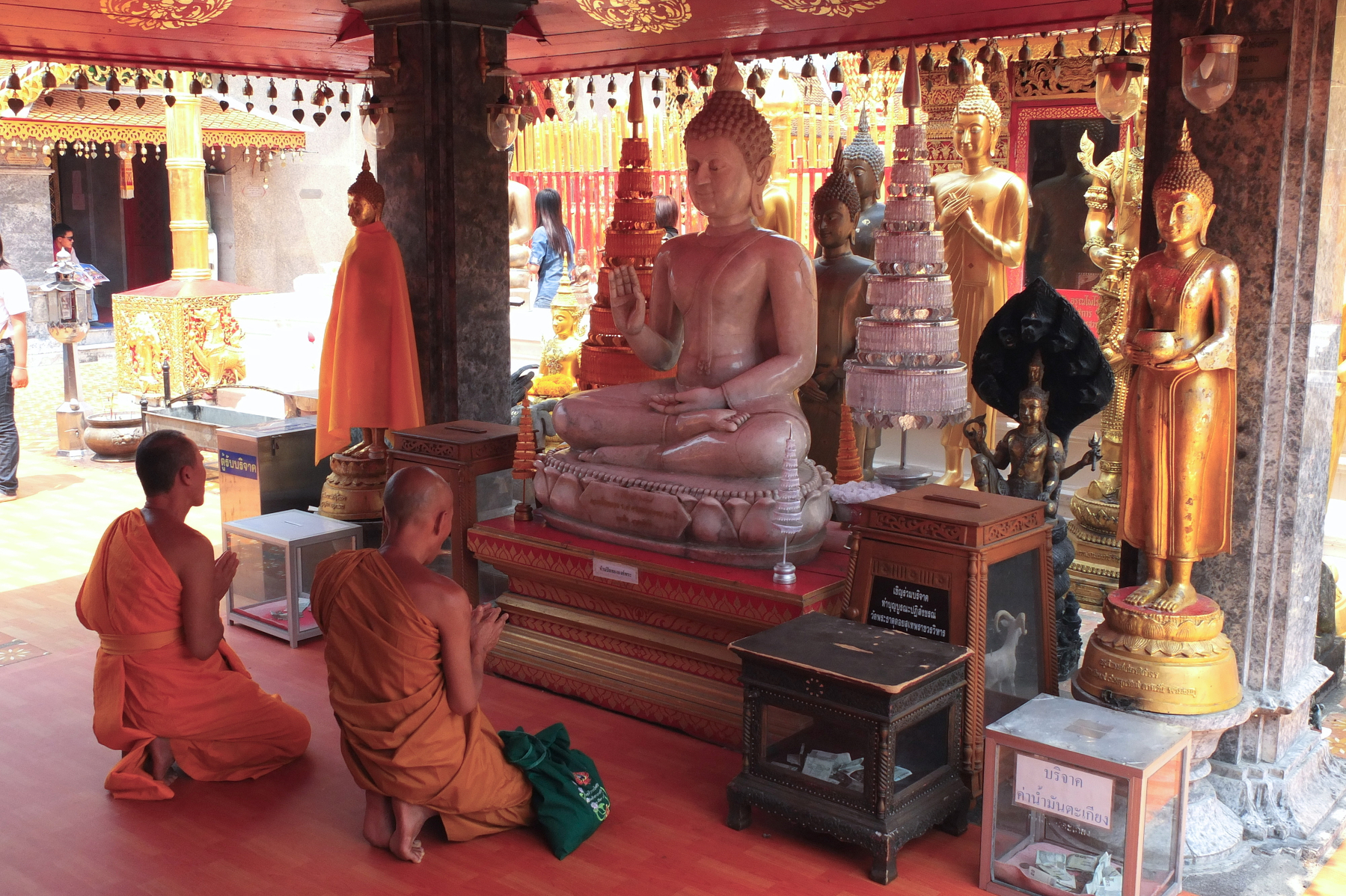
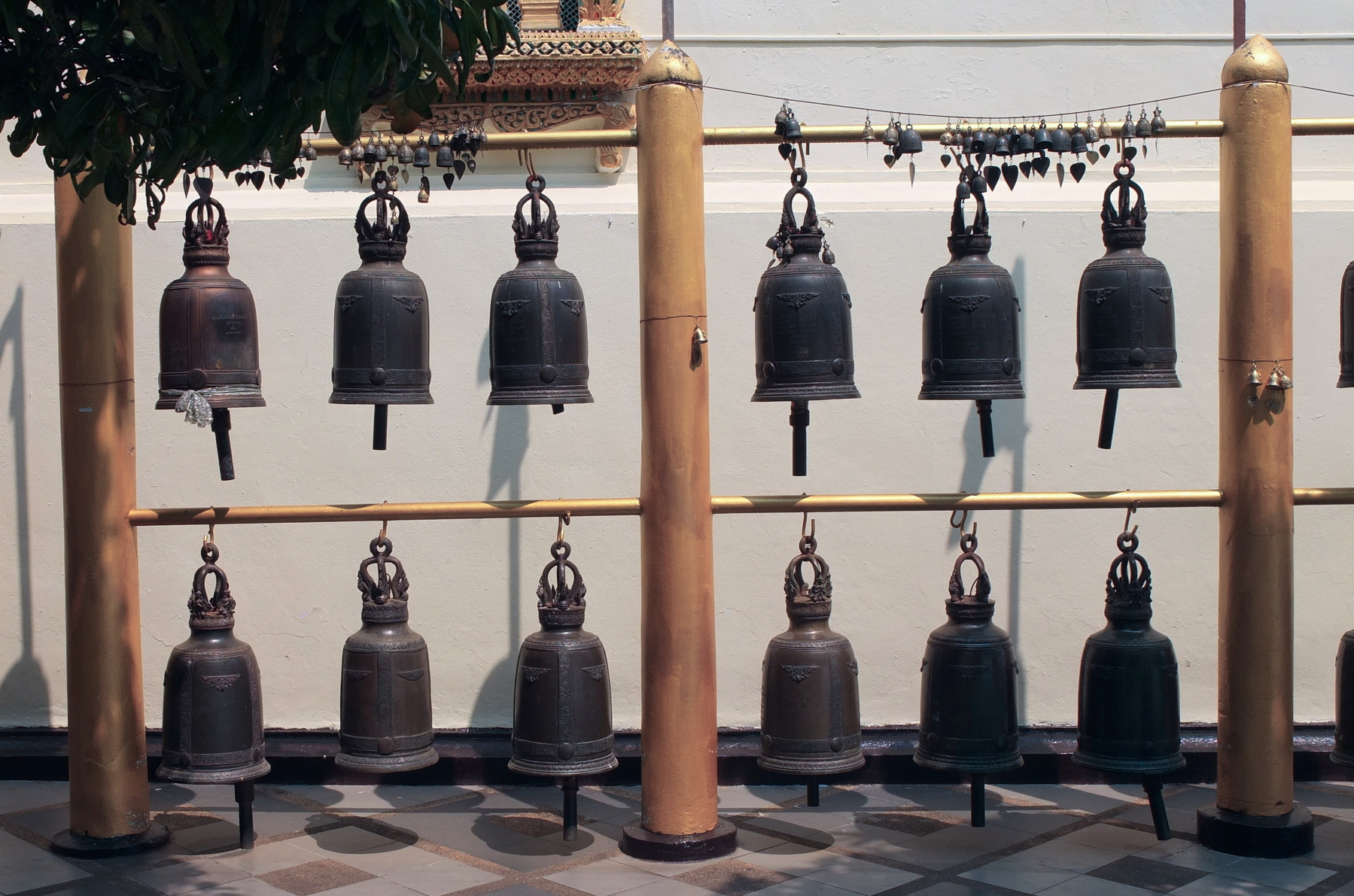
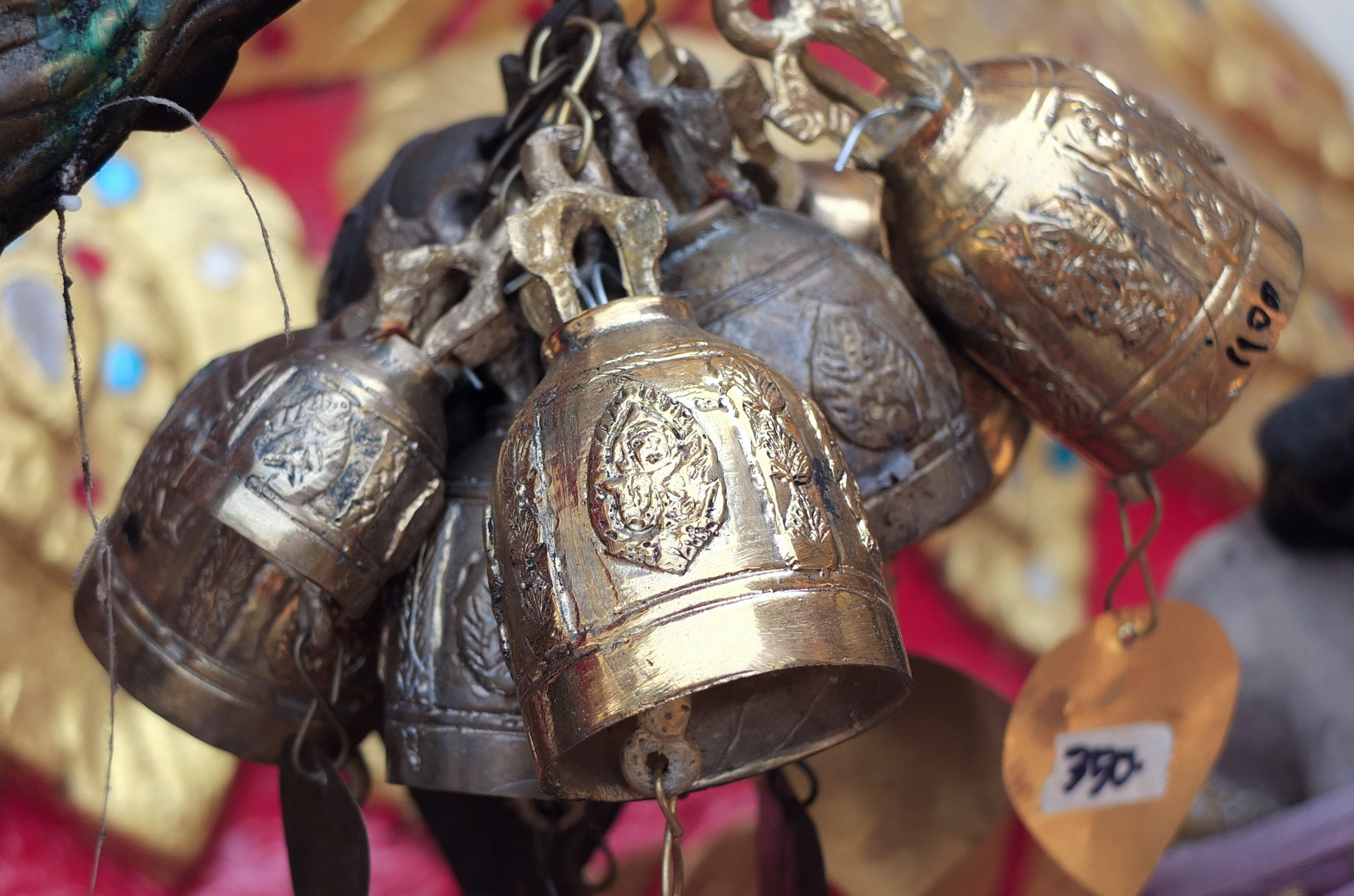
One of the most memorable sensations was the sound. Bells moved gently in the mountain air, monks and worshippers moved through the courtyards, and occasional chants echoed through the complex. Combined with the scent of incense and the brilliant gold of the chedi, the experience became almost overwhelming in the best possible way. It reminded me that temples are not merely things to look at. They are places designed to engage the senses.
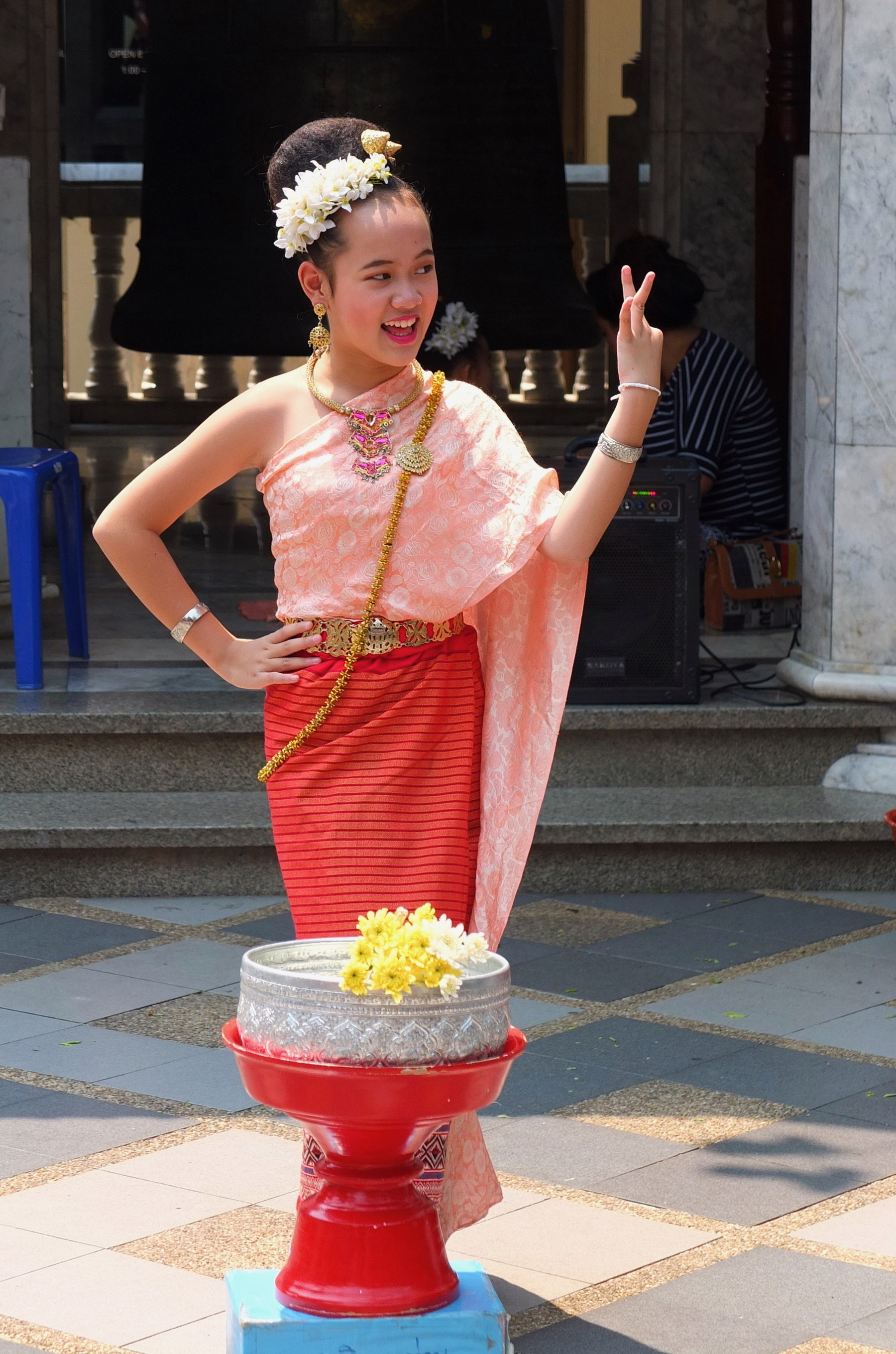
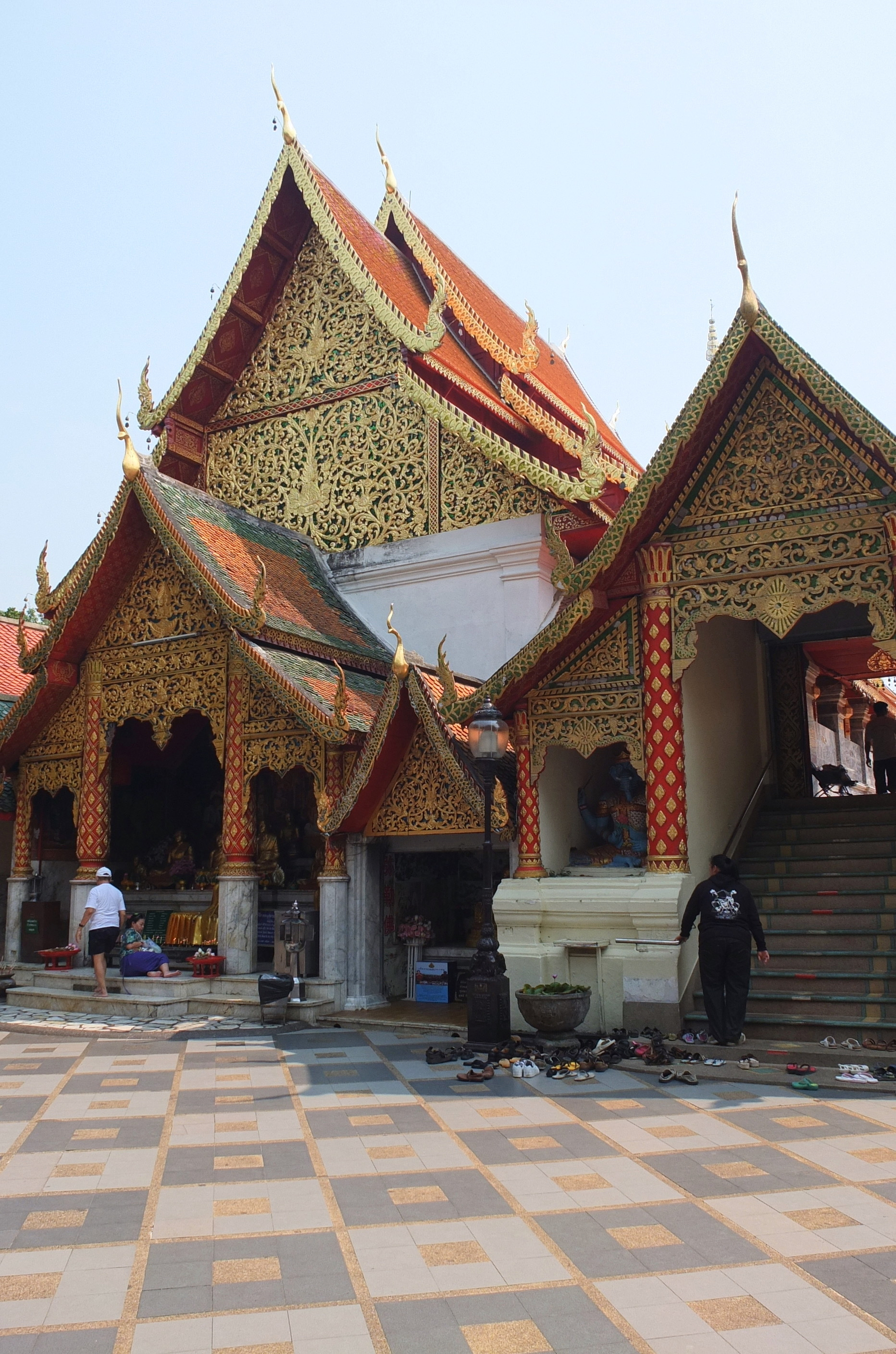
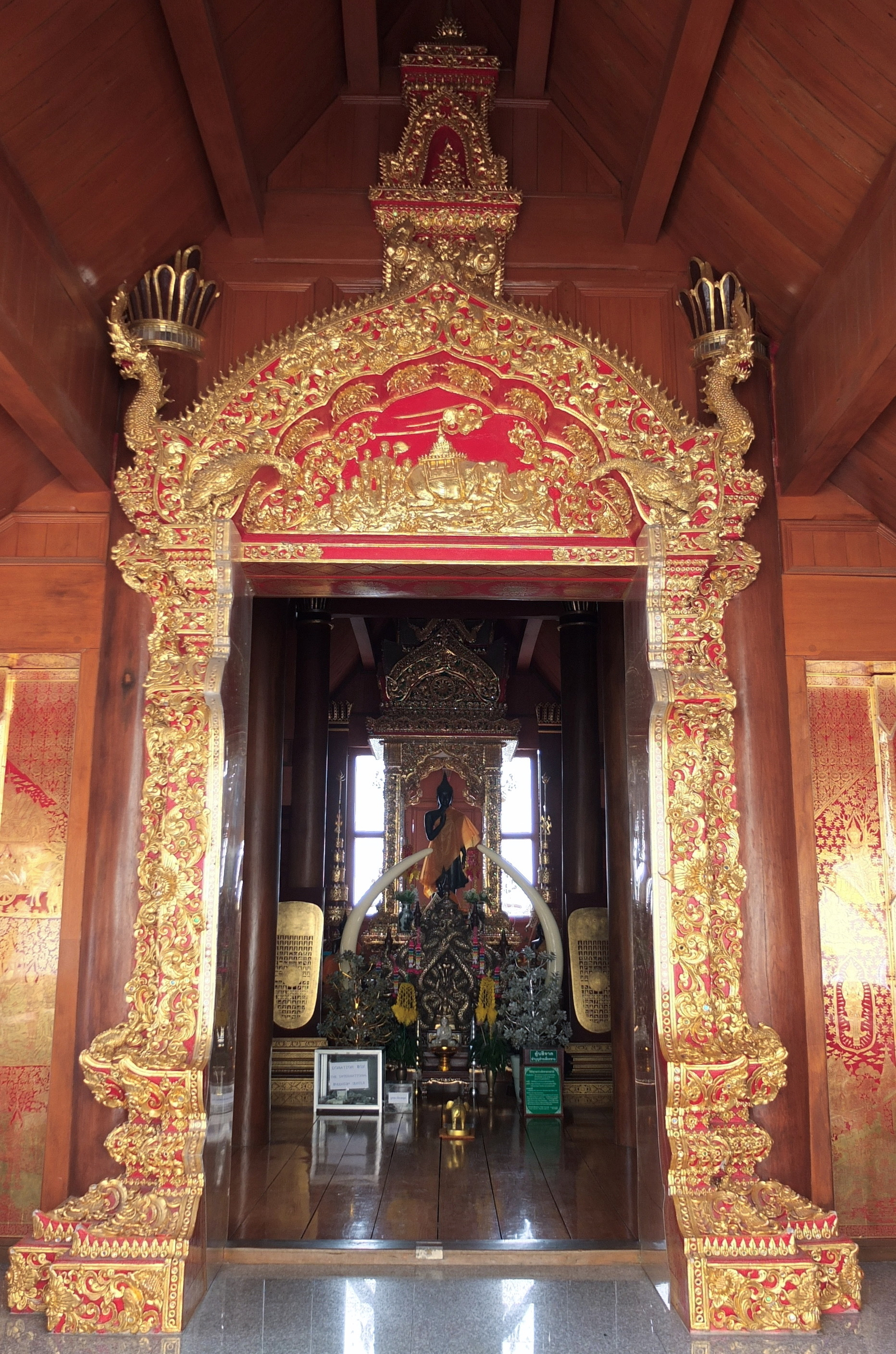
Wat Phra That Doi Suthep has also played an important role in Chiang Mai’s identity. The temple became one of the city’s most recognizable symbols, and visiting it has become almost a rite of passage for travellers arriving in northern Thailand. Yet its popularity doesn’t diminish its significance. It remains an active place of pilgrimage, particularly during important Buddhist festivals when large numbers of devotees make the journey up the mountain.
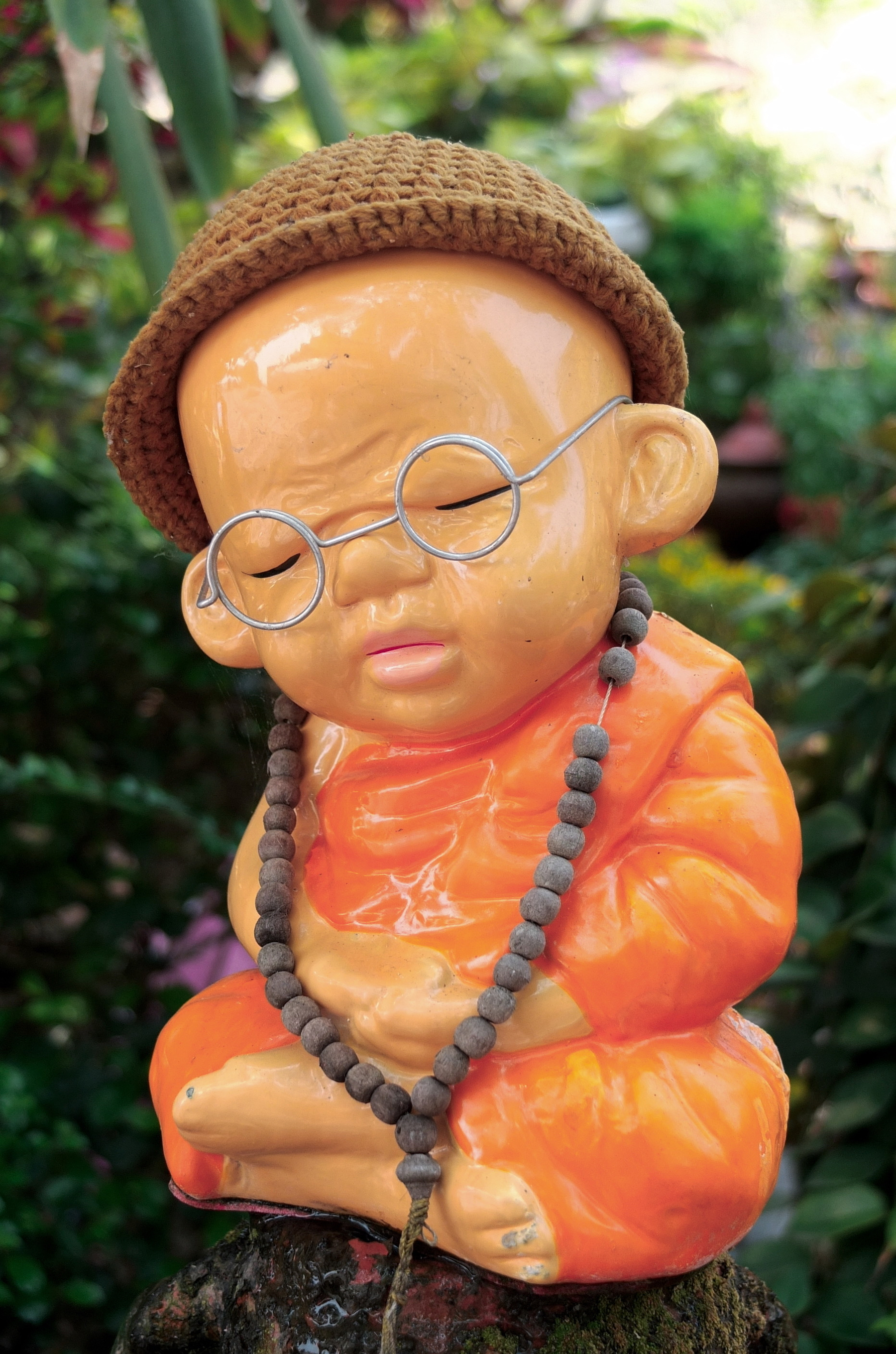

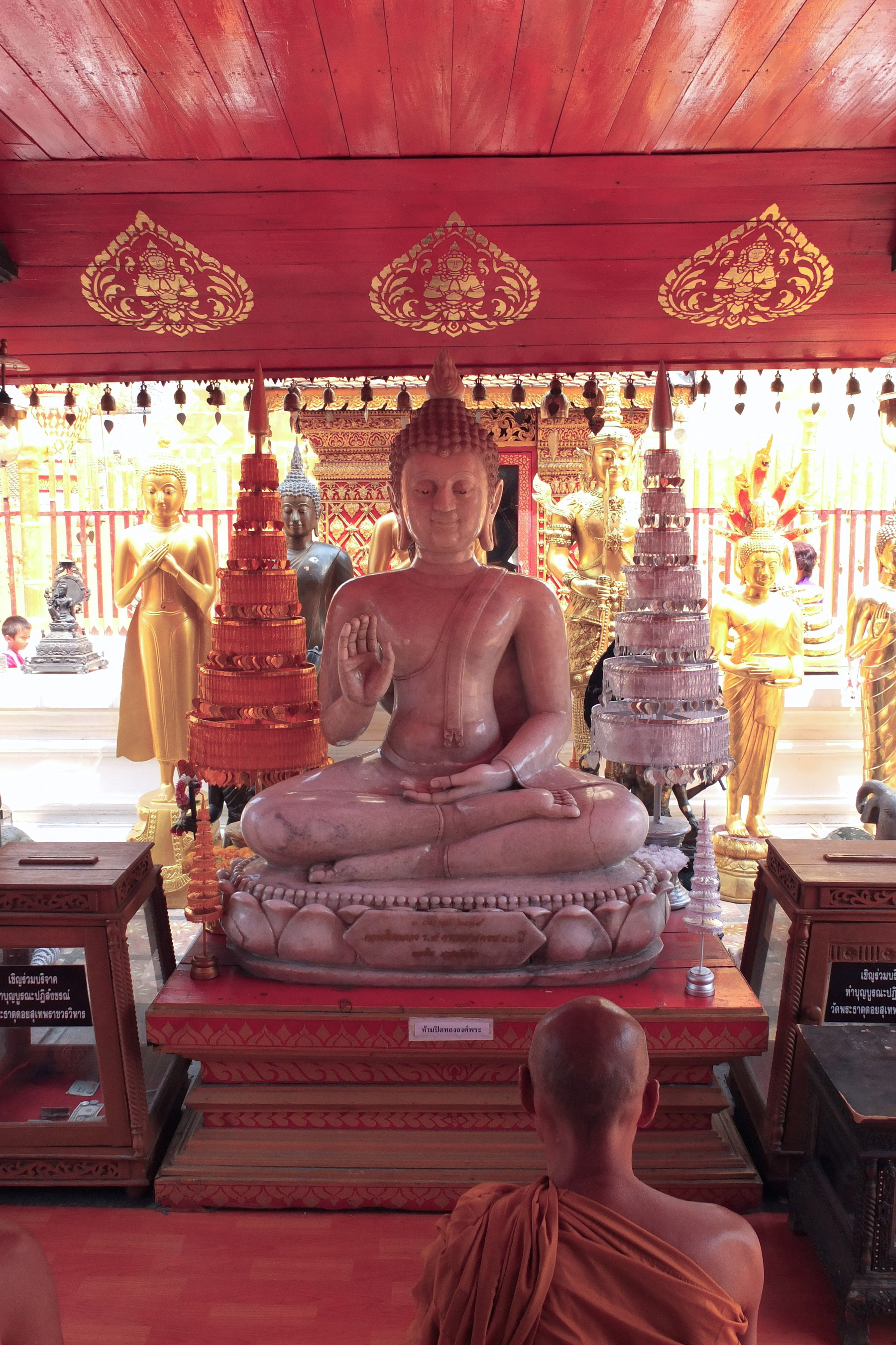
Perhaps the most atmospheric time to visit is when the crowds begin to thin and the light starts changing. As afternoon slipped toward evening, the gold surfaces became warmer and the mountains beyond Chiang Mai gradually faded into shades of blue and purple. The temple seemed quieter than it had earlier in the day. Looking across the valley, I could understand why this particular mountain became associated with something sacred.
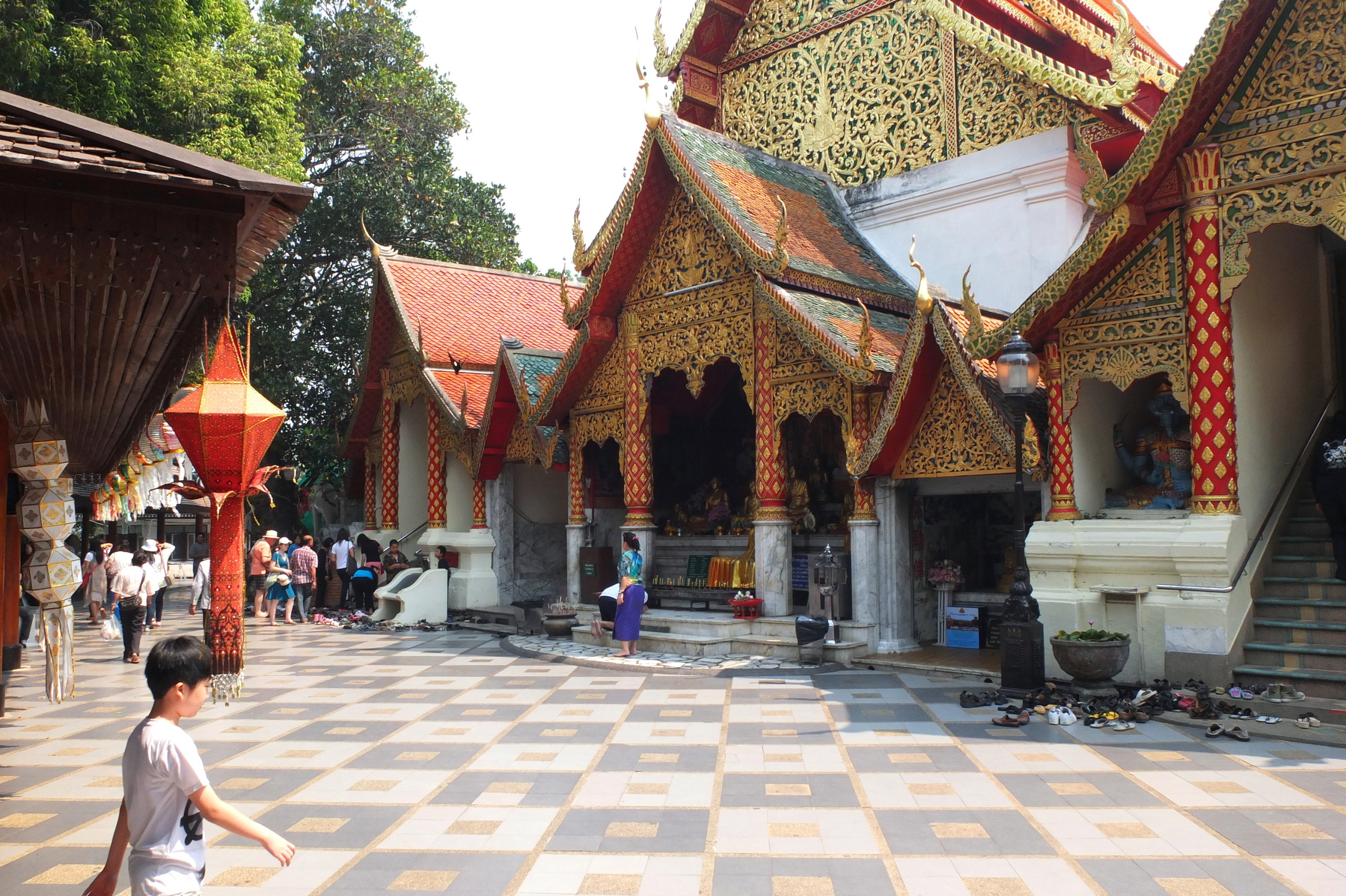
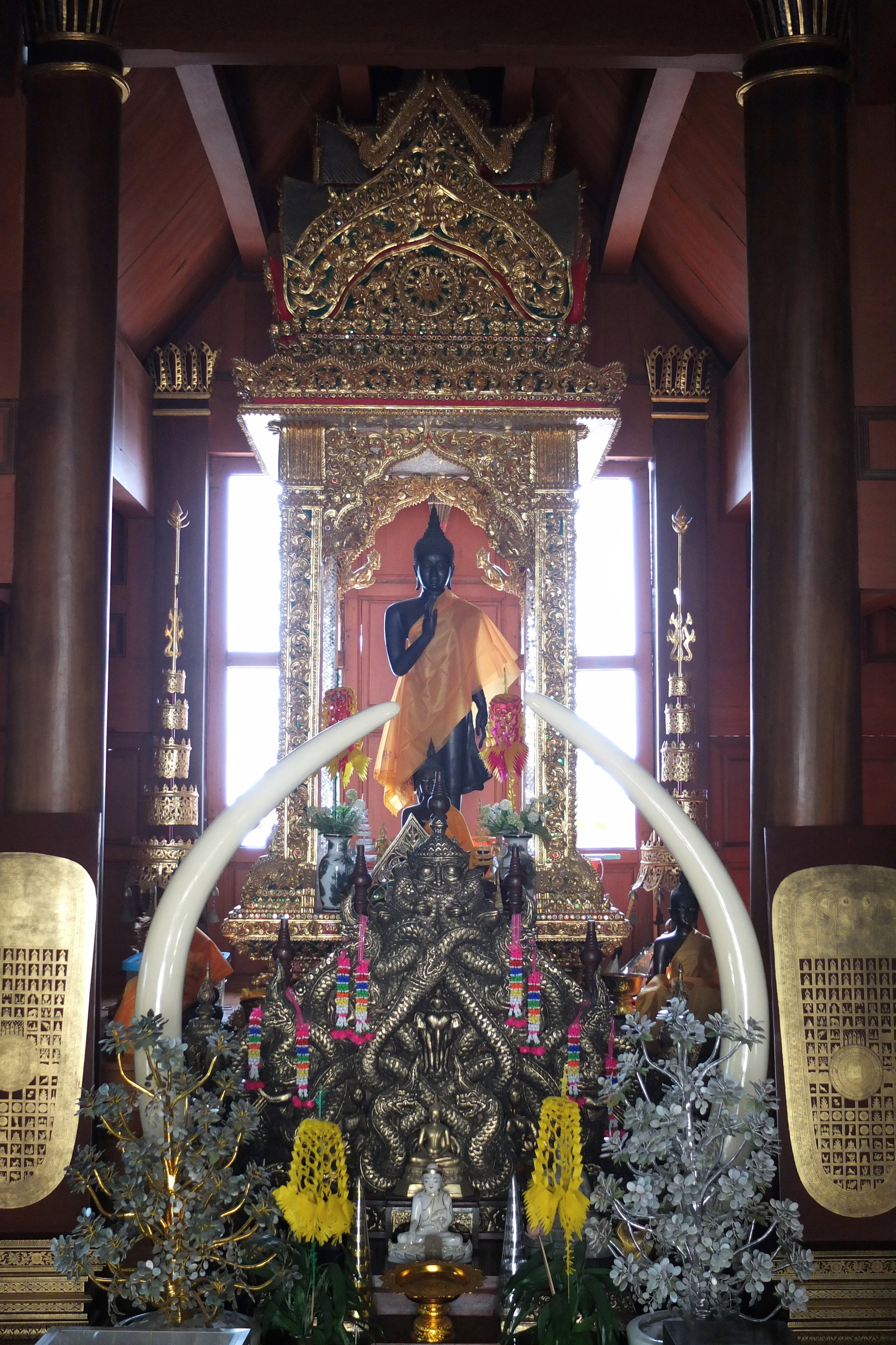

Eventually, I began the journey back down the staircase. The descent was physically easier, but I found myself taking my time. Looking back toward the temple, I thought about the strange mixture of history and legend that makes Doi Suthep so compelling. We may never be able to separate every historical detail from the stories passed down through generations, but perhaps that isn’t the point. The legends themselves have become part of the history of the place.
Wat Phra That Doi Suthep stayed with me because it feels like more than a monument above Chiang Mai. It is a living connection between Lanna history, Buddhist devotion, local traditions, royal patronage, art, architecture, and the natural landscape of northern Thailand. Whether you arrive as a pilgrim, a traveller, a photographer, or simply someone curious about another culture, the journey up Doi Suthep offers something difficult to capture in a photograph. You don’t simply arrive at the temple. You climb into its story—and for a little while, become part of the long procession of people who have followed that sacred mountain trail before you.
#Photography #Photos #Blog #Photoblog #WatPhraThatDoiSuthep #DoiSuthep #ChiangMai #Thailand #NorthernThailand #ThailandTravel #ChiangMaiTravel #LannaKingdom #ThaiHistory #BuddhistTemple #BuddhistThailand #ThaiArchitecture #LannaArchitecture #NagaStaircase #DoiSuthepTemple #BuddhistCulture #ThailandPhotography #ChiangMaiPhotography #TravelEssay #TravelPhotography #SacredPlaces #SoutheastAsia #TempleTravel Catalan Catalunya Espana