
The Argentine National Congress, Where History Meets Democracy
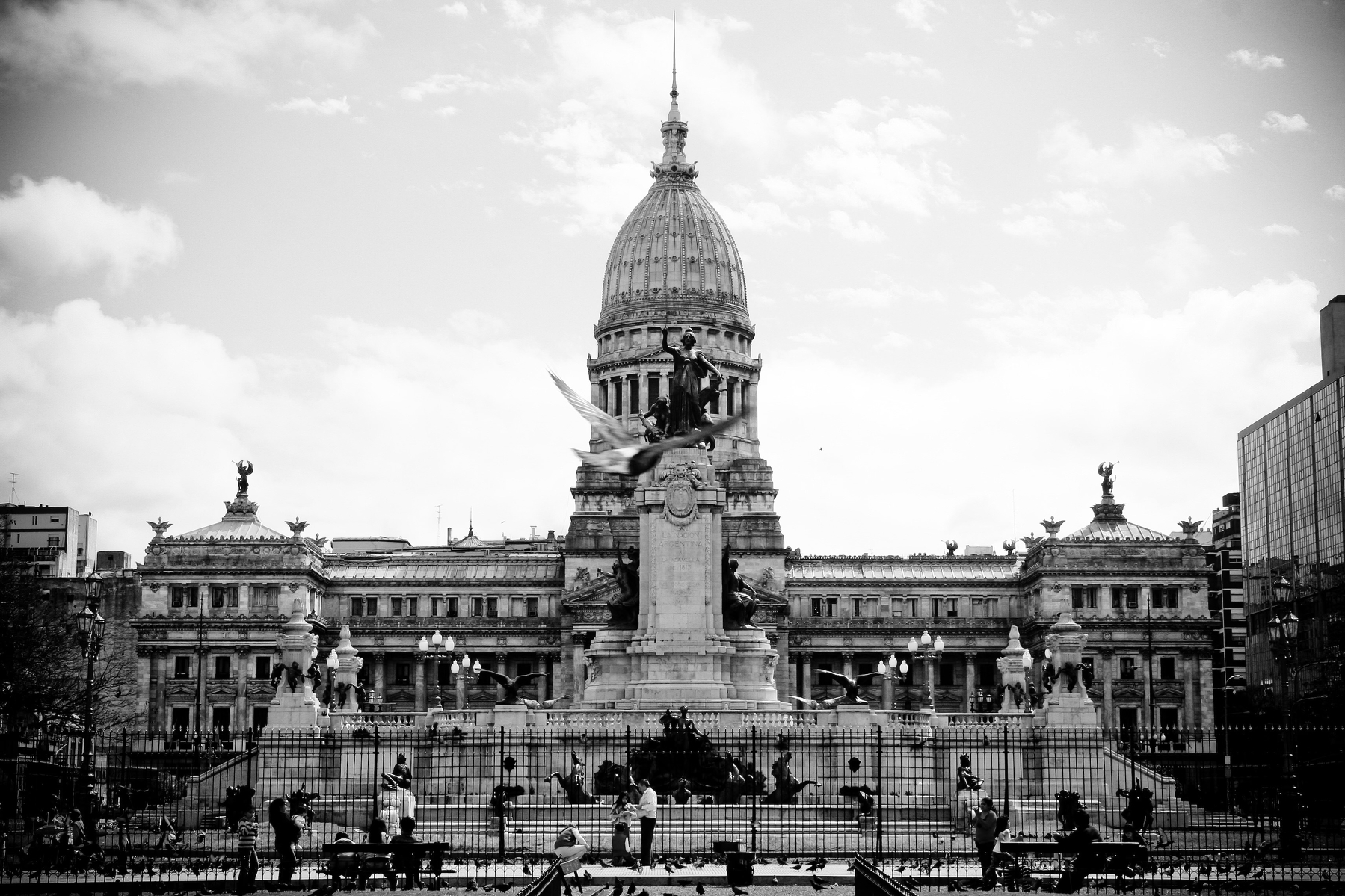
Standing before the Argentine National Congress in Buenos Aires, I found myself looking at far more than an impressive government building. The immense palace seemed to occupy its corner of the city with the confidence of another era, surrounded by broad avenues, traffic, pedestrians, and the restless energy of Argentina’s capital. Yet beneath all that modern movement was a structure designed to represent something enduring: the nation’s political institutions and the ideals of representative government.
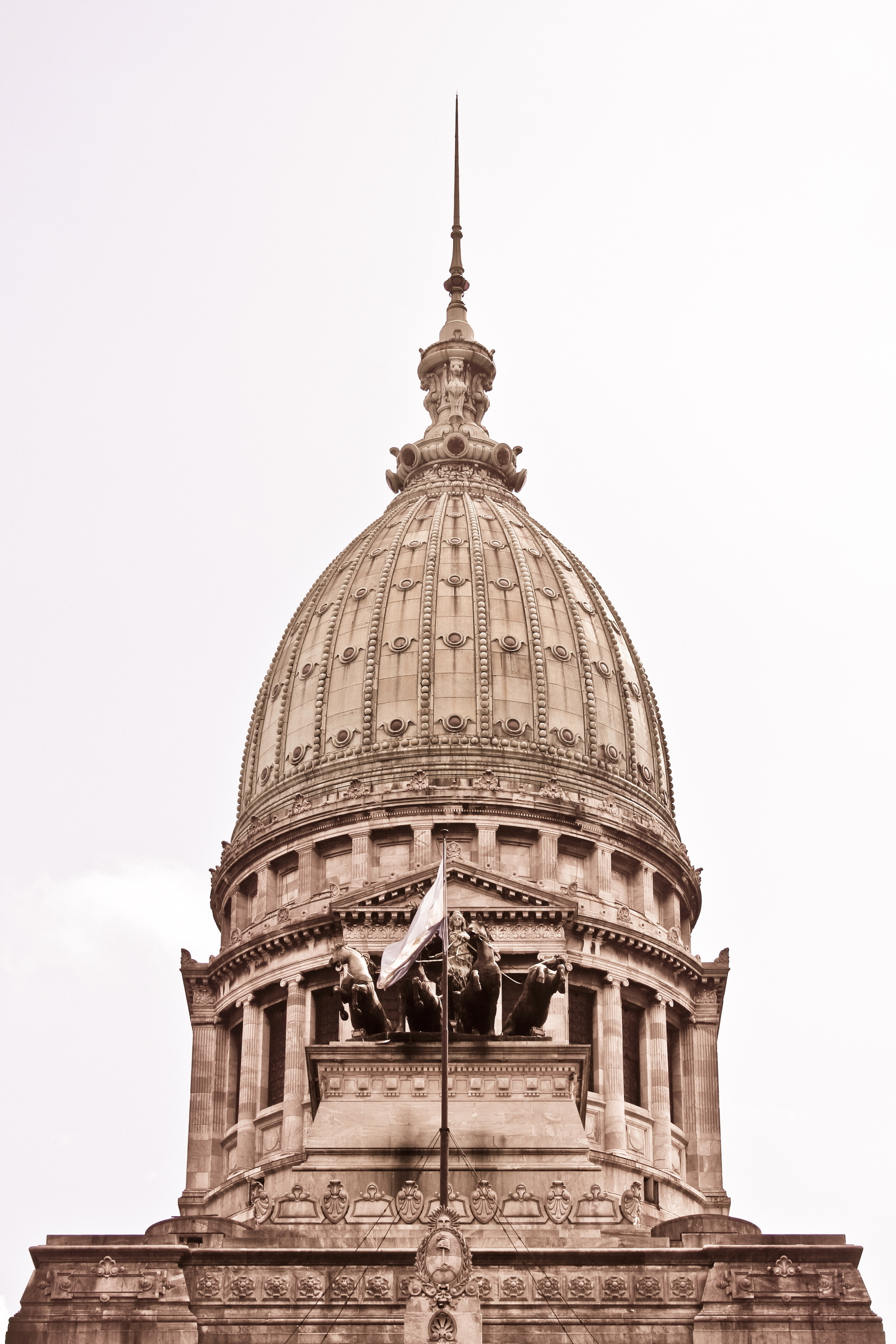
The first thing that captures your attention is the sheer scale. Designed in the Beaux-Arts and Neoclassical traditions, the Palace of the Argentine National Congress was conceived at a time when Buenos Aires was transforming rapidly. Argentina was becoming increasingly prosperous and cosmopolitan, and its leaders wanted a monumental capital that could stand alongside the great political and cultural centres of Europe. The building became part of that ambitious transformation.
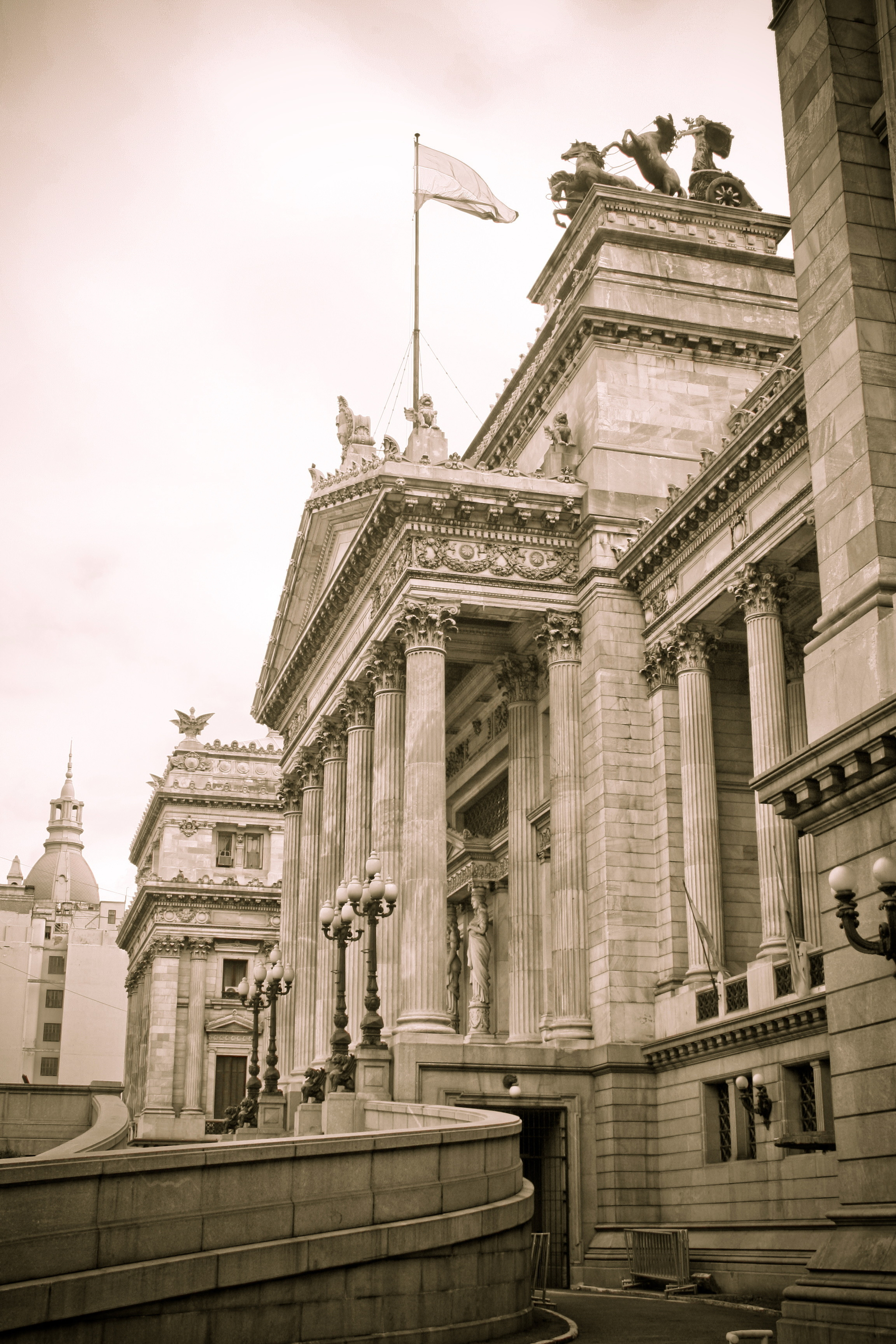
The architect behind the original project was Vittorio Meano, an Italian architect who also worked on the Teatro Colón. Meano was deeply influenced by European monumental architecture, and his vision for Congress was unmistakably grand. Construction began in 1898, although he would not live to see the building completed. Meano was murdered in 1904, just two years before the Congress building was inaugurated. His work therefore became part of his legacy in Buenos Aires long after his death.

When the building was finally inaugurated in 1906, Argentina was entering an important period of its history. The country had experienced enormous economic growth and large-scale European immigration during the late nineteenth and early twentieth centuries. Buenos Aires was expanding rapidly, and monumental public buildings were being constructed as expressions of national ambition. Congress was intended to embody that confidence in Argentina’s future.
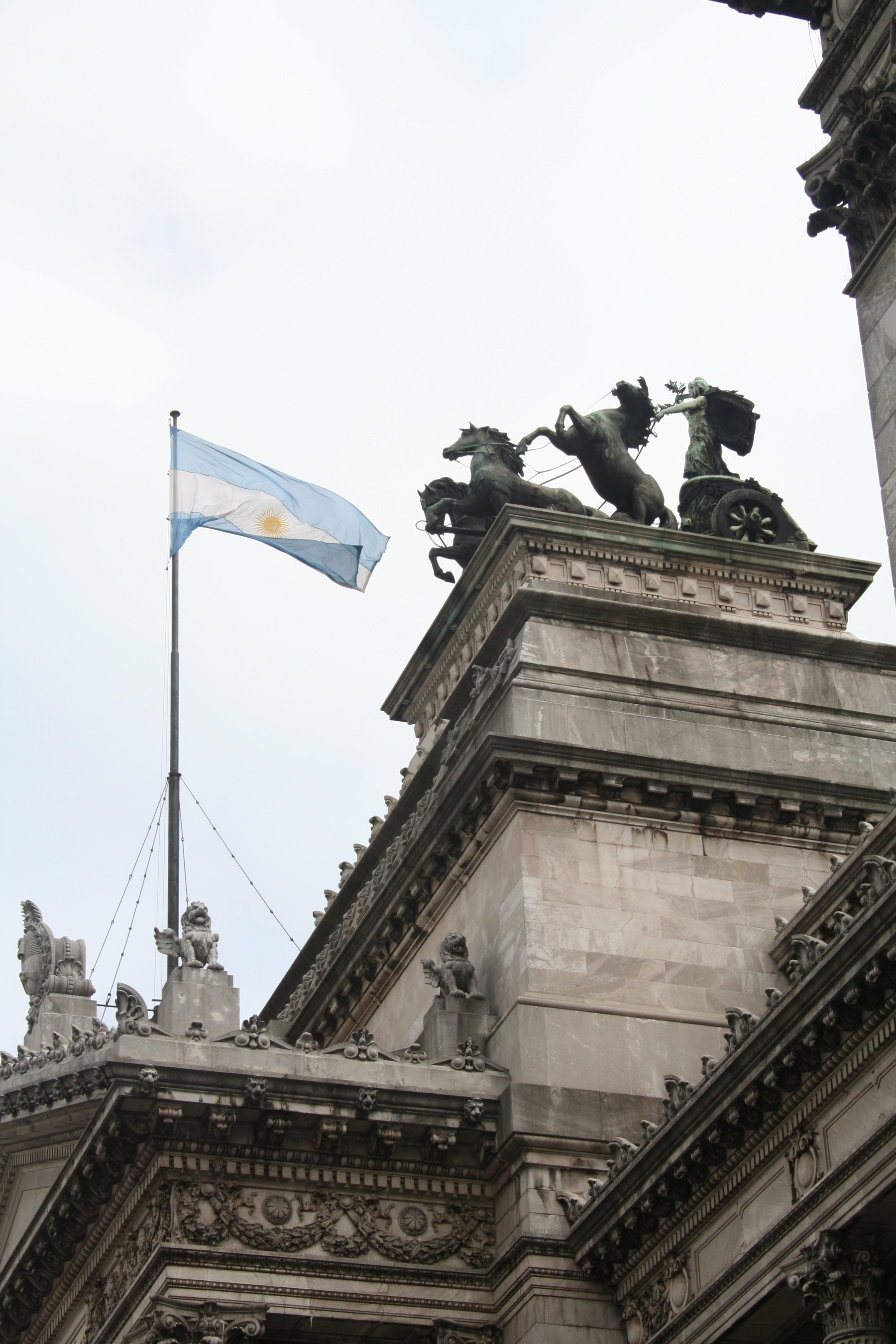
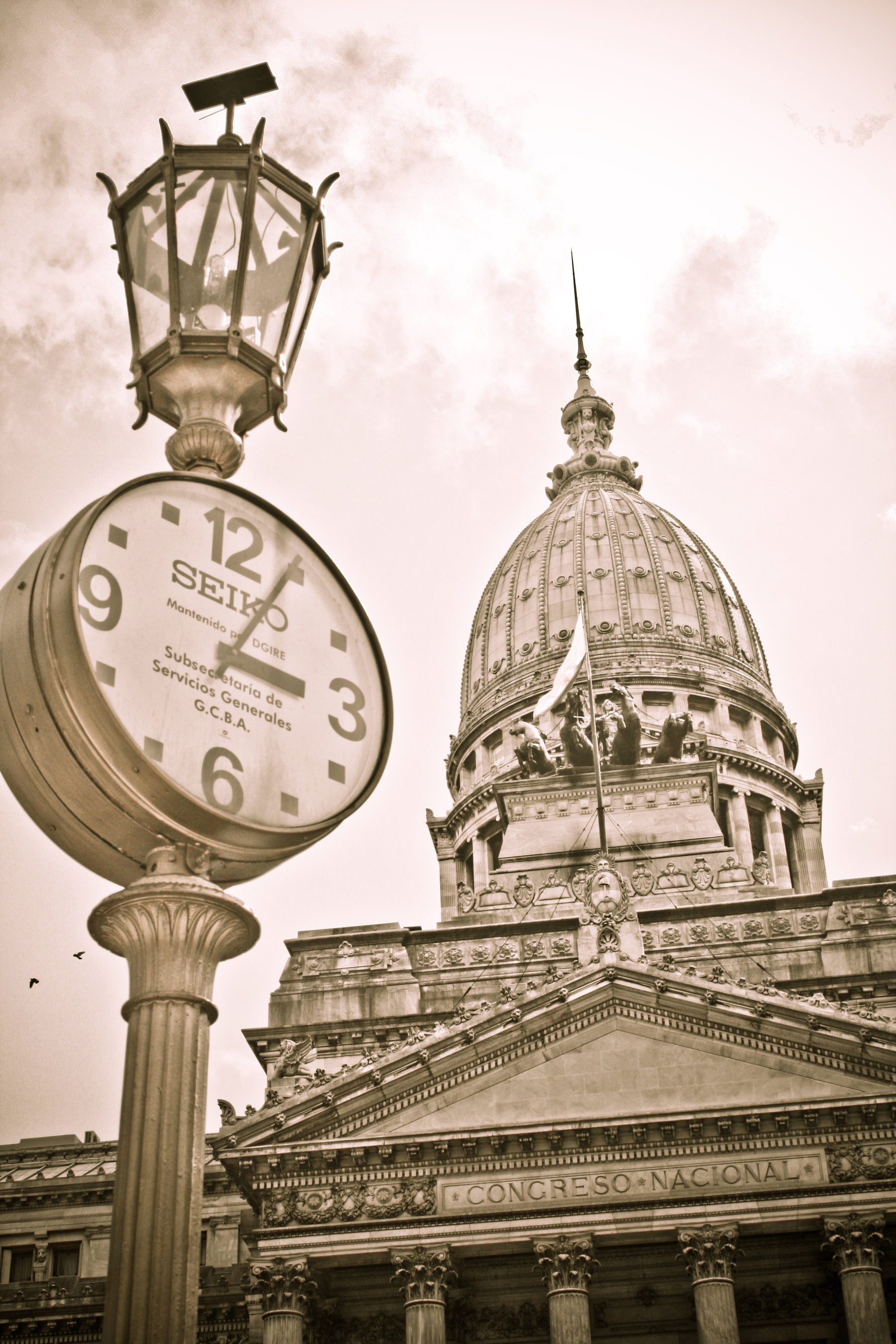
As I walked around the enormous façade, I found myself paying attention to the details rather than simply admiring the scale. Corinthian columns, sculptural ornamentation, arches, balustrades, allegorical figures, and elaborate stonework cover the exterior. This was architecture intended to communicate importance. Nothing about the building was meant to feel modest.
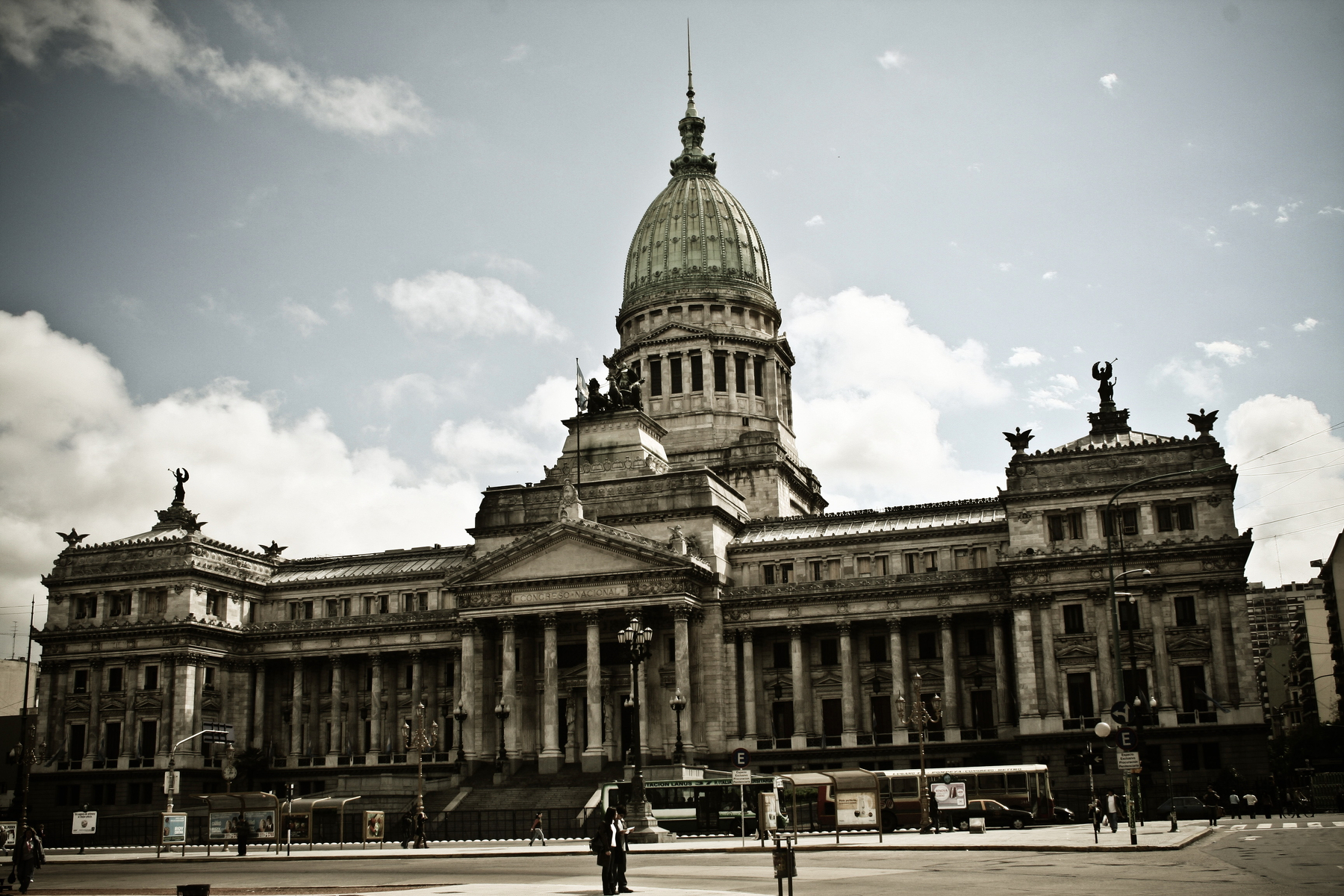
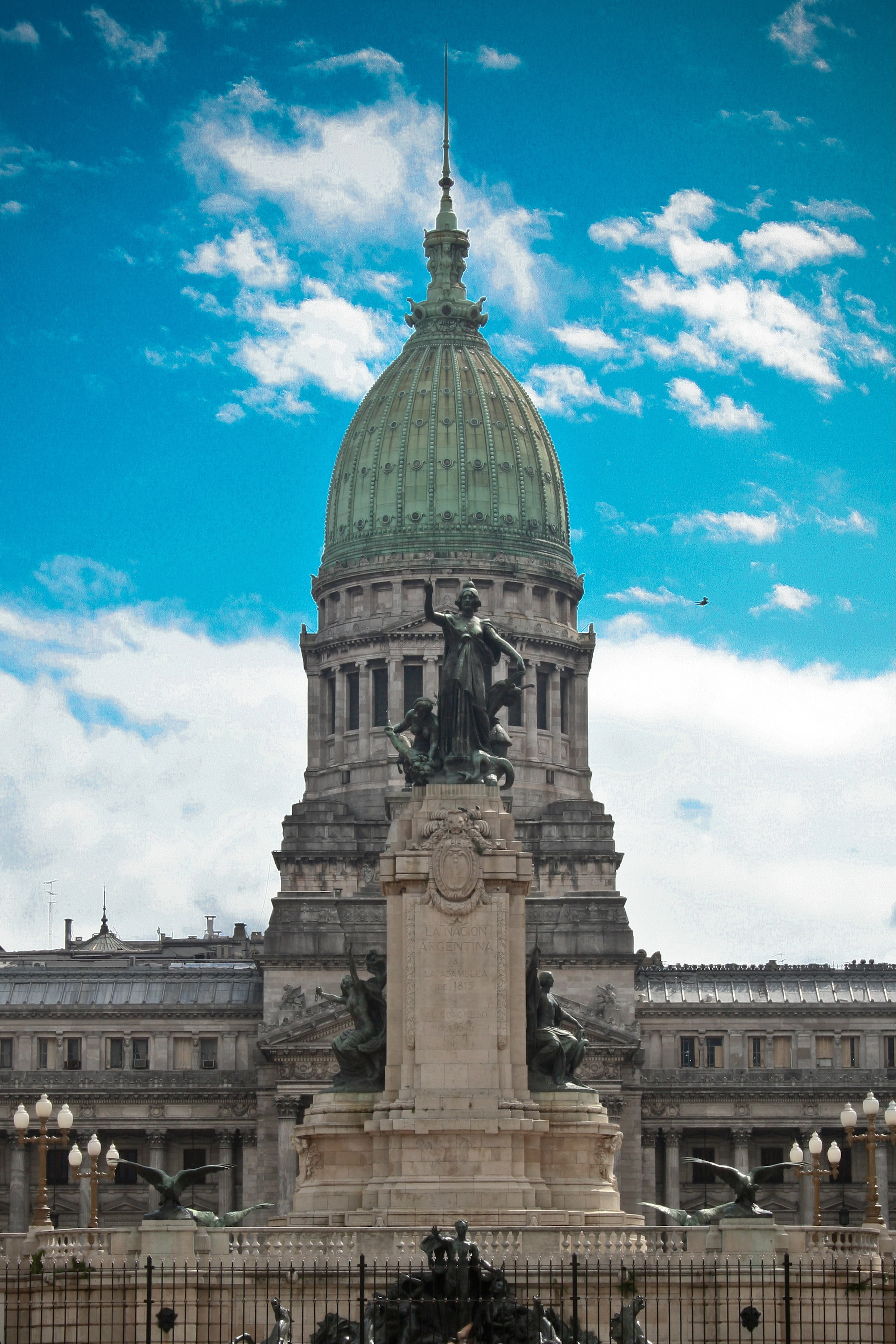
At the centre rises the enormous dome, one of the most recognisable features of Buenos Aires’ skyline. Its greenish copper surface rises dramatically above the surrounding architecture, while the structure beneath it gives the palace a sense of vertical momentum. The dome was designed not simply as decoration but as the visual climax of the building, drawing the eye upward from the massive base toward the sky.
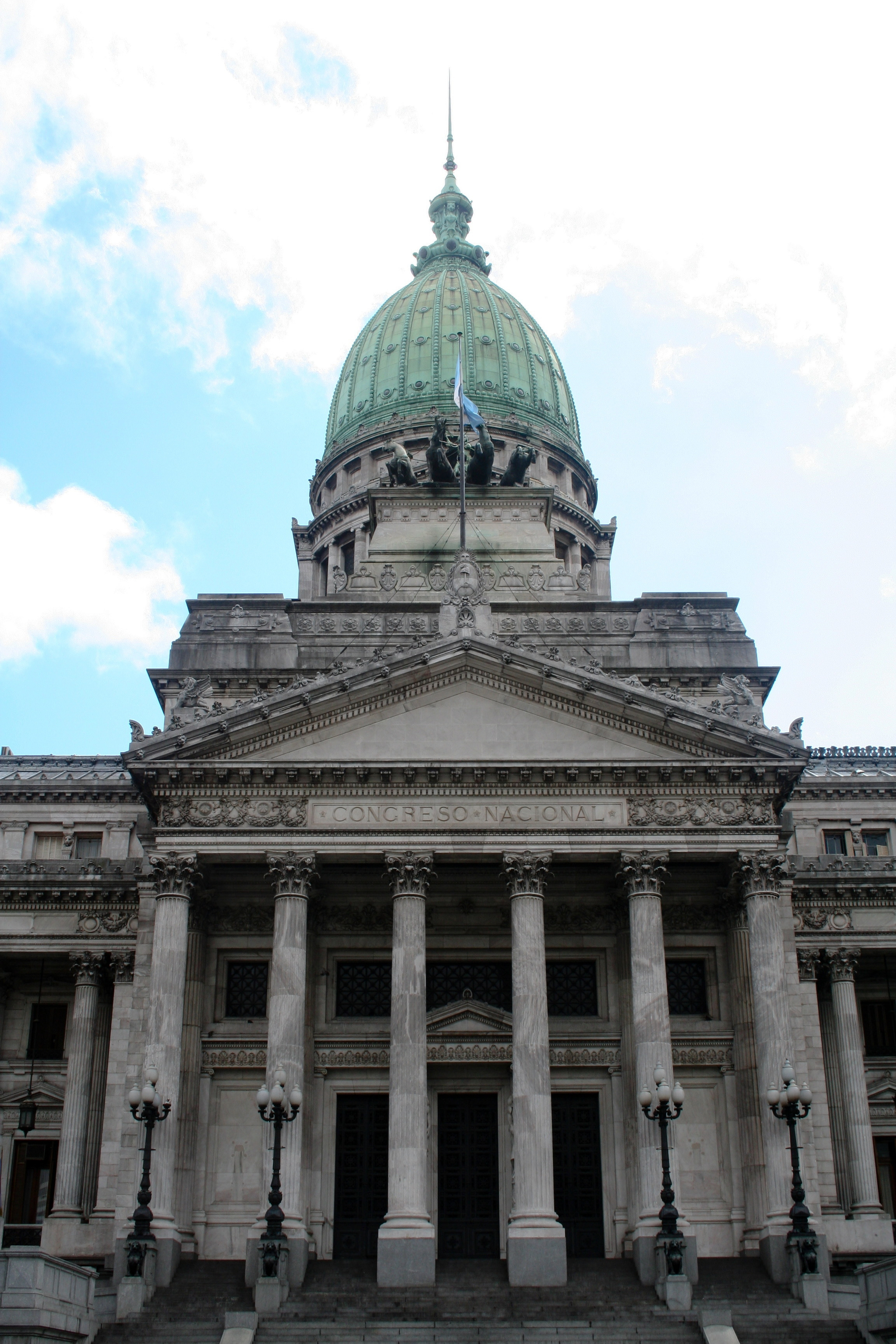
The dome also reflects an architectural language common to major government buildings of the period. Across the world, domes and monumental columns were used to suggest permanence, stability, and institutional authority. In Buenos Aires, however, those European influences became part of a distinctly Argentine urban landscape. The result is a building that feels simultaneously European and unmistakably porteño.
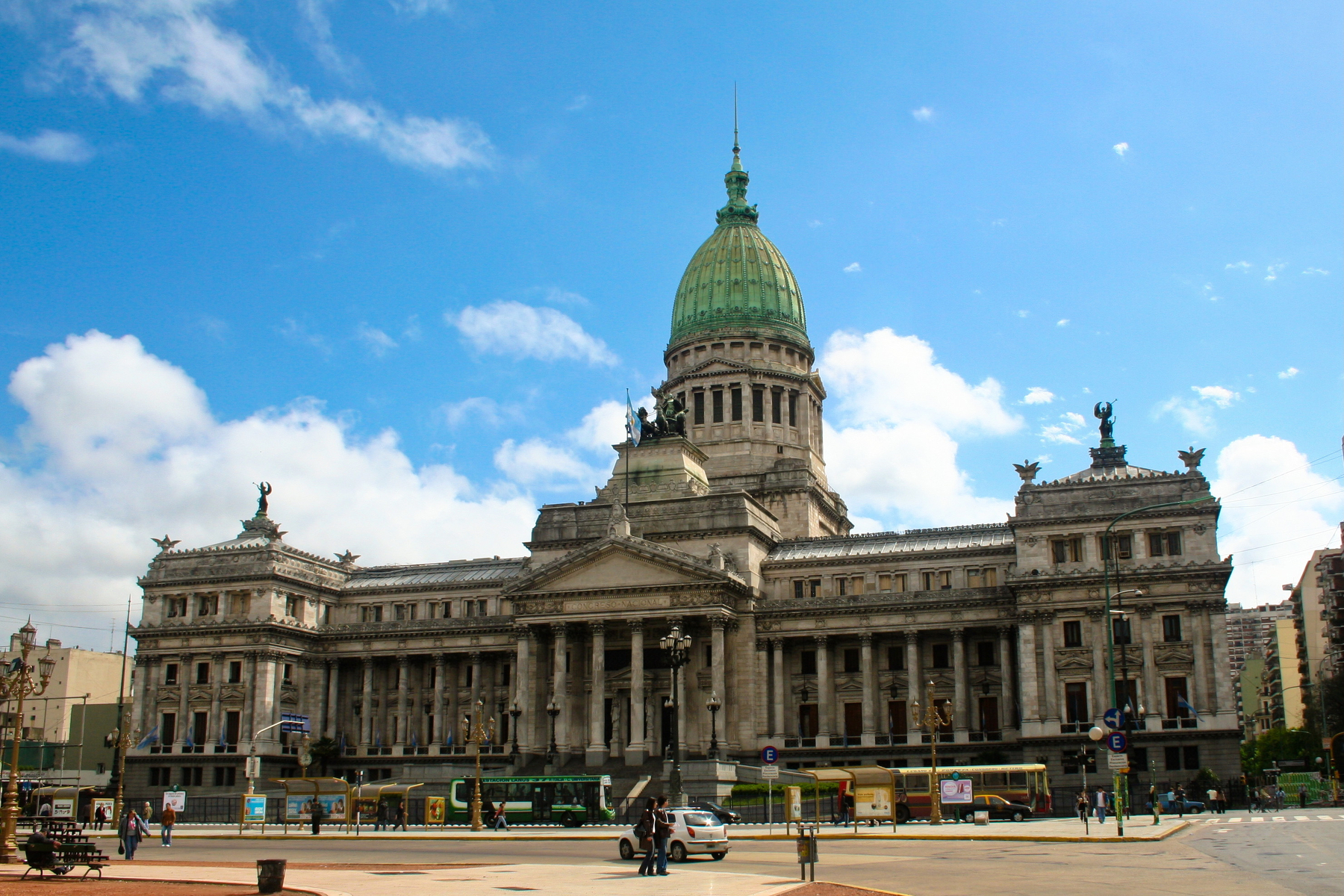
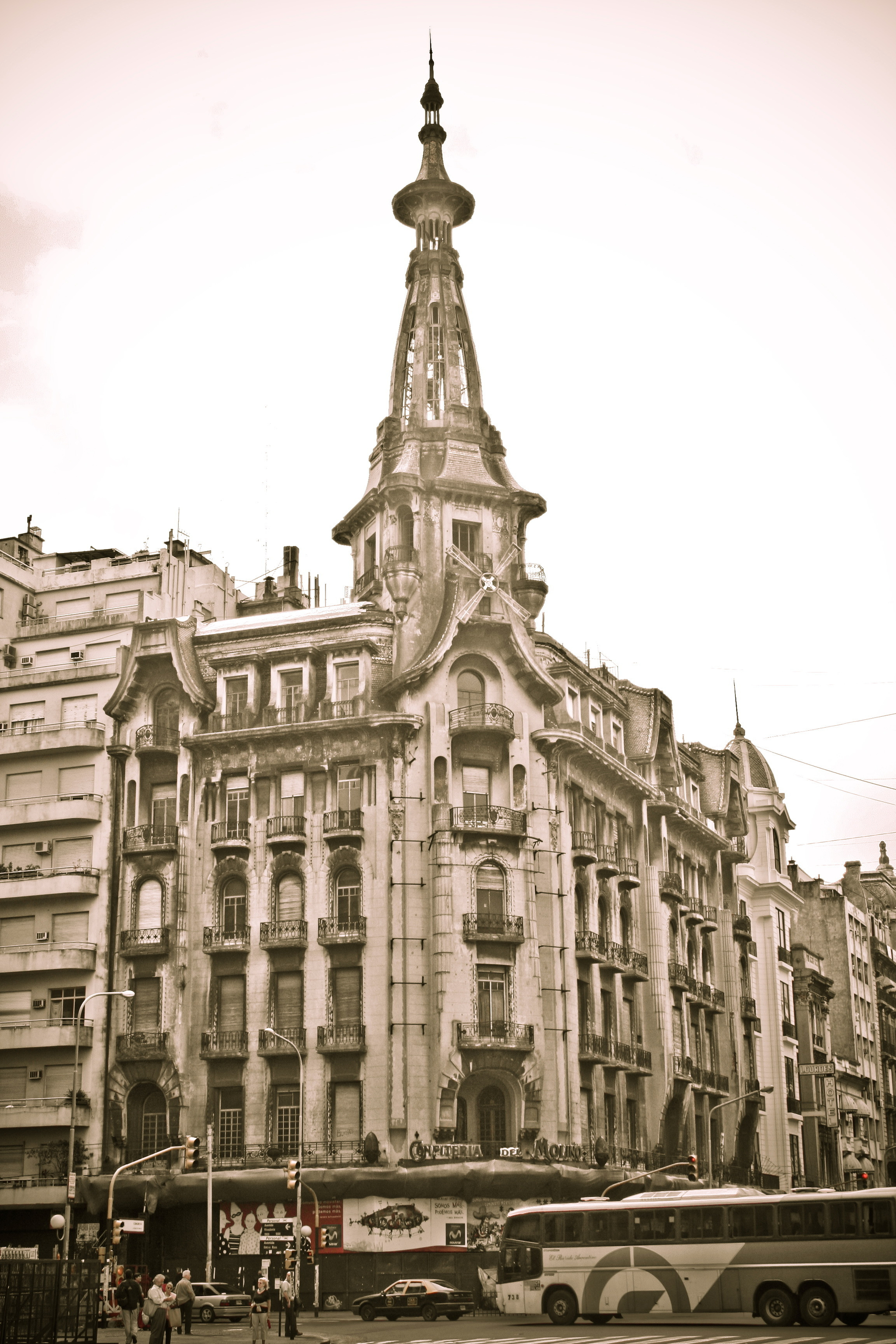
The area surrounding Congress has its own political history. The palace stands at the western end of Avenida de Mayo, one of Buenos Aires’ great historic avenues, creating an impressive visual axis toward the Casa Rosada. Walking between these two centres of government offers a fascinating glimpse into how the city physically expresses its political life. The distance between them is more than urban geography; it connects Argentina’s legislative and executive institutions.

Inside the building, the scale becomes even more impressive. The National Congress is divided into two chambers: the Chamber of Deputies and the Senate. Argentina’s bicameral legislature reflects the federal structure of the country, with the Senate representing the provinces and the Chamber of Deputies representing the population. The institution itself has roots going back to the nineteenth-century constitutional framework that shaped modern Argentina.
Argentina’s Constitution was adopted in 1853, although its political development did not end there. The country experienced periods of political instability, military intervention, constitutional reform, and democratic change throughout the nineteenth and twentieth centuries. The Congress building therefore witnessed an extraordinarily complicated national story. Its walls have seen governments rise and fall, legislation debated, crises unfold, and Argentina repeatedly struggle with the question of how its political institutions should function.

One of the most fascinating aspects of the building is therefore the contrast between its symbolic appearance and the complicated history that took place around it. Monumental architecture can make political ideals appear permanent and uncomplicated. Argentina’s history reminds us that democracy is neither automatic nor static. Institutions can survive difficult periods, but they depend on people, laws, civic participation, and political processes.

The building’s sculptures and ornamentation reinforce this idea of national identity. Allegorical figures and historical references appear throughout the architecture, turning the palace into something resembling a giant stone textbook. Even when you don’t recognize every figure or symbol, the intention is clear: the building was designed to connect the institutions of the present with Argentina’s intellectual and political heritage.

Among the historical figures associated with Argentina’s national story are Juan Bautista Alberdi and Domingo Faustino Sarmiento. Alberdi was one of the country’s most influential political thinkers and wrote Bases y puntos de partida, a work that strongly influenced the drafting of the Constitution. Sarmiento, meanwhile, served as president, educator, writer, and advocate for public education. Their legacies represent two very different but interconnected dimensions of Argentina’s nineteenth-century nation-building.
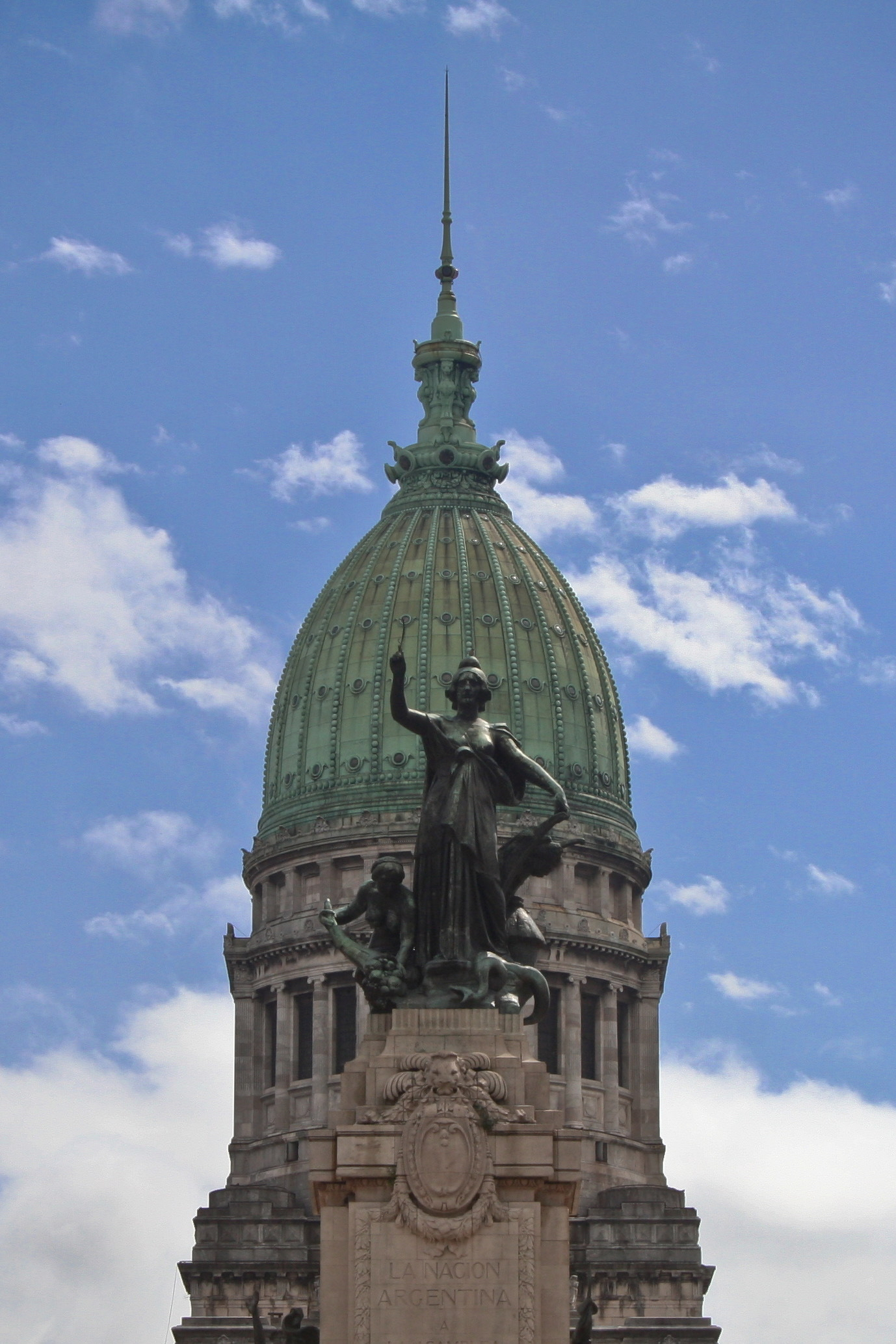
The Congress complex has also undergone numerous changes and restorations over the decades. Buildings of this scale require constant maintenance, particularly in a city exposed to pollution, weather, and the wear of more than a century. Preserving such a structure is not simply about protecting beautiful architecture. It also means preserving a physical connection to the political history of the country.
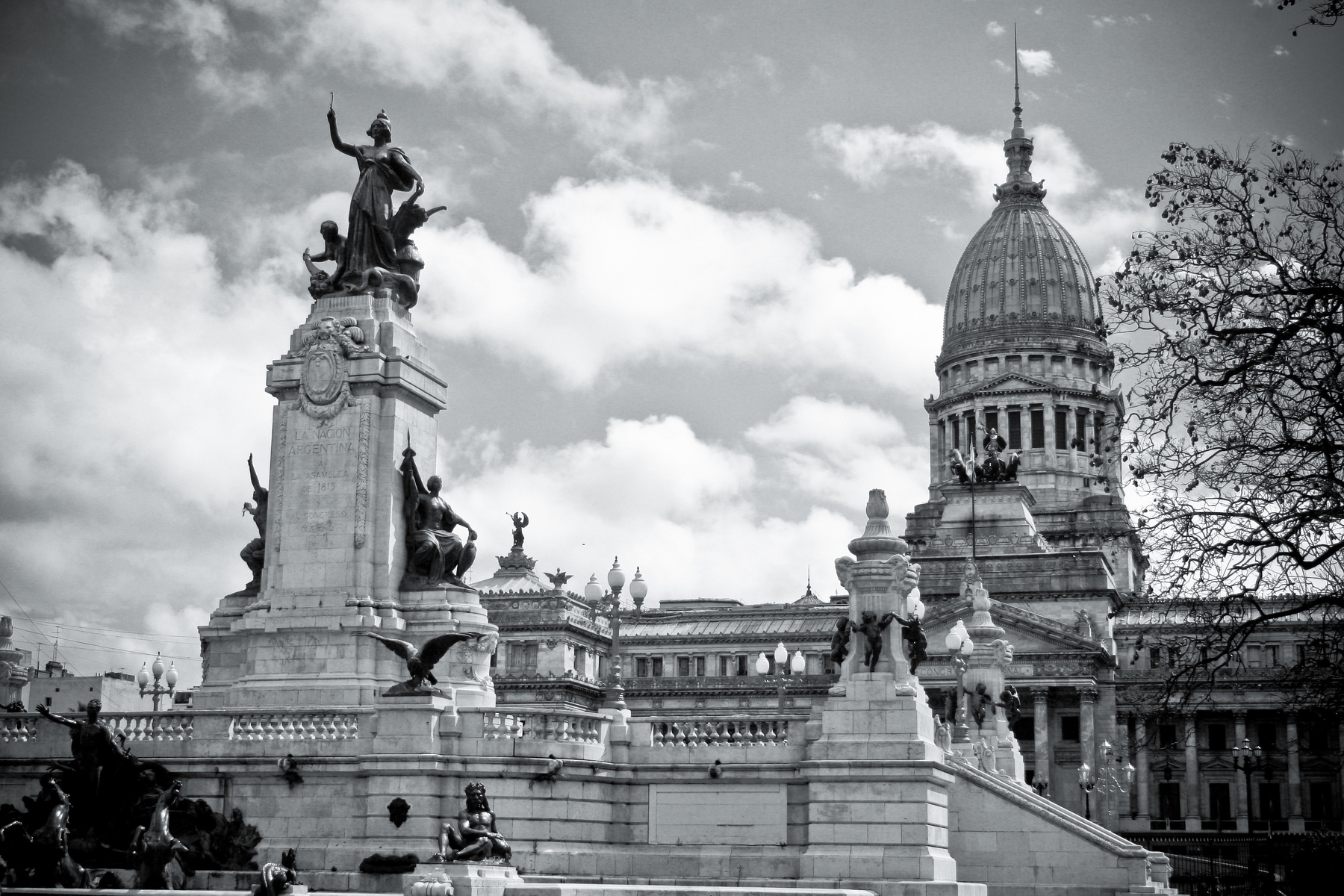
Standing in the surrounding plaza, I noticed another interesting feature: the Monumento a los Dos Congresos, which commemorates the Constituent Congress of 1816 and the constitutional process that followed. The monument helps connect the modern Congress building with the earlier history of Argentine independence and nation-building. It is another reminder that the political story represented here stretches far beyond the building itself.

And then there is the location. Buenos Aires has always been a city of dramatic contrasts, and Congress fits perfectly into that character. Elegant historic buildings stand alongside modern towers; cafés and bookstores occupy streets filled with commuters; political demonstrations can appear alongside ordinary city life. Around Congress, national politics is not confined to the interior of a government chamber. It spills naturally into the streets and public spaces of the capital.

As afternoon turned toward evening, the changing light gave the stone façade an entirely different character. The details that had seemed almost overwhelming in the harsh daylight became softer, and the dome appeared to glow above the city. I stood for a while simply watching Buenos Aires move around it—buses passing, pedestrians crossing, conversations unfolding—and thought about how many generations had witnessed essentially the same scene.
What stayed with me was not simply the grandeur of the architecture but the complicated story it represents. The Argentine National Congress is a monument, a workplace, a political institution, and a witness to more than a century of national history. Its architecture speaks of ambition and permanence, while its history reveals that nations and political systems are constantly evolving.
Walking away, I realized that the Palace of the Argentine National Congress is best understood not as a frozen monument to the past, but as part of Buenos Aires’ continuing story. Its columns, sculptures, chambers, and enormous dome provide a physical setting for Argentina’s political life, while the streets surrounding it continue to change with the city. For a traveller interested in history, architecture, or the story of Buenos Aires itself, few places offer such a powerful intersection of stone, politics, ambition, and time.
#Photography #Photos #Photoblog #Blog #ArgentineNationalCongress #BuenosAires #Argentina #BuenosAiresTravel #ArgentinaTravel #ArgentineHistory #CongressPalace #PalacioDelCongreso #VittorioMeano #BuenosAiresArchitecture #NeoclassicalArchitecture #BeauxArtsArchitecture #AvenidaDeMayo #ArgentinePolitics #ArgentineConstitution #JuanBautistaAlberdi #DomingoFaustinoSarmiento #BuenosAiresHistory #SouthAmericaTravel #TravelEssay #TravelPhotography #HistoricArchitecture #LatinAmerica