
Tacheles, Berlin - City’s Lost Artistic Heart

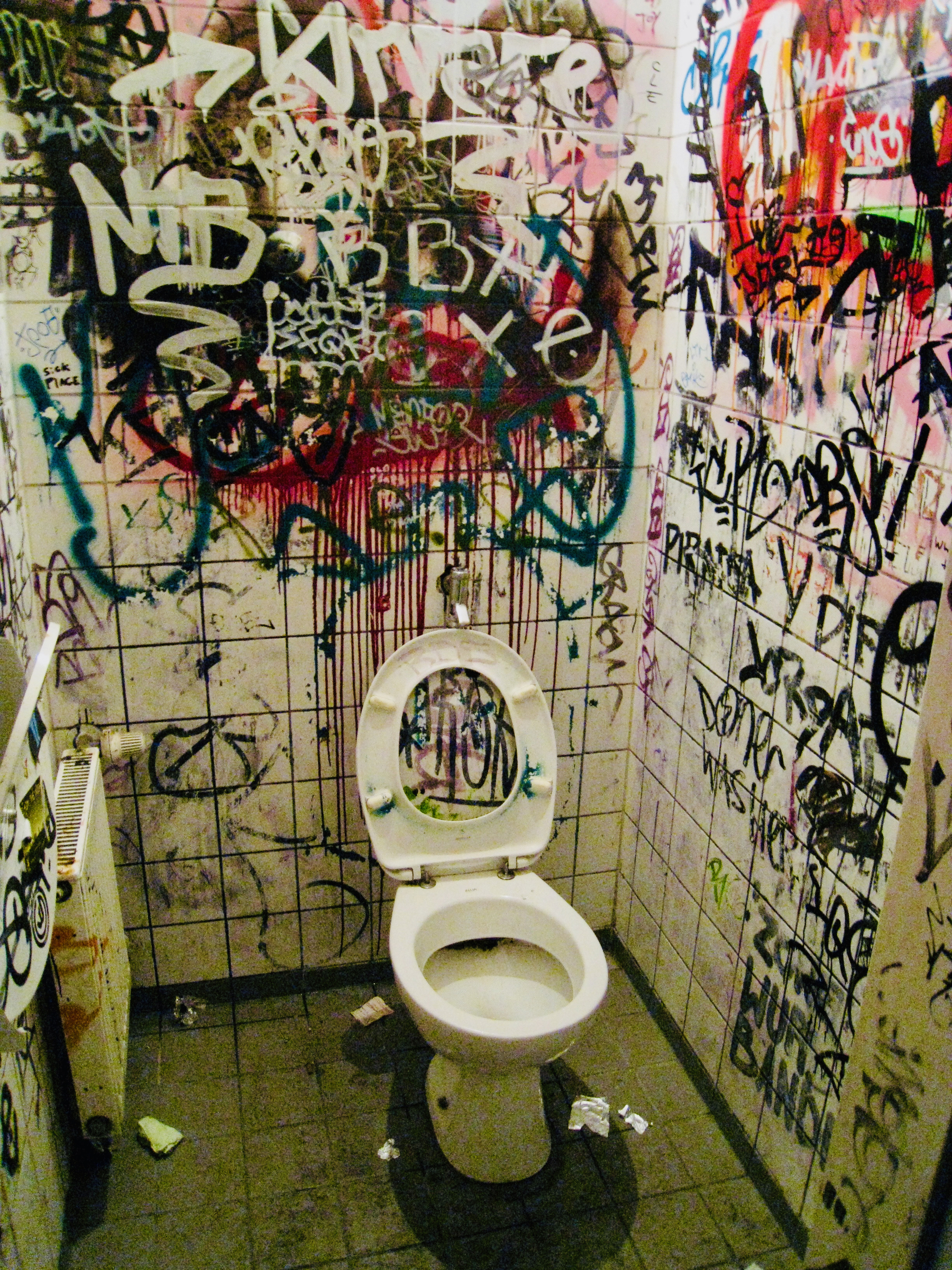
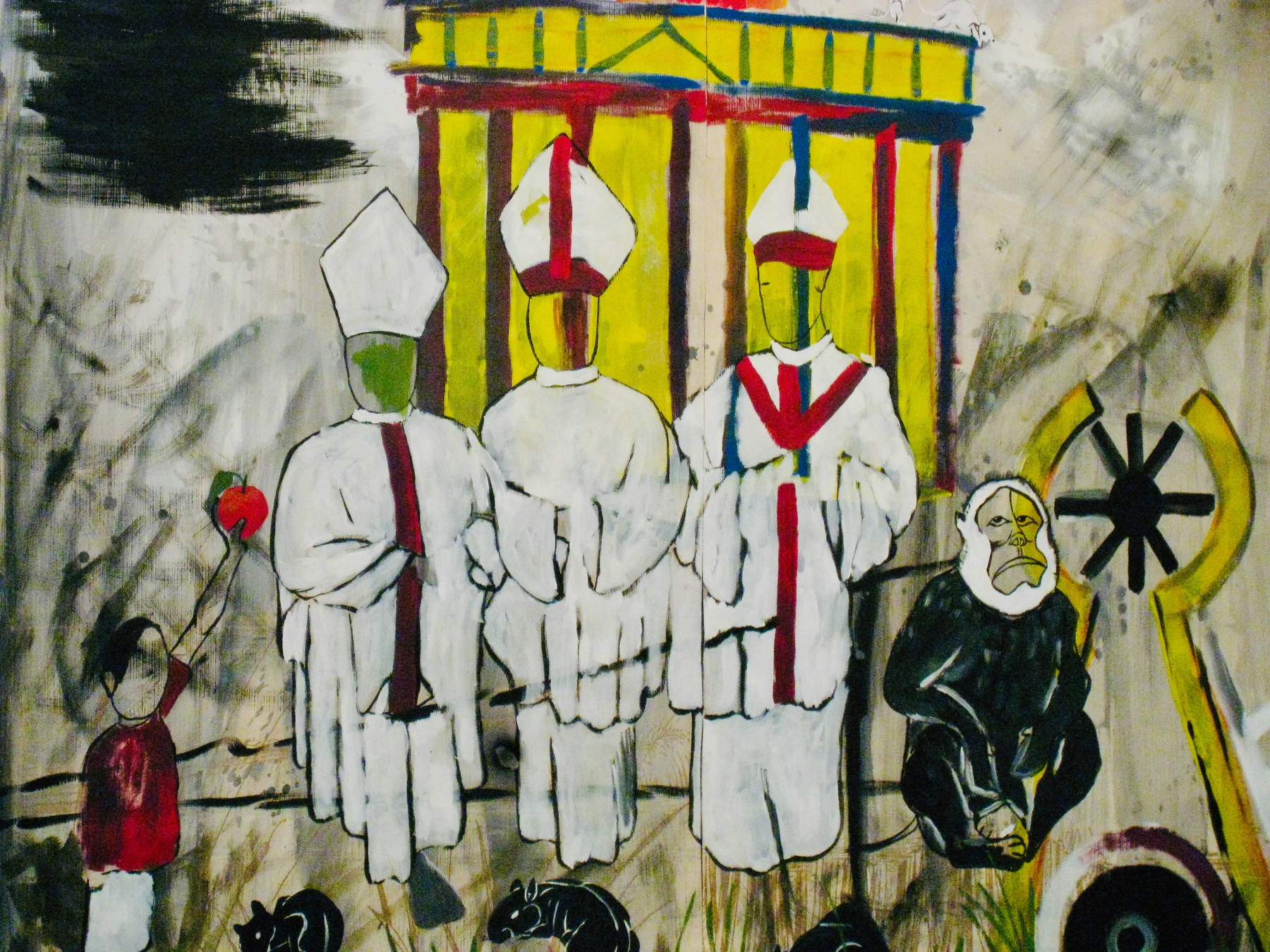
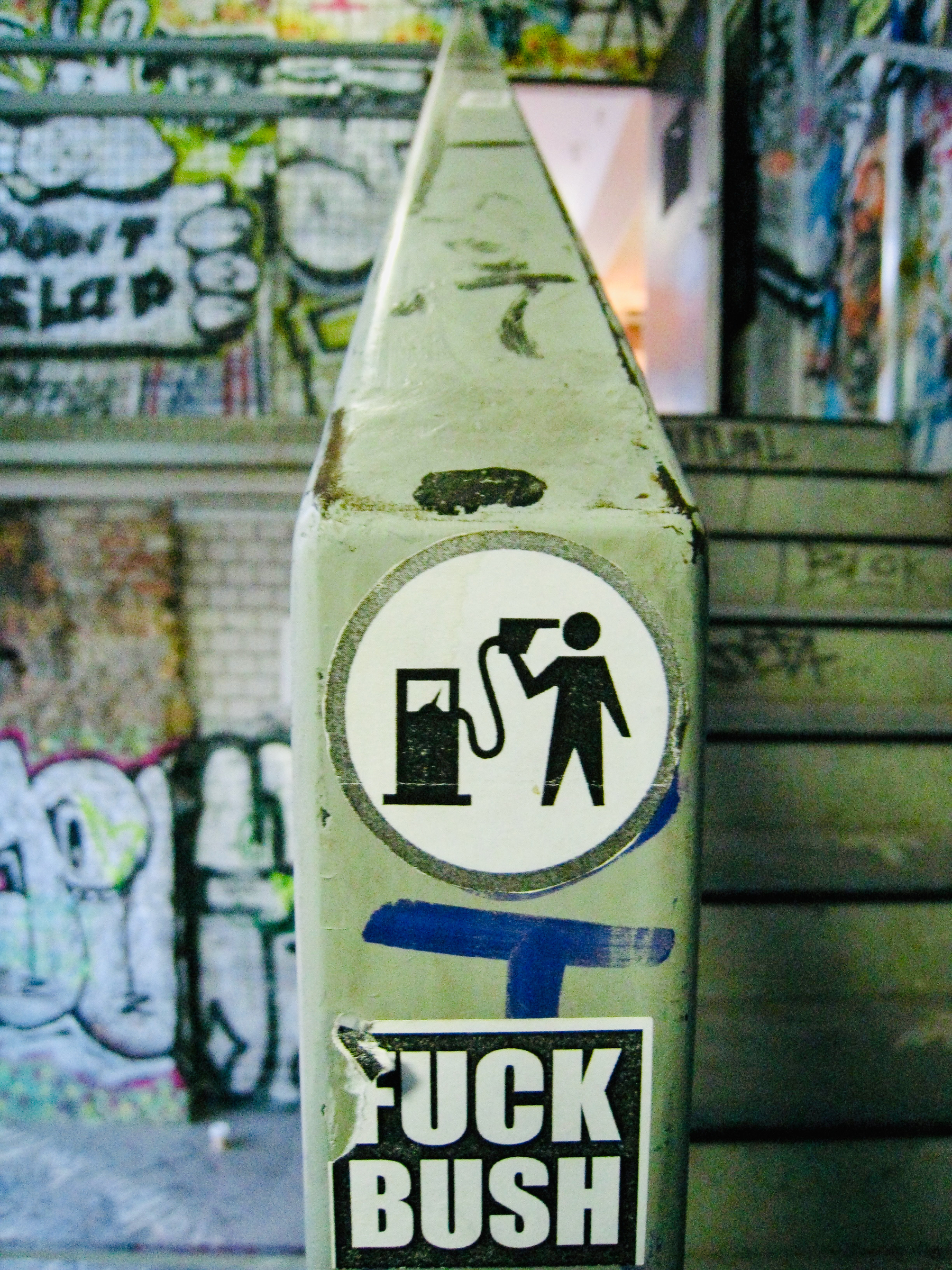
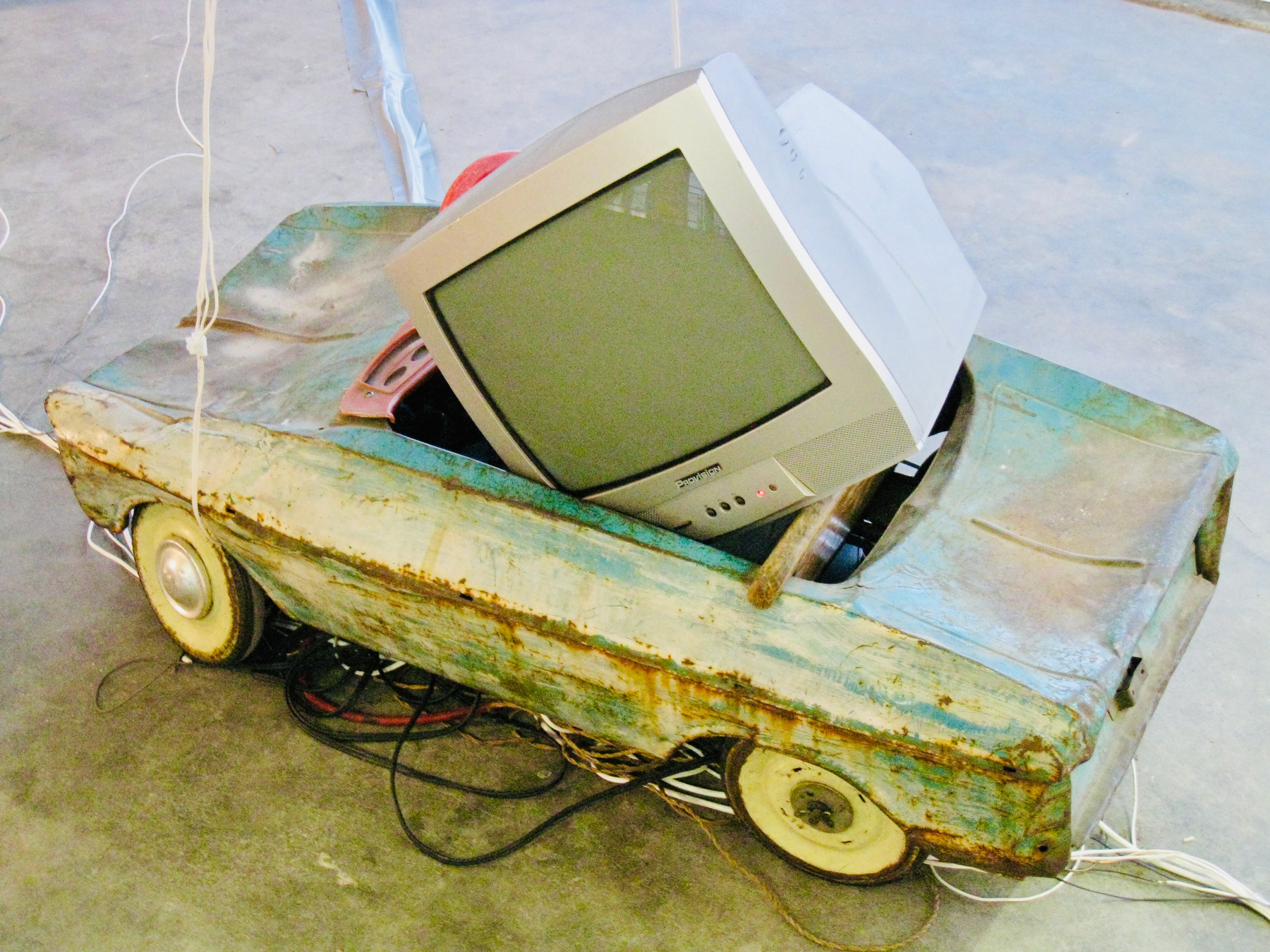
Berlin has always been a city of reinvention, but few places captured that spirit quite like Tacheles. During one of my wanderings through Mitte, I found myself on Oranienburger Strasse, standing in front of the imposing, weathered façade of what had once been an old department store. Stepping inside Tacheles felt like crossing into another Berlin entirely. Colour covered the walls, sculptures seemed to emerge from every corner, and the building itself appeared to have become part of the artwork. I wandered through studios, galleries, strange hallways and even bathrooms covered with traces of creativity, never quite knowing what I would discover next. There were experimental installations, enormous murals, sculptures and performances, but more than anything there was a feeling of freedom. Tacheles didn’t feel like a conventional art gallery; it felt like a living organism created by artists who had decided that they would make their own rules.

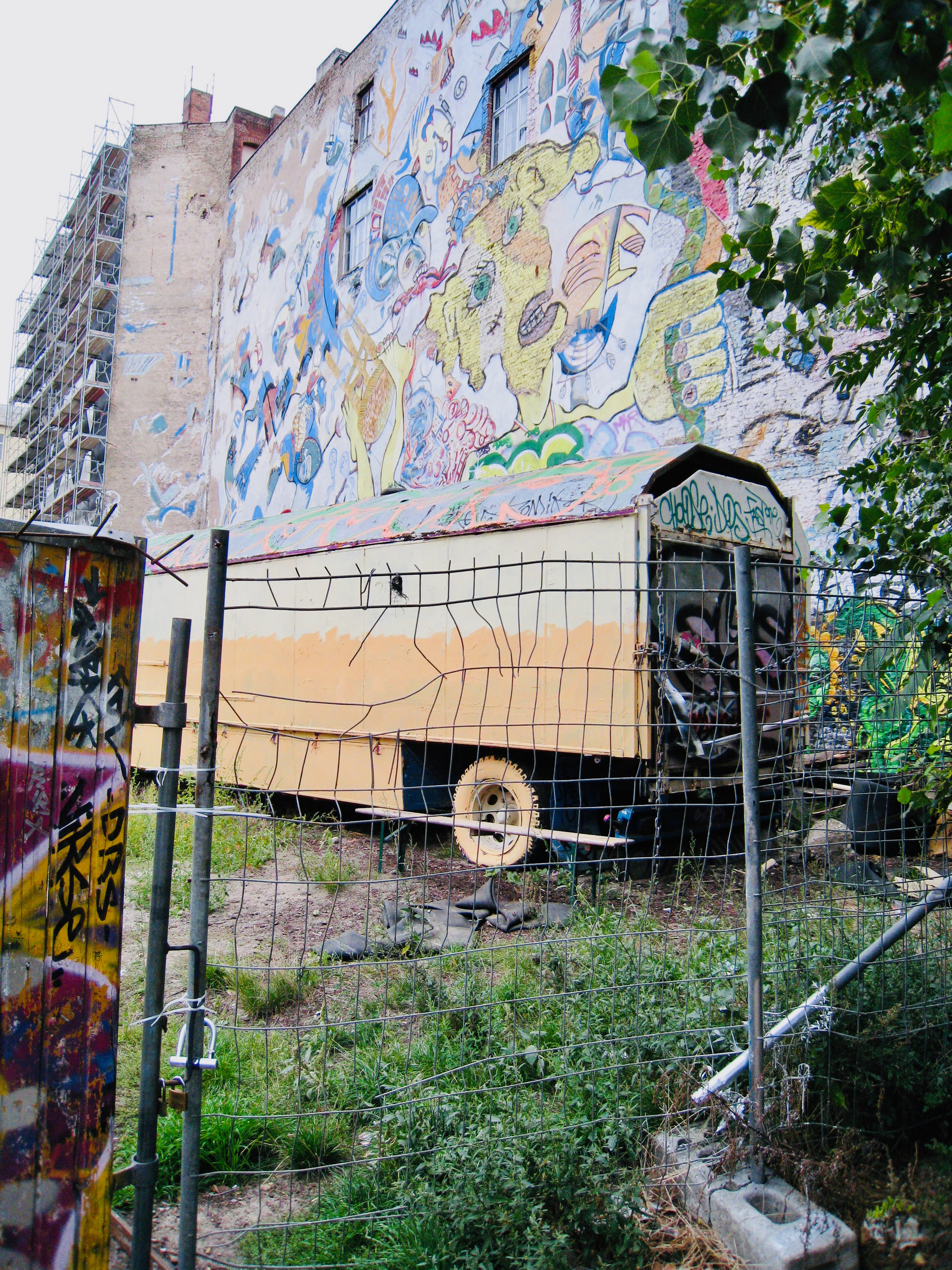
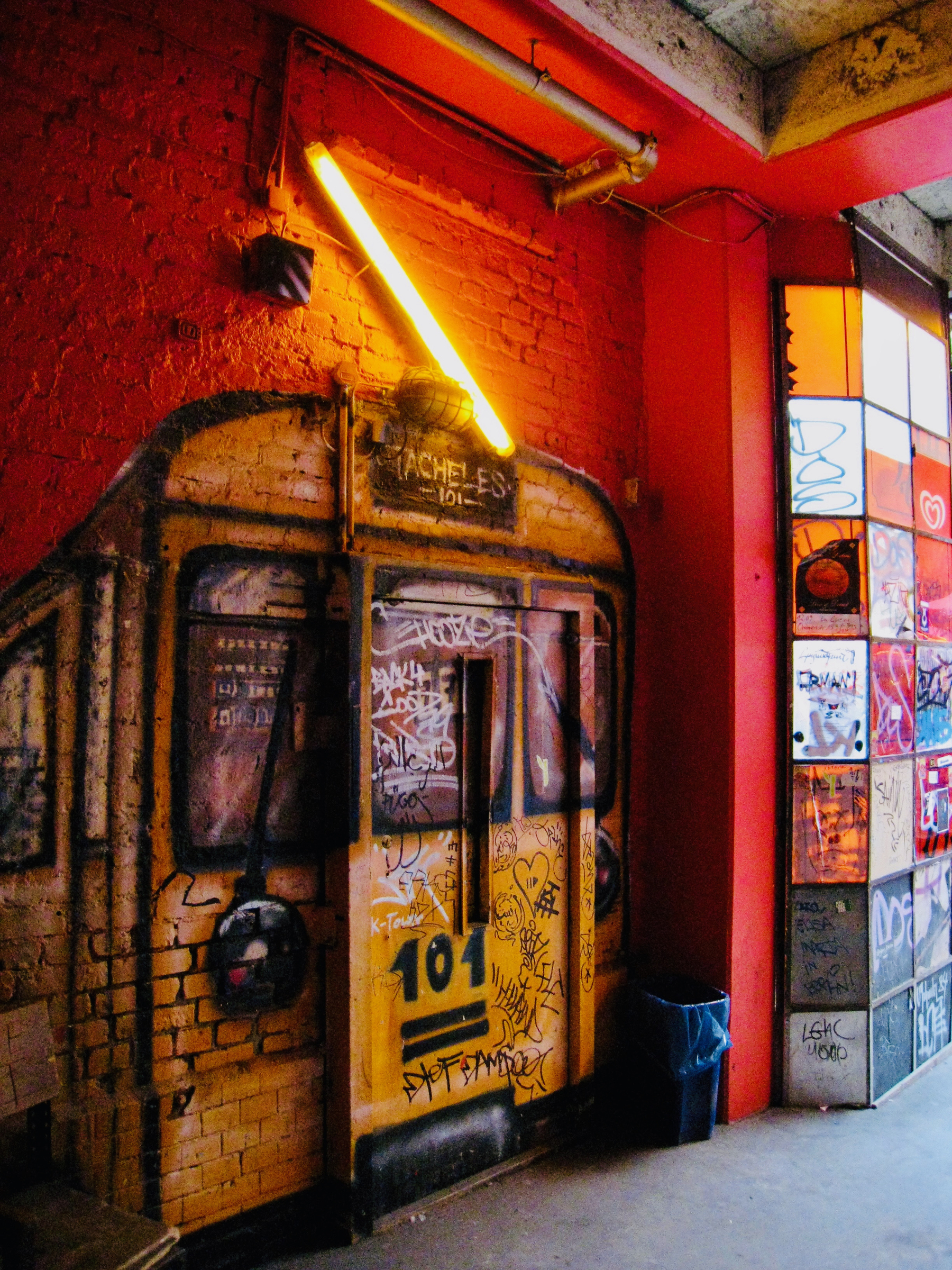
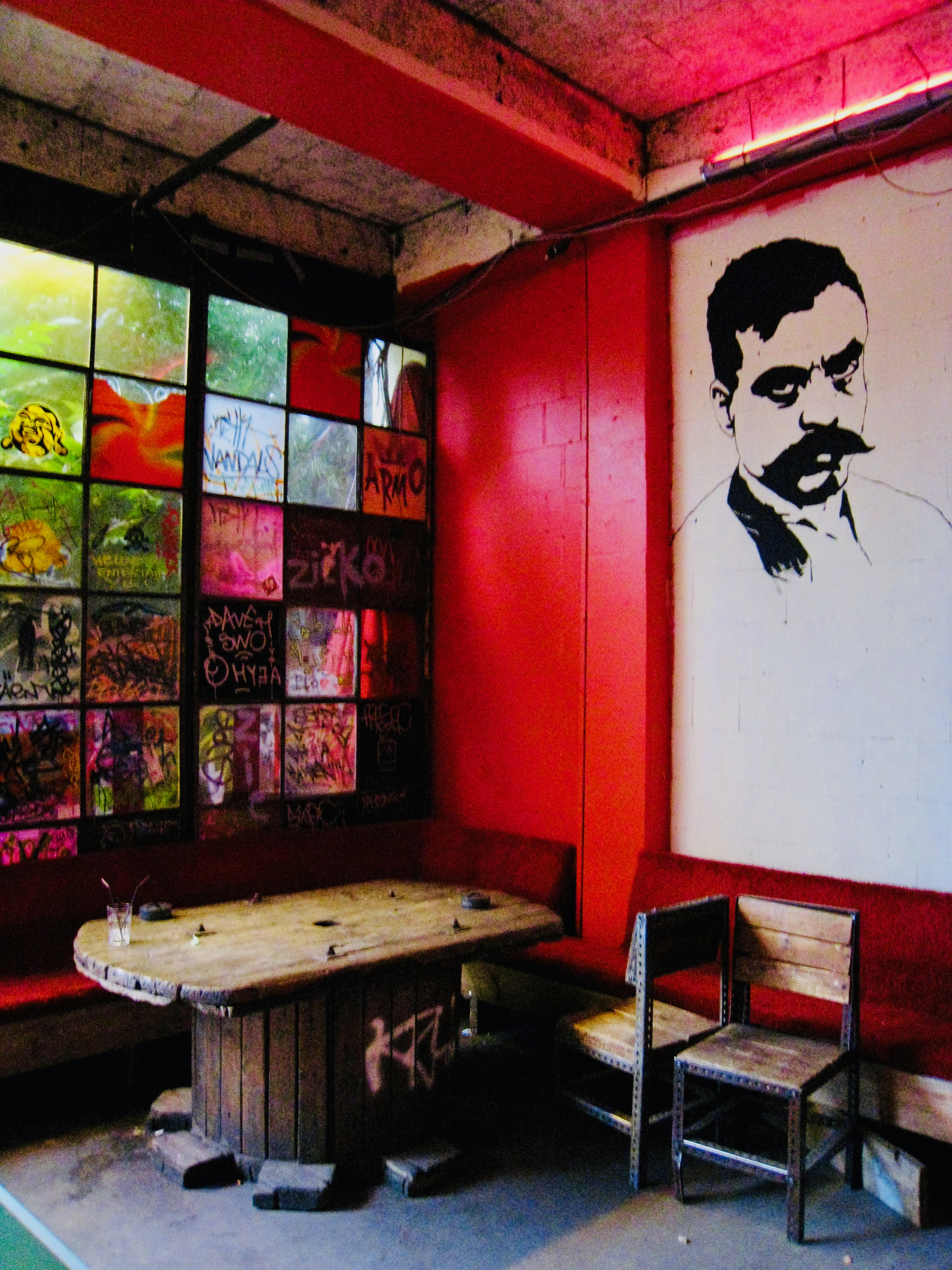

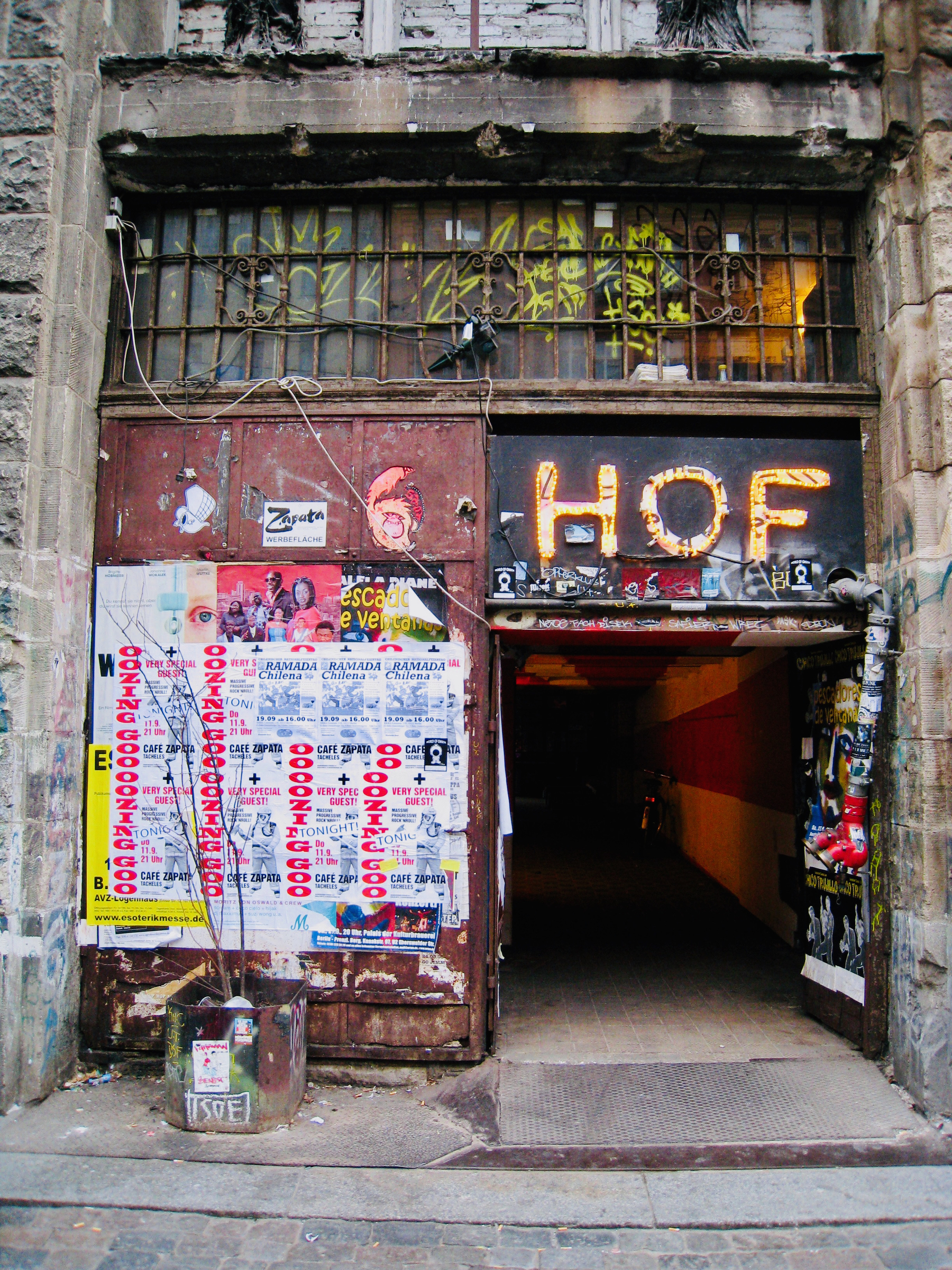
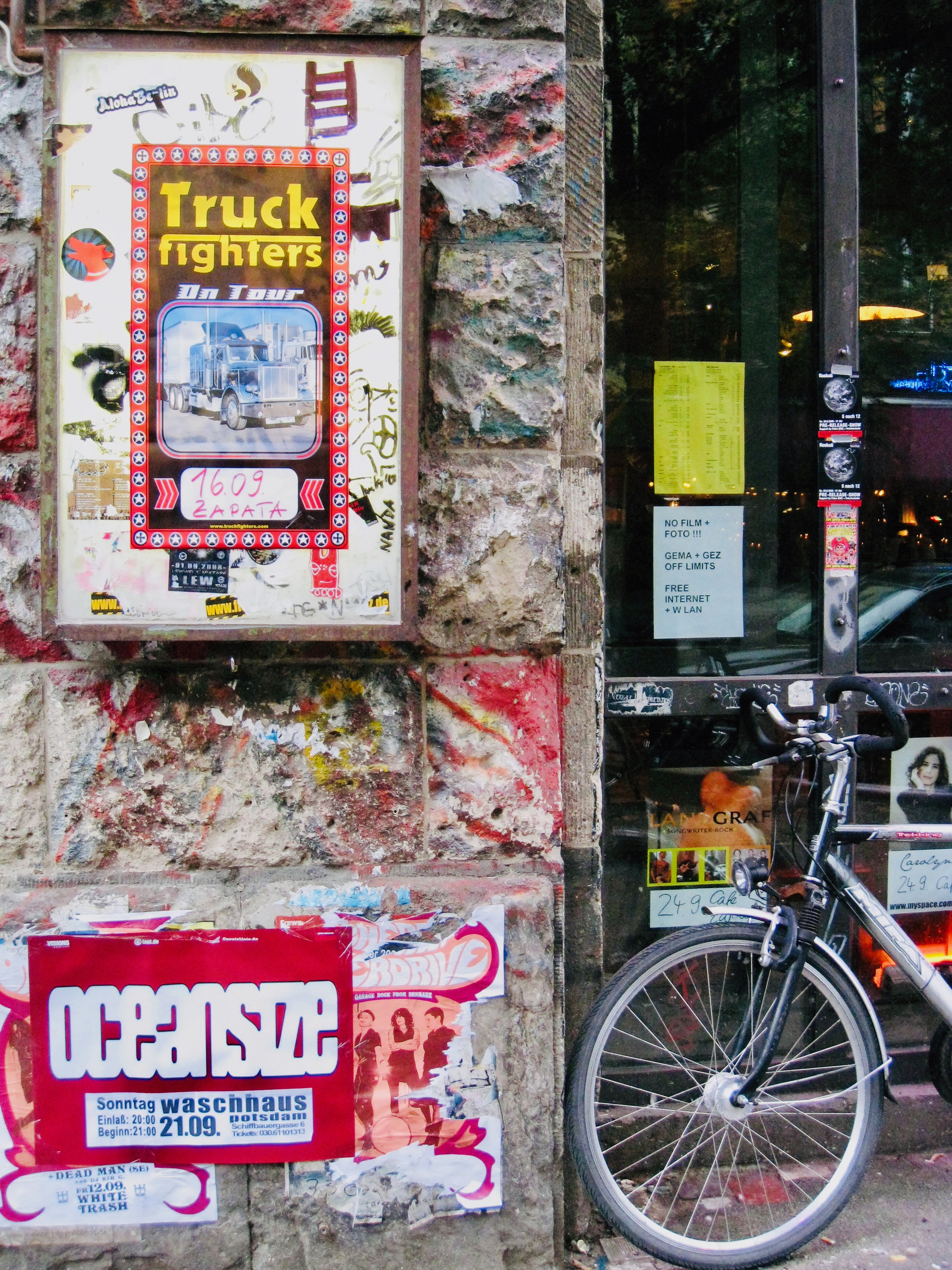
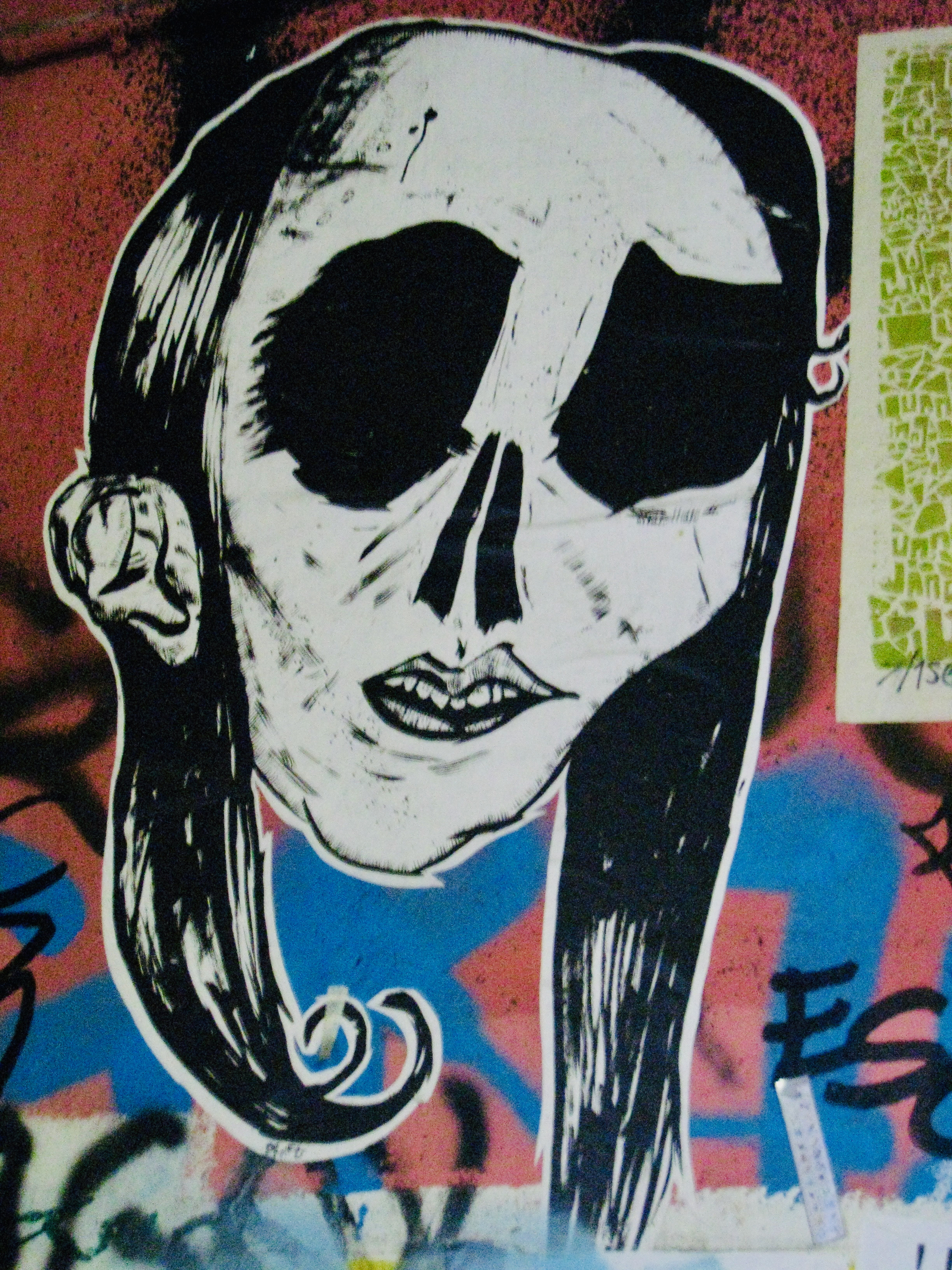

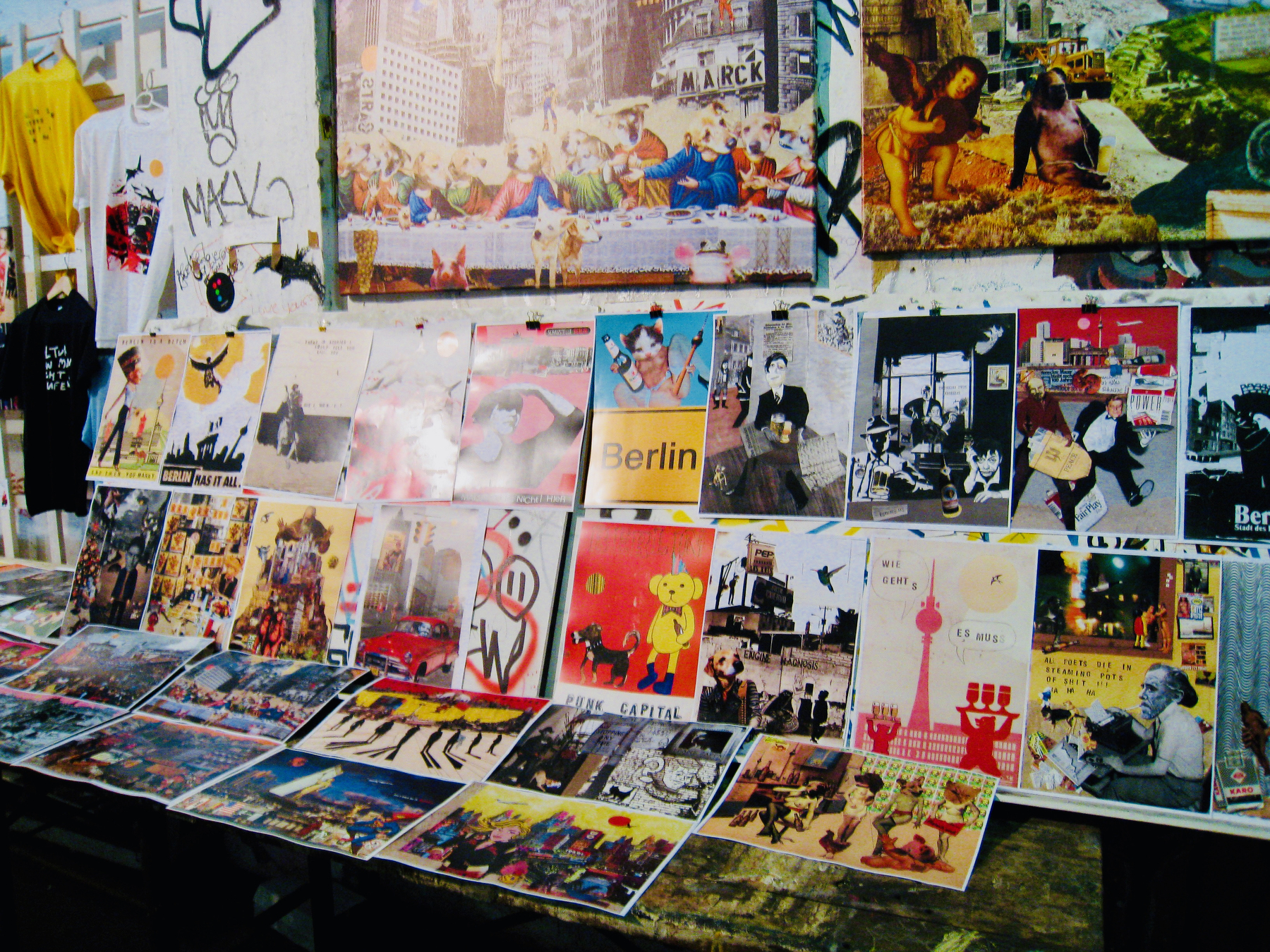


Tacheles emerged in the extraordinary period following the fall of the Berlin Wall, when Berlin was changing faster than almost anywhere else in Europe. In 1990, artists occupied the abandoned building and transformed it into a self-organized cultural space where artists could work, exhibit and experiment without the restrictions or costs associated with traditional galleries. The name Tacheles comes from the Yiddish word for “straight talk,” which seemed perfectly suited to a place that valued honesty, confrontation and creative freedom. Inside, the enormous industrial spaces became studios, workshops, galleries, a theatre, cinema and gathering places, while the bar and café provided somewhere for artists, locals and travellers to meet. The courtyard became another important part of the experience, hosting concerts and events and turning Tacheles into one of the most distinctive alternative cultural spaces in Berlin. The art wasn’t always comfortable or pretty, either. Much of it confronted politics, social inequality and the changing nature of Berlin itself, which was exactly what made the place so interesting.

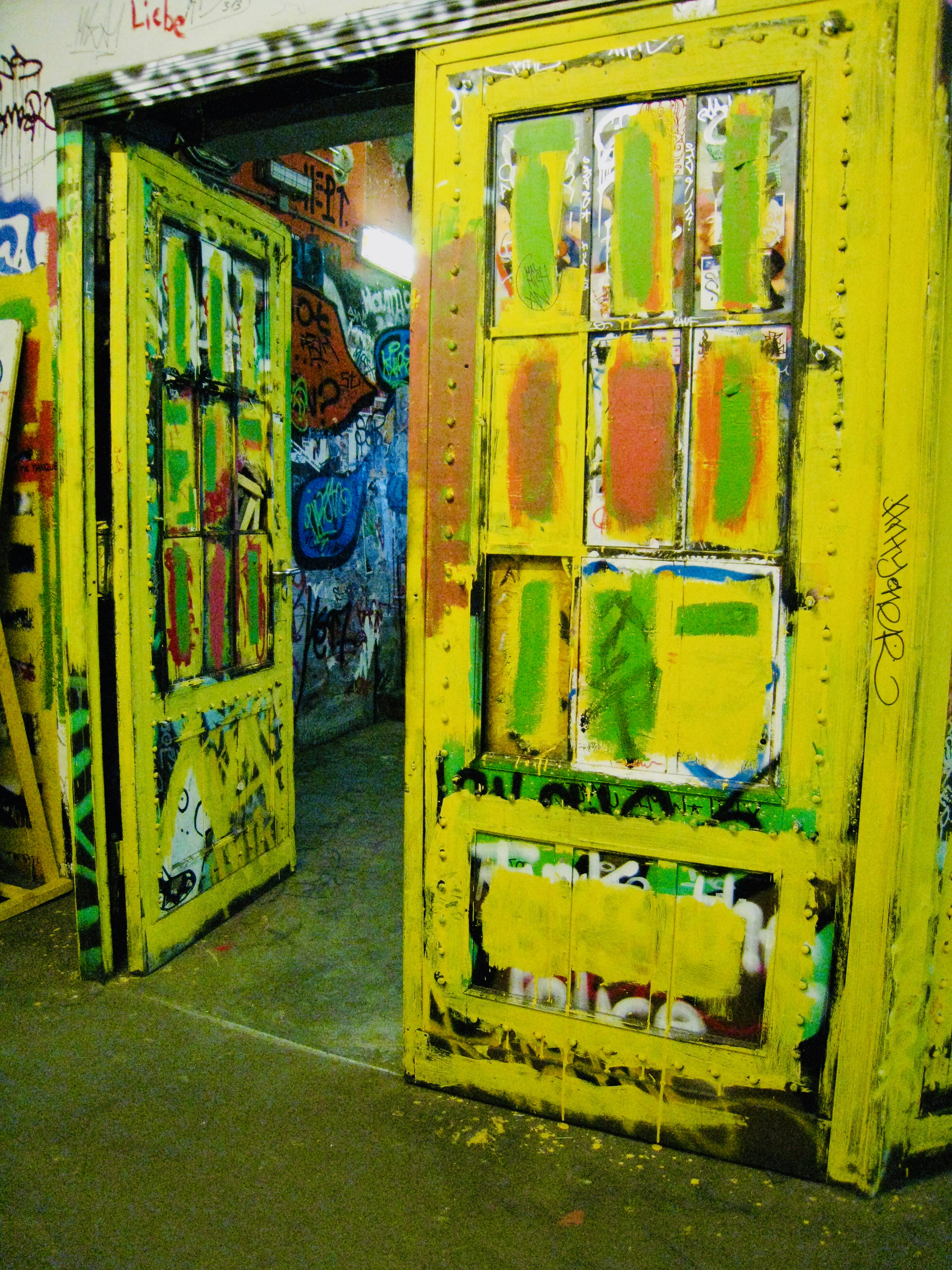
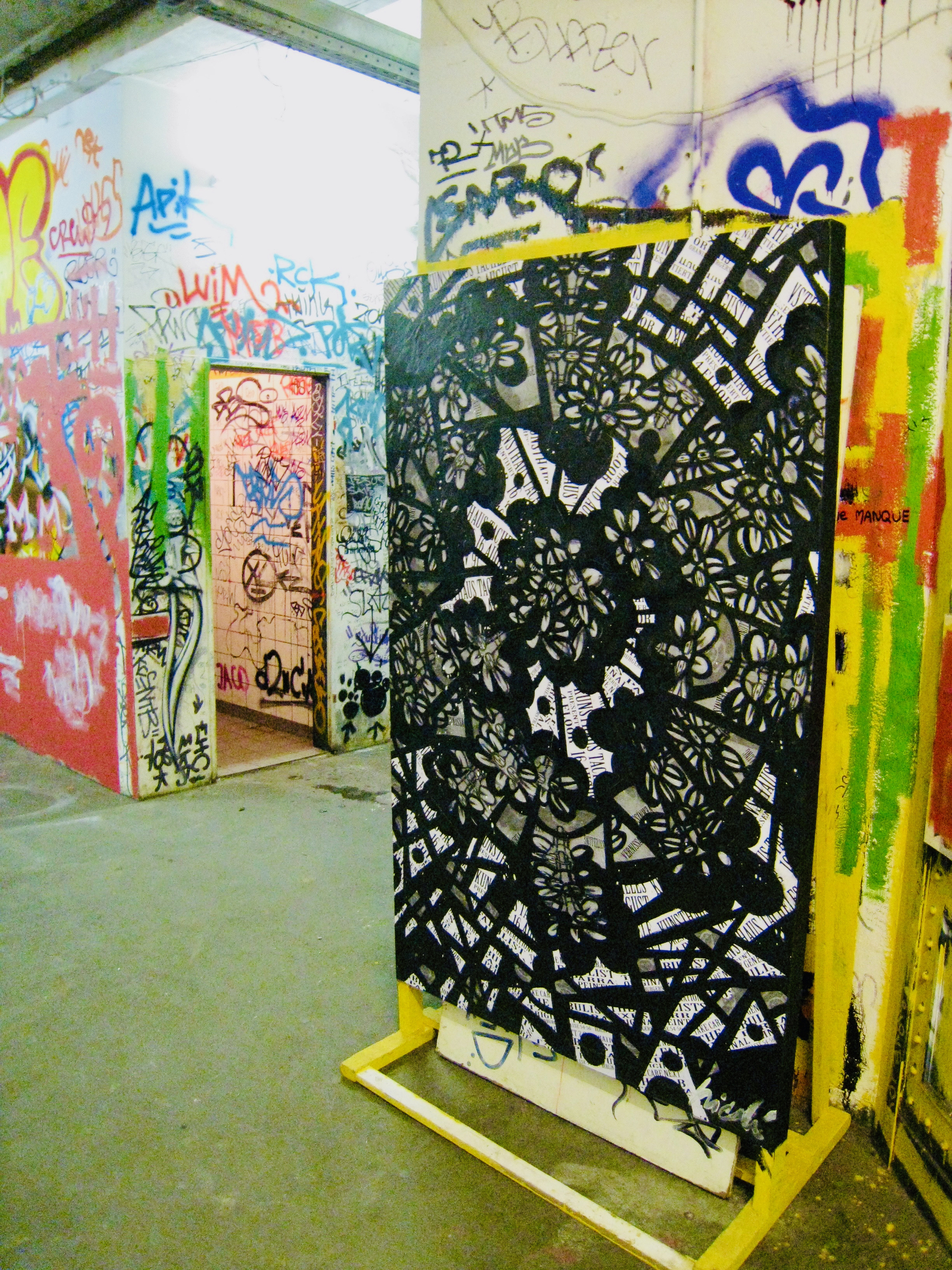

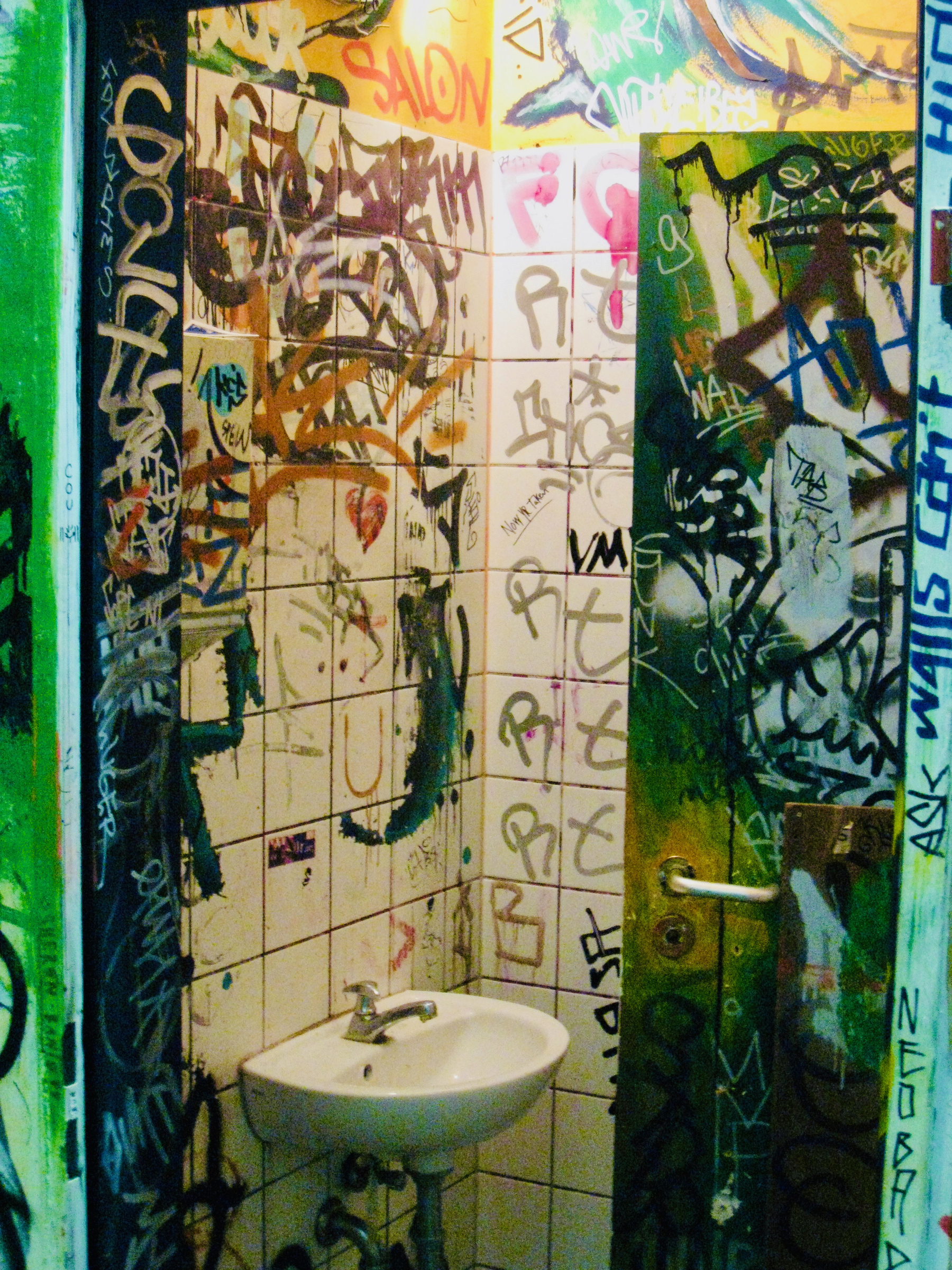

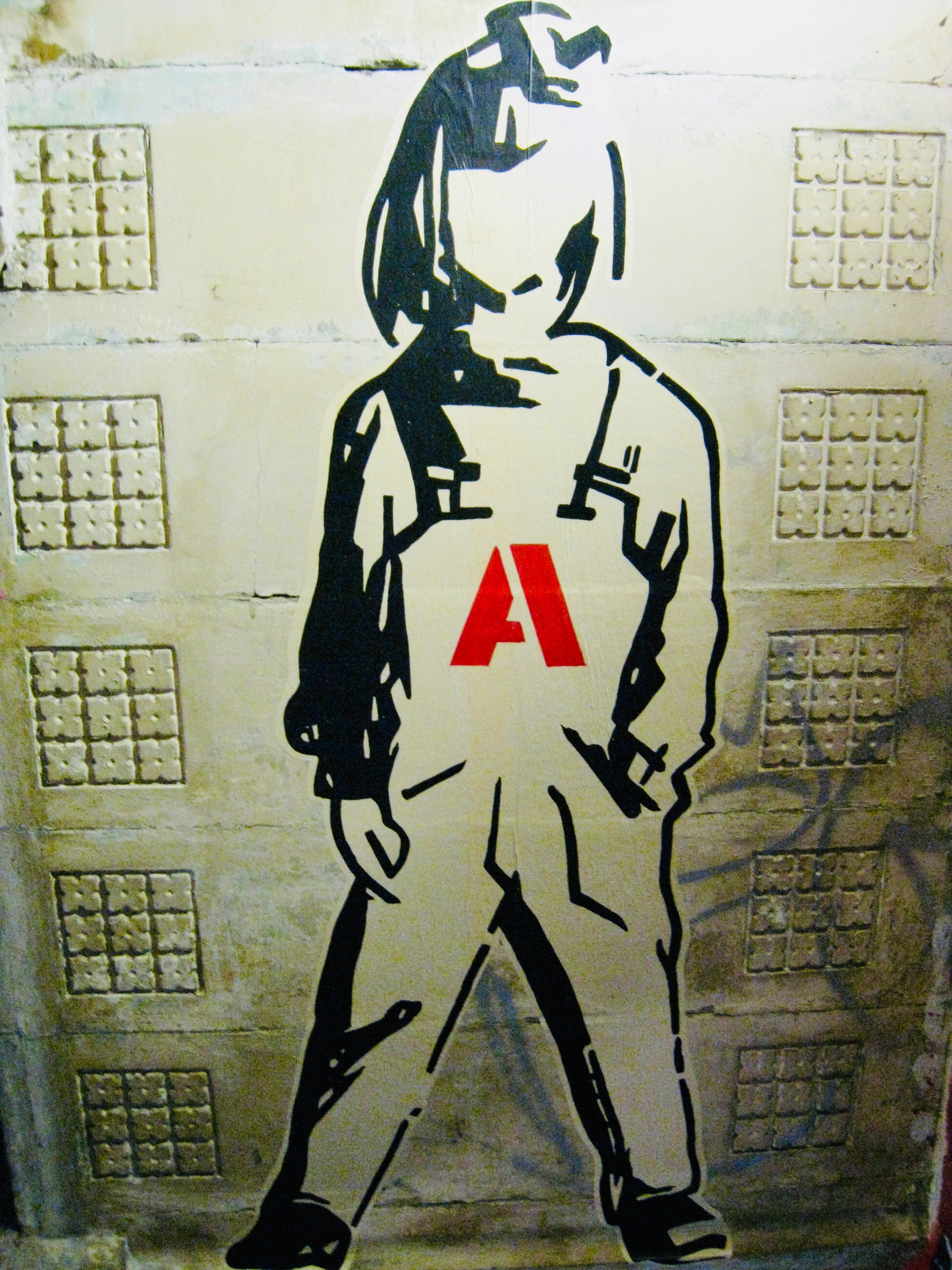
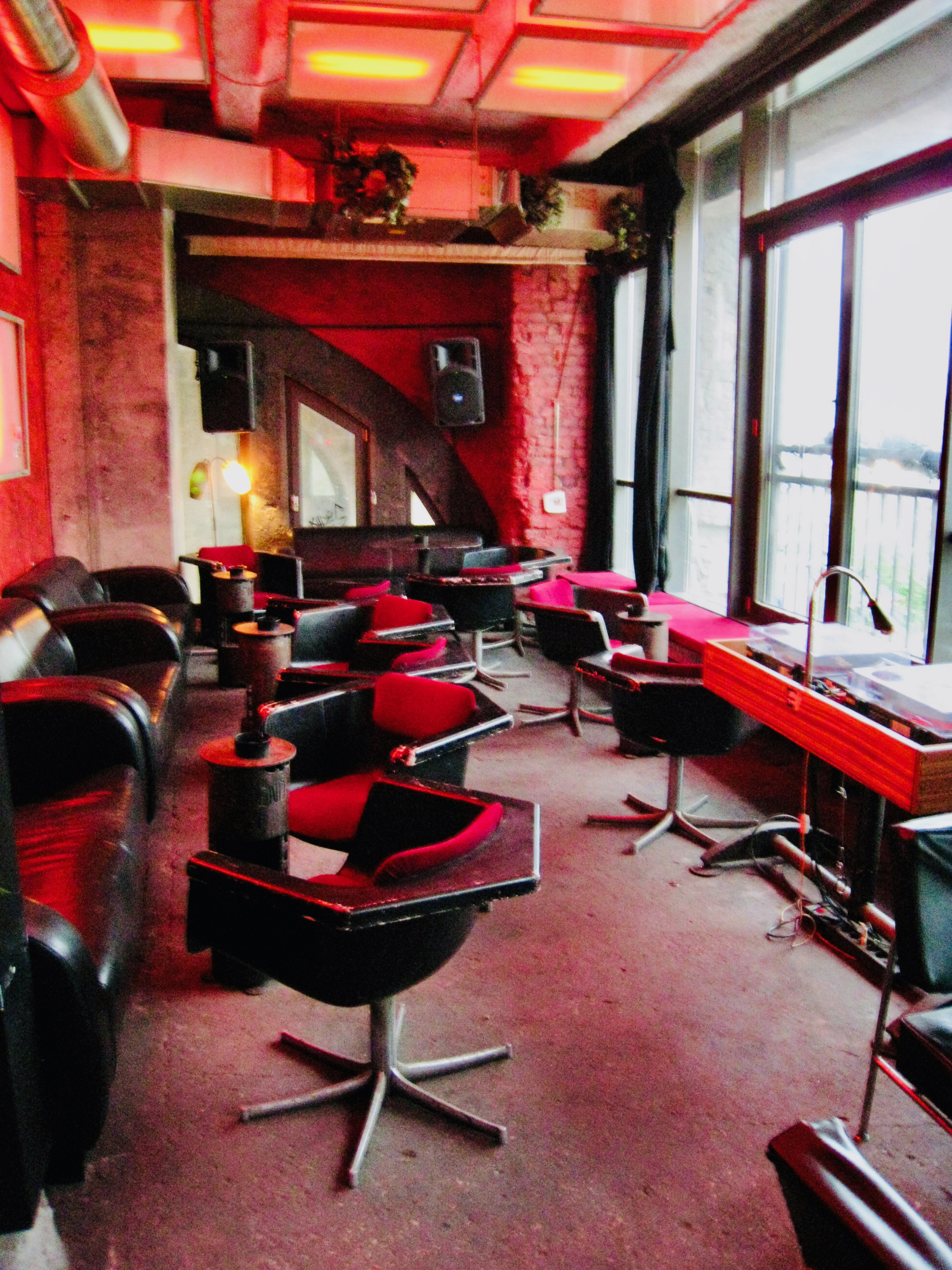
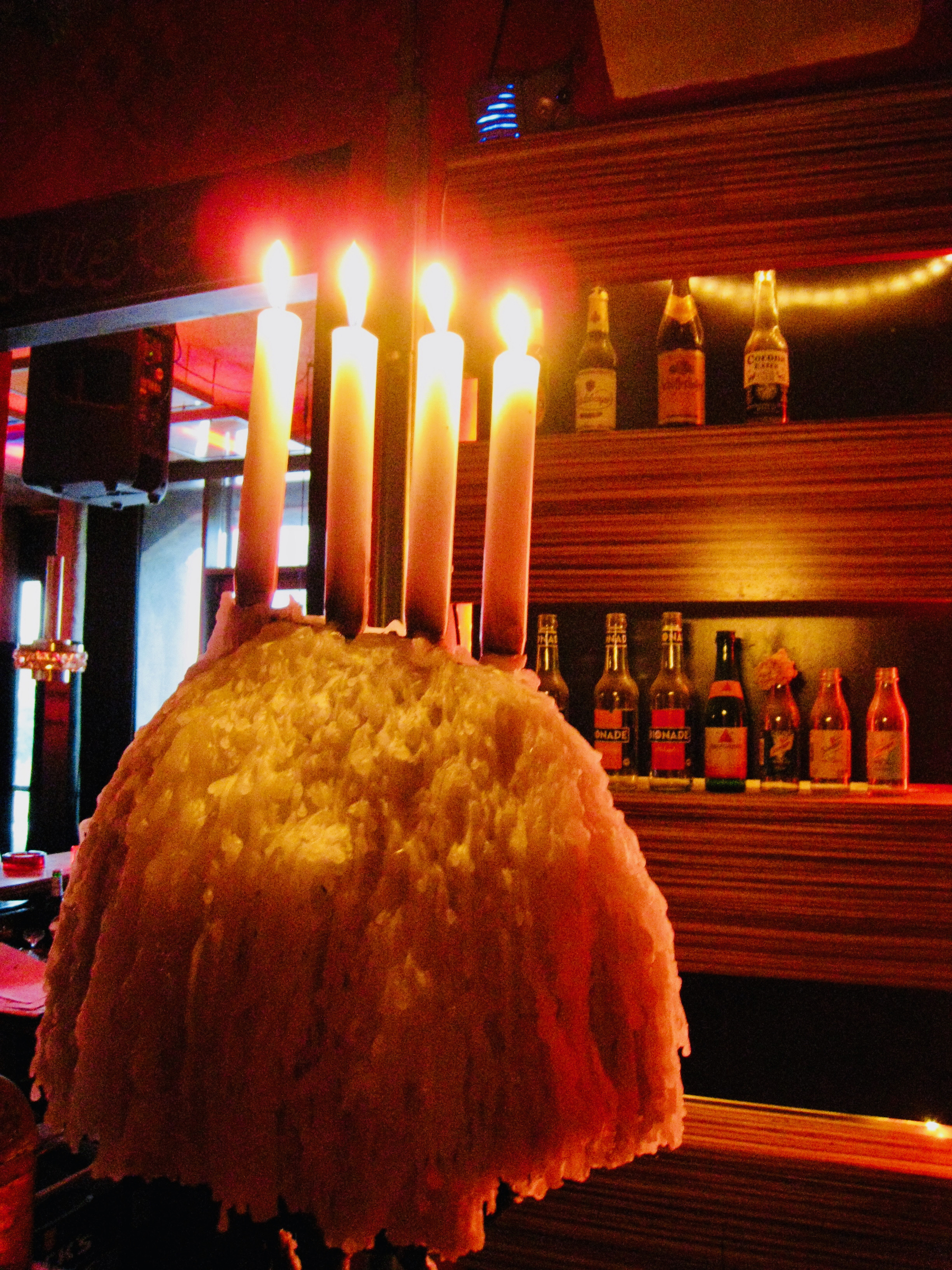


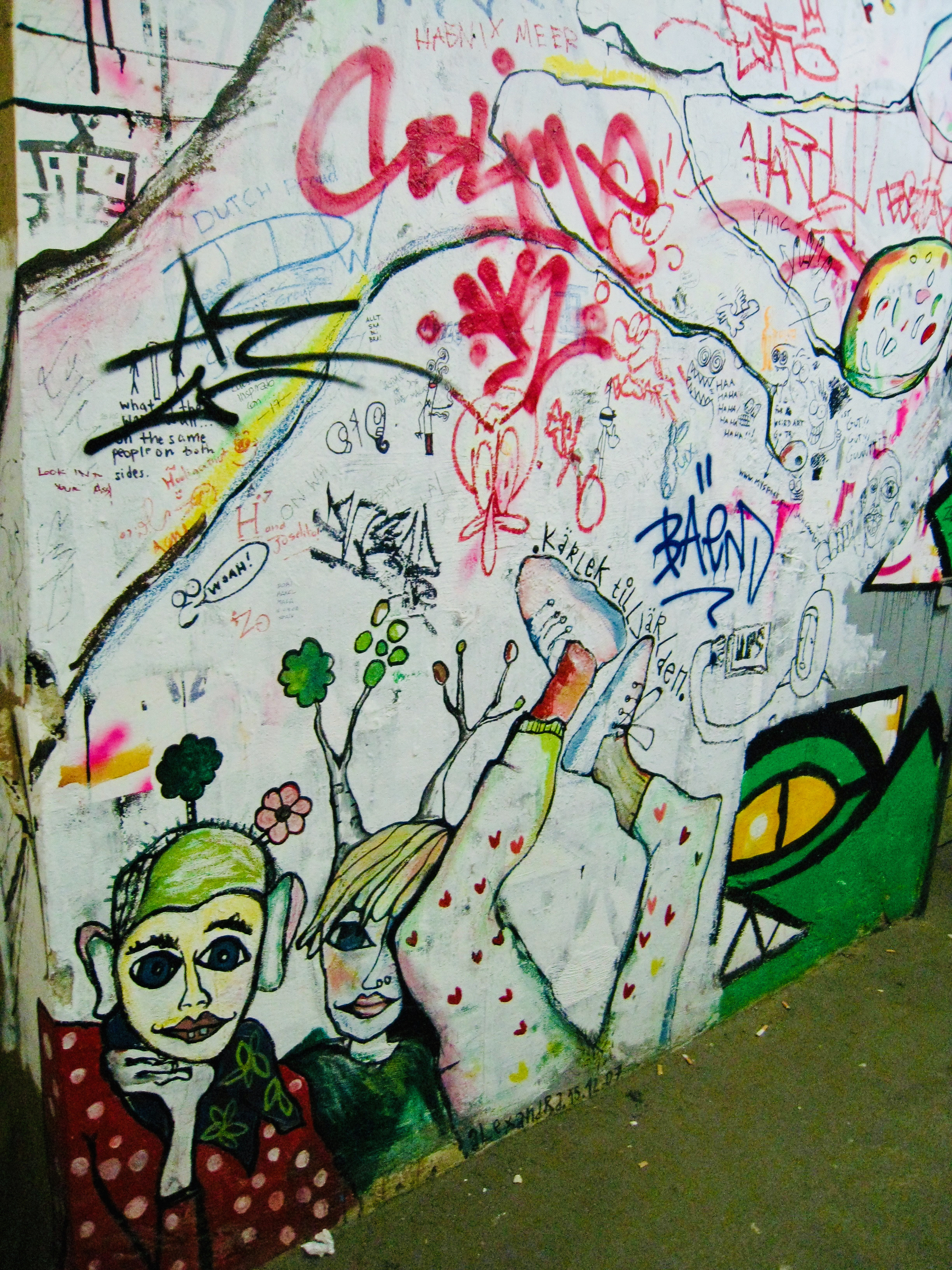
But Tacheles was always fighting against the forces of redevelopment. The artists struggled to secure a permanent future for the building while property owners and city authorities had very different ideas about what should happen to the site. Eventually, after years of legal disputes and uncertainty, Tacheles closed in 2012. For me, that makes the photographs I took there even more meaningful today. What once felt like an endless creative experiment was suddenly gone, leaving behind memories of a place that had represented something uniquely Berlin: the belief that abandoned spaces could be reclaimed, that art could exist outside conventional institutions and that creativity could bring strangers together. Tacheles may have disappeared as a physical art community, but its influence has never really gone away. Its story remains part of Berlin’s cultural history and a reminder of the constant tension between creativity, commerce and redevelopment in a city that is forever changing. Looking back, I feel fortunate to have wandered through those chaotic rooms and captured some of that atmosphere with my camera. Tacheles wasn’t polished, and that was precisely its beauty. It was messy, rebellious, unpredictable and alive. Today, those photographs are a window into a Berlin that no longer exists, but perhaps that’s what photography does best—it allows us to revisit places that time has taken away. As always, the images accompanying this story are my own, watermarked and copyrighted, so please don’t use them without permission. Thanks for joining me on this journey into one of Berlin’s most unforgettable lost art spaces. Until the next adventure.








#Photography #Tacheles #Berlin #BerlinGermany #BerlinArt #BerlinStreetArt #BerlinPhotography #BerlinHistory #AlternativeBerlin #BerlinWall #MitteBerlin #ContemporaryArt #UrbanArt #StreetArt #ArtHistory #TravelPhotography #TravelWriting #Travel #Blog #TravelStories #ExploreBerlin #LostPlaces #Germany
Intricate Mudejar Arches in the Patio de Santa Isabel, Aljaferia Palace Framed Print
A Symphony of Stone and Shadow: Bringing the Aljafería Palace Into Your Home
There is an extraordinary kind of elegance found in the meeting of different worlds. In the historic heart of Spain, centuries of cultural exchange gave birth to a breathtaking architectural language that feels both geometric and deeply organic.
If you are drawn to intricate details, ancient history, and the mesmerizing geometry of Islamic design, we have found your ultimate statement piece: The Intricate Mudejar Arches in the Patio de Santa Isabel, Aljafería Palace framed print.
The Story Behind the Architecture
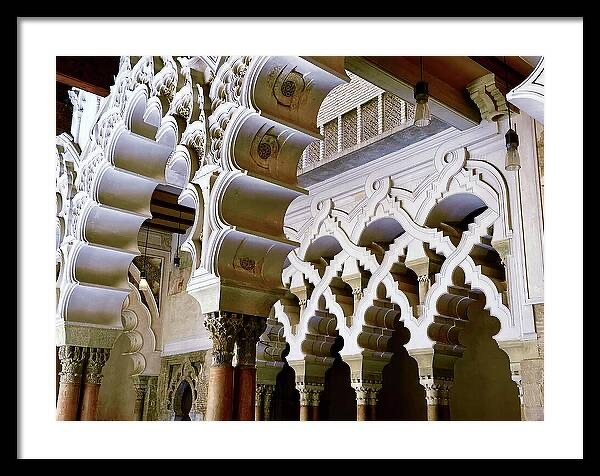
This stunning fine art photograph transports you straight to the sun-drenched interior courtyard of the Aljafería Palace in Zaragoza. As a UNESCO World Heritage site, this magnificent structure stands as a crown jewel of the Taifa-era "Palace of Joy" and later Christian royal residence.
The image highlights the breathtaking beauty of Mudejar and Hispano-Muslim architecture. Through a rhythmic series of interwoven multi-lobed and mixtilinear arches, the camera captures elaborate plasterwork that feels almost lace-like. Watch how natural light and deep shadows dance across the intricate details, emphasizing the depth, texture, and quiet majesty of a space that has inspired travelers for generations.
Why This Print Belongs on Your Wall
Whether you are styling a serene reading nook, a sophisticated hallway, or a living room that calls for a touch of global heritage, this piece brings instant refinement and warmth.
- Mesmerizing Geometry: The complex, harmonious patterns of the arches create a natural focal point that draws the eye and calms the mind.
- Expert Craftsmanship: Each print is hand-assembled, packaged, and inspected by professional framing experts to meet the highest gallery standards.
- Ready to Hang: No frustrating installation process—your artwork arrives fully equipped with pre-attached hanging wire, mounting hooks, and nails.
- Fully Customizable: Tailor the frame and mat to your exact home aesthetic by choosing from hundreds of unique combinations.
Invite Timeless Elegance Into Your Space
Transform your walls with a piece of living history that celebrates the pinnacle of medieval craftsmanship and design.
Click here to customize and order your Aljafería Palace framed print today.
Assembled with care and shipped right to your door in just 3–4 business days!
#AljaferiaPalace #MudejarArchitecture #Zaragoza #IslamicDesign #UNESCOWorldHeritage #SpanishHistory #FineArtPhotography #WallArtDecor #InteriorDesign #HistoricArchitecture #HomeDecor #StatementPiece #ArchitecturalPhotography #FramedPrint #GlobalHeritage #Photography #Prints
Recoleta Cemetery, Buenos Aires: A Hauntingly Beautiful Walk Through History
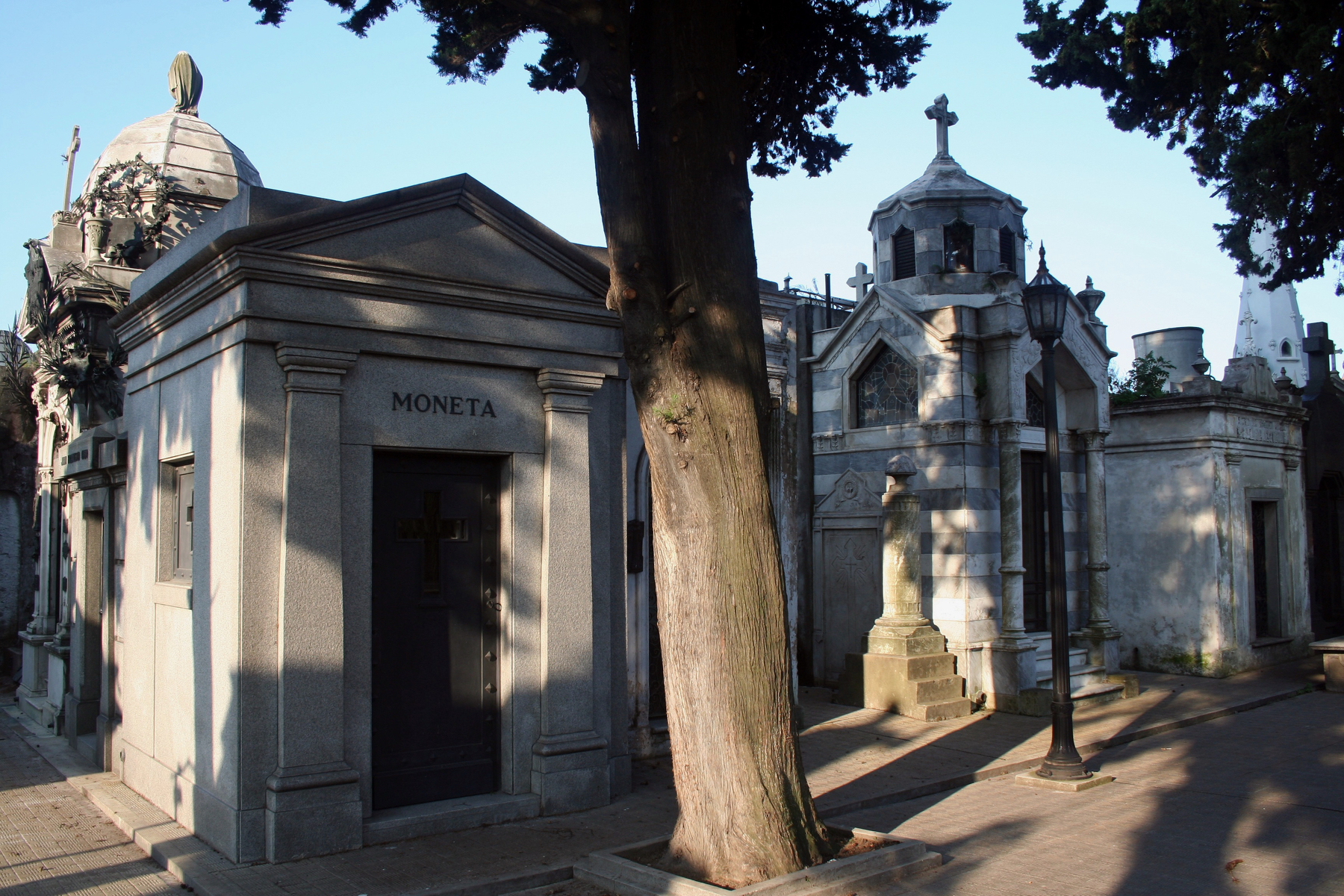
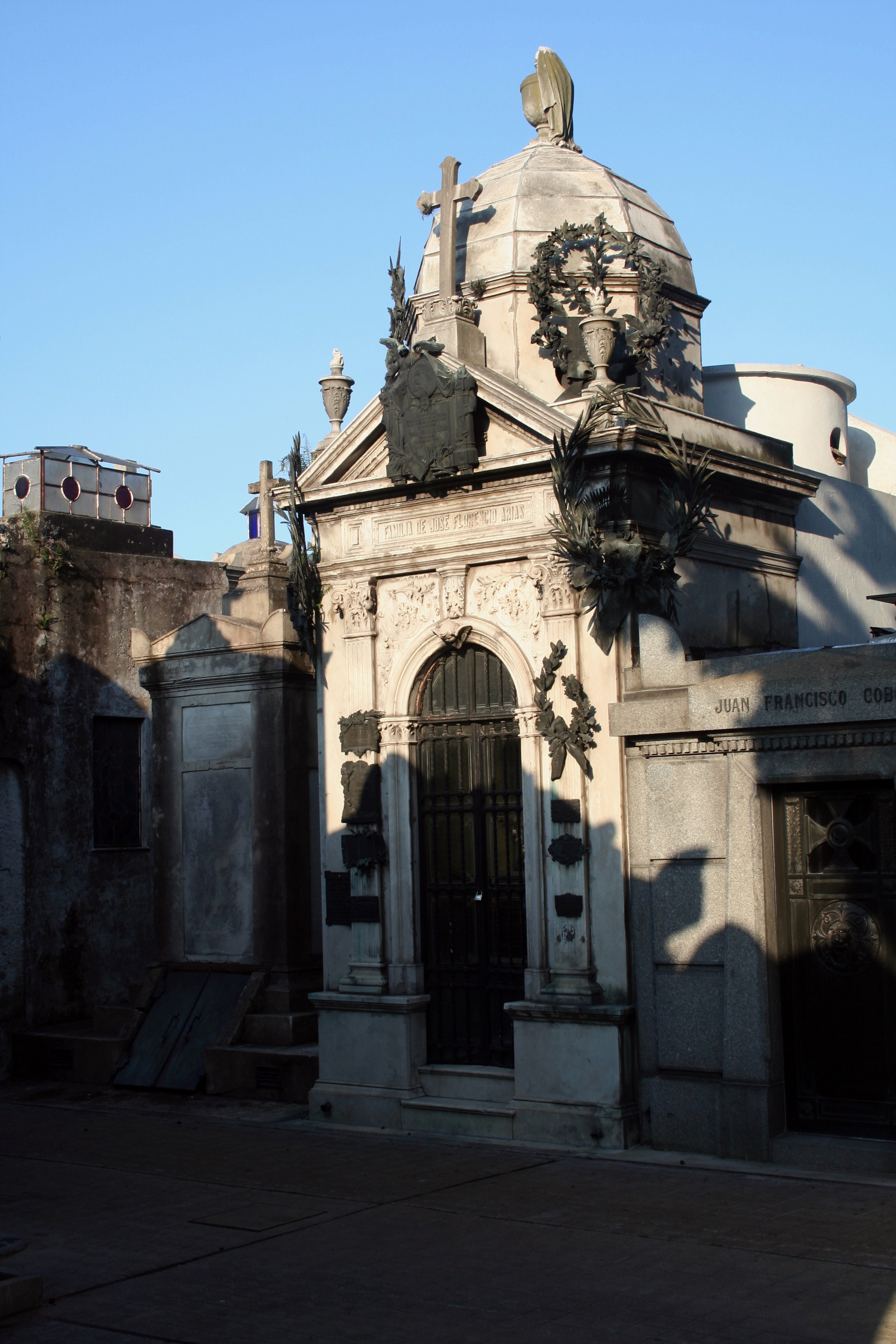
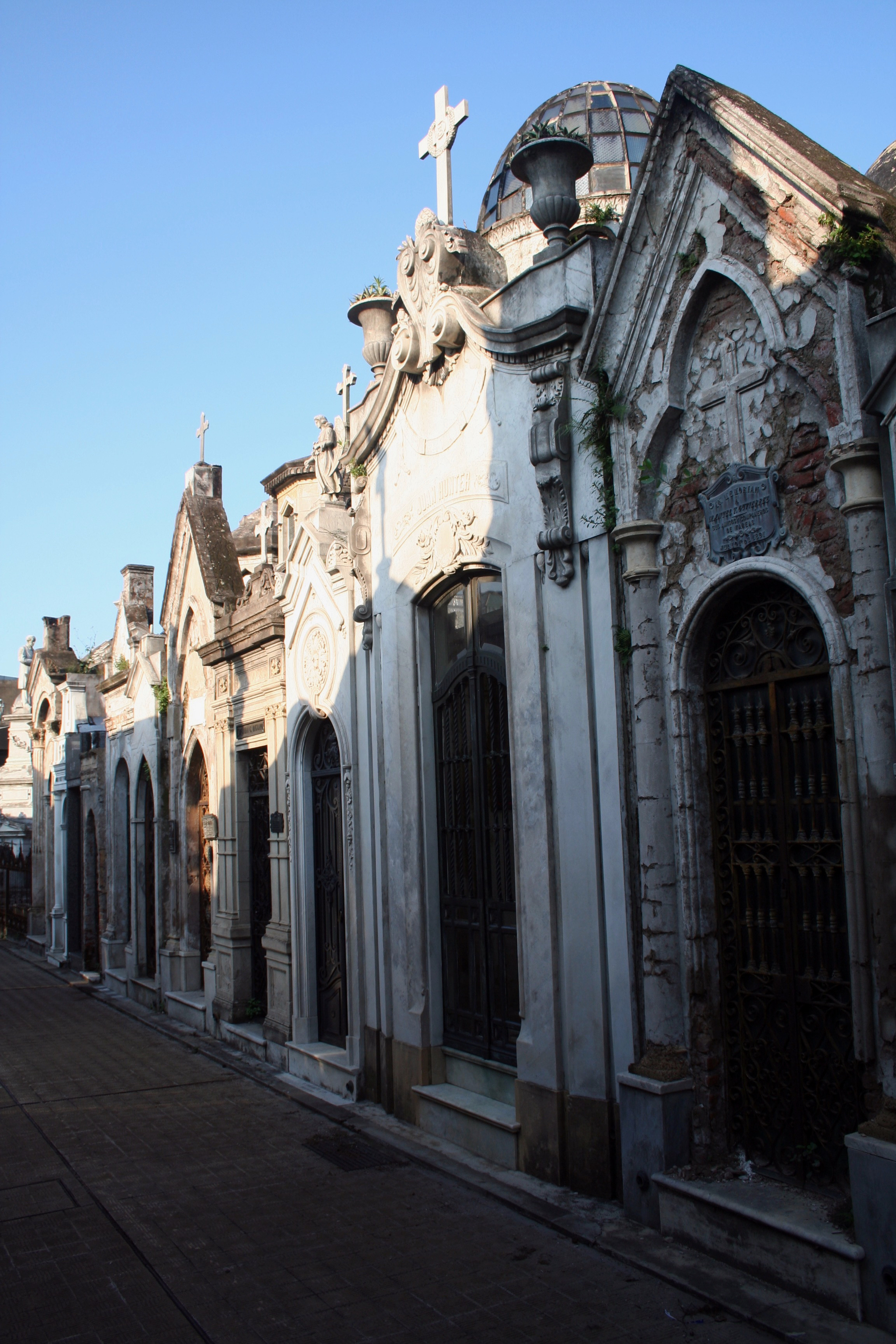
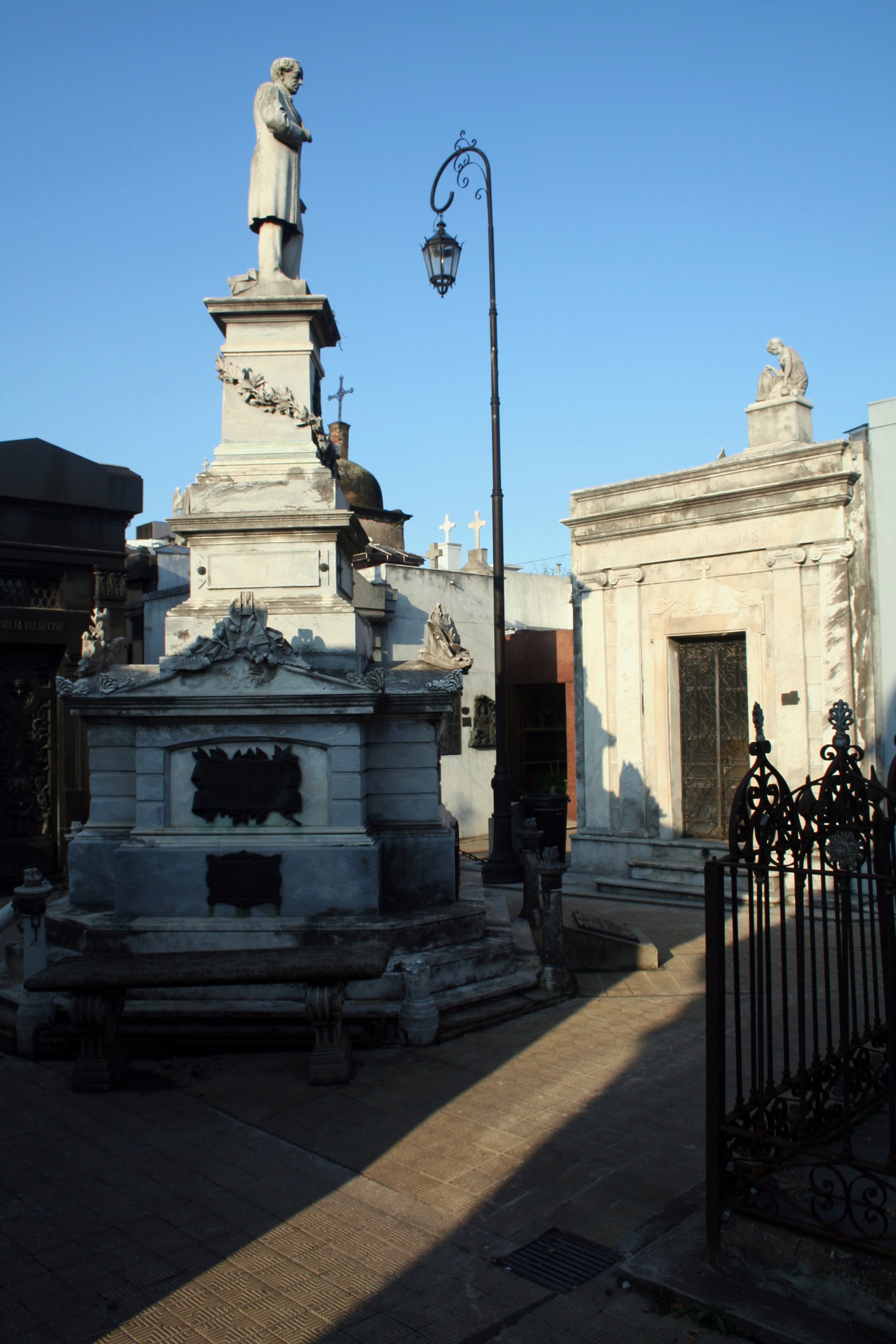
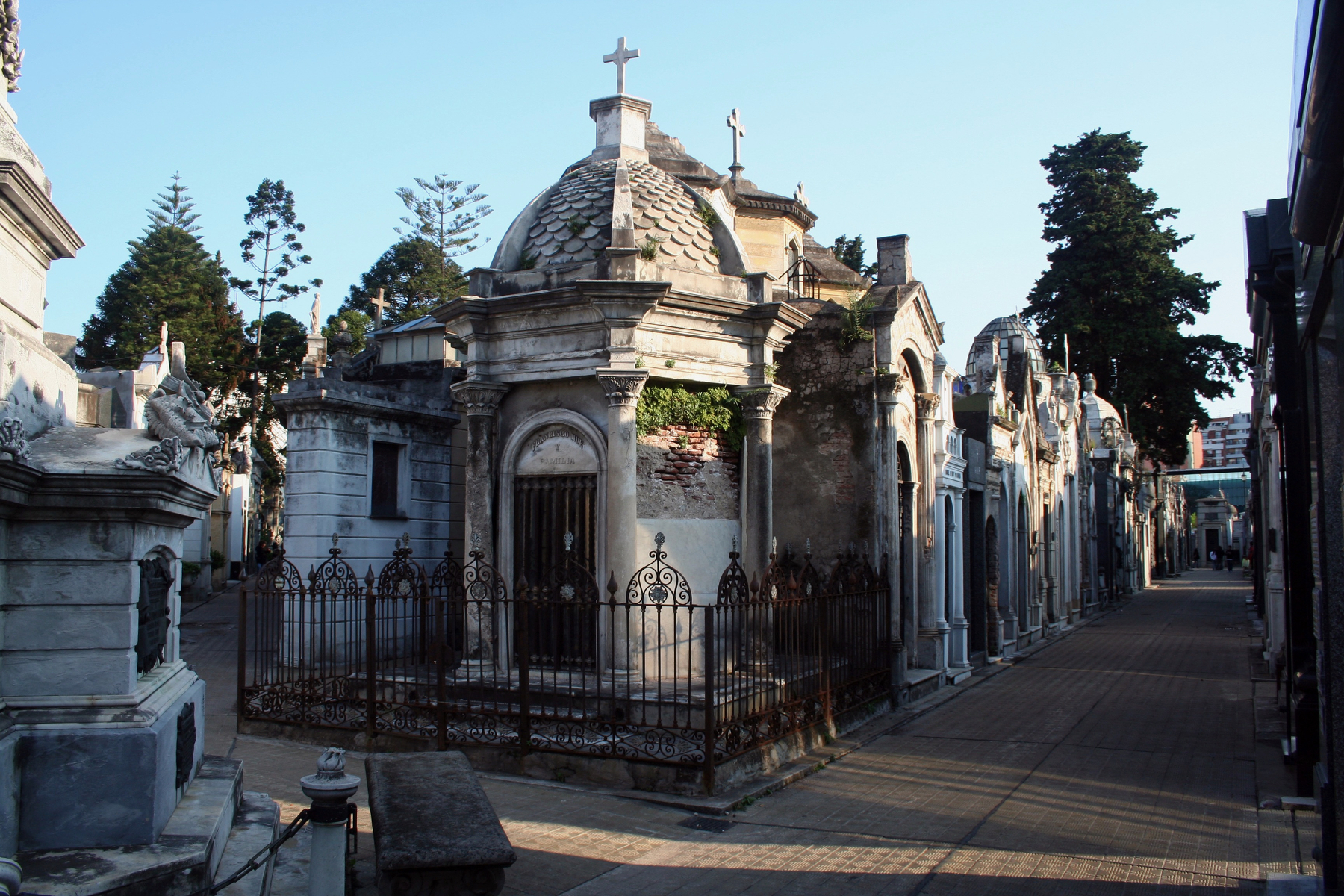
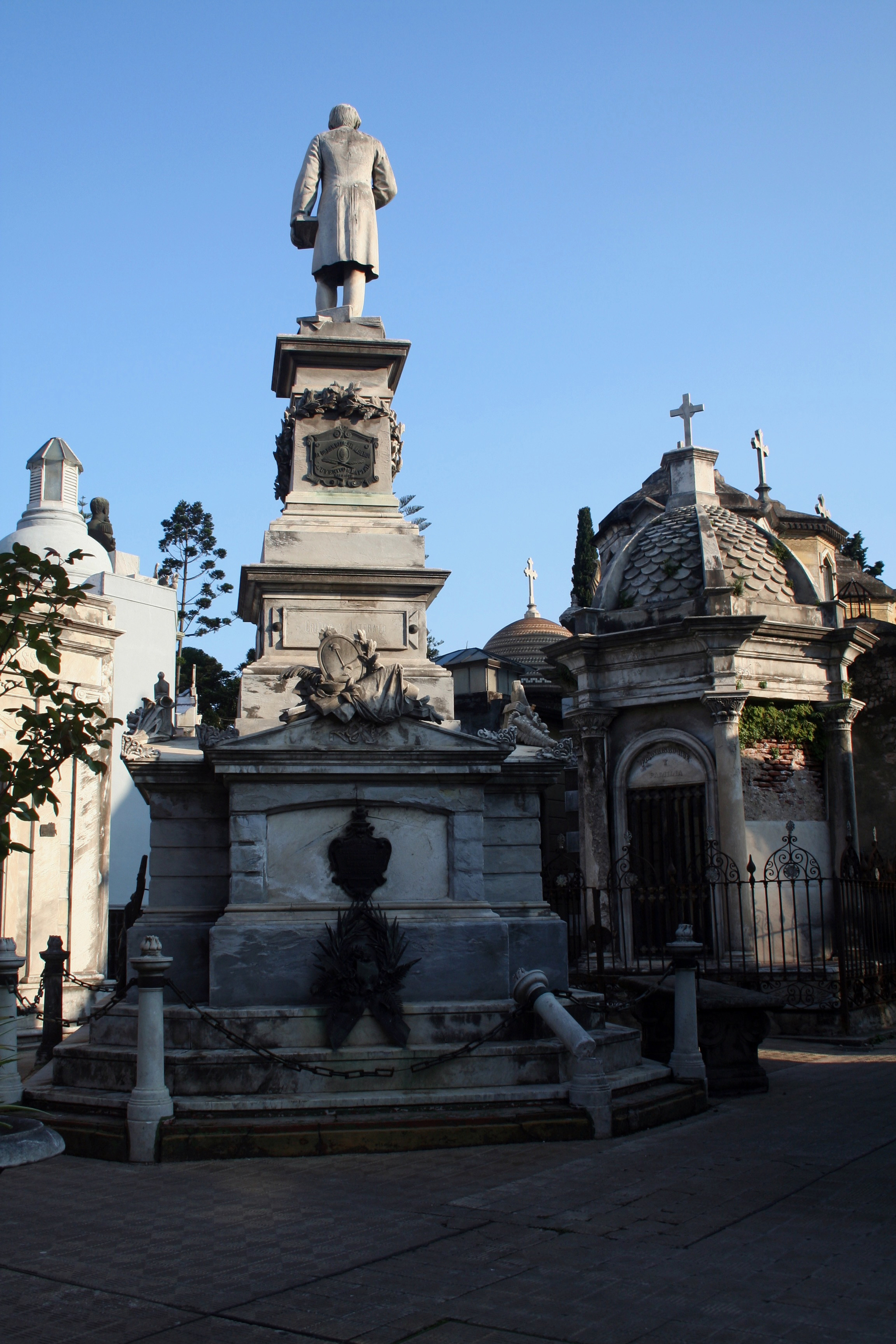
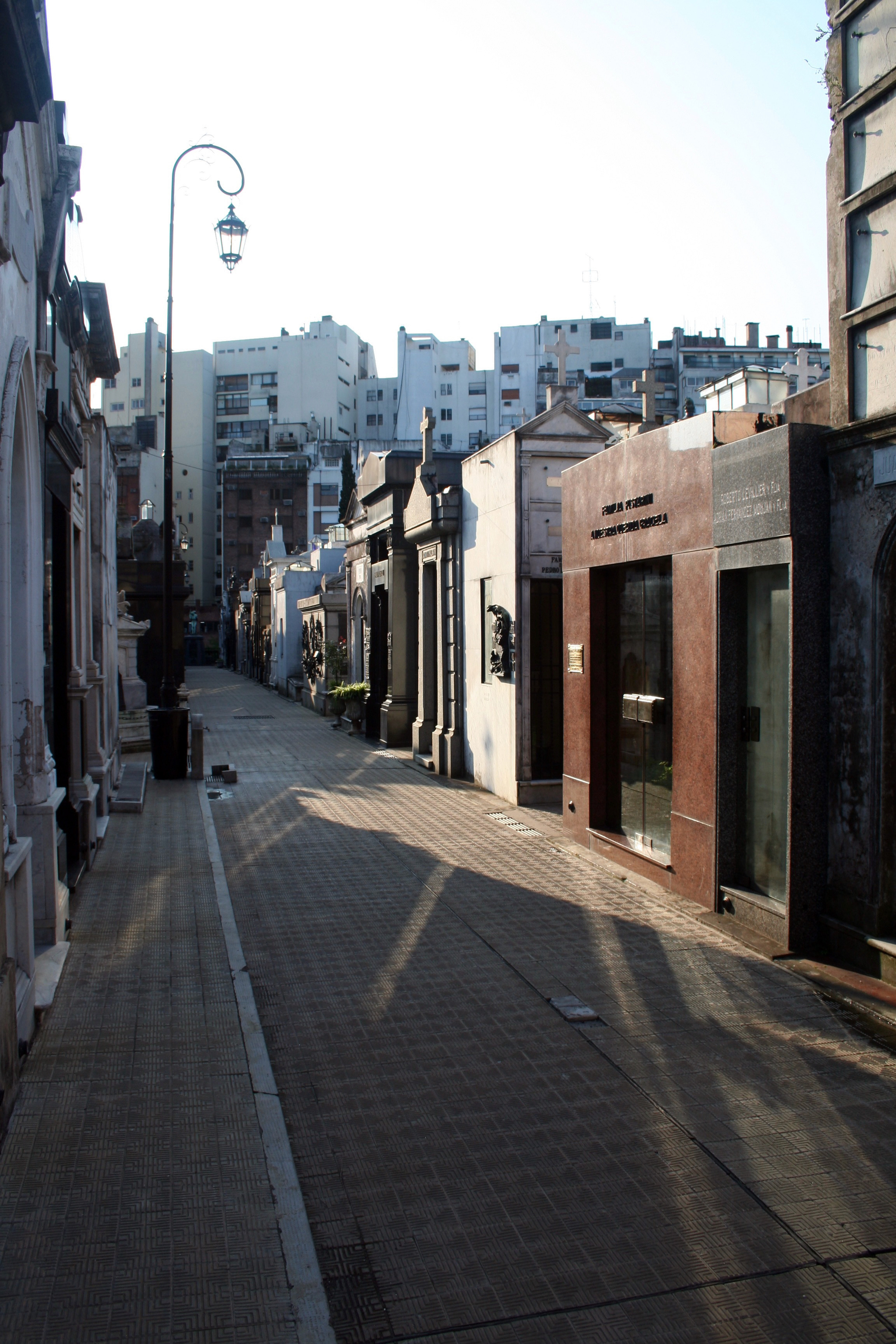
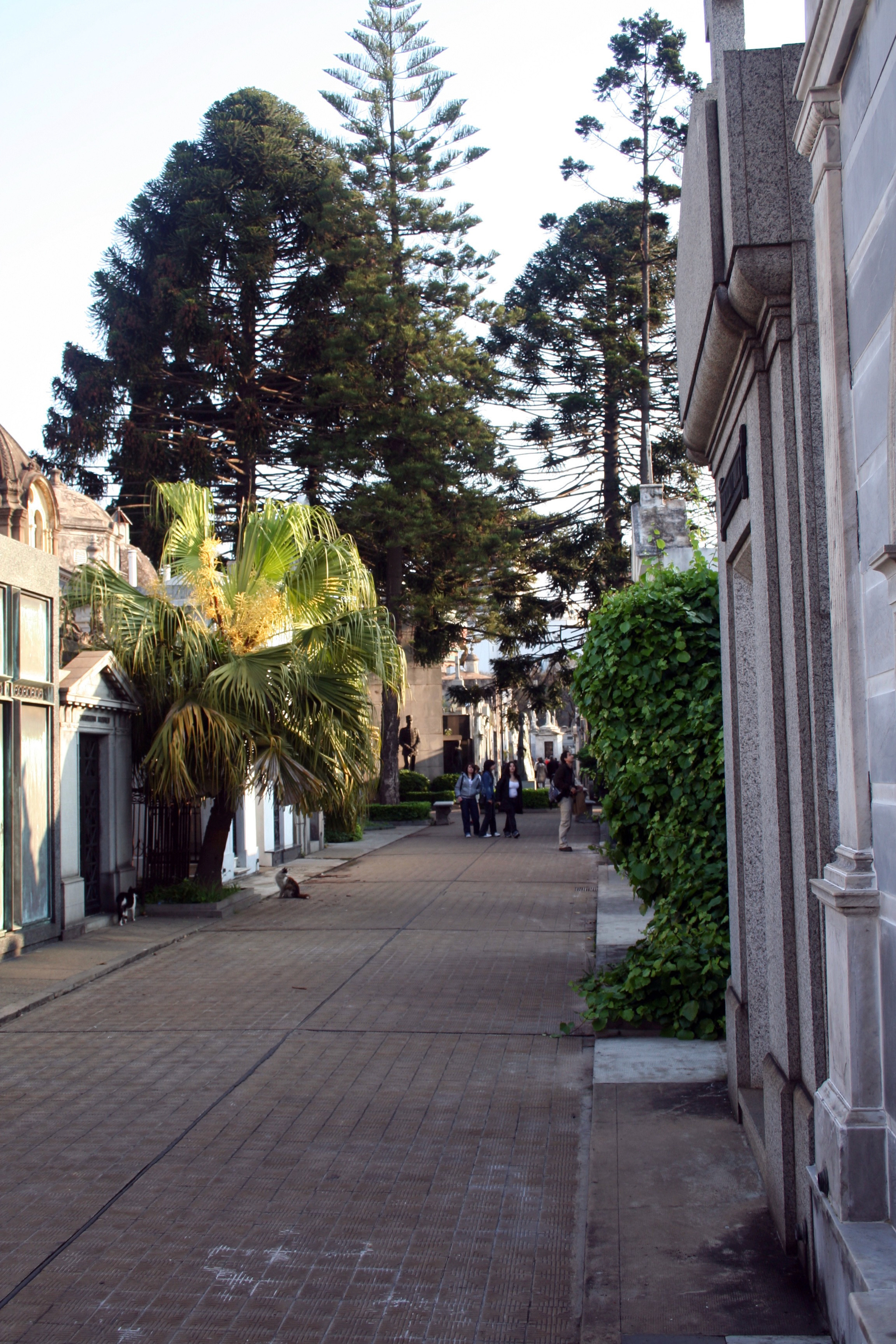
When you think about Buenos Aires, a cemetery probably isn’t the first place that comes to mind. You think of colorful neighborhoods, elegant architecture, tango, lively cafés and the energy of one of South America’s great cities. Yet Recoleta Cemetery became one of the places that fascinated me most. I actually visited twice, and the two experiences couldn’t have been more different. The first time, Buenos Aires was wrapped in rain, and the wet stone, darkened mausoleums and quiet paths created an almost haunting atmosphere. When I returned on a bright, sun-drenched day, the same cemetery seemed transformed. Sunlight poured between the monuments, revealing intricate carvings, statues and architectural details that had been hidden beneath the grey skies. It was almost as though I had visited two completely different places.
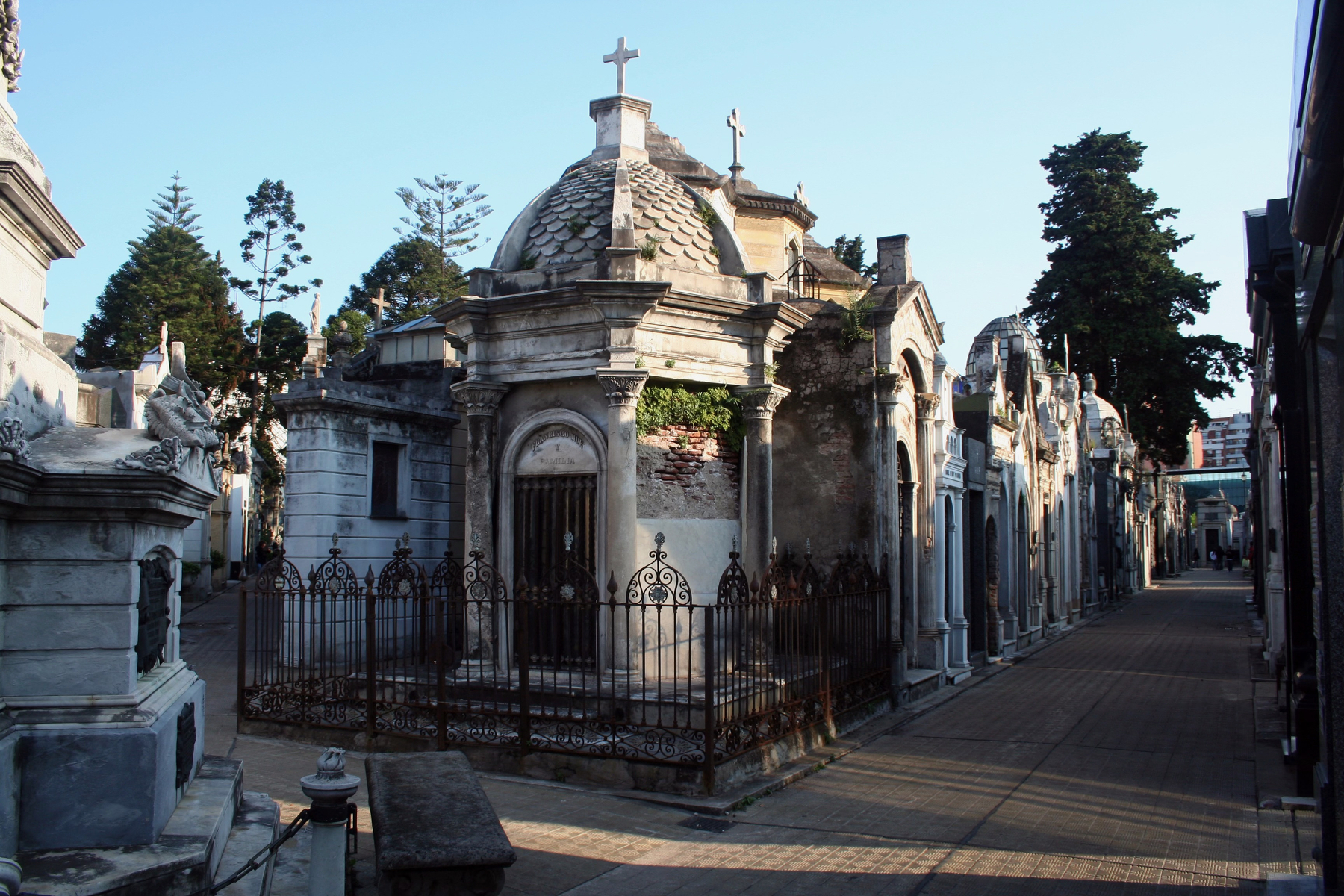

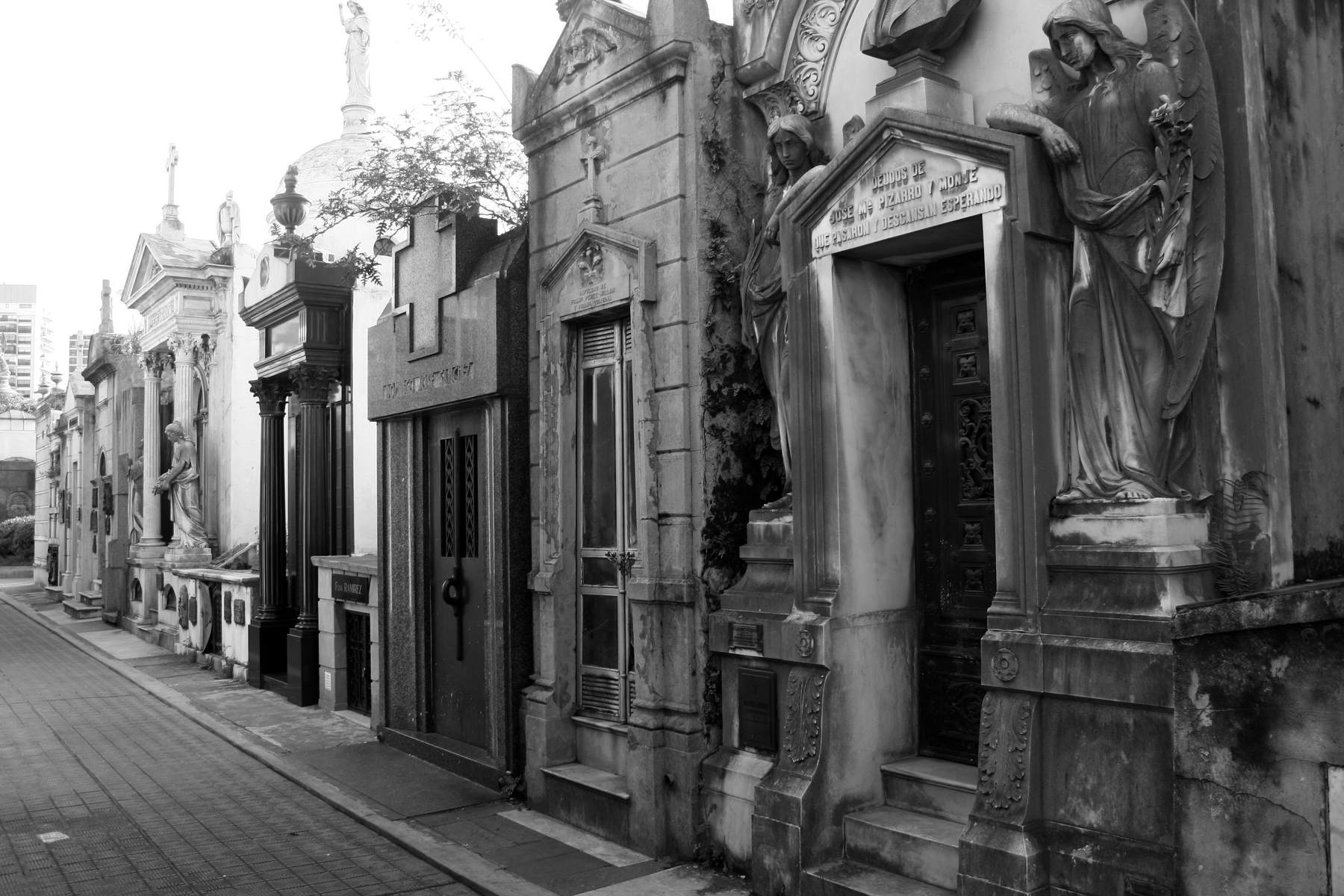
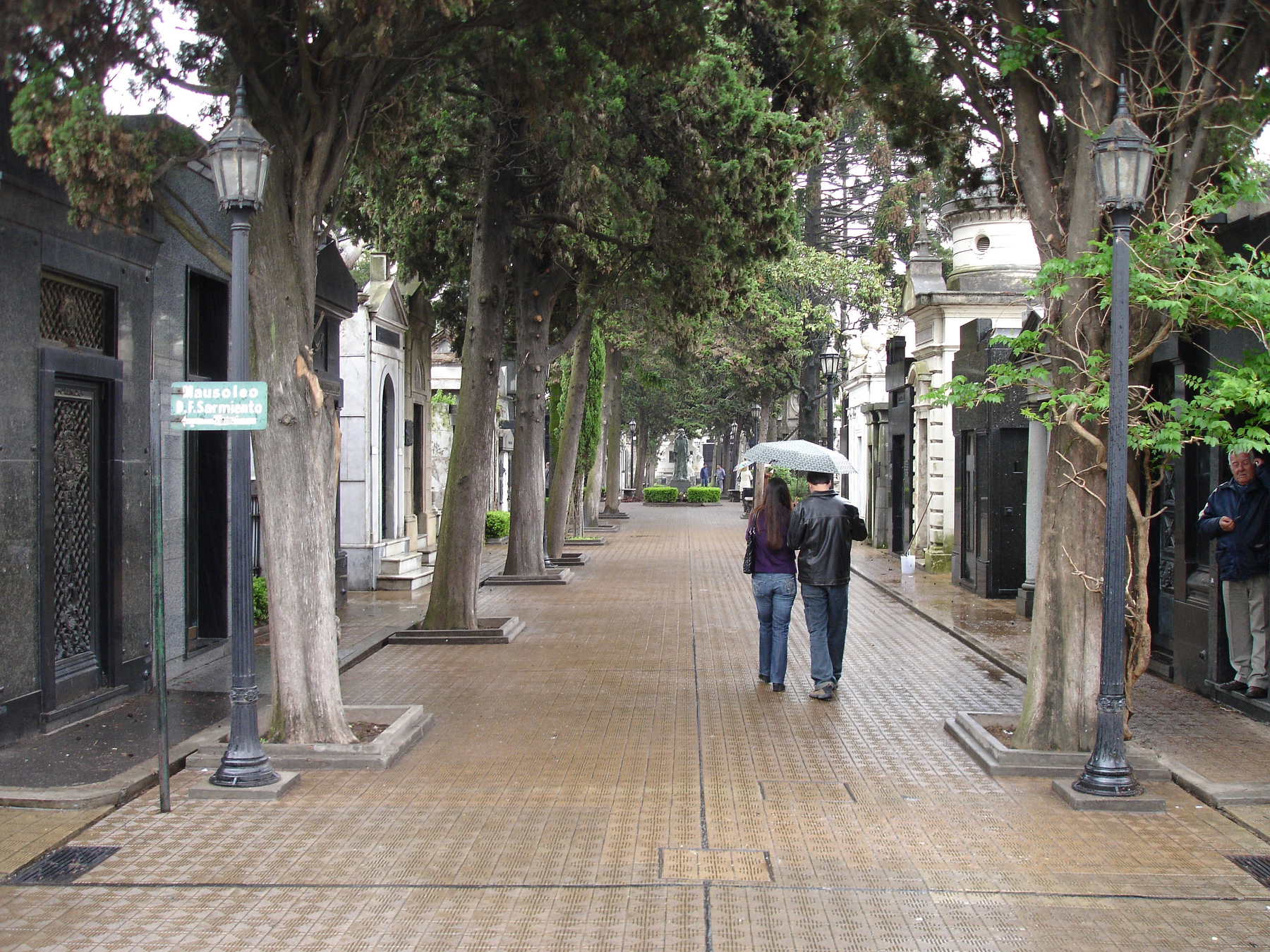
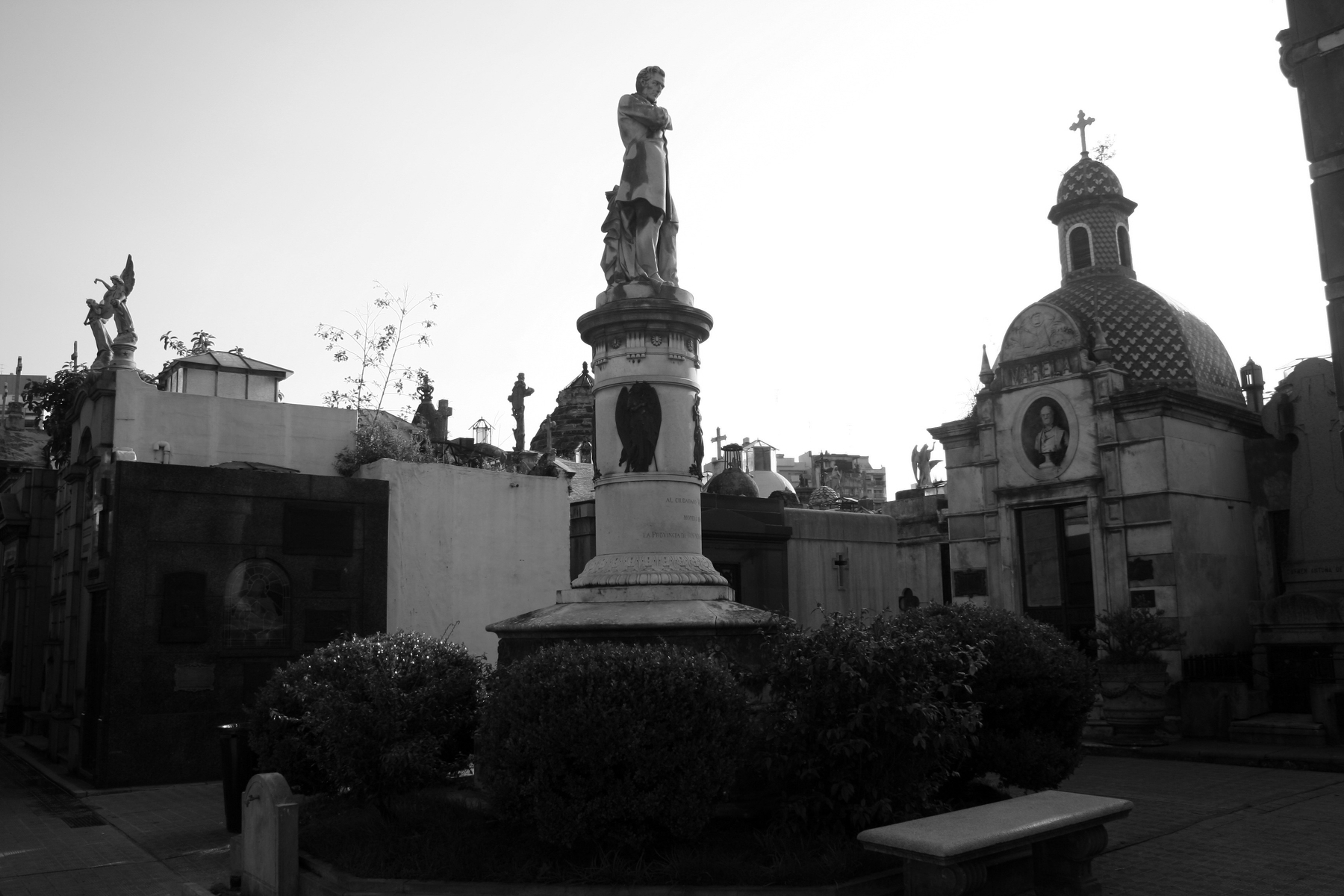


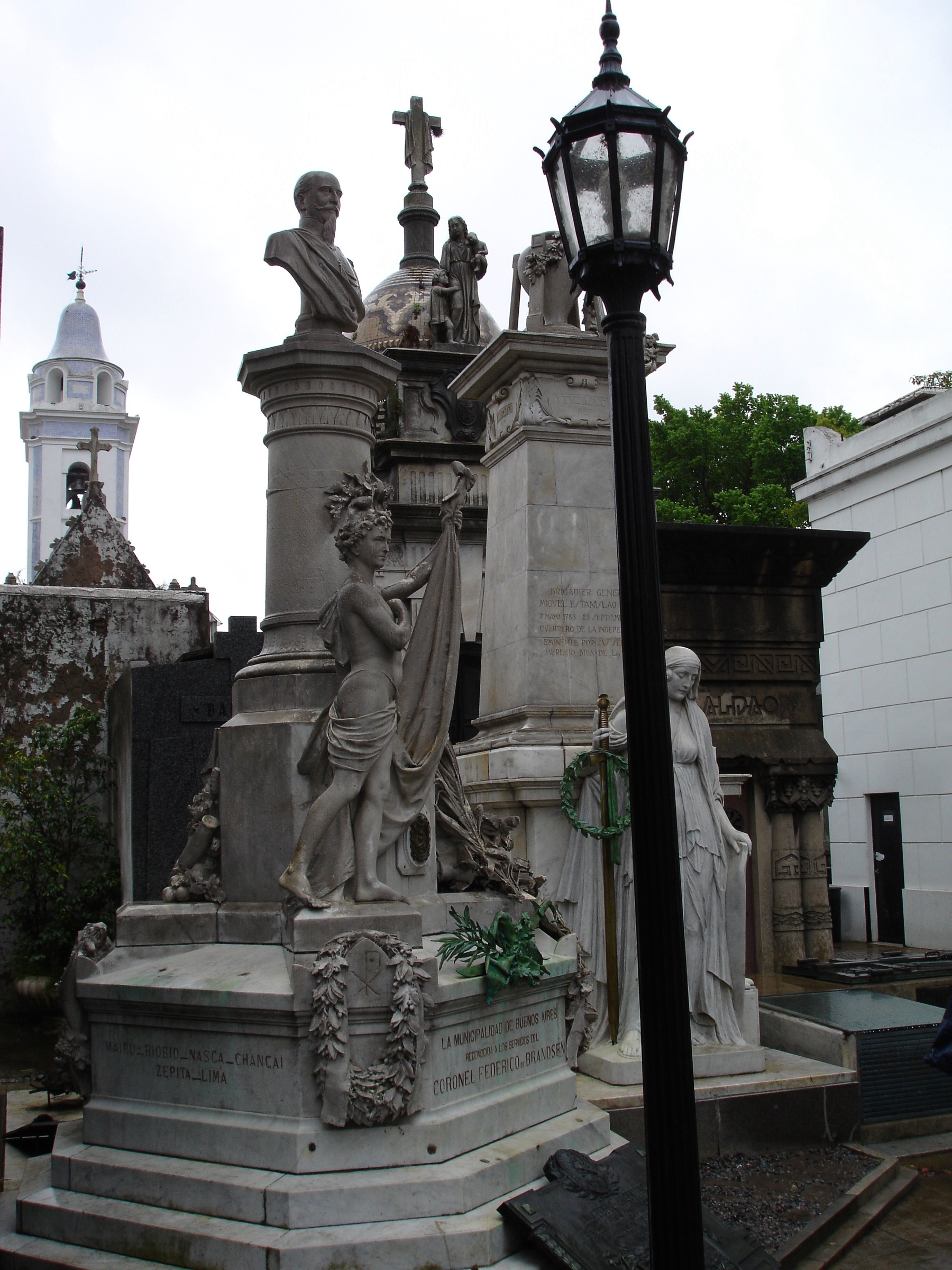

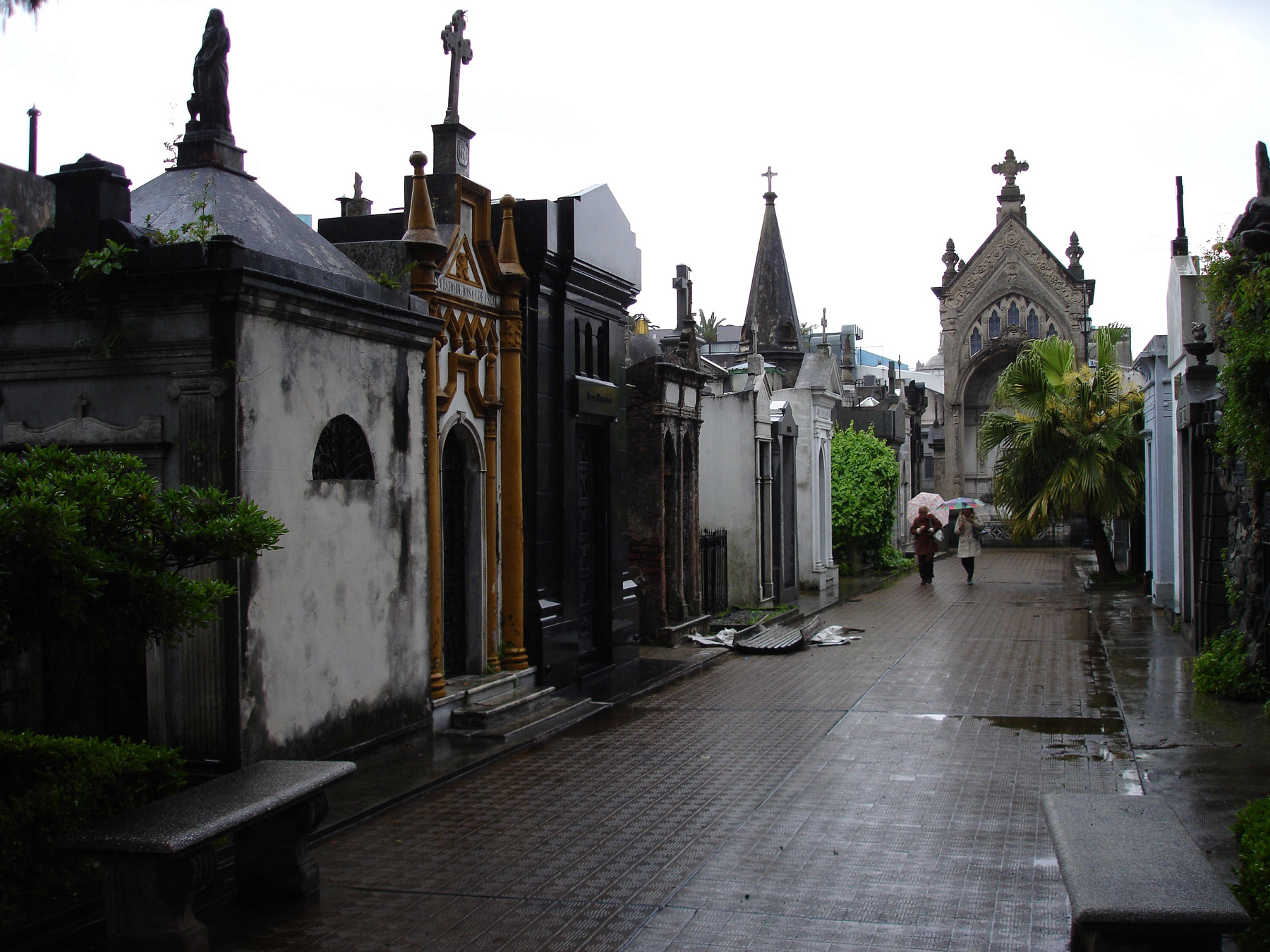


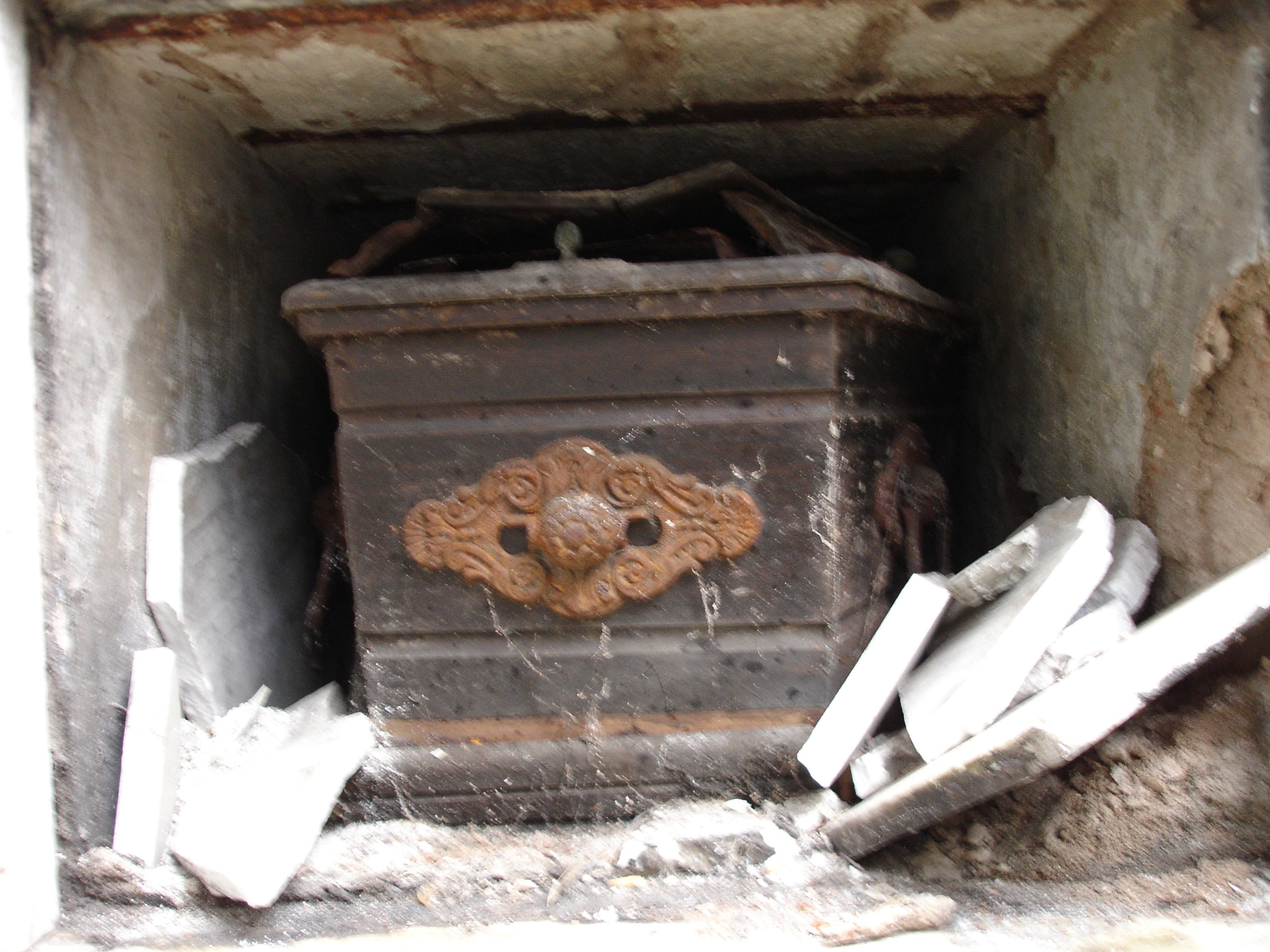
Founded in 1822 on the grounds of a former monastery, Recoleta Cemetery is far more than a place where people are buried. Walking through its maze of narrow paths feels like wandering through an enormous outdoor museum of Argentine history, art and architecture. More than 6,400 graves are packed into the cemetery’s roughly 14 acres, and the mausoleums range from grand neoclassical structures to elaborate art nouveau creations decorated with sculptures, stained glass and extraordinary stonework. Among those buried here are some of the most influential figures in Argentine history, including former presidents, writers, artists and other national figures. The most famous grave is undoubtedly that of Eva Perón, known affectionately around the world as Evita. Her final resting place continues to attract visitors from across the globe, and standing there made me appreciate just how deeply her story remains woven into the identity of Buenos Aires.


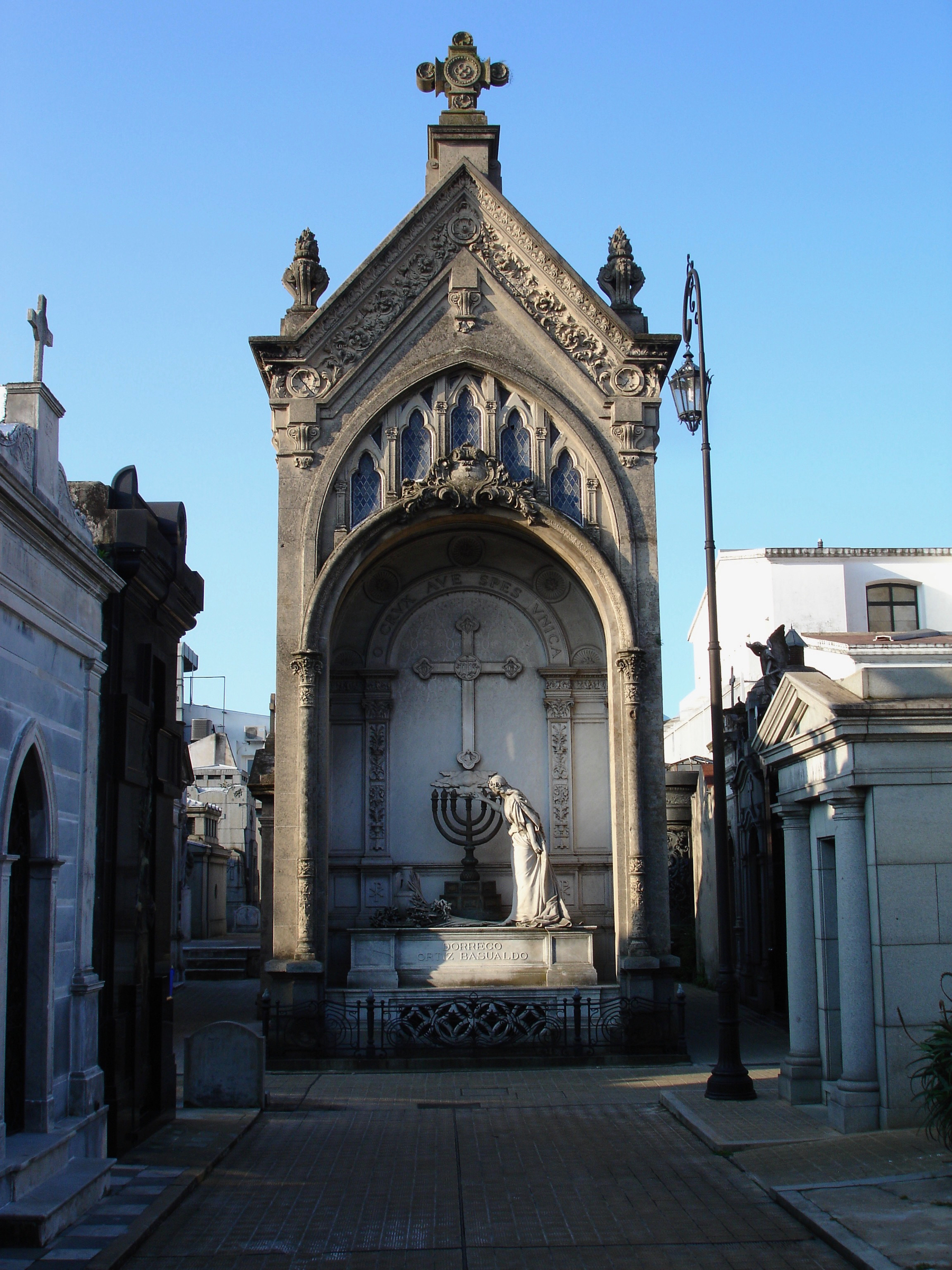
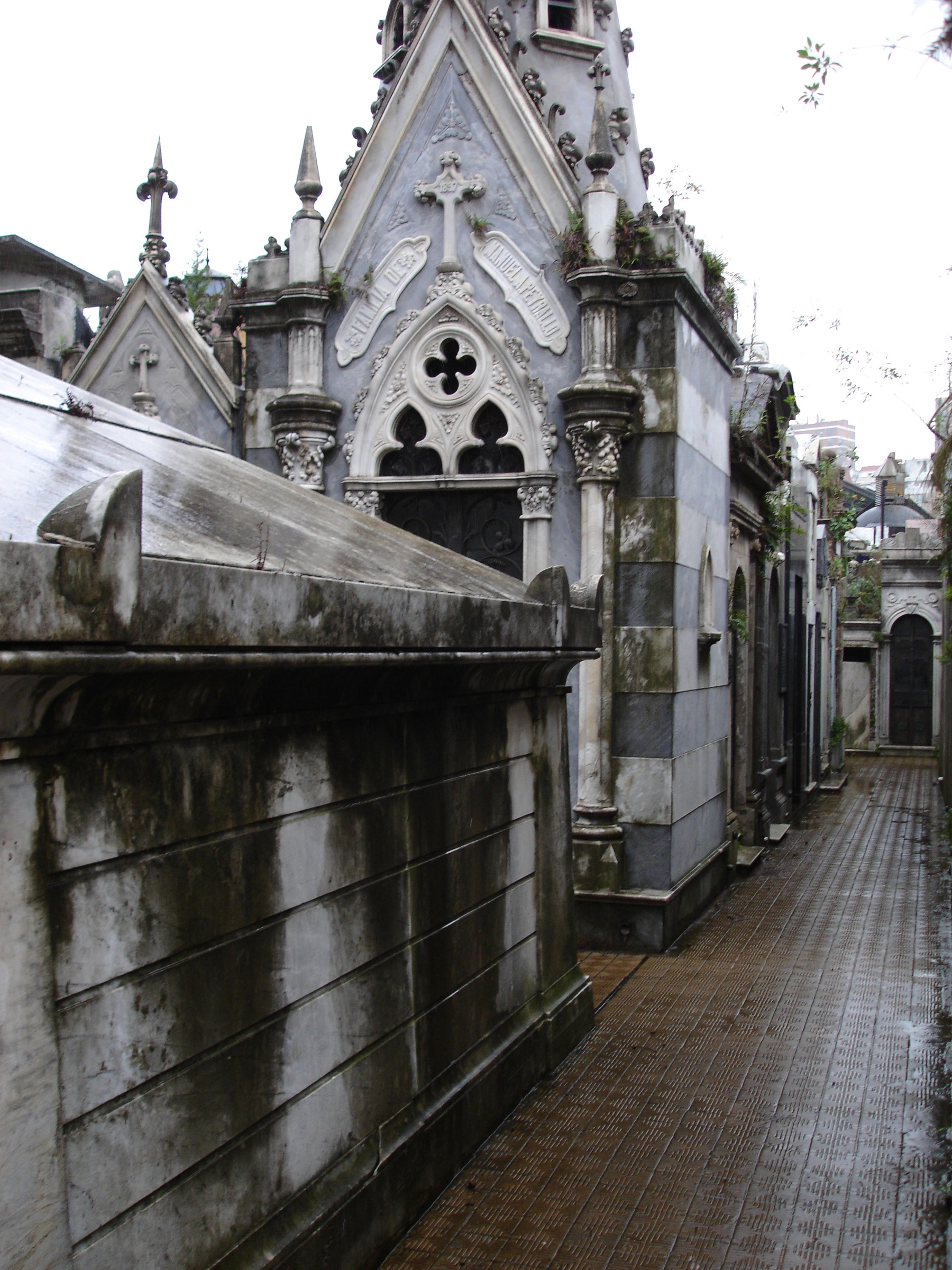
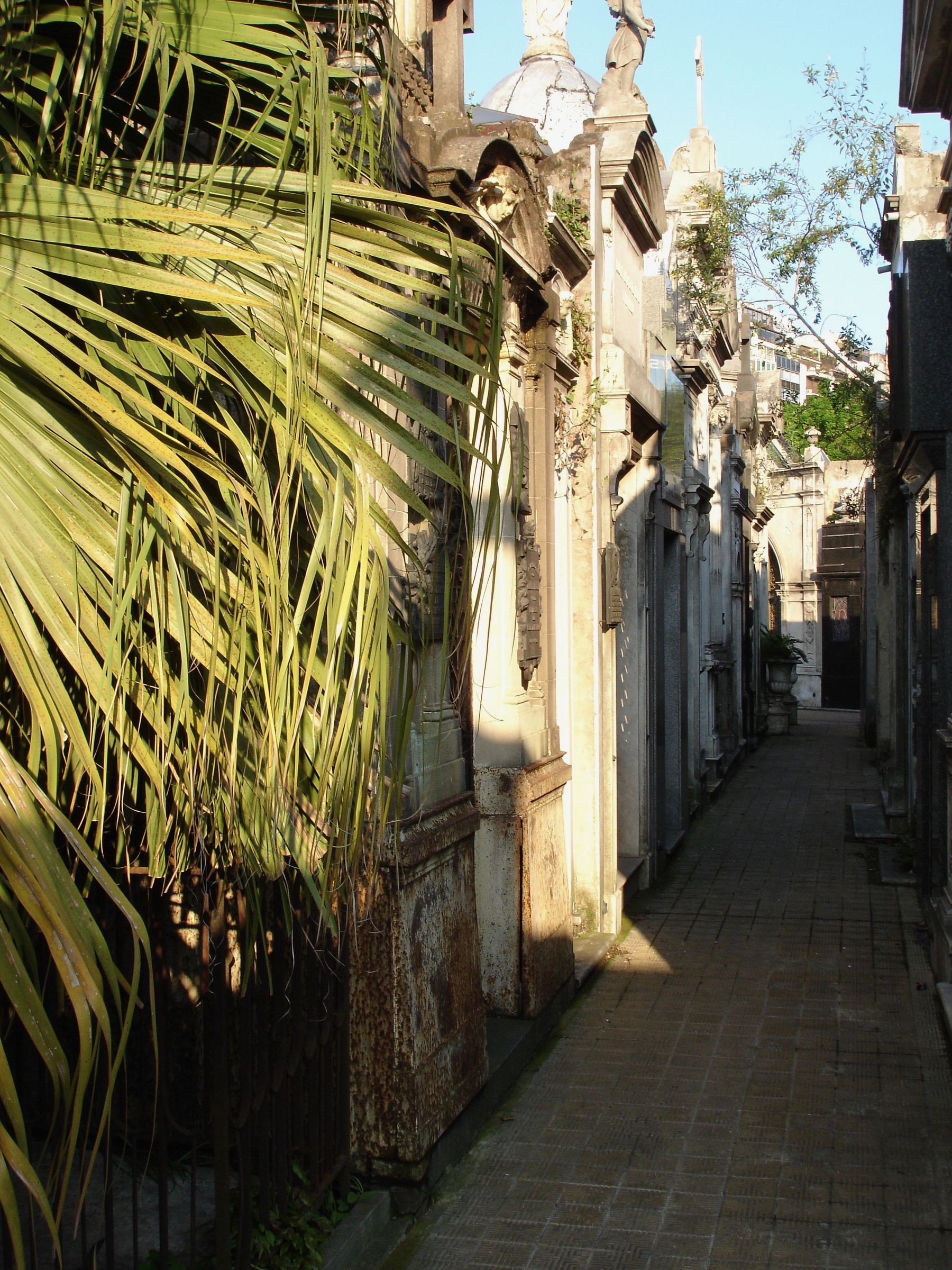

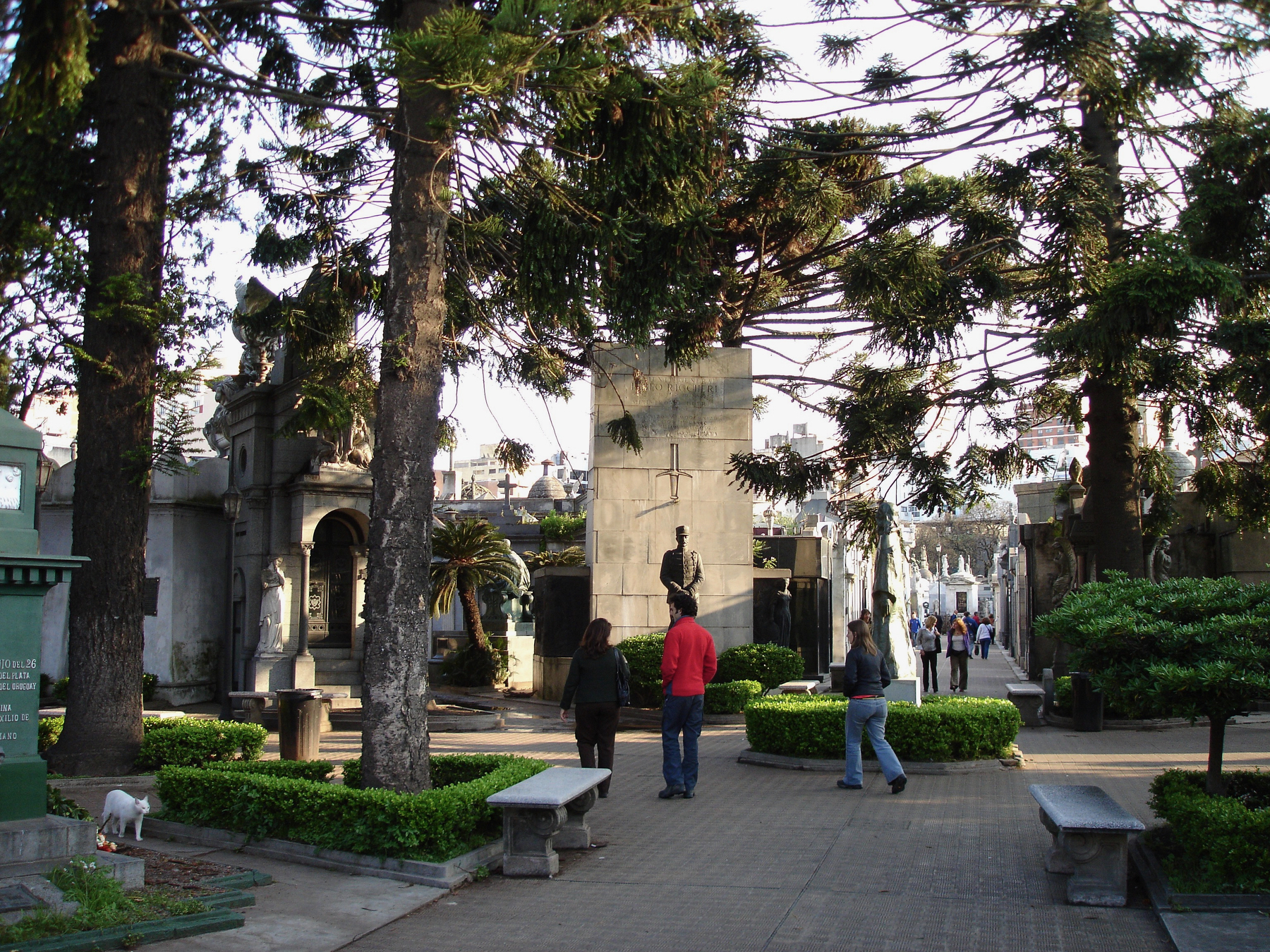
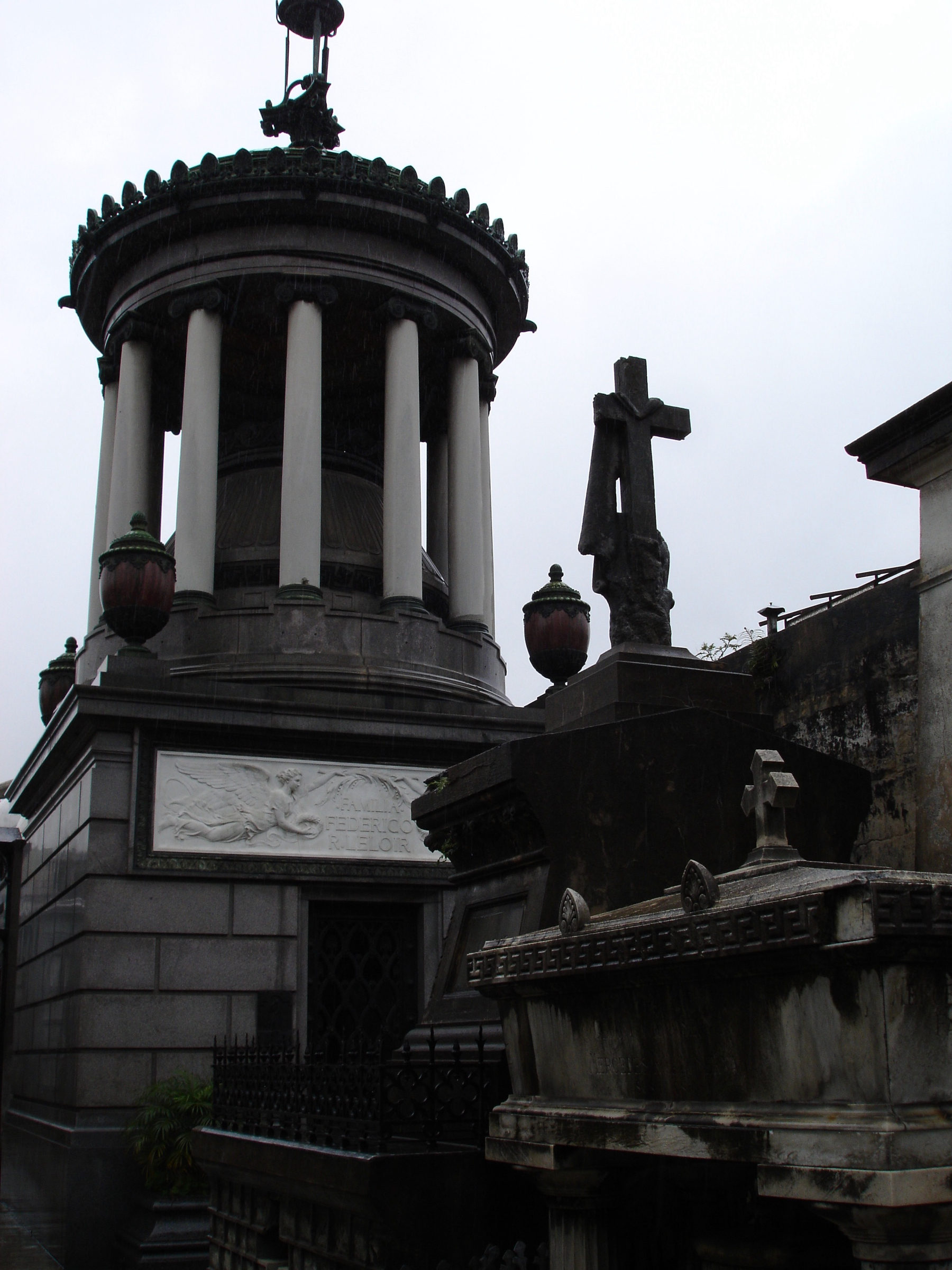


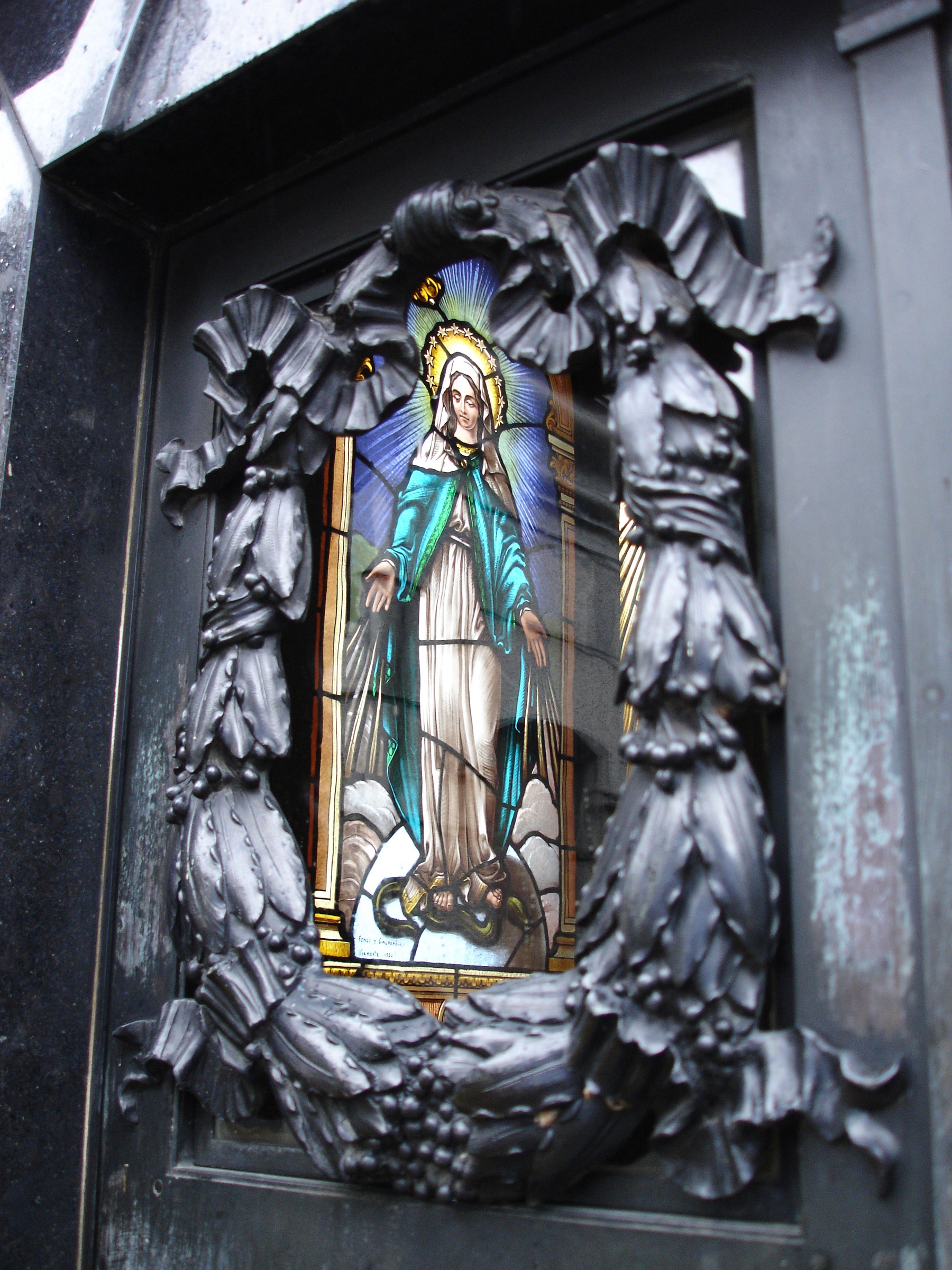
What fascinated me most was how easily the cemetery blurred the line between history and legend. As I wandered between the elaborate tombs, I heard the stories that have become part of Recoleta’s mythology, including the tragic tale of Rufina Cambaceres, a young woman who was reportedly buried alive in 1902 and whose ghost is said to haunt the cemetery. Whether you believe the story or not, it adds another layer to an already atmospheric place. On my rainy visit, the sound of water falling against the stone seemed perfectly suited to these stories, while on my second visit the sunshine gave everything a strangely peaceful beauty. Despite its sombre purpose, Recoleta isn’t a completely silent or abandoned place. Tourists and locals move through its pathways, guides share stories of the people buried there, and visitors pause at monuments to admire the craftsmanship. Something is fascinating about seeing death, history and art existing together so openly.


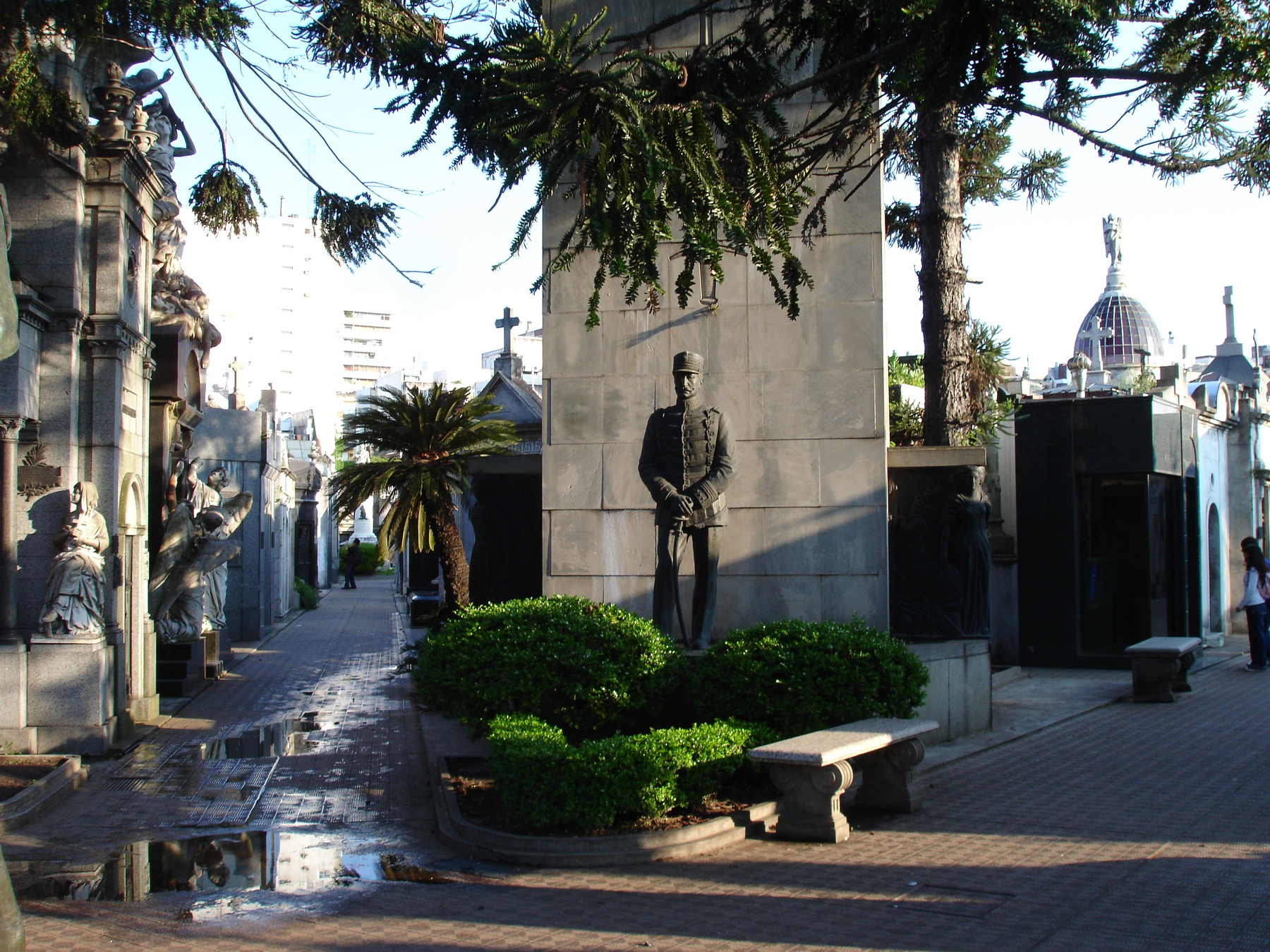

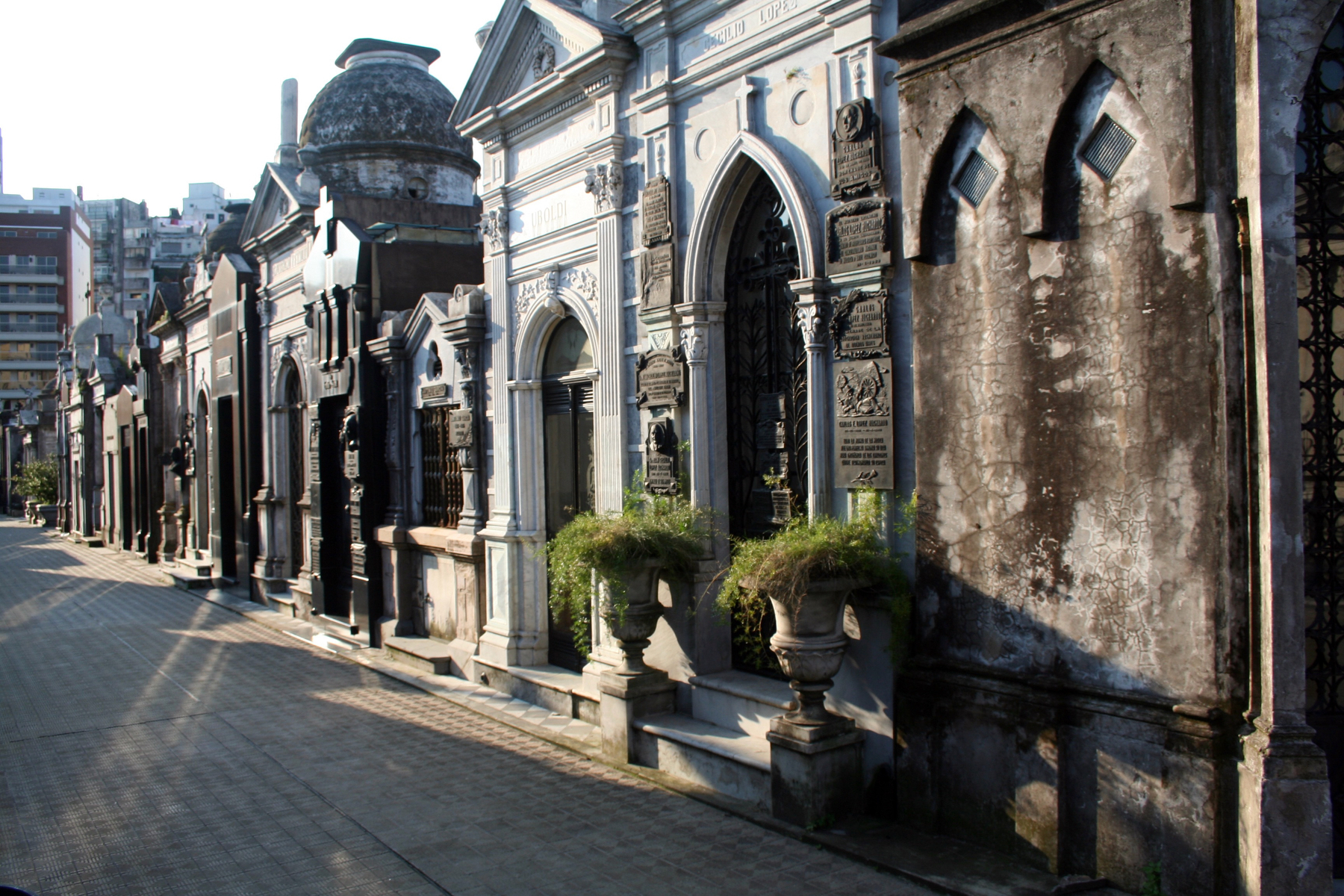


By the time I left Recoleta Cemetery, I felt that I had experienced a different side of Buenos Aires—one that isn’t found in the busy streets or famous landmarks, but in the city’s memories. Recoleta reminded me that cemeteries can tell us an extraordinary amount about the places where they are found. They reveal who was celebrated, who was powerful, who was loved and how people chose to remember their dead. For a photographer, the cemetery is also an incredible visual experience, with every doorway, statue, shadow and weathered façade offering another photograph. And perhaps that is why I returned twice: once to experience its haunting beauty beneath the rain, and again to see what the sunlight would reveal. If you’re visiting Buenos Aires, don’t overlook Recoleta Cemetery. Give yourself time to wander without rushing, look closely at the architecture and allow the stories behind the monuments to emerge. You may arrive expecting a cemetery and leave feeling that you’ve discovered one of the city’s most fascinating museums. As always, my photographs from Recoleta are my own, watermarked and copyrighted, so please don’t use them without permission. Thanks for joining me on this slightly eerie but unforgettable journey through Buenos Aires. Until the next adventure.

#Photography #BuenosAires #RecoletaCemetery #CementerioDeLaRecoleta #Argentina #ArgentinaTravel #BuenosAiresTravel #Evita #EvaPeron #SouthAmericaTravel #TravelPhotography #ArchitecturePhotography #CemeteryPhotography #HistoricPlaces #TravelWriting #TravelBlog #TravelStories #ExploreArgentina #BuenosAiresPhotography #DarkTourism