
Recoleta Cemetery, Buenos Aires: A Hauntingly Beautiful Walk Through History
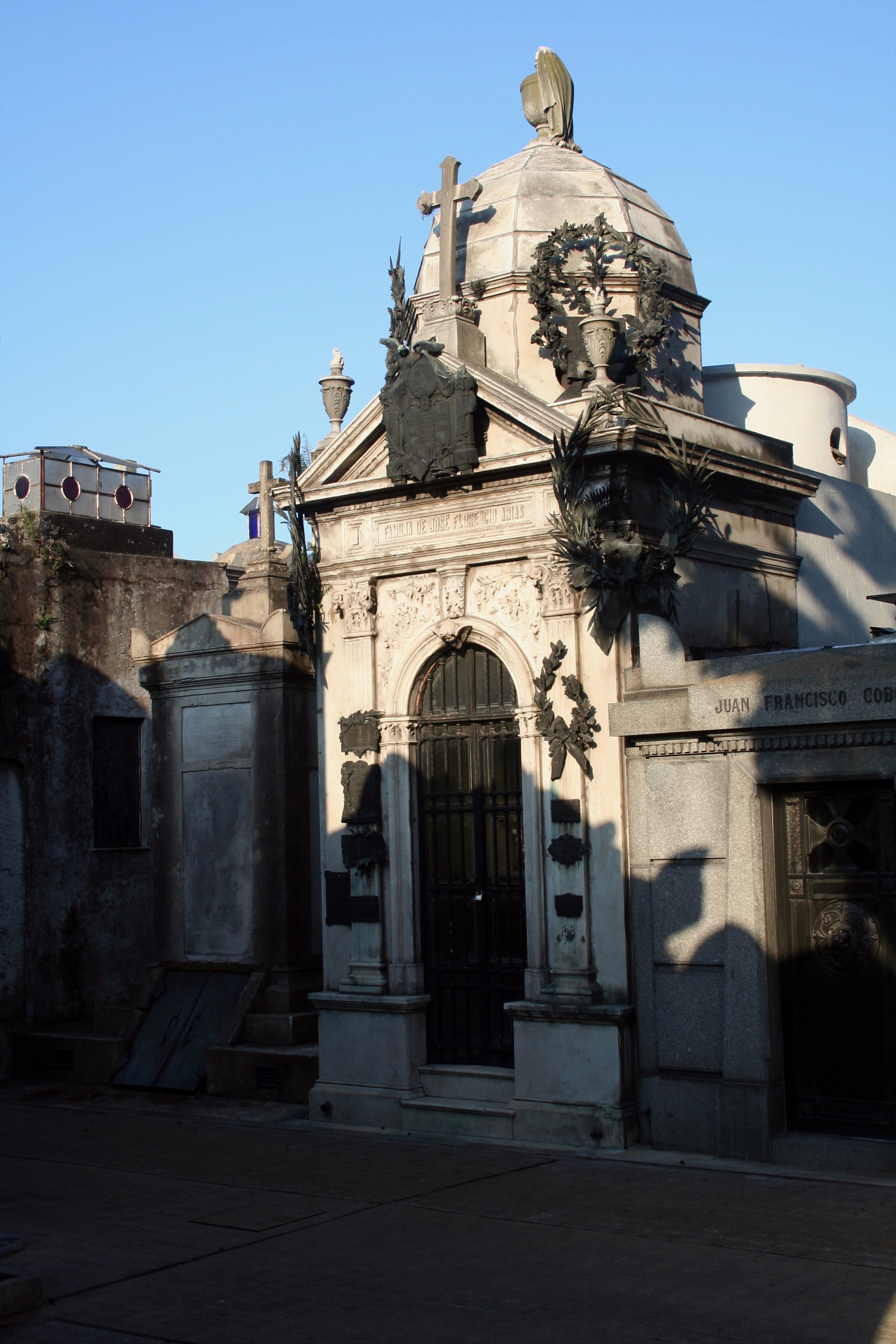
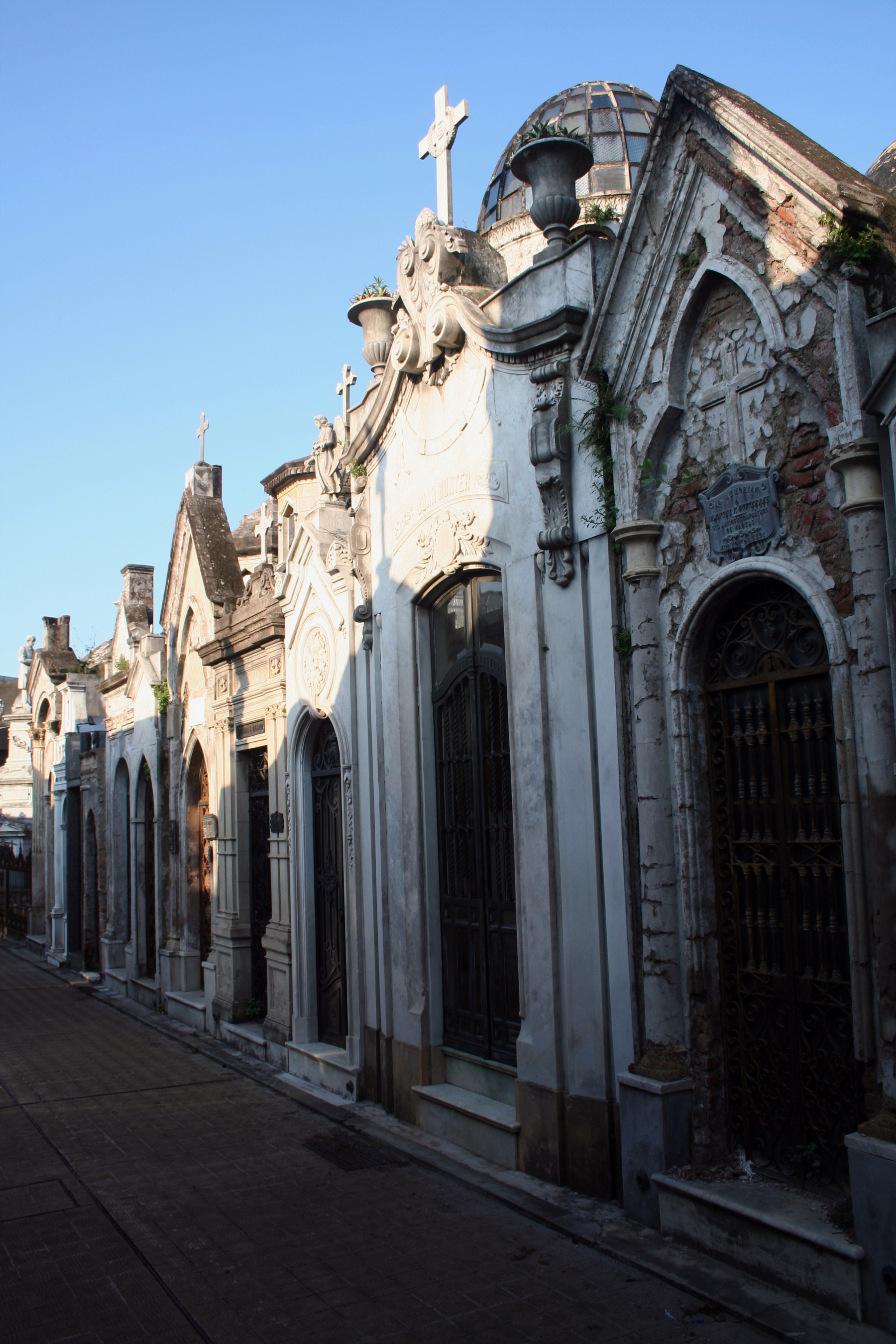
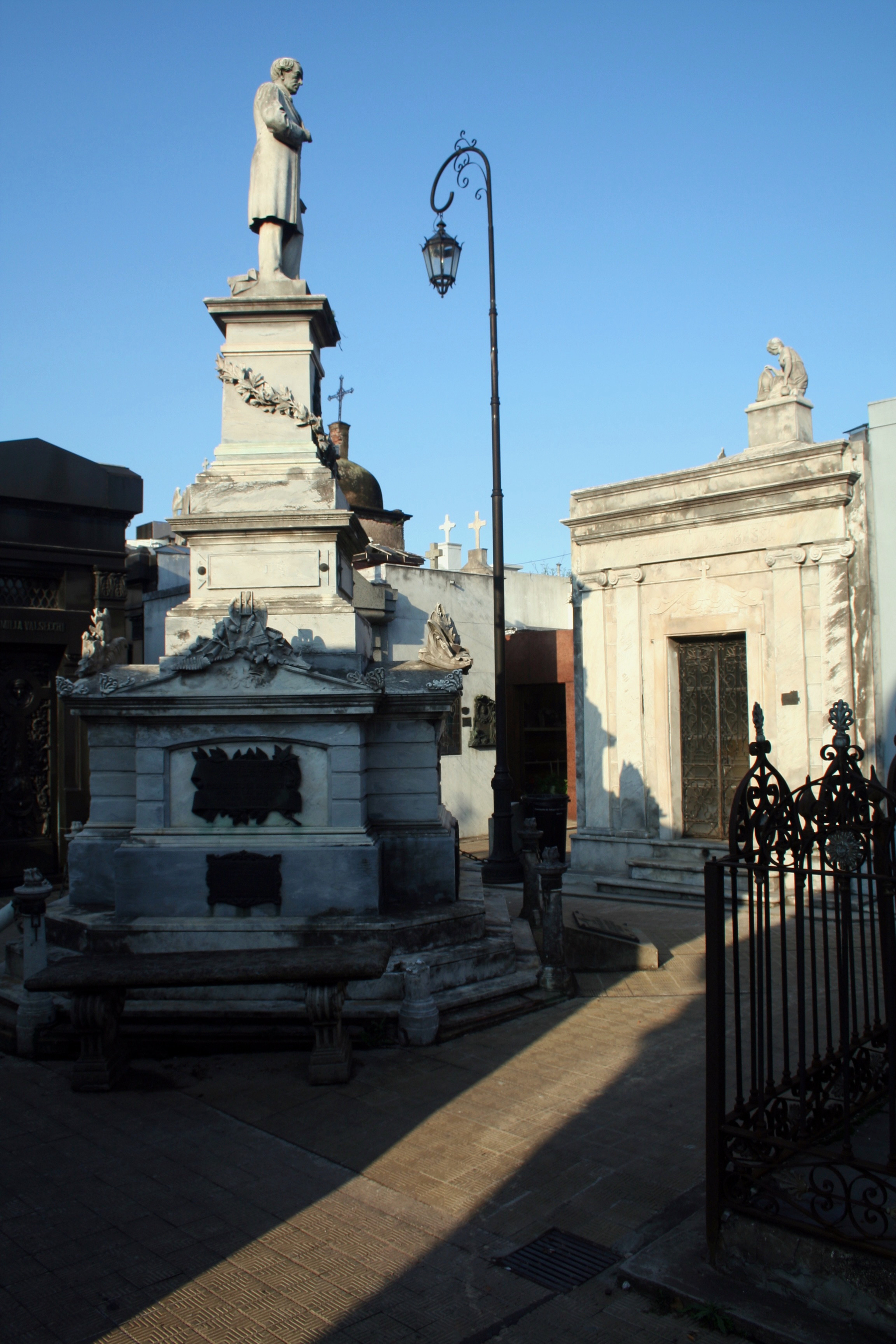
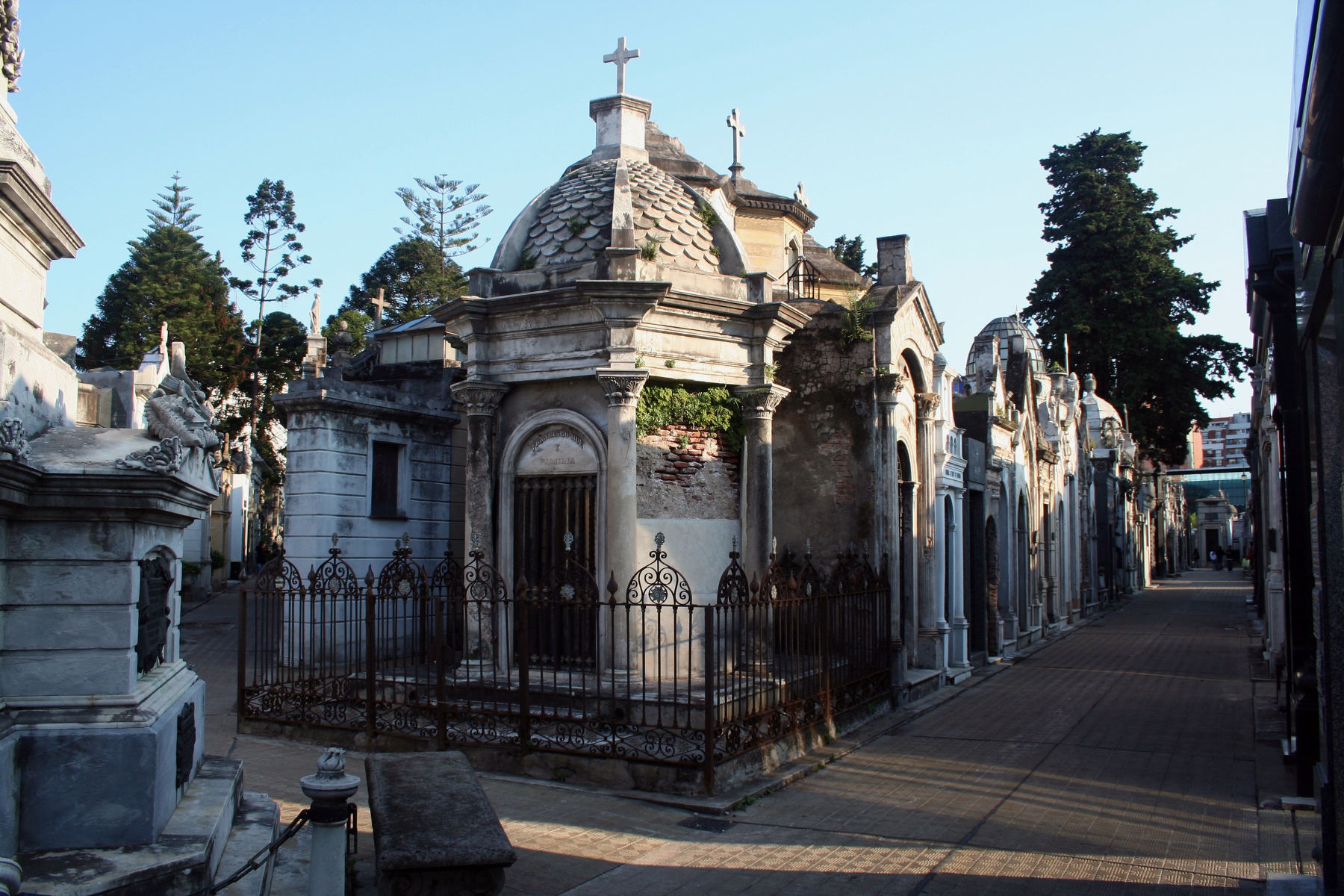
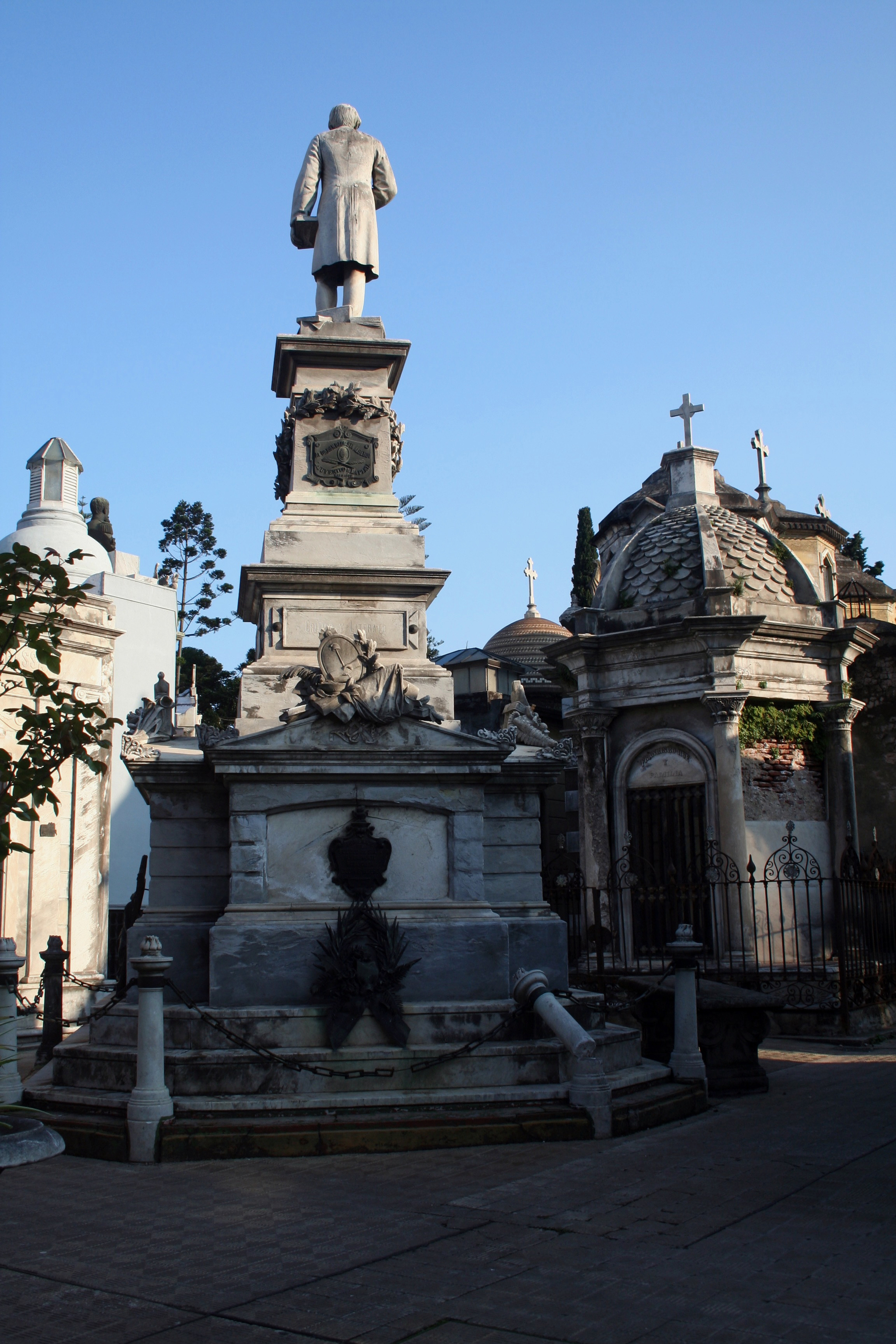
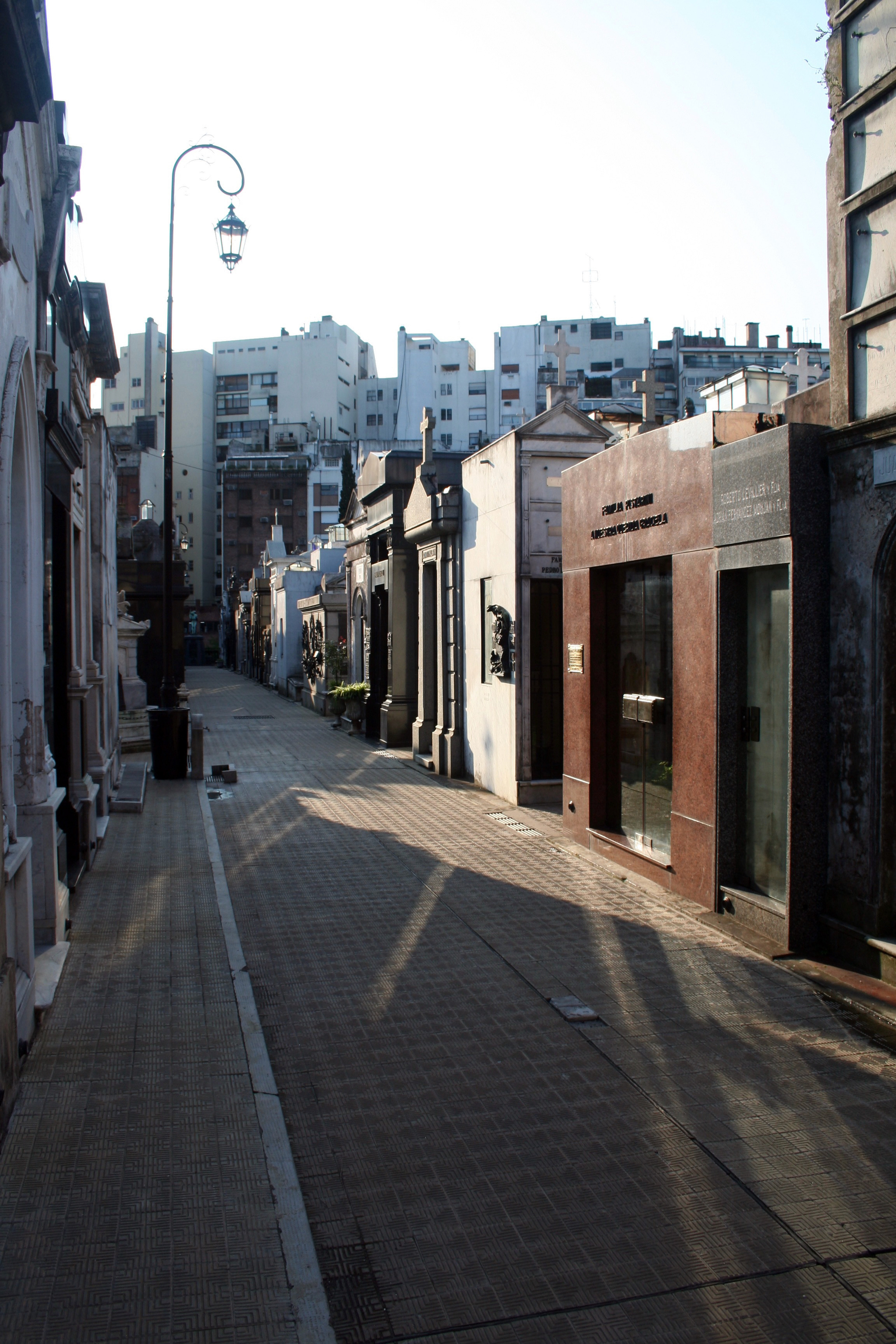
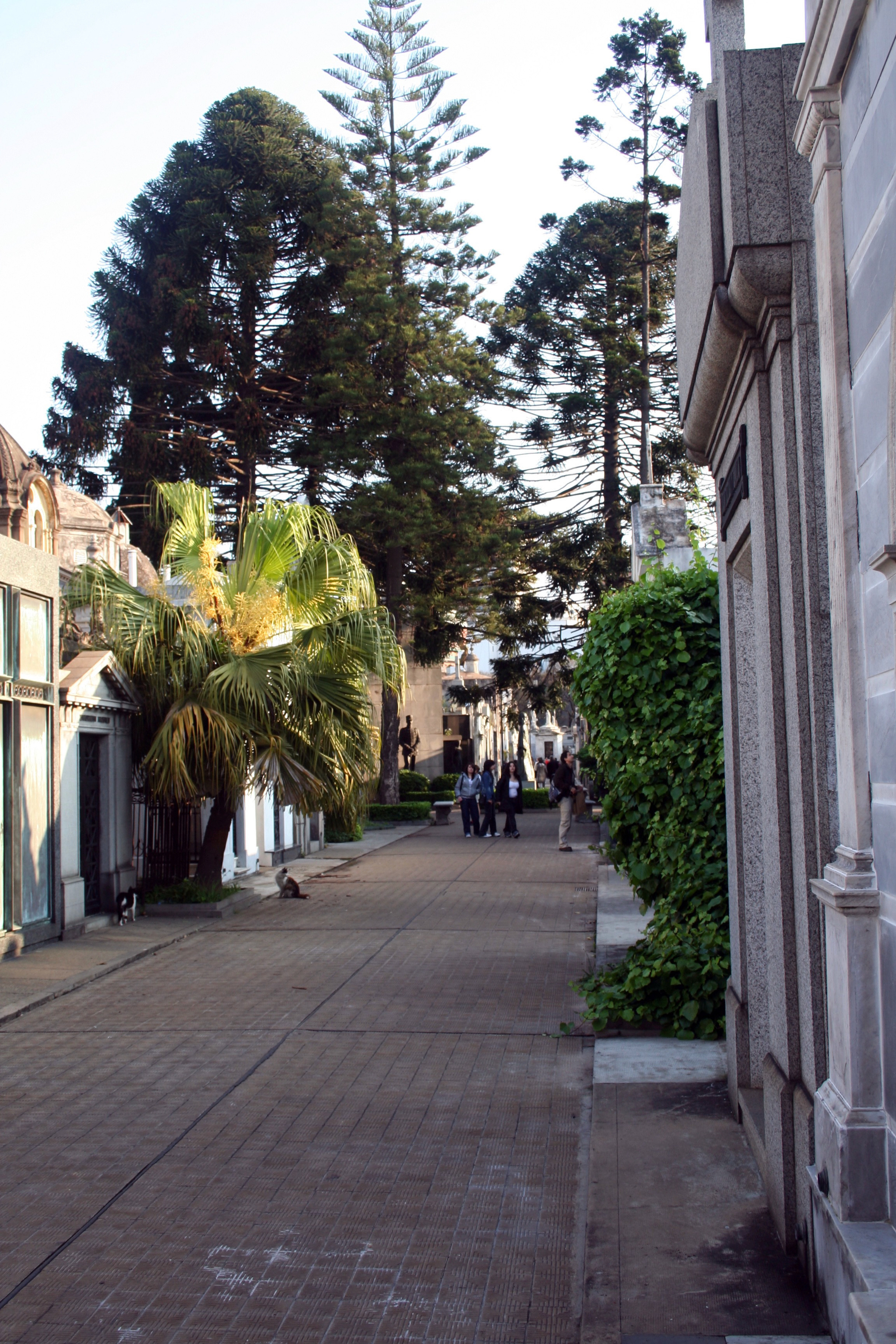
When you think about Buenos Aires, a cemetery probably isn’t the first place that comes to mind. You think of colorful neighborhoods, elegant architecture, tango, lively cafés and the energy of one of South America’s great cities. Yet Recoleta Cemetery became one of the places that fascinated me most. I actually visited twice, and the two experiences couldn’t have been more different. The first time, Buenos Aires was wrapped in rain, and the wet stone, darkened mausoleums and quiet paths created an almost haunting atmosphere. When I returned on a bright, sun-drenched day, the same cemetery seemed transformed. Sunlight poured between the monuments, revealing intricate carvings, statues and architectural details that had been hidden beneath the grey skies. It was almost as though I had visited two completely different places.
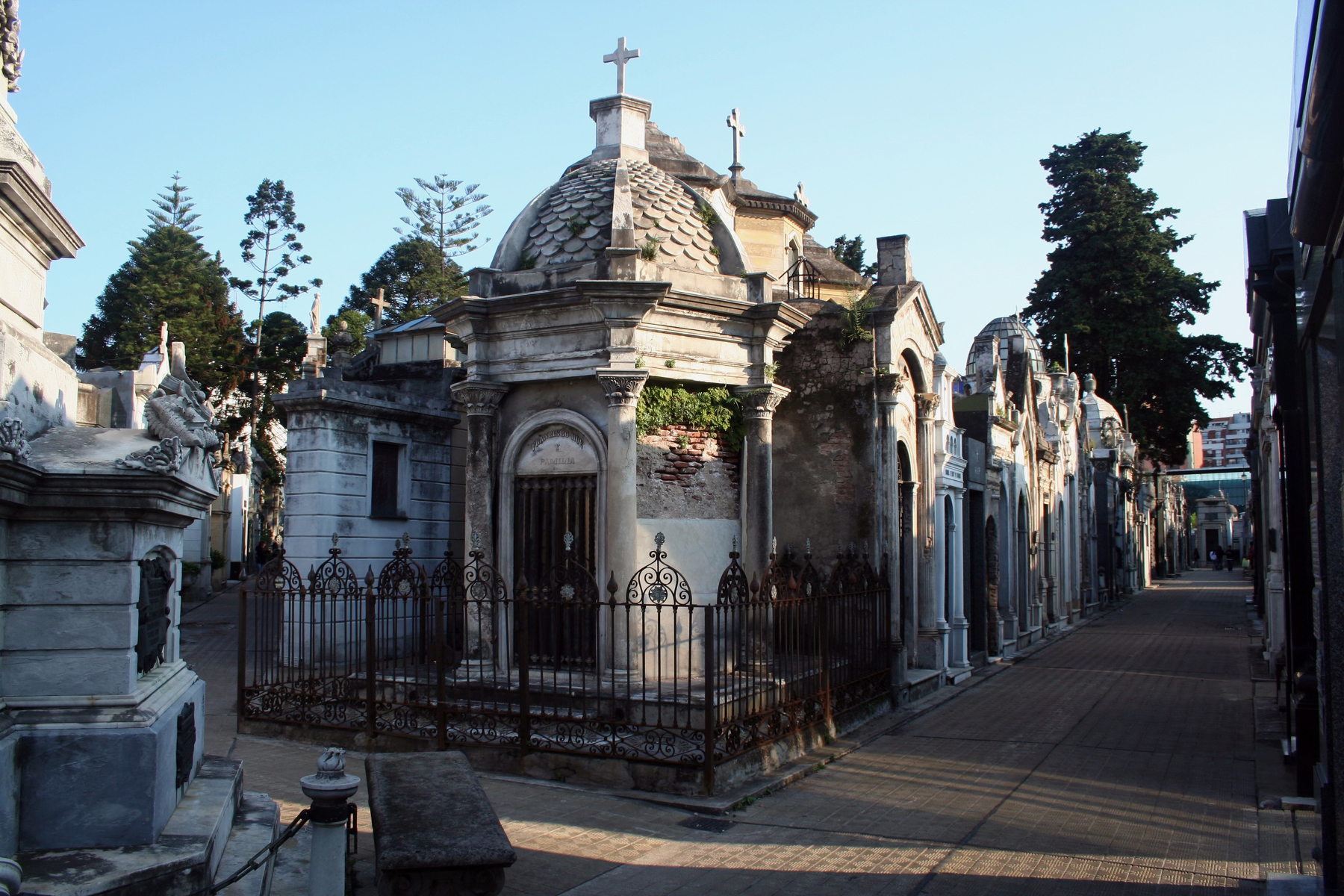

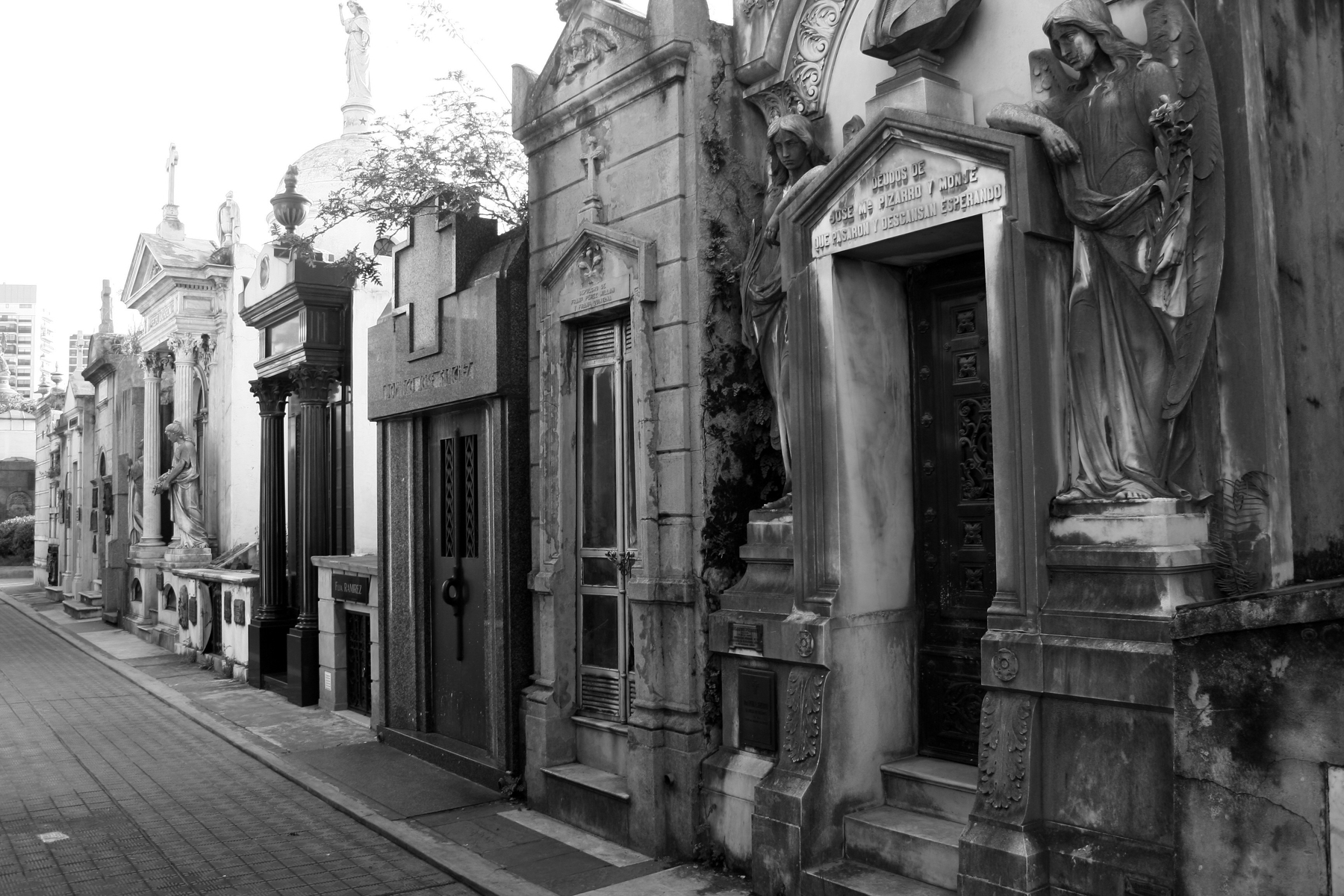
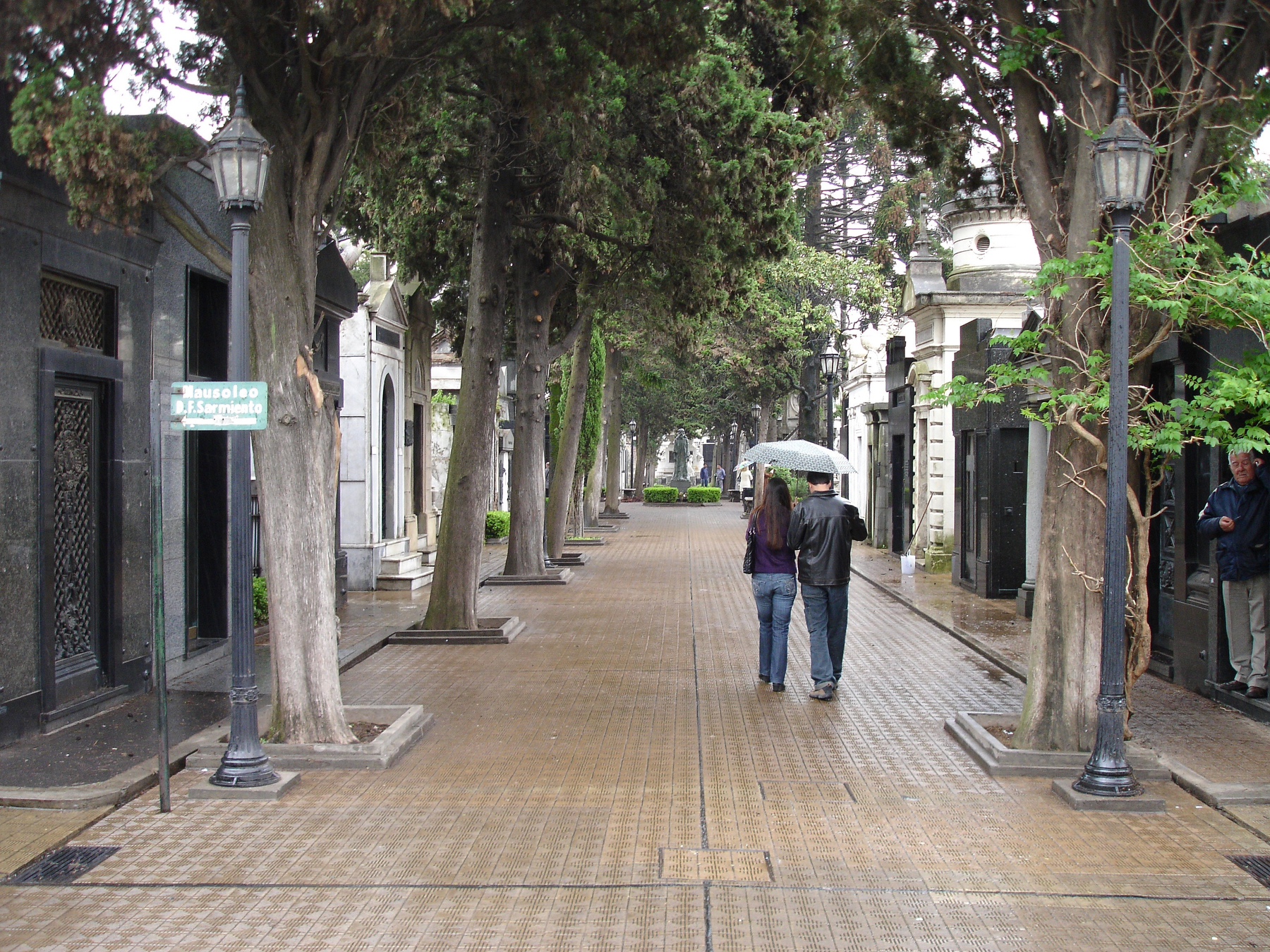
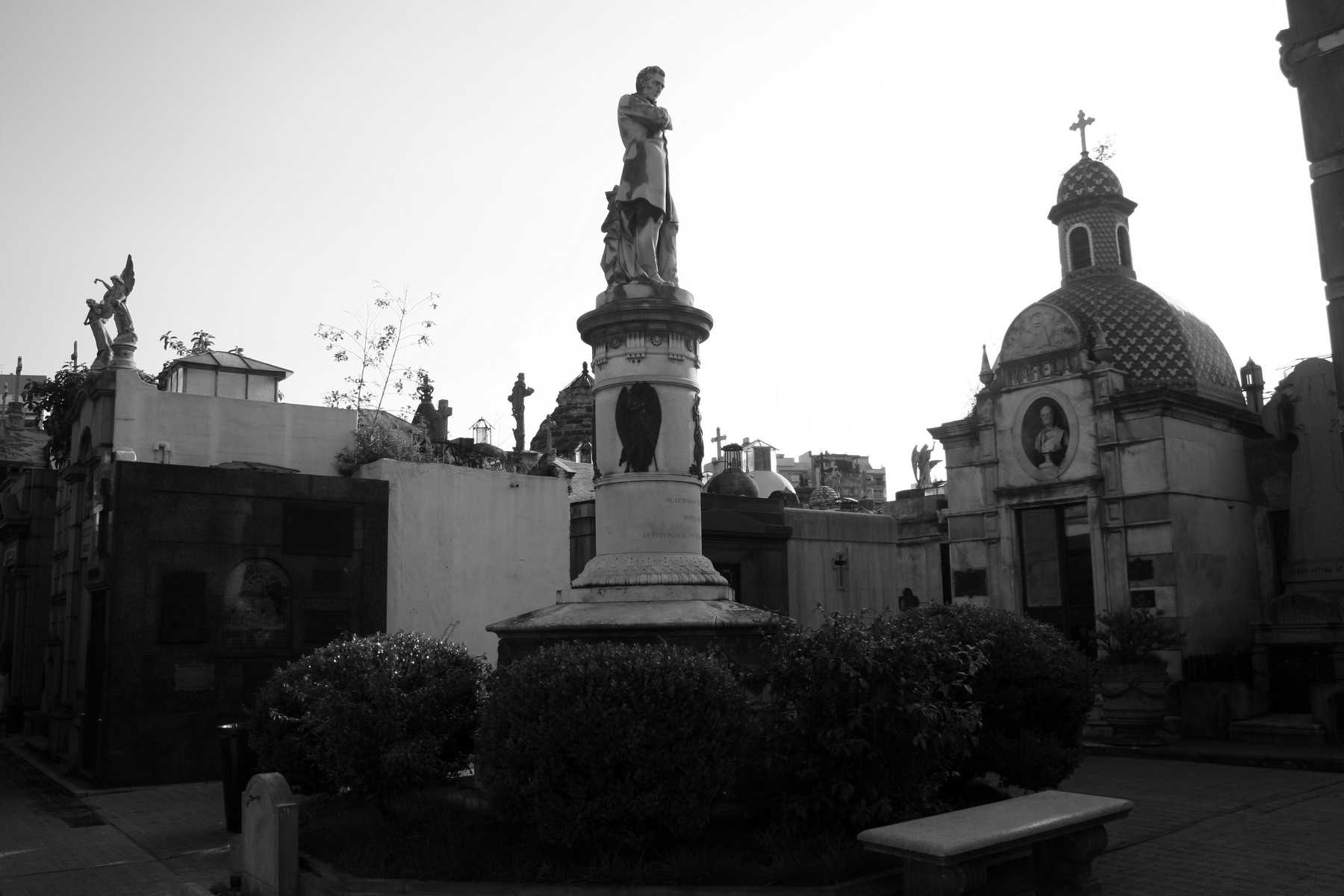


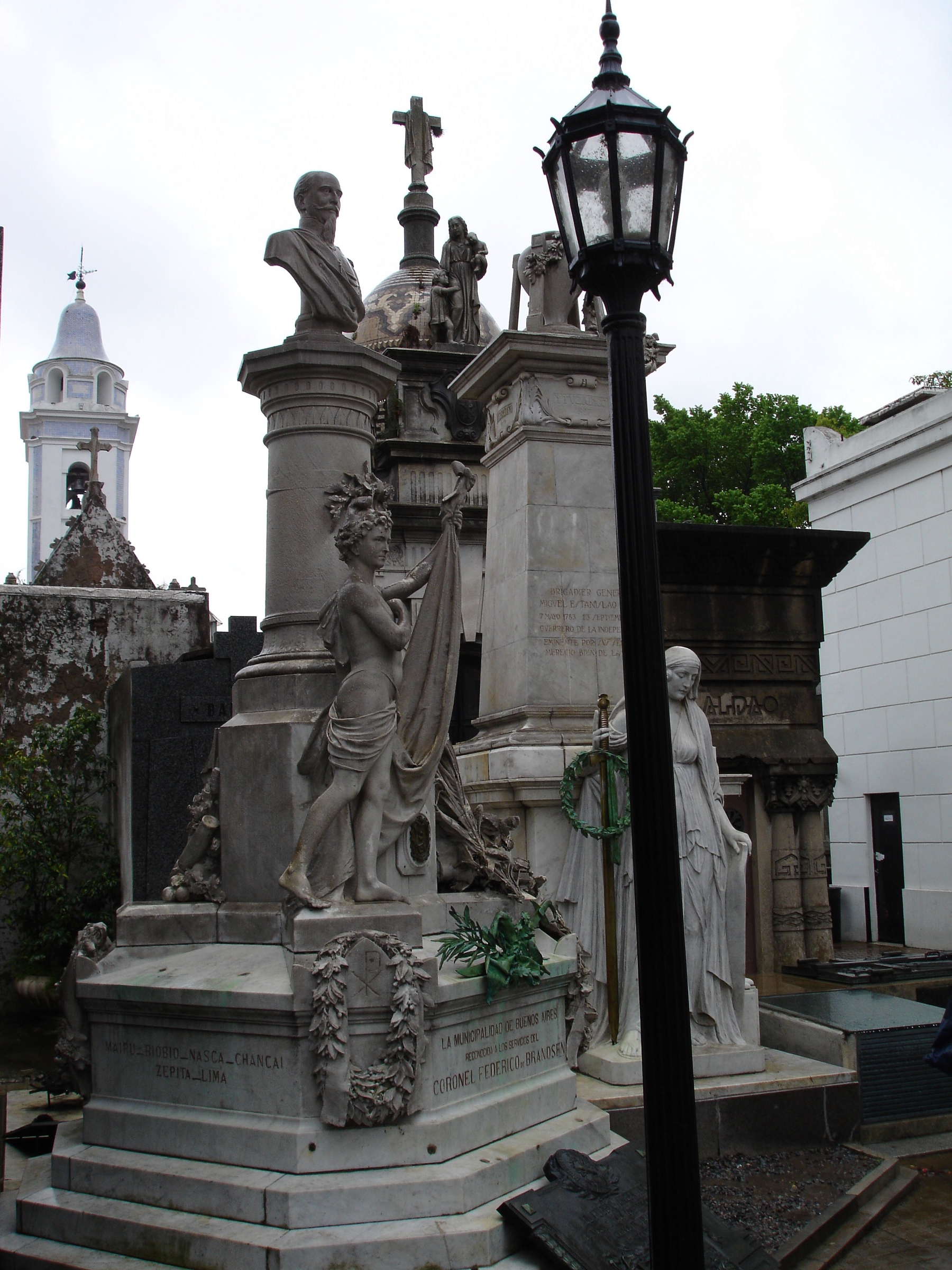

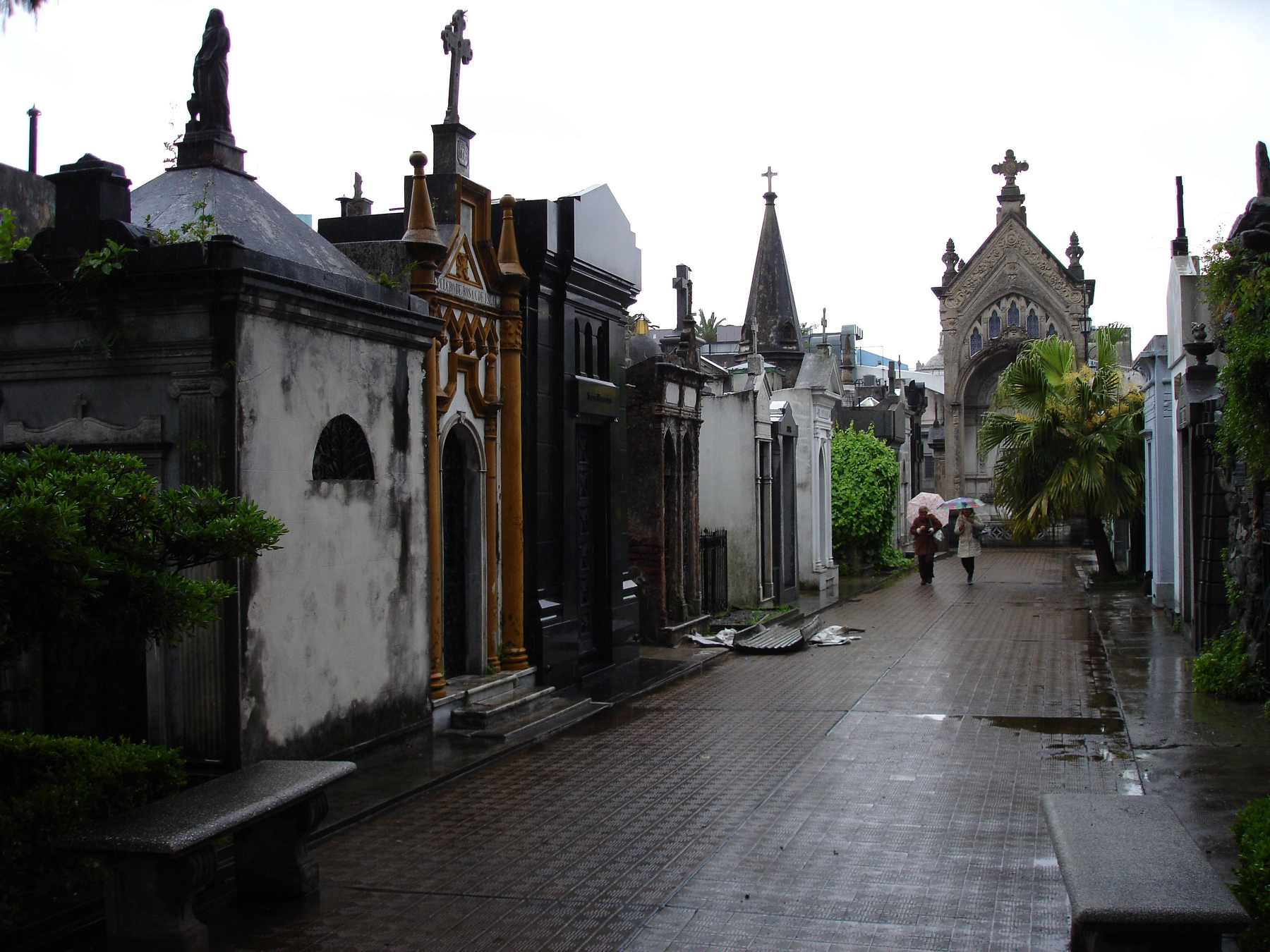


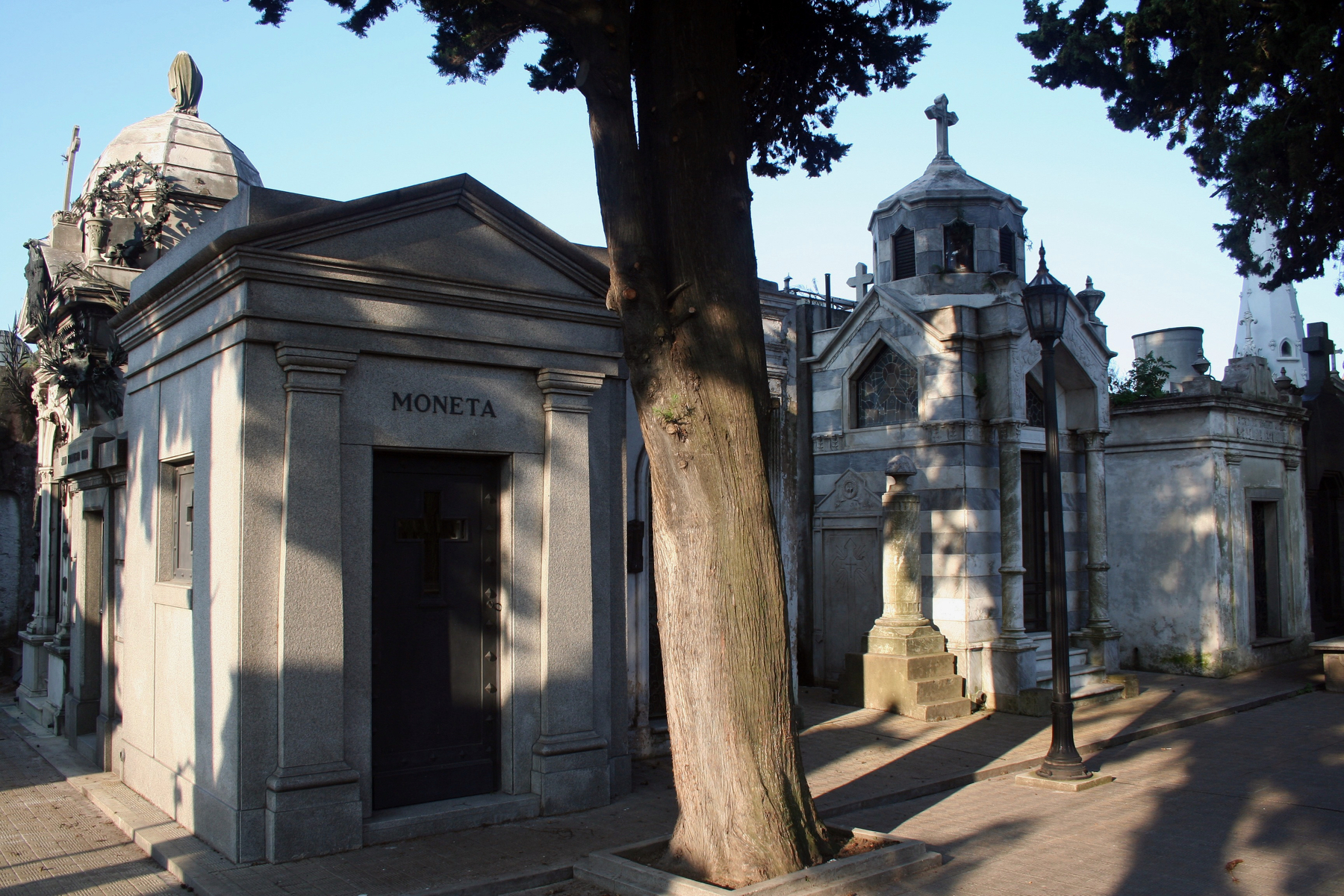
Founded in 1822 on the grounds of a former monastery, Recoleta Cemetery is far more than a place where people are buried. Walking through its maze of narrow paths feels like wandering through an enormous outdoor museum of Argentine history, art and architecture. More than 6,400 graves are packed into the cemetery’s roughly 14 acres, and the mausoleums range from grand neoclassical structures to elaborate art nouveau creations decorated with sculptures, stained glass and extraordinary stonework. Among those buried here are some of the most influential figures in Argentine history, including former presidents, writers, artists and other national figures. The most famous grave is undoubtedly that of Eva Perón, known affectionately around the world as Evita. Her final resting place continues to attract visitors from across the globe, and standing there made me appreciate just how deeply her story remains woven into the identity of Buenos Aires.


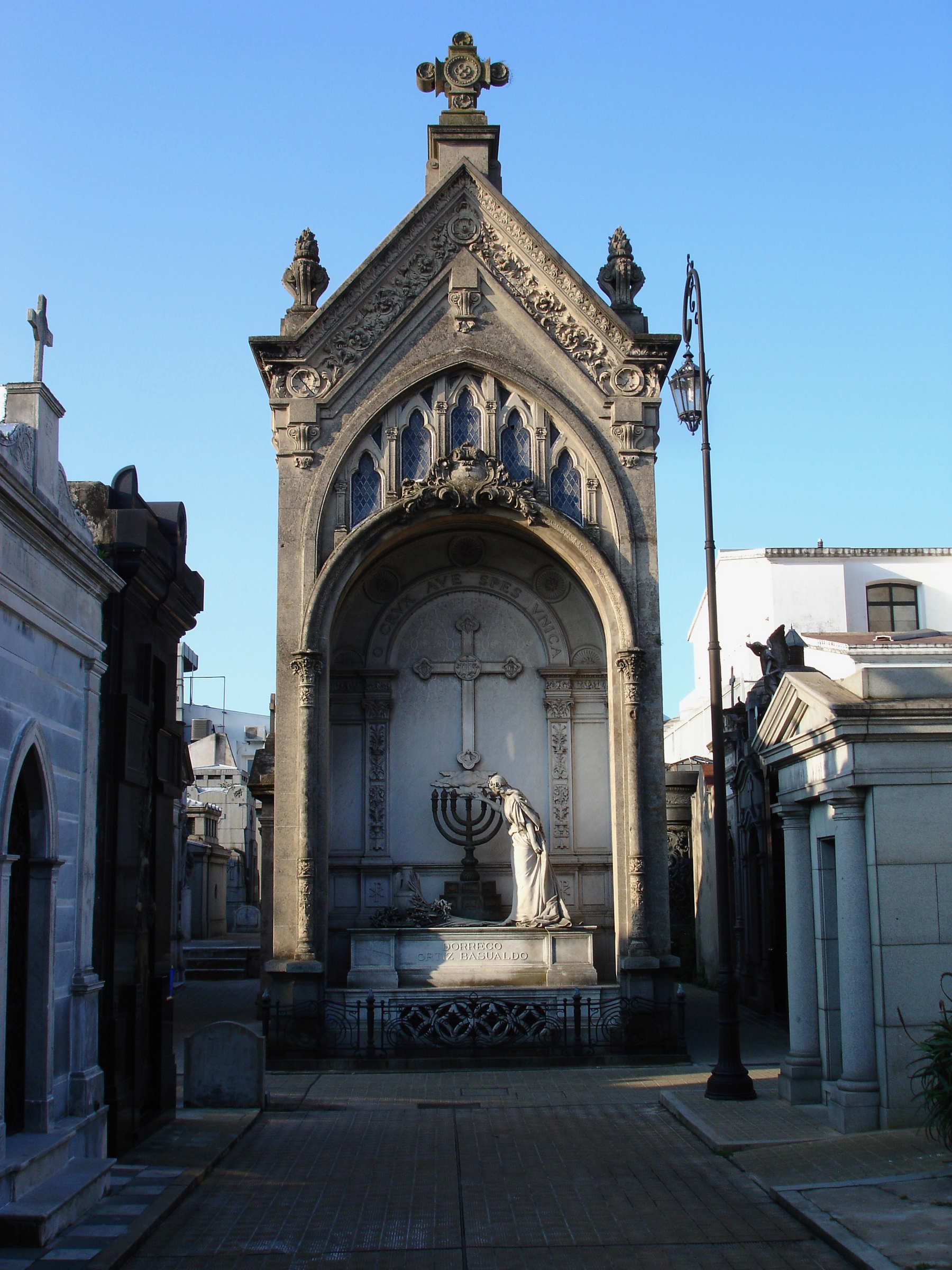
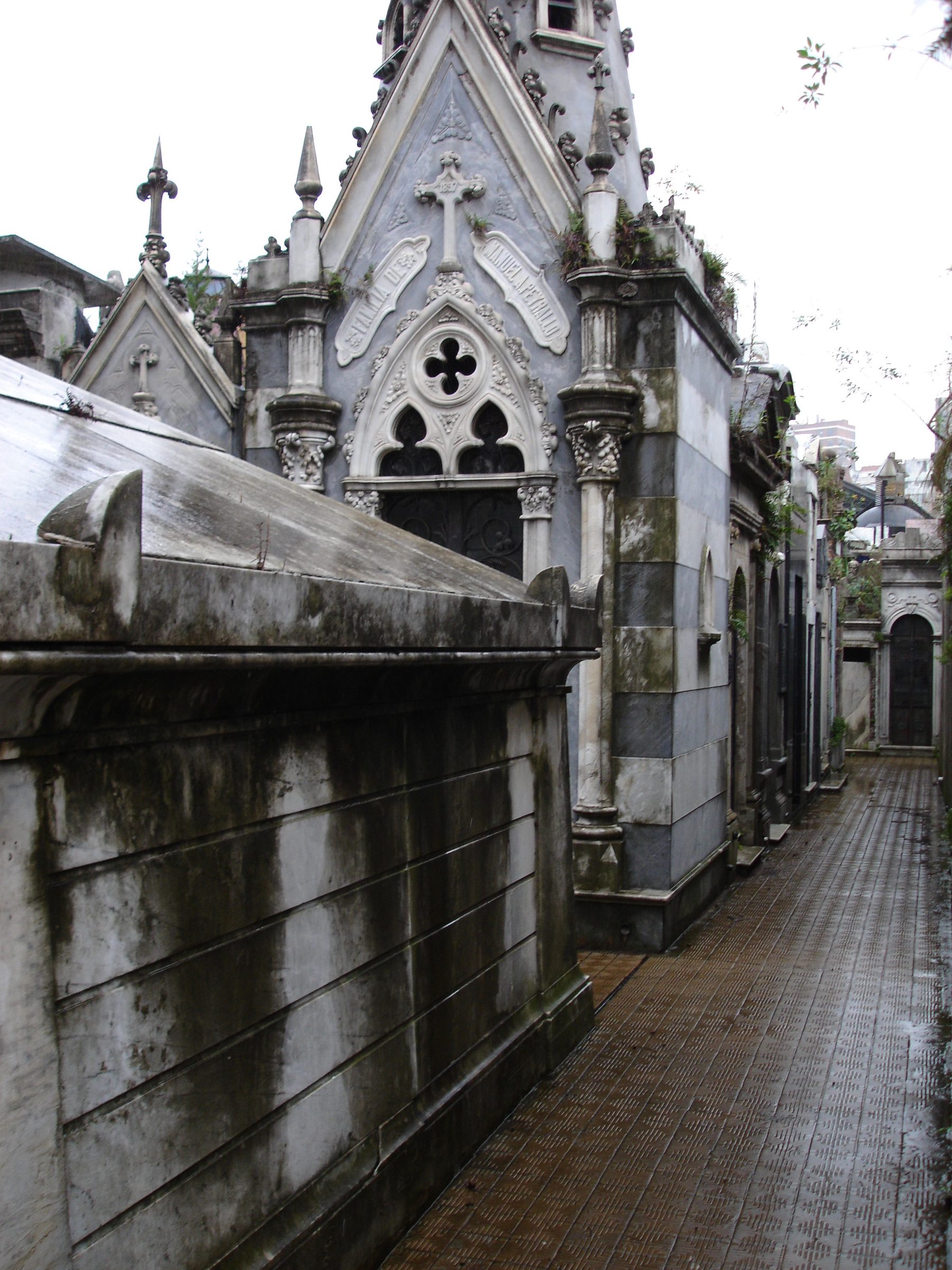
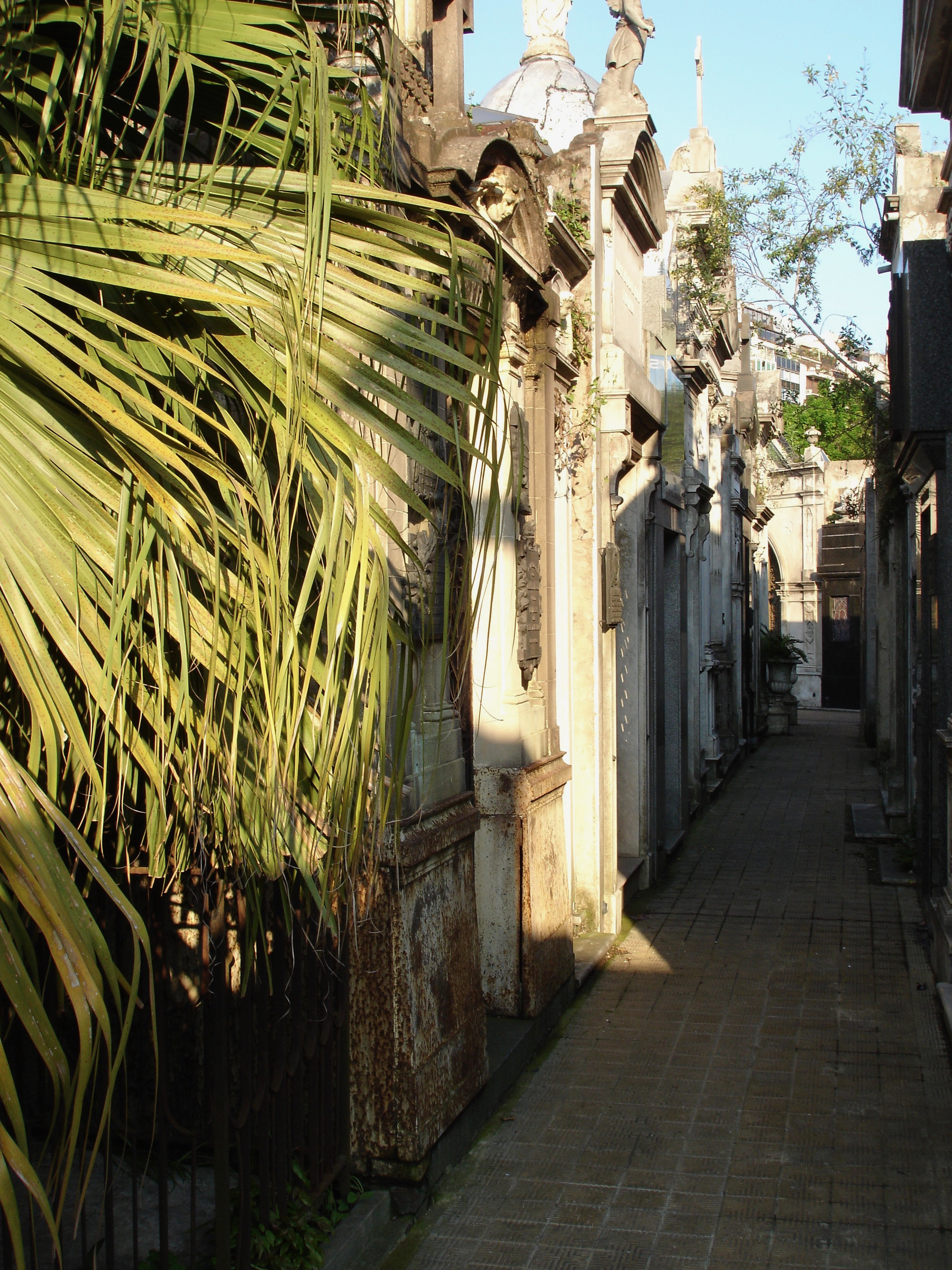

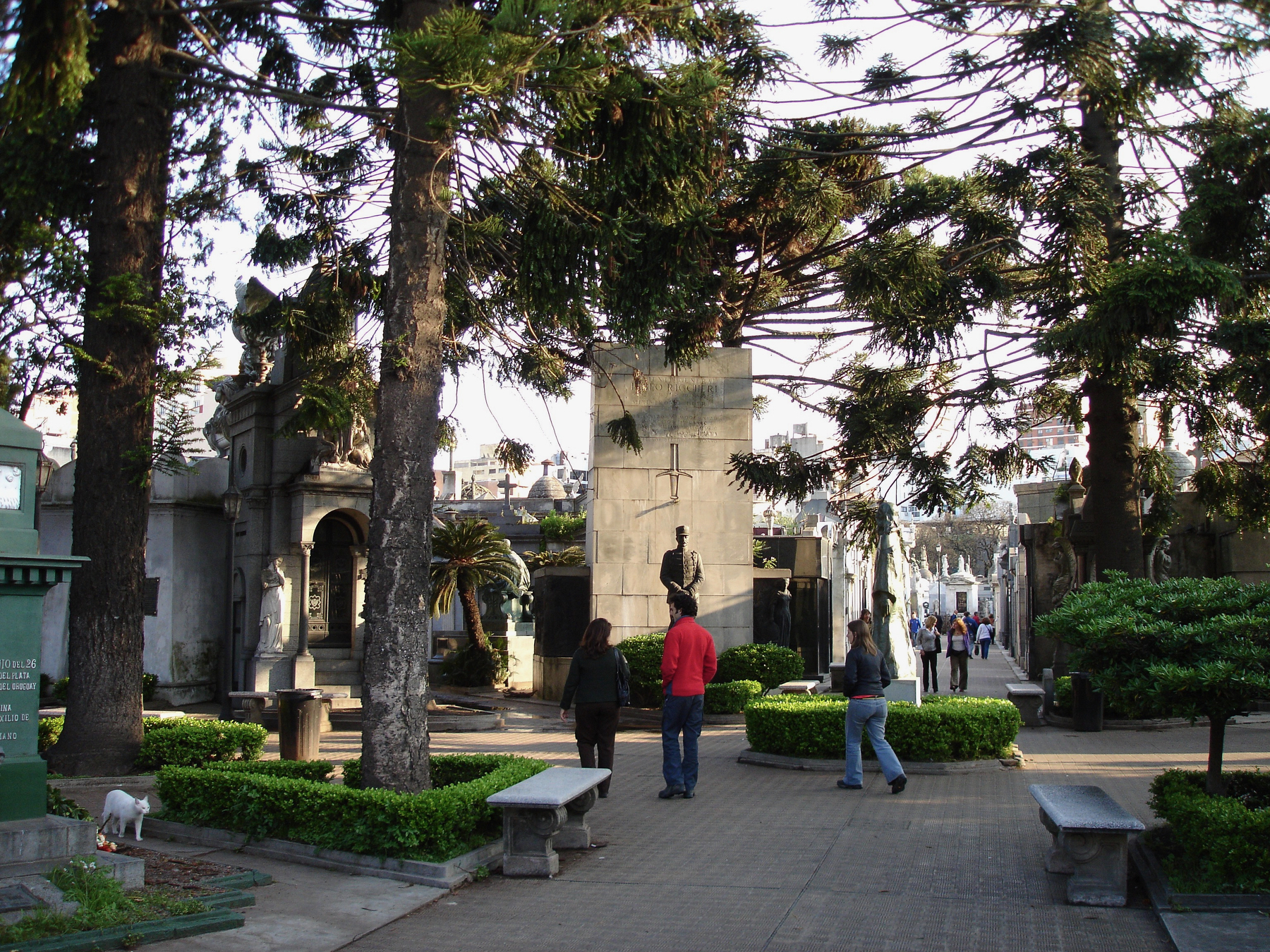
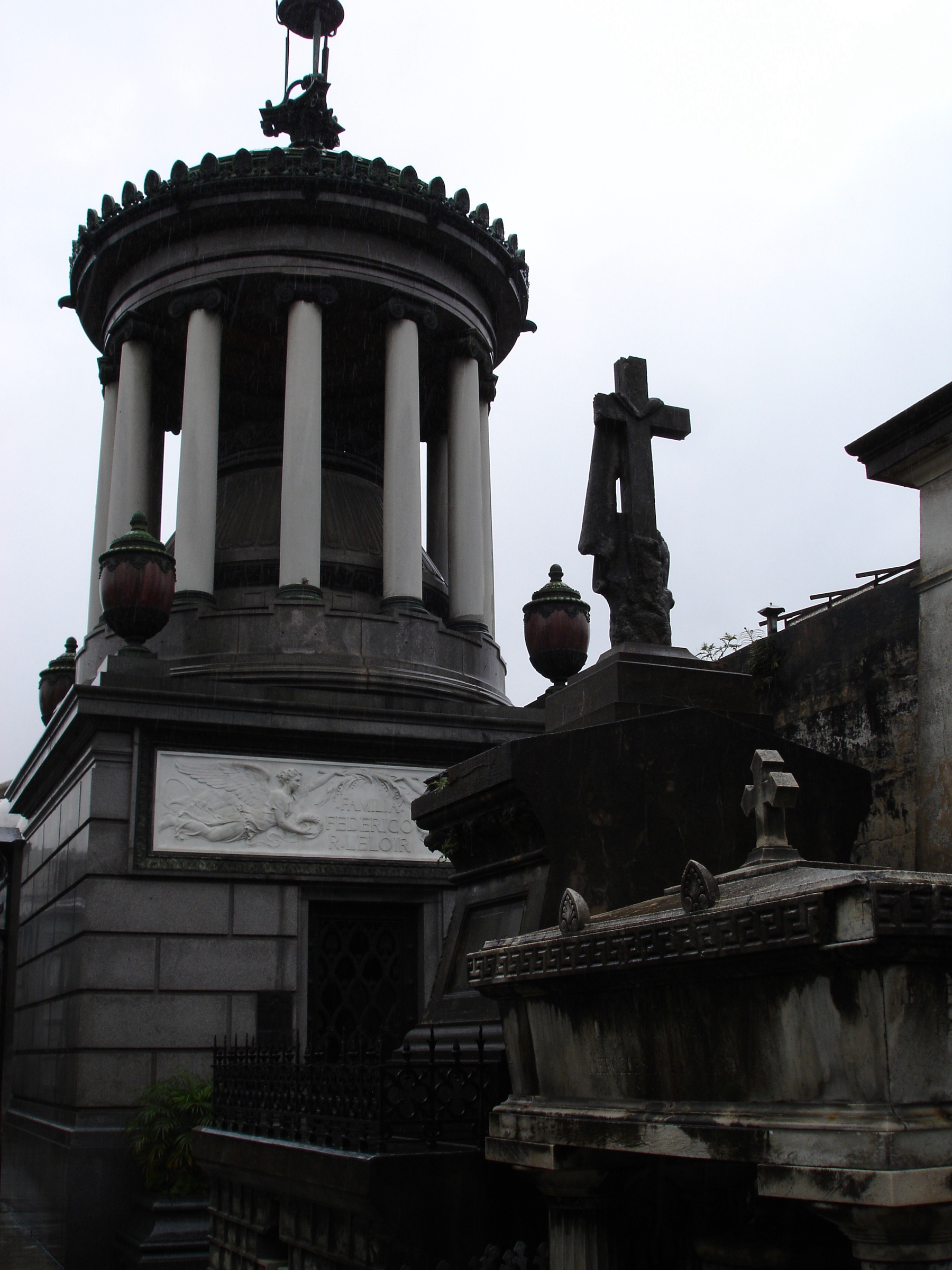


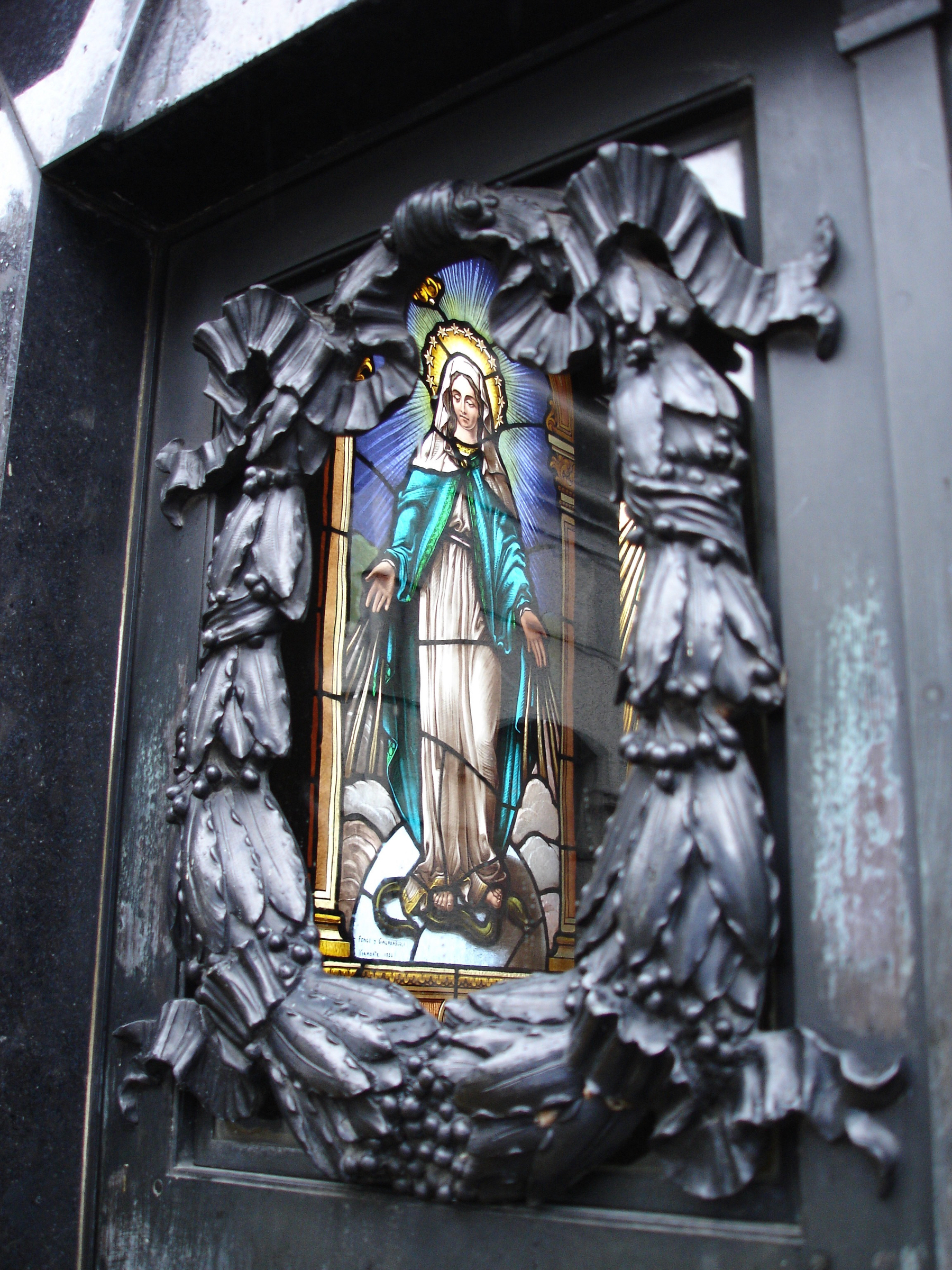
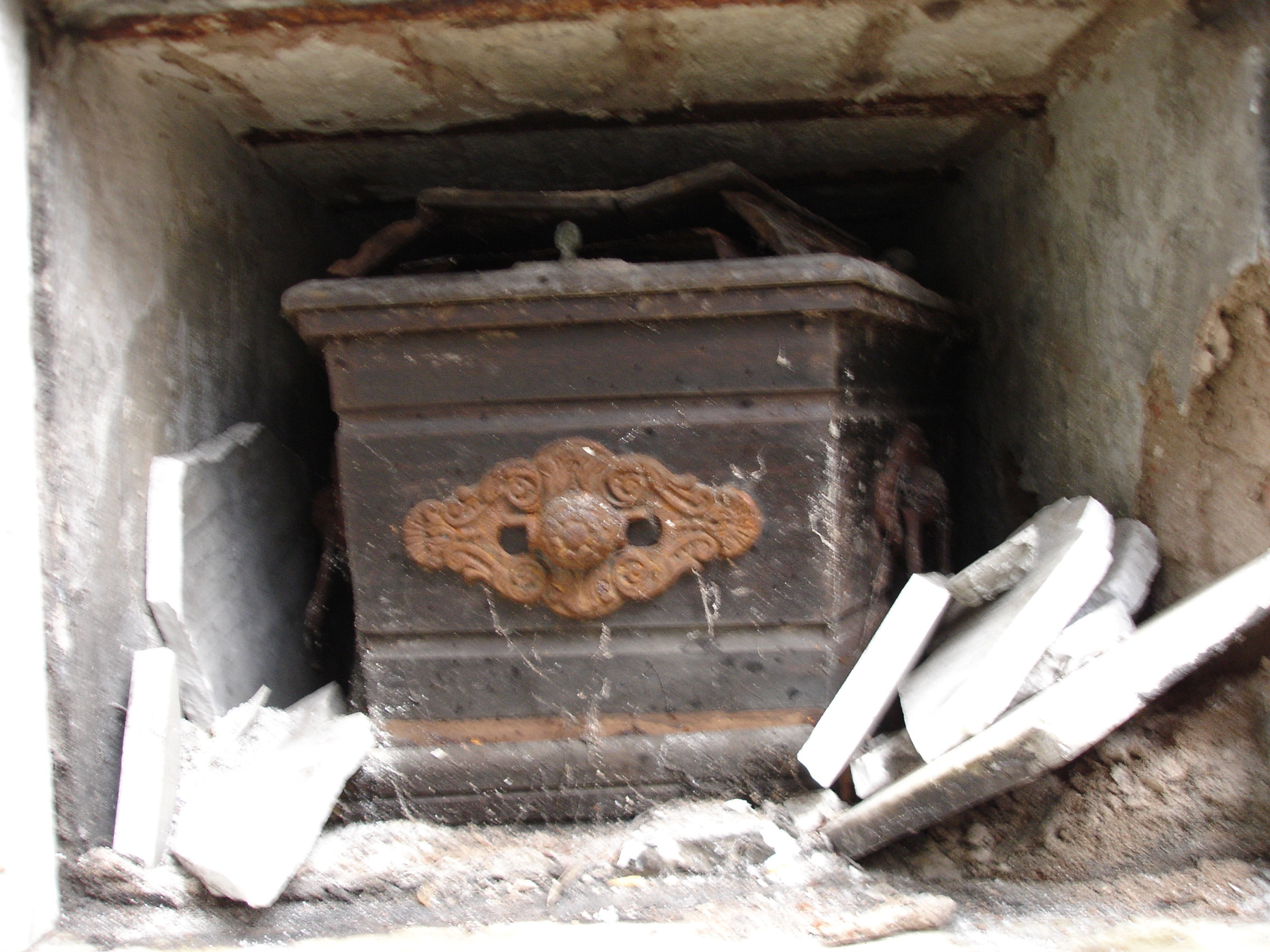
What fascinated me most was how easily the cemetery blurred the line between history and legend. As I wandered between the elaborate tombs, I heard the stories that have become part of Recoleta’s mythology, including the tragic tale of Rufina Cambaceres, a young woman who was reportedly buried alive in 1902 and whose ghost is said to haunt the cemetery. Whether you believe the story or not, it adds another layer to an already atmospheric place. On my rainy visit, the sound of water falling against the stone seemed perfectly suited to these stories, while on my second visit the sunshine gave everything a strangely peaceful beauty. Despite its sombre purpose, Recoleta isn’t a completely silent or abandoned place. Tourists and locals move through its pathways, guides share stories of the people buried there, and visitors pause at monuments to admire the craftsmanship. Something is fascinating about seeing death, history and art existing together so openly.


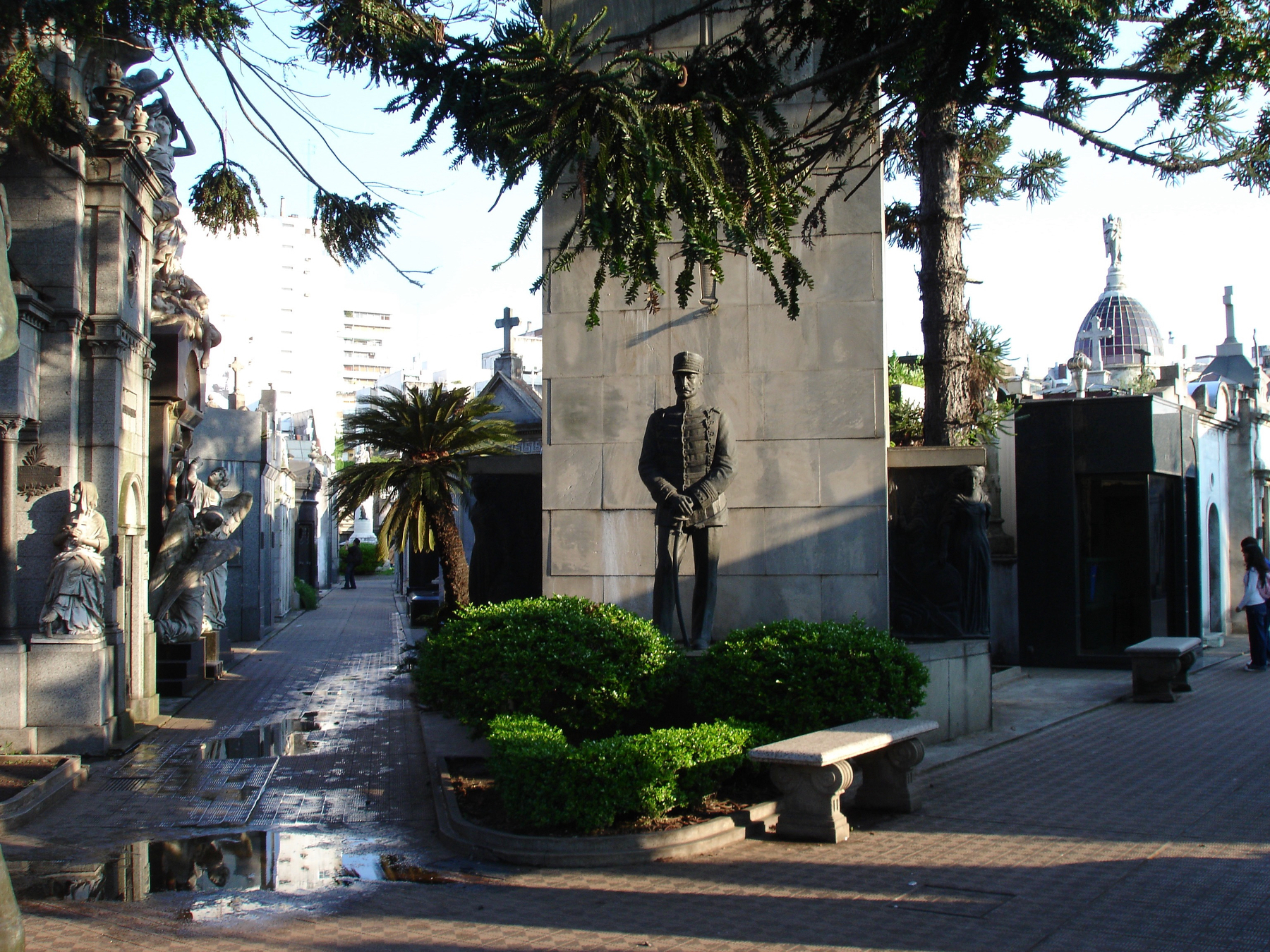

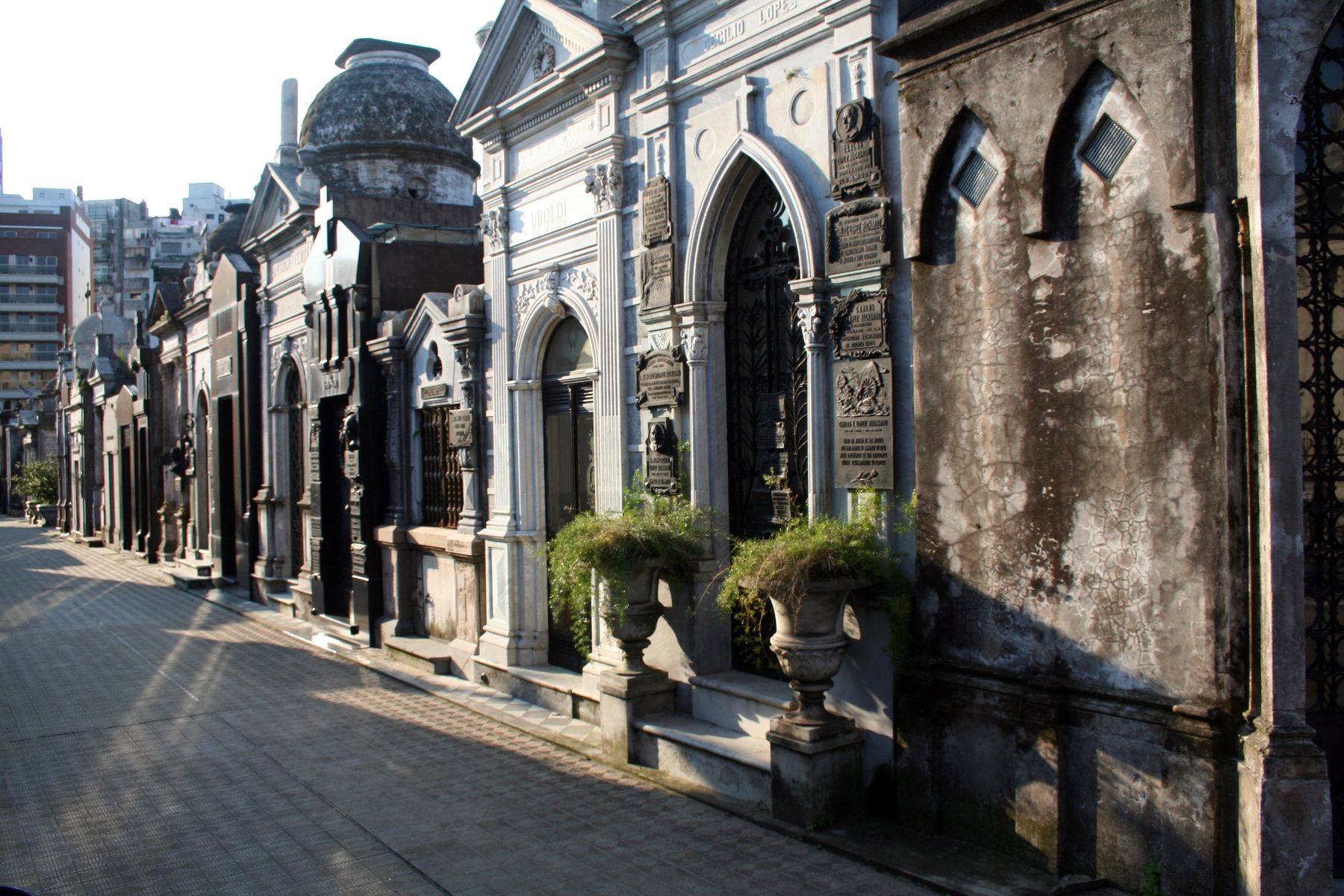


By the time I left Recoleta Cemetery, I felt that I had experienced a different side of Buenos Aires—one that isn’t found in the busy streets or famous landmarks, but in the city’s memories. Recoleta reminded me that cemeteries can tell us an extraordinary amount about the places where they are found. They reveal who was celebrated, who was powerful, who was loved and how people chose to remember their dead. For a photographer, the cemetery is also an incredible visual experience, with every doorway, statue, shadow and weathered façade offering another photograph. And perhaps that is why I returned twice: once to experience its haunting beauty beneath the rain, and again to see what the sunlight would reveal. If you’re visiting Buenos Aires, don’t overlook Recoleta Cemetery. Give yourself time to wander without rushing, look closely at the architecture and allow the stories behind the monuments to emerge. You may arrive expecting a cemetery and leave feeling that you’ve discovered one of the city’s most fascinating museums. As always, my photographs from Recoleta are my own, watermarked and copyrighted, so please don’t use them without permission. Thanks for joining me on this slightly eerie but unforgettable journey through Buenos Aires. Until the next adventure.

#Photography #BuenosAires #RecoletaCemetery #CementerioDeLaRecoleta #Argentina #ArgentinaTravel #BuenosAiresTravel #Evita #EvaPeron #SouthAmericaTravel #TravelPhotography #ArchitecturePhotography #CemeteryPhotography #HistoricPlaces #TravelWriting #TravelBlog #TravelStories #ExploreArgentina #BuenosAiresPhotography #DarkTourism