Barcelona University Courtyard Gardens
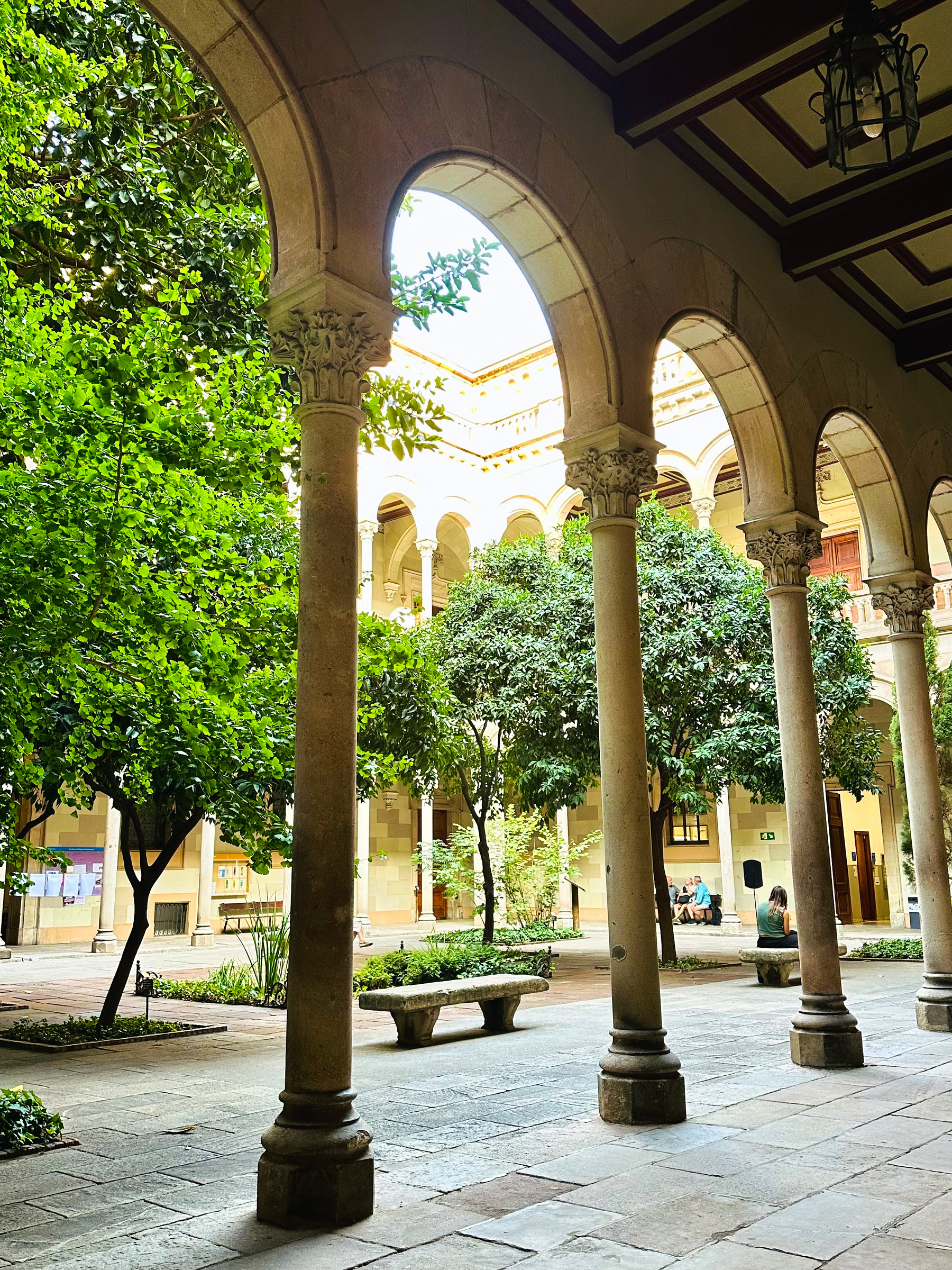
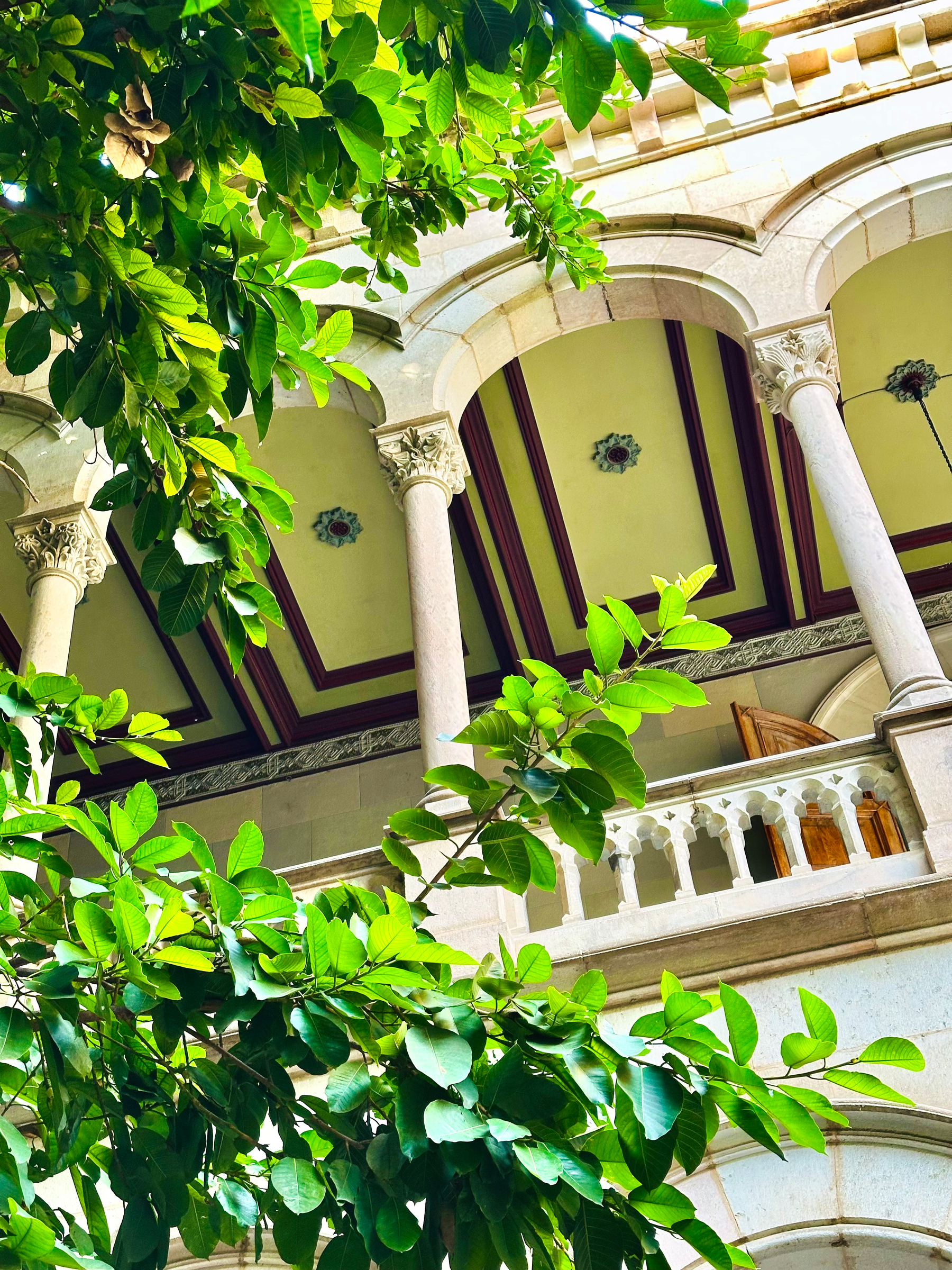
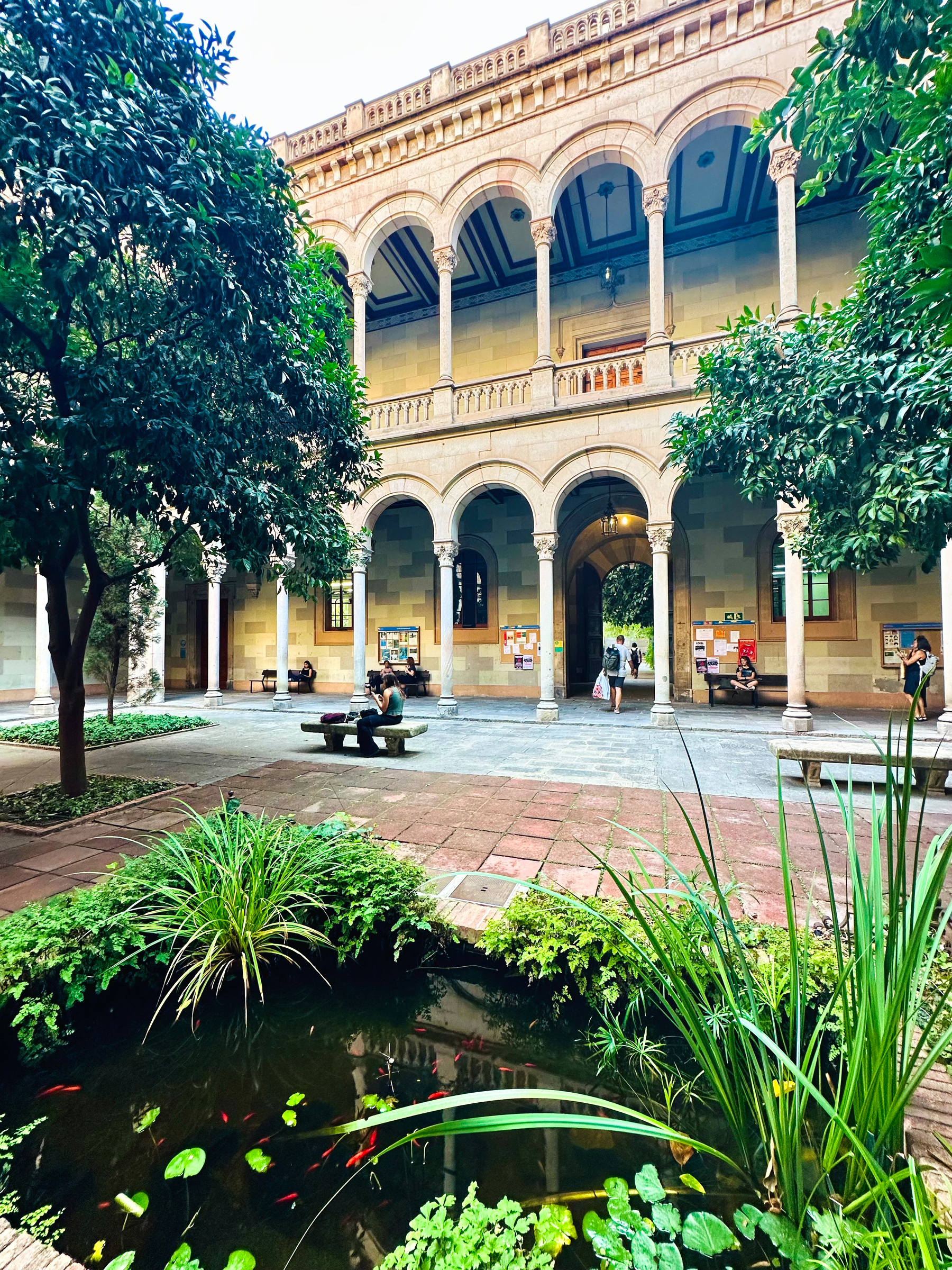
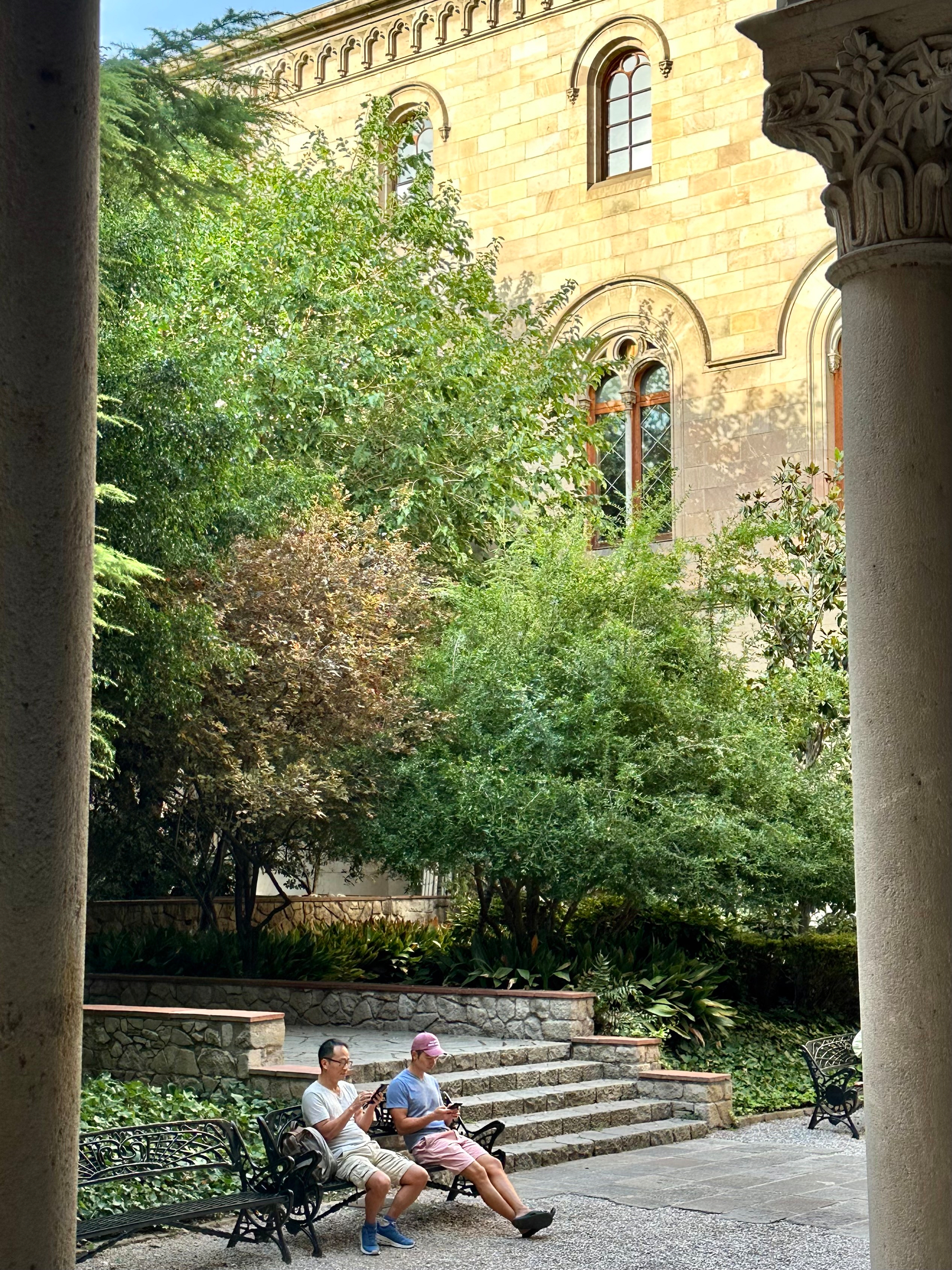
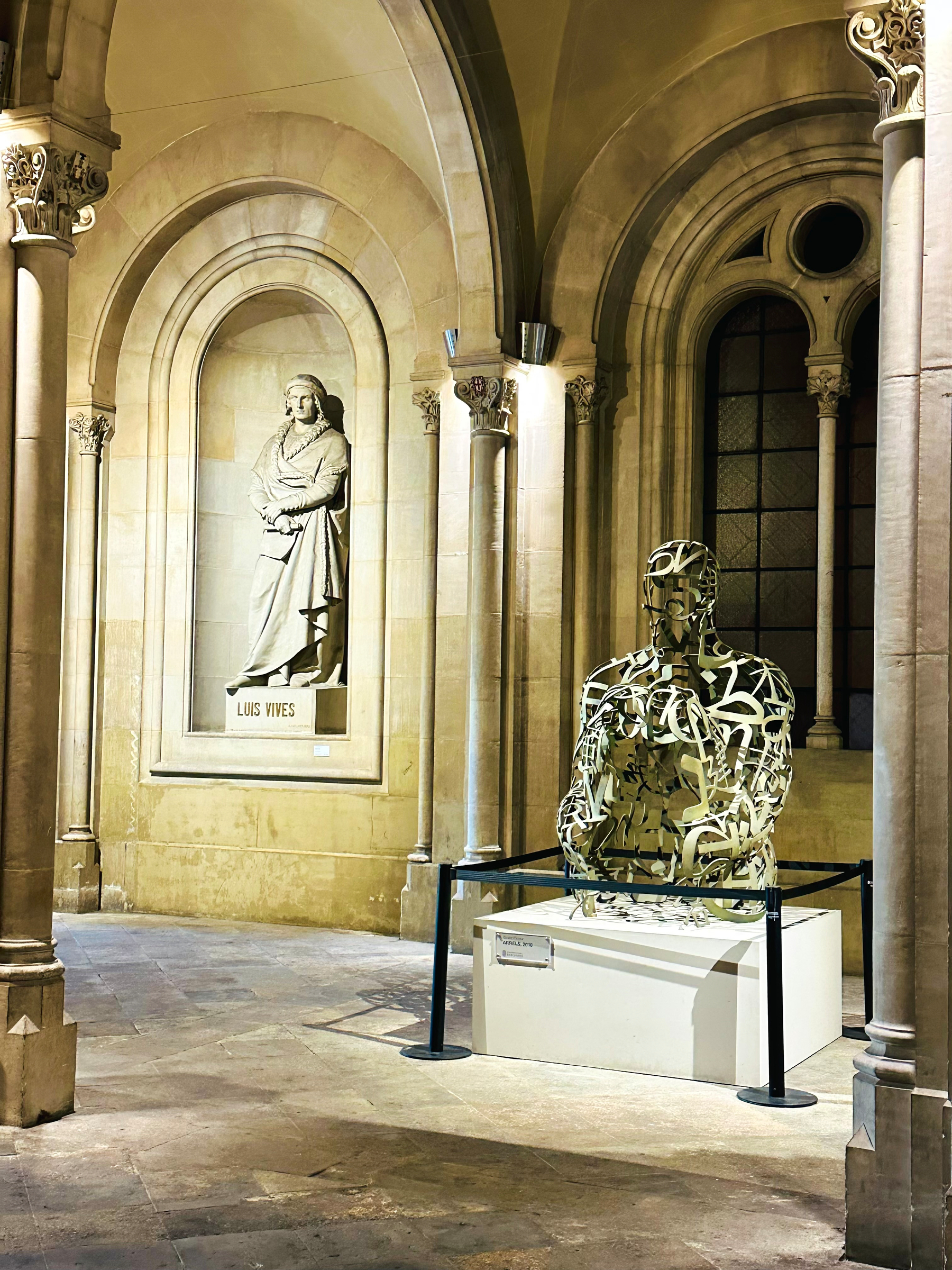
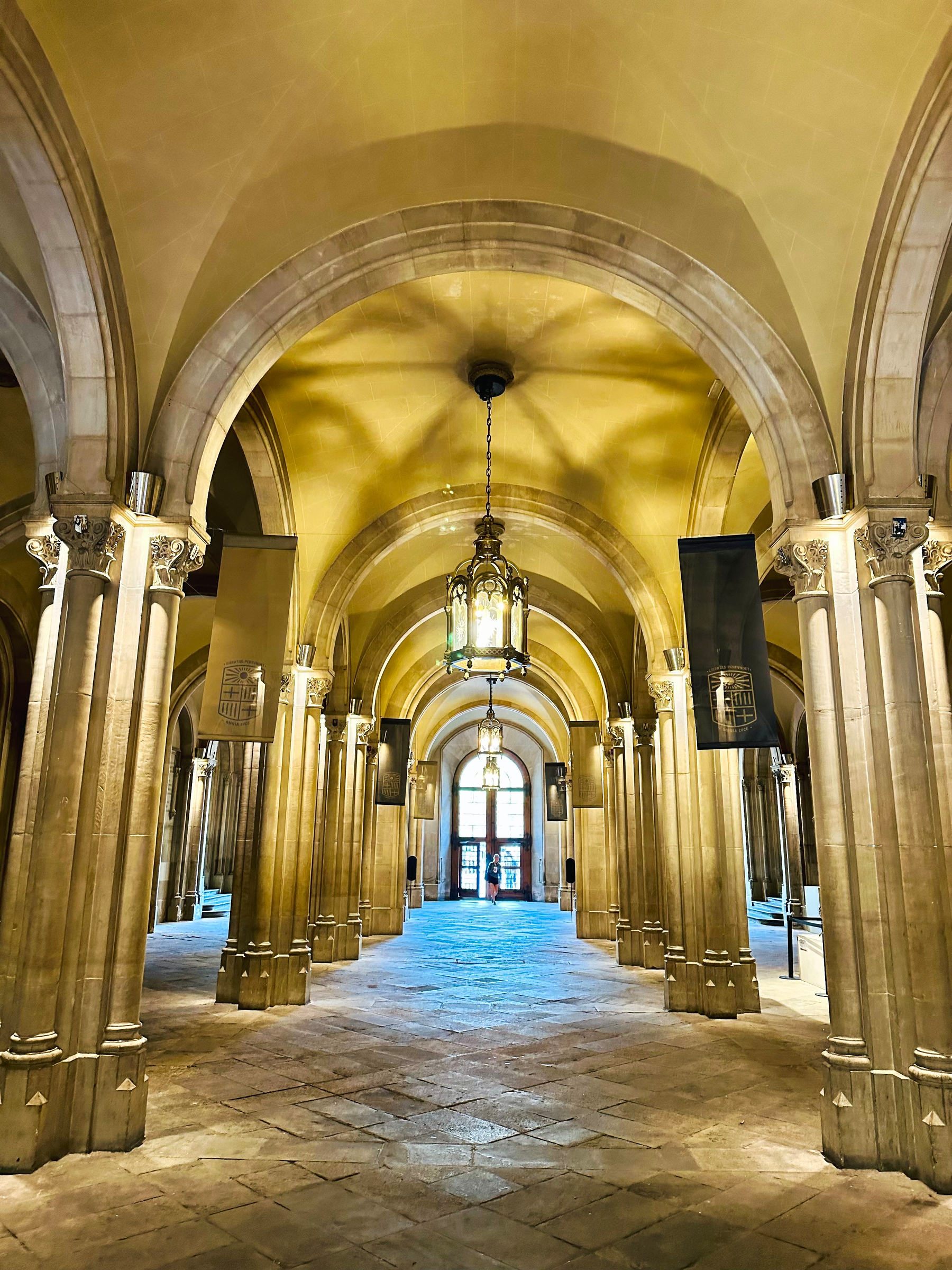
The historic courtyard of the Universitat de Barcelona offers a quiet oasis right in the middle of the city. Lush orange trees green foliage and grand neo Romanesque cloisters create a serene atmosphere filled with natural light and centuries of academic tradition.
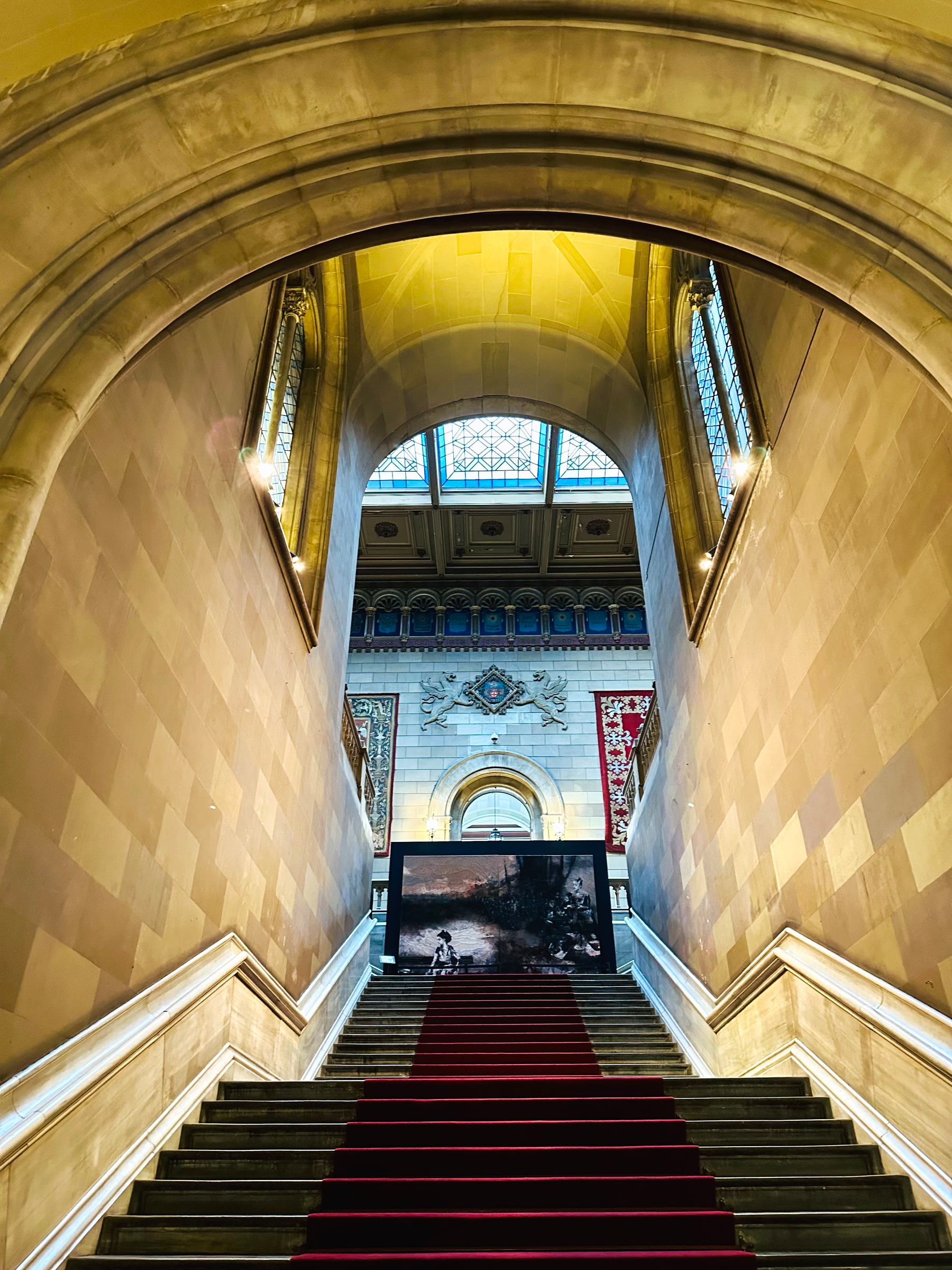
The location is the Historic Building of the University of Barcelona at Plaça de la Universitat. Designed by Elies Rogent in the Neo Romanesque architectural style the space features peaceful cloister gardens arched stone corridors citrus trees and historic tile roofing.
#Photos #Photography #Catalunya #Spain #Barcelona #Architecture #FineArtPhotography #HistoricCourtyard #UniversityOfBarcelona #TravelPhotography #SpanishArchitecture #GardenCourtyard
Machu Picchu by Train; From Ollantaytambo to the Lost City of the Incas
Some journeys are about getting somewhere. Others are about watching the landscape change around you until you realise you’re entering another world. My journey to Machu Picchu began in Ollantaytambo, deep in Peru’s Sacred Valley, where the ancient Inca town became the starting point for one of the most memorable train journeys I have ever taken. From here, the tracks follow the Urubamba River toward the mountains, carrying travellers deeper into the Andes and, ultimately, toward one of the world’s most extraordinary archaeological sites.


Before boarding the train, I had time to experience a little of Ollantaytambo itself. The town is extraordinary, with ancient Inca walls and terraces rising dramatically above its narrow cobbled streets. It felt appropriate to begin the journey here. This was once an important Inca settlement and later a stronghold of Manco Inca Yupanqui during the resistance against the Spanish. Standing among those enormous stones before heading to Machu Picchu created a sense that the journey had already begun long before I reached the station.


Then it was time to board the train. The atmosphere changed almost immediately. Leaving Ollantaytambo, the train began following the Urubamba River through a landscape that seemed to become increasingly wild with every kilometre. The cultivated fields and open slopes of the Sacred Valley gradually gave way to steeper mountains, dense vegetation and towering cliffs. I found myself spending as much time looking through the window as I did thinking about the destination.


The route toward Machu Picchu is spectacular because the landscape itself becomes part of the experience. The train follows the river deep into the valley, passing dramatic Andean peaks and increasingly lush scenery. The change in altitude and environment is fascinating — the dry, high-altitude landscape around Ollantaytambo slowly transforms as the valley narrows and the vegetation becomes greener. It feels like travelling from the high Andes toward a hidden tropical world.


For me, one of the most fascinating aspects of the journey was imagining the Incas travelling through this same extraordinary landscape centuries ago, although of course not by railway. Their roads and trails connected an enormous empire across some of the most difficult terrain in South America. Today, the train provides a much easier passage, but the mountains still impose themselves on the journey in the same way they must have done for the people who travelled here centuries ago.


Eventually, the train reaches Aguas Calientes, the small town officially known as Machupicchu Pueblo and the principal gateway to the archaeological site. Suddenly, the atmosphere becomes noticeably more focused. Almost everyone arriving here has the same destination. From the station, the streets lead toward hotels, restaurants and the buses that climb the mountainside toward Machu Picchu. After the peaceful train journey, the anticipation becomes almost impossible to ignore.


And then comes the moment I had been waiting for. Rising above the surrounding mountains, Machu Picchu appears almost impossibly placed — stone terraces, walls and structures spread across a high ridge surrounded by steep green peaks. No photograph had really prepared me for the landscape's scale. The famous ruins are spectacular, but what makes Machu Picchu unforgettable is the relationship between the architecture and its setting. The Incas didn’t simply build a city here; they built into the mountains.


Walking through the site, I found myself constantly looking beyond the ruins toward the surrounding peaks. The agricultural terraces, ceremonial structures, stone walls and carefully engineered pathways reveal an extraordinary understanding of the environment. Yet despite everything we know about Machu Picchu, questions remain about exactly how the site was used and why it was eventually abandoned. That uncertainty adds another layer of fascination to the experience.


After spending time among the ruins, I eventually made my way back toward Aguas Calientes and the train. The journey back felt completely different from the morning. On the way to Machu Picchu, I had watched the landscape while thinking about what lay ahead. Now I was watching the same mountains with the experience behind me. The Urubamba River, the cliffs and the increasingly familiar landscape seemed almost like a slow-motion farewell.


Looking back, travelling to Machu Picchu by train from Ollantaytambo was much more than simply choosing a convenient way to reach the ruins. The journey itself became part of the adventure. Beginning among the ancient Inca stones of Ollantaytambo, following the Urubamba River into the mountains and finally arriving beneath the peaks surrounding Machu Picchu created a natural progression through Peru’s history and landscape. Machu Picchu may be the destination, but the journey from Ollantaytambo is part of what makes getting there unforgettable.
#Photography #Photos #Blog #Photoblog #MachuPicchu #MachuPicchuByTrain #Ollantaytambo #PeruTravel #SacredValley #IncaEmpire #IncaRuins #MachuPicchuTrain #AguasCalientes #MachupicchuPueblo #UrubambaRiver #Andes #Cusco #Peru #IncaTrail #AncientPeru #SouthAmericaTravel #TravelPhotography #TravelEssay #TravelBlog #BucketListTravel #MachuPicchuJourney