Palatine Chapel Palermo Guide to the Gold Mosaics of Sicily
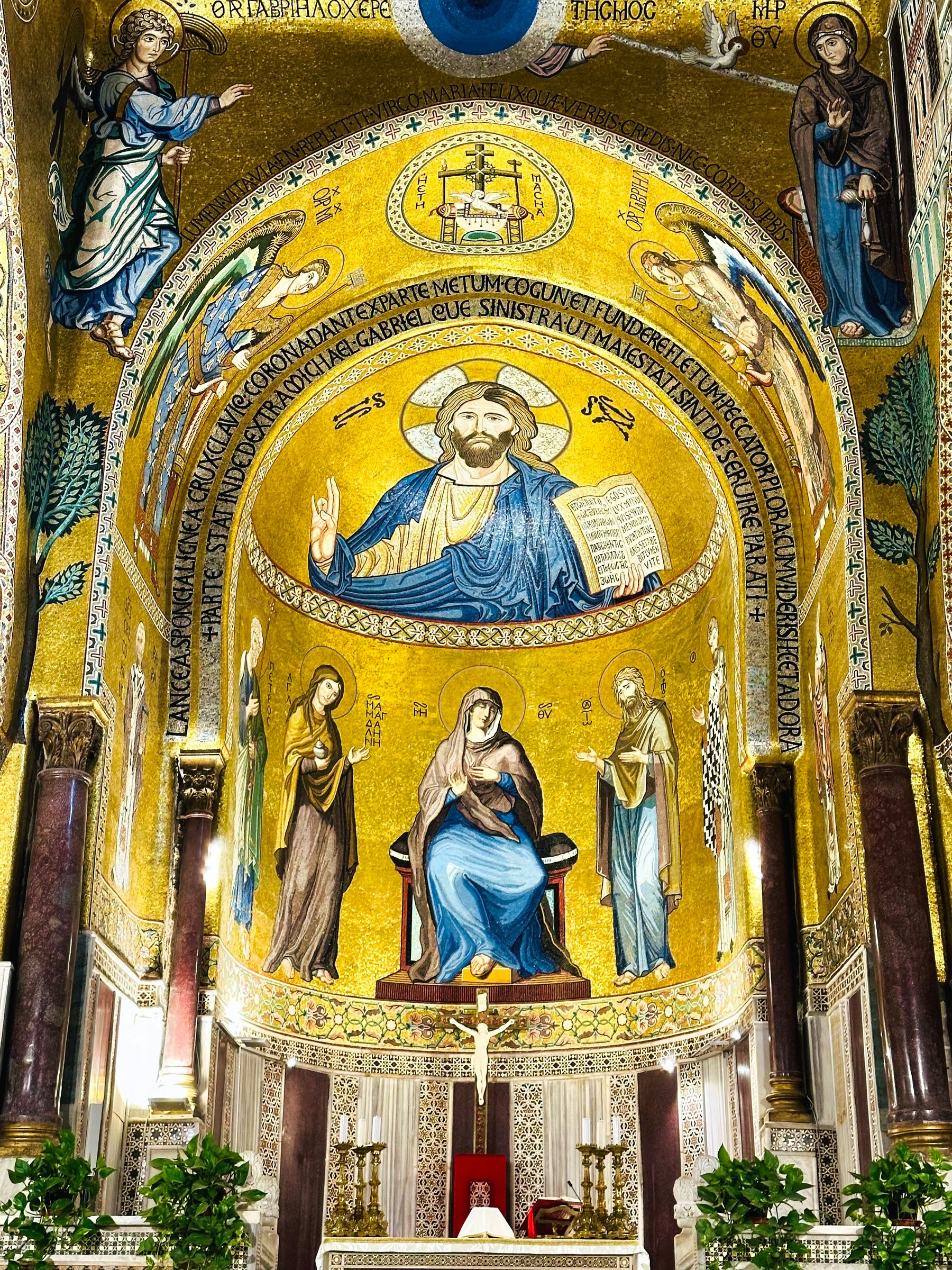
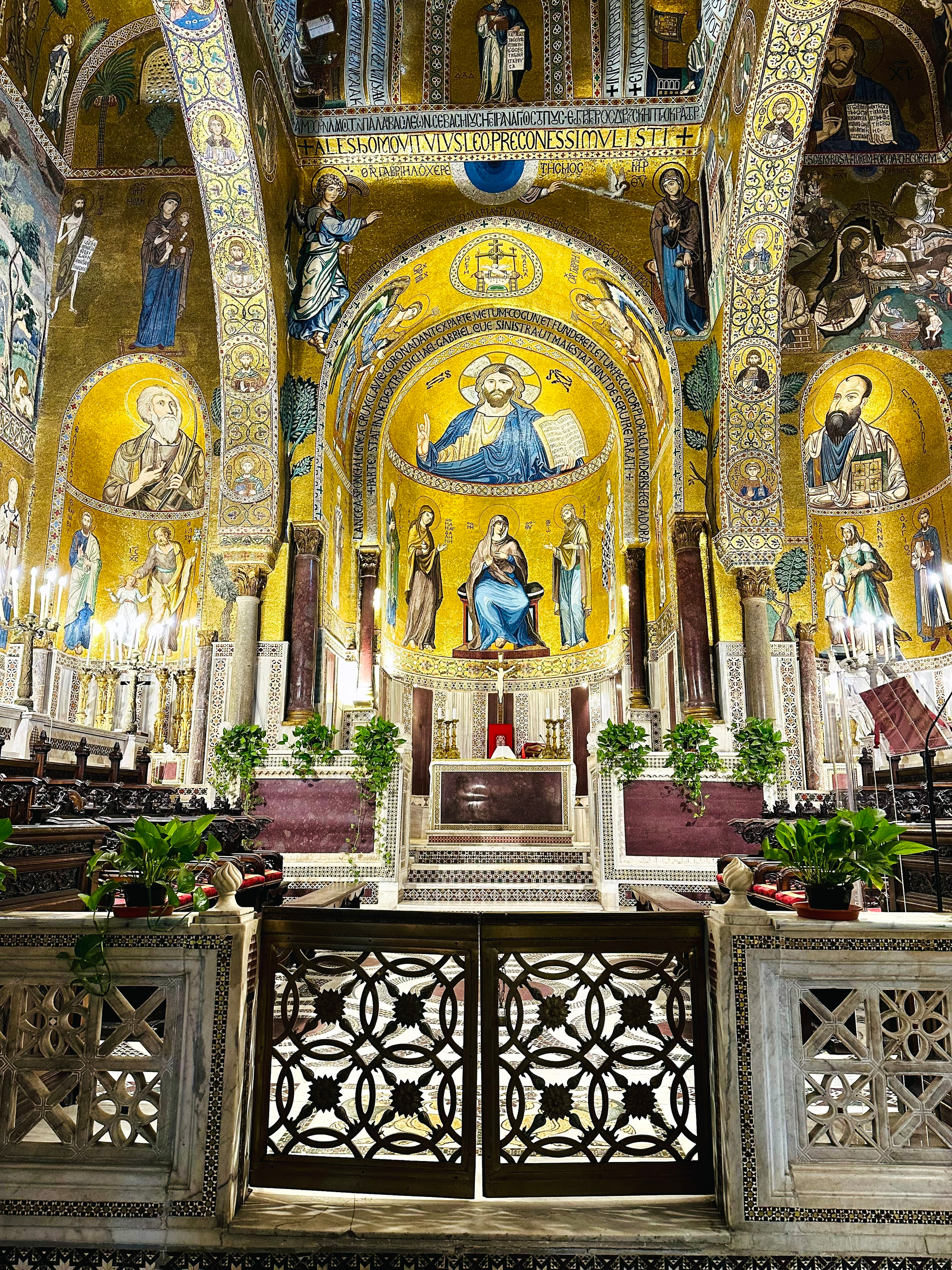
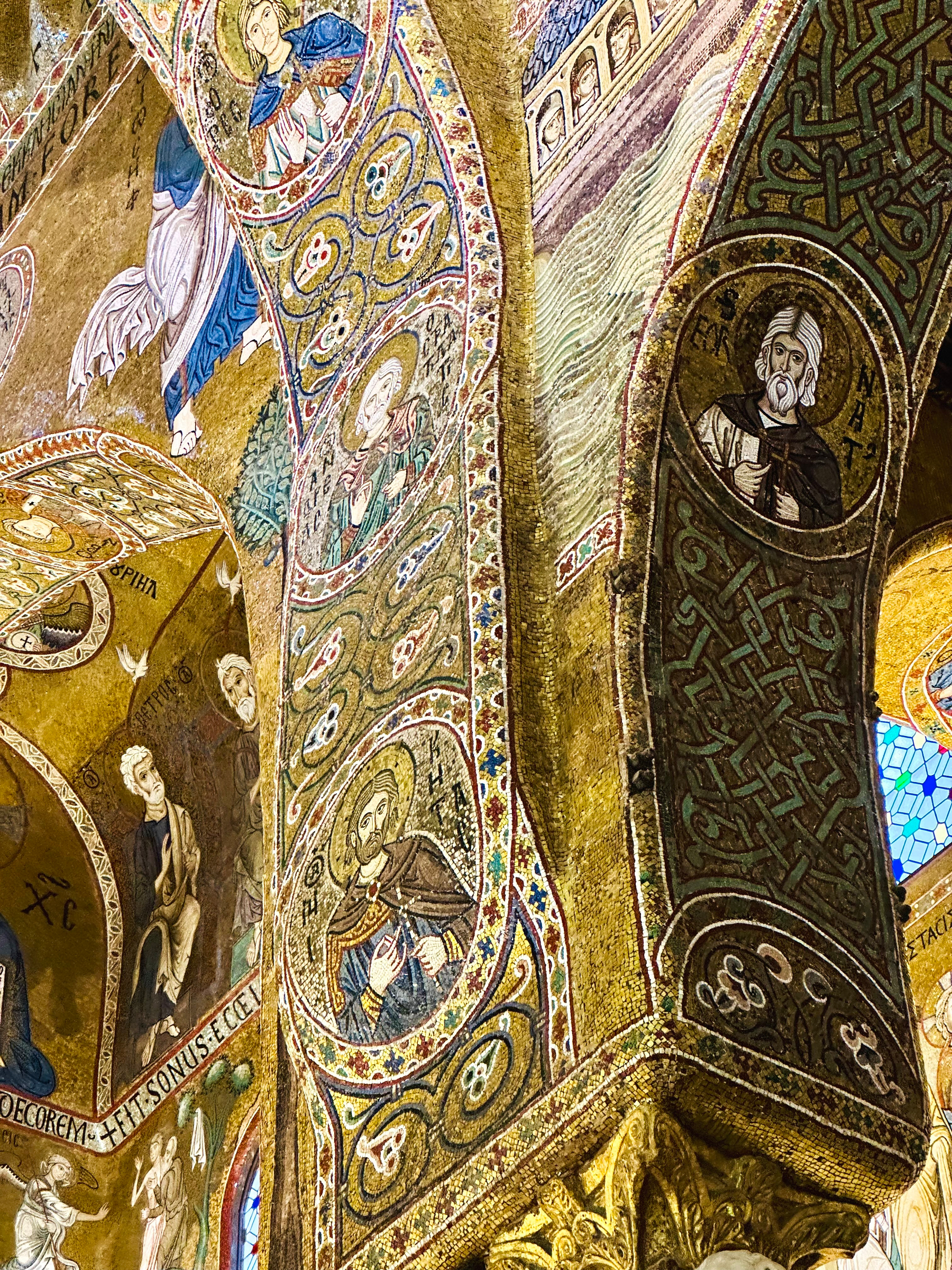
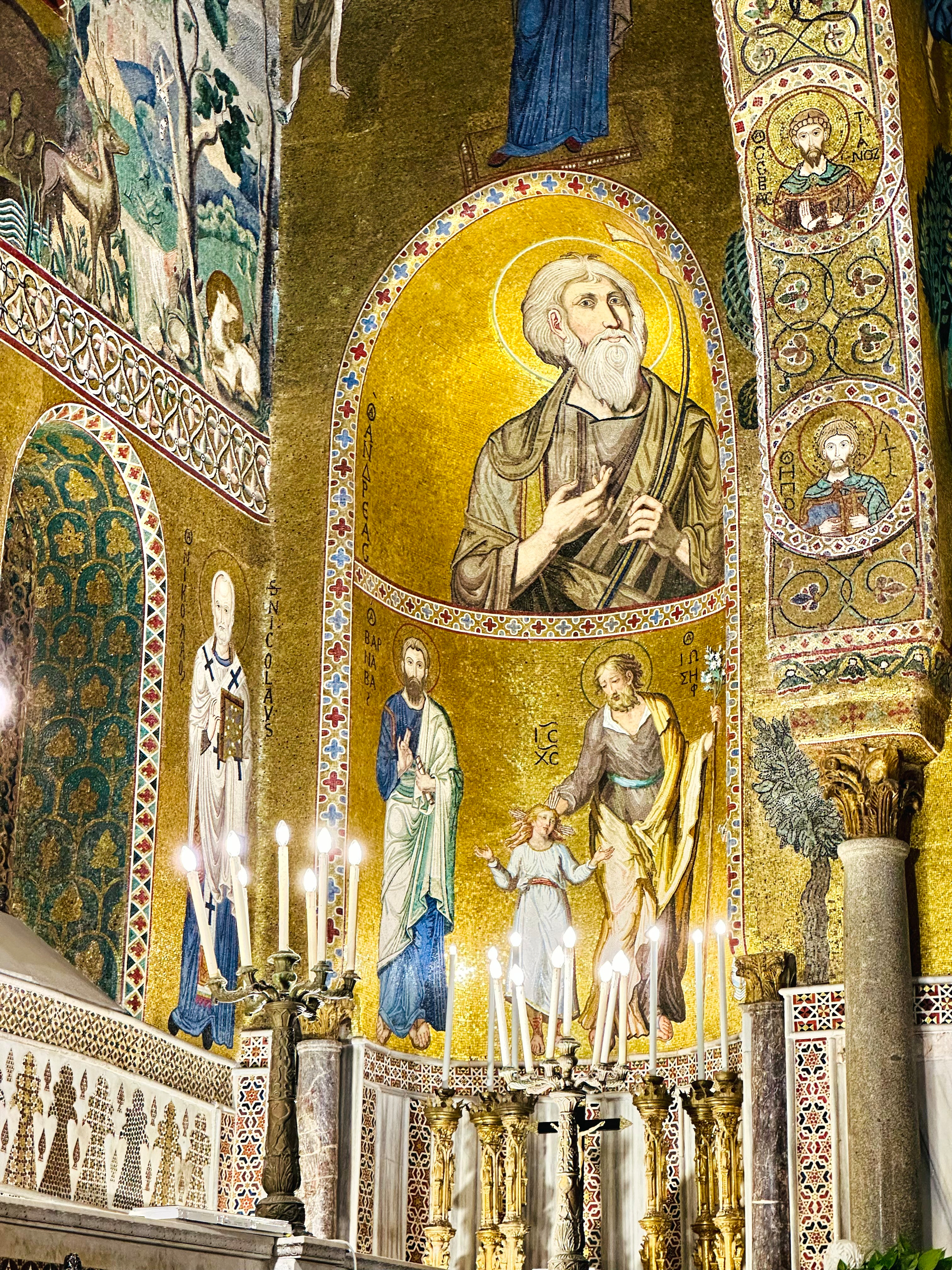
Stepping inside the Palatine Chapel inside the Norman Palace in Palermo feels like walking straight into a luminous golden jewel box. Standing in the central nave today, the sheer brilliance of the golden light reflected off millions of mosaic tiles across the walls and dome is something that no photograph can fully capture.
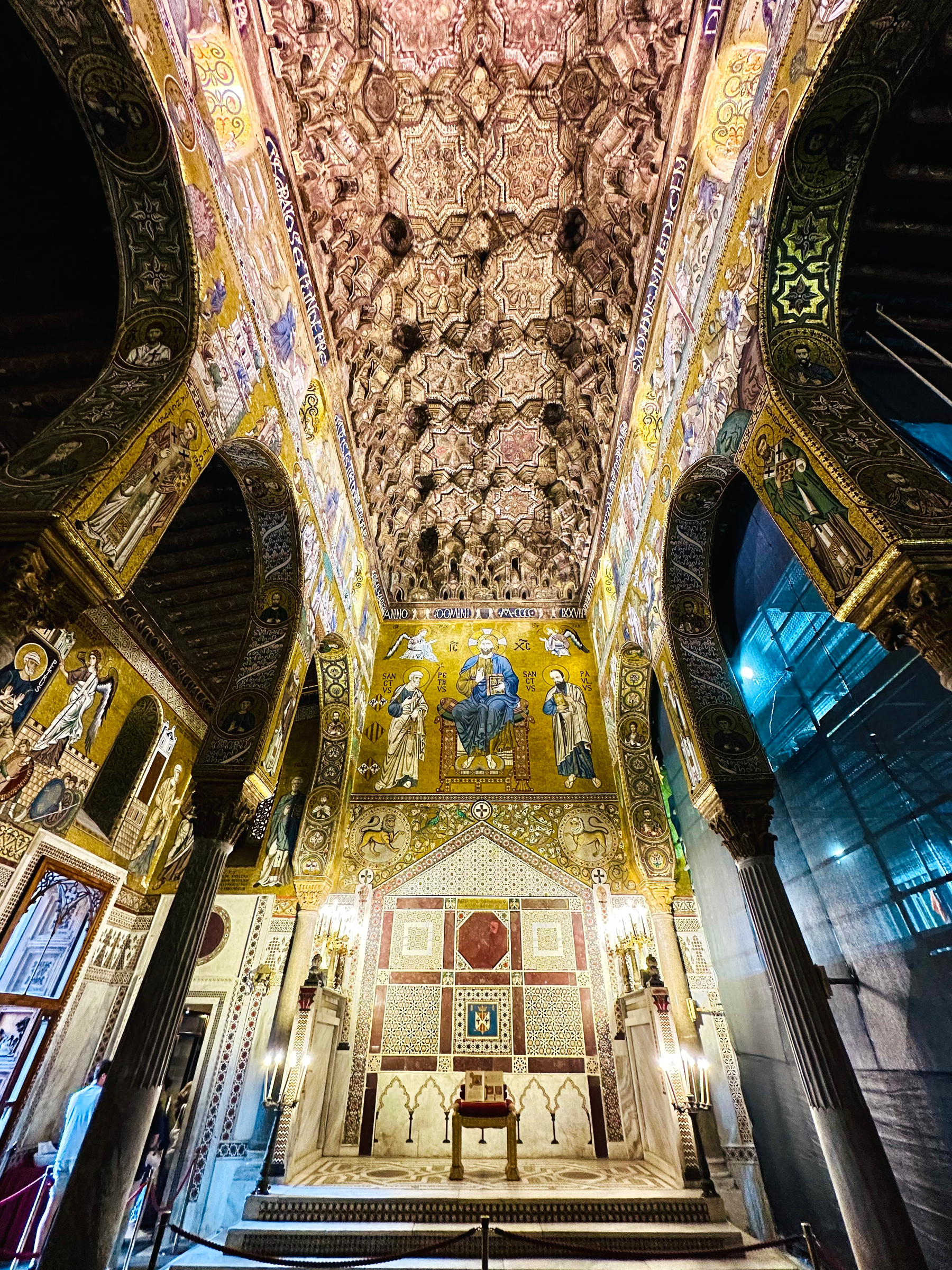
Commissioned in 1132 by King Roger II of Sicily and consecrated in 1140, this chapel serves as the ultimate testament to Sicily’s unique cross-cultural heritage. During the 12th century, Palermo sat at the crossroads of the Mediterranean. King Roger II brought together Byzantine mosaic masters, Islamic woodcarvers, and Latin Norman architects to construct a royal court chapel unlike anything else in Western Europe.
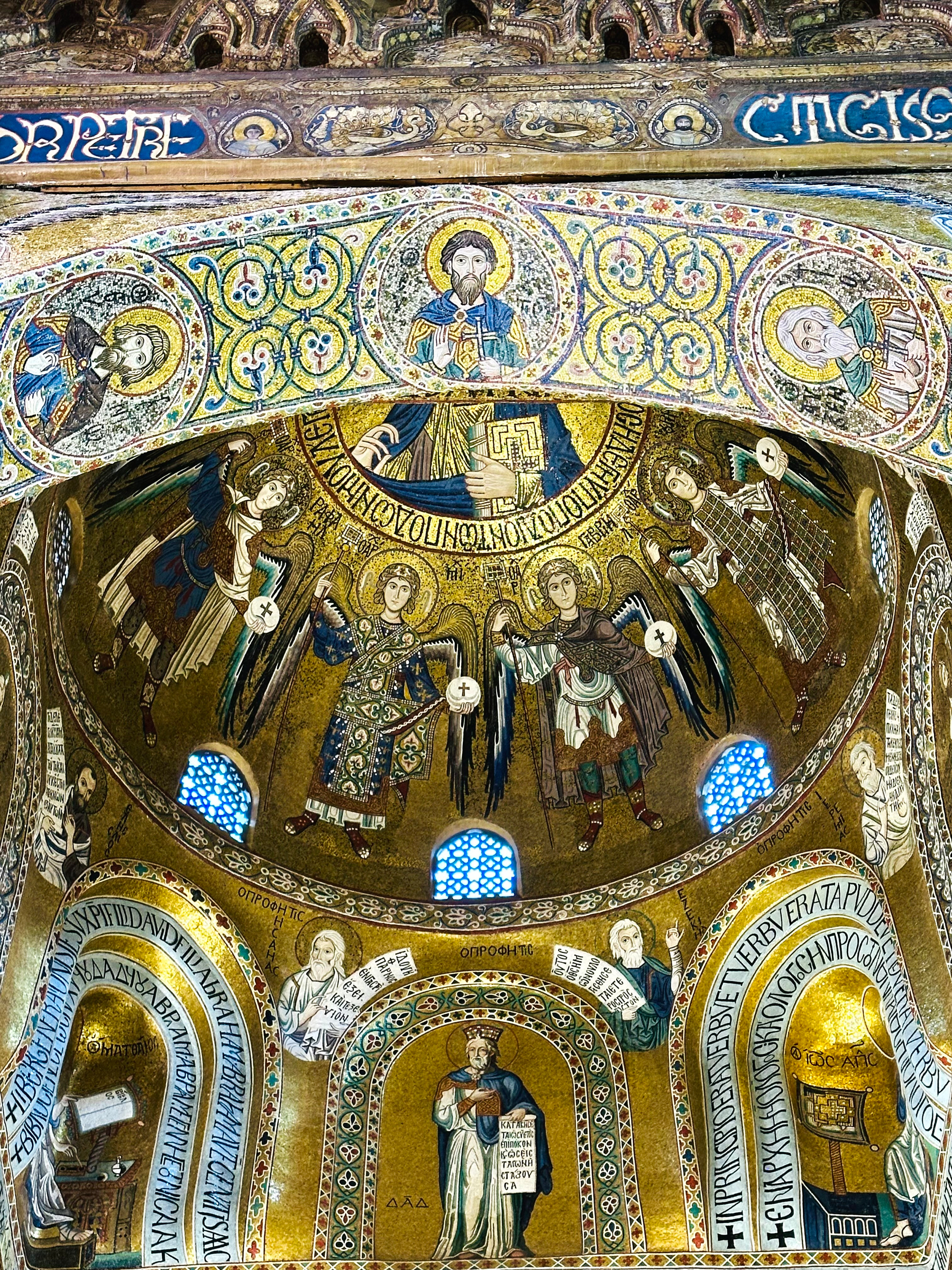
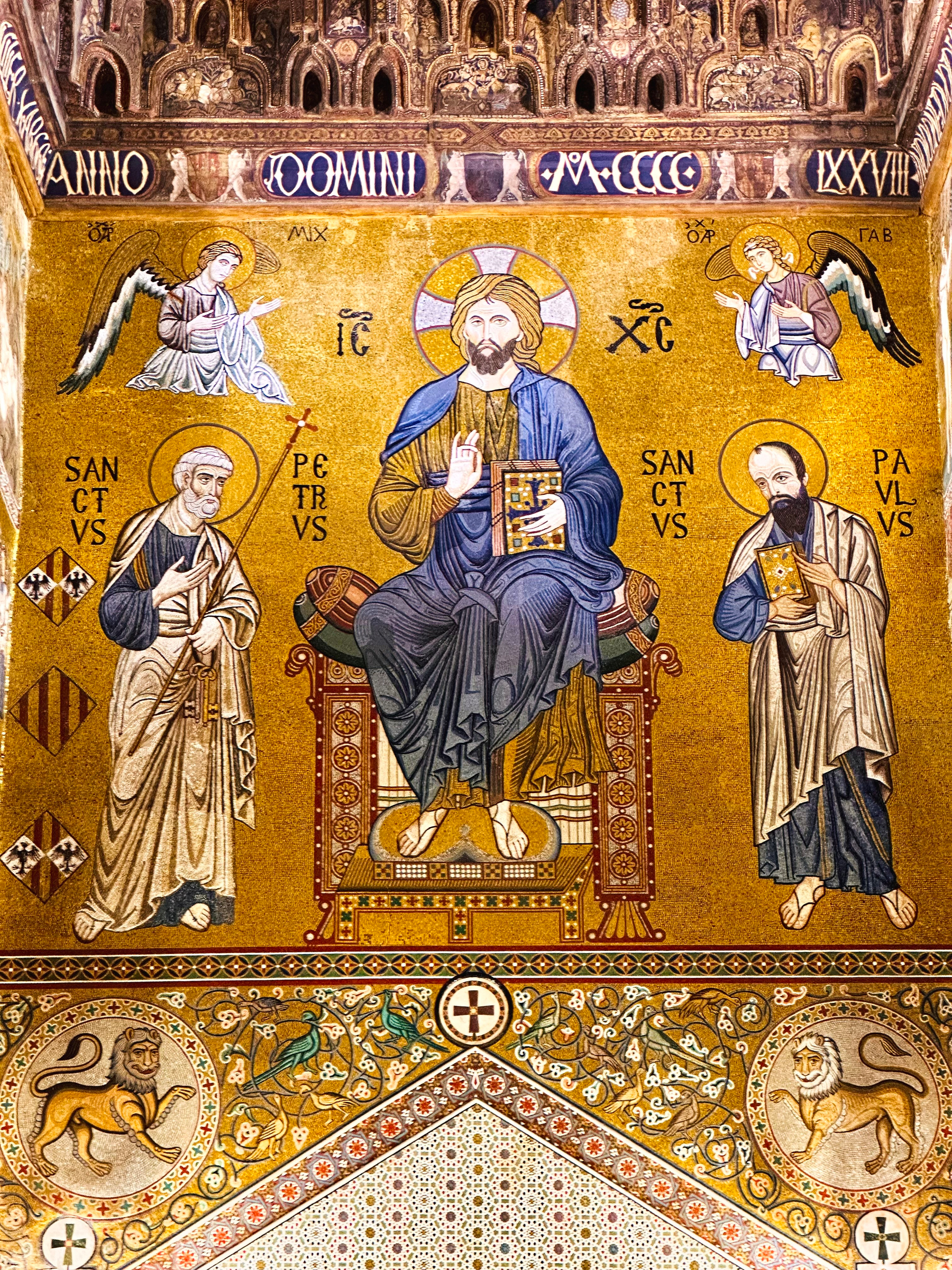
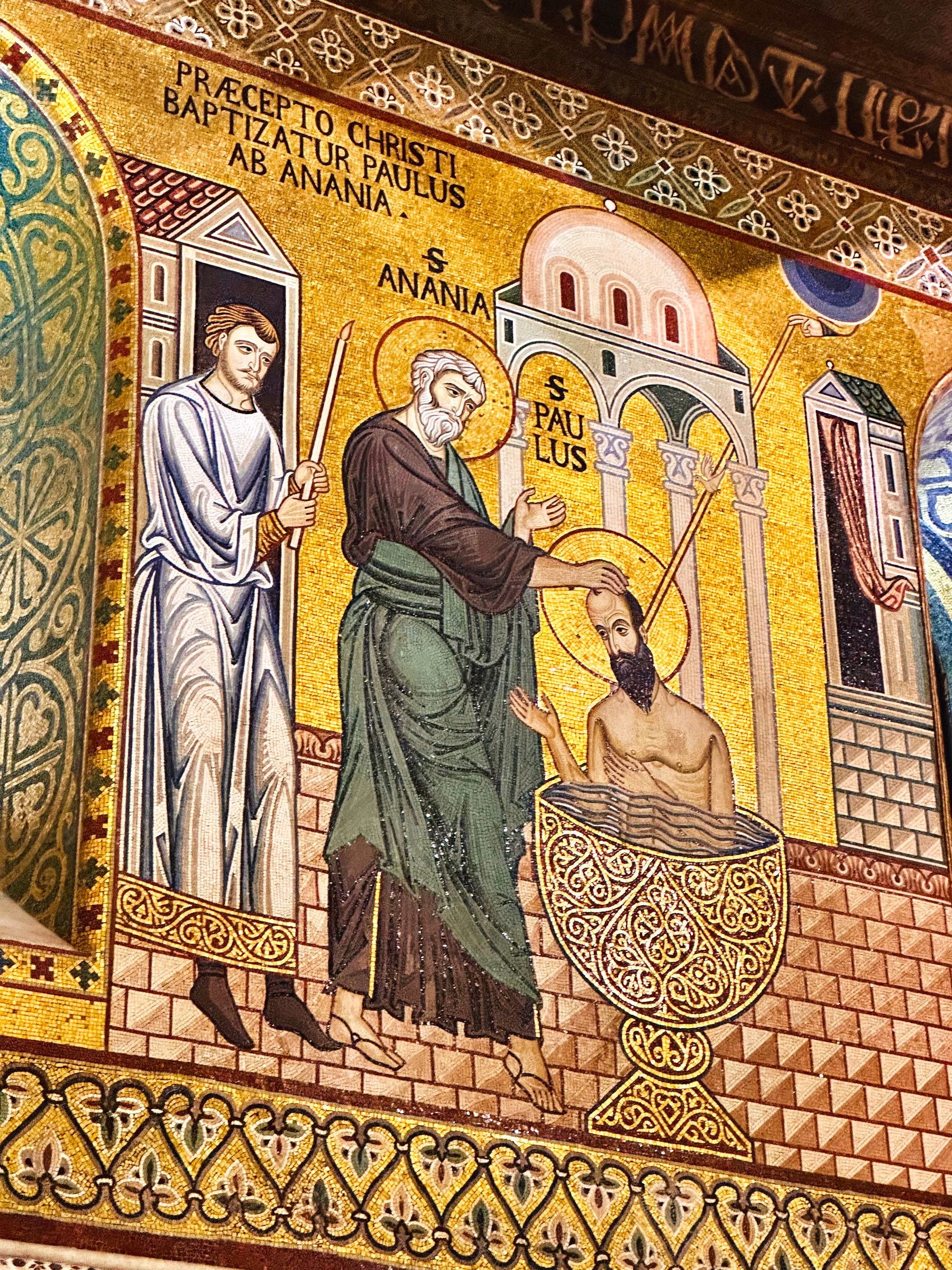
Looking upward into the central dome, the iconic mosaic of Christ Pantocrator gazes down, surrounded by angels and archangels in classic Eastern Orthodox fashion. The nave walls continue this biblical narrative, portraying detailed scenes from Genesis alongside the lives of Saints Peter and Paul.
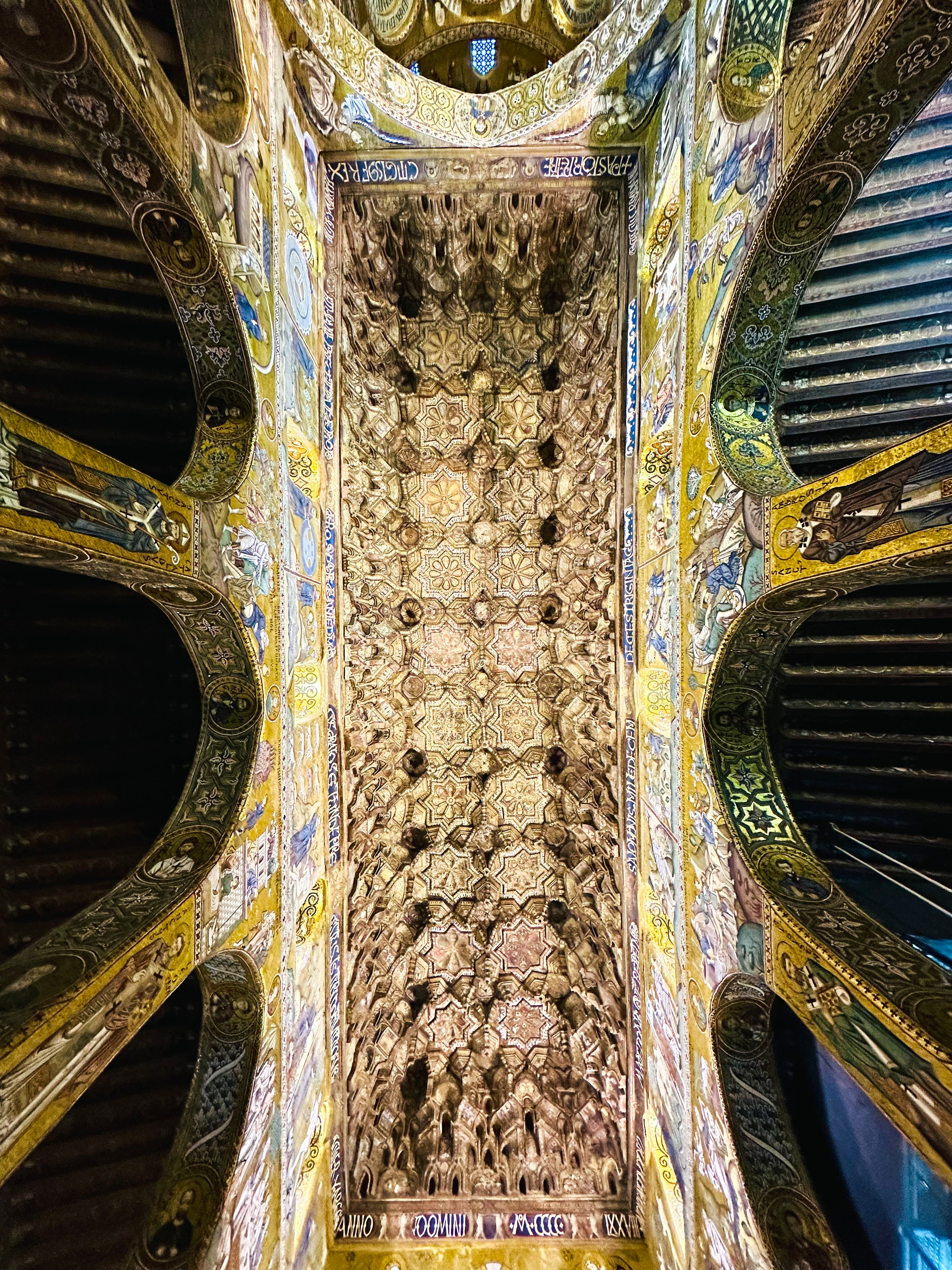
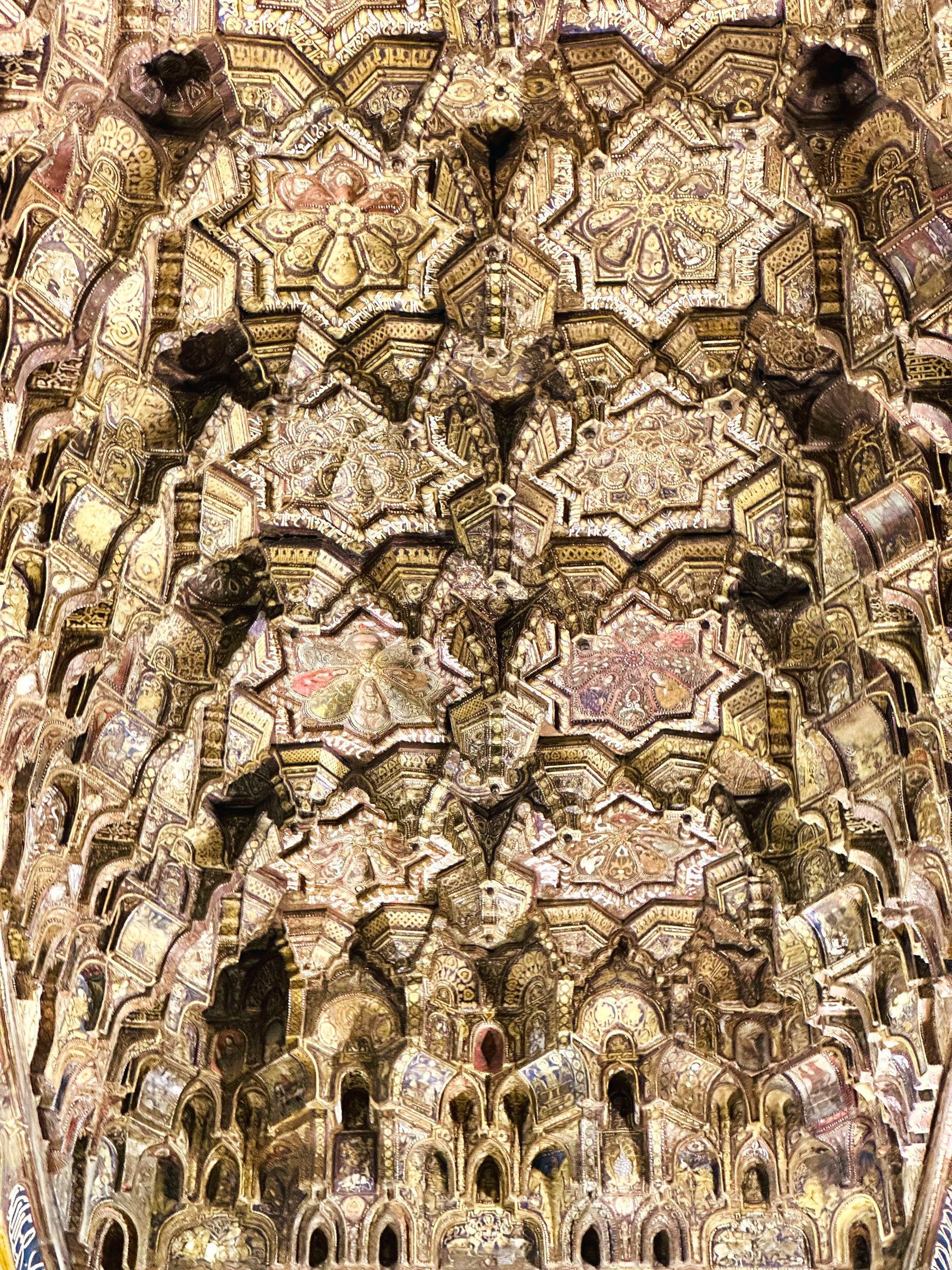
Just as impressive as the gold walls is the ceiling overhead. The central nave features an extraordinary wooden muqarnas ceiling carved in intricate stalactite formations. Painted by Fatimid-style artisans, it contains rare secular depictions of court musicians, dancers, and daily 12th-century life, seamlessly bringing Islamic artistic traditions into a Christian sanctuary. Down below, the floor is paved with complex opus sectile geometric patterns crafted from rich porphyry and serpentine marble, leading directly to the elevated royal throne opposite the main altar.
Every angle of this architectural wonder offers incredible inspiration for travel photography and exploring the layers of Mediterranean history.
#palermo #sicily #palatinechapel #normanpalace #sicilianart #byzantinemosaics #travel #photography #italy #photoblog #blog