San Giovanni degli Eremiti: Palermo's Red-Domes Architectural Gem and Historic Gardens
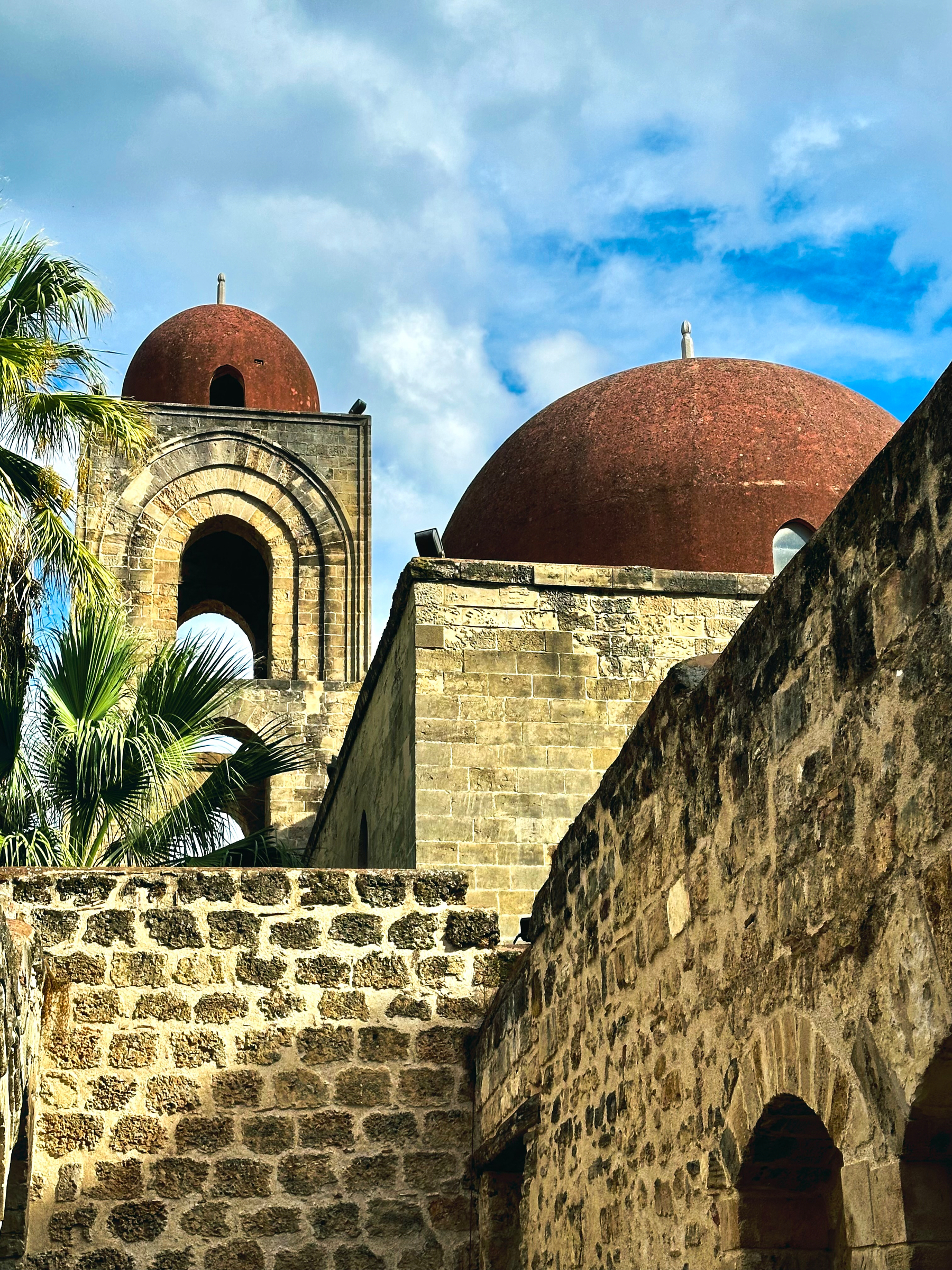
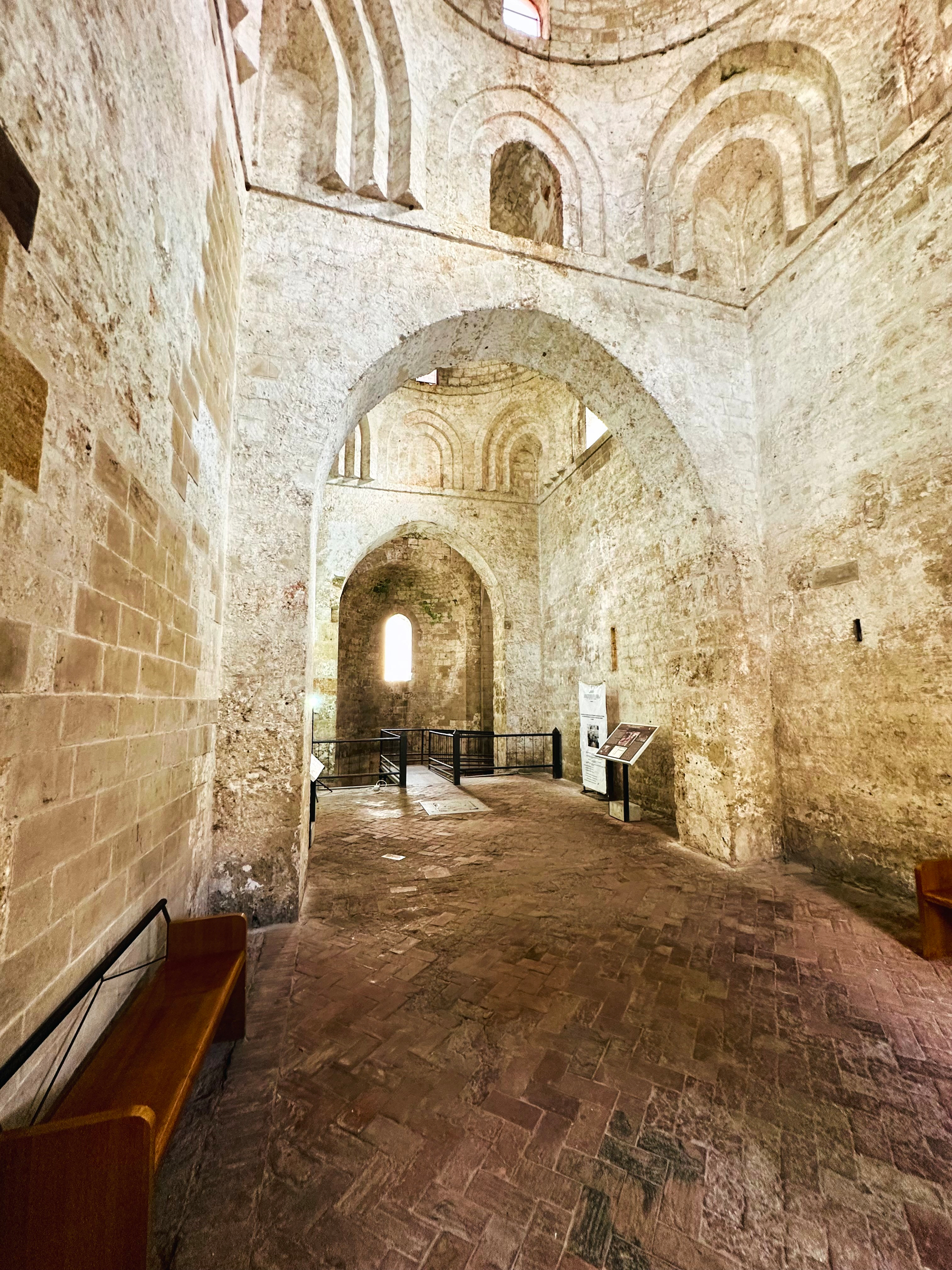
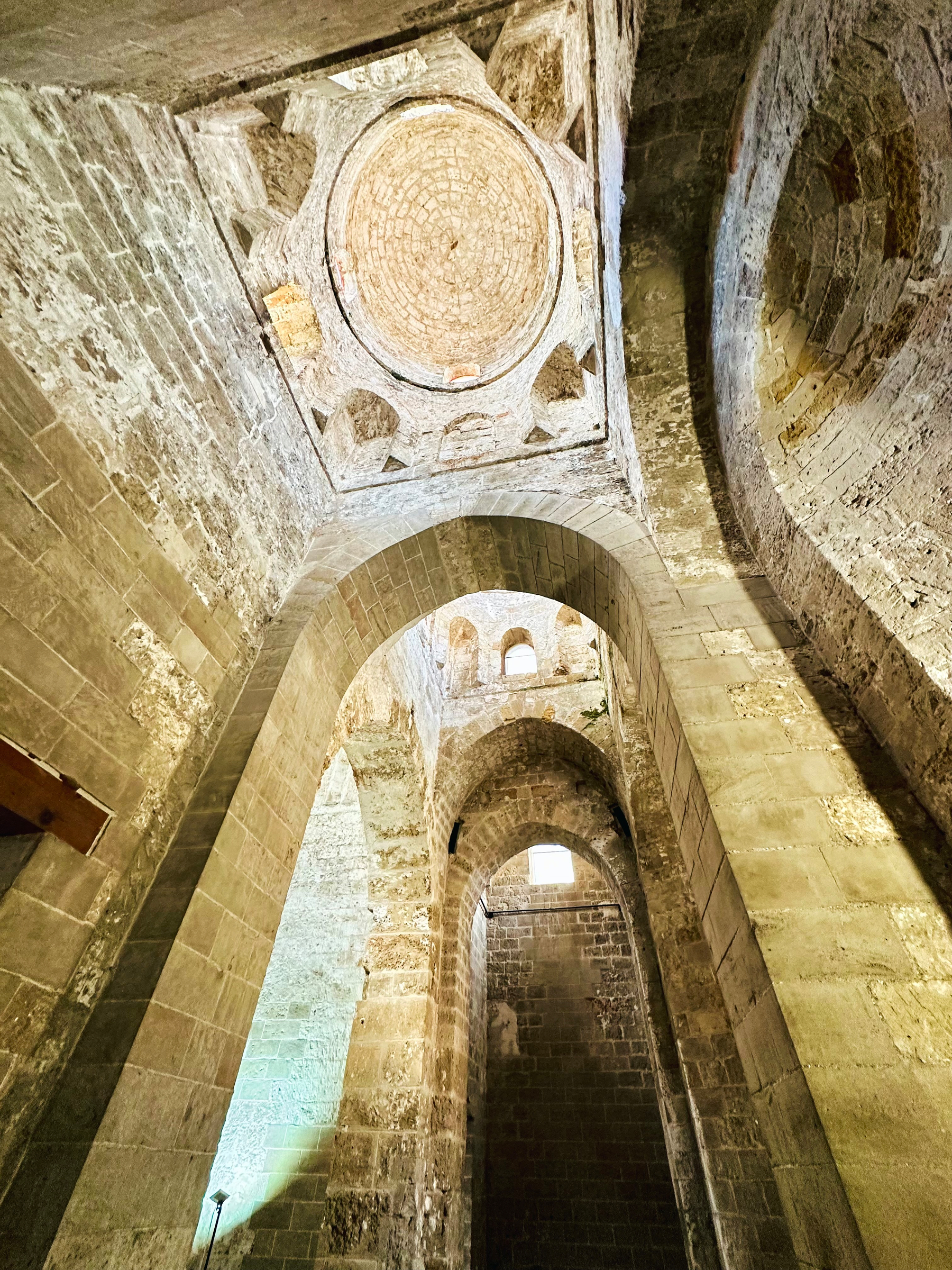
Standing near the Royal Palace in Palermo, the monastic complex of San Giovanni degli Eremiti is one of Sicily’s most distinctive historic sites. Known for its iconic red domes and tranquil gardens, the monument reflects centuries of architectural transformation, religious history, and urban evolution.
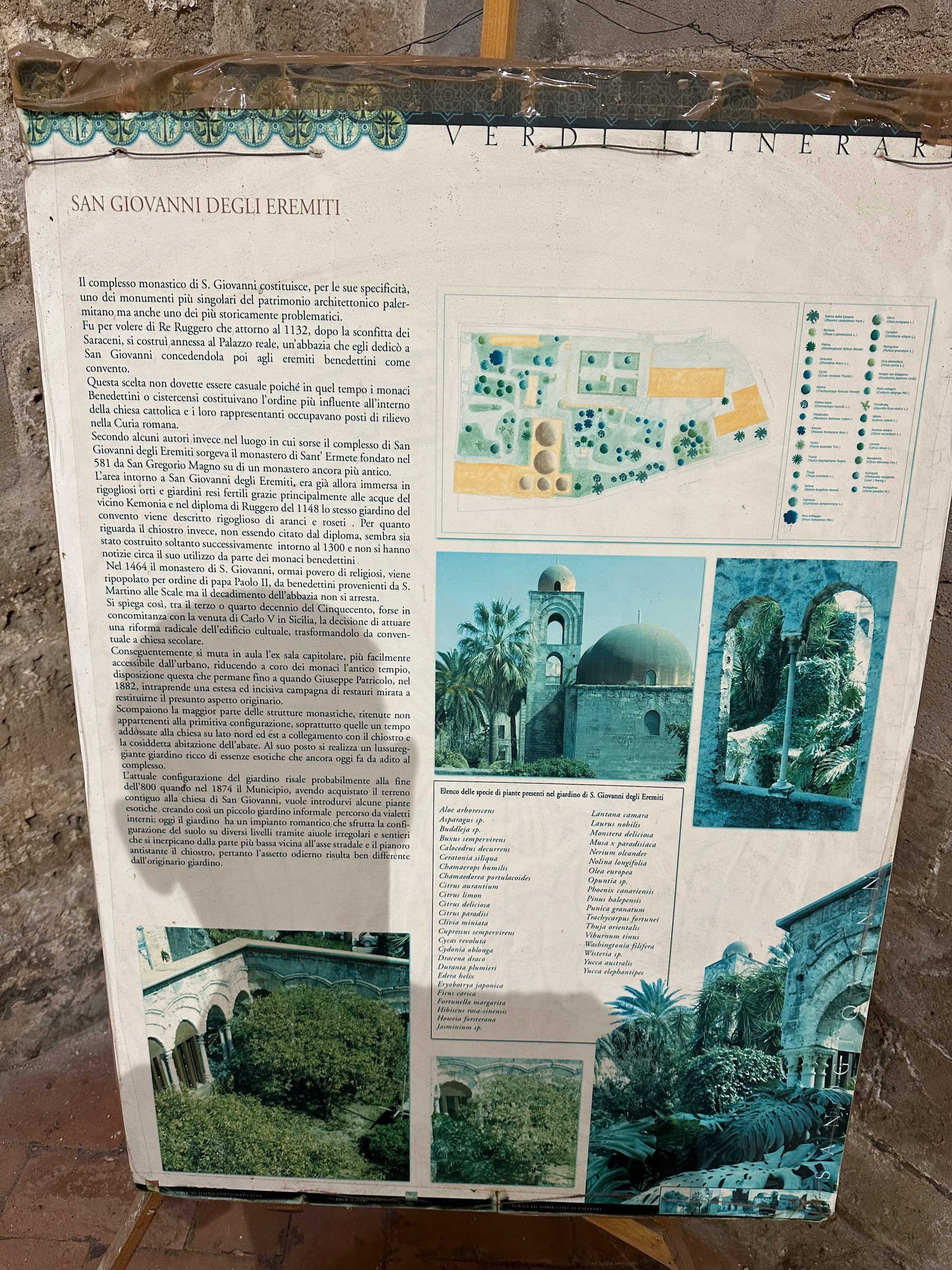
The story of San Giovanni degli Eremiti began around 1132, following the defeat of the Saracens. King Roger commissioned an abbey adjacent to the Royal Palace and granted it to Benedictine hermits. During this period, Benedictine and Cistercian monks held immense influence within the Catholic Church, often occupying key roles in the Roman Curia.
However, historical records suggest the site had spiritual roots long before the 12th century. Some scholars believe it was previously home to the monastery of Sant’Ermete, founded in 581 by Pope Gregory the Great atop an even older monastic structure.
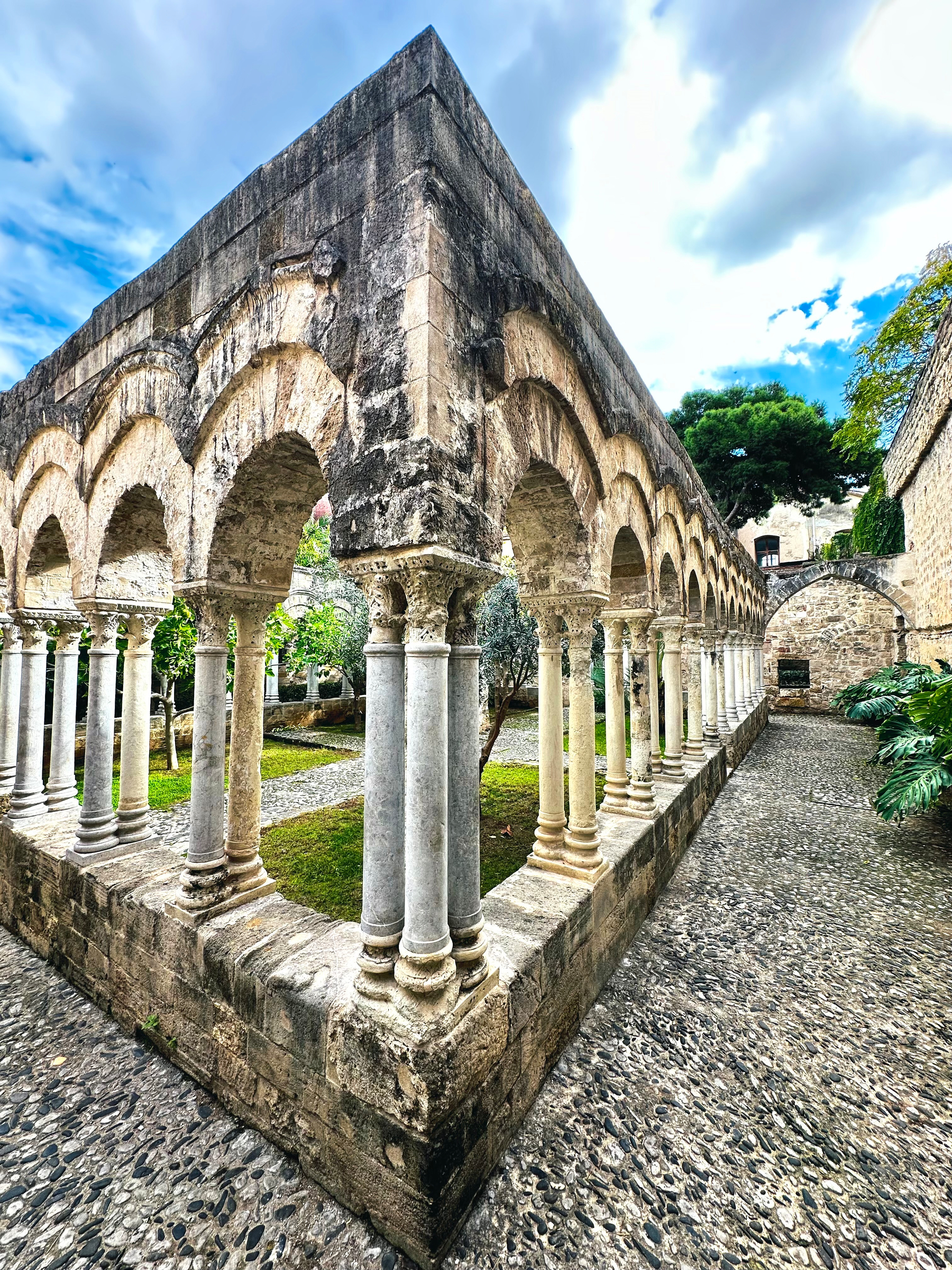
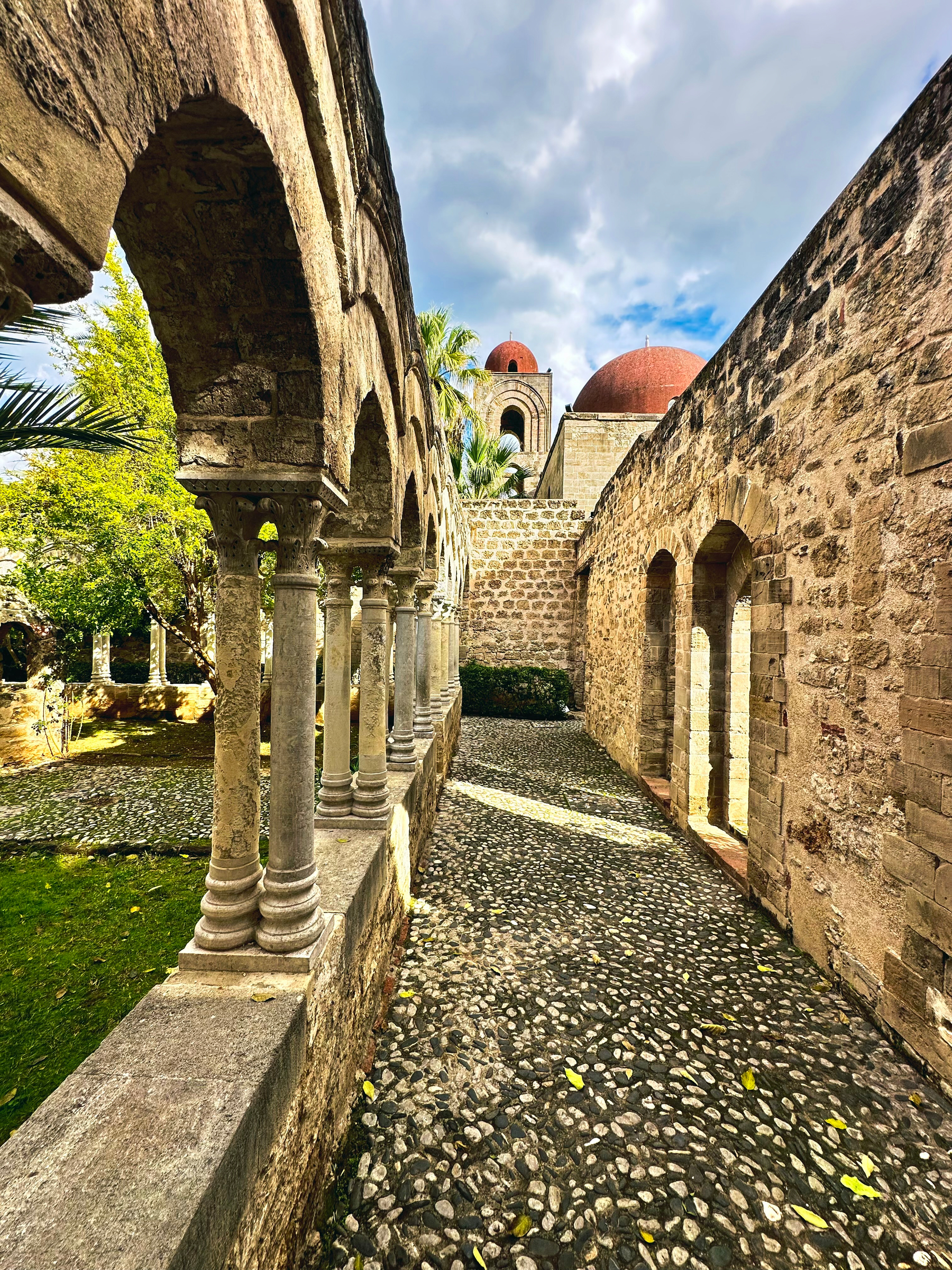
From Lush Orchards to the 14th-Century Cloister From its earliest days, the area around the abbey was defined by rich greenery. Fed by the nearby Kemonia stream, the grounds featured fertile orchards and gardens. In a diploma from 1148, King Roger described the convent garden as overflowing with orange trees and rose bushes. The famous cloister was added later, likely around 1300, though few historical records detail its precise use by the Benedictine monks during that era.
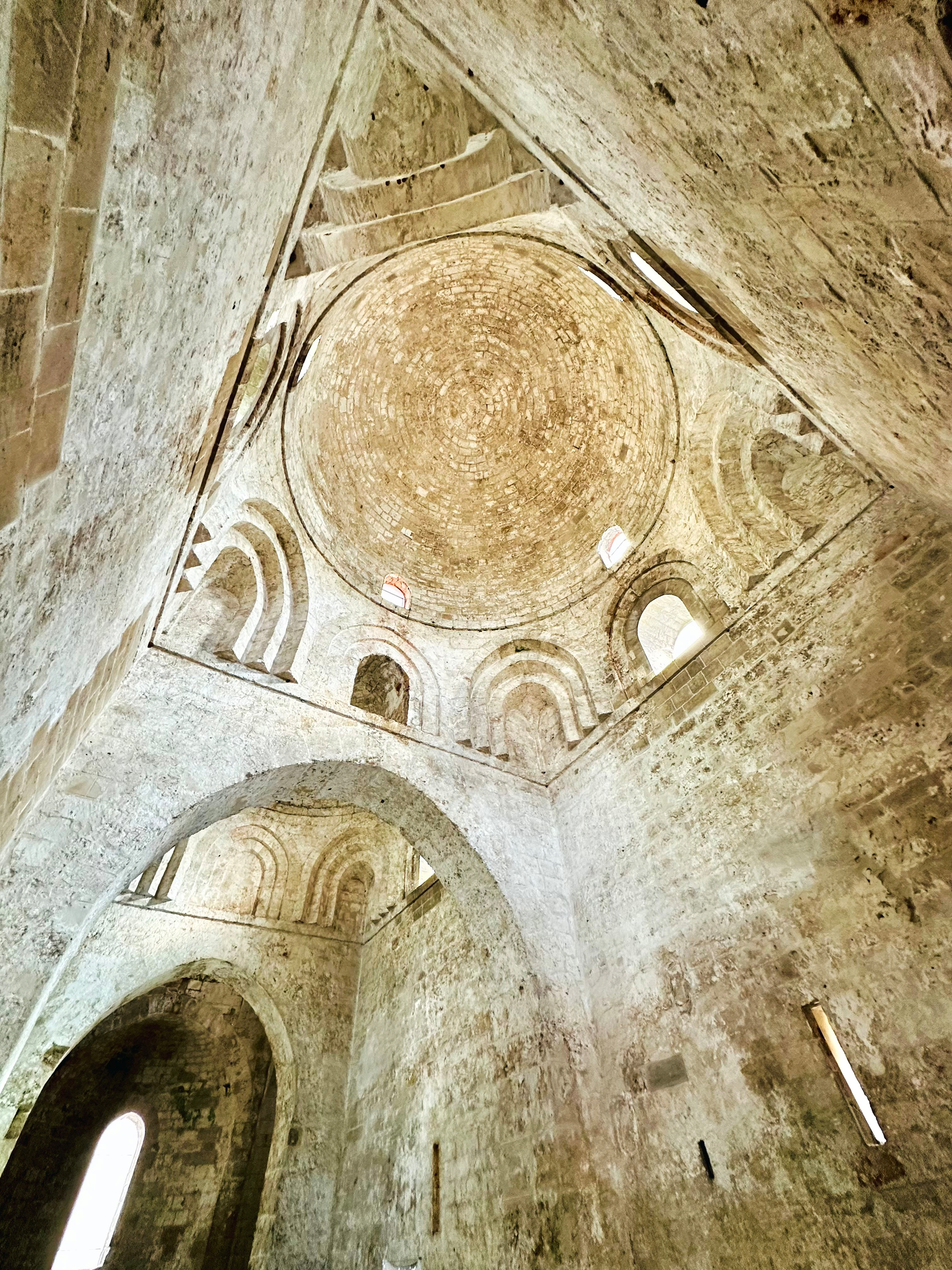
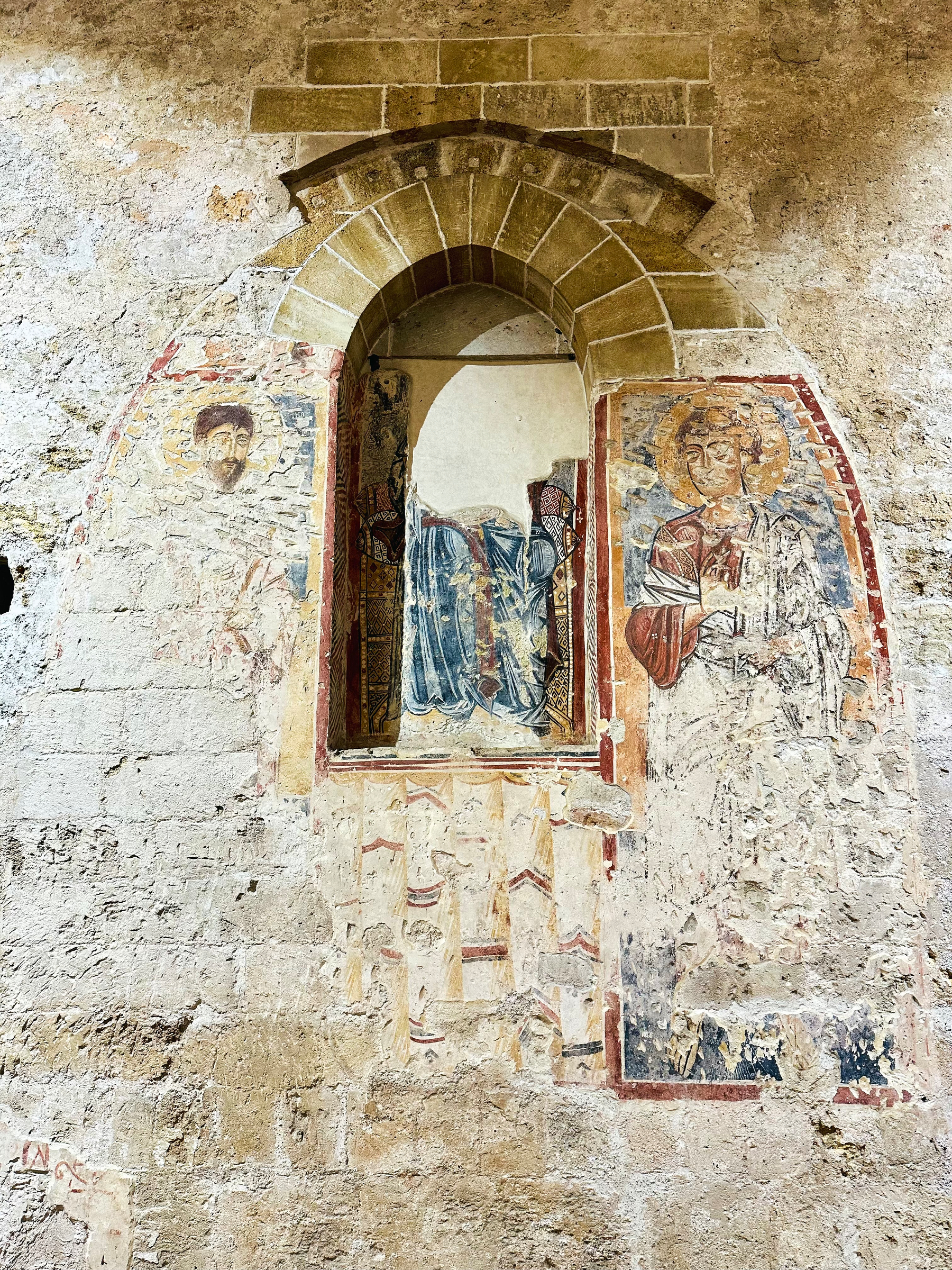
By 1464, the monastery faced a decline in religious personnel. Pope Paul II ordered Benedictine monks from San Martino delle Scale to repopulate the complex, but the decline continued. Between the 1530s and 1540s—possibly coinciding with Charles V’s visit to Sicily—a sweeping transformation turned the conventual church into a secular worship space. The former chapter house became the main nave, while the original church area was reduced to a choir.
This layout remained until 1882, when architect Giuseppe Patricolo led an extensive restoration campaign. Patricolo sought to restore the complex to its presumed medieval appearance, demolishing several structures added over the centuries, particularly those along the north side connecting the cloister to the former abbot’s residence.
Following the 19th-century renovations, the Municipality of Palermo acquired the adjacent land in 1874 to establish a curated public garden. Designed in a romantic, informal style, the garden makes clever use of uneven terrain, featuring winding paths and tiered flower beds that ascend from the lower street level to the plateau fronting the cloister.
Today, the garden serves as a living botanical collection. Visitors walking through the historic grounds will encounter a rich variety of flora, including traditional fruit trees such as bitter orange (Citrus aurantium), lemon (Citrus limon), Mediterranean cypress (Cupressus sempervirens), Aleppo pine (Pinus halepensis), and carob (Ceratonia siliqua). Interdispersed throughout the grounds are exotic and ornamental species like the dragon tree (Dracaena draco), century plant (Cycas revoluta), bird of paradise bush, and diverse specimens of Aloe, Yucca, and palms (Chamaerops humilis, Phoenix canariensis). Wisteria, English ivy (Hedera helix), oleander (Nerium oleander), and common boxwood (Buxus sempervirens) round out the dense, picturesque foliage framing the ancient stone walls.
Whether you are drawn by Norman-Arab architectural history or the serene botanical pathways, San Giovanni degli Eremiti offers an irreplaceable glimpse into Palermo’s rich heritage.
#Palermo #SicilyTravel #SanGiovanniDegliEremiti #SicilianArchitecture #HistoricGardens #ItalyTravel #NormanArchitecture #PalermoHistory