
Walking Through Centuries of Portuguese History Above the Tagus
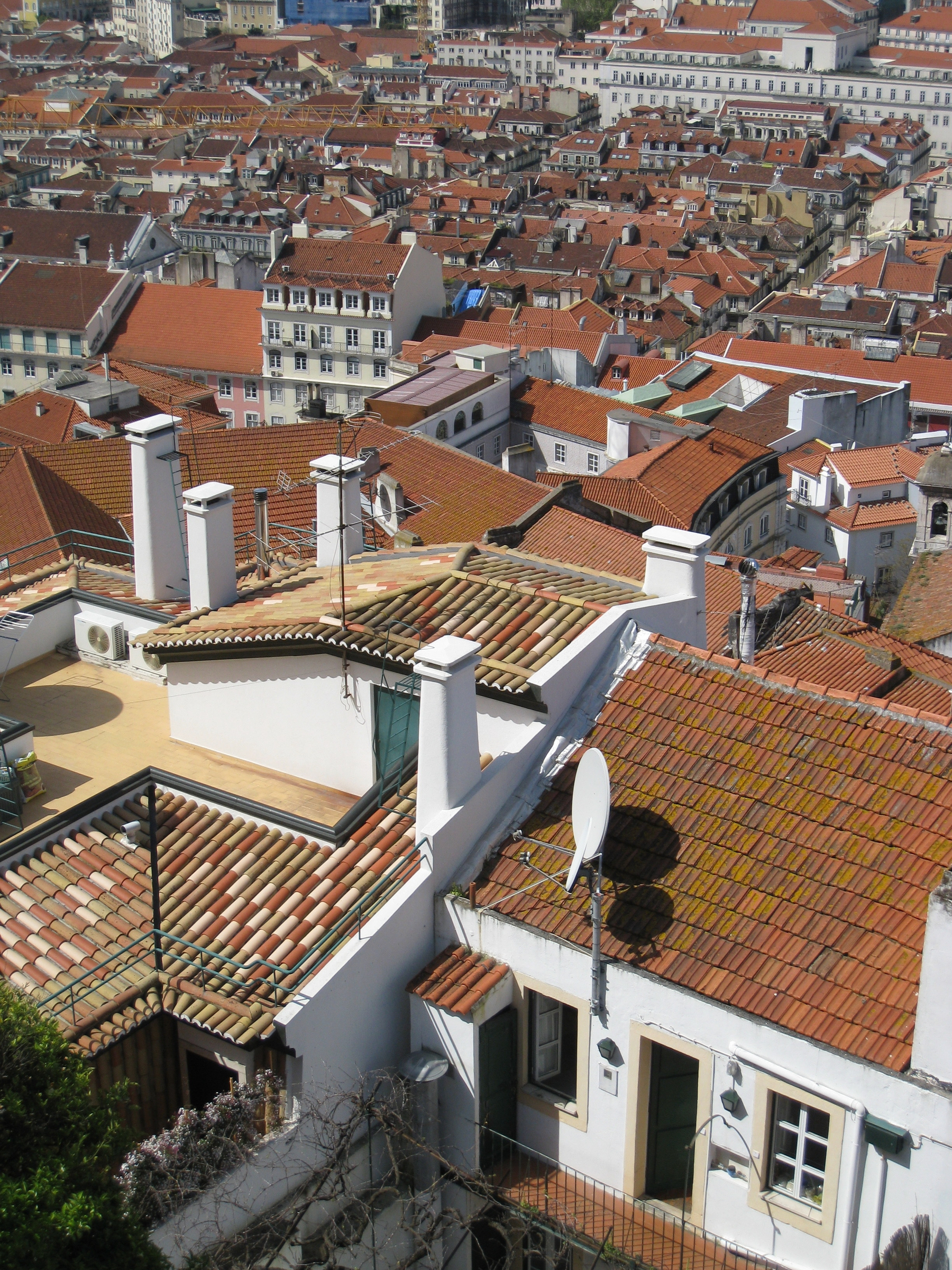
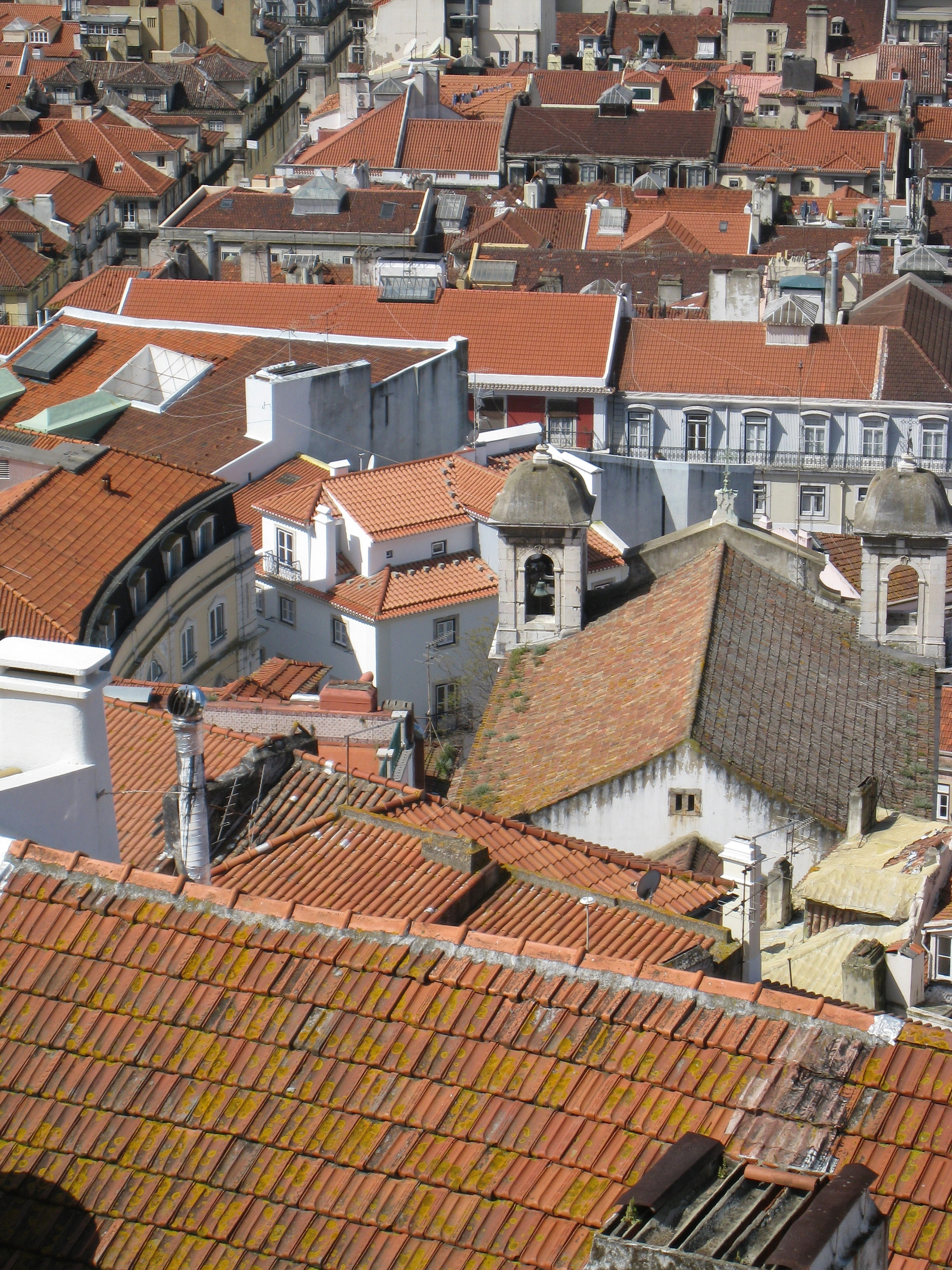
Lisbon has a way of revealing itself slowly. Its steep cobbled streets, pastel-coloured buildings, traditional cafés, and narrow stairways invite you to explore without ever quite knowing what waits around the next corner. On this particular day, my journey led me uphill toward Castelo de São Jorge, the ancient fortress that dominates one of Lisbon’s highest hills. As I climbed through the historic neighbourhoods, the city unfolded around me in fragments: terracotta rooftops, laundry fluttering from balconies, decorative azulejos catching the light, and glimpses of the Tagus River in the distance. The climb was demanding, but that is part of Lisbon’s charm. Here, reaching a destination often means travelling through layers of history, and few places offer a more rewarding arrival than this magnificent hilltop stronghold.



The castle’s story reaches back long before Portugal became the nation we know today. Archaeological evidence reveals that this hill was occupied by different peoples, including communities during the Iron Age and later the Romans. Its elevated position made it strategically valuable, offering commanding views over the river and the surrounding landscape. During the Islamic period, when much of the Iberian Peninsula was under Muslim rule, the fortified settlement became an important defensive centre. The castle’s medieval structure developed significantly during the eleventh century, when Lisbon was under Moorish control. Standing before its formidable walls, I tried to imagine the hill as it might have appeared nearly a thousand years ago, when watchmen scanned the horizon for approaching ships and armies, and control of the fortress meant control of a vital gateway to the city.


A decisive chapter arrived in 1147, when Afonso Henriques, the first king of Portugal, captured Lisbon with the help of northern European crusaders during the Christian Reconquista. The conquest transformed the city’s political and religious landscape, and the fortress subsequently became associated with the emerging Portuguese kingdom. During the medieval period, the castle served as a royal residence and an important centre of political life. Kings, courtiers, soldiers, and messengers once moved through spaces that are now explored by curious visitors carrying cameras. I found it fascinating to consider how the purpose of a place can change so dramatically over the centuries. What was once a symbol of military power and royal authority is now a place where people come to wander, learn, and admire the city from above.


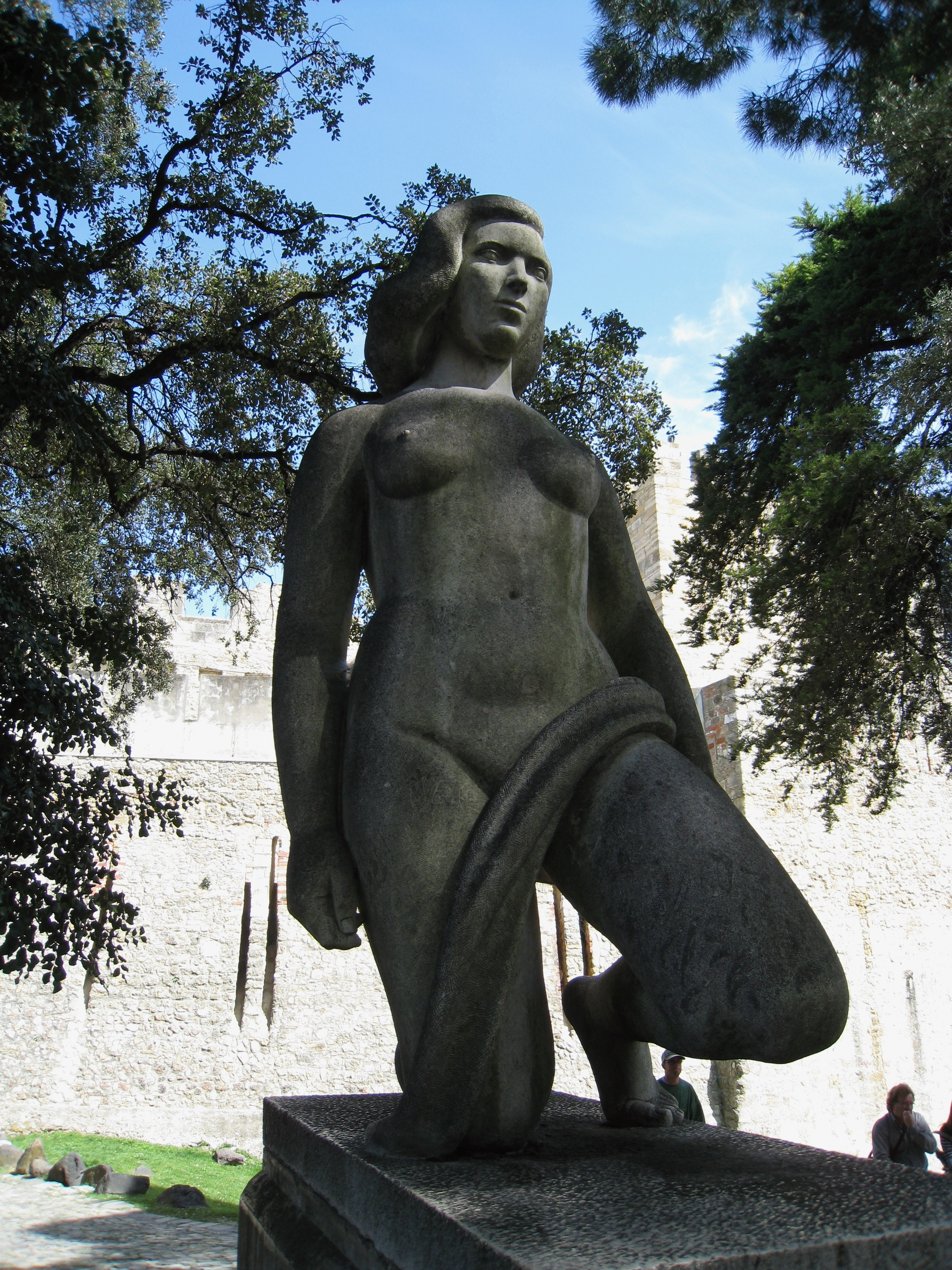
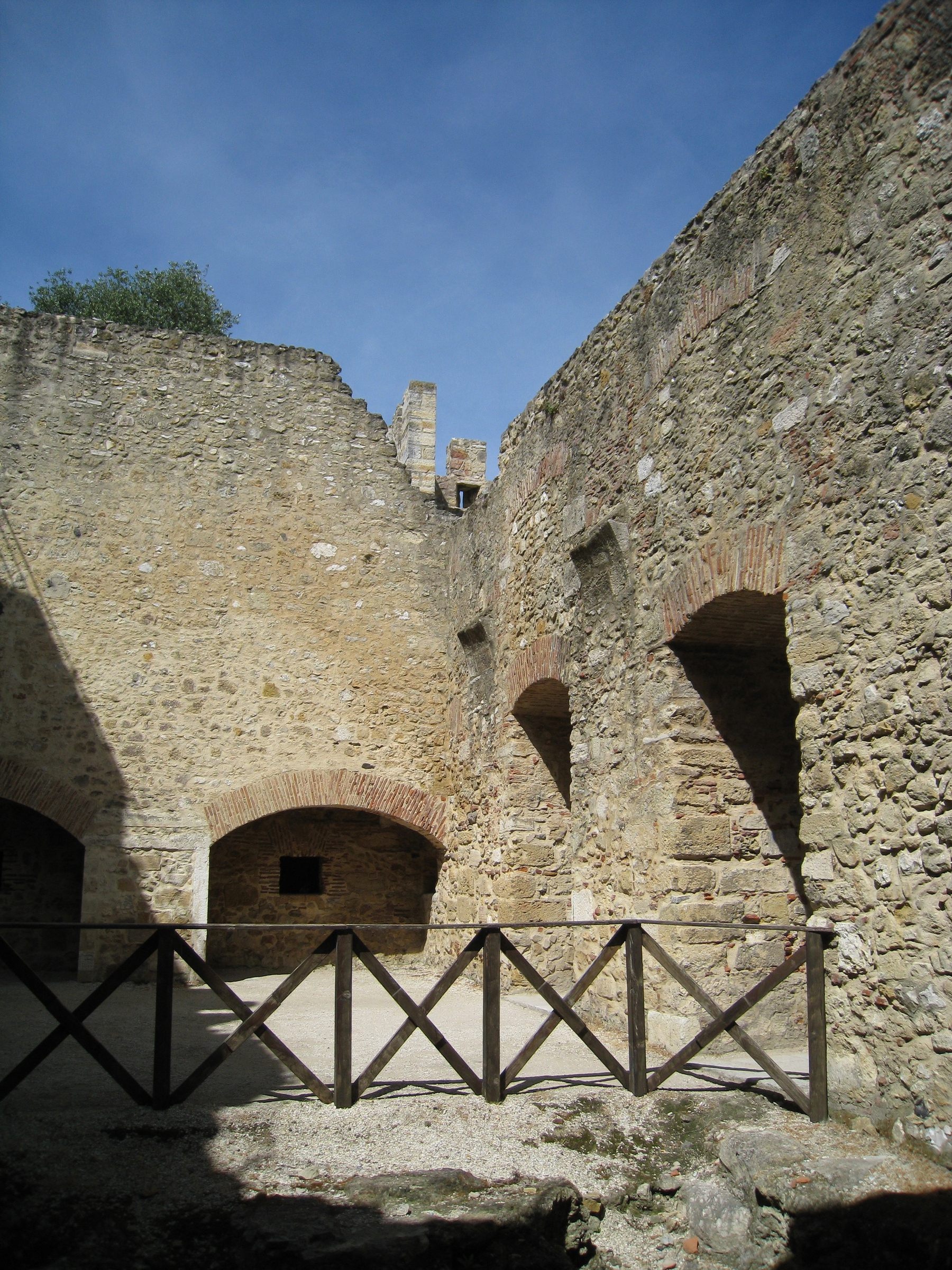
Inside the fortress, the atmosphere changes. Beyond the entrance, the noise of the modern city seems to soften as stone walls, courtyards, and leafy corners draw attention toward the past. I wandered through the grounds, where peacocks moved with surprising confidence, their elegant silhouettes adding an almost theatrical quality to the medieval setting. The castle is not an untouched relic frozen in time; it has been altered, damaged, rebuilt, and restored across generations. Much of what visitors see today reflects substantial twentieth-century restoration, particularly during the 1930s, when efforts were made to recover the monument’s medieval character. Yet the mixture of surviving remains and reconstructed elements gives the site a particular fascination. It encourages you to look beyond appearances and consider the many historical layers hidden beneath the stones.

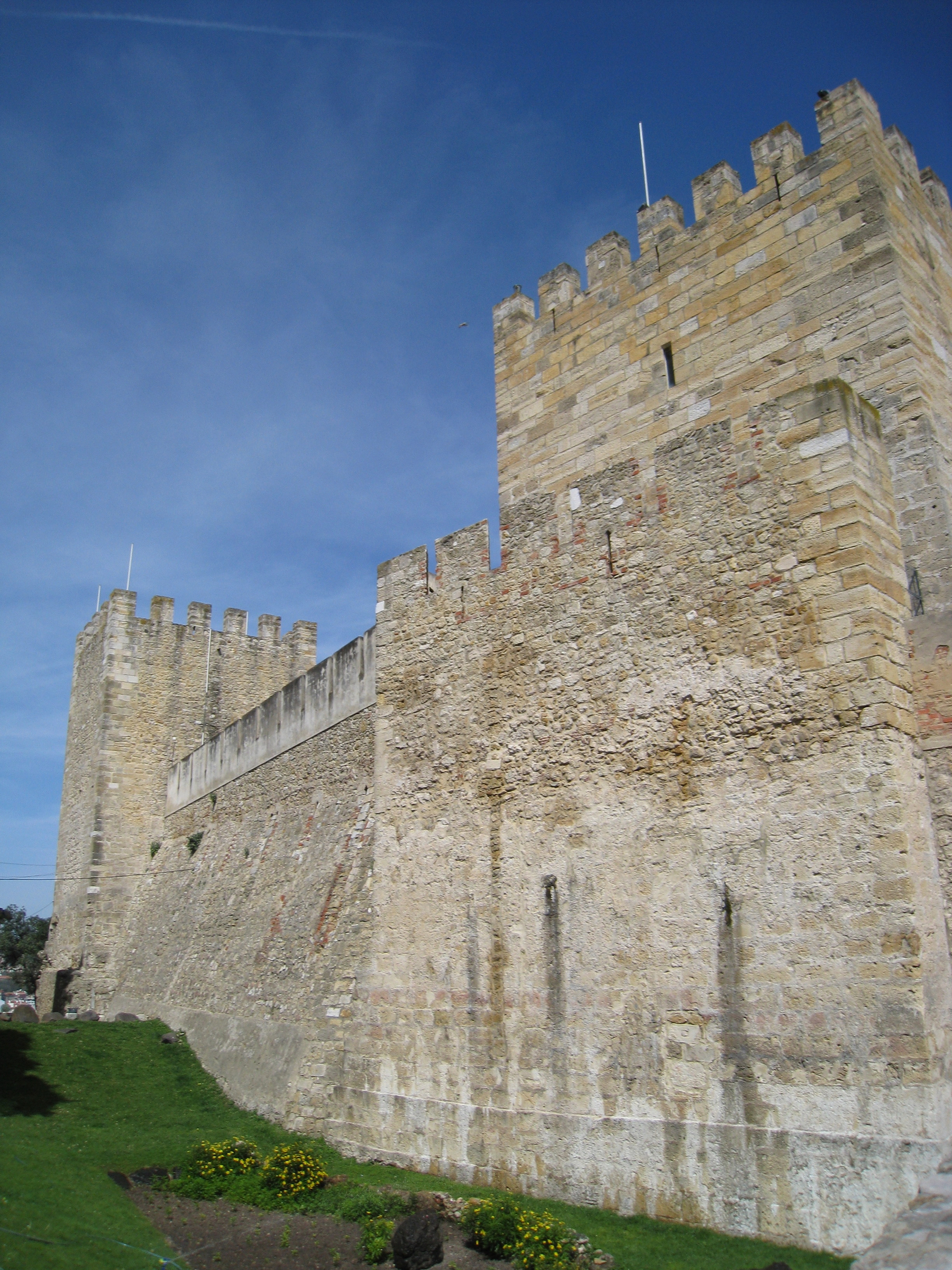
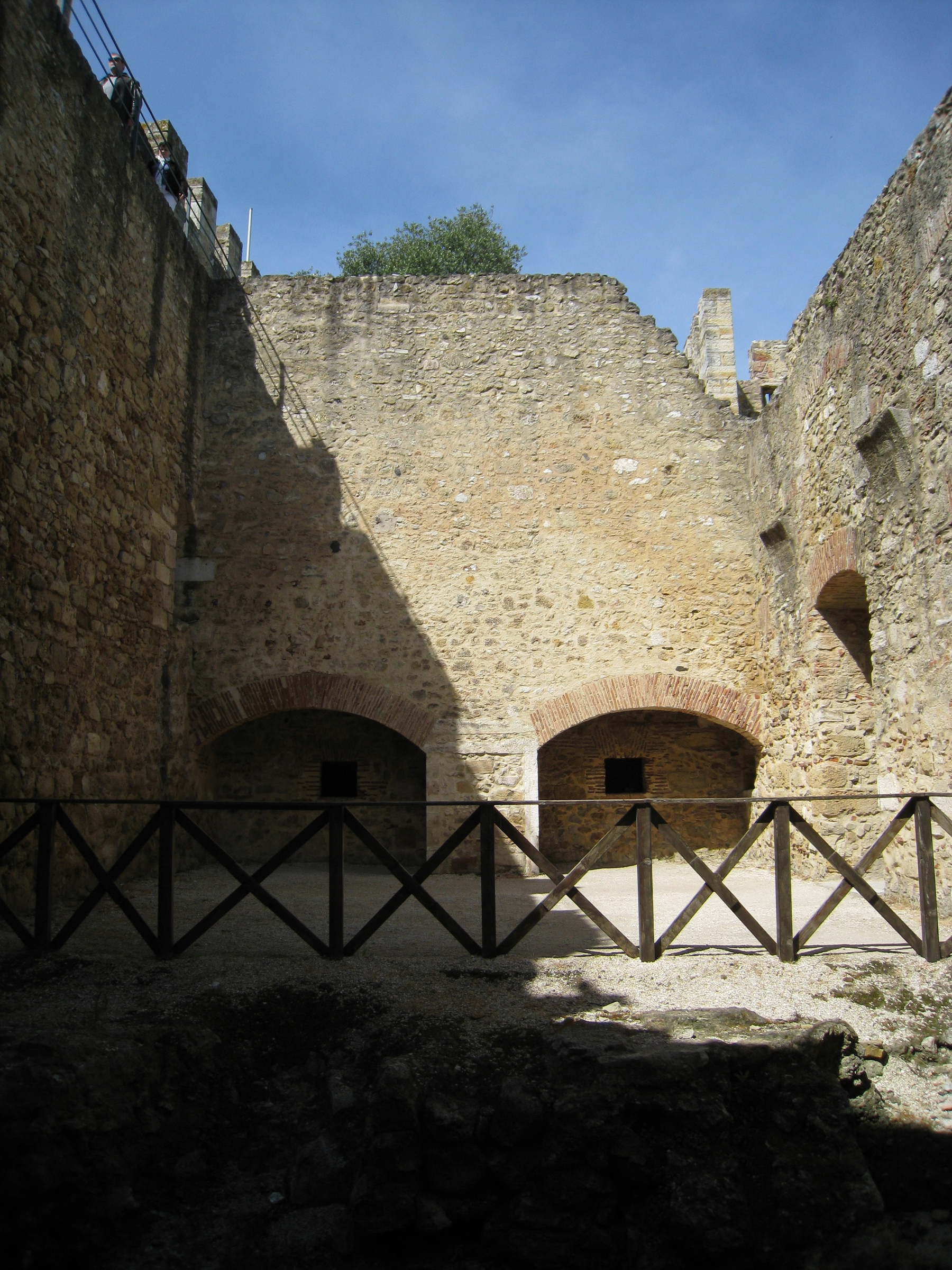
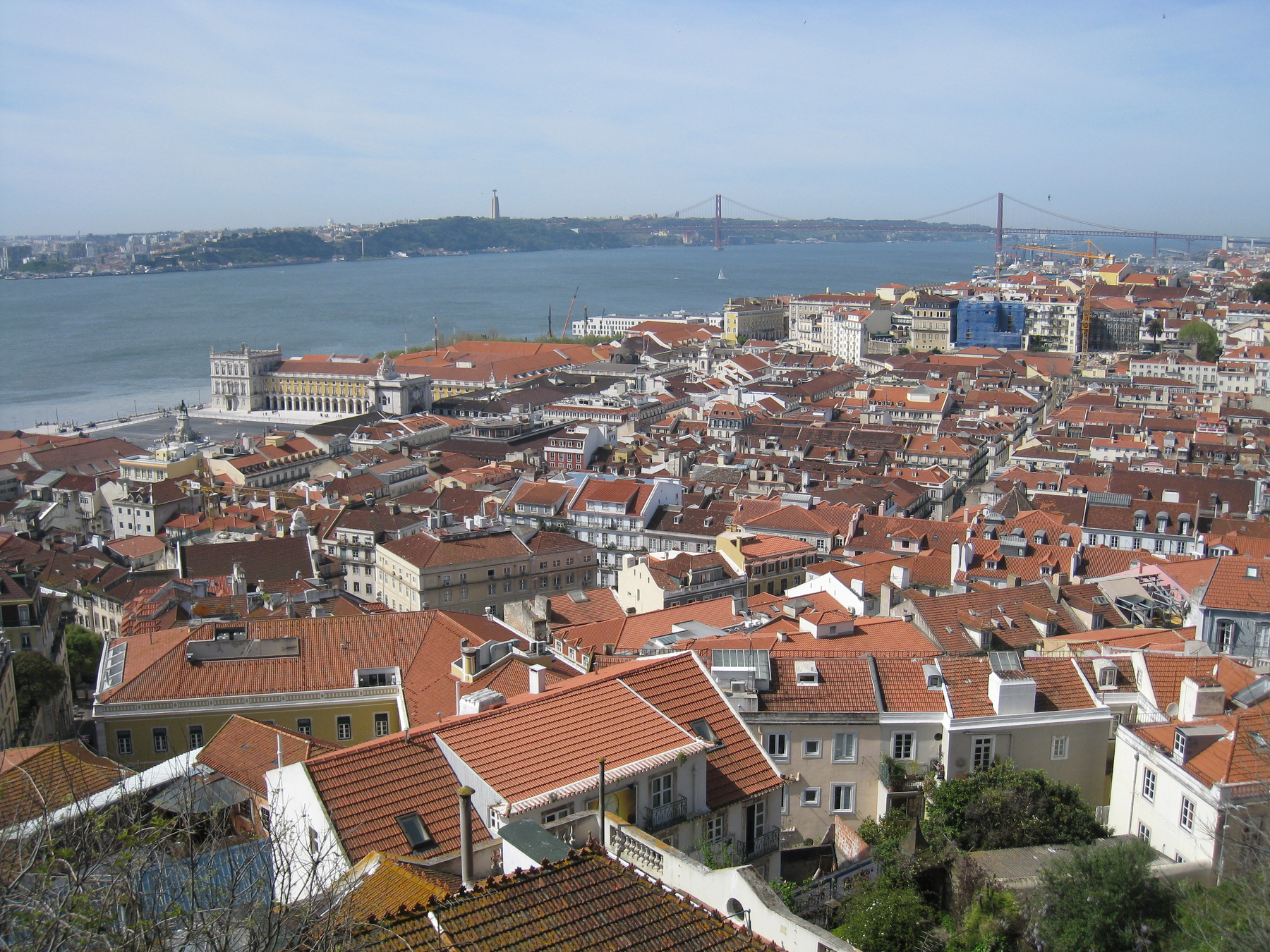
The ramparts were where I truly understood why this hill mattered so much. From the battlements, Lisbon spread beneath me in a spectacular arrangement of red rooftops, church towers, narrow streets, and sunlit squares. The Tagus River shimmered beyond the city, wide enough to resemble an inland sea, while the distant Ponte 25 de Abril stretched across the water like a monumental red thread. Farther away, the silhouette of Belém reminded me of Portugal’s maritime history, when explorers departed these shores to establish sea routes that would reshape global trade and cultural exchange. The view was beautiful, but it also revealed the strategic logic of the castle’s location. From here, the city and river approaches could be observed, making this hill an invaluable defensive position long before panoramic photography became a reason to climb it.

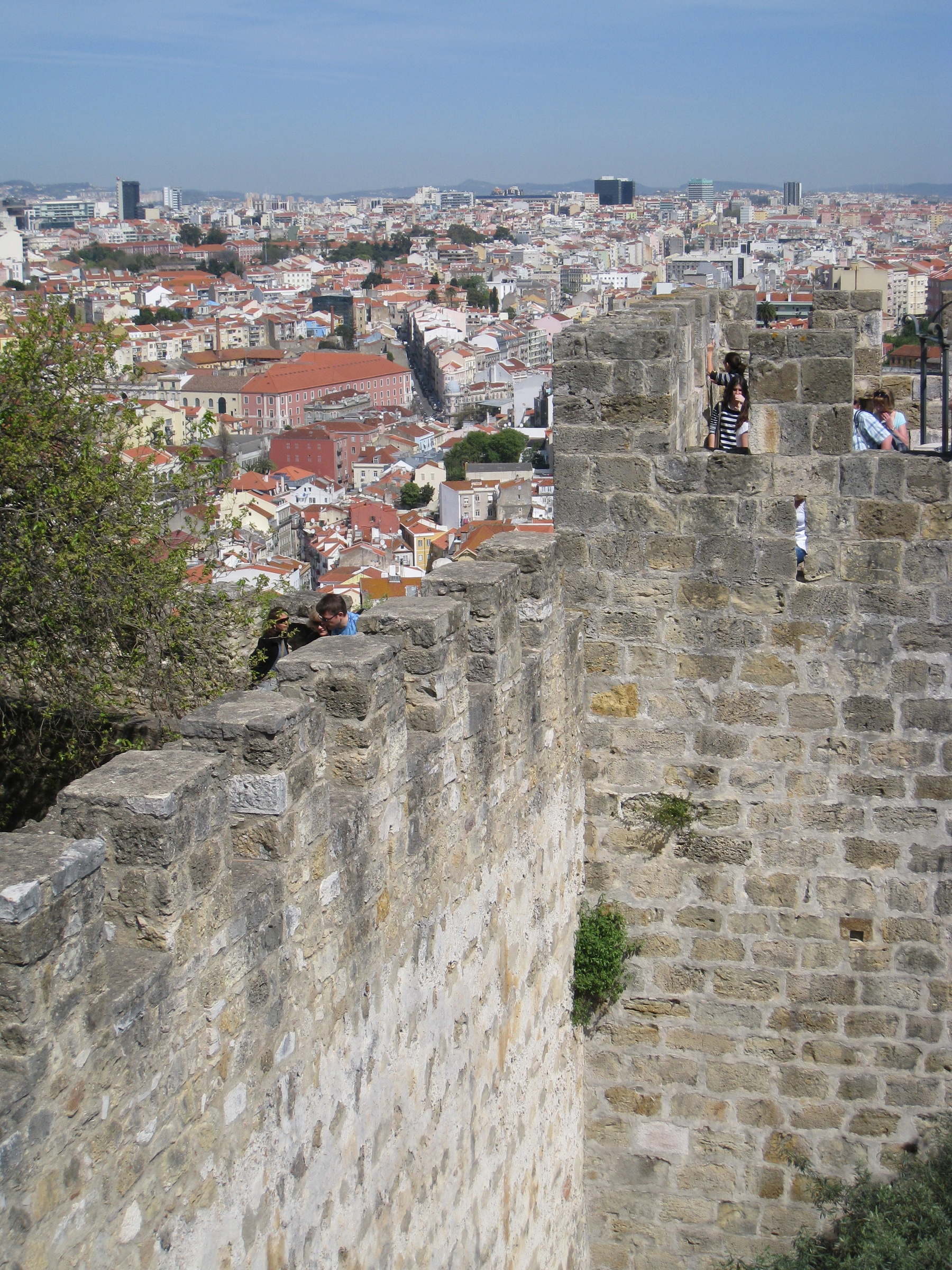

It is impossible to contemplate Lisbon’s history without remembering the catastrophic earthquake of 1 November 1755. The earthquake, followed by fires and a devastating tsunami, destroyed much of the city and profoundly altered Portugal’s political, religious, and architectural development. The castle suffered damage and gradually lost much of its former importance as a royal and military centre. For years, sections of the complex fell into neglect, and its earlier grandeur became increasingly difficult to imagine. Today, walking along the walls, I found myself thinking about the resilience that defines Lisbon. The city was not simply rebuilt; it was reimagined. The orderly streets of the Baixa district, developed under the direction of the Marquis of Pombal after the disaster, stand in striking contrast to the older, winding lanes that climb toward the castle. Together, they tell the story of a city that carries both memory and renewal within its architecture.
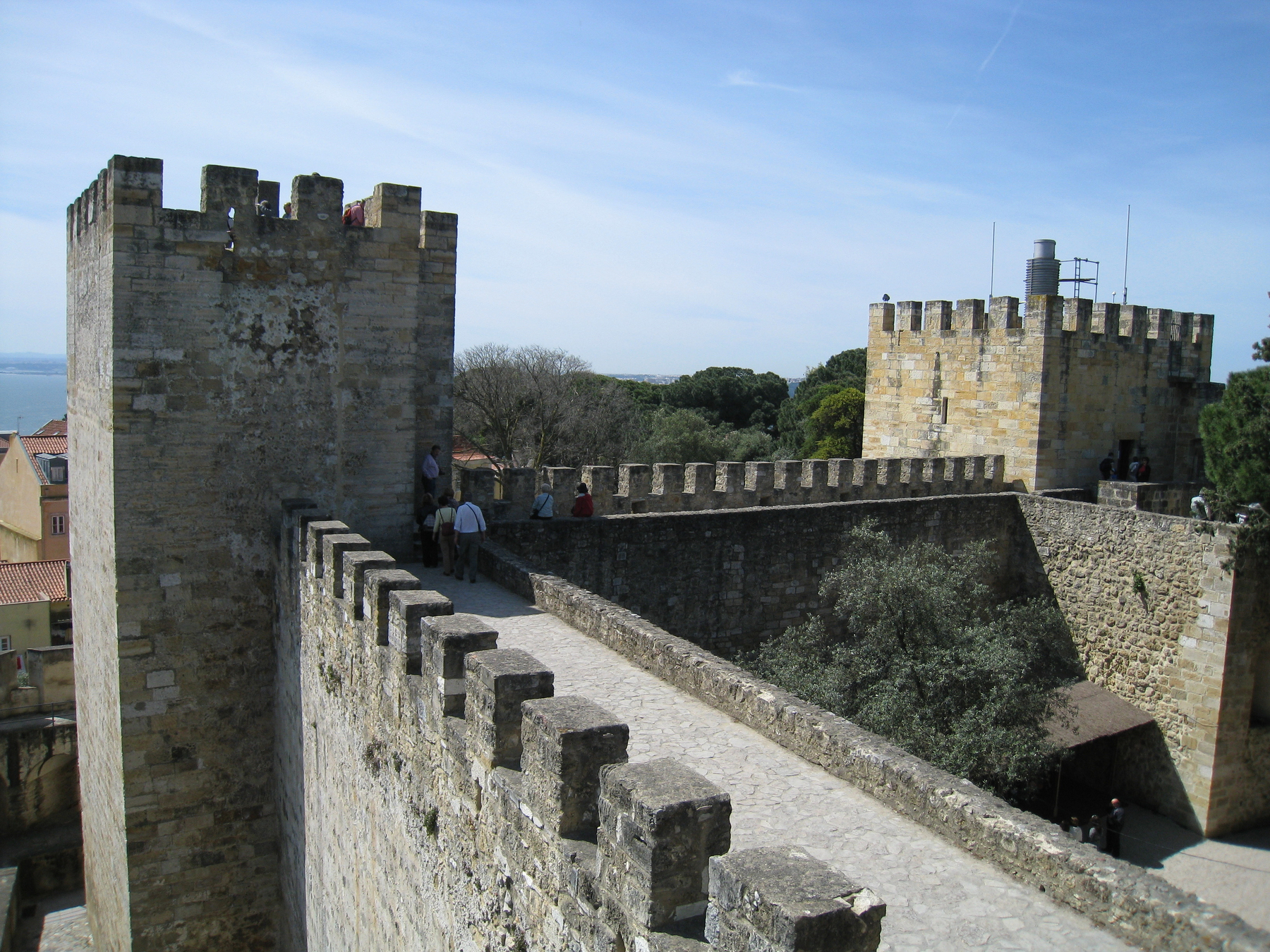


Beyond the views and the military history, Castelo de São Jorge offers glimpses into everyday life across different eras. Archaeological discoveries within the grounds have revealed traces of earlier settlements, helping historians reconstruct how people lived on this hill long before the current monument took shape. The site’s archaeological area provides a tangible connection to these earlier chapters, while the permanent exhibition presents objects and information that illuminate Lisbon’s changing identity. Although stories of hidden tunnels beneath the fortress are often repeated, the most compelling discoveries are those supported by archaeological evidence: the remains of buildings, fragments of domestic life, and structures that demonstrate how successive communities occupied and reshaped the same strategic ground. I found that these details made the castle feel less like a distant royal monument and more like a place where ordinary lives unfolded alongside the grand events recorded in history books.
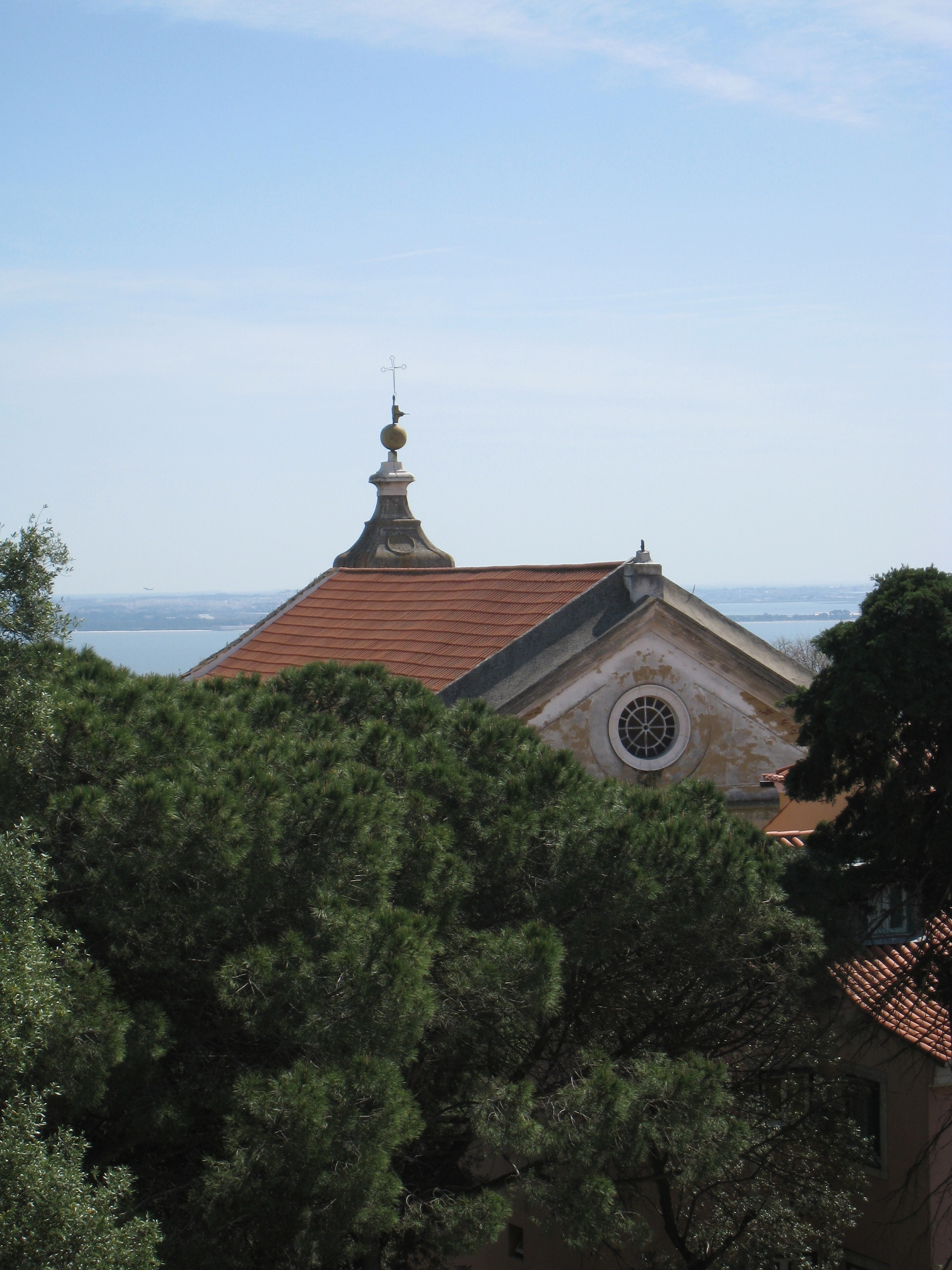
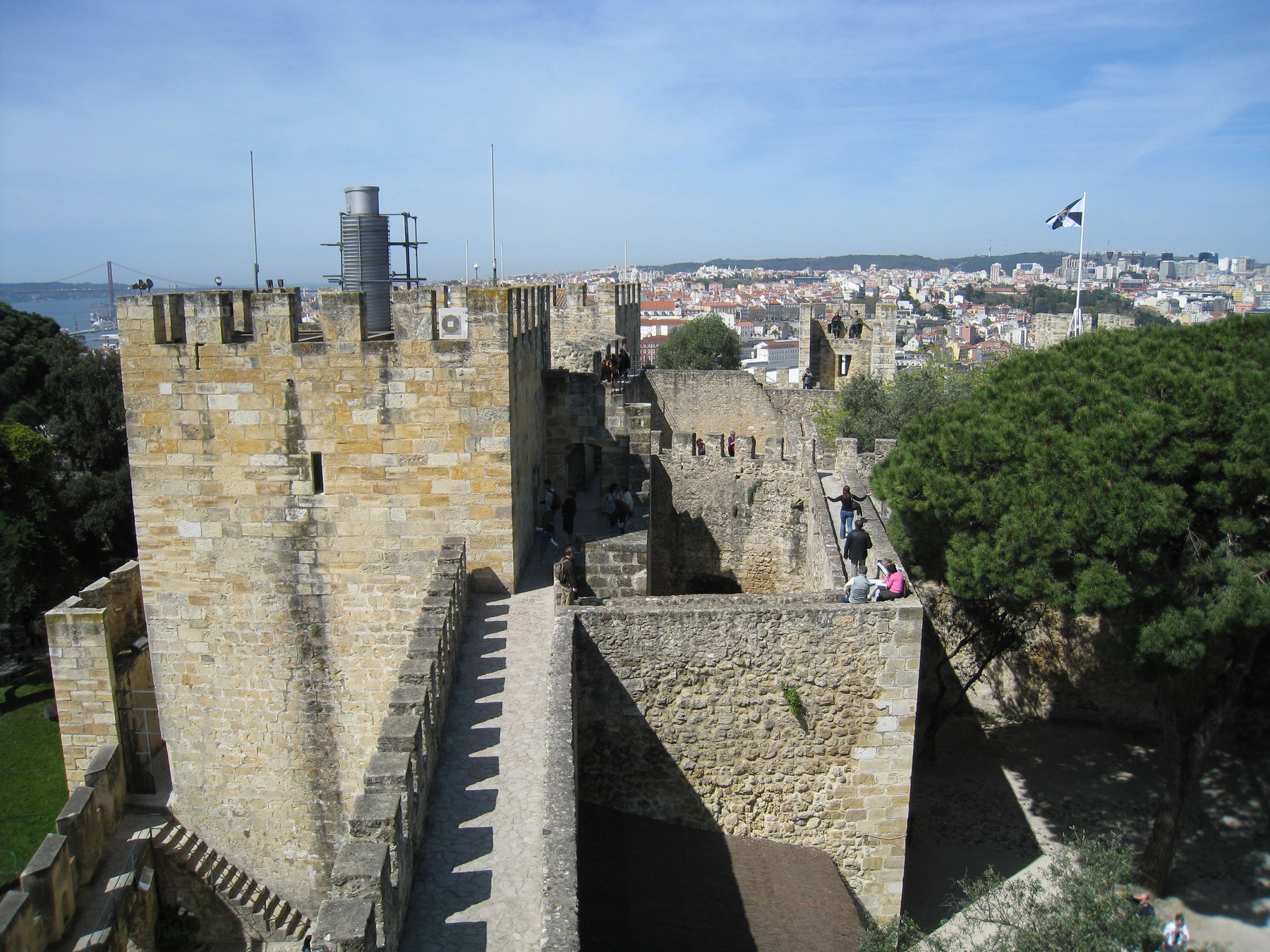

Today, Castelo de São Jorge is both a historic monument and a cultural destination, hosting exhibitions and occasional events that connect its medieval setting with contemporary Lisbon. Yet even when the grounds are busy, there are quieter corners where it is possible to pause beneath the trees or watch the city moving far below. I was especially drawn to the contrast between the rough texture of the ancient walls and the lively streets beyond them. Lisbon is a city of layers: Roman foundations, Moorish influences, medieval churches, grand maritime monuments, eighteenth-century reconstruction, and modern life all coexist within a relatively compact landscape. The castle brings those layers into focus. It is not simply a place to photograph the skyline; it is a vantage point from which to understand how geography, conquest, commerce, disaster, and cultural exchange shaped Portugal’s capital.

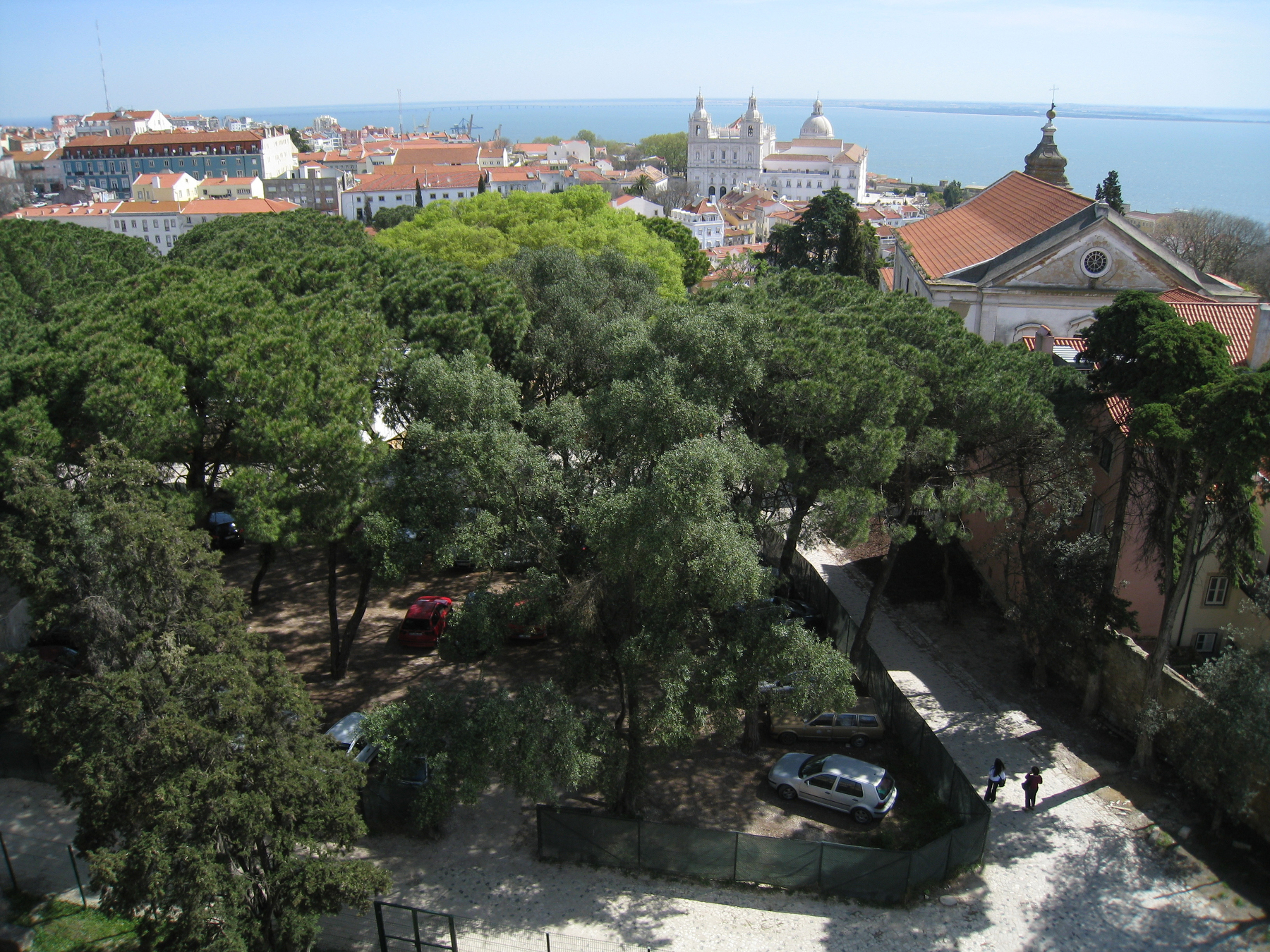
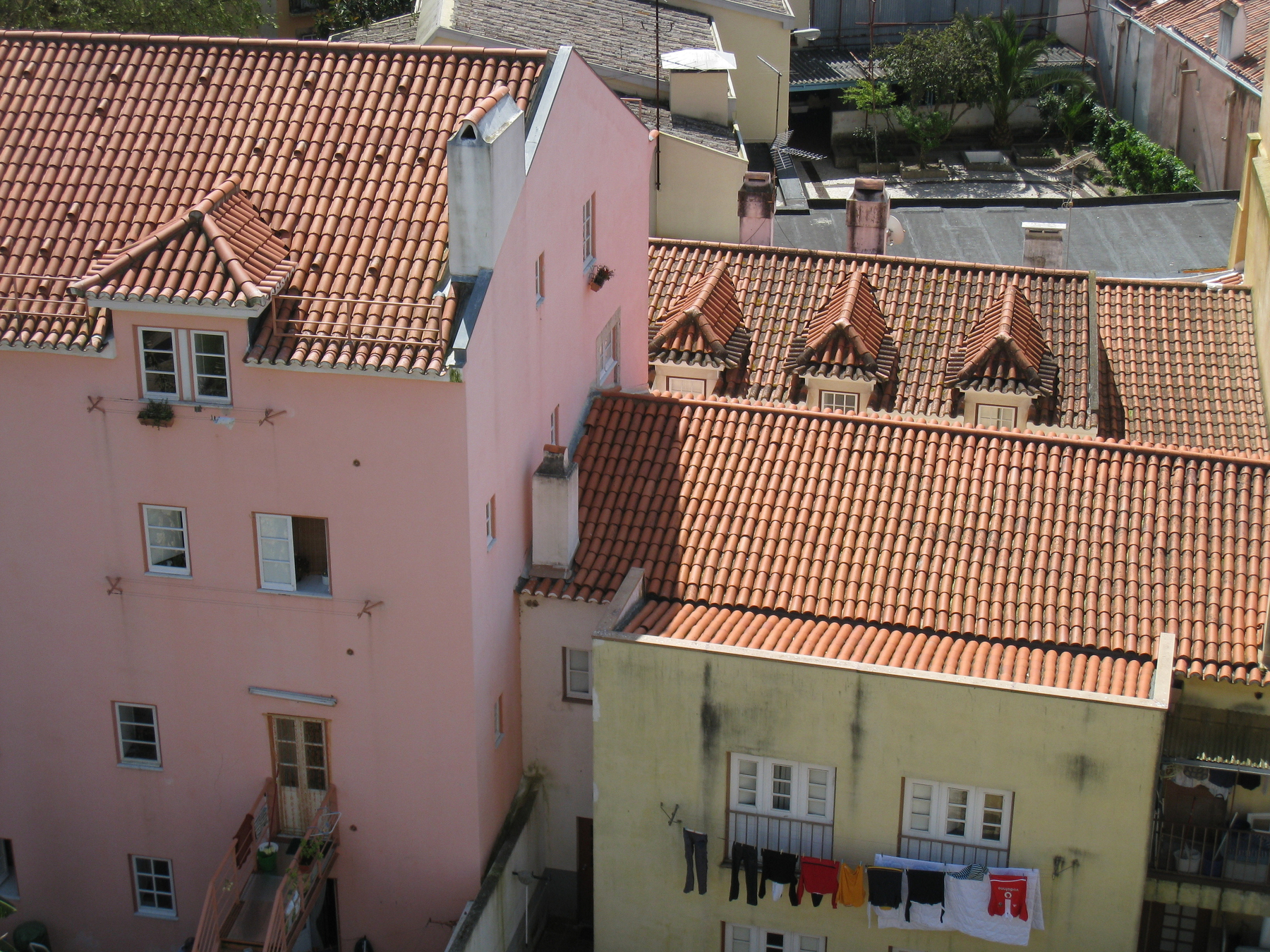
As the afternoon light softened and the rooftops began to glow, I took one last look across Lisbon from the ramparts. The Tagus reflected the changing sky, the city’s familiar landmarks appeared almost miniature, and the distant sounds of traffic and conversation drifted upward from the streets below. I thought about the generations who had stood on this same hill, watching for danger, welcoming visitors, governing a kingdom, or simply looking out over the place they called home. Castelo de São Jorge has survived the rise and fall of rulers, the transformation of Lisbon, and the destruction of 1755, emerging as one of the city’s most enduring landmarks. Walking back down through the cobbled streets, I carried away more than a collection of photographs. I had experienced a place where Lisbon’s past remains visible in the landscape, where every view tells a story, and where the city’s extraordinary history seems to rise from the stones themselves.
#Photography #Photos #Blog #Photoblog #CasteloDeSaoJorge #CasteloDeSãoJorge #Lisbon #Lisboa #PortugalTravel #LisbonTravel #LisbonHistory #PortugueseHistory #LisbonArchitecture #MoorishArchitecture #MedievalCastle #LisbonViews #TagusRiver #LisbonPhotography #TravelPhotography #PortugalHistory #HistoricLisbon #LisbonLandmarks #ExploreLisbon #VisitPortugal #LisbonOldTown #PortugueseCulture #LisbonCityscape #TravelEssay #Catalan #Catalunya #Espana
Looking for wall art or souvenirs to bring your travels home? Discover stunning prints of historic destinations at Fine Art America. Every purchase is backed by a 30-day money-back guarantee, museum-quality archival paper and canvas options, and expert craftsmanship to ensure your memories last a lifetime.