
The Soul of New York’s Seaside Playground

The moment my feet touched the weathered planks of the Coney Island boardwalk, I felt as though I had stepped into another version of New York. The wood creaked beneath me, warmed by the afternoon sun and worn smooth by generations of visitors, while the Atlantic stretched endlessly beyond the beach. There was something wonderfully contradictory about Coney Island: it was noisy and quiet, faded and alive, nostalgic and completely present. Seagulls circled overhead, children shouted with excitement, vendors called from their stands, and somewhere in the distance came the unmistakable rumble of a roller coaster. Coney Island has always been more than a beach. It is a piece of New York mythology, a place where ordinary people have come for extraordinary distractions for well over a century.
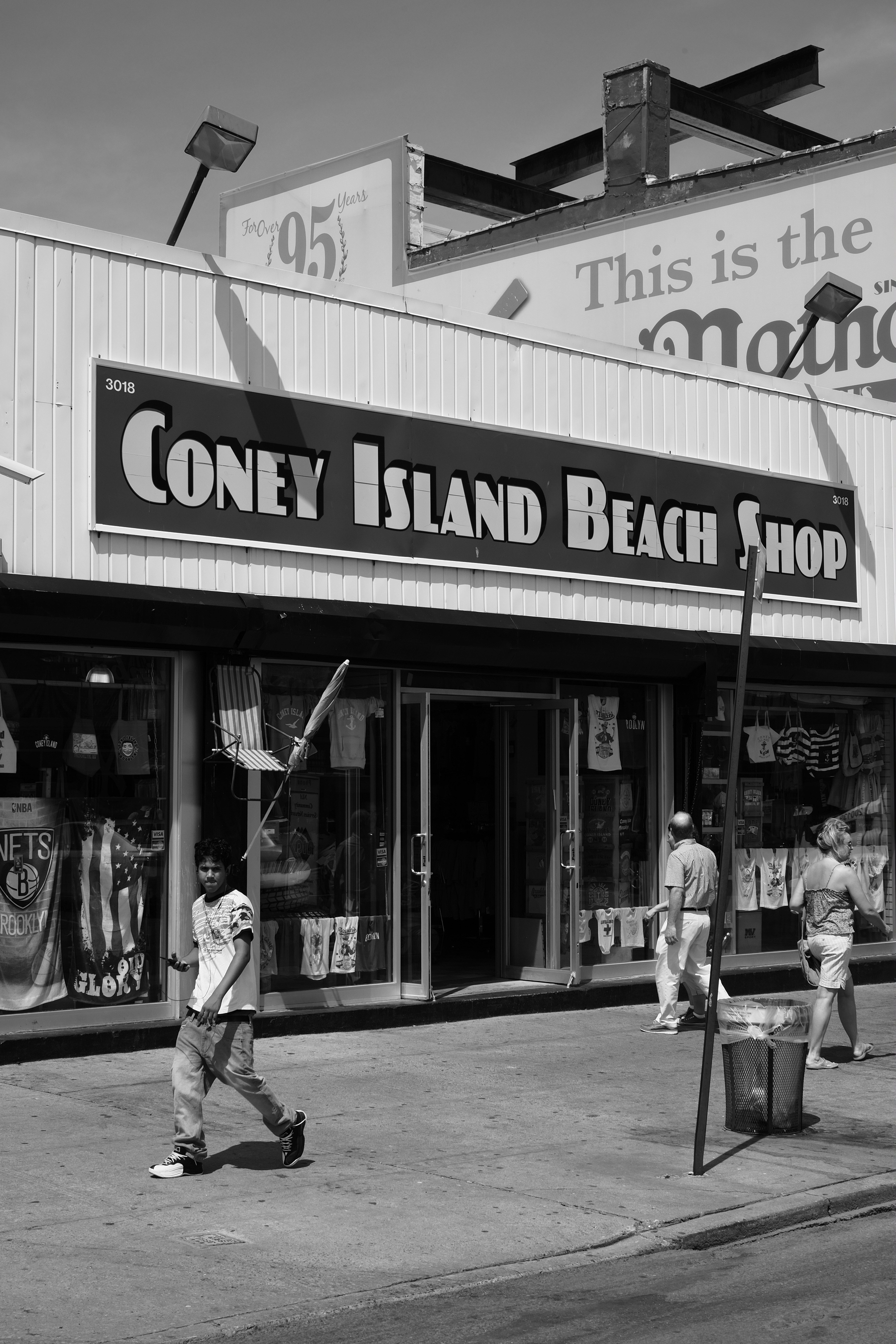
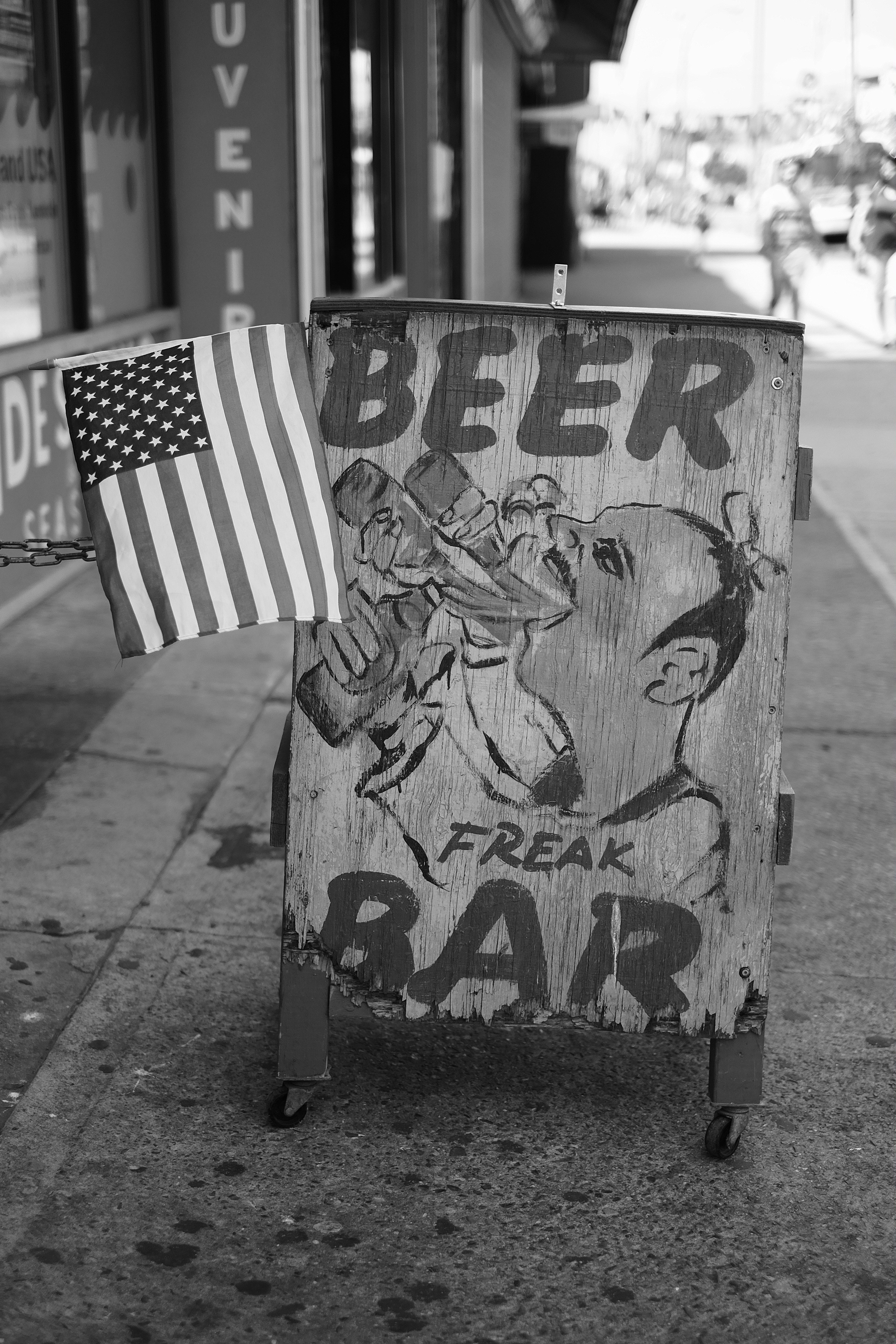


Walking along the boardwalk with my camera, I found myself particularly drawn to Coney Island’s imperfections. The faded signs, aging storefronts, peeling paint, wooden benches and slightly battered amusement rides seemed made for black-and-white photography. Removing the color somehow brought the place’s personality closer to the surface. Coney Island’s history stretches back much further than its amusement parks, however. The name is generally believed to derive from the Dutch Conyne Eylandt, meaning “Rabbit Island,” a reference to the rabbits that once populated the area. What began as a remote barrier island eventually became one of America’s great playgrounds, helped enormously by improved transportation that brought enormous numbers of New Yorkers out to the shoreline during the late nineteenth and early twentieth centuries.



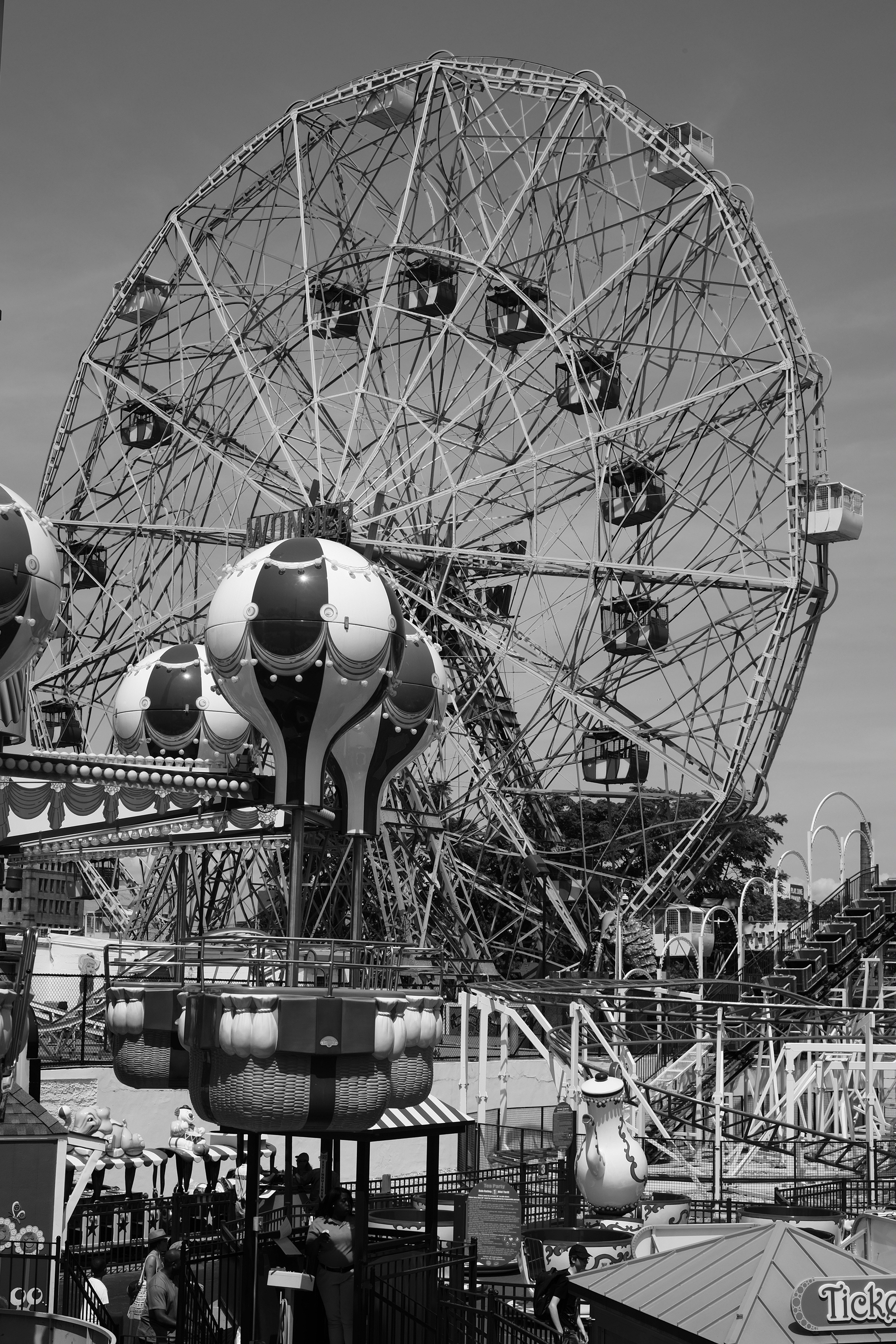

By the early 1900s, Coney Island had become synonymous with amusement and spectacle. Parks such as Steeplechase, Luna Park and Dreamland transformed the shoreline into an extraordinary landscape of towers, electric lights, theatrical attractions and elaborate rides. At the height of its popularity, millions of people came here, making Coney Island one of the most important amusement destinations in America and helping establish the modern amusement park as we know it. As I photographed the surviving pieces of that era, I could almost imagine the crowds arriving in their finest clothes, ready to spend a few hours escaping the pressures of city life. Much of the grandeur has disappeared, but the spirit of that escape remains.

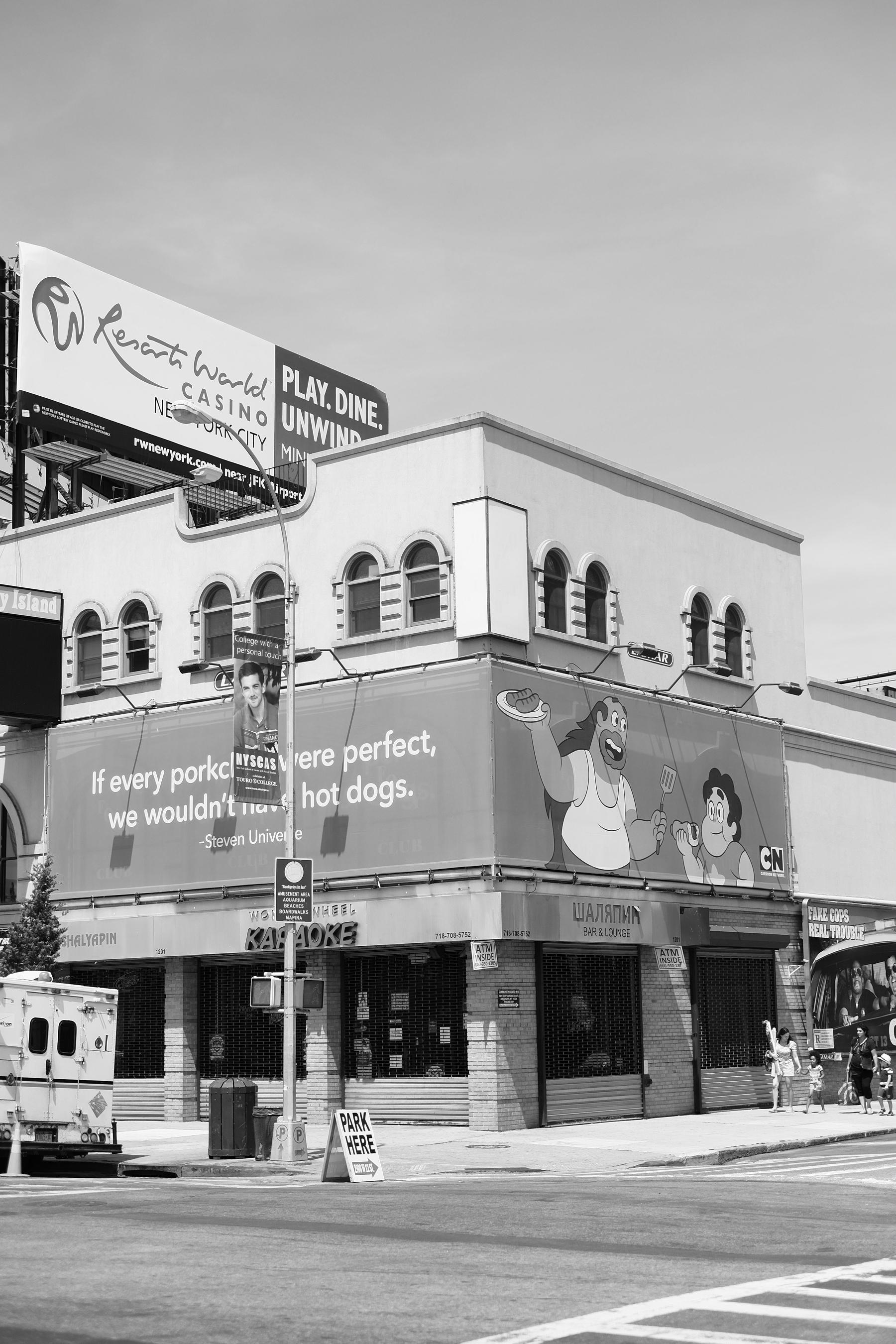

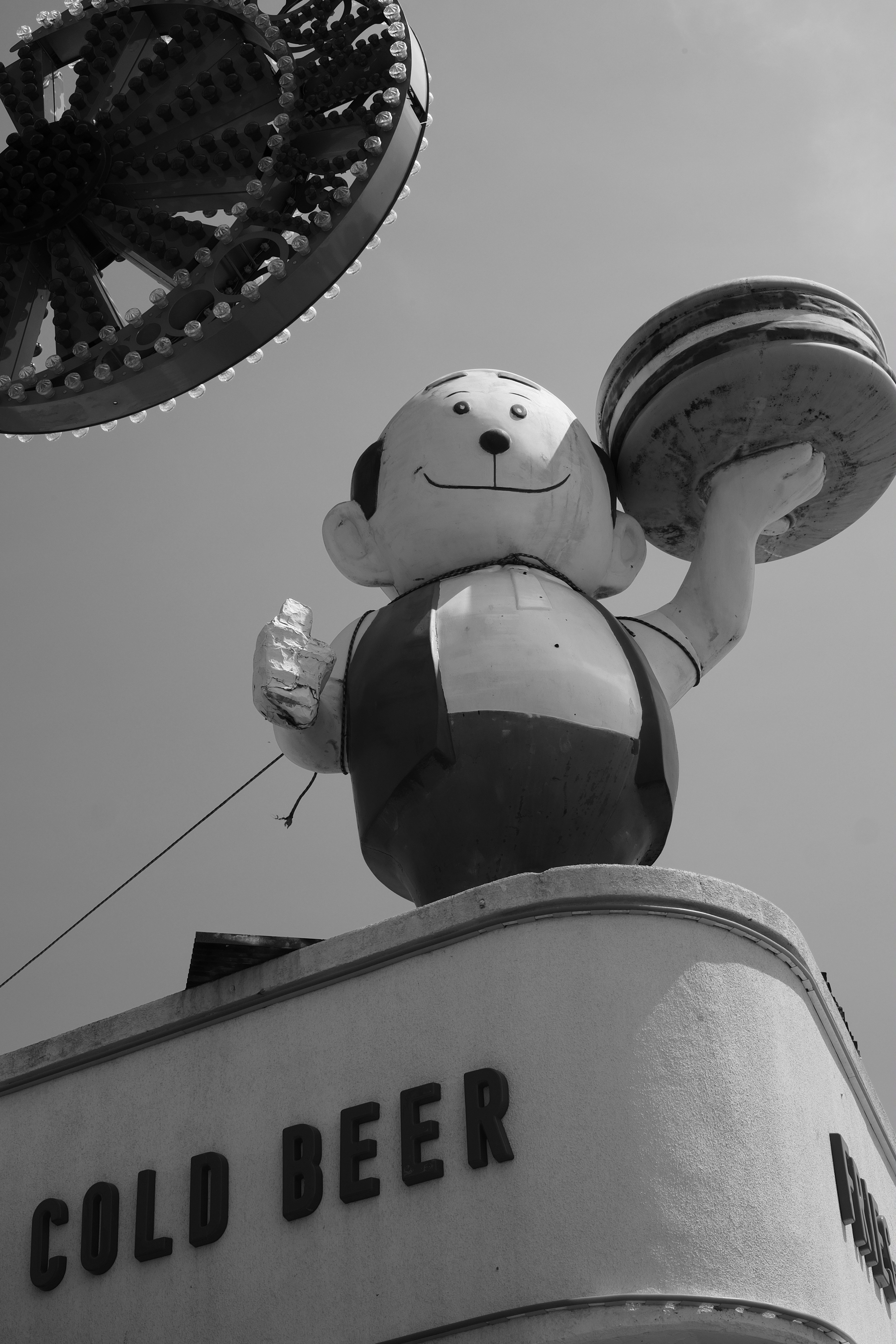

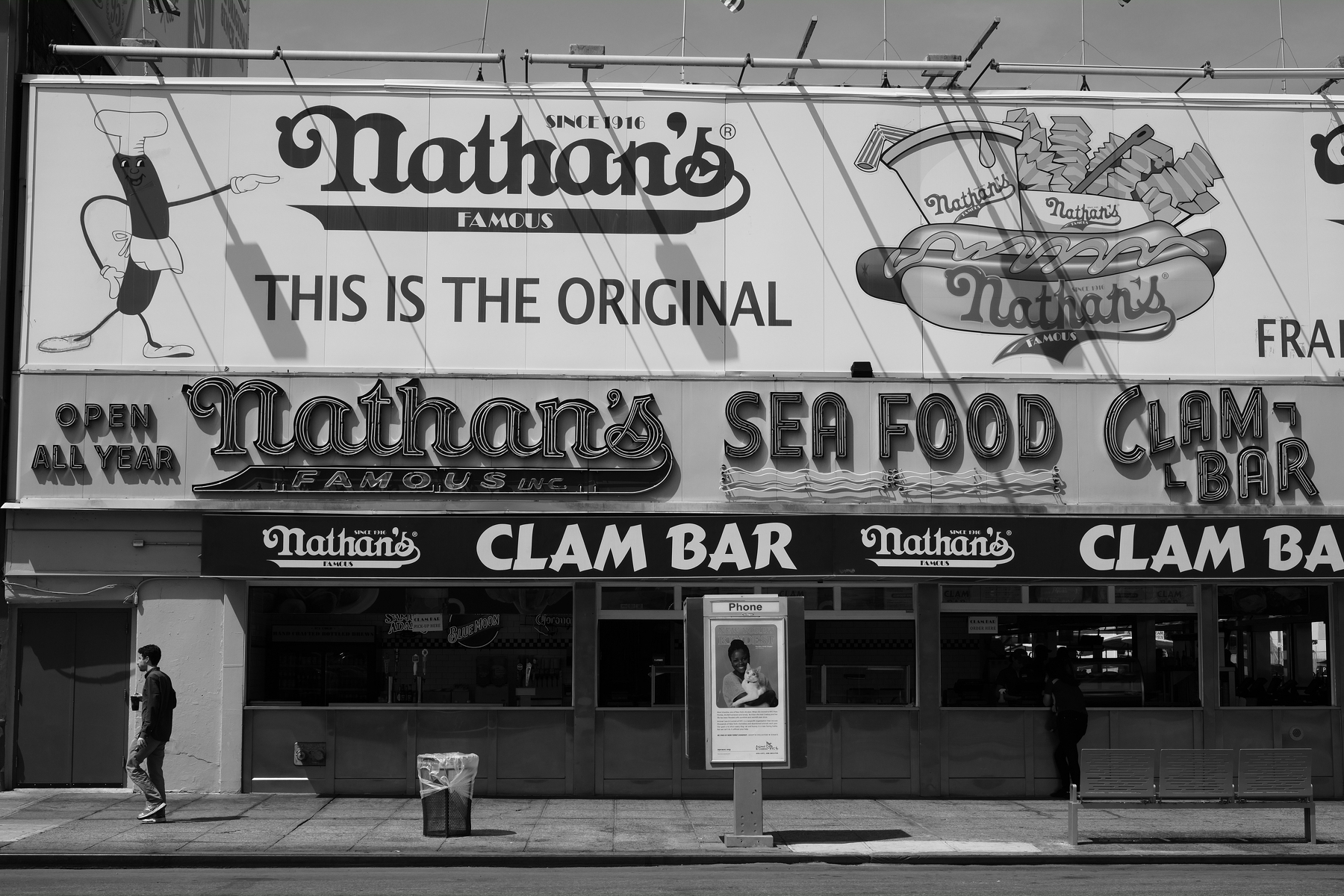

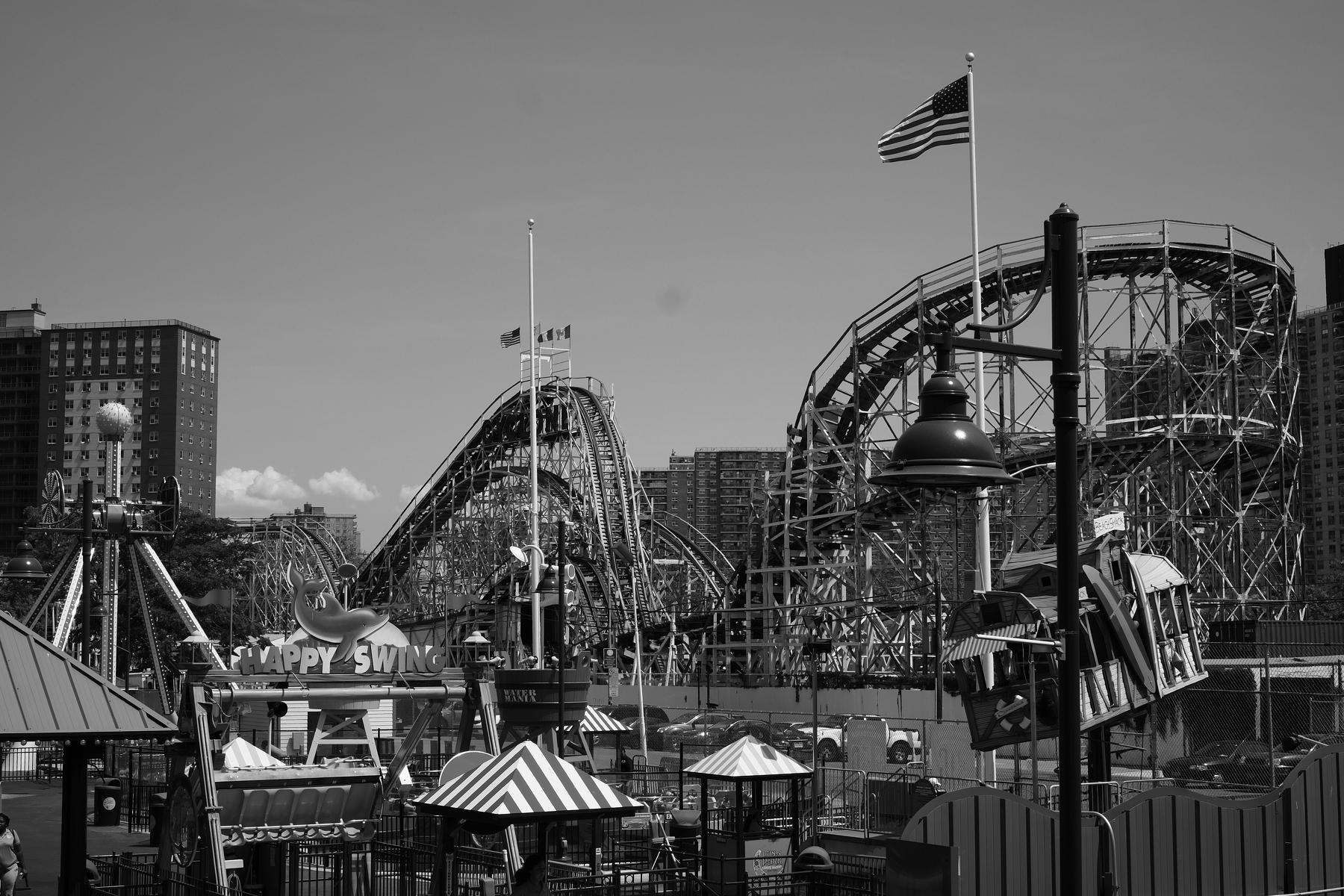
Then there is the Cyclone, perhaps the most recognizable symbol of Coney Island. Built in 1927, this wooden roller coaster is remarkably compact by modern standards, yet its reputation is enormous. From the boardwalk, I watched its wooden structure twist and rise against the sky, its tracks resembling the skeleton of some enormous creature. The Cyclone represents something increasingly rare: an attraction whose character comes partly from its age. Modern rides may be taller, faster and more technologically sophisticated, but the Cyclone’s appeal comes from the sensation that every turn connects the rider with generations of people who experienced the same thrill before them. Photographing it in monochrome made the structure look almost timeless.




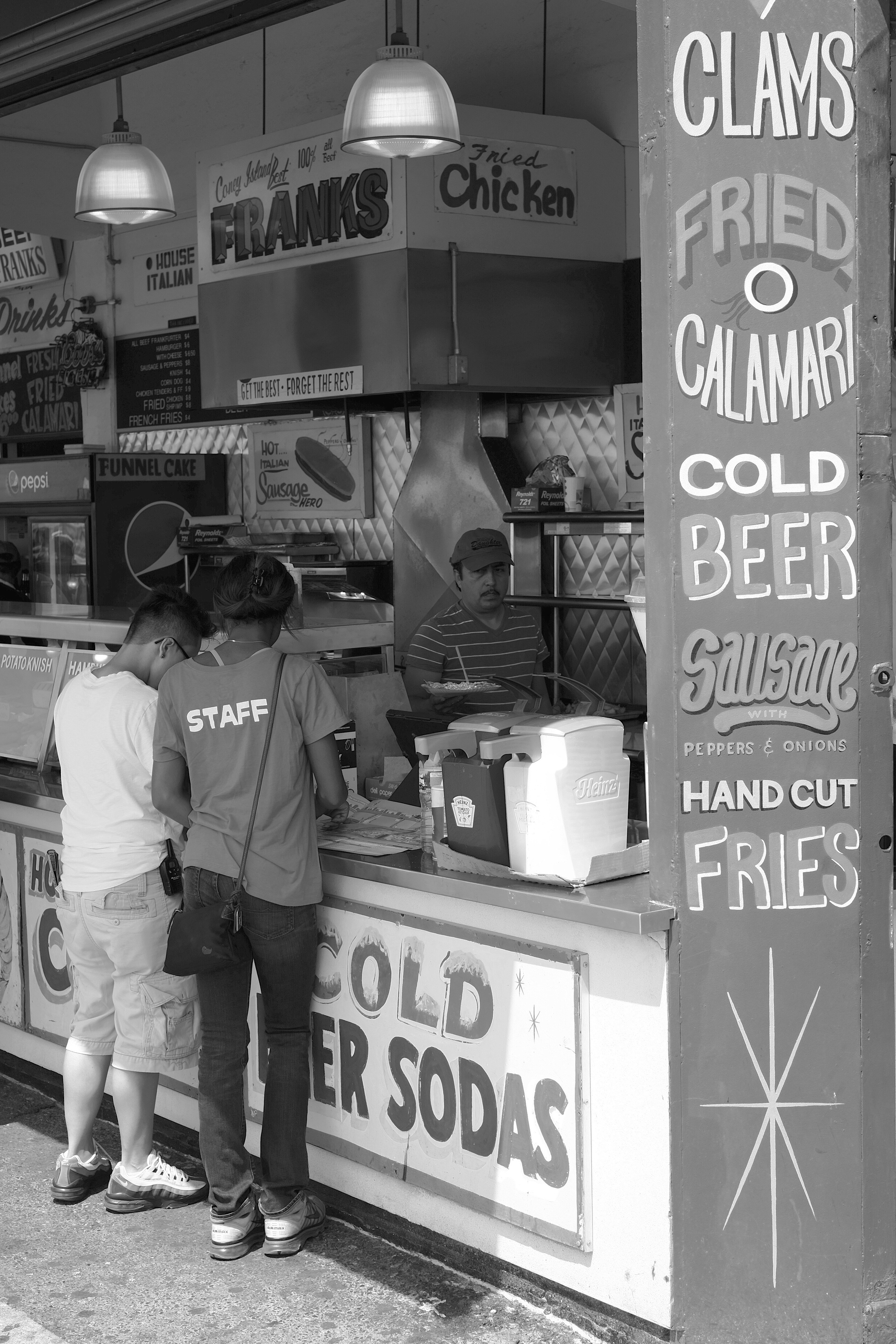
Food is another essential part of Coney Island’s story, and the boardwalk’s culinary history is almost as famous as its rides. Charles Feltman is traditionally credited with creating the modern hot dog here in the 1860s, selling sausages in a bun to make them easier for beachgoers to eat. Decades later, Nathan Handwerker opened the original Nathan’s Famous in 1916, establishing a business that would become inseparable from Coney Island’s identity. Even today, the humble hot dog feels like part of the landscape. I watched visitors eating at the stands, teenagers carrying arcade prizes, families moving toward the rides and older New Yorkers sitting quietly on benches, and I realized that Coney Island’s greatest attraction may simply be its ability to bring completely different generations into the same place.


But Coney Island is not only about crowds and spectacle. Away from the busiest sections, I found moments of surprising stillness. A fisherman stood alone at the water’s edge, his figure reduced to a dark silhouette against the Atlantic. Nearby, late-afternoon shadows stretched across an empty bench, turning an ordinary object into something almost cinematic. On the quieter northern side of the peninsula, Coney Island Creek offers another perspective entirely—a tidal waterway that feels worlds away from the amusement district. These quieter corners reminded me that Coney Island is also a coastal landscape, with wildlife, water and open skies competing with the neon and noise for attention.
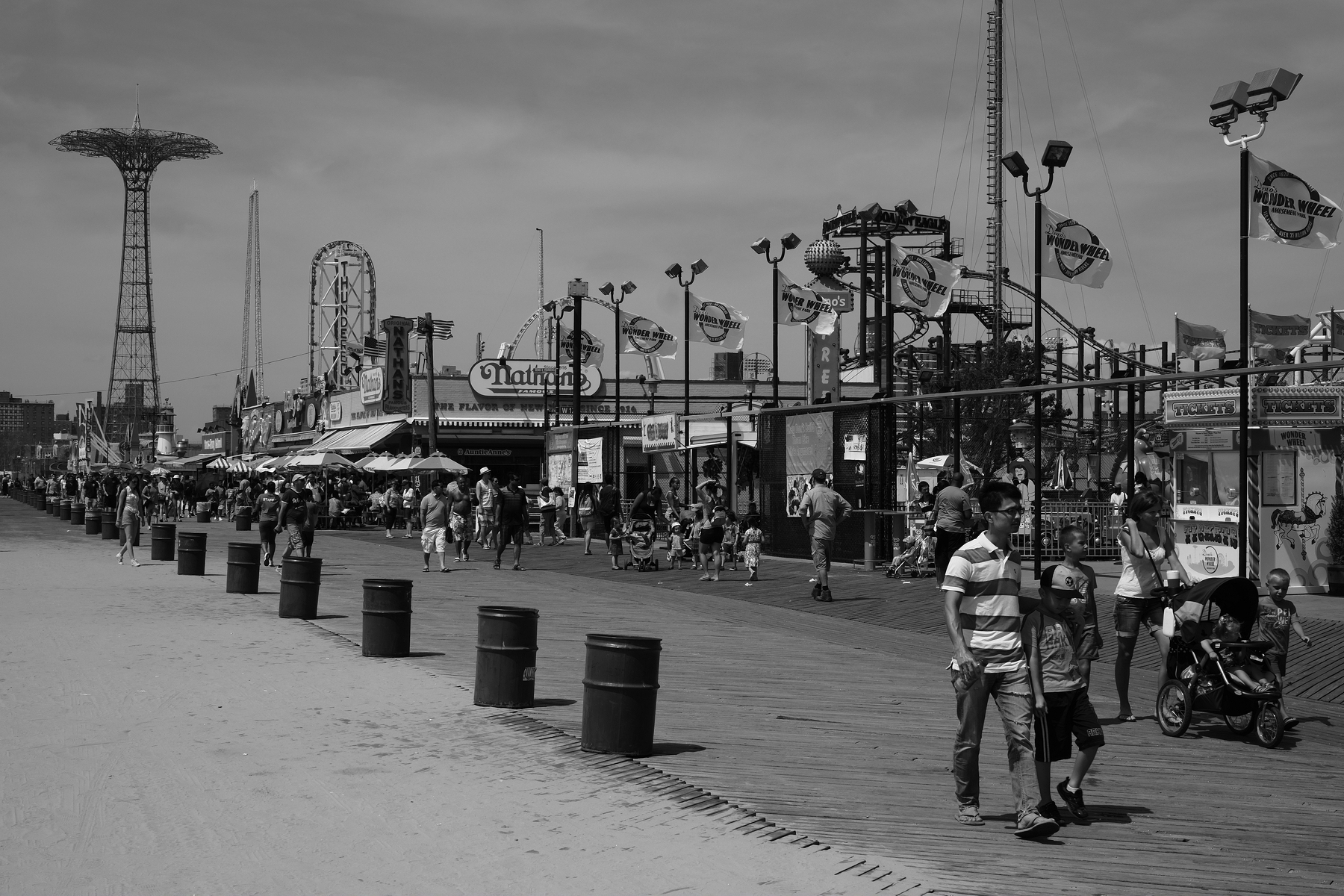
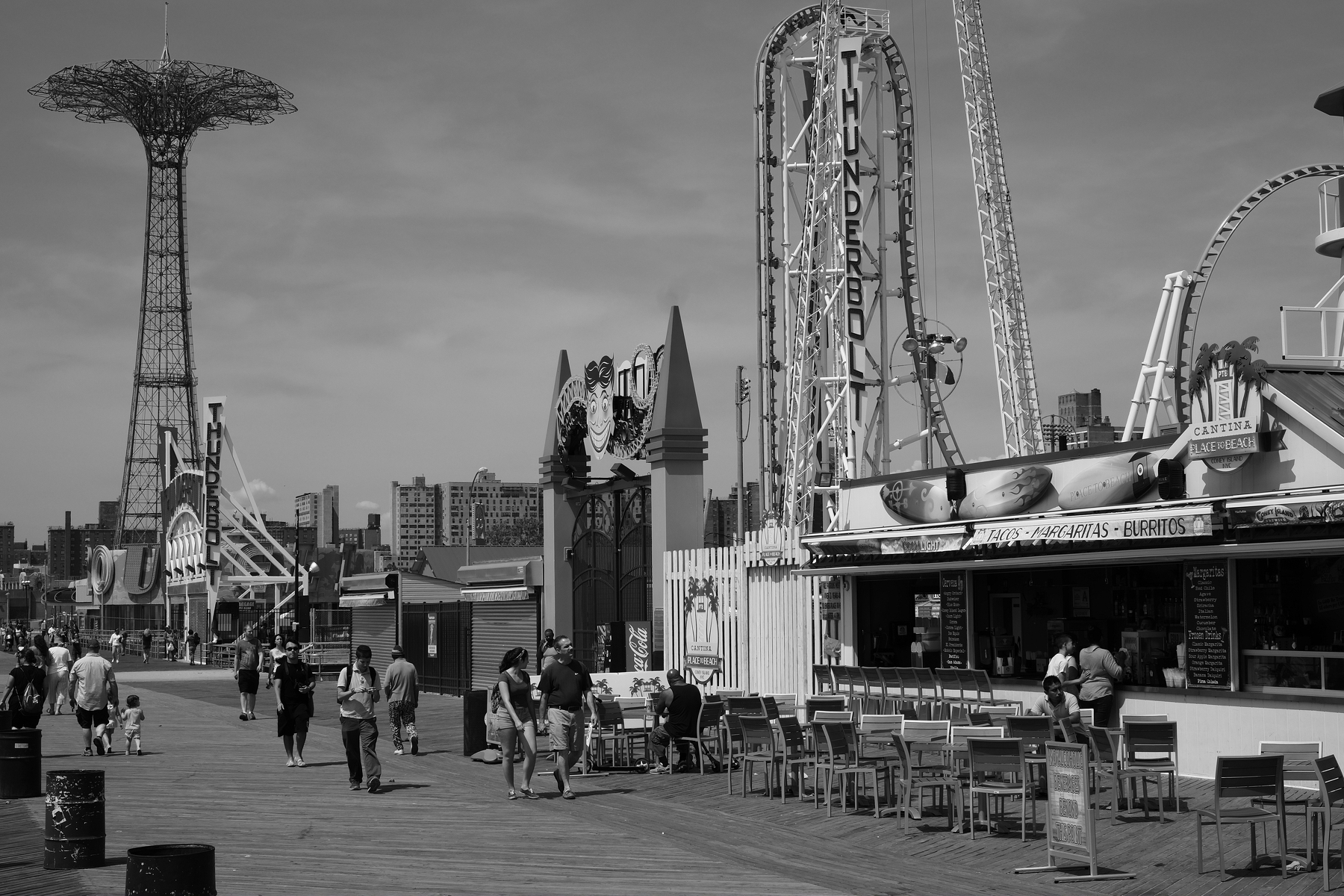
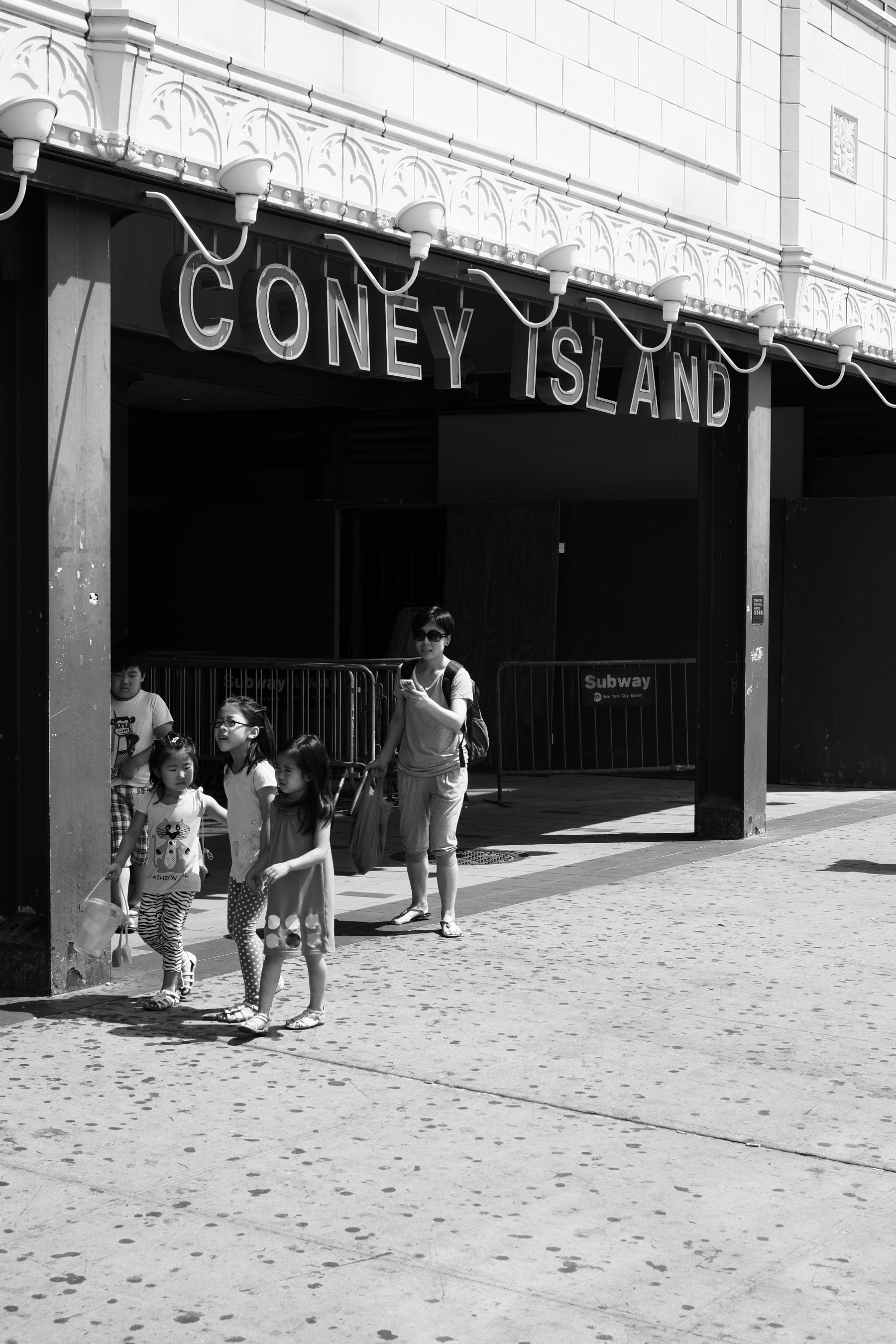
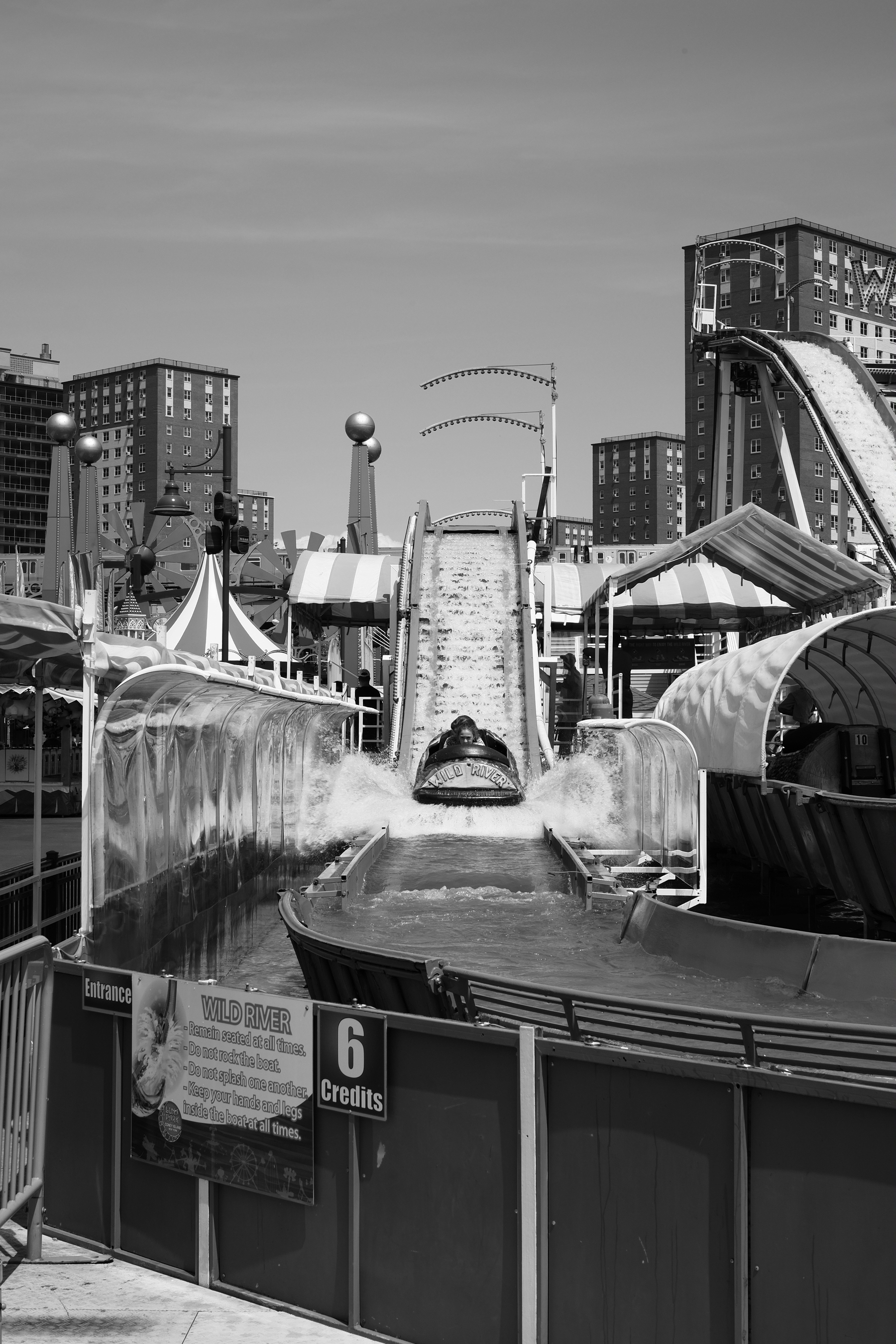

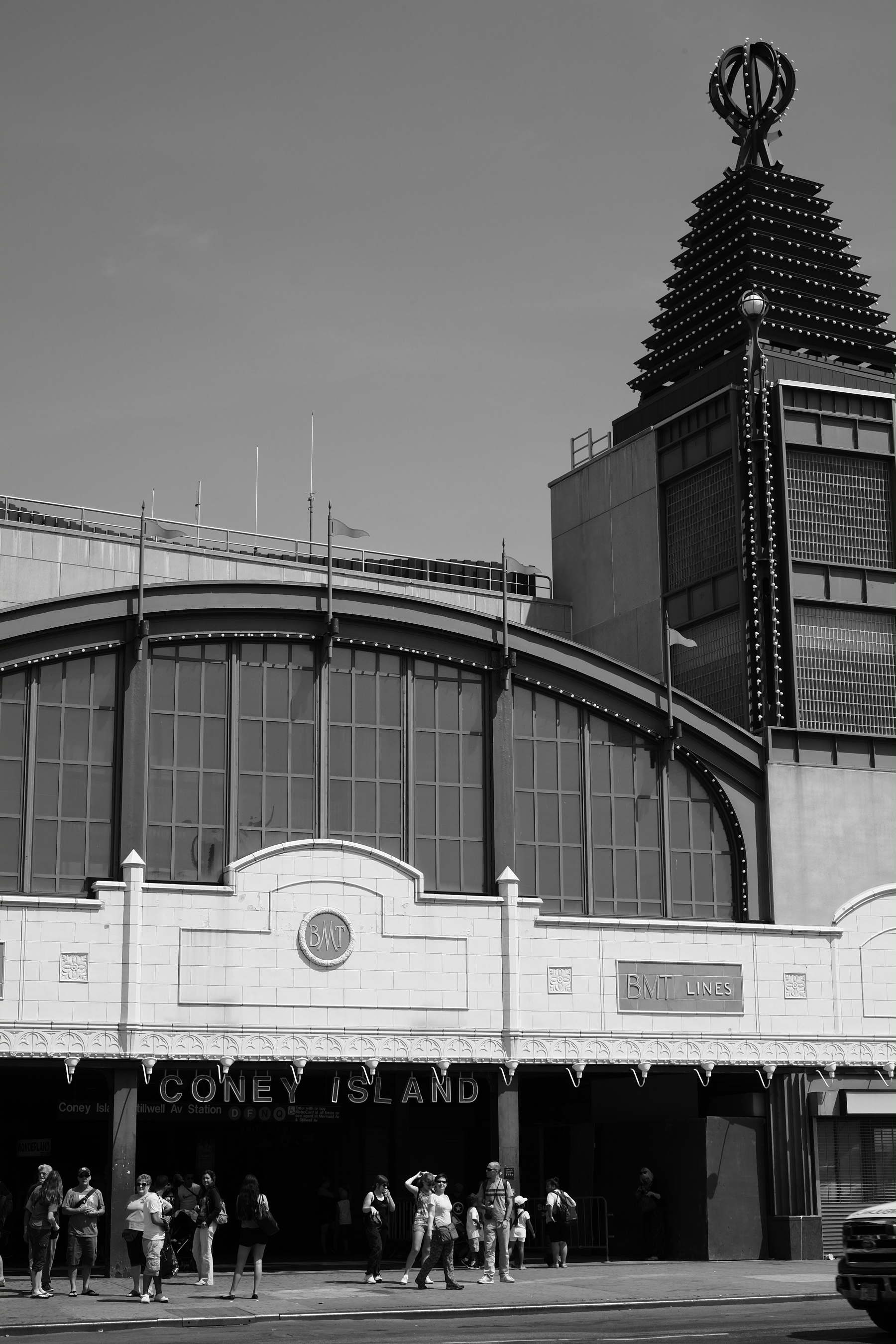
There are also traditions here that reveal just how deeply Coney Island is woven into New York culture. Every summer, the Mermaid Parade transforms the neighborhood into an exuberant celebration of costumes, art and eccentricity, continuing the area’s long tradition of spectacle. In winter, the Coney Island Polar Bear Club carries that spirit in an entirely different direction, with members taking part in icy ocean swims—a tradition dating back to the early twentieth century. Even the transportation infrastructure has its own history: the Stillwell Avenue station has long served as a dramatic gateway to the peninsula, delivering generations of New Yorkers directly to the waterfront. Coney Island has always been accessible, democratic and gloriously unconventional.
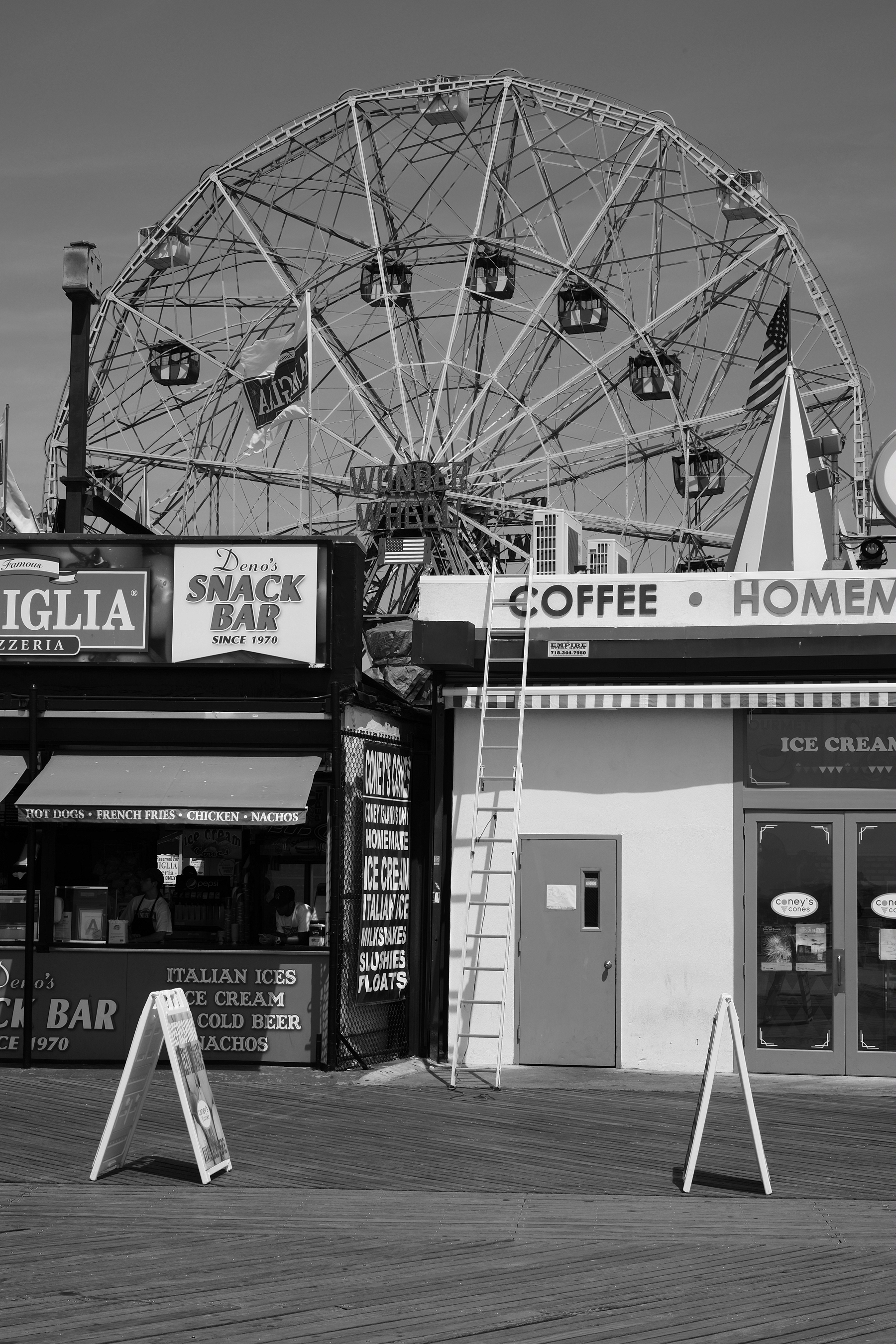


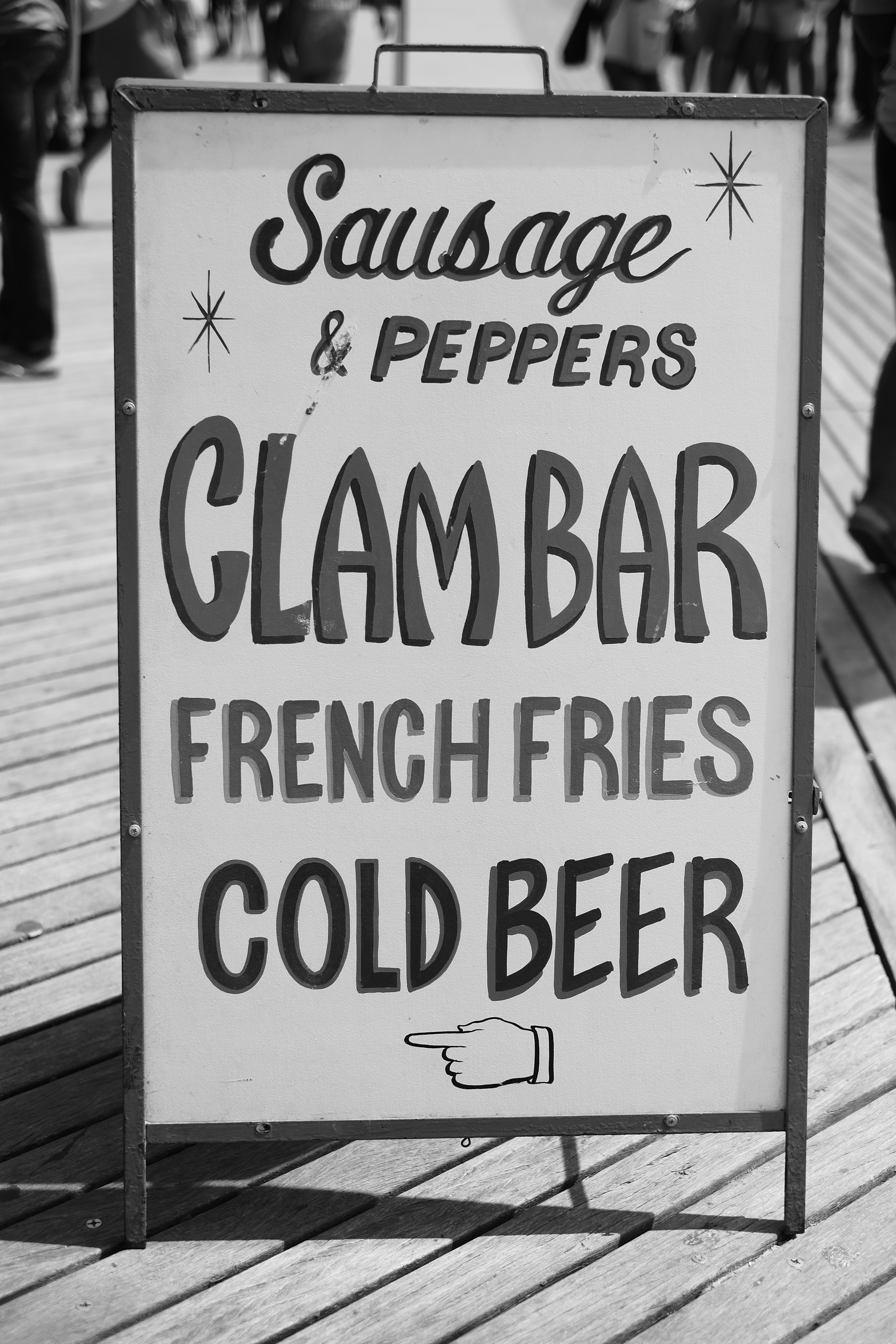
I also made time to look beyond the rides and the beach at the places preserving Coney Island’s memory. The Coney Island Museum, located near the boardwalk, contains artifacts and stories from the area’s extraordinary amusement history. Standing amid these reminders of vanished attractions, I thought about how many versions of Coney Island have existed over the decades. Some disappeared through fire, economic decline or changing tastes, while others survived against the odds. Yet the place never completely lost its ability to reinvent itself. That resilience is perhaps the most New York thing about Coney Island: it changes constantly, but somehow remains recognizable.
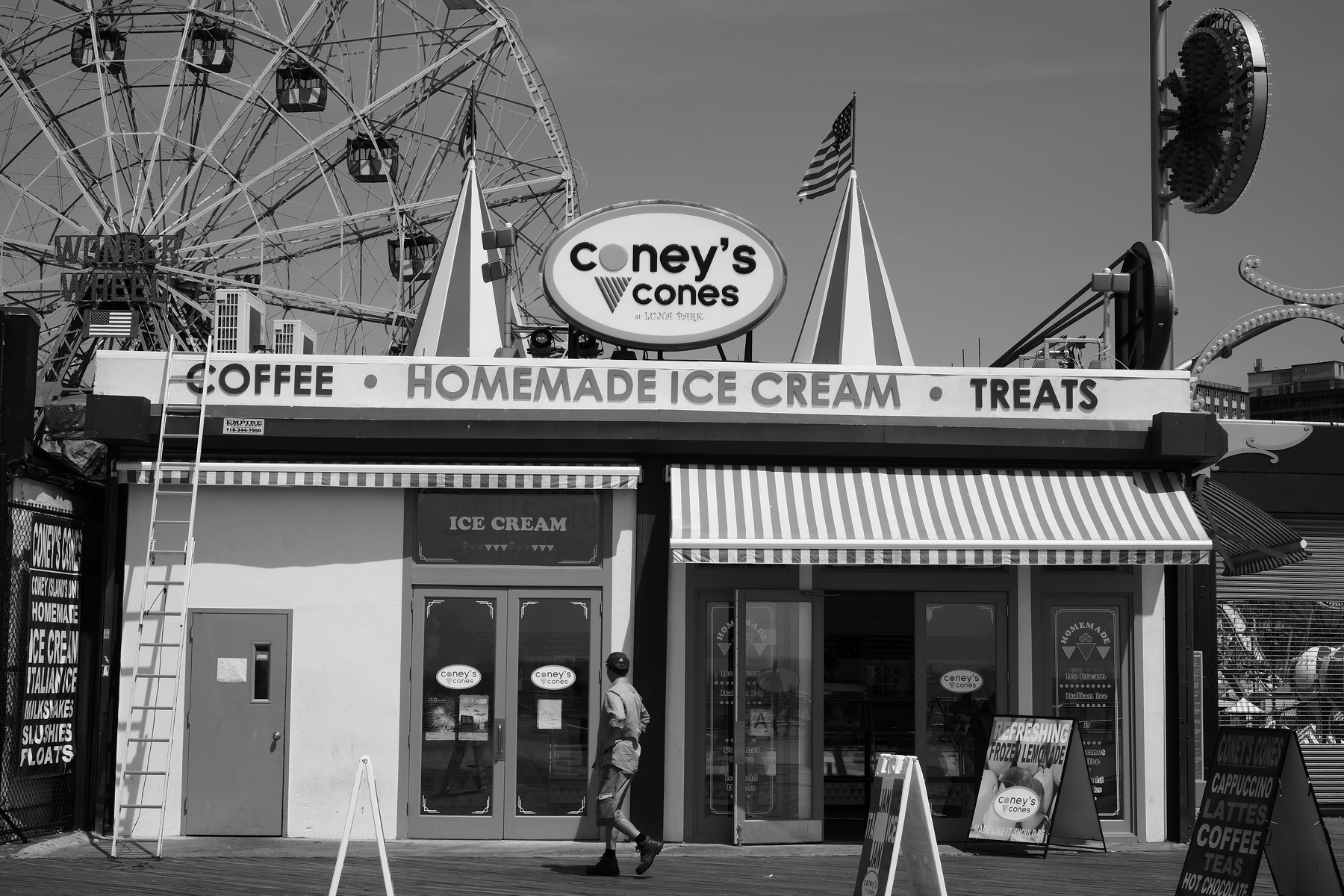


As the afternoon faded into evening, the light softened over the Atlantic and the boardwalk began to glow with a mixture of artificial light and lingering sunset. I put my camera away and simply walked, listening to the laughter, the ocean and the distant mechanical rhythm of the rides. Coney Island’s magic is not necessarily found in one spectacular attraction. It lives in the weathered boardwalk, the old Cyclone, the smell of hot dogs, the fisherman standing alone by the water, the eccentric traditions and the countless memories embedded in this small corner of Brooklyn. Walking away, I felt that I had not simply photographed a famous New York landmark. I had photographed a living piece of the city’s past—and a place that, despite everything time has thrown at it, still knows how to make people feel like children again.
#Photography #Photos #Images #Travel #Blog #Photoblog #ConeyIsland #ConeyIslandNewYork #Brooklyn #NewYorkCity #NewYorkTravel #BrooklynTravel #ConeyIslandBoardwalk #CycloneRollerCoaster #NathanFamous #NewYorkHistory #AmericanHistory #AmusementParks #ConeyIslandPhotography #BlackAndWhitePhotography #StreetPhotography #NewYorkPhotography #AtlanticOcean #MermaidParade #PolarBearClub #BrooklynHistory #VintageNewYork #HistoricNewYork #TravelNewYork #ExploreBrooklyn #NYC