
Tracing Tokyo’s Pulse from Its Tower of Light

Tokyo at night is almost impossible to describe without sounding exaggerated. Neon signs flicker above crowded streets, trains glide through illuminated neighbourhoods, and skyscrapers stretch toward a sky that seems to disappear beneath the city’s glow. Yet among all that light, Tokyo Tower still manages to stand apart. As dusk settled over the city and the tower began glowing against the darkening sky, I found myself drawn toward it, curious to experience one of Japan’s most recognisable landmarks from the inside as well as from the street.

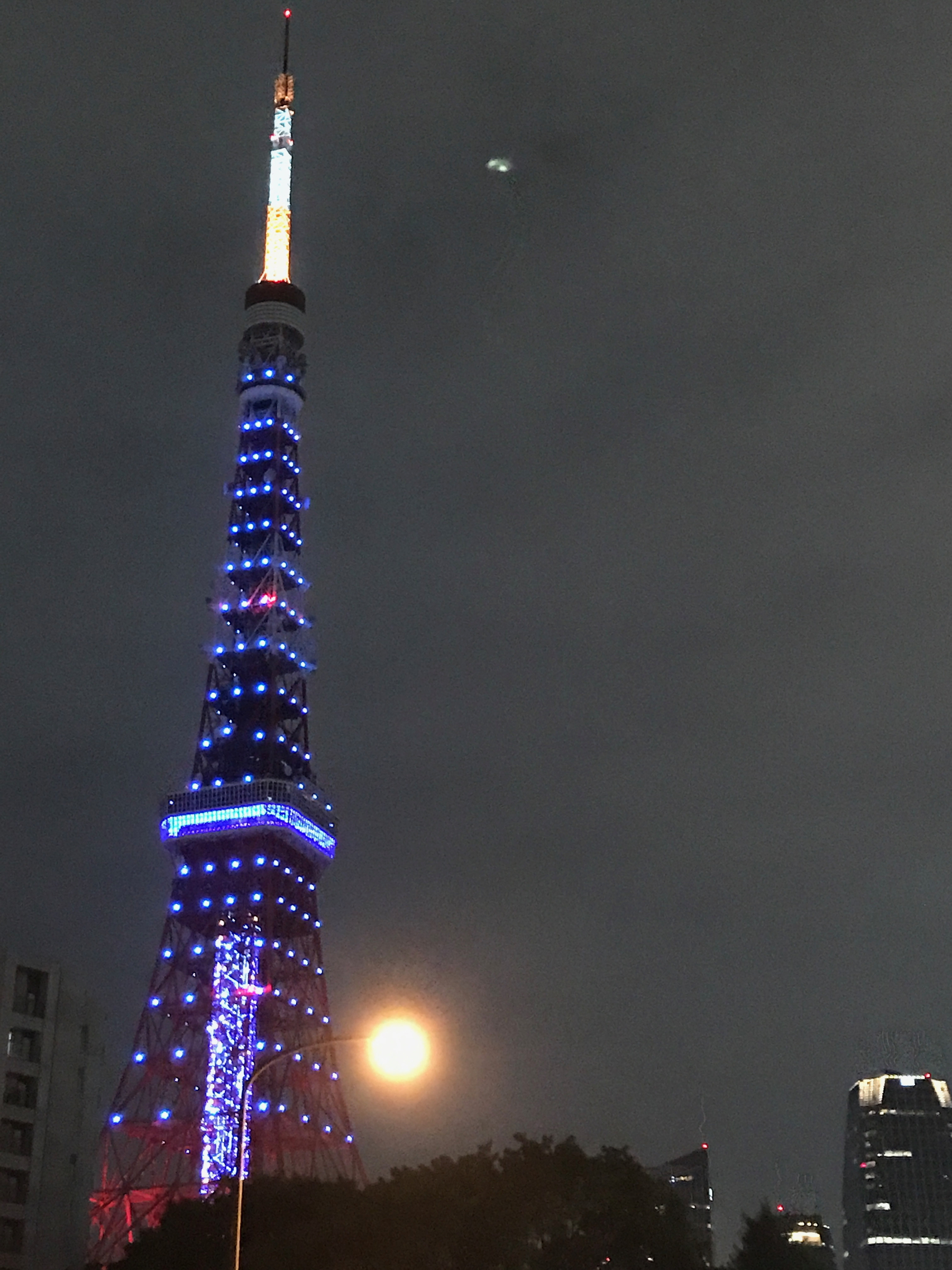

Completed in 1958, Tokyo Tower rises 333 meters above the city and was built primarily as a broadcasting tower. Its construction came during a remarkable period of post-war recovery, when Japan was rapidly rebuilding its infrastructure and transforming into a modern industrial power. The tower became a visible symbol of that transformation. Its design was inspired by the Eiffel Tower, but Tokyo Tower was adapted to Japan’s own architectural and engineering requirements. Its distinctive lattice structure and orange-and-white colouring soon became part of Tokyo’s identity.


As I approached the tower that evening, its illuminated steel framework seemed almost to float above the surrounding buildings. It is easy to think of Tokyo Tower simply as a copy of the Eiffel Tower, but standing beneath it changed my perspective. Its proportions, location, color, and relationship with the surrounding city give it a character that is unmistakably Japanese. It feels less like an imitation and more like Japan taking an international architectural idea and turning it into something of its own.
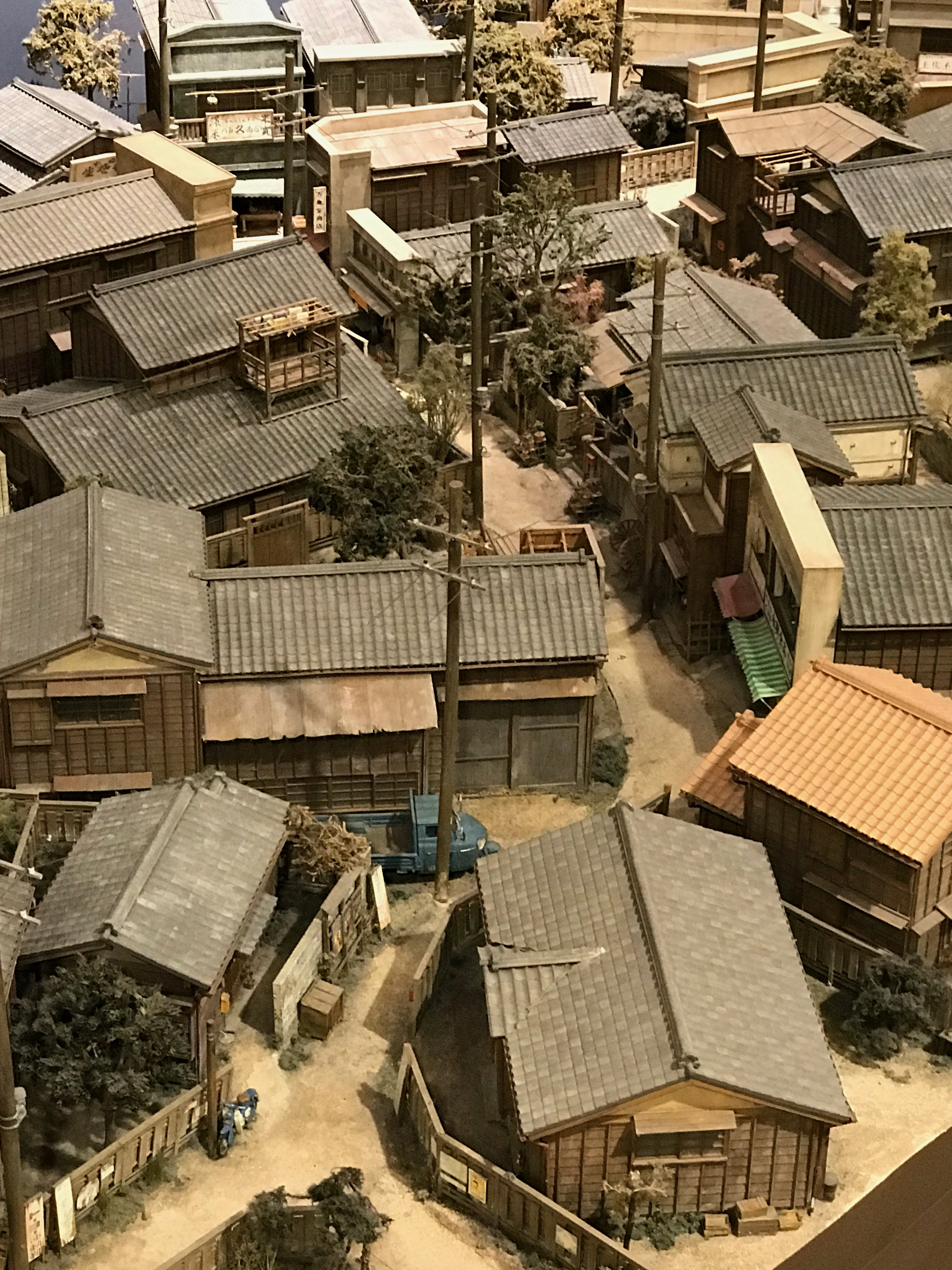

Inside, the atmosphere was completely different from the quiet streets around the tower. Visitors gathered from all over the world, speaking different languages and taking photographs as we made our way toward the elevators. Then the doors closed, and the city began to fall away beneath us. As the elevator climbed, Tokyo gradually transformed from a collection of streets and buildings into an enormous field of light stretching in every direction.

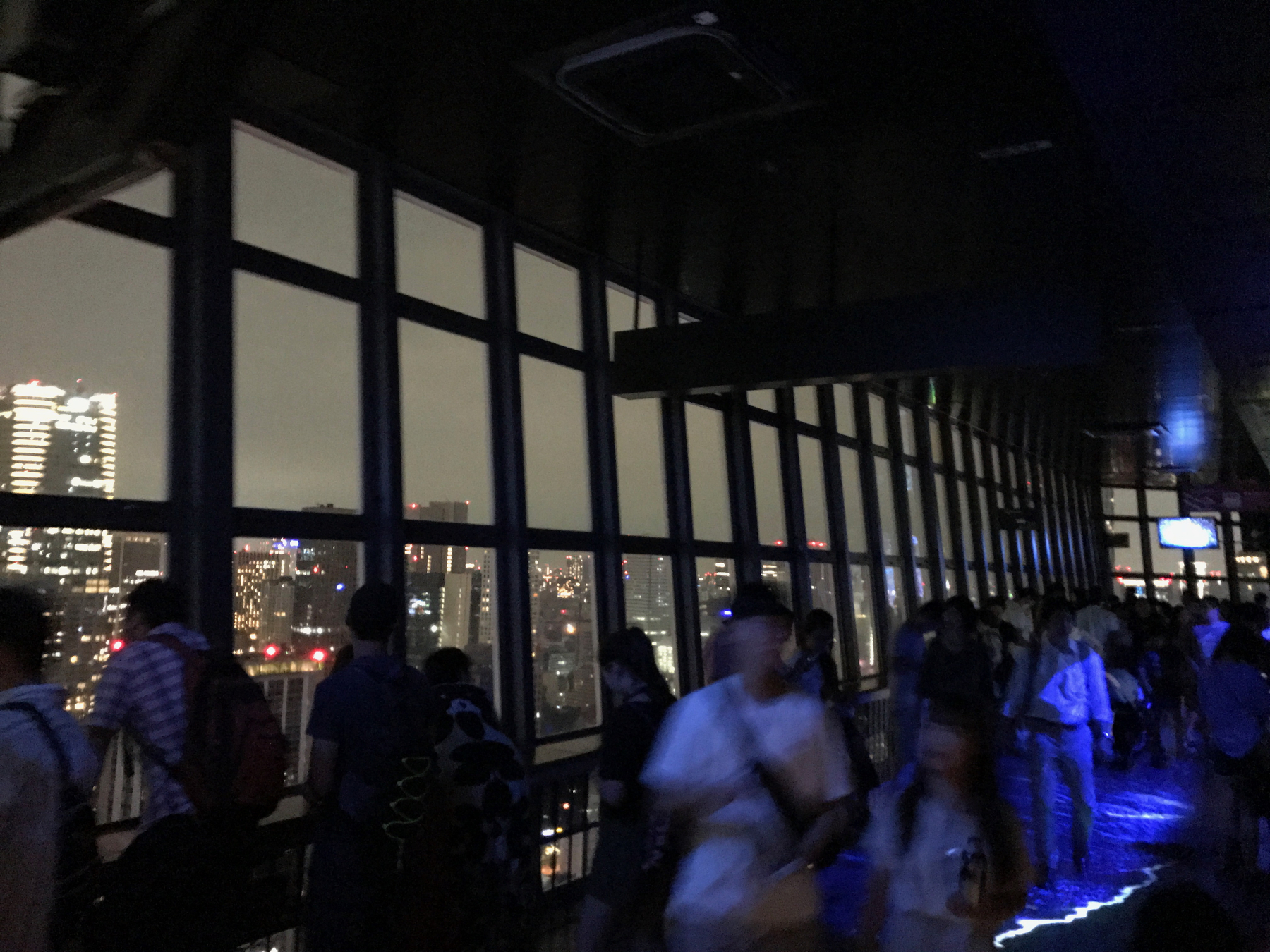
From the observation deck, I could pick out some of Tokyo’s most recognisable areas while the city’s boundaries seemed to disappear into the distance. Shinjuku and Shibuya were part of the enormous illuminated landscape, while Tokyo Bay reflected the lights of the metropolis farther away. On a clear evening, distant mountains can sometimes be visible beyond the urban horizon. What struck me most was the sheer scale. Tokyo didn’t look like a city from up there—it looked like an entire world.


But Tokyo Tower is more than a place for panoramic views. Its history is closely connected to Japan’s post-war transformation. When it opened, it was the tallest structure in Japan, and its height was chosen partly to meet the growing broadcasting needs of an expanding metropolis. Television was becoming an increasingly important part of Japanese life, and the tower helped transmit signals across the region. Its practical purpose and symbolic importance therefore developed together.

I was also fascinated by the engineering behind the structure. Tokyo is one of the world’s most earthquake-prone major cities, so a tower of this height required careful structural planning. Its design incorporated lessons from earthquake engineering, and the tower was constructed with considerable attention to flexibility and stability. The fact that such a tall steel structure could become both a broadcasting facility and an enduring landmark in Tokyo says a great deal about Japanese engineering and the country’s ability to build for difficult conditions.

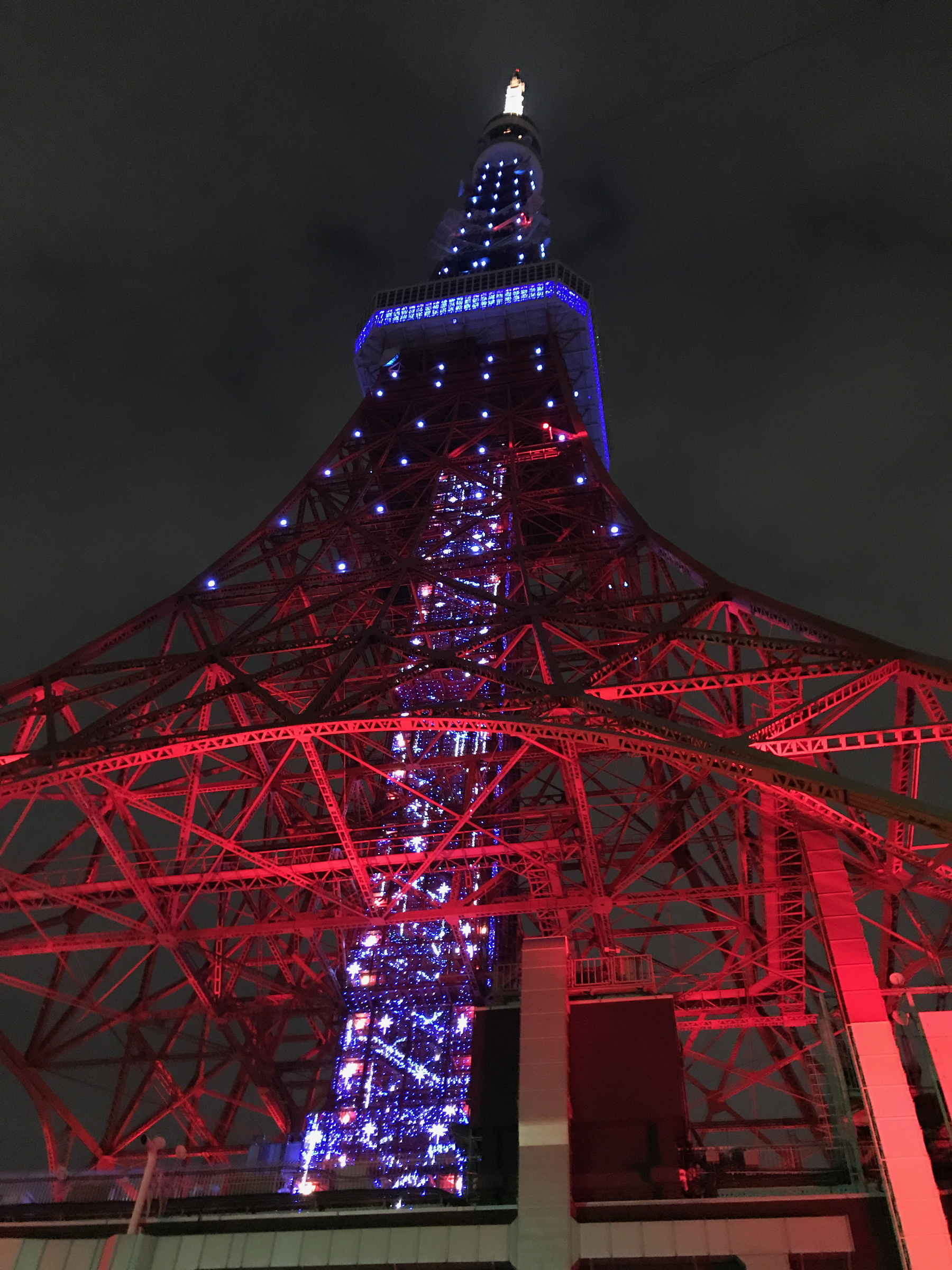
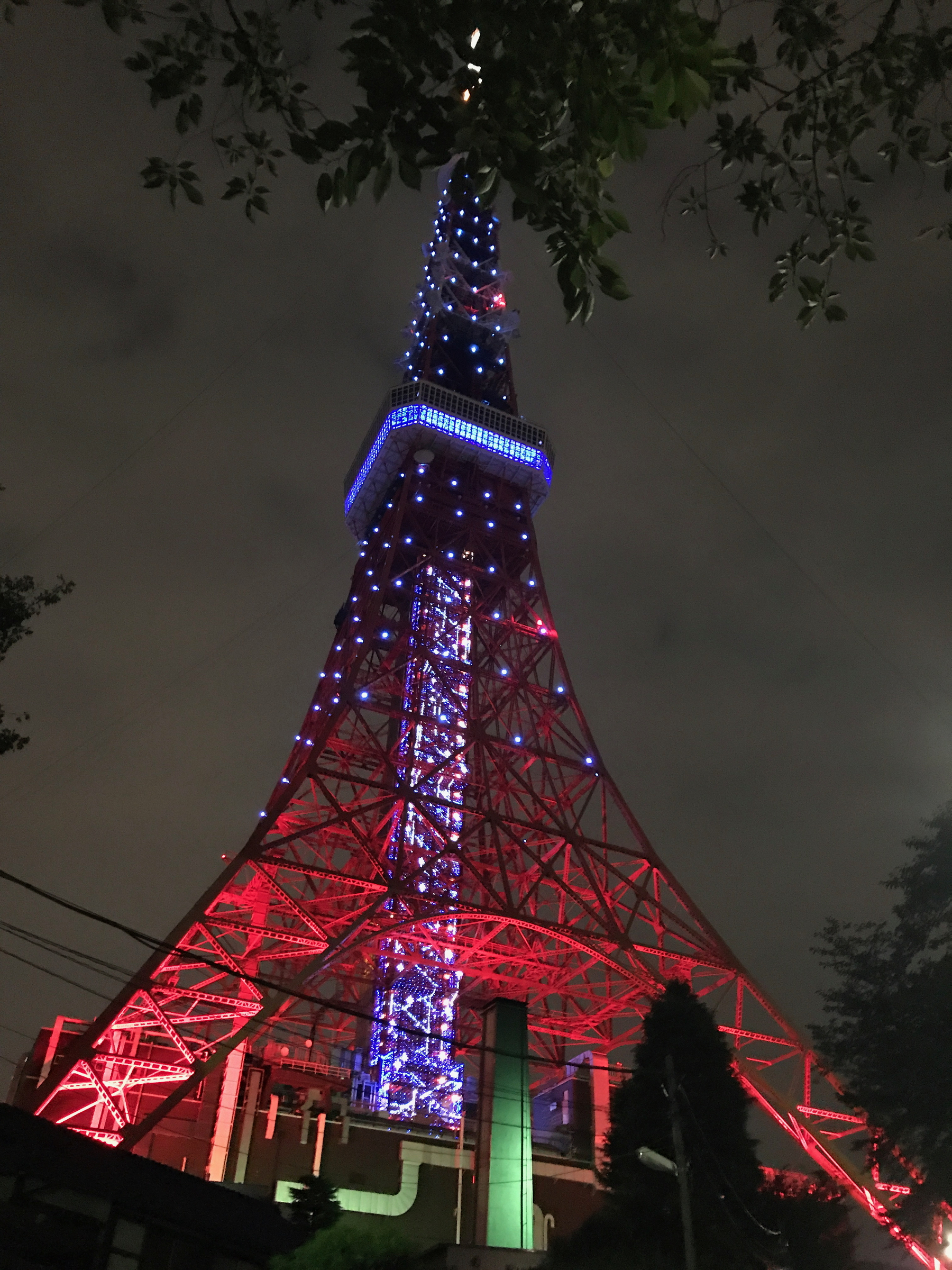
By the time I descended, night had completely taken over Tokyo. The tower’s lighting had become part of the surrounding cityscape, changing according to seasons, events, and special occasions. Looking up from street level, I realised that Tokyo Tower has another important quality: it provides orientation. In a city as enormous and visually overwhelming as Tokyo, that familiar orange-and-white silhouette offers a fixed point. This landmark helps turn an immense metropolis into something more understandable.

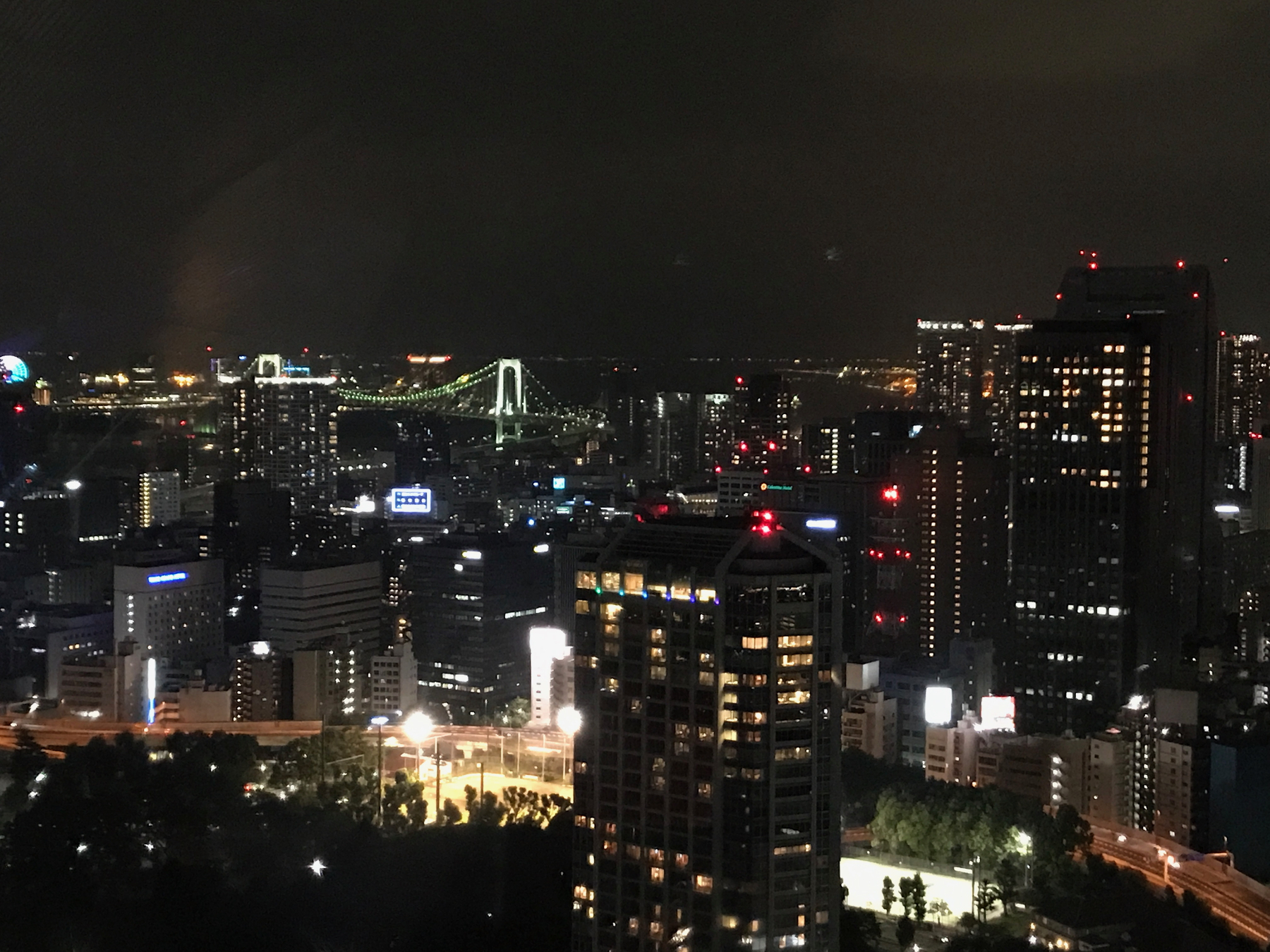
As I finally walked away, Tokyo Tower remained glowing above the buildings, looking remarkably graceful against the night sky. The experience reminded me that some landmarks matter not because they are the newest or tallest, but because they become woven into a city's identity. Tokyo Tower represents a particular moment when Japan was looking forward after an extraordinarily difficult period. More than six decades later, it still stands above Tokyo as a symbol of ambition, resilience, technology, and optimism. And beneath its lights, surrounded by one of the world’s most energetic cities, I understood why this tower continues to capture the imagination.
#Photography #Photos #Photoblog #Blog #TokyoTower #TokyoJapan #TokyoTravel #JapanTravel #TokyoAtNight #TokyoNightlife #TokyoSkyline #JapanPhotography #TokyoPhotography #JapaneseArchitecture #JapanHistory #TokyoLandmarks #TokyoObservationDeck #TokyoCityscape #VisitTokyo #ExploreTokyo #PostwarJapan #TokyoNightView #TravelJapan #JapanAdventure