
Lost and Found in Madrid, Discovering the City Beyond the Map
There are cities you visit with a carefully marked itinerary, ticking monuments from a list as the hours pass. And then there are cities like Madrid, where the best discoveries can happen when you stop looking at the map. I arrived with my camera and a general idea of where I wanted to go, but before long I was wandering through streets I hadn’t planned to see, following interesting façades, distant voices, the smell of coffee, and whatever happened to catch my eye. Somewhere along the way, Madrid stopped being a destination and became an adventure.

Madrid has an unusual sense of scale for a European capital. Sitting at roughly 650 metres above sea level, it is one of Europe’s highest capital cities. Its elevation contributes to its distinctive climate, with hot, dry summers, cold winters, and famously clear skies on many days. As I wandered beneath that expansive sky, I began to understand why the city’s streets can feel so bright and open even when I was deep within its historic neighbourhoods.
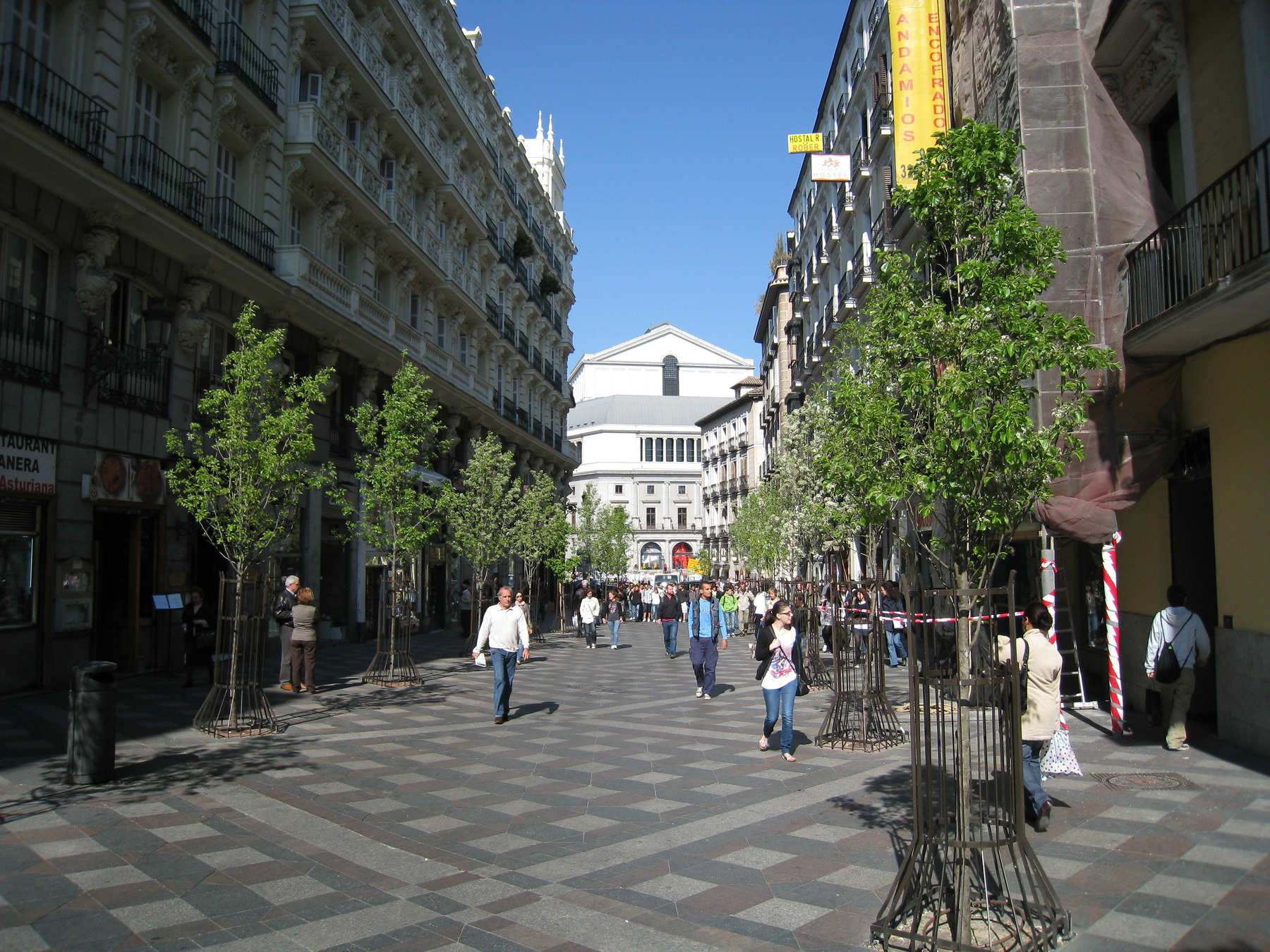
The story of Madrid stretches much further back than the grand boulevards and monumental buildings that dominate the modern city. Its origins are generally associated with the Islamic settlement of Mayrit, established under the Emirate of Córdoba in the ninth century. The settlement grew around a fortress overlooking the Manzanares River, and its strategic position helped shape the city’s future. After Christian forces conquered Madrid in the eleventh century, the settlement gradually became part of the expanding Kingdom of Castile.
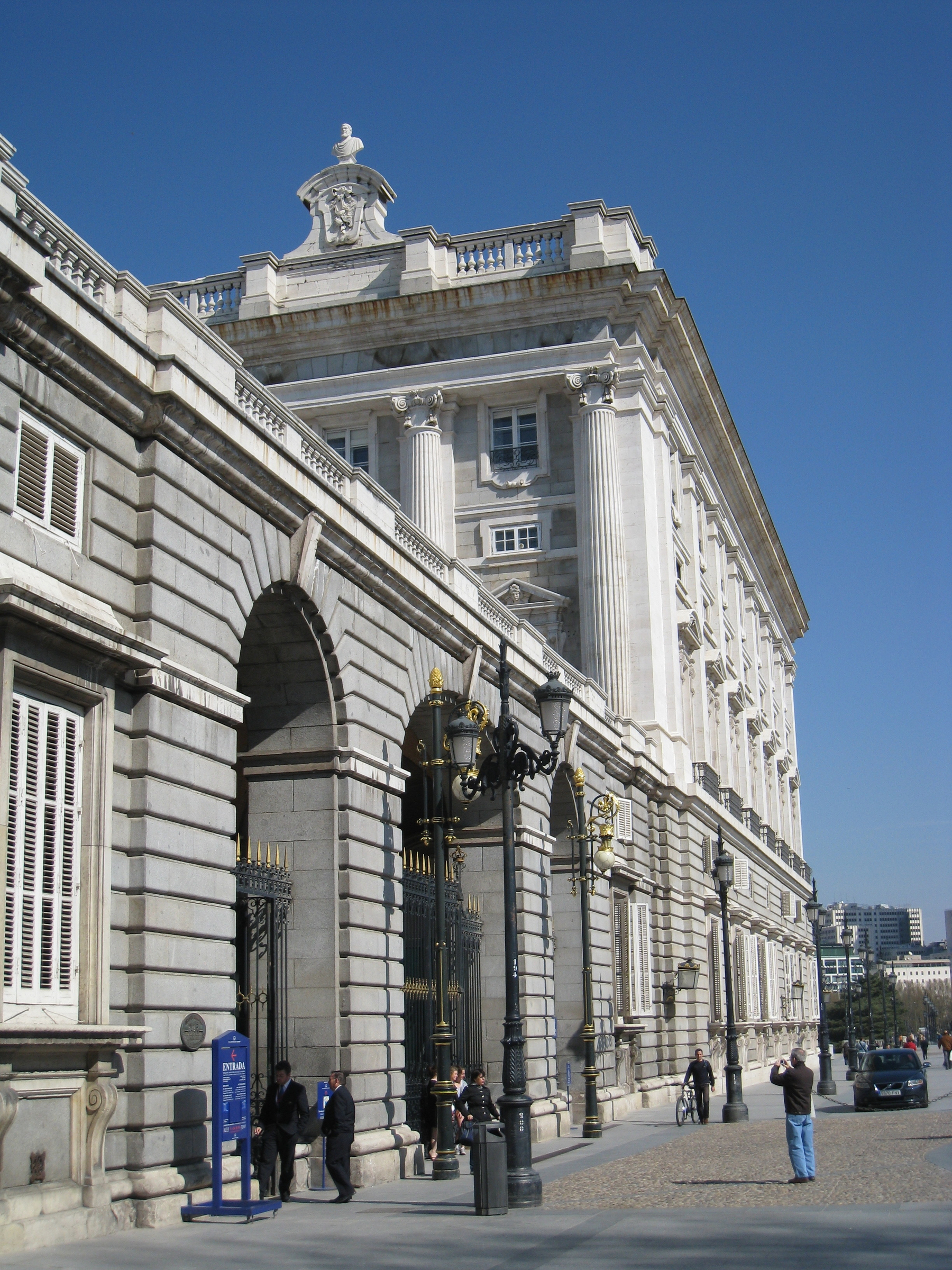
Centuries later, Madrid’s destiny changed dramatically when King Philip II moved the royal court here in 1561. Suddenly, a relatively modest Castilian town found itself at the centre of one of Europe’s most powerful monarchies. The decision transformed Madrid permanently. Palaces, churches, government buildings, aristocratic residences, and public spaces began appearing throughout the city, creating much of the architectural foundation that travellers encounter today.
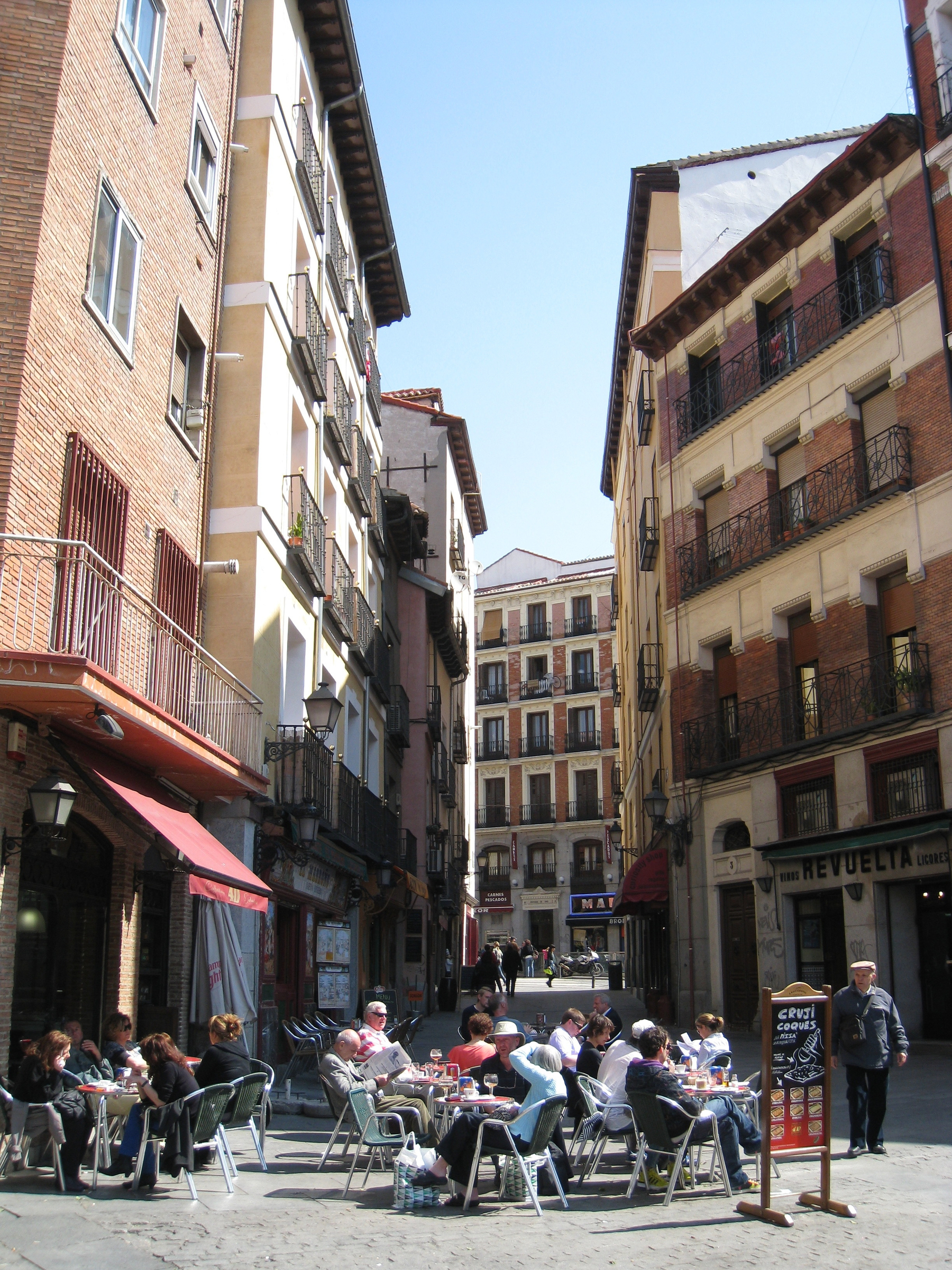
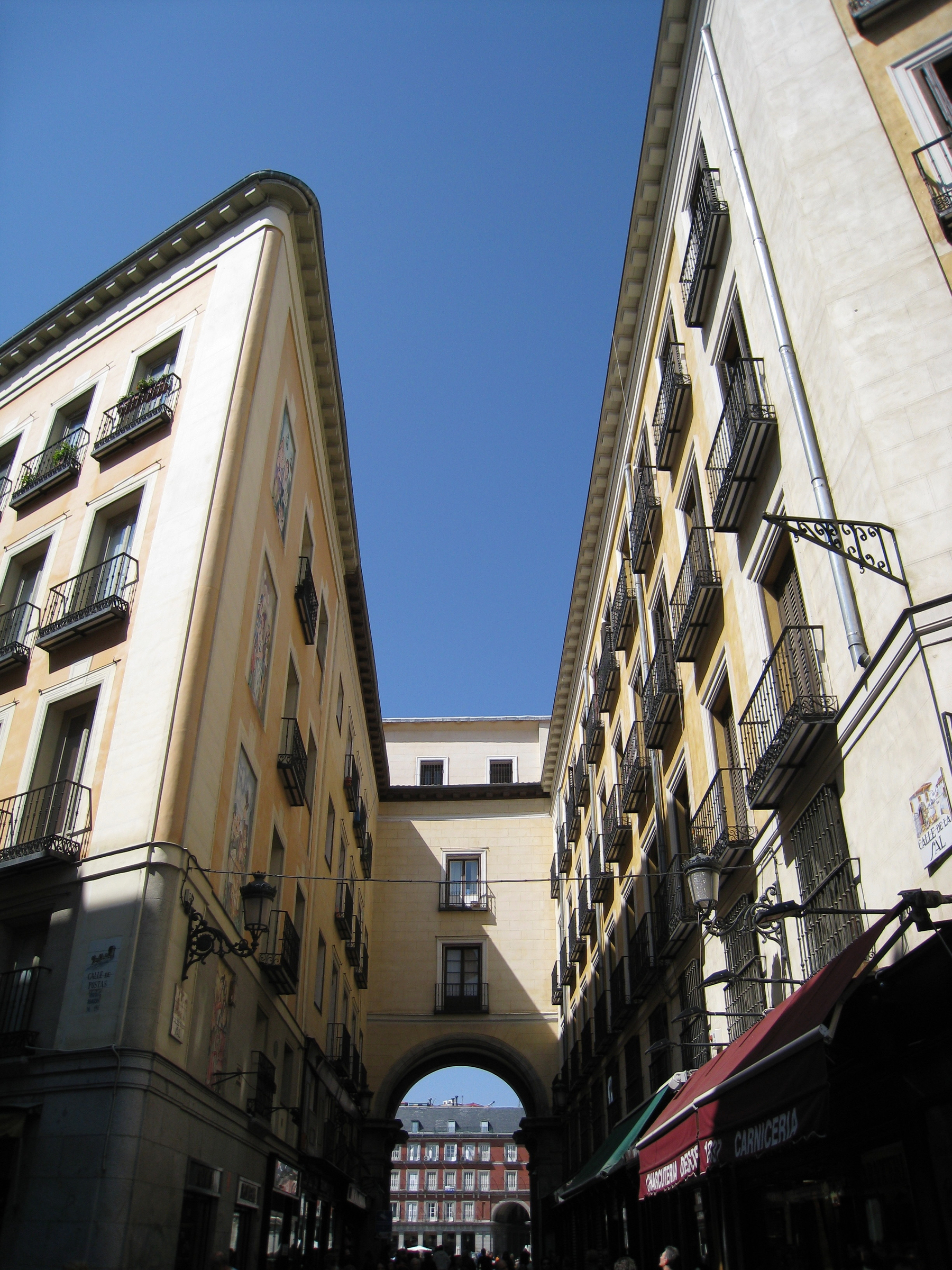

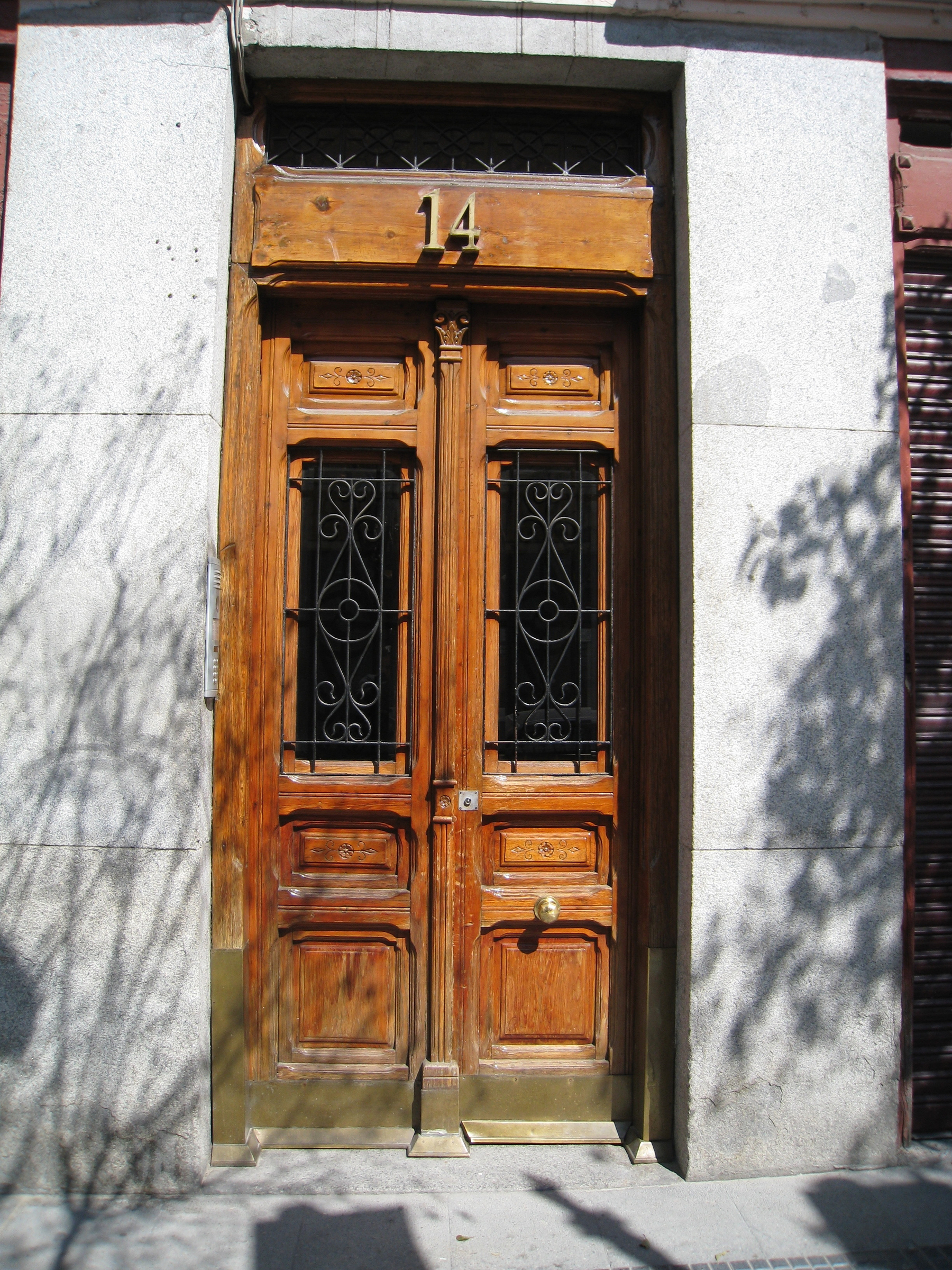
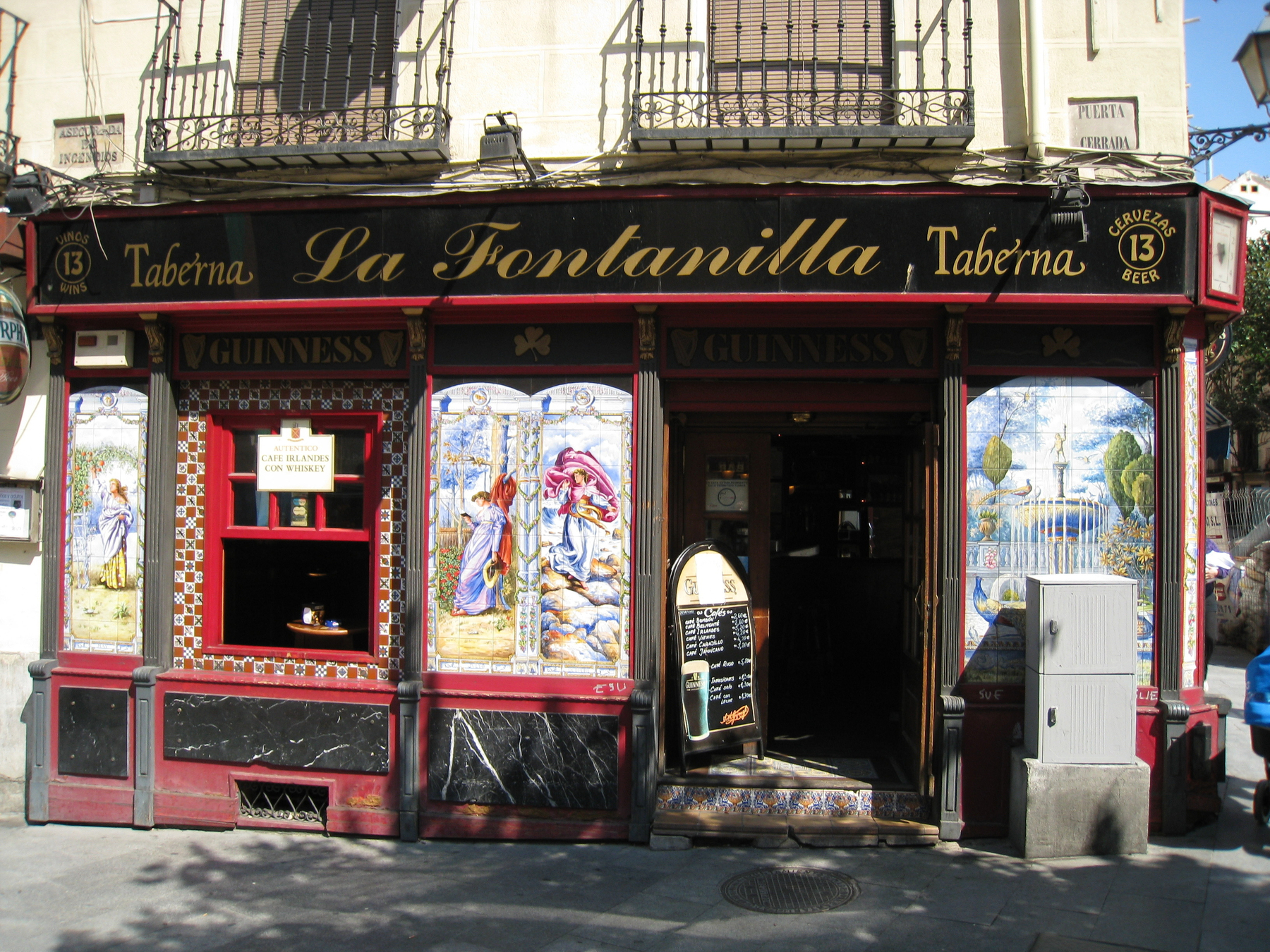
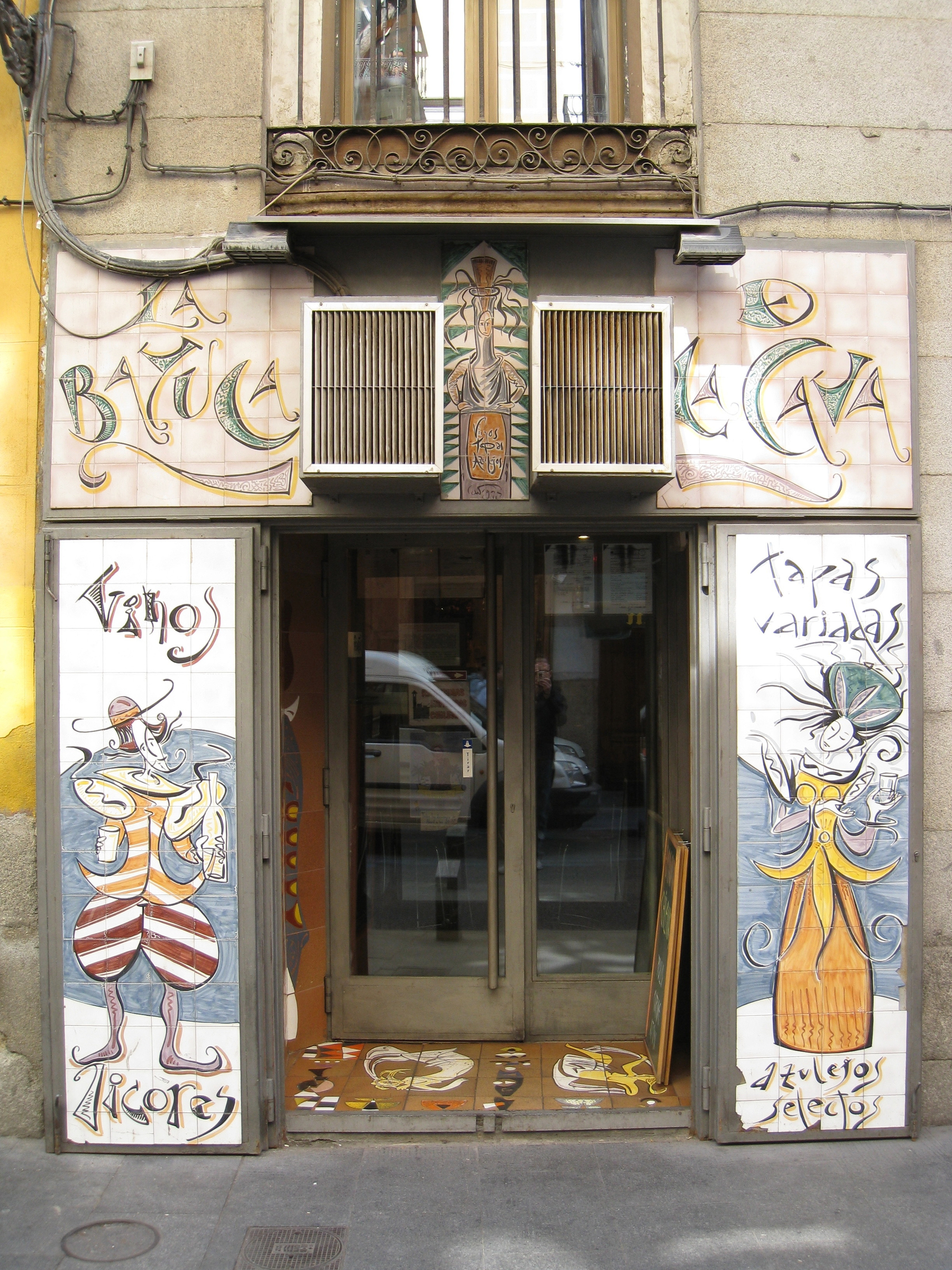
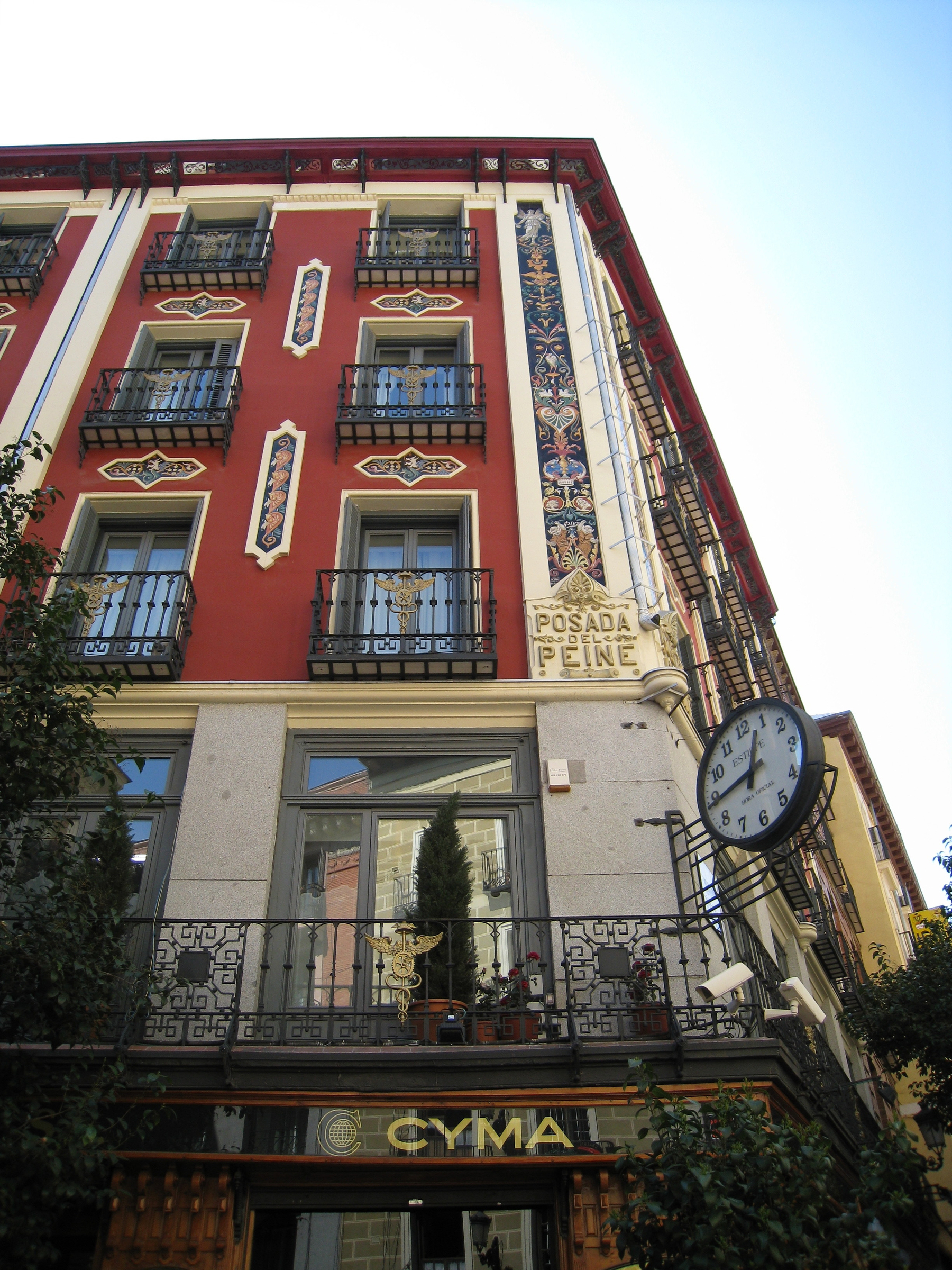
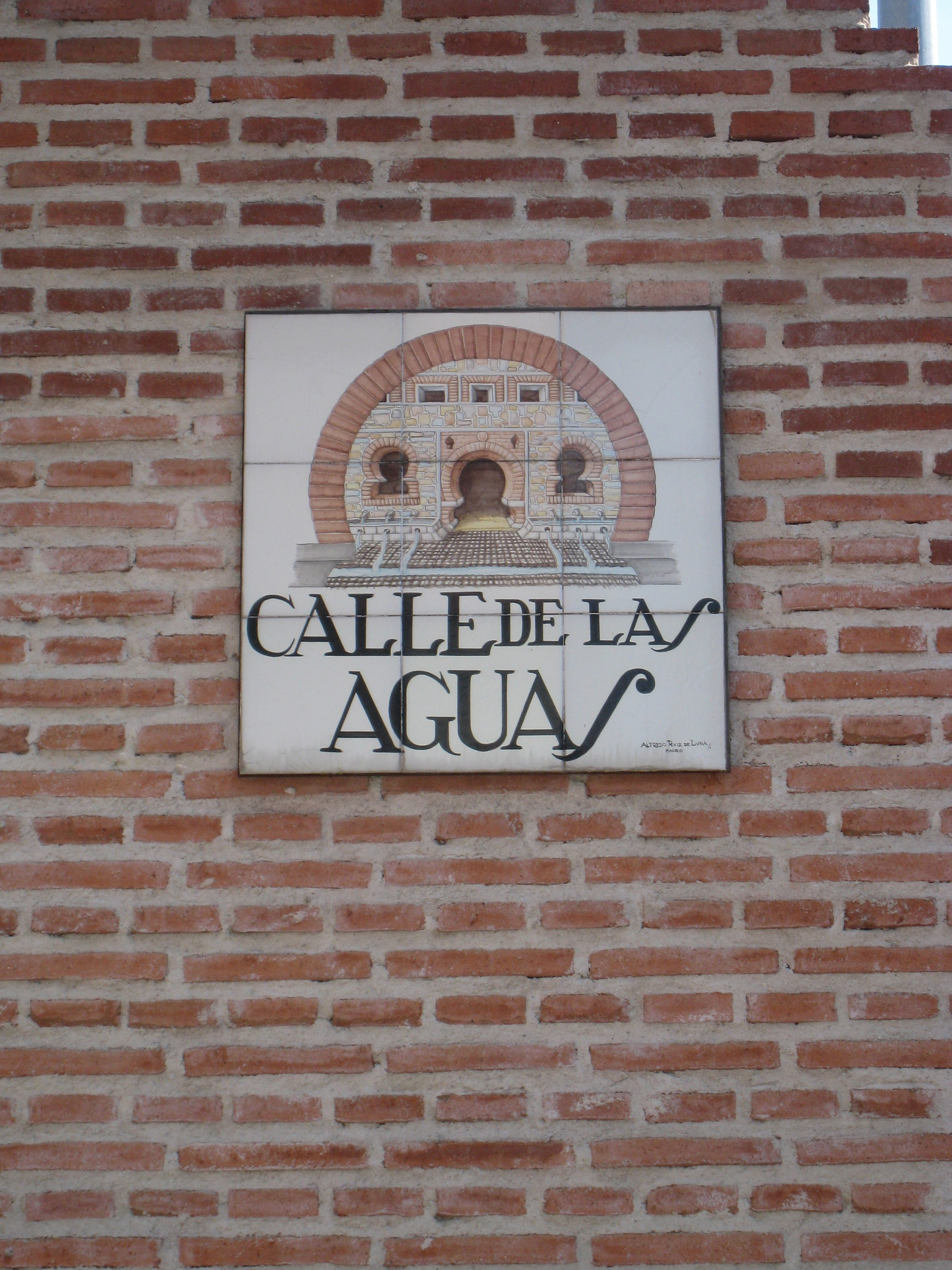
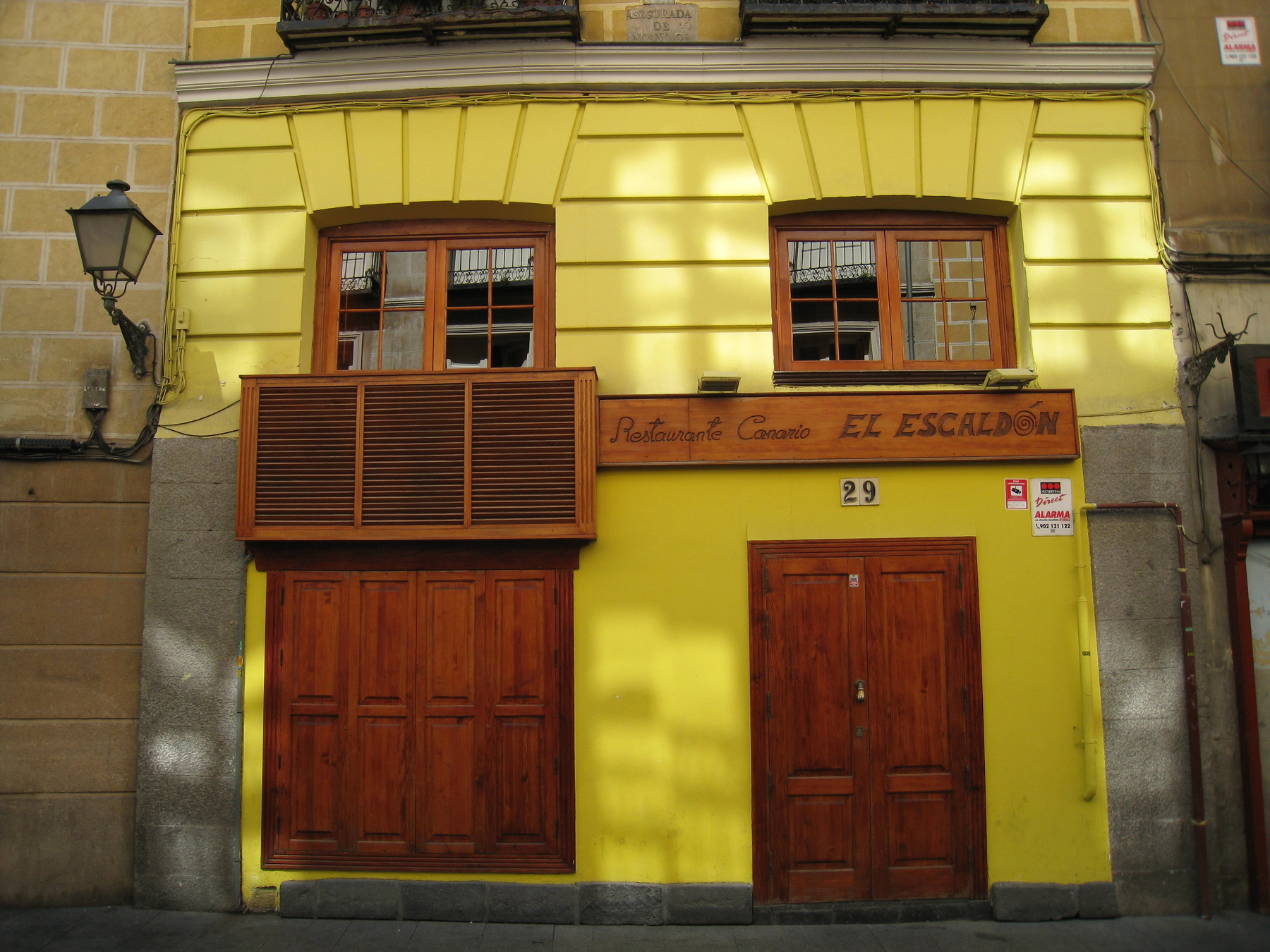
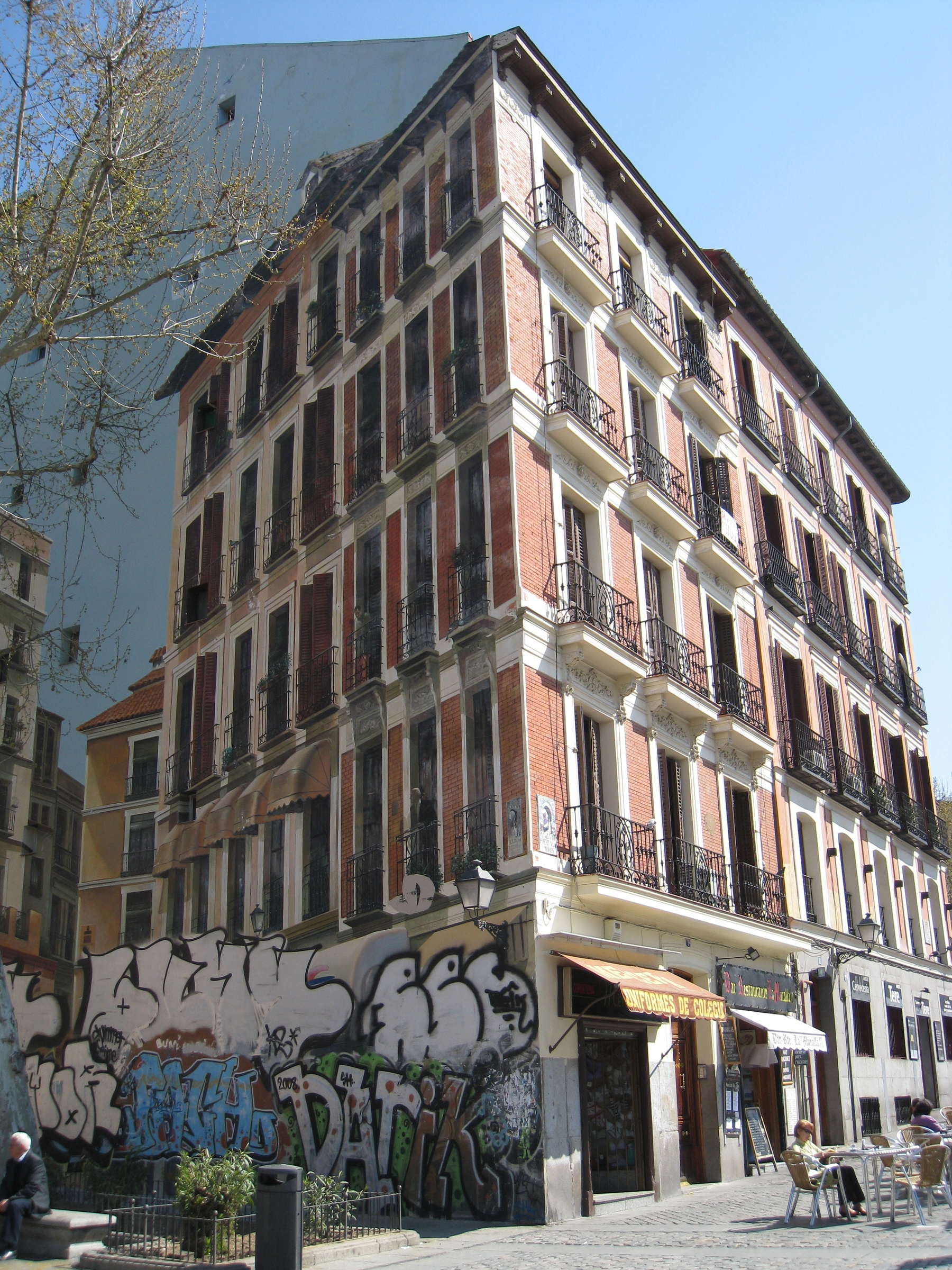
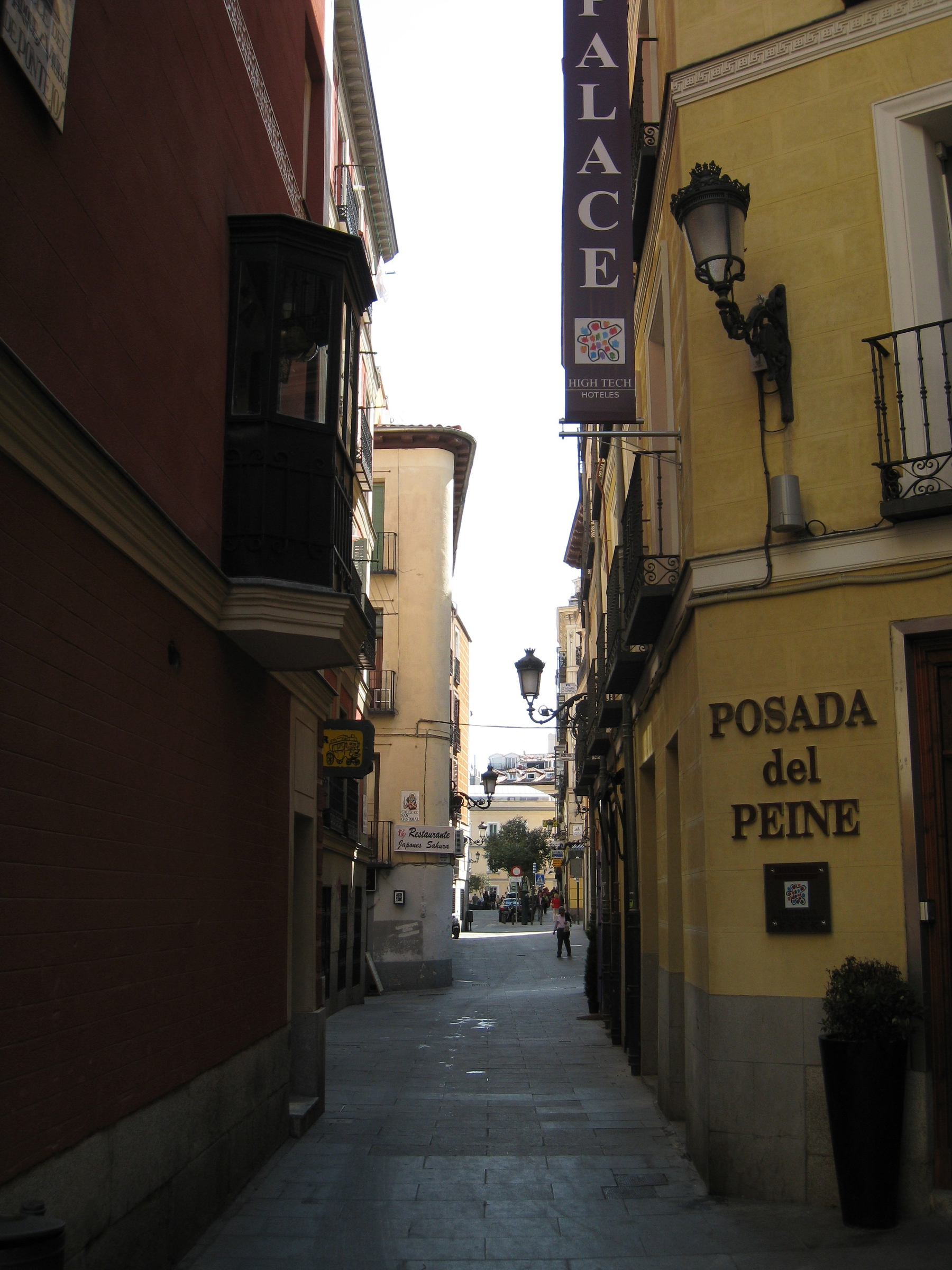
But I wasn’t particularly interested in spending the day following a predetermined list of monuments. I wanted to see what happened between them. I wandered into quieter streets where balconies hung above narrow sidewalks and old façades revealed layers of paint, stone, wrought iron, and ceramic decoration. Every few minutes I found myself reaching for my camera. A doorway. A shadow. A tiny shop. A weathered sign. Madrid seemed determined to prove that its most interesting stories weren’t always the ones printed in guidebooks.


Eventually, I found myself in one of the city’s lively plazas. Children chased pigeons while grandparents watched from benches, friends gathered around outdoor tables, and café regulars seemed completely unhurried. These scenes fascinated me more than any carefully staged attraction. Madrid’s plazas have always been important social spaces, and even the smallest square can feel like an extension of the city’s living room.

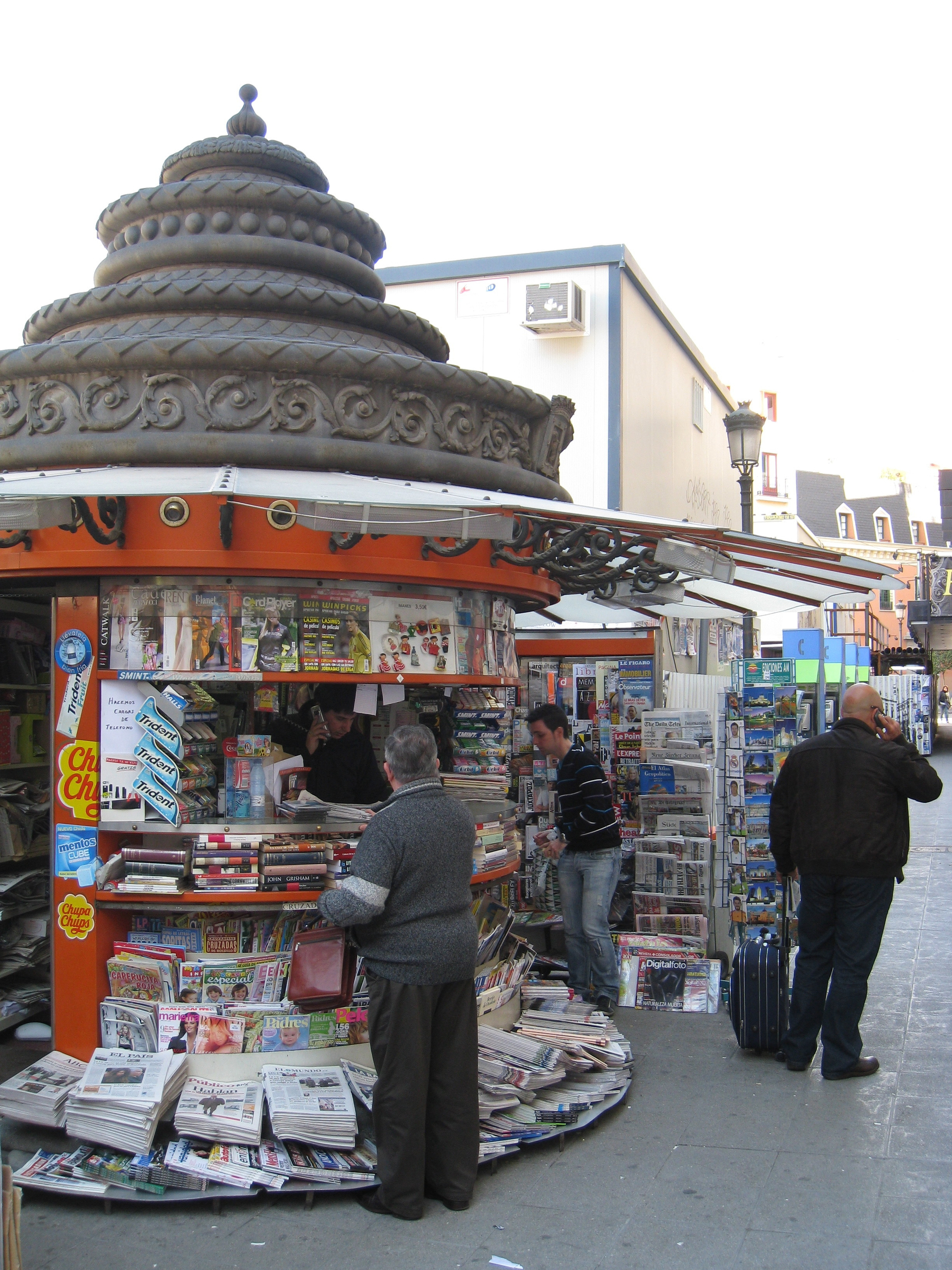
That everyday rhythm is part of what makes Madrid so compelling. The city has an enormous historical heritage, but it doesn’t feel trapped inside it. People live, work, argue, laugh, eat, shop, and meet friends among buildings that may be centuries old. History isn’t placed behind glass here. It forms the backdrop to ordinary life.
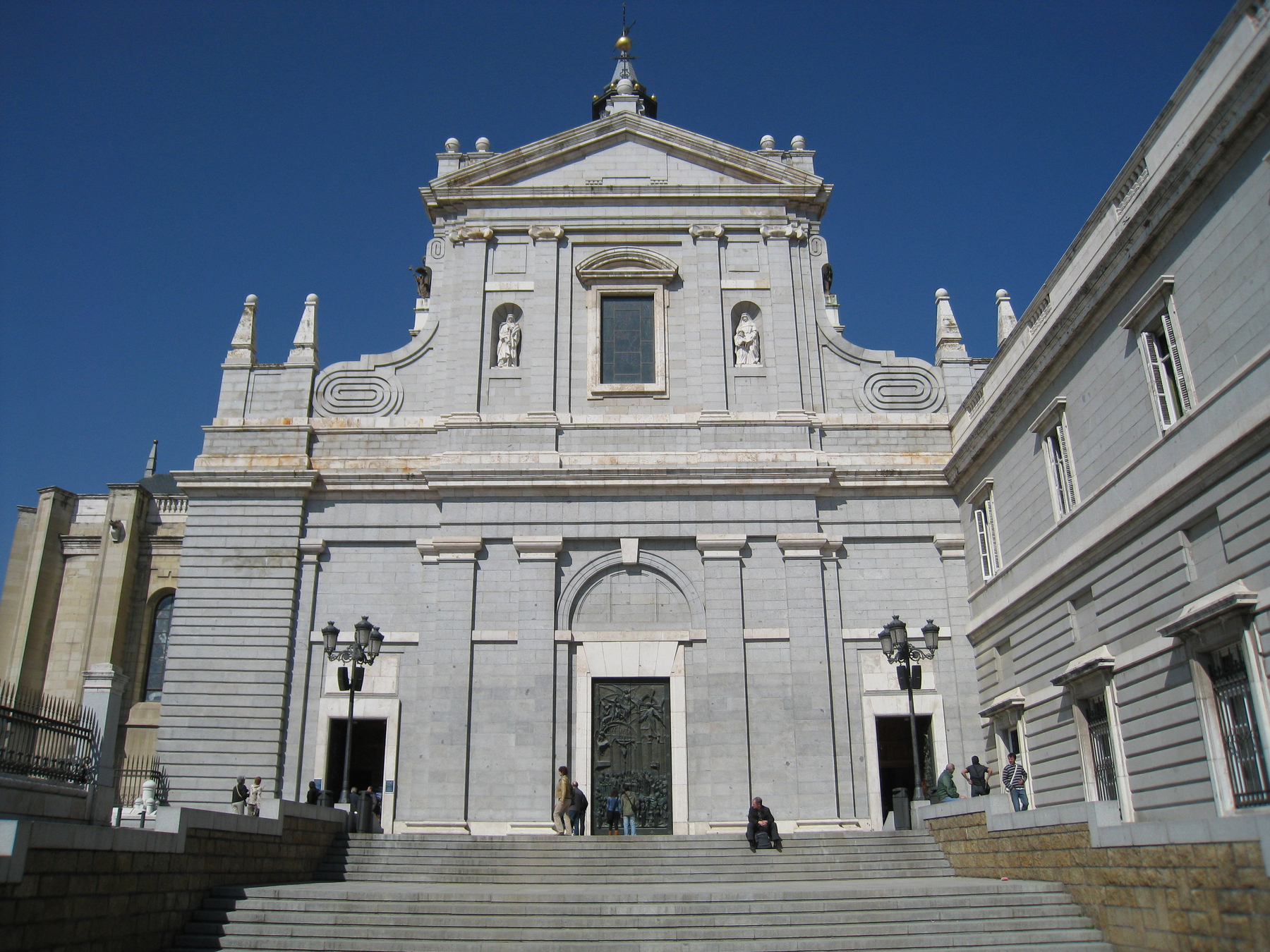
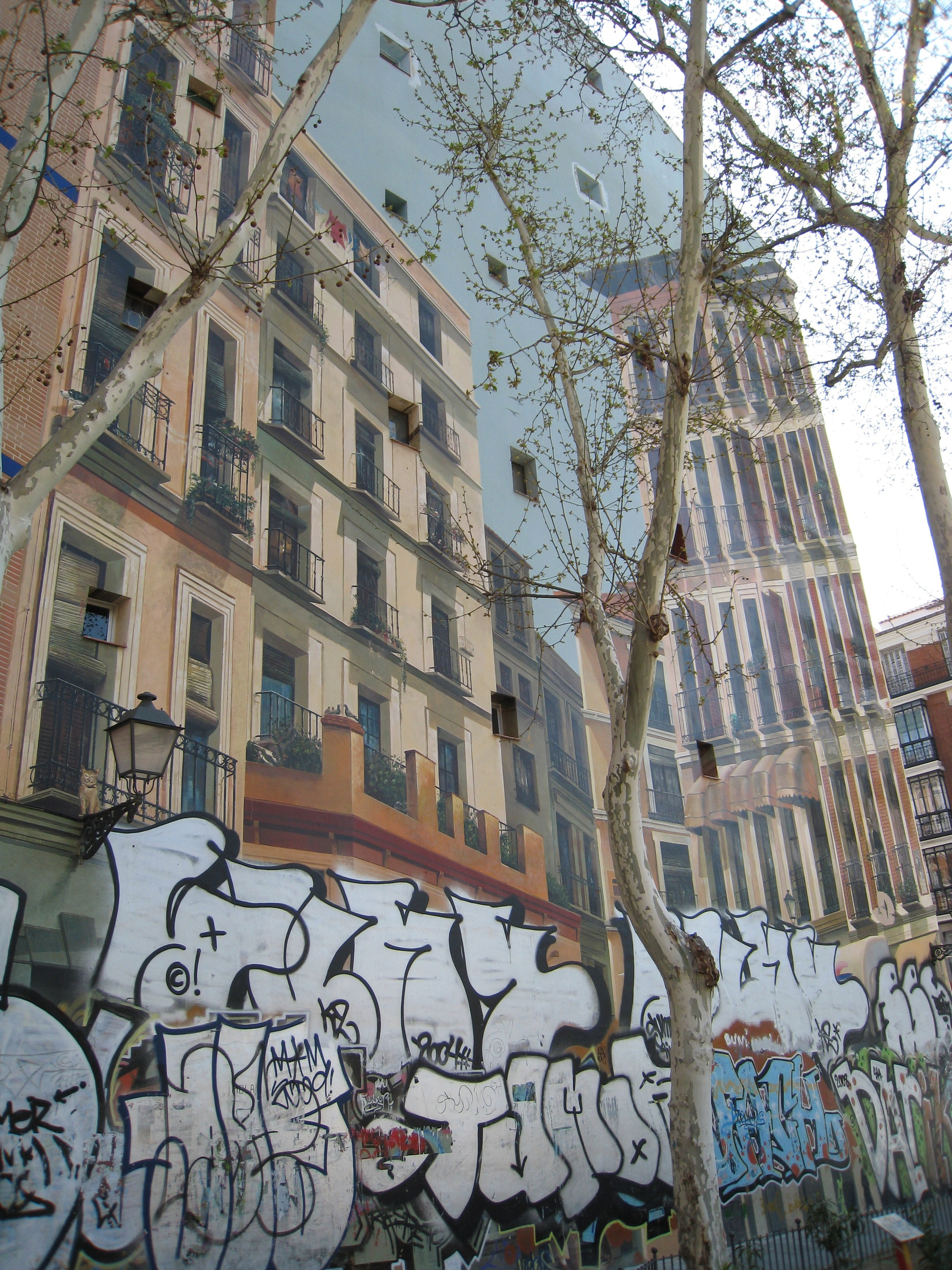
At some point during my wandering, I began thinking about Madrid’s literary history. This is the city of Miguel de Cervantes, whose Don Quixote became one of the most influential works in Western literature, and of writers such as Lope de Vega and Francisco de Quevedo. The historic Barrio de las Letras still preserves traces of Madrid’s great literary age, when playwrights, poets, actors, and writers crowded into the neighbourhood.
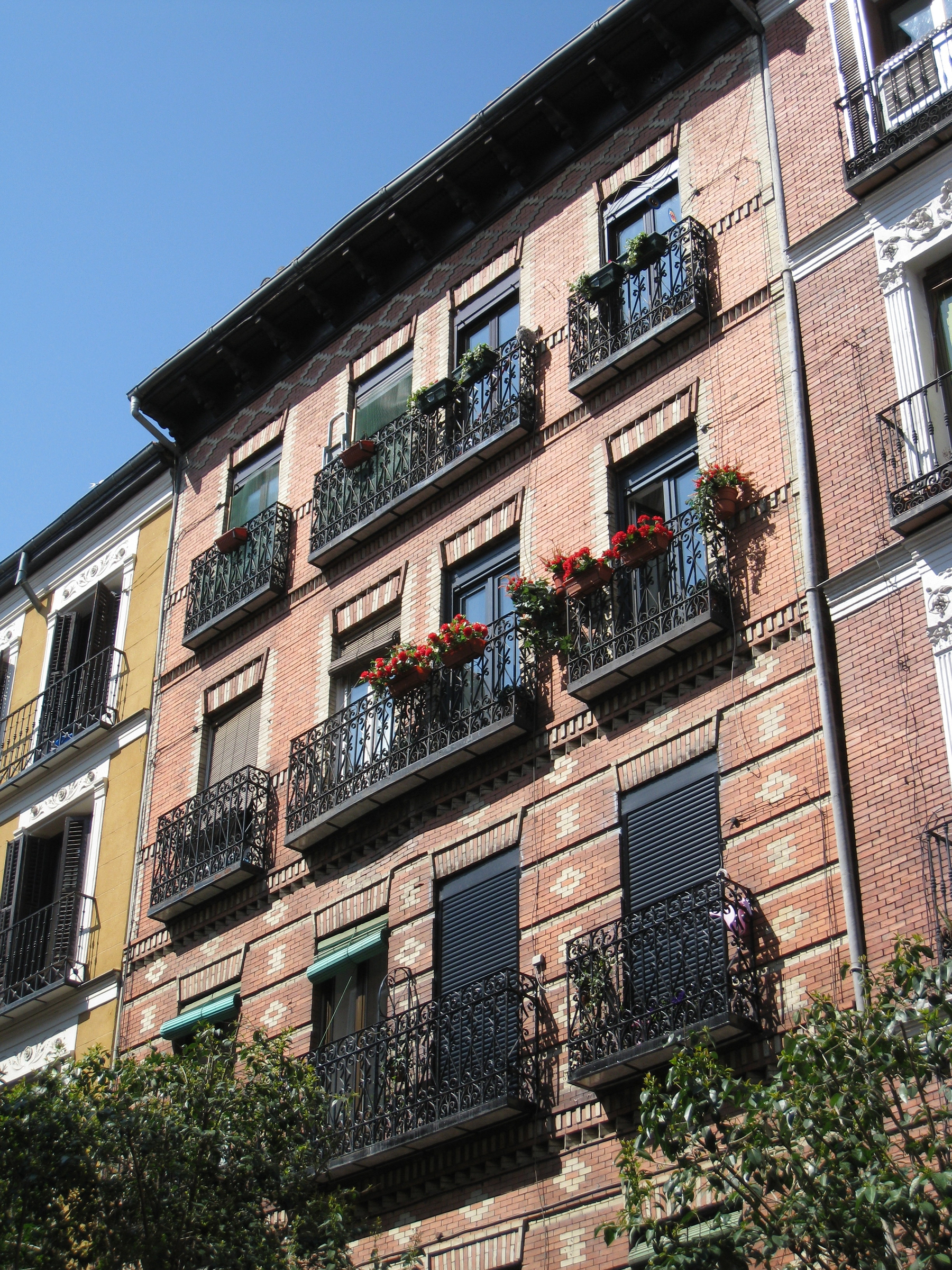


The literary connection is particularly enjoyable when you explore without a strict route. Streets and buildings become clues to another Madrid, one populated by writers rather than tourists. The famous Calle de las Huertas, for example, contains quotations from Spanish literature embedded into the pavement. Walking along it, I felt as though the city itself had become a book, with fragments of poetry appearing beneath my feet.

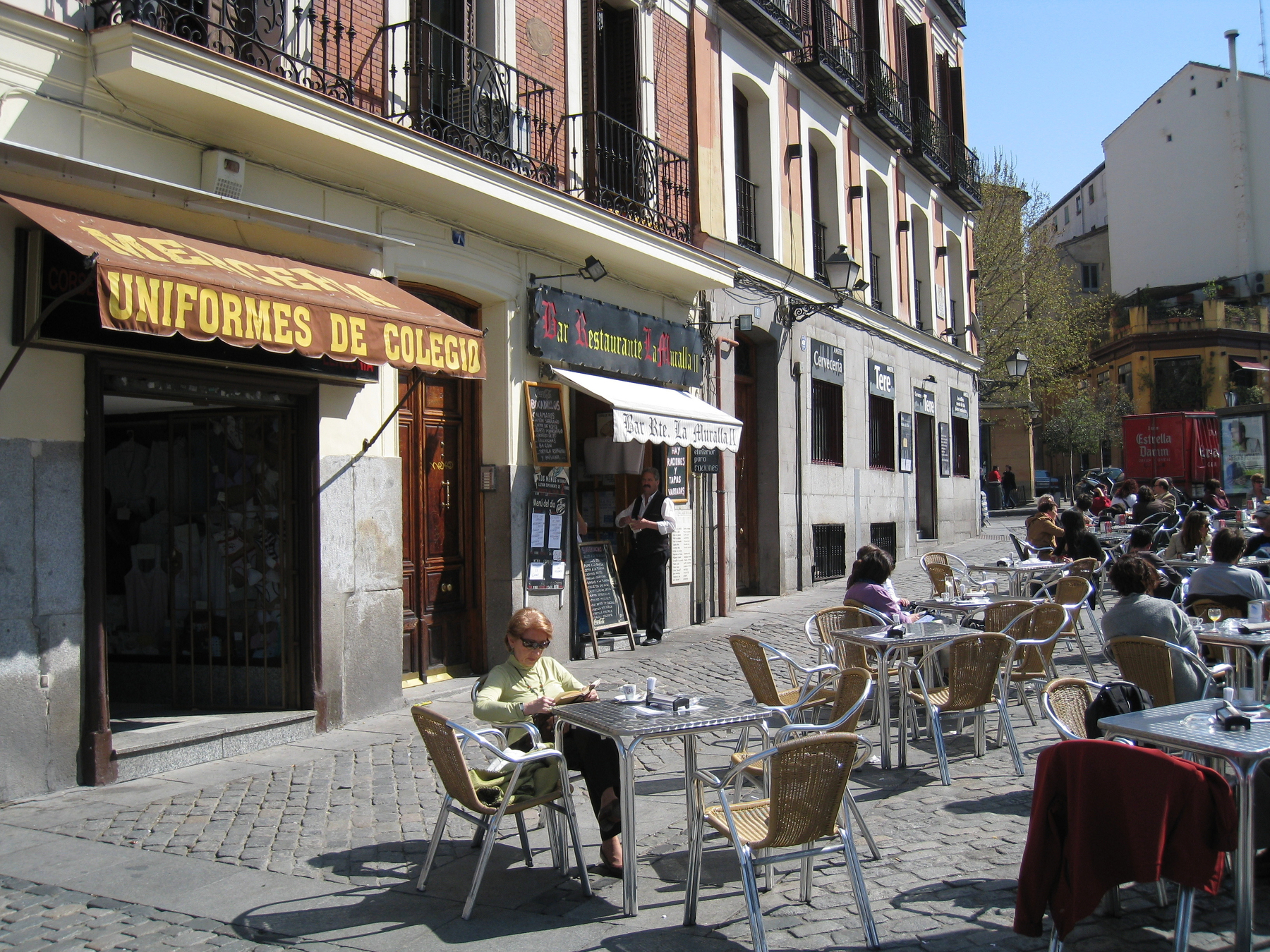
Of course, Madrid has its grand landmarks too. Eventually, my wandering brought me back toward the monumental centre of the city and Puerta del Sol. This enormous square is one of Madrid’s great meeting places and contains one of its most famous symbols: the statue of the bear and the strawberry tree. The image appears on Madrid’s coat of arms and has become inseparable from the identity of the capital.
Sol is also home to Kilometer Zero, the point traditionally used as the reference for Spain’s radial road network. Standing on the small plaque in the pavement, I found it amusing to think that something so easy to overlook marks the starting point for measuring distances across an entire country. Thousands of people pass over it every day, many without realising what lies beneath their feet.
Madrid also has a fascinating relationship with the world beneath the streets. The modern city developed over waterways and streams, some of which were eventually channelled, covered, or incorporated into the urban infrastructure. The Manzanares River remains visible, while historic waterways such as the Arroyo de Leganitos disappeared beneath the expanding city. Madrid therefore has another landscape beneath the one we see—a hidden layer of water, tunnels, foundations, and forgotten routes.
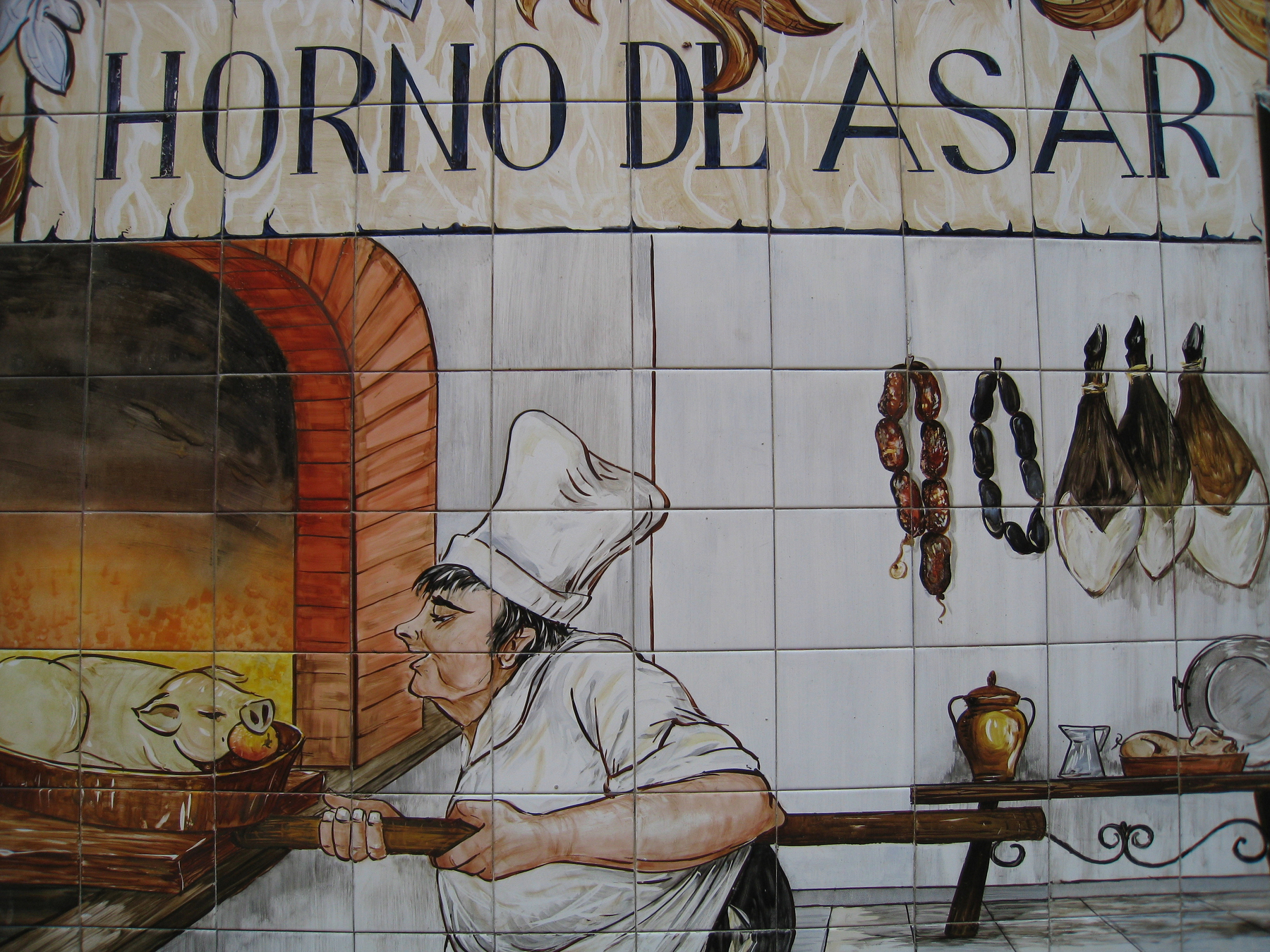
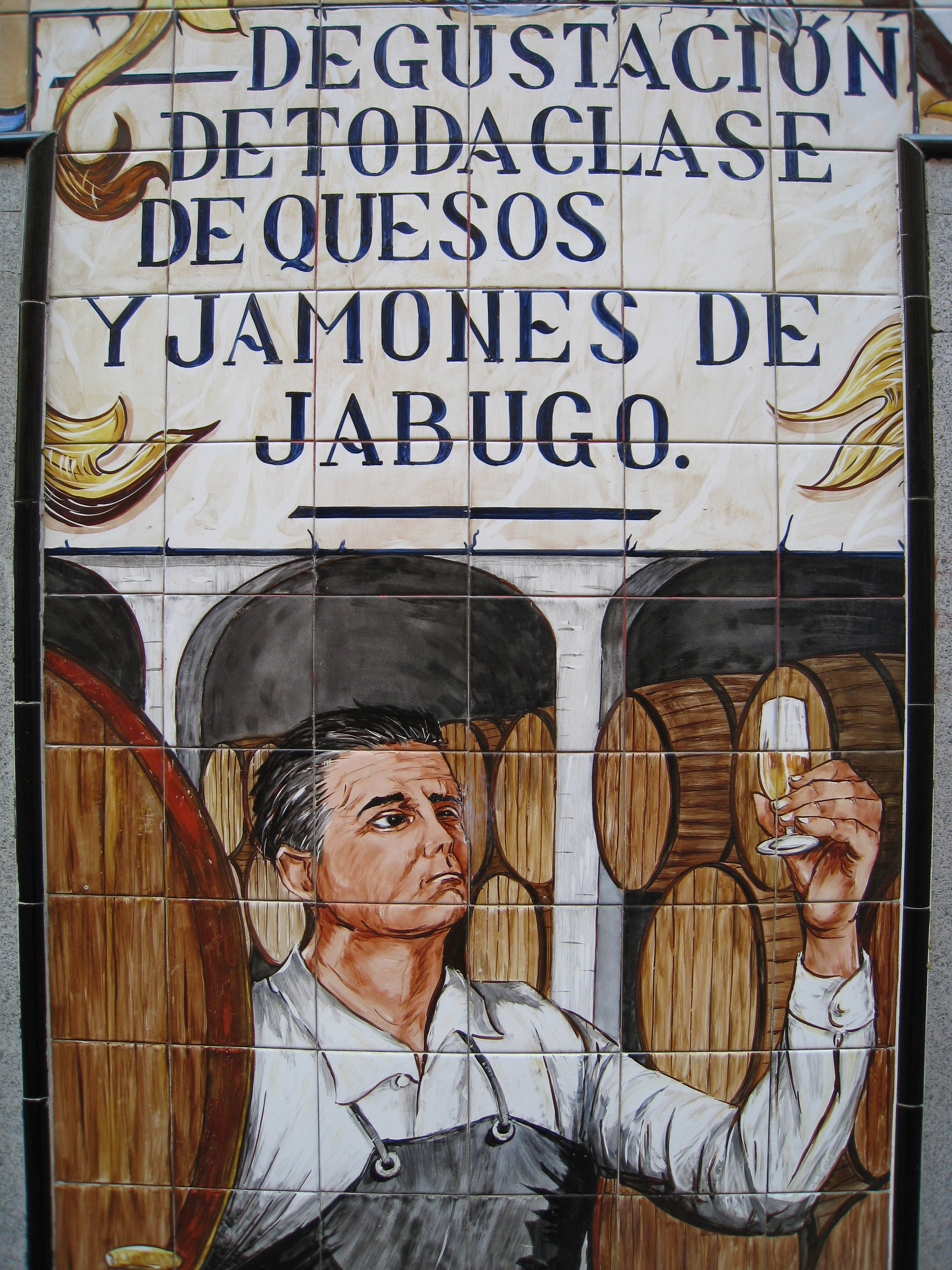
Then there is the food. Getting lost in Madrid inevitably means getting hungry, and that is hardly a problem. One moment I might be standing outside a traditional taberna, the next I could be looking through the window of a modern restaurant. Madrid’s culinary identity reflects centuries of migration, regional traditions, royal influence, and contemporary experimentation. From cocido madrileño to tortilla española, churros, jamón, tapas, and increasingly international cuisine, the city rewards travellers who are willing to eat as spontaneously as they walk.
One of the city’s culinary institutions is Restaurante Botín, founded in 1725 and recognised by Guinness World Records as the world’s oldest continuously operating restaurant. The restaurant is associated particularly with its roast suckling pig and lamb, but its significance extends beyond food. Its long history provides another fascinating reminder that Madrid’s past isn’t merely something preserved in museums—it can sometimes be experienced across a dining table.
I also discovered that Madrid’s green spaces provide another way of escaping the intensity of the city. Retiro Park may be the most famous, but Madrid has numerous parks and gardens scattered throughout its neighbourhoods. El Capricho, Madrid Río, Casa de Campo, and the Royal Botanical Garden each reveal different sides of the capital. After hours of walking, finding a quiet patch of greenery can feel like discovering an entirely different city.
As evening approached, Madrid changed character. The intense daylight softened, façades took on warmer colours, and the streets gradually filled with people heading out rather than heading home. Madrid is famous for its late-night culture, and there is historical logic behind that rhythm. Dinner traditionally happens later than in many other European countries, and evenings can stretch well into the night. The city doesn’t seem to shut down when the sun disappears; it simply changes tempo.
That evening light was when I realised just how far I had wandered. My original route had disappeared hours earlier, and my camera was filled with photographs I hadn’t expected to take. Yet those unplanned images were becoming my favourites. They weren’t necessarily the famous views of Madrid. They were fragments—a balcony catching the last sunlight, an old doorway, a table crowded with coffee cups, a stranger crossing a plaza, a street disappearing around a corner.
Madrid had taught me something simple that day: getting lost isn’t always a mistake. Sometimes it is a method of discovery. The grand monuments tell you about the Madrid that made history, but the side streets reveal the Madrid that continues to live. Between the royal palaces and neighbourhood cafés, the literary streets and modern galleries, the ancient foundations and contemporary restaurants, the city constantly moves between past and present.
As I finally made my way back, I realized that my camera had captured something I couldn’t have planned. I hadn’t discovered a secret Madrid untouched by tourists, because no great city is quite that simple. Instead, I had discovered my own route through it—a collection of ordinary and extraordinary moments connected by curiosity. And perhaps that is the real pleasure of Madrid. You don’t always have to know where you’re going. Sometimes the best thing you can do is put away the map, choose a street, and see where it leads.
#Photography #Photos #Photoblog #Blog #Madrid #MadridSpain #MadridTravel #VisitMadrid #MadridHistory #MadridPhotography #MadridArchitecture #SpanishHistory #MadridOldTown #PuertaDelSol #KilometerZero #BarrioDeLasLetras #RetiroPark #MadridFood #SpanishCuisine #BotinMadrid #Cervantes #LopeDeVega #MadridHiddenGems #SpainTravel #TravelPhotography #TravelEssay #ExploreMadrid #EuropeTravel