
Buenos Aires’ Flower of Steel, Floralis Genérica

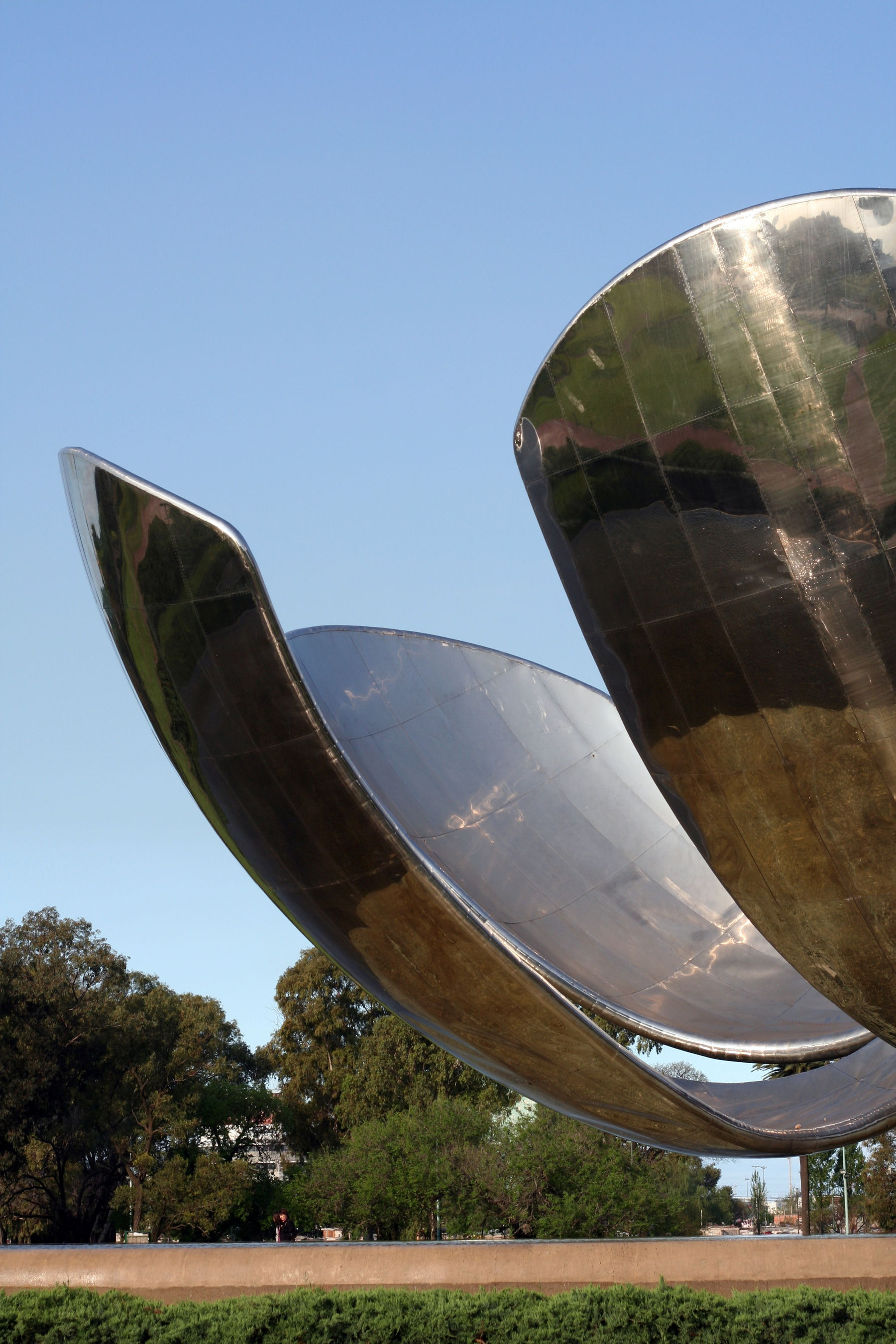
The first time I saw Floralis Genérica rising above Plaza de las Naciones Unidas in Buenos Aires, I had to remind myself that I was looking at a sculpture and not some extraordinary piece of futuristic machinery. Six enormous metallic petals reached toward the sky, catching the Argentine sunlight and reflecting the surrounding park. At more than 20 metres high and weighing around 18 tonnes, the sculpture is impossible to ignore. Yet somehow, despite its enormous size, it looks remarkably delicate—like a flower that has somehow grown from steel instead of soil.
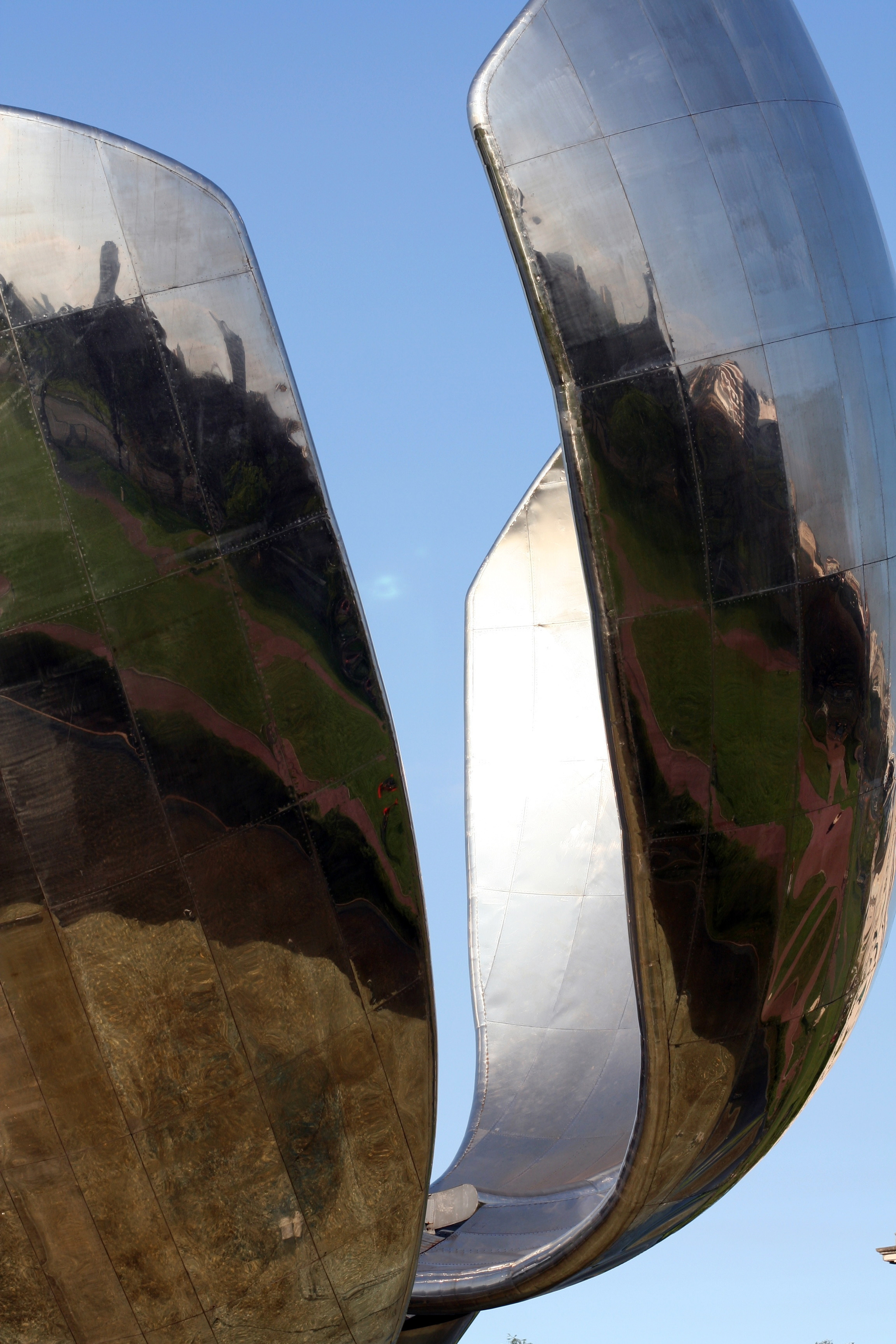

The story of Floralis Genérica begins with Eduardo Catalano, an Argentine architect whose career took him far beyond Buenos Aires. Catalano was an influential architect and educator who worked extensively in the United States, but he never lost his connection to his native Argentina. The idea for Floralis emerged from his fascination with movement and nature. According to Buenos Aires’ historical account of the sculpture, the inspiration came one summer evening when Catalano noticed a hibiscus flower closing in his winter garden. He began sketching a geometric flower capable of opening and closing—and eventually transformed that idea into a monumental work of public art.

The result was unveiled on April 13, 2002, in Plaza de las Naciones Unidas in the Recoleta district. Catalano donated the sculpture to the city, intending it as a tribute to all flowers rather than to one particular species. Even its name reflects that idea. Floralis Genérica uses botanical Latin to suggest something belonging to the world of flowers in general—a flower representing flowers themselves.

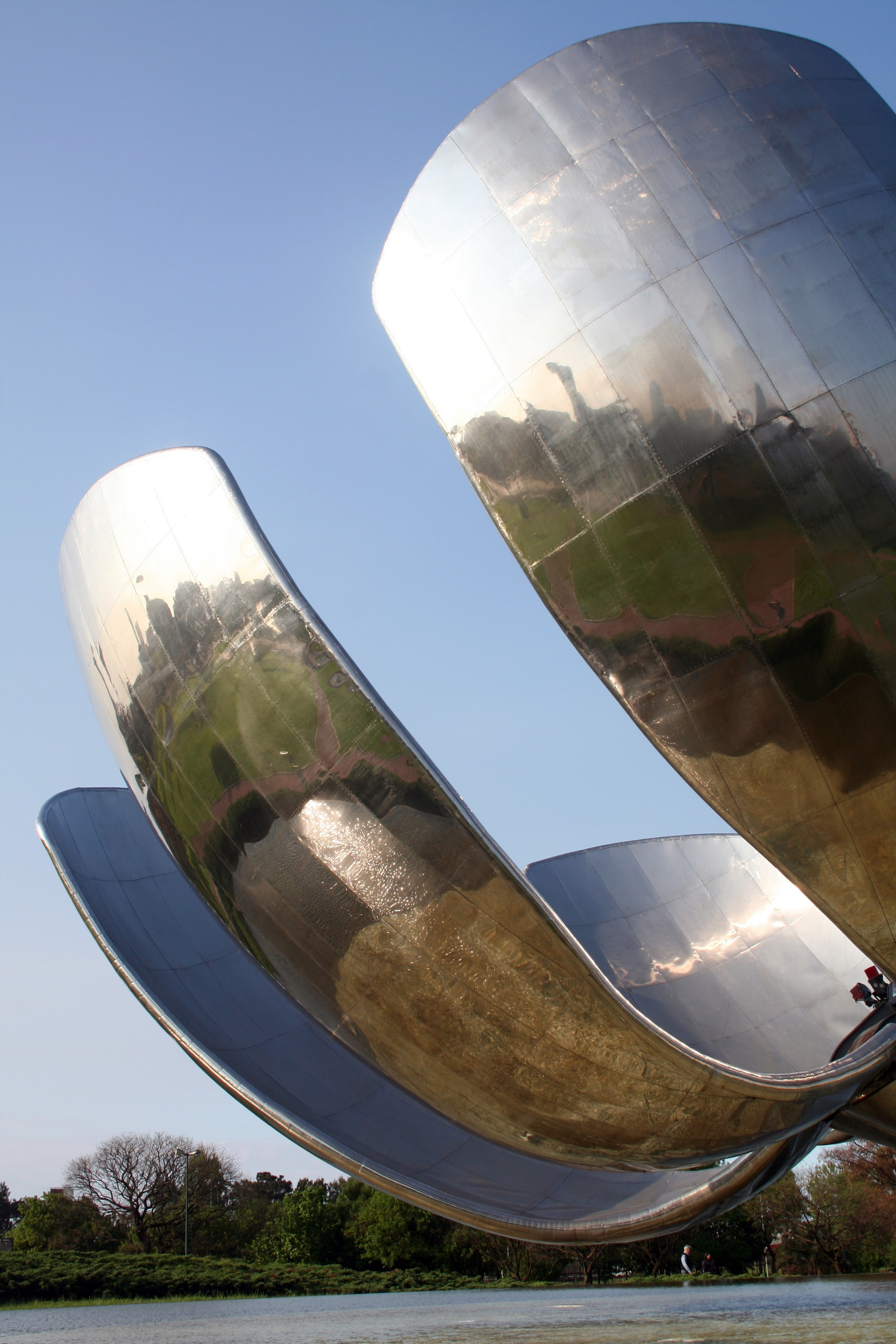
What makes the sculpture extraordinary, however, isn’t simply its appearance. Floralis Genérica was designed to move. Its six petals were originally operated by a hydraulic system controlled by photoelectric cells responding to daylight. Like a real flower, the sculpture could open in the morning and close at night. When I learned that, I began looking at it differently. The enormous structure suddenly seemed less like a static monument and more like a mechanical organism responding to the passage of time.
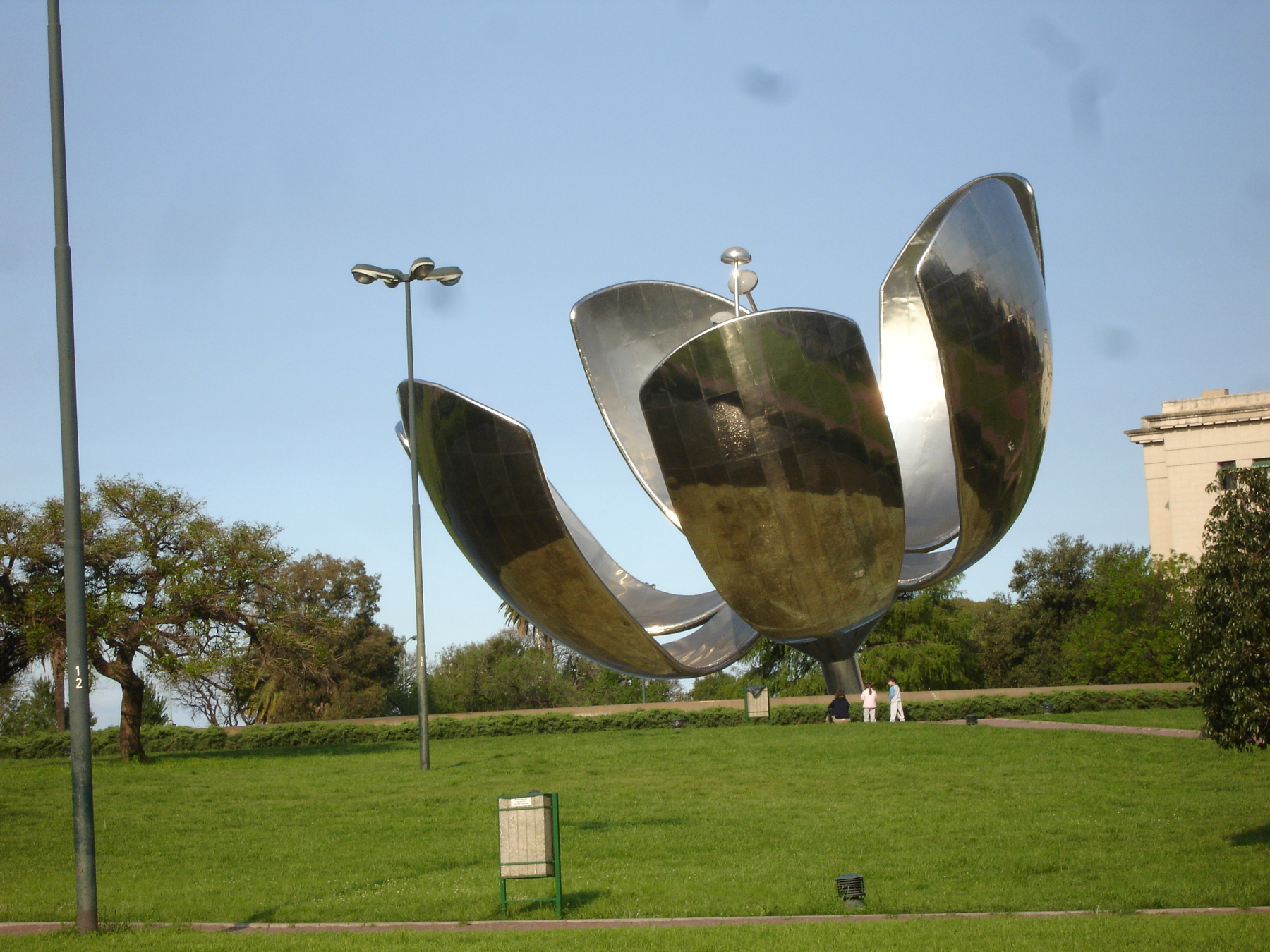
The engineering behind that movement is particularly fascinating. The sculpture combines stainless steel, aluminium, hydraulic mechanisms, and electronic controls, creating a remarkable meeting point between architecture, engineering, and sculpture. Each of the six petals is enormous, yet they were designed to move as part of a coordinated system. When fully open, the flower reaches a diameter of roughly 32 metres.
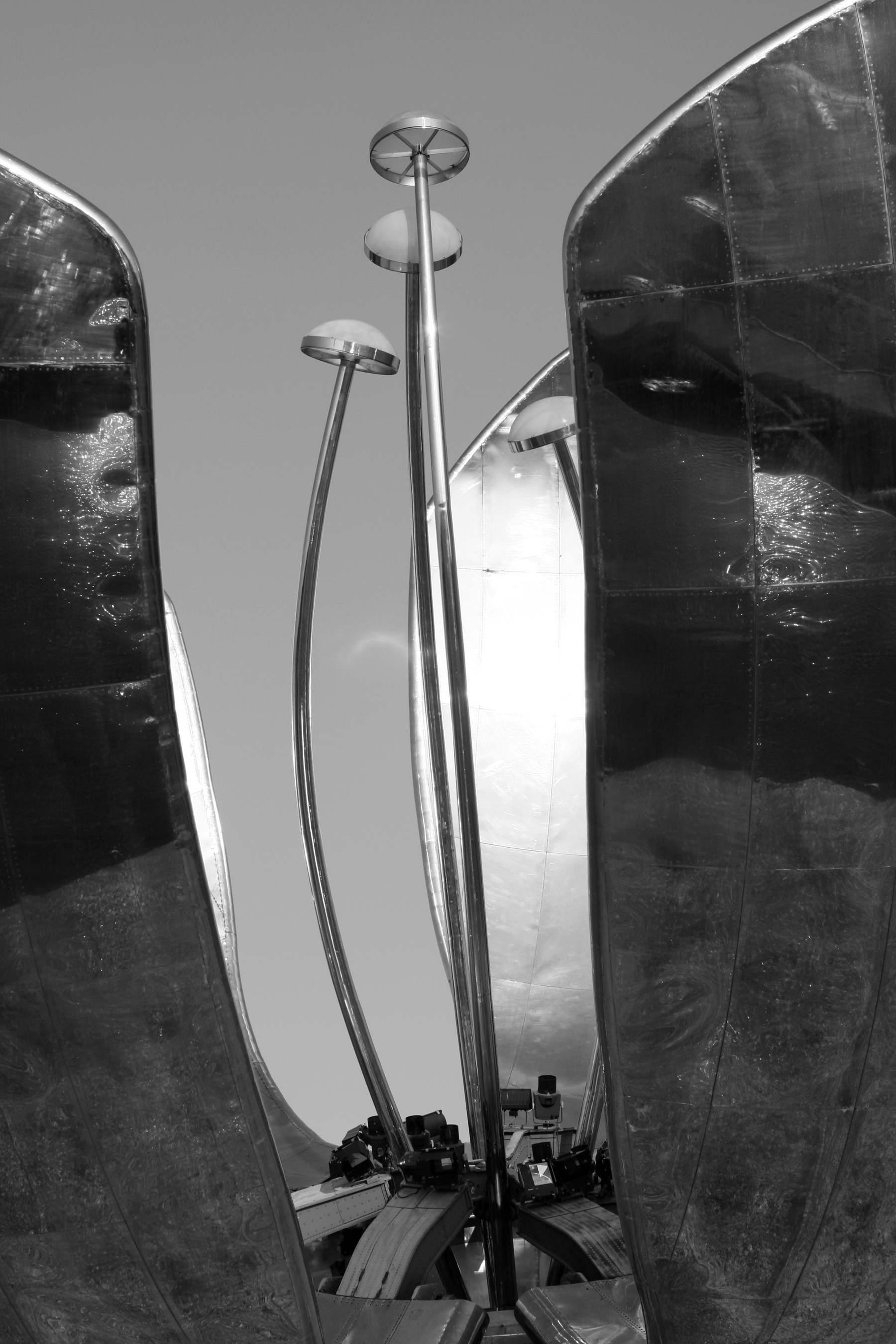
There is something almost poetic about placing such a technological object in a green public park. Around it, trees move in the wind, birds cross the sky, and people wander along the paths. The sculpture responds to the changing light while the natural world continues its own cycles around it. Catalano wasn’t trying to copy nature literally. Instead, he created a mechanical interpretation of nature—something that behaves like a flower while remaining unmistakably artificial.

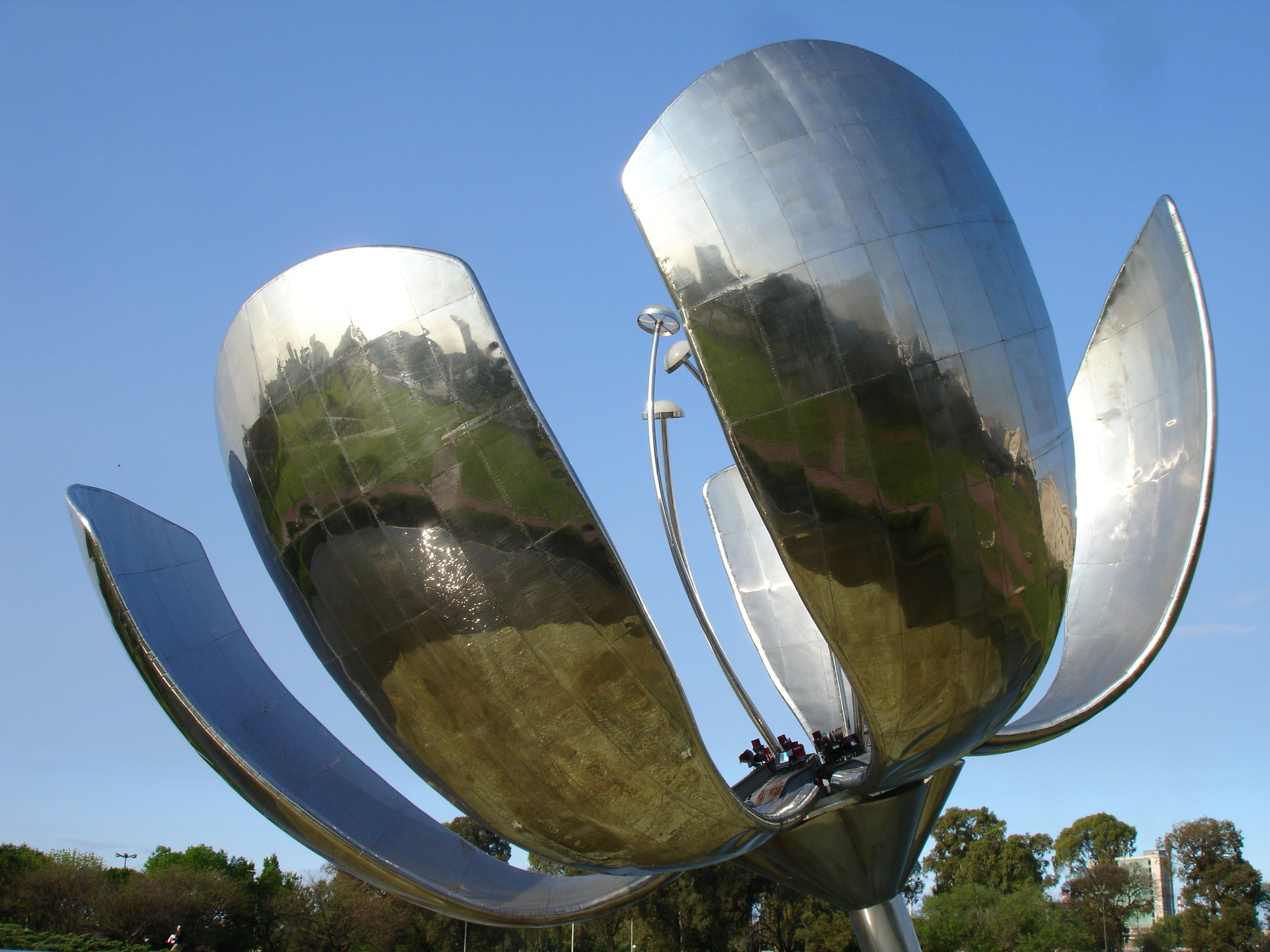
The name “Floralis” also hints at another part of Catalano’s concept. Rather than representing a rose, sunflower, tulip, or hibiscus, the sculpture represents the idea of the flower itself. Its enormous scale transforms something familiar into something monumental. A flower that would normally be held in your hand becomes larger than a building, turning a simple natural form into a symbol of creativity, growth, and renewal.

But Floralis Genérica’s story hasn’t always been one of smooth mechanical perfection. Soon after its inauguration, the sculpture suffered damage from a powerful sudestada, a weather phenomenon associated with strong winds and storms affecting the Río de la Plata region. The mechanism was eventually disabled, and the sculpture went through years of complicated repair efforts. In 2015, after an extensive restoration, the opening and closing system was brought back, although subsequent operation did not always remain fully automatic.

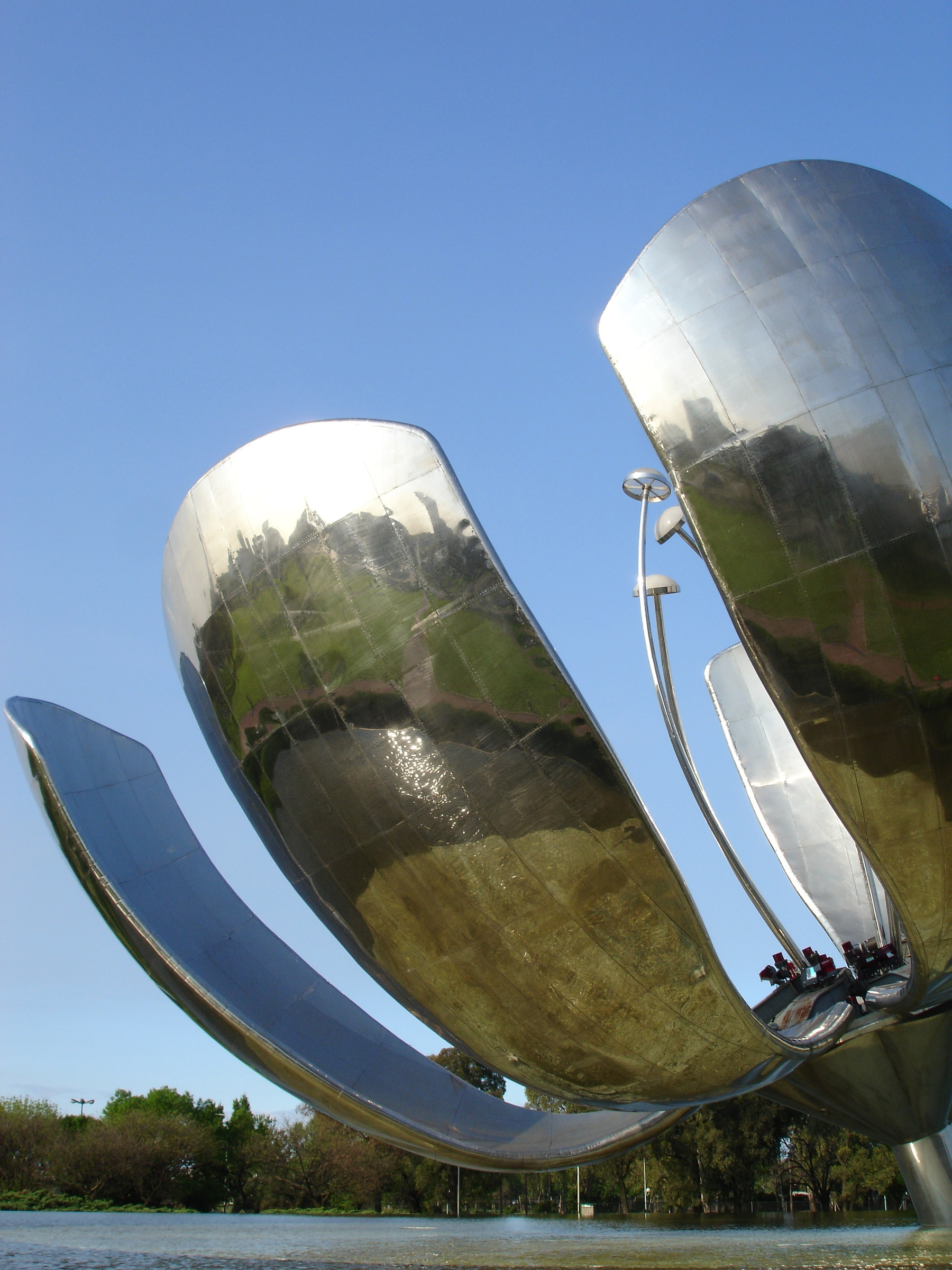
That history of damage and repair became part of the sculpture’s identity. Floralis Genérica was designed to celebrate nature, but nature also proved capable of challenging the machine. Strong winds, rain, and weather placed enormous forces on the structure. The city eventually had to develop protective systems and undertake increasingly sophisticated restoration work. In that sense, the sculpture became an unexpected lesson in the relationship between human engineering and the natural environment.
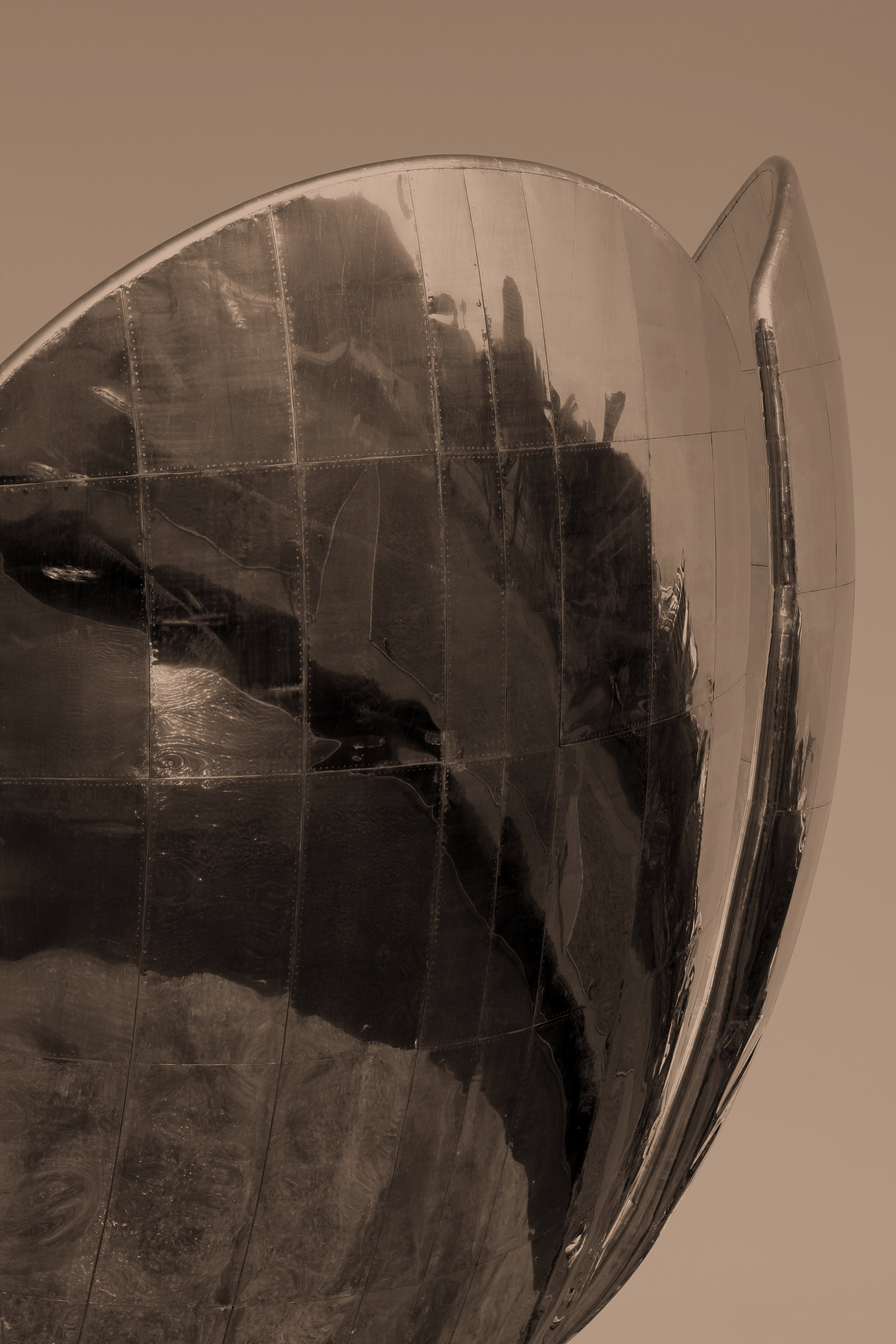
Then came December 2023, when another severe storm caused much more serious damage. Two of the six petals collapsed, leaving the famous flower visibly incomplete. For a sculpture that had become one of Buenos Aires’ recognizable landmarks, seeing it damaged was striking. Yet the response revealed just how technically complicated the work was to restore. The damaged petals were removed and transported to Baradero for detailed structural analysis and repair.


The restoration turned out to be almost as fascinating as the sculpture itself. Engineers discovered that the internal structure resembled an aircraft wing, using structural components such as longerons and ribs. The repair therefore involved techniques associated with the aerospace and automotive industries, including non-destructive material testing, structural analysis, replacement components, high-strength fasteners, and careful examination of the original materials.
Even getting the repaired petals back to Buenos Aires became an adventure in logistics. After restoration in Baradero, the enormous pieces travelled by road to the port, then by barge along the Paraná and Río de la Plata before continuing by road to Recoleta. Each restored petal weighed approximately 3.5 tonnes, making the operation far more complicated than simply loading a piece of sculpture onto a truck.
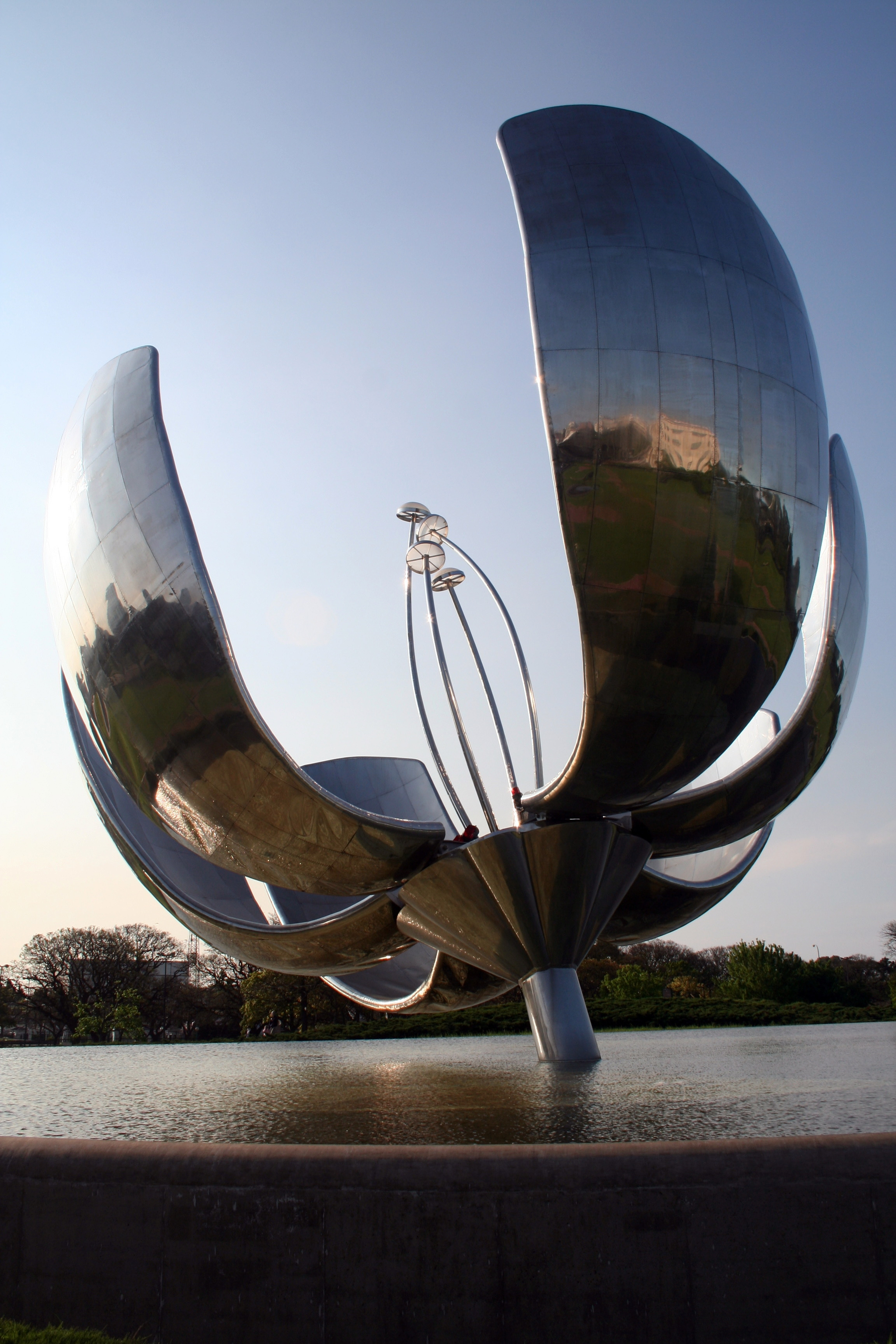

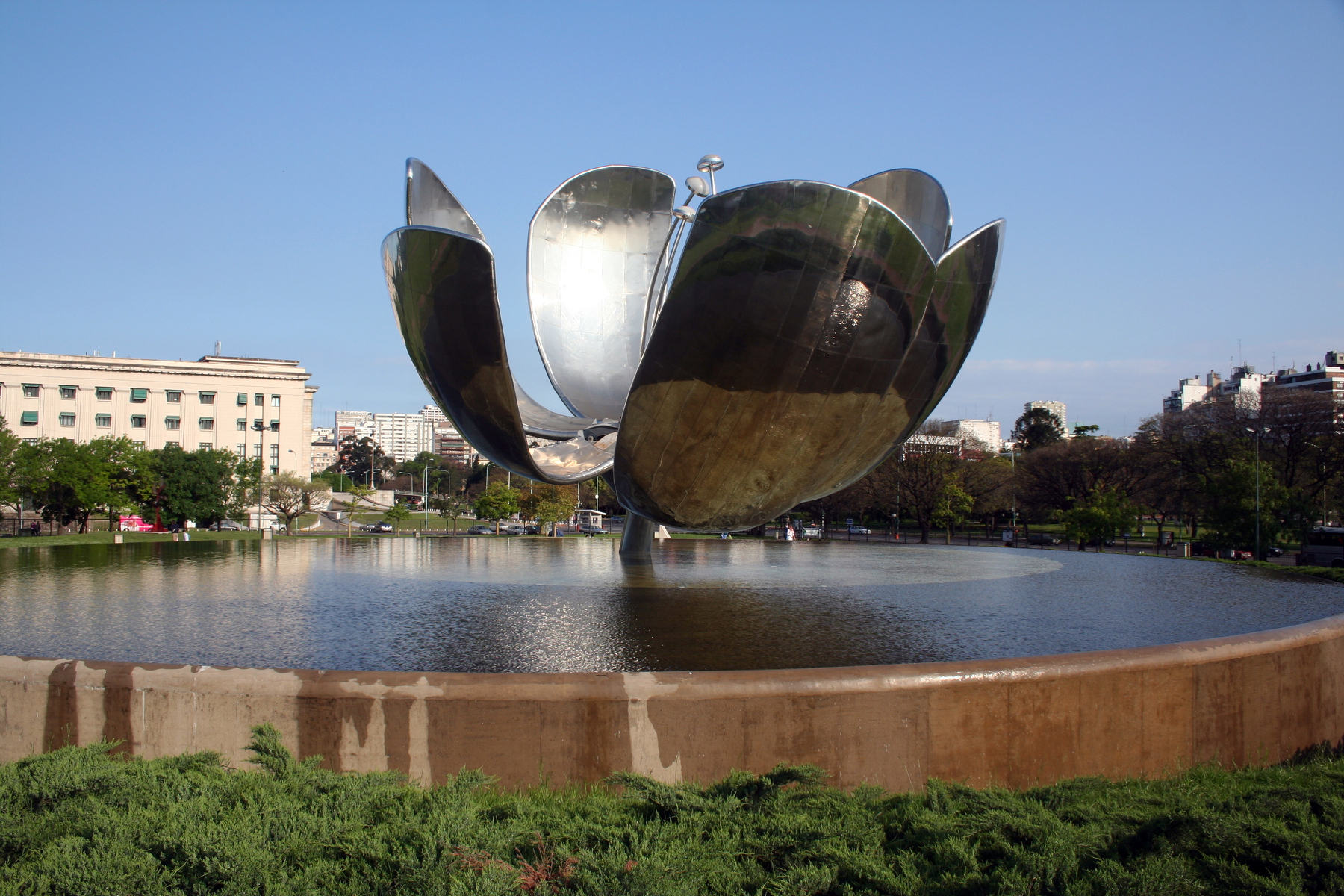
By December 2025, after almost two years of restoration work, the two damaged petals had been returned to their places and Floralis Genérica once again had its original form. The city celebrated the restoration with a public event in Plaza de las Naciones Unidas, complete with music, food, art, and a new lighting system. The return was more than an engineering achievement; it marked the restoration of one of Buenos Aires’ most recognizable pieces of contemporary public art.
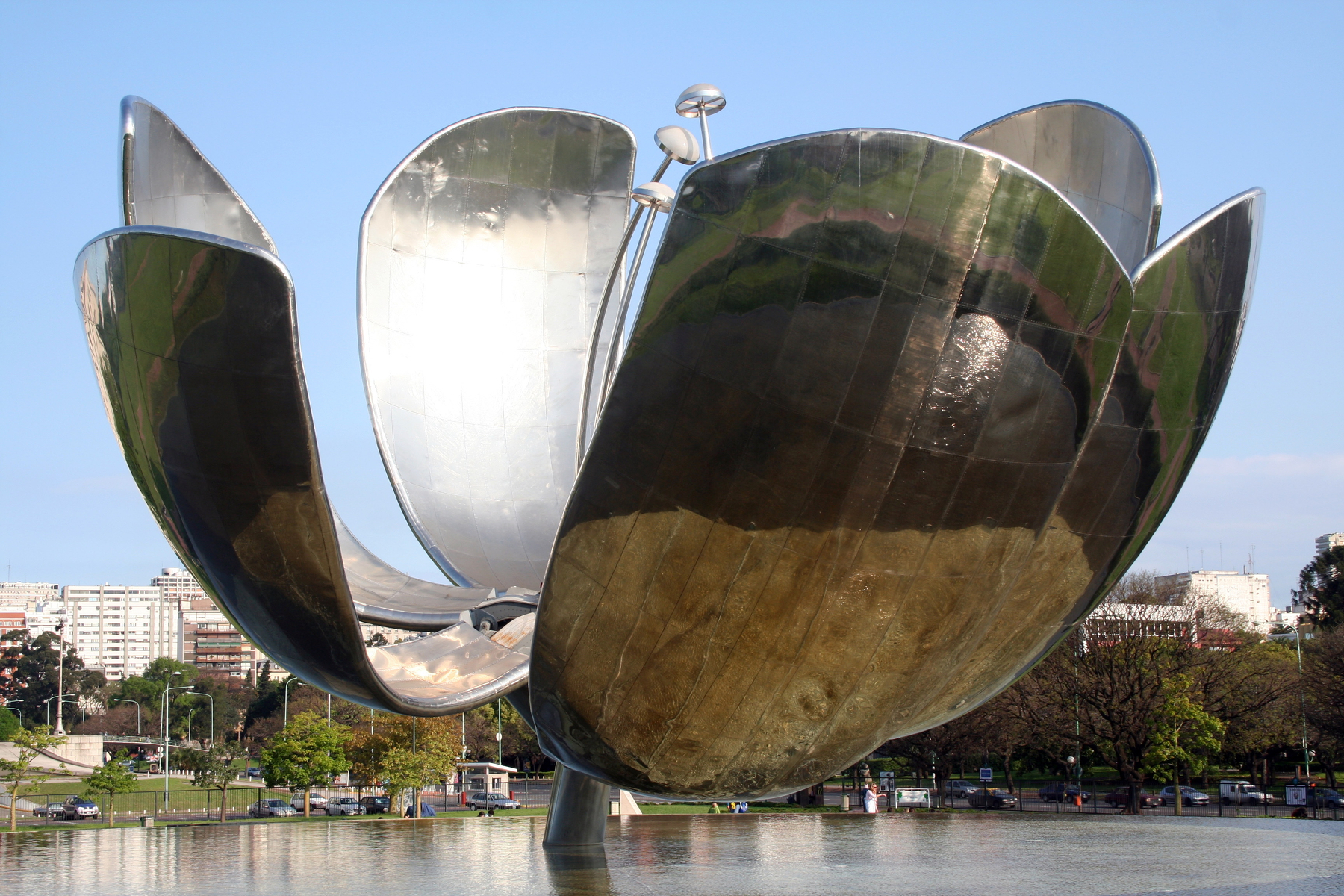
Standing beneath the completed sculpture, I found myself thinking about the strange contradiction at its heart. Floralis Genérica is made from hard, durable materials, yet it represents something temporary and fragile. Flowers bloom and disappear. Steel is expected to last. But this enormous flower has already experienced its own cycle of destruction and renewal, making the symbolism even more appropriate than Catalano could perhaps have imagined.

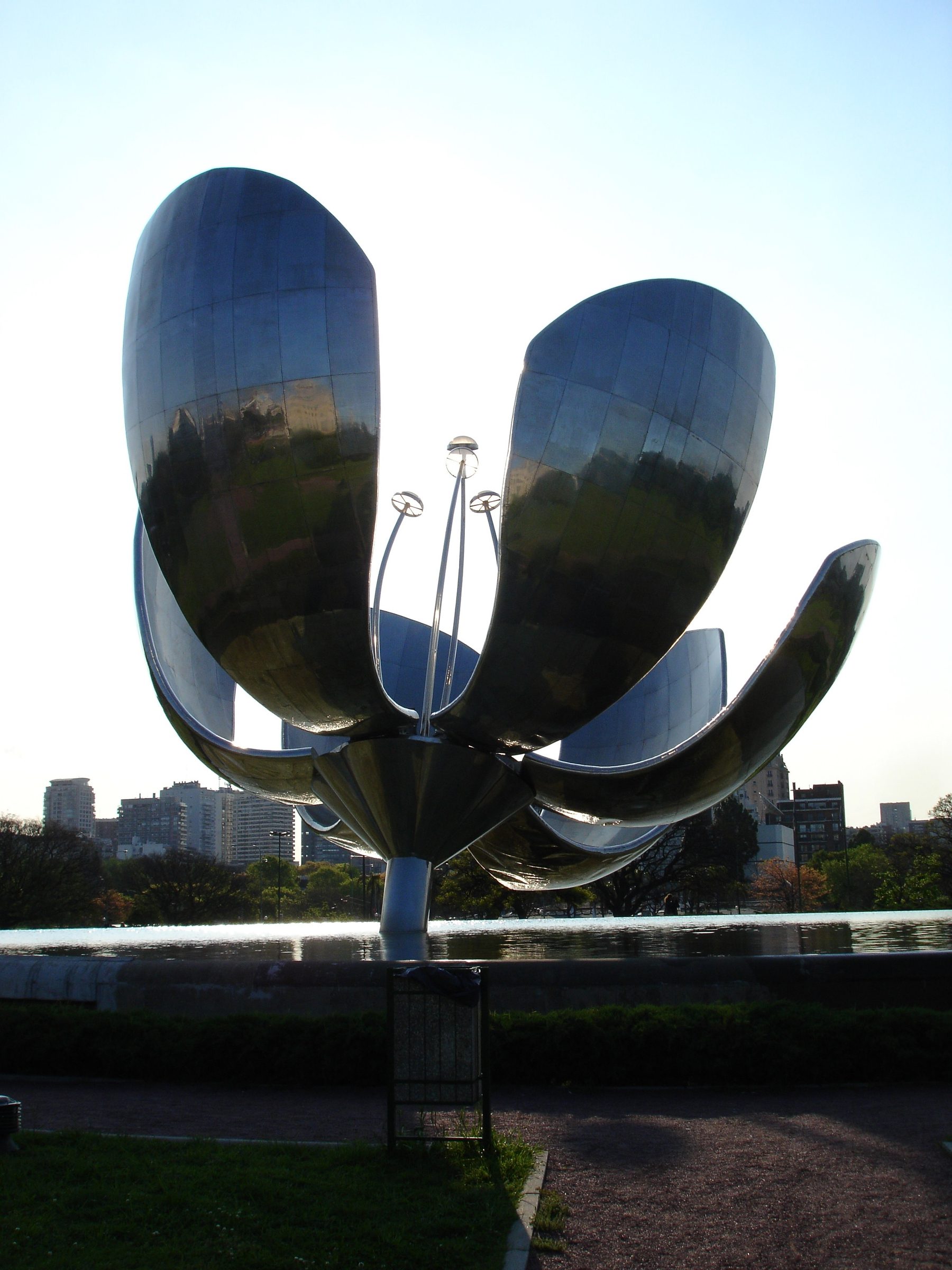
The surrounding Plaza de las Naciones Unidas also makes the sculpture particularly enjoyable to visit. There is no need to rush. You can walk around it, photograph it from different angles, sit beneath the trees, or simply watch the reflections change across the metallic surfaces. Its appearance changes dramatically depending on the weather and time of day. Under bright sunlight it can look almost white; beneath cloudy skies, the steel becomes darker and more dramatic.
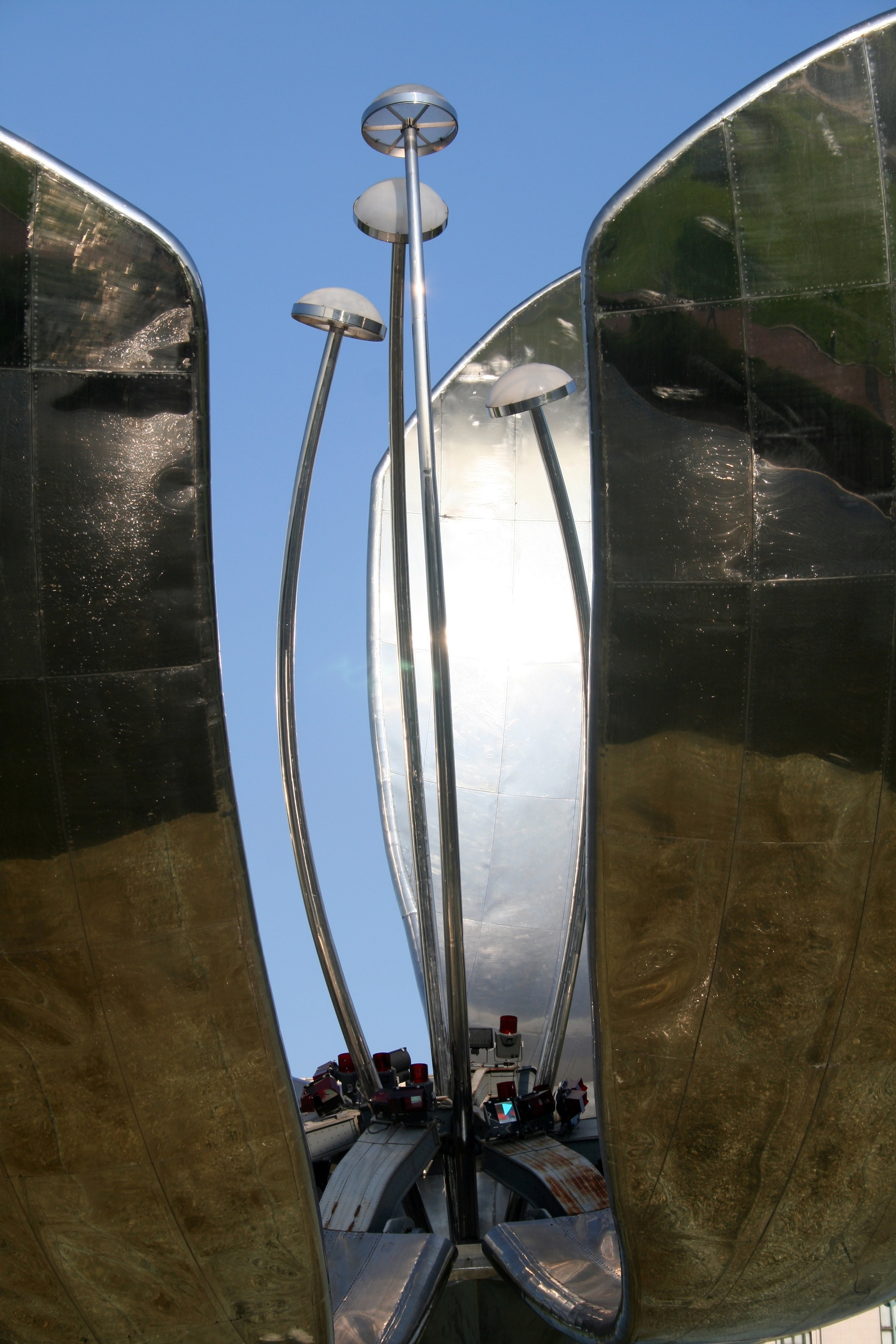
And then there is the relationship between Floralis Genérica and the surrounding landmarks. The sculpture stands near the Faculty of Law of the University of Buenos Aires and not far from institutions such as the Museo Nacional de Bellas Artes. This places it within one of Recoleta’s most culturally significant areas. A short walk can take you from contemporary sculpture to museums, monumental architecture, parks, and some of Buenos Aires’ most elegant neighbourhoods.


What I find most memorable, though, is the moment when you stop thinking about the sculpture as an attraction and simply watch it. There is something hypnotic about seeing six enormous petals reaching upward. It feels simultaneously ancient and futuristic, as if a flower from some distant planet has landed in the middle of Buenos Aires. Yet its inspiration is wonderfully simple: a person watching a flower close and wondering whether that natural movement could somehow be recreated on a monumental scale.

Floralis Genérica ultimately feels like a very Buenos Aires kind of monument. It is bold without being conventional, artistic without being fragile, technological without abandoning nature, and modern without being disconnected from the human imagination. More than two decades after its inauguration, the flower continues to stand over Recoleta—and after surviving mechanical failures, storms, structural damage, and a remarkable restoration, it has acquired a history of its own.

When I finally walked away from Plaza de las Naciones Unidas, I looked back at the enormous flower one last time. It wasn’t difficult to understand why Catalano chose a flower as his subject. Flowers are among nature’s simplest symbols of renewal. They open, close, disappear, and return. Floralis Genérica has followed a strangely similar journey. Created to celebrate the beauty of nature, damaged by nature, repaired through human ingenuity, and returned to the city it was designed to inspire, it now represents something larger than art or engineering. It represents the idea that even something monumental can begin again.
#FloralisGenerica #BuenosAires #BuenosAiresArgentina #Recoleta #EduardoCatalano #ArgentinaTravel #BuenosAiresTravel #BuenosAiresHistory #ArgentineArchitecture #PublicArt #KineticSculpture #ModernArt #ArchitecturalPhotography #PlazaDeLasNacionesUnidas #RecoletaBuenosAires #Argentina #Photography #TravelEssay #TravelPhotography #BuenosAiresLandmarks #ArtAndArchitecture #Blog #Photoblog #Catalan #Catalunya #Espana
If you enjoy exploring landmark public art and capturing monumental architectural moments, you can discover more fine art prints and travel photography in the Fine Art America gallery. Purchasing museum-quality prints from Fine Art America ensures archival durability, vibrant color reproduction, and a 100% money-back satisfaction guarantee, making it easy to bring a piece of the world's most striking urban landmarks directly into your home.