
Walking Through the Oldest Soul of Lisbon, Alfama!

There are places where you simply walk through a city, and then there are places where the city seems to walk with you. Alfama felt like the latter. As I climbed Lisbon’s steep cobblestone streets, passing weathered façades, tiny balconies, laundry hanging above narrow lanes, and stairways disappearing around corners, I felt as though modern Lisbon was gradually falling away. Here, the streets seemed to belong to another era. Every turn revealed another fragment of the city’s past, and I quickly understood why Alfama remains one of the most atmospheric neighbourhoods in Lisbon.
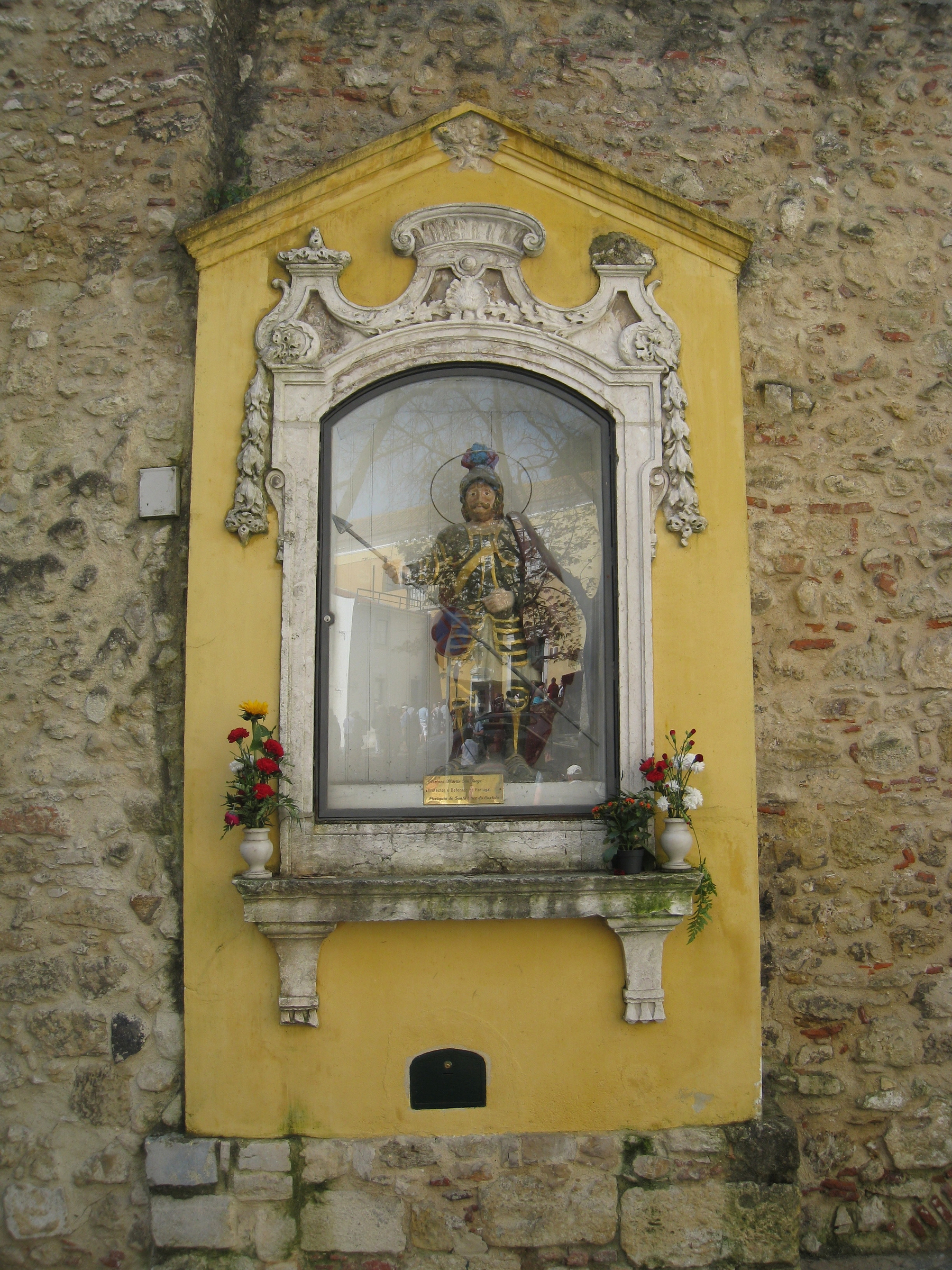
The history beneath my feet is remarkably deep. Alfama occupies one of the oldest inhabited parts of Lisbon, on the hillside descending toward the Tagus River. Its story reaches back through Roman times, when Lisbon was known as Olisipo, and through the Visigothic period before the arrival of Muslim forces in the eighth century. The neighbourhood’s name is generally connected to the Arabic al-hamma, referring to hot springs or baths, a reminder of the centuries when Lisbon was part of the Islamic world.
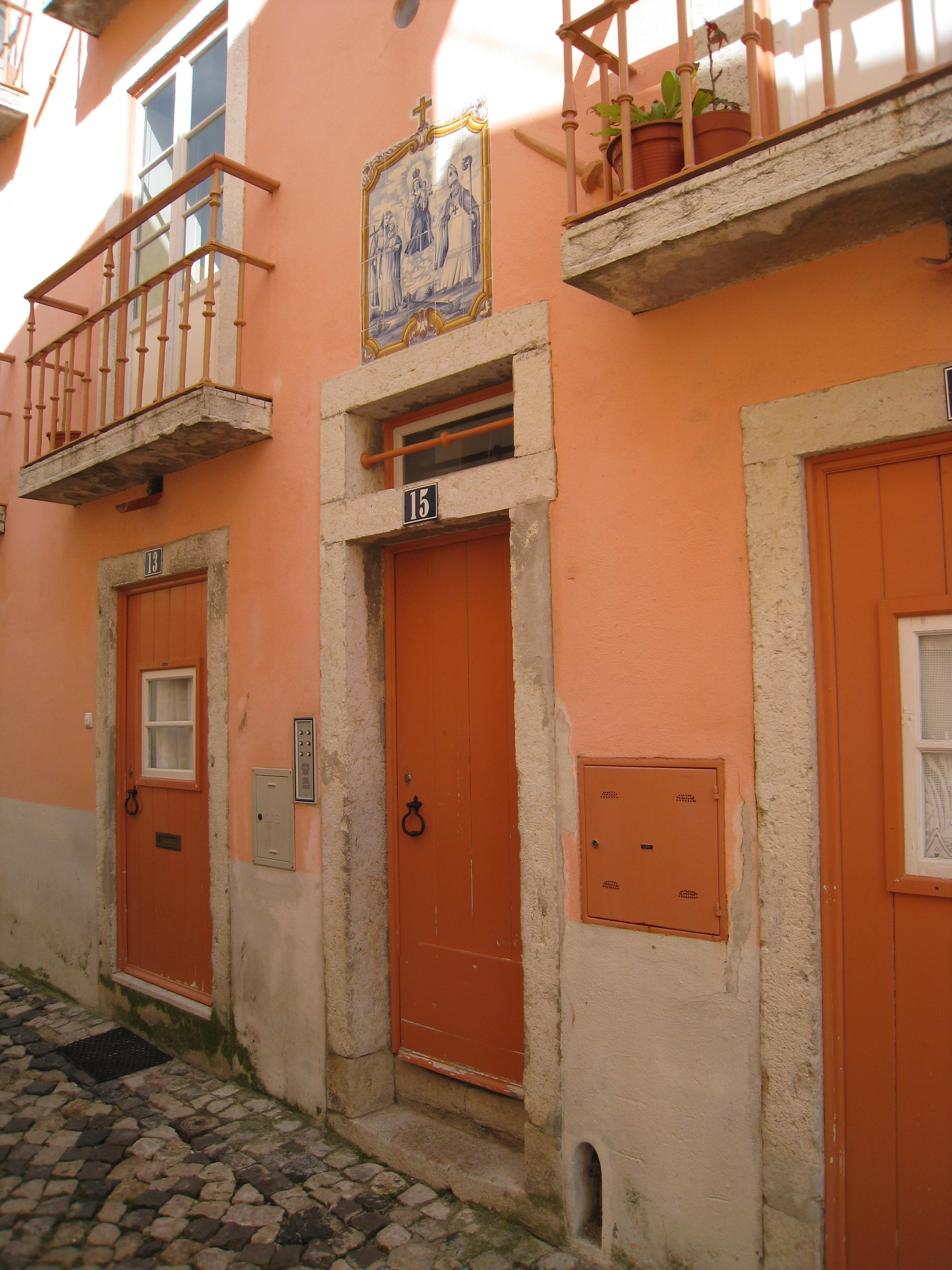
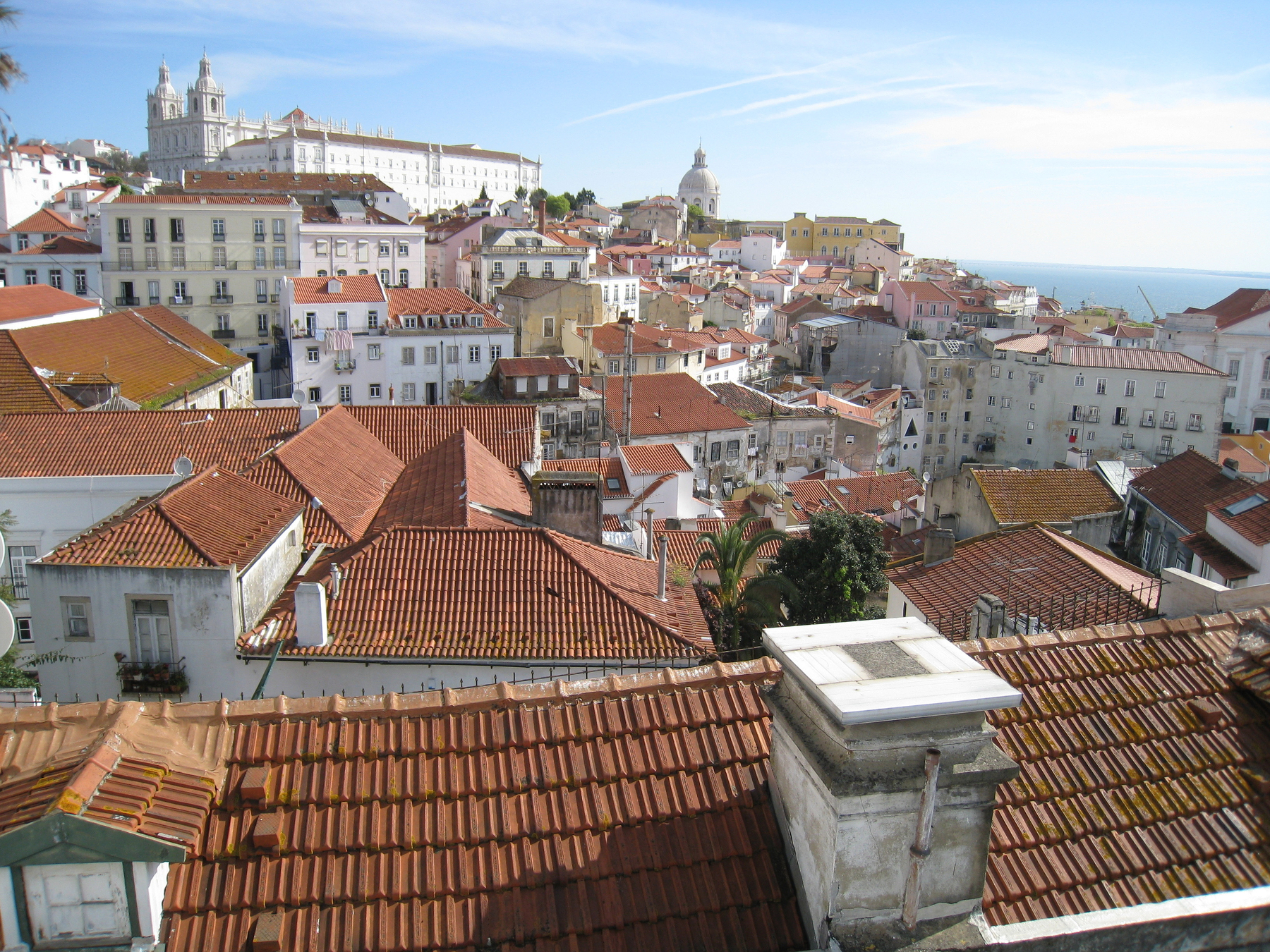
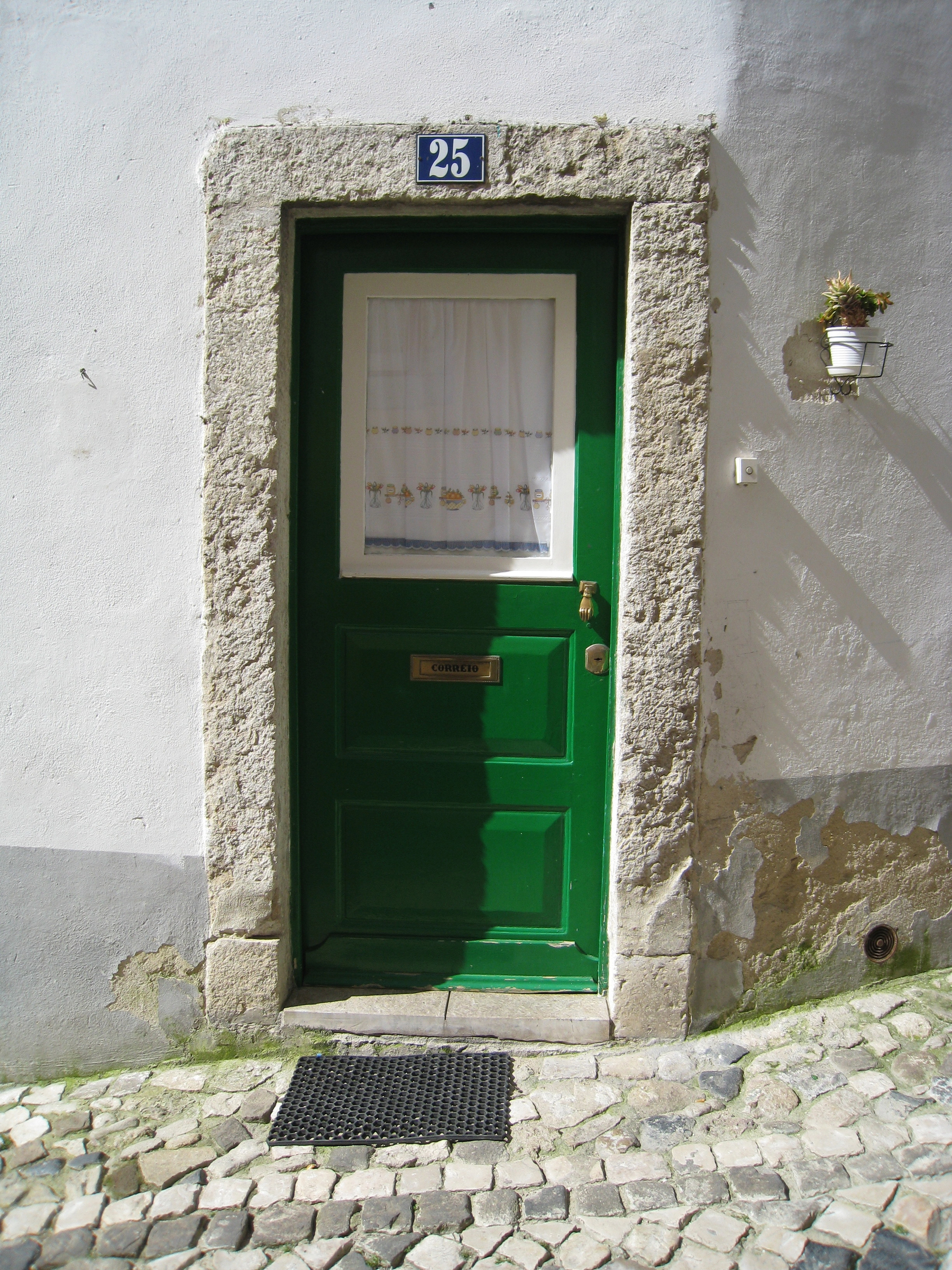
The influence of Muslim rule can still be felt in Alfama’s layout. Rather than following the straight lines of a modern city planner, the neighbourhood unfolds as a maze of narrow streets, stairways, passages, and small squares. The irregularity isn’t accidental. These streets evolved over centuries, shaped by the contours of the hillside and the needs of a dense medieval community. Walking through them, I often had no idea where the next turn would lead—and that uncertainty was part of the pleasure.

In 1147, Lisbon was conquered by Christian forces led by Afonso Henriques, the first king of Portugal, with the assistance of northern European crusaders. The capture of Lisbon became a decisive event in the formation of medieval Portugal. Churches and Christian institutions gradually replaced earlier Muslim structures, while the city developed into an increasingly important Atlantic port. Alfama found itself at the centre of this transformation, positioned between the castle above and the river below.


São Jorge Castle dominates the hilltop, and approaching it through Alfama feels almost like walking toward the city’s medieval heart. The fortress has Roman, Visigothic, Moorish, and Christian chapters in its long history, although much of what visitors see today has been restored. Under Muslim rule, the hilltop served as a fortified settlement, and after the Christian conquest the castle became an important royal residence. From its walls, Lisbon spreads dramatically toward the Tagus, making it easy to understand why this location was strategically valuable for centuries.

Standing on the ramparts, I looked across the red roofs toward the broad sweep of the river. It was easy to imagine medieval soldiers watching the horizon, merchants arriving by ship, and later Portuguese sailors preparing to leave on voyages that would connect Lisbon with distant parts of the world. During Portugal’s Age of Exploration, the Tagus became one of Europe’s great maritime gateways, and Lisbon grew wealthy and powerful through overseas trade.


Down below, the Sé de Lisboa, or Lisbon Cathedral, provides another remarkable link with the city’s medieval past. Construction began in the twelfth century, shortly after the Christian conquest, and the cathedral has been repeatedly modified and restored over the centuries. Its heavy Romanesque character reflects the defensive architecture of the period. Earthquakes and other disasters have altered the building, but its imposing presence remains a reminder of how old Lisbon really is.

One of the most important events in Lisbon’s history came on November 1, 1755. A devastating earthquake struck the city, followed by fires and a tsunami that caused enormous destruction. Much of central Lisbon was destroyed, and tens of thousands of people are believed to have died across the affected region. Alfama was not untouched, but its dense medieval fabric survived comparatively better than many areas farther west. The neighbourhood’s steep terrain and irregular streets helped preserve much of its historic character.


That survival is one reason Alfama feels so different from the more orderly streets of central Baixa. After the earthquake, the Marquis of Pombal oversaw an ambitious rebuilding program in the devastated central districts. Baixa was redesigned with broad streets and a more rational grid, incorporating innovative earthquake-resistant construction. Alfama, meanwhile, retained much more of its older maze. Walking through it today feels almost like stepping into a surviving fragment of pre-earthquake Lisbon.

But Alfama’s history isn’t only written in stone. It can also be heard. As evening approached, I began noticing the first hints of Fado drifting through the neighbourhood. The melancholic music has become one of Portugal’s defining cultural traditions, and Alfama is strongly associated with its development. Although the exact origins of Fado are debated and its history is more complicated than the idea of a single birthplace suggests, Lisbon’s old working-class neighbourhoods played an important role in shaping the music.


Inside a small Fado house, the atmosphere changed completely. A singer stood beneath the warm light, accompanied by Portuguese guitar and classical guitar, and the room became silent. Fado is often associated with saudade—a difficult-to-translate sense of longing, nostalgia, or yearning. Listening to it in Alfama, surrounded by centuries-old streets, I understood why the music feels so closely connected to place. The sound seemed almost to belong to the neighbourhood itself.
During the day, another side of Alfama comes alive at Feira da Ladra, Lisbon’s famous flea market. The market’s name literally translates as “Thieves’ Market,” although the origins of that name are uncertain. The market has existed in various forms for centuries and has become a place where antiques, books, ceramics, furniture, vintage objects, and curious finds change hands. Wandering among the stalls, I found myself imagining how many generations of Lisbon residents had searched for treasures here.
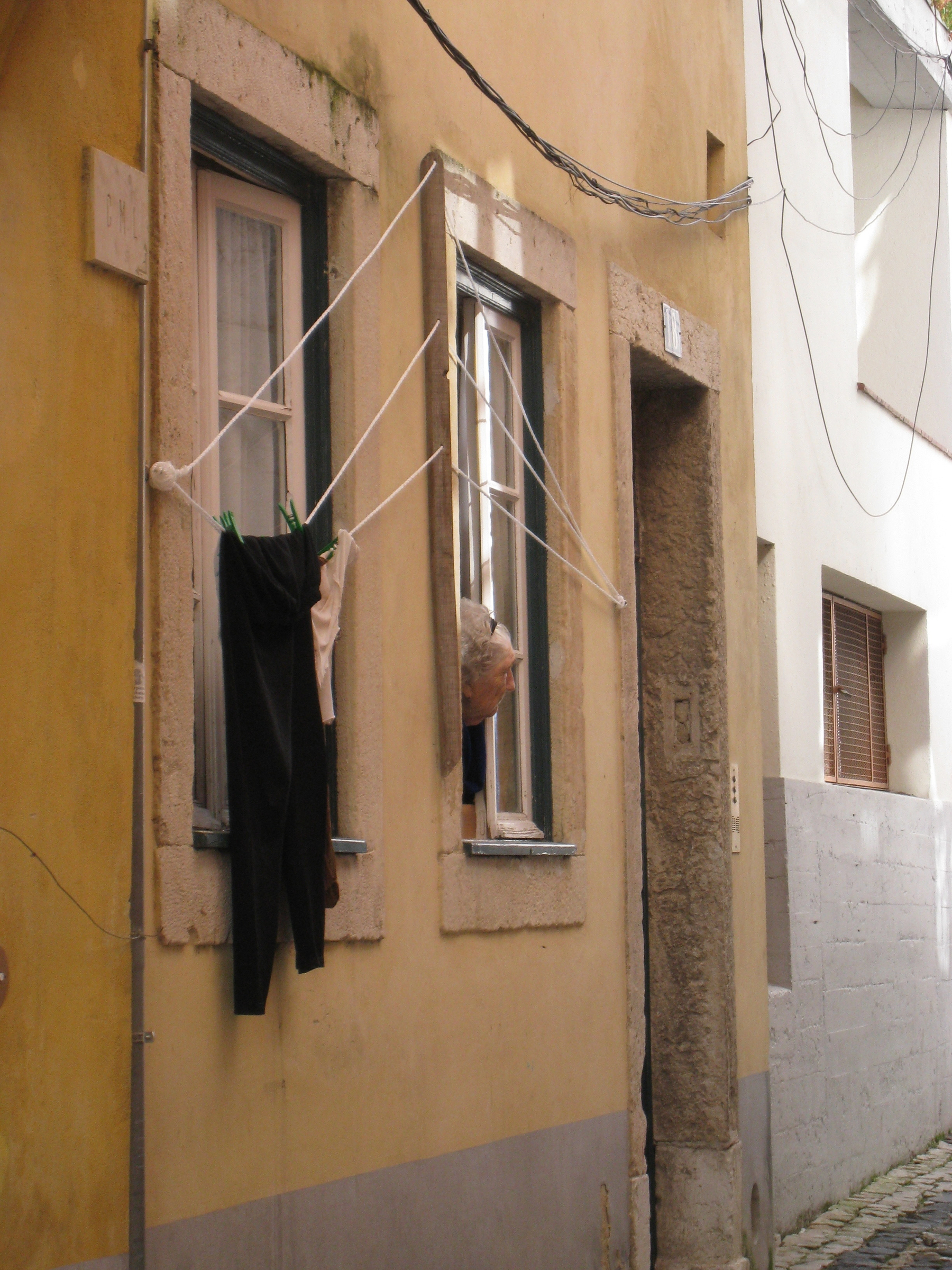

Then there are the azulejos. Portugal’s famous ceramic tiles appear throughout Lisbon, and Alfama is particularly rewarding for anyone who enjoys looking closely at buildings. Some façades display elaborate patterns, while others feature individual panels depicting religious scenes, landscapes, or decorative motifs. These tiles aren’t merely decoration. They are part of Portugal’s architectural identity, influenced by centuries of artistic exchange with the Islamic world and later developed into a distinctive Portuguese tradition.

Another pleasure of Alfama is simply getting lost. The neighbourhood rewards curiosity more than efficiency. A staircase might lead to a tiny square. A narrow passage might open onto a spectacular viewpoint. A doorway might reveal a small courtyard hidden from the main street. The famous viewpoints, including Miradouro de Santa Luzia and Miradouro das Portas do Sol, provide sweeping views over the rooftops and Tagus, but some of my favourite moments came from the streets between them.


And then there is the tram. Lisbon’s famous No. 28 route has become almost inseparable from the city’s image, climbing and twisting through several historic neighbourhoods, including parts of Alfama. Riding it is an experience in itself, although the route is also part of Lisbon’s everyday public transport system rather than simply a sightseeing attraction. Watching the tram squeeze through streets that seem barely wide enough for it is one of those moments when Lisbon’s historic character becomes wonderfully tangible.
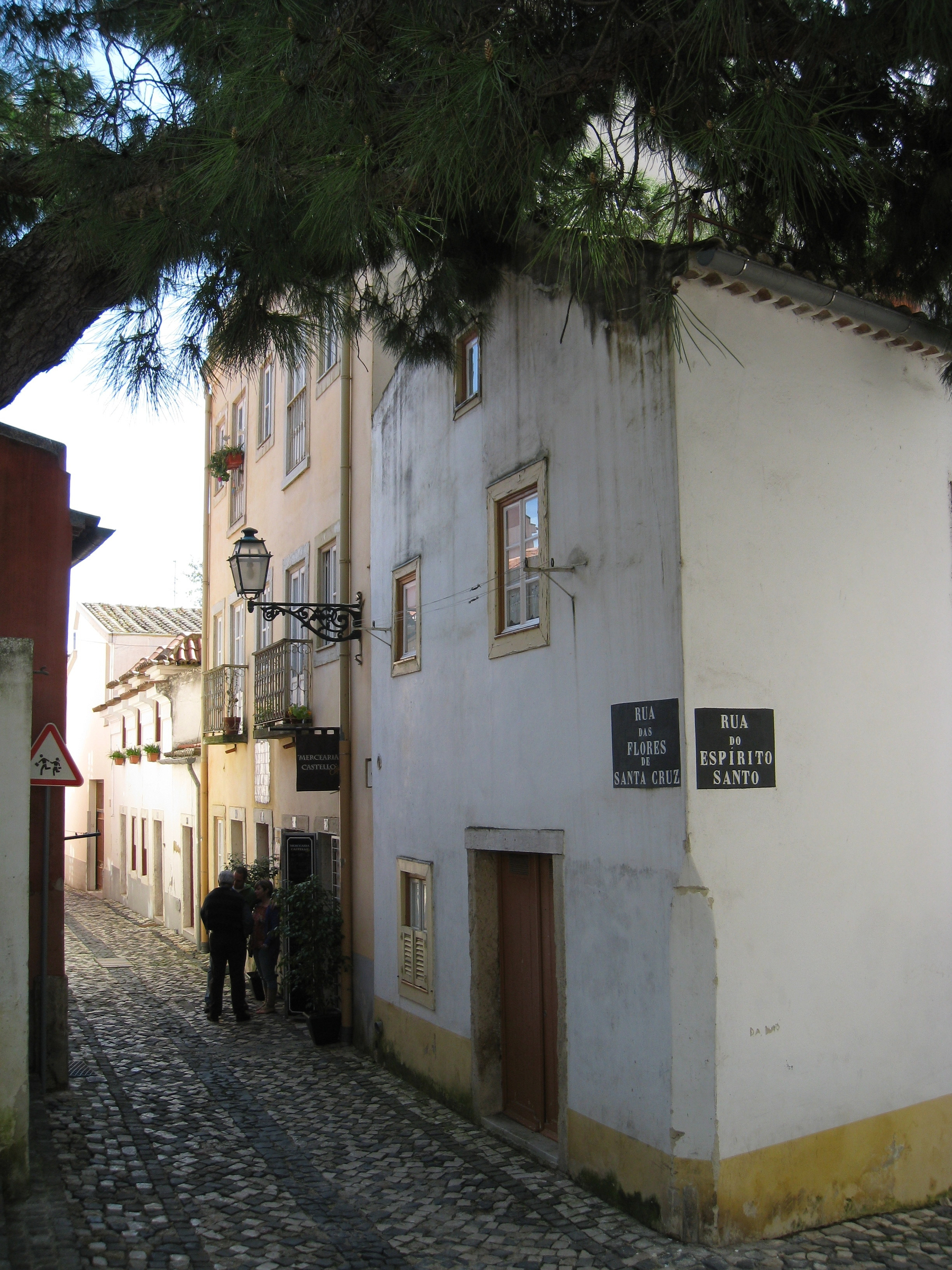
As the evening deepened, Alfama changed again. Tables appeared outside restaurants, voices drifted through the lanes, and the warm glow of streetlights illuminated the old façades. In June, the neighbourhood becomes particularly lively during the Festas de Lisboa, especially around the celebrations of Saint Anthony, Lisbon’s patron saint. Streets are decorated, grills appear outdoors, music fills the neighbourhood, and residents and visitors gather together late into the night.


What stayed with me most, however, was the sense of continuity. Alfama has survived political conquest, changing rulers, economic transformation, earthquakes, fires, and the modernization of Lisbon. Yet it has never become simply a museum. People still live here. Laundry still hangs from balconies. Residents still shop in small local businesses. Children still move through the same steep streets that have carried generations before them.

Eventually, I began walking downhill toward the Tagus. Looking back, I could see the castle above the rooftops and the narrow streets disappearing into the hillside. Alfama suddenly seemed less like a collection of historic buildings and more like a living archive—a place where Roman, Moorish, medieval, Portuguese, and modern Lisbon overlap in a remarkably small area.


Leaving Alfama, I realized that its greatest attraction isn’t any single monument. It is the experience of moving through layers of time. The castle tells one story, the cathedral another, the tiles another, and Fado another. Together they create something much richer: the story of Lisbon itself. Alfama doesn’t simply preserve the past. It continues to live inside it, and for anyone willing to wander slowly enough, the neighbourhood still has plenty of stories left to tell.
#Alfama #Lisbon #Portugal #LisbonPortugal #LisbonHistory #PortugalTravel #PortugueseHistory #AlfamaLisbon #SaoJorgeCastle #LisbonCathedral #Fado #FadoMusic #FeiraDaLadra #Azulejos #PortugueseArchitecture #AgeOfExploration #1755Earthquake #TagusRiver #LisbonTram28 #TravelEssay #Travel #Photography #Photos #Photoblog #Blog #Catalan #Catalunya #Espana
If you enjoy exploring historic European streets and capturing timeless urban moments, you can discover more fine art prints and travel photography in the Fine Art America gallery. Purchasing museum-quality prints from Fine Art America ensures archival durability, vibrant color reproduction, and a 100% money-back satisfaction guarantee, making it easy to bring a piece of Europe's rich architectural heritage directly into your home.