
V&A Waterfront - Where Cape Town’s Maritime Past Meets the Present

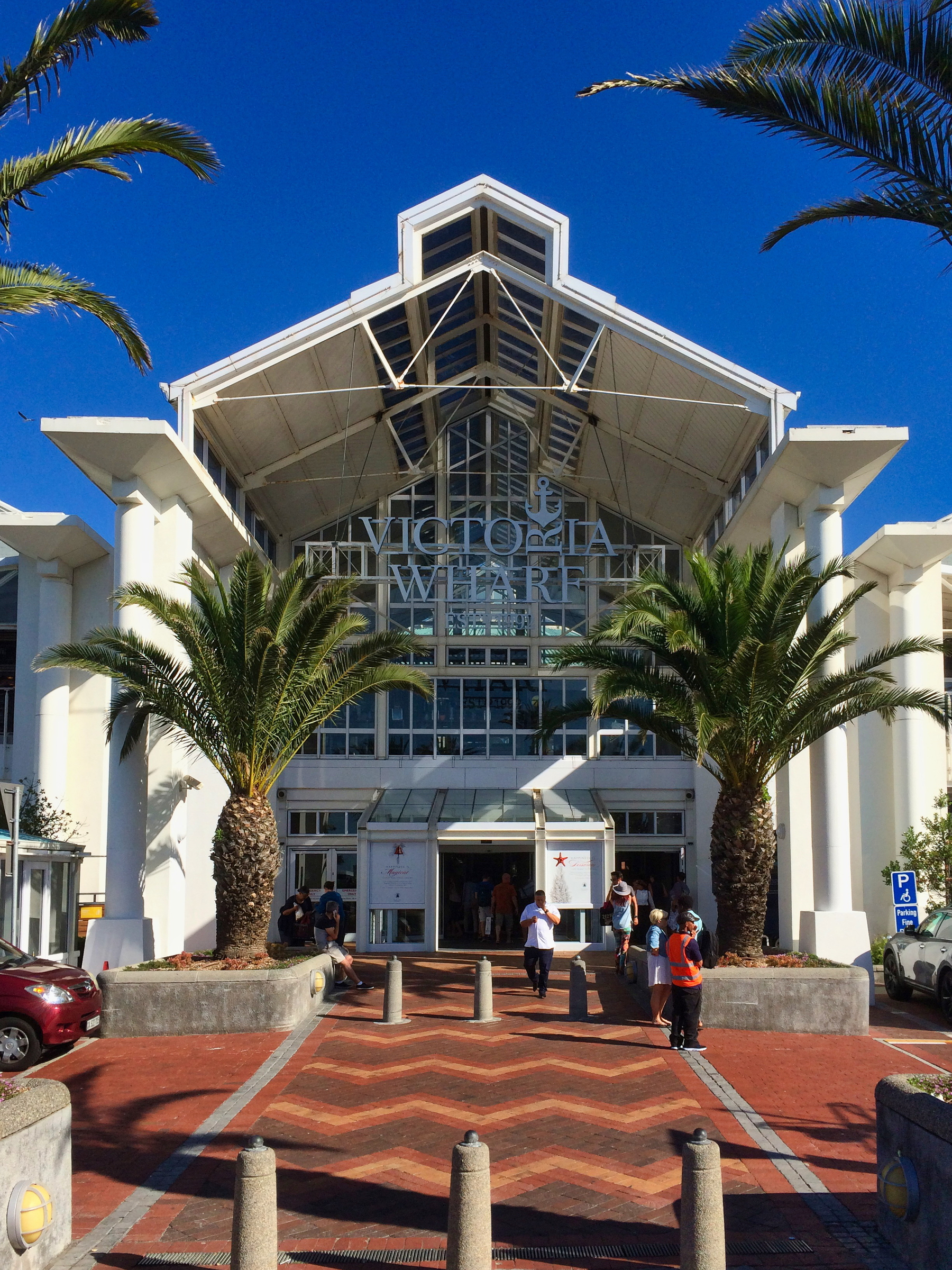
There are few places in Cape Town where the city’s past and present collide quite as dramatically as the V&A Waterfront. With Table Mountain rising behind me, ships moving across the harbor, restaurants spilling onto the quays, and tourists wandering between shops and historic buildings, it would have been easy to see the Waterfront simply as a lively tourist district. But beneath the polished surfaces is a much older story—a story of sailors, merchants, empire, migration, industry, apartheid, and a city whose existence has always been inseparable from the sea.

The story of this waterfront began long before the shopping malls and restaurants. When European ships began using the Cape as a stopping point on voyages between Europe and Asia, the natural harbor became strategically important. The Dutch established Cape Town in 1652 as a refreshment station for the Dutch East India Company, providing ships with fresh water, food, and supplies on their long journeys around the southern tip of Africa. The settlement grew, and the harbor became increasingly central to the development of the city.

For more than a century, the waterfront remained a working maritime environment shaped primarily by the Dutch. Then, in the nineteenth century, British influence transformed Cape Town once again. The arrival of Prince Alfred, Queen Victoria’s second son, in 1860 became an important moment in the harbor’s history. Alfred ceremonially turned the first sod for what became the Alfred Basin, named after him. A second basin, the Victoria Basin, was subsequently developed and eventually gave the modern Waterfront its name: the Victoria & Alfred Waterfront.
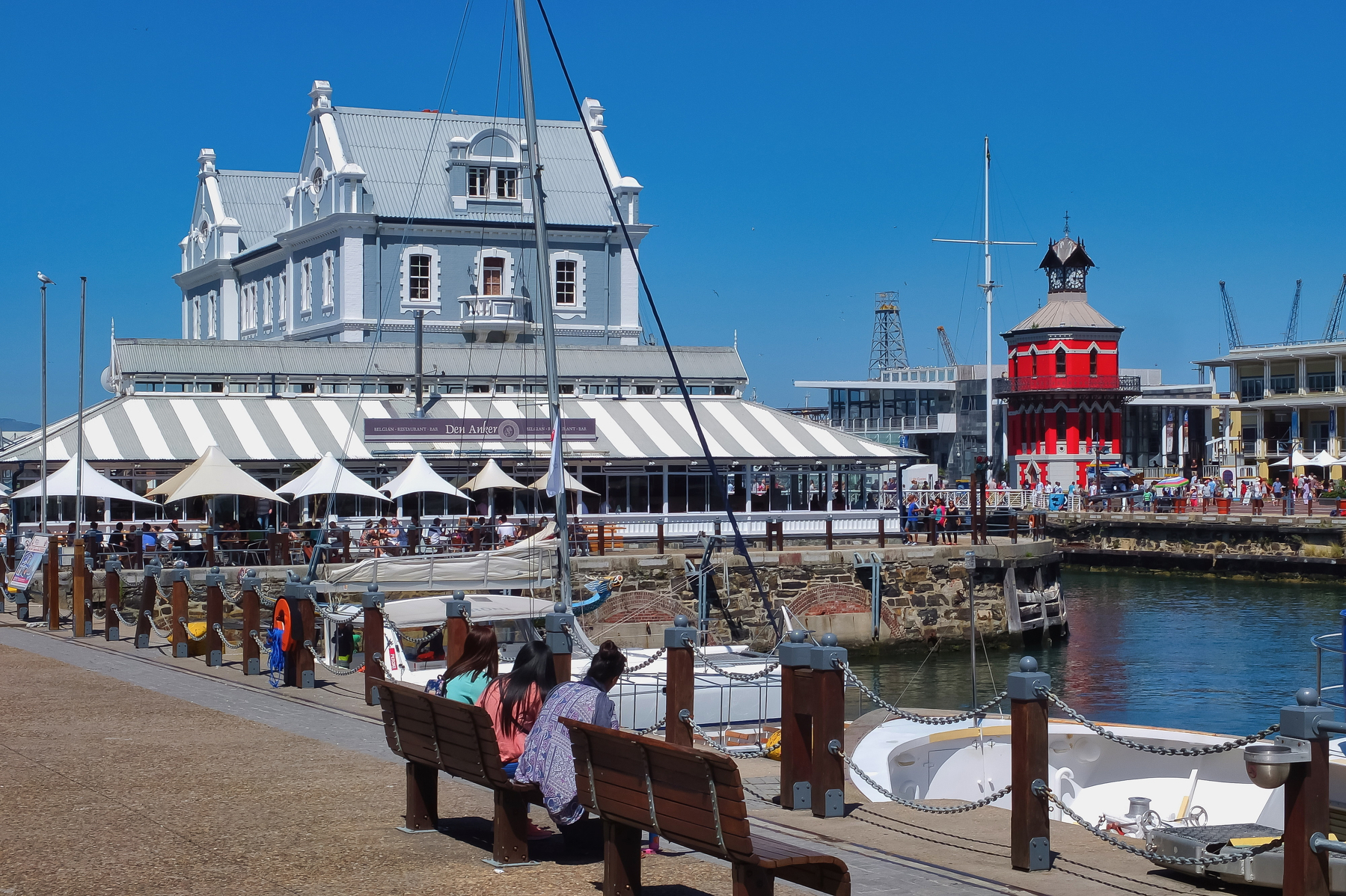
Walking along the quays today, I found it fascinating to imagine what this place must have looked like during the Victorian era. Instead of cafés and boutiques, there were warehouses, sailors, dockworkers, cargo, cranes, and ships arriving from distant ports. Goods moving through Cape Town connected the city to an enormous international network. The harbor wasn’t simply a backdrop to Cape Town—it was one of the reasons the city mattered.

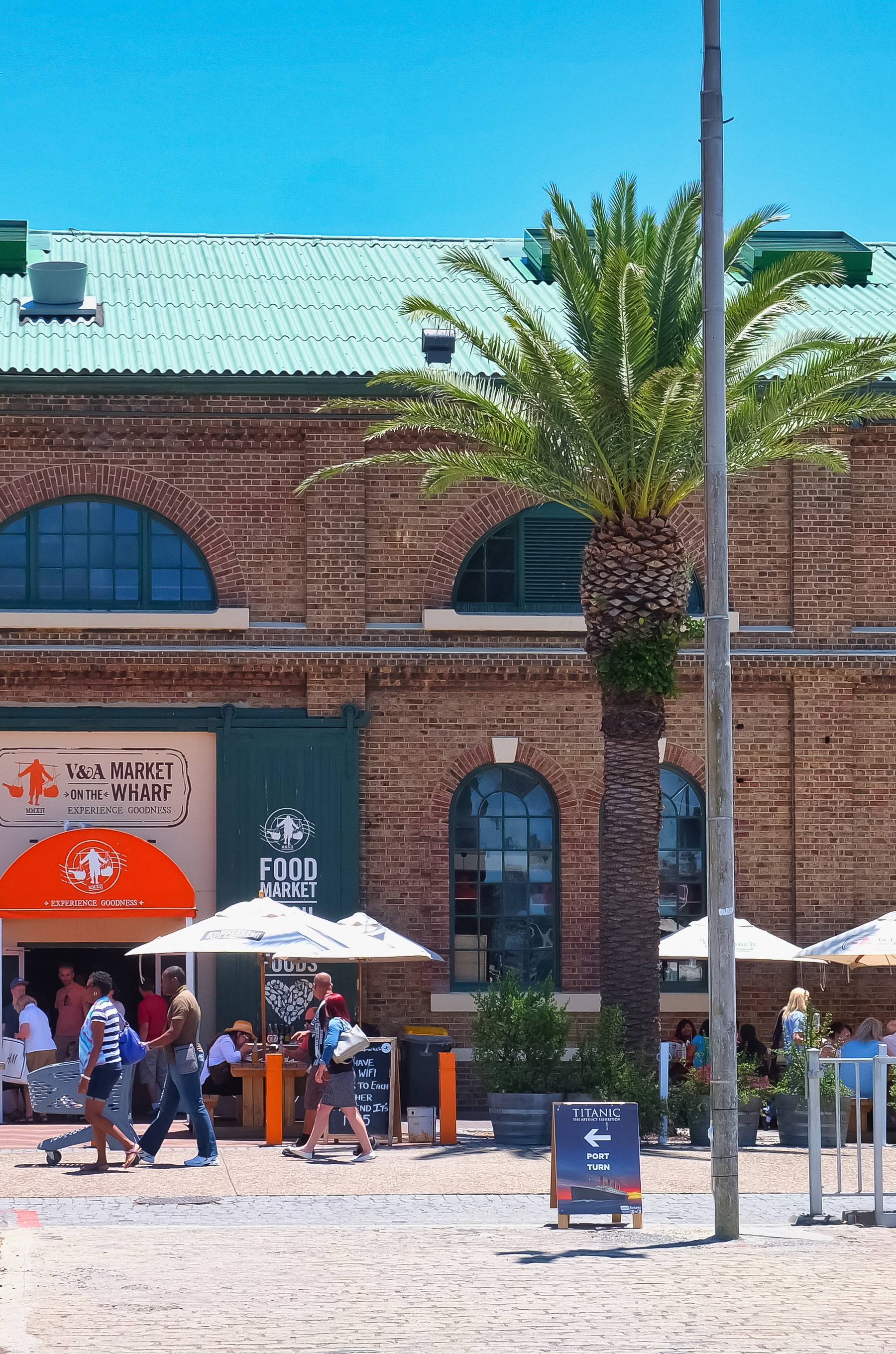
Some of those old industrial structures have survived, and they give the Waterfront much of its character. Red-brick buildings, old warehouses, cranes, docks, and maritime equipment stand alongside contemporary architecture. Rather than erasing the working port, the modern Waterfront incorporated many elements of it into its redevelopment. The result is an unusual place where you can sit down for coffee beside a structure that once served an entirely different purpose.
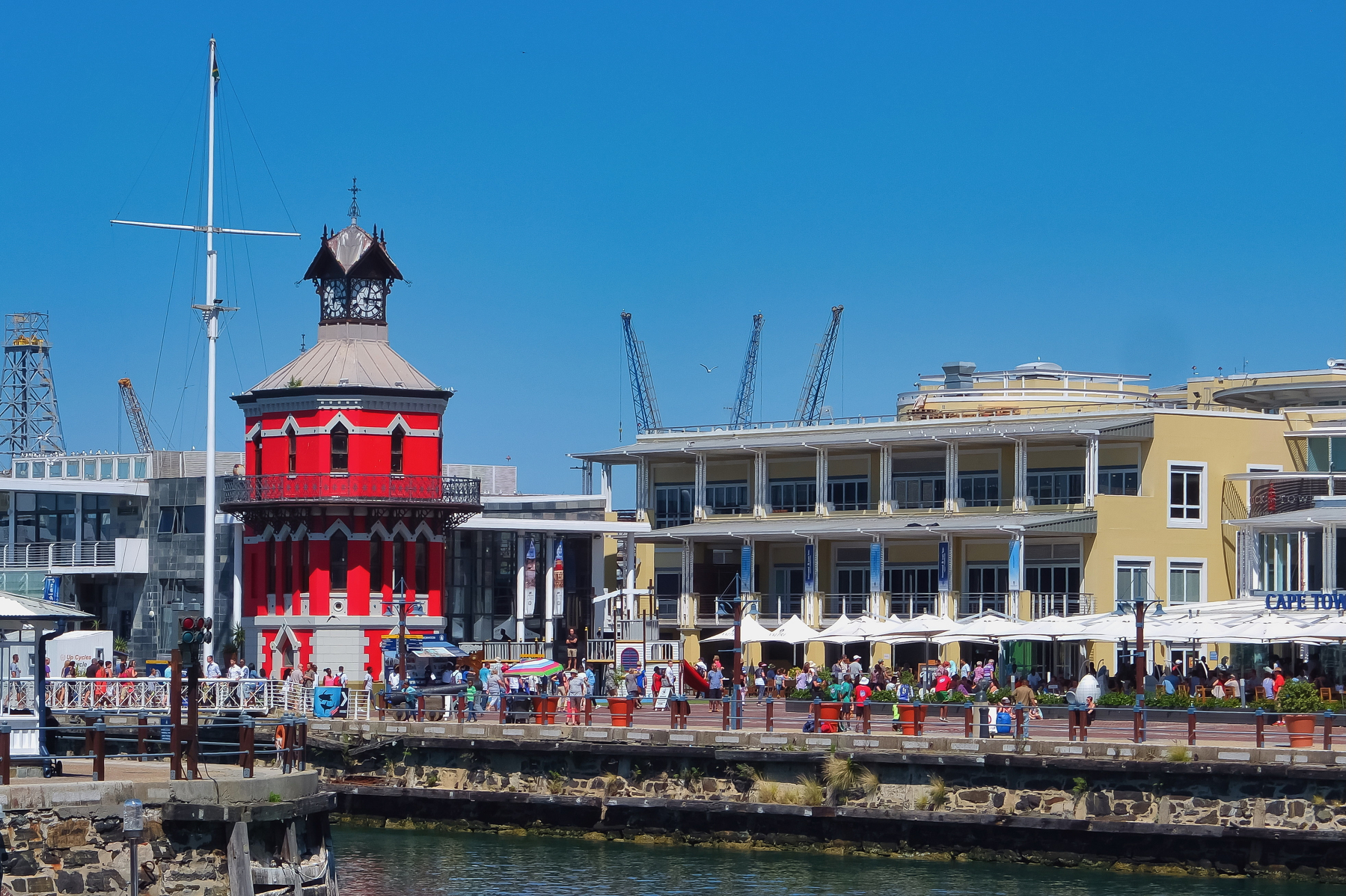
One of the most recognizable landmarks is the Clock Tower, completed in 1882. Its Victorian Gothic design makes it look almost theatrical against the modern waterfront, but it once served a very practical purpose. The building housed offices associated with the harbor and included a tide gauge, while the clock itself became an important landmark for people working around the docks. Today it is one of the most photographed pieces of the Waterfront’s historic architecture.

Not far away, another layer of history lies beneath the modern city. The Chavonnes Battery was constructed by the Dutch East India Company beginning in 1714 as part of Cape Town’s coastal defenses. Much of the original fortification disappeared beneath later development, but archaeological remains have survived. Visiting the site offers a glimpse of a much older Cape Town, when the settlement was a strategic colonial outpost and the harbor needed protection from potential enemies.

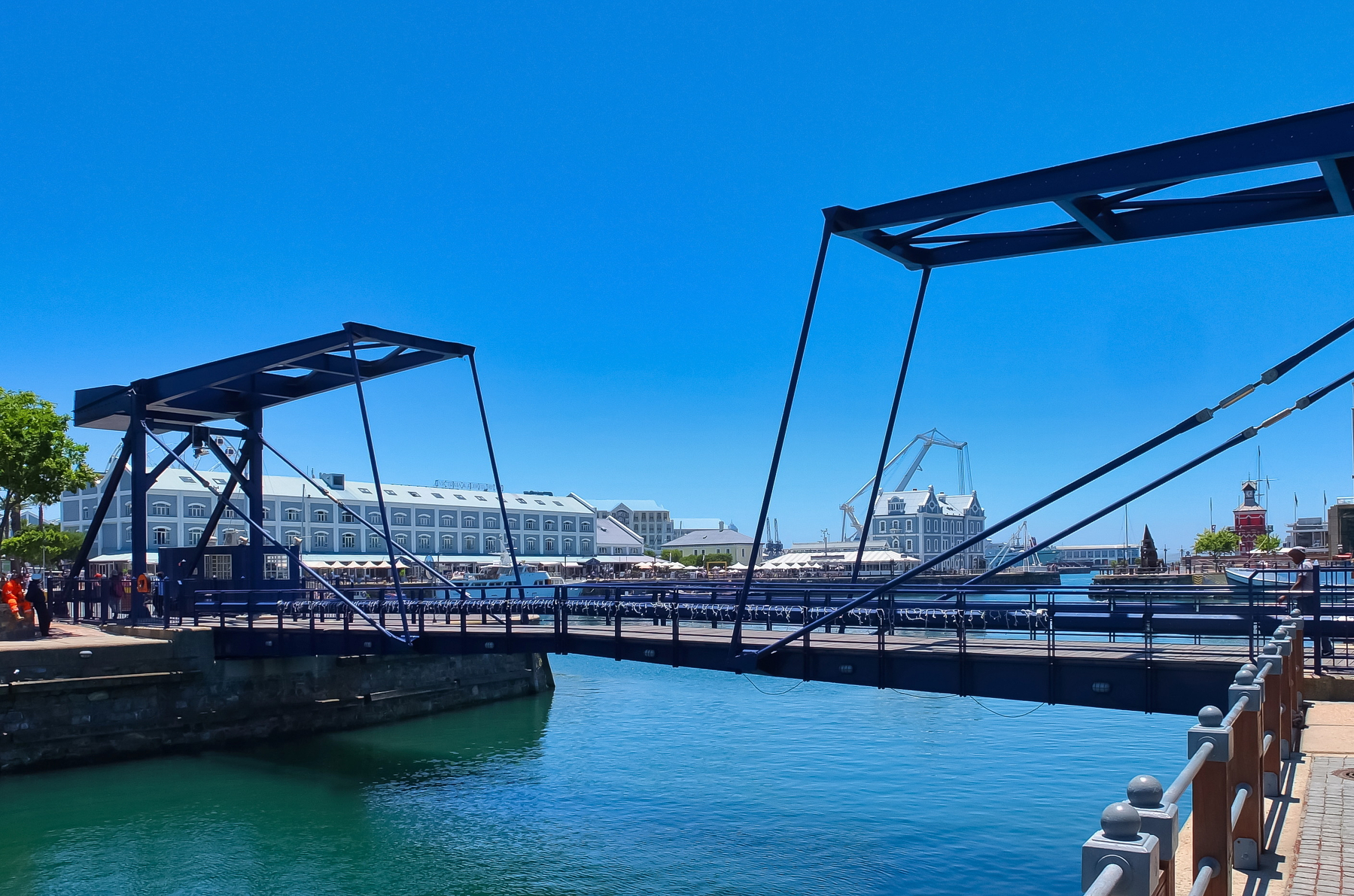
The Waterfront’s maritime story also includes the technology that made a busy nineteenth- and twentieth-century port possible. The Robinson Dry Dock, opened in 1882, was built to allow ships to be repaired and maintained in Cape Town. It remains part of the historic harbor landscape, and nearby structures such as the old swing bridge provide reminders of the engineering infrastructure that once kept the port operating. These aren’t merely decorative remnants. They represent the enormous amount of work required to maintain an international harbour before modern technology transformed the industry.
But there is another history here that cannot be overlooked. Cape Town’s harbor existed within the broader history of colonialism, slavery, segregation, and apartheid. The prosperity generated by the port was never experienced equally by everyone. Workers, migrants, and communities were drawn into the city’s economic life while discriminatory laws shaped where people could live, work, and travel. The Waterfront’s polished modern appearance can therefore conceal a much more complicated past—one that belongs to the entire city, not just its successful commercial present.

That history becomes especially tangible at the departure point for Robben Island. From the Waterfront, ferries carry visitors across Table Bay to the island where Nelson Mandela and many other political prisoners were incarcerated during apartheid. Standing beside the harbor before a journey to Robben Island, the geography itself becomes meaningful. The island is visible from Cape Town, yet its physical separation across the water once represented an enormous barrier between imprisonment and freedom.

Today, the Waterfront is also one of the city’s great gathering places. People come here to eat seafood, browse markets, listen to music, watch street performers, take boat trips, or simply sit beside the water with Table Mountain rising behind them. The contrast is remarkable. A place once dominated by cargo and industry has become somewhere people come to relax and enjoy themselves, yet the old harbor infrastructure remains embedded in the landscape.

I particularly enjoyed the way the Waterfront encourages you to wander without necessarily having a destination. One moment I could be looking at fishing boats; the next I would find myself beside an old warehouse or watching a seal moving through the harbor. Then the modern city would reassert itself with restaurants, galleries, designer stores, and the constant movement of visitors. It felt less like a traditional historic district and more like a city continually negotiating with its own past.
The connection with the ocean is impossible to escape. Cape Town’s geography has always determined its history, and the Waterfront makes that relationship visible. Ships still enter and leave the harbor, while ferries cross the bay and smaller boats move between the docks. Even surrounded by modern development, the Waterfront remains fundamentally a maritime landscape.

And then there is Table Mountain. From almost everywhere along the Waterfront, the mountain rises dramatically behind the city. It creates a backdrop so spectacular that it almost seems artificial. I found myself repeatedly stopping to look at it, especially as the afternoon light changed and the mountain began to take on different shades. It was a reminder that the Waterfront isn’t just an attraction built beside the sea—it is part of one of the world’s great natural urban settings.

One of the more unexpected aspects of the area is how much history exists beneath the surface as well. The waters around Cape Town contain the remains of numerous shipwrecks, evidence of the dangers faced by vessels navigating the notoriously challenging coastline. The Cape has long been associated with maritime disasters, and the ocean surrounding the city holds a hidden archaeological record of centuries of shipping. The harbor that once offered protection was only a small part of a coastline that could be unforgiving.
By evening, the character of the Waterfront changed completely. The sunlight faded from Table Mountain, lights appeared along the quays, and reflections began moving across the dark water. Restaurants filled with people, ferries returned from the bay, and the historic buildings took on a warmer glow. I found a place beside the harbor and simply watched the activity around me. It was difficult not to think about how many generations had stood somewhere nearby watching ships arrive.
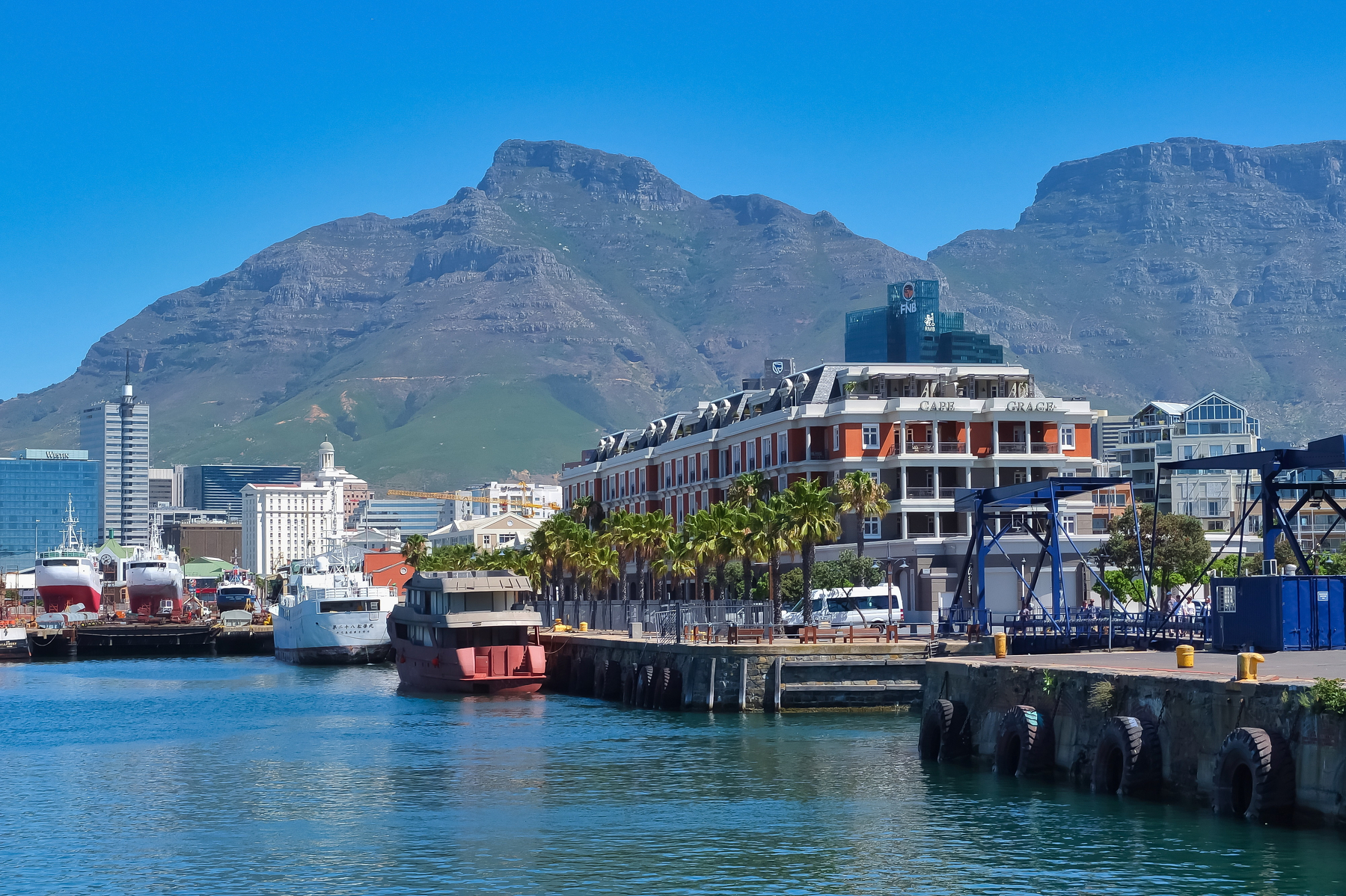
What makes the V&A Waterfront fascinating to me isn’t that it perfectly preserves the past. It doesn’t. It has been transformed almost beyond recognition from the working harbor of the nineteenth century. What it does instead is allow fragments of that past to survive within a completely modern environment. A clock tower stands beside luxury shops. An old dry dock sits near restaurants. Archaeological remains exist beneath contemporary buildings. Ferries leave for Robben Island while visitors take photographs beside the water.

That mixture is ultimately what makes the Waterfront such an interesting introduction to Cape Town. It isn’t just a place to shop, eat, or admire the view. It is a living record of how the city has changed—from a Dutch colonial outpost to a British imperial port, from an industrial harbor to a modern tourist destination, and from a place shaped by profound inequality toward a city still working through the legacy of its past.
As I finally walked away from the water, I looked back toward the harbor one last time. The lights were reflected in the bay, Table Mountain stood dark against the evening sky, and the old buildings seemed to disappear into the modern city around them. The V&A Waterfront had started to feel less like a tourist attraction and more like a chapter in Cape Town’s enormous story. Here, the past hasn’t vanished. It is simply sharing the waterfront with the present.