
Walking Through the Neighborhood That Changed America, Haight-Ashbury

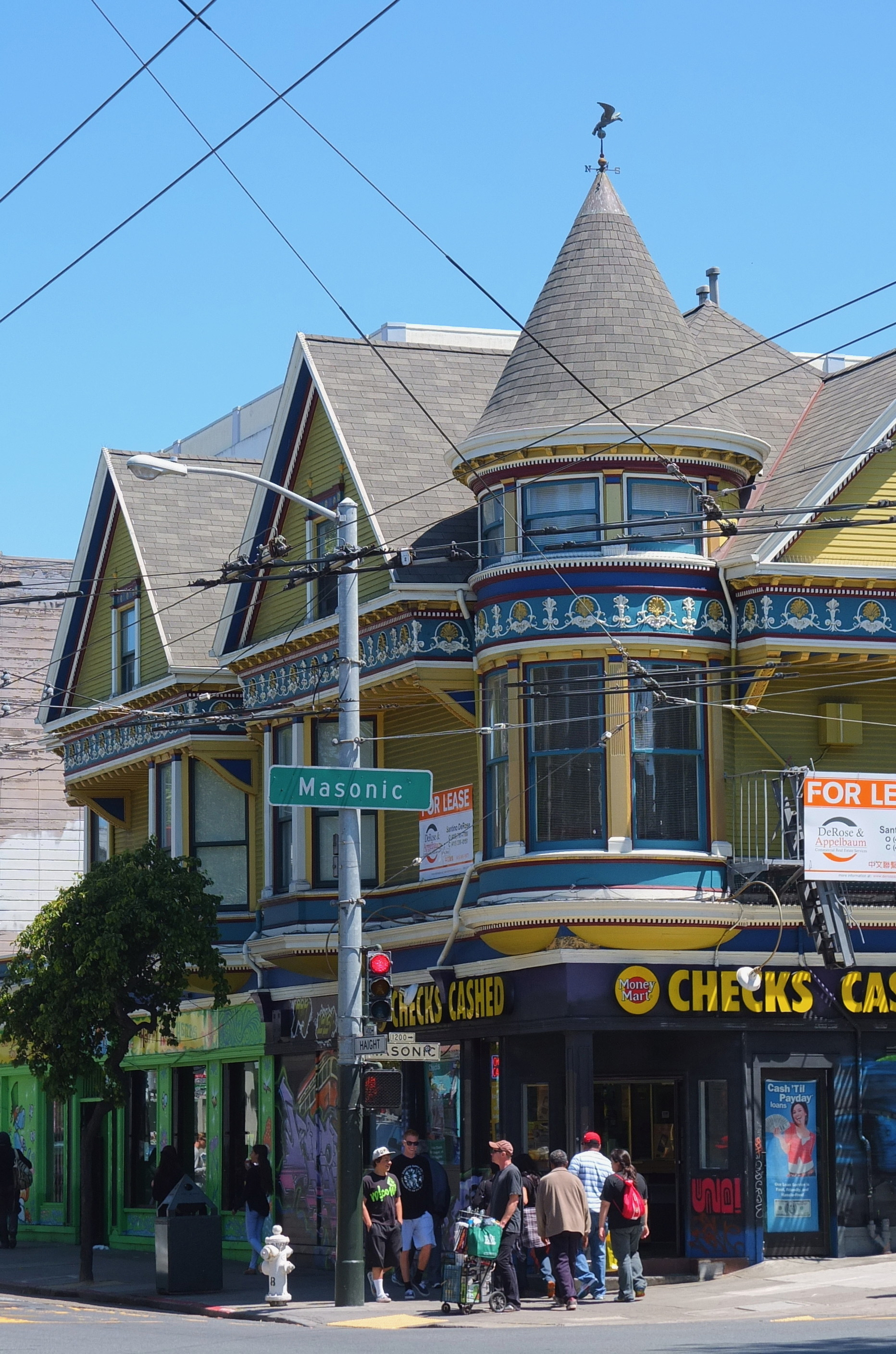
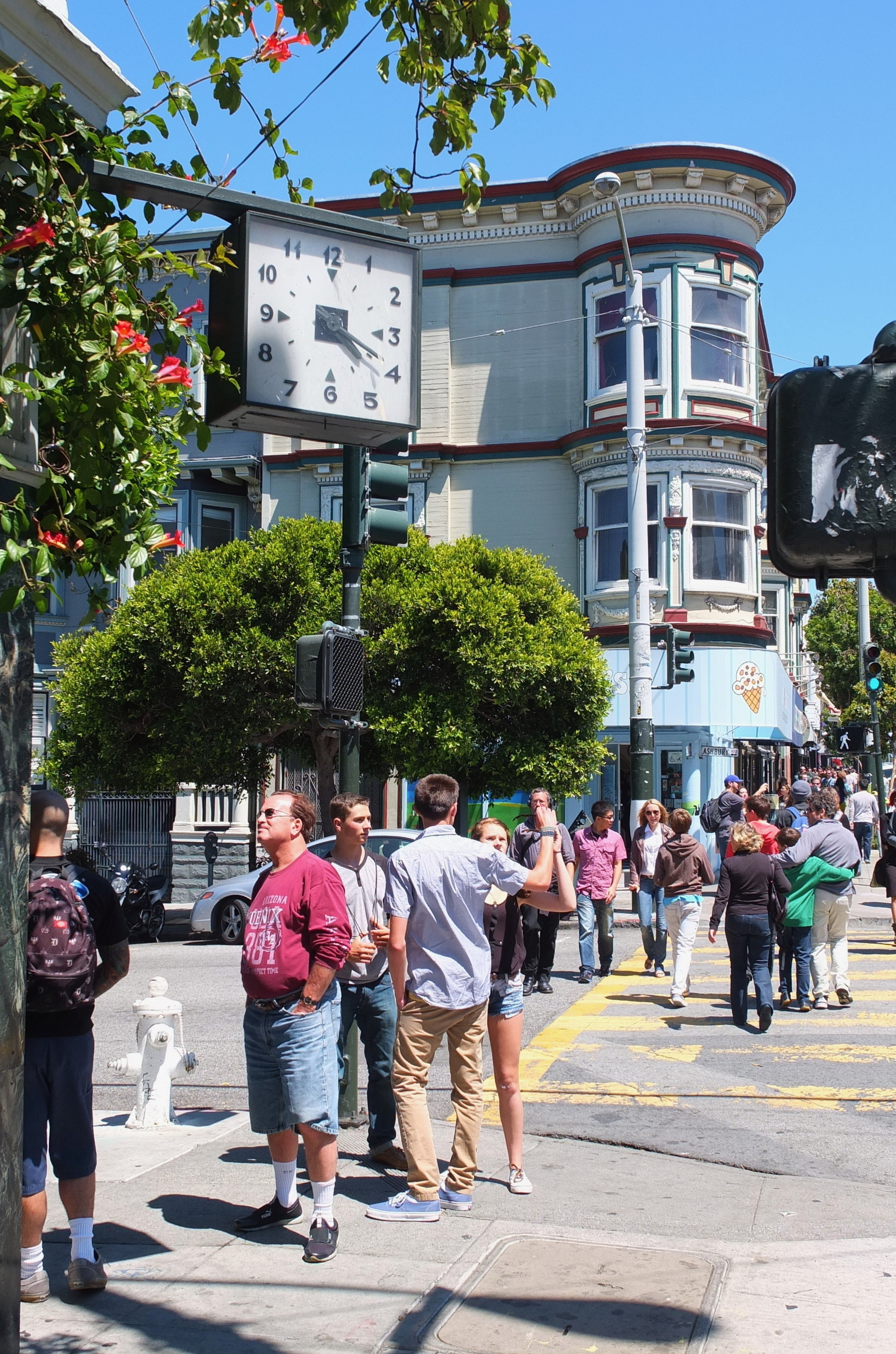
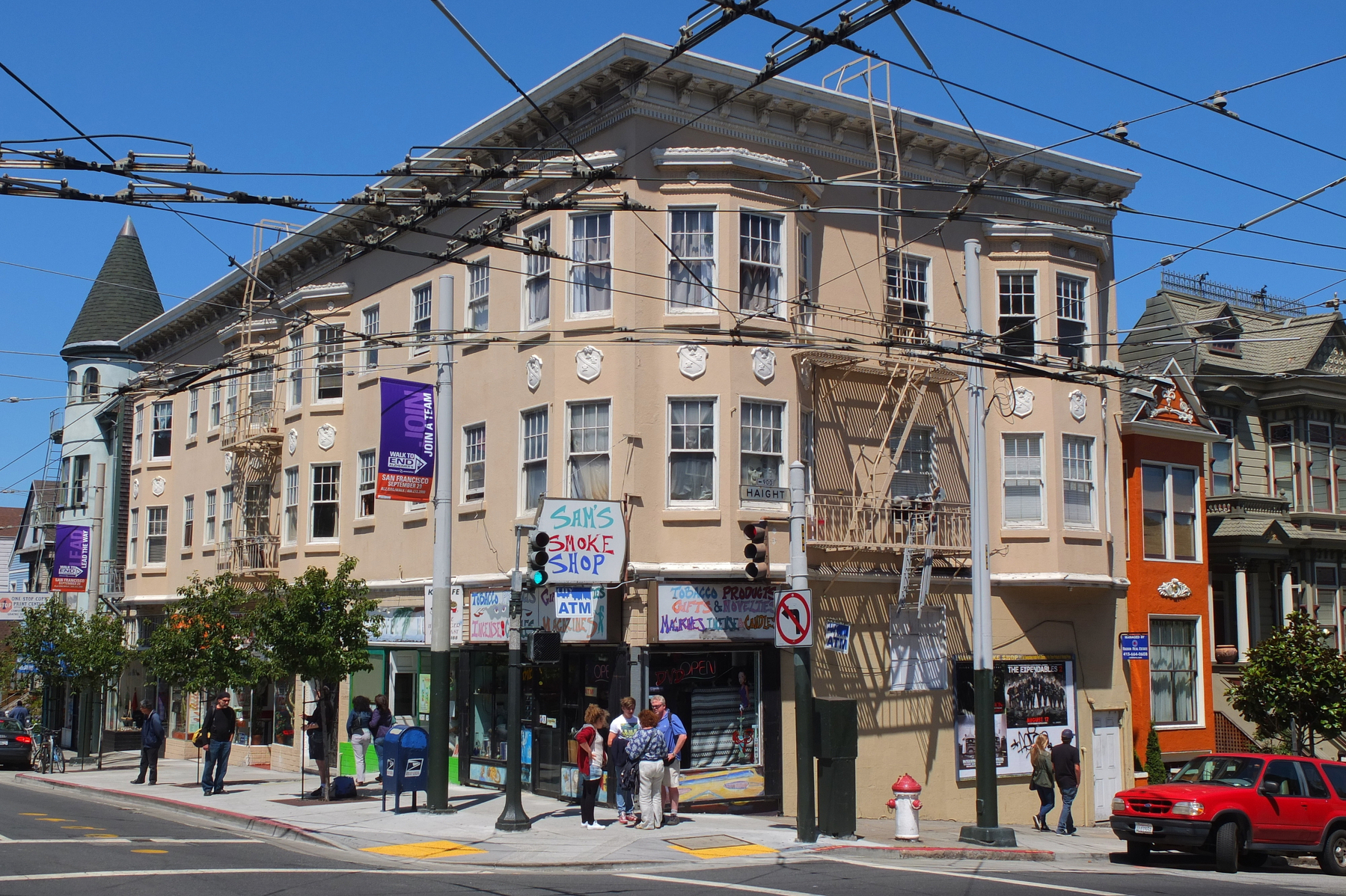
There are neighborhoods you visit, and then there are neighborhoods that seem to remember you. Walking into Haight-Ashbury in San Francisco, I had the strange sensation that I wasn’t simply entering another part of the city—I was stepping into a story that had already been written long before I arrived. The painted storefronts, vintage clothing shops, cafés, record stores, colourful murals, and weathered Victorian houses created an atmosphere that felt simultaneously contemporary and frozen in another era. Everywhere I looked, there were reminders that this relatively small intersection had once become one of the most famous addresses in American cultural history.


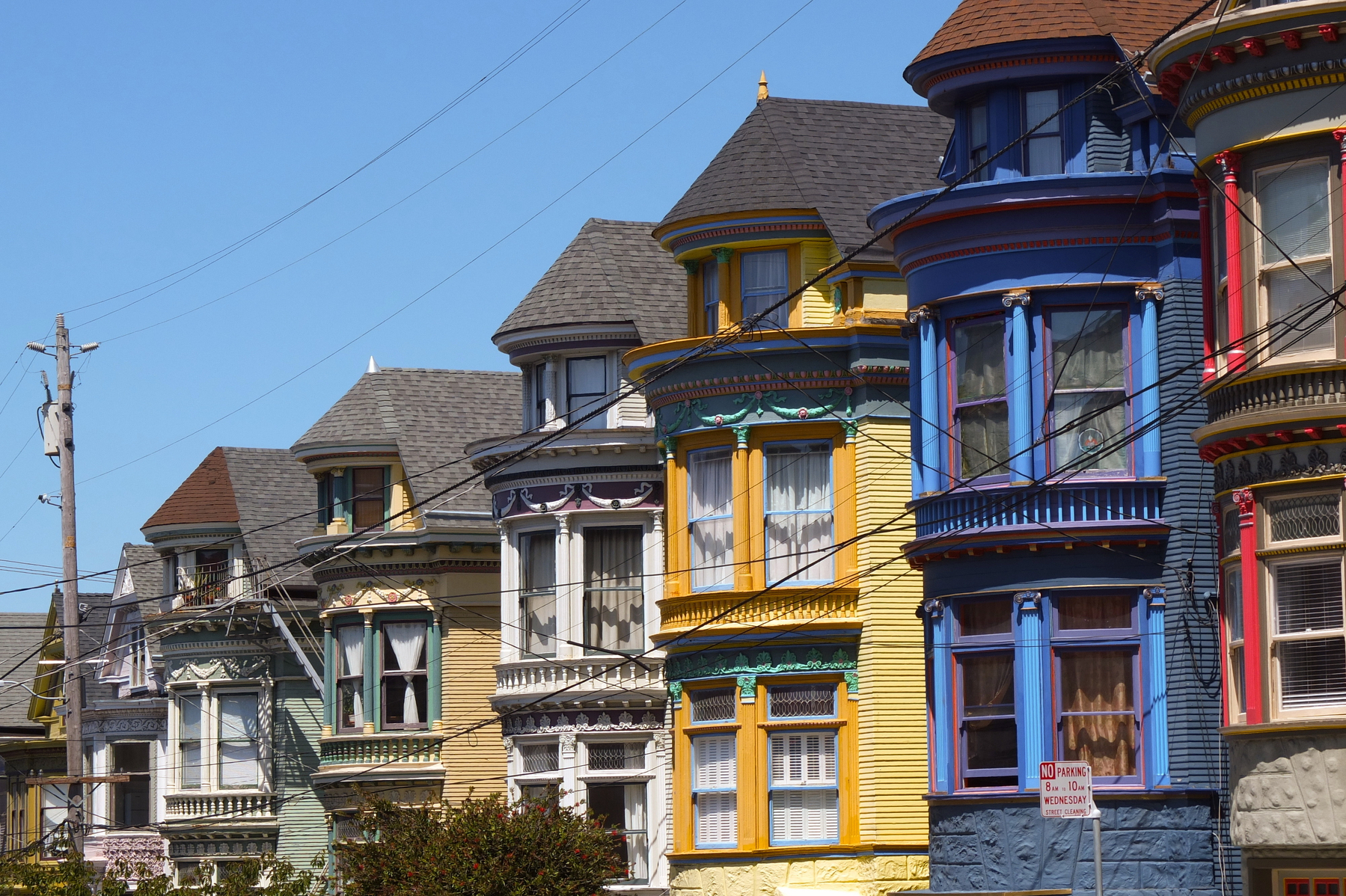
The story of Haight-Ashbury, however, begins long before hippies, psychedelic music, and flower power. The neighborhood takes its name from two men: Henry Haight, a nineteenth-century San Francisco businessman and politician, and Munroe Ashbury, another prominent local figure who served on San Francisco’s Board of Supervisors. In the late nineteenth century, the area was developing on the western edge of the growing city, far removed from the crowded downtown streets. Victorian homes began appearing as San Francisco expanded, many of them remarkably elaborate residences built during the city’s great period of growth.


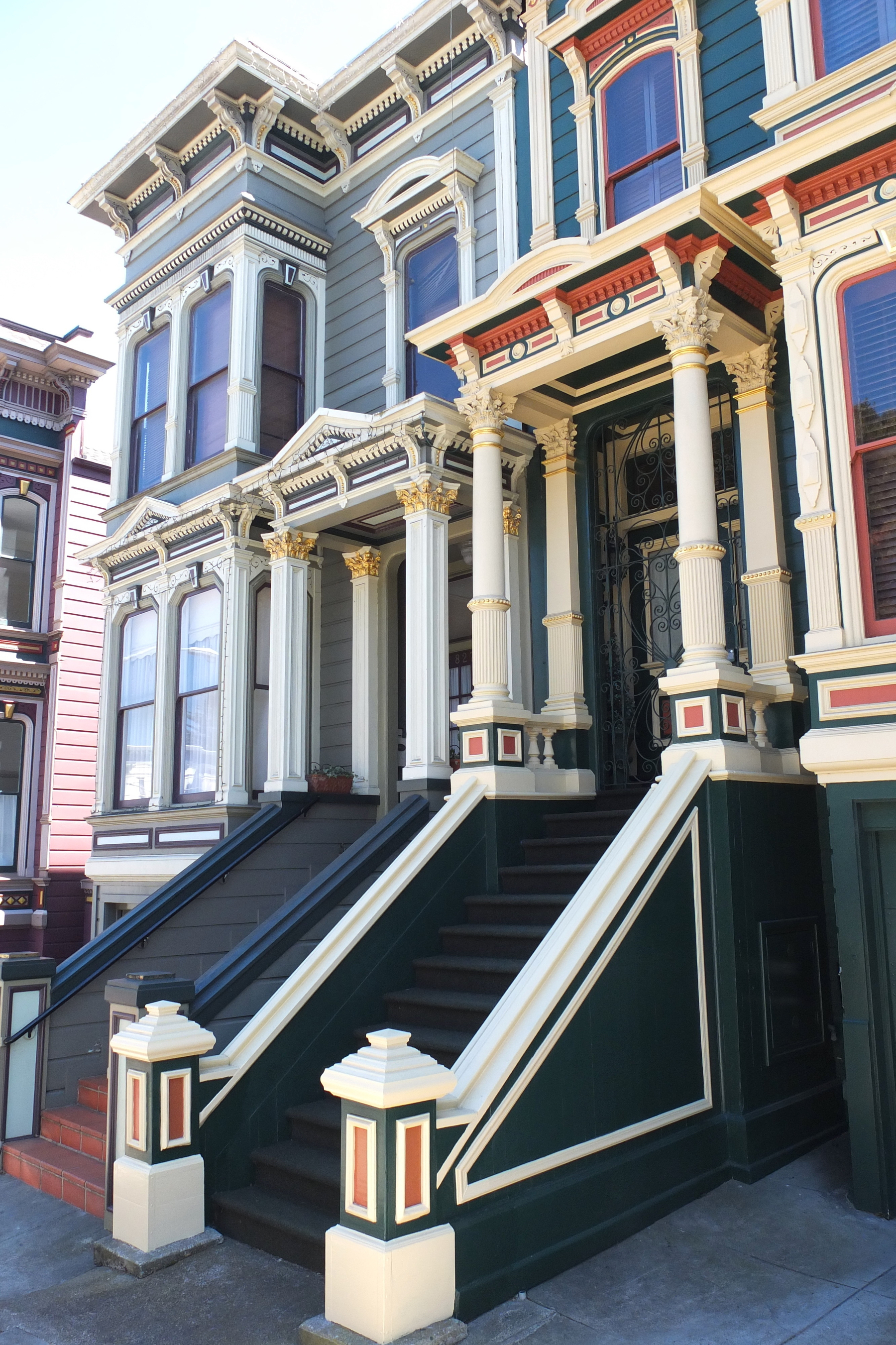
The neighborhood’s physical character was also shaped by the 1906 San Francisco earthquake and fire. While large portions of the city were devastated, Haight-Ashbury survived with much of its residential architecture intact. Those Victorian houses would later become an important part of the neighborhood’s identity. Long before they became associated with hippies, they were simply homes in a rapidly expanding San Francisco. Walking past them today, I found it fascinating to think about how dramatically the meaning of the same streets could change over the course of a single century.

By the middle of the twentieth century, San Francisco had developed into a magnet for artists, writers, musicians, and people searching for alternatives to conventional American life. The nearby North Beach district had already become associated with the Beat Generation, attracting writers such as Allen Ginsberg and Jack Kerouac. The Beats questioned conventional ideas about literature, sexuality, consumer culture, and authority. Their influence helped create an intellectual and artistic environment in which the counterculture that followed could flourish. Haight-Ashbury didn’t appear out of nowhere in 1967. It inherited a rebellious spirit that had been developing across San Francisco for years. Then the music began to change everything.

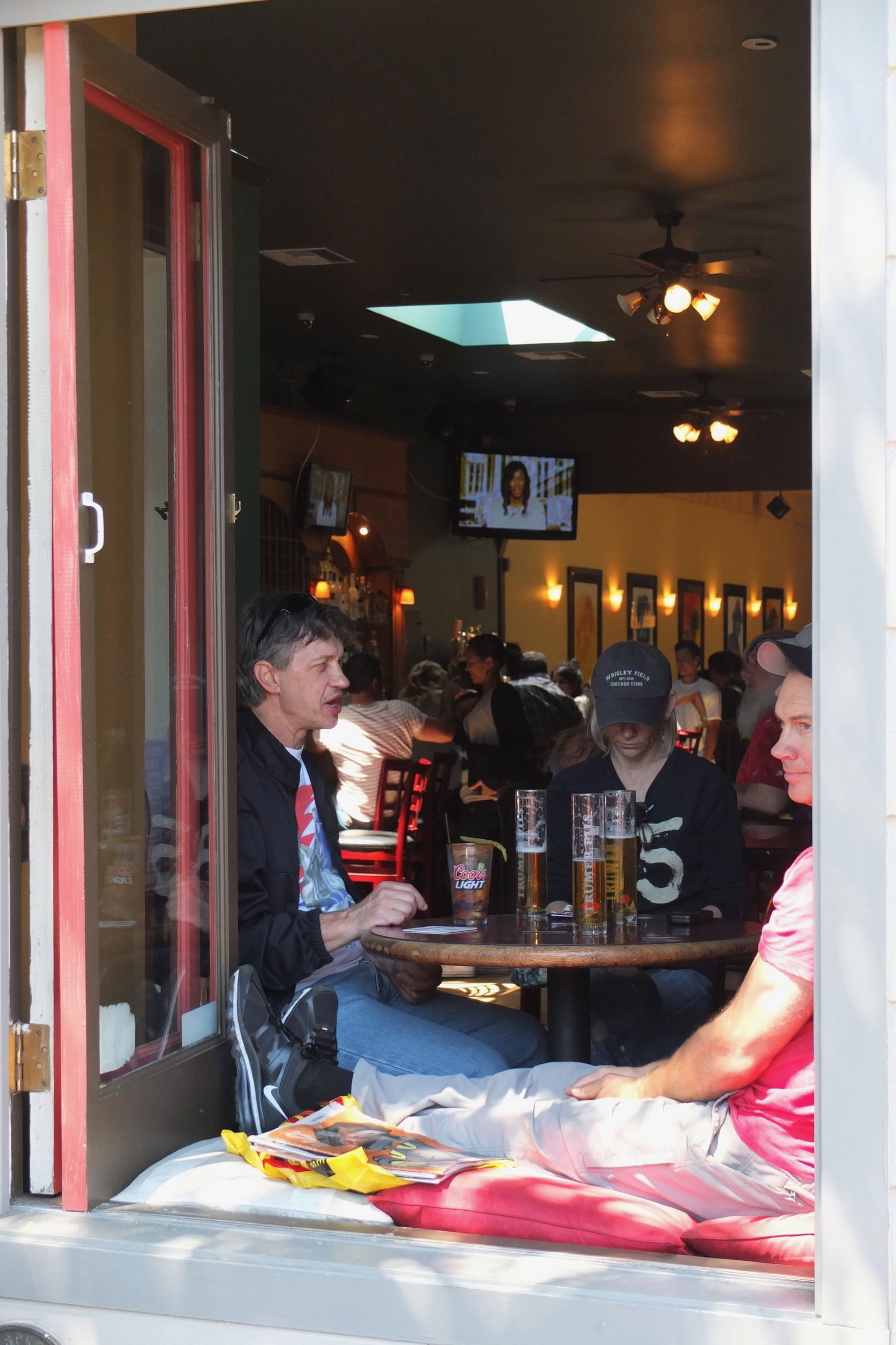
By the mid-1960s, Haight-Ashbury was attracting a remarkable collection of musicians. The Grateful Dead established themselves in the neighbourhood, while Jefferson Airplane became one of San Francisco’s defining psychedelic rock bands. Janis Joplin lived in the area while performing with Big Brother and the Holding Company, and Jimi Hendrix also became part of the broader San Francisco counterculture scene. Nearby venues such as the Fillmore and Avalon Ballroom became legendary stages, helping transform San Francisco into one of the world’s most important centres of psychedelic rock. Walking down Haight Street, I tried to imagine what it must have sounded like in 1966 and 1967. Music pouring from clubs. Posters covering walls. People arriving from across the country with guitars, backpacks, flowers, and ideas about changing the world. The neighborhood’s population was becoming younger, more experimental, and increasingly suspicious of the conventions of mainstream America. What had once been an ordinary residential district was becoming a cultural laboratory. Then came 1967—the year that would permanently attach Haight-Ashbury to the phrase Summer of Love.
The Human Be-In at Golden Gate Park in January 1967 helped announce what was coming. Tens of thousands gathered at the event, which combined music, poetry, political activism, spirituality, and countercultural ideas. It was an extraordinary expression of the emerging movement and helped turn San Francisco into a national focus of attention. By spring and summer, young people were arriving in enormous numbers, many heading directly for Haight-Ashbury.

The Summer of Love was about much more than flowers and psychedelic music. People talked about communal living, peace, civil rights, environmentalism, alternative spirituality, free expression, and rejecting the increasingly consumer-driven culture of postwar America. LSD and other psychedelic drugs were also closely associated with the movement, and figures such as Timothy Leary became famous for promoting psychedelic experiences. For many participants, these substances were not simply recreational. They were presented as tools for exploring consciousness, although their widespread use also brought serious risks and consequences.

One of the most fascinating groups from this period was the Diggers. Rather than simply protesting the existing system, they attempted to create an alternative to it. They organized free food, clothing, and other forms of community support, challenging the idea that everything in society needed to be bought and sold. Their performances and street theater blurred the boundaries between politics, art, and everyday life. The Diggers’ philosophy was radical precisely because they tried to live their ideals rather than merely talk about them.


The neighborhood also developed its own medical response to the enormous influx of young people. The Haight-Ashbury Free Clinic opened in 1967, providing healthcare to people who otherwise had little access to medical services. Its creation reflected a central contradiction of the Summer of Love: an idealistic movement advocating freedom and community was suddenly confronted with thousands of people living in difficult circumstances, many without money, housing, or adequate medical care. And the reality was becoming increasingly complicated.

The enormous publicity surrounding Haight-Ashbury attracted far more people than the neighborhood could comfortably accommodate. Housing became crowded, poverty increased, and drug use brought serious problems. Some newcomers arrived expecting to find a peaceful utopian community and instead encountered homelessness, exploitation, crime, and addiction. Local residents and authorities struggled to cope with the sudden transformation. By the end of 1967, many of the people who had helped create the Summer of Love had already begun leaving.



In October 1967, activists staged the famous Death of the Hippie ceremony in Haight-Ashbury. Rather than celebrating the end of the counterculture, the event was intended as a symbolic rejection of the media’s commercialization of the movement. The idea was that the “hippie” had become a caricature created by newspapers and television, while the deeper ideas of community and social change continued elsewhere. It was an appropriately theatrical ending to one of the most theatrical chapters in American cultural history.


Yet Haight-Ashbury never completely lost its identity. Over subsequent decades, the neighborhood changed dramatically, as San Francisco itself became increasingly expensive and commercially transformed. The Victorian houses remained, however, as did the famous intersection, the vintage stores, music references, and unmistakable countercultural mythology. Today, tourists arrive looking for traces of the 1960s, while longtime residents continue to experience the neighborhood as a living community rather than an open-air museum.

One place that still evokes the era is Hippie Hill, in nearby Golden Gate Park. The name itself tells you what kind of history surrounds the area. For decades, people have gathered there to play music, socialize, drum, relax, and simply enjoy the park. Standing among the trees, it is easy to understand why Golden Gate Park became such an important escape from the density of the city. The park provided the counterculture with something the streets couldn’t always offer: space.

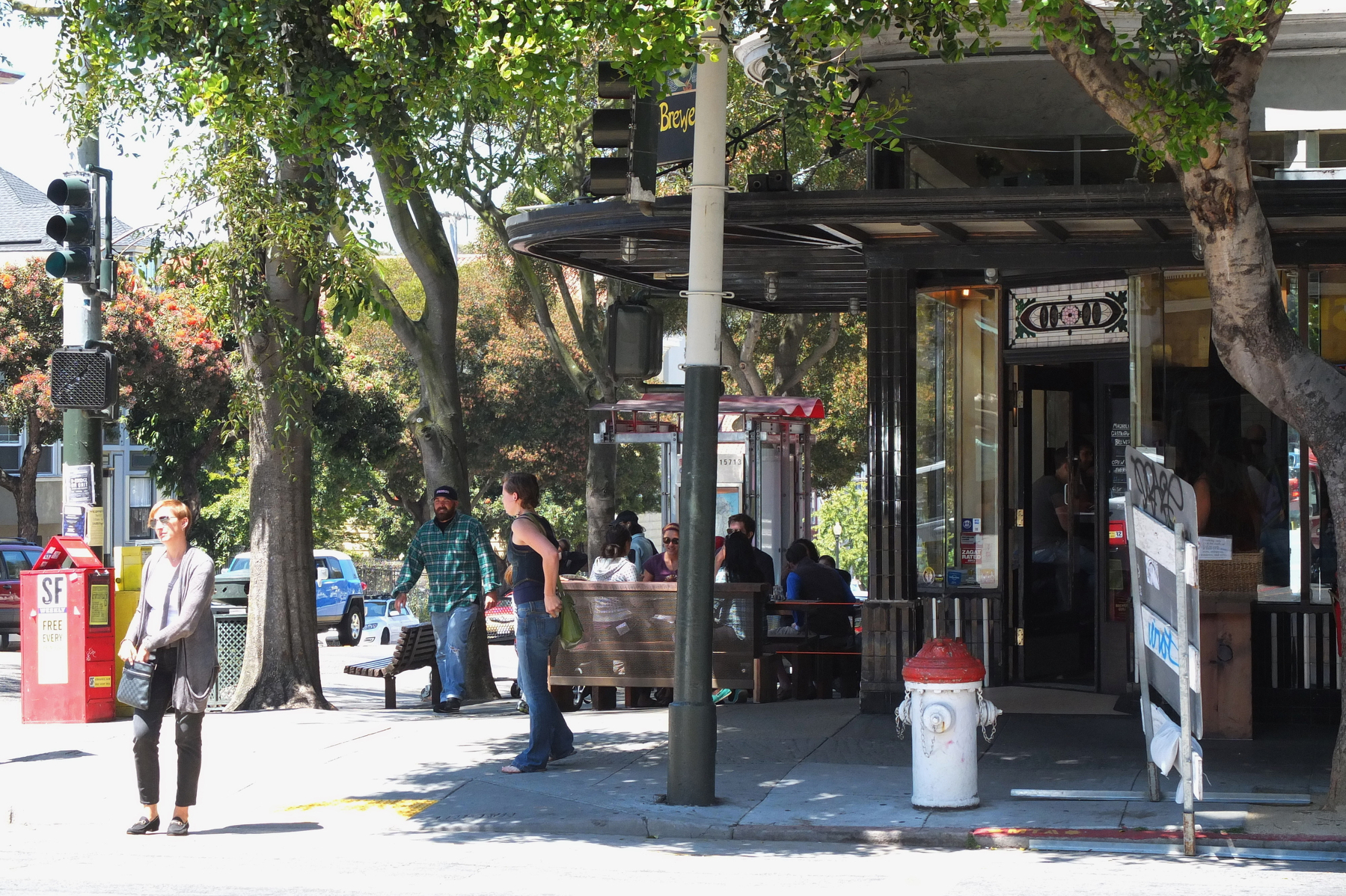
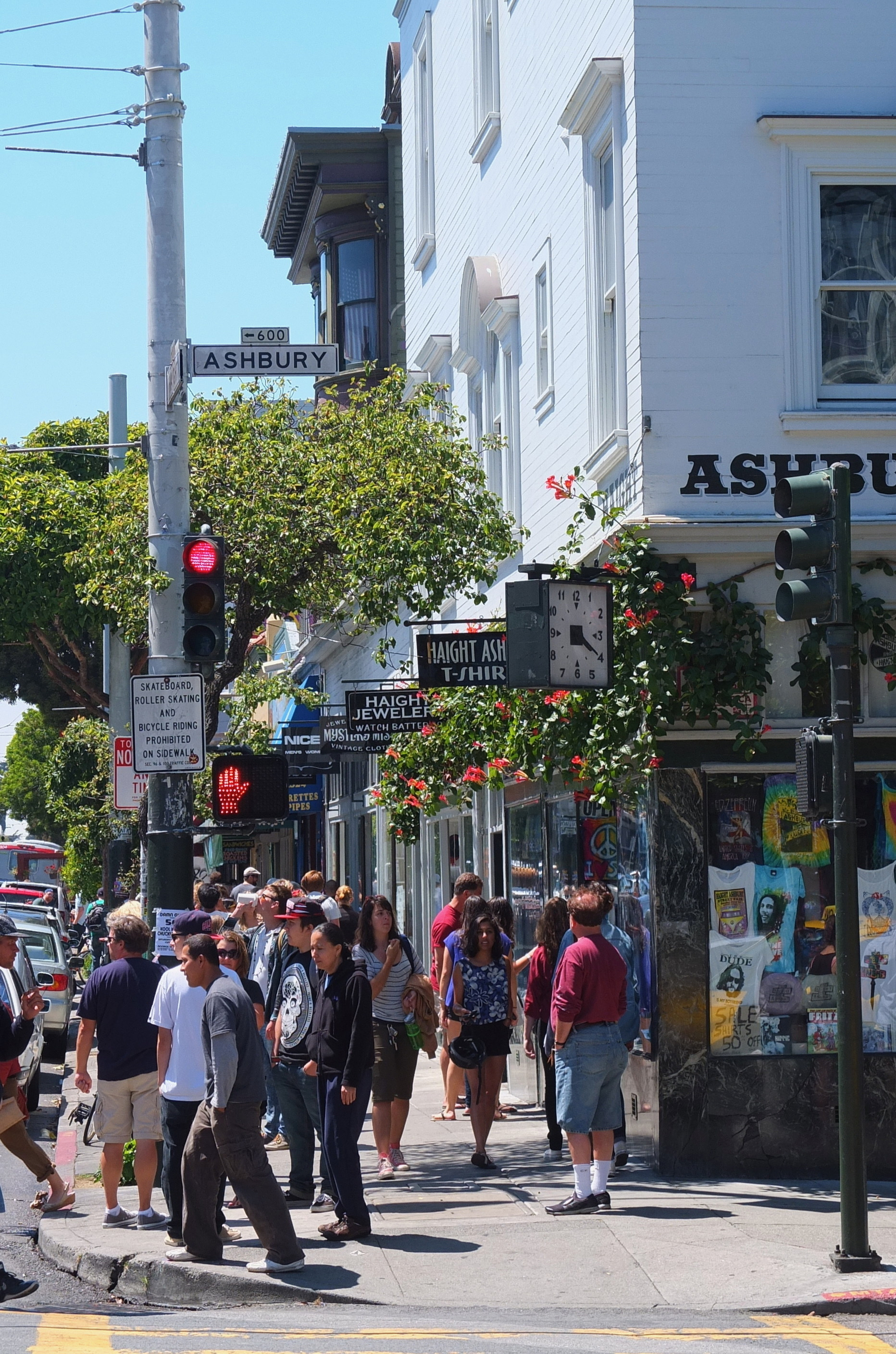
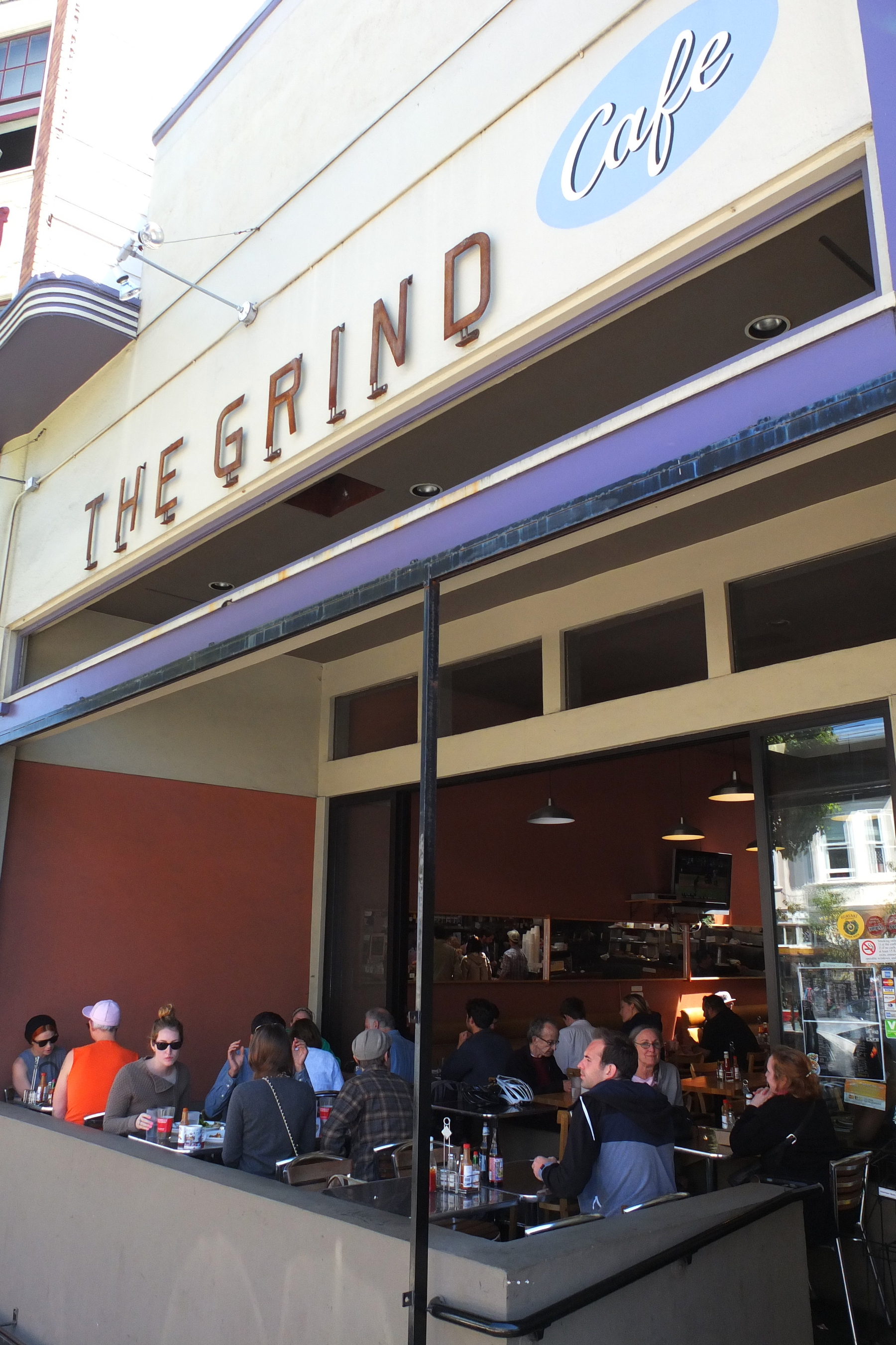
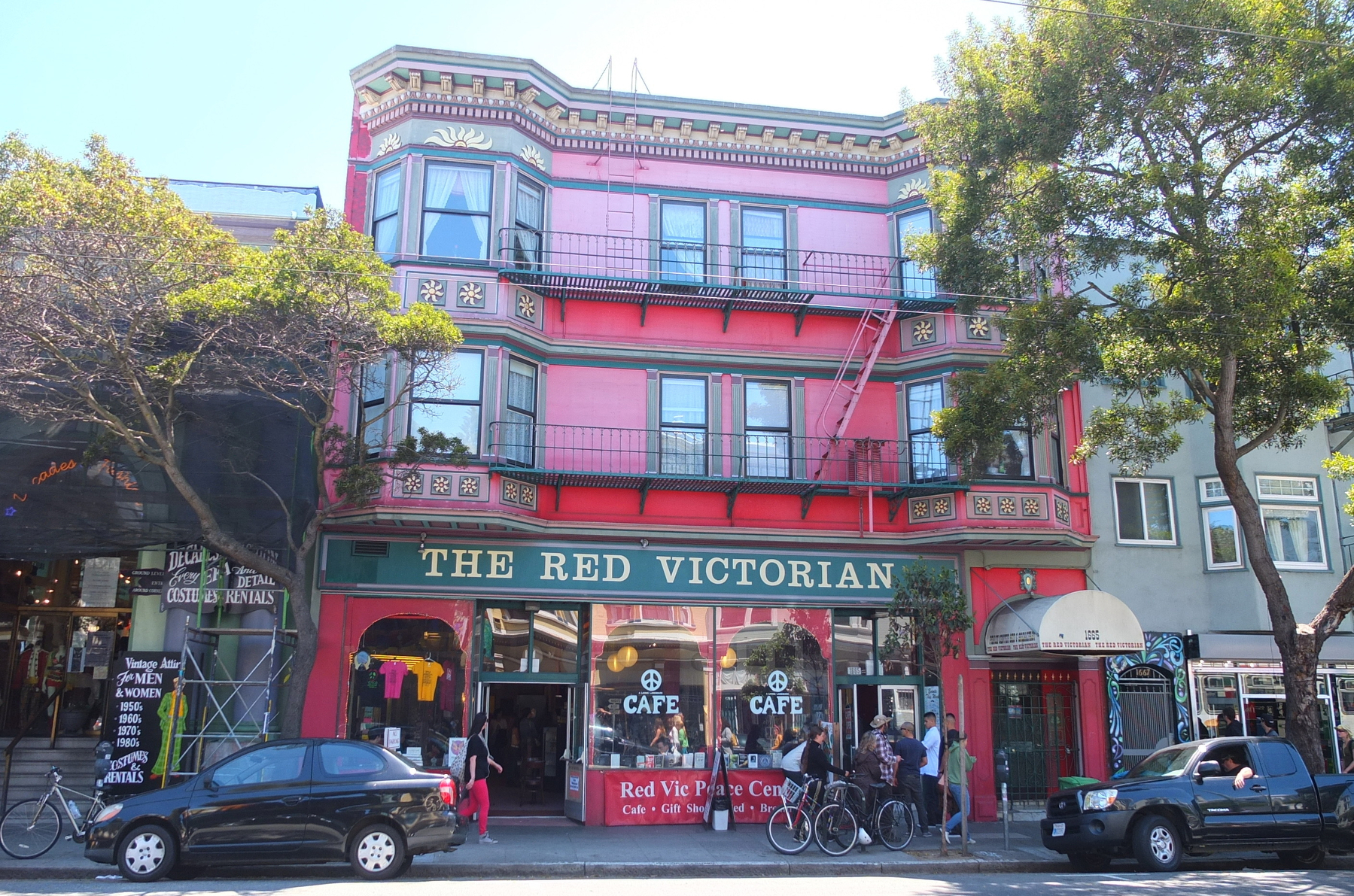
I also found myself drawn to the neighborhood’s bookstores, cafés, record shops, and vintage stores. These places may seem ordinary compared with the dramatic events of 1967, but perhaps that is exactly what makes them interesting. Counterculture is no longer something happening exclusively in underground clubs or communal houses. It has become part of the neighborhood’s commercial identity. You can buy a vintage Grateful Dead shirt, browse old vinyl records, read about the Summer of Love, and drink coffee within a few blocks of places where history actually happened.


There is an unavoidable irony in that transformation. A movement that once rejected consumerism has become part of the neighborhood’s tourism economy. The imagery of peace signs, psychedelic colors, flowers, and legendary rock bands is now sold on posters, clothing, souvenirs, and postcards. Yet I don’t think that necessarily makes the history meaningless. Places evolve, and Haight-Ashbury’s ability to absorb new generations may actually be part of its story. The neighborhood has always been about reinvention.
By the time the afternoon light began fading over the Victorian houses, I found myself thinking less about the clichés of the 1960s and more about the people who had actually lived through them. They were young people searching for something—sometimes political change, sometimes spiritual discovery, sometimes artistic freedom, sometimes simply a different way of living. Some succeeded in changing American culture. Others struggled. Some became famous. Many disappeared into ordinary lives. The mythology remembers the stars, but history was made by thousands of ordinary people who arrived with little more than curiosity and conviction.
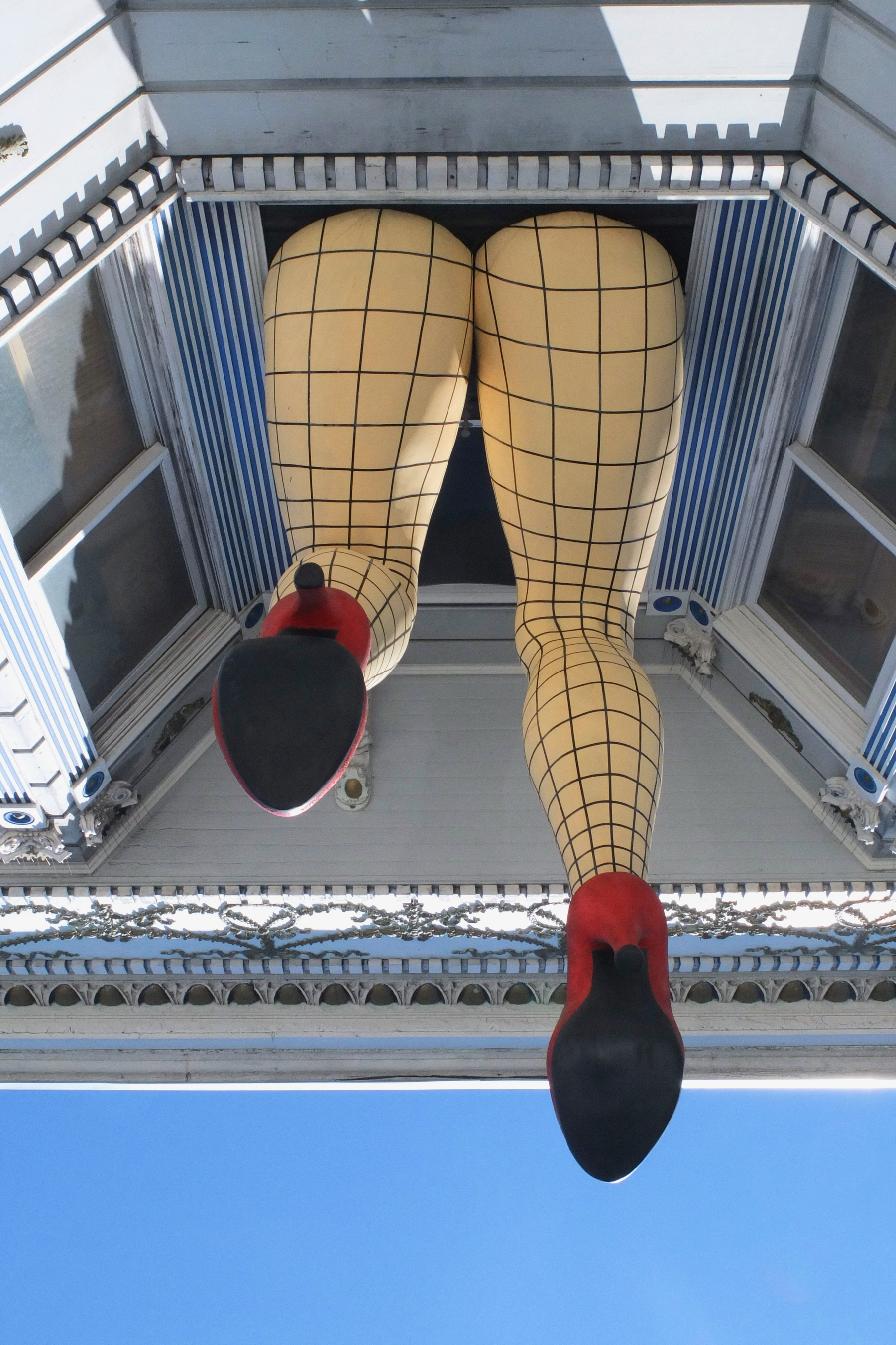

Walking away from the intersection of Haight and Ashbury, I realized that the most interesting thing about the neighborhood isn’t that it once hosted the Summer of Love. It is that the questions raised there never completely disappeared. How should we live? How much should we challenge society? What does freedom actually mean? Can a community exist outside conventional ideas of money and status? And can idealism survive once the world starts selling it back to us?
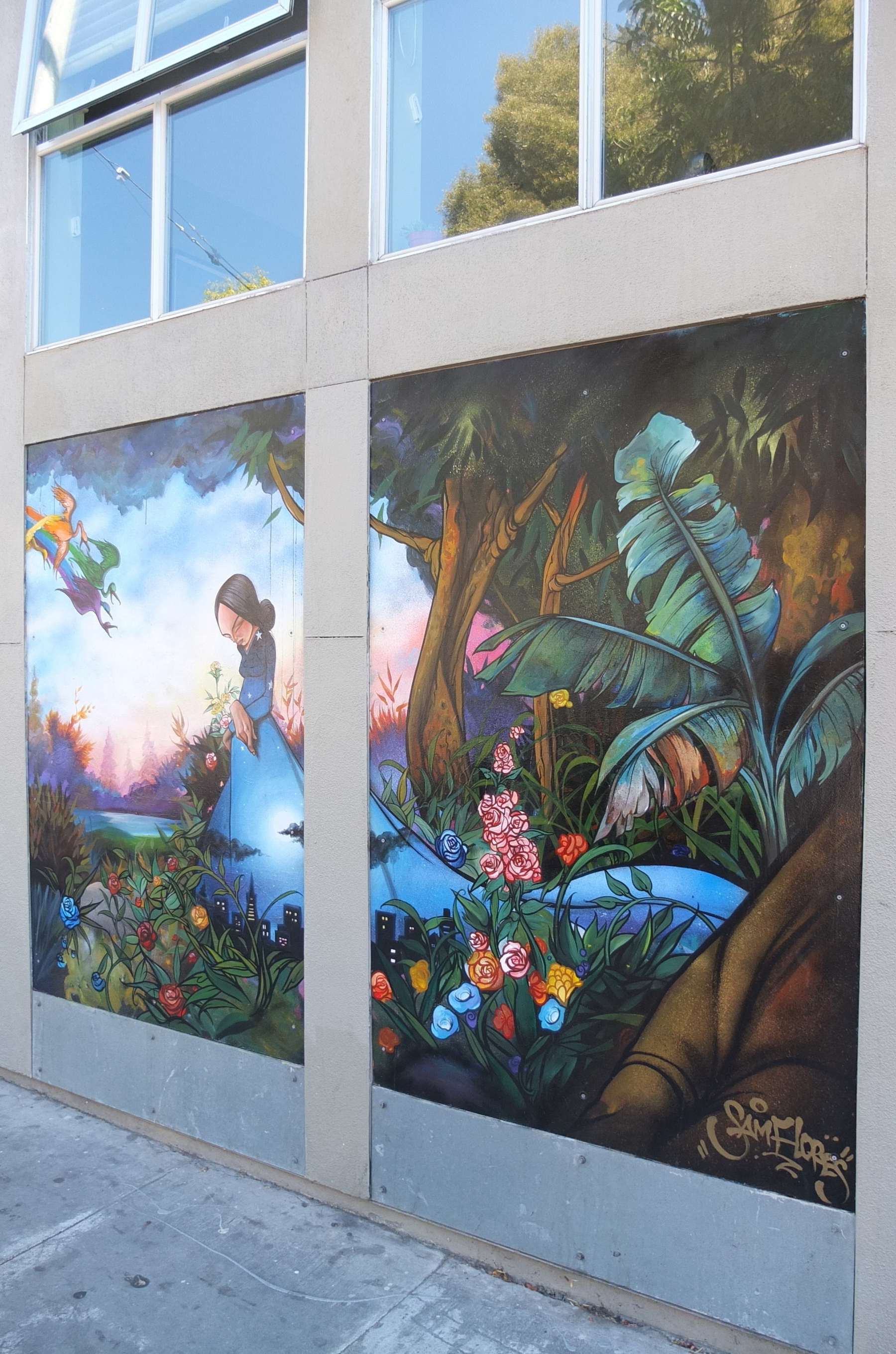

Haight-Ashbury doesn’t provide easy answers. Instead, it leaves fragments behind—in the music, the architecture, the murals, the cafés, the old photographs, the stories of the people who lived here, and the young travelers still wandering down Haight Street today. I arrived expecting to find a monument to the 1960s. Instead, I found a neighborhood still negotiating between its past and its future. And perhaps that is the most fitting legacy of all: Haight-Ashbury was never really about standing still. It was about questioning what came next.
#Photography #Photos #Photoblog #Blog #HaightAshbury #SanFrancisco #SummerOfLove #SanFranciscoHistory #HippieCulture #Counterculture #1960s #GratefulDead #JanisJoplin #JeffersonAirplane #JimiHendrix #TheDiggers #GoldenGatePark #HippieHill #BeatGeneration #PsychedelicRock #SanFranciscoTravel #CaliforniaTravel #TravelEssay #TravelPhotography