
Naples Beneath Vesuvius, A City Living on the Edge

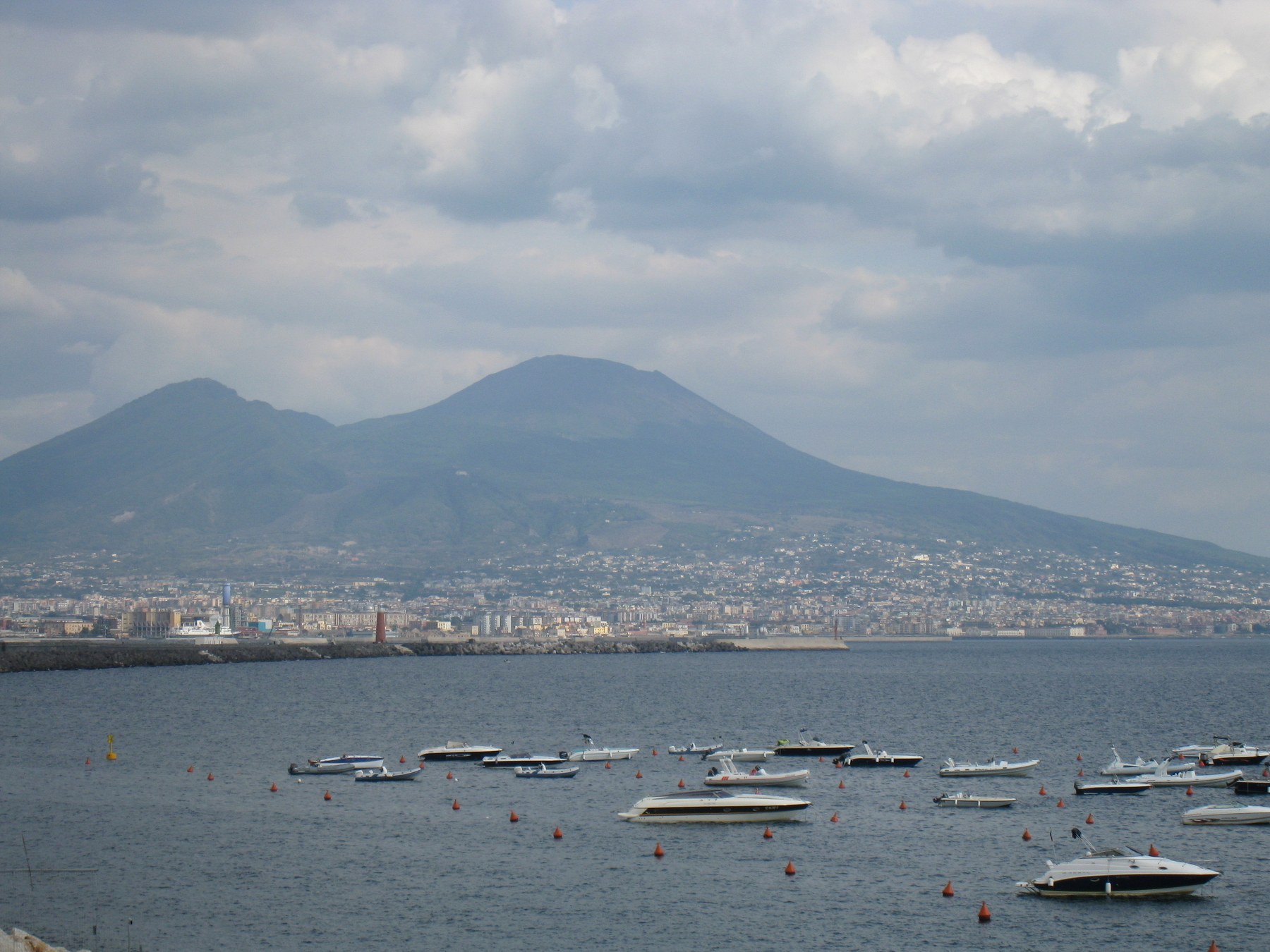
Standing at the Porto di Napoli, it was impossible not to look toward Vesuvius. Across the water, the volcano rose above Naples with an almost theatrical presence—beautiful in the morning light, yet carrying the unmistakable weight of history. The city seemed to exist in two worlds at once: one filled with ferries, fishing boats, cafés, voices, and traffic; the other dominated by a mountain that has the power to remind everyone just how temporary human life can be.


The port has been at the center of Naples for centuries. Long before modern ferries and cruise ships arrived, Greek settlers established Neapolis here in the 8th century BC, creating one of the Mediterranean’s great crossroads. Later, the Romans transformed the region into an important center of trade and culture. Standing beside the water, I found it fascinating to think that ships have been arriving and departing from this coastline for more than two thousand years. The scenery may have changed, but the relationship between Naples and the sea has never really disappeared.


And then there is Vesuvius. In the ancient world, volcanoes were not simply geological formations—they were mysterious forces that inspired mythology and fear. Vesuvius became permanently embedded in history in AD 79, when its catastrophic eruption buried Pompeii and Herculaneum beneath ash and volcanic material. The tragedy preserved streets, buildings, artwork, and even everyday objects with extraordinary detail, creating one of history’s most remarkable windows into Roman life.

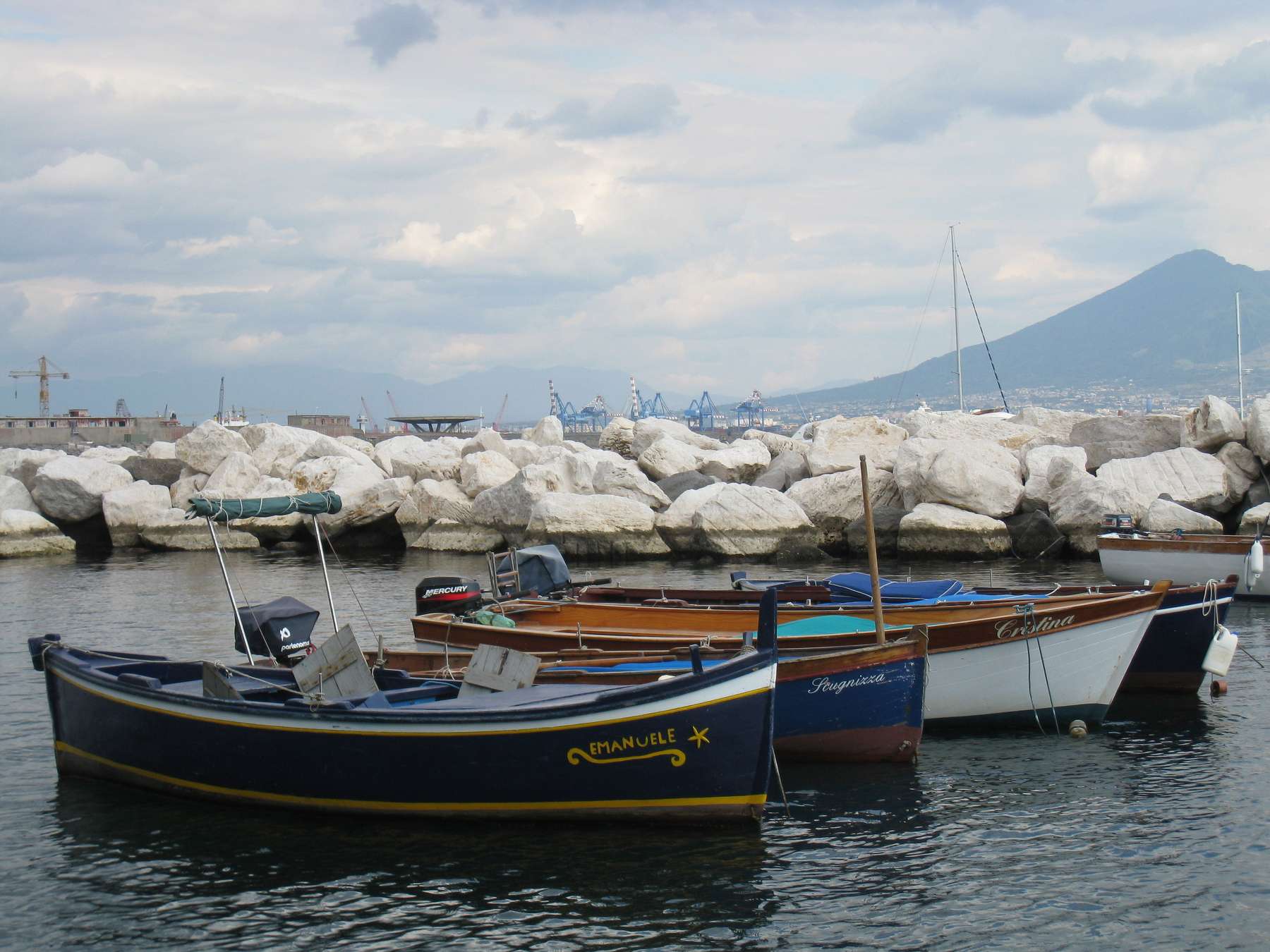
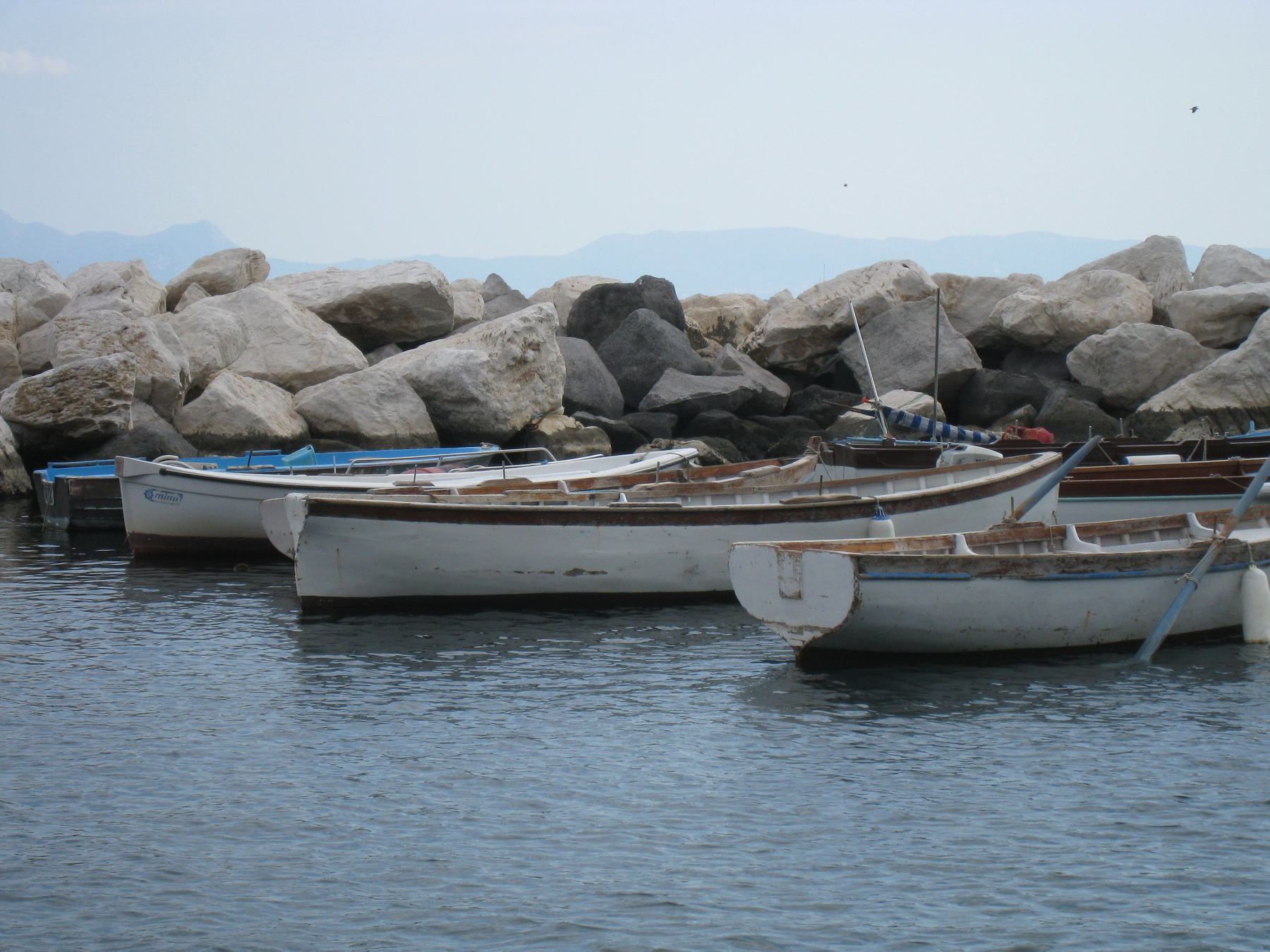
Yet Naples is not a city frozen by the volcano’s past. Quite the opposite. Walking around the port, I found an almost overwhelming energy. Fishermen worked around colorful boats, ferries moved constantly across the bay, and conversations seemed to spill effortlessly into the streets. There was noise everywhere, but it was the kind of noise that makes a city feel alive. Naples doesn’t seem particularly interested in being quiet or restrained—and perhaps that is part of its charm.


From the waterfront, the city’s layers of history seemed to unfold in every direction. The medieval Castel dell’Ovo occupies a dramatic position overlooking the bay, while farther inland the grand Piazza del Plebiscito represents another chapter of Naples’ long story. The port itself acts almost like a doorway, connecting the historic city with the islands scattered across the Bay of Naples. Ferries carry passengers toward Capri, Ischia, and Procida, continuing a maritime tradition that has defined this coastline for generations.

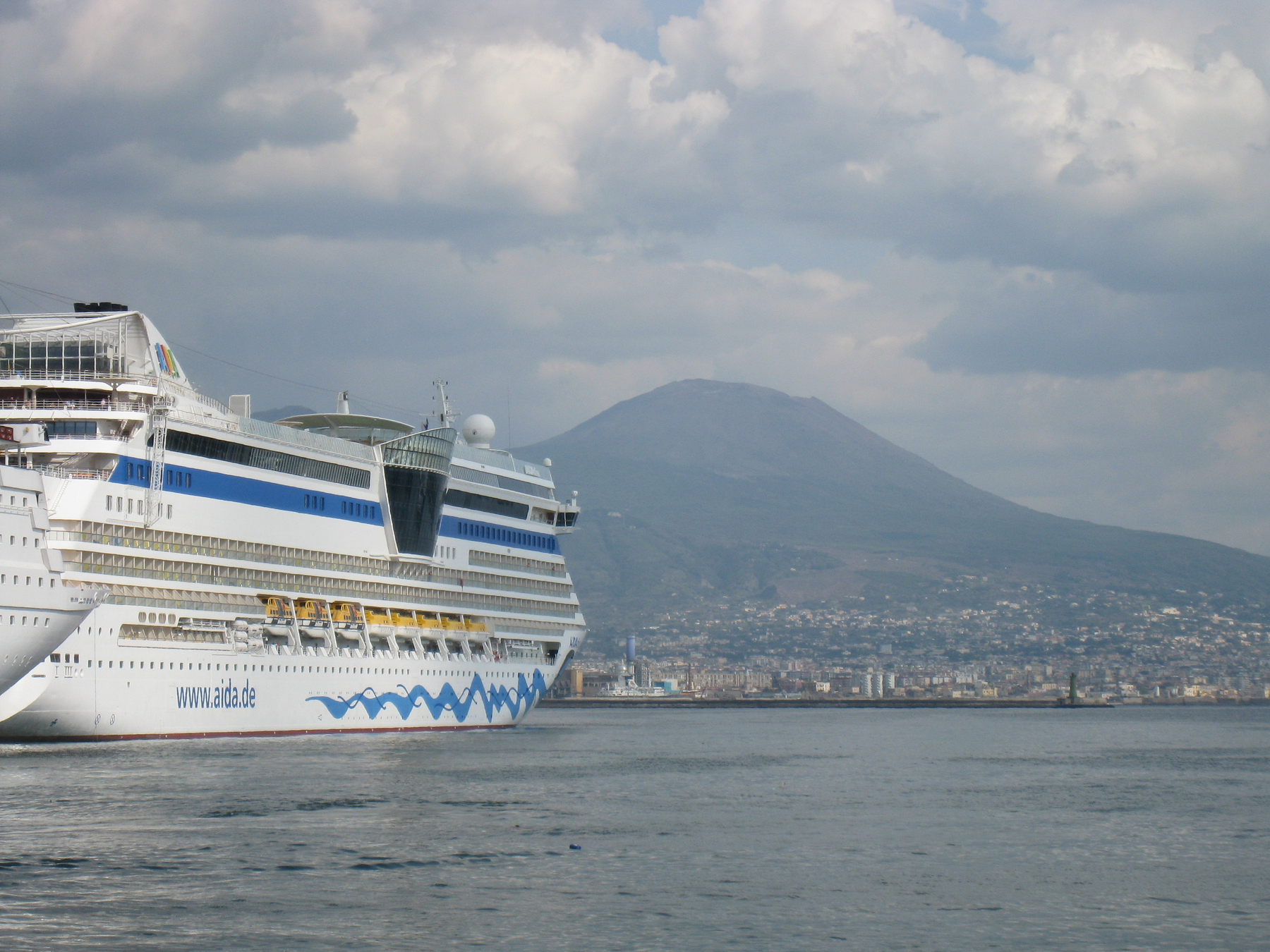
What struck me most was the contrast. Vesuvius represents enormous geological power, while the port represents human movement and persistence. Boats come and go. Markets open each morning. Restaurants fill with people. Children grow up, businesses change hands, and another generation builds its life beneath the same mountain. The volcano remains, largely indifferent to all of it.


There is also something wonderfully Mediterranean about experiencing Naples from the water. The light changes constantly across the bay, sometimes turning the buildings golden and sometimes making Vesuvius appear almost impossibly close. Looking back toward the city from the harbor, I could see how tightly Naples is packed against the coastline, its streets climbing toward the hills behind it. It is easy to understand why travelers have been drawn here for centuries.

The port is also a reminder that Naples has never been isolated. Its position made it a gateway between cultures, and ships brought merchants, travelers, ideas, languages, and food from across the Mediterranean. That history is still visible in the city’s character today. Naples can feel intensely local while simultaneously carrying the unmistakable influence of the wider Mediterranean world.


As I stood there for one last look at Vesuvius, I felt a strange mixture of fascination and humility. The mountain wasn’t threatening me; it didn’t need to. Its very existence was enough. Beneath that enormous volcano, Naples continues doing what it has done for centuries—living loudly, passionately, and completely in the present while carrying an extraordinary past on its shoulders.
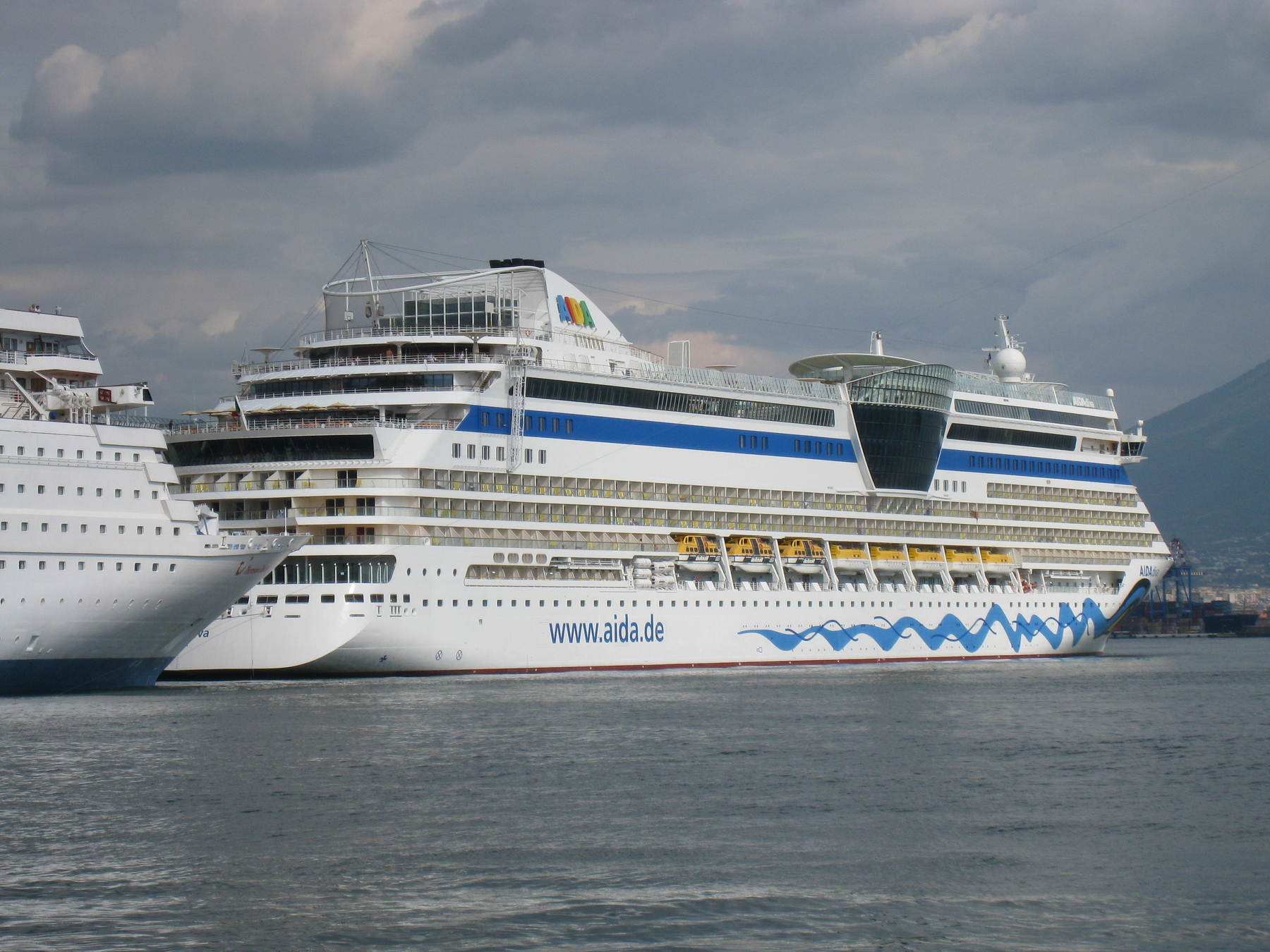
Perhaps that is what makes Naples so unforgettable. It isn’t beautiful because everything is polished or perfectly preserved. It is beautiful because it feels real. At Porto di Napoli, with the sea in front of me, the city behind me, and Vesuvius rising across the bay, I felt the extraordinary tension that defines this place: the ancient beside the modern, danger beside beauty, and history beside everyday life. Naples doesn’t simply live in Vesuvius's shadow. It lives, vividly and unapologetically, despite it.