
Sitges in Silence. Experiencing the Good Friday Procession
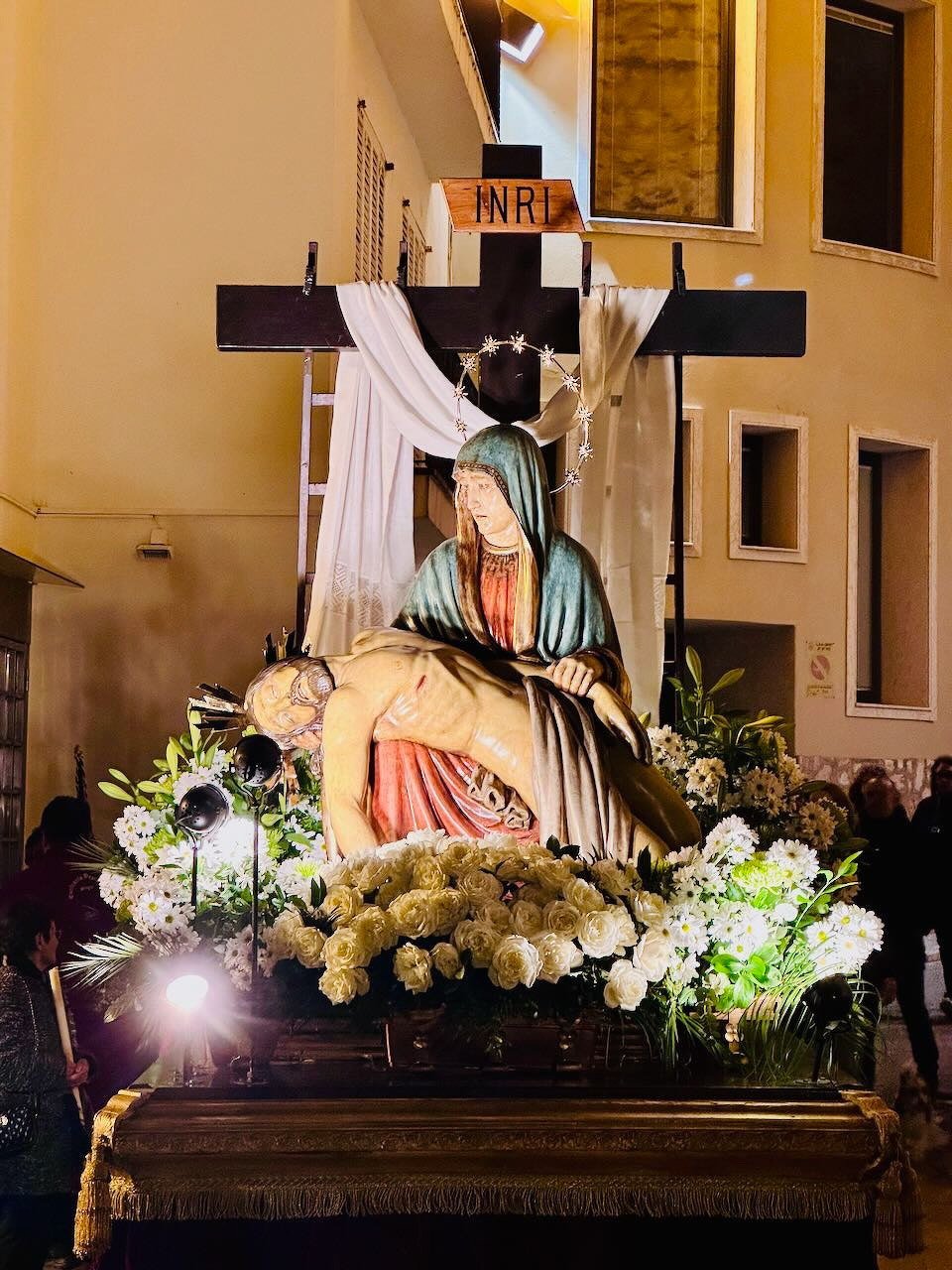
There is a particular kind of silence that has weight. It isn’t simply the absence of noise; it feels almost like a presence, carrying centuries of tradition, devotion and memory. I found that silence last Friday beneath a faint quarter moon, walking through the medieval streets of Sitges as the town prepared for one of its most solemn nights of the year: the Good Friday Processó del Silenci.
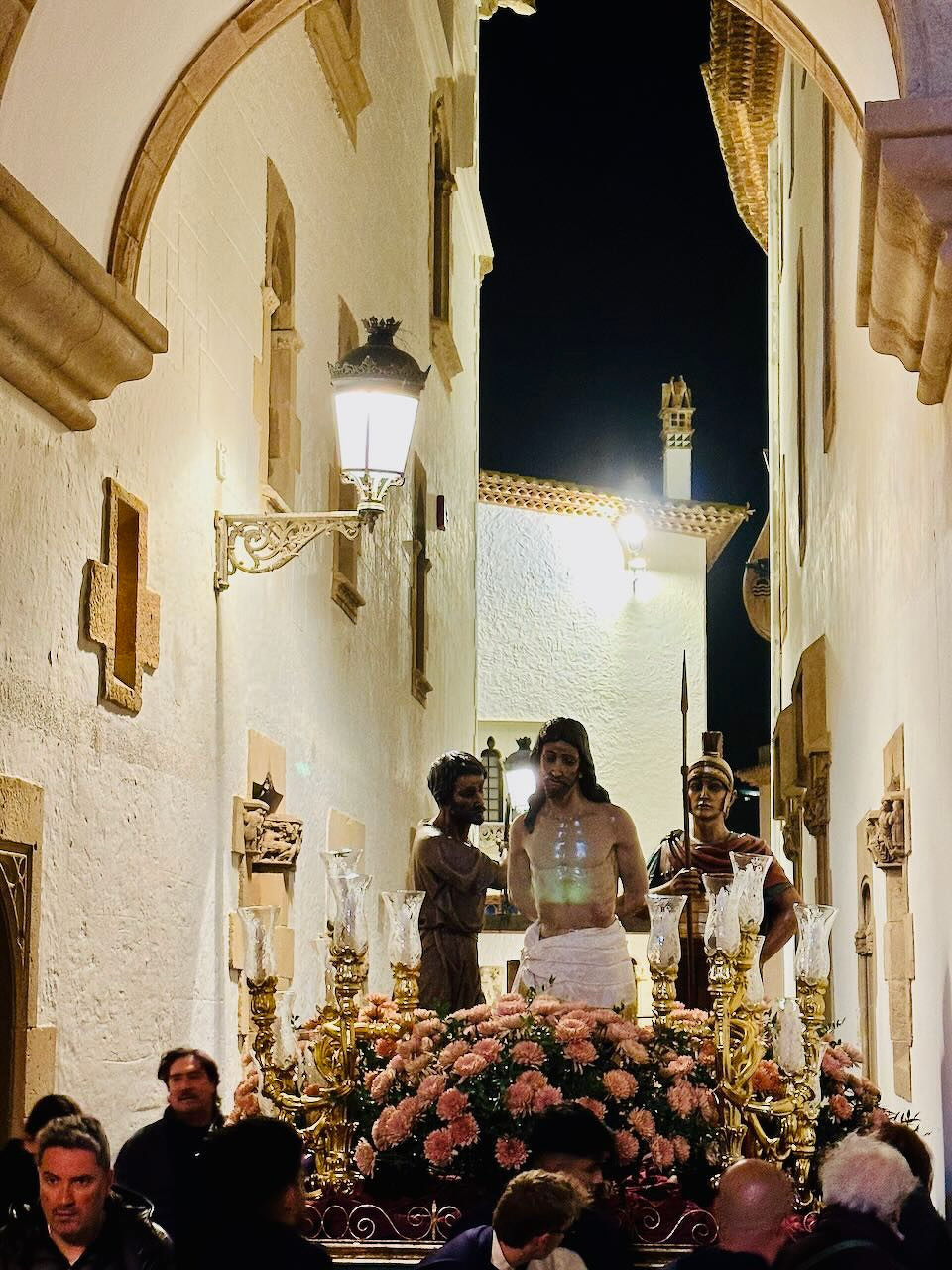
Sitges is usually a town of colour, sunlight, beaches and nightlife, but for a few hours that familiar personality seemed to disappear. By around 9:30 PM, near El Baluard and the historic Church of Sant Bartomeu i Santa Tecla, the atmosphere had completely changed. The cheerful sounds of the evening were replaced by hushed conversations, the shuffle of hundreds of feet and the unmistakable scent of melting beeswax. The Mediterranean resort town I knew so well had suddenly become something much older.
Then came the drum. Deep, slow and perfectly measured, its muffled boom seemed to rise from the ancient stones themselves. There was no elaborate musical accompaniment, just that solitary rhythm marking the procession’s deliberate progress. With every beat, the anticipation grew, until the first figures emerged from the shadows of the church.
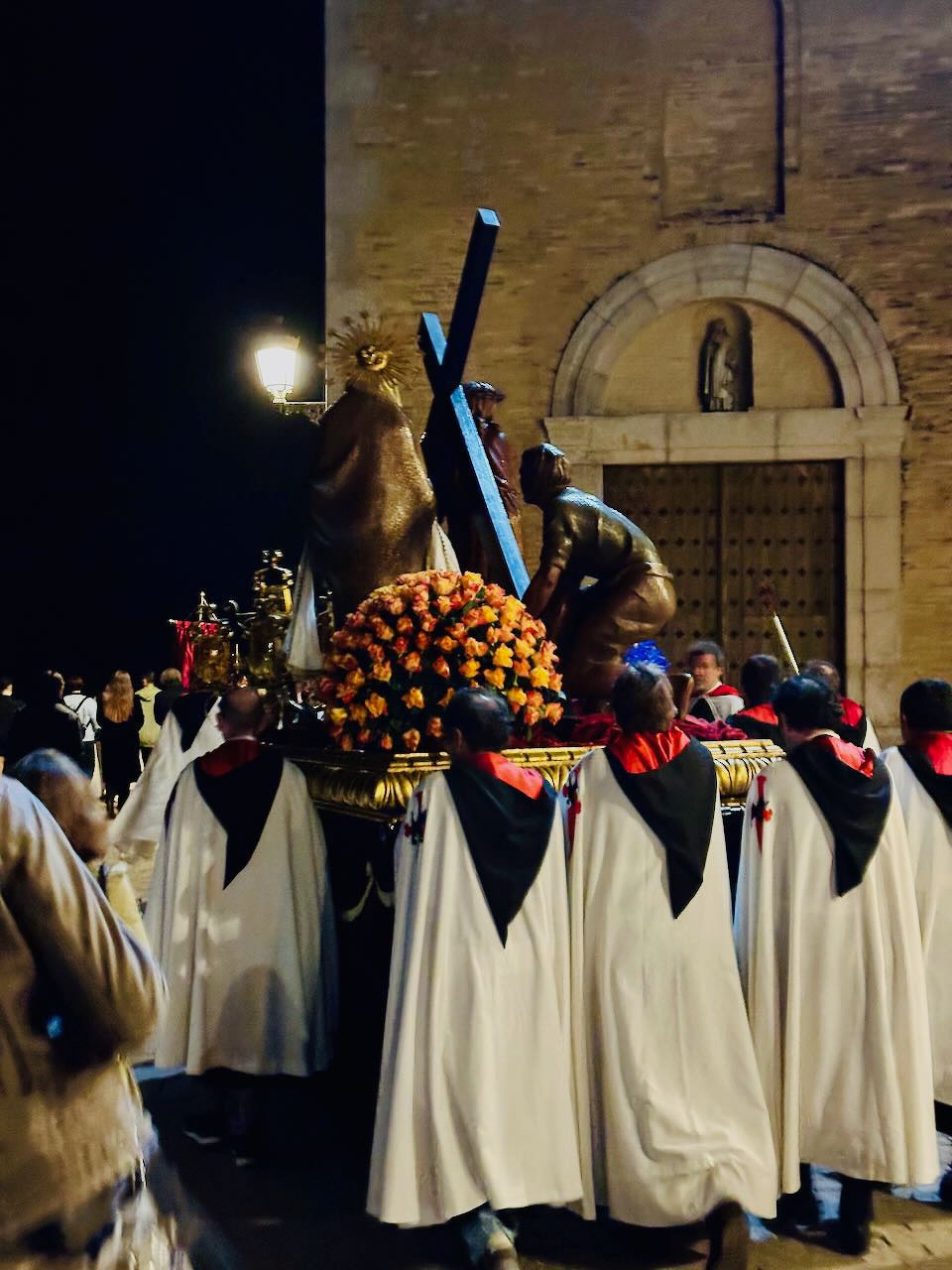
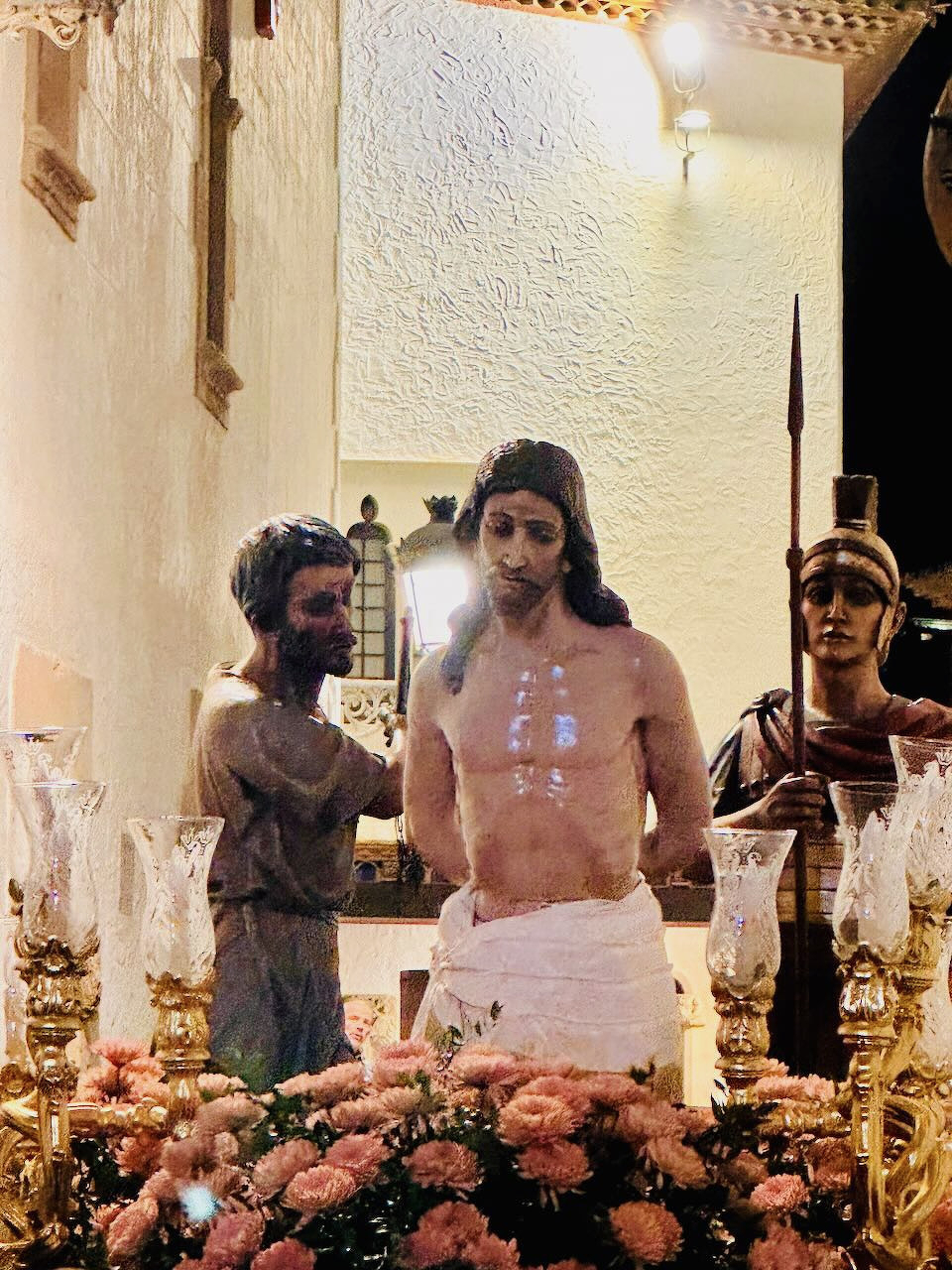
The Confraries, or religious brotherhoods, appeared in long, sombre robes, carrying tall candles that provided much of the procession’s illumination. Most striking were the nazarenos, their faces hidden beneath tall, conical hoods. In the flickering candlelight, they seemed almost timeless, connecting the modern town around us with traditions that have endured across generations. Behind them came the Pasos — elaborate religious floats carrying dramatic sculptures representing scenes from the Passion of Christ.
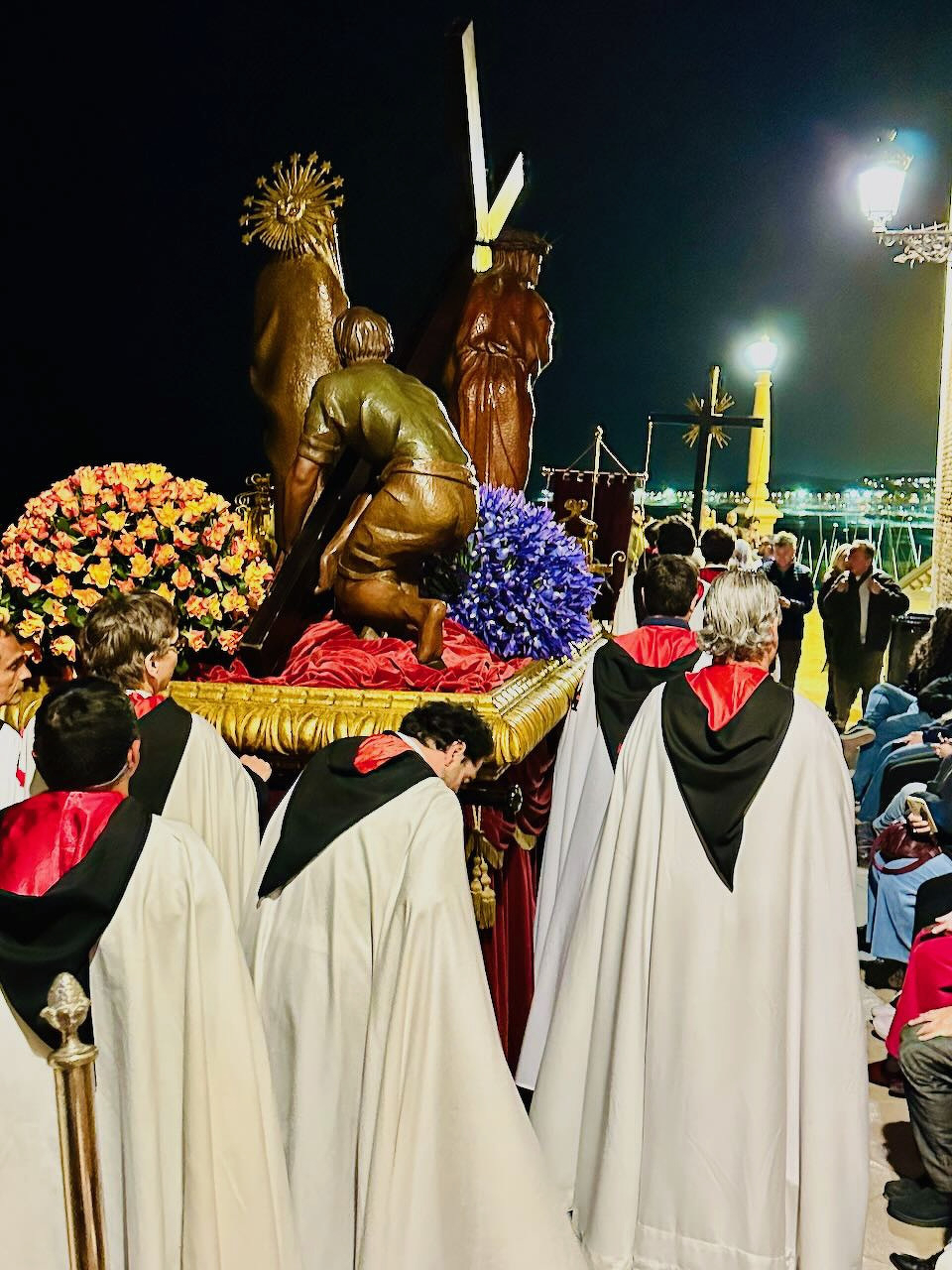
Watching the Pasos being carried through Sitges was an experience in itself. These enormous works of religious art require teams of costaleros to carry them through streets that can become remarkably narrow and difficult to navigate. Their movements were slow, controlled and perfectly coordinated. As they passed beneath balconies and around tight corners, the statues seemed to sway gently above the crowd, creating an almost surreal impression that they were floating through the darkness.
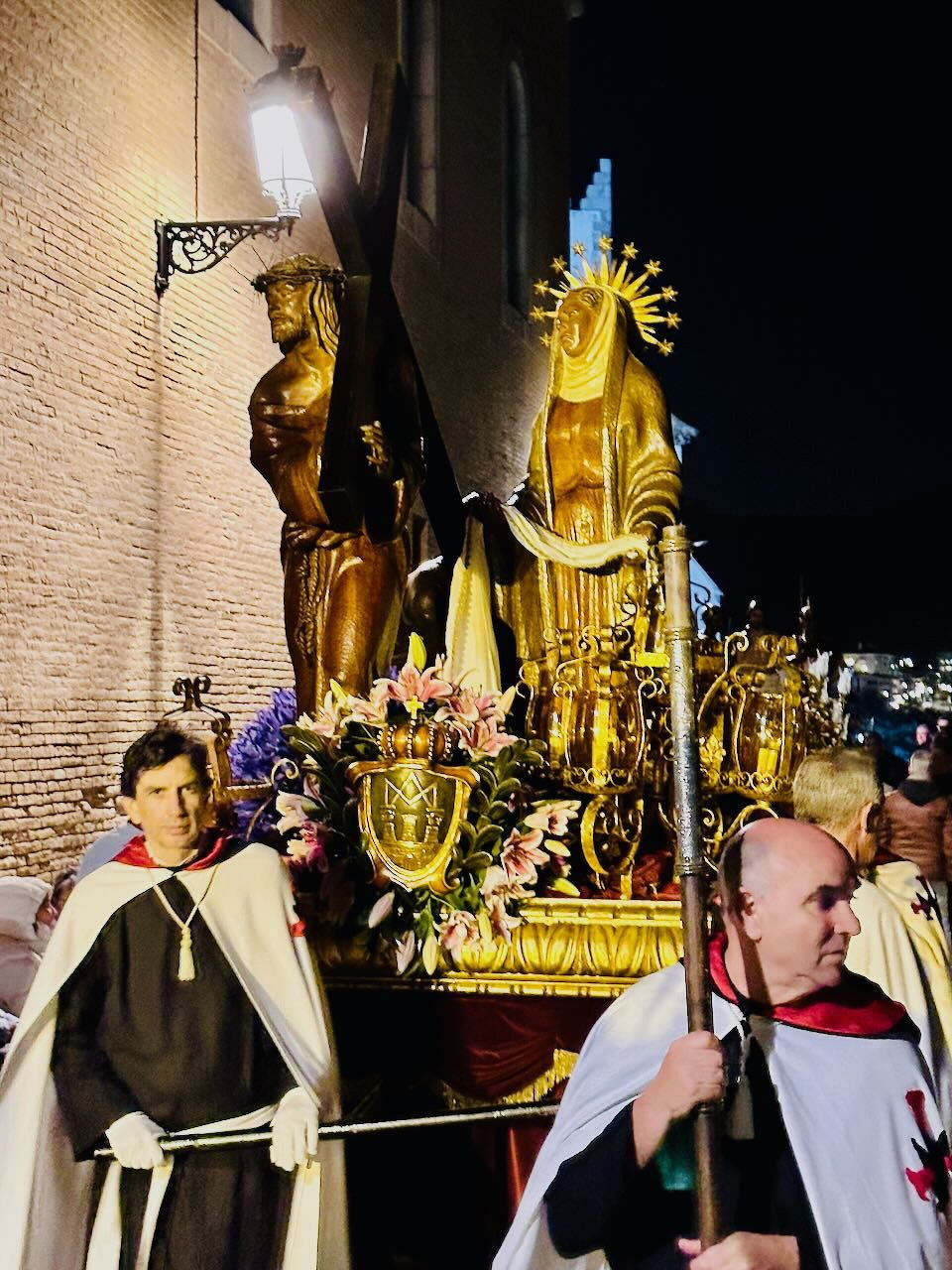
The most powerful moment for me came in the Plaça del Cap de la Vila, the historic heart of Sitges. The streets funnel into this busy square, creating a natural stage for the procession. As the first float entered, something remarkable happened: thousands of people became almost completely silent. I could hear the rhythmic movement of feet, the occasional scrape of a staff against the pavement and the soft crackle of candle wax. For a moment, the entire square seemed suspended in time.
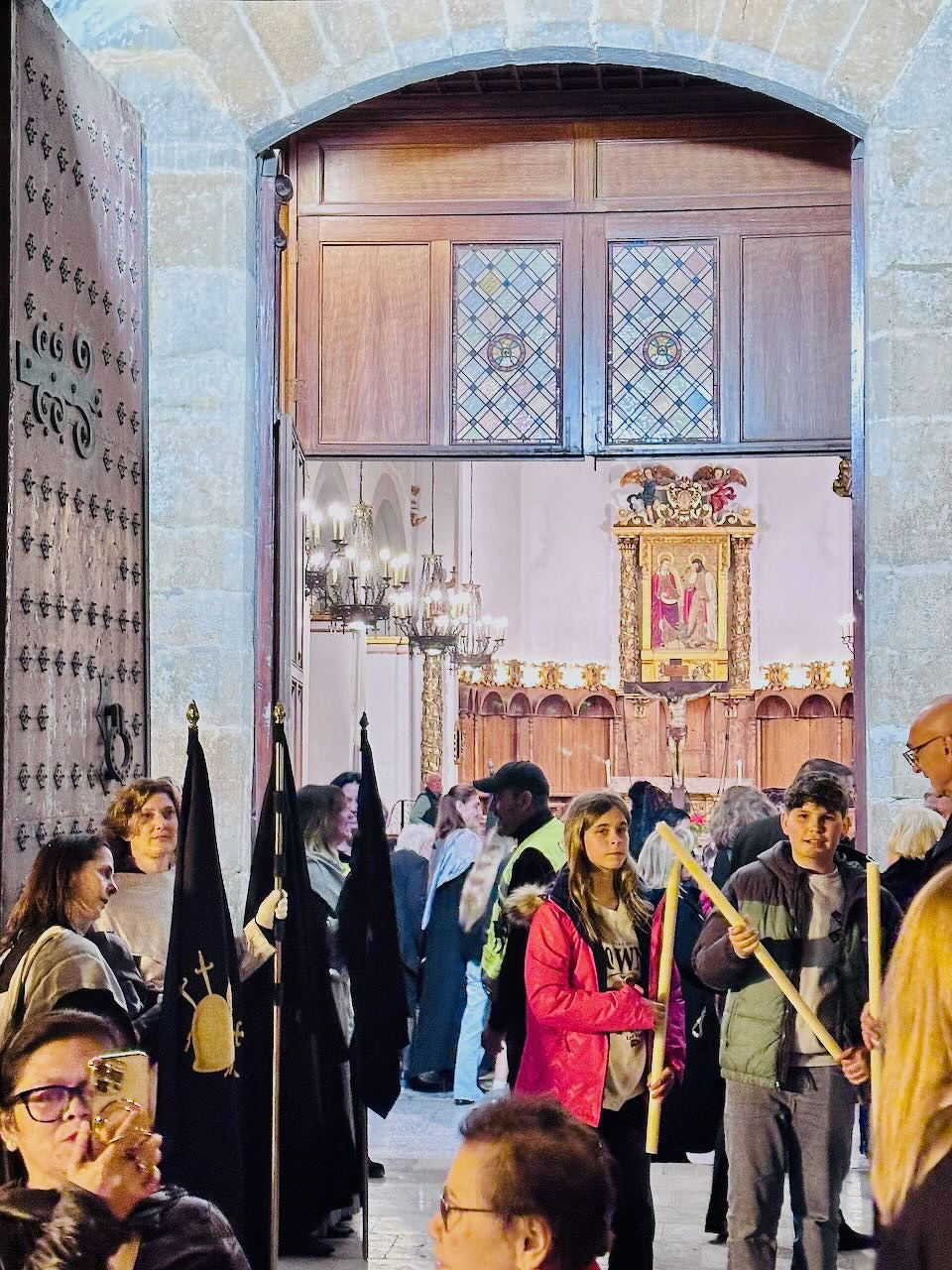
Coming from my experience of Spain’s more exuberant Holy Week traditions, particularly the famous processions of Andalucía, I found the Catalan approach especially striking. Here, the silence wasn’t simply what happened when the music stopped. The silence was the message. It created an atmosphere of mourning, reflection and collective remembrance, drawing everyone together — the participants, local residents and visitors like myself — without needing words.
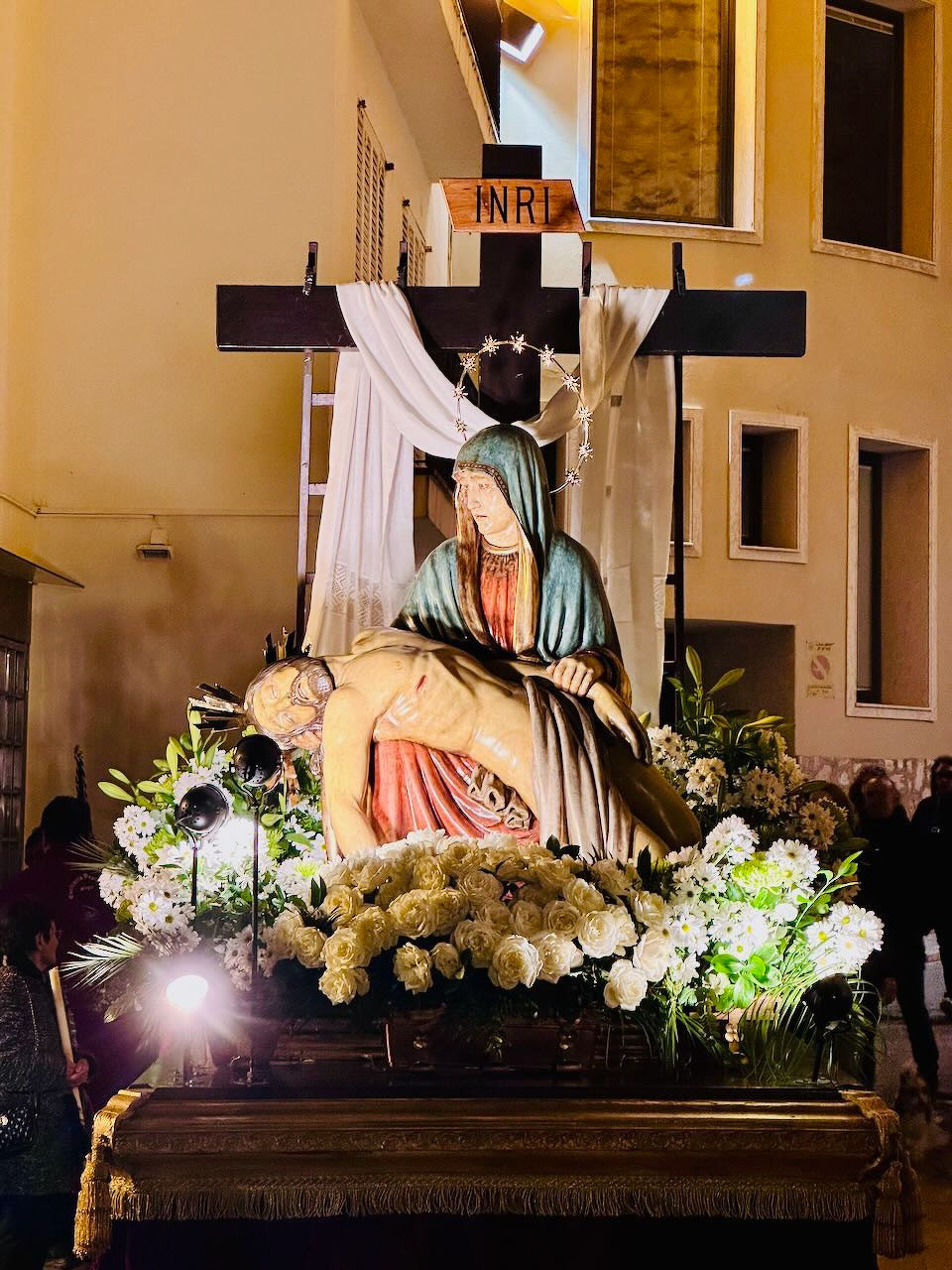
As a photographer, I found myself almost instinctively slowing down. The darkness demanded restraint. There was no bright spectacle to capture, only fragments of light: a hooded figure emerging from shadow, candle flames reflected against ancient stone, the intricate details of a Paso passing just feet away. I managed to capture a few images, but photography felt secondary to simply standing there and experiencing the procession. Some moments are better remembered through atmosphere than through a camera.
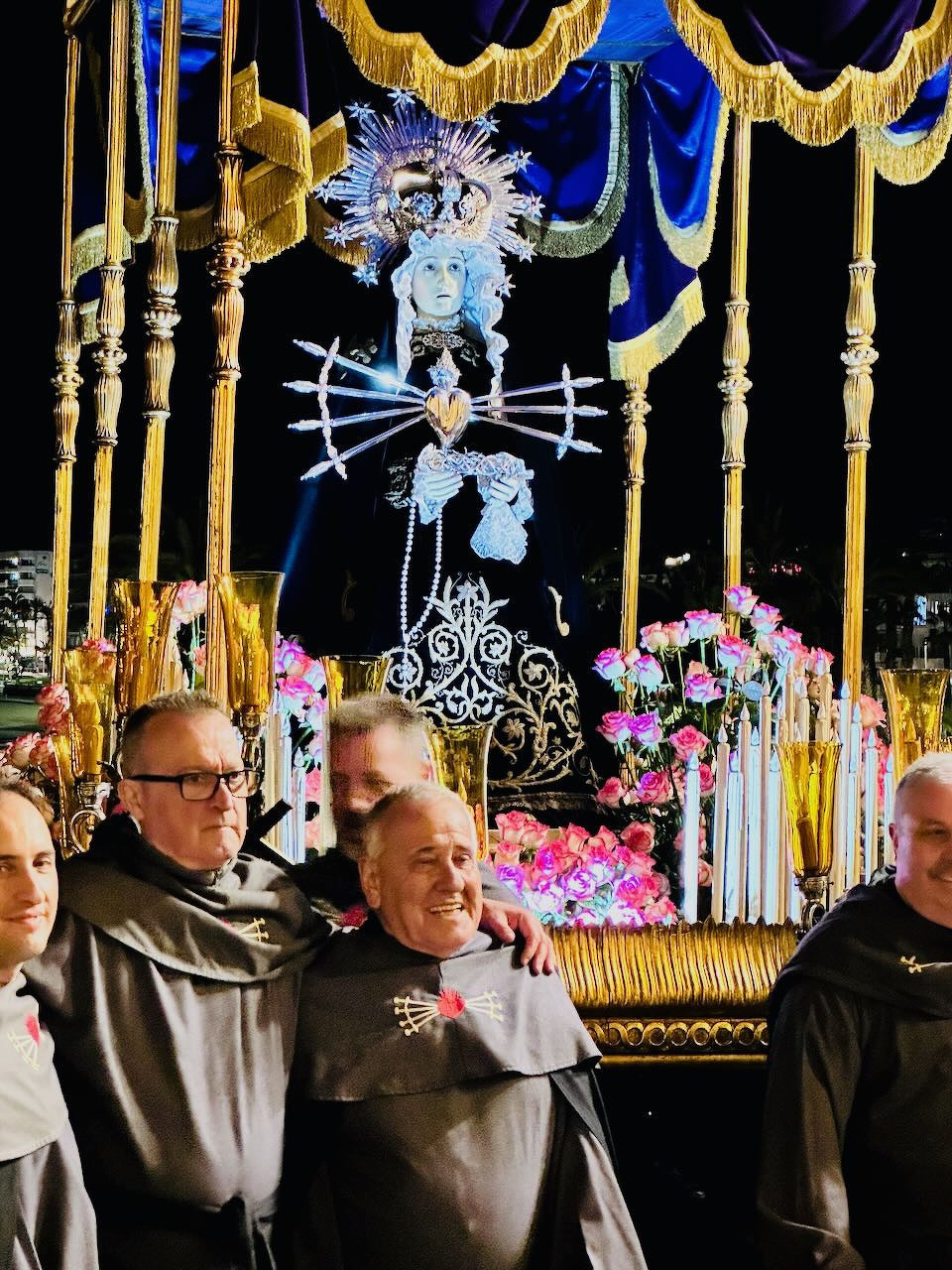
Eventually, the procession made its way back toward the Plaça de l’Ajuntament, beside the elegant town hall and only steps from the parish church. The floats gathered in the square, the drum fell silent, and the hundreds of participants stood together beneath the candlelight. A final prayer was offered, and gradually the extraordinary stillness began to dissolve. After hours of solemn silence, the town seemed to take one enormous collective breath.
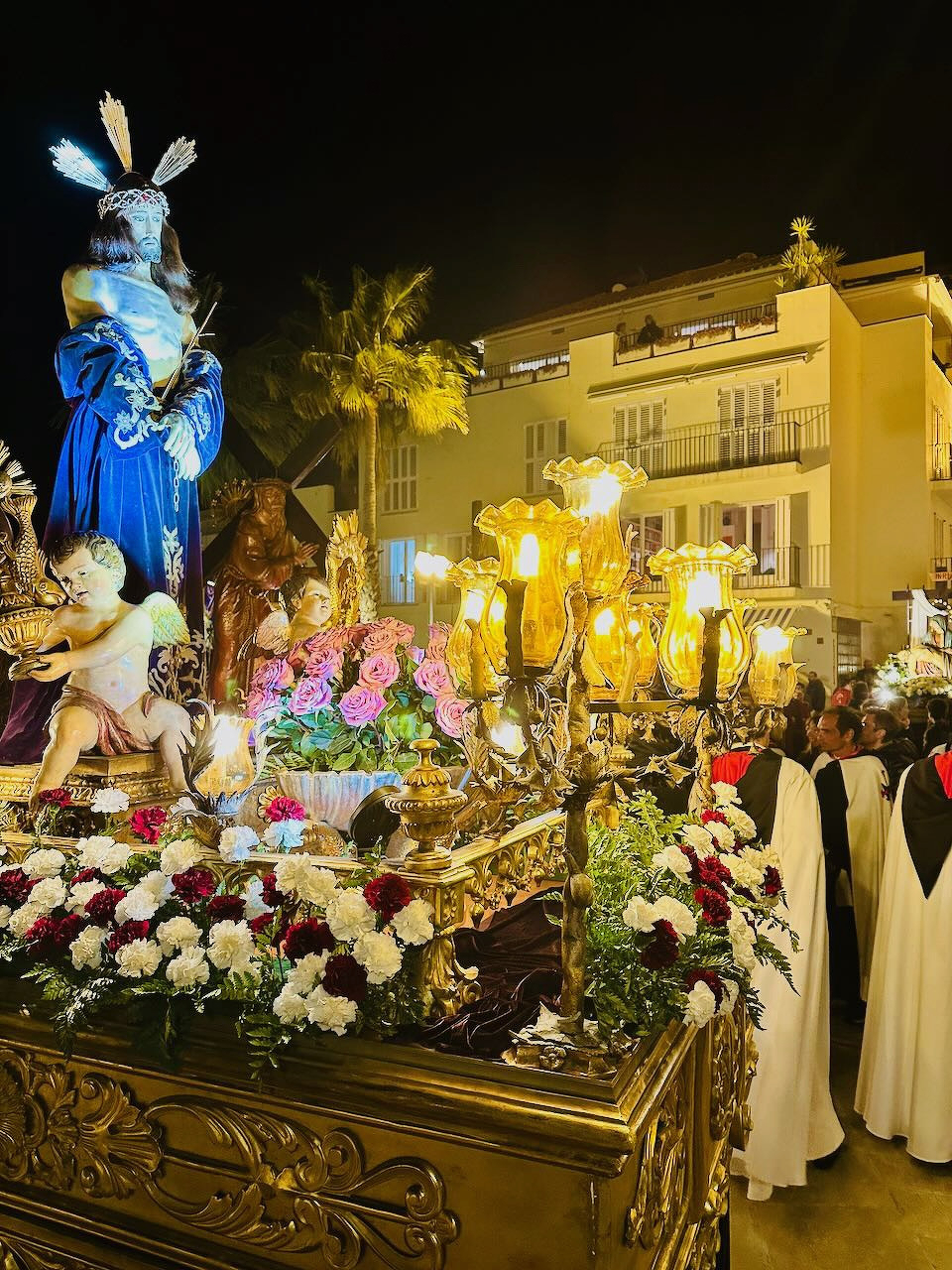
Walking away through the old streets of Sitges that night, I kept thinking about how different the town had felt just a few hours earlier. The beaches, bars and colourful streets were still there, but I had seen another side of Sitges — one shaped by faith, history, community and tradition. The Processó del Silenci reminded me that sometimes the most powerful experiences don’t need spectacle or noise. Sometimes the loudest message is the one delivered in complete silence.
#Photograpghy #Photos #Blog #Sitges #SitgesCatalunya #ProcessoDelSilenci #GoodFriday #HolyWeek #SemanaSanta #Catalonia #Catalunya #SitgesOldTown #SantBartomeuISantaTecla #EasterInSpain #CatalanTraditions #SpanishTraditions #ReligiousProcession #TravelPhotography #TravelEssay #TravelBlog #VisitSitges #BarcelonaDayTrips