
Walking the Brooklyn Bridge: A Journey Through New York History
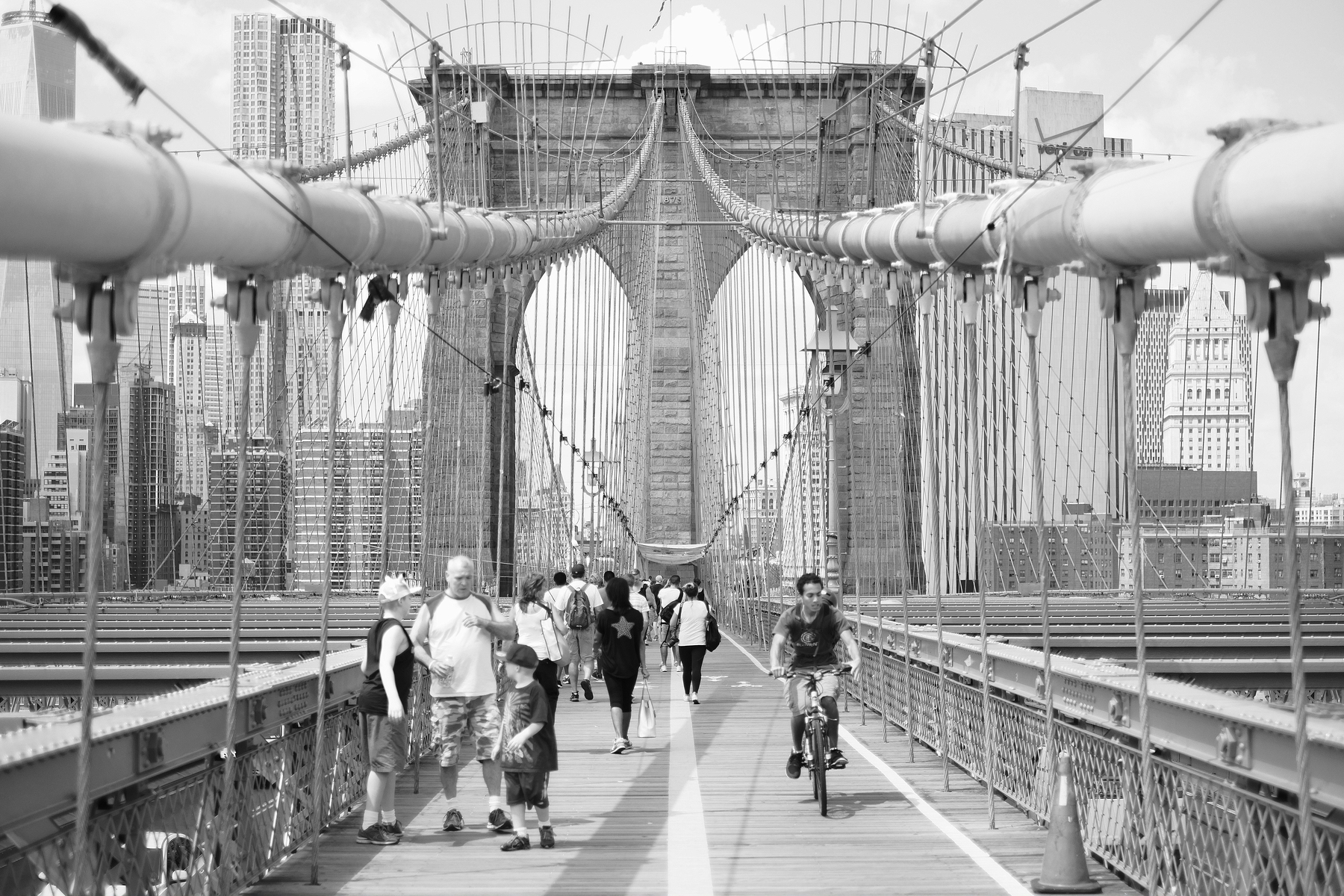
When I stepped onto the Brooklyn Bridge, I expected a beautiful walk above the East River. What I discovered was something more powerful: a chance to experience one of New York City’s greatest engineering achievements from the inside. The Gothic towers rose above me, the cables stretched towards Manhattan, and the steady movement of pedestrians made the bridge feel as alive as the city itself. More than a crossing between two boroughs, it was a reminder of the ambition and determination that helped shape New York.
The story of the bridge began in 1869, when engineer John Augustus Roebling proposed a suspension bridge connecting Manhattan and Brooklyn. His vision was extraordinary for the time, but he never lived to see it completed. After suffering a fatal accident during the early stages of the project, his son, Washington Roebling, took over as chief engineer. The construction became a family struggle as much as an engineering challenge. Washington suffered from decompression sickness after working in the underwater caissons, leaving him largely confined to his home. From there, he continued directing the project, relying heavily on his wife, Emily Warren Roebling, who became an essential link between the engineer and the construction teams.
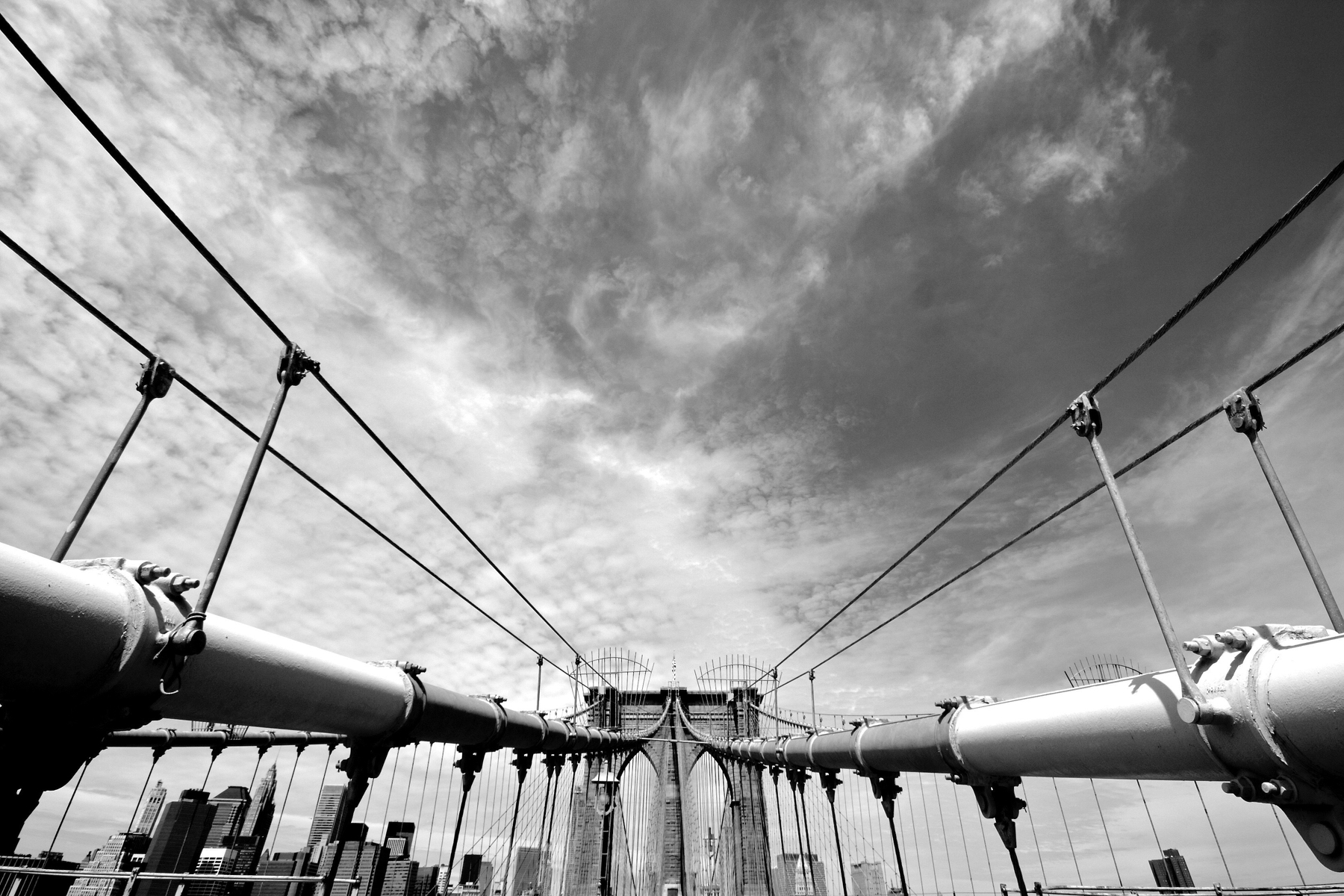
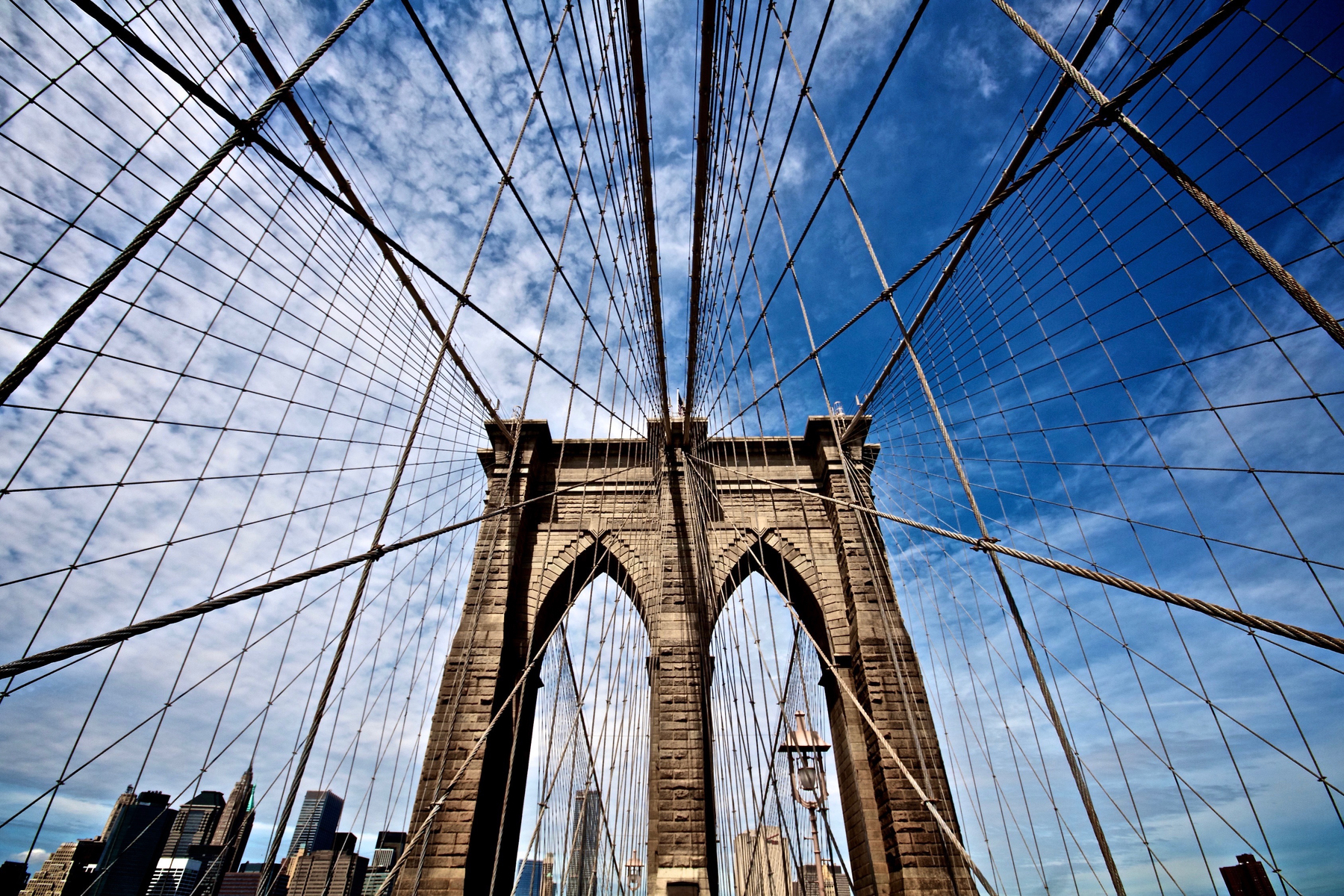
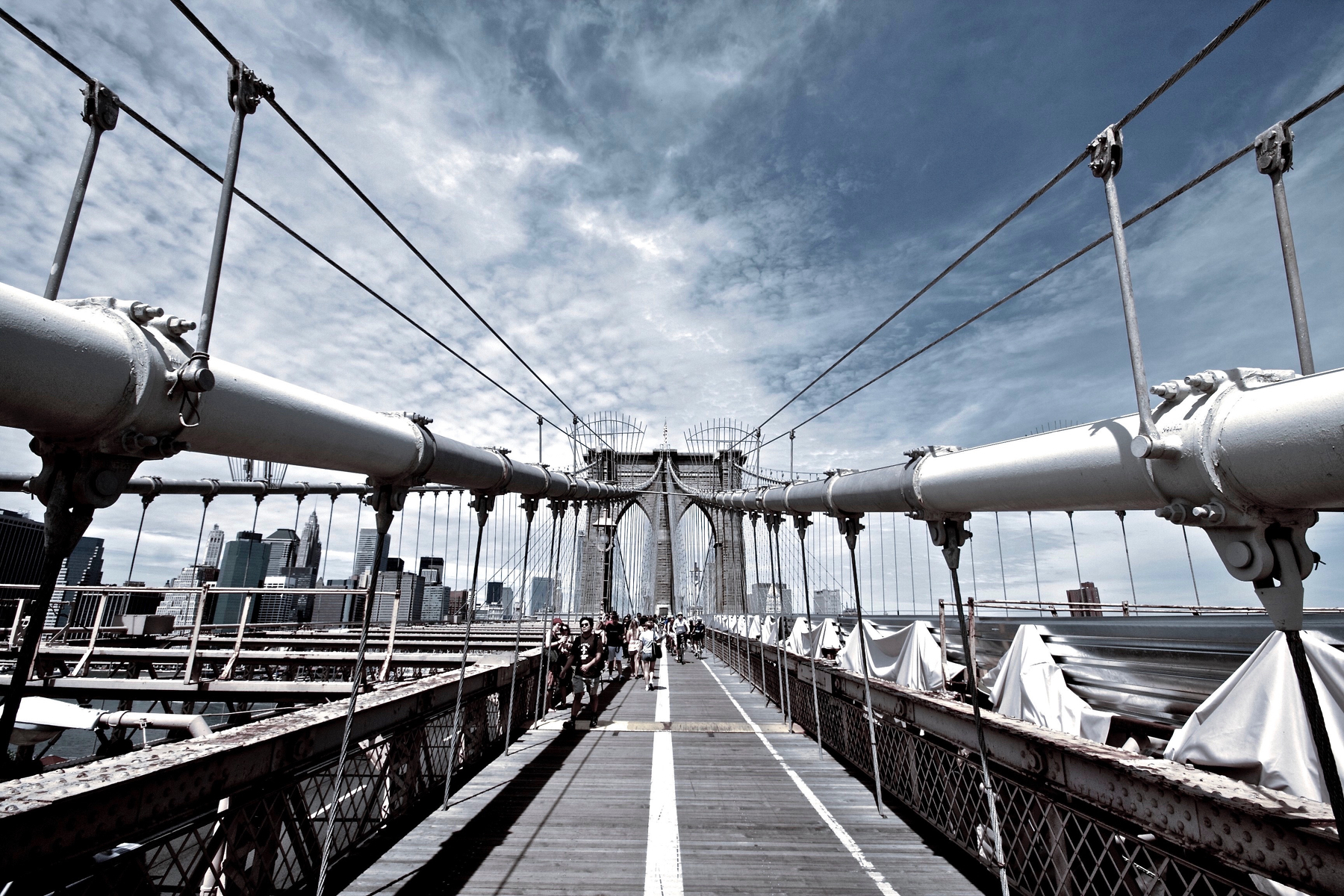
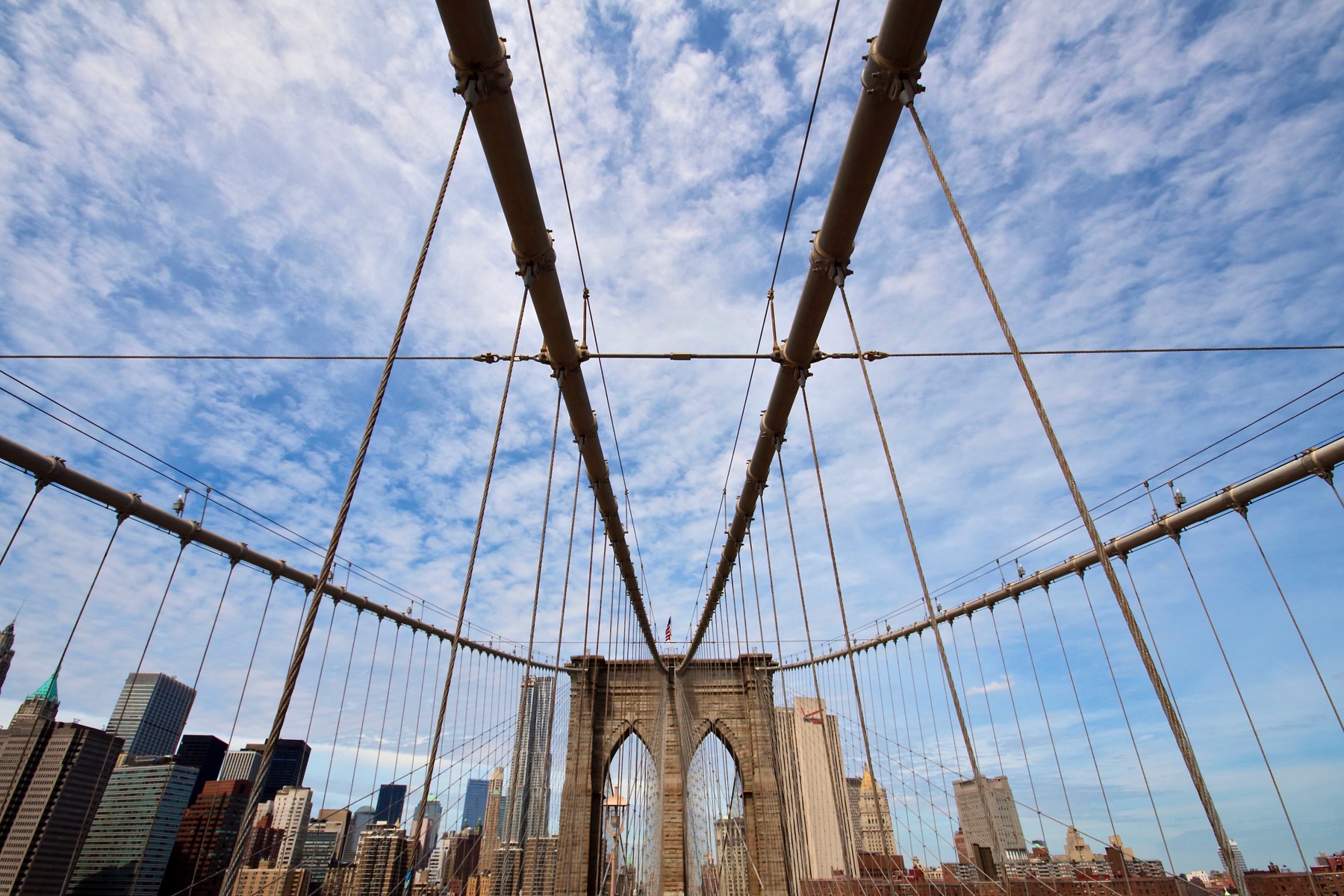
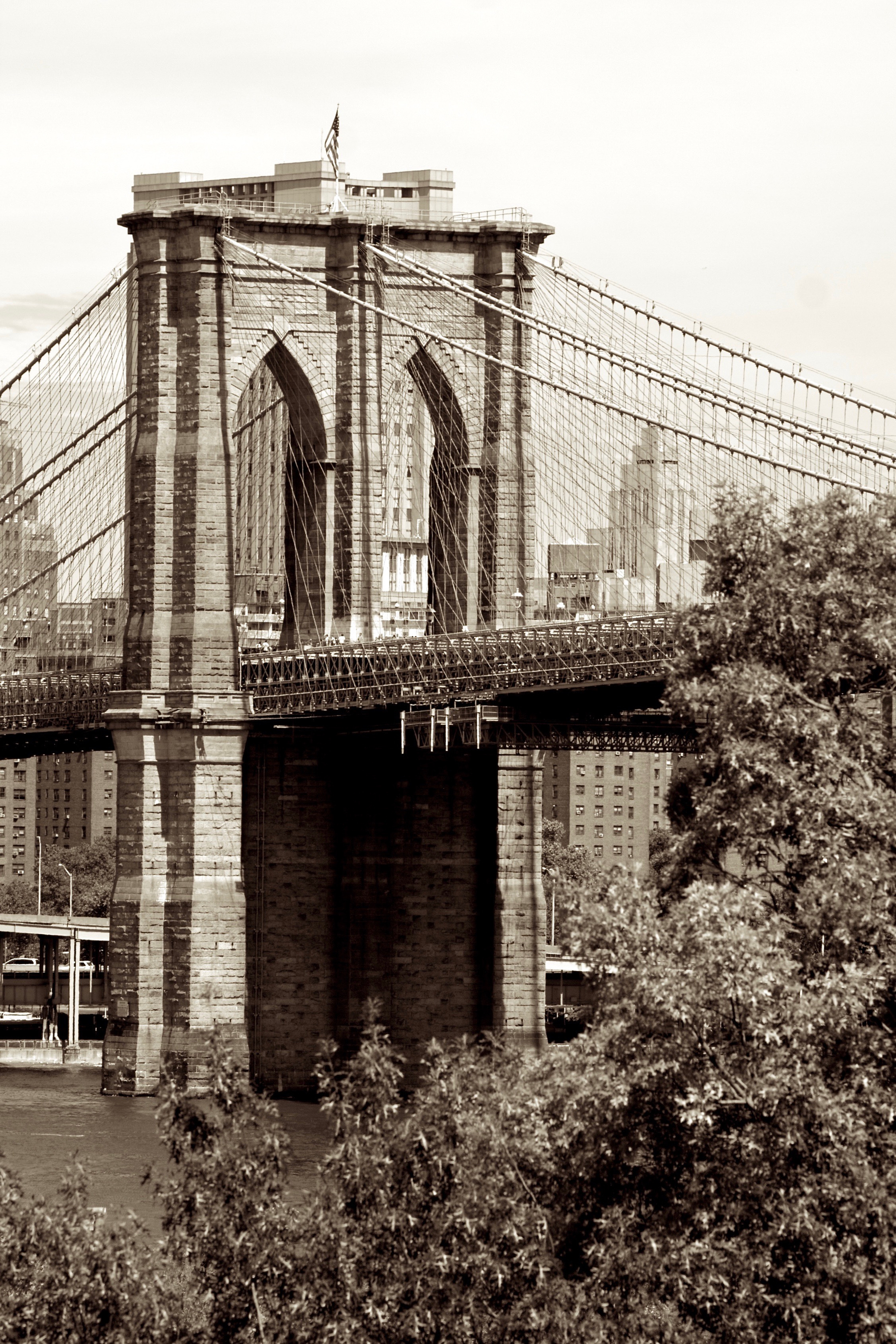
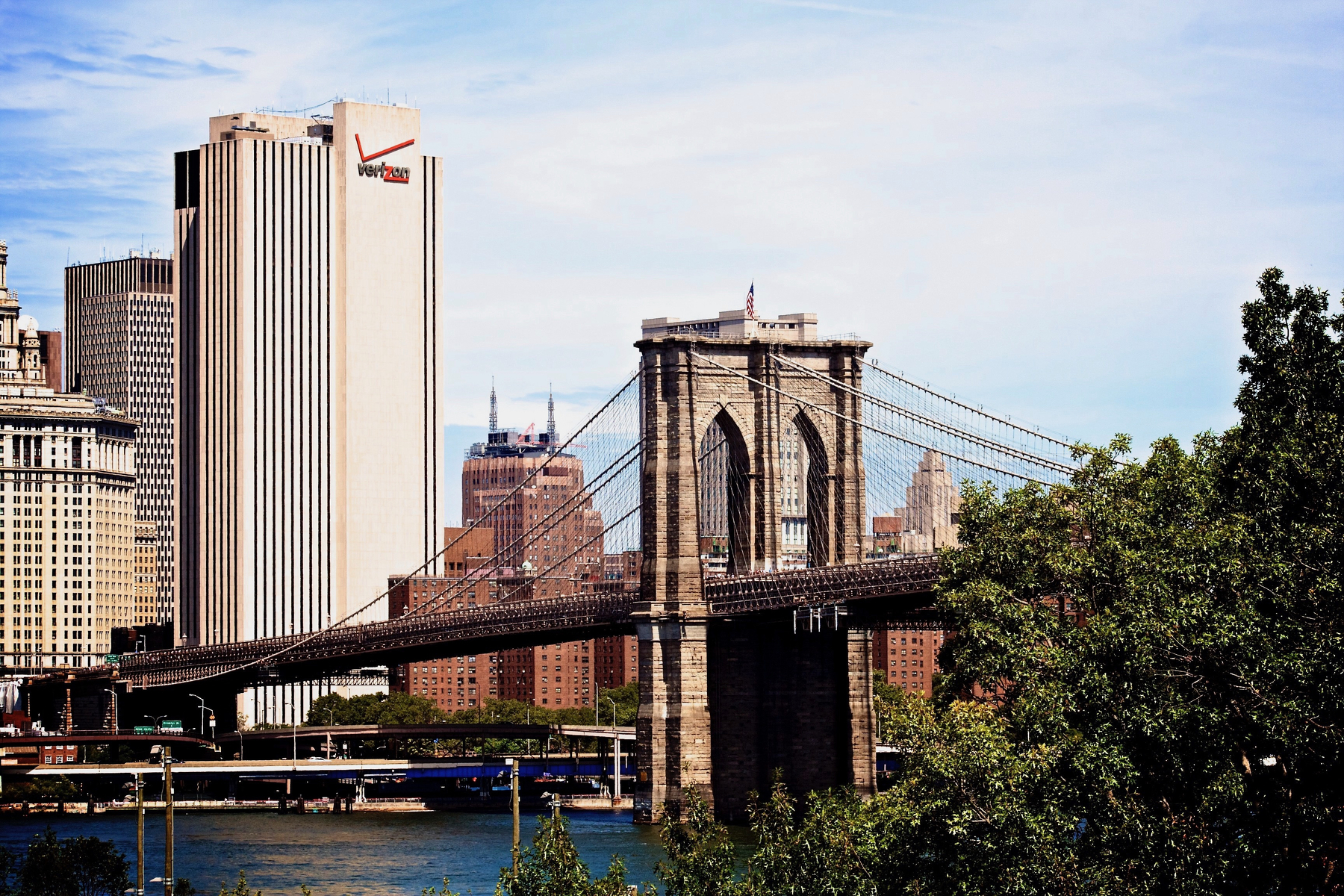
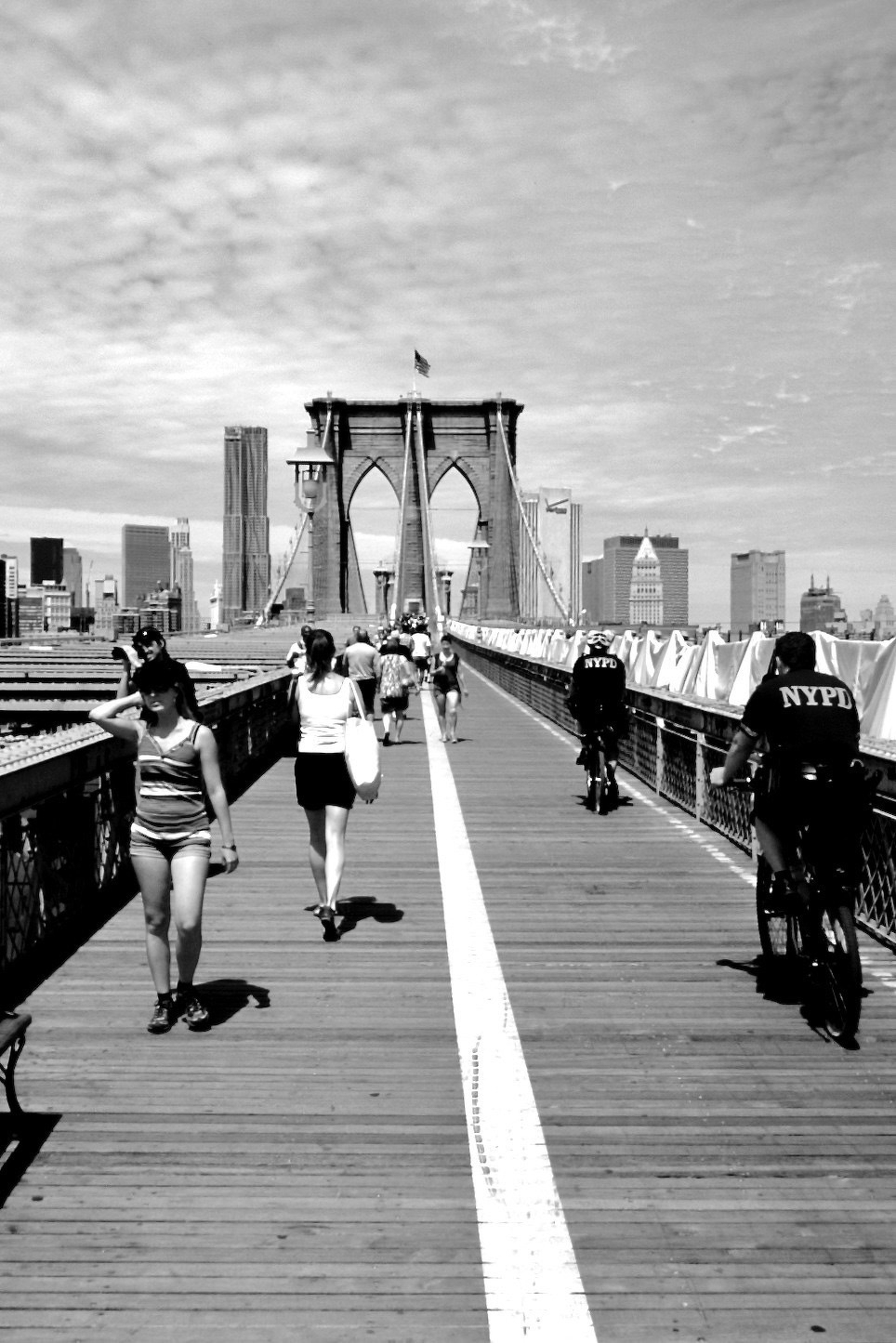
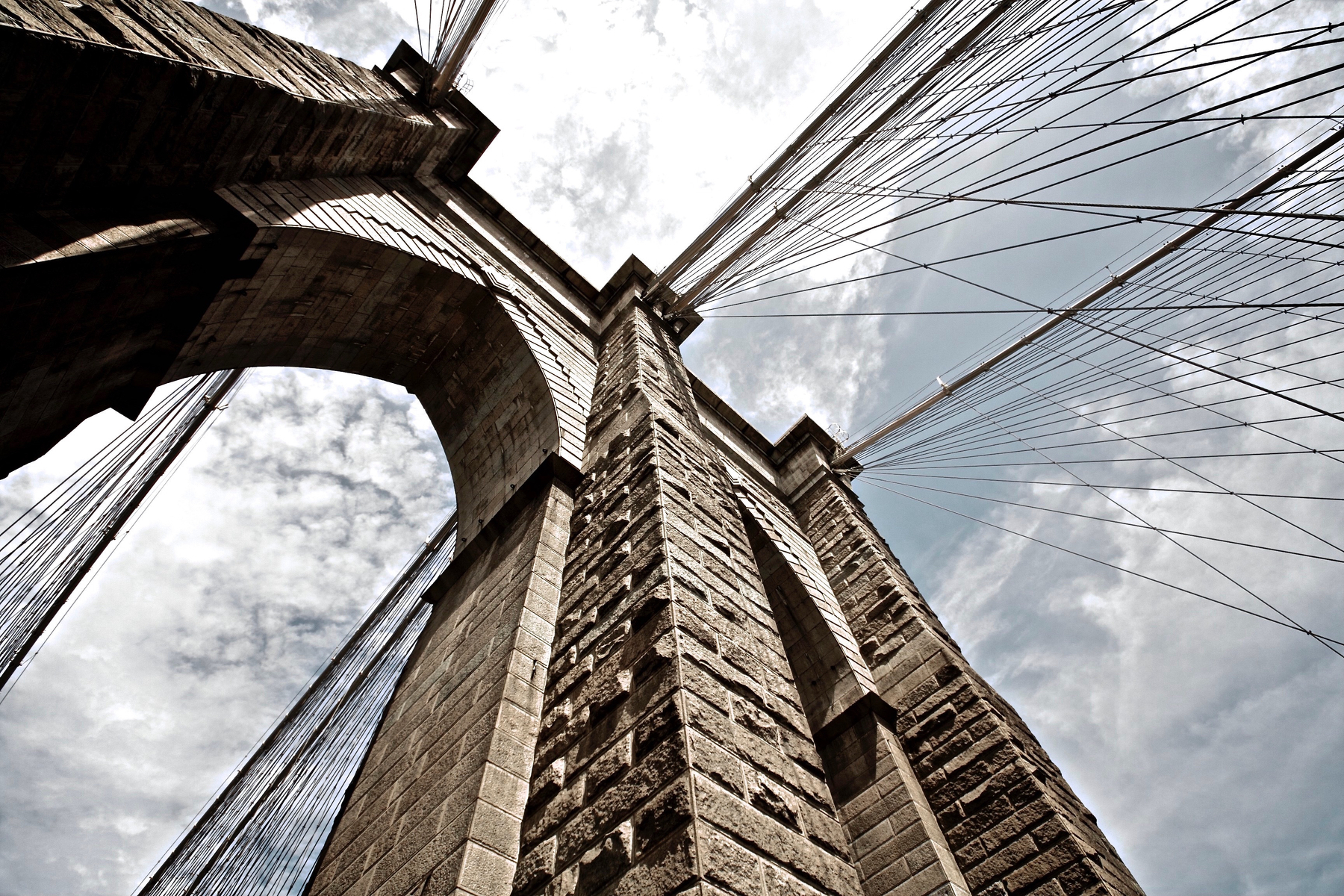
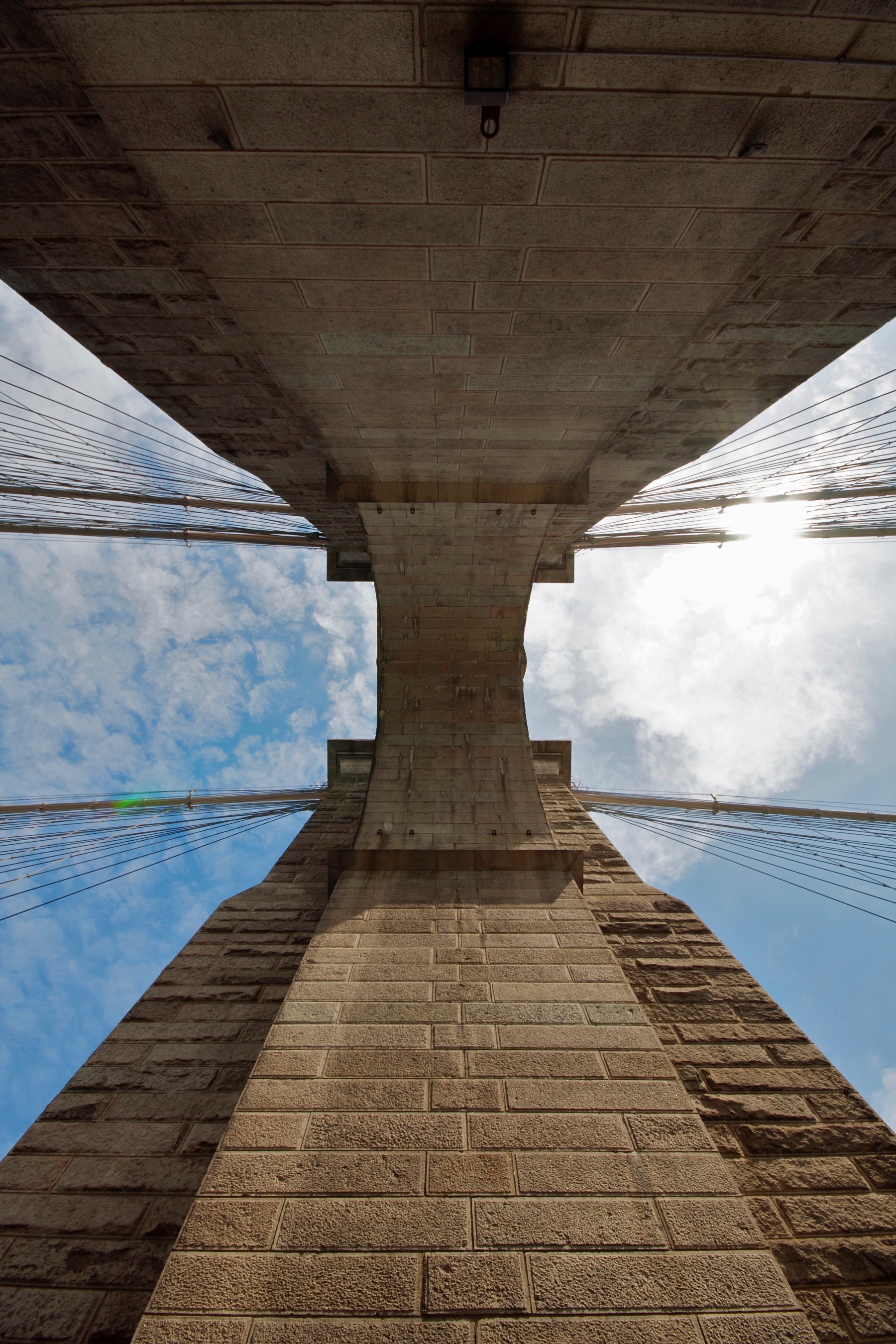
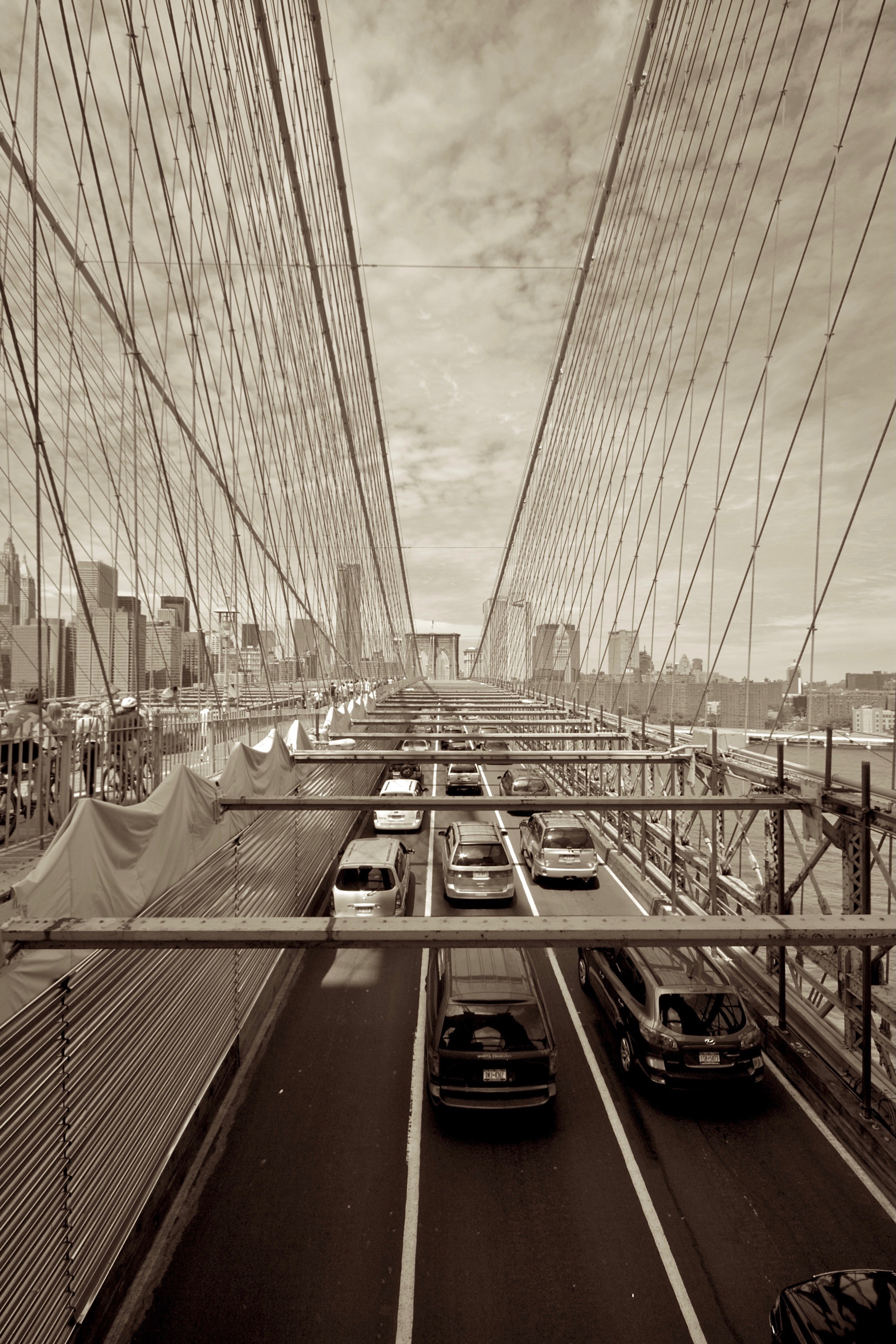
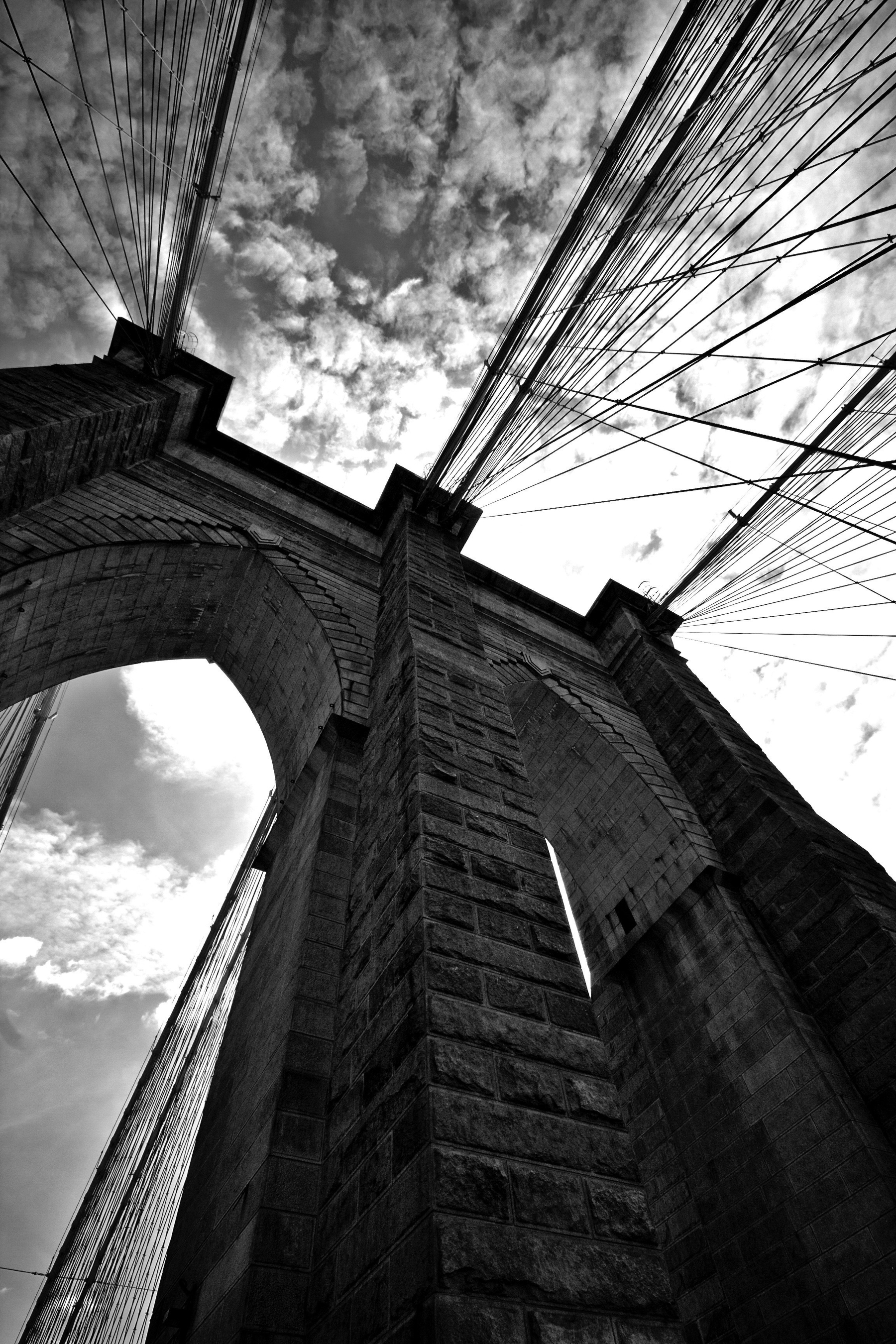
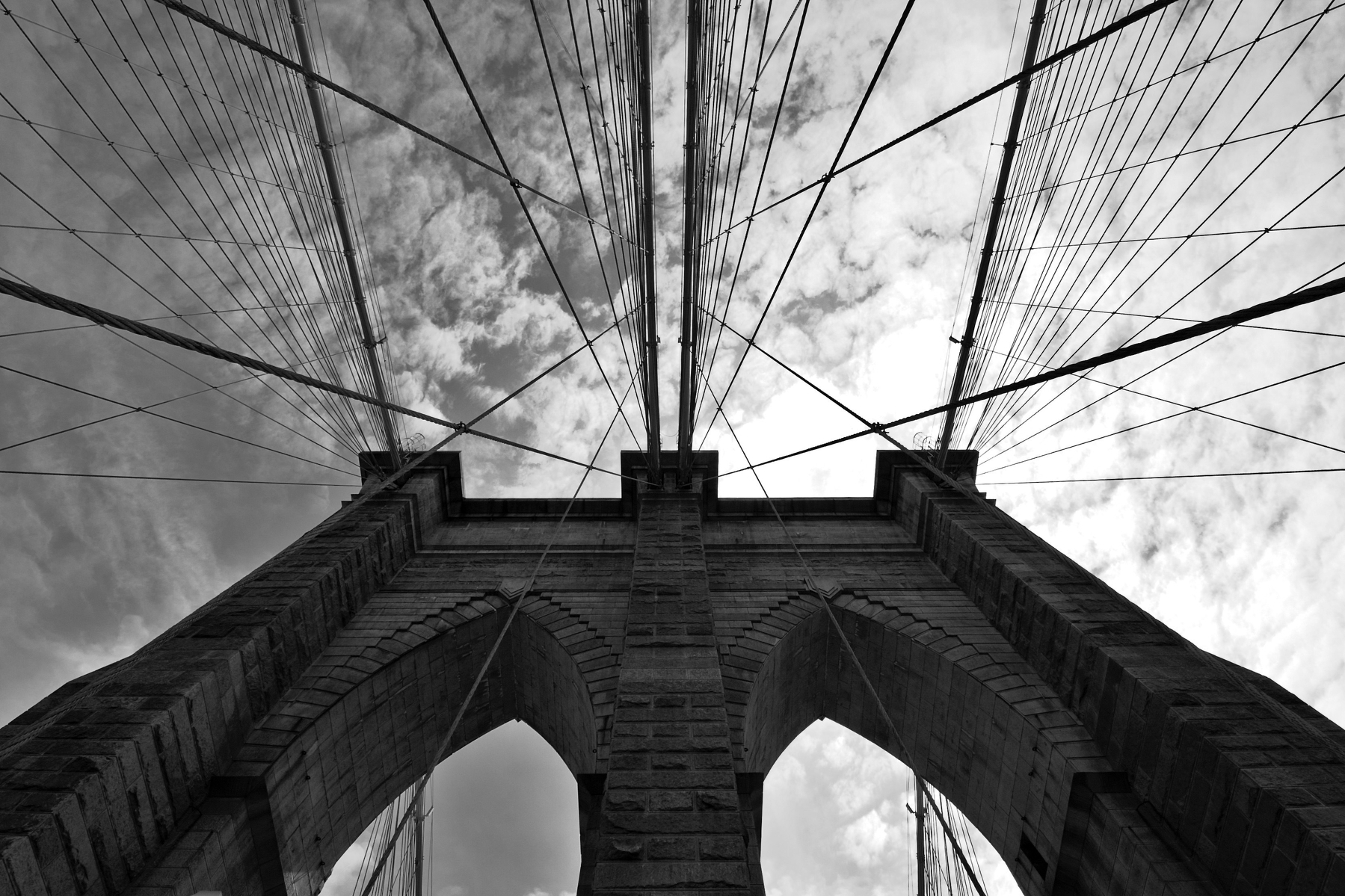
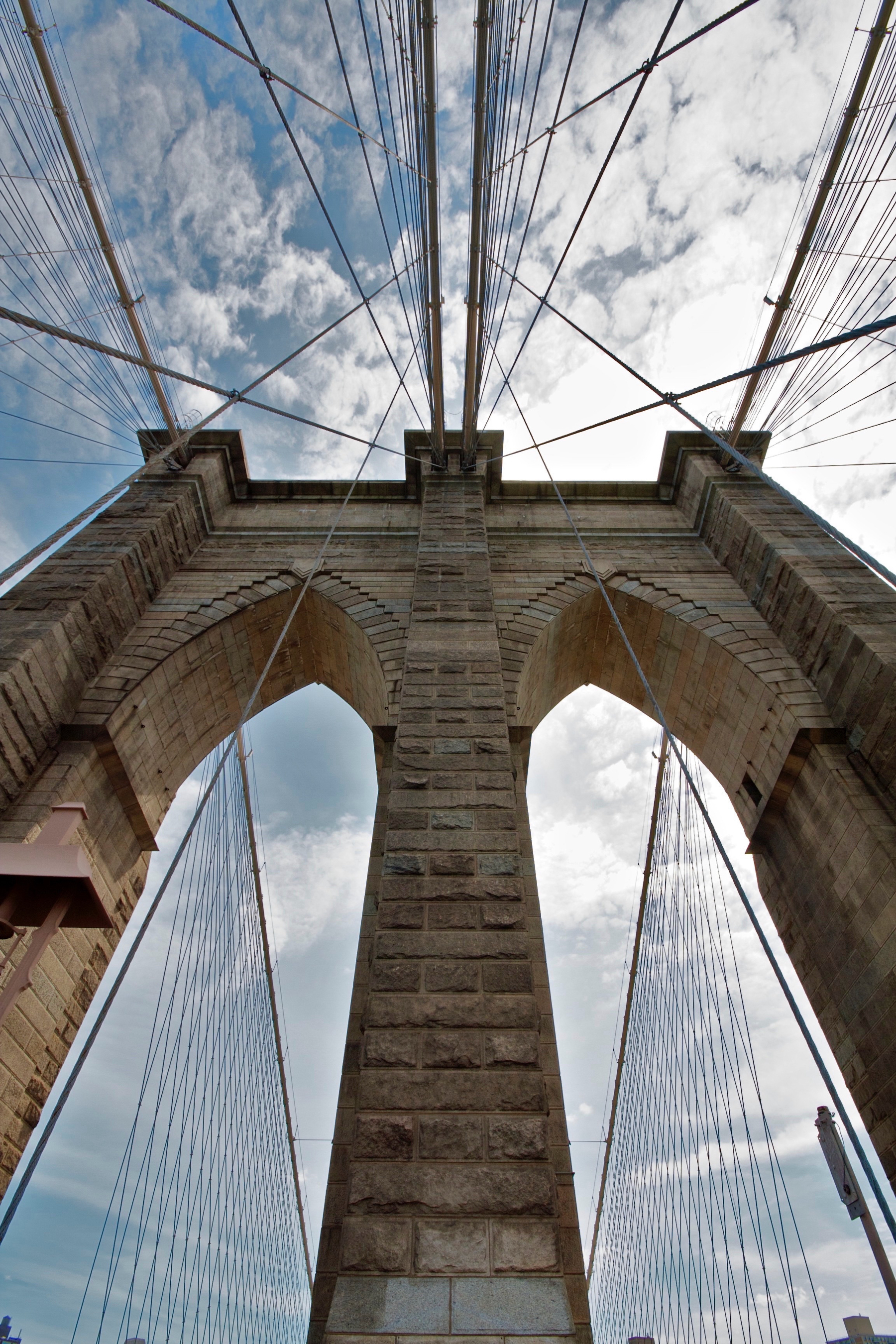
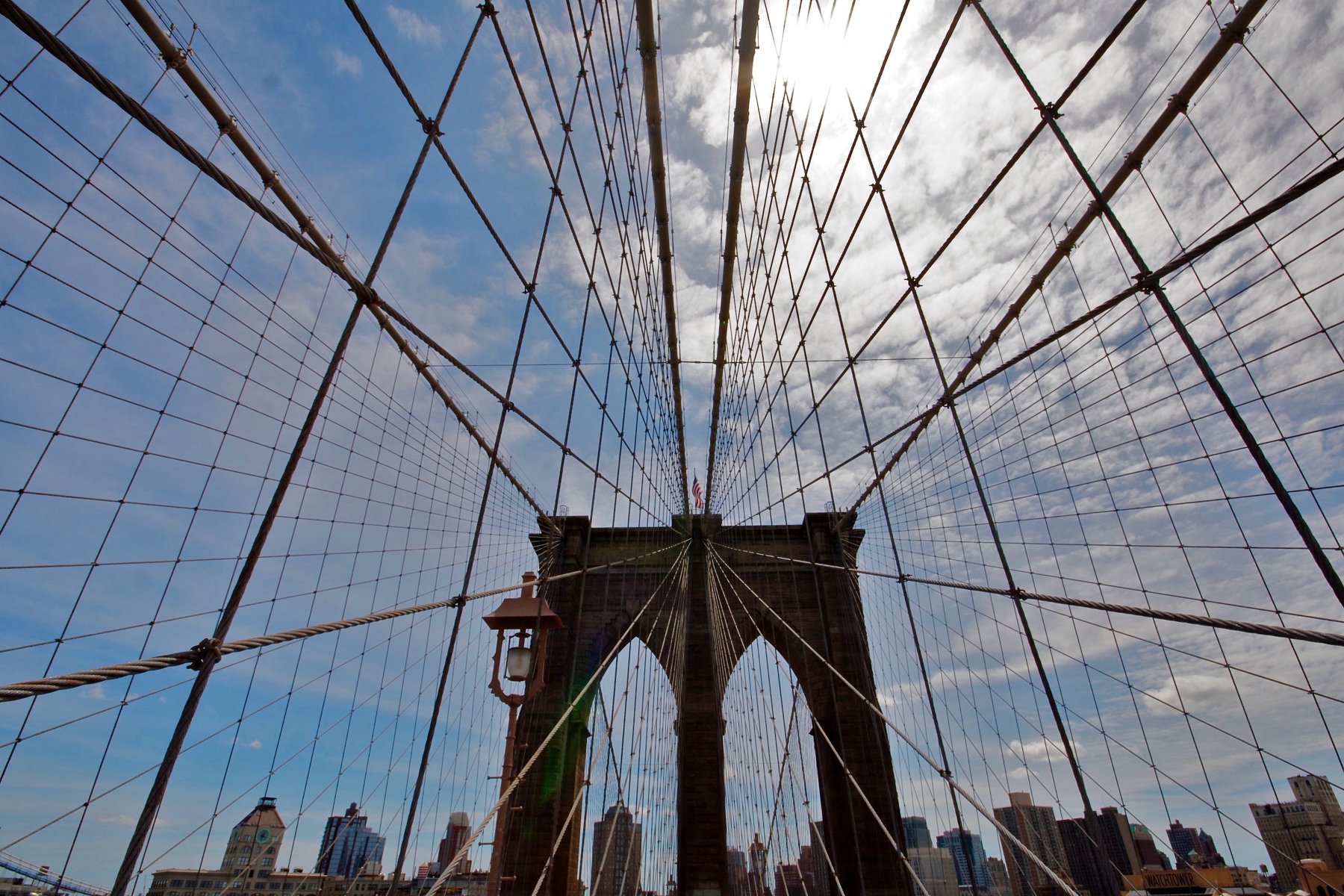
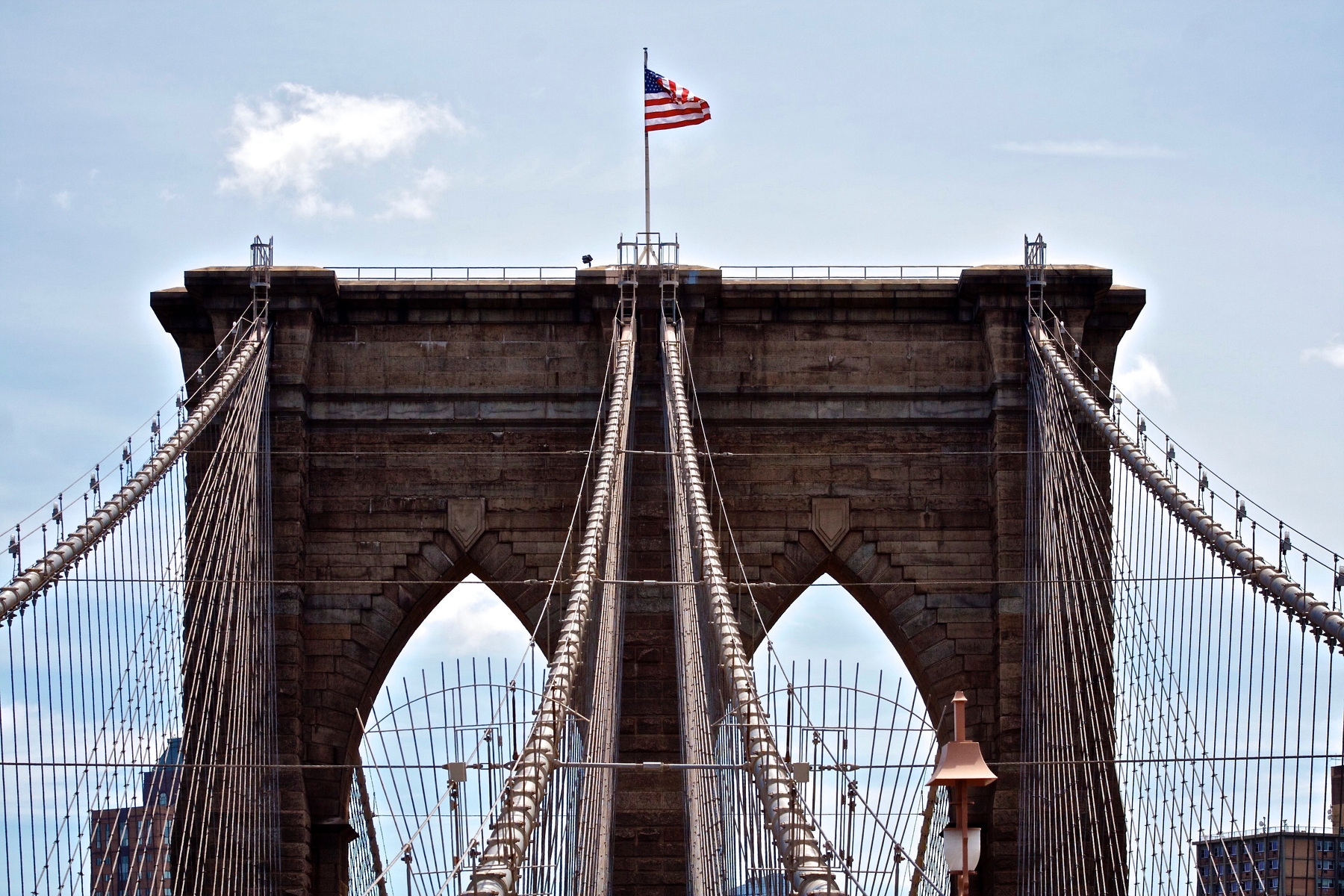
Walking across the elevated pedestrian promenade, I found myself looking more closely at the details that make the Brooklyn Bridge so remarkable. Its stone towers, completed in the Romanesque Revival style, rise 276 feet above the river and create a dramatic gateway into the city. The arches were designed to carry enormous loads, but they also give the bridge a sense of permanence and grandeur. Above them, the suspension cables form a delicate web of steel, combining strength with an almost unexpected elegance.
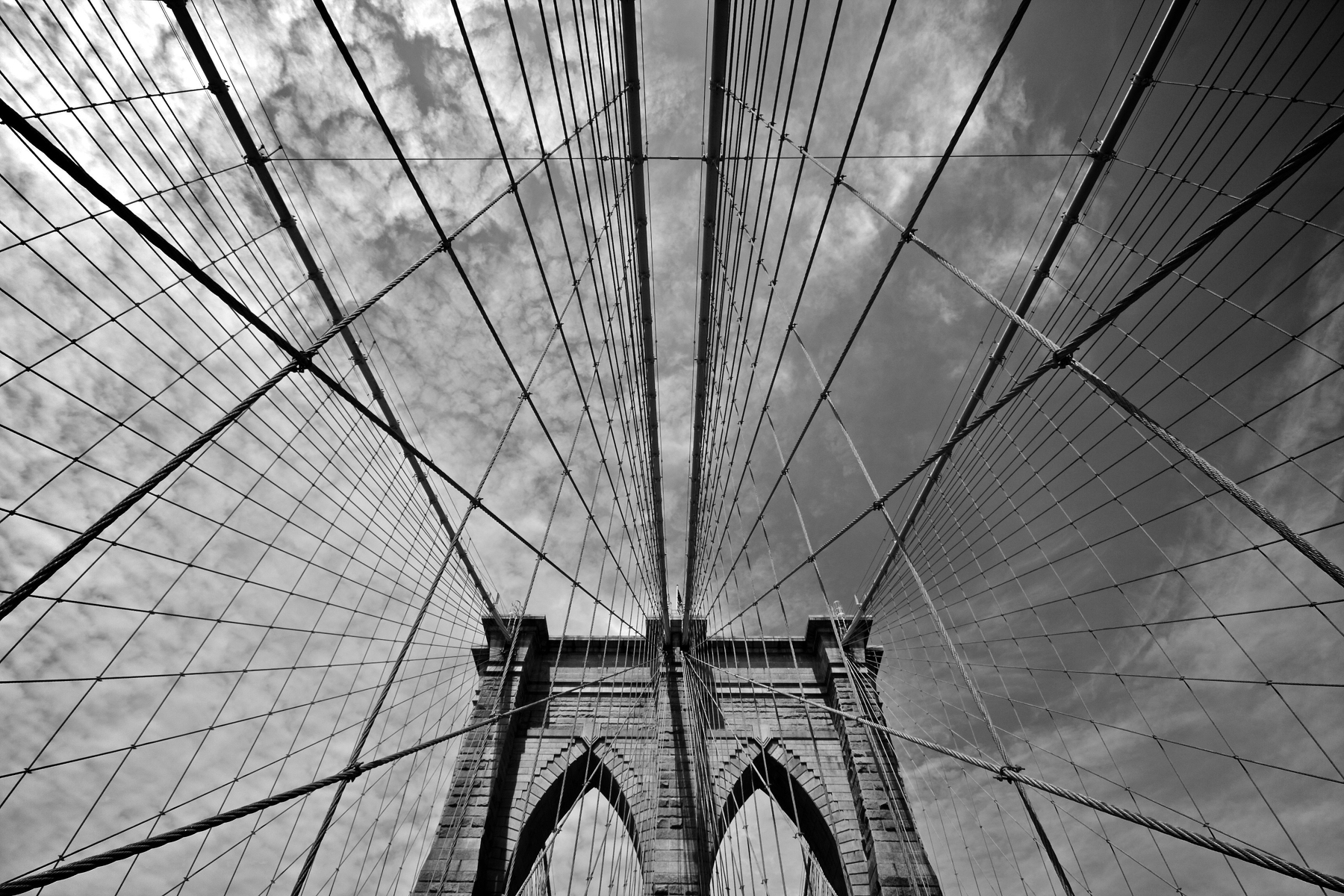
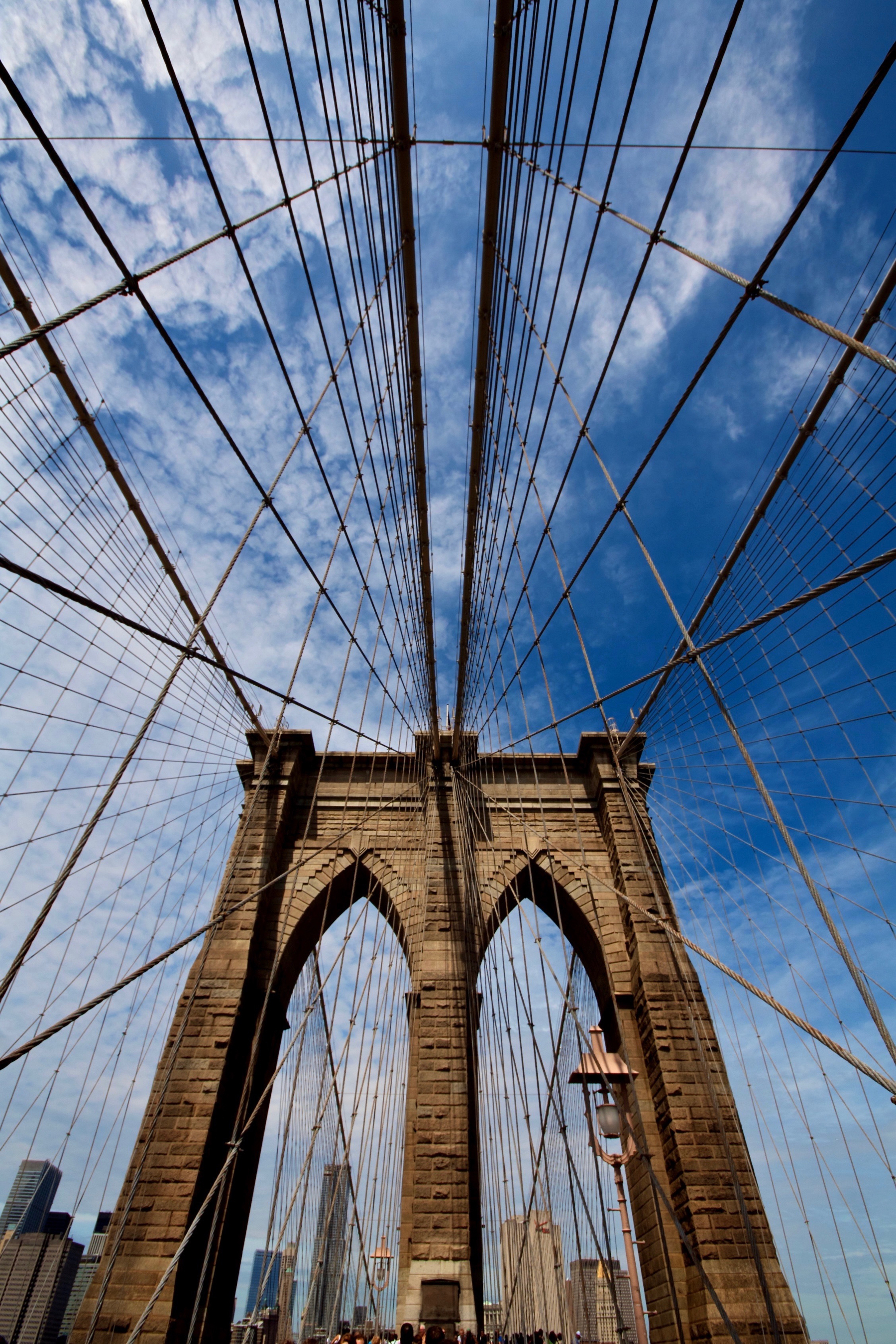
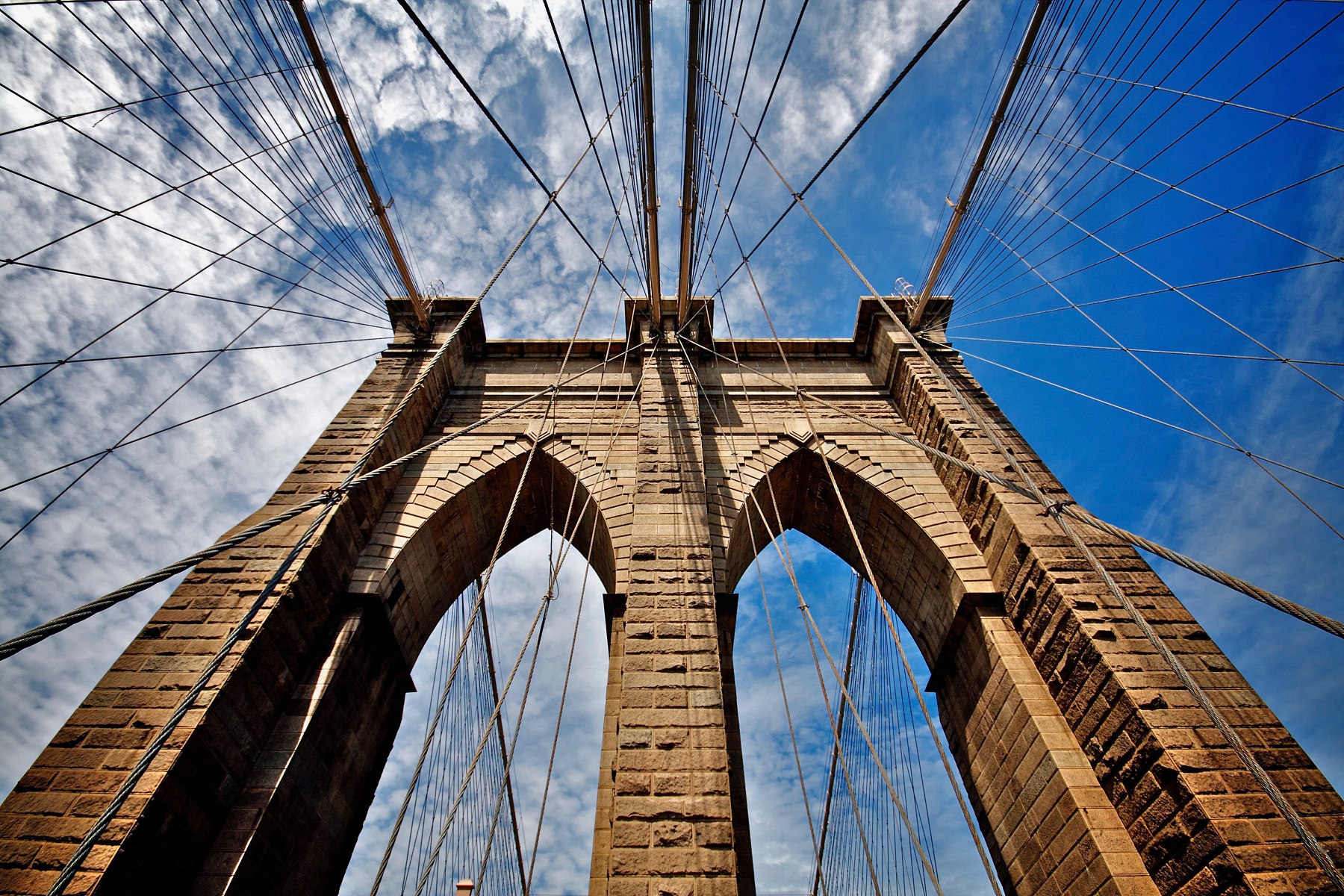
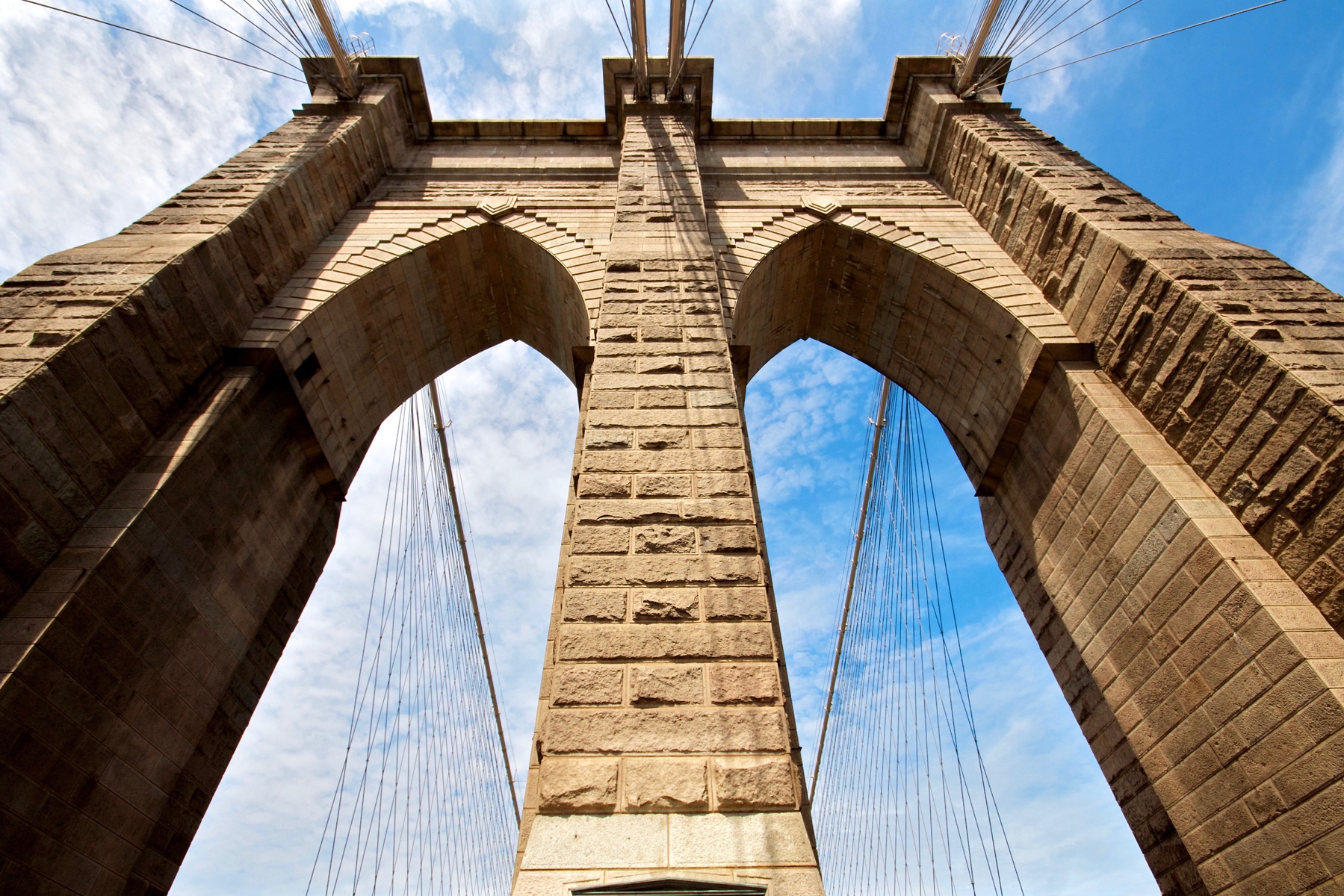
When the bridge opened in 1883, it was celebrated as a marvel of modern engineering. At the time, its main span of 1,595 feet made it the longest suspension bridge in the world. The use of steel wire in its cables was a major innovation, reflecting the rapid industrial development of nineteenth-century America. New York was growing at extraordinary speed, and the bridge represented the belief that technology could overcome even the most difficult physical barriers.
The opening ceremony was a major event, attended by President Chester A. Arthur and New York Governor Grover Cleveland. Thousands of people crossed the bridge during its first day, eager to experience this new connection between Manhattan and Brooklyn. Yet the bridge’s early history also included tragedy. Just days after opening, a fatal crowd accident raised questions about safety and public confidence. The bridge survived that difficult beginning, becoming an essential part of the city’s transportation network.
One of the most memorable episodes in its early history came in 1884, when showman P. T. Barnum led twenty-one elephants across the bridge. The spectacle was intended to demonstrate its strength and reassure the public after the earlier accident. It became one of the most famous stories associated with the bridge, a curious moment when engineering, entertainment, and public confidence came together.
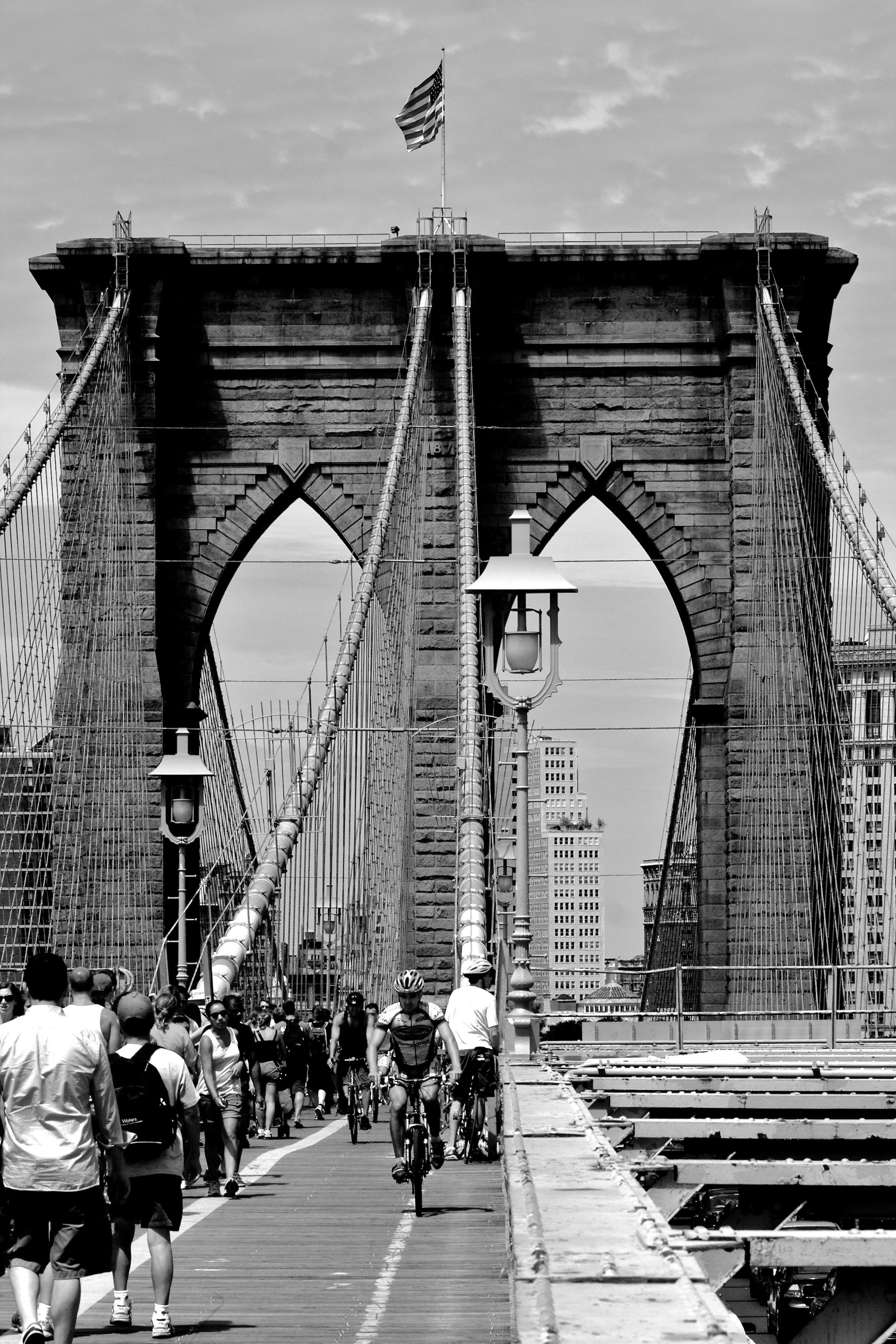
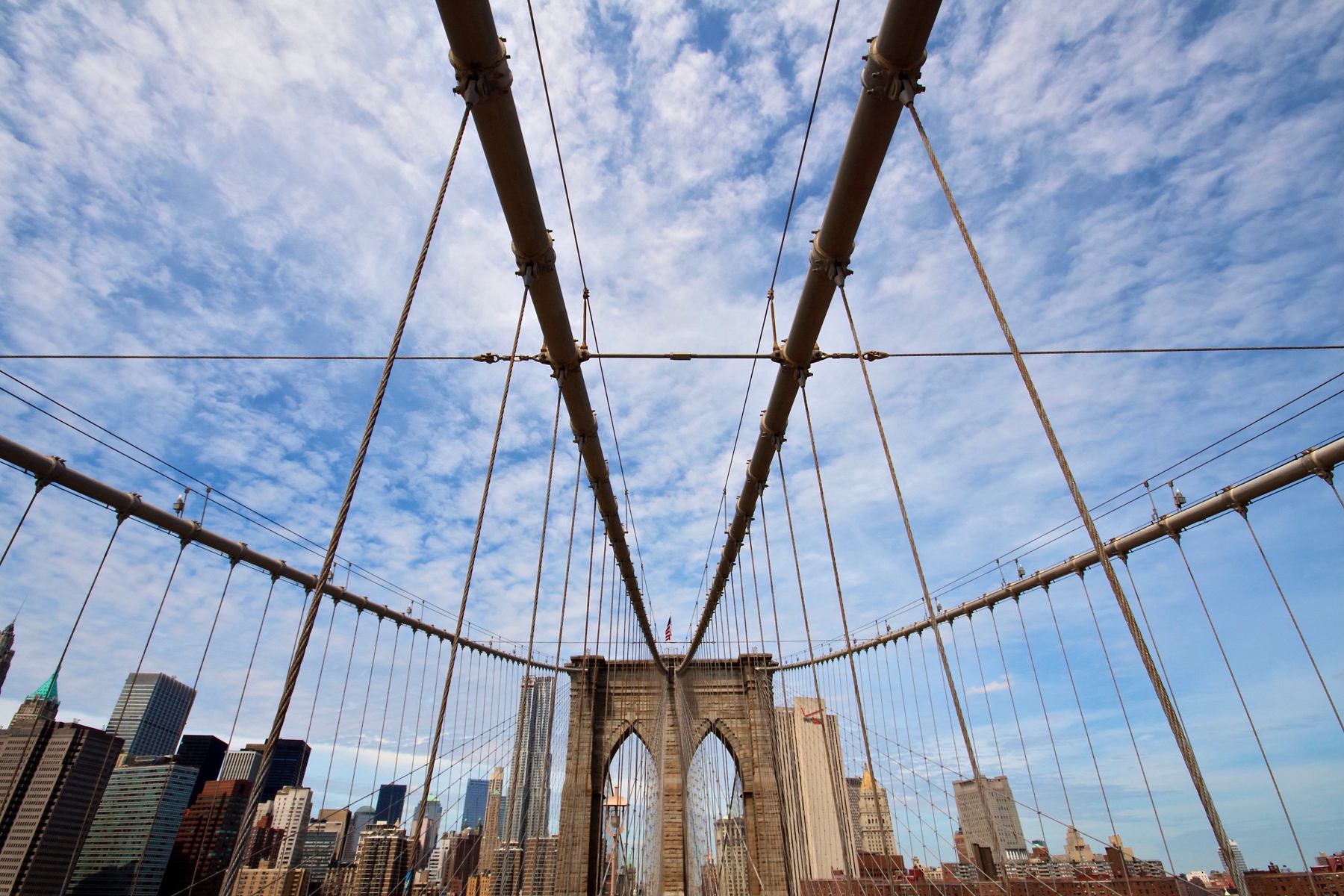
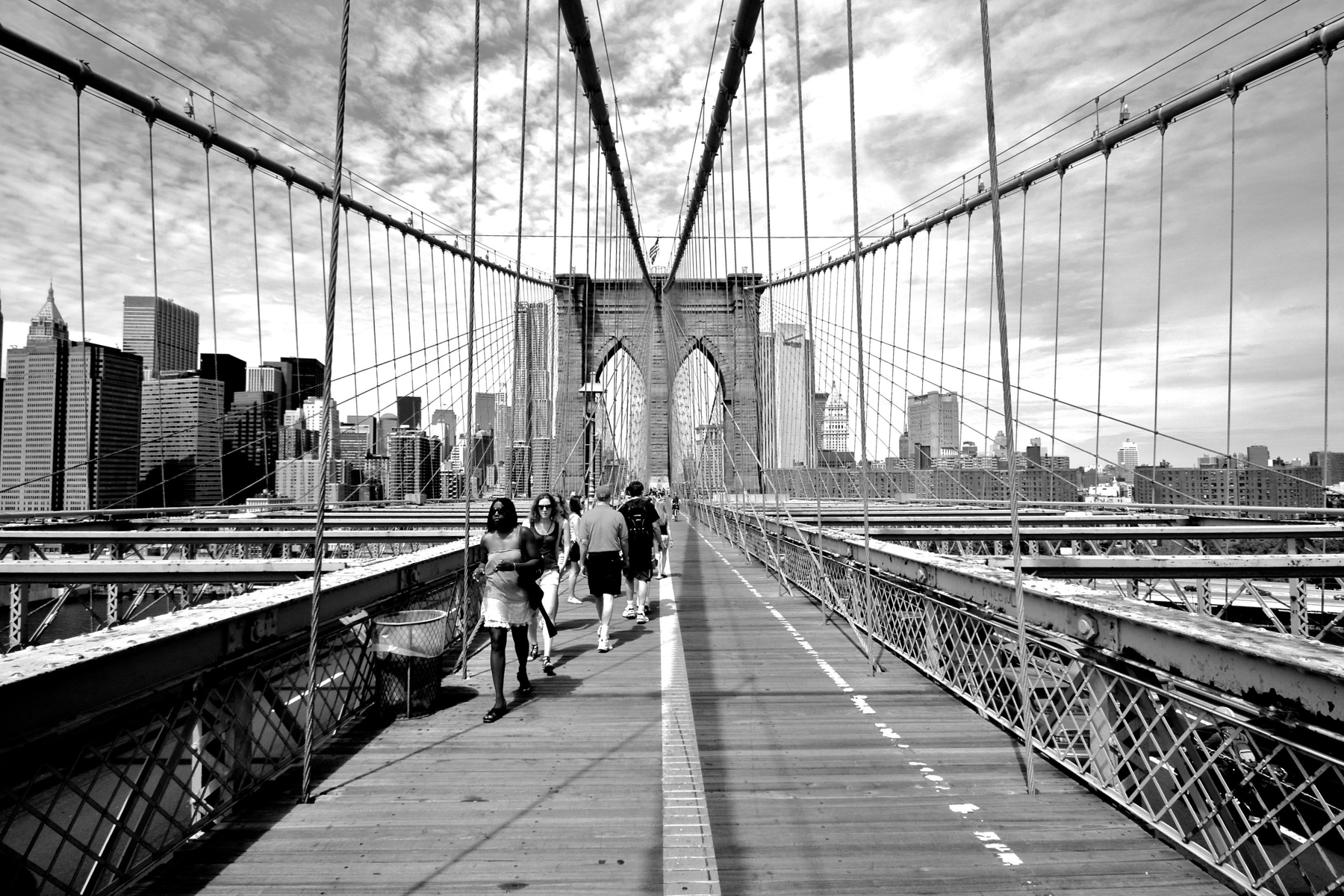
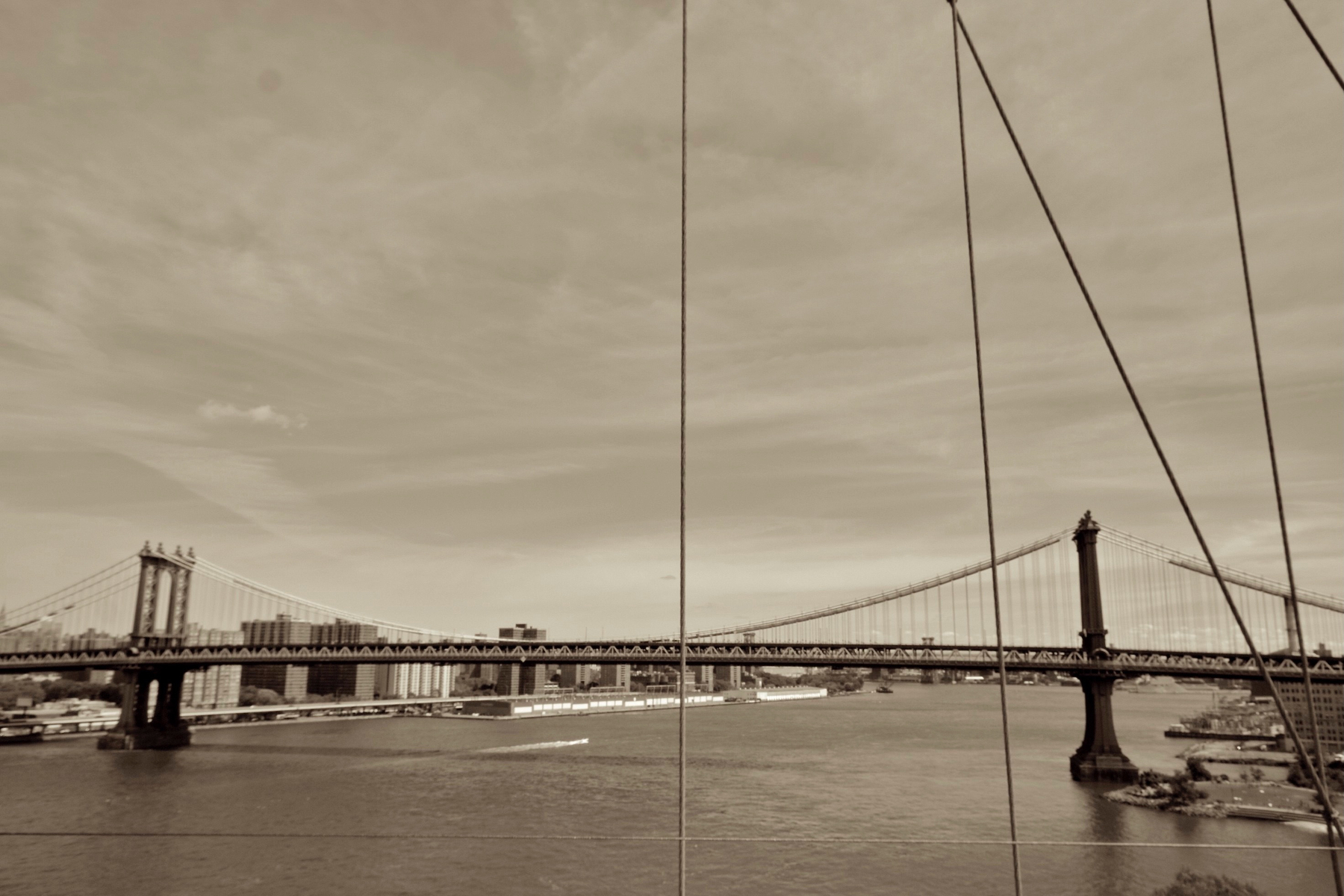
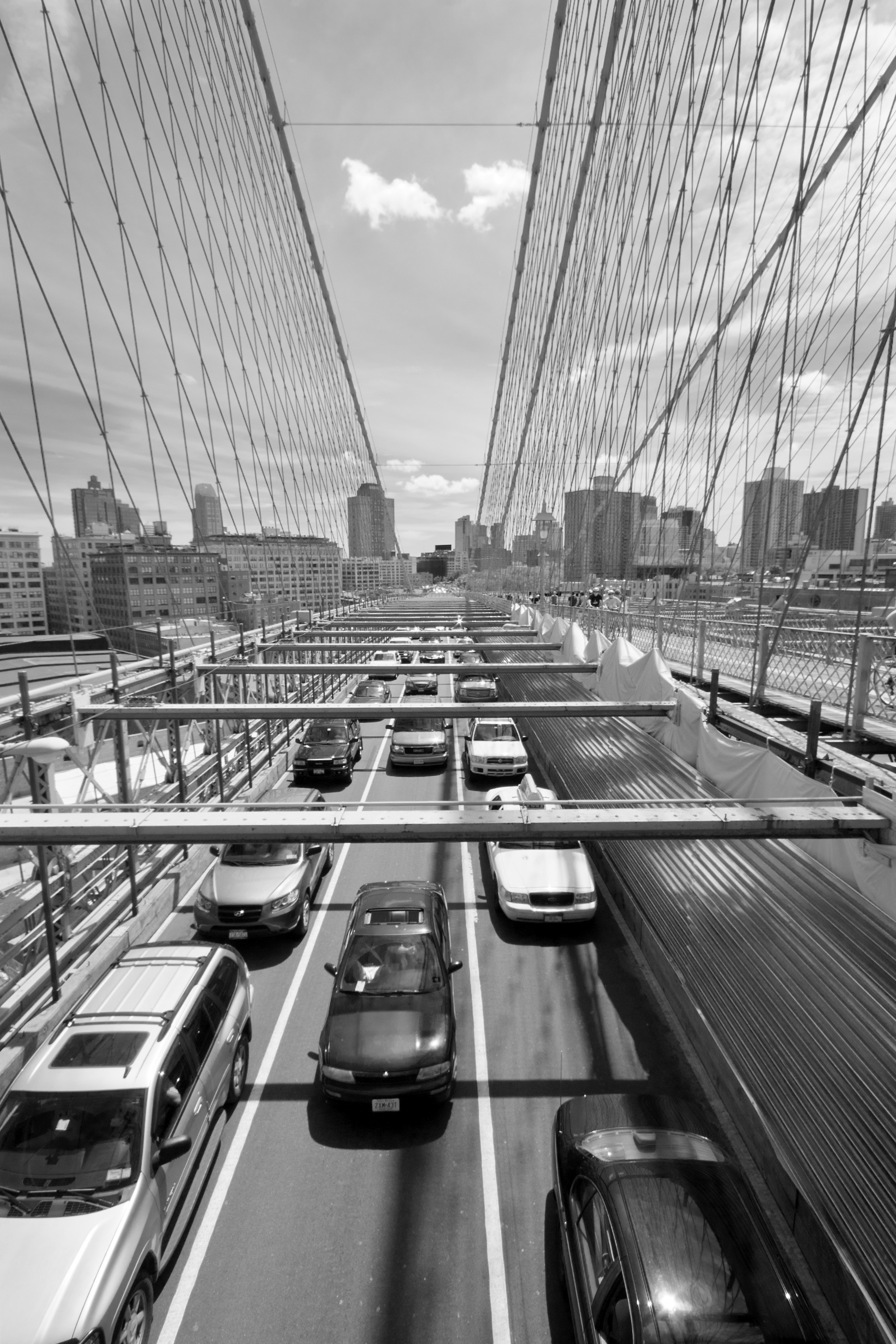
As I continued walking, the views became increasingly impressive. Manhattan’s skyline rose in one direction, while Brooklyn’s historic neighbourhoods stretched away in the other. The bridge creates a unique perspective on the city, allowing you to see its architecture, traffic, and river activity from above. I stopped several times to take photographs, but the camera could never quite capture the scale of the experience.
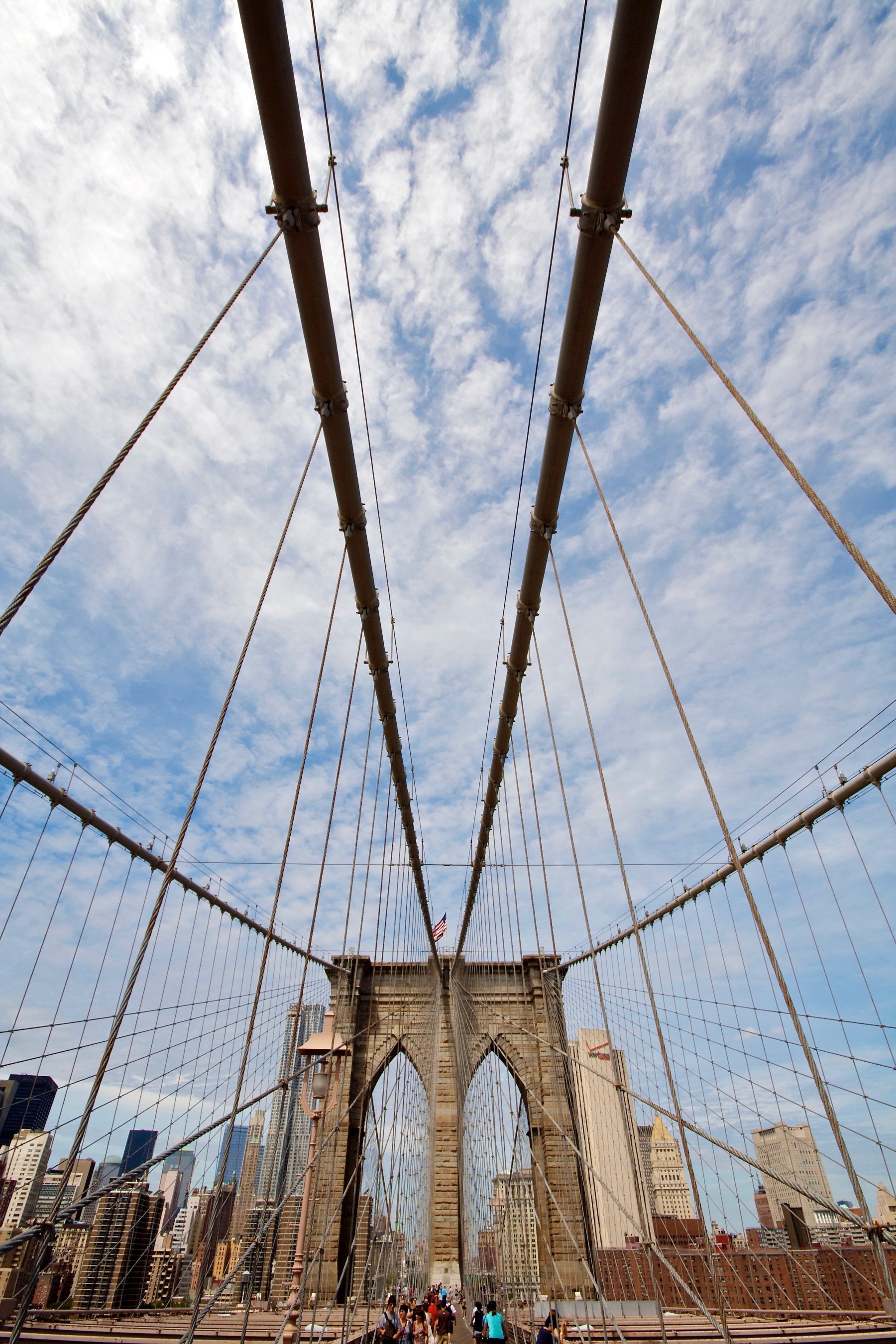
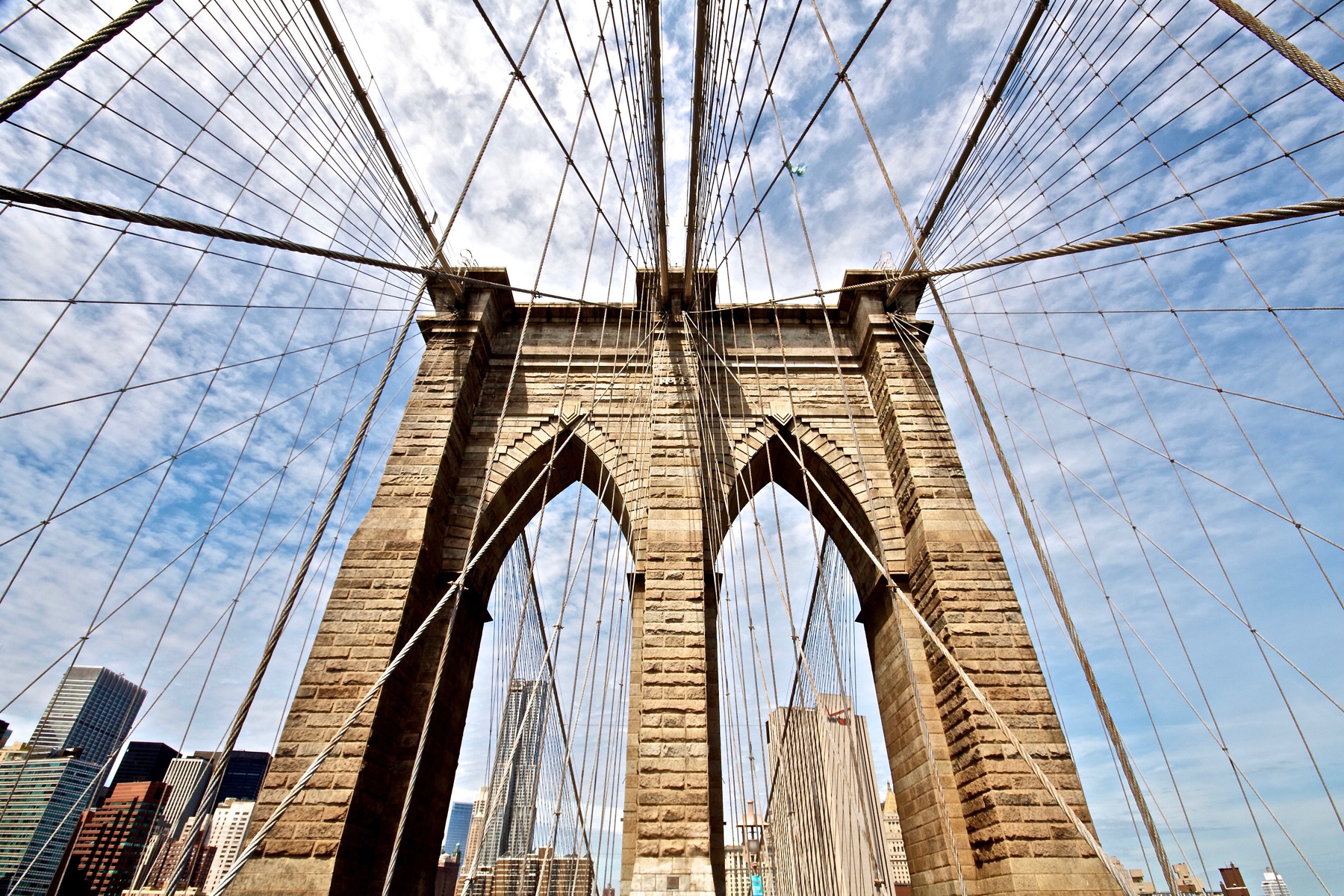
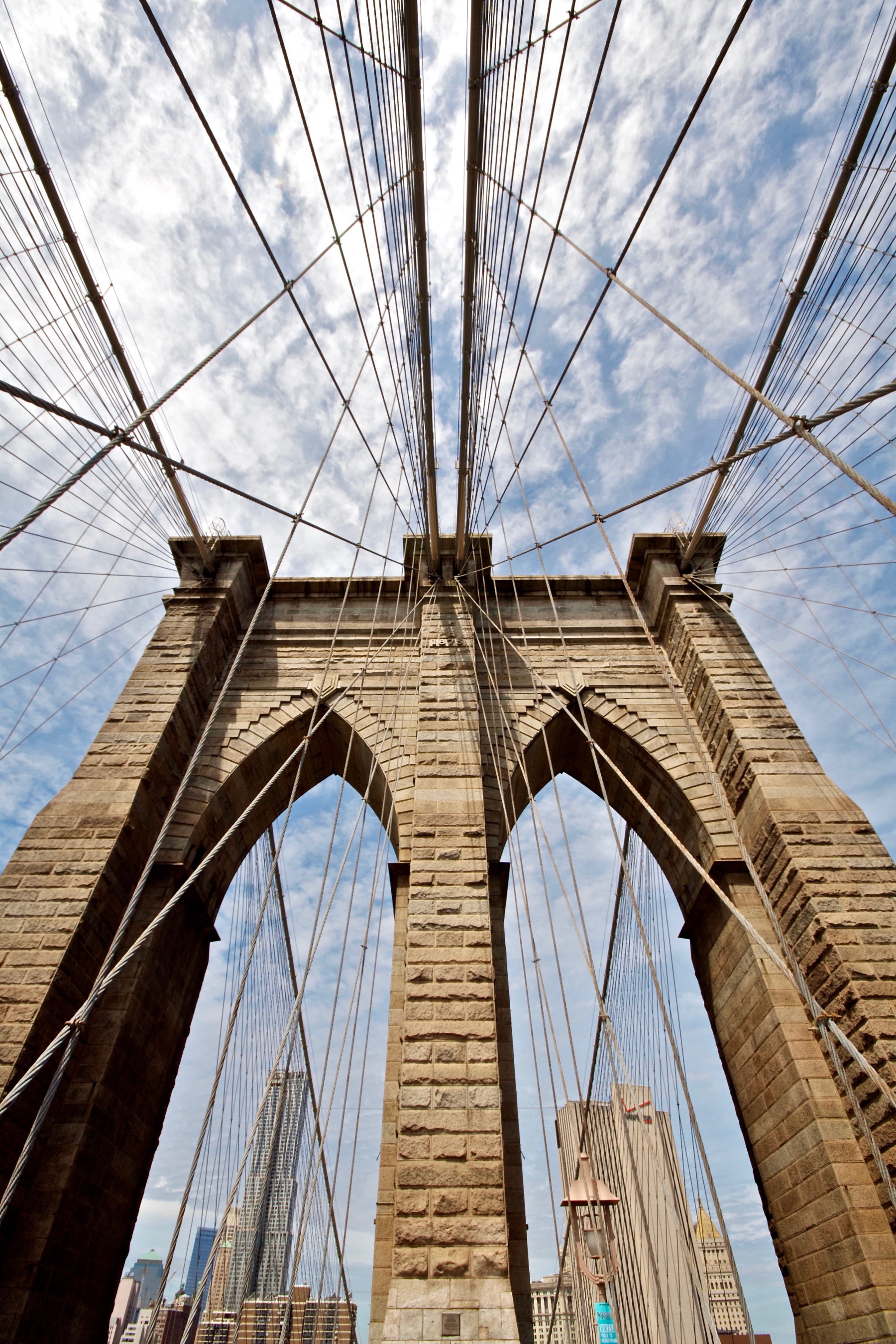
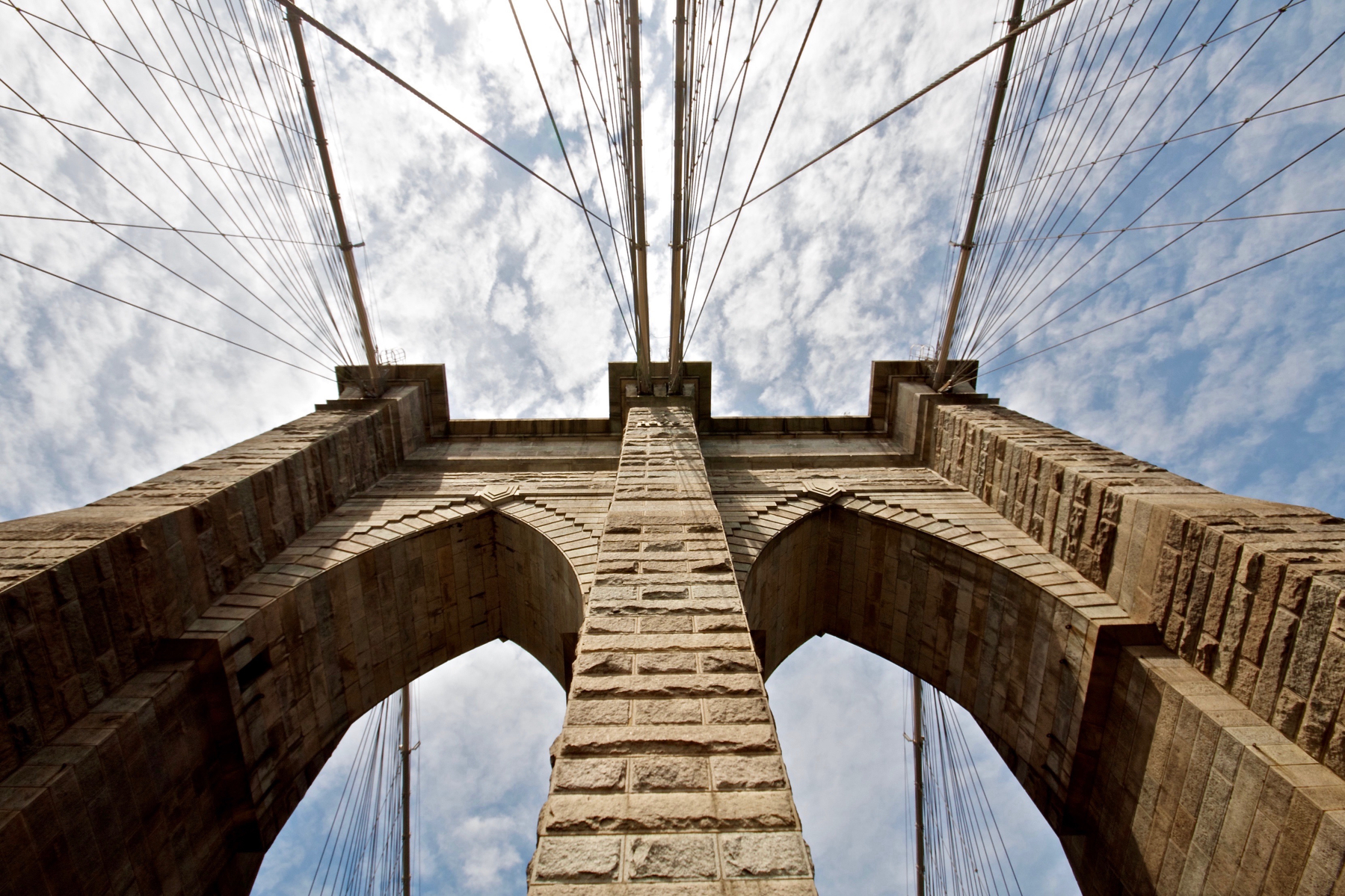
What struck me most was how the bridge has remained relevant for so long. It has survived changes in transportation, the transformation of the waterfront, and the constant evolution of New York itself. Today, it carries pedestrians, cyclists, and vehicles, continuing to serve the city in much the same spirit as when it first opened.
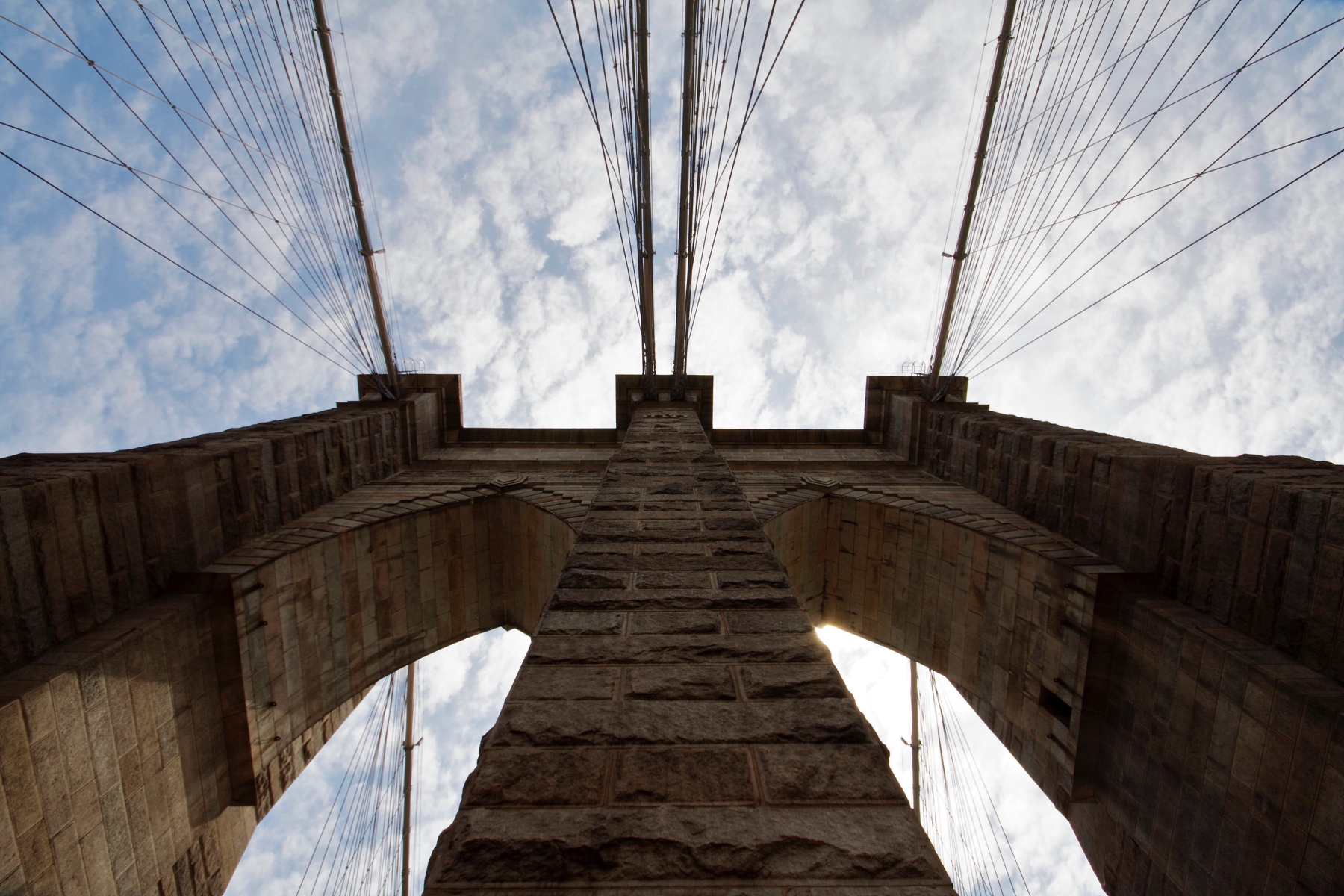
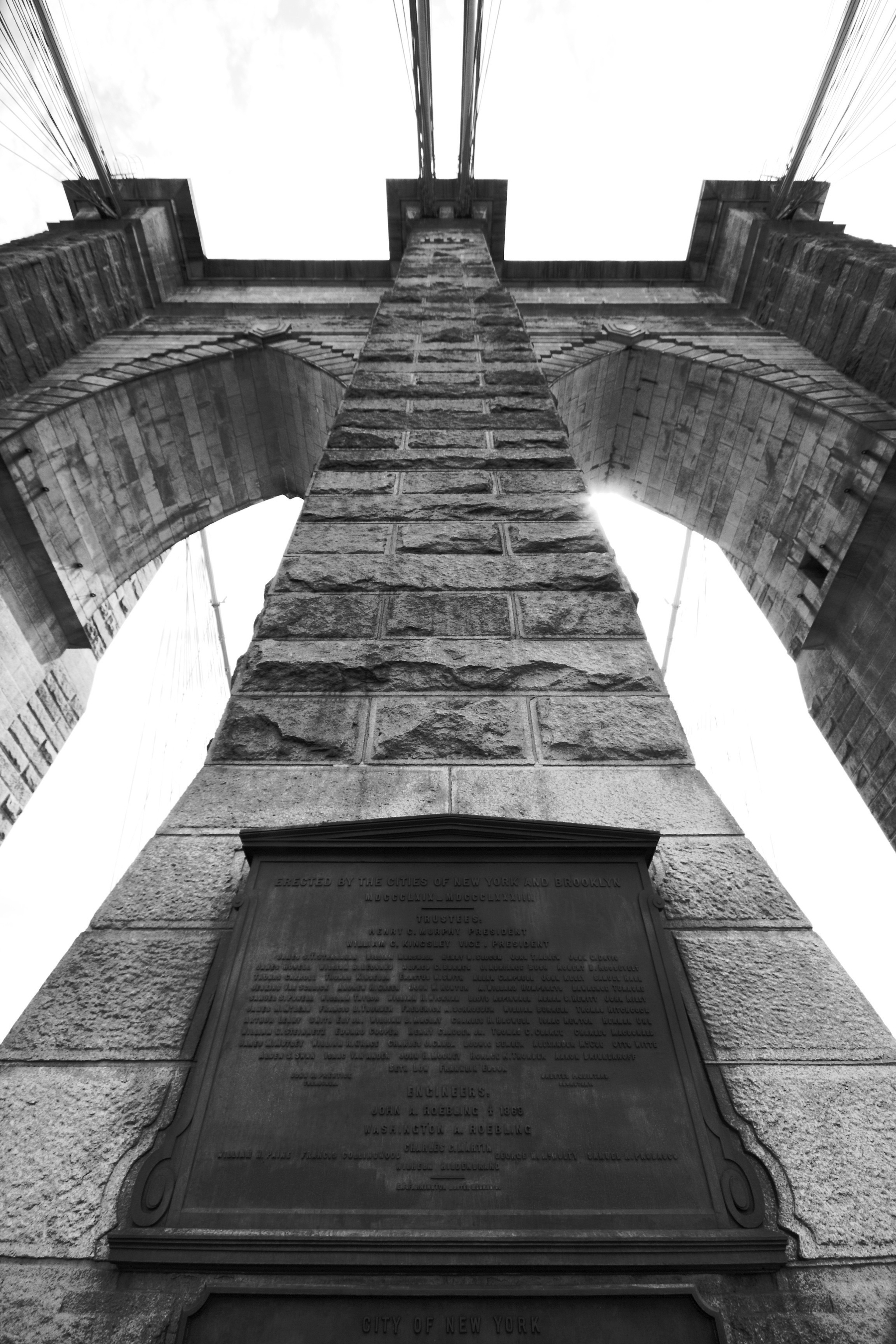
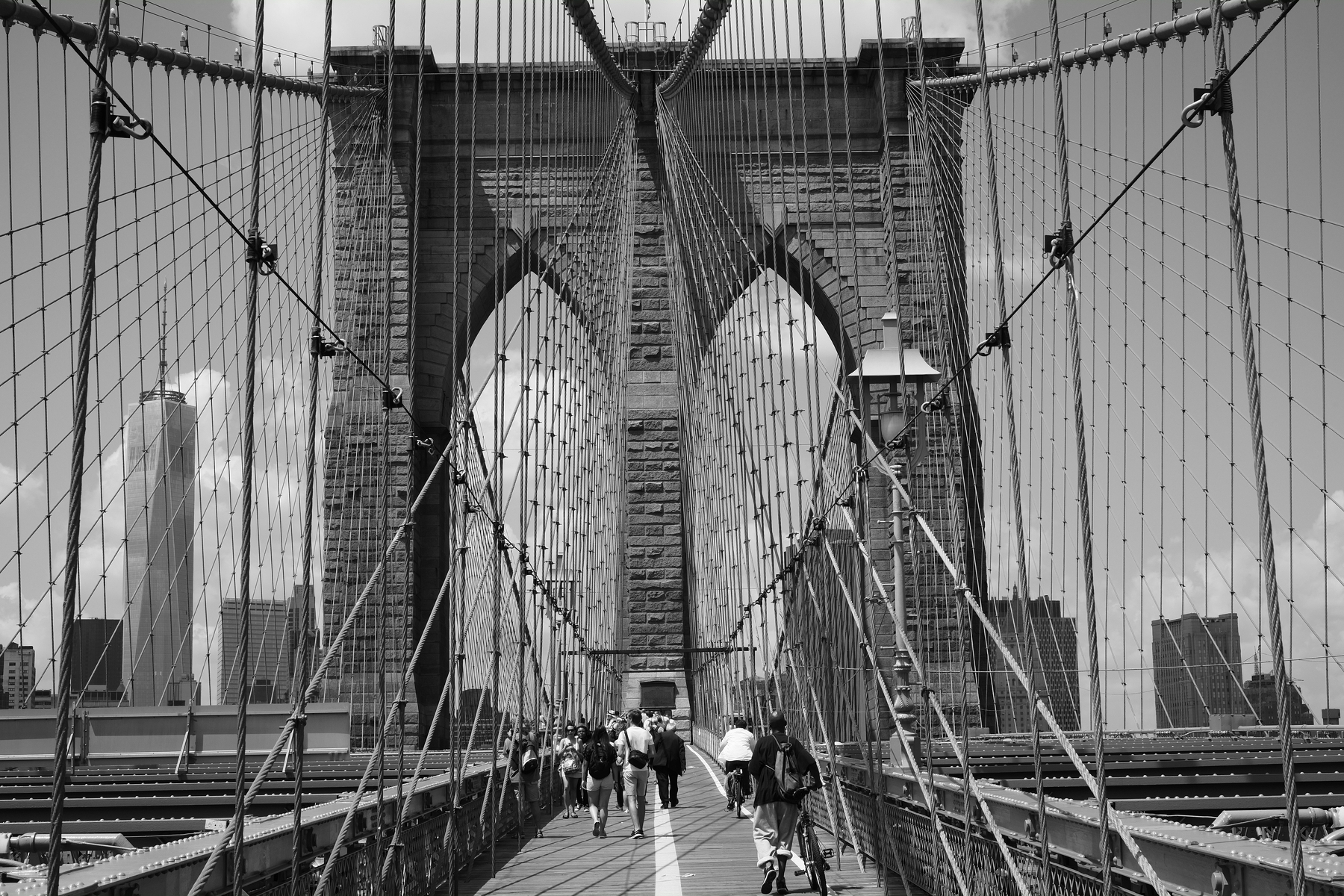
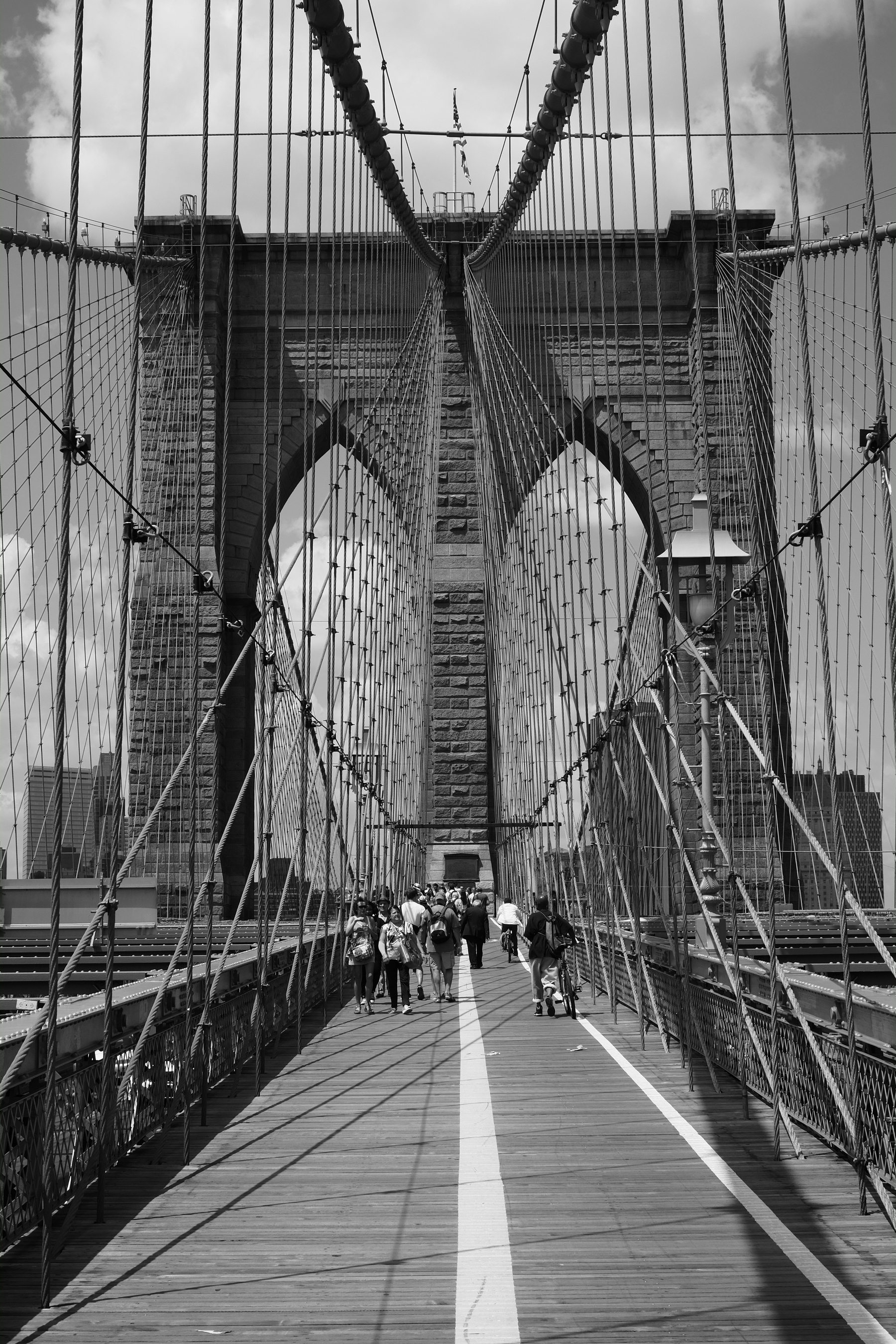
Standing above the East River, I thought about the thousands of people who helped build the bridge and the millions who have crossed it since. The Roeblings’ story is one of ambition, sacrifice, and perseverance, but the bridge also belongs to the generations of New Yorkers who have made it part of their daily lives.
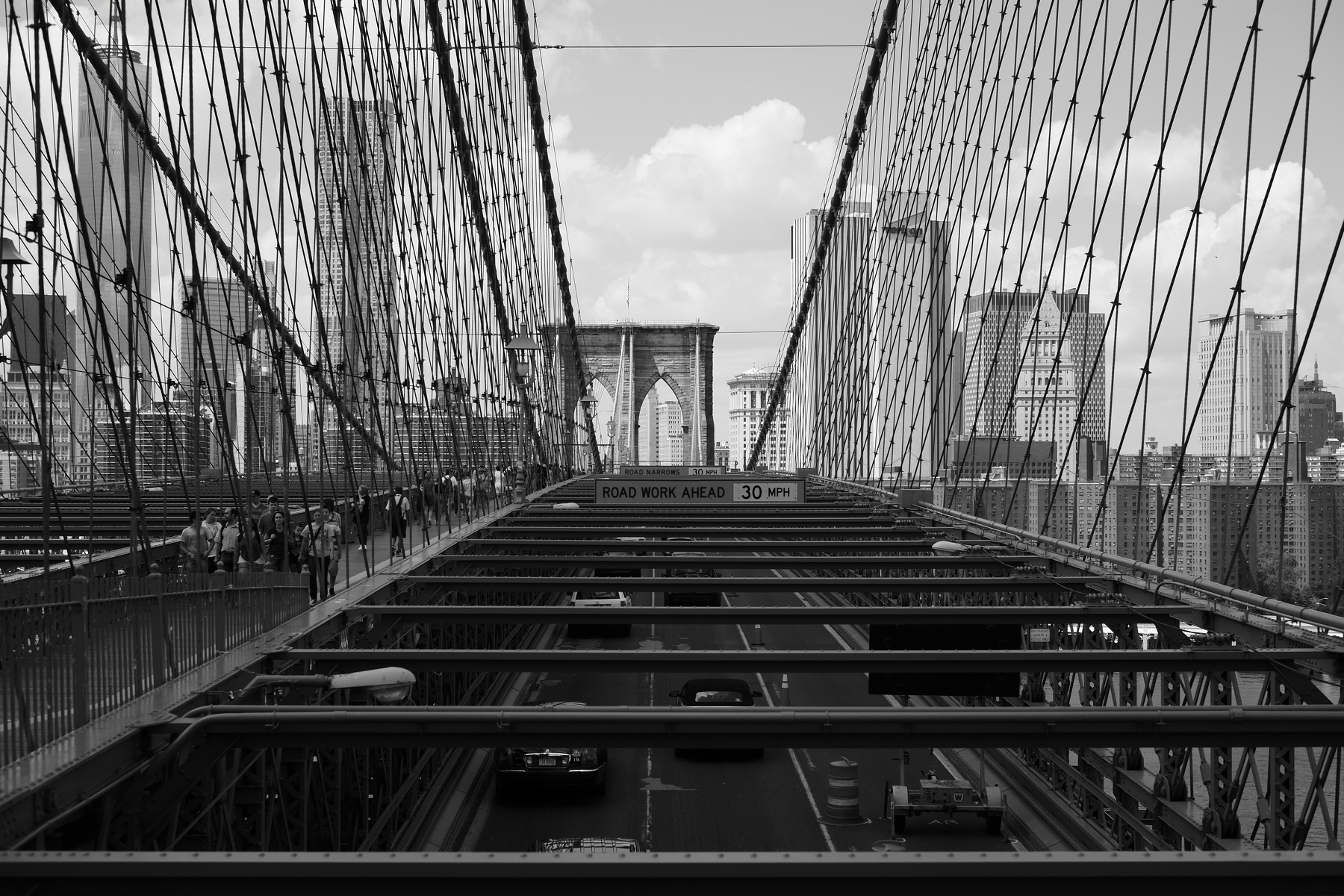
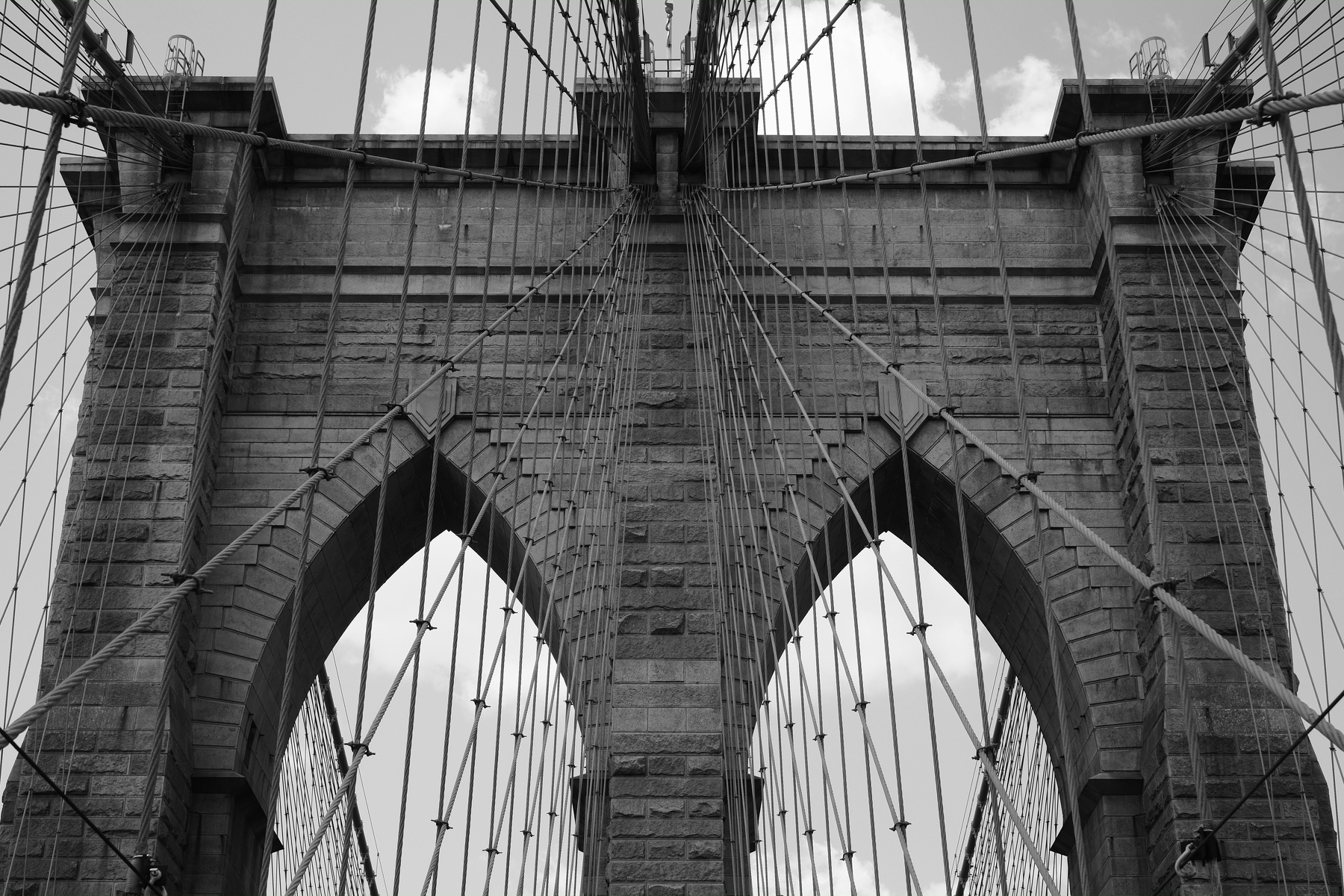
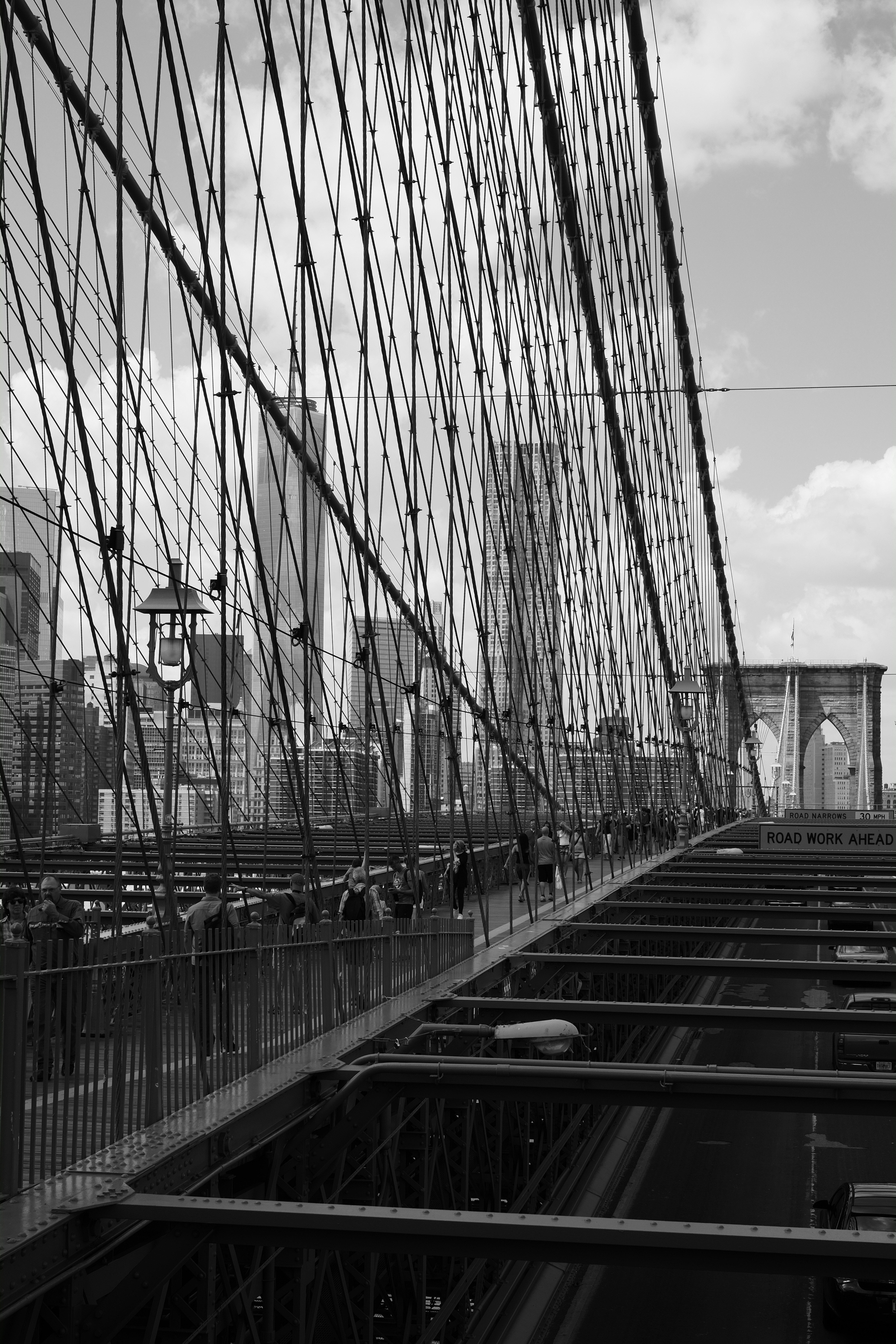
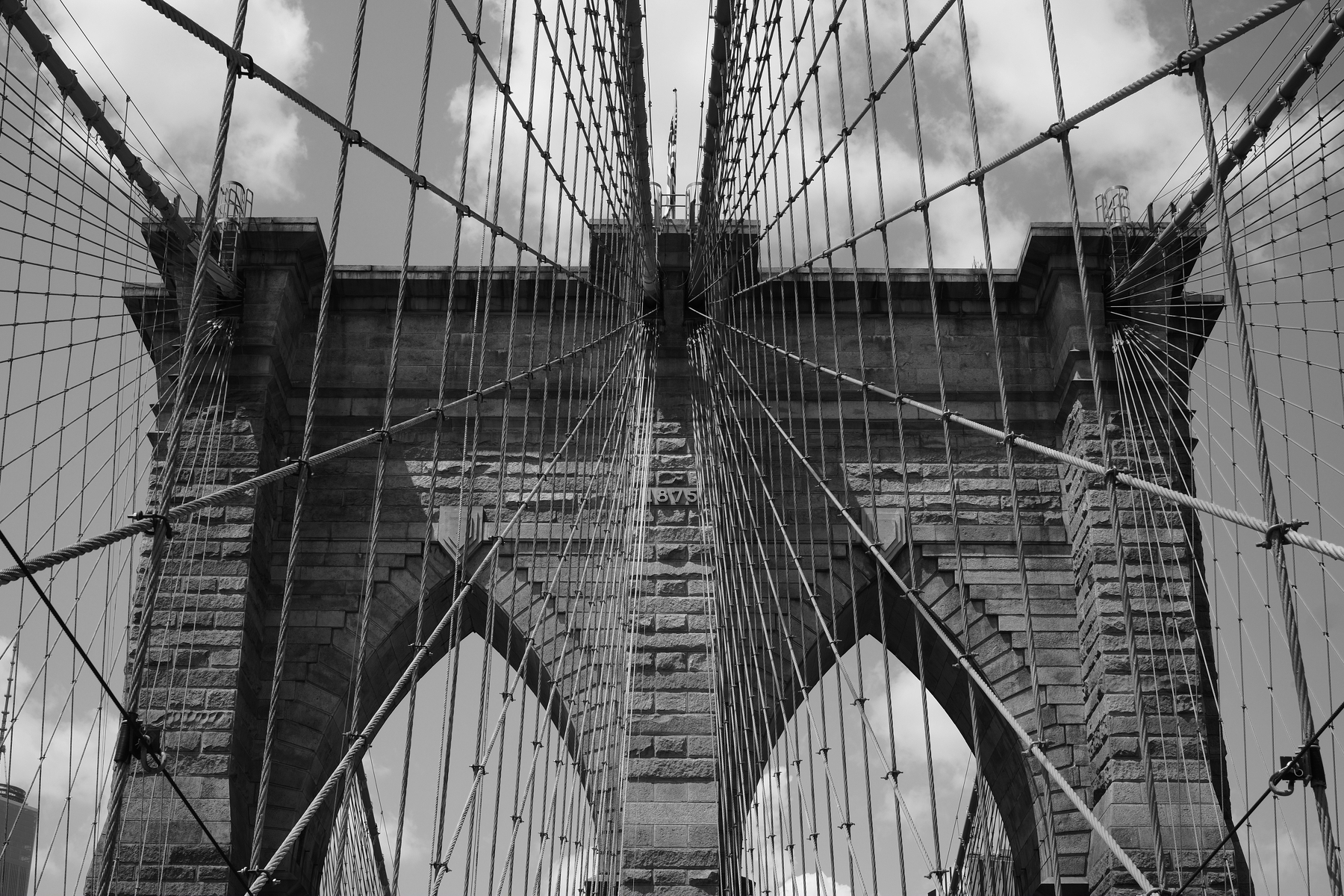
If you visit New York City, I highly recommend walking across the Brooklyn Bridge. Take your time, look up at the cables and towers, and enjoy the changing views of Manhattan and Brooklyn. It is not simply a way to get from one borough to another. It is a journey through the history of a city that has always believed in building something greater than itself.
#Photography #Photos #Photoblog #Blog #BrooklynBridge #BrooklynBridgeHistory #NewYorkCity #NewYorkTravel #NYCT #Travel #Brooklyn #Manhattan #EastRiver #JohnAugustusRoebling #WashingtonRoebling #EmilyRoebling #EngineeringHistory #HistoricBridges #NewYorkHistory #GothicArchitecture #TravelPhotography #TravelEssay #ExploreNewYork #NYCLandmarks #BrooklynBridgeWalk