
The Guggenheim Museum, New York - A Spiral Through Art and History
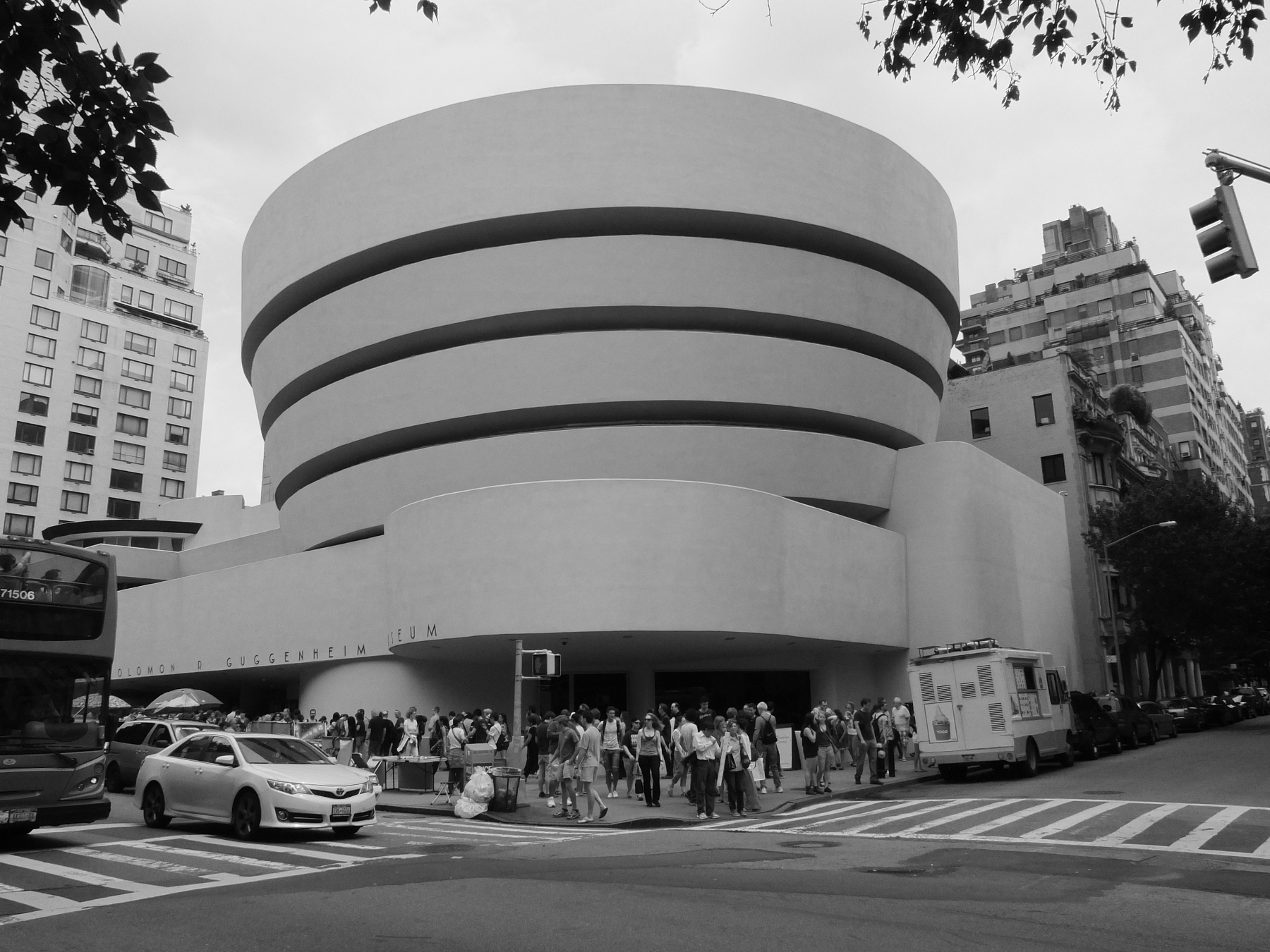
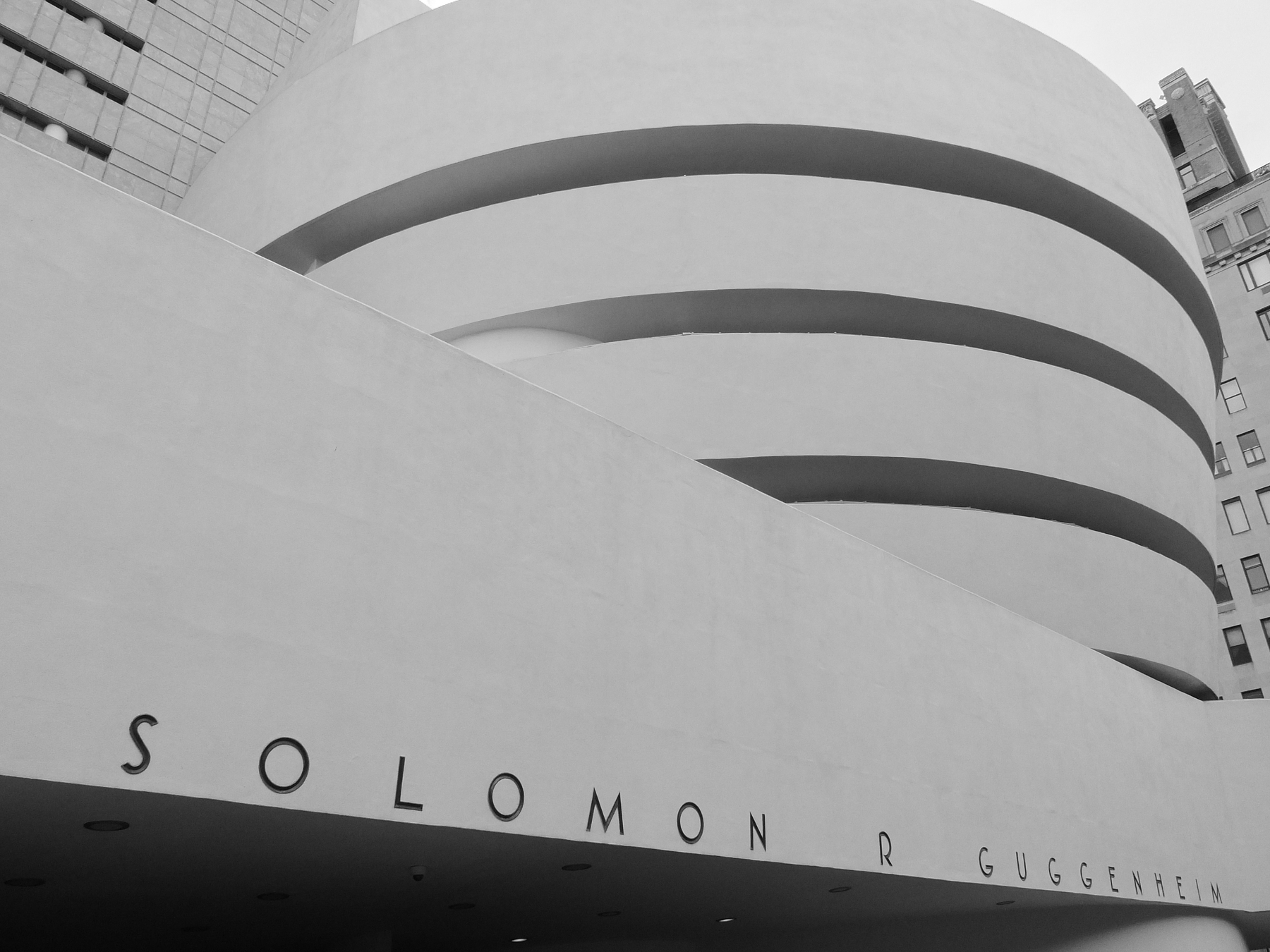
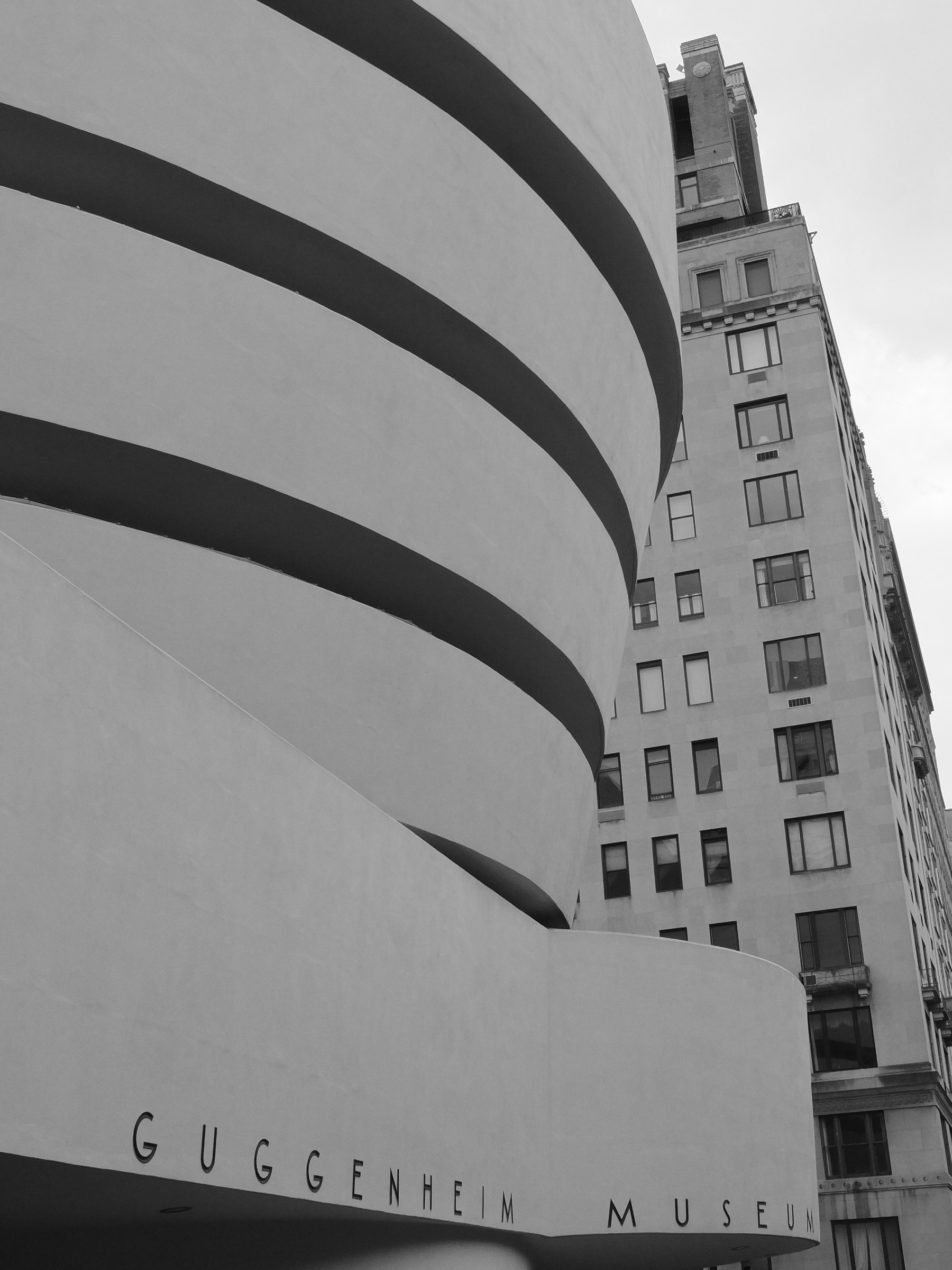
New York City has no shortage of extraordinary buildings, but few have ever made me stop and stare quite like the Solomon R. Guggenheim Museum. Standing along Fifth Avenue beside Central Park, it looks less like a traditional museum and more like a giant white sculpture that has somehow landed in Manhattan. During my visit, I found myself fascinated before I had even stepped through the entrance. This was not simply a place to see art; it was a building that demanded to be experienced.
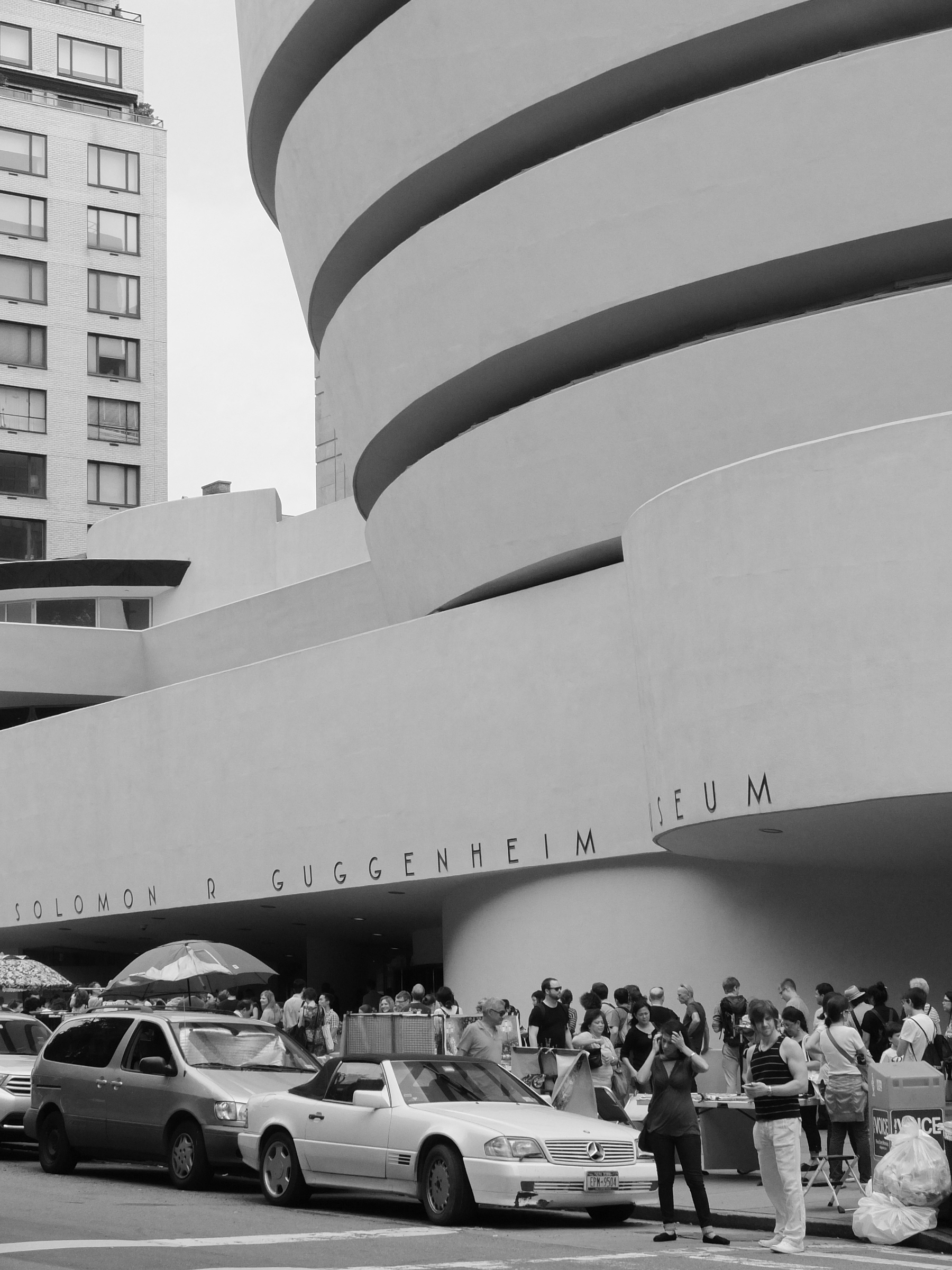
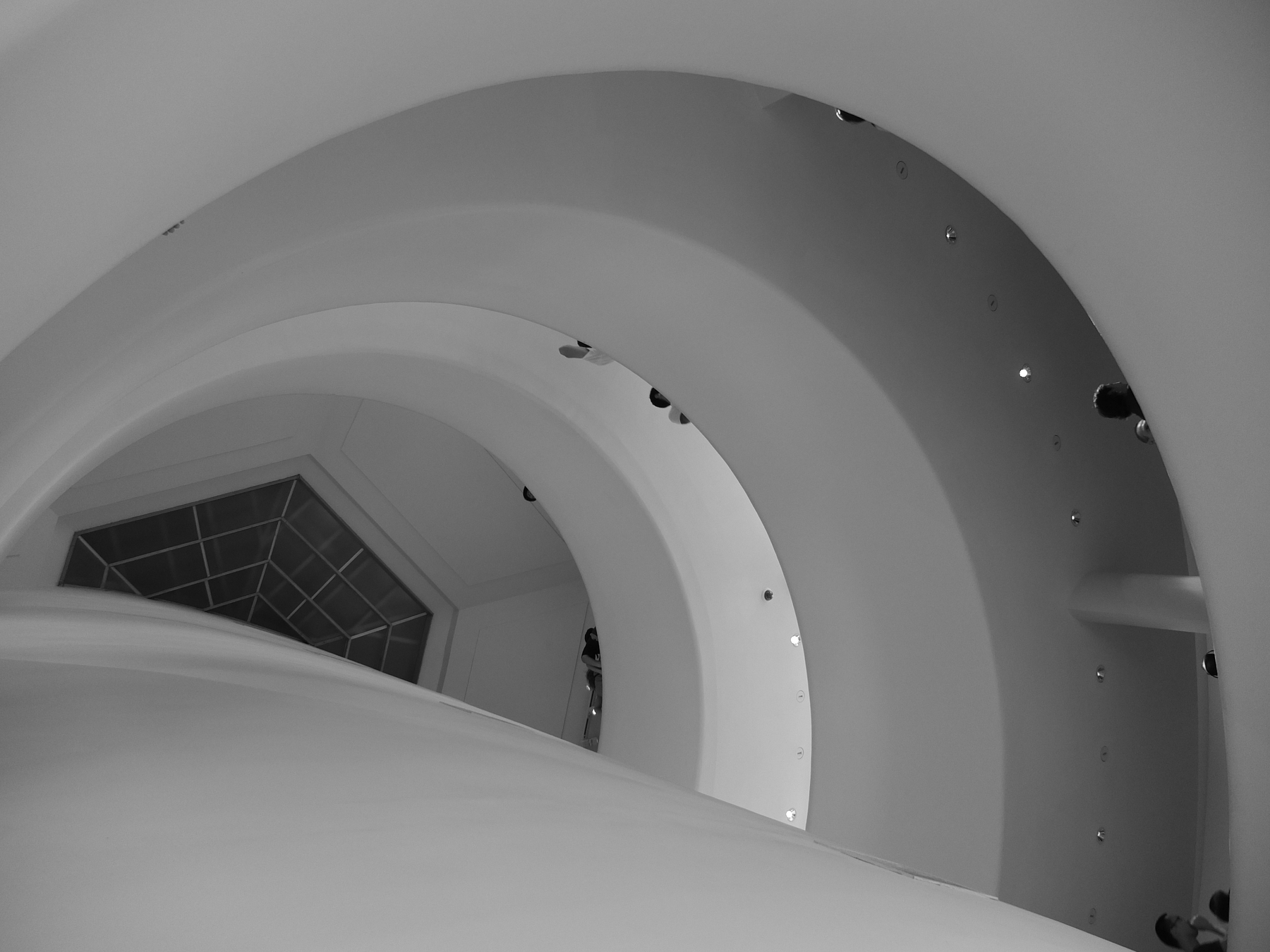
Frank Lloyd Wright, one of America’s most influential architects, designed the Guggenheim, which opened its doors in 1959. Wright spent years developing the design, imagining a museum where visitors would move through art in a continuous, flowing journey. His inspiration was not the conventional gallery with its straight corridors and separate rooms, but something closer to a spiral shell. Inside, a sweeping ramp curves around the central atrium, carrying visitors gradually upward. The effect is remarkable. Instead of moving from room to room, I felt as though I was travelling through a single unfolding work of art.
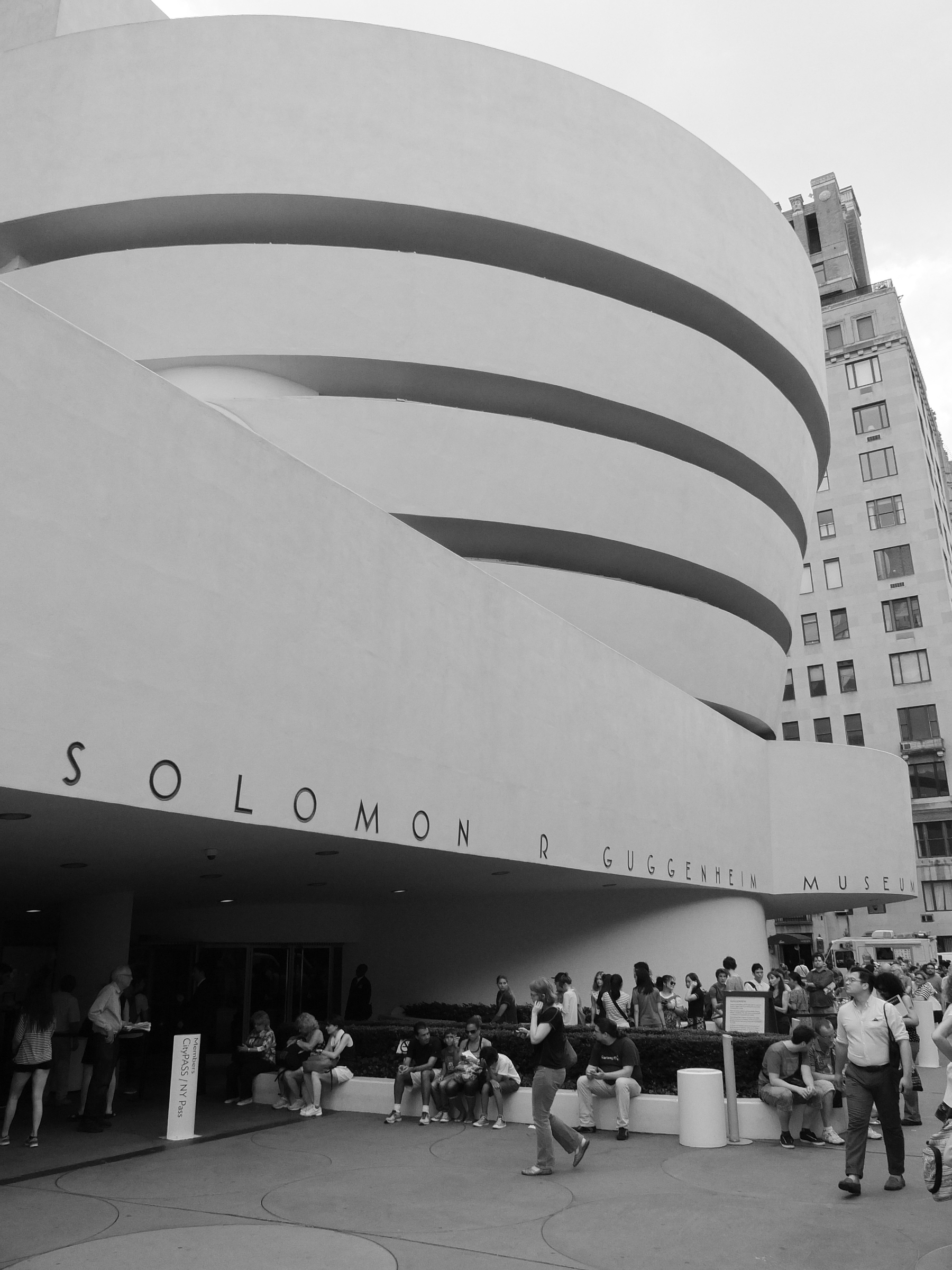
The experience feels strange at first. Museums usually encourage you to focus on what hangs on the walls, but at the Guggenheim, the building itself keeps competing for your attention. The circular atrium opens above you, the ramps rise in a gentle spiral, and visitors appear at different levels, creating a constantly changing view. Wright believed architecture could elevate the human spirit, and his Guggenheim feels like an attempt to turn that belief into a physical experience.
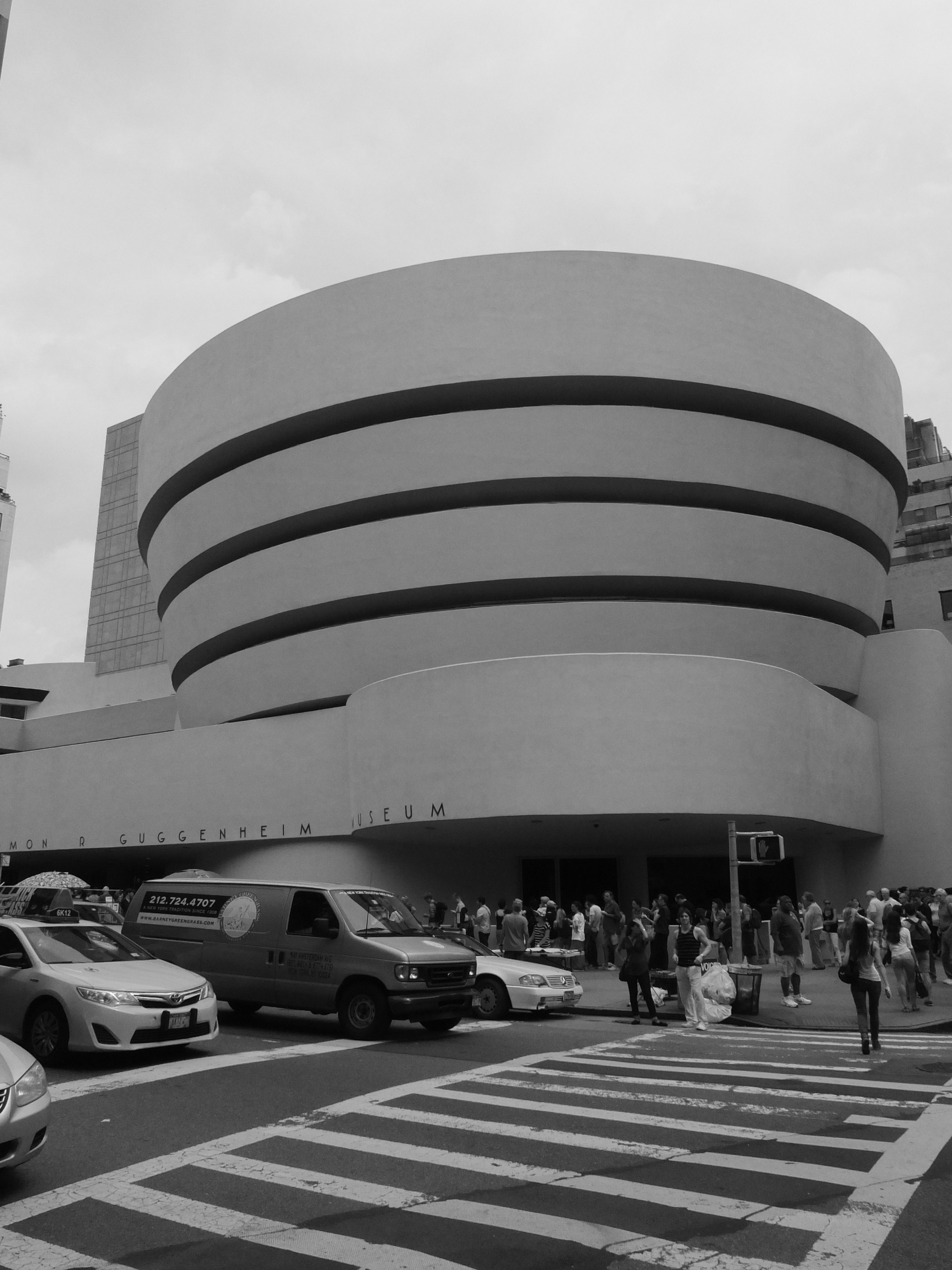
The building was not universally loved when it opened. Traditionalists questioned whether an art museum should have curved walls and sloping floors. Some artists worried that the architecture would compete with their work. But Wright’s vision was deliberately unconventional. He wanted to challenge the idea that museums needed to be collections of rectangular rooms, and over time, the Guggenheim became one of the most celebrated examples of modernist architecture in the world.
The museum’s story began with Solomon R. Guggenheim, an industrialist who developed a passion for modern and abstract art. In 1937, he established the Solomon R. Guggenheim Foundation to support artists and create a permanent home for his collection. His interest in non-objective art led to the opening of the Museum of Non-Objective Painting in 1939, initially located in a townhouse on East 54th Street. The collection eventually outgrew its original home, and the foundation commissioned Wright to create something entirely new.
Walking through the museum, I was reminded that its history is not only about architecture. The Guggenheim has played an important role in introducing audiences to artists whose work once seemed radical or difficult to understand. Its collection includes masterpieces by artists such as Wassily Kandinsky, Pablo Picasso, and Vincent van Gogh, alongside works from later movements including Minimalism and contemporary art. The Thannhauser Collection, in particular, offers a wonderful opportunity to see European modernism within the larger Guggenheim experience.
What I enjoyed most was the way the museum encouraged me to slow down. I could stand beside a painting, look across the atrium, and then continue upward, discovering another work from an entirely different angle. The architecture created a sense of movement that visited feel less like a conventional gallery tour and more like a journey through artistic ideas.
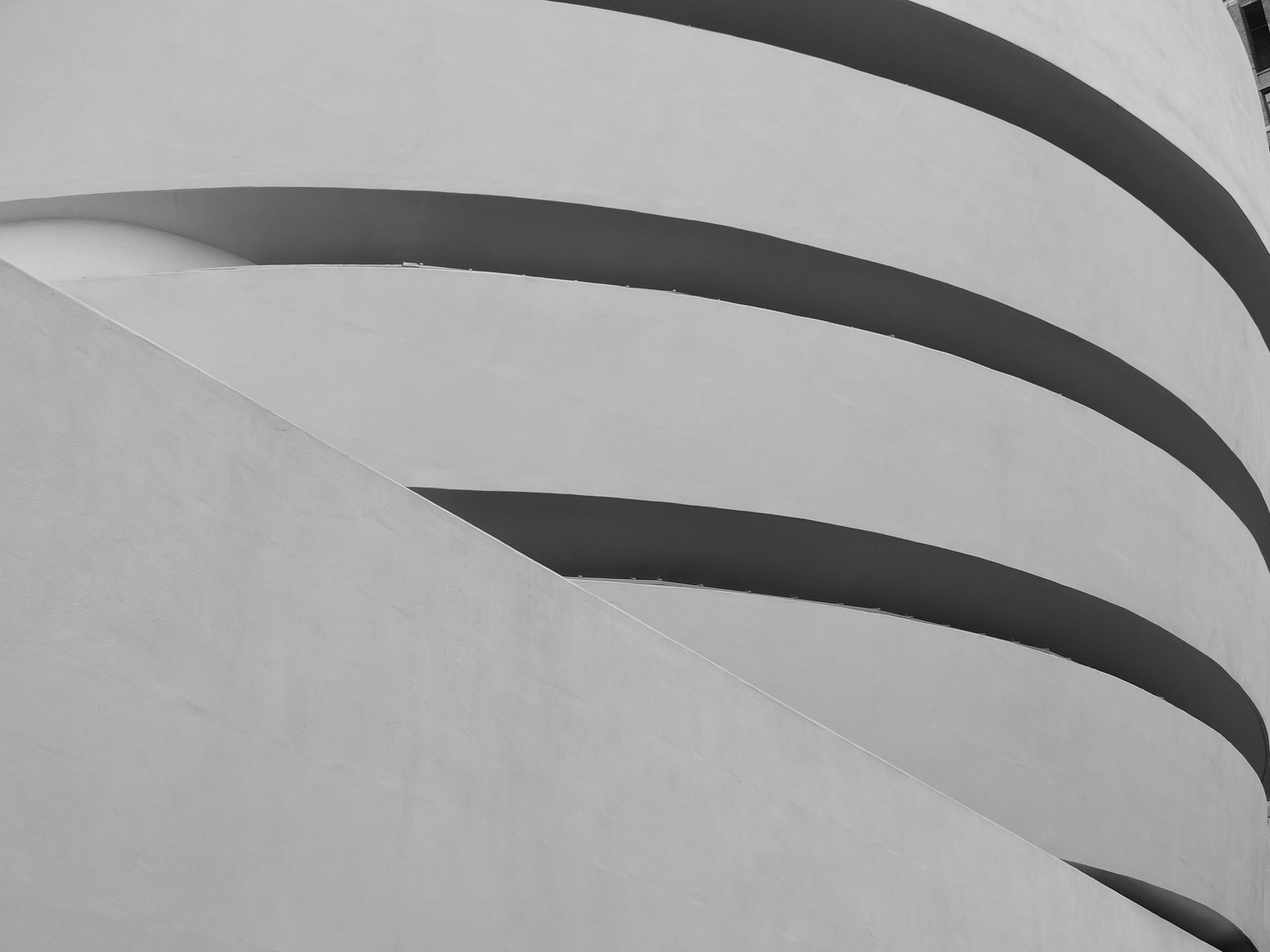
The Guggenheim is not merely a museum filled with important paintings. It is a statement about how art can be experienced, how architecture can influence perception, and how a single building can become part of a city’s cultural identity. For me, visiting was as much about appreciating Frank Lloyd Wright’s extraordinary design as it was about seeing the collection inside.
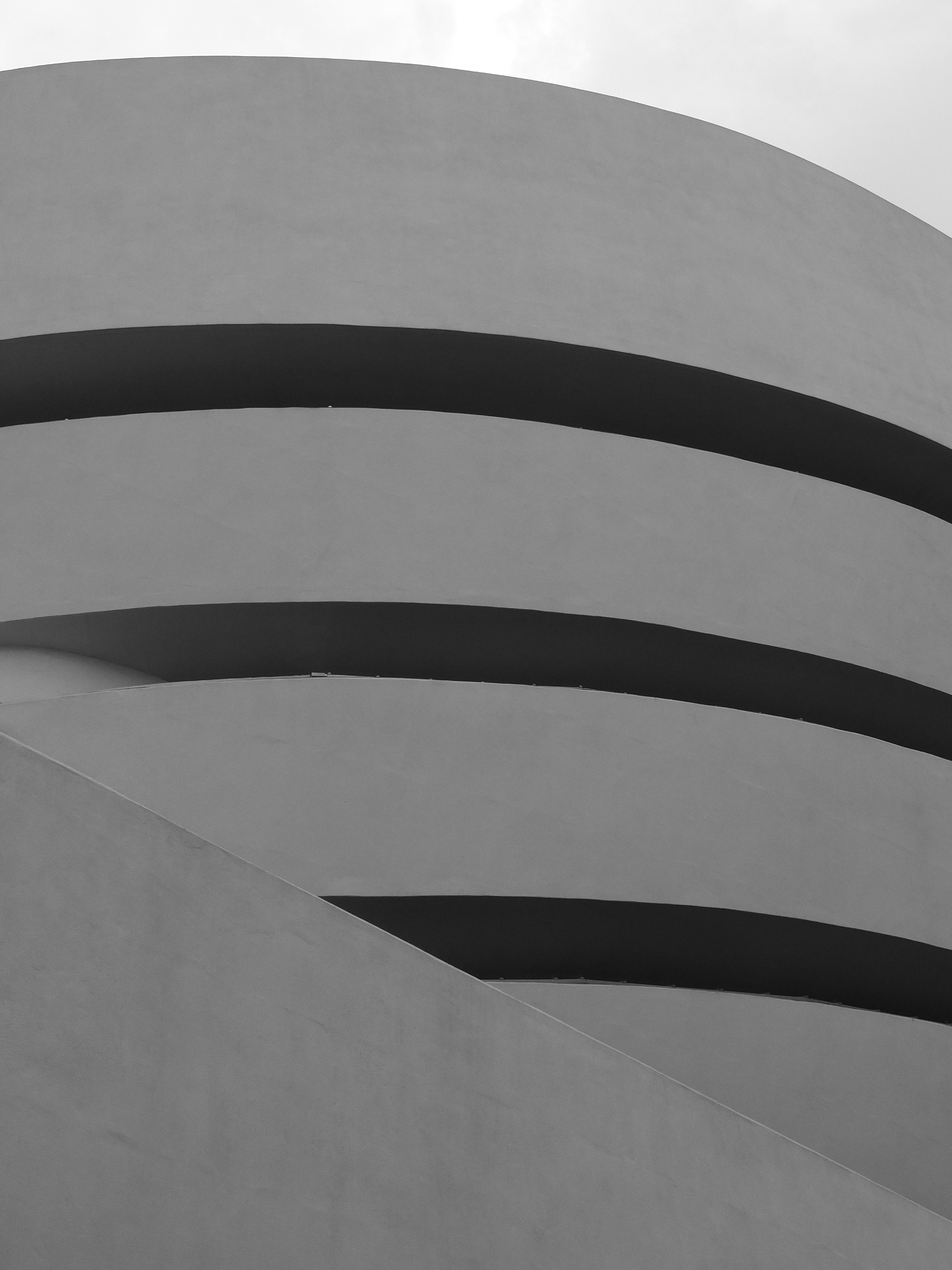
If you find yourself in New York City, I highly recommend taking the time to visit the Guggenheim. Walk slowly, look upward, and allow yourself to become absorbed in the spiral. It is one of those places where the building and the art are impossible to separate—and that is precisely what makes it so memorable.
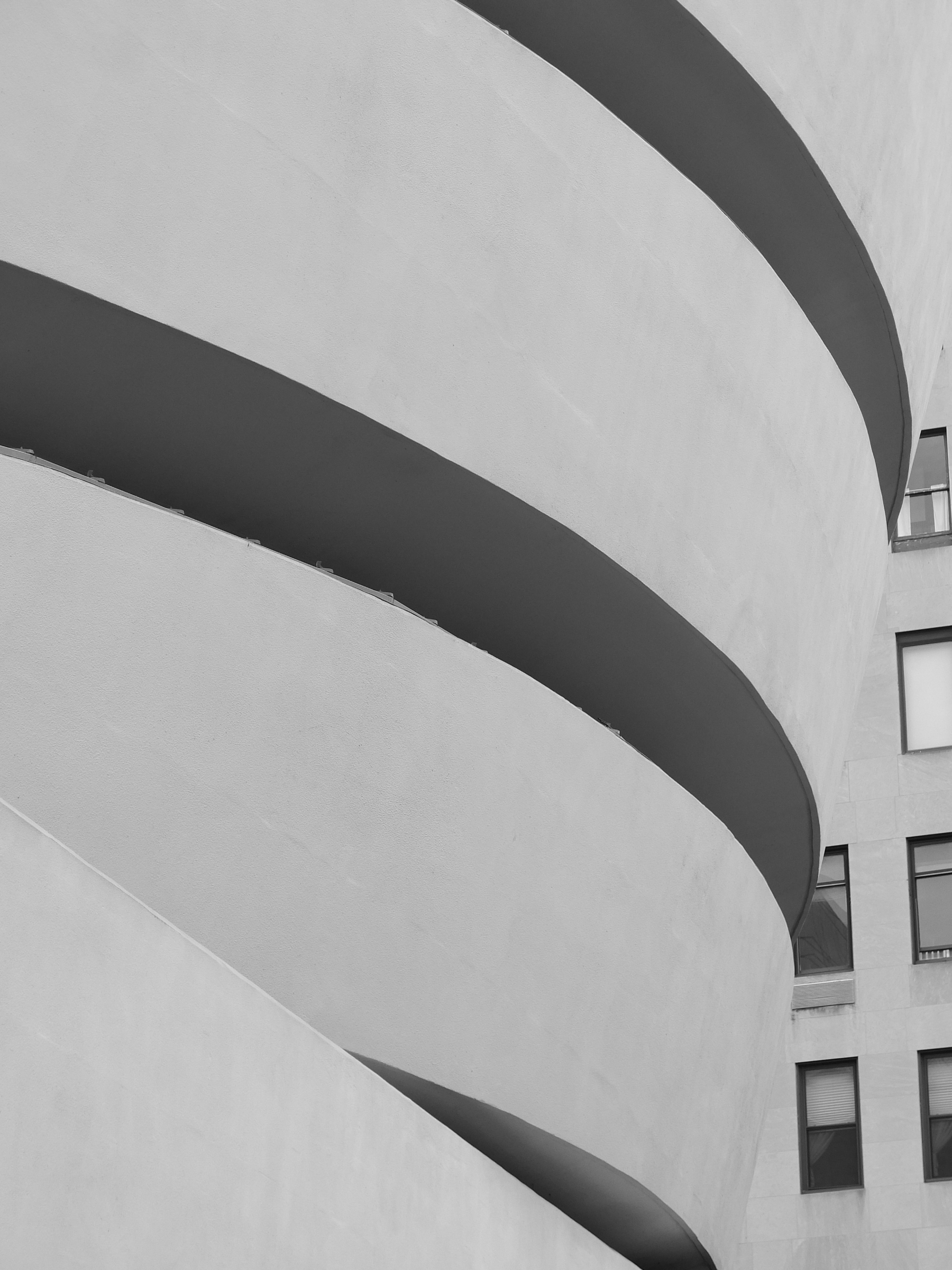
#Photography #Photos #Photoblog #Blog #NY #GuggenheimMuseum #SolomonRGuggenheimMuseum #NewYorkCity #NewYorkTravel #FrankLloydWright #ModernArchitecture #ModernArt #ContemporaryArt #MuseumArchitecture #NewYorkMuseums #FifthAvenue #CentralPark #ArtAndArchitecture #TravelEssay #TravelPhotography #NYCTravel #ArtHistory #MuseumLovers #ExploreNewYork #NewYorkCityGuide