
Łazienki Królewskie, Park Where Warsaw’s History Lives Among the Trees
There is something wonderfully enchanting about a city that knows how to make room for nature, and Warsaw does this beautifully. In the middle of Poland’s bustling capital lies Łazienki Królewskie, or the Royal Baths Park, a vast landscape of old trees, tranquil lakes, elegant palaces, sculptures and winding paths. Every time I visited, I found myself wandering for hours, often forgetting that one of Europe’s most fascinating—and historically scarred—cities was just beyond the park’s gates. Here, nature and history seem to exist in perfect harmony, and almost every path leads to another story.
The history of Łazienki begins in the 17th century, when the area was used as a royal hunting ground. But its transformation into the extraordinary landscape we see today came during the reign of King Stanisław August Poniatowski in the 18th century. The king envisioned Łazienki not simply as a residence, but as a place where architecture, art, philosophy and nature could come together. He brought some of the finest architects and artists of his time to Warsaw, including Domenico Merlini and Johann Christian Kamsetzer, and gradually created a magnificent royal retreat inspired by the ideals of the European Enlightenment.
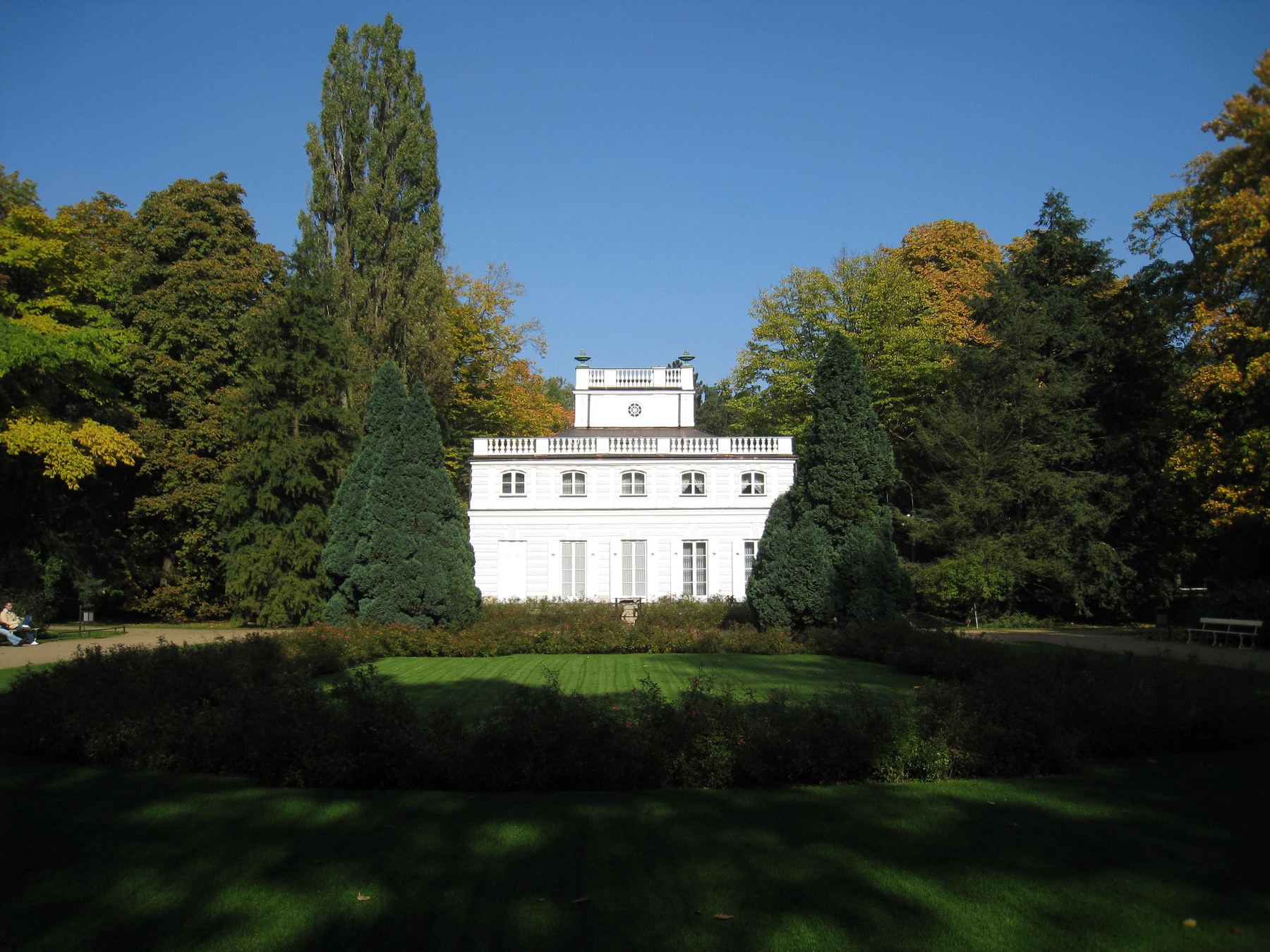
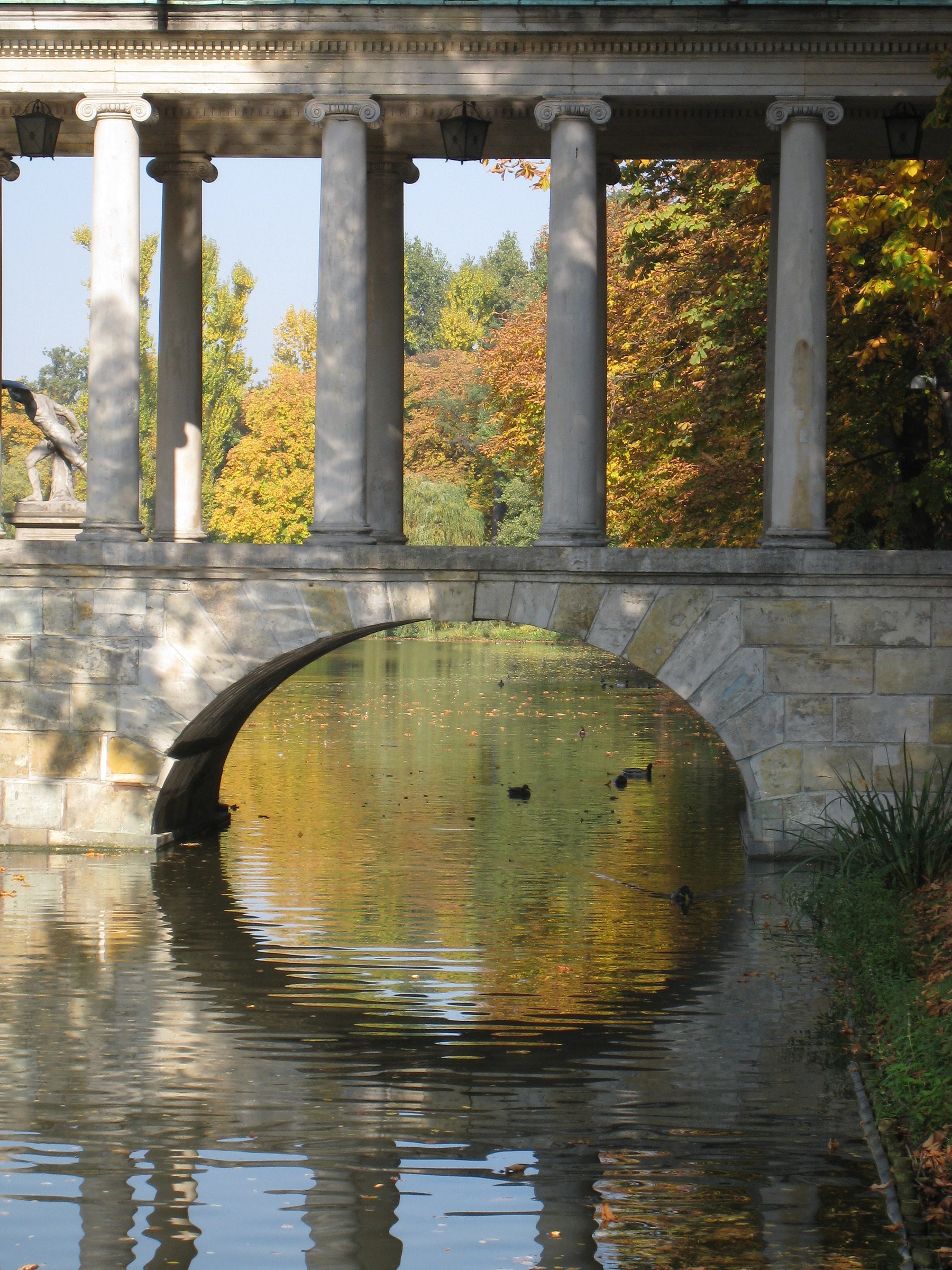
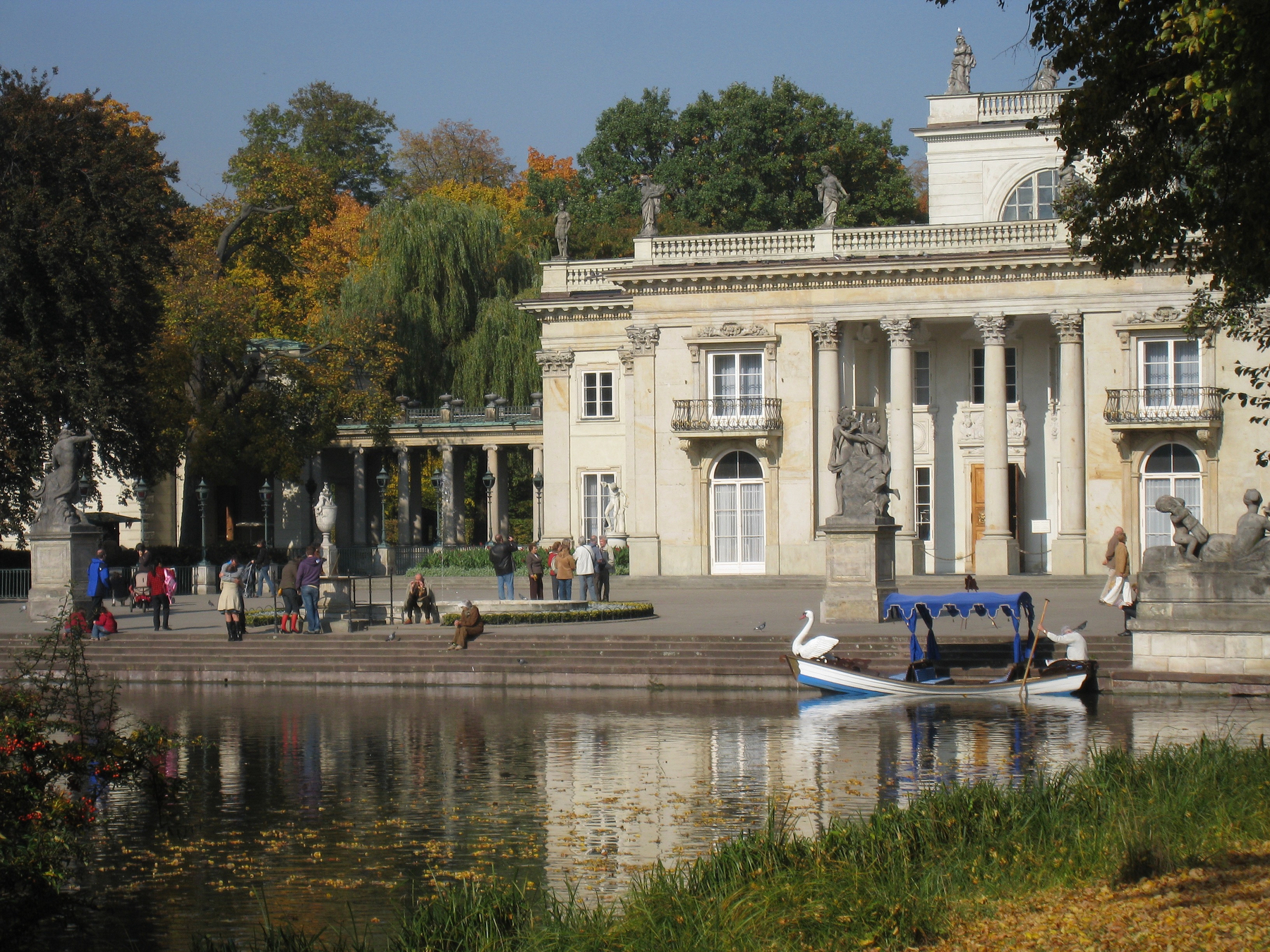
The heart of the park is undoubtedly the Palace on the Isle, one of Warsaw’s most recognizable buildings. Originally constructed as a bathhouse for the wealthy nobleman Stanisław Herakliusz Lubomirski, it was acquired by Stanisław August and transformed into his elegant summer residence. The palace appears to float above the water, surrounded by an artificial lake and reflected beautifully in its surface. Walking around it, I found it easy to imagine the royal court arriving here during the warmer months, escaping the formality of Warsaw for a quieter world of gardens, music, conversation and art.
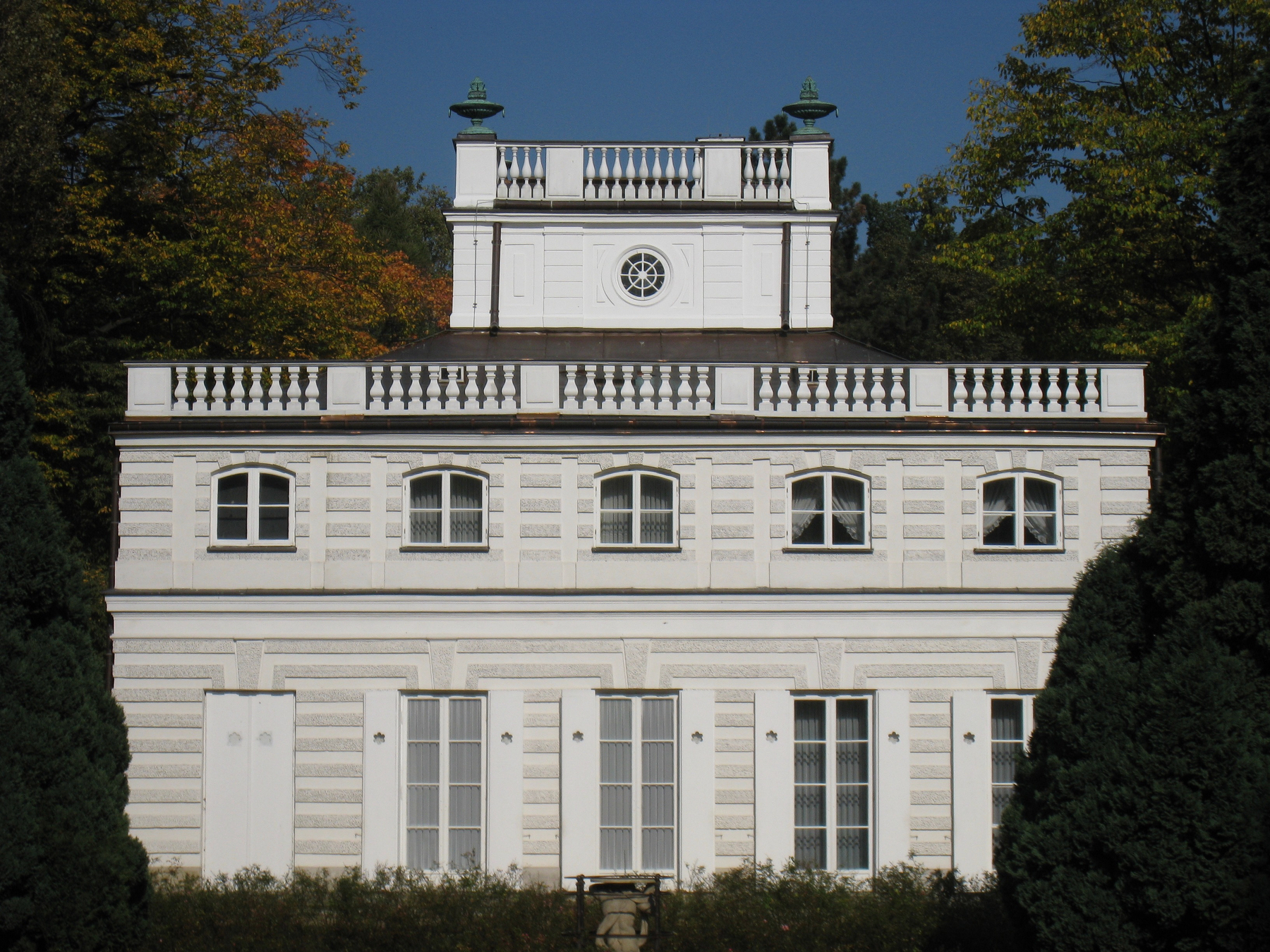
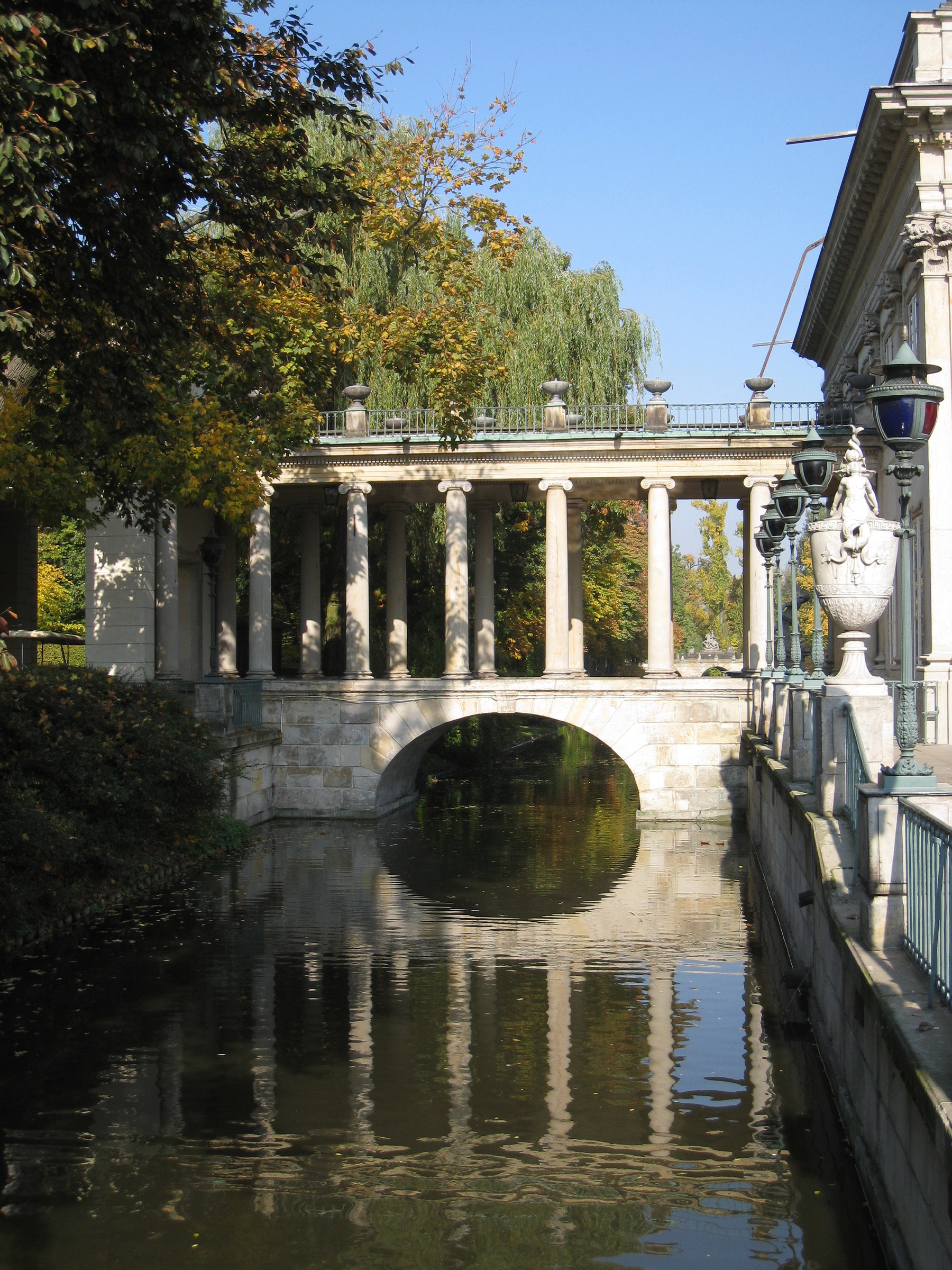
Yet Łazienki is much more than a royal residence. One of its most remarkable monuments is the Amphitheatre, completed in 1790 and inspired by ancient Greek and Roman theatres. Built beside the lake, with a stage separated from the audience by water, it was designed as an open-air theatre for the royal court. Its ruins and sculptures evoke the ancient world, while performances still take place here today. Standing among the trees, I could almost imagine an 18th-century audience gathering beneath the evening sky, listening to music and watching theatre while the palace shimmered across the water.
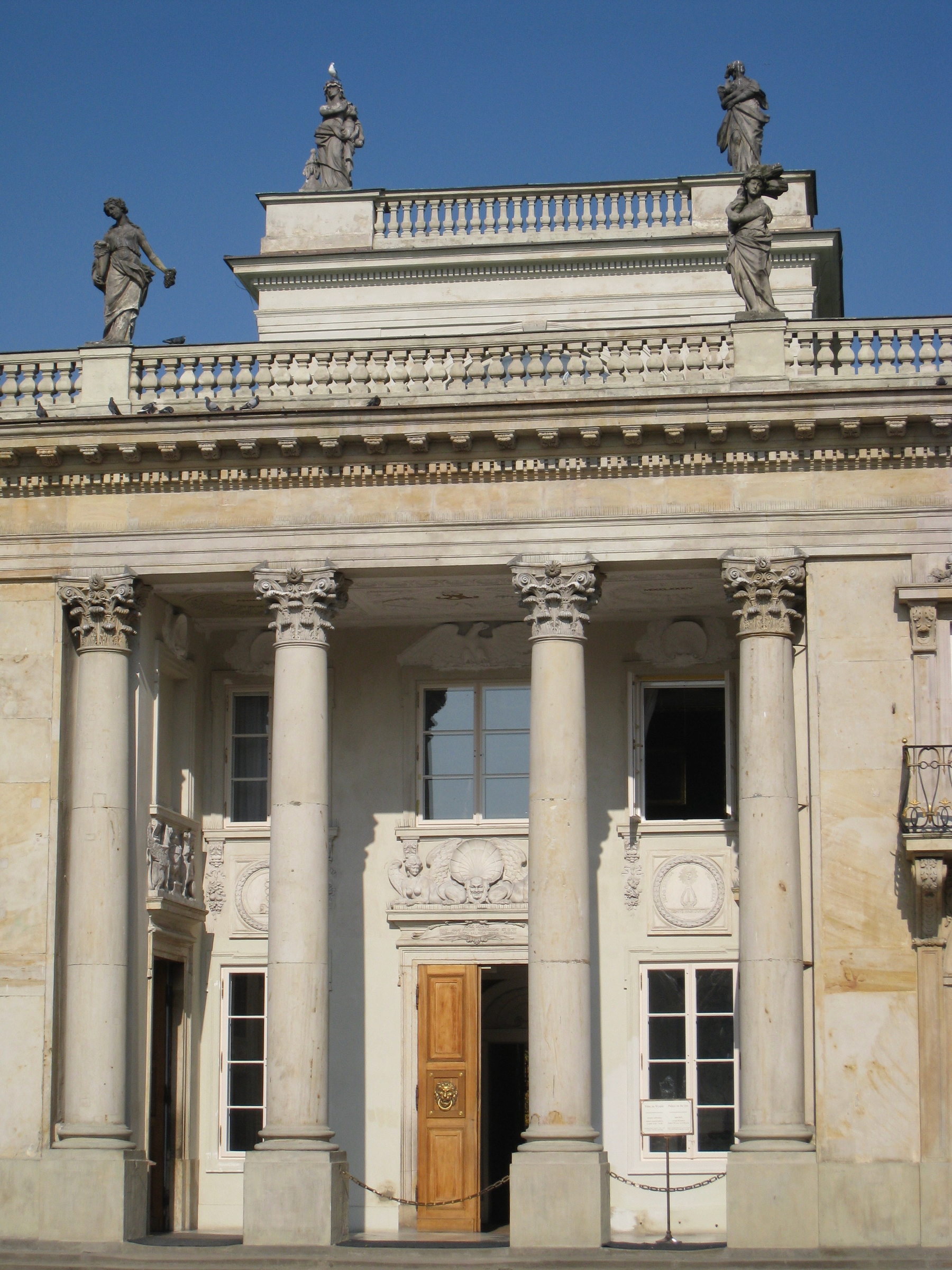
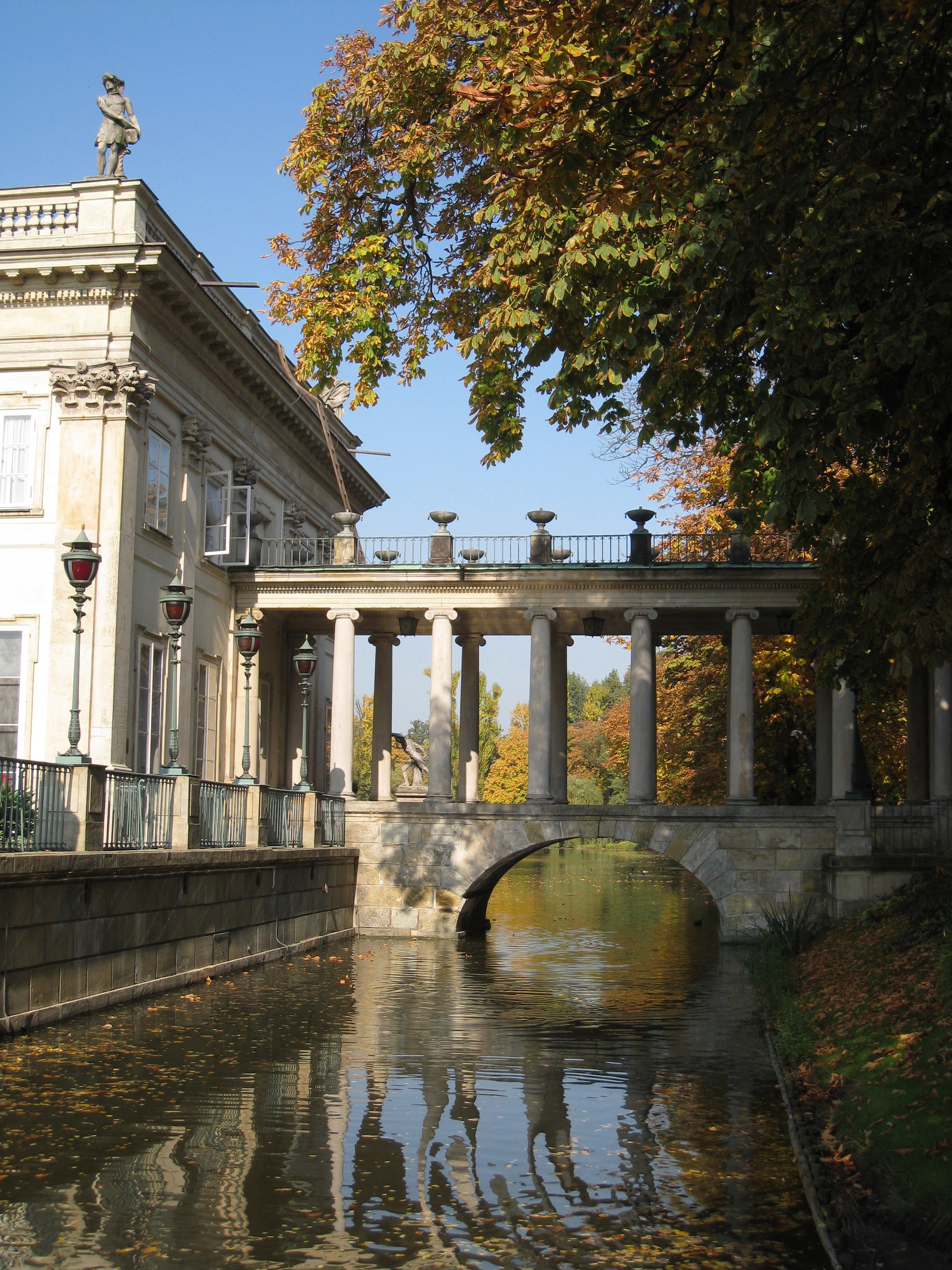
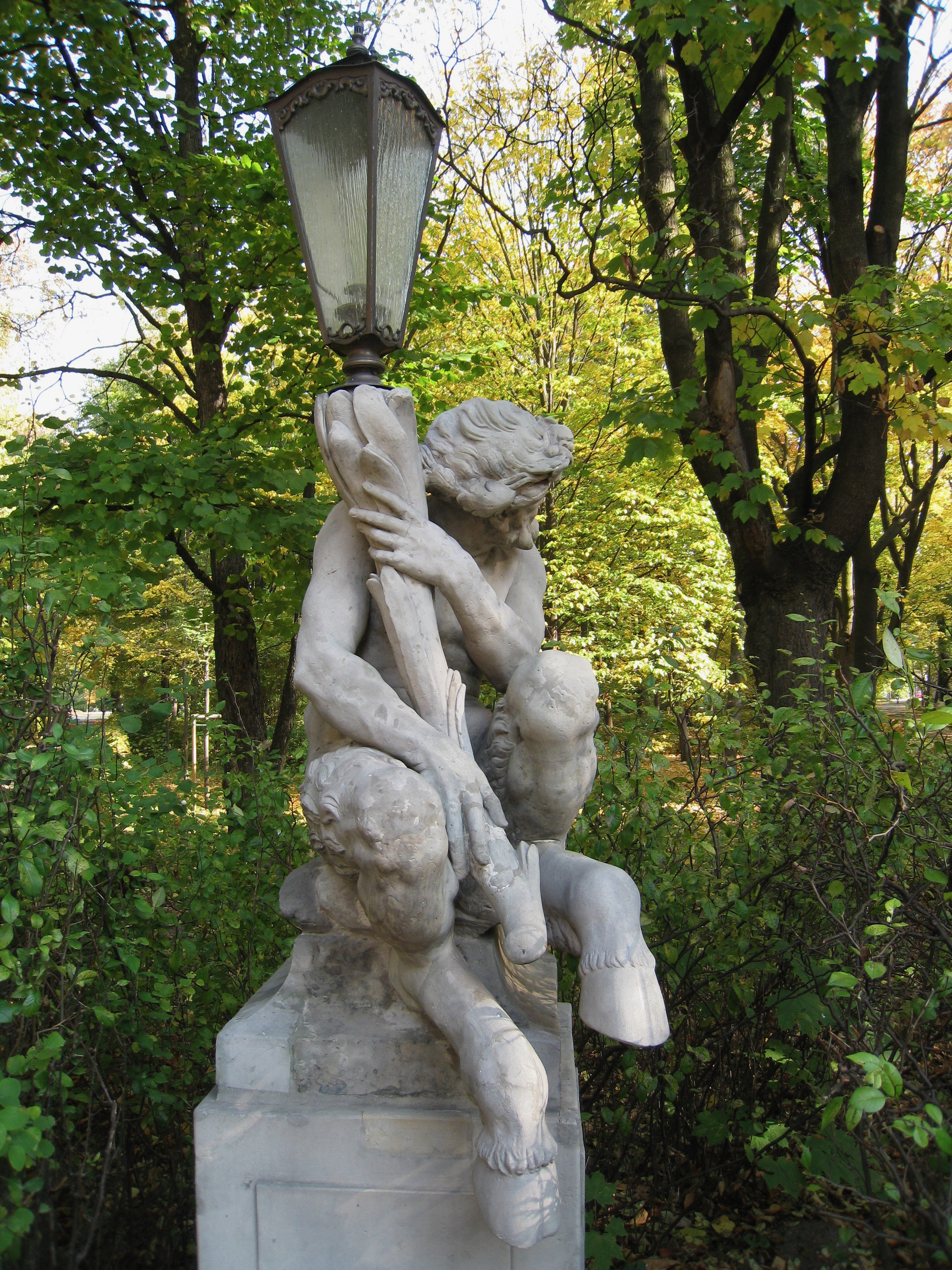
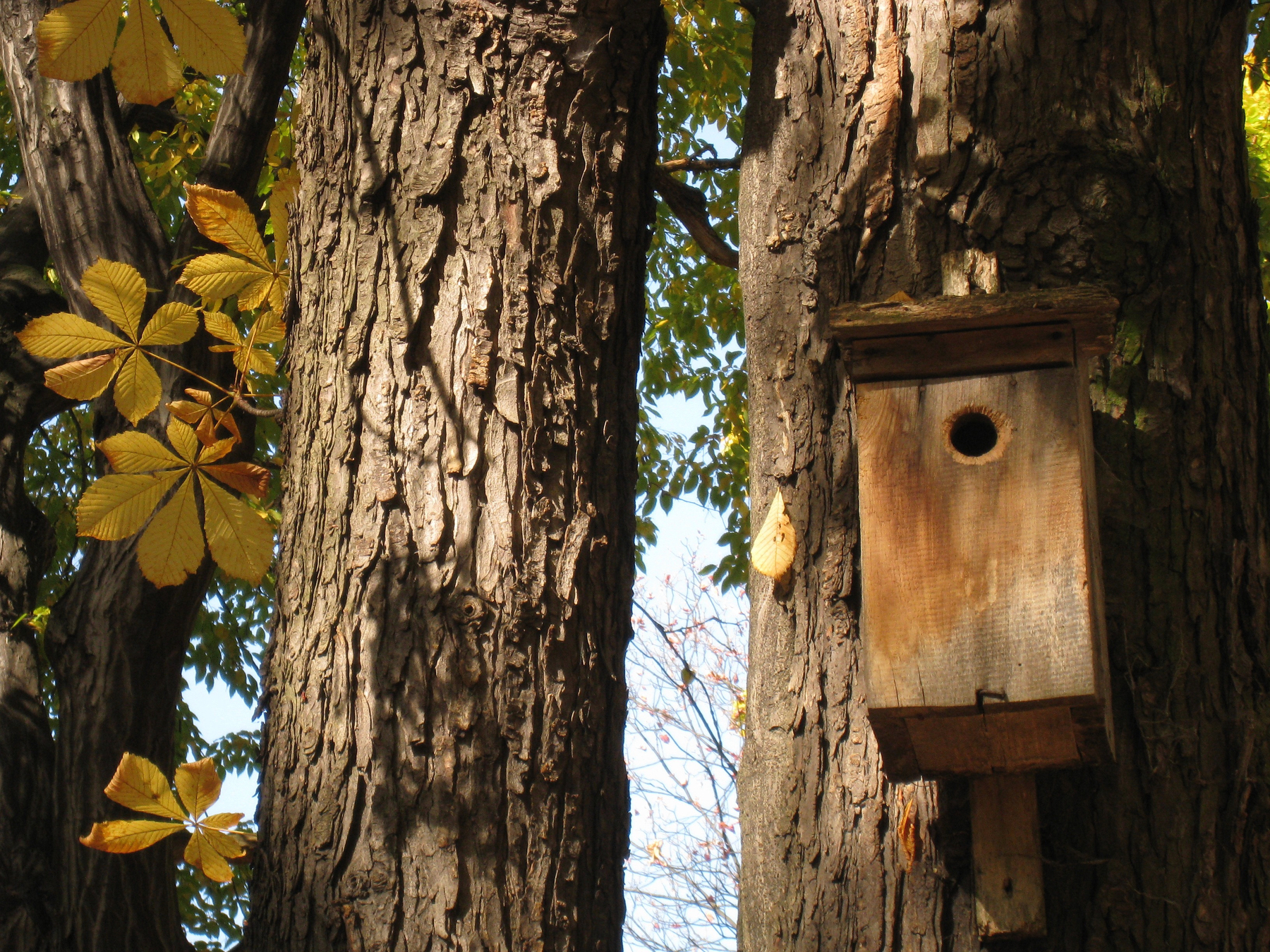
The gardens themselves are perhaps what make Łazienki so special. Formal landscapes gradually give way to wilder paths, enormous old trees and peaceful corners where squirrels, birds and peacocks seem completely at home. There are also distinctive garden spaces, including the Chinese Garden, with its pavilion, bridges and water features, while other parts of the park embrace a more modern aesthetic. It is this mixture that keeps the park from feeling like a preserved historical monument. Łazienki is alive, constantly changing with the seasons, yet its centuries-old character remains unmistakable.
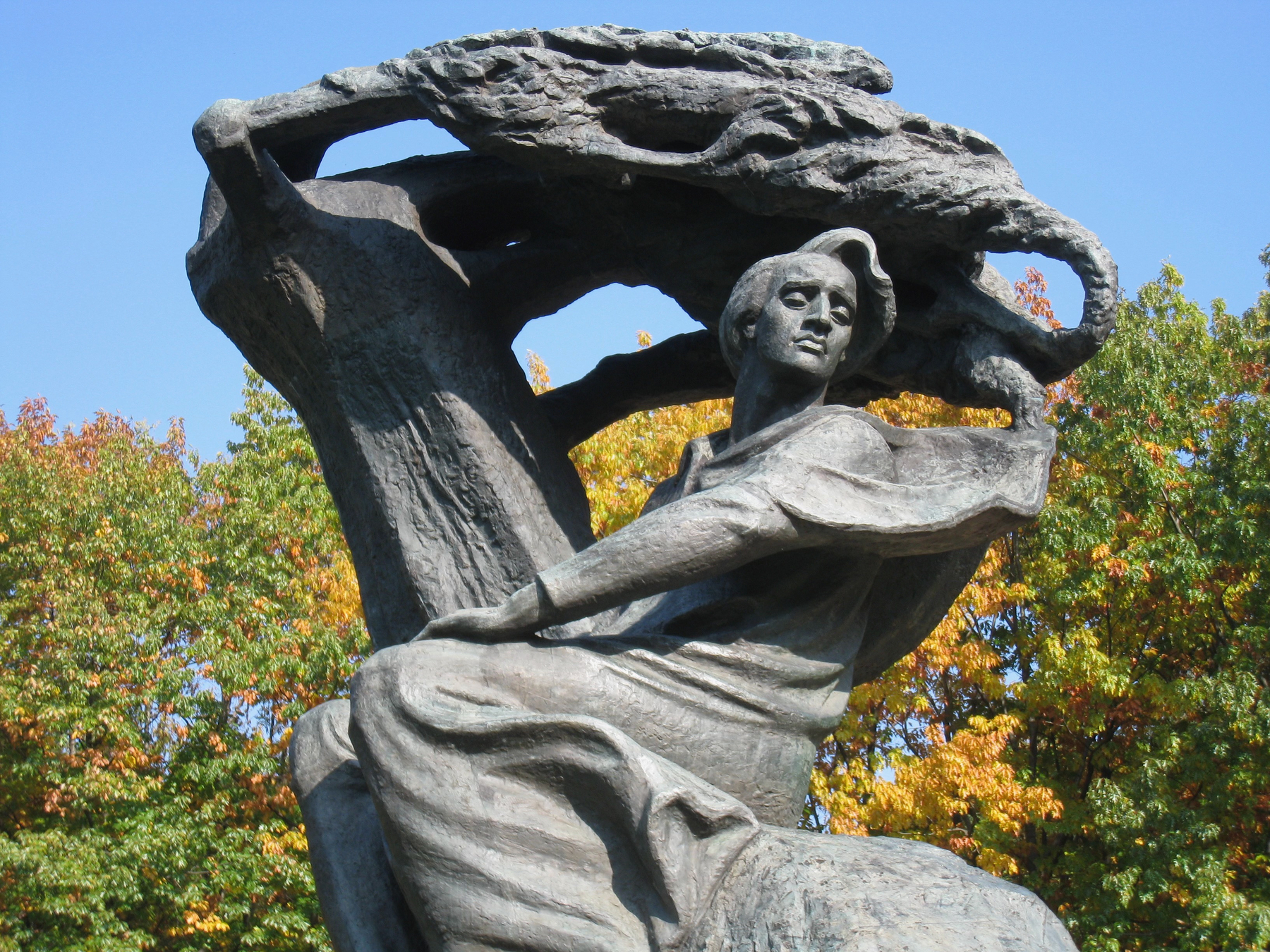
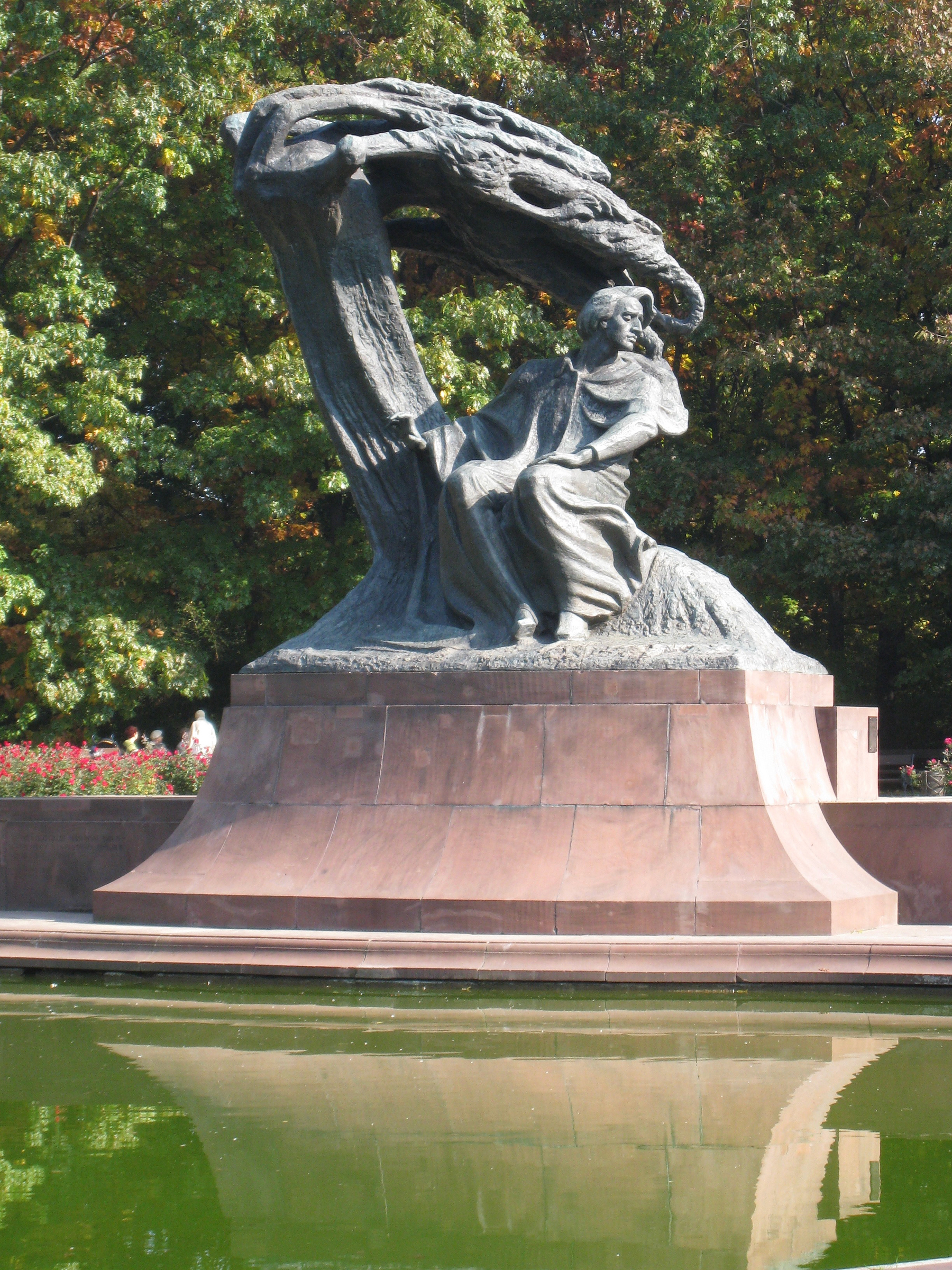
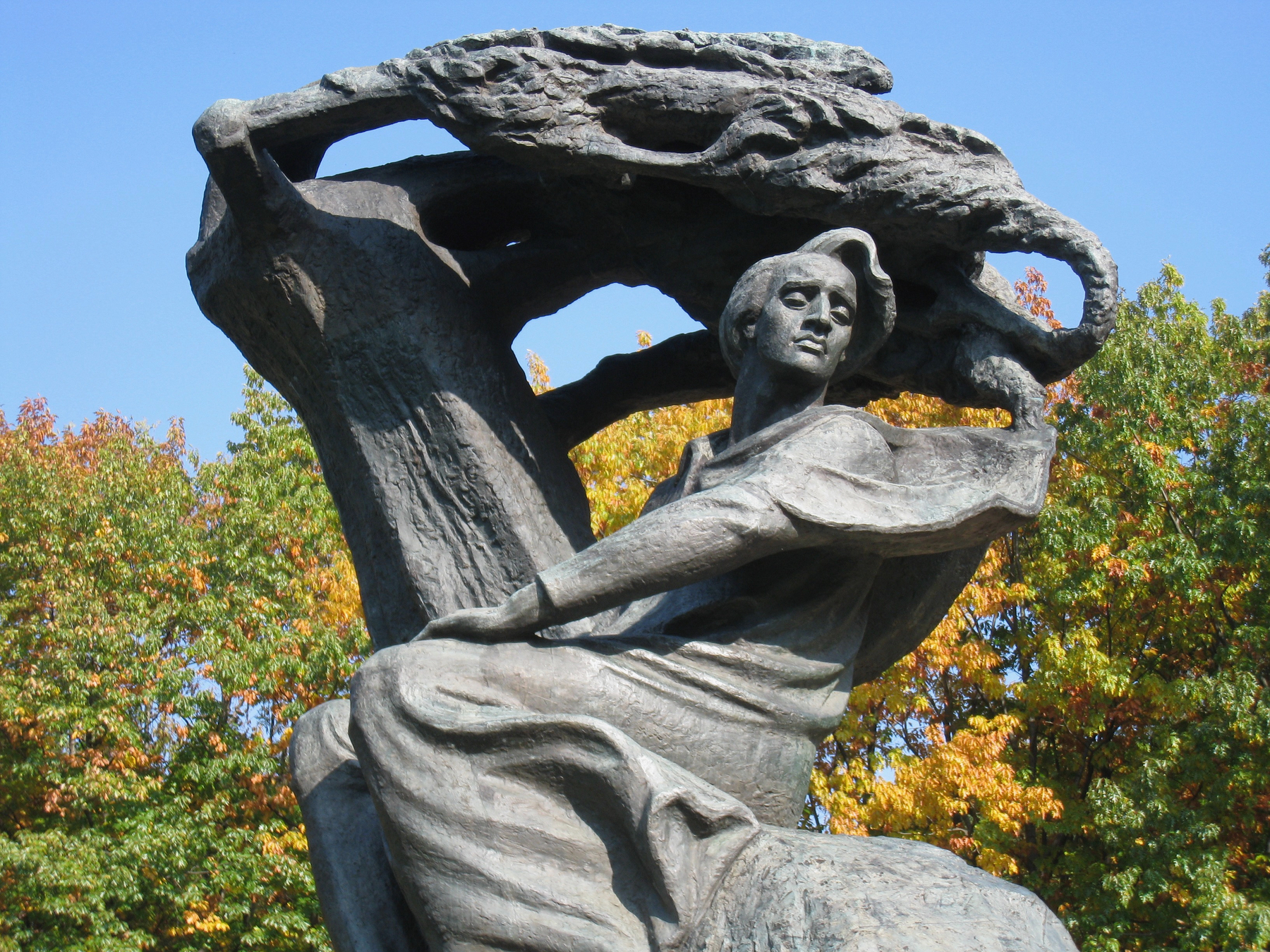
Then there is Chopin. The monumental bronze statue of Fryderyk Chopin beneath the branches of a windswept willow has become one of Warsaw’s most recognizable images. Unveiled in 1926, the monument pays tribute to the composer who spent much of his youth in Warsaw and whose music remains inseparable from Poland’s cultural identity. The story of the statue itself is particularly poignant. During World War II, the Nazis destroyed it after occupying Warsaw, but it was recreated after the war. Today, Chopin’s monument stands once again among the trees, and during the summer, Chopin concerts bring his music back into the park.
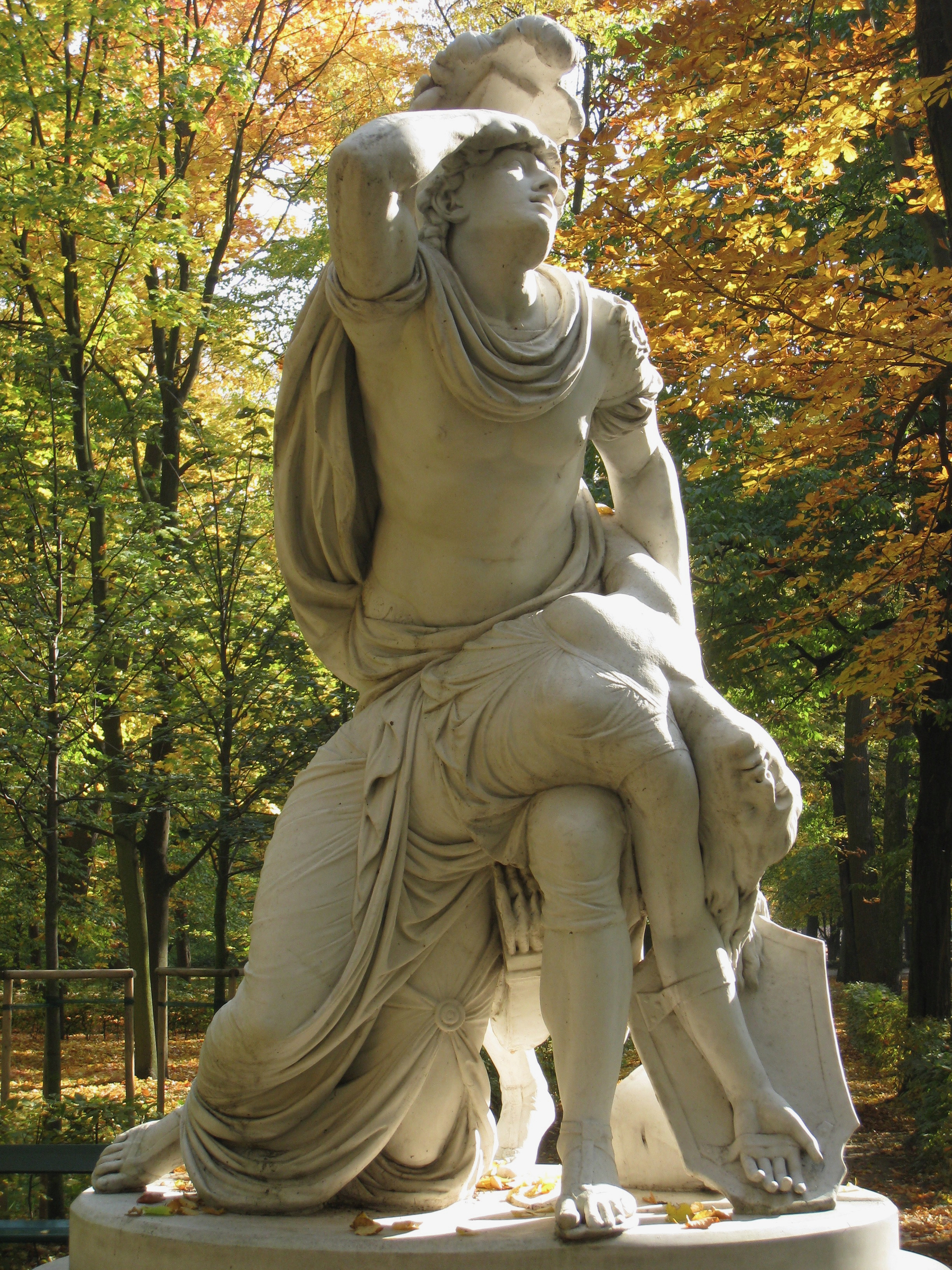
Walking through Łazienki, it is impossible to forget that Warsaw has experienced an extraordinary amount of destruction and rebirth. During World War II, the city was devastated, particularly after the Warsaw Uprising of 1944, when Polish resistance fighters fought the German occupation for 63 days. Much of Warsaw was subsequently destroyed. Yet the city rebuilt itself, and Łazienki survived as one of the places where Warsaw’s cultural memory could continue. Its surviving palaces, monuments and gardens offer a striking contrast to the devastation suffered elsewhere in the capital.
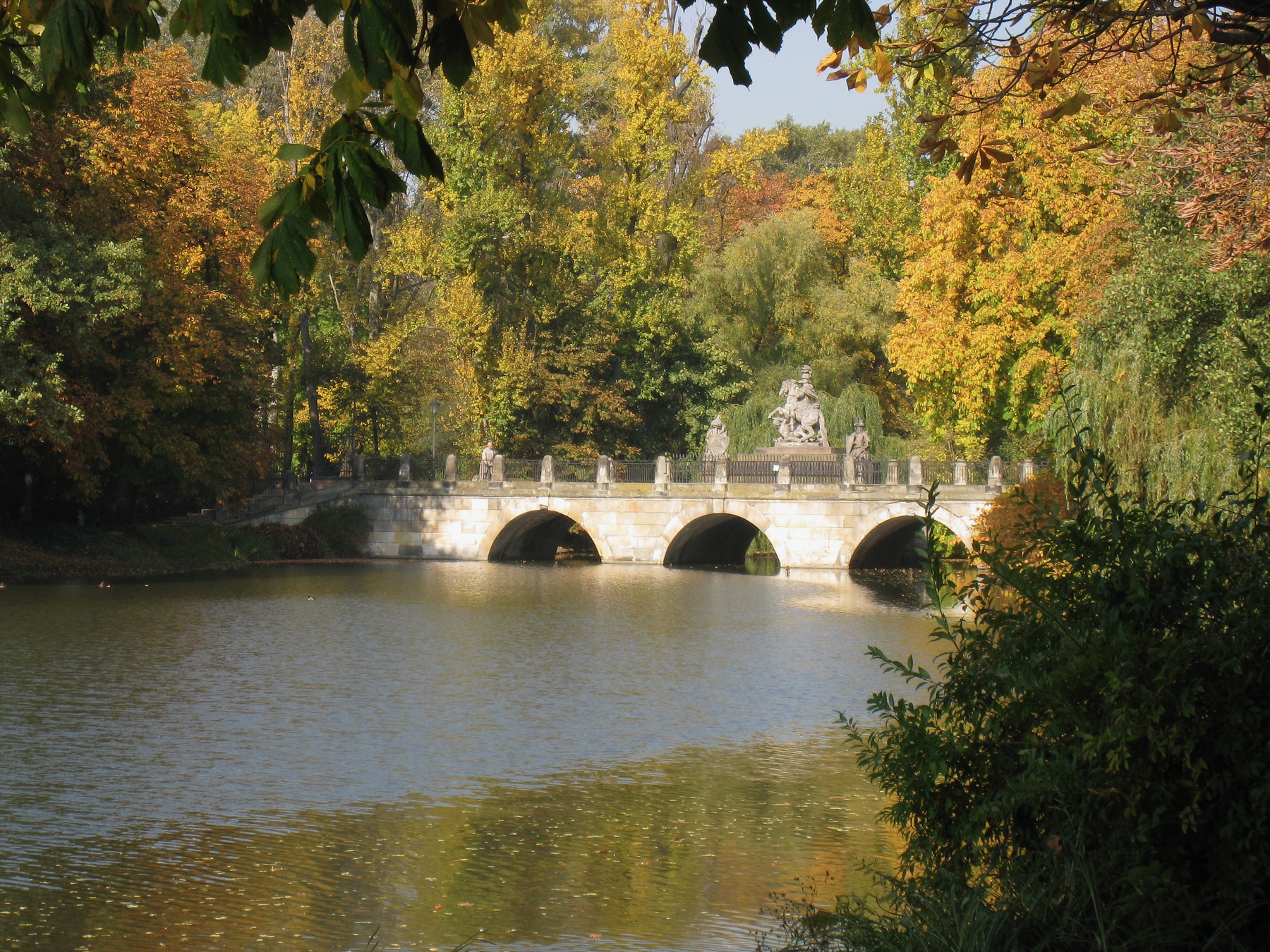
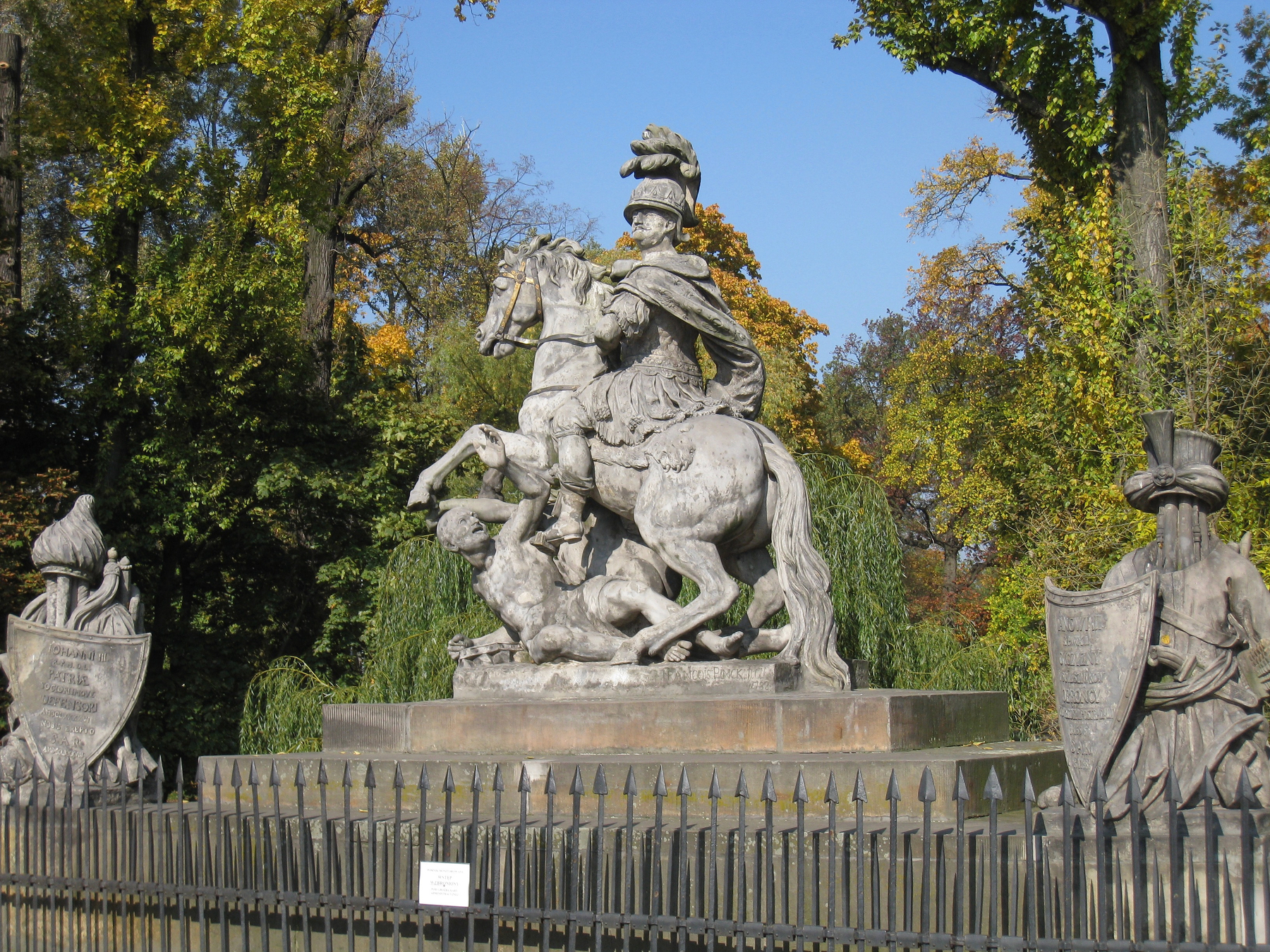
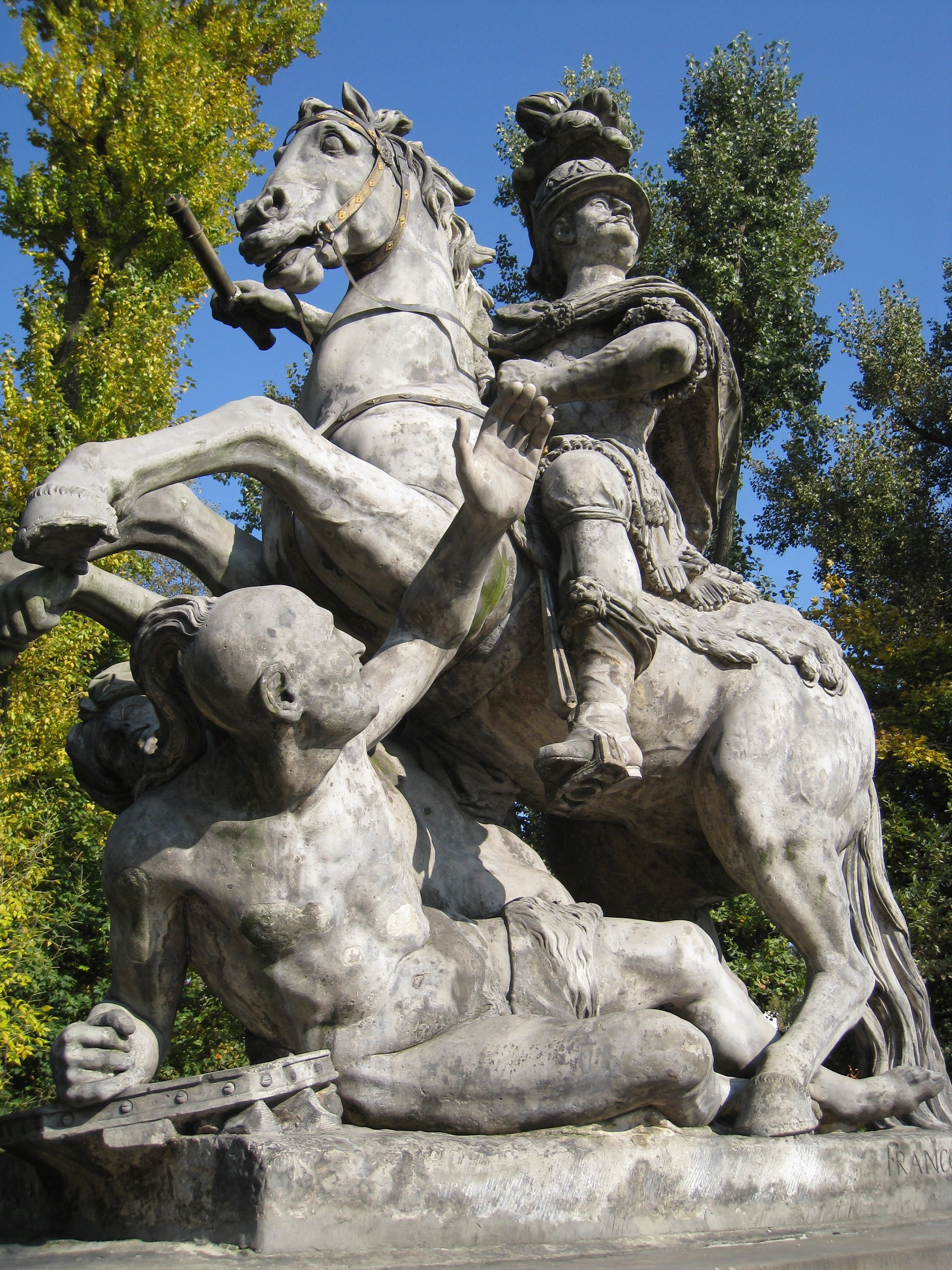
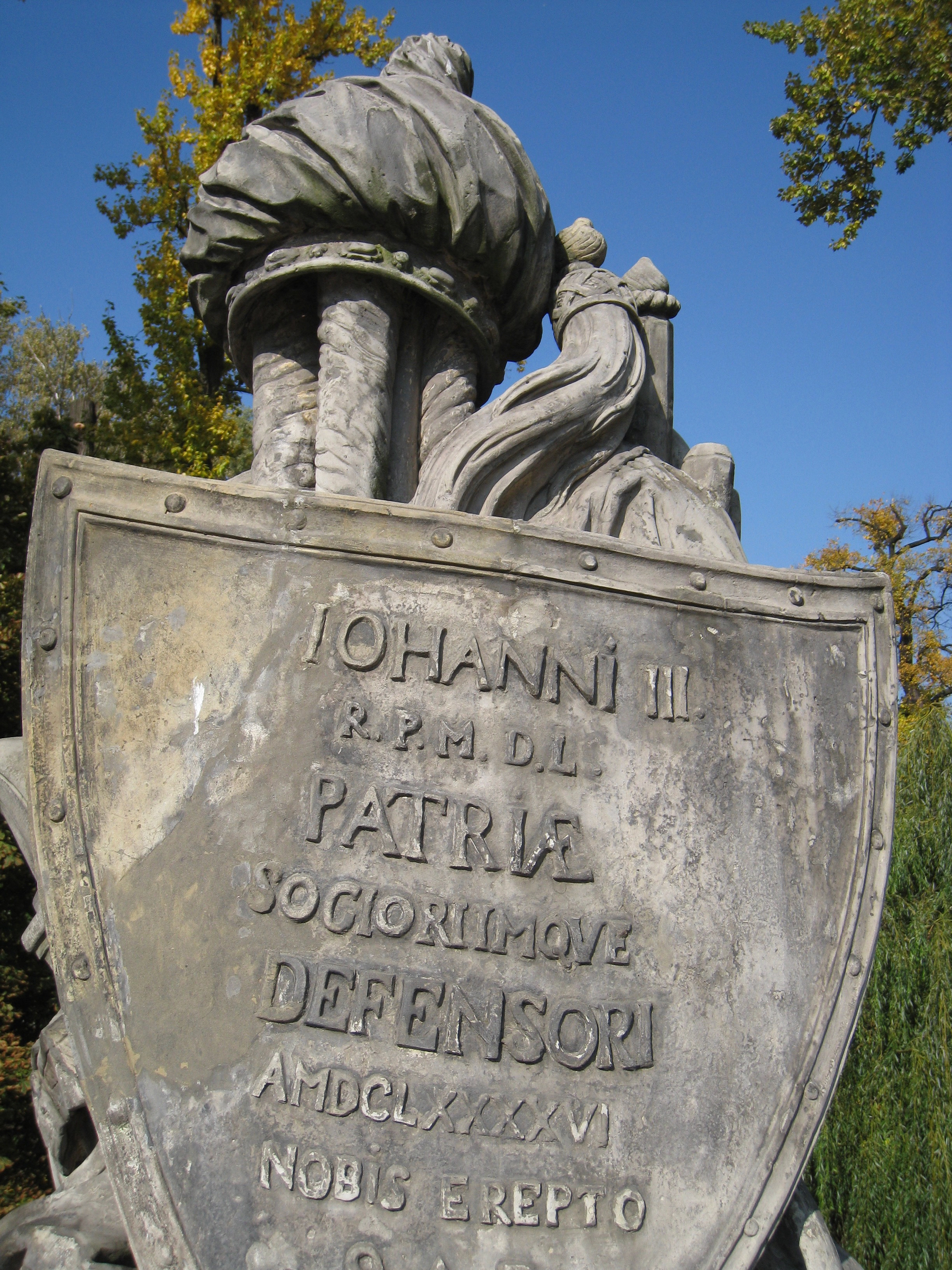
There are reminders of Poland’s wider history throughout the park. The monument to King Jan III Sobieski recalls the ruler famous for his victory over the Ottoman forces at the Battle of Vienna in 1683, while the surrounding architecture reflects centuries of Polish artistic and political ambition. Elsewhere, you can simply sit beside the lake and watch Warsaw’s residents enjoy the park. People jog, cycle, picnic, photograph the peacocks, rent boats and meet friends beneath the trees. Perhaps that is the most beautiful aspect of Łazienki: history isn’t locked behind glass here. It is part of everyday life.
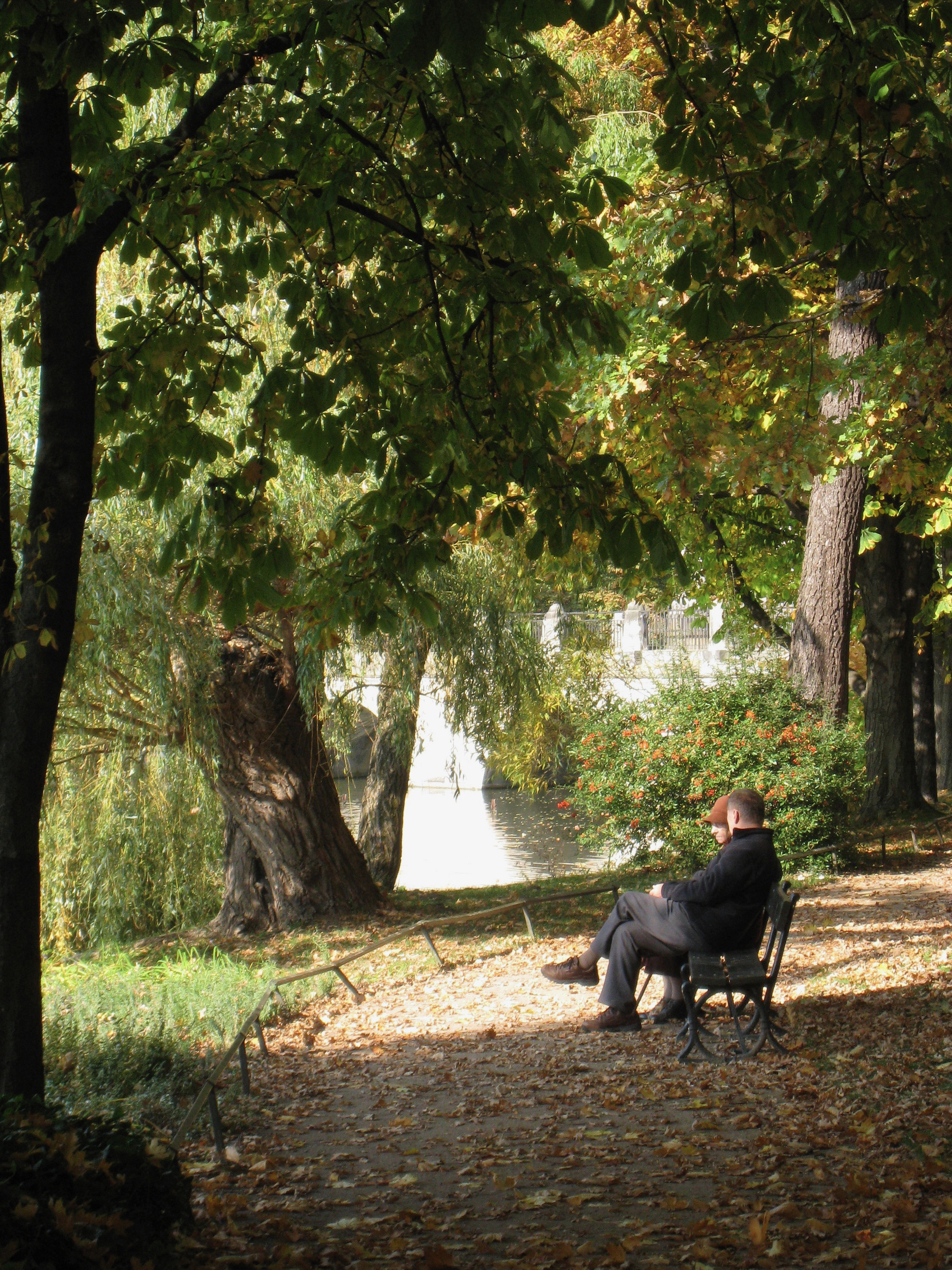
For me, the greatest pleasure of Łazienki is simply walking without a destination. One moment I might be standing before an elegant royal palace; minutes later I am following a shaded path beneath enormous trees, with nothing but birdsong and the occasional glimpse of water. Then another monument appears, or the distant sound of music drifts through the gardens. It feels less like visiting a museum and more like entering a living historical landscape—one where Poland’s kings, composers, artists and citizens have all left their mark.
Warsaw is often introduced through its Old Town, museums and dramatic 20th-century history, but Łazienki Królewskie reveals another side of the capital. It is peaceful, beautiful and contemplative, yet beneath that tranquillity lies centuries of Polish history—from royal hunting grounds and Enlightenment ideals to Chopin, war and reconstruction. As I wandered out of the park and back toward the city, I realised that Łazienki isn’t simply a green escape from Warsaw. It is Warsaw in miniature: beautiful, cultured, resilient and forever carrying its history beneath the surface.
#Photography #Photoblog #Blog #Warsaw #WarsawPoland #VisitWarsaw #WarsawTravel #WarsawHistory #LazienkiKrolewskie #RoyalBathsPark #LazienkiPark #PolandTravel #PolandHistory #PolishHistory #Chopin #FredericChopin #ChopinMonument #PalaceOnTheIsle #WarsawPhotography #TravelPhotography #EuropeanHistory #EuropeTravel #HistoricPlaces #TravelEssay #TravelBlog #HiddenWarsaw #DiscoverPoland #ExploreWarsaw