
Monaco: A Tiny Principality with Seven Centuries of History
There are places that seem almost too perfect to be real, and Monaco is certainly one of them. Perched between the mountains and the brilliant blue Mediterranean, this tiny principality combines medieval history, royal intrigue, spectacular scenery and extraordinary wealth into just a few square kilometres. My journey began in Nice, France, where I boarded a local train for the remarkably short ride to Monaco. Within about twenty minutes, the landscape outside the window had transformed into the glamorous French Riviera, and I found myself arriving in one of the world’s smallest—and most fascinating—countries.
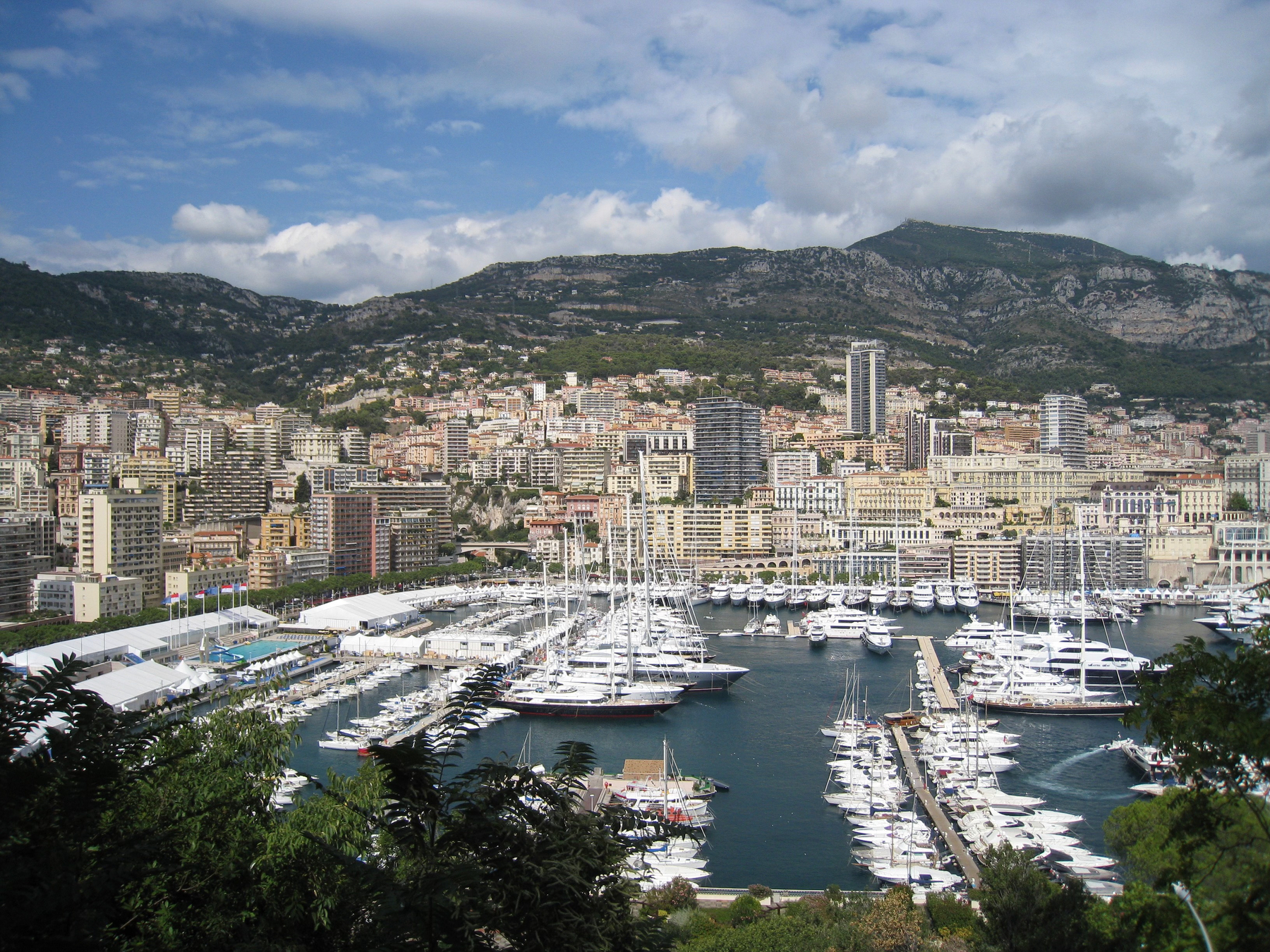
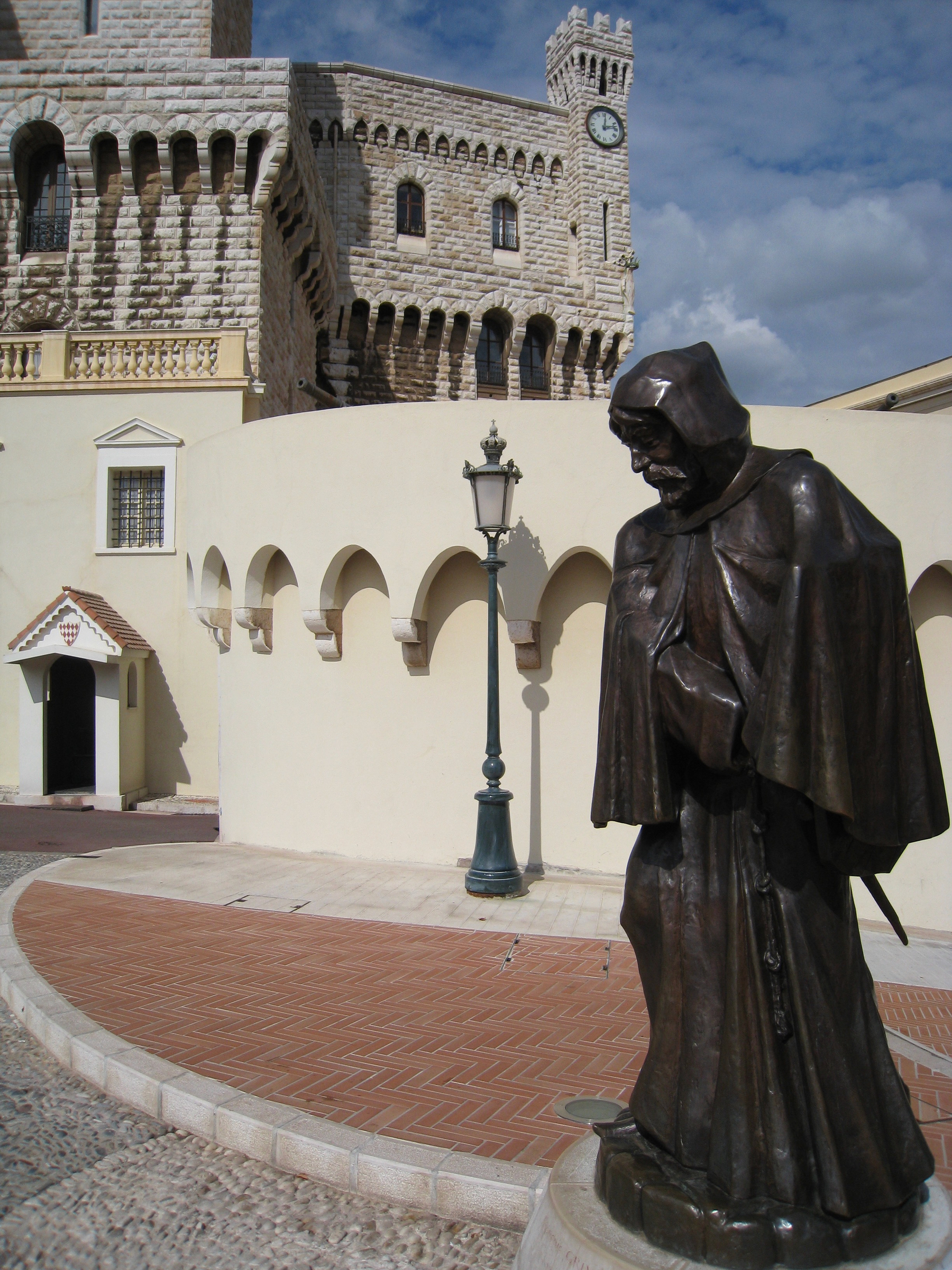
Monaco’s story stretches back far beyond the luxury yachts and Monte Carlo casinos. The ancient Greeks and Romans knew the rocky promontory as Monoikos, and its commanding position above the Mediterranean eventually made it a valuable defensive stronghold. The defining chapter, however, began in 1297, when Francesco Grimaldi, known as Il Malizia or “the Cunning,” famously seized the fortress disguised as a Franciscan monk. The story has become part history and part legend, but the Grimaldi family’s connection with Monaco has endured for more than seven centuries, making it one of Europe’s longest-lasting ruling dynasties.
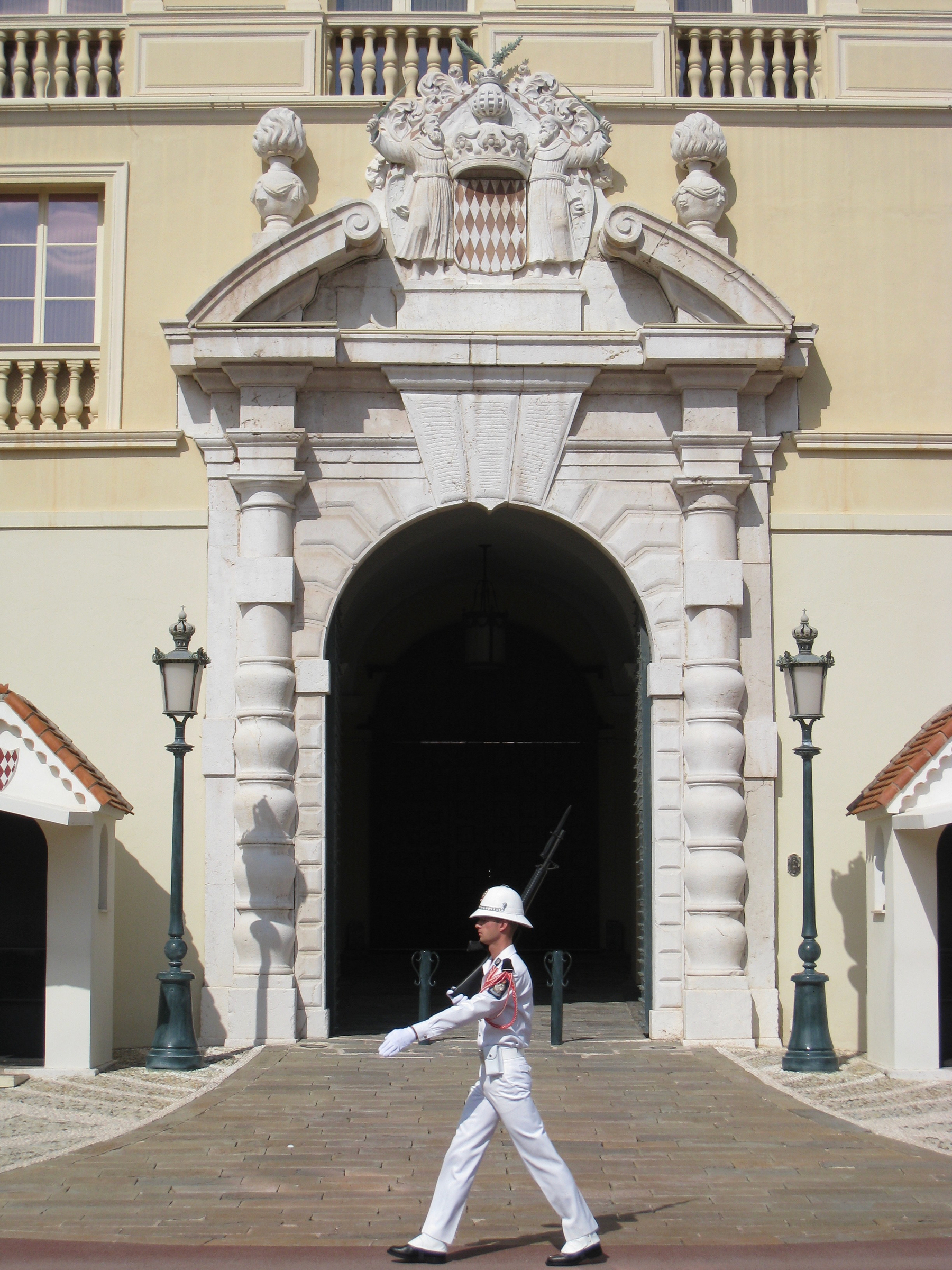
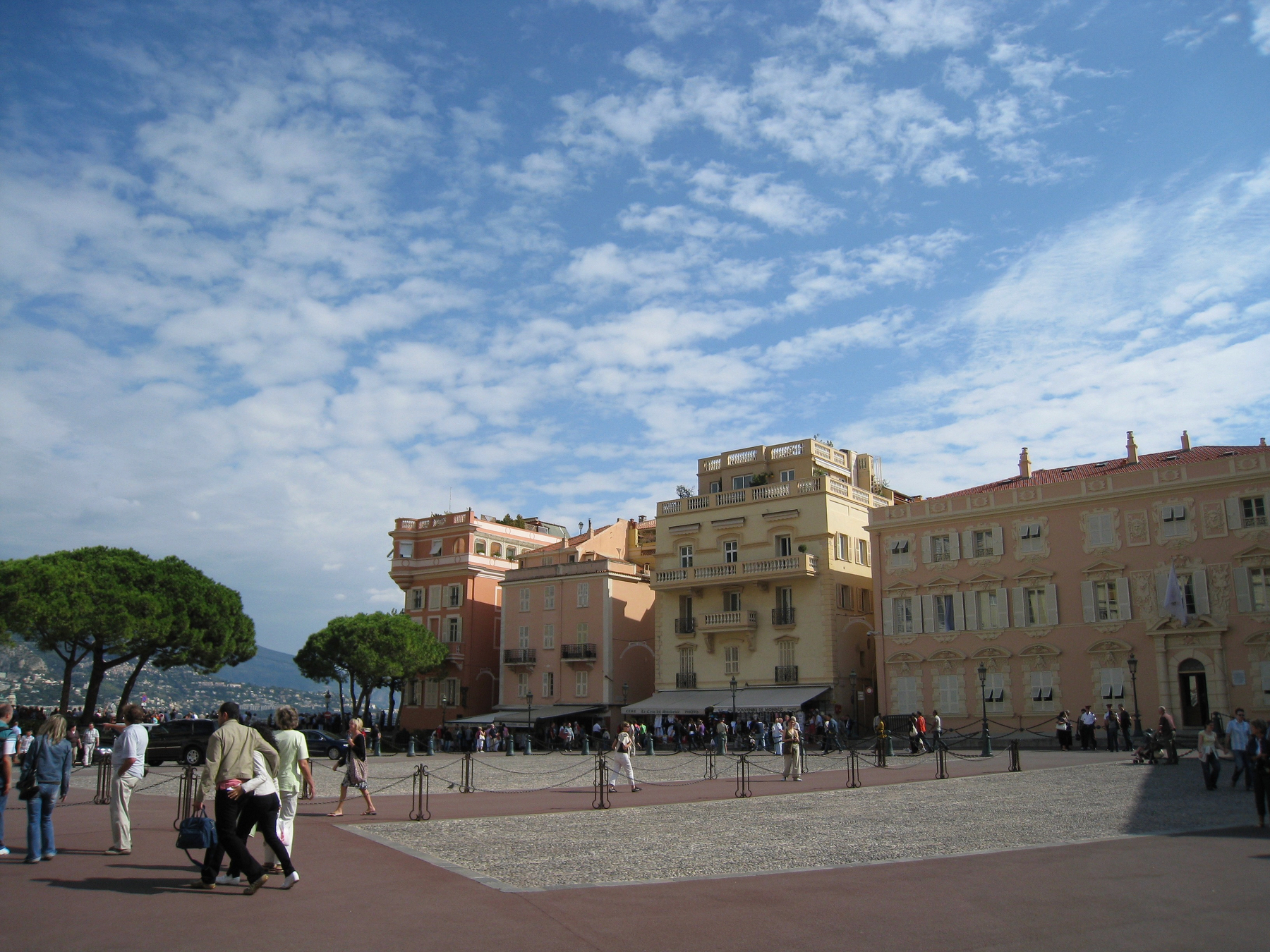
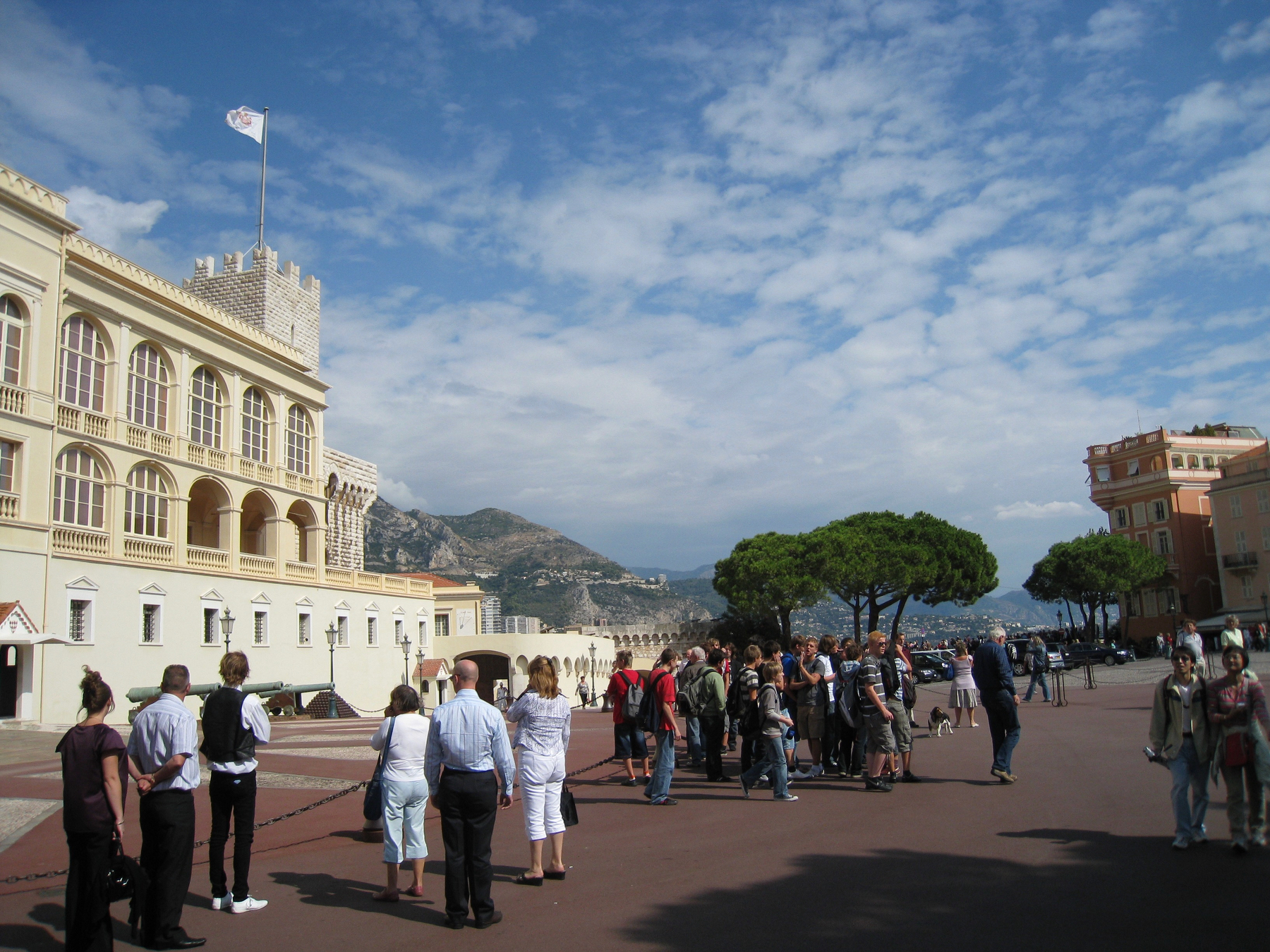
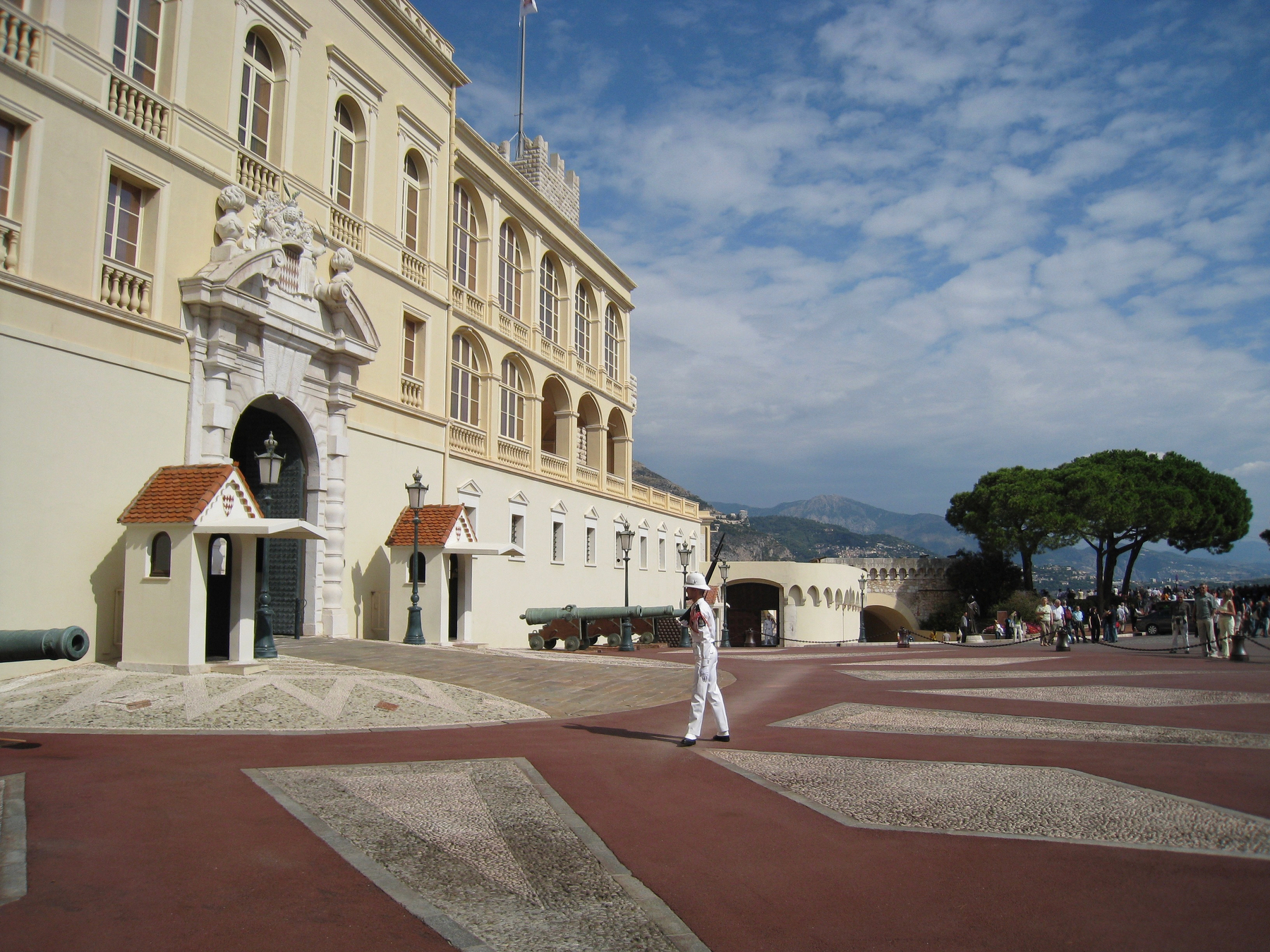
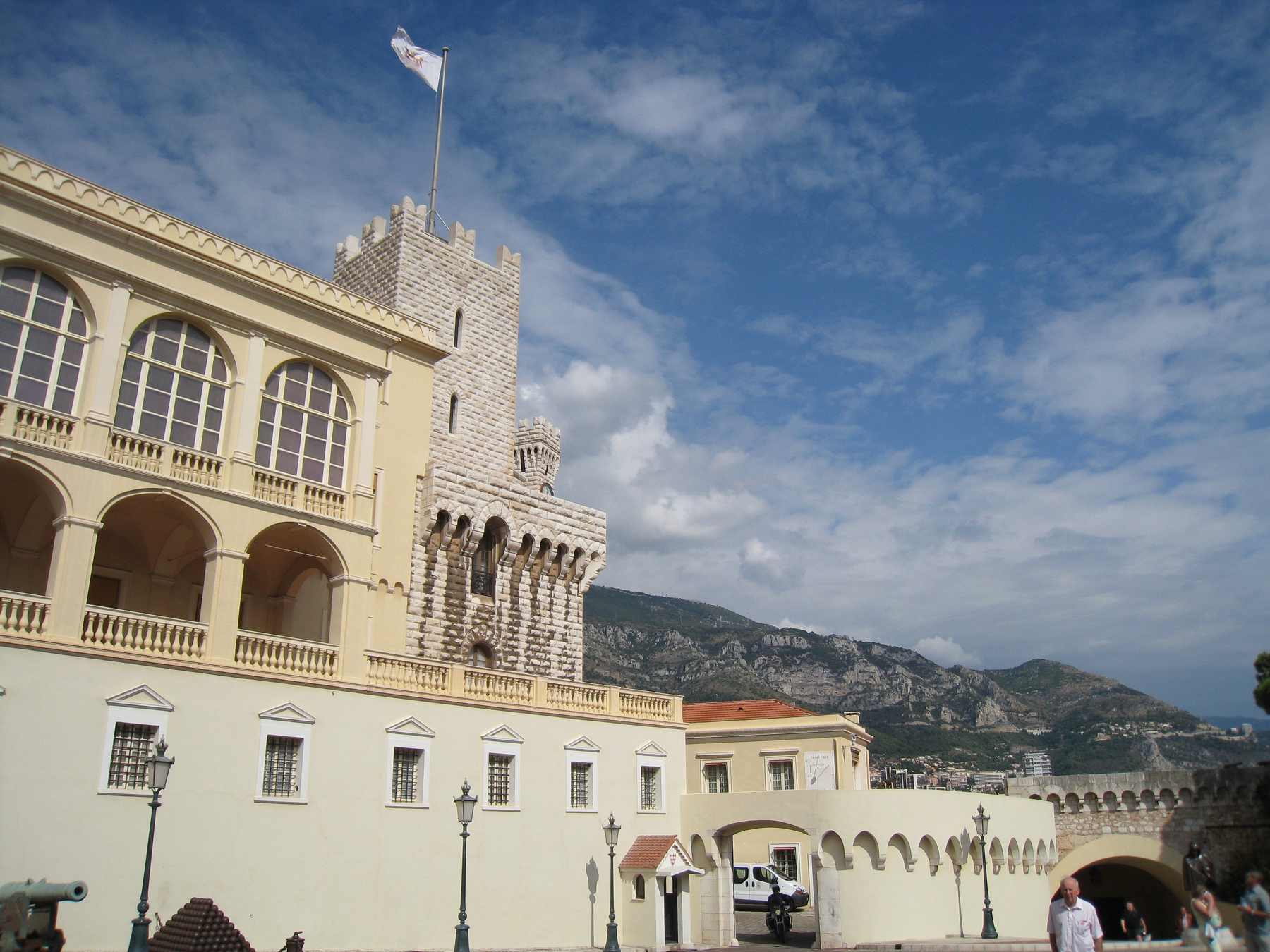
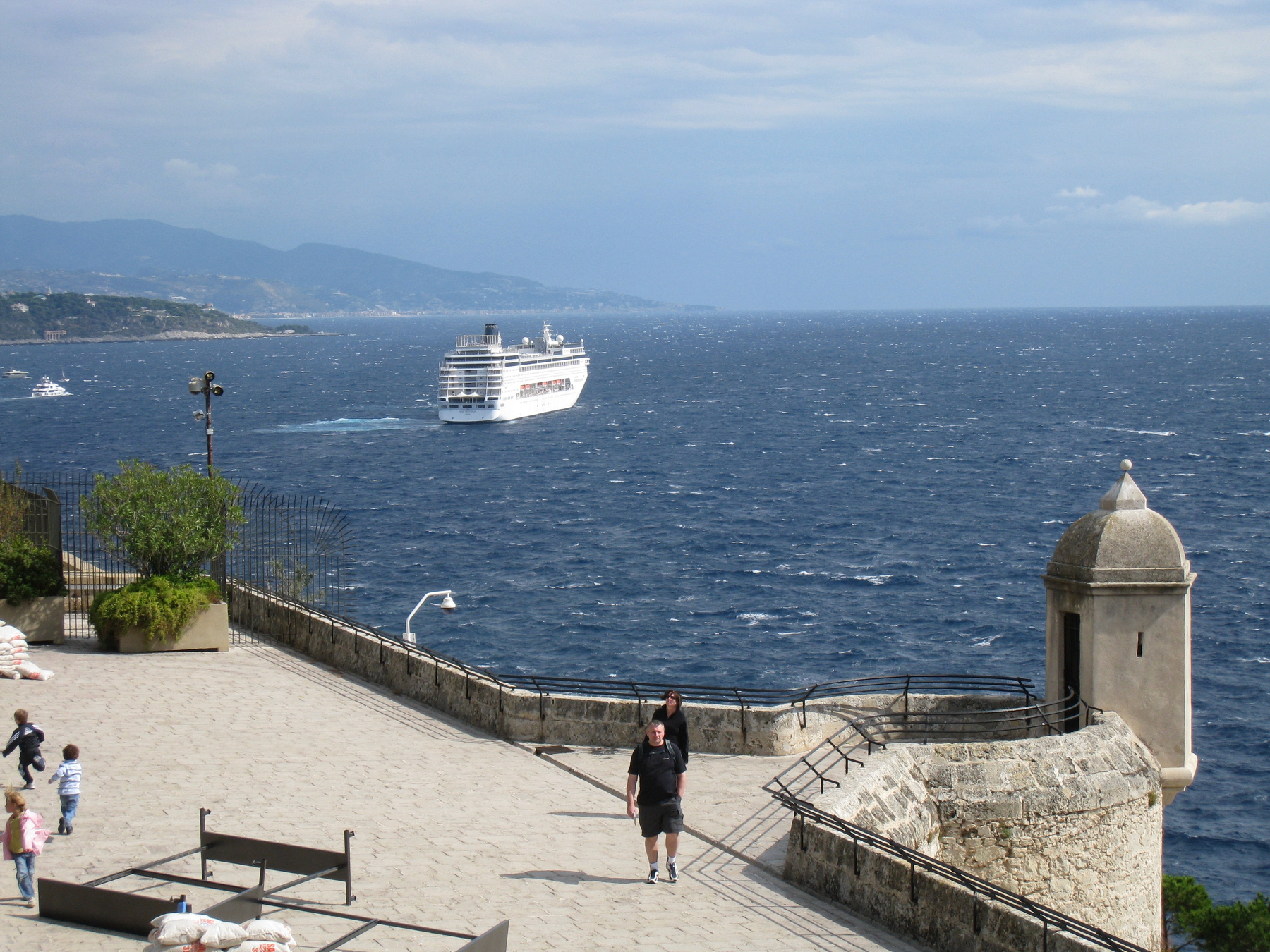
My first destination was the Prince’s Palace, dramatically positioned on Monaco’s famous Rock. What began as a Genoese fortress in the 13th century gradually became the residence of the Grimaldi princes. Walking uphill toward it, I could almost imagine the medieval soldiers who once guarded these walls, looking out across the same Mediterranean that now sparkles beneath luxury yachts. Over the centuries, the fortress was transformed and expanded, with Renaissance and later additions creating the remarkable mixture of military strength and princely elegance visible today.
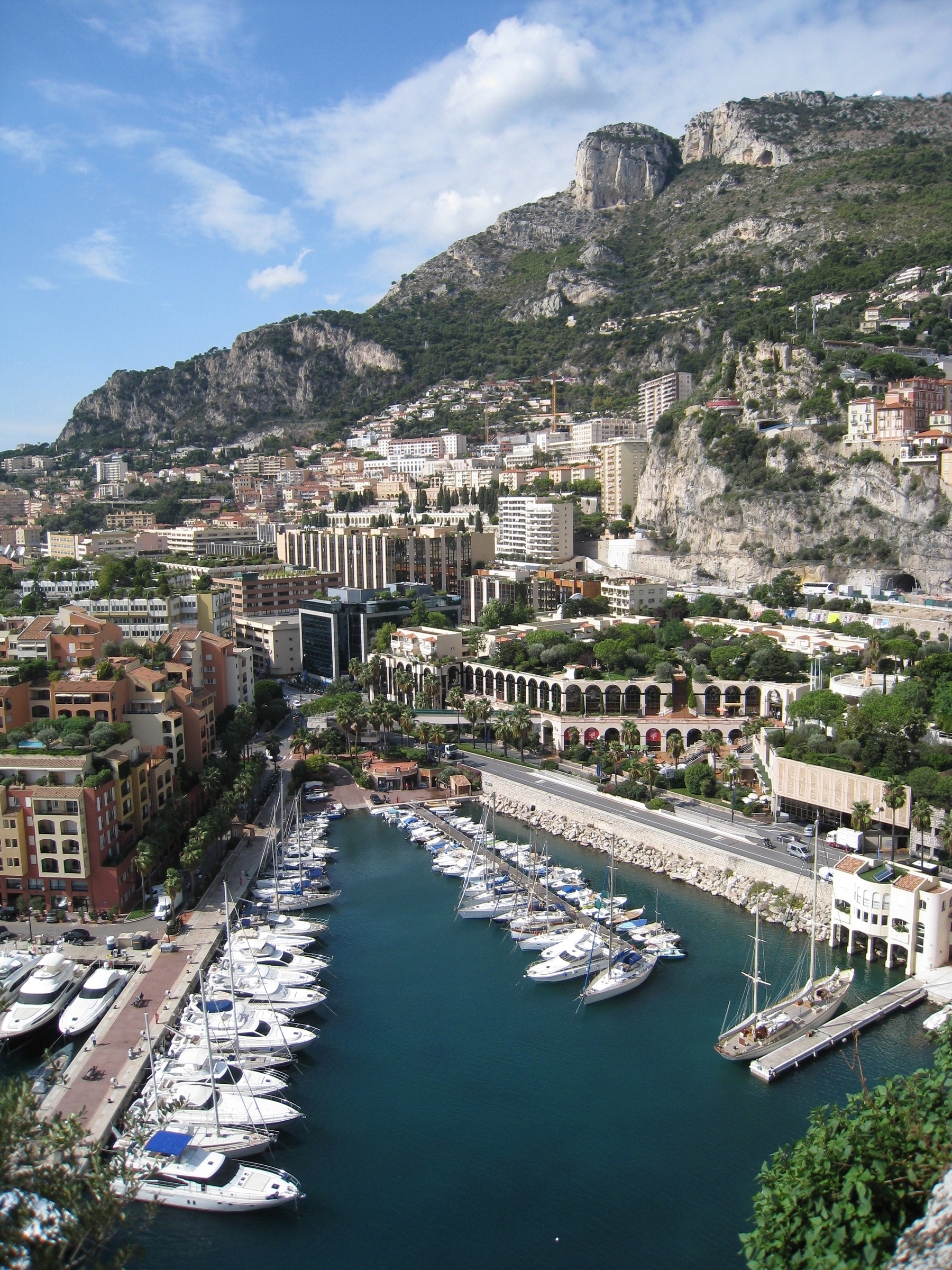
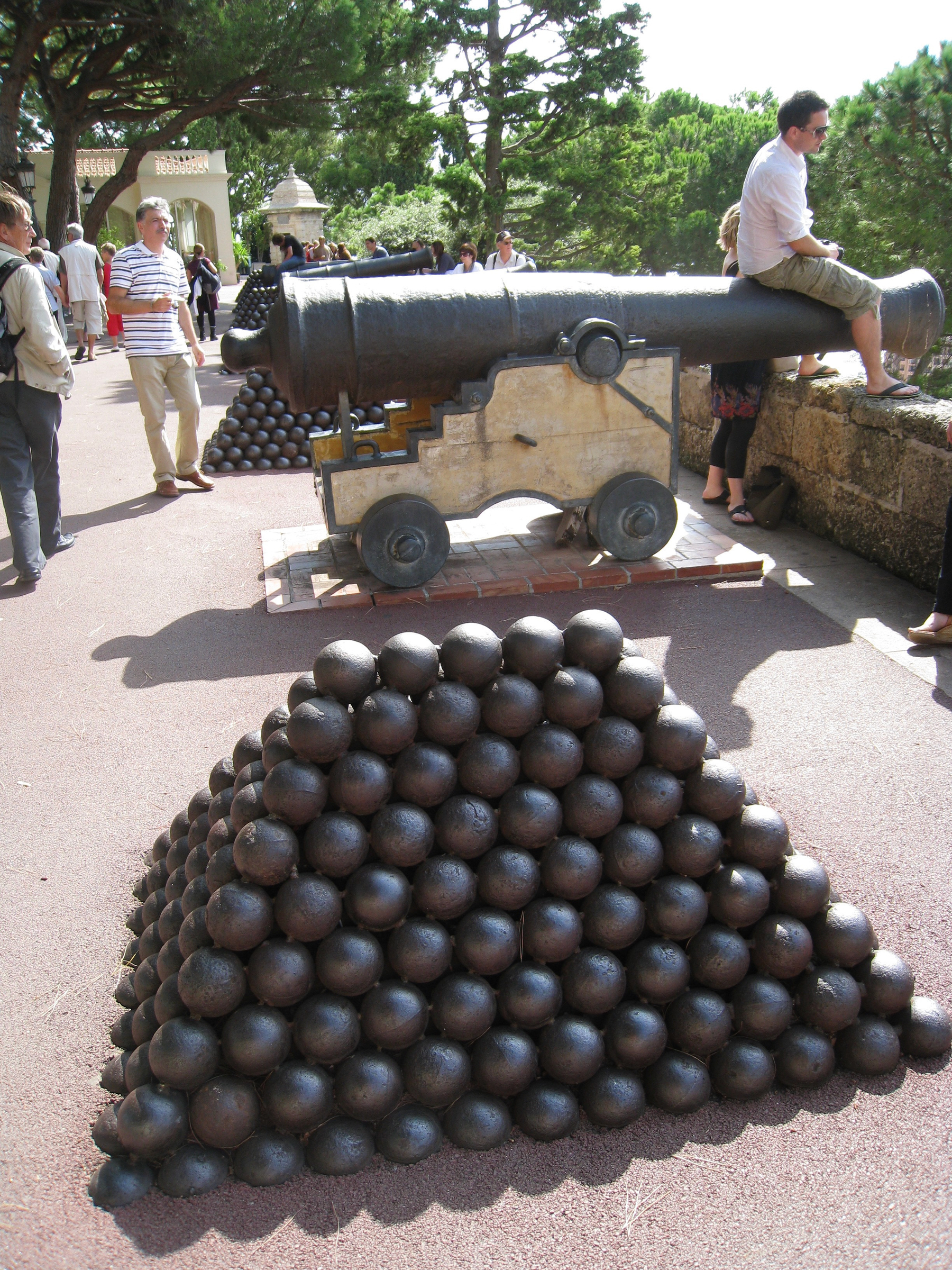
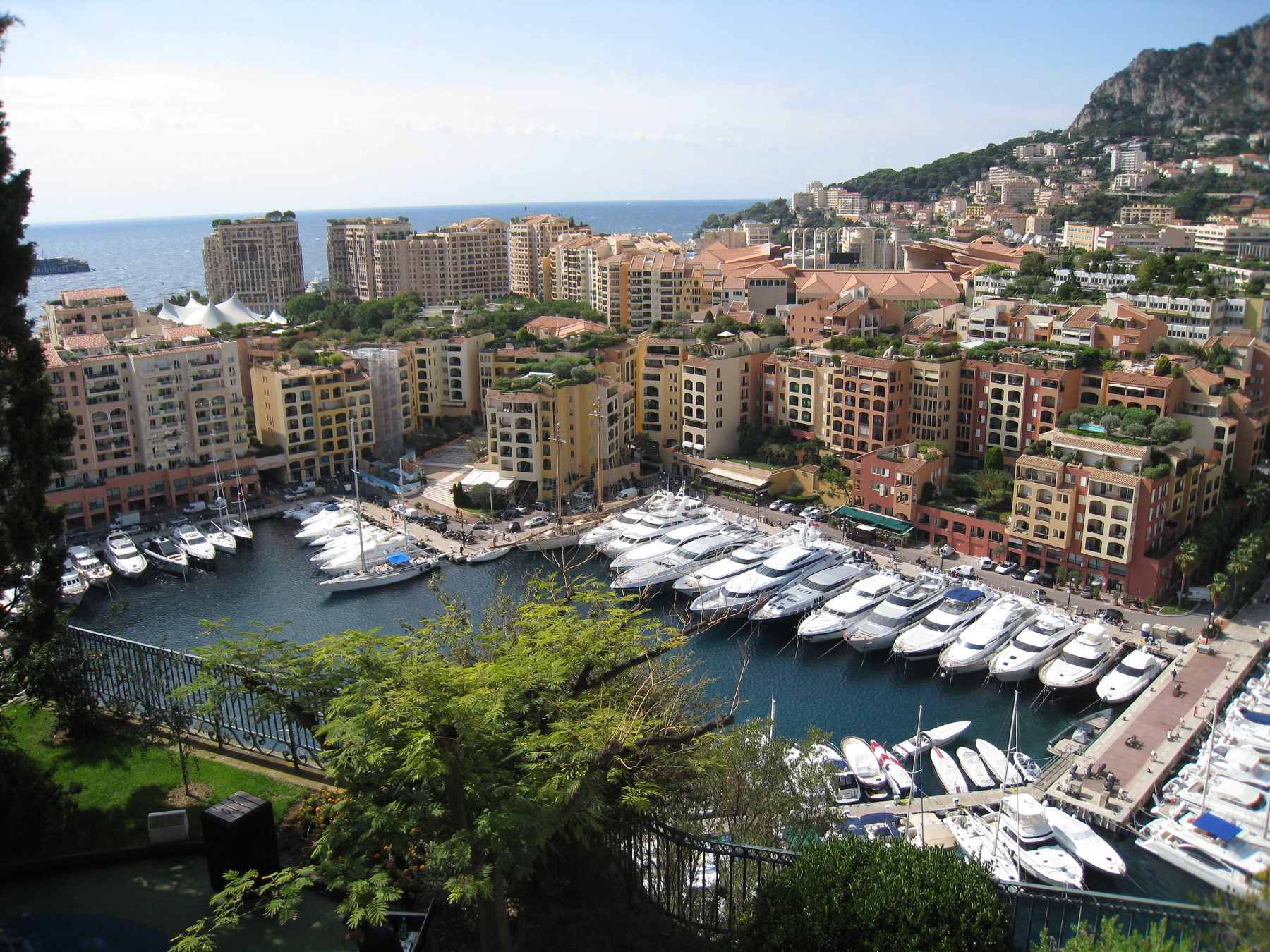
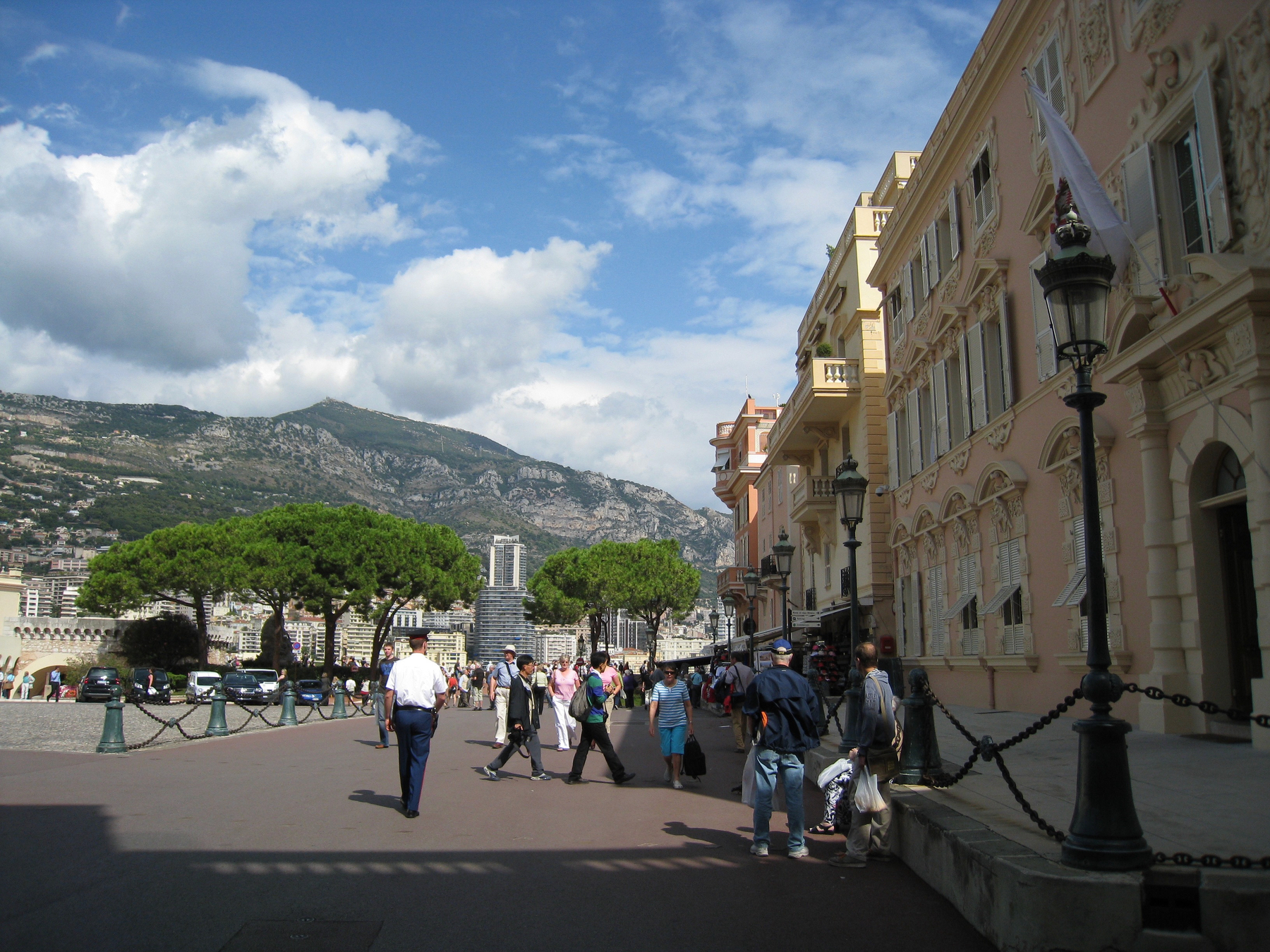
Inside the palace, history becomes wonderfully tangible. The State Apartments, Throne Room and Hall of Mirrors reveal centuries of royal ceremony, while paintings, furniture and ornate decorations tell the story of generations of the Grimaldi family. One of the traditions that survives is the Changing of the Guard, performed every day at 11:55 a.m. Watching the ceremony, I was struck by the contrast: below the palace, Monaco is one of the world’s most modern and affluent destinations, while above it, an ancient royal tradition continues almost unchanged.
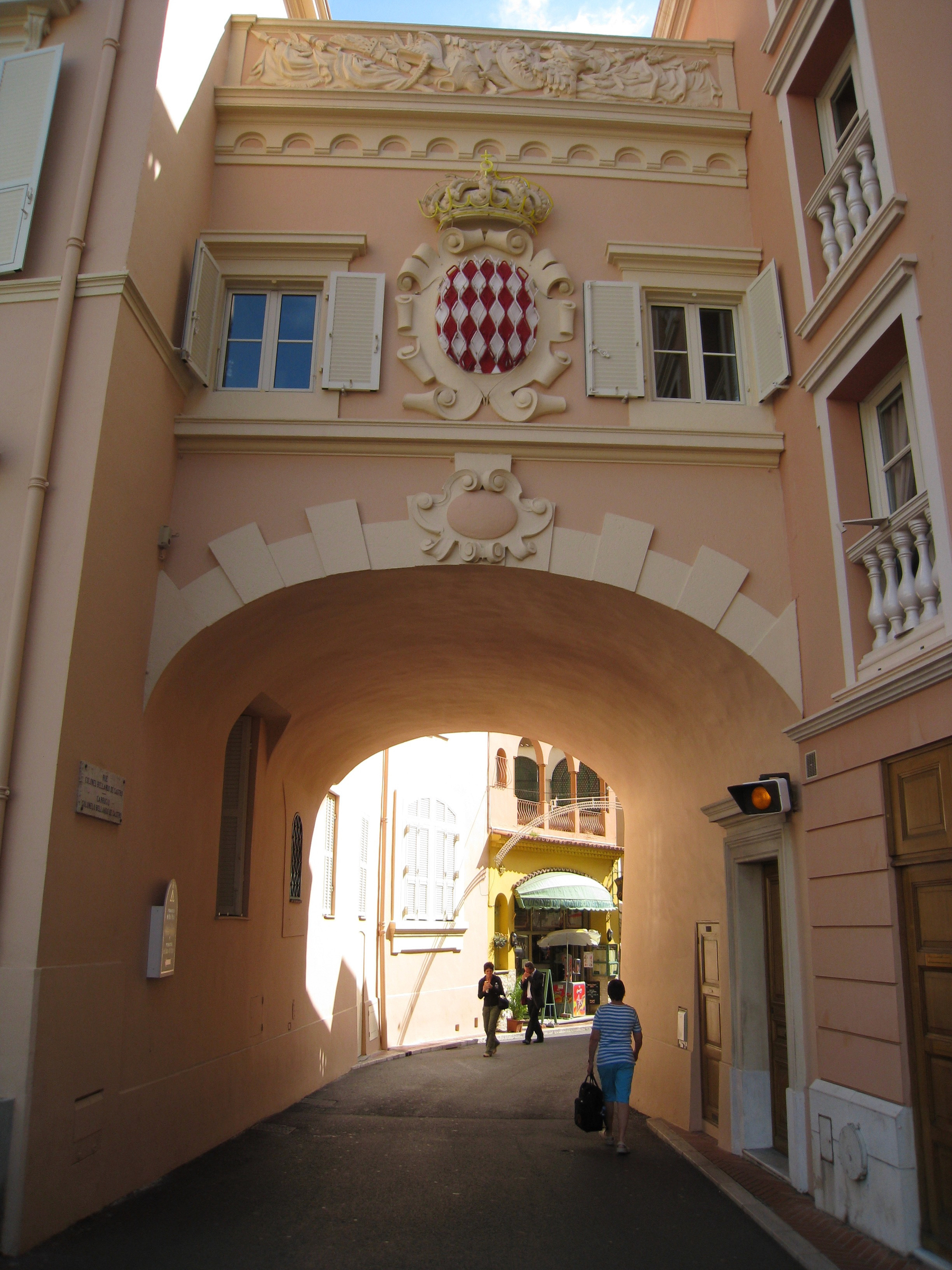
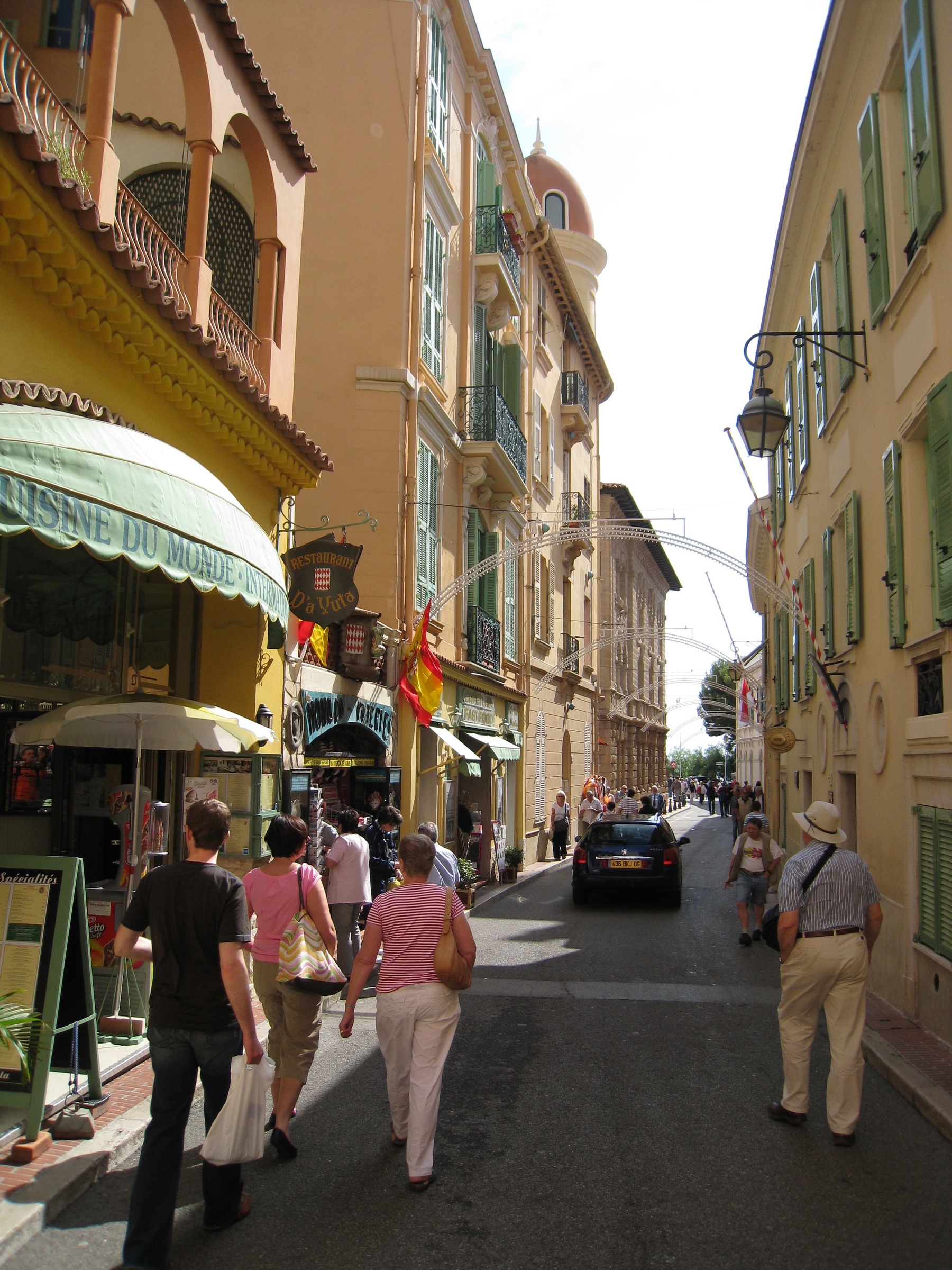
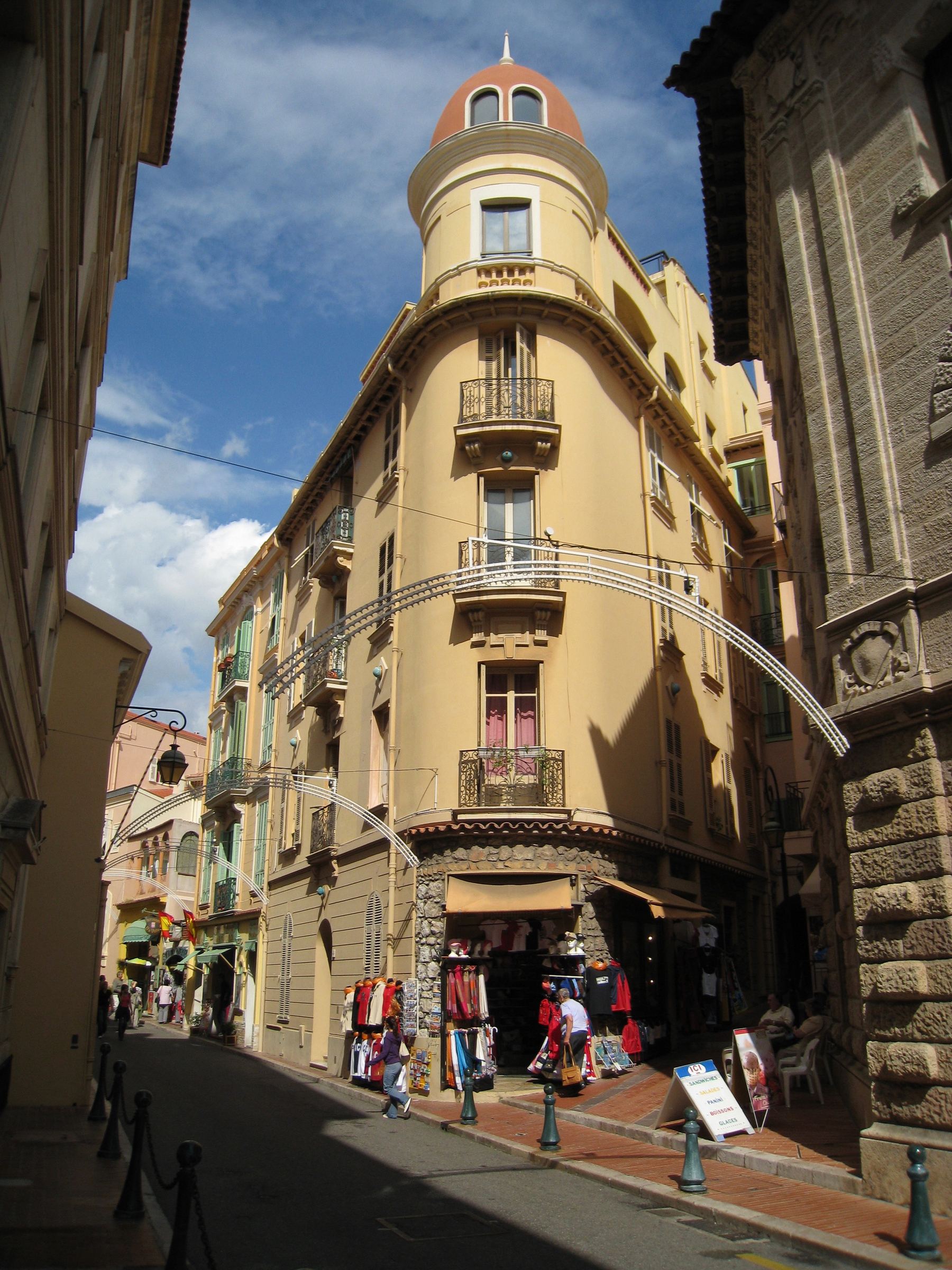
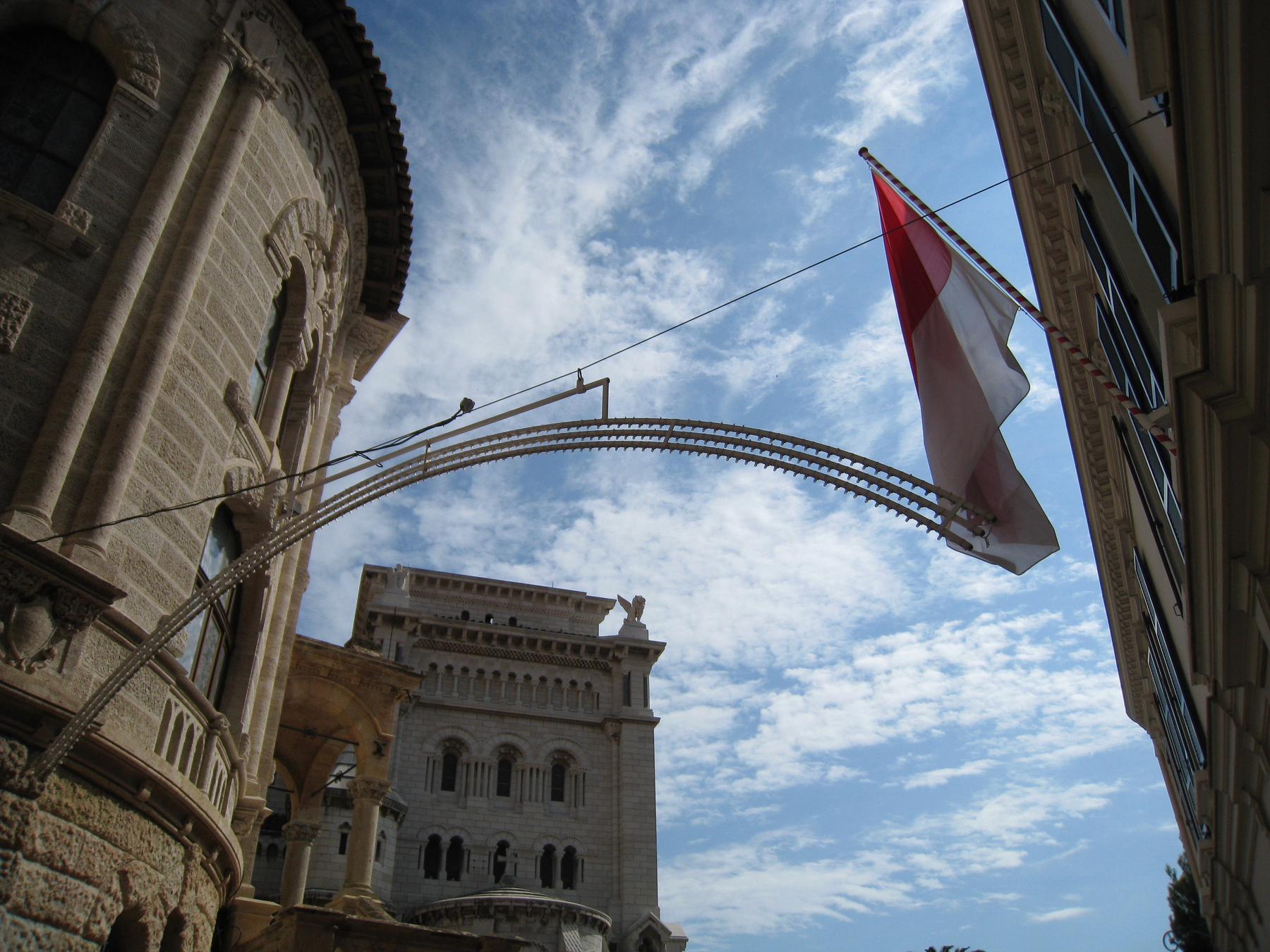
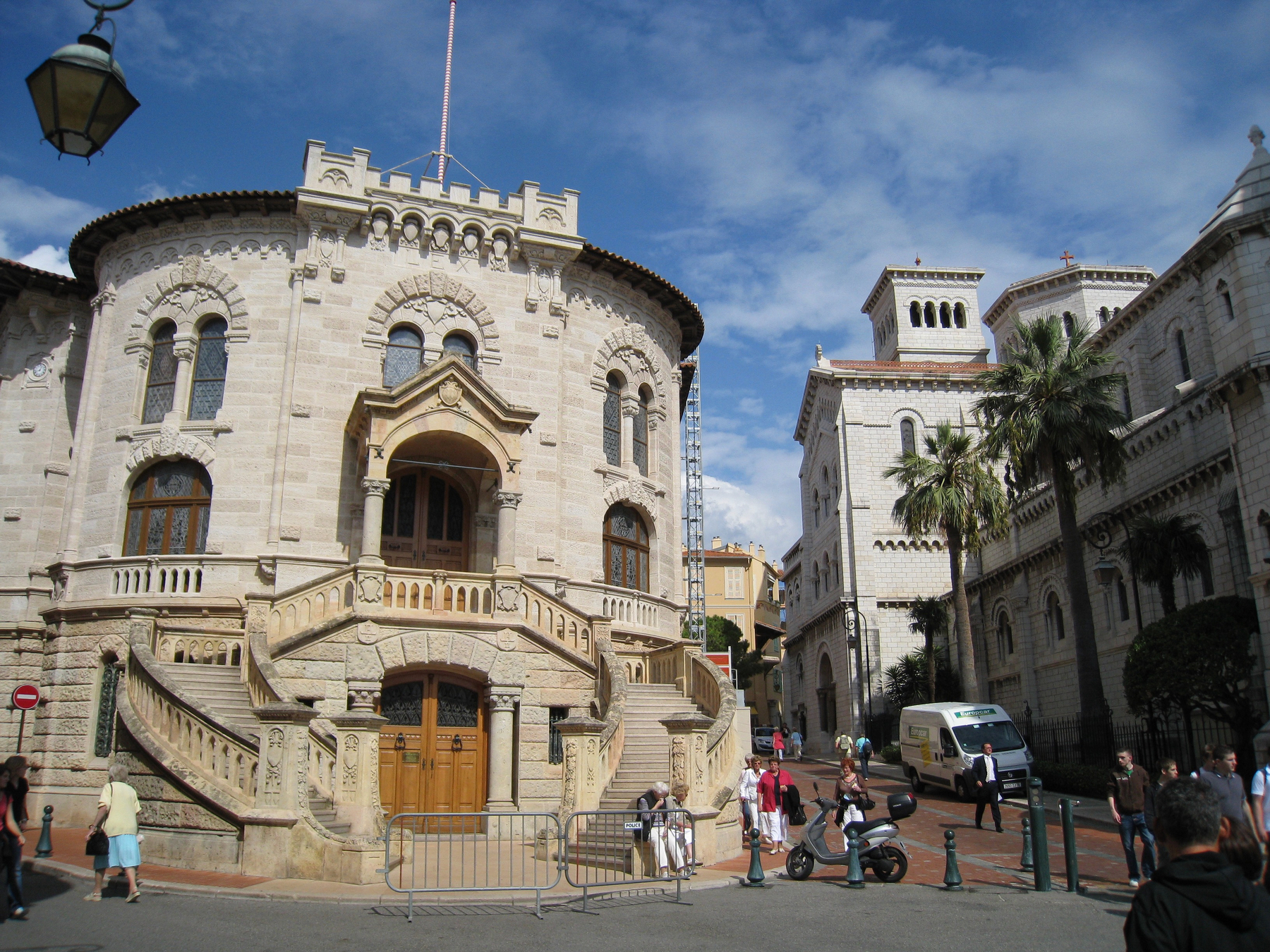
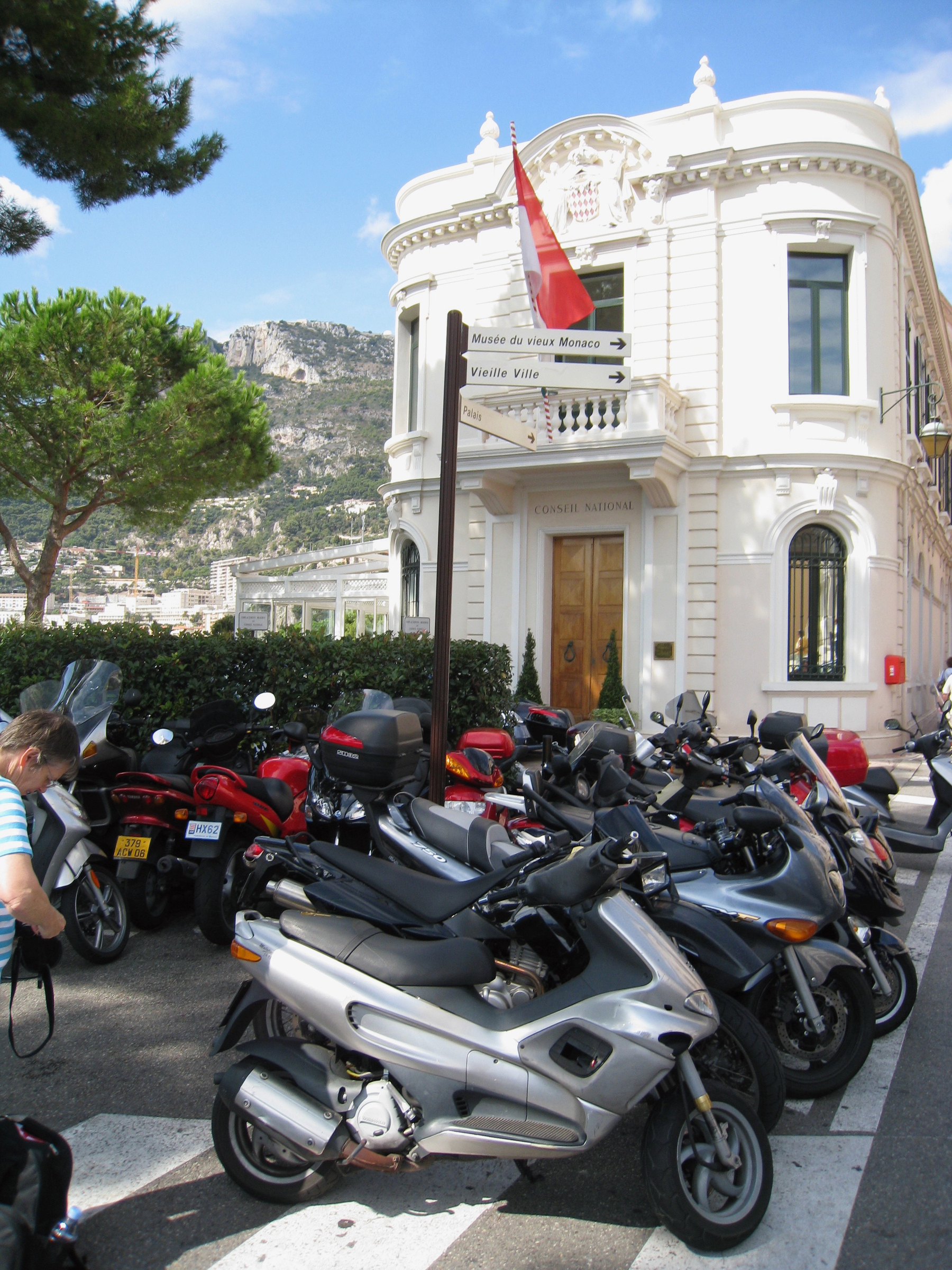
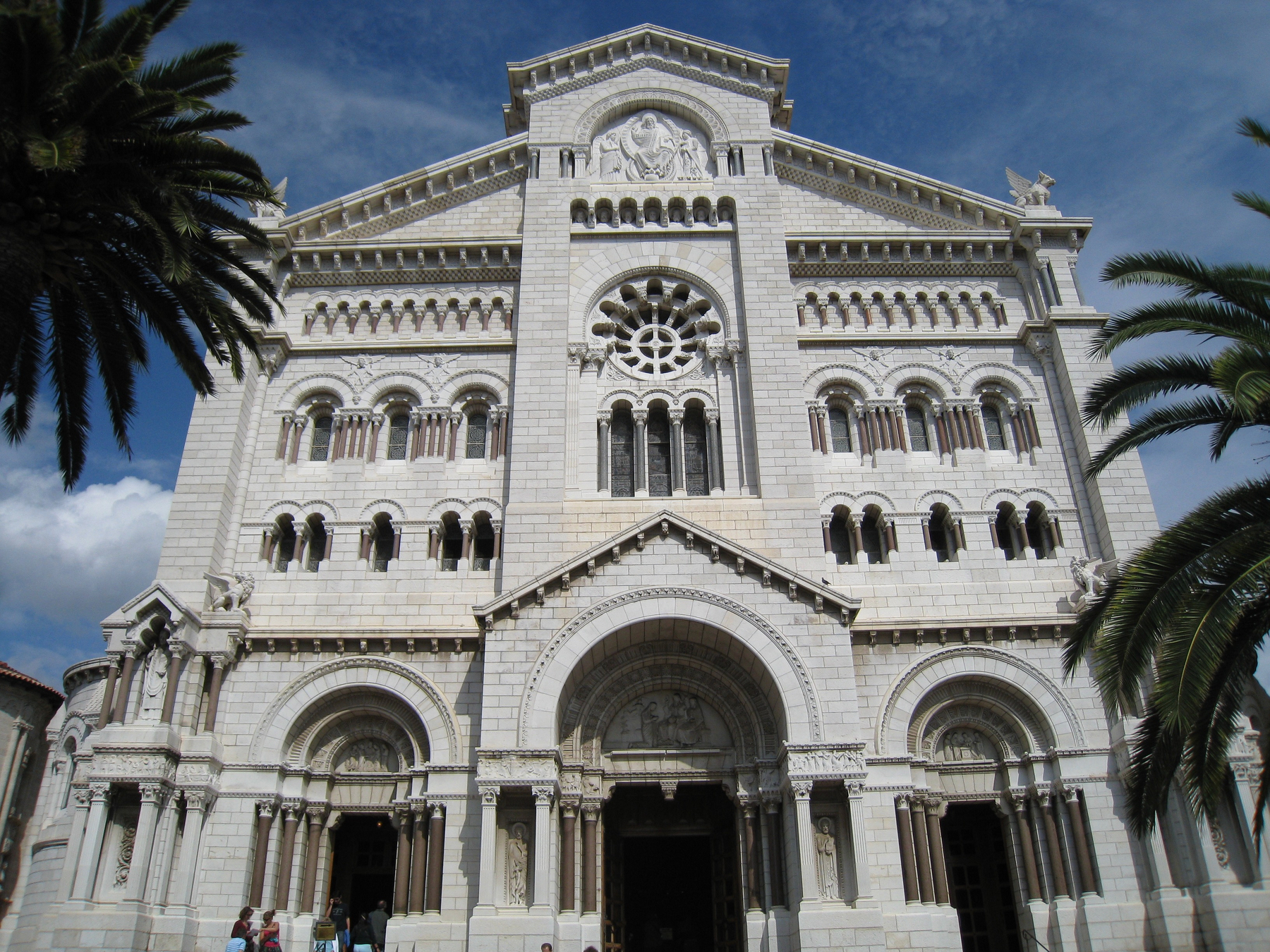
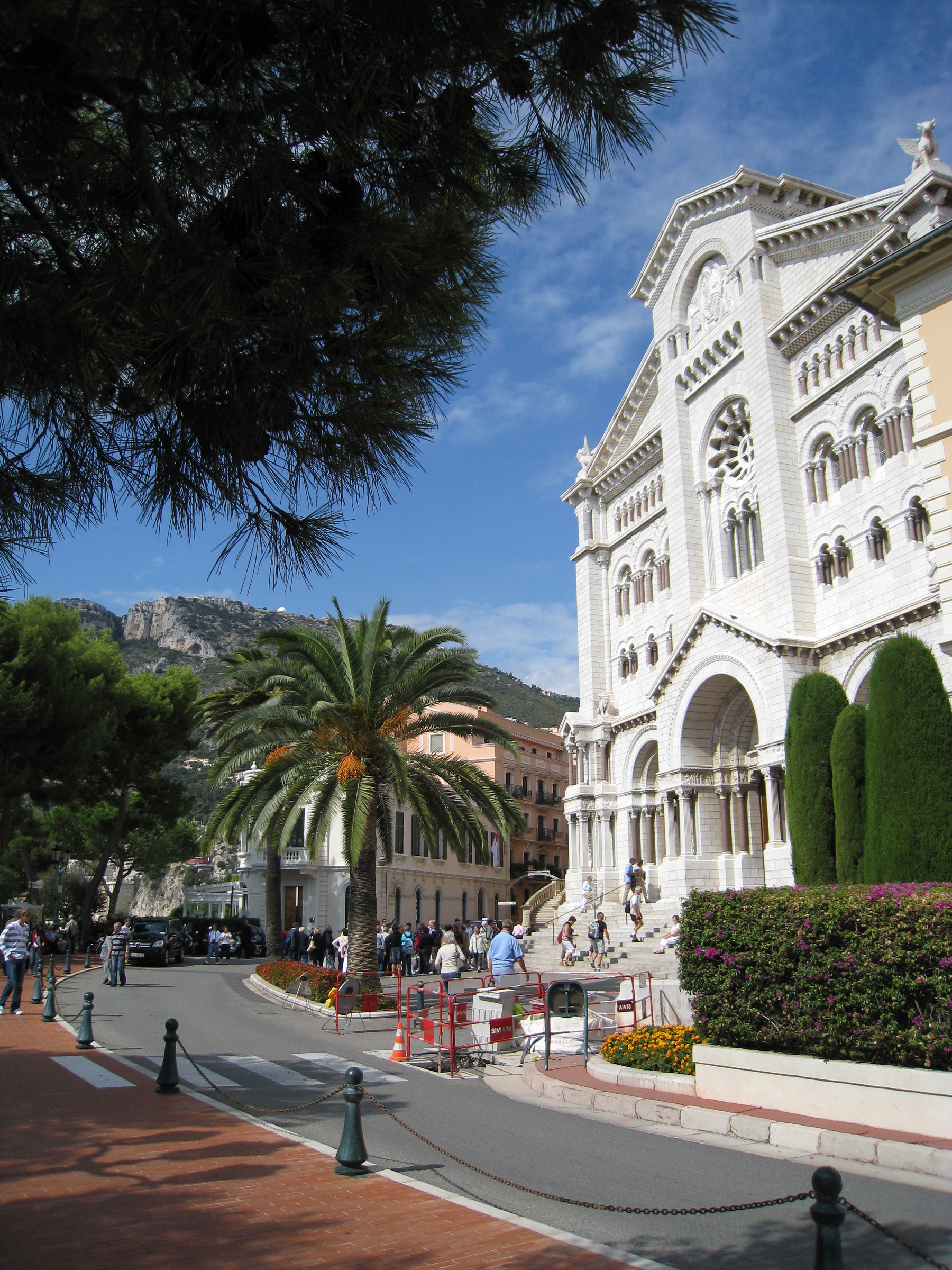
Beyond the palace, Monaco-Ville—the historic old town—offers a completely different atmosphere. Narrow Mediterranean streets wind between pastel-coloured buildings, small squares and centuries-old landmarks. The Cathedral of Our Lady of the Immaculate Conception is particularly significant, as it contains the tombs of Prince Rainier III and Princess Grace. Grace Kelly’s marriage to Rainier in 1956 transformed Monaco into an international symbol of glamour, and her story remains deeply woven into the principality's identity.
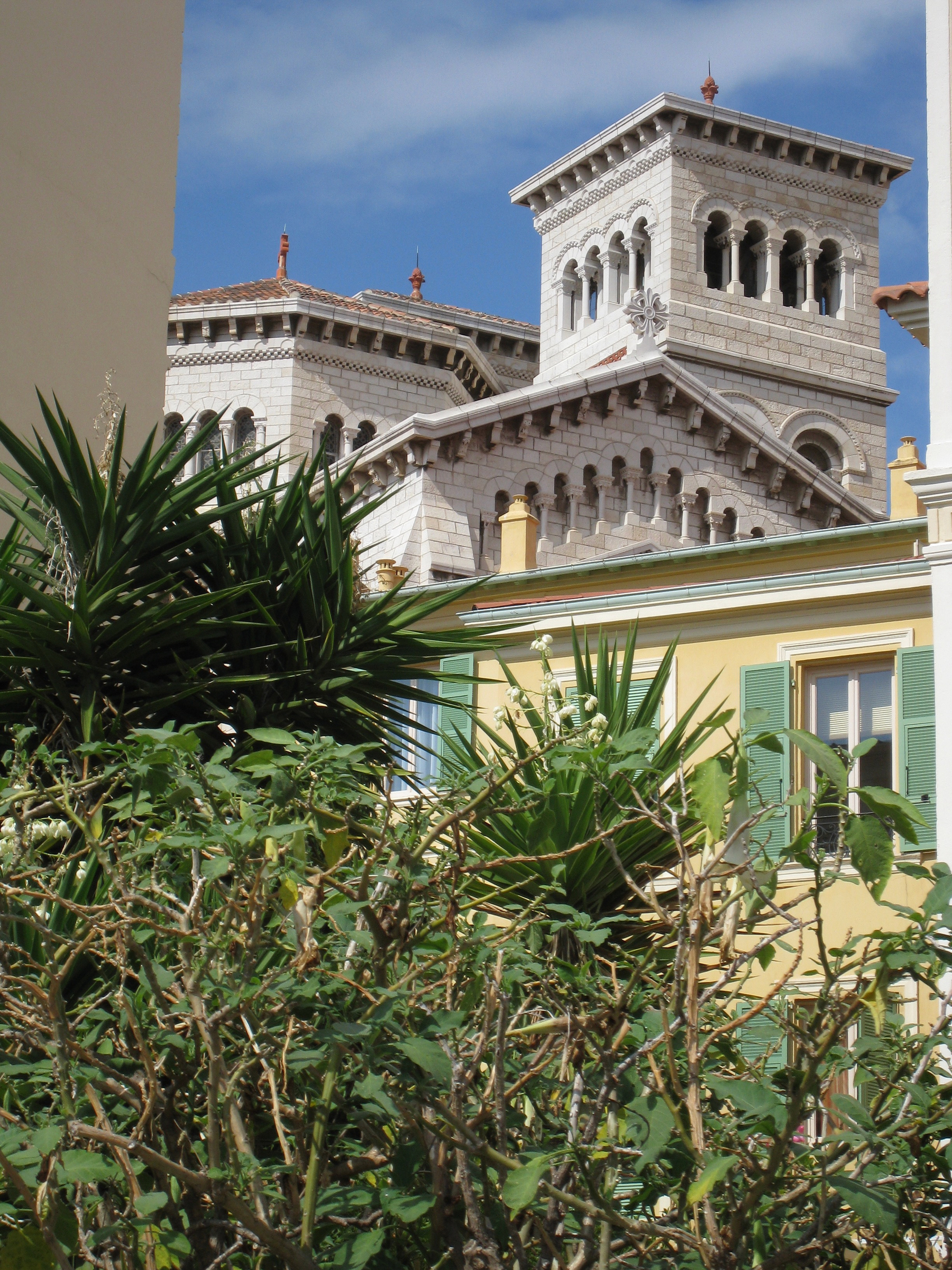
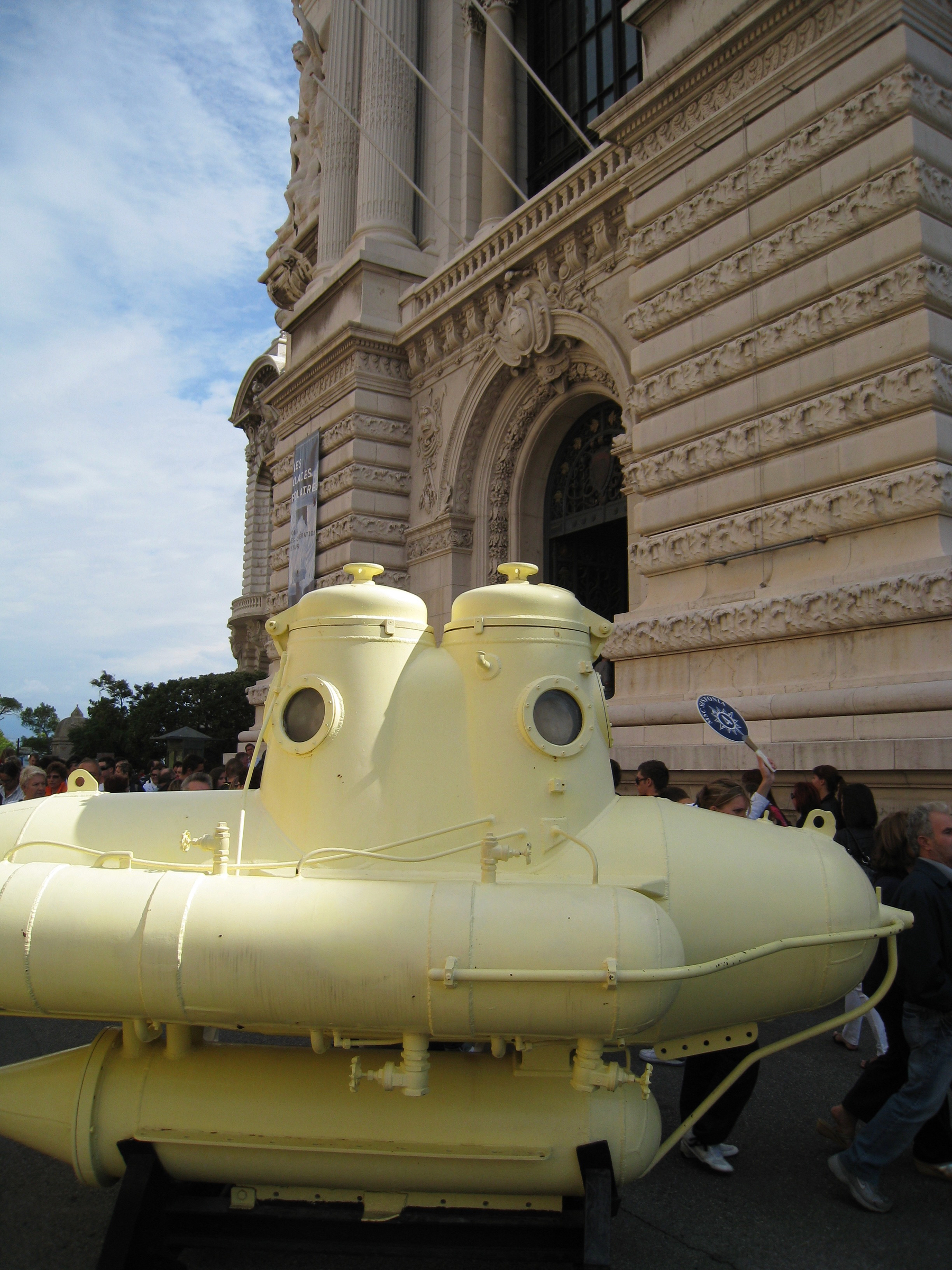
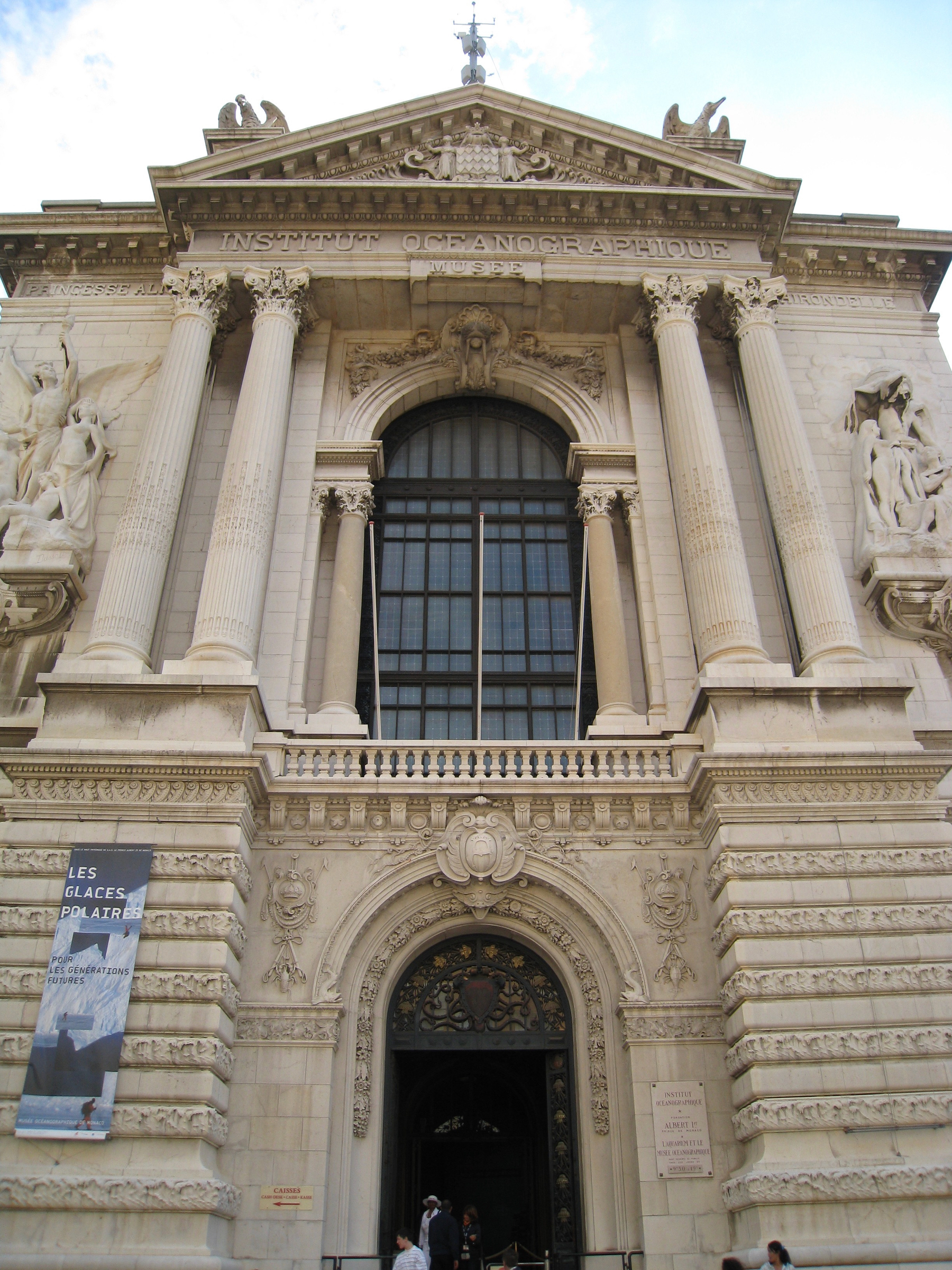
Another fascinating chapter of Monaco’s history belongs to Prince Albert I, who ruled from 1889 to 1922. Far from being simply a ceremonial monarch, Albert was an enthusiastic oceanographer and explorer who financed scientific expeditions and devoted much of his life to studying the sea. In 1910, he founded the Oceanographic Museum, an extraordinary building dramatically carved into the cliffside. Visiting it offers a reminder that Monaco’s history is not only about royalty and wealth, but also about science, exploration and the enduring mystery of the Mediterranean.
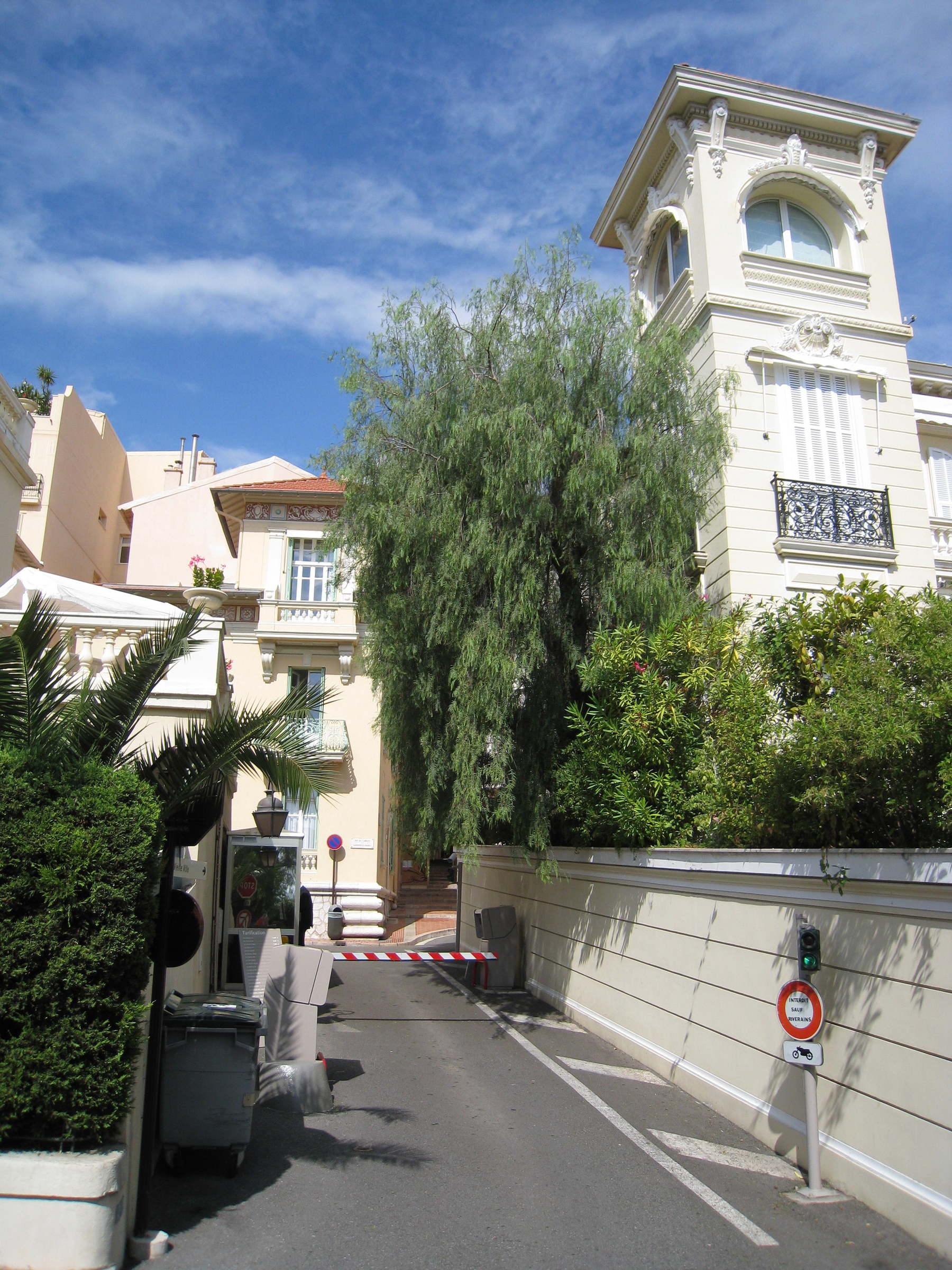
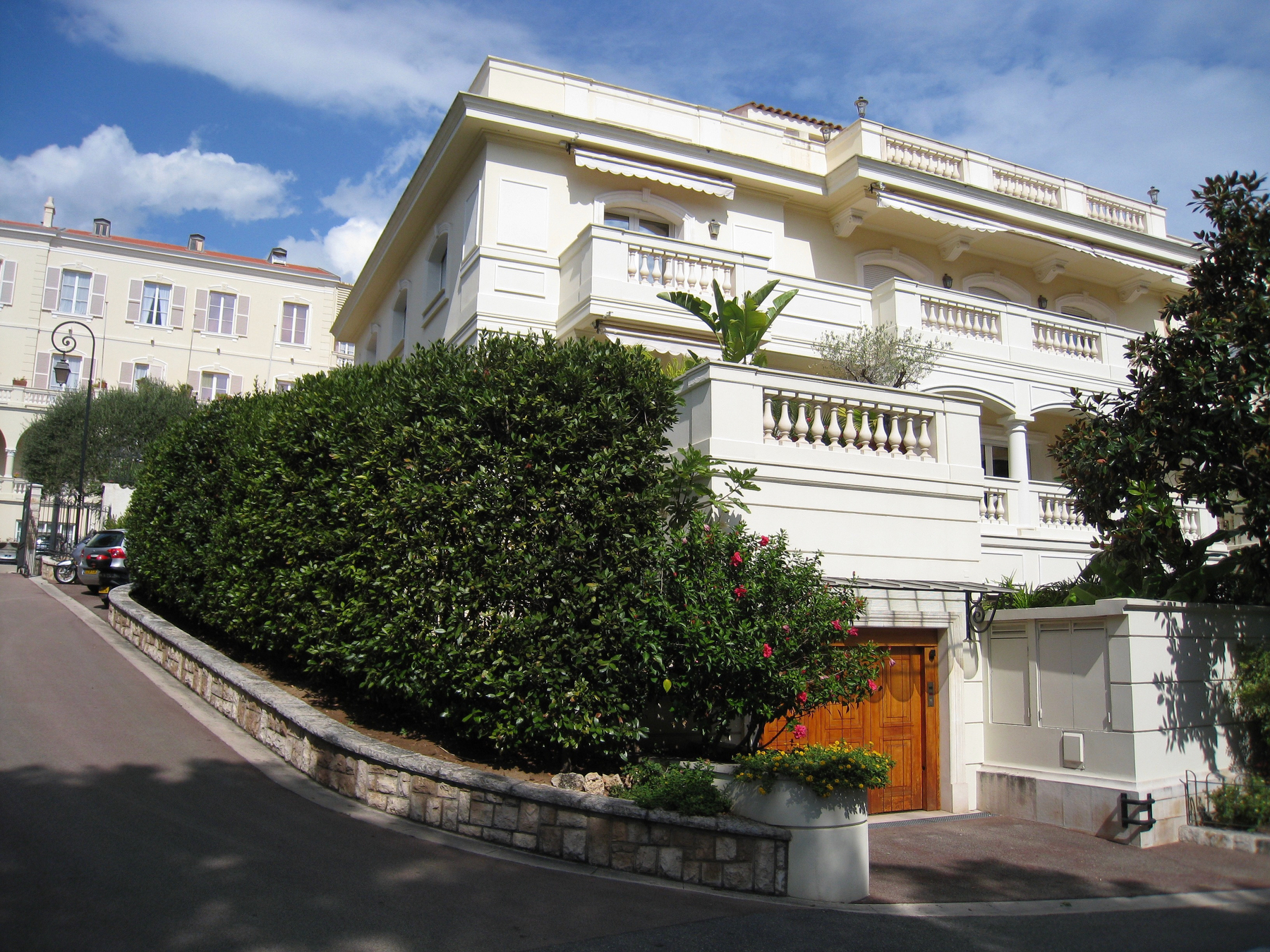
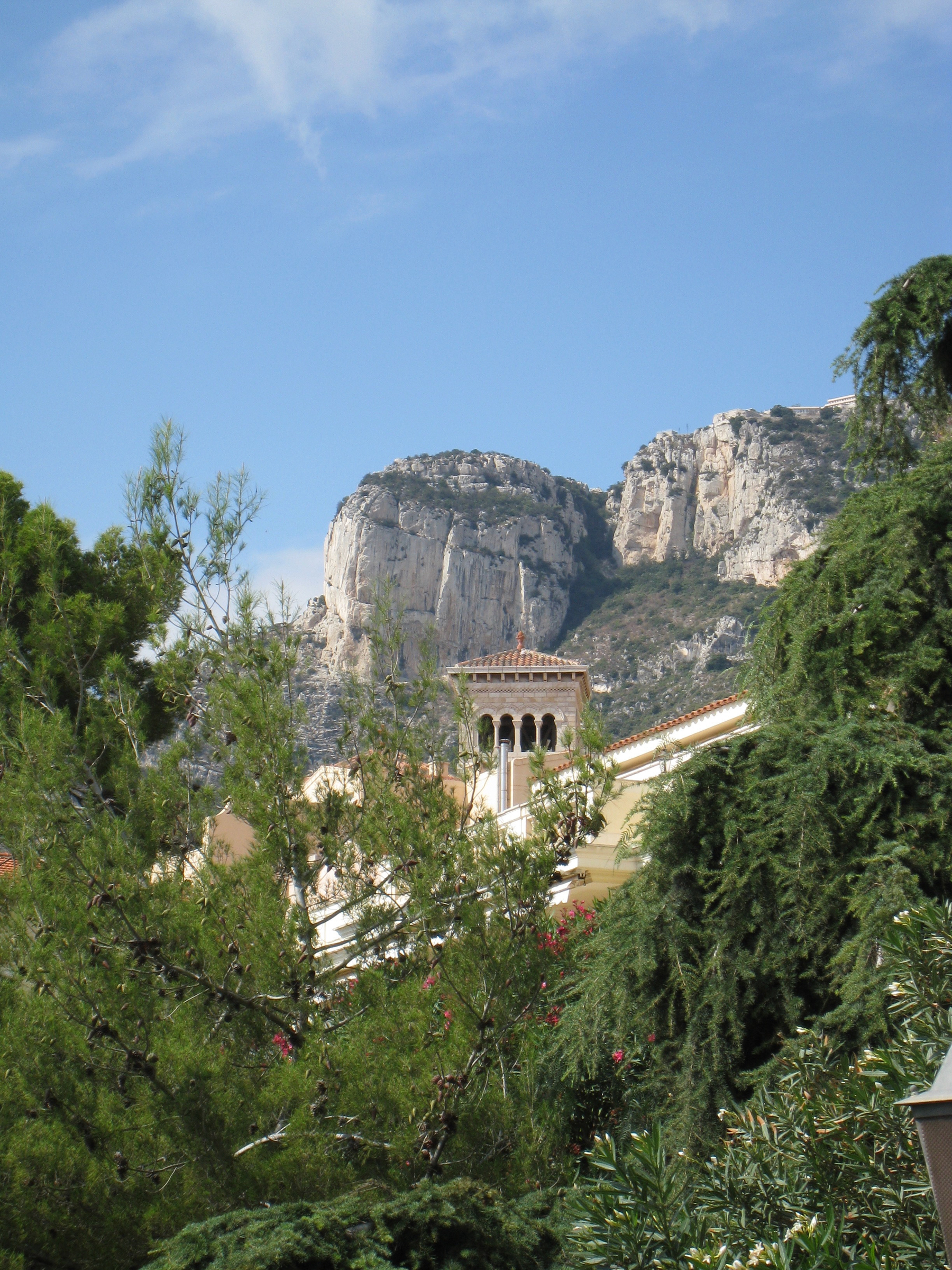
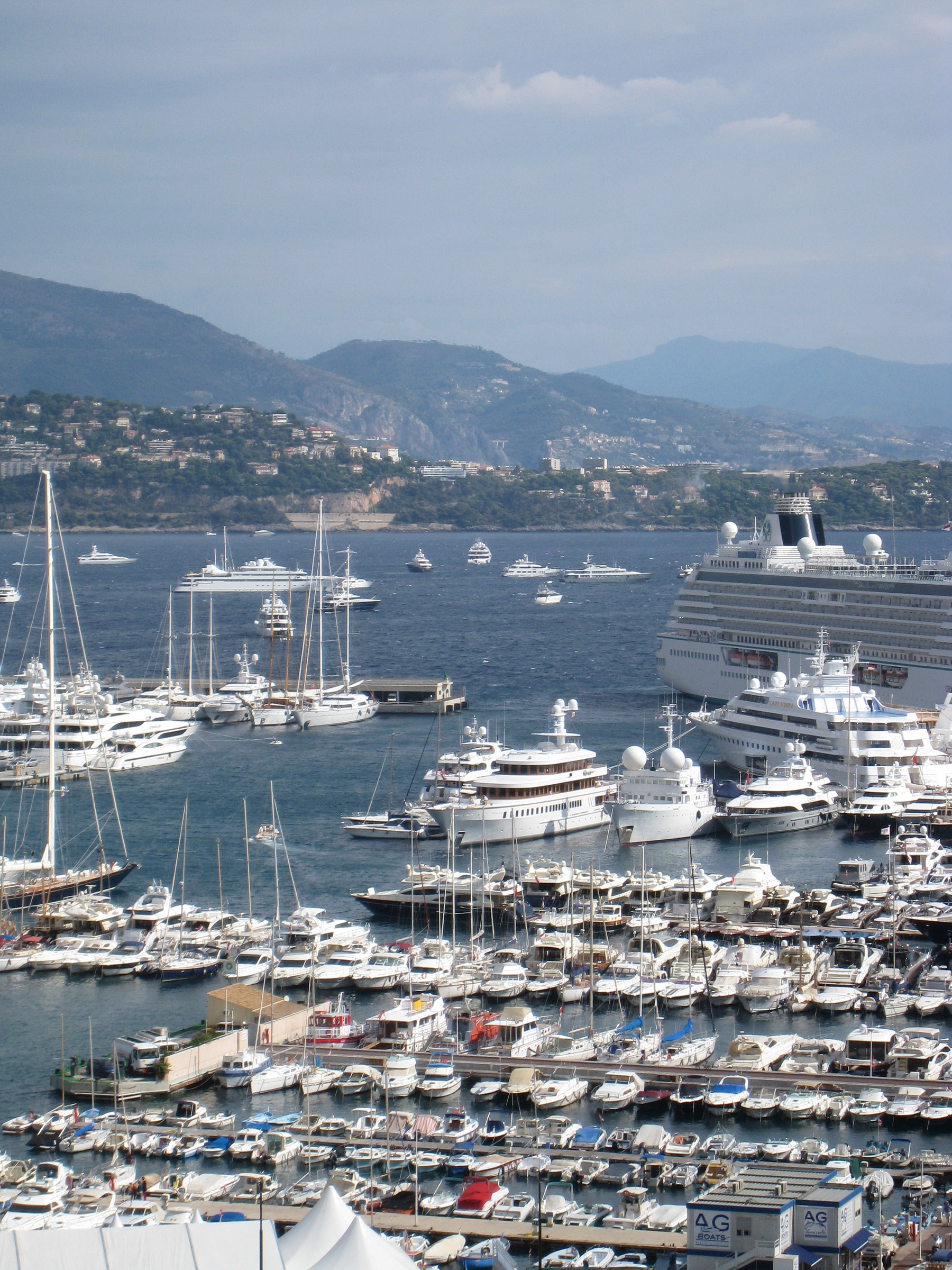
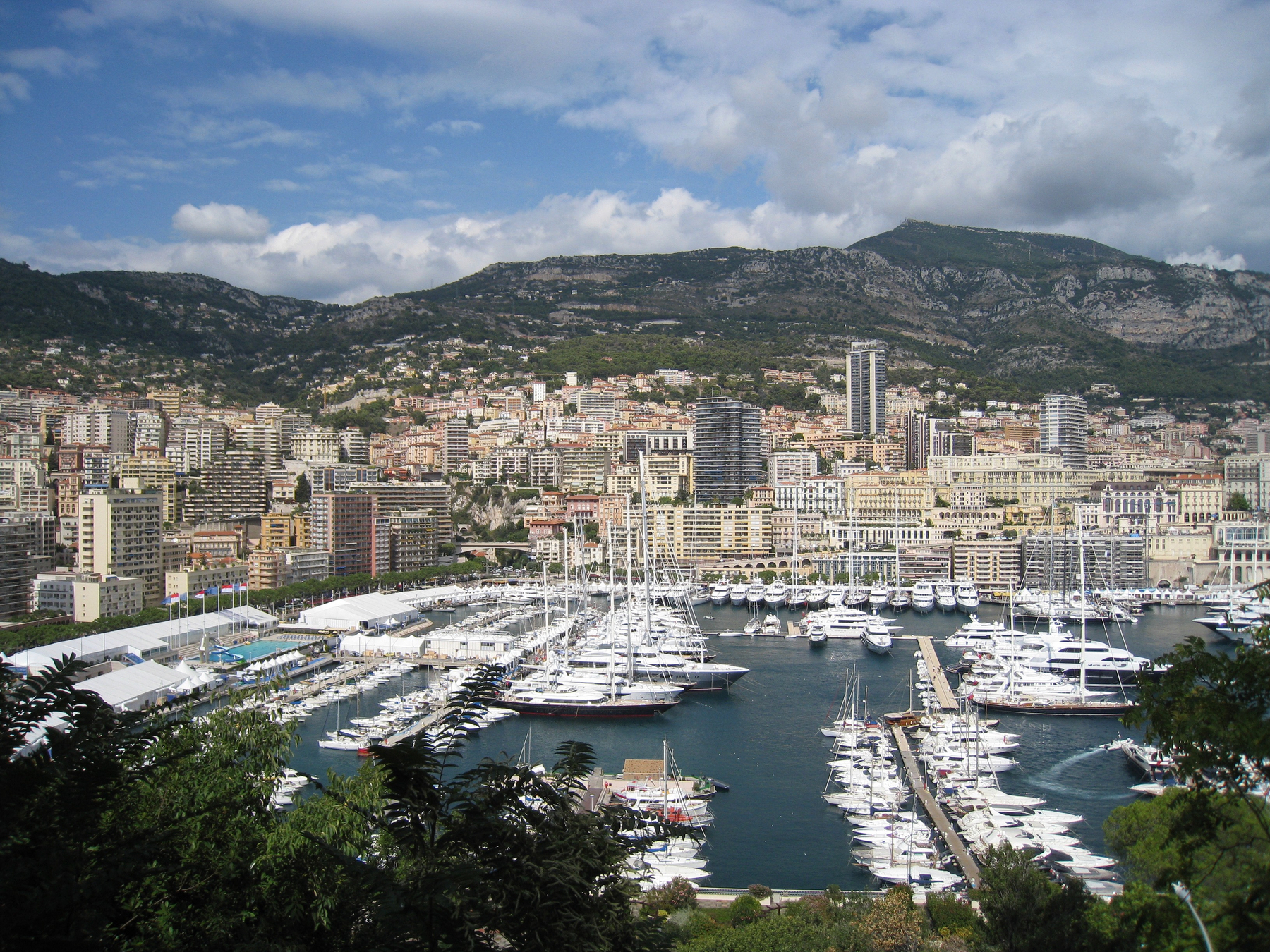
Then there is Monte Carlo, where Monaco’s historic identity collides spectacularly with its modern reputation. The famous casino helped transform the principality’s fortunes during the 19th century, attracting wealthy visitors from across Europe and establishing Monaco as a playground for the international elite. Today, the streets surrounding Monte Carlo become the setting for the legendary Monaco Grand Prix, where Formula One cars race through a landscape of luxury hotels, harbour-front yachts and densely packed city streets. It is difficult to imagine a more dramatic combination of history, wealth and motorsport.
What fascinated me most about Monaco was not the luxury, however, but its remarkable ability to survive. Surrounded by much larger powers and possessing almost no territory, the principality managed to preserve its sovereignty through centuries of political change. Its rulers repeatedly adapted to a changing Europe, transforming Monaco from a medieval fortress into a modern financial and tourism centre without losing the identity the Grimaldi dynasty established centuries ago.
When I finally returned to the train station, Monaco slowly disappeared behind me as the train followed the Mediterranean coastline back toward Nice. I had arrived expecting casinos, superyachts and Formula One, but I left thinking about medieval fortresses, princes, explorers and a dynasty that has occupied this extraordinary piece of coastline for more than 700 years. Monaco may be tiny, but its history is anything but small. Perhaps that is its greatest surprise: beneath all the glamour lies a little country that has spent centuries refusing to disappear.
#Monaco #MonacoTravel #VisitMonaco #MonteCarlo #FrenchRiviera #CoteDAzur #MonacoHistory #GrimaldiFamily #PrinceOfMonaco #PrincesPalace #MonacoVille #OceanographicMuseum #PrinceAlbertI #PrincessGrace #GraceKelly #MonacoGrandPrix #Mediterranean #EuropeTravel #TravelPhotography #TravelEssay #TravelBlog #LuxuryTravel #HistoricPlaces #EuropeanHistory