Arequipa: Finding Sanctuary in the White City
There are moments when arriving in a new city feels like the beginning of an adventure, and there are moments when it feels like a mistake. My arrival in Arequipa belonged firmly to the second category. At around 2,335 metres above sea level, the city was beautiful in a way I could barely appreciate because my lungs seemed to have forgotten how to work. Every breath felt shallow, every step required an unreasonable amount of effort, and the simplest walk seemed to turn into an expedition. I had come to Peru with Machu Picchu firmly in my sights, but suddenly that distant dream seemed impossibly far away. Instead of heading out to conquer Arequipa, I found myself moving slowly through its streets, searching for somewhere quiet, somewhere sheltered from the noise and the altitude. That was when I discovered the Monastery of Santa Catalina de Siena, and what began as an attempt to escape the discomfort of the day became one of the most memorable experiences of my journey.
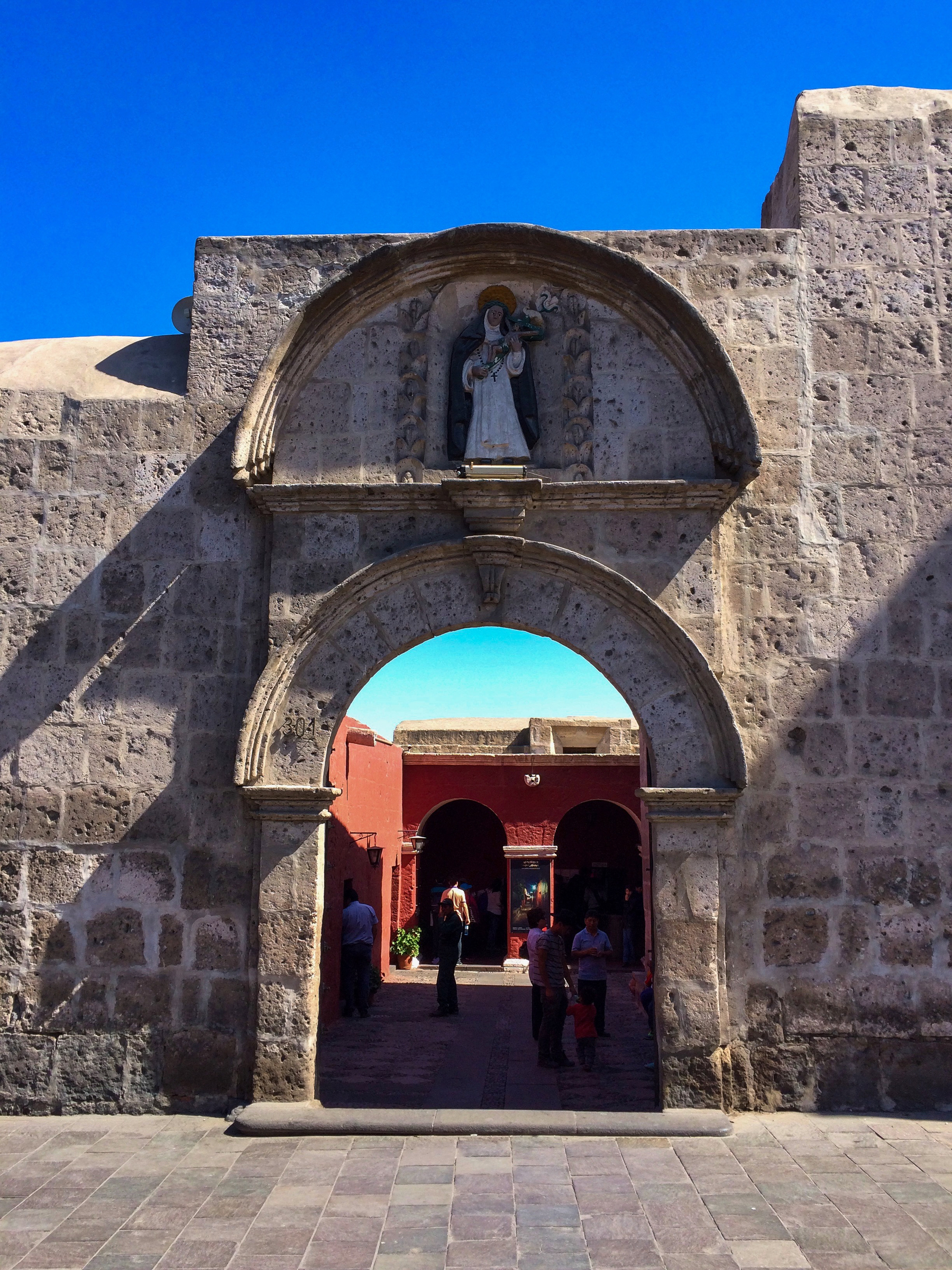
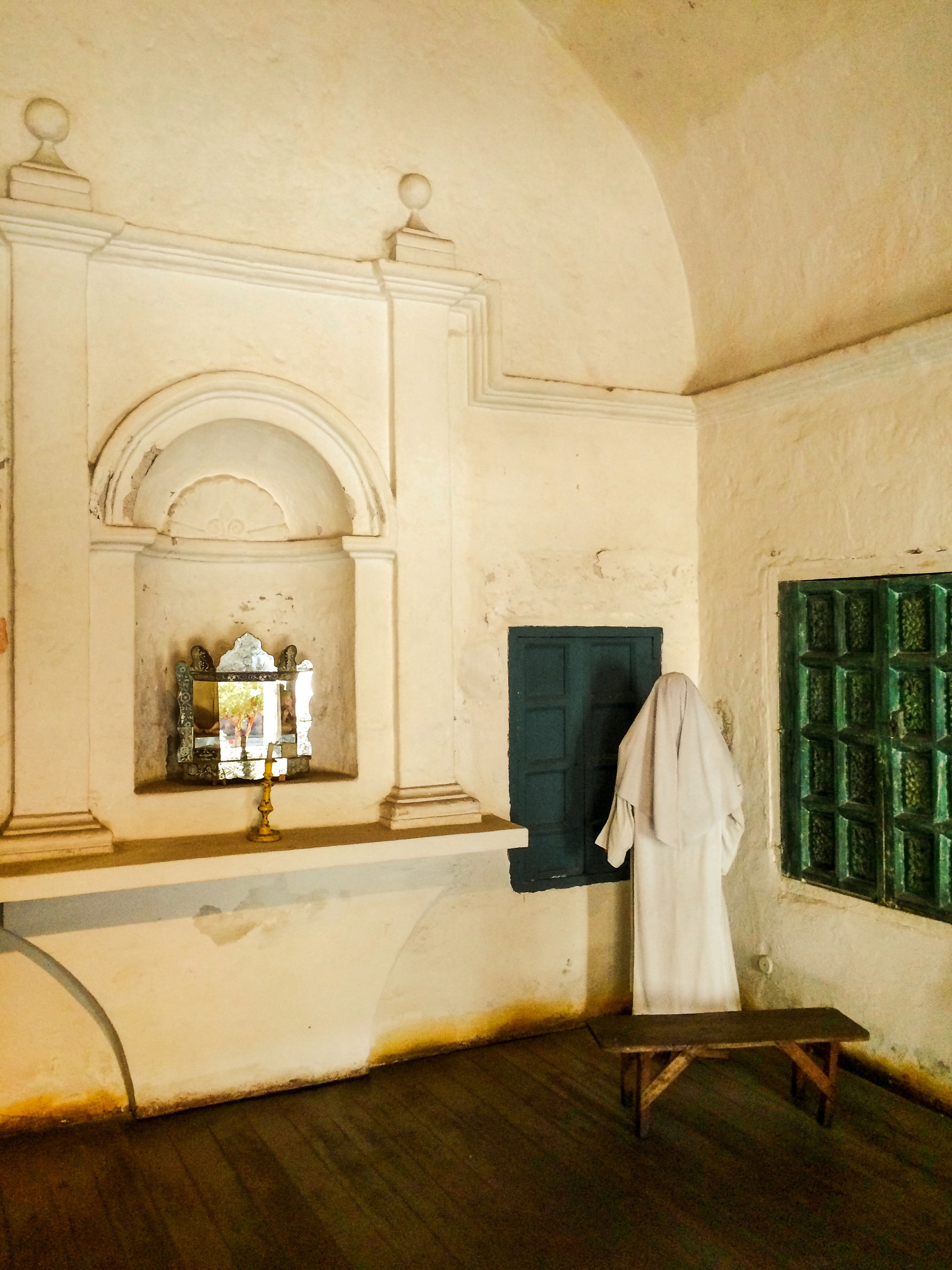
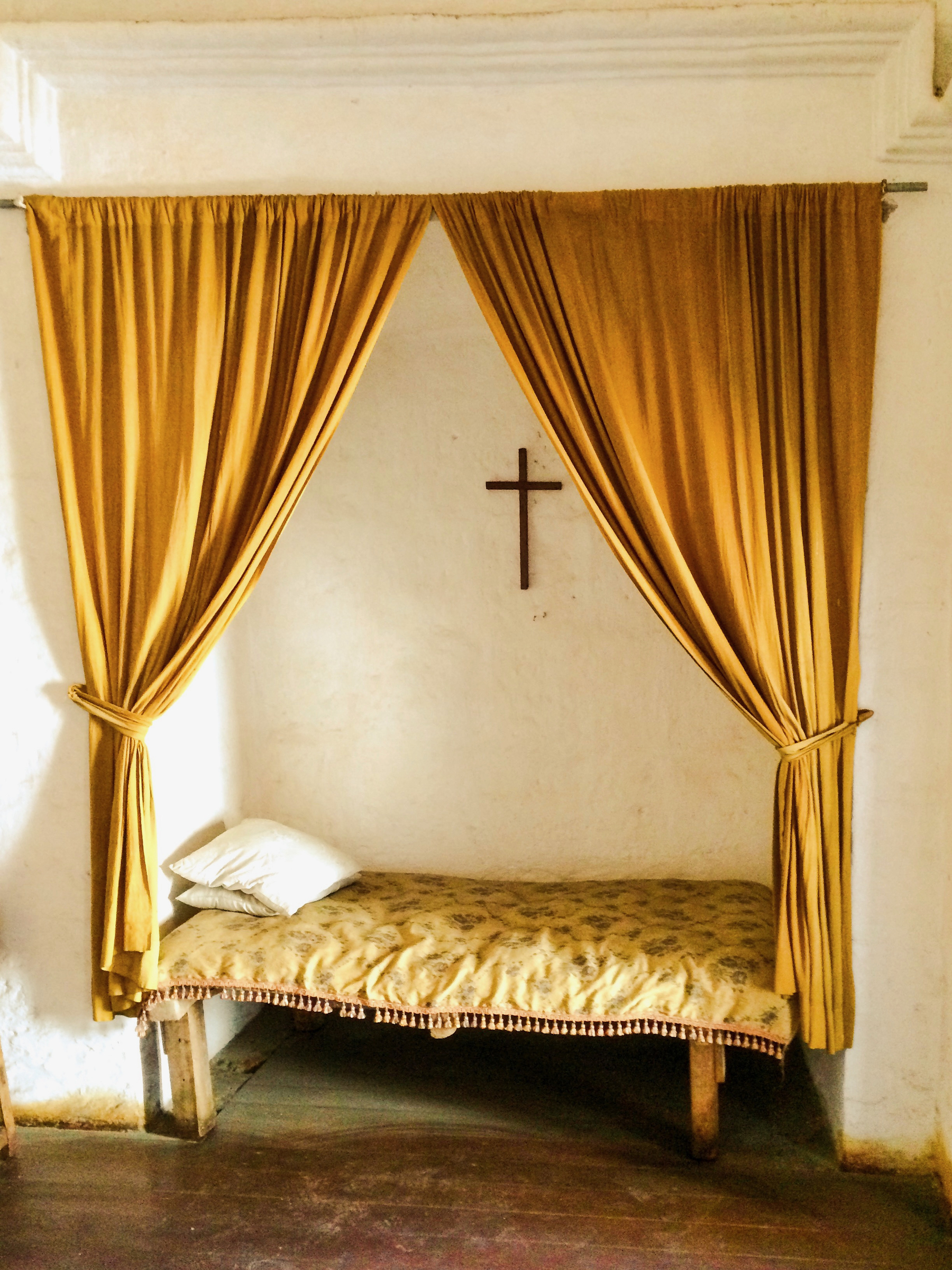
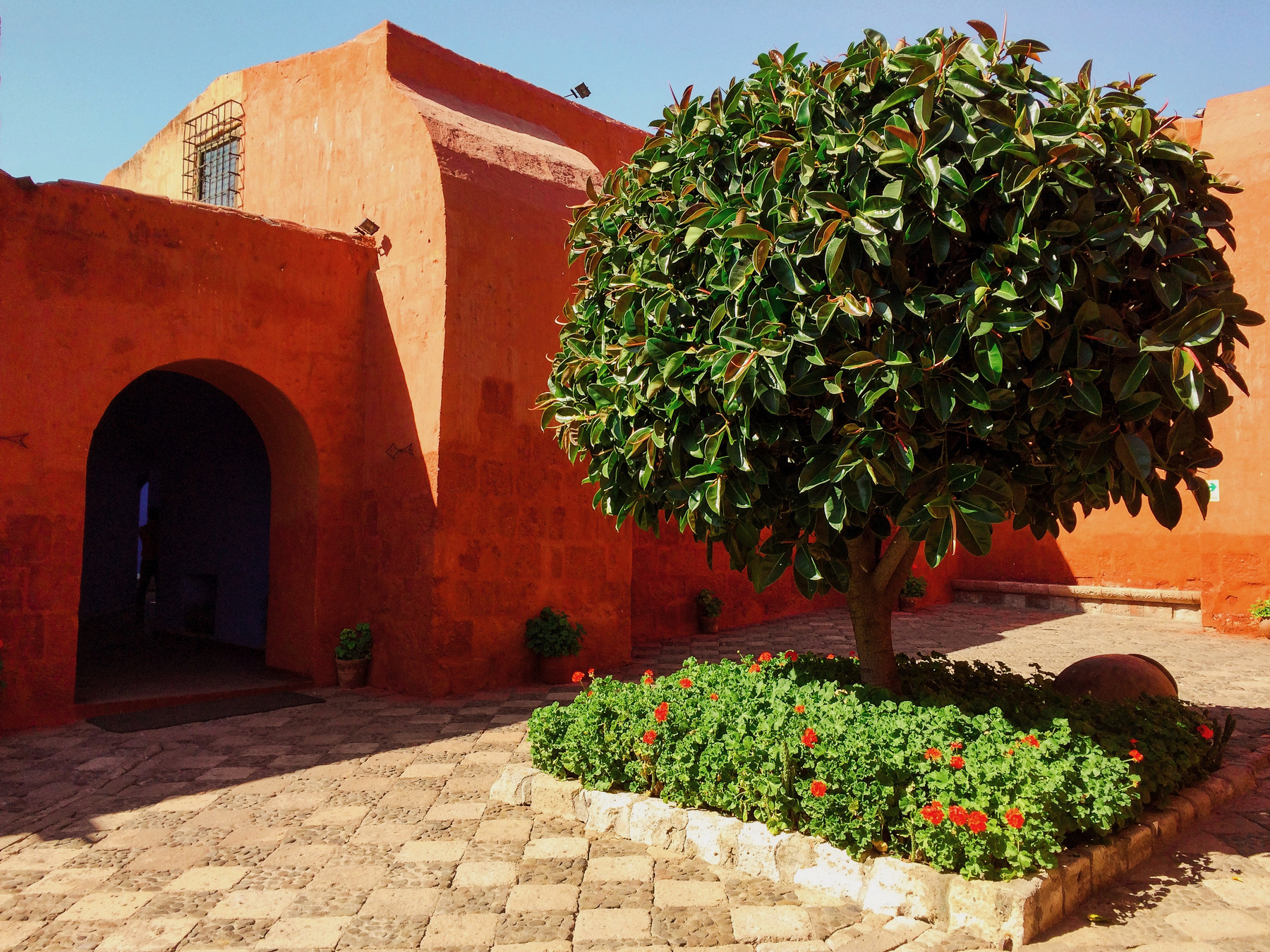
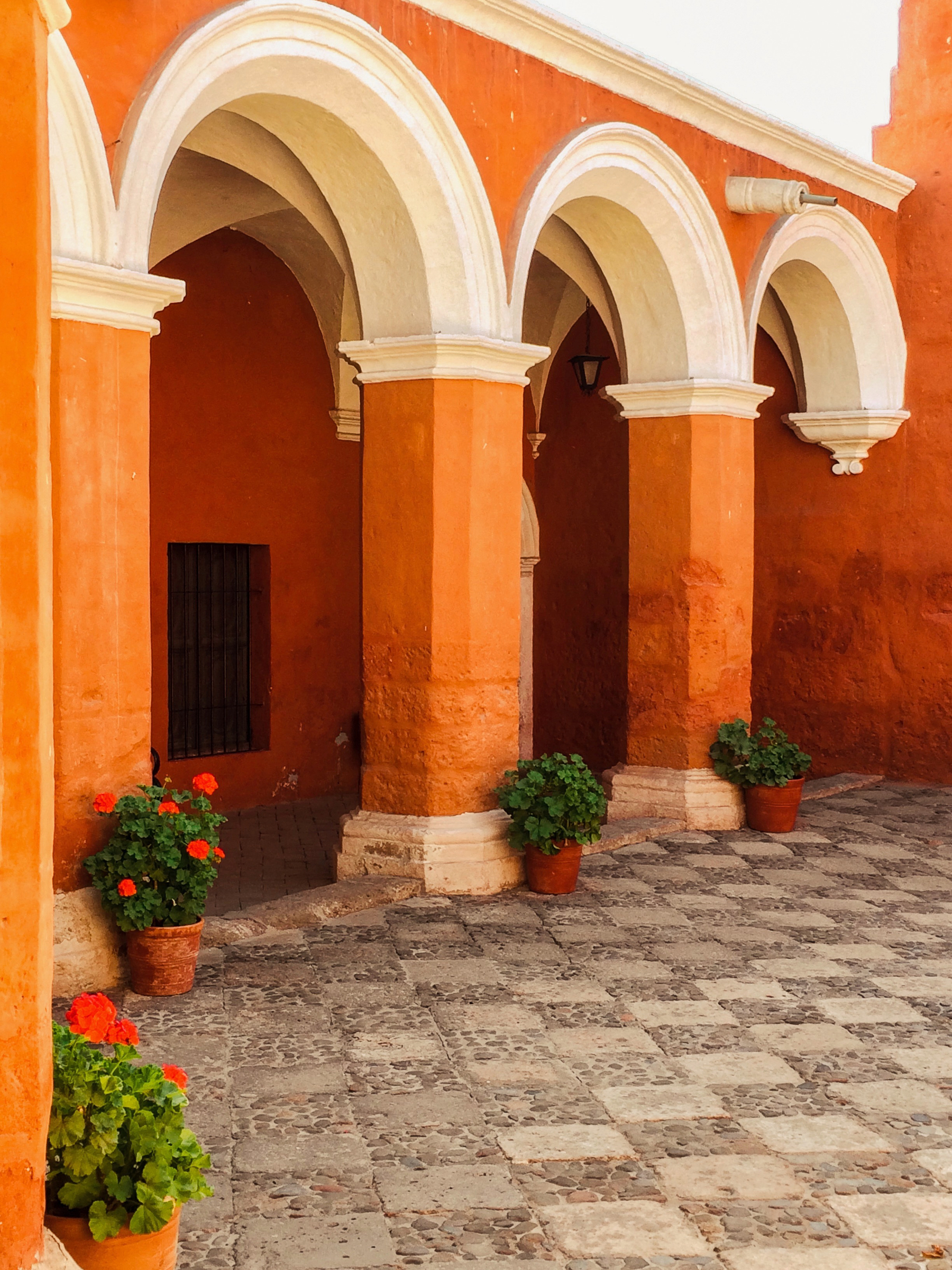
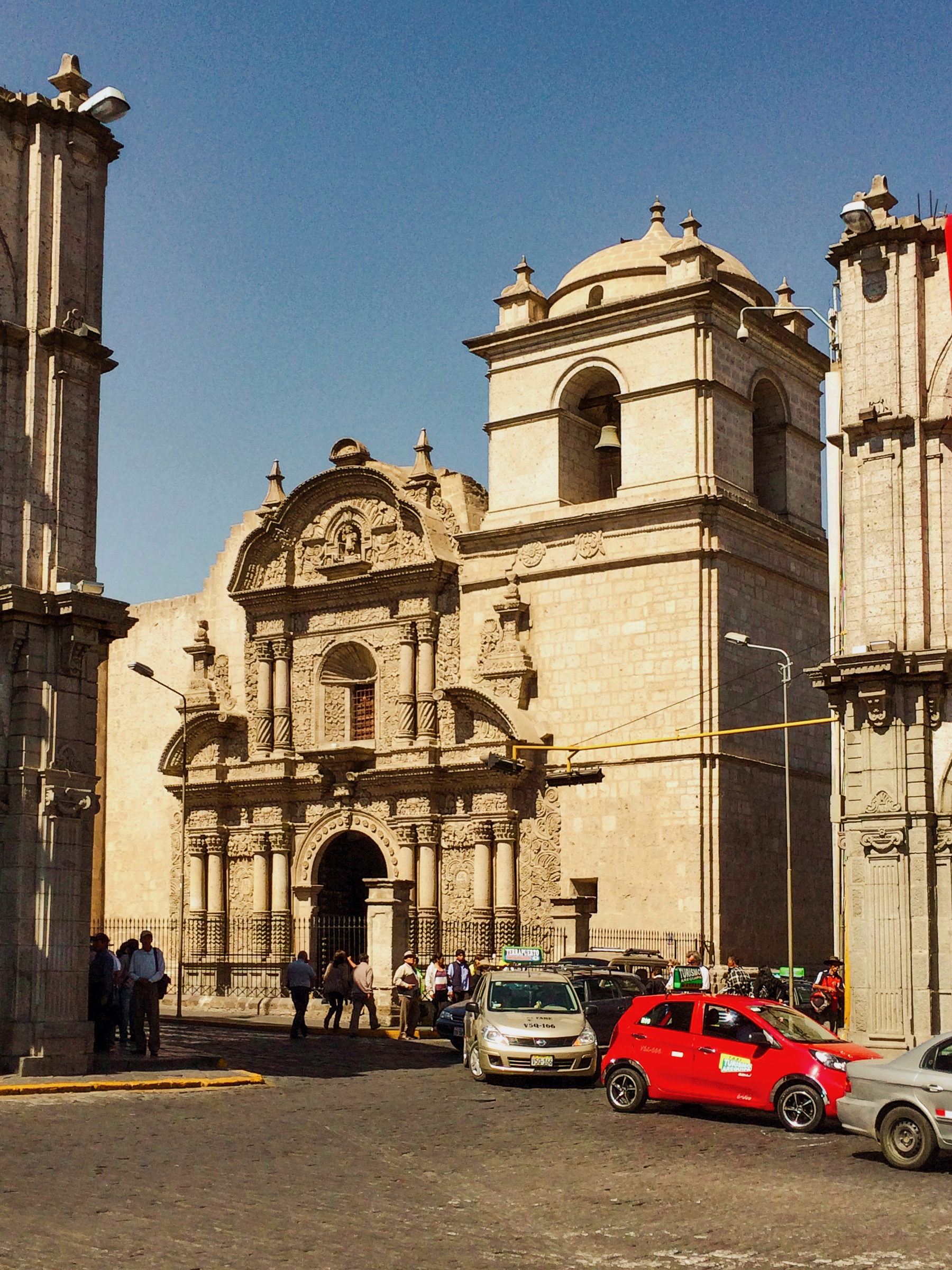
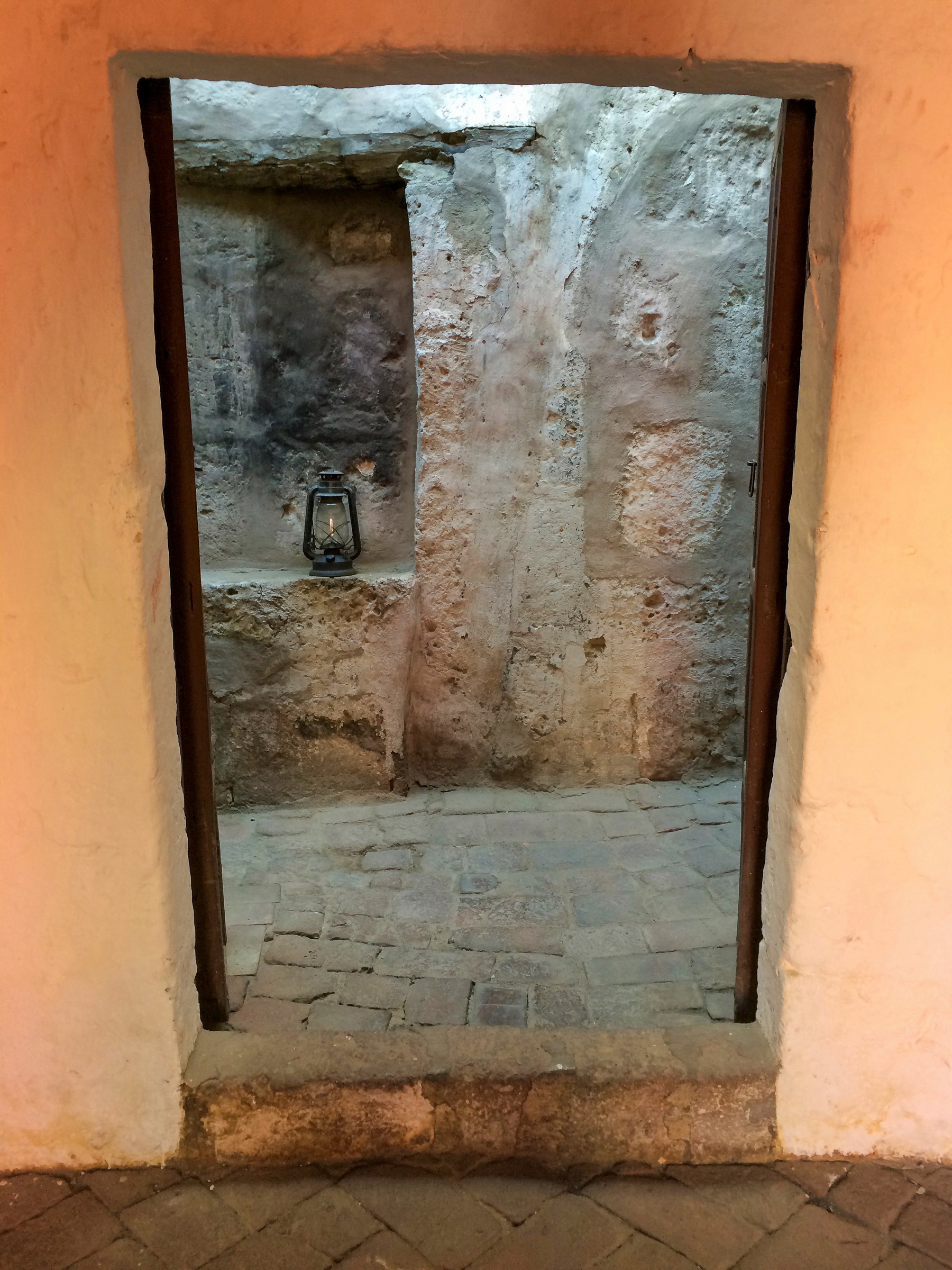
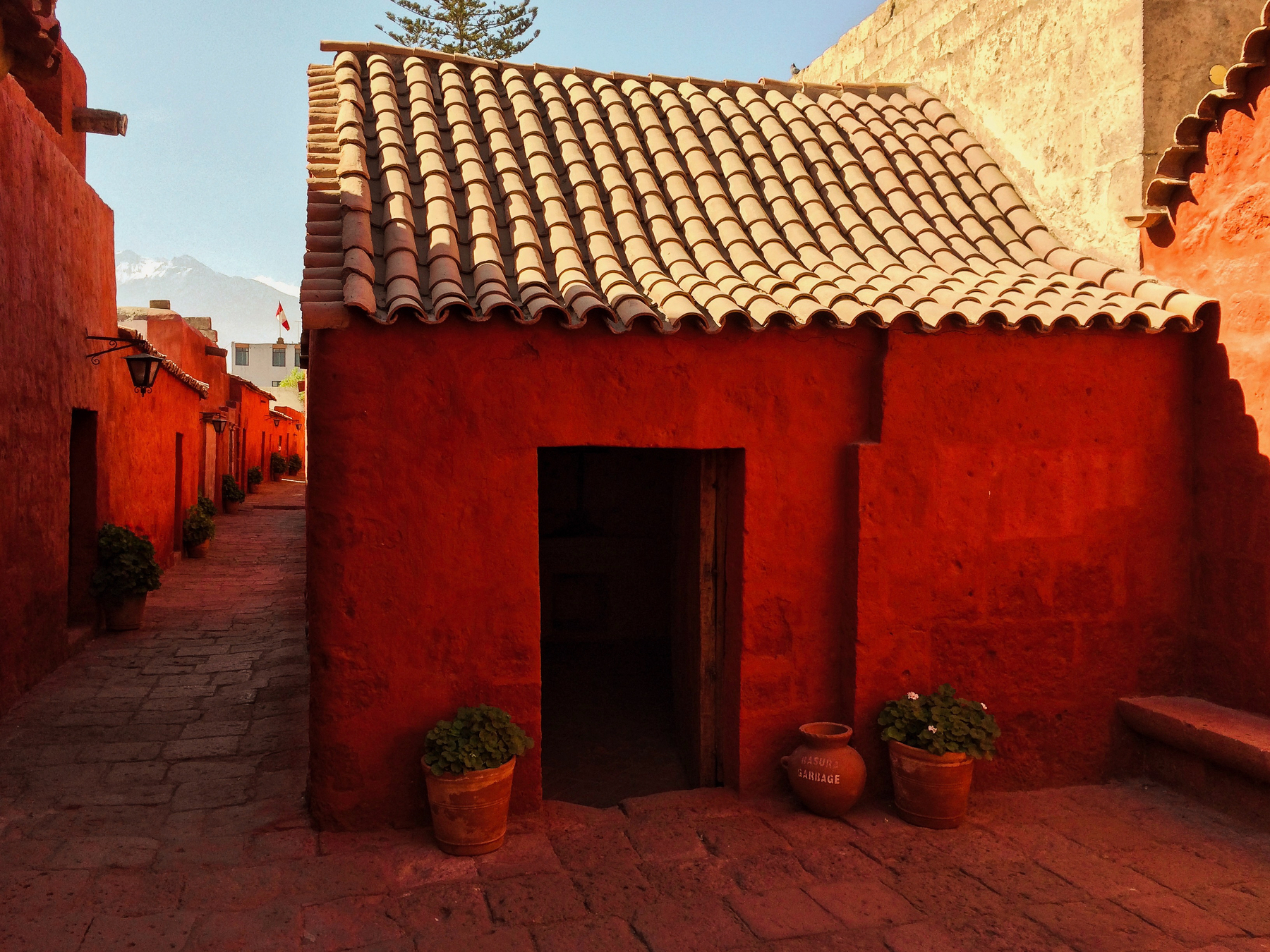
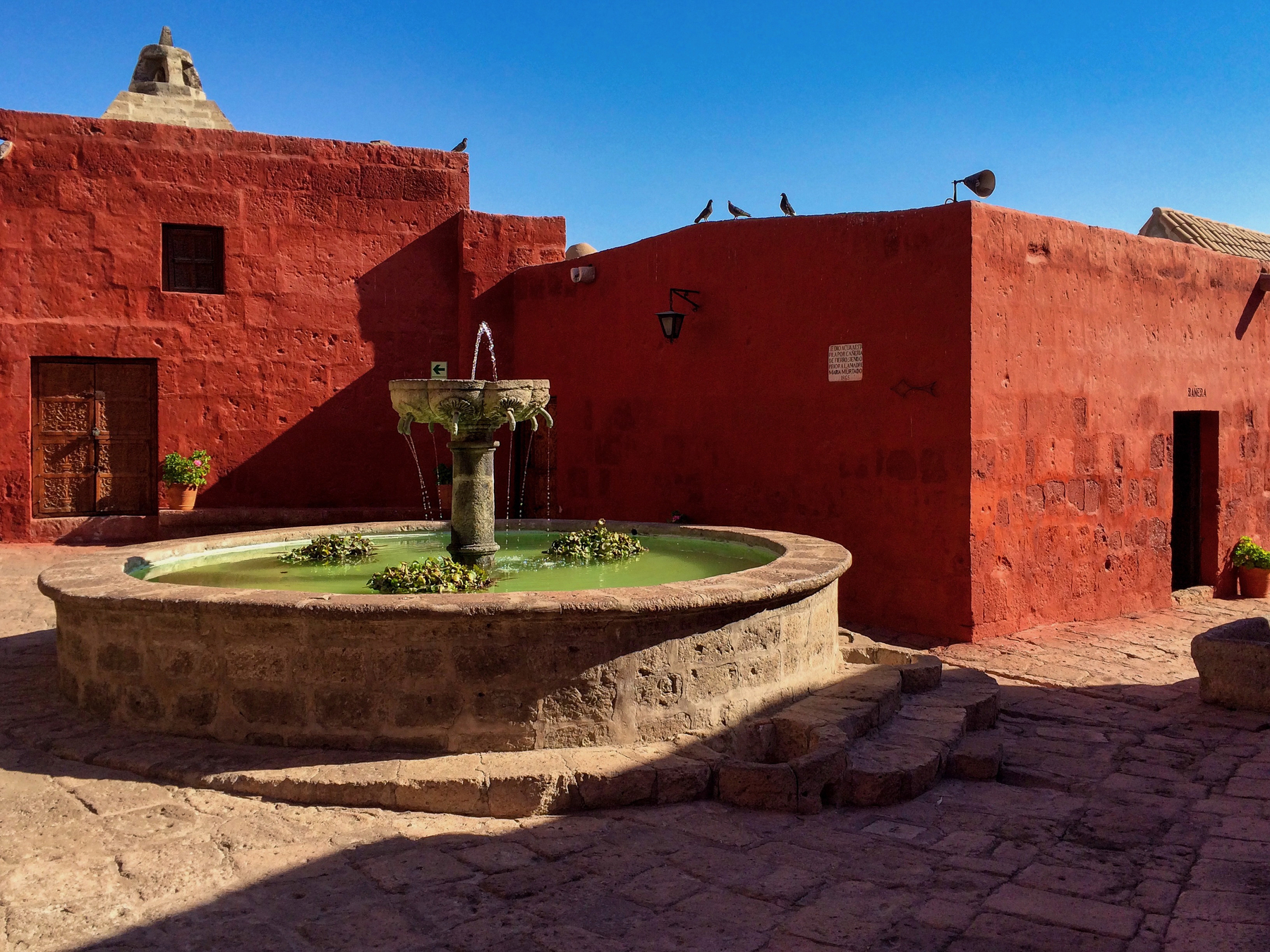
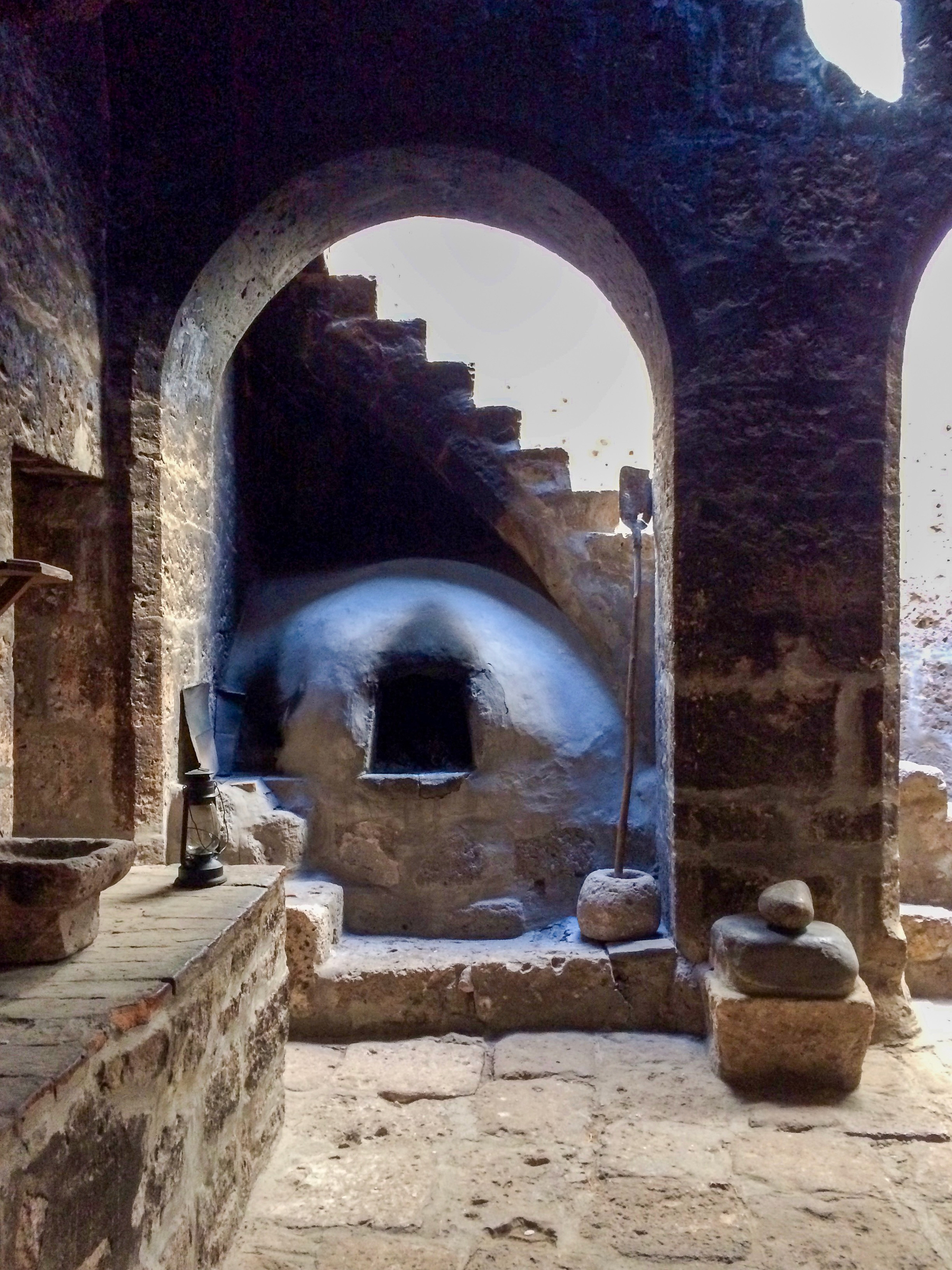
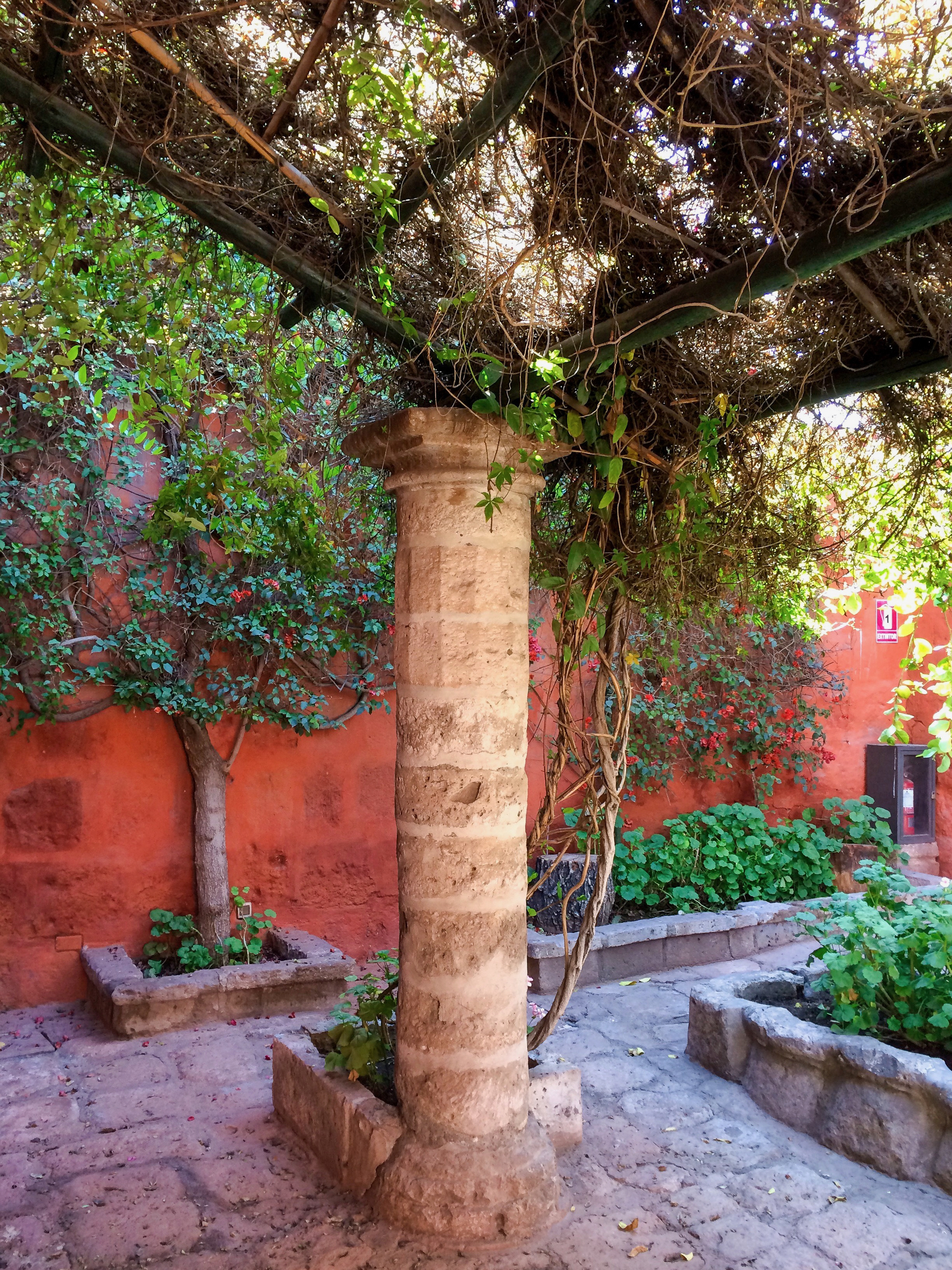
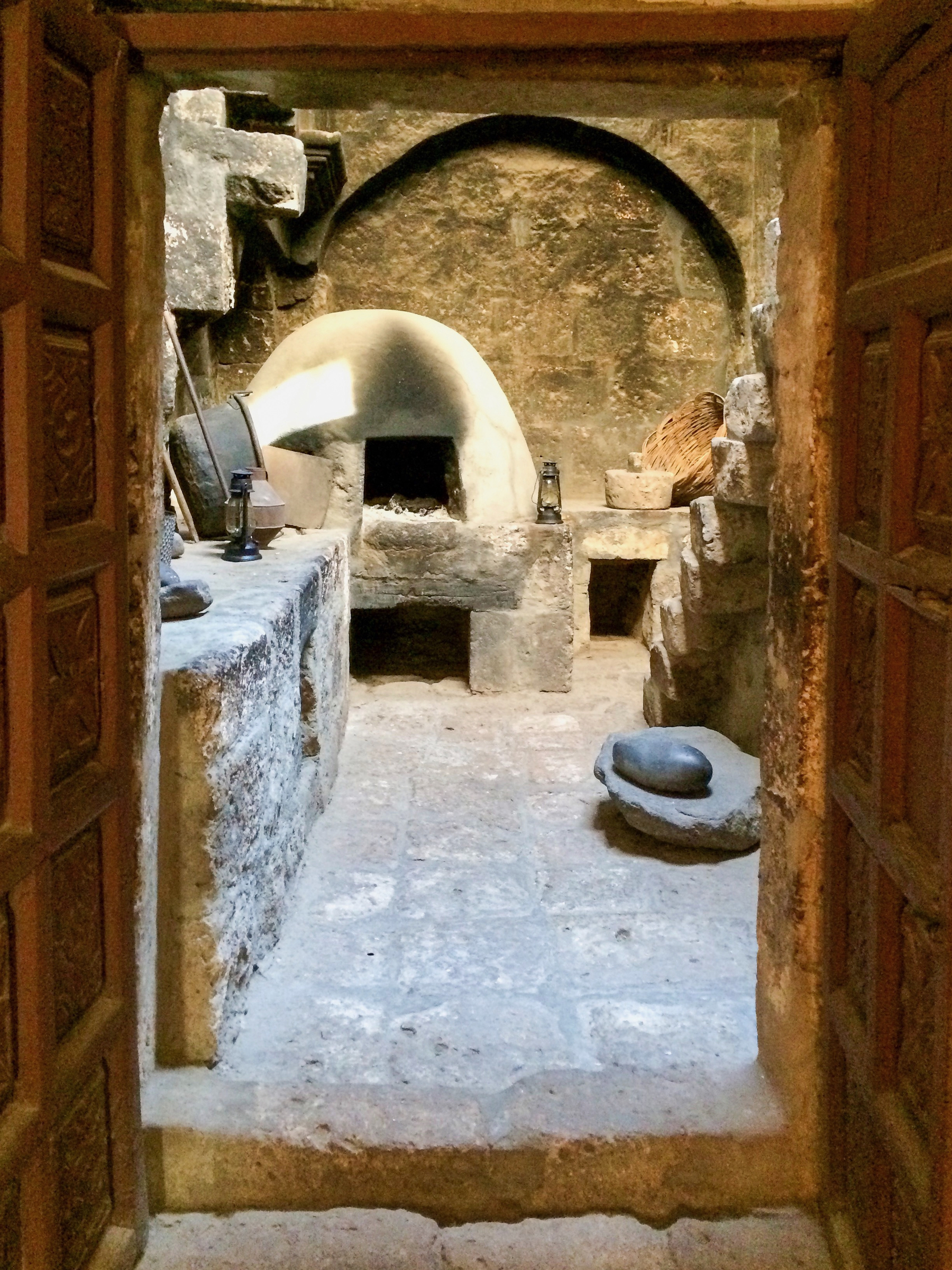
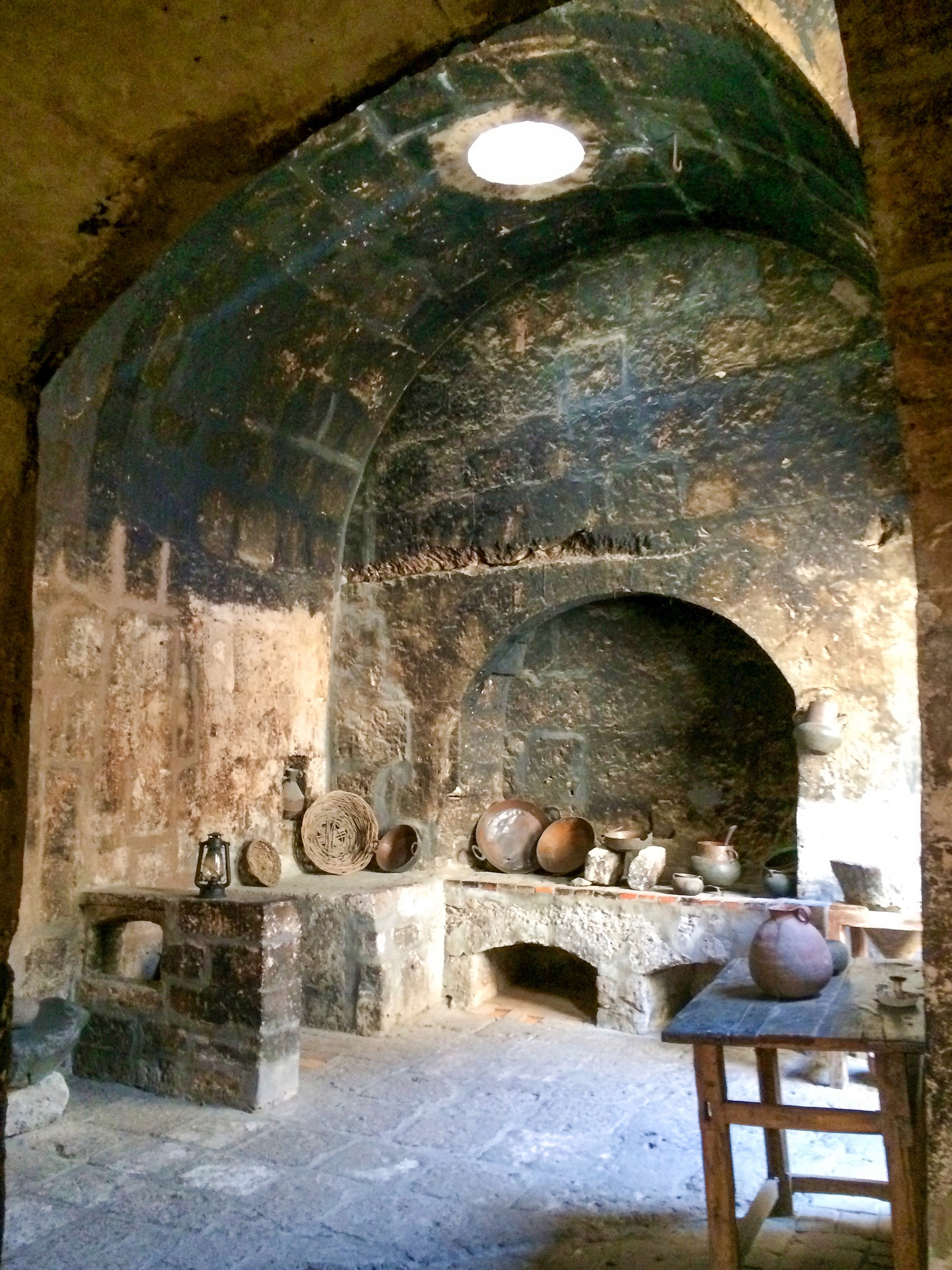
Founded in 1579, just decades after the Spanish conquest of Peru, Santa Catalina is unlike almost any religious building I had encountered before. From the outside, its massive walls give little away. Four-metre-high walls surround what is essentially a city within a city, a maze of narrow lanes, courtyards, cloisters, kitchens, cells and brightly painted facades. For centuries, the monastery was largely hidden from the outside world. Women entered as nuns and could spend much of their lives within its walls, separated from ordinary Arequipa society. Interestingly, Santa Catalina was not simply a place of austere religious devotion. Many of its early residents came from wealthy Spanish and Creole families, and some entered the convent with servants and considerable possessions. Walking through the old quarters, I found myself imagining the strange contradiction of it all: an enclosed religious world that could also reflect the social hierarchy and wealth of colonial Peru. Behind those enormous walls was an entire society, with its own routines, relationships, kitchens, gardens and secrets.
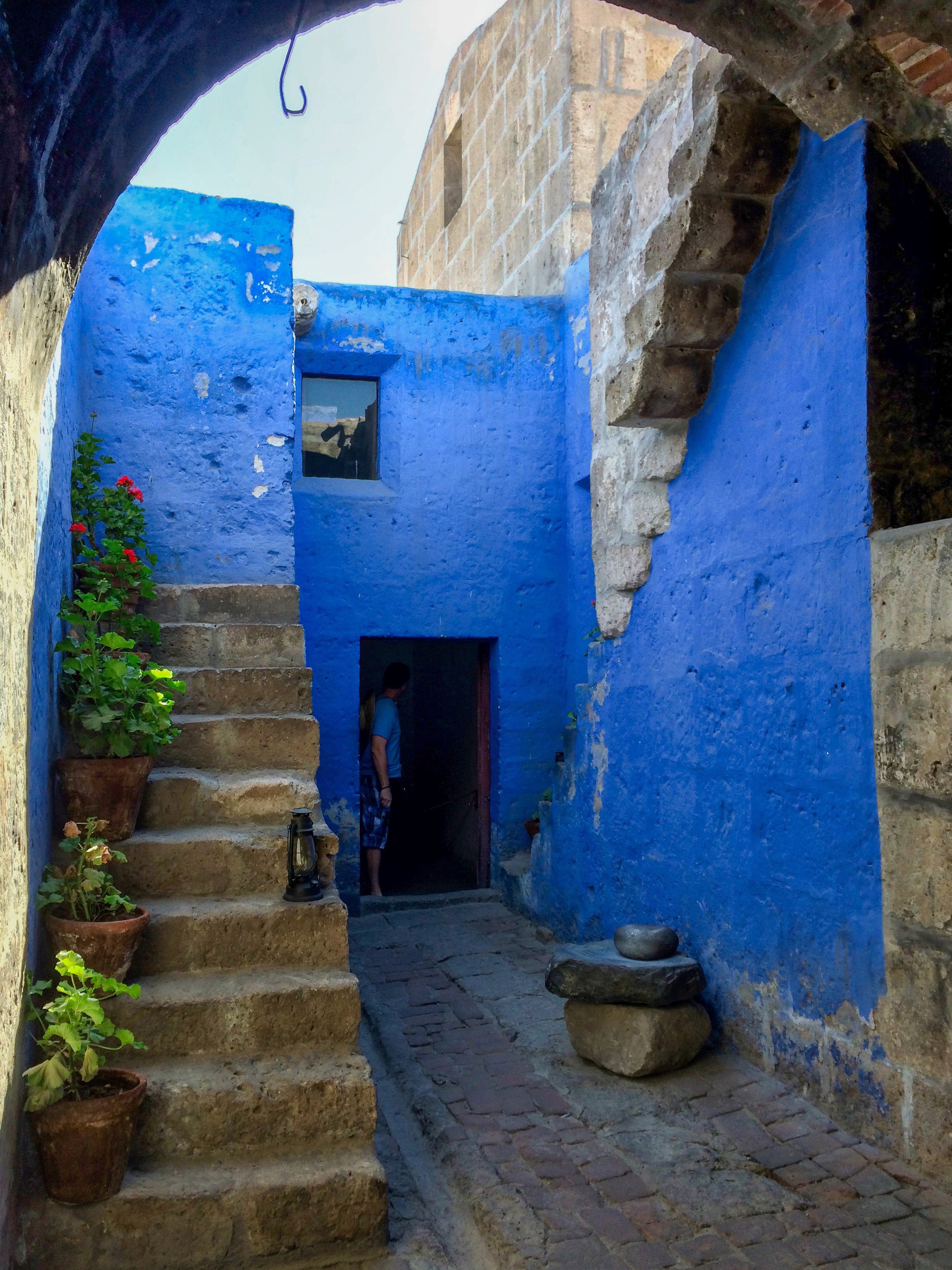
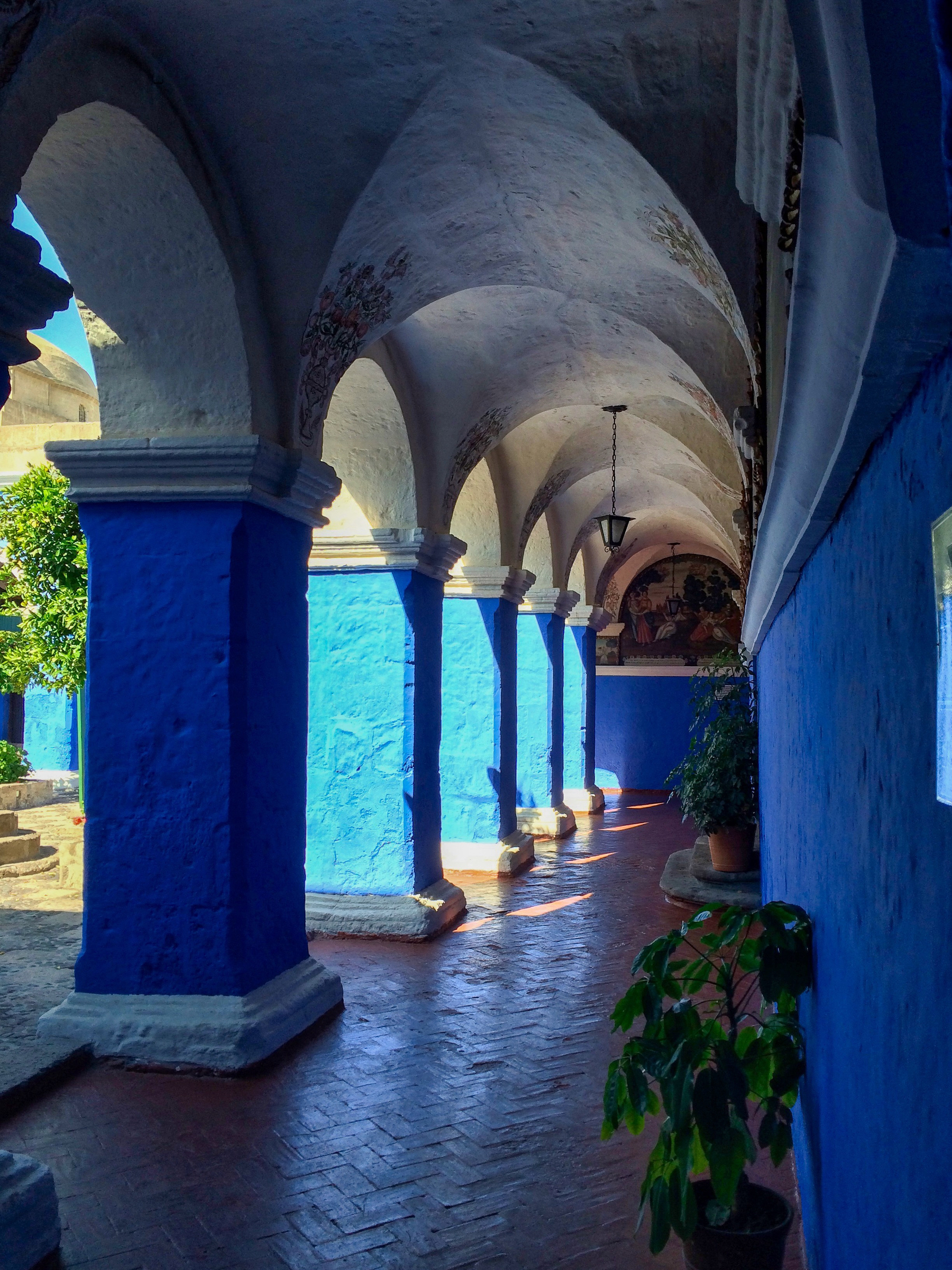
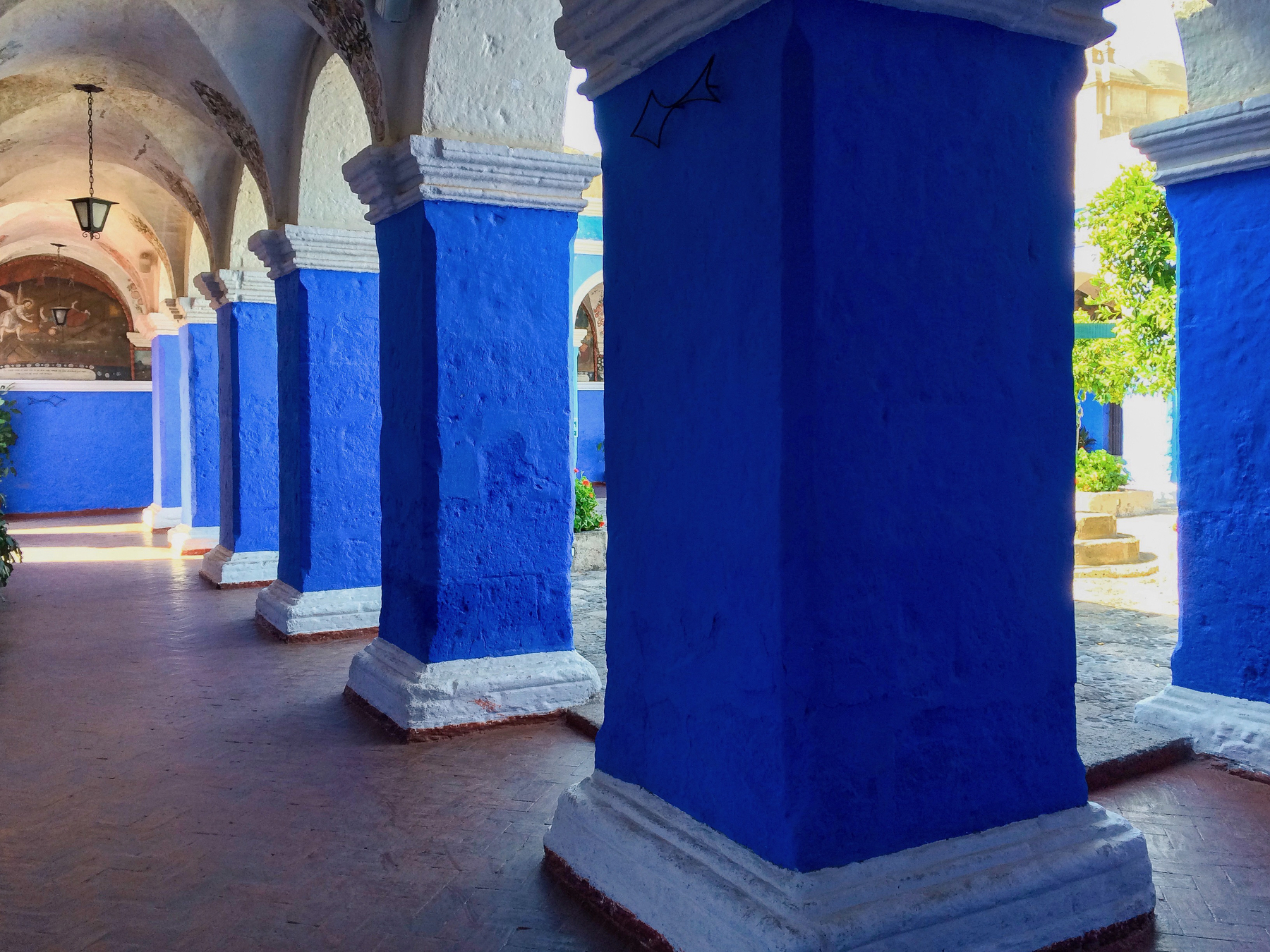
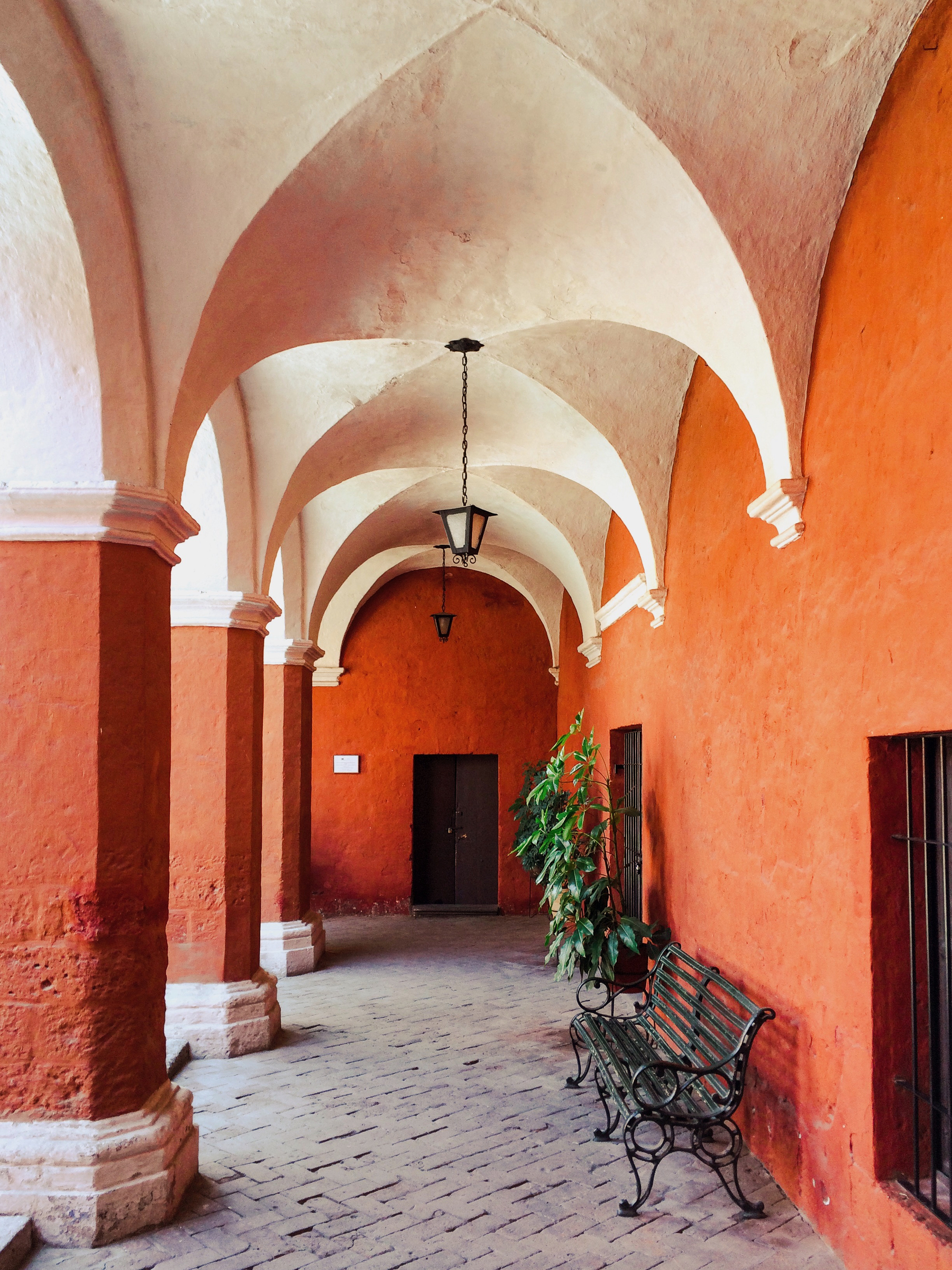
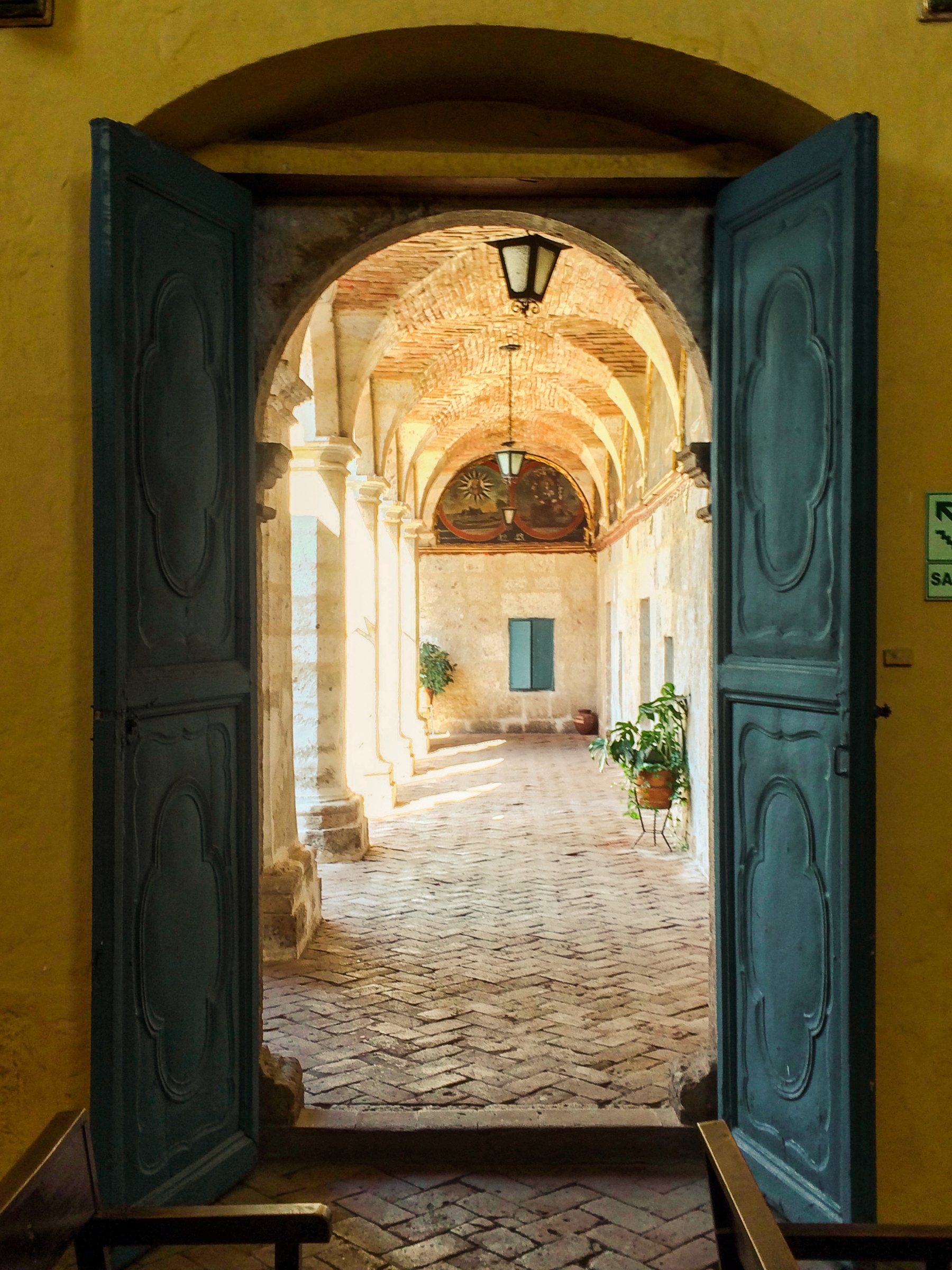
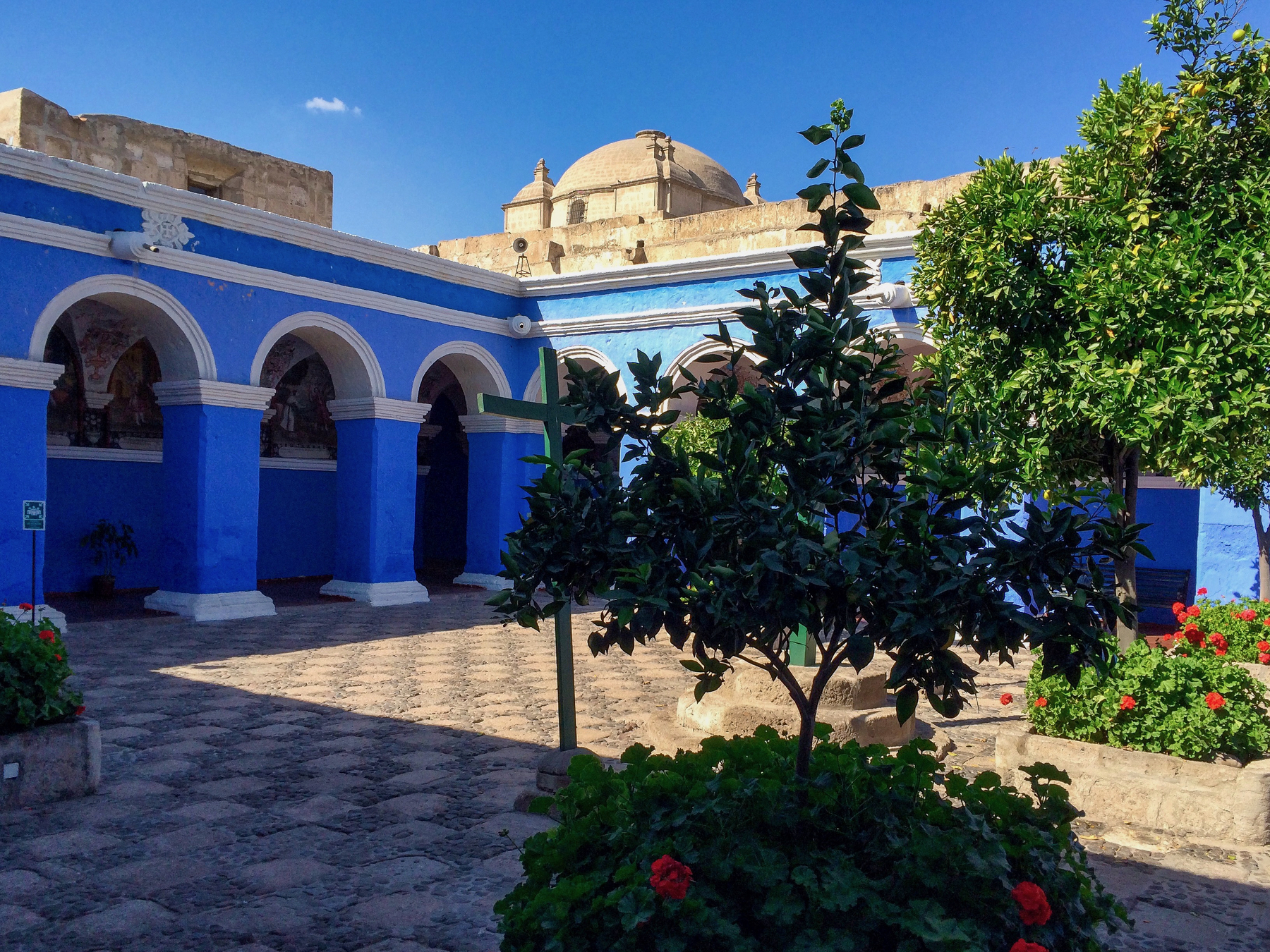
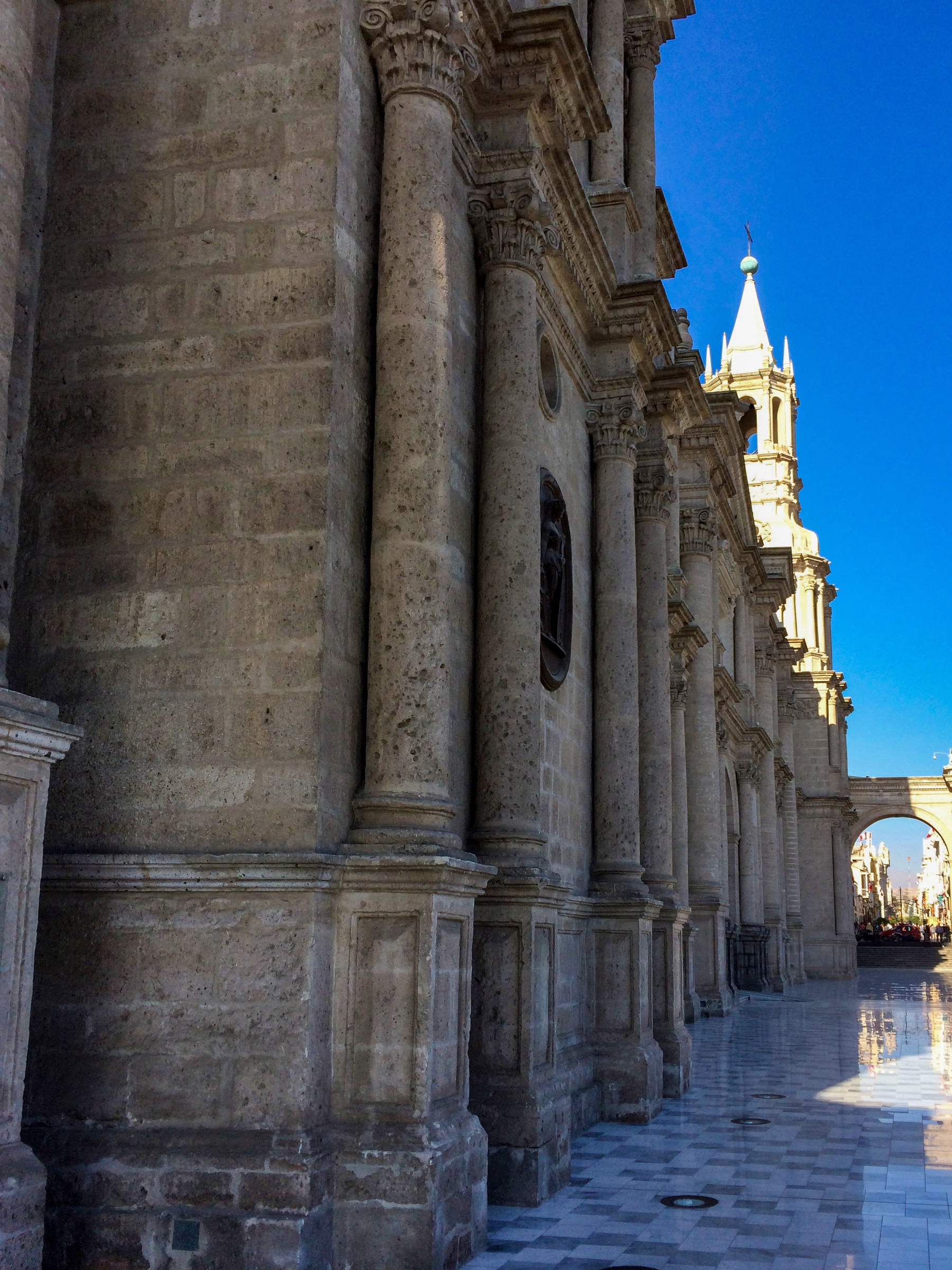
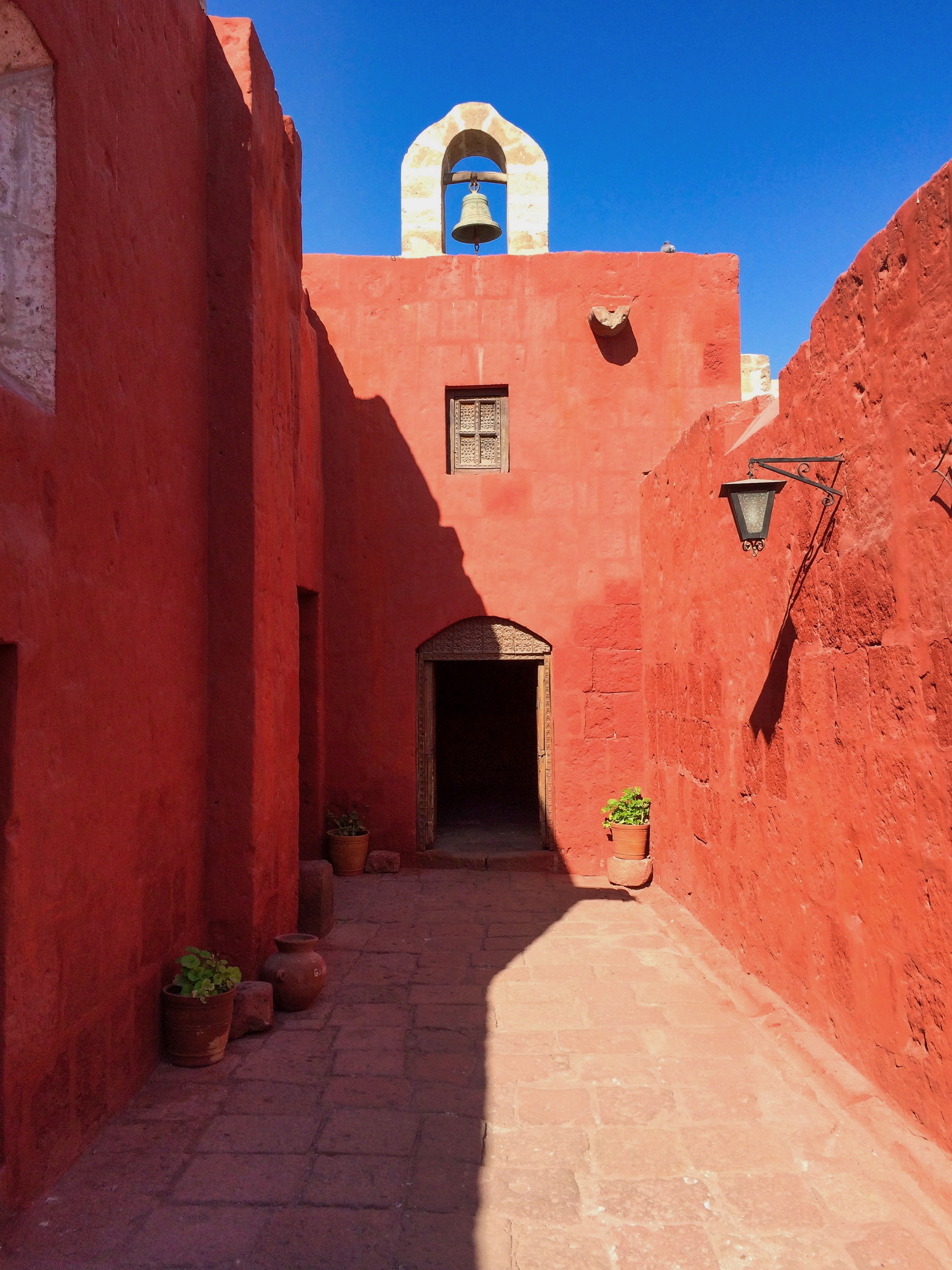
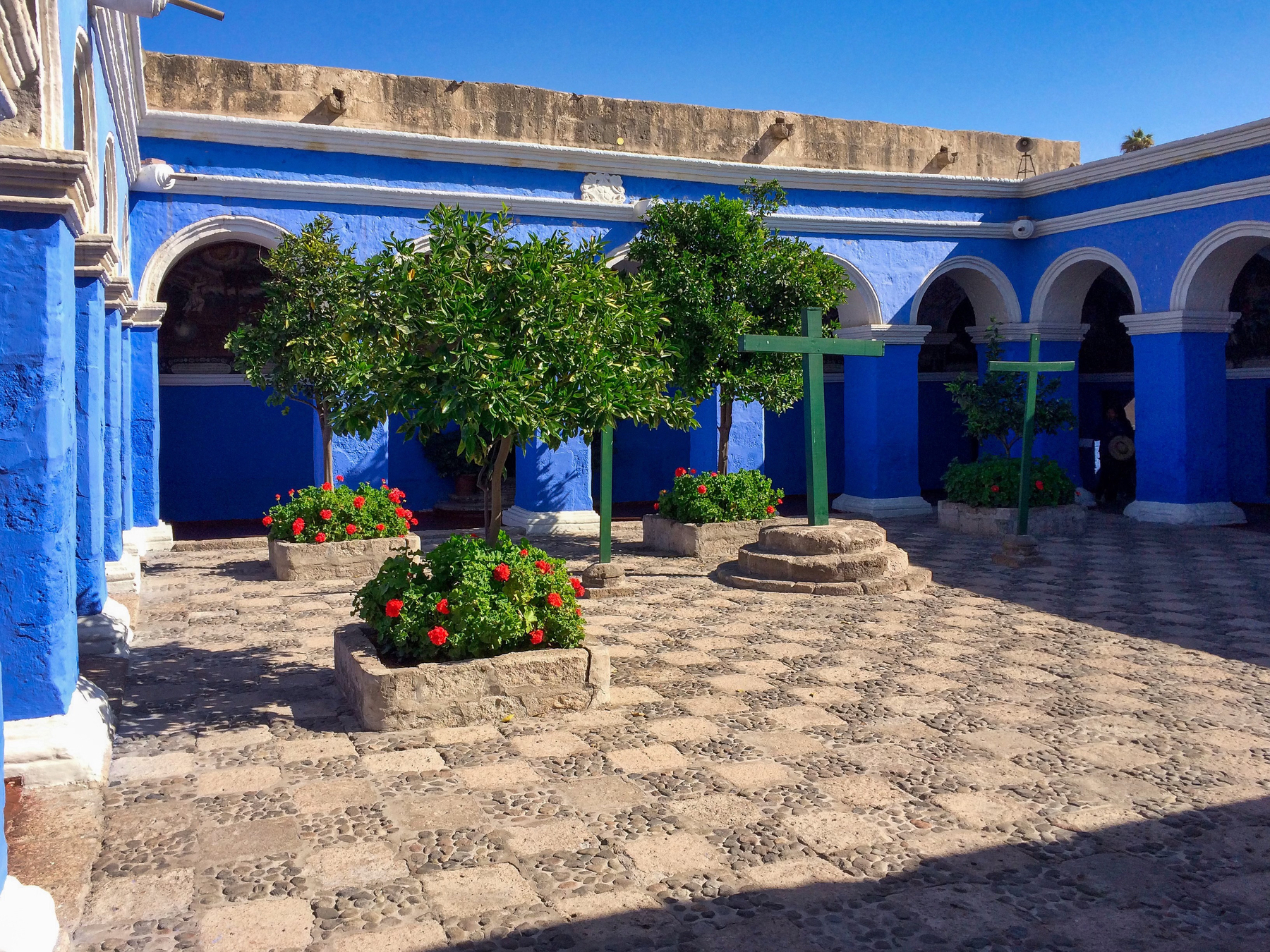
The architecture was what captivated me first. Arequipa is known as the Ciudad Blanca, the White City, because so much of its historic architecture was constructed from sillar, a pale volcanic stone produced from the region’s volcanic landscape. The material is beautiful but also practical, and throughout Santa Catalina it catches the changing light in remarkable ways. Blues, reds, oranges and ochres suddenly appear around corners, transforming the monastery into something far more colourful than its austere exterior suggests. Earthquakes have repeatedly tested Arequipa, including devastating events in 1600 and 1604, and later earthquakes caused further damage to the monastery. Yet the complex survived, was rebuilt and adapted again and again. Perhaps that is why wandering through it felt strangely appropriate while I was struggling with my own physical weakness. The monastery itself seemed to embody endurance—damaged, repaired, altered and still standing.
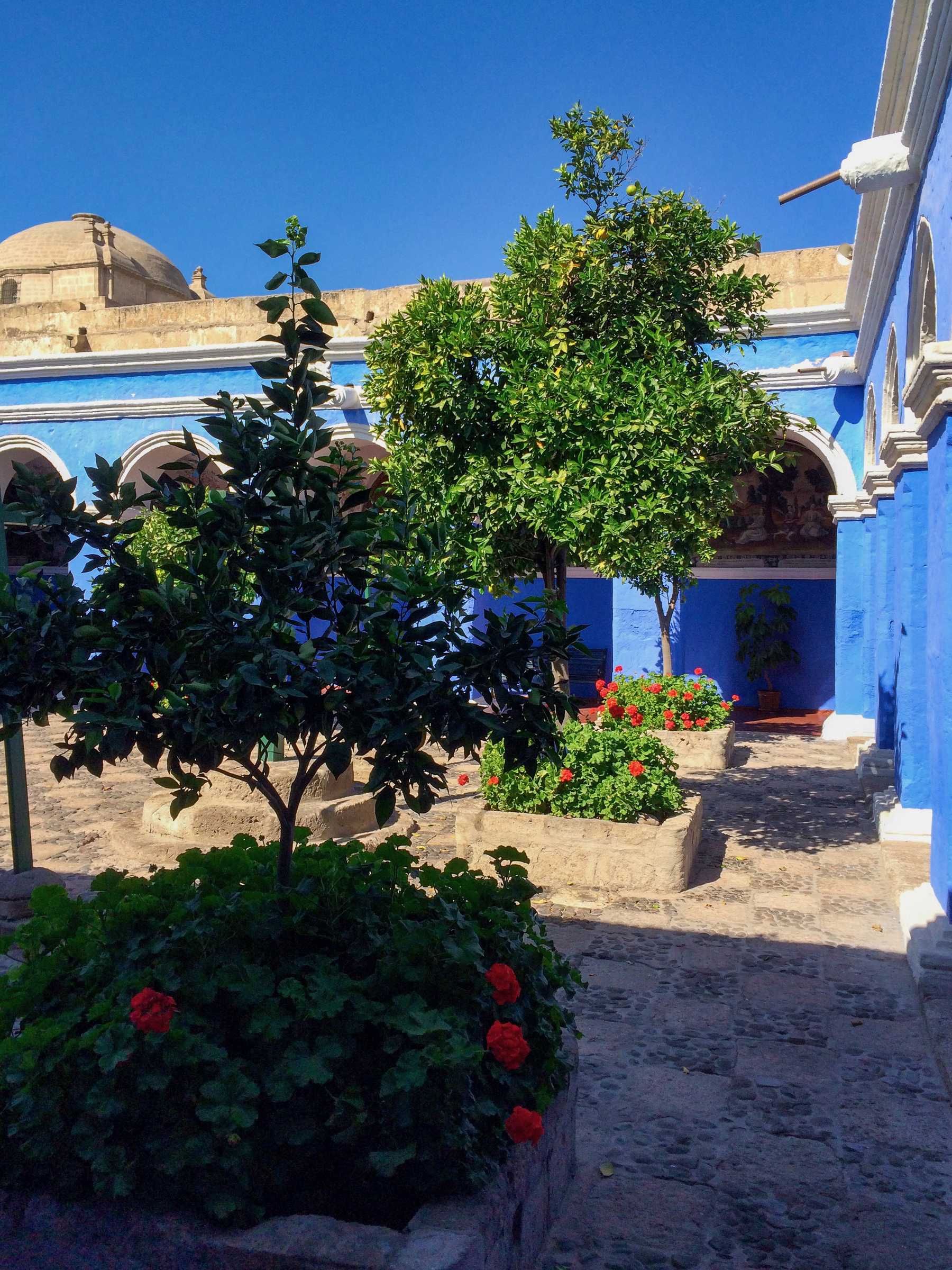
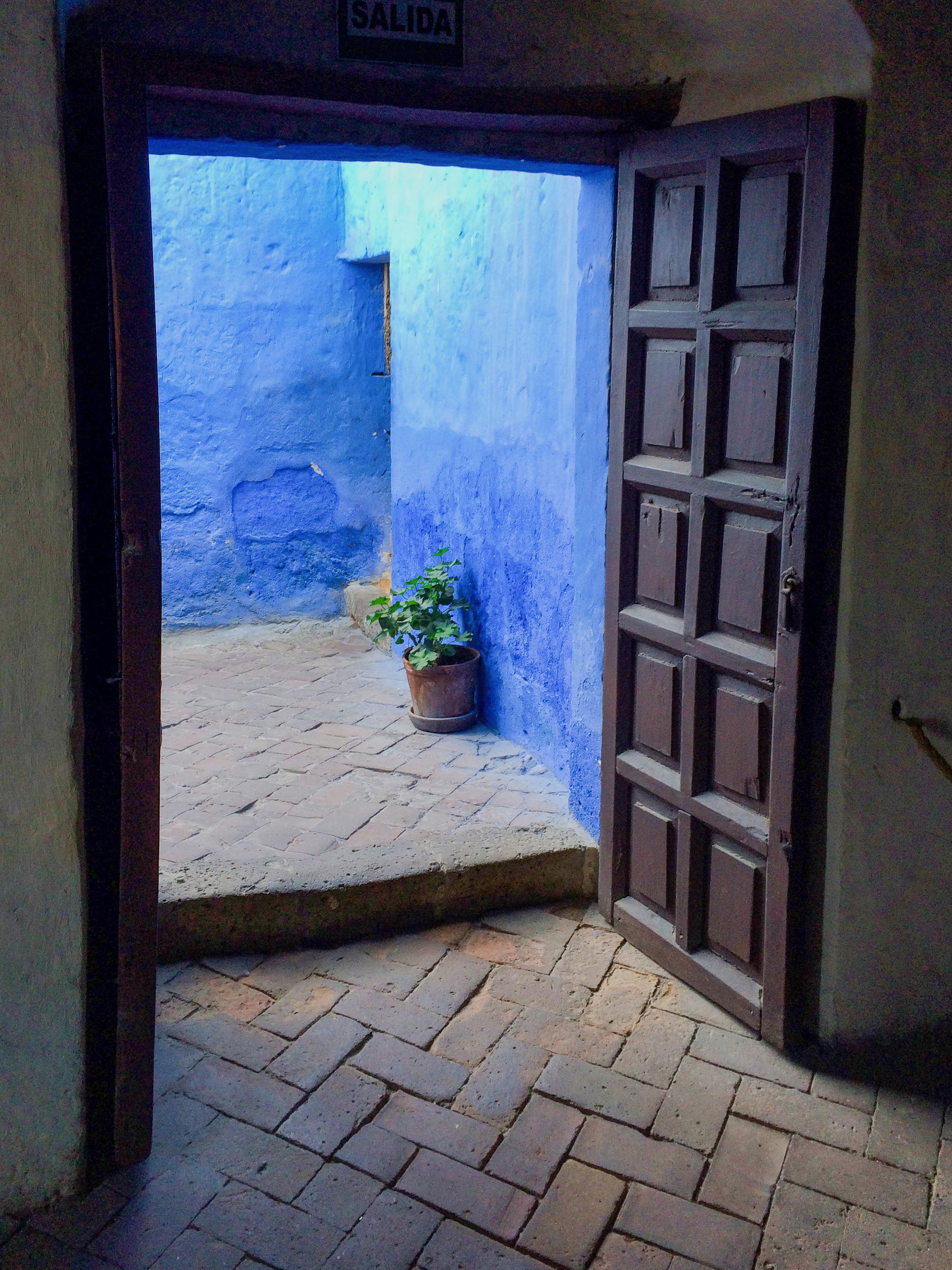
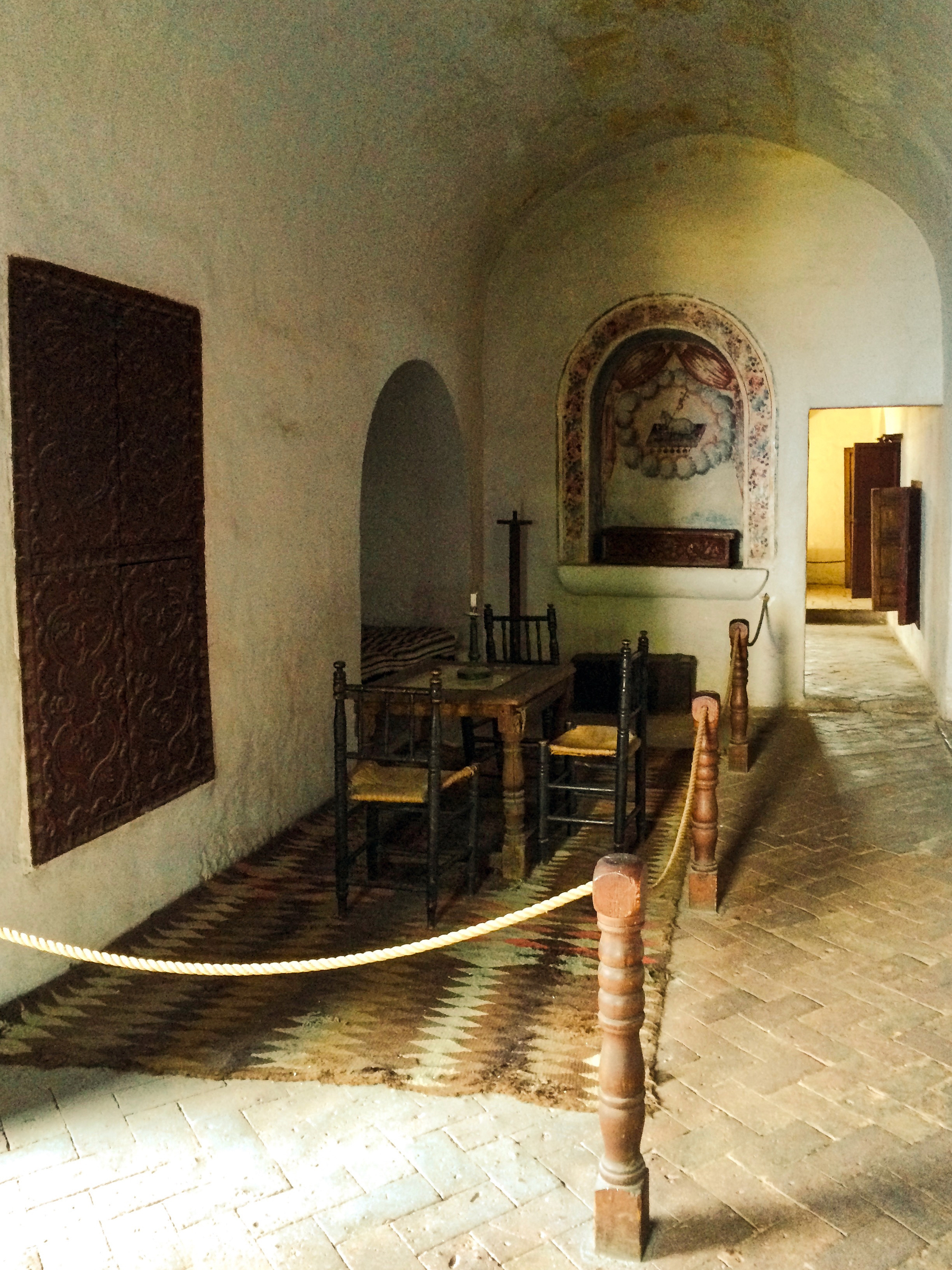
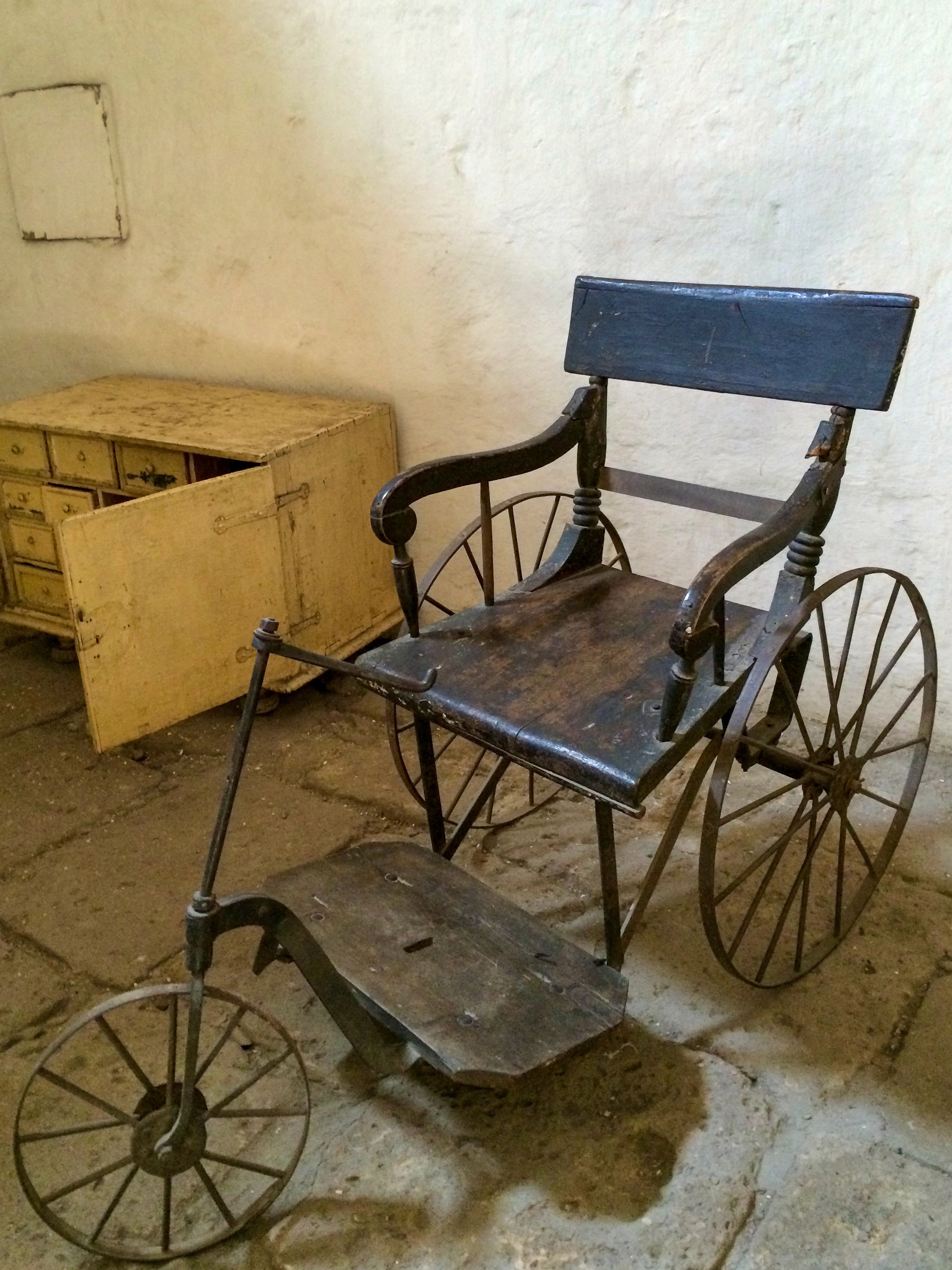
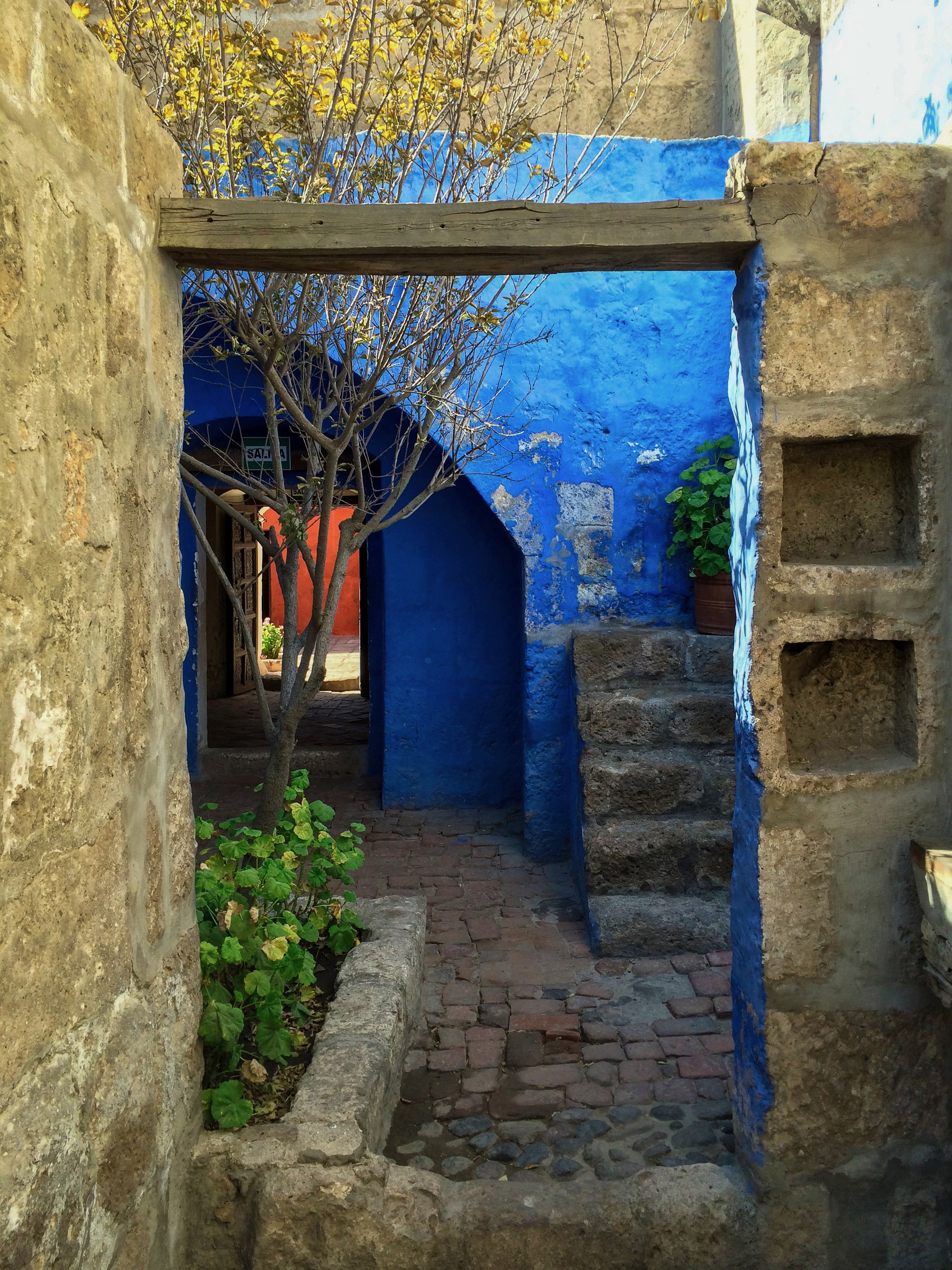
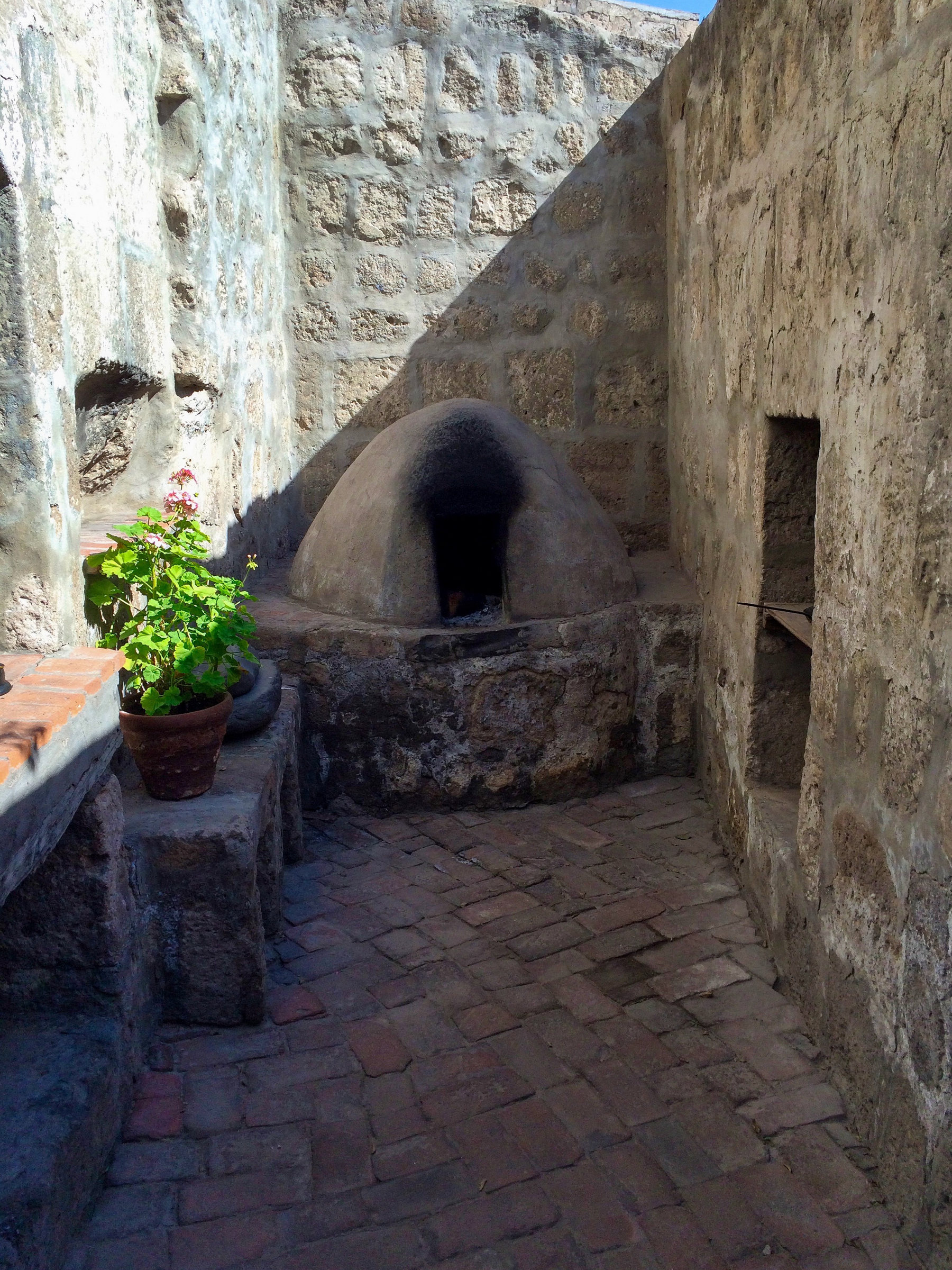
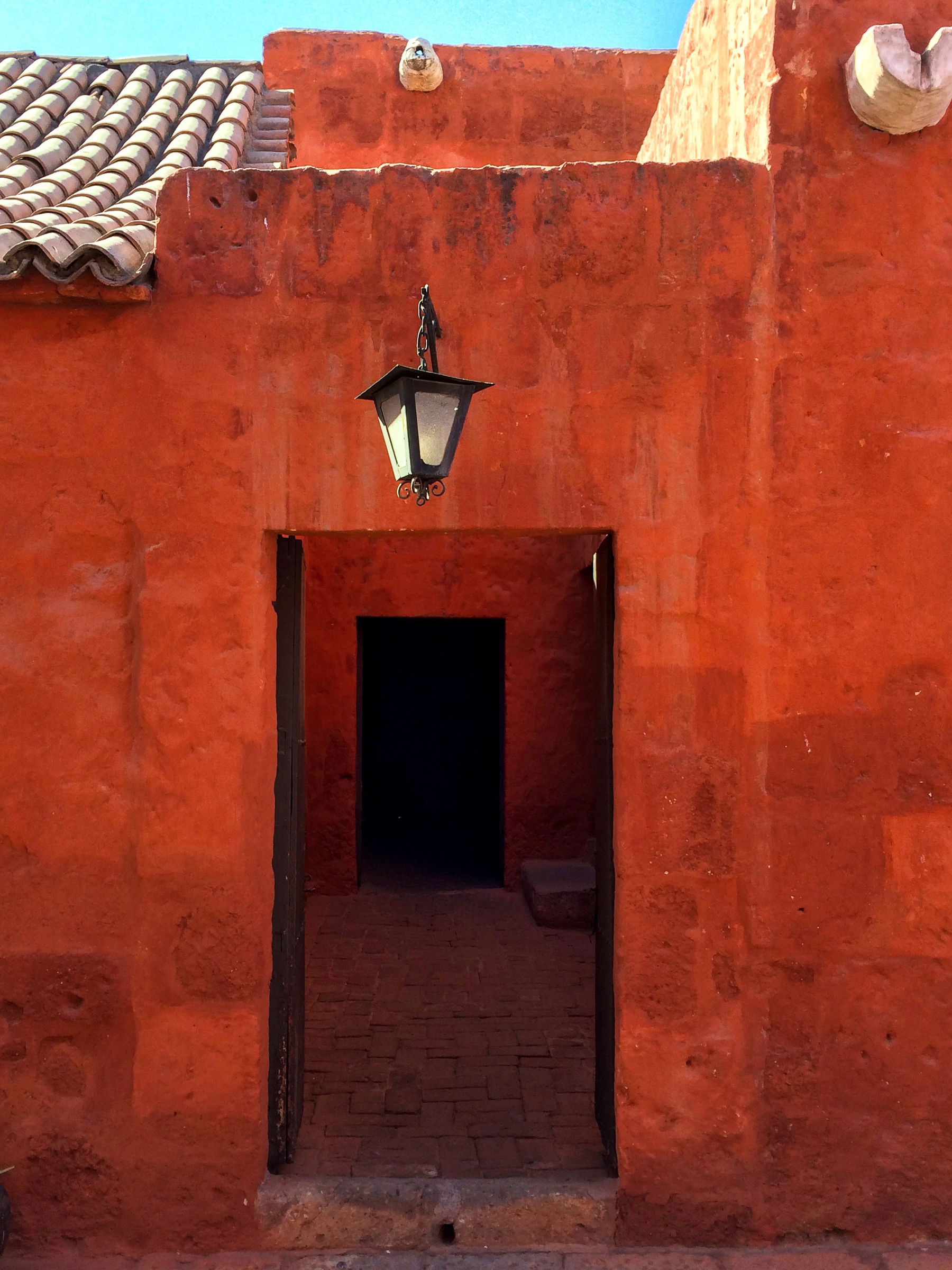
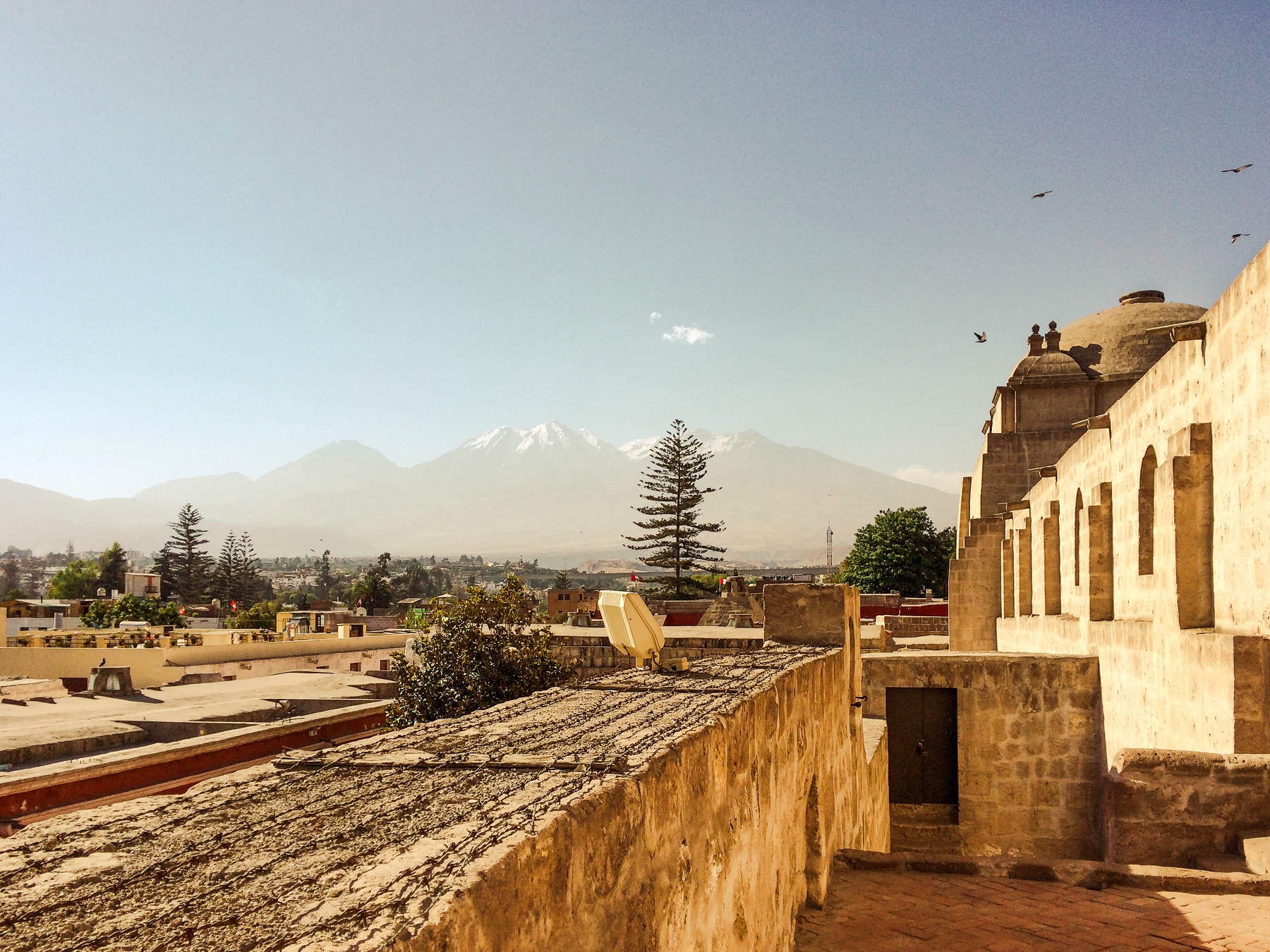
Inside, I found another world entirely. There were religious paintings, Baroque altars, carved wooden details and works associated with the Cusco School, whose artists blended European Christian traditions with Indigenous Andean influences. The silence was almost as striking as the art. After the noise and movement of the city, the narrow passages seemed to slow time down. I remember walking carefully, still breathing heavily, but gradually becoming less conscious of my own discomfort. One courtyard opened into another, then another passage led somewhere I hadn’t expected. Santa Catalina felt less like visiting a museum and more like discovering a forgotten neighbourhood. And then there was the volcano. Misti dominates the landscape around Arequipa, rising more than 5,800 metres above sea level. Long before the Spanish arrived, the great volcanoes of the region were considered sacred by Andean peoples. Looking toward Misti from the city, I couldn’t help feeling that Arequipa’s dramatic landscape had shaped its history as much as the people who built upon it.
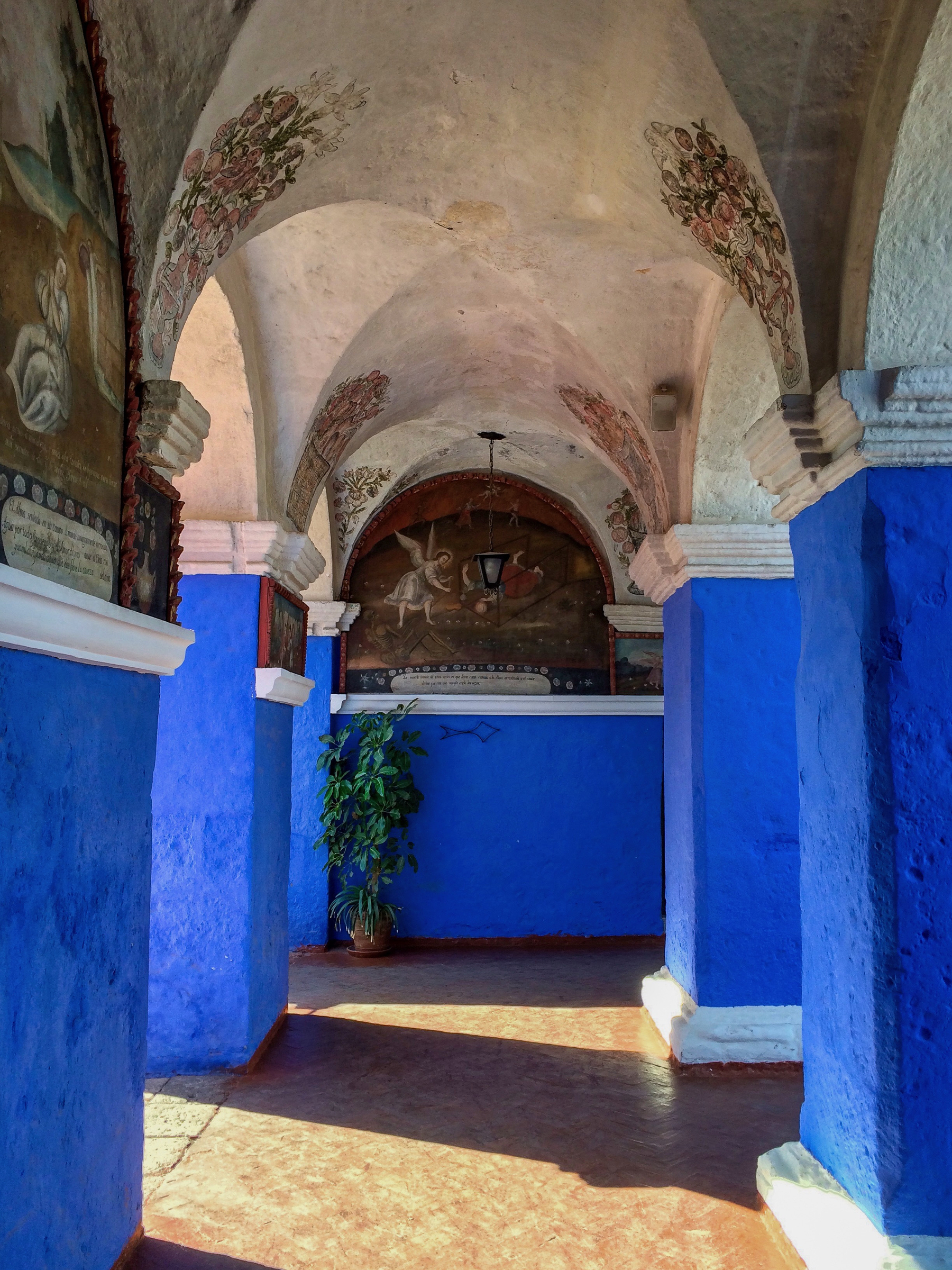
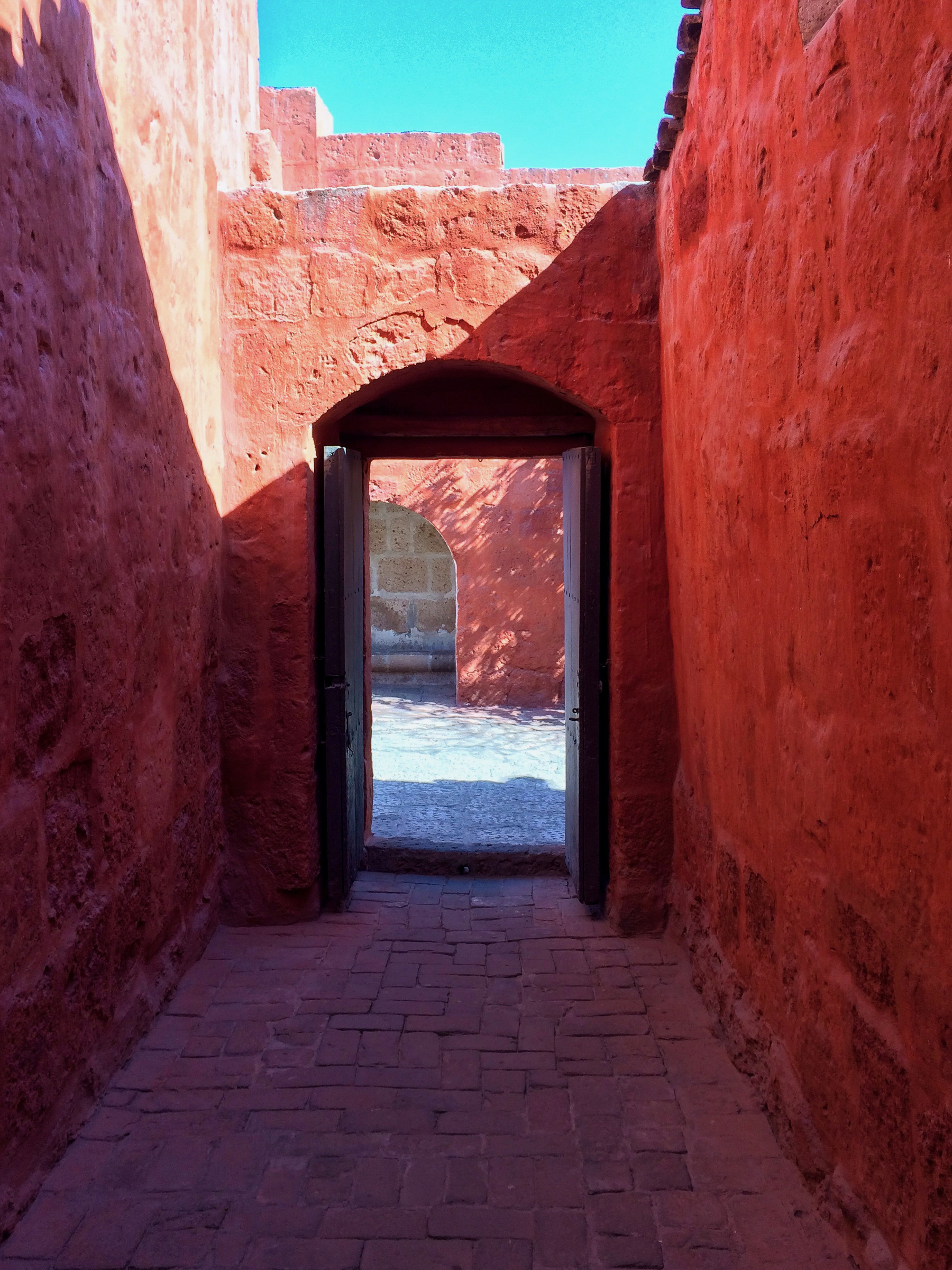
By the time I reached the end of my visit, something had changed. I wasn’t suddenly cured of altitude sickness, of course, and Santa Catalina wasn’t some miraculous medical treatment. But I had stopped fighting the experience. I slowed down. I sat when I needed to sit. I looked rather than rushed. Perhaps that was exactly what I needed. Arequipa itself began to reveal another layer to me—the city that produced Nobel Prize-winning writer Mario Vargas Llosa, the city famous for its extraordinary cuisine, from fiery rocoto relleno to chupe de camarones, and the city whose historic centre would eventually be recognised by UNESCO for its remarkable blend of European and Andean architectural traditions. Even the difficulties of arriving here became part of the story. Travel doesn’t always begin with excitement; sometimes it begins with discomfort, uncertainty and the realisation that your body needs to set the pace.
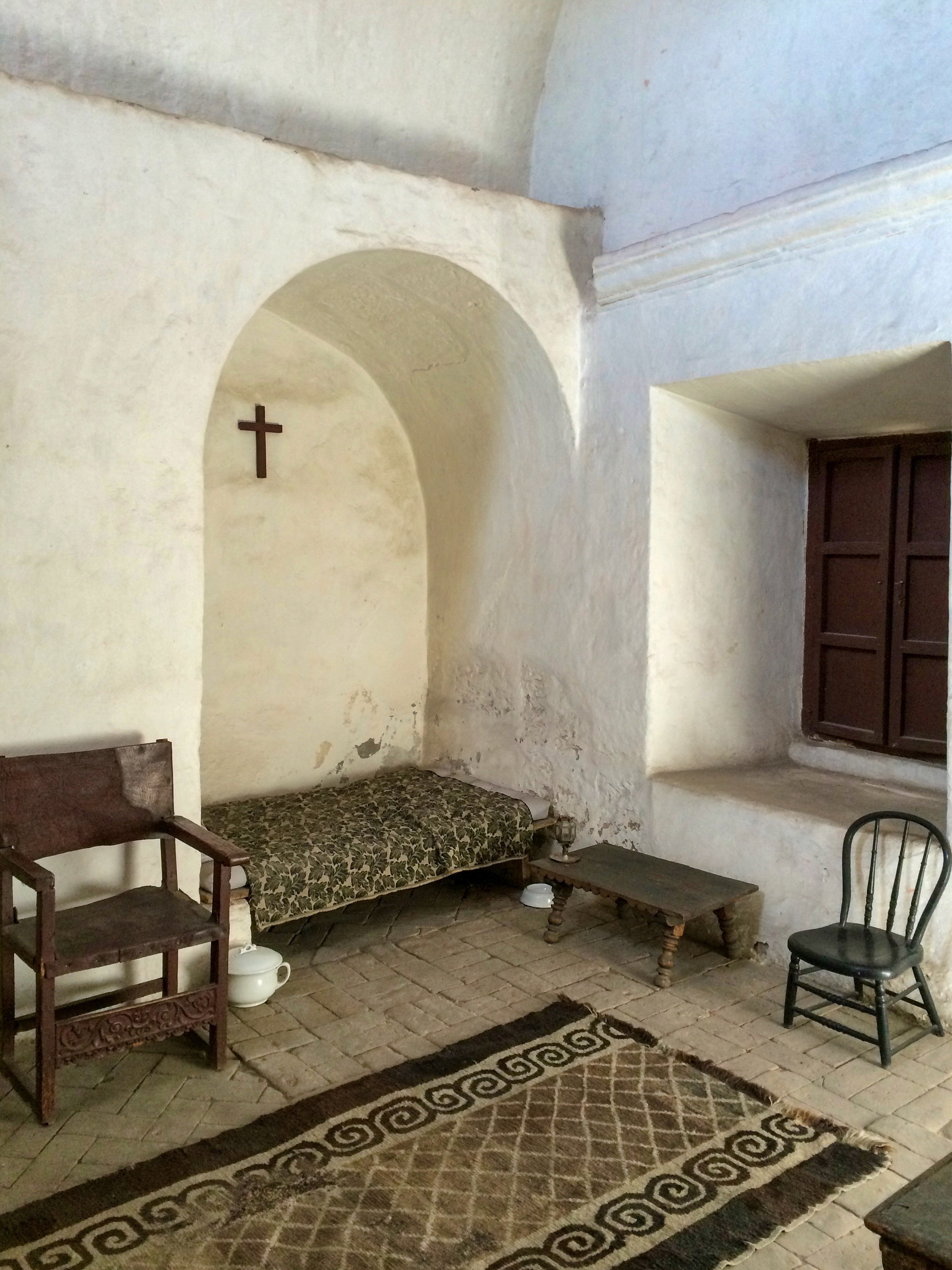
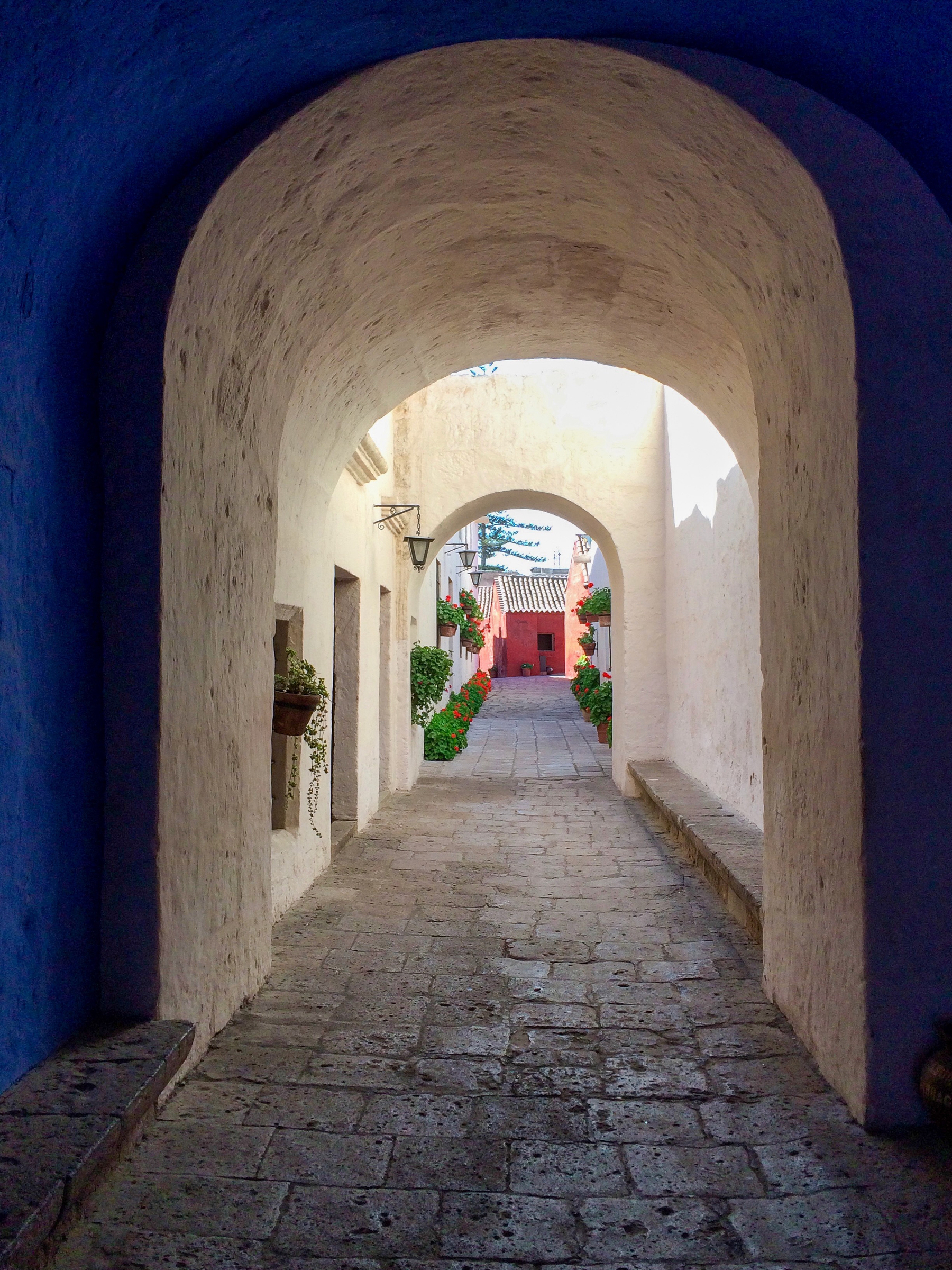
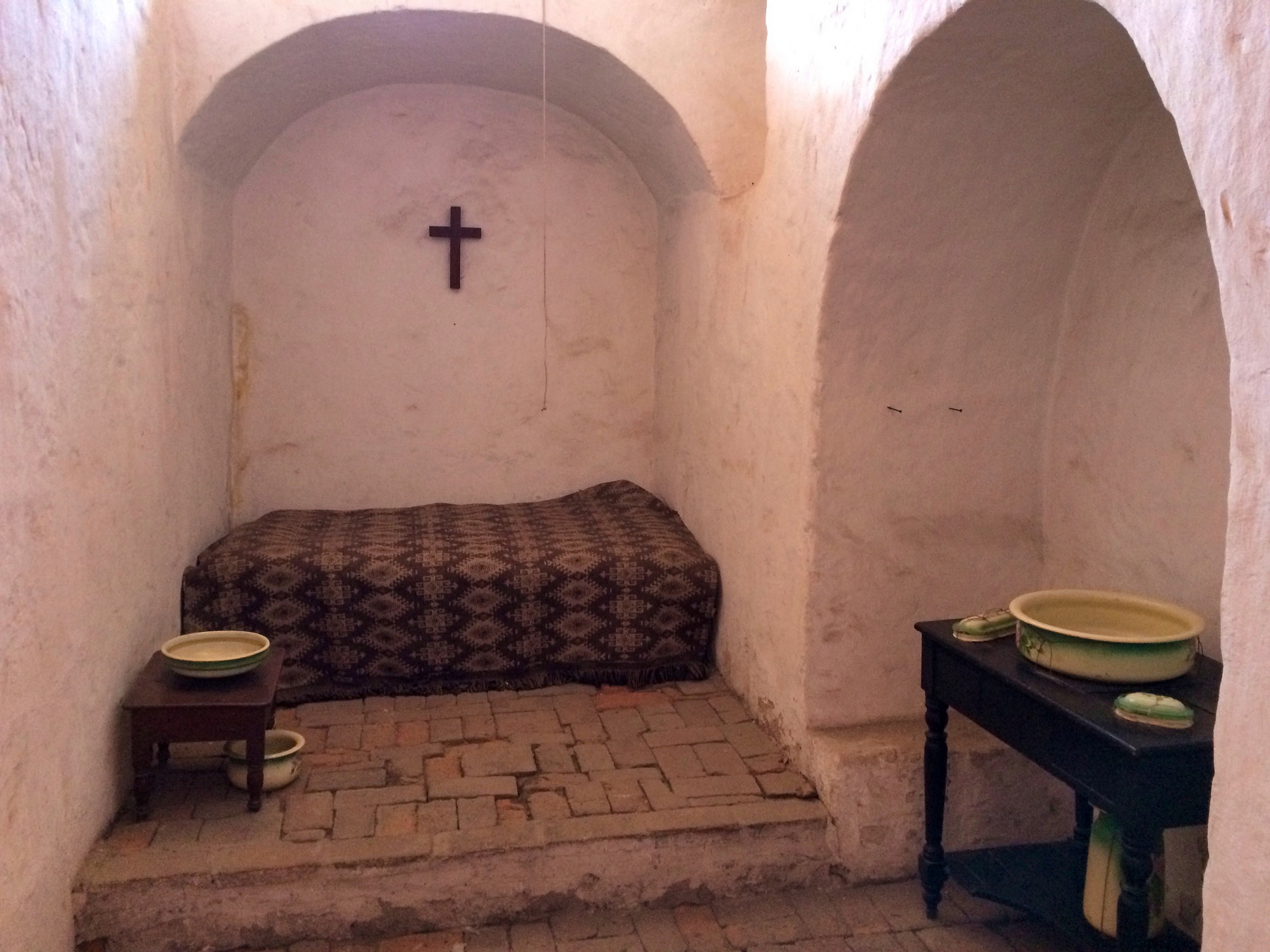
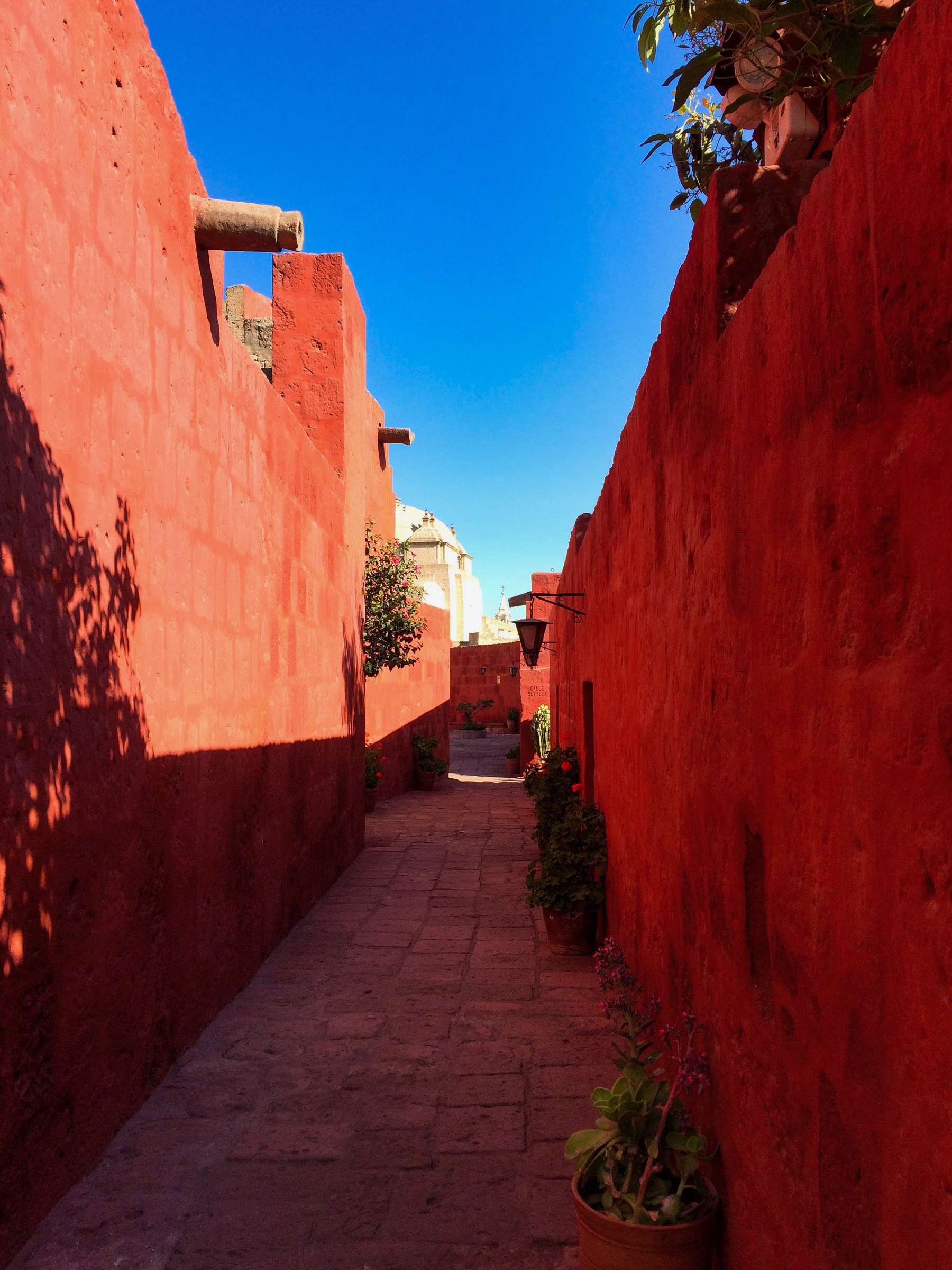
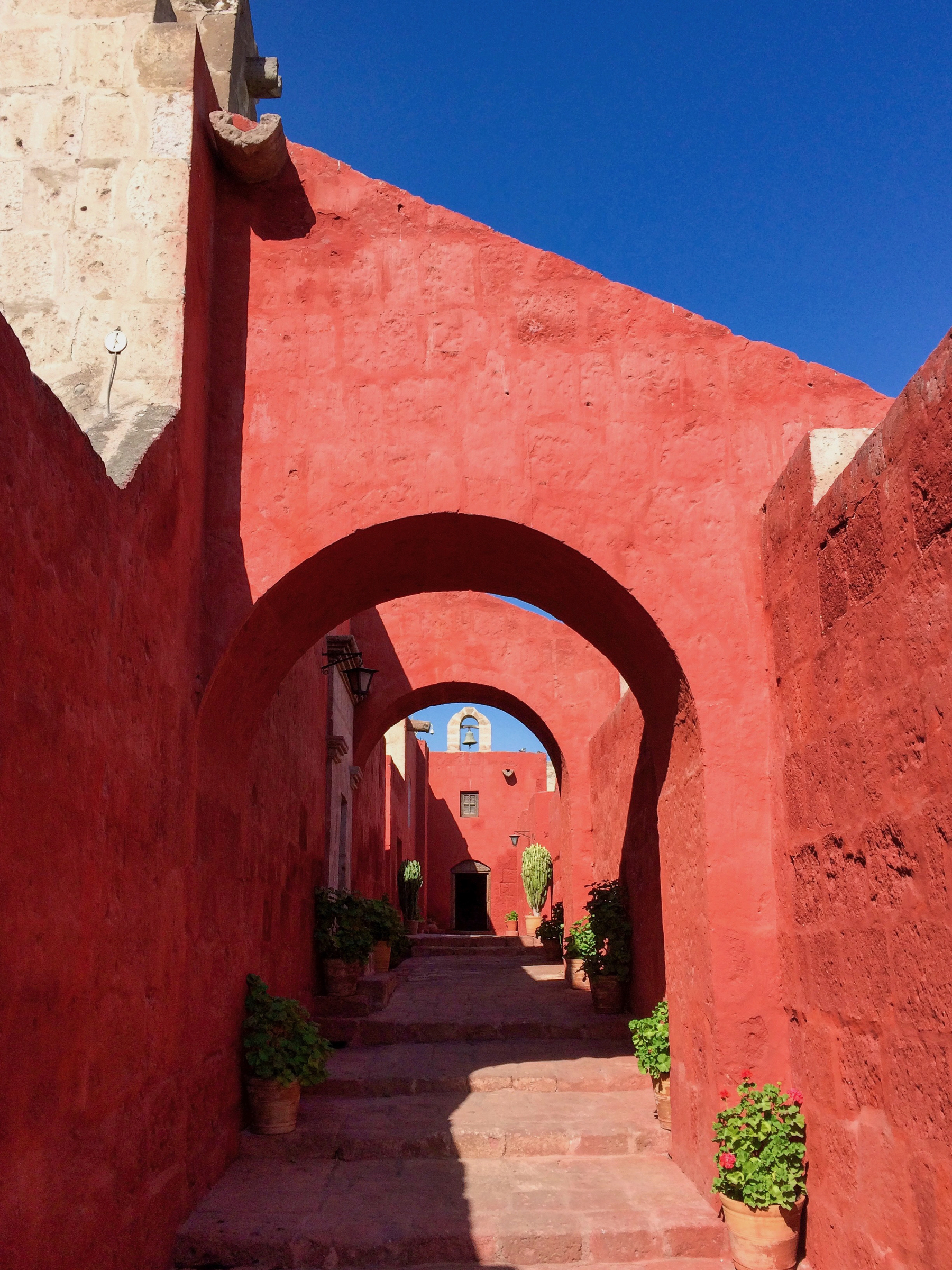
I eventually left Santa Catalina with my camera full of photographs and my breathing a little easier. The experience stayed with me because I hadn’t gone there looking for history, architecture or inspiration—I had gone there simply because I needed somewhere to breathe. And somehow, surrounded by centuries-old walls, faded murals and volcanic stone, I found exactly that. Arequipa taught me an early lesson about travelling through Peru: the journey to Machu Picchu isn’t only about reaching the famous destination at the end. It is also about the unexpected places that slow you down along the way. For me, one of those places was Santa Catalina—a hidden city inside the White City, built centuries ago by people whose lives are now almost unimaginable to us. I arrived feeling as though the altitude was defeating me. I left feeling that, perhaps, I had simply needed to stop and listen to the place.