
Hanoi Train Street

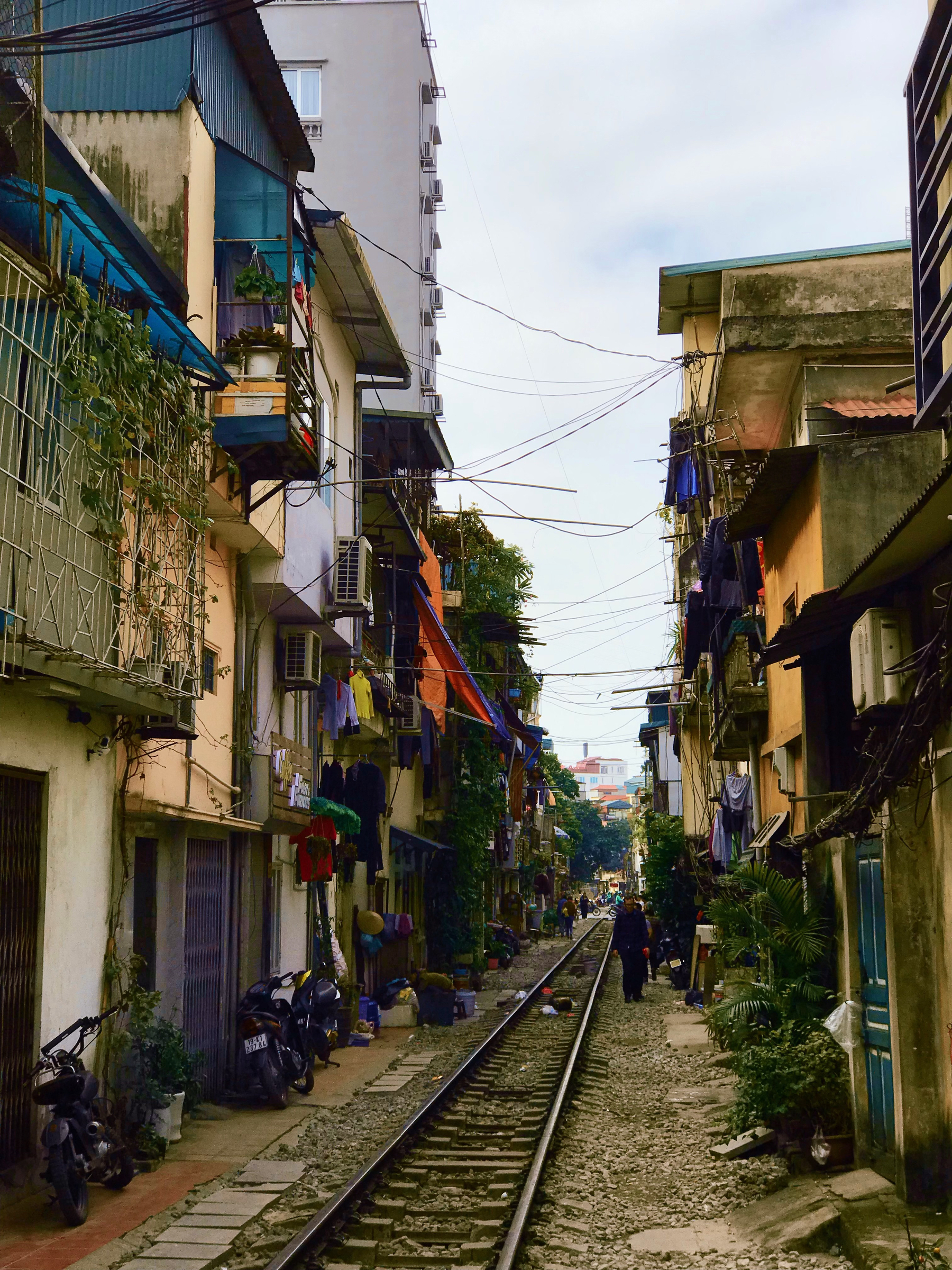
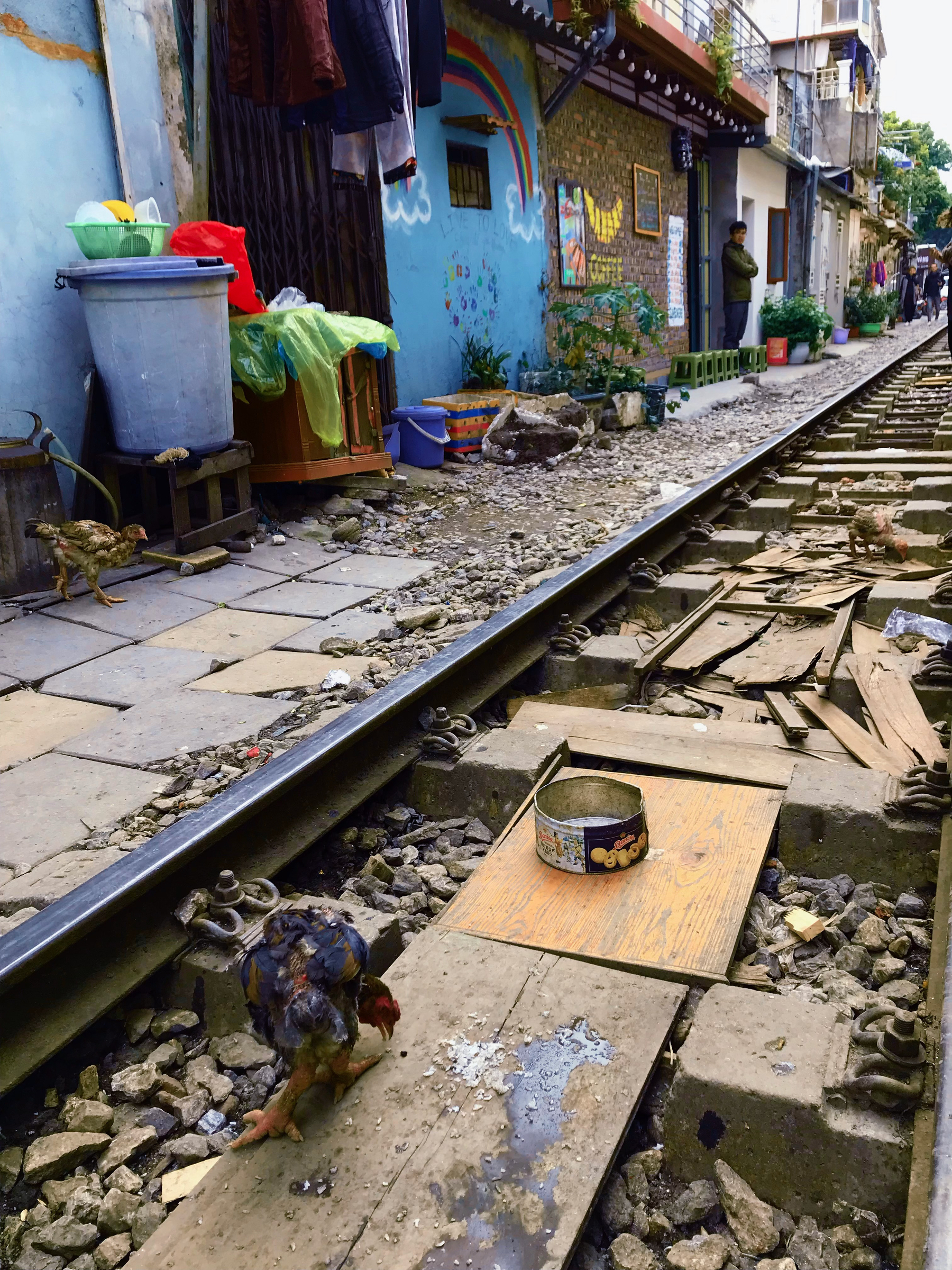
Hanoi is a city that rewards getting lost. During one of my visits, I was wandering through the busy streets and narrow alleyways of the Old Quarter without any particular destination in mind when I stumbled across something I certainly hadn’t expected to find: Hanoi Train Street. Tucked between the surrounding buildings, the railway seemed almost impossibly close to everyday life. Small homes and cafés sat directly beside the tracks, laundry hung outside, plants spilled from doorways and people simply went about their daily routines as though having a railway line running through the middle of the neighbourhood was perfectly normal. I found a little café, settled in and watched the world around me, with the smell of Vietnamese coffee and street food mixing with the sounds of the neighbourhood. Then came the warning that a train was approaching, and suddenly the relaxed atmosphere changed. Tables and chairs were moved, people stepped back, and everyone waited as the rumble of the railway grew louder.
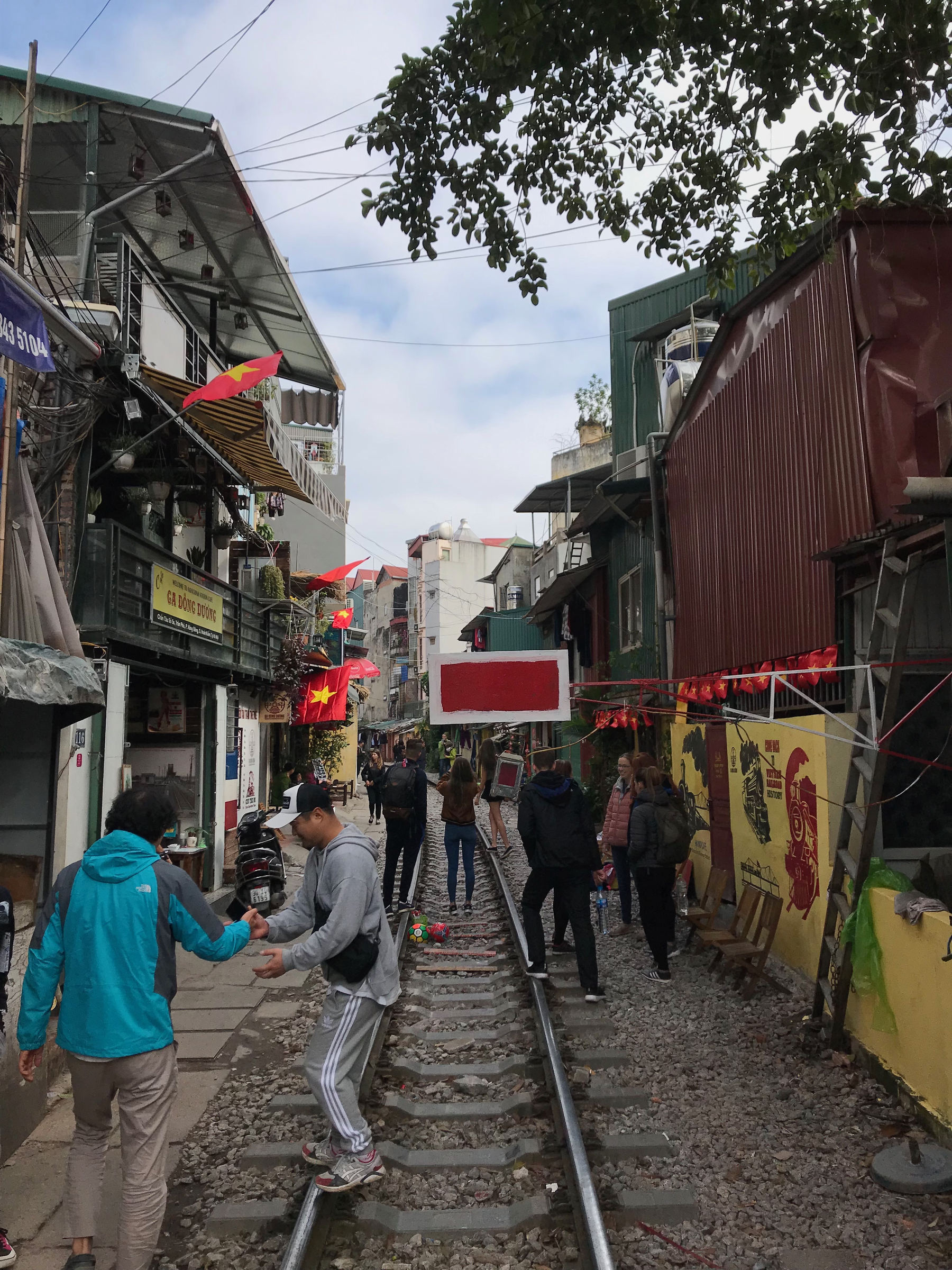
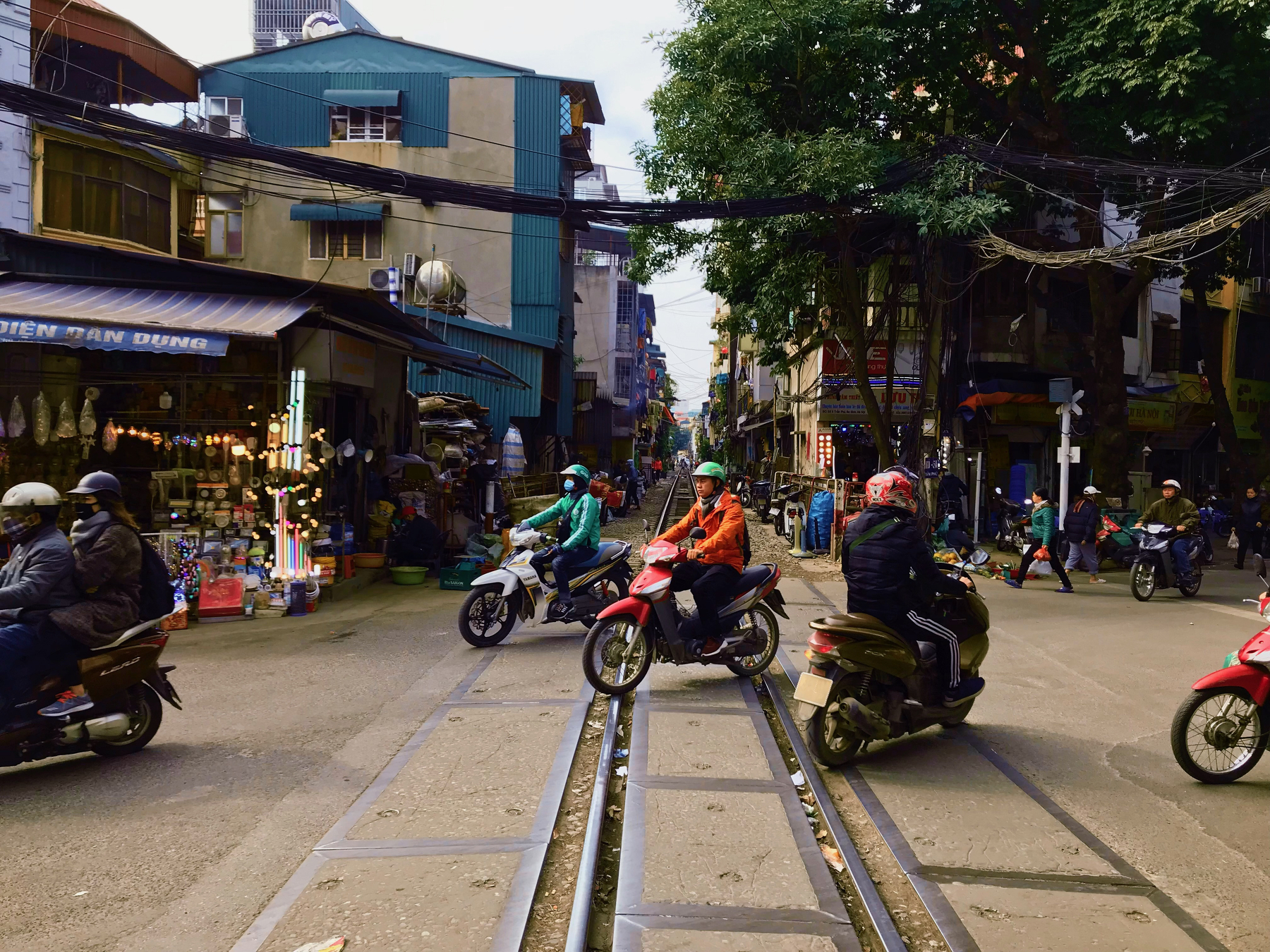
When the train finally appeared, it seemed almost impossible that something so large could squeeze through such a narrow space. The tracks ran through an alley only a few metres wide, leaving remarkably little room between the passing train and the colourful houses. For a few moments, everything else stopped. The everyday life of the neighbourhood was replaced by the sound and movement of the train as it slowly made its way through, close enough to feel almost surreal. What fascinated me wasn’t simply the spectacle itself, but the way railway life and ordinary life had become intertwined. This was a genuine residential neighbourhood, not a theme park created for visitors, and that made the experience feel much more authentic. The railway forms part of Vietnam’s national rail network, carrying passengers and goods through the city, while the residents had adapted their lives around its schedule. It was one of those completely unexpected travel discoveries that I would never have found if I hadn’t simply decided to wander.
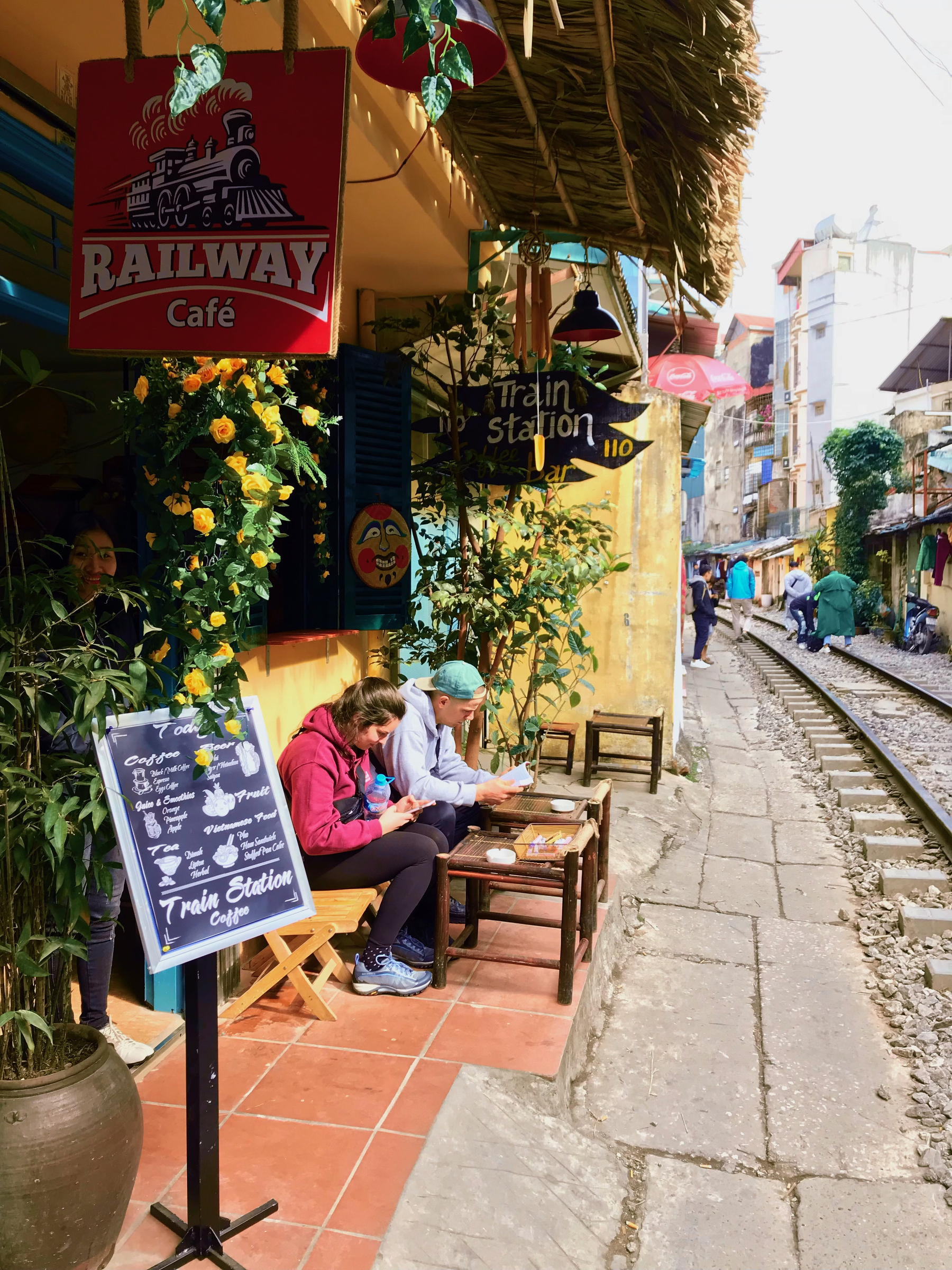

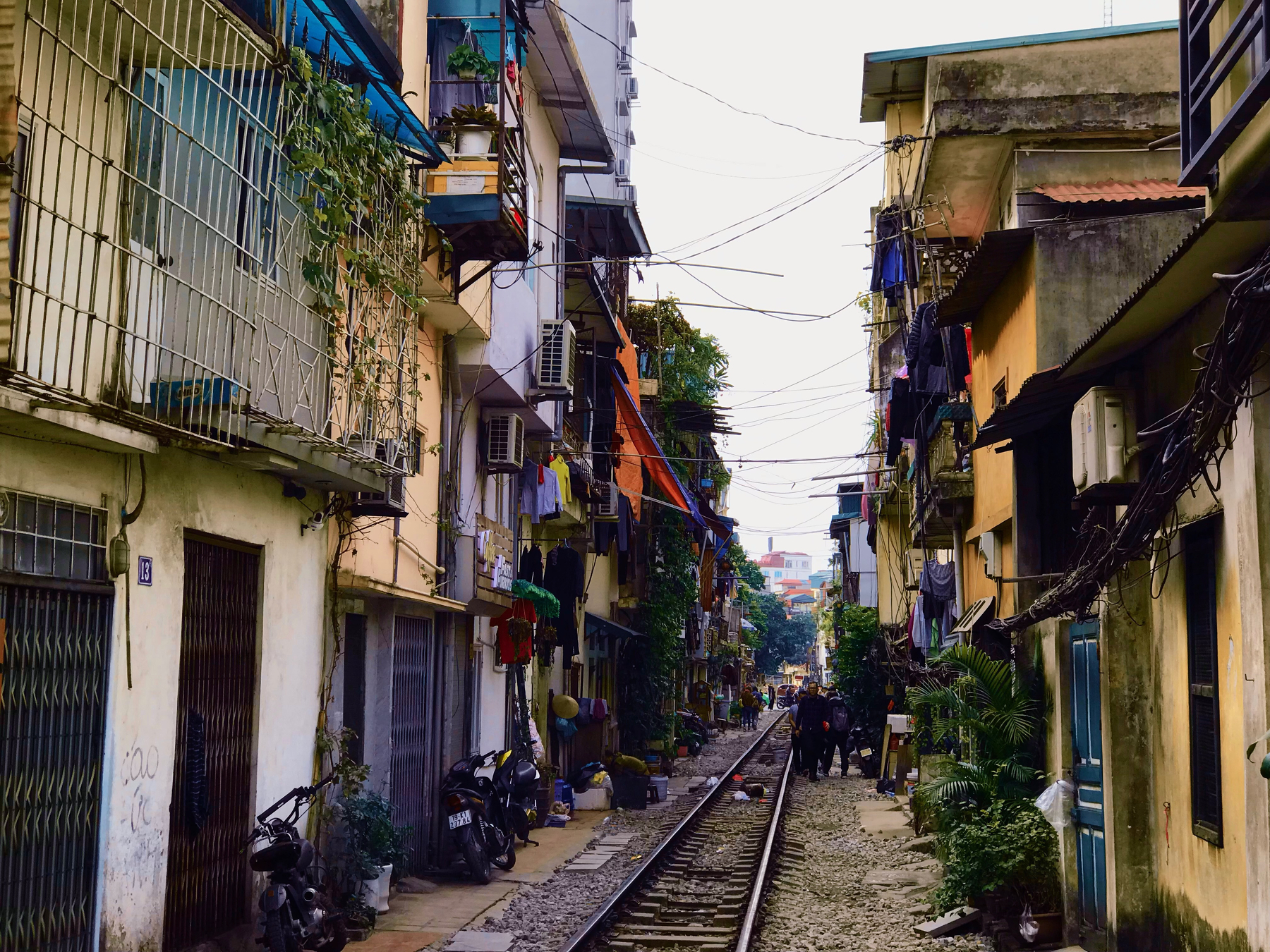
Much has changed since I visited, however, and Hanoi Train Street has become a very different place. Safety concerns led authorities to restrict access and remove or close cafés operating directly beside the tracks, as the enormous popularity of the location brought increasing numbers of visitors into an already dangerous environment. The railway itself remains, but the carefree atmosphere I remember is no longer something visitors should assume they can experience in the same way. That’s precisely why my photographs from that period have become so meaningful to me. They capture a version of Hanoi Train Street that has largely disappeared—a place where residents hung their laundry, children played, cafés welcomed curious travellers and a train could suddenly interrupt everything by rolling through the middle of the neighbourhood. Looking back, I’m glad I happened to get lost that day. I wasn’t searching for Train Street; I simply found it, and sometimes those accidental discoveries become the strongest memories of a journey. Today, my photographs serve as a little time capsule of that extraordinary corner of Hanoi and a reminder that travel is constantly changing. Places evolve, rules change, and the experiences we once took for granted can disappear, leaving photographs and memories as our connection to the past. As always, the images accompanying this story are my own, watermarked and copyrighted, so please don’t use them without permission. Thanks for joining me on this journey back to Hanoi Train Street. Until the next adventure.
#Photography #Hanoi #Vietnam #HanoiTrainStreet #TrainStreetHanoi #VietnamTravel #HanoiTravel #VisitVietnam #HanoiOldQuarter #VietnamPhotography #StreetPhotography #TravelPhotography #TravelWriting #TravelBlog #TravelStories #ExploreVietnam #SoutheastAsiaTravel #HanoiOldQuarter #UrbanPhotography #TravelMemories