
From Tokyo to Tranquillity: Discovering the Timeless Beauty of Zenkō-ji Temple
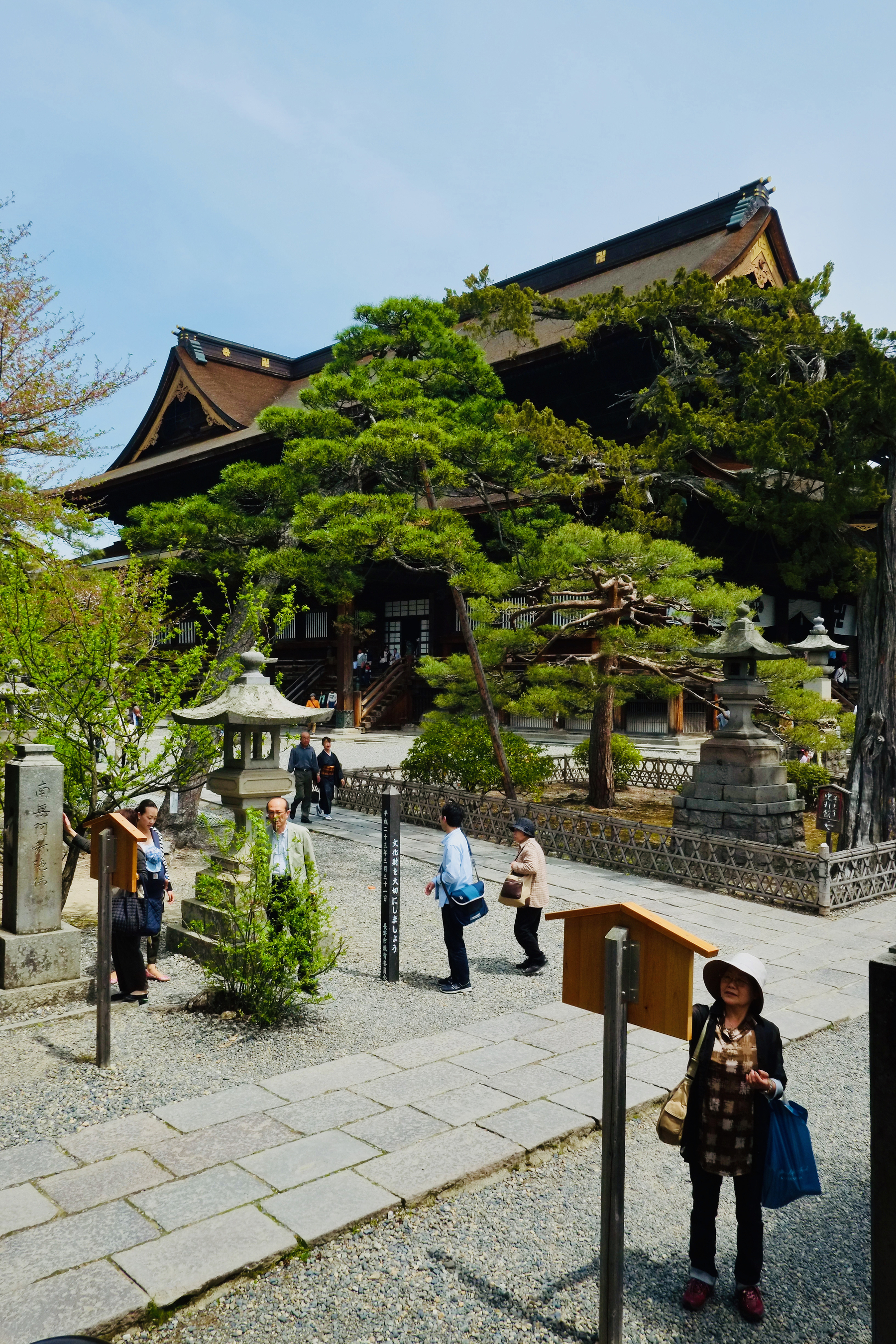
There’s something almost magical about the Shinkansen. One moment you’re surrounded by the glittering lights, towering buildings and relentless energy of Tokyo, and barely an hour later you find yourself in Nagano, a city whose story is deeply connected to one of Japan’s oldest and most important Buddhist temples: Zenkō-ji. Built in the 7th century, Zenkō-ji isn’t simply another beautiful Japanese temple—it feels more like the heart around which Nagano grew. As soon as I arrived, I could sense that this was a place with a very different rhythm. There were plenty of visitors, so tranquillity isn’t necessarily the first thing you notice, but the crowds somehow became part of the atmosphere. People came and went through the great gates, local shops filled the surrounding streets, and small restaurants offered places to stop and eat. The entire area felt alive, not like a monument preserved behind glass, but like a piece of history that was still very much part of everyday life.

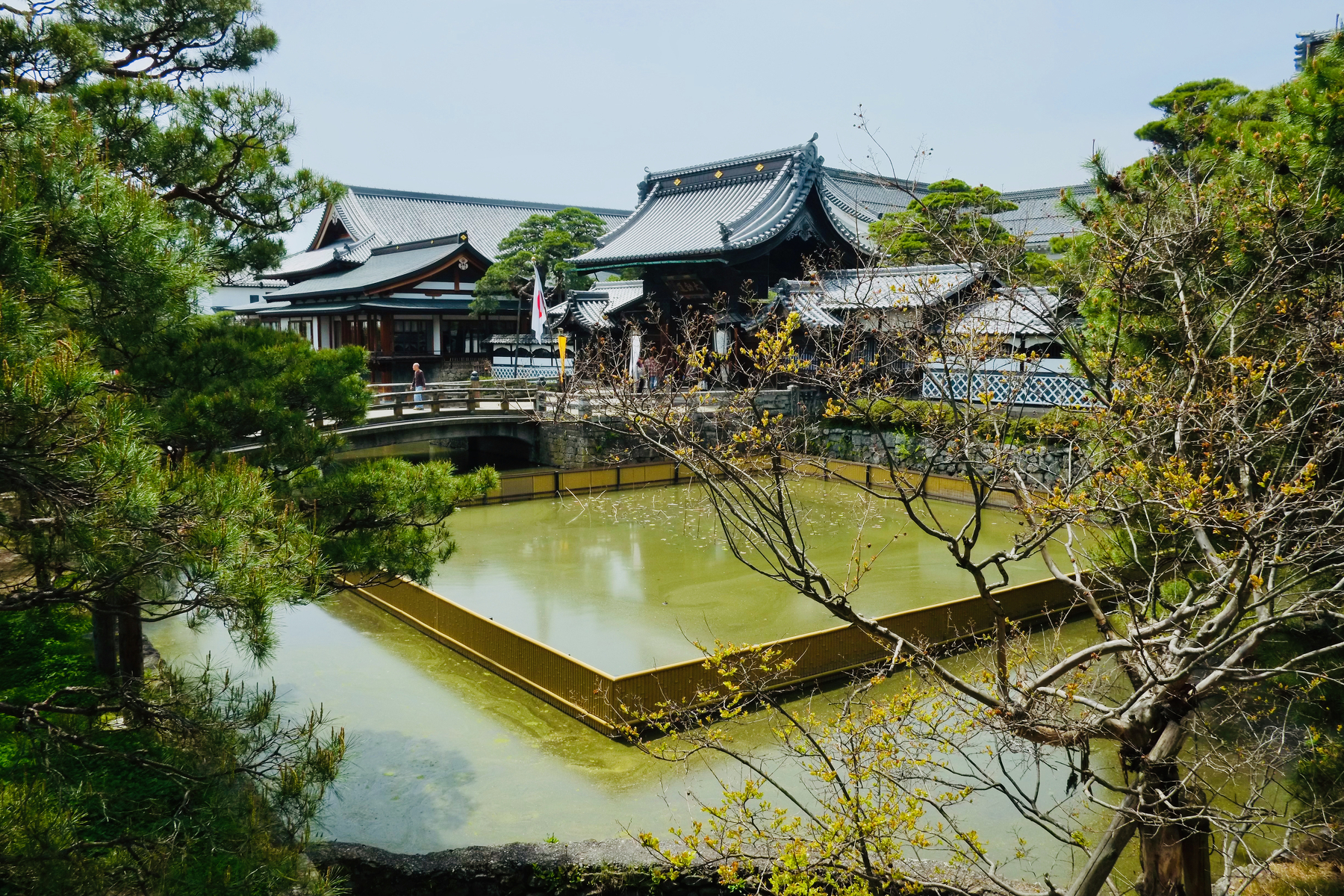
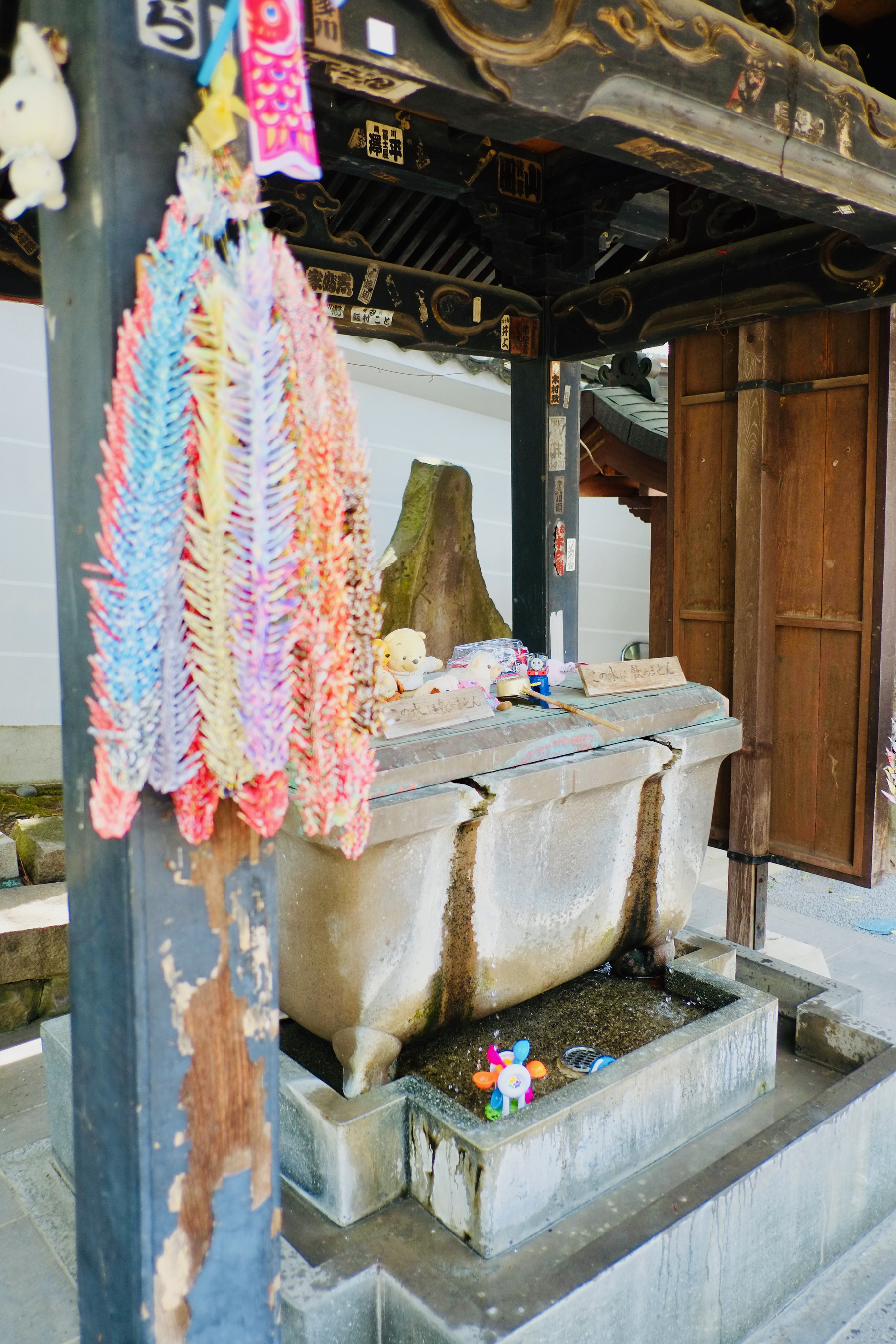


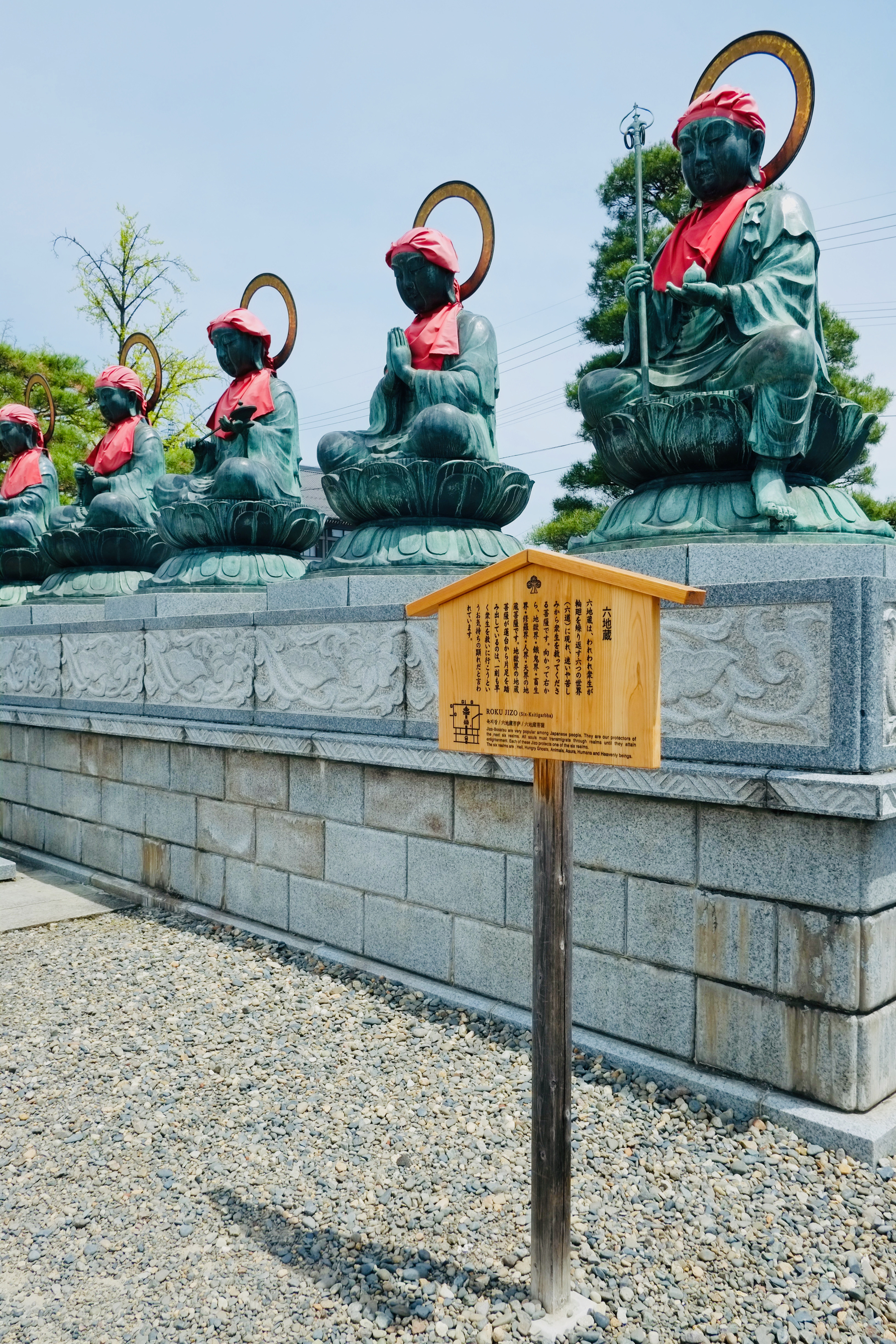
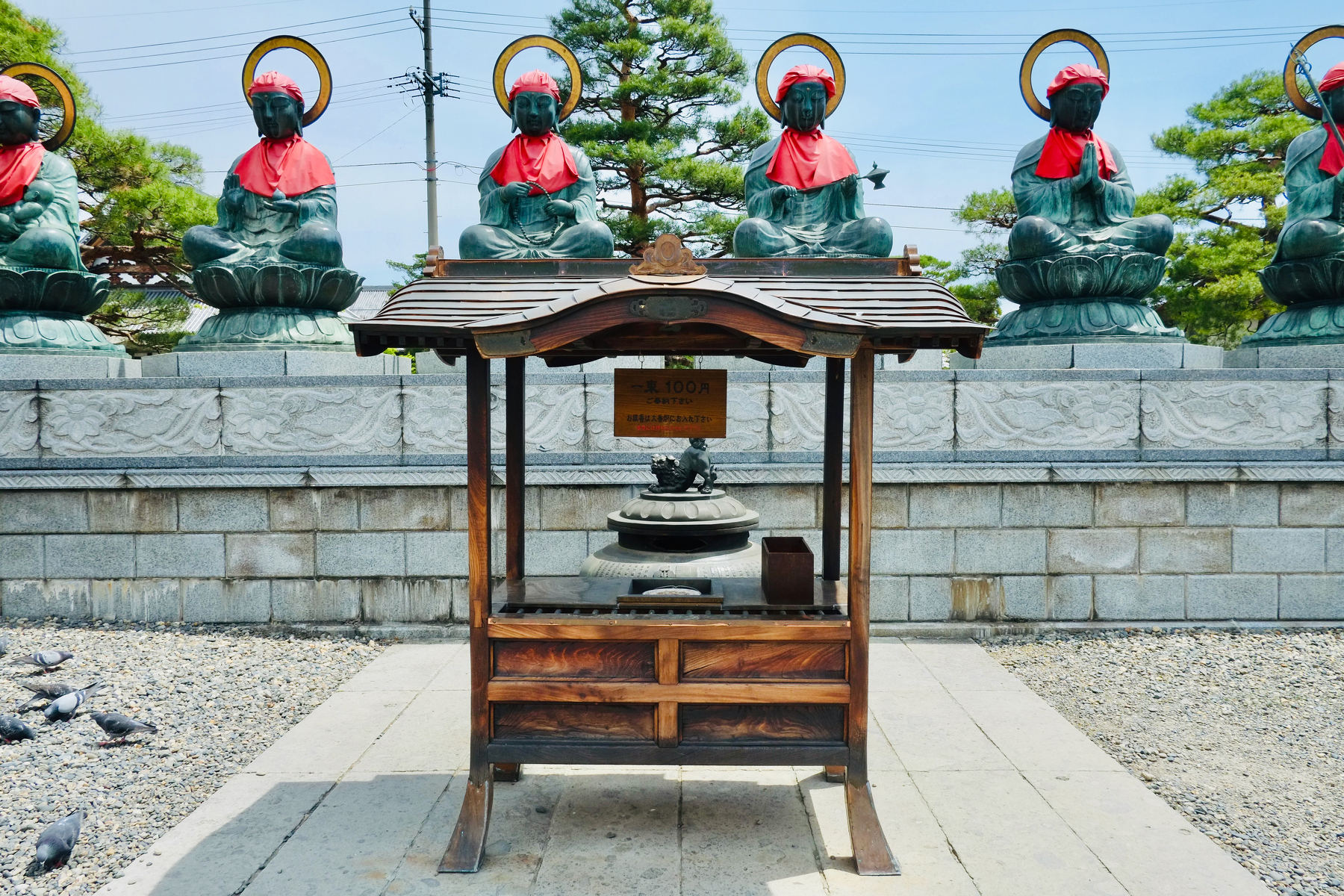
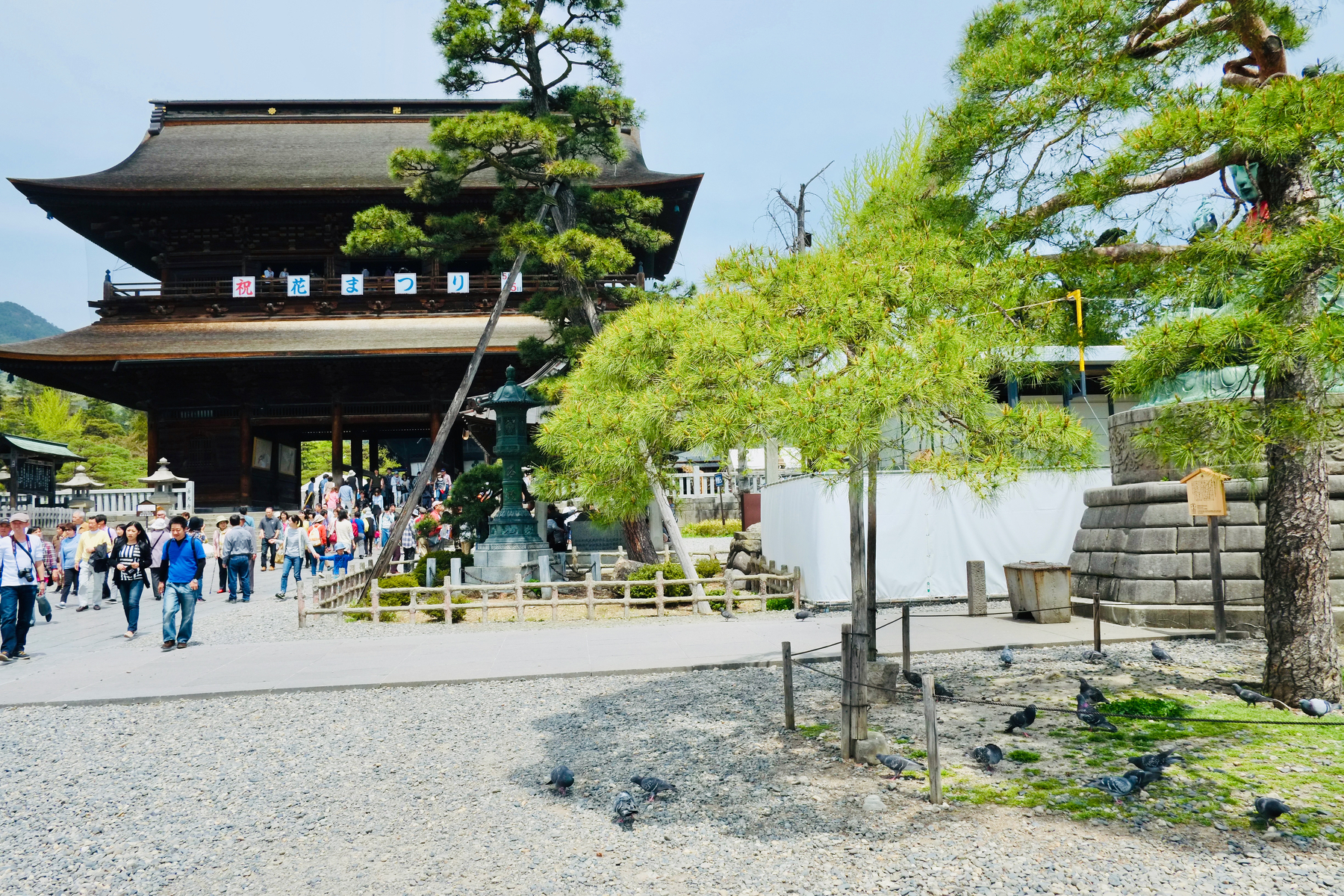

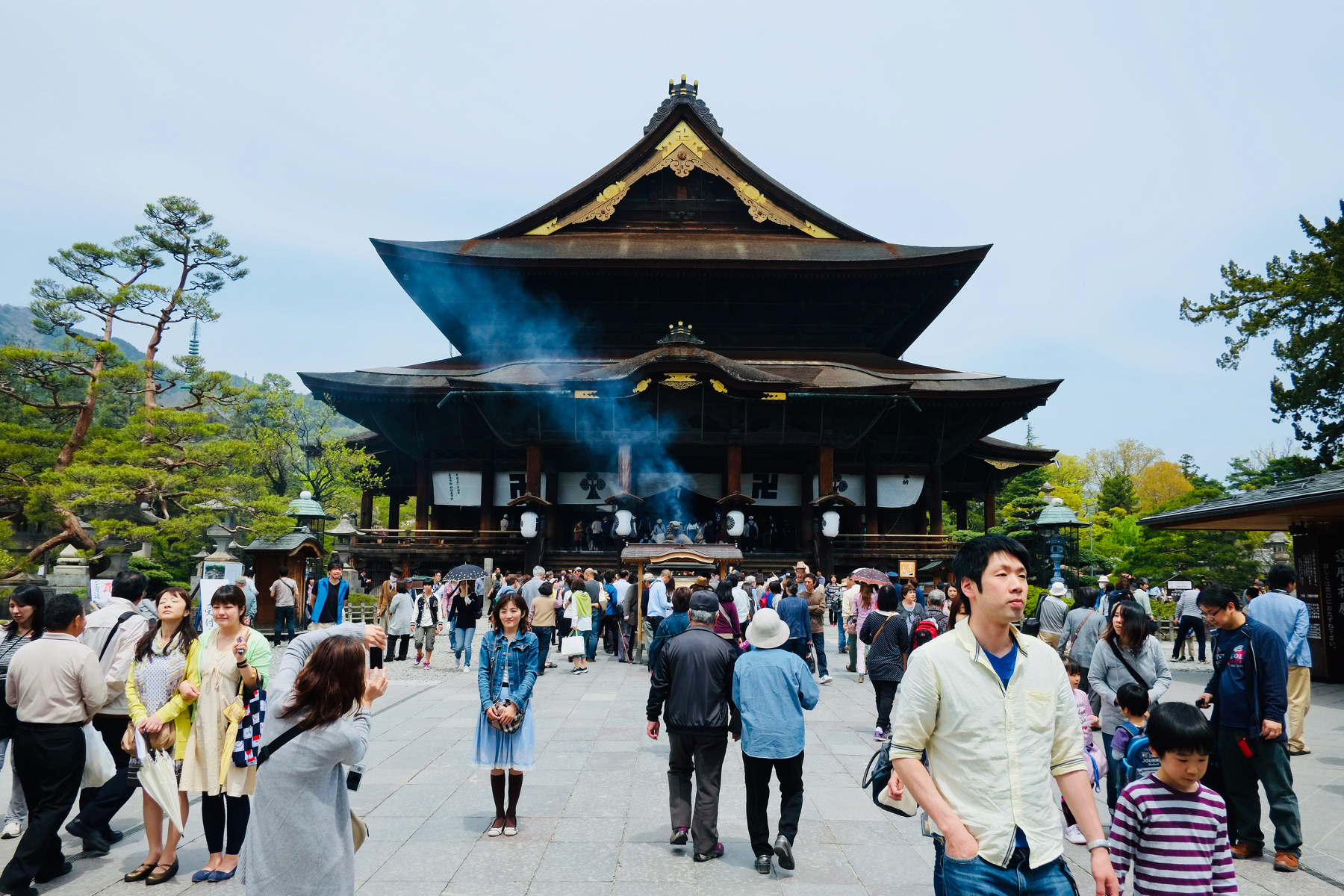
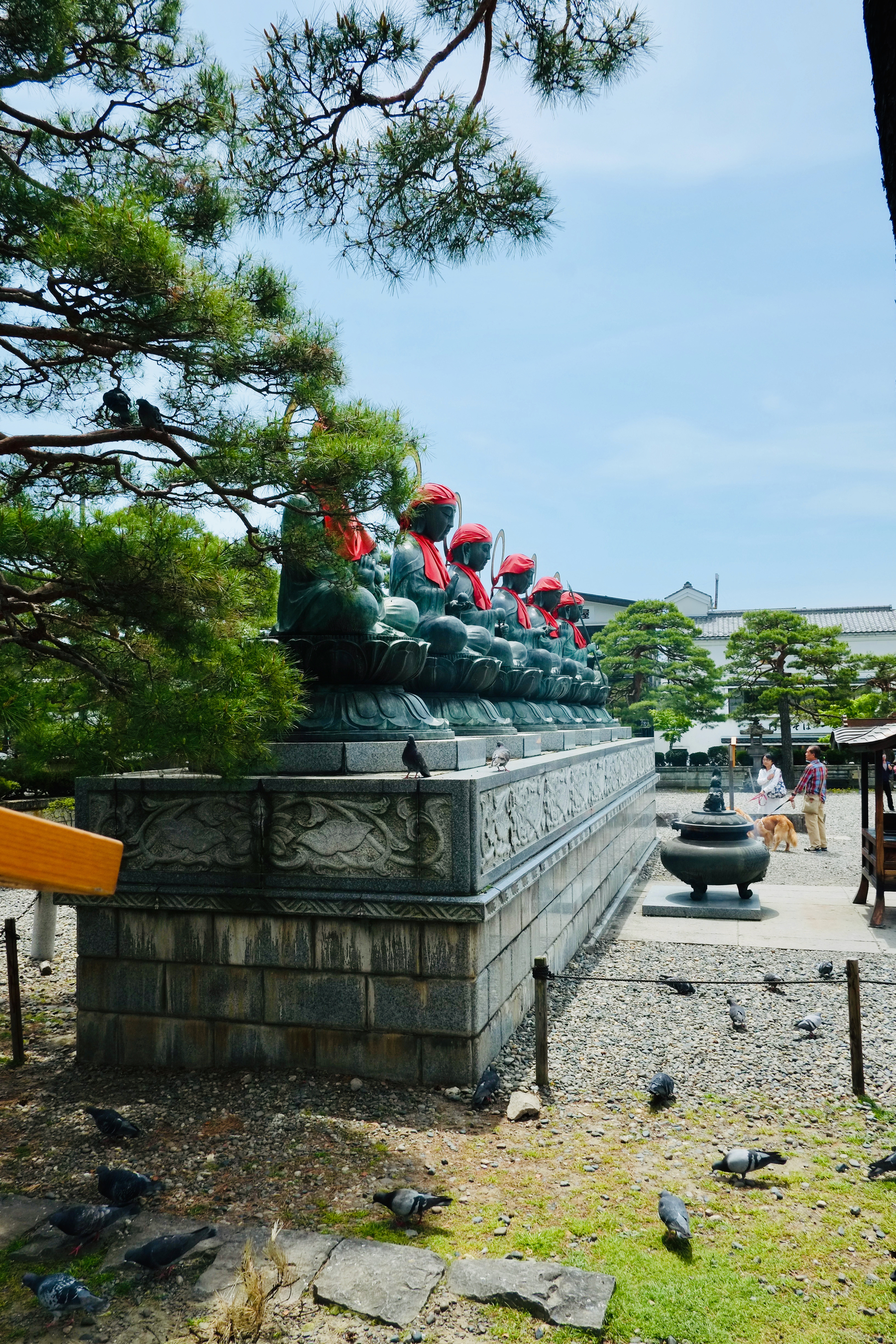
What makes Zenkō-ji particularly fascinating is its extraordinary history. The temple was established before Buddhism in Japan divided into the many different schools that exist today, and it has remained connected to both the Tendai and Jōdoshū traditions. The temple is traditionally said to enshrine an image of Amida Buddha that is considered Japan’s first Buddhist image, although much of its early history is wrapped in legend. One of the stories tells how the sacred image was thrown into a canal during a dispute between rival clans before eventually being rescued by Honda Yoshimitsu. The temple’s name, Zenkō-ji, is traditionally associated with the Chinese reading of Yoshimitsu’s name. Whether every detail of the story is fact or legend almost doesn’t matter when you’re standing there; these old stories give the temple an atmosphere that feels wonderfully removed from the modern world, as though centuries of Japanese history are still lingering in the wooden halls and beneath the enormous gates.
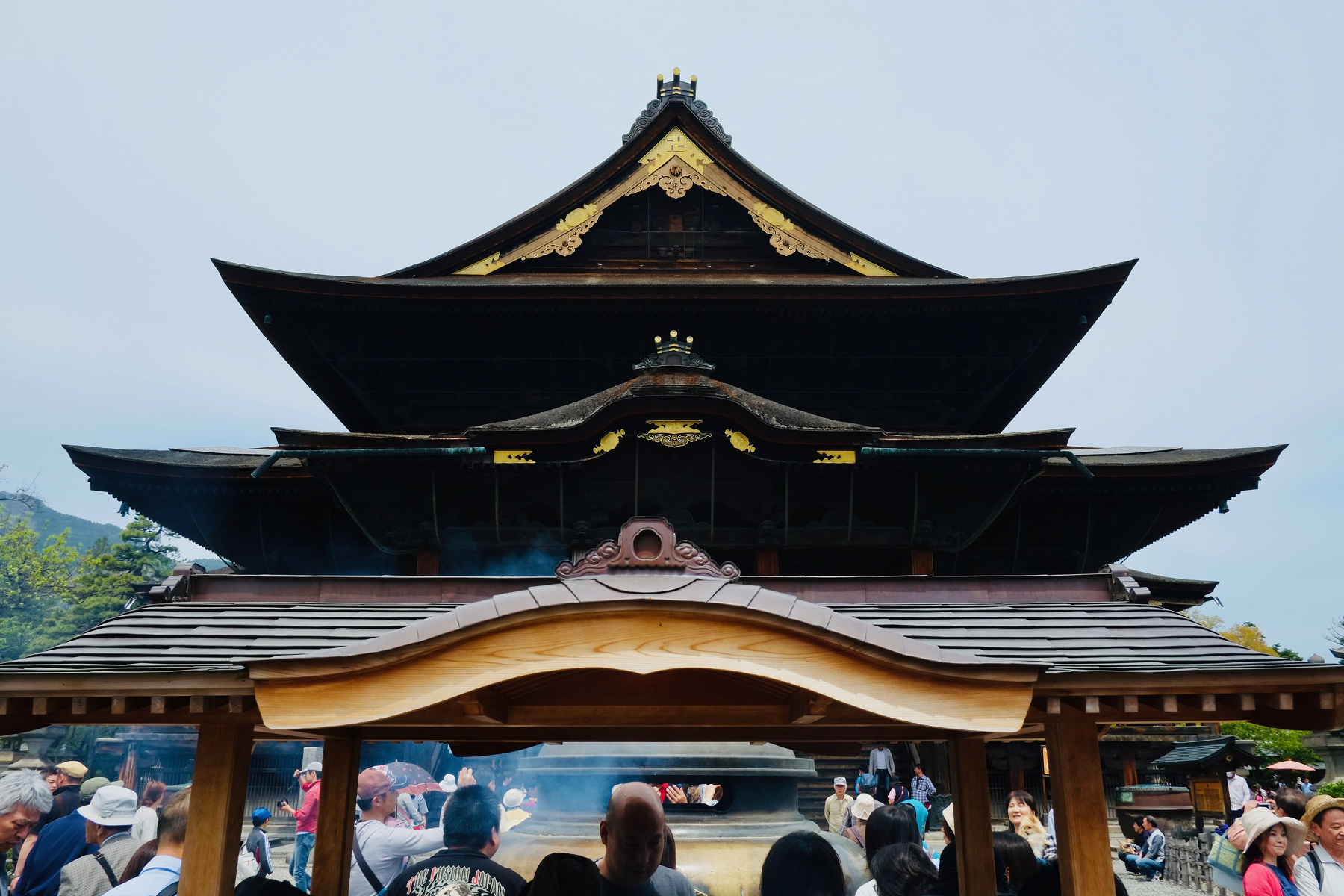

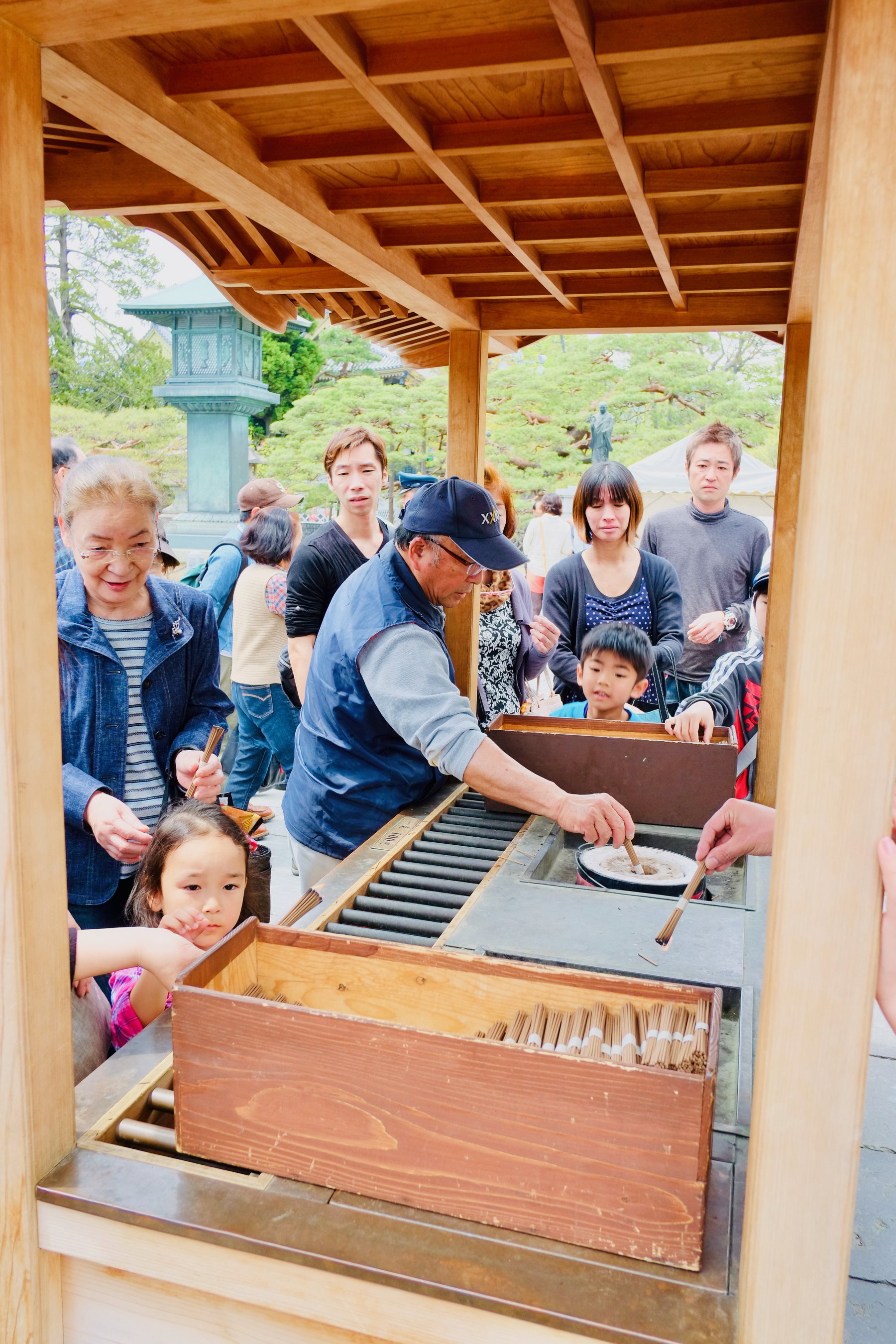
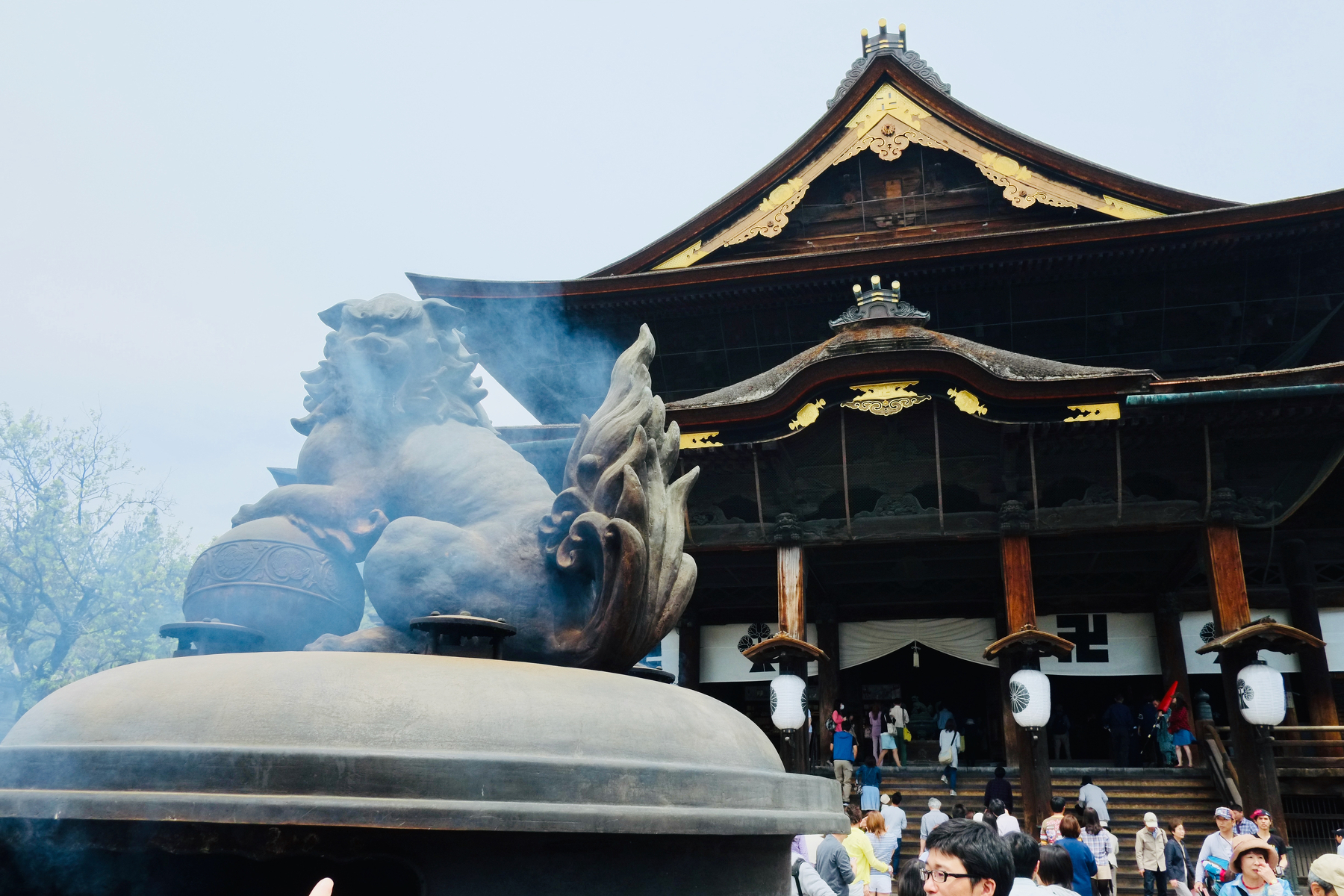
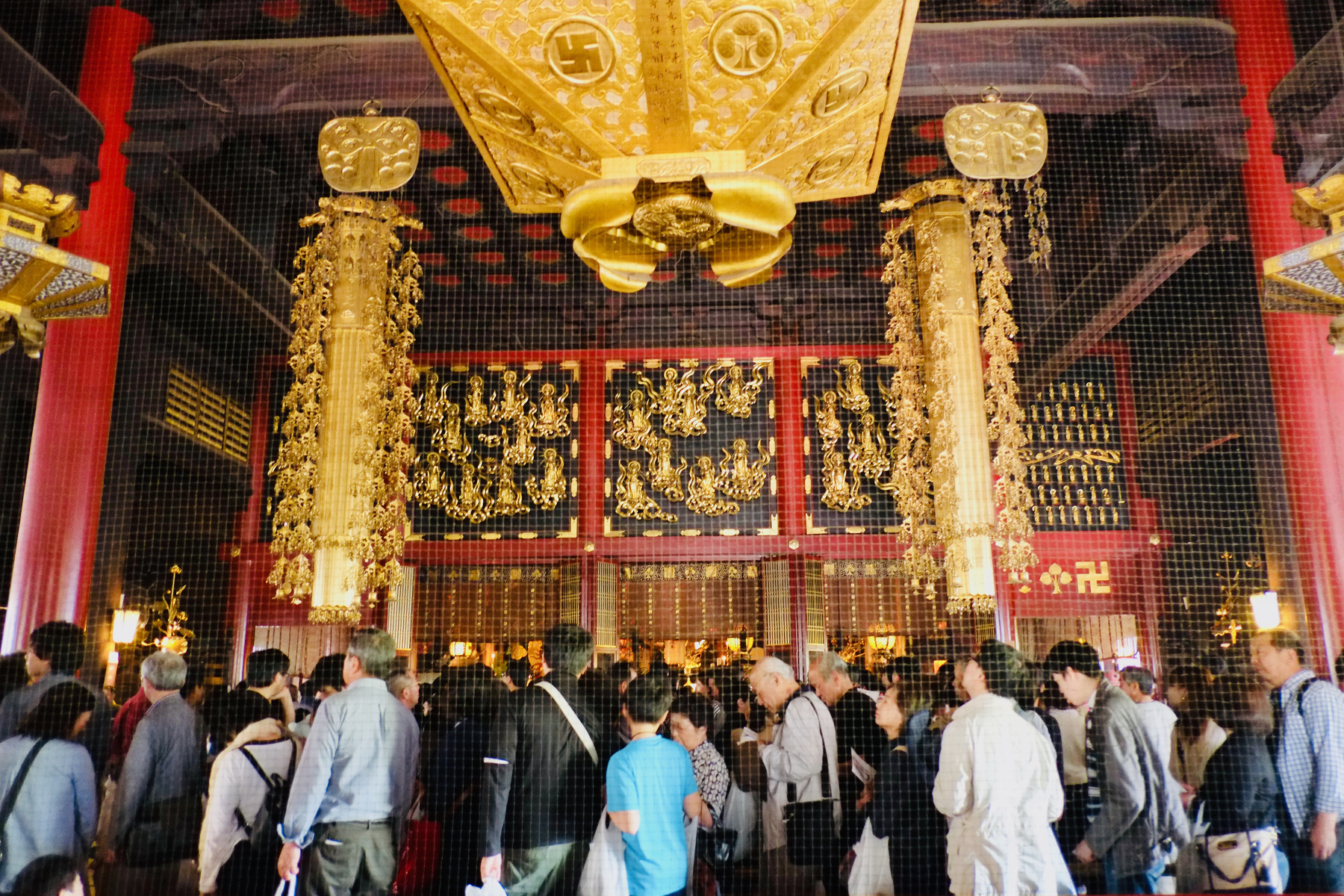
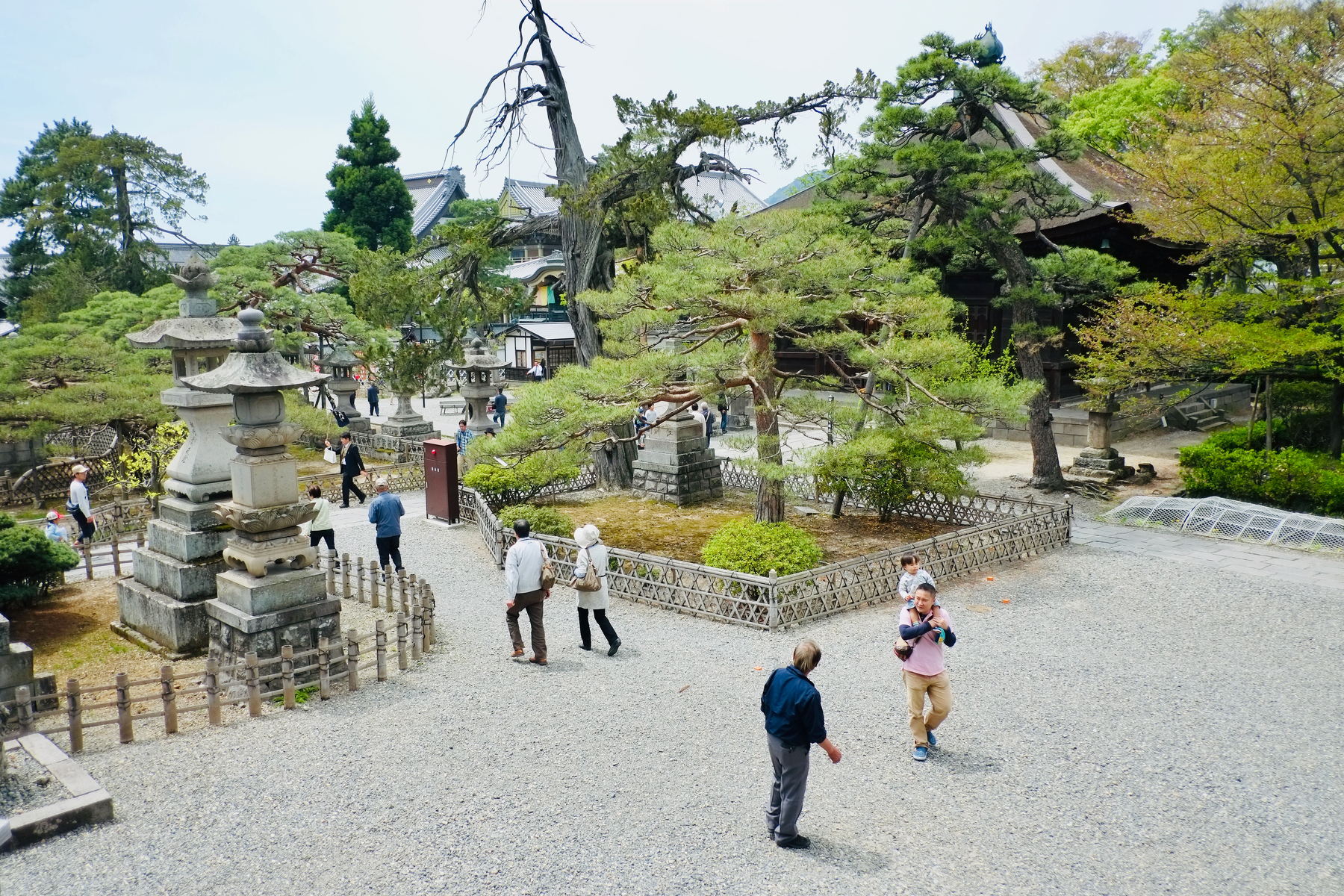
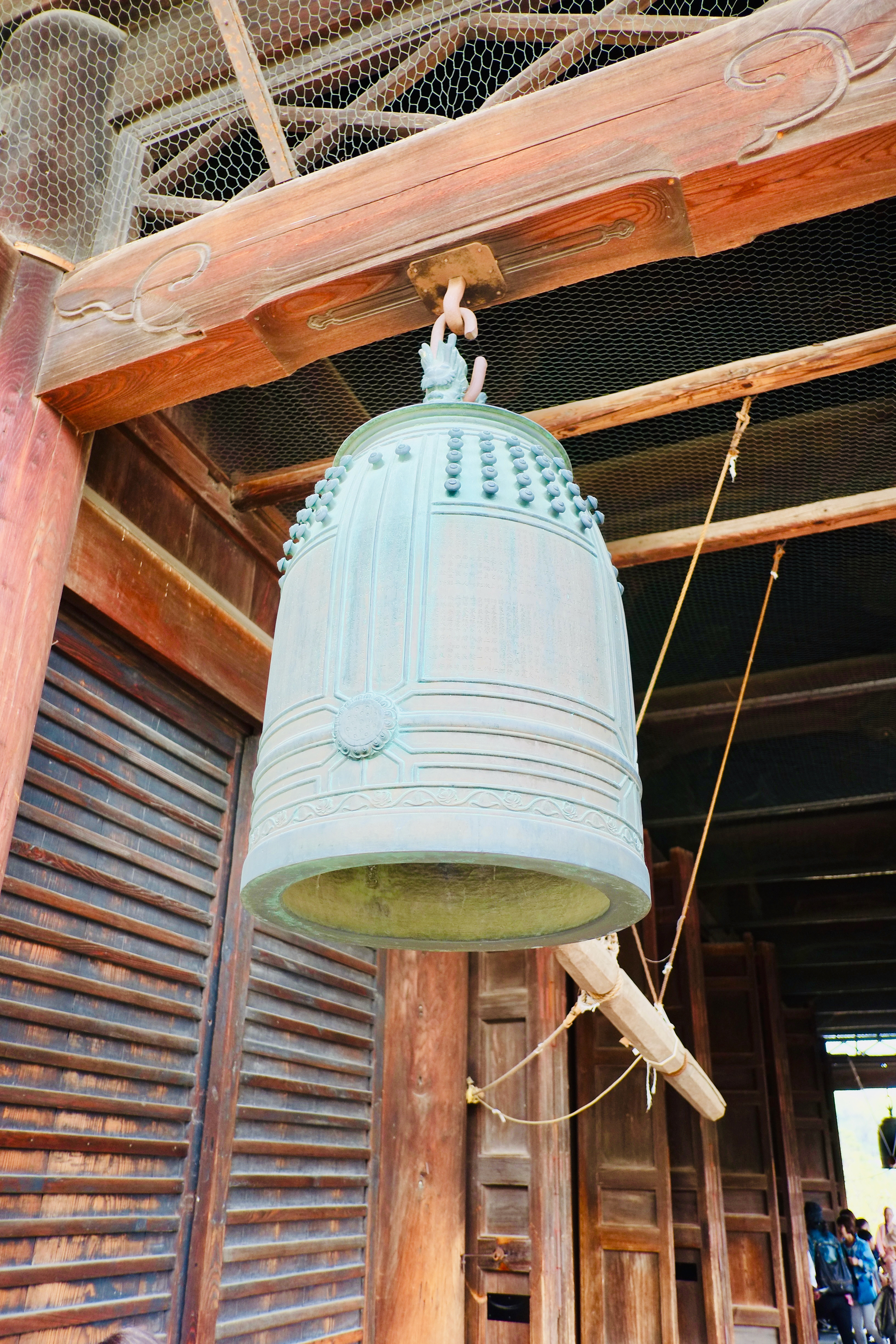
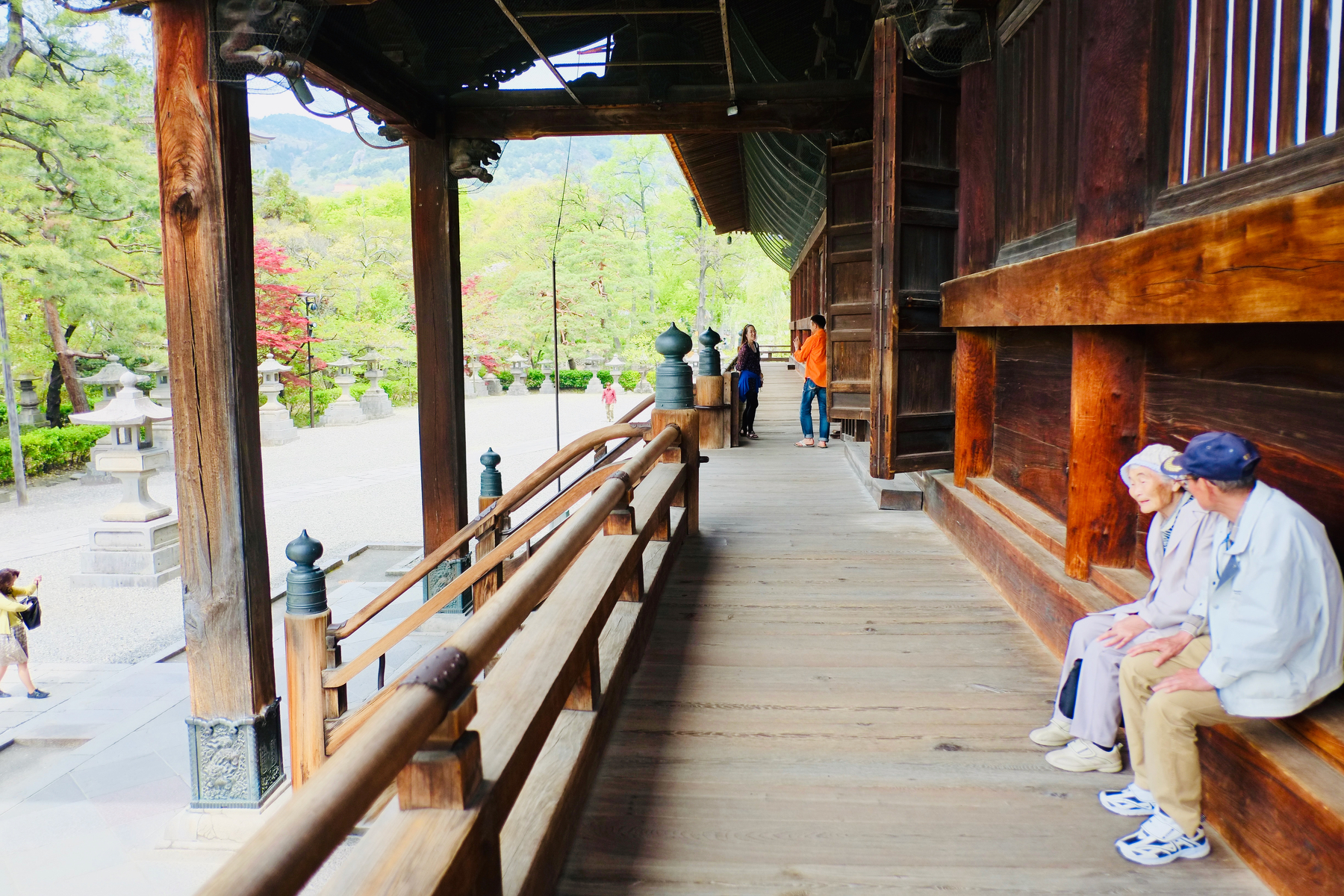

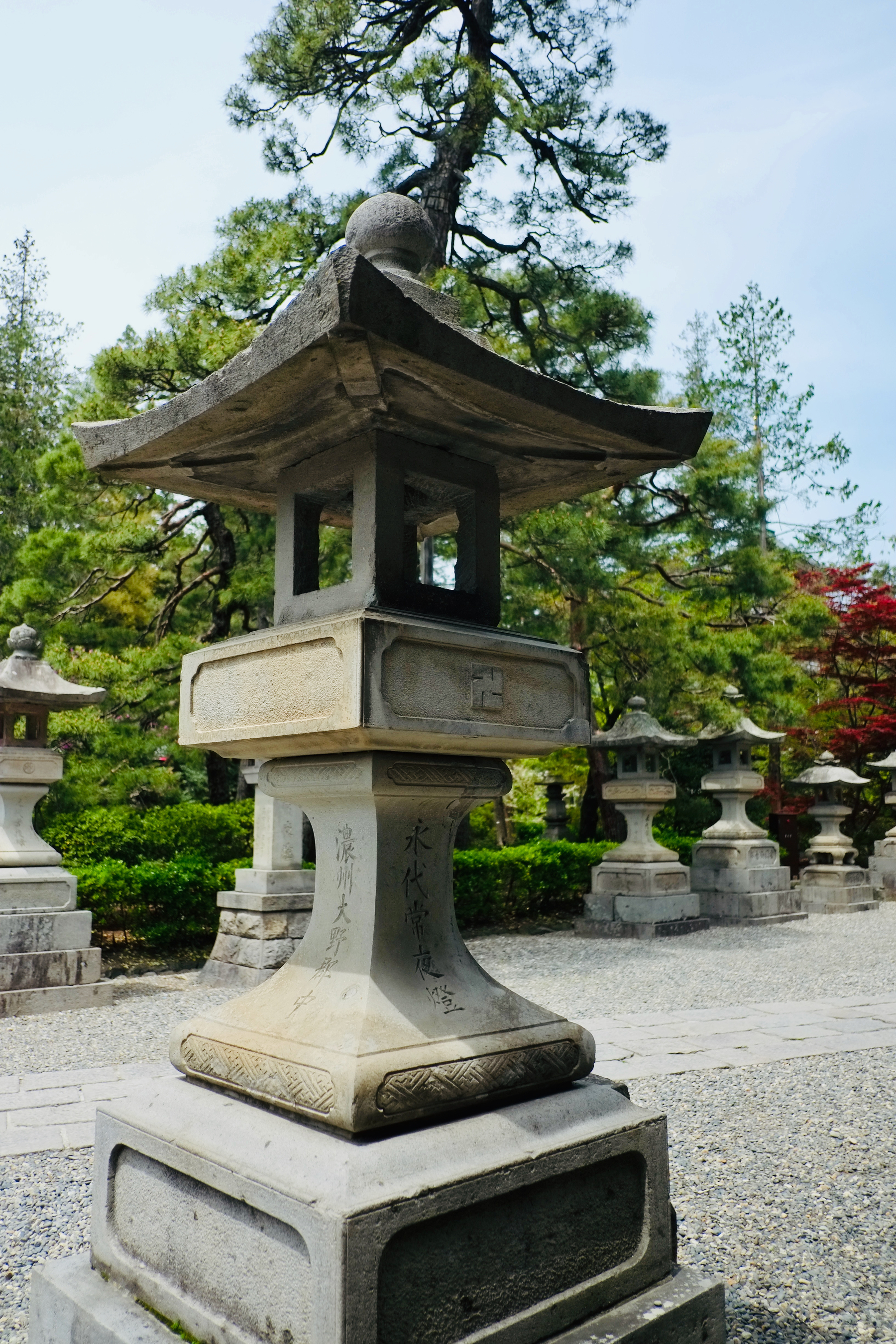
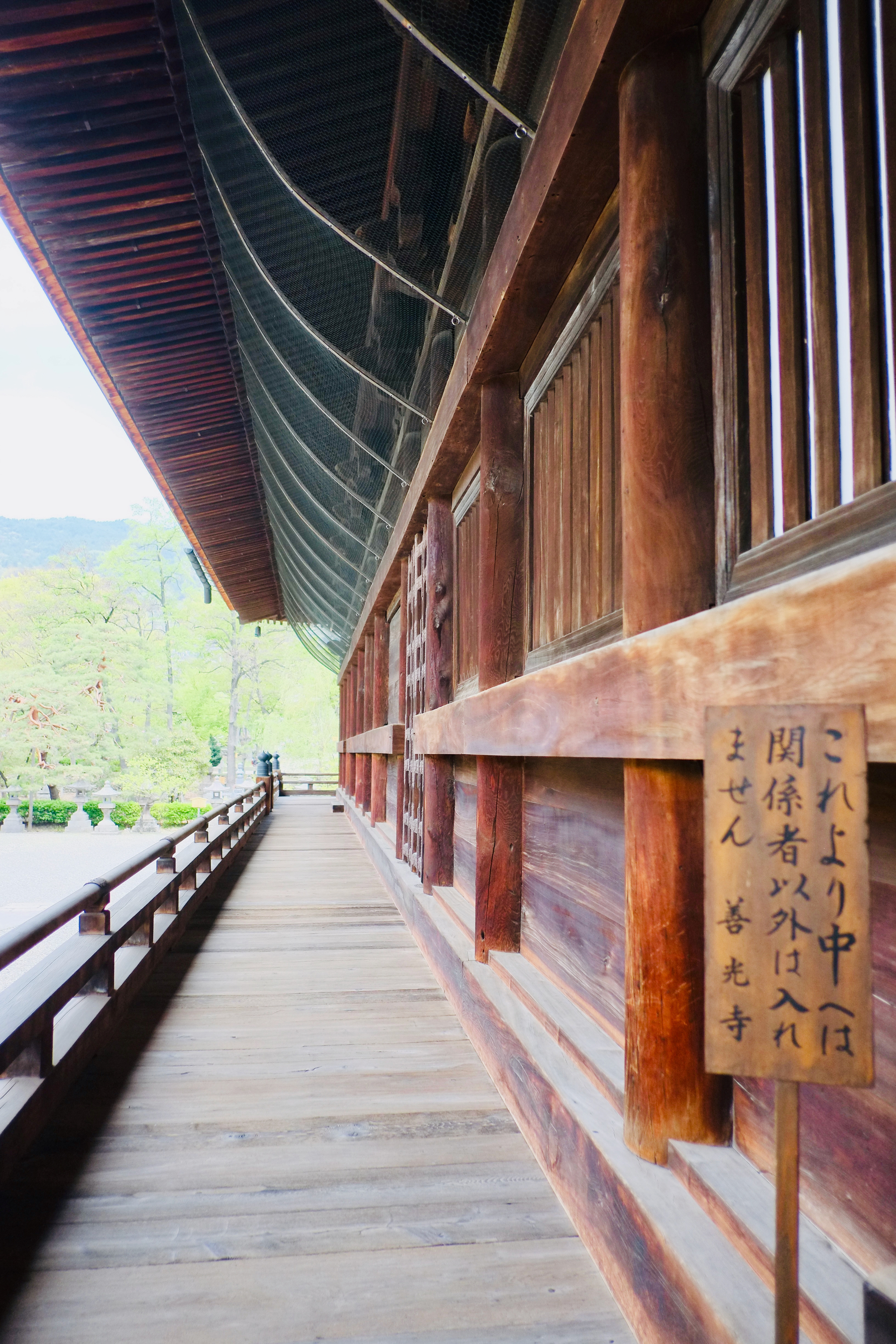
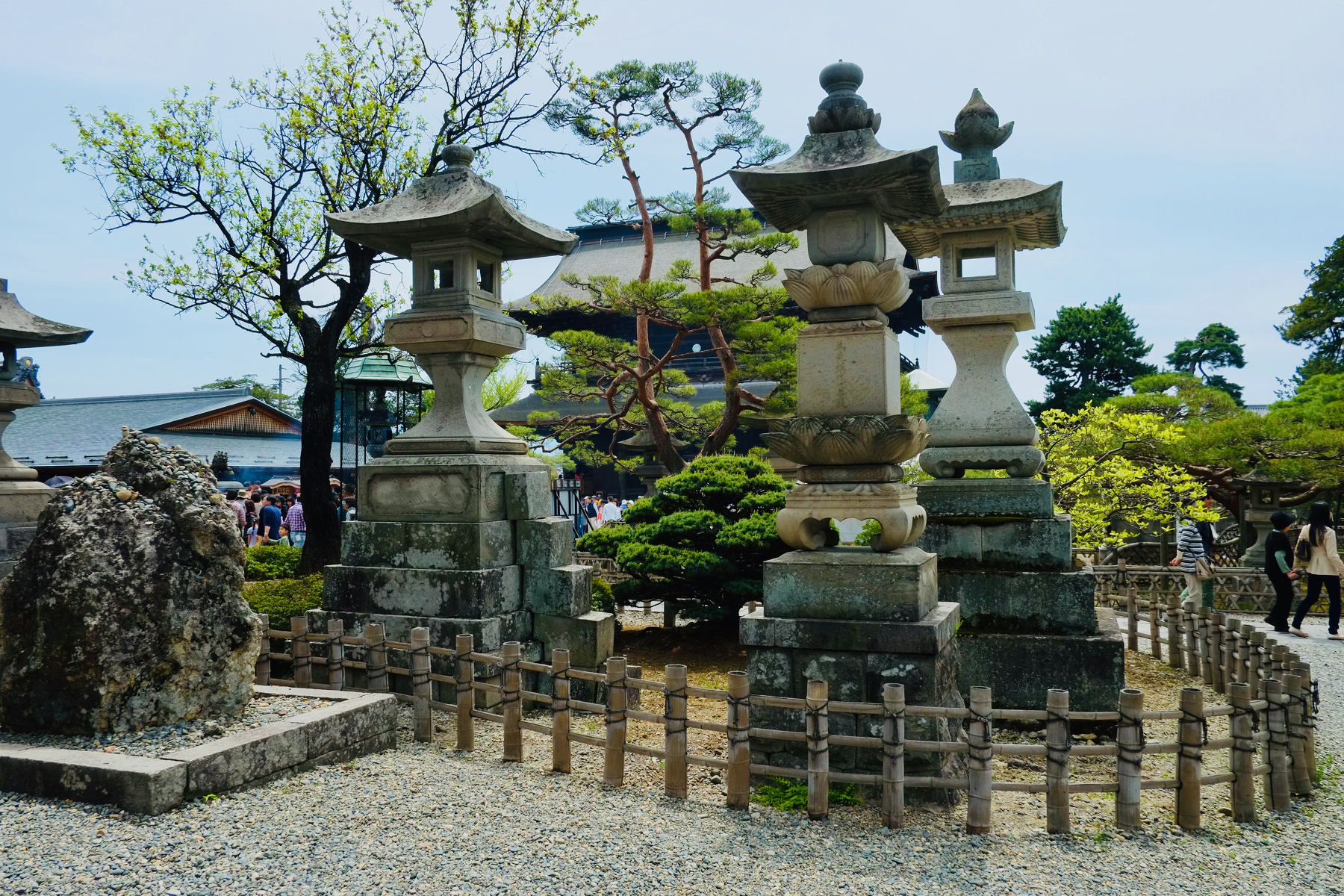
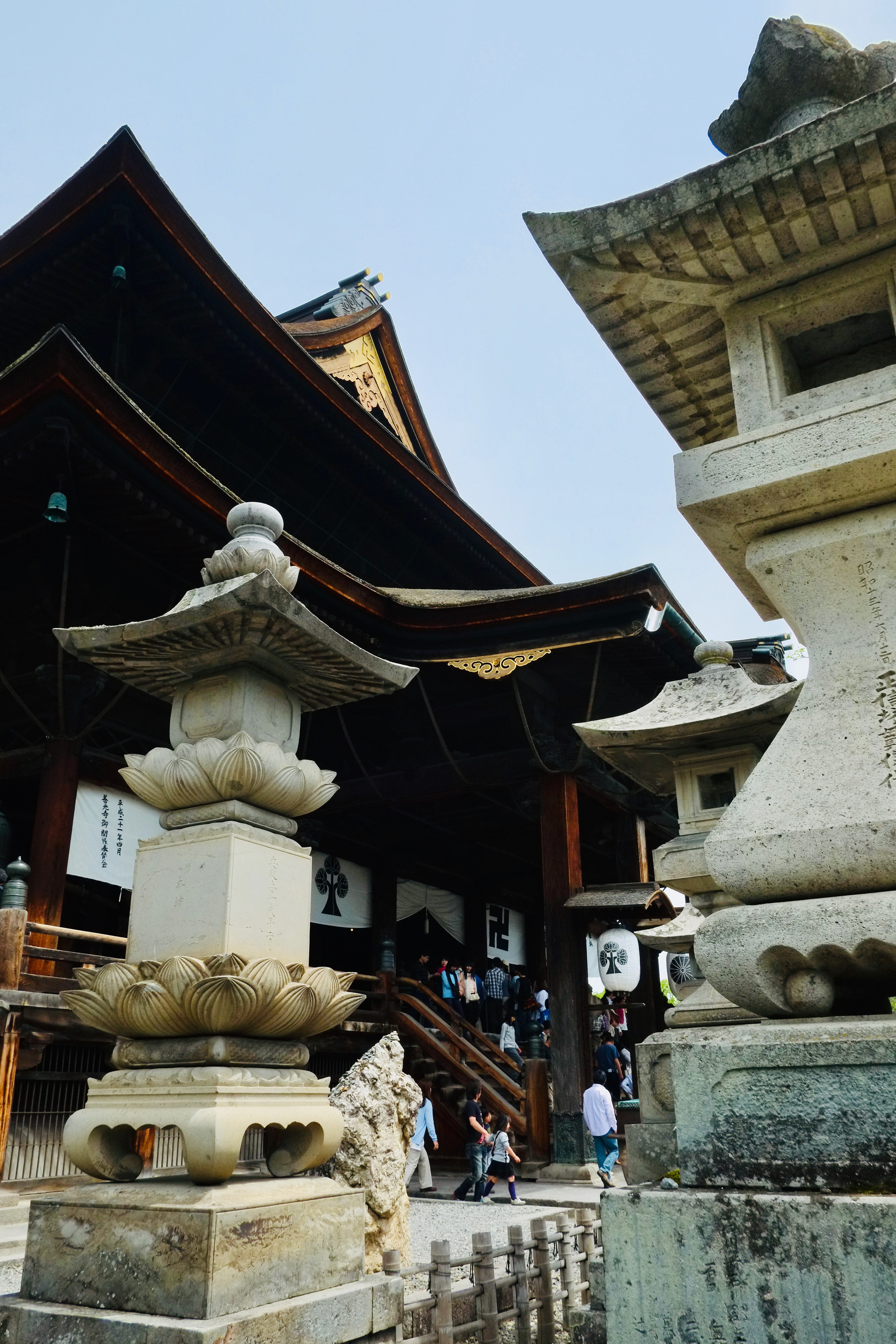
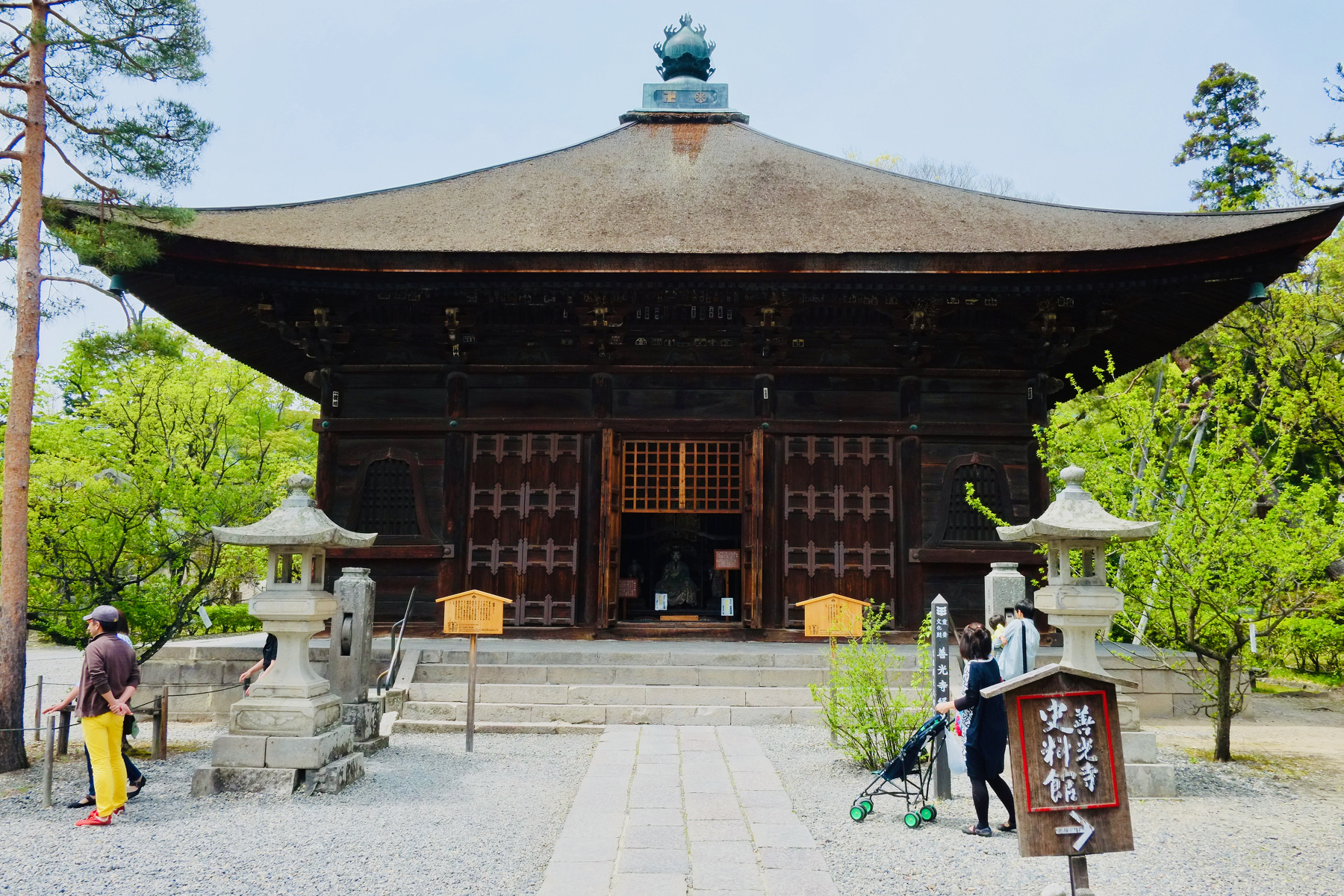
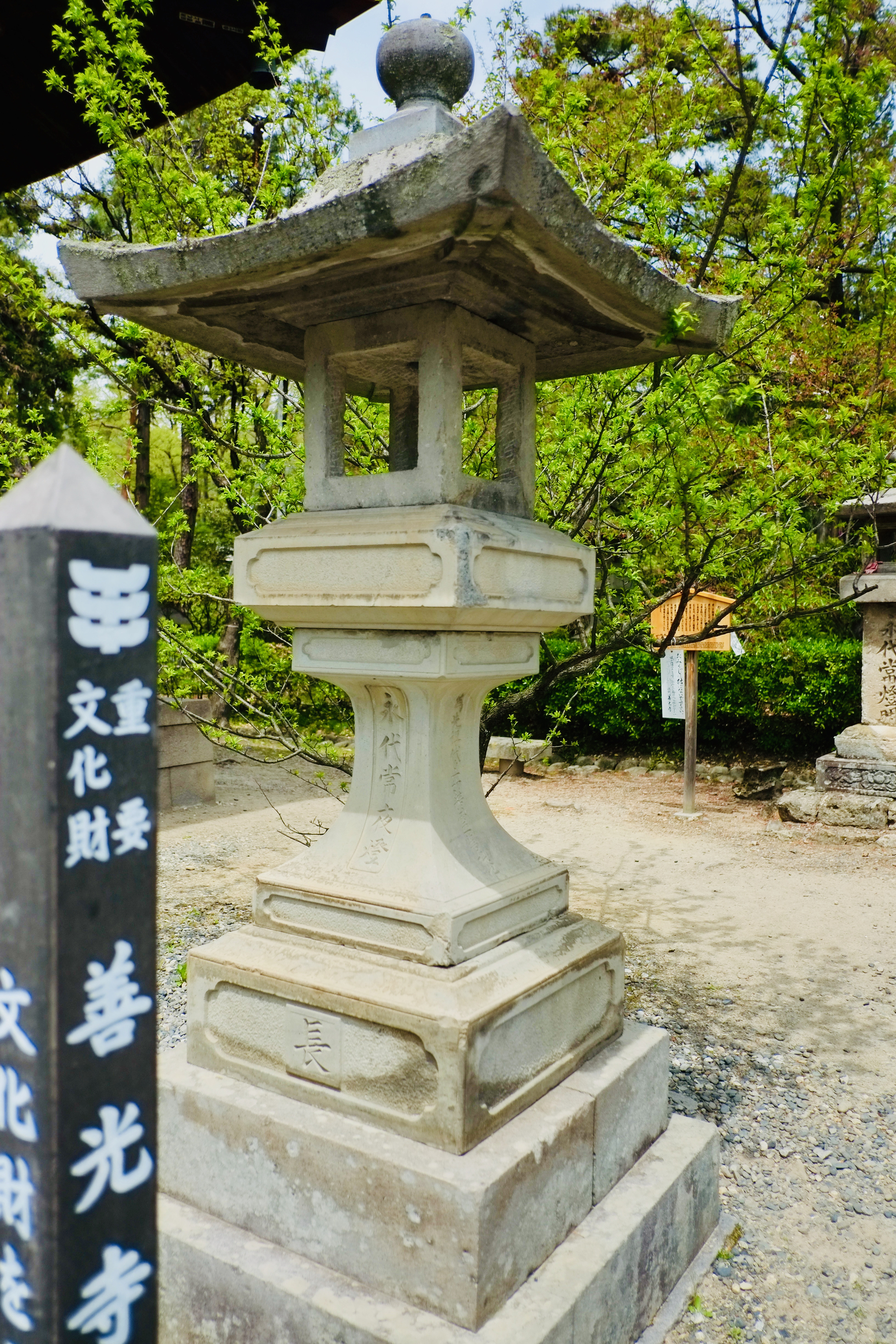
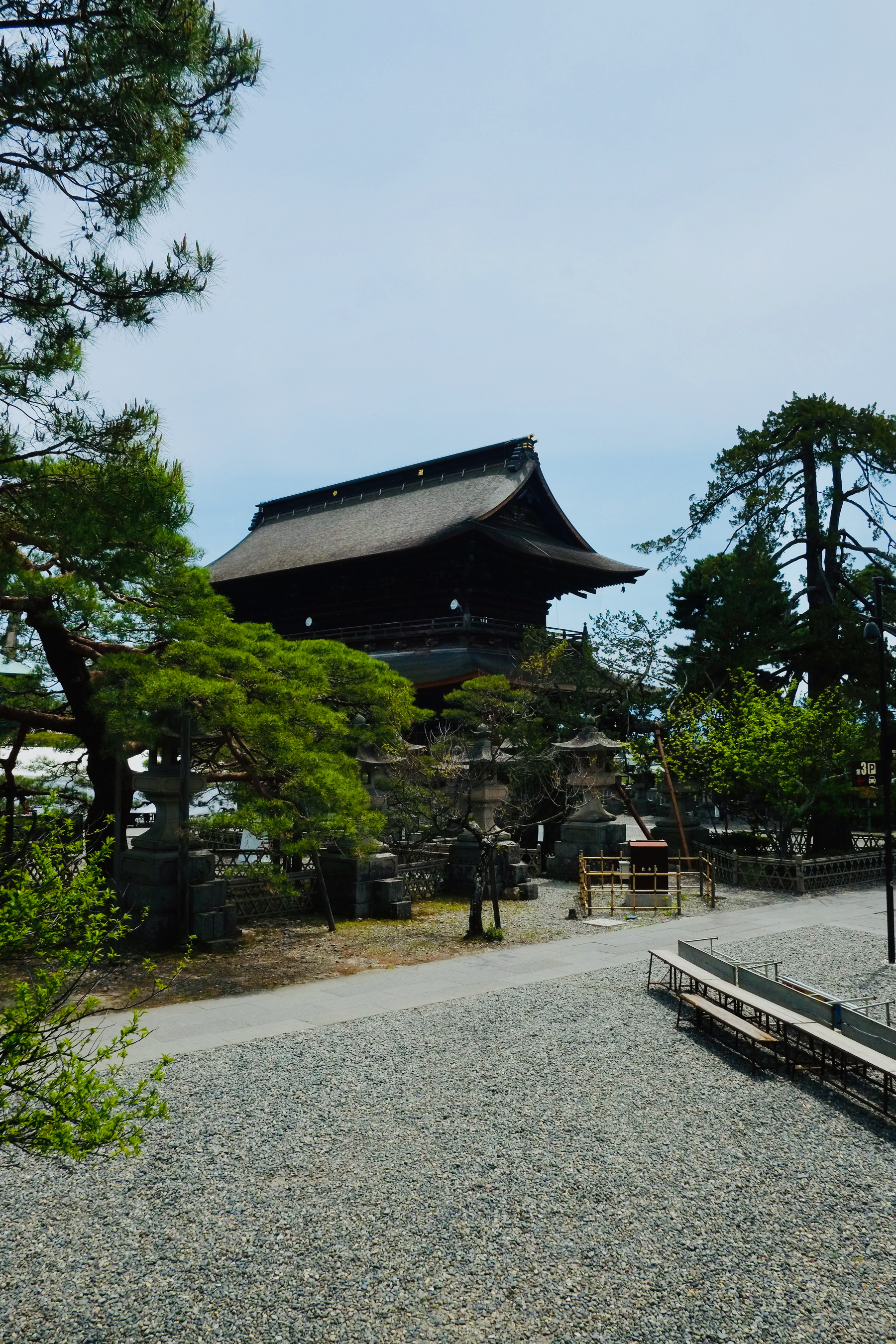
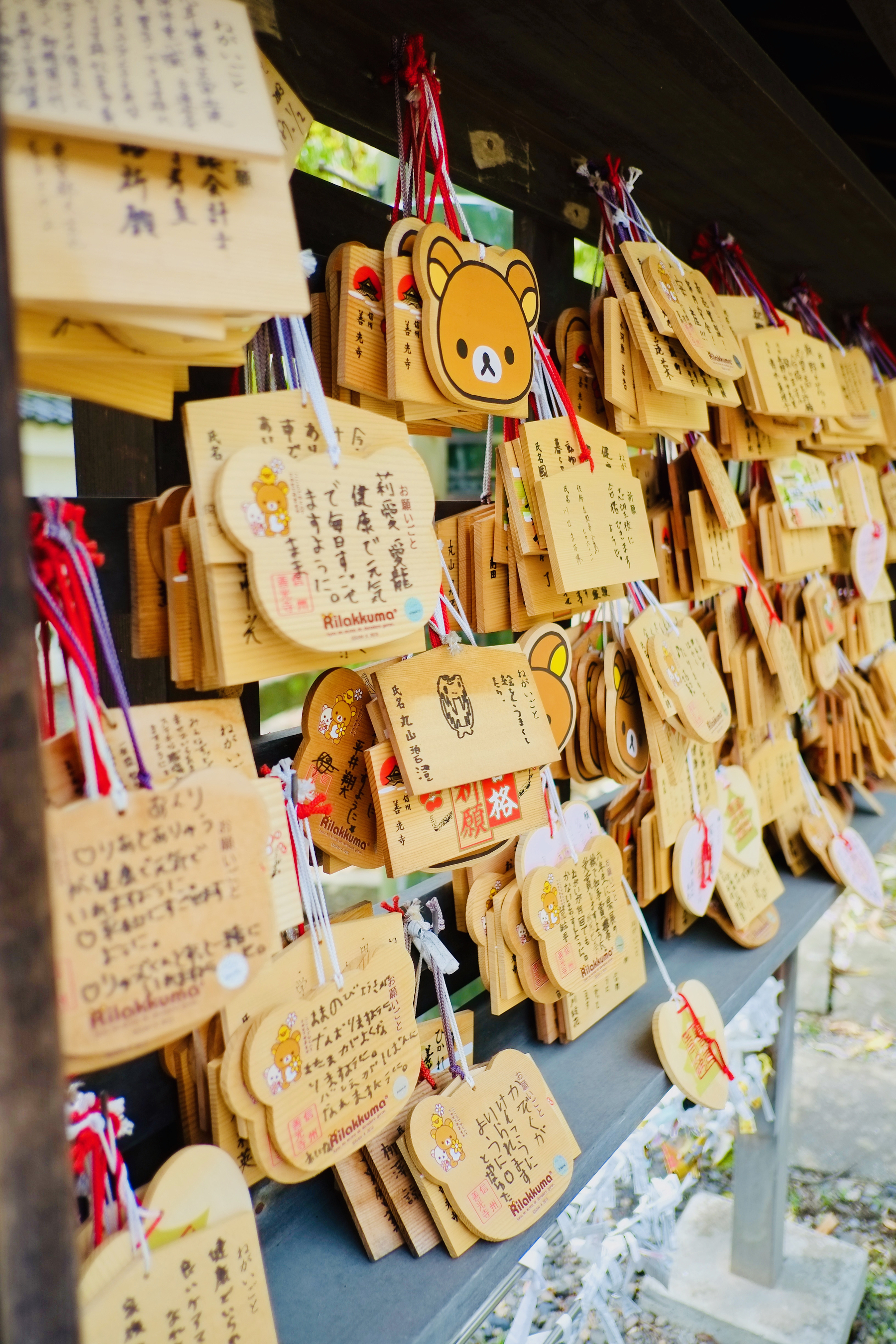
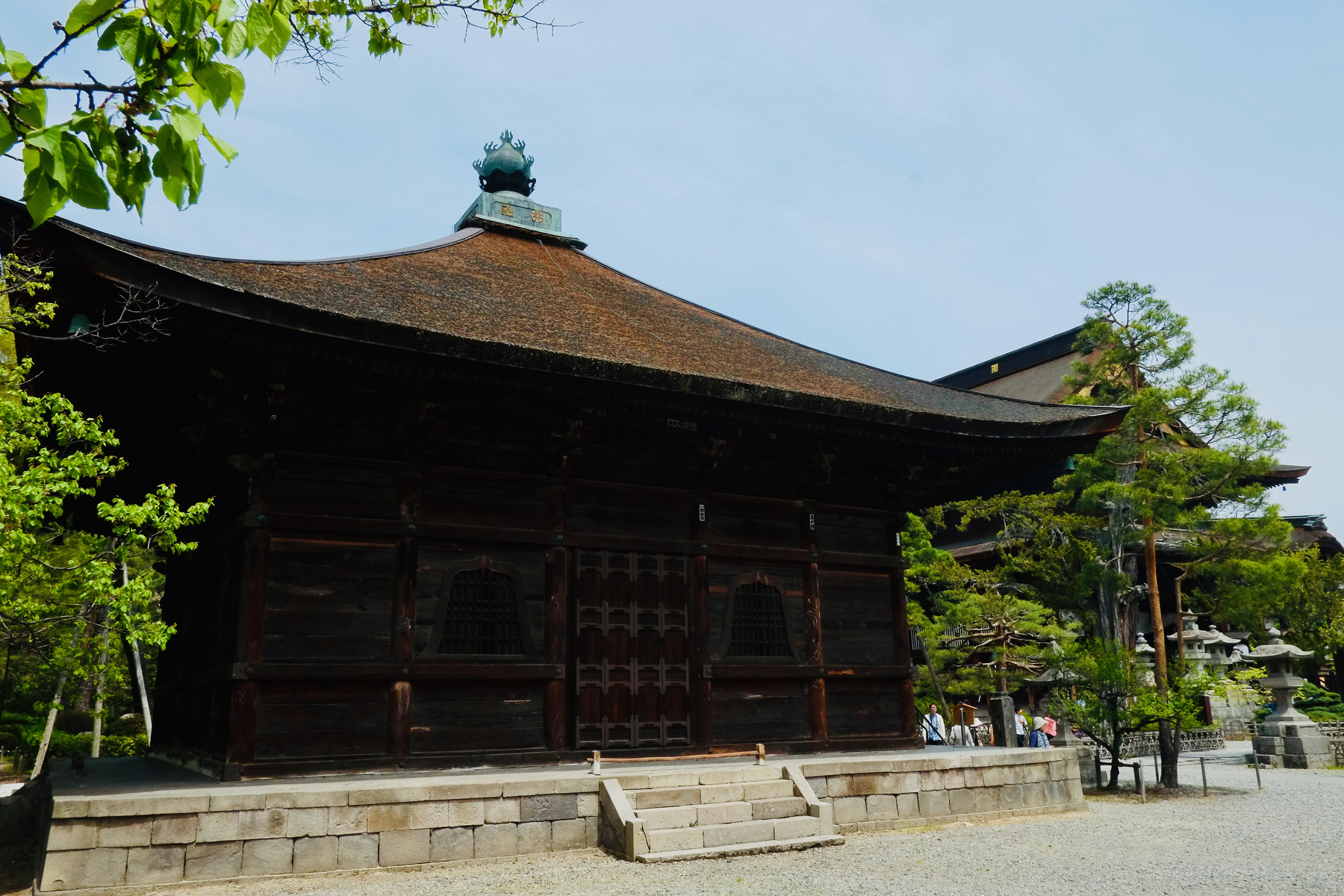
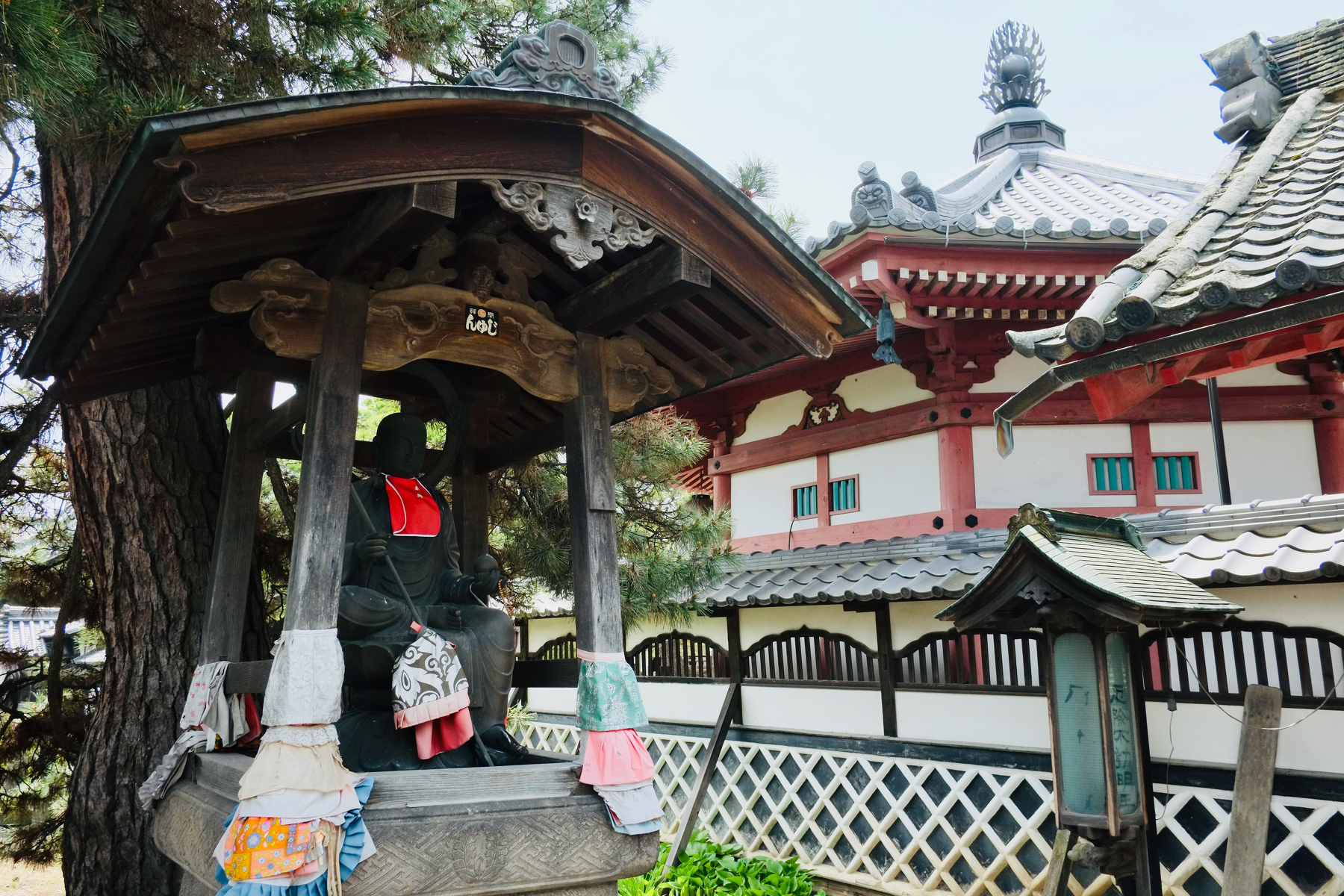
I spent my time wandering through the temple grounds with my camera constantly in my hand, stopping to photograph the towering gates, intricate wooden details, dark beams, quiet courtyards and all those little moments that make a place feel real. Zenkō-ji is the kind of destination where you don’t need to search very hard for photographs—turn around, and there’s another doorway, carving or perspective waiting to be captured. What surprised me most was how quickly the short journey from Tokyo seemed to disappear from my mind. Nagano may be only a relatively easy trip away, but arriving at Zenkō-ji felt like stepping much further back through time. There was something deeply appealing about being surrounded by a place that has witnessed centuries of Japanese history while still functioning as a living spiritual centre. If you find yourself in Tokyo and need a break from the speed and intensity of the city, take the Shinkansen north to Nagano. Spend a few hours wandering around Zenkō-ji, explore the streets surrounding the temple, stop for something to eat, and simply allow yourself to slow down. For me, it was one of those journeys where the distance travelled was small, but the distance back through time felt enormous.


#Photography #Japan #Nagano #Zenkoji #ZenkojiTemple #TokyoToNagano #JapanTravel #VisitJapan #JapaneseTemples #BuddhistTemple #JapaneseCulture #TravelPhotography #TravelWriting #Travel #Blog #JapanPhotography #ExploreJapan #Shinkansen #NaganoJapan #TravelStories