
The Floating Uros Islands of Lake Titicaca: A Journey Into a World Built on Reeds
My trek through Peru took me to some truly remarkable places, but few left quite the impression of the floating Uros Islands on Lake Titicaca. After a short boat ride from Puno, I found myself stepping onto something that looked like an island but felt completely different beneath my feet. It was soft, almost springy, because this wasn’t land at all—it was a man-made island built from layers of totora reeds. The Uros people, an Indigenous community whose history stretches across the region of Peru and Bolivia, have created and maintained these extraordinary floating homes for generations. According to their traditional history, their ancestors moved onto the lake as a way of escaping the expanding Inca Empire, choosing the water rather than surrendering their independence on land. Standing there, surrounded by the enormous expanse of Lake Titicaca and the distant Andes, I found it hard not to marvel at the sheer ingenuity of that decision.

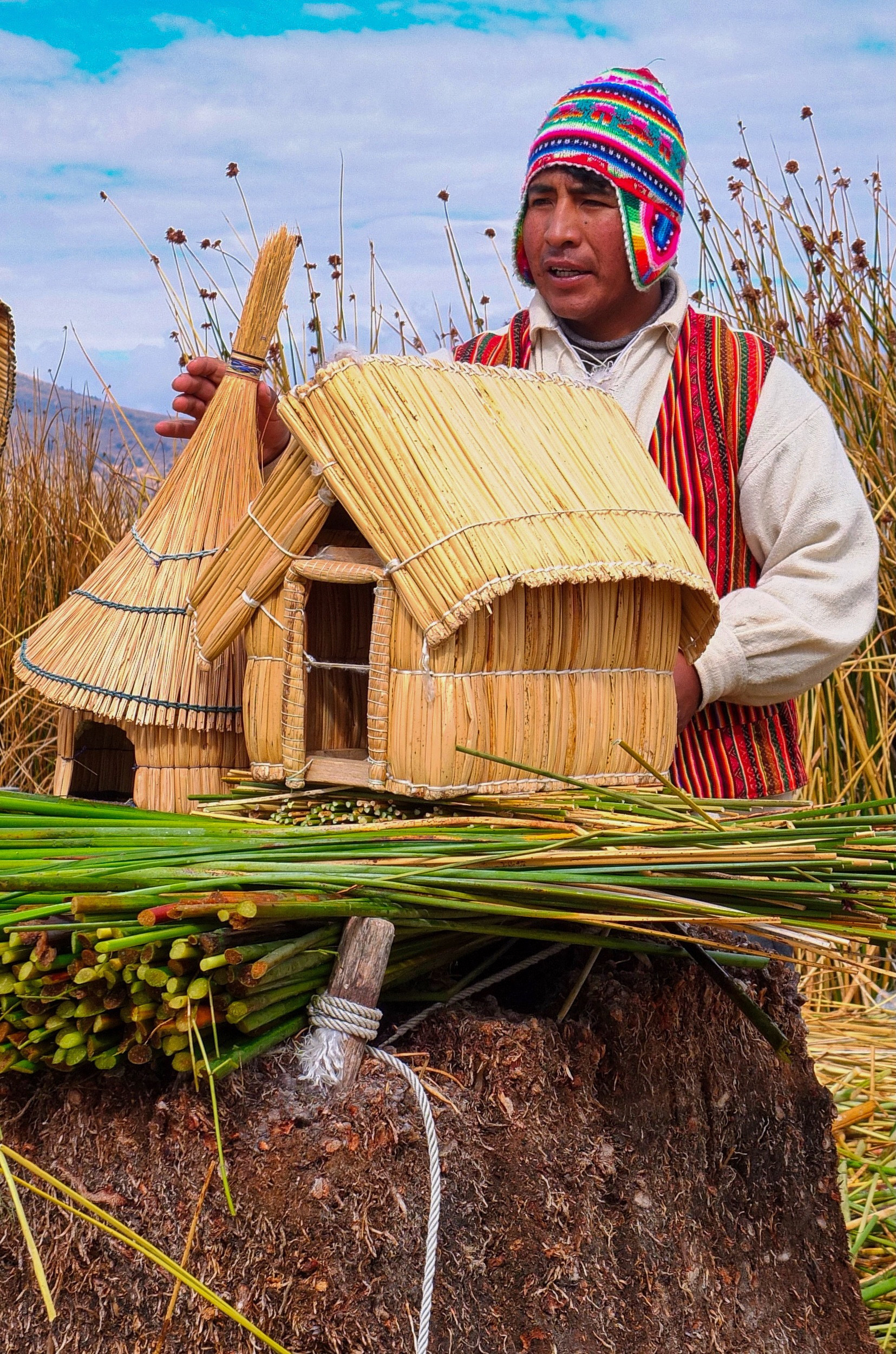


I stopped at one of the smaller islands, which was almost a tiny village in itself. There were reed houses, a kitchen, bedrooms, outdoor space and even chickens wandering around as if floating on a lake was the most ordinary thing in the world. I was invited inside one of the homes and had the chance to see something of their daily life, and what struck me most was how much work goes into maintaining this unusual way of life. The islands are constantly being rebuilt because the reeds underneath gradually rot and disappear into the lake, meaning new layers must continually be added to the surface. The same totora reeds are used to build their homes and many of the objects around them, creating an entire way of life from a plant that grows in the lake. Yet this isn’t some perfectly preserved window into the distant past. Solar panels now sit on some of the reed roofs, quietly providing electricity and showing how the Uros have combined ancient traditions with modern technology.


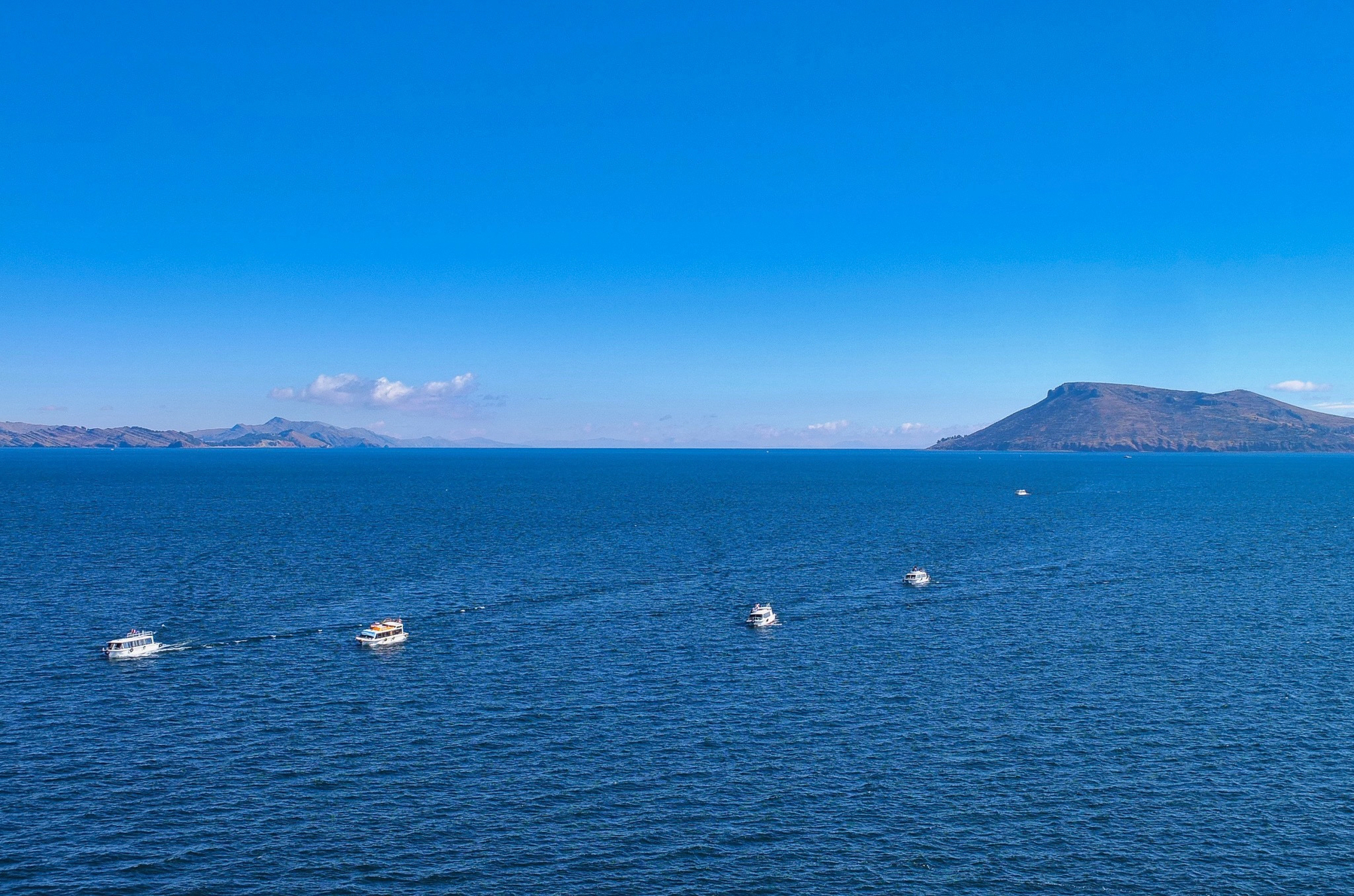

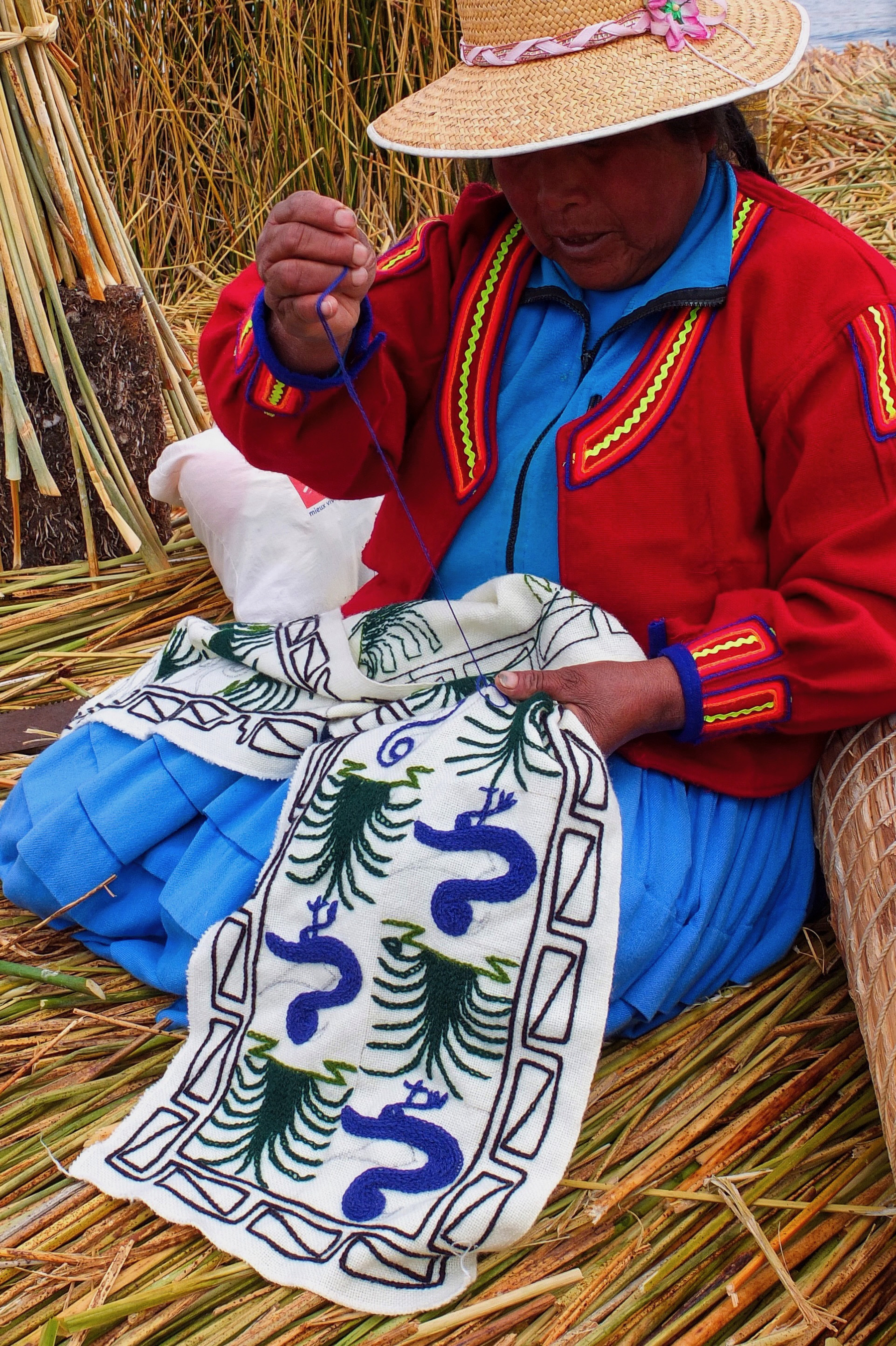

Later, I moved on to another island and stopped at a small local café for lunch and a drink. There was something wonderfully surreal about sitting there with a coffee in my hand, surrounded by Lake Titicaca, knowing that the ground beneath me was literally handmade. The simplicity of the surroundings made the experience even more memorable. The Uros have mastered a completely different relationship with their environment, turning the lake from an obstacle into a home. What stayed with me wasn’t simply the novelty of visiting a floating island, but the resilience behind it—the knowledge that the place beneath your feet must continually be repaired, renewed and rebuilt to survive. In a way, the islands themselves became a metaphor for the people who live on them: adapting, changing and continuing, generation after generation.
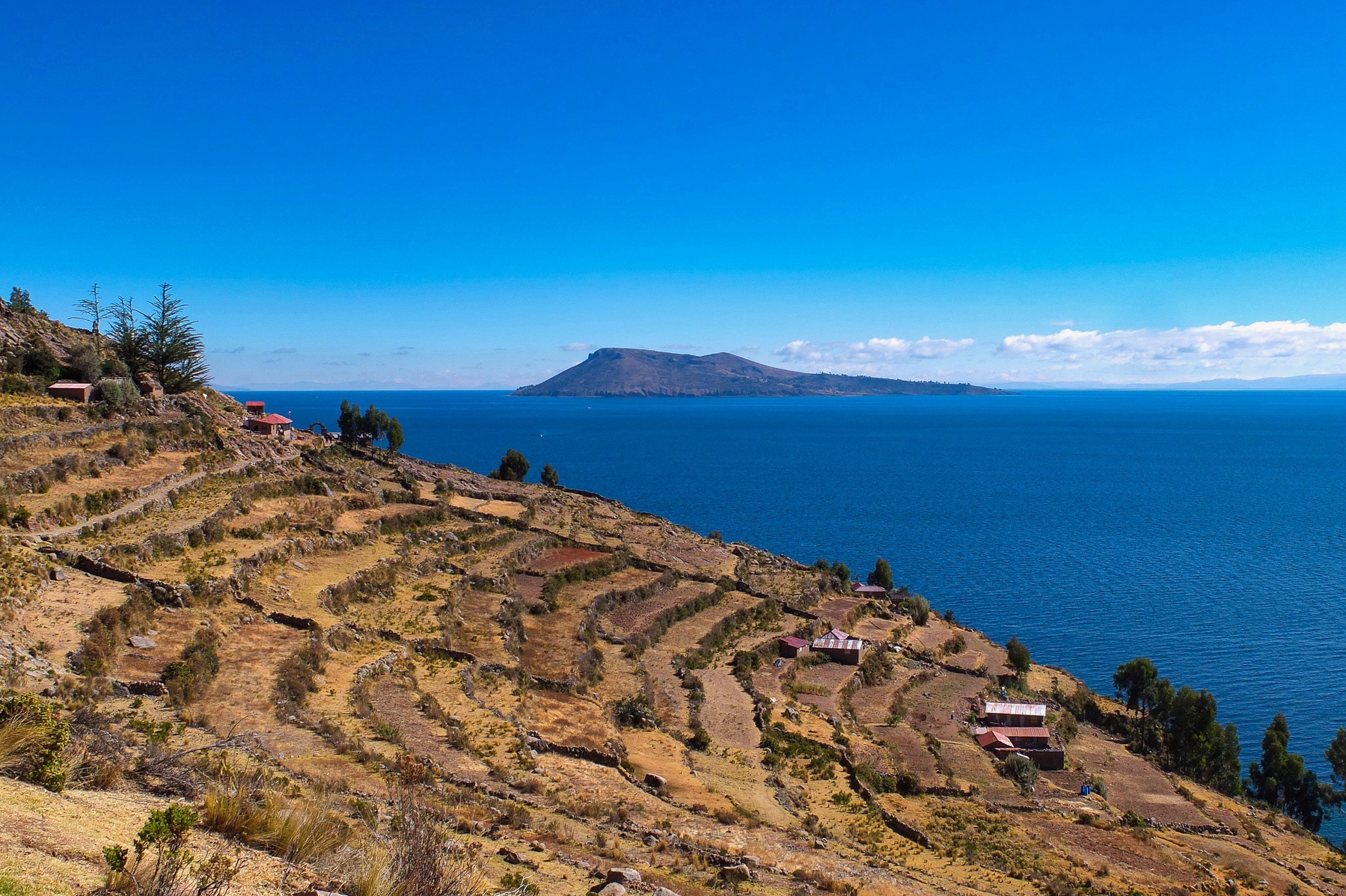


As my boat eventually pulled away from the Uros Islands, I looked back at those small patches of reeds floating on the vast blue surface of Lake Titicaca and thought about how extraordinary it was that an entire community had found a way to make a life in such an unlikely place. My visit was one of those travel experiences that stayed with me long after I left Peru, not simply because the islands were unusual, but because they challenged my idea of what a home could be. Sometimes home doesn’t need a foundation of stone or concrete. Sometimes it can float. Sometimes it has to be rebuilt every day. And sometimes the most remarkable places we encounter are the ones created by people who simply refused to let their surroundings dictate where and how they could live. If you ever find yourself in Puno, don’t miss the opportunity to cross Lake Titicaca and experience the Uros Islands for yourself. And, as always, all the photographs accompanying this story are my own—please respect the copyright and don’t steal them.
#Photography #Peru #LakeTiticaca #UrosIslands #Uros #Puno #PeruTravel #VisitPeru #SouthAmericaTravel #Andes #FloatingIslands #TravelPhotography #TravelWriting #Travel #TravelStories #ExplorePeru #CulturalTravel #AdventureTravel