
Tsuzumi-mon Gate: Where Tradition Meets Modernity in Kanazawa
Arriving at JR Kanazawa Station from Osaka on the sleek Shinkansen initially felt like arriving at any other major Japanese railway station. There were commuters, travellers, announcements and the familiar rhythm of a busy station, but everything changed the moment I made my way toward the east exit. Suddenly, standing in front of me was the Tsuzumi-mon Gate, and I found myself stopping to take it all in. This was certainly not the ordinary station entrance I had expected. Rising dramatically against the modern steel and glass of the station, the gate looked almost like something from another world—a grand gateway welcoming visitors to Kanazawa. Its distinctive shape is inspired by the traditional Japanese tsuzumi drums used in Noh theatre, with its two sweeping wooden structures suggesting drumsticks suspended in motion. It is a wonderful example of how Japan can take something deeply rooted in tradition and reinterpret it in a way that feels completely contemporary.

What fascinated me most was the contrast between the gate and the enormous glass roof that stretches over the station. Kanazawa is famous for its heavy winter snowfall, so the roof serves a very practical purpose, protecting passengers from the elements. Yet beneath that huge modern structure, the Tsuzumi-mon Gate brings warmth and a sense of history. The deep tones of the wood stand beautifully against the steel and glass, creating what feels almost like a conversation between two versions of Japan—the traditional and the modern. During the day, sunlight catches the grain of the wood and gives the gate a surprisingly gentle appearance. But it was at night that I found it most captivating. Carefully placed lighting emphasizes its curves and structure, transforming it from an impressive architectural entrance into something almost magical. Standing there after dark, I could easily imagine it as a portal between the modern world of trains and the historic Kanazawa waiting beyond it.
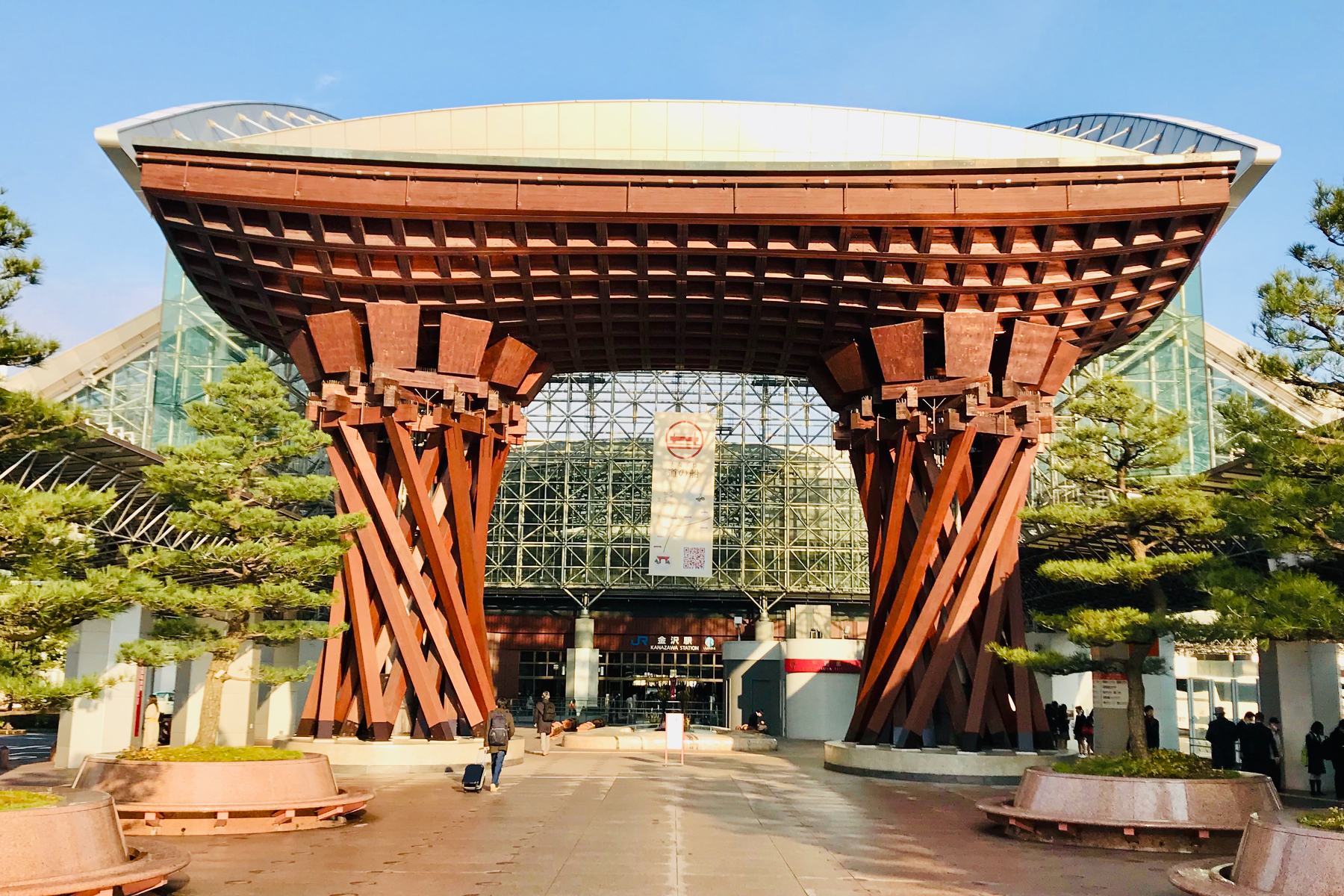
I stayed in a hotel close to the station, which meant the Tsuzumi-mon Gate became a familiar part of my time in Kanazawa. I saw it when heading out in the morning, when returning after exploring the city’s historic streets and attractions, and sometimes simply when passing through the station. Yet familiarity never seemed to diminish its impact. There are some buildings you photograph once and move on from, while others somehow become part of your memories of a place. For me, this gate became the symbol of Kanazawa itself. It seemed to represent everything I enjoyed about the city—the ability to embrace the future without abandoning the past. Every time I passed beneath or looked toward it, I was reminded that Japan’s most interesting places are often those where ancient traditions and modern life exist side by side.
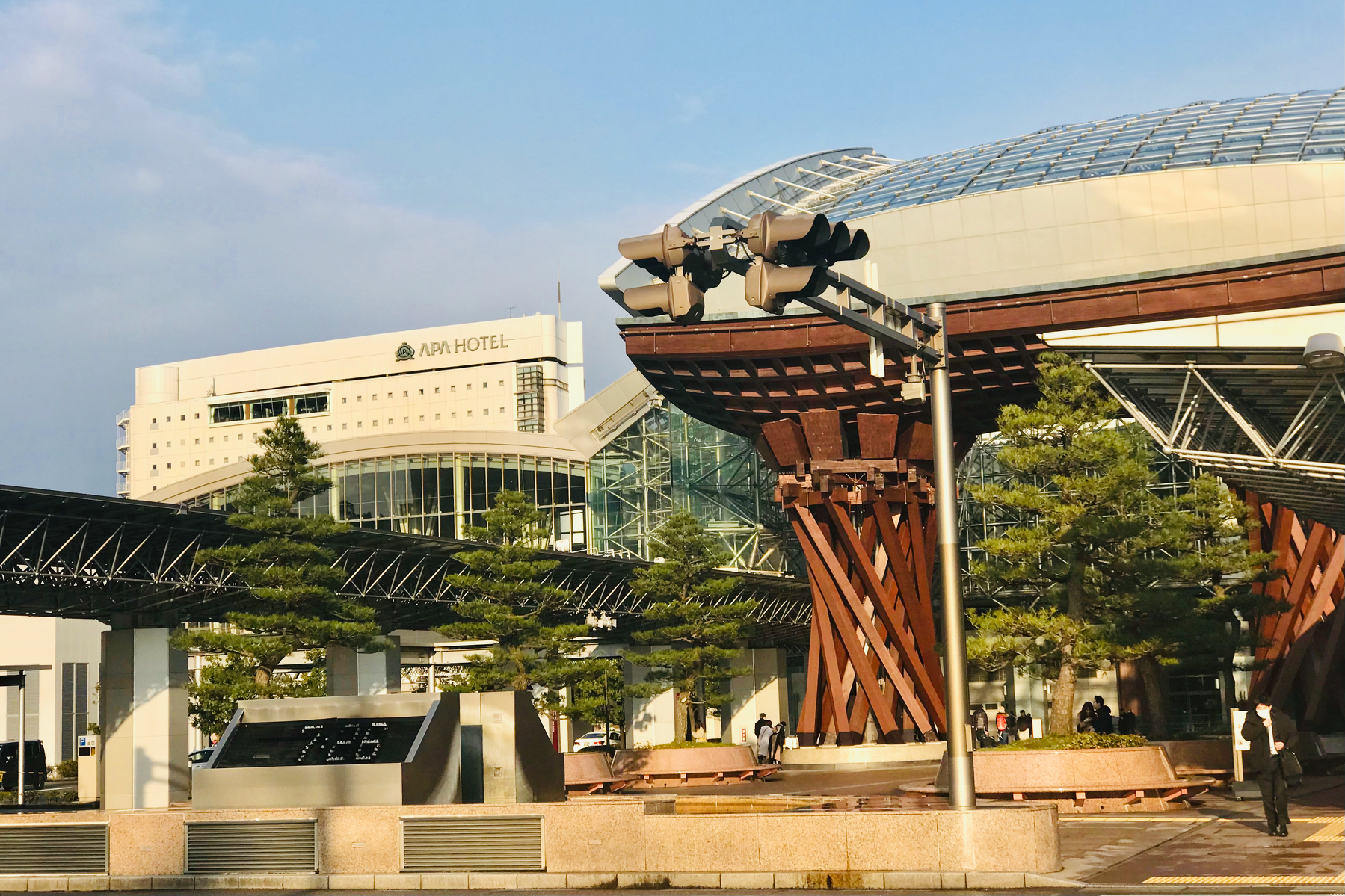
Perhaps that is why the Tsuzumi-mon Gate stayed with me long after I left Kanazawa. It is more than an impressive entrance to a railway station; it is a first impression, a piece of architecture and, in its own way, an introduction to the character of the city. If you are fascinated by railway stations and the way they reflect the places they serve, Kanazawa is well worth experiencing—and if you have the opportunity, take a moment to stop rather than simply walking through. Look up, watch the light change across the wood and glass, and give yourself time to appreciate it. I have always believed that travel is often about noticing the things we weren’t expecting to find, and for me, the Tsuzumi-mon Gate was one of those unexpected discoveries. It was waiting at the end of a train journey, and somehow became one of the images I most strongly associate with Kanazawa.
#Kanazawa #KanazawaJapan #TsuzumiMonGate #JRKanazawaStation #JapanTravel #Japan #VisitJapan #JapaneseArchitecture #JapaneseCulture #Shinkansen #TrainTravel #TravelEssay #TravelWriting #Travel #Photography #ExploreJapan #JapanPhotography #ModernJapan #TraditionalJapan #JapanTrip #Wanderlust