
Uruguay: Strolling Through Time in Colonia del Sacramento
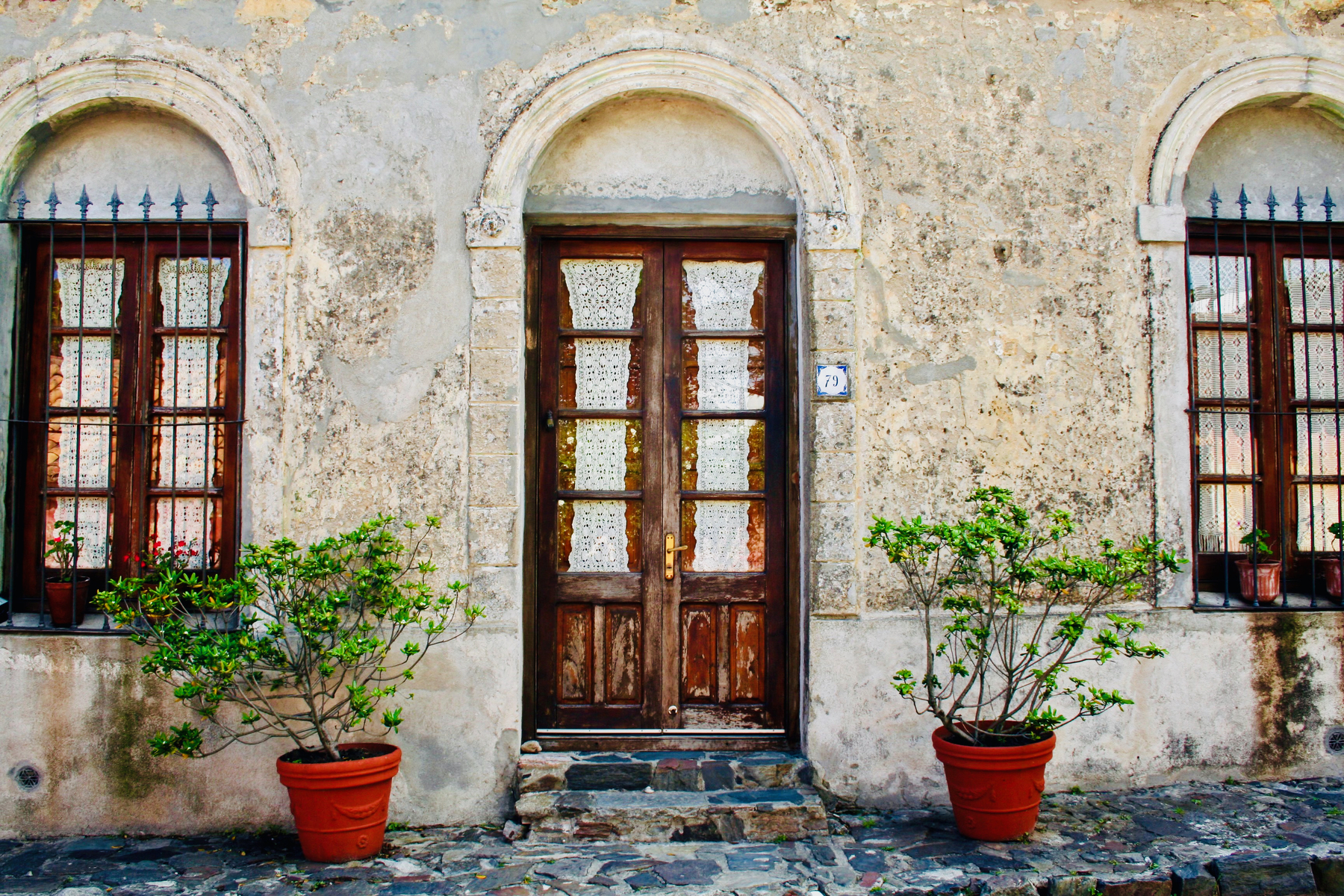
When I was in Buenos Aires, I knew I wanted to cross the Río de la Plata and see what was waiting on the other side. The ferry to Colonia del Sacramento turned out to be much more than a simple day trip—it felt like leaving one world behind and entering another. After the energy and intensity of Buenos Aires, the slower pace of Colonia was immediately noticeable. I travelled across with Buquebus, watching the city gradually disappear behind me as the ferry carried me toward Uruguay. A couple of hours later, I arrived somewhere that seemed wonderfully removed from the modern world. Colonia is one of those places where you don’t need a complicated itinerary. You simply arrive, start walking and allow the town to reveal itself.
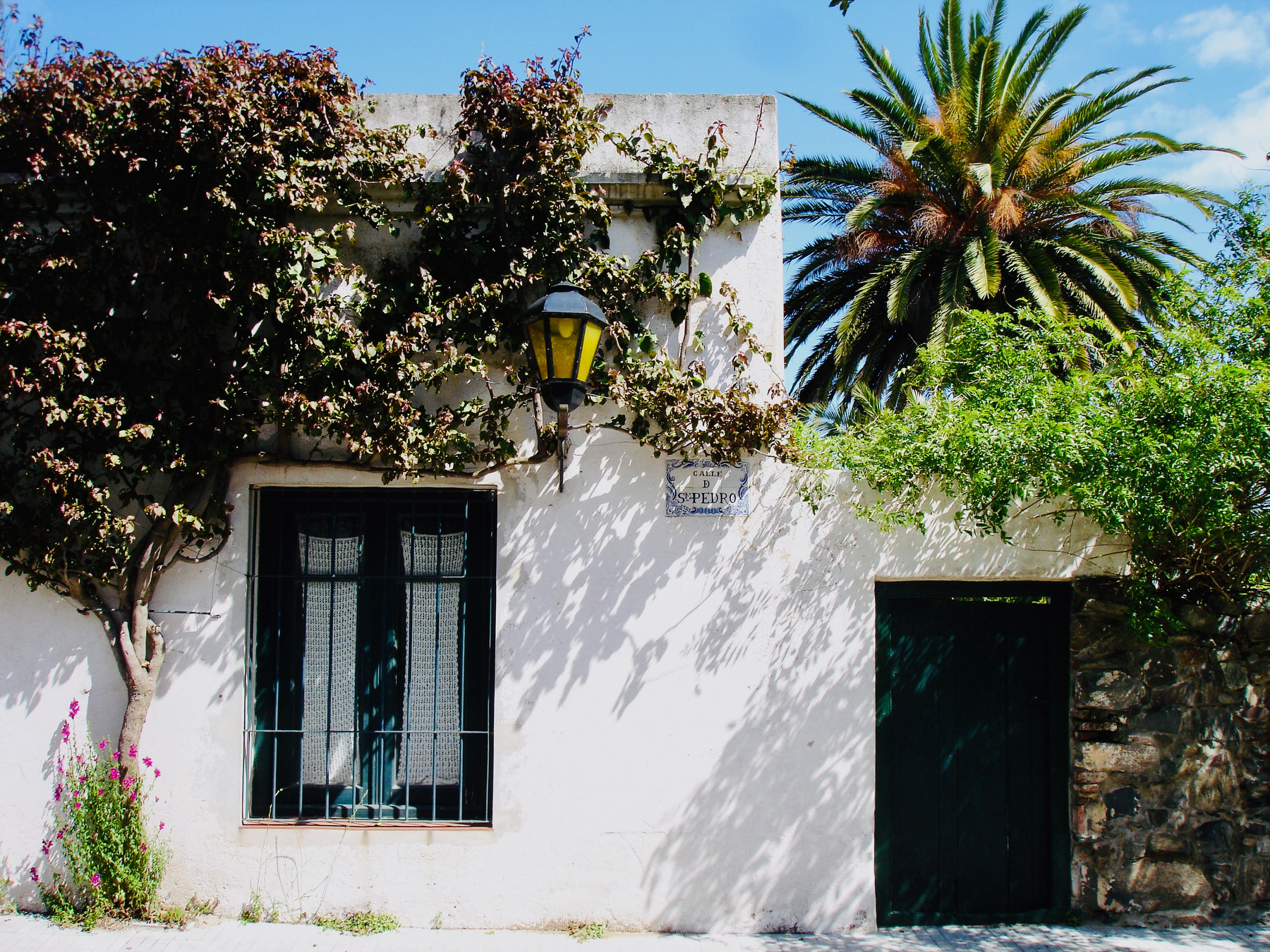
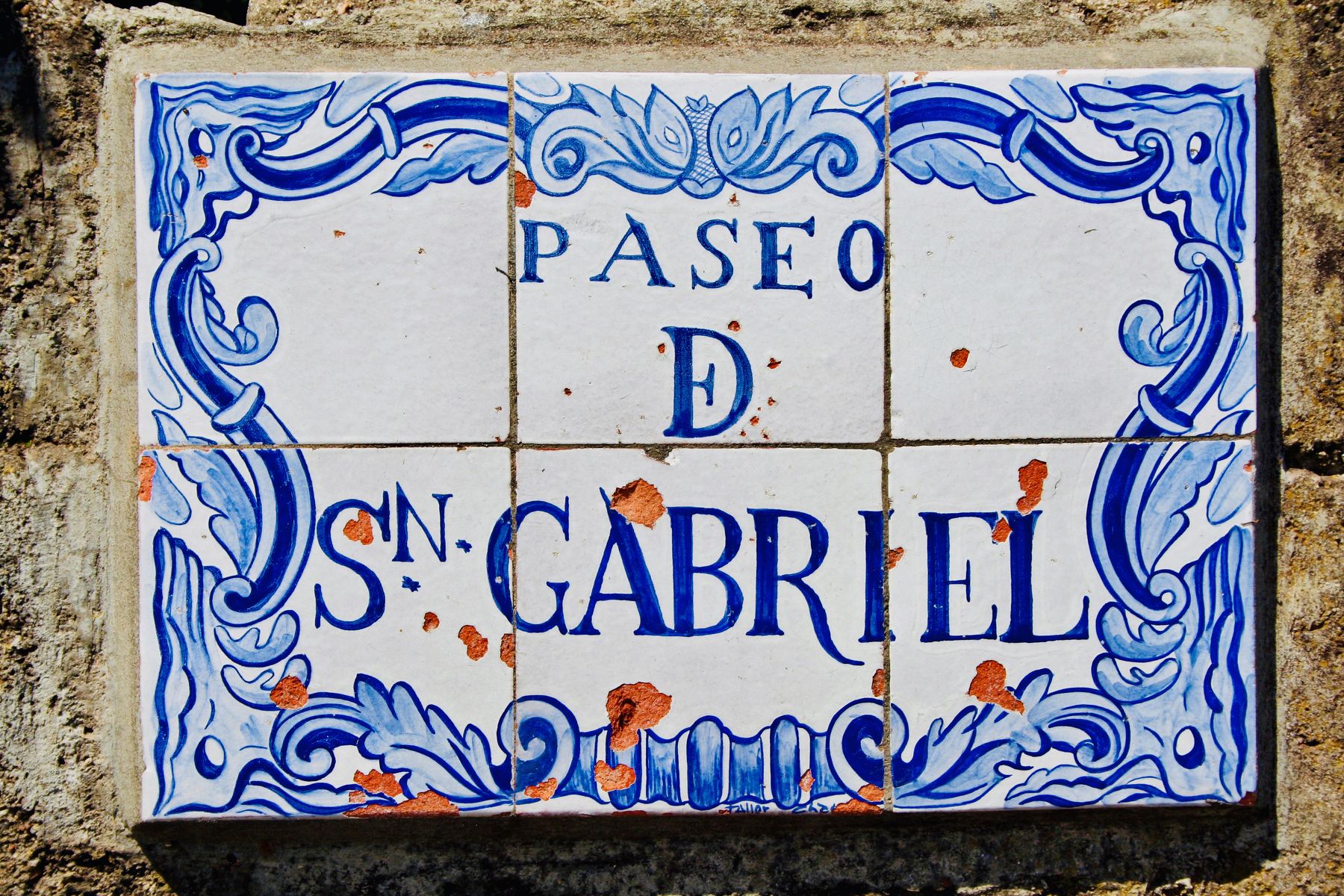
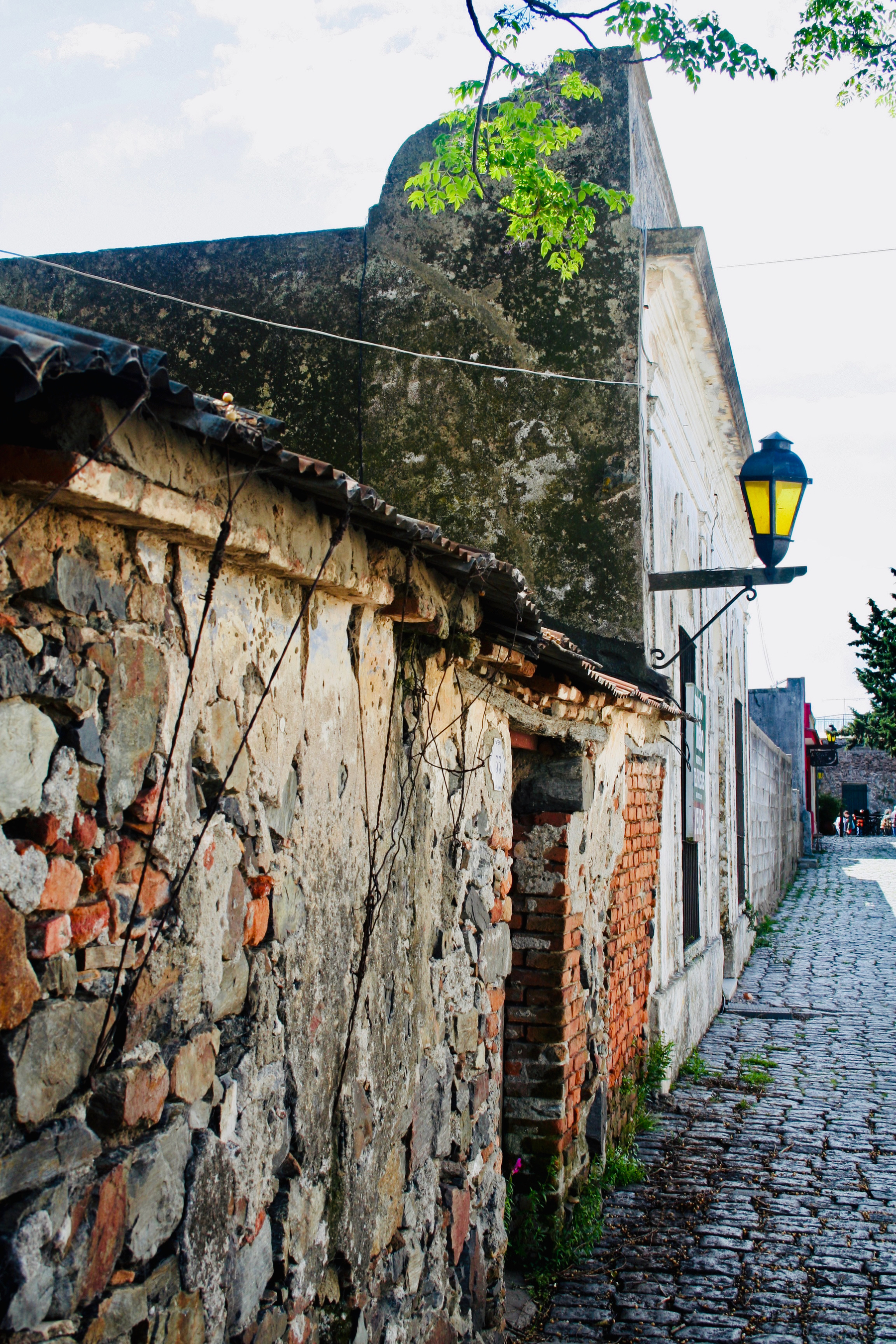
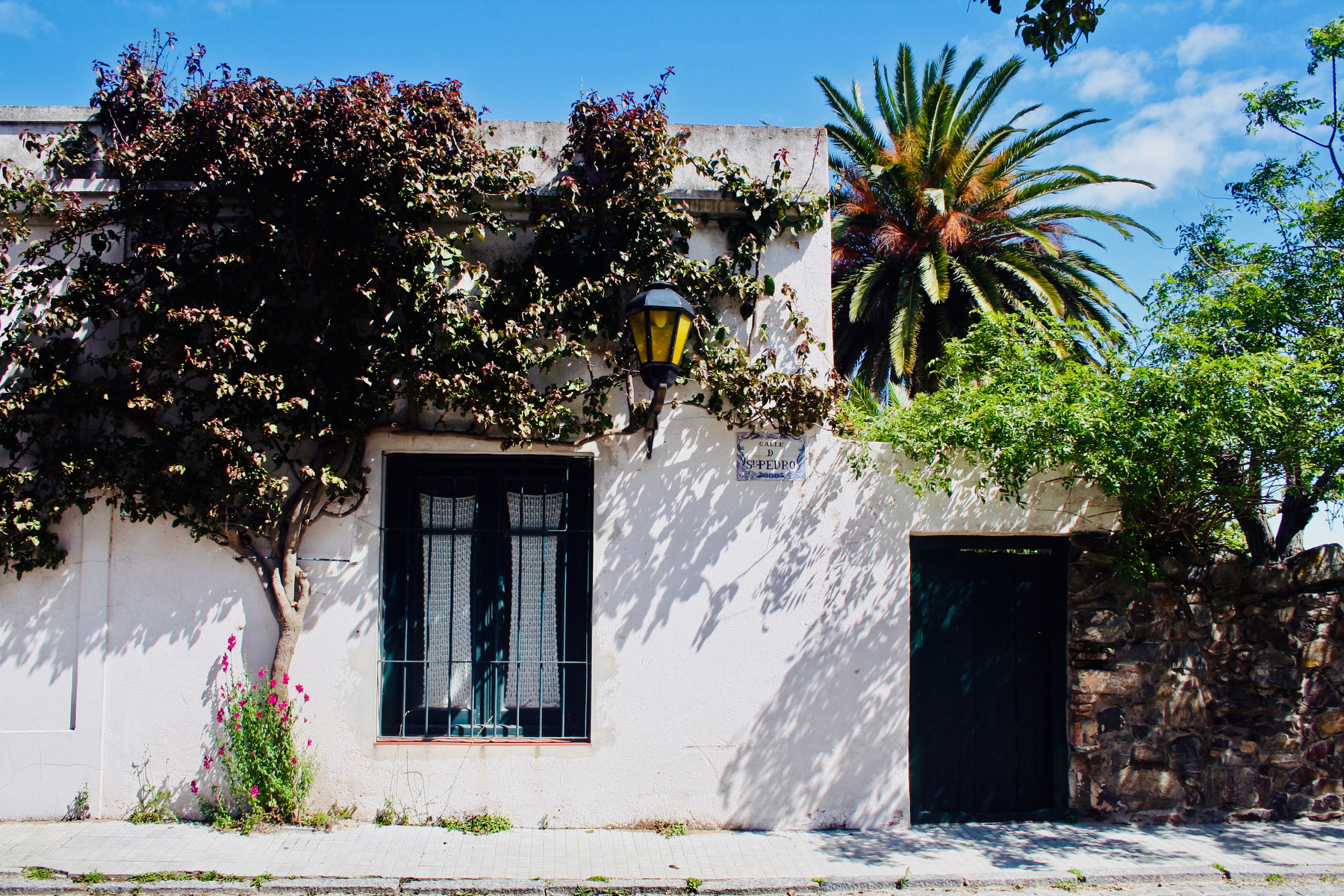
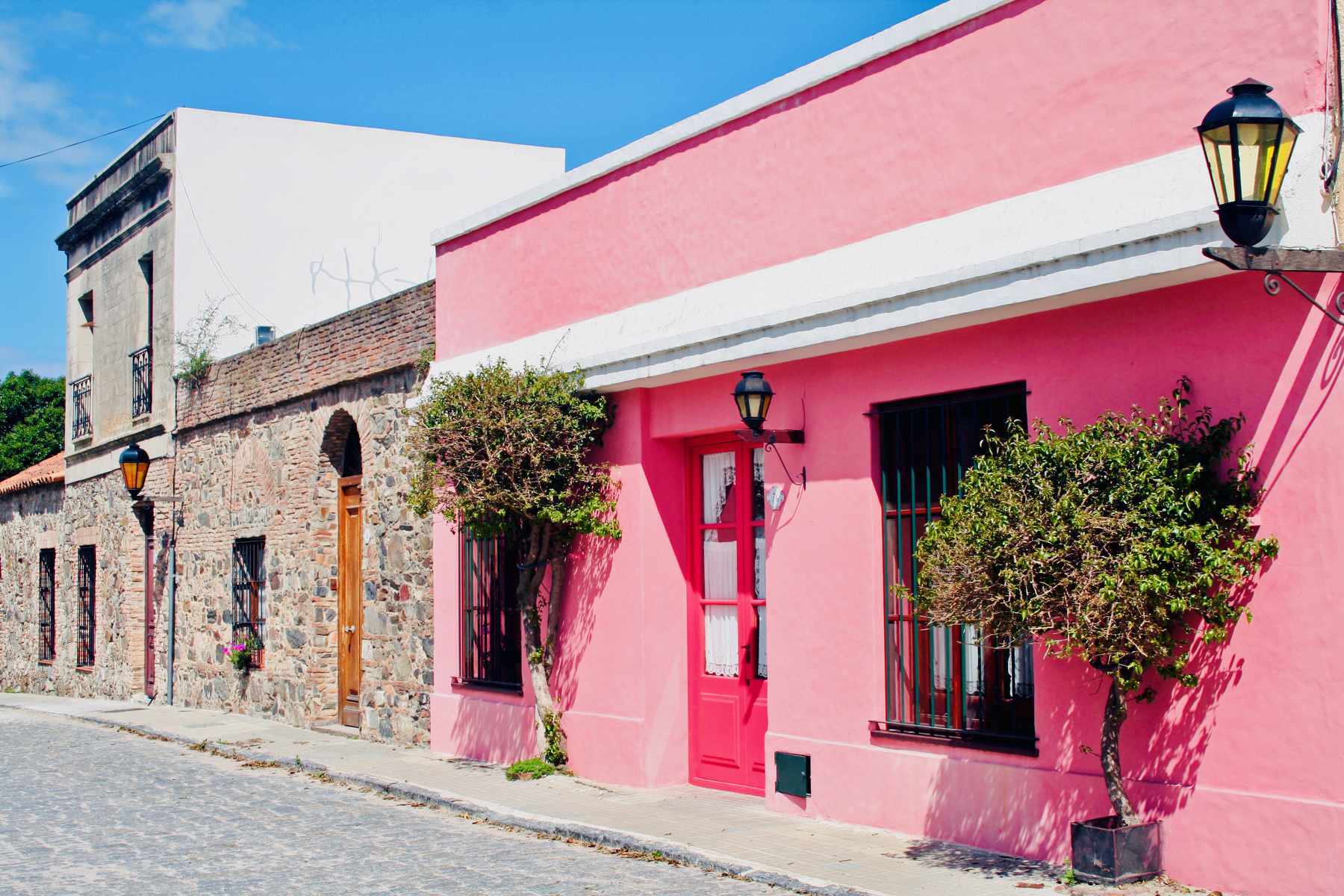
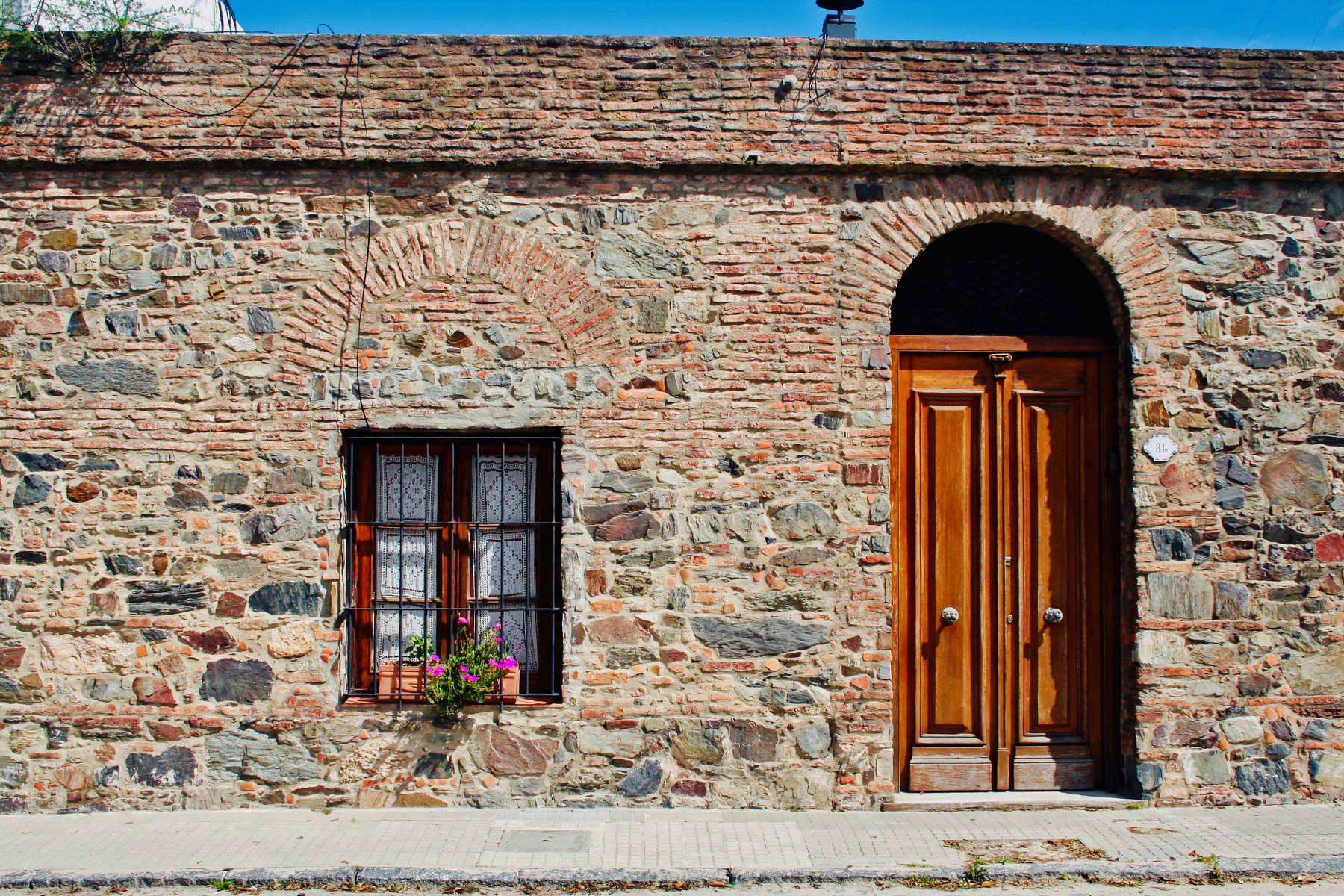
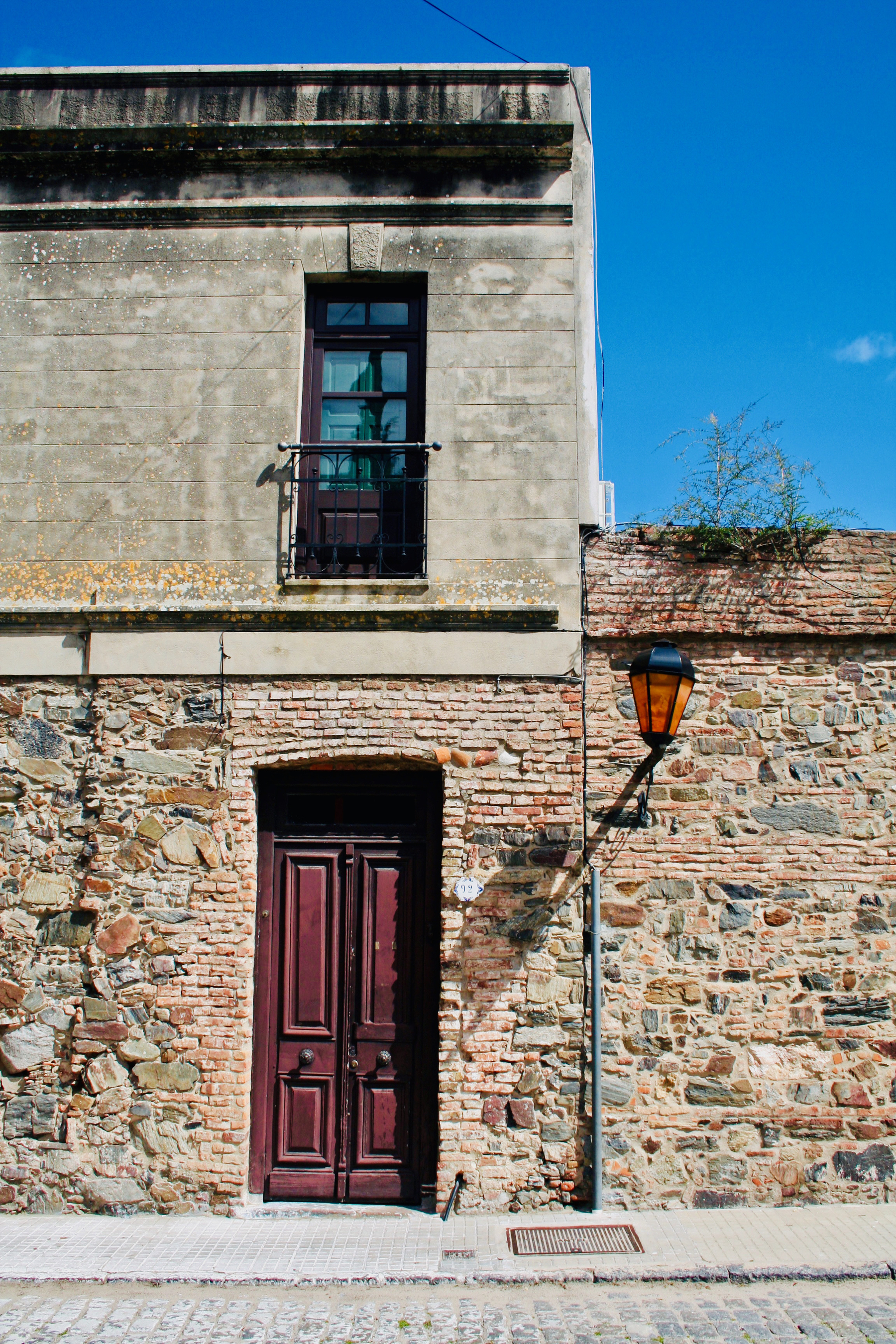
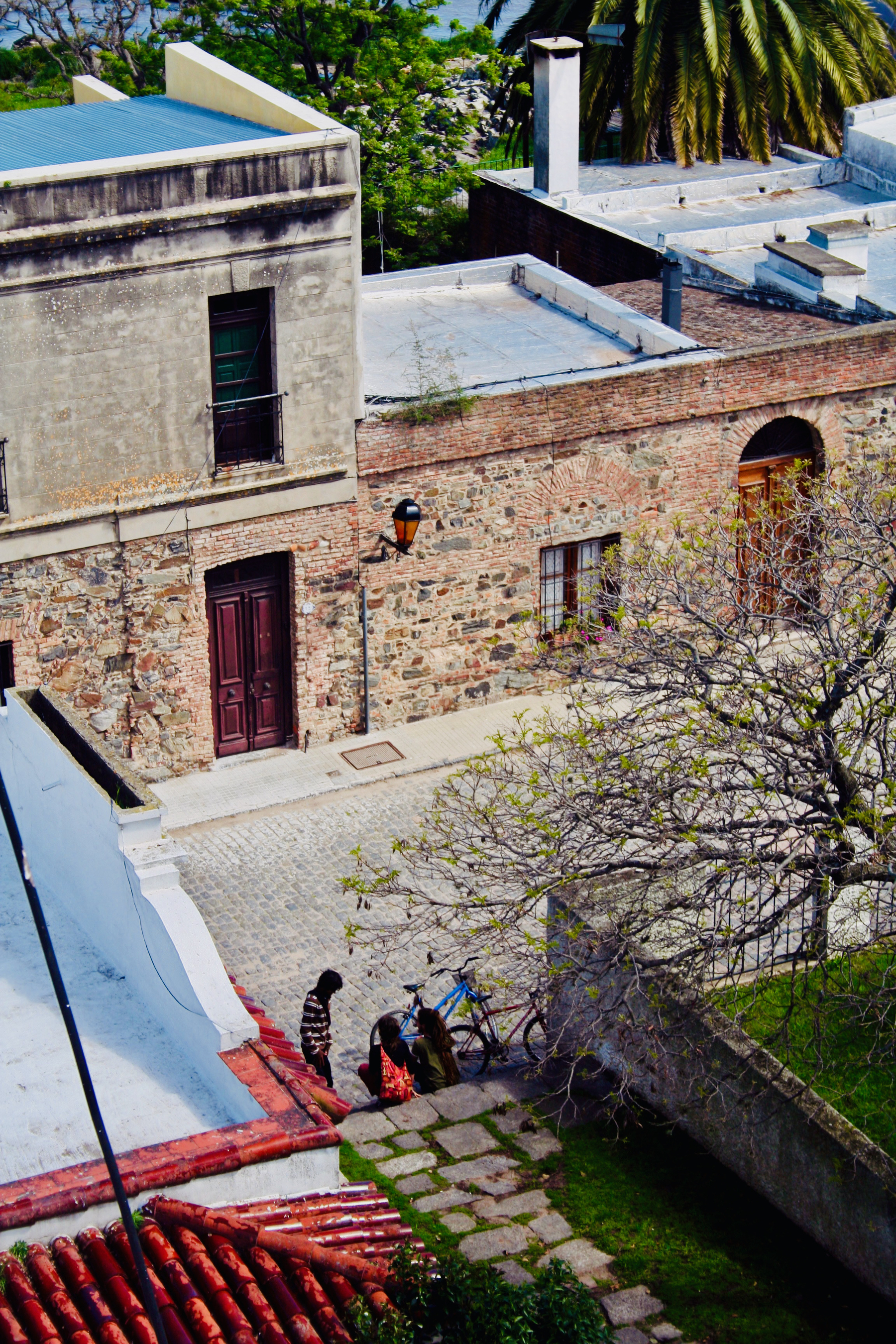
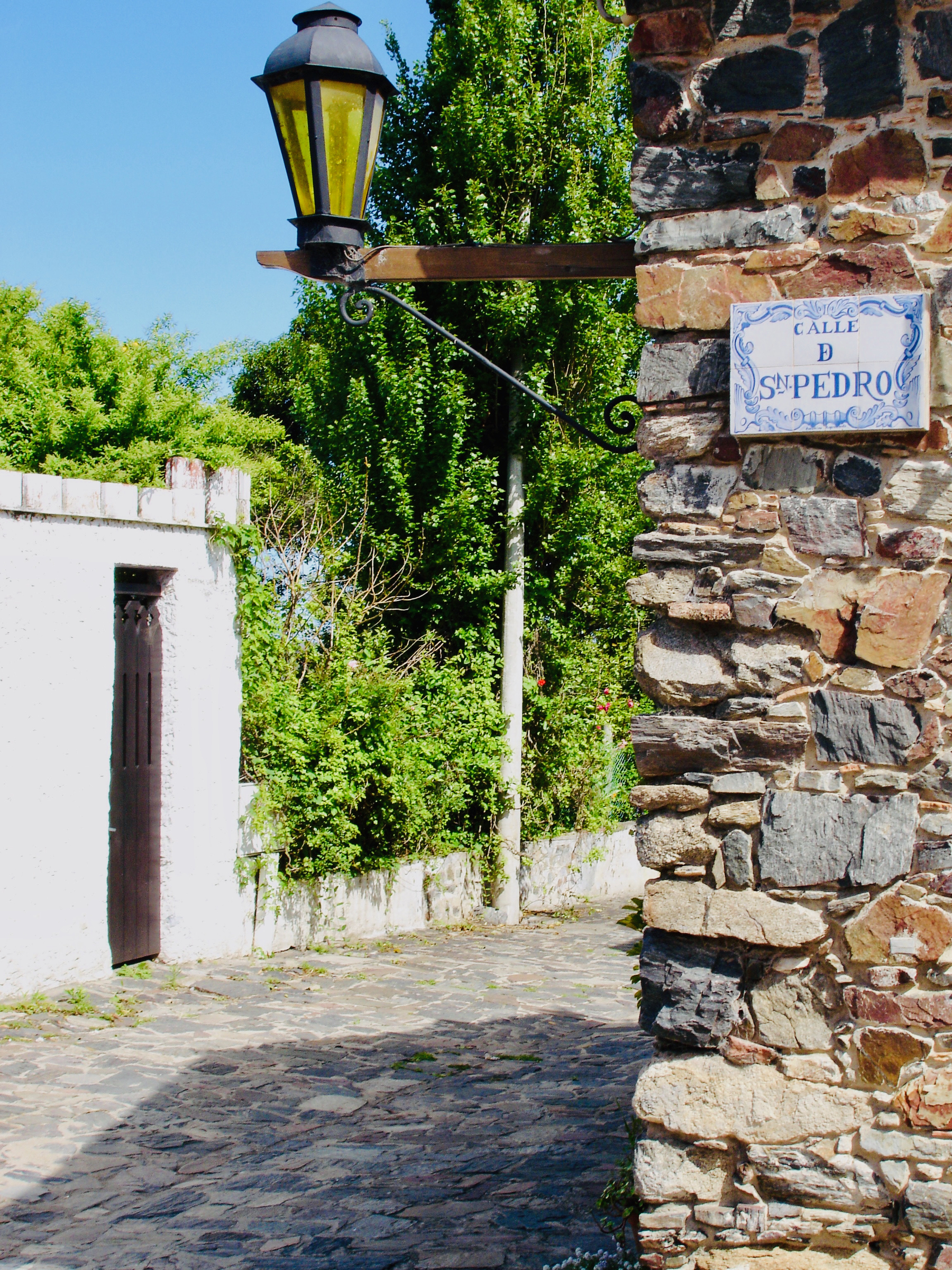
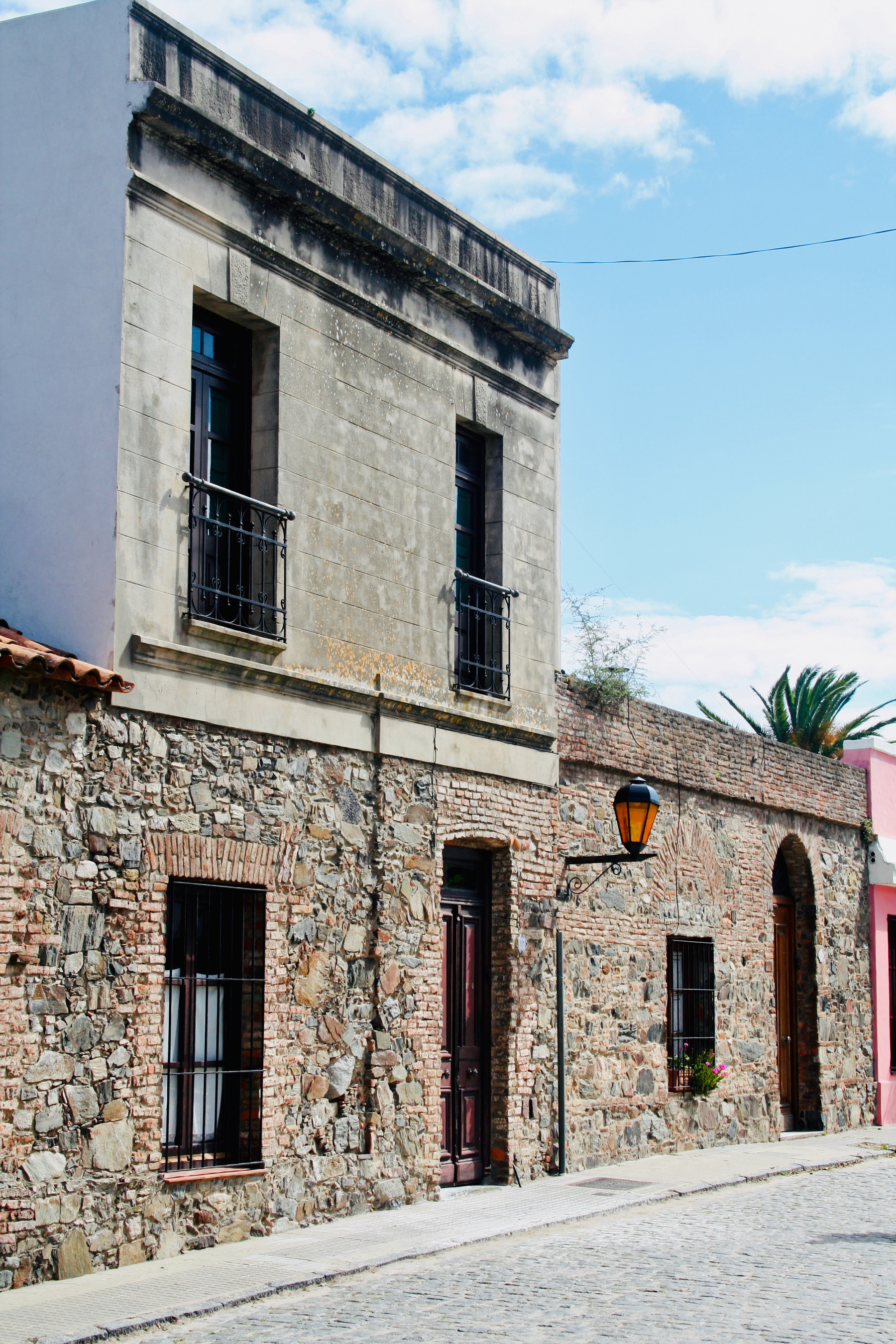
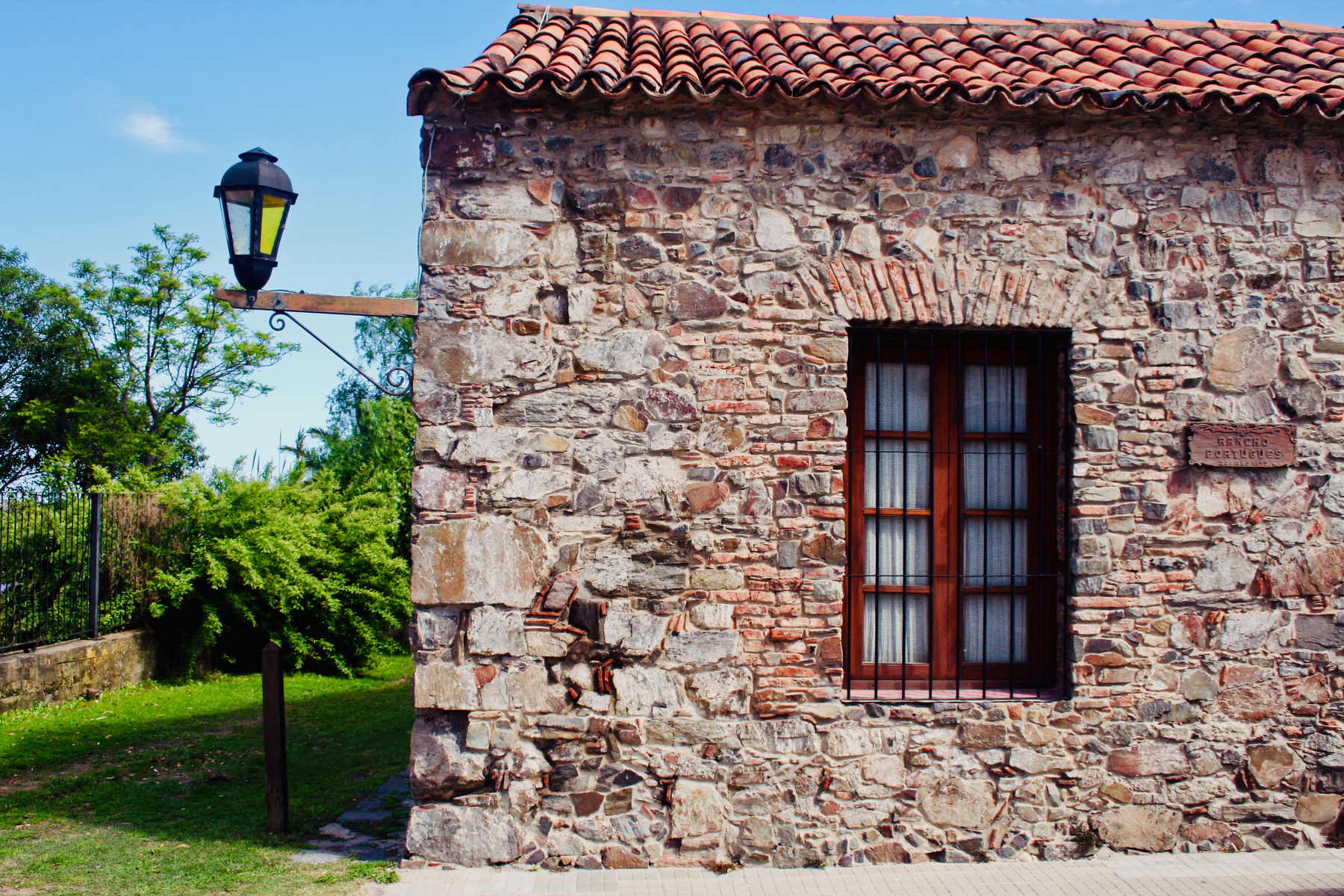
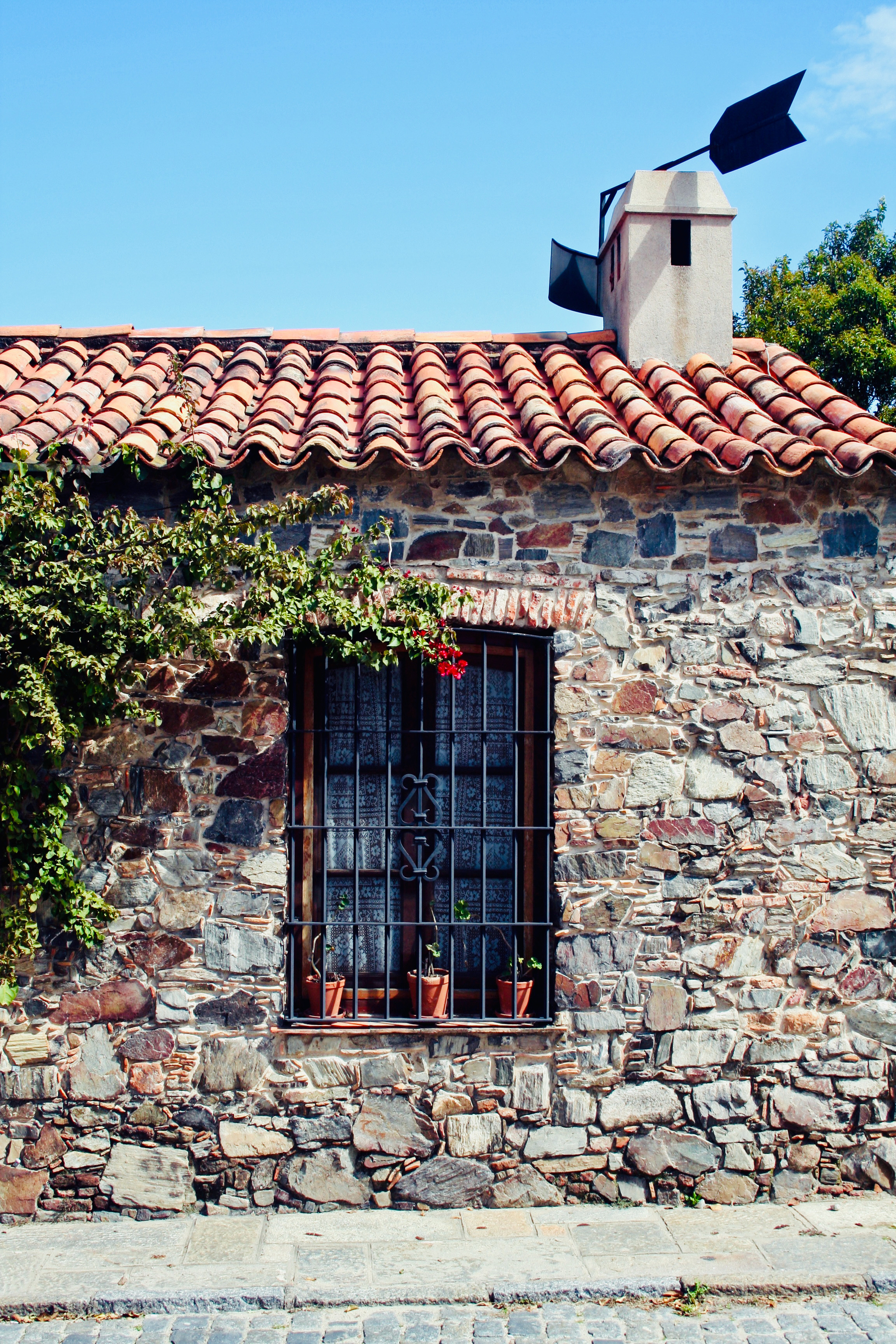
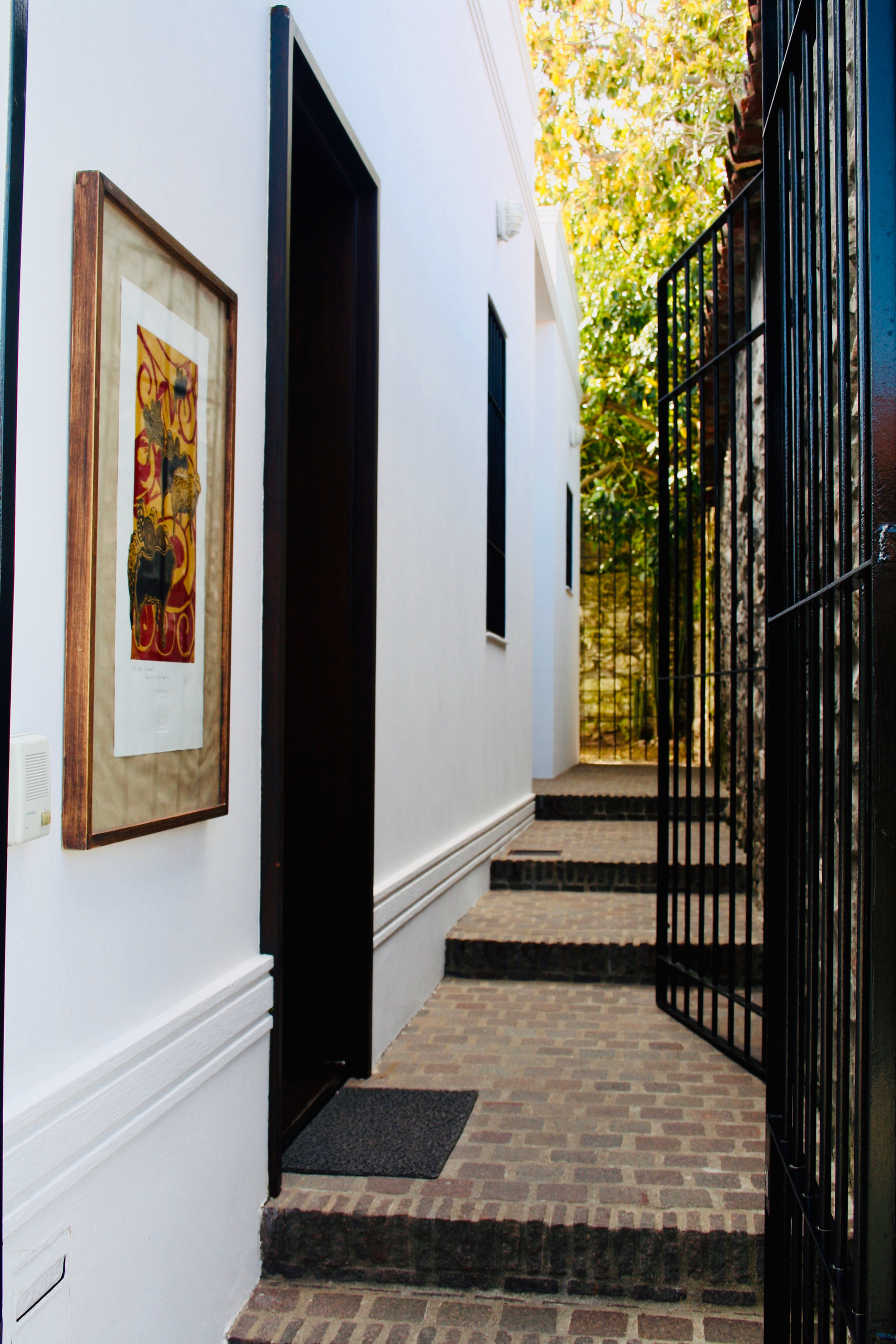
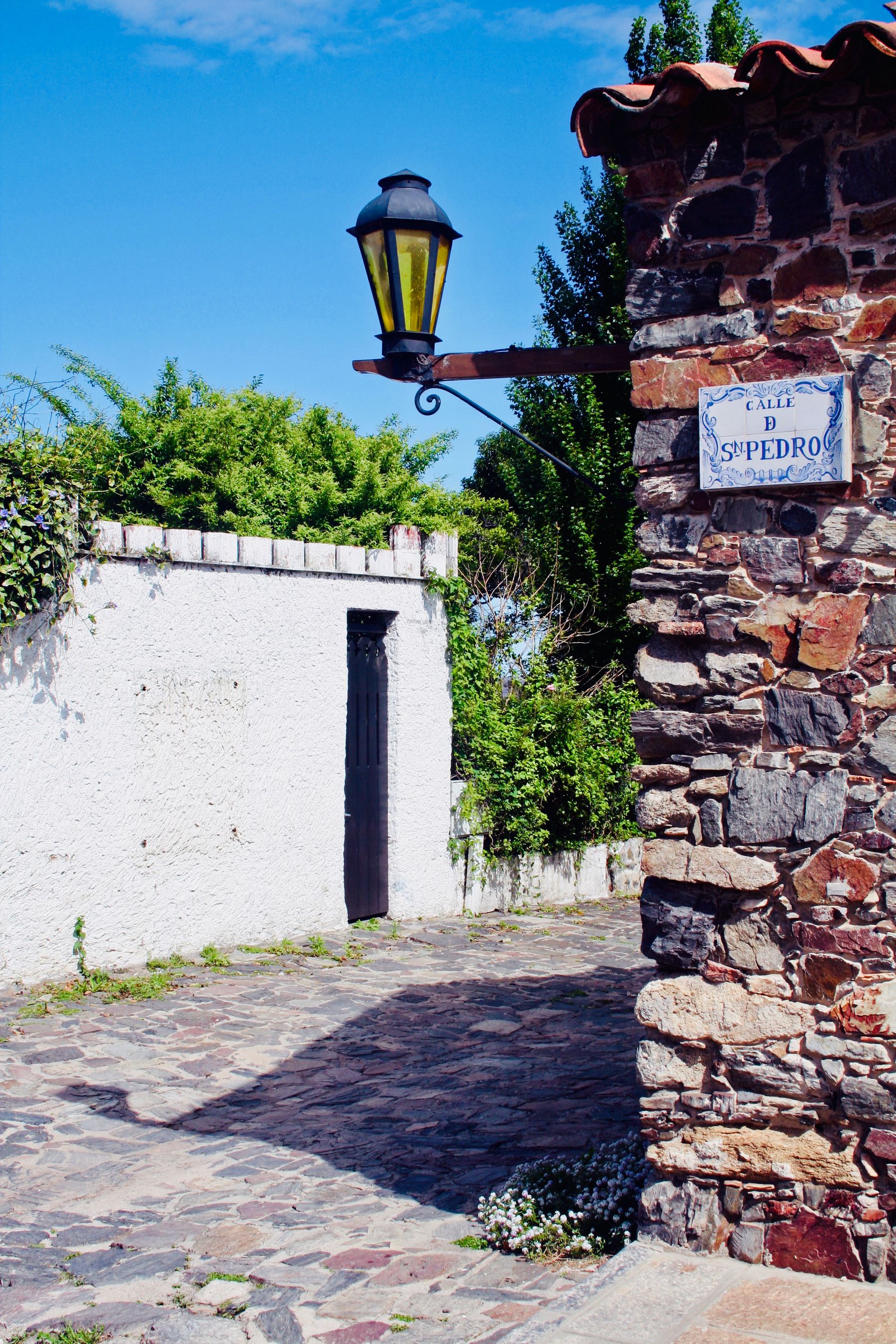
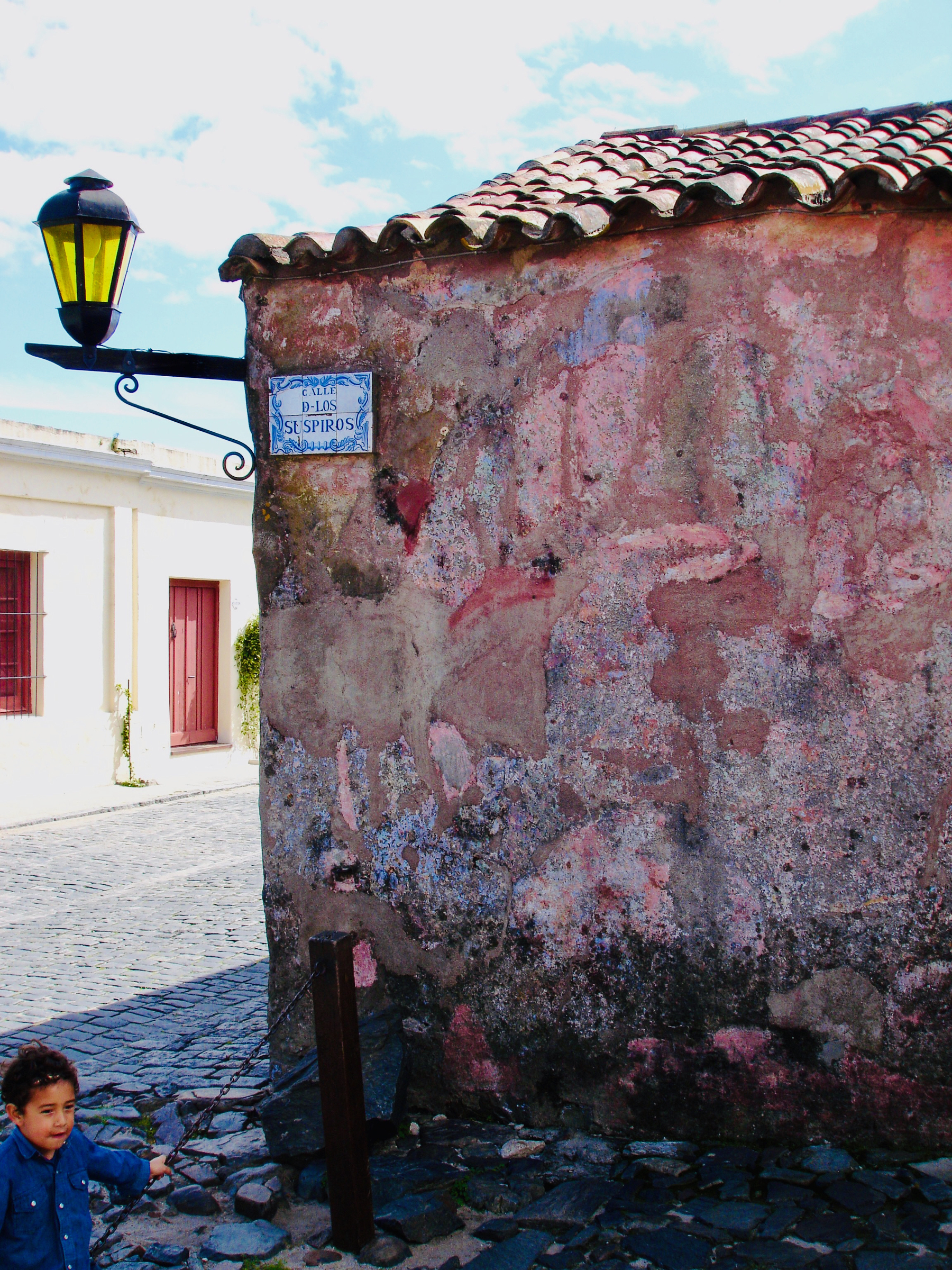
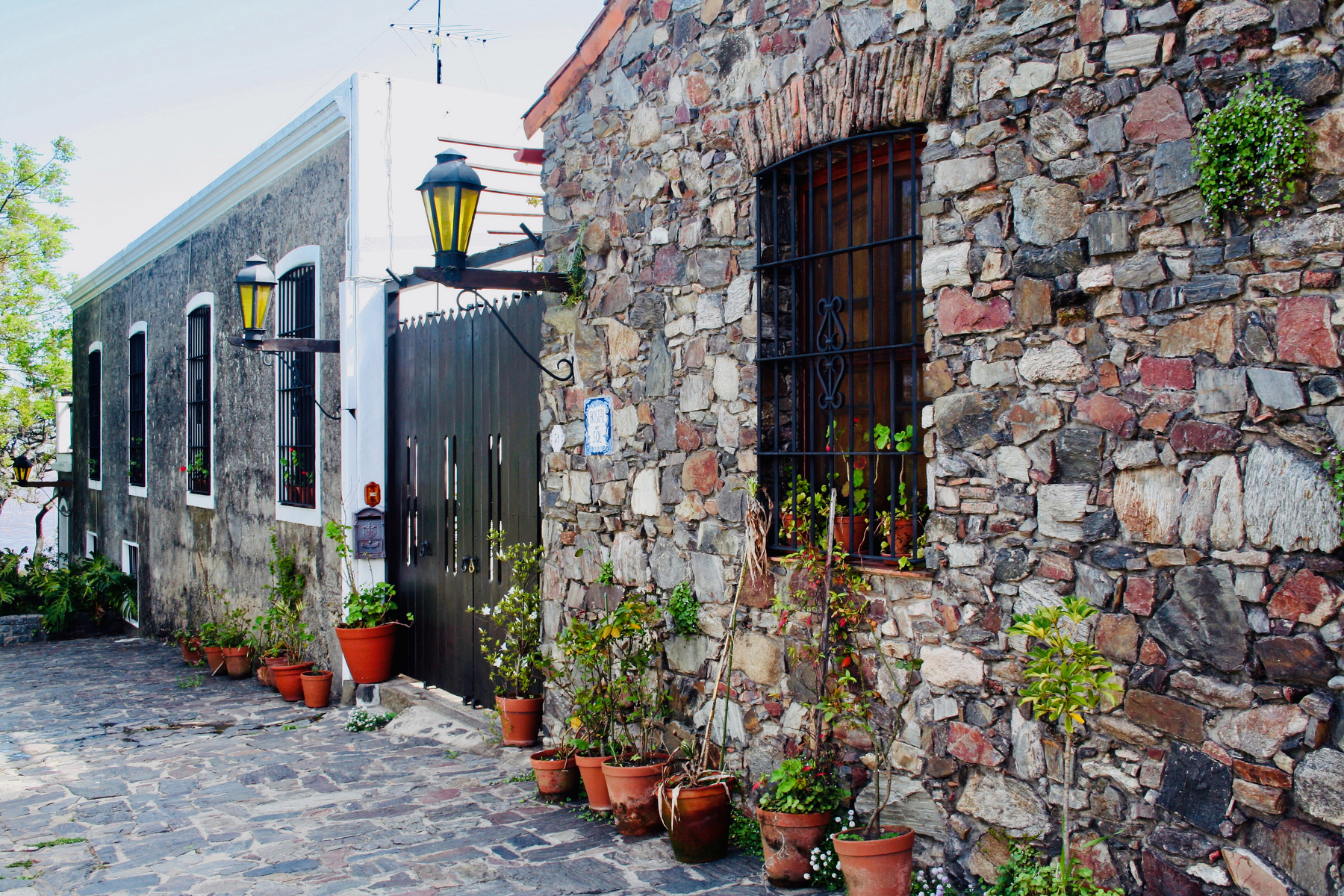
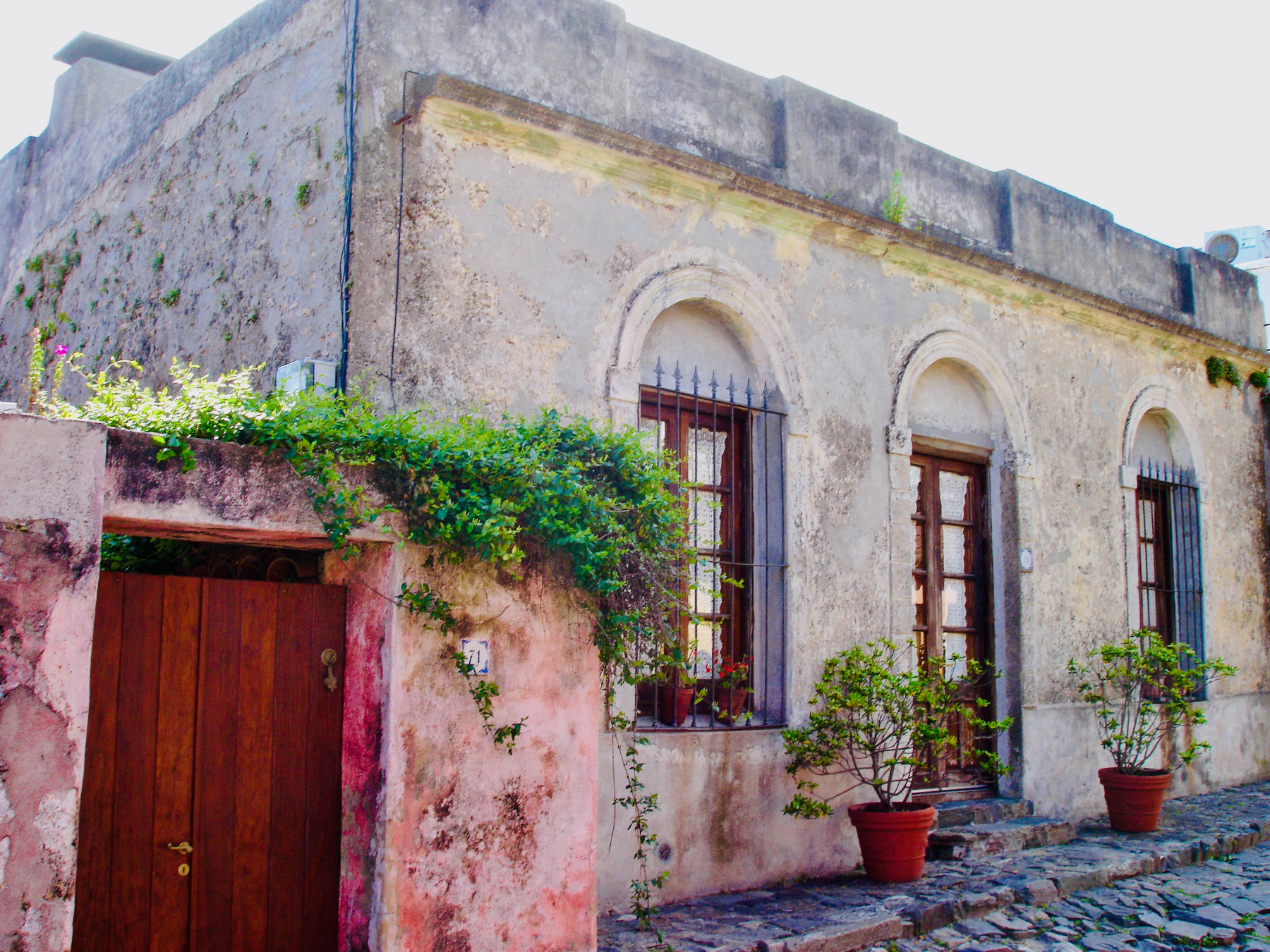
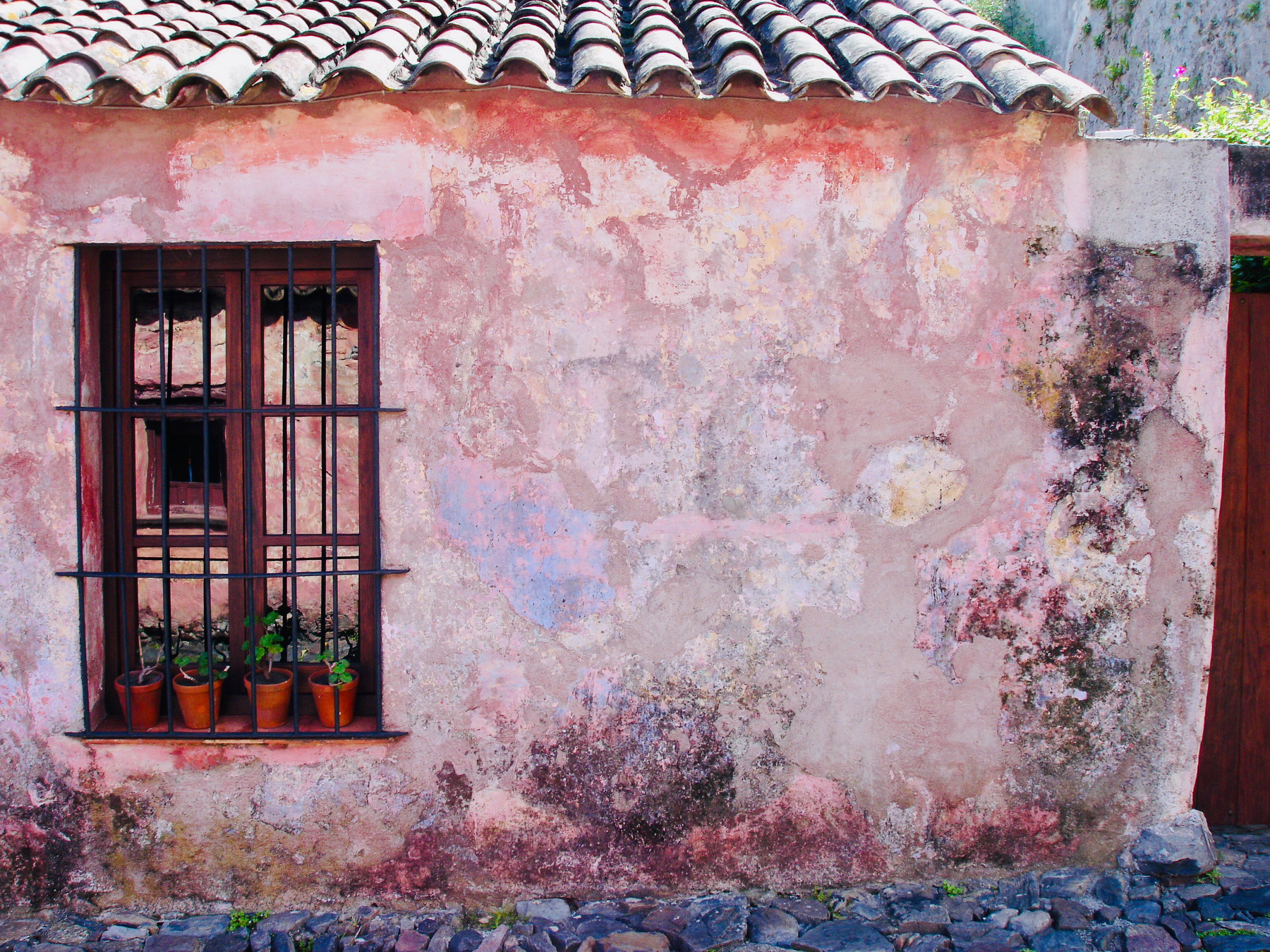
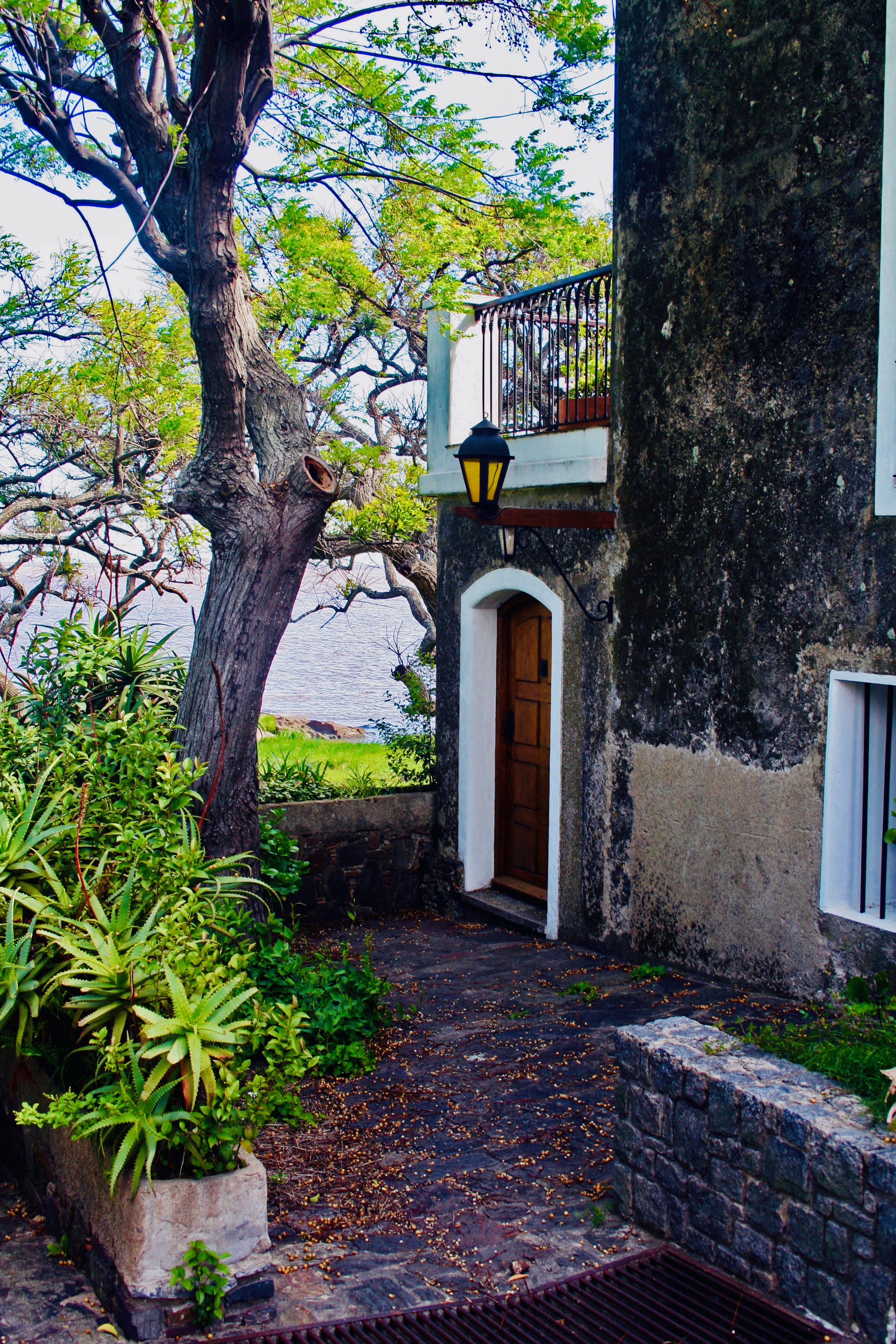
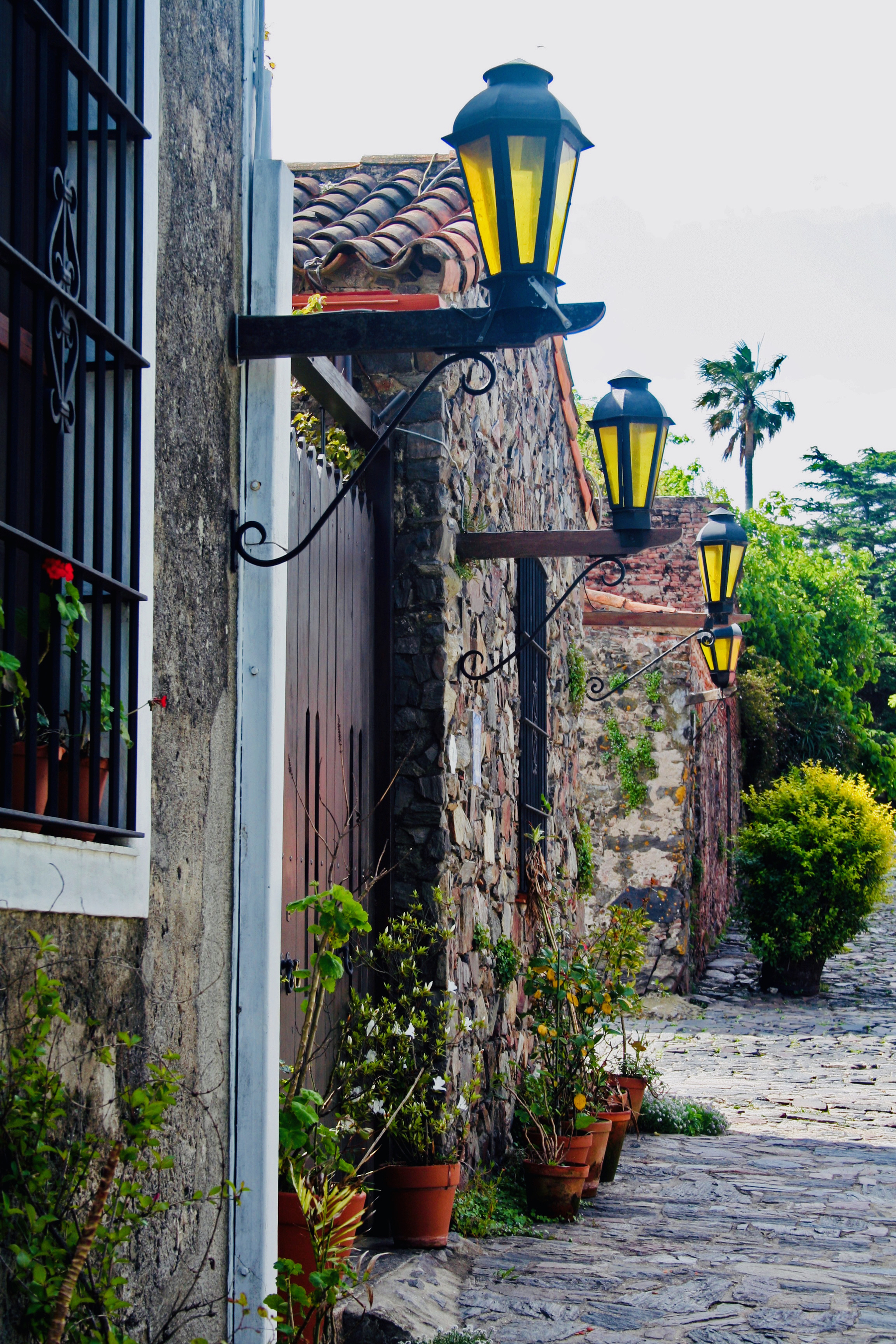
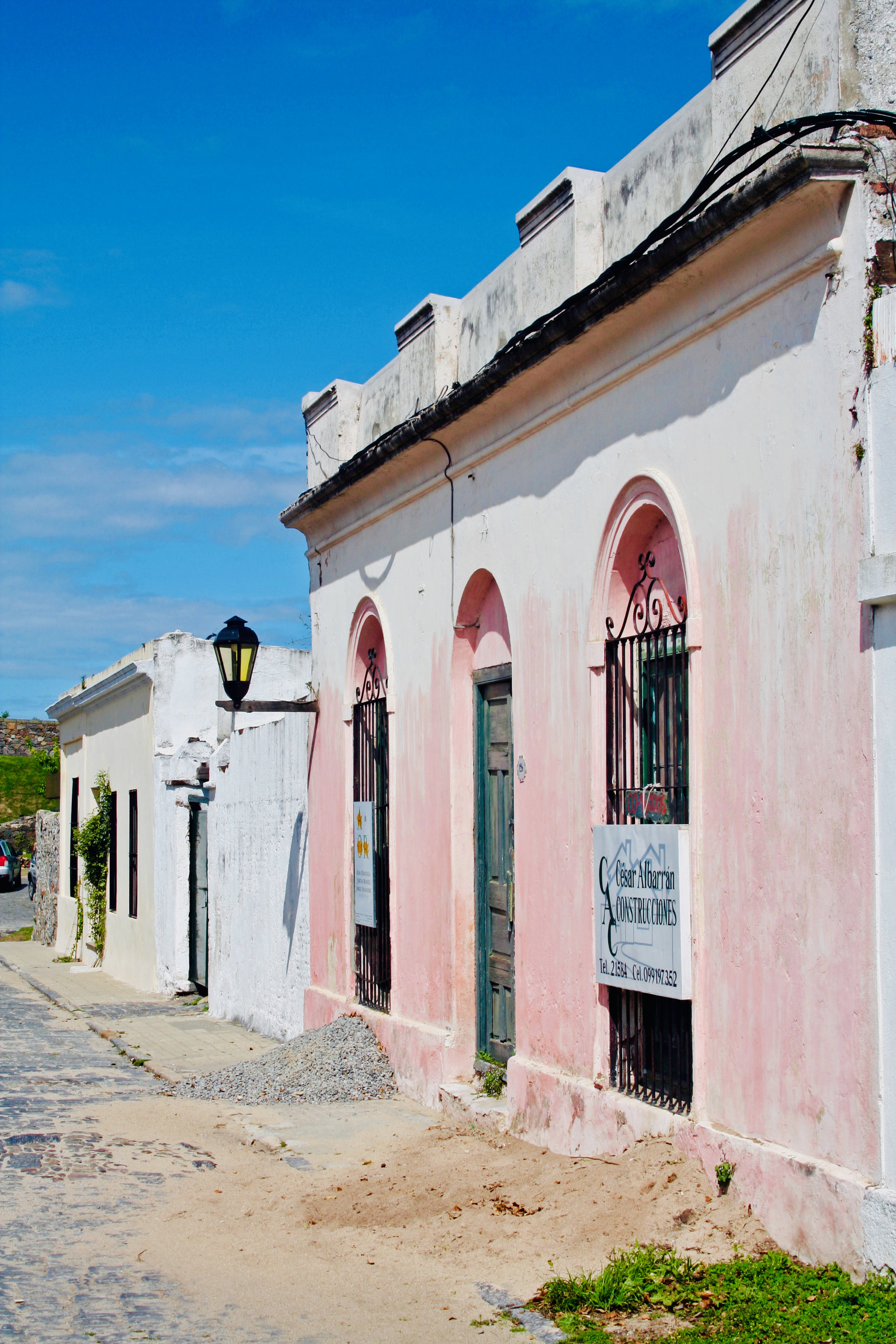
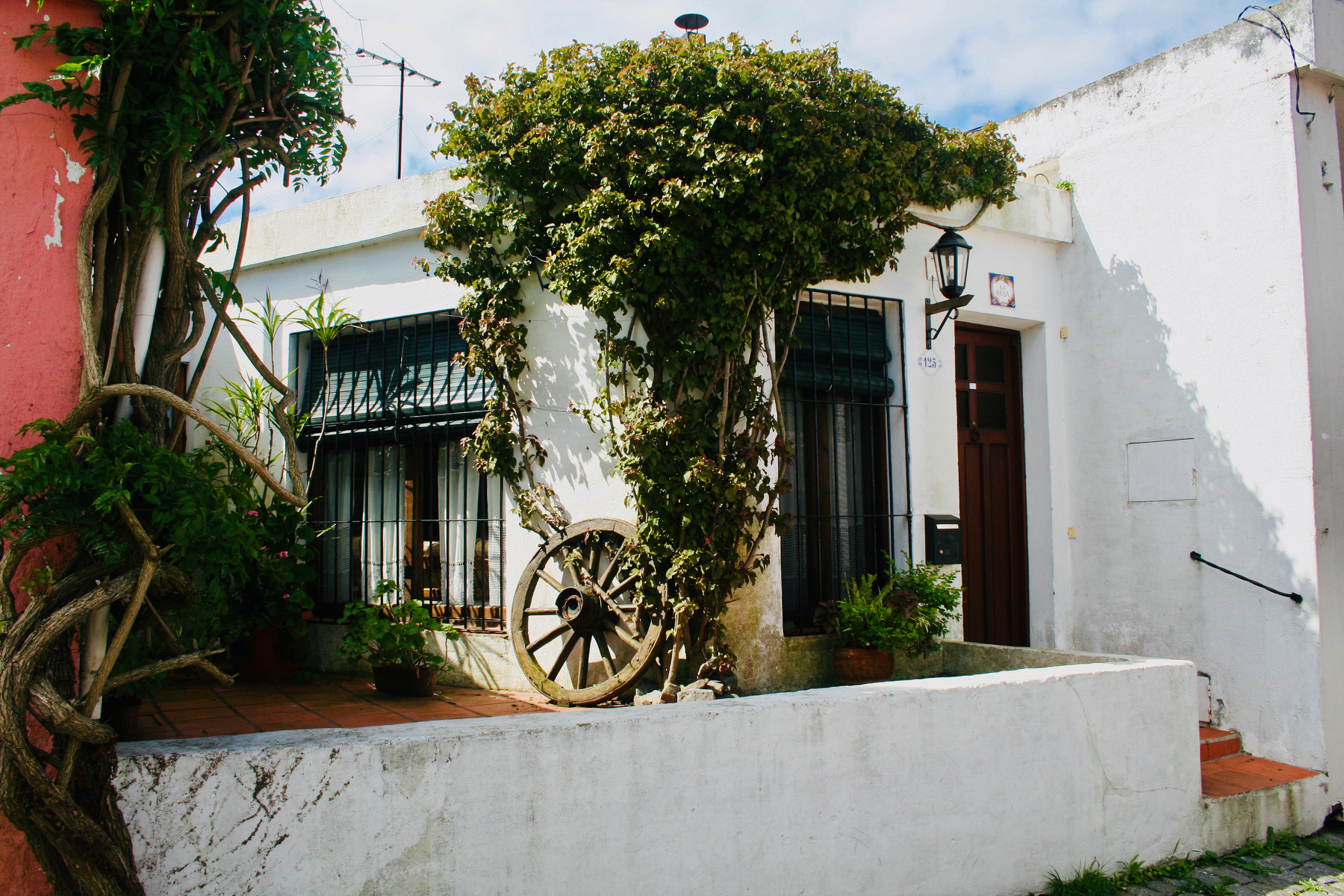
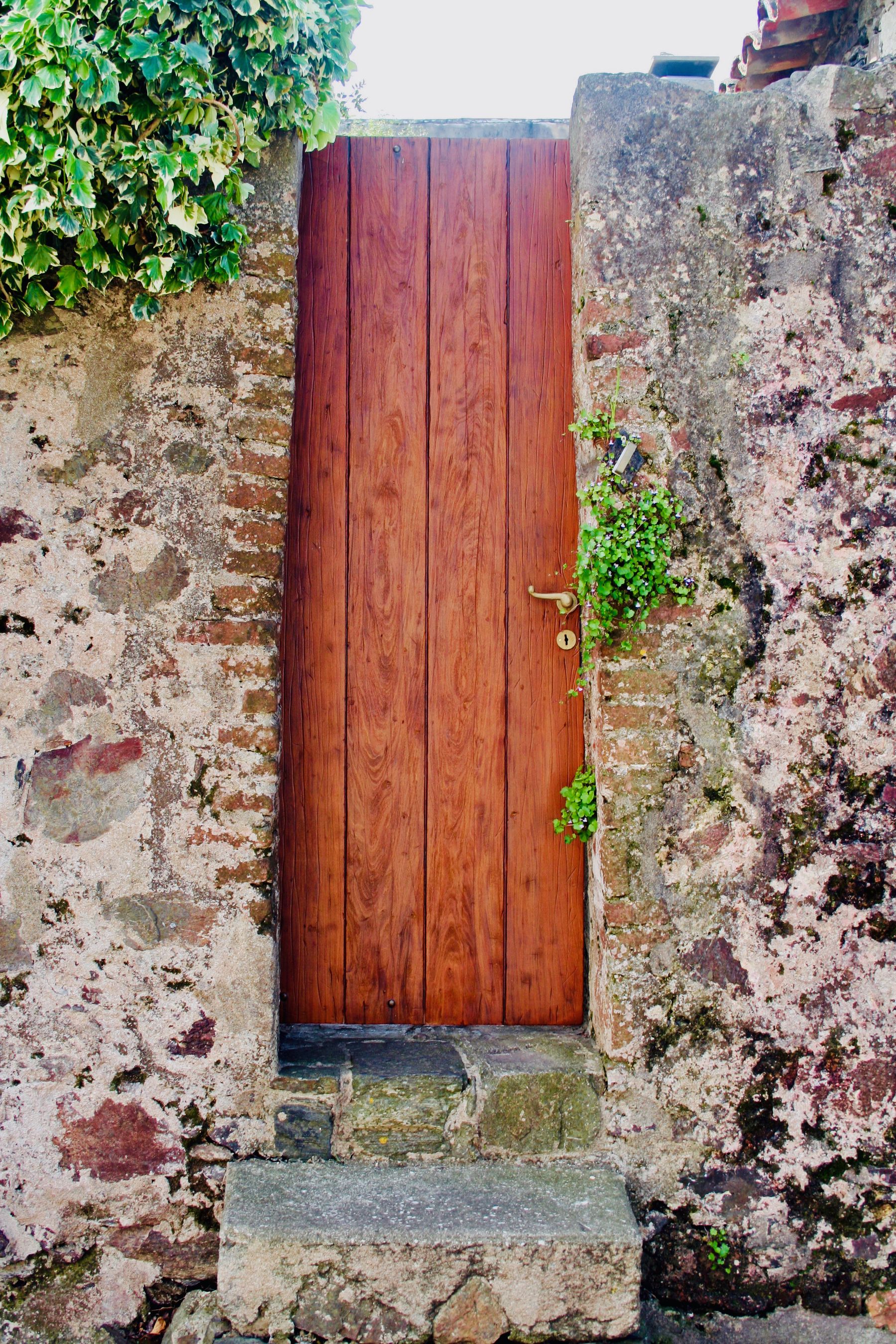
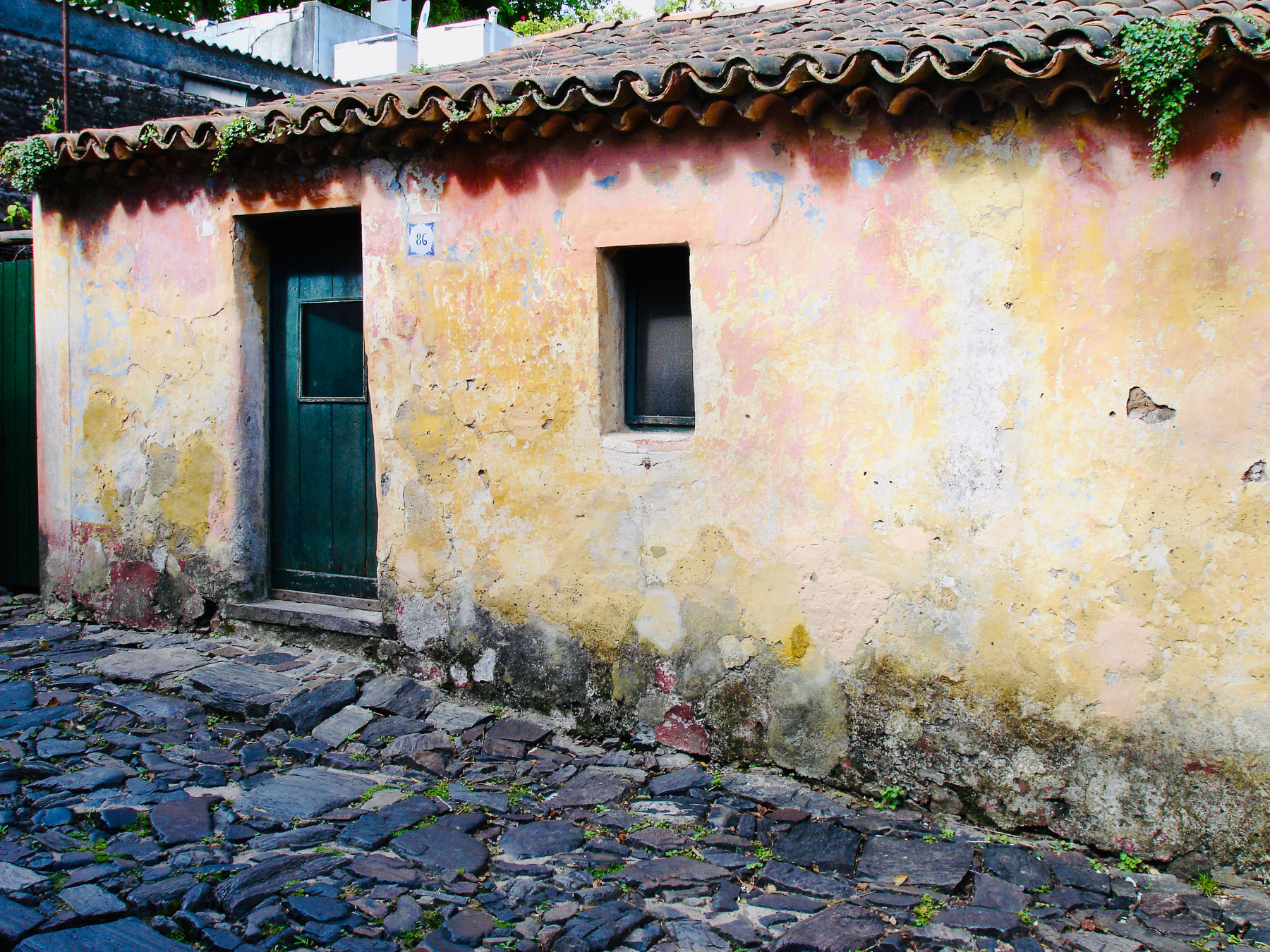
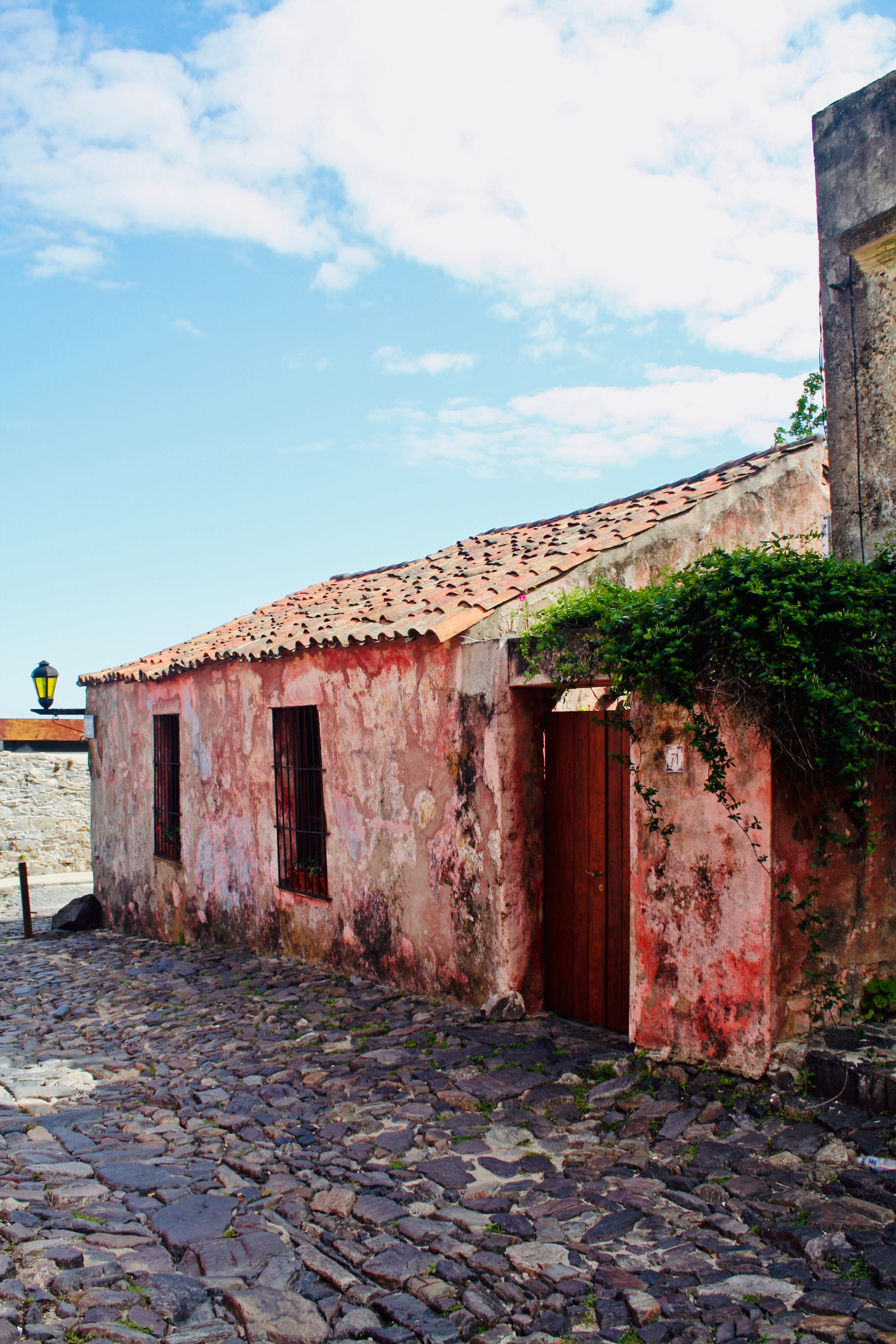
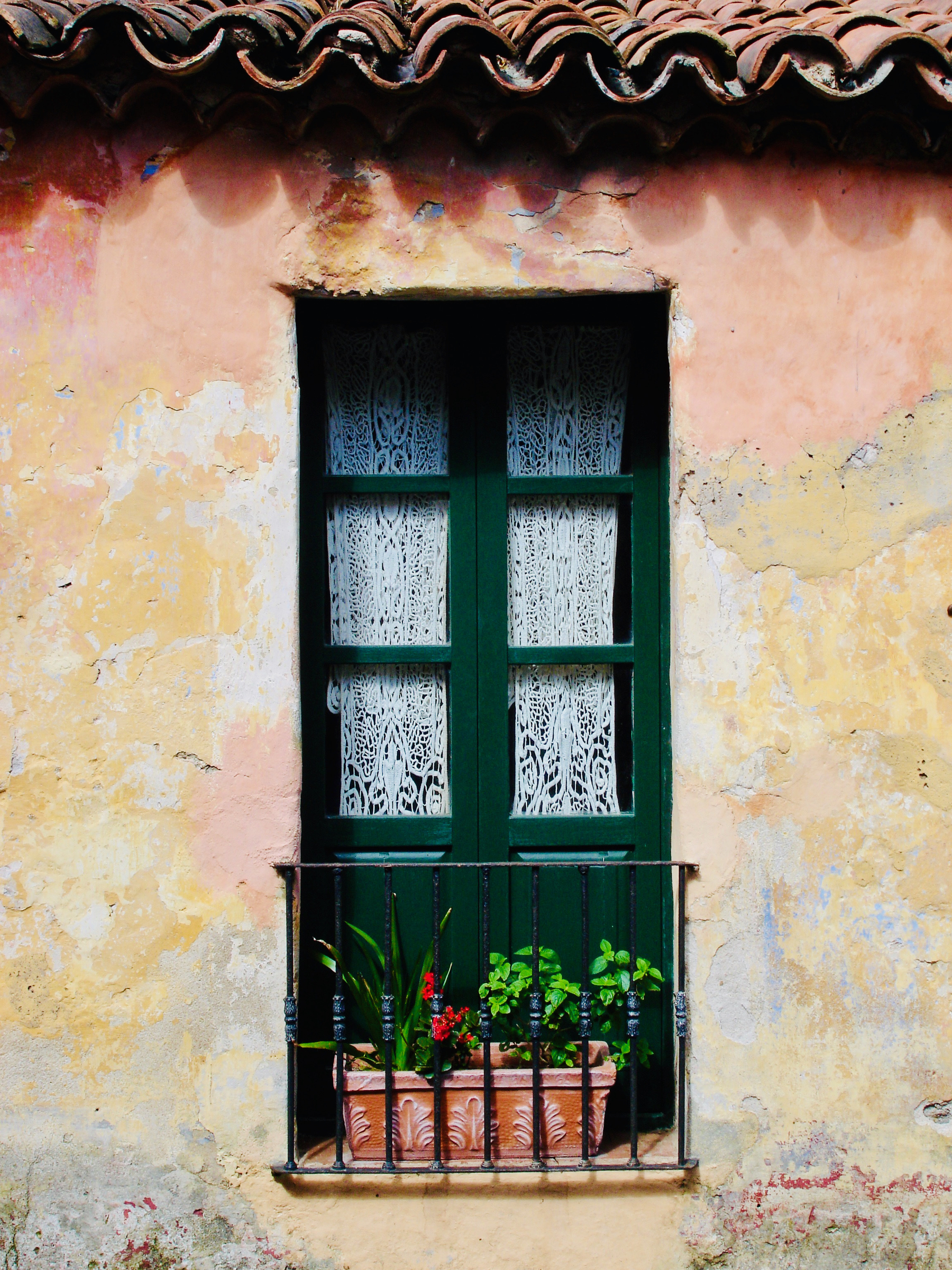
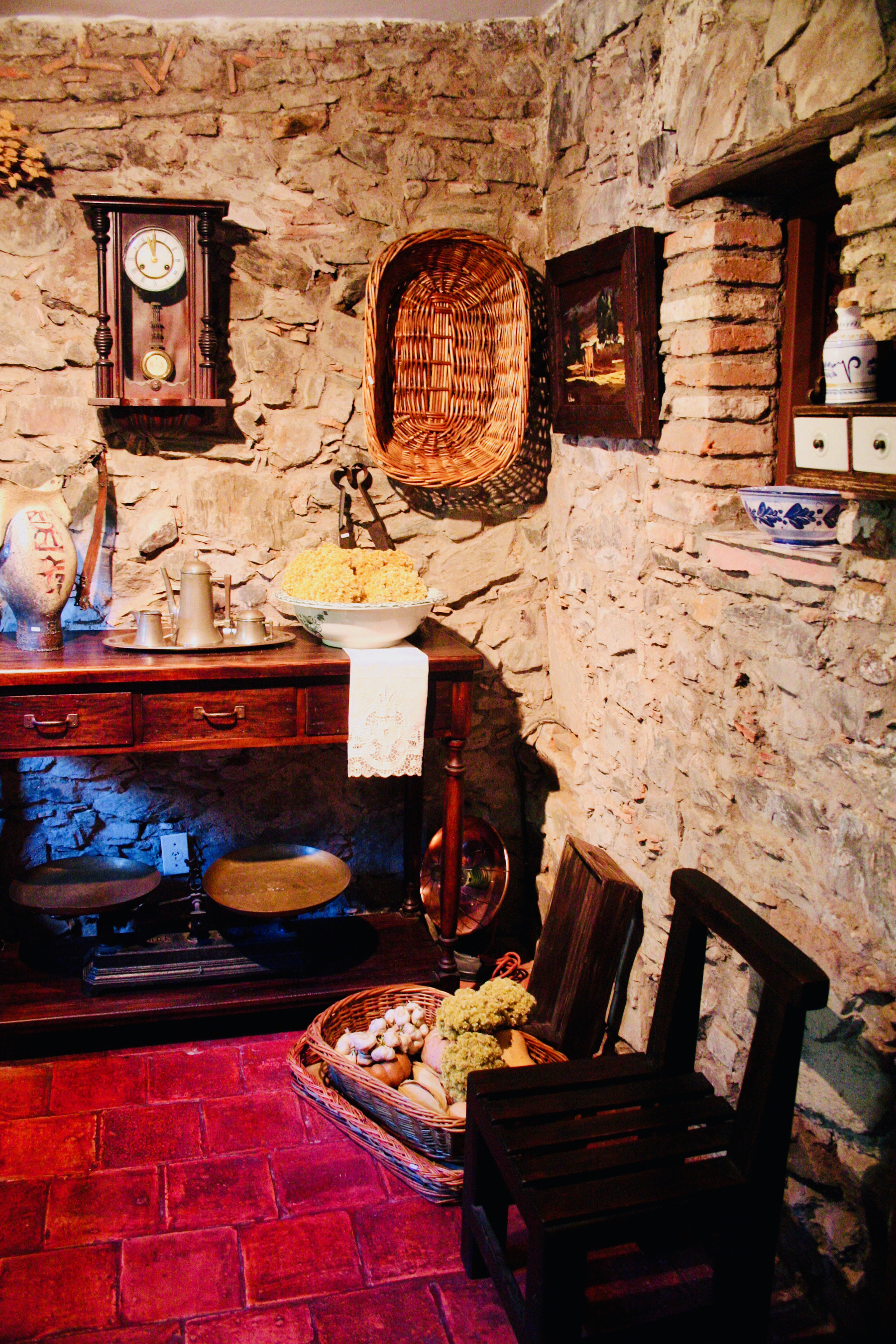
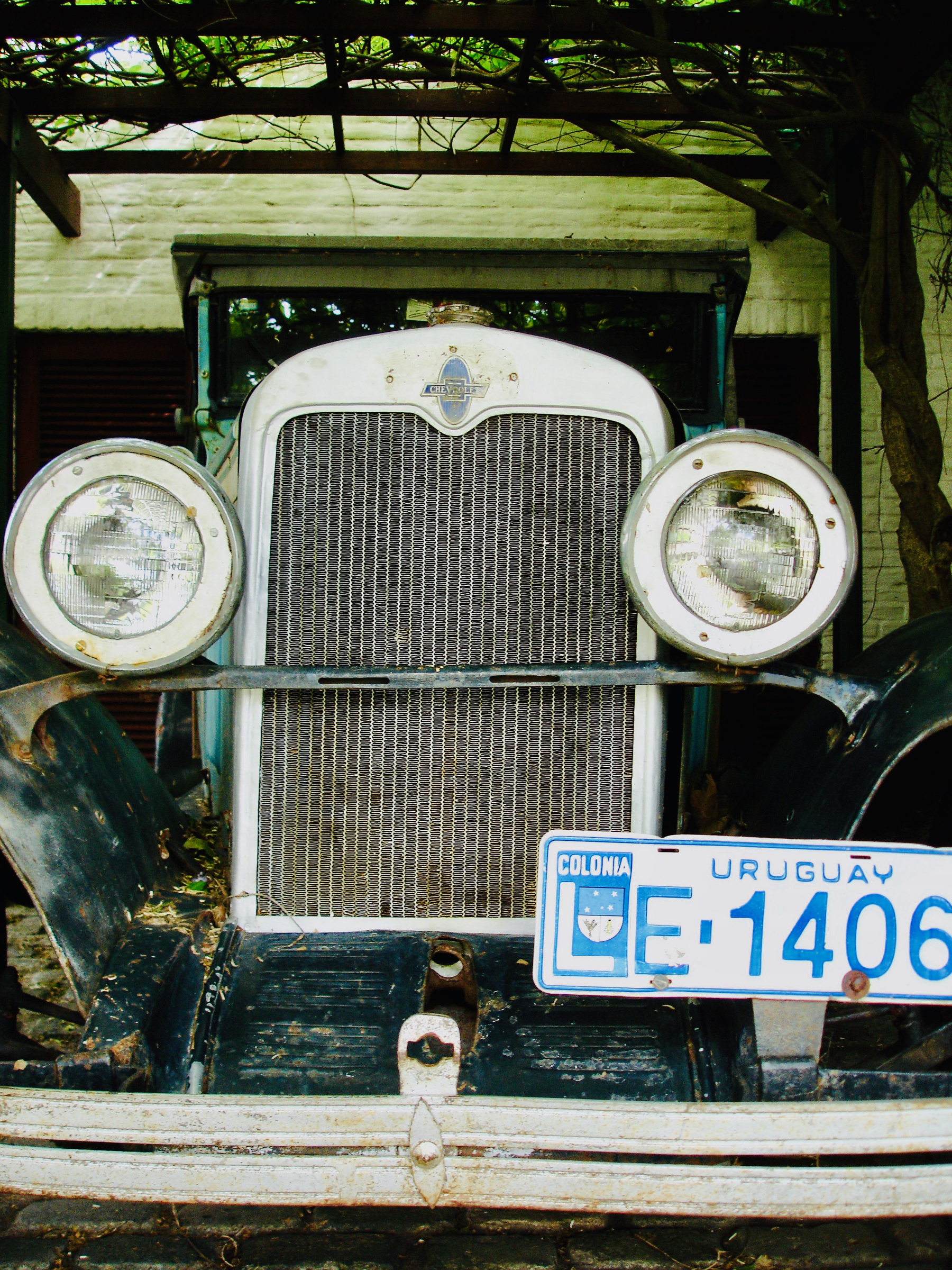
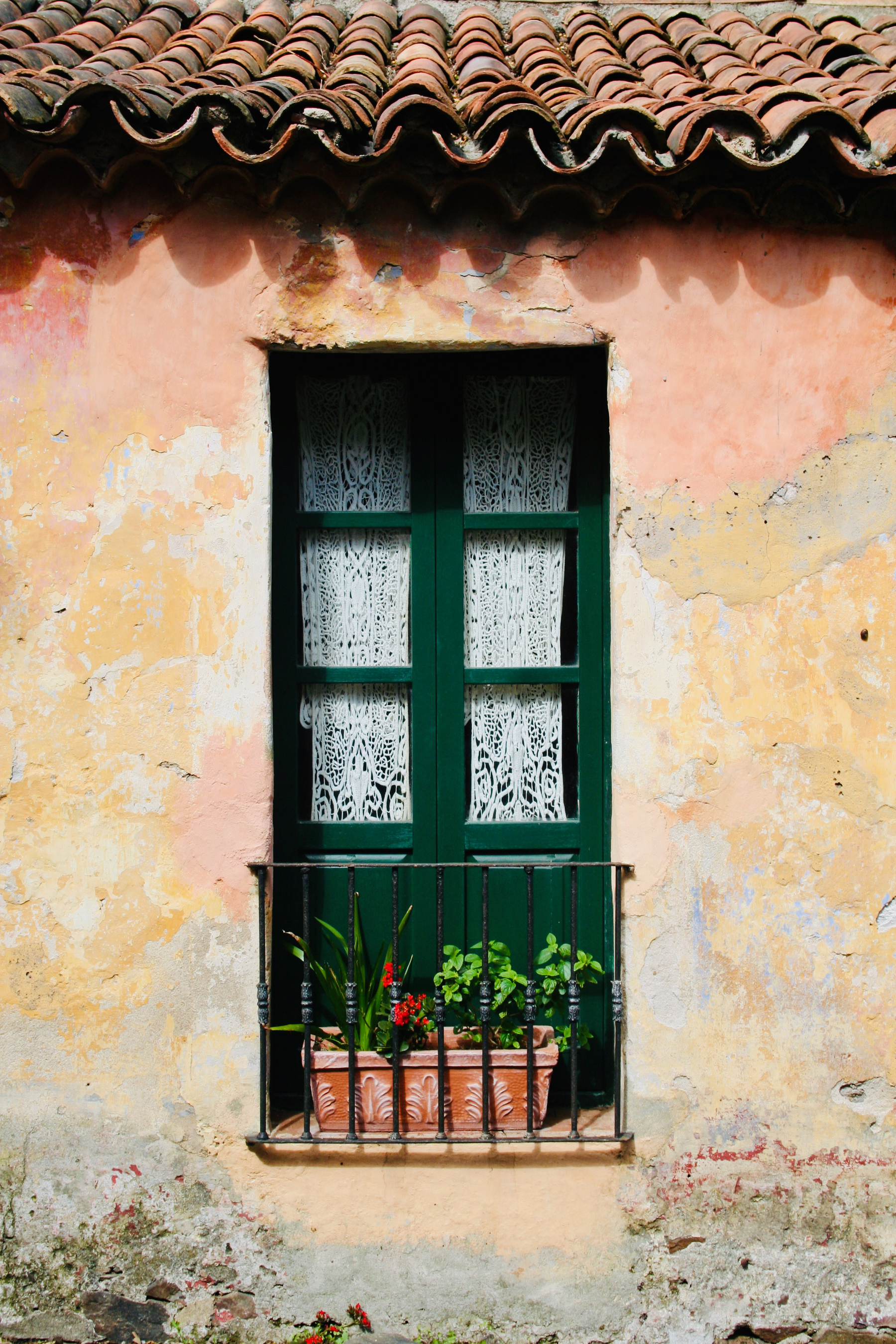
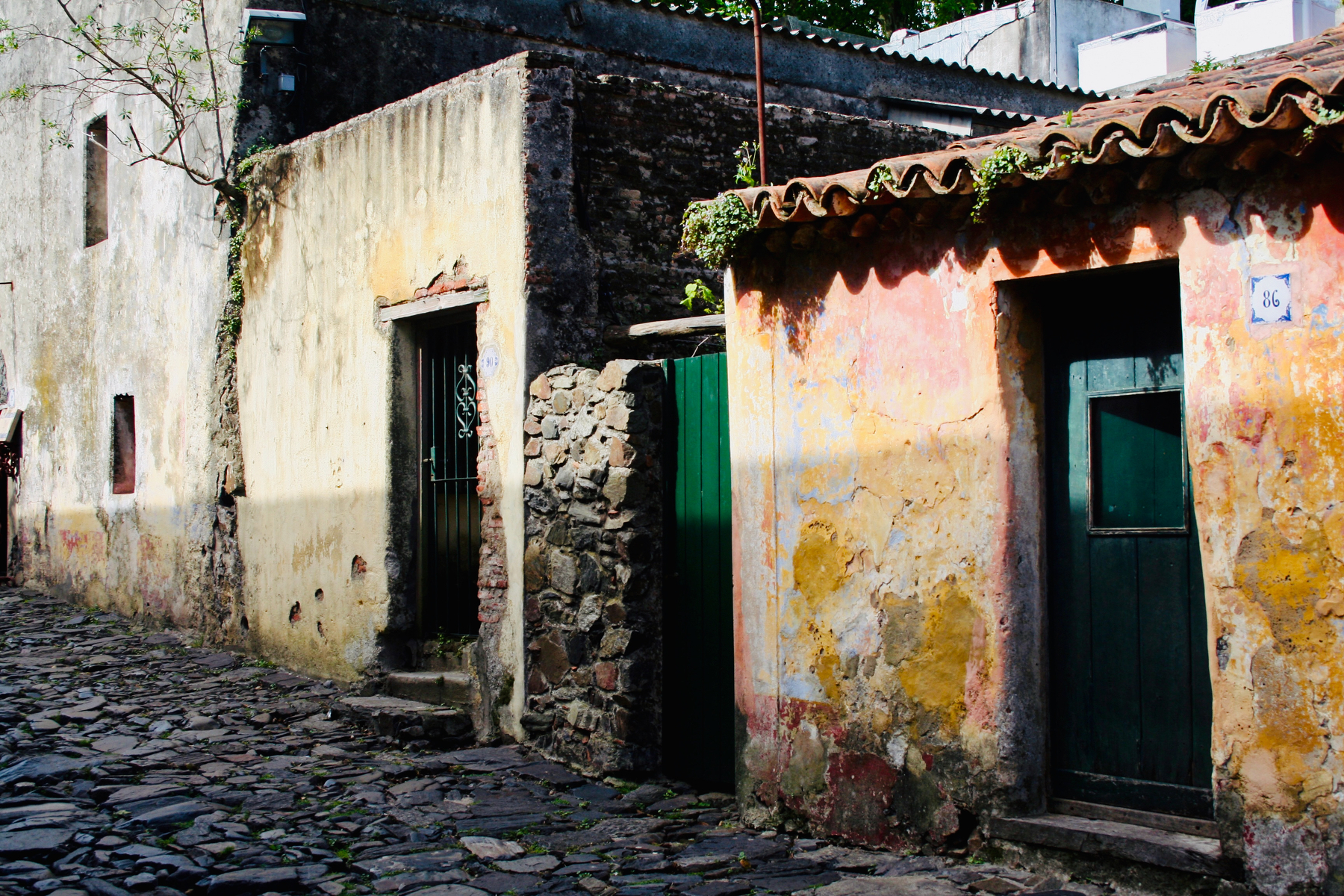
The historic quarter is what makes Colonia so captivating. Recognised as a UNESCO World Heritage Site, the old town still carries the unmistakable character of its Portuguese colonial beginnings, with weathered stone buildings, colourful façades, ancient walls and cobbled streets that seem to wander rather than follow any particular plan. Unlike the orderly grid of many Spanish colonial settlements, the Portuguese streets curve and twist with the natural landscape, creating a wonderfully relaxed atmosphere. Walking through them felt less like sightseeing and more like stepping into another century. Every corner seemed to offer another photograph—a doorway covered in ivy, an old ruin, a weathered wall or a quiet little square where nothing appeared to have changed for generations. It was impossible not to slow down.
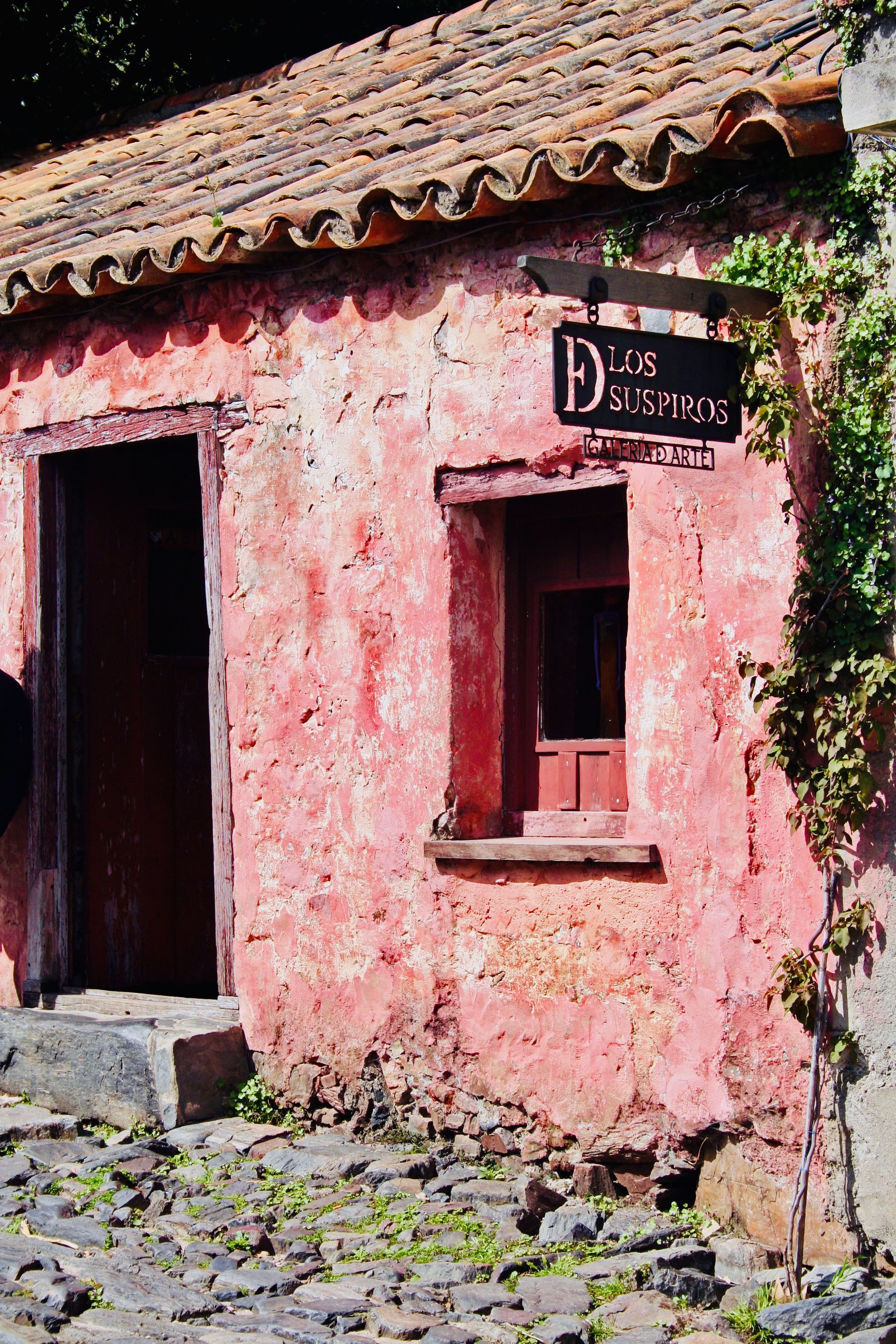
One of my favourite experiences was climbing the lighthouse, where the view gave me an entirely different perspective of Colonia. From above, the colourful rooftops stretched toward the waterfront while the enormous Río de la Plata shimmered beyond them, with Argentina somewhere across the water. It was strange to think that Buenos Aires, with all its noise, traffic and energy, was so close, yet Colonia felt like a completely different world. After coming back down, I wandered toward the waterfront and stopped for a leisurely lunch at one of the restaurants overlooking the river. Sitting there in the sunshine, with nowhere I needed to be and no reason to hurry, I understood the real attraction of Colonia. The beauty wasn’t just in the buildings or the history—it was in the pace of life.
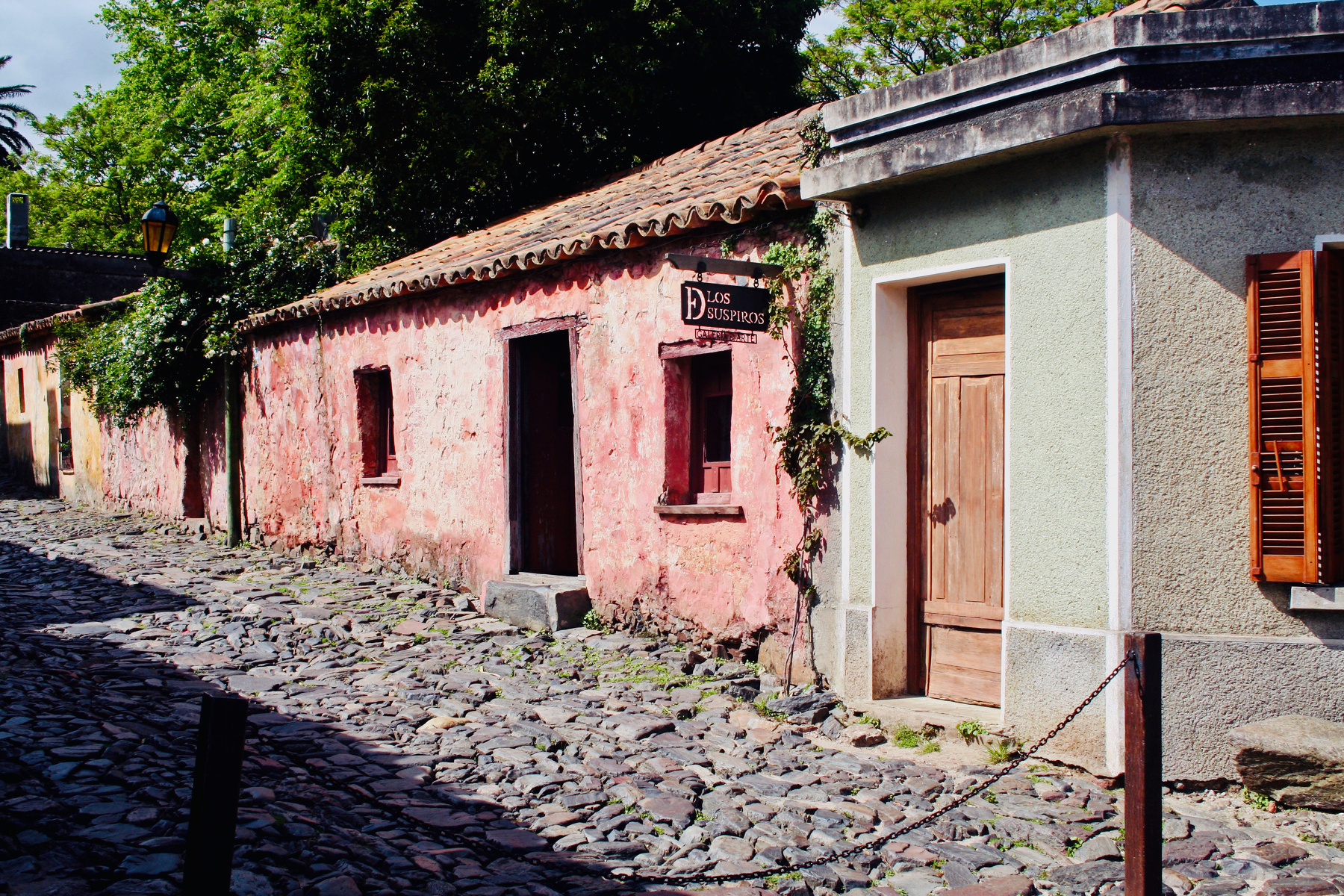
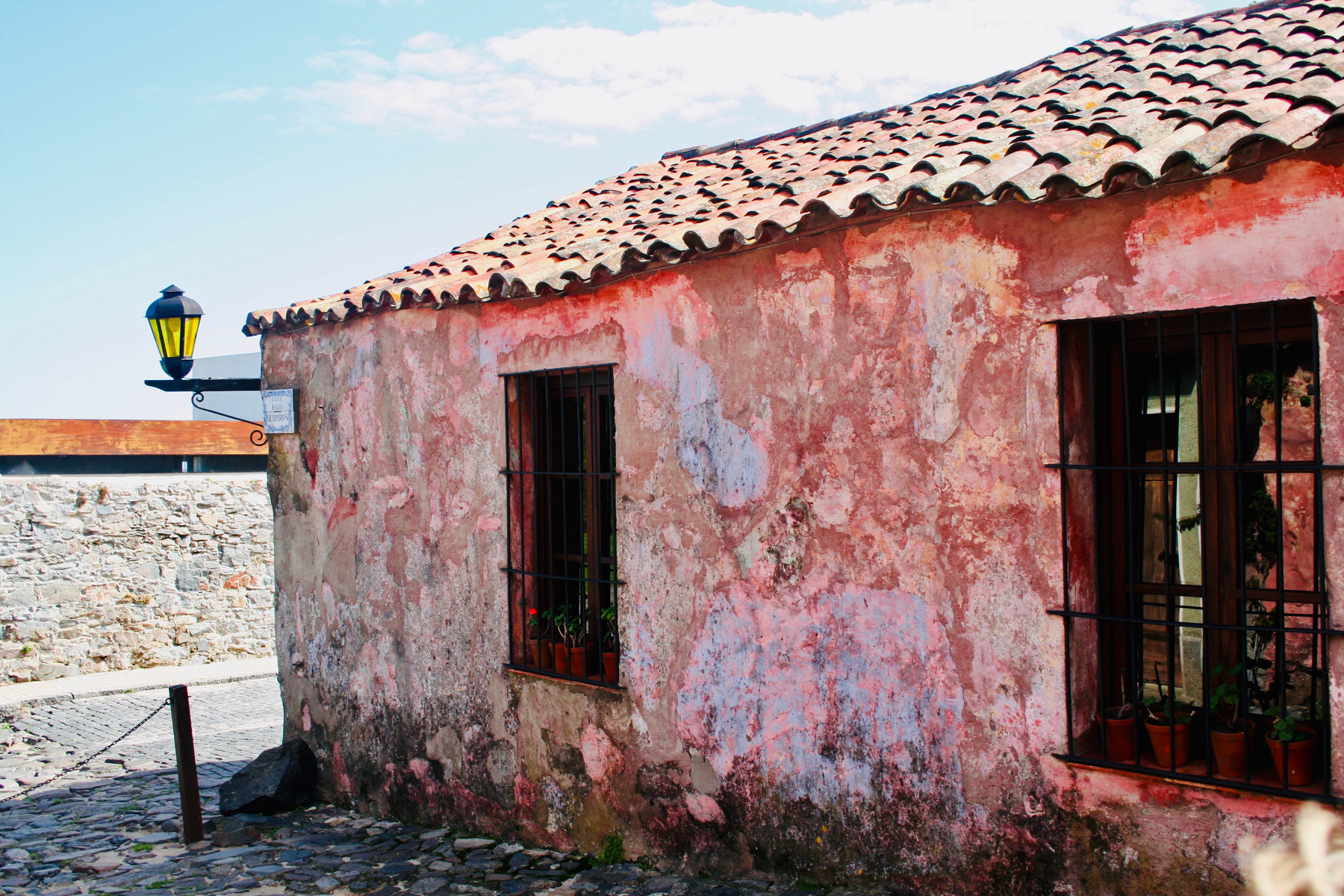
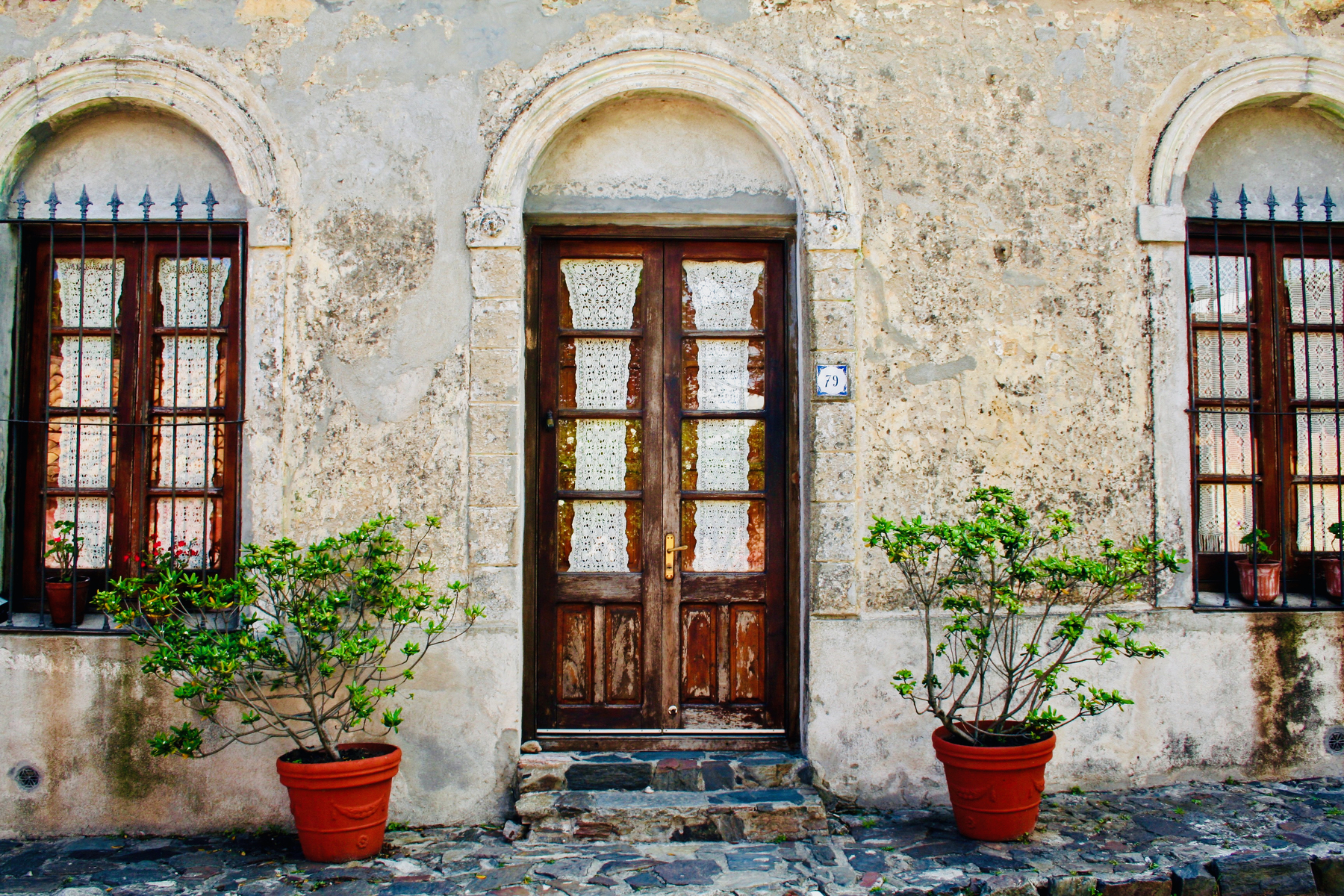
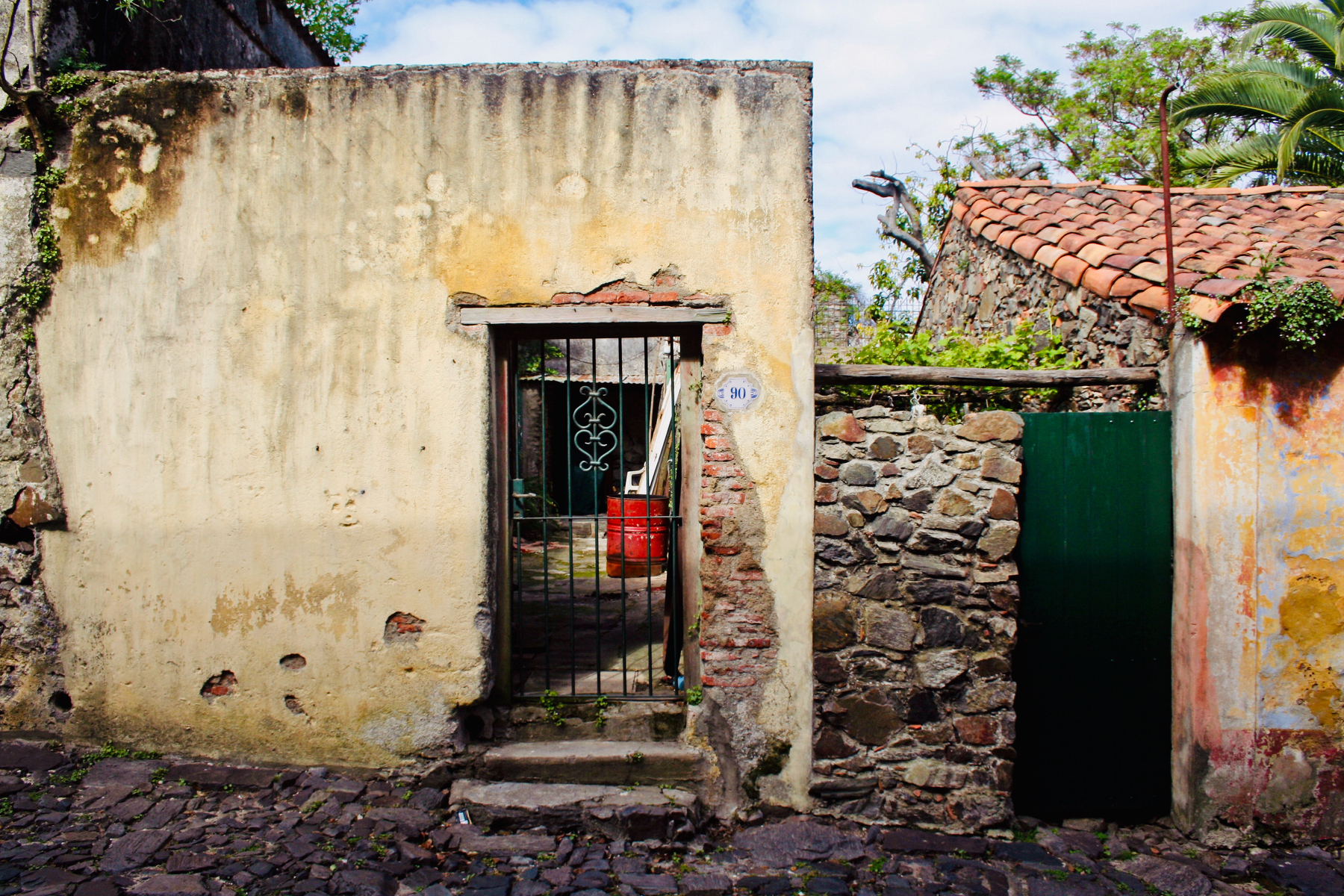
Colonia del Sacramento stayed with me because it reminded me that sometimes the best travel experiences come from doing less. There was no need to rush from one attraction to another or fill every hour with activities. I simply wandered, took photographs, climbed the lighthouse, ate lunch beside the water and allowed myself to get a little lost in the past. Perhaps that is why Colonia feels almost like a secret—a place that has patiently survived centuries and still invites visitors to slow down long enough to notice it. If you find yourself in Buenos Aires, I would highly recommend making the journey across the Río de la Plata. Take the ferry, leave the city behind for a day and walk through Colonia’s cobbled streets without a plan. You may discover, as I did, that sometimes travelling through time requires nothing more than a ferry ticket and a willingness to wander.
#ColoniaDelSacramento #Colonia #Uruguay #UruguayTravel #BuenosAires #RioDeLaPlata #SouthAmerica #TravelEssay #TravelWriting #Travel #Photography #UNESCOWorldHeritage #ColonialArchitecture #HistoricTowns #DayTrip #FerryTravel #ExploreUruguay #SouthAmericaTravel #Wanderlust #SlowTravel #TravelStories