
Basilica Cistern, Mysterious Underground Palace in Istanbul
Located only a short walk from Hagia Sophia, the entrance is surprisingly modest, giving little hint of the remarkable world waiting below. As I descended the worn stone steps, the lively streets of Sultanahmet disappeared behind me, replaced by cool air, soft lighting, and the gentle sound of water echoing through an immense underground chamber. Within moments, I felt as though I had travelled back nearly fifteen centuries into the heart of the Byzantine Empire.
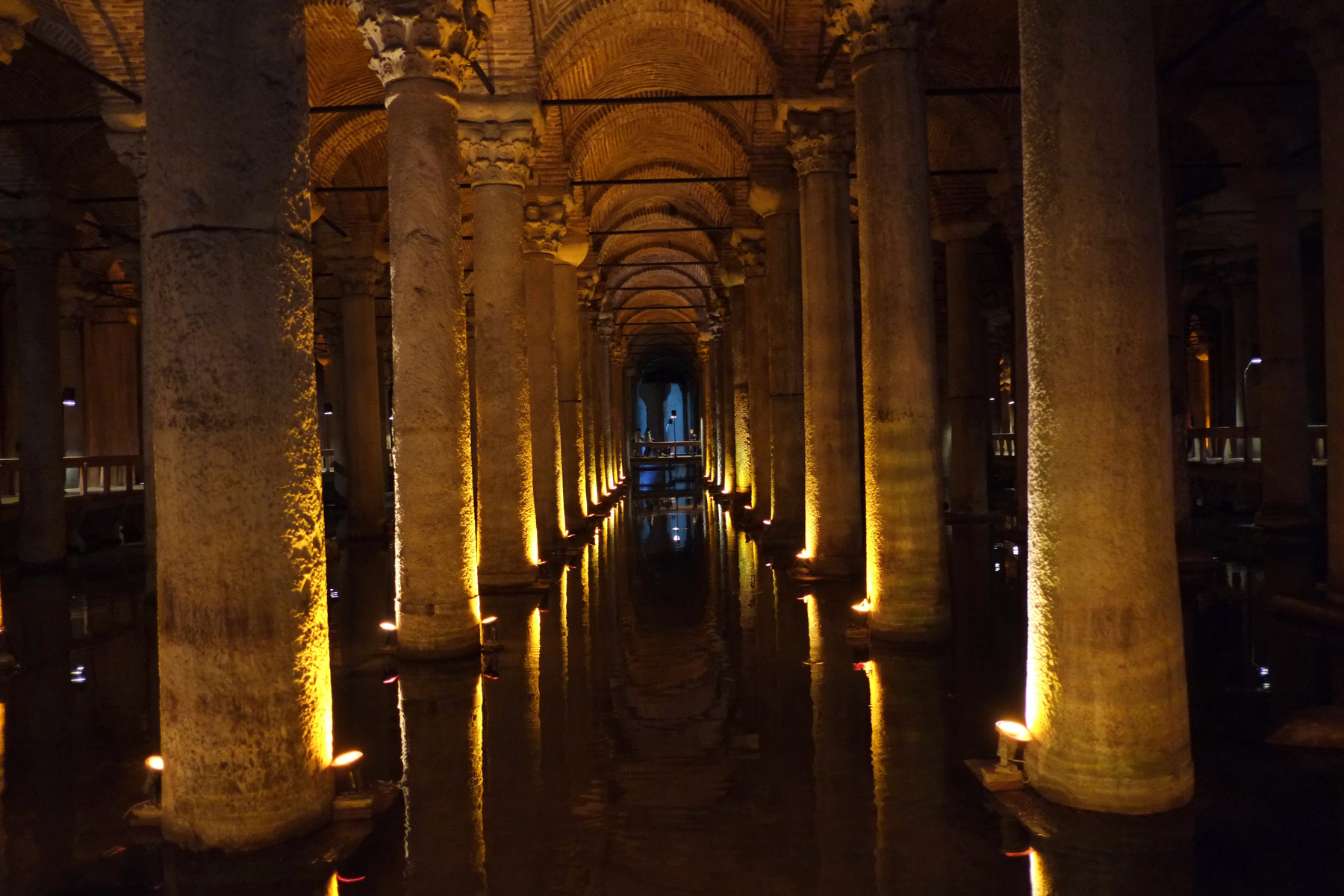
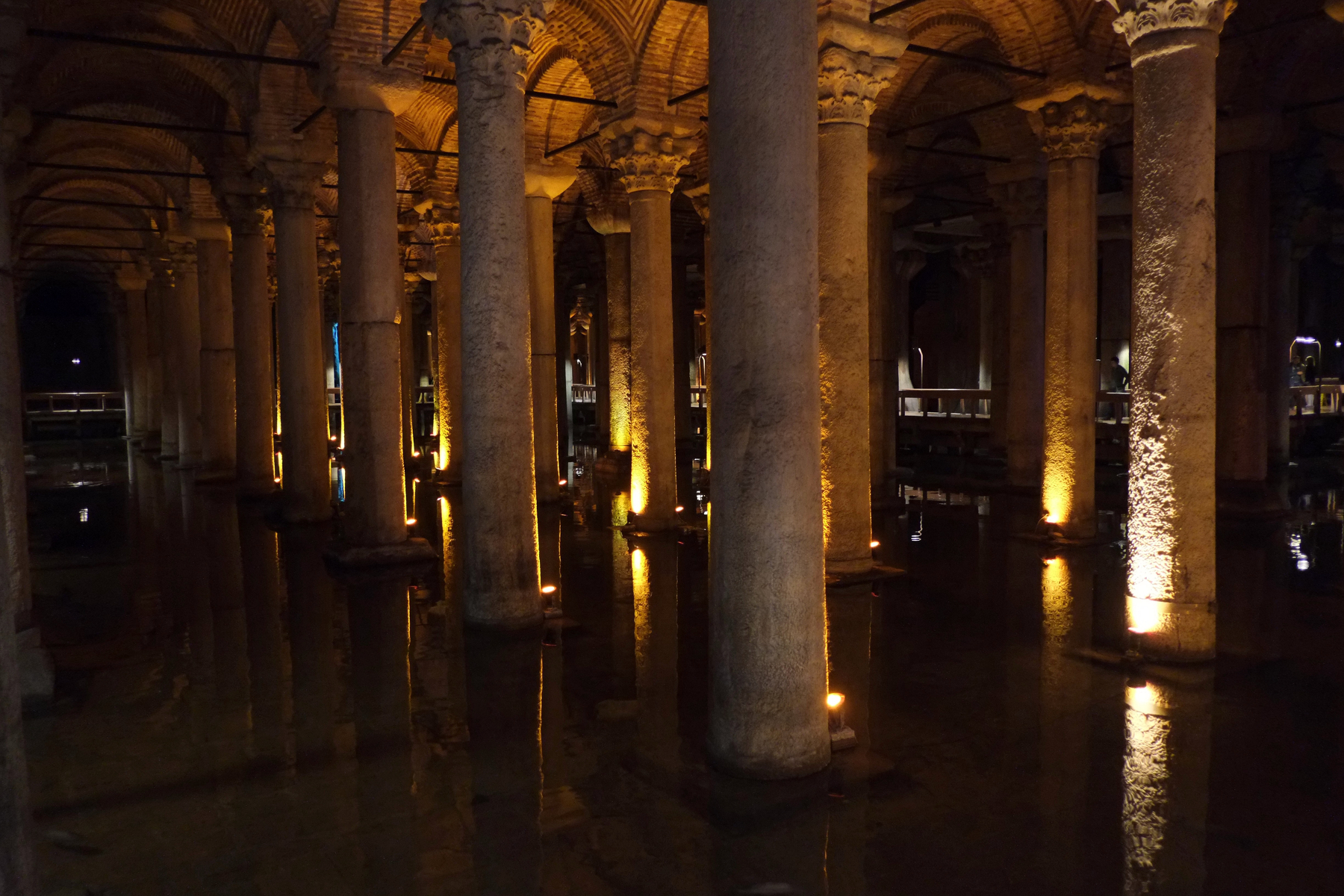
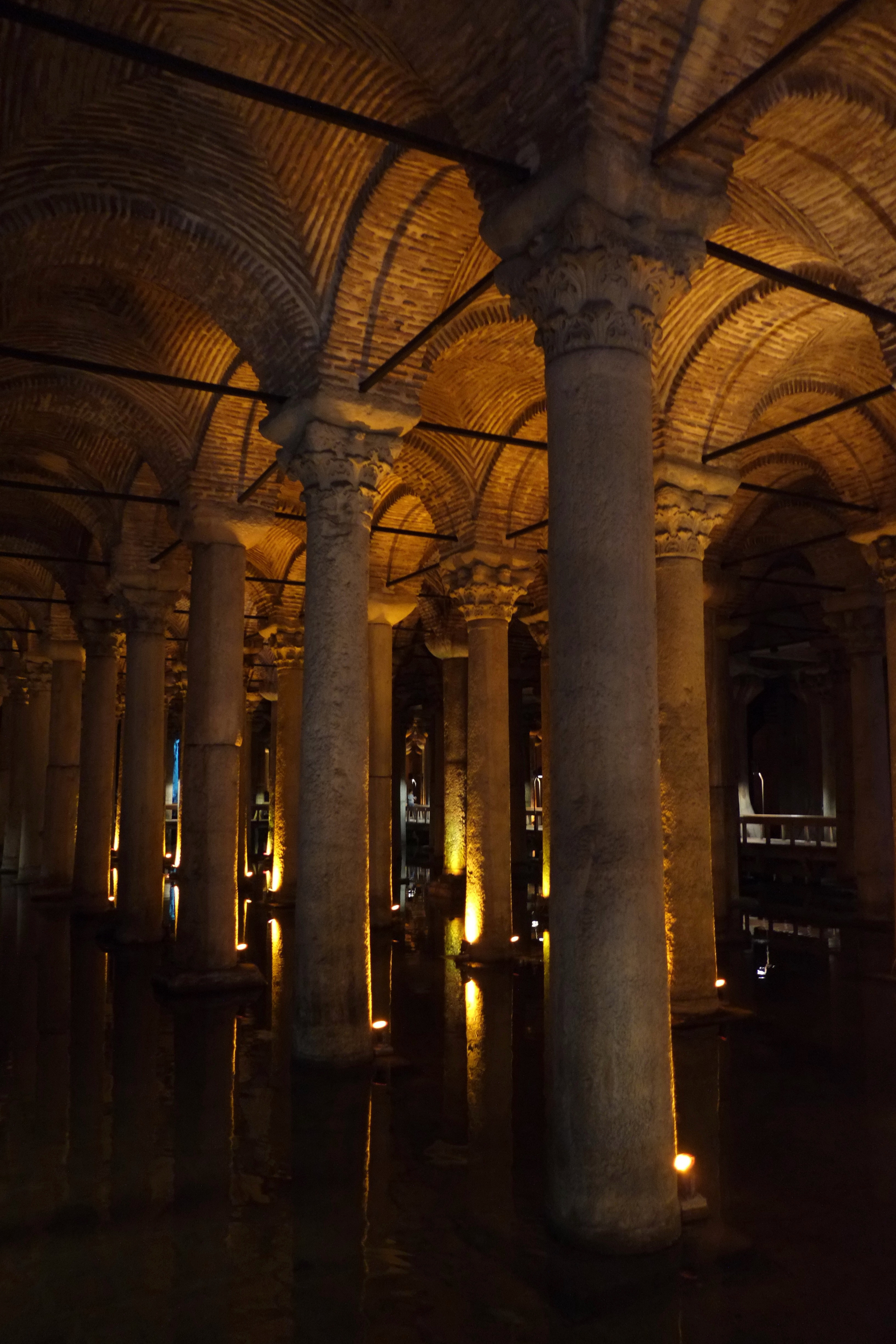
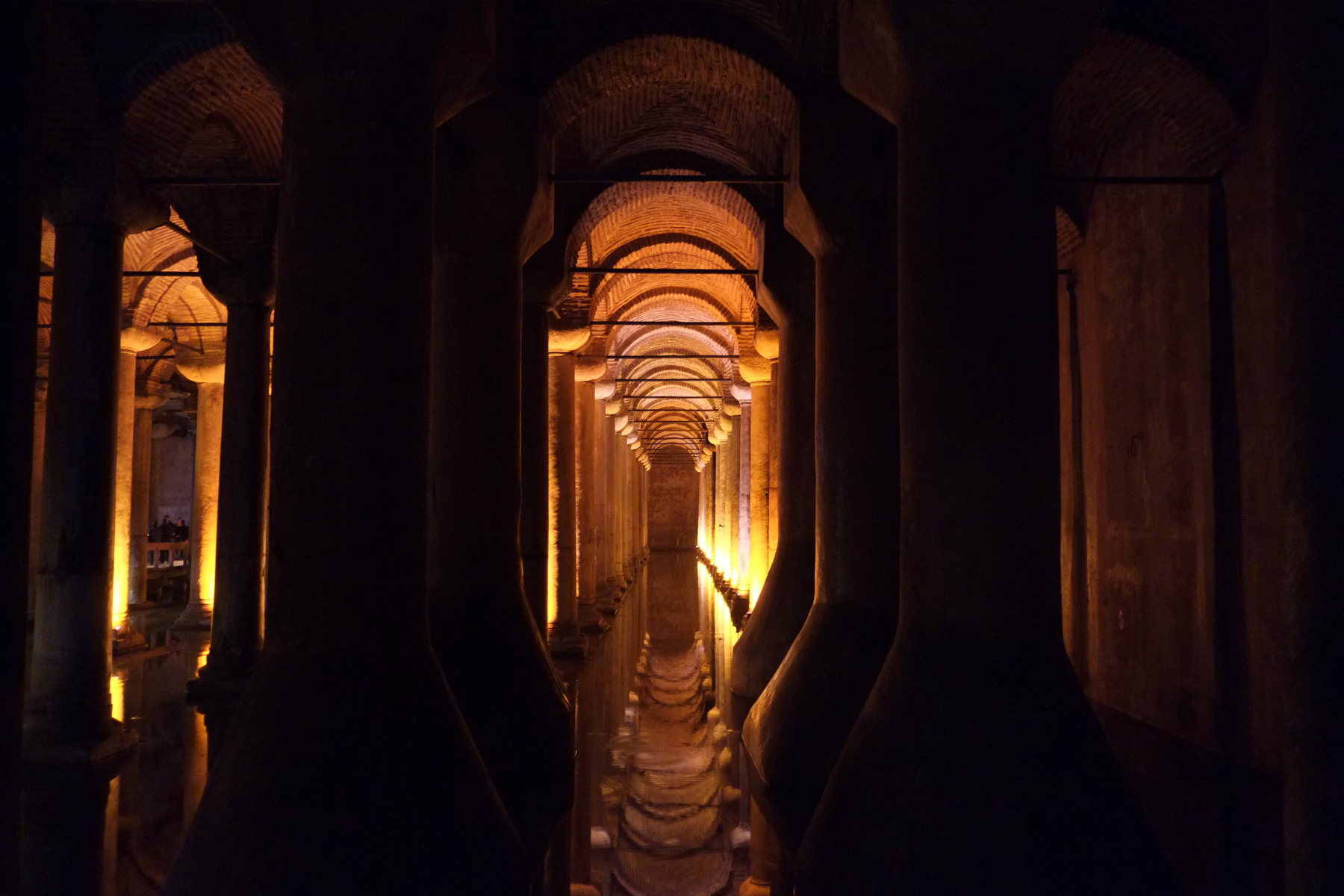
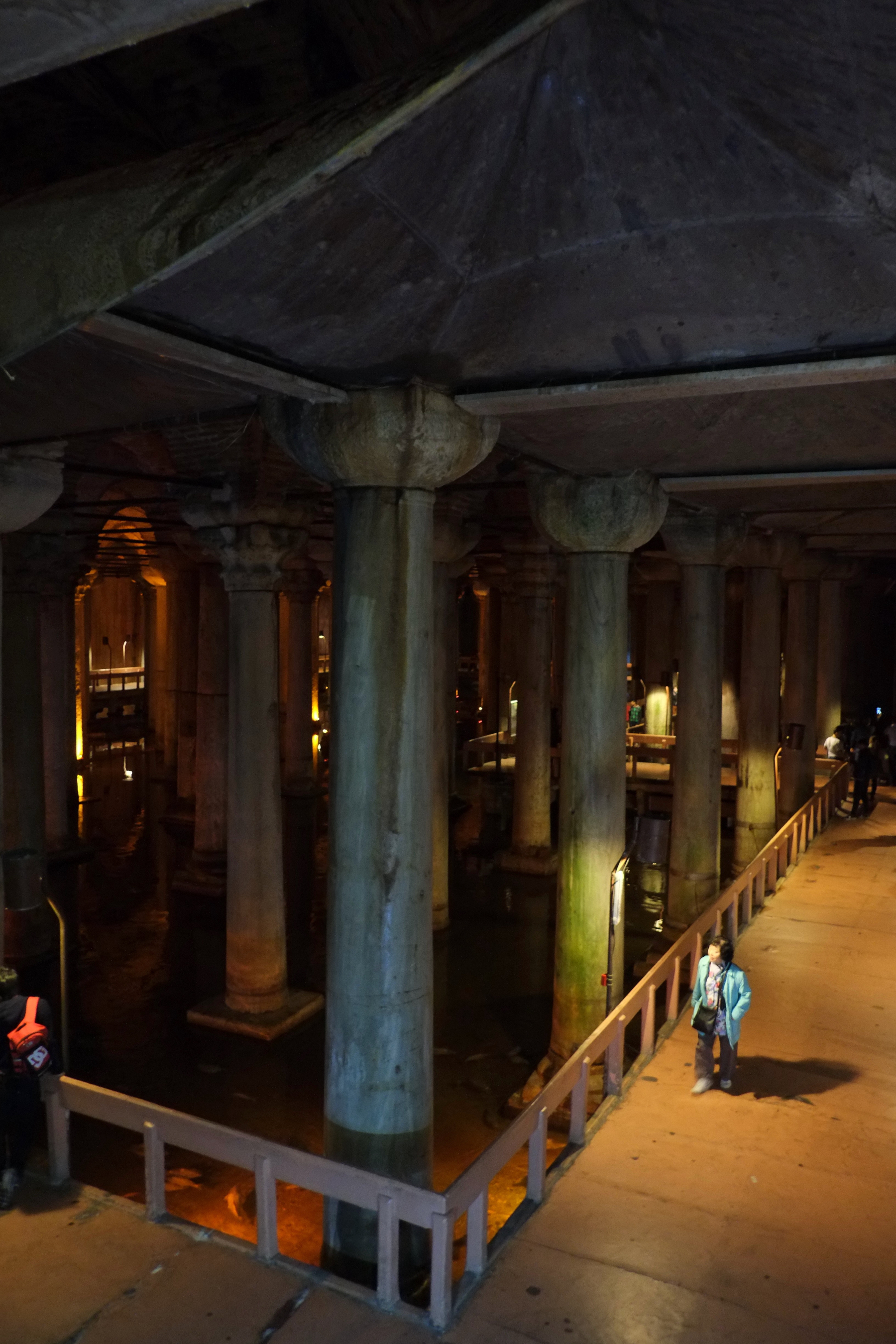
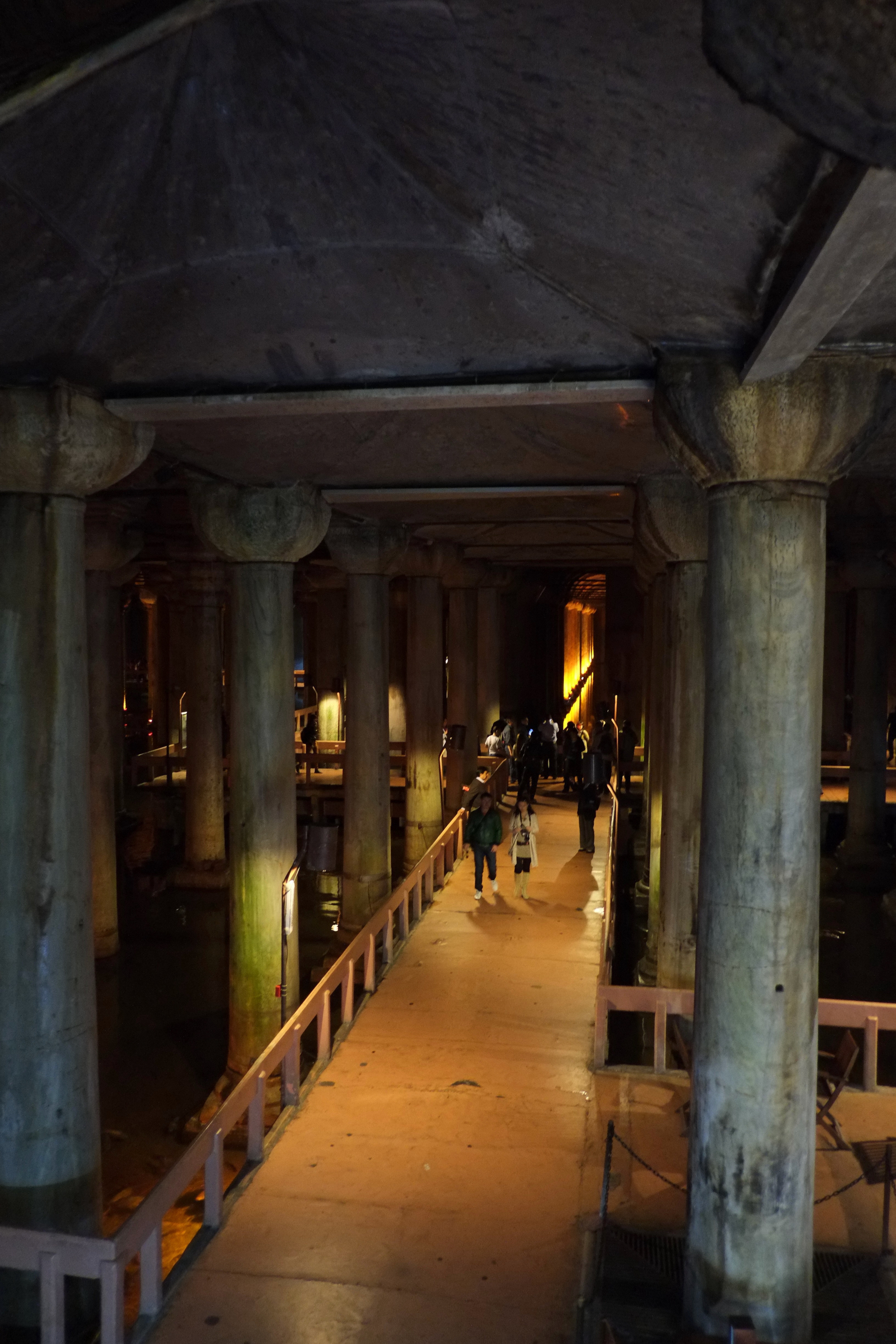
Built during the reign of Emperor Justinian I in the 6th century, the Basilica Cistern—known in Turkish as Yerebatan Sarnıcı or the “Sunken Palace”—was designed to store fresh water for Constantinople’s Great Palace and surrounding buildings. Measuring approximately 138 metres long and 65 metres wide, it could hold an astonishing 80,000 cubic metres of water. Today, visitors can wander along elevated walkways through a forest of 336 marble columns, many of which were recycled from earlier Roman buildings. The combination of dim lighting, shimmering reflections, and towering columns creates an atmosphere unlike anywhere else in Istanbul. It is easy to understand why this remarkable space has inspired filmmakers, photographers, historians, and travellers from around the world.
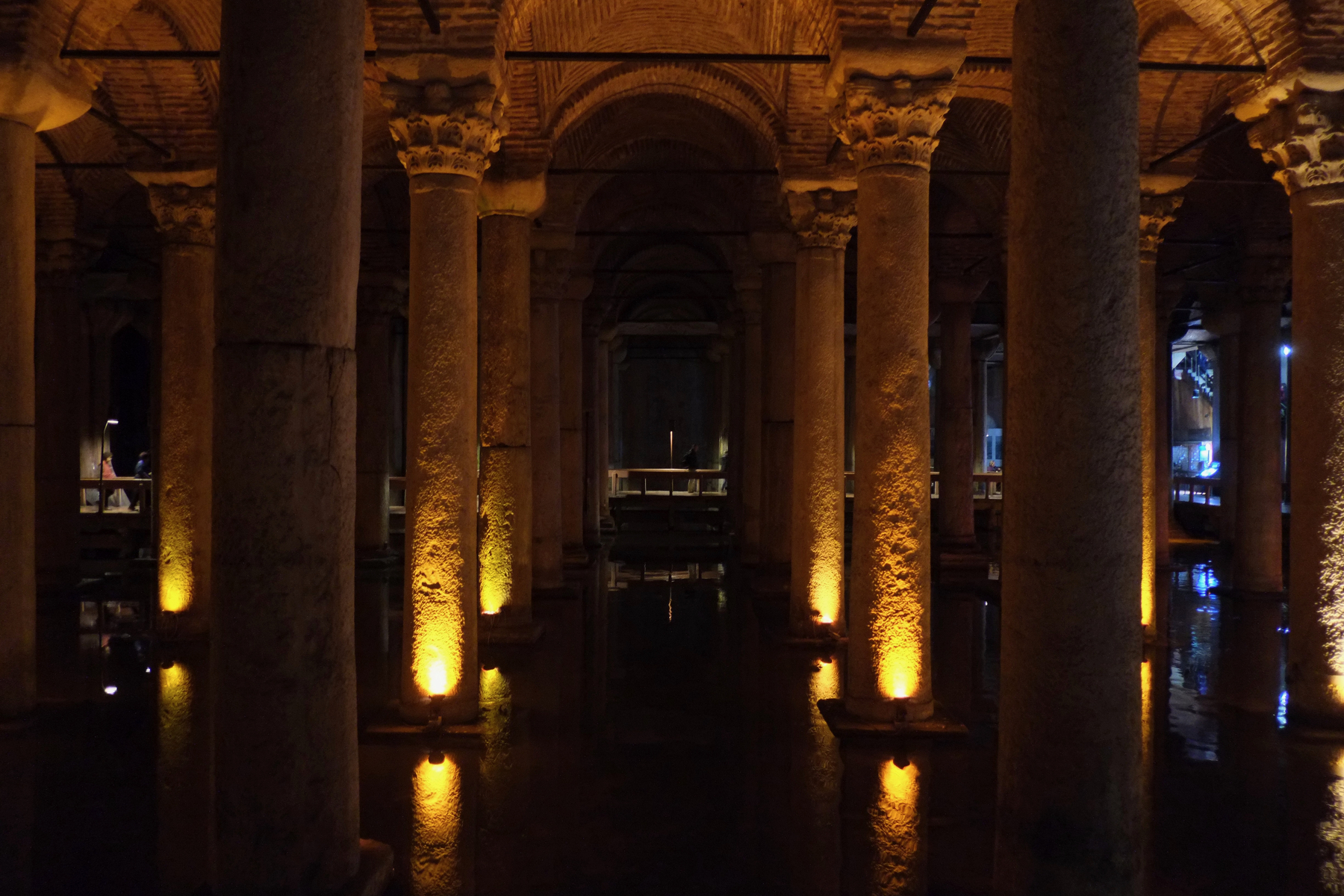
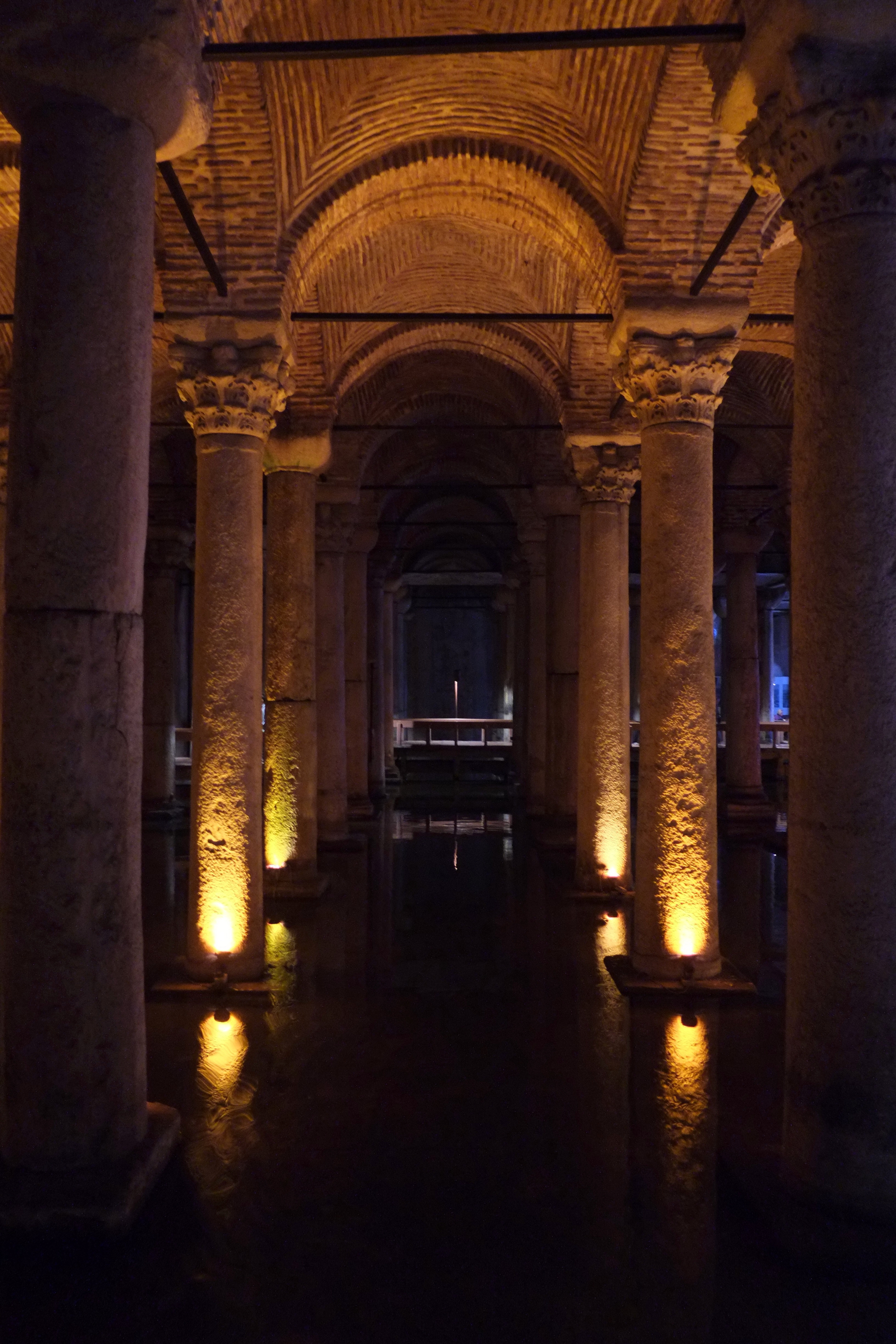
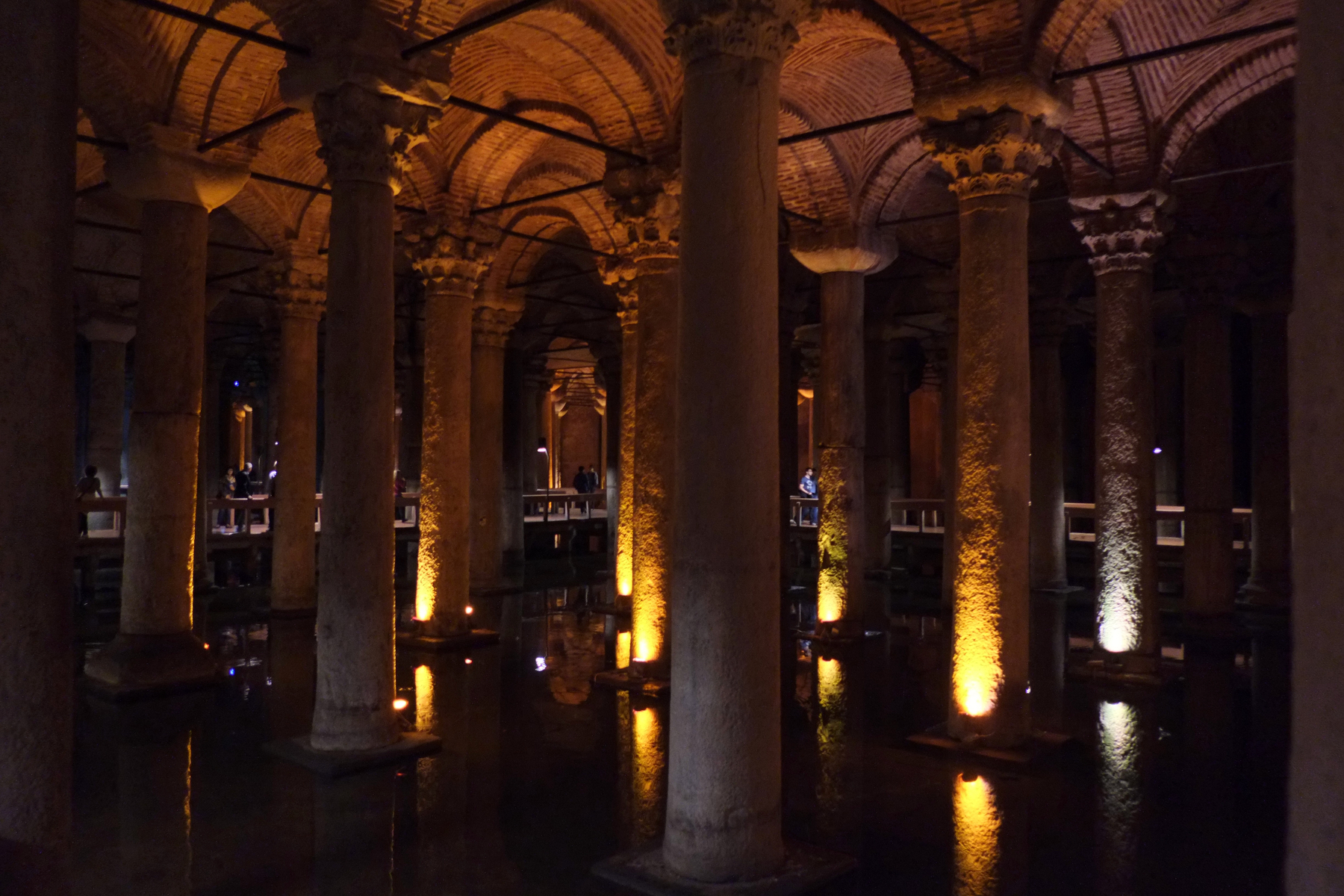
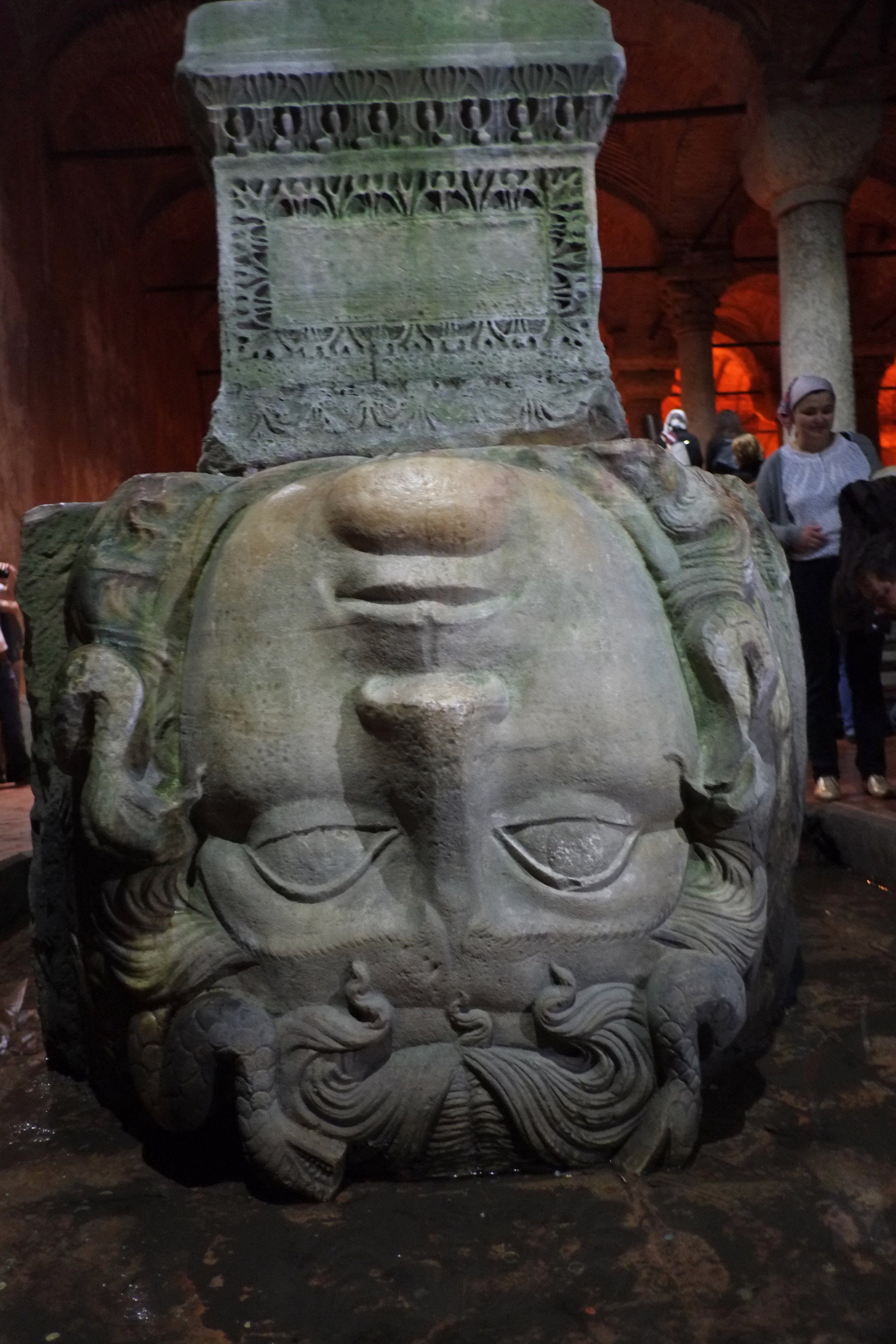
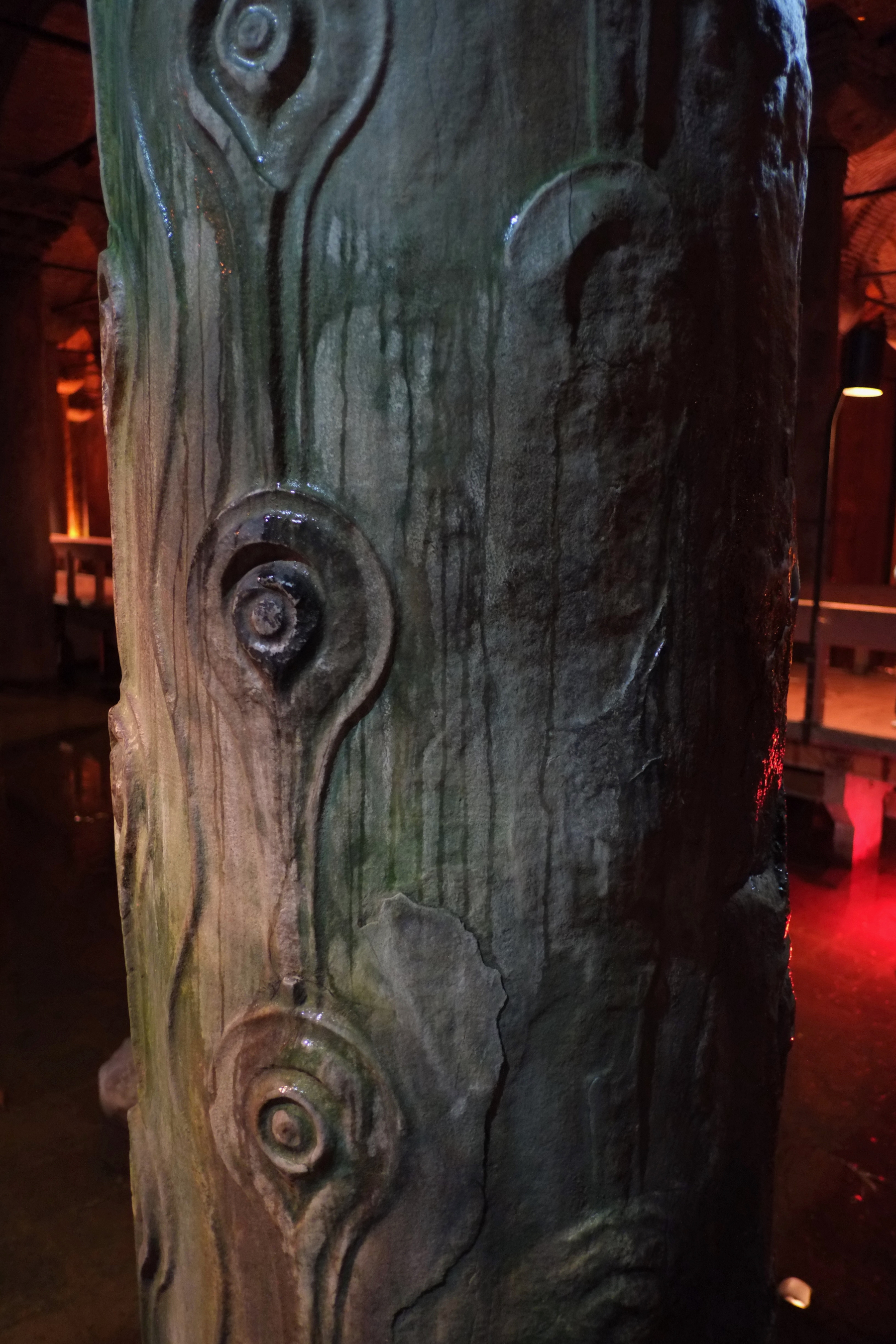
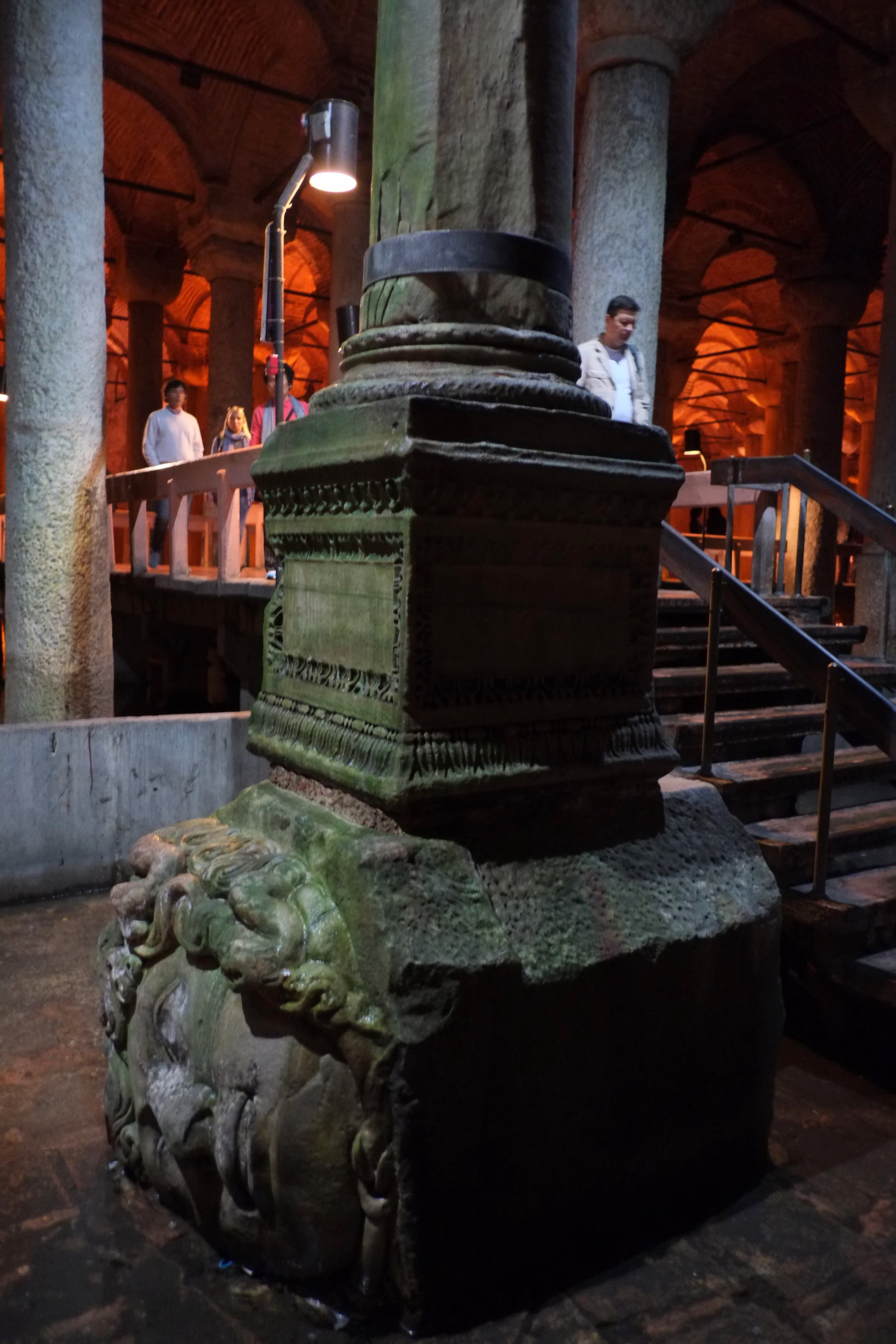
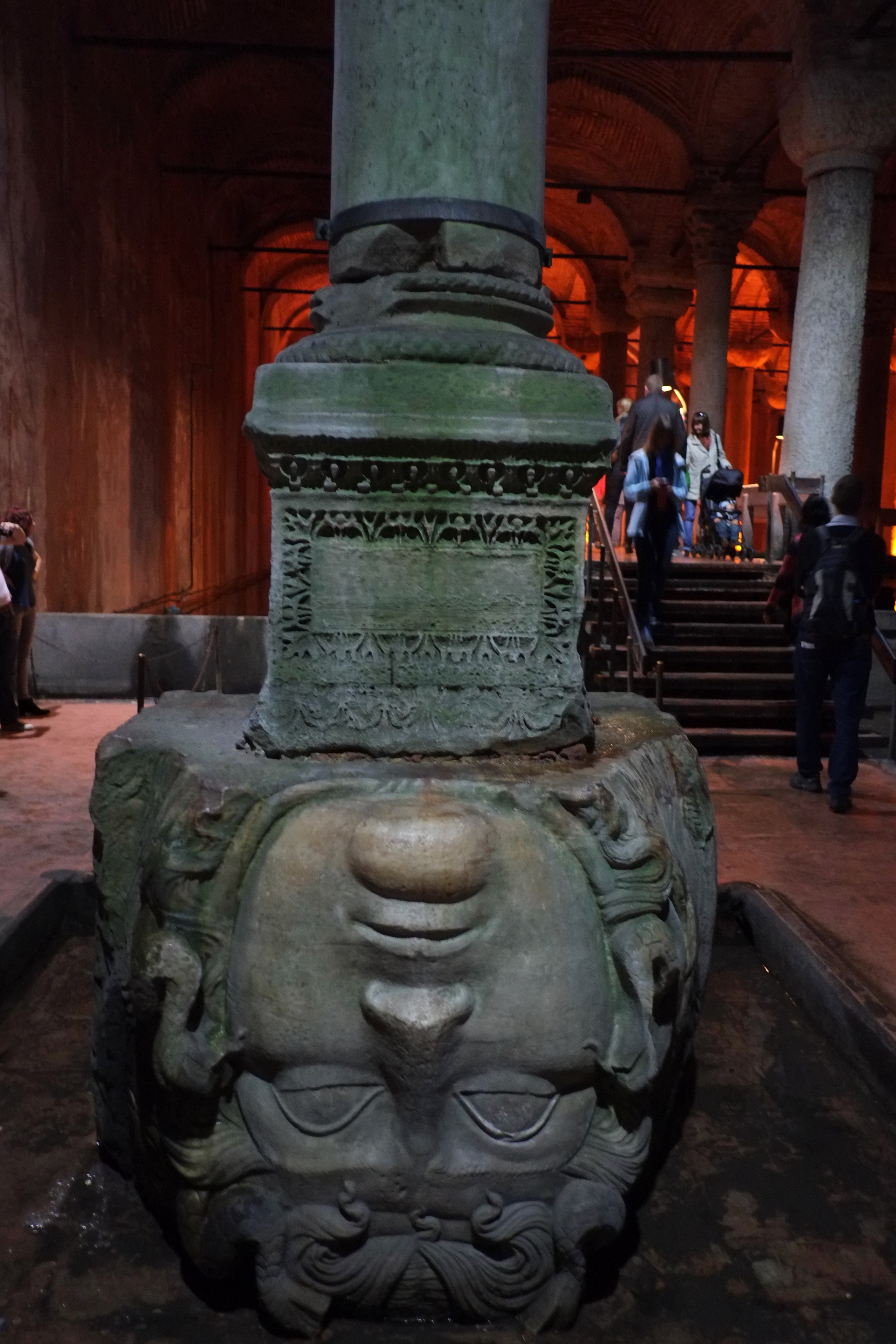
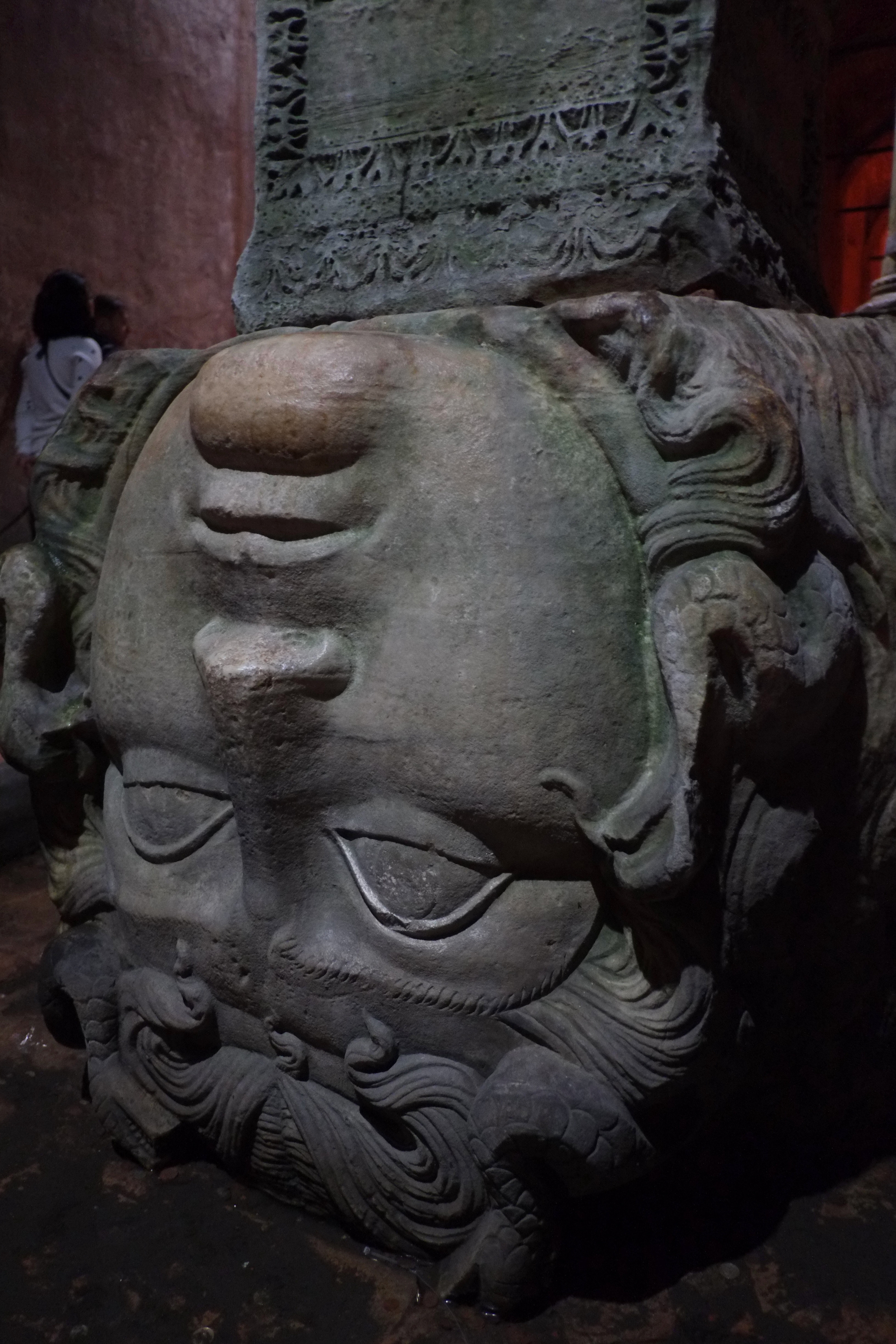
As I explored further, one column in particular captured my attention: the famous Hen’s Eye Column, also known as the Weeping Column. Decorated with tear-shaped carvings, it is traditionally believed to honour the labourers who lost their lives during the cistern’s construction. Whether the story is legend or historical fact, standing before it adds an emotional dimension to the visit, reminding us that even the greatest architectural achievements often came at a tremendous human cost. Nearby lies the cistern’s most famous mystery—two enormous stone heads of Medusa, one placed upside down and the other resting on its side. Historians still debate why they were positioned this way. Some believe they were simply reused from an older Roman structure, while others suggest they were intentionally inverted to neutralise Medusa’s mythical powers. Whatever the truth may be, their mysterious presence adds another layer of intrigue to this already captivating place.
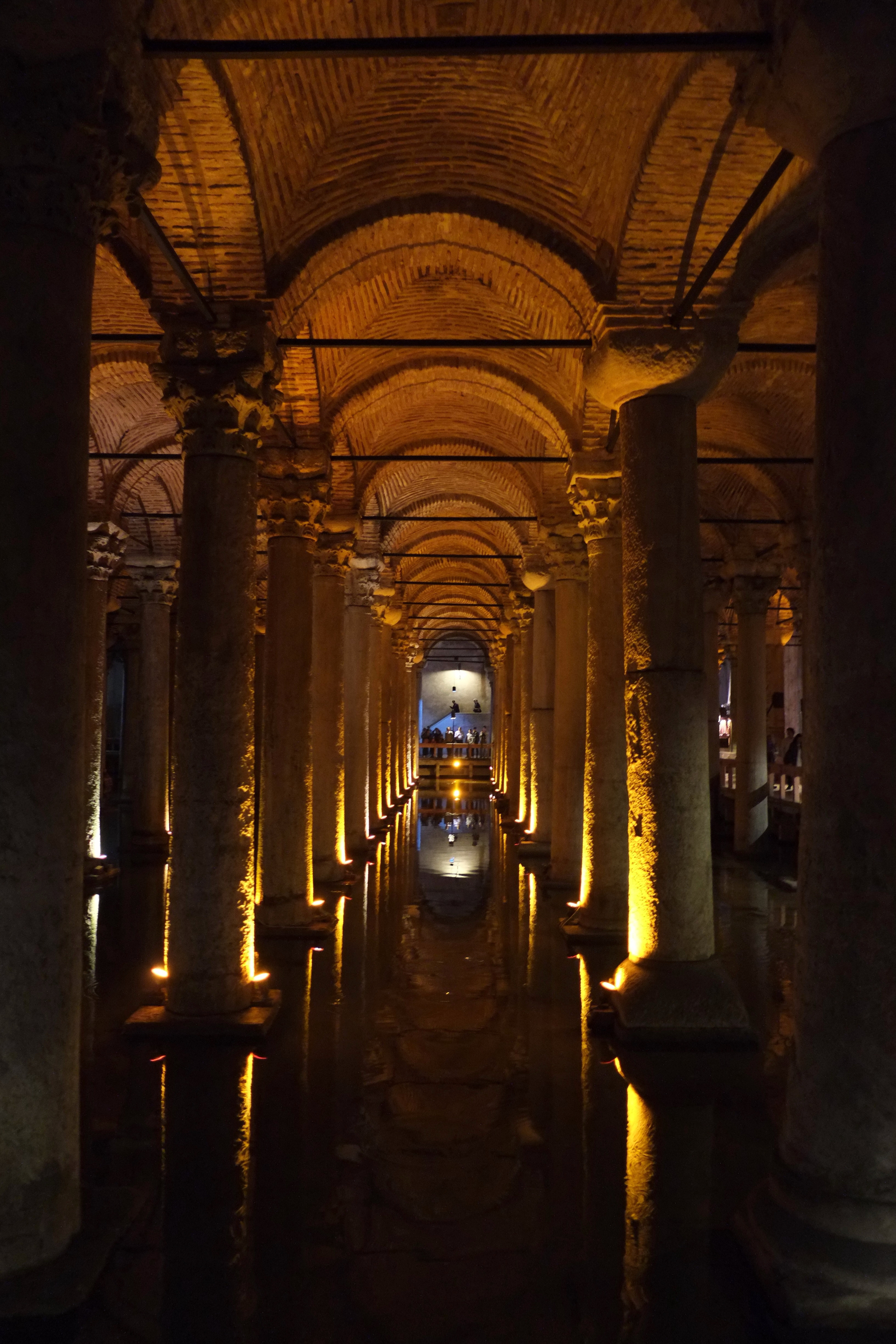
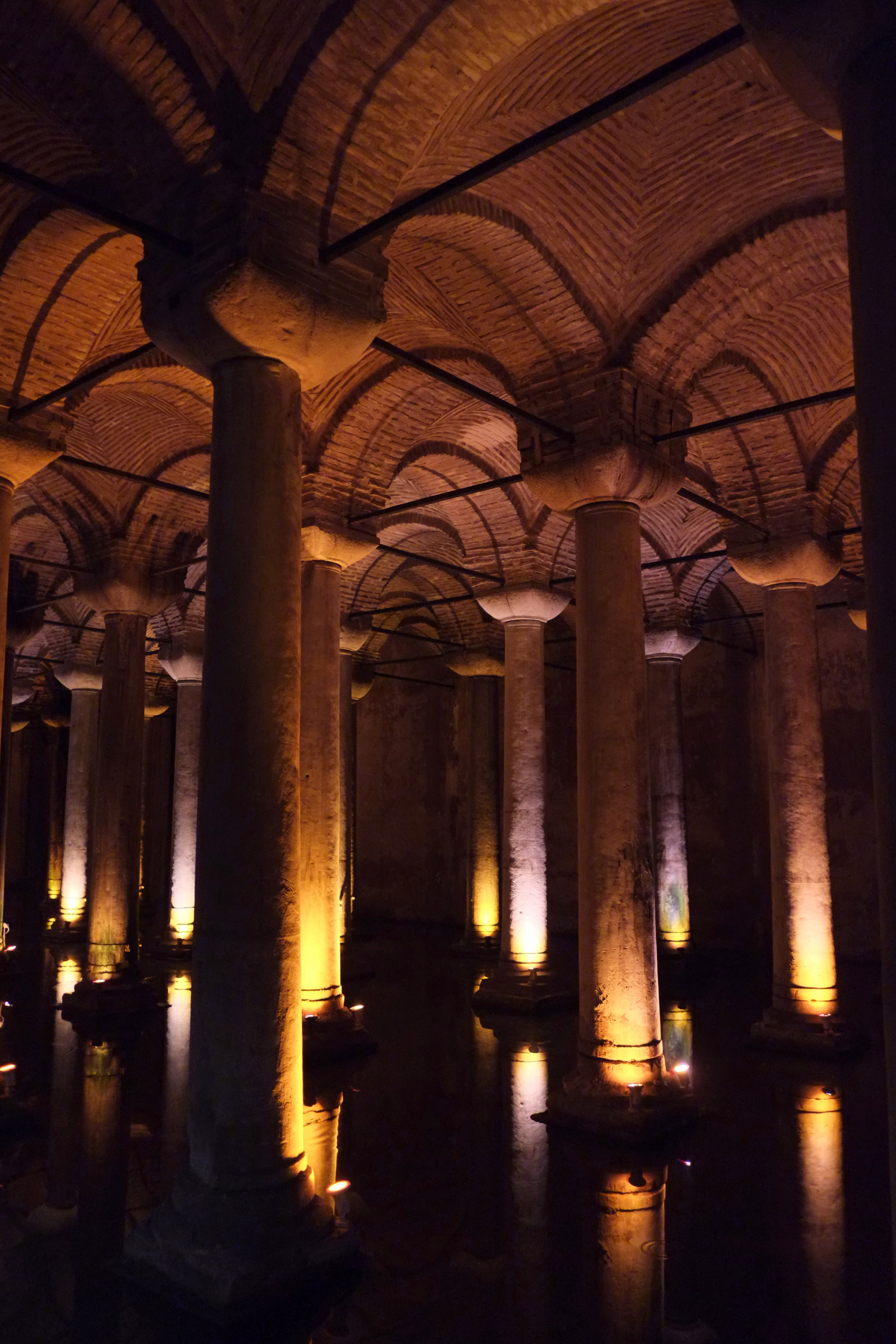
The Basilica Cistern is also a rewarding destination for photographers, although it certainly presents its challenges. The low light requires patience and a steady hand, while the constantly shifting reflections create endless opportunities for creative compositions. I found myself pausing frequently, watching the ripples in the water transform the ancient columns into shimmering mirrors. No photograph can truly capture the quiet atmosphere beneath Istanbul, but every image serves as a reminder of the incredible engineering, artistry, and history preserved beneath the city streets.
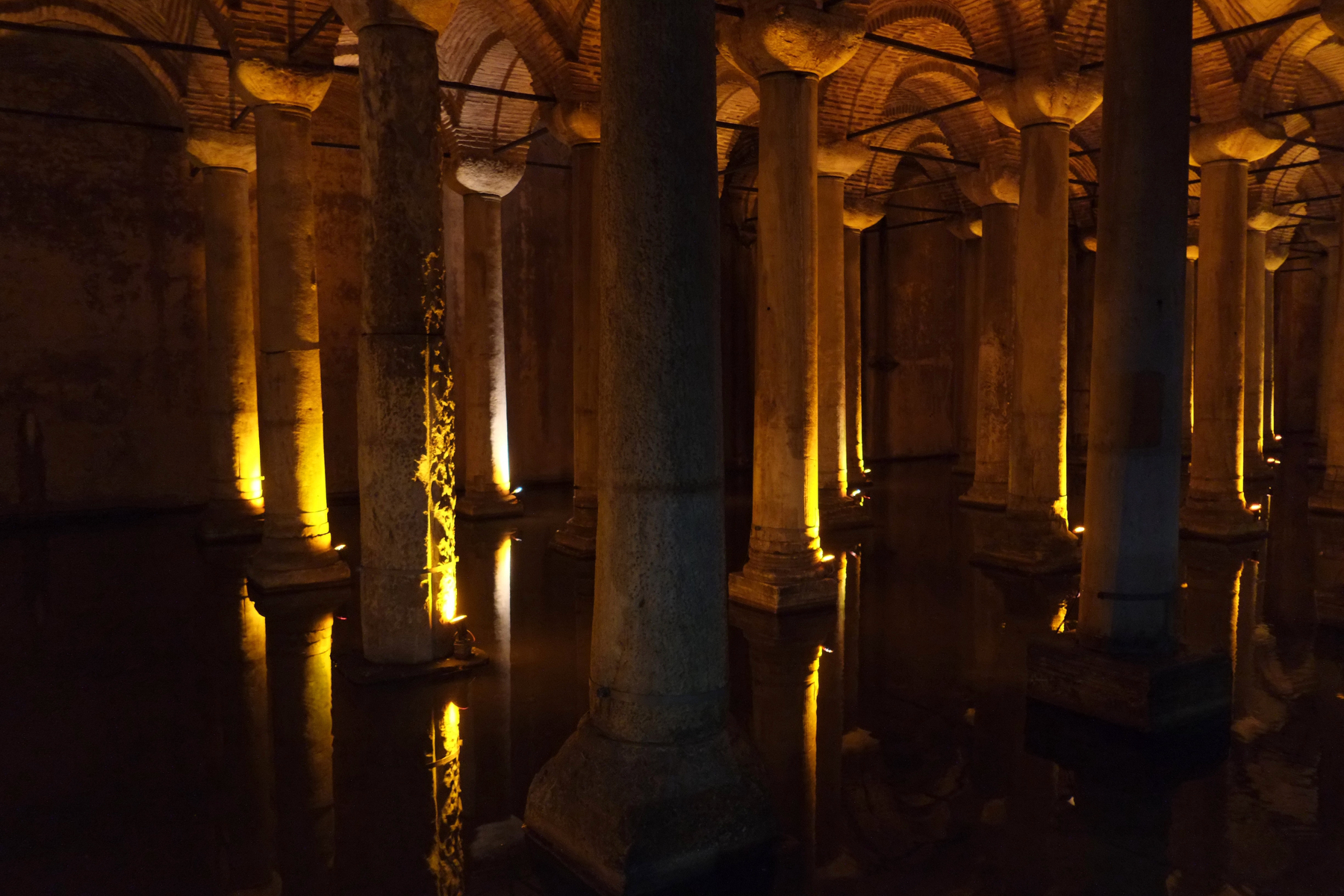
Looking back, the Basilica Cistern became one of the highlights of my time in Istanbul. While the city’s magnificent mosques and palaces are deservedly famous, this hidden underground world offers a completely different perspective on its rich past. It is a place where architecture meets mythology, history blends with legend, and every corner encourages curiosity. If you are planning a visit to Istanbul, I cannot recommend it highly enough. Slow down, take your time, absorb the atmosphere, and allow yourself to imagine the countless generations who have passed through these remarkable underground halls. Long after leaving the city, I found that it was this mysterious subterranean palace that remained one of my strongest memories of Istanbul.
Thank you for joining me on this journey beneath one of the world’s most fascinating cities. I hope my photographs capture at least a small part of the atmosphere I experienced while exploring the Basilica Cistern. As always, all images featured on TravelEssayist.com are copyrighted and watermarked, and I sincerely appreciate your respect for the work behind every photograph. If you’ve visited the Basilica Cistern, I’d love to hear about your experience in the comments below. Until next time, happy travels and never stop exploring.
#BasilicaCistern #Istanbul #Türkiye #Travel #VisitIstanbul #Photography #TravelPhotography #History #ByzantineEmpire #HagiaSophia #HiddenGems #Ancient #Architecture #CulturalTravel #Turkey