
Berlin’s Historic Reichstag Building
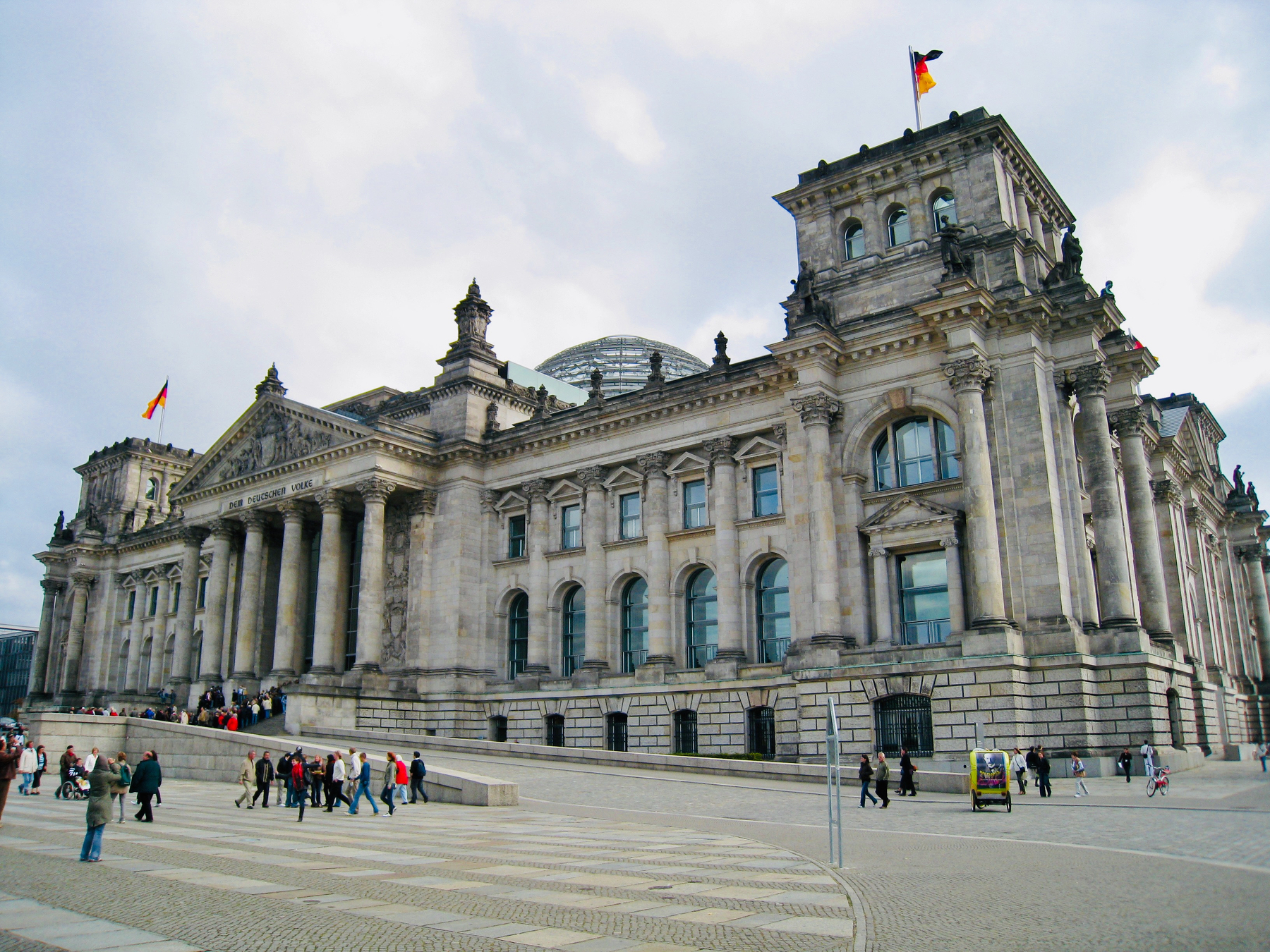
Long before I stepped inside, I knew this wasn’t just another government building. It is one of those rare places where architecture, politics, tragedy, and hope converge. Standing before its imposing sandstone façade, I couldn’t help but reflect on everything these walls have witnessed over the past 130 years. Completed in 1894, the Reichstag was built to house the parliament of the German Empire. It symbolised a confident, newly unified nation looking toward the future. But history soon took a different turn.
Its darkest chapter came in February 1933, when a fire tore through the parliamentary chamber. Although the cause remains debated, the Nazi regime quickly used the event to suspend civil liberties and eliminate political opposition. It became a pivotal moment in Hitler’s rise to power. Walking through the building today, it is hard to grasp how dramatically its fate changed after that night.
The Second World War left the Reichstag in ruins. Allied bombing and the Battle of Berlin reduced the once-proud parliament to a shattered shell, with collapsed roofs, blackened stone, and walls scarred by artillery fire. For decades afterwards, it stood neglected near the divide between East and West Berlin. During the Cold War, the abandoned structure took on an eerie afterlife. It is said that Stasi agents even used its ruins for training exercises—a strange fate for a building once dedicated to democracy.
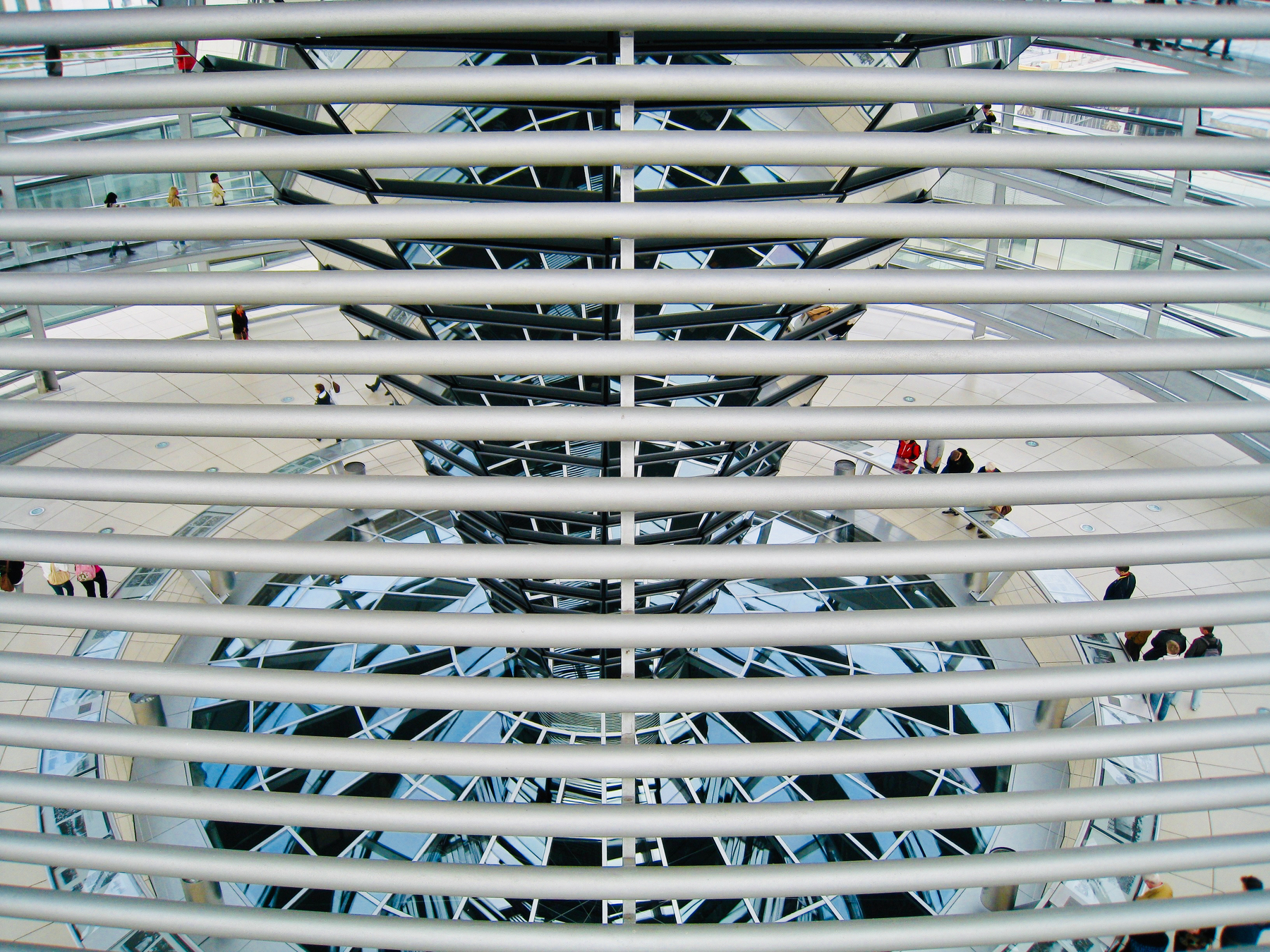
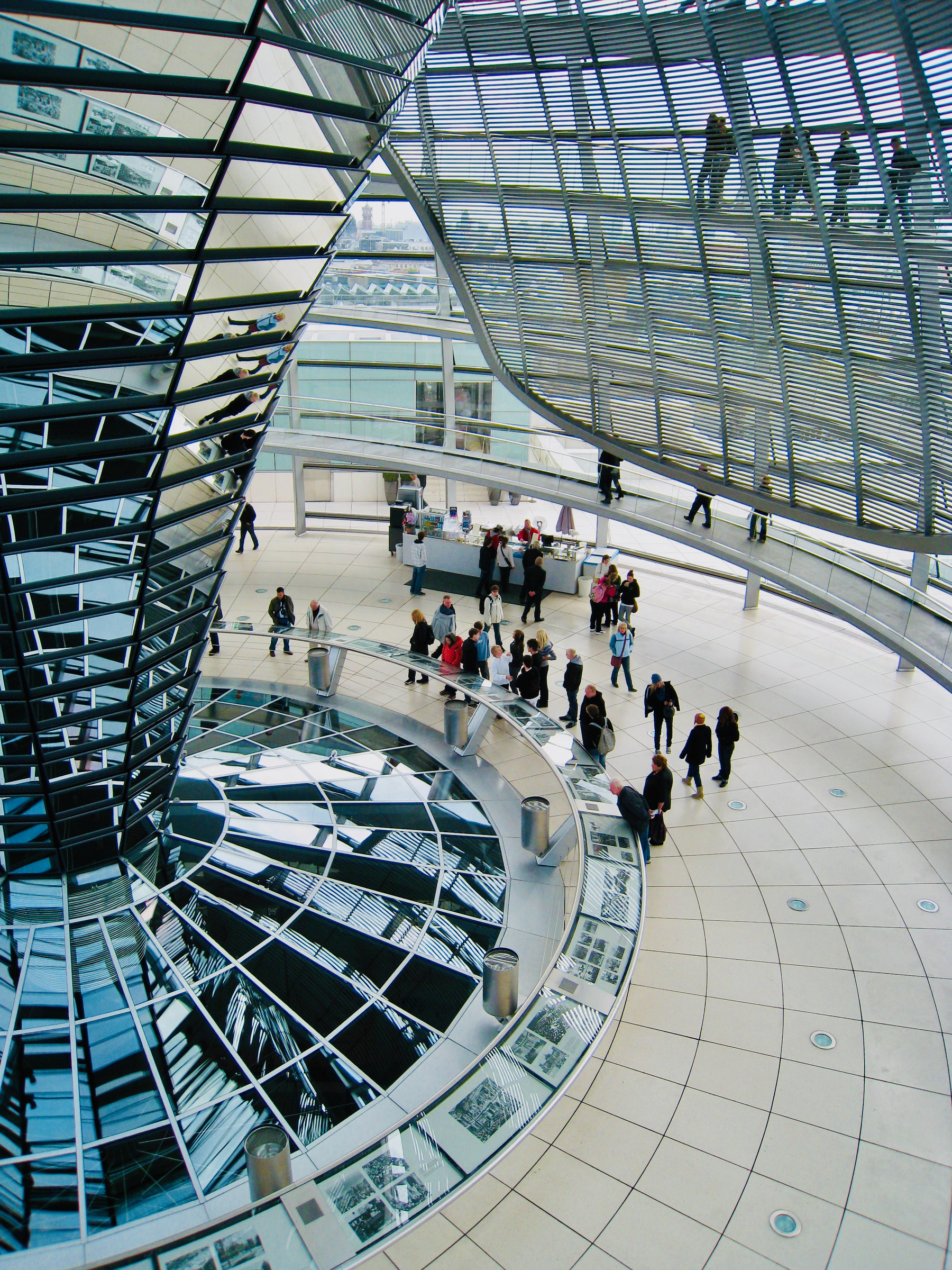
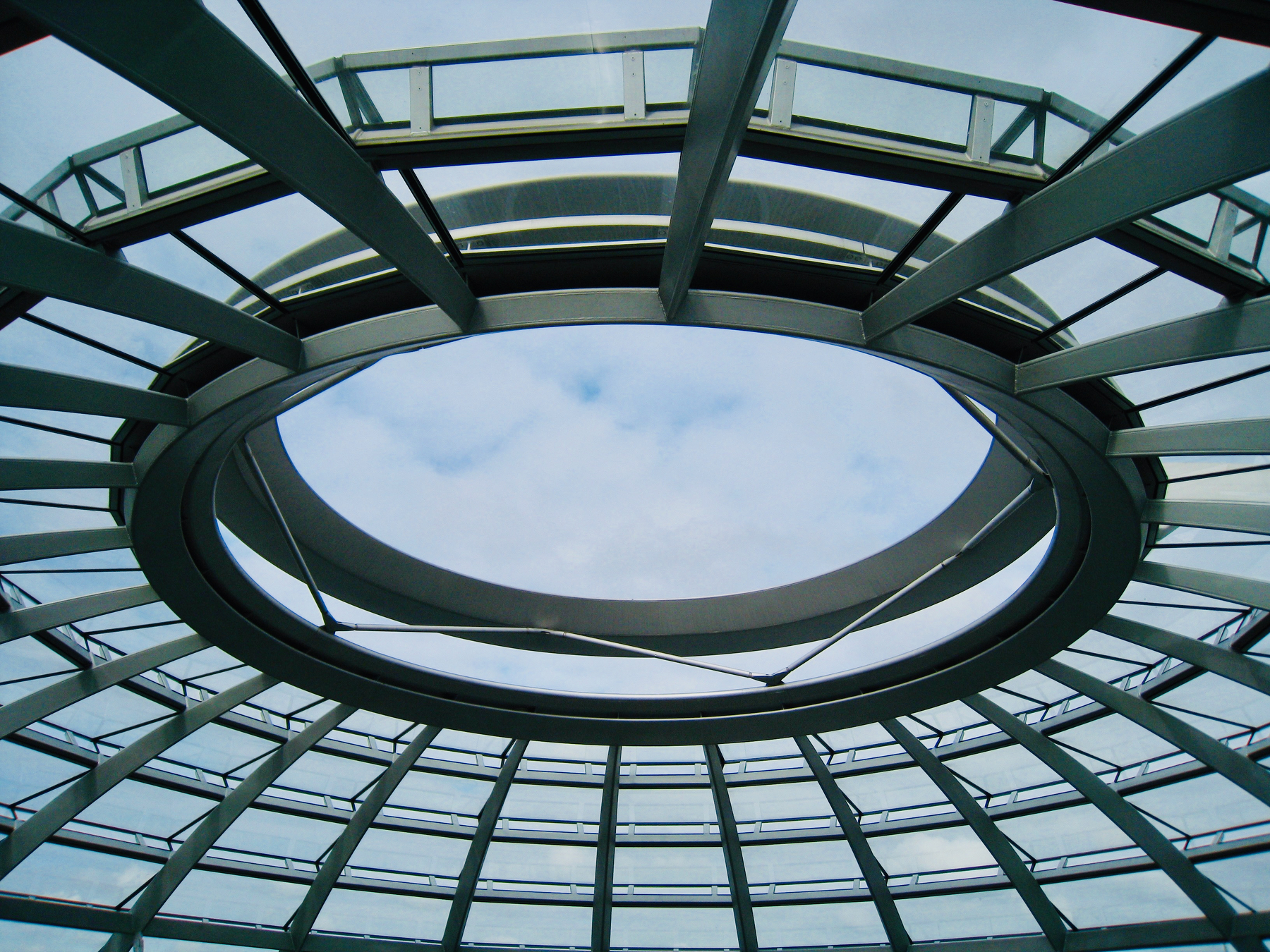
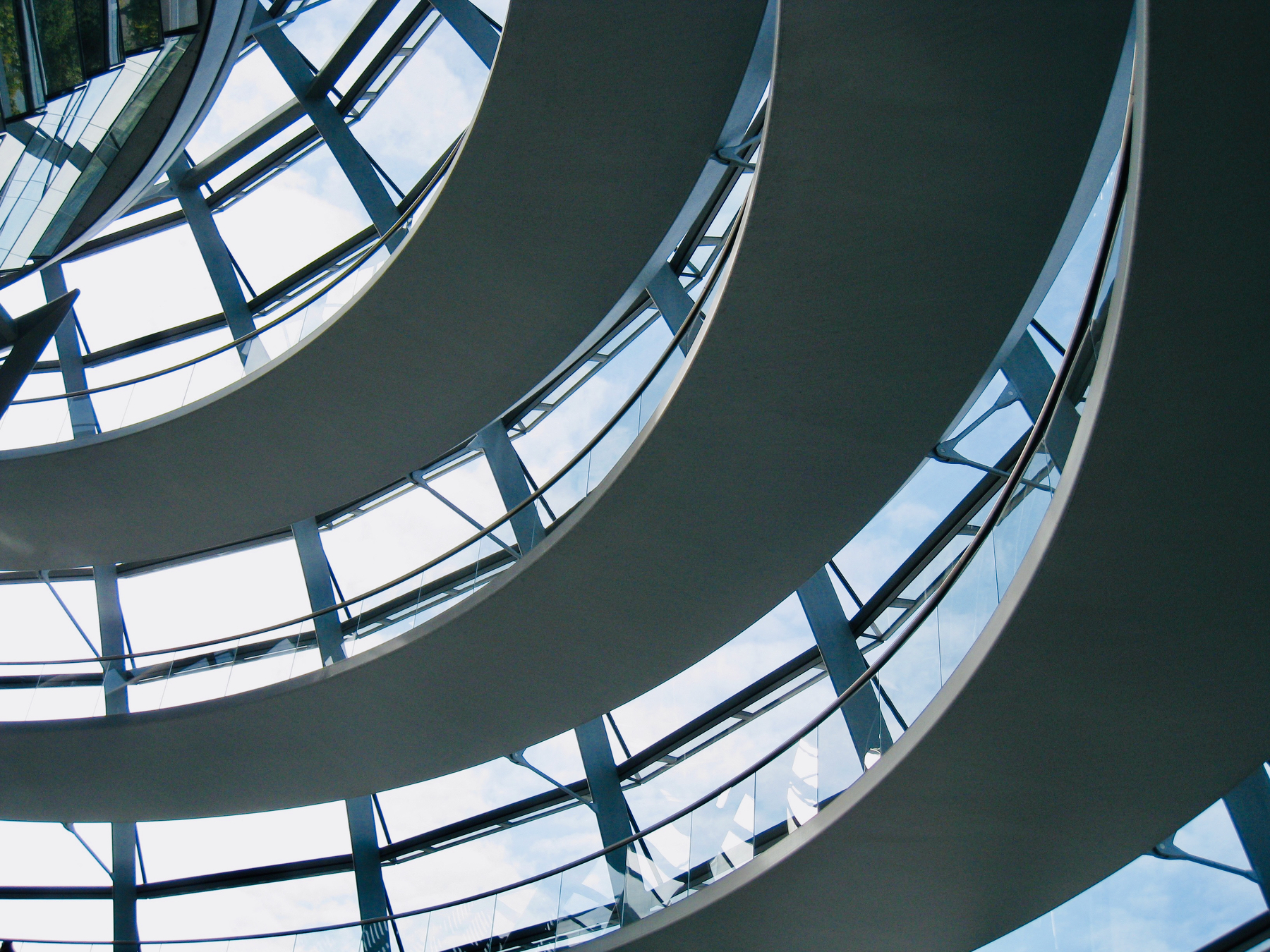
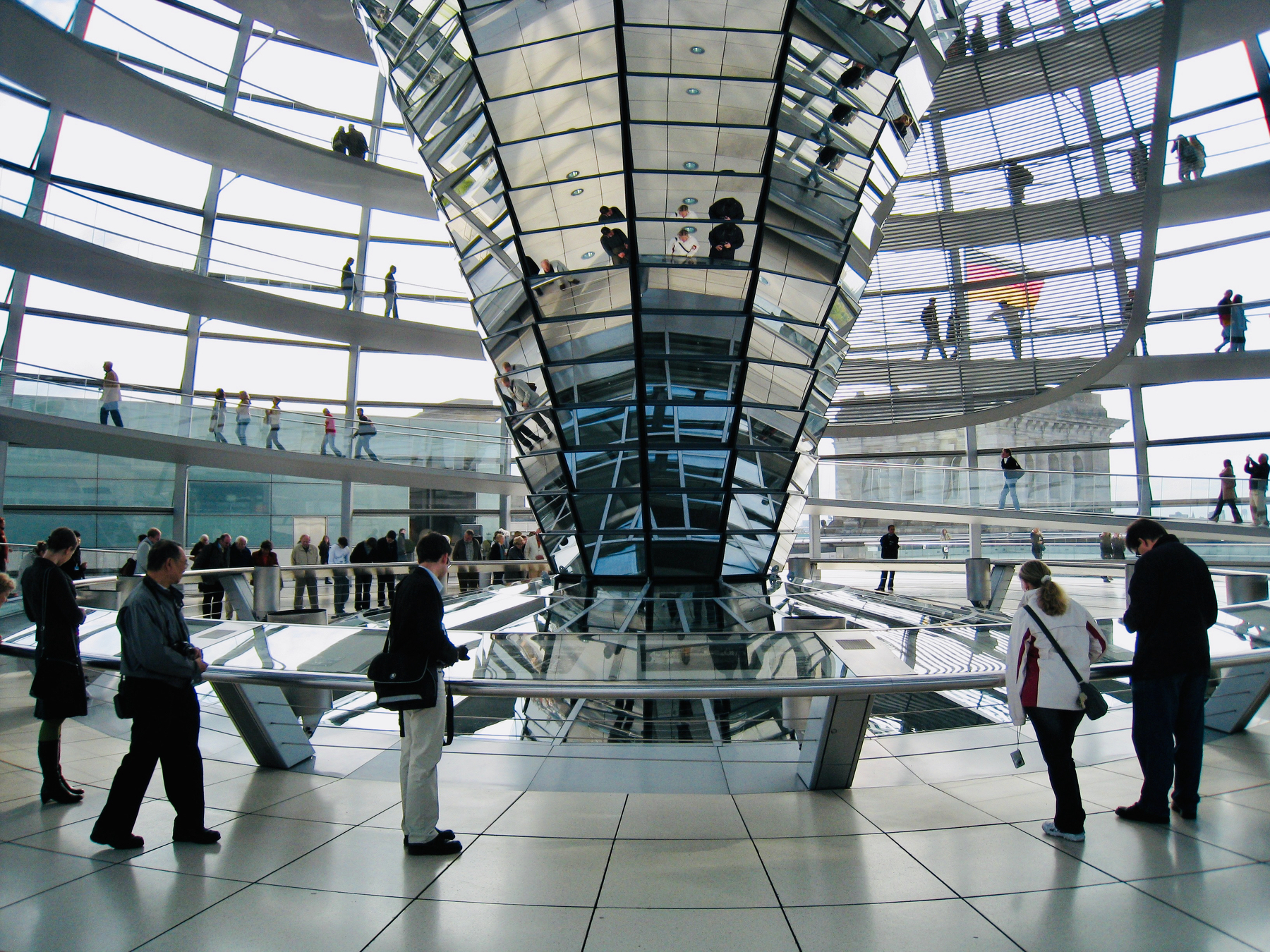
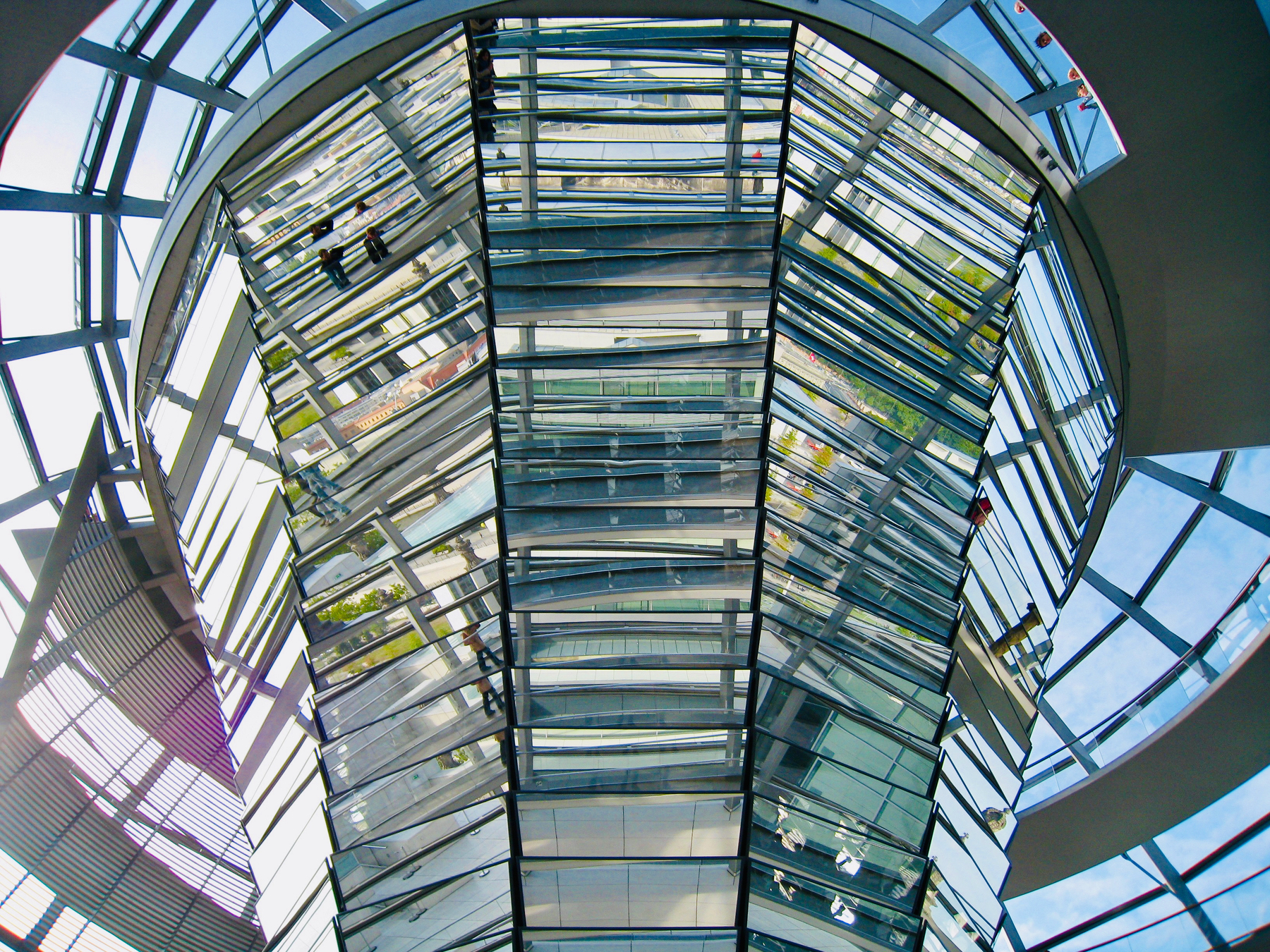
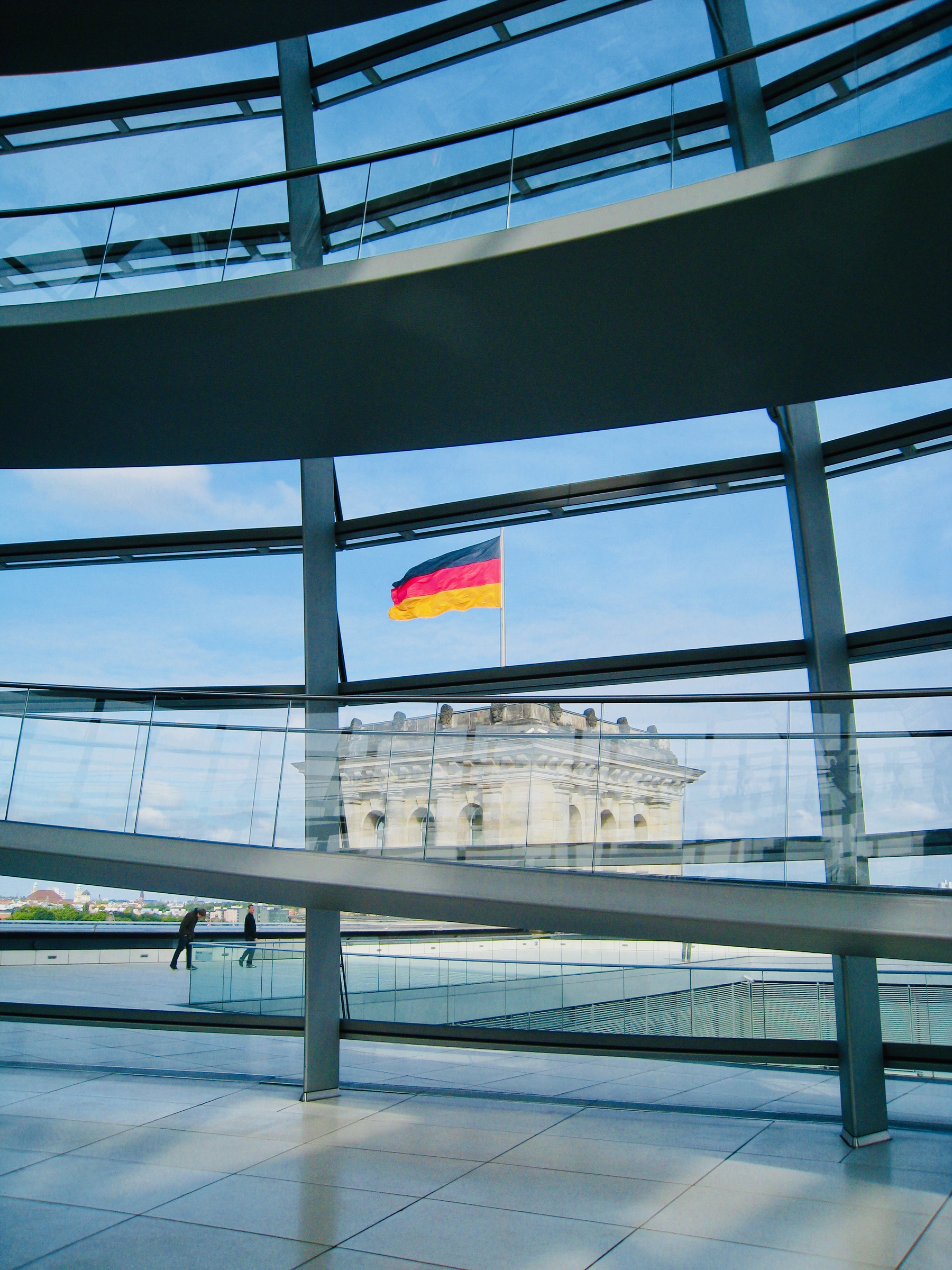
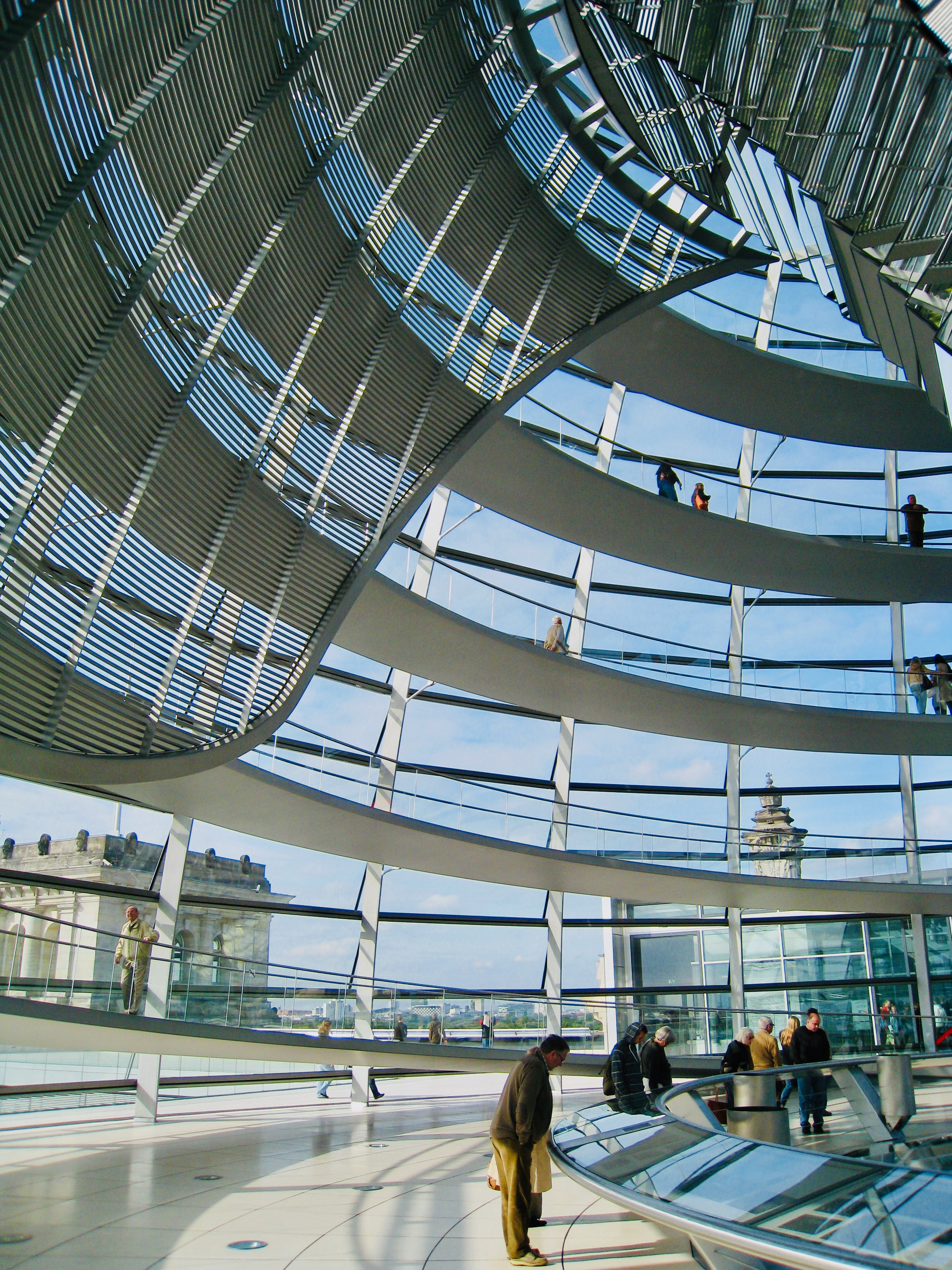
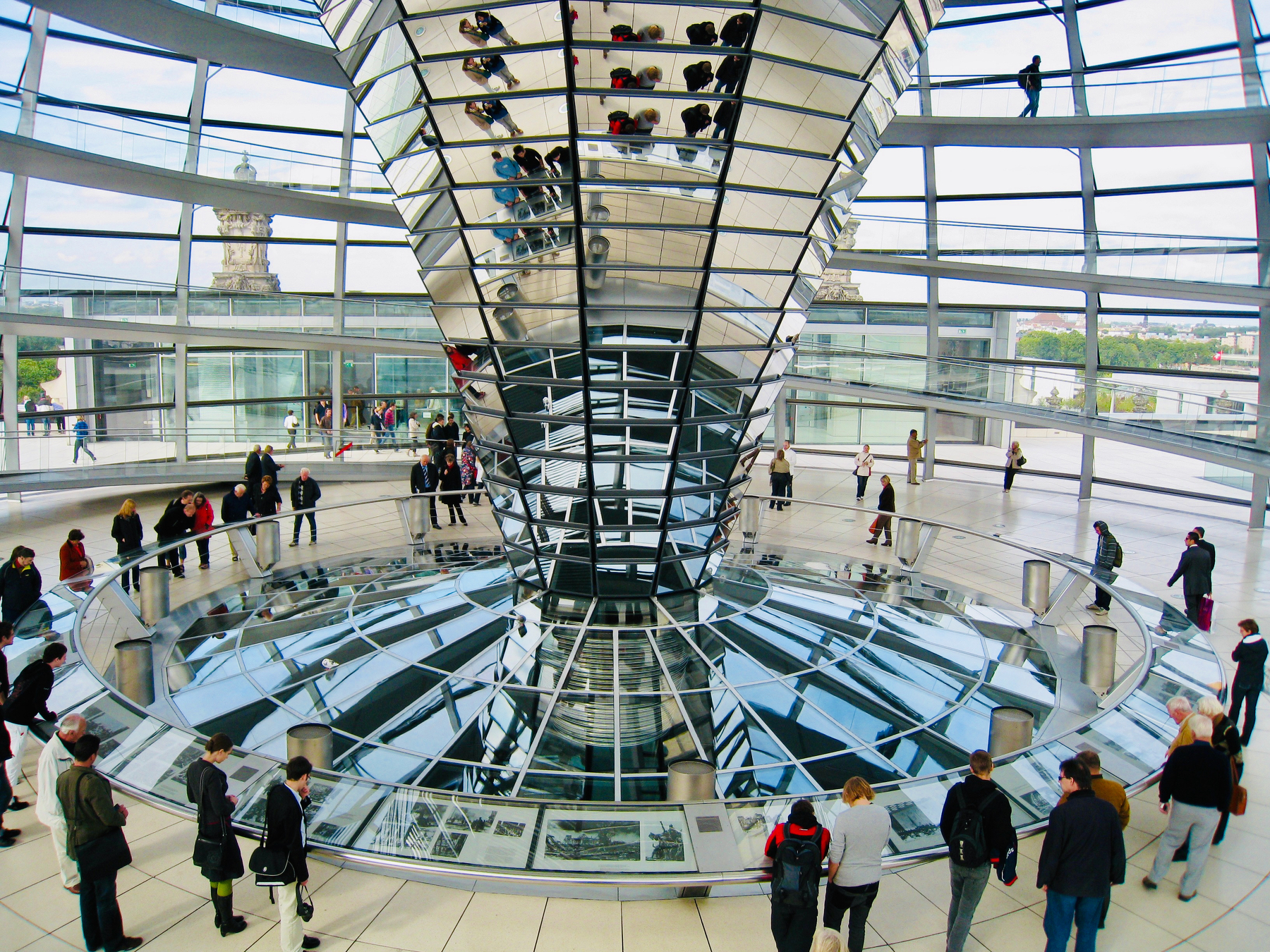
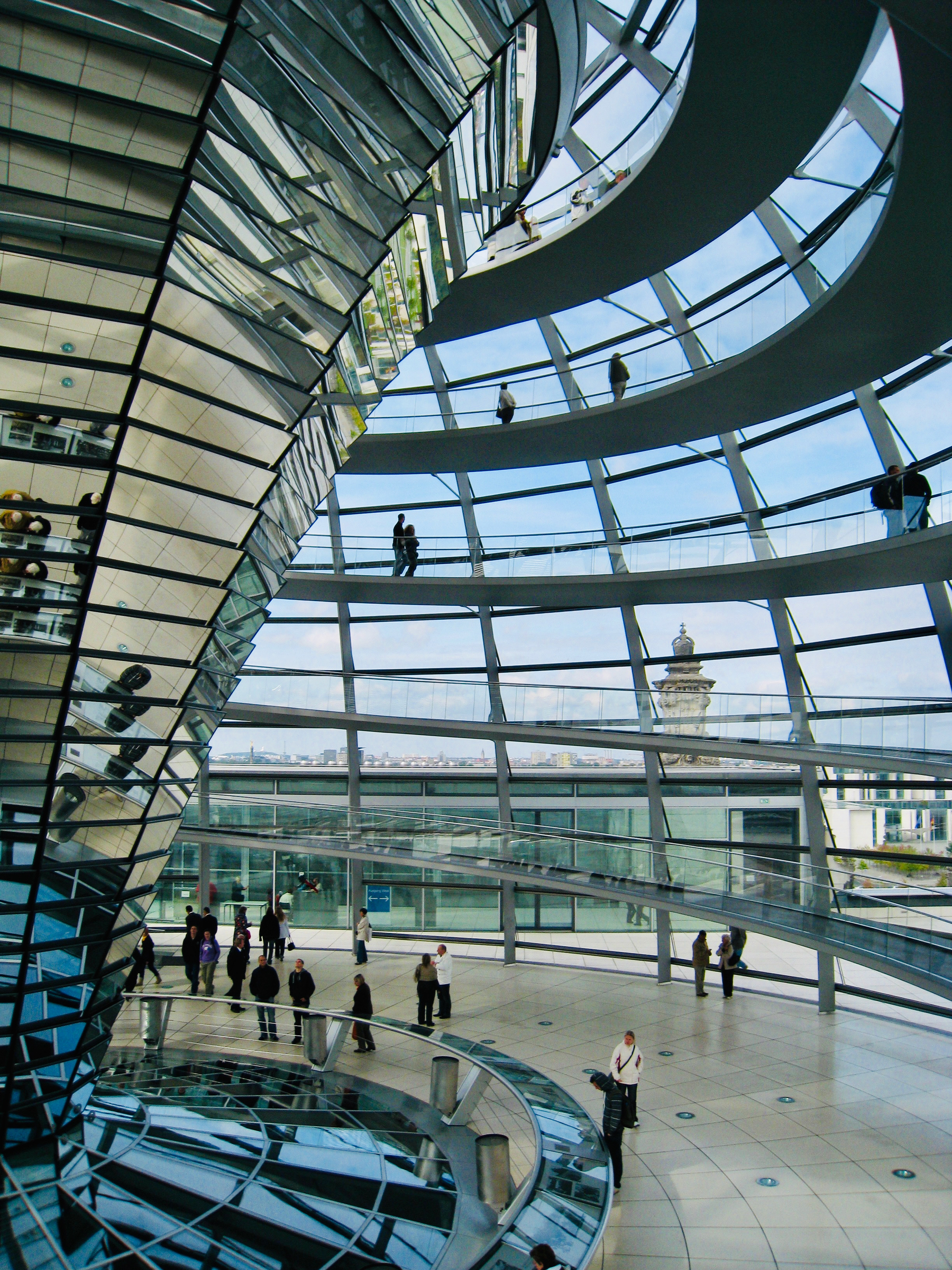
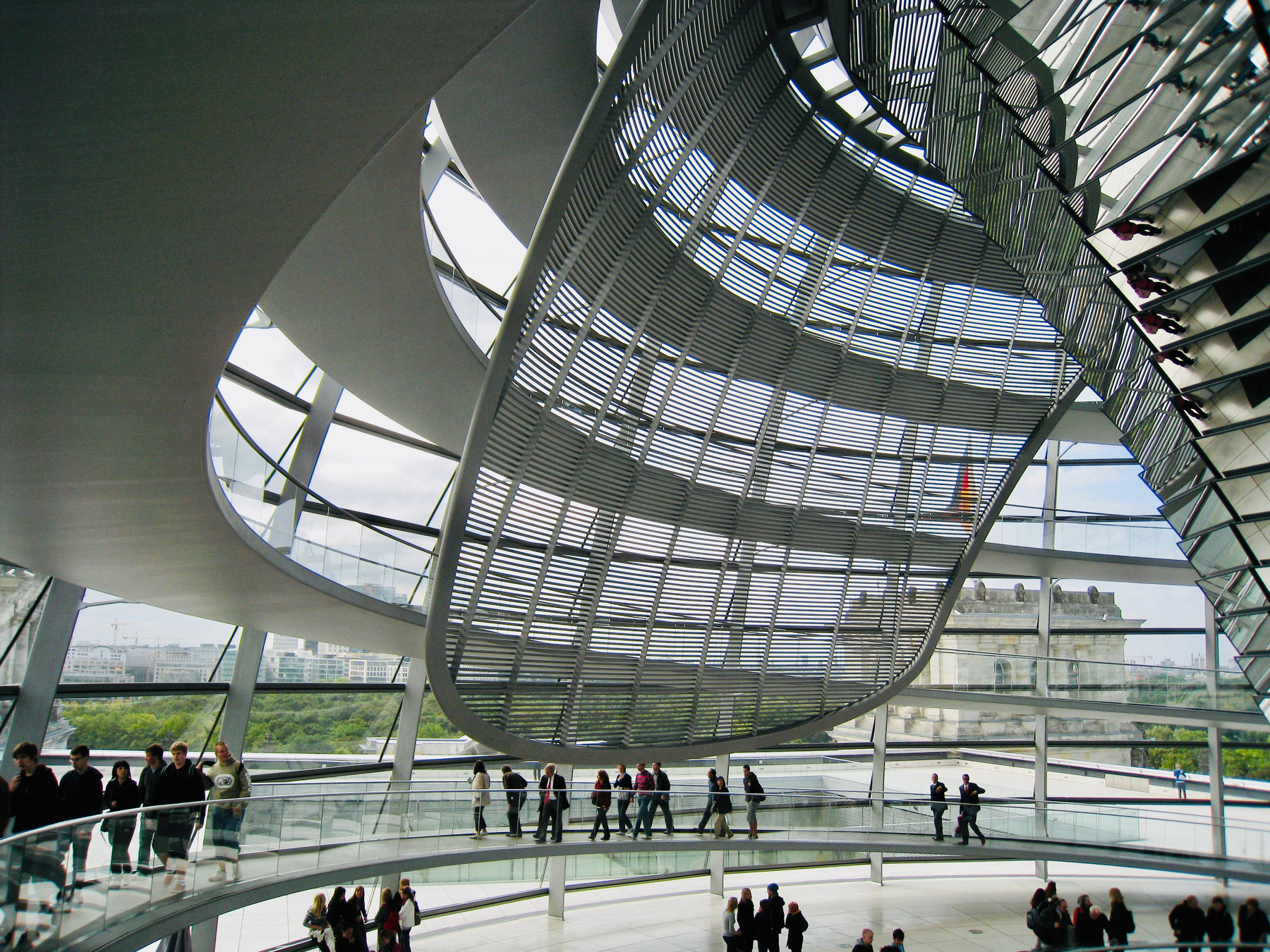
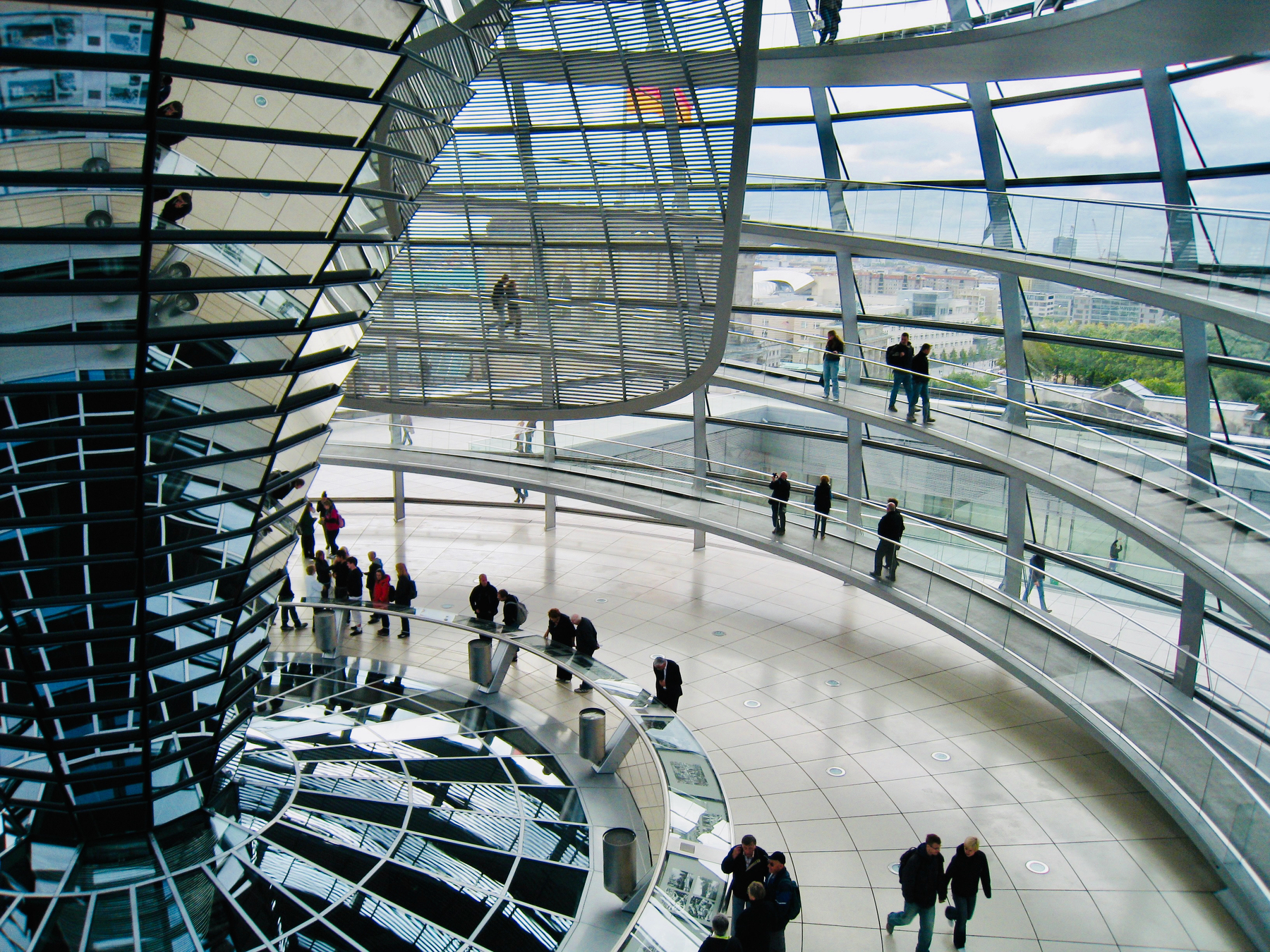
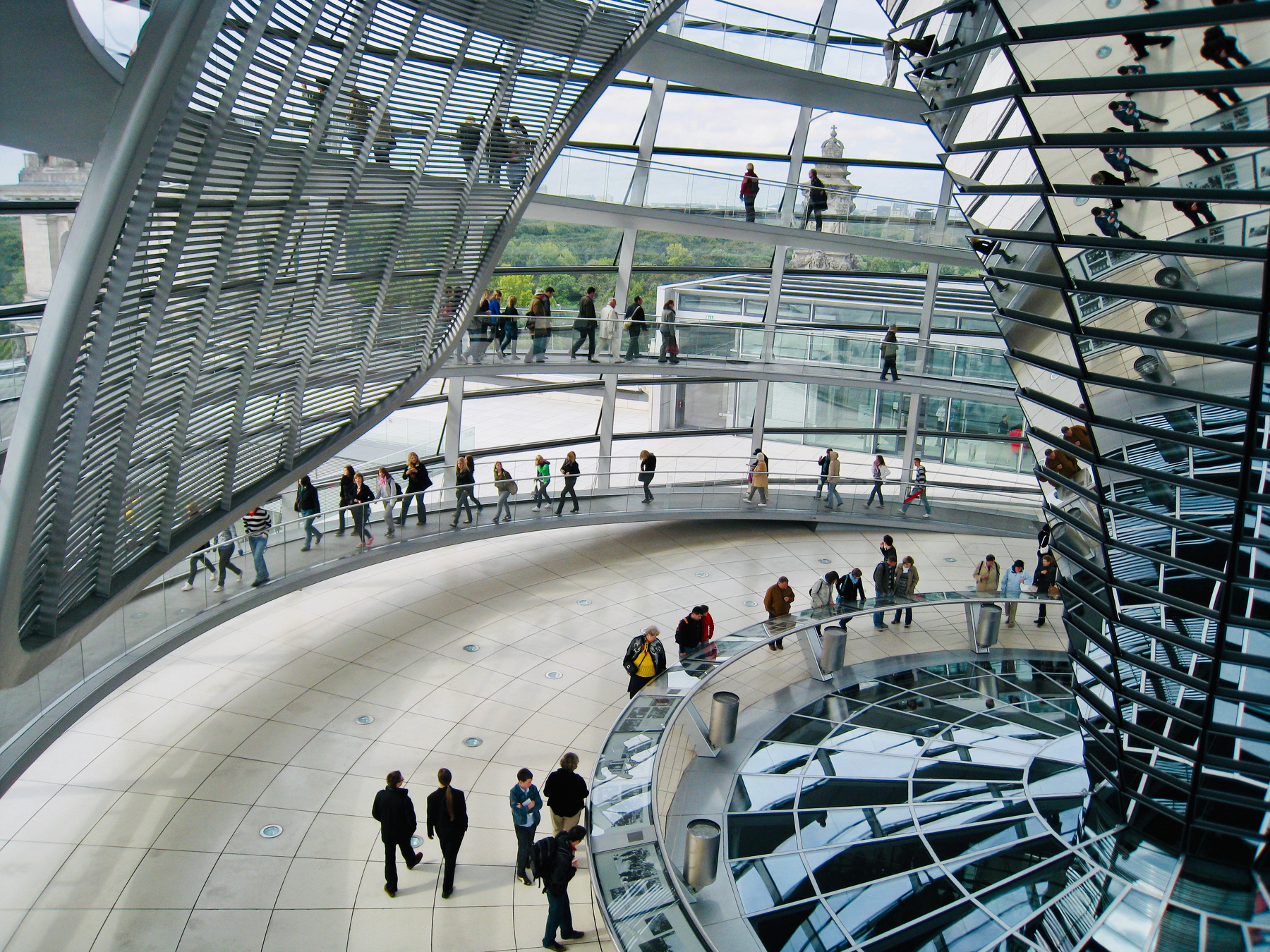
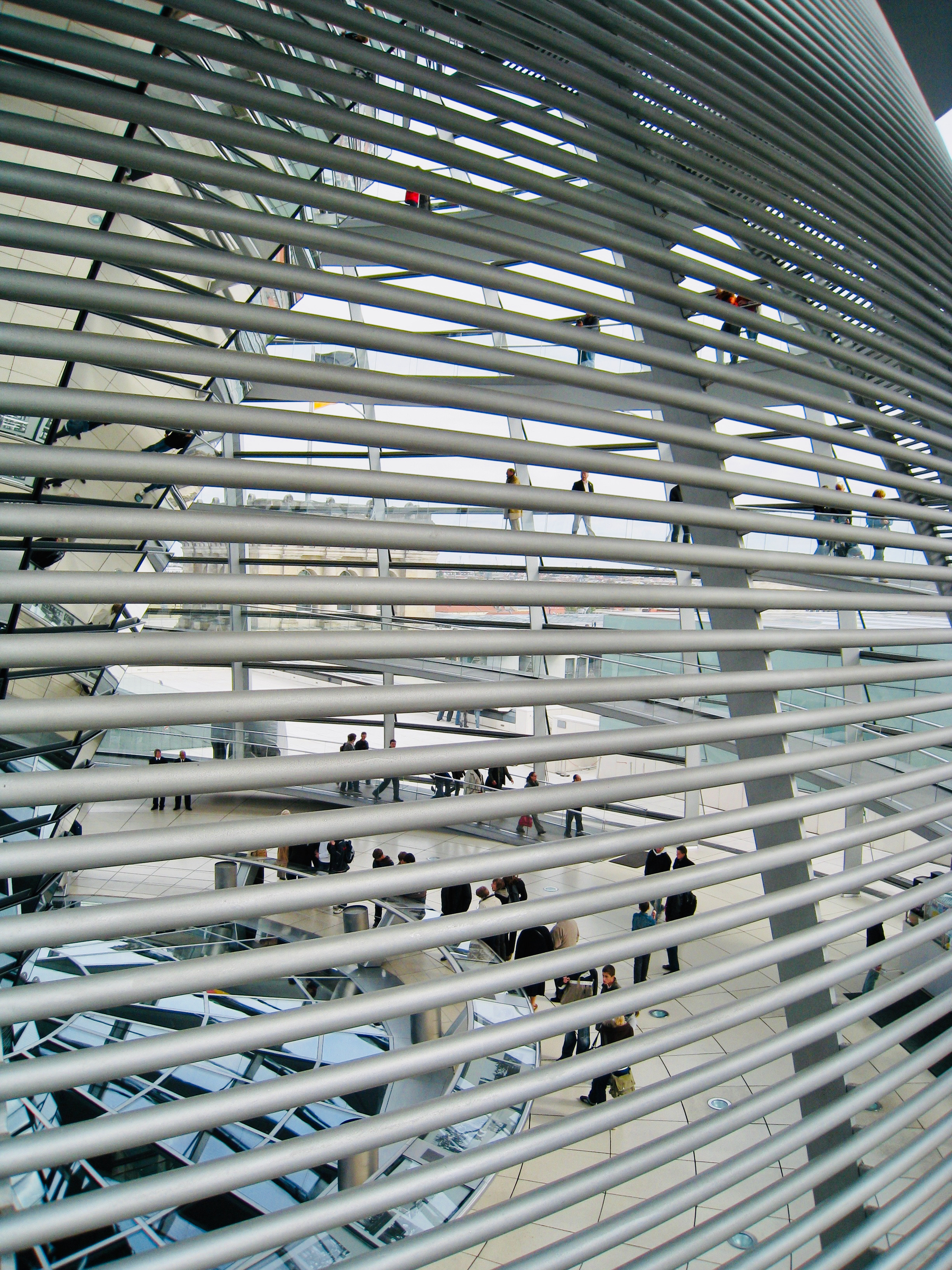
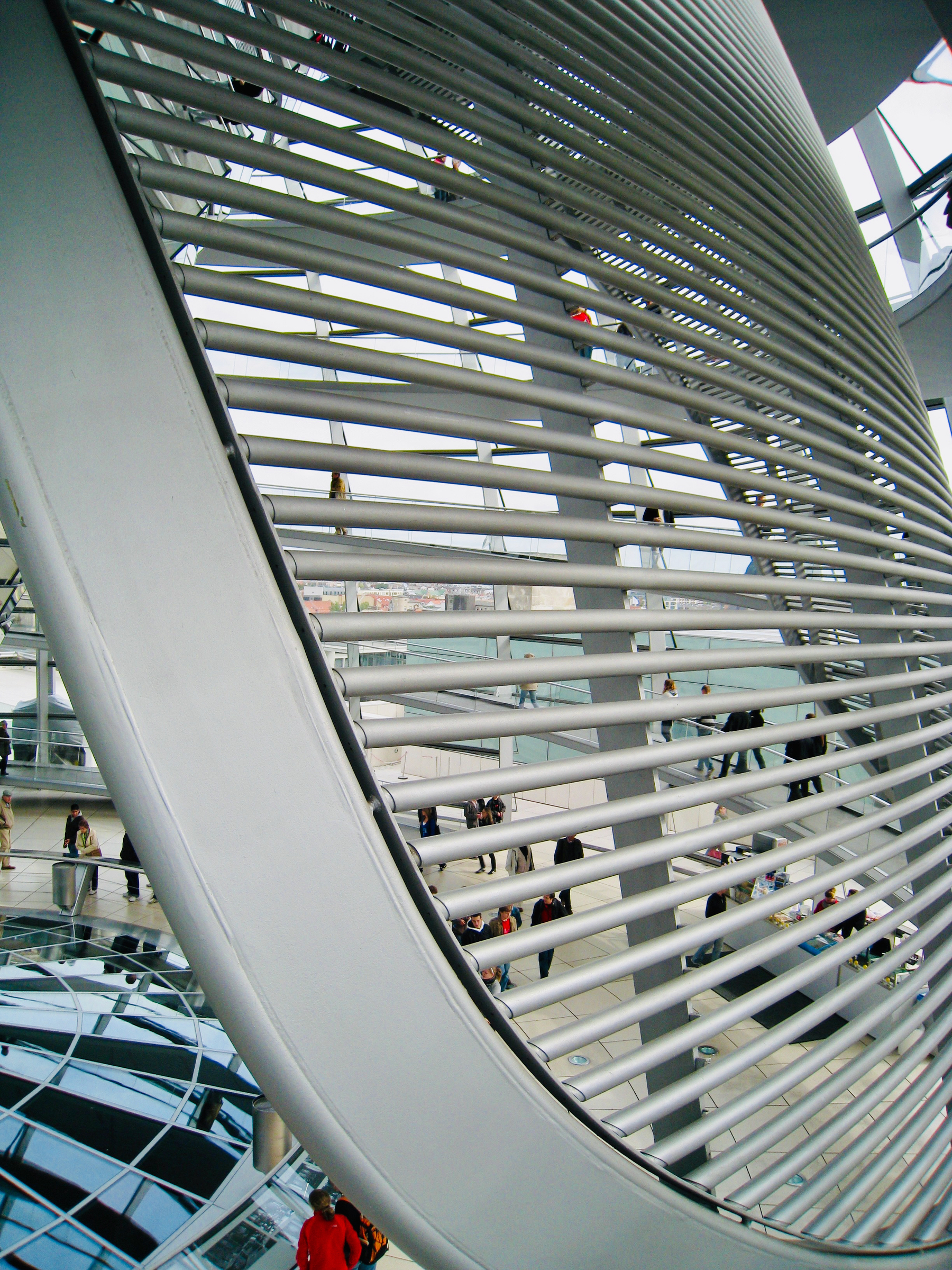
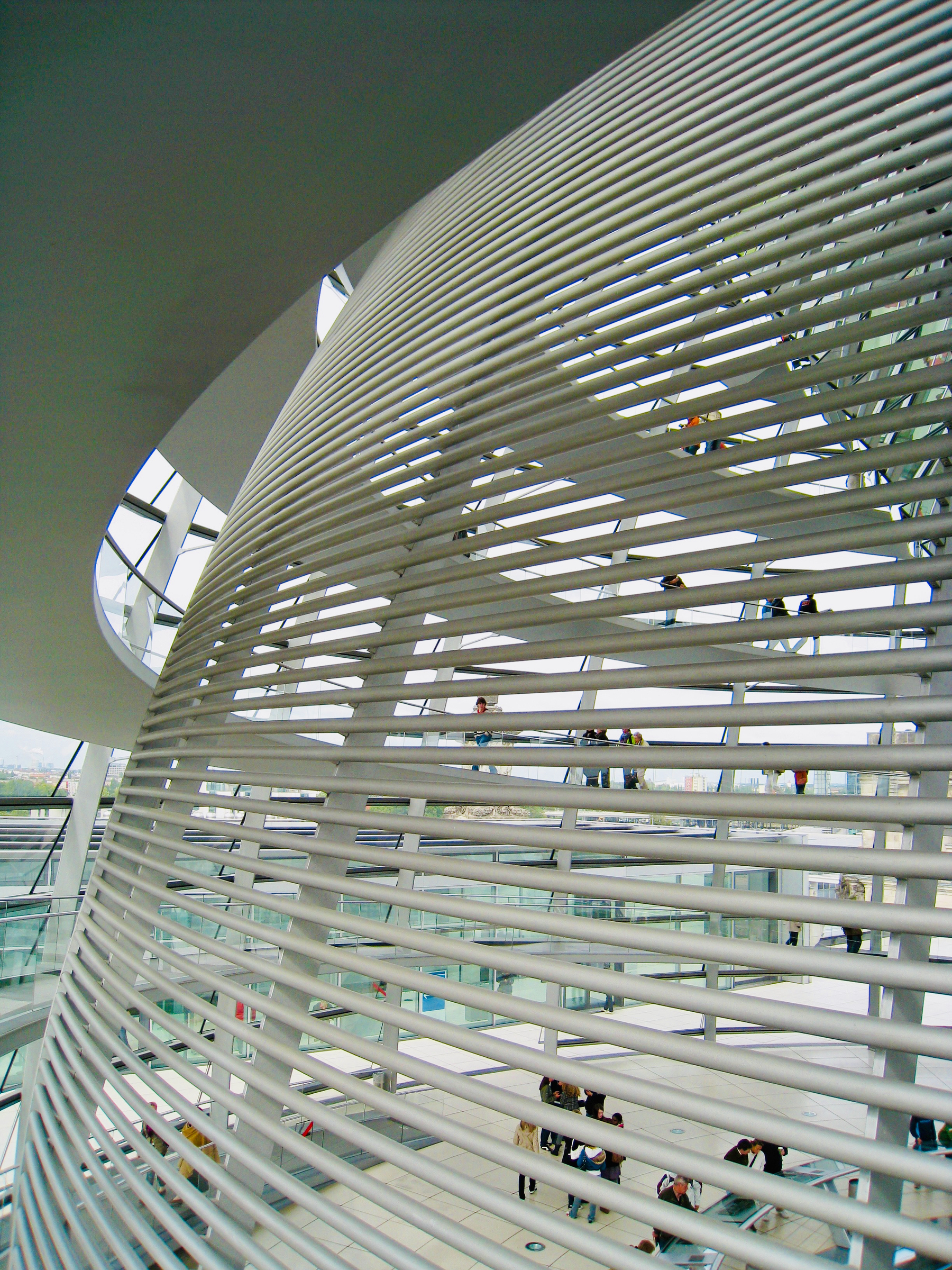
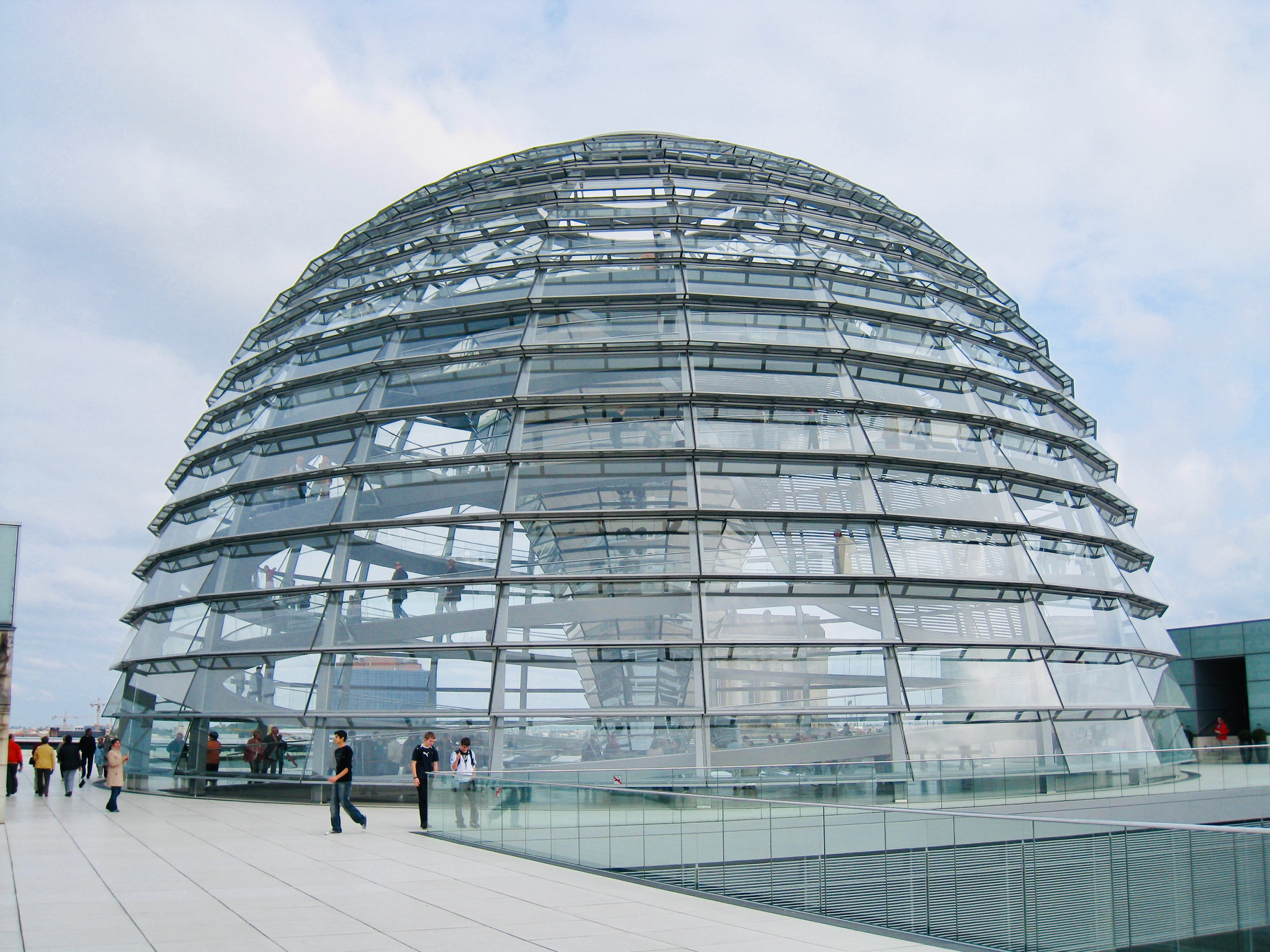
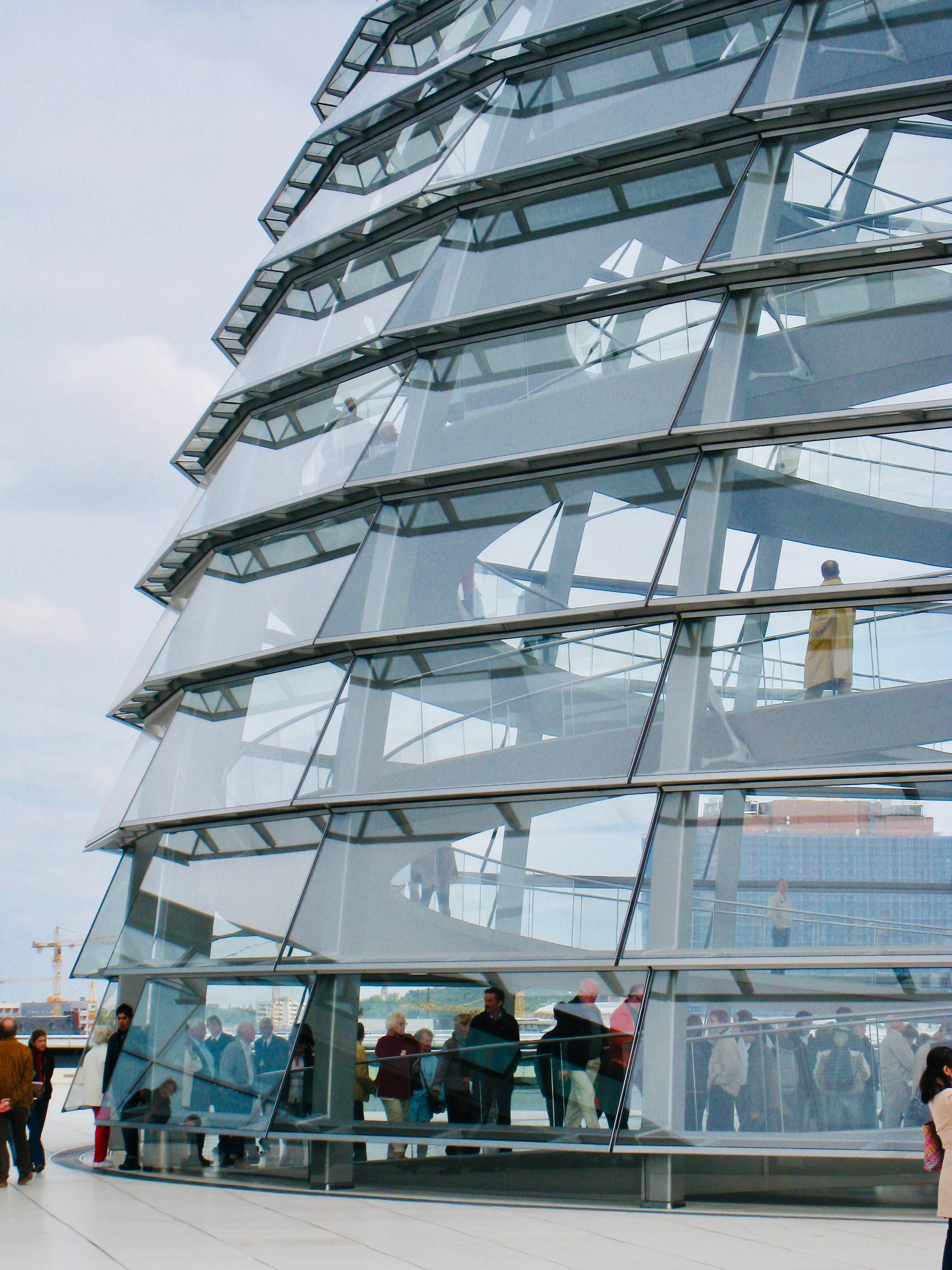
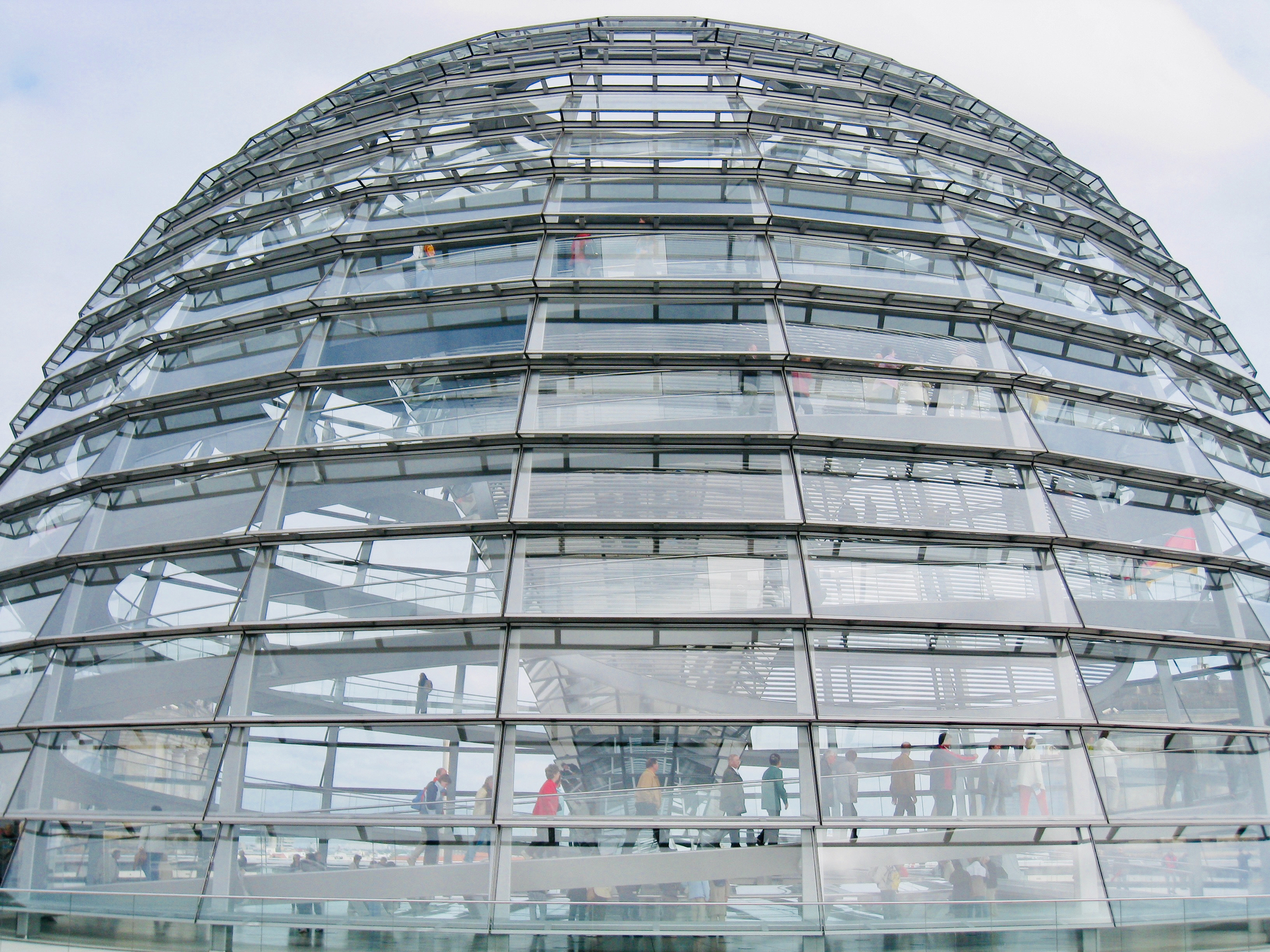
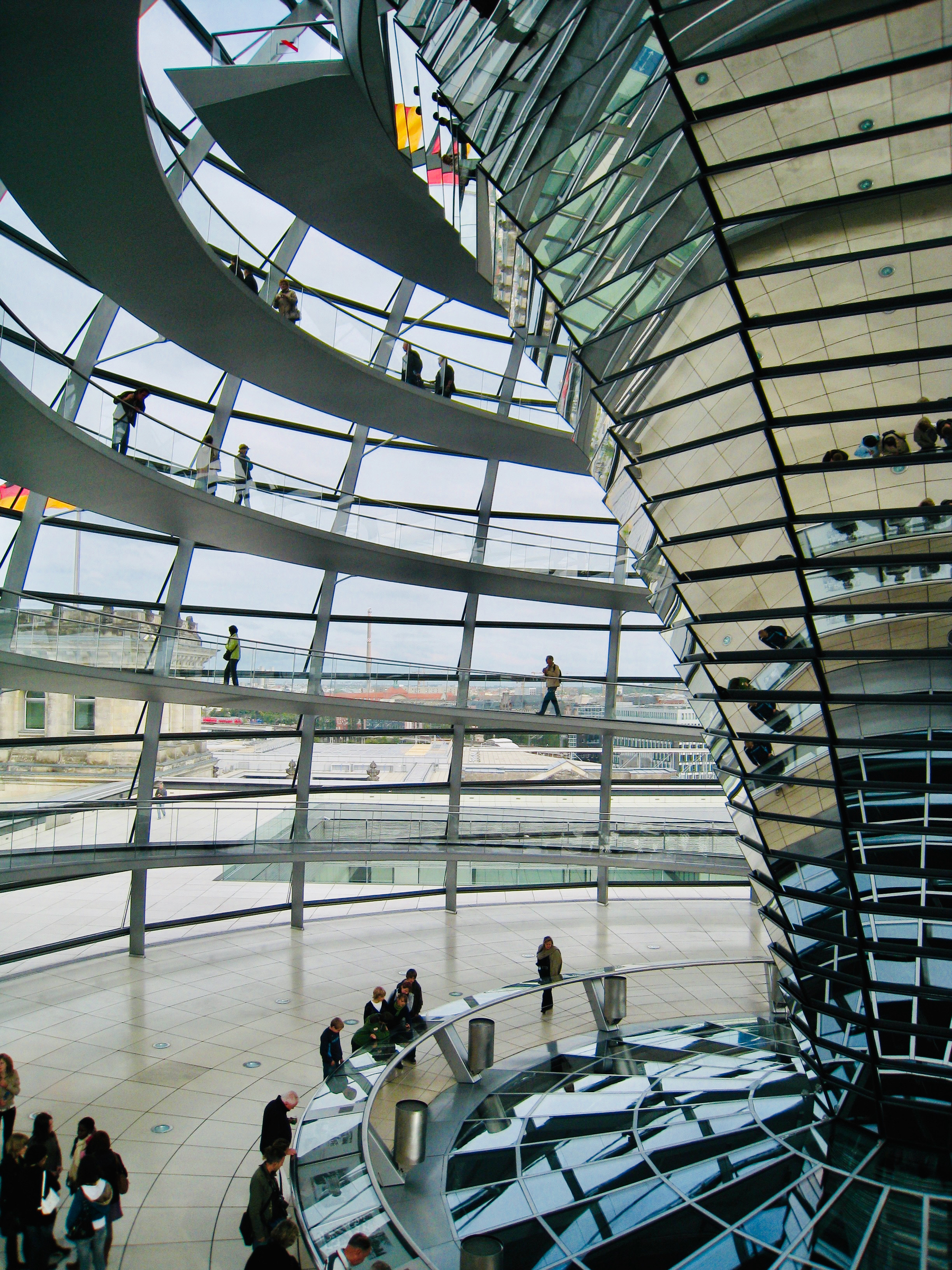
Only after the fall of the Berlin Wall in 1989 did the Reichstag begin its transformation. British architect Norman Foster was tasked with reimagining the building, carefully balancing respect for its past with Germany’s vision for the future. When it reopened in 1999 as the home of the Bundestag, it had become something entirely new. The most striking feature is Foster’s glass dome. As I climbed the spiral walkway, the symbolism became clear. Instead of leaders looking down on the public, visitors now look down into the parliamentary chamber itself. Transparency here is not just architectural—it is political.
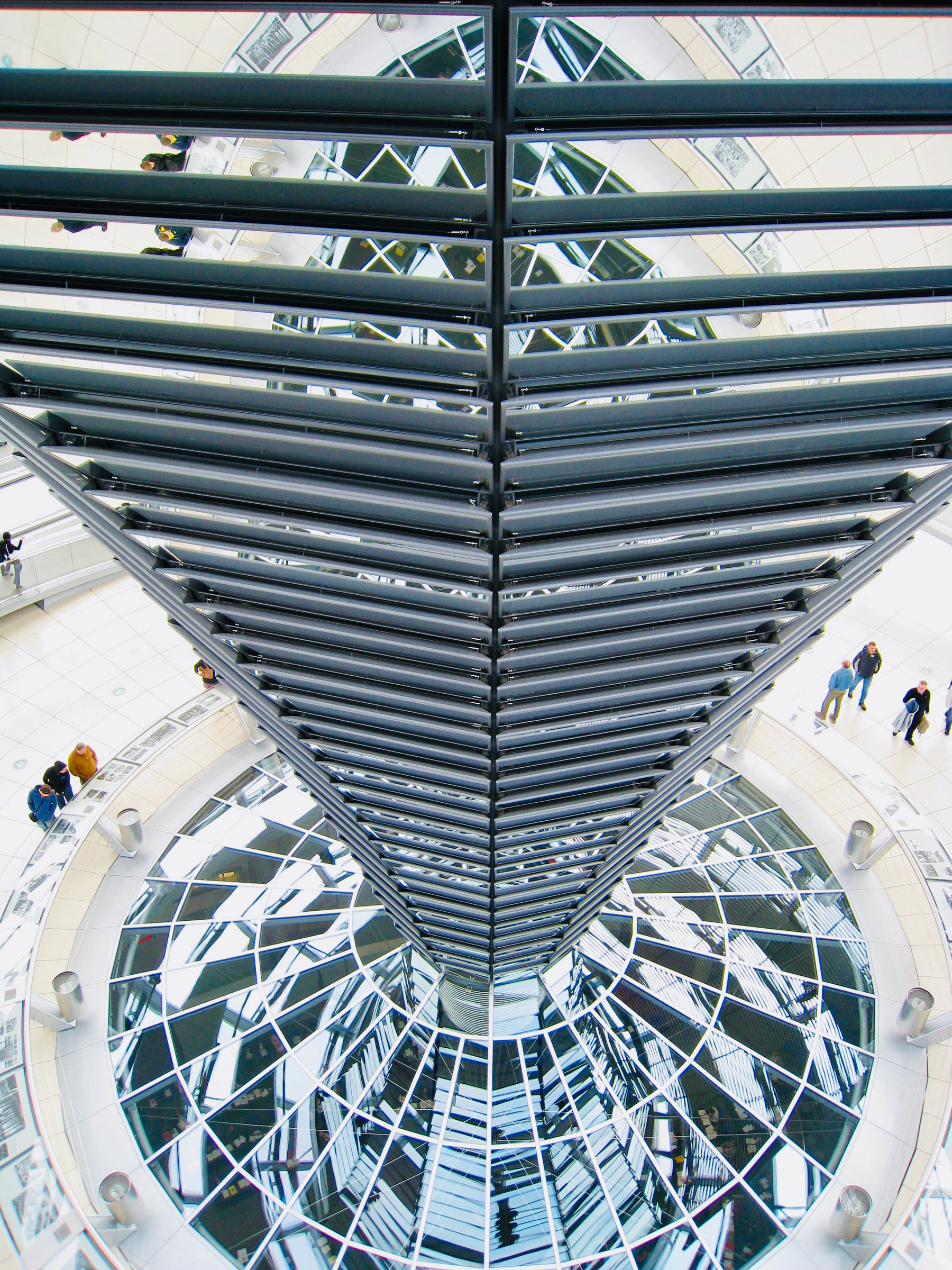
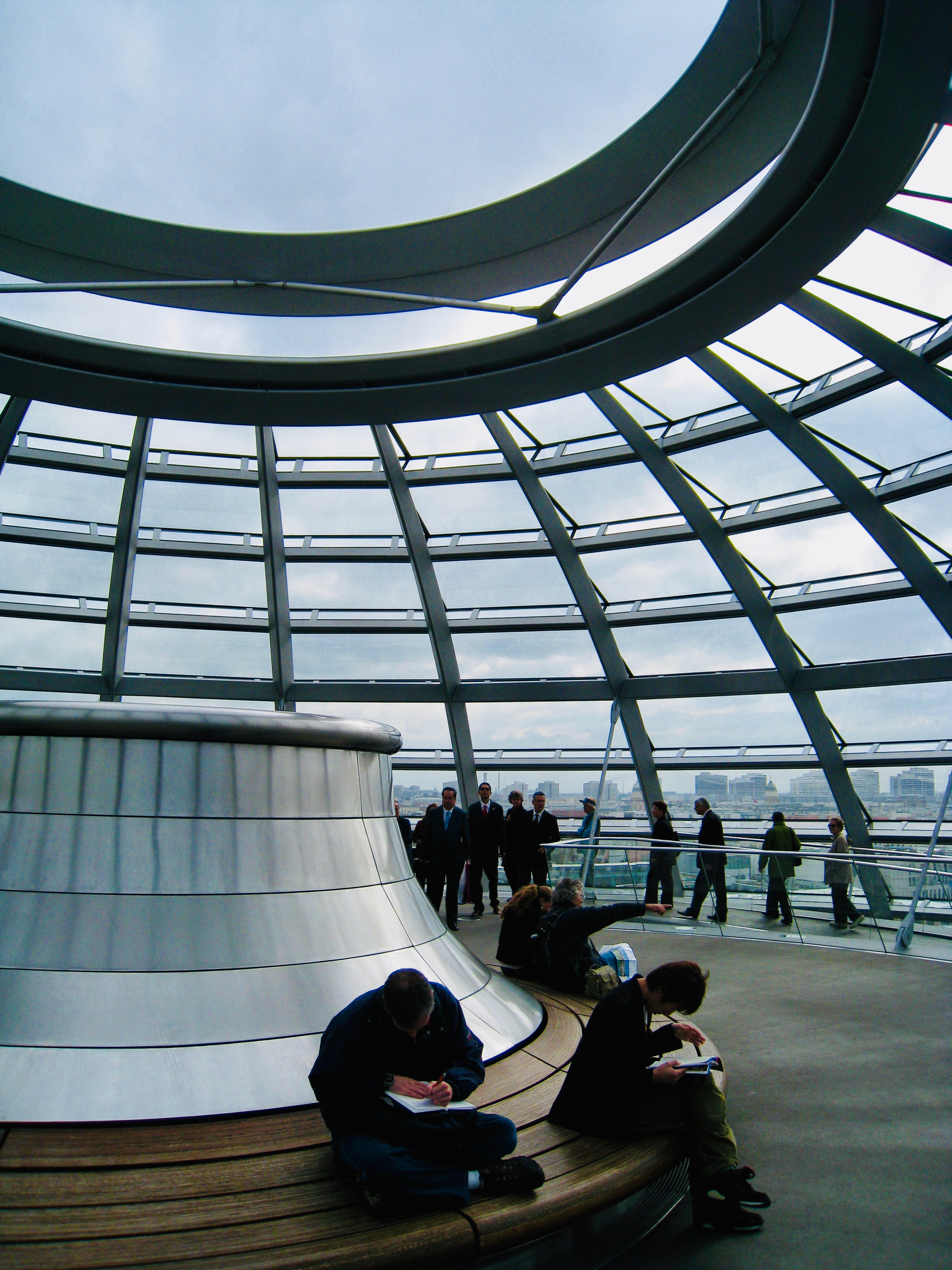
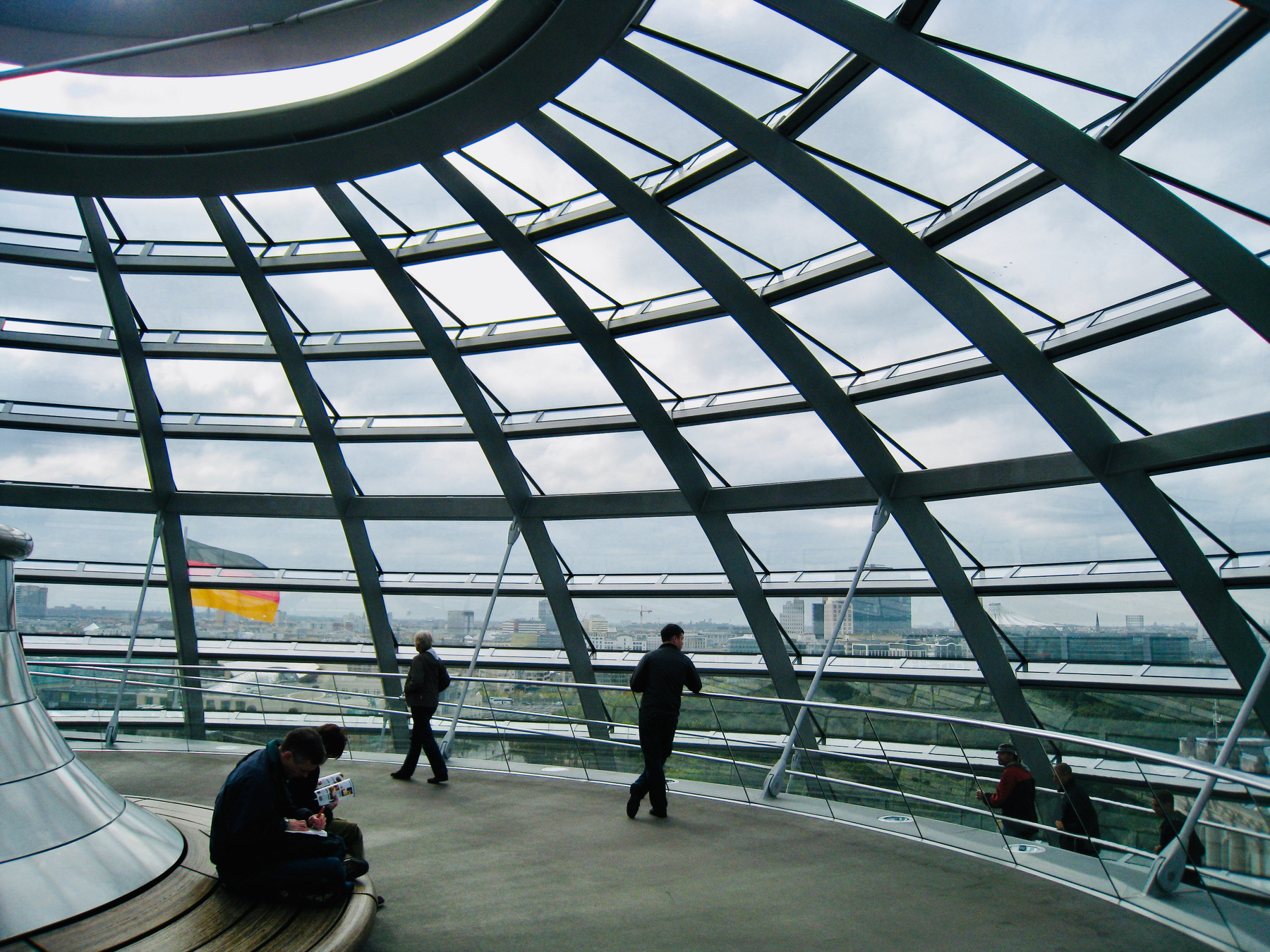
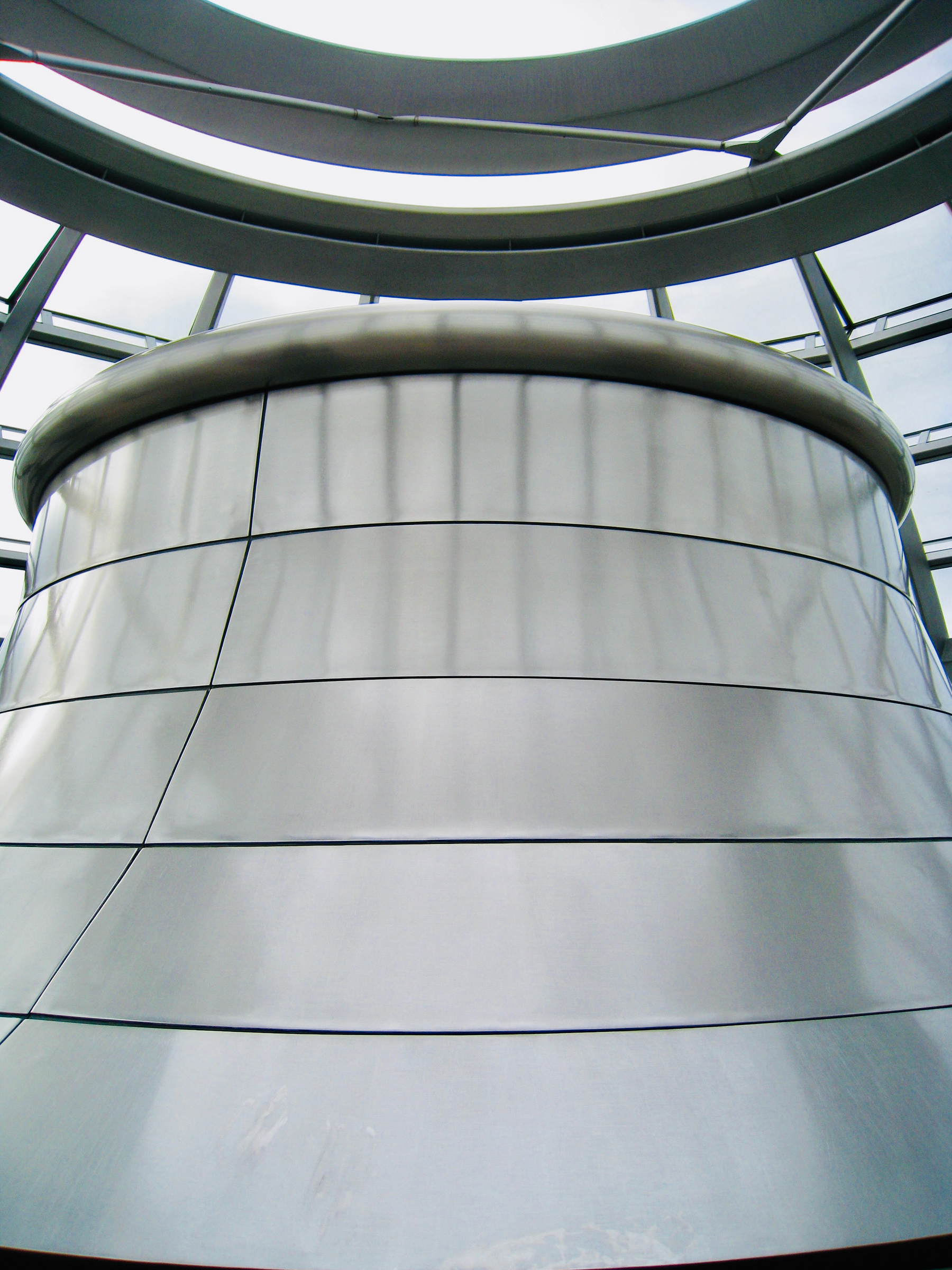
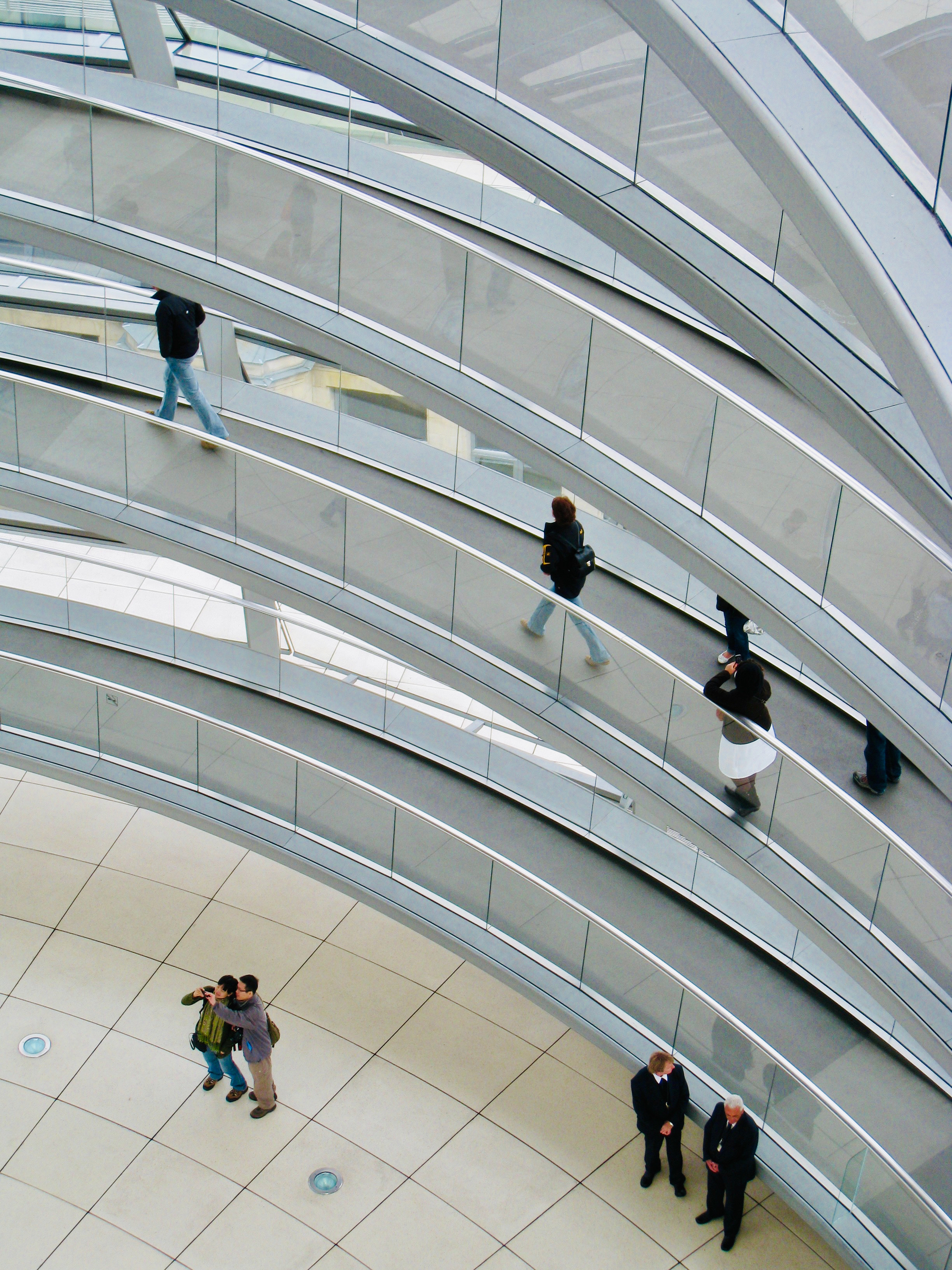
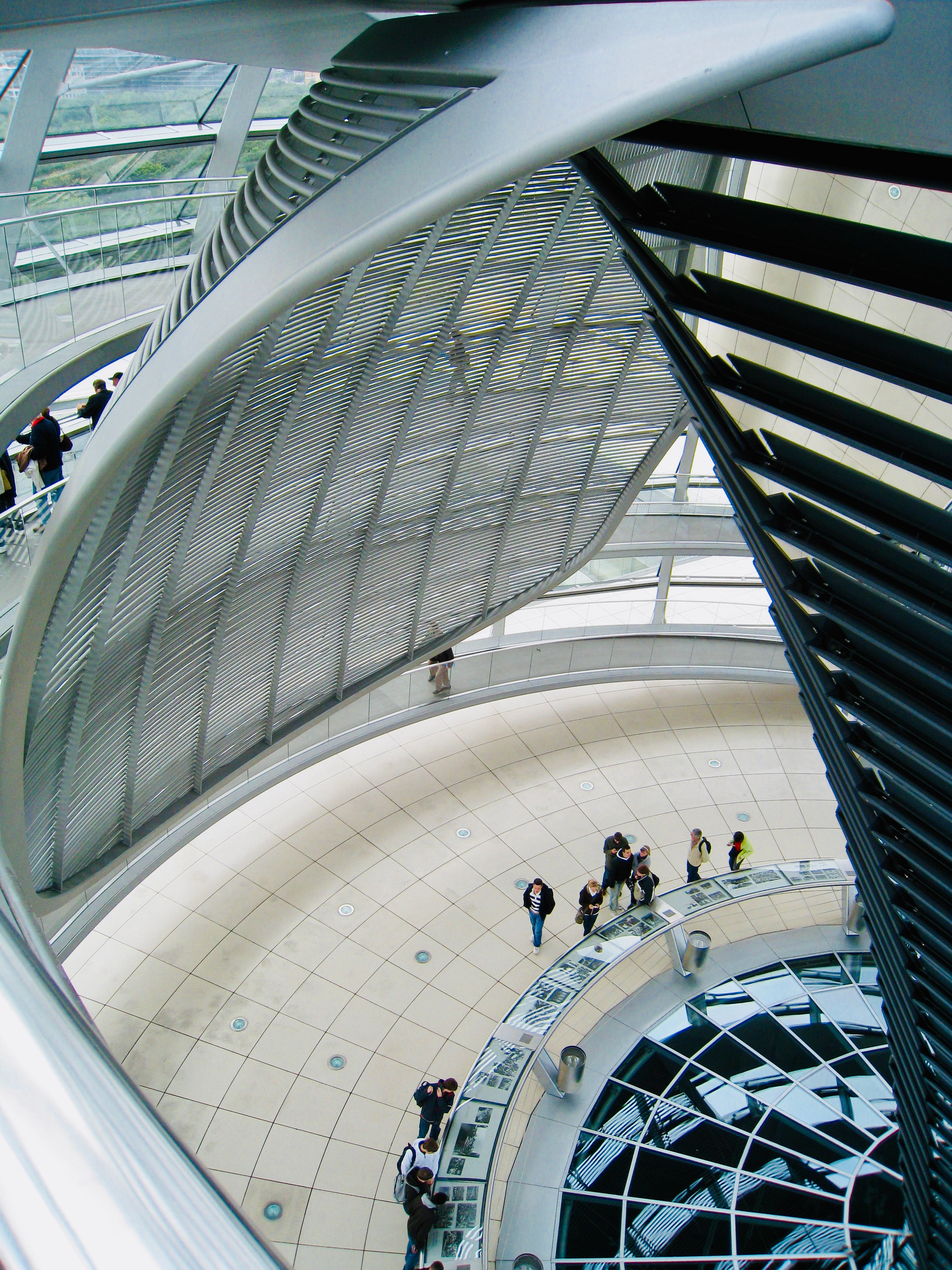
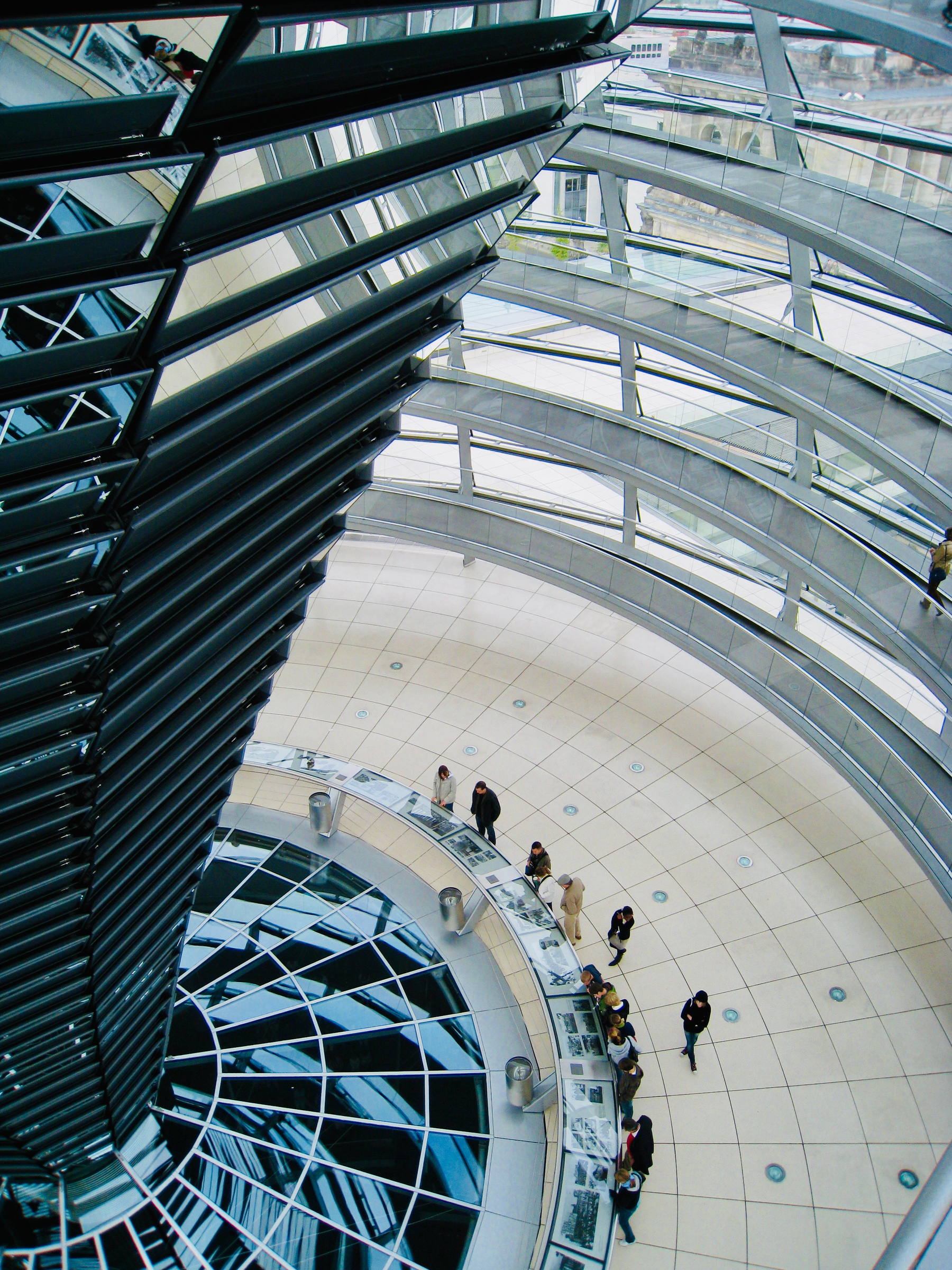
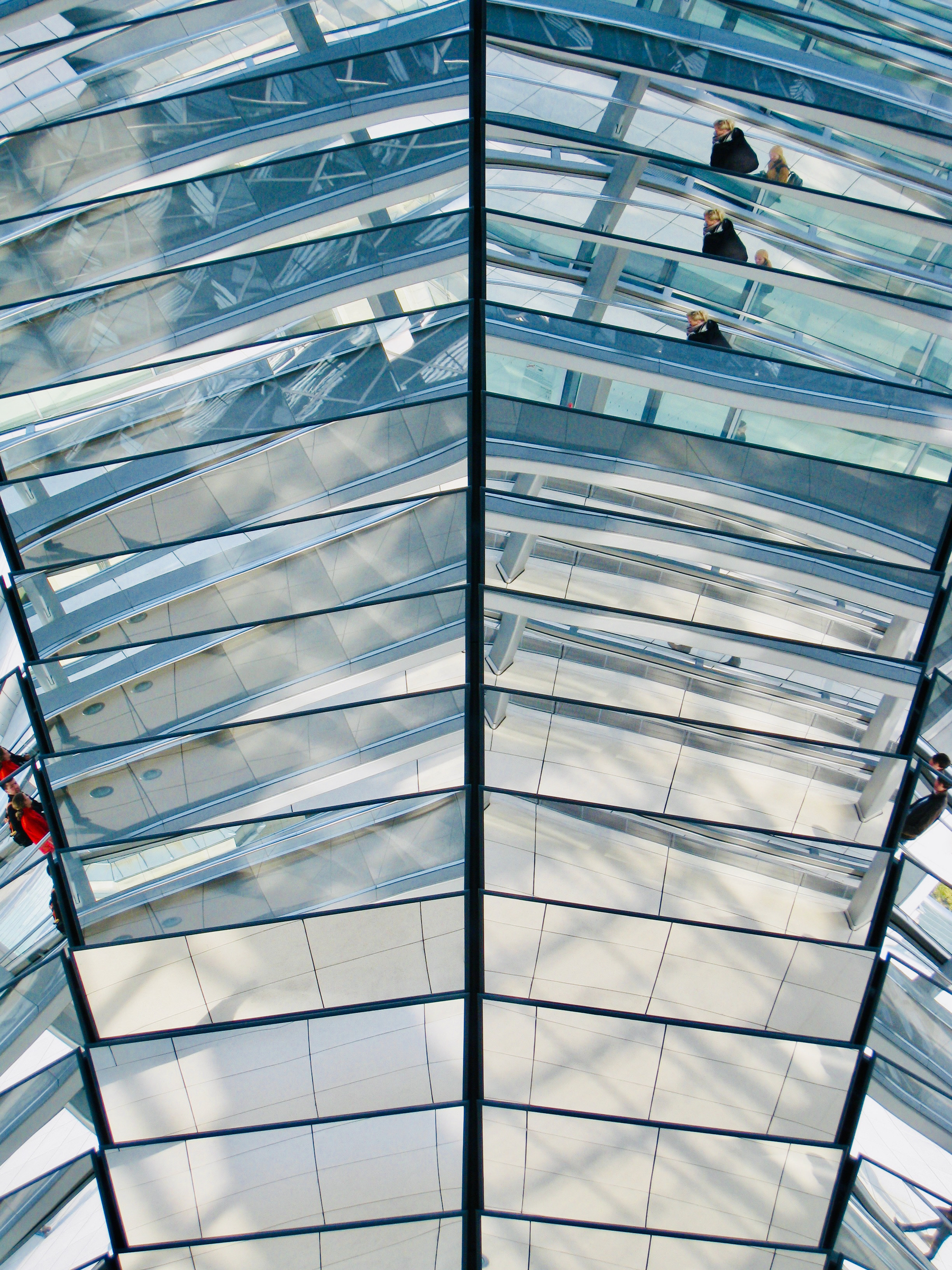
Daylight pours into the chamber through the vast glass structure, while a mirrored cone channels sunlight deep into the building. A moving sun shield regulates heat and glare, reducing energy use. Combined with natural ventilation and renewable systems, the Reichstag shows how historic preservation and sustainability can work together. Standing beneath the dome, surrounded by steel, glass, and open sky, I lingered longer than expected. Outside, Berlin stretched in every direction. The Brandenburg Gate stood nearby, the Tiergarten softened the urban landscape, and modern buildings rose alongside reminders of the city’s divided past. The view was not just panoramic—it was a timeline of Germany itself.
What struck me most was how the restoration preserved history rather than erasing it. Bullet scars remain visible. Inscriptions have been kept. Instead of hiding its past, the Reichstag confronts it, inviting reflection on both failure and renewal. It is, perhaps, one of the most honest public buildings I have ever visited.
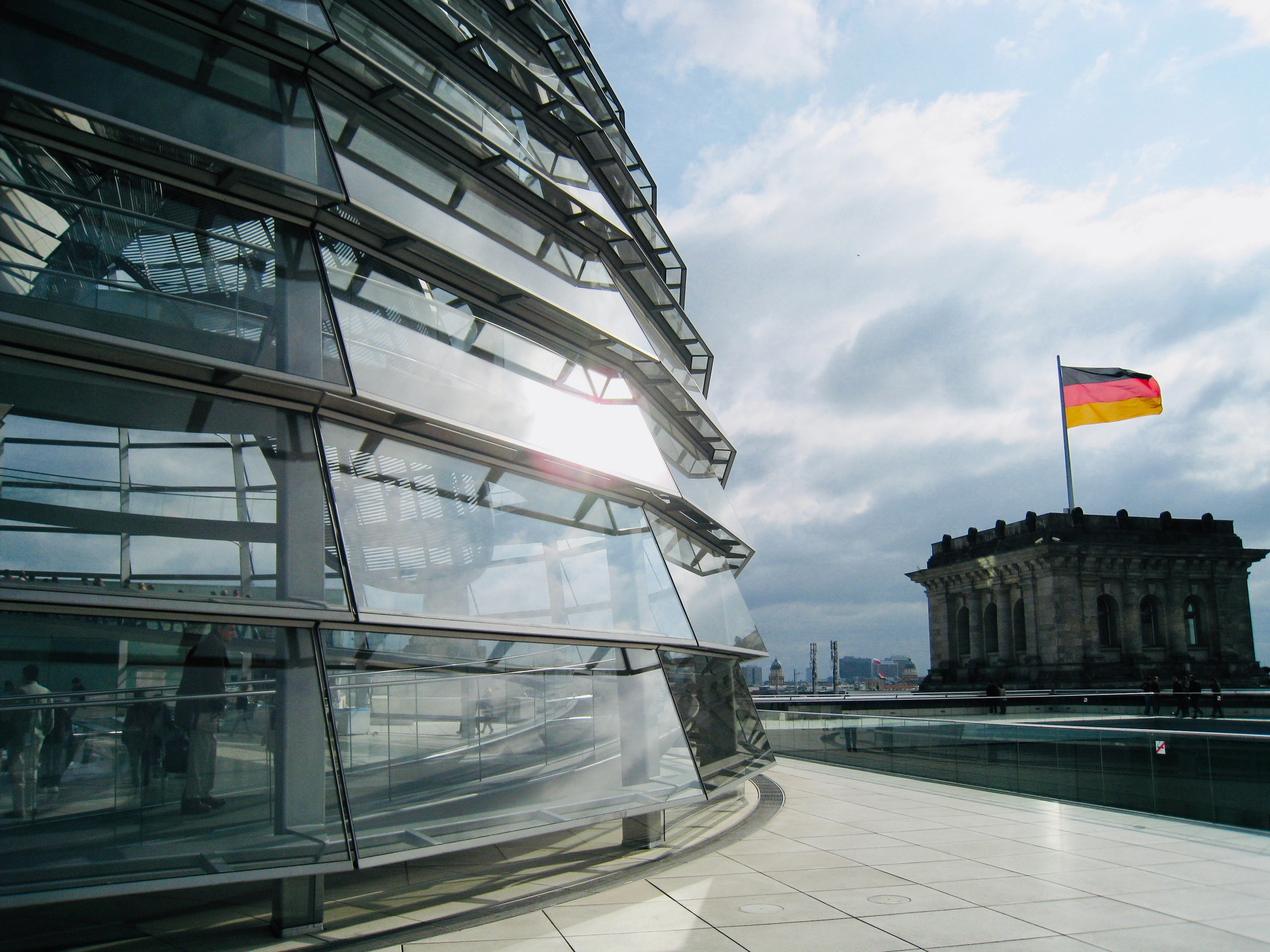
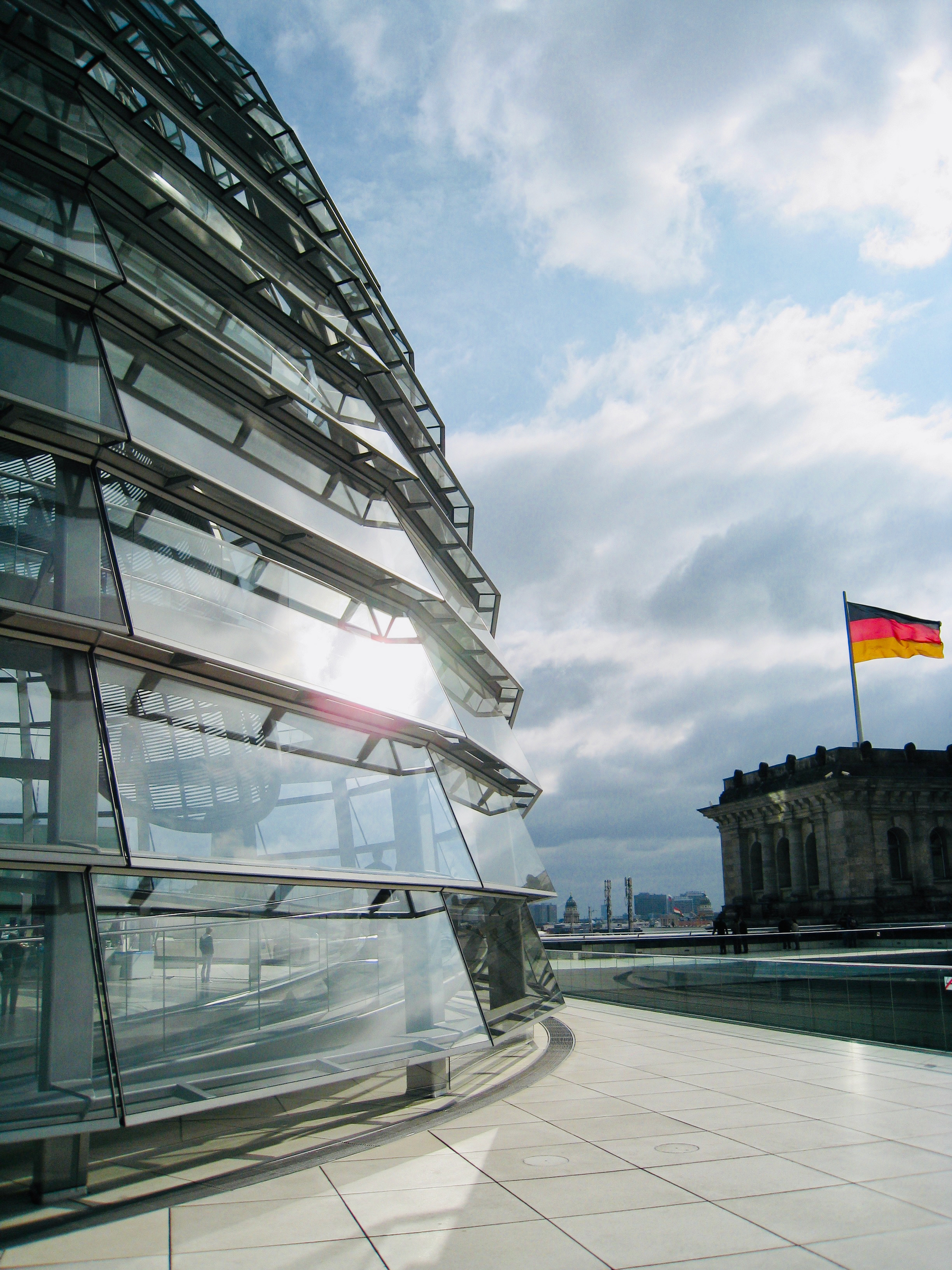
For travellers, visiting is straightforward but requires planning. Entry is free, but advance online registration is essential, and security checks are strict. The process is smooth, and the experience is well worth it. Depending on parliamentary schedules, visitors may even watch debates from the public gallery—a rare chance to see democracy in action. As I left the dome and looked back across the rooftop, I realised it wasn’t the engineering or the views that stayed with me. It was the building’s resilience.
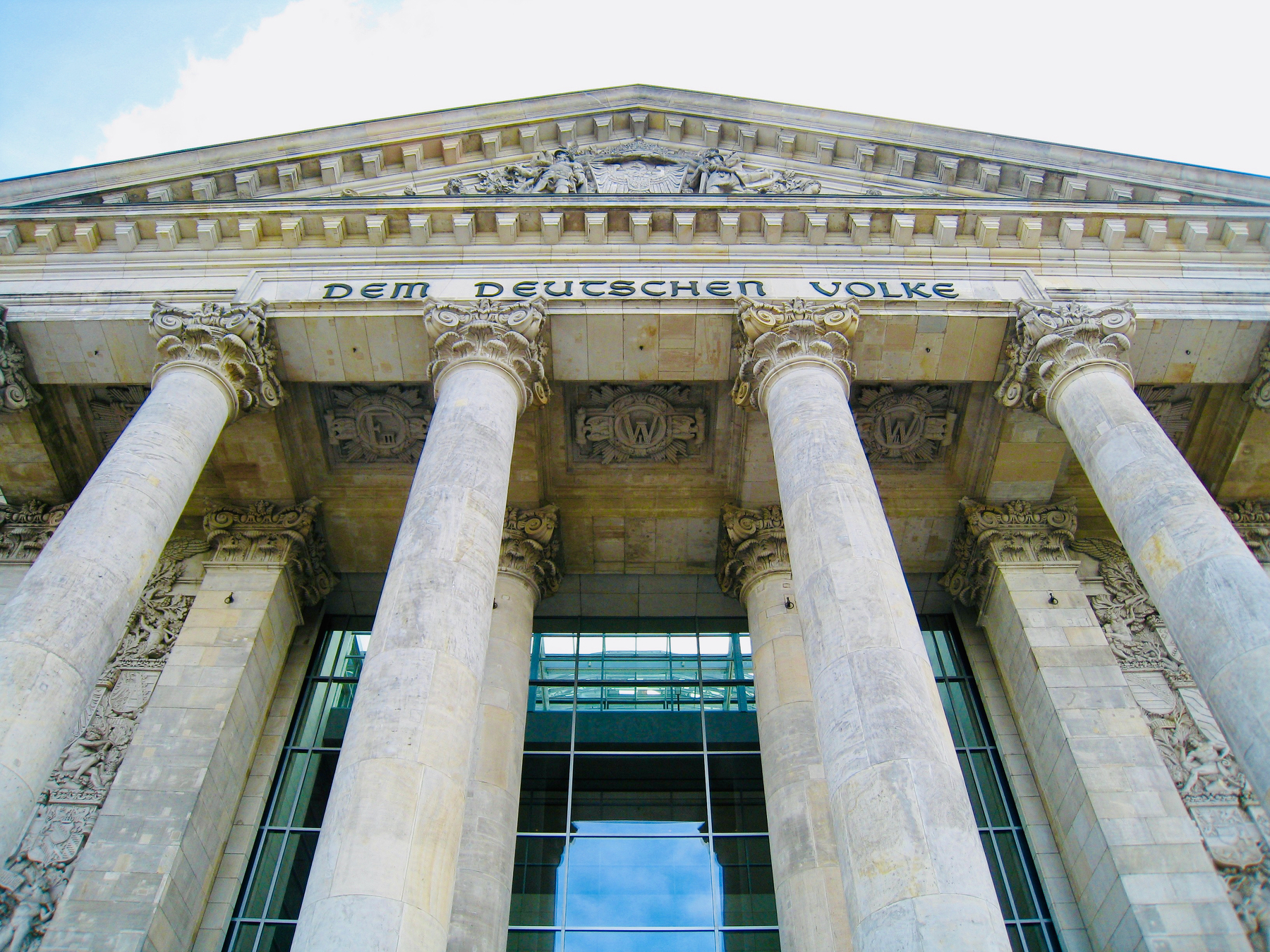
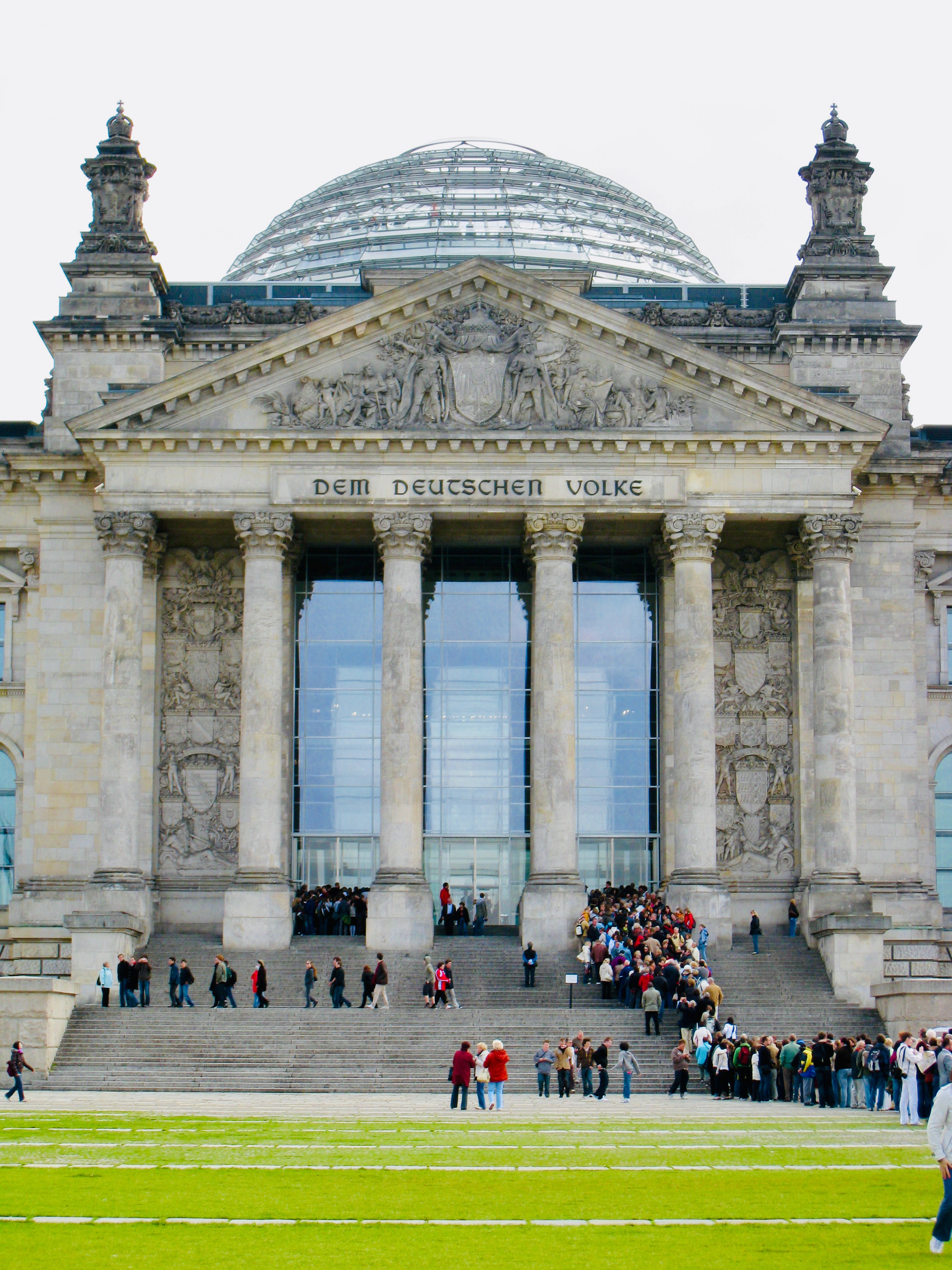
Few structures have endured empire, dictatorship, war, division, reunification, and democracy within a single lifetime. Fewer still transform that history into something hopeful. The Reichstag is no longer just a monument to Germany’s past. It is a symbol of what can emerge after history’s darkest chapters—a place where transparency replaces secrecy, openness replaces oppression, and architecture tells a story no textbook could fully capture.
Berlin is full of unforgettable places, but if you only visit one that reveals the city’s soul, make it the Reichstag. Sometimes, the clearest view of history comes through glass.
#Berlin #Reichstag #BerlinHistory #GermanyTravel #Architecture #EuropeanHistory #TravelWriting #BerlinSightseeing #Europe #Photography