
Gion After Dark
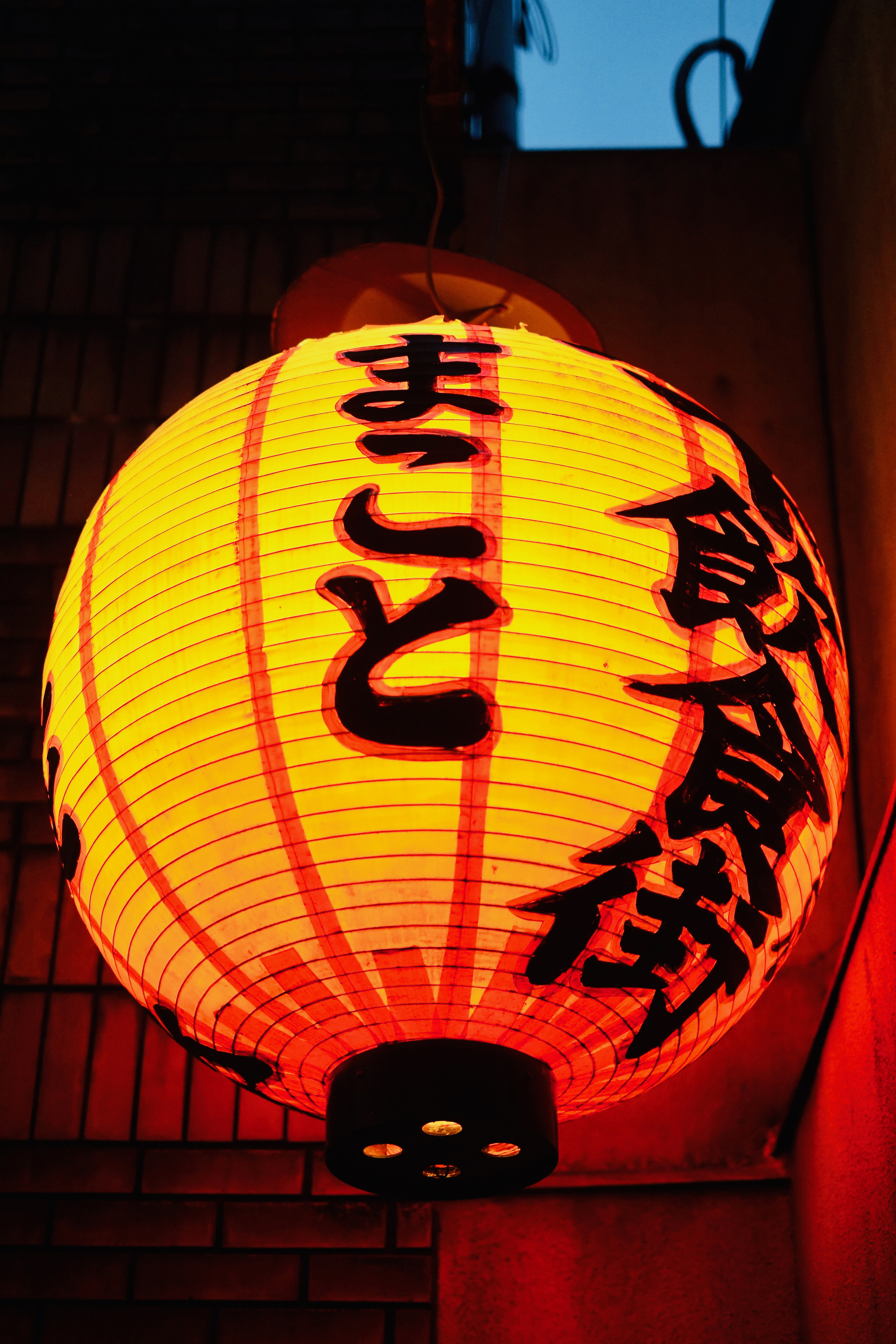
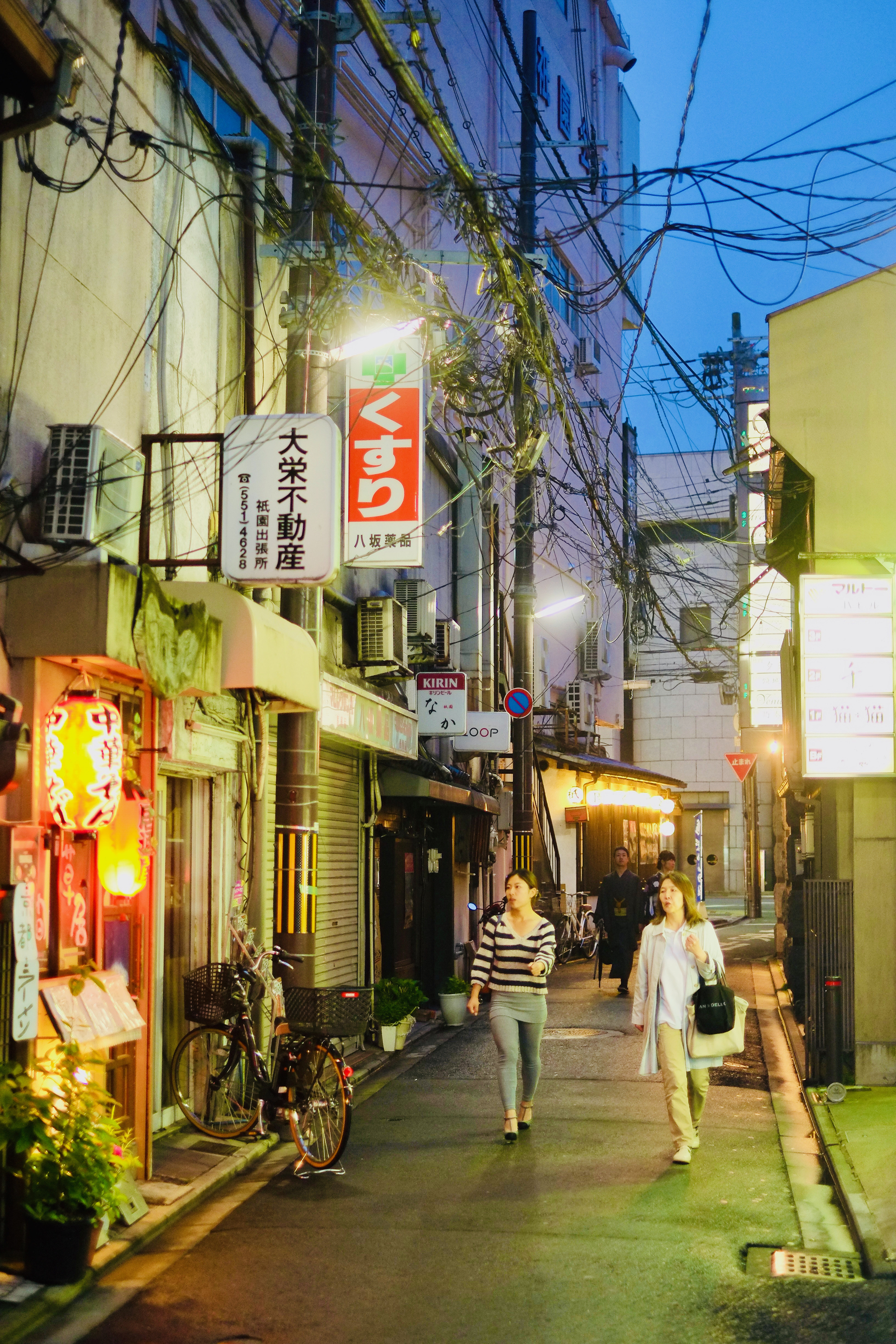
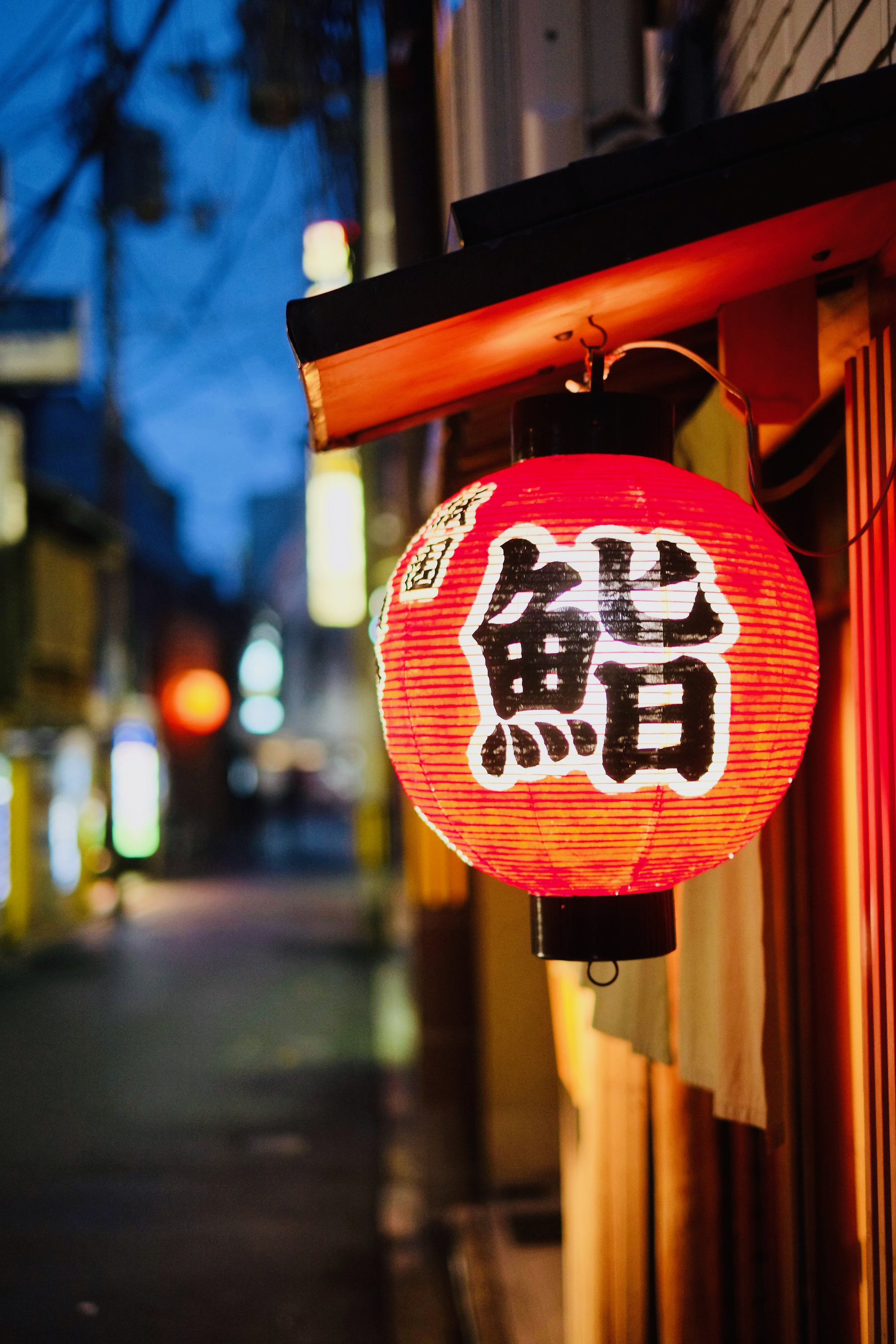
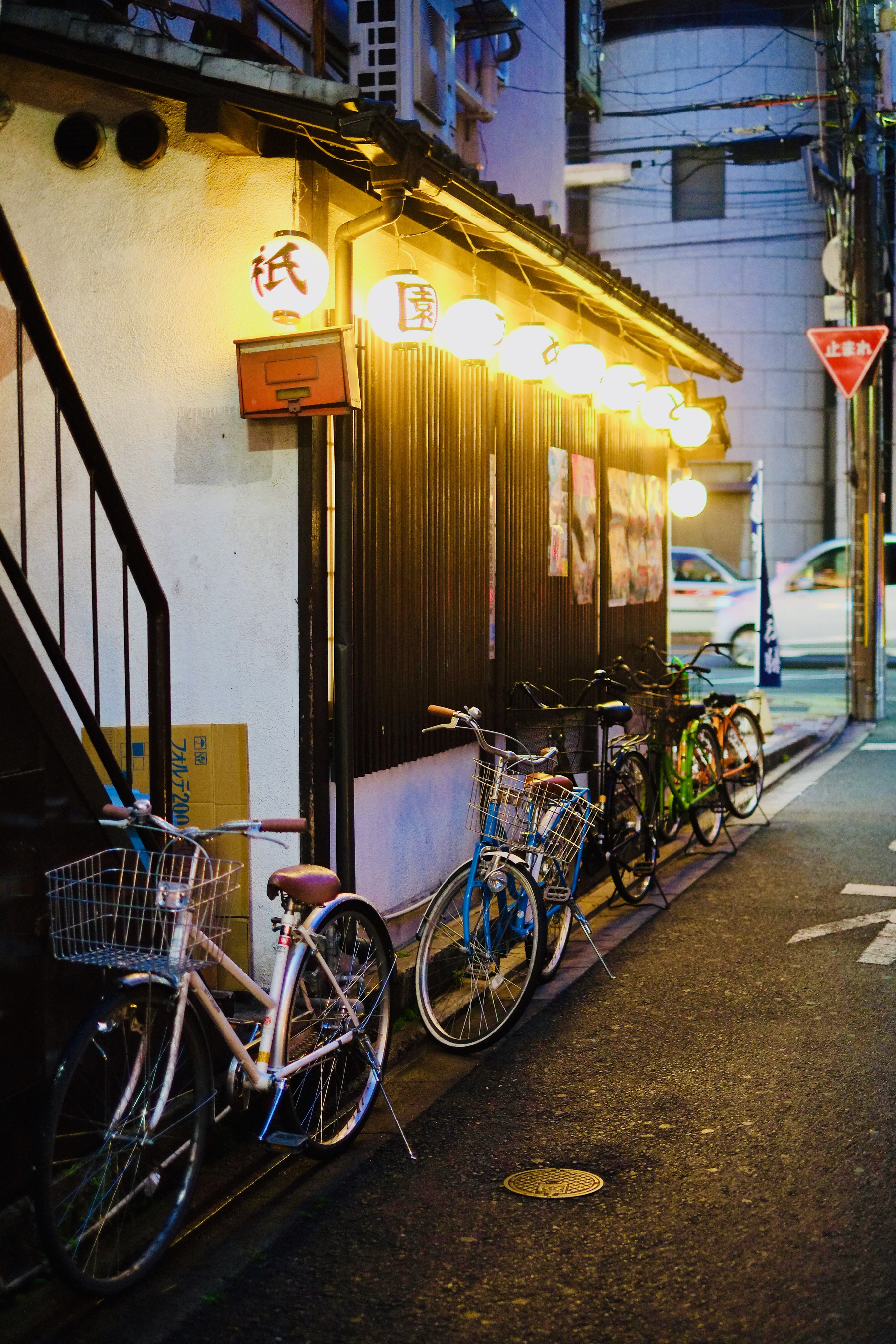
As daylight slowly fades behind the ancient temples and tiled rooftops of Kyoto, Gion undergoes a remarkable transformation. Warm lanterns flicker to life, illuminating narrow stone lanes and centuries-old wooden machiya houses. The sounds of the modern city seem to disappear, replaced by quiet footsteps, sliding wooden doors, and the gentle murmur of conversations drifting from traditional tea houses. One evening, I left my map behind and simply wandered. There was no destination. No itinerary. Just the irresistible invitation of streets that seemed to whisper stories from another century.
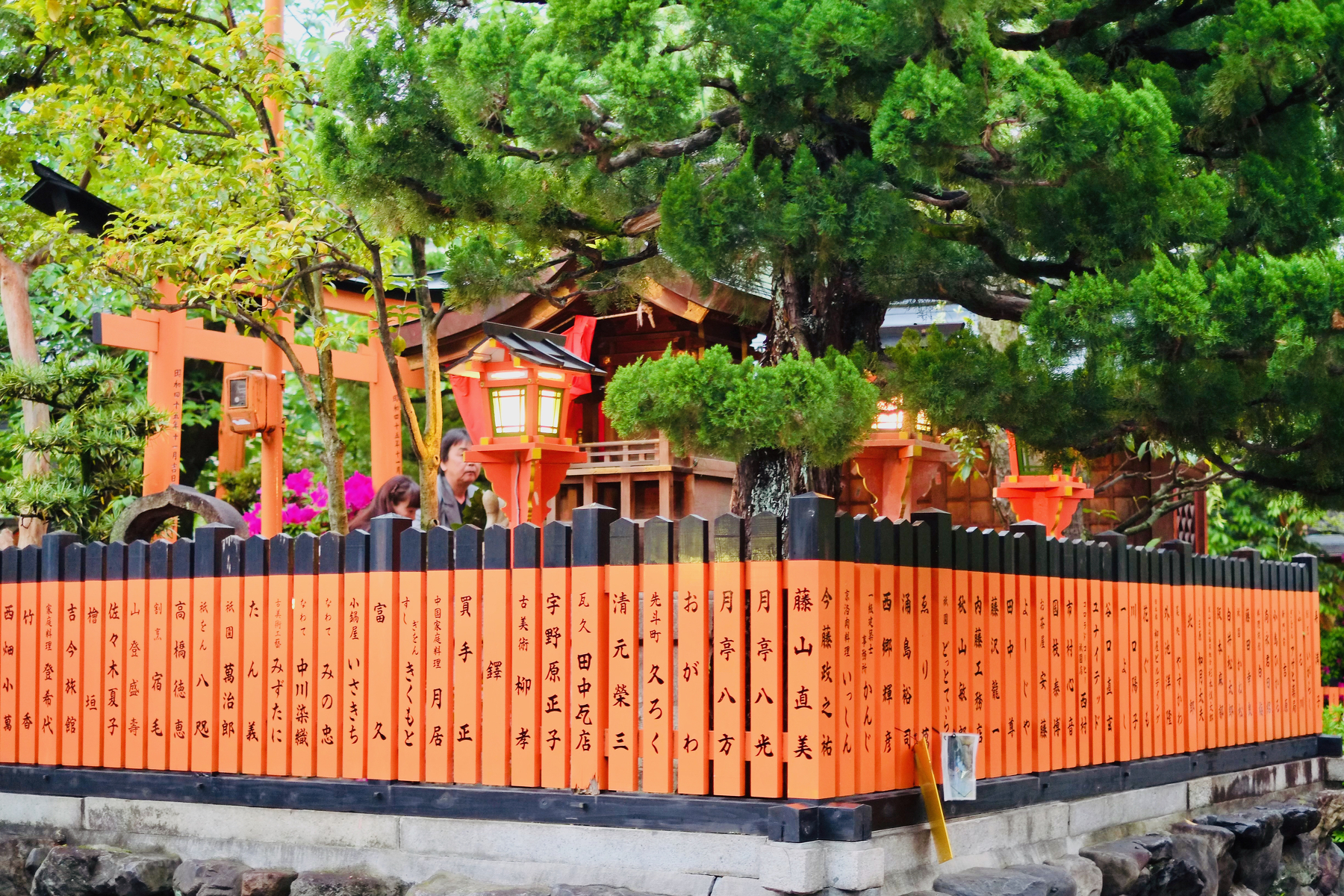
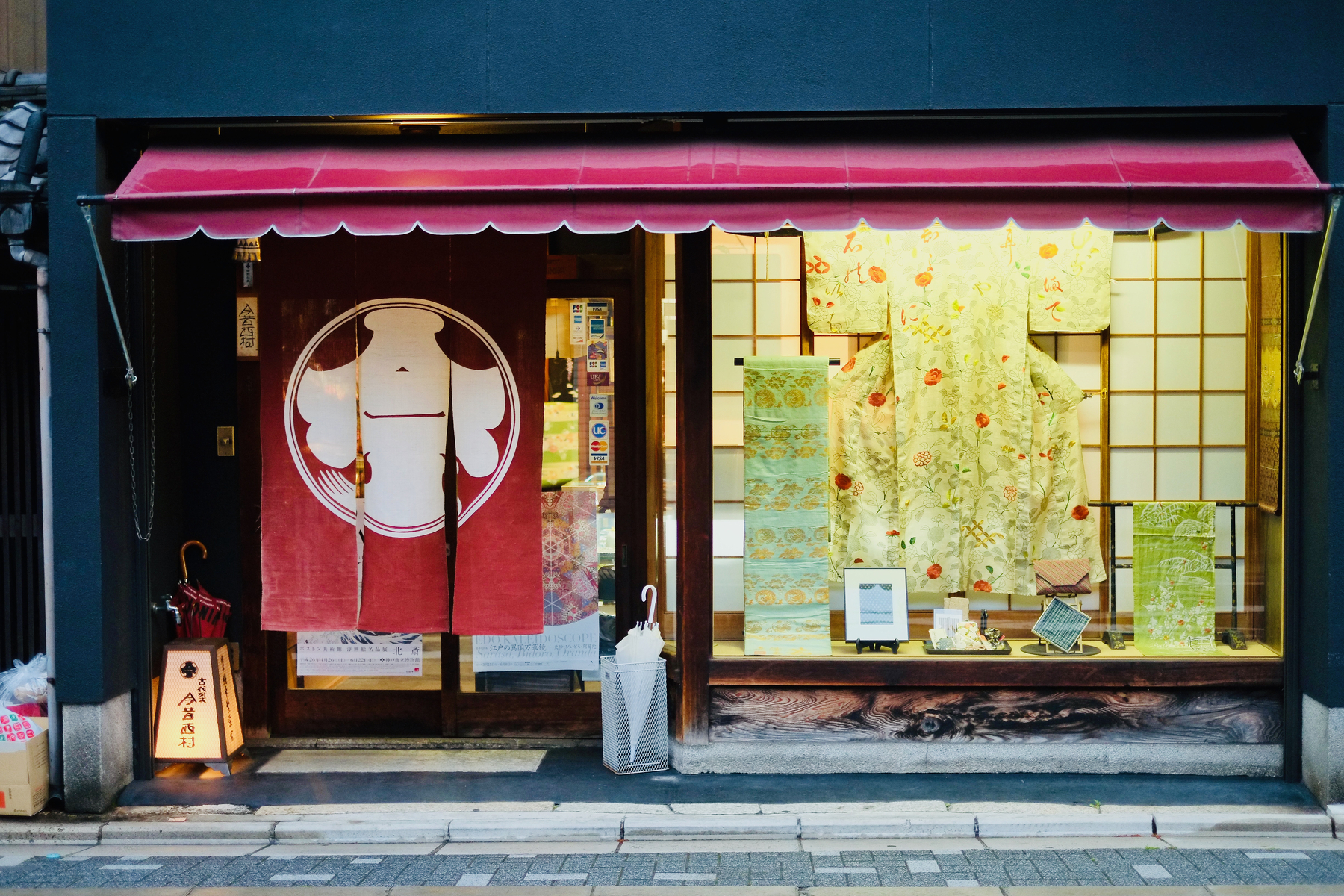
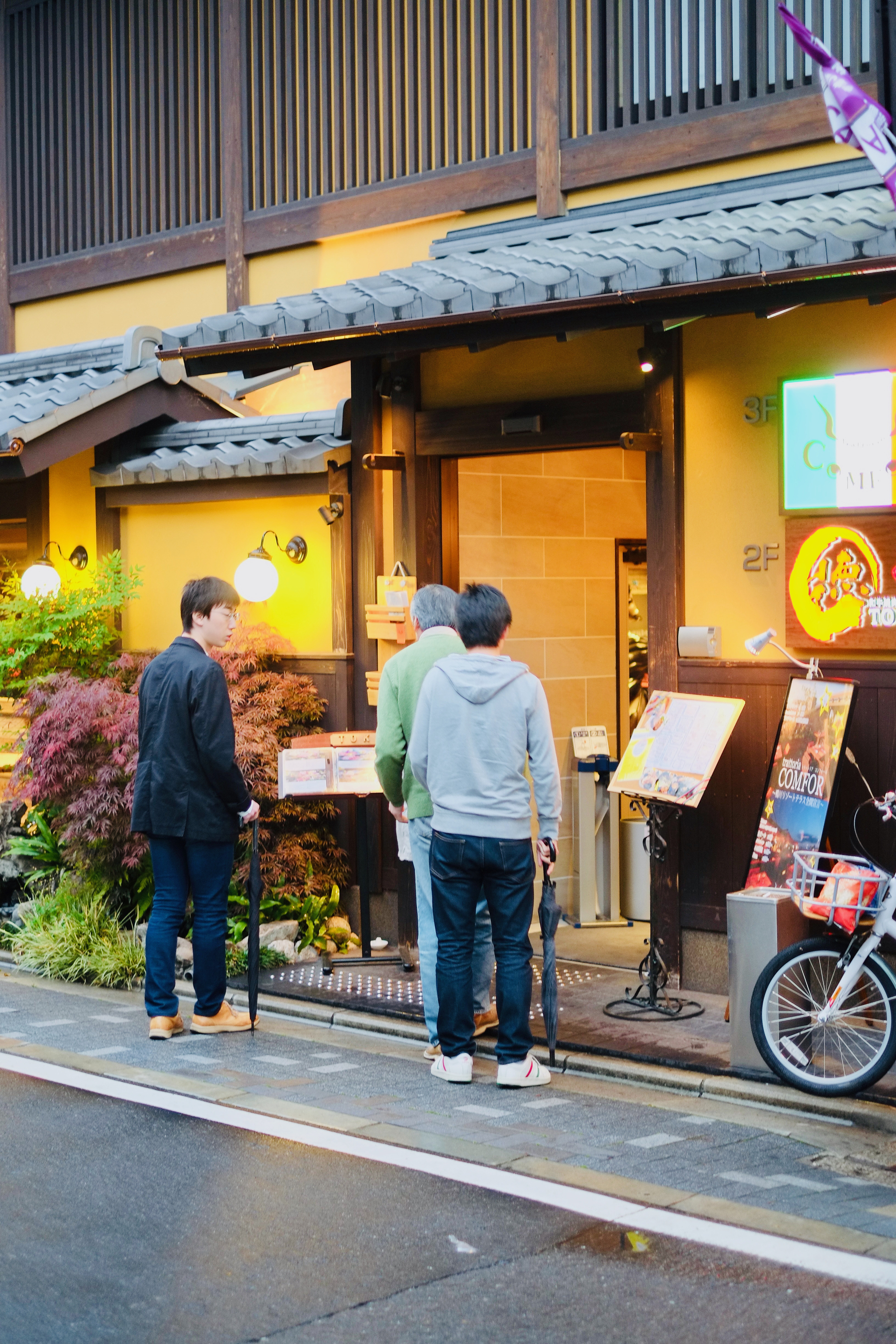
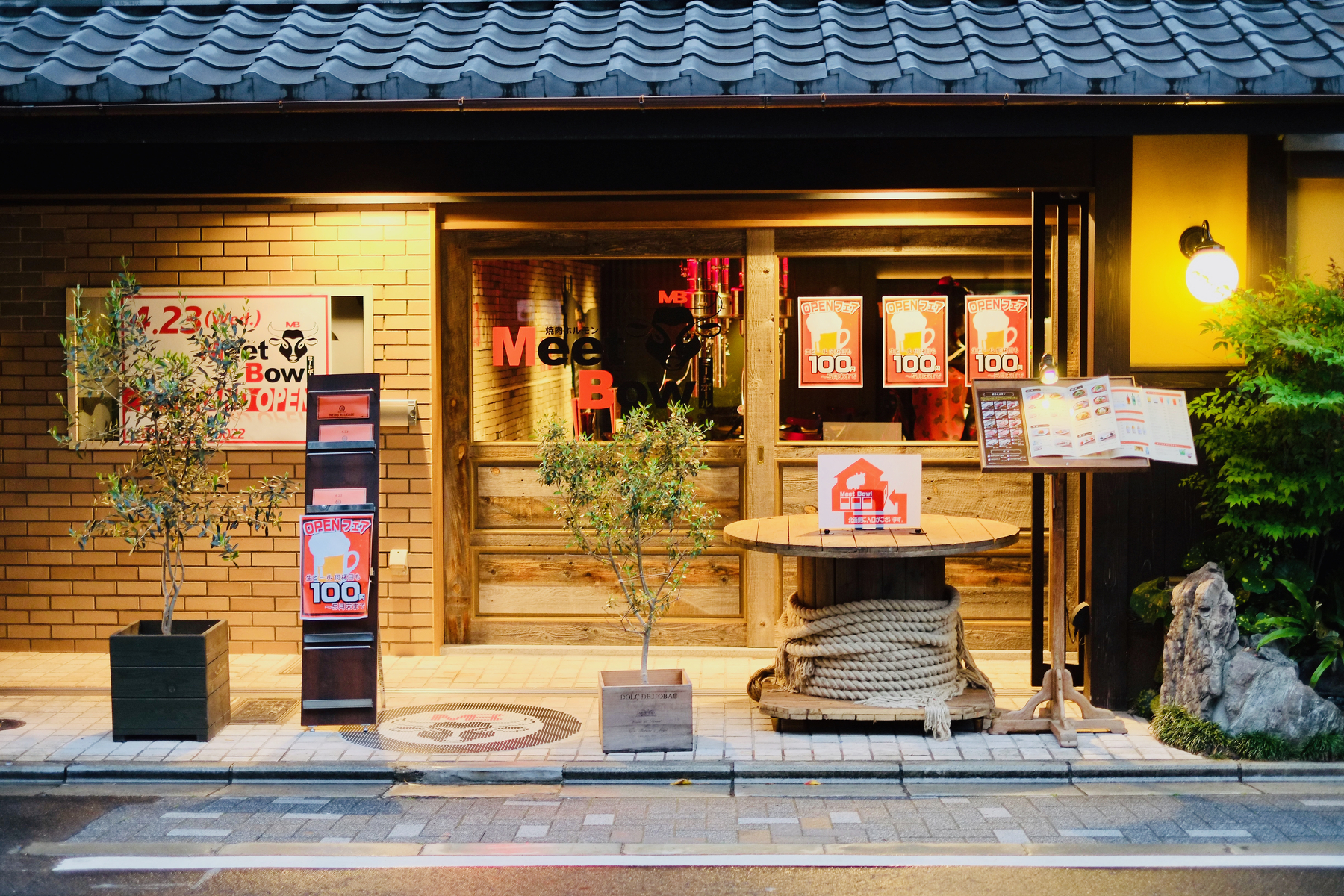
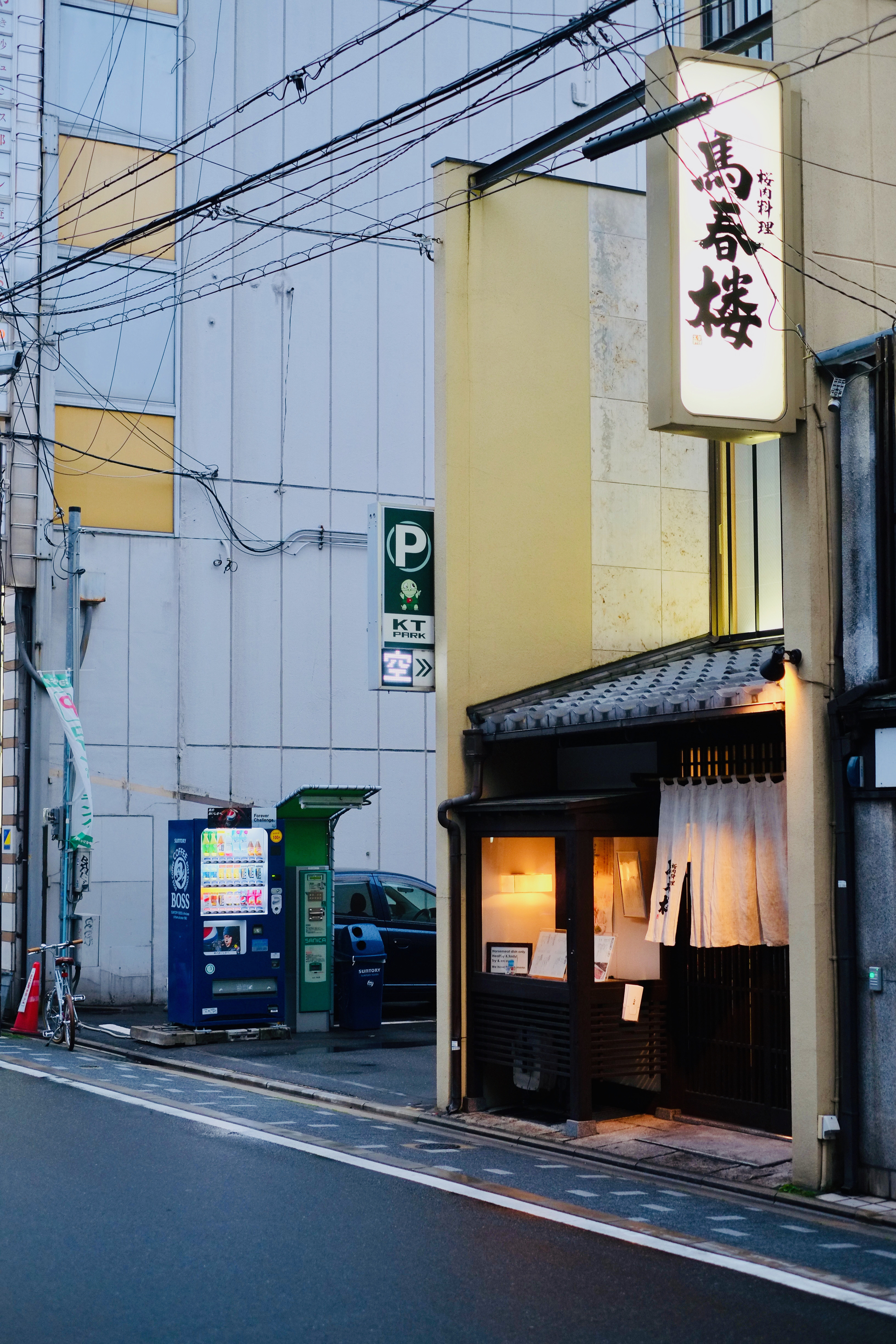
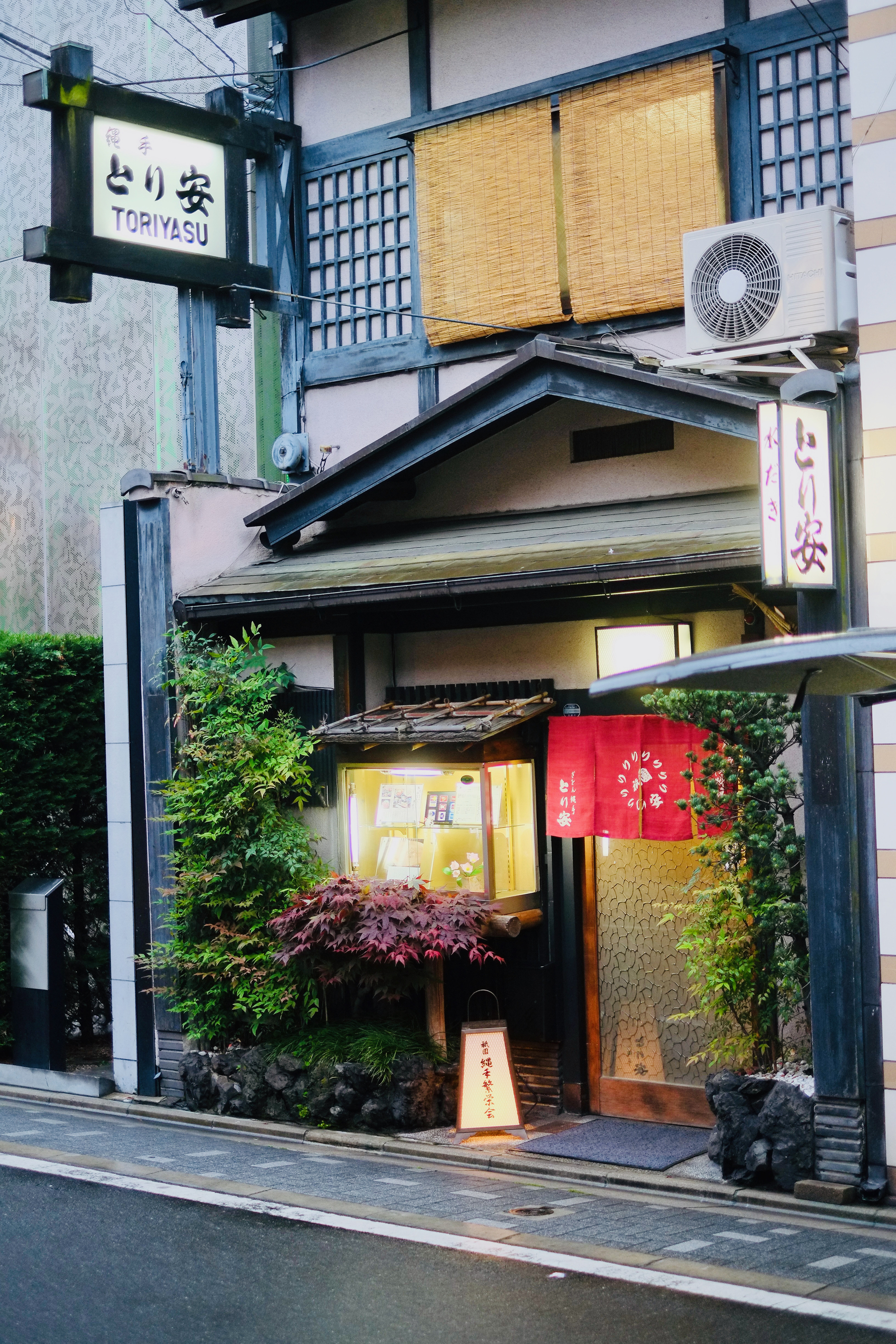
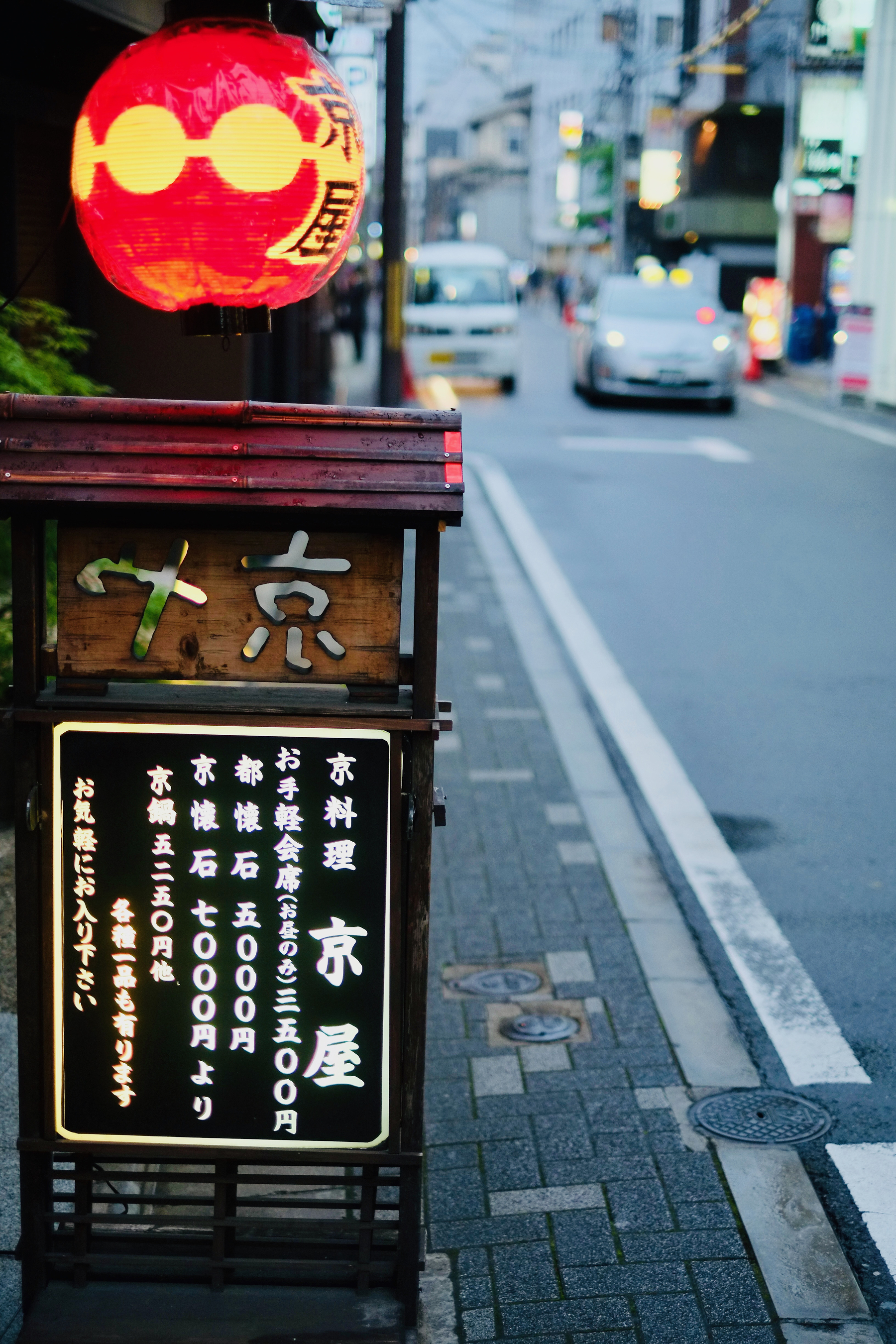
Every corner revealed another beautiful scene waiting to be photographed. Wooden storefronts glowed beneath paper lanterns, their handcrafted signs hinting at family businesses that have survived for generations. Tiny shops displayed delicate ceramics, handcrafted fans, traditional sweets, and carefully wrapped gifts—small reminders that craftsmanship still matters here.
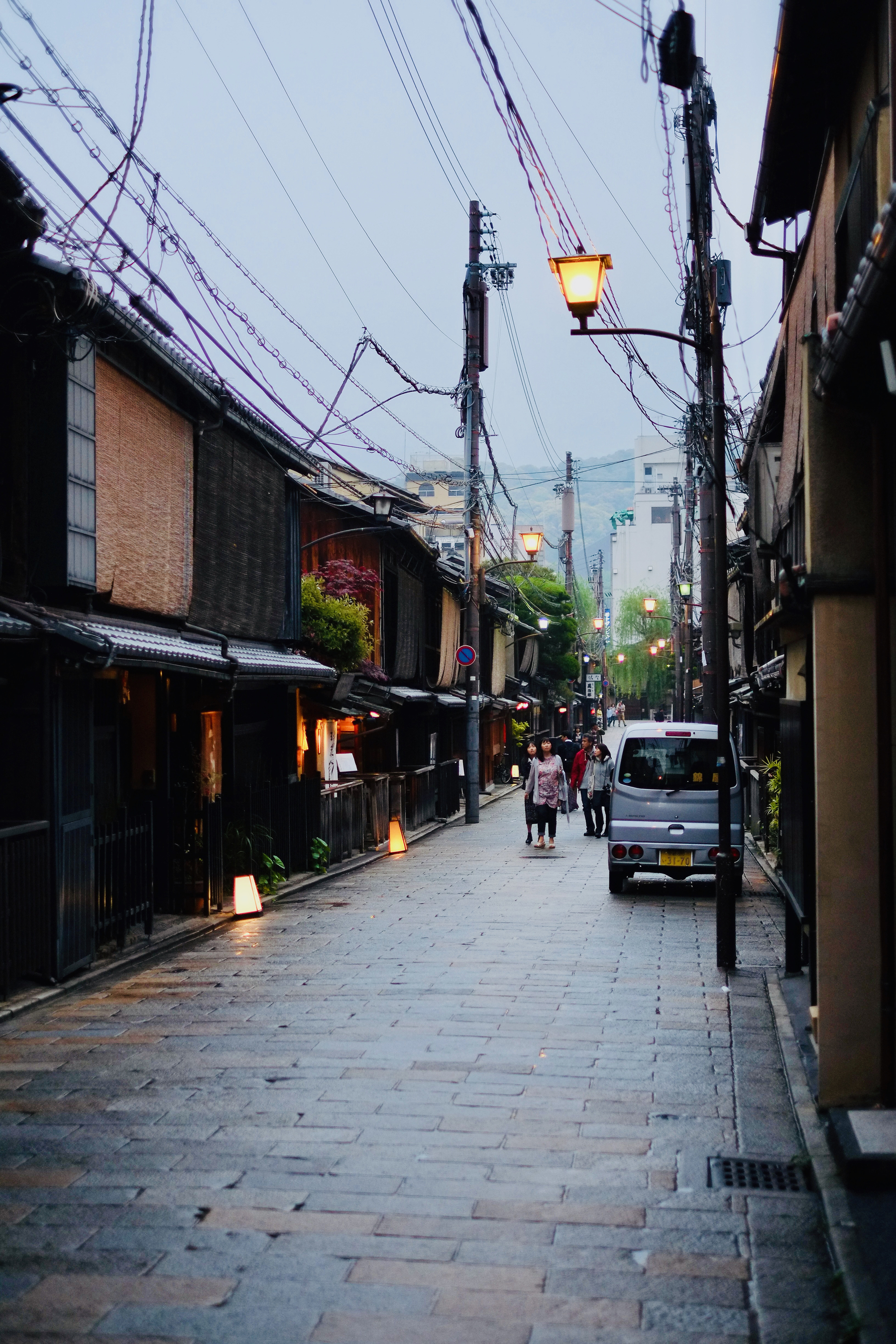
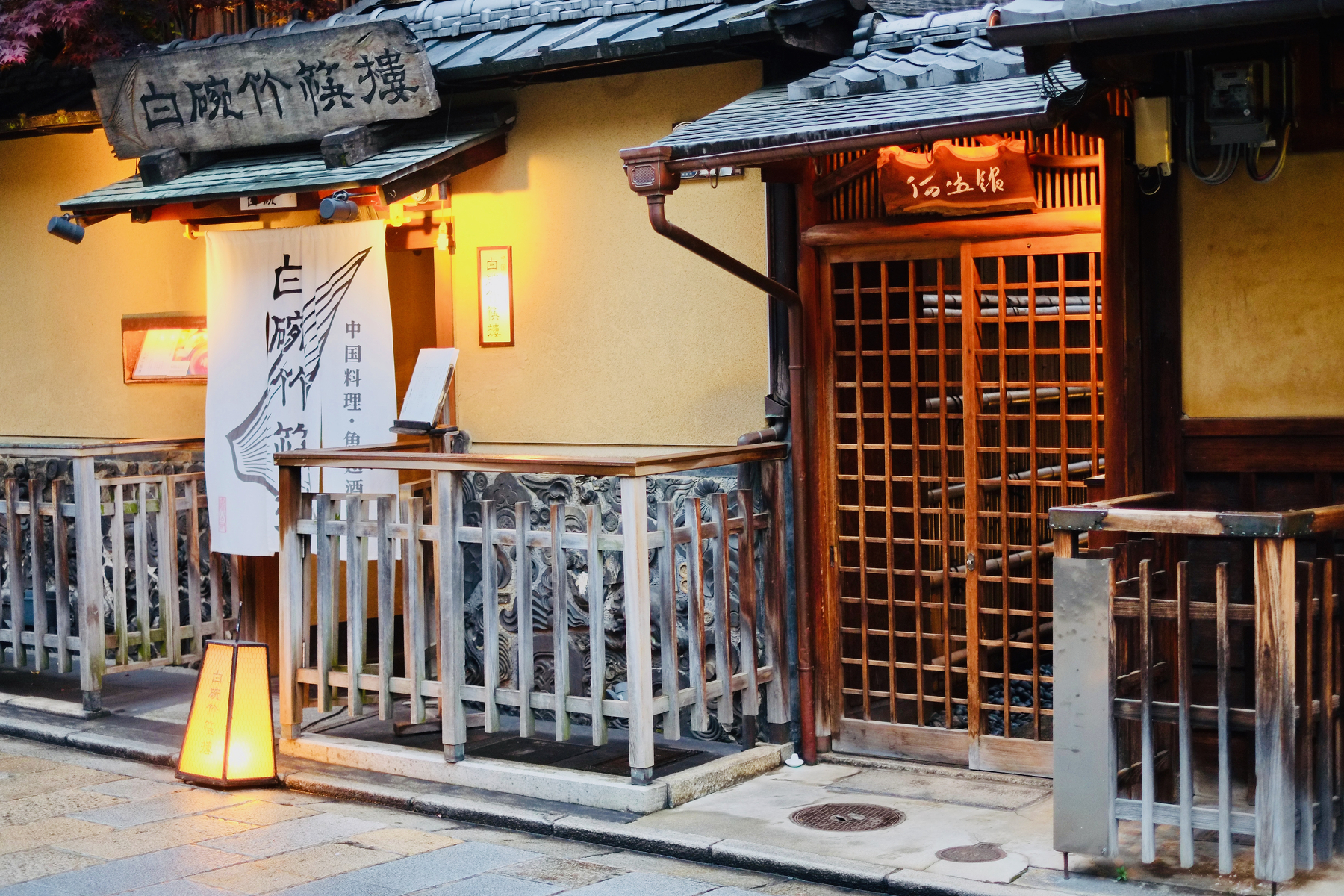
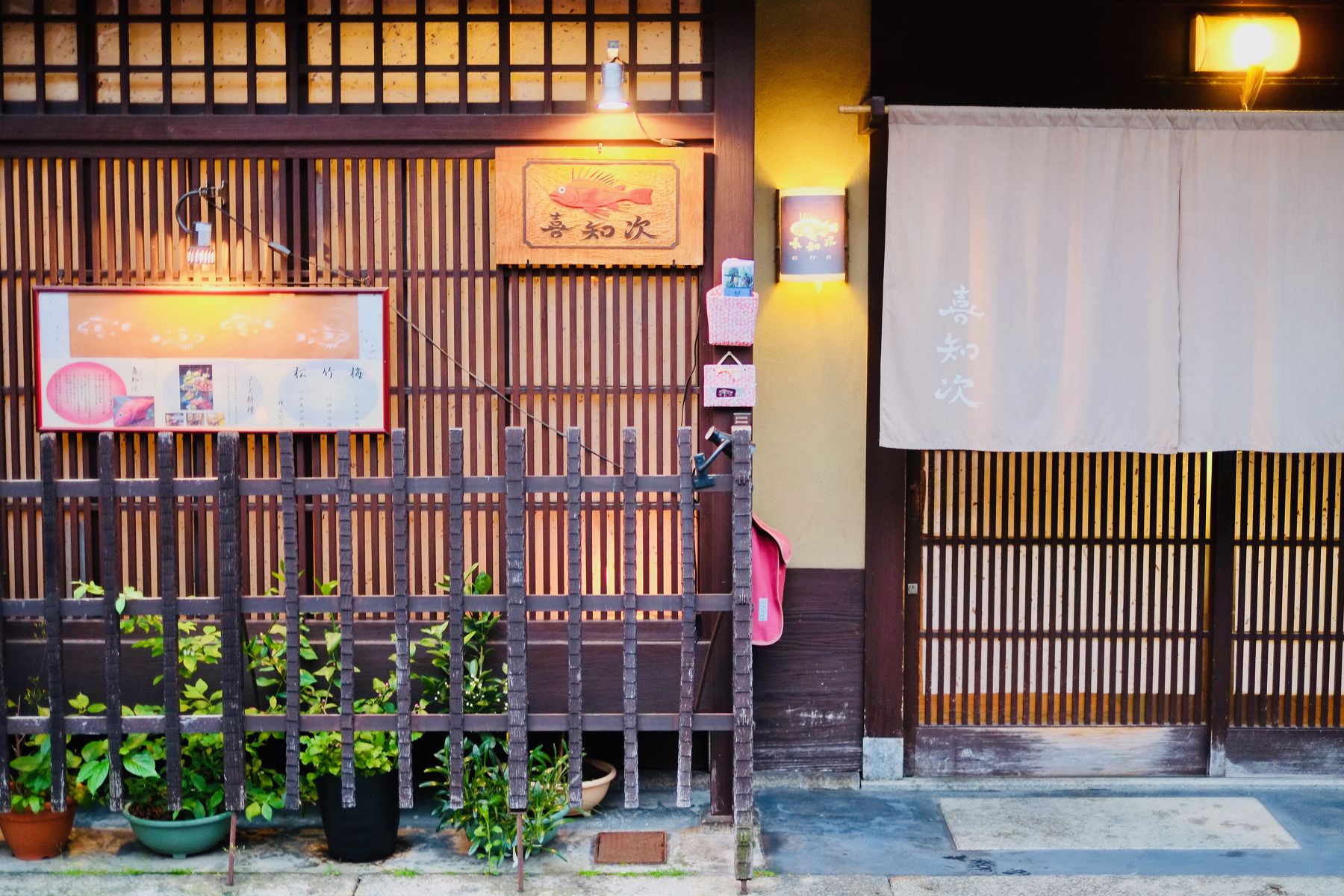
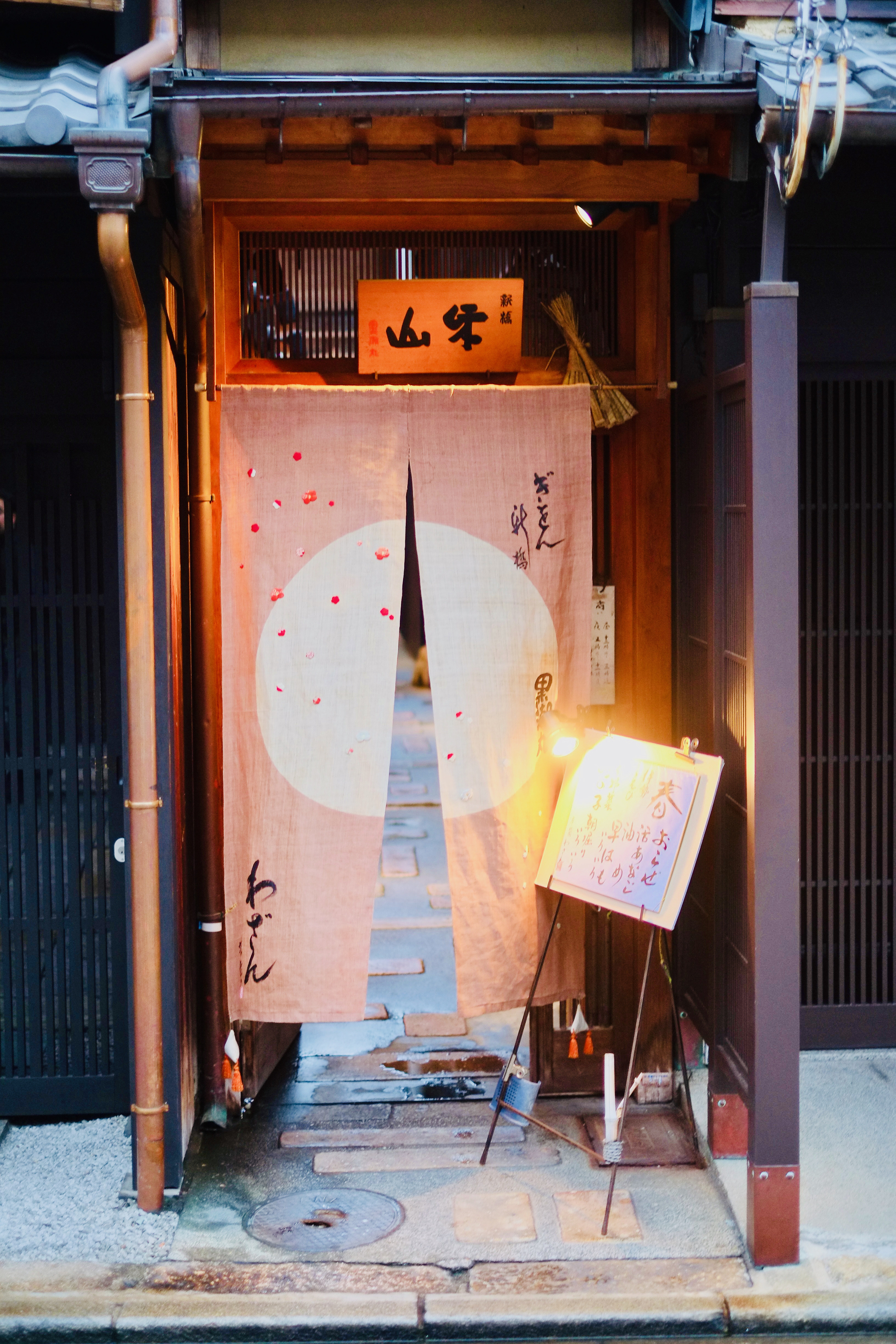
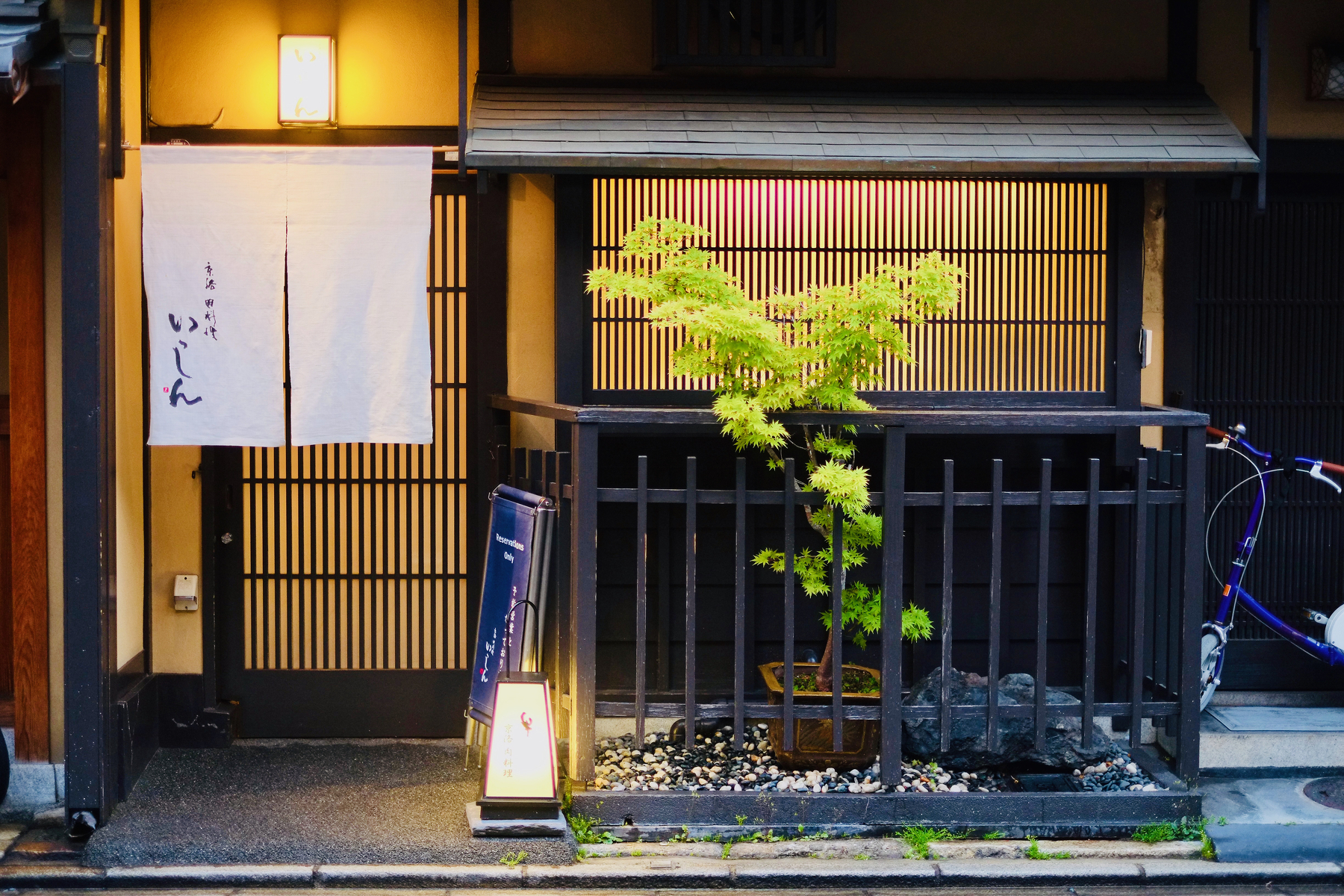
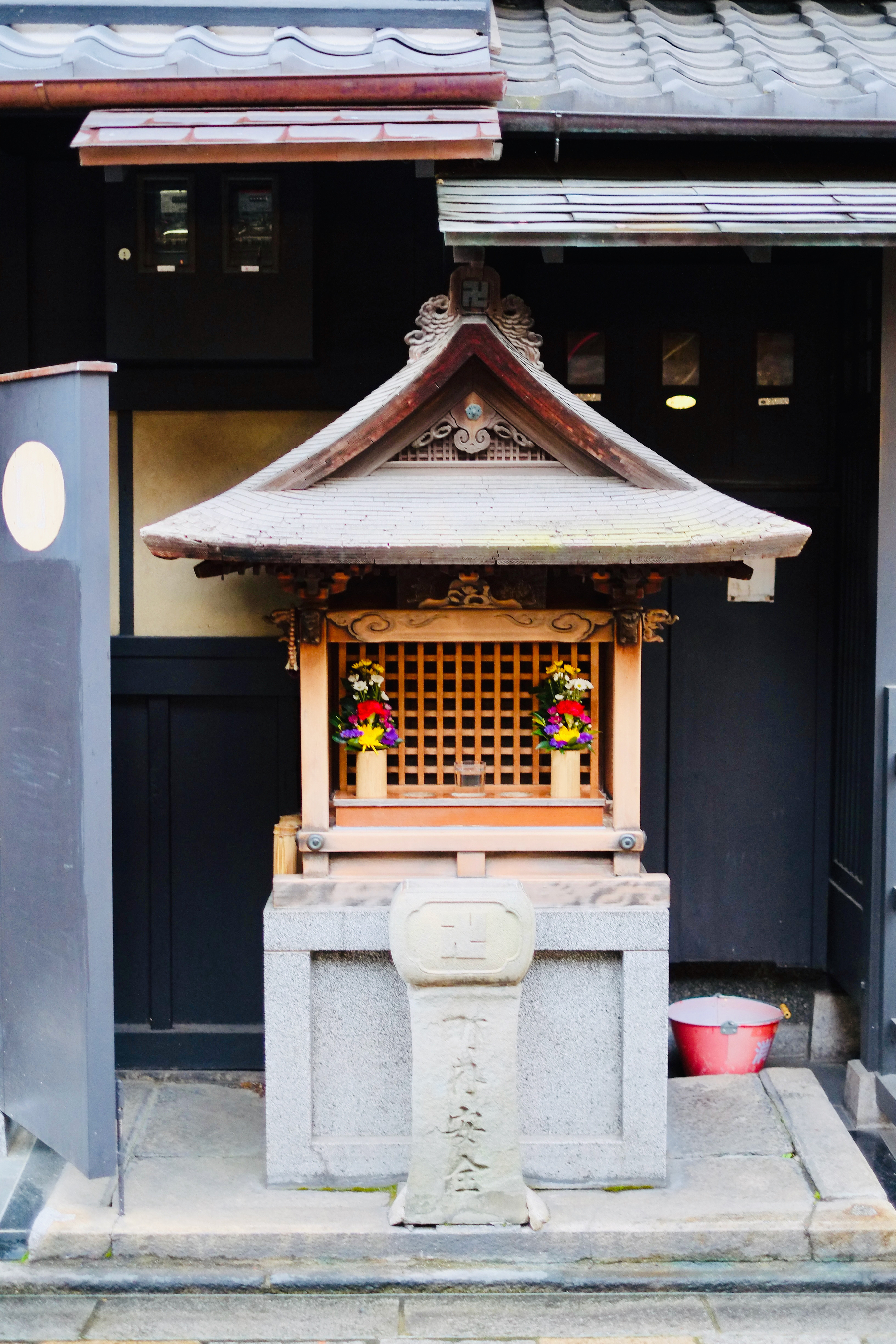
Gion is internationally famous as Kyoto’s historic geisha district, but it is far more than a tourist attraction. It is a living neighbourhood where tradition continues to shape everyday life. If fortune smiles upon you, you may catch a brief glimpse of a geiko—Kyoto’s name for a geisha—or a young maiko, an apprentice geisha, gracefully making her way to an evening engagement. Their elegant movements seem almost unreal, as though they belong to another era entirely. Rather than chase the perfect photograph, I found myself simply watching. The atmosphere was enough.
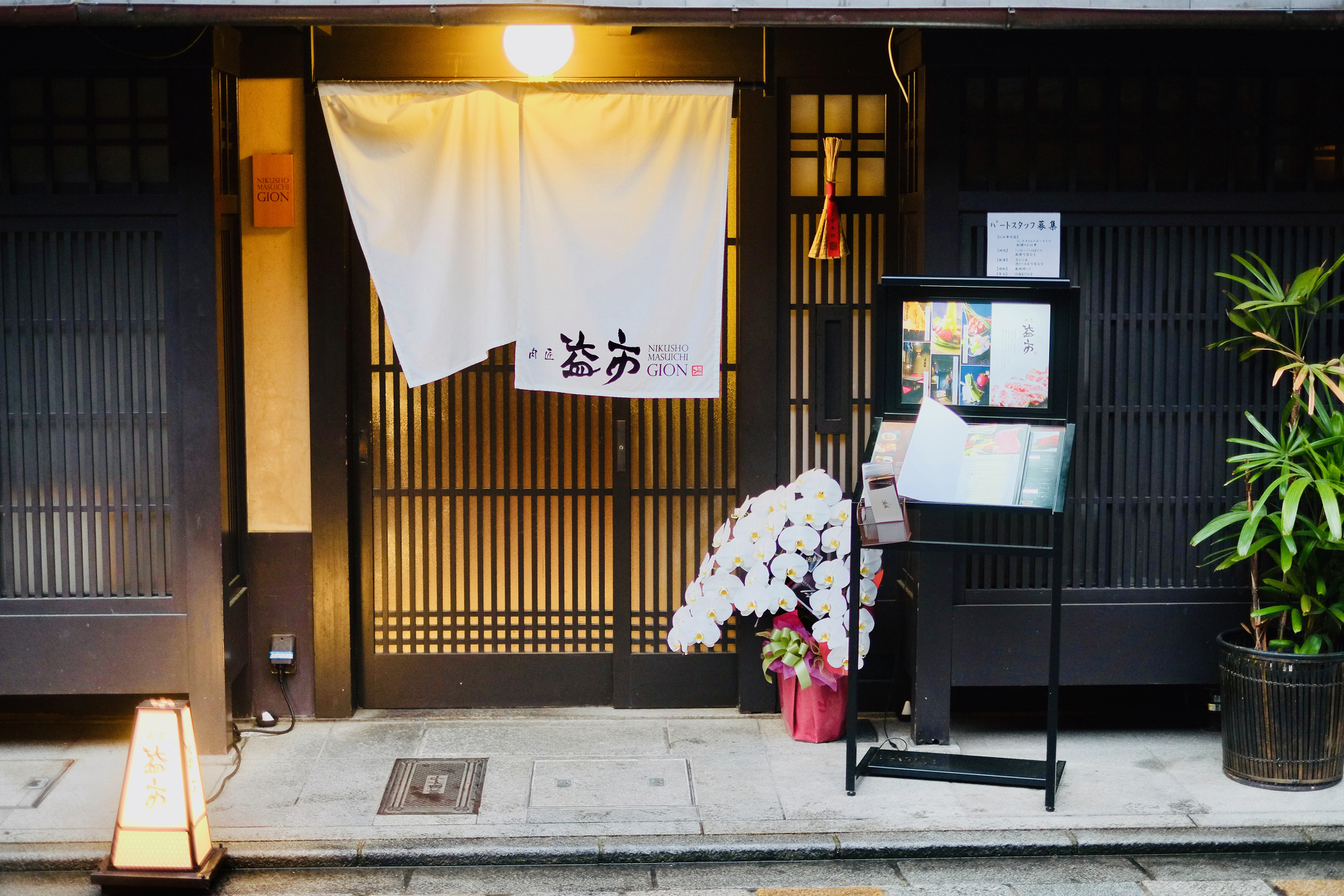
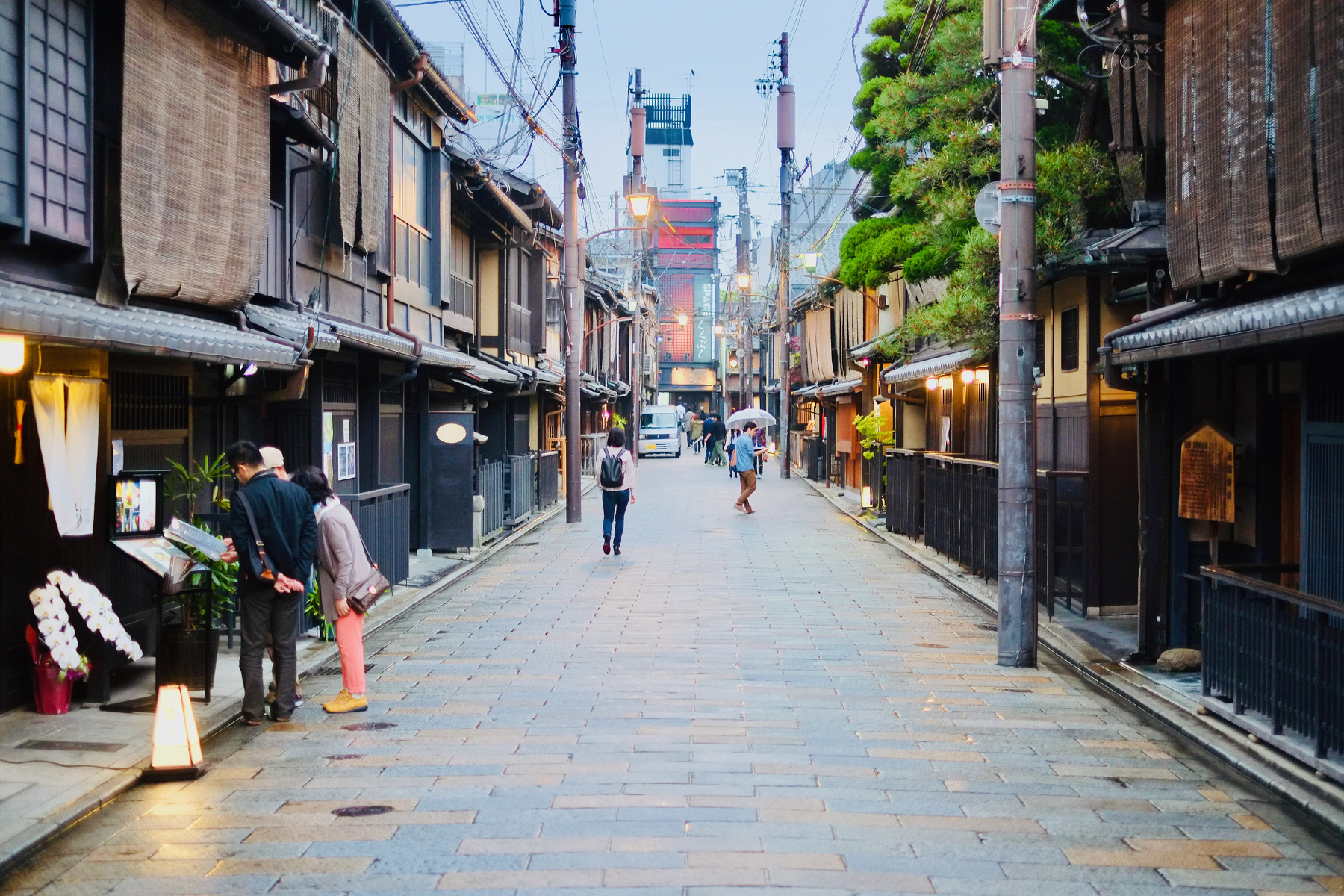
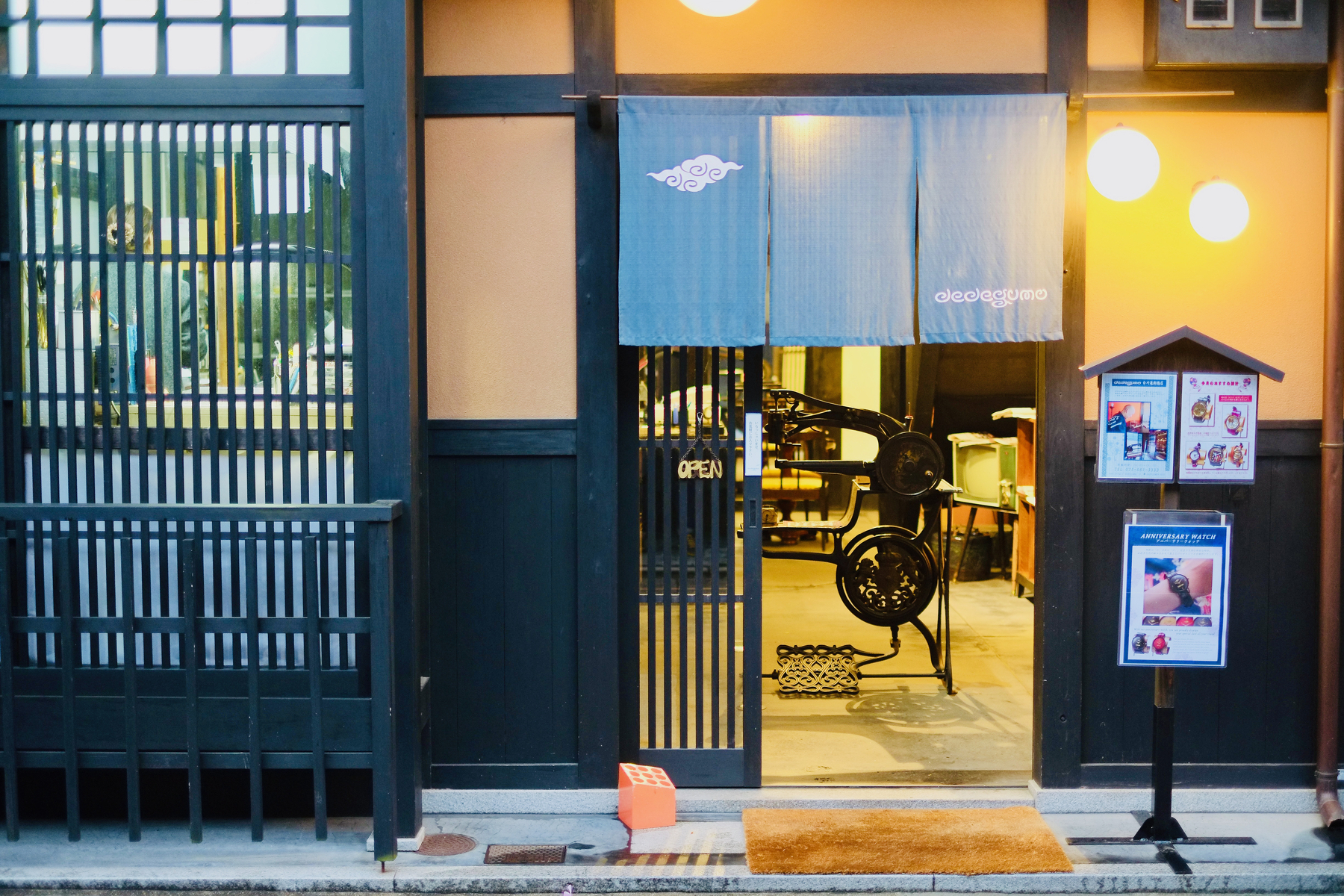
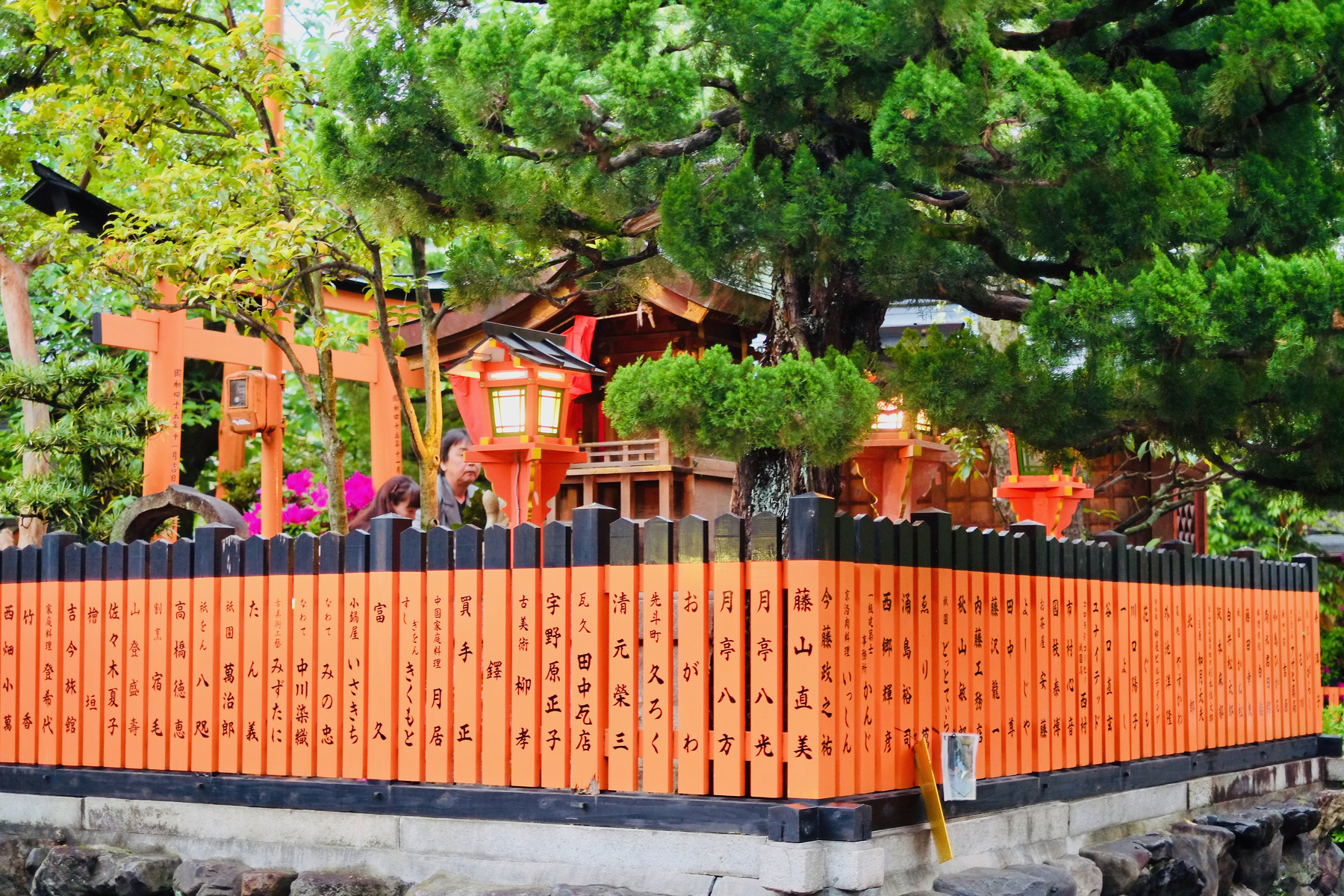
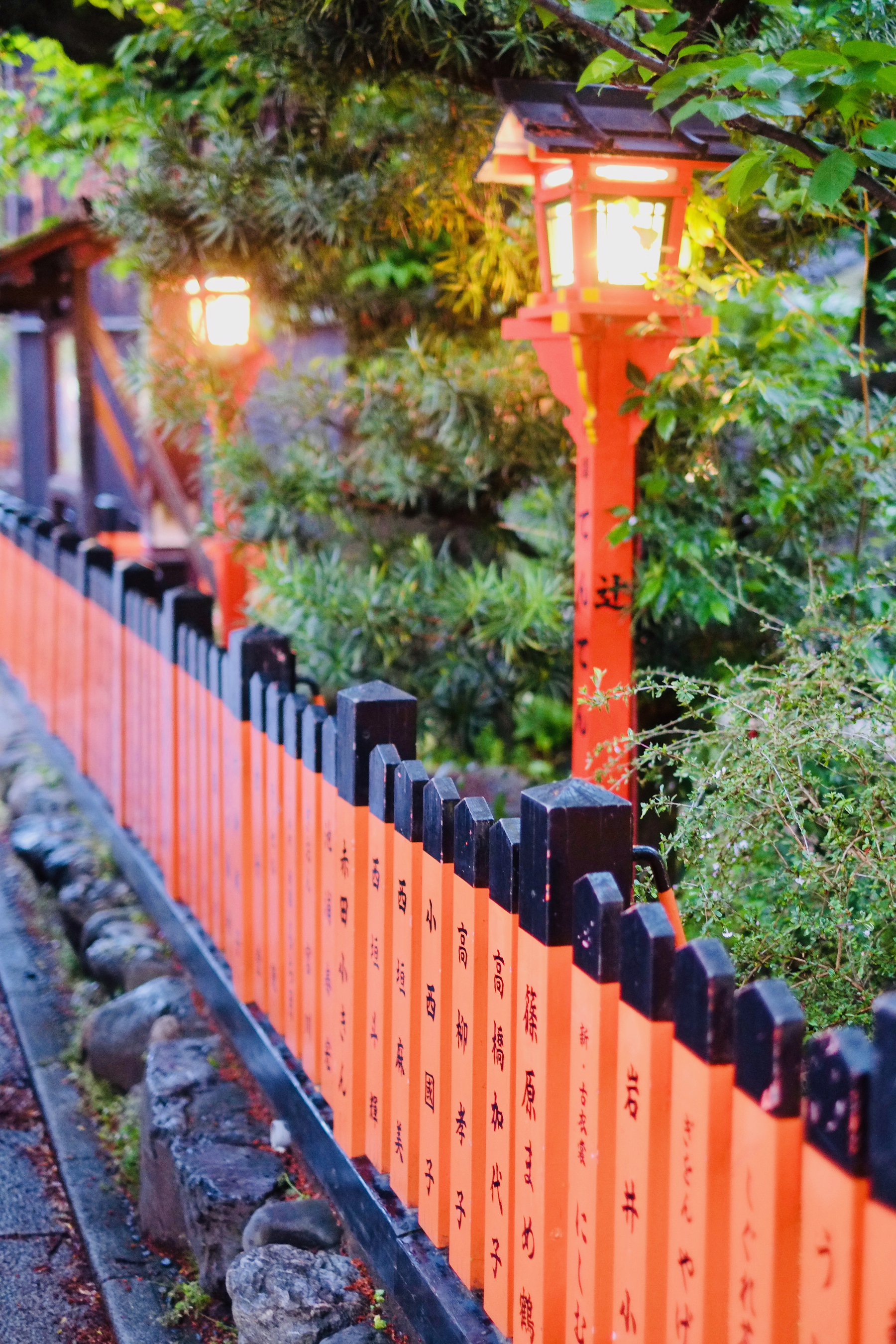
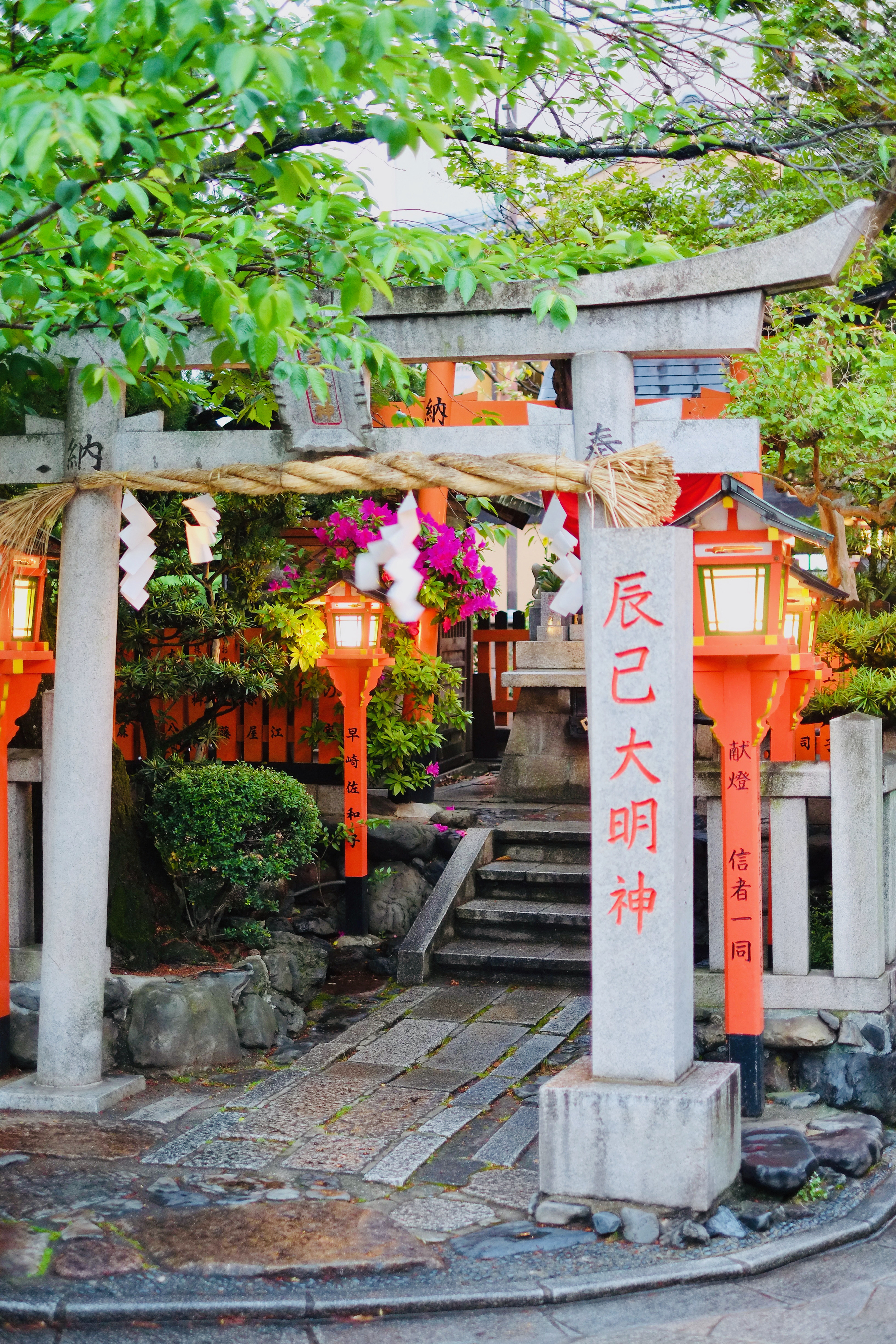
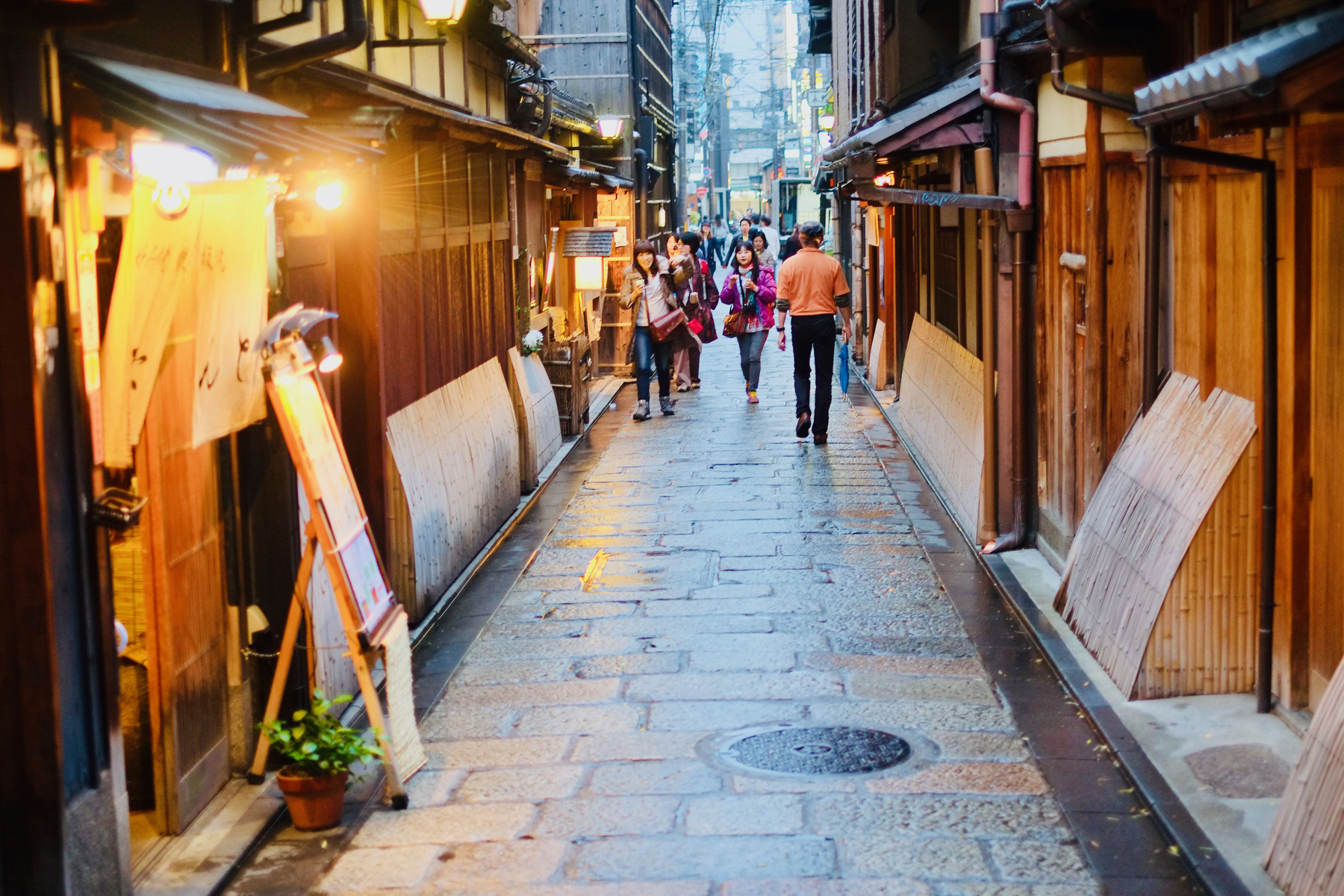
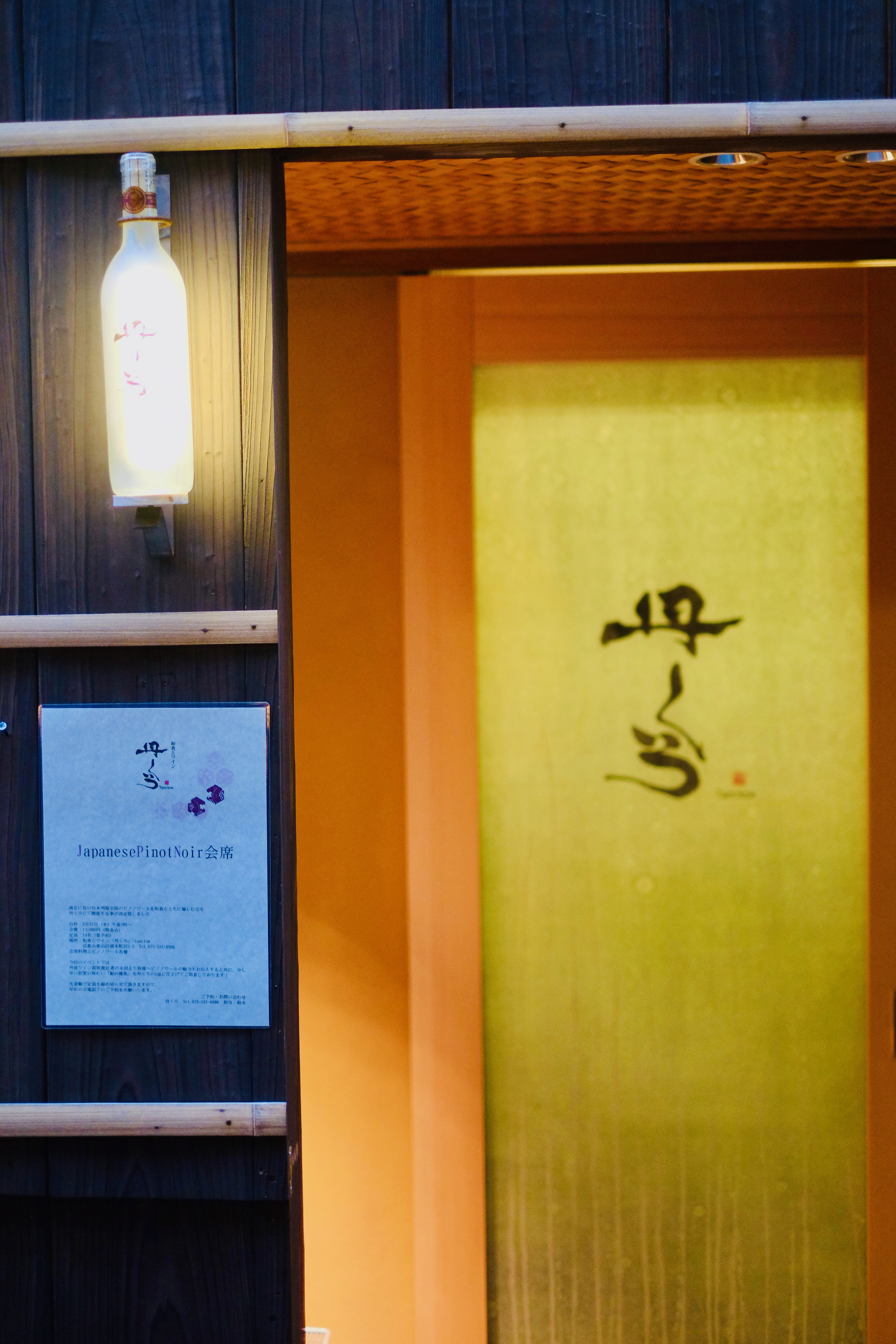
Walking through Gion feels less like sightseeing and more like becoming part of a beautifully preserved painting. The district has managed to retain the character of Japan’s Edo Period while quietly embracing modern life. Every weathered wooden façade, every carefully maintained lantern, and every stone-paved alley speaks of generations who understood the importance of preserving beauty.
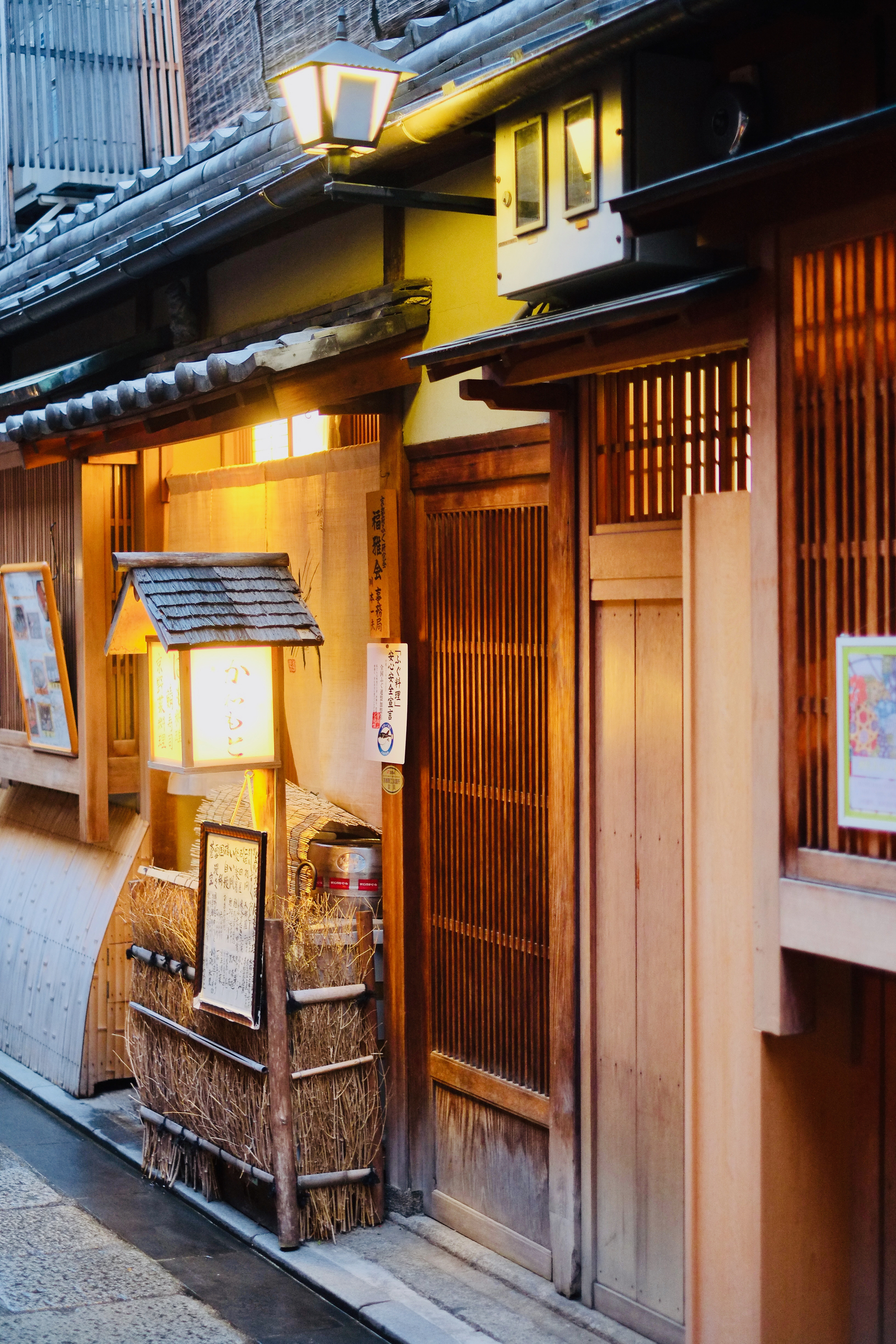
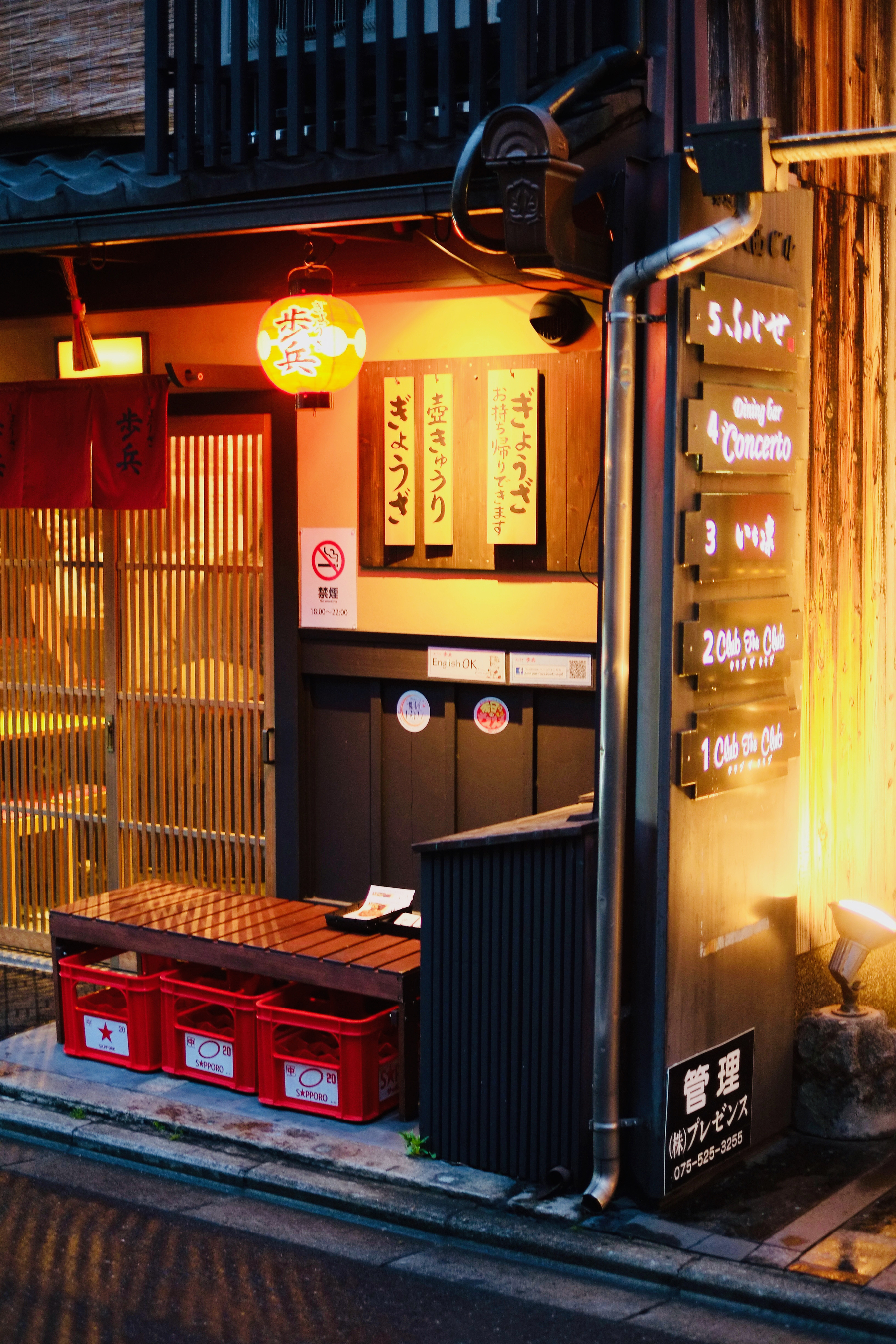
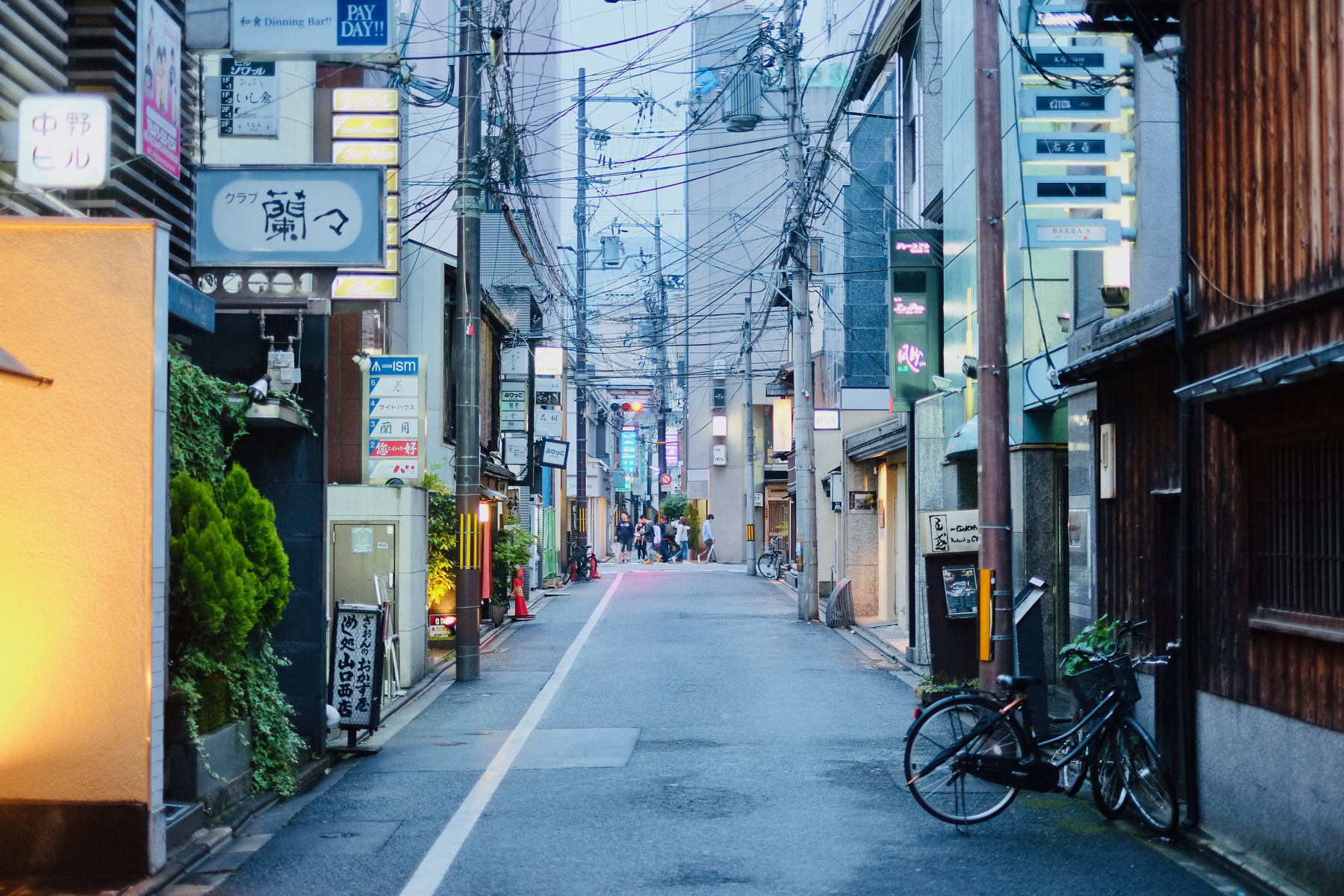
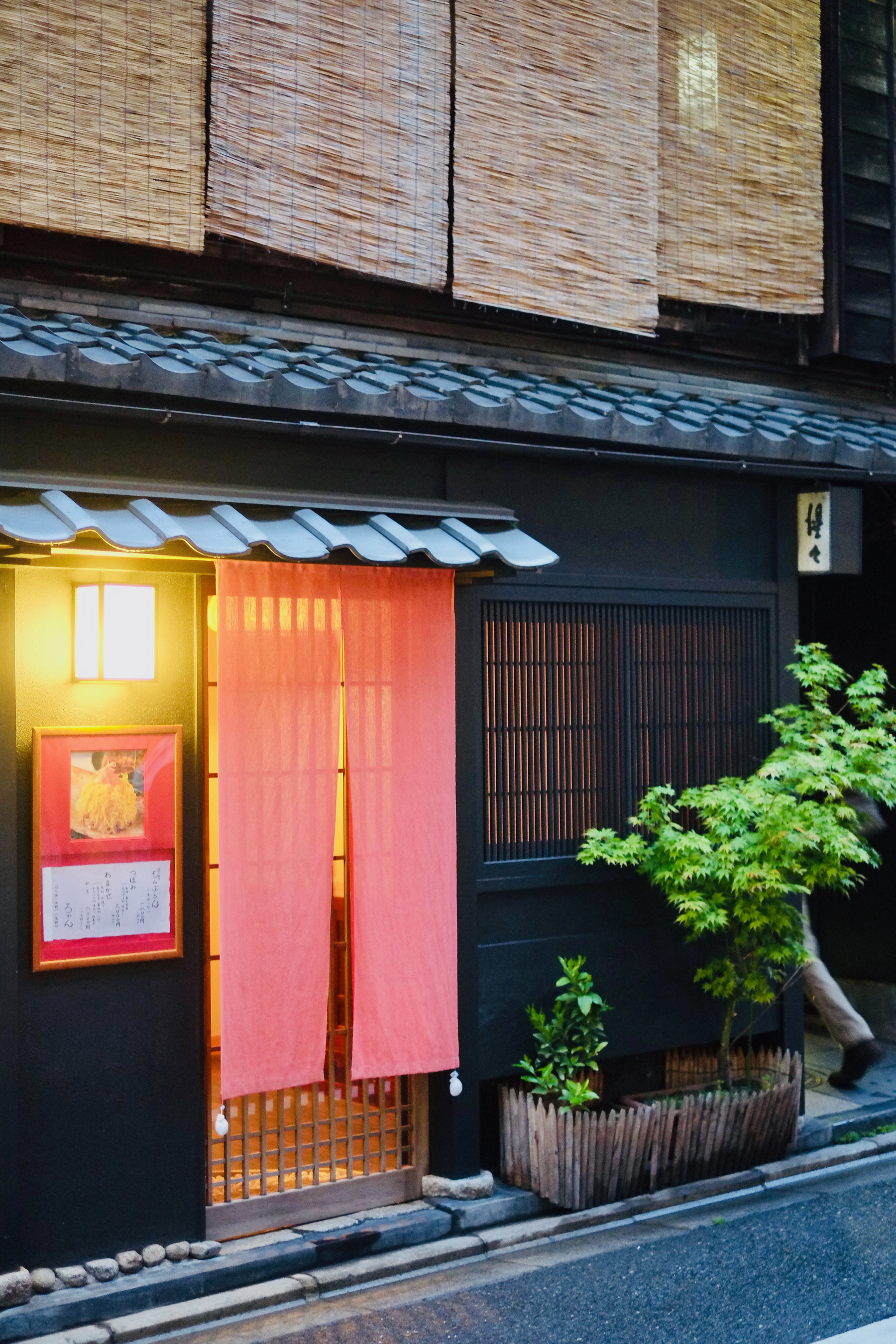
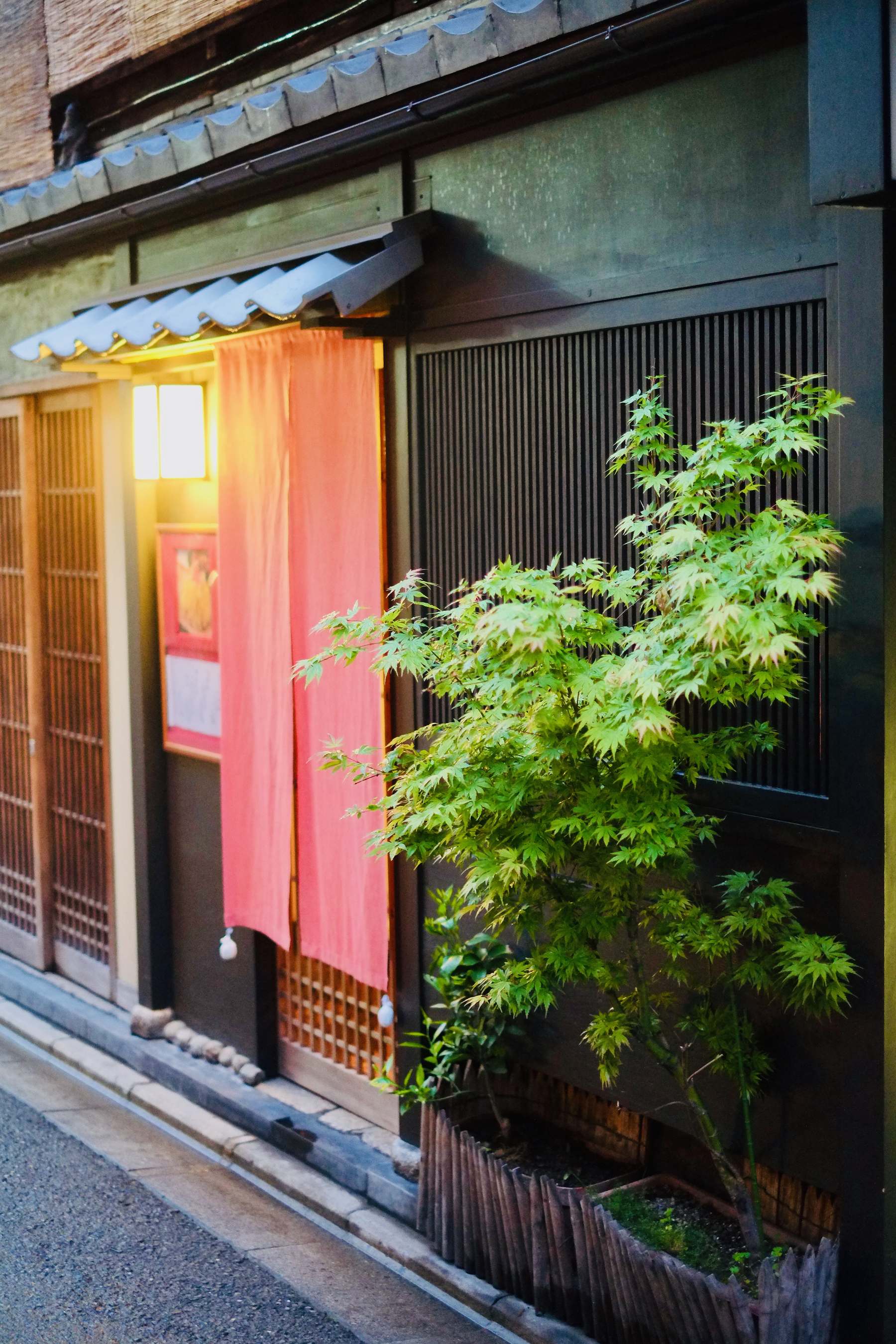
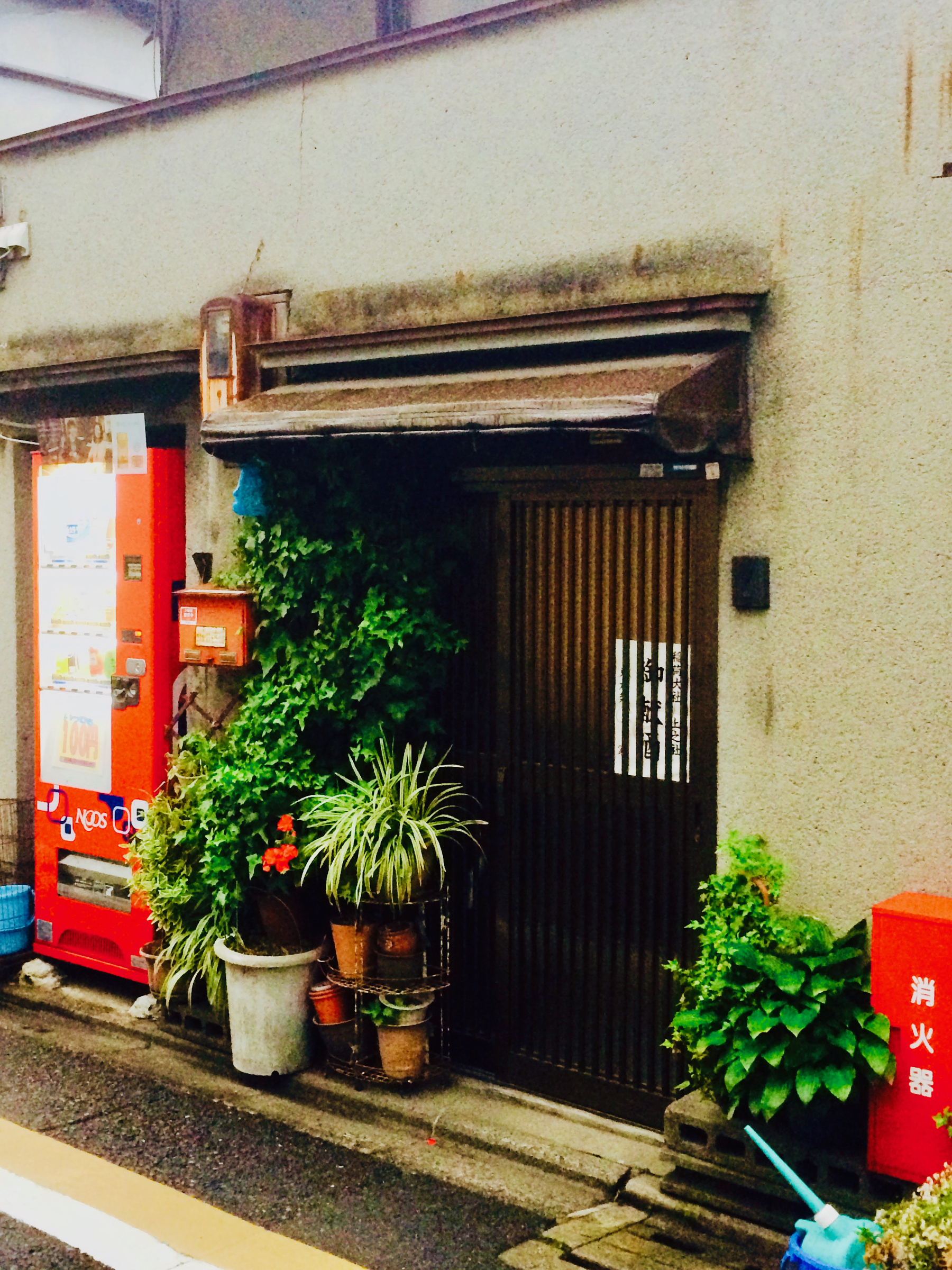
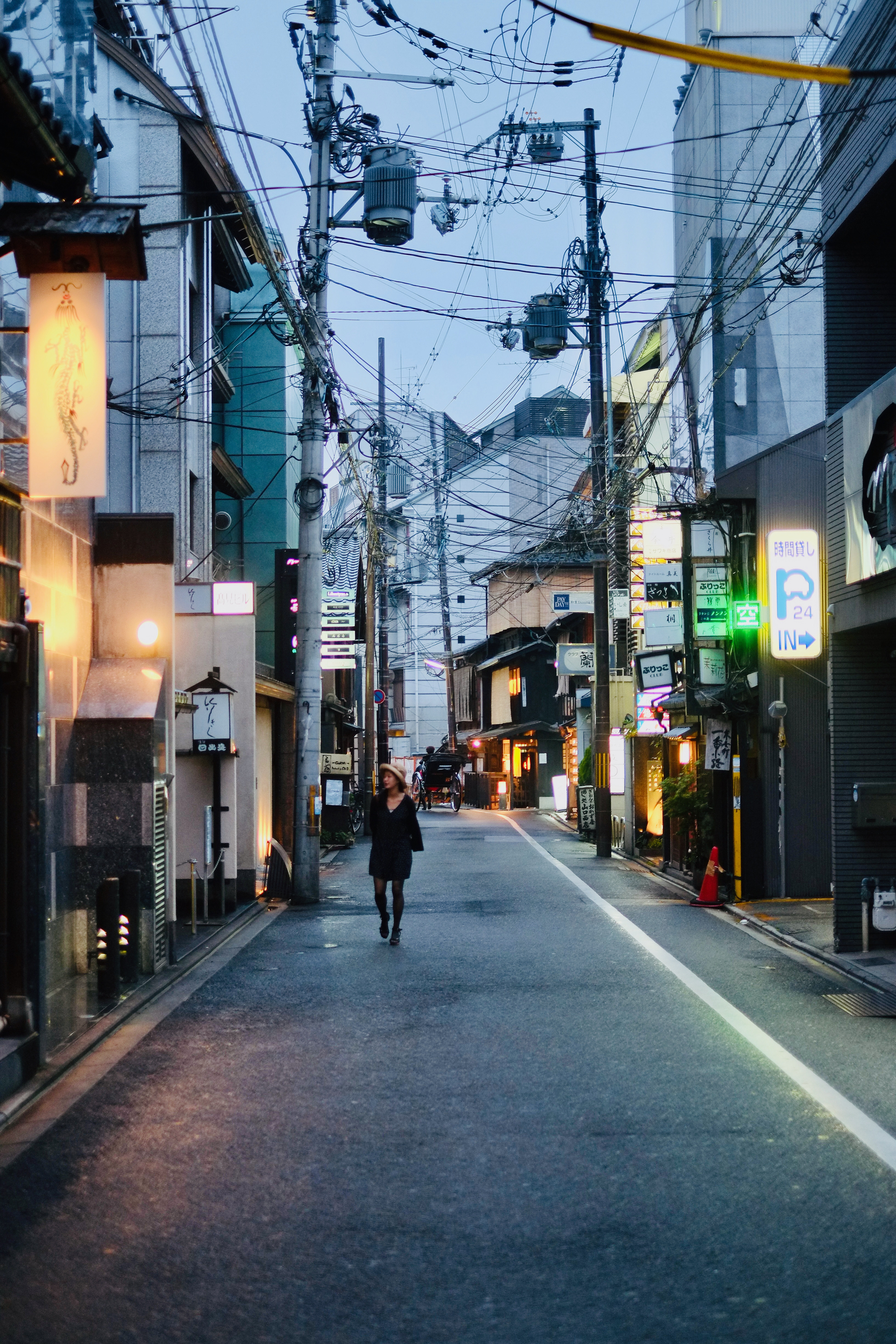
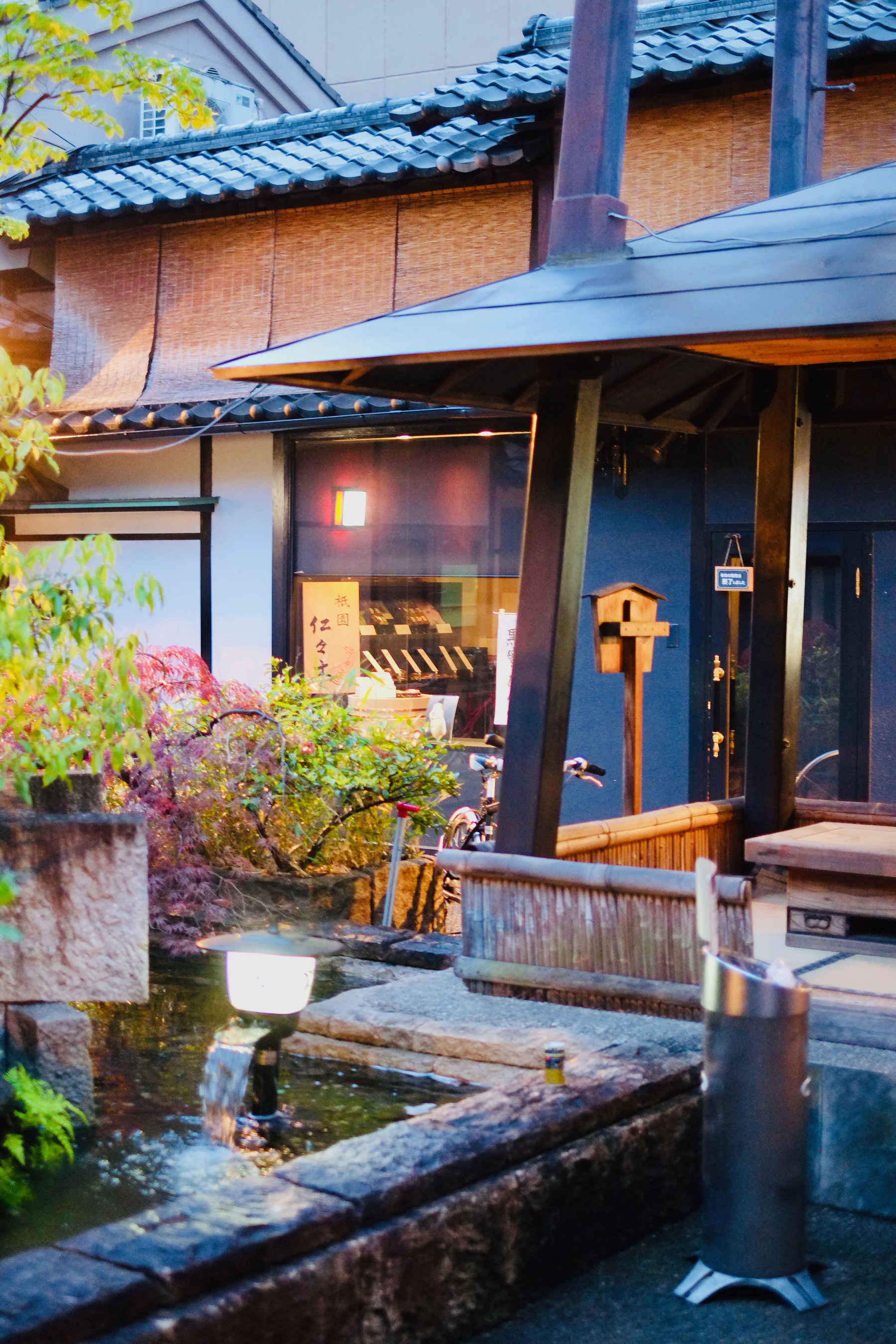
My walk eventually brought me toward the magnificent Yasaka Shrine, whose impressive gates have welcomed visitors for centuries. Even after sunset, the shrine possesses a peaceful energy that encourages you to slow down and appreciate the moment. Nearby tea houses offered freshly whisked matcha, while restaurants prepared exquisite kaiseki dinners—Japan’s celebrated multi-course cuisine where seasonal ingredients become edible works of art. One of the greatest pleasures of travelling is discovering places that reveal themselves gradually. Gion never shouts for your attention. Instead, it rewards patience.
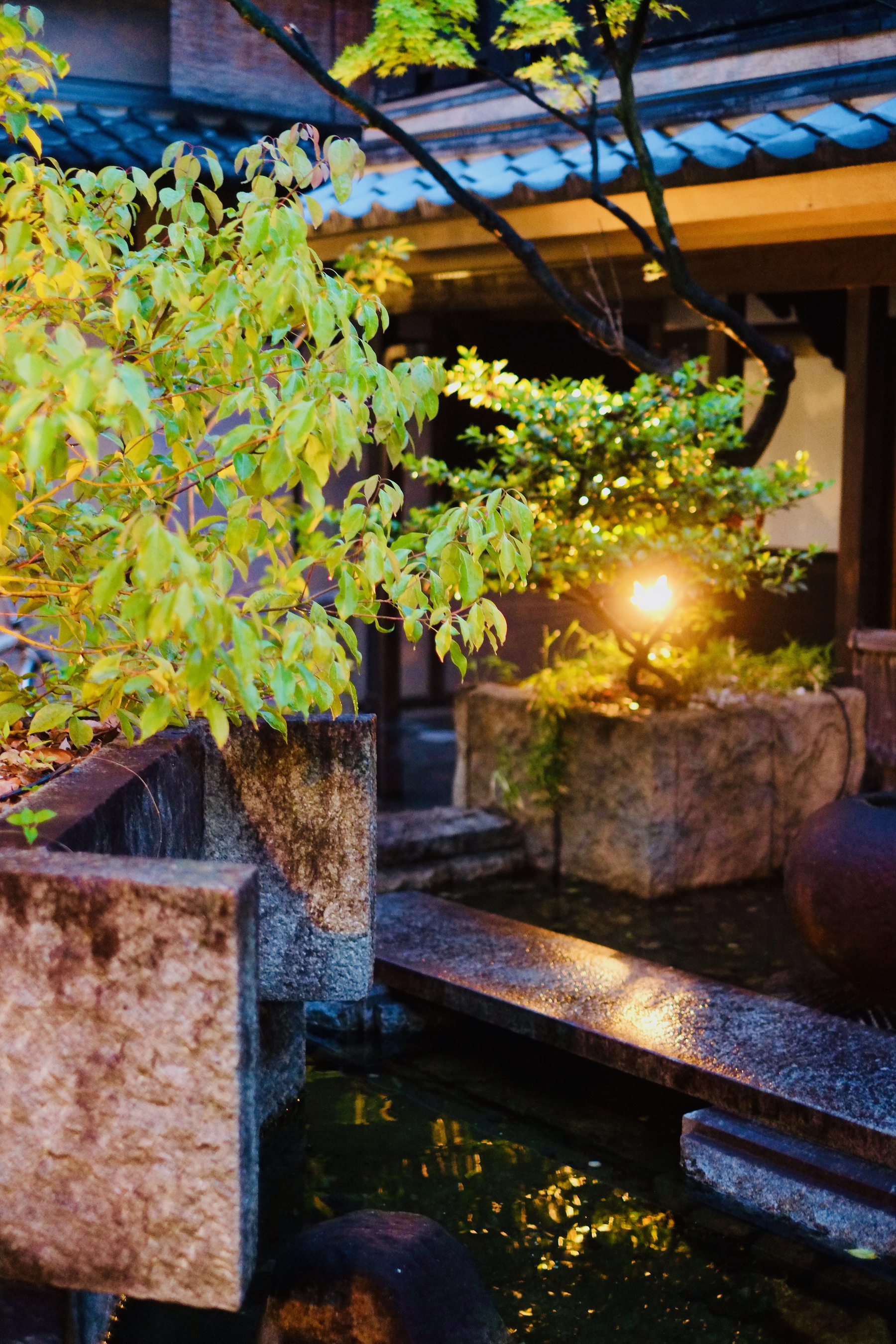
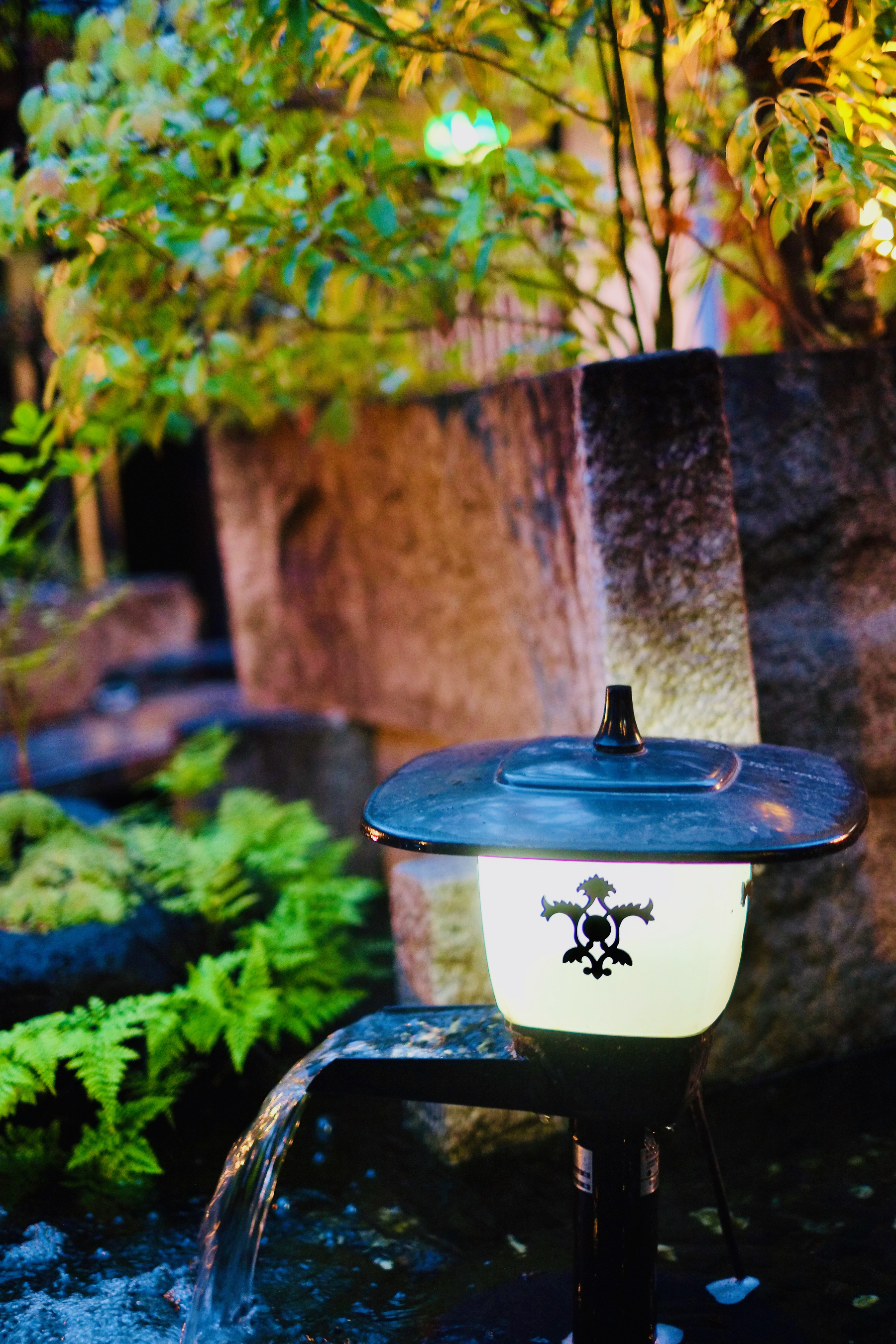
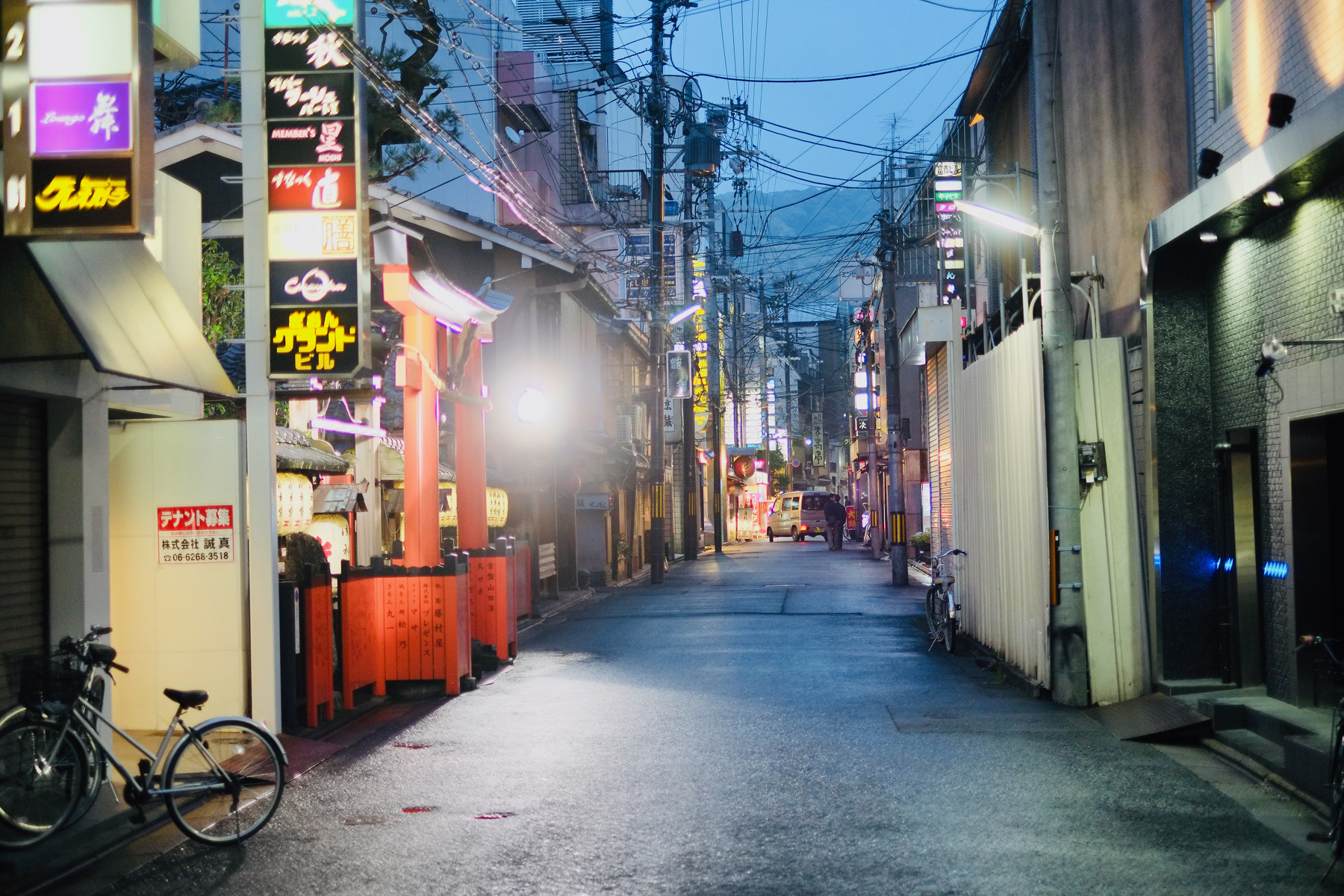
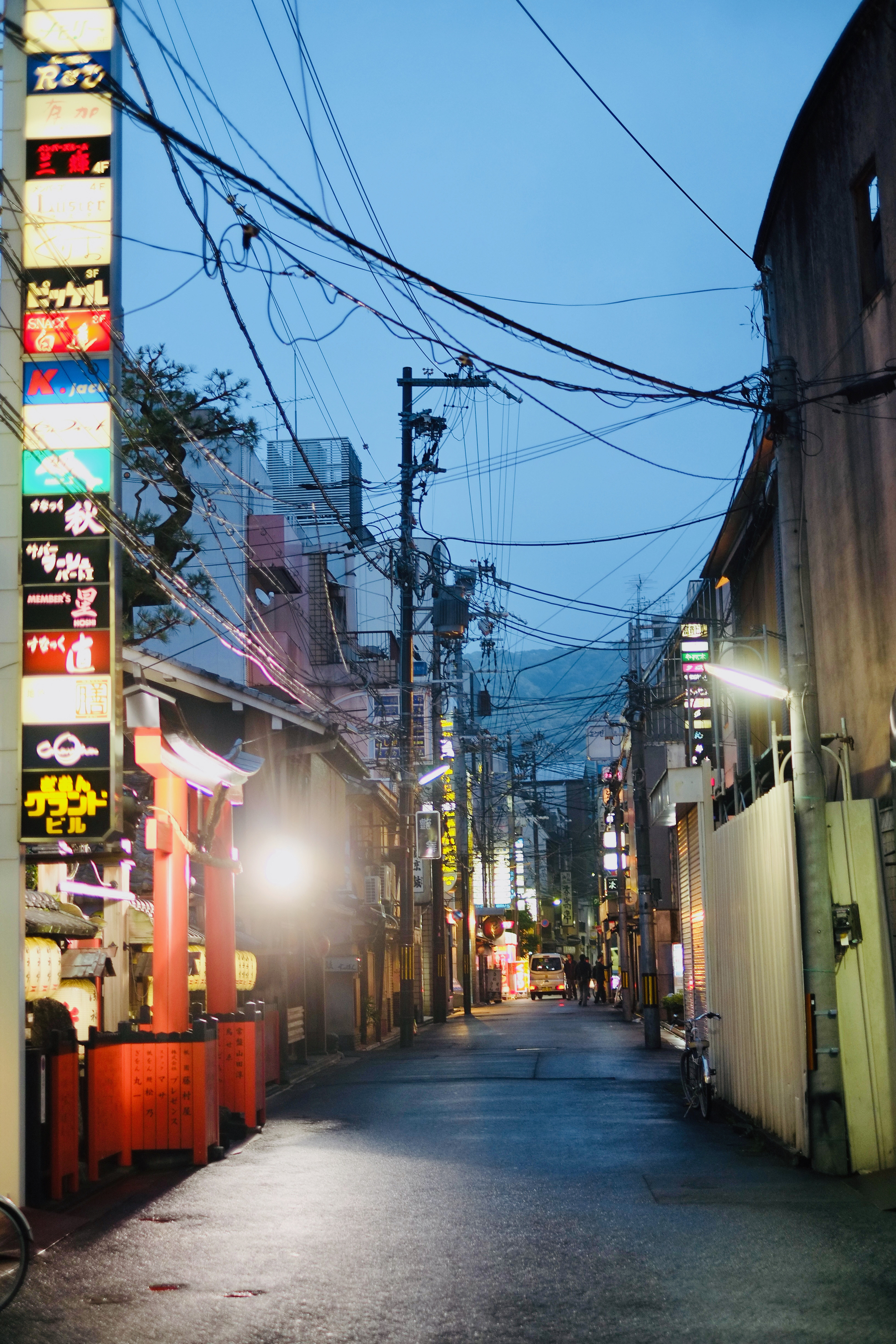
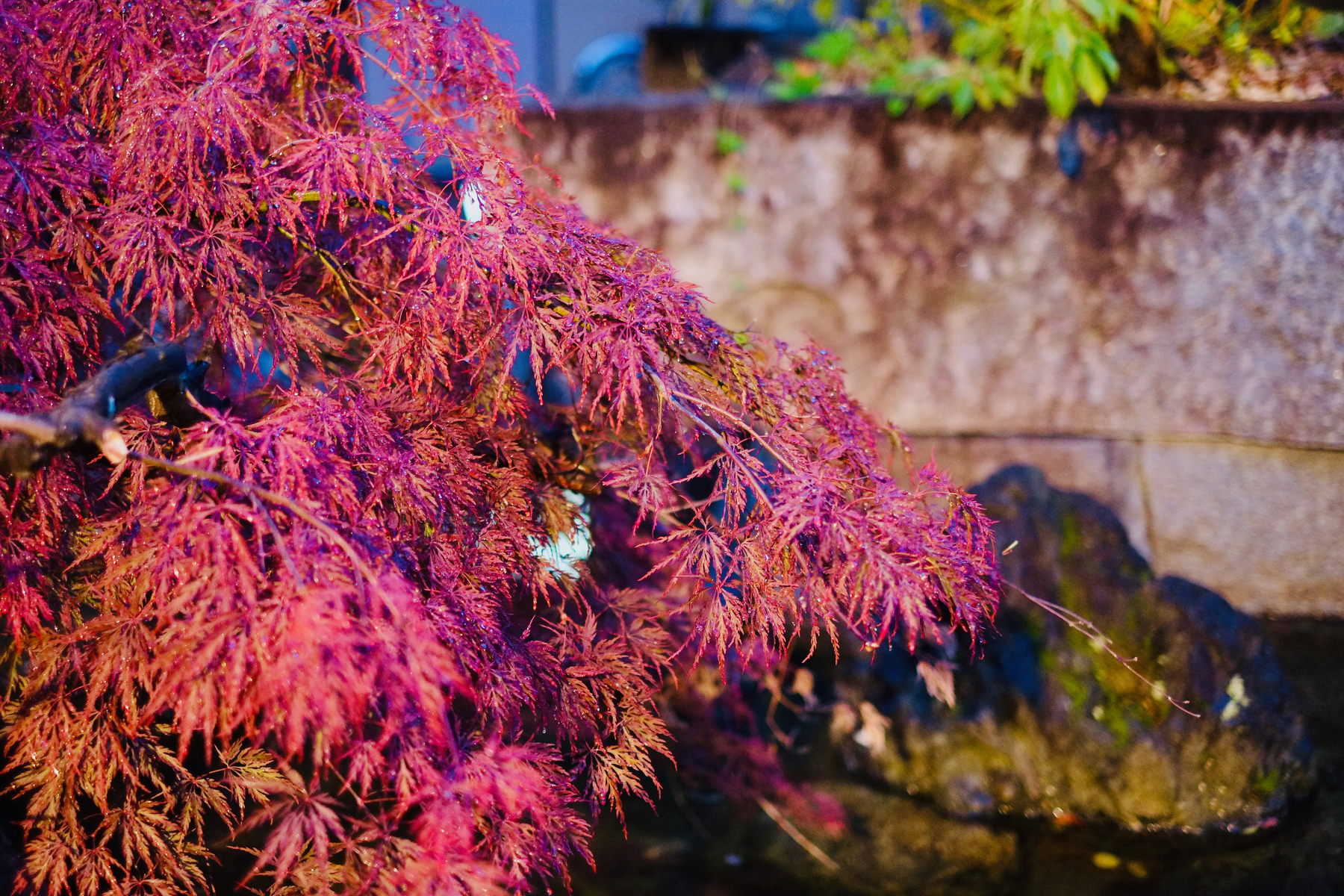
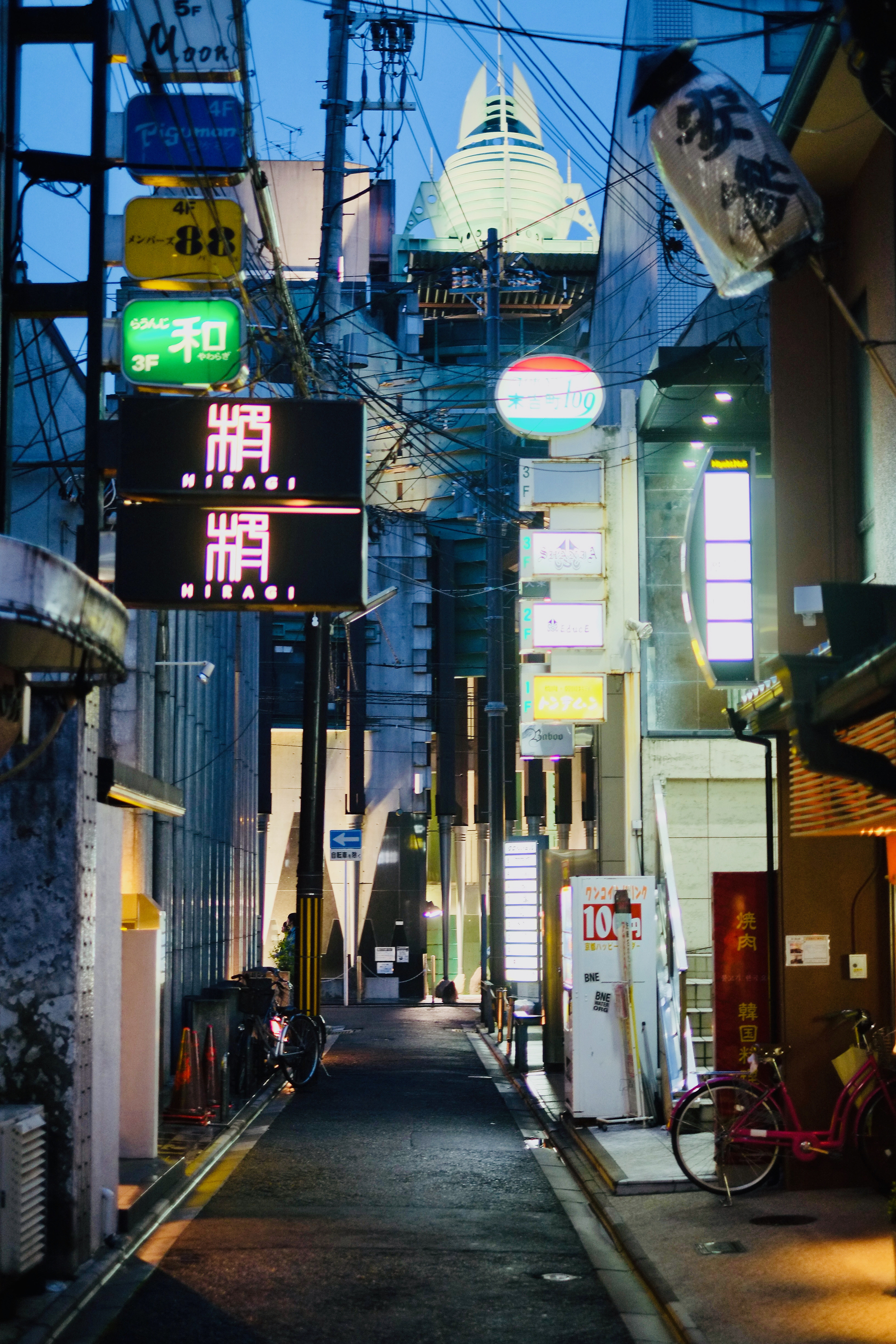
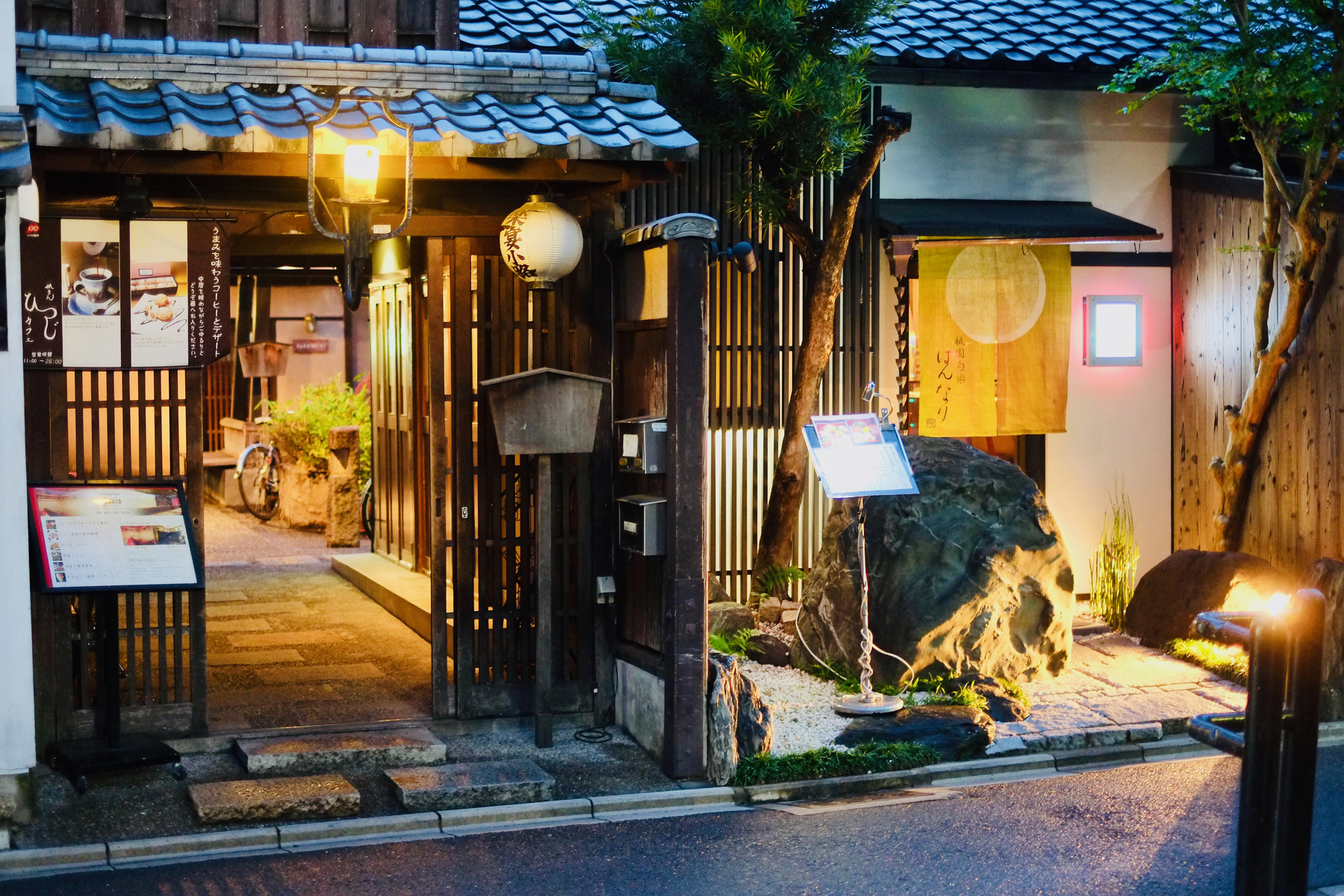
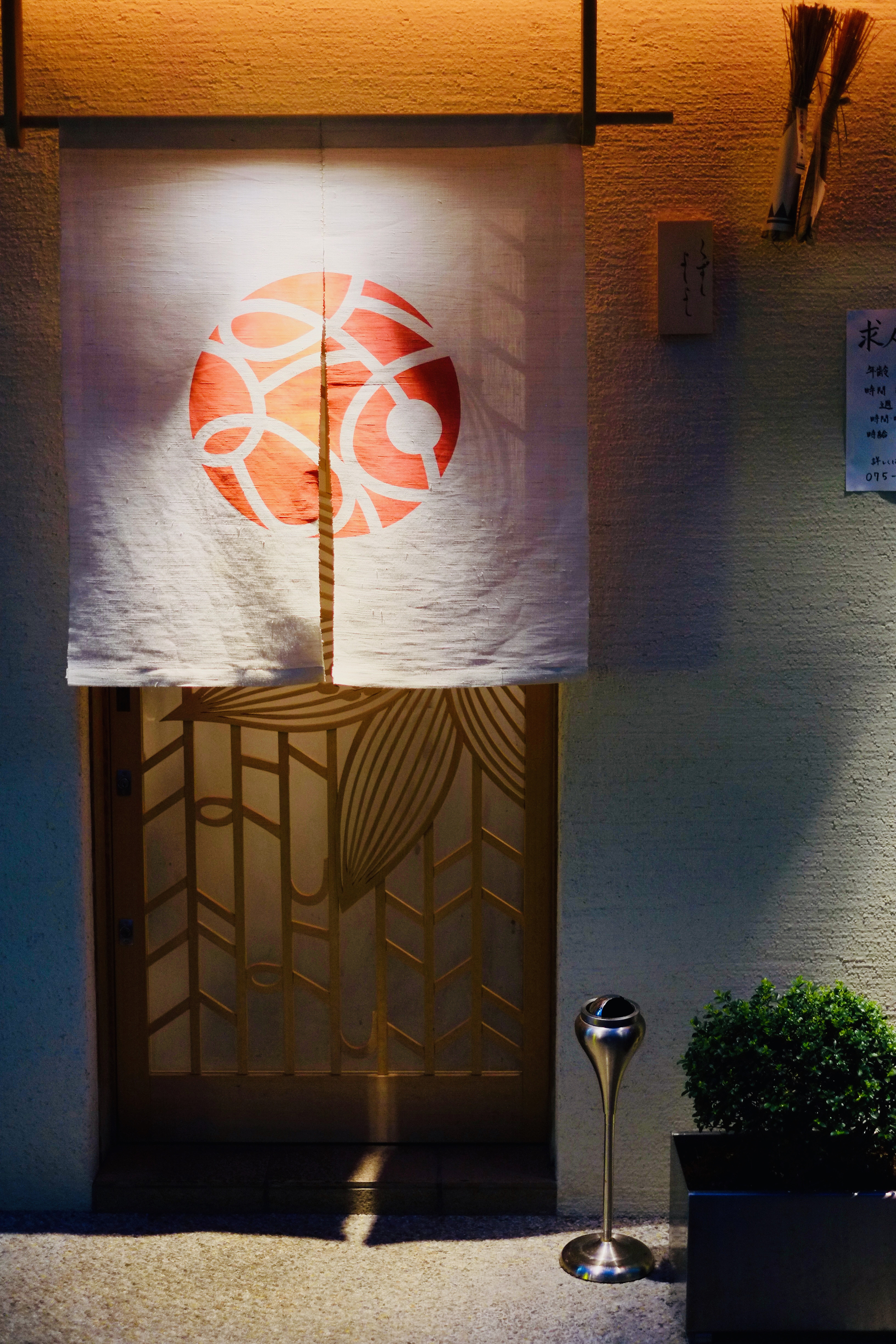
Stand quietly for a few minutes, and you’ll begin to notice details that many visitors miss: the delicate patterns carved into wooden lattice windows, the soft glow reflecting on rain-polished stones, the scent of incense drifting from hidden temples, and the gentle rhythm of a neighbourhood that has remained remarkably unchanged for centuries.
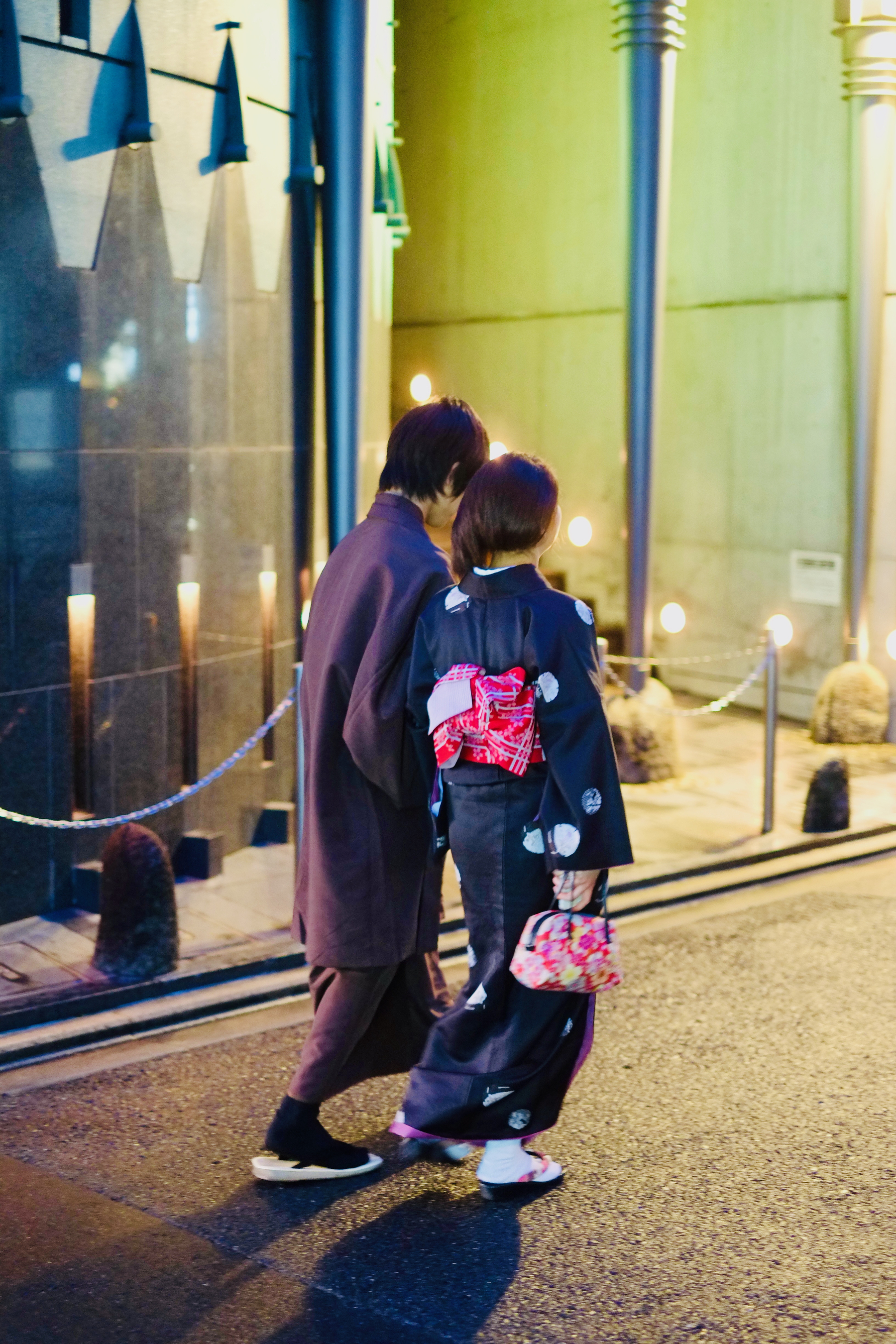
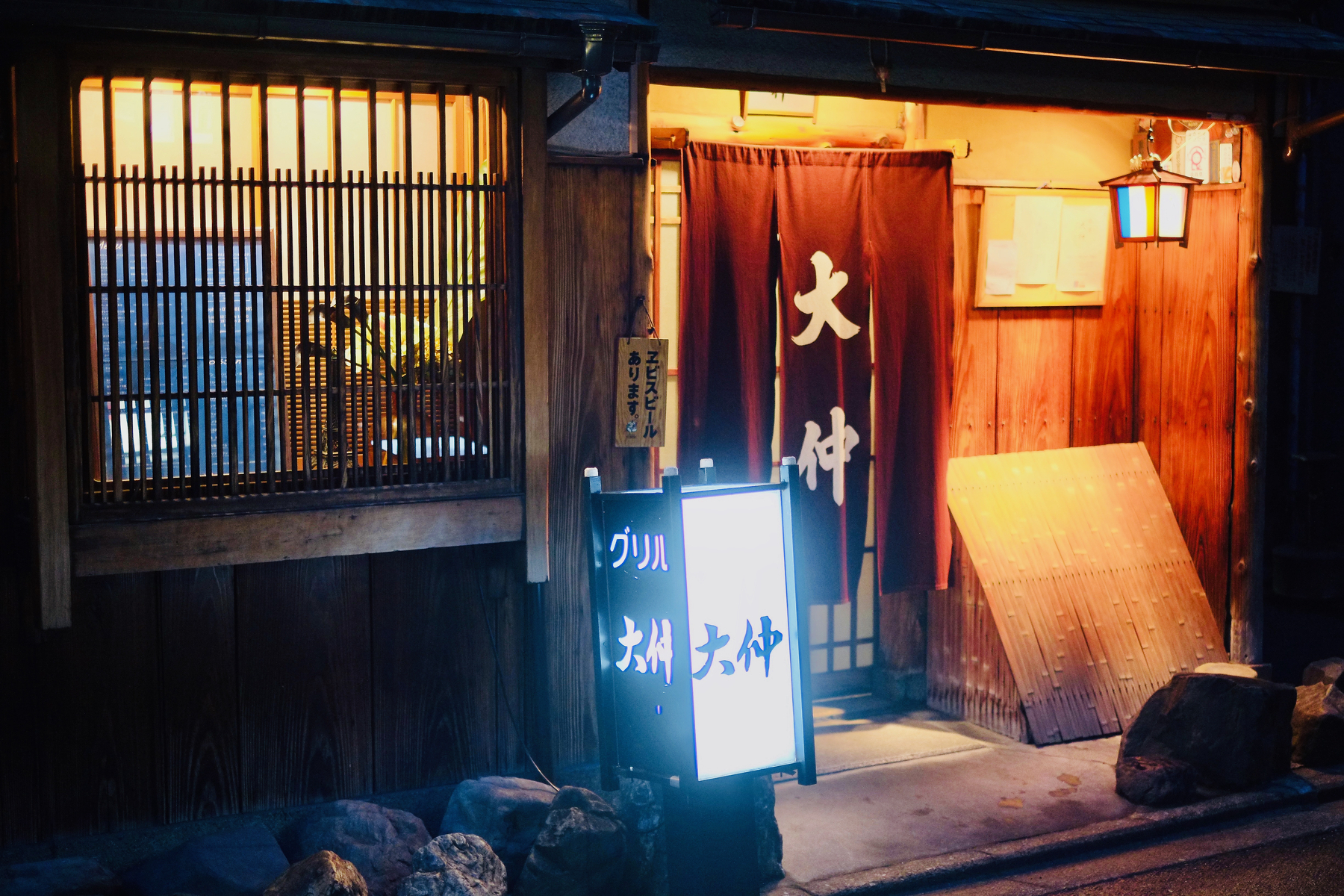
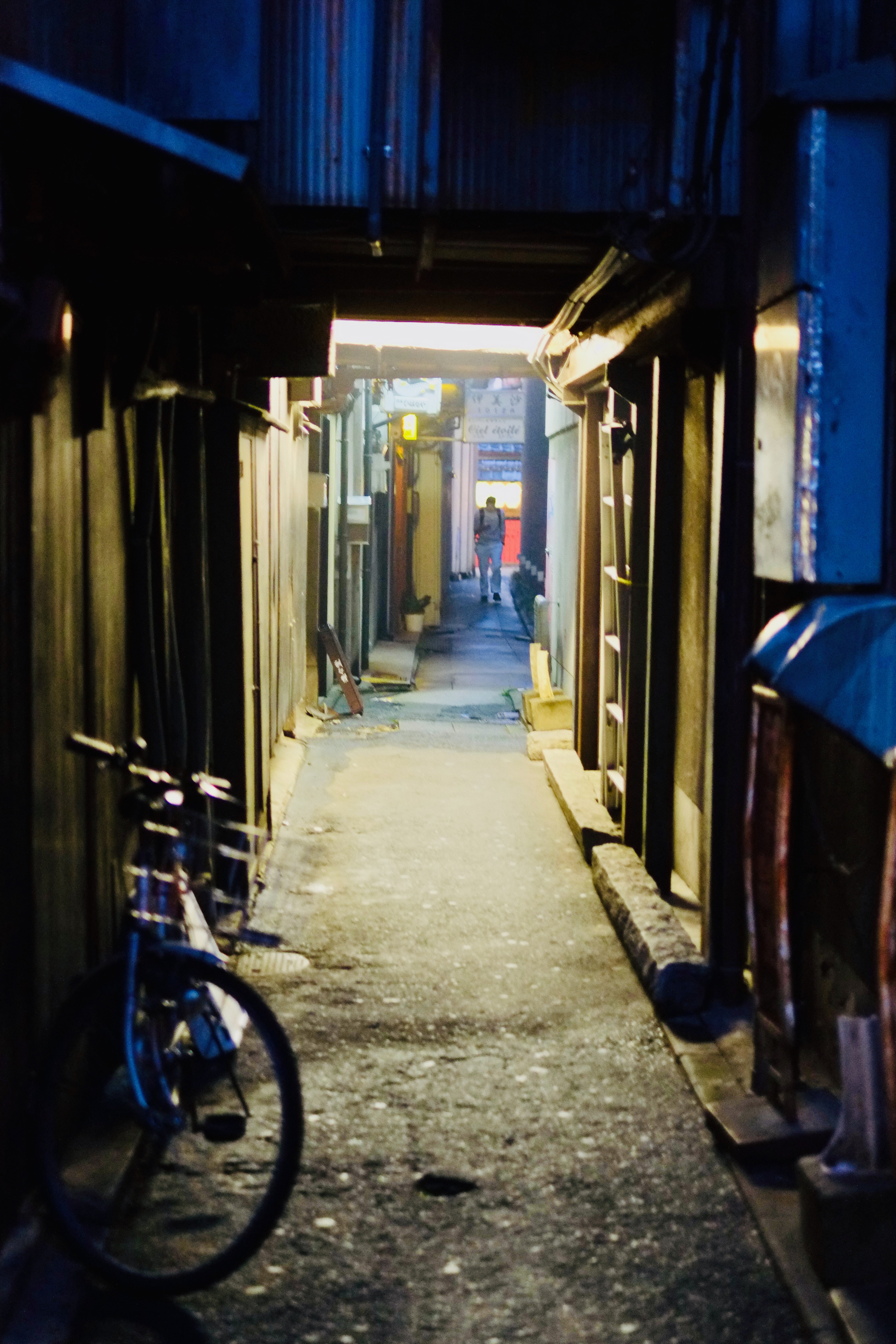
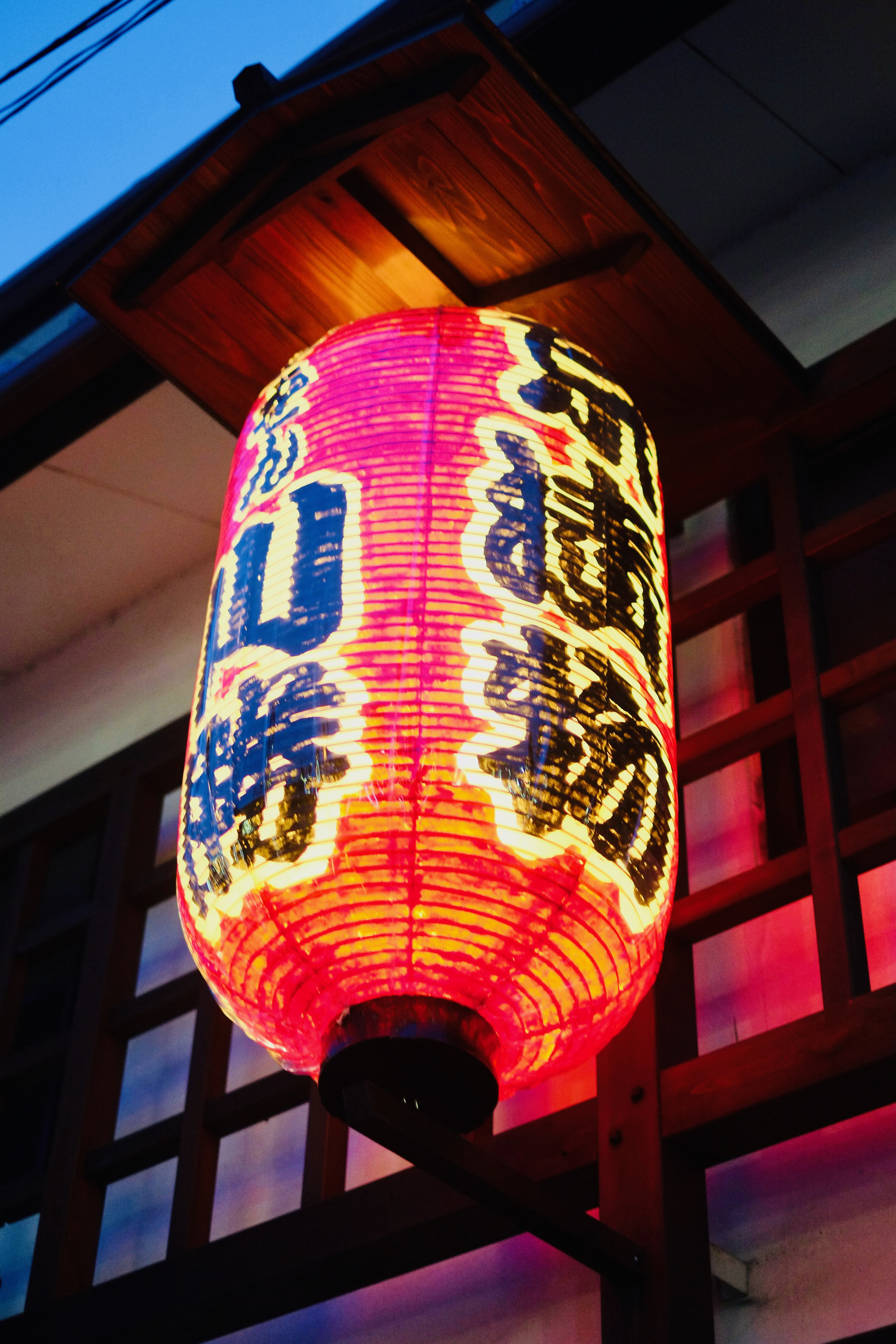
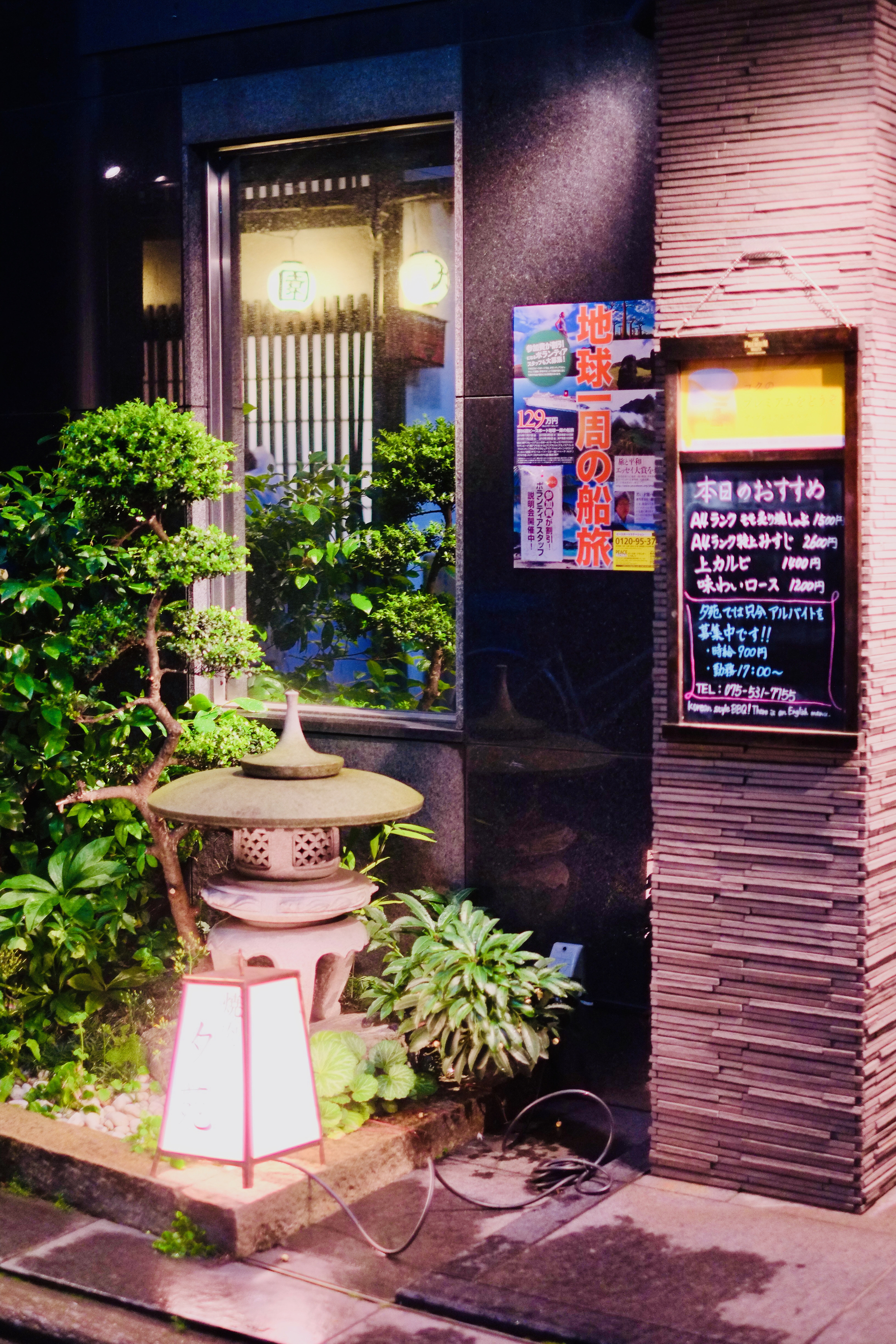
Although millions of visitors arrive in Kyoto each year, Gion remains deeply cherished by locals. It is not merely a beautiful historic district—it is a living reminder of Japanese culture, craftsmanship, hospitality, and respect for tradition. As photographers, we’re often searching for dramatic landscapes or famous landmarks. Yet some of my favourite images from Kyoto came from these quiet streets, where the magic wasn’t found in grand monuments but in simple moments of light, texture, and atmosphere. If you’re planning a visit to Kyoto, don’t rush through Gion during the day. Return after sunset. Leave your schedule behind. Walk slowly. Listen carefully. You’ll discover that Gion isn’t simply a place to visit—it’s a place to experience.
10 Fascinating Facts About Kyoto’s Gion District
- Gion is Kyoto’s most famous historic entertainment district and has been the centre of traditional arts for over 400 years.
- Kyoto uses the term geiko instead of “geisha,” while apprentices are known as maiko.
- The district is filled with beautifully preserved machiya, traditional wooden townhouses that date back centuries.
- Many businesses in Gion have remained family-owned for generations, preserving traditional craftsmanship and hospitality.
- Gion is one of the few places in Japan where geiko and maiko still entertain guests at exclusive tea houses.
- Yasaka Shrine, located beside Gion, is one of Kyoto’s oldest and most significant Shinto shrines.
- Traditional wagashi sweets are crafted using seasonal ingredients and are considered edible works of art.
- Kyoto’s famous kaiseki cuisine originated from the Japanese tea ceremony and celebrates seasonal flavours.
- The district looks especially magical during spring cherry blossom season and autumn when colourful maple leaves frame its historic streets.
- Despite welcoming visitors from around the world, Gion remains a thriving residential neighbourhood where history continues to be part of everyday life.
I hope you enjoy these photographs from one unforgettable evening wandering through Kyoto’s most atmospheric district. If you’d like to immerse yourself even further, don’t miss the silent photo slideshow at the end of this post—a quiet tribute to Gion’s timeless beauty.
Thank you for joining me on another journey. If you’ve visited Kyoto—or dream of exploring it someday—I would love to hear your thoughts in the comments below.