
Exploring Japan’s Most Futuristic Railway Station
When most people imagine a railway station, they picture little more than platforms, ticket gates, and hurried commuters. Japan, however, has turned the idea of a train station into something entirely different. Here, stations are living, breathing destinations—places where transportation, shopping, dining, entertainment, and daily life come together under one roof.
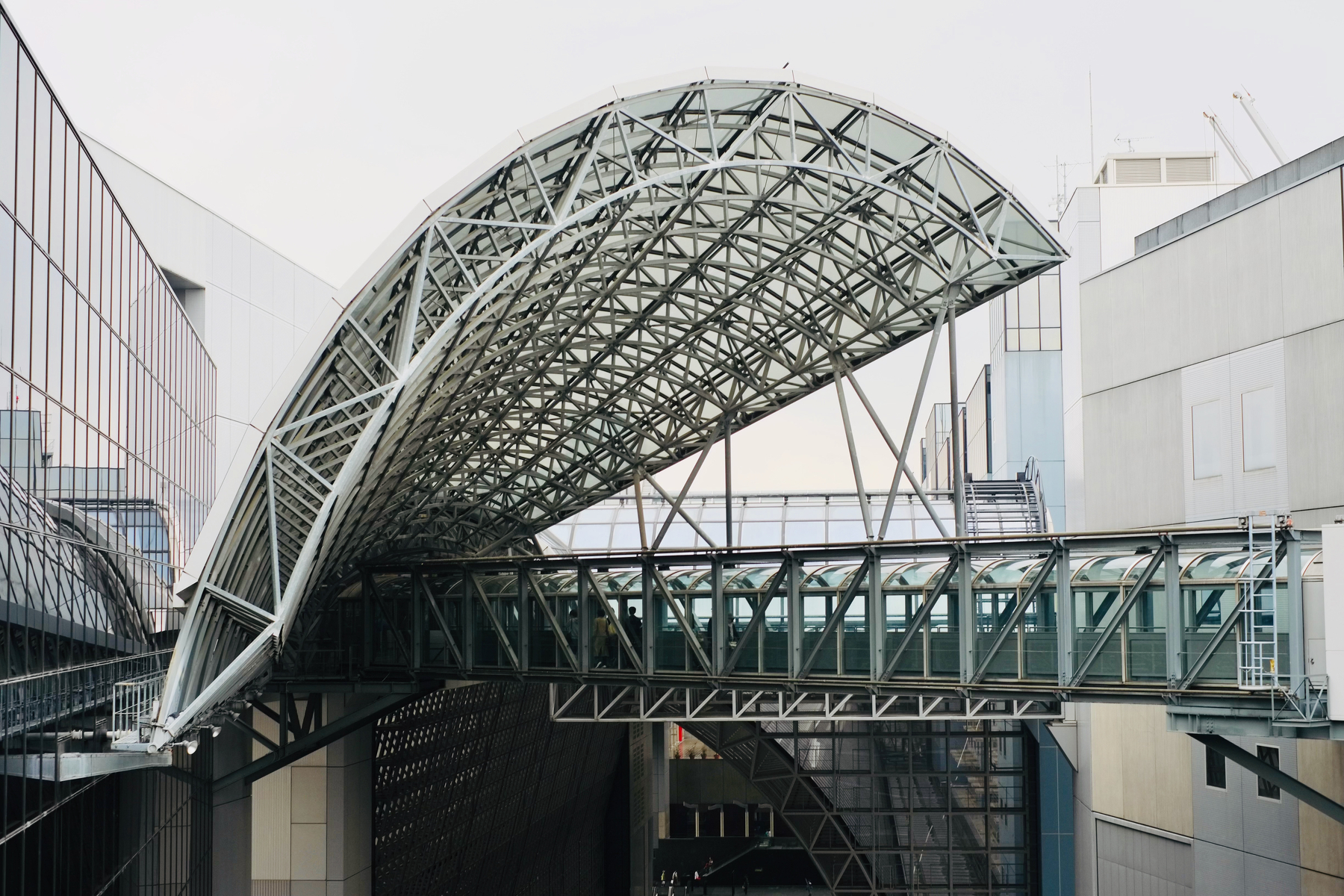
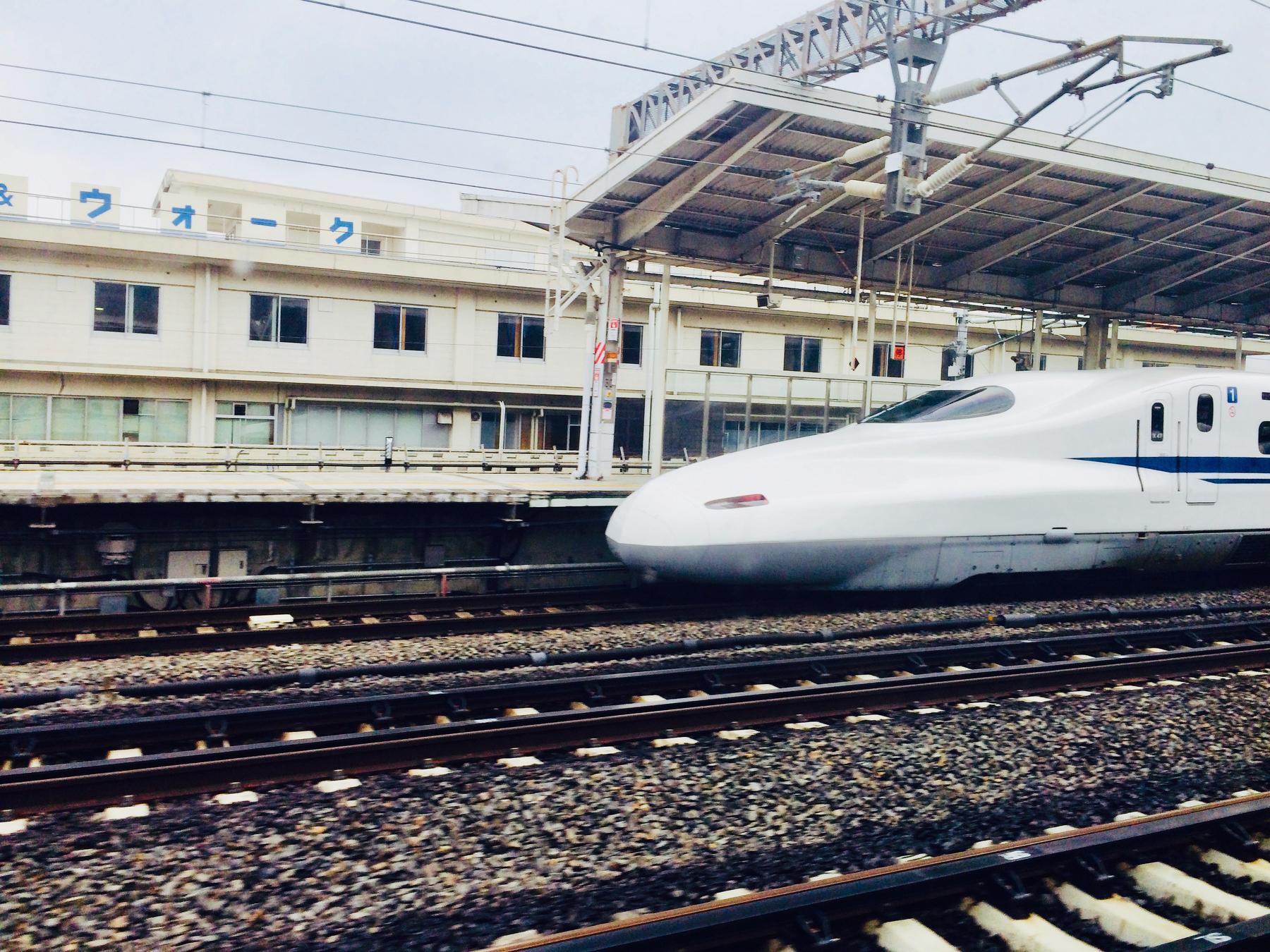
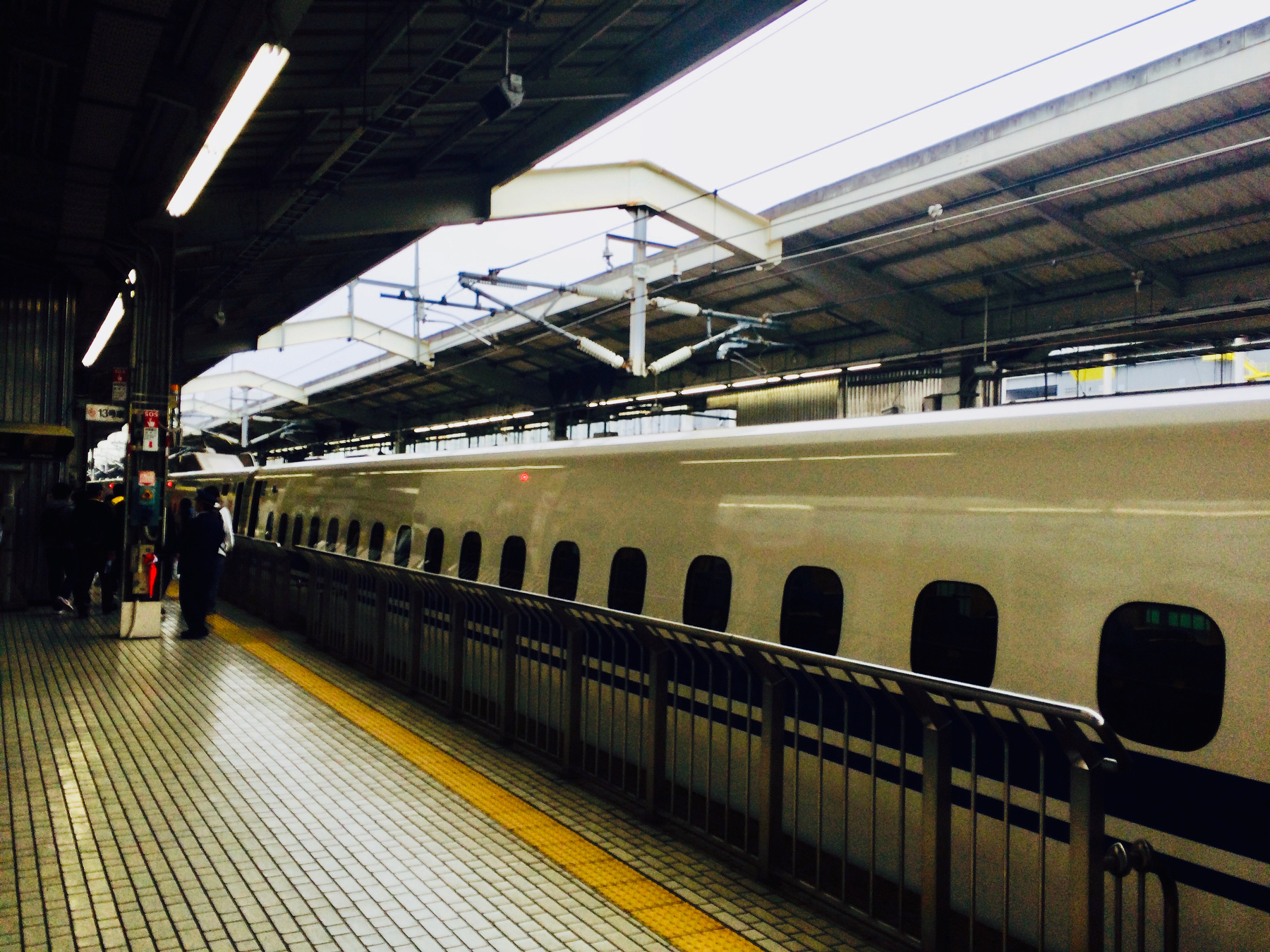
No station captures that spirit better than Kyoto Station. Every visit I make to Japan eventually brings me back here. Not because I have to catch a train, but because Kyoto Station has become one of my favourite places to experience the rhythm of Japanese life simply. It is a destination in its own right, where thousands of individual journeys merge into one extraordinary urban heartbeat.
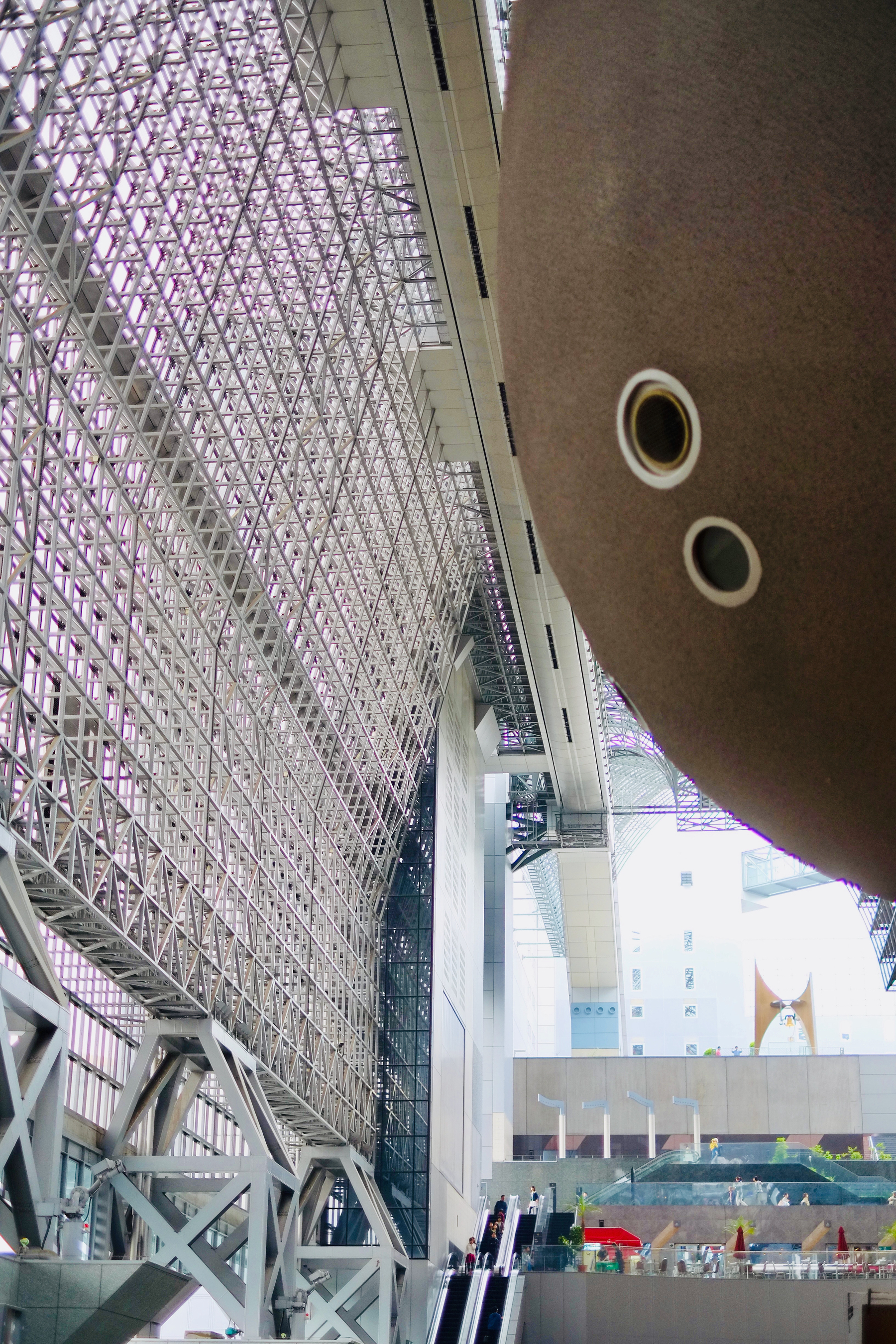
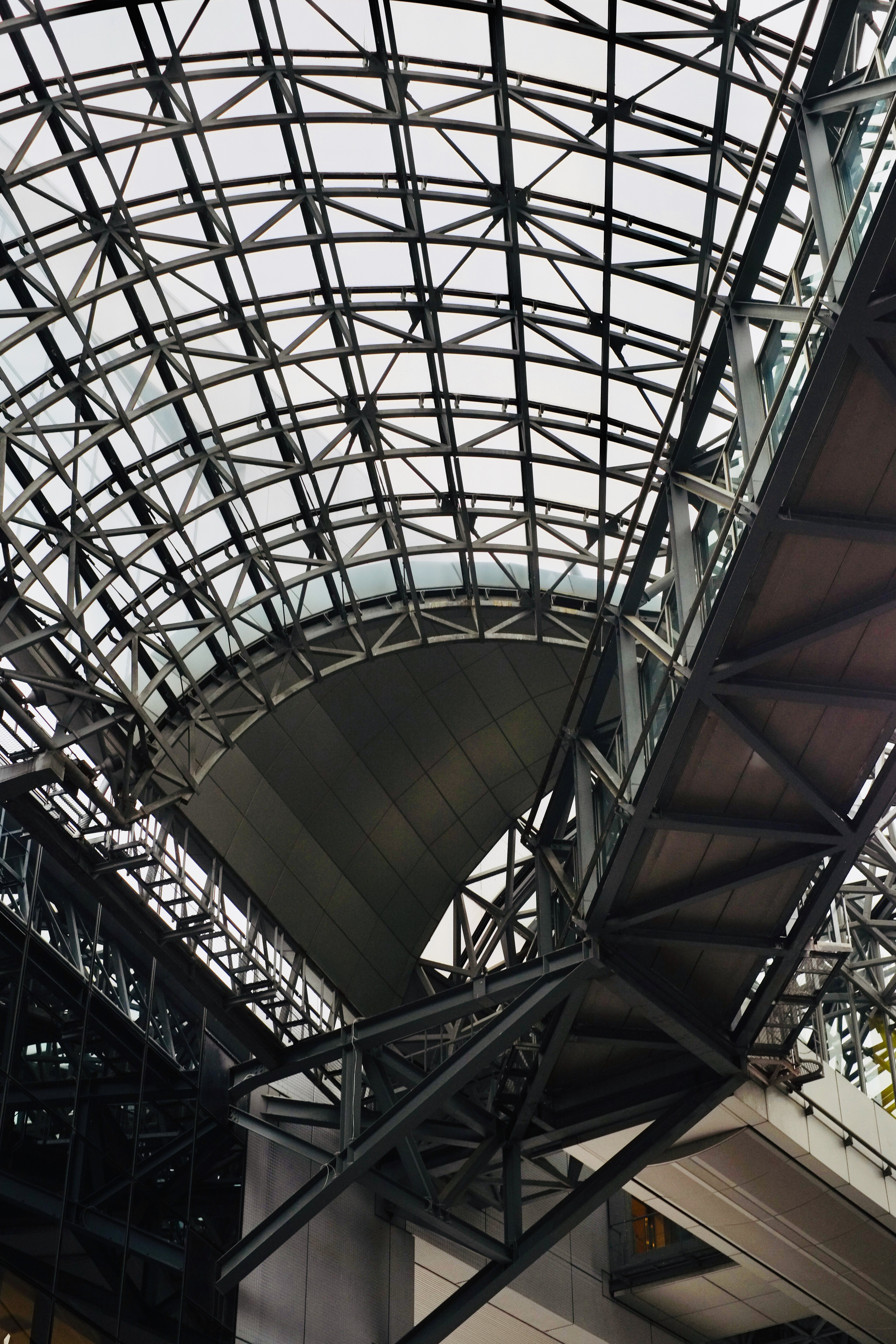
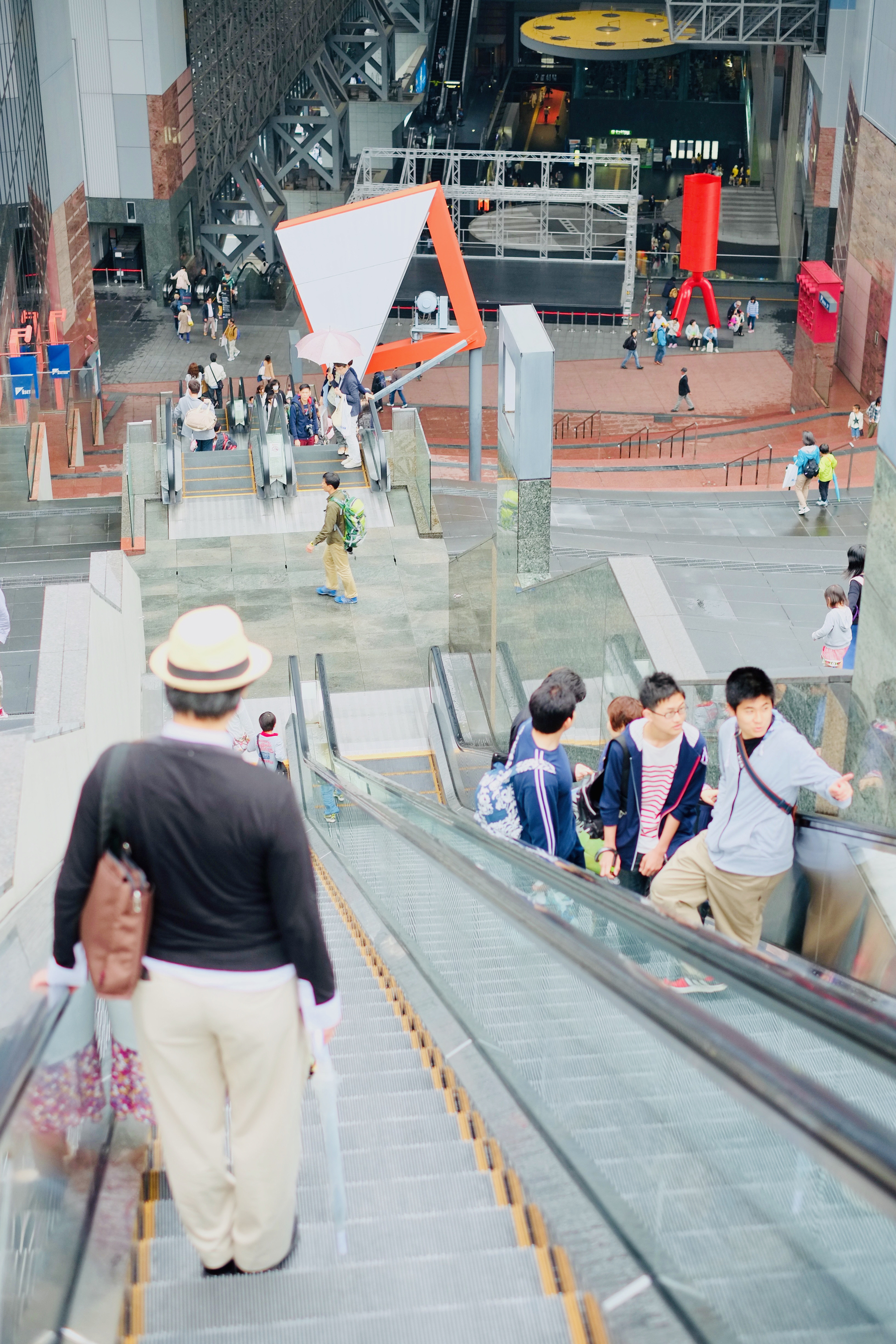
Standing beneath its enormous fifteen-story steel-and-glass roof, it’s impossible not to feel small. Sunlight pours through the vast lattice of glass overhead, illuminating a space that feels more like the interior of a futuristic city than a railway terminal. Escalators climb impossibly high, suspended bridges cross the open atrium, and every level reveals another discovery waiting around the corner.
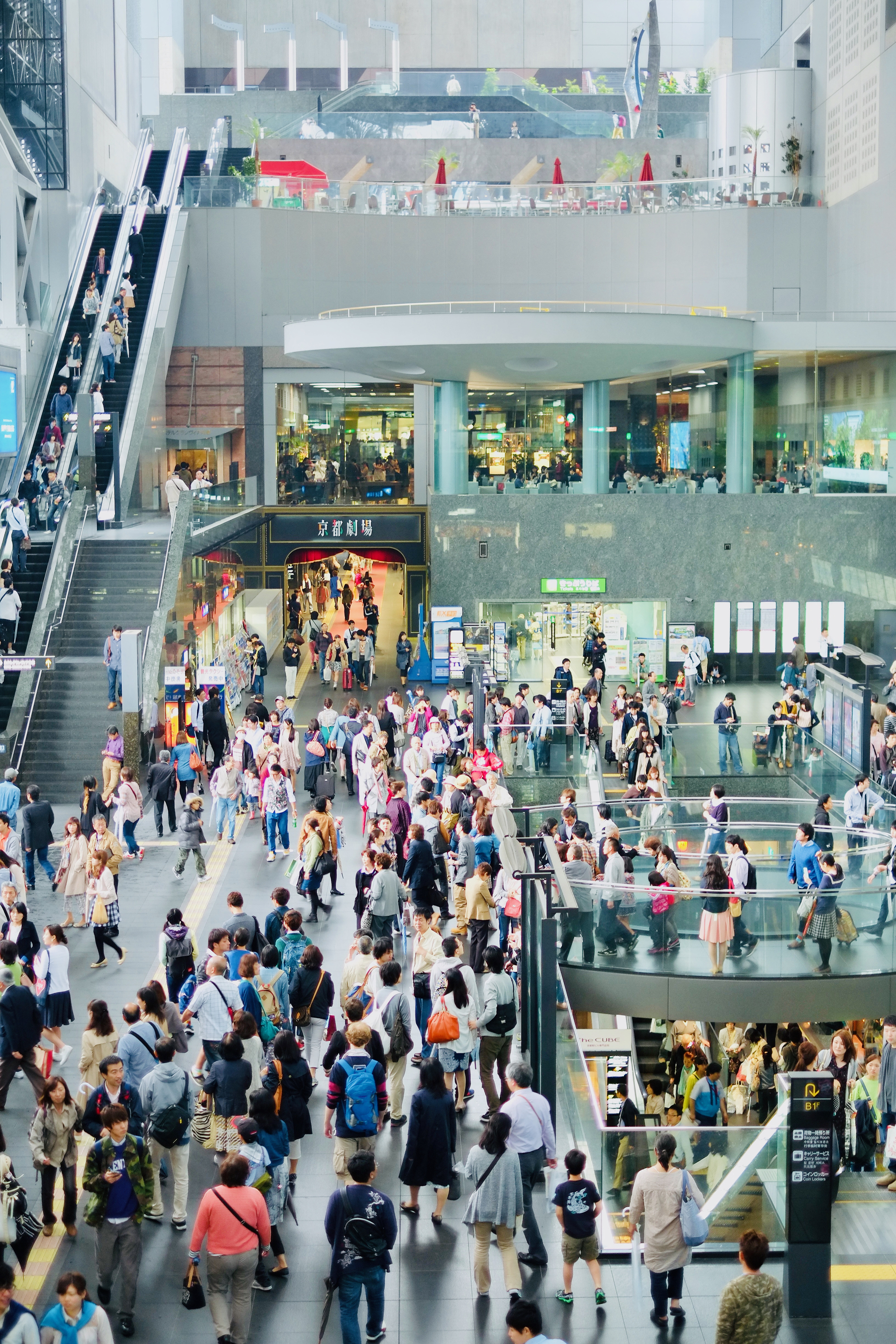
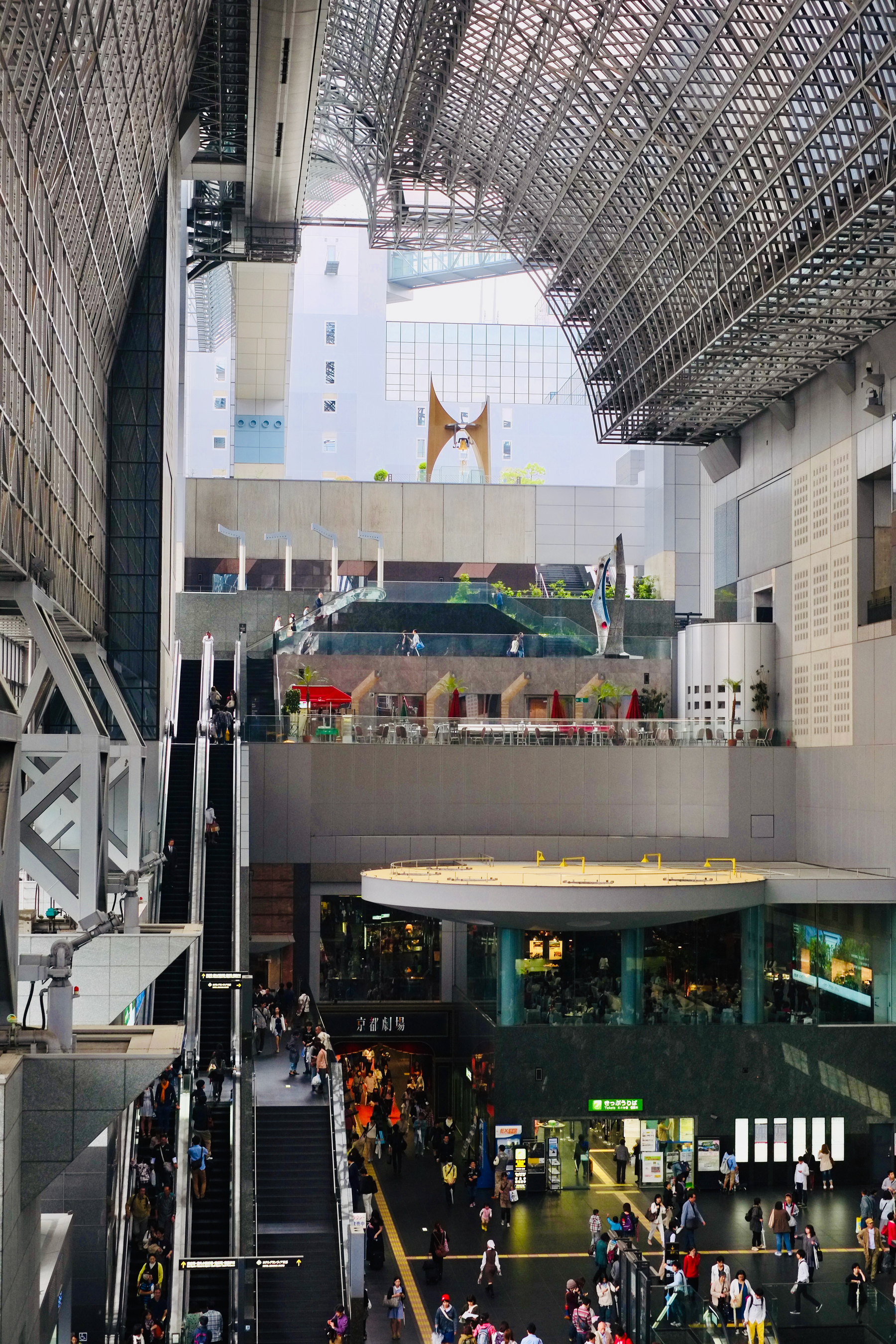
Kyoto Station is Japan’s second-largest railway station, surpassed only by Tokyo Station, and it welcomes more than 200,000 passengers every day. Yet despite its scale, it never feels overwhelming. Everything seems to flow with remarkable precision—a quiet choreography that only Japan seems capable of achieving.
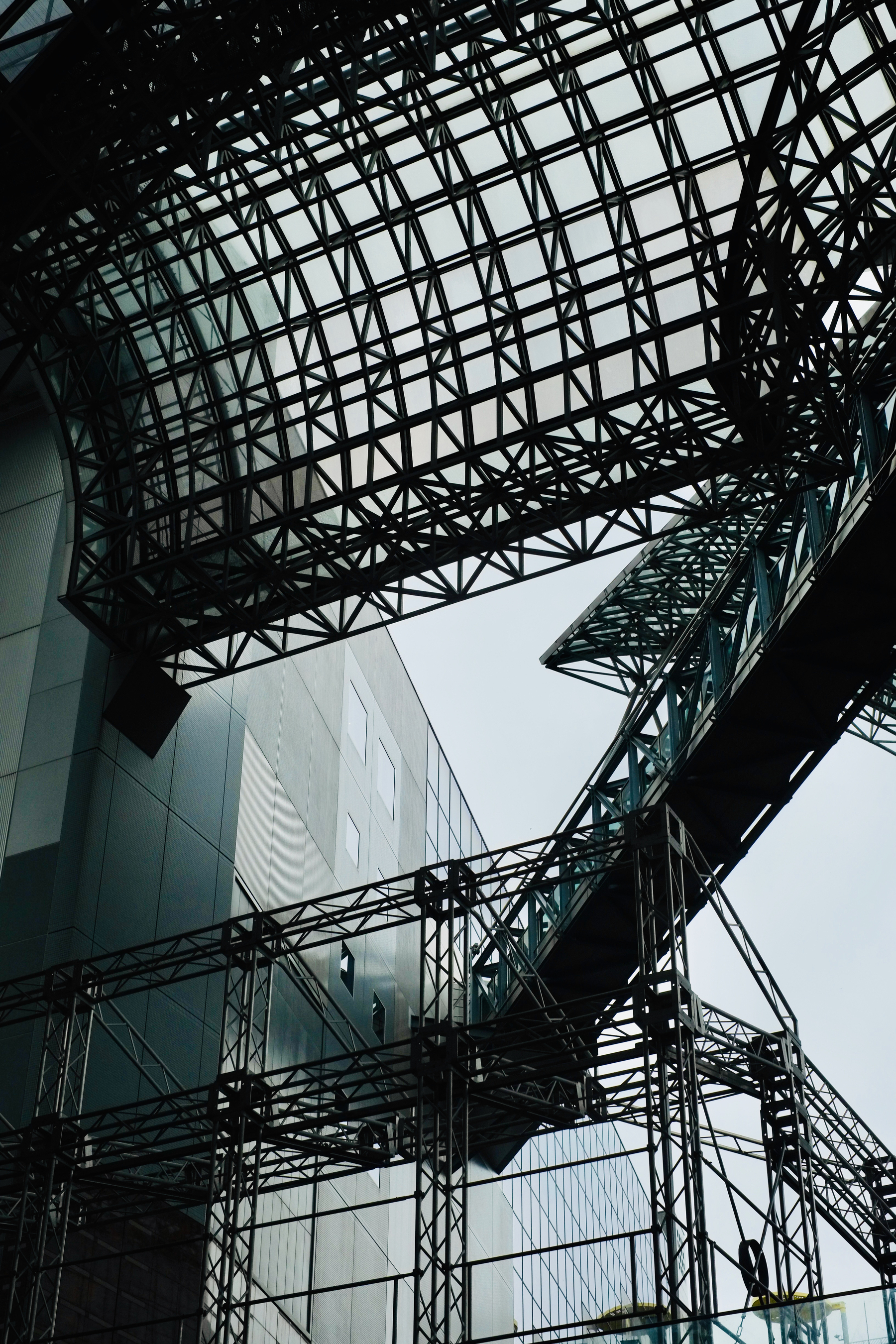
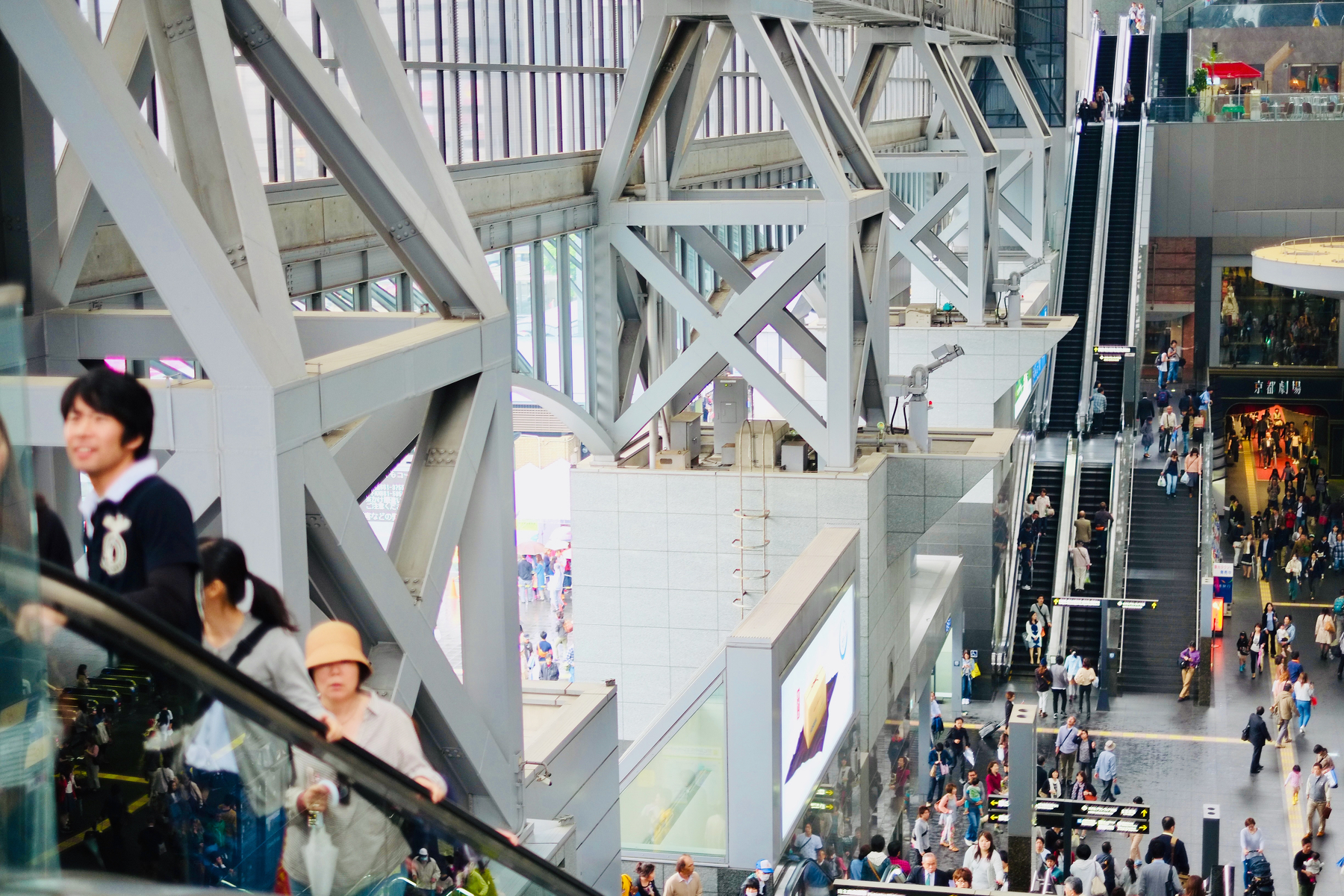
Designed by celebrated architect Hiroshi Hara, the station opened in 1997 as part of Kyoto’s 1,200th anniversary celebrations. Its bold modernist design was controversial at first. Many questioned whether such a futuristic building belonged in a city famous for centuries-old temples, traditional gardens, and wooden townhouses.
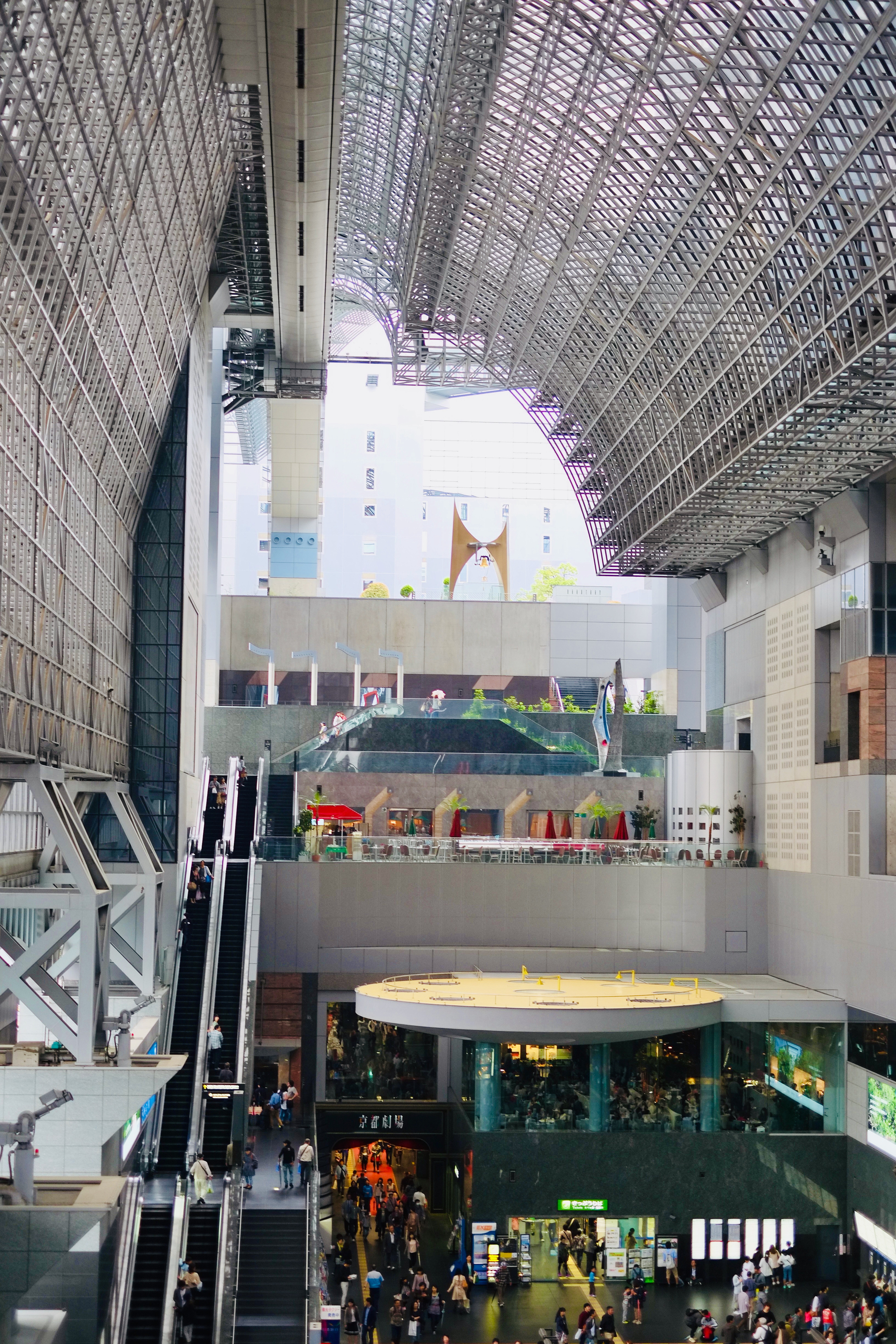
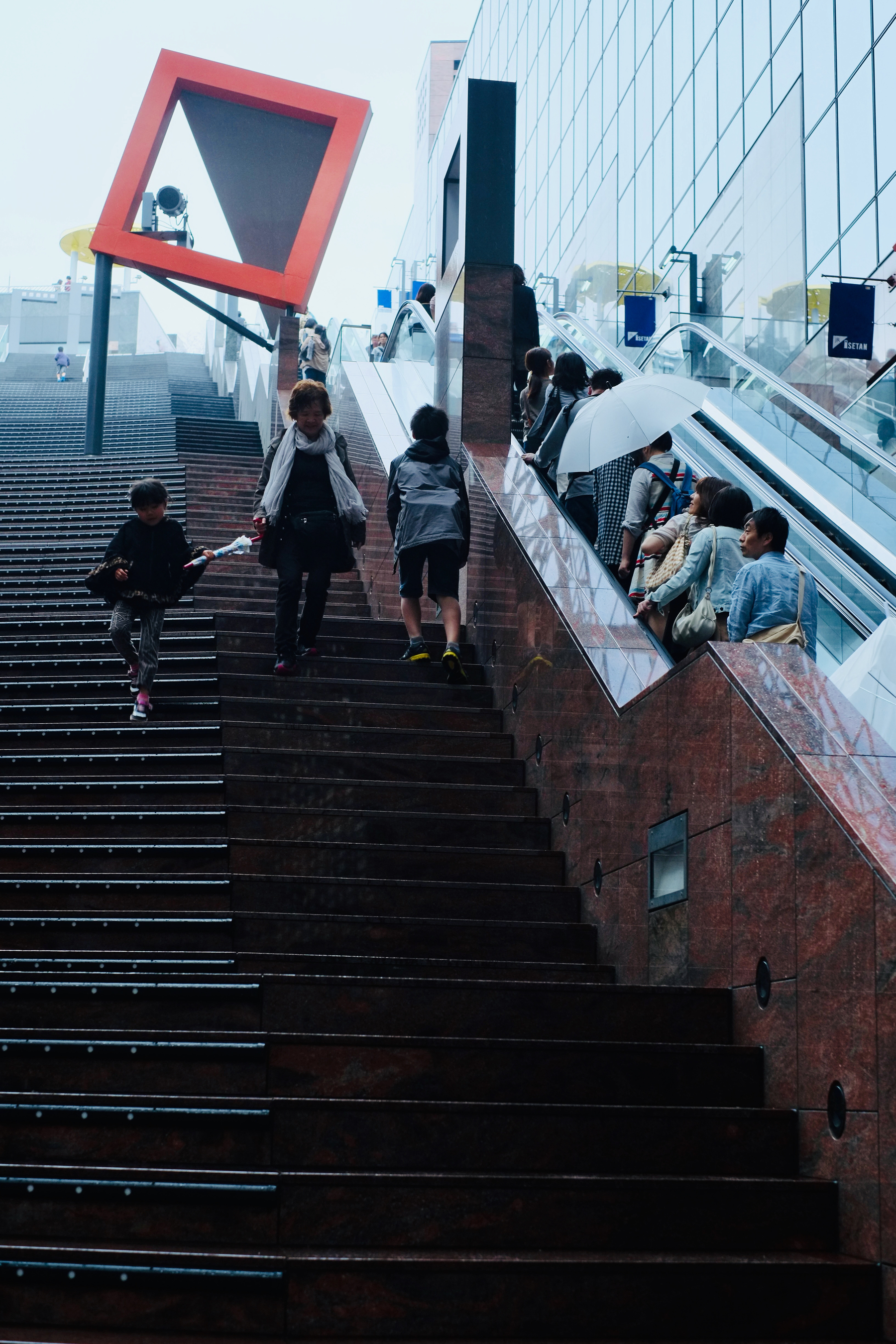
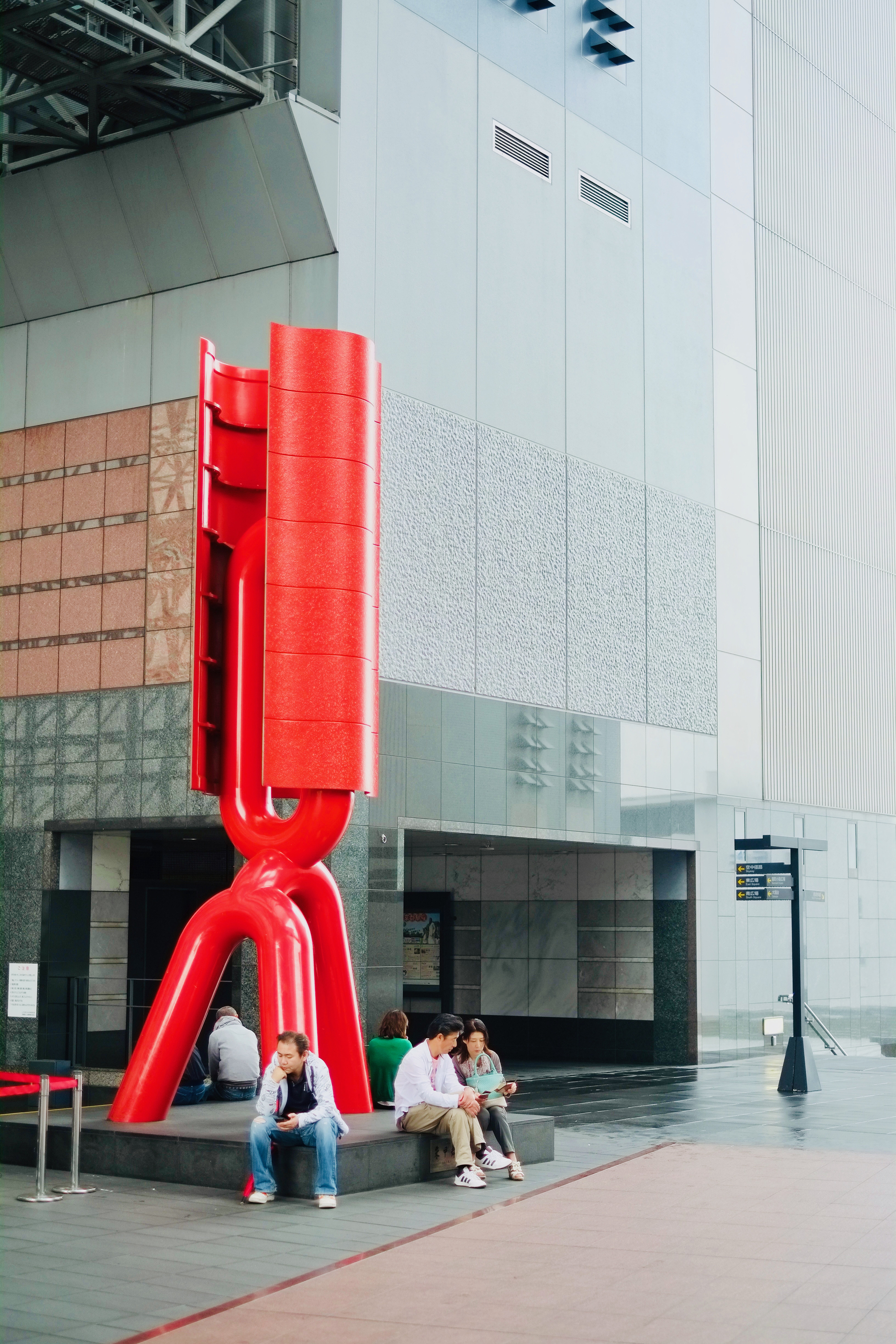
Today, that contrast is exactly what makes Kyoto Station so fascinating. Outside, Kyoto whispers stories from Japan’s past. Inside, it offers a glimpse of the country’s future. The station is far more than a transportation hub. Hidden within its vast interior are hundreds of shops, restaurants serving everything from ramen to elegant kaiseki cuisine, the impressive Isetan Department Store, Hotel Granvia Kyoto, cinemas, cafés, exhibition spaces, and even government offices. You could easily spend an entire day here without boarding a single train.
One of my favourite experiences comes after sunset. The Grand Staircase transforms into a spectacular digital canvas as thousands of LED lights create animated displays that dance across the steps. Patterns shift, colours ripple, and seasonal themes come alive before crowds who pause, cameras forgotten for a moment, to watch. It’s one of those unexpected experiences that reminds you why travel is about far more than checking landmarks off a list.
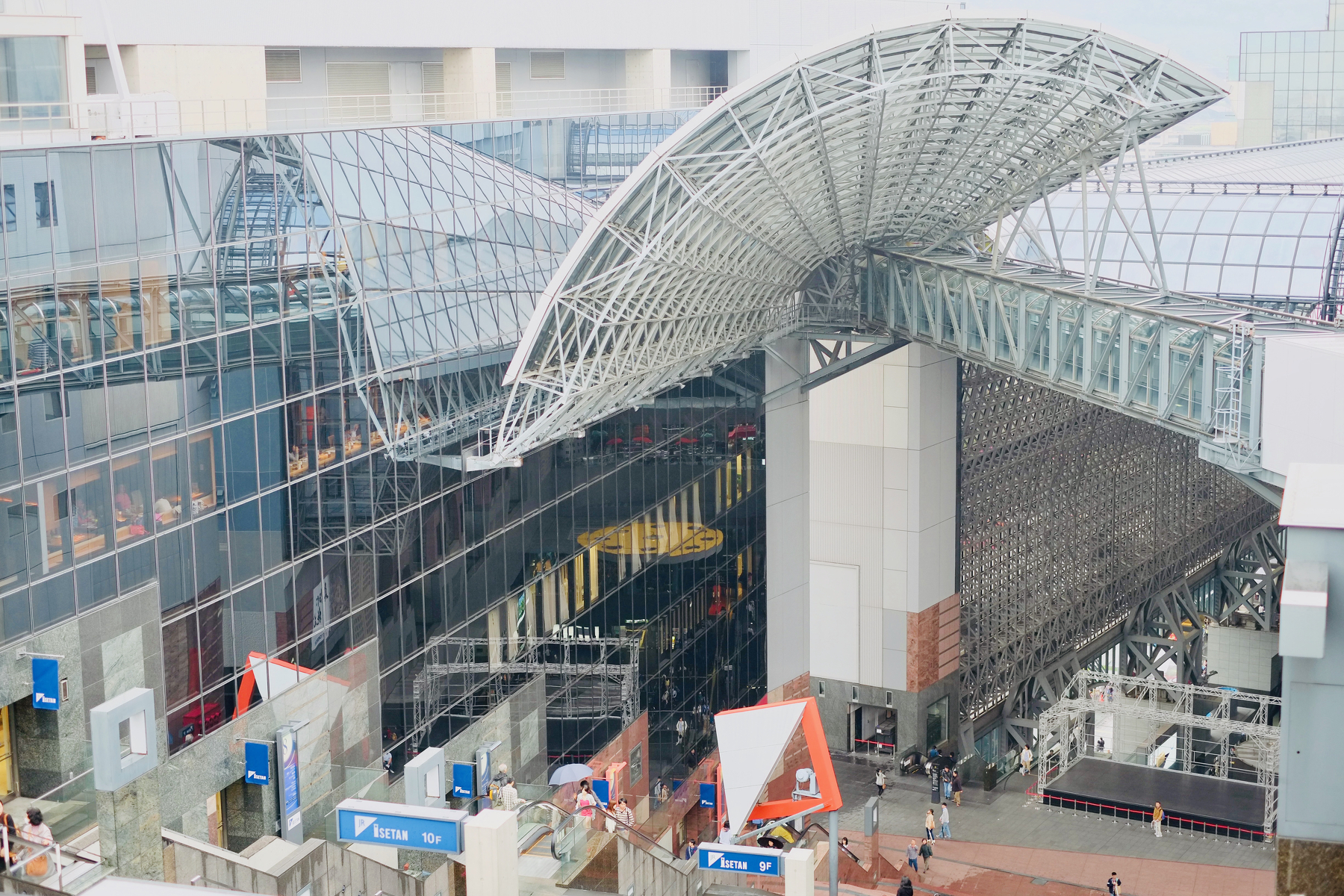
During my last visit, I photographed the staircase in black and white. While the colours disappeared, the architecture and atmosphere became even more striking. The photographs captured the geometry, the scale, and the movement—but they still couldn’t fully recreate what it feels like to stand there in person. Some places simply refuse to fit inside a photograph.
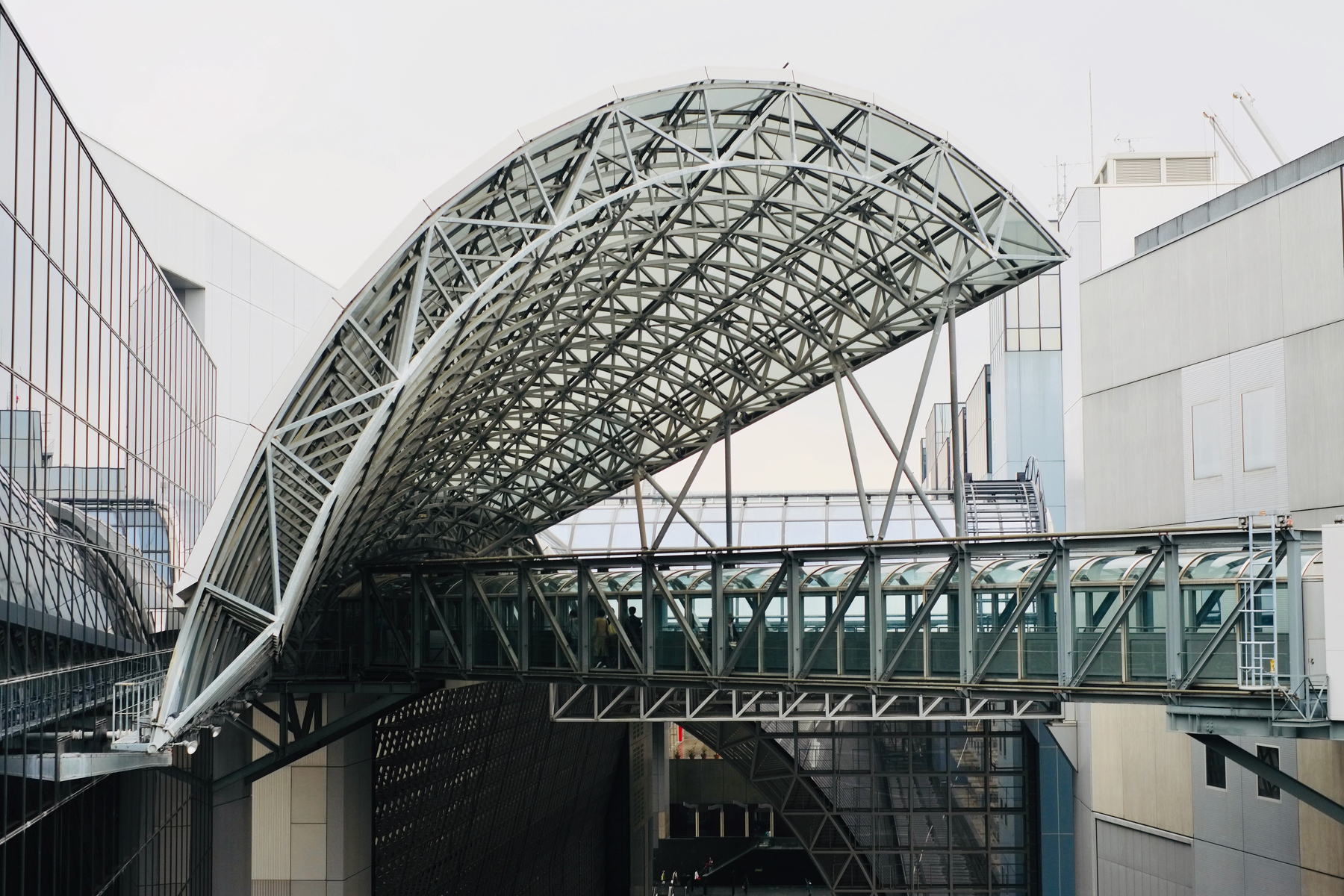
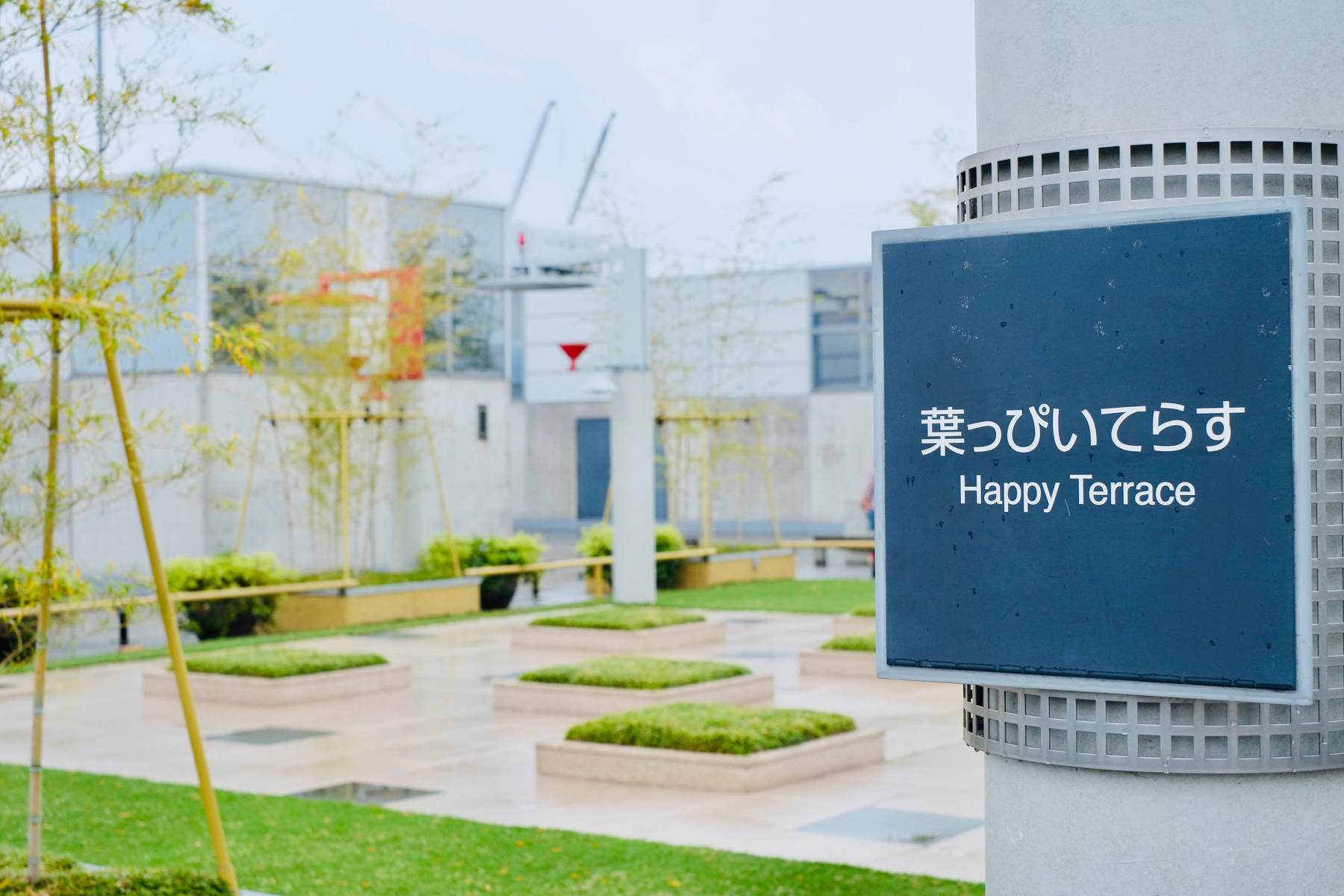
Before leaving, don’t miss the Skyway—an elevated glass walkway stretching high above the station. From here you’ll enjoy sweeping views across Kyoto, with Kyoto Tower rising prominently above the city skyline. It’s a peaceful escape from the movement below and one of the station’s hidden highlights.
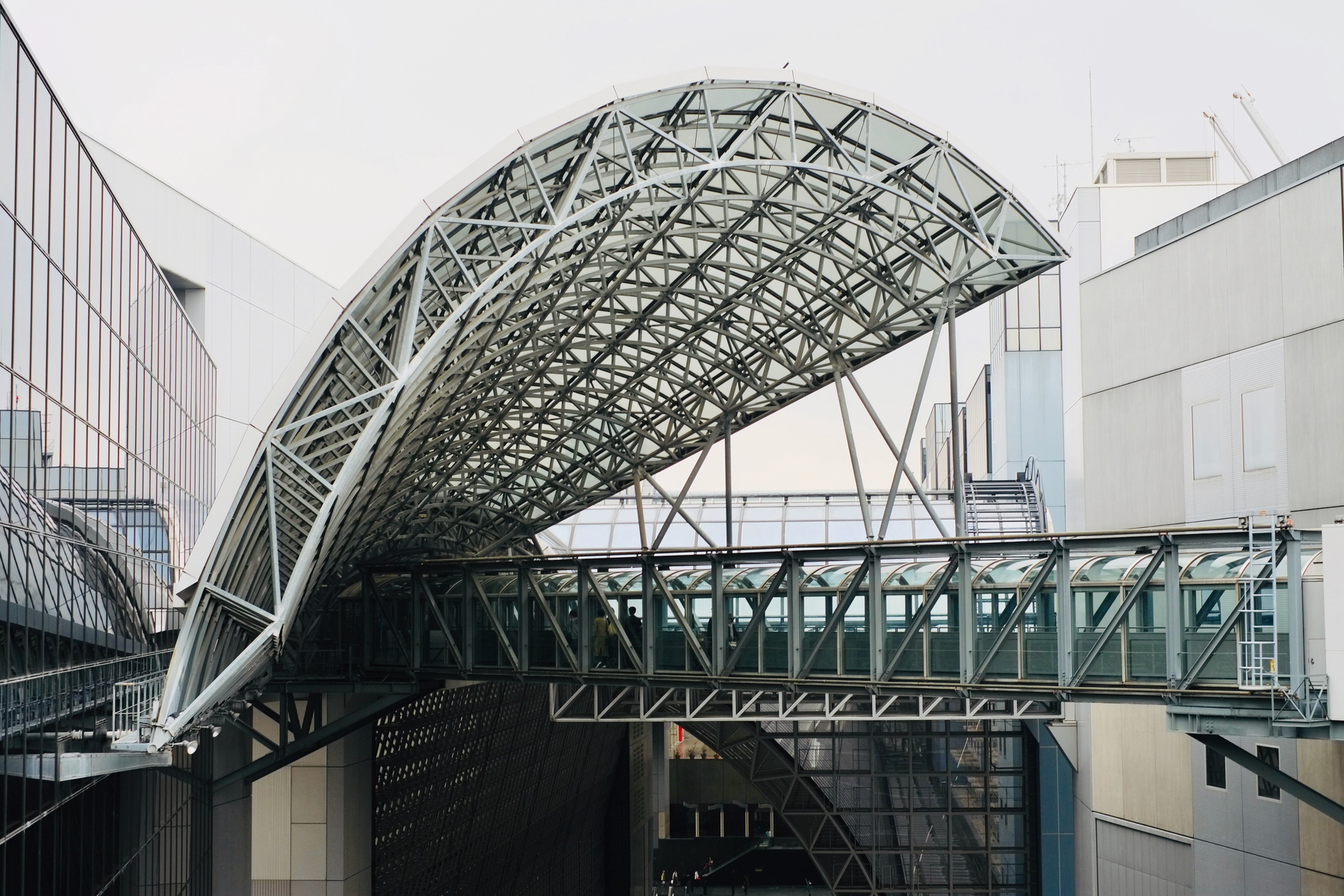

What impresses me most about Kyoto Station is how it reflects modern Japan itself. Despite its immense size, the building embraces sustainability through rooftop solar panels and rainwater collection systems that help irrigate green spaces and reduce water consumption. Innovation and environmental responsibility exist side by side.

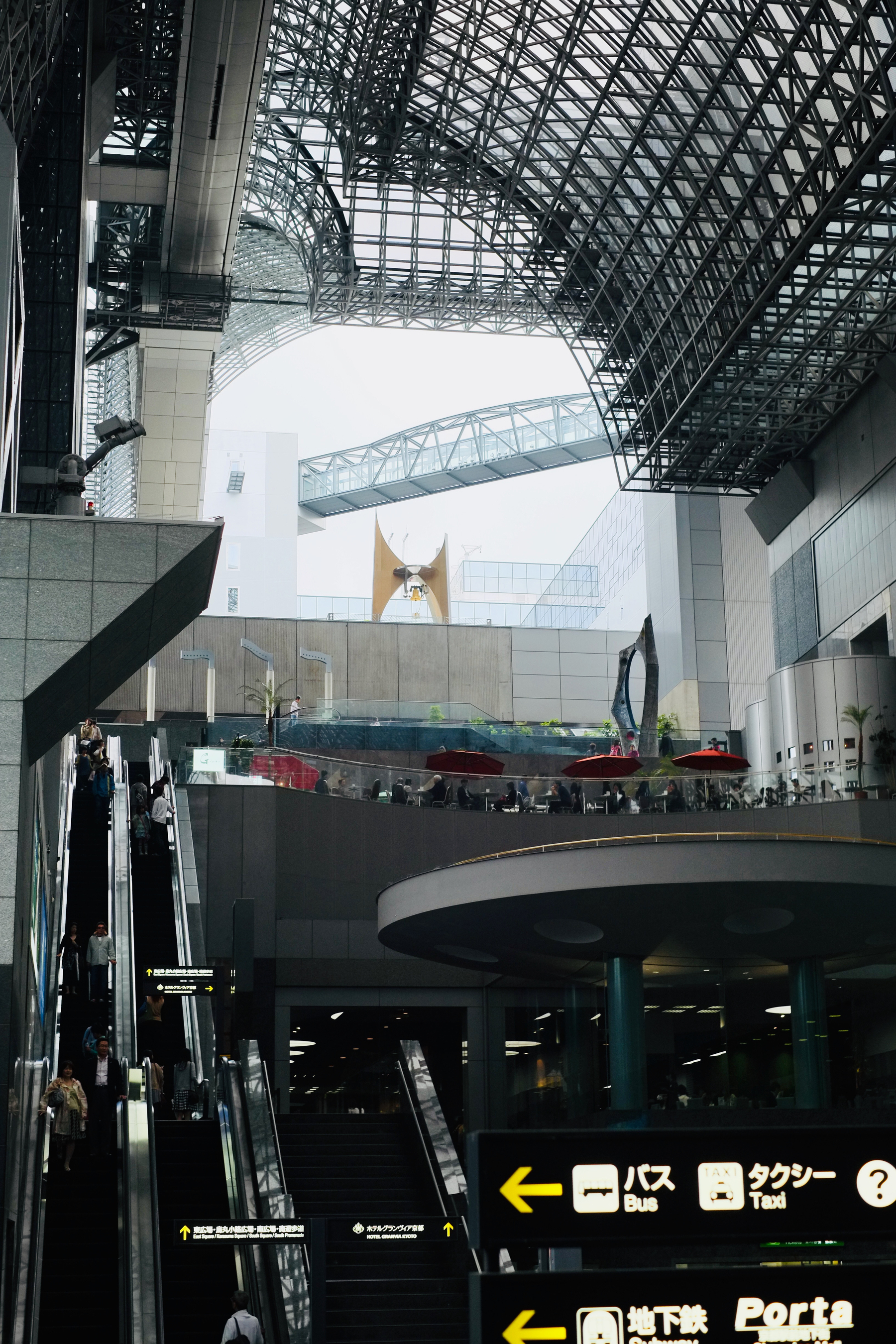
Kyoto is often celebrated for its shrines, bamboo forests, geisha districts, and centuries of history. Yet this remarkable station tells another equally important story—that Japan continues to innovate while respecting its heritage.
If you only pass through Kyoto Station on your way to somewhere else, you’re missing one of the city’s most fascinating attractions.
Slow down.
Look up.
Watch the people.
Listen to the announcements echo beneath the soaring roof.
Because sometimes the journey’s greatest surprise isn’t waiting at the destination—it begins the moment you step inside the station.
Quick Facts About Kyoto Station
- Opened in 1997 to celebrate Kyoto’s 1,200th anniversary.
- Designed by renowned Japanese architect Hiroshi Hara.
- Japan’s second-largest railway station.
- Welcomes over 200,000 passengers every day.
- Features the spectacular Grand Staircase LED light show.
- Home to Hotel Granvia Kyoto, Isetan Department Store, restaurants, cinemas, and hundreds of shops.
- The elevated Skyway offers panoramic views across Kyoto.
- Incorporates solar panels and rainwater harvesting systems, making it one of Japan’s more environmentally conscious transport hubs.
Whether you’re arriving in Kyoto or simply passing through, don’t treat this as just another station. Spend an hour exploring its architecture, watch the city move around you, and you’ll quickly understand why Kyoto Station is one of Japan’s most remarkable modern landmarks.
Sometimes, the most memorable destination isn’t at the end of the railway line—it’s the station itself.
#Kyoto #KyotoStation #Japan #VisitJapan #JapanTravel #TravelJapan #KyotoTravel #JapanPhotography #TravelEssayist #Architecture #ModernArchitecture #TrainStation #Shinkansen #KyotoTower #JapanAdventure #ExploreJapan #Travel #Photography #Cityscape #JapaneseCulture #TravelBlog #Wanderlust #TravelWriter #BlackAndWhitePhotography #DiscoverJapan