
A Visit to One of Manhattan’s Most Extraordinary Architectural Landmarks
Few places in New York City manage to combine transportation, architecture, history, and emotion as effortlessly as the World Trade Center Transportation Hub. Better known as the Oculus, this spectacular landmark is much more than a railway station—it is a symbol of renewal, resilience, and visionary design. When I first visited New York years ago, the Oculus was still taking shape behind construction barriers. Each return to Manhattan revealed another glimpse of Santiago Calatrava’s ambitious masterpiece, making me increasingly curious about what the finished building would feel like from the inside. Finally walking through its doors was well worth the wait.
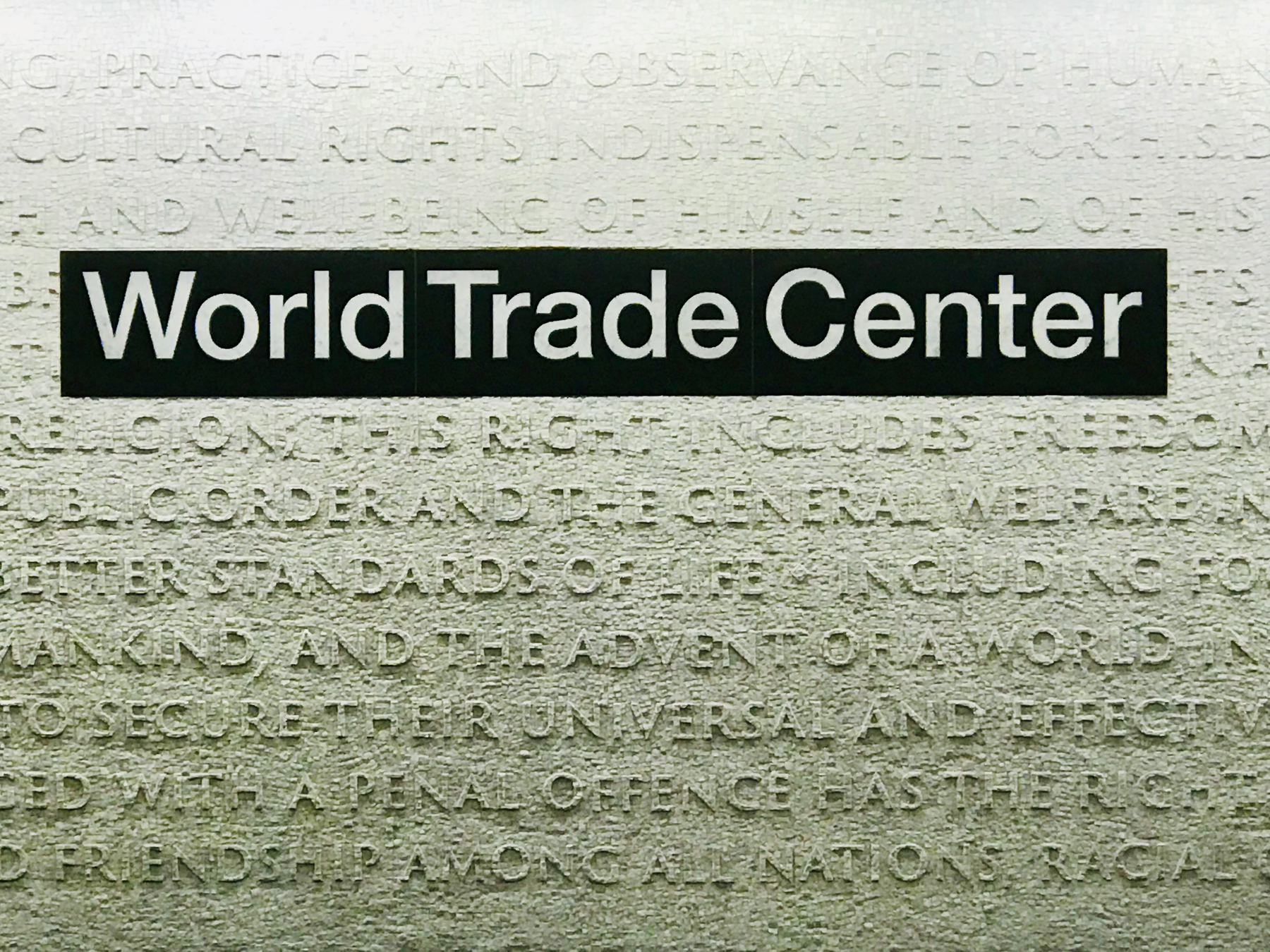
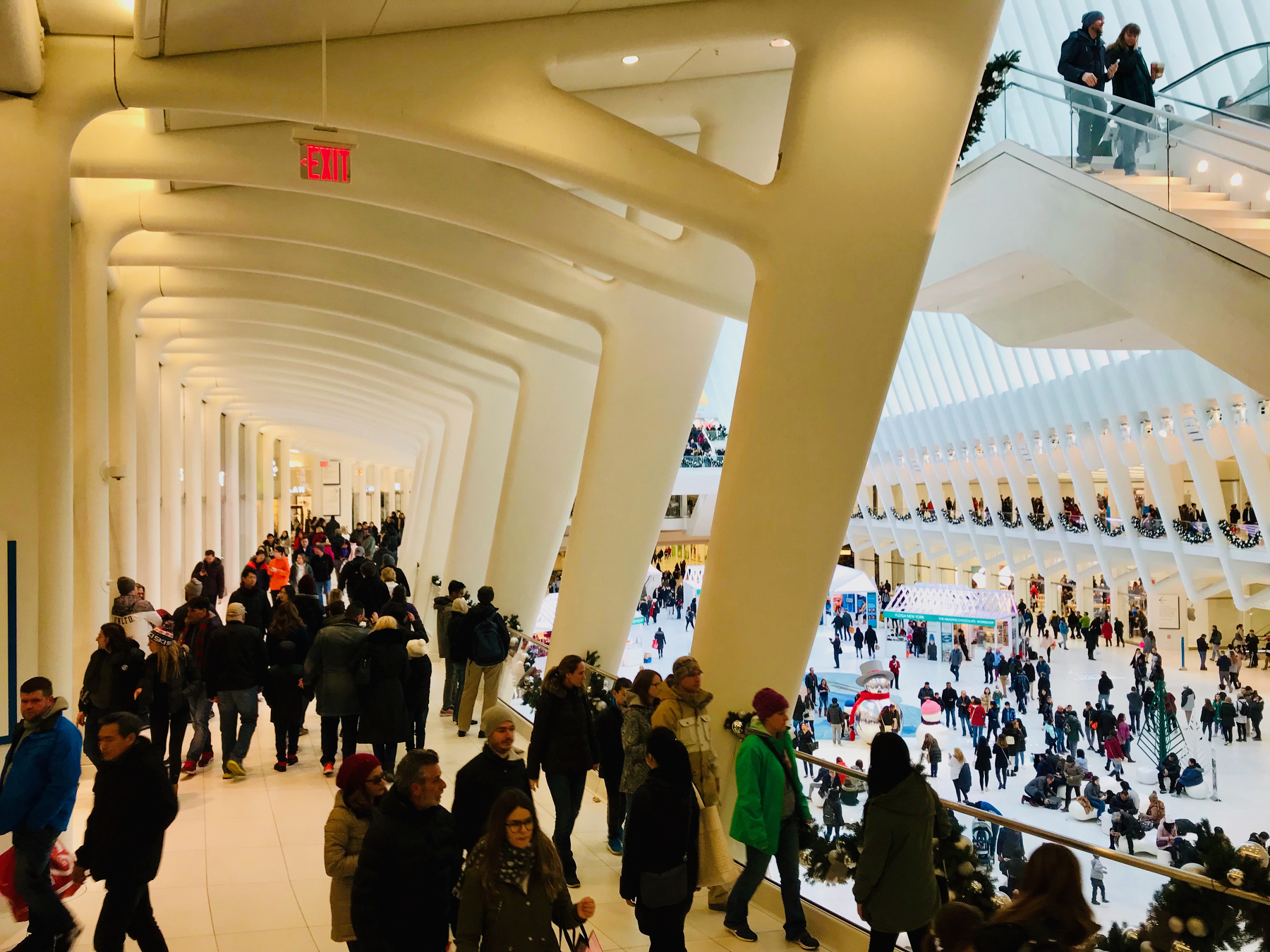
Completed in 2016, the World Trade Center Transportation Hub serves as the main PATH station connecting New Jersey with Lower Manhattan. Hidden beneath the streets of the Financial District are five railway tracks and four platforms spread across several underground levels. Yet despite its role as a busy commuter hub, the building feels more like a modern cathedral than a station.
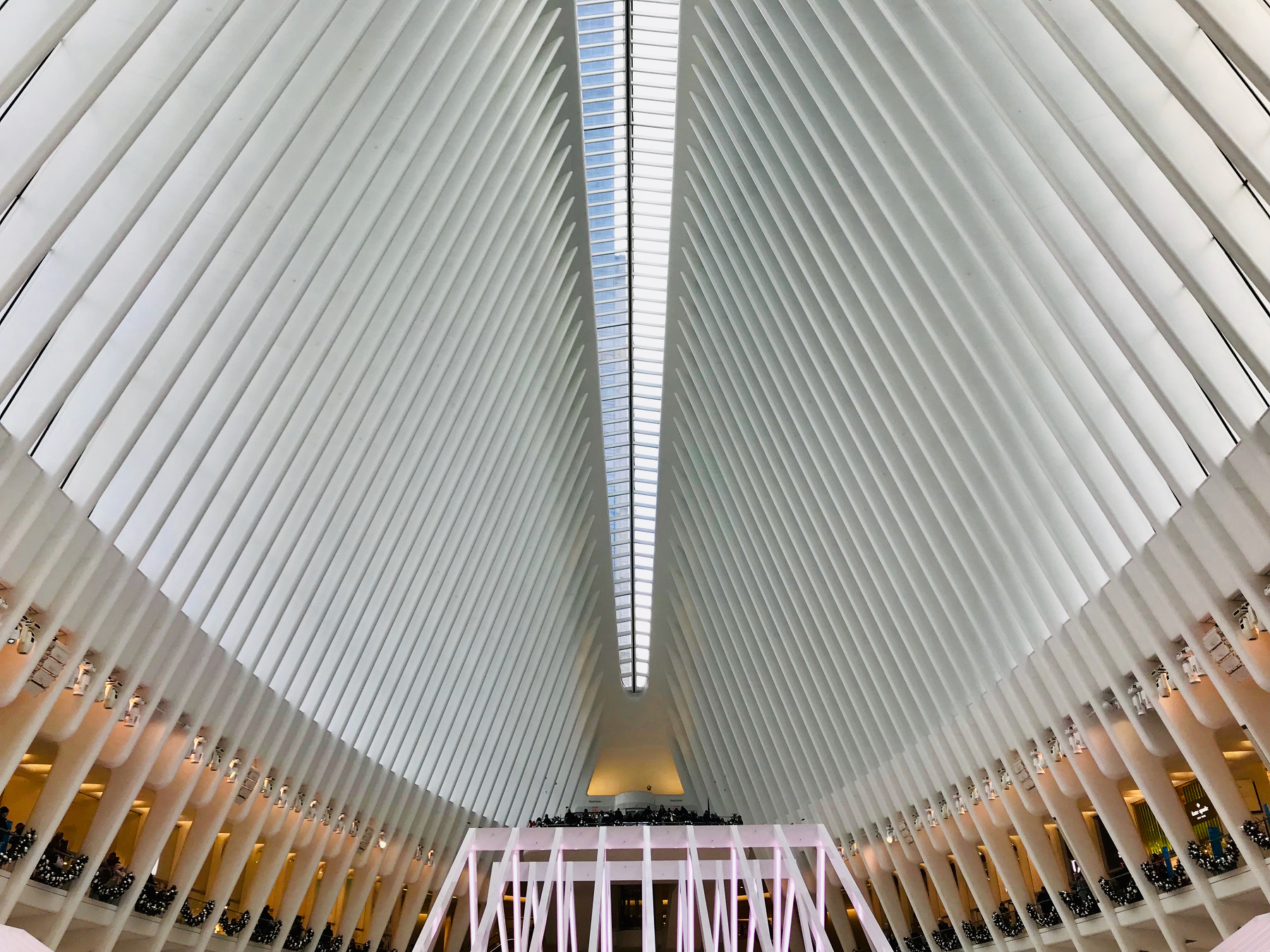
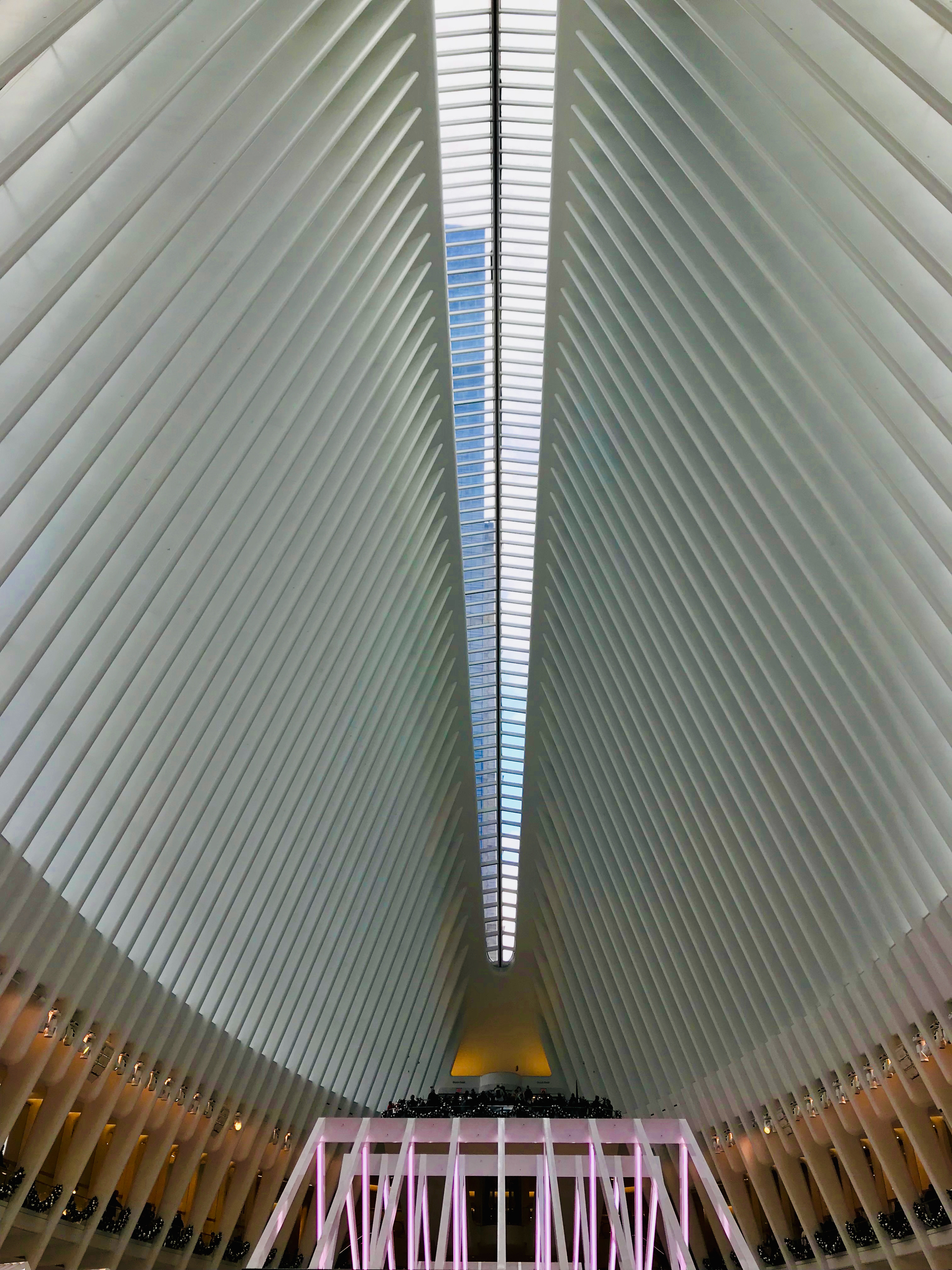
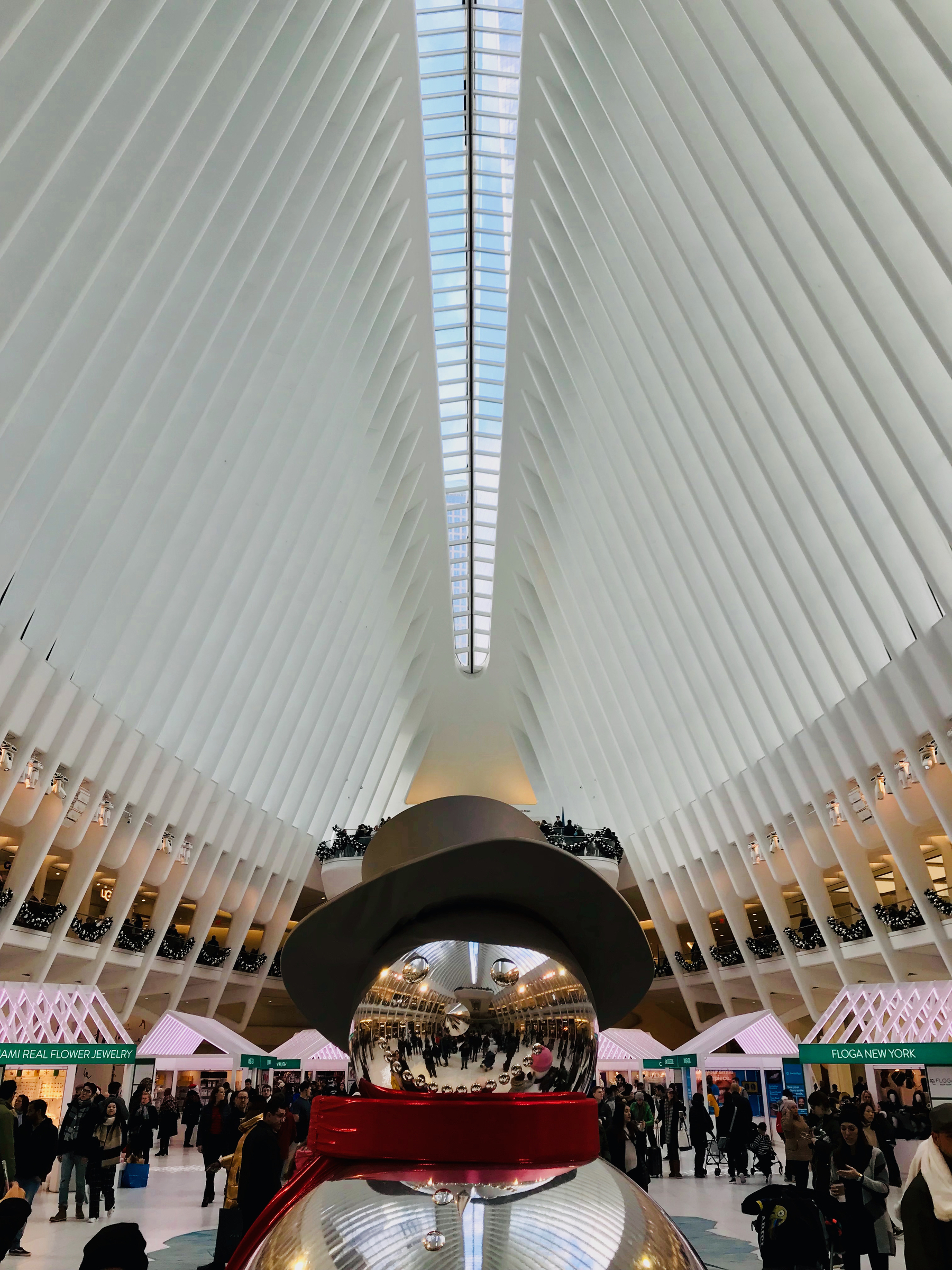
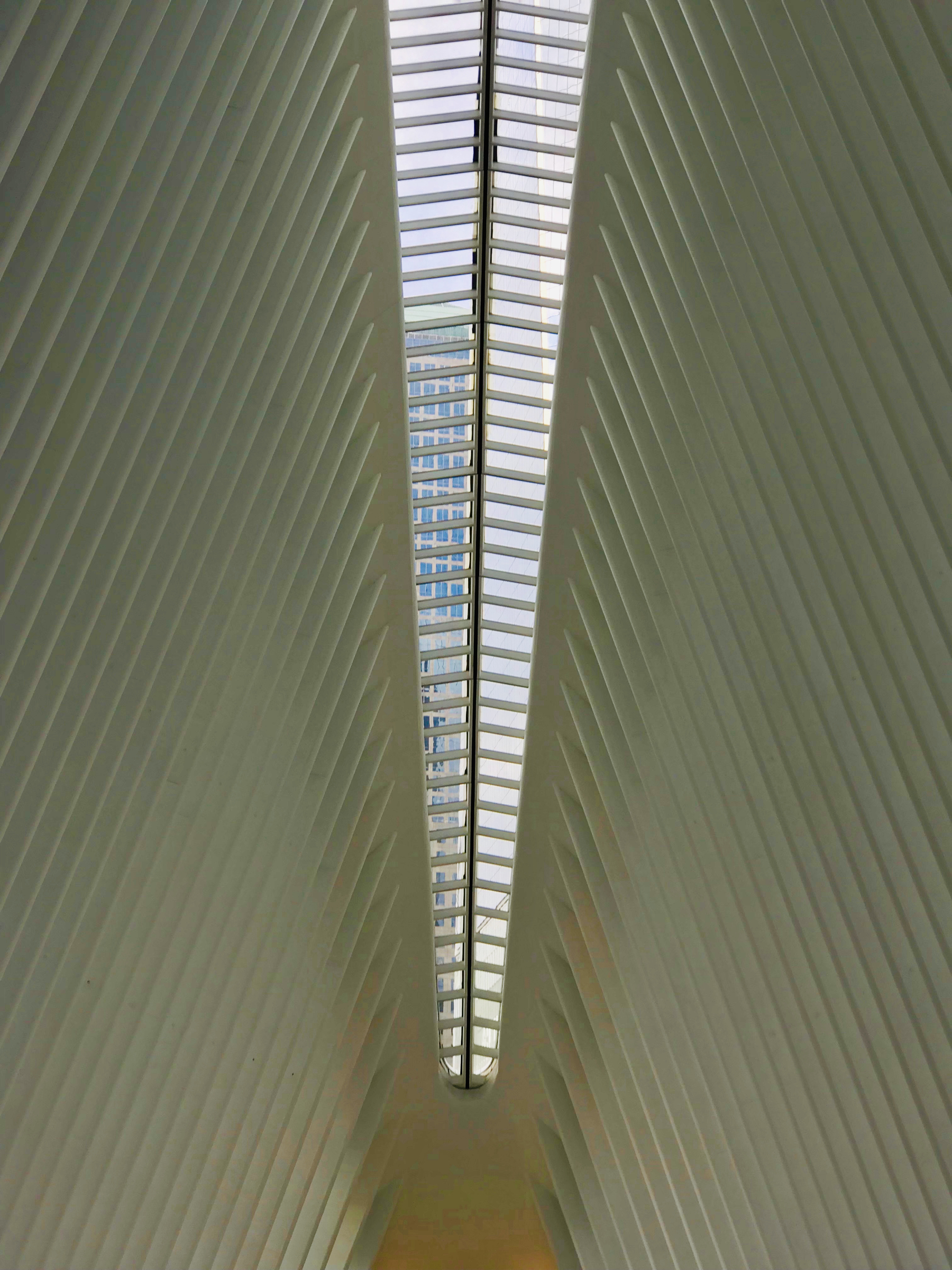
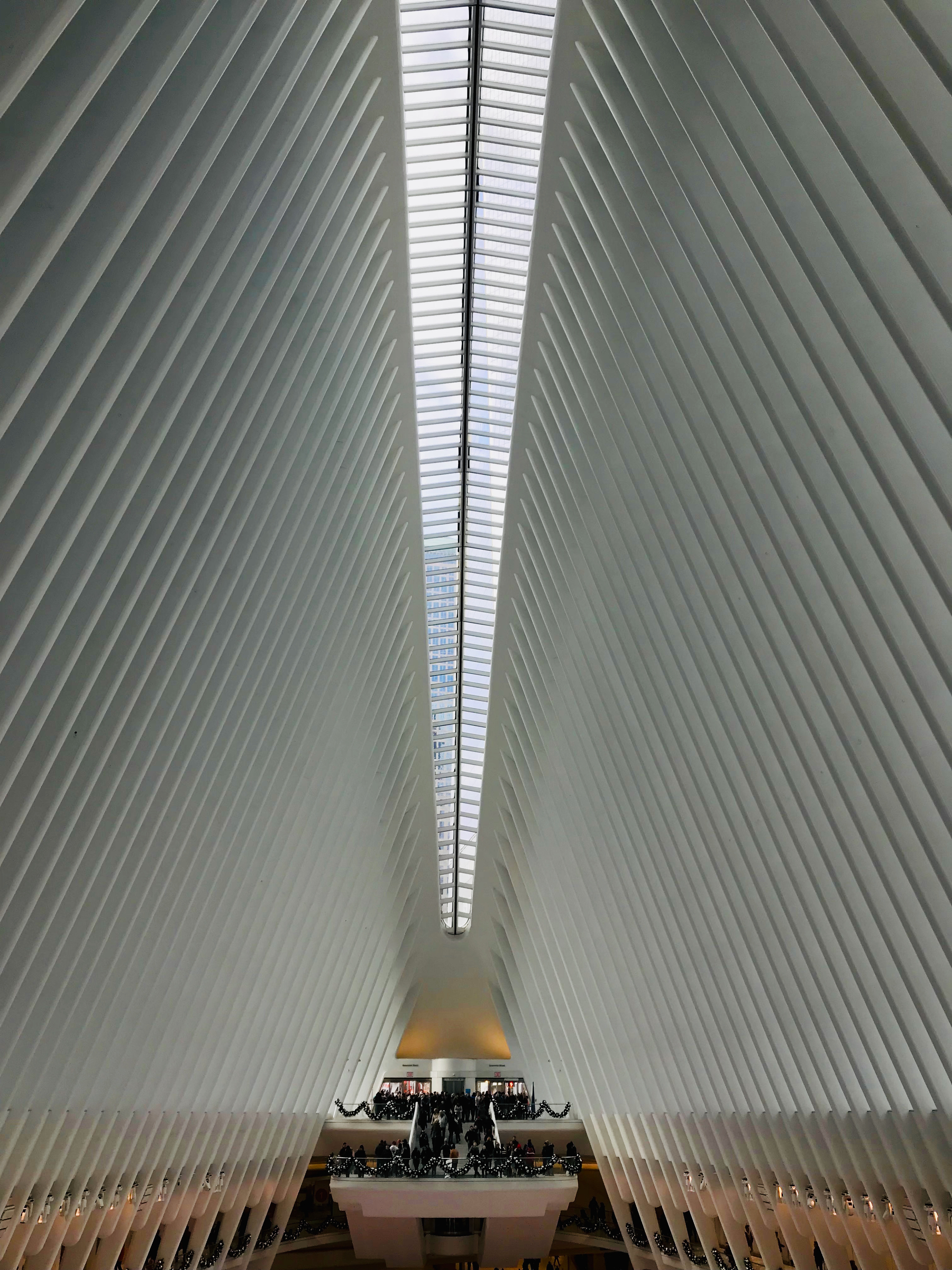
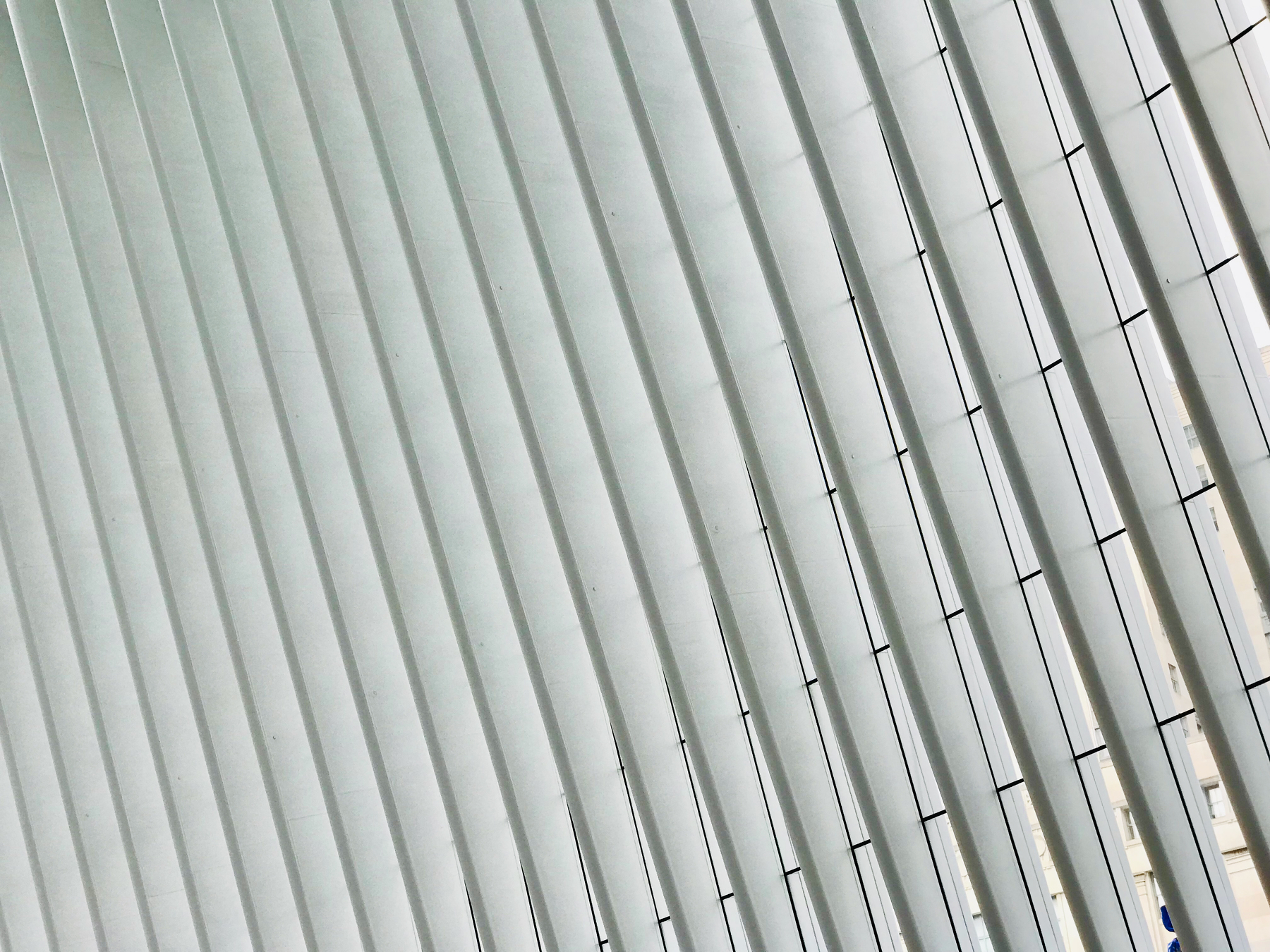
The moment I entered, I was struck by the incredible sense of space. Bright natural light pours through the enormous glass skylight overhead, illuminating the gleaming white ribs that stretch toward the ceiling like the wings of a bird preparing for flight. Every angle seems carefully designed, encouraging visitors to pause, look upward, and appreciate the remarkable symmetry that has made the Oculus one of New York’s most photographed interiors.
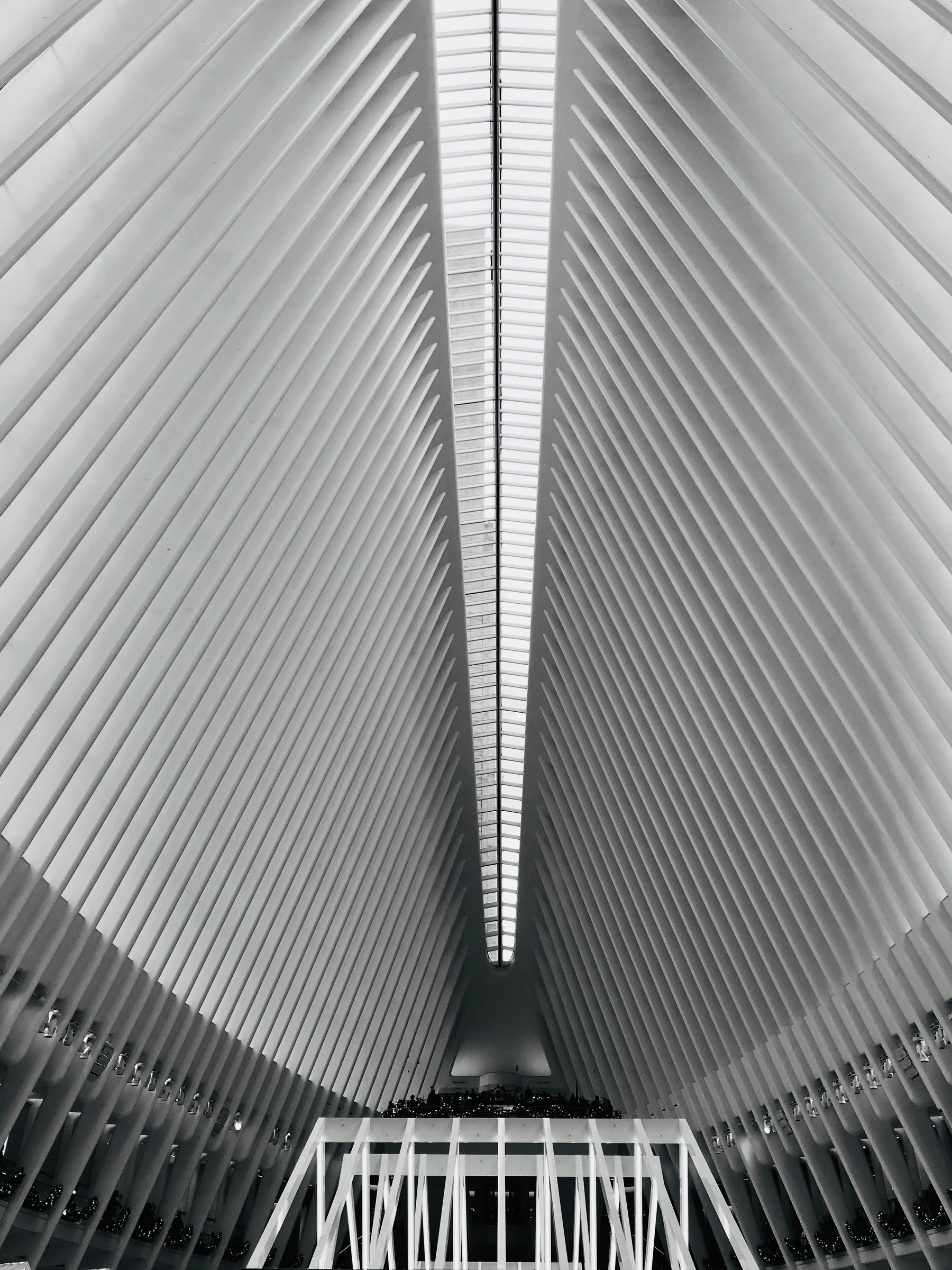
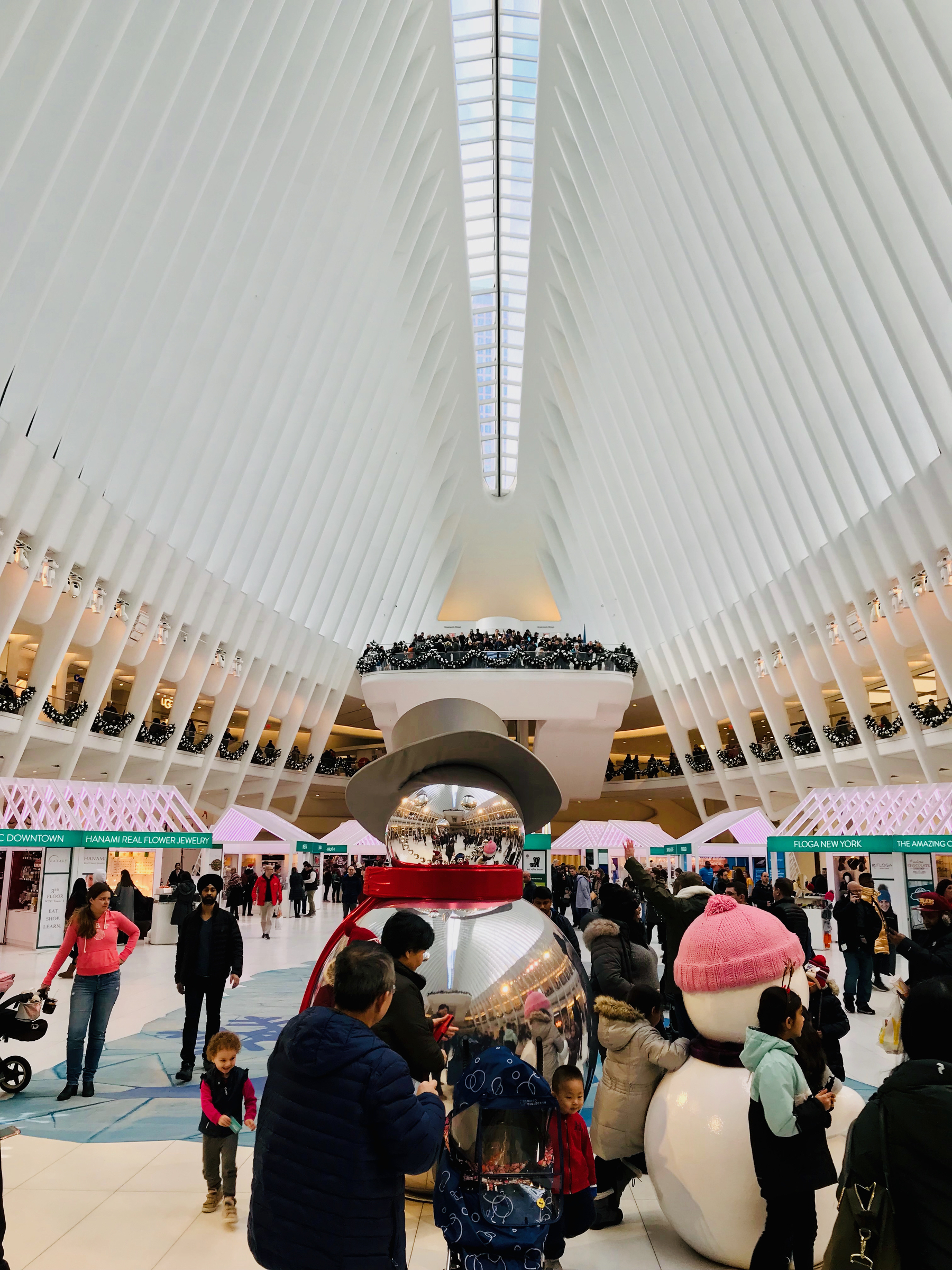
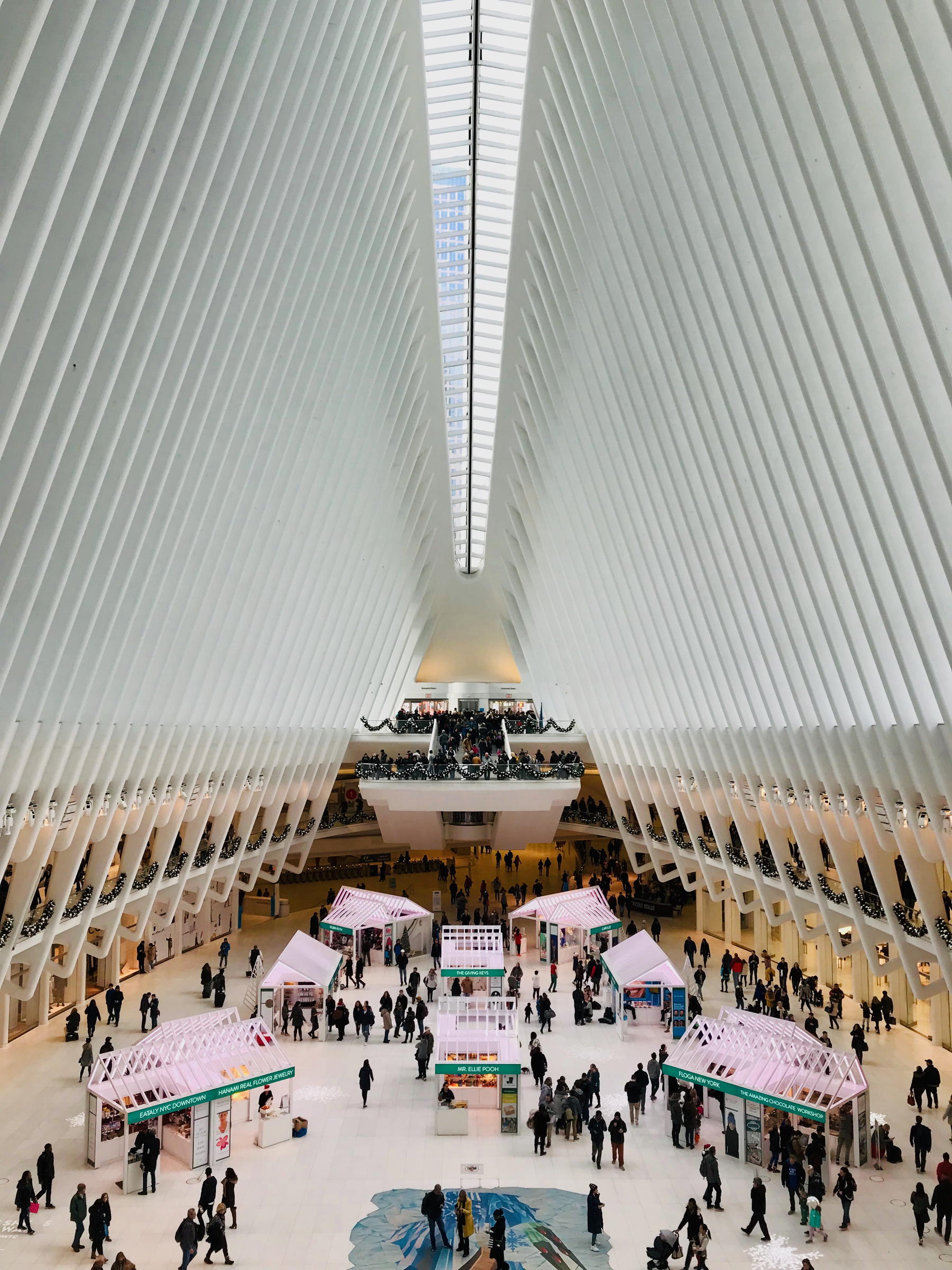
Although thousands of commuters pass through each day, the atmosphere never feels overwhelming. Instead, the vast open plaza creates a surprising sense of calm amid the constant movement. Shoppers browse the many retail stores, travellers hurry to catch trains, photographers search for the perfect composition, and tourists stand in silent admiration of the architecture surrounding them. Even the Apple Store blends naturally into this contemporary setting, reinforcing the feeling that this is as much a public gathering place as it is a transportation hub.
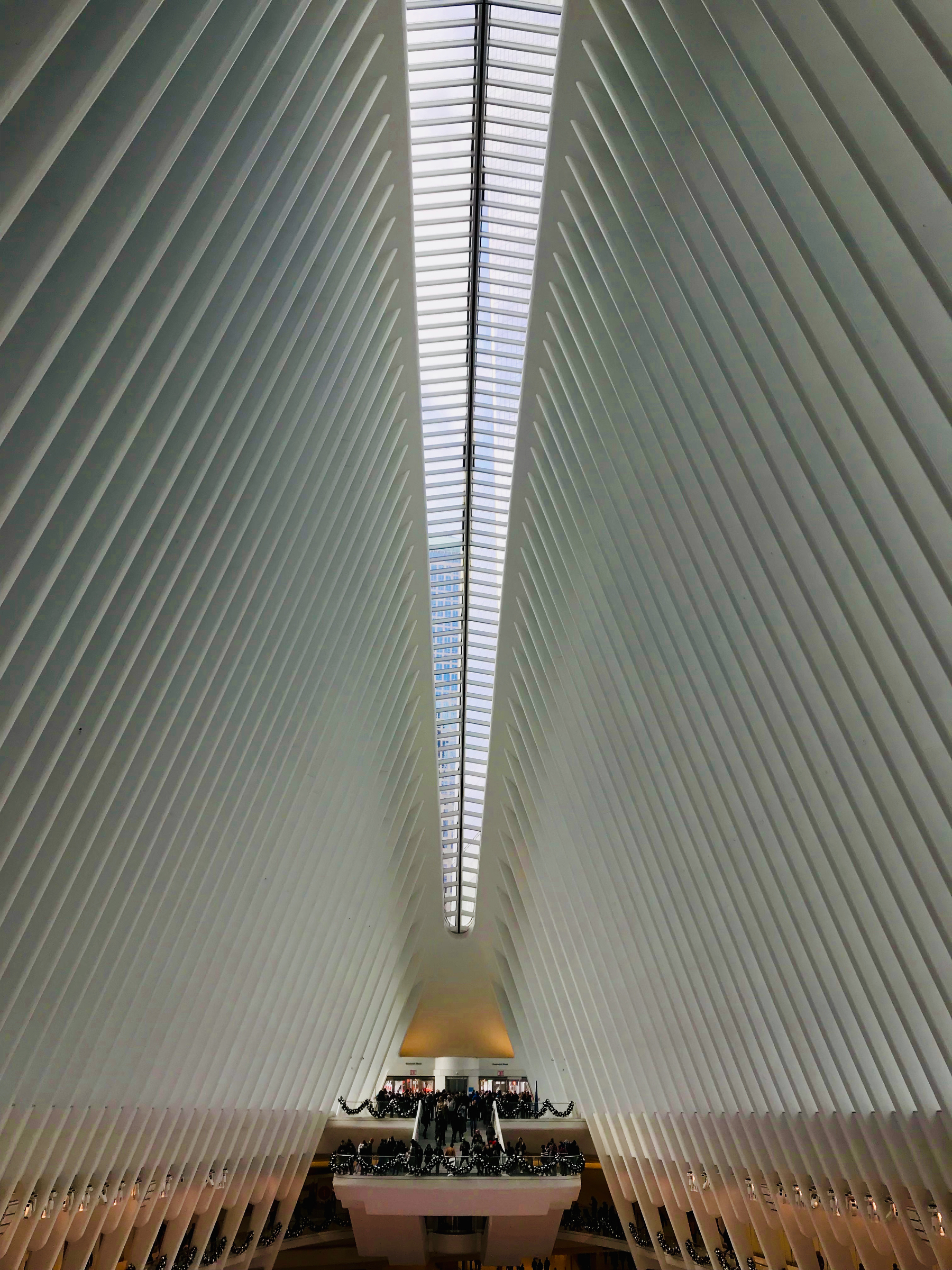
One of my favourite features was the elevated viewing balconies overlooking the main hall. From these vantage points, the building’s graceful lines become even more impressive, revealing the precision and balance of Calatrava’s design. Looking through the glass roof, I caught sight of One World Trade Center rising into the Manhattan skyline—a powerful reminder of both the city’s resilience and its constant evolution.
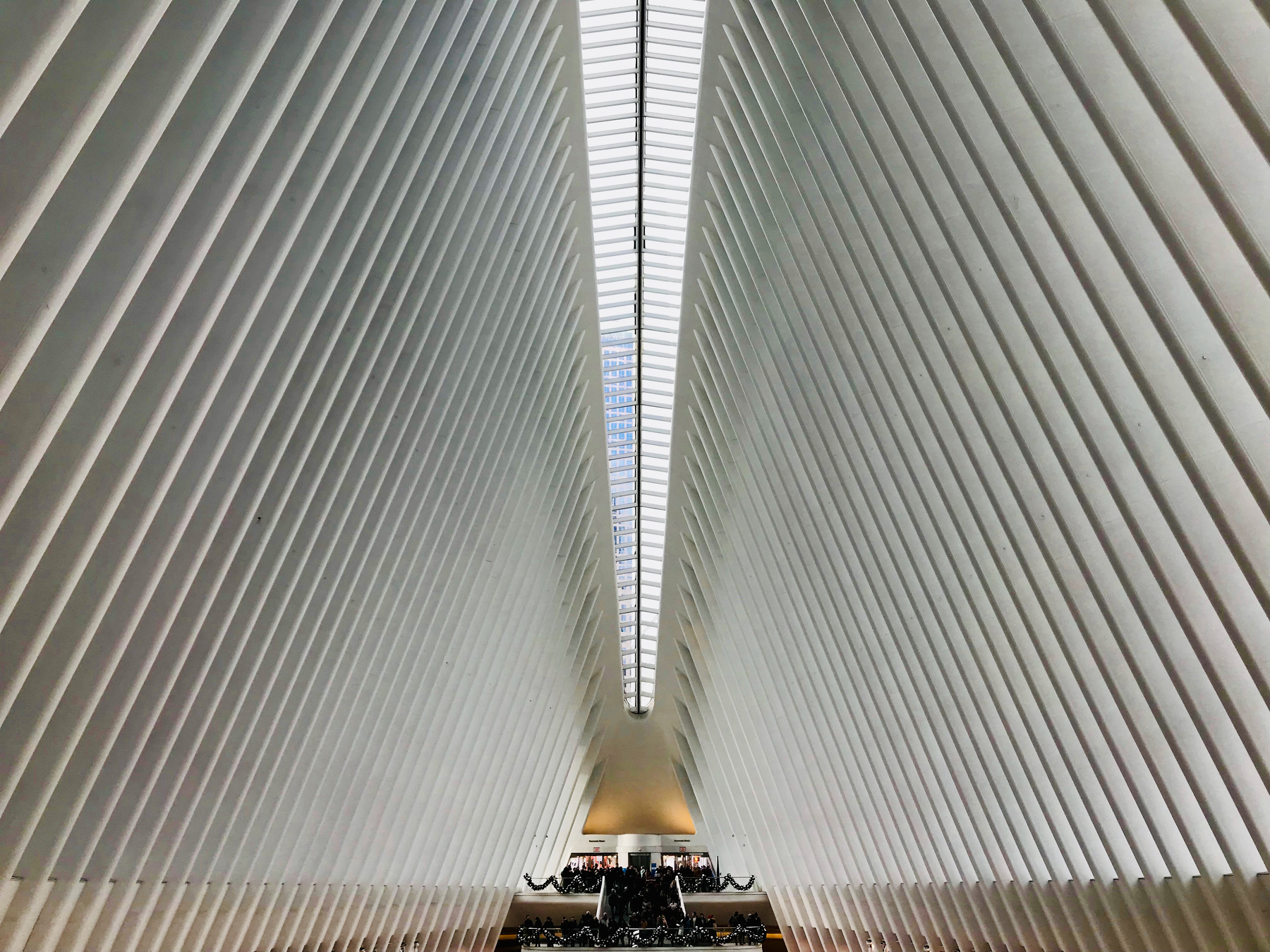
Visiting during the Christmas season added another layer of magic to the experience. Elegant holiday decorations softened the sleek modern architecture, creating a wonderful contrast between festive tradition and contemporary design. Twinkling lights reflected across the brilliant white surfaces, while the cheerful atmosphere made the Oculus feel both grand and welcoming. It was one of those moments where architecture and the season combined to create a memory that photographs alone can never fully capture.
The World Trade Center Transportation Hub stands as one of New York City’s finest examples of modern architecture. It demonstrates that even a place built for everyday commuters can inspire awe, encourage reflection, and become a destination in its own right. Whether you’re interested in architecture, photography, history, or simply exploring Manhattan beyond its famous landmarks, the Oculus deserves a place on your itinerary. Thank you for joining me on another journey through New York City. I hope these photographs inspire you to experience this remarkable landmark for yourself one day. Until next time—happy travels!
P.S.
If you’d like to see more of New York City, don’t miss my silent photo slideshow featuring some of my favourite moments from the Big Apple. Sometimes photographs tell stories that words simply cannot.
10 Lesser-Known Facts About New York City
- Originally Called New Amsterdam – Before becoming New York, the city was founded by the Dutch in the early 1600s as New Amsterdam before being renamed in honour of the Duke of York.
- Birthplace of Modern Baseball – One of the earliest organised baseball games was played in New York in 1846, and the New York Yankees have gone on to win more World Series titles than any other team.
- One of the World’s Largest Subway Systems – The New York City Subway operates hundreds of stations and remains one of the busiest public transport networks on the planet.
- Home to More Billionaires Than Any Other City – New York consistently ranks among the world’s leading cities for billionaire residents and global financial influence.
- Central Park Is Larger Than It Appears – Covering more than 840 acres, Central Park was designed by Frederick Law Olmsted and Calvert Vaux and remains one of the world’s most famous urban parks.
- The Empire State Building Once Ruled the Skyline – Completed in 1931, it held the title of the world’s tallest building for nearly four decades.
- The Statue of Liberty Was a Gift – France presented Lady Liberty to the United States in 1886 as a symbol of friendship and freedom.
- A Musical Powerhouse – Countless legendary performers, from Billy Joel to Lady Gaga and Jay-Z, have deep connections with New York City.
- The World’s Most Linguistically Diverse City – More than 800 languages are spoken across New York’s five boroughs, making it one of the most culturally diverse cities anywhere.
- Where a Movement Changed History – The 1969 Stonewall uprising in Greenwich Village became a defining moment in the global LGBTQ+ rights movement.
#NewYorkCity #NYC #WorldTradeCenter #Oculus #TransportationHub #OneWorldTradeCenter #Manhattan #FinancialDistrict #Architecture #SantiagoCalatrava #ModernArchitecture #TravelPhotography #TravelEssayist #VisitNYC #ExploreNewYork #CityPhotography #UrbanPhotography #ChristmasInNewYork #TravelBlog #TravelInspiration #USA #Wanderlust #ArchitectureLovers #DiscoverNYC