
Sagrada Familia, Urban Conflict and Over-Tourism
The Price of Grandeur - Part 3 of 3
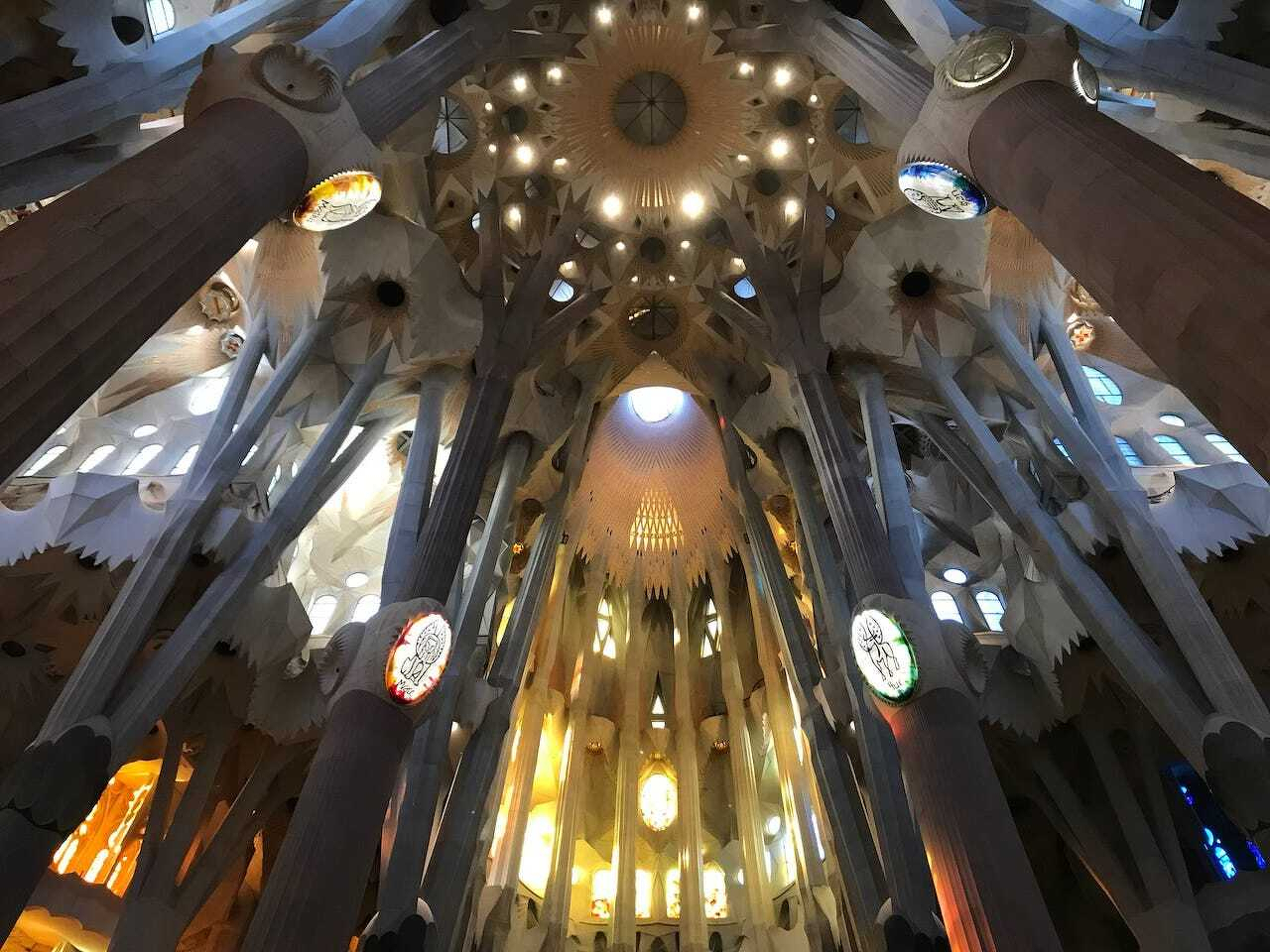
The Sagrada Família is often described in celestial terms—a “forest” of stone reaching toward the heavens—but as it nears its 2026 symbolic completion, the project is increasingly defined by grounded, earthly conflicts. The very factors that have enabled the basilica to survive for 144 years—global fame and massive tourism revenue—have simultaneously created a deep rift between the monument and the city that houses it. As the final stones are laid, Barcelona must grapple with a difficult tension: the fulfilment of a 19th-century architectural dream versus the survival of a 21st-century neighbourhood.
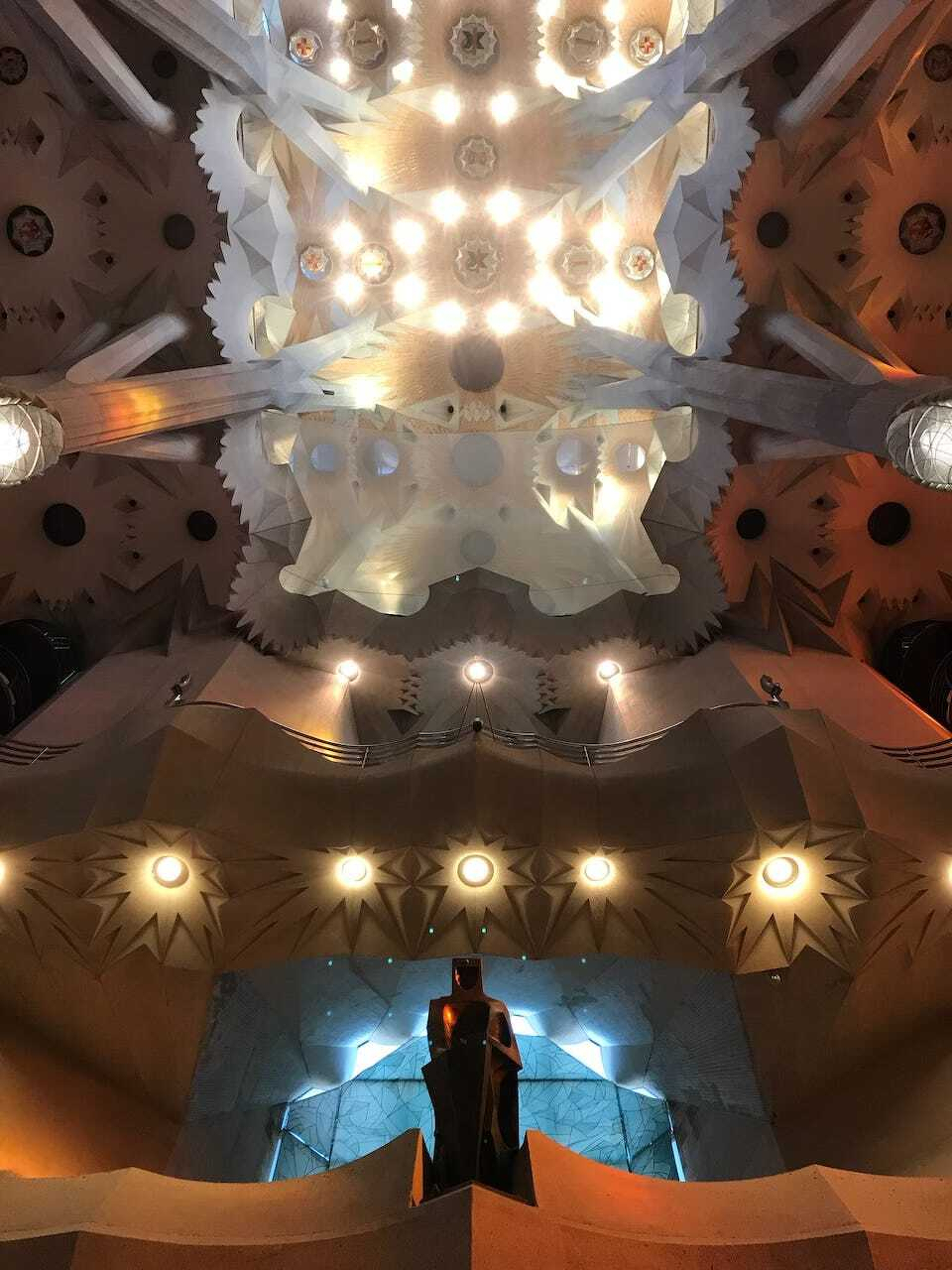
The Sagrada Família operates under a unique financial model as an “expiatory temple”. This status means the project is prohibited from accepting government subsidies or bank loans; it must be funded entirely by private donations and ticket sales. Consequently, the speed of construction is directly tied to the volume of international visitors.
In 2024, the basilica drew a record 4.9 million visitors, a figure that exceeds the annual attendance of the Statue of Liberty or the Roman Colosseum. This influx generated 44.7 million euros for construction in a single year, providing the capital necessary for the high-tech CNC milling and aeronautical software required to finish the central towers. However, this economic success comes at a steep cost to the local community. The surrounding neighbourhood struggles with “over-tourism,” characterised by the displacement of traditional local shops by souvenir stores and a surge in noise and crowds. Furthermore, the popularity of the site has driven up housing costs, fueled by short-term vacation rentals that price out long-term residents.
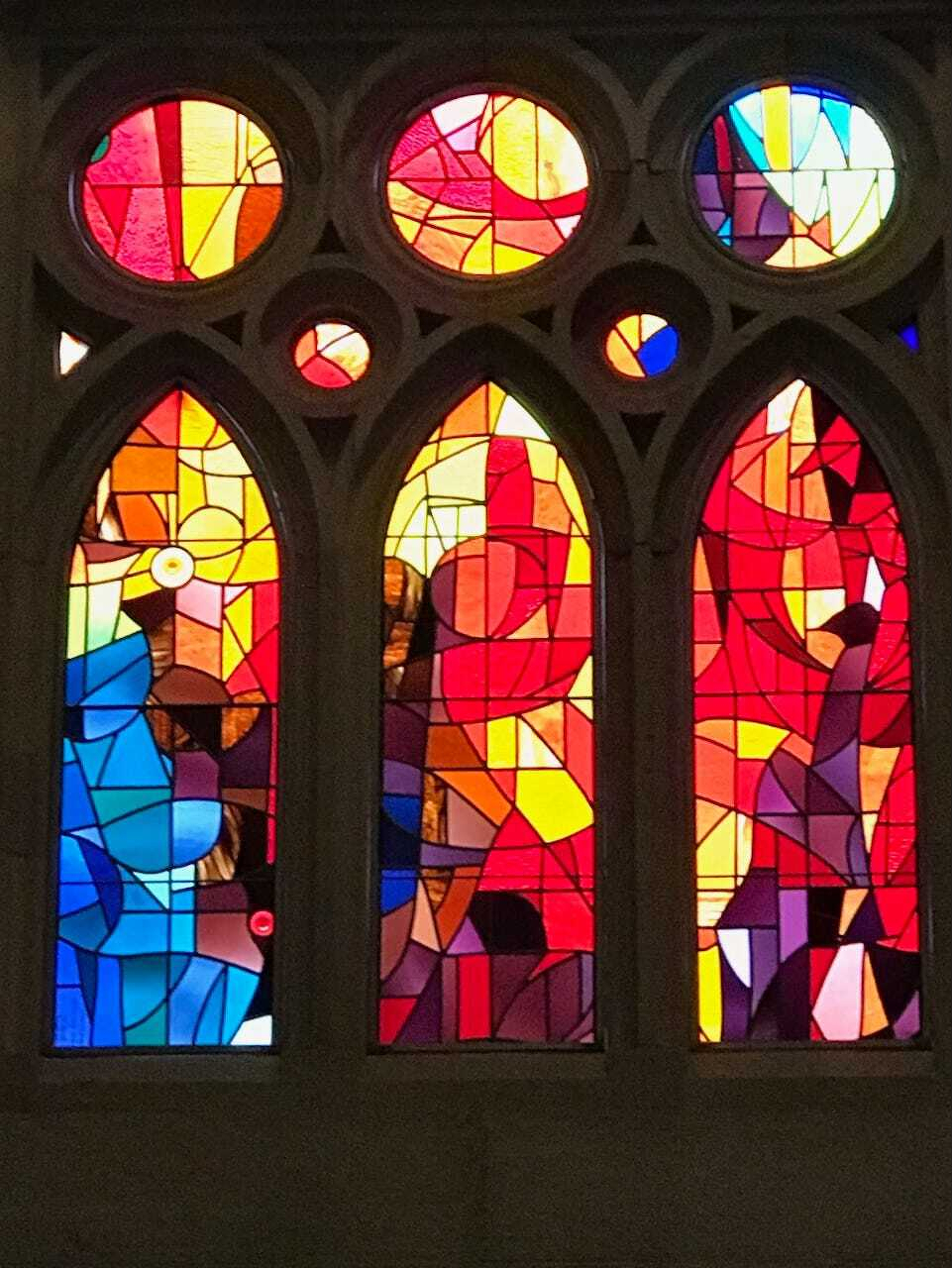
The most significant point of contention is the proposed grand staircase for the Glory facade. According to the Sagrada Família Foundation, this staircase was a central element of Gaudí’s 1905 urban plan, designed to provide a monumental entrance descending from the main doors. However, in the decades since Gaudí’s death, the city grew around the unfinished site, and residential buildings now occupy the space where the staircase is intended to go.
Completing the staircase as designed would require the demolition of residential blocks housing approximately 1,000 families, affecting roughly 3,000 people. This is equivalent to displacing an entire neighbourhood the size of Barcelona’s Gracia Gothic Quarter. Residents have organised in opposition, filing lawsuits to block the construction. They argue that the staircase was not part of Gaudí’s original intent and that the current construction board is “inventing justifications” to expand the basilica’s footprint at the expense of the living community.
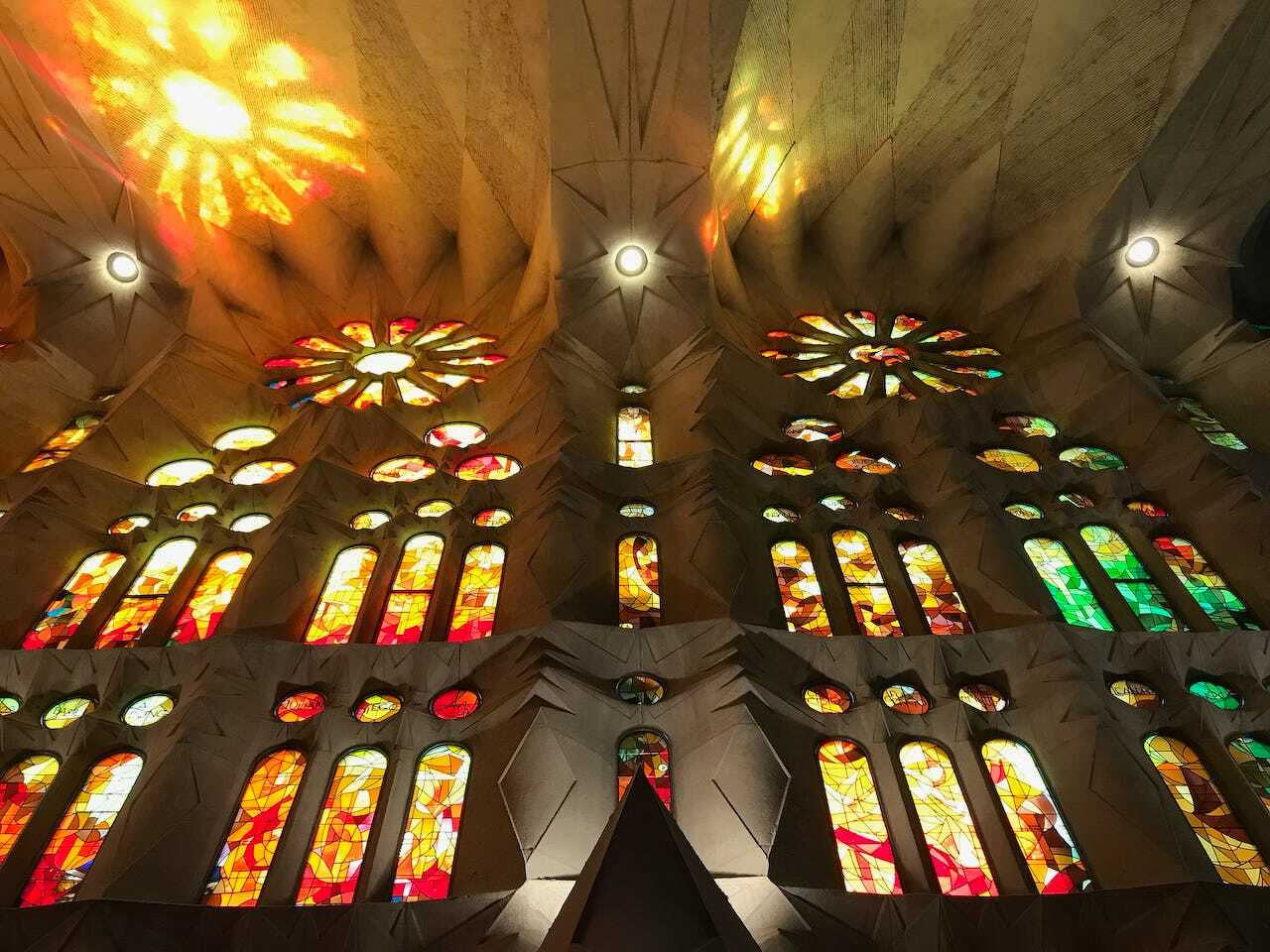
This conflict has sparked a wider debate among architecture critics and historians. Some argue that continuing the work at this stage is a “betrayal” of Gaudí’s memory, suggesting that modern architects cannot truly interpret his fragmentary and destroyed plans. These critics suggest the building should have remained a “romantic ruin” rather than a modernised construction site.
Conversely, the Foundation and its supporters argue that leaving the basilica unfinished would be the “real betrayal”. They maintain that Gaudí left behind enough detailed geometries and structural principles for his successors to follow. In February 2025, chief architect Jordi Faulí announced that the project would proceed with the staircase despite the protests, offering affected families compensation and relocation assistance. The Foundation views this as a necessary step to realise the “spiritual and architectural vision” Gaudí established over a century ago.
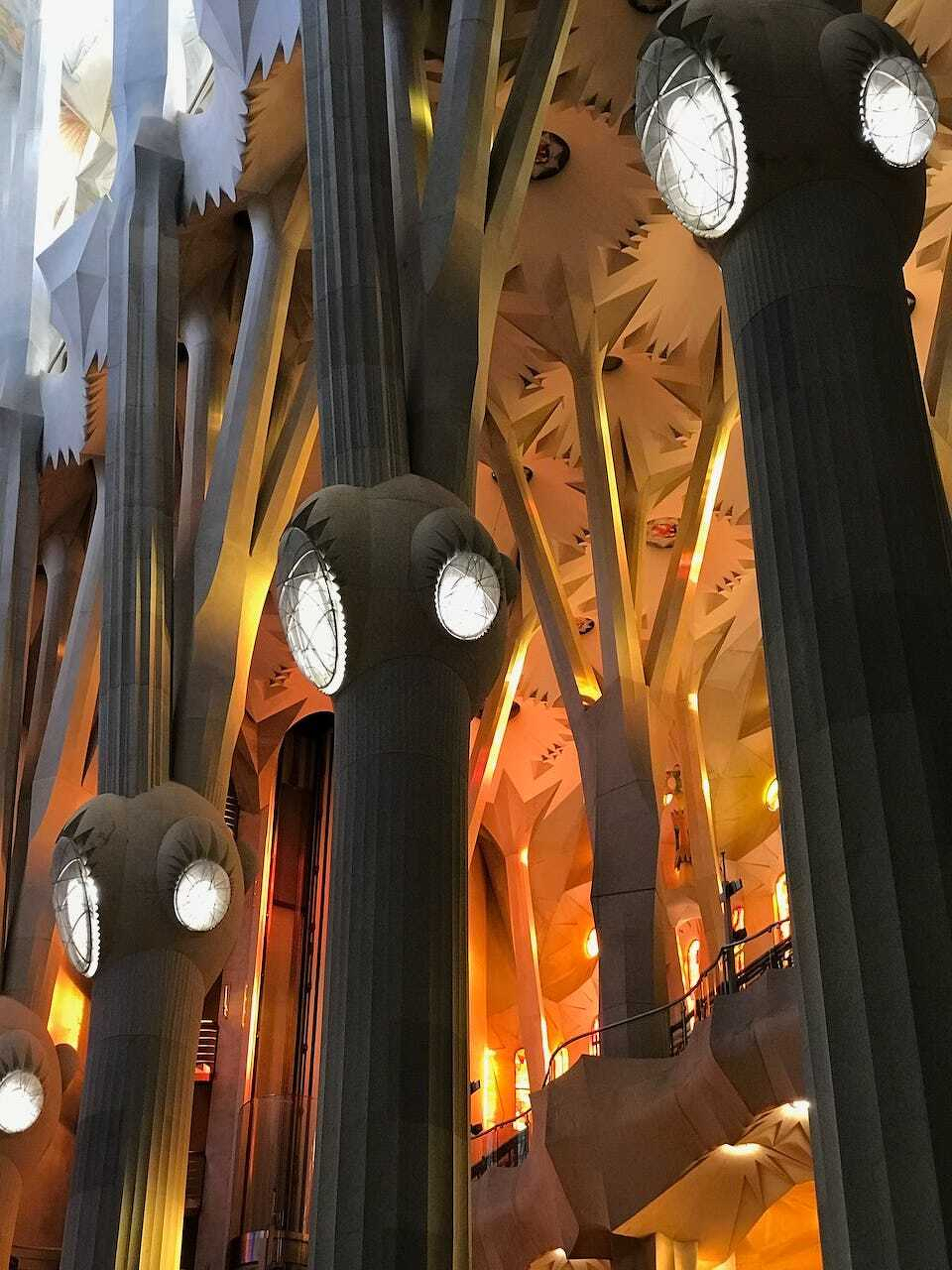
As the basilica approaches its three “finish lines”—symbolic completion in 2026, structural completion in 2033, and decorative completion in 2035—the physical presence of the building will change. The cranes will finally come down, and the scaffolding that has defined the Barcelona skyline for generations will disappear.
However, the human cost of this completion remains an open question. When the Tower of Jesus Christ is blessed in 2026, it will officially make the Sagrada Família the tallest church in the world, standing at 172.5 meters. While this is a triumph of engineering and persistence, it also marks the moment when the building must transition from a construction site into a permanent neighbour. The legacy of the Sagrada Família will ultimately be judged not just by the height of its spires, but by whether a 19th-century masterpiece can coexist ethically with the 21st-century city that made its completion possible.
Thanks for reading! Until next time, this was part three of a three-part essay. Hope you enjoyed this up-close look at some of the issues facing this iconic site in Barcelona.