
Sagrada Familia, Surviving Historical Upheaval
A Monument of Resilience - Part 2 of 3
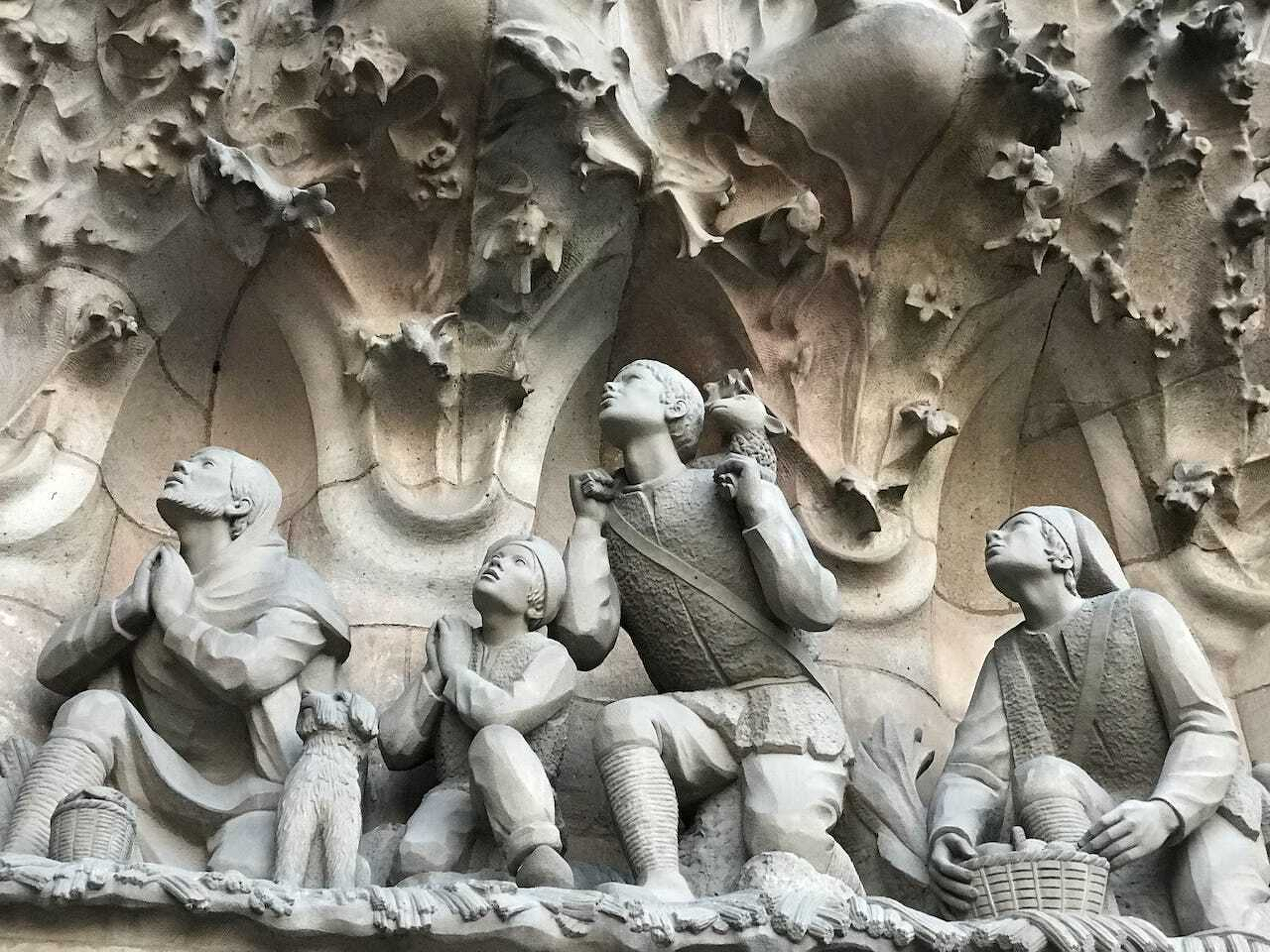
The Sagrada Família is more than an architectural masterpiece; it is a 144-year-old testament to human persistence against the tides of political, social, and global instability. Since the laying of its foundation stone in 1882, the basilica has not only outlasted empires but has physically survived some of the most destructive events of the 20th and 21st centuries. Its history is marked by moments where the project seemed destined for total erasure, yet it emerged each time through the dedication of those committed to Antoni Gaudí’s original vision.
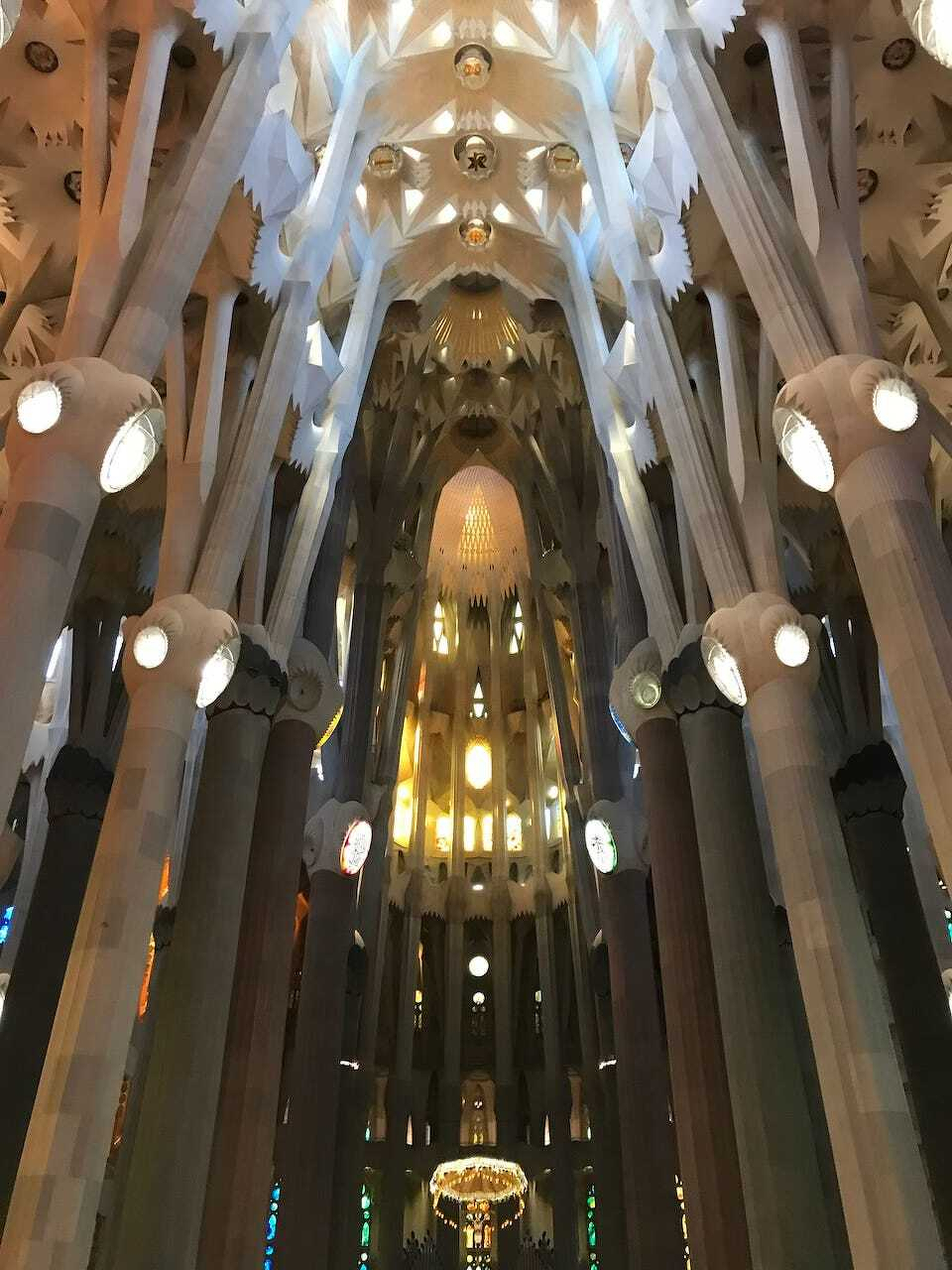
The first major threat to the project’s survival was the sudden loss of its visionary leader. In 1926, Antoni Gaudí, then 73 years old, was struck by a tram while crossing the street. Because he lived austerely and wore shabby clothes, he was mistaken for a beggar, and local taxi drivers initially refused to take him to the hospital. He died three days later, leaving the basilica less than one-quarter complete.
At the time of his death, only one of the planned eighteen towers—the Tower of Barnabas—was finished. The loss of Gaudí created an immediate crisis of leadership and direction. However, the architect had spent his final years refining detailed plaster models and complex calculations specifically designed to guide those who would follow him. This foresight became the project’s lifeline, ensuring that his death did not result in the abandonment of the work.
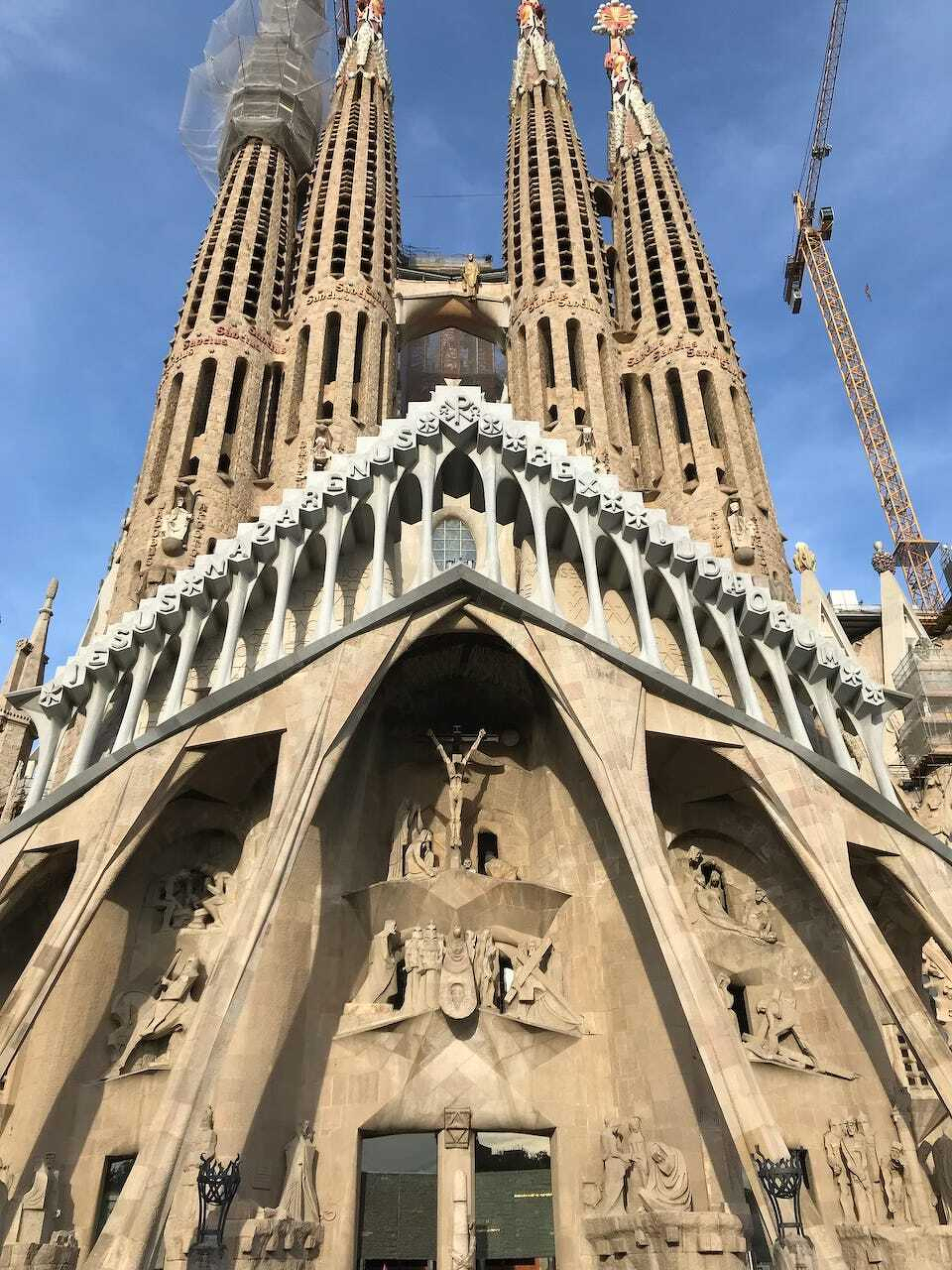
The most existential threat to the Sagrada Família arrived in July 1936, just two days after the start of the Spanish Civil War. Members of the Federación Anarquista Ibérica (FAI) stormed the construction site with the intent of destroying what they saw as a symbol of the old order. The revolutionaries torched Gaudí’s workshop, burned his drawings and photographs, and set fire to the crypt. In a particularly visceral act of desecration, they even smashed the lid of Gaudí’s tomb.
The destruction was nearly absolute. Most of the original models, notes, and detailed plans were lost in the fire. The conflict also took a human toll, as twelve people connected to the construction project were killed during the war. The anarchists eventually returned with dynamite, intending to level the Nativity facade—the only major part of the structure that Gaudí had overseen. It was only through the last-minute intervention of a government representative that the facade was saved from total demolition.
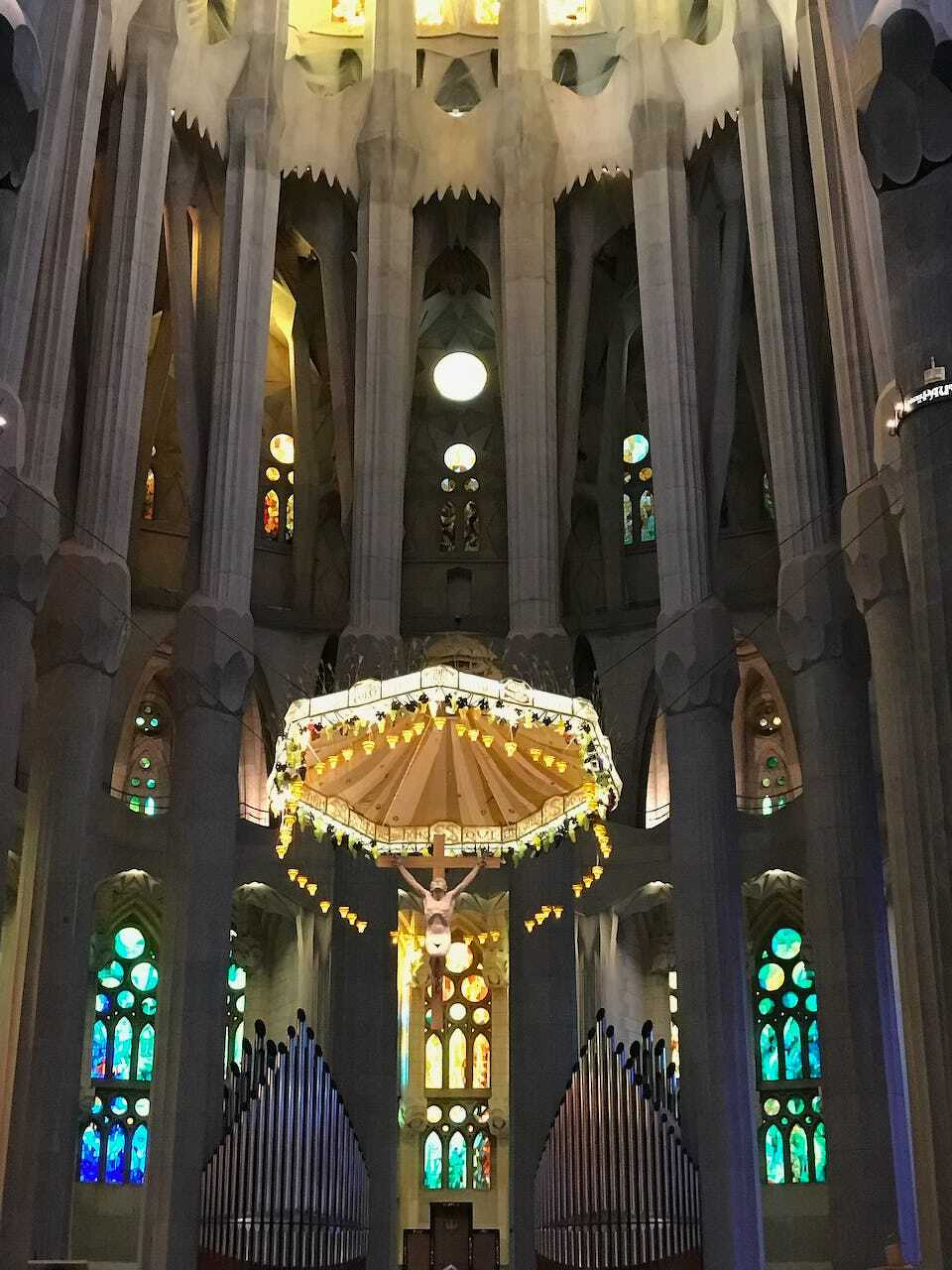
When the war ended in 1939, the new lead architect, Francesc de Paula Quintana, faced the Herculean task of rebuilding a vision from ashes. He spent the next ten years conducting a form of “architectural archaeology,” gathering thousands of smashed plaster fragments from the destroyed workshop.
The architects had to match edges like a massive 3D jigsaw puzzle, relying on surviving fragments, published photographs, and their own memories of Gaudí’s principles. This period was one of the most fragile in the building’s history, as the lack of clear blueprints led to internal debates about whether the project should even continue. Many argued that without Gaudí’s original models, any further construction would be a “betrayal” of his memory. However, the commitment to deciphering the geometric and structural principles Gaudí left behind ultimately prevailed, allowing the project to move forward into the modern era.
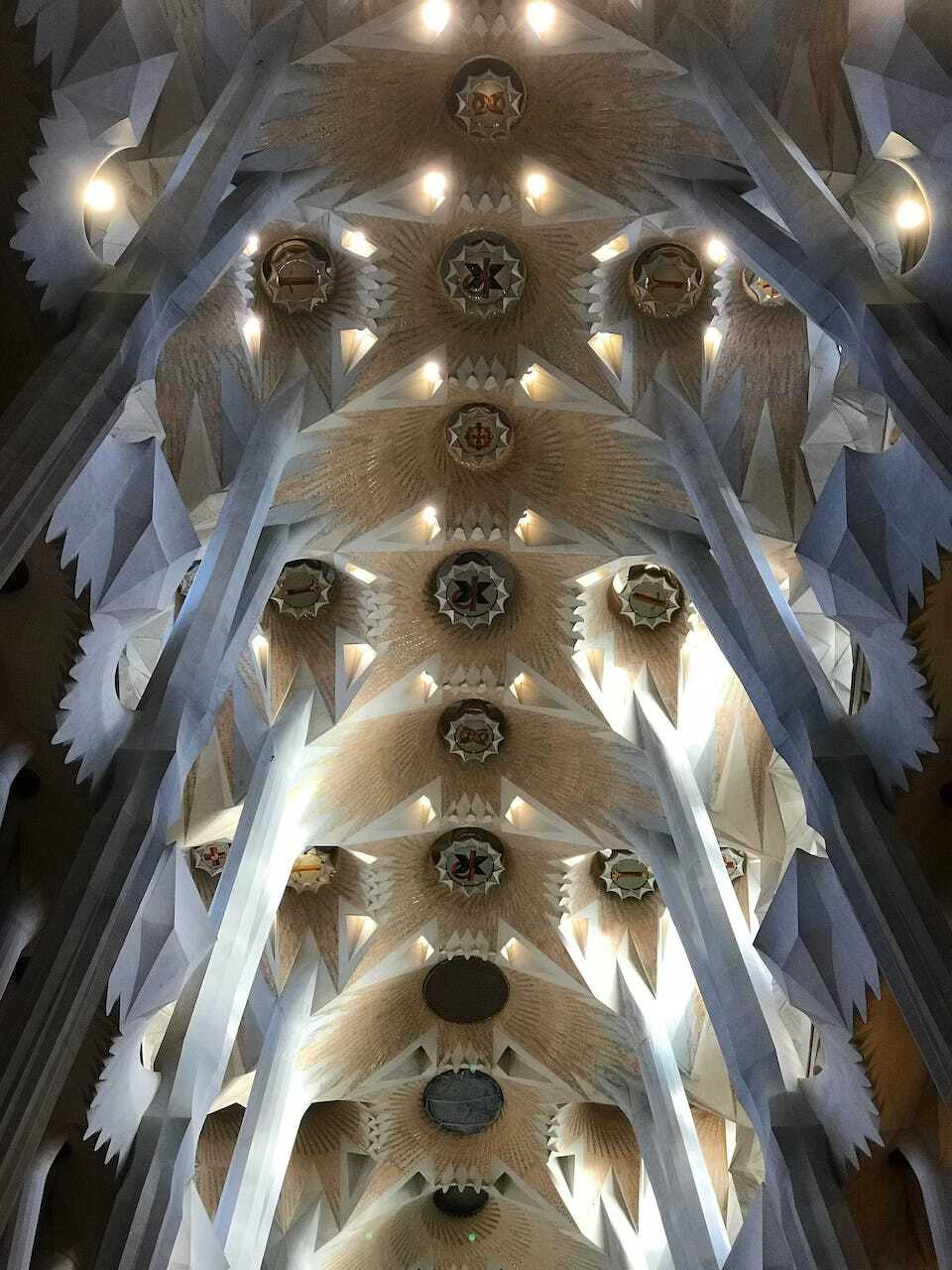
The resilience of the Sagrada Família was tested again in the 21st century. On April 19, 2011, an arsonist set fire to the sacristy, forcing the evacuation of 1,500 tourists. While the fire burned for 45 minutes, the structure itself remained intact, and the perpetrator was quickly apprehended.
A more global challenge arrived in March 2020 with the COVID-19 pandemic. For the first time in decades, construction was halted entirely for nearly four months. Beyond the physical work stoppage, the pandemic struck at the heart of the project’s survival: its funding. As an “expiatory temple,” the Sagrada Família cannot accept government money or bank loans; it relies entirely on private donations and ticket sales. The collapse of global tourism severely reduced the foundation’s income, threatening to push the completion date decades into the future. Despite this, the foundation managed to reorganise, and by 2024, they saw a record 4.9 million visitors, generating 44.7 million euros to finalise the central towers.
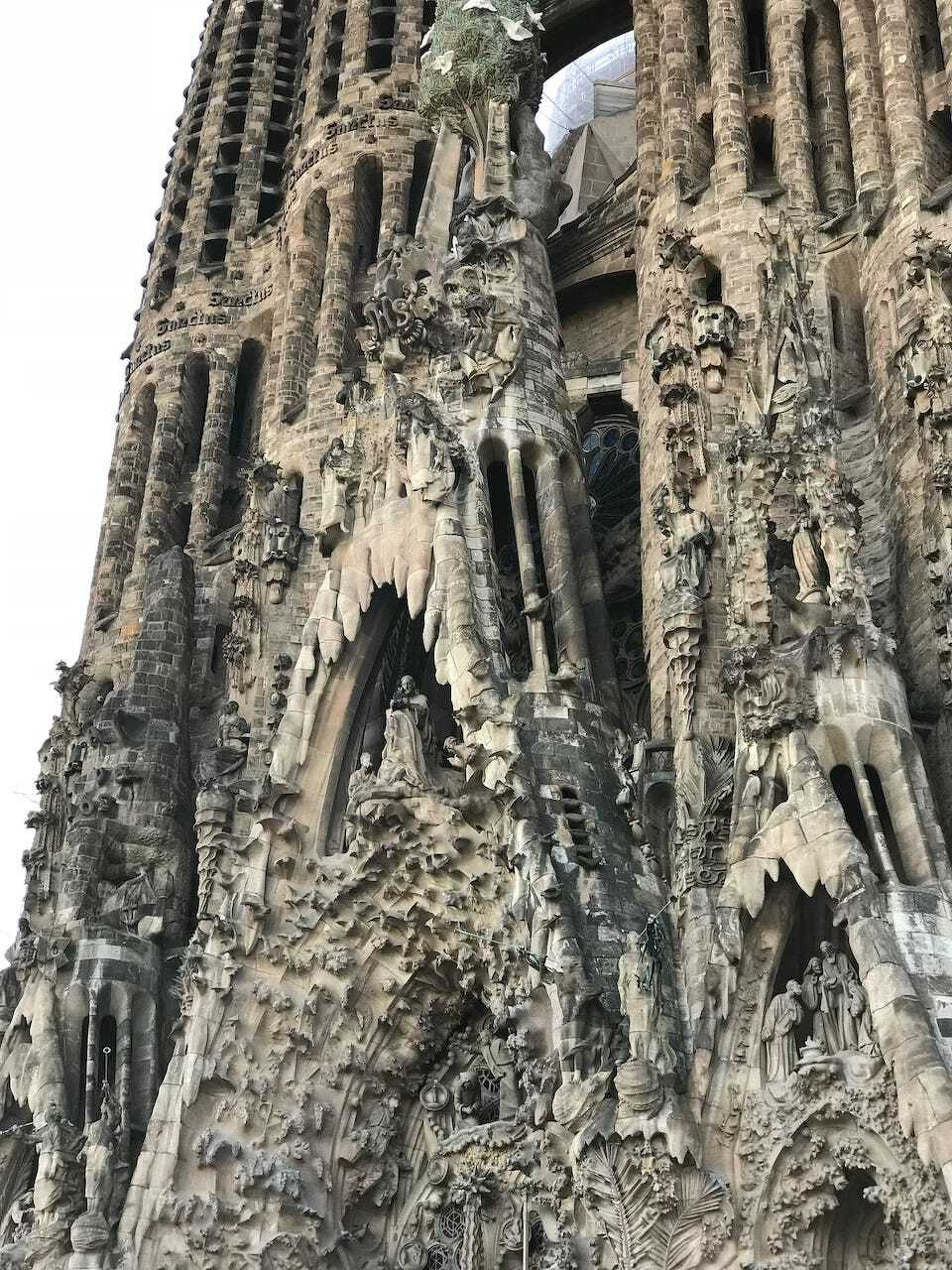
As the final arm of the 17-meter cross was lifted into place on February 20, 2026, it marked more than a height record; it marked the ultimate victory of cultural endurance over a century of chaos. The Sagrada Família has survived fire, war, economic collapse, and a global health crisis. It stands today as the world’s tallest church because generations of architects and workers refused to let Gaudí’s dream die in the rubble of 1936. By surviving these historical upheavals, the basilica has transformed from a mere building into a living symbol of Barcelona’s resilience. Thanks for reading. Until next time… this is a three-part essay; the final part is coming soon!
#SagradaFamilia #AntoniGaudi #Barcelona #Catalonia #Architecture #History #Resilience #WorldHeritage #SpainTravel