
Grand Bazaar Istanbul - History, Culture, and Timeless Treasures
There are places you visit, and then there are places that completely absorb you. Istanbul’s Grand Bazaar (Kapalıçarşı) belongs firmly in the second category.
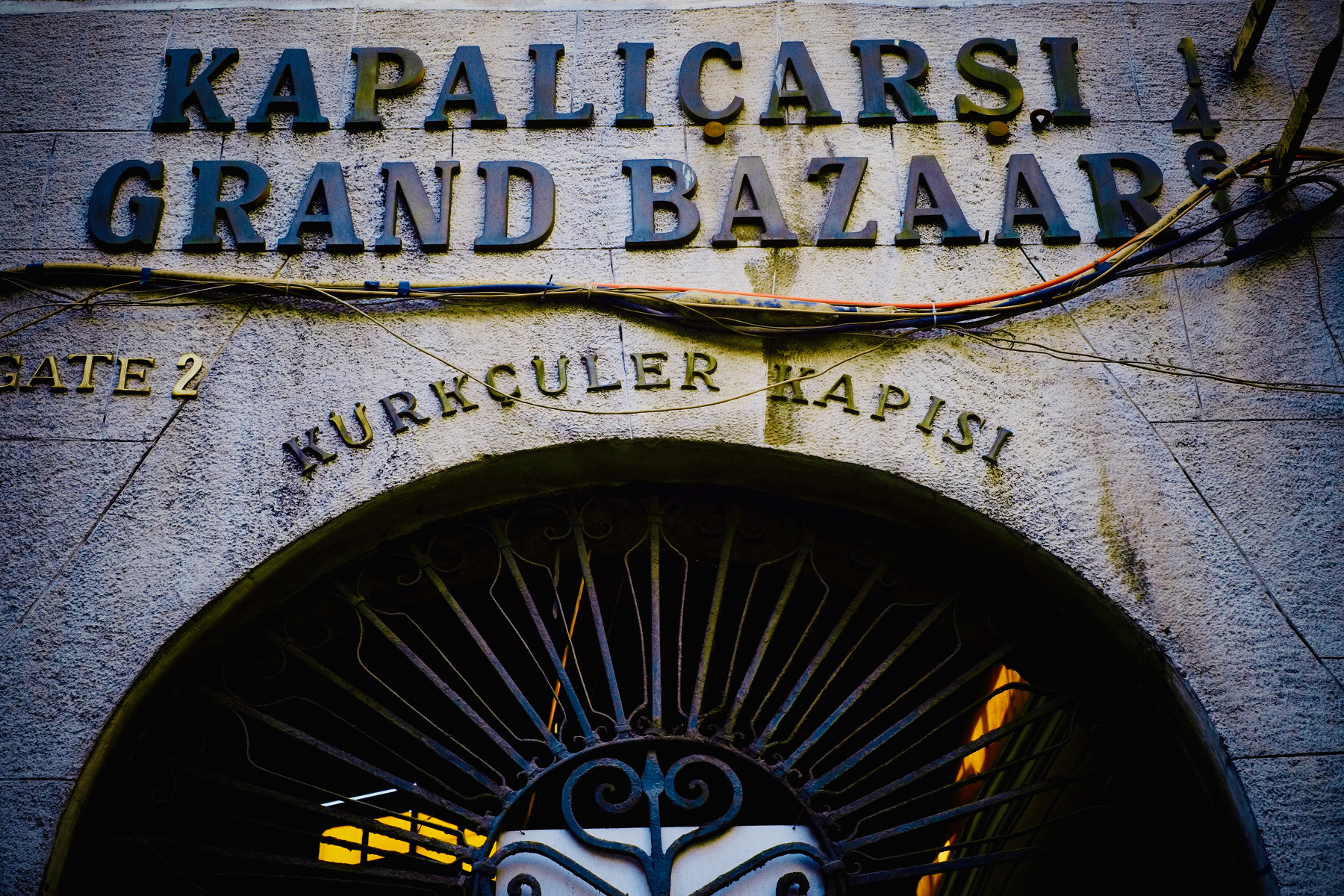
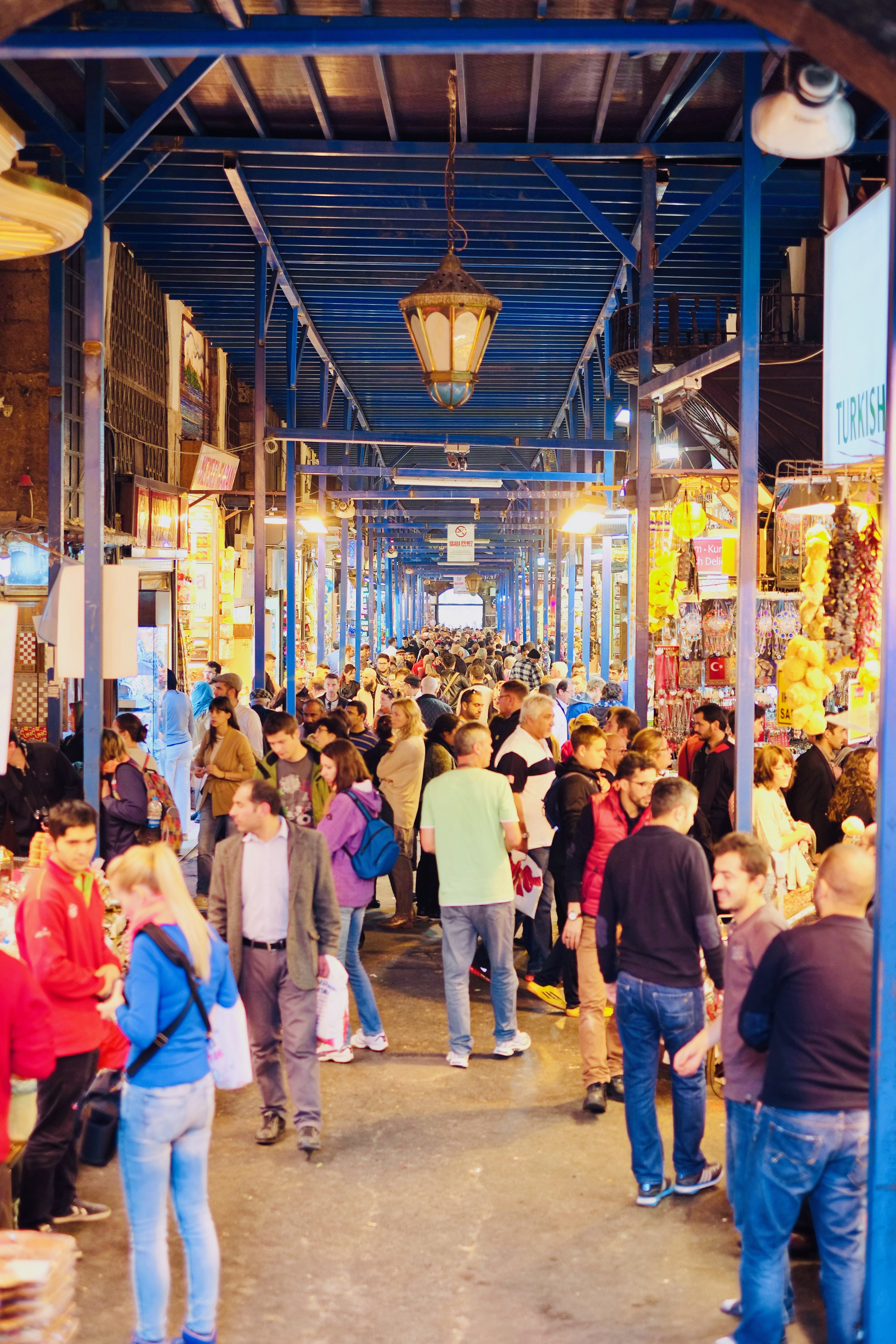
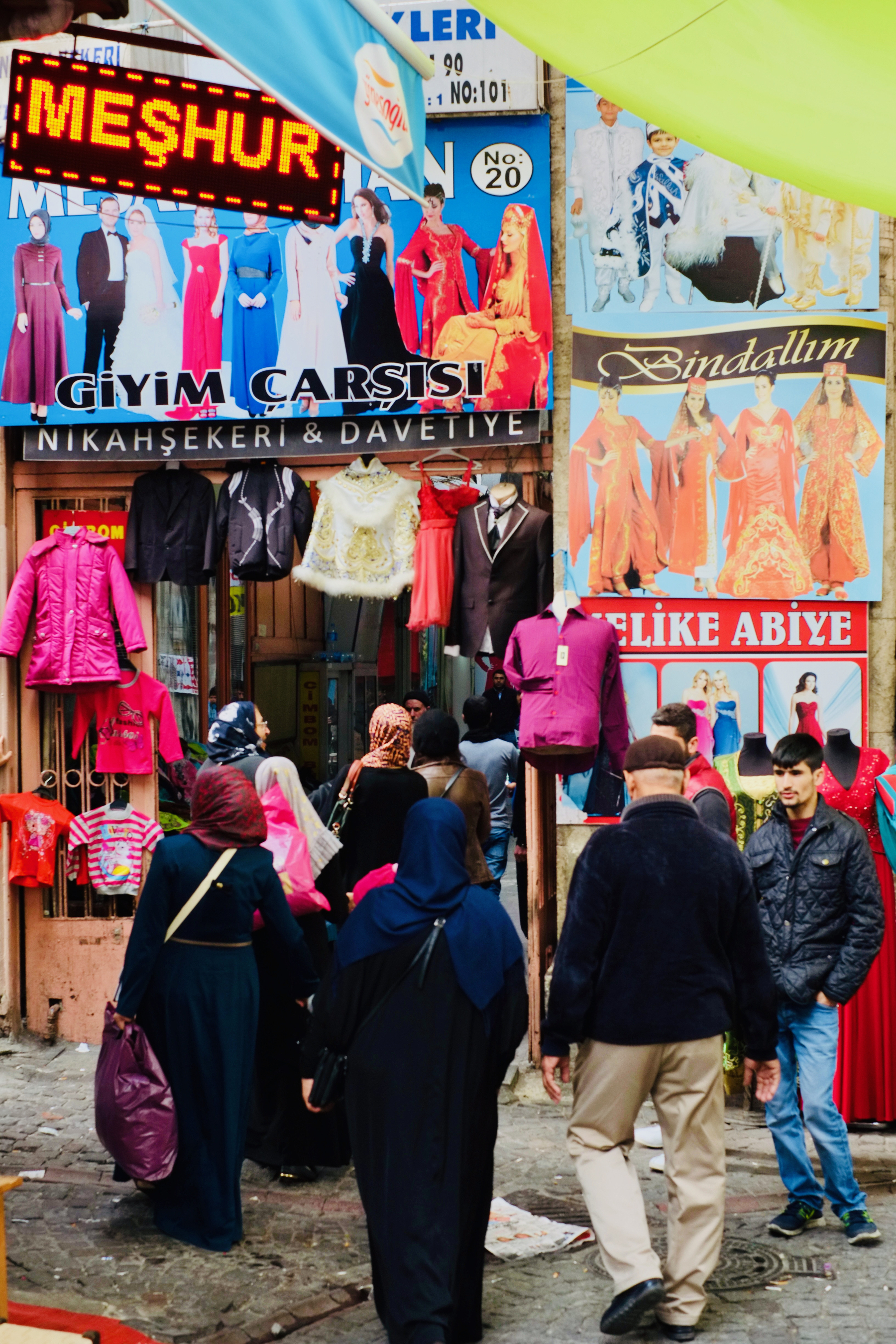
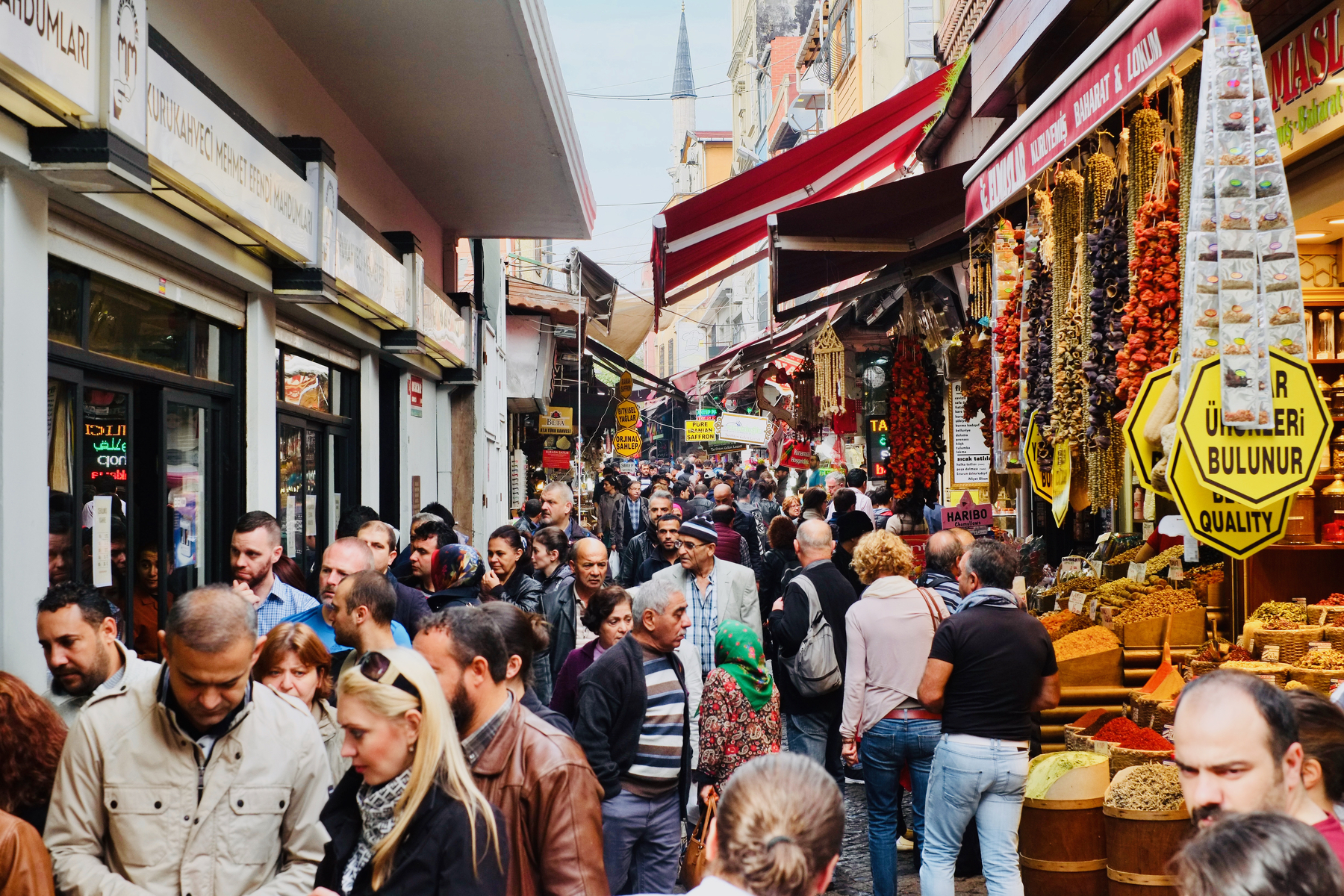
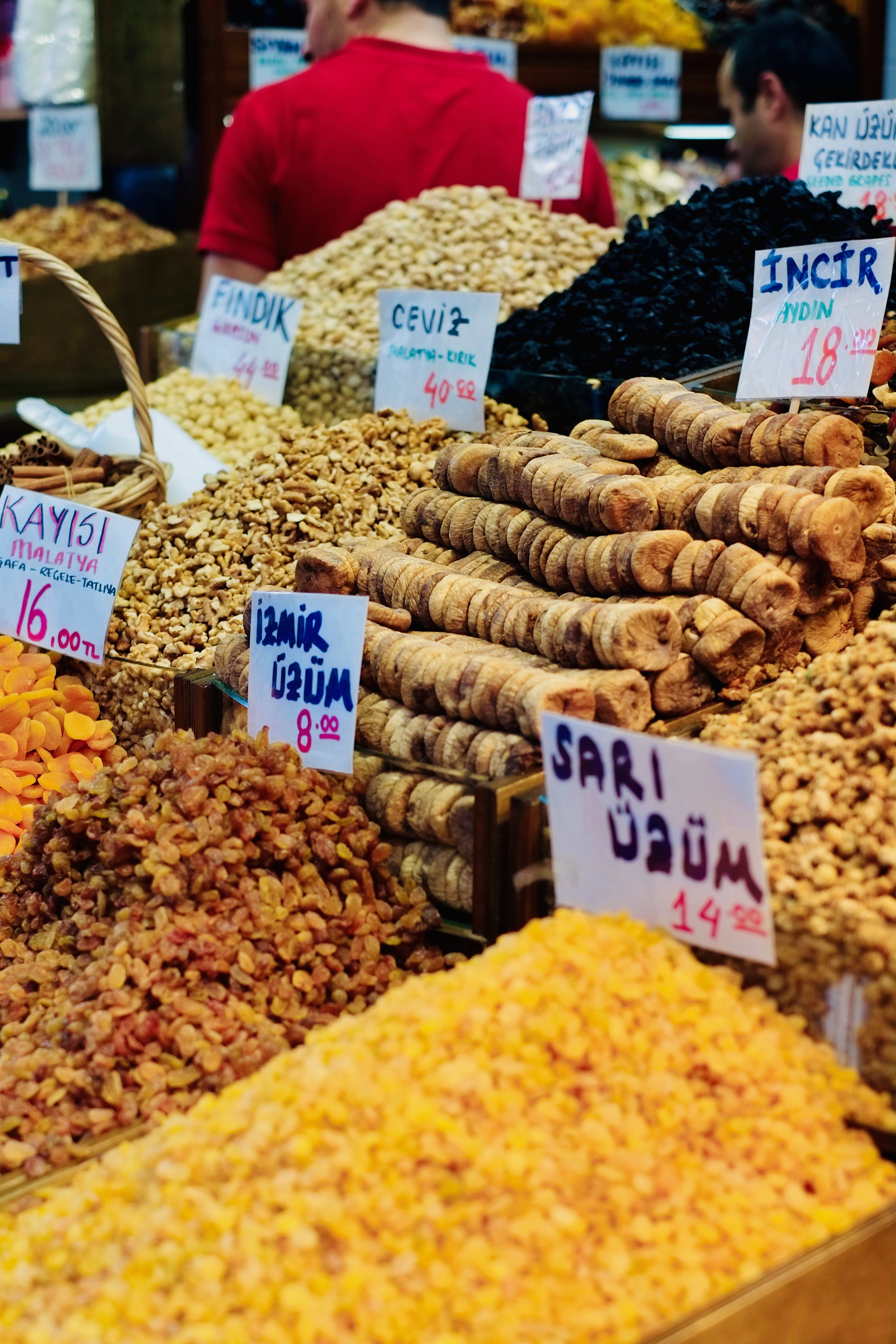
The moment I stepped beneath its ancient vaulted ceilings, I realised this wasn’t simply a market—it was a city within a city. Every corridor seemed to whisper stories that stretched back centuries, while every turn revealed another splash of colour, another smiling merchant, another hidden treasure waiting to be discovered.
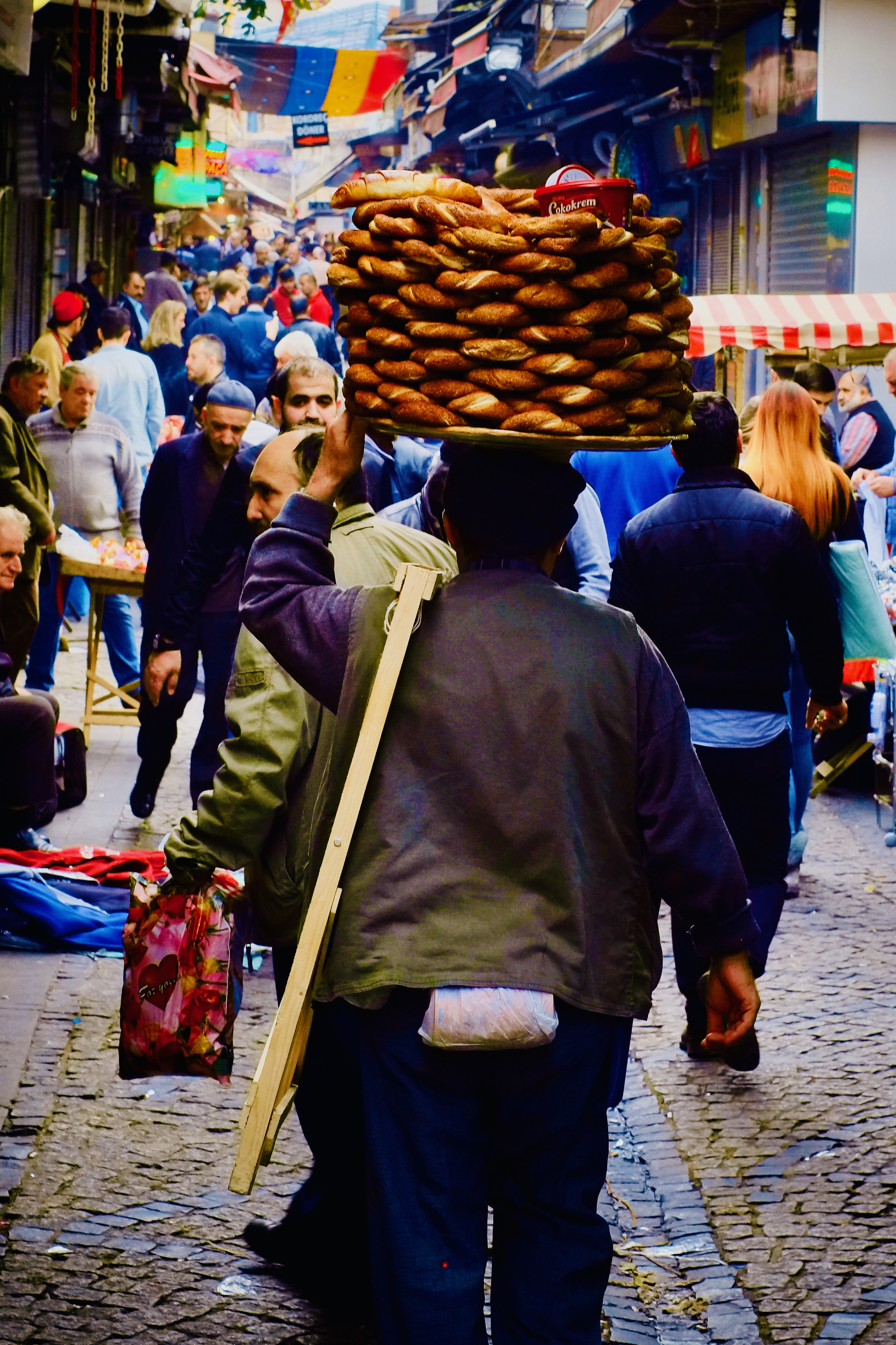
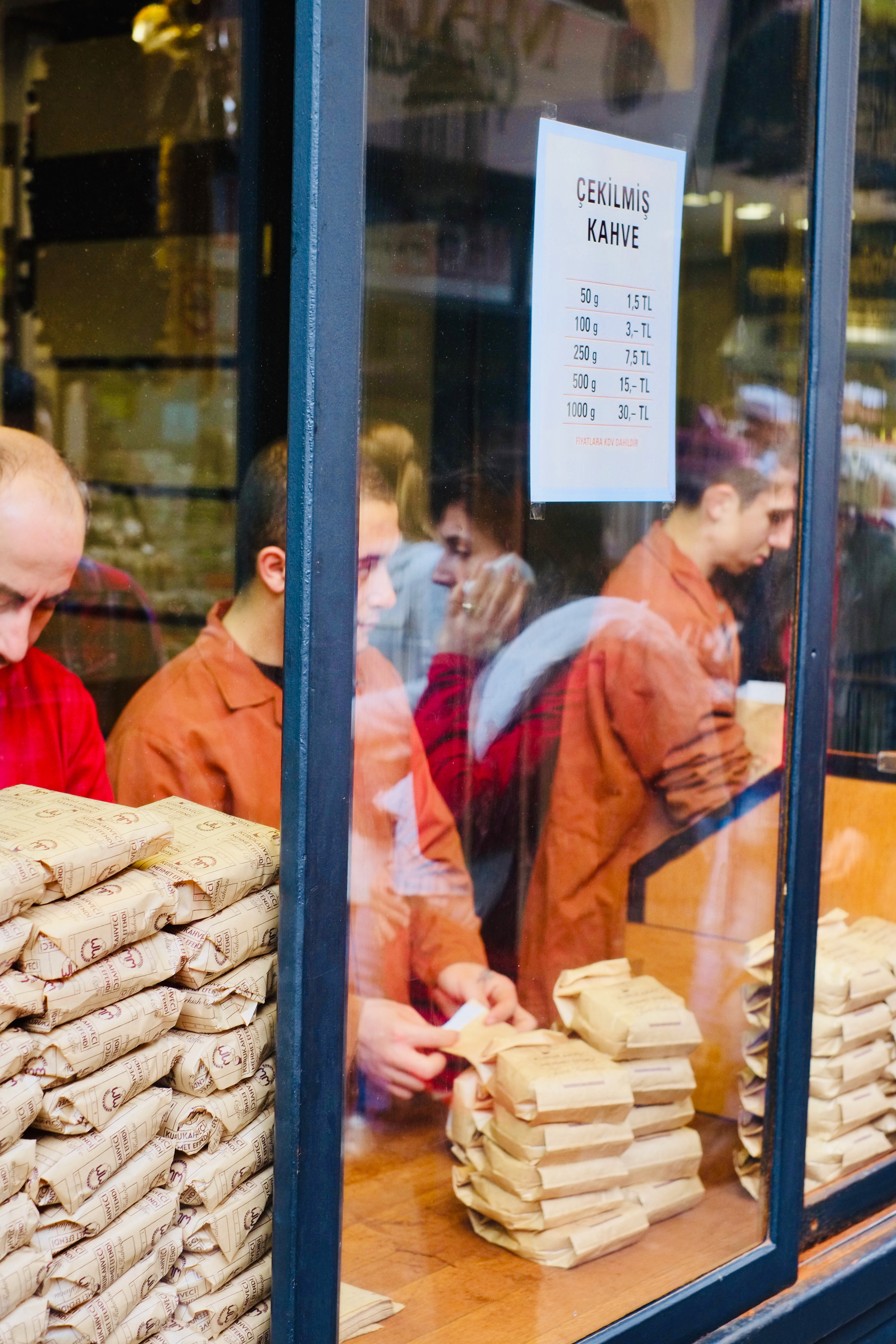
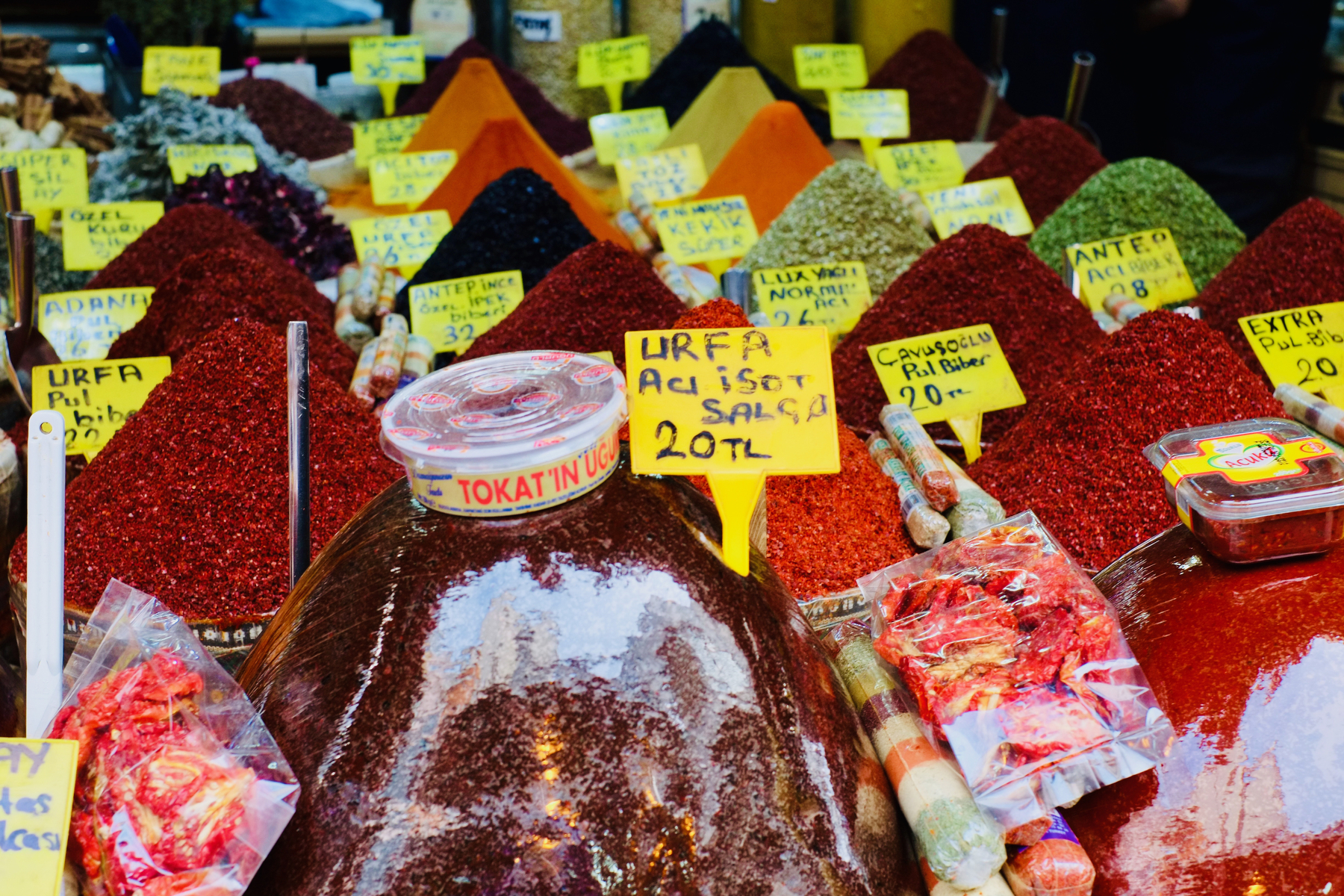
Founded in 1455 shortly after the Ottoman conquest of Constantinople, the Grand Bazaar has welcomed traders, explorers, and curious travellers for nearly six hundred years. Today, with more than 4,000 shops spread across 61 covered streets, it remains one of the largest and oldest covered markets anywhere in the world.
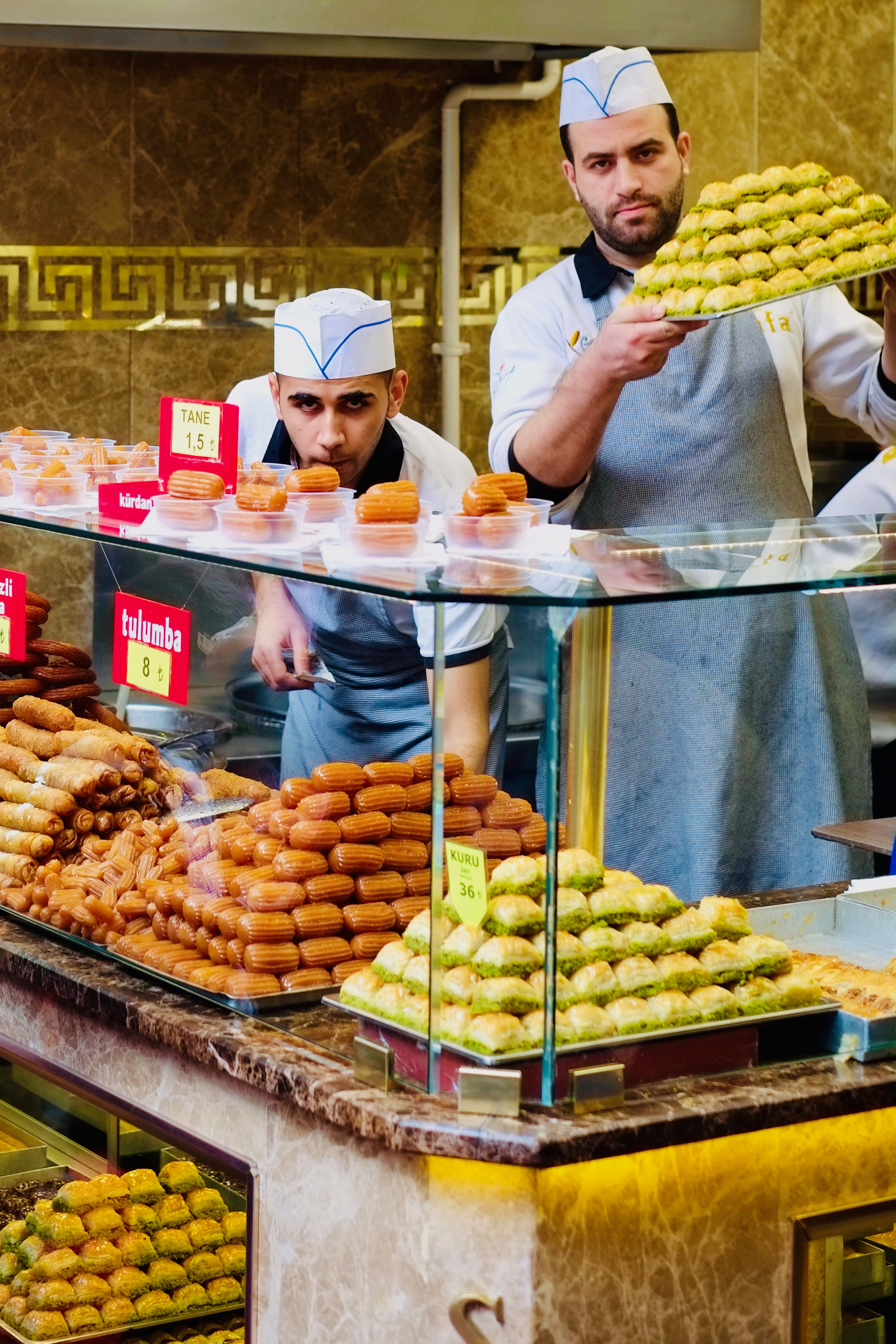
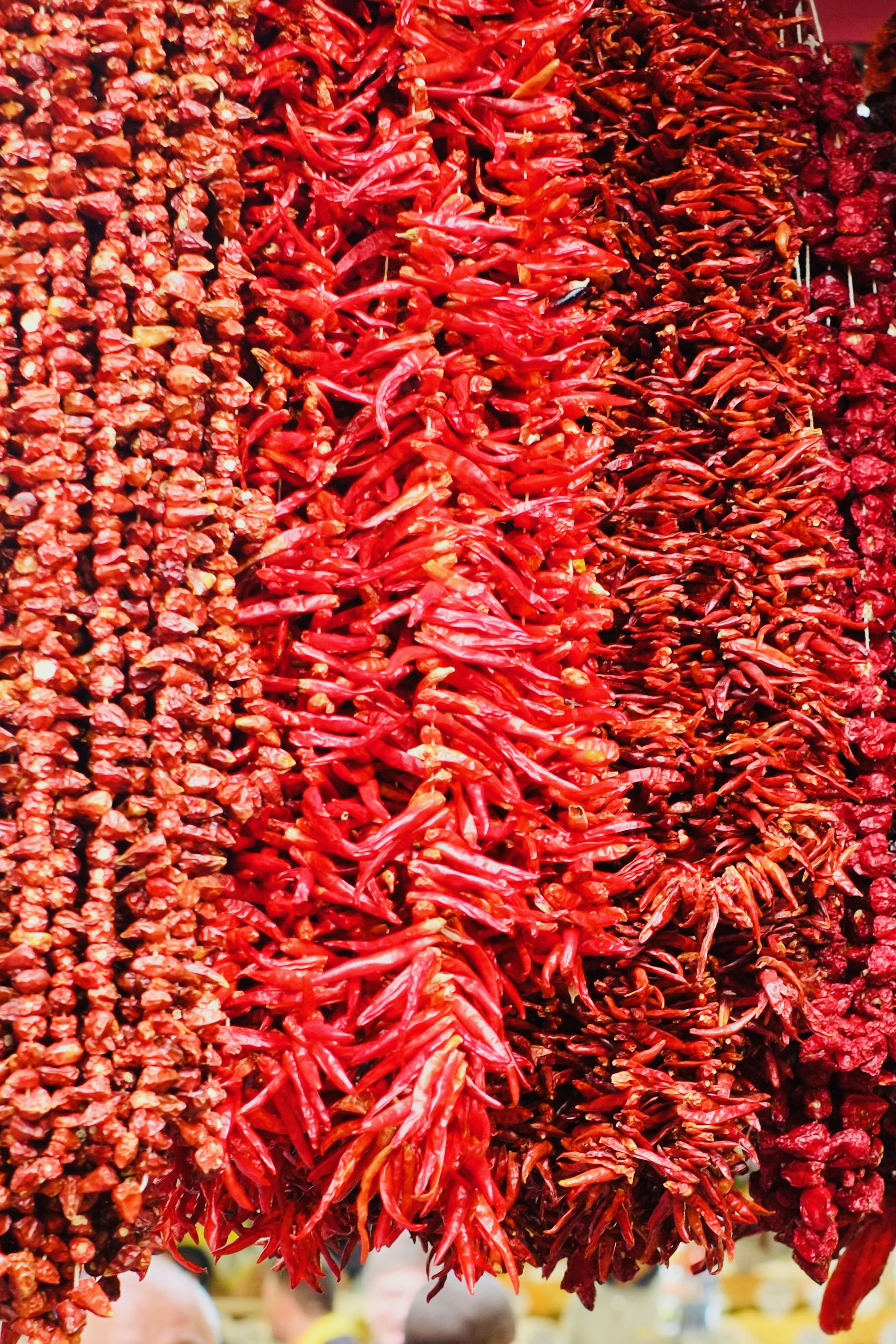
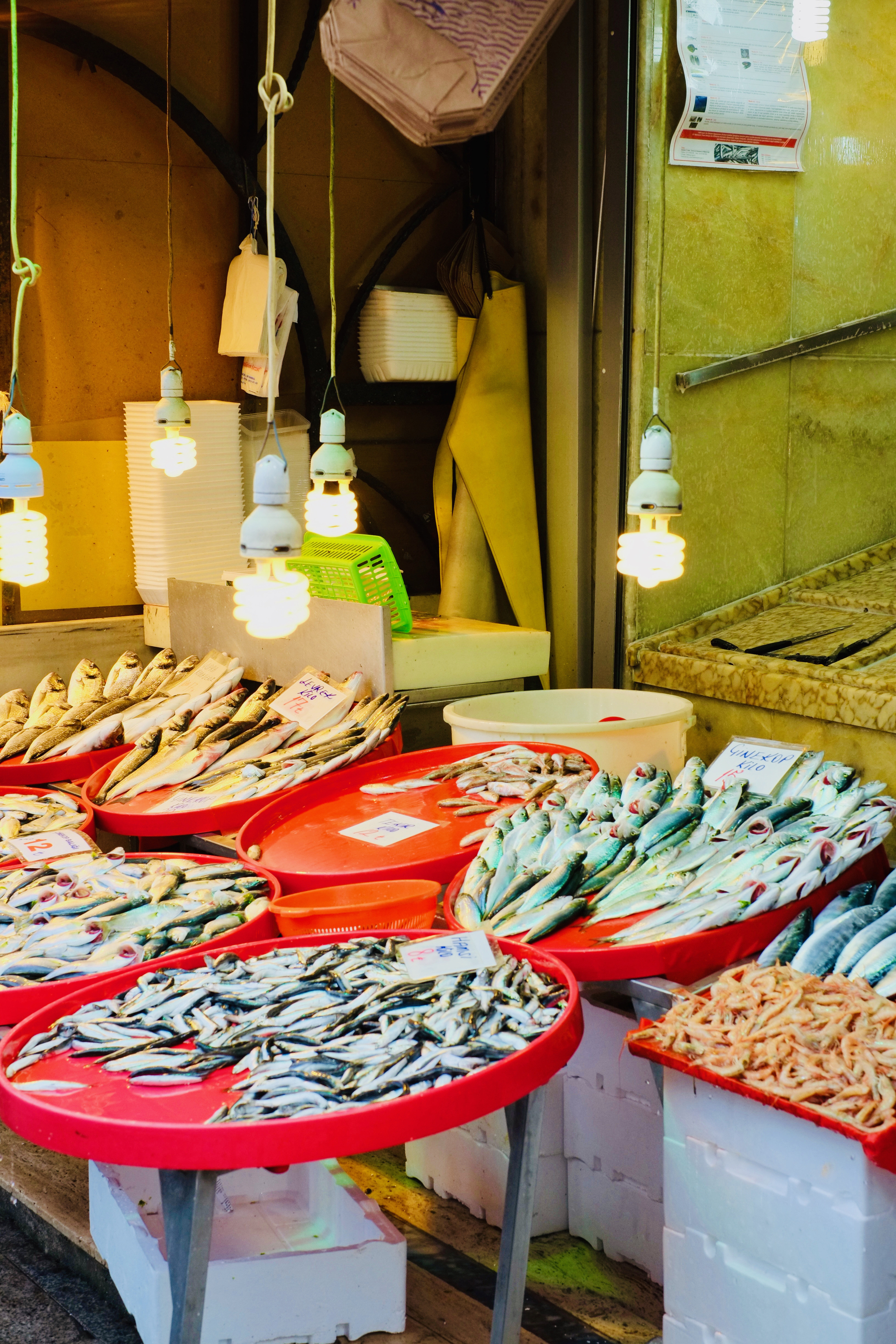
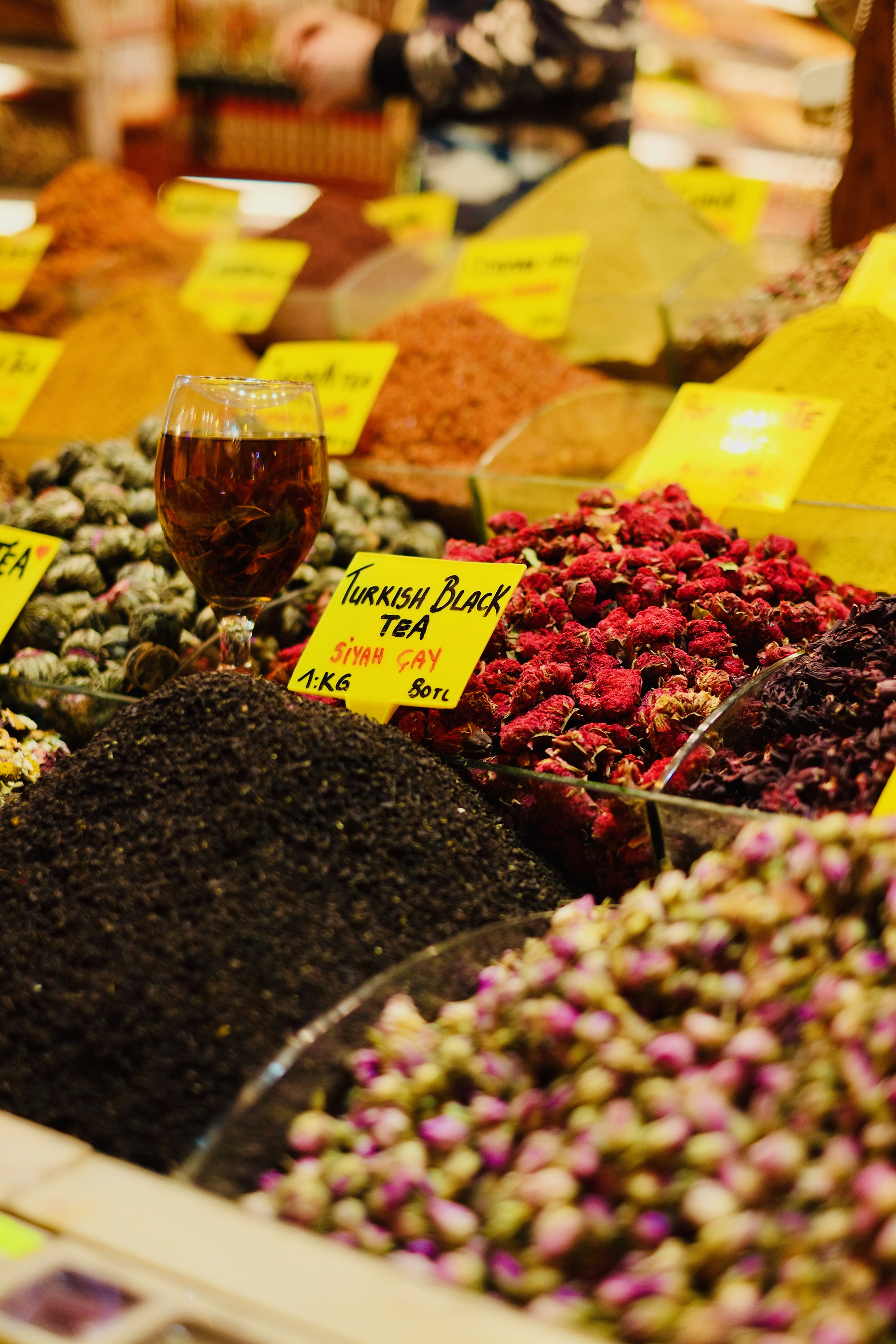
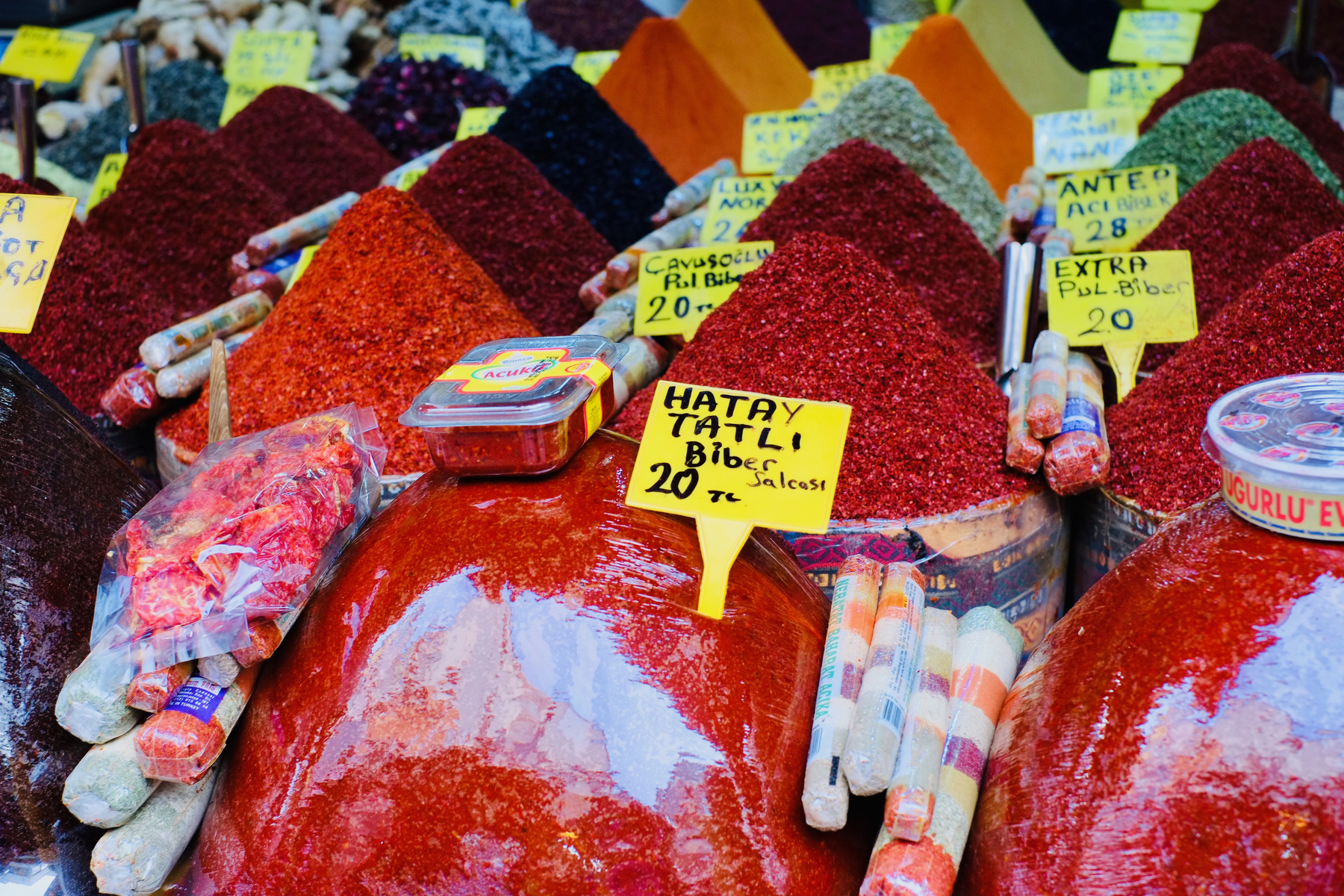
Yet statistics tell only part of the story. The real magic begins when you slow down. The scent of freshly ground spices drifts through the air, blending effortlessly with the rich aroma of Turkish coffee. Lanterns cast warm reflections across polished ceramics while displays of colourful textiles seem almost impossible to photograph without stopping every few steps. Gold jewellery sparkles beneath intricate ceilings, handcrafted leather goods line centuries-old passageways, and beautifully woven carpets invite visitors to imagine the generations of artisans who created them.
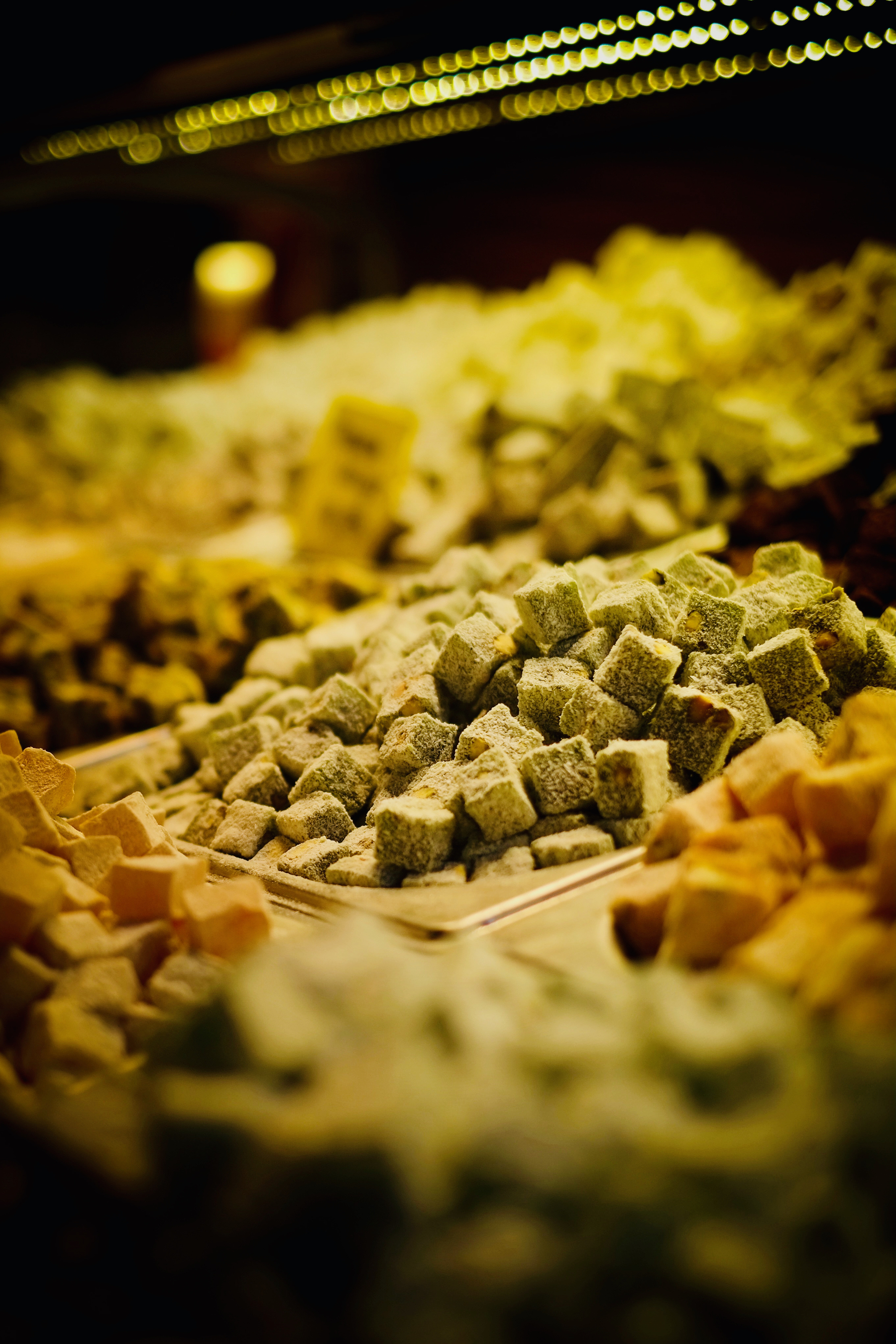
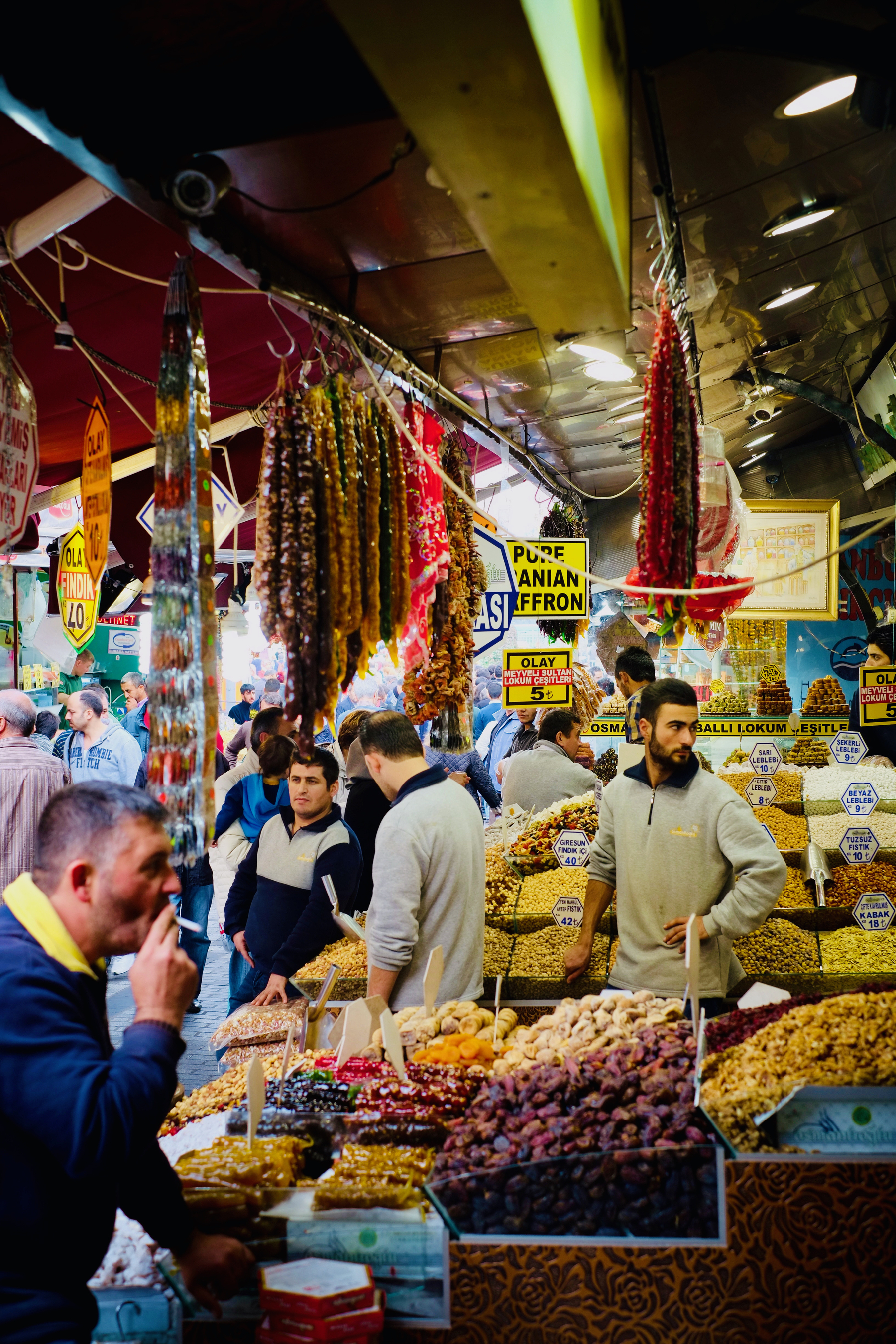
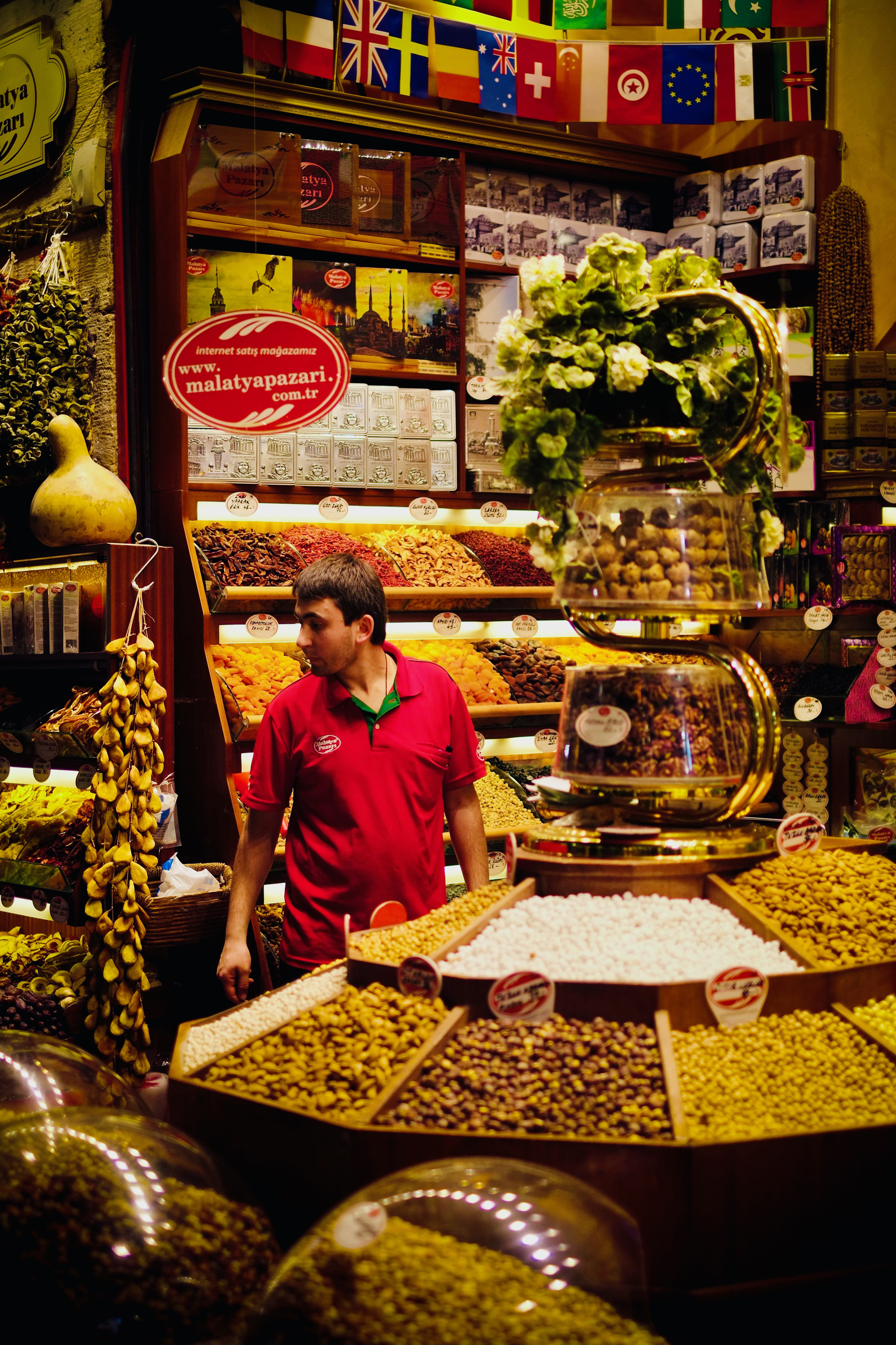
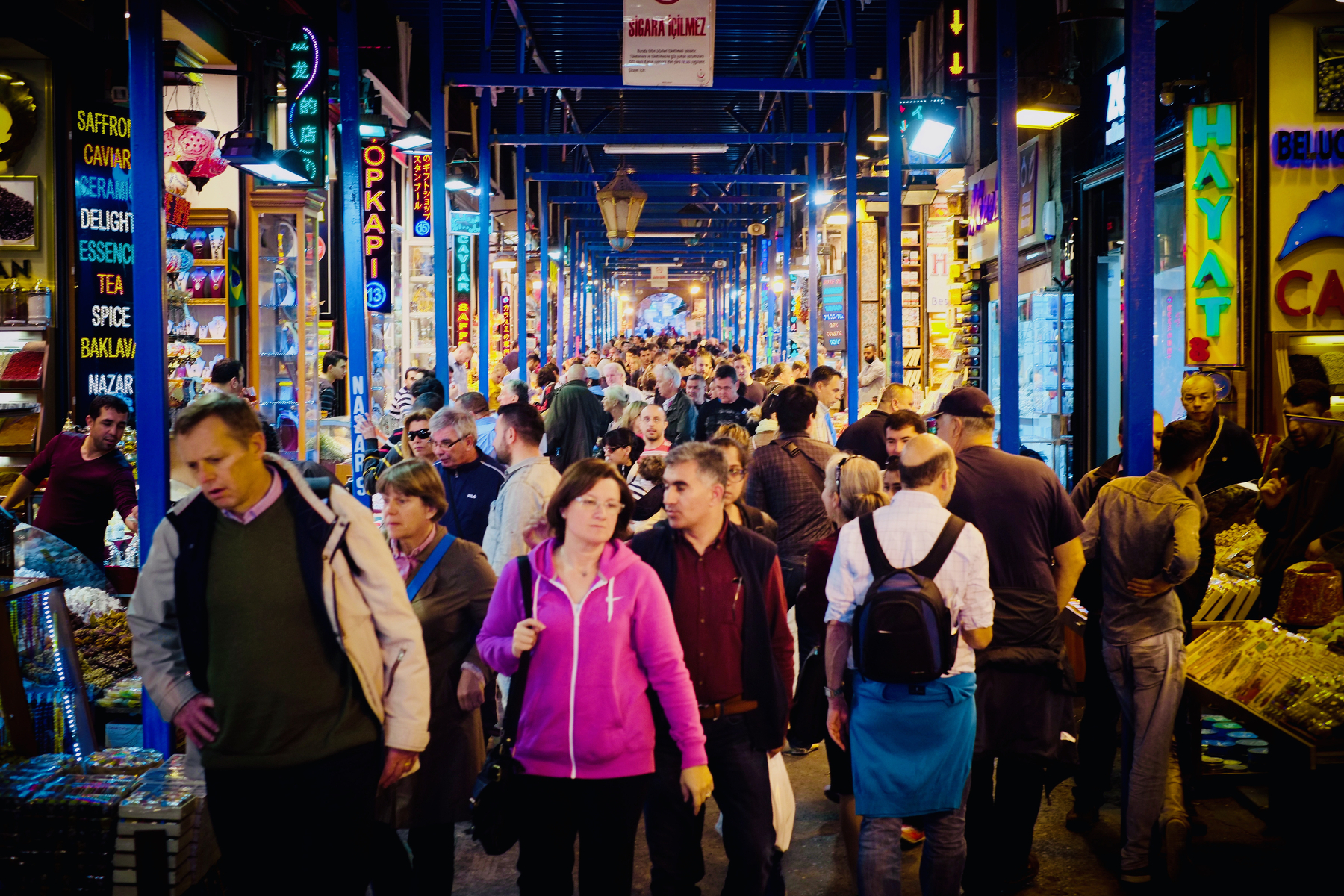
For photographers, it’s impossible not to become captivated. Every doorway frames another scene. Every shaft of sunlight creates another perfect composition. The Grand Bazaar is a place where history and everyday life coexist in remarkable harmony.
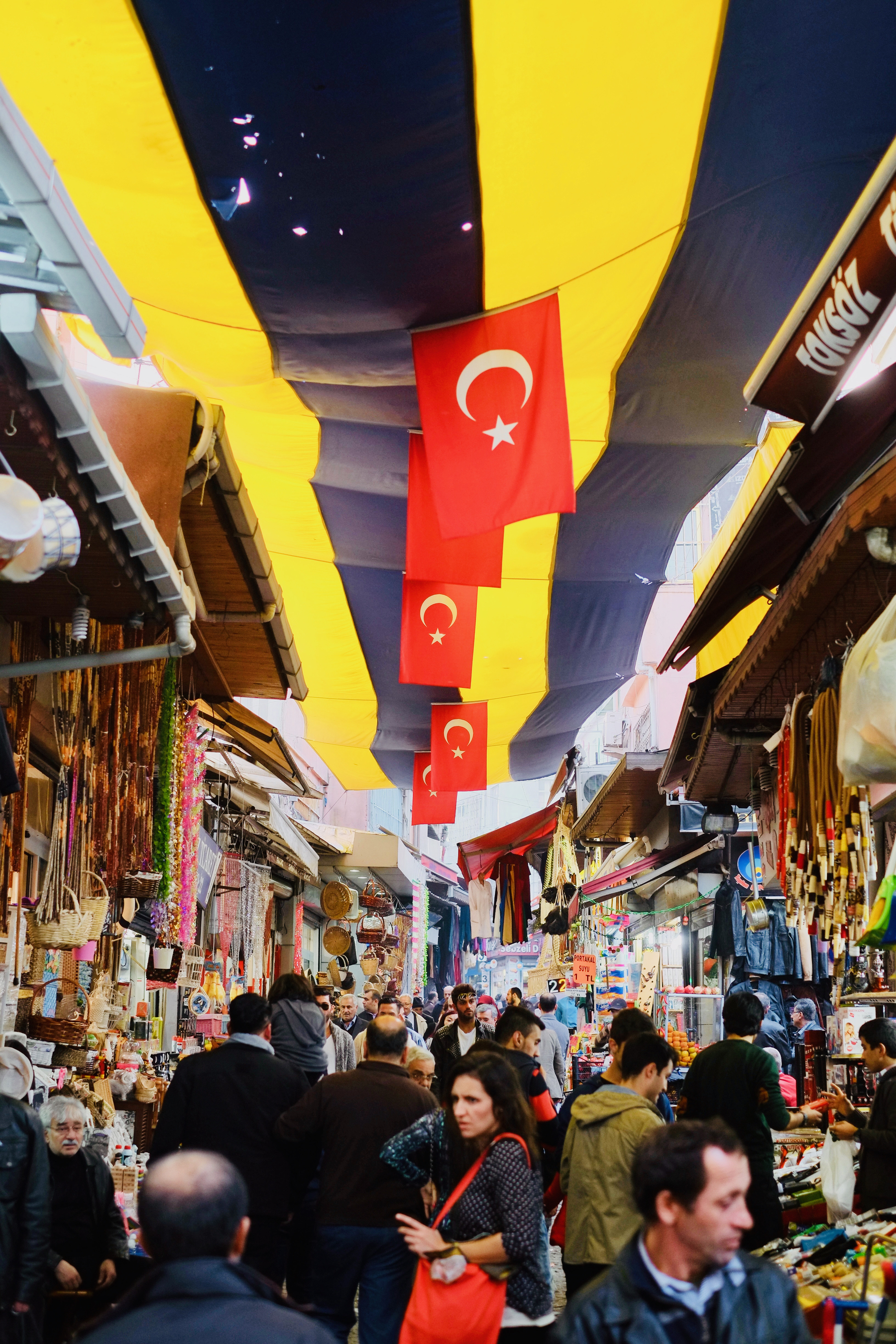
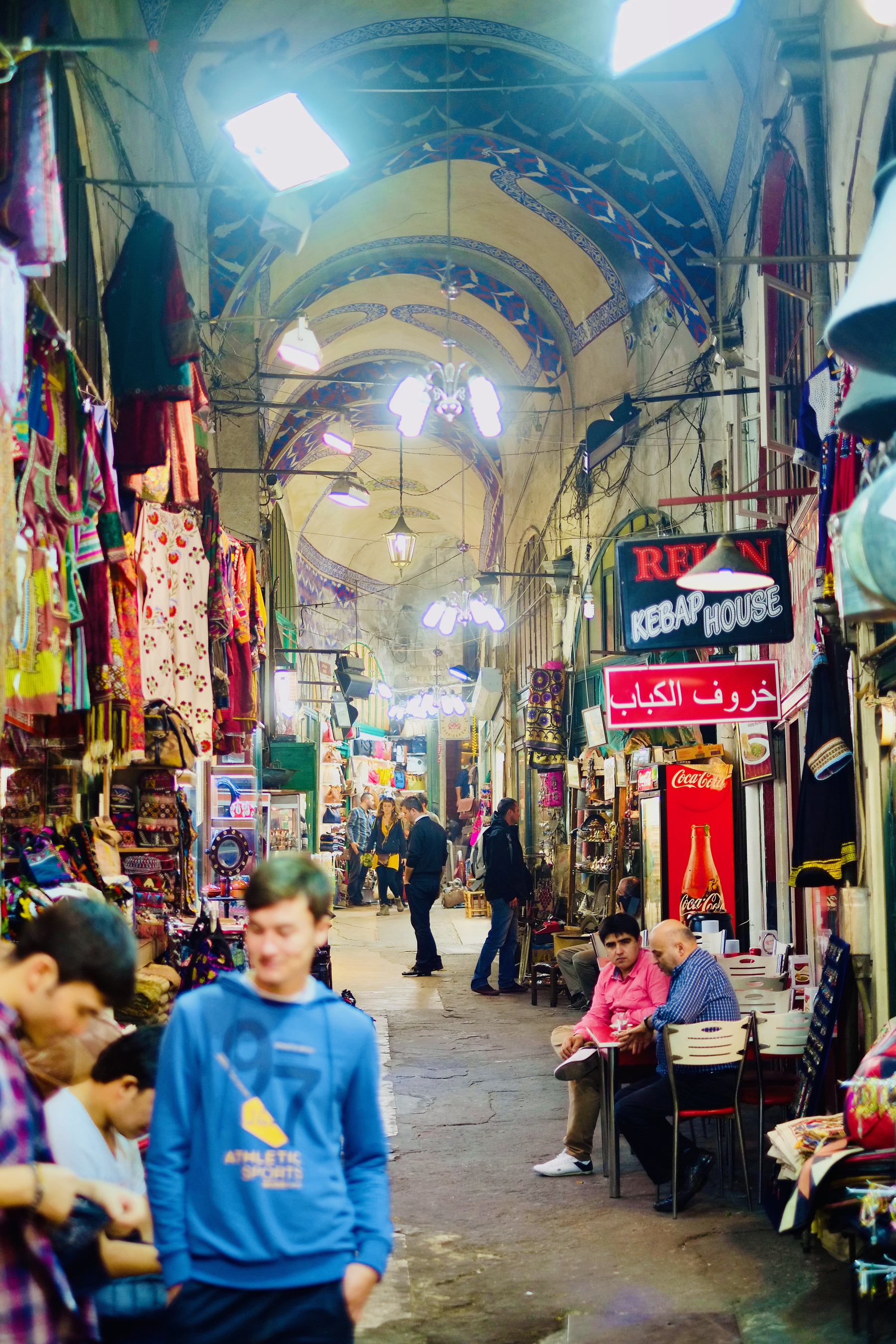
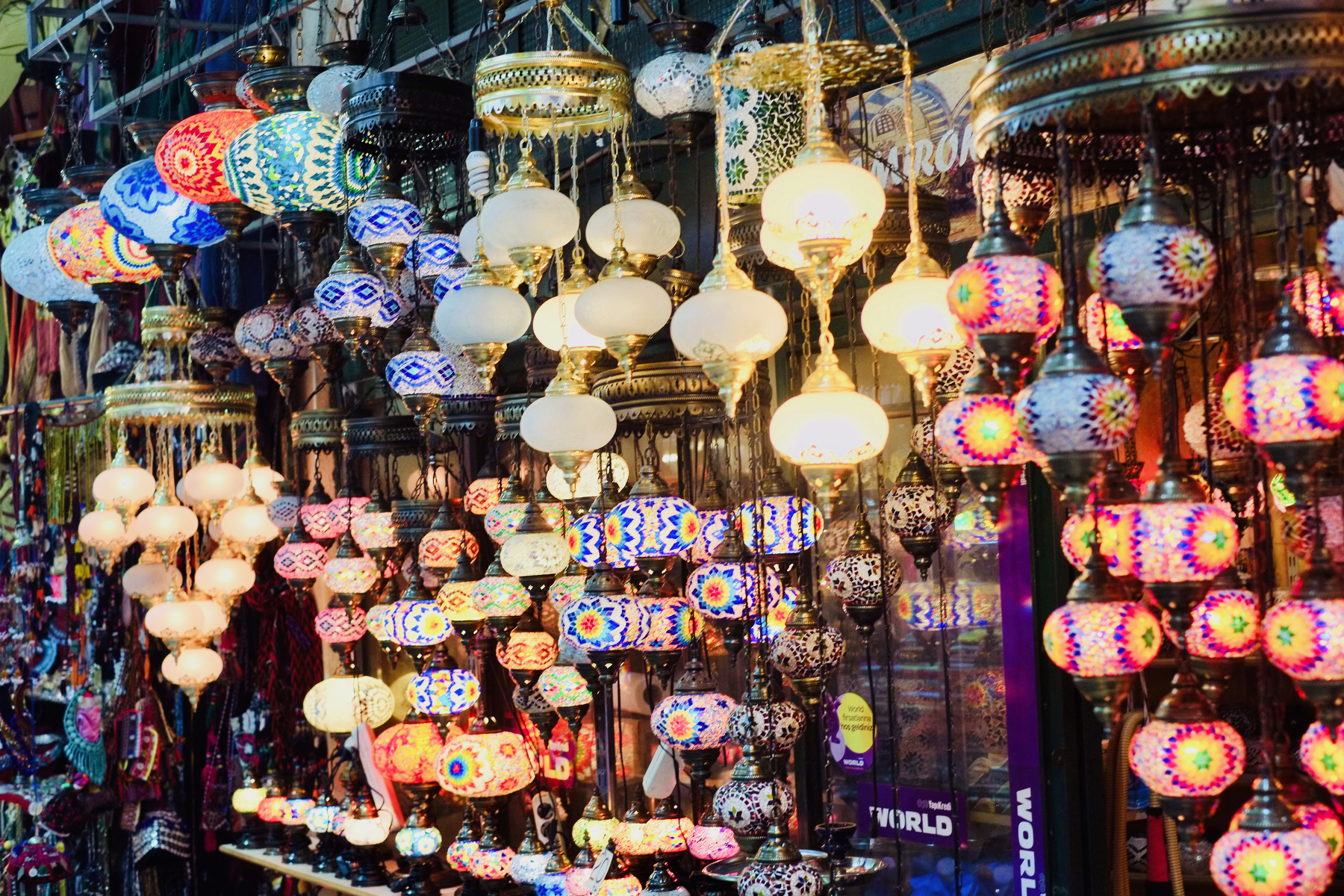
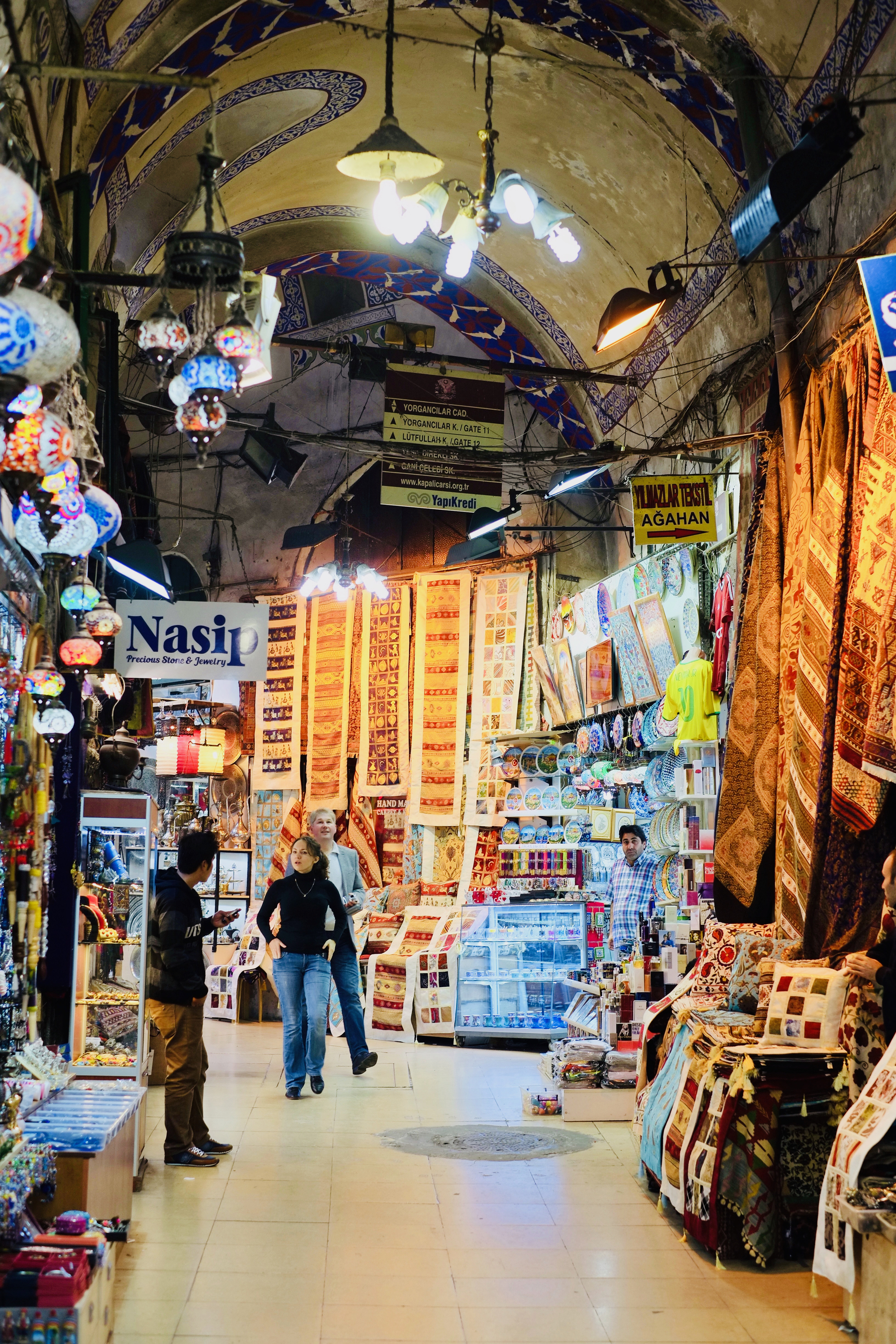
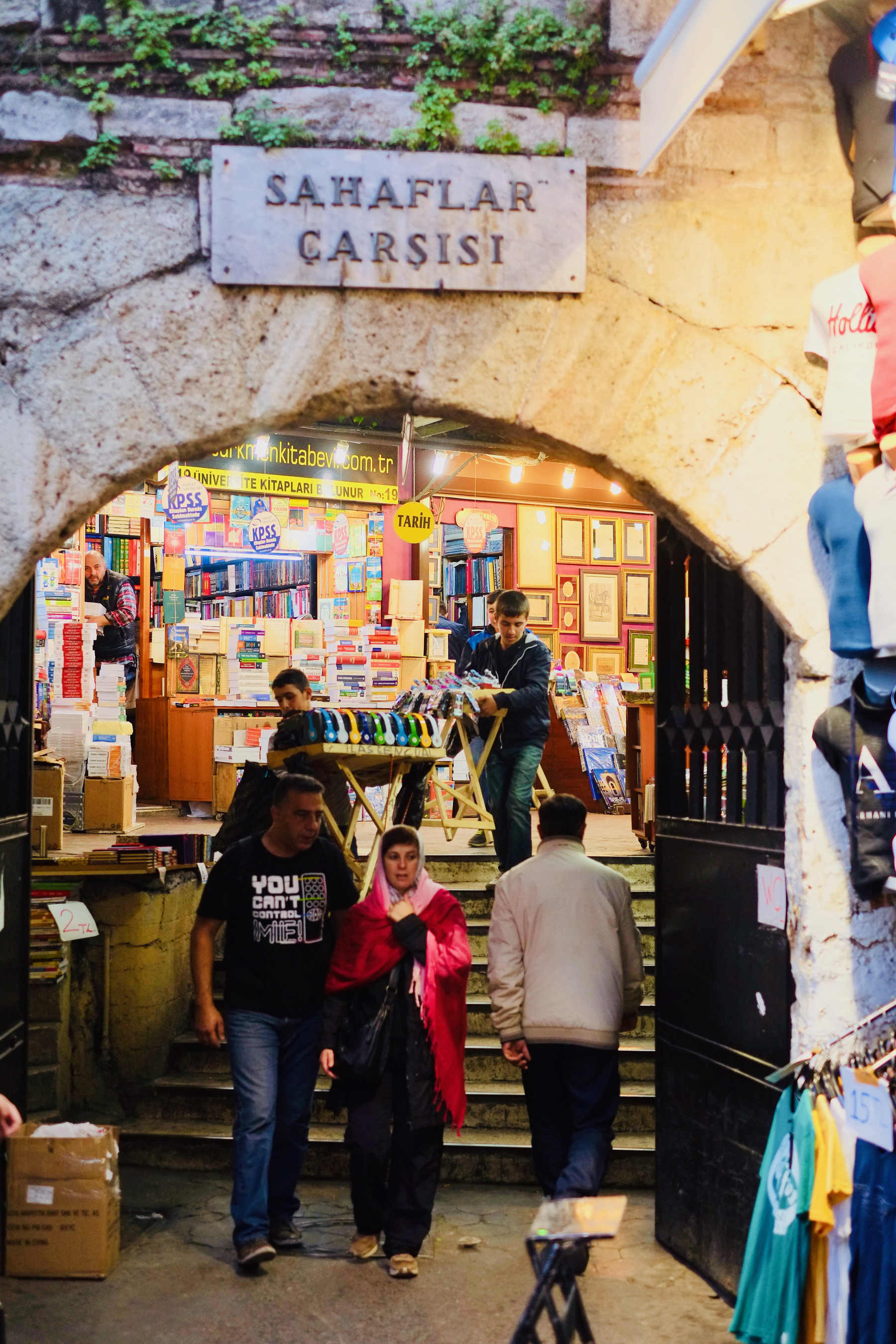
But beyond its beauty lies an extraordinary legacy. For centuries, this marketplace stood at the crossroads of Europe and Asia, serving as one of the Ottoman Empire’s most important commercial centres along the legendary Silk Road. Merchants from distant lands gathered here to exchange silk, spices, precious metals, and ideas. Despite devastating fires, powerful earthquakes, political upheaval, and the arrival of modern shopping centres, the bazaar continues to thrive much as it always has.
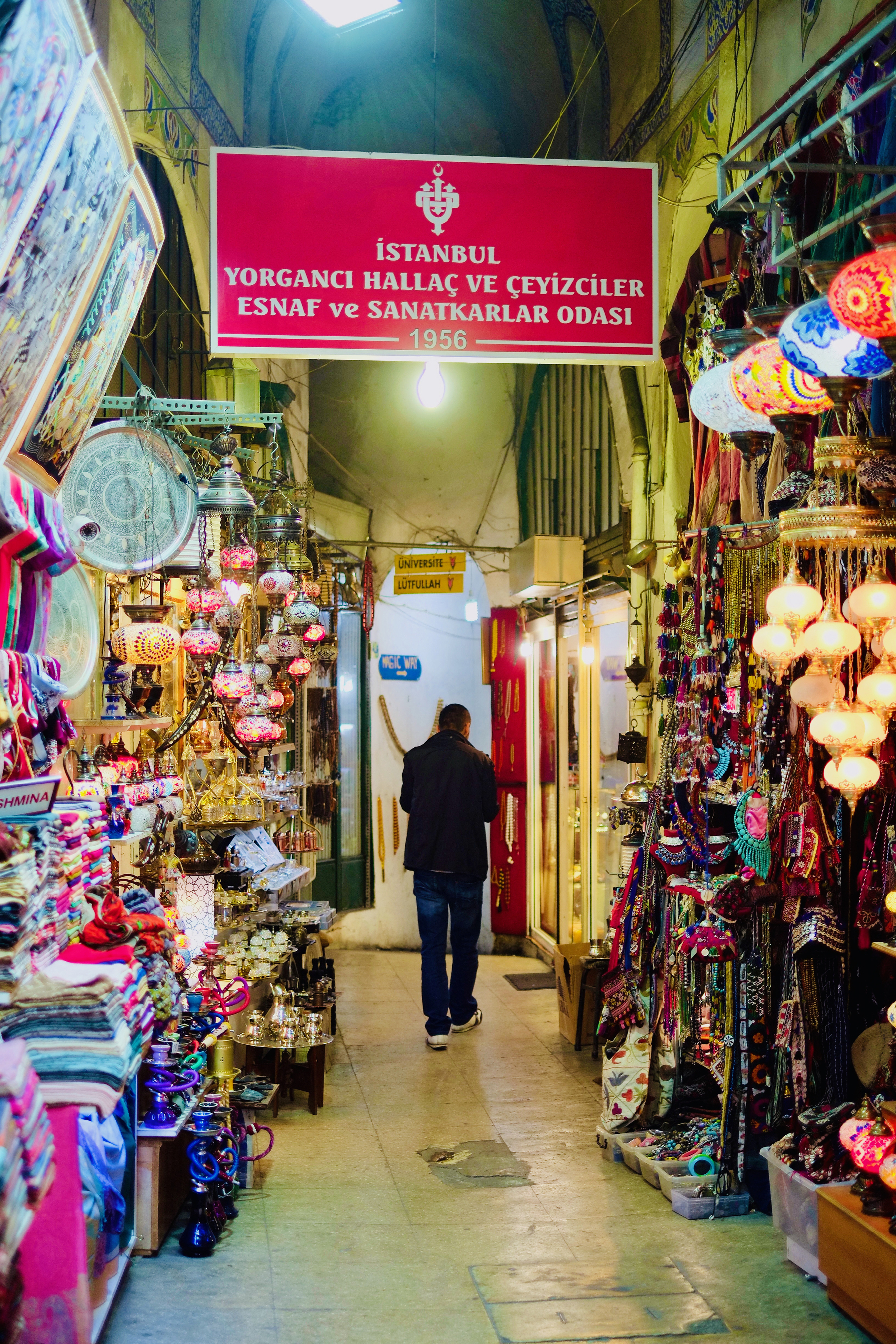
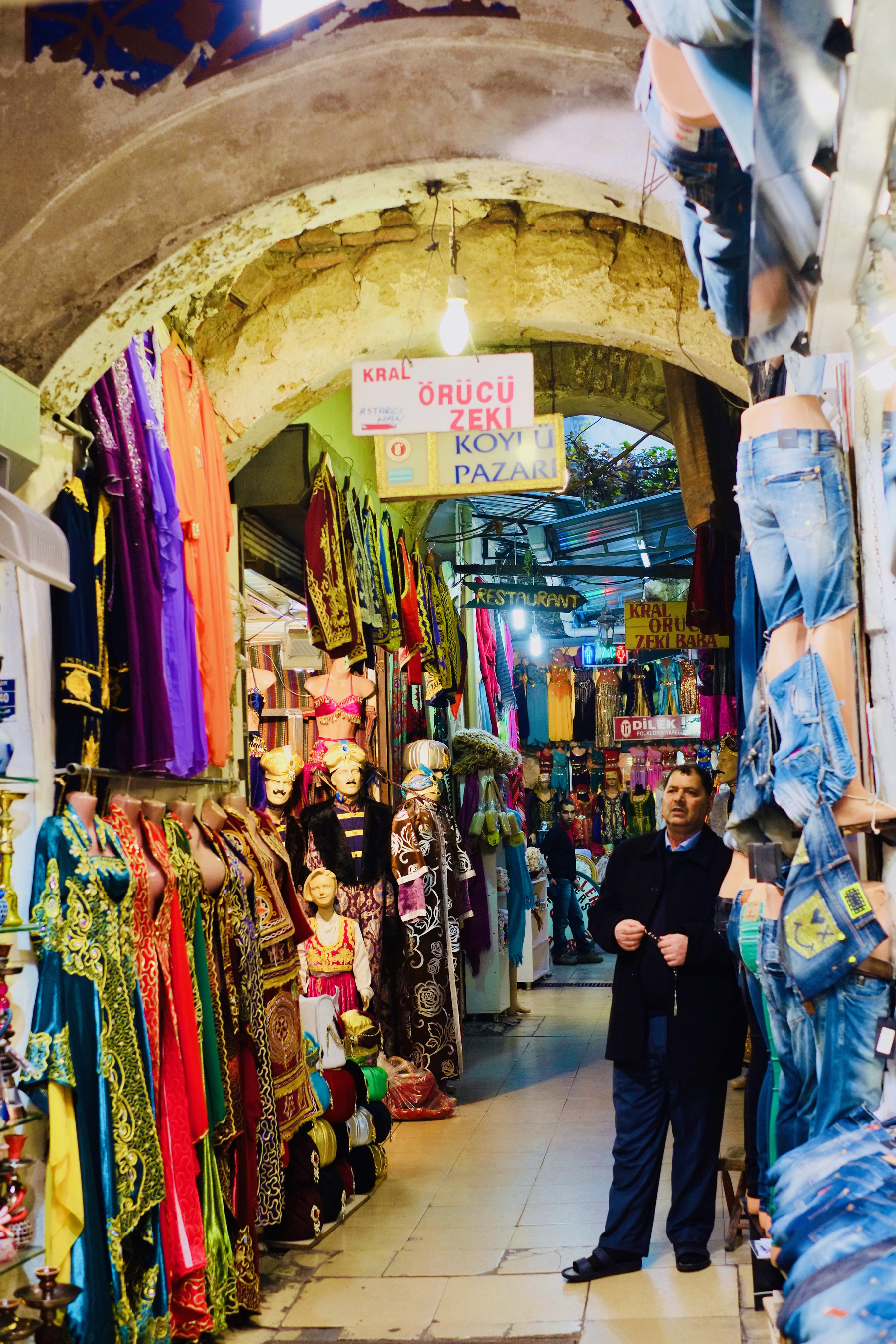
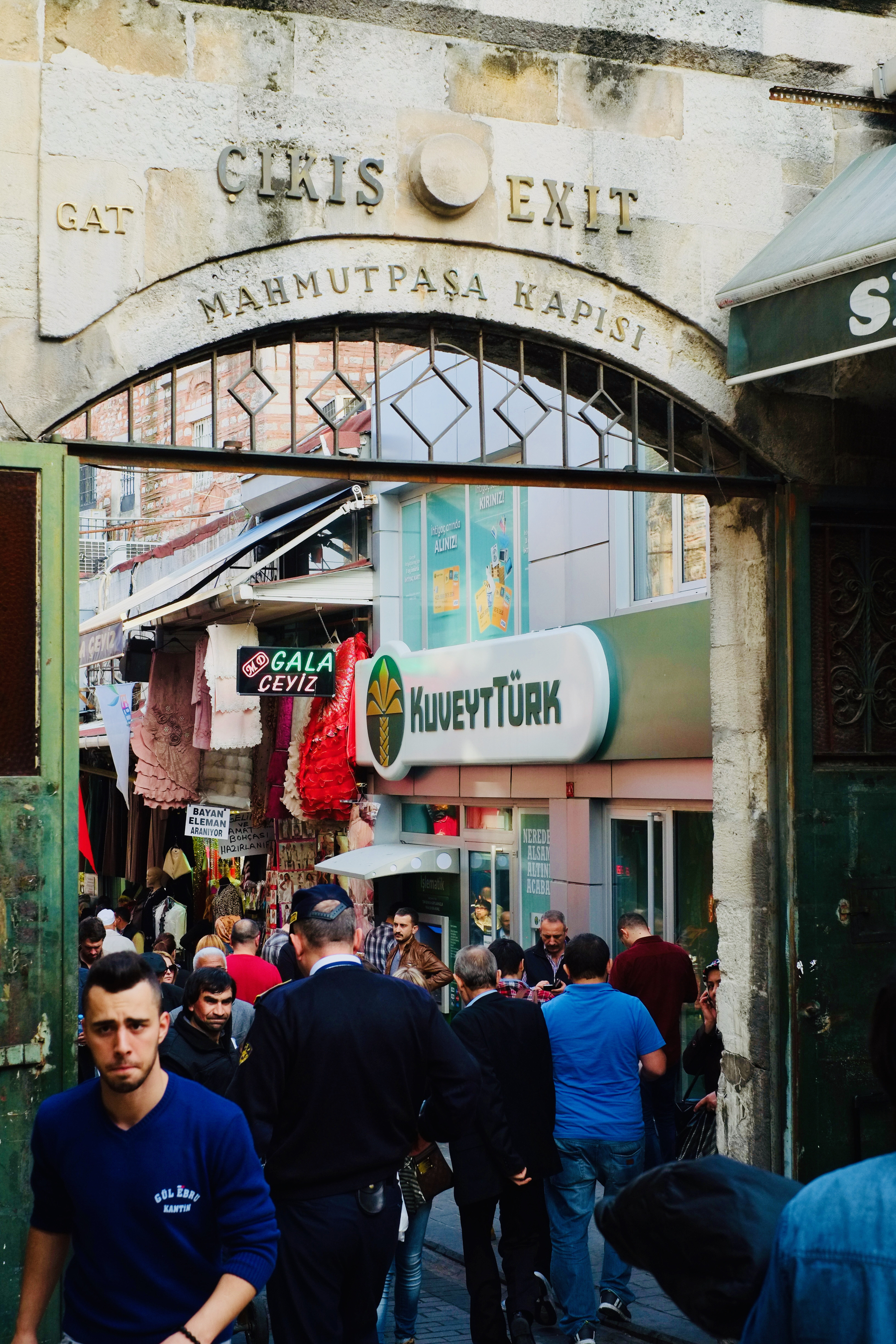
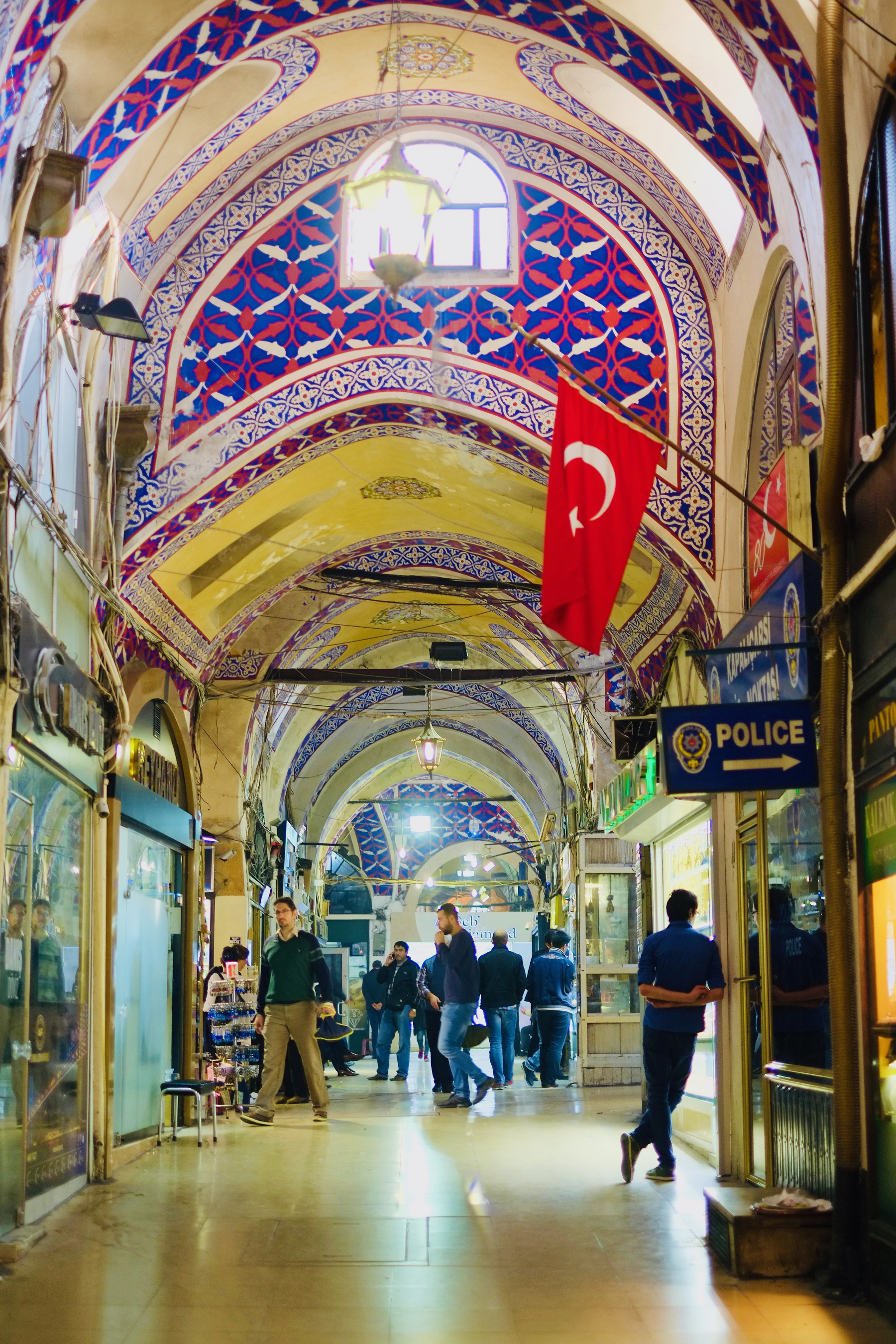
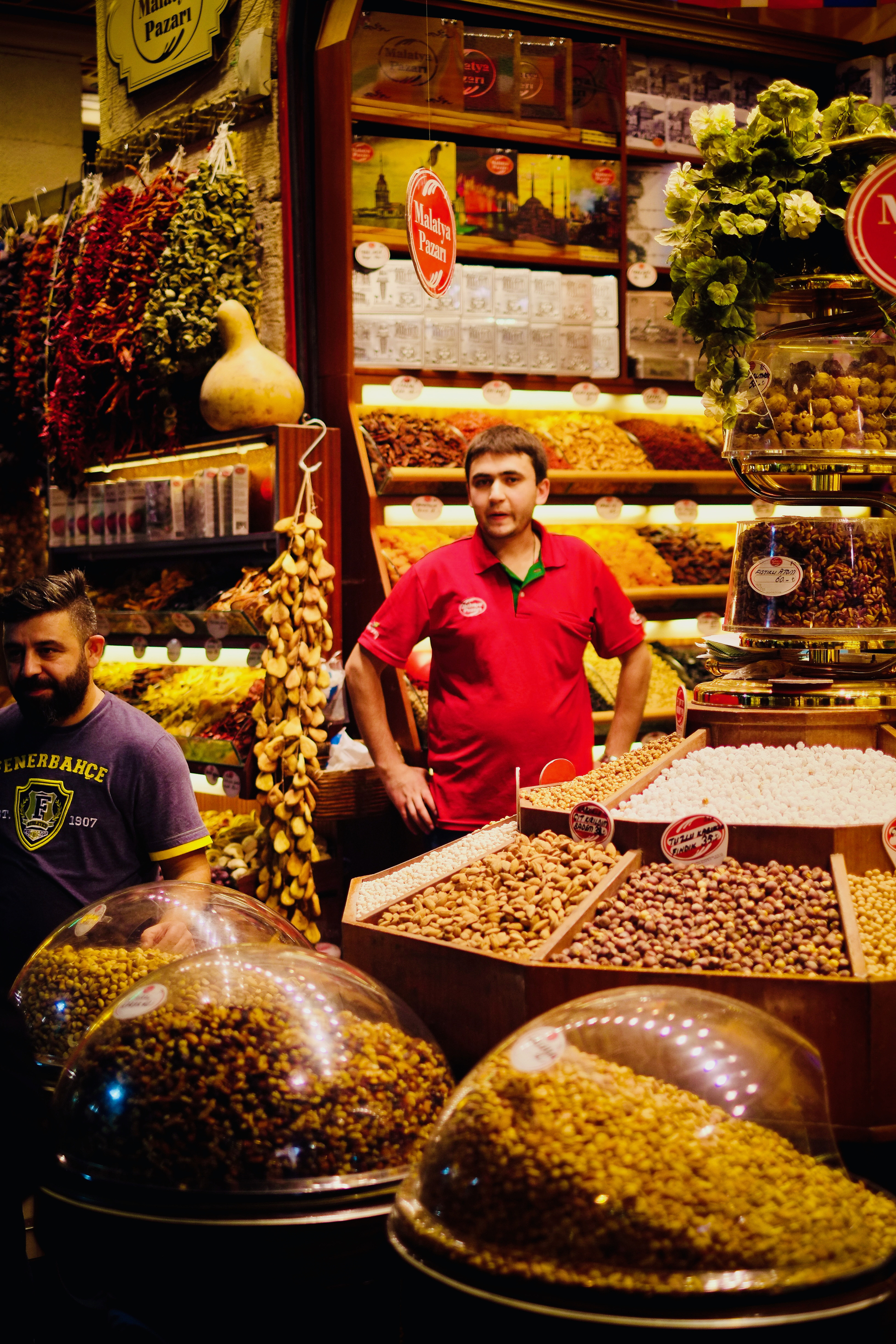
Walking through its winding alleys today, you can still witness traditional craftsmanship that has changed little over generations. Skilled artisans carefully engrave silver, weave carpets by hand, shape ceramics, and polish intricate jewellery with remarkable precision. Every object carries its own story, connecting today’s visitors with centuries of Ottoman tradition.
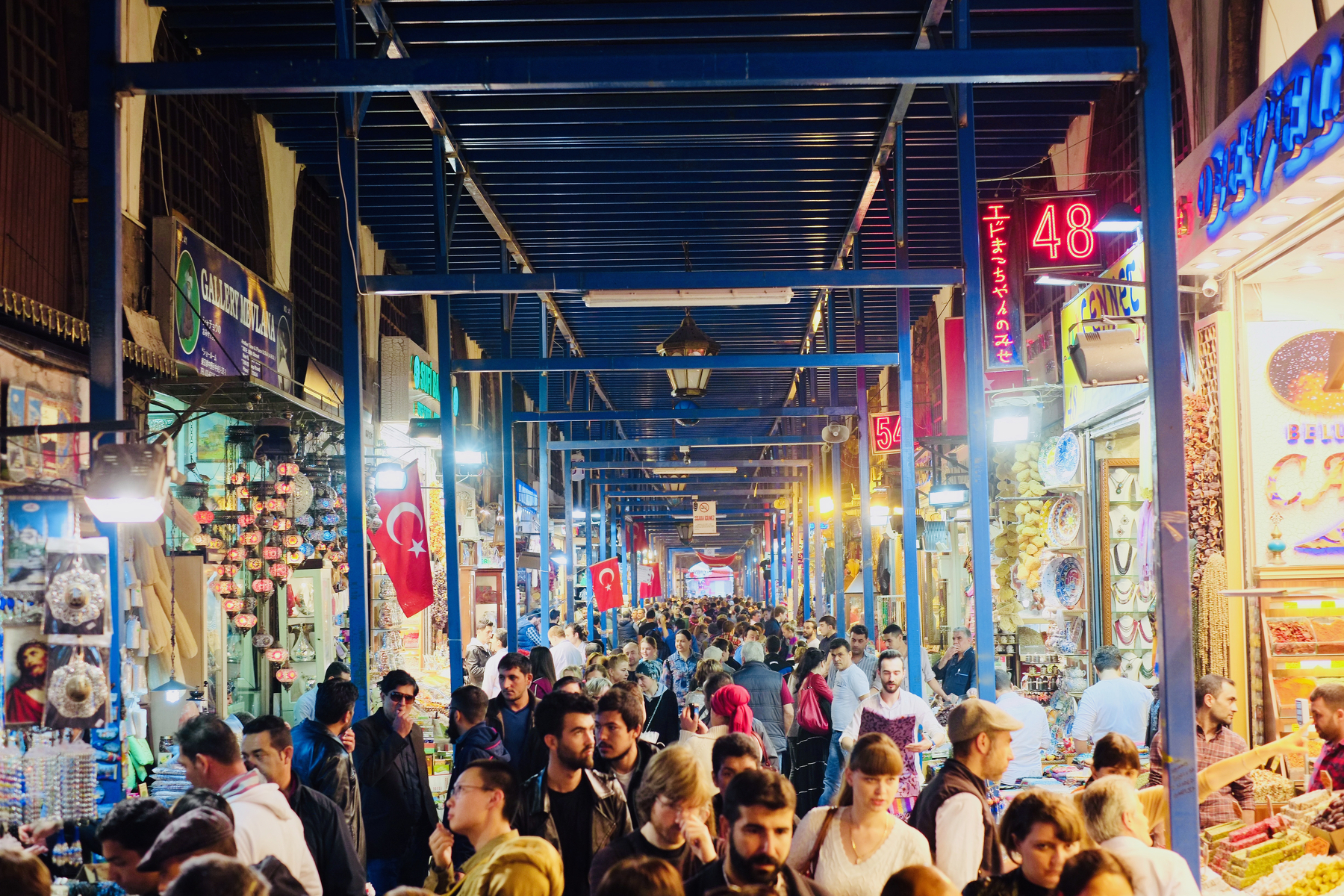
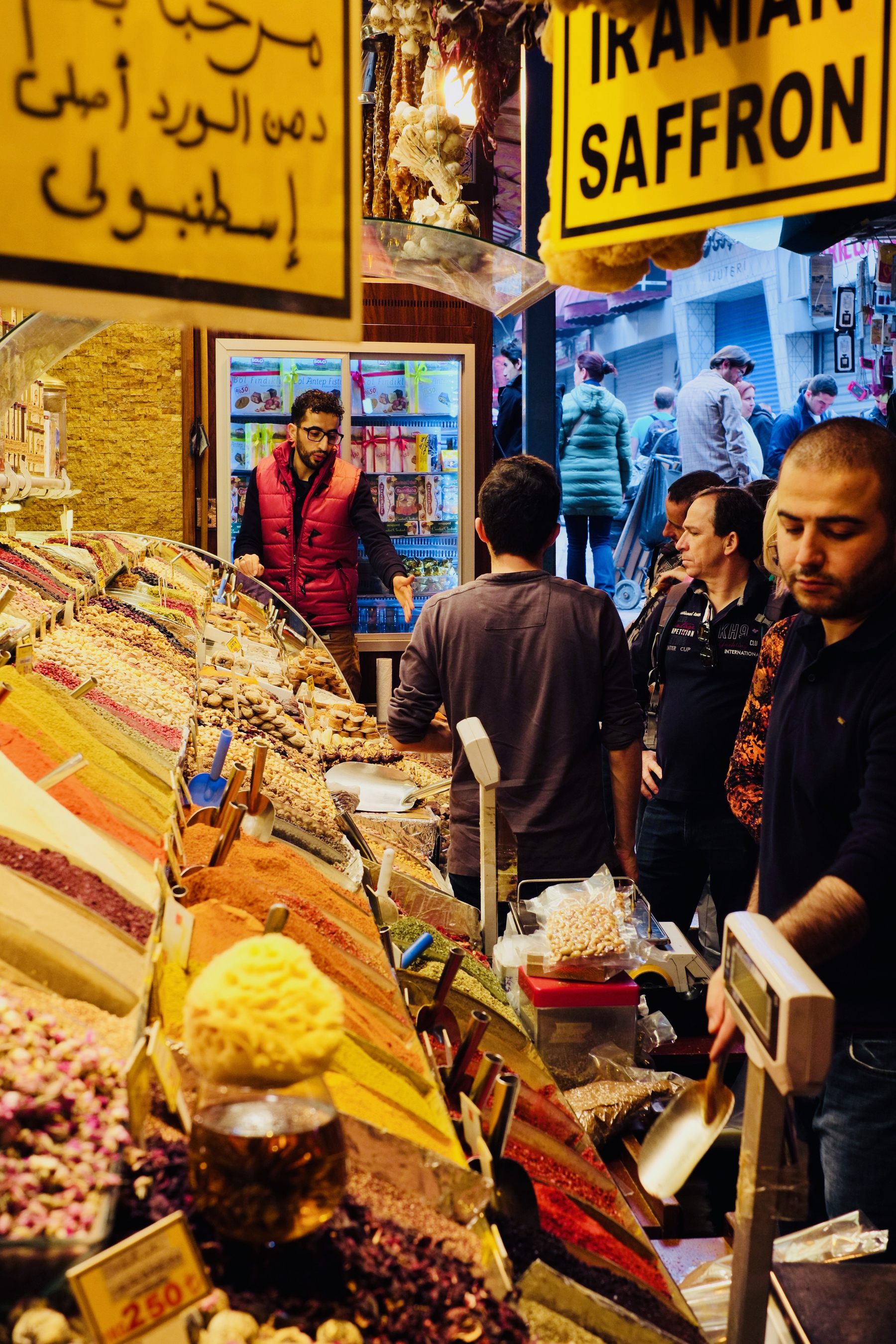
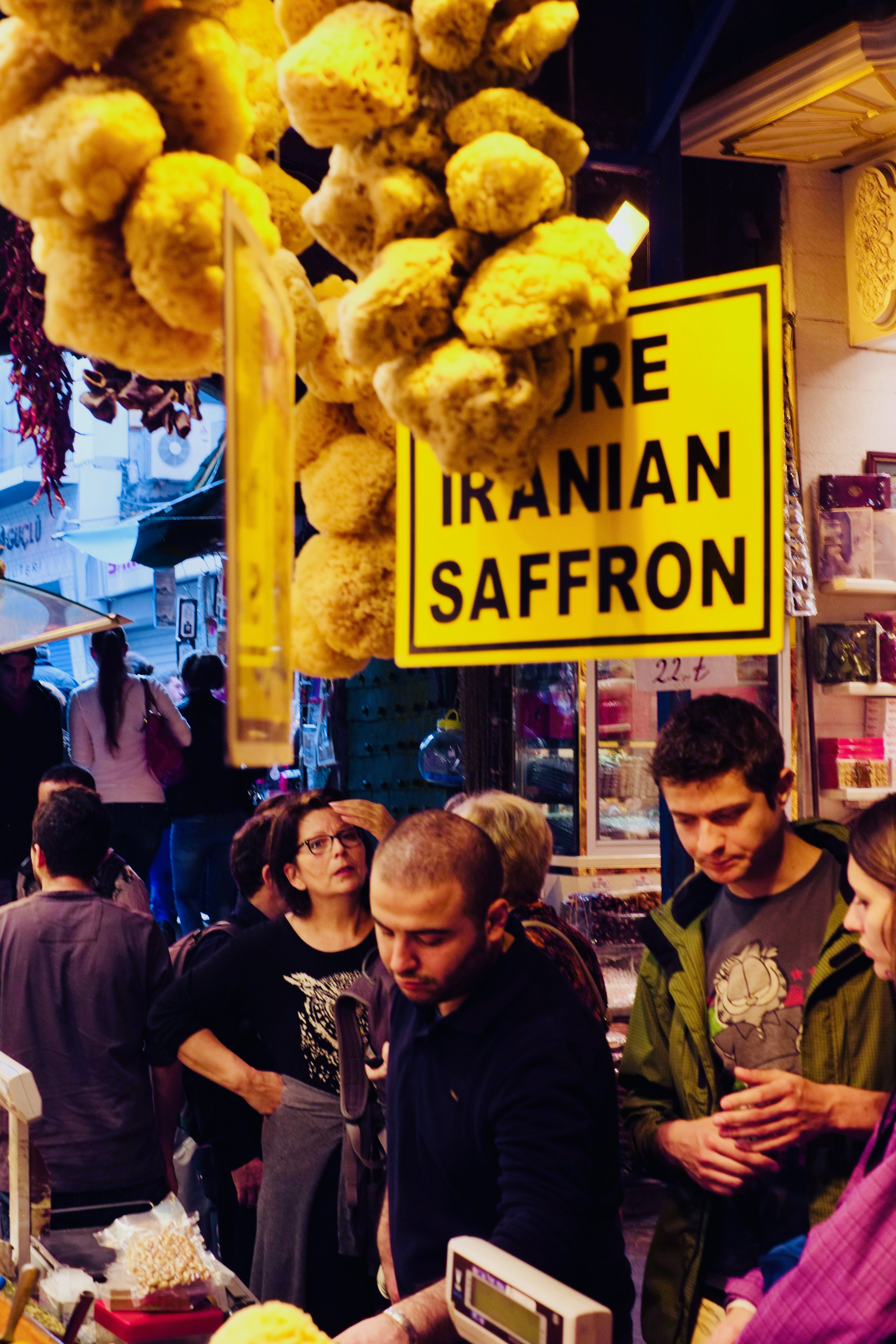
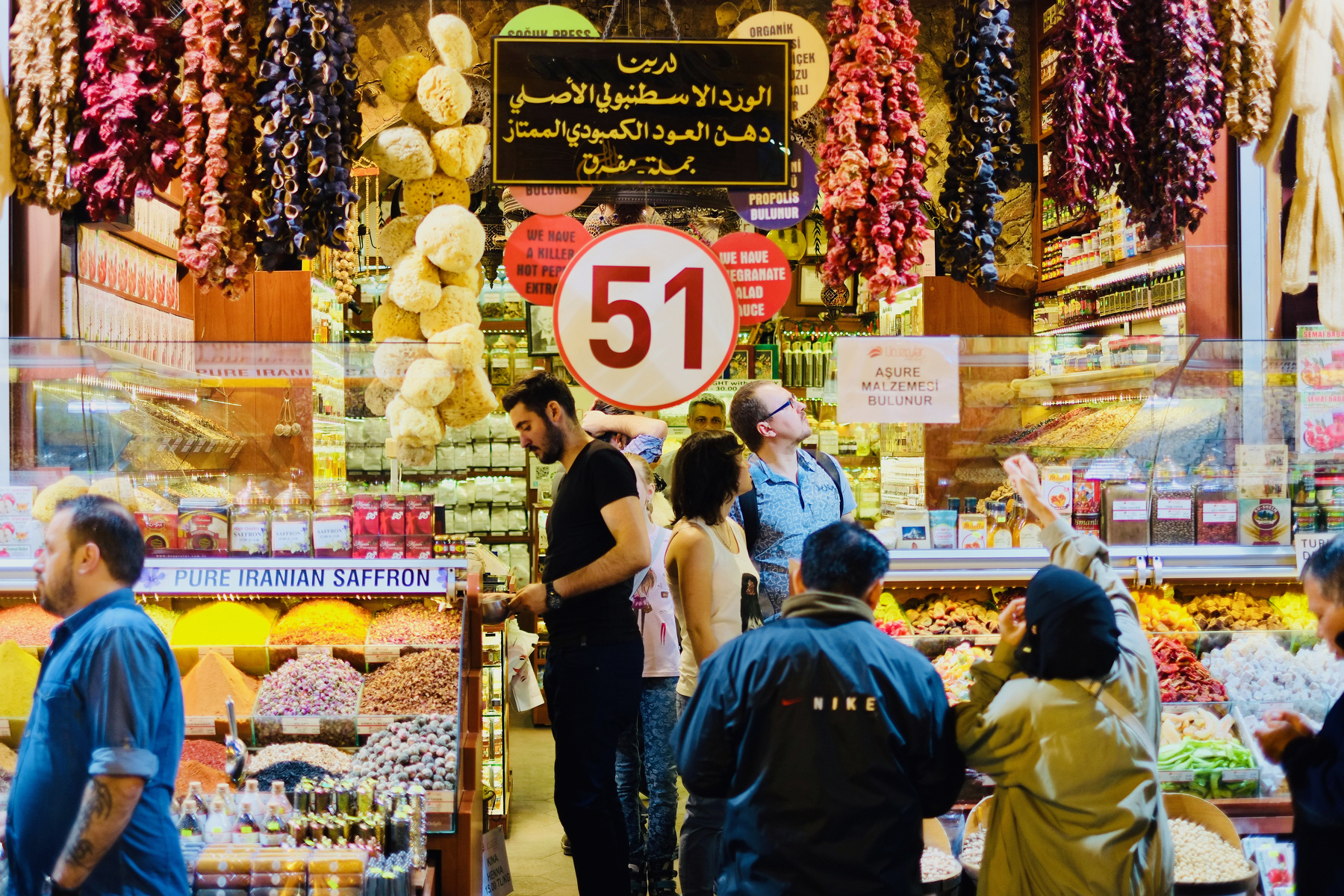
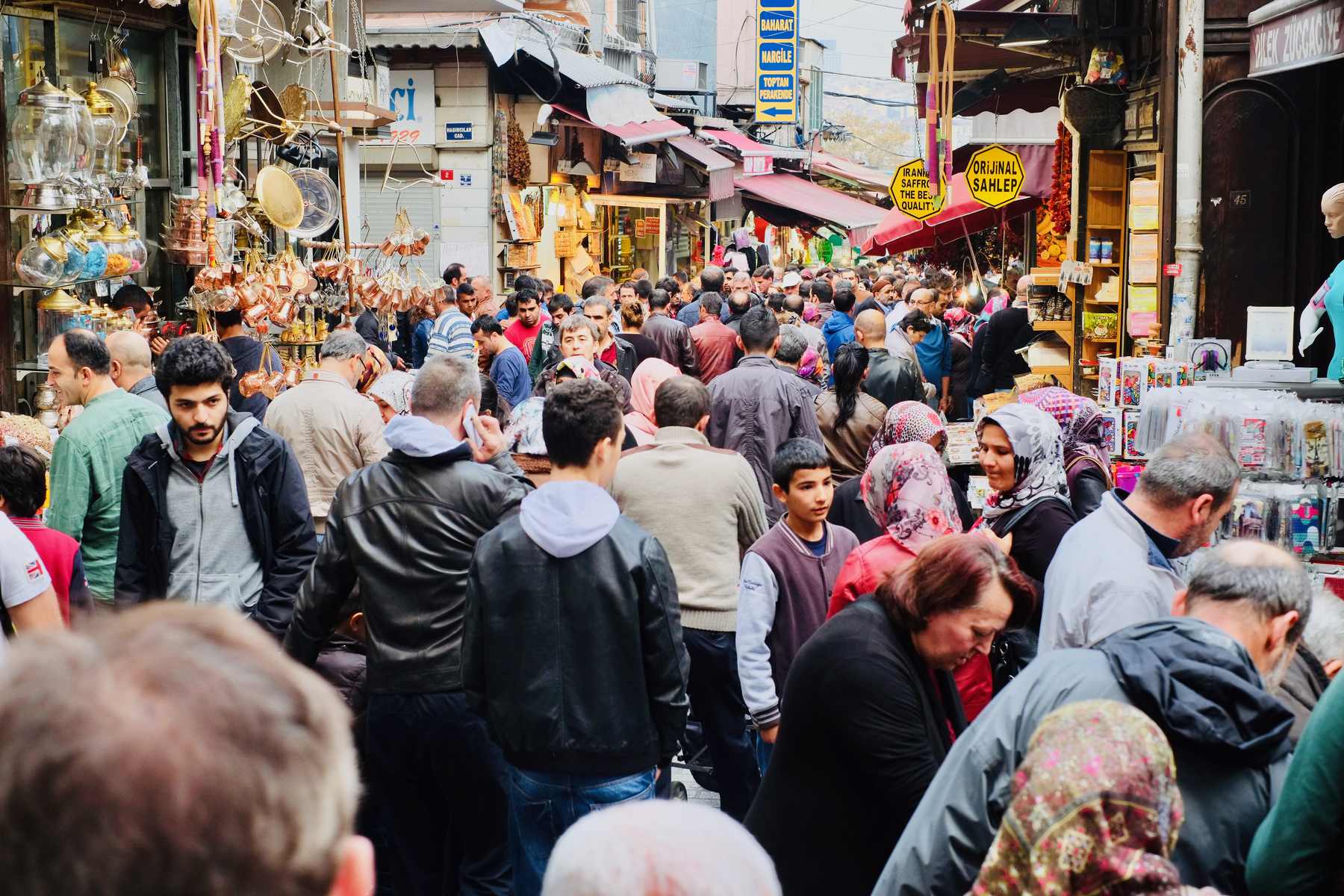
Of course, no visit would be complete without embracing one of the Grand Bazaar’s oldest customs—bargaining. Negotiating prices isn’t viewed as confrontation here; it’s part of the experience. Conversations become as valuable as the purchase itself, often ending with laughter, friendly smiles, and perhaps a small glass of tea shared between buyer and seller.
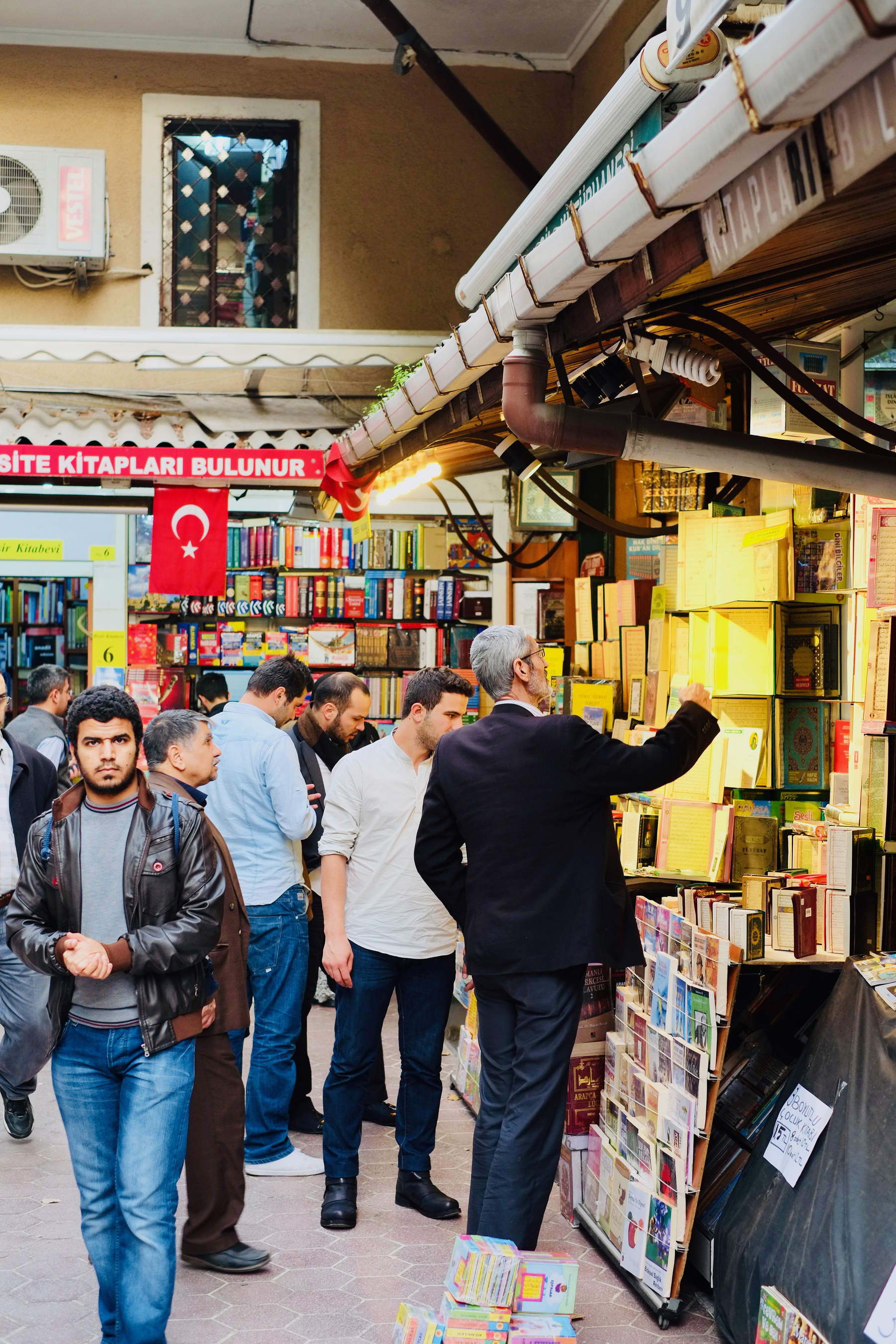
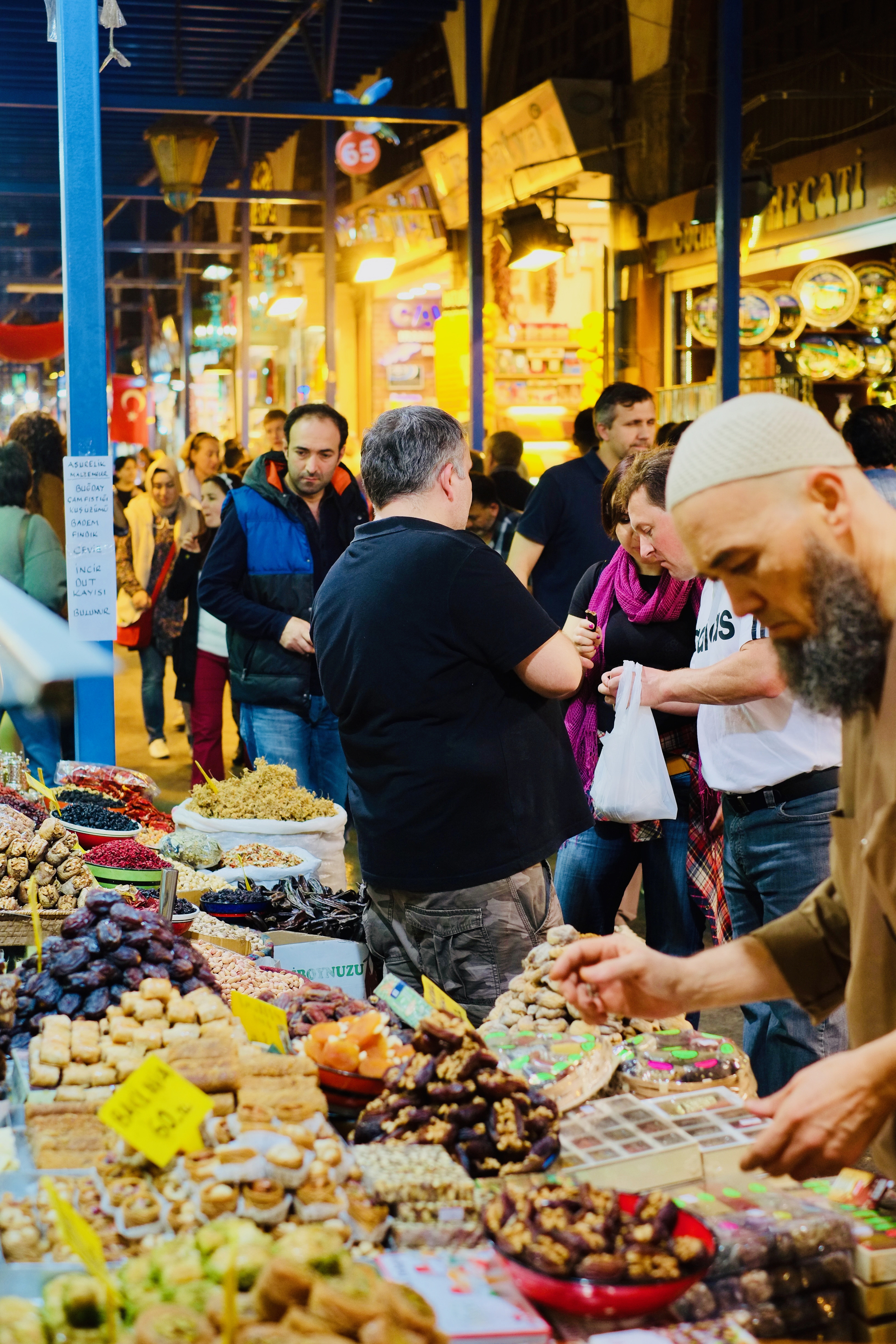
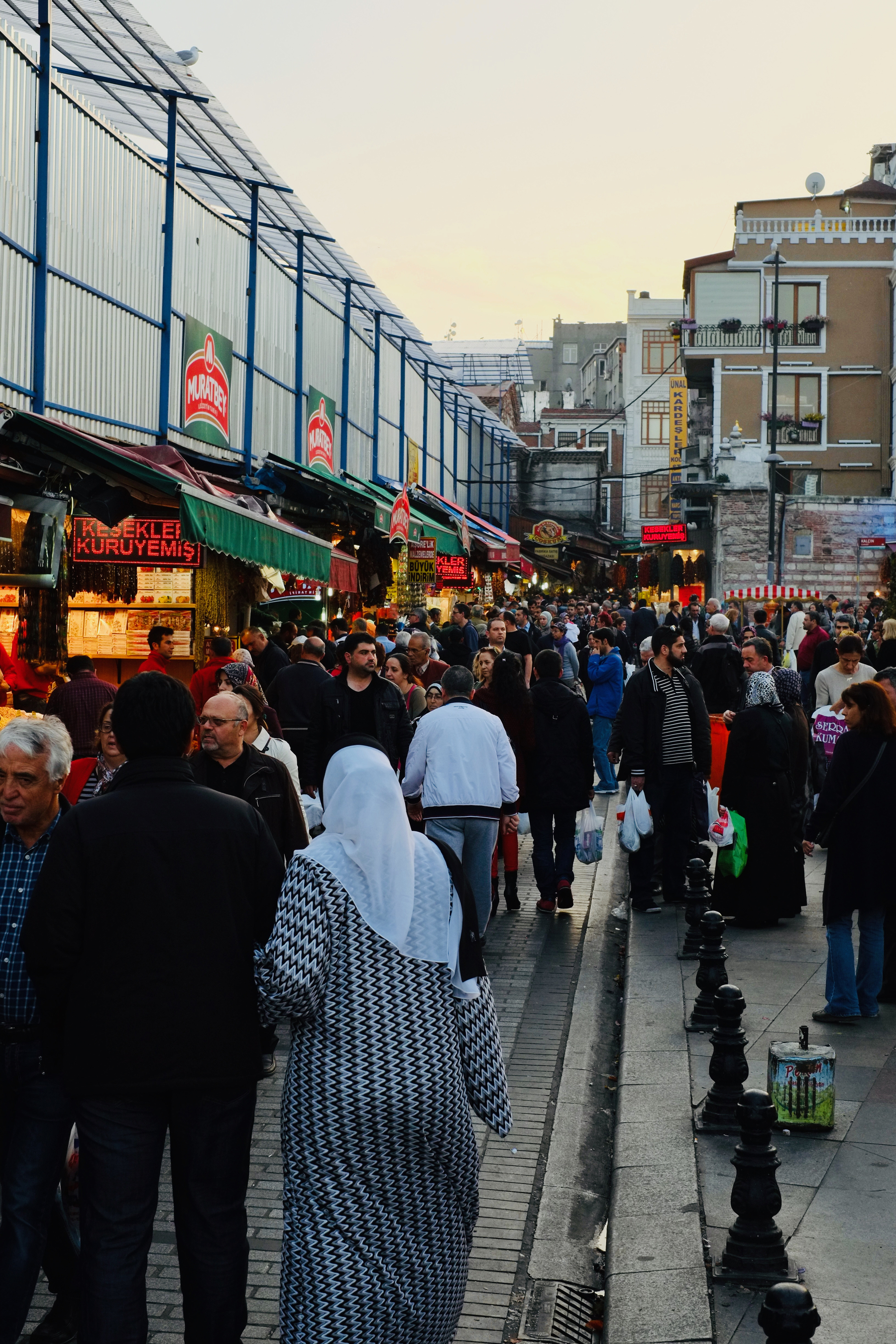
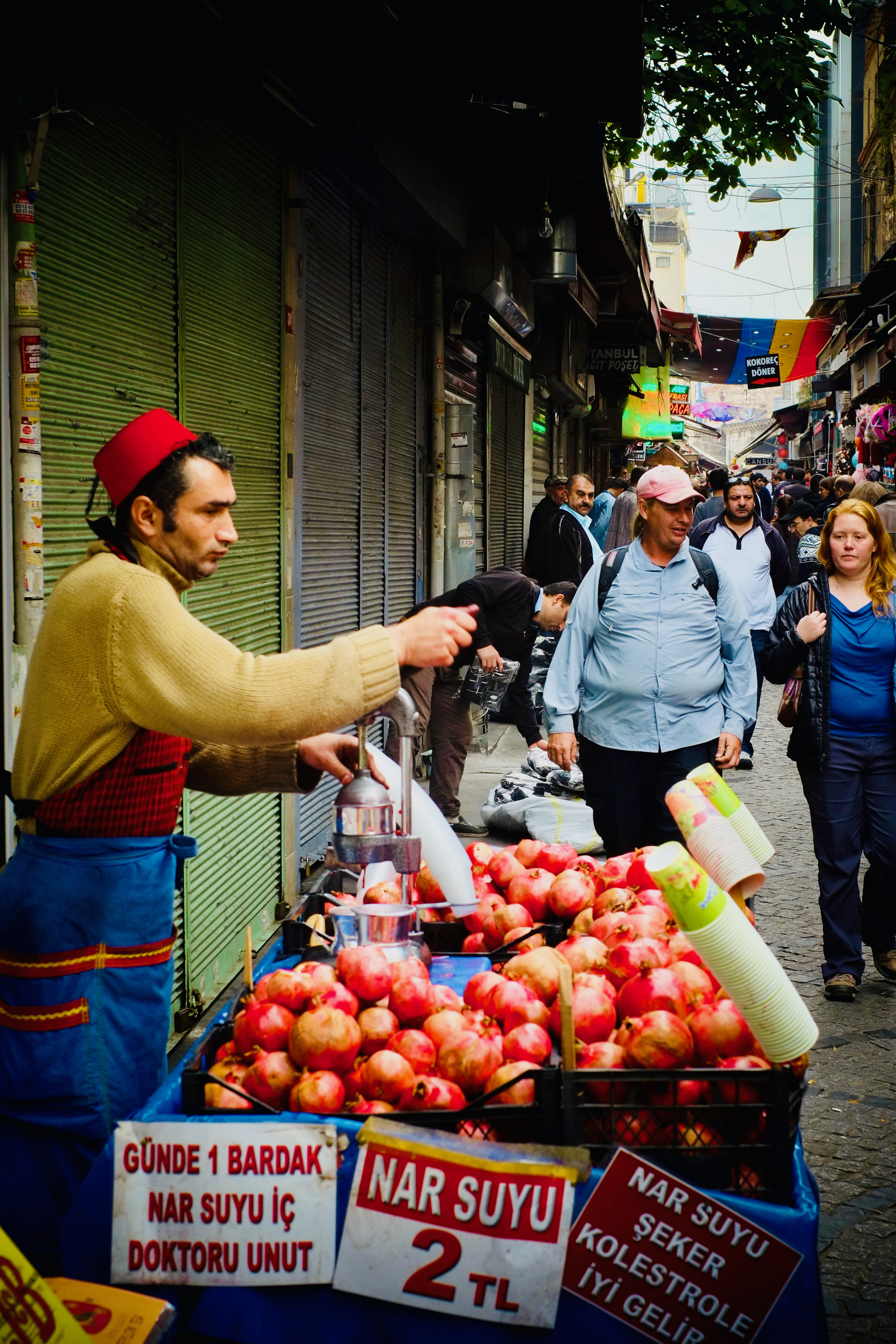
Eventually, even the most enthusiastic explorer needs a break. Scattered throughout and around the bazaar are welcoming cafés and traditional eateries where you can enjoy a freshly prepared gözleme, savour authentic Turkish tea, or cool down with a refreshing glass of freshly squeezed pomegranate juice before setting off once again into the maze of hidden passages.
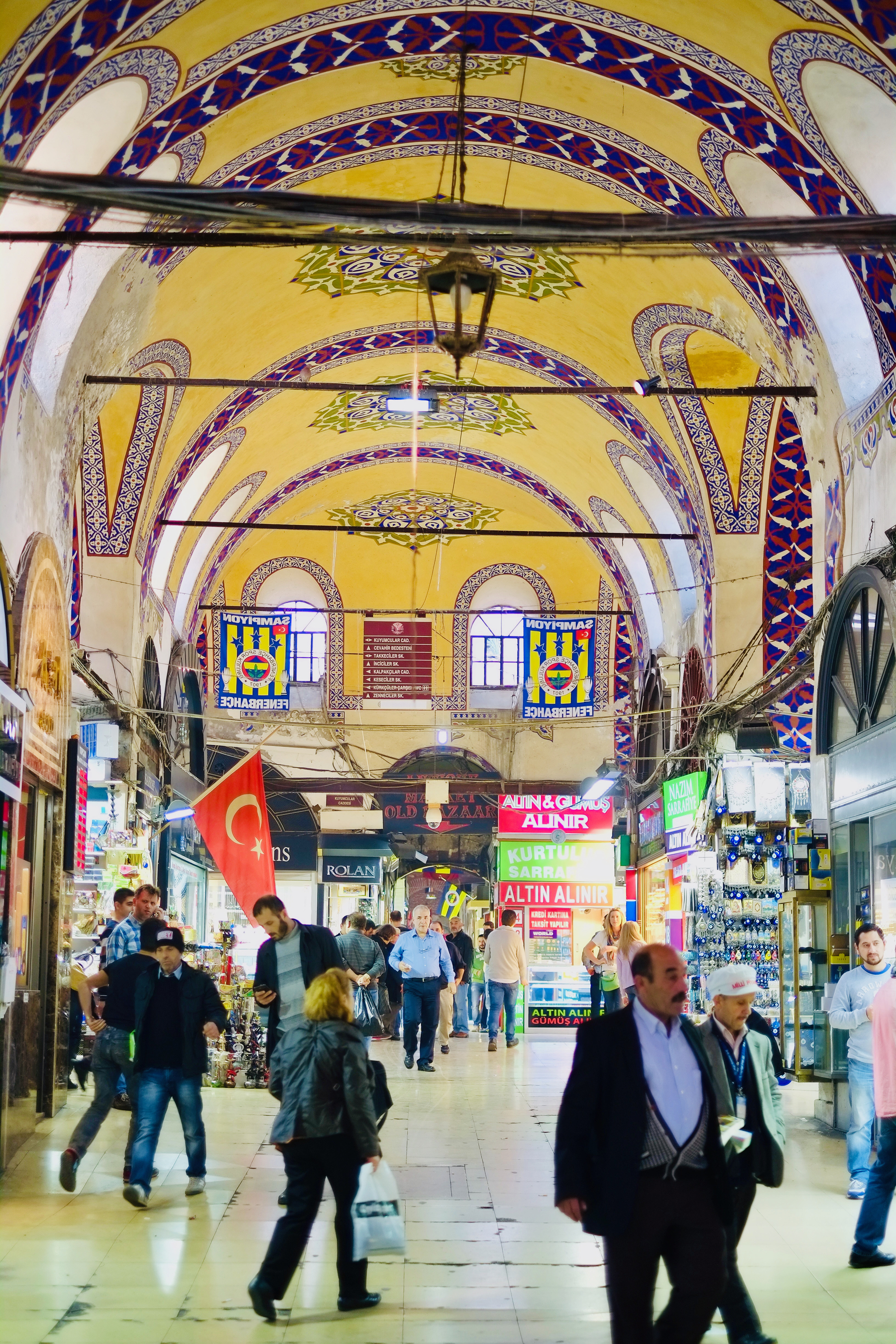
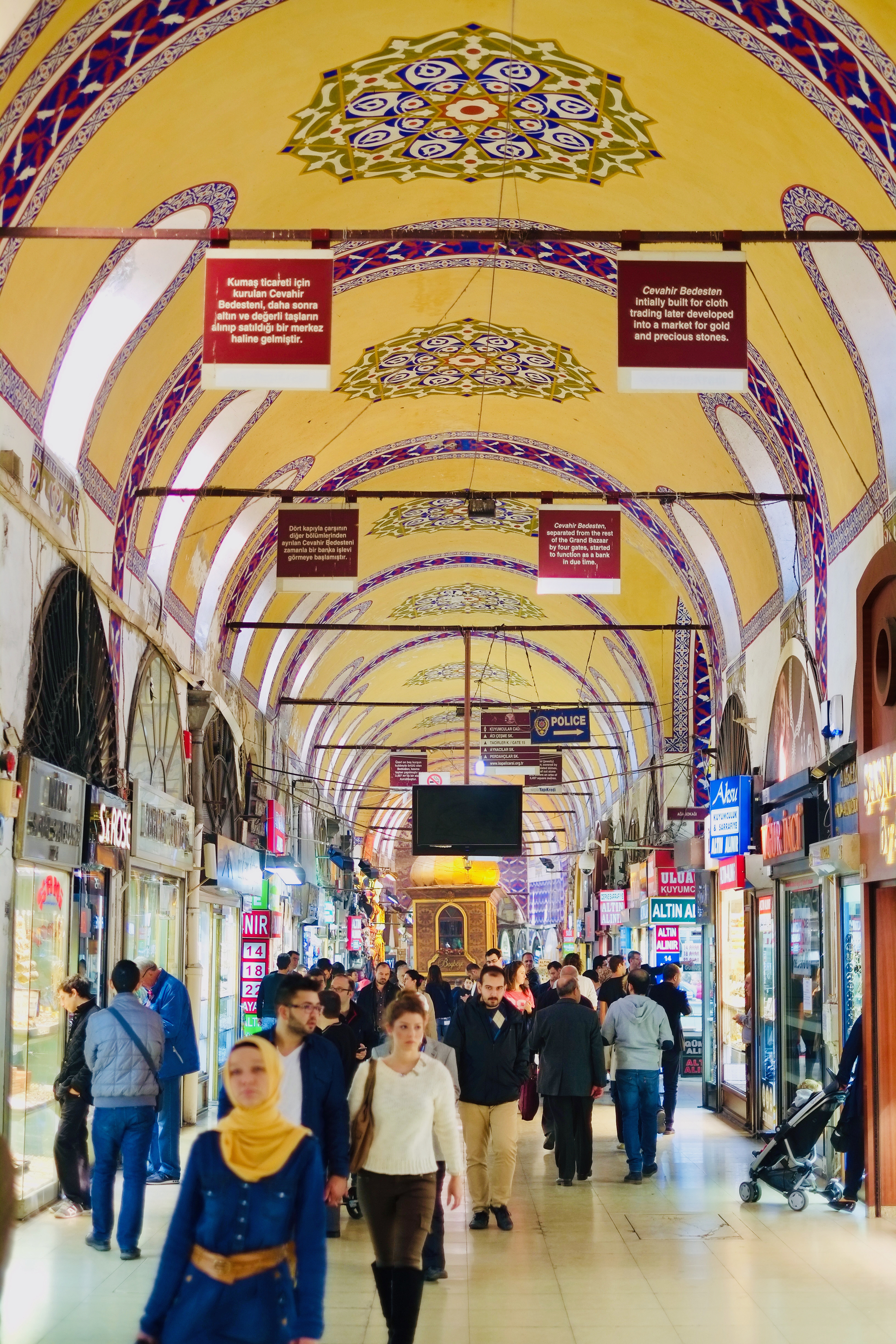
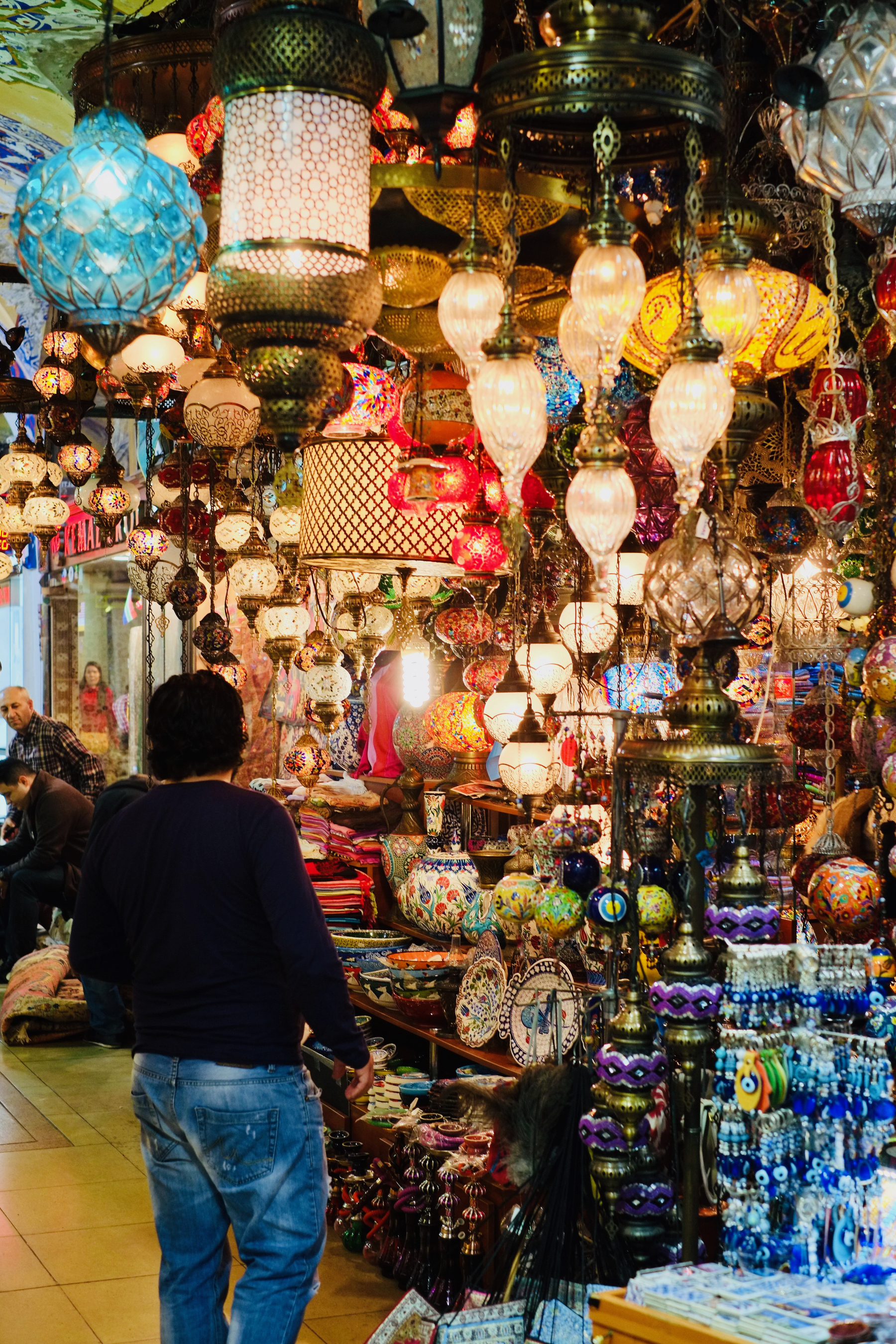
The Grand Bazaar isn’t simply somewhere to shop. It’s a living museum, a celebration of craftsmanship, and a reminder that the most memorable travel experiences often come from wandering without a destination. Here, getting lost isn’t an inconvenience—it’s exactly the point.
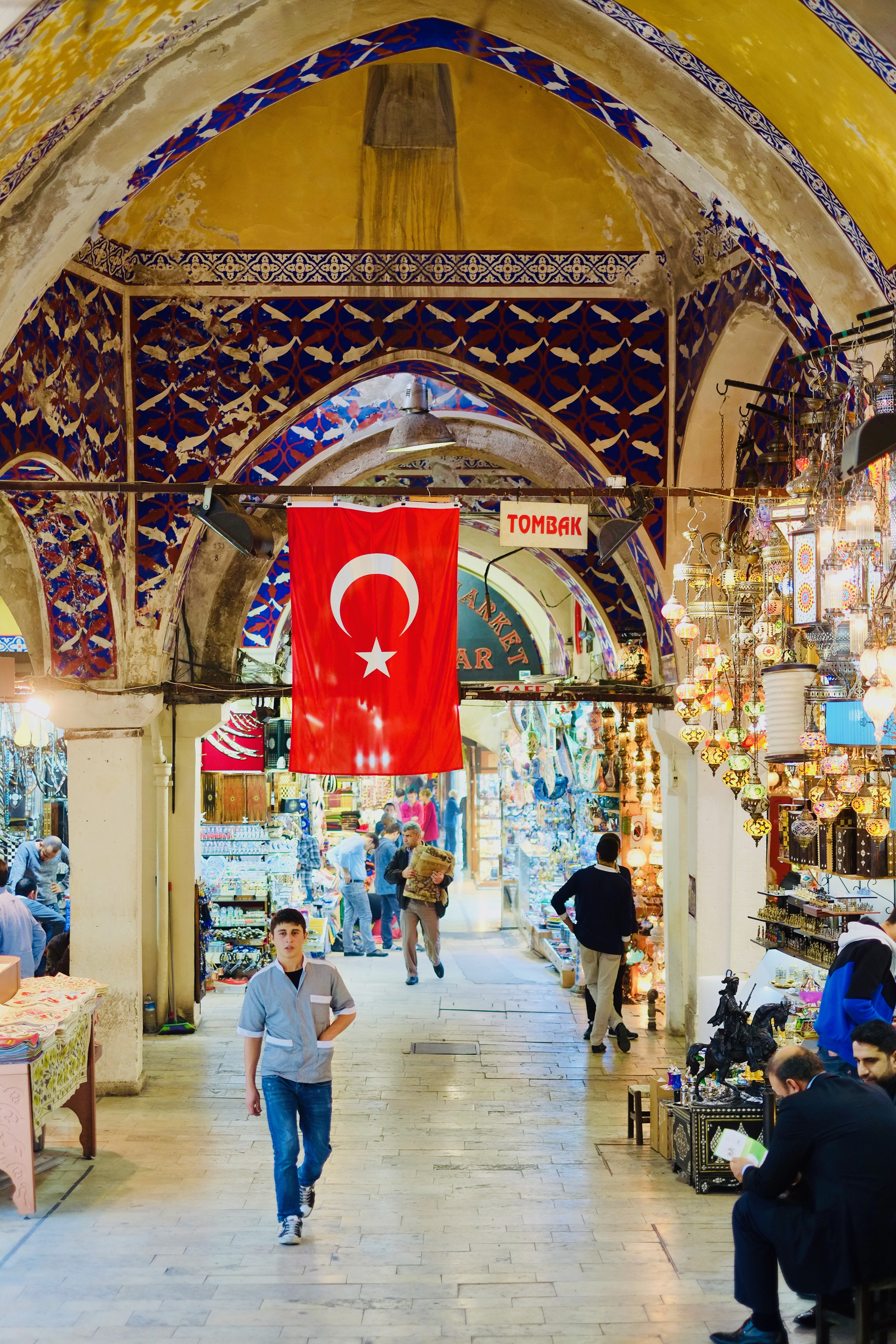
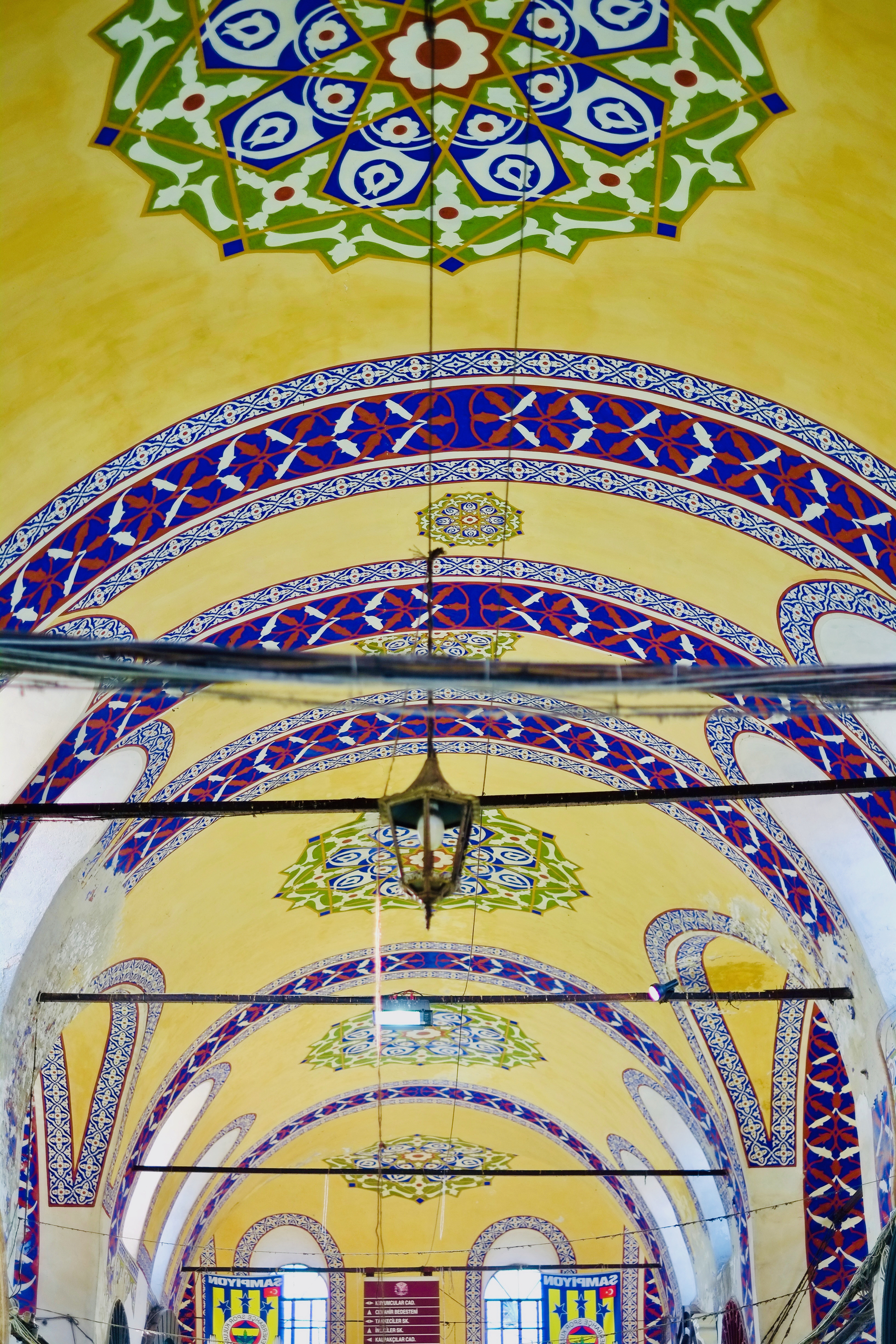
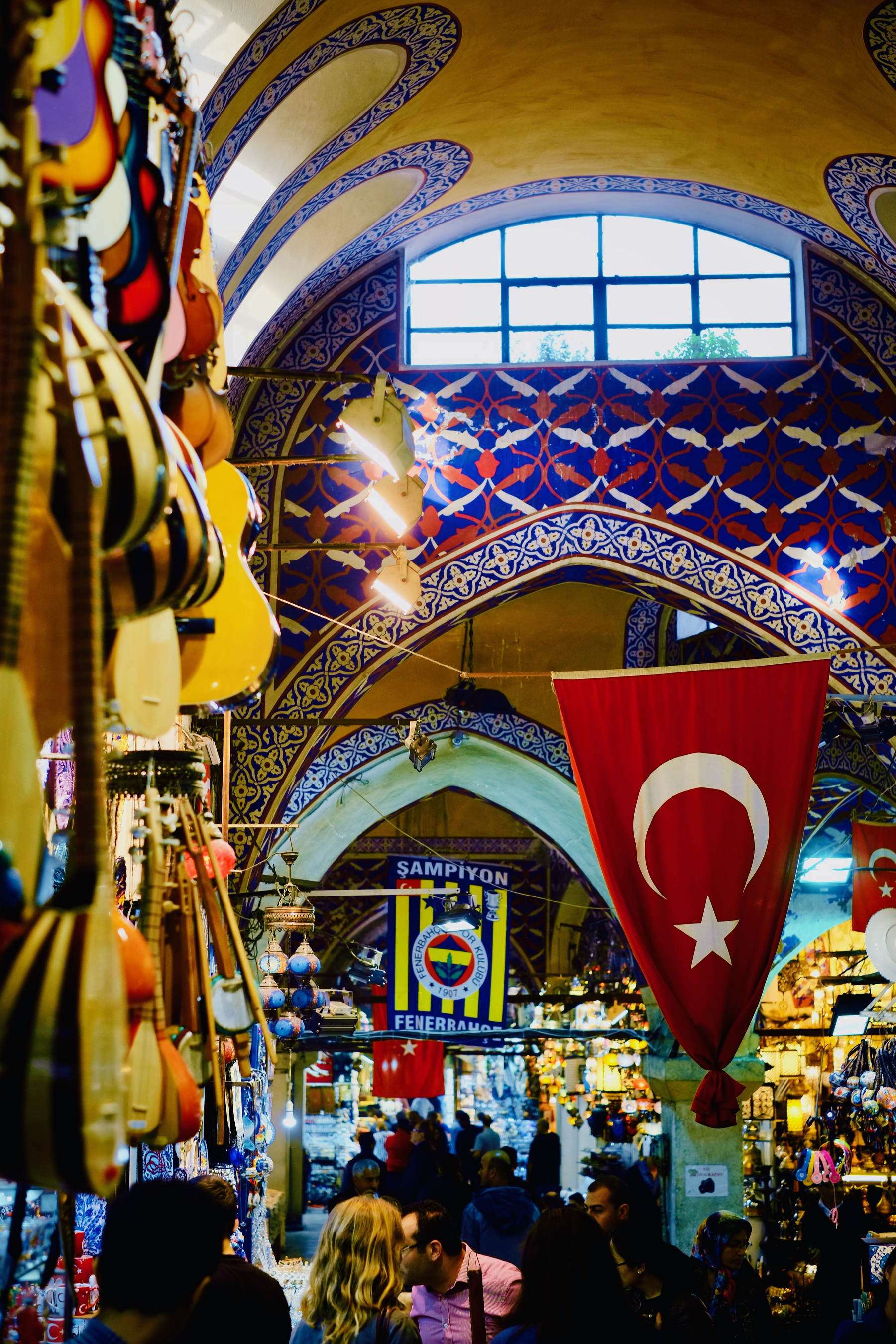
Long after leaving Istanbul, I found that it wasn’t the souvenirs I remembered most. It was the atmosphere. The conversations. The colours. The centuries of history echoing beneath those magnificent domes.
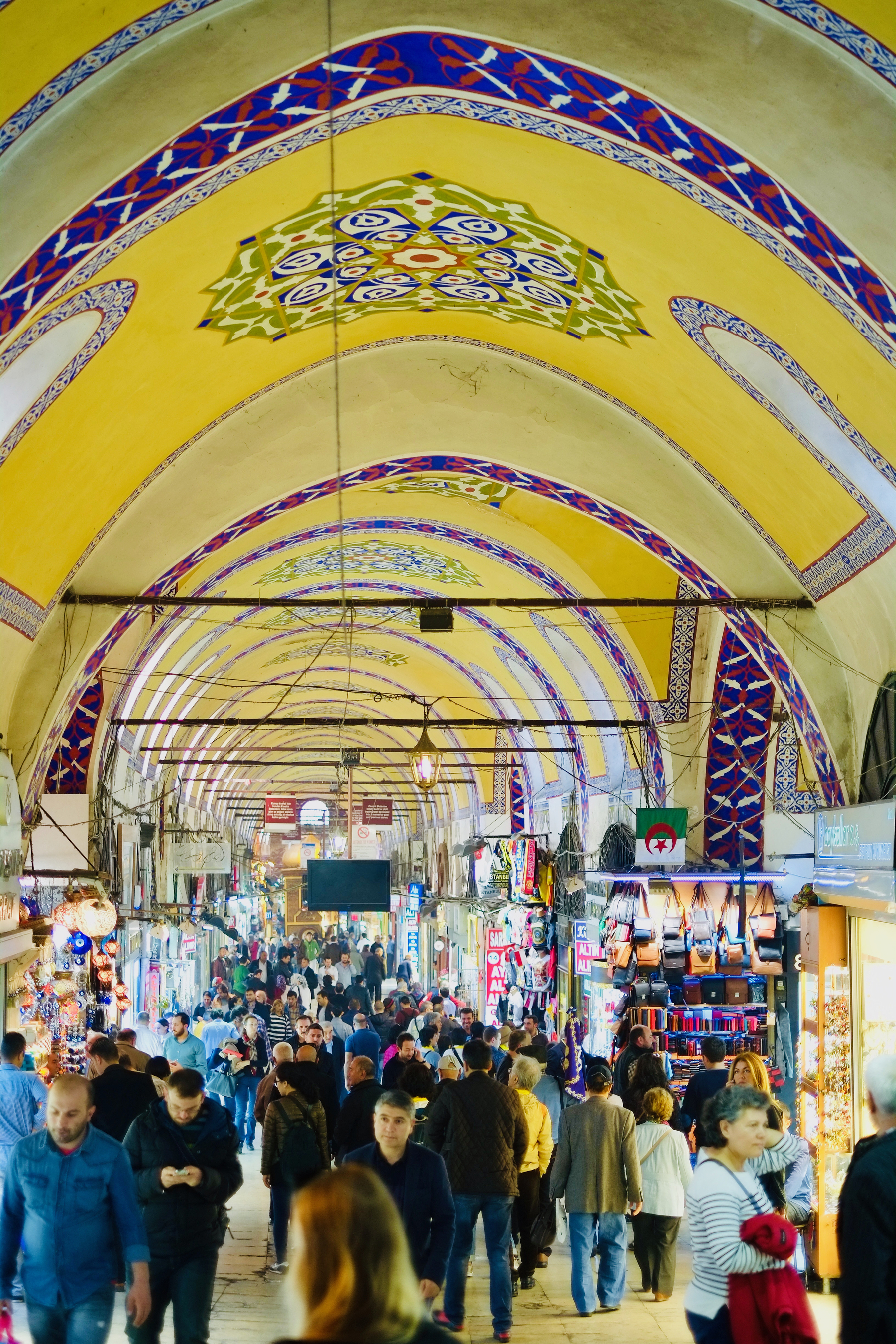
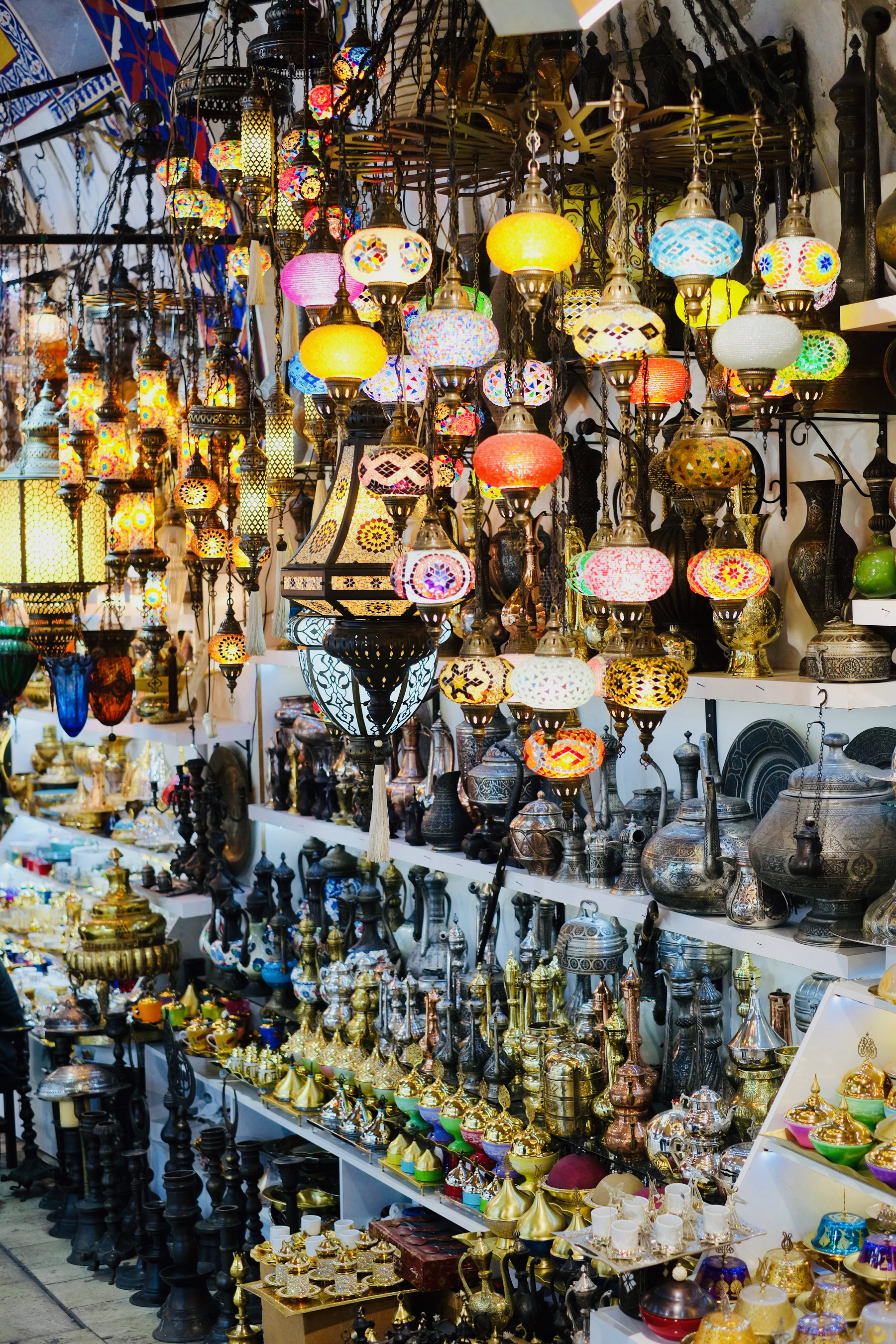
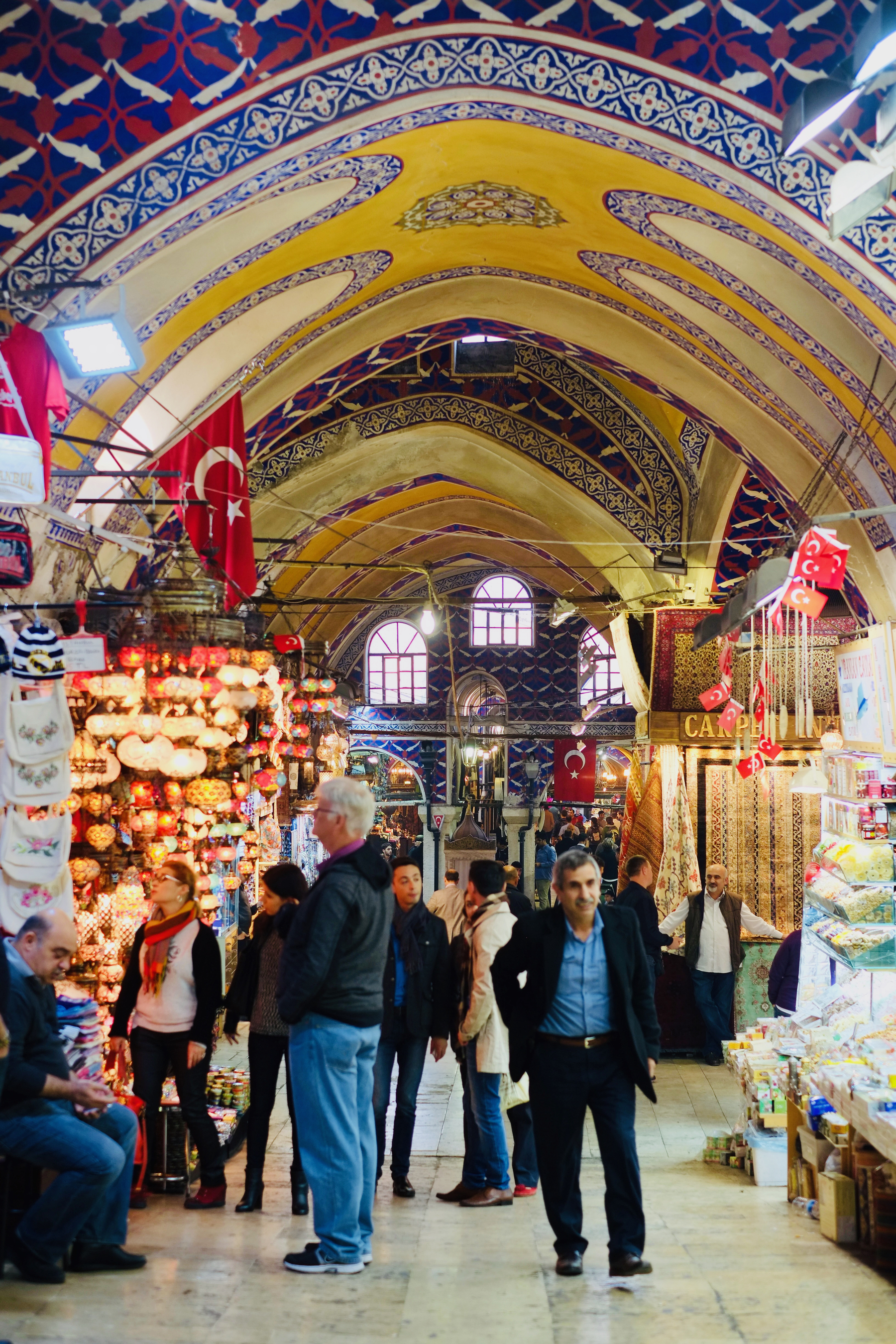
Some places remain with you forever. The Grand Bazaar is undoubtedly one of them. Thank you for joining me on another journey through one of the world’s most remarkable destinations. Until next time—happy travels.
#Travel #GrandBazaar #Kapalicarsi #Istanbul #Türkiye #Turkey #VisitIstanbul #TravelPhotography #StreetPhotography #HistoricMarkets #OttomanHistory #SilkRoad #TurkishCulture #Architecture #Wanderlust #ExploreMore #CulturalTravel #TravelBlog #TravelGuide #AdventureAwaits #Photography
Galleria Umberto I Naples Italy Architecture and History
As your journey to Capri unfolds, do not rush past Naples—this vibrant city is a treasure trove waiting to be explored. A day or two spent here reveals a delightful tapestry of history, culture, and stunning architecture. Among the must-see gems is the magnificent Galleria Umberto I, a testament to the city's grand past and a perfect introduction to Naples' rich heritage.
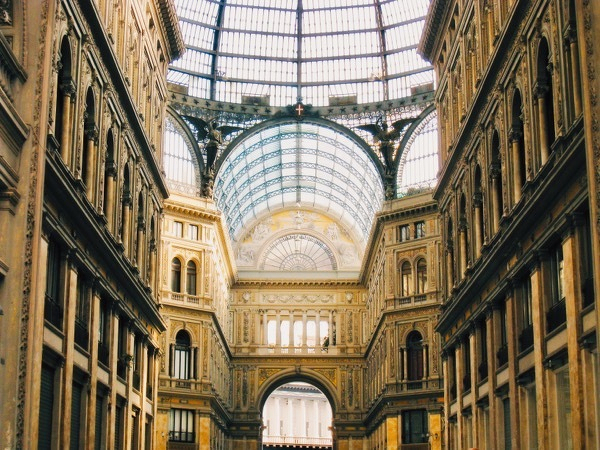
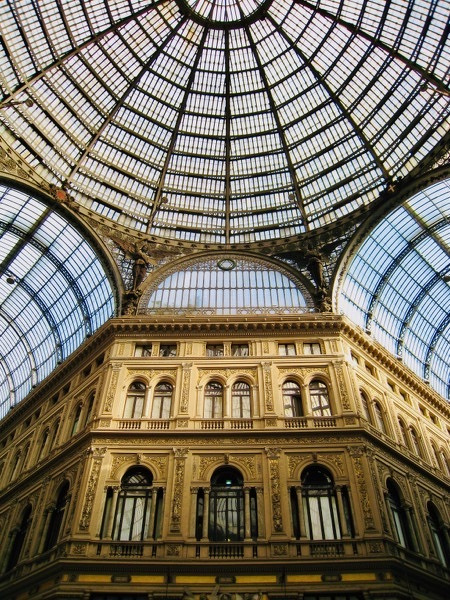
Constructed between 1887 and 1891, Galleria Umberto I emerged as a cornerstone in the monumental rebuilding of Naples following a series of devastating events. Designed by the brilliant architect Emanuele Rocco, this stunning arcade showcases modern architectural elements that echo the elegance of Milan's Galleria Vittorio Emanuele II. A fascinating fact: the Galleria was named in honour of King Umberto I, the reigning monarch of Italy during its construction—a nod to the era's royal patronage.
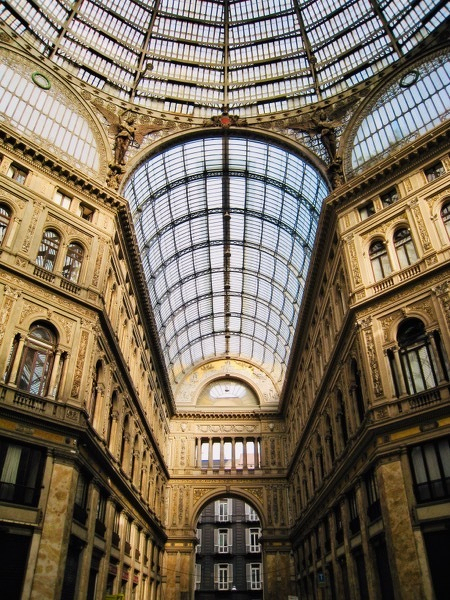
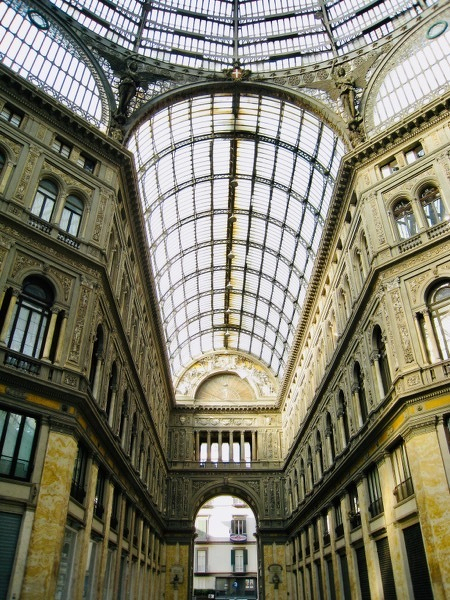
Step inside, and you will find yourself in a light-filled shopping arcade that is as bustling with history as it is with life. The Galleria was designed to be more than just a shopping destination; it was envisioned as a lively public space that fused business and leisure. With shops, cafes, and social gathering spots on the lower levels and private apartments gracing the upper floors, it reflects the vibrant spirit of Naples itself. As you wander beneath its impressive glass and steel dome, it is hard not to be swept away by the artistry of the Art Nouveau style, where ornate details and stunning designs come together to create a truly enchanting atmosphere.

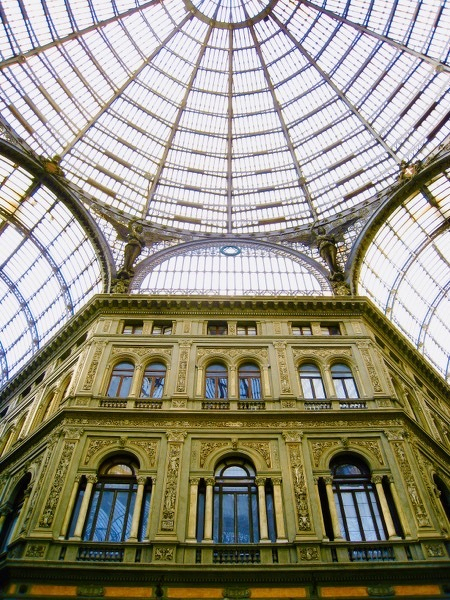
During my visit, I was lucky enough to experience the Galleria in a moment of serene solitude—an unusual quiet that allowed me to appreciate its beauty fully. With the sun filtering through the glass roof, the intricate mosaics and delicate ironwork seemed to shimmer, making the spacious interior feel even more majestic. It is a perfect place to sip a coffee, savour a pastry, and soak in the atmosphere of this historical marvel.
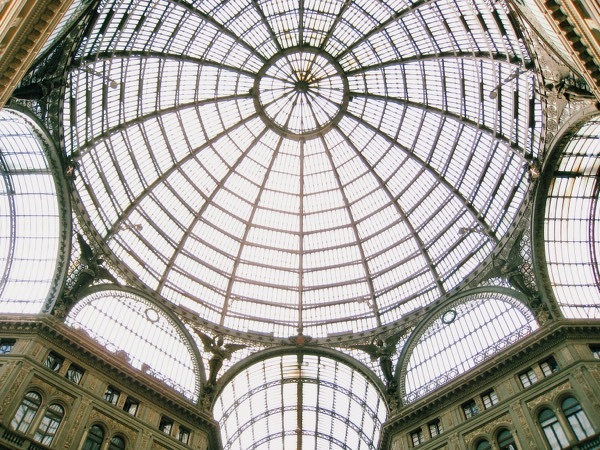
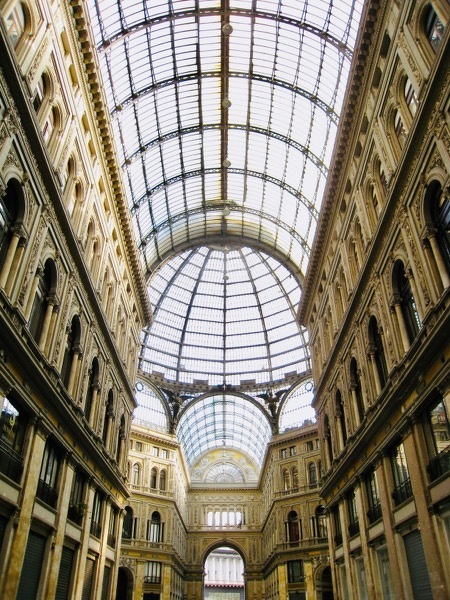
As part of the UNESCO listing of the Historic Centre of Naples, Galleria Umberto I is not just a sight to behold; it is a piece of living history. So, as you plan your adventure to Capri, remember to set aside time to explore Naples and immerse yourself in the stories that its streets and buildings have to tell. Thanks for joining me on this journey. Remember to respect the images shared here—each one is watermarked and copyrighted. I would love to hear your thoughts, so feel free to leave a comment below. Until next time, happy travels.
#Naples #GalleriaUmbertoI #ItalyTravel #HistoricArchitecture #ArtNouveau #TravelEssay #Europe #Italy
Discovering Joshua Tree National Park: A Desert Wonderland in California
Just a short drive from the palm-fringed paradise of Palm Springs, California, lies a realm where the desert comes alive in a vibrant tapestry of rugged rock formations and sprawling landscapes. Joshua Tree National Park is a dazzling showcase of nature’s artistry and a playground for the adventurous spirit.
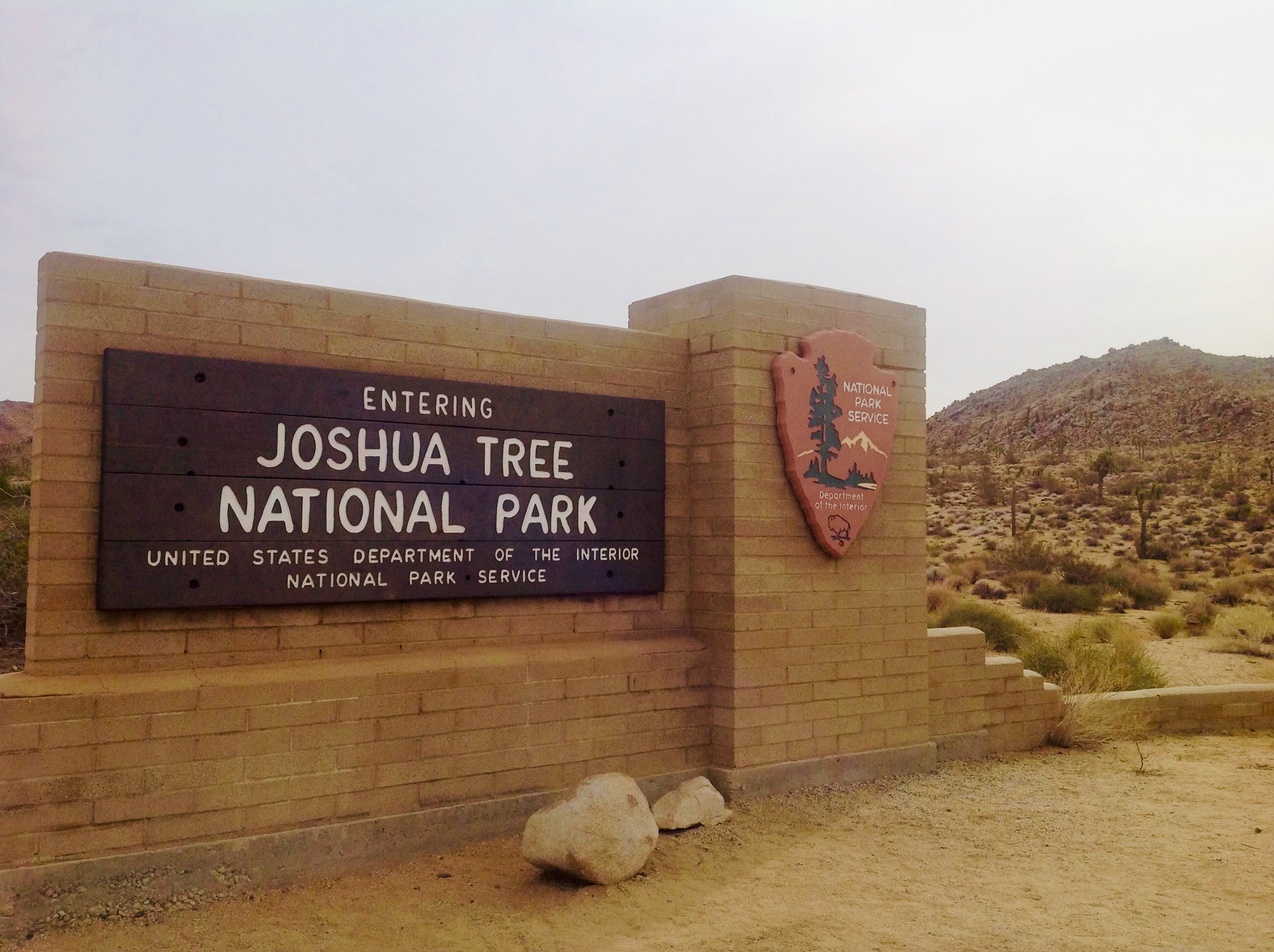
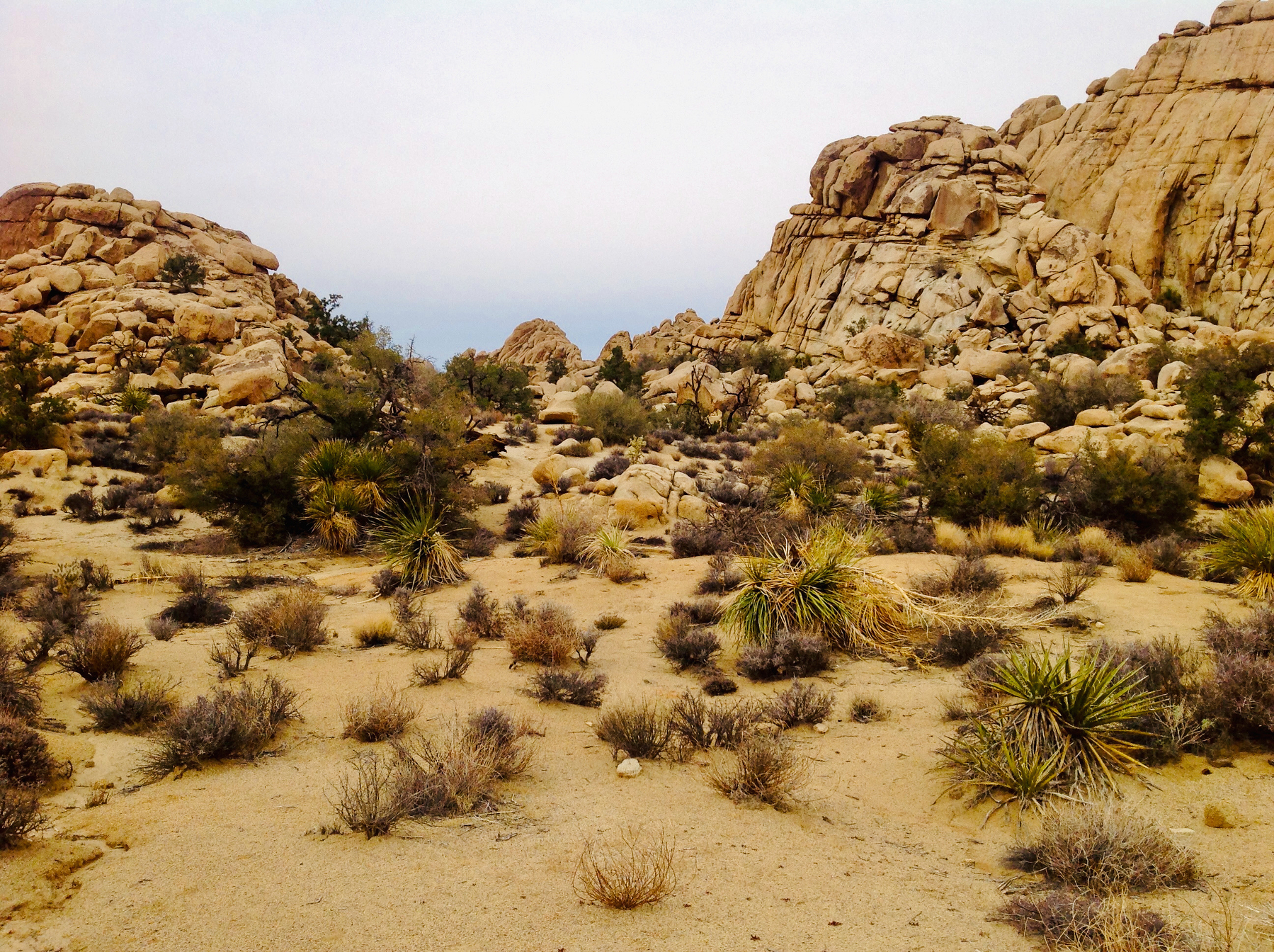
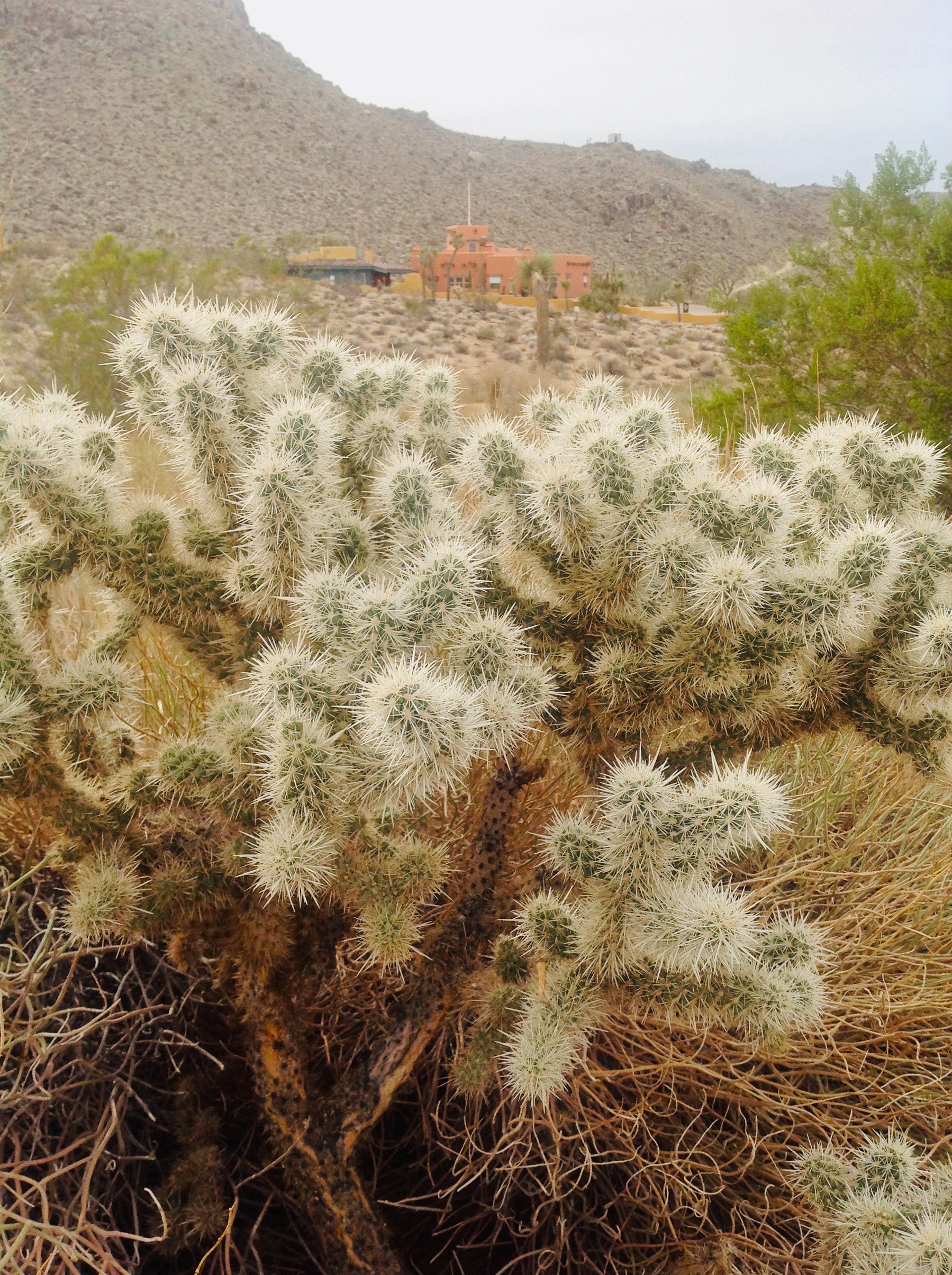
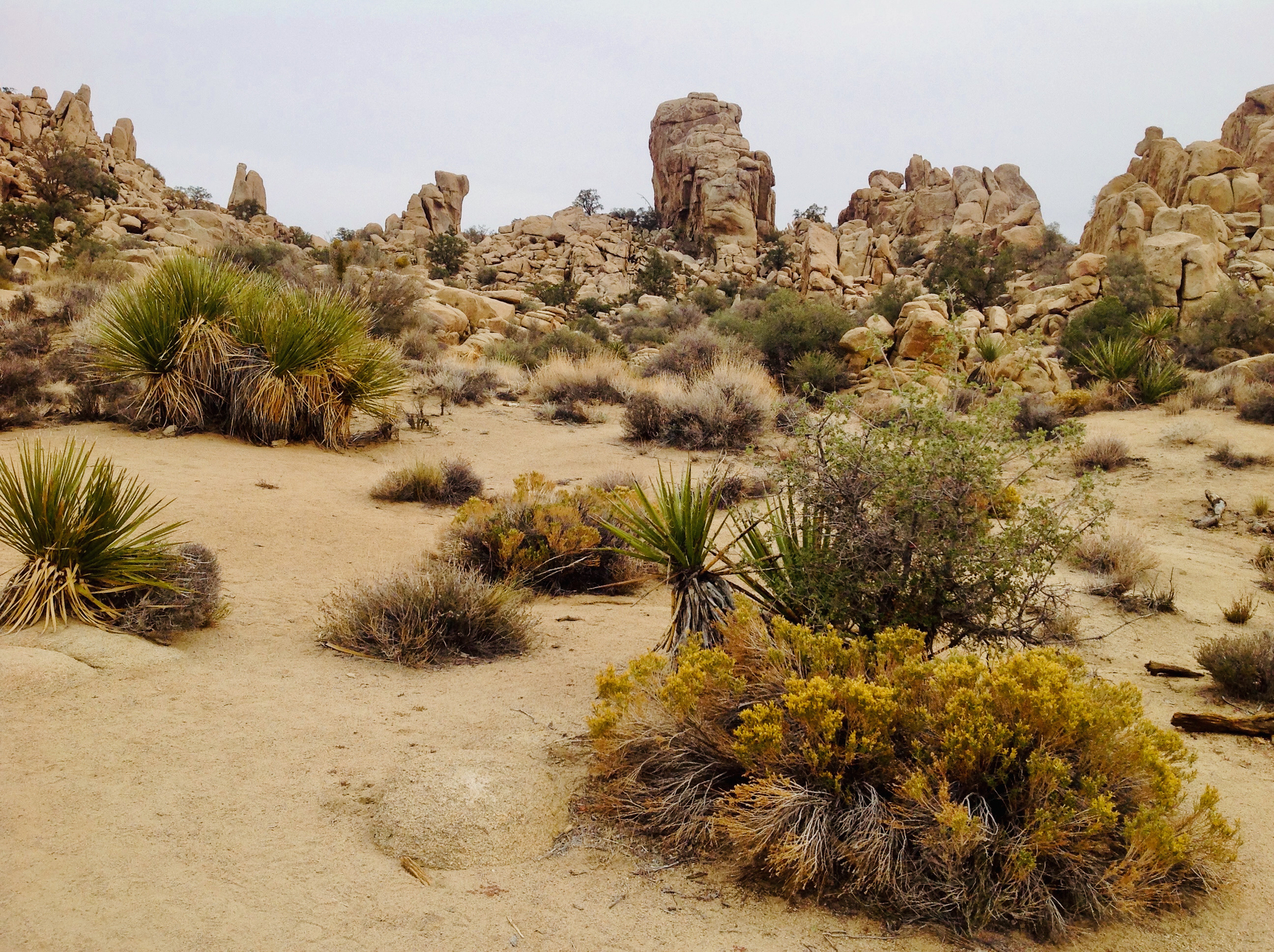
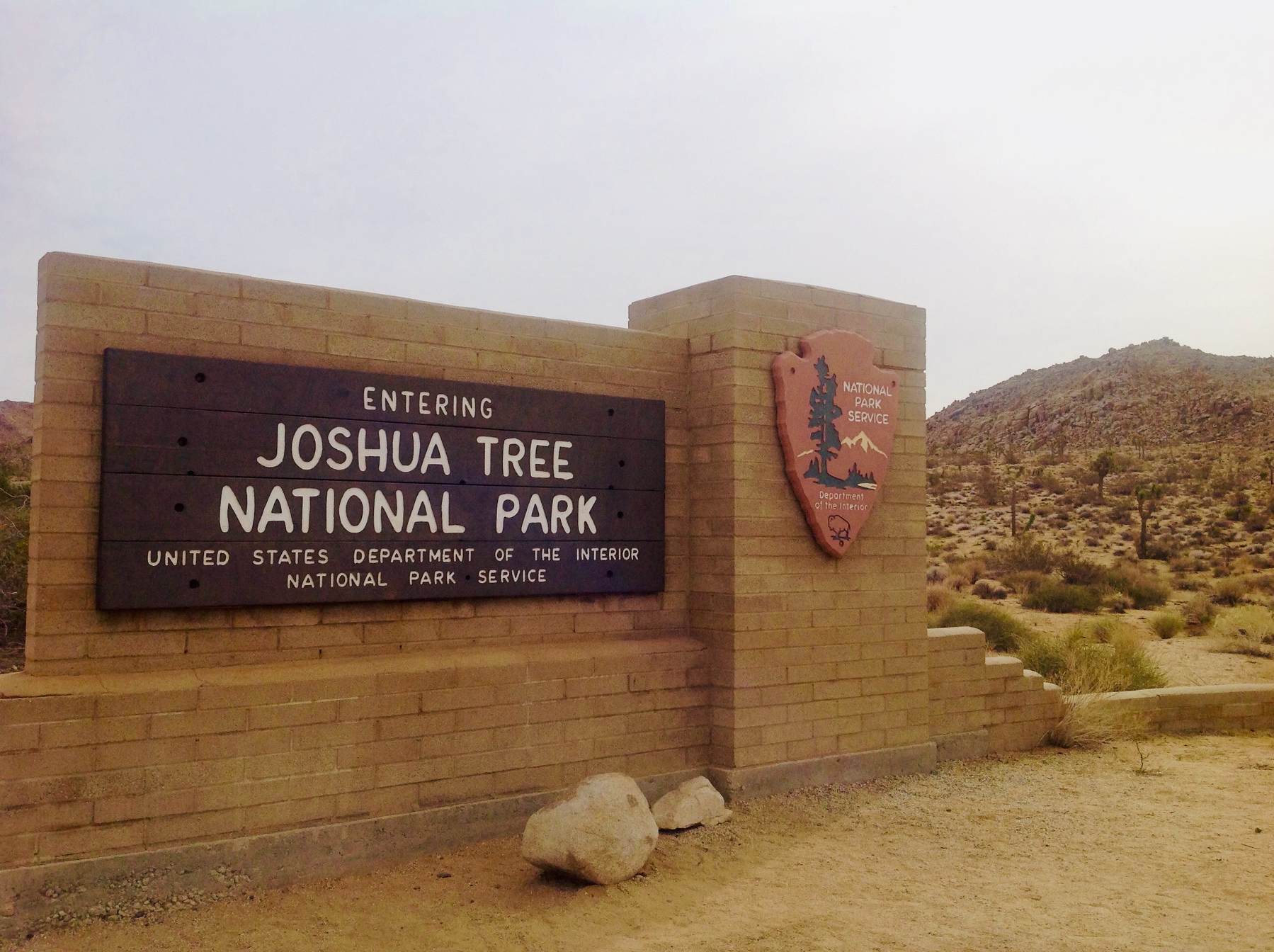
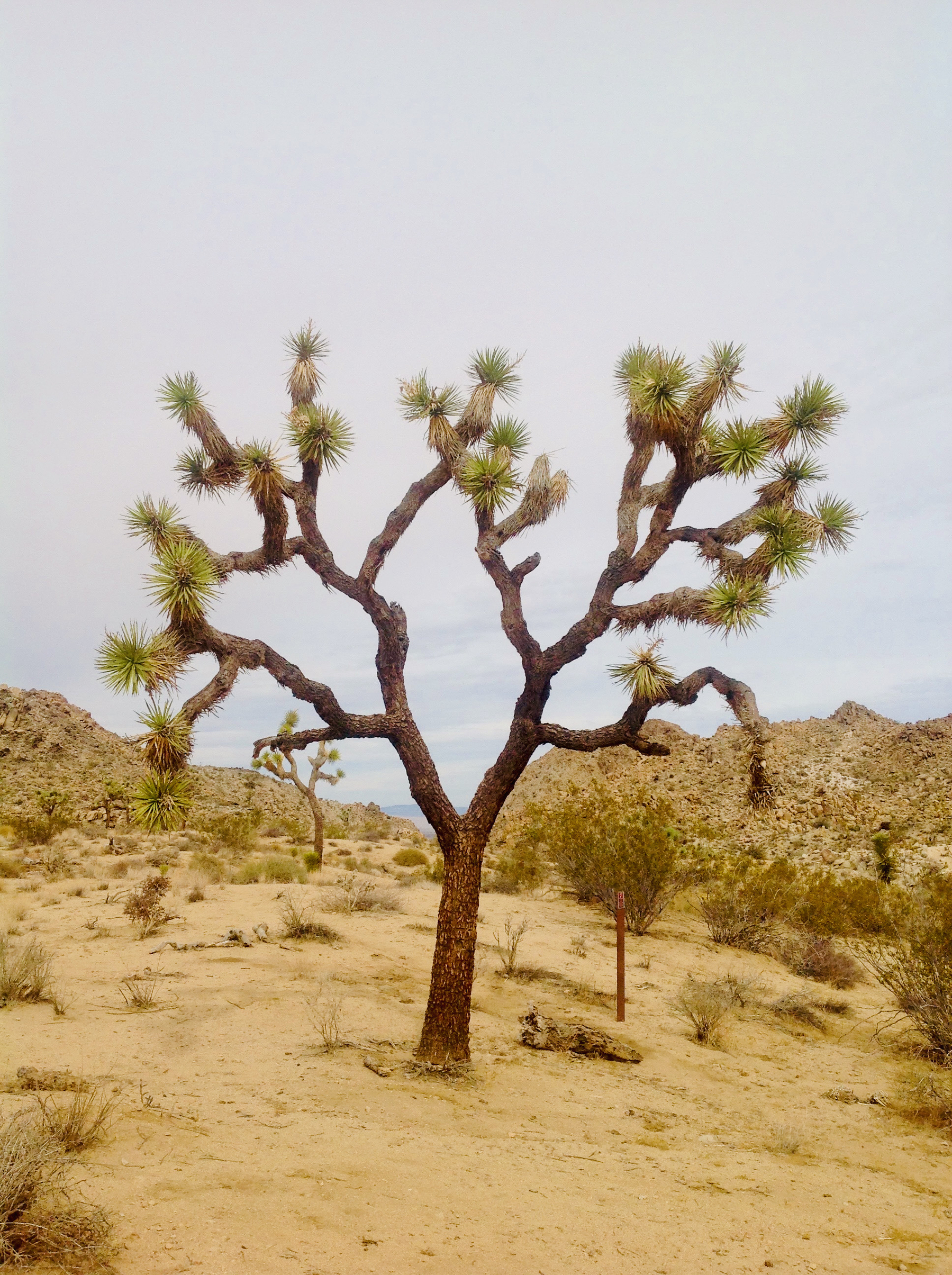
As the journey into the park begins, the anticipation builds. The area gets its name from its iconic Joshua trees, which seem to dance against the vast blue sky with twisted branches and bristled trunks. These quirky trees are a type of yucca endemic to the Mojave Desert. According to legend, early Mormon settlers were reminded of the biblical story of Joshua raising his hands to the sky in prayer, which inspired the name.
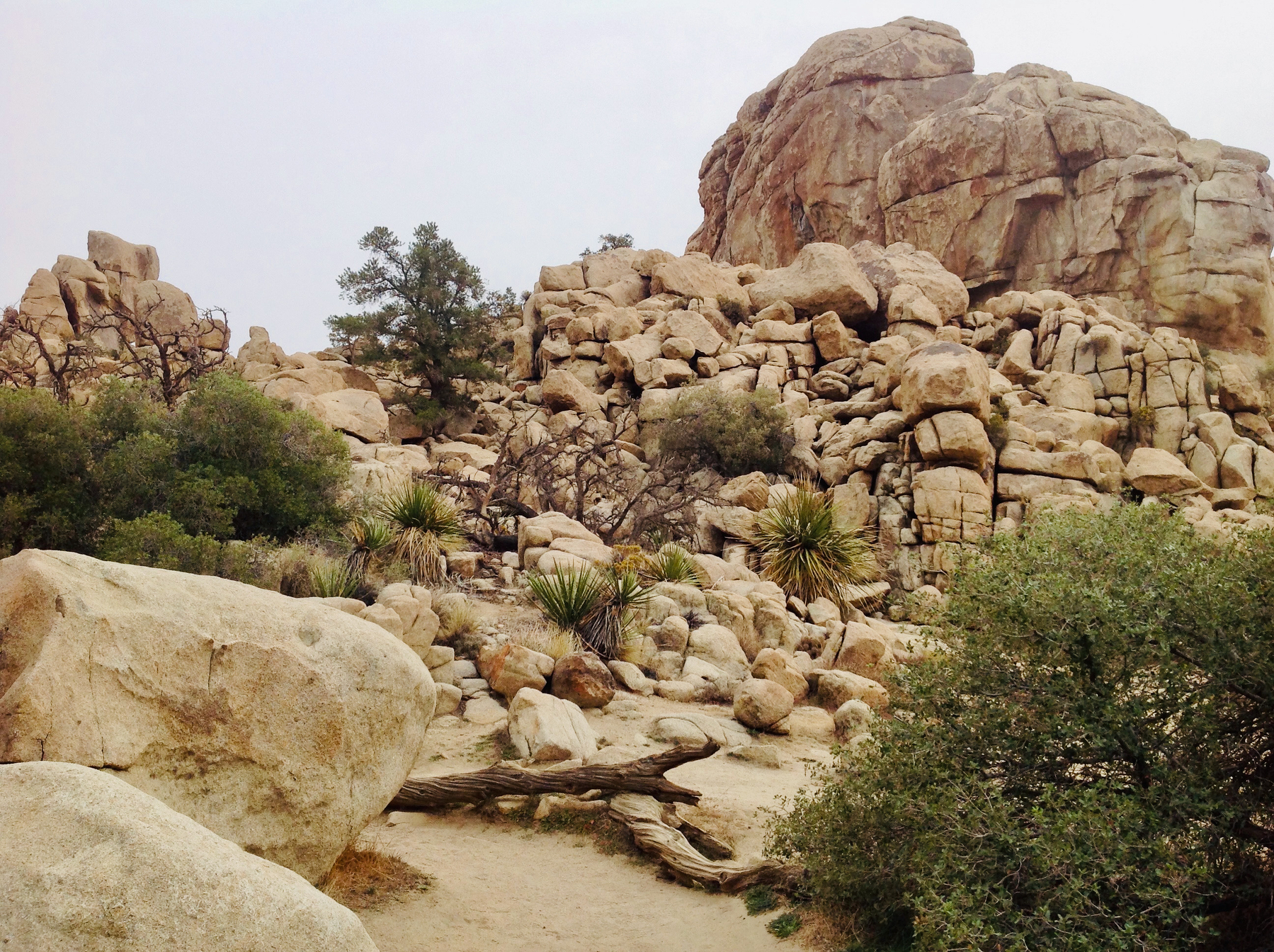
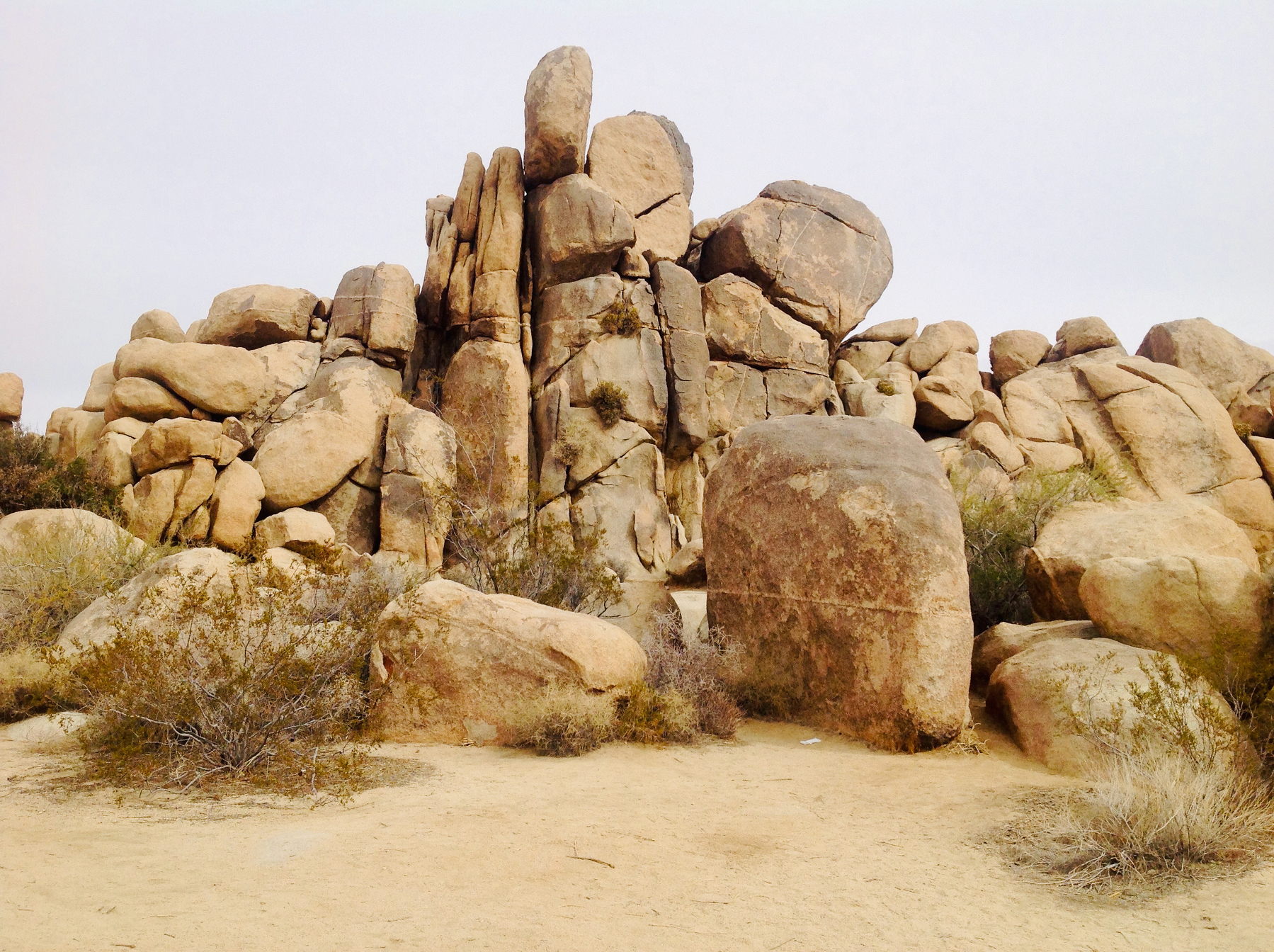
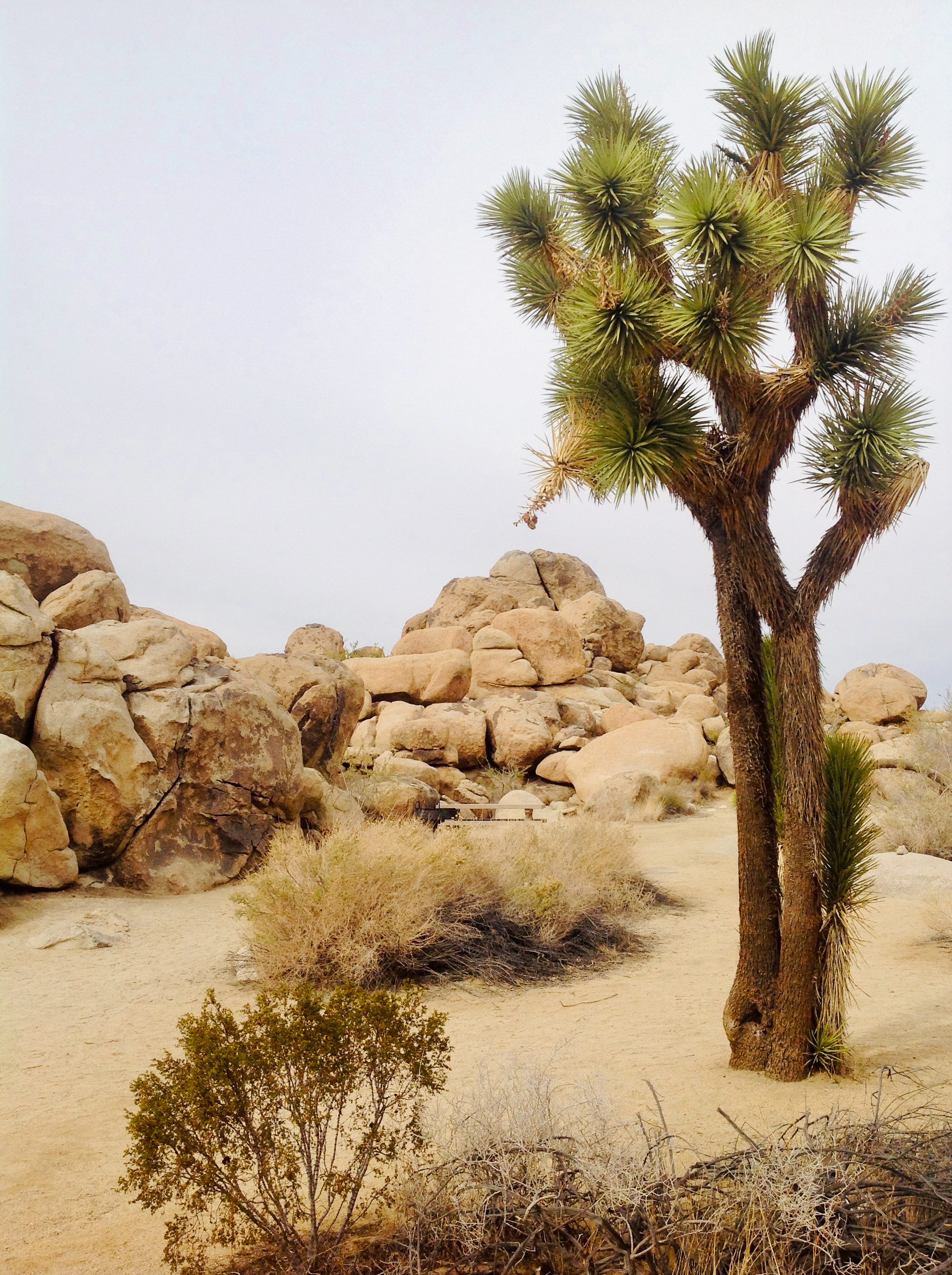
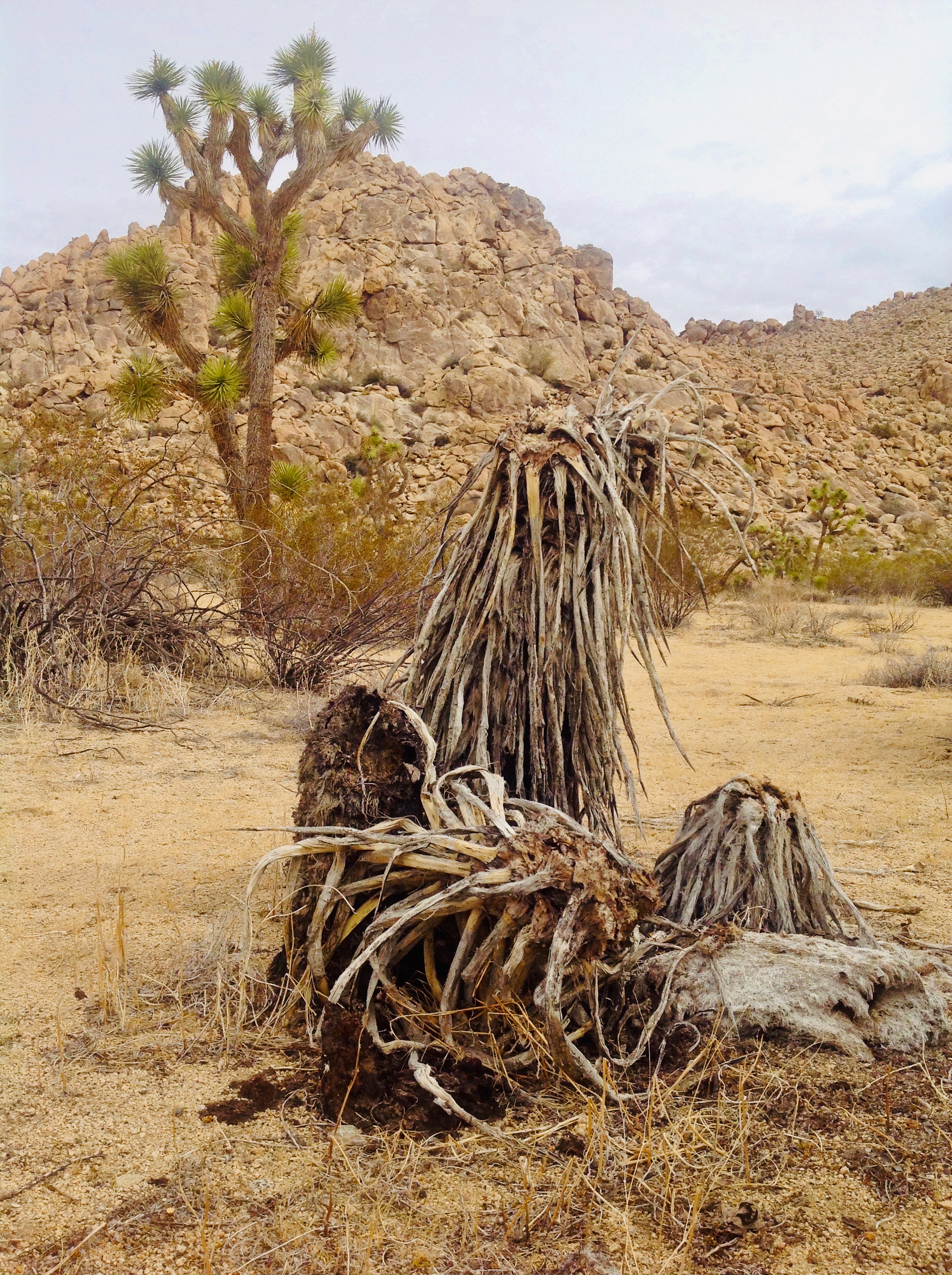
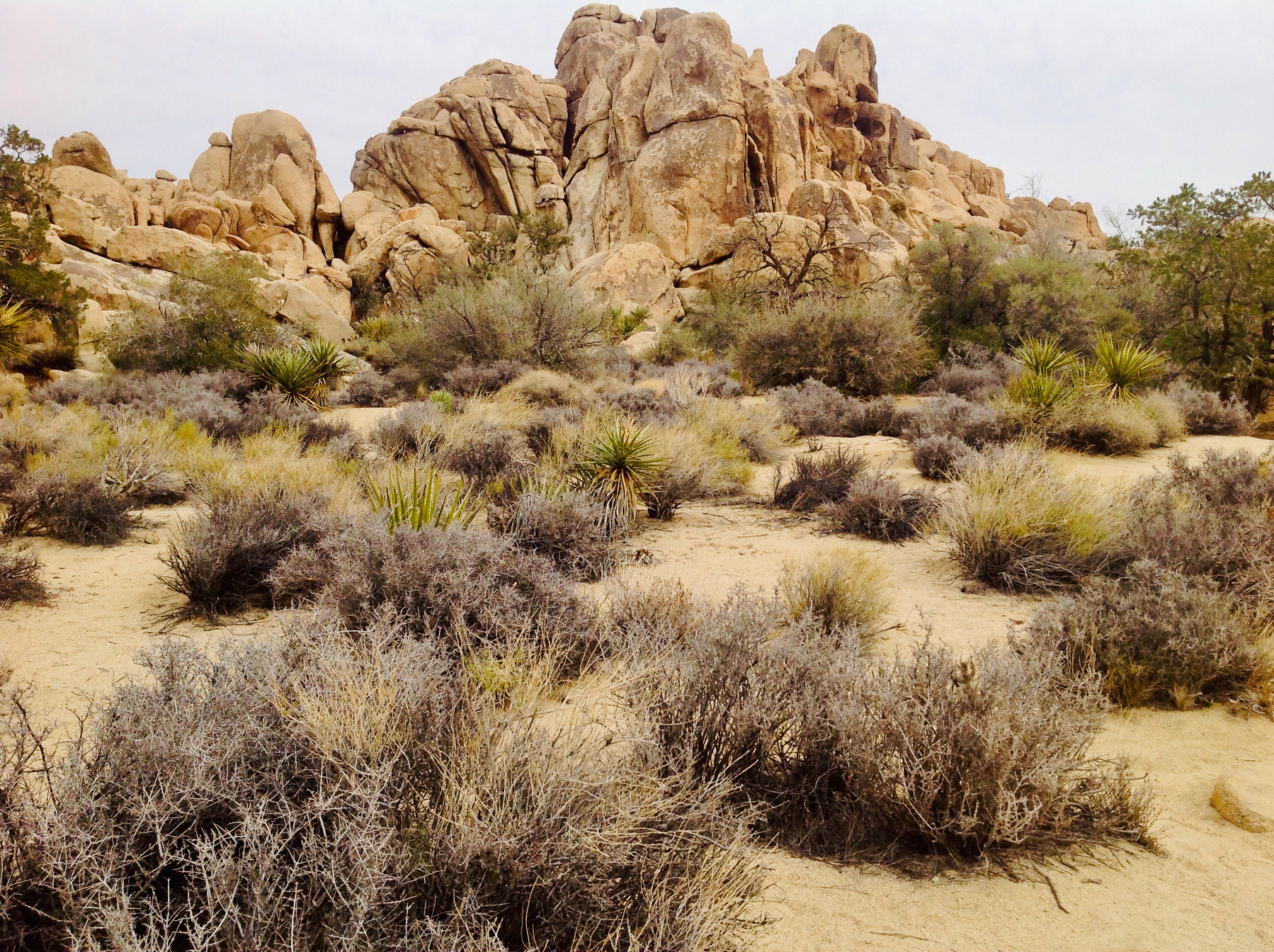
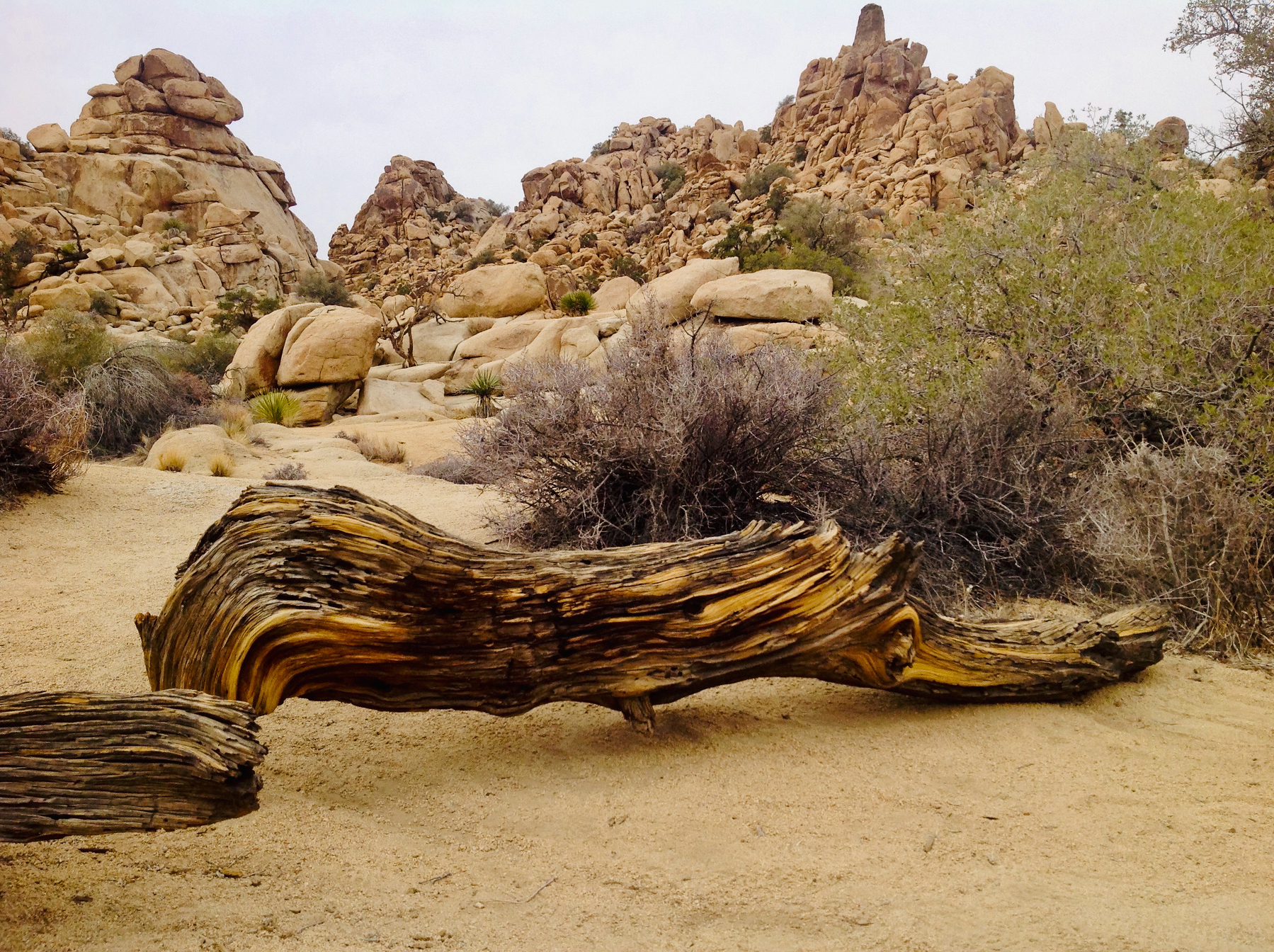
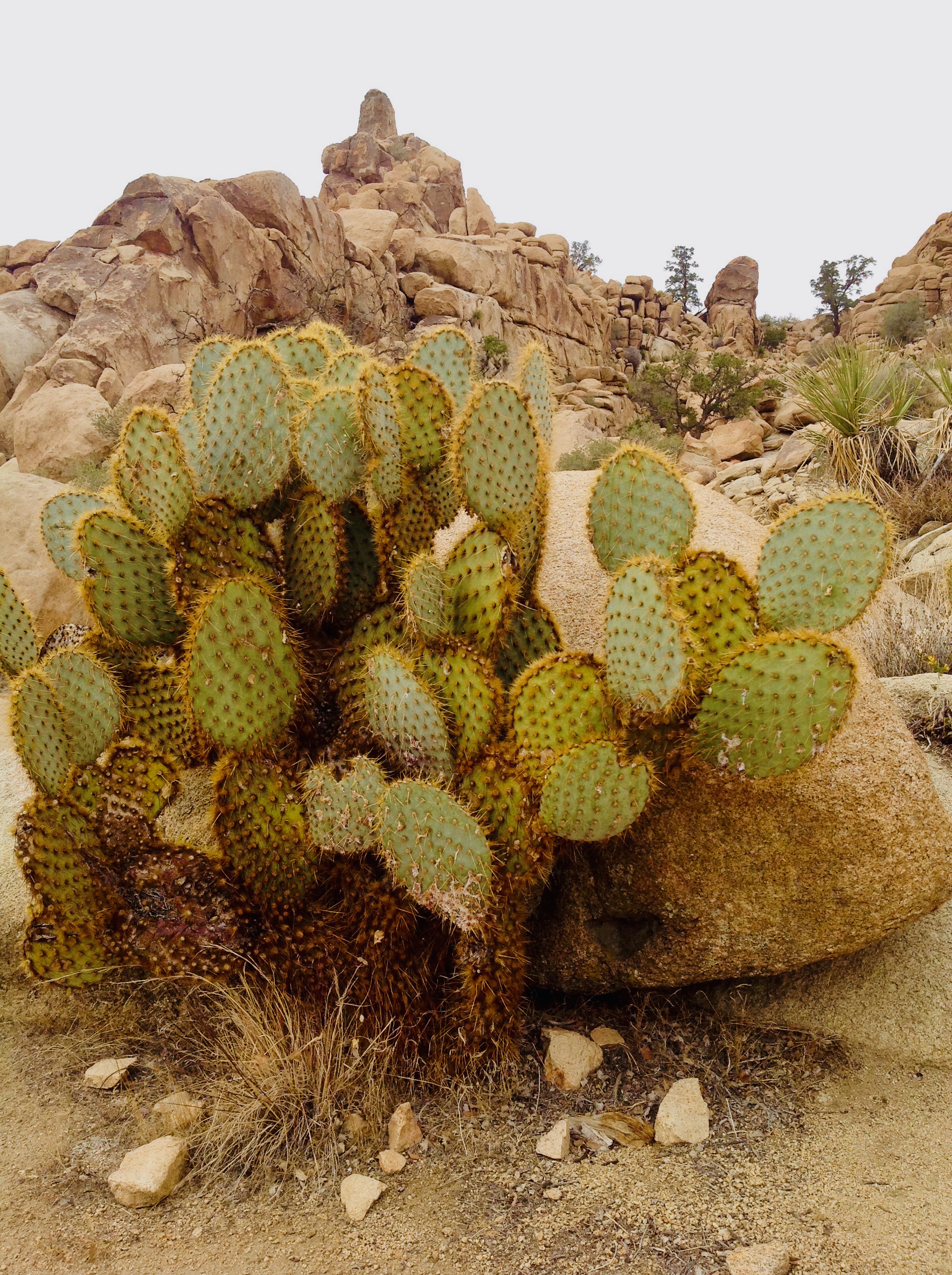
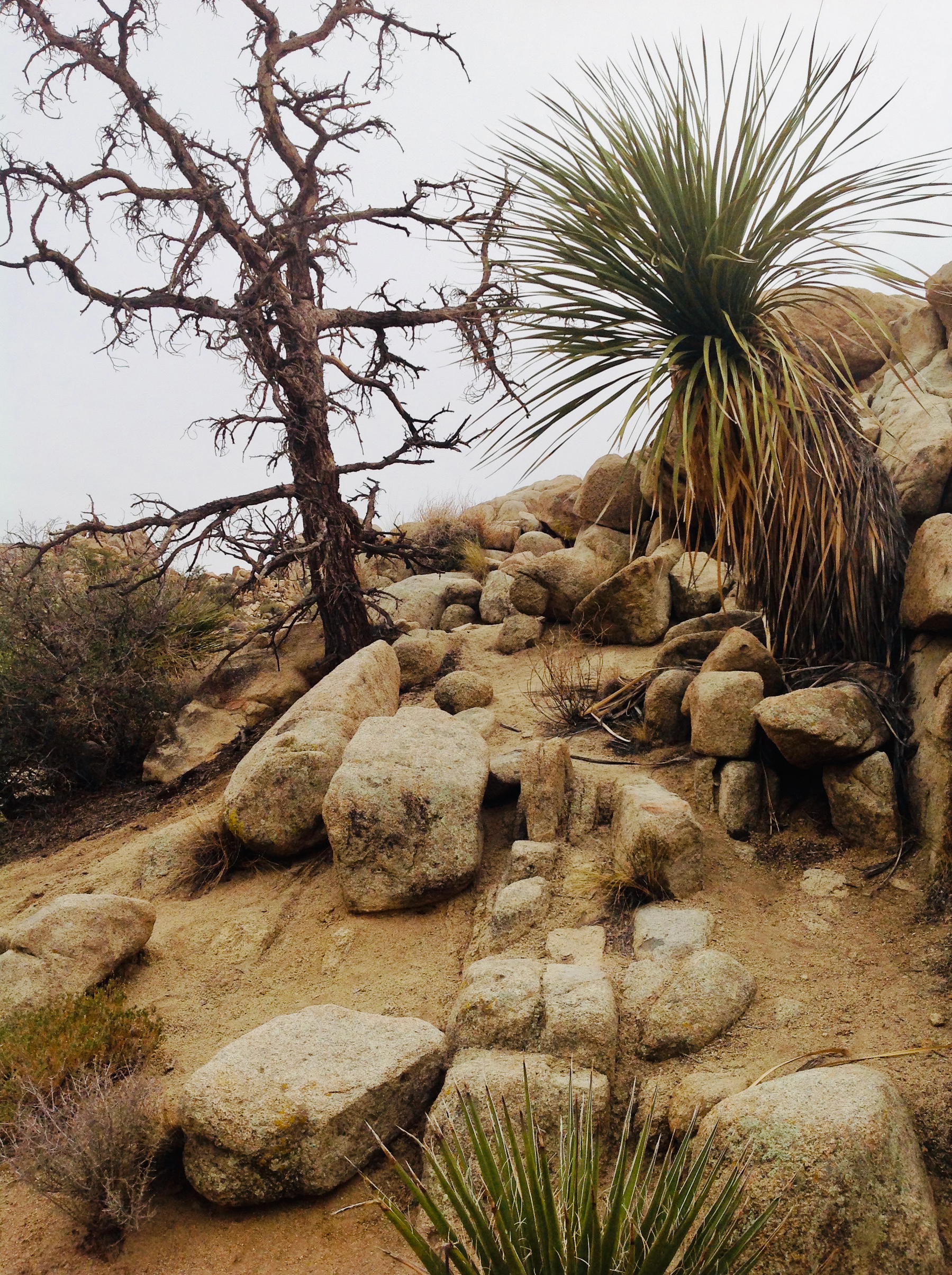
The park straddles two distinct desert ecosystems. It connects the cactus-studded Colorado Desert with the high Mojave Desert, creating a landscape that is as visually stunning as it is ecologically rich. Wandering through this rugged terrain reveals a delightful blend of boulders, cacti, and desert wildlife.
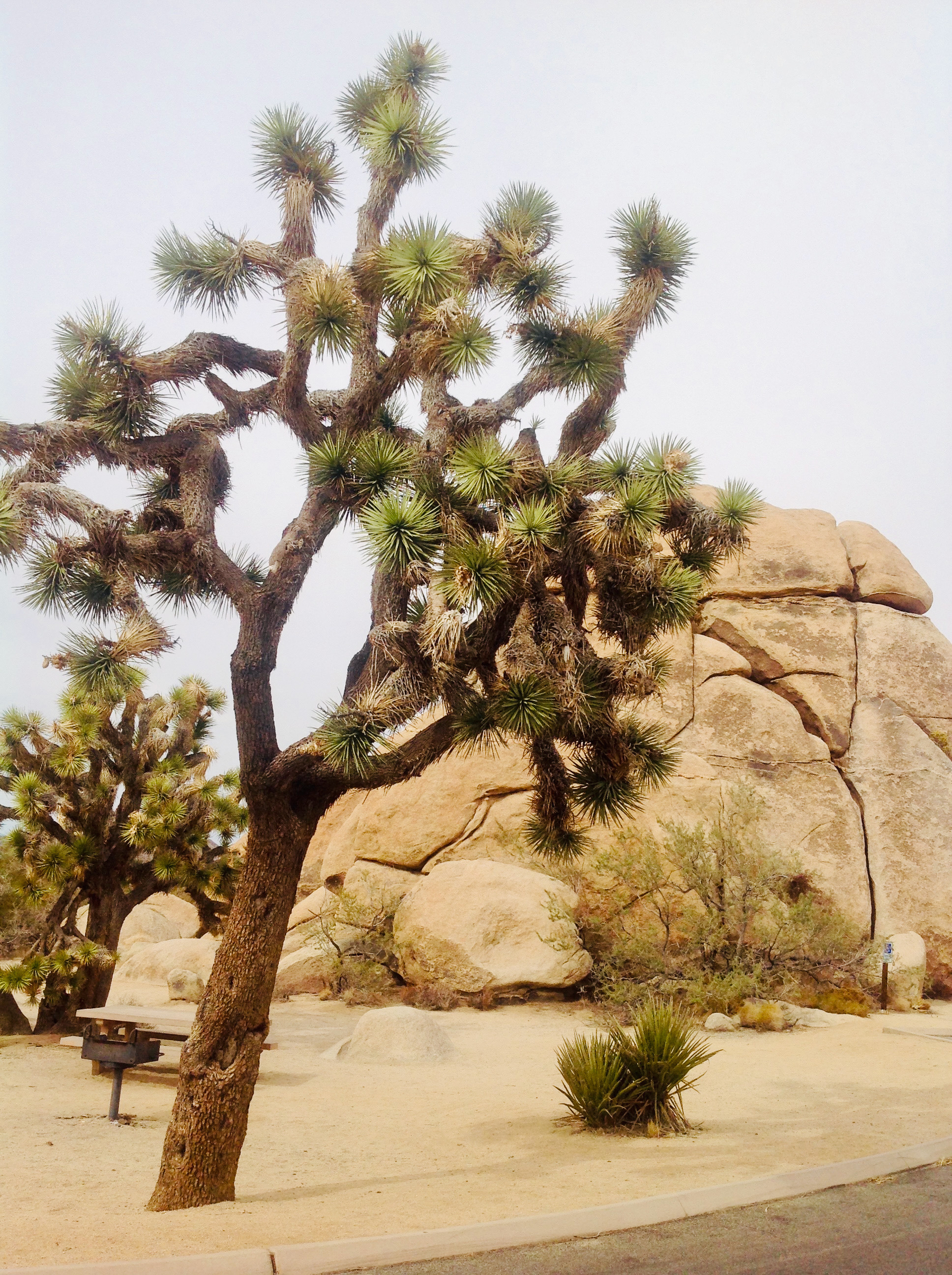
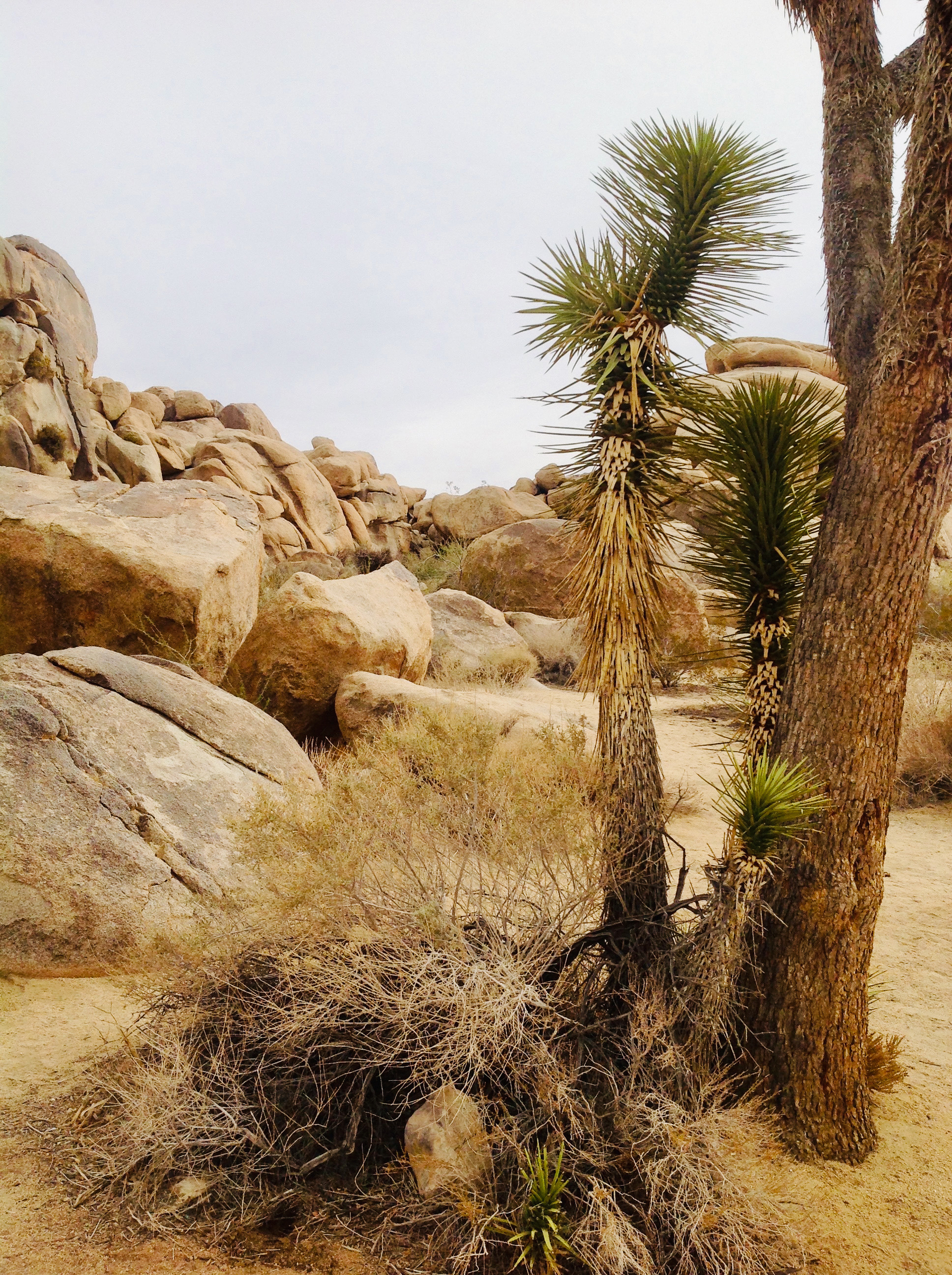
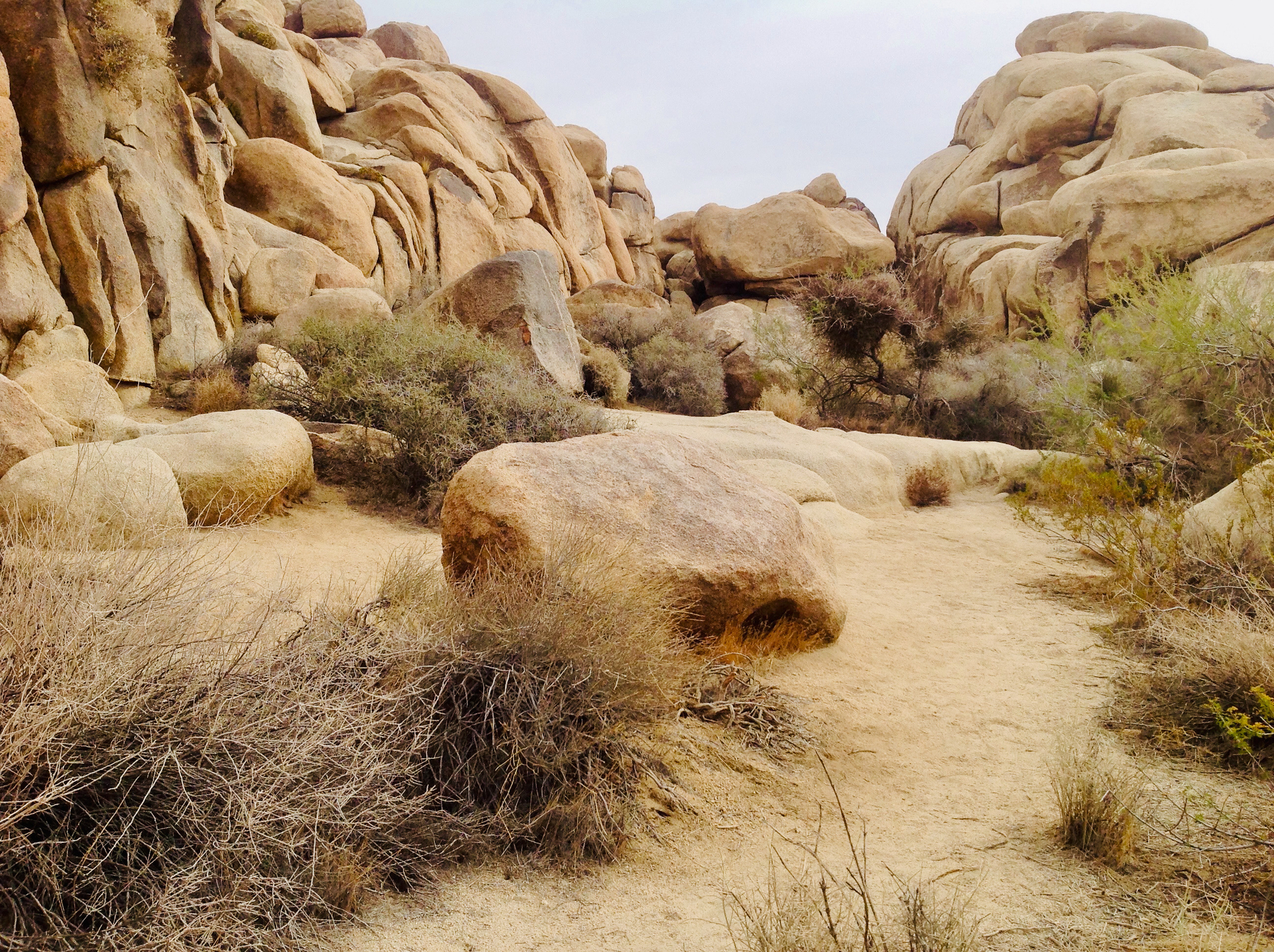
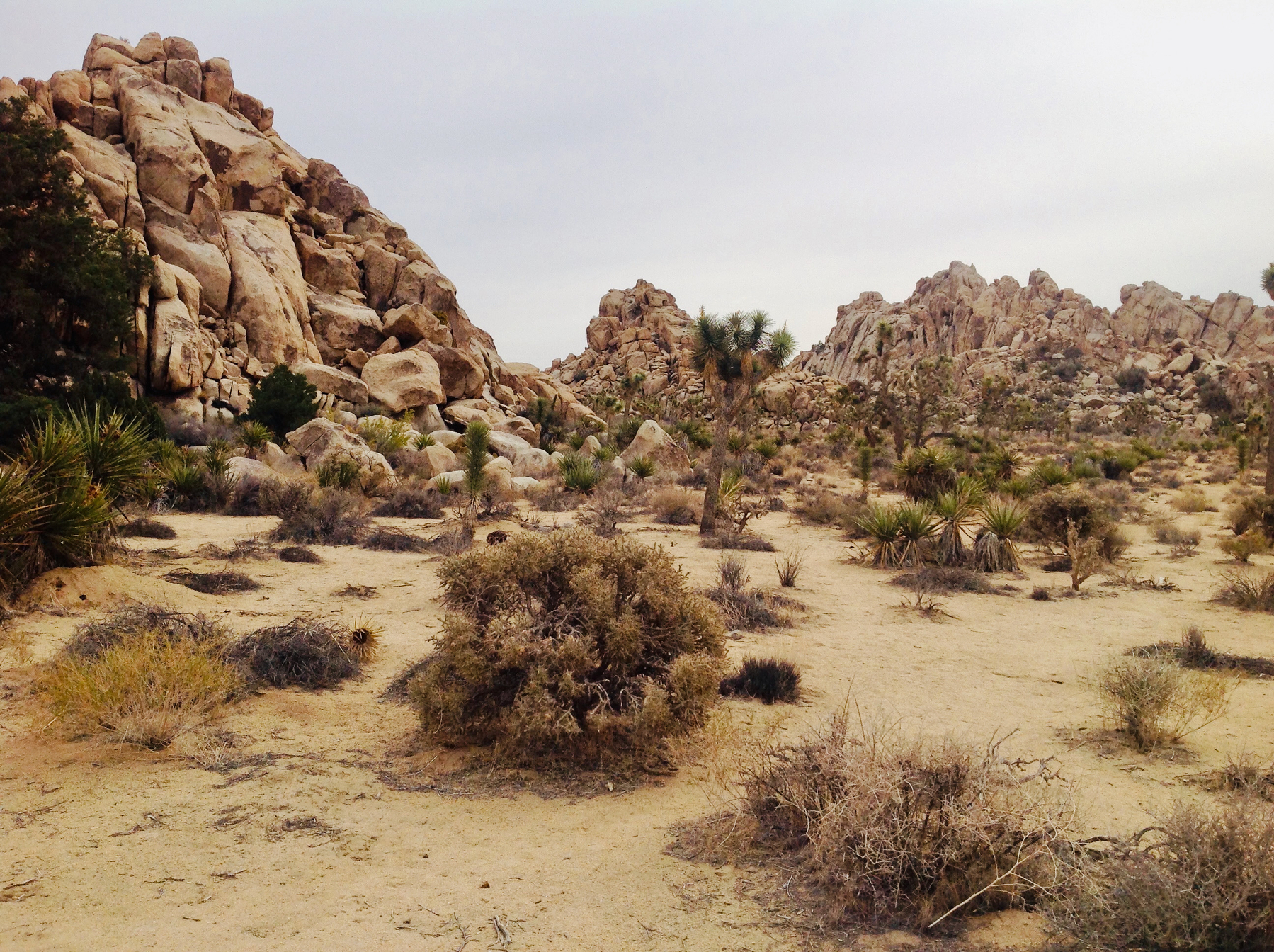
A major highlight of any visit is Keys View. This stunning overlook offers a breathtaking panorama of the Coachella Valley and the San Andreas Fault. On a clear day, the view showcases the vastness of the desert and the distant peaks of the San Jacinto Mountains, making it a perfect spot for quiet reflection.
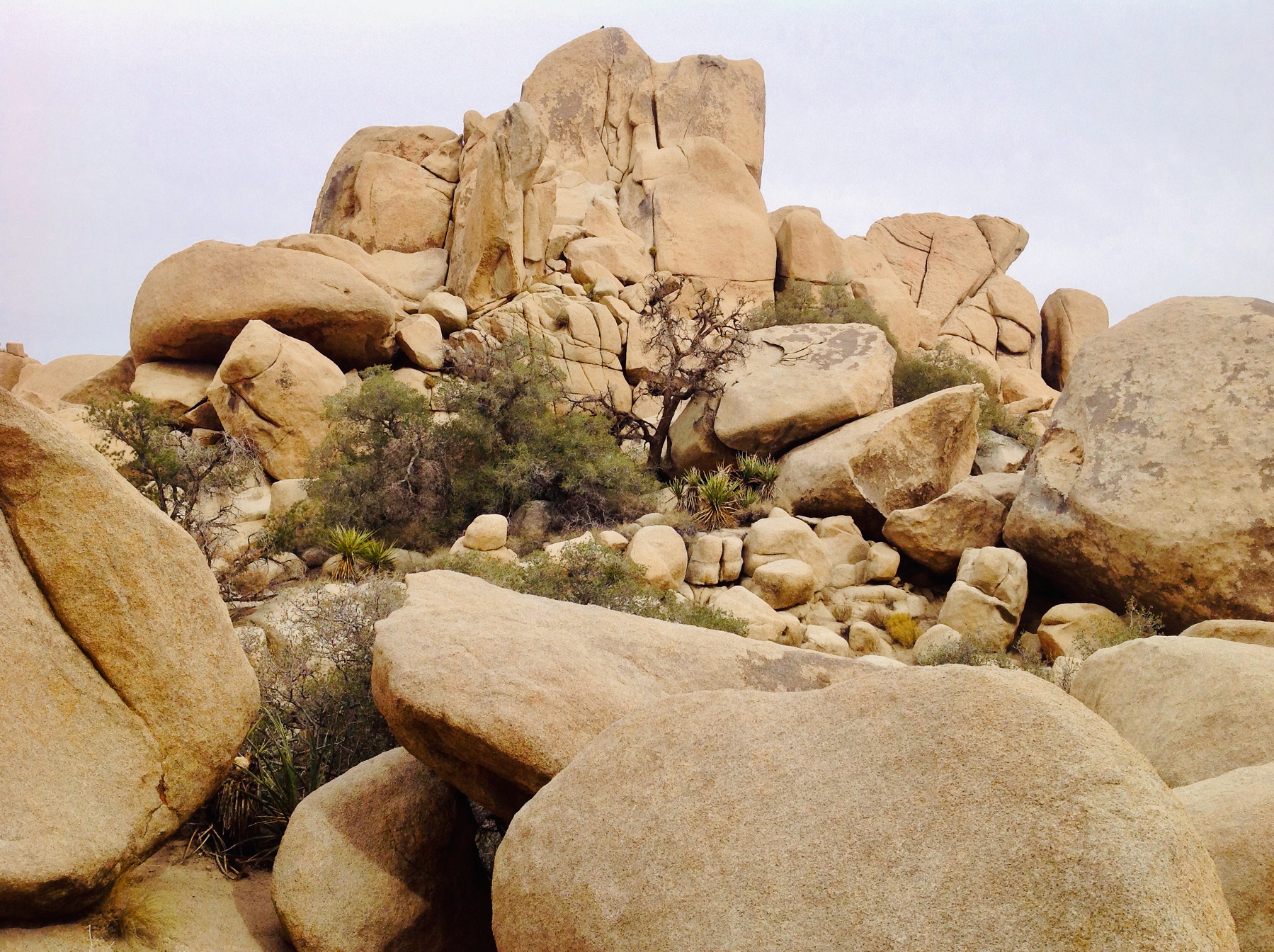
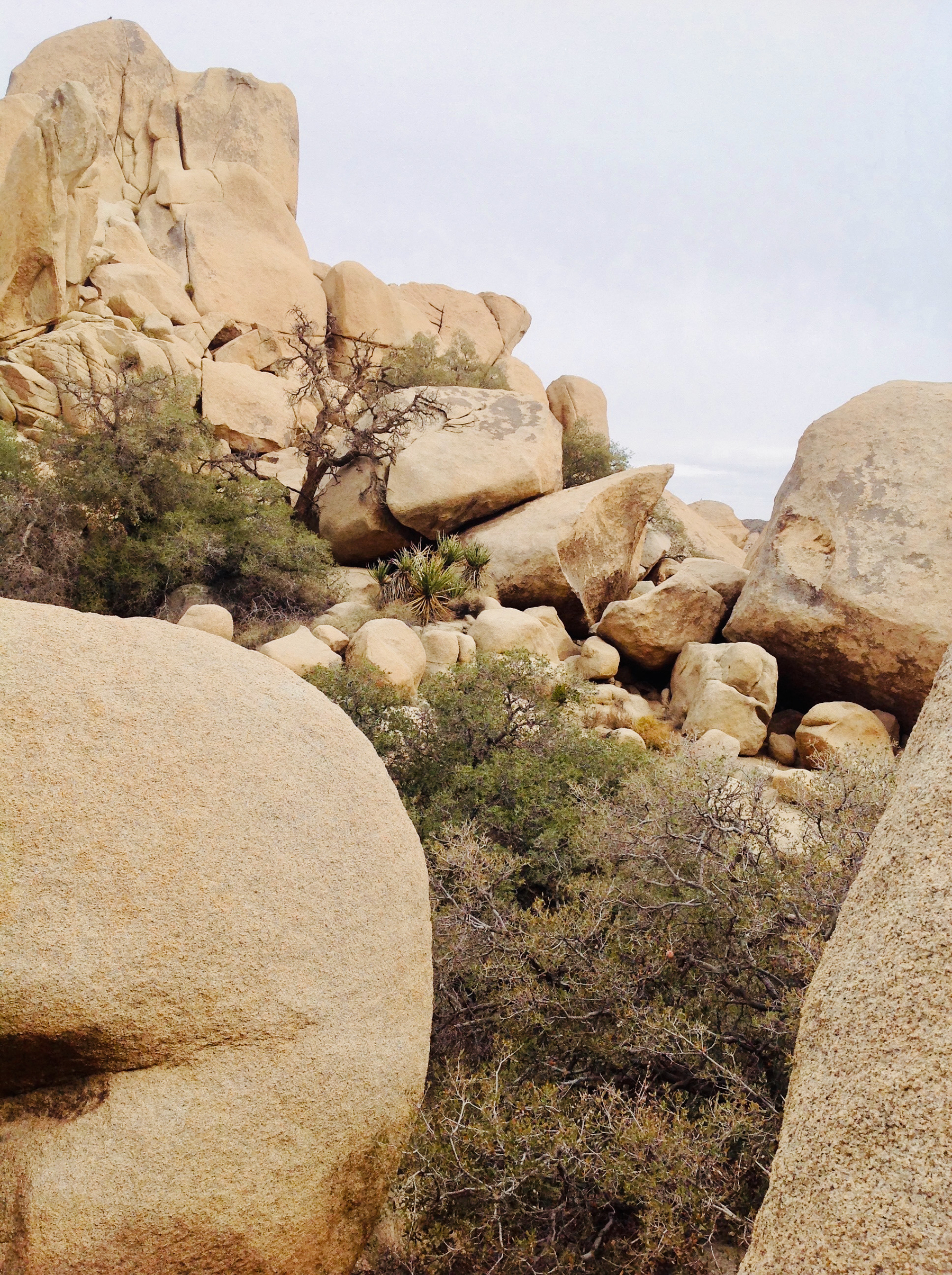
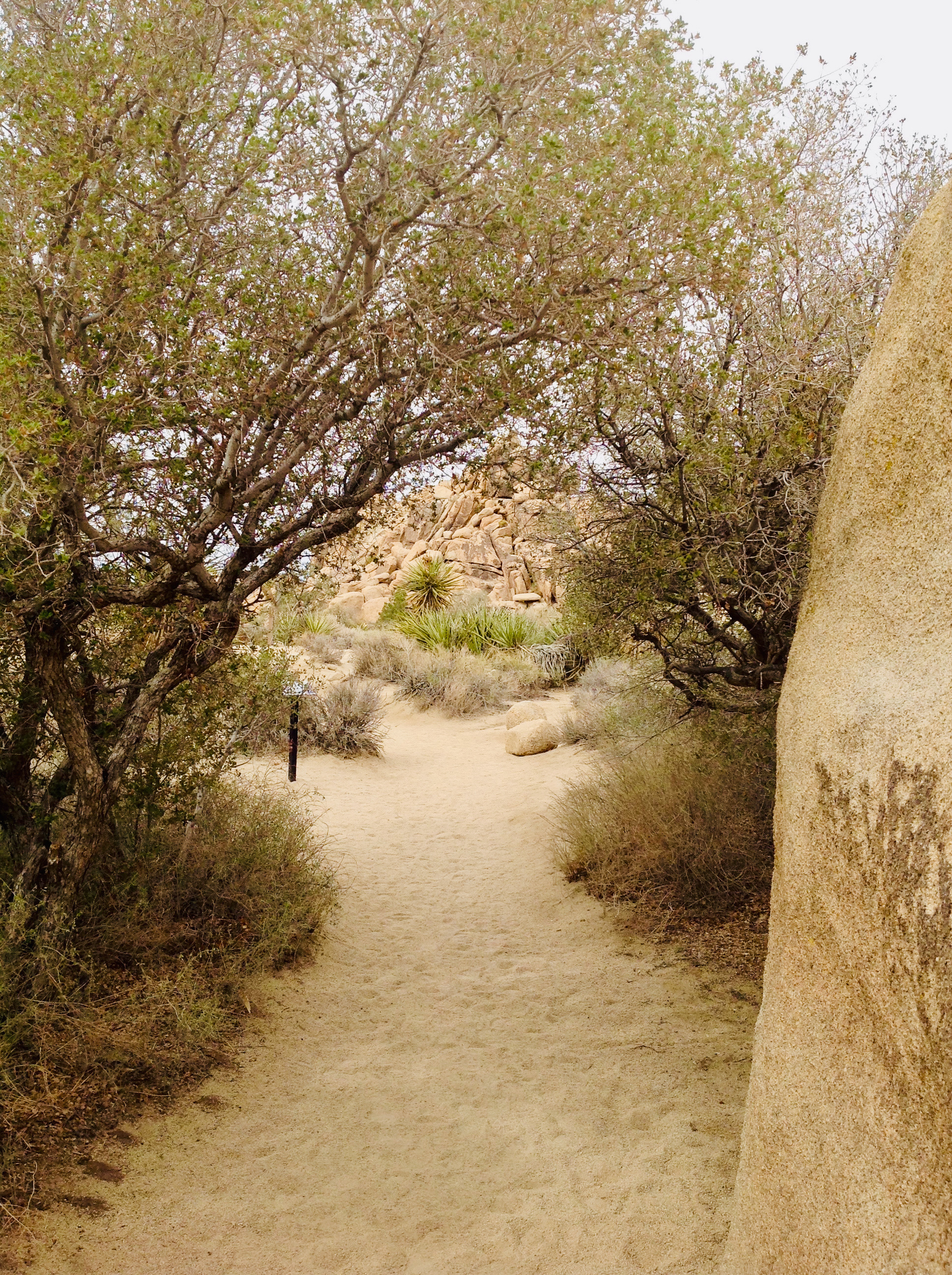
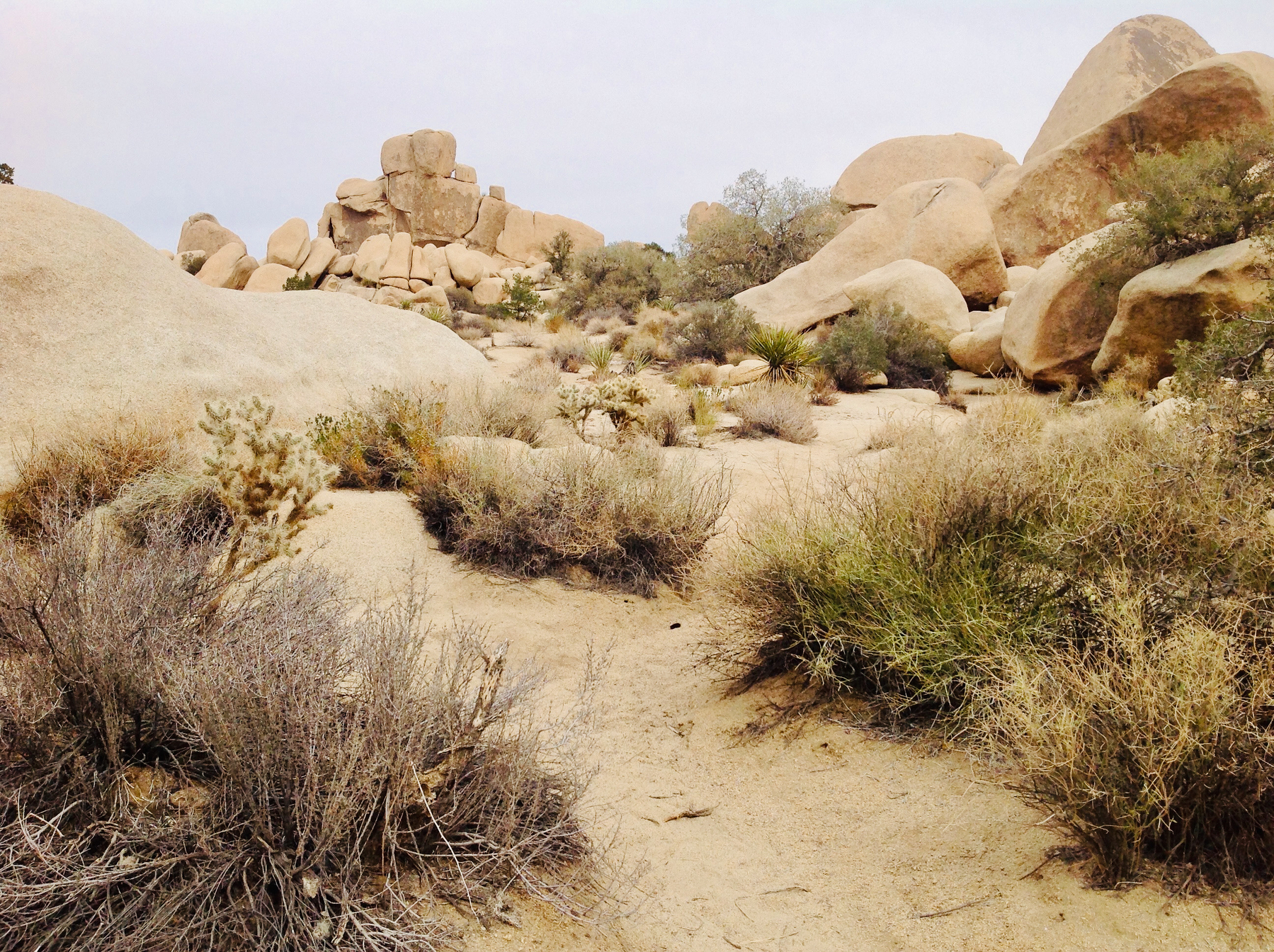
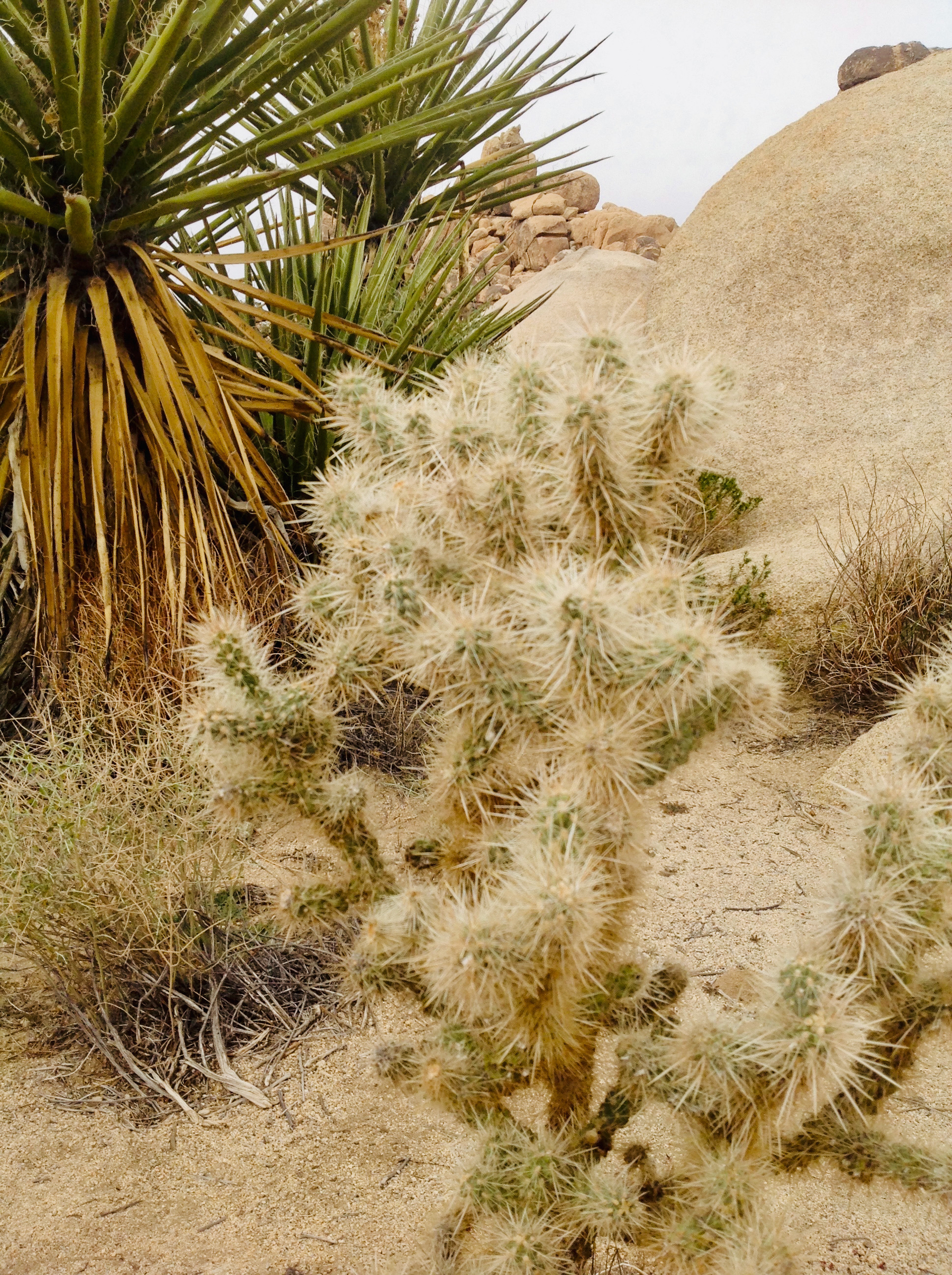
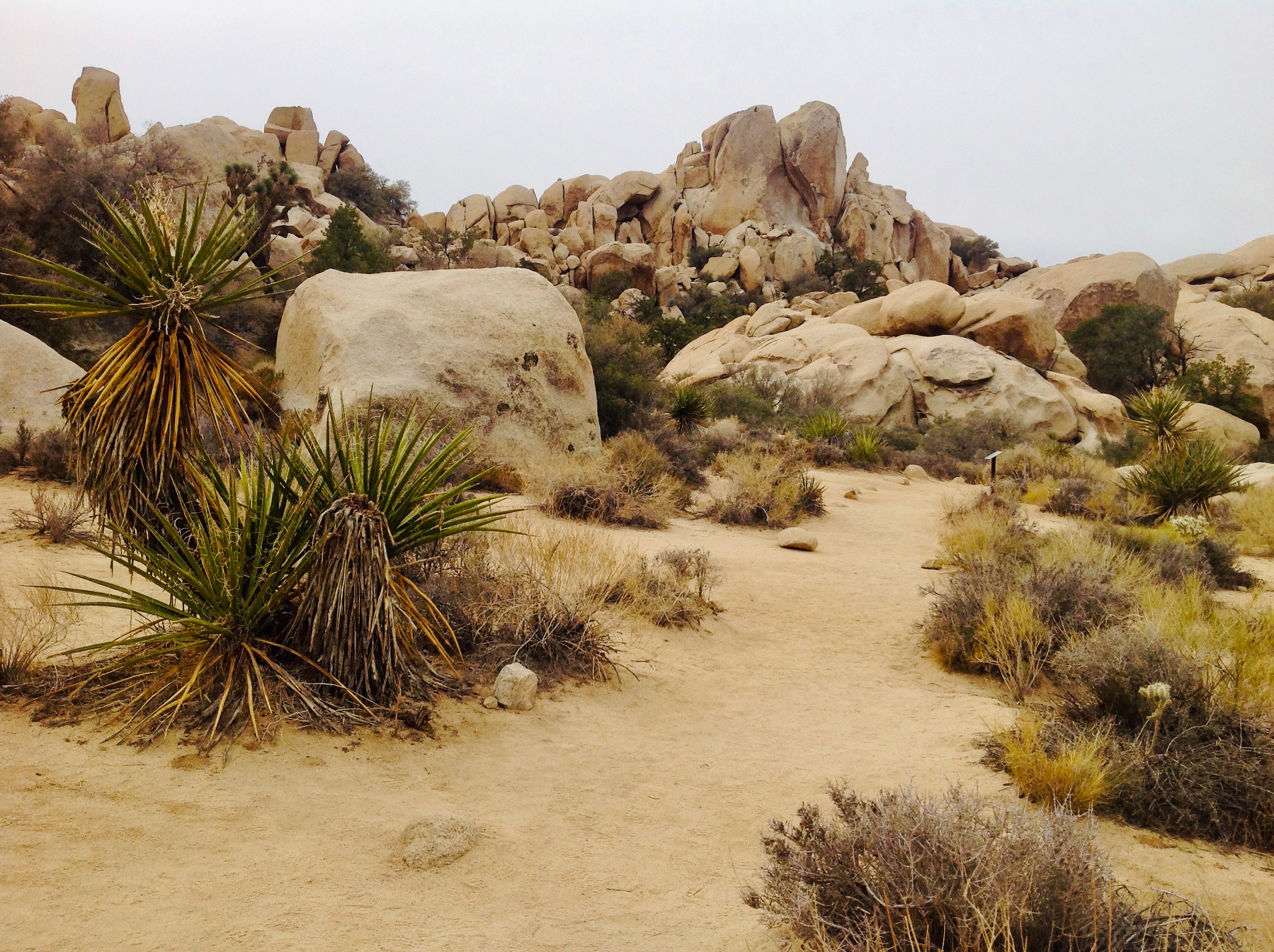
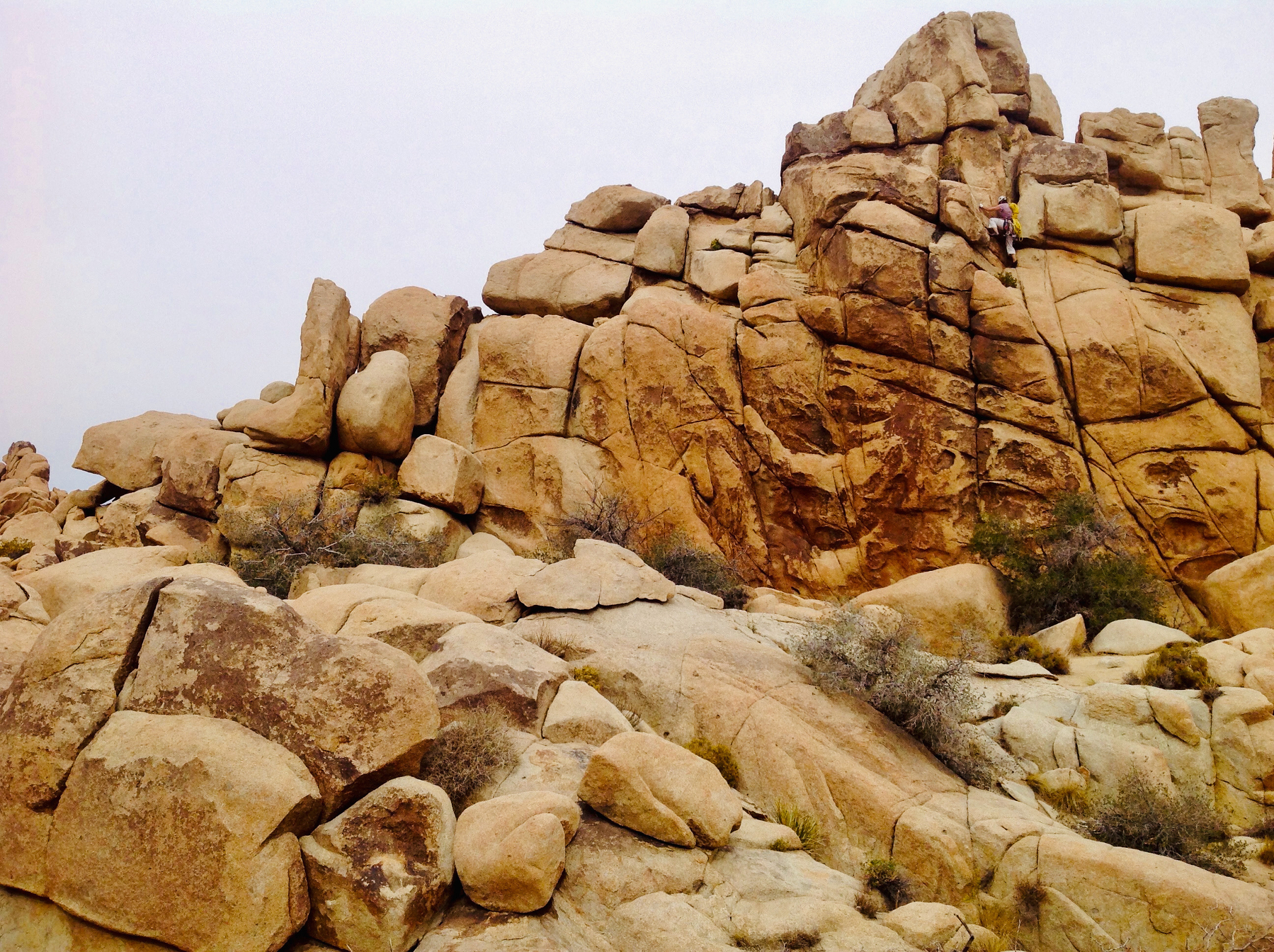
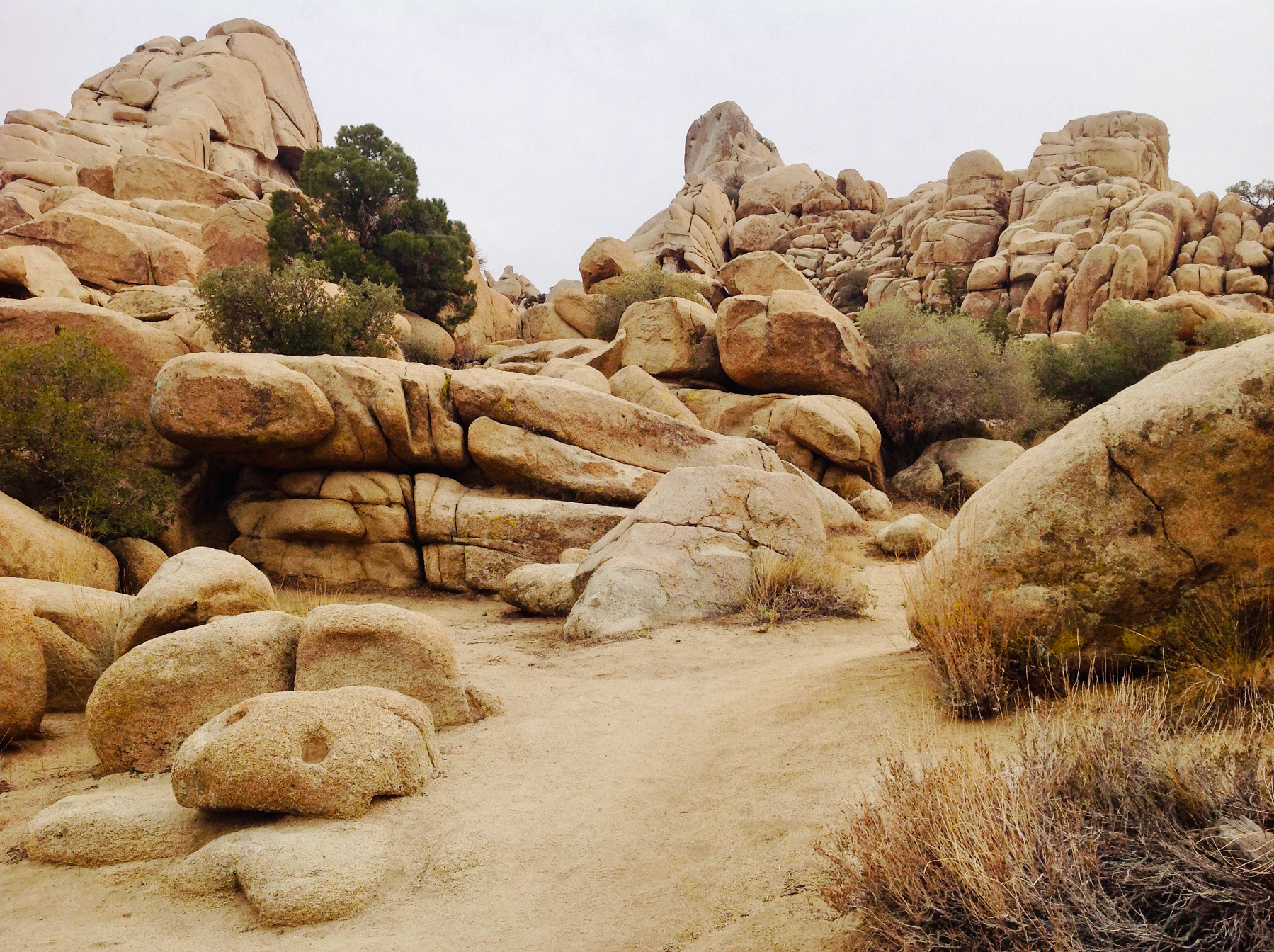
For those eager to stretch their legs, the network of hiking trails weaving through the boulders of Hidden Valley offers endless exploration. Each unique rock formation tells a story etched by time and the elements. The sun-drenched boulders stand in stark contrast against the deep blue sky, creating a dream backdrop for photography.
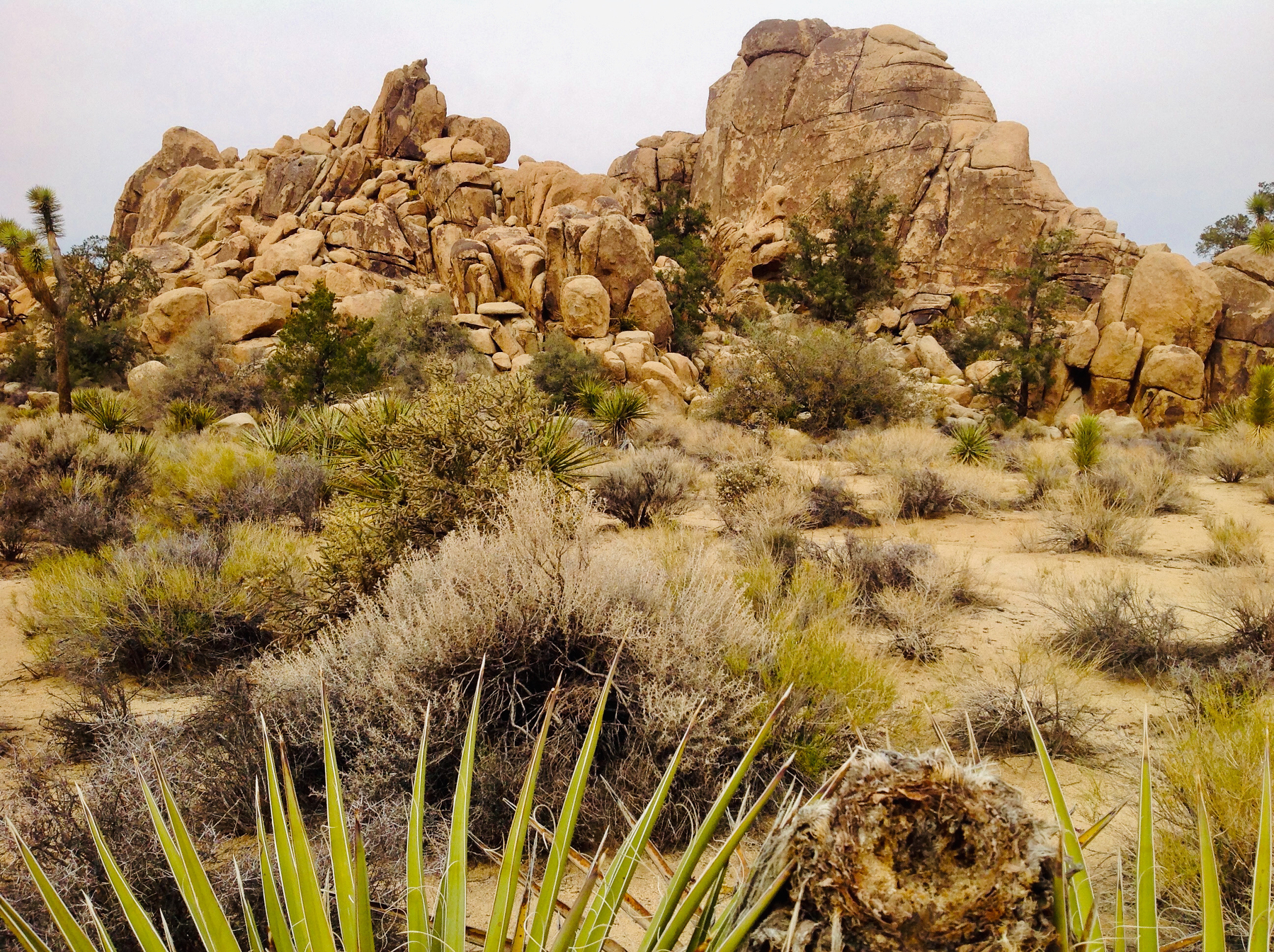
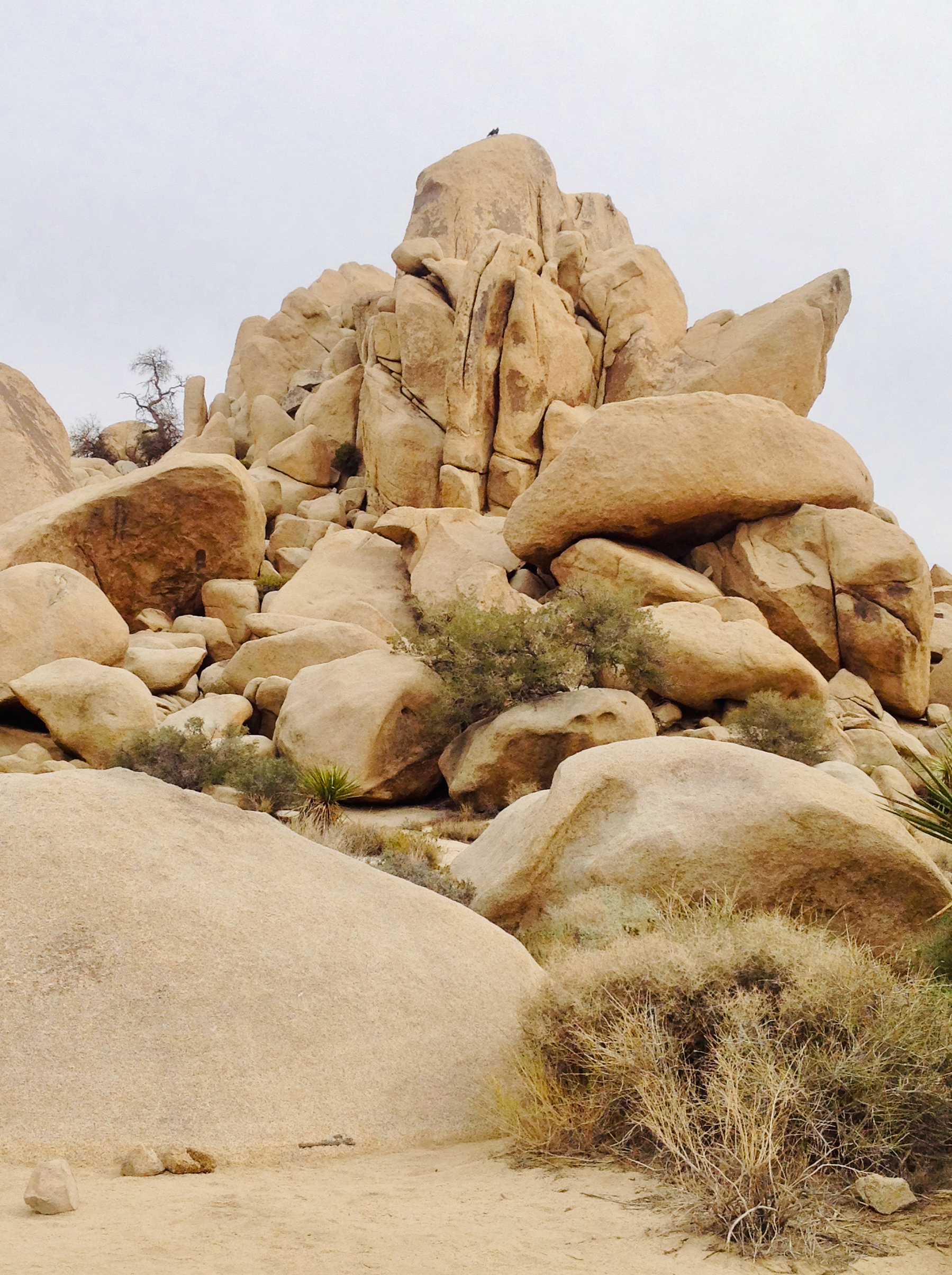
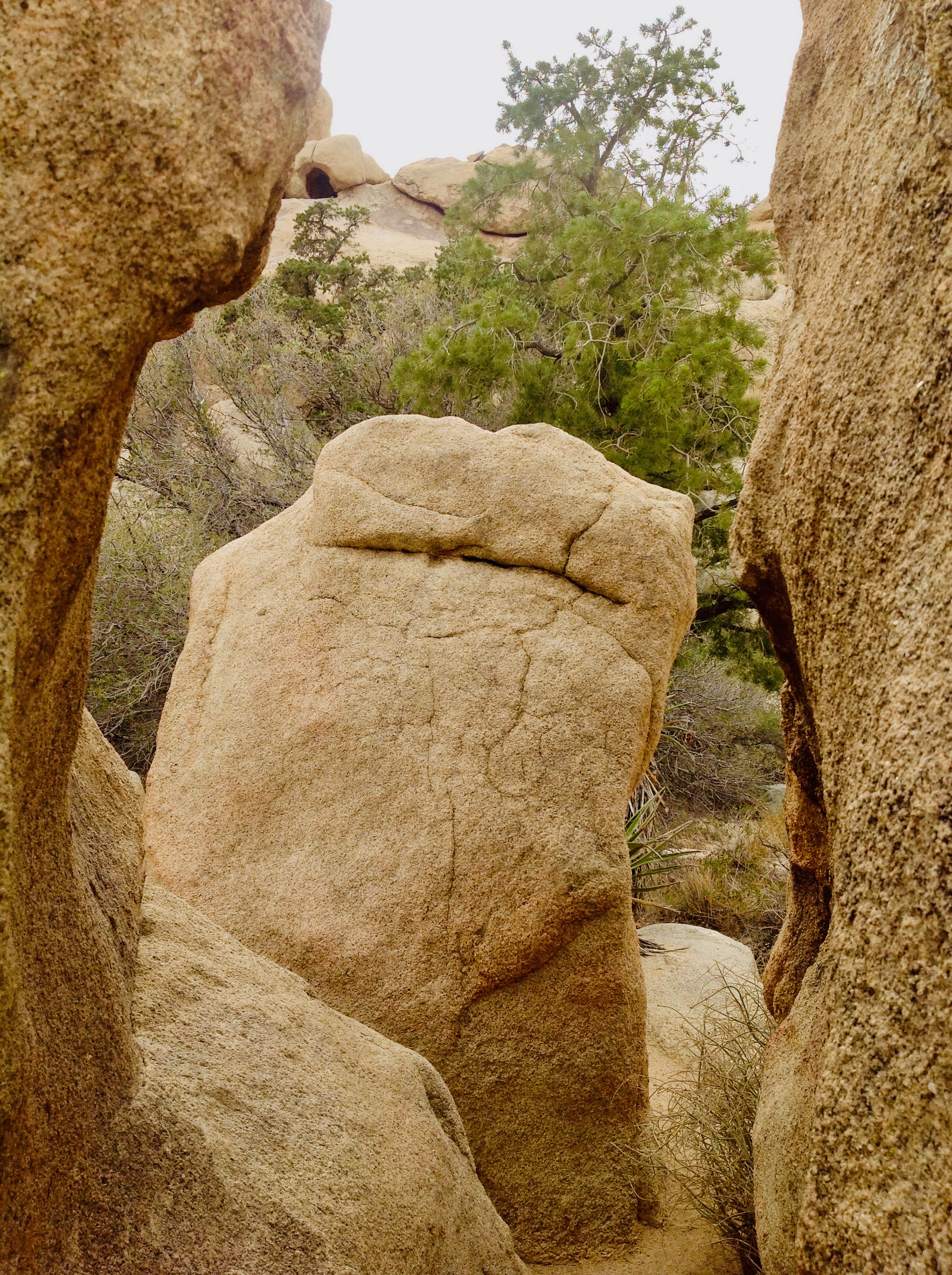
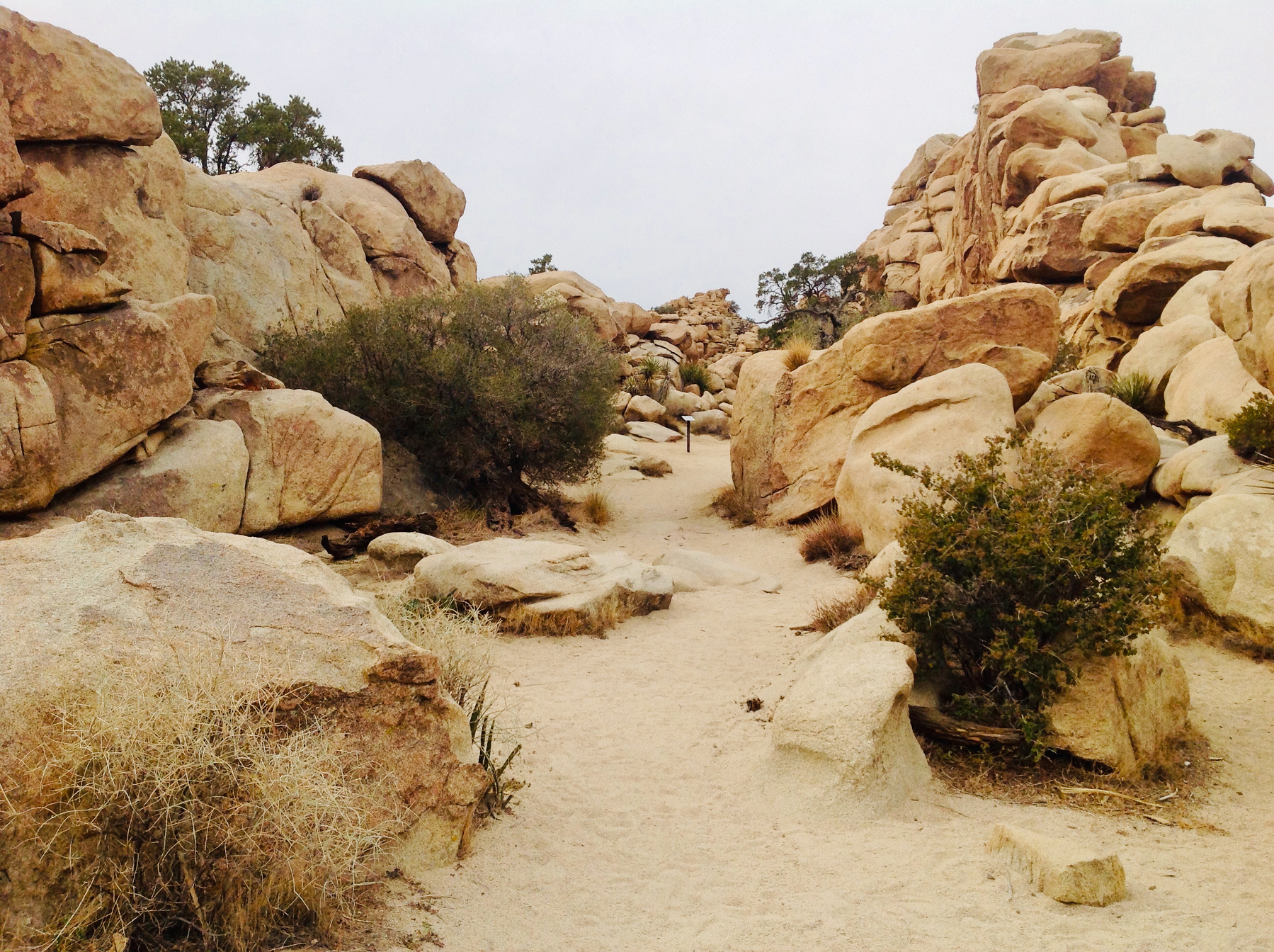
Joshua Tree is also steeped in thousands of years of human history. Native American tribes such as the Serrano and Cahuilla called this land home long before it became a protected national park in 1994. Exploring ancient petroglyphs and remnants of early homesteaders gives a moving glimpse into the lives of those who thrived in this arid environment.
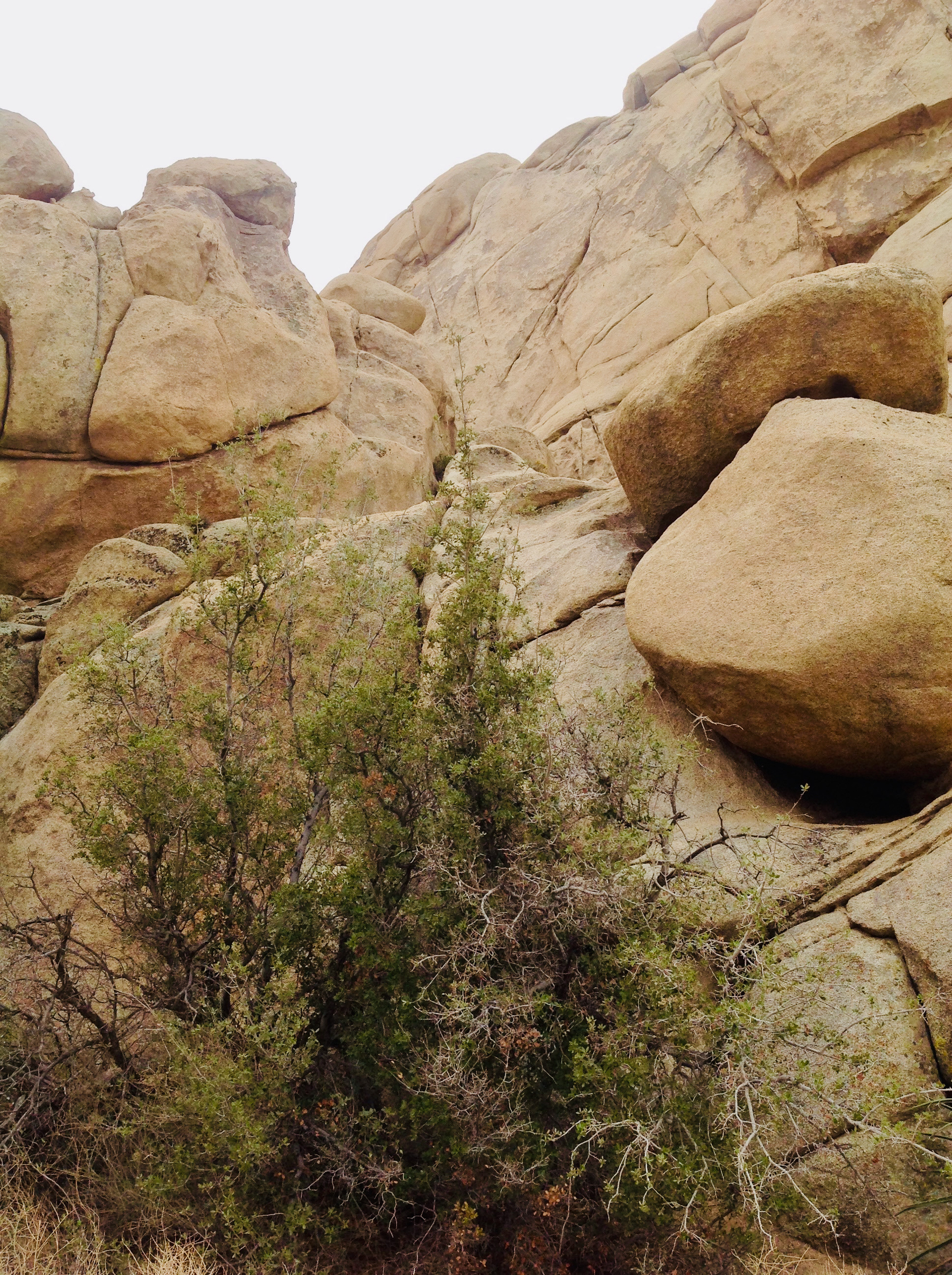
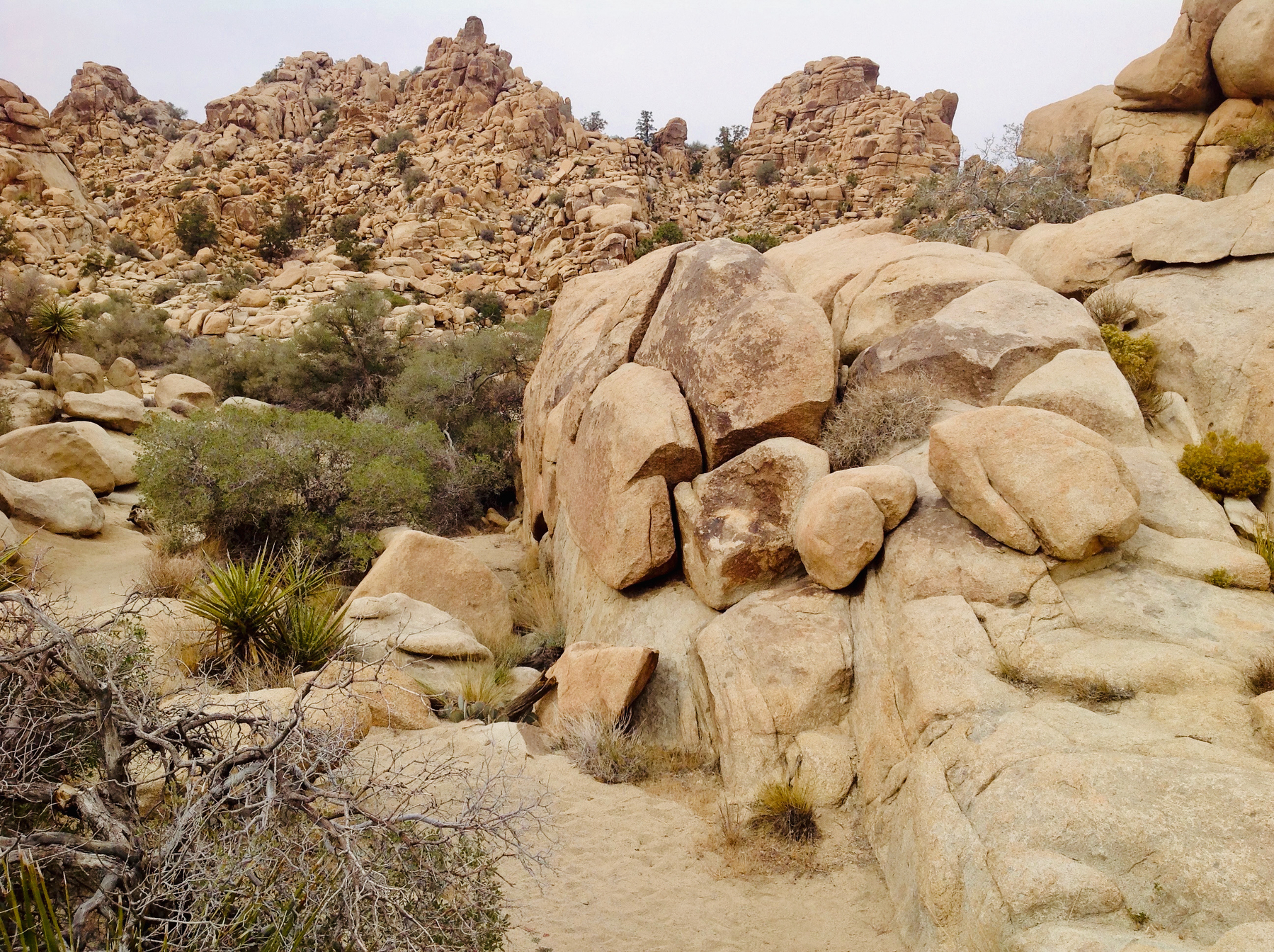
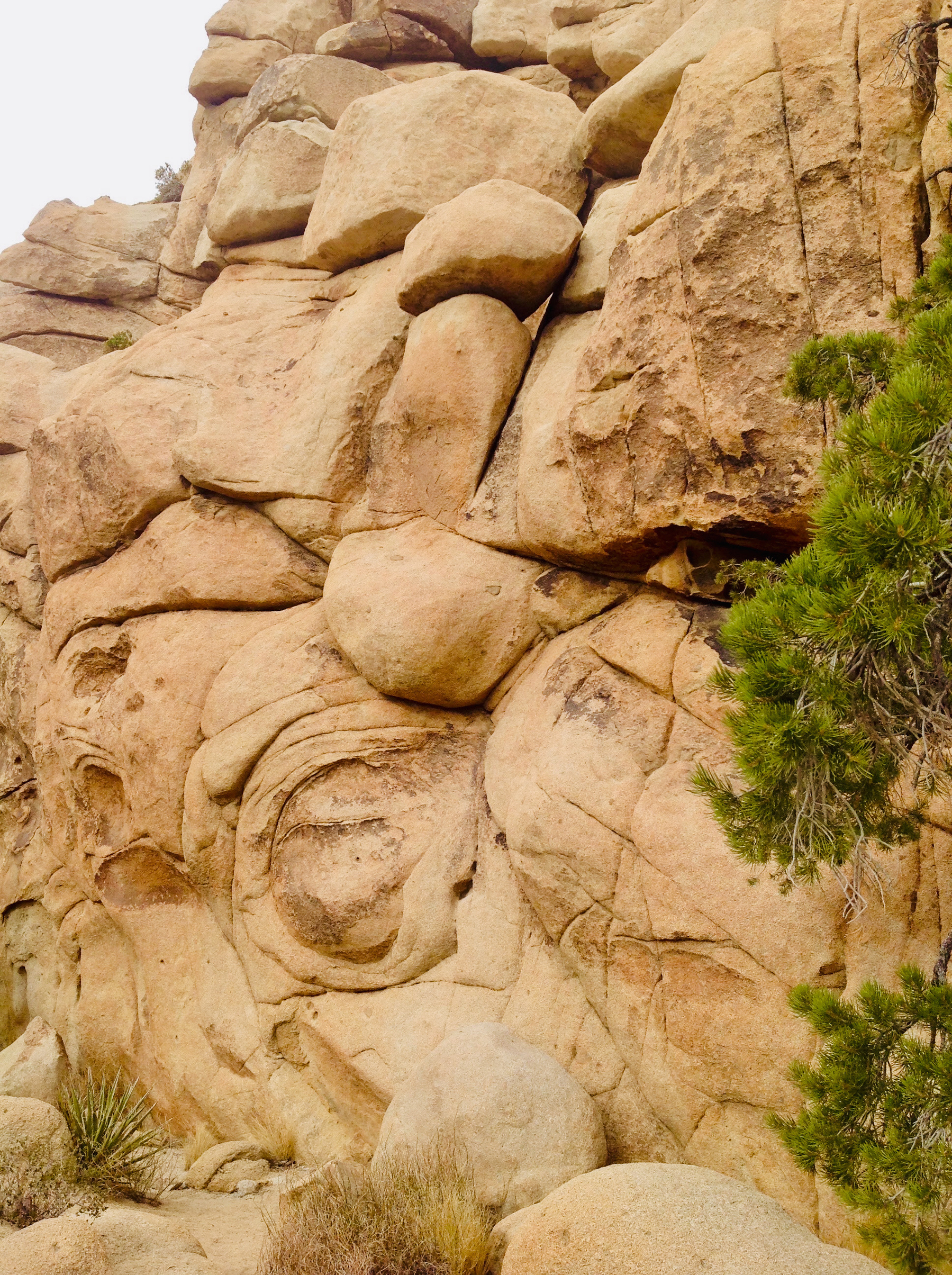
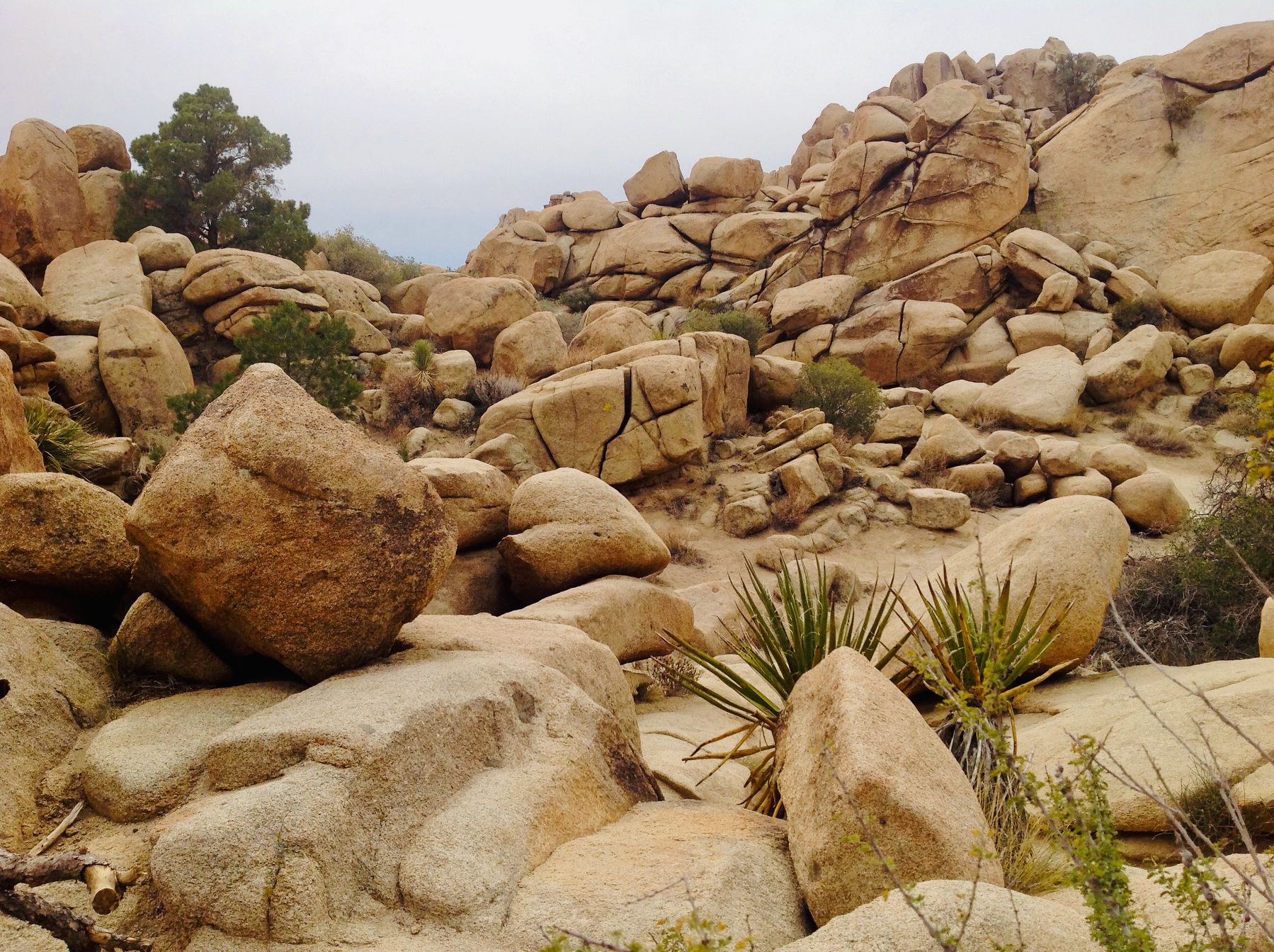
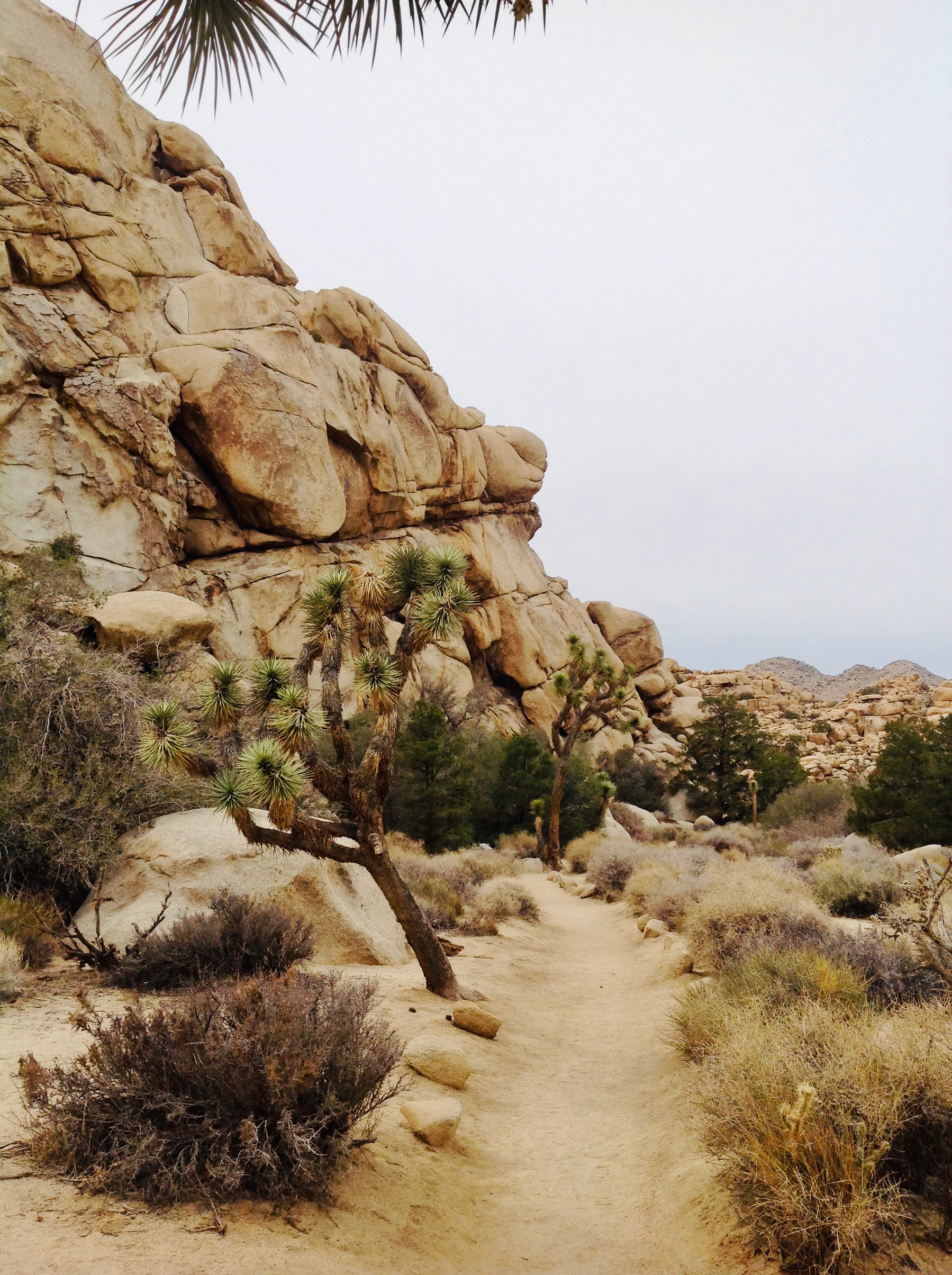
As the sun begins to set, casting a golden hue over the desert, a deep sense of gratitude settles in. Joshua Tree National Park is more than a destination. It is an experience that resonates long after you leave its boundaries.
#JoshuaTree #JoshuaTreeNationalPark #DesertWonderland #VisitCalifornia #MojaveDesert #KeysView #HiddenValley #NationalParkService #TravelEssay #NaturePhotography #USA #Arizona #Travel #Photography