
Finding a Little Europe in the Heart of North America
Before arriving, I had heard countless comparisons between Montreal and Europe, but I wasn’t prepared for how naturally those comparisons would make sense. Walking through the city’s streets, I often forgot I was still in North America. Instead, it felt as though I had wandered into a place where French charm, Canadian warmth, and centuries of history had found a way to exist together.

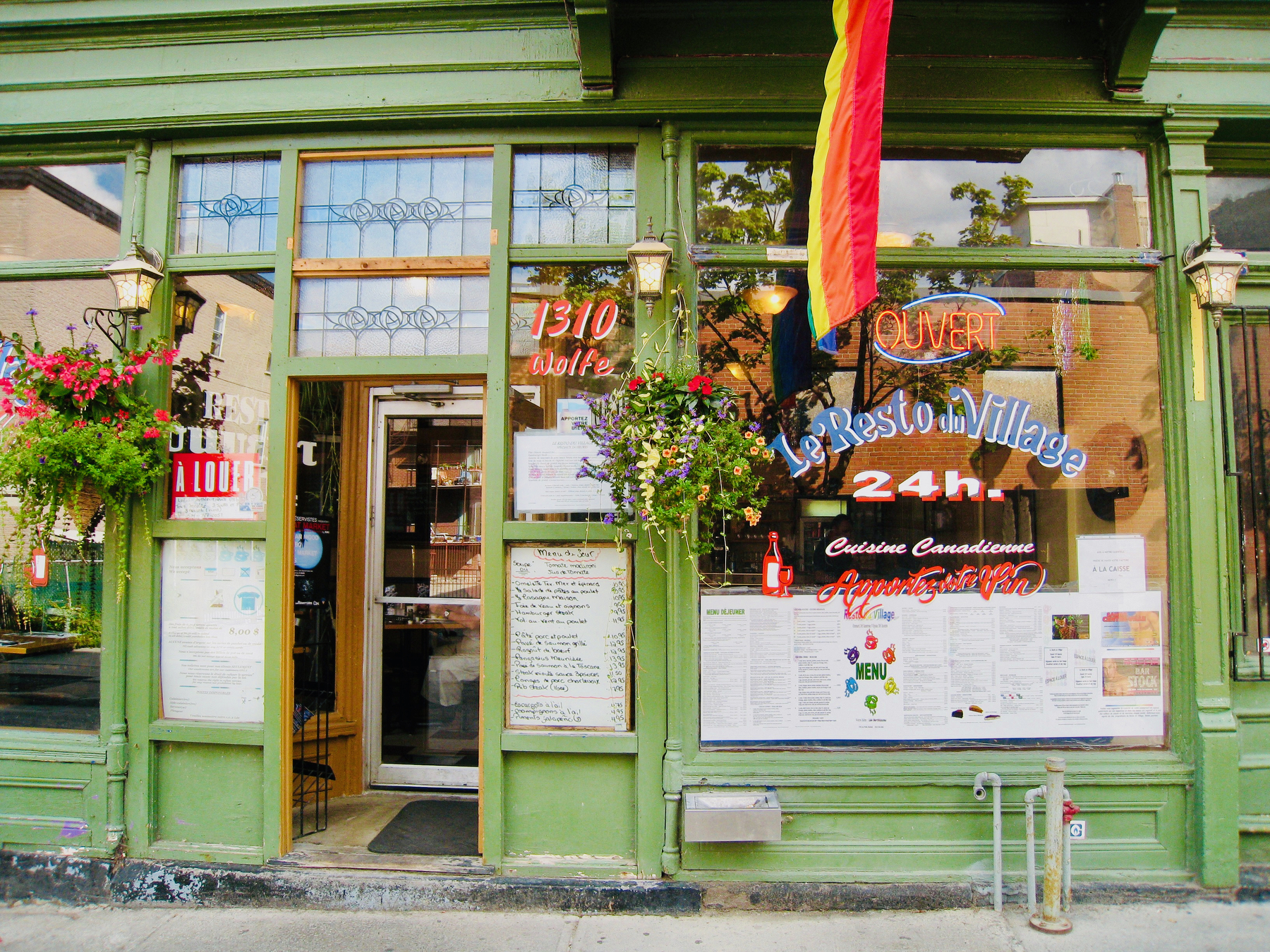

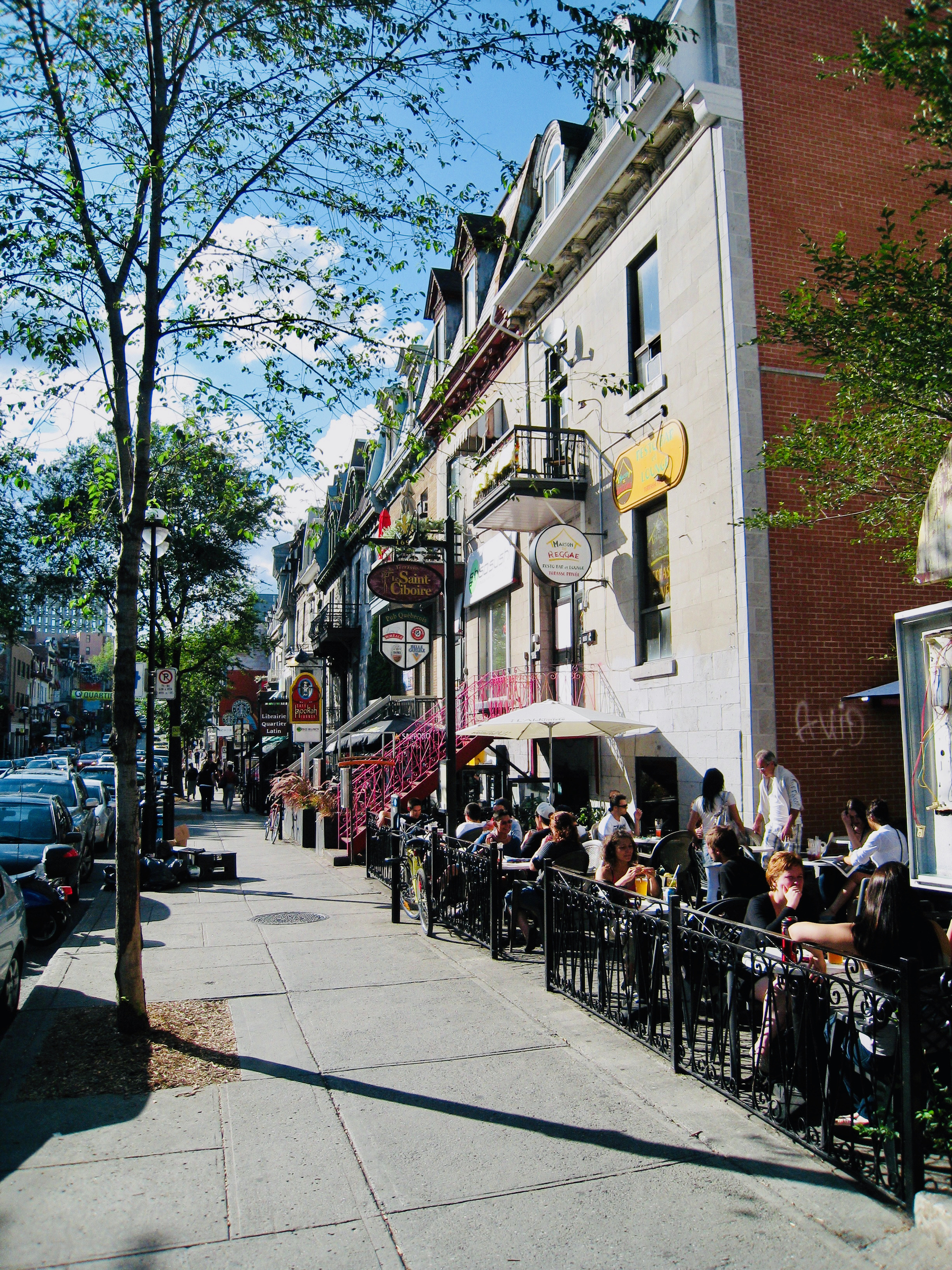


My favourite moments weren’t spent ticking attractions off a list. They came while wandering without purpose through Old Montreal, where cobbled streets echoed beneath my footsteps and elegant stone buildings reflected another era. Every corner revealed something worth pausing for—a small café with tables spilling onto the pavement, an inviting restaurant terrace filled with conversation, or a quiet square where time seemed to slow down.


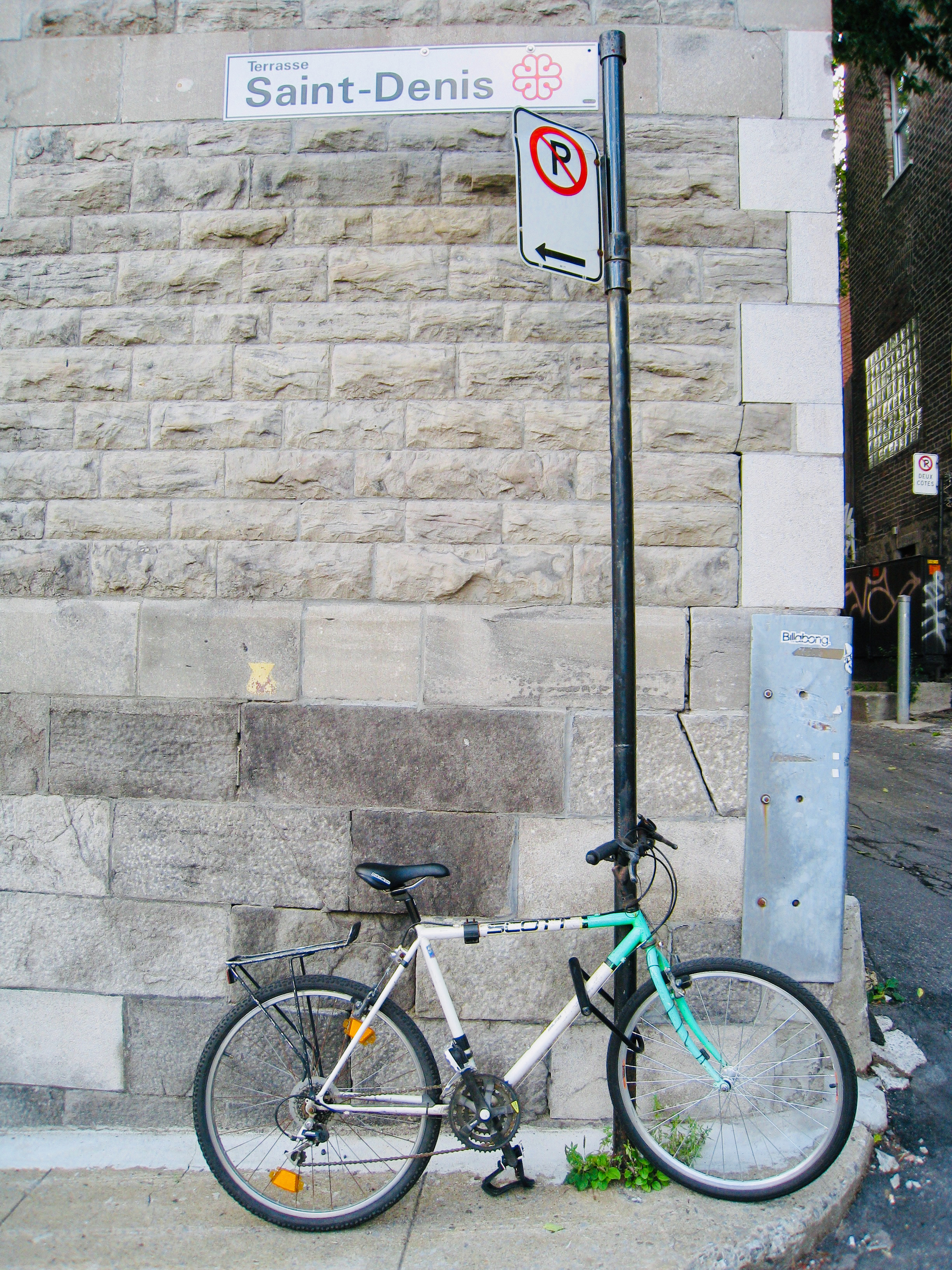
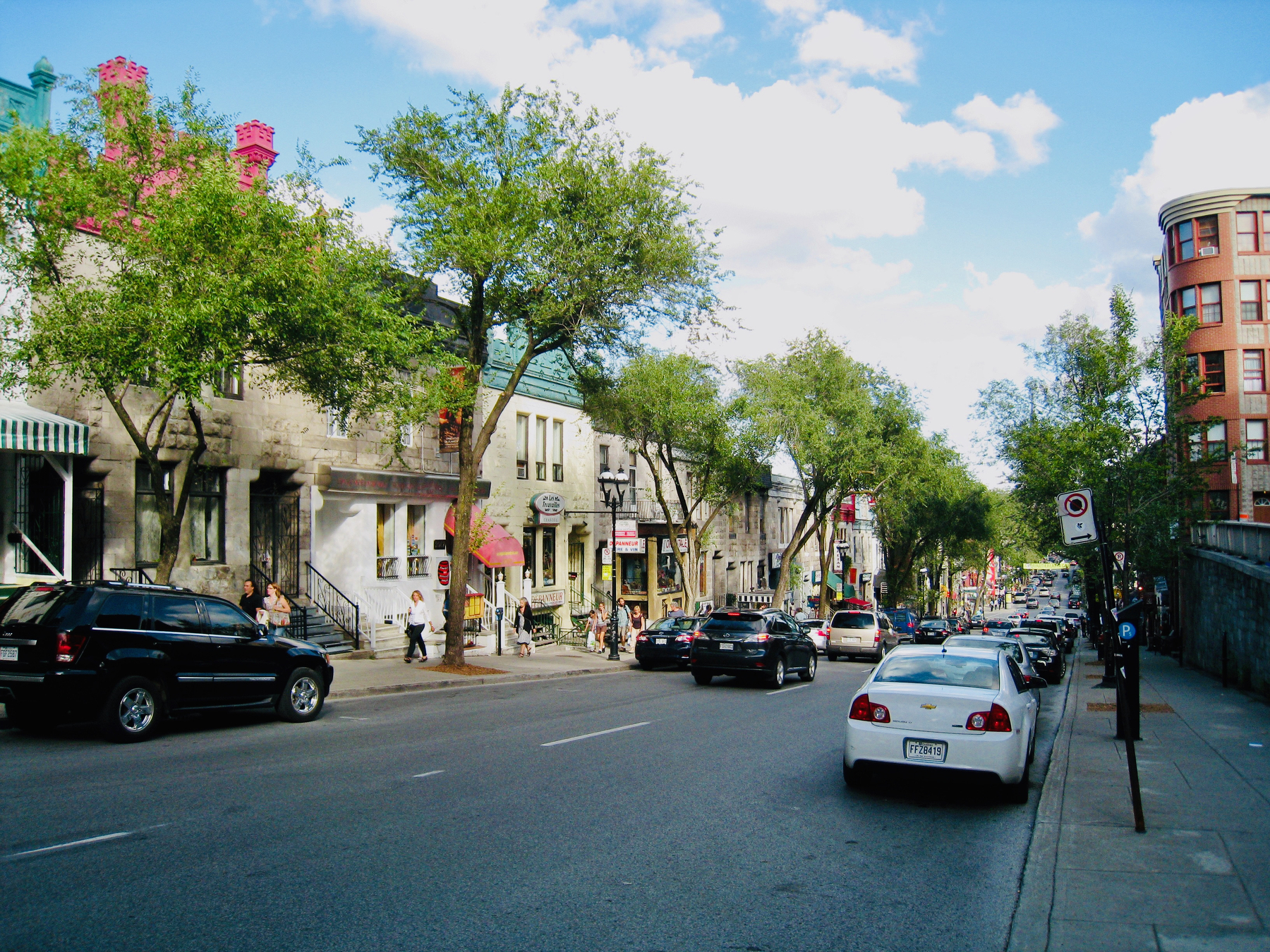


Montreal has an effortless rhythm. Historic walk-up apartments stand comfortably beside modern glass towers, creating a city that never feels trapped in its past yet never forgets it either. That balance is what makes Montreal so captivating. It embraces change without sacrificing its character.
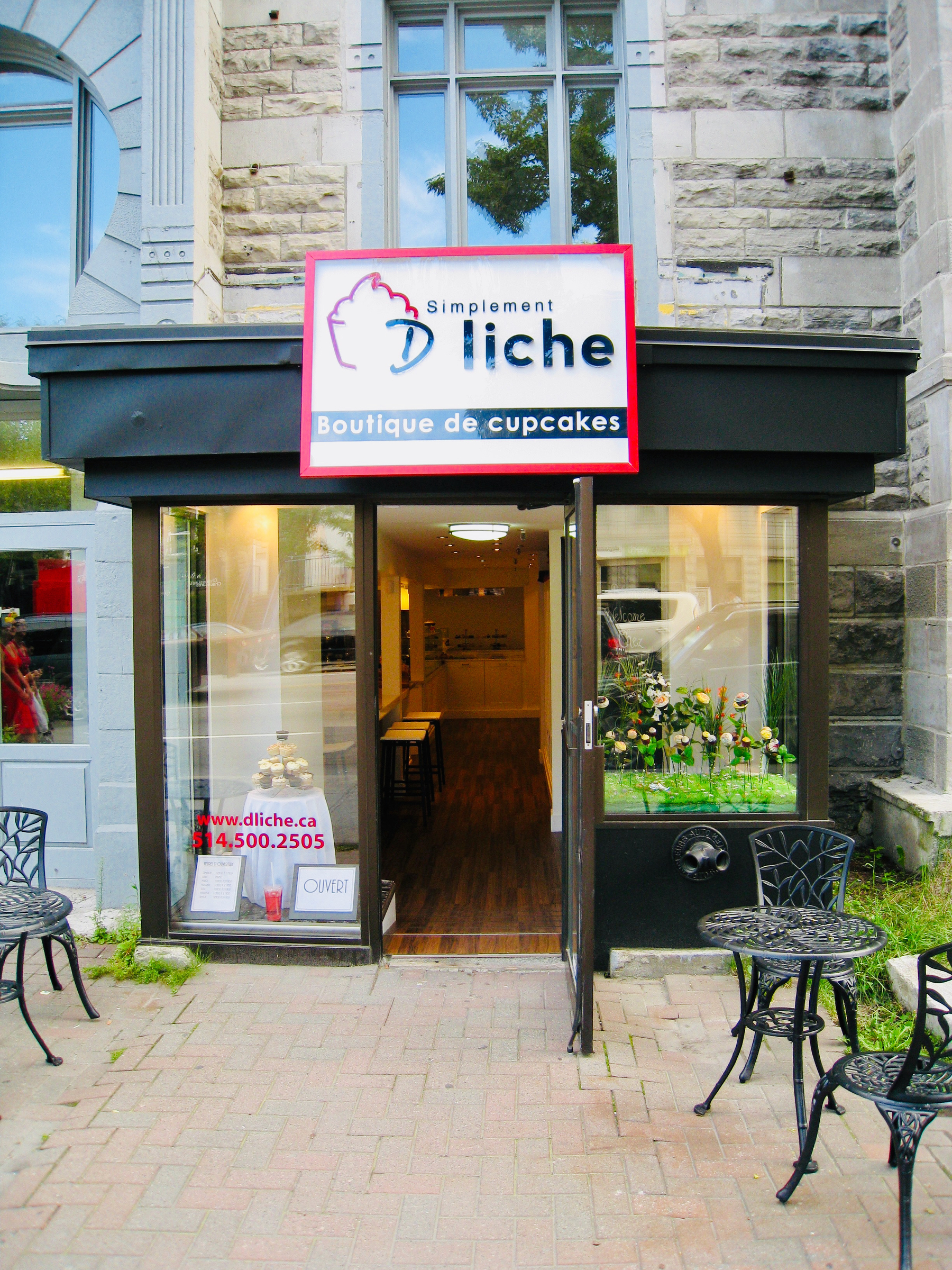


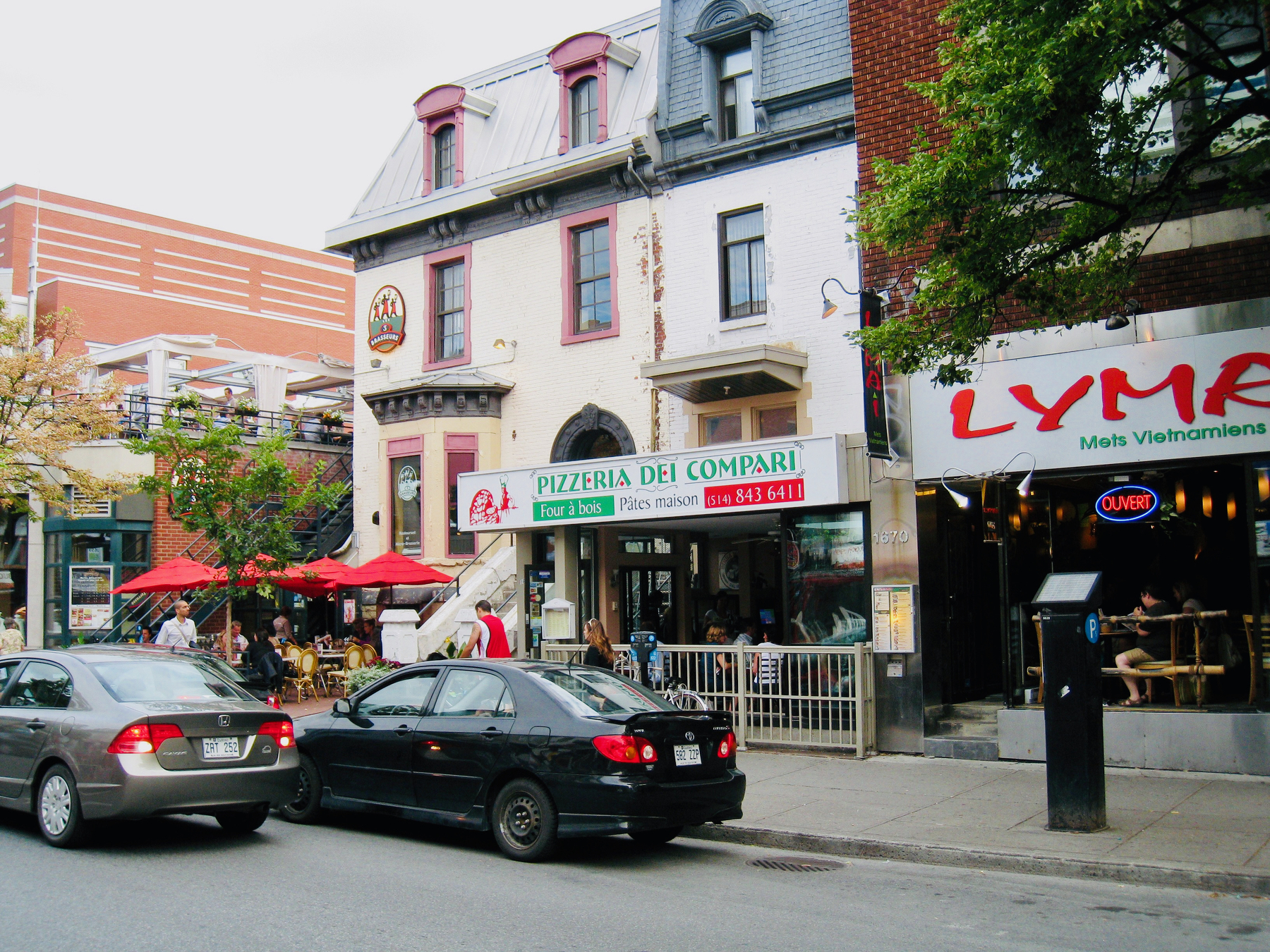

As a photographer, I found endless inspiration here. Art isn’t confined to museums or galleries; it lives on building walls, in colourful murals, independent shops, public spaces, and even in the people who bring the city to life. Every neighbourhood seemed to tell its own story through colour, texture, and design.

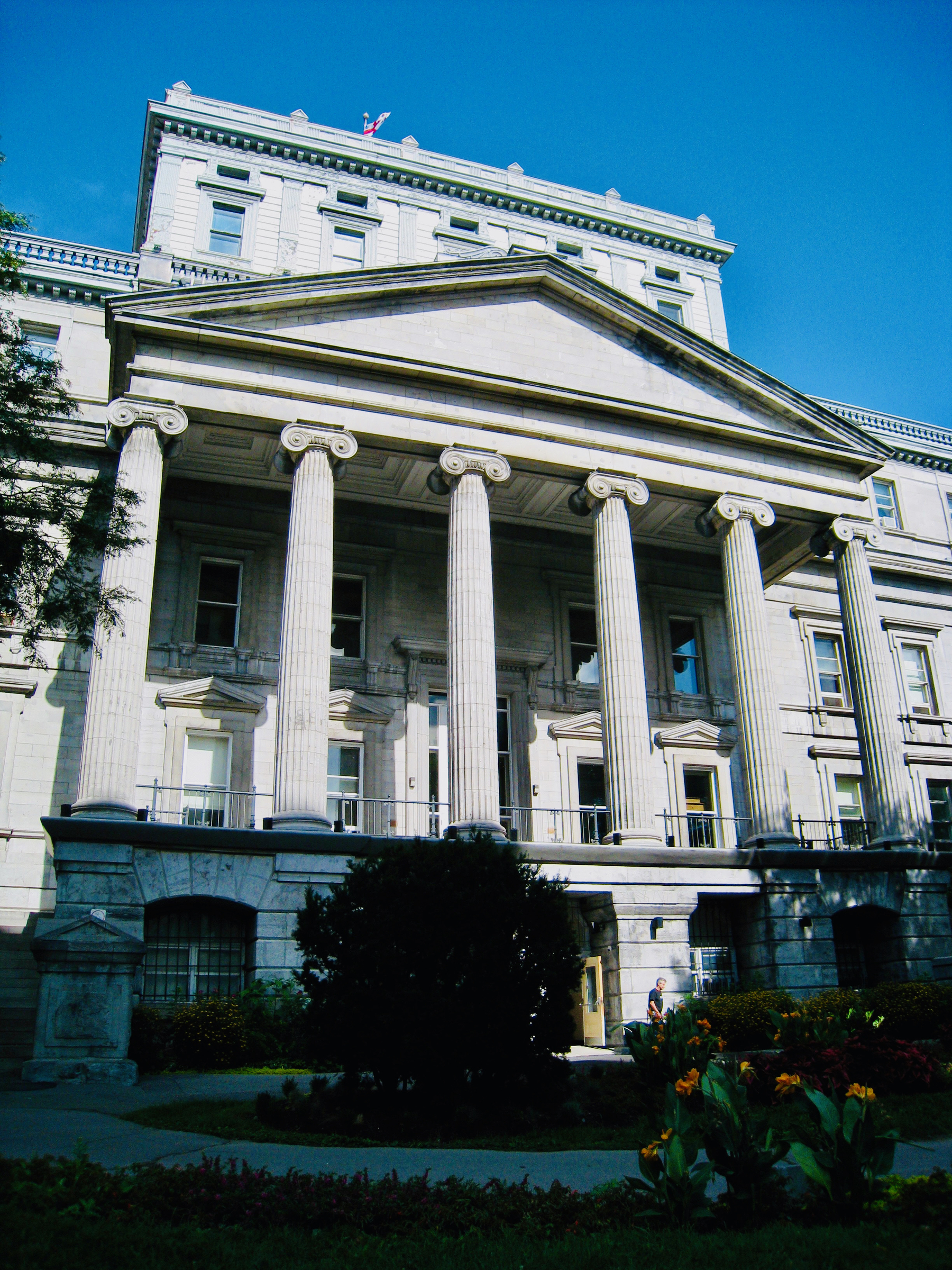
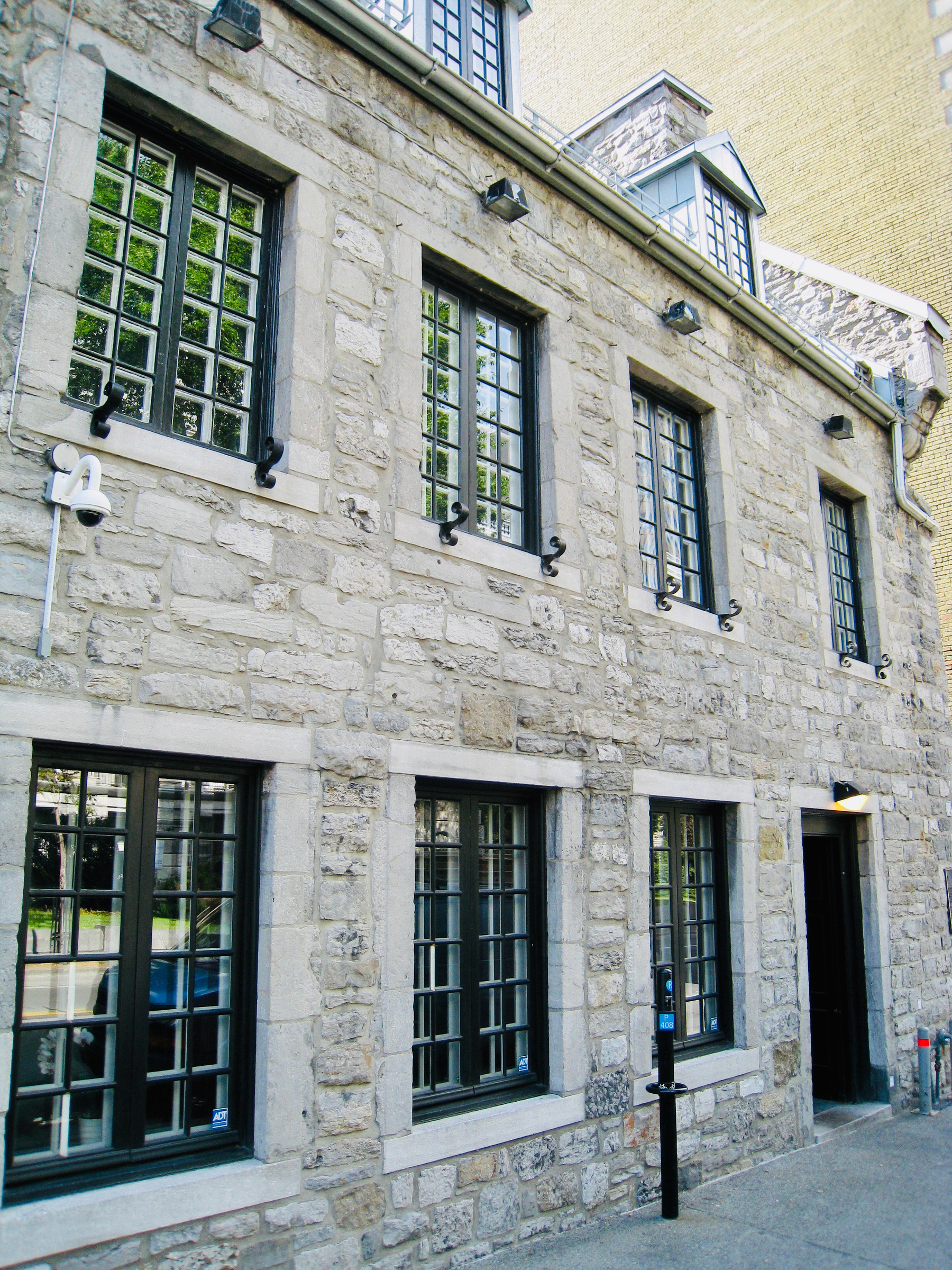

Yet I discovered something unexpected while reviewing my photographs. Montreal seemed almost destined for black-and-white photography. Removing the colour revealed something deeper—the rich textures of old stone façades, the dramatic contrast between sunlight and shadow, and the timeless elegance hidden within everyday scenes. In monochrome, the city became even more cinematic, as though every street belonged to a classic European film.


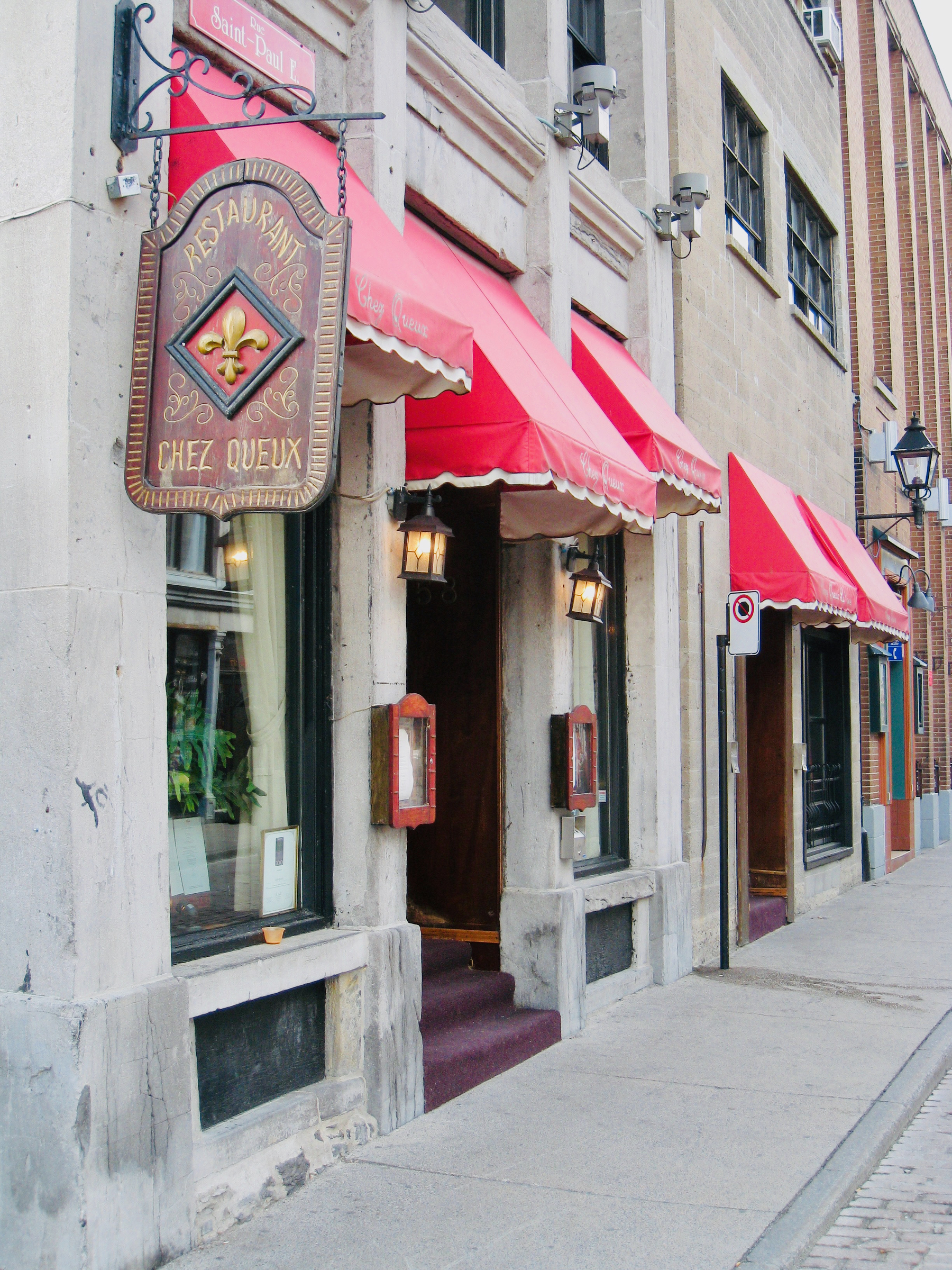
That’s perhaps what I remember most about Montreal. It never tried to impress me. Instead, it quietly invited me to slow down, observe, and appreciate the details. It reminded me that some of the most memorable travel experiences aren’t found inside famous landmarks but in ordinary streets, neighbourhood cafés, and moments that can’t be planned.


If you’re searching for a destination that combines European atmosphere with North American energy, Montreal deserves a place on your travel list. Come with comfortable shoes, an open mind, and a camera—you’ll probably need all three.
#Montreal #VisitMontreal #OldMontreal #Quebec #CanadaTravel #TravelEssay #TravelPhotography #BlackAndWhitePhotography #StreetPhotography #UrbanPhotography #EuropeanCharm #ExploreCanada #TravelBlogger #TravelEssayist #Wanderlust #ArchitecturePhotography #CityBreak #HistoricCities #Photography #NorthAmerica
Whispers of the Streets of Barcelona
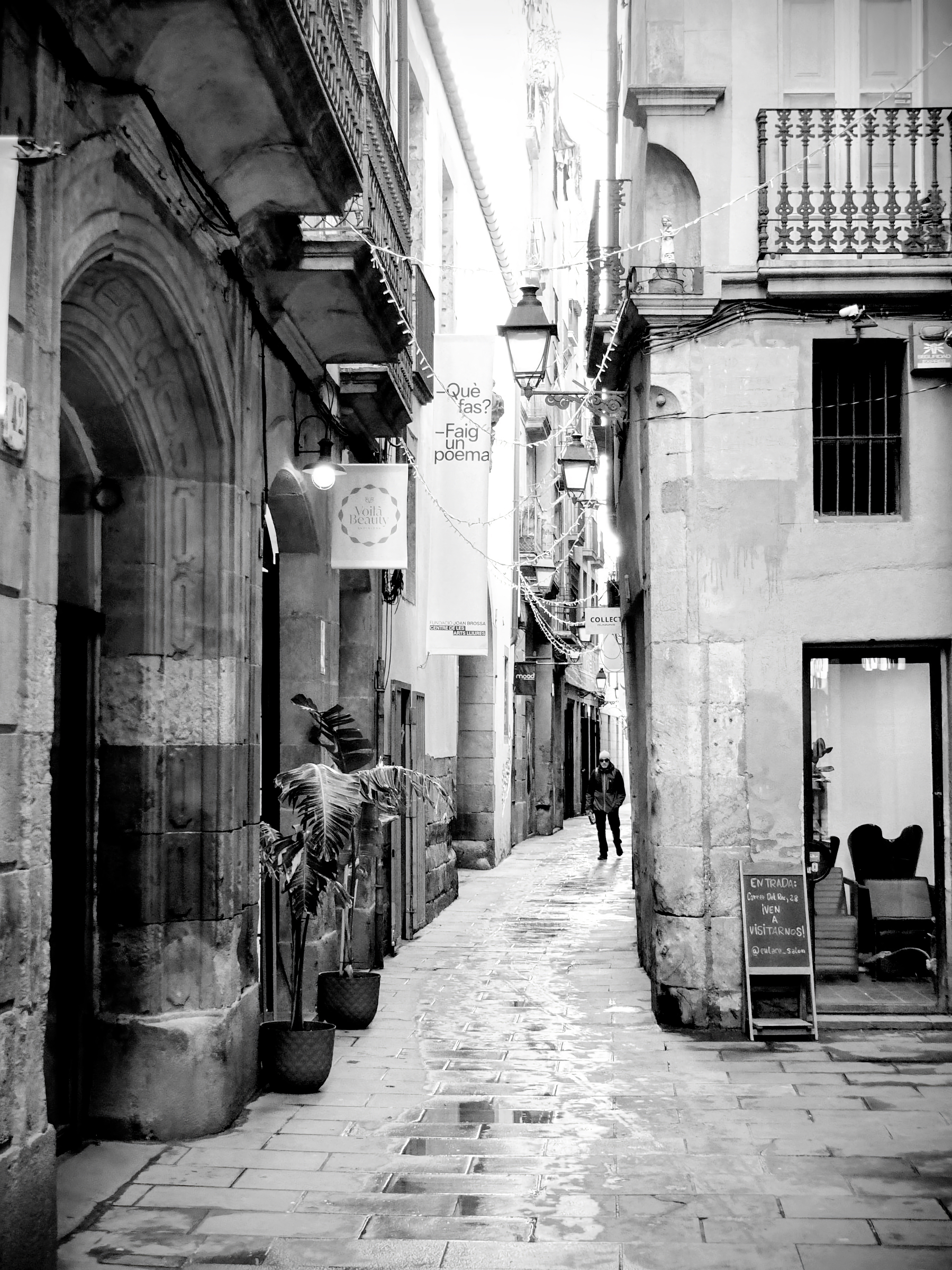
In the heart of Barcelona, this black-and-white street scene reveals the quiet, poetic rhythm of the city. Down a narrow, history-laden alleyway, rain-slicked stones reflect the shifting light, framing a lone wanderer amidst ancient stone facades, hanging lanterns, and suspended banners.
#Barcelona #StreetPhotography #BlackAndWhite #Photography #Catalunya #UrbanAesthetics #Spain
Exploring the World’s Most Beautiful Mega-Library, Biblioteca Vasconcelos, Mexico City
Hidden in the vibrant Buenavista district, far from the colonial plazas and colourful markets that draw most visitors, stands one of the most extraordinary libraries I have ever explored. It isn’t simply a place filled with books—it feels like stepping inside a living work of art, where architecture, nature, and knowledge exist in perfect harmony.
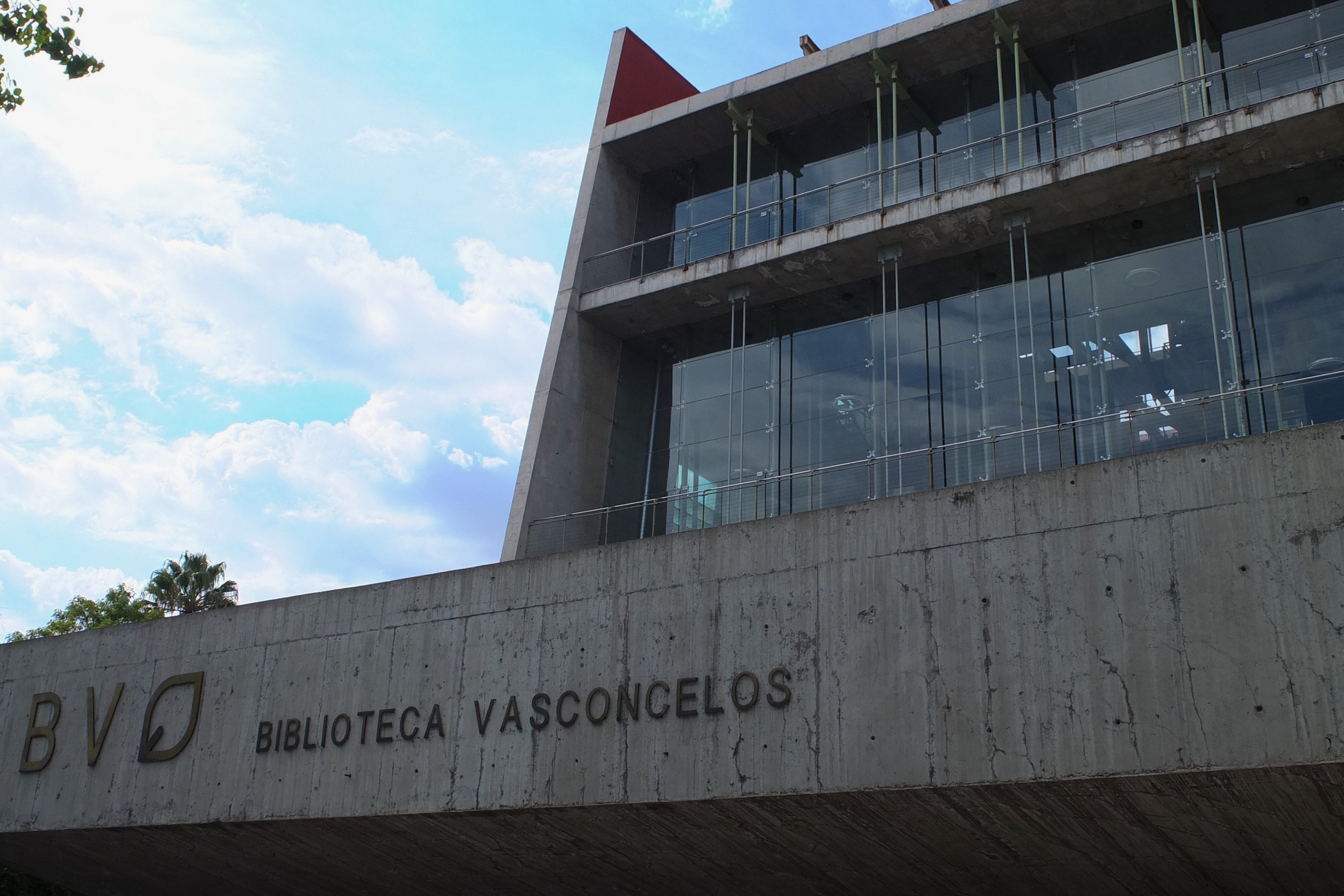

Designed by acclaimed Mexican architect Alberto Kalach and opened in 2007, Biblioteca Vasconcelos has become one of Mexico City’s most remarkable contemporary landmarks. Often called the city’s “mega-library,” it stretches across more than 38,000 square metres, creating an experience that is as much about discovery as it is about reading.
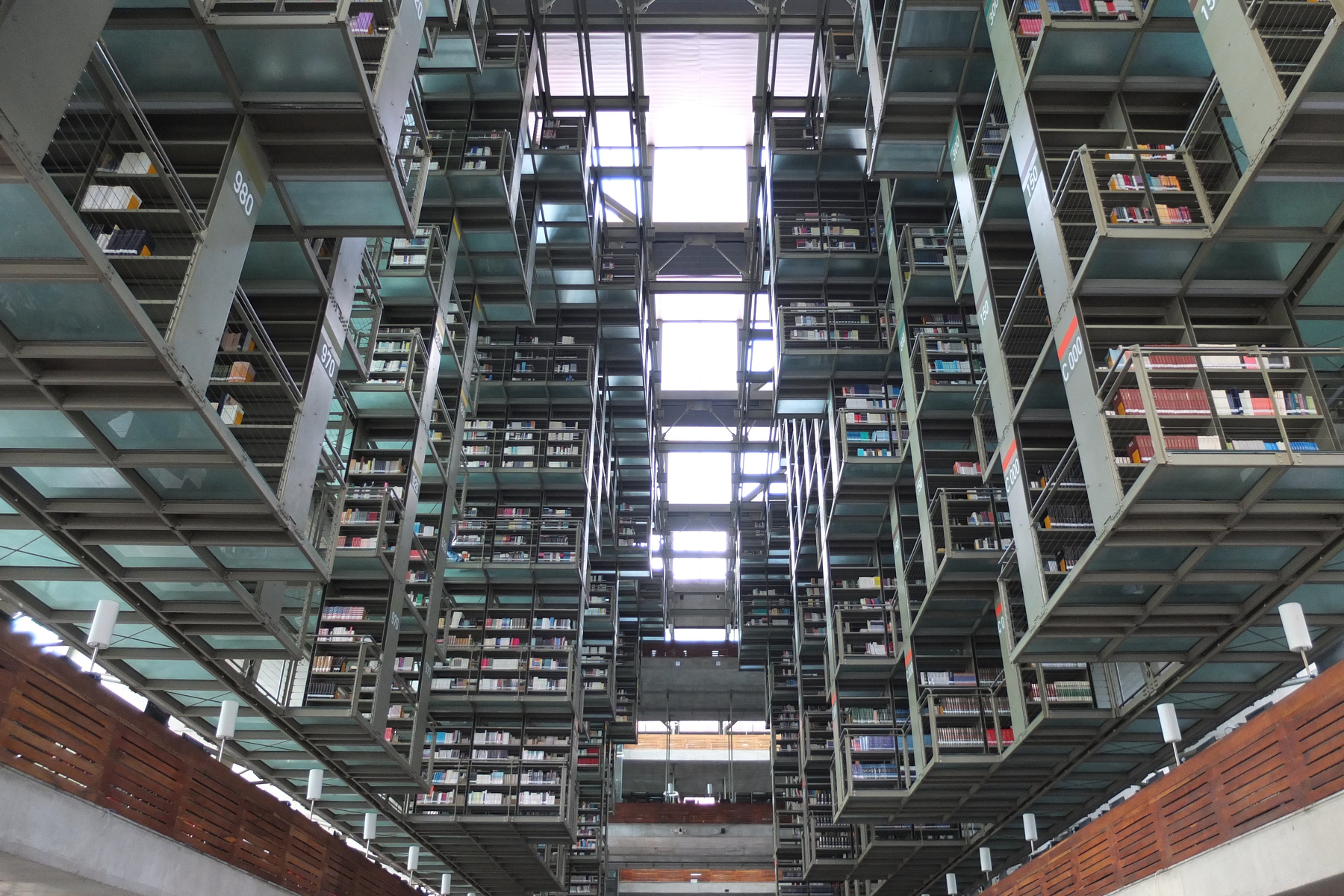
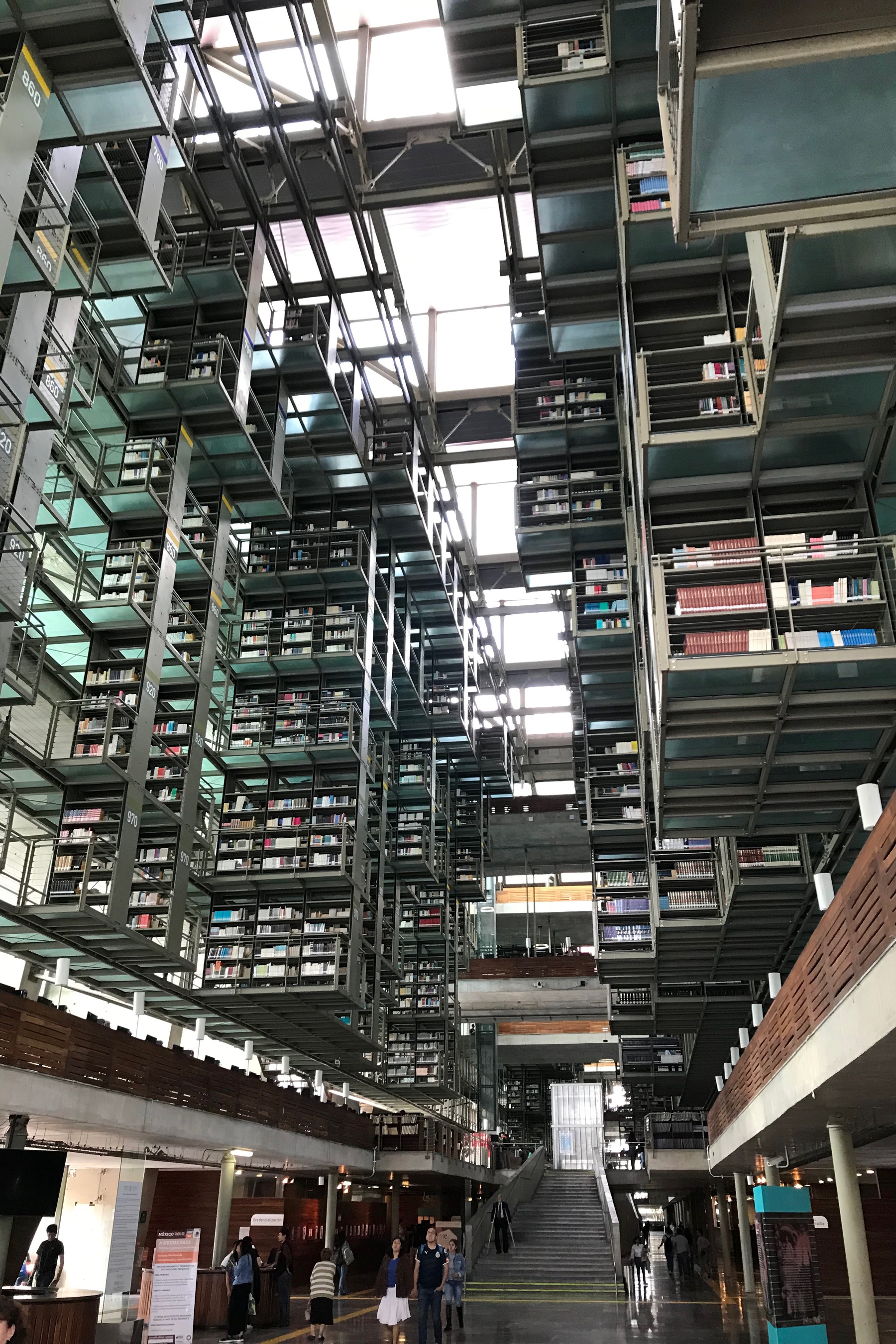
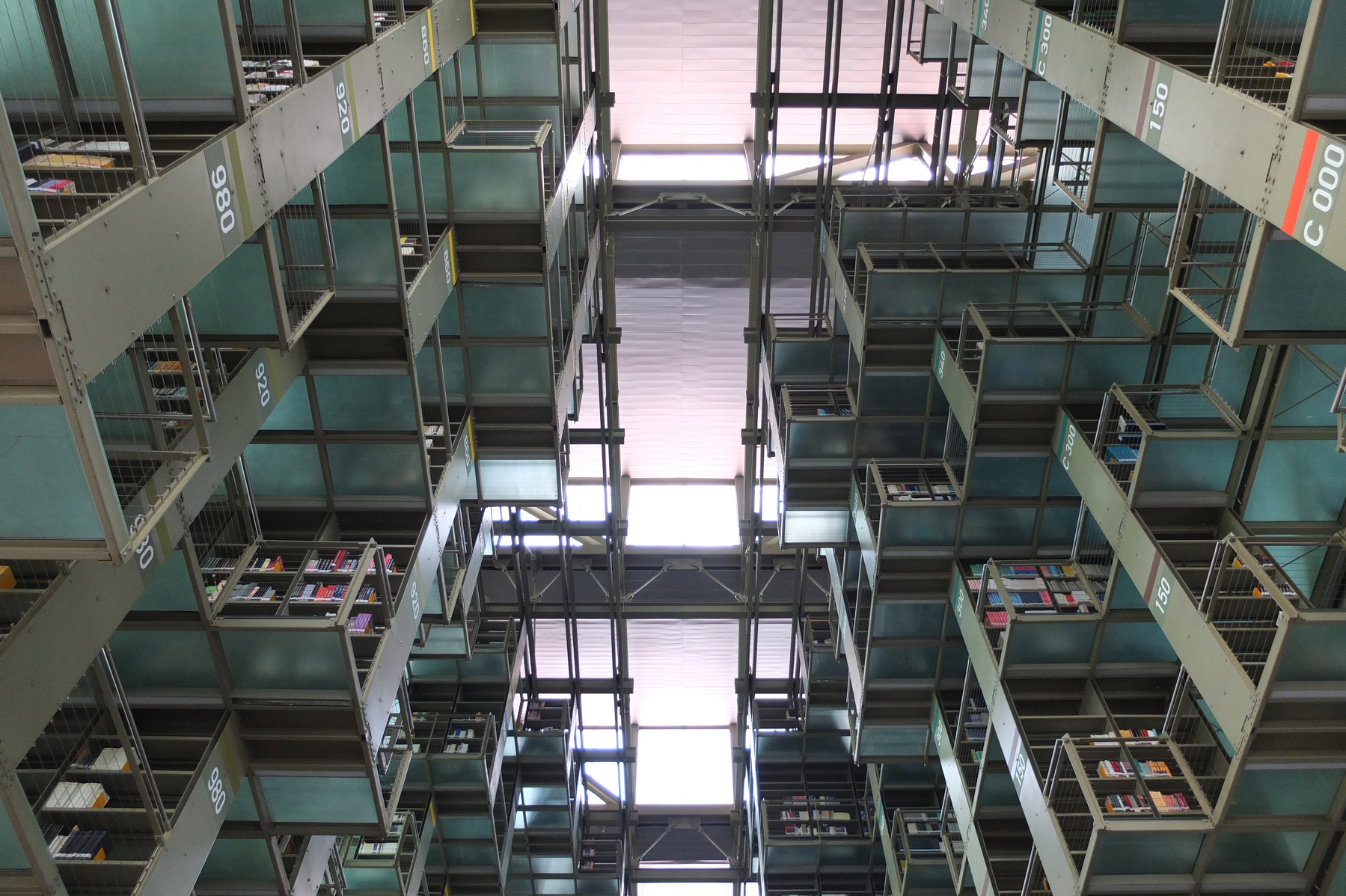
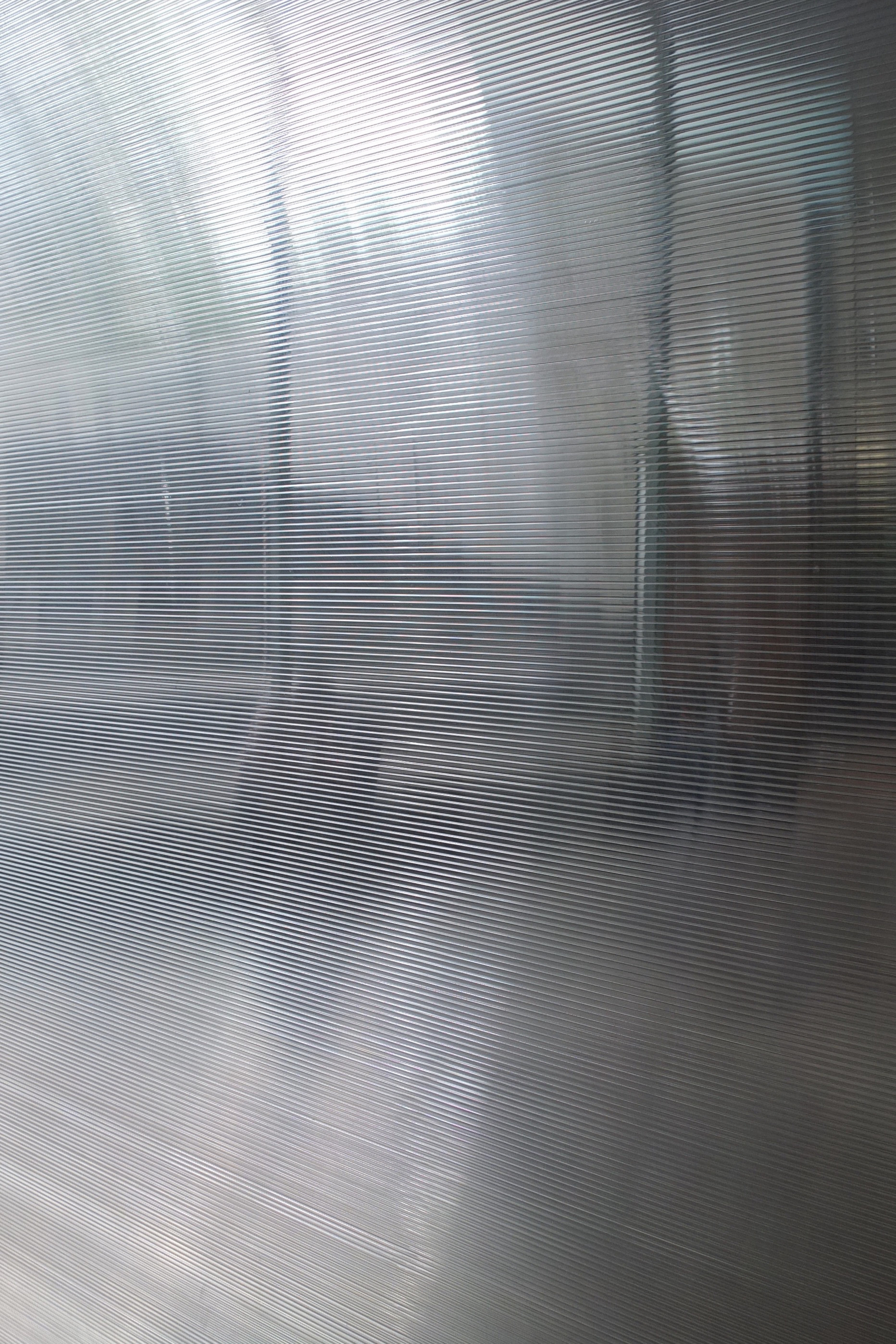
As I approached the library, I immediately realised this wasn’t going to be an ordinary visit. Surrounded by beautifully landscaped gardens, the building rises from the greenery like a futuristic sanctuary. The bustle of Mexico City fades into the background, replaced by quiet pathways, mature trees, and an atmosphere that encourages you to slow down. Before even stepping inside, there’s a feeling that this place was created for contemplation. Then the doors open. The interior is breathtaking.

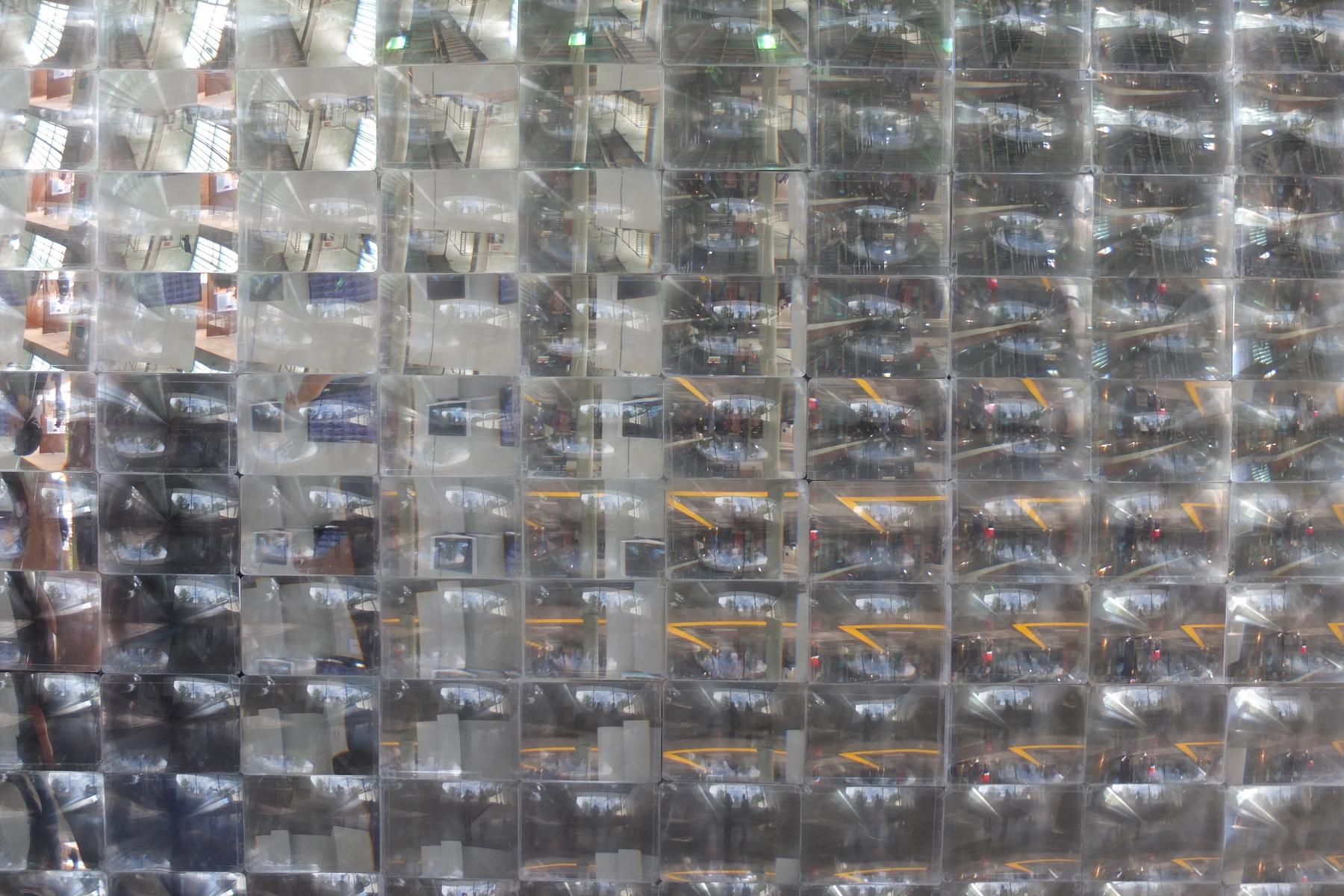
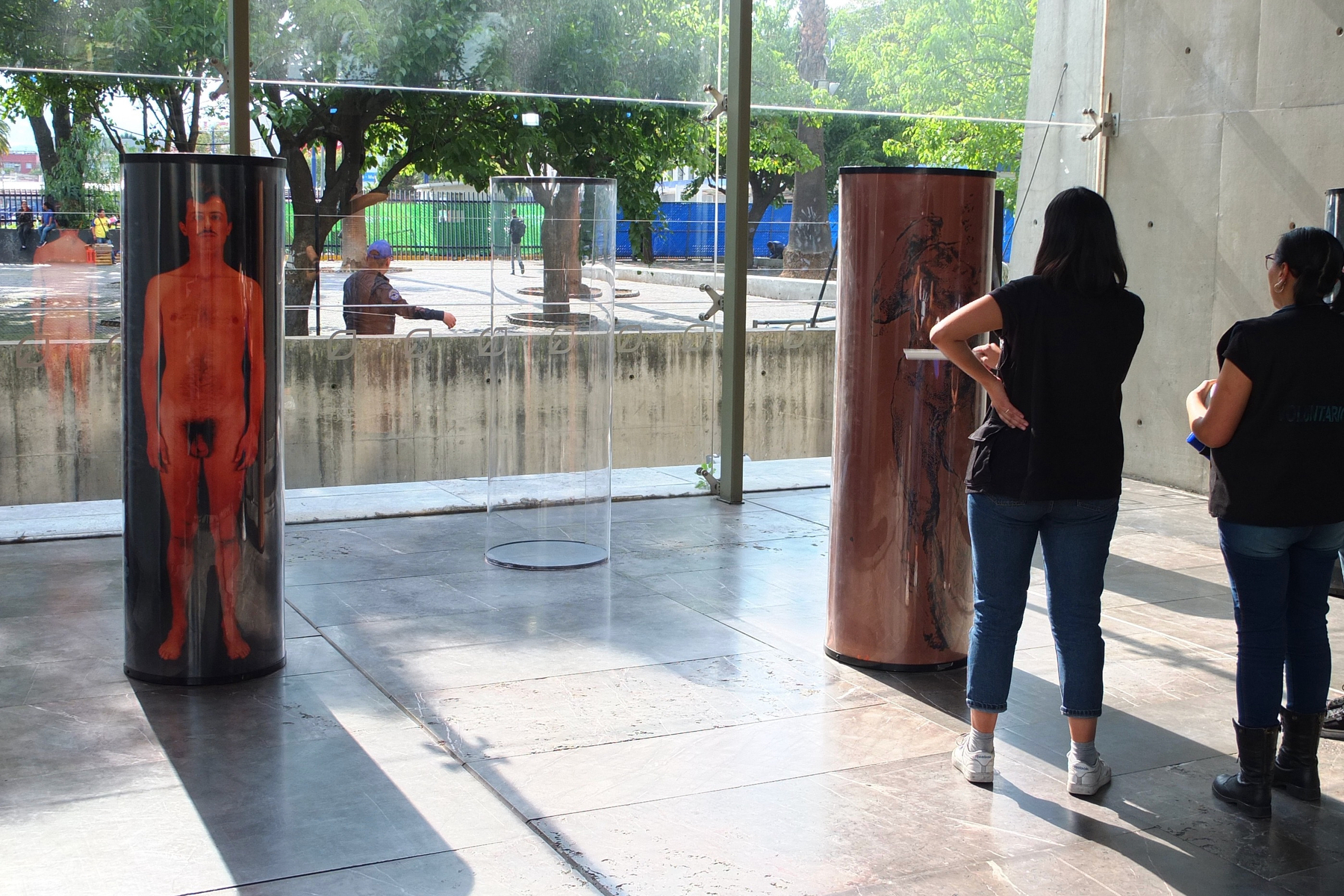
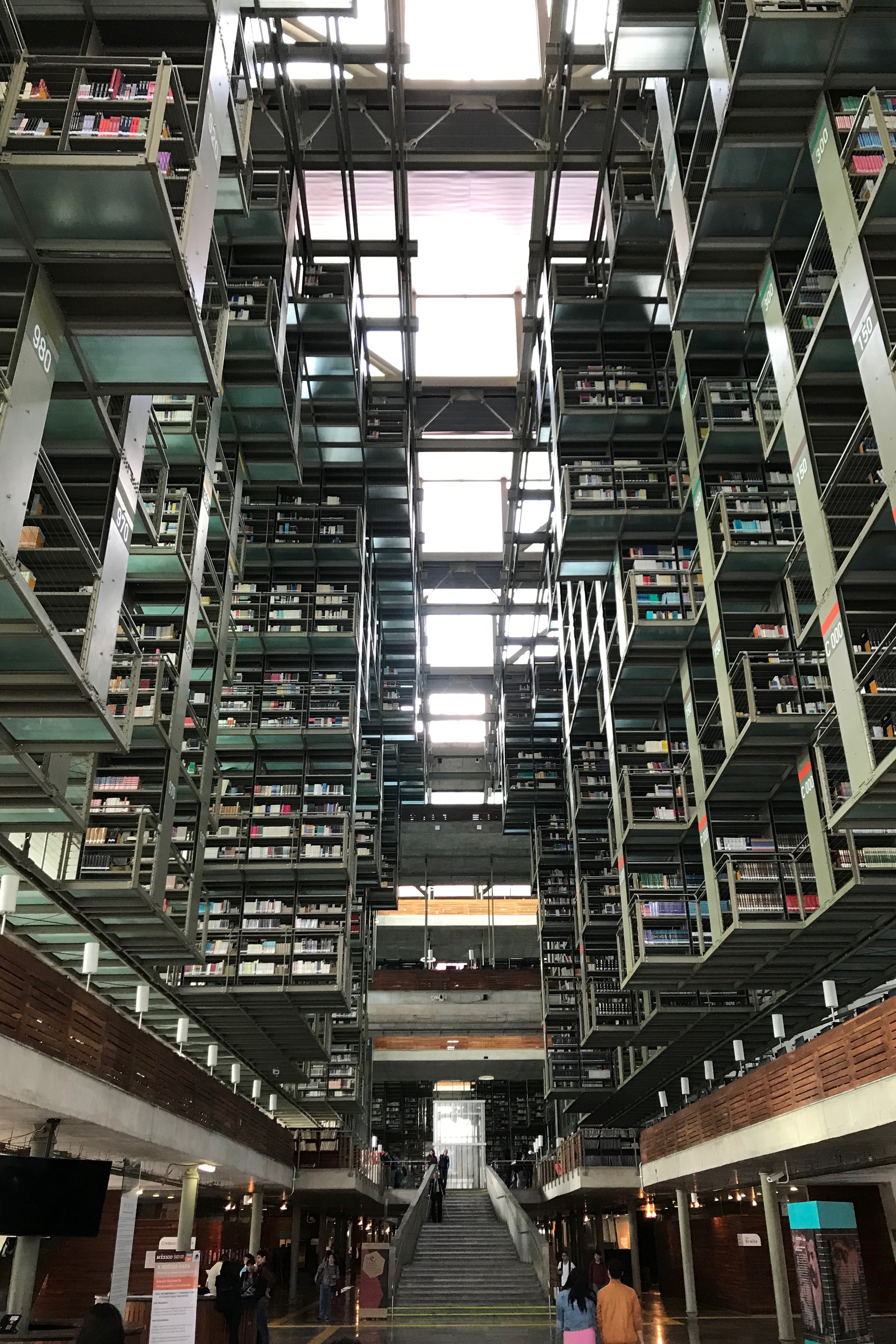
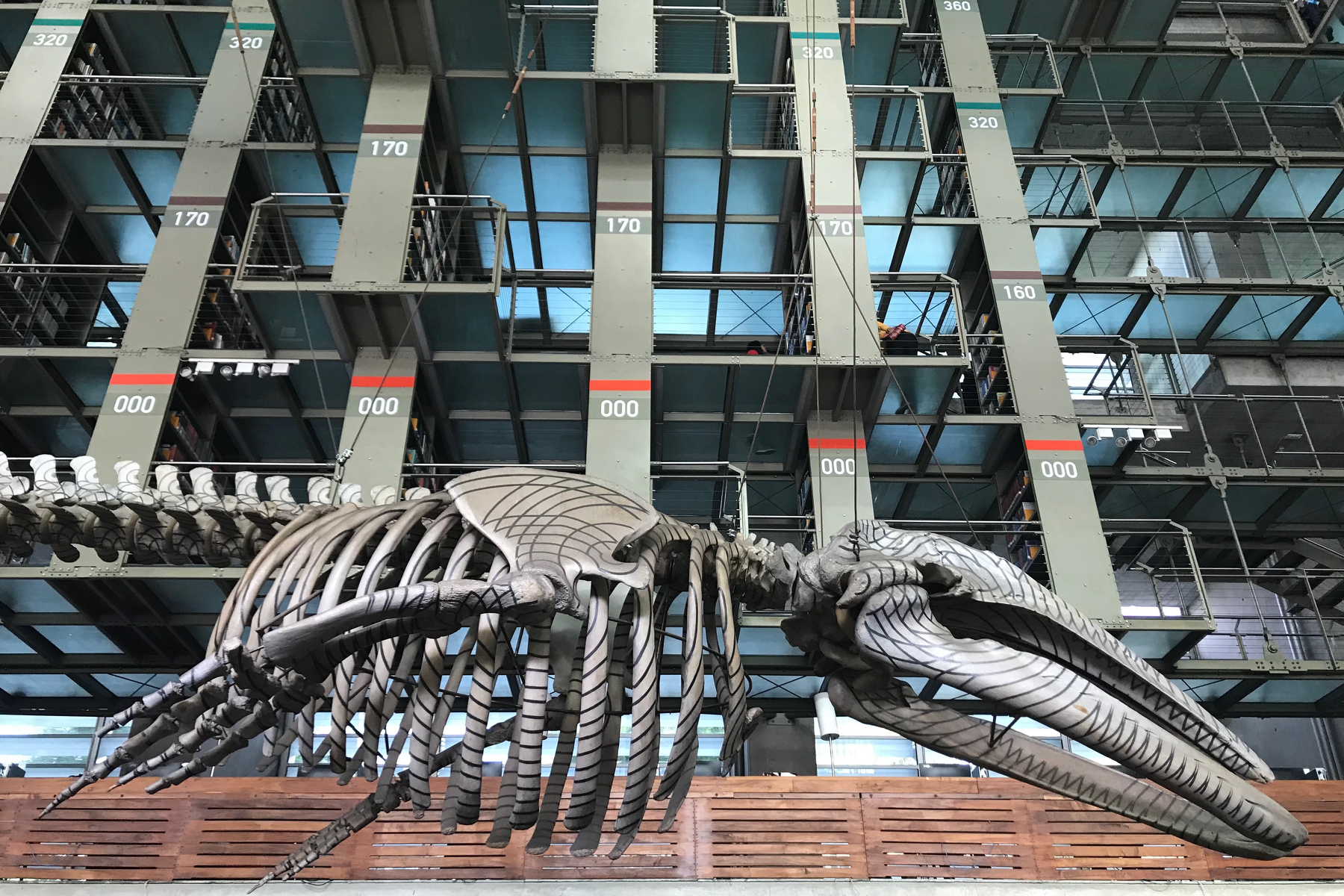
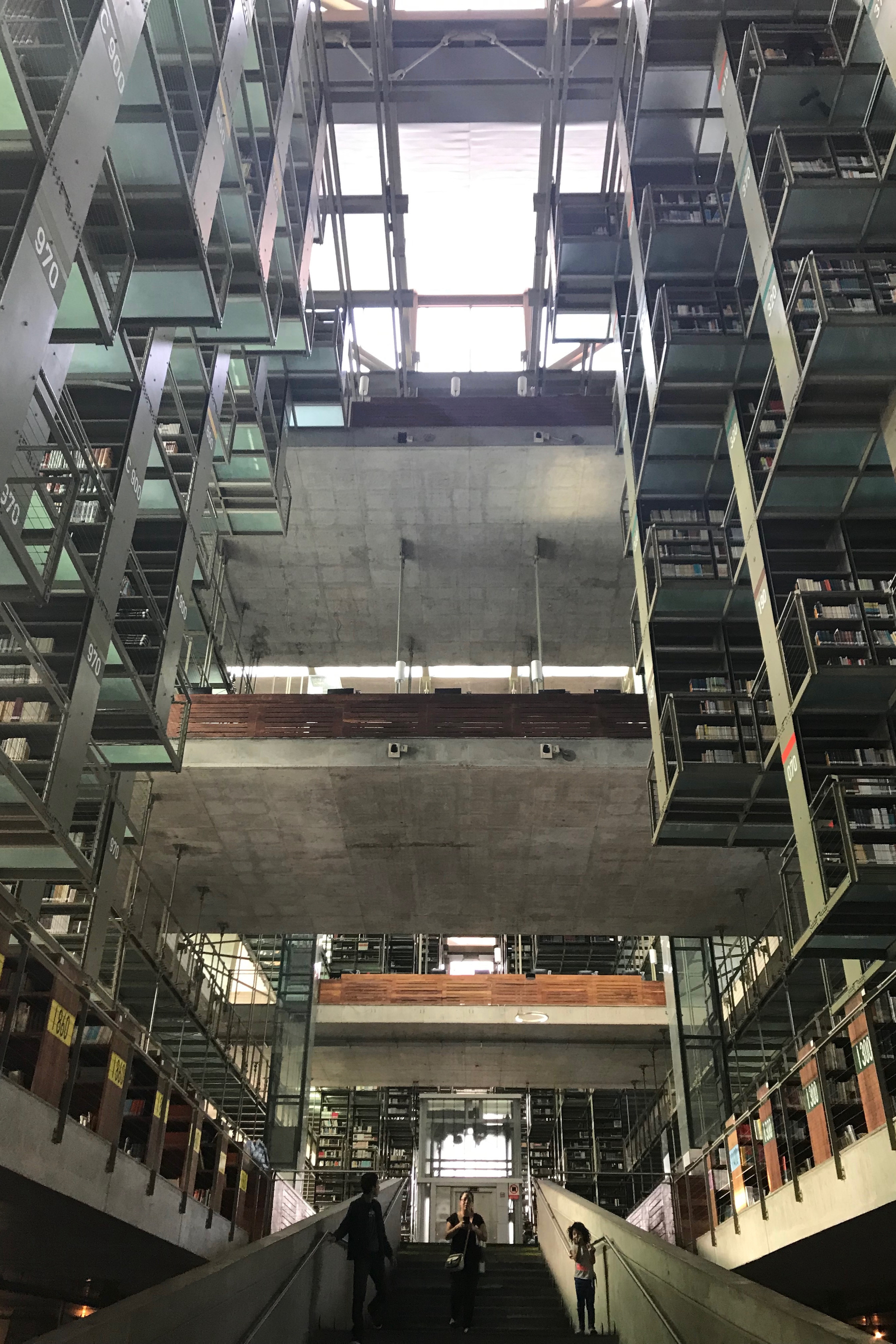
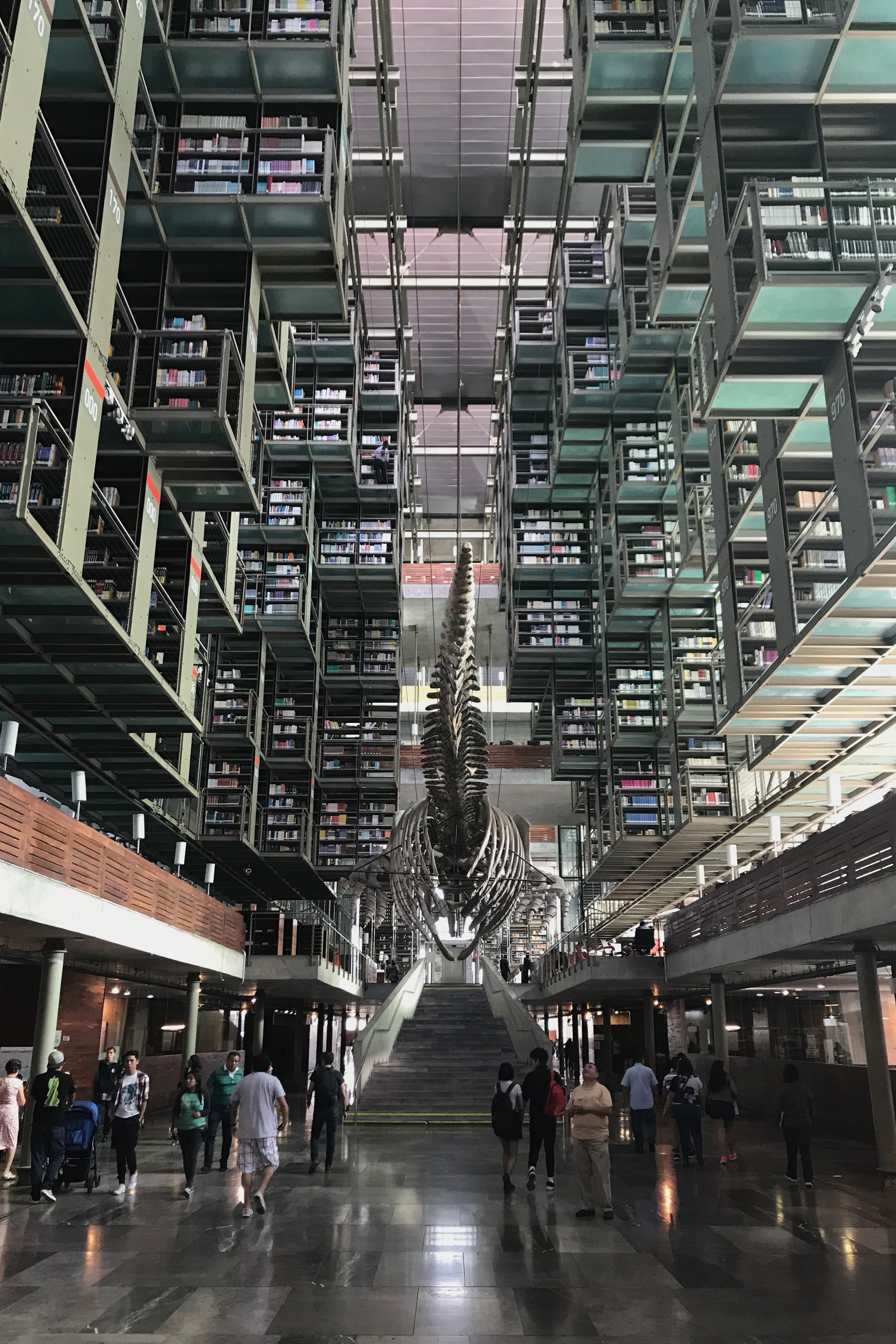
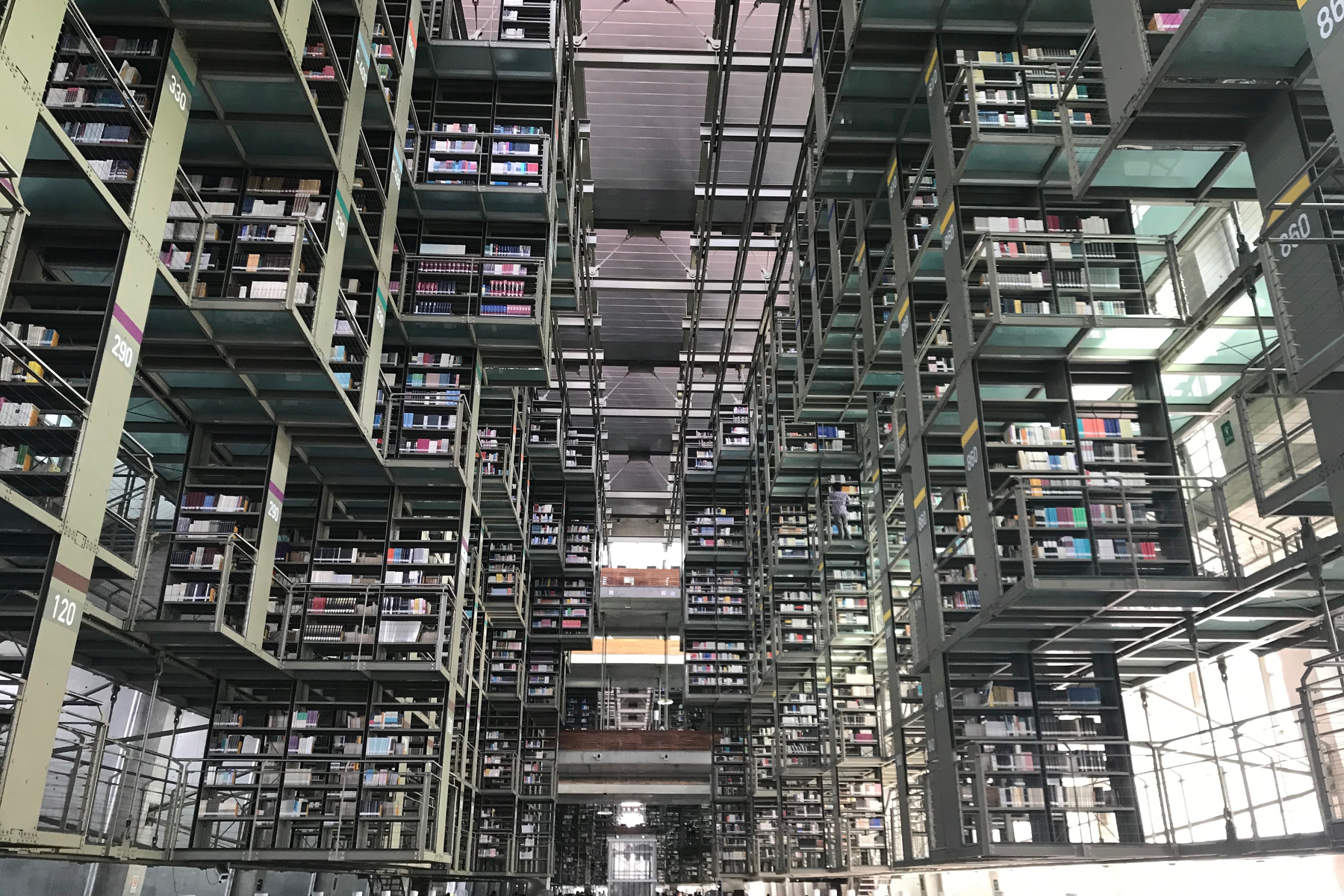
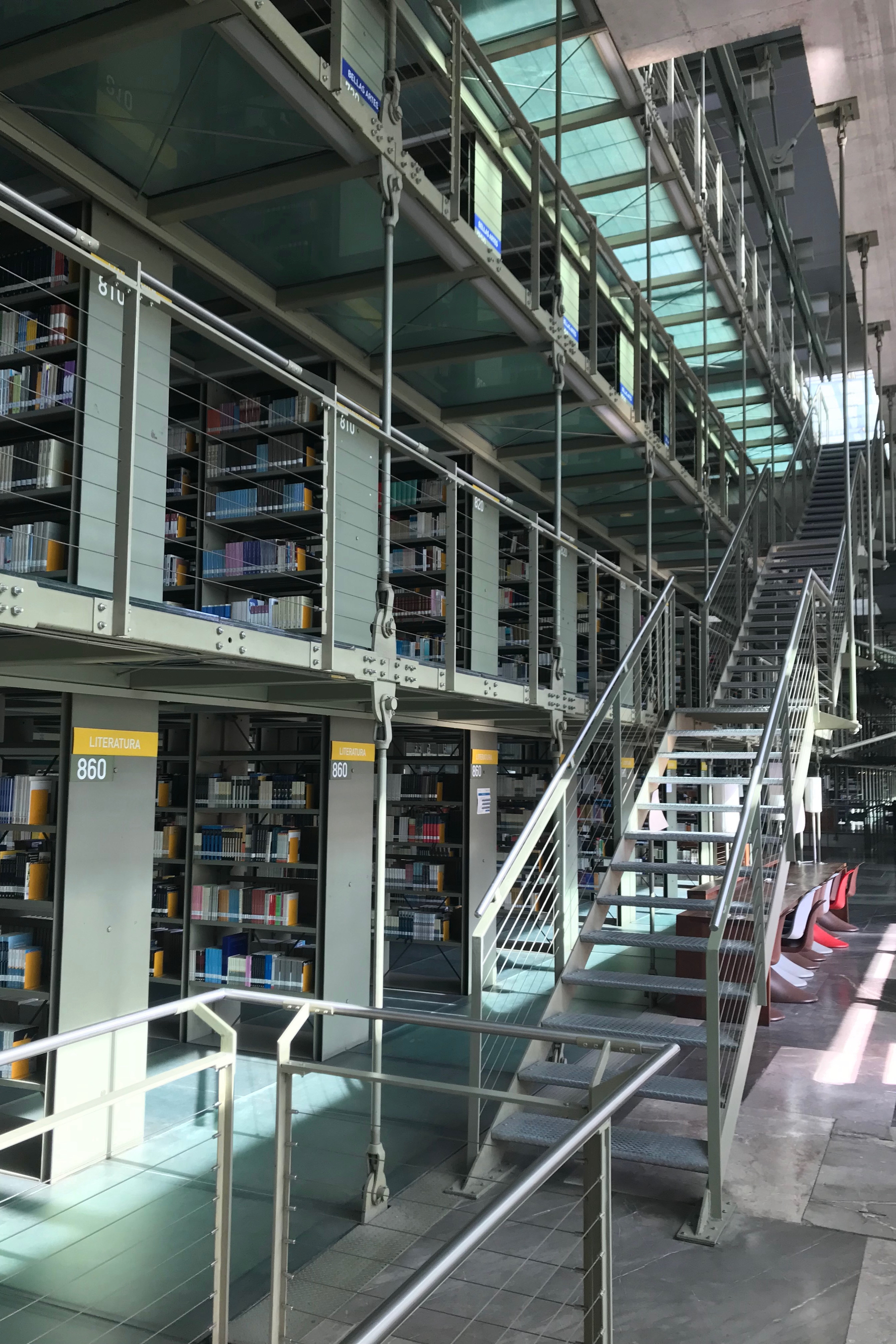
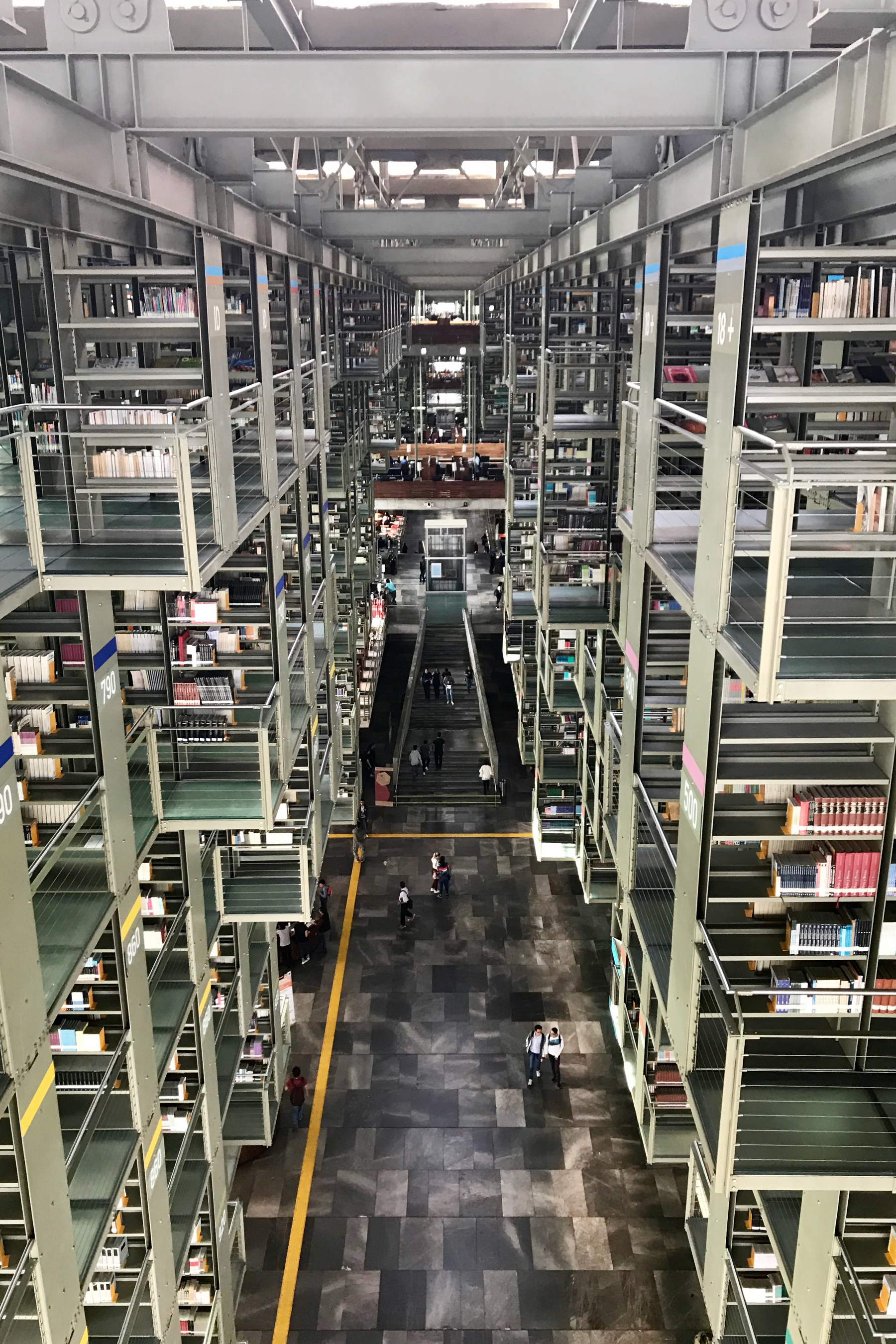
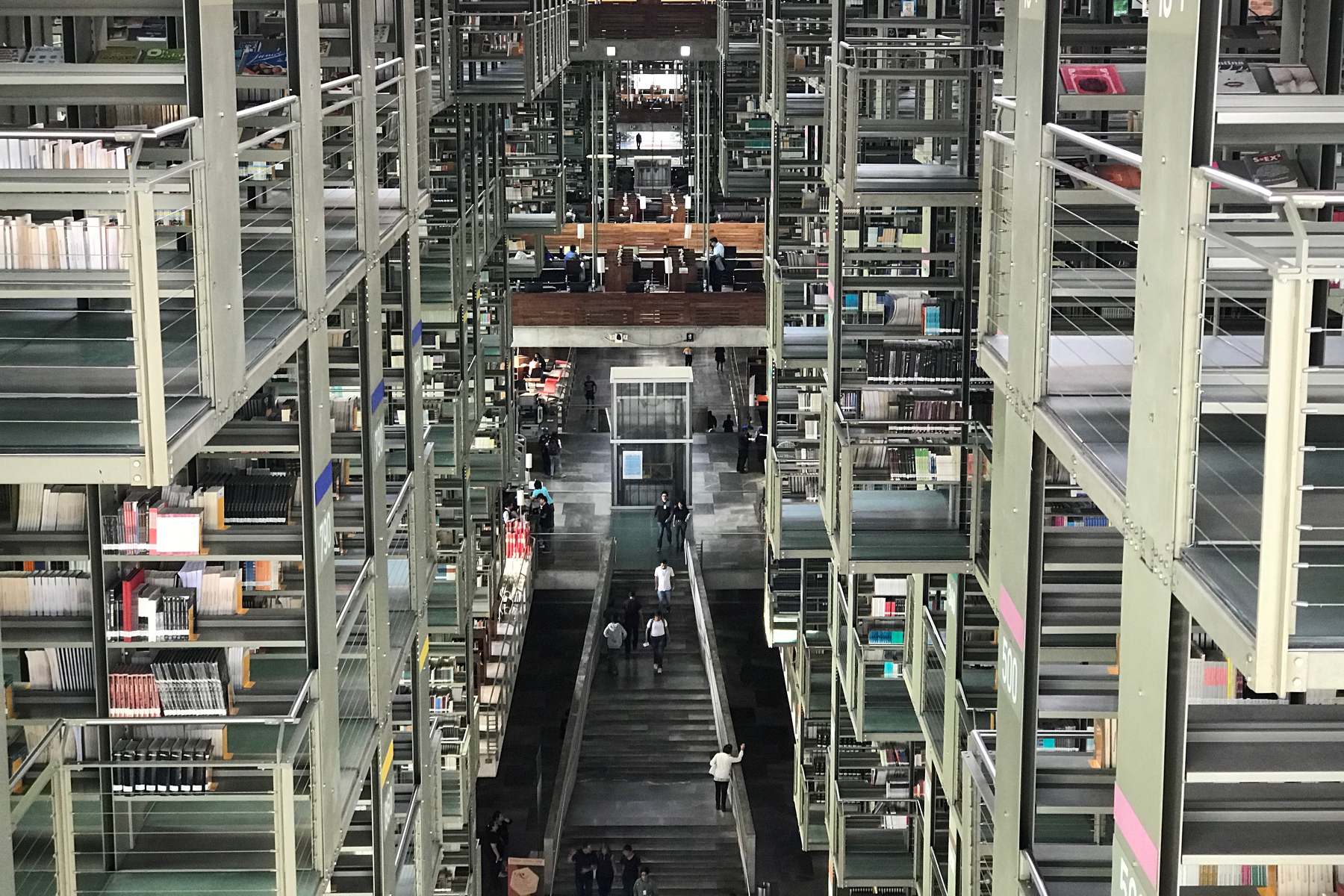
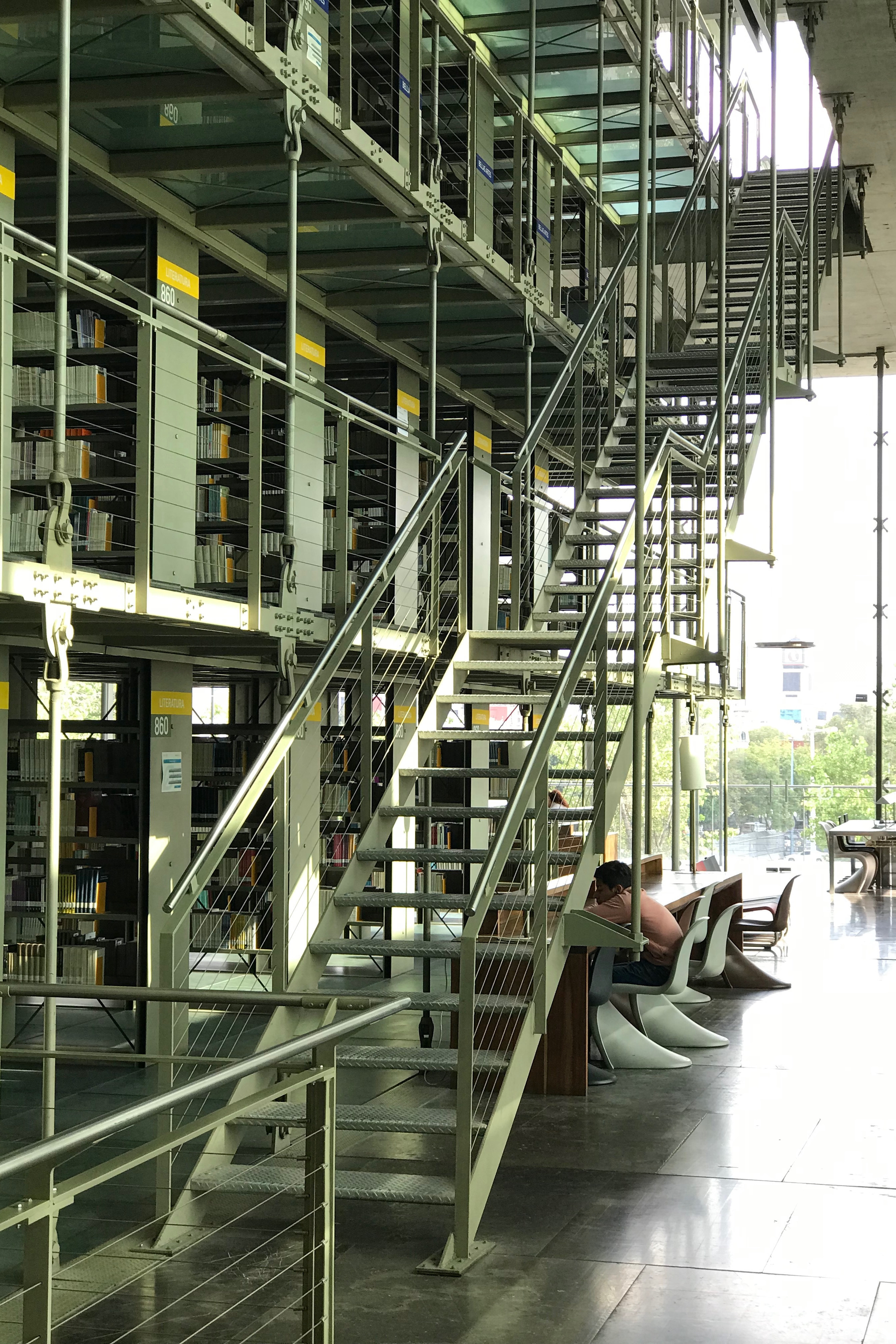
Instead of traditional rows of bookshelves confined to quiet rooms, the entire space unfolds vertically. Steel walkways crisscross above your head while suspended shelves appear to float in mid-air. Sunlight pours through enormous glass walls, illuminating multiple levels that seem to stretch endlessly upward. Every direction reveals another balcony, another staircase, another hidden corner waiting to be explored.


The architecture creates a remarkable illusion: you never quite know where the library ends. Looking across the vast atrium, the shelves seem suspended in space, connected by delicate bridges that invite visitors to wander freely through this labyrinth of literature. It’s impossible not to stop every few minutes simply to admire the view.
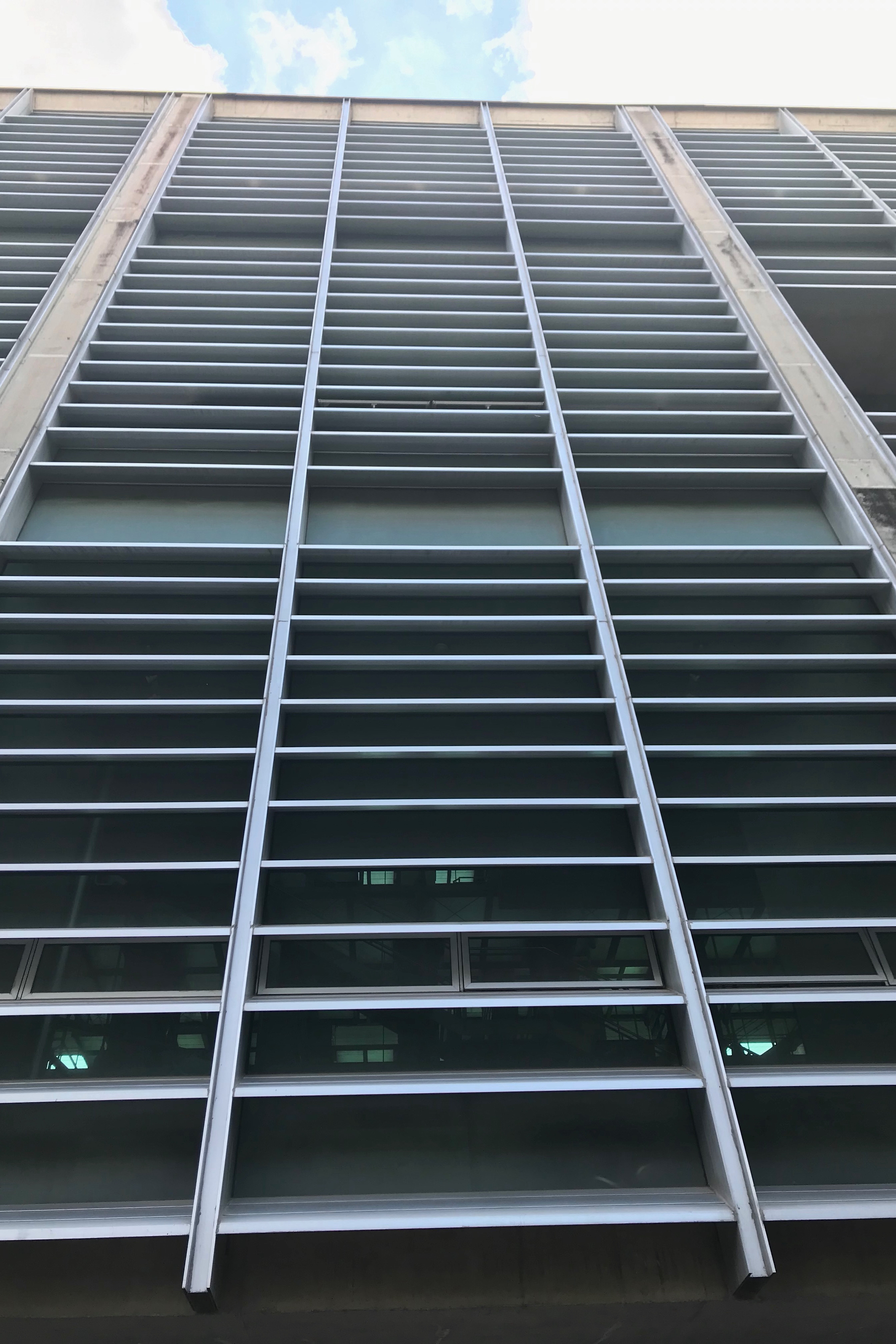


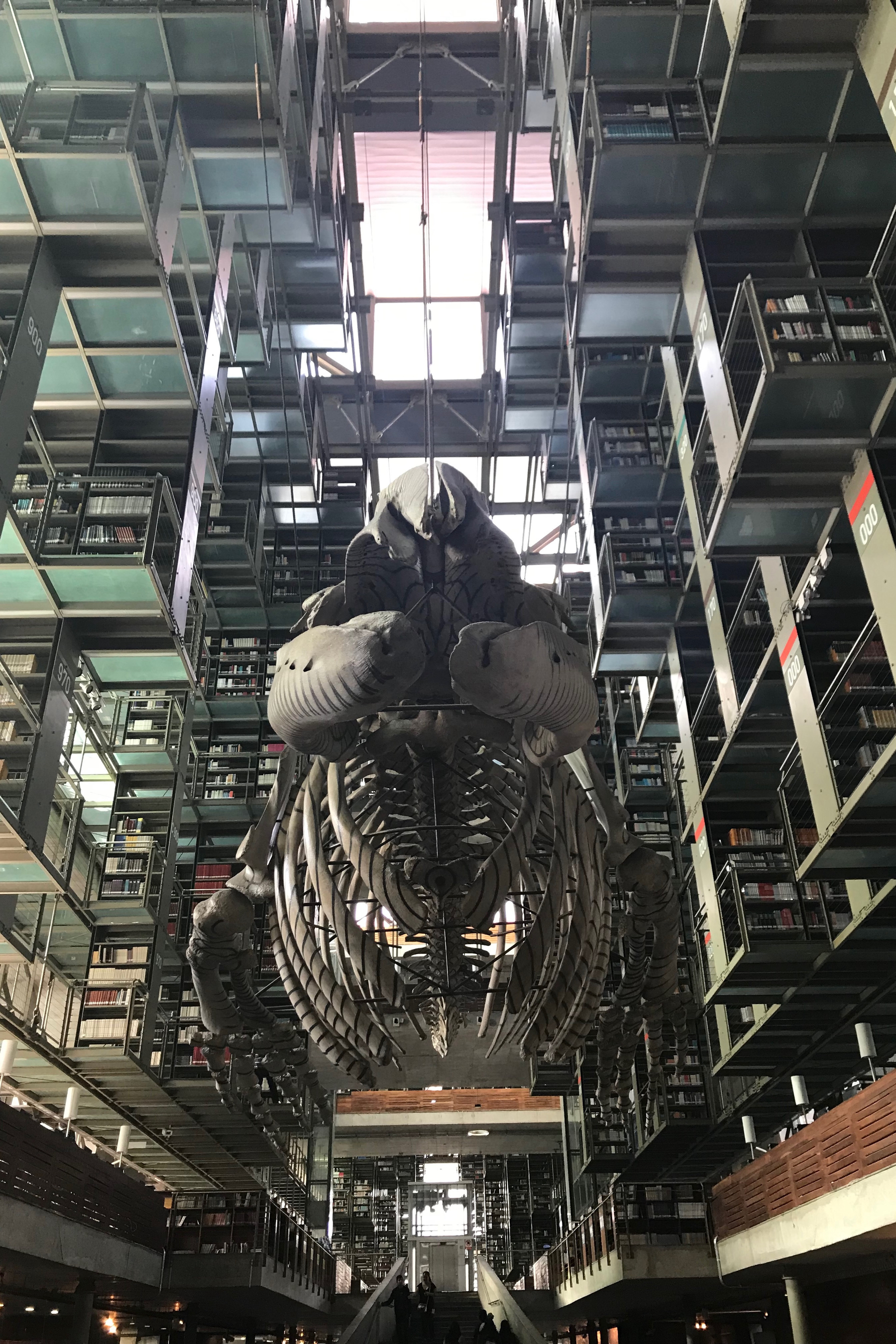
While millions of books fill its shelves, Biblioteca Vasconcelos is much more than a repository of knowledge. Students quietly prepare for exams. Writers search for inspiration. Families wander through the collections. Travellers pause to admire the architecture before discovering another peaceful reading corner.

Best of all, admission is completely free, making it one of the finest cultural experiences in Mexico City that costs absolutely nothing. Whether you arrive carrying a novel, a camera, or simply a sense of curiosity, you’ll find yourself welcome here.

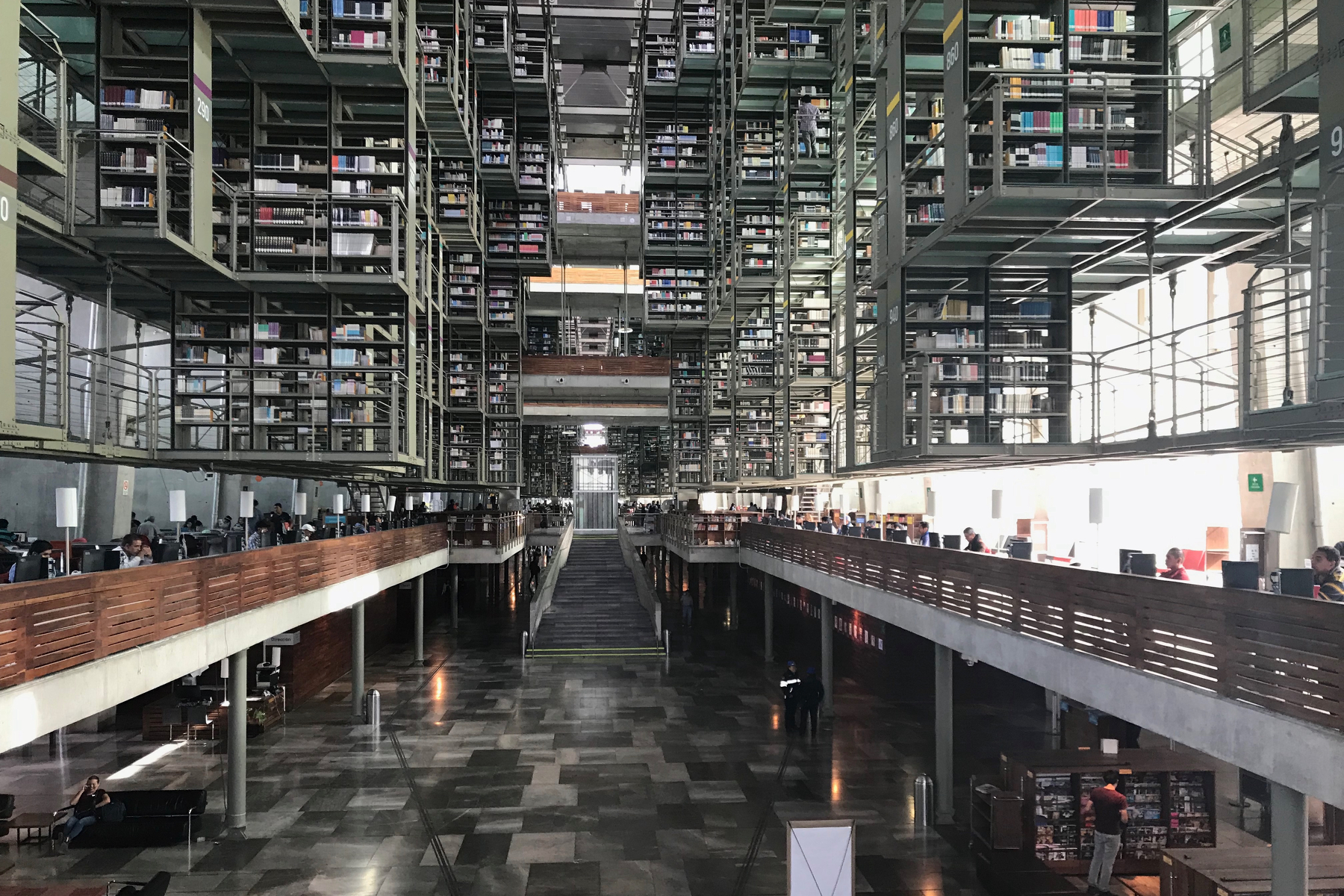
One of the library’s most unforgettable features hangs high above the central hall. Suspended from the ceiling is an enormous whale skeleton artwork that appears to glide effortlessly through the air. The sculpture transforms the already spectacular interior into something almost dreamlike, reminding visitors that libraries are places where imagination has no limits. It is both unexpected and unforgettable.

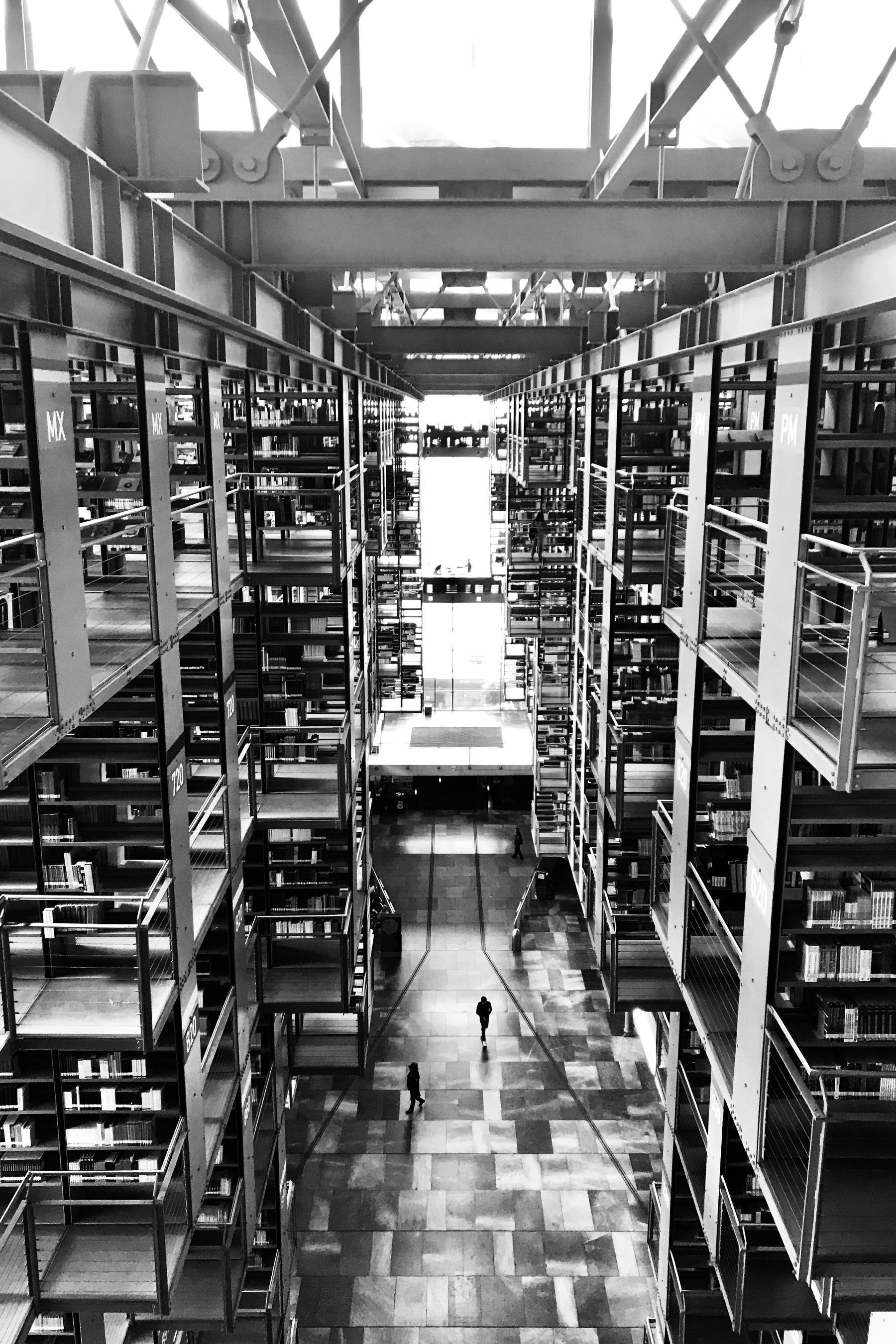
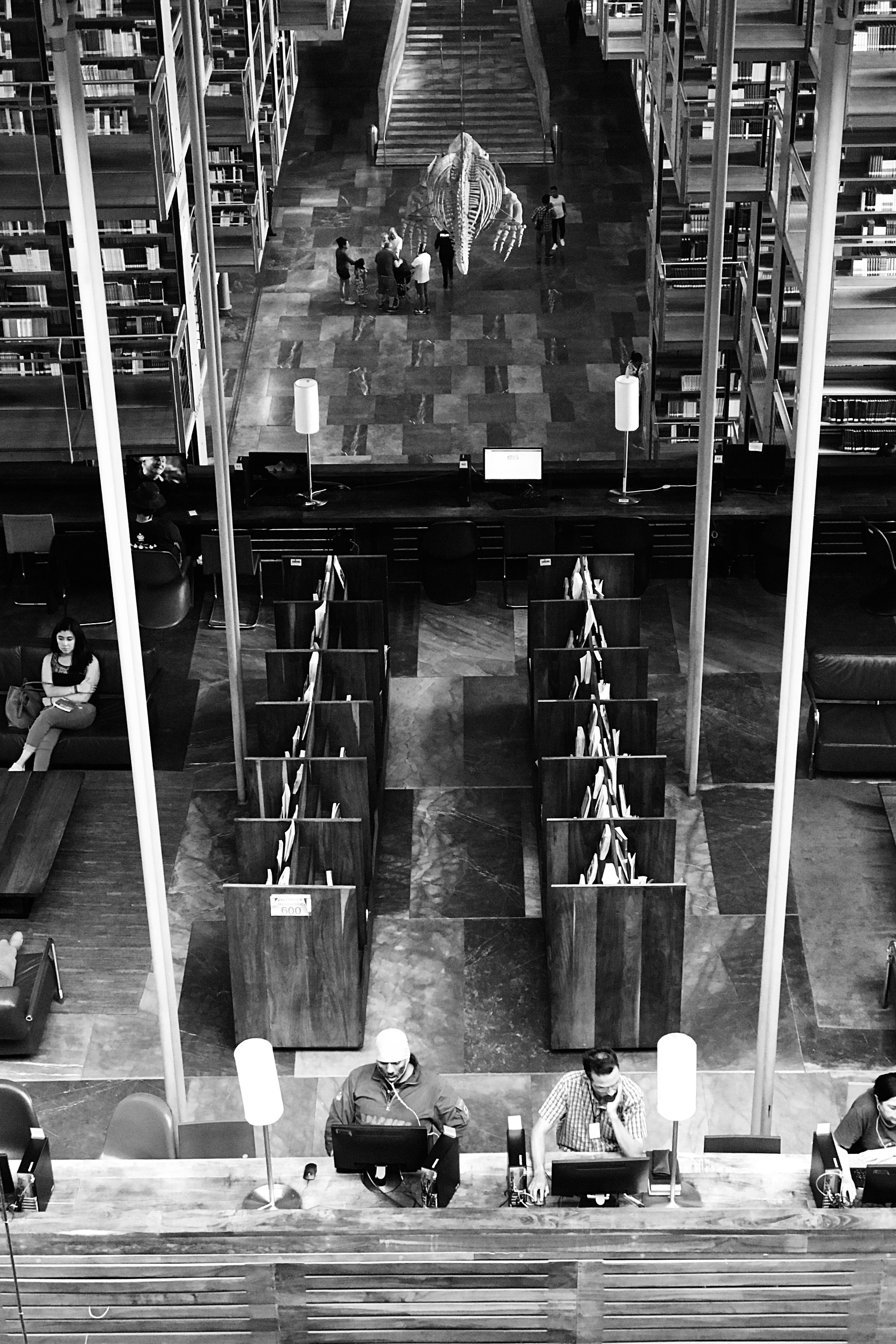

In a city famous for its vibrant streets, historic neighbourhoods, incredible food, and world-class museums, Biblioteca Vasconcelos offers something entirely different. It offers silence. Not an empty silence, but one filled with possibility.
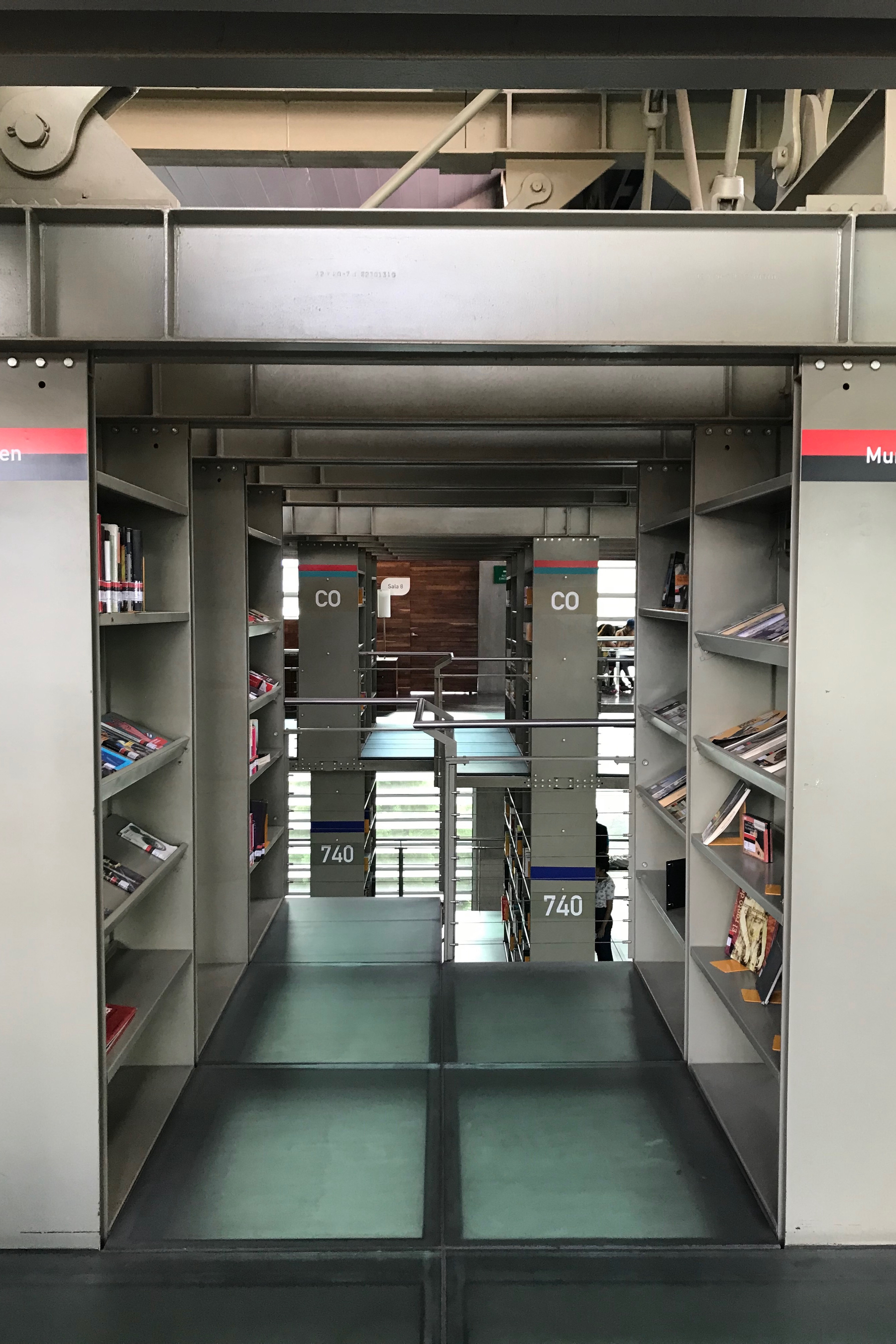
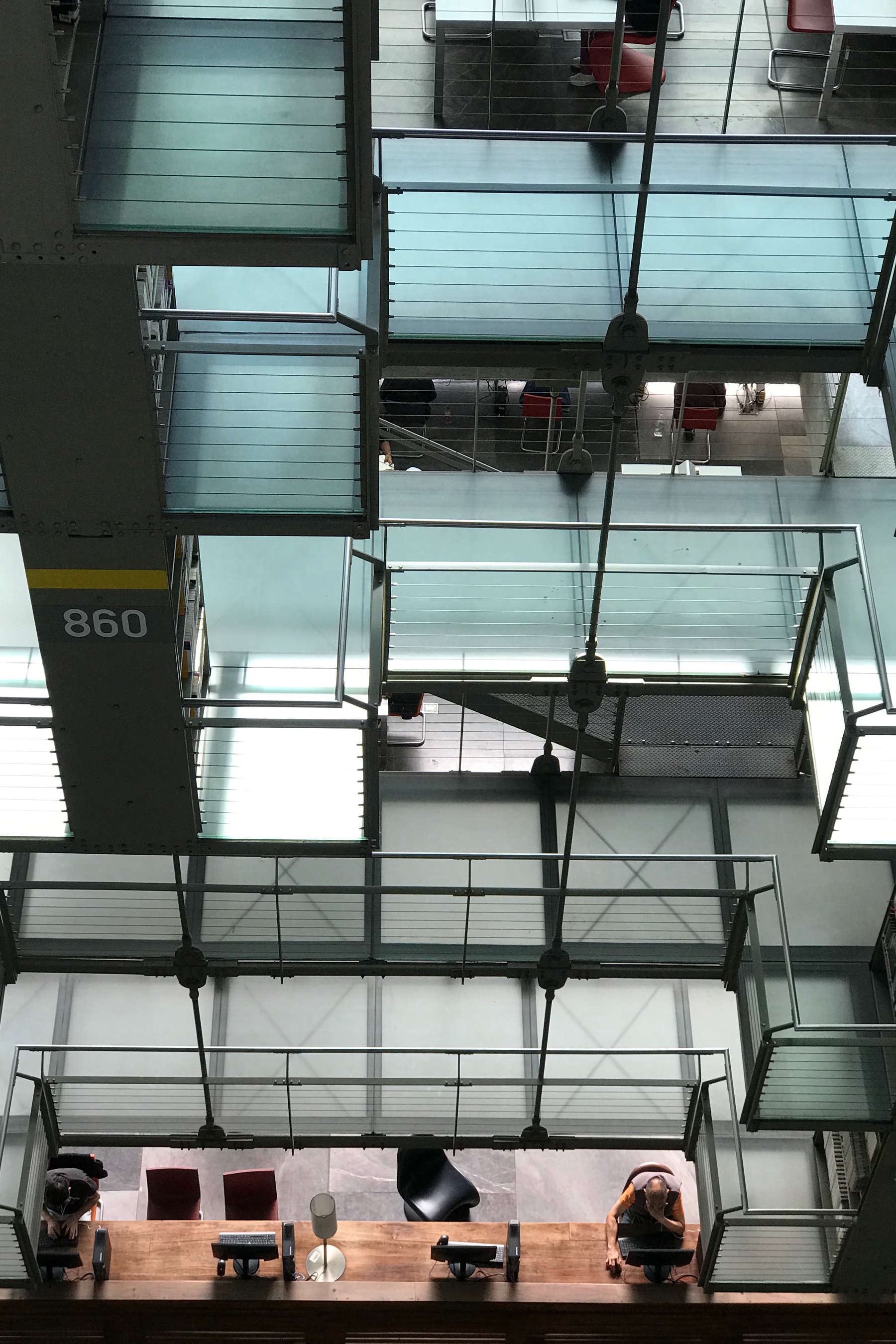
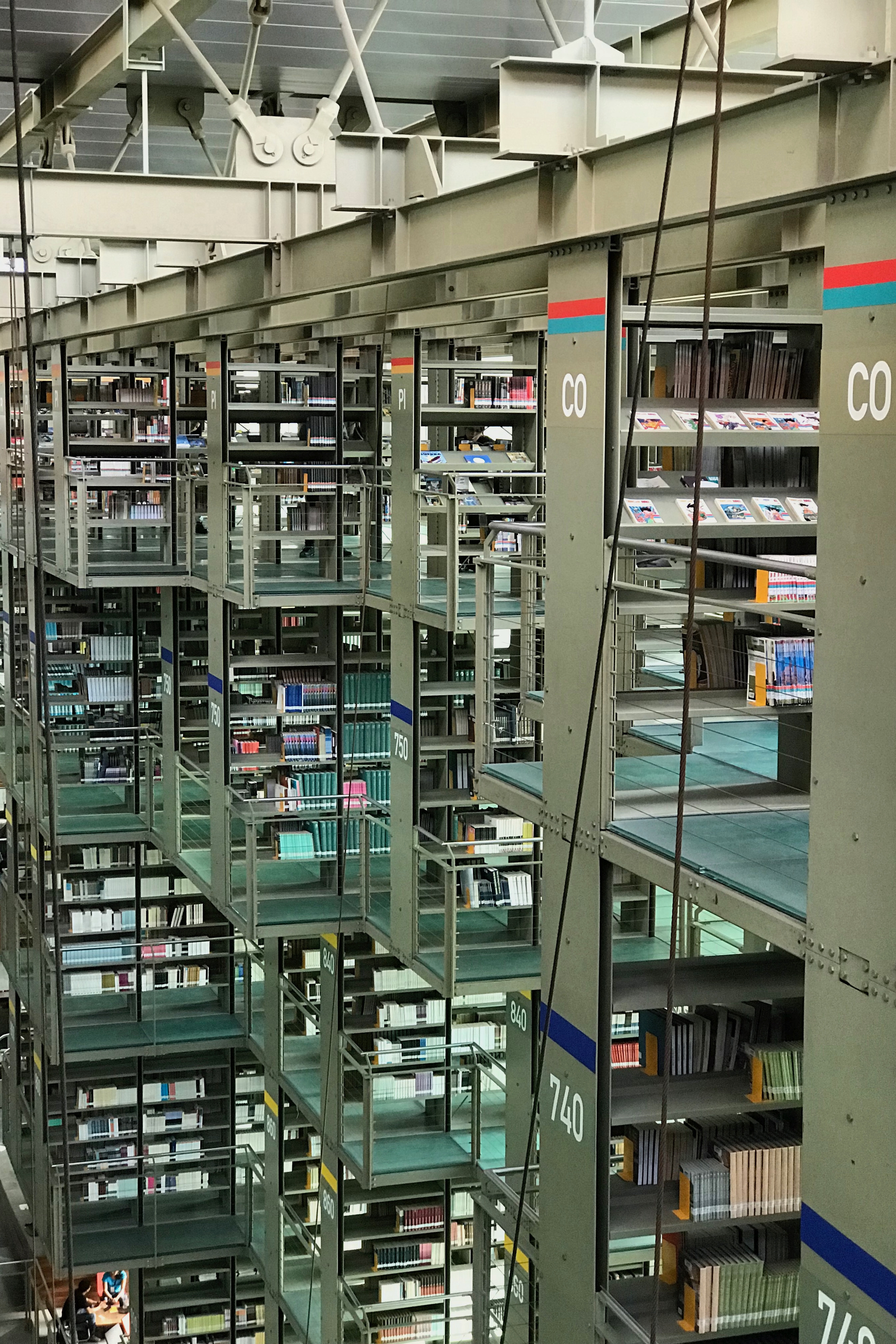
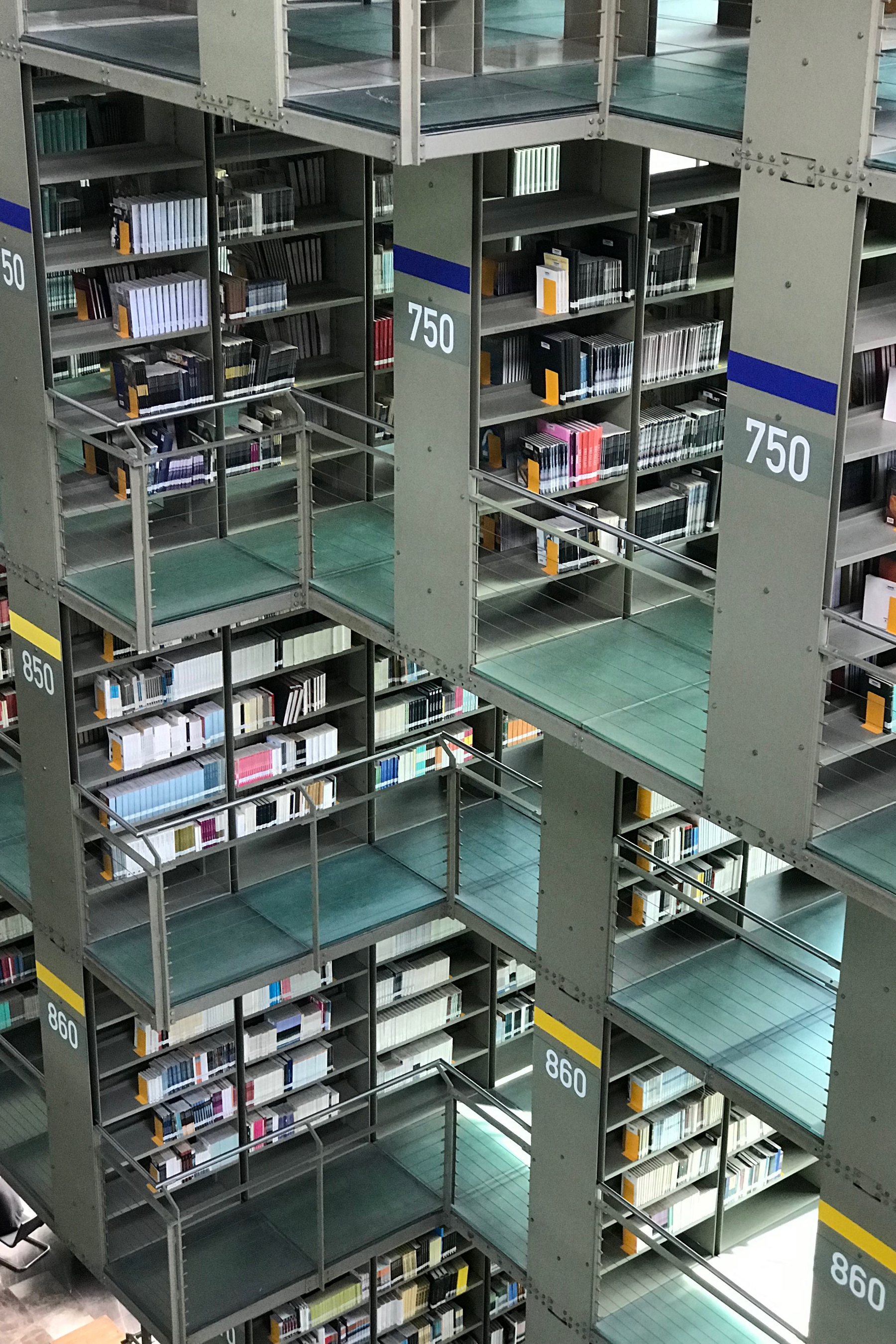
As I wandered through its endless walkways, watching readers disappear among floating shelves while sunlight shifted across steel and glass, I realised this wasn’t simply one of the world’s most beautiful libraries. It was one of the most inspiring public spaces I had visited anywhere. If your travels bring you to Mexico City, set aside a couple of hours and venture beyond the usual attractions. Walk through its gardens, lose yourself among its towering bookshelves, and allow yourself to wander simply. Sometimes the greatest journeys don’t happen across countries. Sometimes they happen between the pages of a book.

Have you visited Biblioteca Vasconcelos? I’d love to hear what you thought about this extraordinary place. Leave a comment below, and if you’re planning a trip to Mexico City, be sure to add this architectural masterpiece to your itinerary. Until next time, keep exploring, keep reading, and never stop wandering.
#MexicoCity #BibliotecaVasconcelos #MexicoTravel #TravelEssayist #ArchitecturePhotography #ModernArchitecture #BookLovers #LibrariesOfTheWorld #TravelPhotography #VisitMexico #HiddenGems #ExploreMexico #CulturalTravel #Wanderlust #TravelBlog #ArchitectureLovers #LibraryArchitecture #UrbanExploration #TravelWriter #KeepExploring