Grain, Trade, and Strategy: The Iberian Silos Beneath Sitges, Catalonia

Where the Town Began Underground

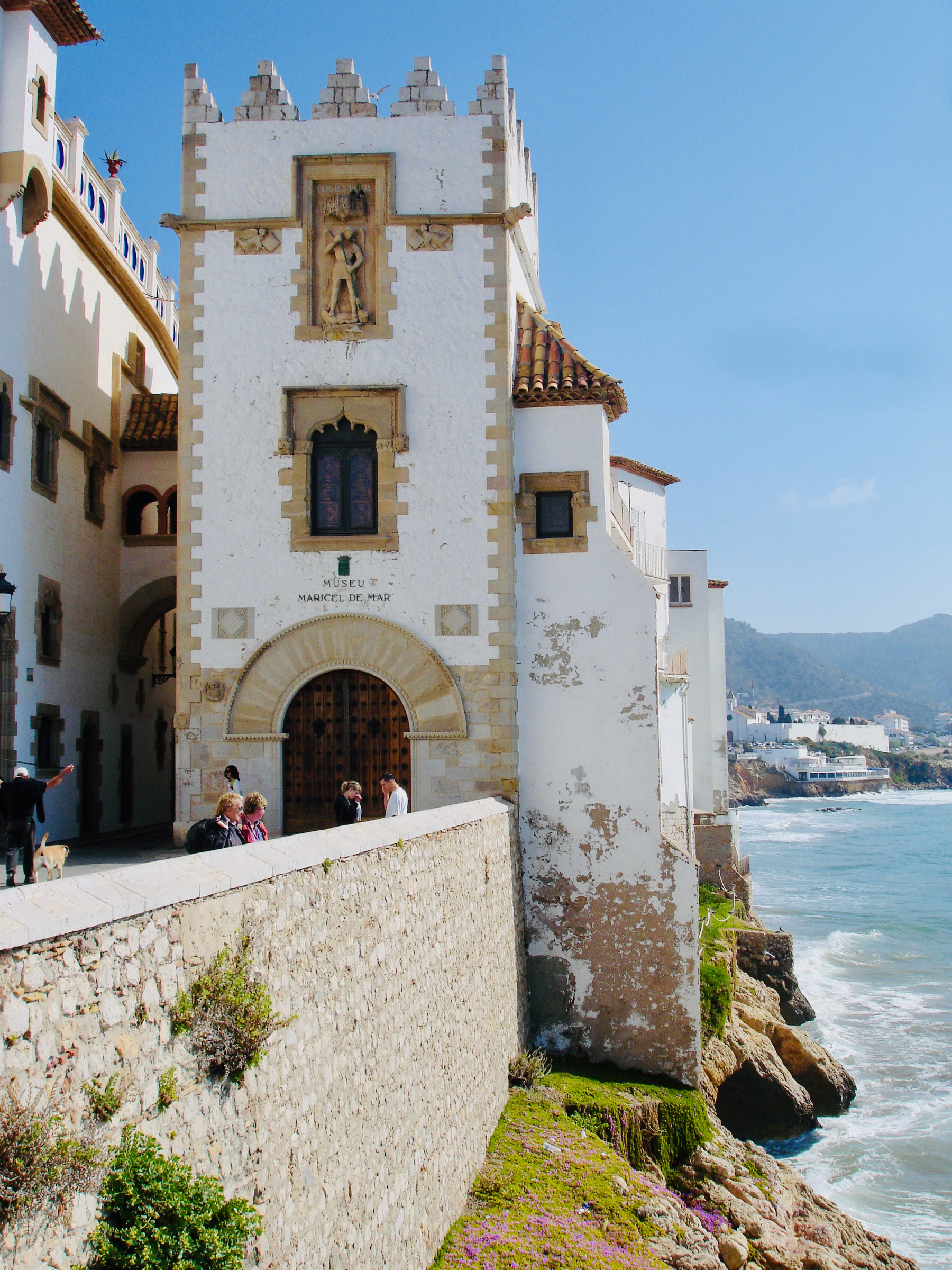
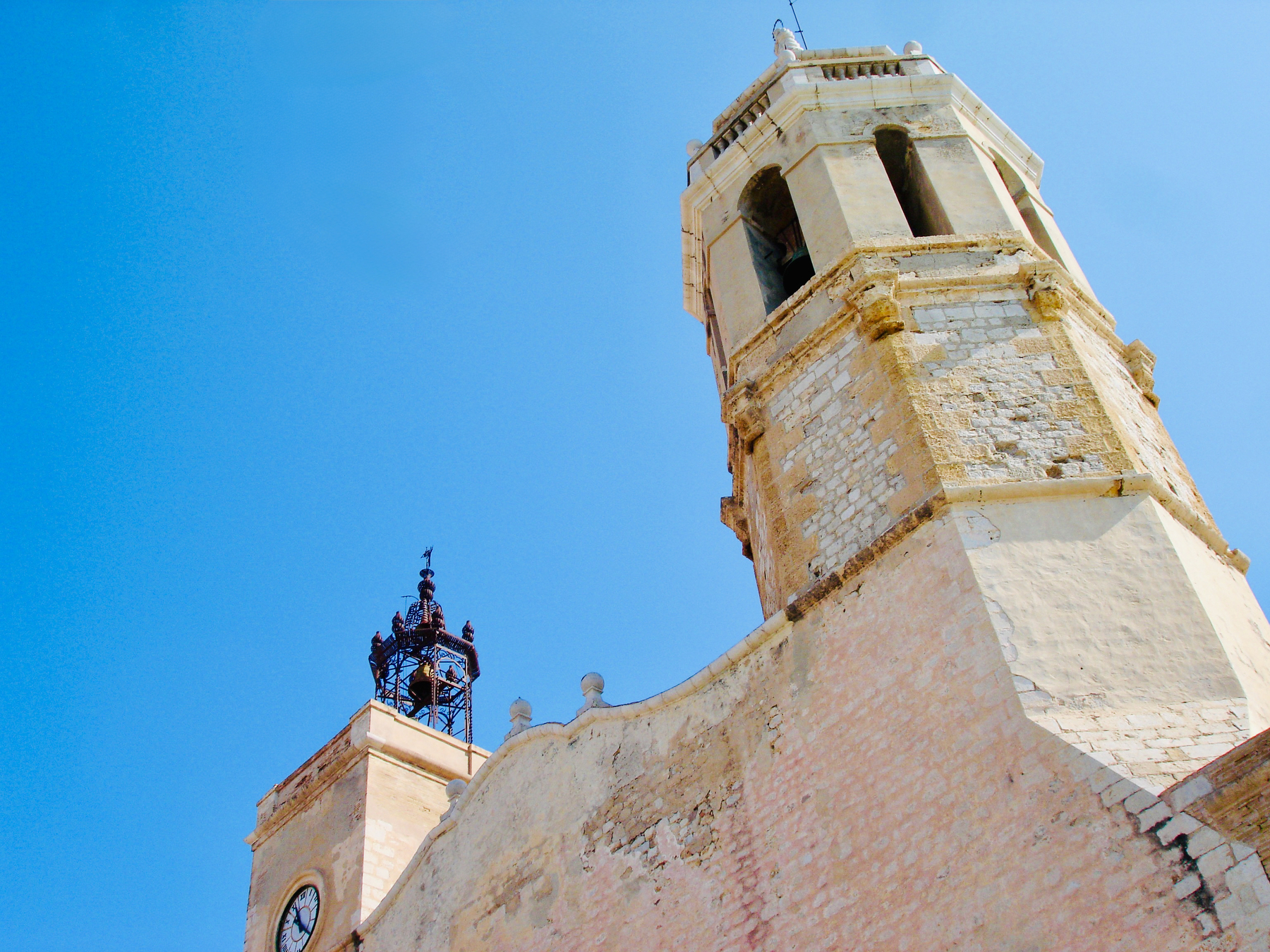
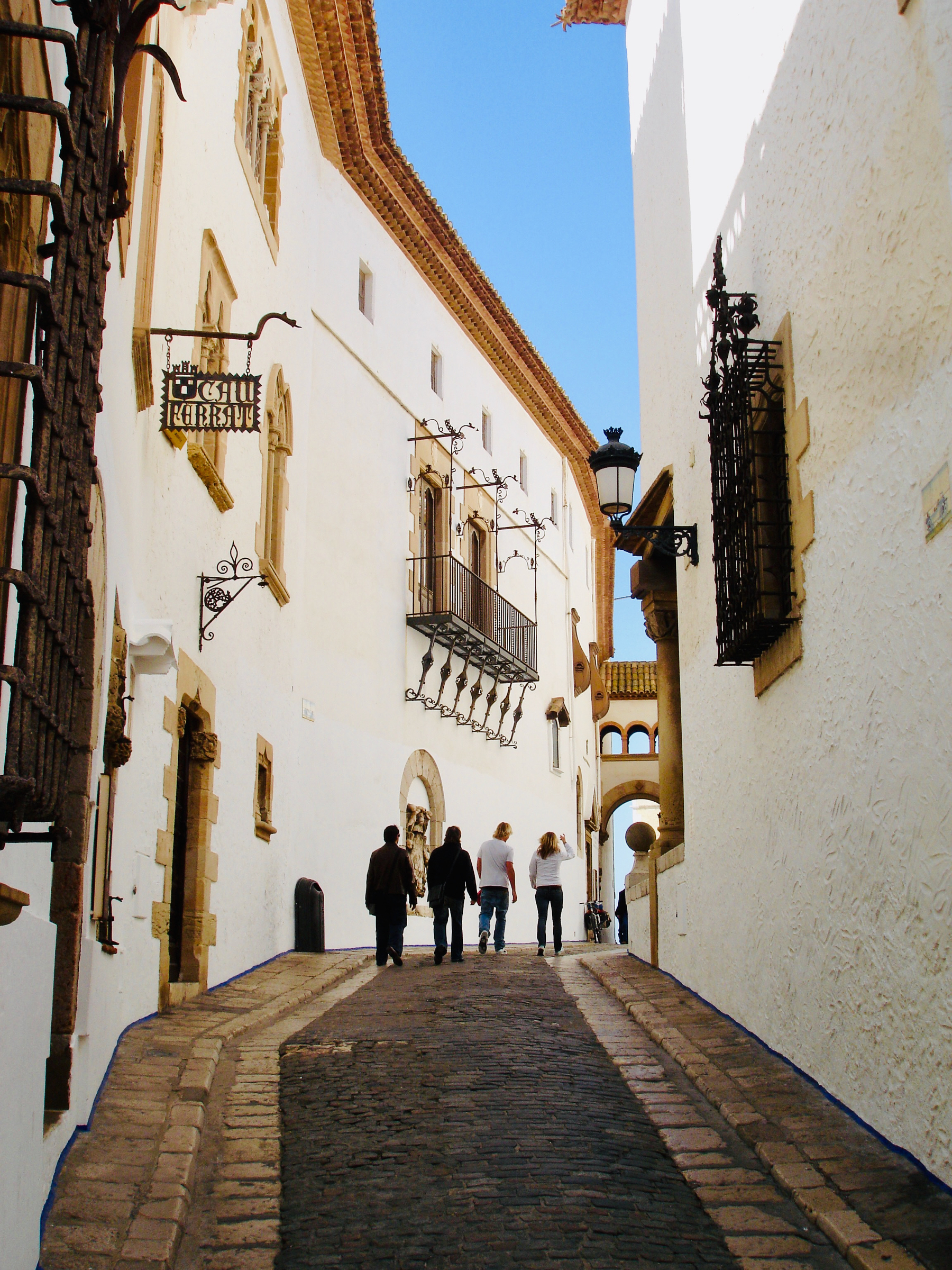
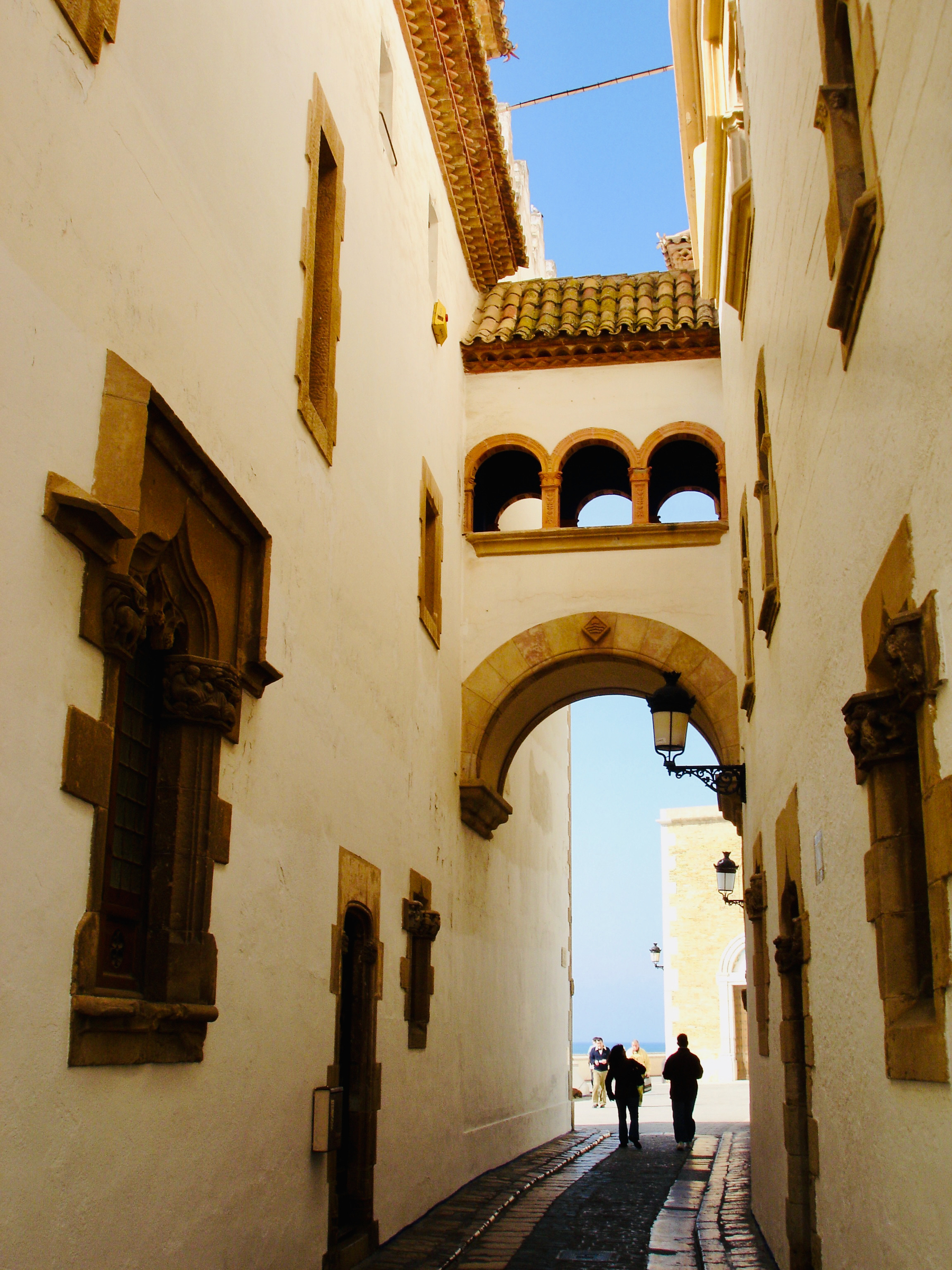
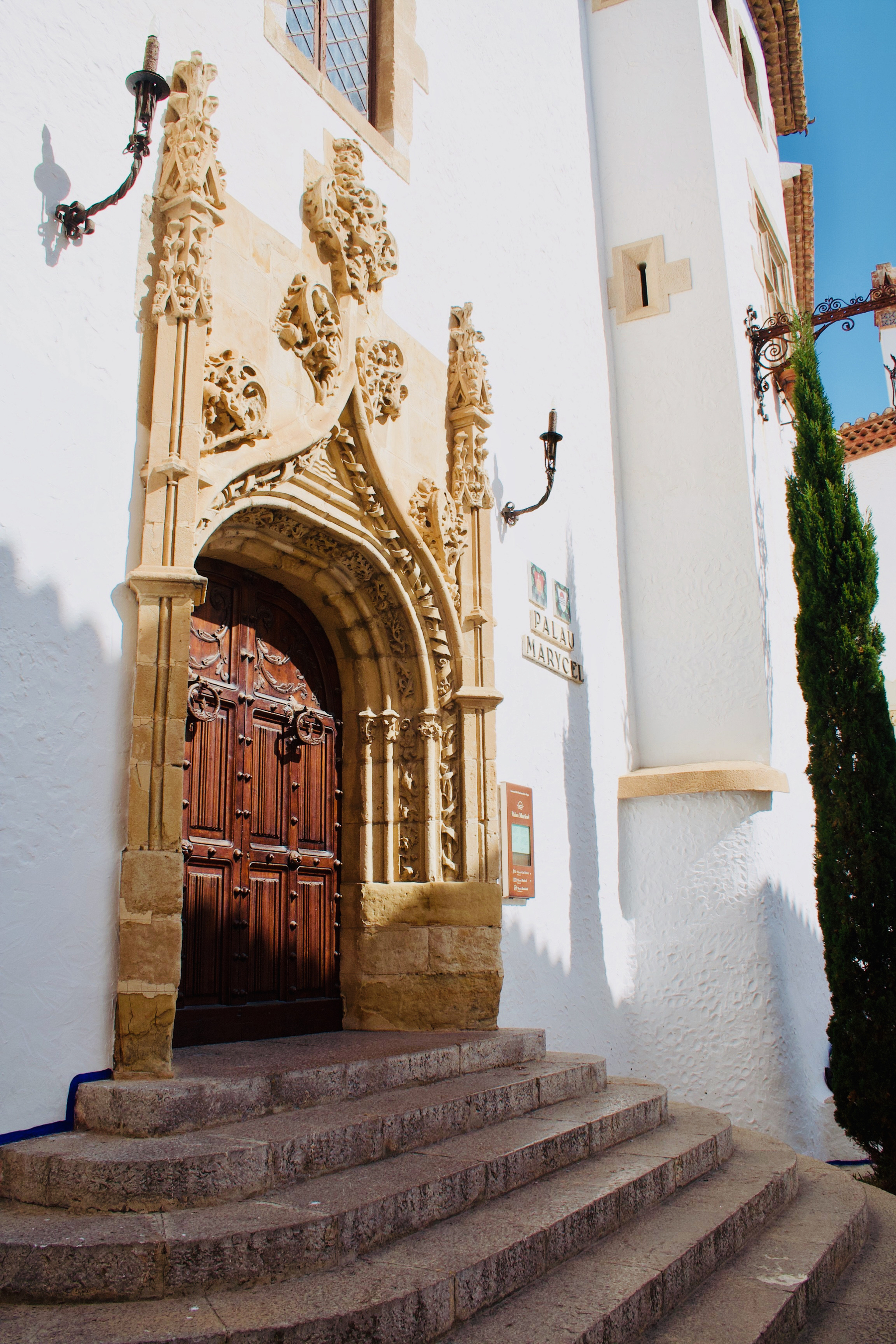
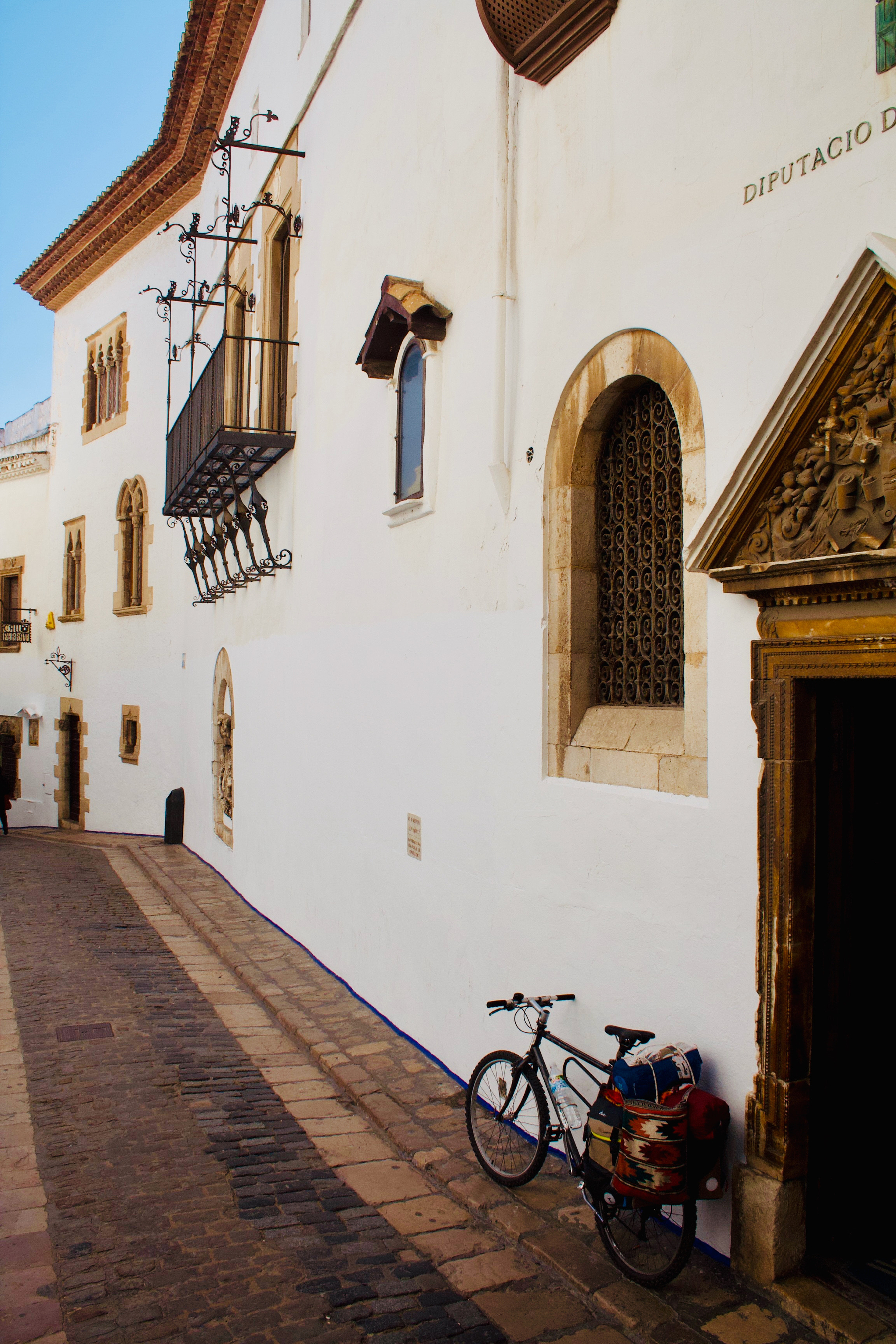
Casa Rectoral Historic Gothic Stone Facade in Sitges

Casa Rectoral Historic Gothic Stone Facade in Sitges Print

Beneath the historic core of Sitges lies evidence of an early settlement whose significance extended well beyond local subsistence. The archaeological site of the Poblat ibèric de Puig de les Sitges reveals a community structured around agricultural storage, surplus management, and regional exchange—key indicators of an emerging commercial hub in the northwestern Mediterranean during the 4th century BC.

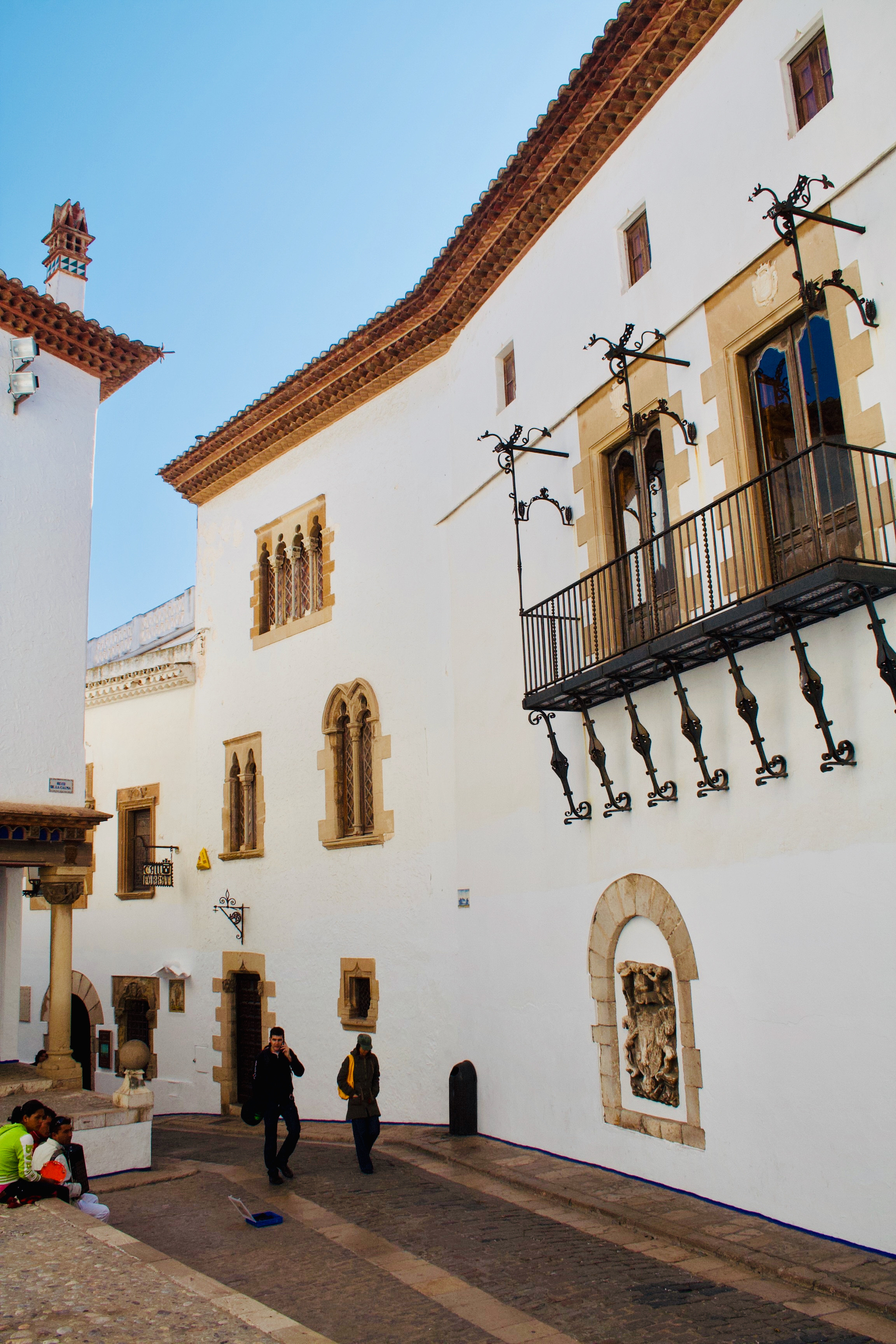
Architectural Heritage: Exploring the Historic Casa de la Vila in Sitges

Architectural Heritage: Exploring the Historic Casa de la Vila in Sitges Print

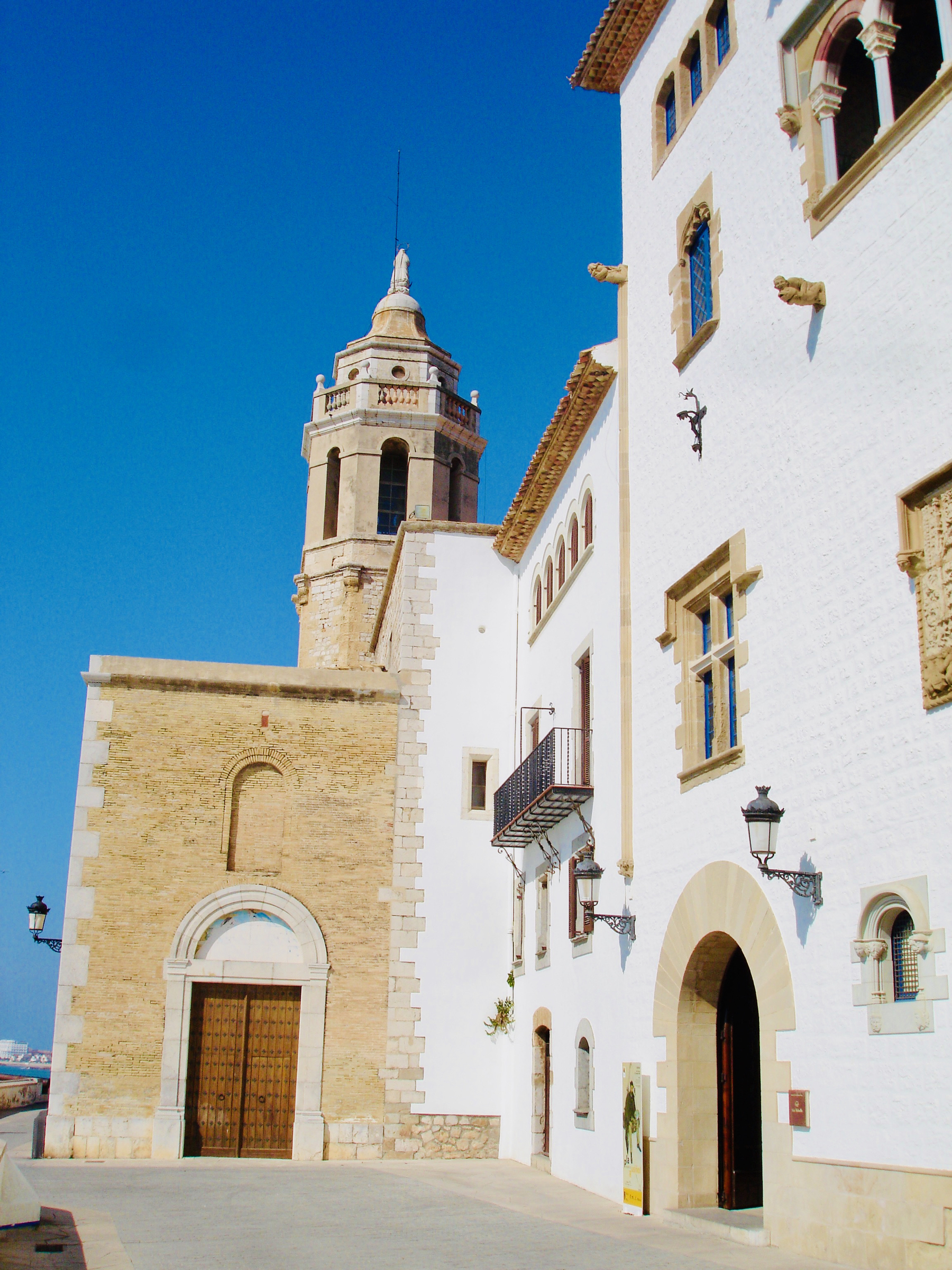
At the centre of this system were the sitges: deep cylindrical silos excavated directly into the limestone bedrock, especially noticeable in the bedrock exposures around Plaça de l’Ajuntament and in the vicinity of the Church of Sant Bartomeu—areas that were naturally defensible and likely favoured for settlement and storage alike. These subterranean structures were designed for the long-term storage of grain, a commodity that functioned as both sustenance and economic capital in Iberian society. Their scale and distribution suggest not merely domestic use but organised accumulation: an essential prerequisite for participation in broader exchange networks.

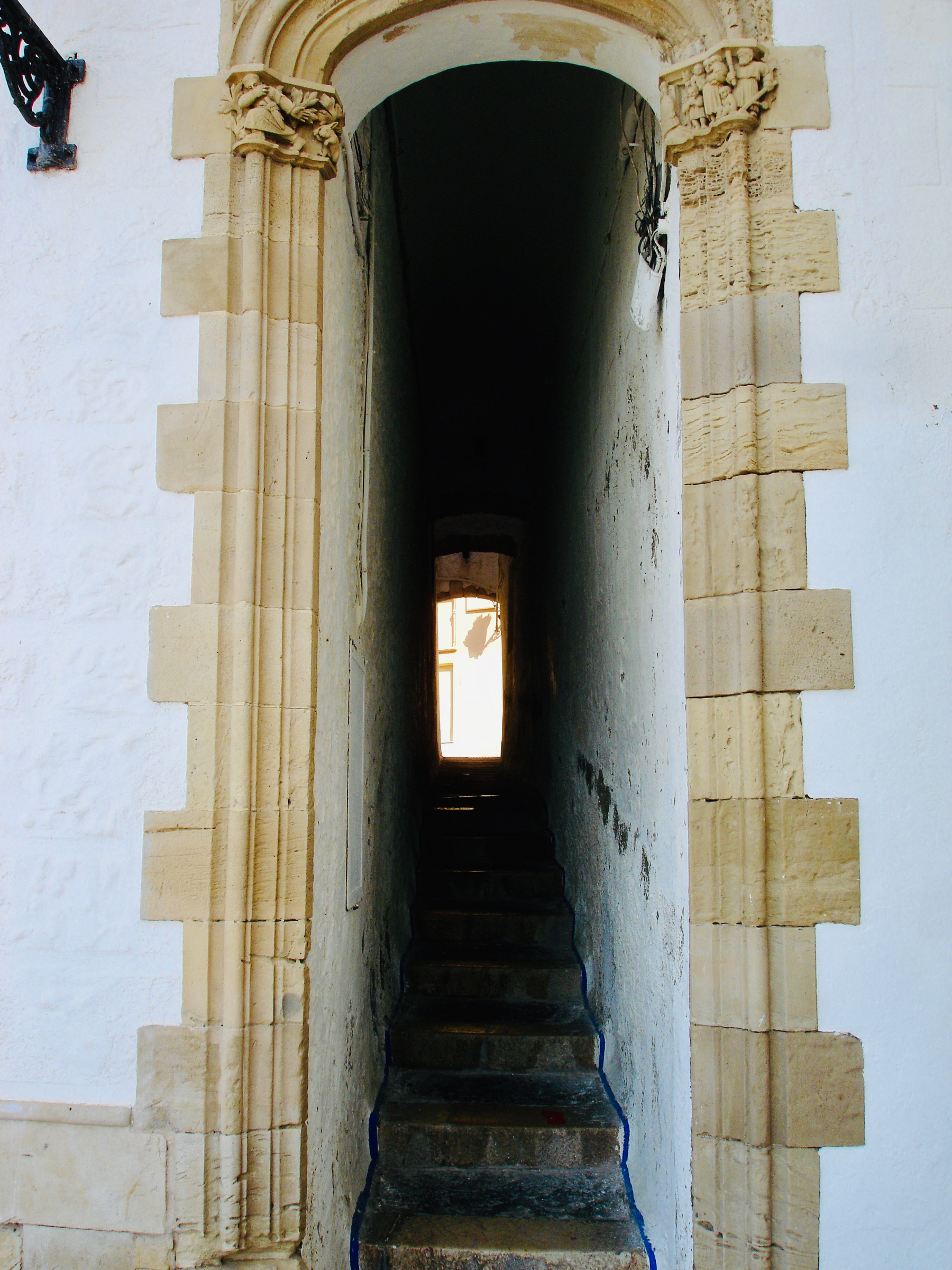
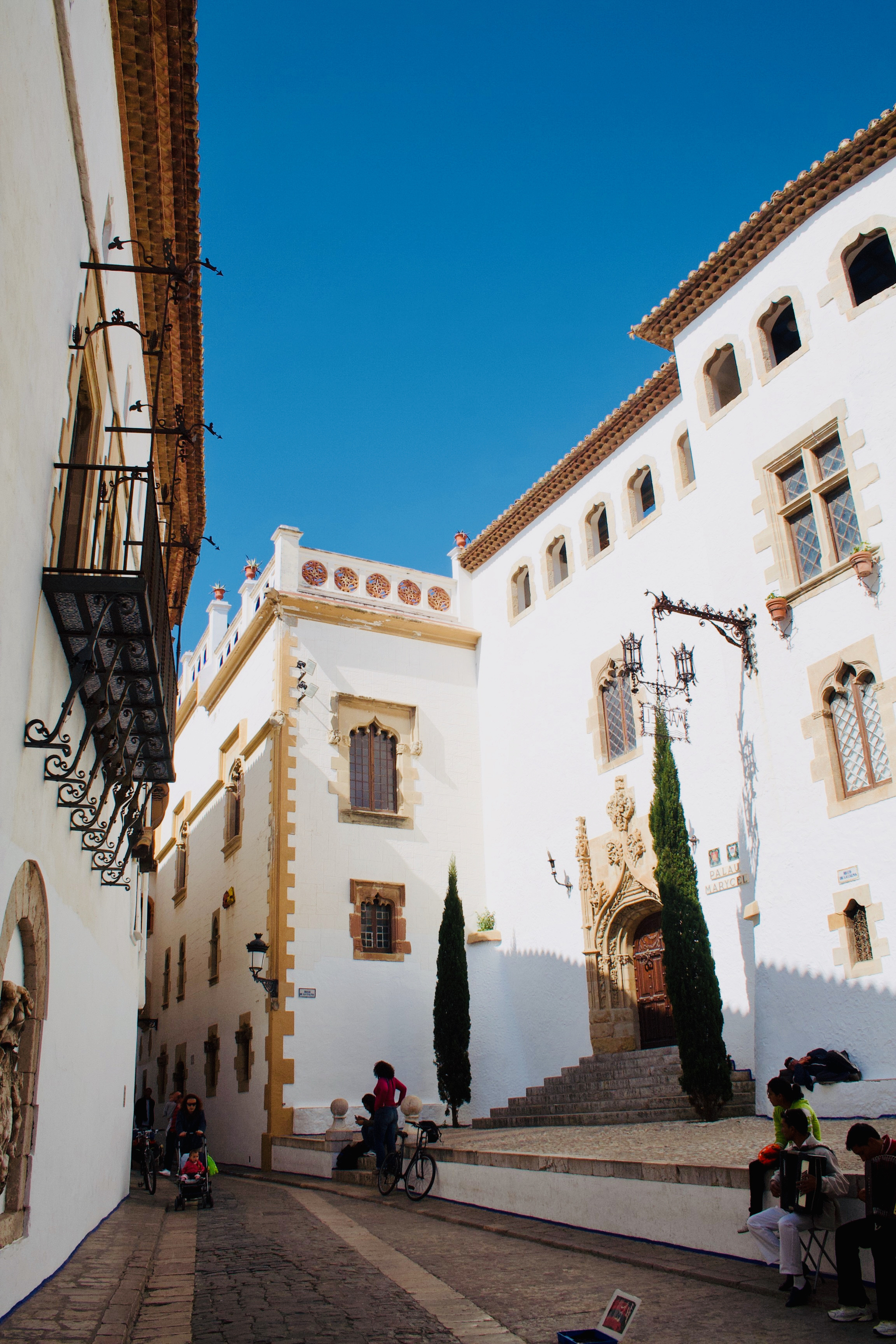
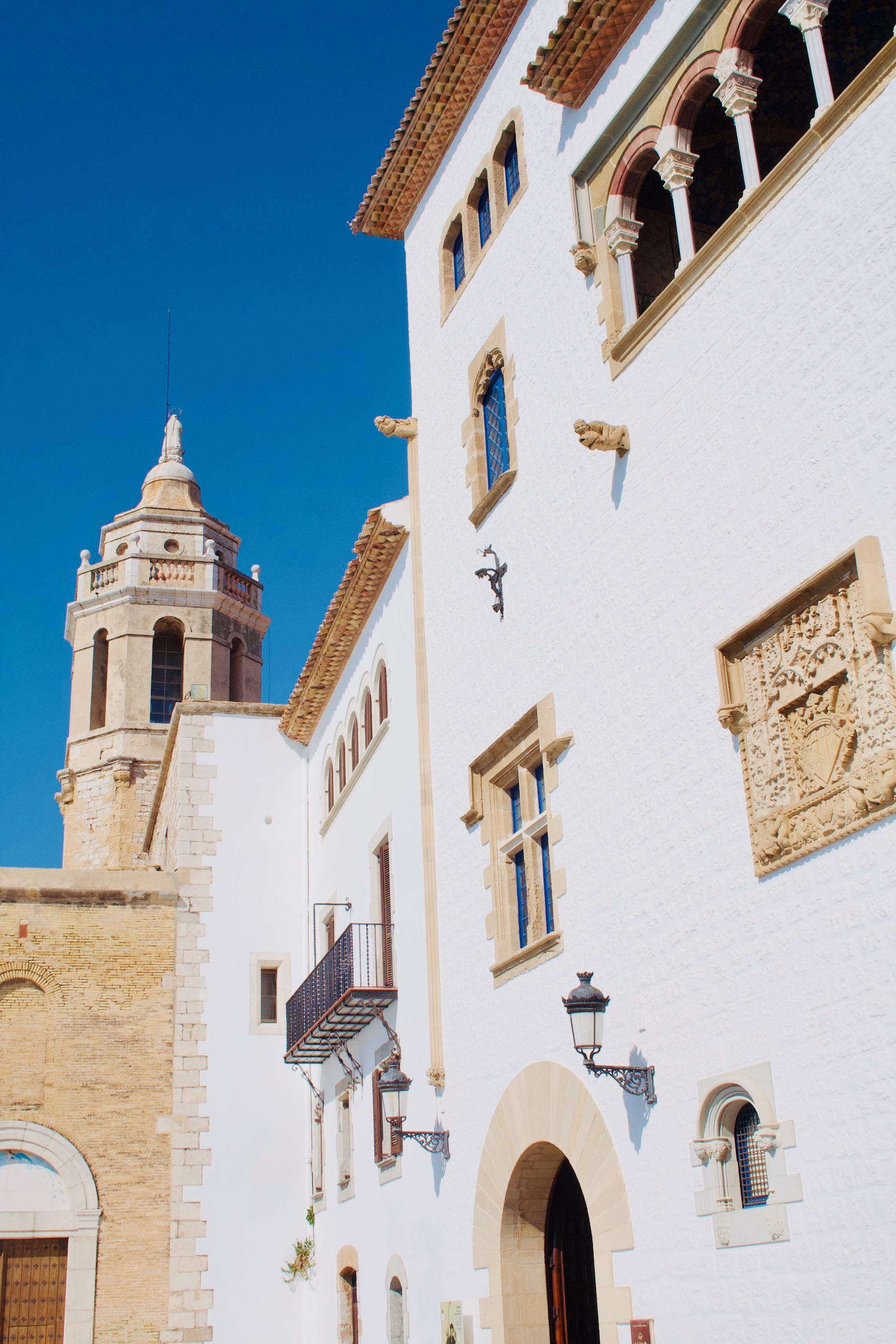
Medieval Echoes The Timeless Stone Walls of Casa Rectoral

Medieval Echoes The Timeless Stone Walls of Casa Rectoral Print

The existence of such storage infrastructure implies that Sitges occupied a strategically advantageous position. Located near the coast yet connected to inland routes, the settlement acted as an intermediary between agricultural producers of the interior and maritime trading corridors of the Mediterranean. Grain stored in these silos could be redistributed locally, exchanged with neighbouring communities, or exported via coastal trade, linking Sitges to wider economic circuits that included Phoenician and Greek spheres of influence before Roman hegemony.

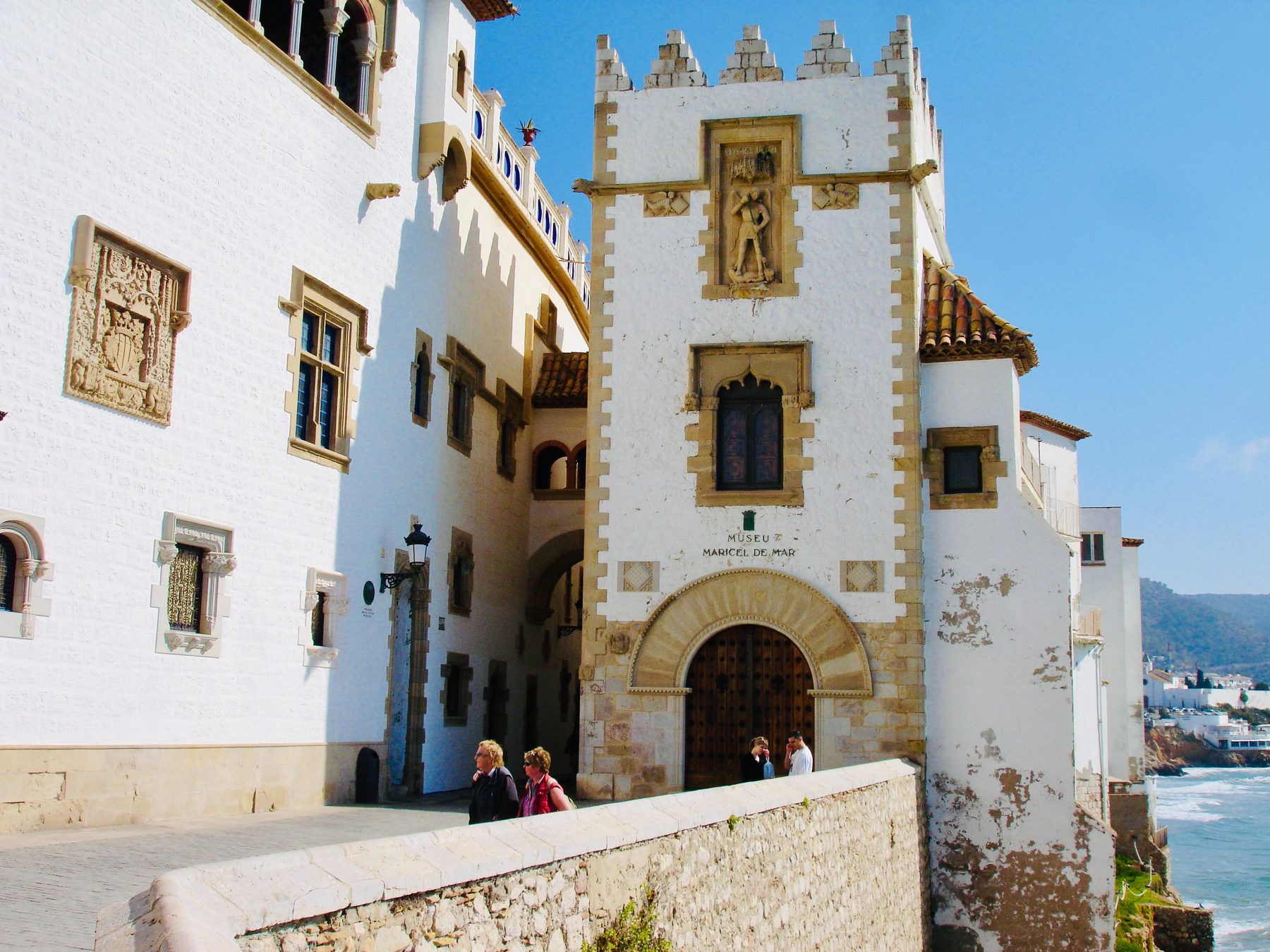
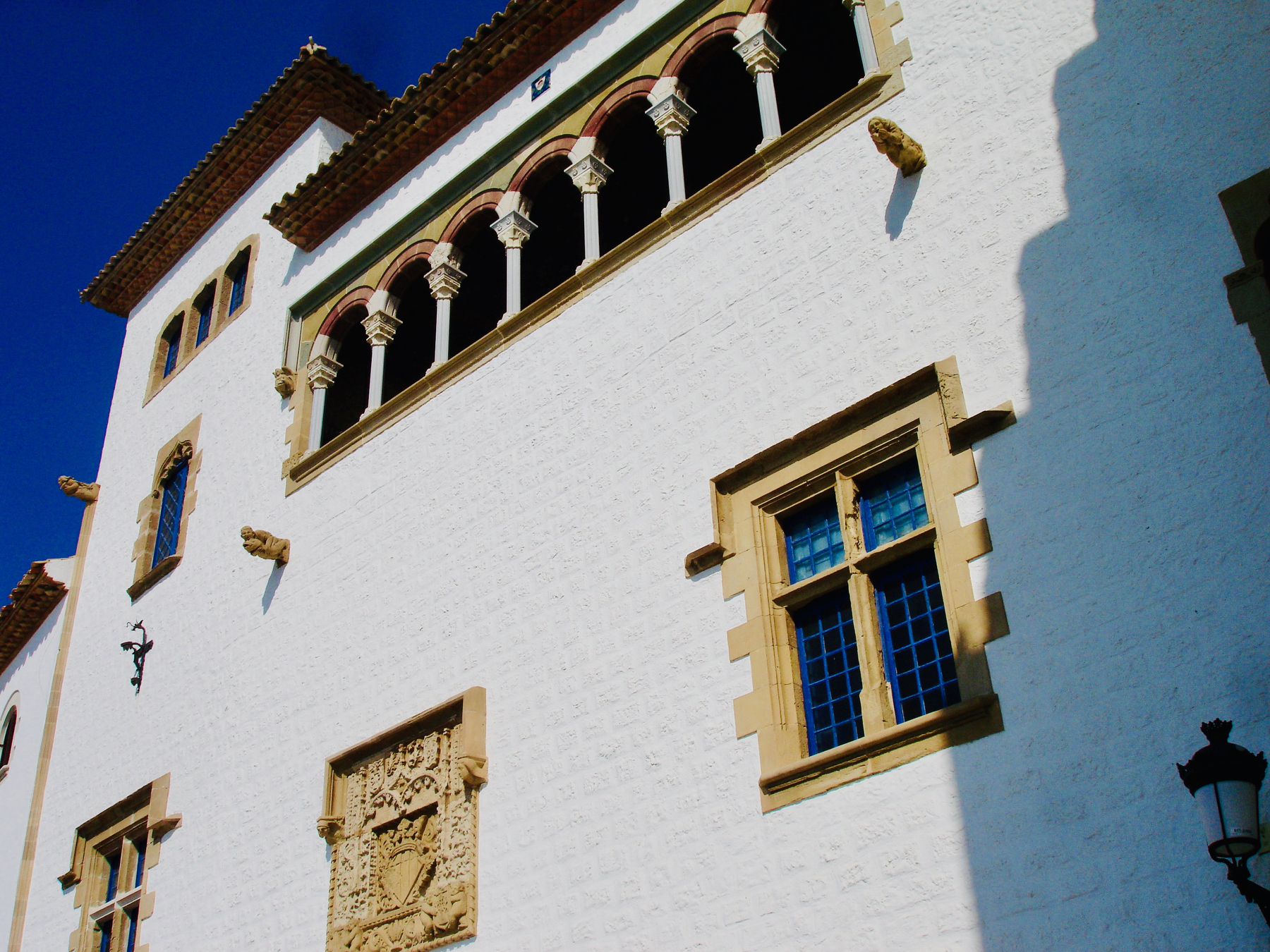
Medieval Masonry Exploring the Historic Walls of Casa Rectoral in Sitges

Medieval Masonry Exploring the Historic Walls of Casa Rectoral in Sitges Print

While the Roman conquest ultimately reconfigured regional trade, establishing Tarraco (modern Tarragona) as a central hub that integrated smaller coastal settlements into the villa economy and more formalised supply systems, the peak of Sitges’ independent exchange activity predates this transition. With the Romanisation of the region, many formerly autonomous coastal nodes were subsumed into a network that privileged larger administrative centres, fundamentally altering patterns of production, distribution, and mobility.

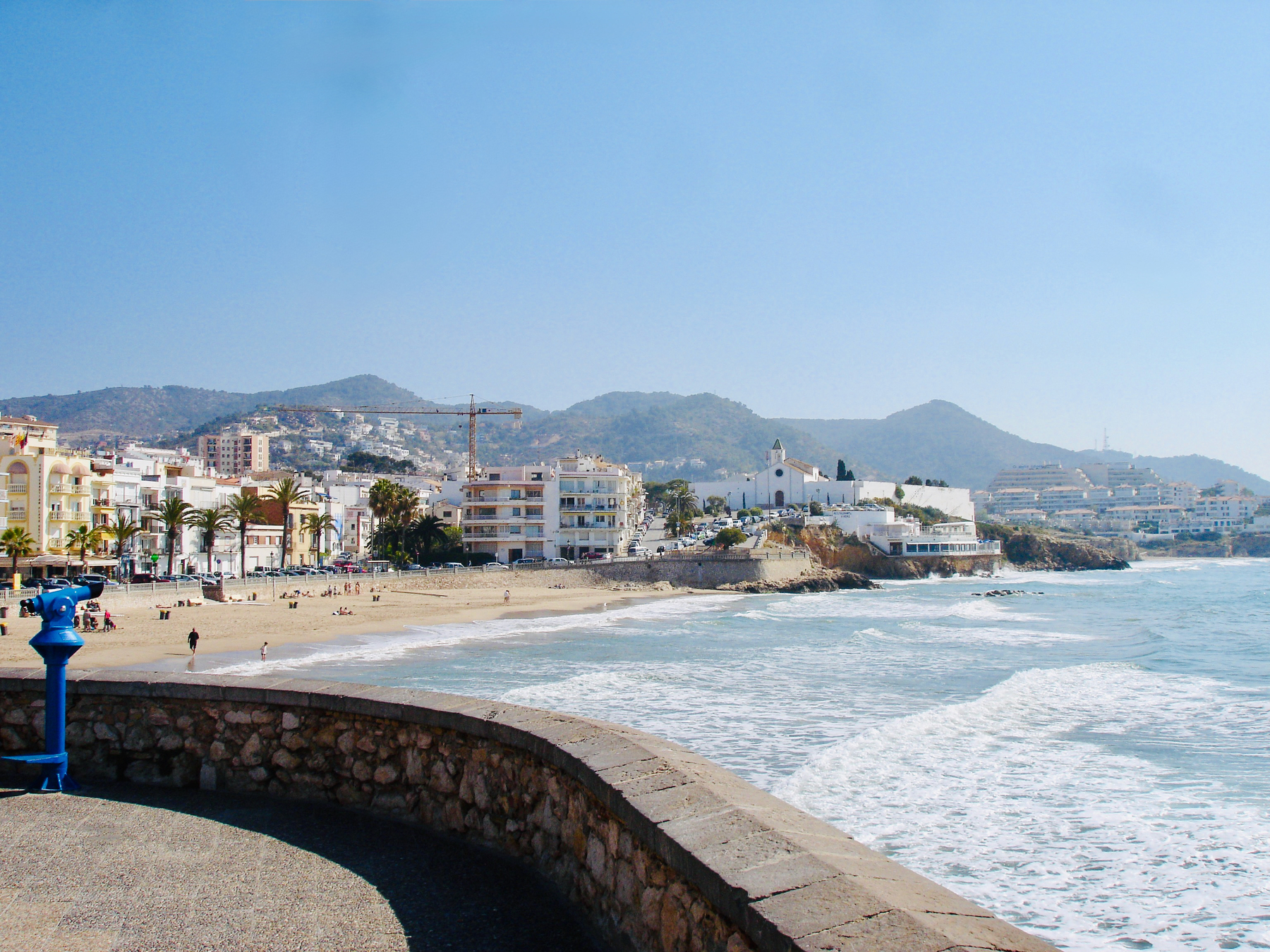
Sitges Spain Iberian Settlement Print

Sitges Spain Iberian Settlement Print

Archaeological parallels across the Iberian Peninsula reinforce this interpretation. Similar silo complexes are consistently associated with settlements that exercised economic control over surrounding territories and functioned as nodal points within prehistoric trading networks. In this context, Sitges was not an isolated village but a strategically positioned settlement deeply embedded in the dynamics of Mediterranean exchange.

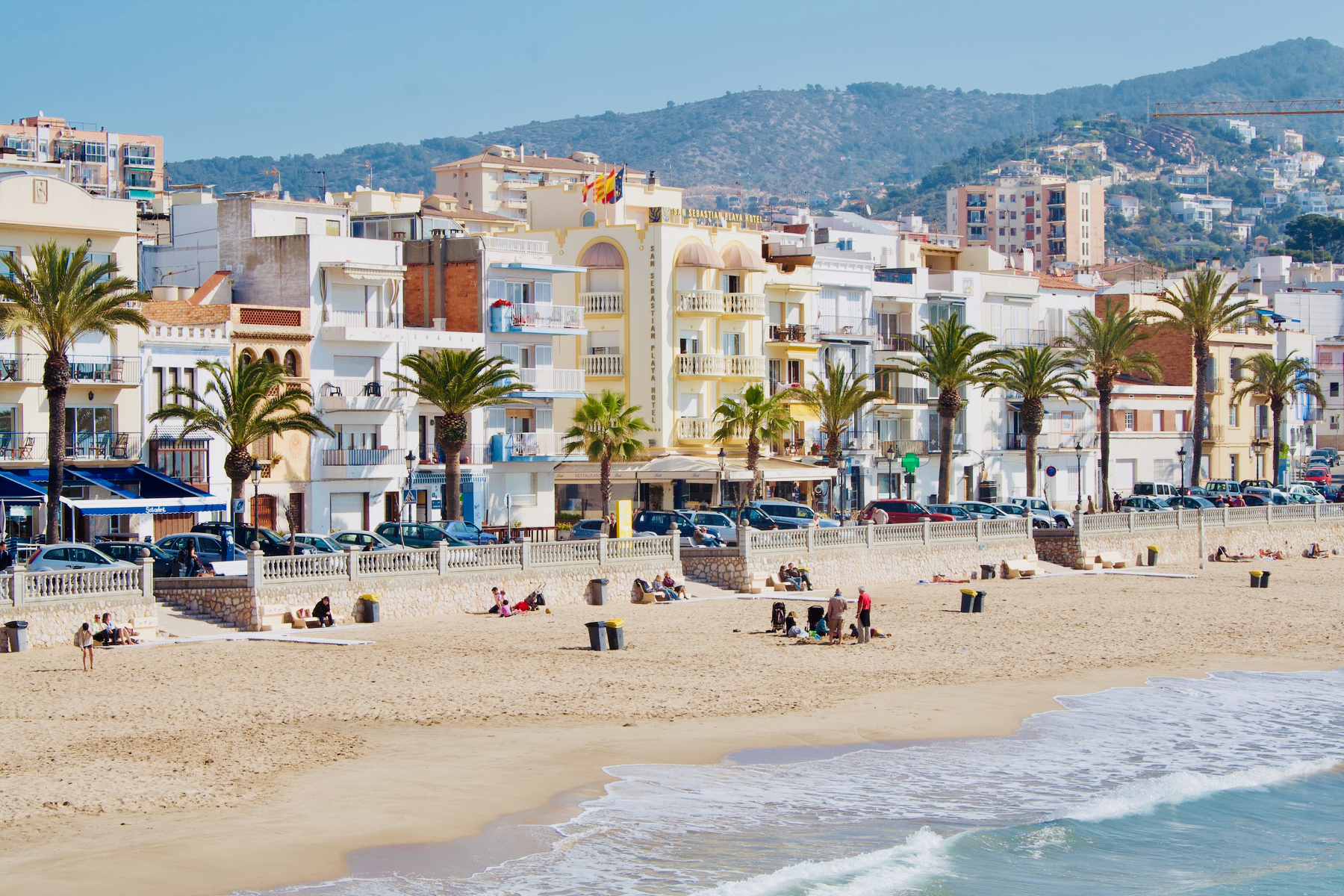
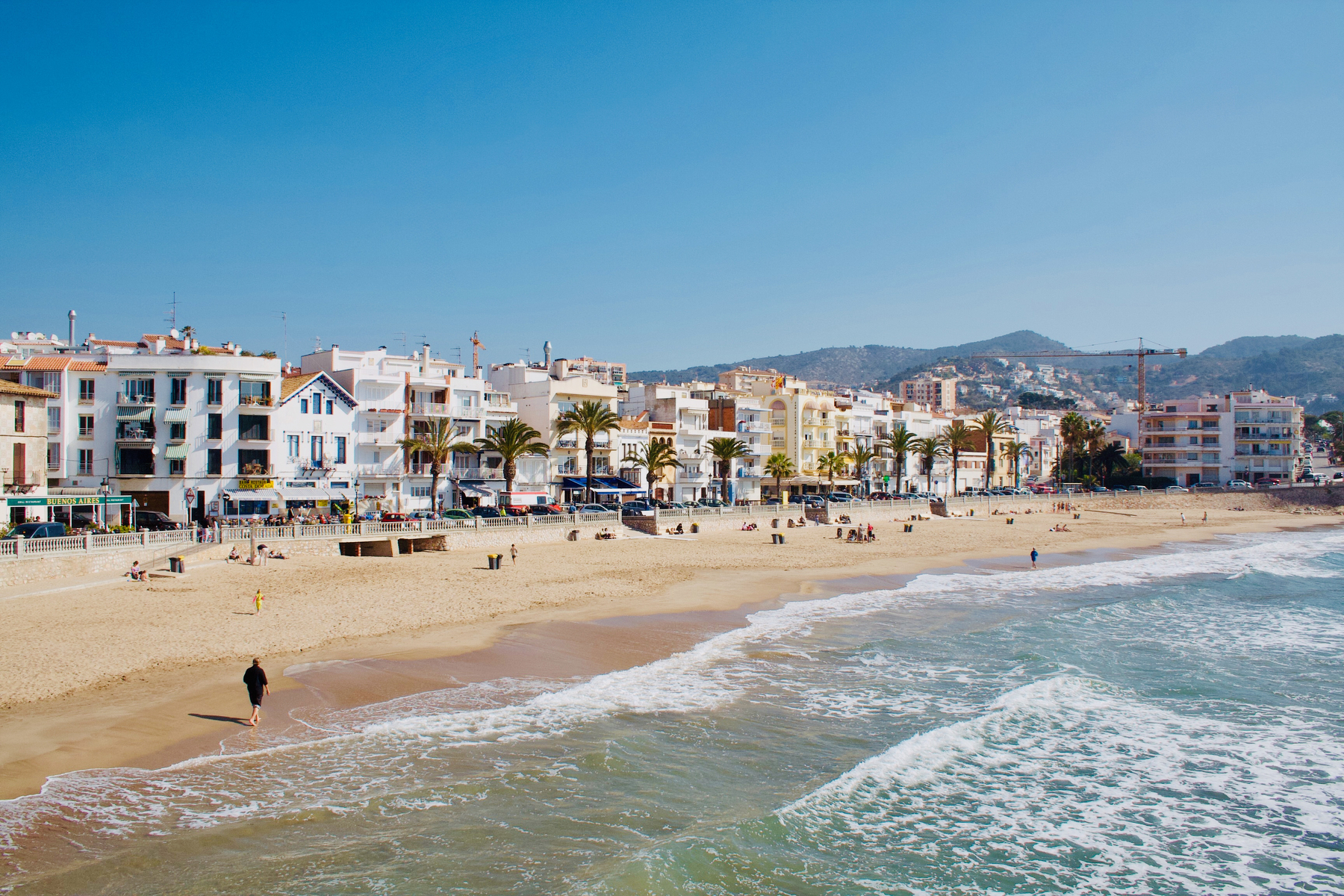
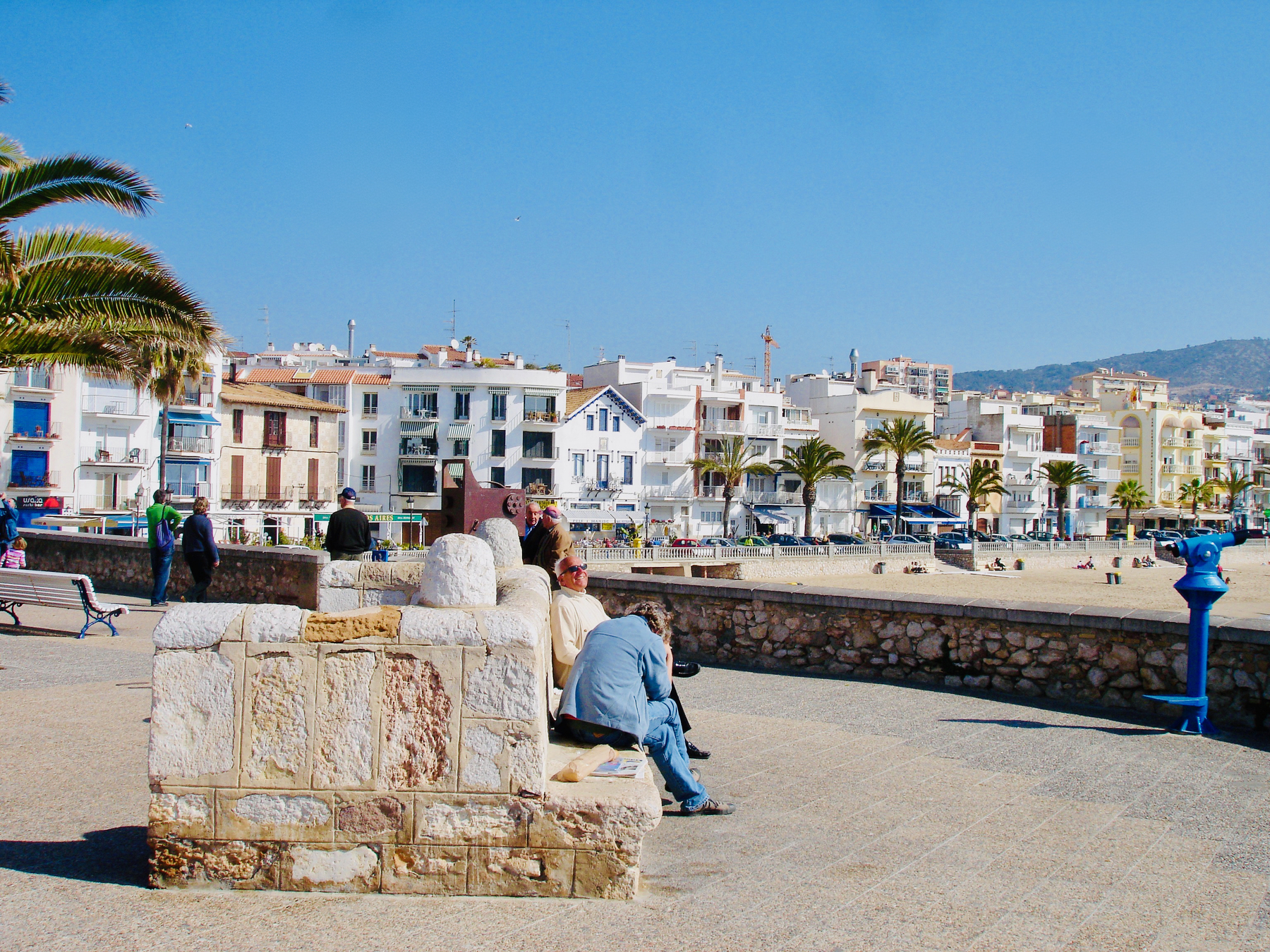
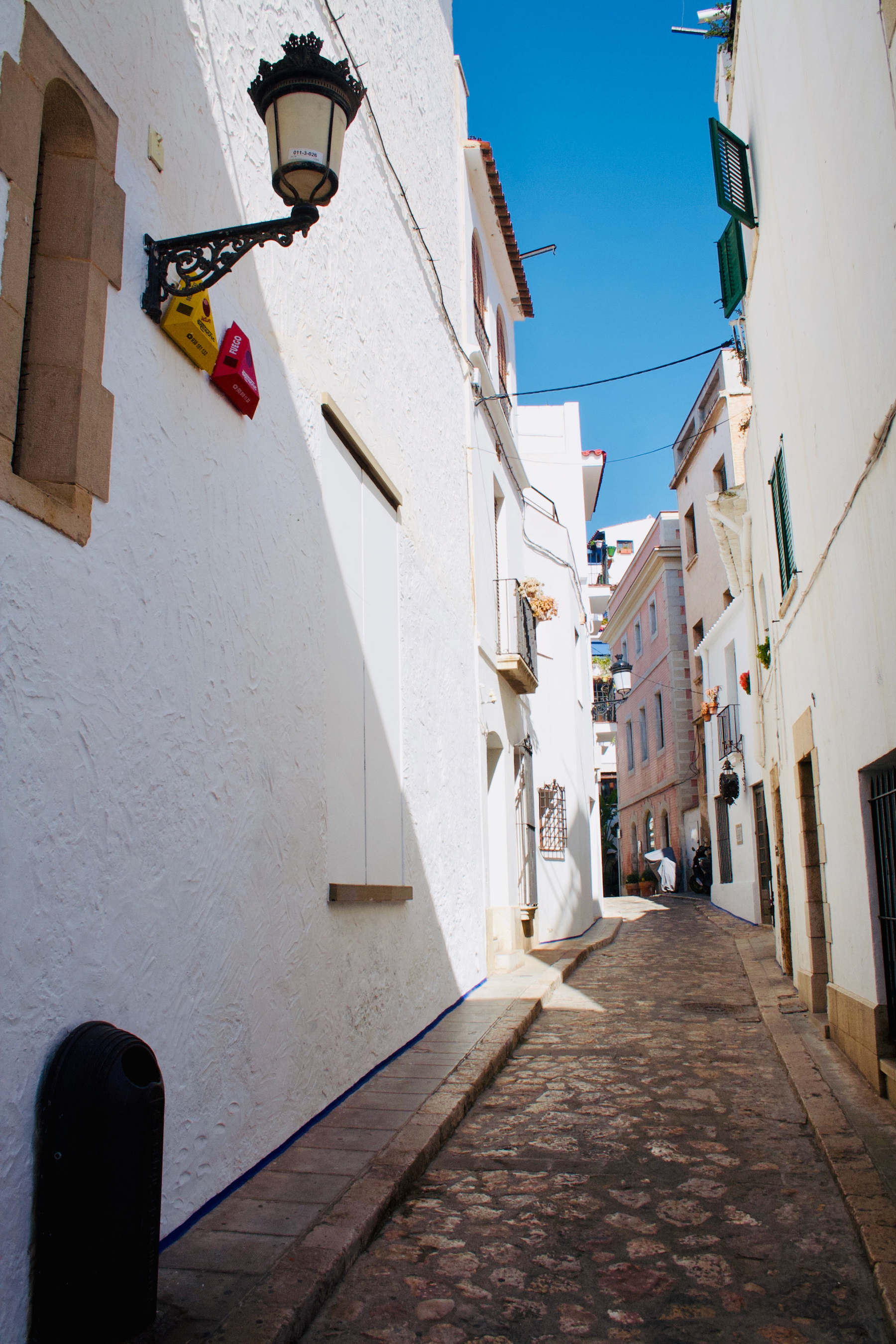
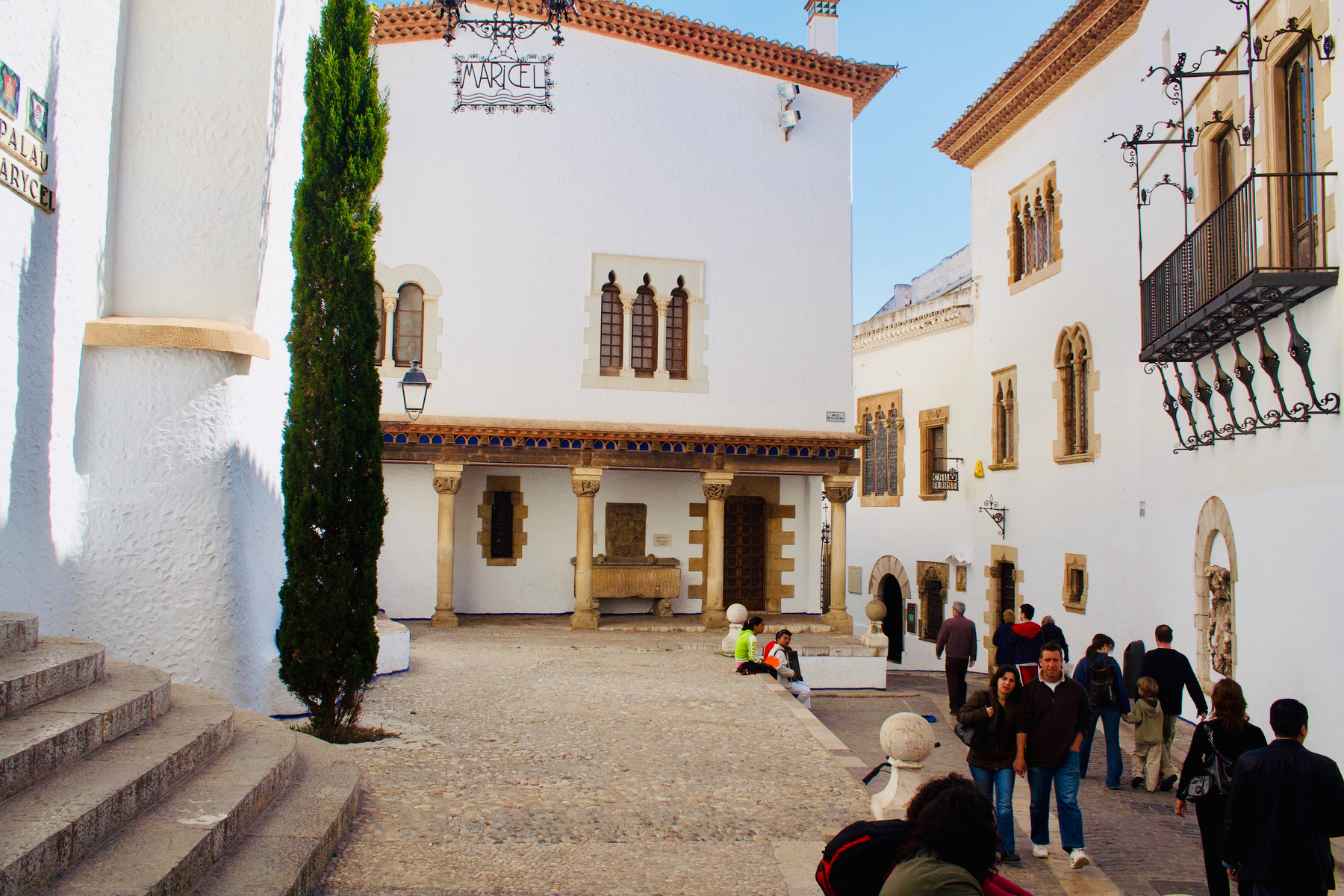
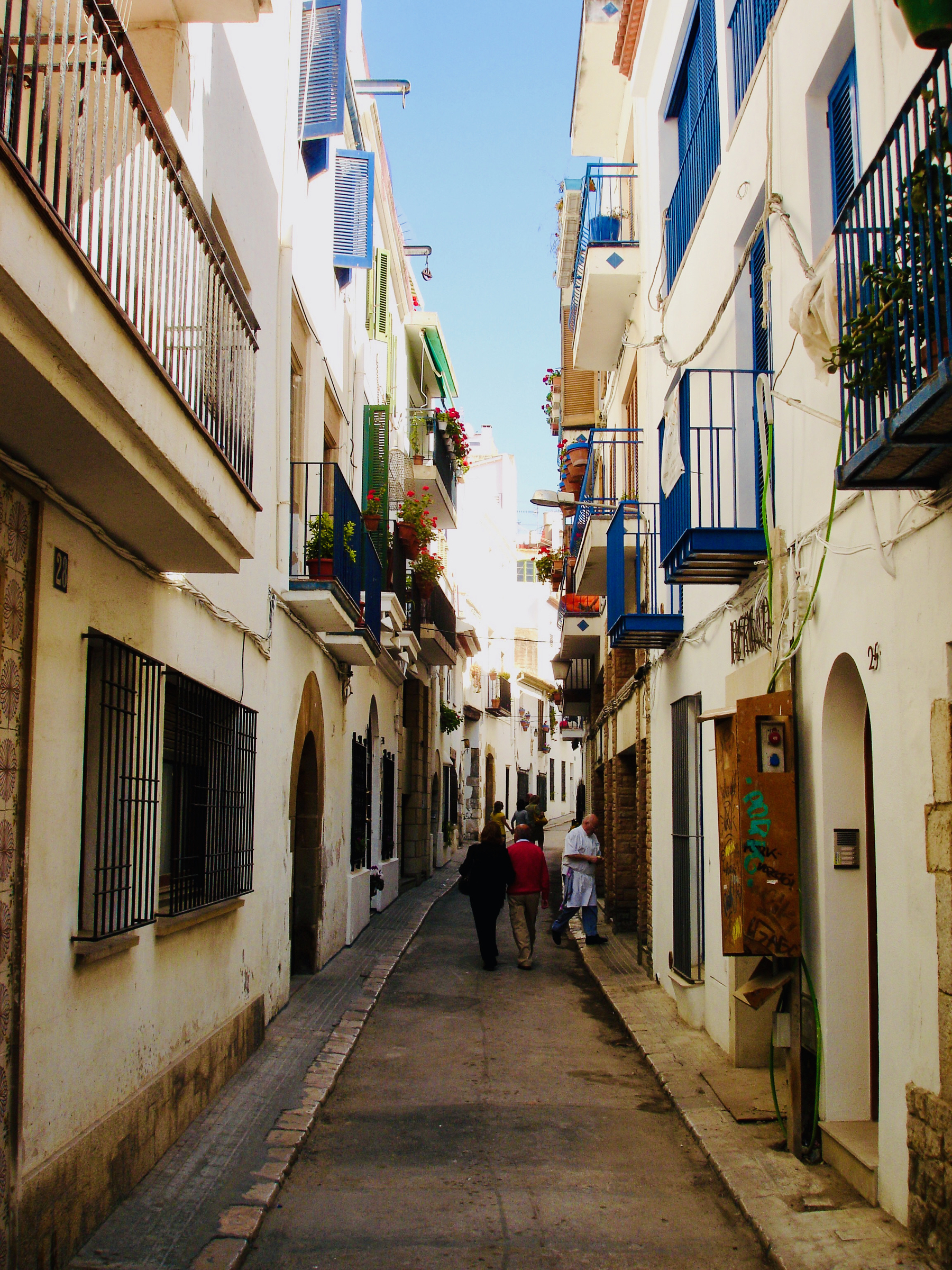
Sitges, Spain Tropical Greenery Fine Art Print Mediterranean White Architecture

Sitges, Spain Tropical Greenery Fine Art Print Mediterranean White Architecture

The visible remnants—the circular depressions and storage pits cut into the rock—represent only the physical outlines of a sophisticated economic system. These venues imply coordinated labour, knowledge of preservation techniques, and an understanding of surplus accumulation as a form of social and economic leverage. Control over stored grain allowed local elites to regulate trade flows, manage the community through lean seasons, and negotiate exchange relationships with external partners.

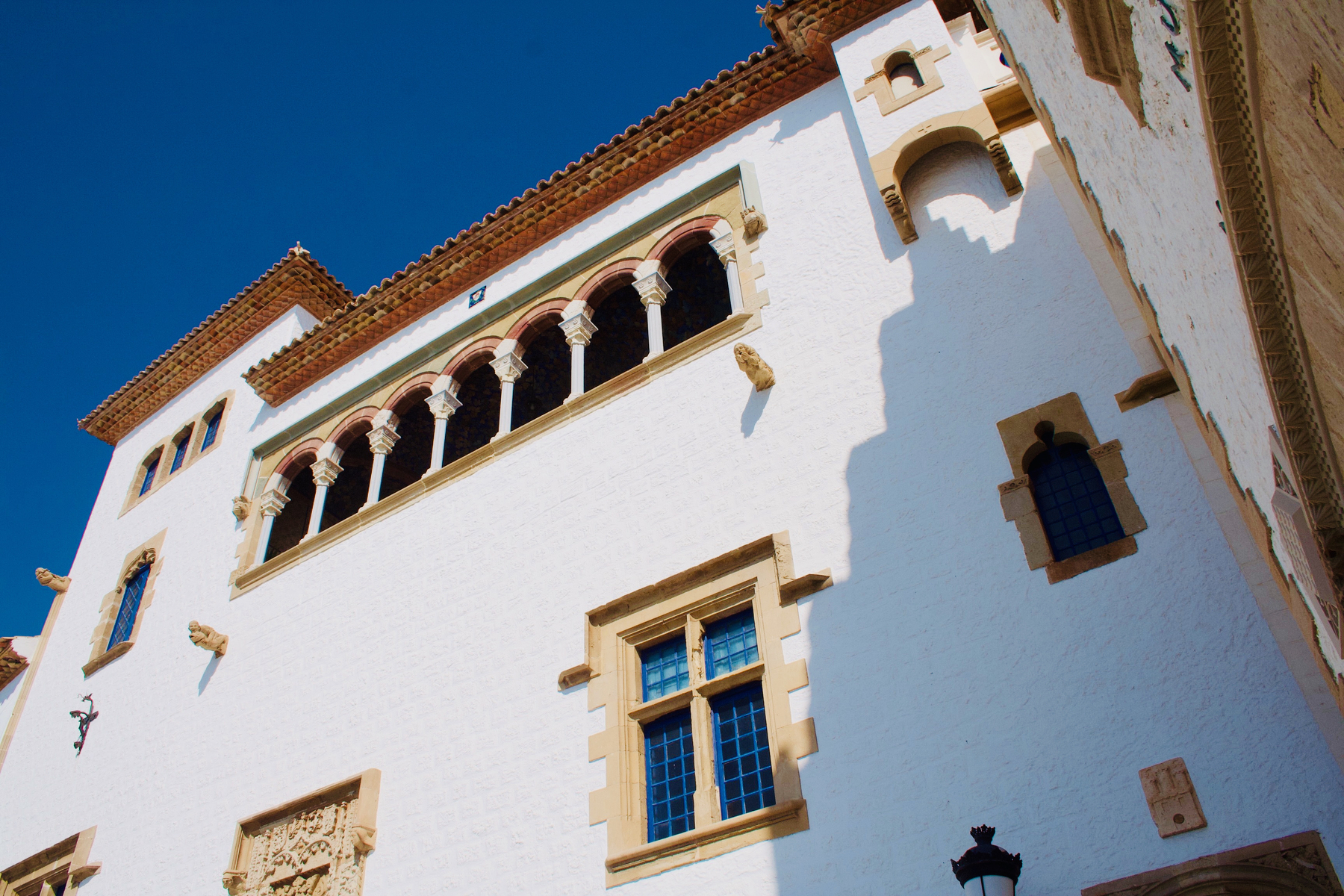
Medieval Masonry Exploring the Historic Walls of Casa Rectoral in Sitges

Medieval Masonry Exploring the Historic Walls of Casa Rectoral in Sitges Print

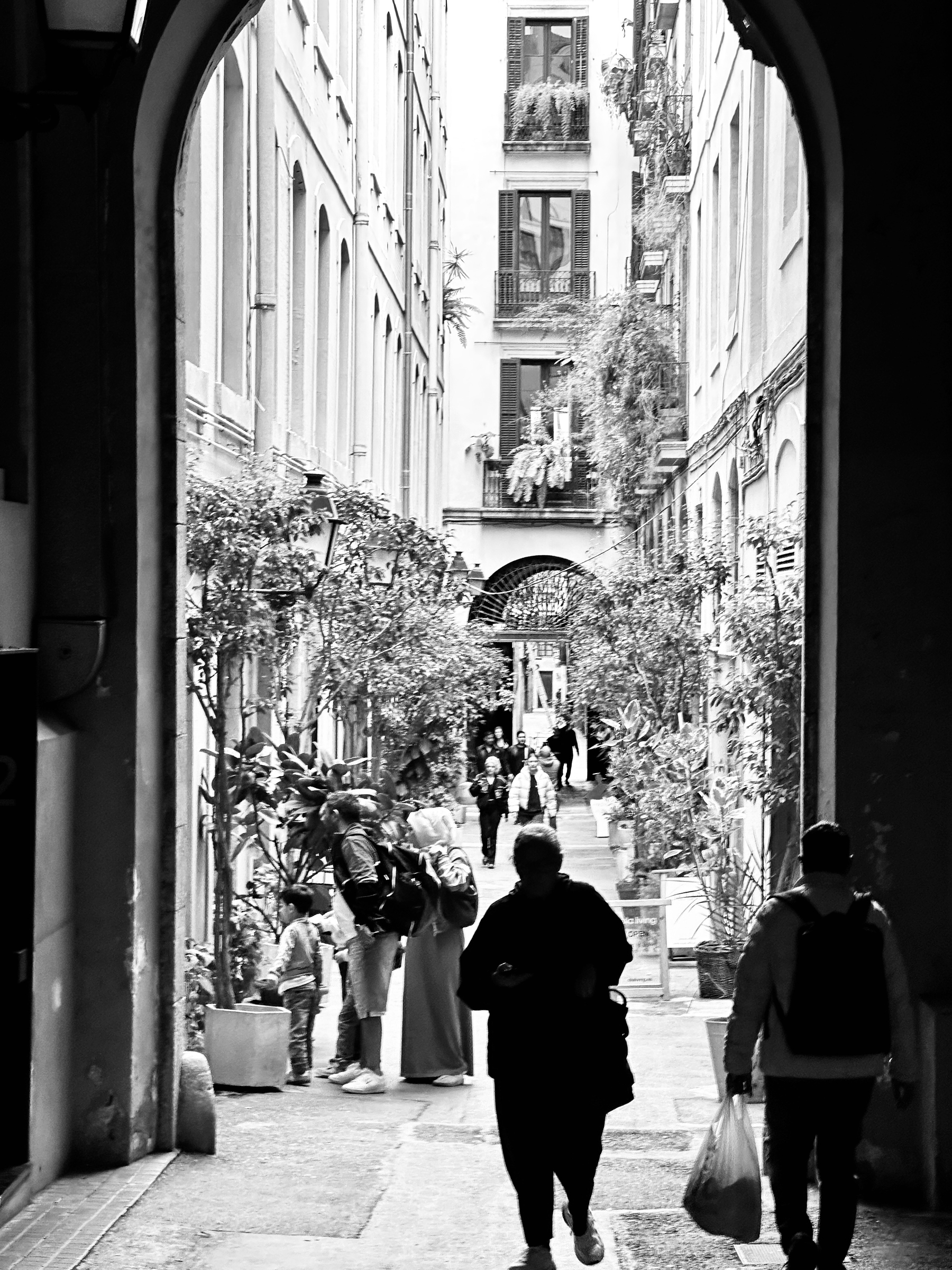
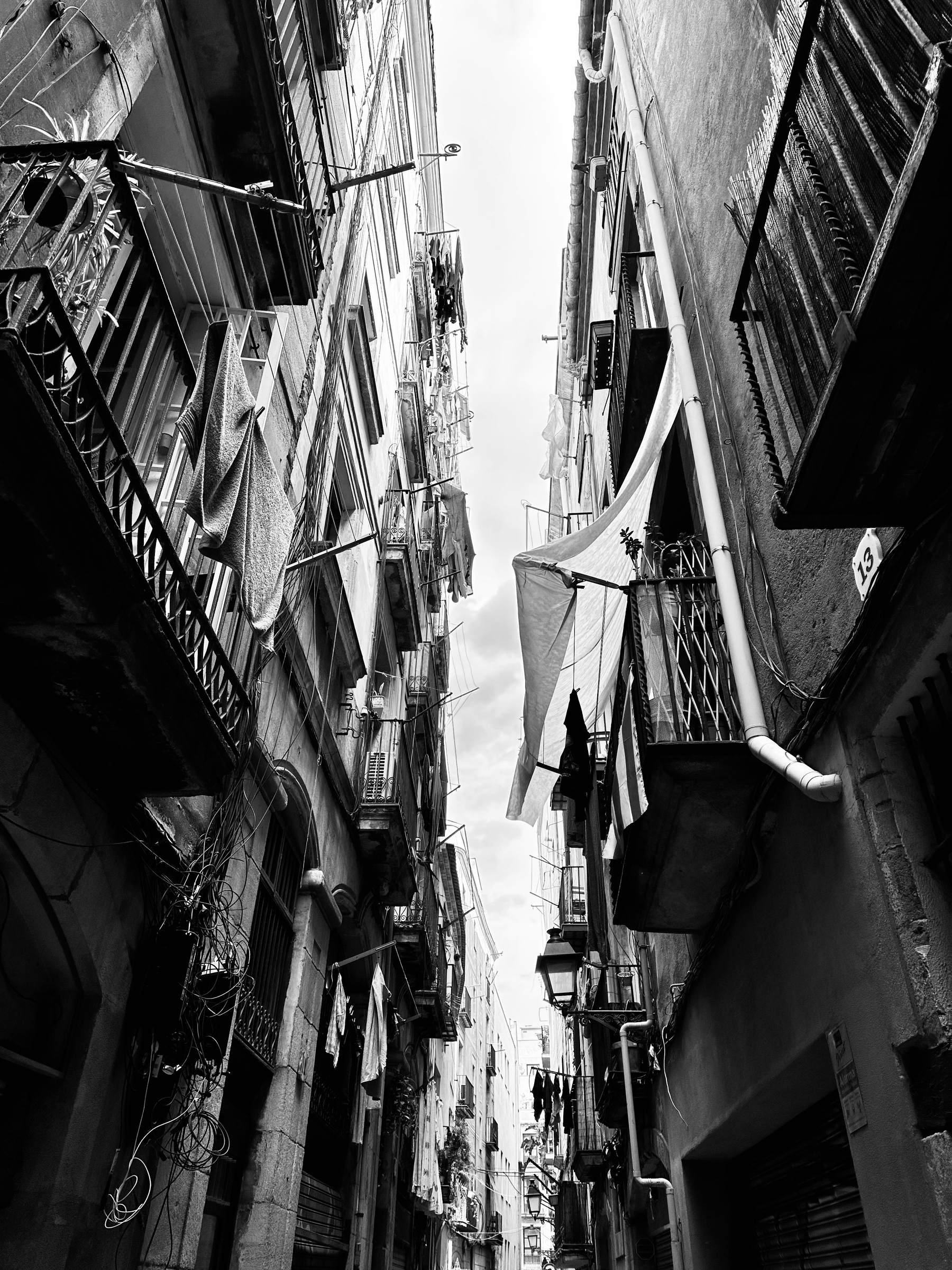
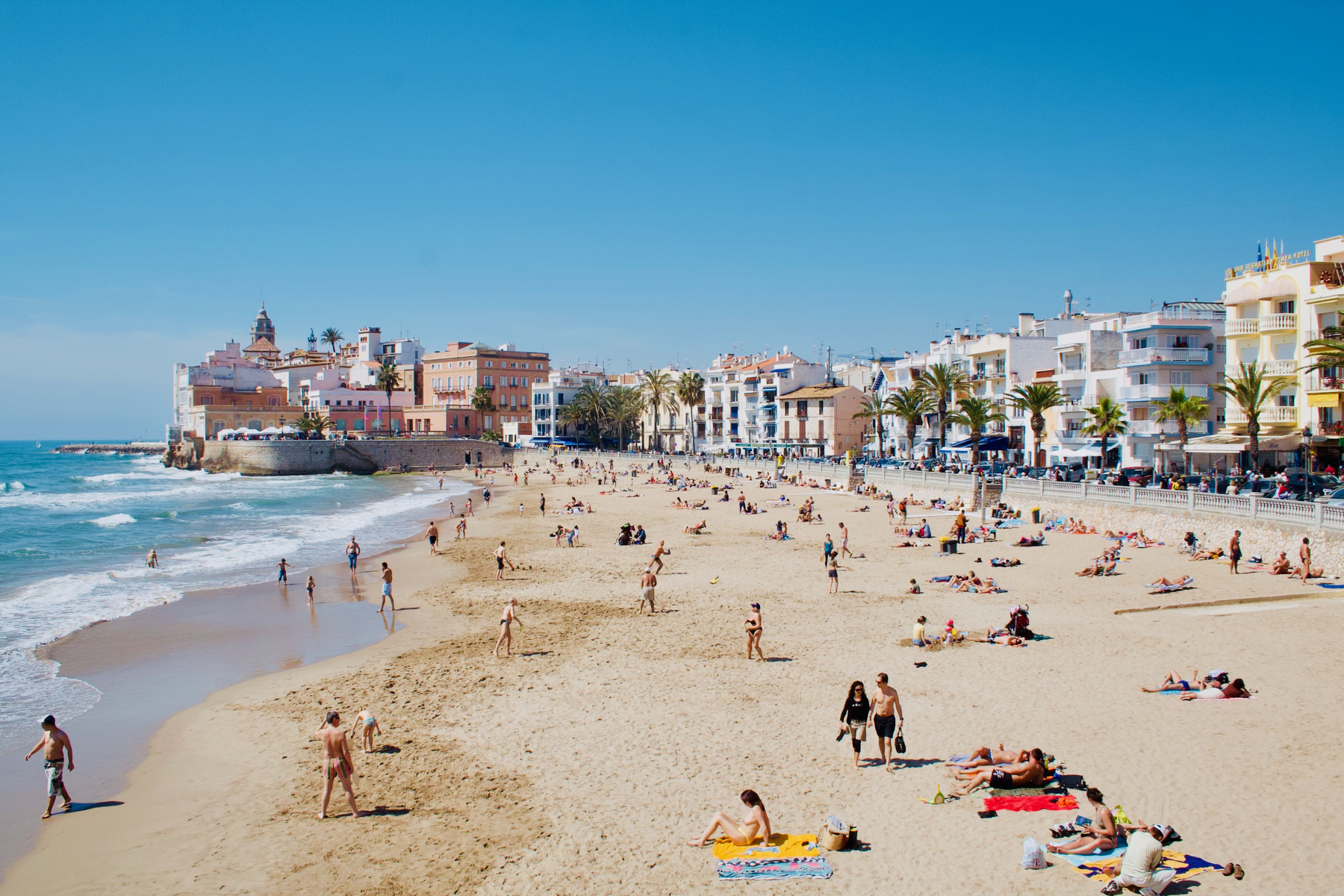
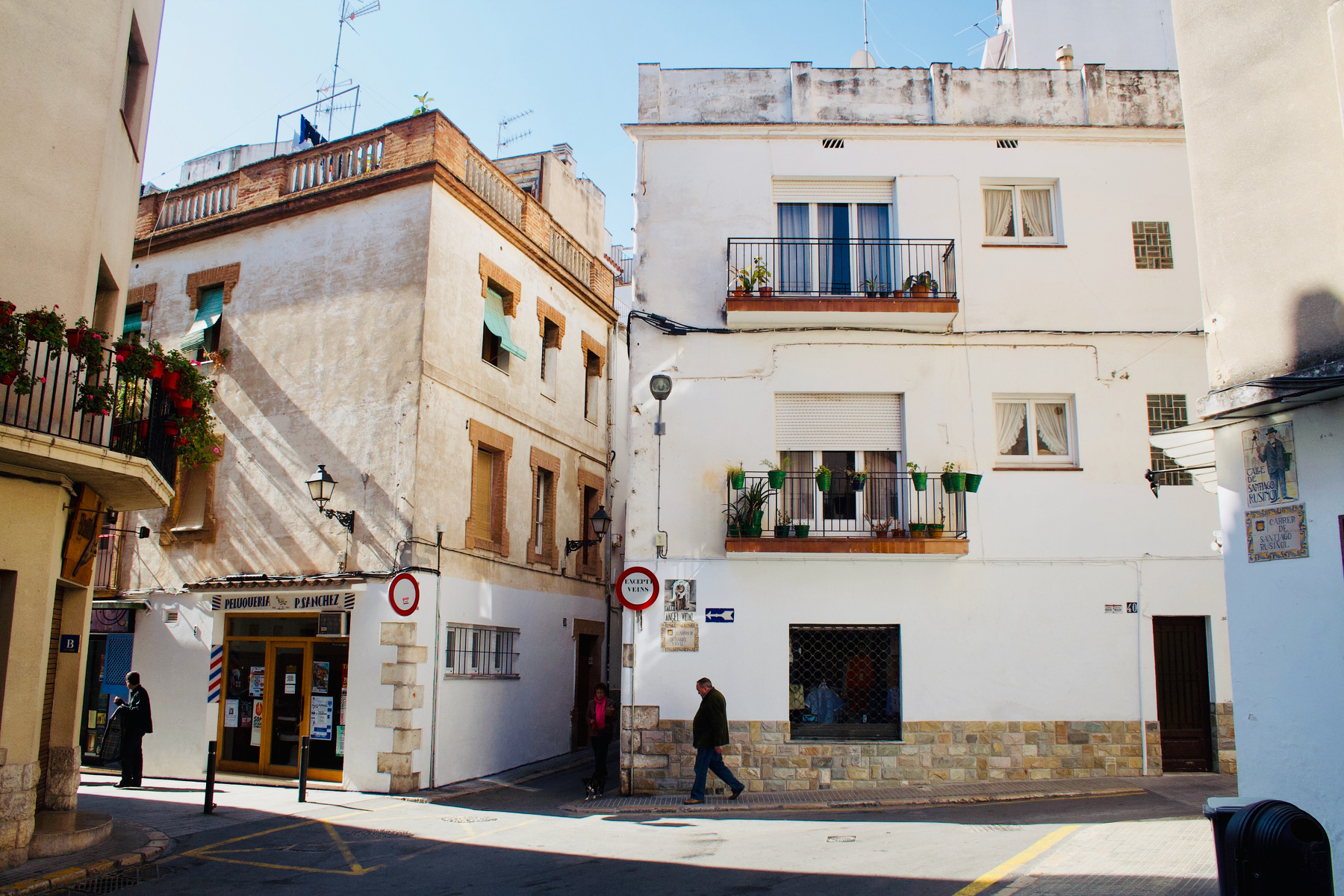
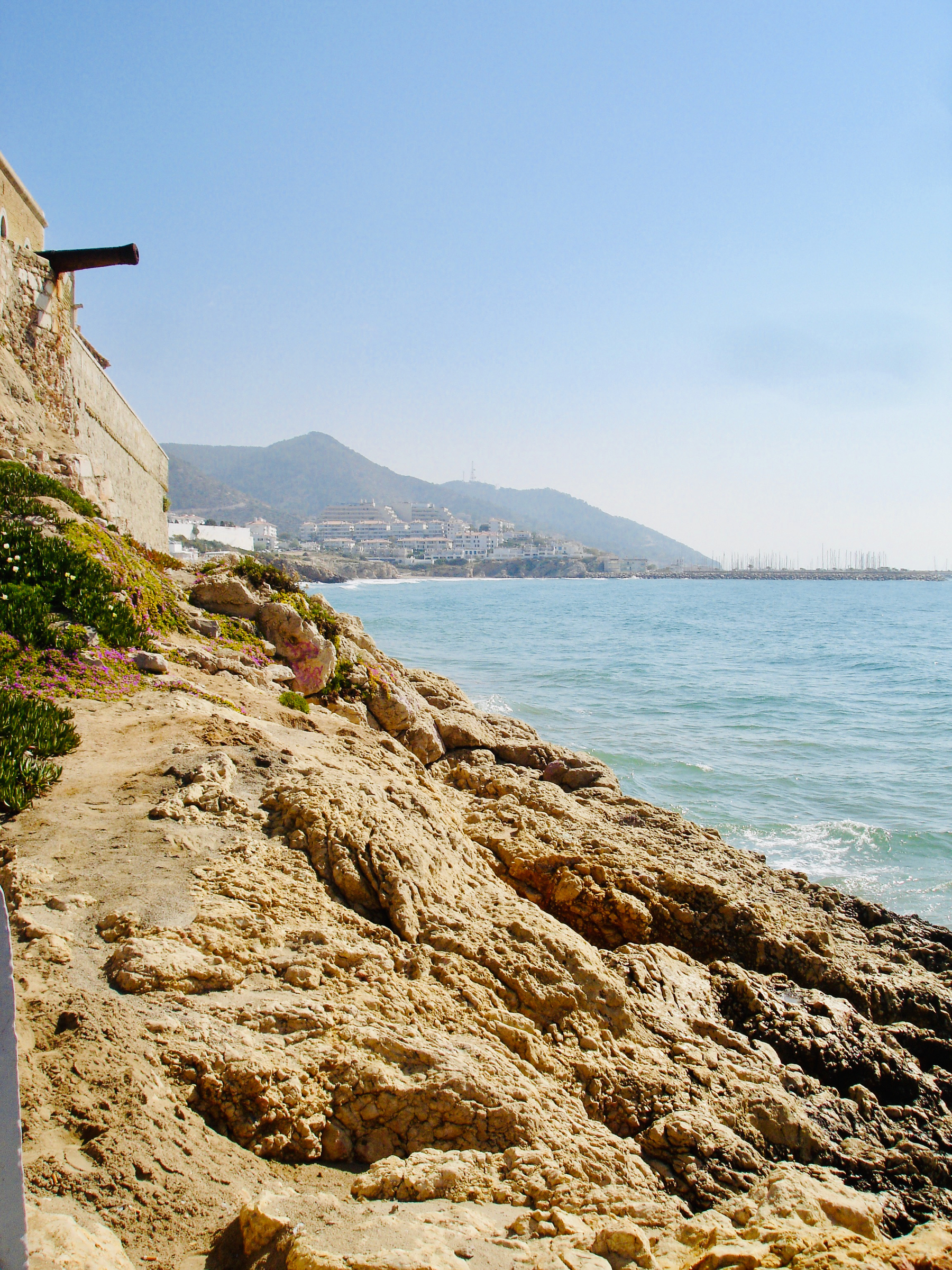
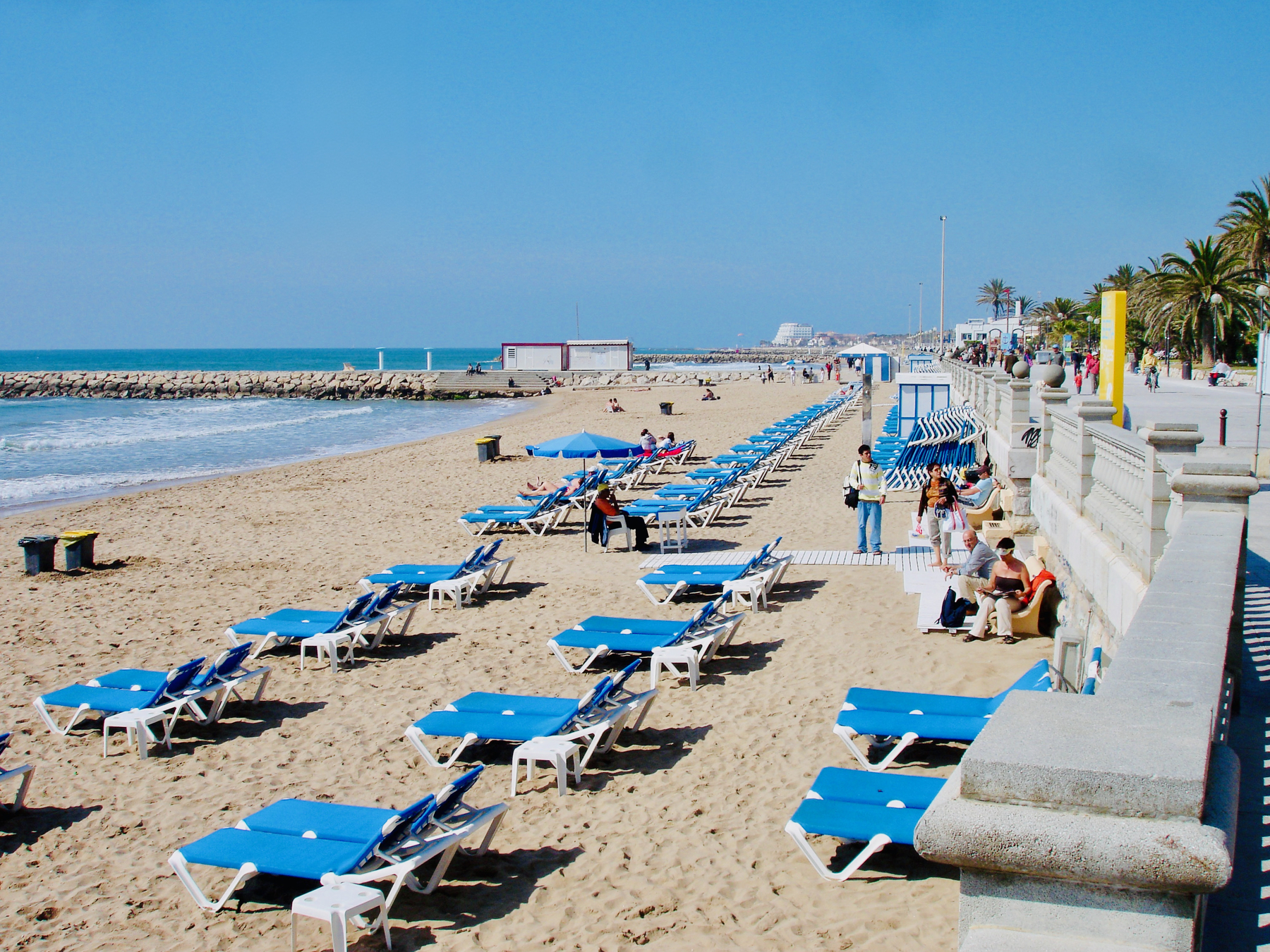
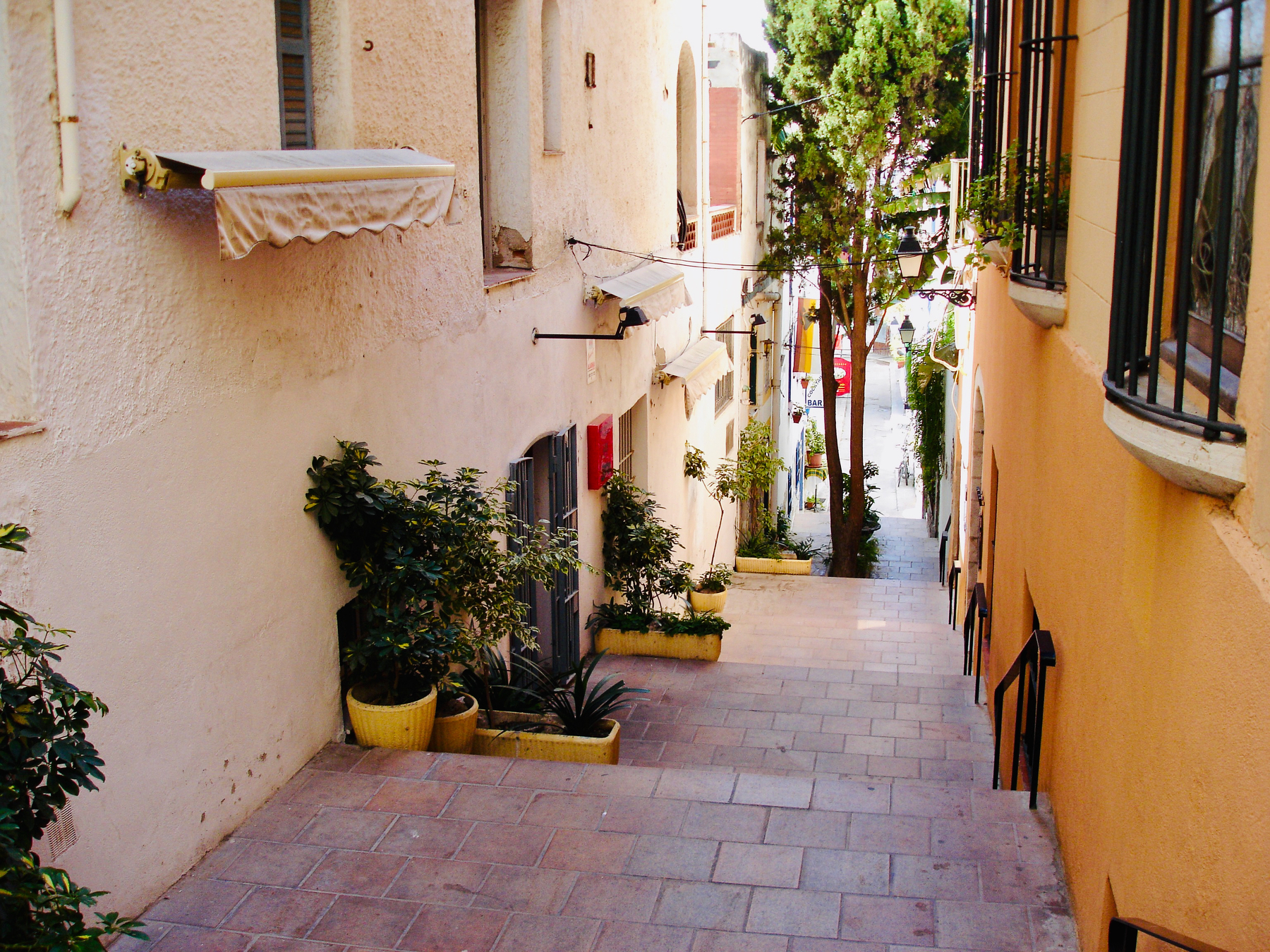
Set within the dense urban fabric of Sitges’ old quarter, the silos stand in silent contrast to later architectural phases shaped by defence, religion, and leisure. Yet the logic of place remains consistent: the geographic advantages that once facilitated Iberian trade continue to define Sitges’ relationship with the Mediterranean today.

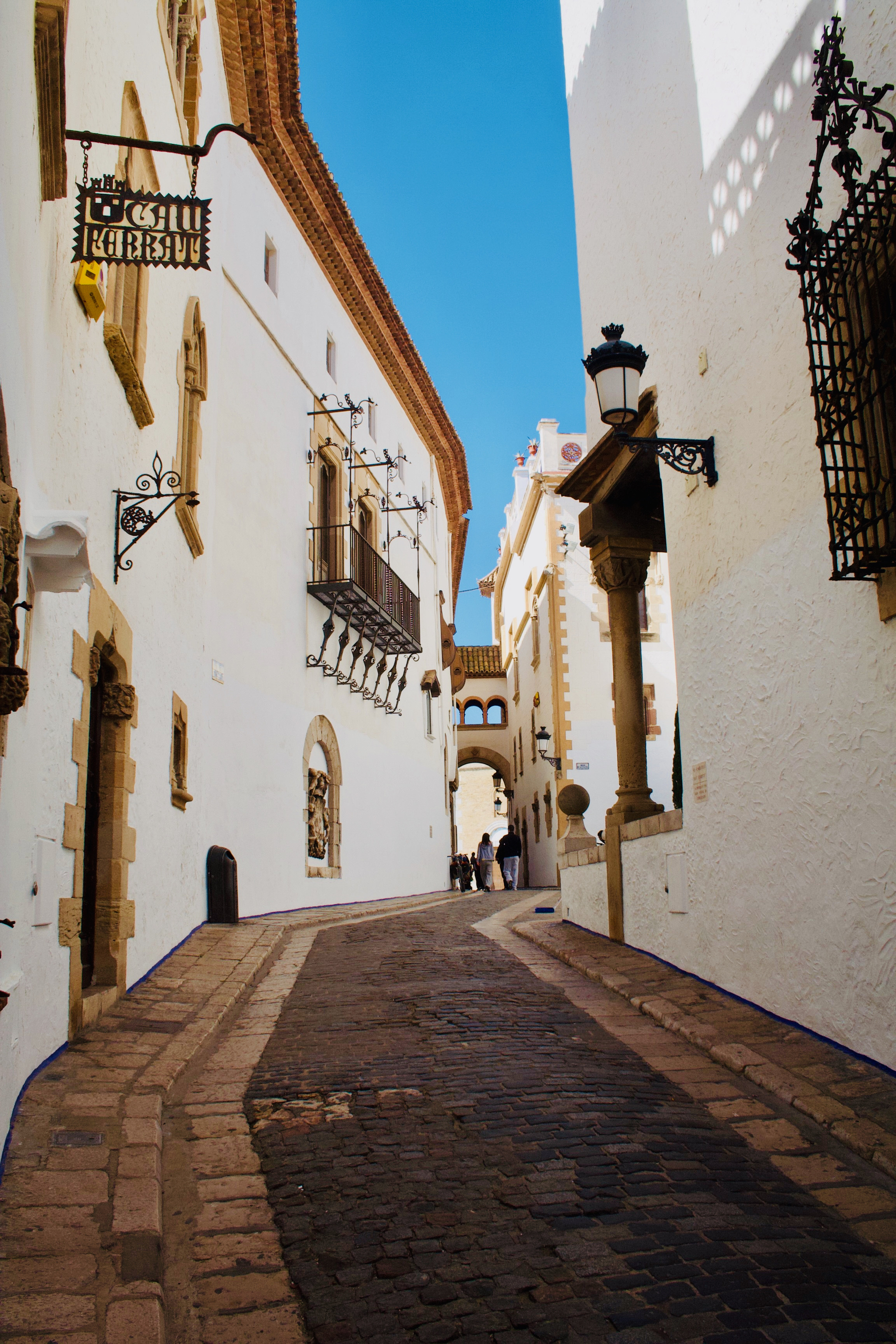
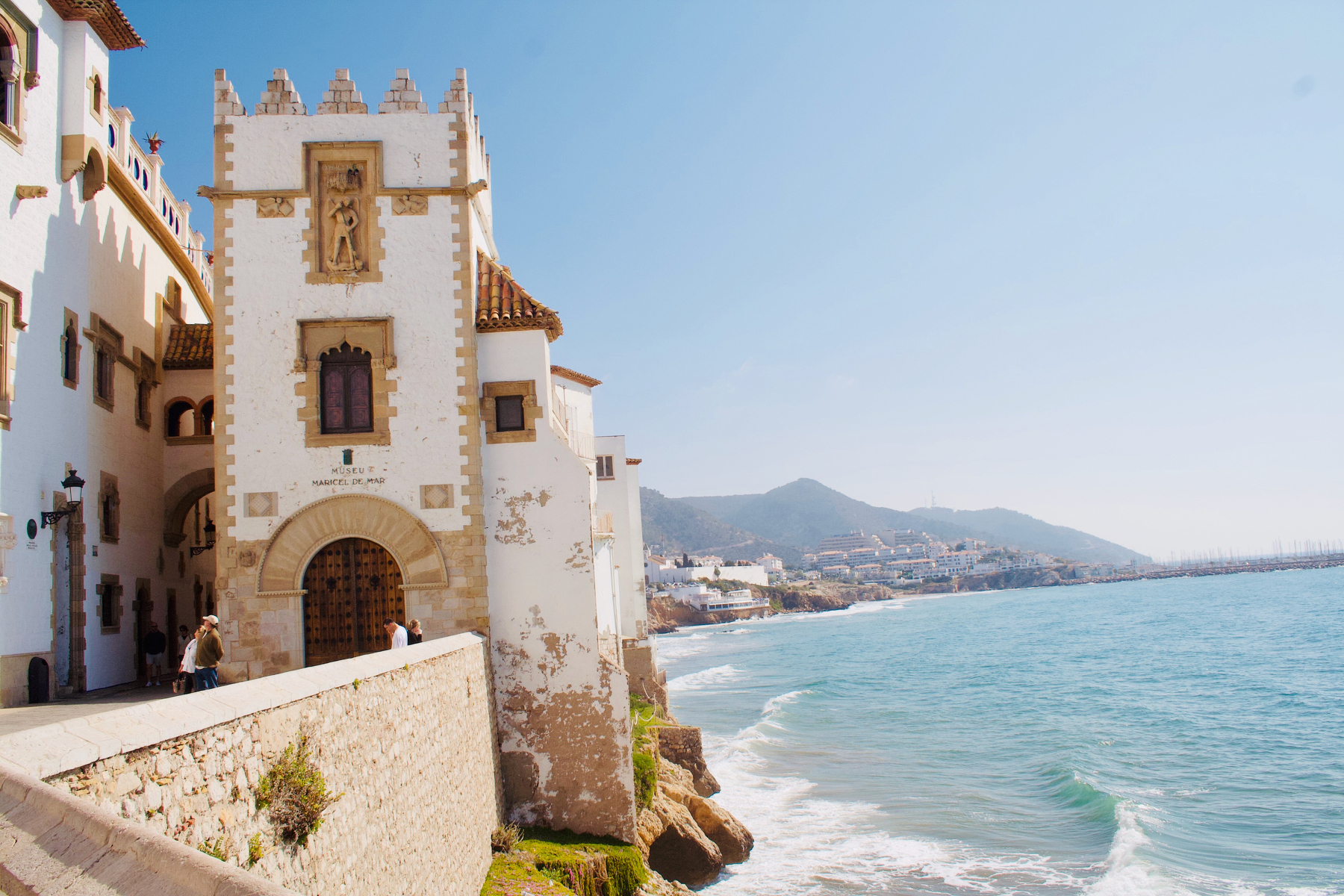
Sitges Town Hall Print Casa de la Vila Spain Historic Architecture

Sitges Town Hall Print Casa de la Vila Spain Historic Architecture Colour Fine Art Photography

Viewed in full colour, the weathered limestone and carefully cut cavities emphasise durability over monumentality. These were functional spaces, optimised for economic resilience rather than symbolic display. Their survival underscores the continuity of human occupation in Sitges and highlights commerce as foundational to the town’s long-term development.

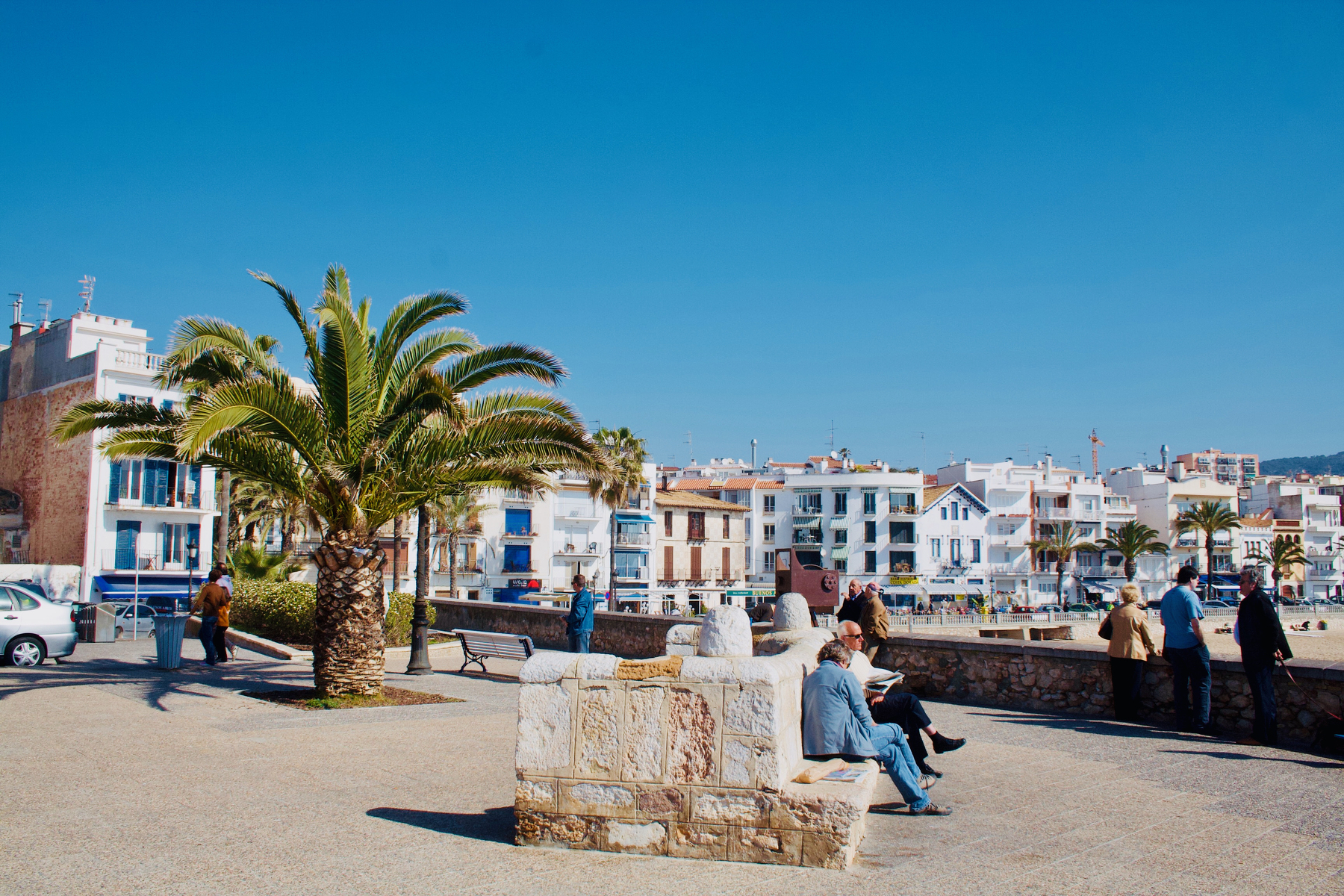
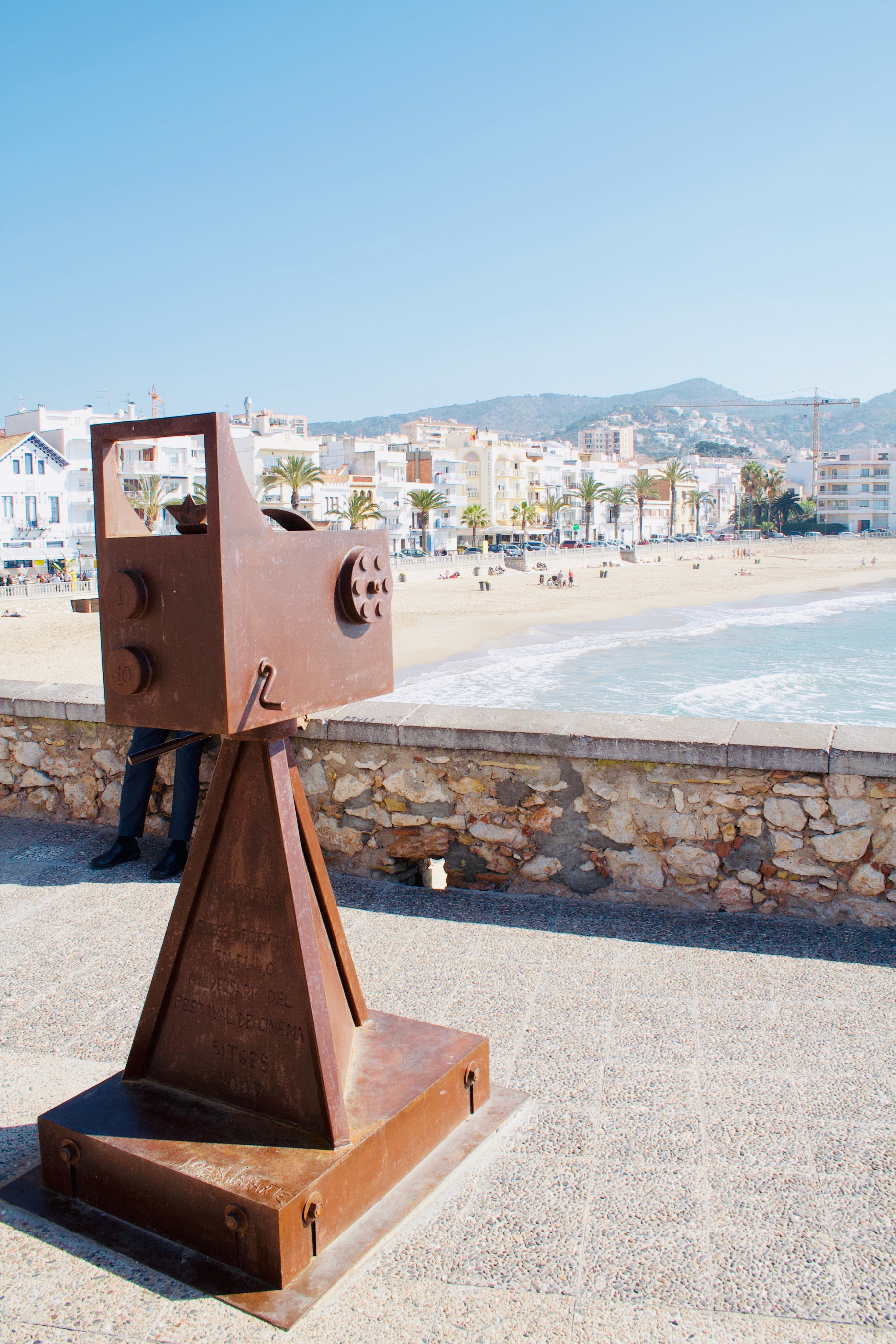
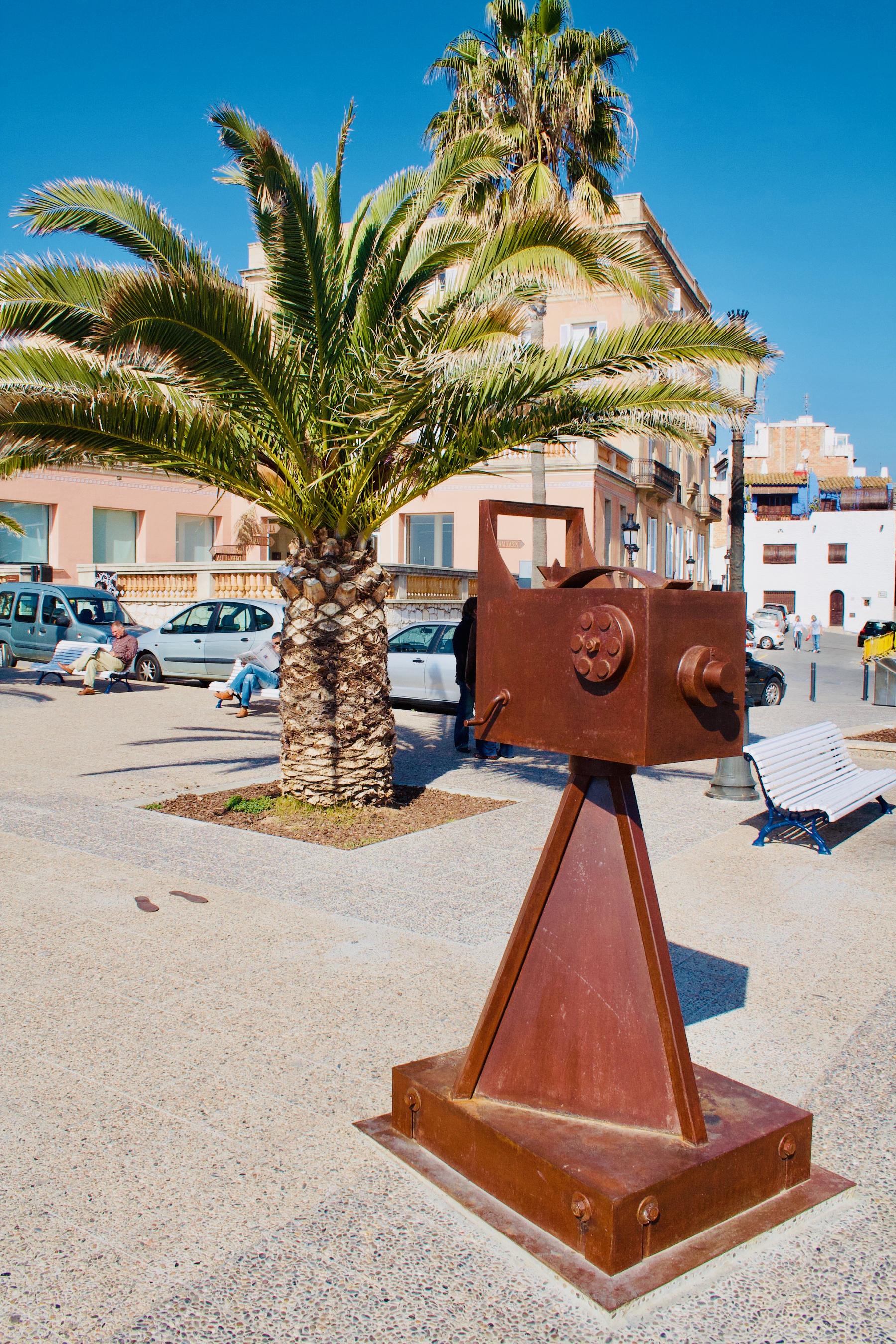
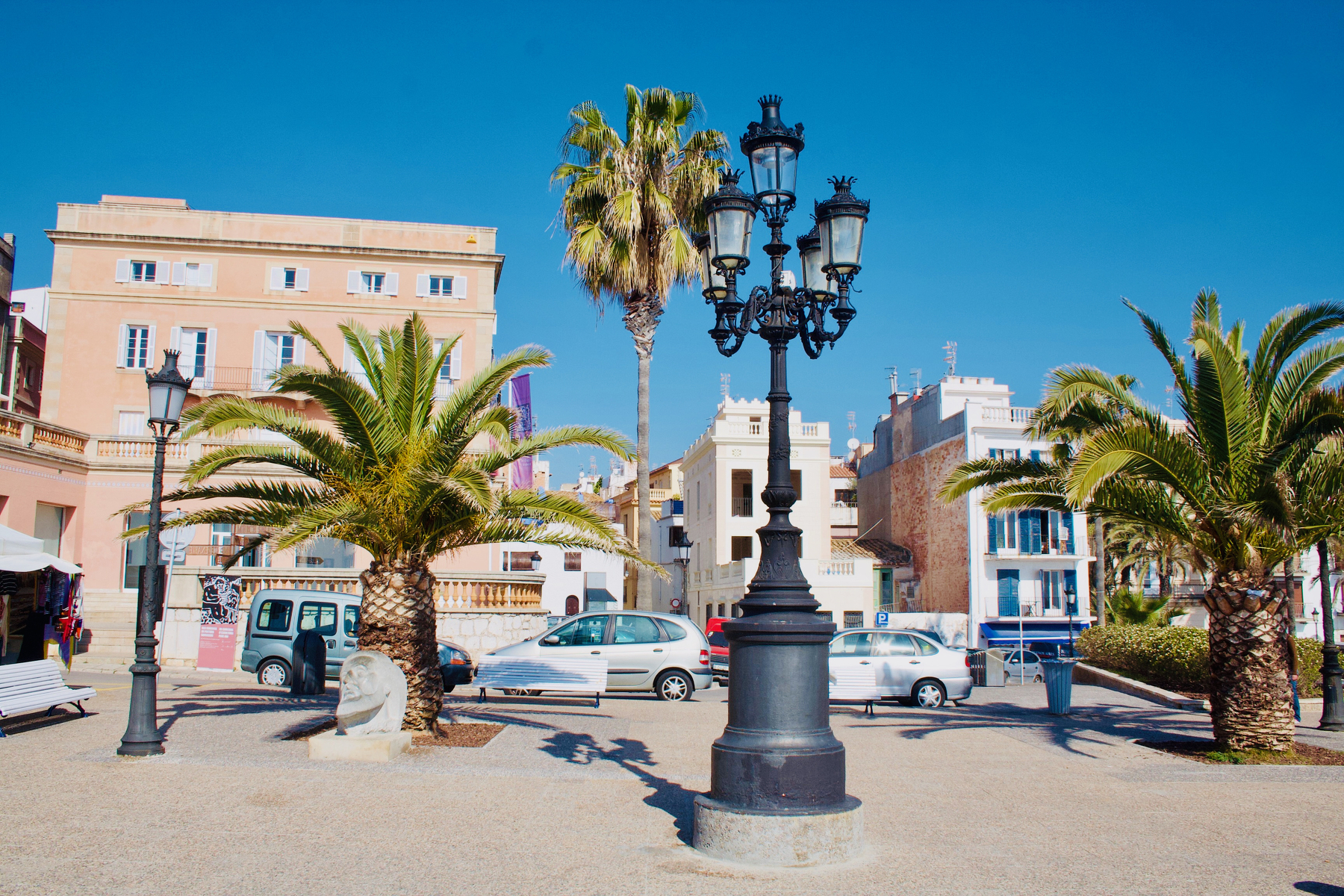
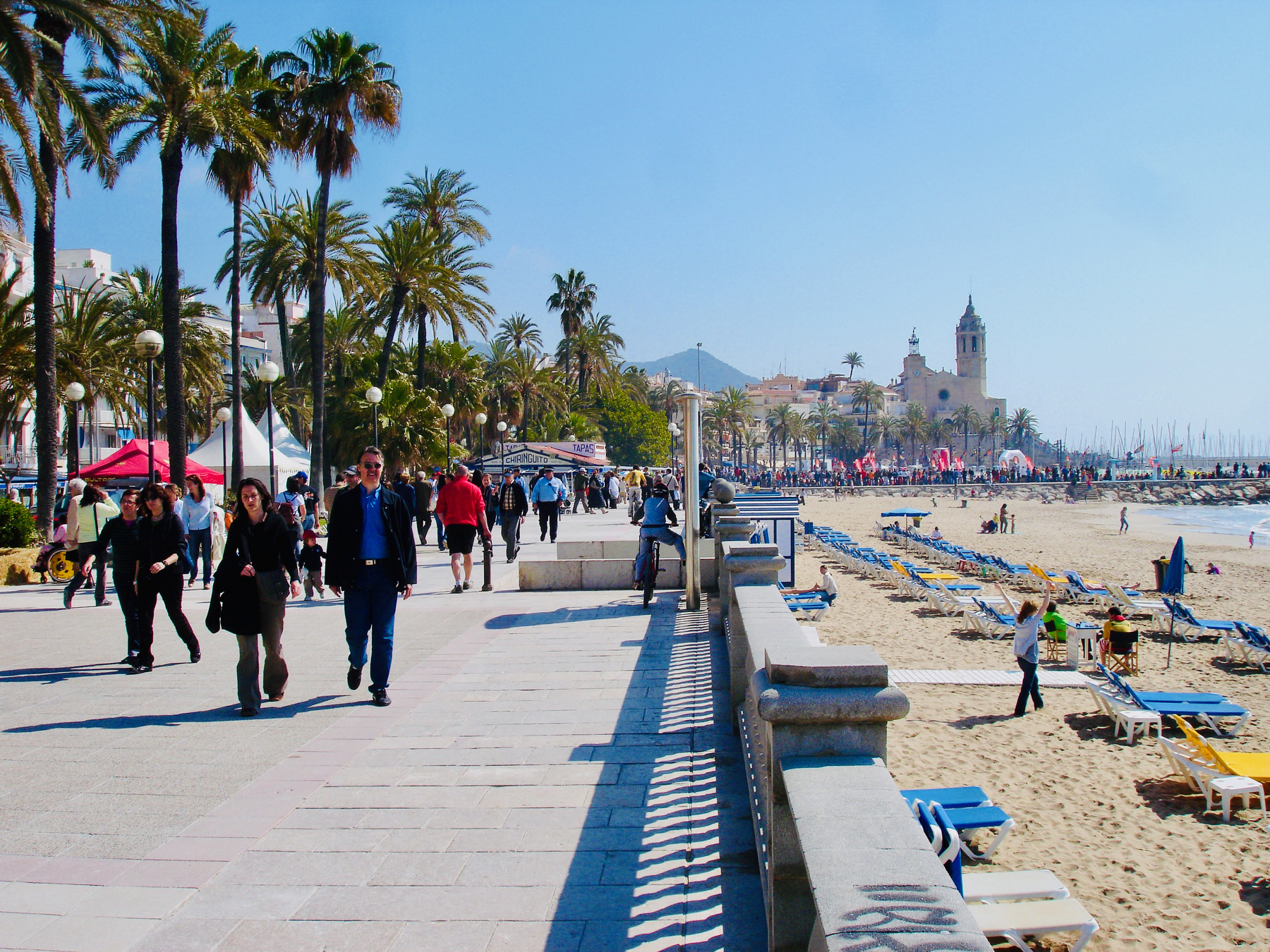
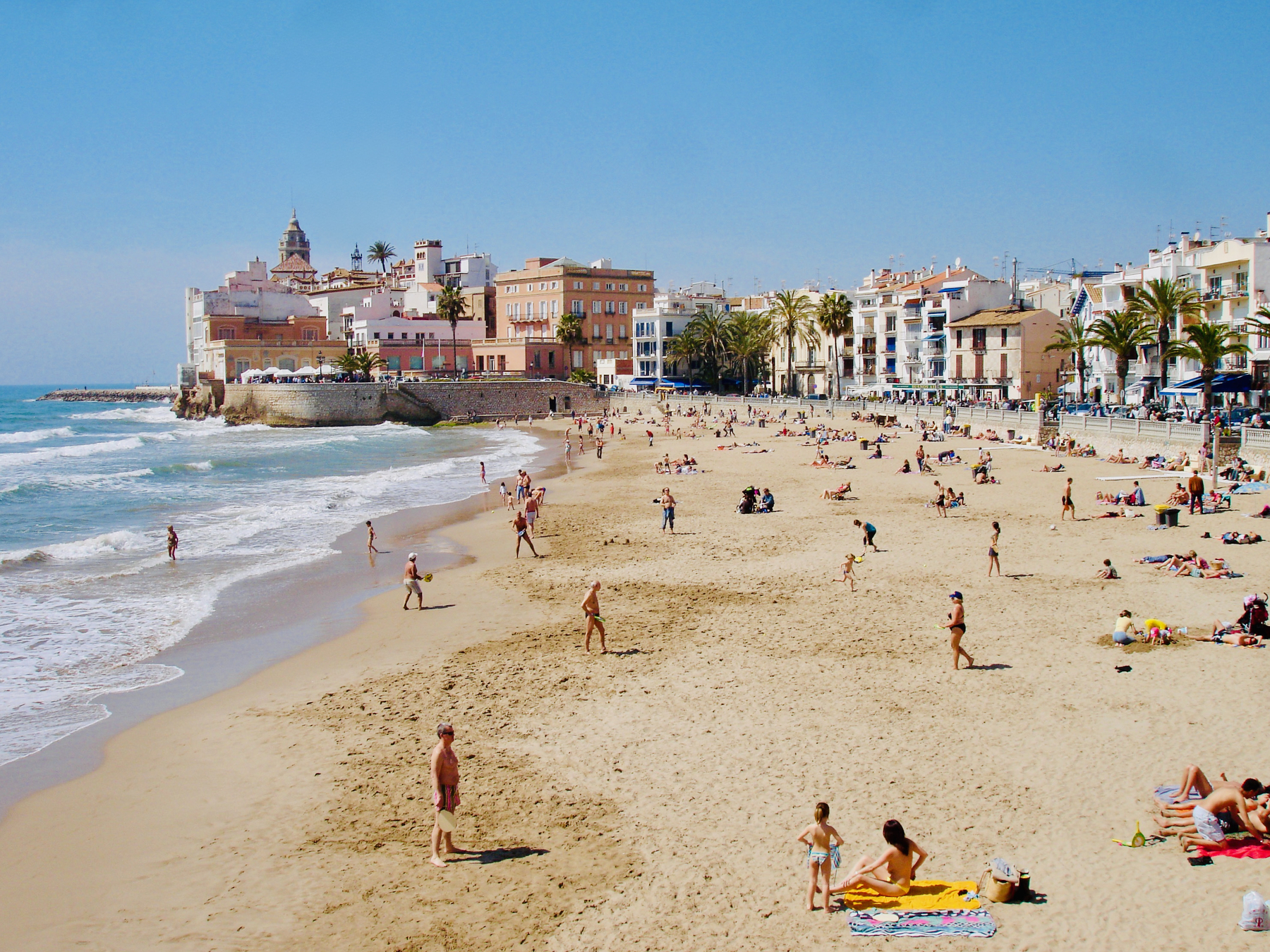
Palm Trees and Historic Architecture of Church of Sant Bartomeu in Background

Palm Trees and Historic Architecture of Church of Sant Bartomeu in Background Print

Ultimately, the sitges beneath Sitges remind us that the town’s origins were economic before they were aesthetic. Long before Sitges became a destination of artistic and cultural renown, it was a site of storage, exchange, and strategic connection—a place where grain linked land to sea, and local production touched the wider Mediterranean world. Until next time! Thanks for reading…

#Sitges #Catalunya #CostaCatalana #HistoriaAntiga #Iberos #Arqueologia #PueblosConEncanto #Mediterraneo #SpainTravel #TravelPhotography


Sóller: Mallorca’s Hidden Gem for the Perfect Island Escape

Now It’s Time to Book Your 2026 Summer Trip!

Sóller: Mallorca’s Hidden Gem

Mallorca has its fair share of postcards: turquoise coves, bustling beaches, and resorts crammed with sunbathers. But if you want the island without the crowds, where history, nature, and the sea collide with effortless charm, there’s really only one answer: Sóller. Nestled in a lush valley in the Serra de Tramuntana, a UNESCO World Heritage site, this little town manages to feel timeless, authentic, and impossibly picturesque all at once.

Sóller: Mallorca’s Hidden Gem

And the journey there? Equally magical. The Tren de Sóller, a century-old wooden railway, winds its way from Palma through endless citrus orchards, olive groves, and rugged mountains, passing through 13 tunnels and over stone bridges that have been standing longer than most modern vacations. The ride takes about an hour, but who’s counting? With vintage carriages, polished wood, and an air of nostalgia, it’s more than a train ride—it’s a slow-motion introduction to the island’s beauty. By the time you arrive, you already feel a little bit in love.

Sóller: Mallorca’s Hidden Gem

The town itself feels like stepping into a postcard. The Plaça Constitució, the beating heart of Sóller, is lined with cafés, restaurants, and terraces, all under the watchful eye of the neo-Baroque Església de Sant Bartomeu. It’s the kind of square that invites you to linger with a coffee, a pastry, or simply a good people-watching session. Wander a few streets, and you’ll discover modernist mansions like Can Prunera, narrow cobbled lanes, and boutiques selling citrus products, olive oil, and handmade crafts. There’s no rush here—Sóller insists you slow down and actually notice the details.

Sóller: Mallorca’s Hidden Gem

Then there’s the seaside magic. Just 4 kilometres away lies Port de Sóller, a crescent-shaped bay embraced by cliffs, with golden sands and calm turquoise waters. The historic tranvía ferries visitors from town to port in about 15–20 minutes, gliding through orange groves and scenic hillsides. It’s a ride that feels like a miniature adventure, with enough charm to make you forget Instagram exists.

Sóller: Mallorca’s Hidden Gem

At the port, the beach is small but blissful. The marina is dotted with fishing boats and yachts, offering a glimpse into local life, while the promenade invites strolls, ice cream stops, and sunset dinners. Seafood dominates the menu here, fresh enough that it practically arrives at your table before you order. Lounge on the sand, swim in the calm waters, or just watch the world go by—it’s a rare spot where even the busiest traveller slows down.

Sóller: Mallorca’s Hidden Gem

A perfect day in Sóller combines all these elements seamlessly. Take the train from Palma in the morning, explore the town’s squares, shops, and cafés, then hop on the tranvía to the port. Spend the afternoon on the beach, have lunch at a seaside restaurant, and soak up the harbour’s calm charm. Return to town for a coffee or pastry, and finish your day by catching the train back to Palma, feeling like you’ve somehow lived a week’s worth of travel in just one day.

Sóller: Mallorca’s Hidden Gem

What makes Sóller truly special is this balance of experiences. It’s a town where you can admire historic architecture, wander cobbled streets, taste aromatic citrus and local delicacies, and still end your day with sand between your toes and waves lapping at your feet. The combination of the vintage train, charming town, scenic tram, and peaceful port feels curated, effortless, and somehow completely real.

Sóller: Mallorca’s Hidden Gem

So, if you’re visiting Mallorca and want to skip the clichés, make Sóller a non-negotiable stop. It’s not just a town; it’s a destination that lingers in memory, a place where the slow rhythm of the train, the scent of oranges, and the calm of the sea remind you exactly why you came to the island in the first place.

Sóller: Mallorca’s Hidden Gem

In short: if Mallorca is an island of wonders, Sóller is the gem that ties them all together—and one that’s perfect for a day, a weekend, or a longer stay, if you’re smart enough not to rush. But book it well in advance! Thanks for reading! Until next time…

#Soller #Mallorca #SerraDeTramuntana #TrenDeSoller #IslasBaleares #MallorcaHiddenGem #MediterraneanTravel #SpainTravel #TravelPhotography


Christmas in New York City: Ice Skating at Rockefeller and a Night with the Rockettes

Winter magic, festive excess, and believing the New York Christmas myth in 2018

Christmas in New York City

Christmas in New York is not a season; it’s a performance. In December 2018, I walked straight into it, jet-lagged, wide-eyed, and entirely unprepared for how convincingly the city sells its own myth.

Festive lights and holiday atmosphere in New York
New York City winter decorations

New York in winter has a particular confidence. It doesn’t politely decorate for Christmas—it commits. Lights spill out of shop windows like Broadway understudies desperate for their own spotlight. Every street feels staged, every corner framed as if someone somewhere is about to shout, “Action.” Even the cold seems intentional, sharpened just enough to justify scarves, gloved hands wrapped around paper coffee cups, and that cinematic cloud of breath that makes everyone look thoughtful.

Winter scenes in New York
Holiday spirit in Manhattan

Rockefeller Centre was, unsurprisingly, the epicentre of it all. The tree dominated the plaza like a celebrity who doesn’t need to acknowledge the crowd to be adored. Beneath it, the ice skating rink pulsed with movement—people gliding, wobbling, clinging to the edge with quiet dignity. Skating there felt less like a sport and more like stepping into a collective memory you didn’t know you had borrowed. The ice reflected the lights above, and for a moment, the city seemed to exist upside down as well as right-side up.

Rockefeller Center Christmas Tree and ice rink
Ice skating at Rockefeller Center

I was not a graceful skater. But that hardly mattered. Falling would have felt appropriate—New York has never required elegance, only participation. Around me, tourists filmed each other with the seriousness of documentary filmmakers. At the same time, locals passed through with practised indifference, as if skating under a Christmas tree between skyscrapers were merely another Tuesday inconvenience.

New York City winter street life
Holiday displays in Manhattan

The decorations were relentless in the best possible way. Fifth Avenue shop windows were miniature theatres: mechanical elves working overtime, snowy villages looping the same eternal story, luxury brands transforming nostalgia into something improbably expensive. I lingered longer than necessary, watching reflections of passing taxis merge with fake snow and blinking lights. It felt like the city was daring you to be cynical—and winning.

Fifth Avenue holiday window displays
New York winter festive lights

One evening led me to Radio City Music Hall, where the Rockettes performed with military precision disguised as joy. The show was unapologetically festive: high kicks slicing the air, perfect smiles that somehow didn’t feel forced, and choreography so exact it bordered on surreal. Watching them was like watching time itself behave—everything landing exactly where it should. It was excessive, polished, and utterly sincere. In other words, completely New York.

Radio City Music Hall details
New York City winter architecture

Outside, the city resumed its usual level of activity. Sirens threaded through Christmas music. Street vendors sold roasted nuts under glowing carts. Somewhere, someone was late for something important. Yet even in the rush, December softened the edges. Strangers held doors a second longer. The city, famously indifferent, allowed itself brief moments of warmth.

New York streets during Christmas
Winter evening in Manhattan

Looking back now, Christmas 2018 in New York feels less like a trip and more like a shared illusion I willingly stepped into. I didn’t just see the decorations or the shows—I participated in the agreement that, for a few weeks each year, New York becomes exactly what everyone hopes it will be. Loud, beautiful, exhausting, and somehow still magical.

Holiday atmosphere in New York City
New York Christmas memories

And maybe that’s the real tradition: arriving knowing it’s all a bit ridiculous, and leaving grateful that you believed in it anyway.

#NewYorkCity #NYCChristmas #RockefellerCenter #RadioCityMusicHall #FifthAvenue #ManhattanWinter #HolidaySeason #TravelEssay #NewYorkTravel #TravelPhotography